Crises Rewrite Routines.
Behaviors introduced during epidemics, wars, disasters, terrorist attacks, and economic emergencies often outlast the danger that made them necessary. From washing hands at work to removing shoes at airports, these temporary responses gradually became habits that millions of people now treat as normal.
Doctors Finally Started Washing Their Hands
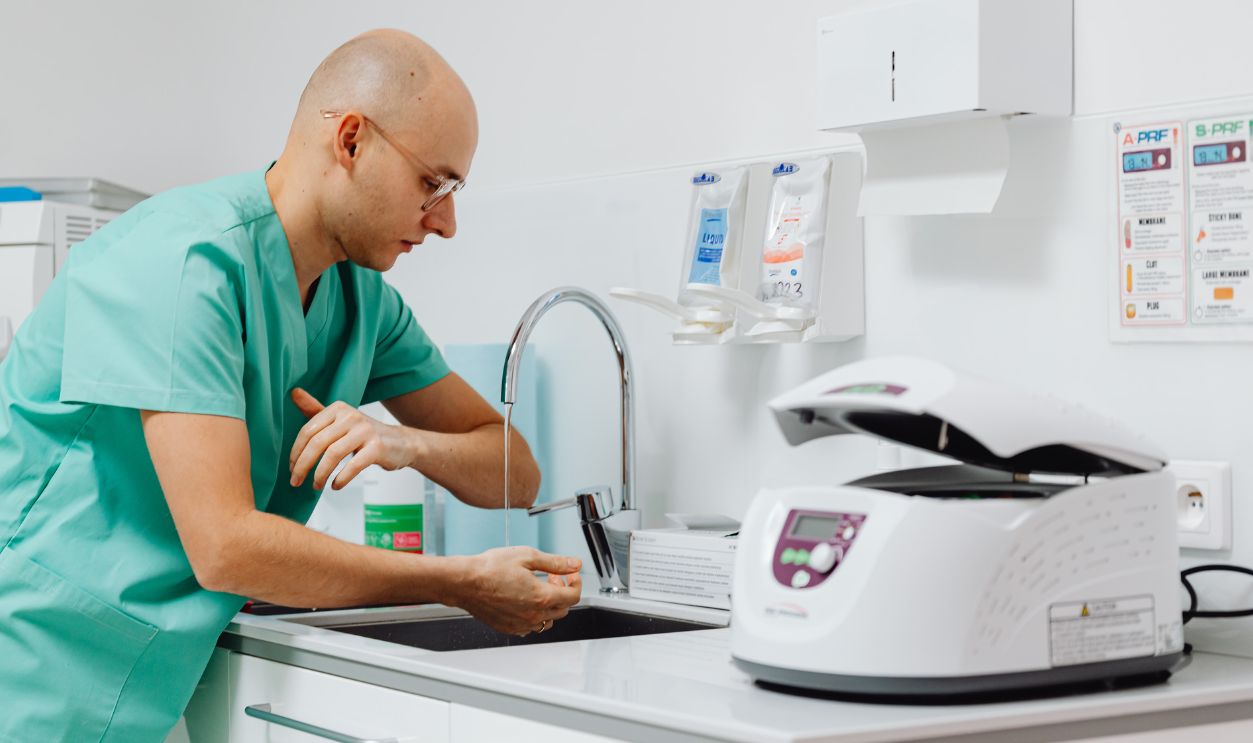
In the 1840s, childbirth fever killed alarming numbers of women in European maternity hospitals. Ignaz Semmelweis ordered medical students at Vienna General Hospital to wash with chlorinated lime after noticing that they carried contamination from autopsies to patients. Maternal mortality in his division fell dramatically, although many physicians initially rejected his conclusions. Hand hygiene later became a fundamental medical routine rather than an emergency experiment.
 https://kaboompics.com/, Pexels
Public Spitting Became Socially Unacceptable
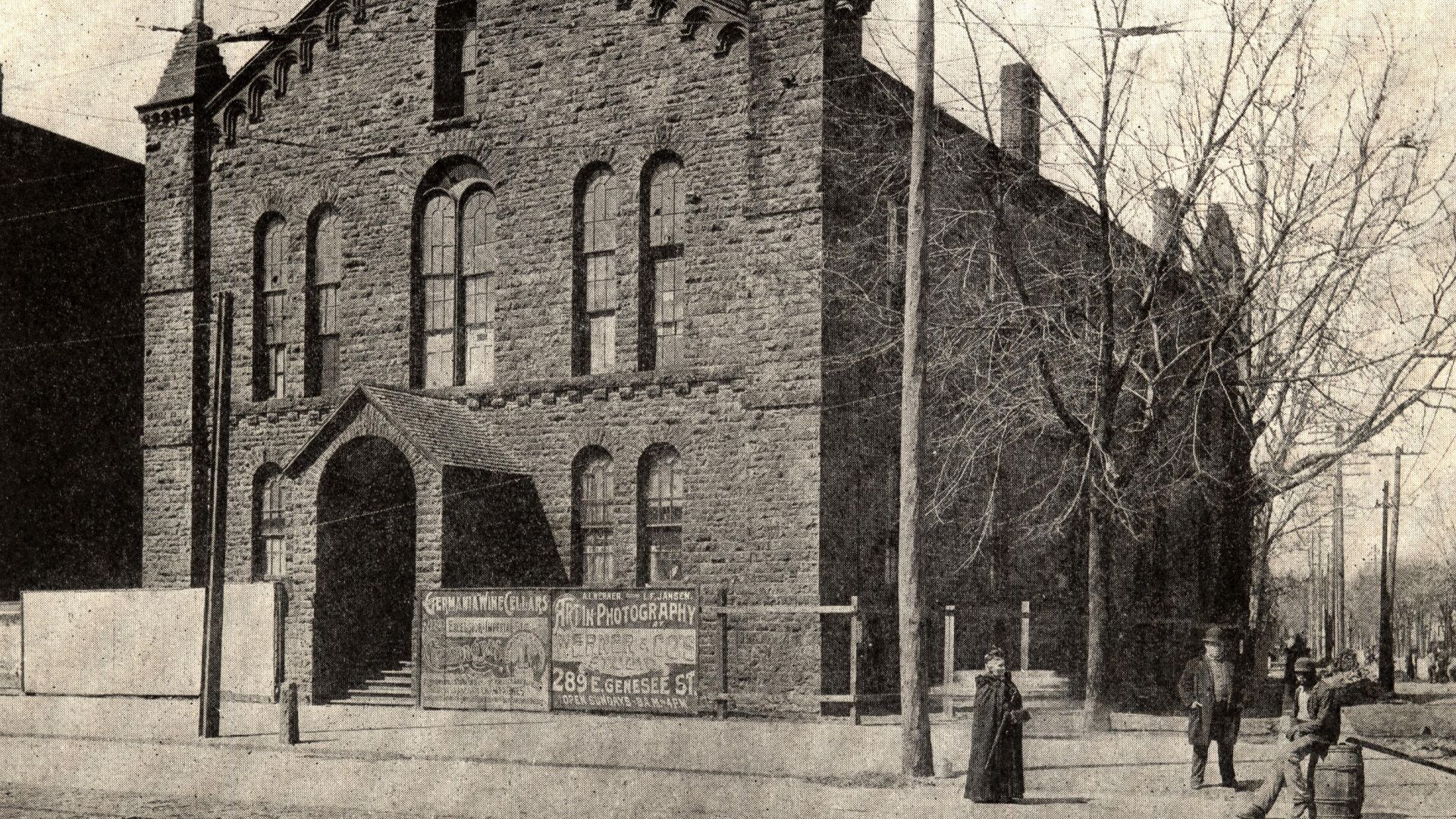
Spitting was once common on sidewalks, transit platforms, and indoor floors. As tuberculosis devastated cities during the late 19th century, public health campaigners linked sputum with disease and persuaded New York City to prohibit public spitting in 1896. Similar campaigns spread across the United States and helped transform the practice from ordinary behavior into a mark of poor manners. The original enforcement faded, but the stigma remained.
 Unknown author, Wikimedia Commons
Sharing A Cup Suddenly Looked Dangerous
Americans once routinely drank from communal cups on trains, in schools, and at public fountains. Tuberculosis campaigns warned that sharing vessels could spread infection, encouraging people to use individual cups and avoid drinking from strangers’ bottles. Disposable paper cups and redesigned fountains soon offered practical alternatives. A disease-control measure helped establish the modern expectation that every person should have a separate drinking container.
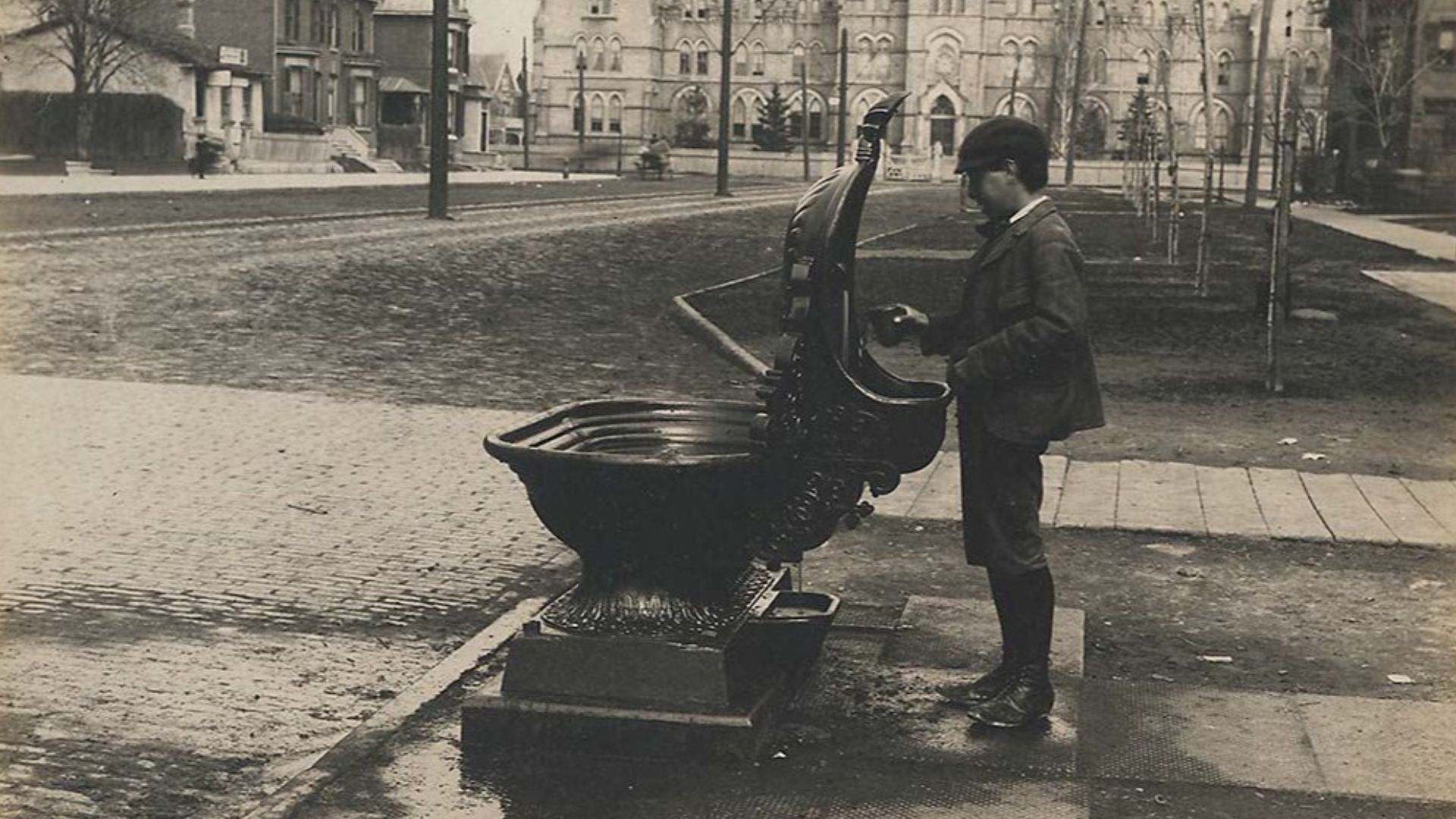 F. W. Micklethwaite, Wikimedia Commons
Cities Began Disinfecting The Water
Typhoid fever and cholera repeatedly exposed the danger hidden in urban water supplies. Jersey City began routinely disinfecting community water in 1908, and thousands of American municipalities followed during the next decade. Typhoid rates fell sharply as chlorination, filtration, sanitation, and cleaner sources spread. Turning on a tap without fearing an epidemic became ordinary only because cities adopted permanent emergency protections.

Milk Started Arriving Pasteurized
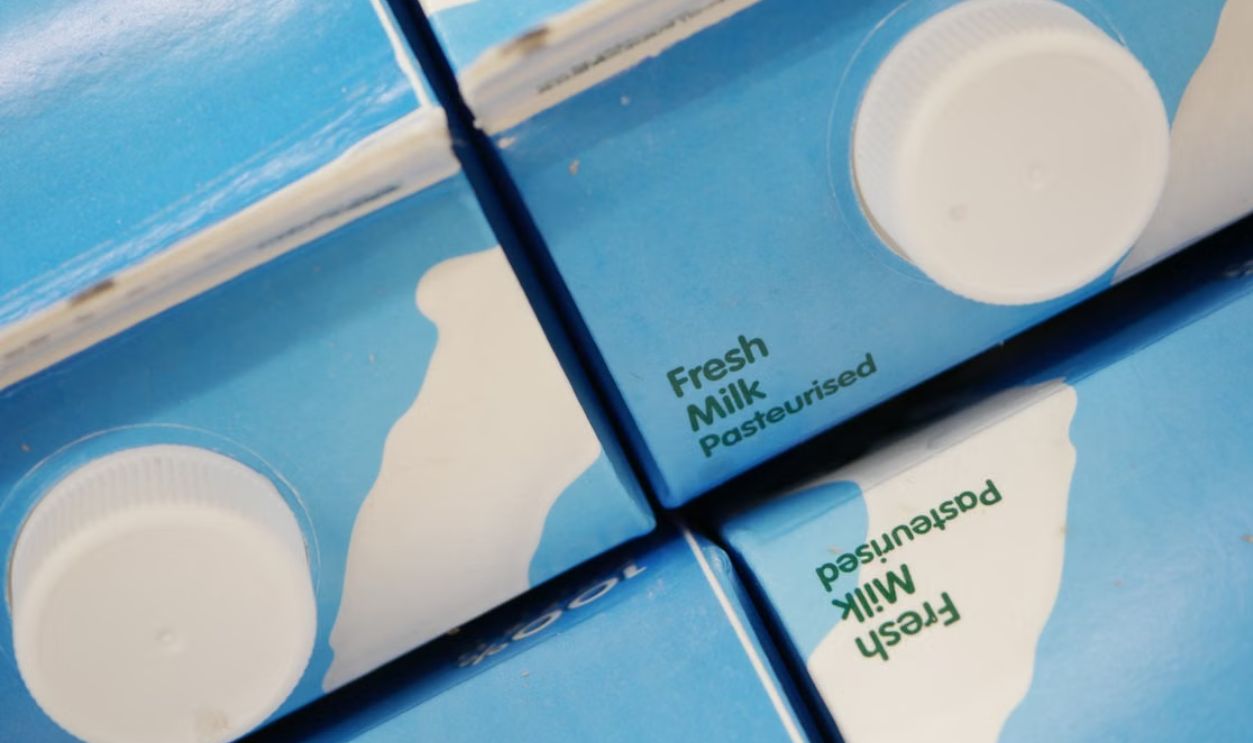
Raw milk once carried tuberculosis, typhoid, diphtheria, and other dangerous infections into households. As outbreaks and childhood deaths mounted, cities introduced inspection rules and required heat treatment to kill harmful microorganisms. Pasteurization became a basic public health safeguard rather than a special response to contaminated batches. Most consumers now buy treated milk without thinking about the epidemics that made the process standard.
Masks Became Polite During Illness
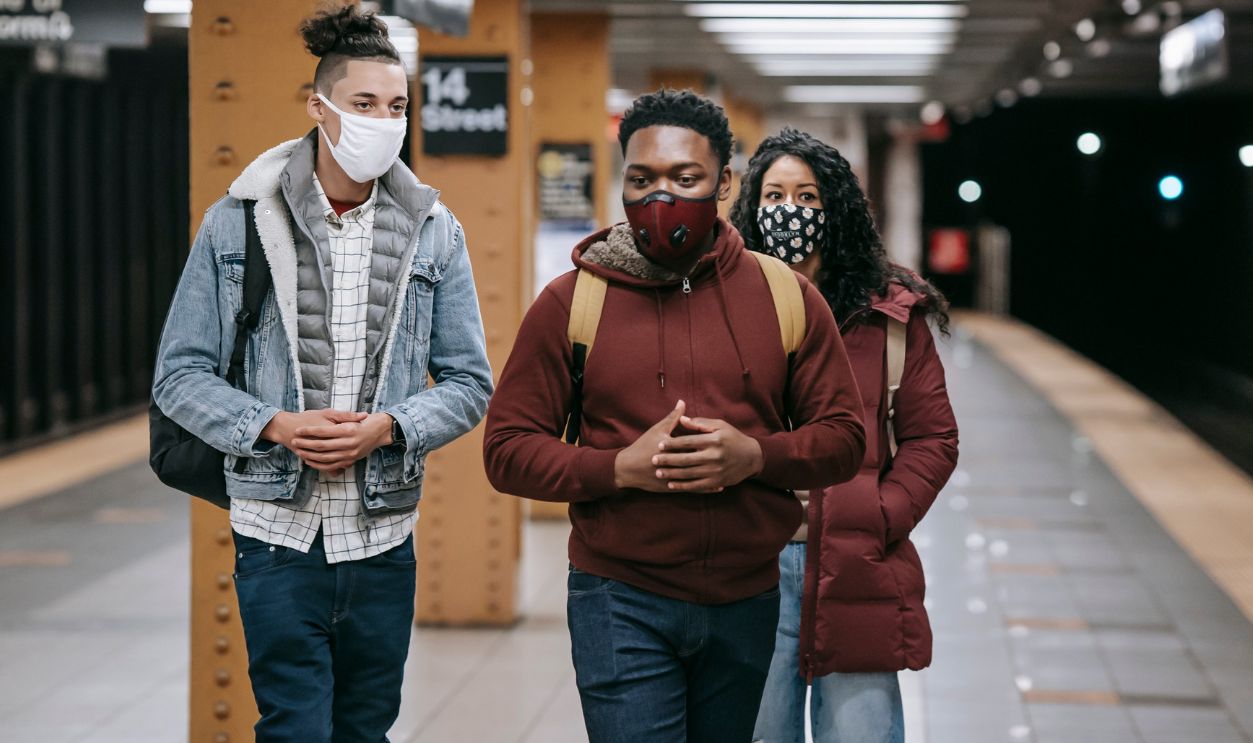
The 1918 influenza pandemic put face coverings on police officers, workers, and ordinary citizens in many countries. Mask use later became especially established in parts of East Asia, where people continued wearing them during outbreaks, allergy seasons, or personal illness. The practice gained another enormous boost during COVID-19. What began as epidemic equipment became, for many people, a courteous way to avoid spreading respiratory infections.
Clocks Began Jumping Forward For War
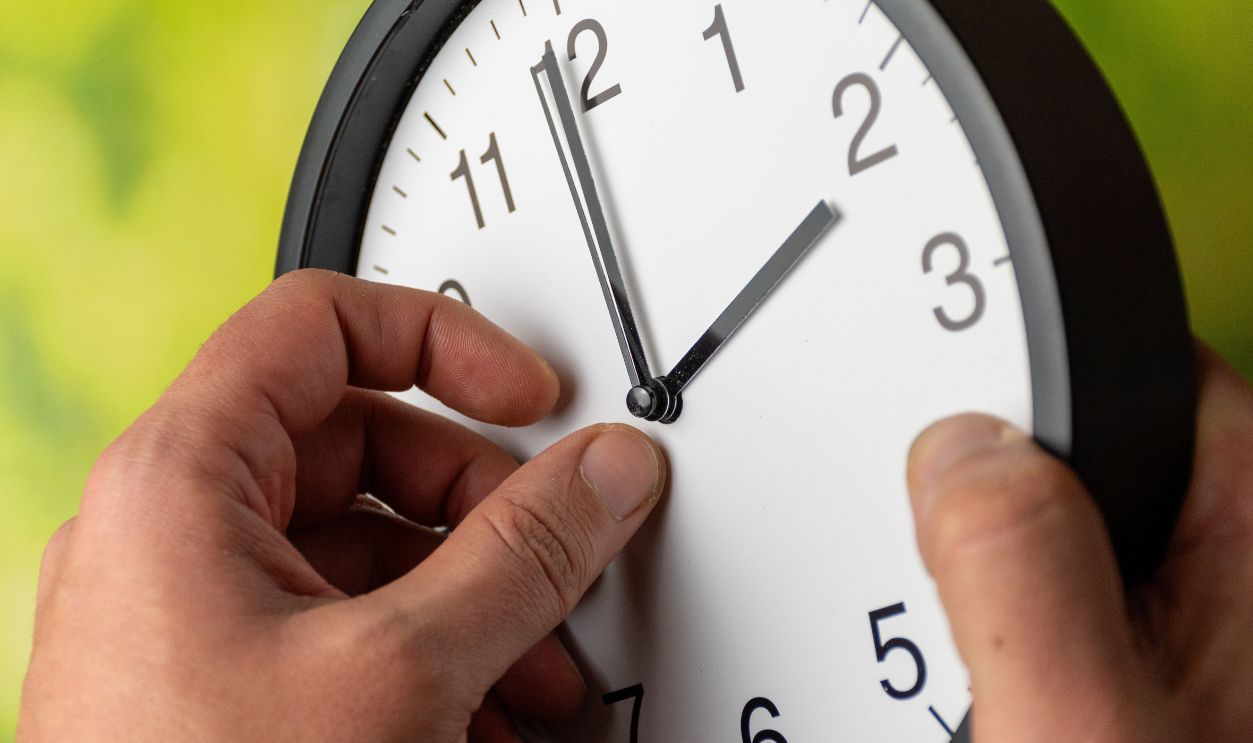
Daylight saving time was first adopted on a large scale during World War I to conserve coal and make greater use of evening sunlight. Germany introduced the measure in 1916, and other combatant nations soon followed. The United States revived nationwide daylight saving during World War II and later standardized its recurring use. A wartime conservation scheme became the twice-yearly clock-changing ritual that still divides public opinion.
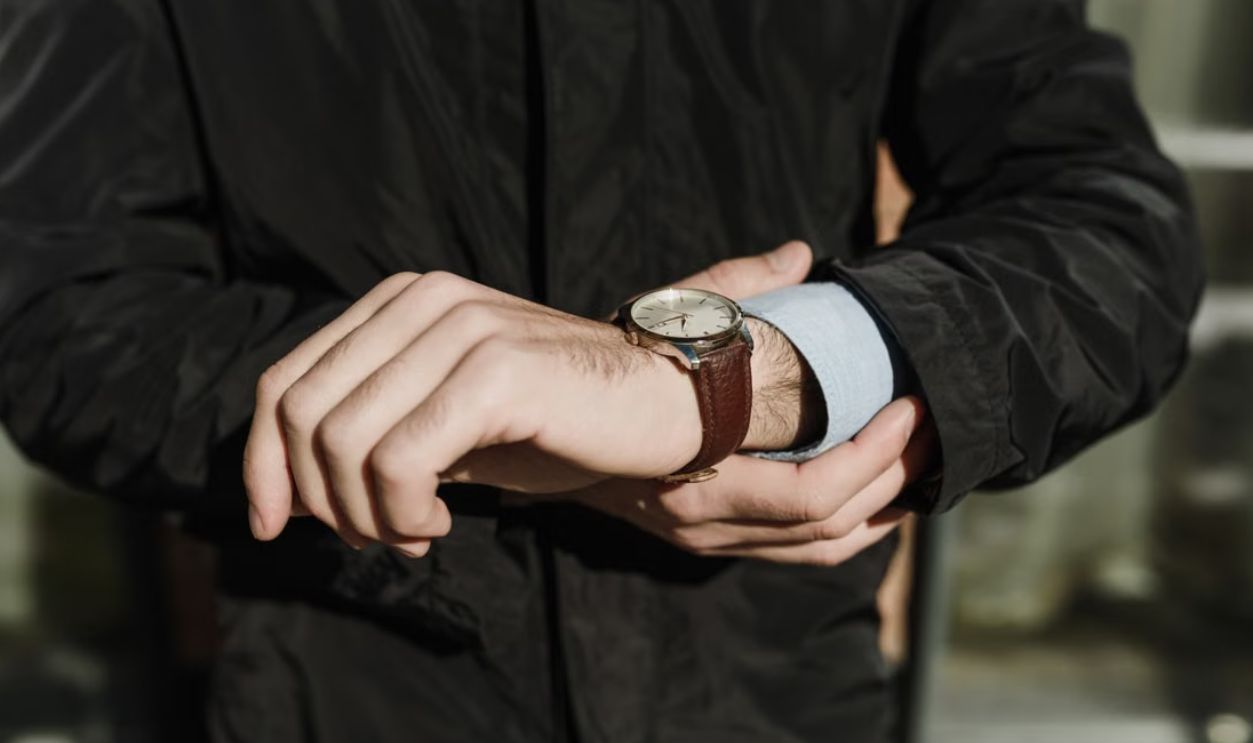
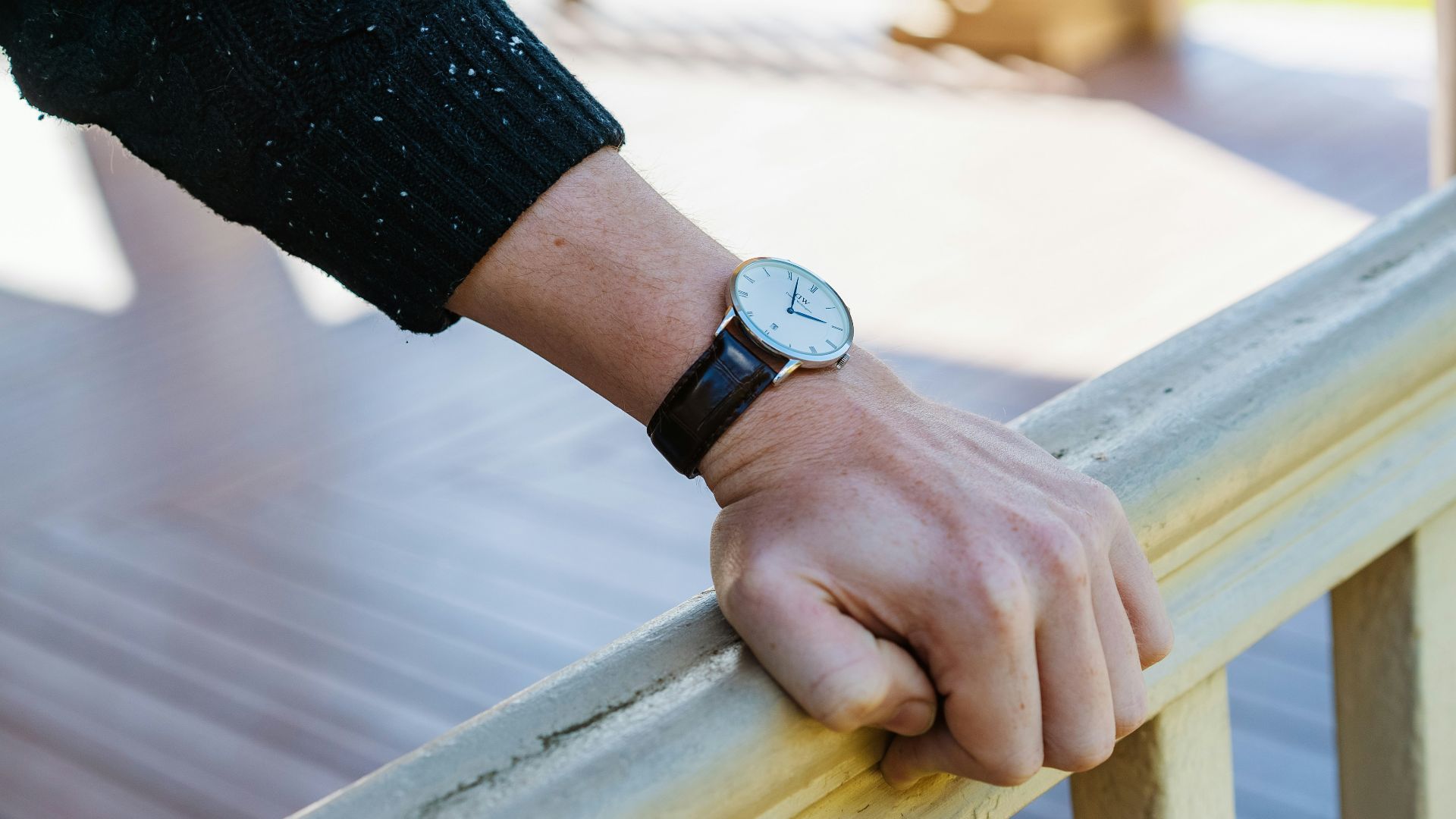
Men Moved Their Watches To Their Wrists
Before World War I, wristwatches were commonly treated as women’s fashion accessories, while many men carried pocket watches. Soldiers in the trenches needed to check the time quickly without occupying both hands or digging through heavy clothing. Officers increasingly strapped watches to their wrists when coordinating attacks and movements. The battlefield habit returned home and helped make the wristwatch standard male attire.

History's most fascinating stories and darkest secrets, delivered to your inbox daily.
Women Put On Trousers For Safety
Women had worn various forms of trousers before the world wars, but factory emergencies pushed the garment into mainstream working life. At a California naval air station in 1942, female employees operating machinery were instructed to wear pantsuits for safety. Women working in agriculture and industry also needed clothing that would not catch in equipment or restrict movement. After the wars, trousers never fully returned to the forbidden category of women’s fashion.

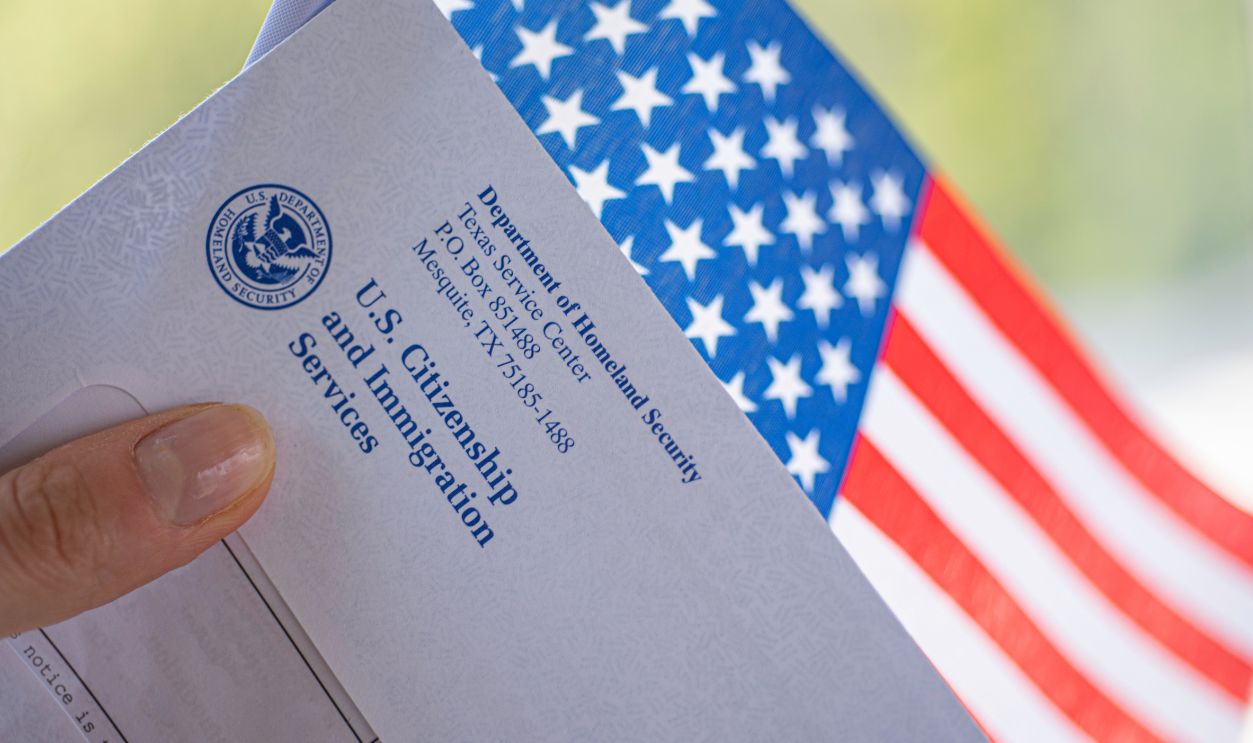
Postal Addresses Acquired Numbers
World War II pulled thousands of experienced postal employees into military service just as wartime correspondence overwhelmed the mail system. In 1943, the Post Office introduced numbered delivery zones in large cities so newly hired workers could sort mail more easily. Those emergency zones provided the conceptual foundation for the five-digit ZIP Code introduced in 1963. Writing a string of numbers after a city name became a permanent part of American addressing.
 Evgenia Parajanian, Shutterstock
Backyards Became Food Supply Lines
Governments encouraged families to grow vegetables during both world wars so commercial farms and transportation systems could concentrate on military needs. During World War II, Chicago alone developed around 1,500 community gardens and more than 250,000 home gardens. Many plots disappeared after victory, but the idea of neighborhood gardening survived and repeatedly returned during recessions and later emergencies. Today’s community-garden movement still borrows the language and structure of wartime victory gardens.

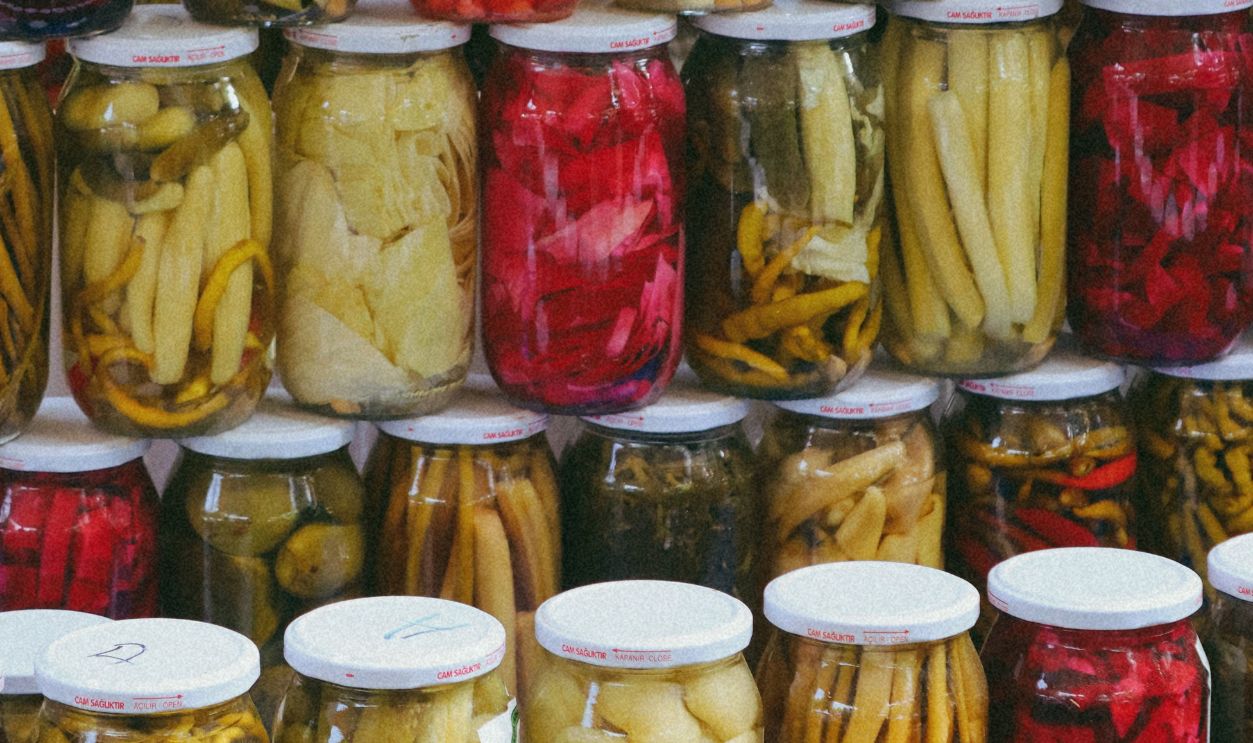
Home Canning Became Patriotic Work
Growing emergency vegetables created another problem because families had to preserve what they harvested. During World War I, the federal government promoted canning and drying as patriotic ways to extend food supplies and prevent waste. Cooperative Extension programs taught households how to preserve produce safely, and similar campaigns returned during World War II. Home canning remained a familiar seasonal custom long after rationing ended.
Waste Became Something To Avoid
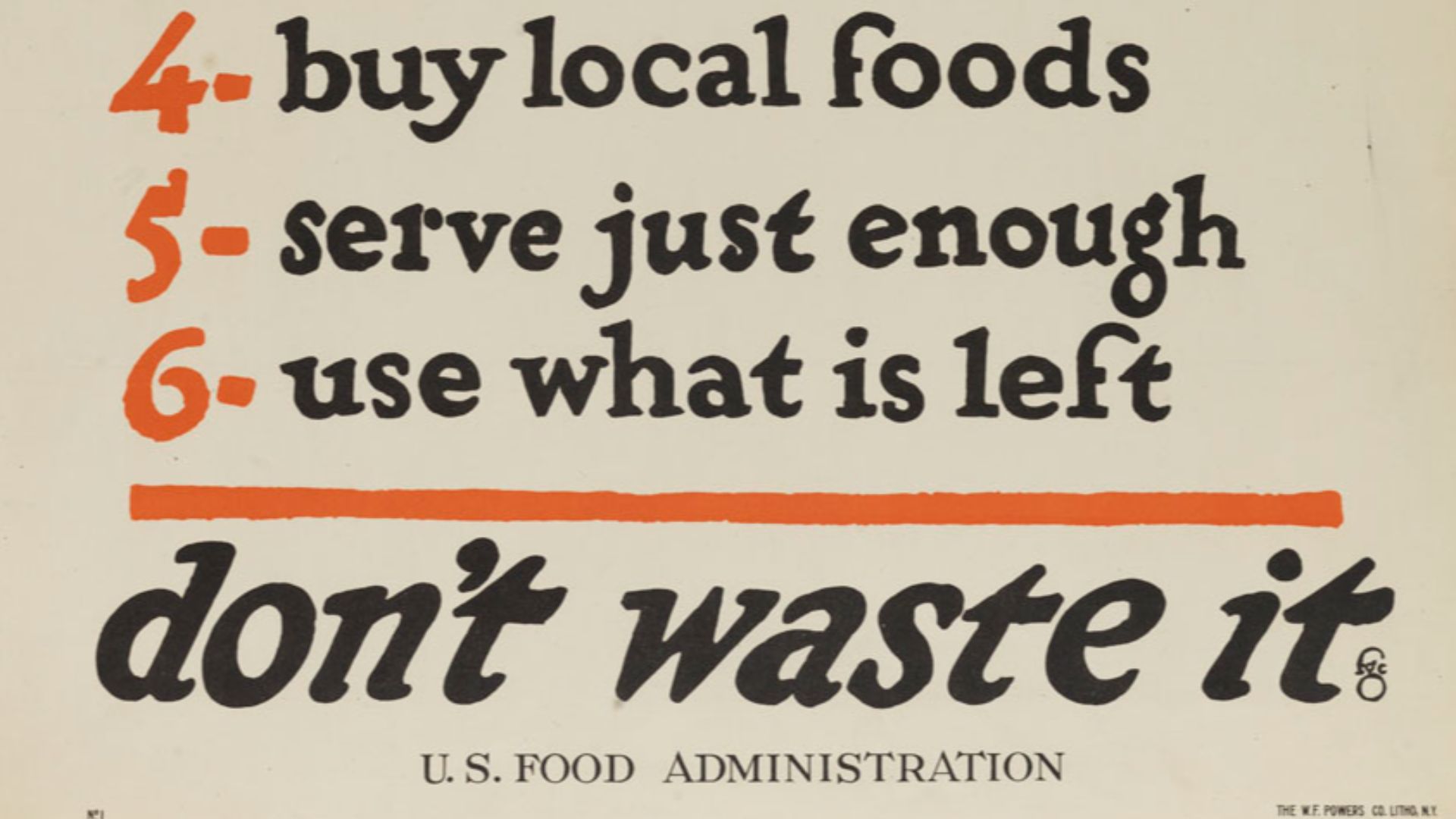
Wartime posters urged families not to waste bread, meat, fats, fuel, metal, paper, or leftover food. The message was practical because resources saved at home could support soldiers and strained supply systems. Reusing containers, repairing possessions, and planning meals became signs of patriotic discipline rather than simple thrift. Modern anti-waste campaigns still echo habits that governments promoted as national emergency duties.
 Library Company of Philadelphia, Wikimedia Commons
Meatless Meals Became A Civic Gesture
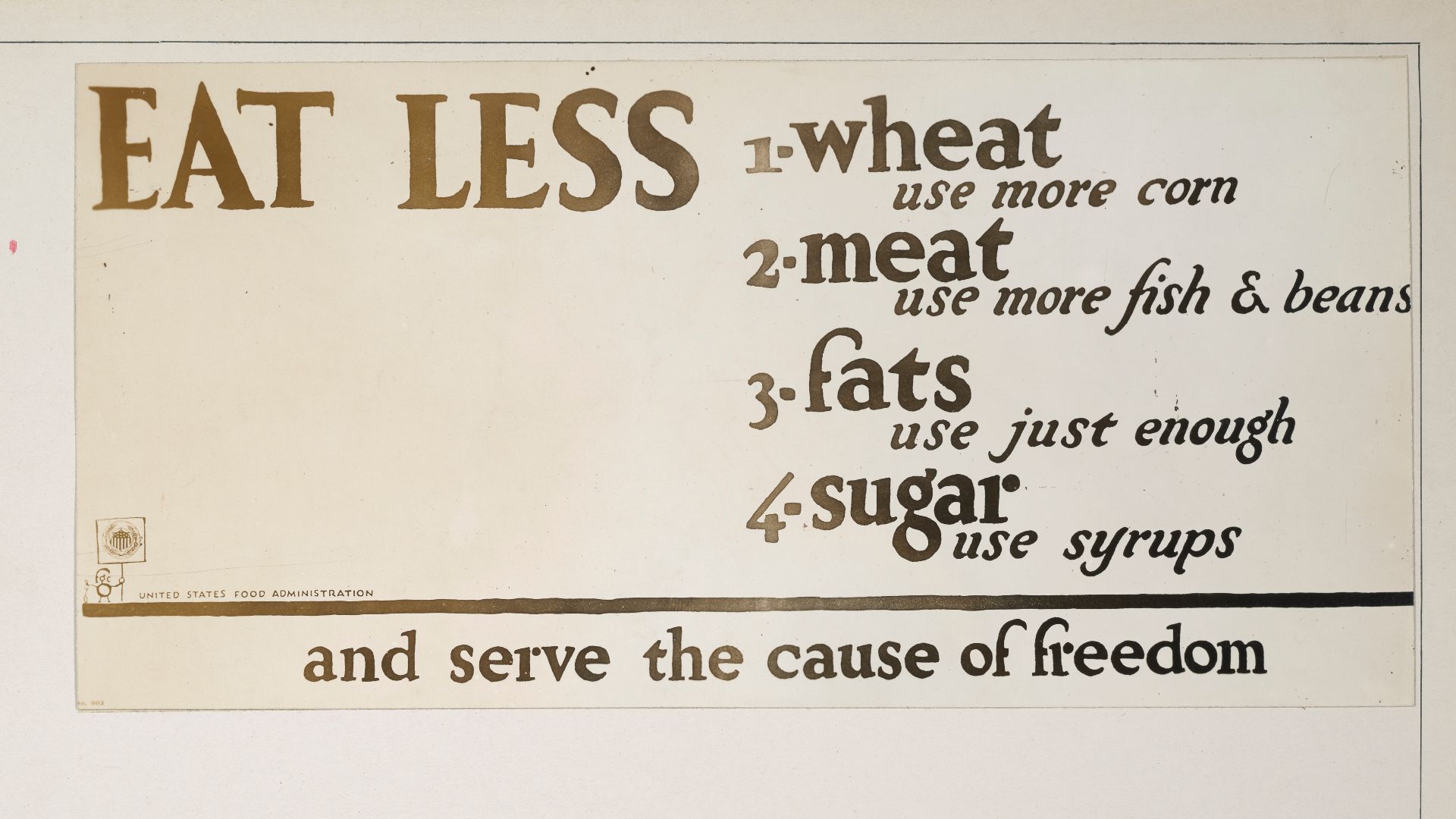
World War I food campaigns asked Americans to reduce consumption of products needed by troops and allies overseas. Families were encouraged to prepare meals using less meat, wheat, sugar, and fat rather than waiting for compulsory rationing. The idea that skipping meat on a designated day could serve a larger public purpose survived in later health and environmental campaigns. “Meatless Monday” now sounds contemporary, but its basic logic grew from wartime conservation.
 Unknown author or not provided, Wikimedia Commons
Neighbors Learned To Share Rides
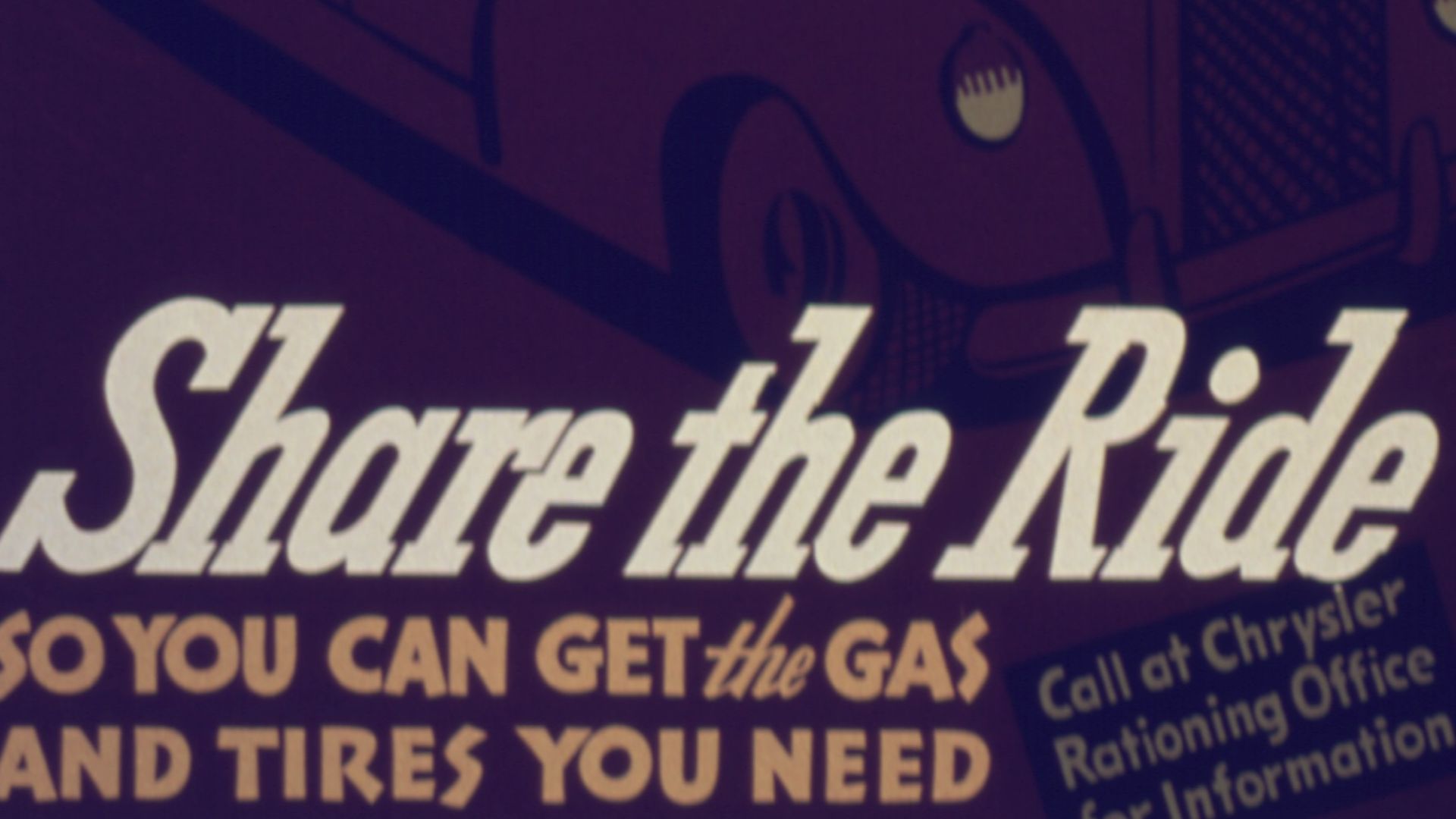
Gasoline and rubber shortages during World War II encouraged workers to form carpools and make fewer individual automobile trips. Posters and employers framed ride sharing as a patriotic way to conserve fuel, tires, and transport capacity. The practice returned during later fuel crises and became part of formal commuting programs, high-occupancy vehicle lanes, and workplace planning. Carpooling remained useful even after the original shortages ended.
 Unknown author or not provided, Wikimedia Commons
Donating Blood Became A Civilian Duty
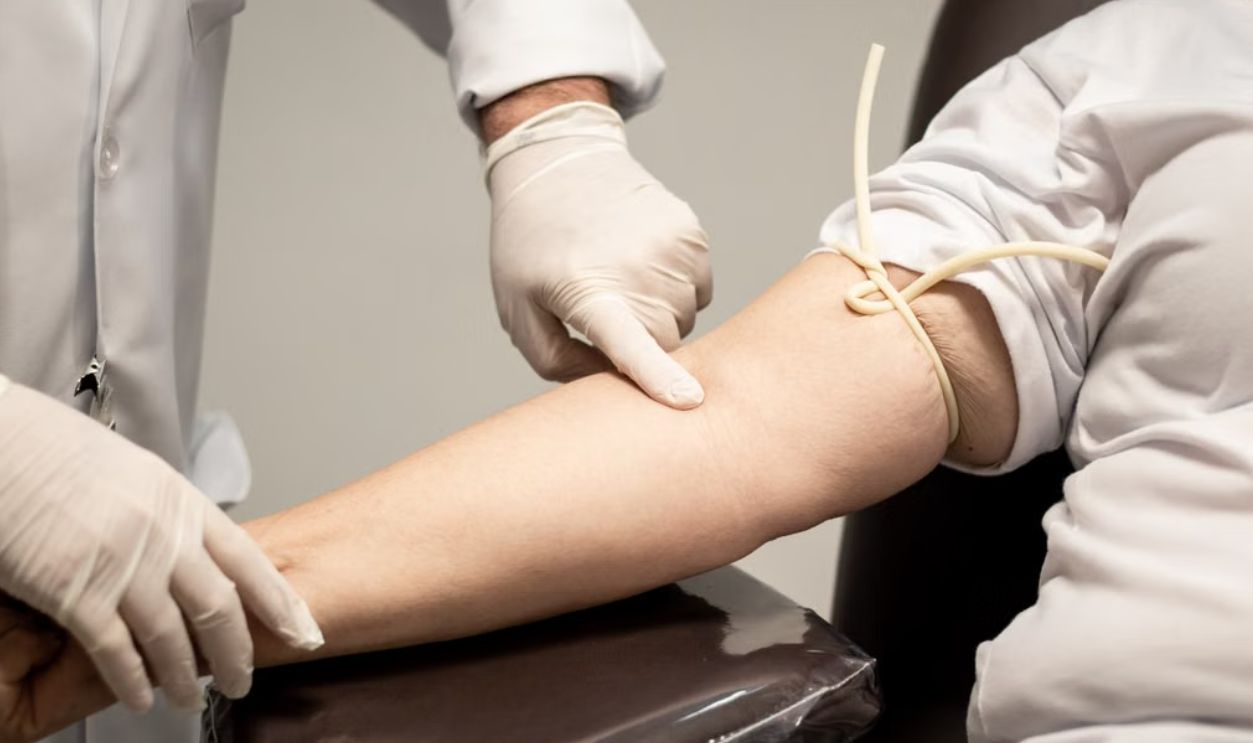
The enormous casualties of the world wars required organized systems for collecting, storing, and transporting blood. Wartime blood drives invited civilians to contribute directly to military medicine, turning donation into a public act of service. After the wars, hospitals and nonprofit organizations retained the infrastructure and continued recruiting voluntary donors. The modern blood drive is a routine descendant of emergency mobilization.
Fire Drills Entered Public Life
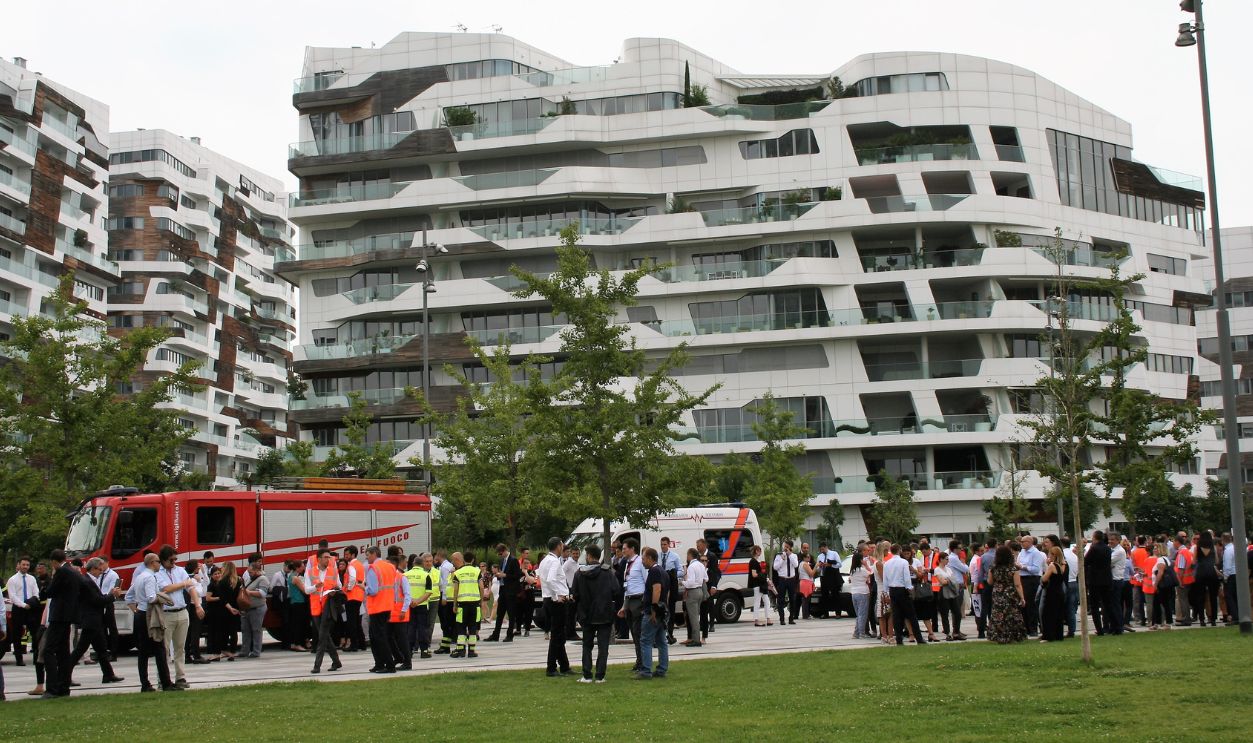
Deadly fires repeatedly showed that people could not improvise an evacuation once smoke and panic filled a crowded building. The General Slocum disaster exposed a crew that had never conducted proper drills, while the Triangle factory had no meaningful evacuation practice before its 1911 fire. Reformers increasingly demanded regular instruction and rehearsals in workplaces, schools, ships, and public buildings. The familiar alarm-and-file-out routine grew from catastrophes in which nobody knew what to do.
 Federico Fermeglia, Shutterstock
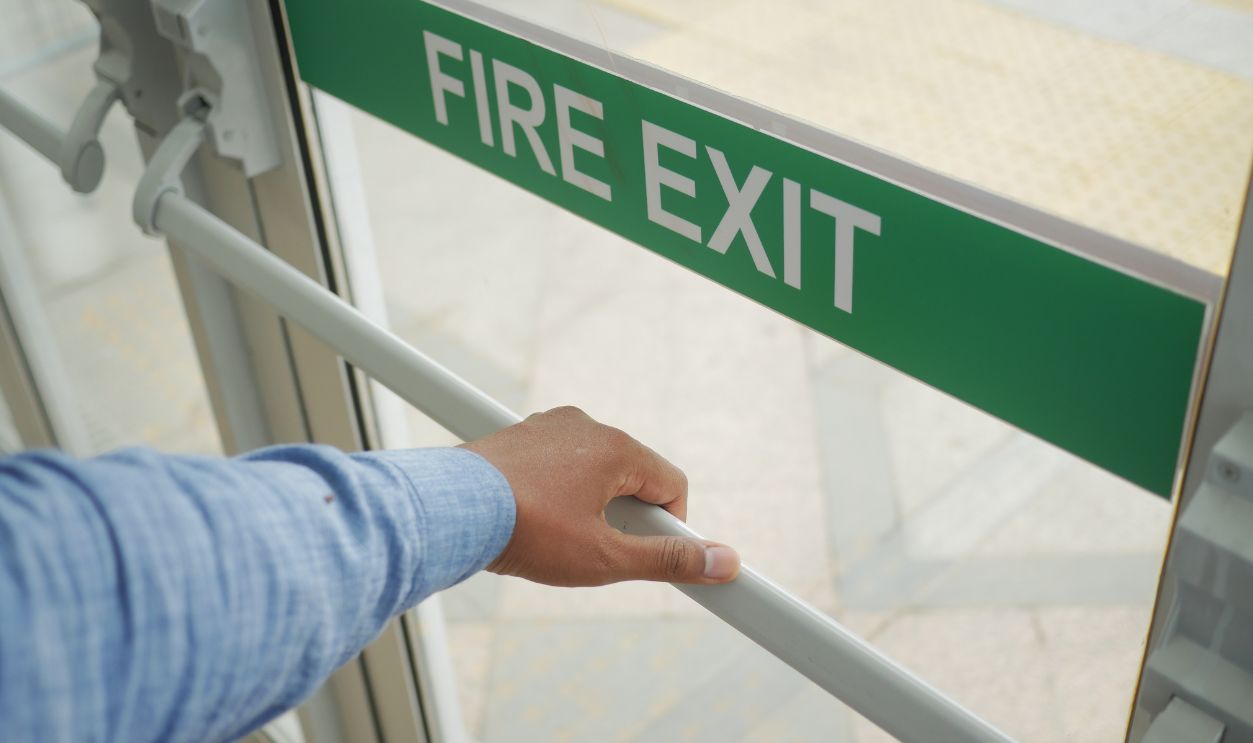
Exit Doors Began Opening Outward
The 1903 Iroquois Theatre fire killed hundreds as patrons encountered locked doors, confusing passages, and exits that could not handle a panicked crowd. The disaster accelerated reforms involving illuminated exits, outward-swinging doors, capacity limits, fireproof curtains, and easier emergency hardware. Similar tragedies reinforced the lesson that an escape route must work under pressure, not merely look adequate on a blueprint. Pushing an exit door in the direction of travel became a life-safety expectation.
 Towfiqu ahamed barbhuiya, Shutterstock
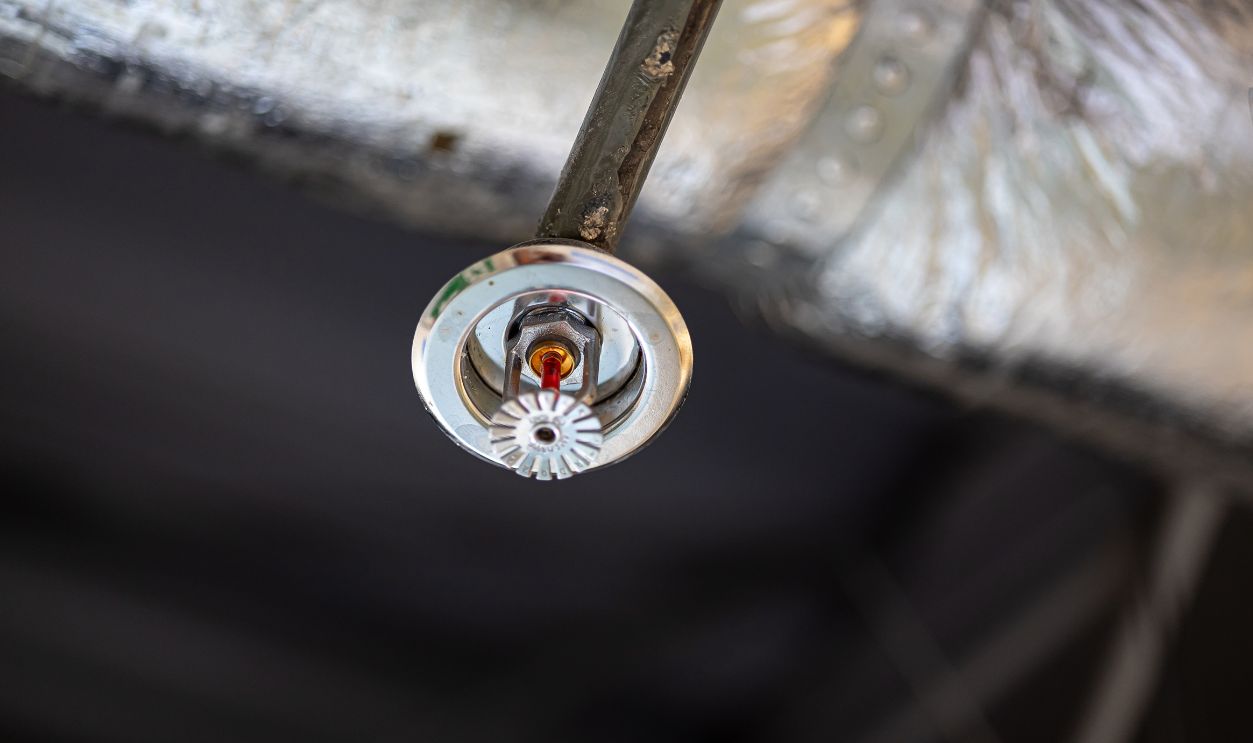
Buildings Added Sprinklers And Clearer Exits
The Triangle Shirtwaist Factory fire killed 146 workers and exposed locked doors, inadequate stairs, and weak fire protections. Reformers responded with investigations and a major wave of labor and building regulations in New York. Sprinklers, fire drills, accessible exits, and stronger inspection systems became increasingly normal in industrial buildings. Features now taken for granted emerged from the public outrage surrounding preventable deaths.
Airport Screening Became A Federal Ritual
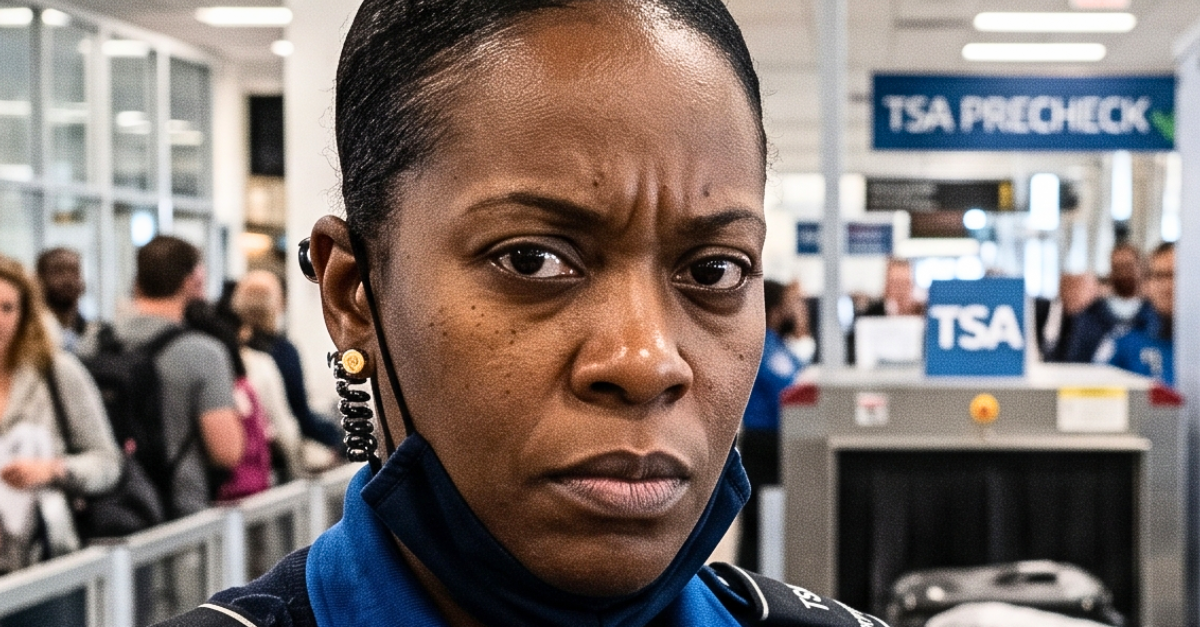
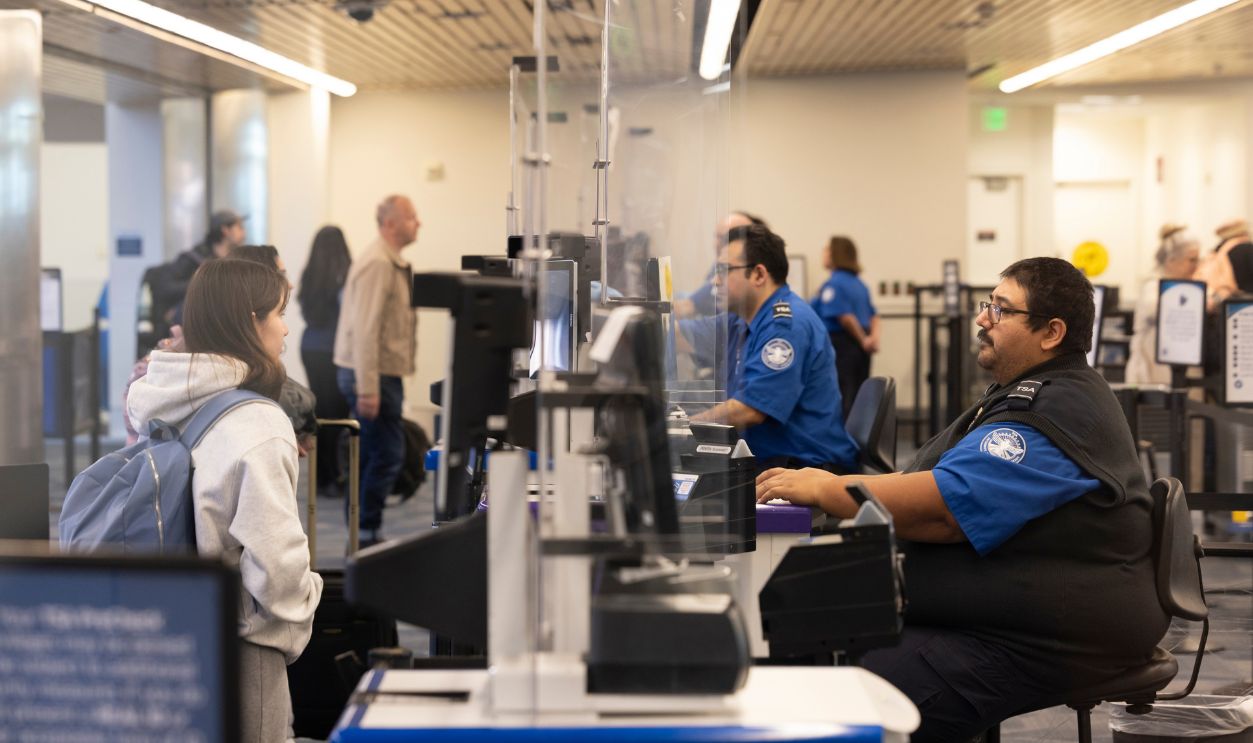
Before September 11, 2001, airlines and contractors largely managed passenger screening in the United States. The attacks led Congress to create the Transportation Security Administration and transfer screening to a federal workforce. Checked baggage inspection, reinforced cockpit doors, expanded air marshals, and standardized checkpoints followed. Arriving early to stand in a security line became a lasting feature of commercial flying.
 everythingforall, Shutterstock
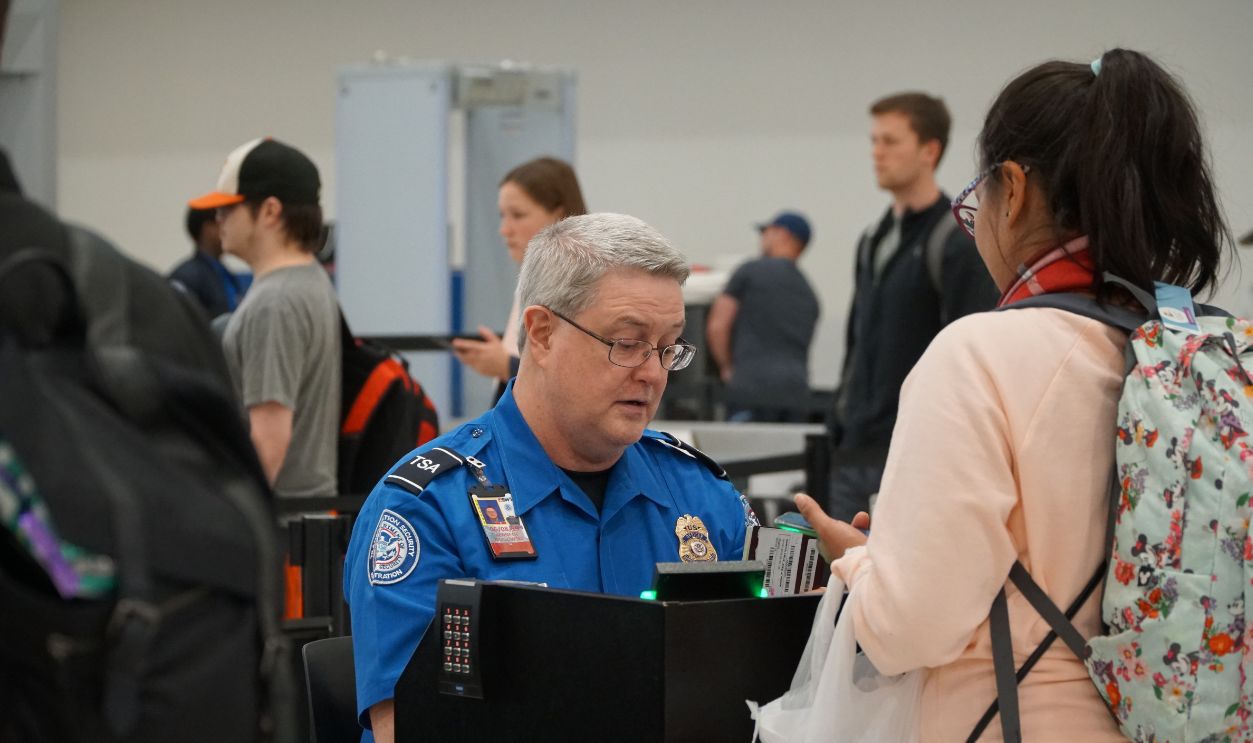
Travelers Started Carrying Photo Identification
The post-9/11 security system placed much greater emphasis on confirming who was entering an airport’s secure area. Congress later passed the REAL ID Act, implementing a recommendation from the 9/11 Commission and establishing minimum standards for state identification documents. Showing identification at the checkpoint became an expected stage of American air travel. A response to terrorism reshaped the ordinary meaning of a driver’s license.
Passengers Began Removing Their Shoes
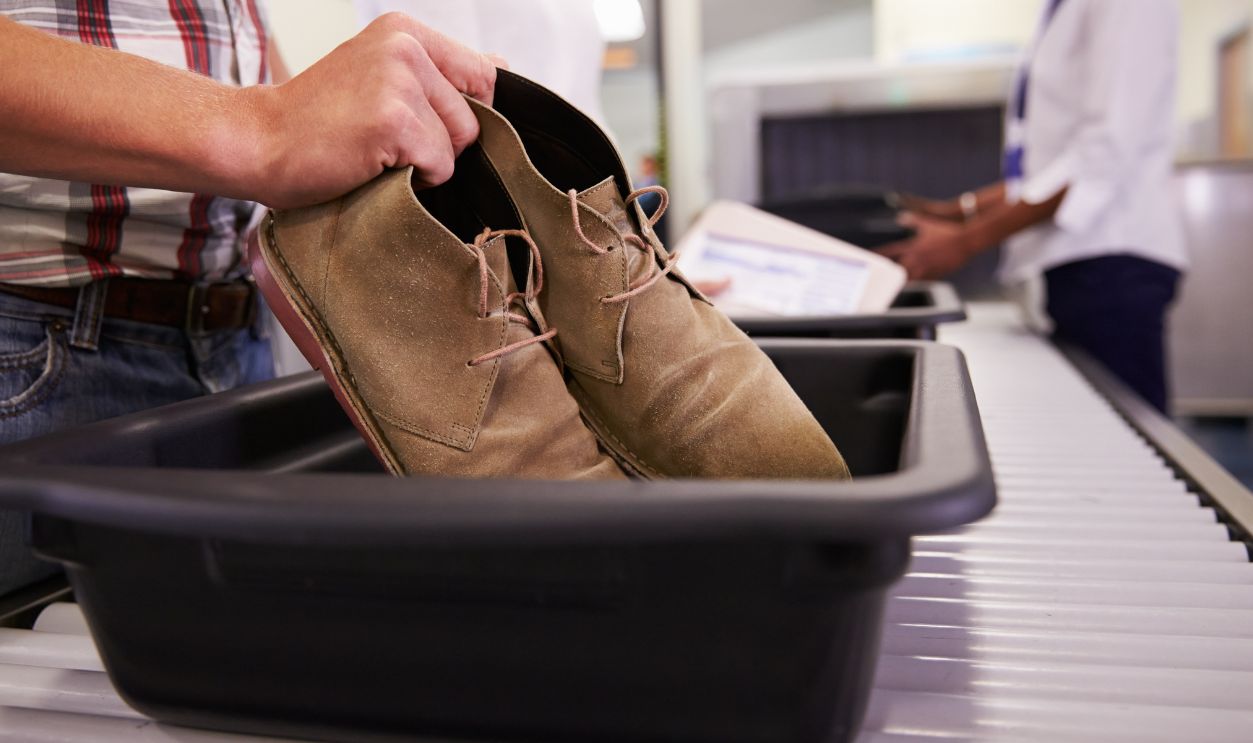
Richard Reid attempted to ignite explosives concealed in his shoes aboard American Airlines Flight 63 in December 2001. The failed attack forced security agencies to take footwear seriously as a potential hiding place. Removing shoes became a standard checkpoint routine for many American travelers, although TSA PreCheck passengers later received an exemption. One unsuccessful bomb permanently altered how millions of people dress for the airport.
 Monkey Business Images, Shutterstock
Toiletries Shrunk Into Tiny Bottles
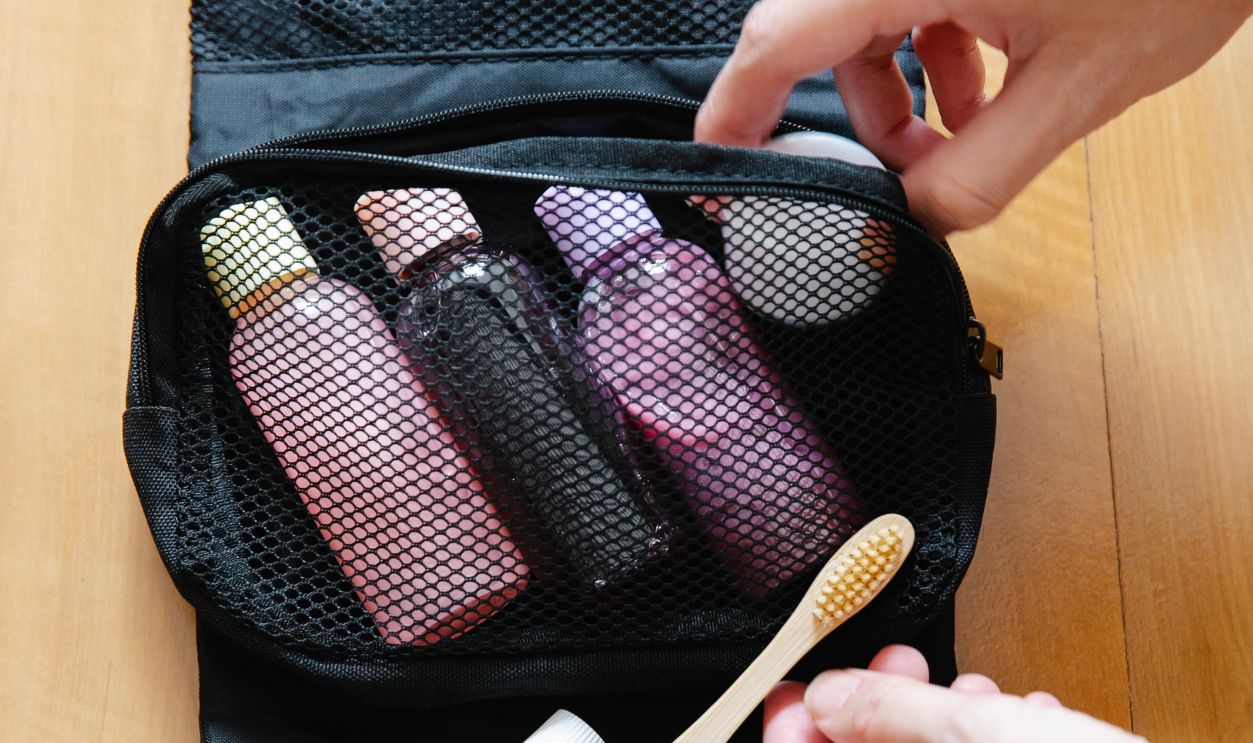
A disrupted 2006 plot involving liquid explosives prompted emergency restrictions on liquids carried into aircraft cabins. TSA eventually standardized the 3-1-1 rule, limiting most liquids, aerosols, gels, creams, and pastes to containers of 3.4 ounces or less inside one clear bag. Travelers adapted by buying miniature toiletries and reorganizing luggage before every flight. A counterterrorism response created an entire market for travel-size shampoo.
Working From Home Became Normal
Remote work existed before COVID-19, but the pandemic turned it into an emergency requirement for millions of employees almost overnight. Offices closed, meetings moved online, and employers rapidly built systems for managing distributed teams. By 2023, 35 percent of Americans with jobs that could be performed remotely were working from home full time, while another 41 percent followed hybrid schedules. A temporary infection-control measure permanently expanded where many people expect work to happen.

The Doctor Started Making House Calls By Screen
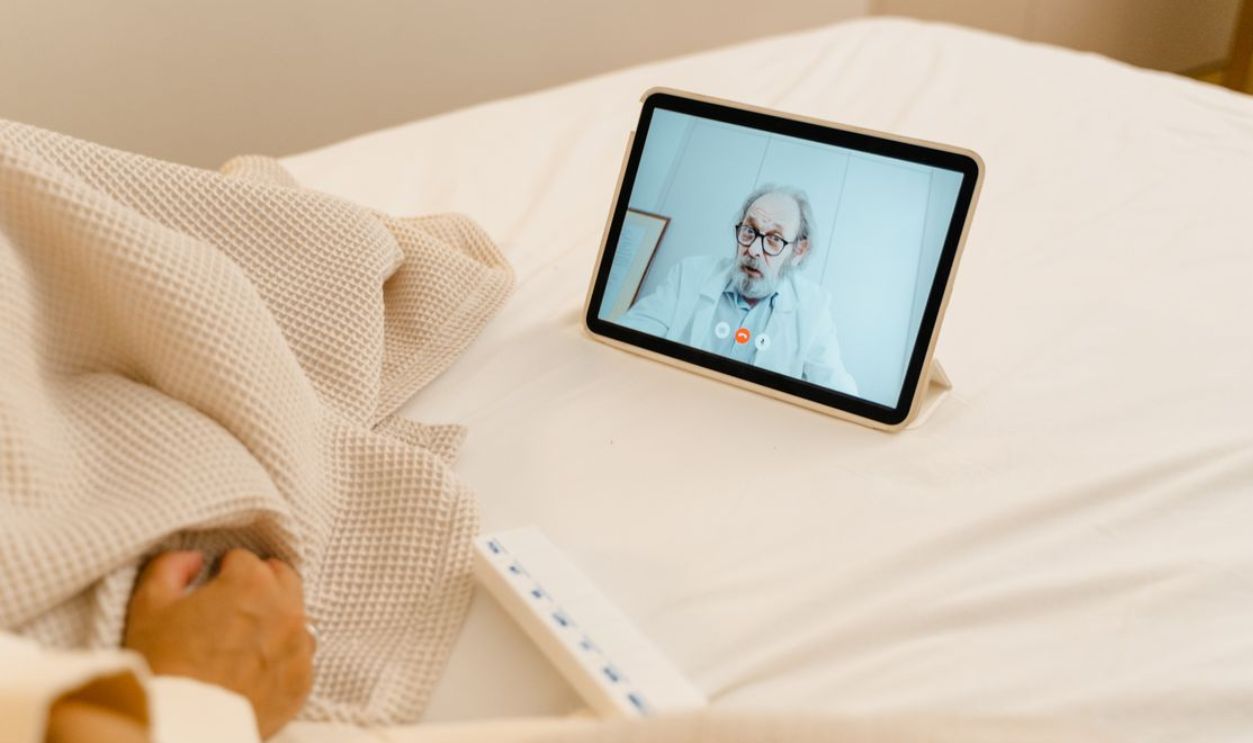
COVID-19 made crowded waiting rooms risky and interrupted routine medical appointments. Emergency federal policies expanded Medicare telehealth eligibility, relaxed geographic restrictions, and allowed more patients to receive care from home. Usage fell from its 2020 peak but stabilized as a regular part of health care, particularly for services suited to remote consultation. The crisis normalized appointments that begin by clicking a link rather than entering a clinic.
Curbside Pickup Became A Standard Option
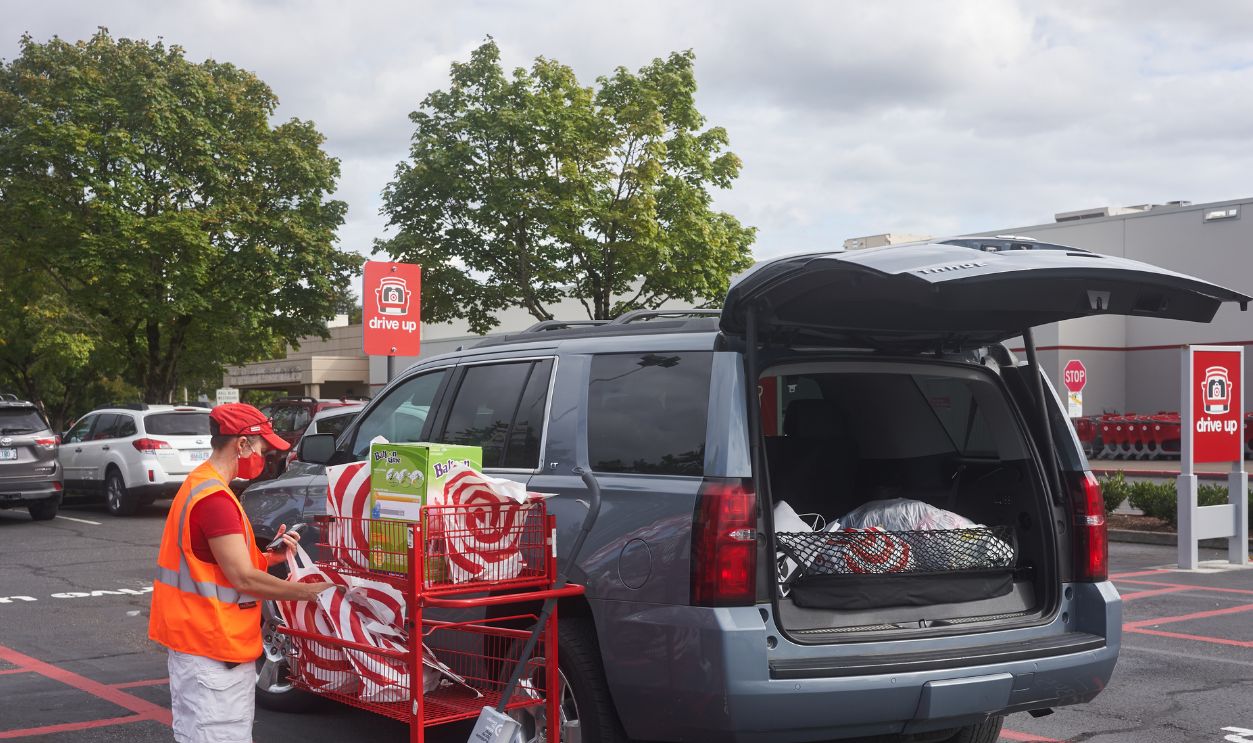
During COVID-19, stores and restaurants needed ways to serve customers without bringing large numbers of people indoors. Public health guidance encouraged pickup and delivery systems alongside distancing, sanitation, and employee-health measures. Businesses converted parking spaces into collection points, redesigned apps, and trained customers to announce their arrival from a car. Curbside service survived because shoppers discovered that an emergency workaround was also convenient.
Everyday Life Kept The Emergency Playbook
These customs survived for different reasons. Some clearly saved lives, while others proved convenient enough that people kept them after the immediate threat weakened. A few remain controversial or burdensome, but even those demonstrate how quickly crisis behavior can harden into routine. Temporary measures often become permanent once institutions, products, and expectations reorganize around them.
You May Also Like:
Historical Geniuses Who Were Complete Disasters Outside Their Field
Harrowing Facts About World War I
Bubonic Facts About The Black Death
Sources: 1, 2, 3, 4, 5, 6, 7, 8, 9, 10, 11, 12, 13, 14, 15, 16, 17, 18, 19, 20, 21, 22, 23, 24, 25, 26, 27, 28, 29, 30, 31, 32, 33, 34, 35, 36, 37, 38, 39, 40, 41, 42, 43, 44, 45