Fragile Stone Paradox
Some museum pieces spark endless debate among historians. This Egyptian disk is one of them. The craftsmanship is incredible, the material choice is baffling, while the purpose remains completely unknown.
 Martin1833, Wikimedia Commons, Modified
January 1936
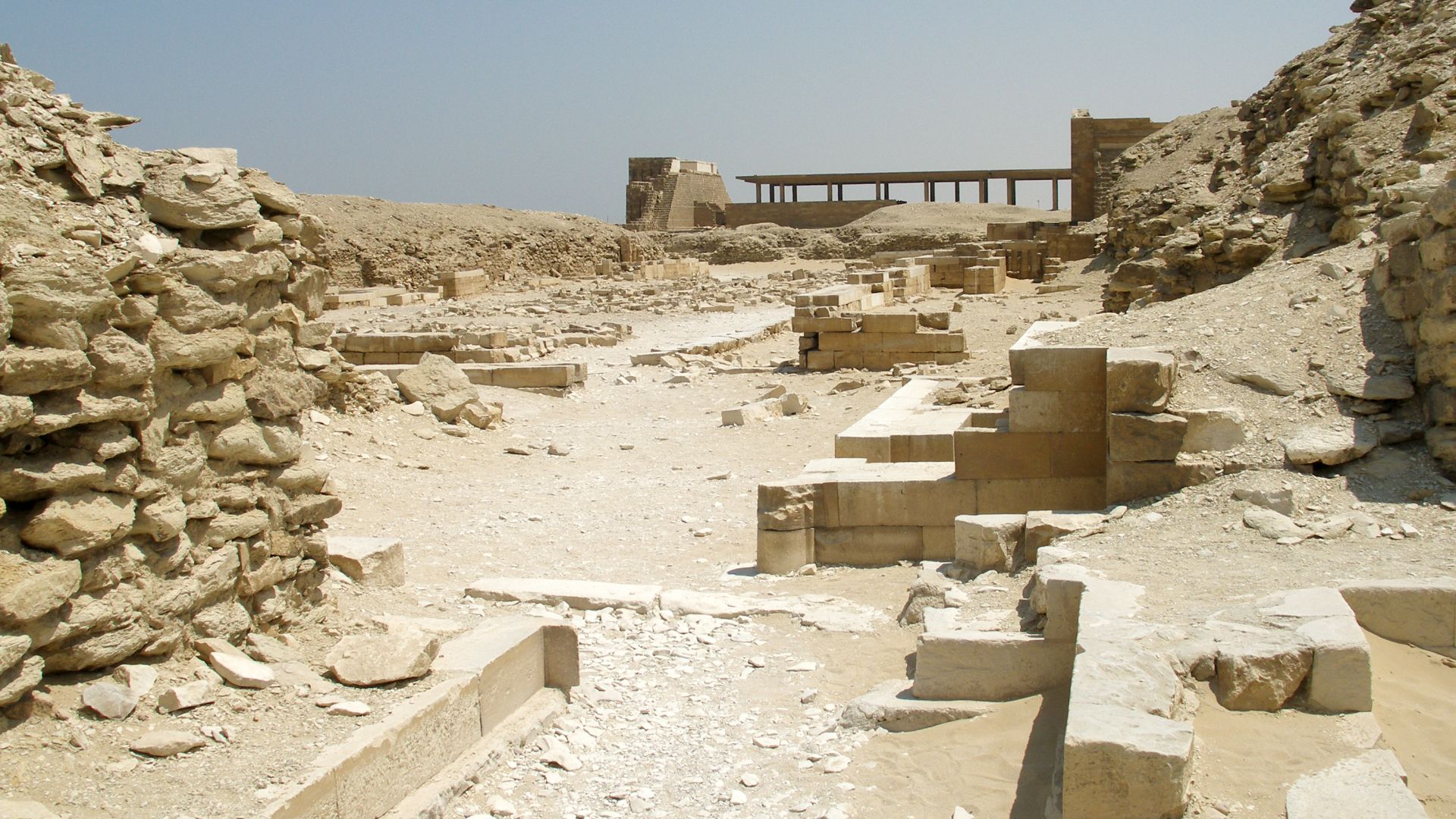
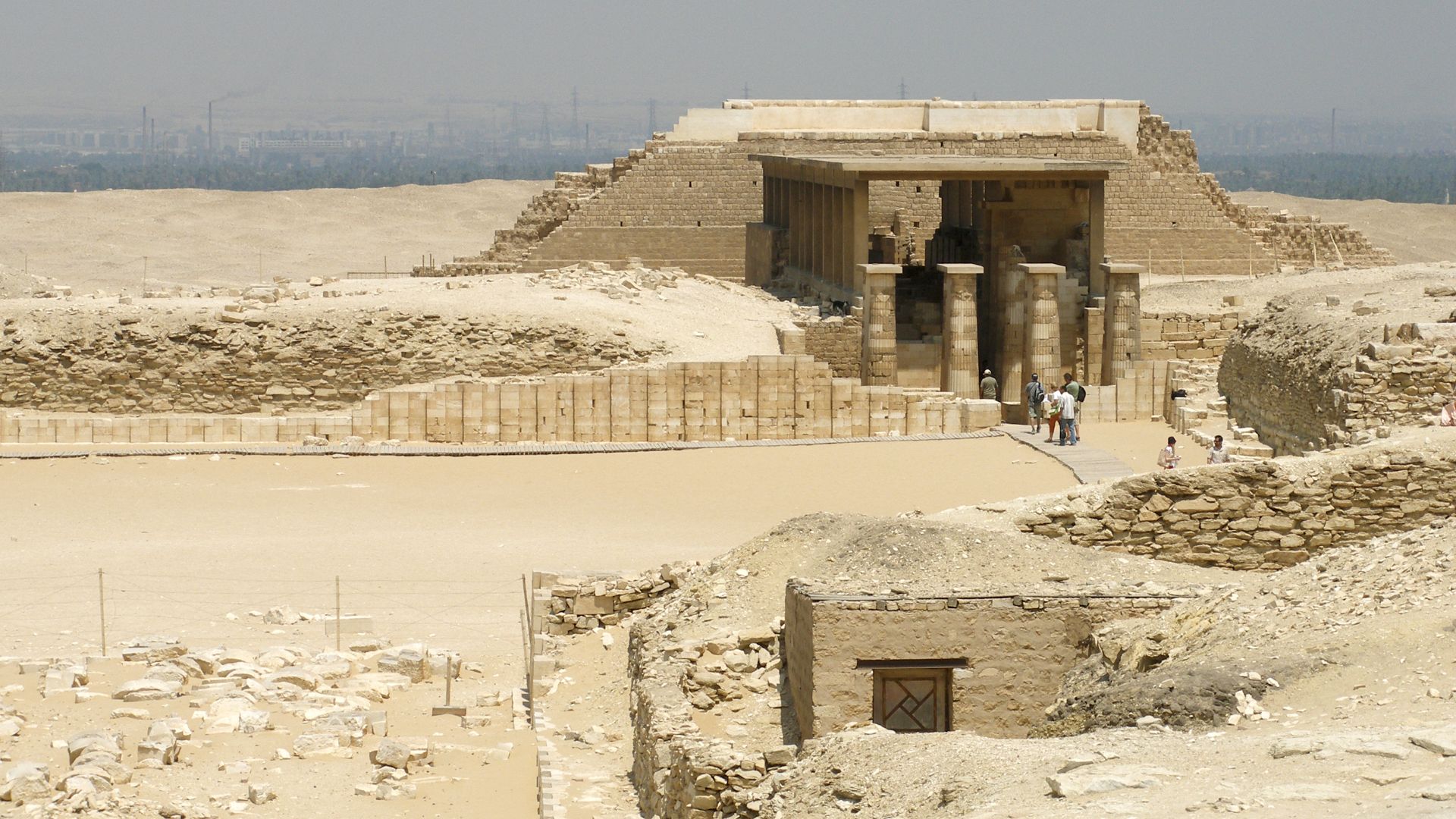
A routine excavation in Egypt's scorching desert turned extraordinary in January 1936. British archaeologist Walter Bryan Emery was digging through Saqqara's ancient necropolis when he stumbled upon something that would puzzle scientists for nearly a century. The discovery happened at mastaba S3111.
 Vyacheslav Argenberg, Wikimedia Commons
Walter Emery
Emery had spent years uncovering Egypt's burial grounds, cataloging thousands of artifacts from stone vessels to copper tools. Yet when he first documented this particular object, he casually described it as merely "a container in the form of a schist bowl”.
 Vyacheslav Argenberg, Wikimedia Commons
Tomb 3111
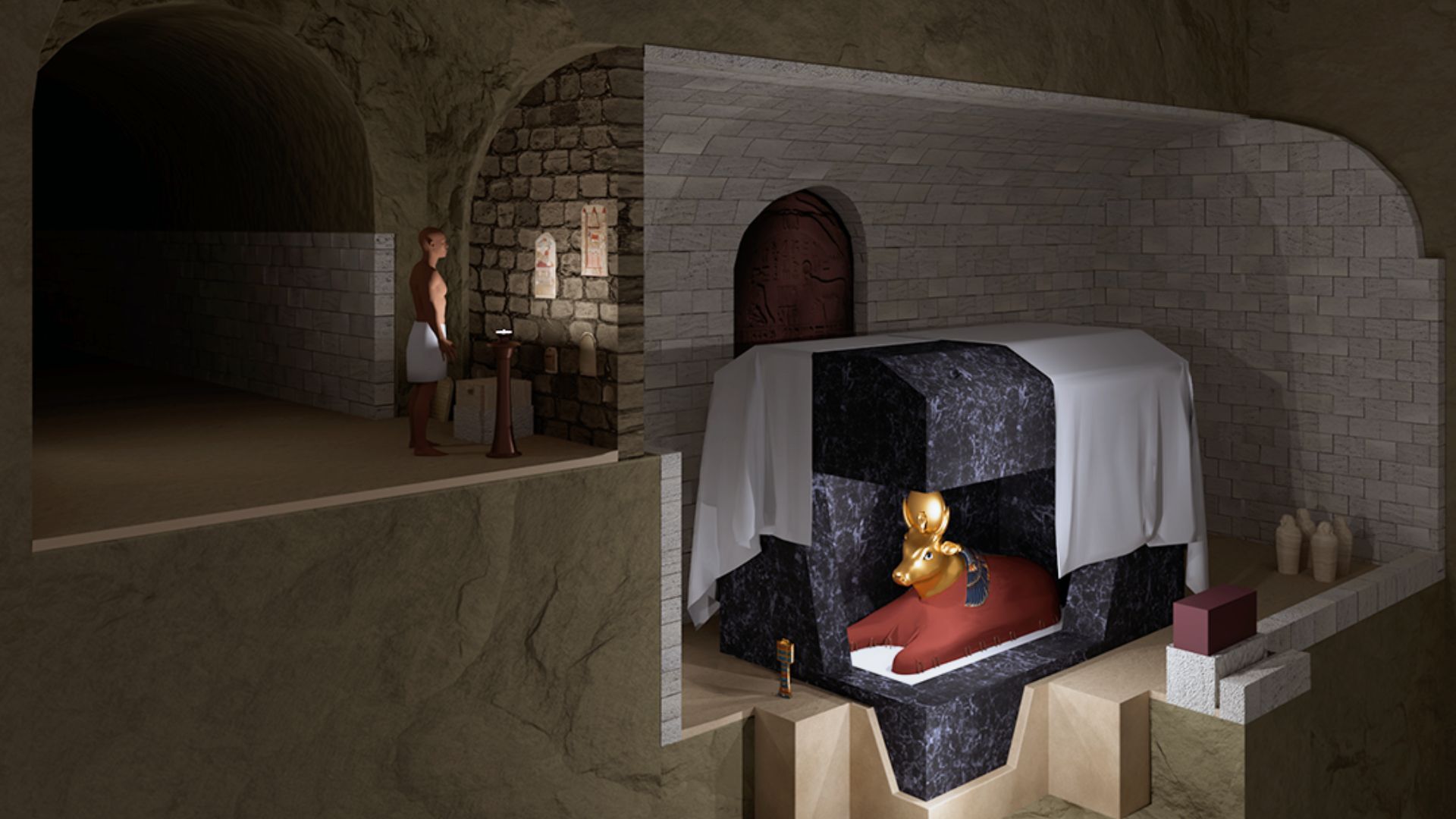
The mastaba consisted of seven underground chambers carved into gravel substrate and limestone bedrock, descending 2.55 meters below ground level. Mud brick walls separated each room, constructed from dark earth mixed with straw, averaging 26 by 12 by 7 centimeters per brick.
Sabu, The Ruler In The King's Heart
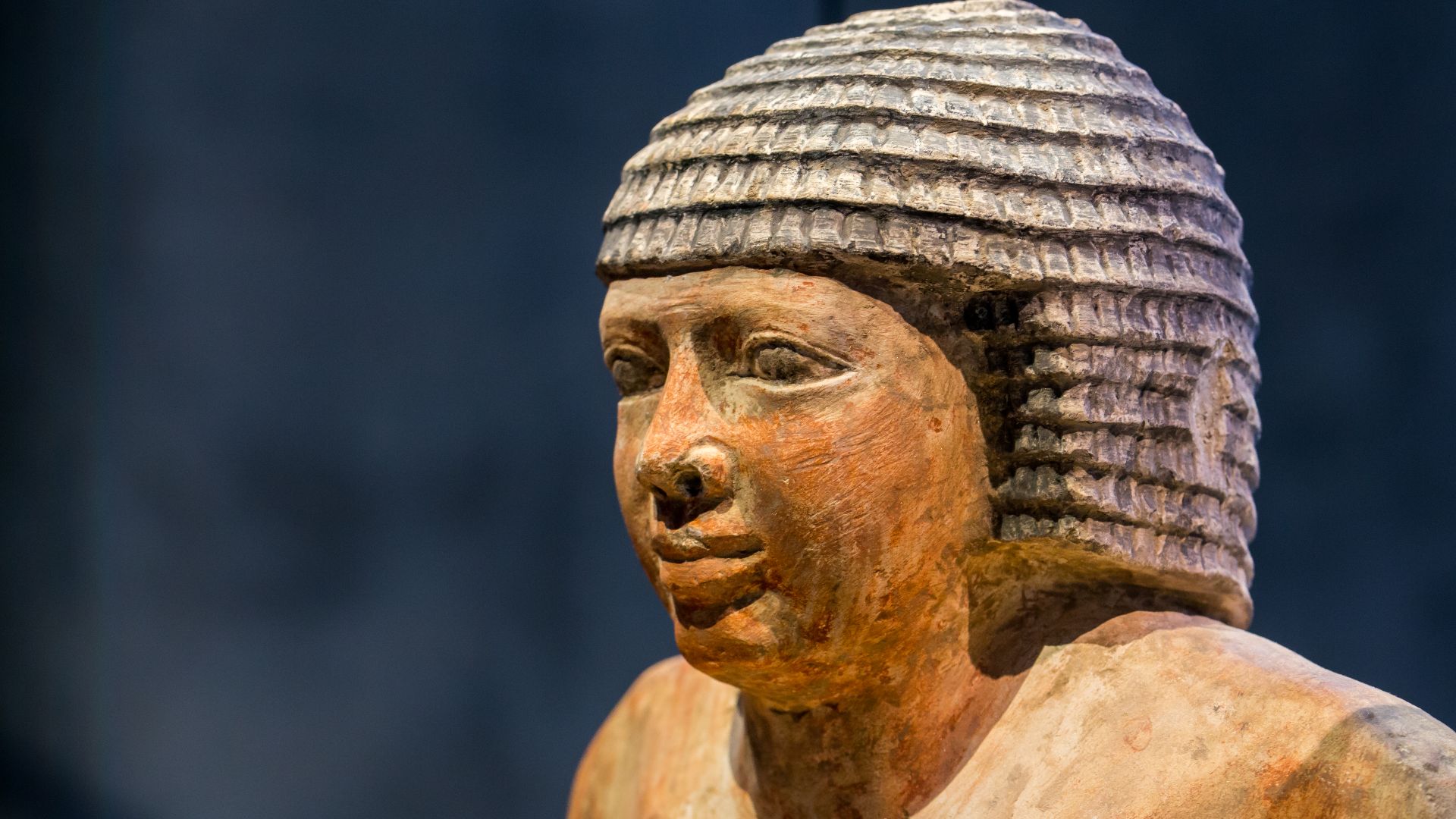
Sabu held the prestigious title "Ruler in the King's Heart" and possibly governed a province called "Star of the Family of Horus”. He served during the reigns of First Dynasty pharaohs Udima (Den) and Anedjib, making him a high-ranking administrator around 3000 BCE.
 ArchaiOptix, Wikimedia Commons
First Dynasty
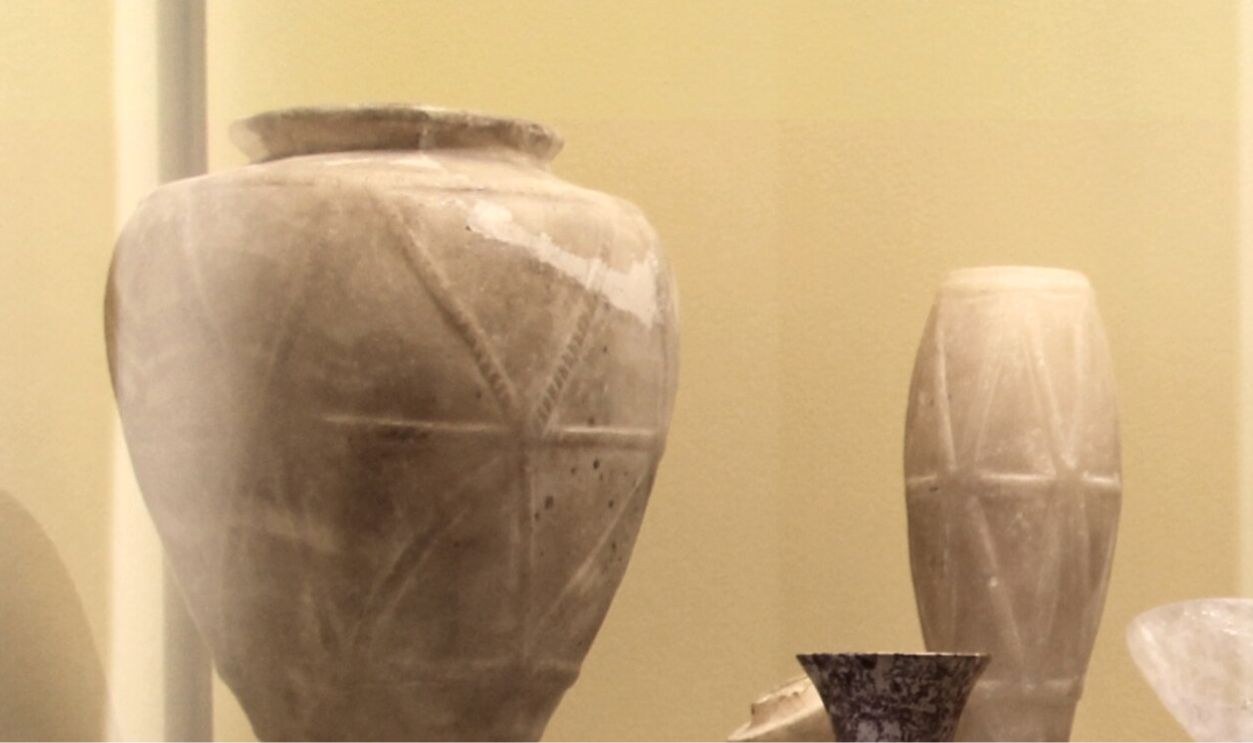
Egypt's First Dynasty represented the dawn of unified civilization, when Upper and Lower Egypt merged under central pharaonic rule. This period witnessed an explosion of stone craftsmanship, with artisans creating thousands of polished vessels from exotic hard stones like basalt and travertine, sourced from distant quarries.
Broken Fragments
When Emery first uncovered it, the disk lay shattered into multiple pieces beside Sabu's skeleton in the burial chamber's central location. The artifact's prominent placement occupied the tomb's focal point, suggesting profound ceremonial or practical significance. Emery painstakingly restored each fragment, piecing together the puzzle like an ancient 3D jigsaw.
61 Centimeters
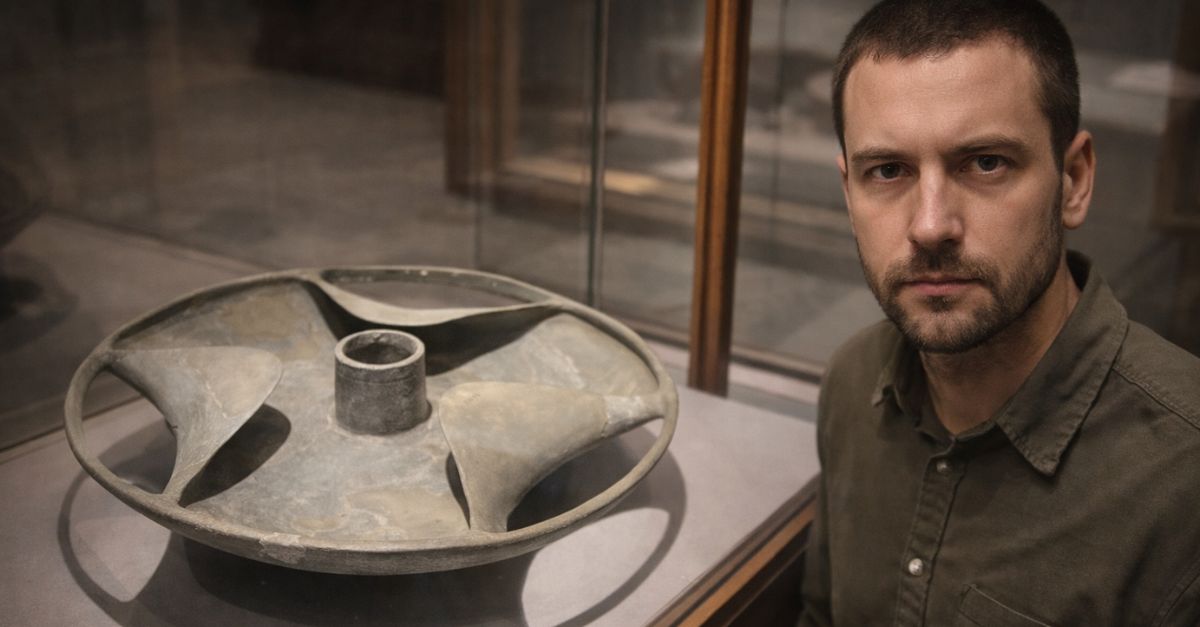
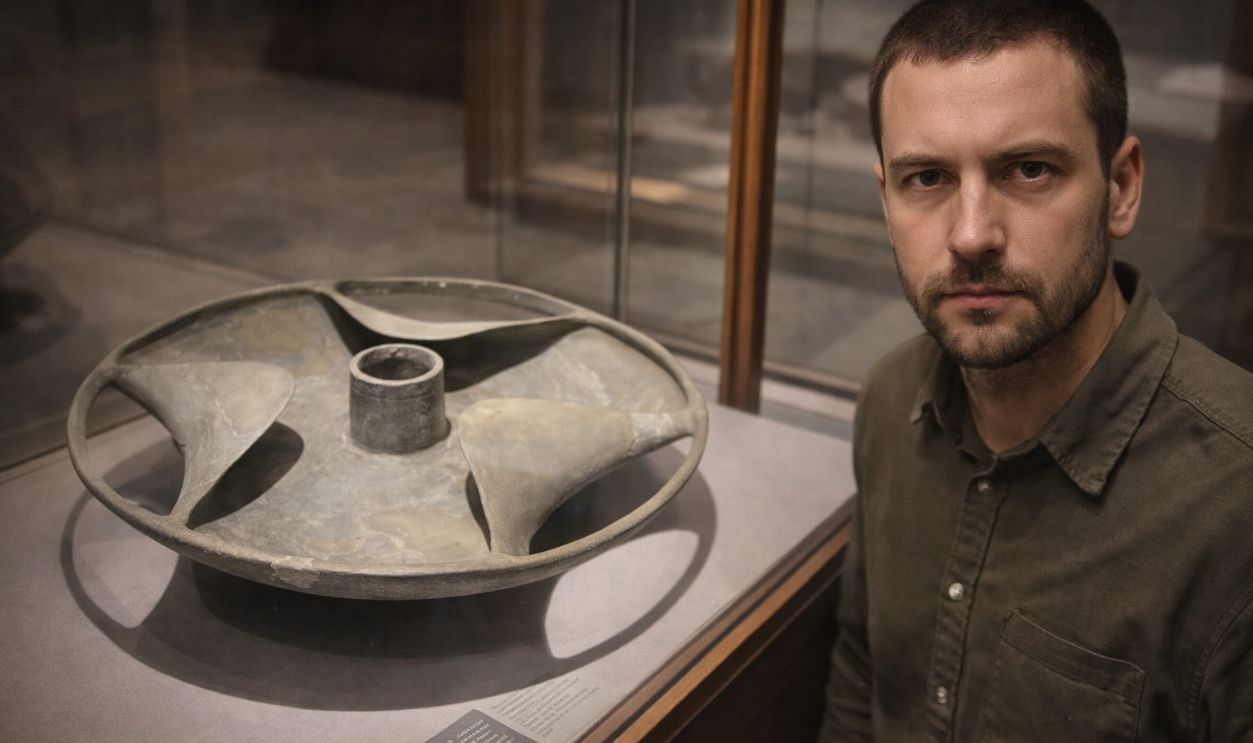
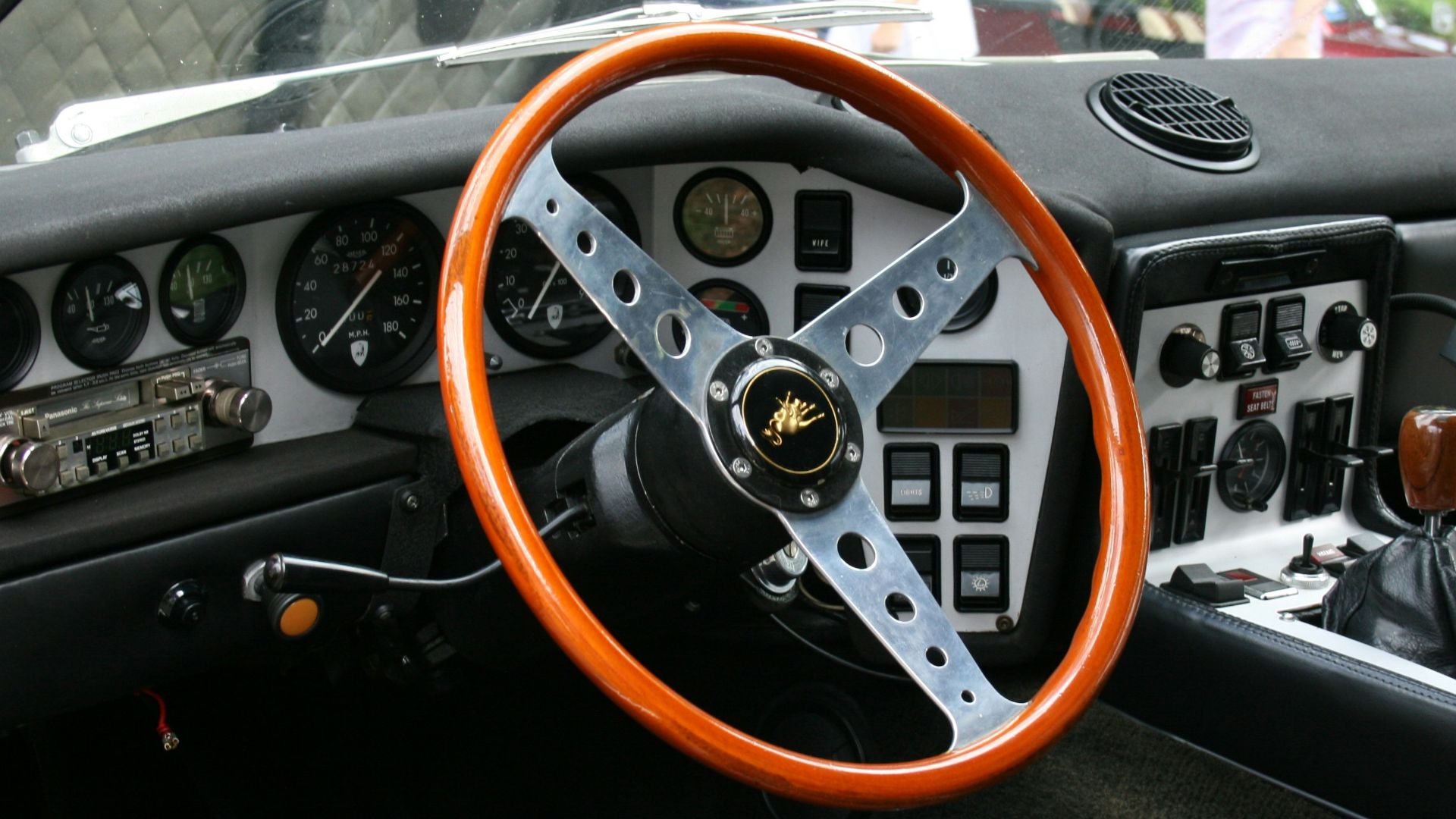
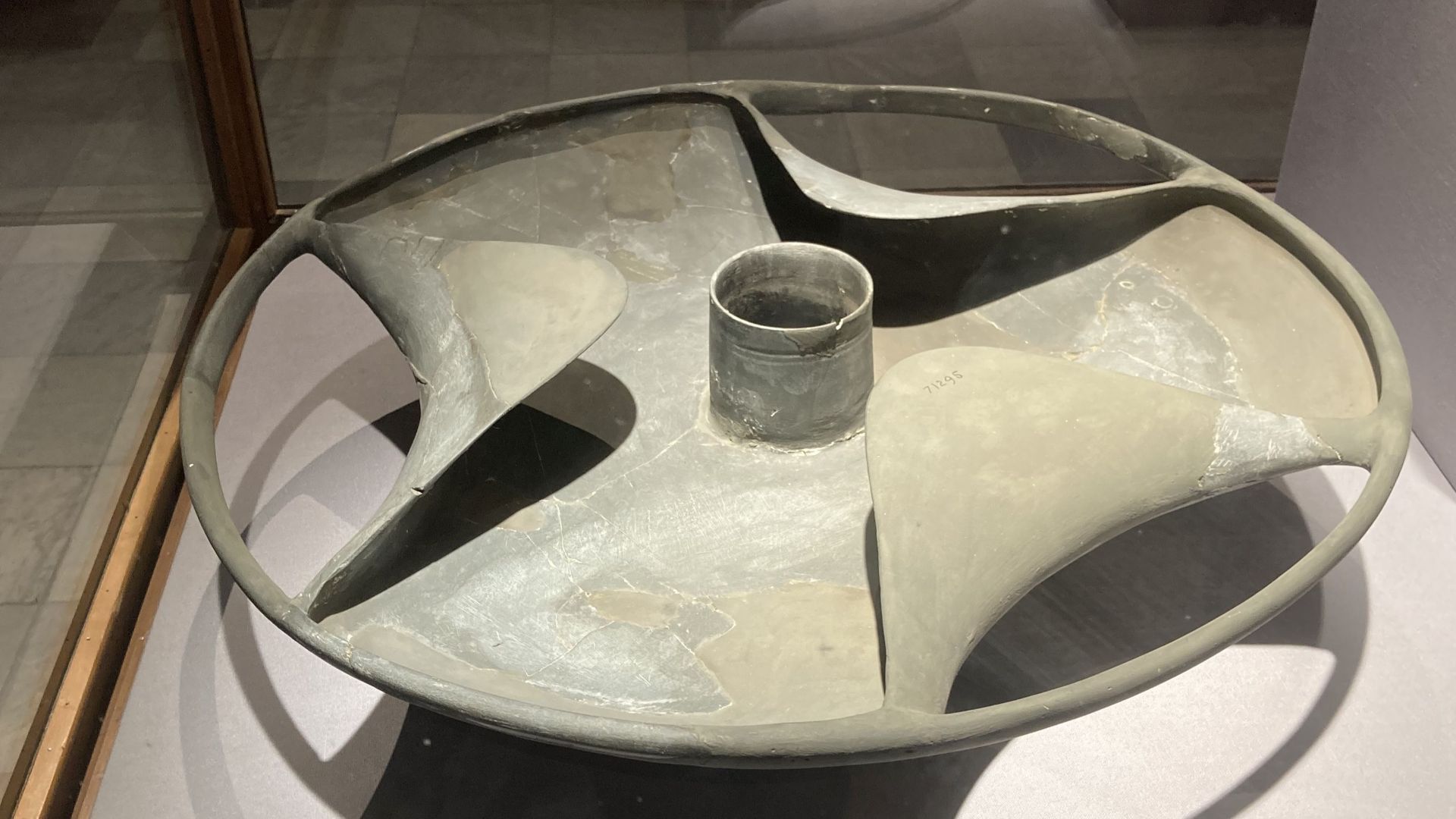
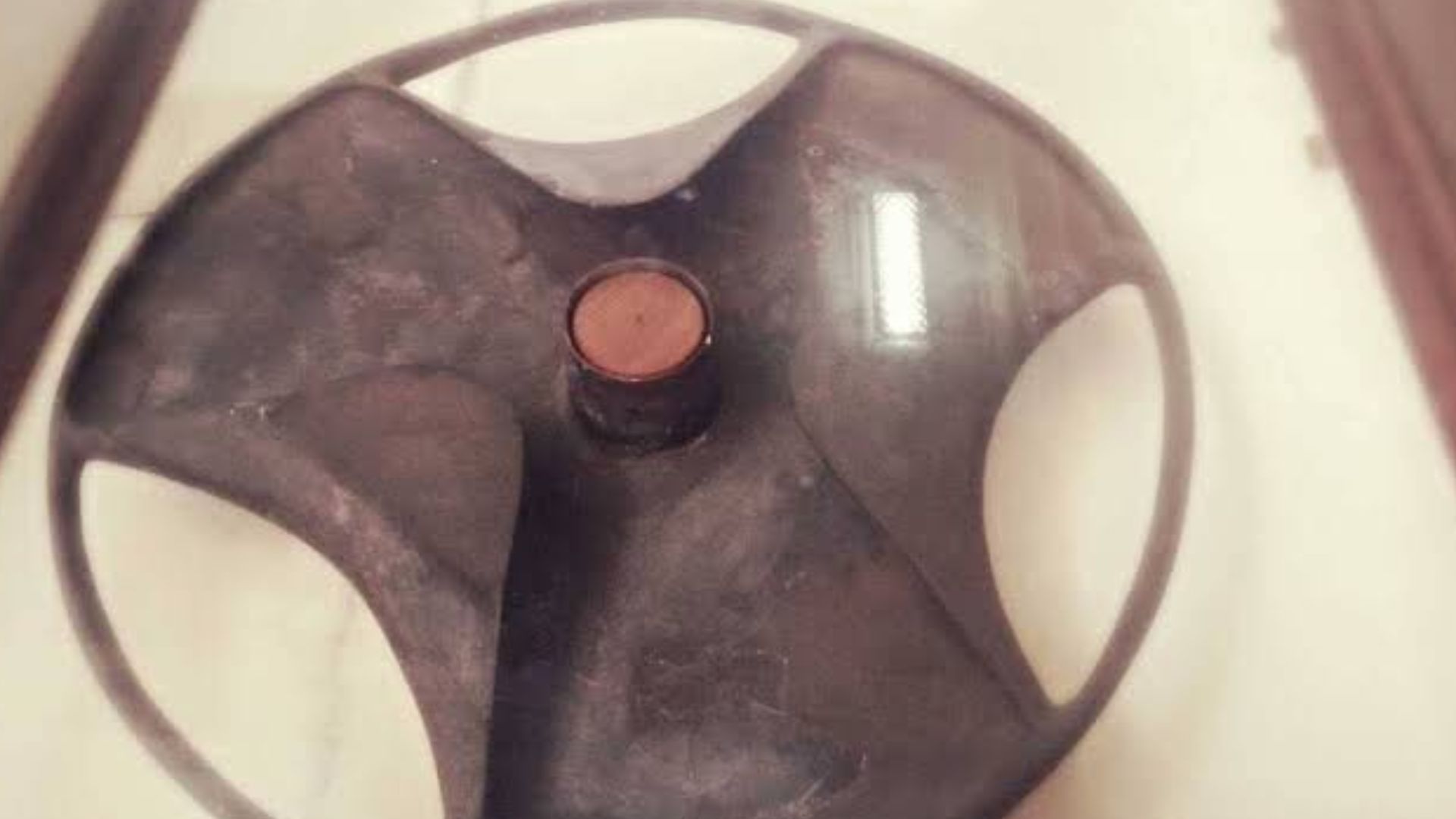
The disk measures precisely 61 centimeters in diameter, roughly 24 inches, making it comparable to a modern car's steering wheel. Its thickness varies dramatically: a mere one centimeter at the edges, swelling to 10.6 centimeters at the center hub. This dimensional variance creates a shallow, concave bowl shape.
Tri-Lobed Design
Three elegantly curved lobes radiate from the disk's slightly raised outer rim at precisely 120-degree intervals. Each lobe curves inward toward the central hub, separated from the rim by three biconvex-shaped perforations that create distinctive openings. The lobes themselves are extraordinarily thin yet smoothly carved.

History's most fascinating stories and darkest secrets, delivered to your inbox daily.
Central Aperture
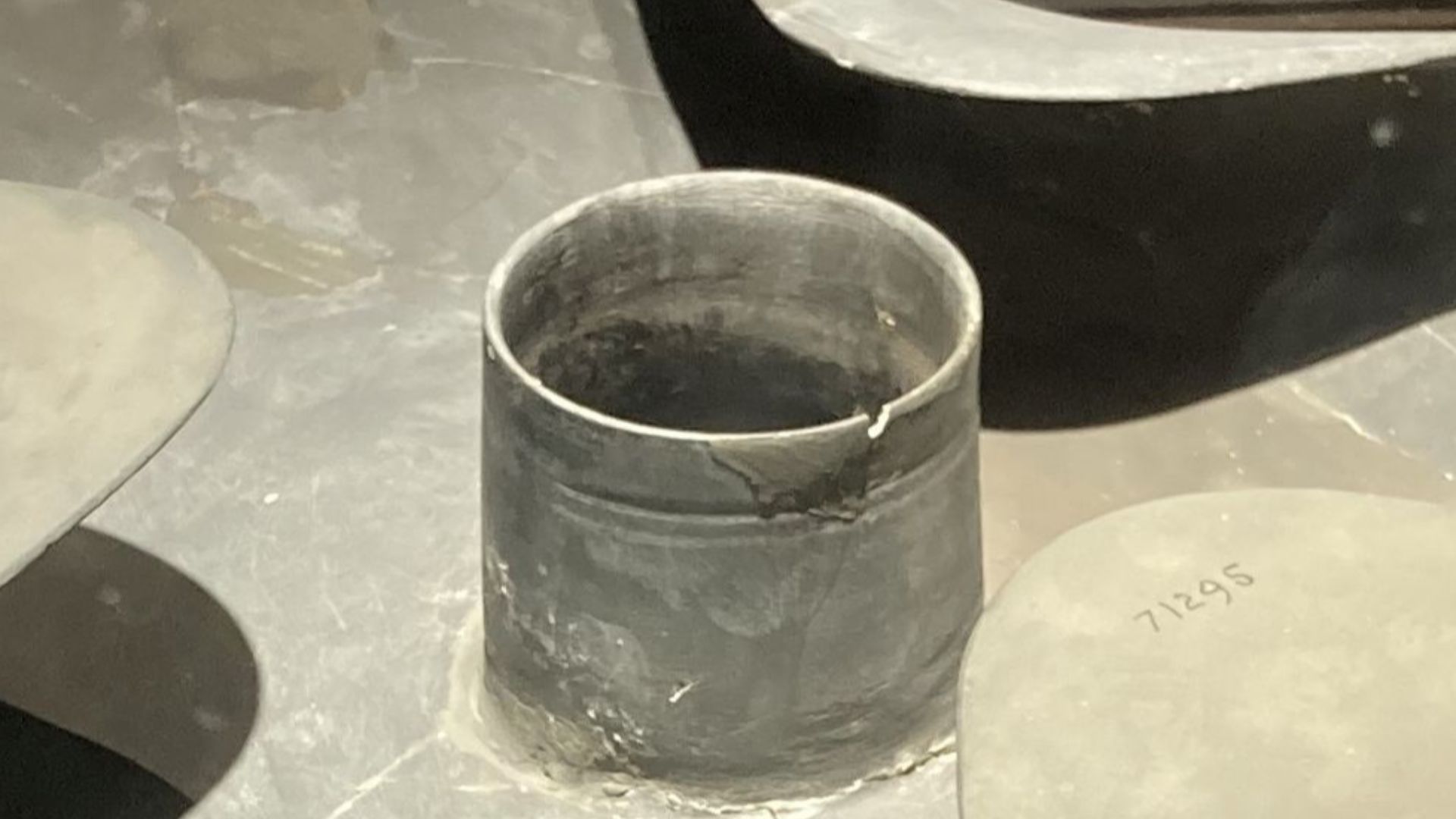
The hub showcases a precisely carved tube approximately ten centimeters in diameter, rising from the disk's center like a socket awaiting insertion. Its interior walls are smooth and uniform, suggesting it was designed to receive an axle, a wooden pole, or a mounting mechanism.
Metasiltstone Composition
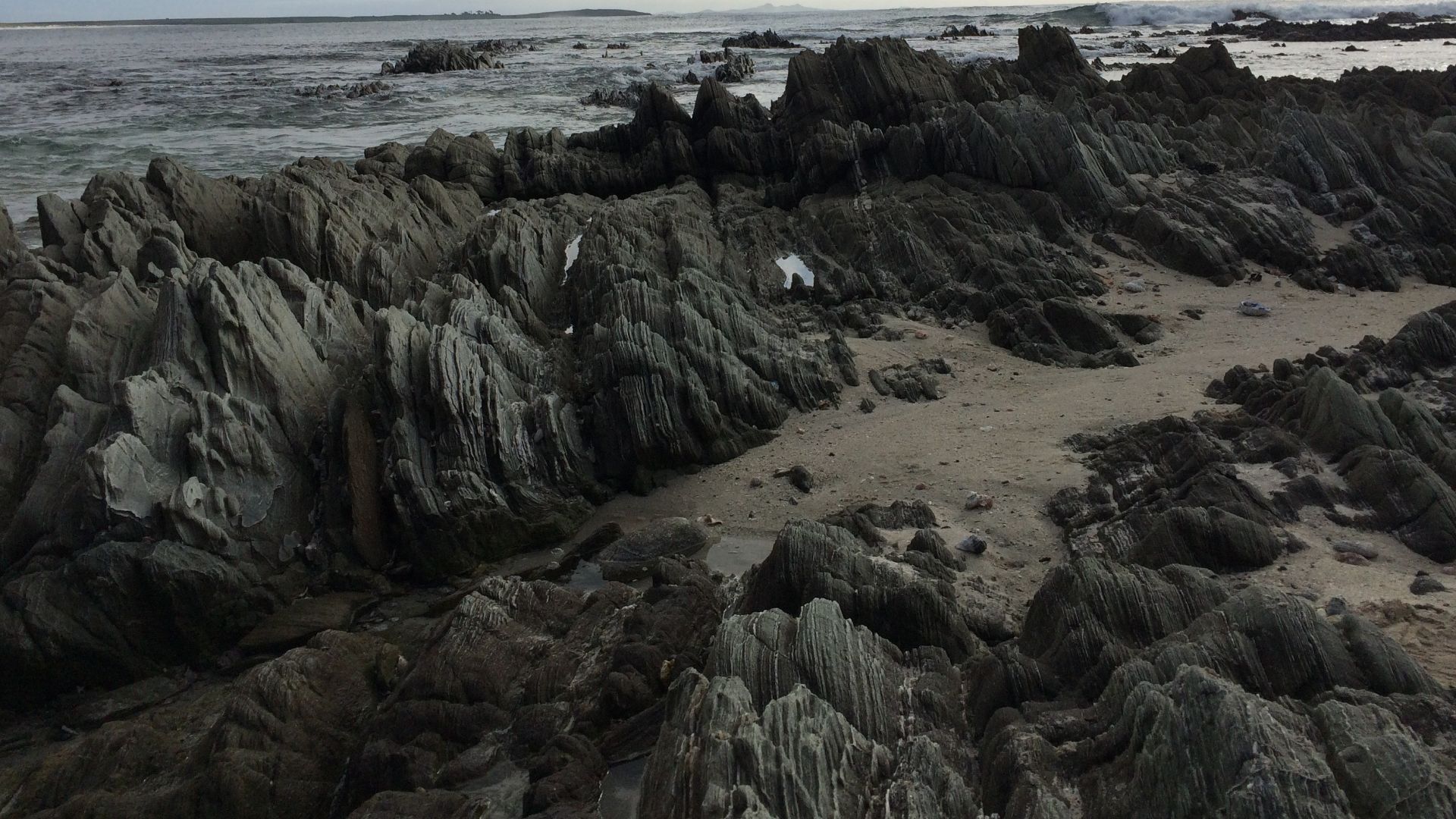
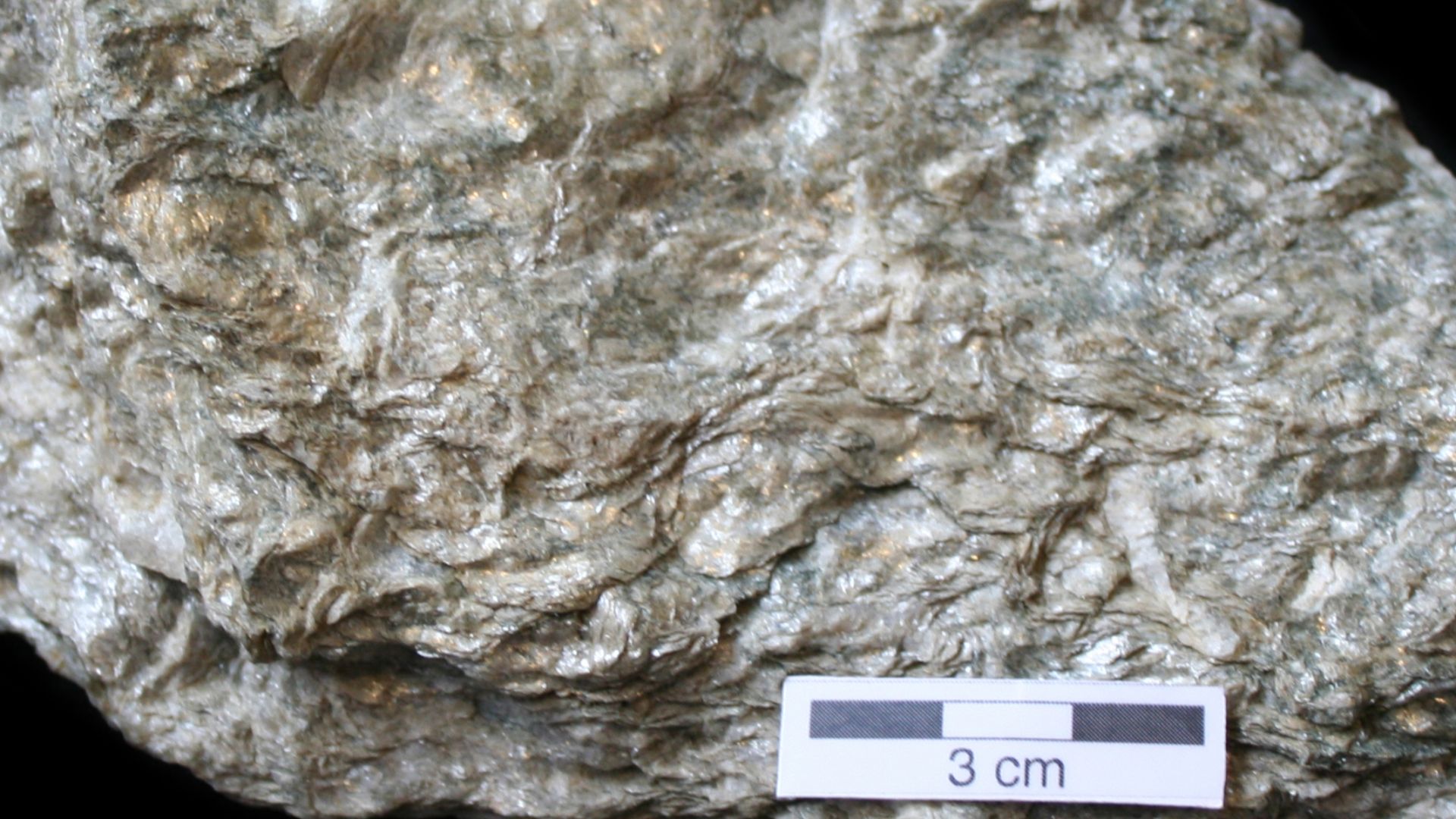
Apparently, the disk is carved from metasiltstone, a metamorphic rock that Egyptologists historically called "schist". This material consists of weakly metamorphic siltstone, rich in mica, quartz, and other lamellar minerals that make it notoriously brittle and prone to fracturing along lateral planes.
Brittle Paradox
Metasiltstone's mica-rich composition crafts a nightmare scenario for ancient carvers: the material fractures easily under impact stress, yet this disk features razor-thin edges and delicate curves that would shatter with the slightest miscalculation. Modern craftsmen who've attempted replication describe the process as working with "controlled fragility".
 Michael C. Rygel, Wikimedia Commons
Copper Limitations
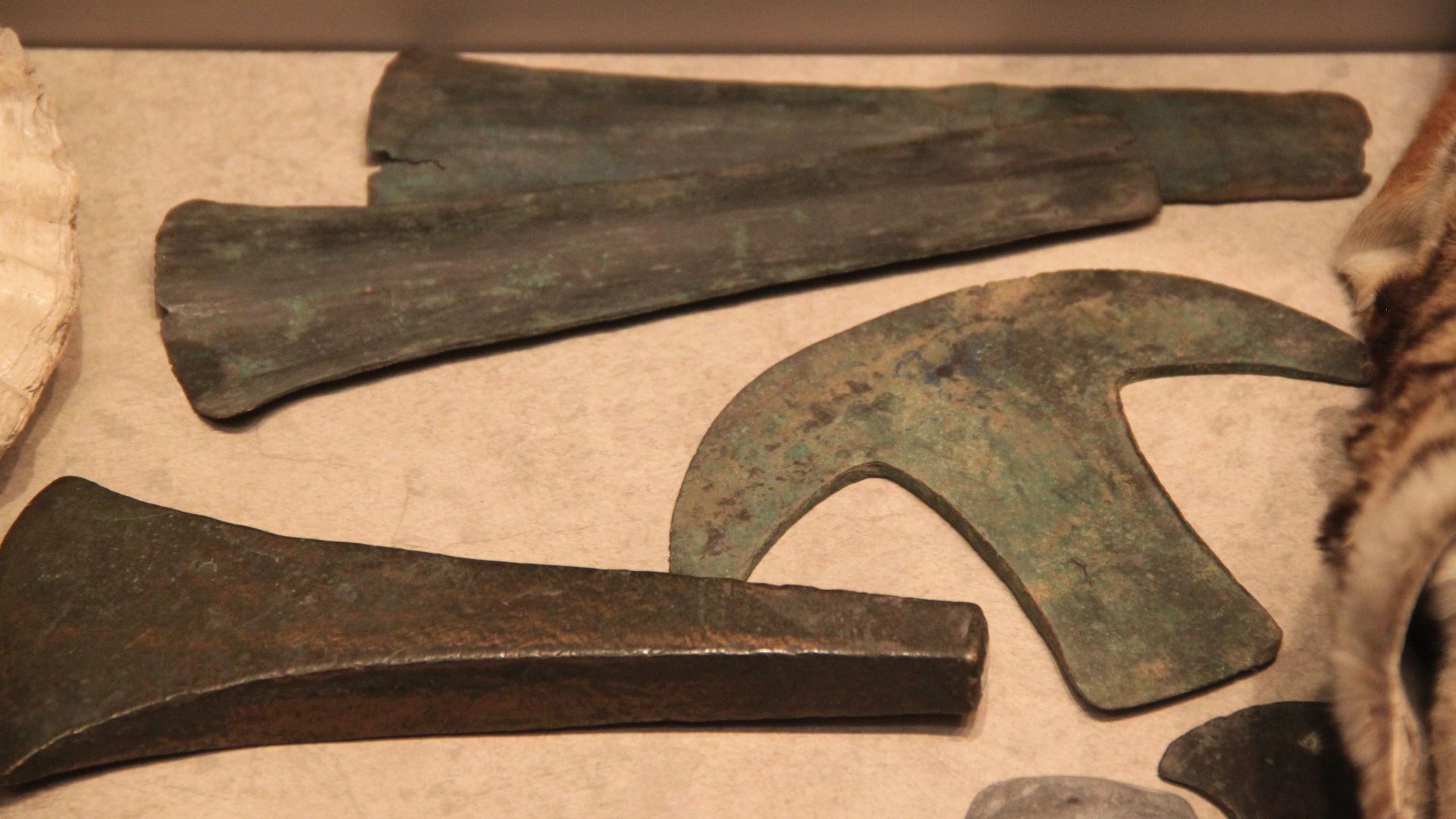
First Dynasty Egyptians worked primarily with copper tools such as chisels, saws, and drills made from metal far softer than the stones they carved. Copper ranks 2.5–3 on the Mohs hardness scale, while metasiltstone contains quartz particles rating 7, making direct carving physically impossible.
 Gary Todd from Xinzheng, China, Wikimedia Commons
No Prototypes
Archaeological excavations across Egypt spanning two centuries have uncovered thousands of First Dynasty stone vessels, yet not one prototype, failed attempt, or similar tri-lobed design exists in the archaeological record. This absence defies normal technological development patterns, where craftsmen typically progress through trial-and-error stages.
Unique Artifact
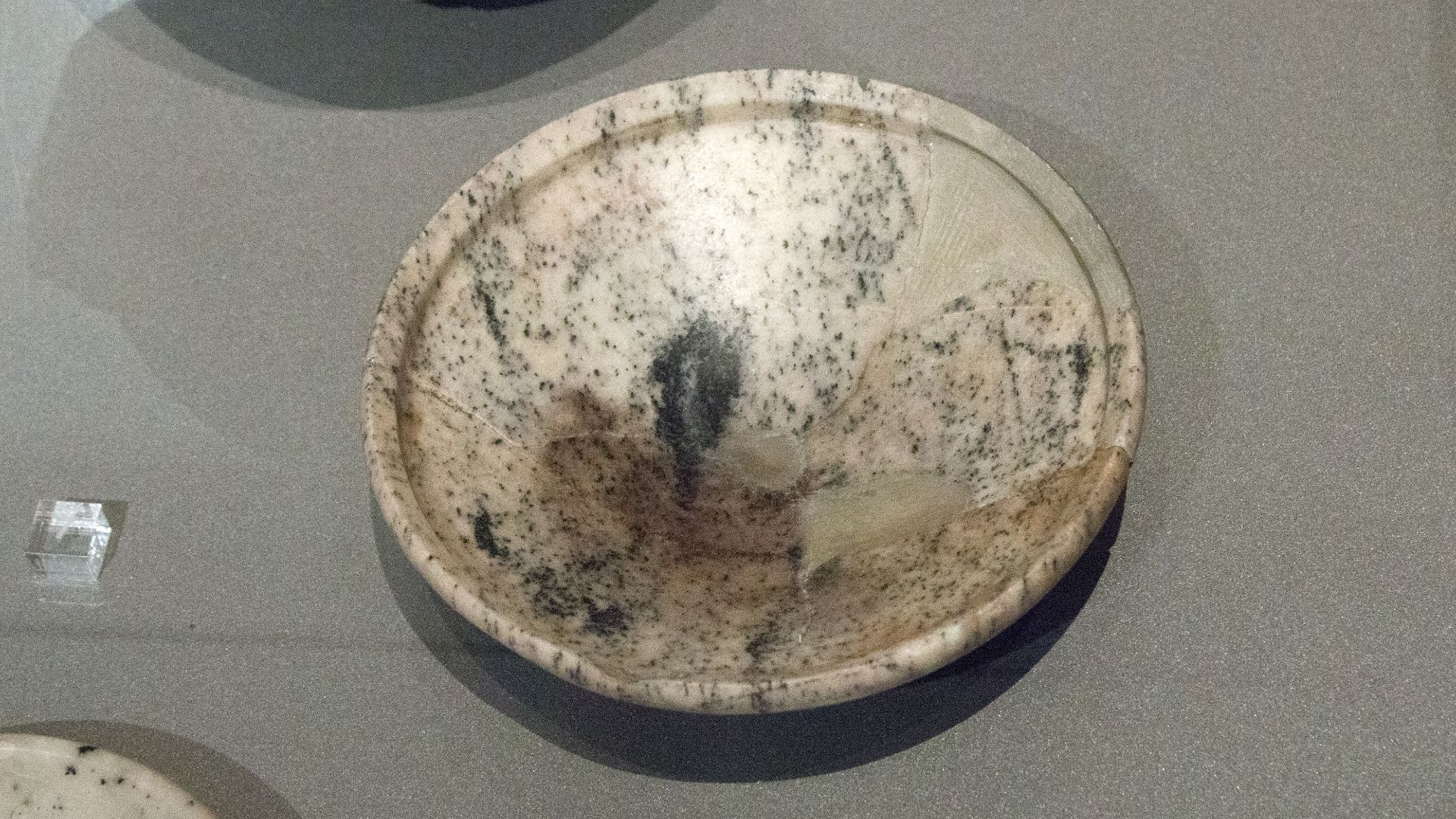
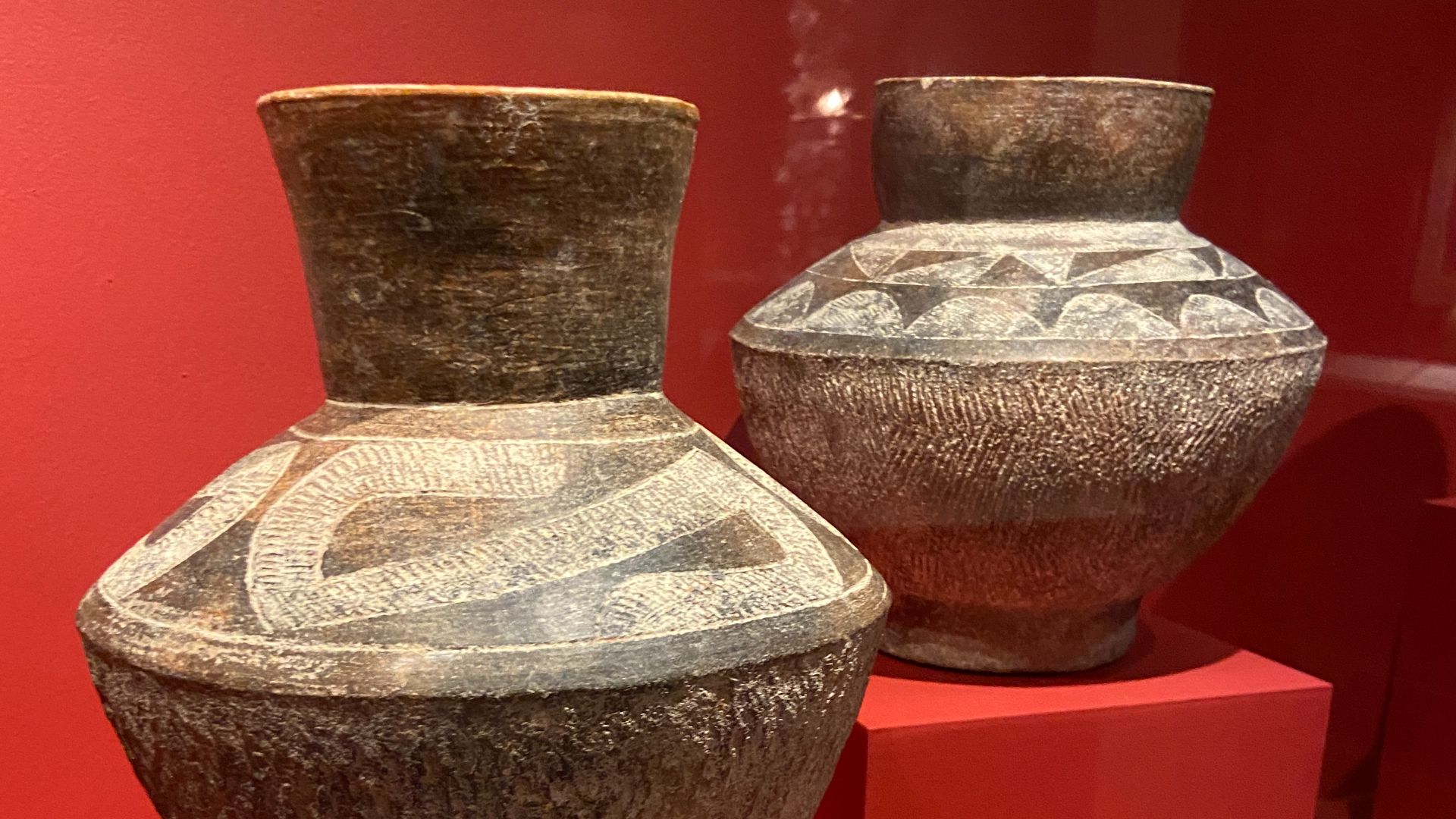
While First Dynasty Saqqara yielded numerous high-quality slate objects, stone bowls, and ceremonial vessels, the disk's tri-lobed configuration remains unprecedented in Egyptology. Contemporary stone vessels featured simple cylindrical, ovoid, or flat bowl shapes without integrated perforations or complex radial arrangements.
 Ahmed bin Tariq, Wikimedia Commons
First Dynasty Saqqara
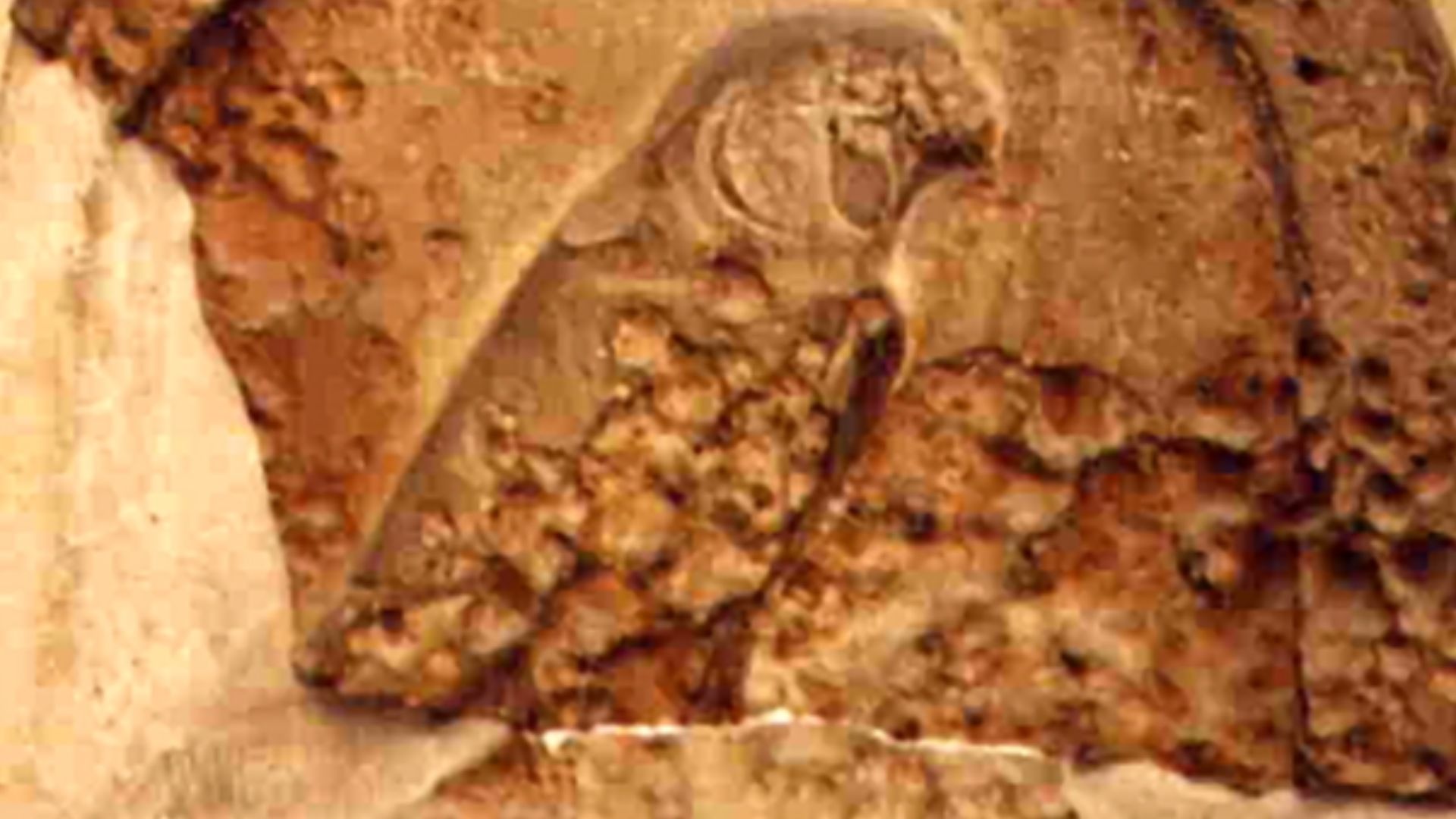
This refers to the elite burial ground used during Egypt’s First Dynasty (c 3100–2900 BCE), at the dawn of pharaonic civilization. Several First Dynasty kings (likely including Djer, Djet, and Den) and many top officials were buried in large mudbrick tombs.
Missing Purpose
Walter Emery initially speculated it might function as a ceremonial vessel or stand-mounted container, though no supporting stand remnants appeared in the tomb. The Cairo Museum labels it simply as an "incense container" despite zero proof. The disk's elaborate structure seems engineered for a specific mechanical function.
Wheel Controversy
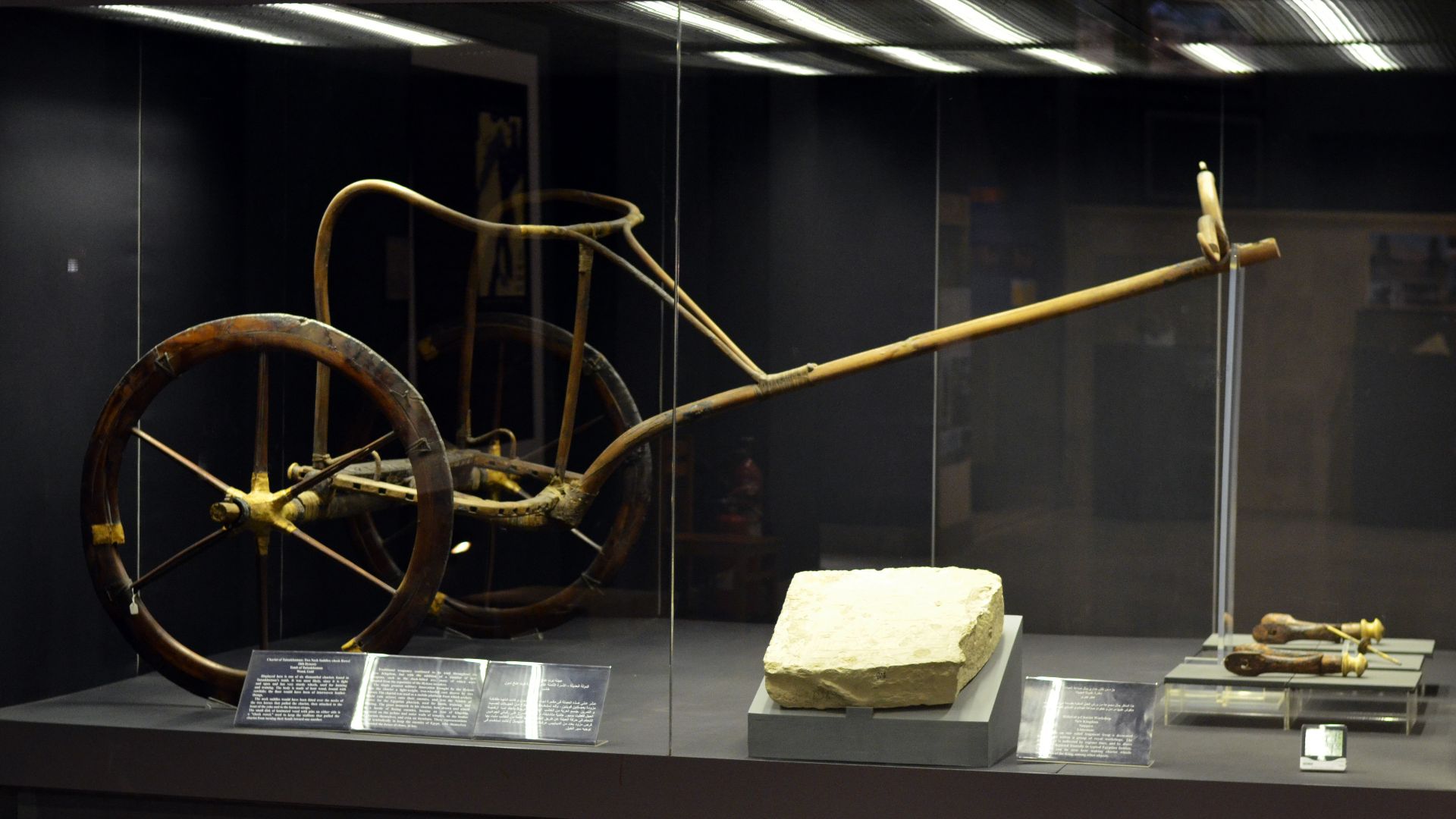
Conventional Egyptian history places the wheel's introduction around 1500 BCE during the Hyksos invasion, when foreign warriors brought chariot technology into the Nile Valley. The Sabu disk predates this timeline by approximately 1,500 years, potentially revolutionizing our understanding of technological development in ancient Egypt.
 Heidi Kontkanen, Wikimedia Commons
Metallic Original
Famous Egyptologist Cyril Aldred concluded that regardless of the disk's intended purpose, its design unmistakably represents a stone replica of an older metallic object. Since producing metal objects in this shape would be relatively straightforward using First Dynasty copper-working techniques, while carving fragile metasiltstone into this form proves extraordinarily complex.
Impeller Hypothesis
Modern engineers examining the disk have noted superficial similarities to centrifugal pump impellers. The tri-lobed design, curved blade angles, and central hub configuration mirror principles used in contemporary water pumps and turbines. One speculative theory suggests it functioned as an ancient "impeller" within a larger water-moving apparatus.
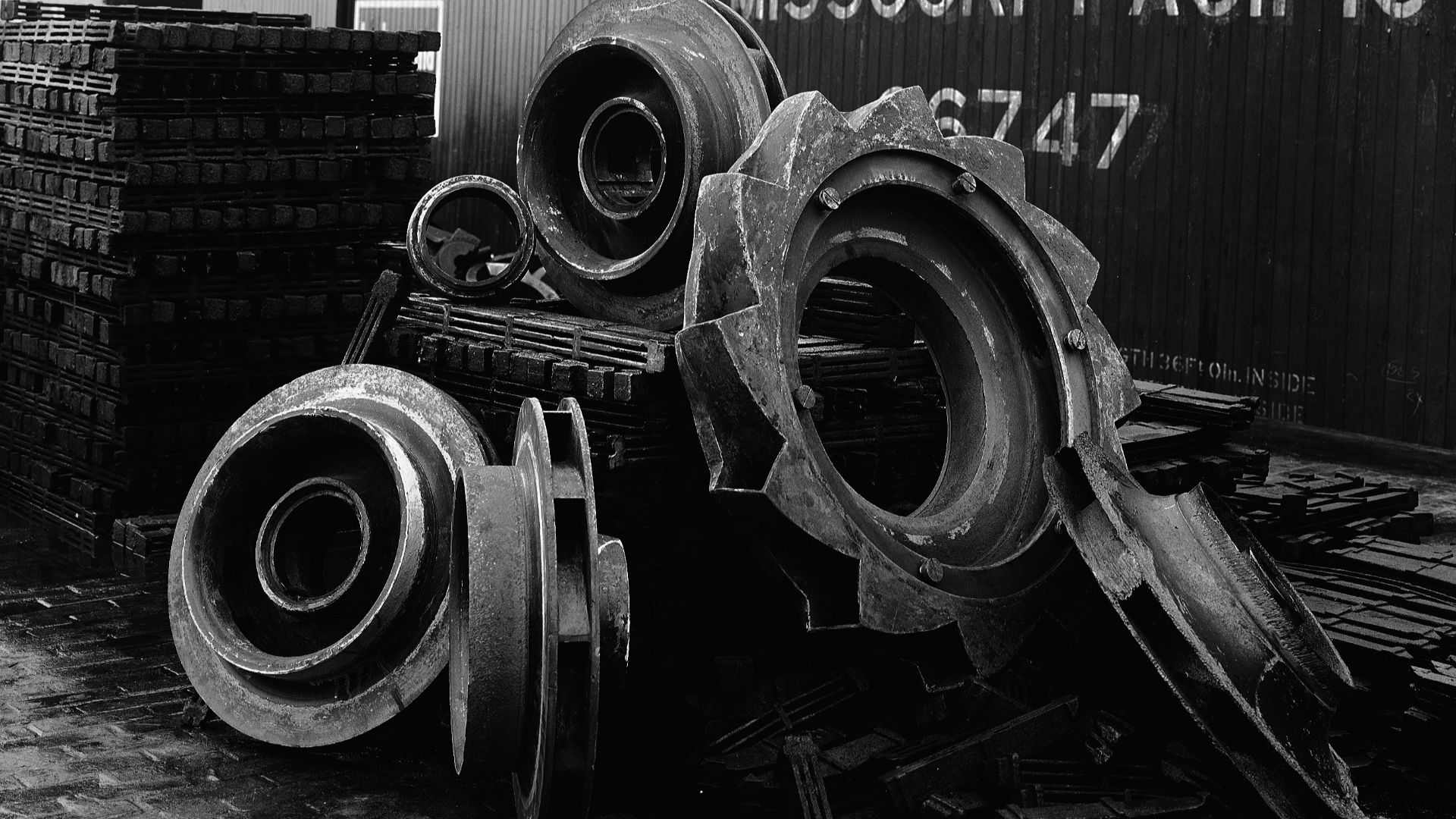 Unknown, probably W.B. Bunnell (Delaware, Lackawanna & Western Railroad), Wikimedia Commons
3D Replicas
Amateur historians and professional engineers have created accurate reproductions using modern 3D printing technology, testing the disk's potential mechanical properties in controlled laboratory conditions. These replicas, printed in resin and metal rather than brittle stone, allow researchers to experiment without risking the irreplaceable original artifact.

Vortex Results
Amateur experimenters documented how the tri-lobed geometry displaces water efficiently when rotated, generating centrifugal force that pushes liquid outward from the central hub. Without housing or directional channels to contain and guide this displaced water, however, the vortex dissipates chaotically rather than producing useful pumping action.

Incense Theory
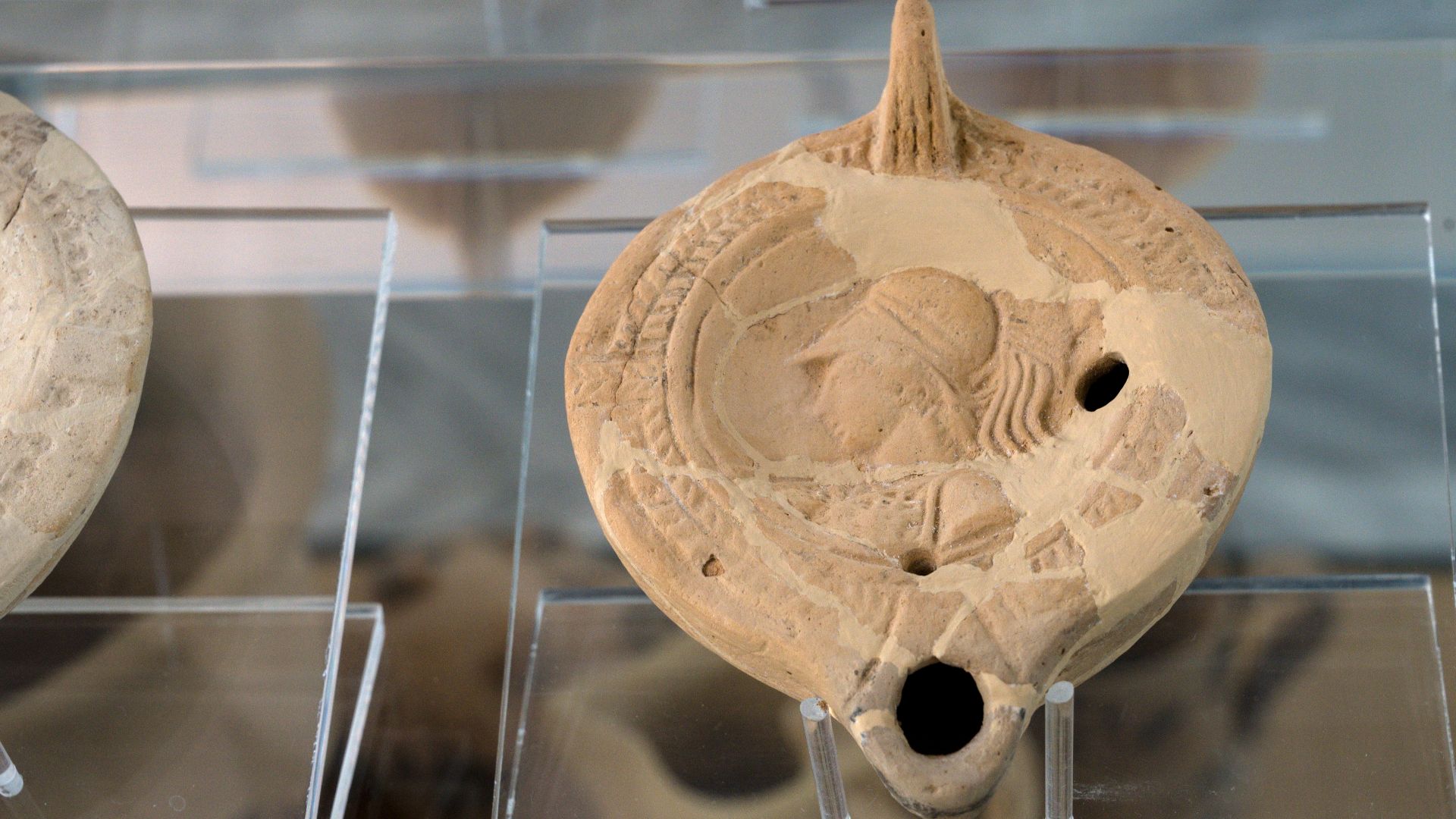
Early excavation reports dubbed the find a "mysterious vessel" and speculated it served as a gigantic three-flame oil lamp during ritual activities. English engineer William Kay later developed this hypothesis, proposing that the three lobes functioned as individual wick holders, with the bowl containing sacred oils.
Beer Production
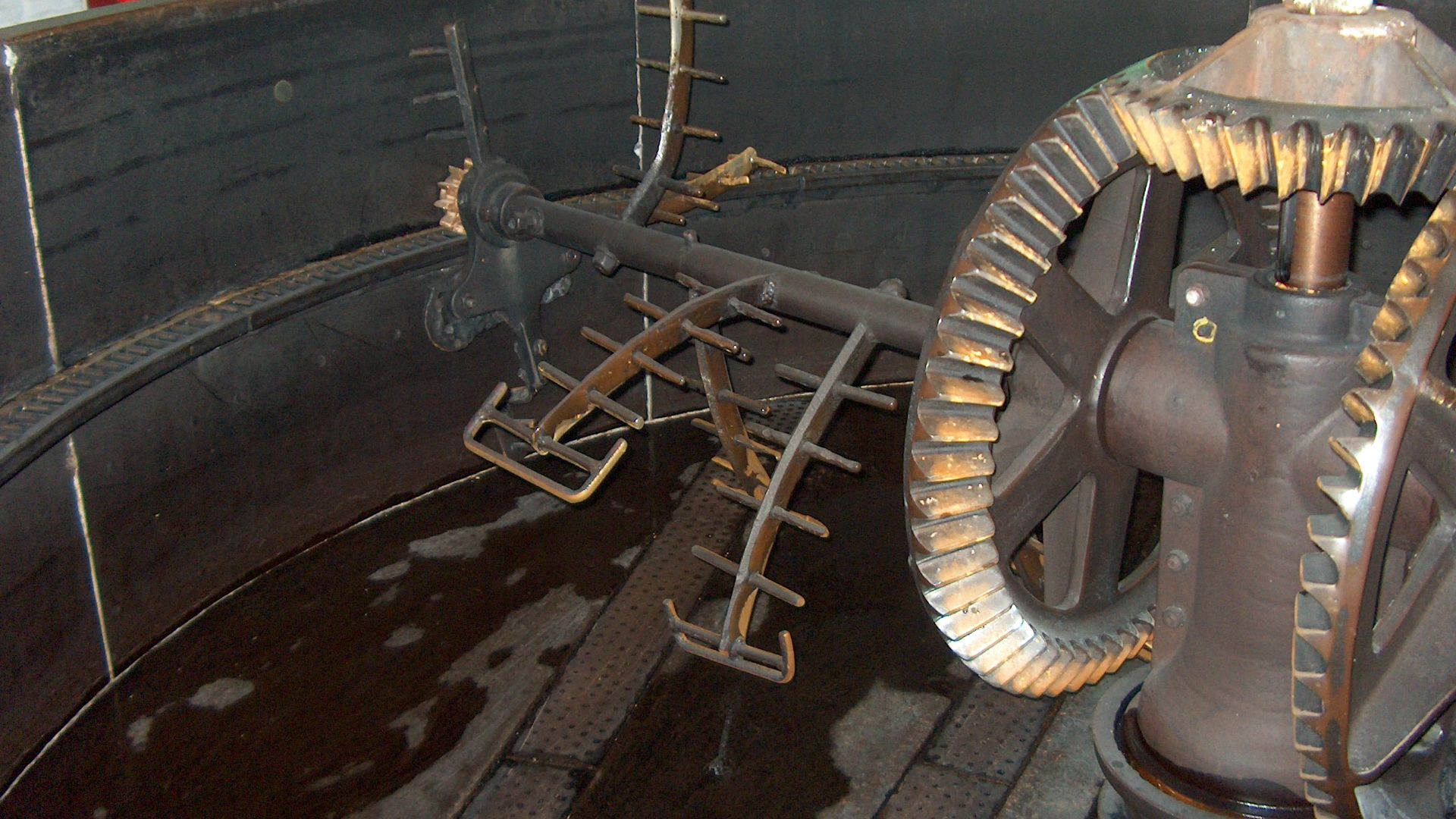
Some Egyptologists propose that the disk functioned as a specialized mash rake for ancient beer brewing. The theory suggests brewers would stir the disk through fermenting grain mixtures, with the tri-lobed design efficiently agitating mash without damaging delicate grain particles. Contextual evidence from Sabu's tomb supports this.
Cairo Display
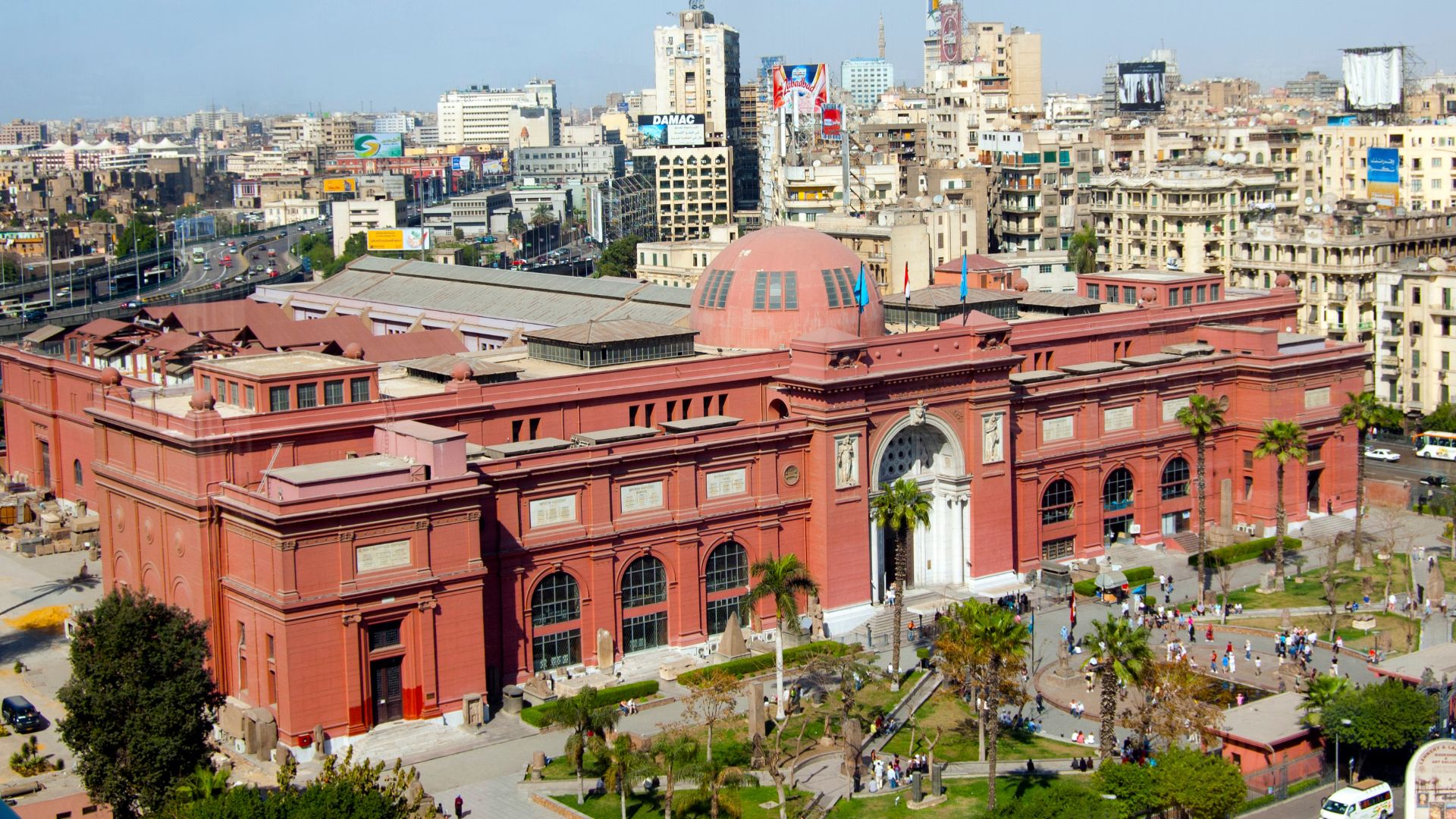
The restored Sabu disk currently resides in the Egyptian Museum's first wing in Cairo, where it continues thrilling visitors from around the world. Displayed under inventory number JE 71295, it's often labeled simply as "Vase of Schist"—an underwhelming description for such an enigmatic artifact.