The Ones History Wouldn’t Drop
Leading an army is no small feat, and while most names never come up again, some did. Their choices stuck, quietly steering how battles unfolded across very different worlds.
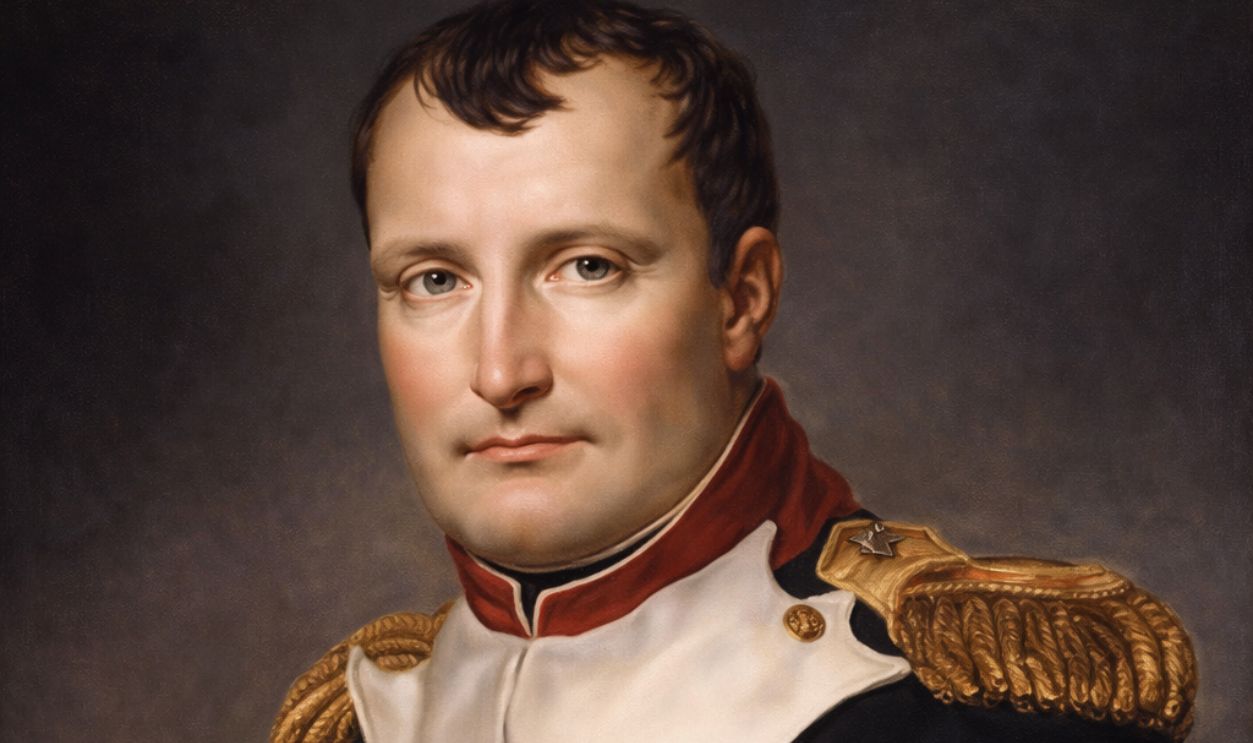 Jacques-Louis David, Wikimedia Commons
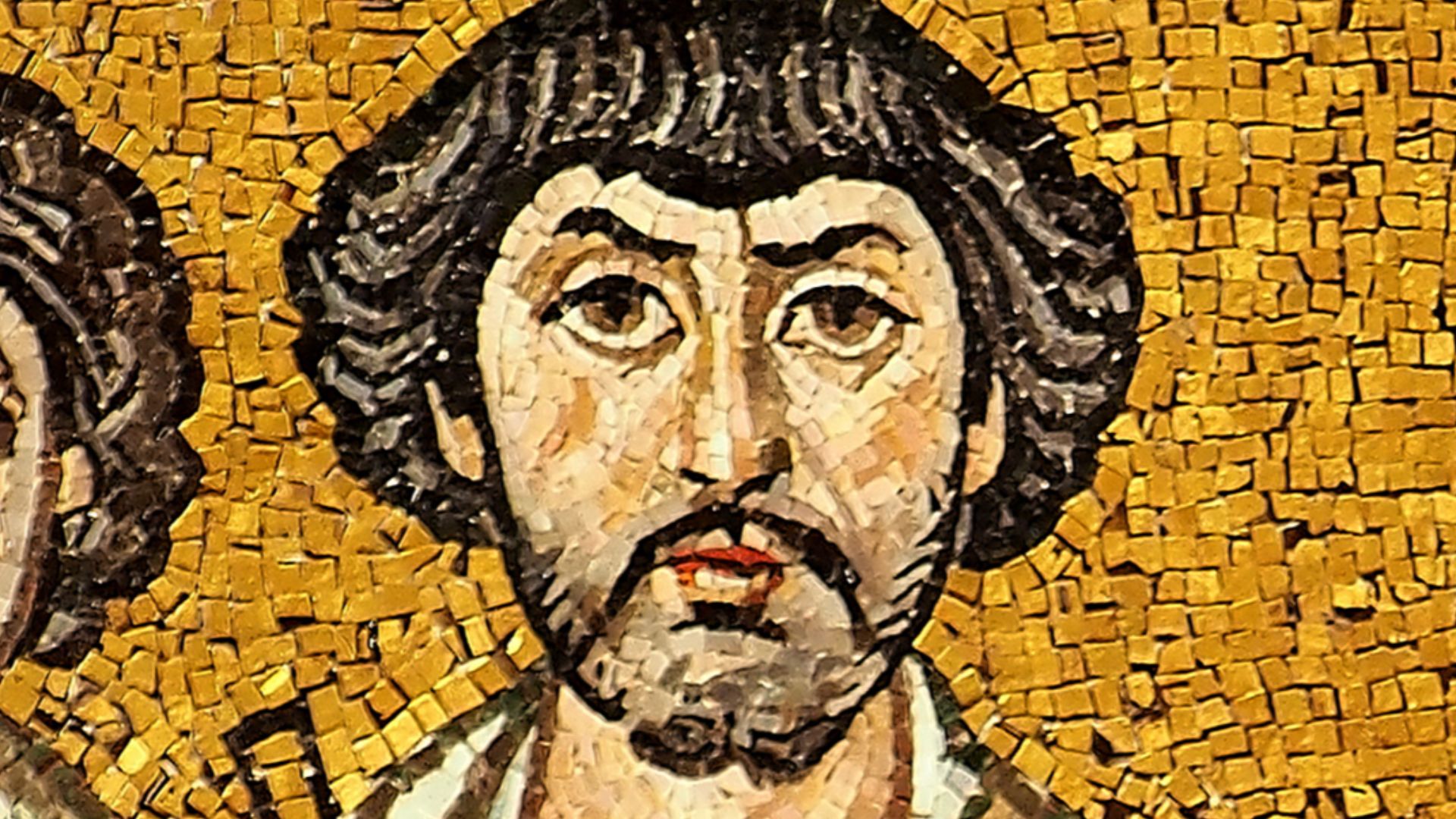
25. Belisarius
Emperor Justinian's greatest general reconquered North Africa, Italy, and parts of Spain with armies one-tenth the size of the enemies he faced. At Dara, Belisarius dug trenches and used cavalry feints to slaughter a stronger Persian force. Jealous courtiers constantly undermined him, yet loyalty to Justinian never wavered.
 Petar Milosevic, Wikimedia Commons
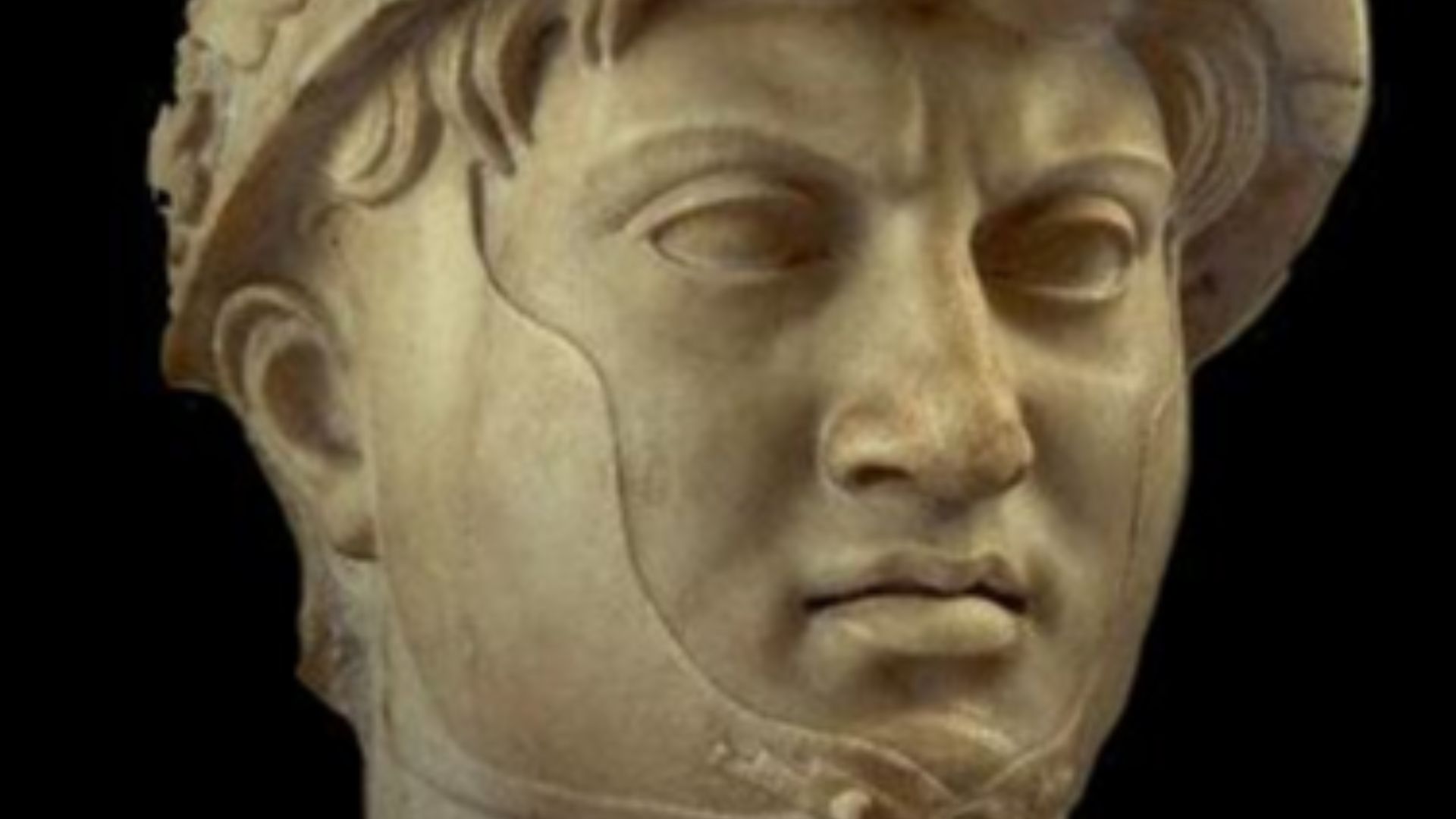
24. Pyrrhus Of Epirus
"Another such victory and I am lost" became history's most famous complaint about winning battles. Pyrrhus invaded Italy with elephants that terrified Roman legions unfamiliar with the beasts. Military theorists still study his campaigns as masterclasses in winning yourself into defeat through unsustainable attrition.
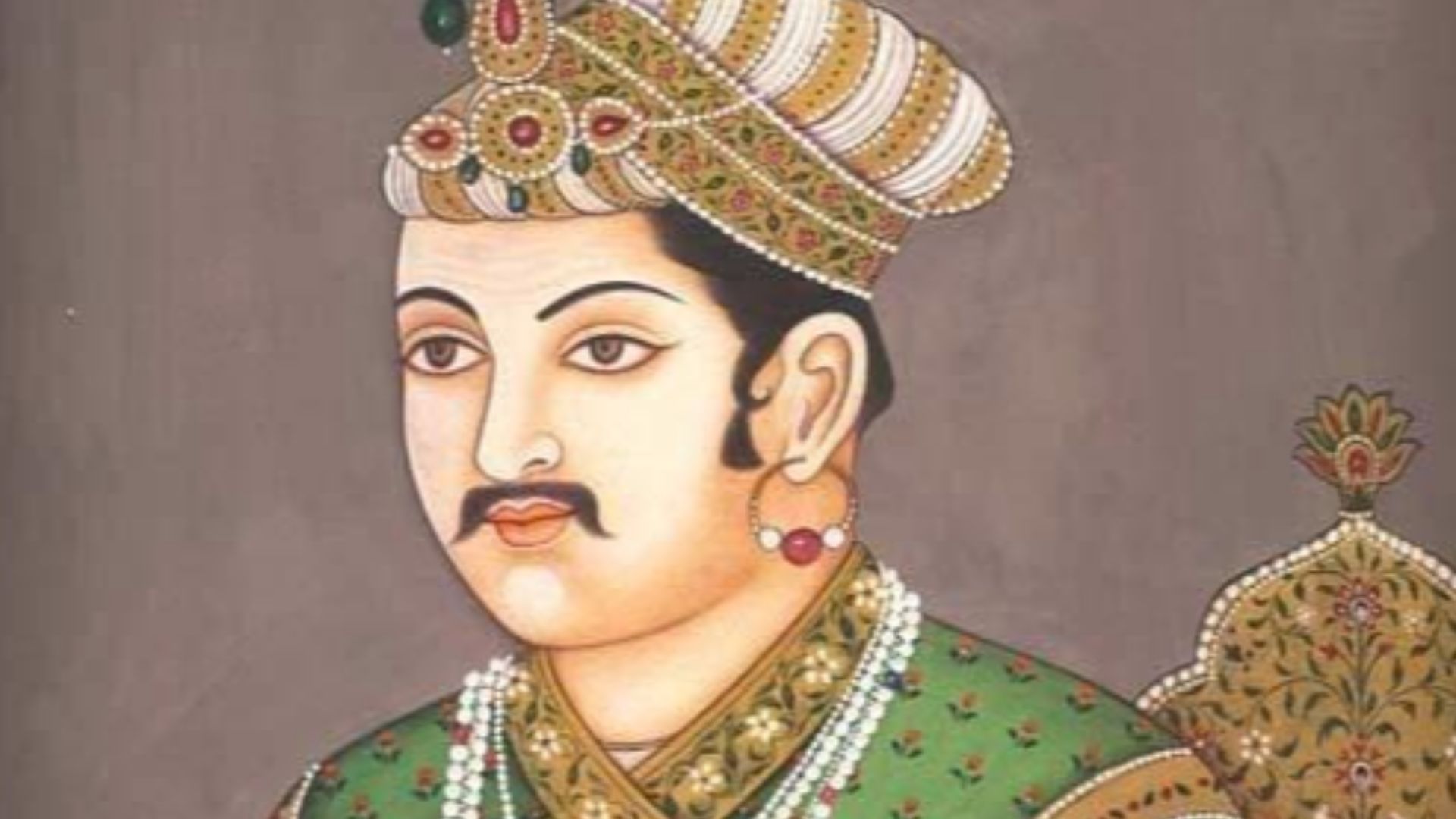
23. Akbar The Great
Mughal Emperor Akbar expanded his realm from Afghanistan to Bengal through military innovation and religious tolerance that kept conquered populations peaceful. He created a centralized military system where officers received salaries instead of land. His administration lasted half a century, blending Persian, Indian, and Mongolian traditions.
 Unknown authorUnknown author, Wikimedia Commons
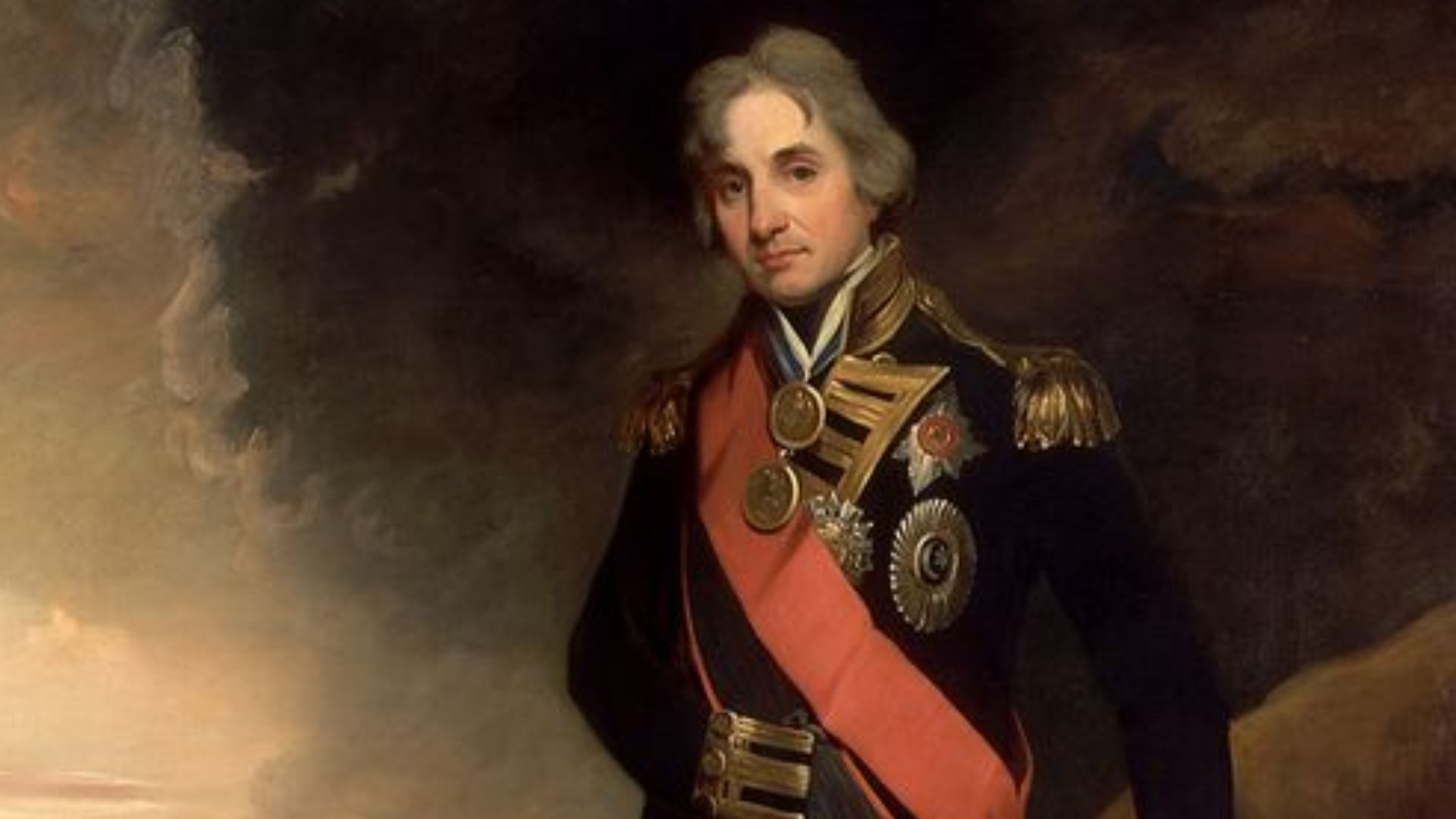
22. Horatio Nelson
Britain's naval supremacy began at Trafalgar, where Nelson's innovative tactics shattered Franco-Spanish fleets despite being outnumbered. Traditional naval battle involved parallel lines exchanging broadsides—Nelson cut through enemy formations perpendicularly for close-range devastation. "England expects that every man will do his duty," signaled before his final battle.
 Attributed to Matthew Shepperson / After John Hoppner, Wikimedia Commons
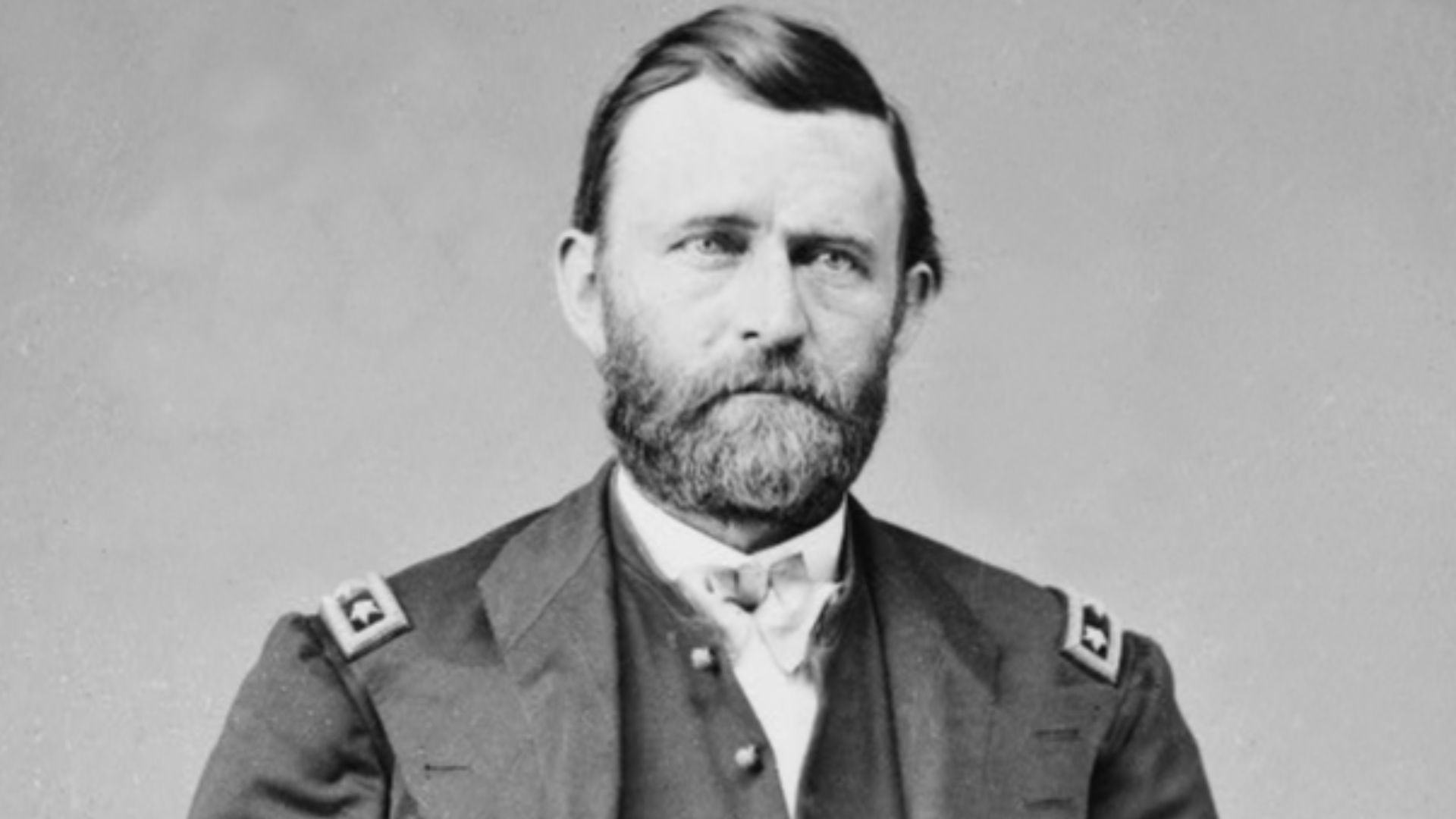
21. Ulysses S Grant
Relentless forward momentum defined Grant's Civil War campaigns, earning him Lincoln's trust after other generals hesitated. His Vicksburg siege cut the Confederacy in half by controlling the Mississippi River through patient starvation tactics. Accepting Lee's surrender at Appomattox, he offered generous terms that helped heal the nation's deepest wounds.
 Brady National Photographic Art Gallery (Washington, D.C.), photographer., Wikimedia Commons
20. Robert E Lee
Confederate General Lee won battles against numerically superior Union forces through audacious flanking maneuvers that kept enemies off-balance. His invasion of Pennsylvania ended disastrously at Gettysburg when subordinates failed to execute orders with customary precision. Military historians still debate whether his aggressive tactics hastened Confederate defeat.
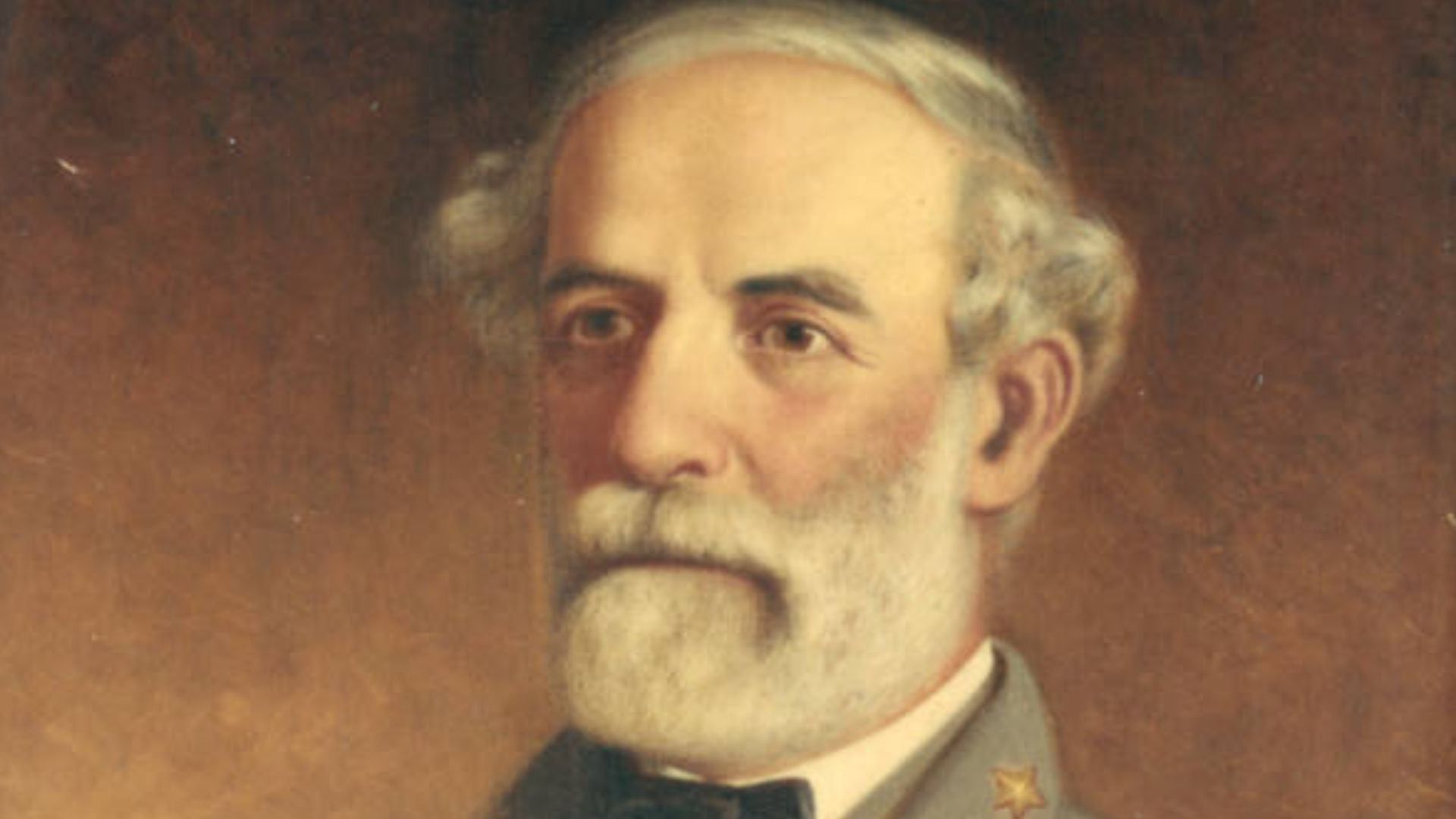 William D. Washington, Wikimedia Commons
19. Timur (Tamerlane)
Tamerlane built pyramids from the skulls of conquered cities, a psychological tactic that made enemies surrender without fighting. His armies moved with shocking speed across Asia, appearing where opponents thought impossible. Despite a crippled leg from an early wound, Timur personally led cavalry charges into his seventies.
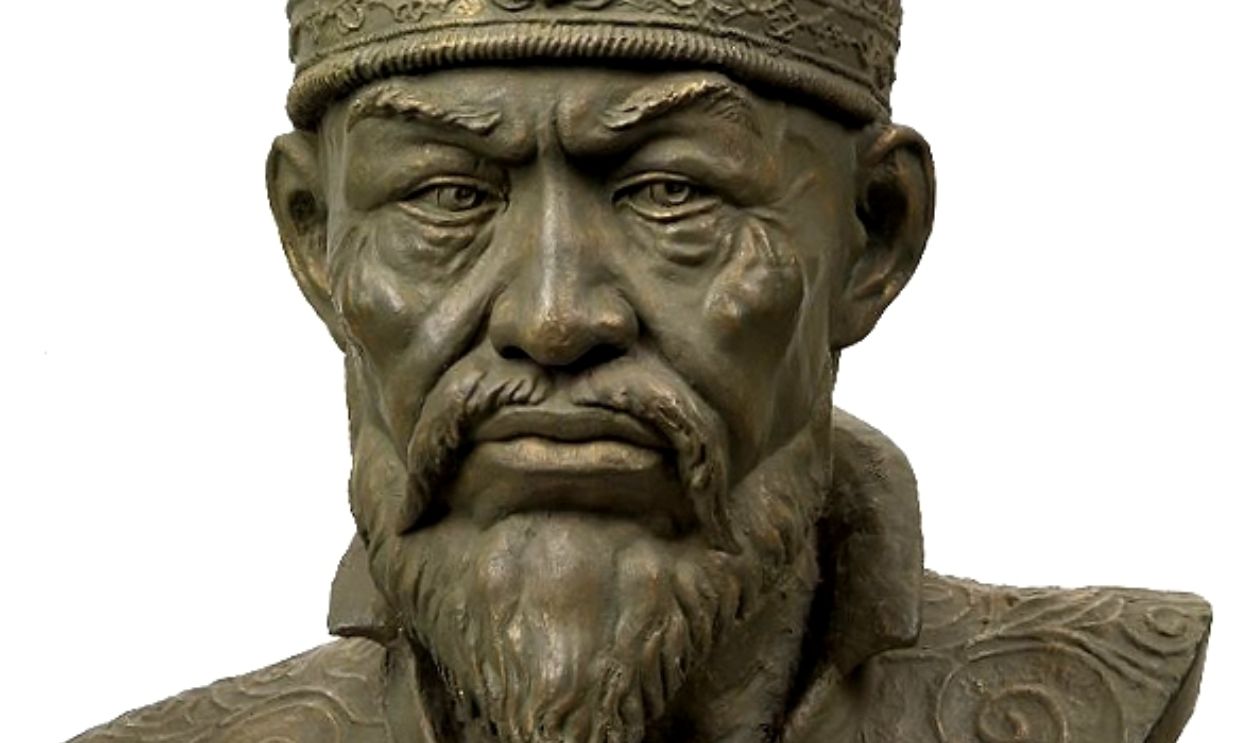 user:shakko, CC BY-SA 3.0, Wikimedia Commons
18. Georgy Zhukov
This commander orchestrated the defense of Moscow when Nazi forces reached the city's outskirts in brutal winter conditions. His counteroffensive at Stalingrad trapped an entire German army, turning the Eastern Front's momentum permanently. Stalin both feared and needed him throughout this period.
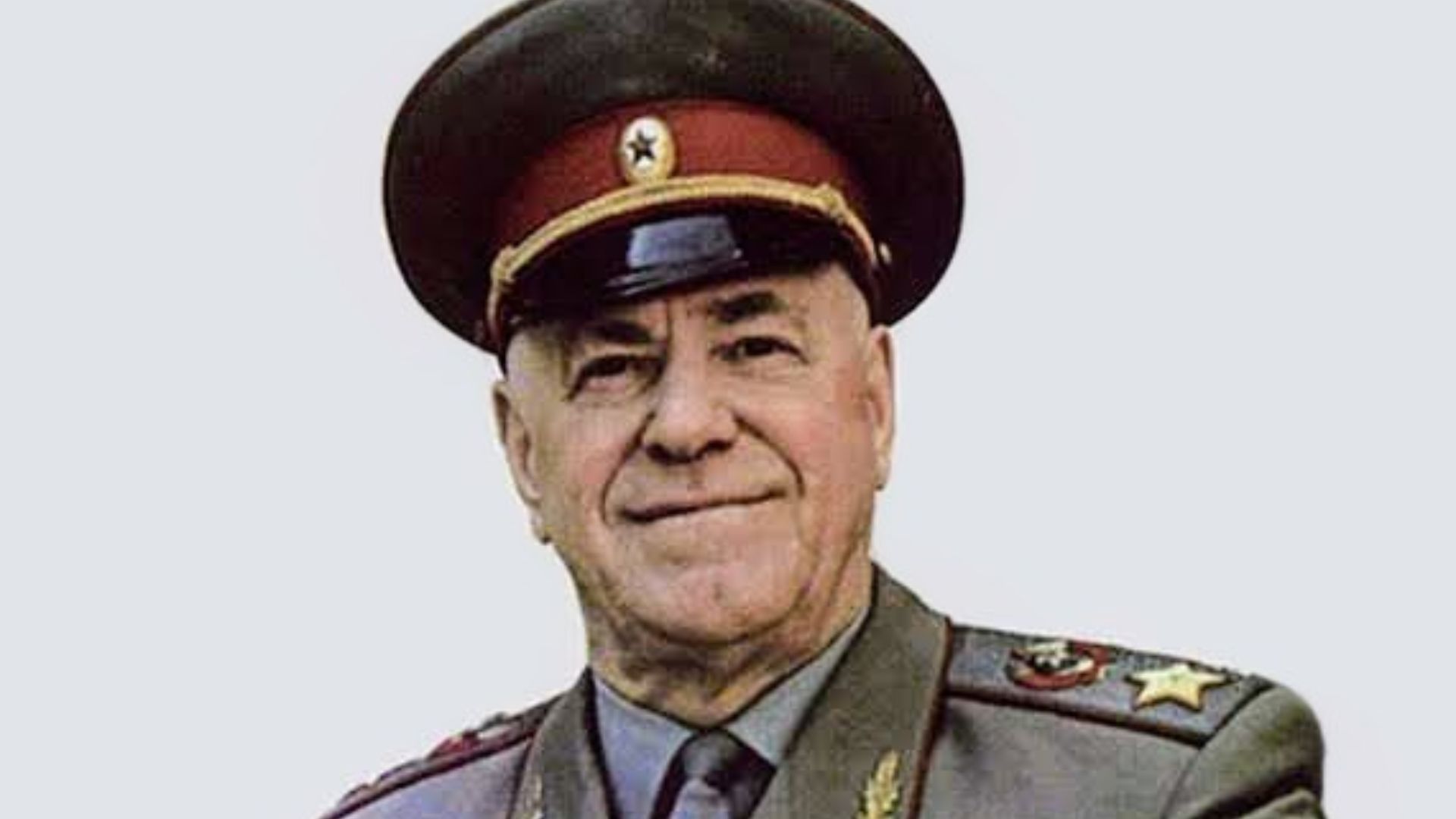 Ministry of Defense of the Russian Federation, Wikimedia Commons

History's most fascinating stories and darkest secrets, delivered to your inbox daily.
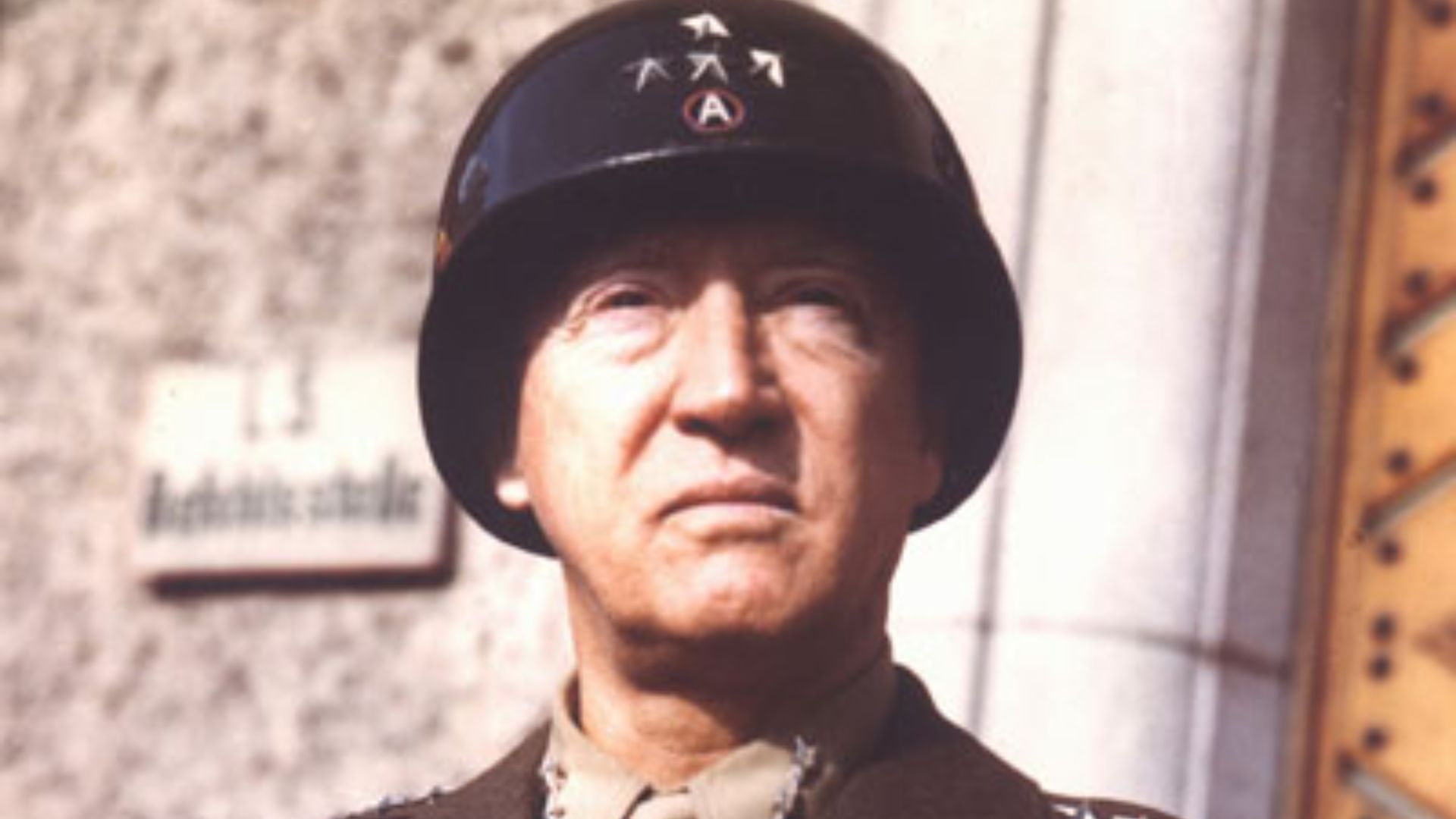
17. George S Patton
Patton believed in reincarnation, convinced he'd fought as a Roman legionnaire and Napoleonic cavalryman in past lives. His Third Army raced across France faster than any comparable force in military history, even liberating territory with lightning armored thrusts. Pearl-handled revolvers and profanity-laced speeches made him America's most theatrical general.
16. Erwin Rommel
The "Desert Fox" earned his nickname by vanishing into North African sand, then striking British supply lines from unexpected directions. Rommel led from the front, often appearing at crisis points to personally inspire subordinates. Hitler's propaganda machine celebrated him while fellow generals resented his fame.
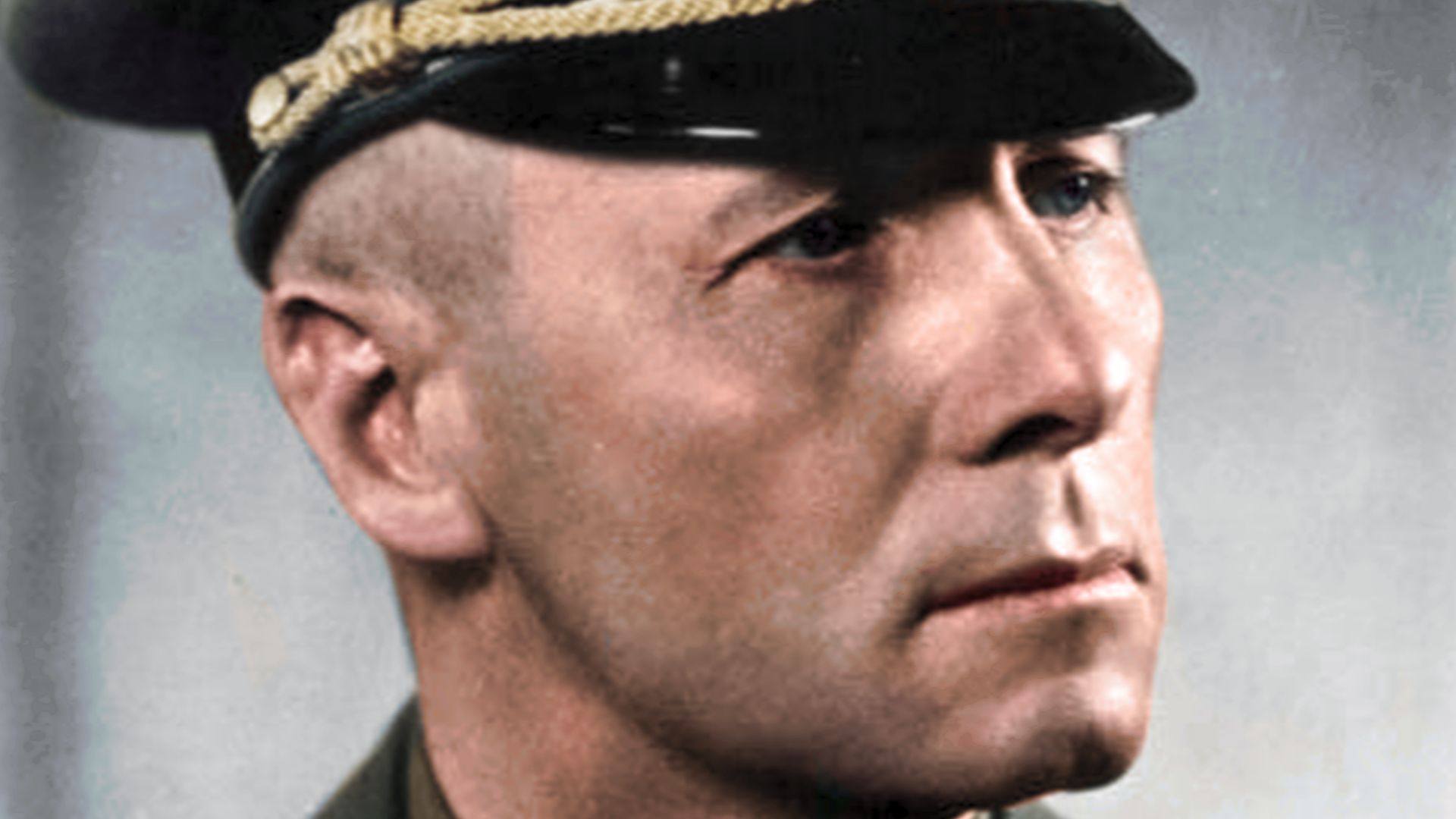 Cassowary Colorizations, Wikimedia Commons
15. Gustavus Adolphus
Swedish King Gustavus revolutionized warfare by combining mobile artillery with disciplined infantry that fired coordinated volleys. The innovations he guided during the Thirty Years's War made Sweden a European superpower despite its small population. Lightweight cannons were moved alongside troops rather than remaining static, providing flexible fire support.
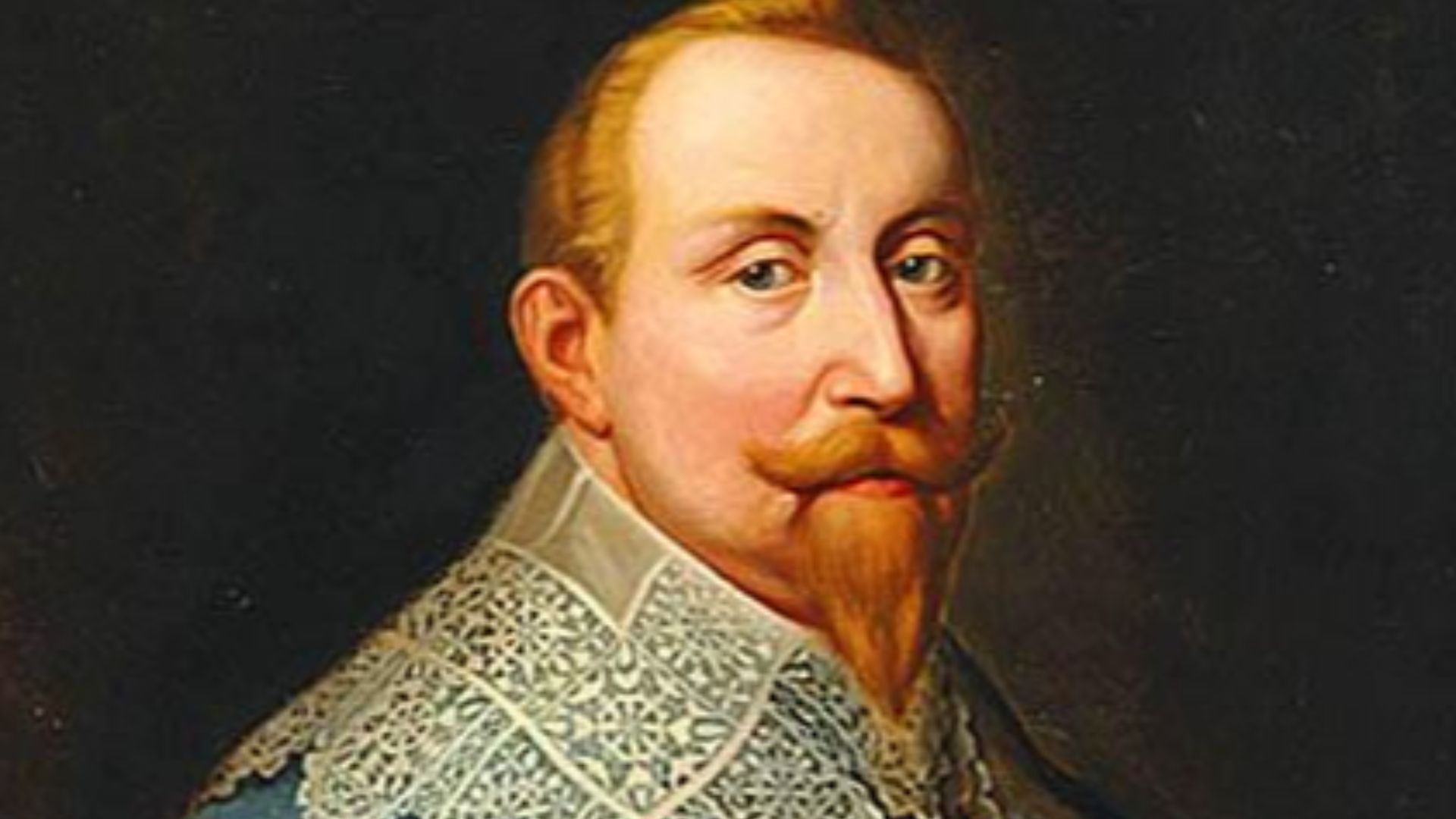 Attributed to Jacob Hoefnagel, Wikimedia Commons
14. Yi Sun-Sin
Admiral Yi never lost a naval engagement despite facing fleets many times larger than his own Korean forces. The turtle ships he used—iron-plated vessels with dragon figureheads spewing smoke—terrified Japanese sailors attempting invasion. At the Myeongnyang Strait, Yi's thirteen ships destroyed over 30 enemy vessels by tactically exploiting the narrow waterways.
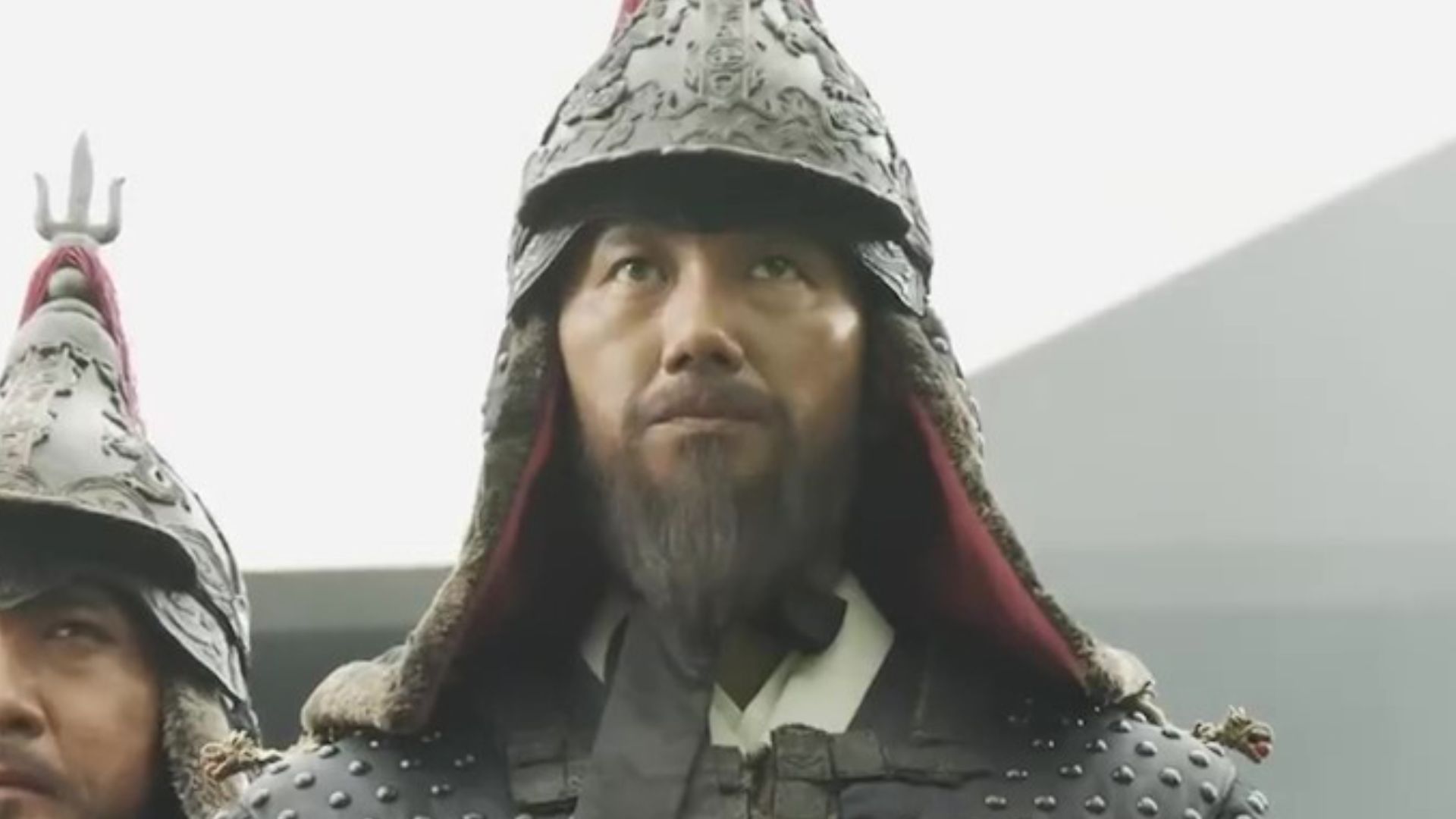 Lotte Entertainment, Wikimedia Commons
13. Takeda Shingen
Japanese commanders called Shingen "The Tiger of Kai" for his relentless offensive campaigns across feudal provinces. Shingen's mounted samurai perfected cavalry charges that shattered enemy formations before infantry could respond. Mystery surrounds his passing—some records suggest sniper fire during a siege.
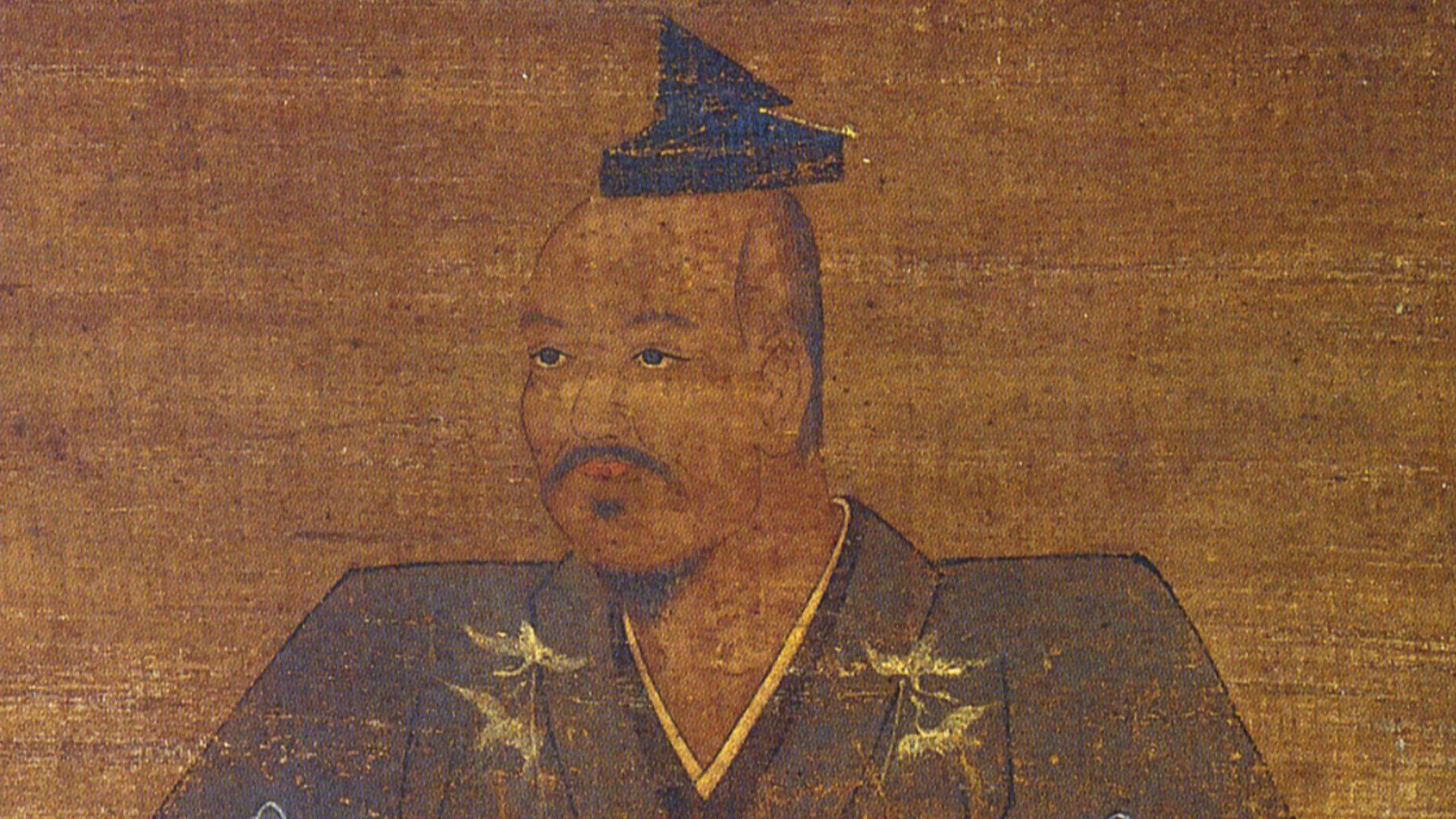
12. Scipio Africanus
Young Scipio saved his wounded father during Rome's darkest hours against Hannibal, then studied Carthaginian tactics obsessively. He invaded North Africa, forcing Hannibal to abandon Italy and defend Carthage itself. At Zama, Scipio turned Hannibal's own strategies against him, using disciplined legions to absorb elephant charges.
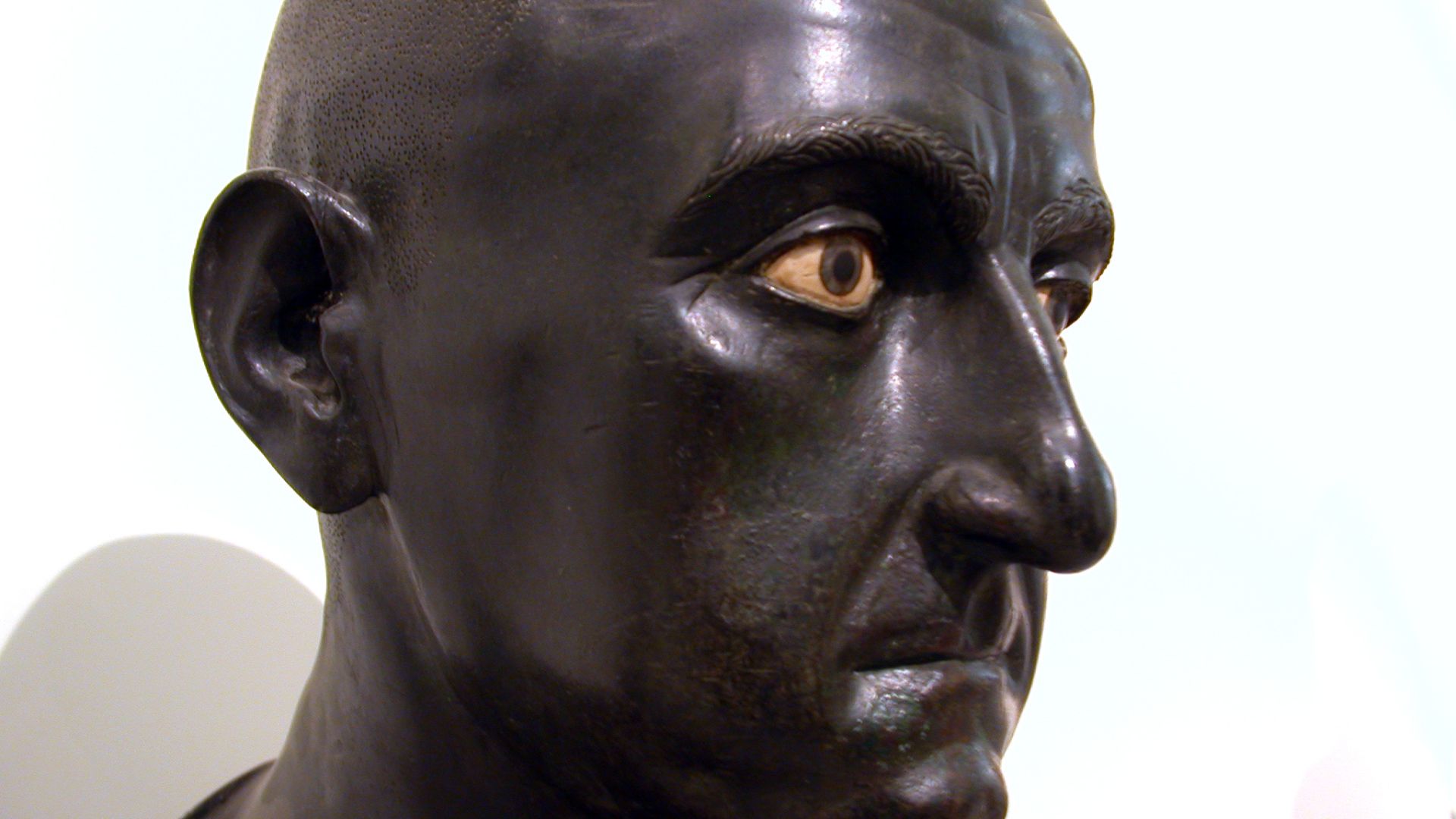 BetacommandBot, Wikimedia Commons
11. Subutai
Genghis Khan's greatest general conquered more territory than any commander in history, from Korea to Hungary. Subutai coordinated armies separated by thousands of miles, synchronizing attacks with remarkable precision given medieval communication limitations. His winter campaign across frozen rivers into Russia demonstrated strategic audacity few dared attempt.
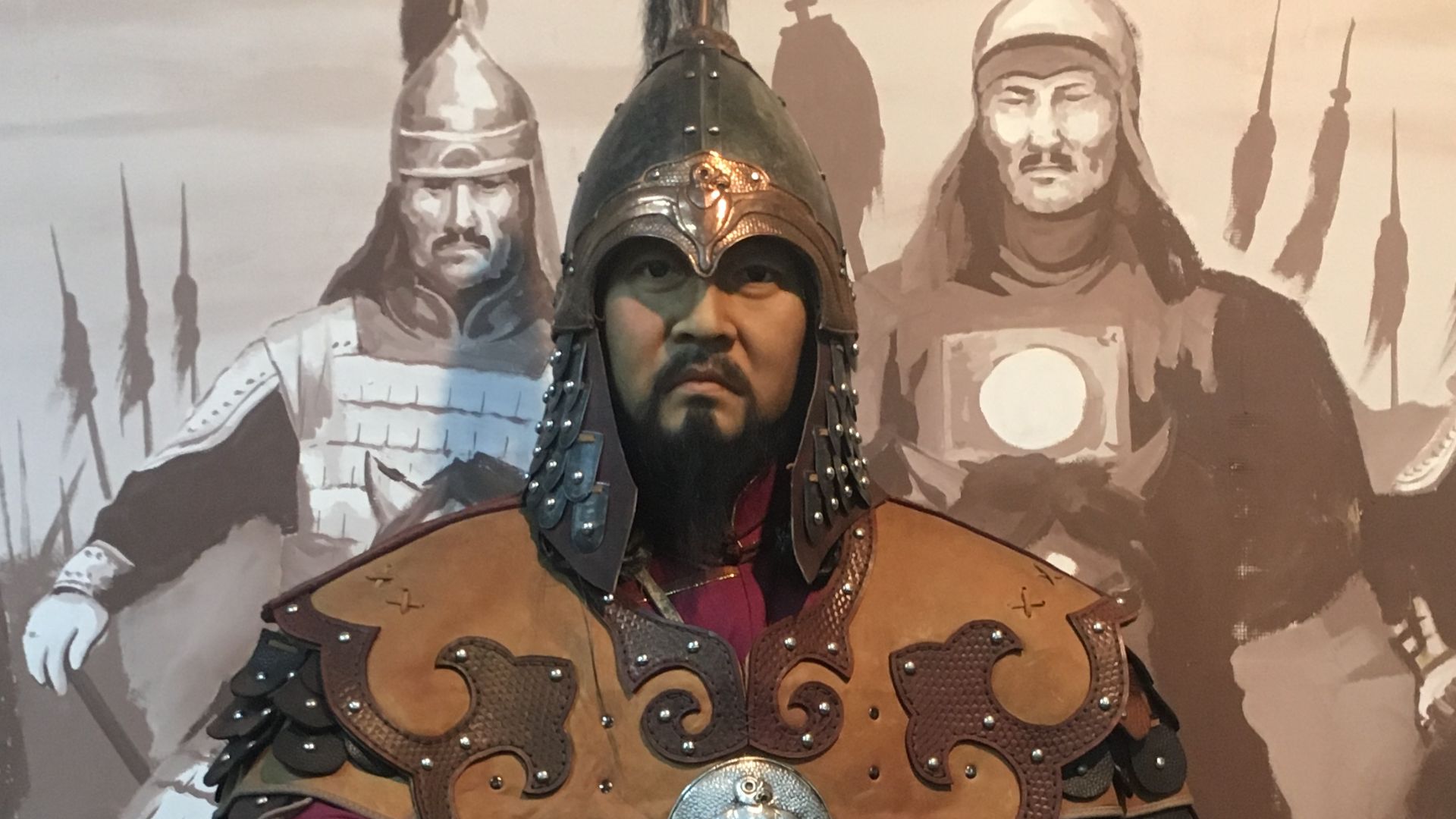 Karak-Kyzyl, Wikimedia Commons
10. Duke Of Wellington
Arthur Wellesley defeated every French marshal Napoleon sent to Spain. His reverse slope tactics hid British infantry from French artillery, then unleashed devastating volleys at close range. Wellington called Waterloo "the nearest-run thing you ever saw" despite ultimately crushing Napoleon's final gamble.
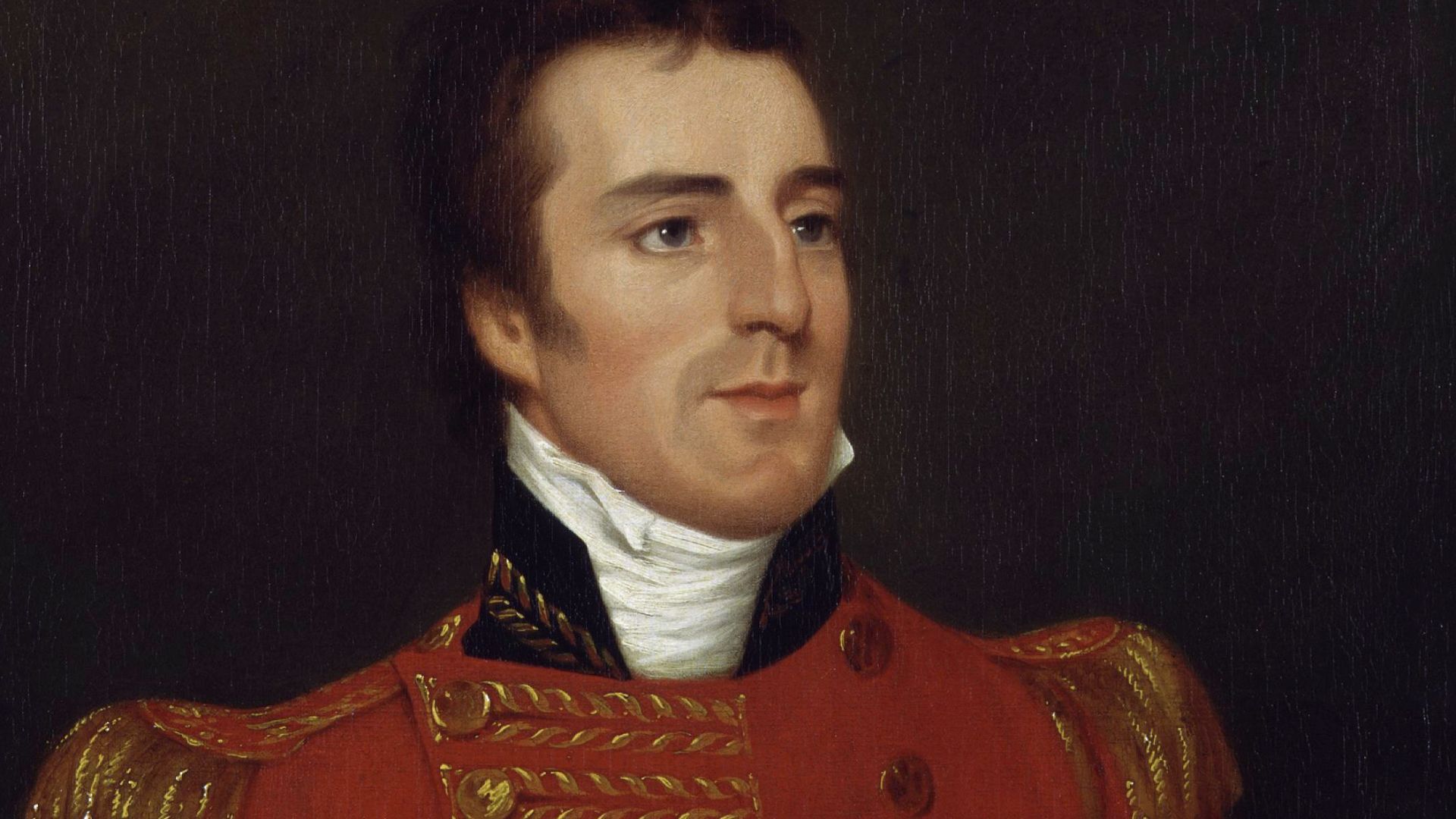 Robert Home, Wikimedia Commons
9. Frederick The Great
This Prussian King inherited a small kingdom and then transformed it into a European power through revolutionary diagonal attack formations. The army he led drilled endlessly until complex maneuvers became instinctive. On another note, Frederick composed flute concertos between campaigns, hosting Voltaire at his palace while planning military operations.
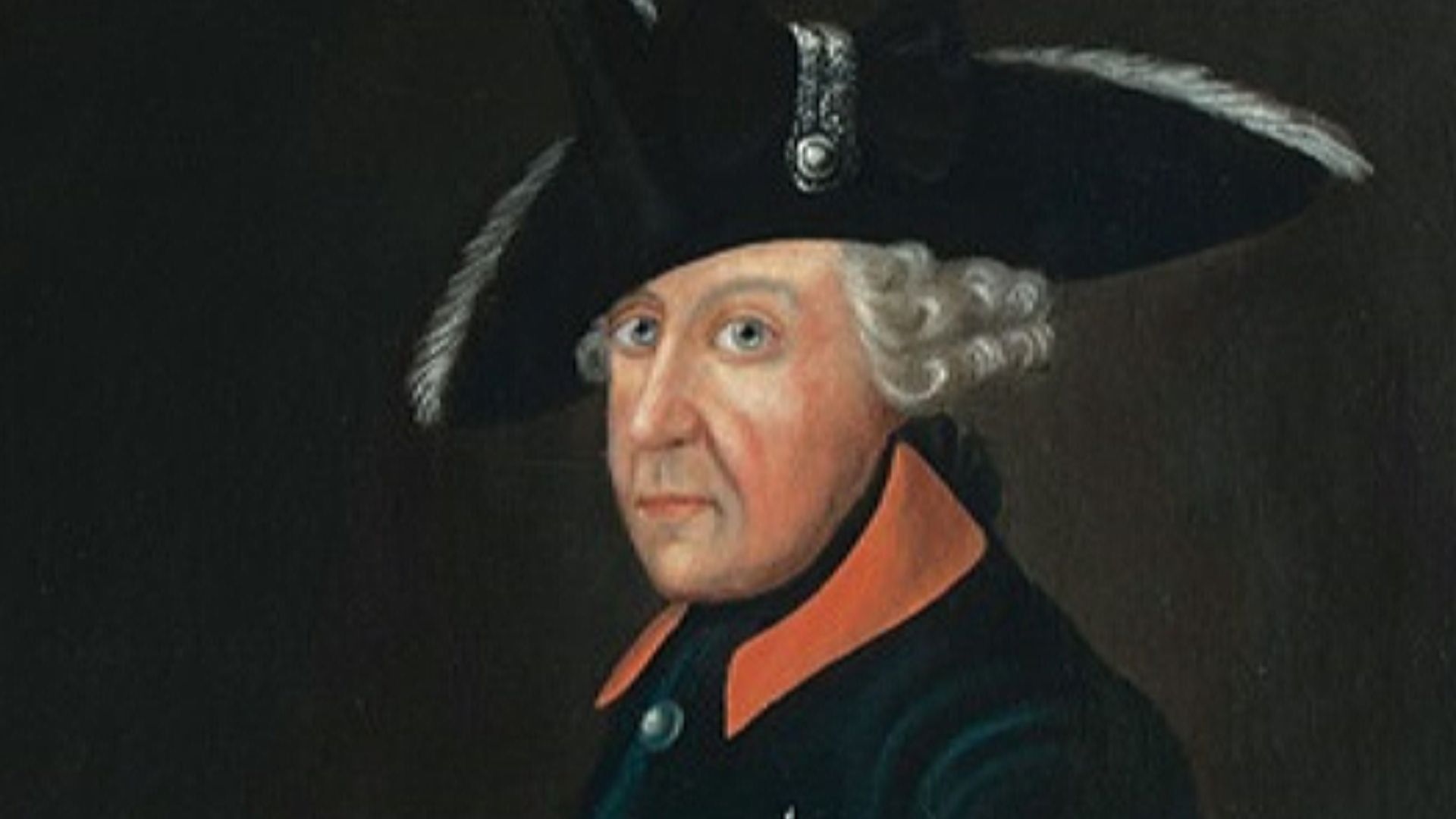 Unidentified painter, Wikimedia Commons
8. Attila The Hun
Roman emperors paid Attila massive gold tributes hoping to avoid his wrath, yet Hun horsemen still ravaged the empire's frontiers. His composite bows could pierce armor at distances Roman weapons couldn't match, and this made Hun cavalry nearly unstoppable. Legends claim he was buried in a riverbed.
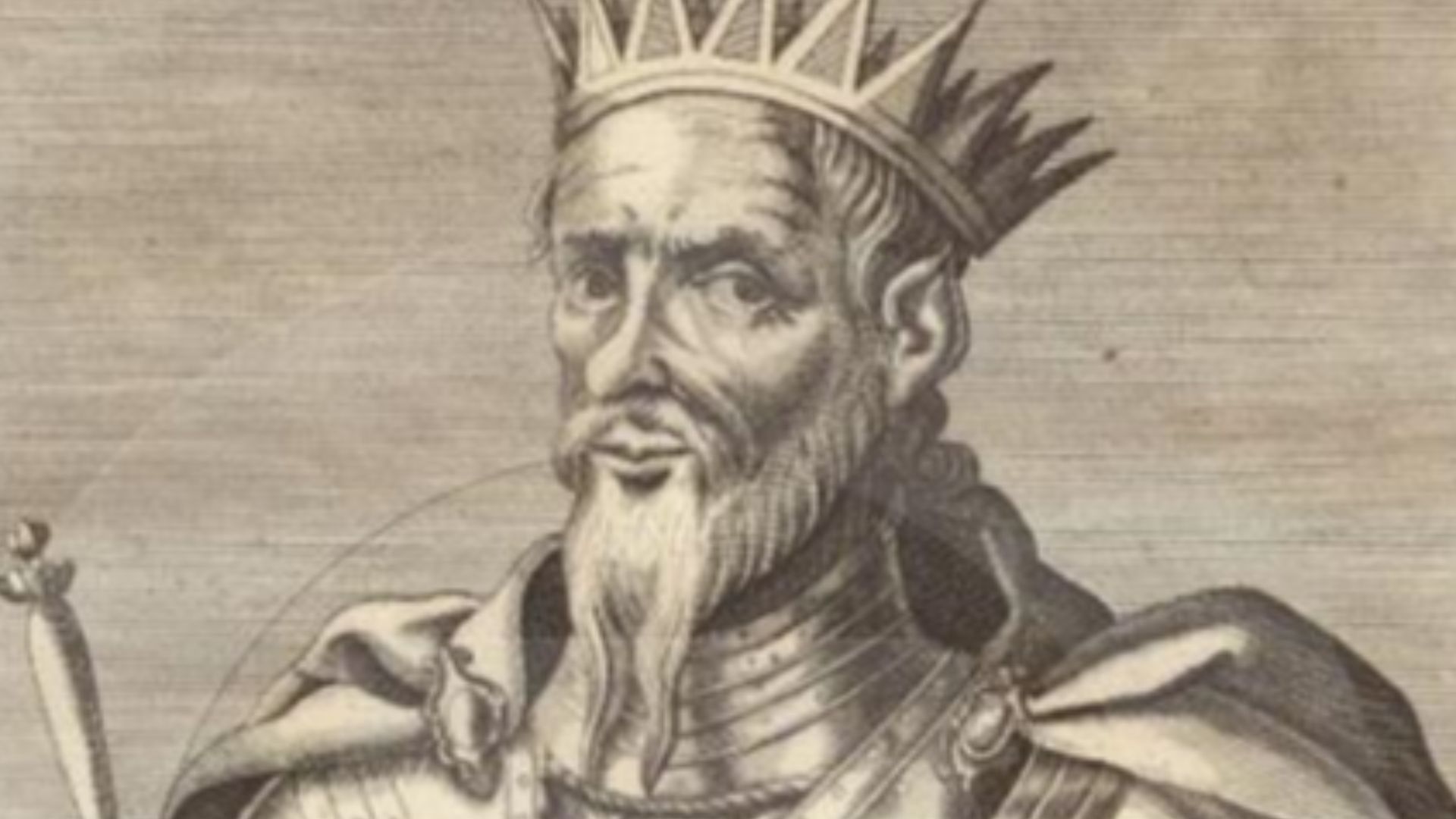 Julio Strozza, Wikimedia Commons
7. Saladin
Kurdish general Saladin recaptured Jerusalem from the Crusaders through patient siege warfare rather than costly frontal assaults. His chivalrous treatment of defeated enemies earned him respect, even from Christian chronicles that praised his honor. Richard the Lionheart fought him to a stalemate, both commanders acknowledging the other's brilliance.
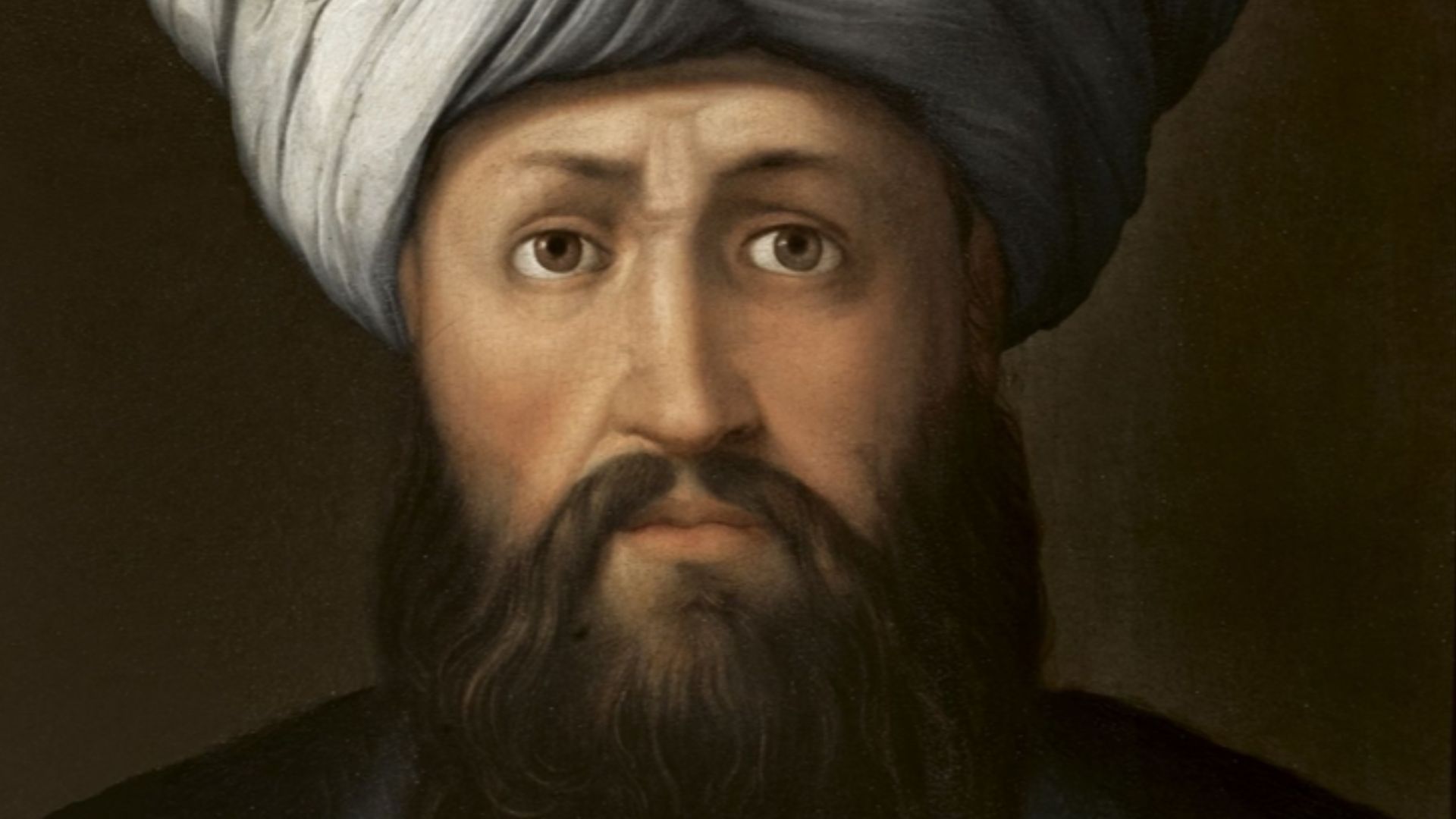 Cristofano dell'Altissimo, Wikimedia Commons
6. Khalid Ibn Al-Walid
This leader was called "The Sword of Allah" after he converted and led Muslim forces to unprecedented victories. The double envelopment at Yarmouk destroyed a Byzantine army four times larger through cavalry flanking maneuvers. Khalid never lost a battle across more than one hundred engagements spanning three empires.
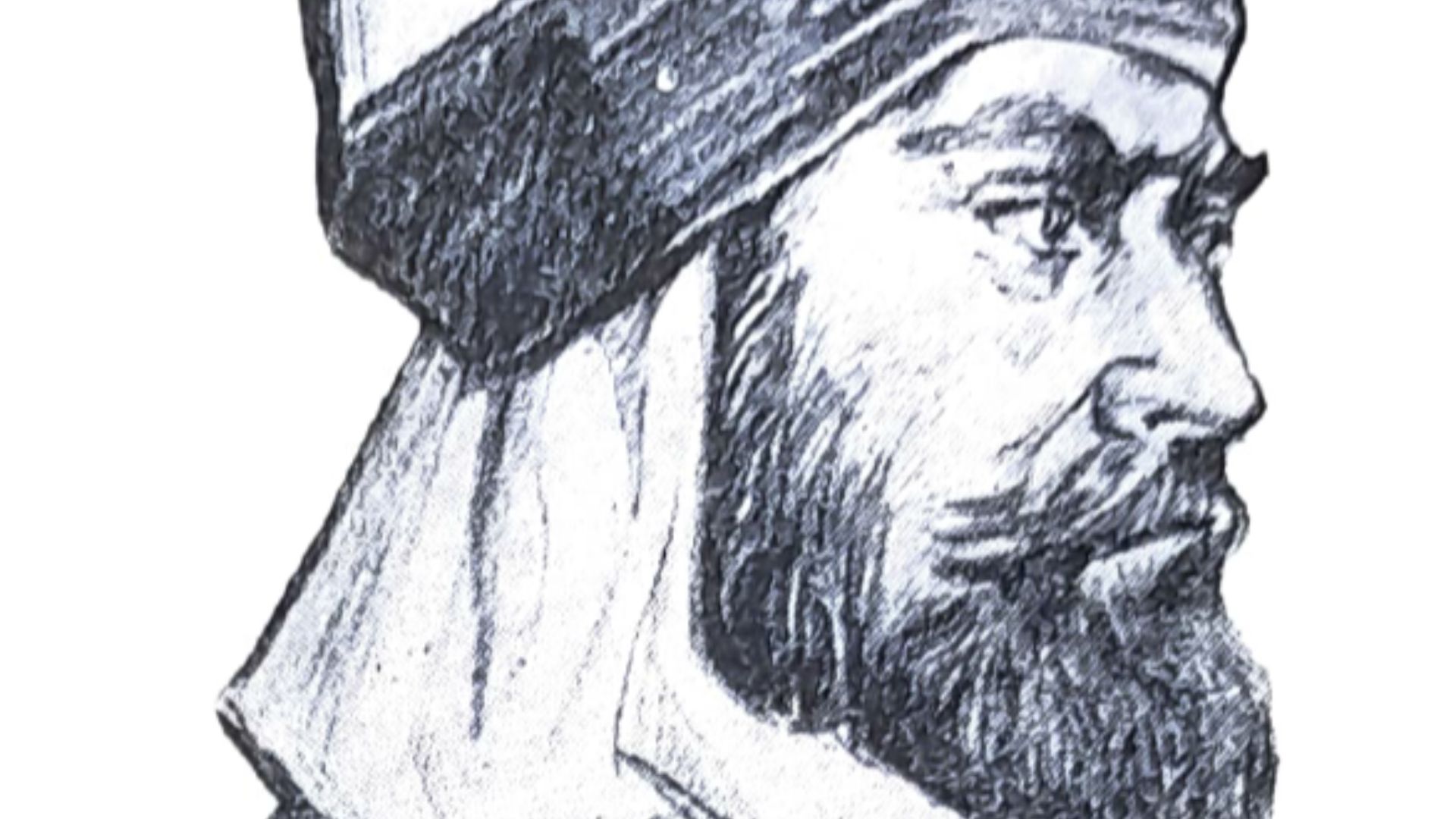 Unknown authorUnknown author, Wikimedia Commons
5. Hannibal Barca
Carthaginian general Hannibal marched elephants over the Alps in winter. His ambush at Lake Trasimene trapped an entire Roman army between mountains and water and annihilated them. At Cannae, Hannibal's double envelopment took out 80,000 Romans—history's most perfectly executed tactical battle.
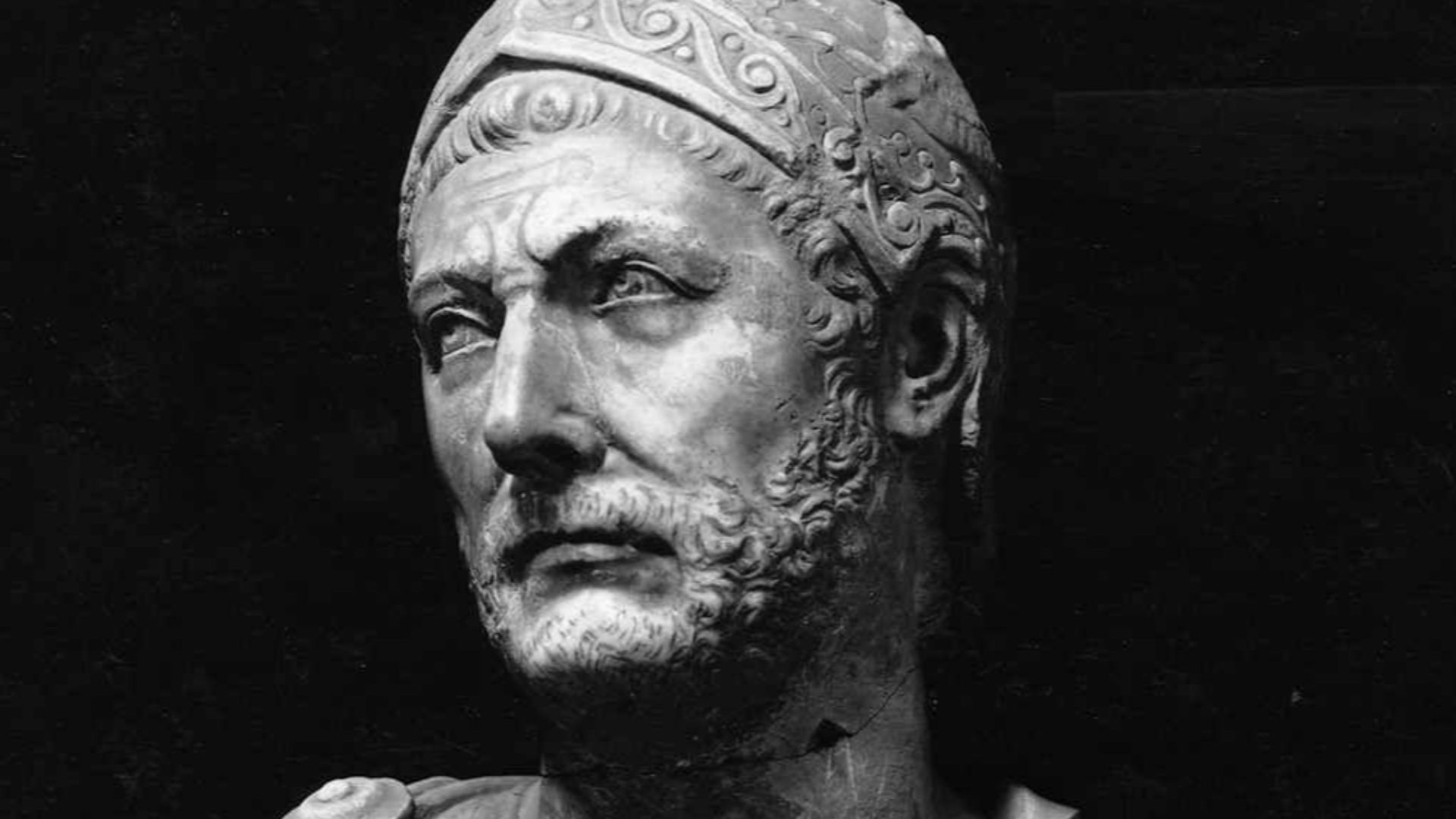 Fratelli Alinari, Wikimedia Commons
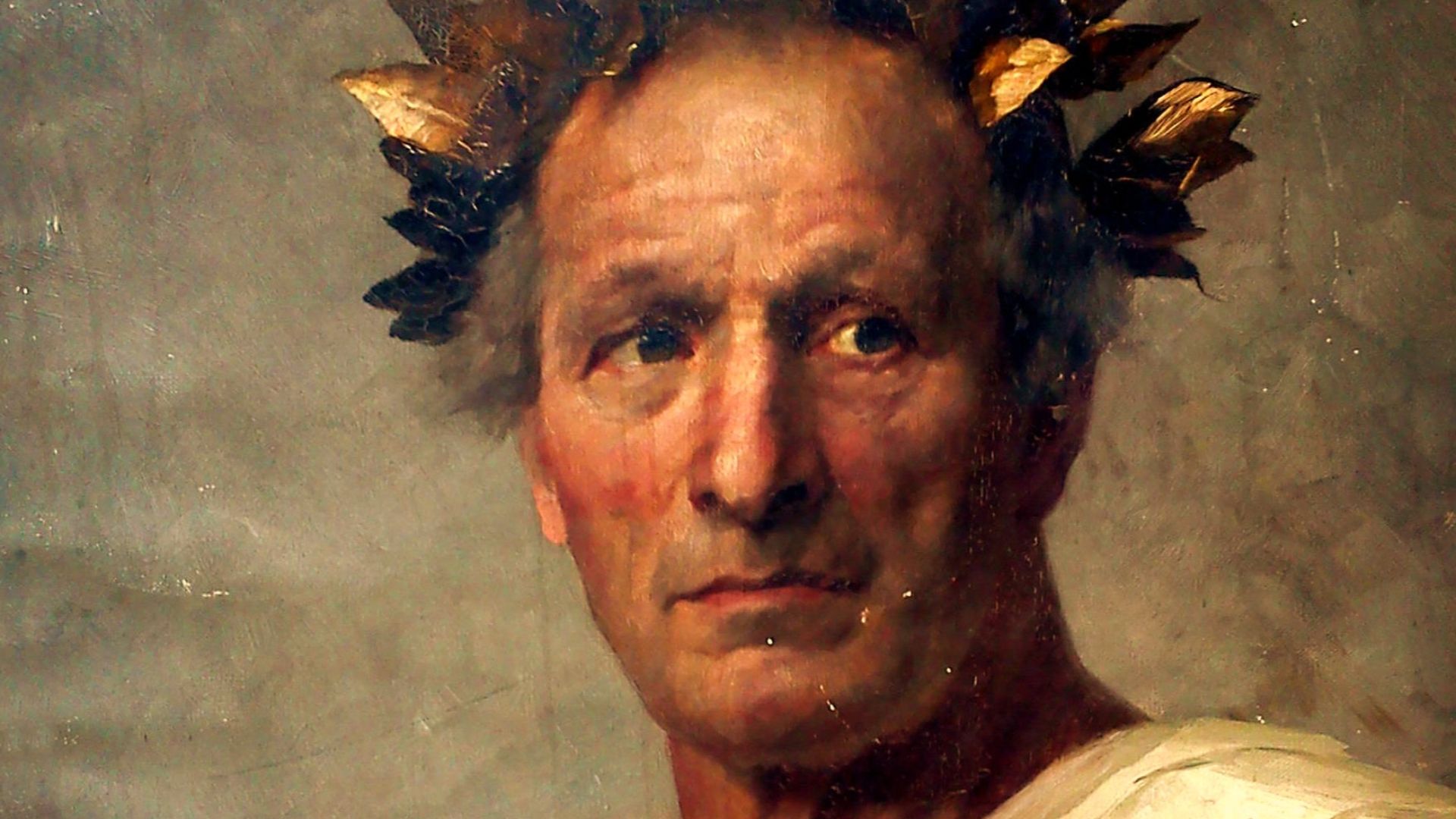
4. Julius Caesar
Caesar crossed the Rubicon with a single legion, declaring "the die is cast" before civil war consumed Rome. His Gallic campaigns conquered modern France, Belgium, and parts of Germany through rapid marches and aggressive sieges. A dagger ended his dictatorship. His military reforms shaped Roman legions for centuries afterward.
 Clara Grosch, Wikimedia Commons
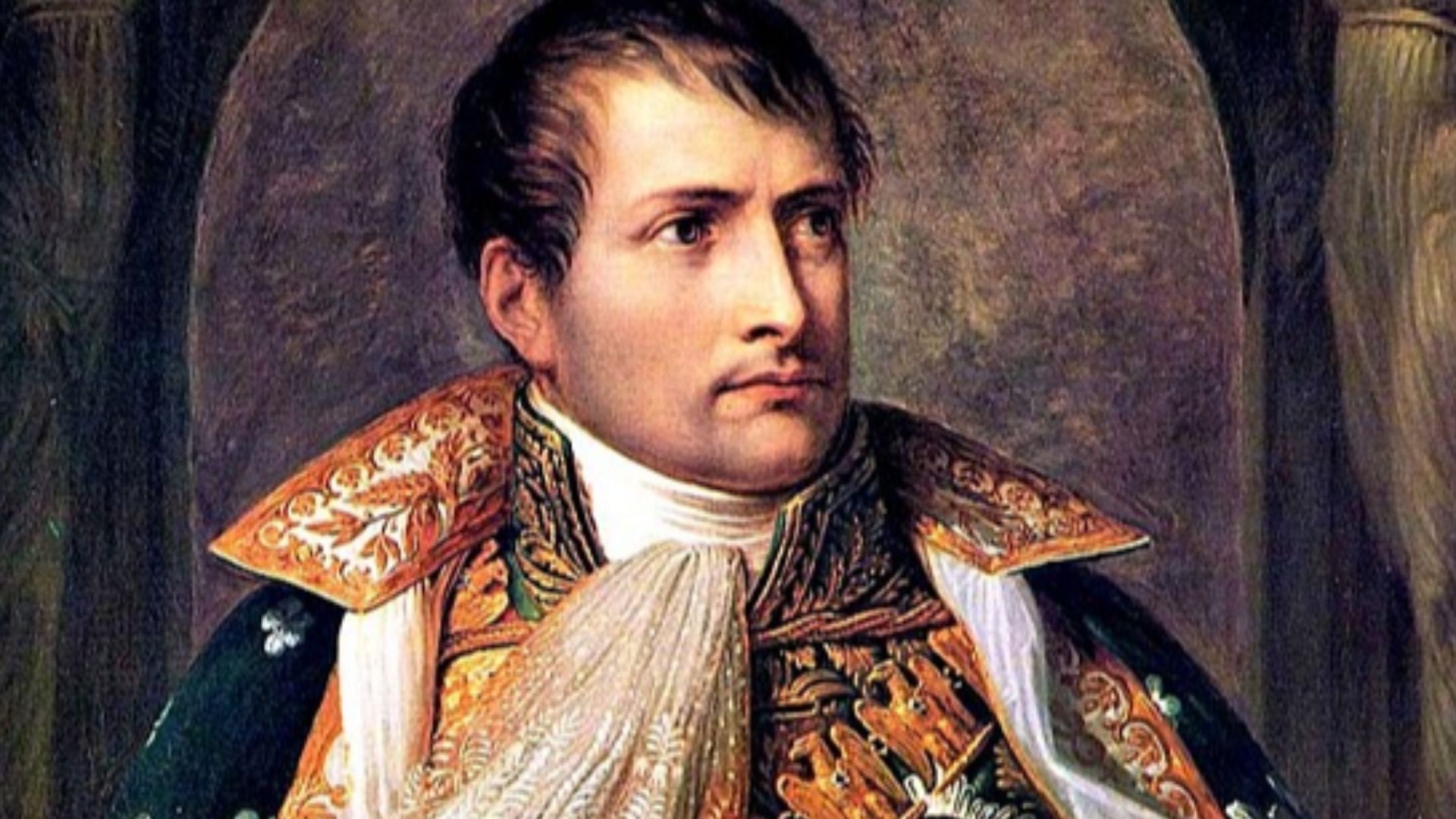
3. Napoleon Bonaparte
This artillery officer rose from Corsican obscurity to dominate Europe through innovative corps system organization and rapid battlefield movement. The victory at Austerlitz lured enemy forces into weakened center positions, which were then attacked simultaneously by the flanks. Russian winter and Spanish guerrillas gradually bled French strength until Waterloo ended his reign permanently.
 Unknown authorUnknown author, Wikimedia Commons
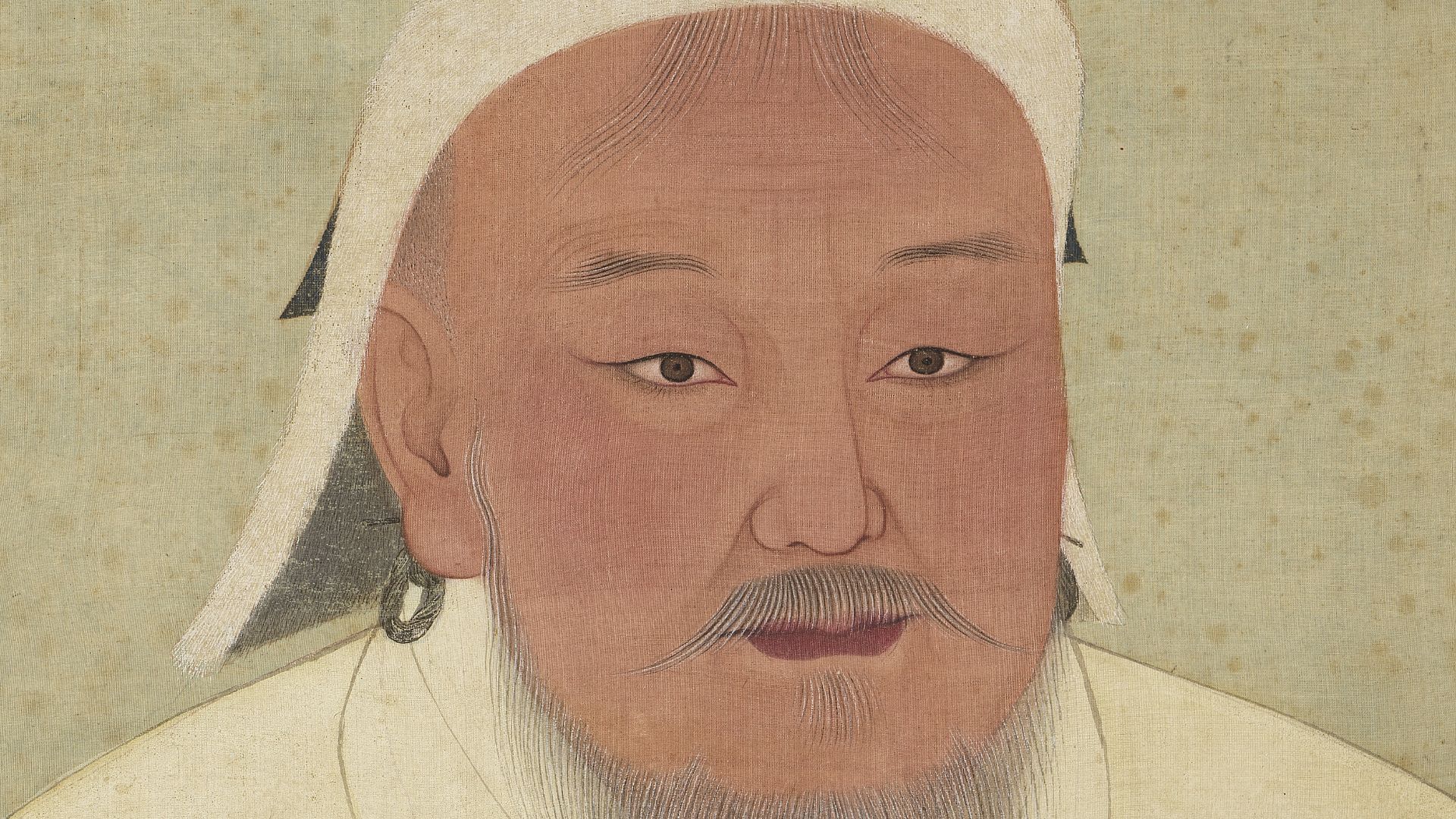
2. Genghis Khan
Temujin united warring Mongol tribes through meritocracy that rewarded ability over noble birth, creating history's most devastating military machine. His armies traveled with minimal supplies, living off the land and moving faster than enemies could respond. One in two hundred men alive today carries genes from his lineage.
 Unknown authorUnknown author, Wikimedia Commons
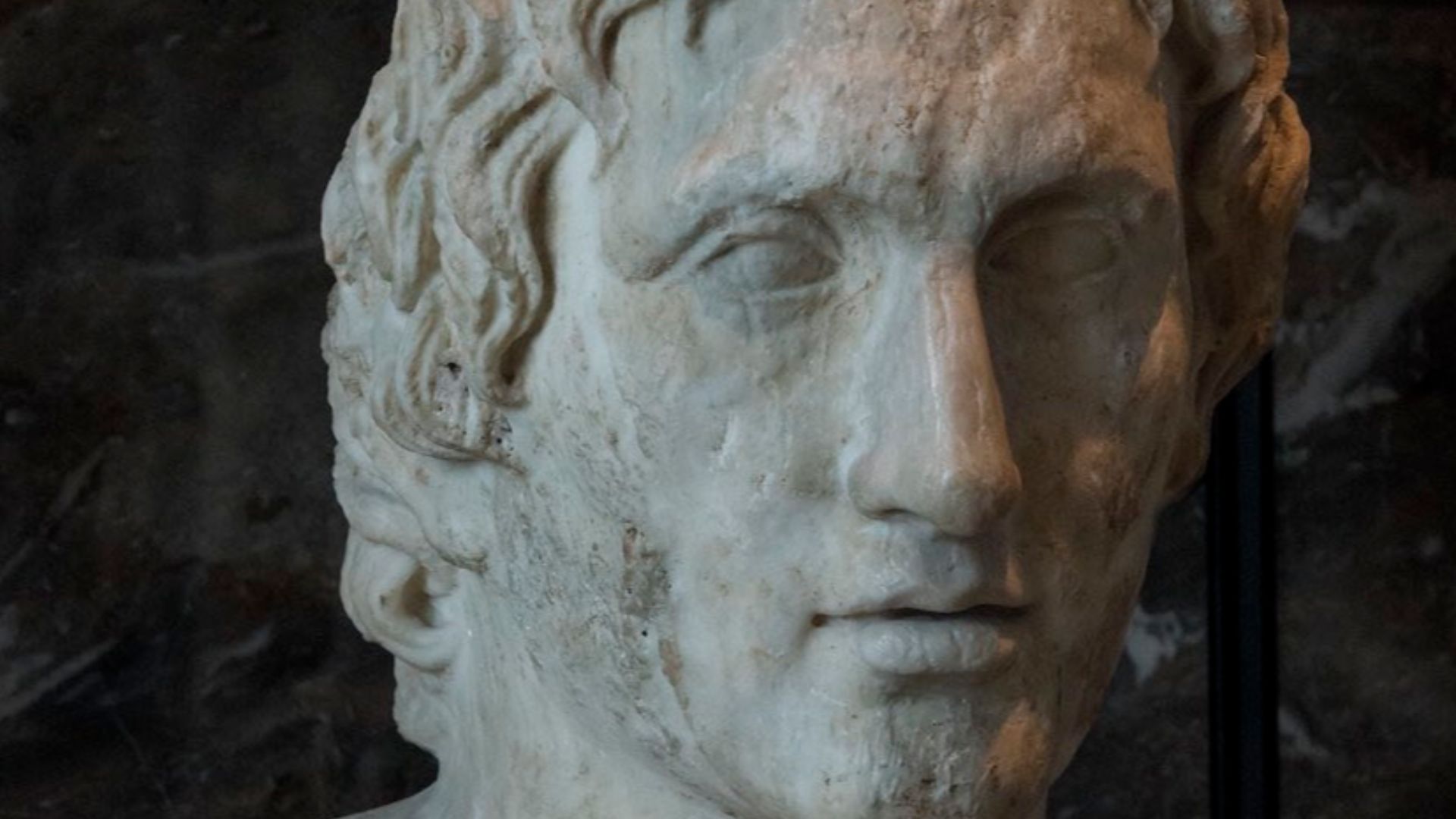
1. Alexander The Great
He conquered the known world by age 32, never losing a battle across eleven years of continuous campaigning. His companion cavalry charged enemy flanks while phalanx infantry held center positions, a combined-arms approach centuries ahead of its time. Fever killed him in Babylon; the empire fragmented immediately without his genius to unify it.
 Alexander the Great by Lysippos, Wikimedia Commons