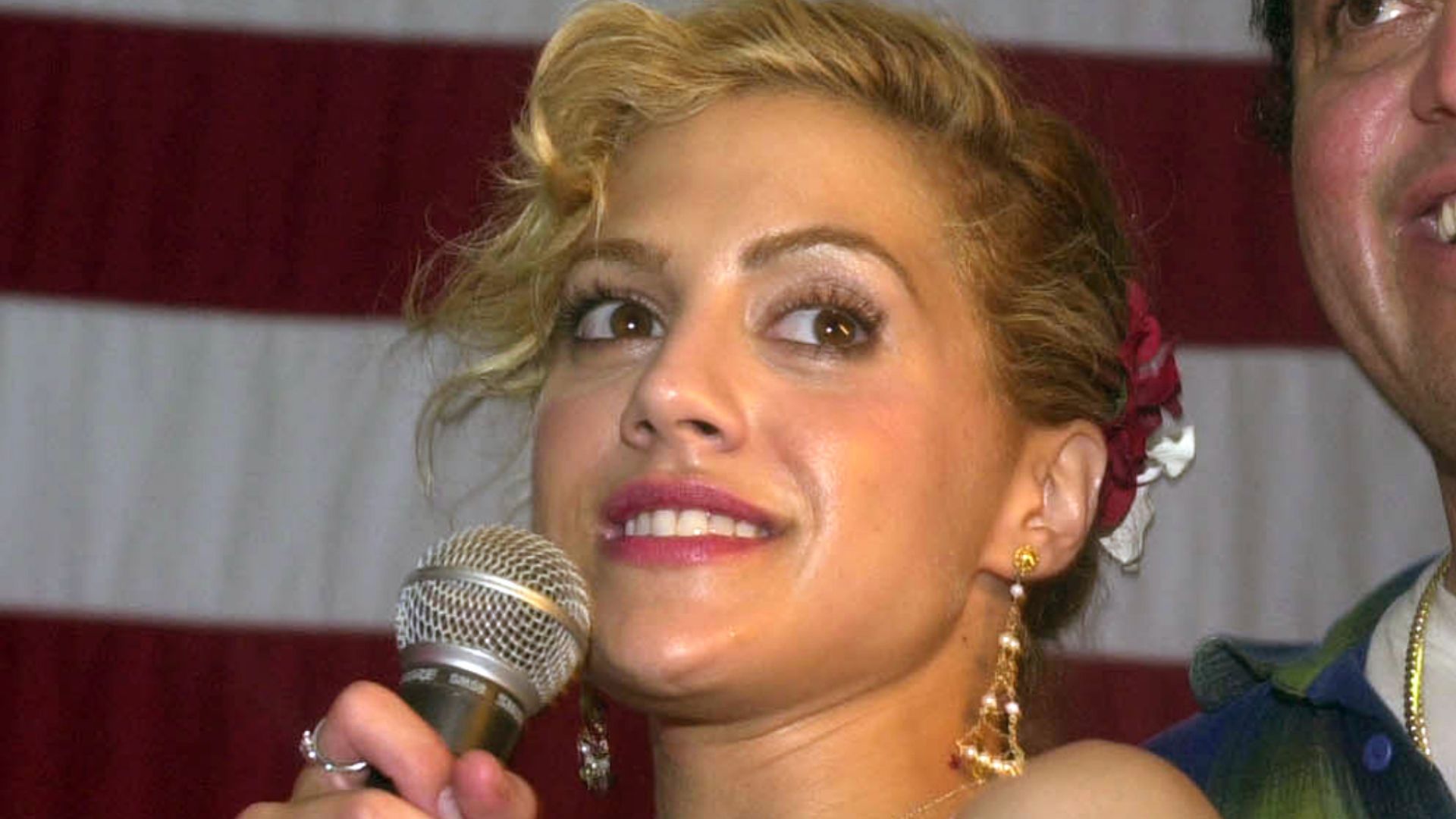
 Eugene Gologursky, Getty imagesOn December 20, 2009, the world lost Brittany Murphy at just 32 years old. The bubbly actress who'd charmed audiences in Clueless and 8 Mile collapsed in her Hollywood Hills bathroom, and what followed was a tragedy that would spawn more questions than answers. The official cause? Pneumonia, anemia, and multiple drug intoxication from over-the-counter medications. Simple enough, except nothing about Brittany Murphy's death turned out to be simple at all. Within months, her widower Simon Monjack would die in the same house under eerily similar circumstances, and toxicology reports would reveal a chemical cocktail in both their systems that read less like a medical report and more like a mystery novel.
The Official Story Started Crumbling Almost Immediately
The Los Angeles County Coroner ruled Brittany's death as accidental, caused by community-acquired pneumonia with contributing factors of iron-deficiency anemia and multiple drug intoxication. The drugs in question weren't anything exotic—just over-the-counter cold medications, prescription antibiotics, and some pain relievers. For most people, this would've been the end of the story, but five months later, Simon Monjack dropped dead in the same bedroom from acute pneumonia and severe anemia. Two otherwise healthy adults dying from pneumonia in the same house within half a year? The statistical odds alone raised eyebrows across the medical community. Then came the shocker: independent toxicology tests commissioned by Brittany's father, Angelo Bertolotti, revealed elevated levels of ten heavy metals in her system, including barium, antimony, and aluminum. These weren't trace amounts you'd expect from everyday exposure. Some were present at levels that toxicologists found deeply concerning.
 Luisa Pisani, Wikimedia Commons
The House Itself Became A Prime Suspect
It is said that the Rising Glen property had actually been tested for mold just two months before Brittany's passing away. Simon Monjack had himself commissioned the testing from what was described as "a well-respected company," and when the results came back, he assured both Brittany and Sharon that there was no mold danger and it was safe to stay in the house. But after both deaths occurred, Linda Monjack, Simon's mother, told the Daily Mail that her son had found mold in the home before his demise and was experiencing disturbing symptoms, claiming he was “having hallucinations that things were crawling out of his skin”. The Los Angeles County Department of Health initially considered mold as a possible cause, but the coroner's office dismissed it, stating there were "no indicators" that mold was a factor. Sharon Murphy initially called the mold theory "absurd," insisting the Health Department had never inspected the house.
The Unanswered Questions That Won't Go Away
Beyond the medical mysteries, Brittany's final months painted a picture of someone who knew something was wrong. Friends reported she looked gaunt and scared, nothing like the vibrant actress they'd known. She'd been fired from a film just weeks before her death, with producers claiming she seemed "distracted and frail”. Simon Monjack's shady financial dealings added another layer of intrigue—he was heavily in debt, facing lawsuits, and had lied about his credentials and background throughout their relationship. Some theorists wondered if he'd been slowly poisoning Brittany, only to accidentally poison himself in the process, though no evidence ever emerged to support this scenario. Then there's Sharon Murphy, who lived with the couple in what many described as an unusually close arrangement, and whose own health somehow remained unaffected despite breathing the same allegedly toxic air.
The Los Angeles Police Department investigated and found no evidence of foul play, but they also never fully explained the heavy metals or adequately addressed why two people in their thirties would die of pneumonia in the same location within months of each other. What we're left with is a choose-your-own-adventure of tragic possibilities: a perfect storm of toxic mold and compromised immune systems, deliberate poisoning by an unknown party, or the world's most improbable coincidence. Fifteen years later, Brittany Murphy's death certificate says pneumonia, but the evidence suggests her story deserves a question mark, not a period.