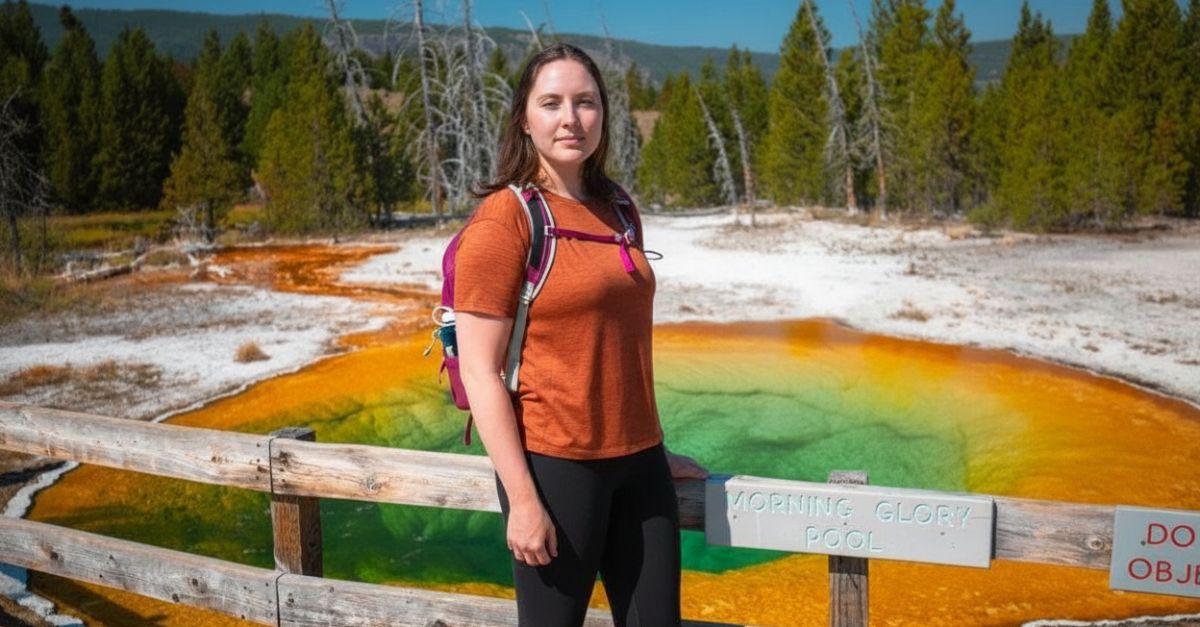
Molten Rock Rising
There's a reason Yellowstone experiences thousands of earthquakes every year. Deep below the wilderness, ancient processes are still very much alive. Modern monitoring systems are catching details that were invisible just a decade ago.
America's Sleeping Giant
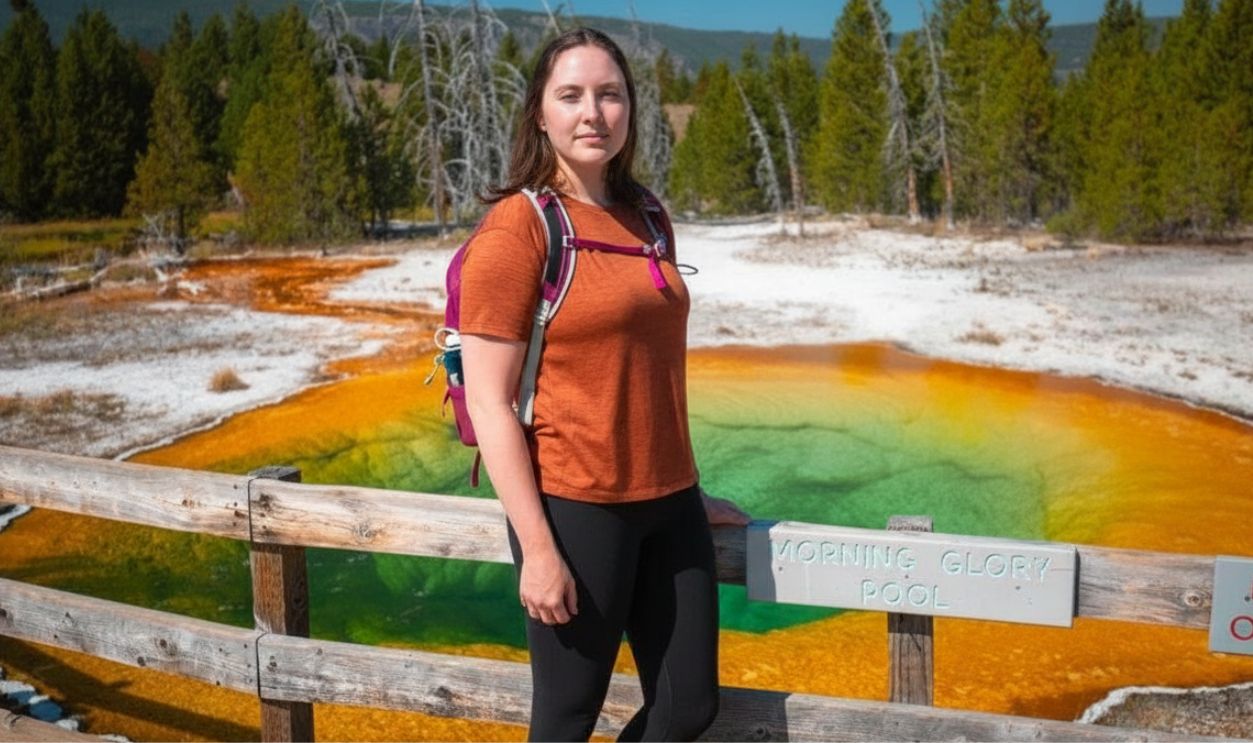
Beneath the stunning geysers and pristine wilderness of Yellowstone National Park lies one of Earth's most powerful volcanic systems. The Yellowstone supervolcano spans approximately 30 by 45 miles across Wyoming, Idaho, and Montana, making it the largest active volcanic system in North America.
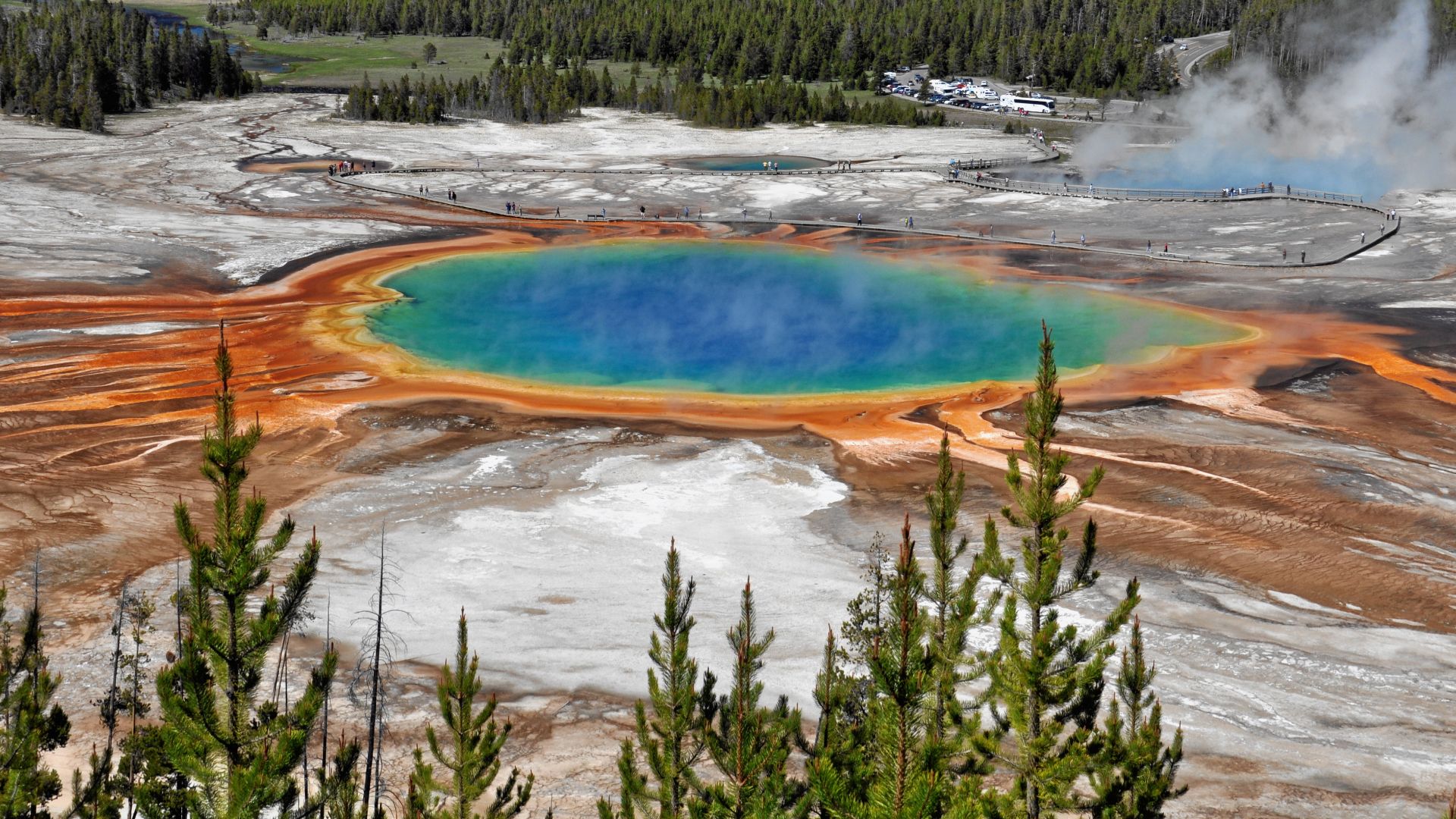 James St. John from Newark, Ohio, Wikimedia Commons
Deep Mantle Plume
Recent seismic tomography published in Nature Geoscience reveals a cylindrical thermal anomaly approximately 350 kilometers wide extending from Earth's core-mantle boundary to just beneath Yellowstone. This whole-mantle plume carries excess temperatures between 1,202 and 1,562 degrees Fahrenheit as hot material rises from nearly 1,800 miles deep.
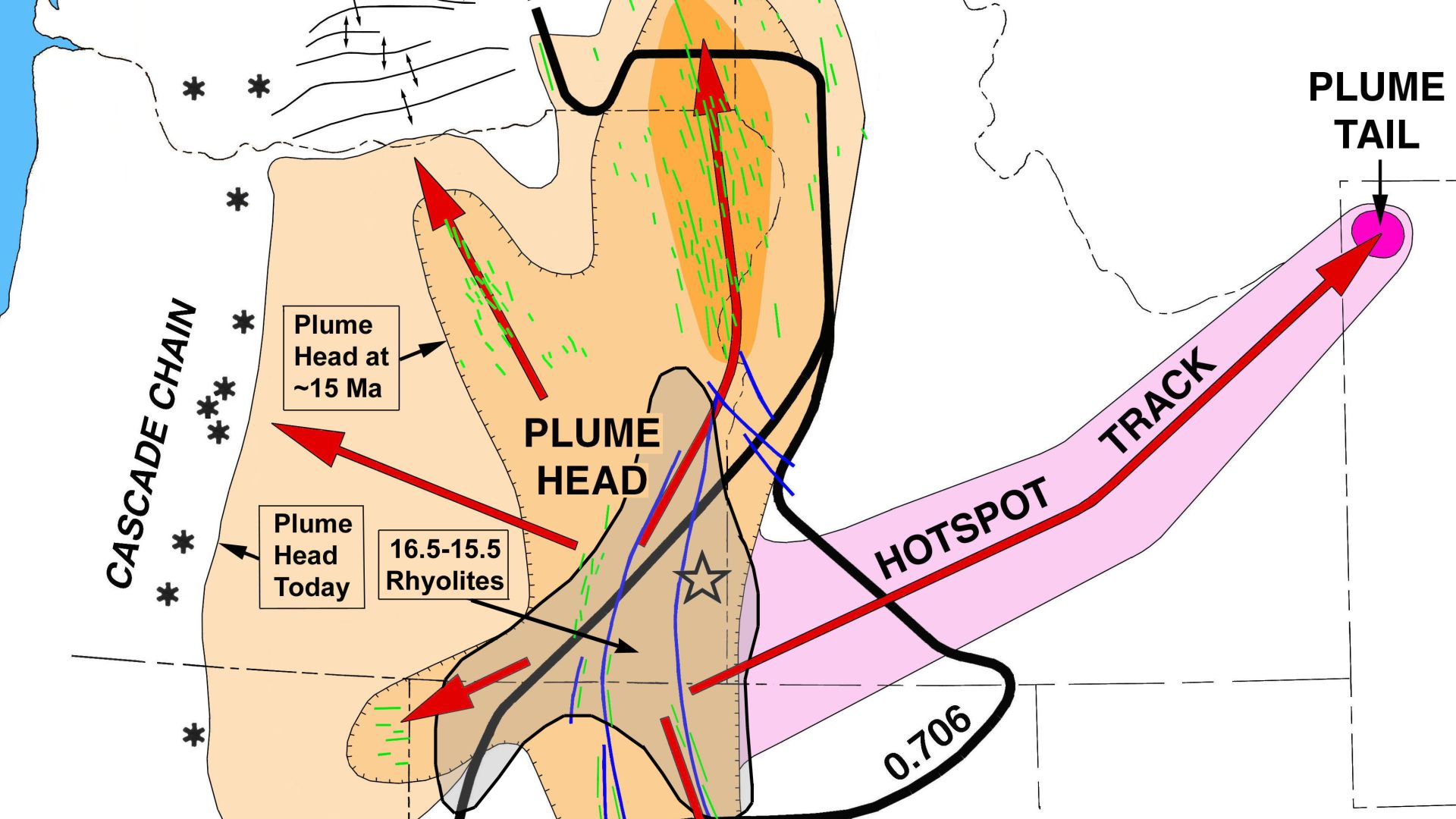 Victor Camp and Martin Ross., Wikimedia Commons
Three Catastrophic Eruptions
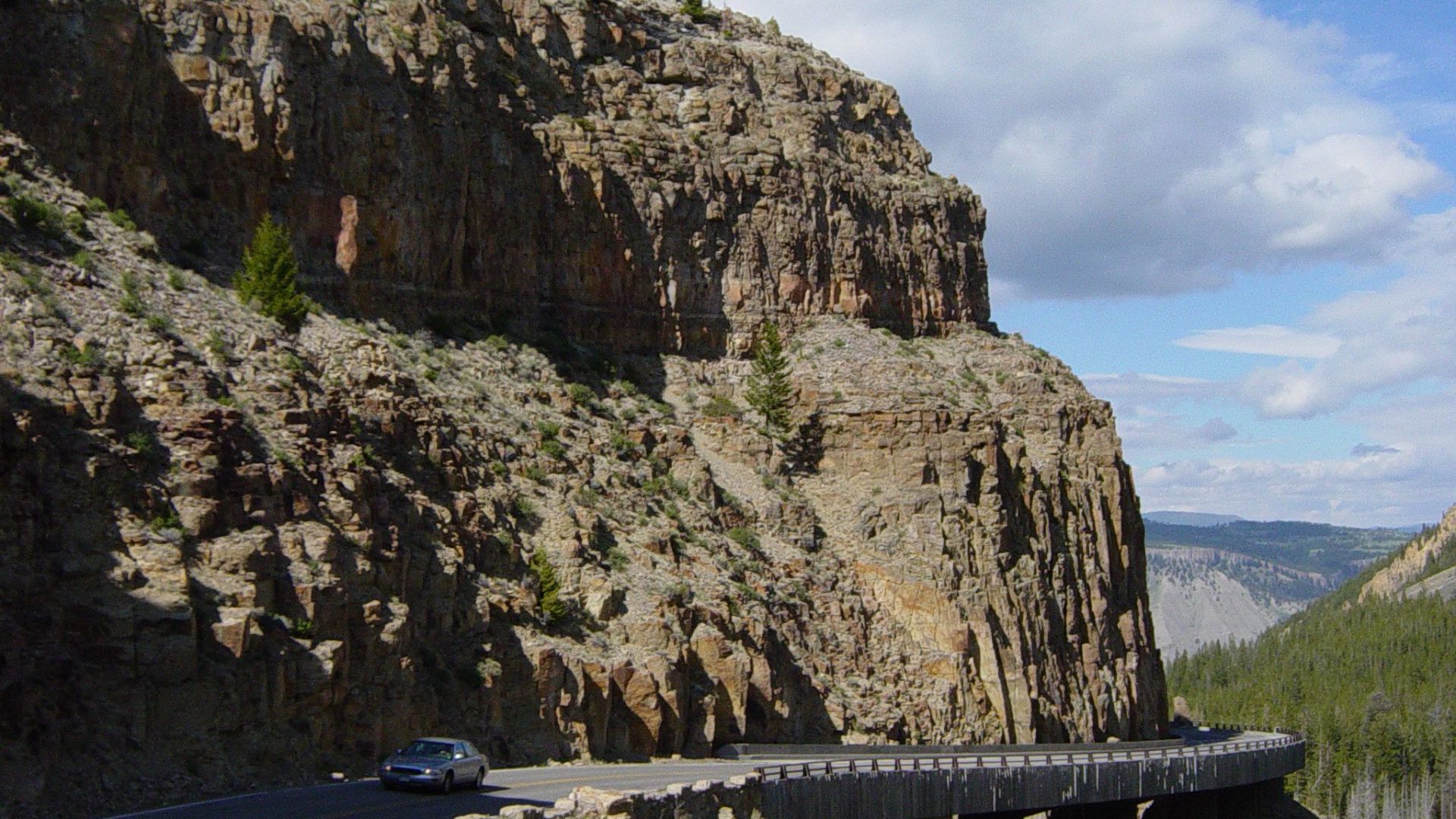
The sheer violence of Yellowstone's eruptive history becomes clear when examining the numbers: 2.1 million years ago, the Huckleberry Ridge eruption expelled 2,450 cubic kilometers of material, creating the Island Park Caldera. The second supereruption occurred 1.3 million years ago.
 Daniel Mayer, Wikimedia Commons
Lava Creek Event
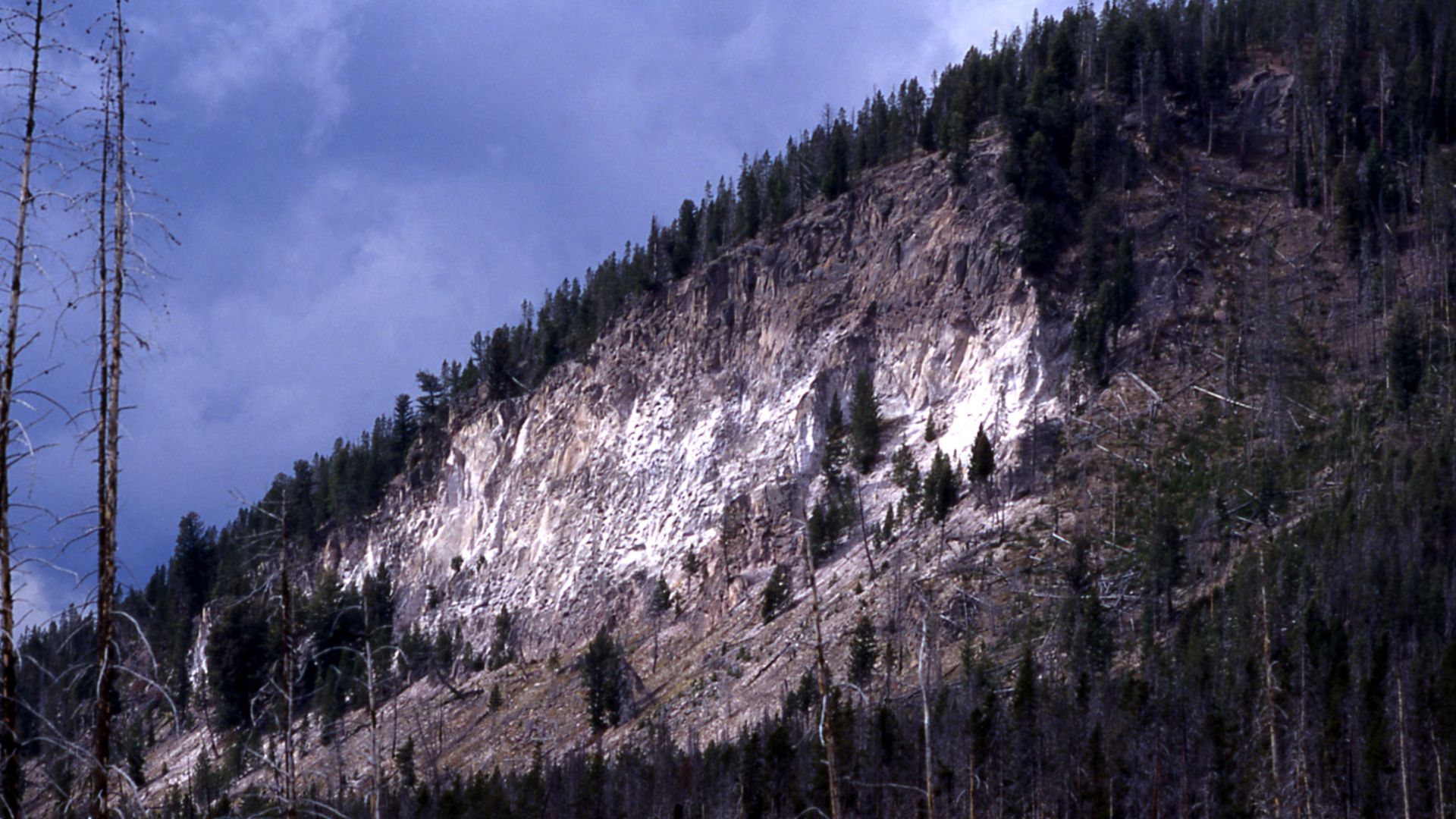
Approximately 640,000 years ago—not the commonly misreported 630,000—the most recent supereruption created Yellowstone's current caldera. This Lava Creek eruption launched roughly 1,000 cubic kilometers of volcanic debris into the atmosphere, covering much of the continental United States in ash.
 Jim Peaco, NPS, Wikimedia Commons
Continental Ash Distribution
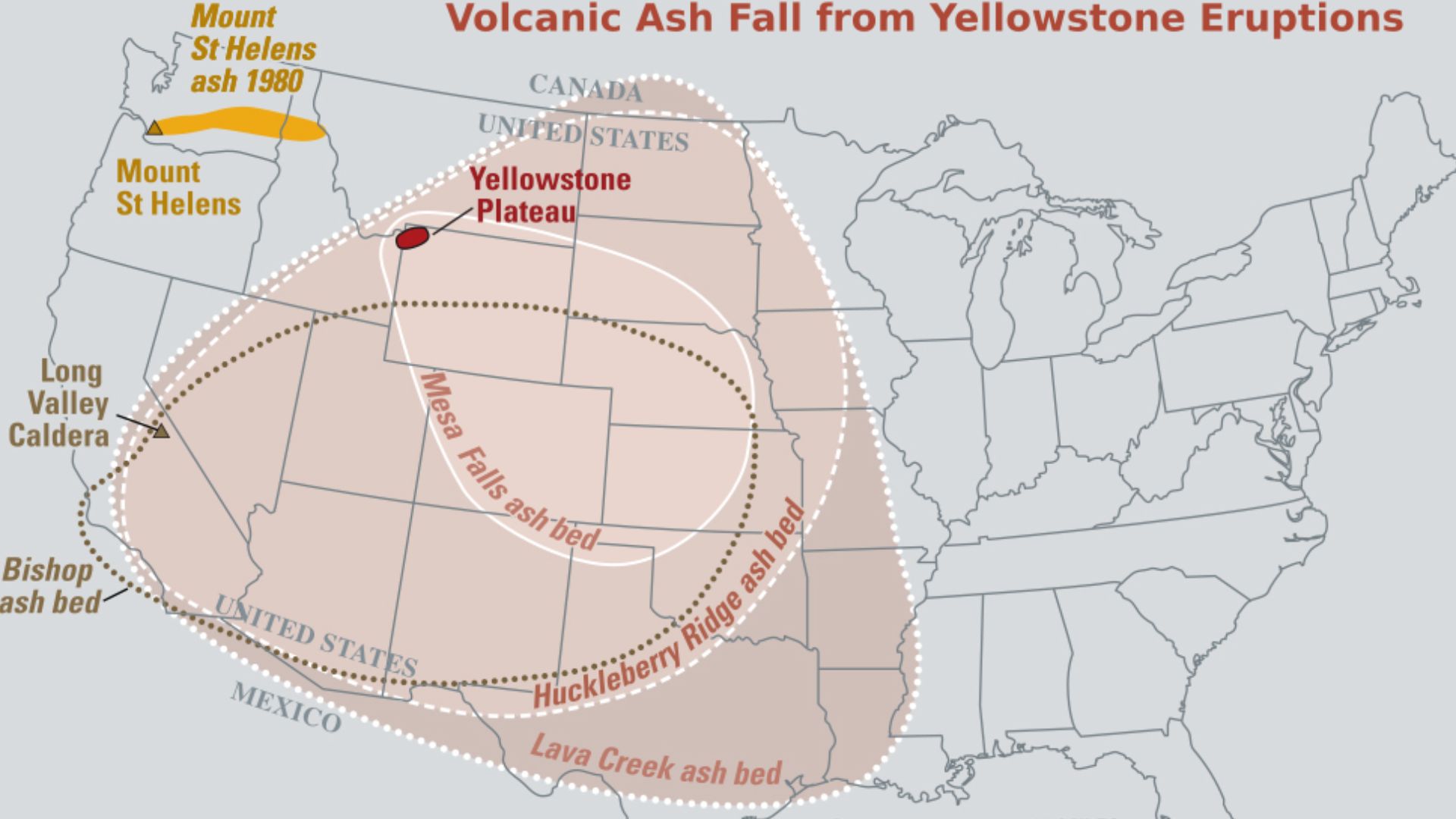
Ash beds from Yellowstone's supereruptions tell a remarkable continental story. The Huckleberry Ridge ashfall reached into more than 15 present-day states, extending from California eastward to Texas, northward through Missouri into Minnesota, and westward into Idaho. Even more extensive is the Lava Creek ash bed.
2025 Breakthrough Discovery
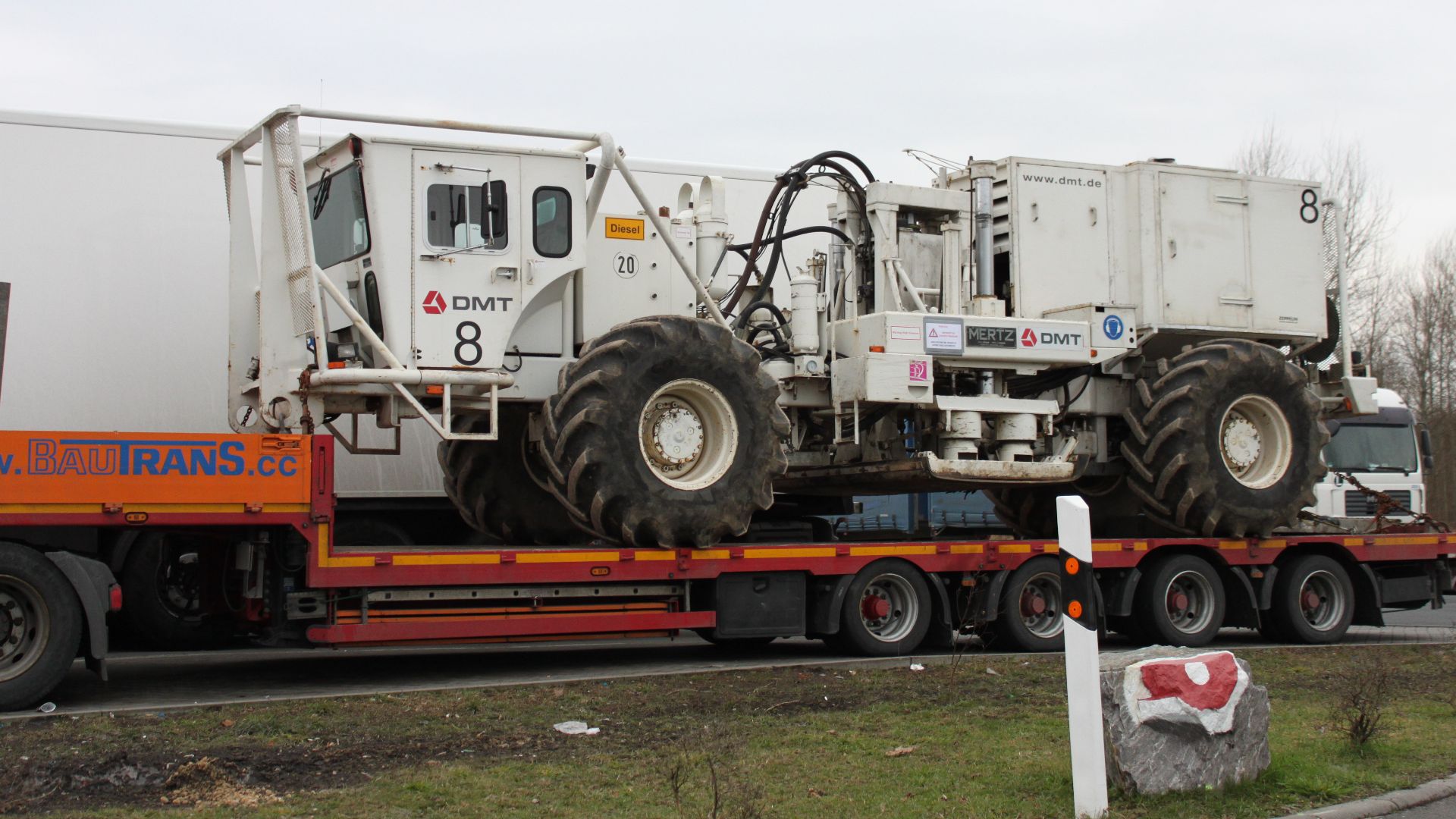
Scientists using 650 portable seismometers and a 53,000-pound Vibroseis truck made unprecedented findings published in Nature during early 2025. By generating artificial earthquakes at 110 locations throughout Yellowstone, researchers created the clearest images ever of the magma reservoir's upper boundary.
Complex Magma Architecture
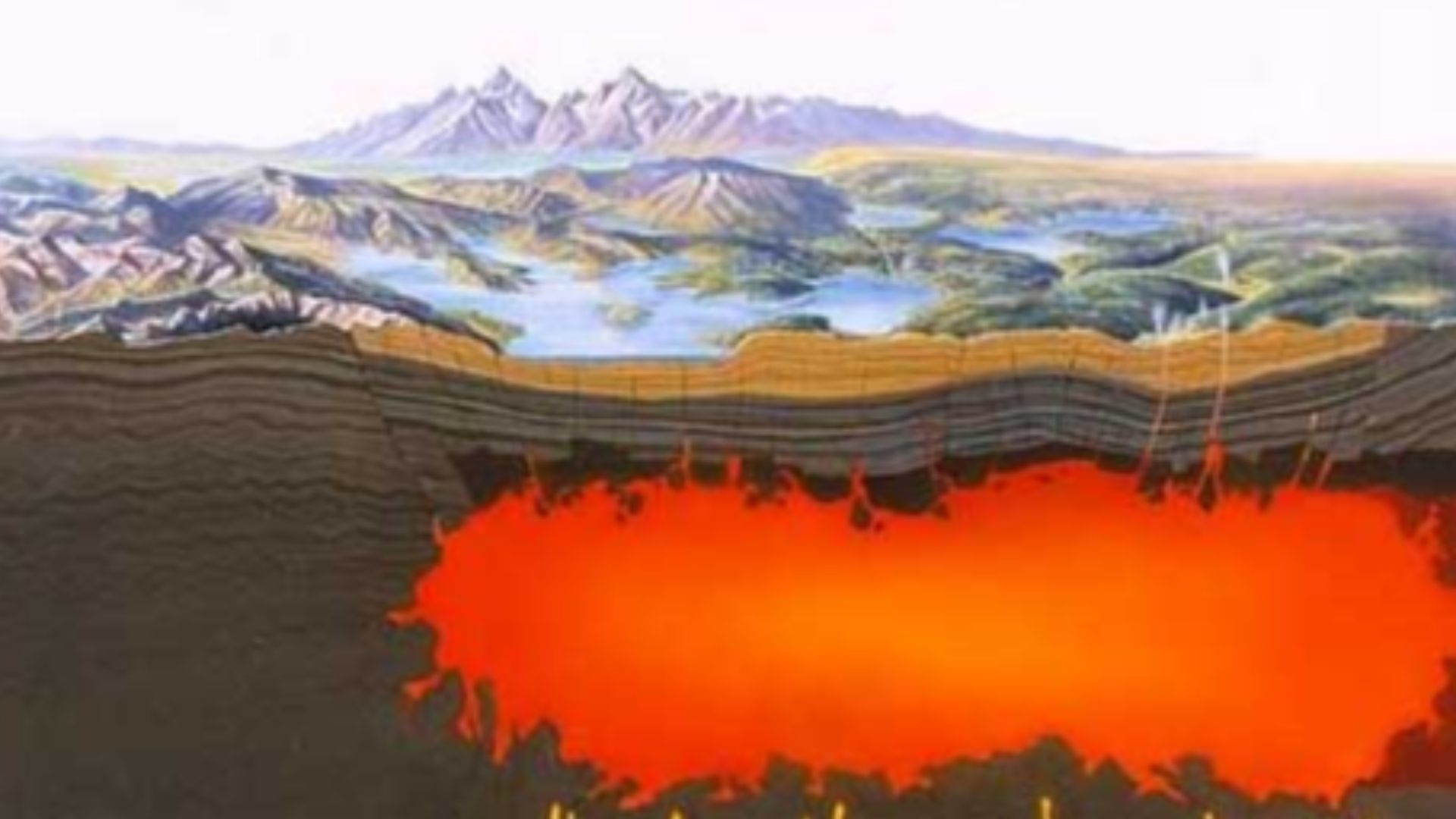
Rather than one massive blob of molten rock, Yellowstone's magmatic system comprises four separate reservoirs distributed across the caldera. The shallow rhyolite chamber, rich in silica, spans 55 by 30 miles and extends from 3 to 10 miles deep, containing only 5–15% melt within mostly solid rock.
 Unknown authorUnknown author, Wikimedia Commons
Volatile-Rich Cap
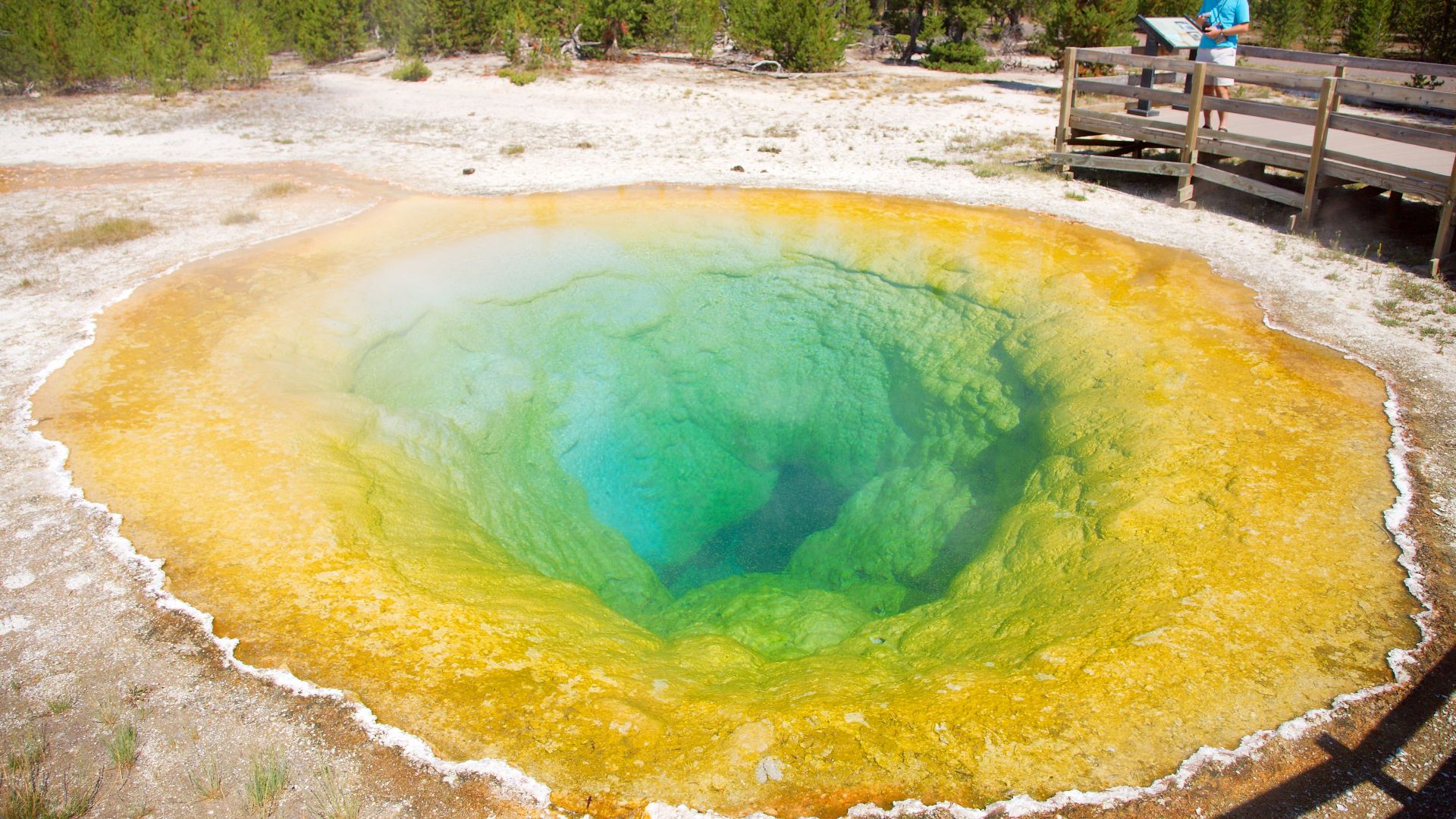
The 2025 magnetotelluric imaging revealed a critical "lid" atop Yellowstone's magma reservoir with approximately 14% porosity. About half this pore space contains silicate melt, while the other half holds supercritical water bubbles and volatile gases like carbon dioxide, sulfur dioxide, and hydrogen sulfide.
 User:MatthiasKabel, Wikimedia Commons

History's most fascinating stories and darkest secrets, delivered to your inbox daily.
24/7 Monitoring Systems
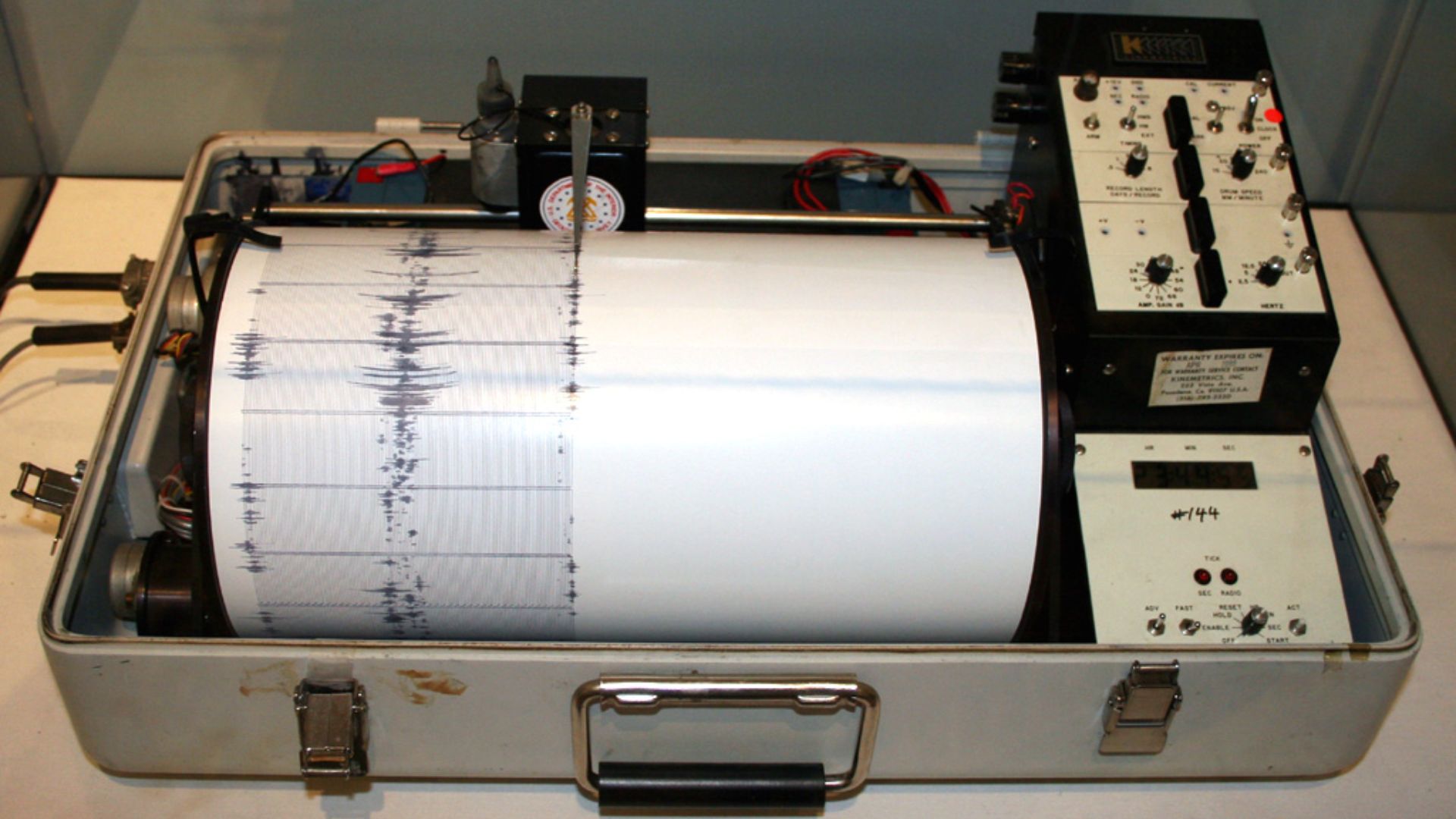
Approximately 50 seismometers comprising the Yellowstone Seismic Network detect earthquakes that are too small for humans to feel. Data is transmitted via radio and satellite telemetry in real-time despite harsh winter conditions on remote mountain peaks. Continuous GPS stations track ground deformation with millimeter precision, measuring the caldera's ongoing subsidence of several centimeters annually.
Advanced Monitoring Technology
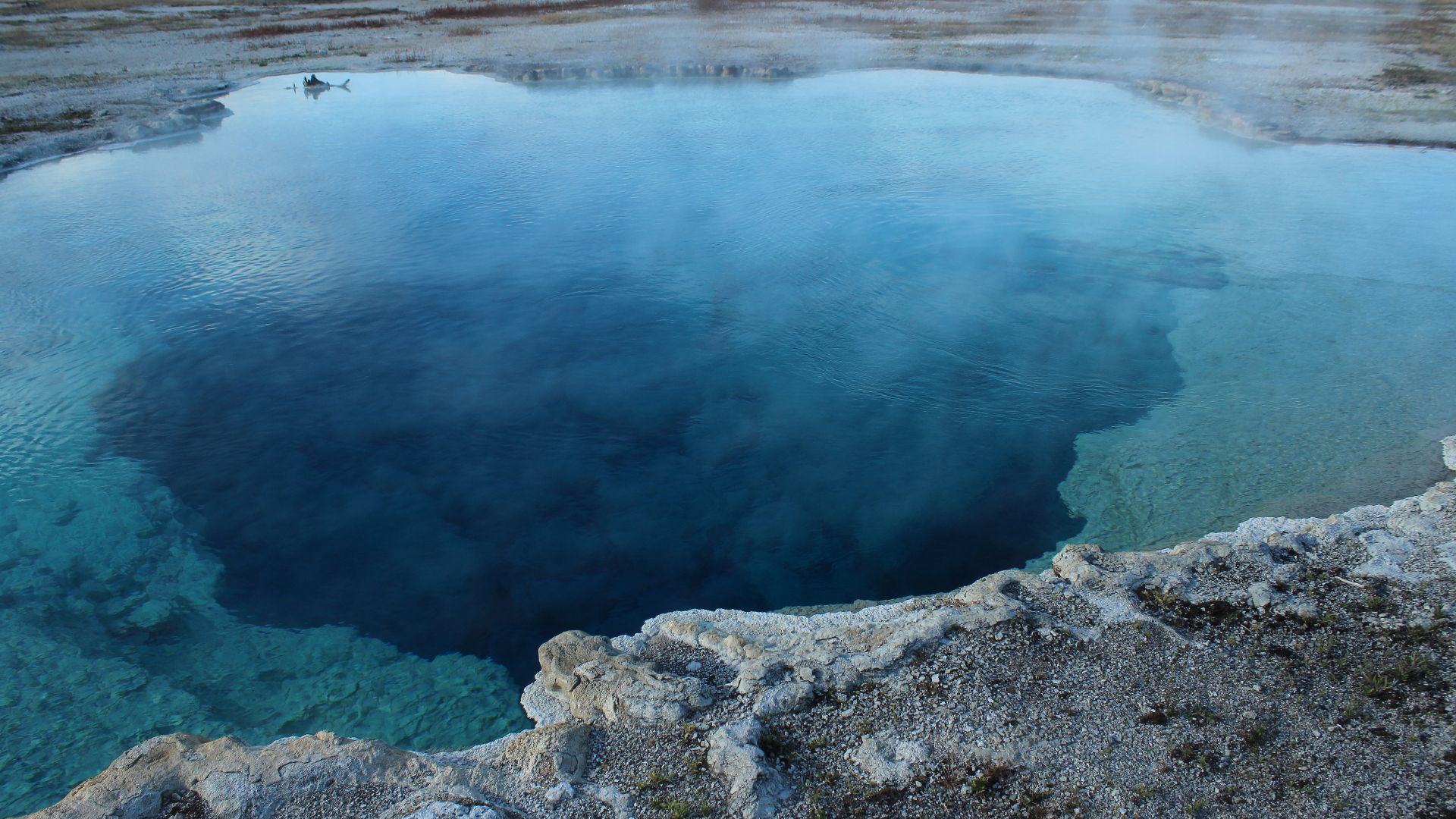
Beyond traditional seismometers, Yellowstone now features amazing monitoring innovations installed throughout 2024–2025. Following the July 2024 Biscuit Basin explosion, scientists established a new webcam posting static images every 15 minutes with continuous video logging on-site. Semi-permanent GPS stations deployed each spring densify the monitoring network before snow buries equipment in the fall.
 Miguel Hermoso Cuesta, Wikimedia Commons
July 2024 Explosion
On July 23, 2024, at approximately 10 a m, Black Diamond Pool in Biscuit Basin violently exploded, hurling rocks over a foot across hundreds of feet into the air. Early morning visitors suddenly found themselves filming a spectacular hydrothermal event that damaged boardwalks and deposited debris across a wide area.
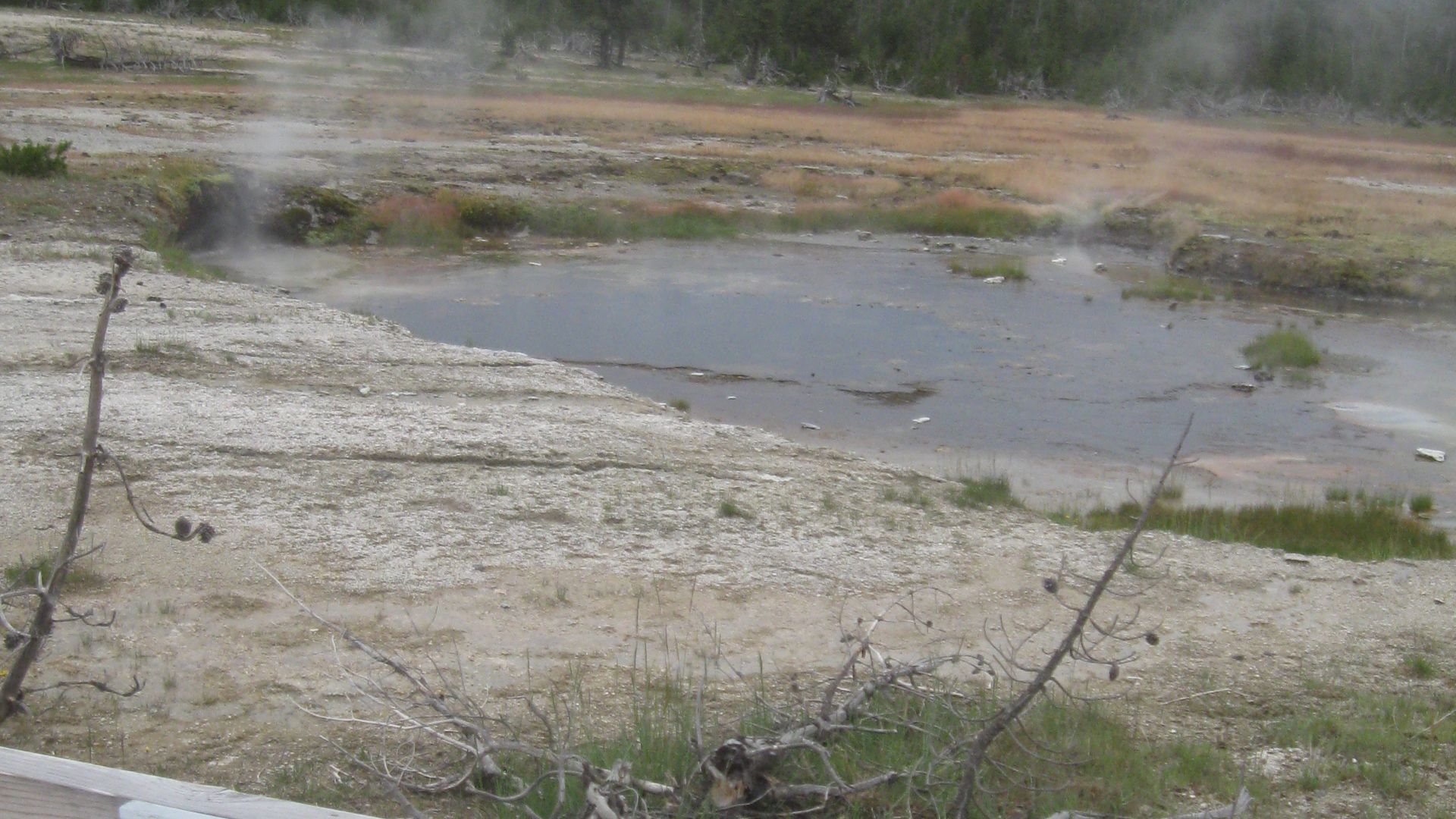 The Dye Clan, Wikimedia Commons
Earthquake Swarms Detected
Yellowstone experiences between 1,500 and 2,500 earthquakes annually, with roughly half occurring as swarms—clusters of seismic events concentrated in time and space. During 2024, scientists recorded 1,173 earthquakes, placing the year at the low end of typical seismicity.
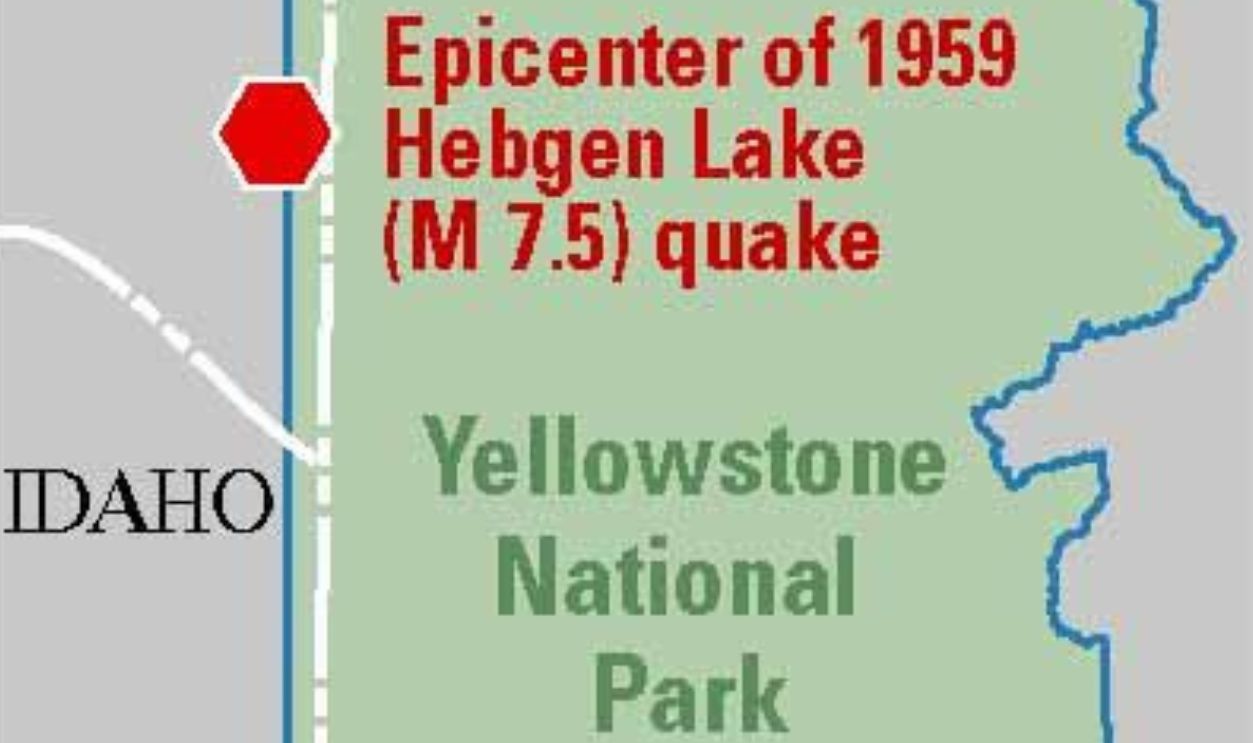 Government of the United States, Wikimedia Commons
Ground Deformation Patterns
Since 2015–2016, Yellowstone Caldera has been steadily subsiding at rates of several centimeters (1–2 inches) annually, a trend continuing through 2024–2025 with minimal variation. Summer months occasionally show pauses or slight uplift due to snowmelt and changing groundwater conditions rather than magma movement.
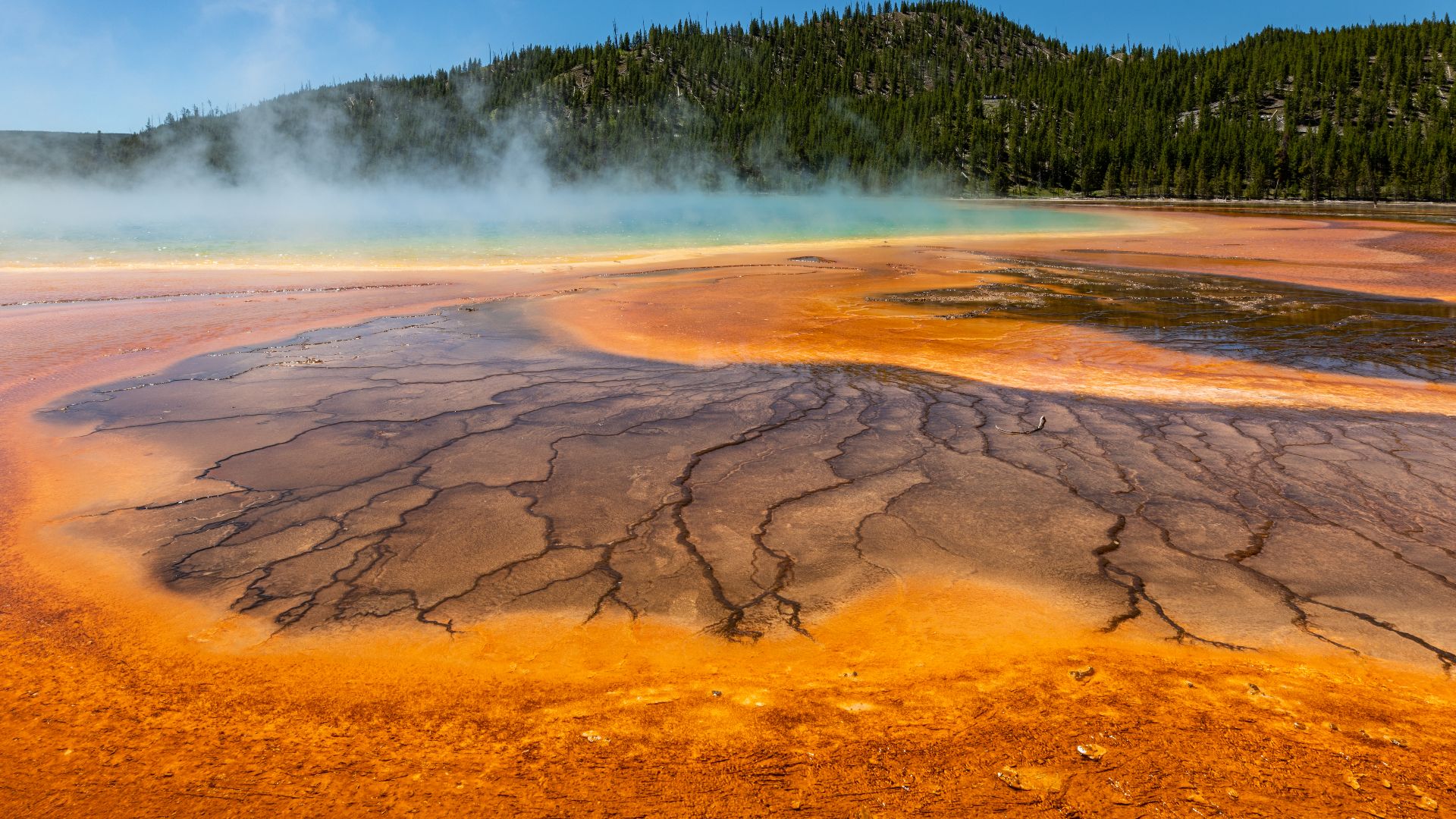 Dietmar Rabich, Wikimedia Commons
Northeast Activity Shift
January 2025 research published in Nature identified a fundamental change in Yellowstone's volcanic future: the northeastern region will most likely host future eruptions. For the past 160,000 years, most volcanic activity occurred elsewhere in the caldera, but the new magnetotelluric mapping reveals the biggest rhyolitic magma reservoir.
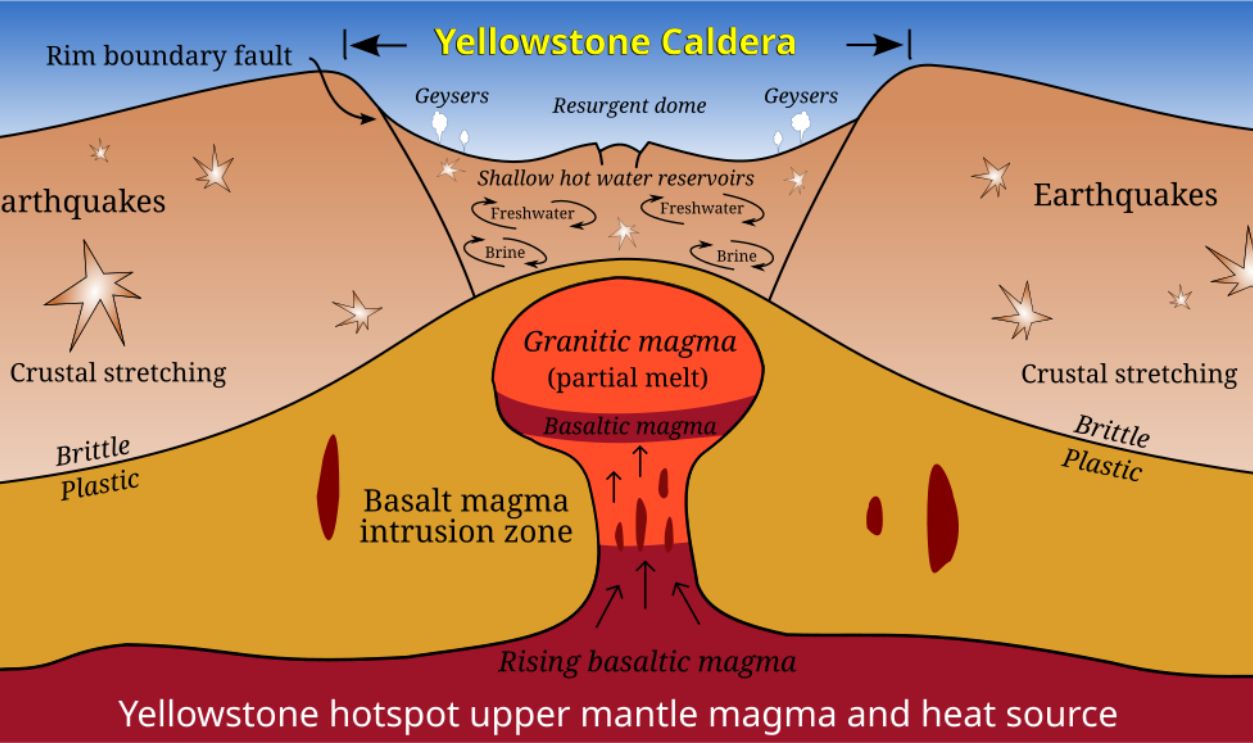
Natural Pressure Release
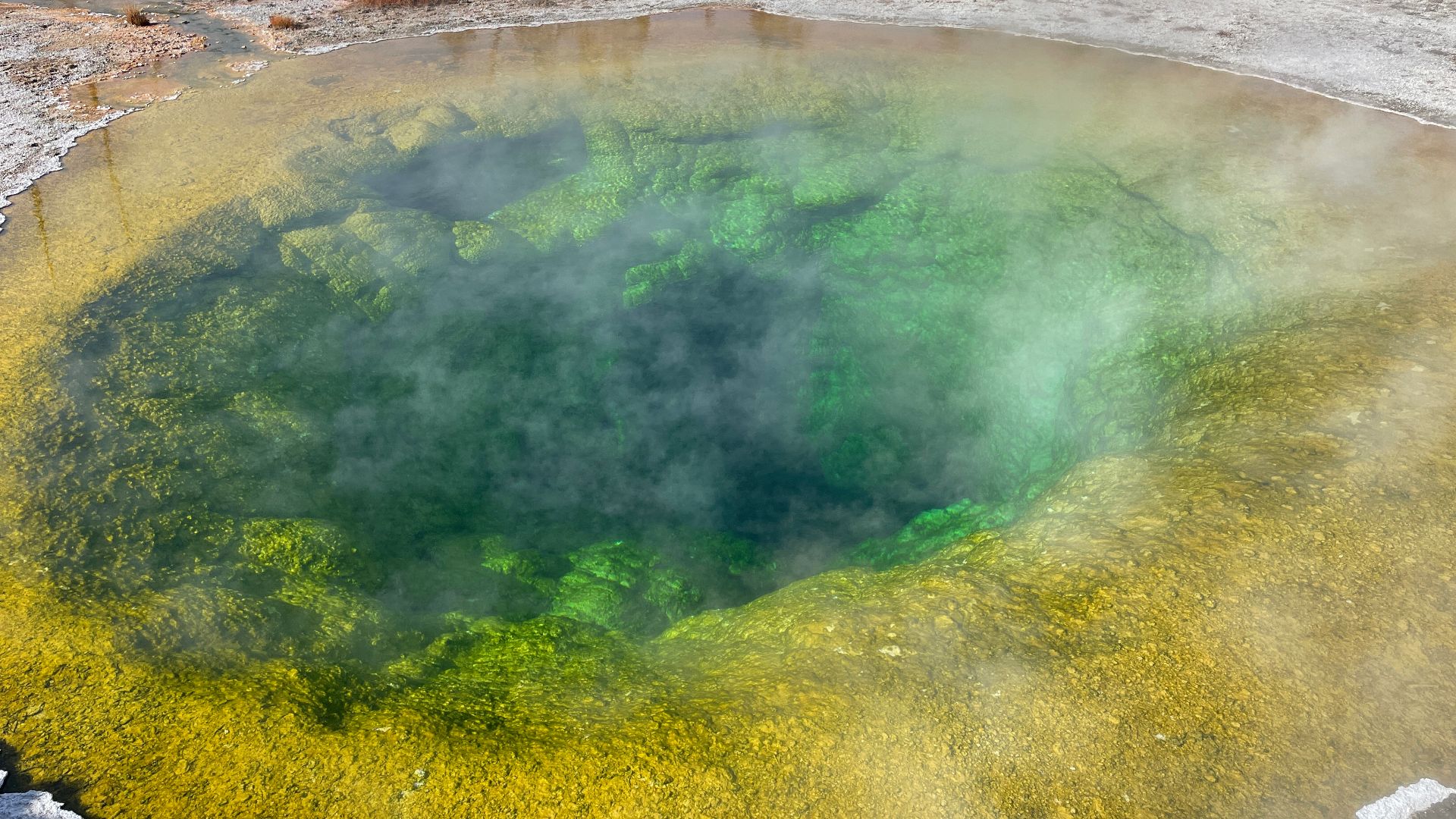
Yellowstone's famous geysers, hot springs, fumaroles, and bubbling mud pots aren't just tourist attractions. They're safety valves preventing catastrophic pressure buildup. Volatile gases accumulating at the magma chamber's top escape through cracks and channels between mineral crystals, venting continuously to the surface through approximately 10,000 hydrothermal features across the park.
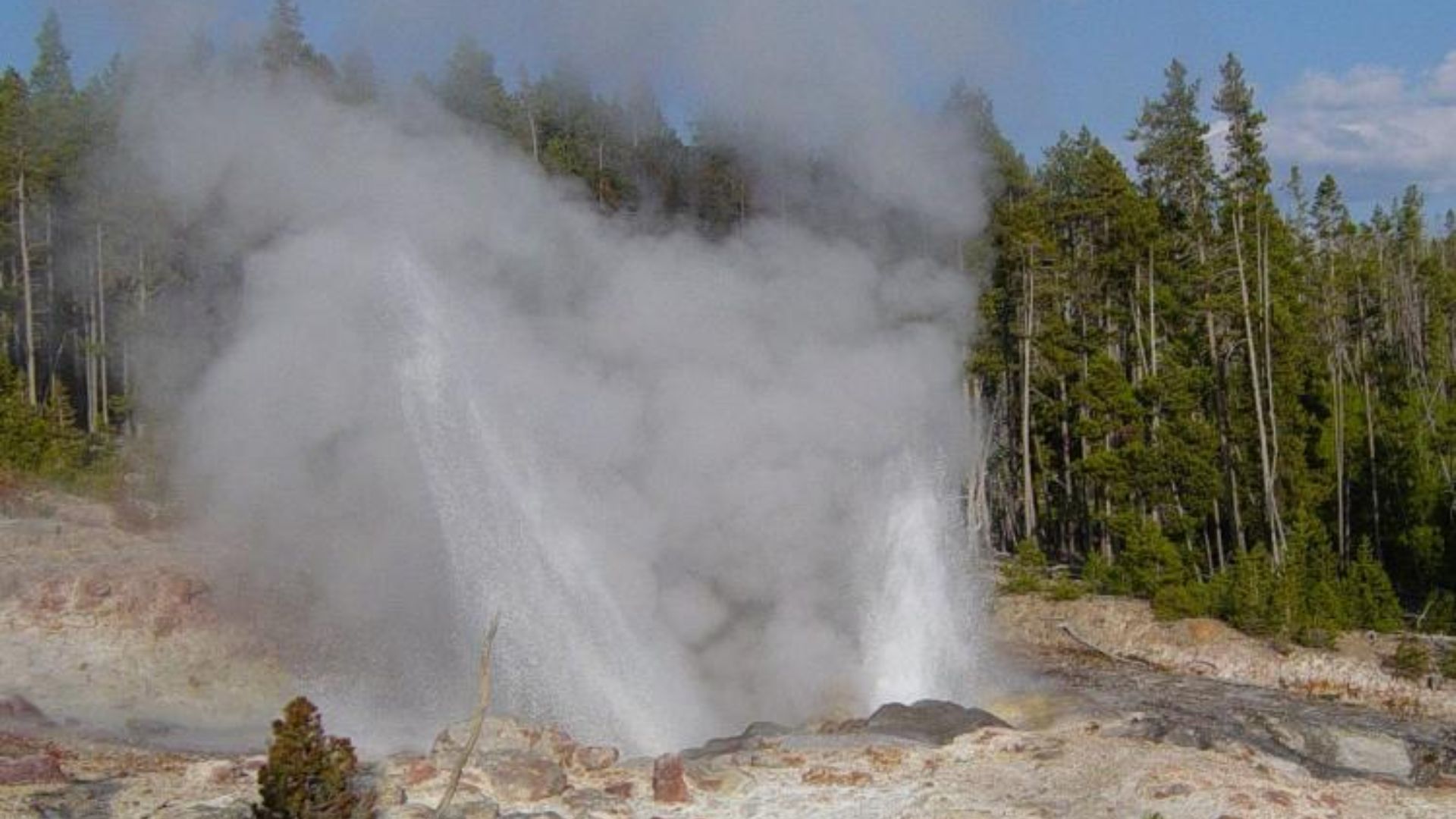 Mav at English Wikipedia, Wikimedia Commons
Social Media Panic
During 2024–2025, viral videos claiming Yellowstone was "waking up" spread panic across social media platforms. Dramatically edited clips of bison supposedly "running for their lives" and shaky footage of steam vents presented as imminent eruption warnings. Most footage wasn't even filmed in Yellowstone National Park.

Debunking Overdue Myths
The persistent claim that Yellowstone erupts every 600,000 to 800,000 years and is therefore "overdue" fundamentally misunderstands volcanic behavior. Examining actual intervals between the three supereruptions reveals wildly irregular spacing: roughly 800,000 years separated the first and second.
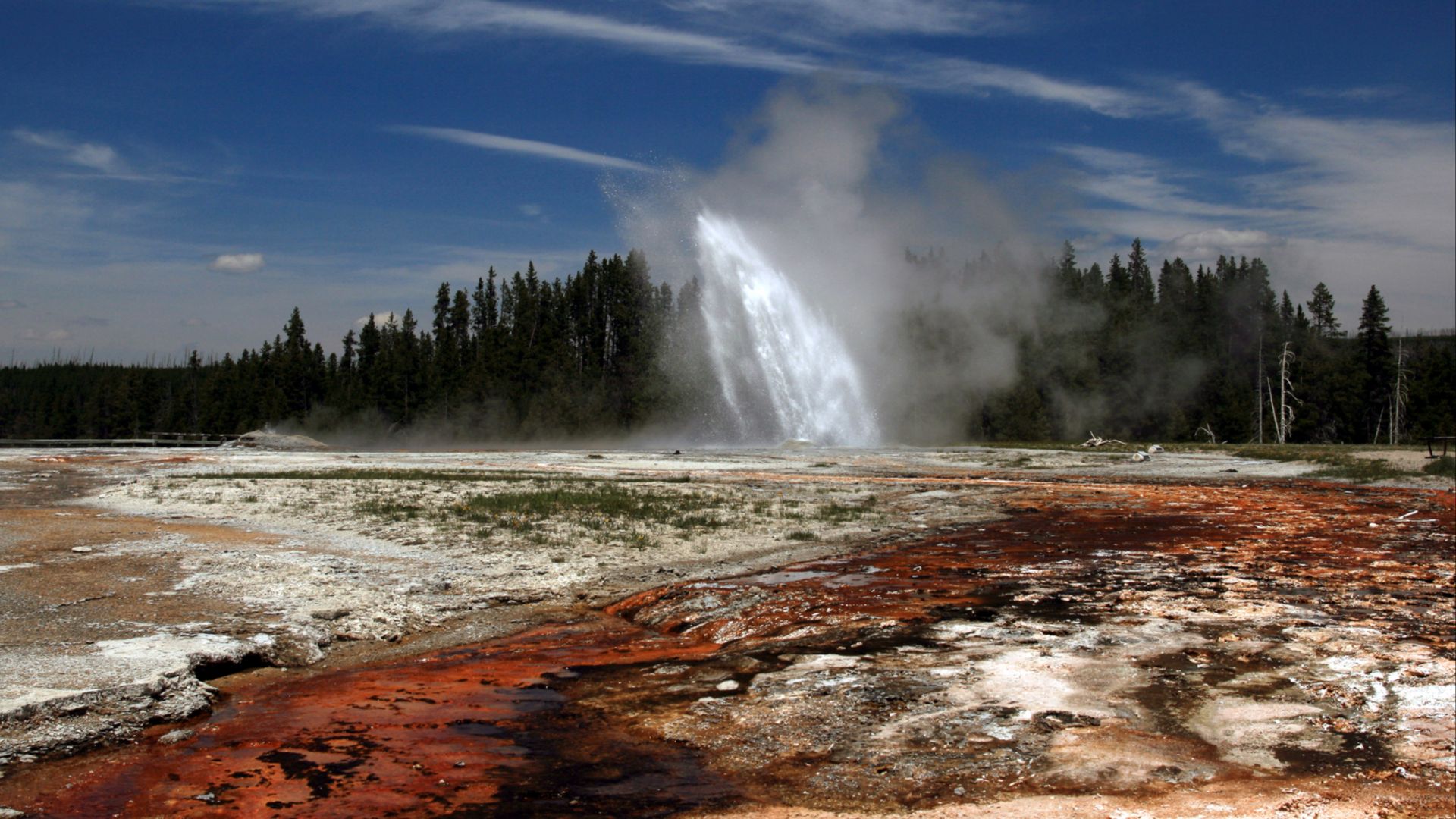 Brocken Inaglory edited by Muhammad, Wikimedia Commons
Current Scientific Consensus
Scientists emphasize that the most probable future events are hydrothermal explosions—which occur every few years, creating small craters—or lava flows similar to the effusive eruption 70,000 years ago. Current magma exists in mostly solid state, distributed across four disconnected reservoirs, which prevents the mobilization necessary for major eruptions.
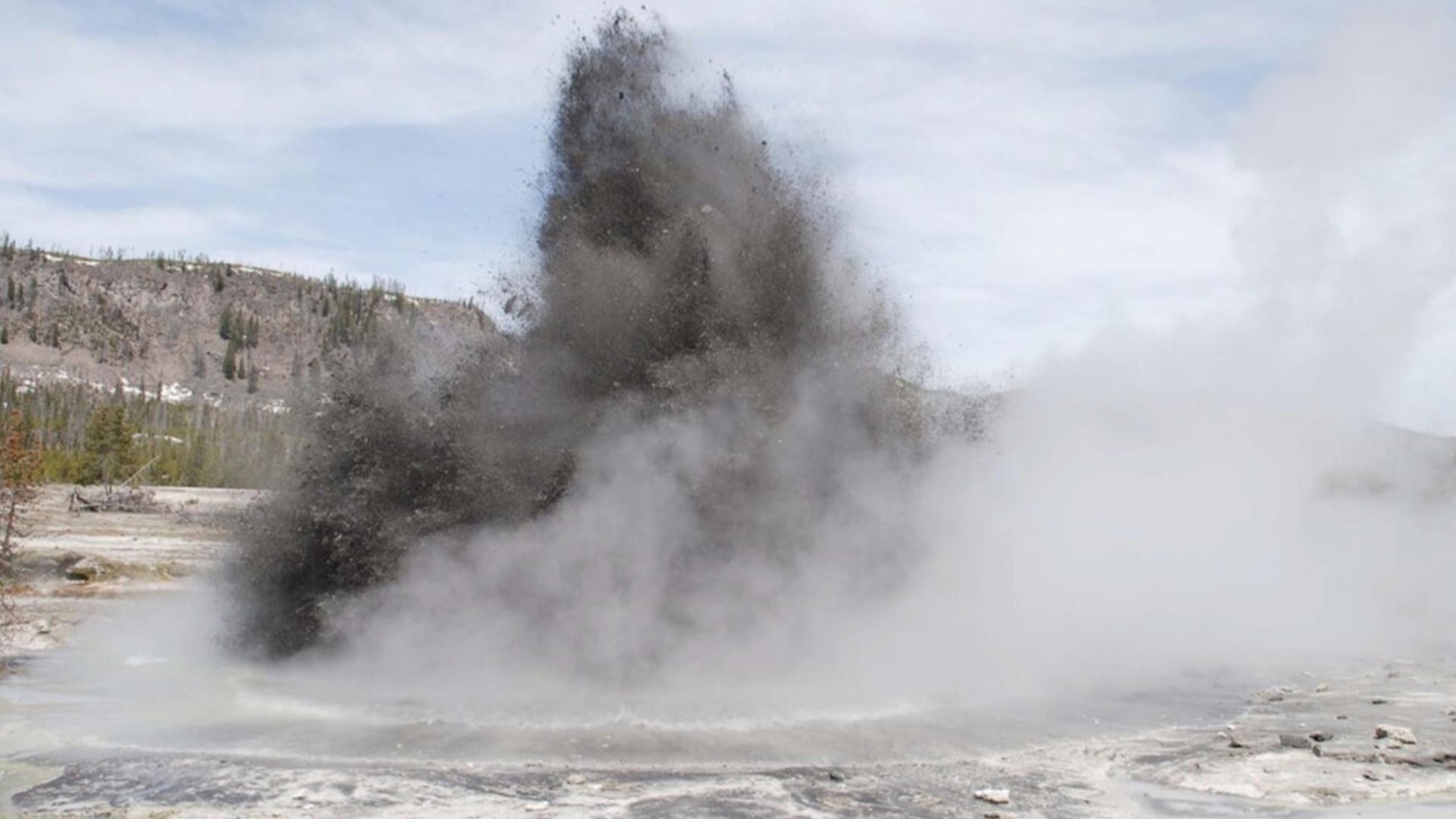 UNAVCO Earthscope Field Trip Participants, Wikimedia Commons
Hydrothermal Vs Supereruption
Understanding the difference between hydrothermal explosions and supereruptions is critical for assessing actual risks. Hydrothermal events occur when superheated groundwater encounters hot rock near the surface, flashes to steam, and explodes. The April 15, 2024, Norris Geyser Basin explosion and July 23, 202,4, Biscuit Basin event exemplify this phenomenon.
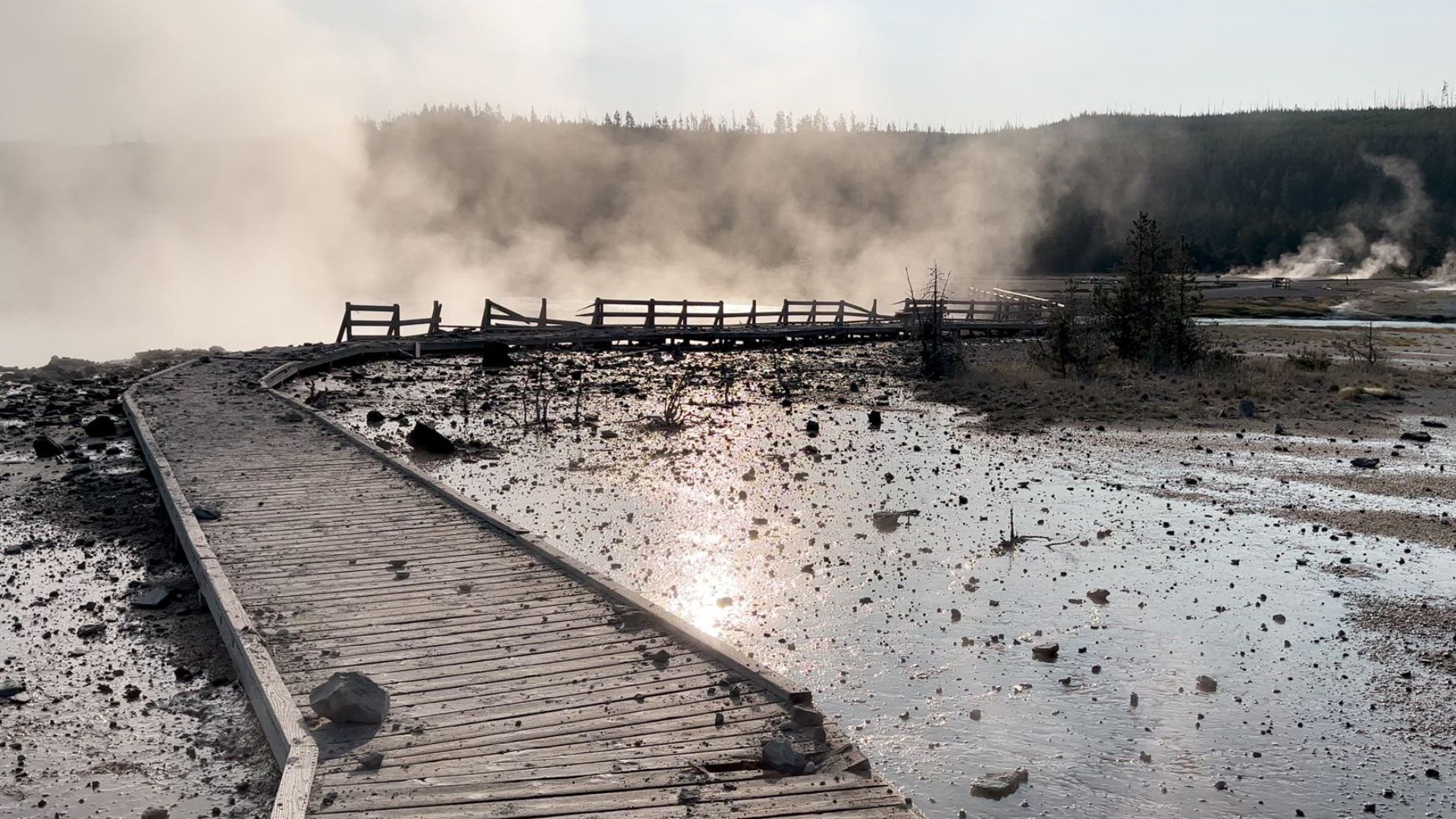 YellowstoneNPS, Wikimedia Commons
Global Climate Impact
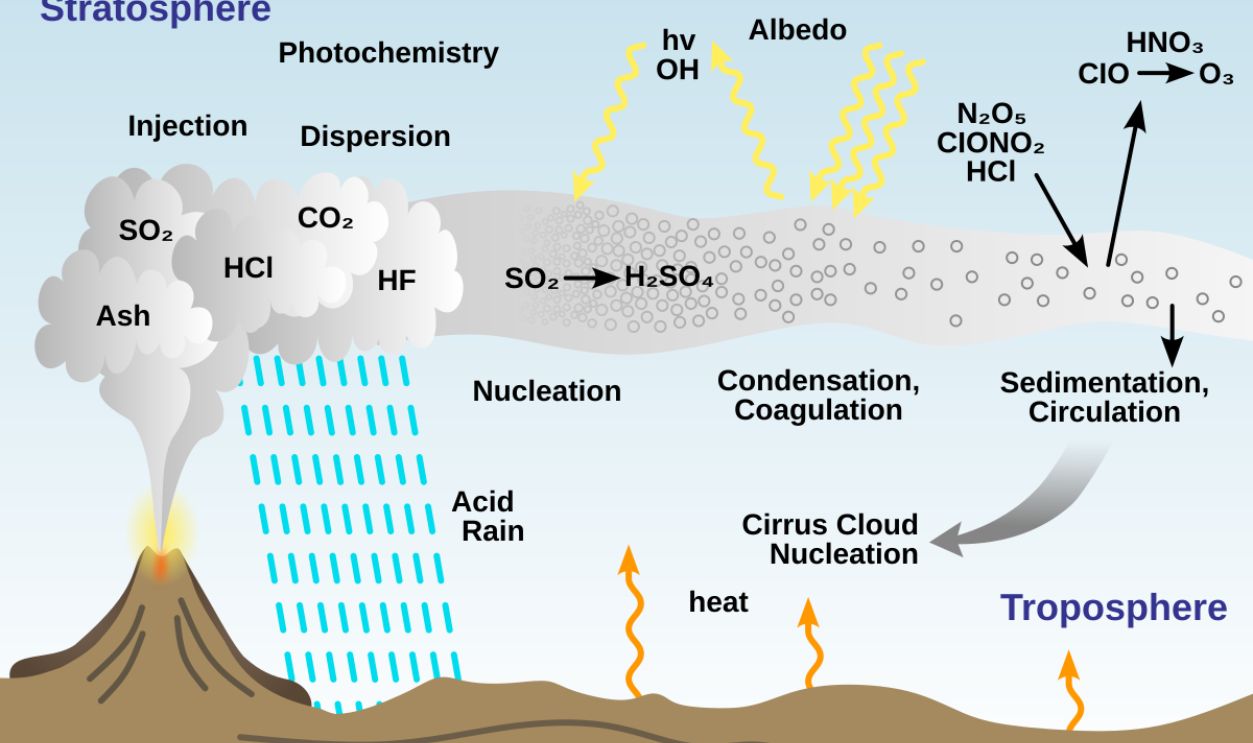
A future Yellowstone supereruption would fundamentally alter Earth's climate through mechanisms extending far beyond immediate ash deposition. Sulfur dioxide injected into the stratosphere would convert into sulfuric acid aerosols to craft a reflective layer that blocks incoming solar radiation for years or decades.
Volcanic Winter Scenario
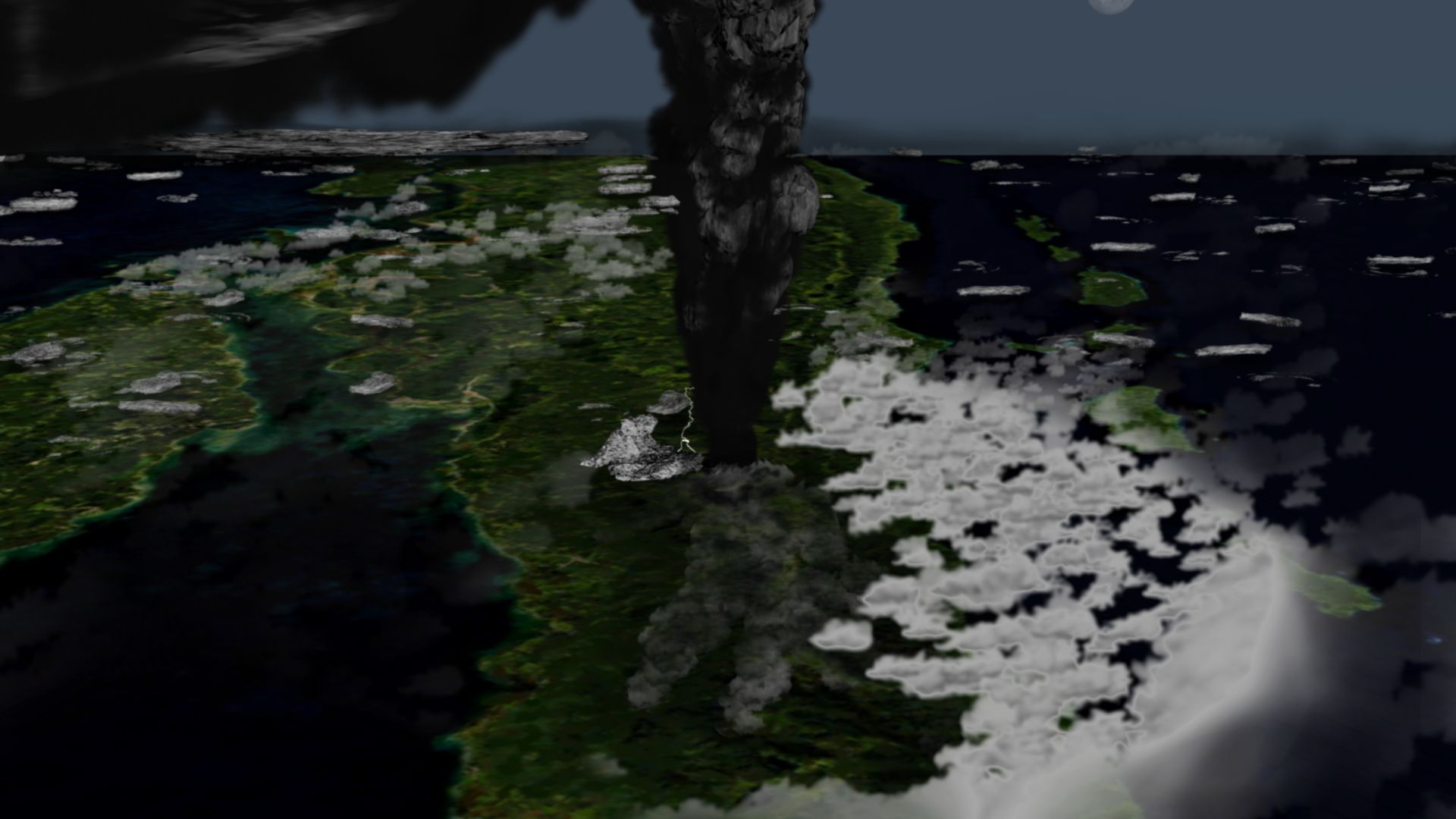
The catastrophic cooling following a Yellowstone supereruption would create what scientists call a volcanic winter, fundamentally disrupting global agriculture and ecosystems. Thick ash deposits would bury areas of Montana, Idaho, and Wyoming under meters of material, while regions like Denver would experience extremely disruptive ashfall.
 Jan Kronsell, Wikimedia Commons
Past Supereruptions Compared
Humanity has actually survived supereruptions larger than Yellowstone's most recent blast, proving catastrophic eruptions don't cause human extinction. The Toba eruption in Indonesia, approximately 74,000 years ago, and the Taupo eruption in New Zealand about 26,500 years ago both occurred while humans existed on Earth.
Geothermal Energy Potential
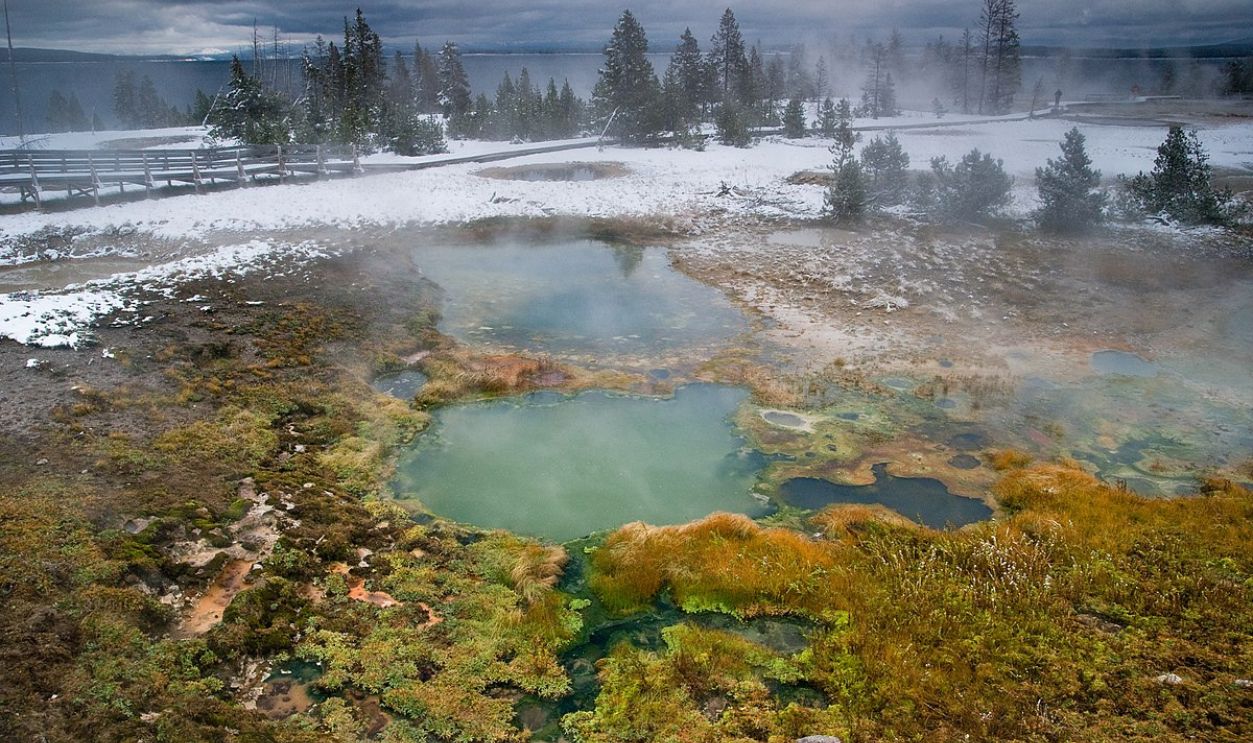
Scientists estimate this renewable resource could significantly reduce fossil fuel dependency and help America achieve ambitious climate goals. However, serious concerns about sustainability and ecological damage complicate this appealing vision. Geothermal plants extract substantial volumes of underground water, essential for creating geysers.
 NPS Natural Resources, Wikimedia Commons
NASA's Cooling Plan
In 2017, NASA's Jet Propulsion Laboratory proposed an audacious $3.46 billion plan to prevent Yellowstone eruptions by artificially cooling the magma chamber. The concept involves drilling underground and introducing high-pressure water that would circulate through the system. While innovative, this ambitious intervention remains theoretical and likely unnecessary.
 Vulturesong, Wikimedia Commons