One ideology that almost broke Ancient Egypt
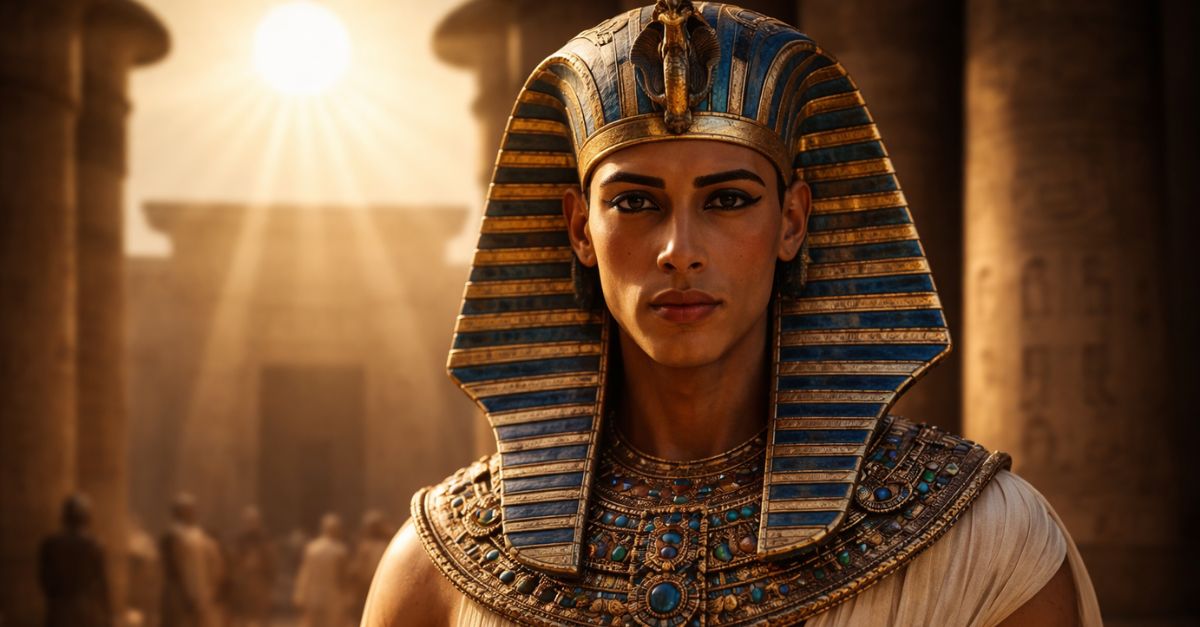
At the height of Ancient Egypt's influence, a man came to power who embraced a belief that rewrote the rules of gods and kingship. What followed was not a sudden collapse, but a chain of decisions that fractured religion, politics, and family itself. Then, almost as soon as he was gone, the Egyptians set about erasing his legacy.
A Golden Dynasty On The Brink Of Change
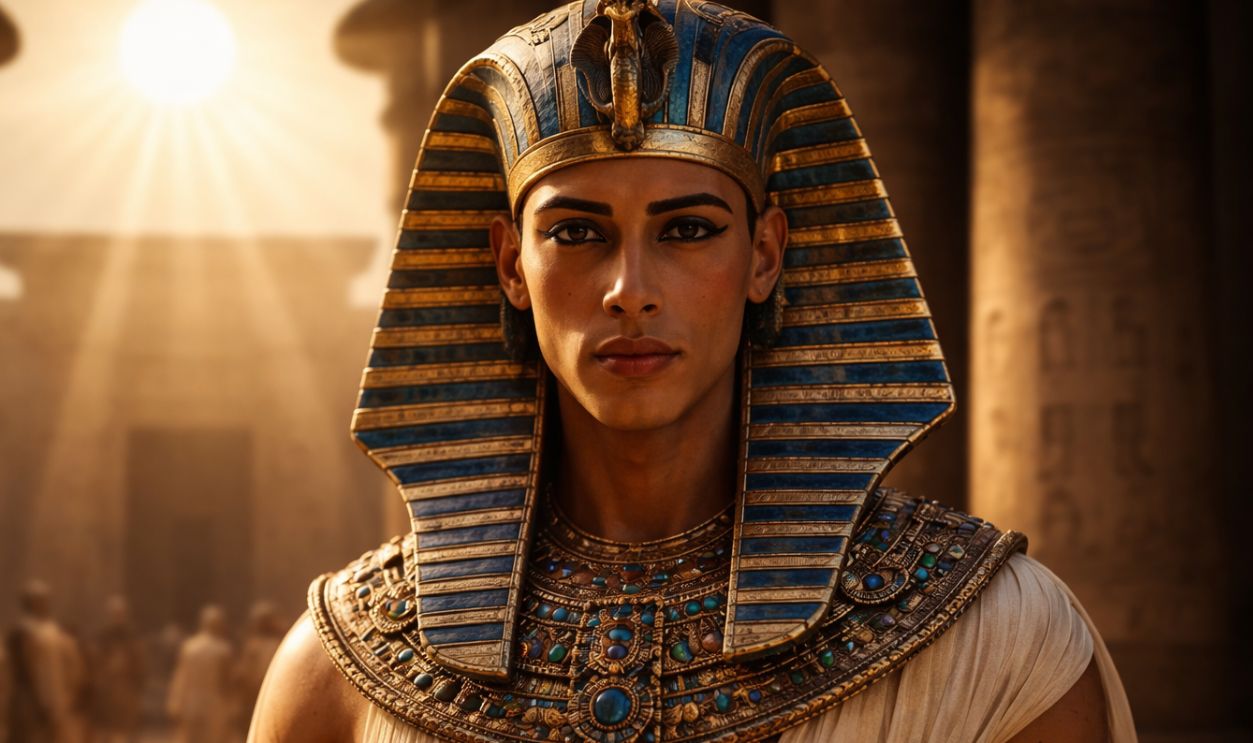
Amenhotep III’s 18th Dynasty marked one of Ancient Egypt’s most prosperous eras. Monumental temples and strong diplomacy defined the age. Yet religious authority had become concentrated among powerful priesthoods, which created tensions that left the kingdom vulnerable to dramatic ideological change.
The Prince Who Would Reject The Old Gods
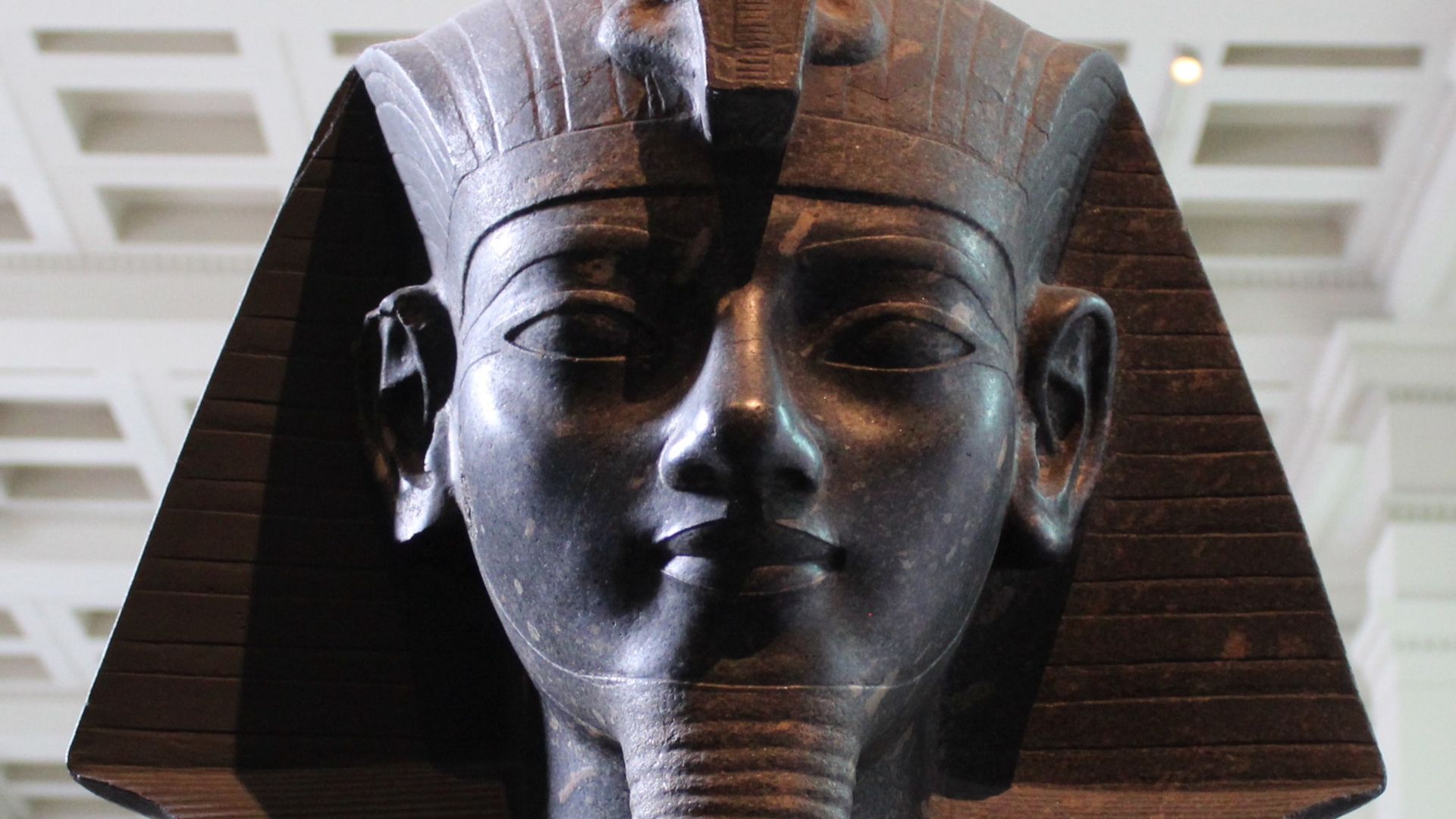
Born Amenhotep IV, the future Akhenaten inherited a throne rooted in tradition. Early in his reign, he began questioning Egypt’s complex pantheon and the influence of its priests. Those doubts soon hardened into a conviction that steered him toward a radical break with centuries of belief.
Aten Rises As Egypt’s Sole Divine Power
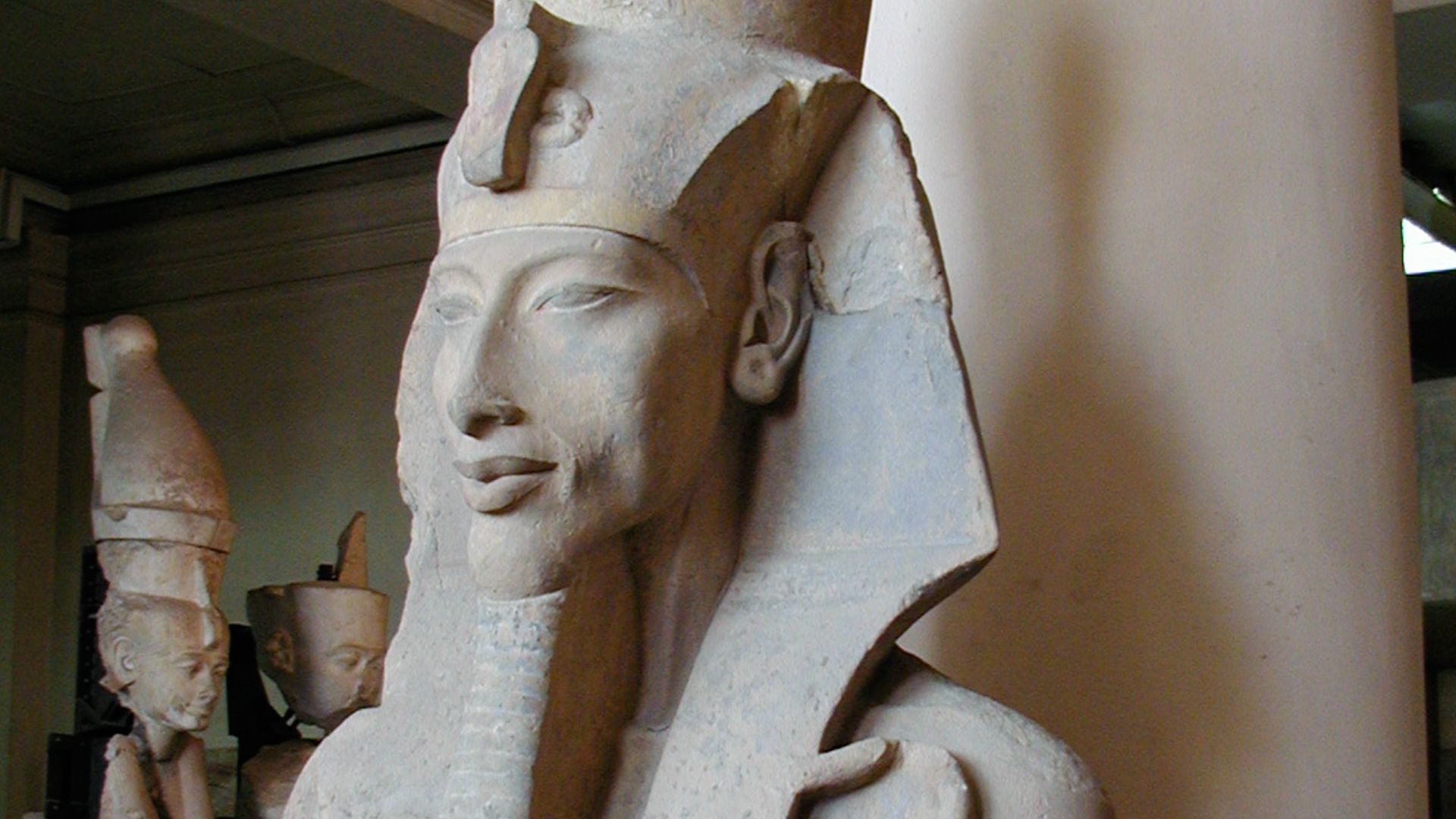
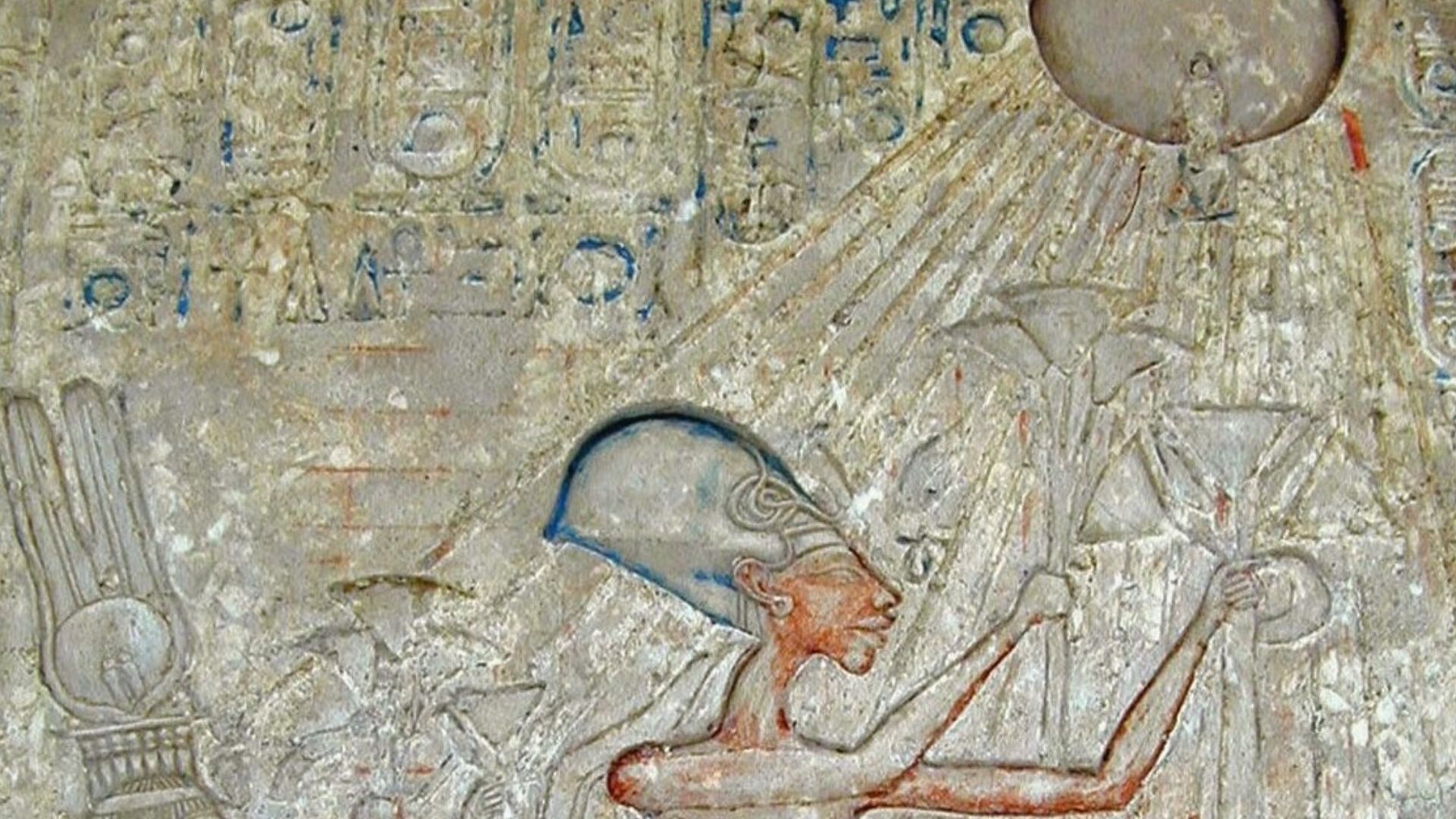
Akhenaten elevated Aten, the sun disk, above all other gods and gradually dismantled traditional worship. Temples closed, divine images were erased, and official rituals shifted. Religious authority became centralized, with the royal family positioned as the sole intermediaries between God and the people.
Why Akhenaten Believed One God Was Enough
Akhenaten viewed Aten as more than a deity; he saw the sun as the universal source of life and truth. By simplifying religion, he believed Egypt could achieve moral clarity and cosmic order, while reducing dependence on priests who had long controlled spiritual access.
A Queen Treated As An Equal
Nefertiti’s role went far beyond that of a traditional queen. She appears in reliefs performing sacred duties and addressing the gods. These scenes suggest Akhenaten regarded her as a governing partner who shared responsibility for religious balance and royal authority.
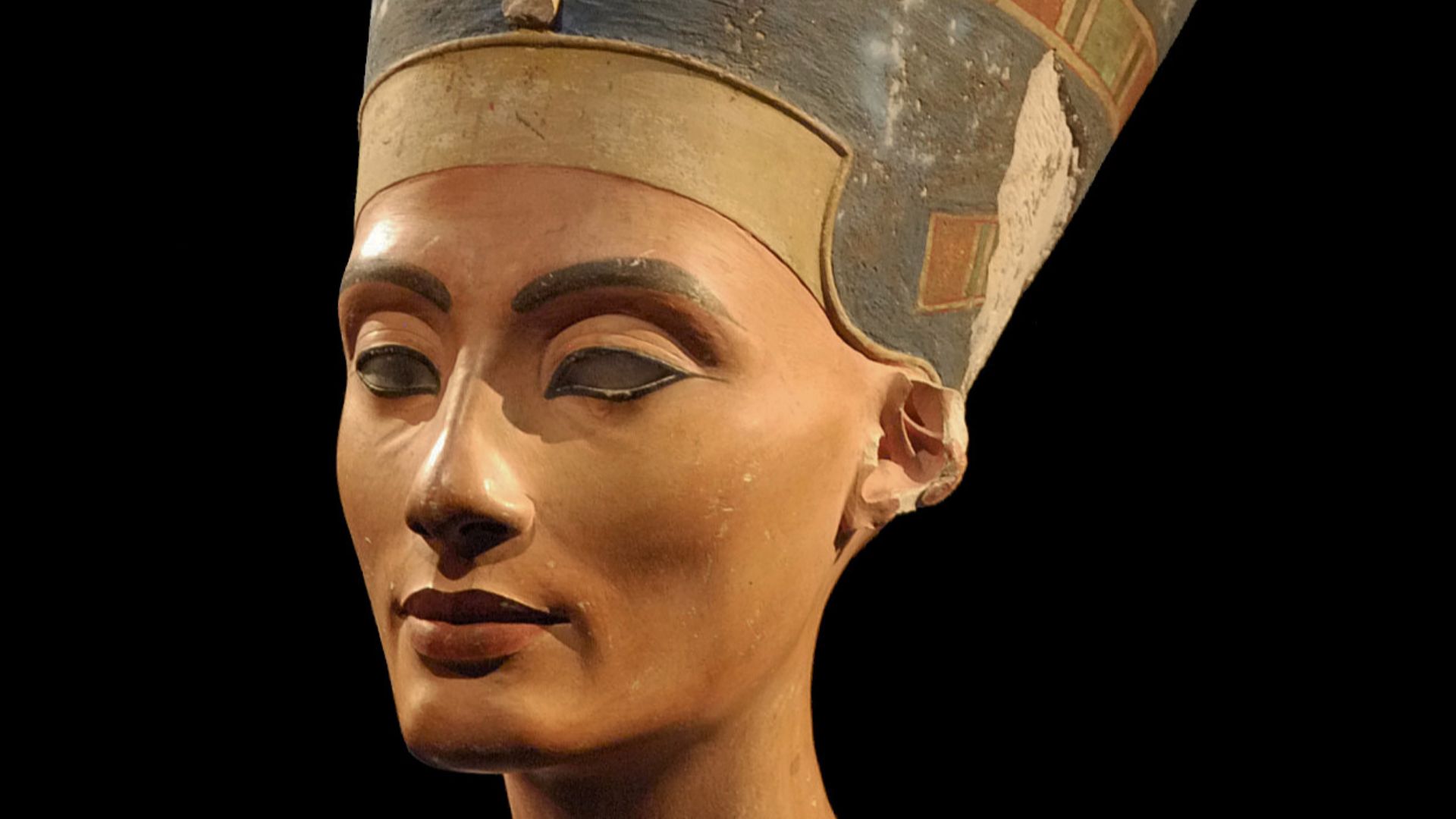 Philip Pikart, Wikimedia Commons
How Nefertiti’s Power Redefined Queenship
Nefertiti’s prominence challenged long-standing norms of Egyptian queenship. She appeared independently in state art and issued authority alongside the king. Her visibility suggested a deliberate redefinition of royal partnership. It strengthens the idea that stability under Aten depended on shared rule, not hierarchy.
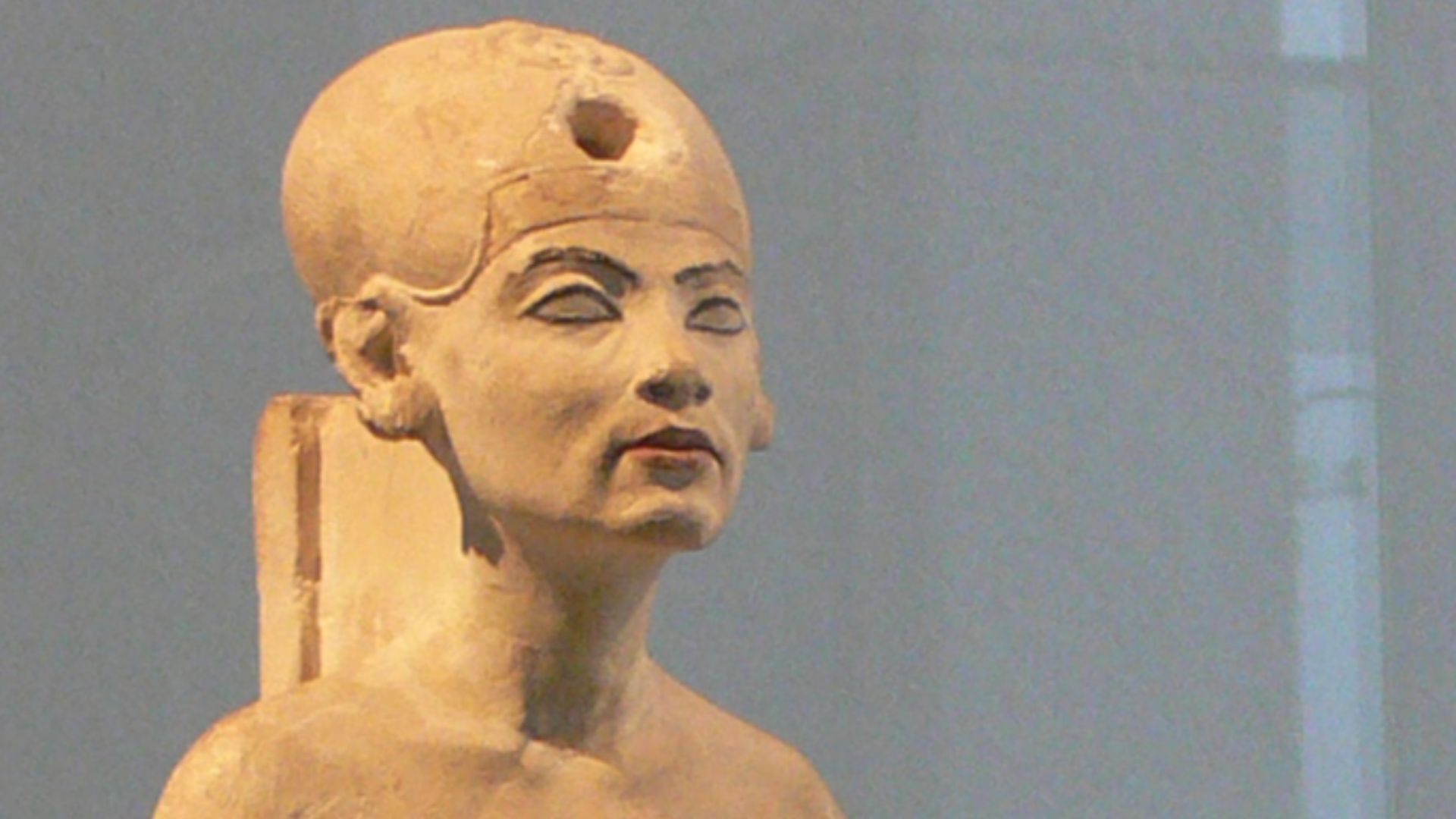 Photo: Andreas Praefcke, Wikimedia Commons
A New Way Of Seeing The Royal Family
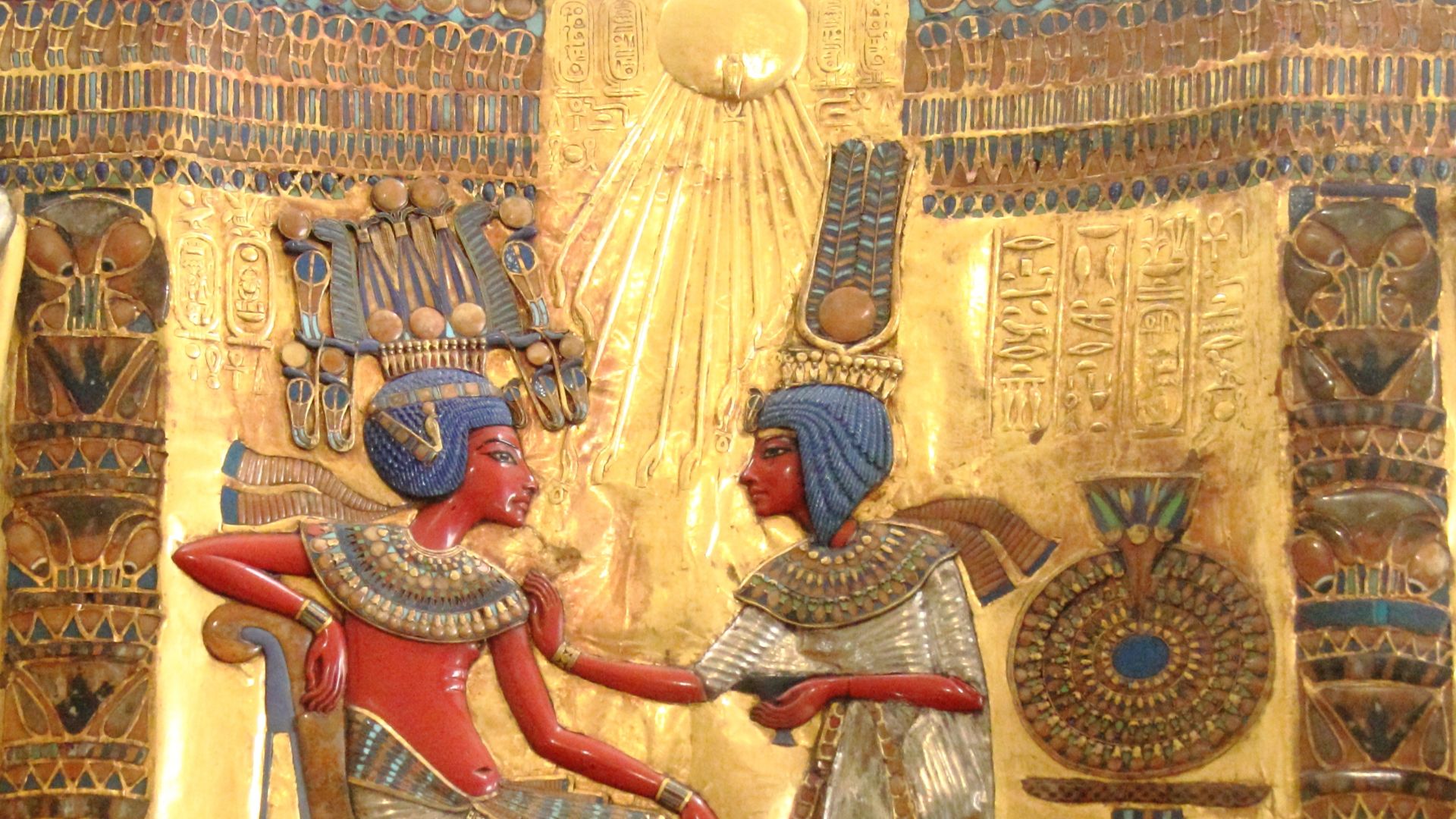
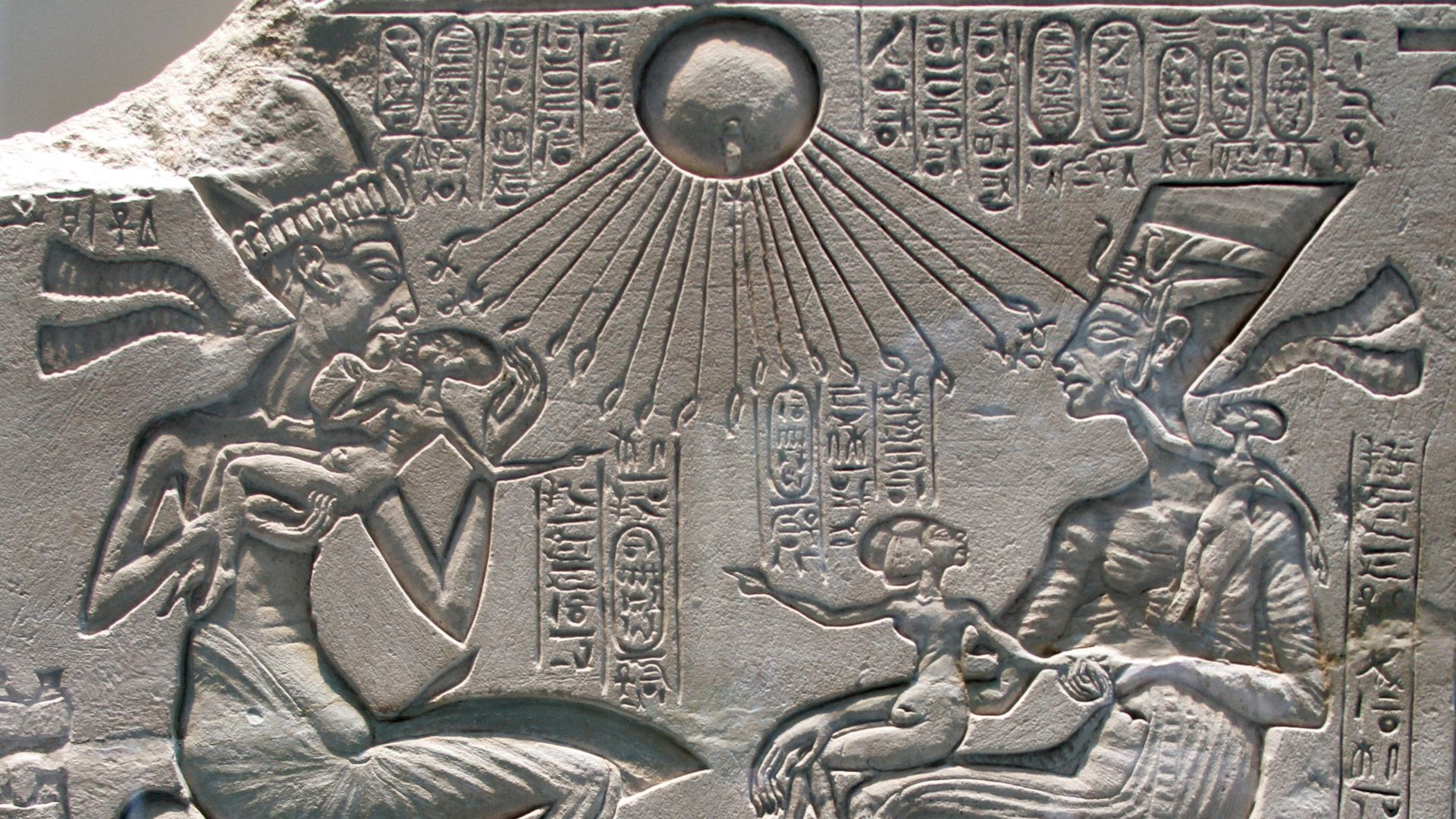
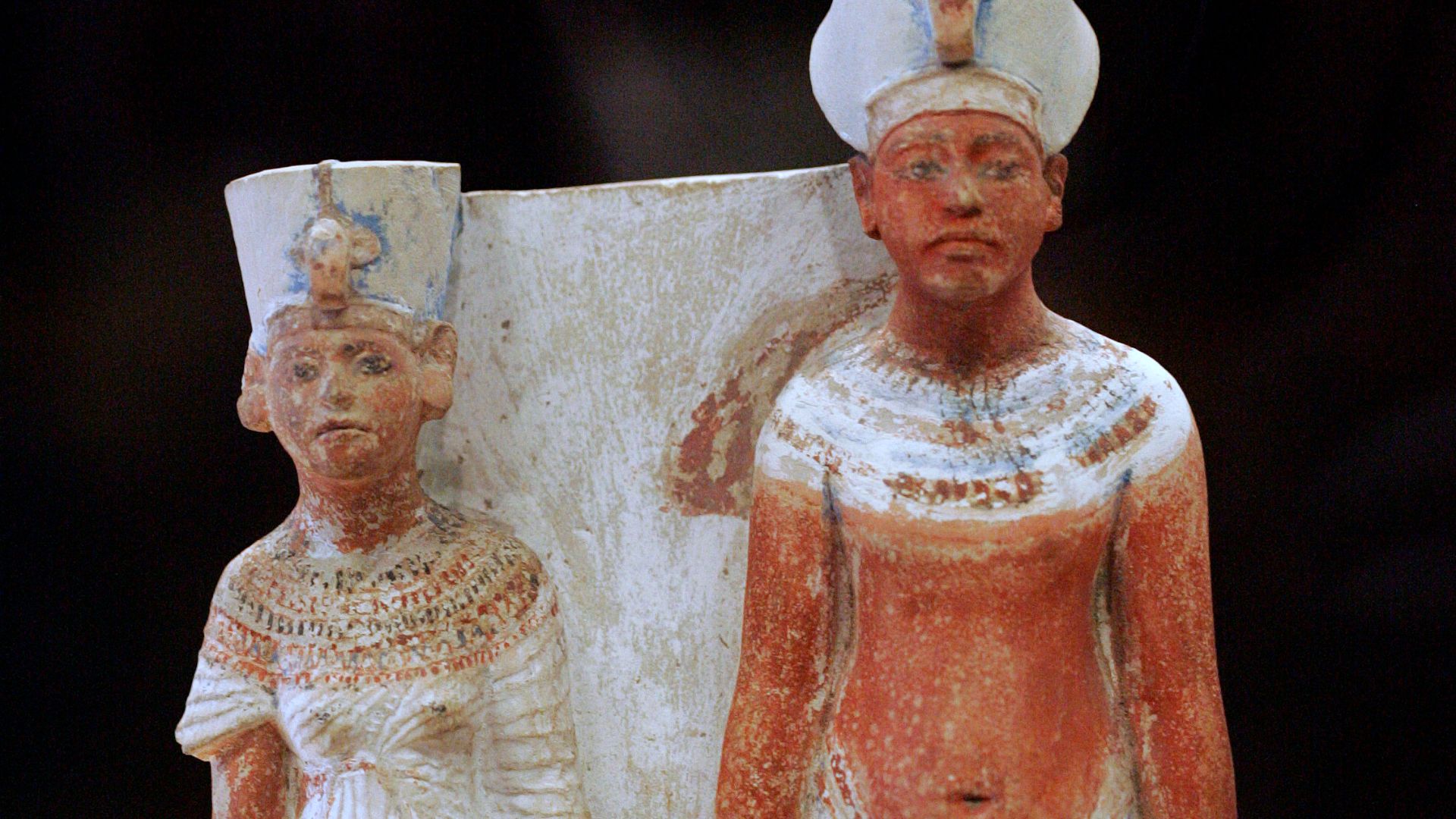
Amarna art broke sharply from Ancient Egyptian tradition by depicting intimate family scenes and natural movement. The royal household appeared beneath Aten’s rays to emphasize closeness rather than distance. This style presented the king’s family as human and divinely favored.
The Cost Of Turning Away From Egypt’s Priests
By sidelining the priesthoods, especially those of Amun, Akhenaten dismantled an economic engine. Temples controlled land and resources. Redirecting offerings to Aten weakened local economies and disrupted social networks that had stabilized Egypt for generations.
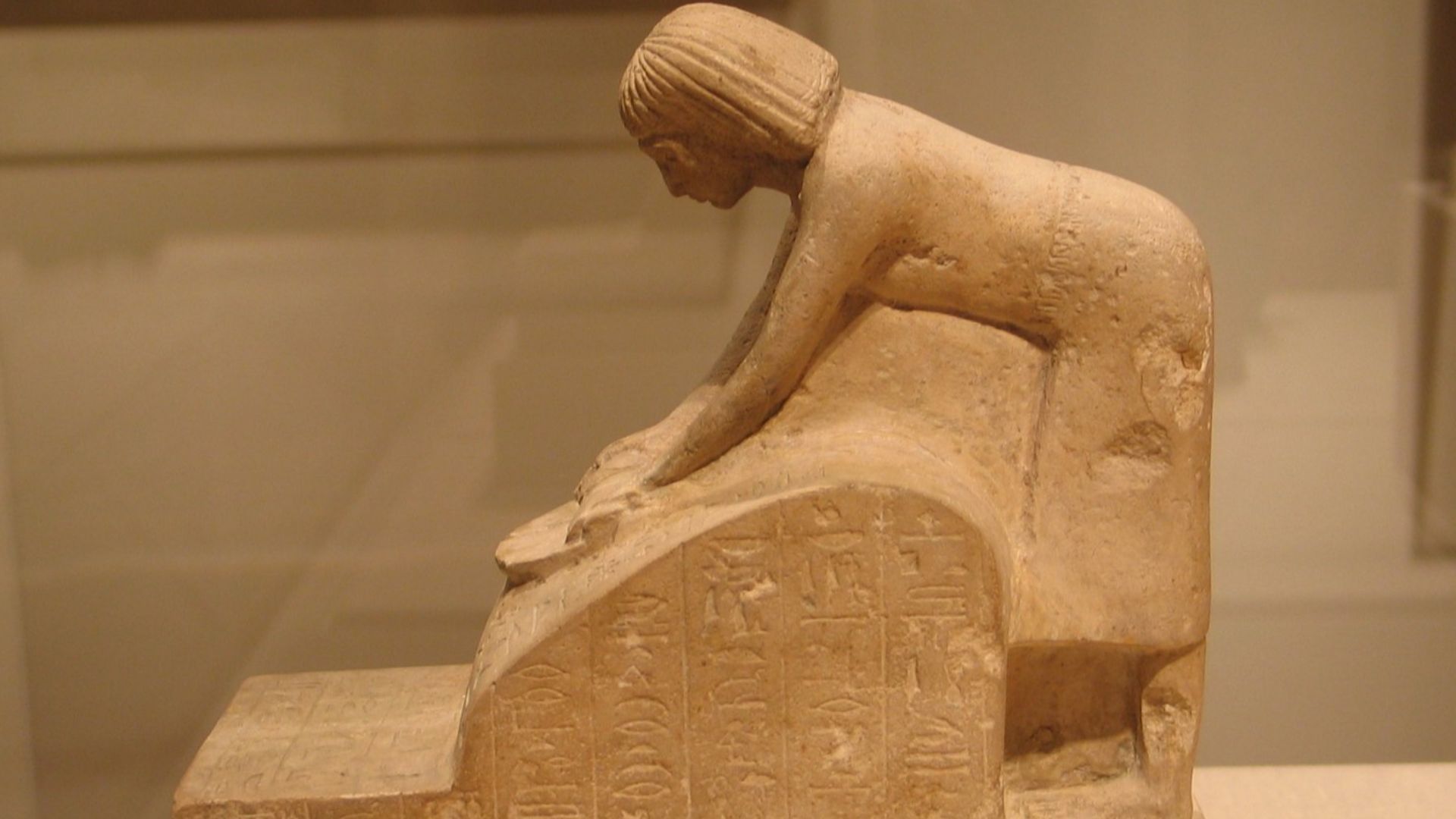 New Kingdom, late XVIII Dynasty, Wikimedia Commons

History's most fascinating stories and darkest secrets, delivered to your inbox daily.
Building A Capital From Nothing
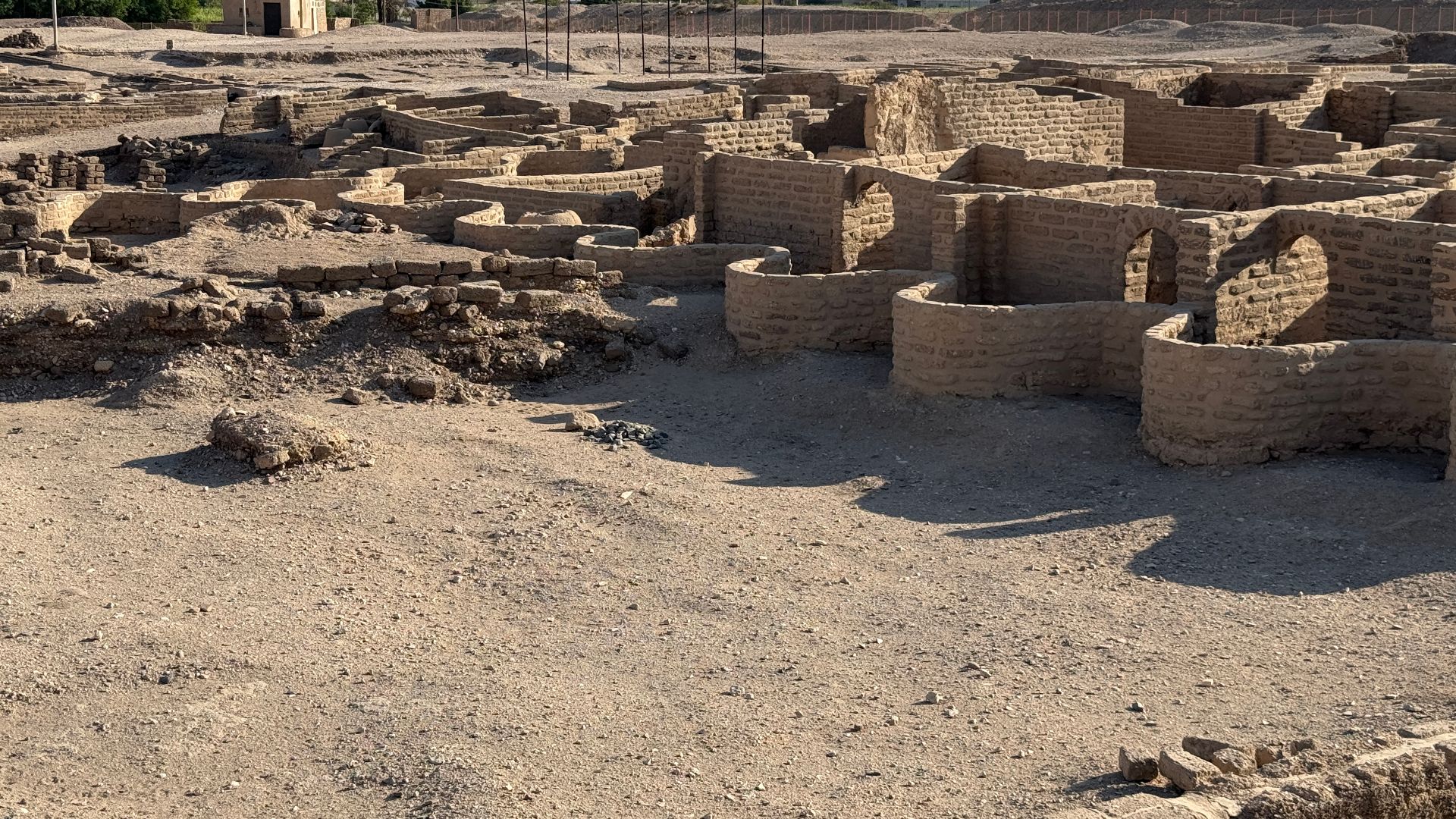
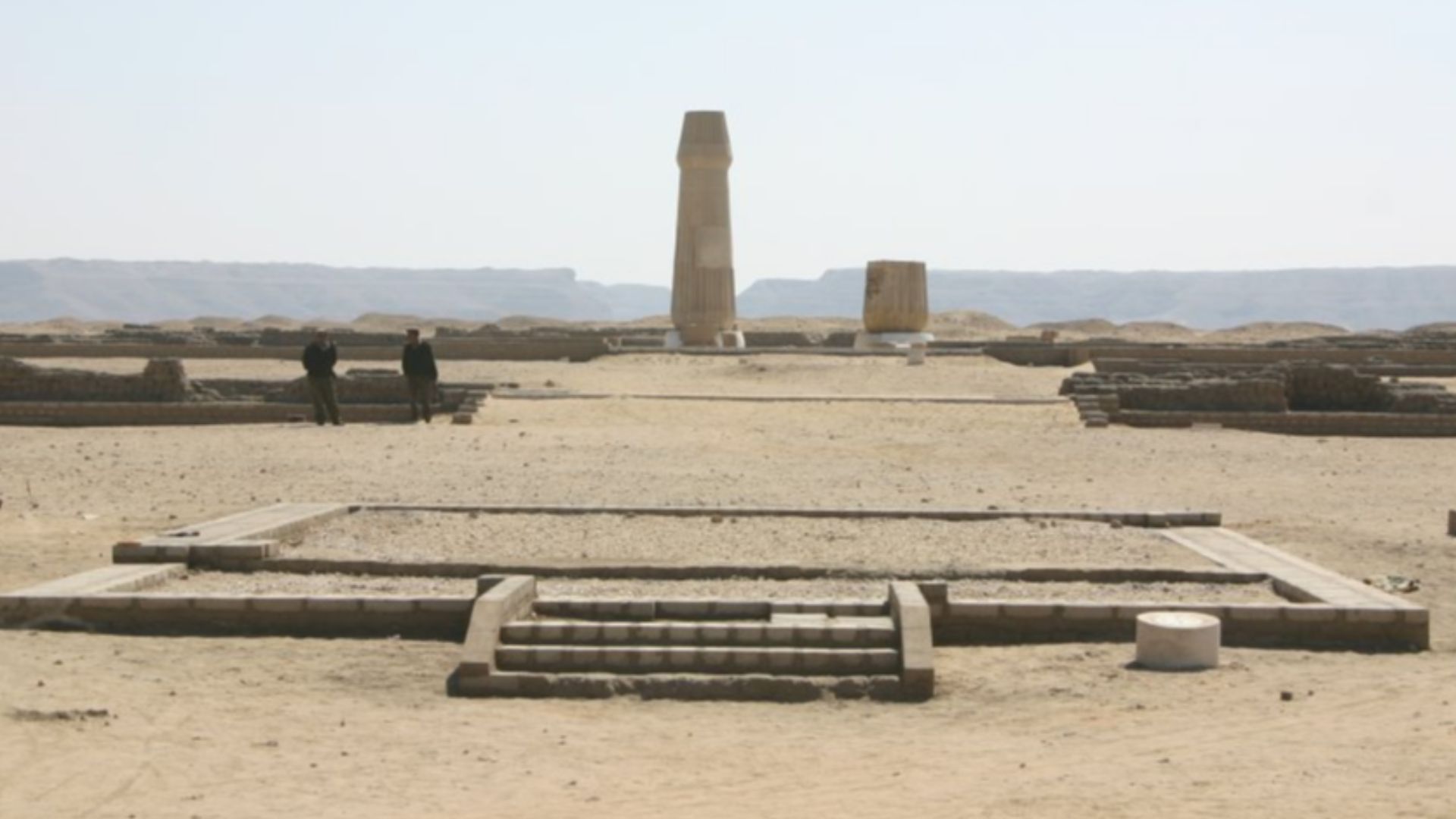
Akhenaten ordered an entirely new capital to be built at Amarna, chosen for its lack of prior religious significance. Construction demanded enormous labor and resources, drawing officials and workers away from established cities. The move symbolized ideological purity but strained administration and long-standing political infrastructure.
 en:User:Markh, Wikimedia Commons
The Religious Revolution Reshaped Daily Life
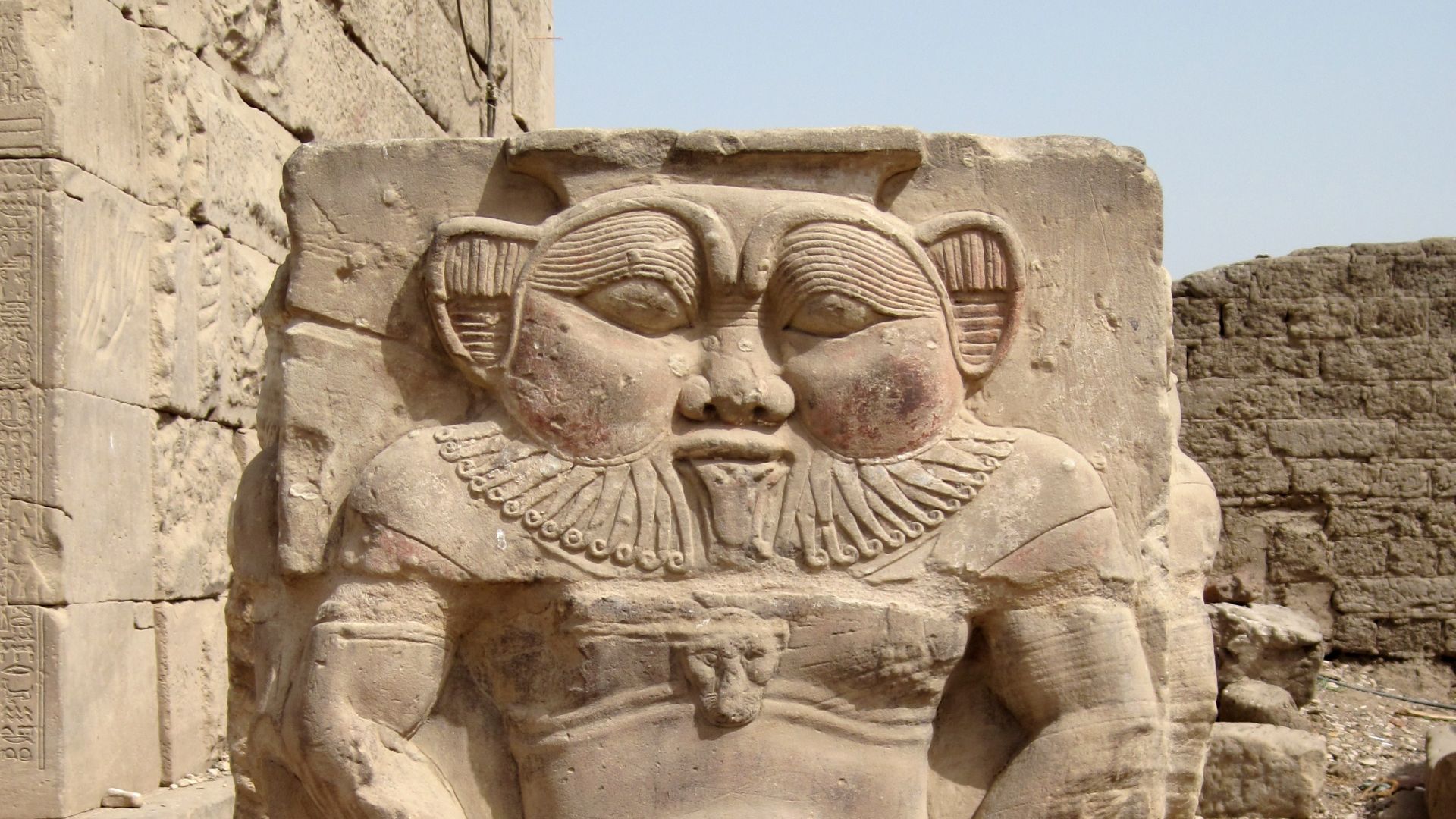
Religious change reached beyond temples into ordinary life. Traditional household gods faded from official favor, and familiar rituals vanished. Egyptians were expected to accept a faith mediated exclusively by the royal family, which increased uncertainty and resentment.
 Olaf Tausch, Wikimedia Commons
Strained Alliances And Fractured Foreign Relations
Akhenaten focused inward, and Egypt’s international presence weakened. Diplomatic marriages and military support declined, as allies grew uneasy, while rivals sensed opportunity. The king’s absence from traditional foreign leadership roles damaged trust and reduced Egypt’s influence across the eastern Mediterranean world.
The Amarna Letters And Egypt’s Cry For Help
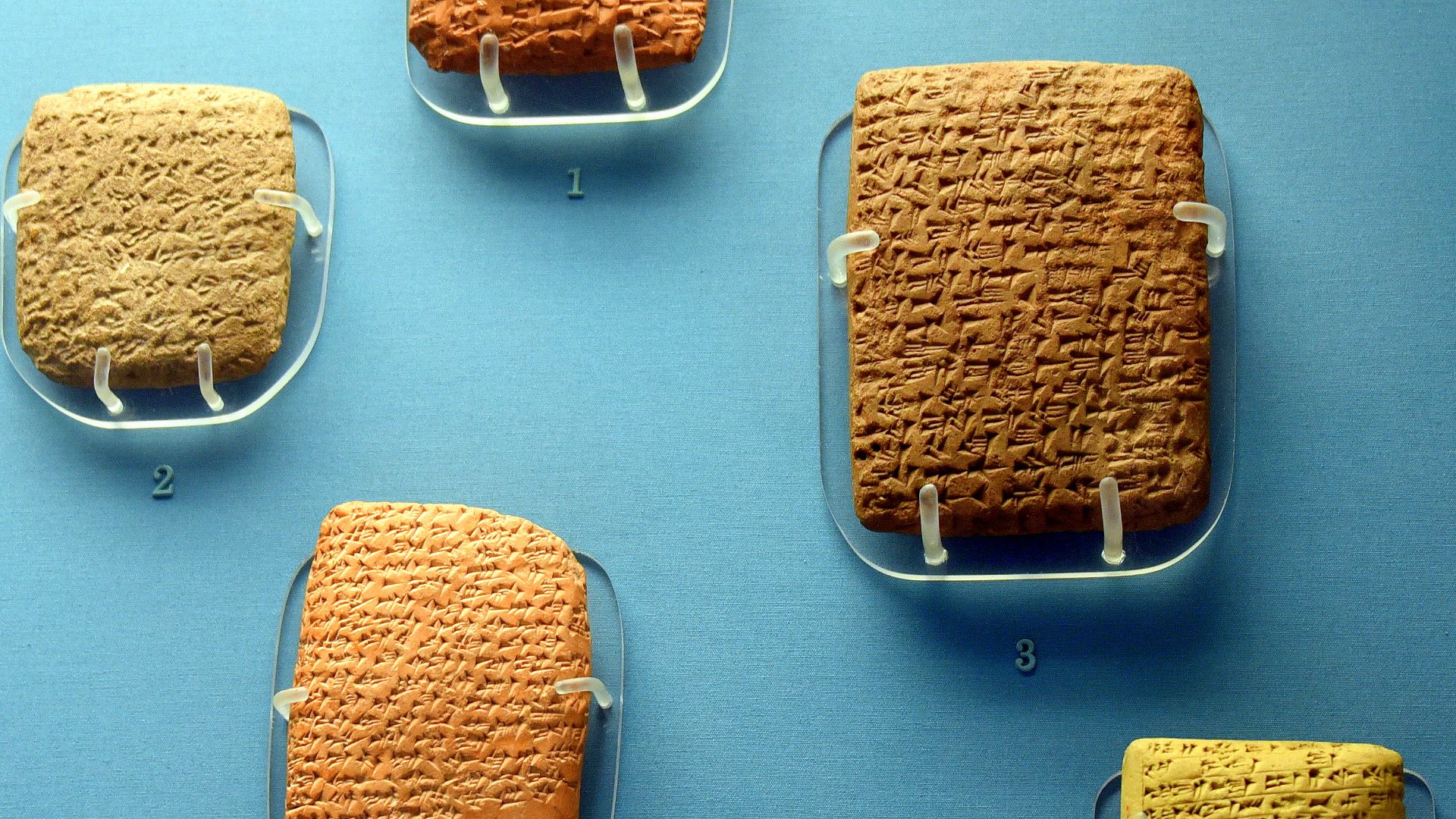
Clay tablets known as the Amarna Letters reveal desperate appeals from vassal states seeking military aid. Local rulers warned of rebellions and foreign aggression, often without response. These letters illustrate how Akhenaten’s priorities left Egypt’s empire exposed during a period of increasing regional instability.
 Osama Shukir Muhammed Amin FRCP(Glasg), Wikimedia Commons
The Hittites Rise While Egypt Looked Inward
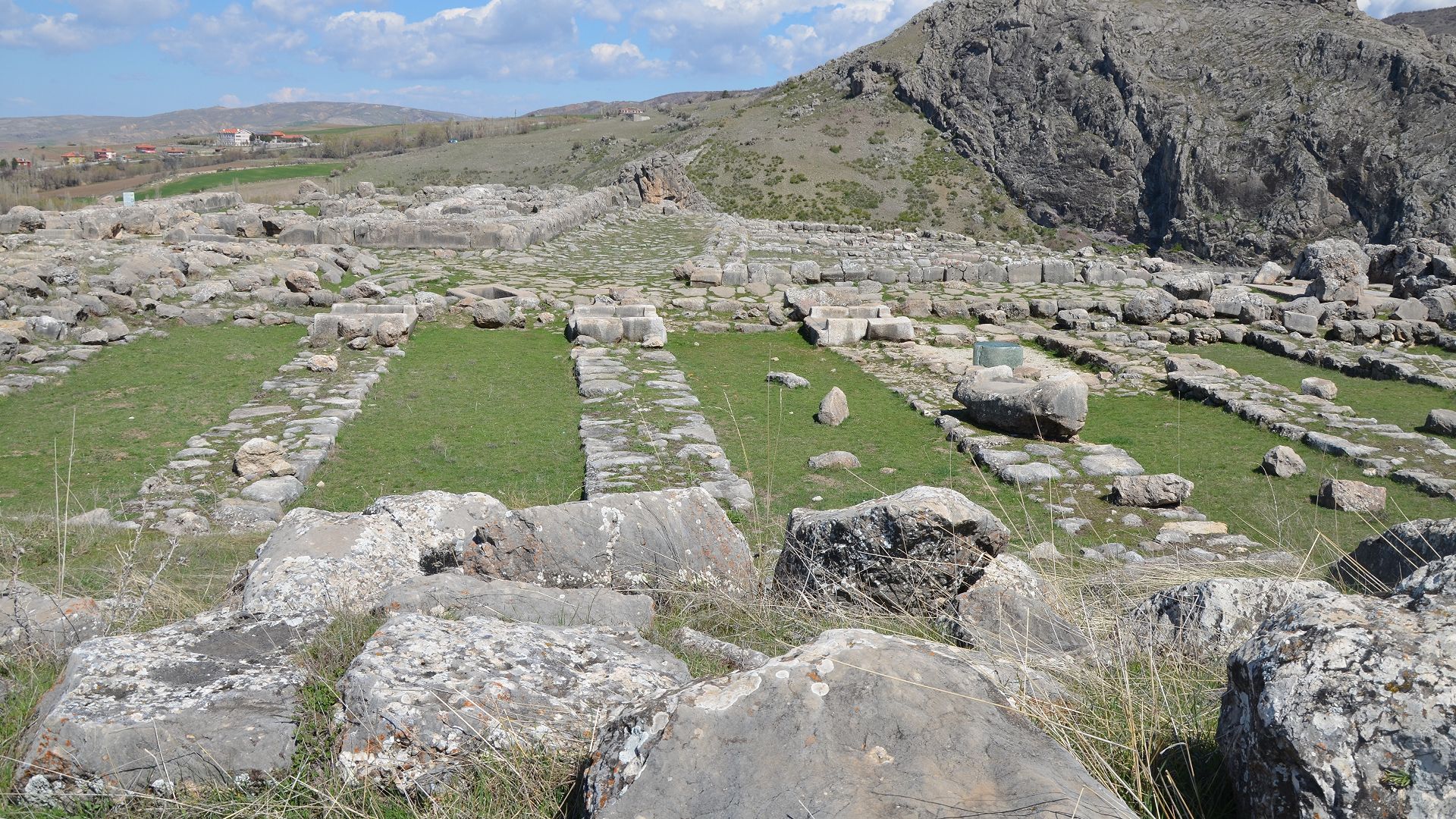
During Akhenaten’s reign, the Hittite Empire expanded aggressively under King Suppiluliuma I. While Egypt focused on religious reform, Hittite forces seized territory in Syria, which impacted Egyptian influence. This shift marked a turning point in Near Eastern power dynamics that Egypt struggled to counter.
 Carole Raddato from FRANKFURT, Germany, Wikimedia Commons
Backlash And The Beginning Of The End
As instability spread, many Egyptians blamed Akhenaten’s religious policies for economic strain and foreign losses. Priests and military leaders grew hostile. By the time he passed away, opposition to Atenism was so entrenched that it set the stage for a rapid reversal of nearly every reform he introduced.
 Jean-Pierre Dalbera from Paris, France, Wikimedia Commons
Nefertiti’s Sudden Disappearance From History
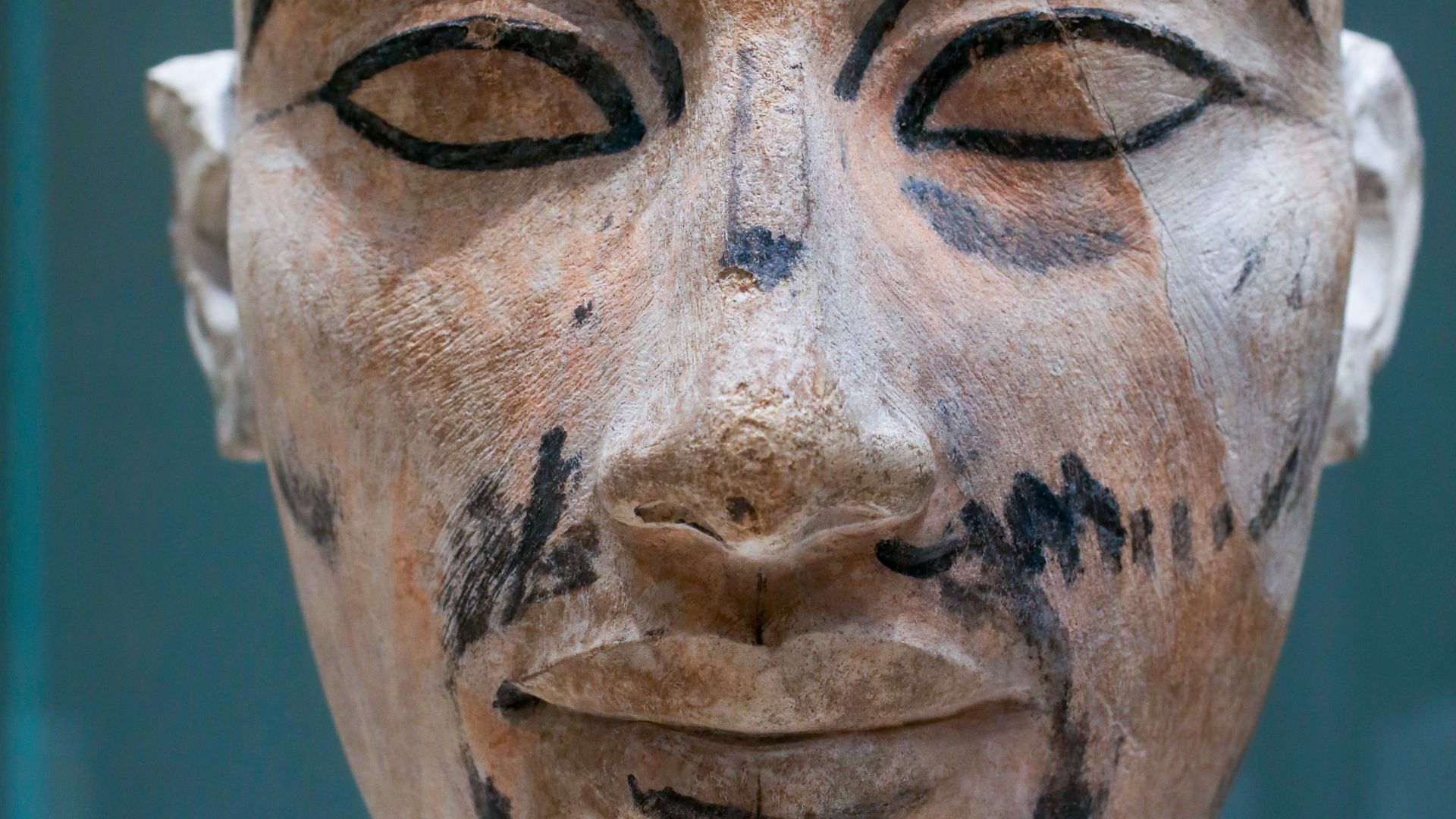
Late in Akhenaten’s reign, references to Nefertiti abruptly stop. No inscriptions clearly document her death or burial. This silence is unusual, given her prominence, and has fueled decades of debate. It suggests either a dramatic political shift or deliberate historical suppression.
 ArchaiOptix, Wikimedia Commons
Did Nefertiti Rule As Neferneferuaten?
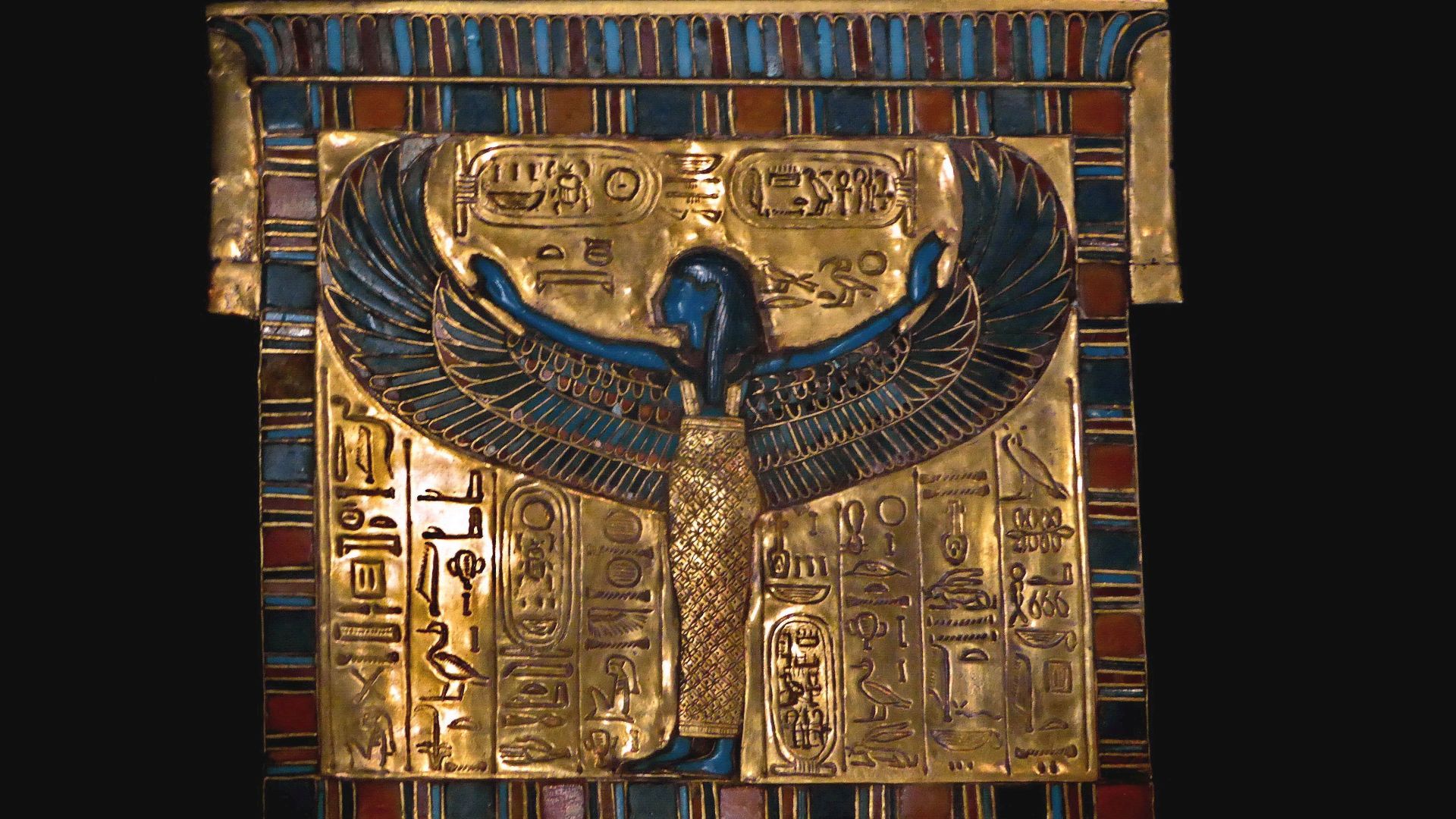
After Akhenaten’s passing, a short-lived ruler named Neferneferuaten appears in the records. Linguistic clues and religious continuity suggest this ruler was female. Many scholars believe Nefertiti assumed kingship to stabilize the kingdom before the full restoration of traditional religion occurred.
 Hans Ollermann, Wikimedia Commons
Was Nefertiti Silenced Or Murdered?
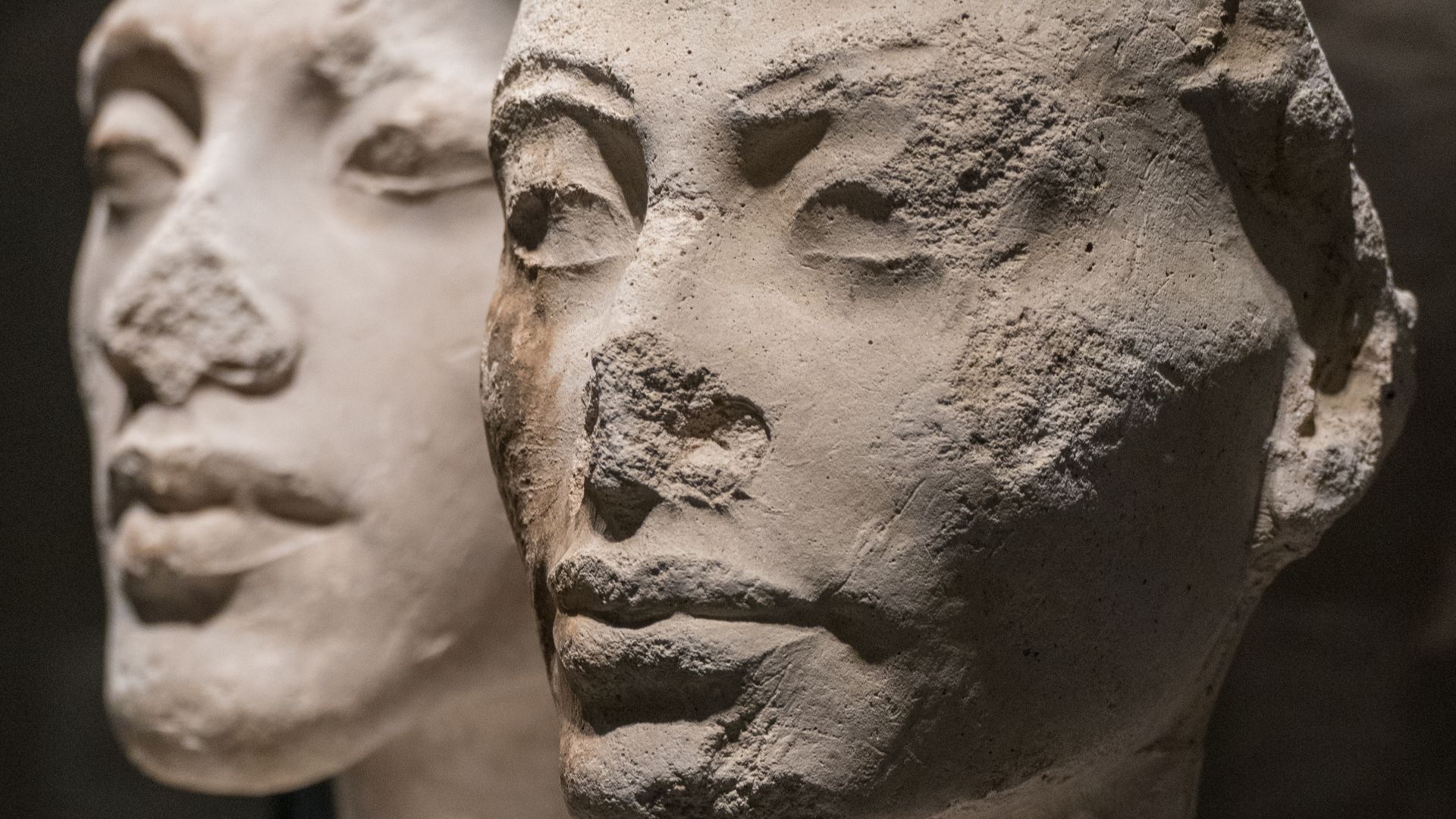
Some historians argue Nefertiti may have been forced from power or quietly eliminated amid political backlash. No physical evidence confirms violence, yet the complete absence of her burial remains raises questions. In periods of crisis, inconvenient figures were often erased rather than openly condemned.
 Fernando Pascullo, Wikimedia Commons
The Mysterious Queen Who Wrote To The Hittite King
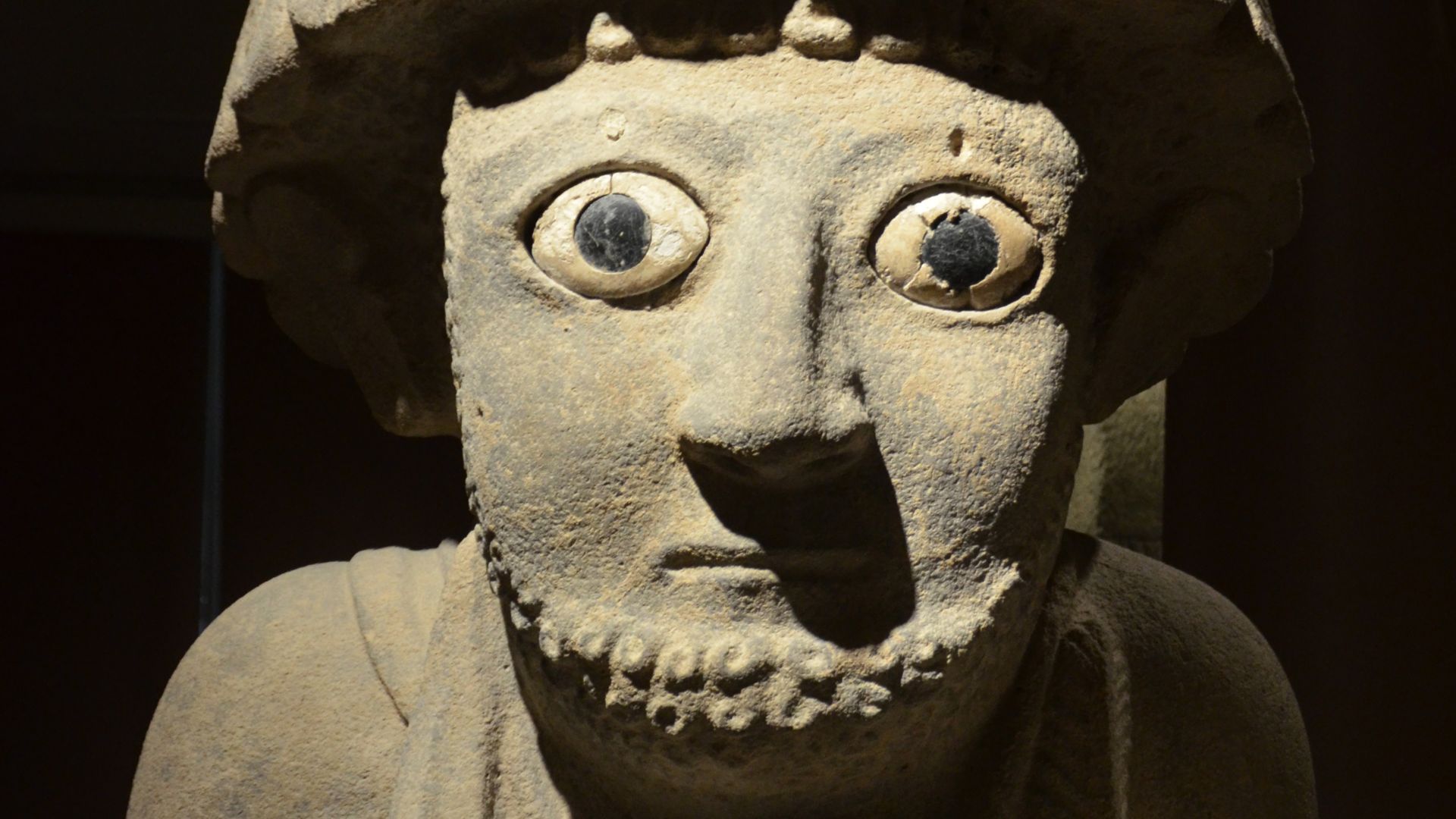
An Egyptian queen wrote to Hittite king Suppiluliuma I asking to marry one of his sons, which was quite unusual at the time. Some scholars identify her as Ankhesenamun, Tutankhamun’s widow. However, others suggest this was Nefertiti in an attempt to restore order. Although the king sent one of his sons, he was likely murdered on his way to Egypt.
 Carole Raddato from Frankfurt, Germany, Wikimedia Commons
A Fragile Succession And A Kingdom In Crisis
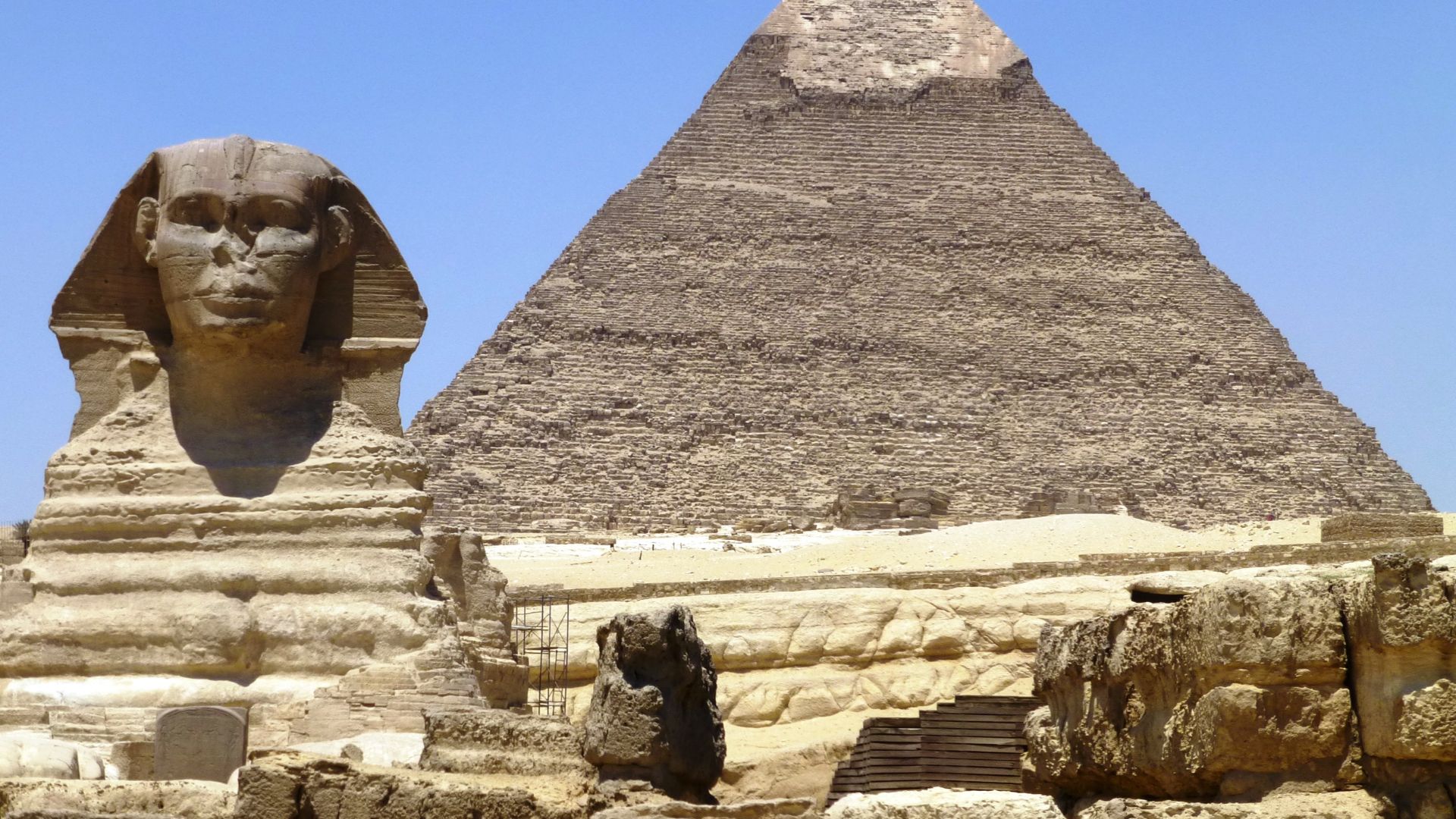
With no clear adult heir, Egypt faced a dangerous succession gap. Short reigns and court intrigue would destabilize governance even more. The loss of experienced leadership weakened central authority and left the kingdom dependent on advisors. The conditions were ripe for dramatic political restructuring.
The Child King Chosen To Restore Order
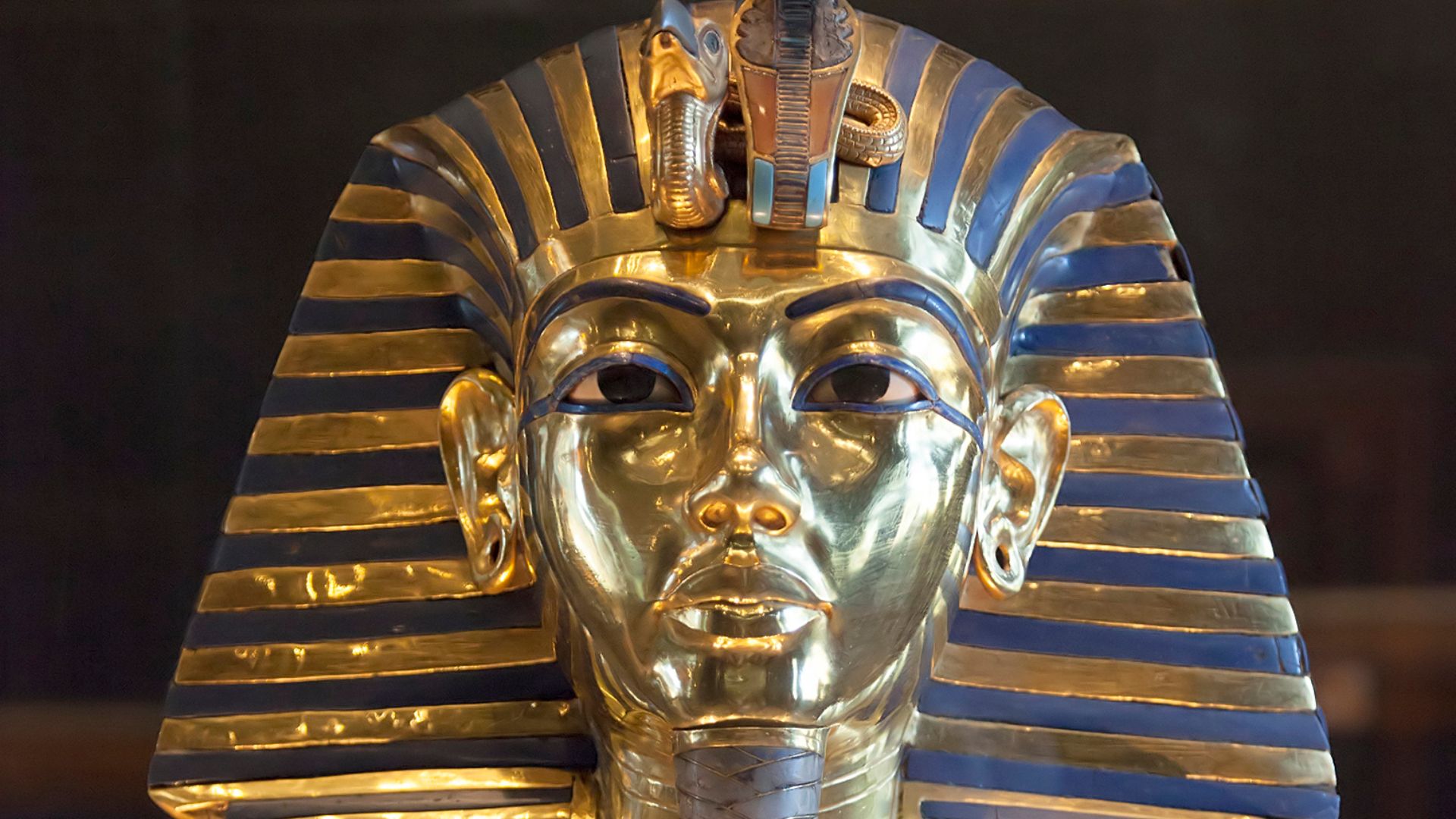
Tutankhaten, believed to be the son of Akhenaten but not with Nefertiti, ascended the throne as a compromise solution. His youth made him controllable, while his lineage preserved legitimacy. Almost immediately, he became the symbolic face of reconciliation between royal authority and traditional belief systems.
 Roland Unger, Wikimedia Commons
Tutankhamun’s Reversal Of Atenism
Early in his reign, Tutankhamun abandoned Aten worship and restored Egypt’s traditional gods. Priesthoods regained authority, and the royal court shifted back toward Thebes. These decisions were guided by powerful advisors and aimed to stabilize the country after years of religious and political upheaval.
Lost Princes And A Broken Bloodline
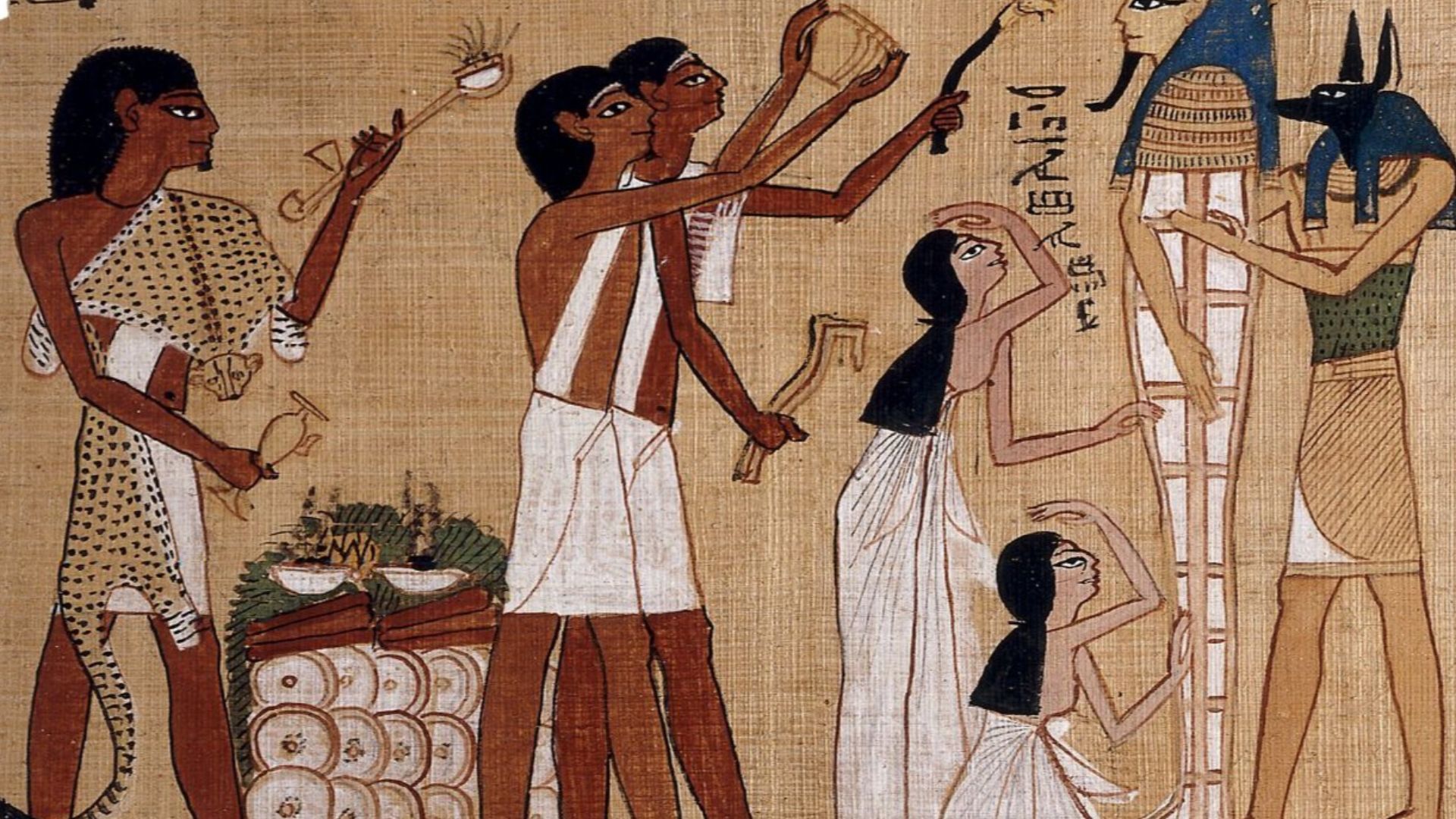
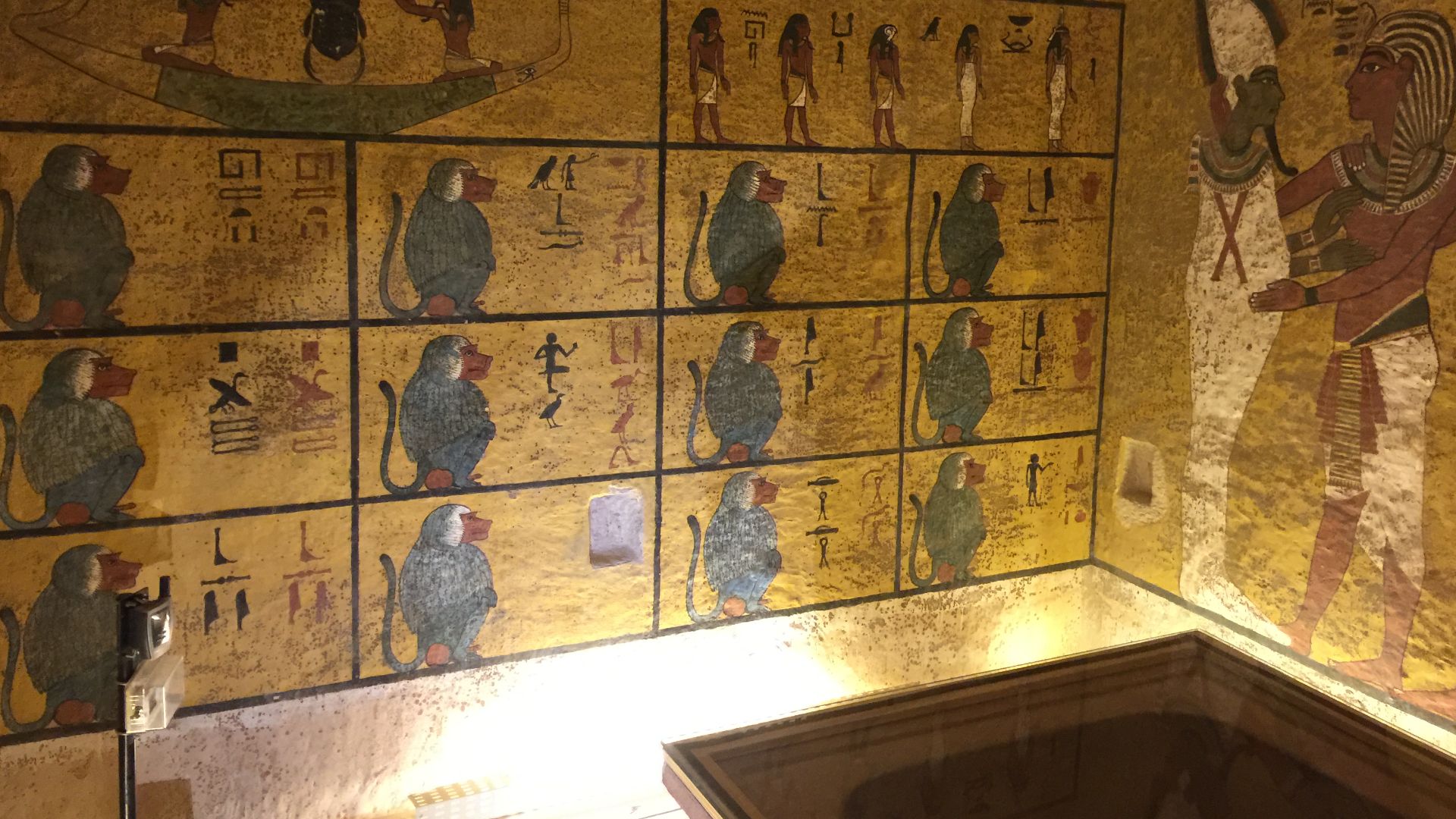
Two mummified infant girls discovered in Tutankhamun’s tomb reveal the dynasty’s fragility. Believed to be his stillborn daughters, their presence highlights repeated failures to produce heirs. Combined with brief reigns and sudden deaths, succession uncertainty haunted Egypt’s ruling family.
 EditorfromMars, Wikimedia Commons
The Missing Mummies Of Akhenaten And Nefertiti
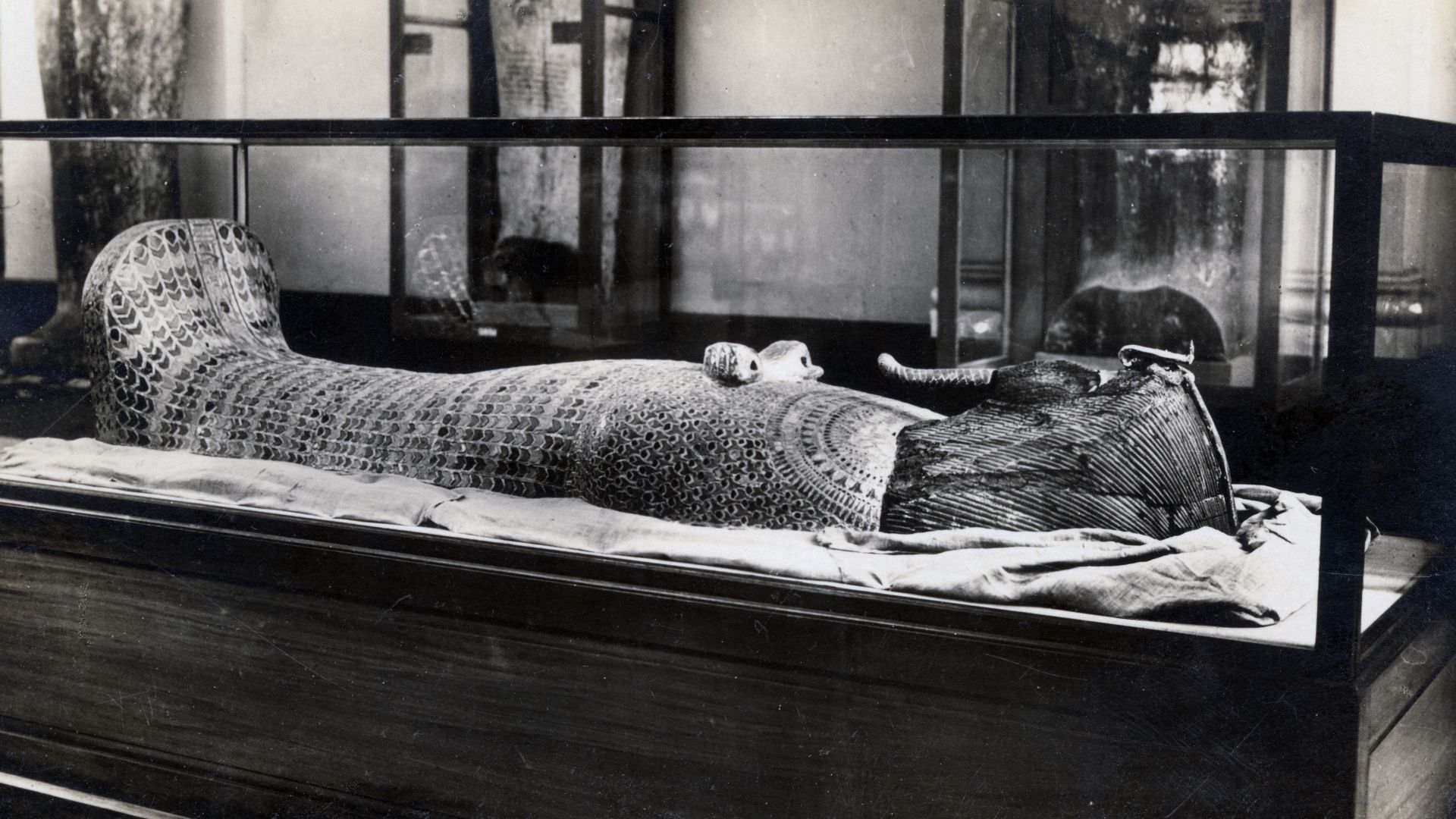
The remains of Akhenaten are often associated with the disputed KV55 mummy, though identification remains contested. Nefertiti’s body has never been confirmed. The absence of their burials suggests deliberate erasure or desecration. It reflects how strongly later rulers rejected the Amarna legacy.
Erasure Turned A Revolution Into A Mystery
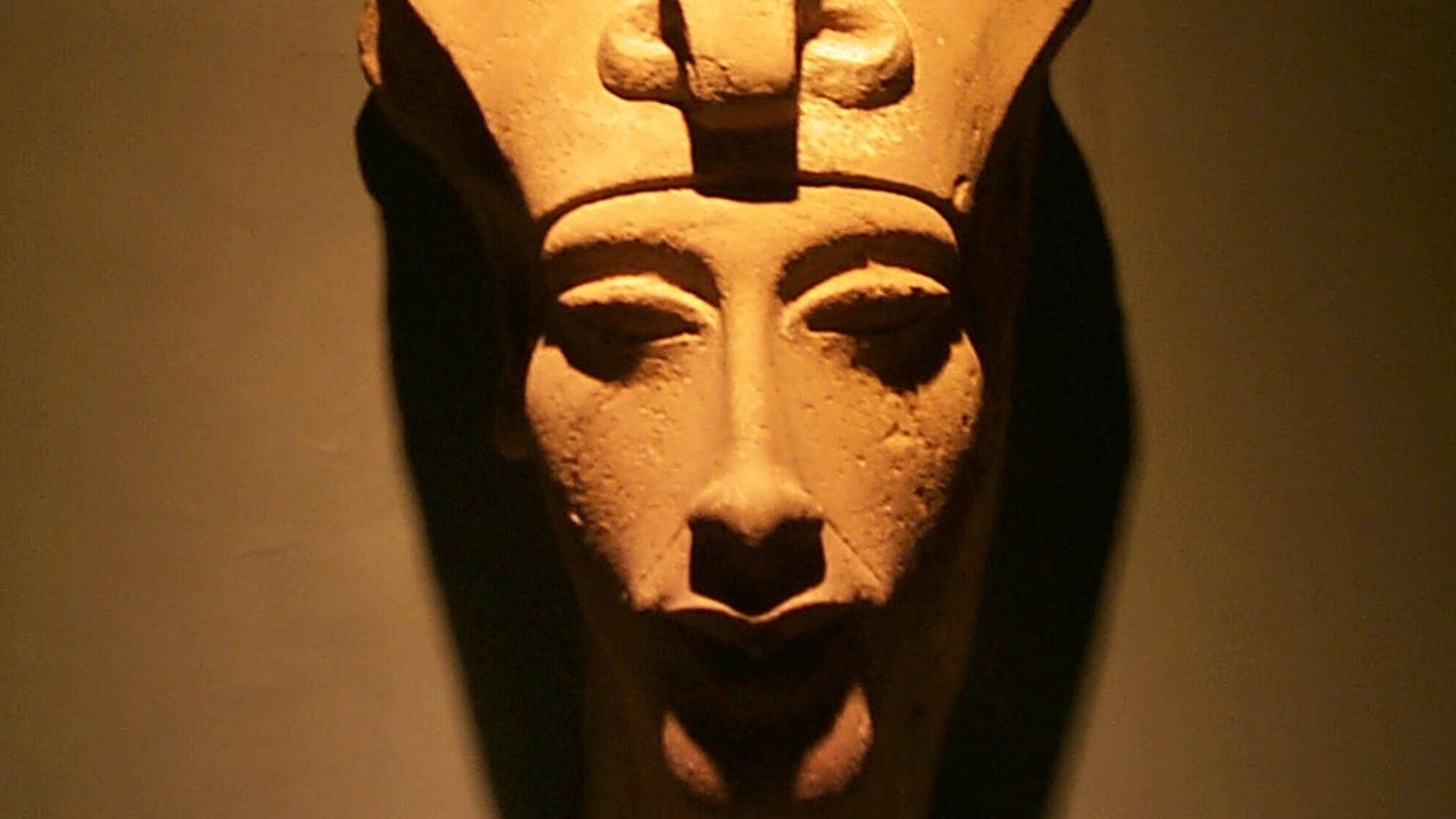
Akhenaten’s revolution failed not only politically but historically. Names were removed and records destroyed. What survives comes from fragments and foreign correspondence that leave scholars trying to reconstruct events from incomplete evidence. They fuel enduring debates about this extraordinary chapter in Egypt’s past.
 Paul Mannix; Original uploader was Muntuwandi at en.wikipedia, Wikimedia Commons