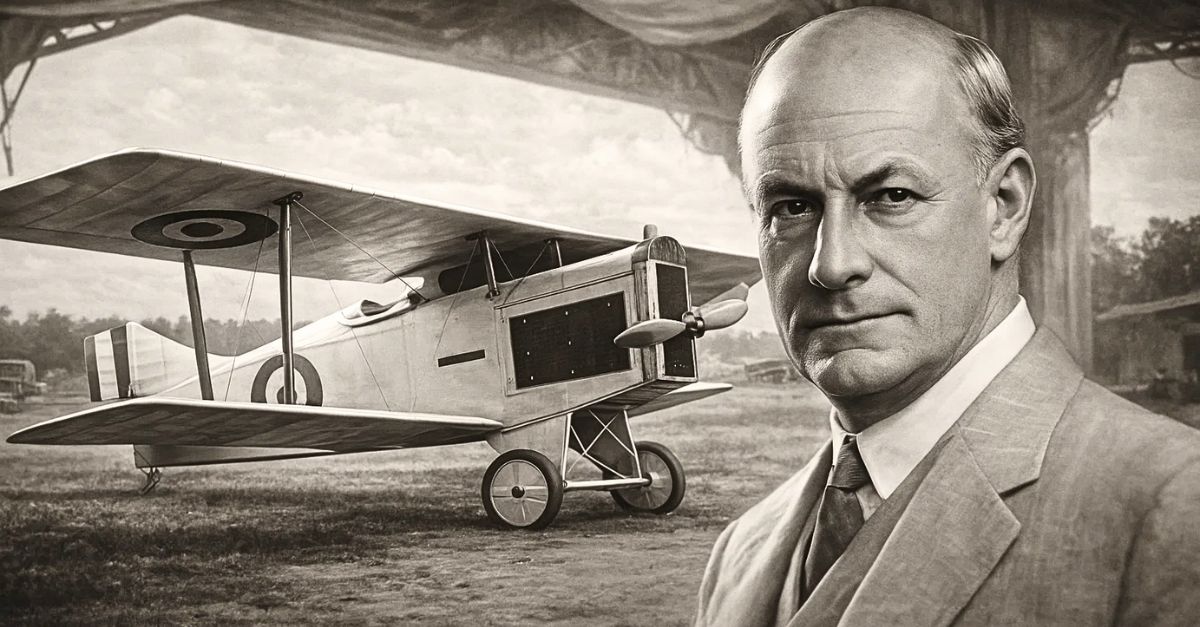
Dreams Grounded By Physics
Not every aircraft failure comes from poor thinking. Many began as bold attempts to solve real problems. What followed were lessons learned the hard way, where experimental designs exposed the thin line between breakthrough innovation and complete operational impracticality.
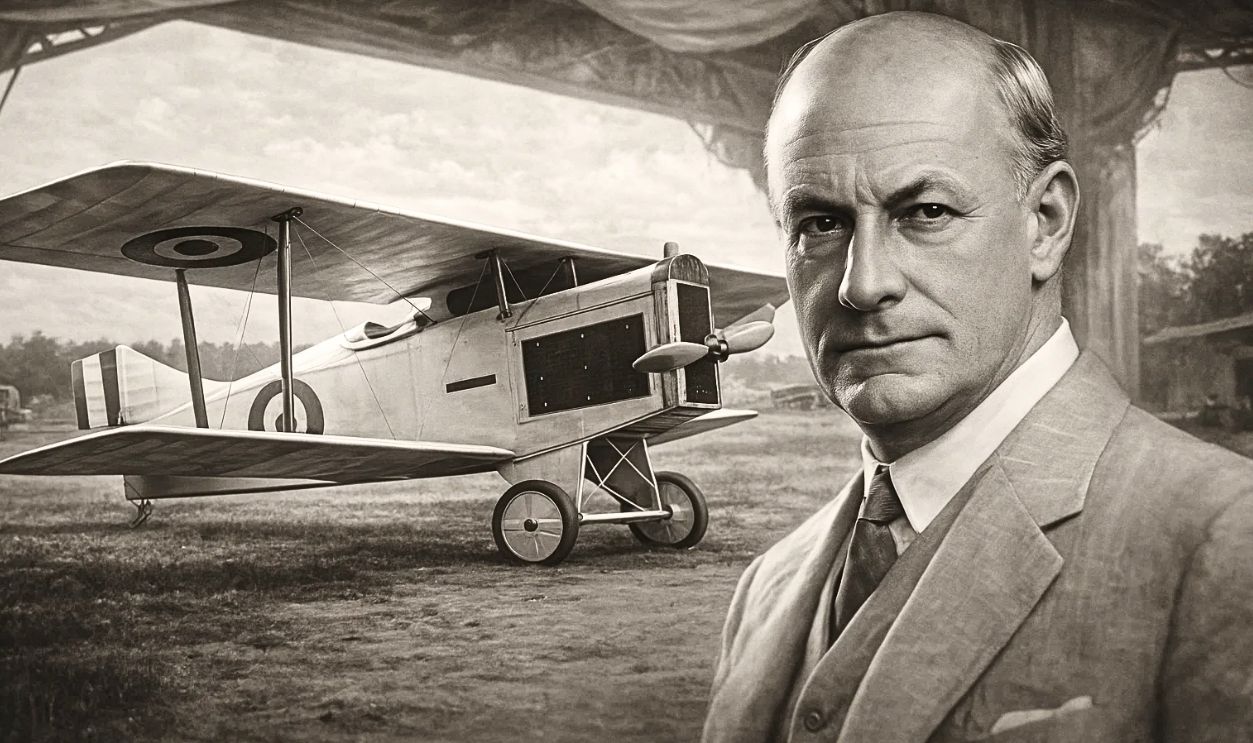
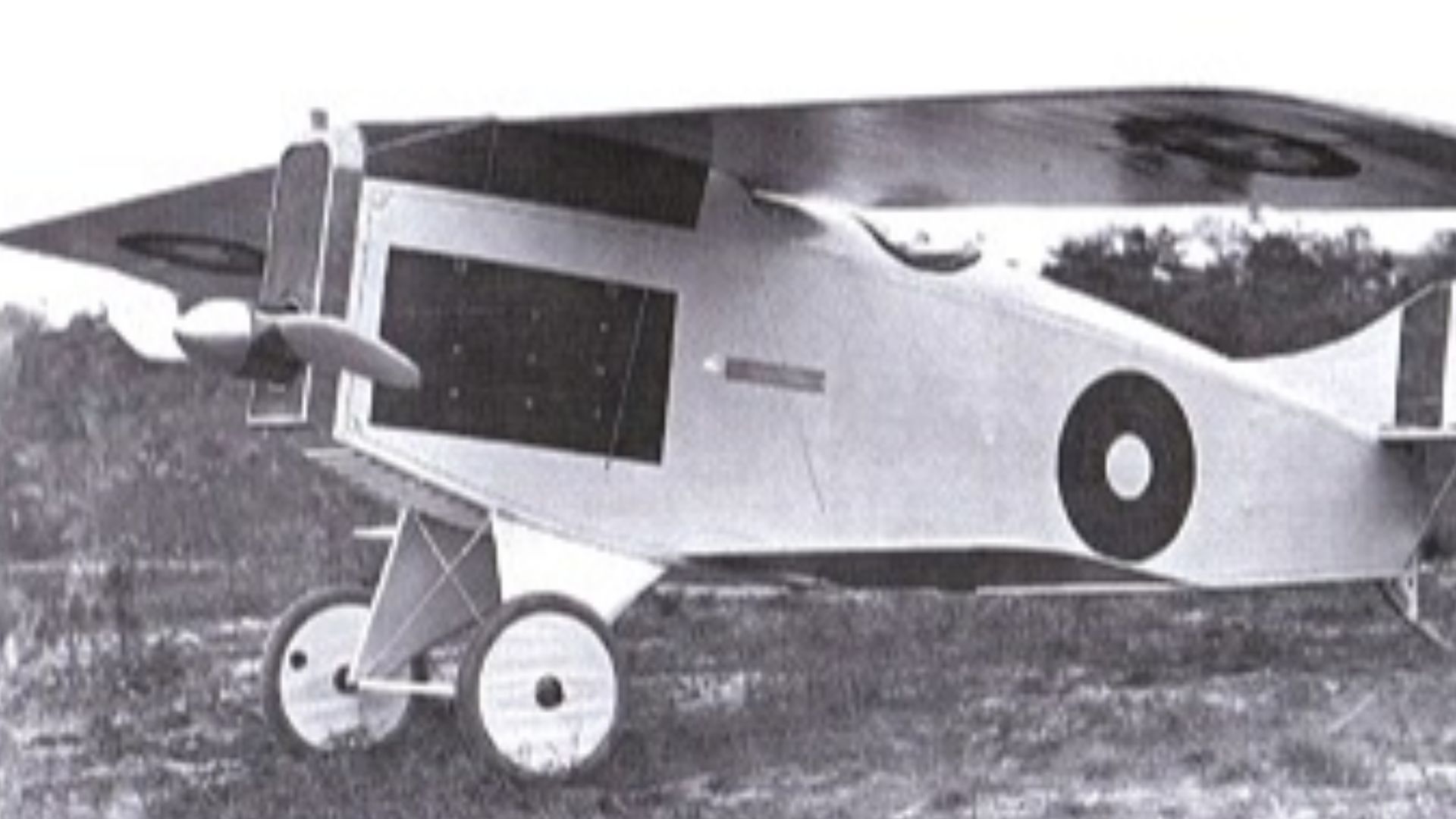
Christmas Bullet
Designed in 1918 by Dr. William Whitney Christmas, who had no aeronautical training, the Christmas Bullet was a single-seat cantilever wing biplane co-created with Vincent Burnelli. Both prototypes crashed on their first flights, killing test pilots. Christmas later claimed secret U.S. adoption of his wing design, though no proof exists.
 Unknown authorUnknown author, Wikimedia Commons
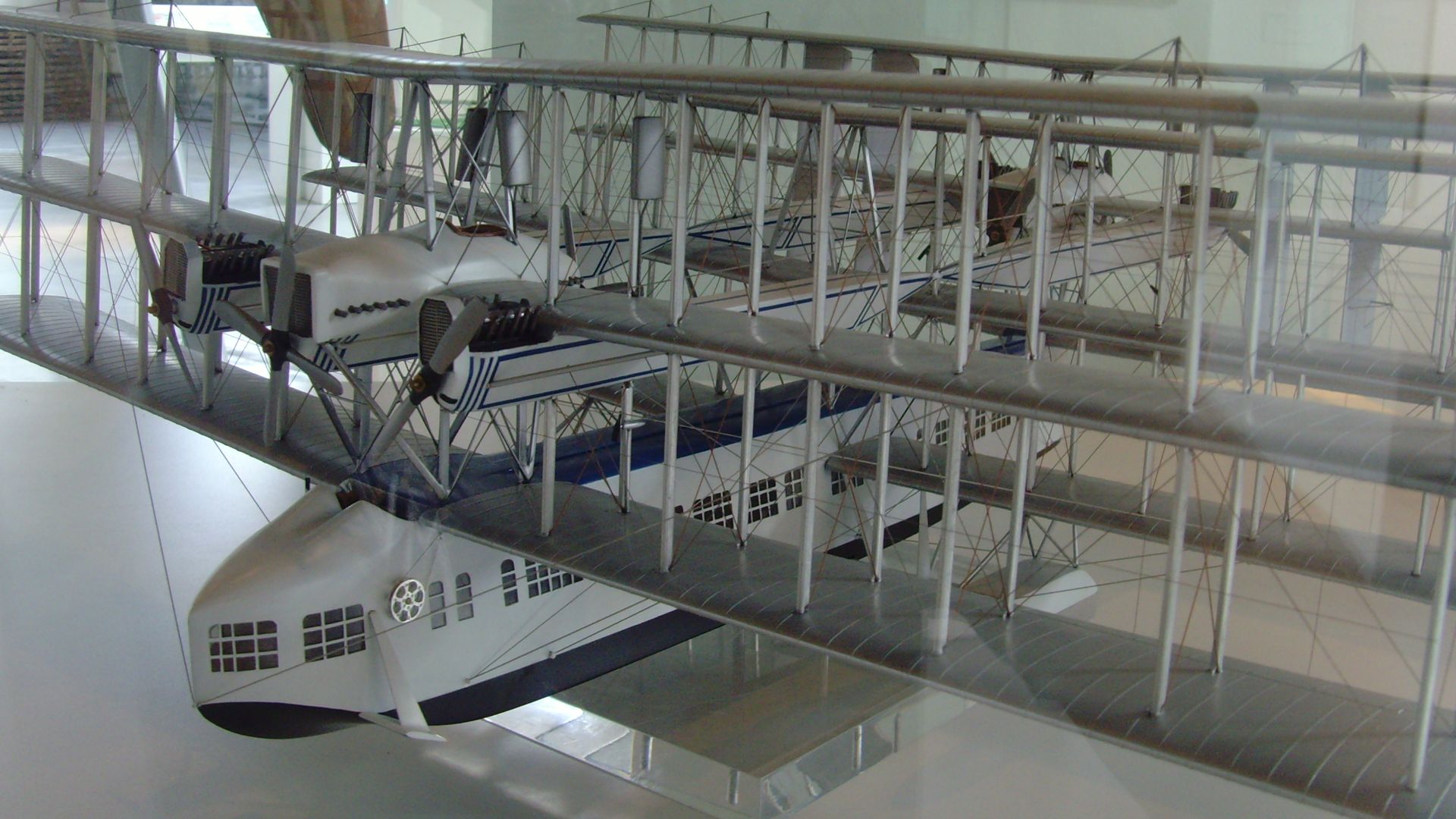
Caproni Ca.60 Transaereo
The Caproni Ca.60 Transaereo was constructed in 1921 by Gianni Caproni as a massive flying boat meant to transport 100 passengers across the Atlantic. Featuring an unusual nine-wing configuration, it crashed over Lake Maggiore during its second flight. The strange triple-triplane design led to its enduring nickname, Noviplano.
 Klaus Nahr from Germany, Wikimedia Commons
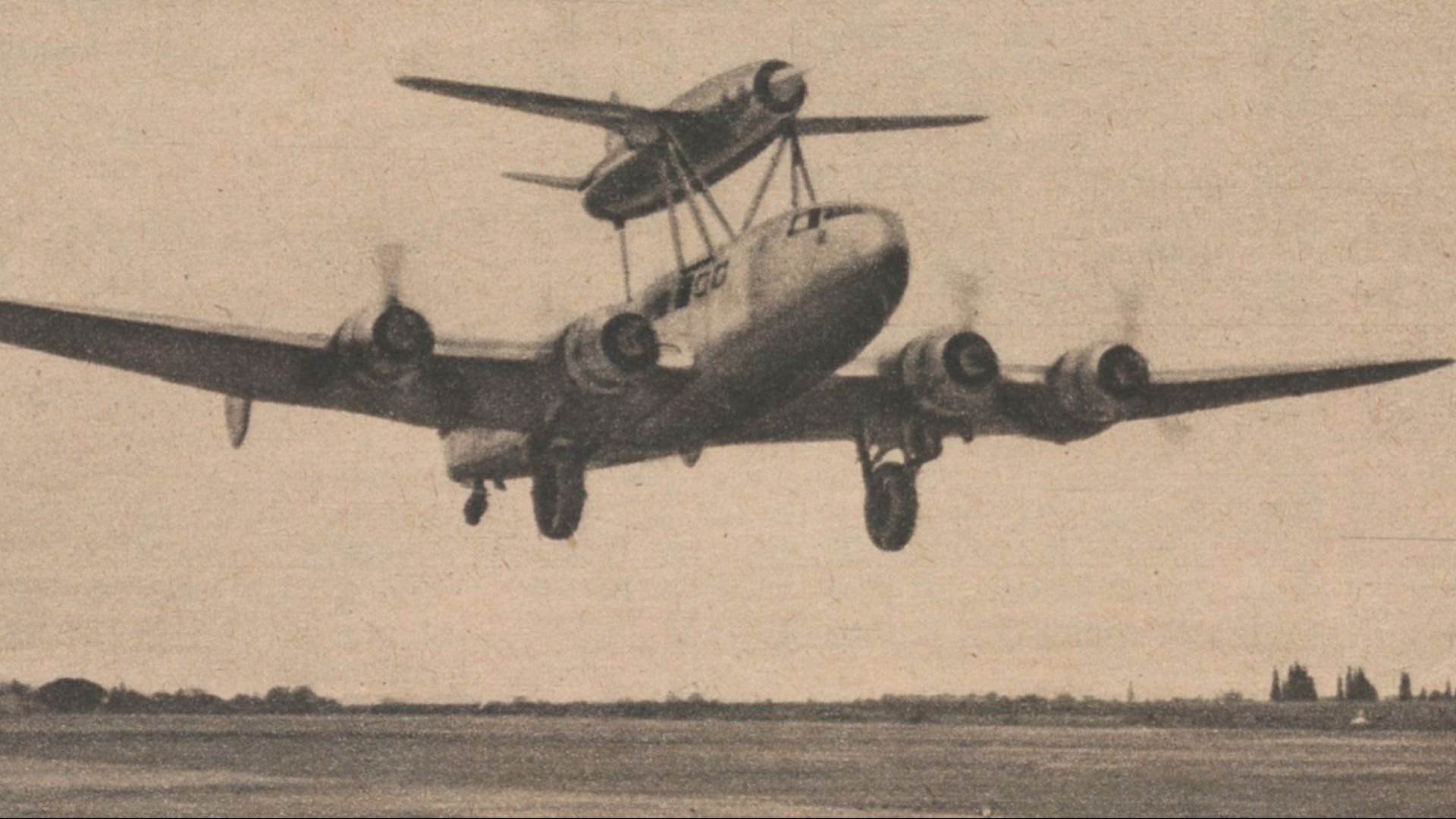
Leduc 0.10 Ramjet
First flown on 21 October 1947, the Leduc 0.10 was among the first aircraft to rely entirely on ramjet propulsion. Designed by Rene Leduc, it used a double-walled fuselage with the pilot inside. Because ramjets need speed, practical operation remained limited, despite its futuristic appearance.
 Unknown authorUnknown author, Wikimedia Commons
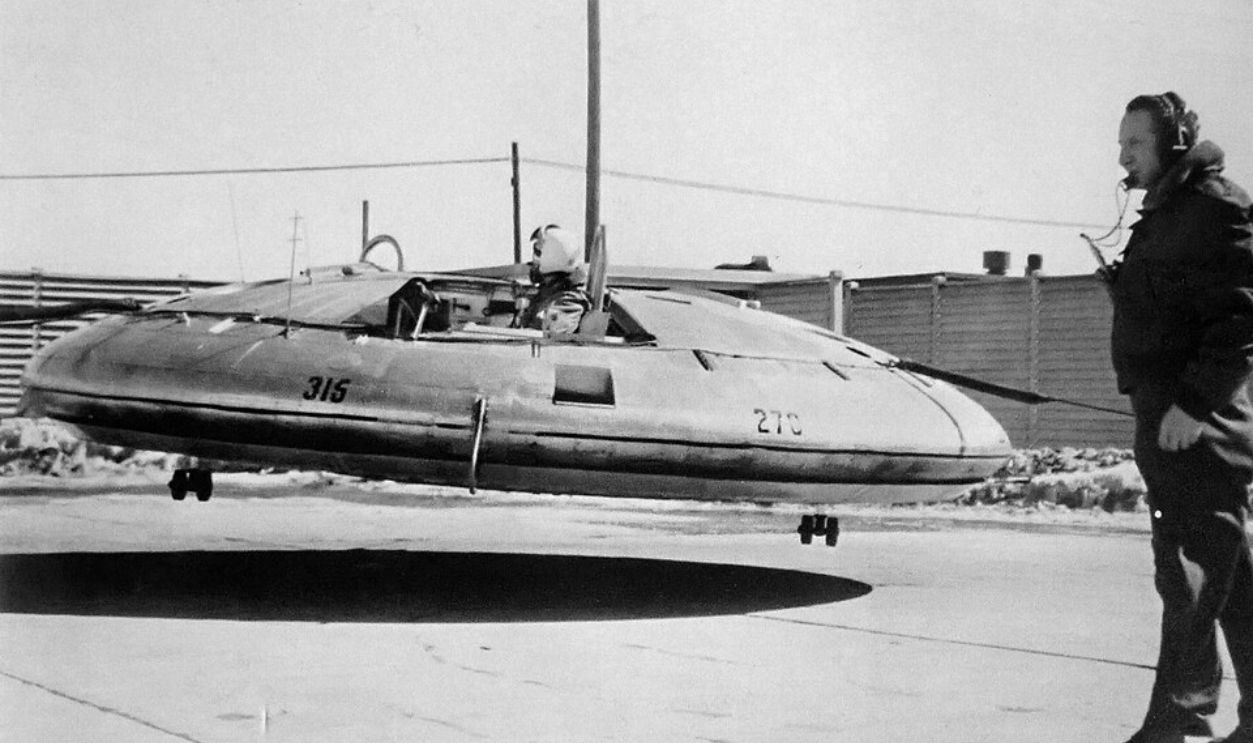
Avro Canada VZ-9 Avrocar
During 1958–1959, Avro Canada built the VZ-9 Avrocar as a classified U.S. military project exploring vertical takeoff. The disk-shaped aircraft relied on the Coanda effect but failed to gain stable lift or altitude. Just two prototypes existed, and both were withdrawn by 1961.
 James St. John, Wikimedia Commons
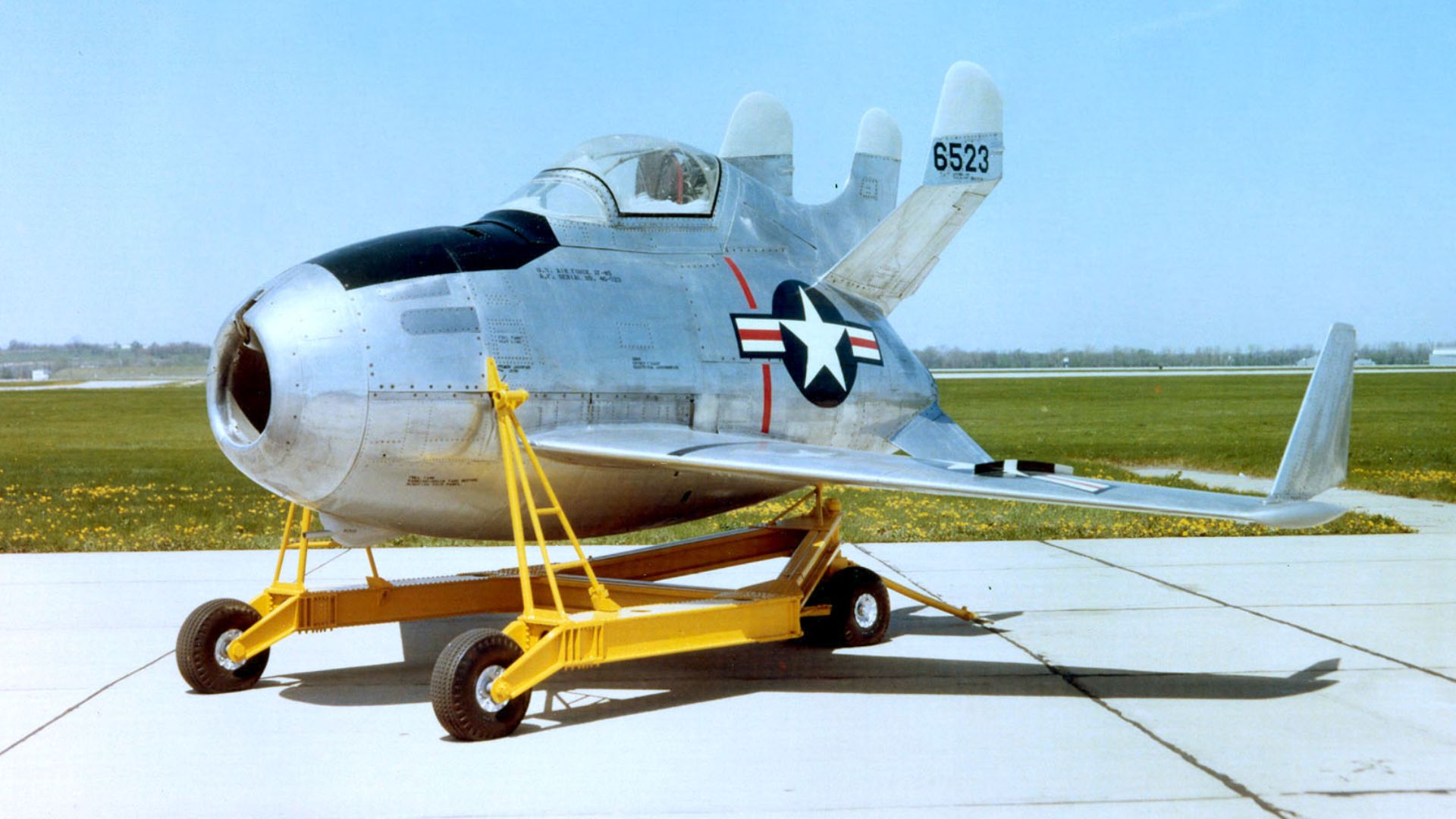
McDonnell XF-85 Goblin
On 23 August 1948, the McDonnell XF-85 Goblin flew as a parasite fighter launched from a B-29 bomber. Recovering the aircraft mid-air was difficult, making the idea impractical. Two prototypes were completed before cancellation in 1949, and pilots nicknamed it the Flying Egg.
 Author listed as "U.S. Air Force photo" at source., Wikimedia Commons
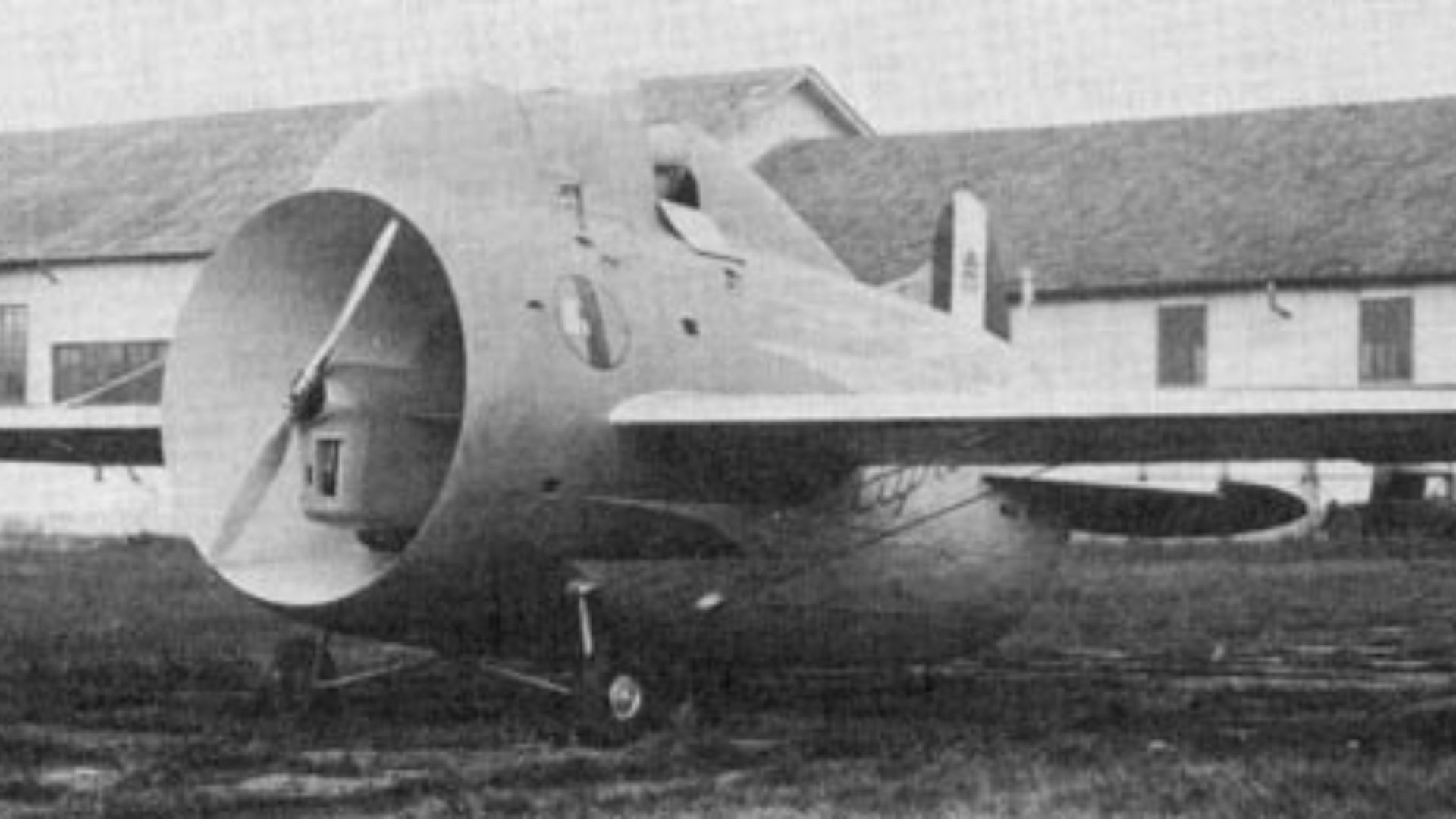
Stipa-Caproni
Designed by Luigi Stipa, the Stipa-Caproni flew on 7 October 1932 with a distinctive hollow, tubular fuselage meant to function as a ducted fan. Instead of improving performance, the tube produced heavy drag that limited efficiency. Only a single prototype was constructed, later known as the Flying Barrel.
Fairey Rotodyne
The Fairey Rotodyne emerged as a bold compound gyroplane designed for mixed civilian and military use. Its rotor used tip jets rather than a traditional drive system. Flight testing began in 1957, yet overwhelming rotor noise overshadowed its advantages. Airline support faded quickly, and cancellation followed, with only one prototype completed.
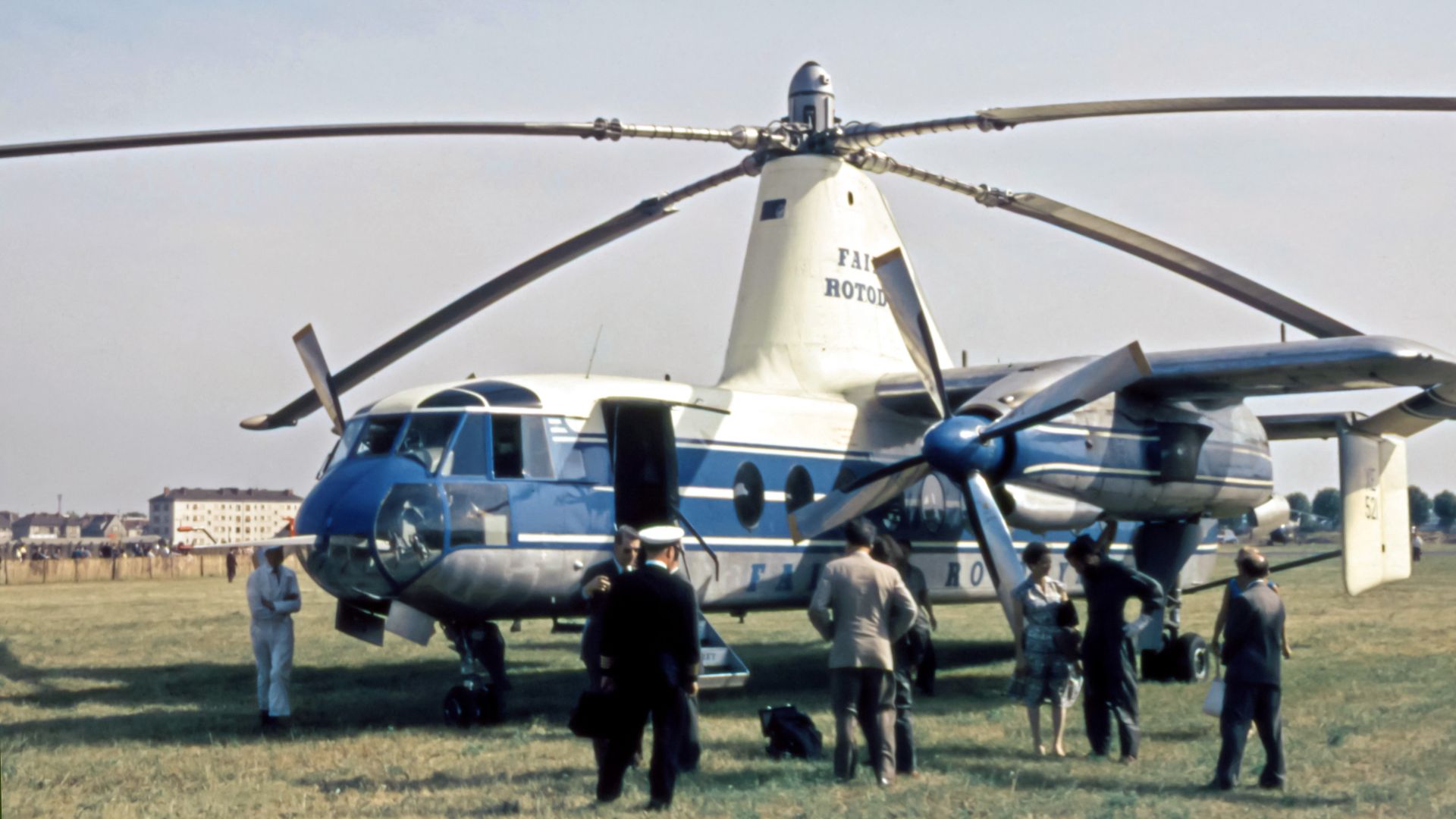 Johannes Thinesen, Wikimedia Commons
Martin XB-51
Glenn L. Martin Company developed the XB-51 as a trijet ground-attack aircraft, which first flew on 28 October 1949. Its advanced but costly design failed to win military support, losing to the English Electric Canberra, later fielded as the Martin B-57. It later gained attention through a 1956 film, Toward the Unknown.
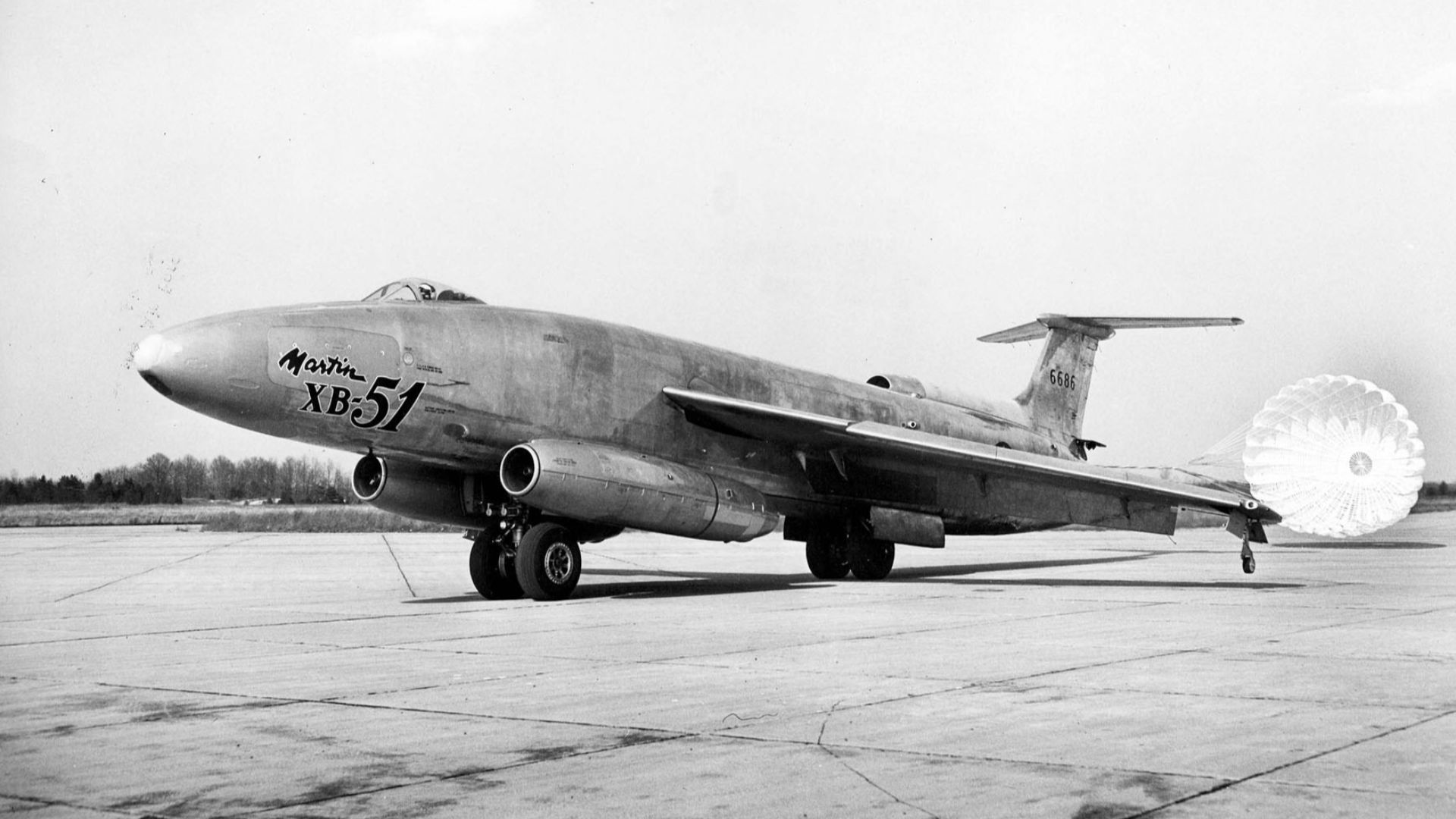 Stahlkocher, Wikimedia Commons

History's most fascinating stories and darkest secrets, delivered to your inbox daily.
Hiller VZ-1 Pawnee
Using contra-rotating ducted fans beneath a round deck, the Hiller VZ-1 Pawnee explored vertical lift in 1955. Pilots balanced by moving their bodies rather than controls. The system proved unstable, offering little lift, and although six examples were built, none entered service.
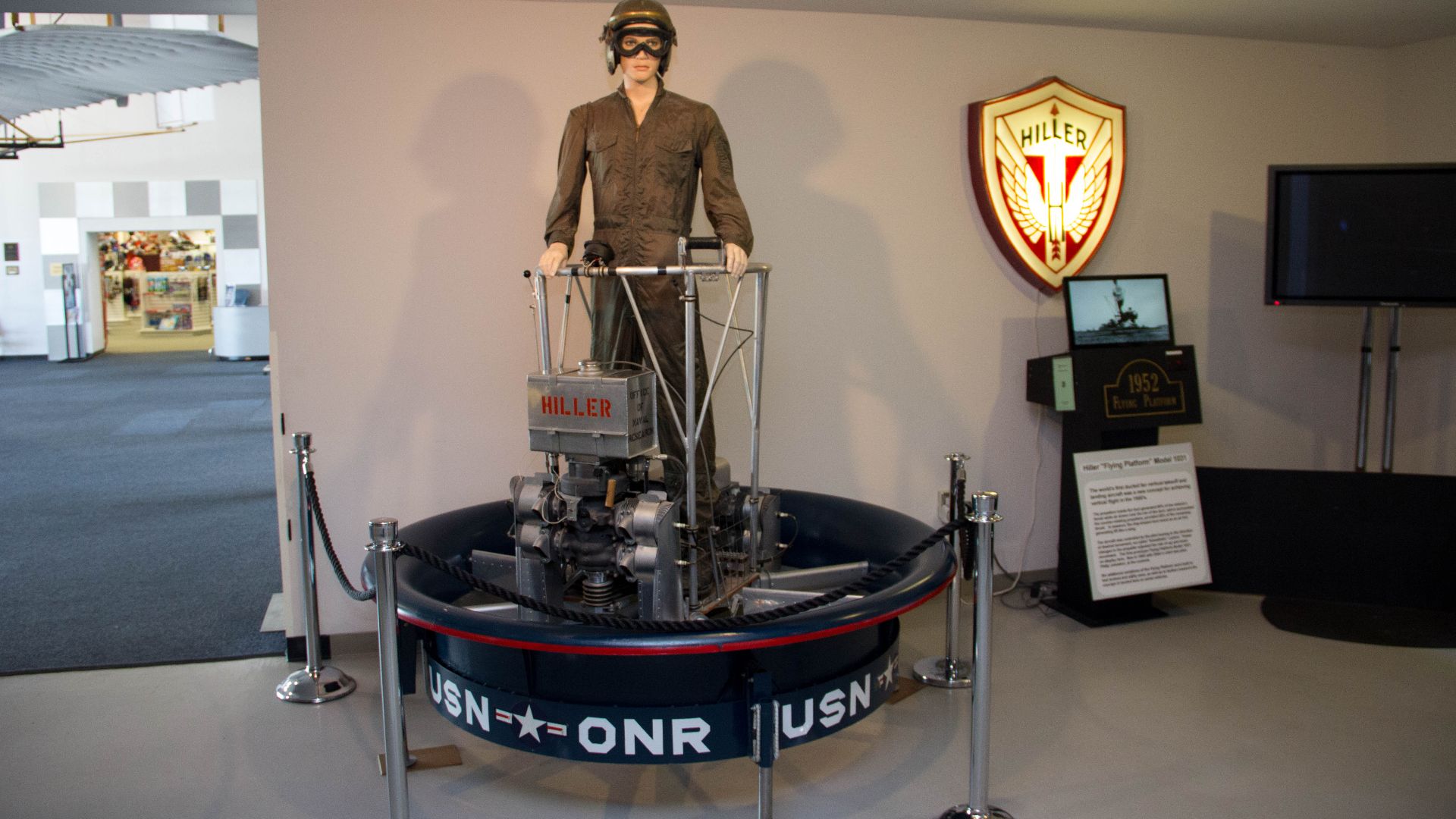 Clemens Vasters from Viersen, Germany, Germany, Wikimedia Commons
Douglas XB-19
When the Douglas XB-19 flew on 27 June 1941, it was the largest bomber ever built for the USAAF. By then, its enormous size and outdated design limited its usefulness. Only one prototype was completed, later converted into a cargo aircraft, while its scale earned comparisons to a flying battleship.
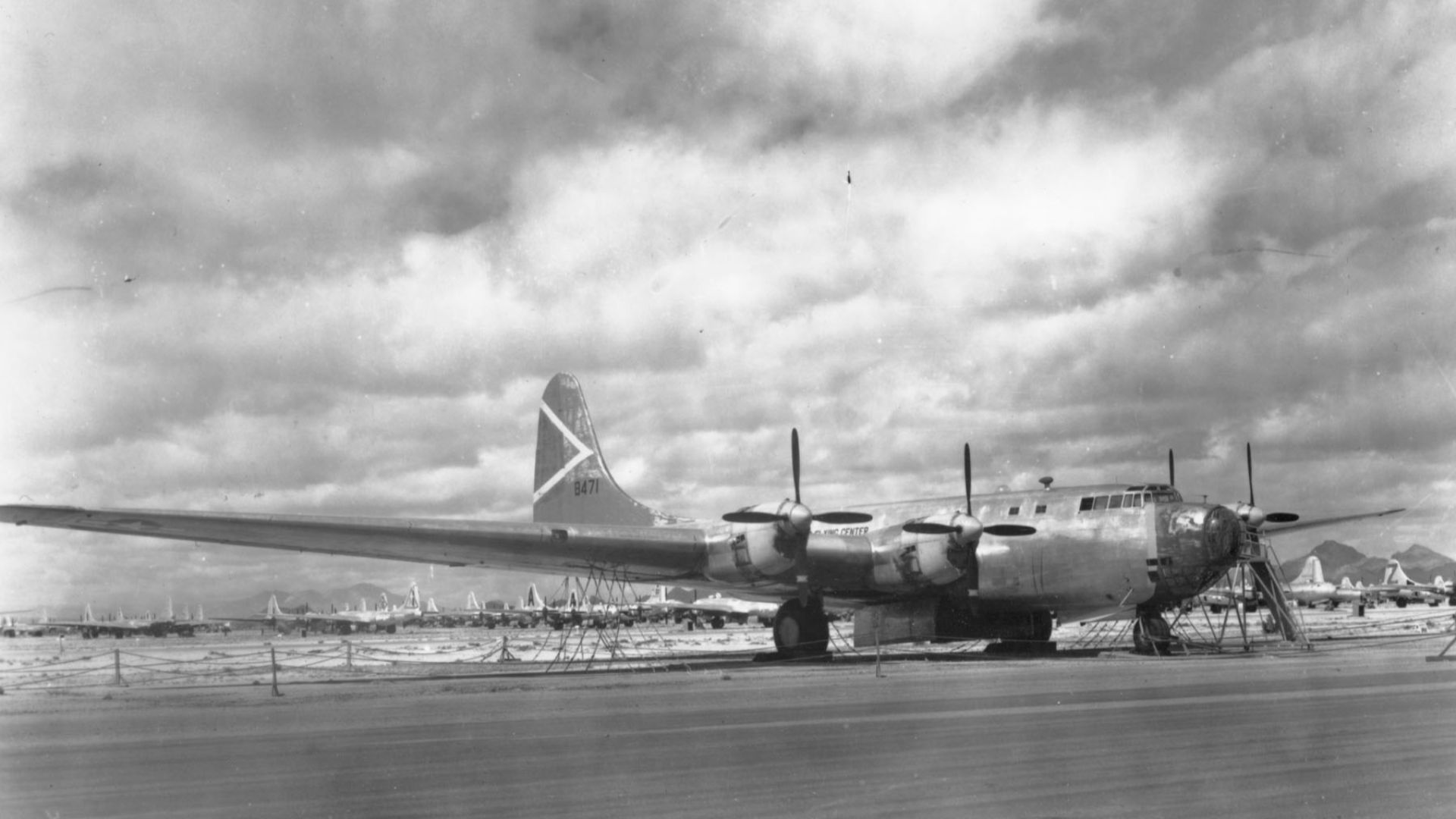
Convair NB-36H Nuclear Testbed
Nicknamed The Crusader, the Convair NB-36H served as a testbed carrying a 3-megawatt reactor for tests. Its first flight came on 17 September 1955. After completing 47 missions, risks and shielding issues led to cancellation in 1961, marking it the only aircraft with a nuclear reactor.
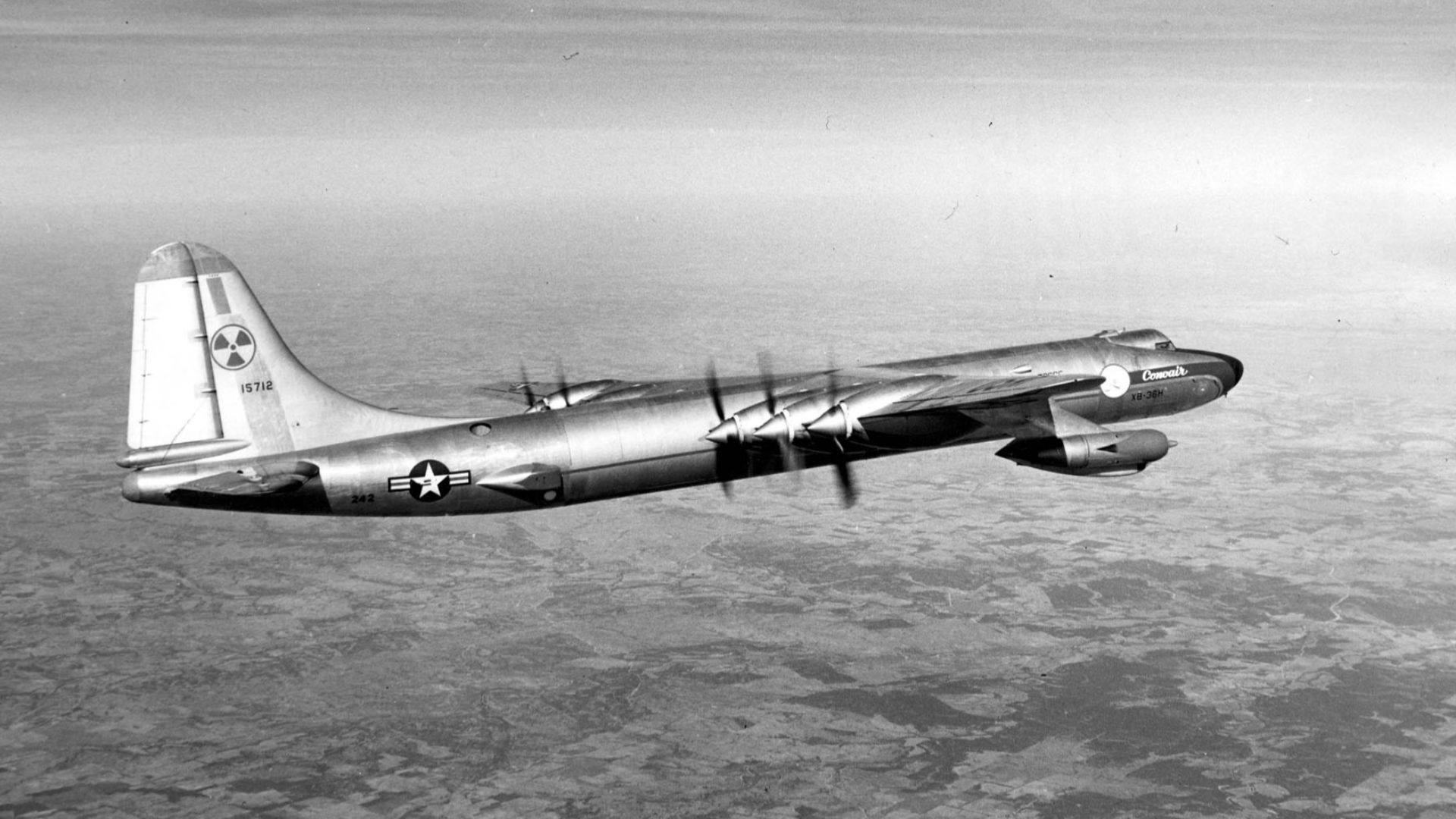 Unknown authorUnknown author, Wikimedia Commons
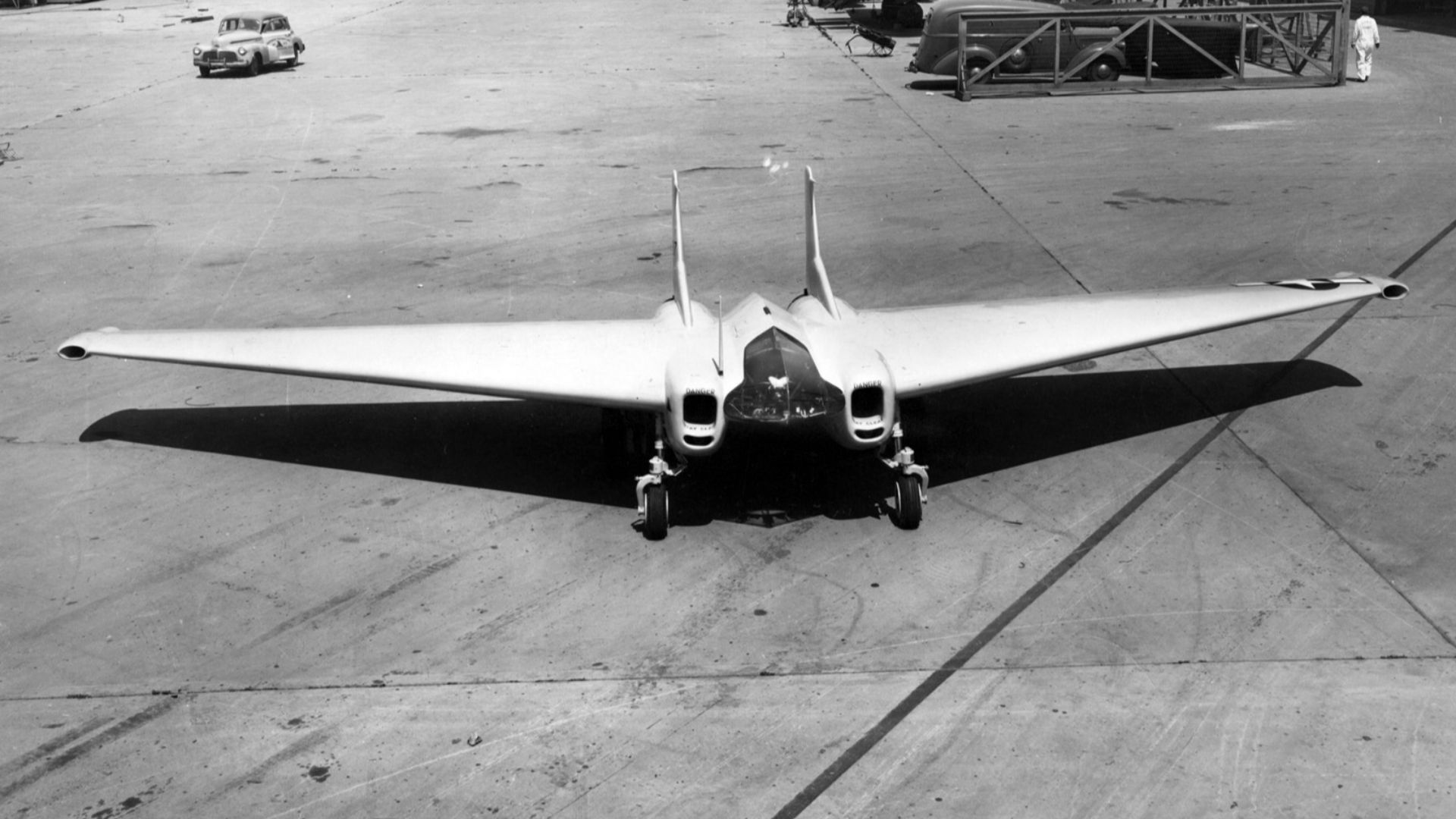
Northrop XP-79 Flying Wing
Built around a ramming concept, the Northrop XP-79 relied on a flying-wing layout and armored leading edges. A prone-position cockpit aimed to handle extreme forces. The aircraft’s first flight, dated 12 September 1945, ended in a fatal crash and proved that the idea was impractical.
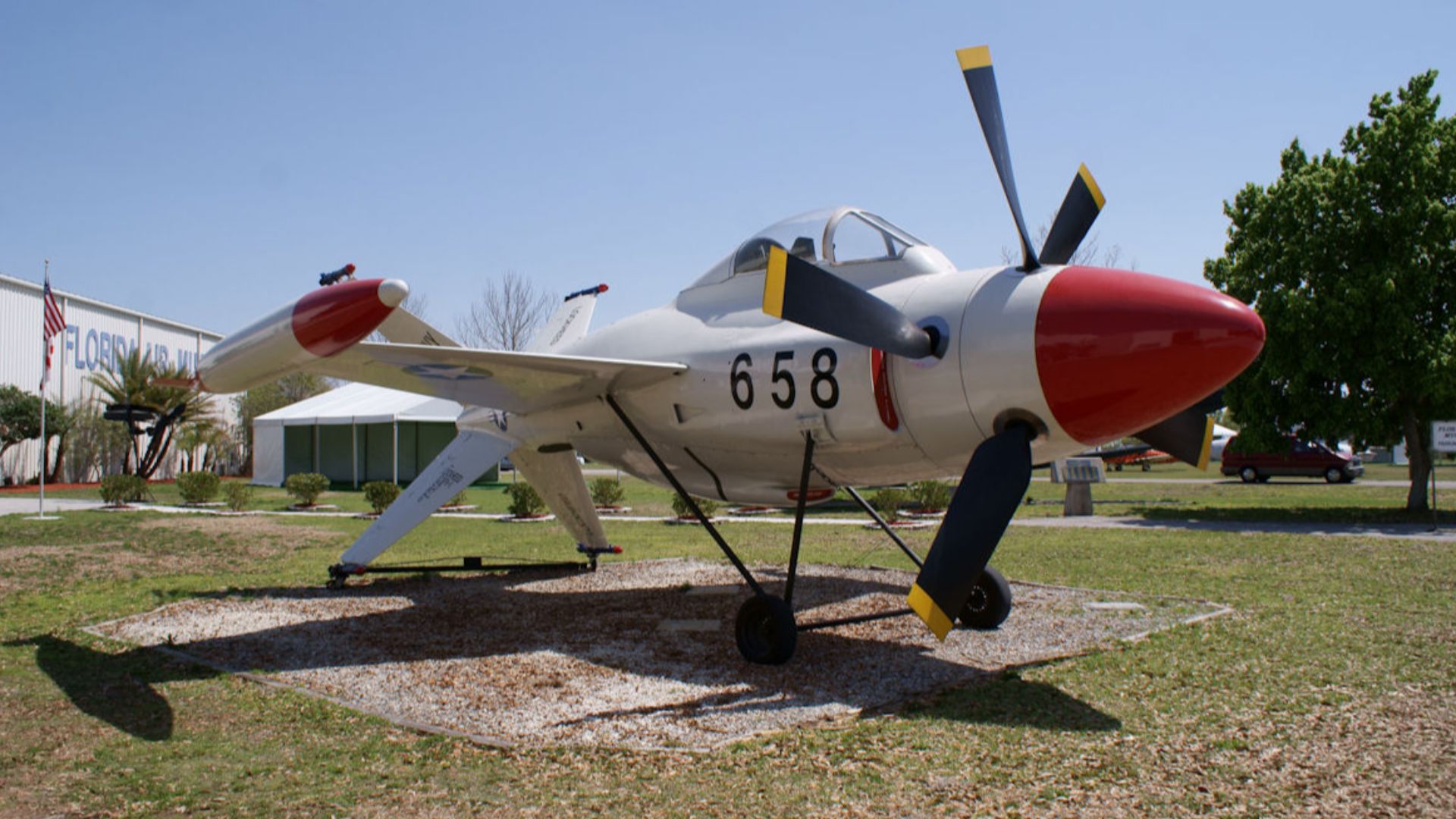
Lockheed XFV-1 Salmon
Designed for vertical takeoff and convoy defense, the Lockheed XFV-1 Salmon relied on a tailsitter layout that challenged pilots during landing. It flew for the first time on 16 June 1954. Just one aircraft became airborne, with another left incomplete. The unusual nickname honored pilot Herman “Fish” Salmon.
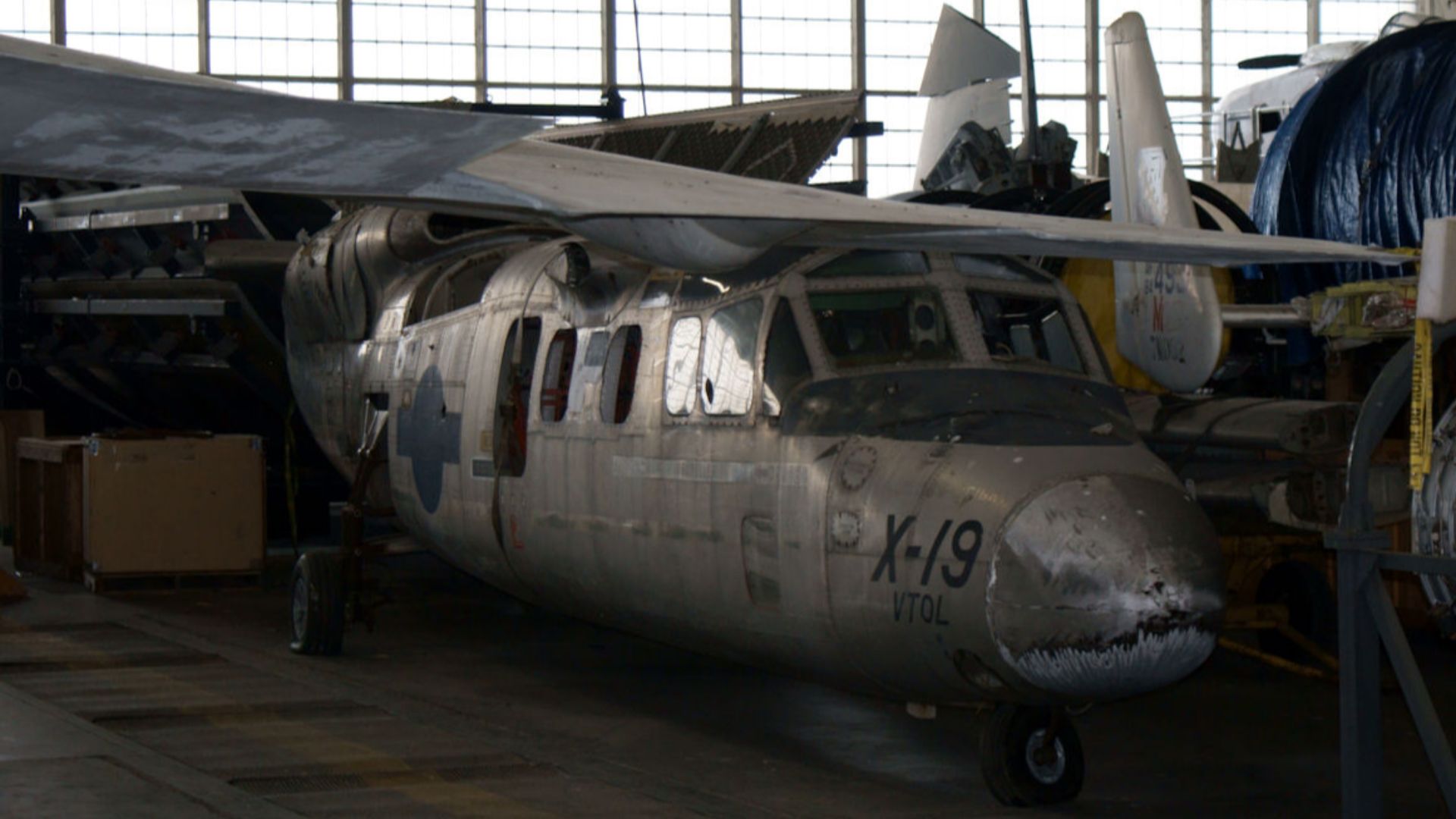
Curtiss-Wright X-19
An experimental tiltrotor, the Curtiss-Wright X-19 used four tilting propellers to combine vertical and forward flight. Testing began in November 1963. Persistent mechanical problems and accidents halted progress. Although two airframes existed, just one reached the air, marking the last aircraft Curtiss-Wright ever produced.
Vought V-173 “Flying Pancake”
Charles H. Zimmerman’s Vought V-173 tested an unconventional disk-shaped design when it flew on 23 November 1942. While stable at low speeds, the shape limited performance and combat use. The aircraft served as a test platform for the later XF5U Flying Flapjack and became known as the Flying Pancake.
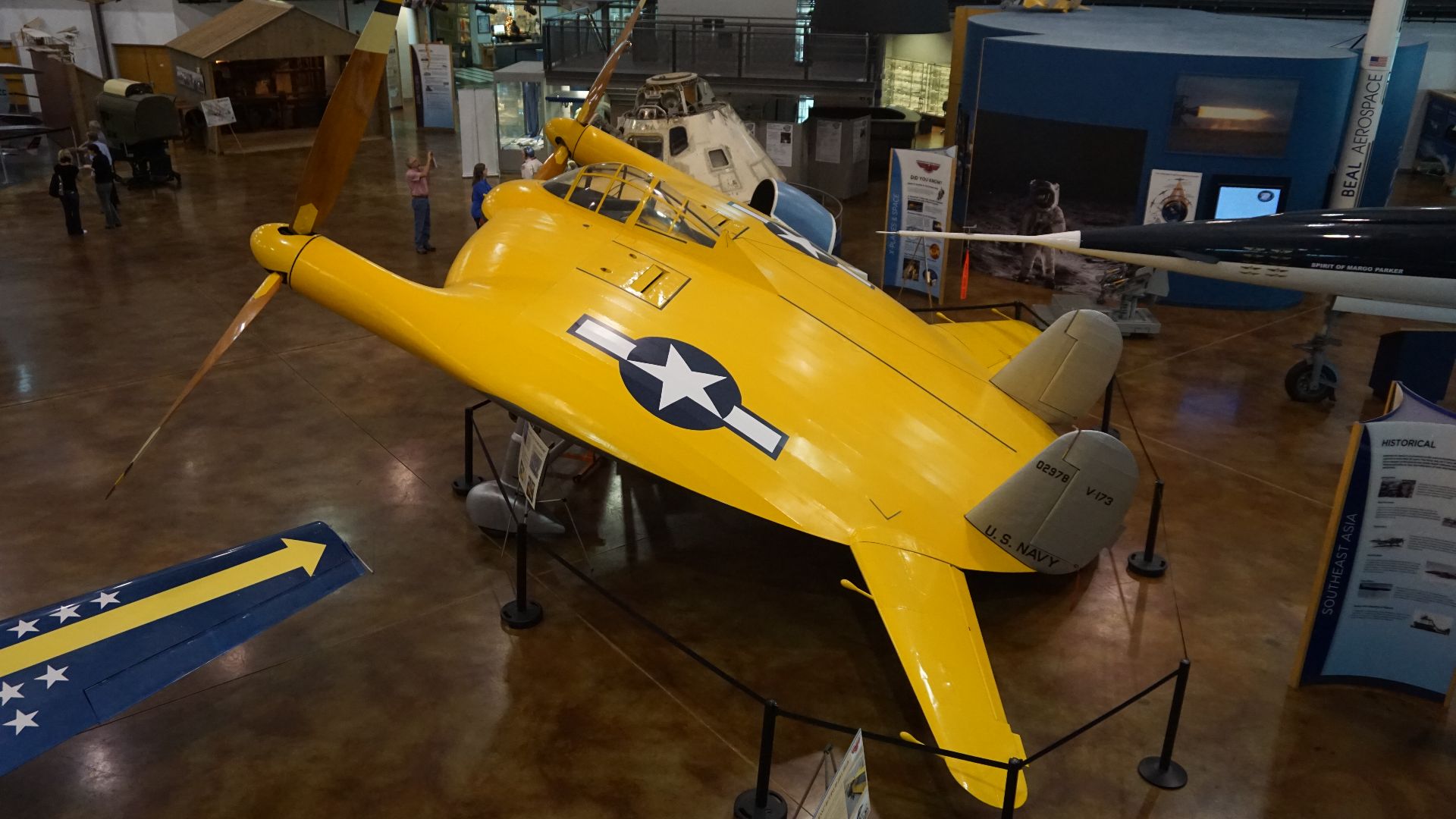 Michael Barera, Wikimedia Commons
Kalinin K-7
With twin tail booms and underwing engine pods, the Kalinin K-7 stood among the largest experimental aircraft ever built in the Soviet Union. Seats were placed inside its 2.3-meter-thick wings. After its first flight in August 1933, a structural failure caused a fatal crash, killing 14 and ending the project.
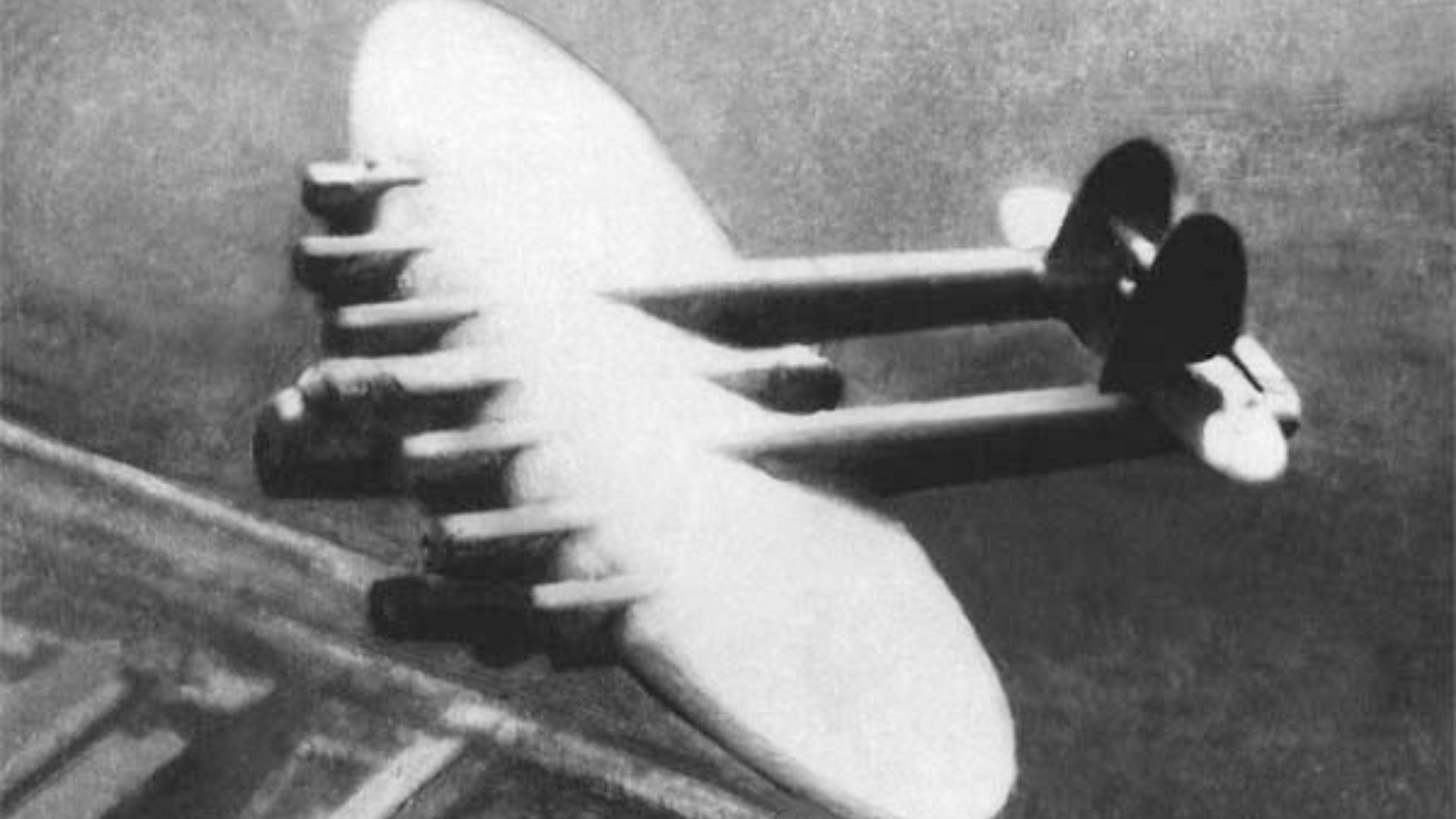 Original uploader was Denic79 at ru.wikipedia, Wikimedia Commons
Bristol Brabazon
First flown in September 1949, the Bristol Brabazon represented Britain’s vision of transatlantic luxury. It offered lounge-style seating instead of traditional rows and became the largest British airliner of its era. Despite its comfort, the oversized concept lacked commercial appeal. Only one prototype was completed, and retirement followed in 1953.
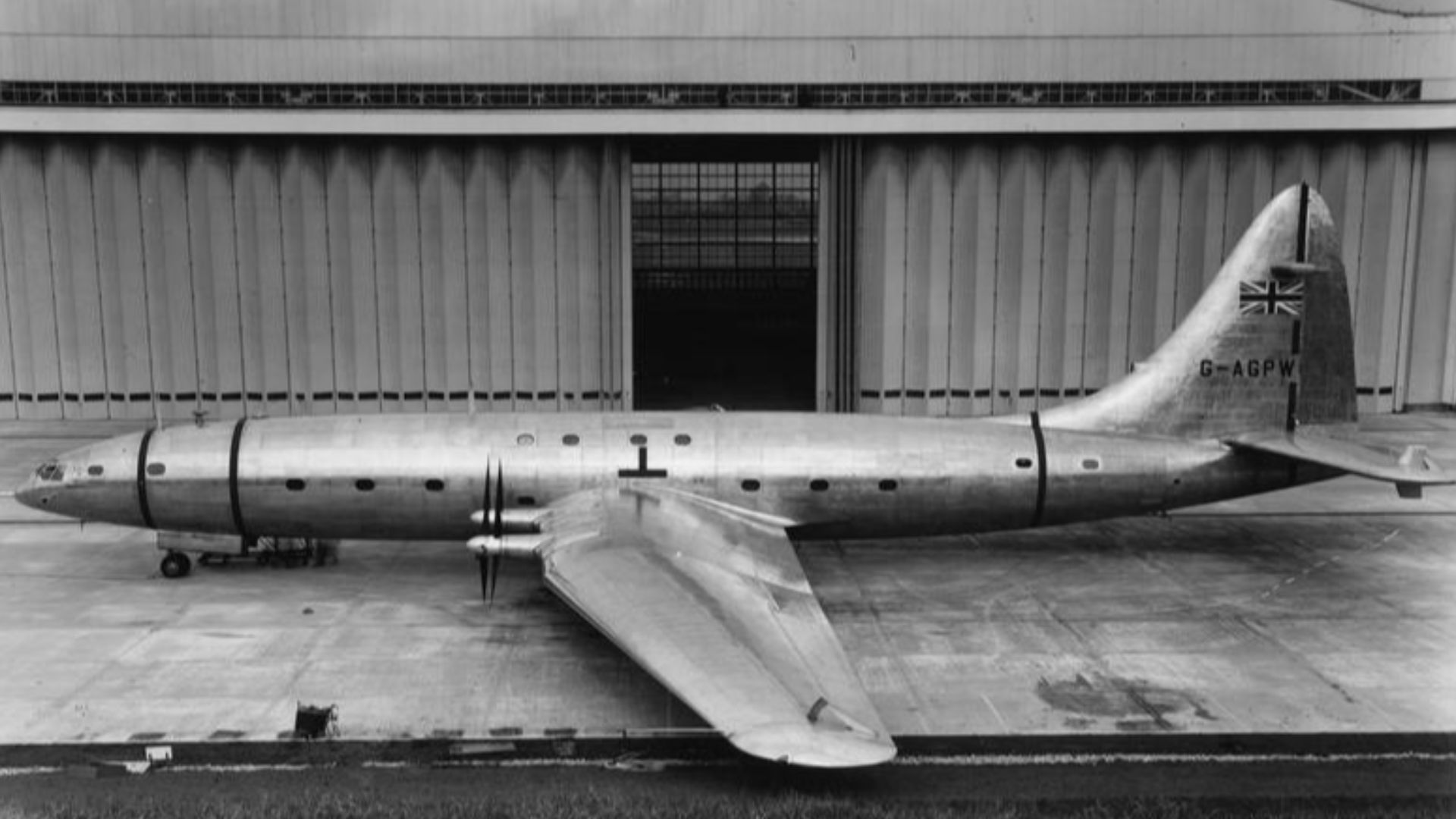 British official photographer, Wikimedia Commons
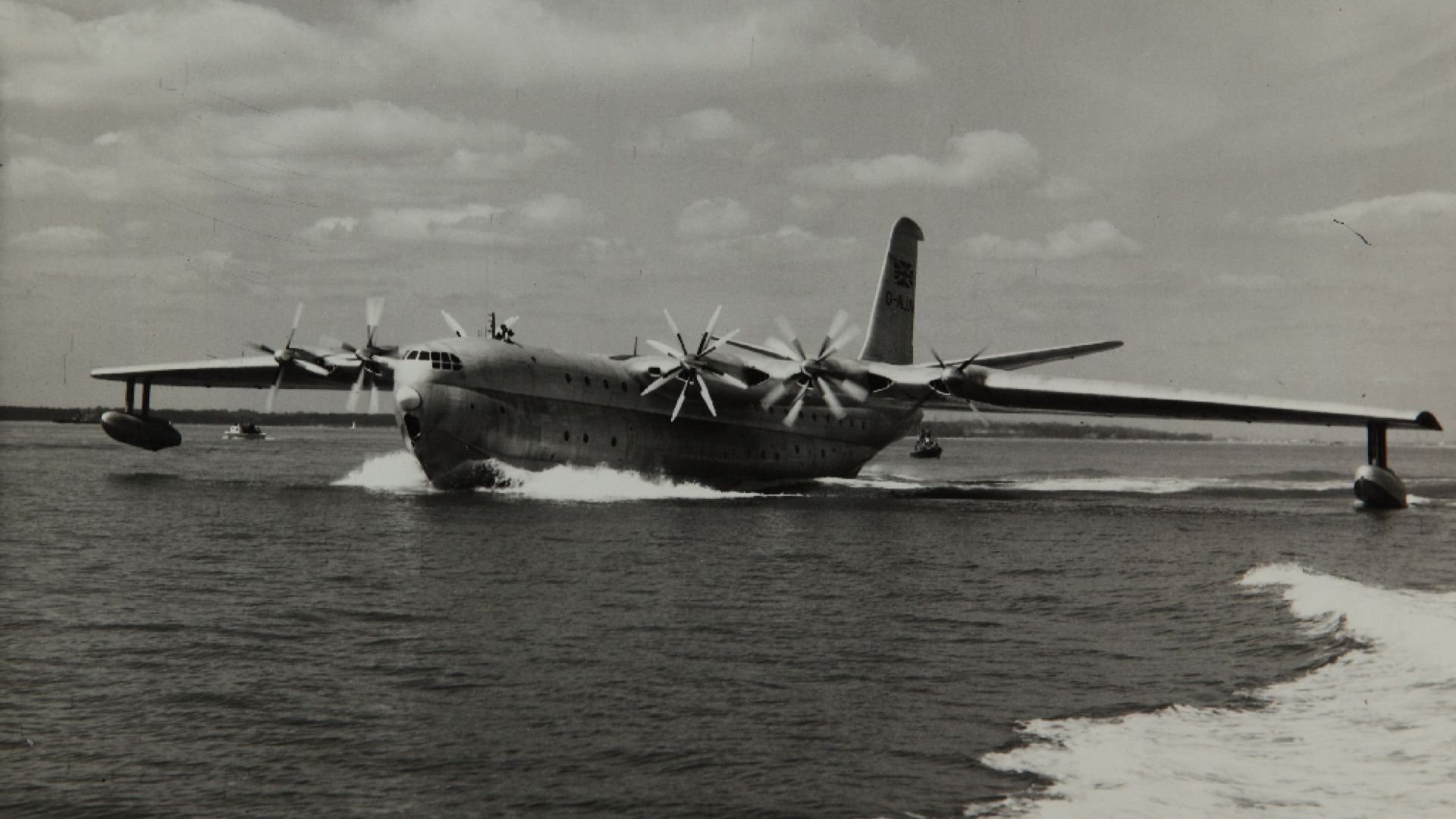
Saunders-Roe Princess
The Saunders-Roe Princess became airborne on 22 August 1952 as the largest all-metal flying boat ever built. Designed for luxurious transatlantic travel with space for 100 passengers, it arrived too late for the jet age. Only one aircraft was completed, while two others were cancelled before completion.
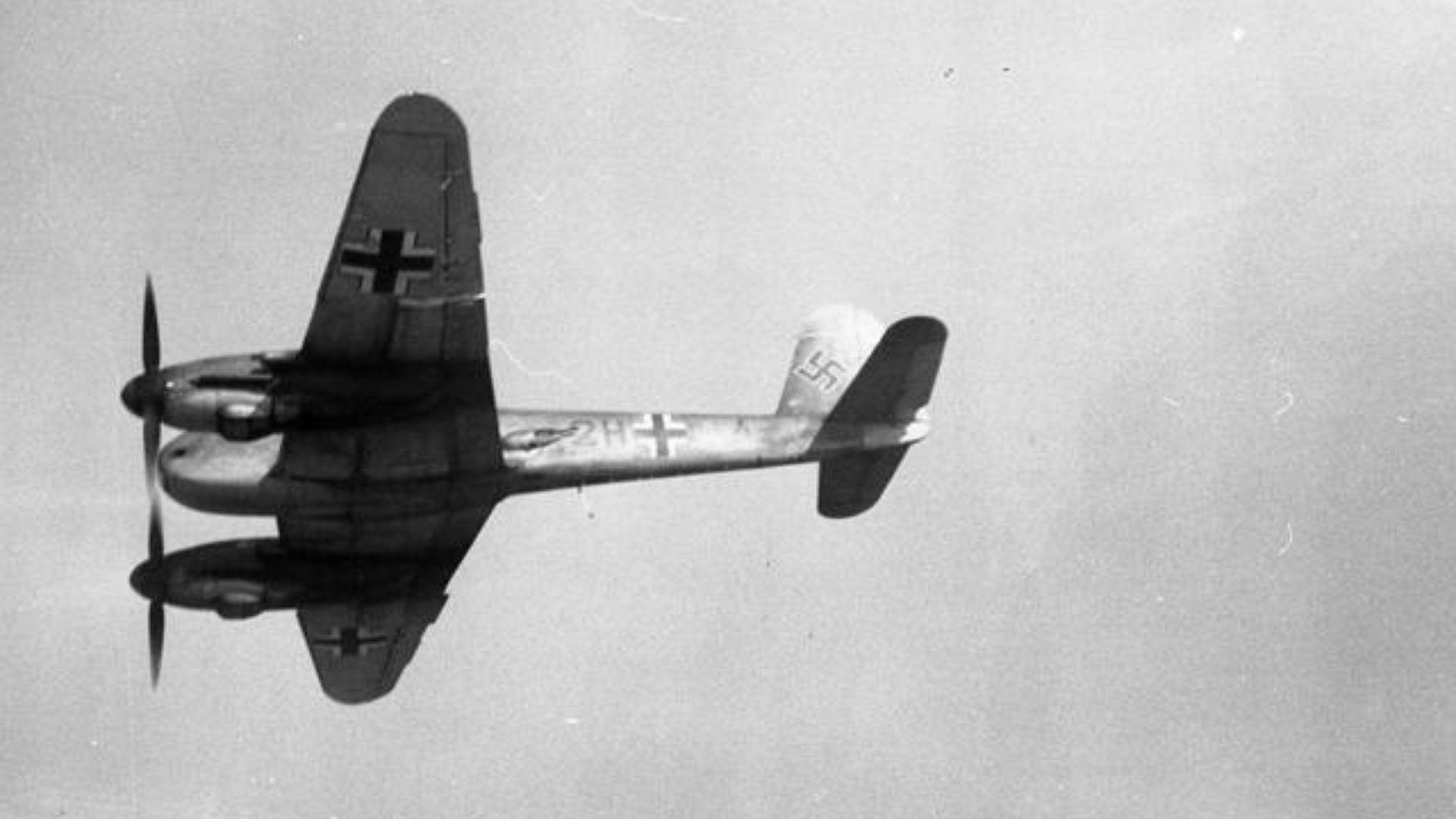
Messerschmitt Me 210
Intended to replace the Bf 110, the Messerschmitt Me 210 entered testing in September 1939. Pilots struggled with serious stability problems that compromised safety. Although some aircraft were produced, the design proved unworkable. The setback directly led to the development of the improved Me 410 Hornisse.
Handley Page HP.75 Manx
The Handley Page HP.75 Manx took flight on 11 June 1943 as an experimental British aircraft exploring tailless design. Twin pusher engines powered the unusual layout. Instability limited the usefulness beyond testing, and only one prototype was built. Its name referenced the tailless Manx cat.
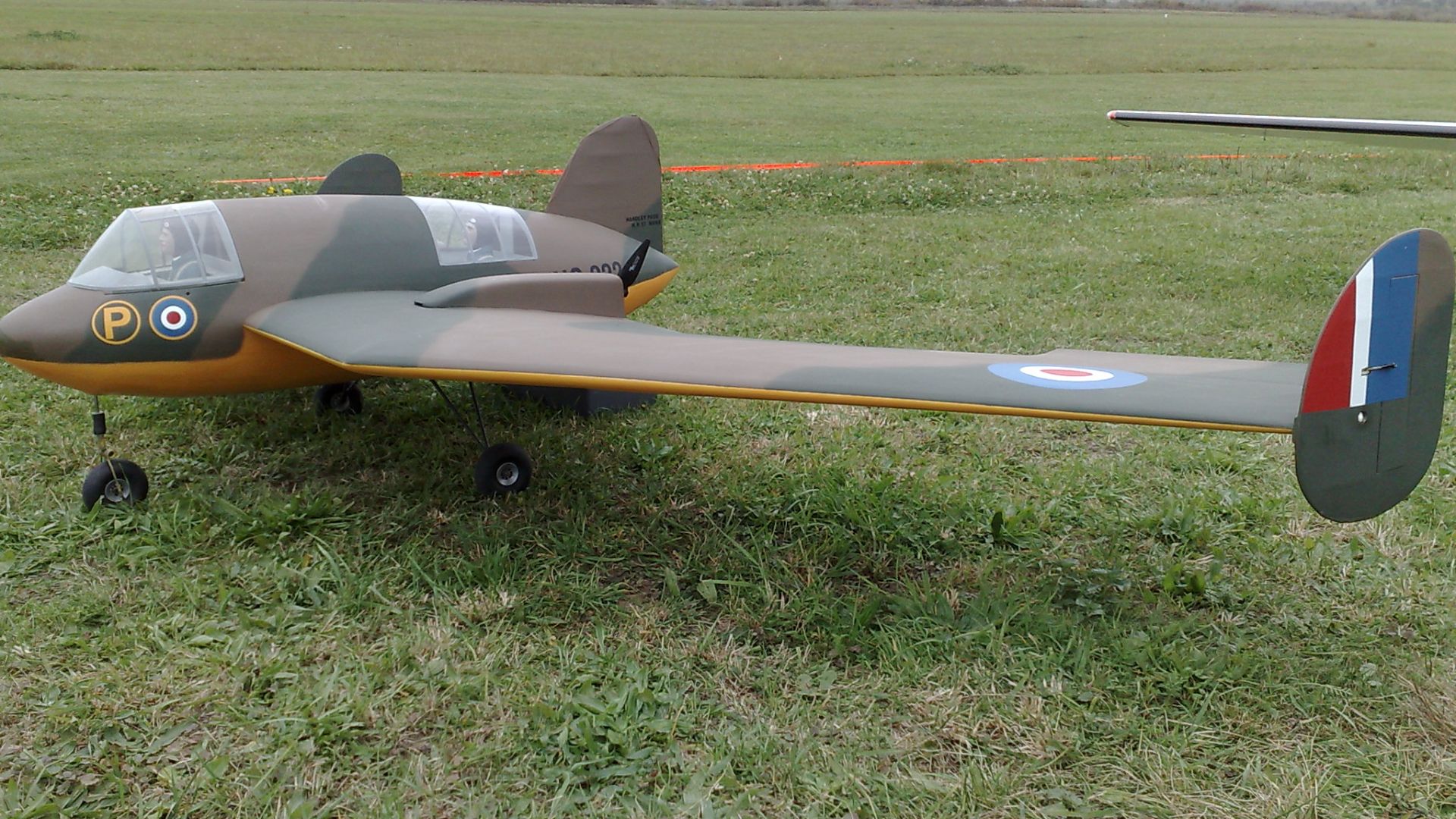 Jagermeister, Wikimedia Commons
Westland Pterodactyl
Named after prehistoric flying reptiles, Geoffrey T. R. Hill’s Westland Pterodactyl was conceived in the 1920s to examine control and stability without a tail. Multiple prototypes were built, but none delivered meaningful performance improvements, and interest faded before production ever began during early experimental aviation.
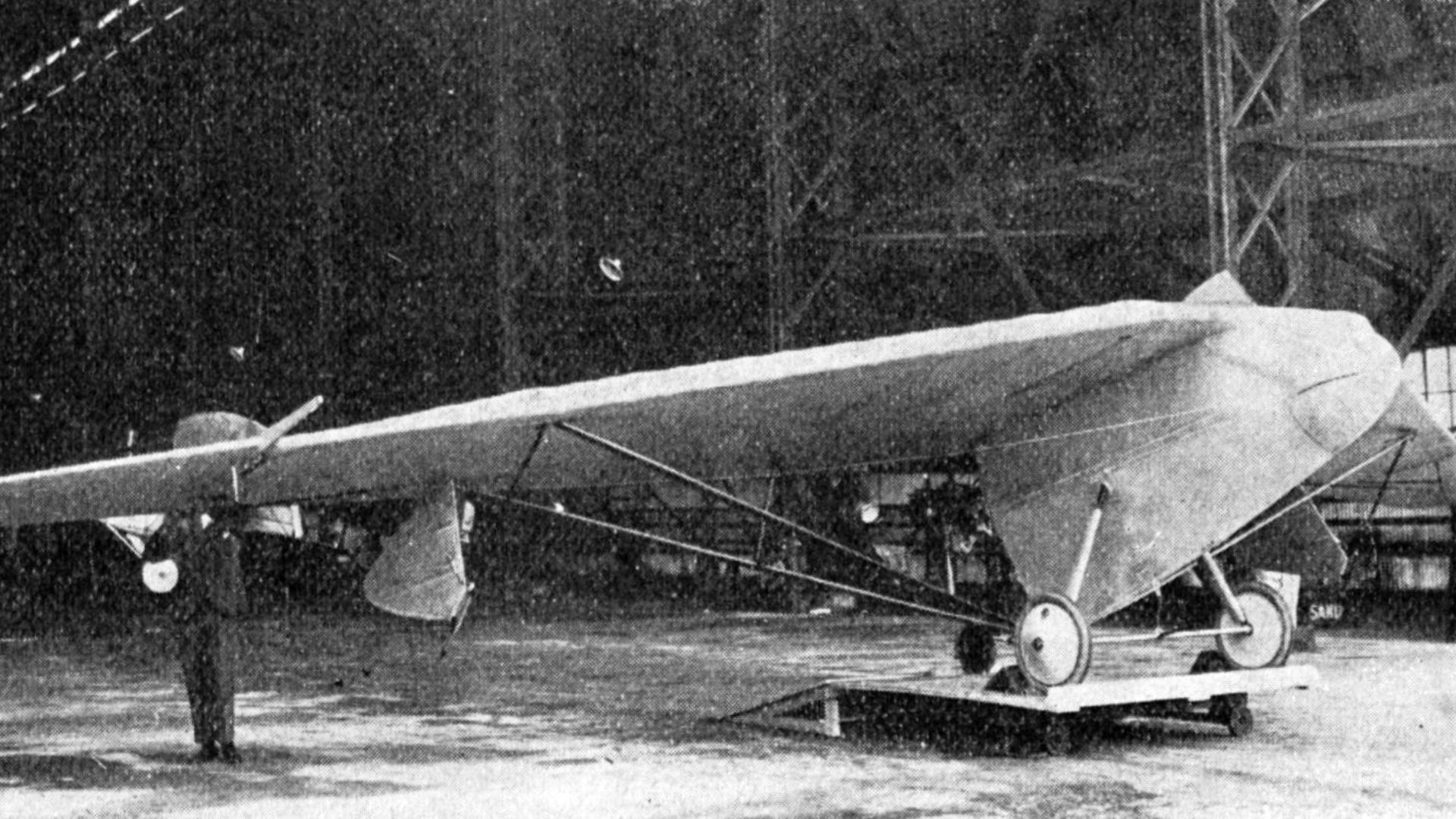 L'Annee aeronautique, Wikimedia Commons
Beechcraft Starship
Introduced with its maiden flight in February 1986, the Beechcraft Starship combined composite materials with a forward canard design. The aircraft proved costly to operate, and the infrastructure struggled to support the technology. Poor sales capped production at 53 units, prompting Beechcraft to buy back and scrap many examples.
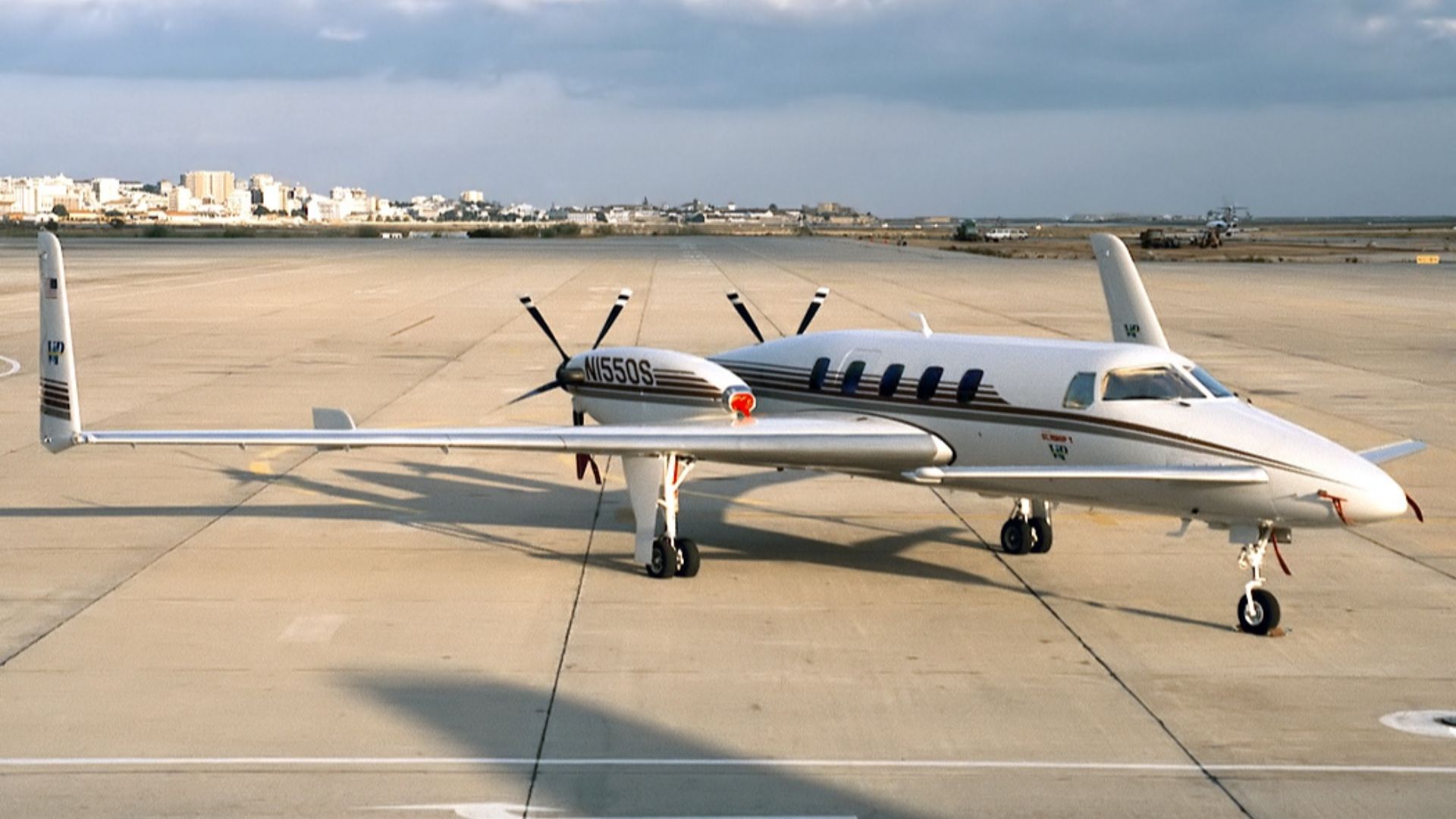 Pedro Aragao, Wikimedia Commons
Boeing 2707 SST
Conceived as a U.S. supersonic transport in the 1960s, the Boeing 2707 promised unmatched speed and capacity. Designers abandoned the swing-wing concept for a delta wing as costs climbed. Environmental concerns and financial pressure ended the program in 1971, despite ambitions to fly 300 passengers at Mach 2.7.
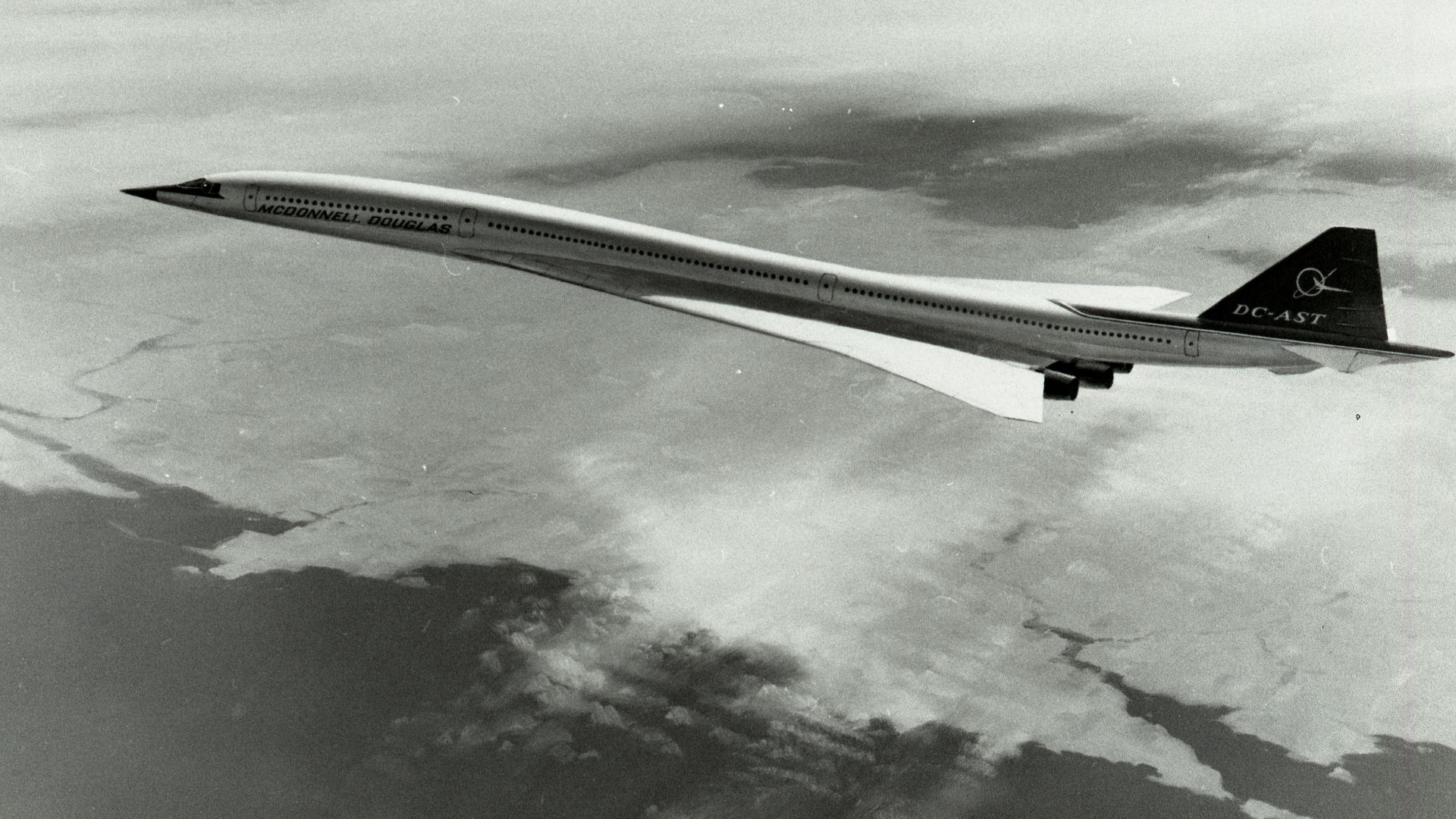 Unknown authorUnknown author or not provided, Wikimedia Commons
Hughes H-4 Hercules “Spruce Goose”
Constructed during wartime shortages, the Hughes H-4 Hercules relied on birch rather than spruce and reached a 97.5-meter wingspan, making it the largest flying boat ever built. It flew once on 2 November 1947, but its scale and impractical nature eliminated any chance of service.
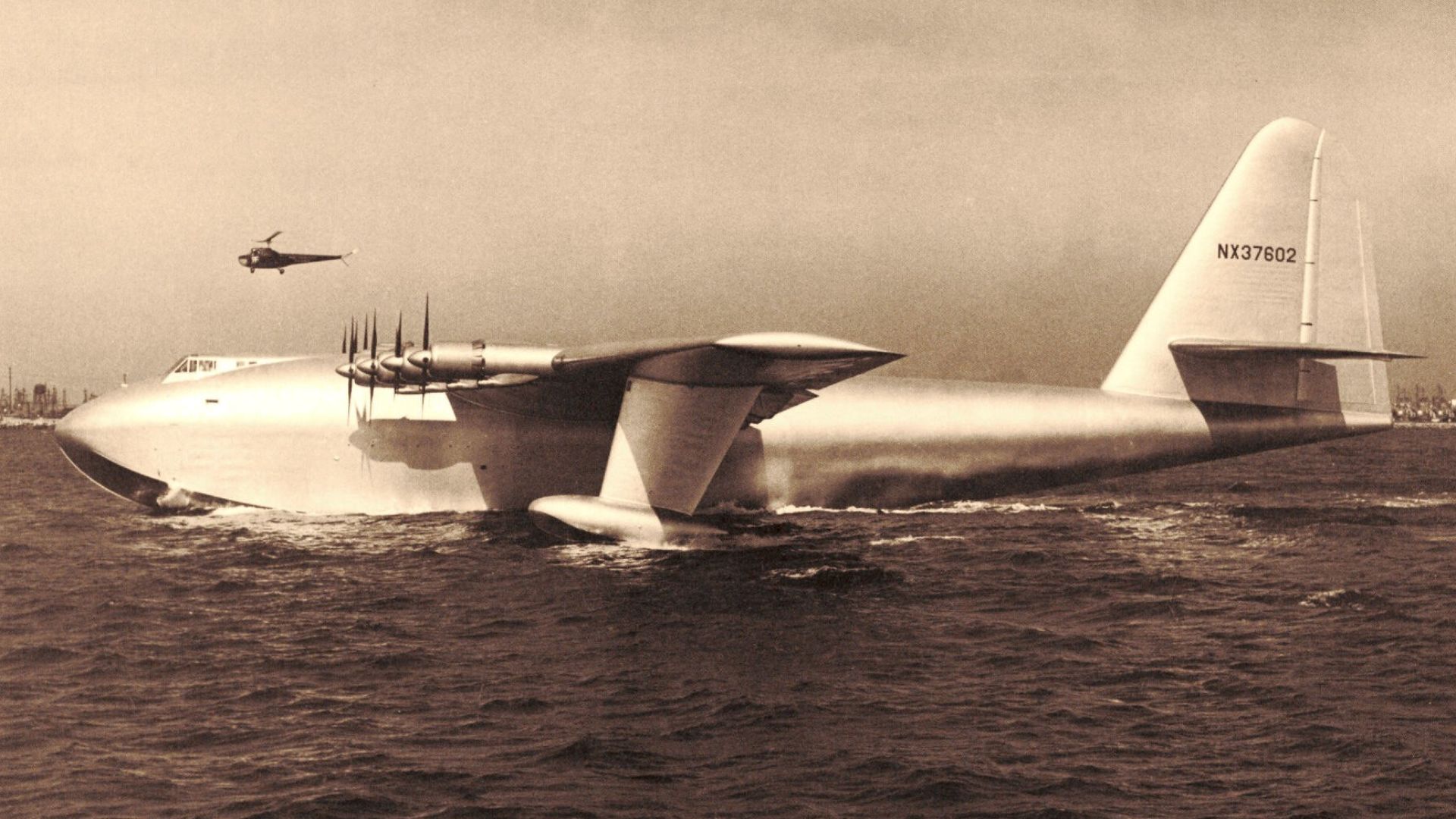 SDASM Archives , Wikimedia Commons
Convair XFY Pogo
The Convair XFY Pogo explored vertical takeoff and landing through a tailsitter configuration that lifted off vertically. First flown on 1 August 1954, the aircraft posed serious landing challenges for pilots. The difficulty halted further development, and repeated bouncing landings inspired its playful nickname.
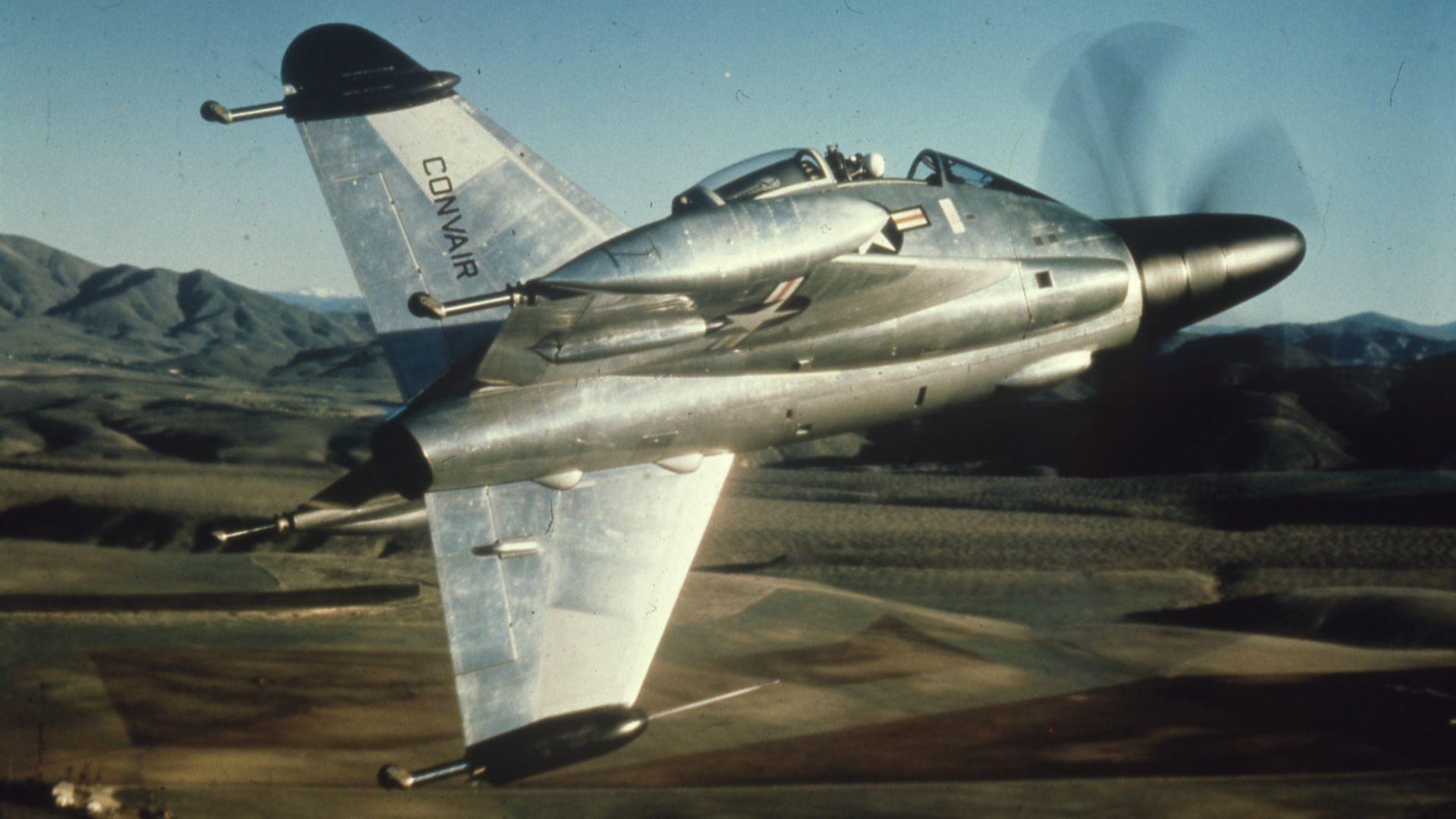 SDASM Archives, Wikimedia Commons