In the French countryside near Villedieu-sur-Indre, a mass burial of 28 stallions and a pair of dogs has come to light. Perfectly arranged in rows, the 2,000-year-old graves suggest a ceremony—or perhaps a farewell to a cavalry lost to history.
Let’s dig into what their final resting place reveals.
Discovery And Dating Of The Pits
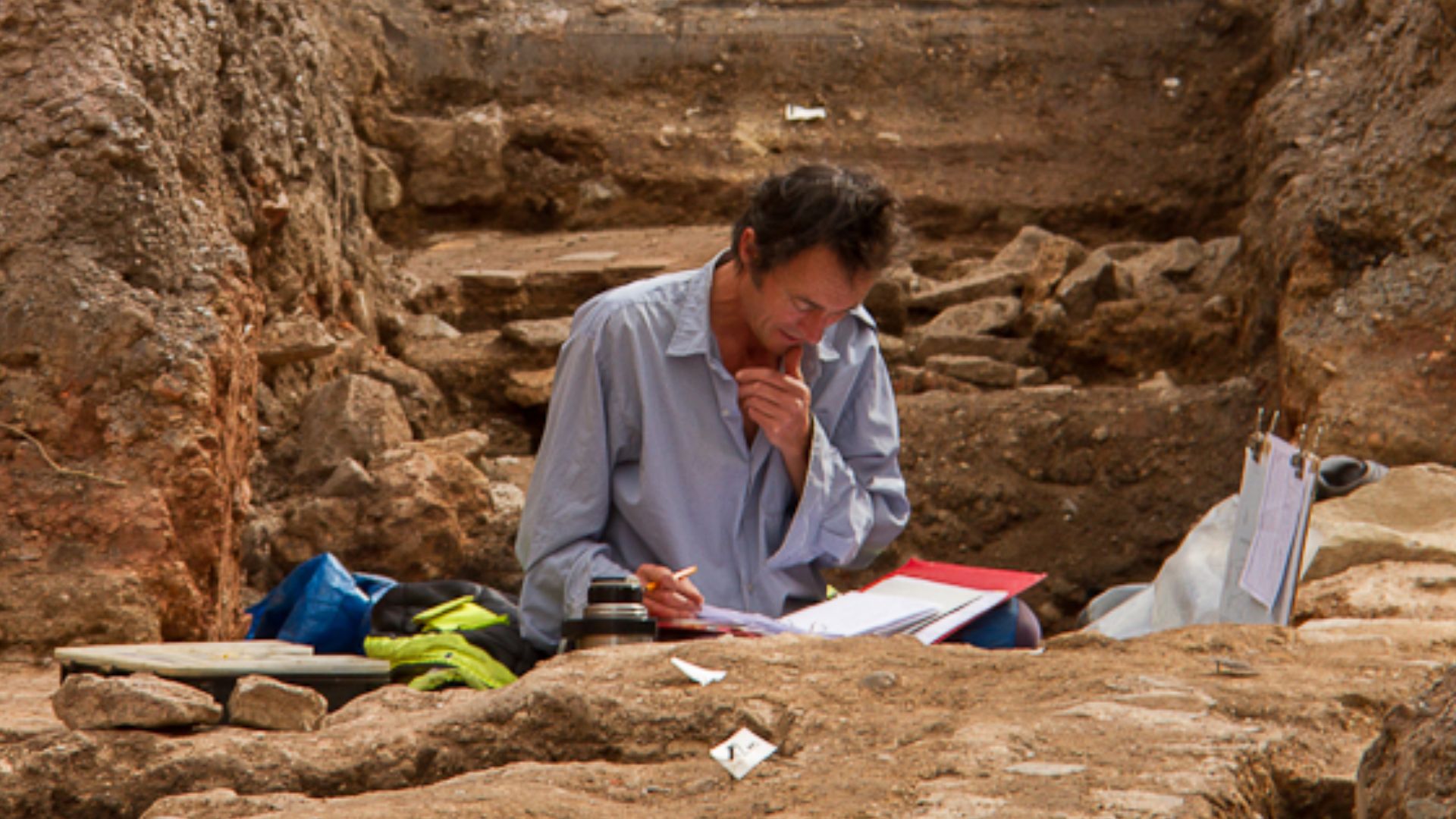
Archaeologists from the Institut national de recherches archeologiques preventives (INRAP) uncovered the site during an excavation of a medieval settlement zone that covered roughly 1.3 hectares (~3.2 acres) near Villedieu-sur-Indre.
Radiocarbon analysis places the animal remains between about 100 BCE and 100 CE, spanning the late Iron Age into early Roman Gaul. These layers of time—first the medieval settlement, beneath the far older pits—connect through drips of centuries and raise questions about why those horses and dogs came to rest here long before the medieval era took root.
The Animals: Stallions And Dogs In Rows
The main pit examined contained ten male horses, all over four years old. They were lying on their right side, heads facing south, arranged in two rows and two layers. Treating each skeleton with care suggests intentional burial rather than random disposal.
Next up were the dogs—two medium-sized adult dogs in another pit. These were lying on their left side with heads facing west, in the same complex.
These details matter. The exclusive presence of adult male horses rules out disease; the inclusion of dogs adds oddity. The orientation and layering hint at ritual or ceremonial significance rather than accidental death.
Location And Potential Connections To Battle
The site lies within the region where the Gallic tribes once confronted Roman legions. Battles of the Gallic Wars (58-50 BCE) led by Julius Caesar passed through Gaul, and armies likely moved through this territory.
Researchers found similarities between this burial and other sites near ancient Gaul-Roman frontiers, where adult male horses were found buried near oppida (fortified settlements).
erges: were these animals killed in battle and buried with respect? Or were they sacrificed as part of a ceremony tied to a battle ritual? The location stands as a silent witness, inviting you to consider both possibilities.
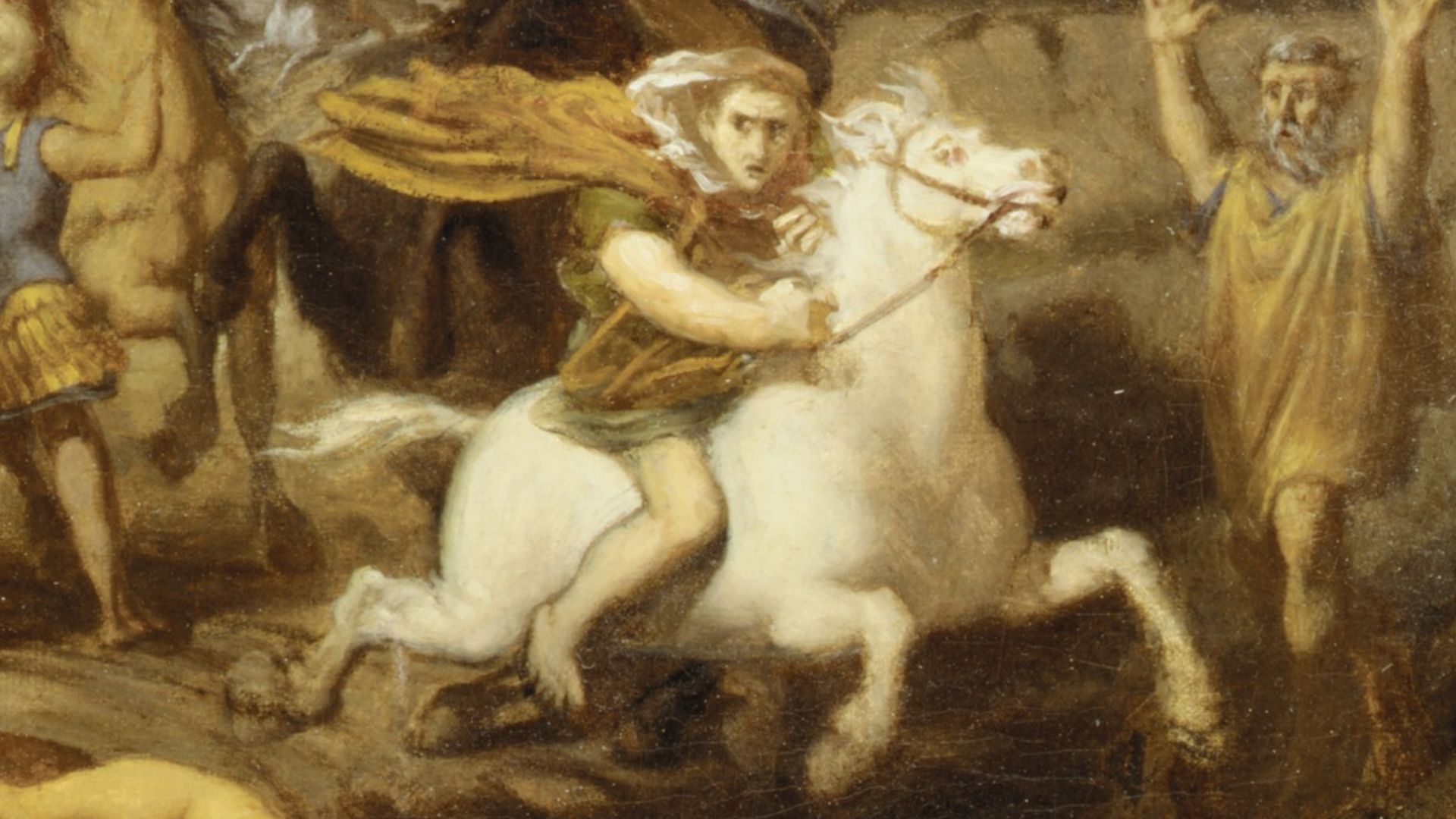 Théodore Chassériau, Wikimedia Commons
Arrangement Clues And Interpretations
Let’s look at key details in a crisp list of observations:
Adult male horses only; no mares or foals present.
All were less than ~4 feet high at the withers (about 1.2 m), typical of Gallic stock.
Buried on the right side, head facing south; dogs on the left side, head facing west.
No accompanying artifacts (weapons, harnesses, personal gear) have yet been found within those pits.
Similar patterns found at earlier sites in the Gergovia plain (Auvergne region) are linked to the Gallic Wars.
These clues help you weigh scenario A (battle casualties) against scenario B (ritual sacrifice). The absence of foals points away from disease; the careful interment points away from haphazard disposal.
What We Still Don’t Know—And Why It Matters
The significant missing link is that there is no clear cause of death for the horses. Researchers found no obvious slaughter marks or trauma yet.
We don’t know whether the dogs were companions or guard animals. We don’t yet have conclusive evidence of human remains or weapons tied to the horses’s context.
And yet the find forces a rethinking of late Iron Age/final Gallic practices: whether battle-horse burials or mass sacrifices, both signal deep cultural significance tied to power or crisis. This nudges you to see how animals were woven into the story of humans in combat. Or at a ritual.
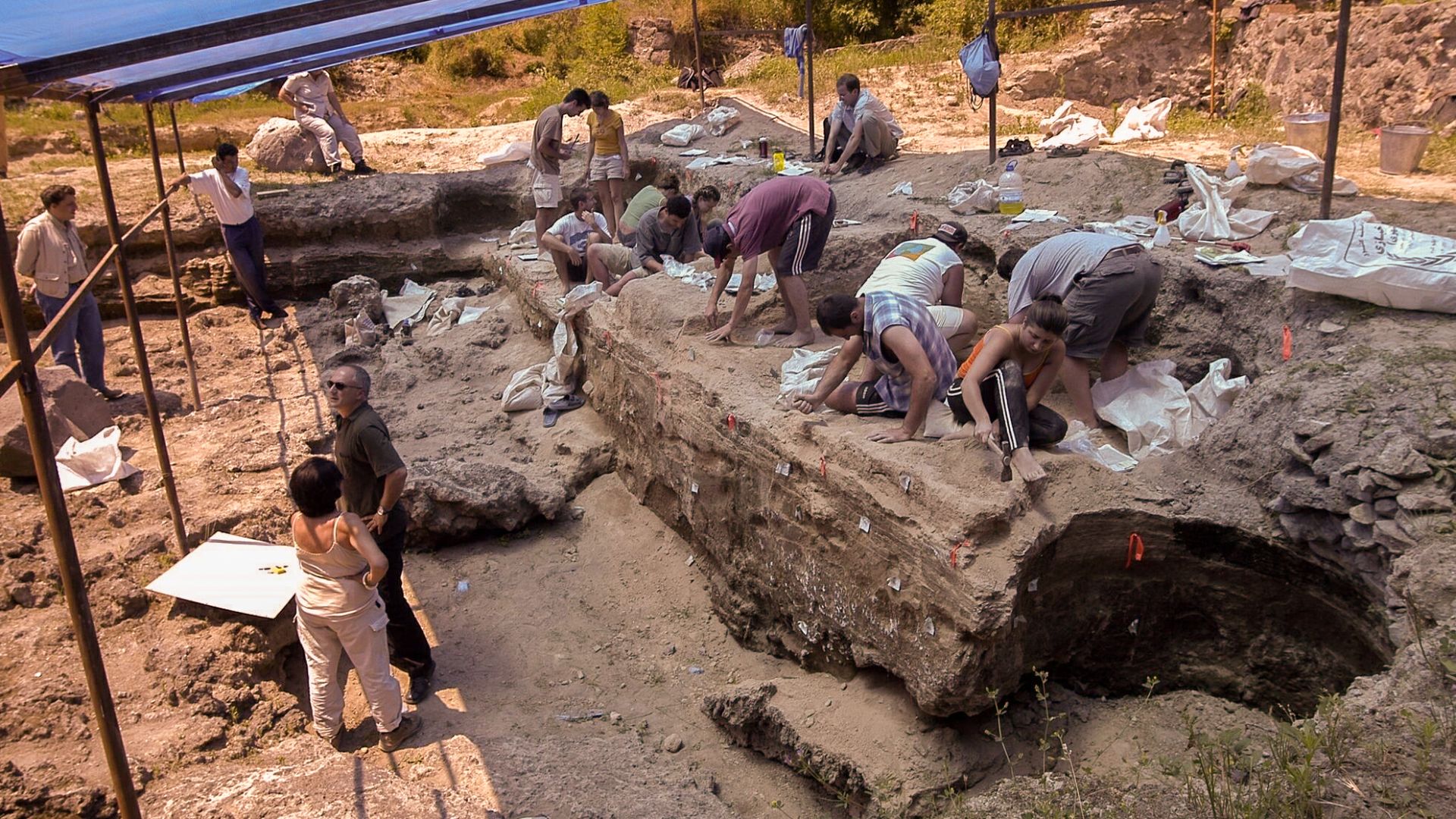 Georgian National Museum, Wikimedia Commons
Final Thoughts: A Silent Cavalry Of The Past
This extraordinary pit-group at Villedieu-sur-Indre raises the curtain on an ancient scene: rows of stallions, small by modern standards, each one buried with formal precision. Were they the mounts of defeated Gauls, laid to rest after conflict with Rome? Or were they chosen in a grand ritual, an offering of herd and war-horse alike?
Either way, your sense of time shifts: two millennia, turned soil, silent bones still whisper. The dogs lying beside them add a final touch of intrigue. If this story stirs your curiosity, keep an eye on the forthcoming zoo-archaeological reports. You might just witness the next chapter in decoding what lies beneath those pits.