
In the sun-baked sands of Abydos, southern Egypt, archaeologists have uncovered something remarkable—the world's oldest known industrial-scale brewery. Dating back to around 3000 BCE during the reign of King Narmer, this massive operation reveals how beer production played an important role in the dawn of Egyptian civilization.
Unearthing An Ancient Production Facility
Originally discovered by British archaeologists in the early 20th century but subsequently lost, this ancient brewery was rediscovered in 2018 by a team of American and Egyptian archaeologists from New York University and Princeton University.
The brewery consisted of at least eight separate installations built in parallel, spaced about 8 meters apart. Each installation measured approximately 20 meters long by 2.5 meters wide. Within each structure, around 40 large ceramic vats were arranged in two rows, supported by rings of sun-dried mud struts called “fire legs”.
A Royal Beverage Fit For Pharaohs
The scale of this operation was unprecedented for its time, as the brewery could produce approximately 22,000 liters (5,811 gallons) per batch. To put this in modern terms, that's enough beer to provide a frothy pint to everyone attending a sold-out baseball game at Busch Stadium or Citi Field.
If the brewery produced just one batch weekly, that would amount to well over a million liters annually, a staggering volume for an ancient civilization. The brewery's location at Abydos is particularly significant. This site was the ancestral home of Egypt's first kings, who unified the country and established its centralized state.
The entire desert area at Abydos was reserved for their exclusive use, containing Egypt's first great royal necropolis (cemetery) and massive "cultic enclosures" that served as royal funerary temples. Evidence suggests the brewery had a direct connection to these royal monuments.
Beer, Power, And The Birth Of A Nation
Well, this discovery highlights more than just ancient brewing techniques. The industrial scale of the Abydos brewery demonstrates the remarkable resources available to Egypt's earliest kings. As Professor Deborah Vischak of Princeton noted, the brewery reveals “the level of resources available to Egypt's kings right from the start: the agricultural production they could draw on and the labor they could mobilize”.
The Abydos brewery dates to a transformative moment in Egyptian history, when a Neolithic society evolved into a powerful nation-state under centralized control. This operation would have required hundreds of workers not only to brew the beer but also to grow and harvest grain, transport water and wood, and produce thousands of pottery vessels.
Such widespread organization and control demonstrate the vast command of resources these early Egyptian kings possessed, the same capabilities that would allow their successors to build massive pyramids just a few generations later.
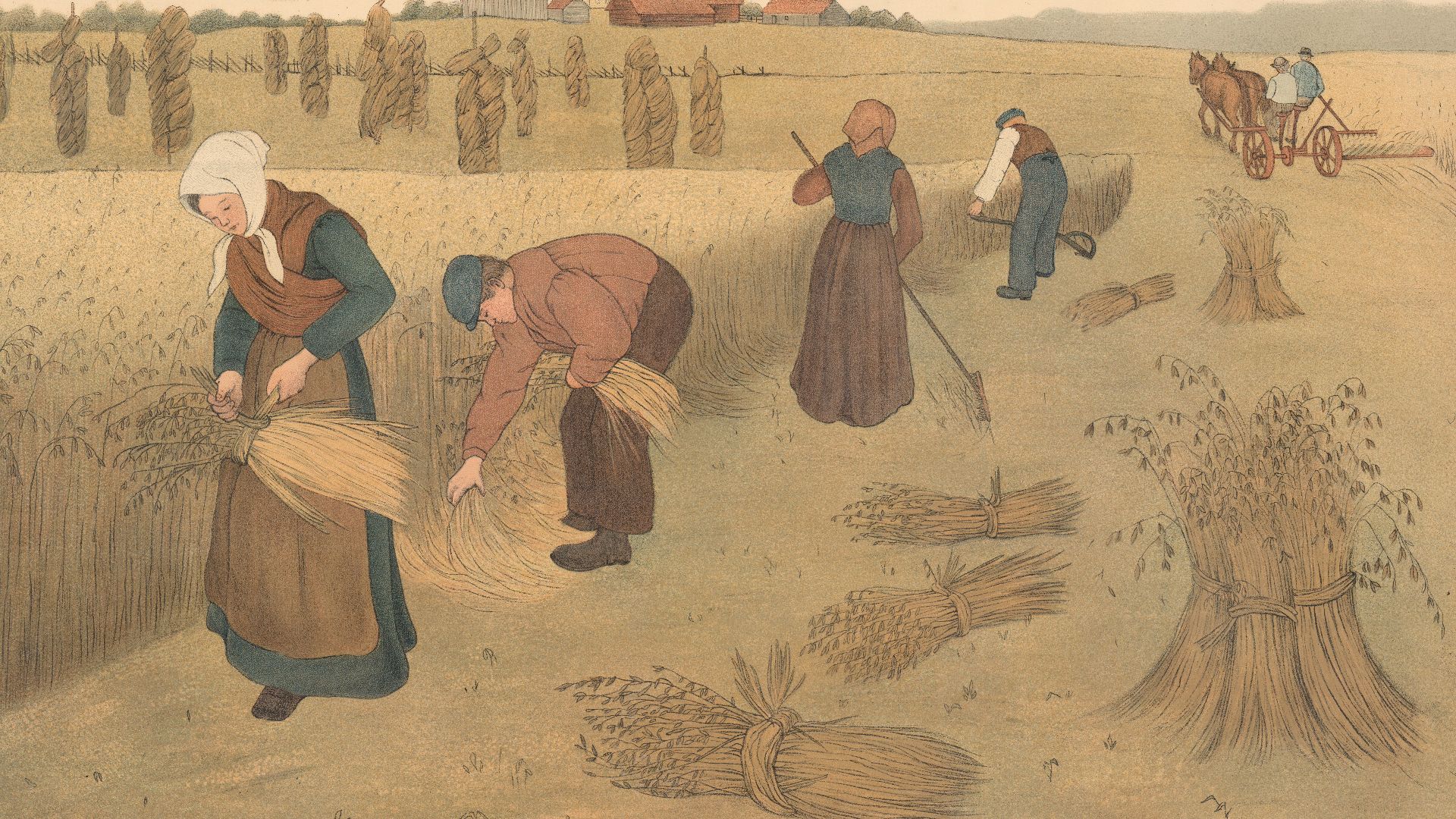 Lisbeth Bergh, Wikimedia Commons