

Lies That Shaped History
Not every historical “truth” was earned honestly. Some of the most influential moments in history were driven by fabrications, misunderstandings, and deliberate deception that fooled experts and the public alike.

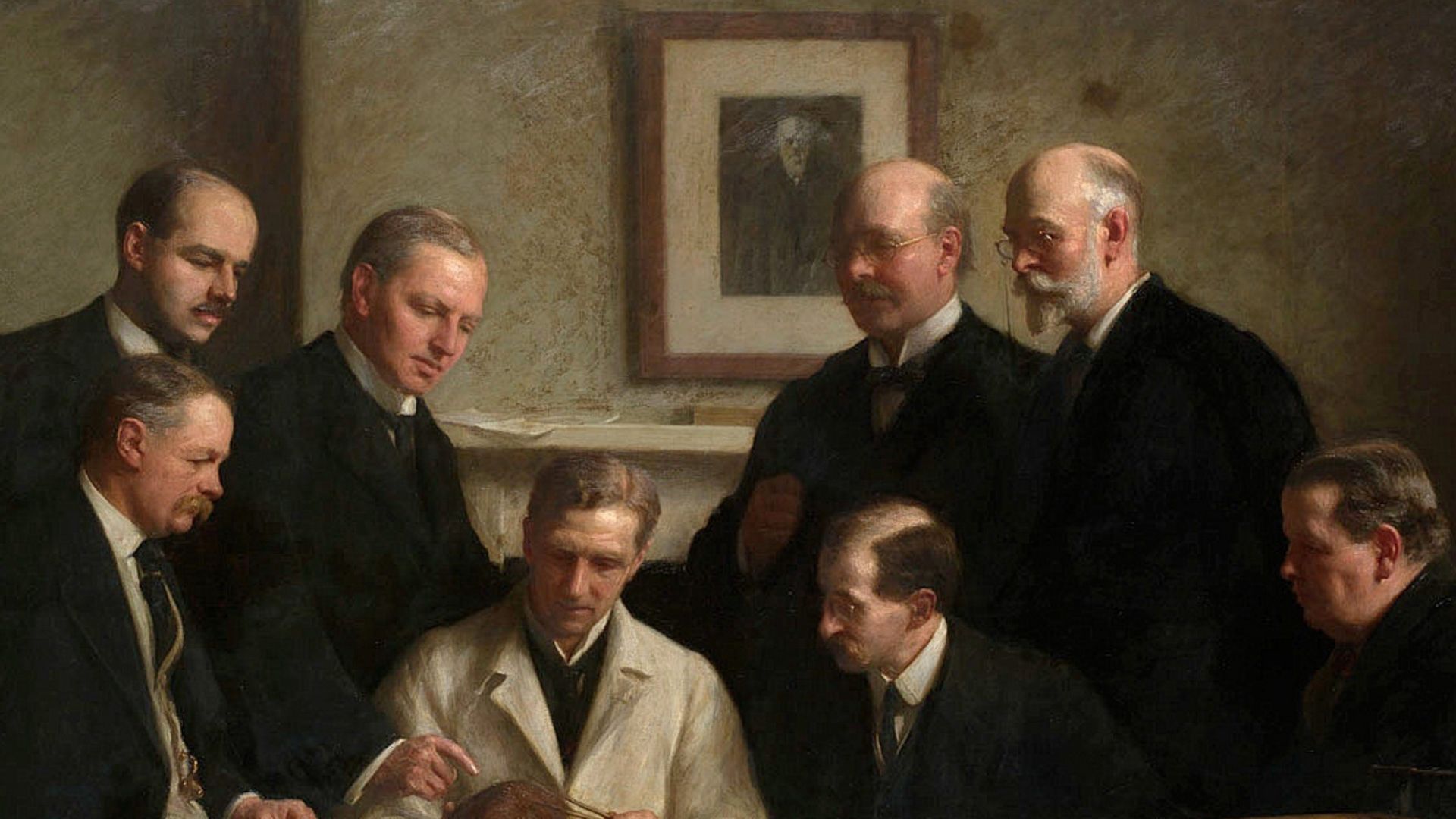
The Piltdown Man (1912)
Charles Dawson, dubbed the "Wizard of Sussex," fooled the scientific world with his so-called fossil find. The skull was supposed to bridge the evolutionary gap between apes and humans, revolutionizing anthropology. Decades later, the truth emerged: someone had cleverly fused a human skull with an orangutan jaw.
The Cardiff Giant (1869)
George Hull carved a massive gypsum figure just to poke fun at people who believed in biblical giants. Workers digging in Cardiff, New York, stumbled upon the ten-foot "petrified man," and crowds went wild. Experts called it fake almost immediately, yet P.T. Barnum saw dollar signs and commissioned his own replica.
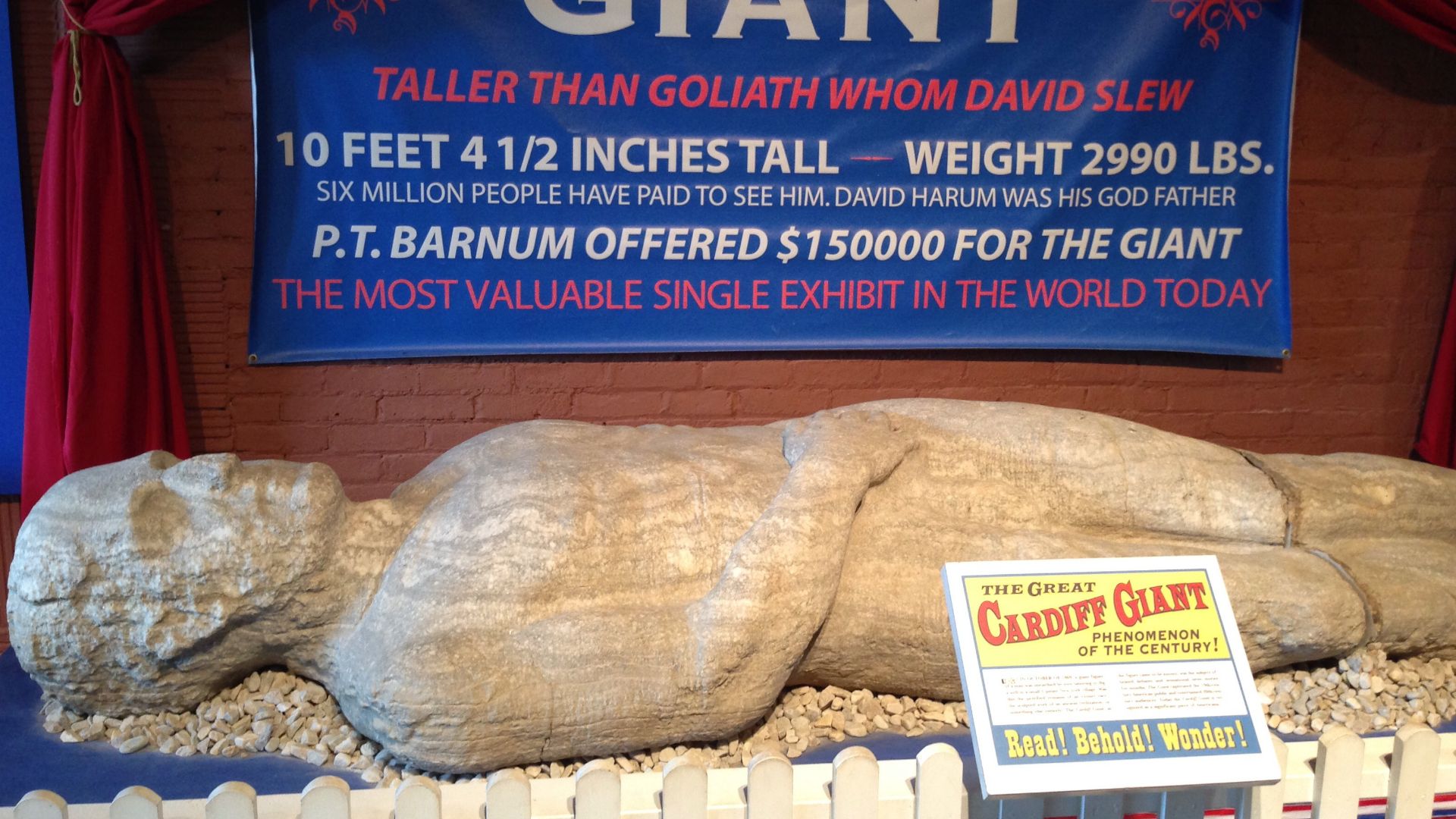 Martin Lewison from Forest Hills, NY, U.S.A., Wikimedia Commons
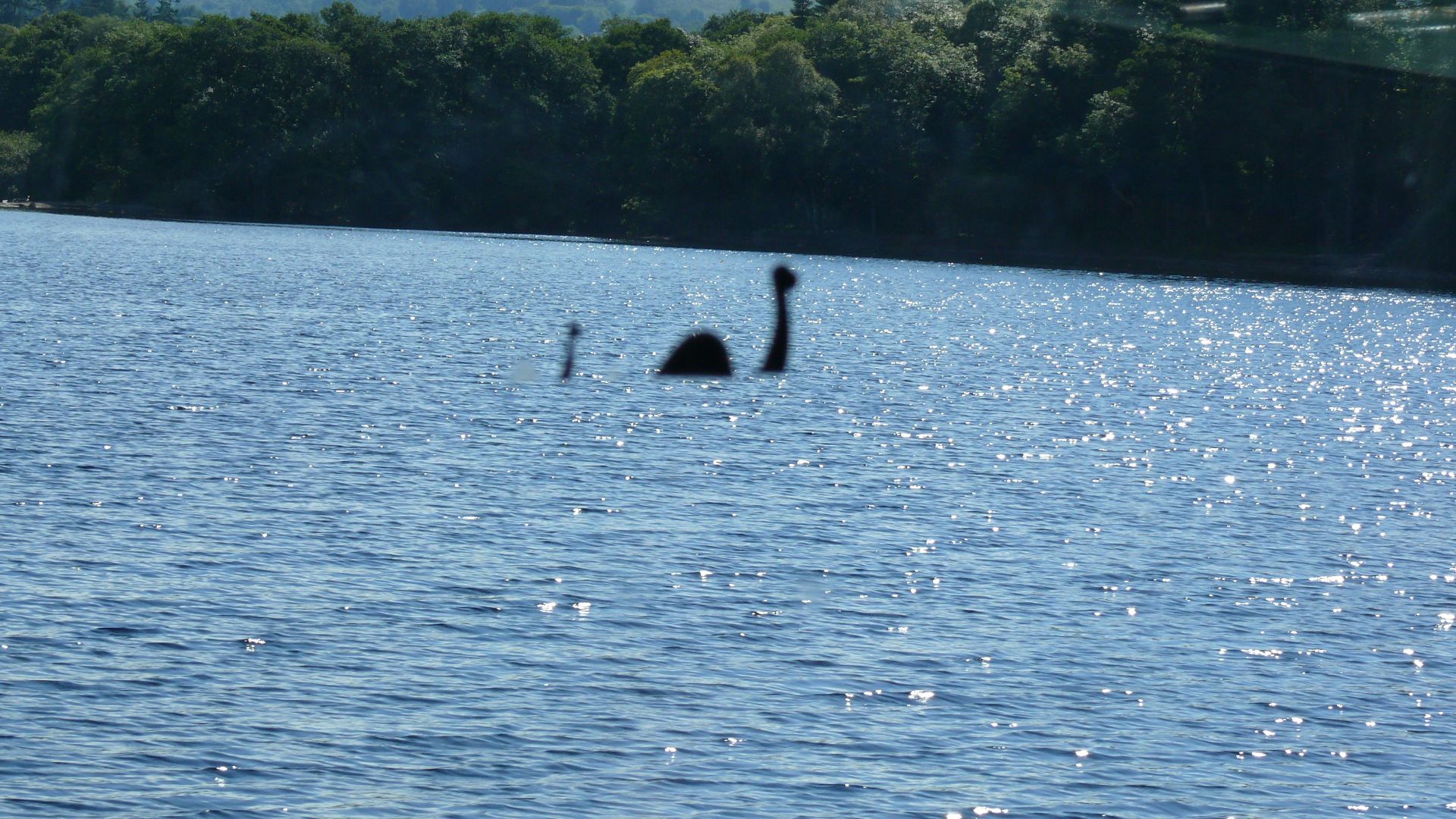
The Loch Ness Monster Photographs (1934)
The "Surgeon's Photograph" seemed to prove something mysterious lurked in Loch Ness. Reality hit hard in 1994 when Christian Spurling admitted the creature was just a toy submarine with a sculpted head. Marmaduke Wetherell, a disgruntled big-game hunter, had orchestrated the whole elaborate prank from the start.
The Donation Of Constantine (8th Century)
Medieval popes wielded enormous political power thanks to a document supposedly written by Emperor Constantine himself. This forged decree claimed Constantine had granted the Pope authority over Rome and vast territories beyond. Lorenzo Valla demolished its credibility in the 1400s by exposing glaring historical inconsistencies and linguistic errors.
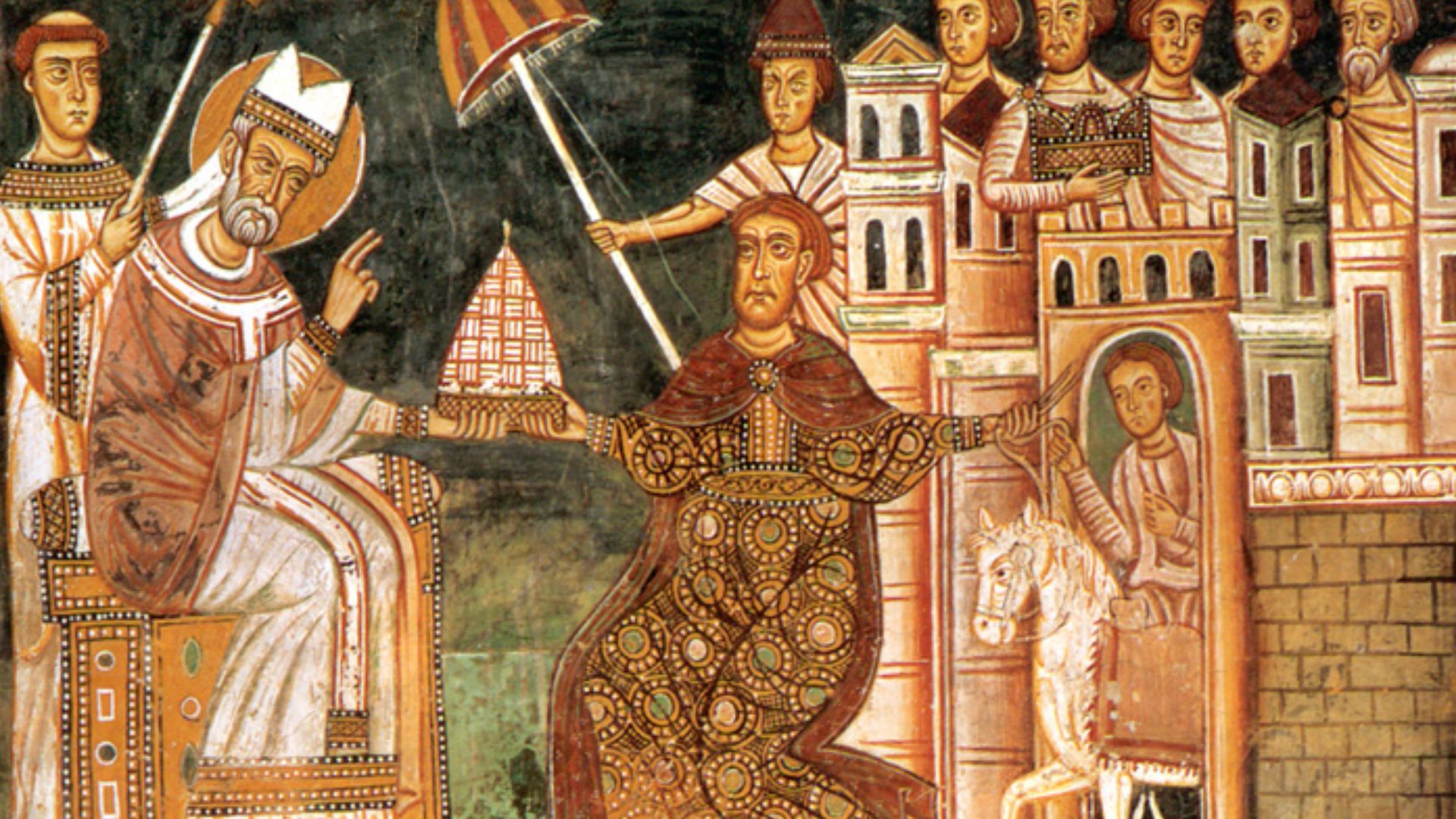 Unknown medieval artist in Rome, Wikimedia Commons
The Cottingley Fairies (1917)
Elsie Wright and Frances Griffiths created a phenomenon that fooled even brilliant minds for decades. Their fairy photographs became ammunition for spiritualism advocates, with Conan Doyle leading the charge as their most prominent believer. Decades later, the truth emerged: cardboard cutouts held up with hatpins had created the magical illusion.
 See page for author, Wikimedia Commons
The Hitler Diaries (1983)
German magazine Stern thought they'd secured the scoop of the century when they acquired Hitler's supposed personal diaries. They shelled out millions for the documents before forensic experts dropped the hammer: the ink and paper were unmistakably modern. Konrad Kujau had forged the entire collection, embarrassing historians and journalists who'd initially validated them.
 Achim Necker, Wikimedia Commons
The Fake Anastasia Claim (1920s)
Anna Anderson fascinated the world by insisting she'd miraculously survived the Romanov family's execution in revolutionary Russia. Her claim triggered lengthy legal battles over inheritance and identity that stretched across decades. DNA testing in the 1990s finally settled the question. She was actually Franziska Schanzkowska, a Polish factory worker.
 http://www.tonnel.ru/?l=gzl&uid=659&op=bio, Wikimedia Commons
The War Of The Worlds Radio Panic (1938)
A Halloween radio drama convinced some listeners that extraterrestrial invaders had landed, or so the story goes. Orson Welles presented the fictional invasion as breaking news. Print media seized the opportunity to paint radio as dangerously irresponsible, likely inflating the actual panic for their own purposes.
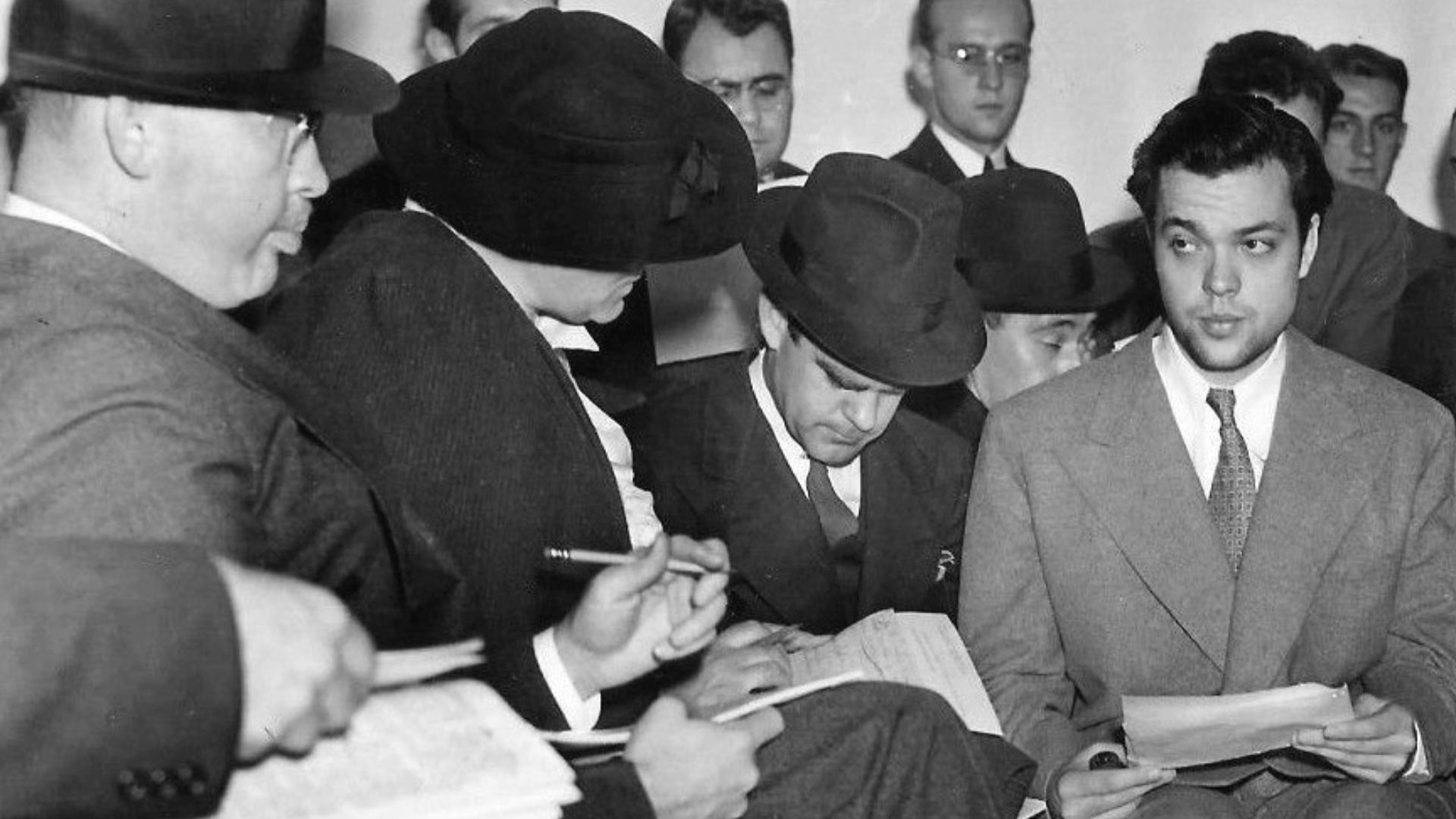 The Express, Wikimedia Commons

History's most fascinating stories and darkest secrets, delivered to your inbox daily.
The Great Moon Hoax (1835)
Richard Adams Locke penned elaborate articles claiming astronomers had discovered bat-winged humanoids living on the lunar surface. The New York Sun's circulation exploded as readers devoured these fantastical "scientific reports" about moon civilization. Locke eventually revealed his true intention: satirizing the era's credulous approach to science journalism.
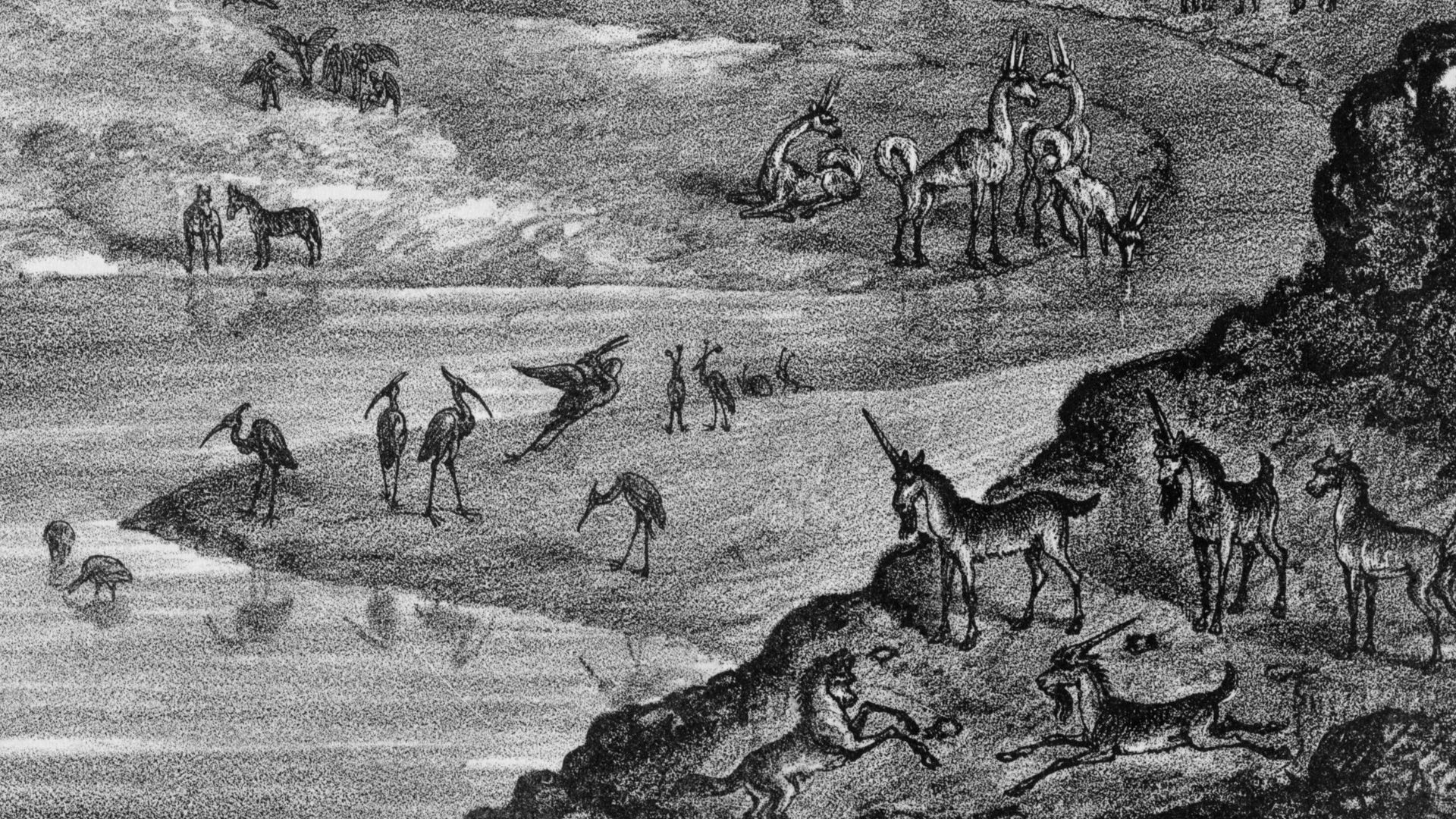 Benjamin Henry Day (1810-1889), Wikimedia Commons
The Alien Autopsy Film (1995)
A mysterious film emerged showing what appeared to be an extraterrestrial corpse being dissected in a government facility. The footage enthralled millions when it aired on mainstream television. Years later, filmmaker Santilli admitted the whole thing was fabricated with special effects and staged sets.
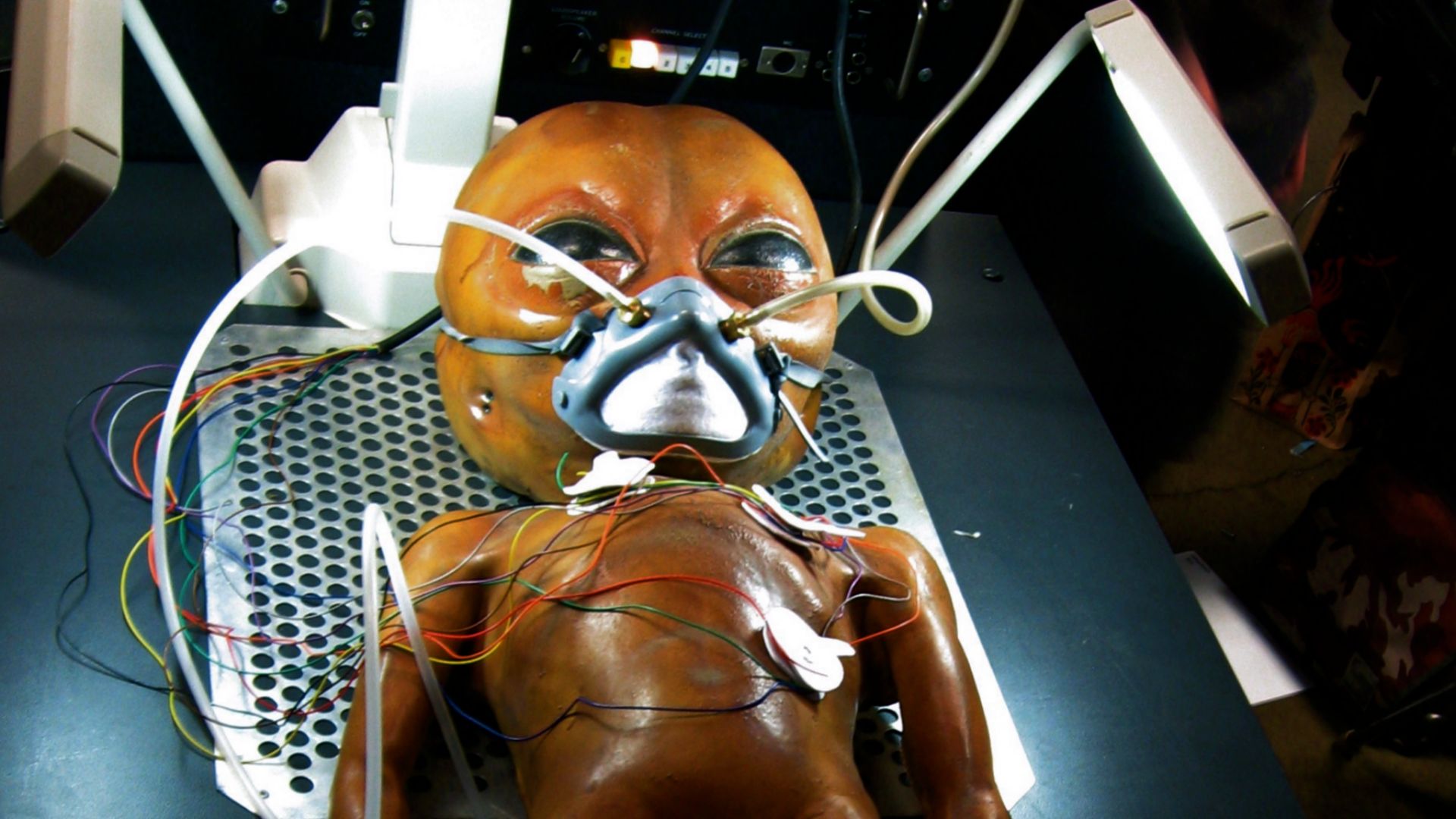 Steve Jurvetson from Los Altos, USA, Wikimedia Commons
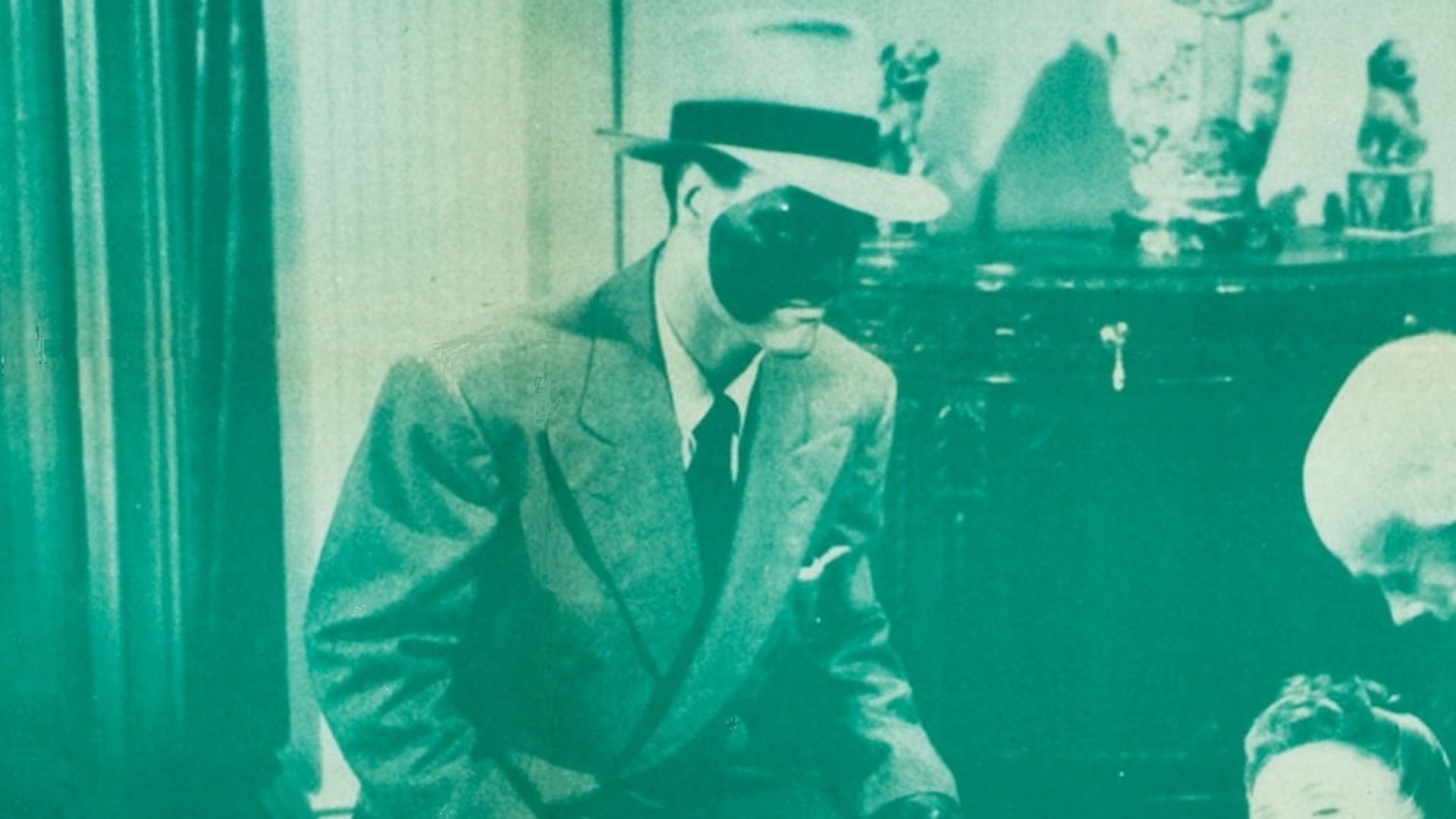
The Masked Marvel Wrestling Hoax (1915)
By donning a mask and adopting a false identity, Mort Henderson quickly rose to fame as a wrestling sensation. Promoters hyped the mysterious wrestler as an enigmatic challenger, generating media frenzy and sellout crowds. The deception worked brilliantly until journalists exposed Henderson as the man behind the Marvel persona.
The Dreyfus Affair (1894–1906)
French military officers framed Alfred Dreyfus for treason using fabricated evidence, driven largely by anti-Semitic prejudice. The scandal tore France apart, with citizens choosing sides between those demanding justice and those defending the military establishment. Emile Zola's famous "J'Accuse" letter helped expose the conspiracy, though Dreyfus spent years imprisoned before vindication.
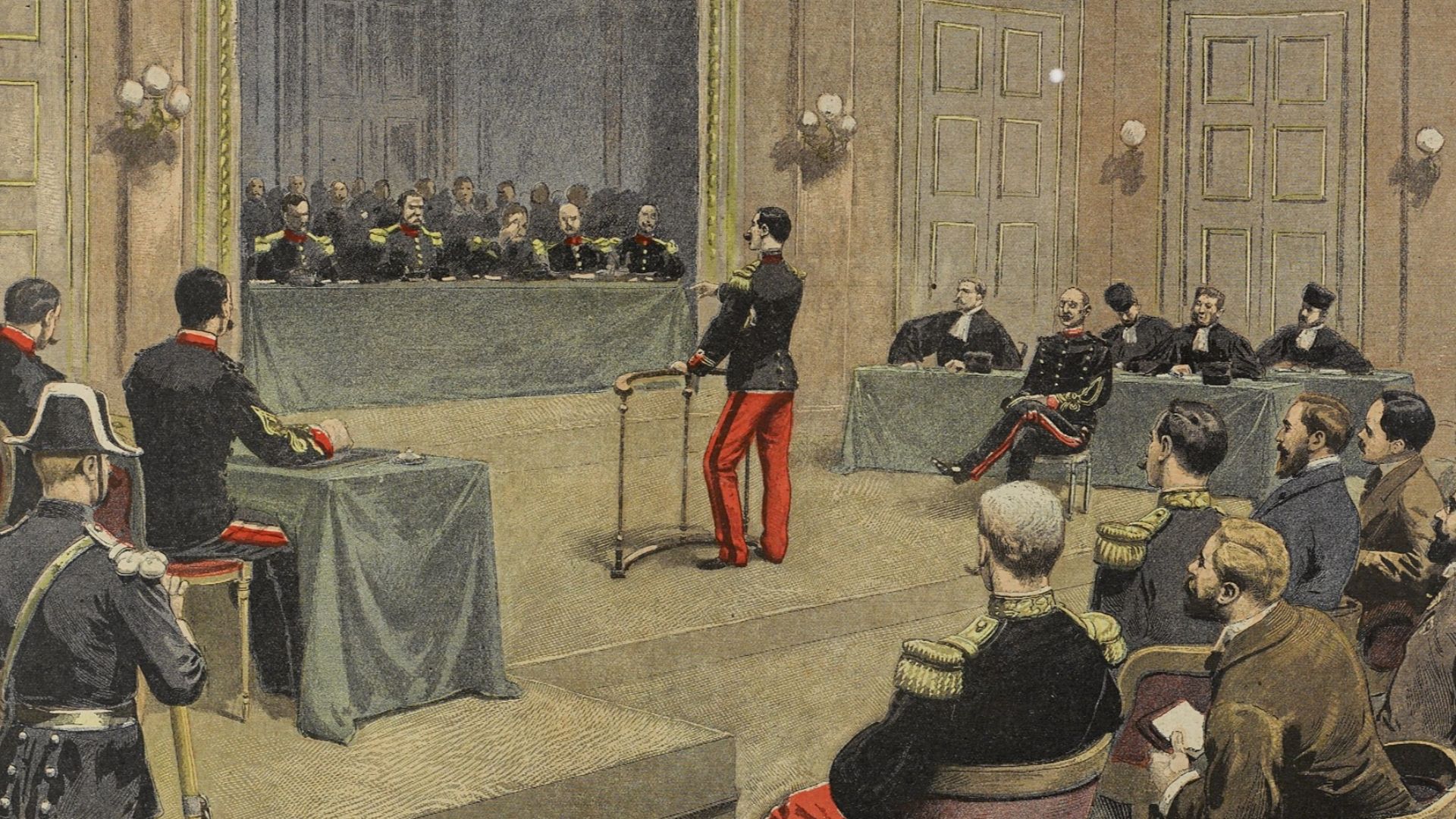 Eugène Damblans, Wikimedia Commons
The Shroud Of Turin (Middle Ages–Present)
For centuries, a cloth marked with the faint outline of a crucified figure has been revered as the burial shroud of Jesus. Radiocarbon dating in the 1980s revealed the fabric originated in the fourteenth century, centuries after Christ's crucifixion. Many believers still regard it as authentic and sacred.
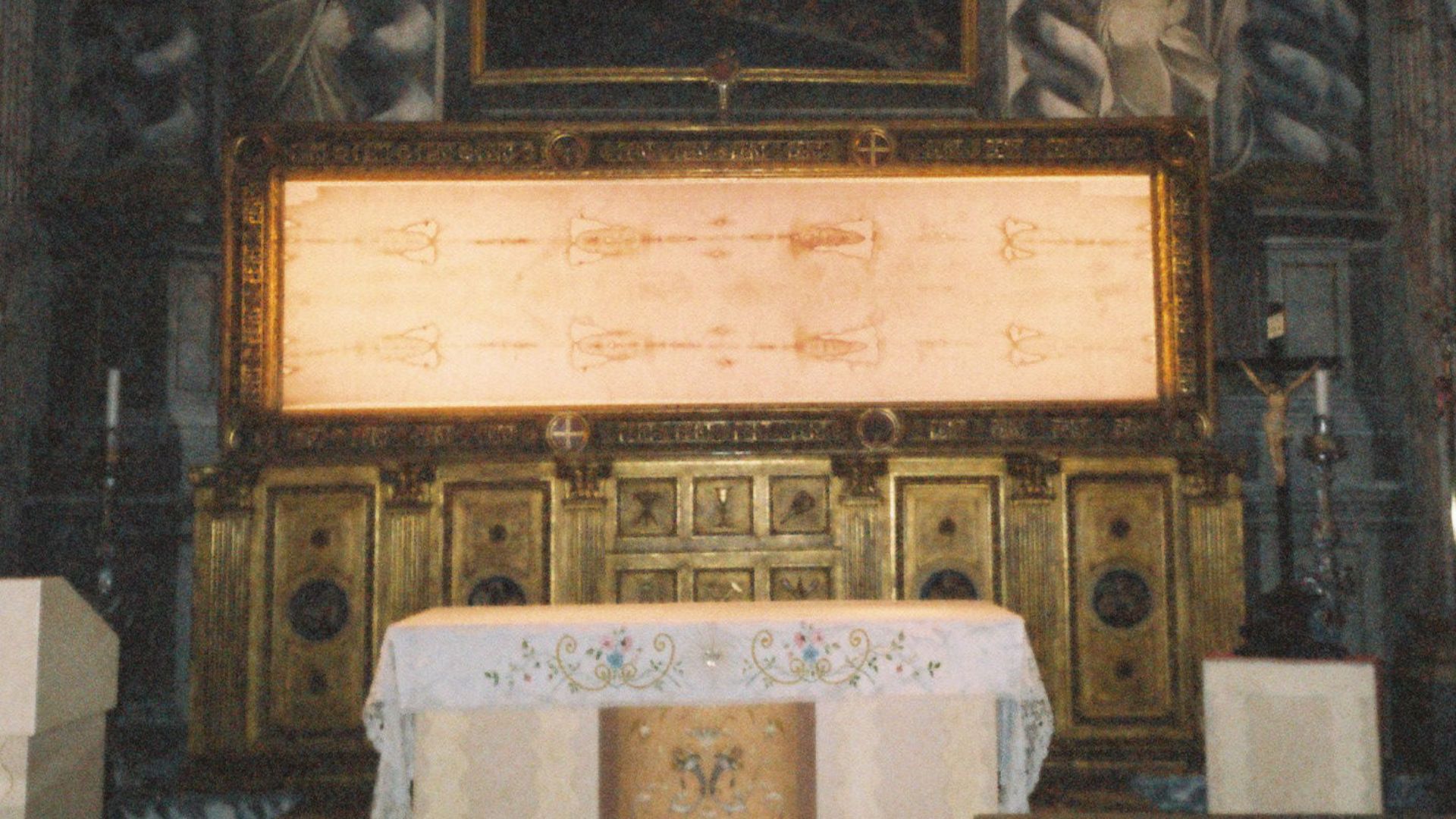 Jim Linwood, Wikimedia Commons
The Propaganda Of Nero's Fiddle (64 CE)
The famous image of Nero playing music while his city burned is pure fiction created by his political enemies. Fiddles wouldn't be invented for another thousand years, and historical records show Nero wasn't even in Rome during the fire.
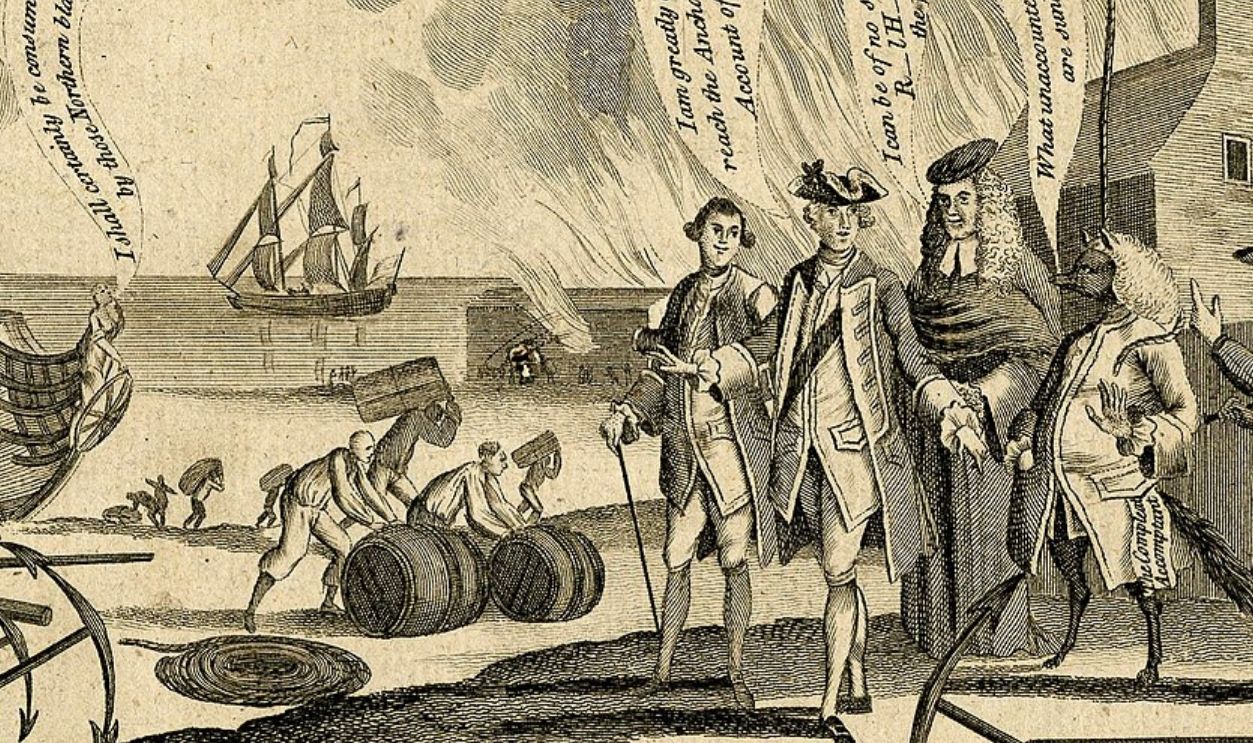 British Museum, Wikimedia Commons
The Turk Chess Automaton (1770)
Wolfgang von Kempelen unveiled a mechanical marvel that appeared to play chess with strategic brilliance against human opponents. The elaborate cabinet and visible gears convinced audiences they were watching genuine artificial intelligence in action. The truth emerged in the nineteenth century. A skilled chess master had been hiding inside the machine all along.
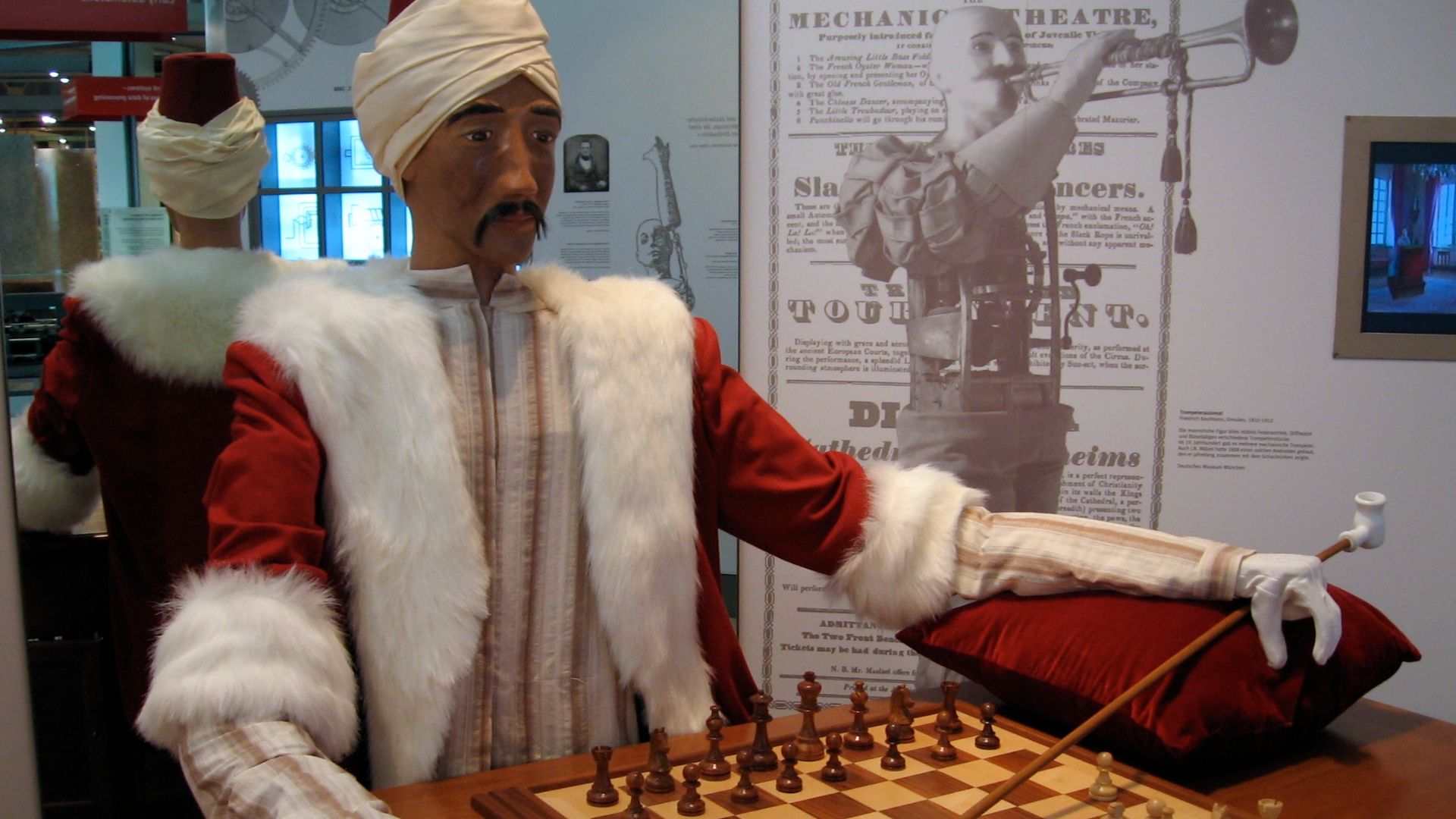 Marcin Wichary from San Francisco, U.S.A., Wikimedia Commons
The Protocols Of The Elders Of Zion (1903)
This fabricated text, stolen from earlier satirical works, became one of history's most dangerous pieces of propaganda. Experts exposed it as a complete forgery almost immediately, yet it gained traction among those seeking to justify prejudice. The fraudulent "protocols" inspired discrimination and violence across continents for over a century.
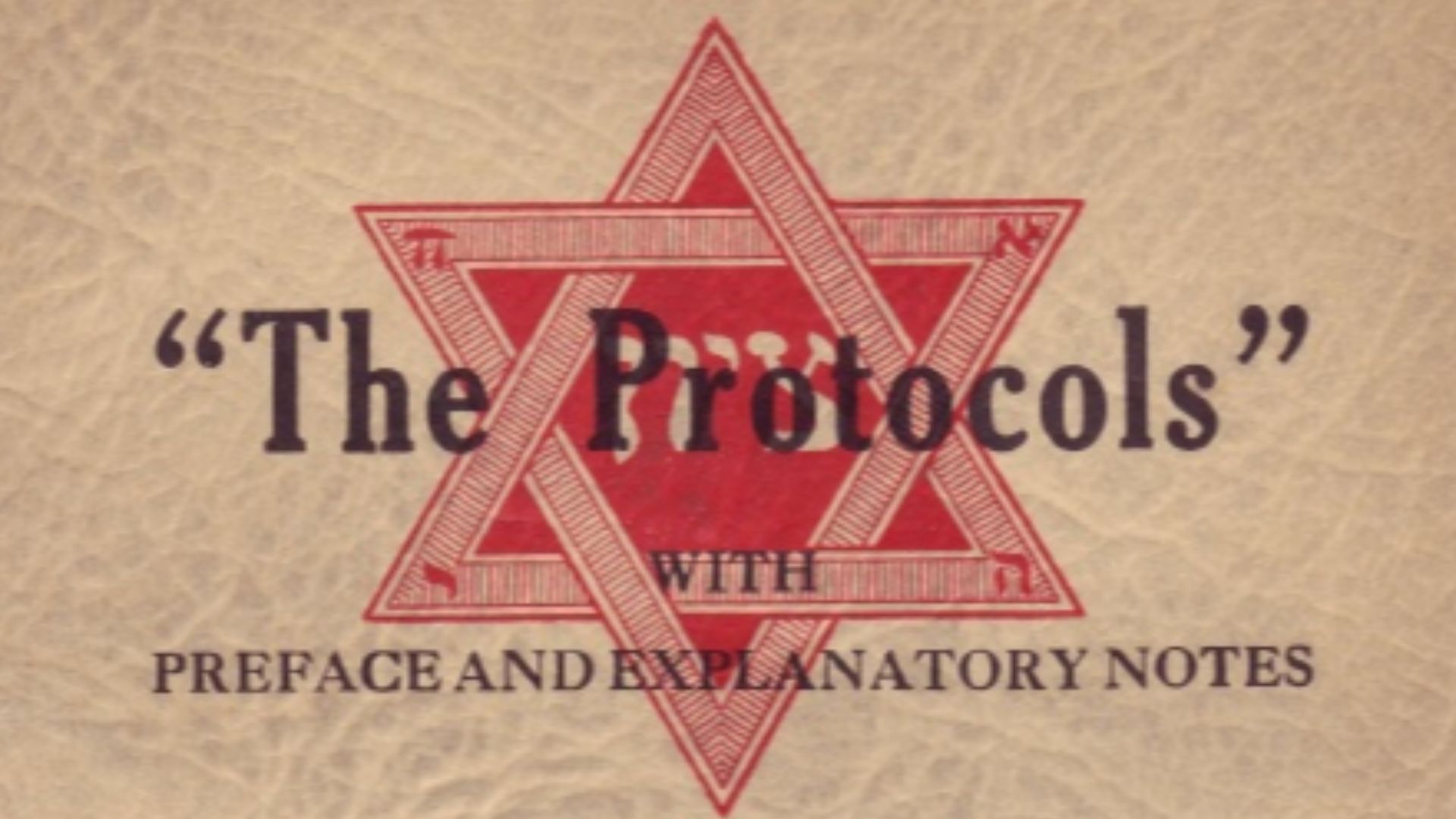 Humus sapiens at English Wikipedia, Wikimedia Commons
The Hitler Youth "Werewolf" Resistance (1945)
Heinrich Himmler hyped the Werewolf resistance as a last-ditch effort to maintain German morale and frighten approaching Allied armies. The propaganda suggested trained youth fighters would launch devastating guerrilla campaigns across conquered Germany. In reality, historians found little evidence of coordinated resistance matching the fearsome descriptions.
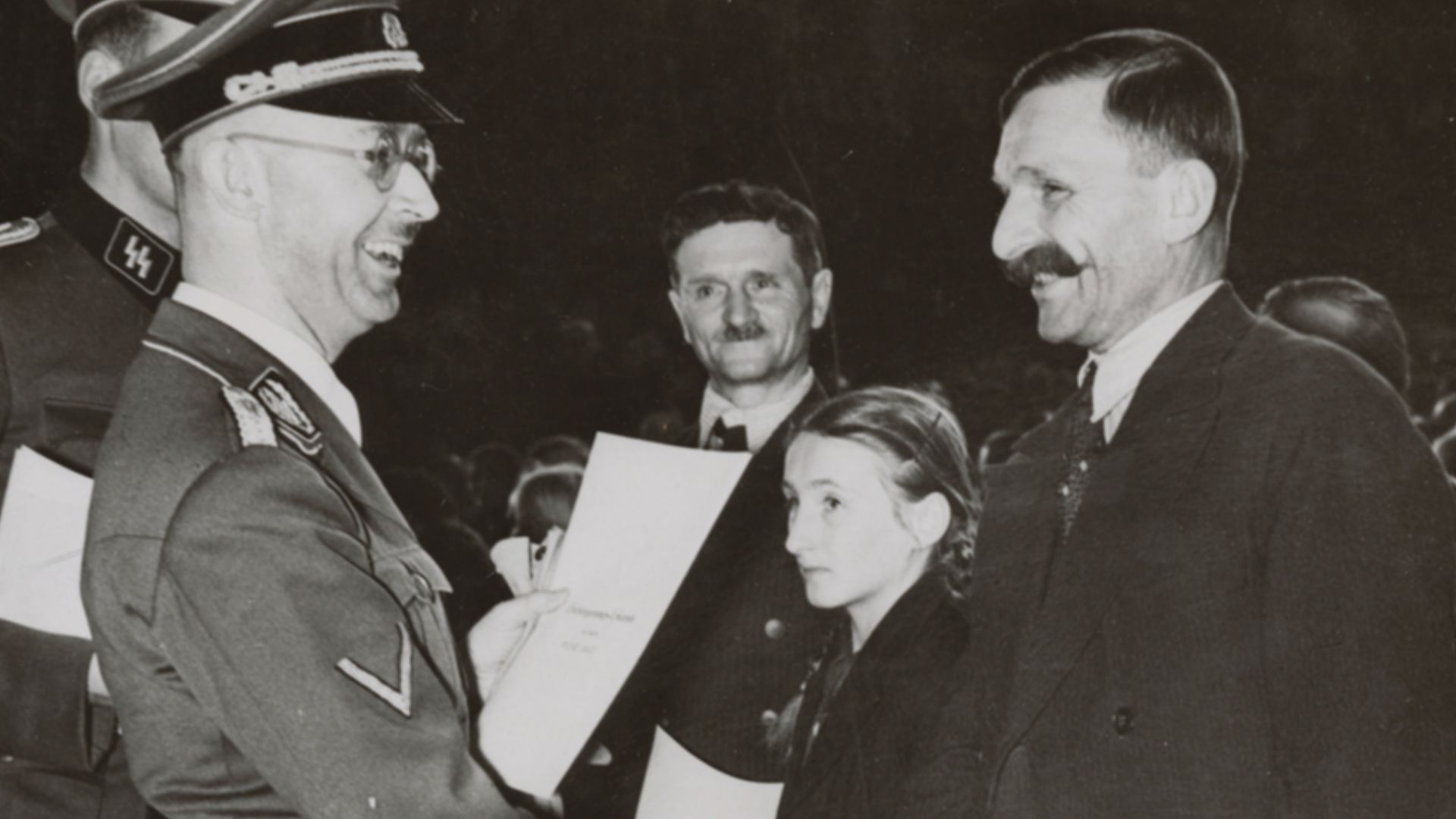 Associated Press/ Archival by La Presse, Wikimedia Commons
The "First Thanksgiving" Myth Of Pilgrims (1621)
The 1621 harvest celebration became mythologized into something far grander and more harmonious than reality. Wampanoag leader Massasoit and his people shared the meal, yet this one-time event got transformed into a national story about cooperation and friendship. Tensions between colonists and Native Americans escalated rapidly in subsequent years.
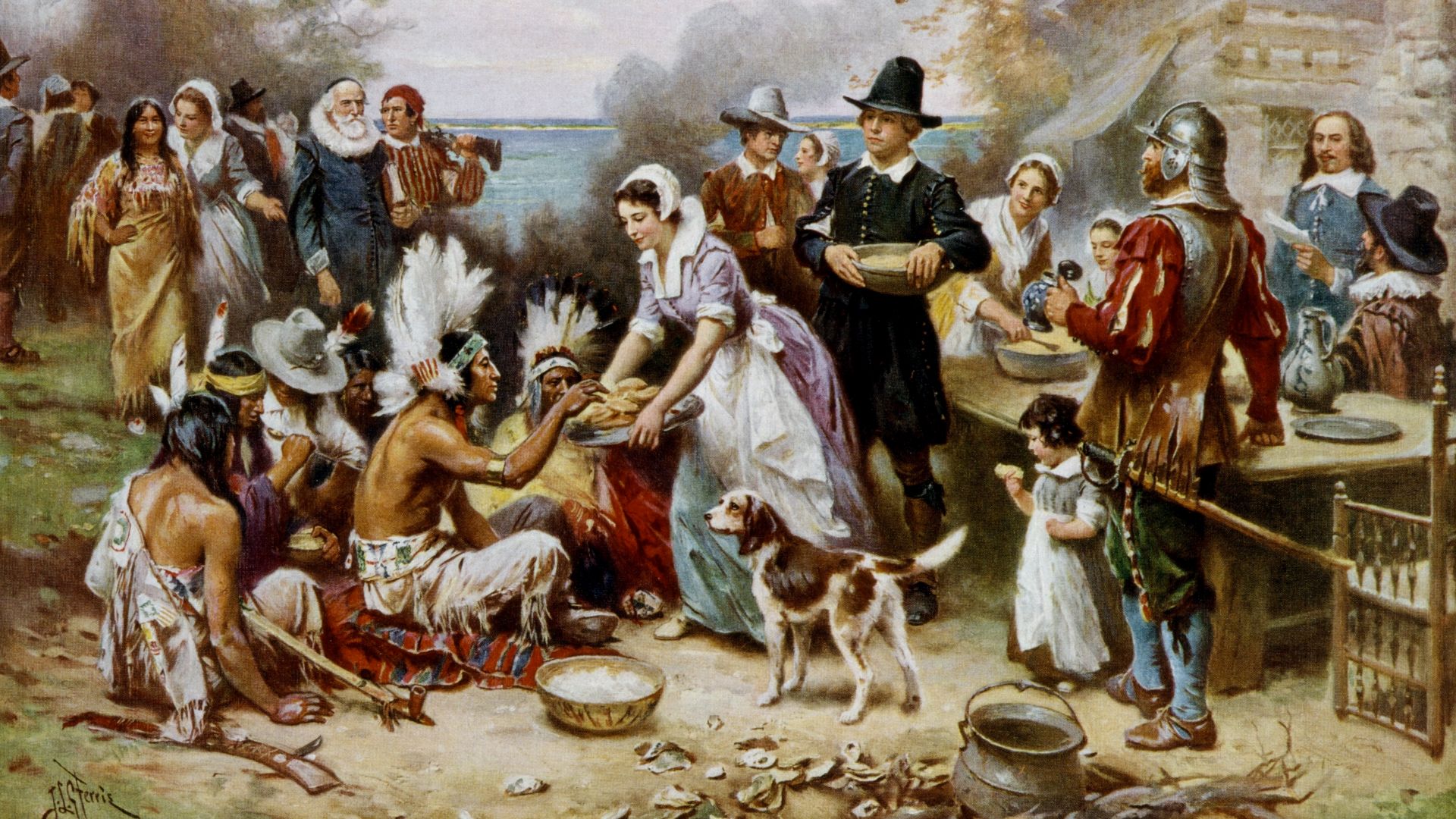 Jean Leon Gerome Ferris, Wikimedia Commons
The Fake Princess Caraboo (1817)
Mary Baker, a cobbler's daughter, fooled English high society by posing as an exotic princess from a distant land. She invented an entire language and elaborate customs that convinced local elites to house and entertain her royally. The charade collapsed when a boarding housekeeper recognized her from previous encounters.
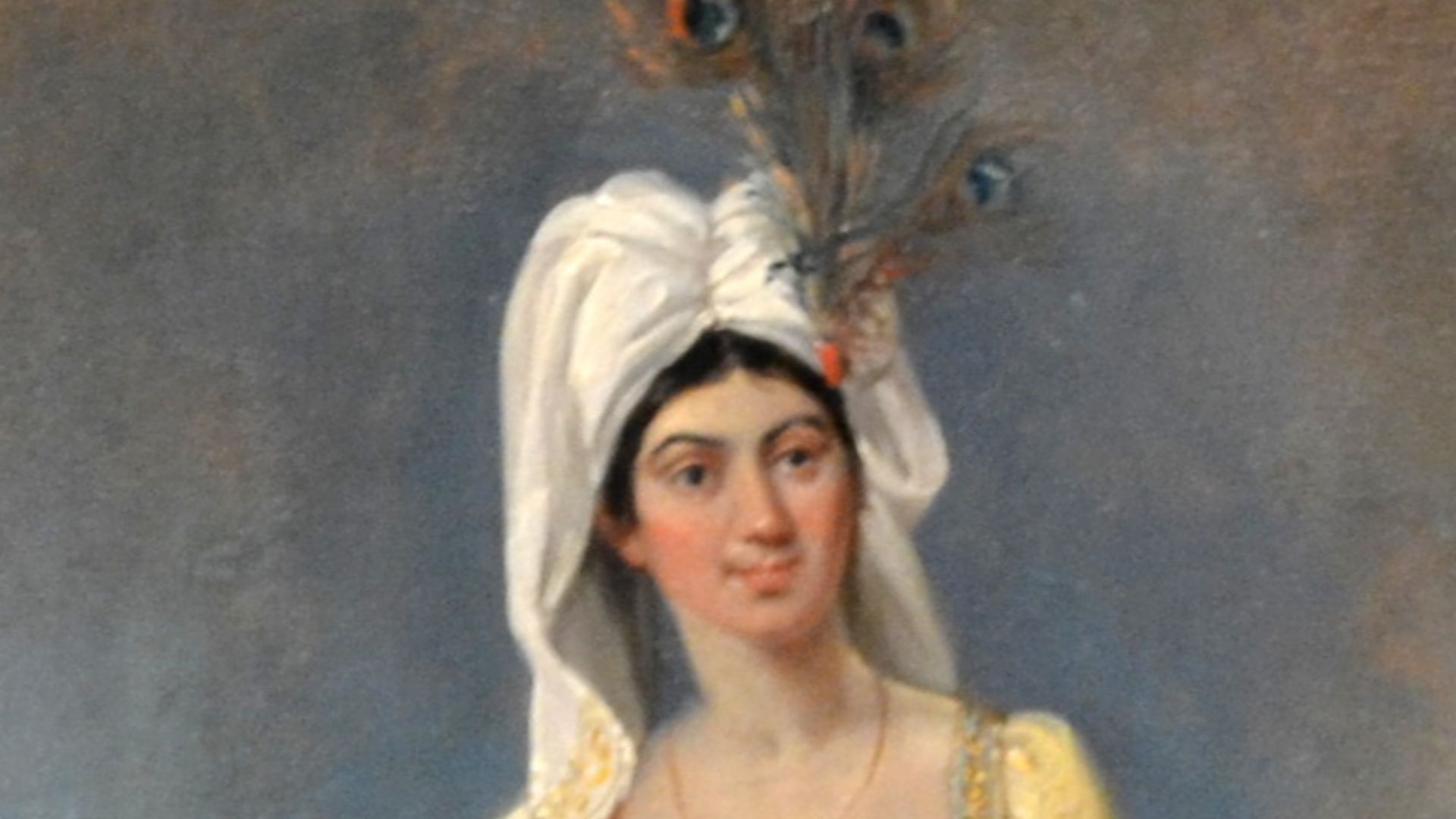 Edward Bird, Wikimedia Commons
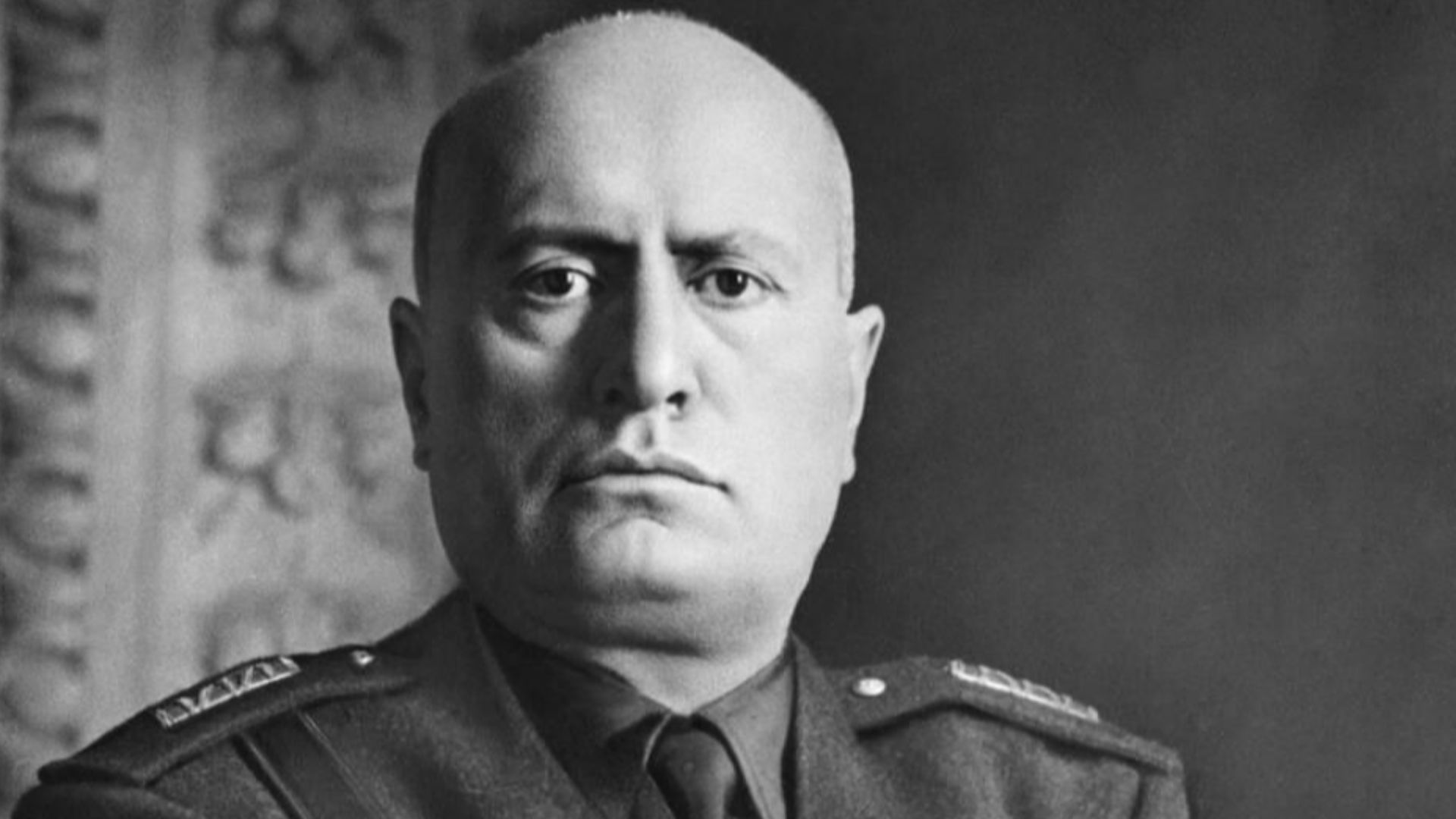
The Mussolini "Train Punctuality" Myth (1920s)
Historians debunked the famous claim about Benito Mussolini fixing Italy's railway system, finding the improvements were modest at best. Rail reforms had already started before his regime took control, yet propaganda successfully attached credit to Mussolini.
The Fake Drake Plate Of Brass (1936)
California historians celebrated the discovery of a brass plate supposedly marking Sir Francis Drake's North American landing. The artifact seemed to validate English territorial claims and became a prized piece of regional history. Metallurgical analysis eventually exposed it as a modern creation by pranksters, not a sixteenth-century relic.
 Nicholas Hilliard, Wikimedia Commons
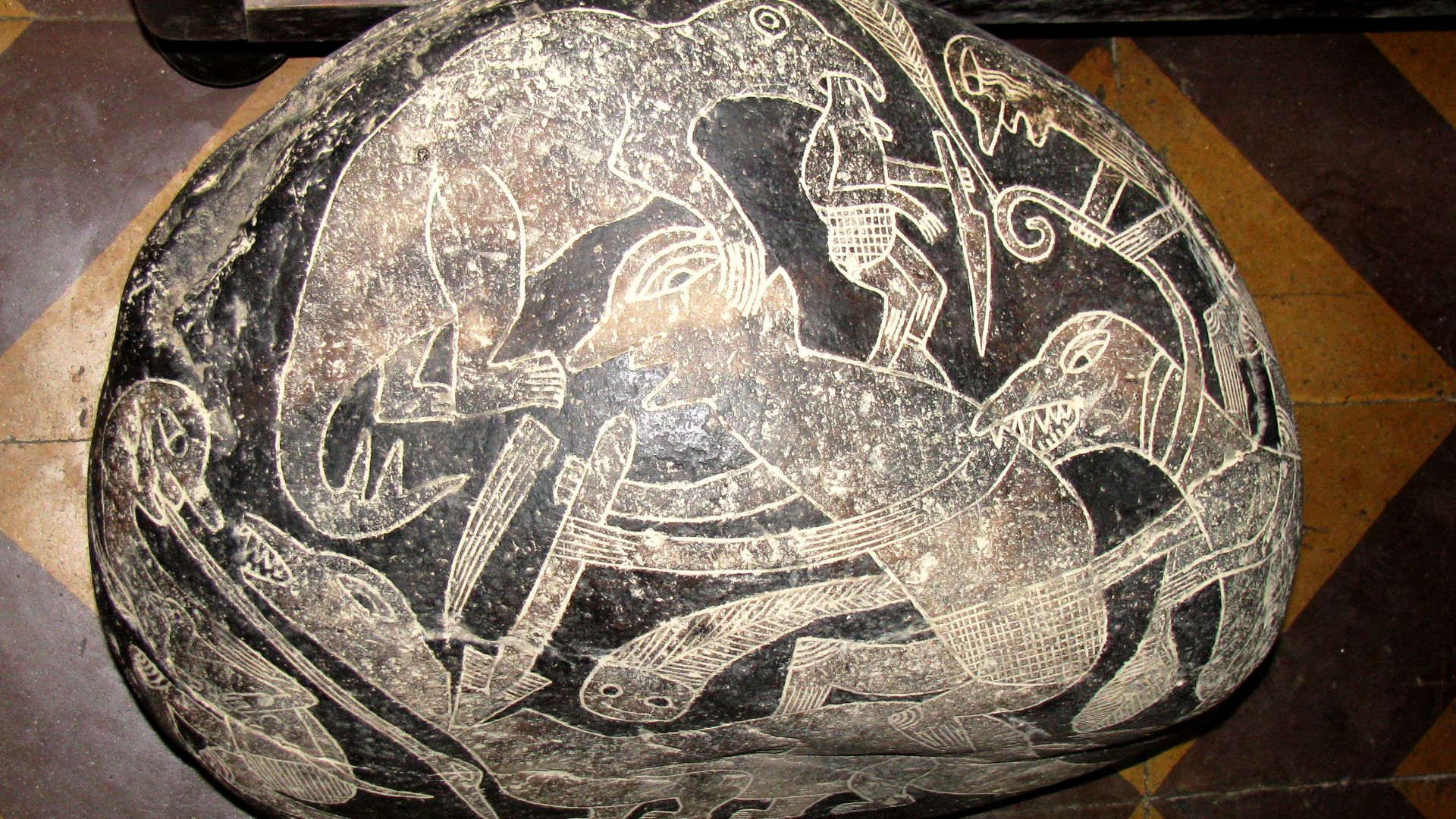
The "Ica Stones" Mystery (1960s)
Peruvian farmer Basilio Uschuya began selling carved stones that appeared to depict humans coexisting with dinosaurs and advanced surgical procedures. Archaeologists exposed the carvings as modern fakes, noting the fresh tool marks and Uschuya’s own admission that he had created them to sell to tourists.
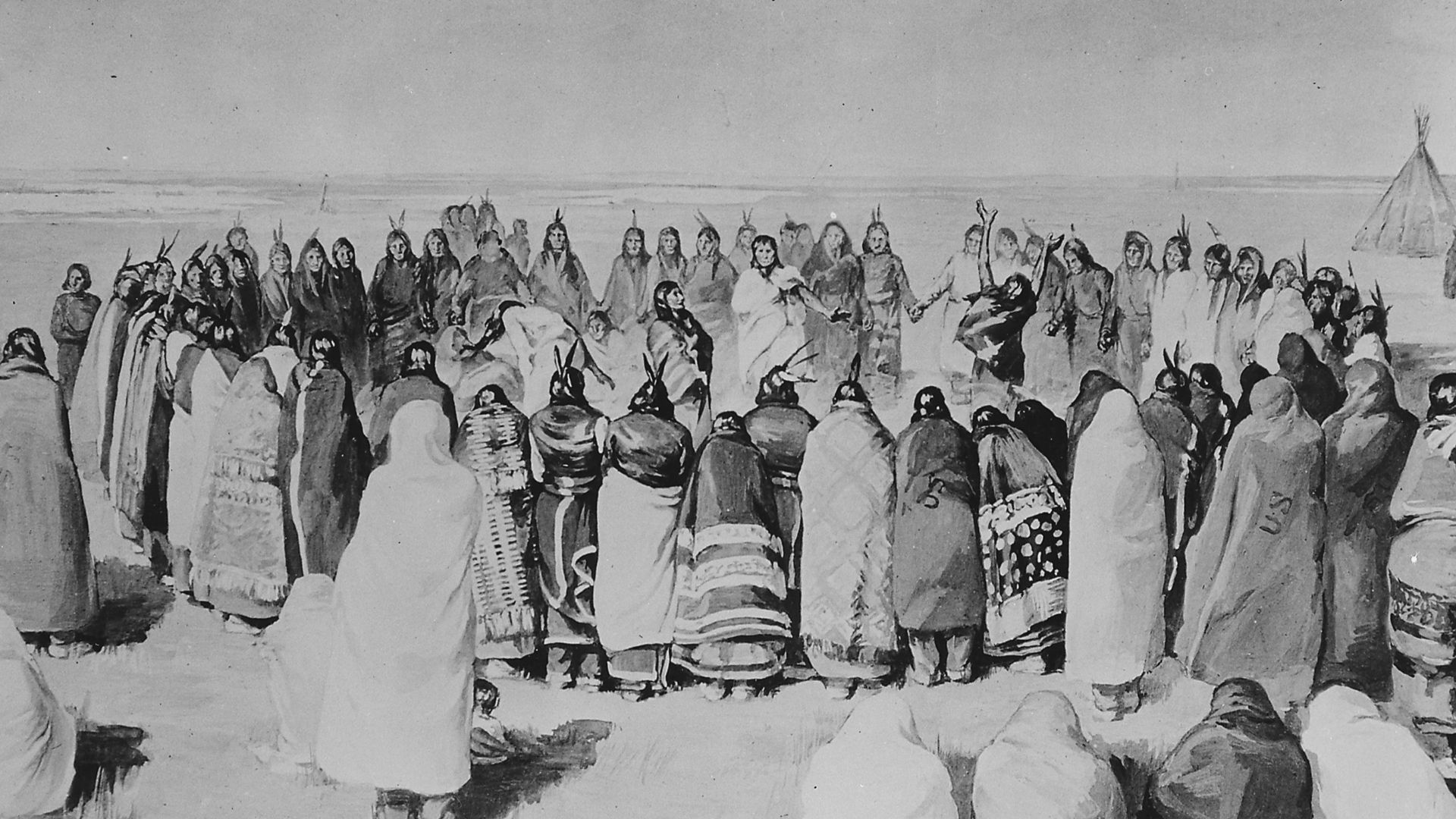
The Ghost Dance Prophecies (1890)
Paiute spiritual leader Wovoka preached a peaceful ritual he believed would reunite Native Americans with their ancestors and restore their lands. U.S. authorities catastrophically misread the Ghost Dance movement as preparation for armed rebellion against settlers. This misinterpretation contributed directly to the Wounded Knee massacre, where hundreds of Lakota people were killed.
 Unknown authorUnknown author or not provided, Wikimedia Commons
The "Mummy Unwrapping" Spectacles (Victorian Era)
Thomas Pettigrew and other entrepreneurs capitalized on Egyptian fascination by staging public mummy unwrappings as theatrical performances. Audiences packed venues to watch the dramatic unveiling, often accompanied by exaggerated claims about curses or treasures. The destruction of countless historical specimens horrified legitimate researchers who recognized the cultural vandalism.
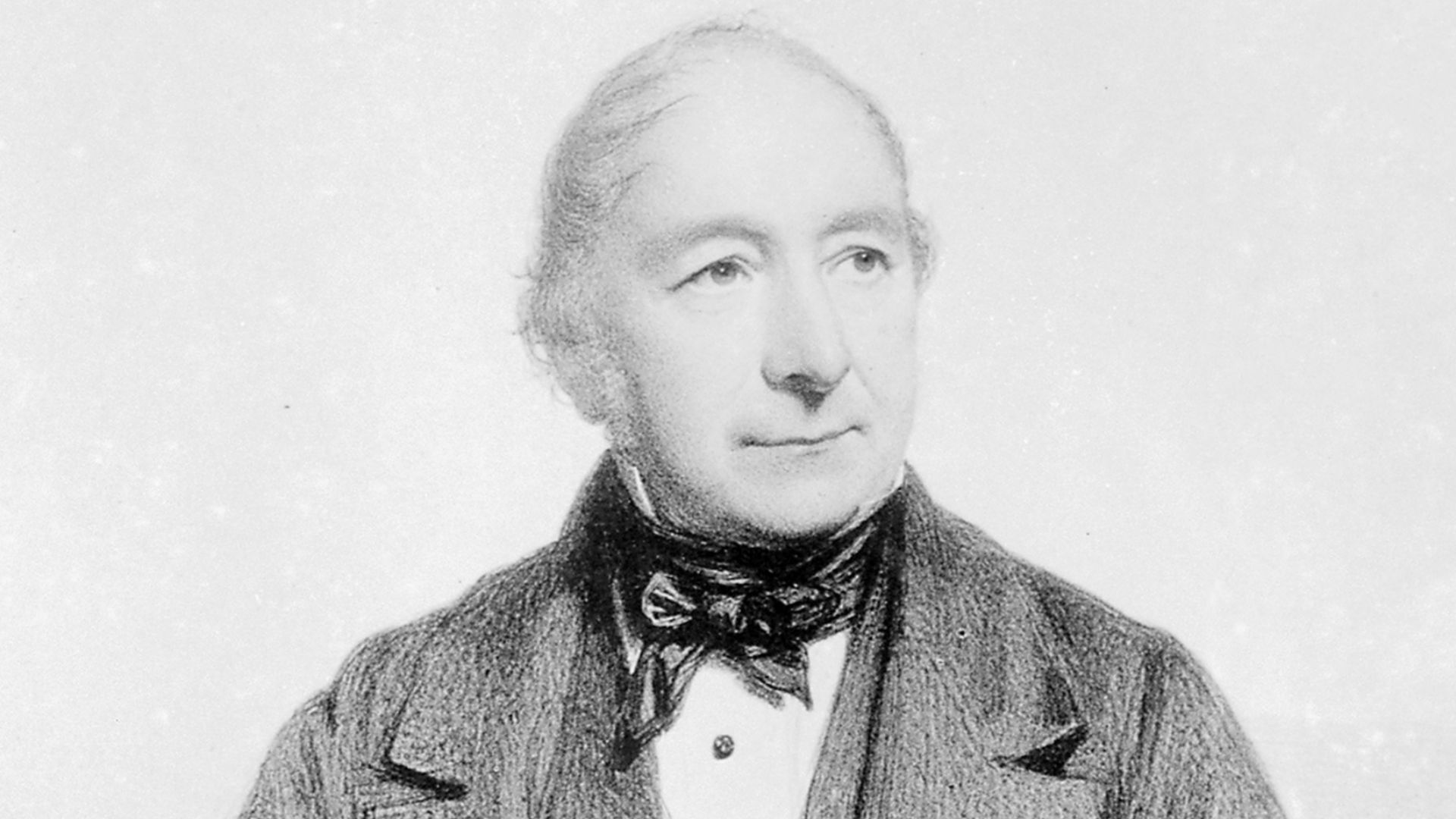 Unknown authorUnknown author, Wikimedia Commons
The "Hitler Escape To Argentina" Myth (1945–Present)
Conspiracy theories persistently claimed Hitler secretly fled to South America despite overwhelming evidence of his Berlin suicide. Soviet and Allied investigations documented his death conclusively through multiple sources and physical evidence. False witnesses emerged over decades, each claiming to have spotted the dictator living abroad under assumed identities.
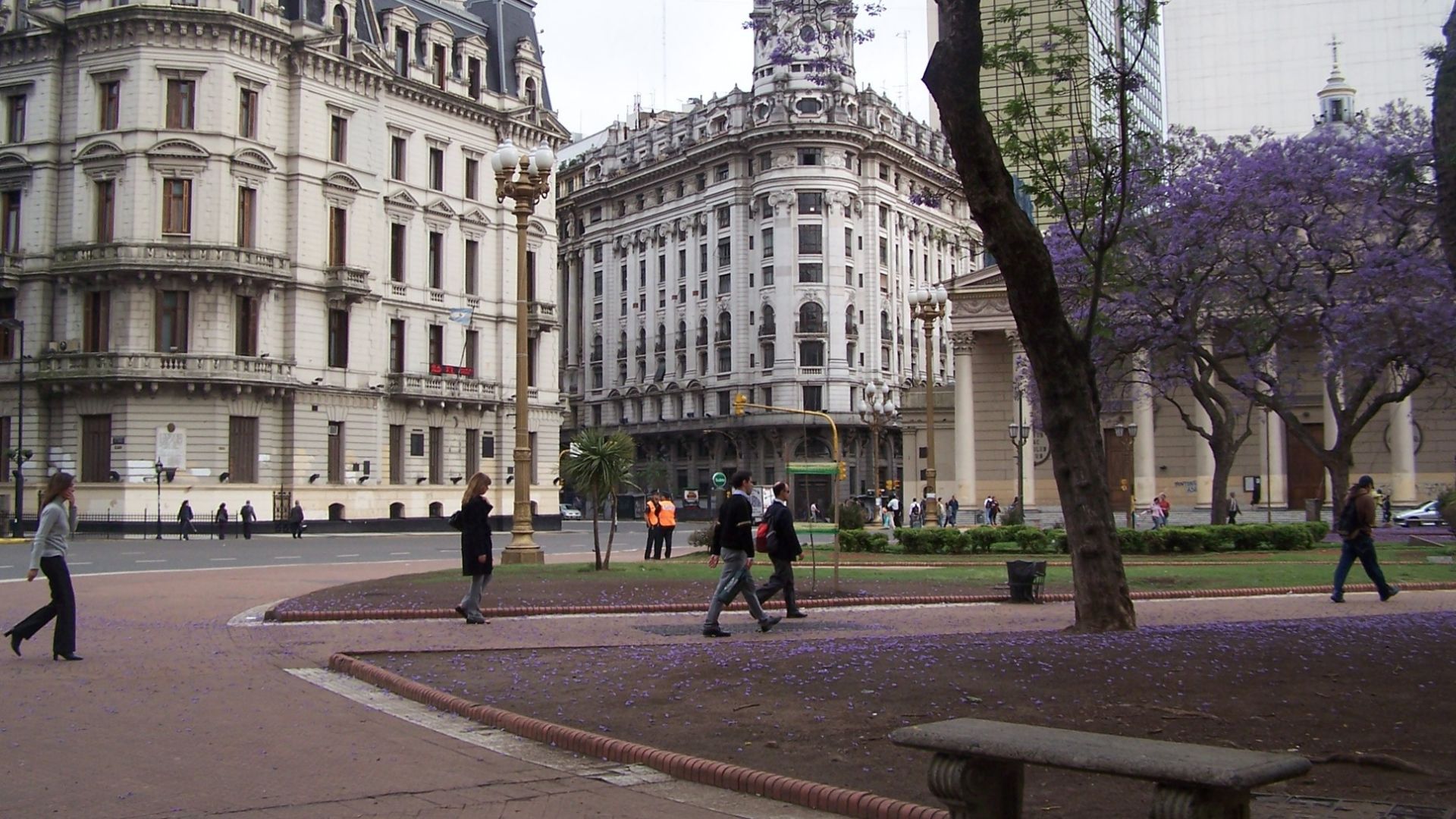 Kevin Gabbert - User: (WT-shared) Kevin James at wts wikivoyage, Wikimedia Commons
The "Mound Builders" Myth (19th Century America)
The "lost race" theory falsely attributed impressive earthworks across America to vanished civilizations rather than acknowledging Indigenous ingenuity. Settlers promoted this narrative to erase Native achievements and legitimize the displacement of communities from ancestral lands. Scientific archaeology demolished the myth by demonstrating clear connections between mounds and Native cultures.
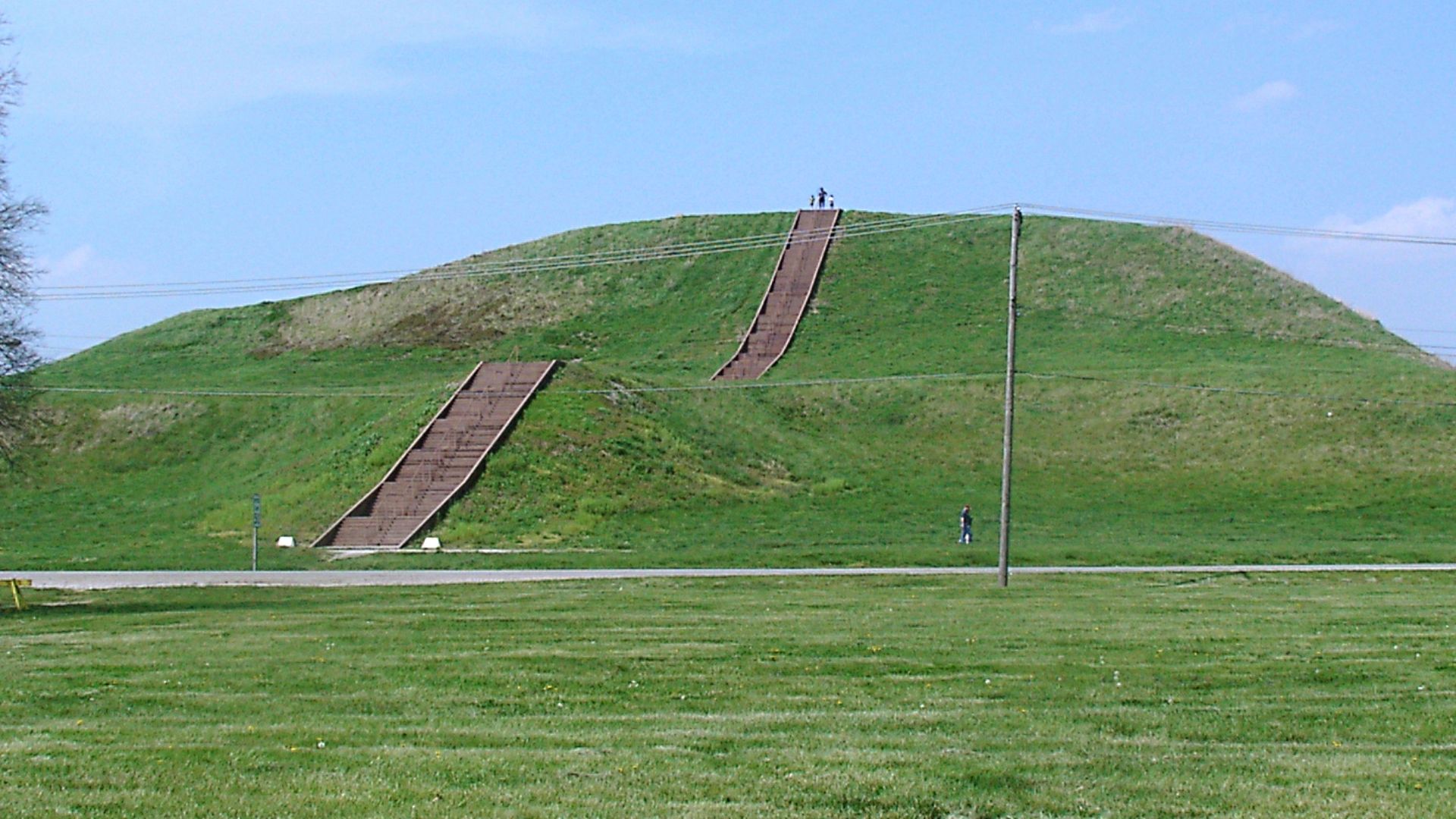 Skubasteve834, Wikimedia Commons
The "Mussolini Miracle Wheat" Hoax (1925)
Dictatorial Italy trumpeted a revolutionary wheat strain that would supposedly transform agriculture and feed the nation abundantly. Mussolini's regime inflated yield statistics and presented ordinary grain as a scientific breakthrough to showcase governmental competence. Agricultural experts who examined the actual results found nothing miraculous about the wheat or its production numbers.
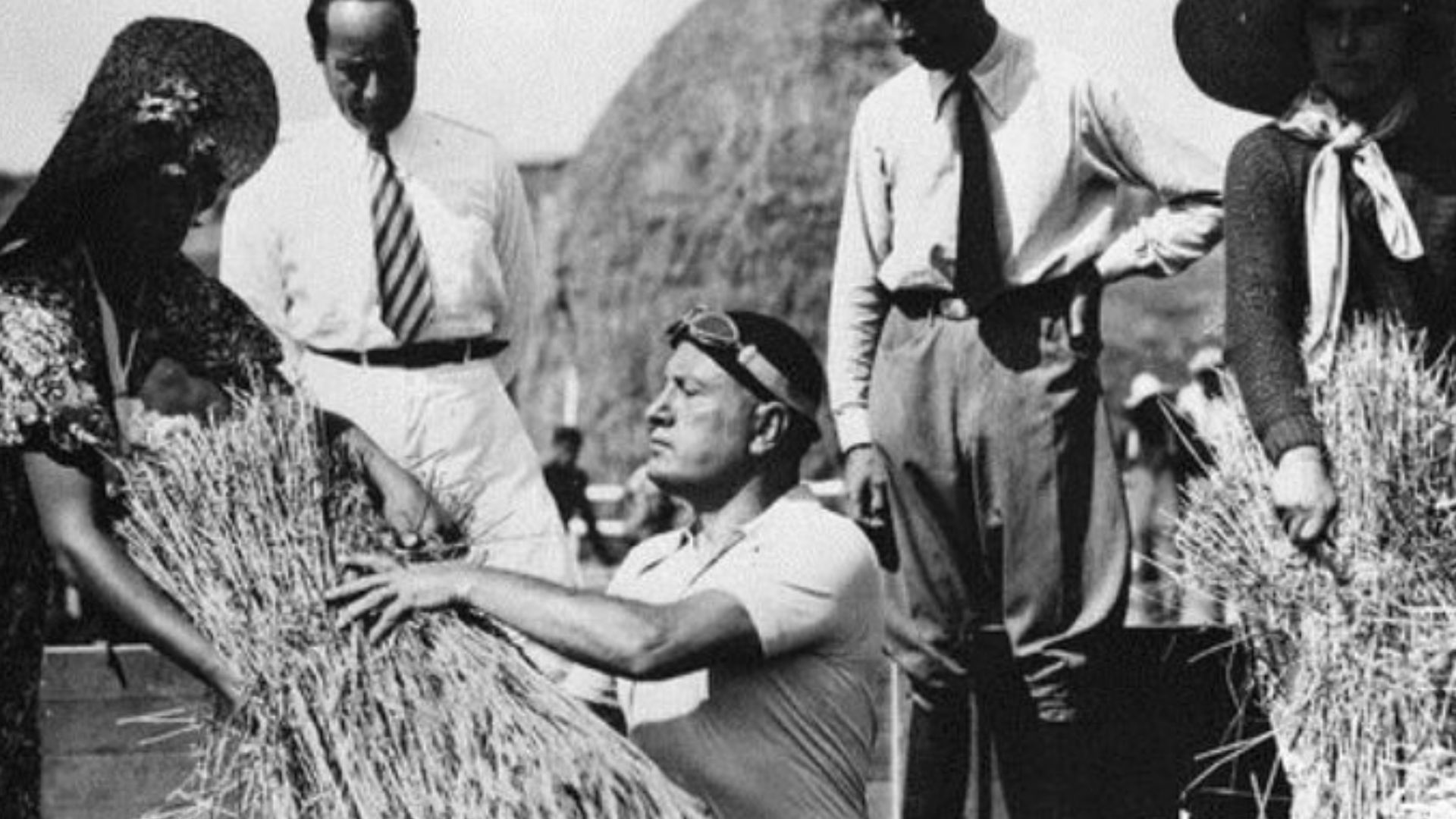 Unknown authorUnknown author, Wikimedia Commons
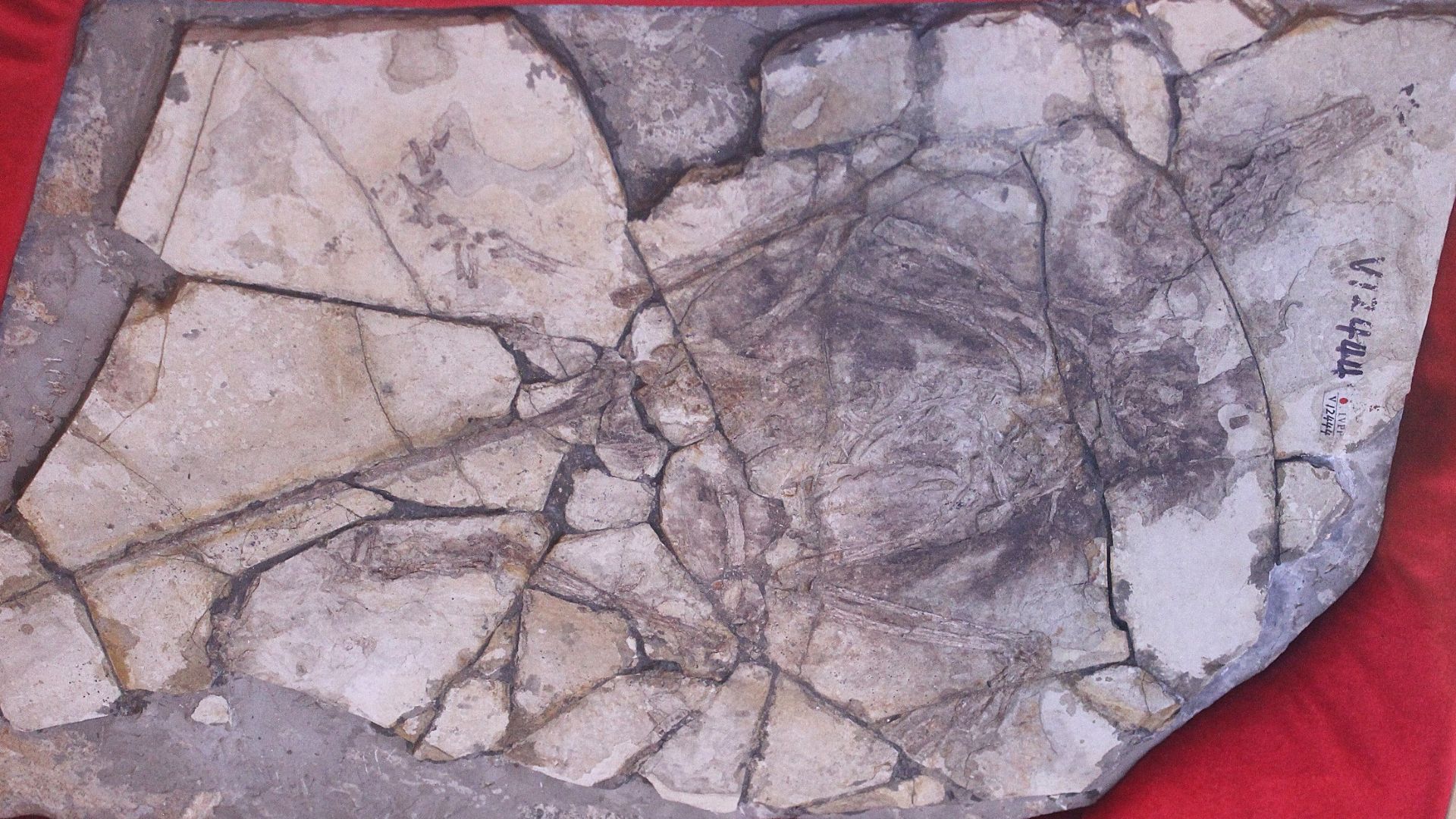
The "Piltdown Bird" Archaeological Fraud (1999)
Chinese fossils presented as the evolutionary bridge between dinosaurs and birds created immediate scientific excitement. National Geographic featured the discovery prominently before researchers discovered someone had physically glued together parts from different species. The composite fraud fell apart quickly under expert scrutiny.
 Jonathan Chen, Wikimedia Commons
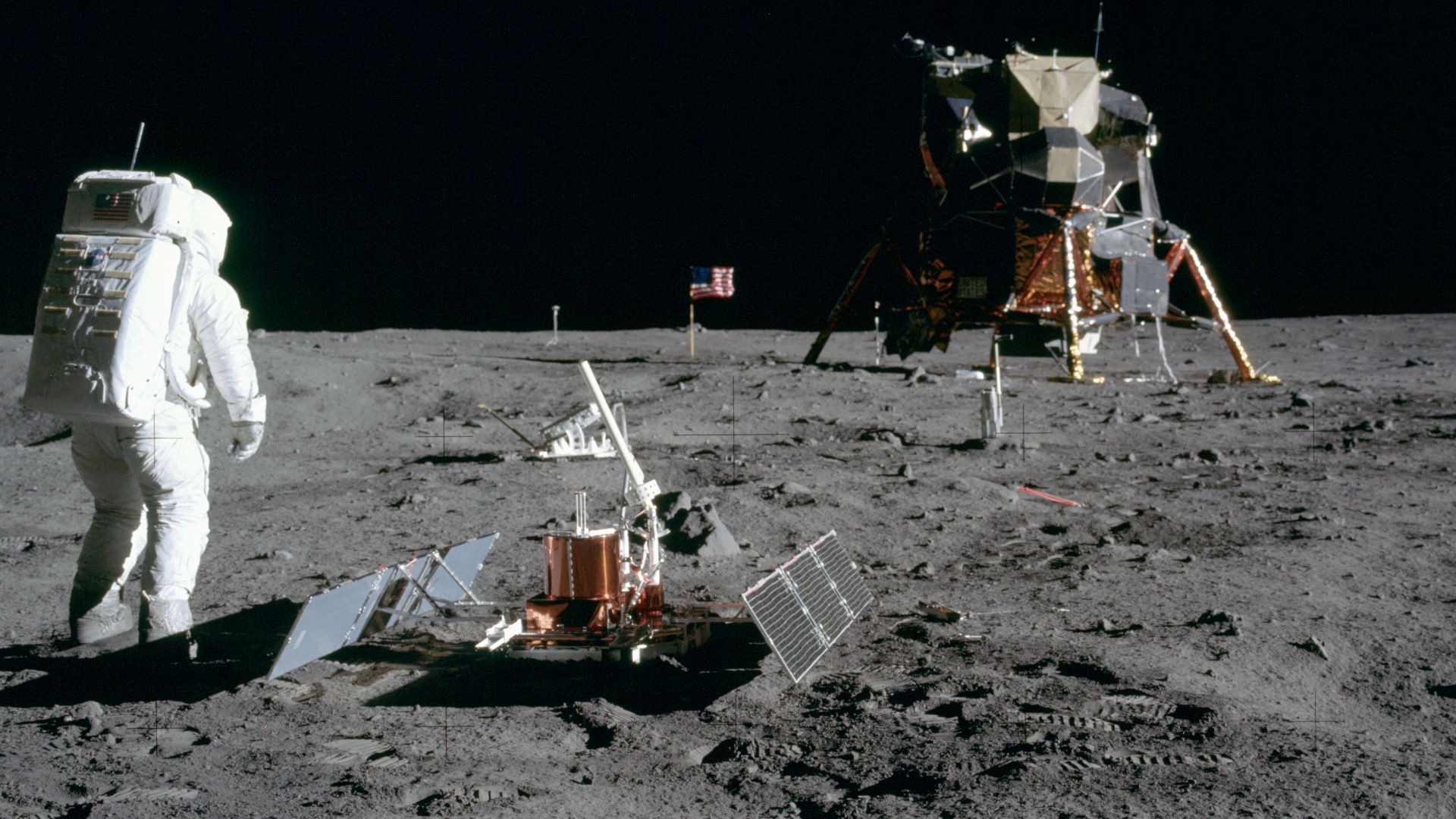
The "Moon Landing Hoax" Conspiracy (1969–Present)
Bill Kaysing and other conspiracy theorists claimed NASA filmed the Apollo 11 landing in a television studio rather than actually reaching the moon. Mountains of evidence—including lunar samples, independent tracking data, and technological documentation—confirm the missions were genuine. Despite this overwhelming proof, the conspiracy theory persists among people.
 NASA Neil A. Armstrong, Wikimedia Commons
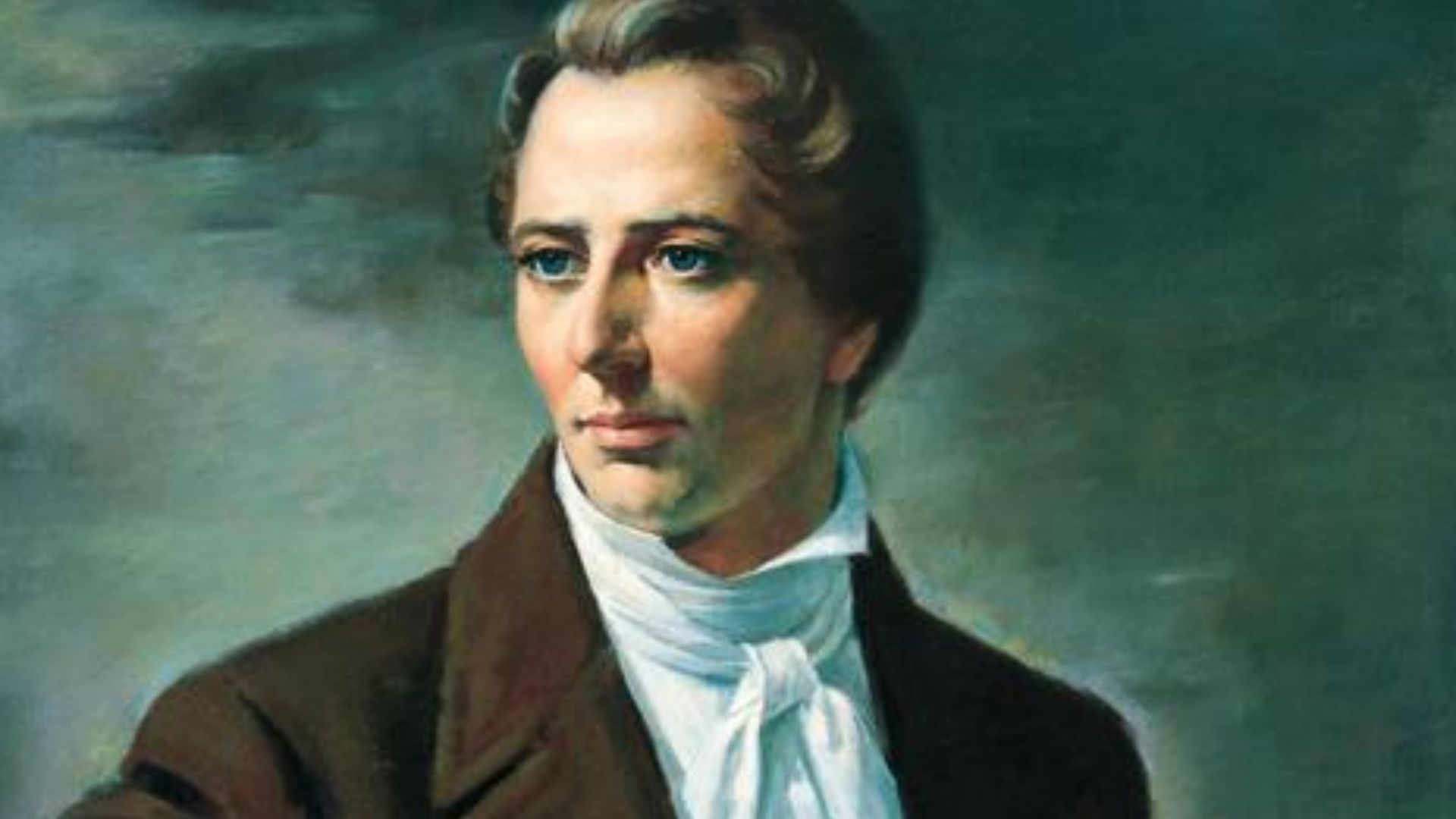
The "Salamander Letter" Mormon Hoax (1980s)
Forged letters claiming salamanders featured in Mormon founder Joseph Smith's revelations threatened the church's credibility and historical foundations. Mark Hofmann created convincing fakes that initially passed authentication, selling them for substantial profits. His fraud came crashing down after he took the lives of people who threatened to expose his schemes.
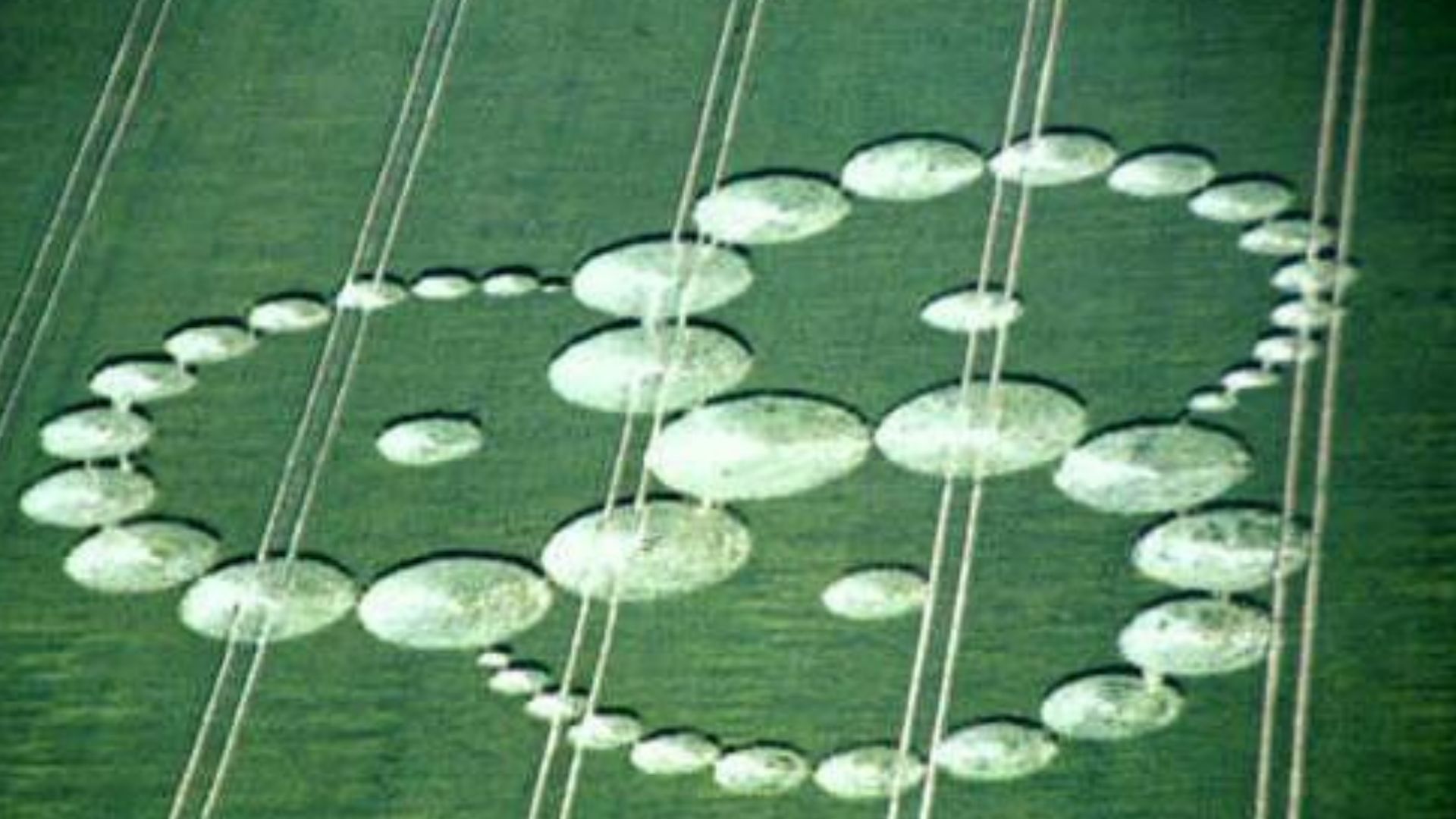
The "Crop Circles" Craze (1970s–1990s)
In southern England, mysterious geometric patterns appearing overnight in crops fueled intense fascination with possible alien contact and supernatural phenomena. Doug Bower and Dave Chorley revealed they'd been creating the circles as an elaborate prank using basic tools and nighttime stealth.
 Thomas J. Sutter, Jr., Wikimedia Commons
The "Sokal Affair" (1996)
NYU physicist Alan Sokal deliberately wrote a meaningless article titled “Transgressing the Boundaries: Toward a Transformative Hermeneutics of Quantum Gravity”. Packed with fashionable jargon, it was accepted by a cultural studies journal. Sokal later revealed the hoax, exposing insufficient scholarly rigor in postmodern academia.
 Yorgos Kourtakis, Wikimedia Commons
Operation INFEKTION (1980s)
Soviet intelligence spread false claims that HIV/AIDS was a U.S. bioweapon created at Fort Detrick. The story first appeared in India, then circulated globally through Soviet‑aligned media. Though debunked in the 1990s, the propaganda fueled anti‑American sentiment and conspiracy theories that still linger today.

The "Pope Joan" Legend (Middle Ages)
Medieval tales claimed a woman successfully disguised herself as a man and rose to become pope during the ninth century. The story likely originated as satirical criticism of church corruption rather than historical fact. Historians searching for evidence of "Joan's" papacy found absolutely nothing in reliable records or contemporary accounts.
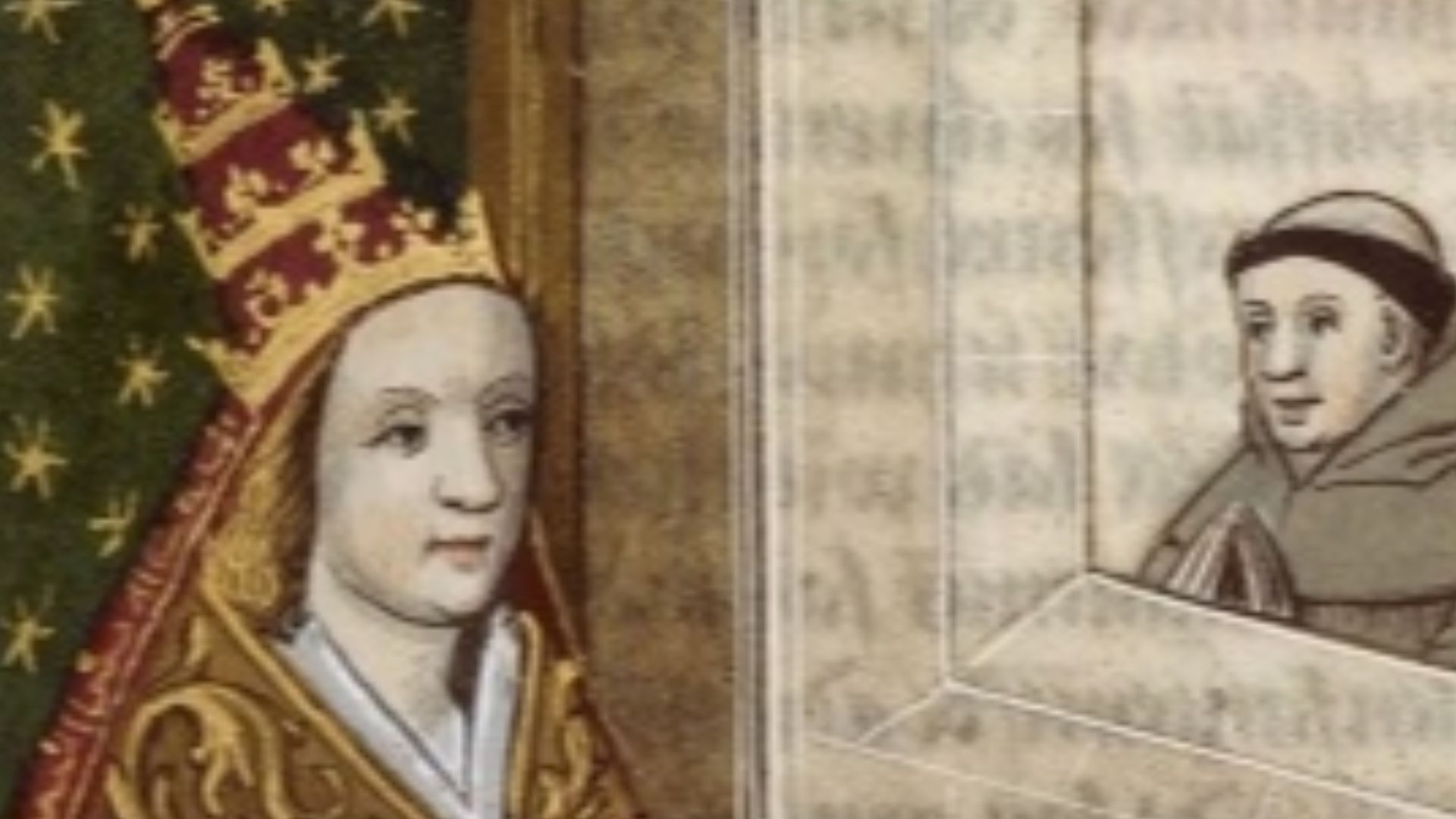 Robinet Testard, Wikimedia Commons
The "Operation Mincemeat" Deception (1943)
British intelligence used a deceased man's body as a messenger carrying deliberately false strategic documents about Allied invasion plans. Nazi officials who recovered the corpse accepted the forged papers as genuine and shifted military resources to defend Greece instead of Sicily. The deception gave Allied forces crucial advantages during the Sicilian campaign.
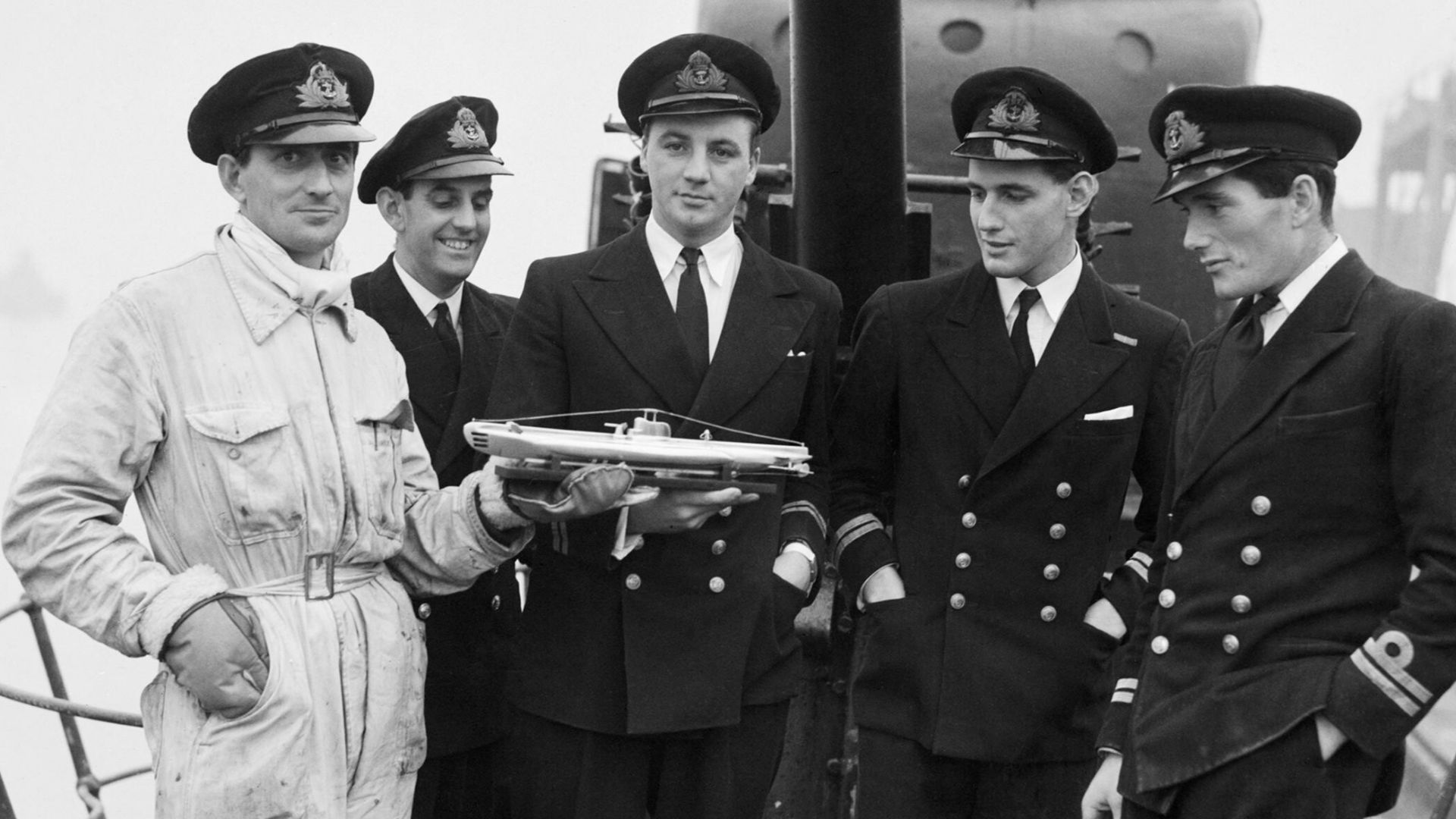 Pelman, L (Lt), Royal Navy official photographer, Wikimedia Commons
The "Bat Boy" Tabloid Hoax (1992)
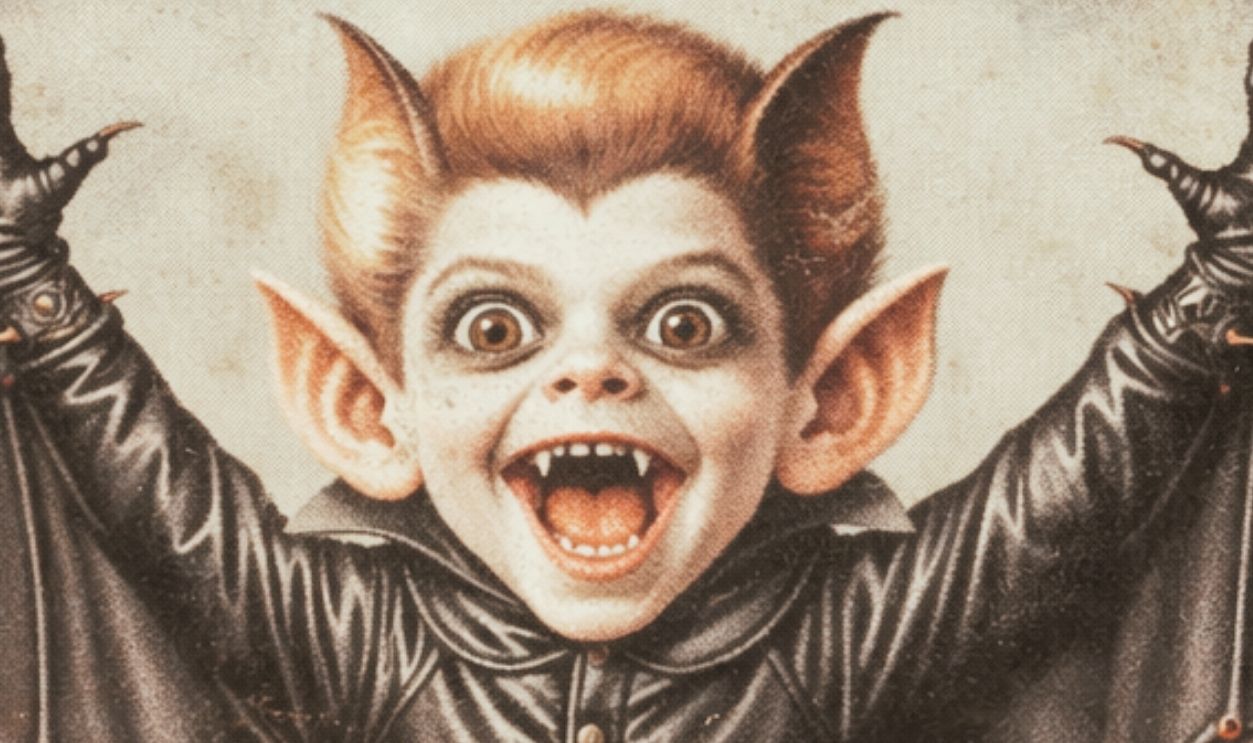
The fictional half-bat creature became one of tabloid journalism's most recognizable creations despite being completely invented. Weekly World News presented Bat Boy stories with mock seriousness that signaled their satirical nature to most audiences. Yet the character transcended his ridiculous origins, inspiring merchandise, a musical, and countless references in popular culture.
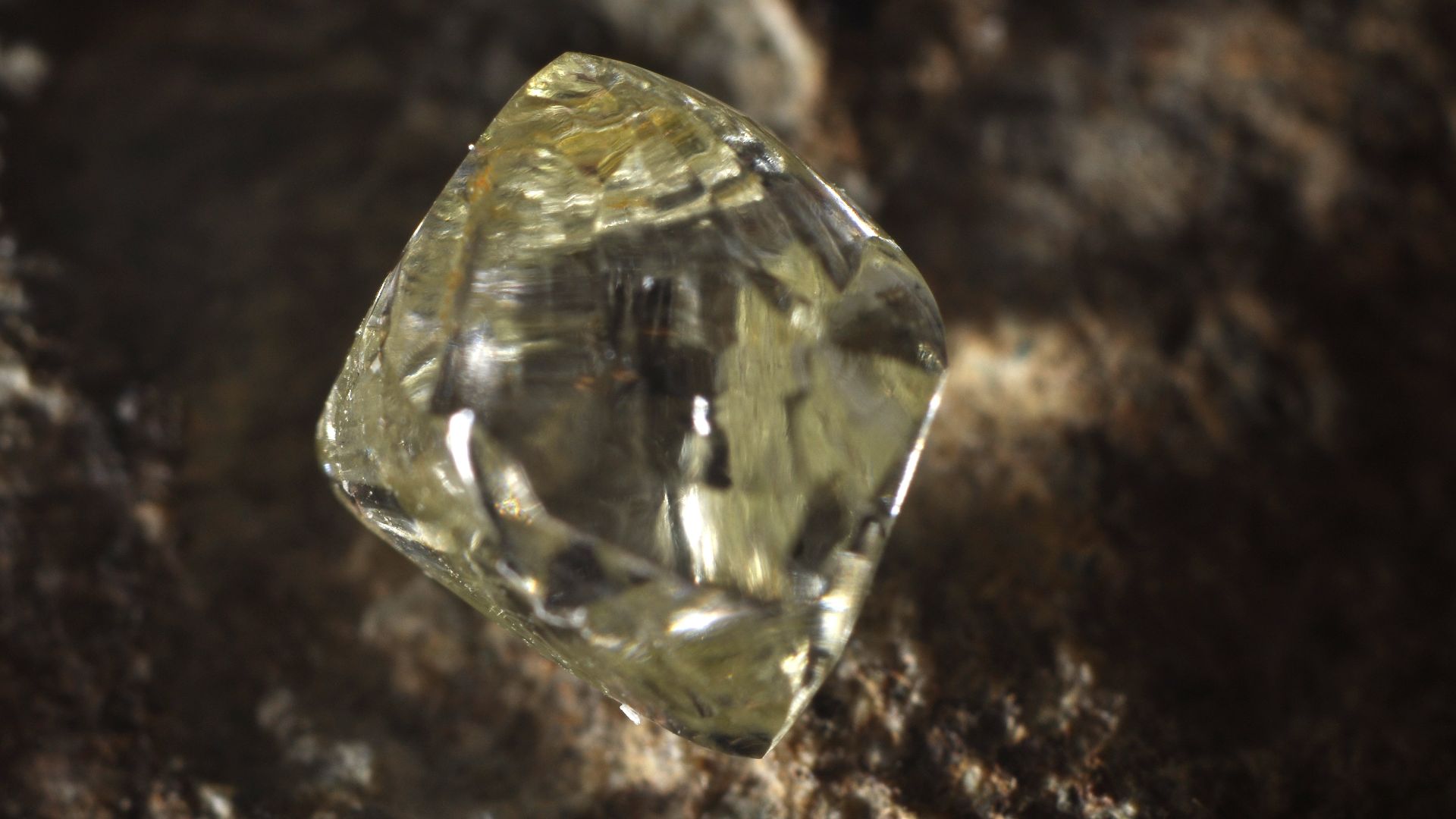
The "Great Diamond Hoax" (1872)
Philip Arnold and John Slack salted a remote Western site with store-bought gems, then claimed they'd discovered America's richest diamond field. Eager investors threw money at the scheme without proper verification. Geologist Clarence King investigated the site and quickly exposed the fraud by recognizing the planted stones.
 Gery PARENT, Wikimedia Commons
The "Balloon Boy" Incident (2009)
A Colorado family triggered emergency responses and gripped television audiences with reports of their son trapped in a runaway balloon. The dramatic chase ended when authorities discovered the child had never left home. Richard Heene orchestrated the entire incident, hoping to launch his family into reality TV stardom.

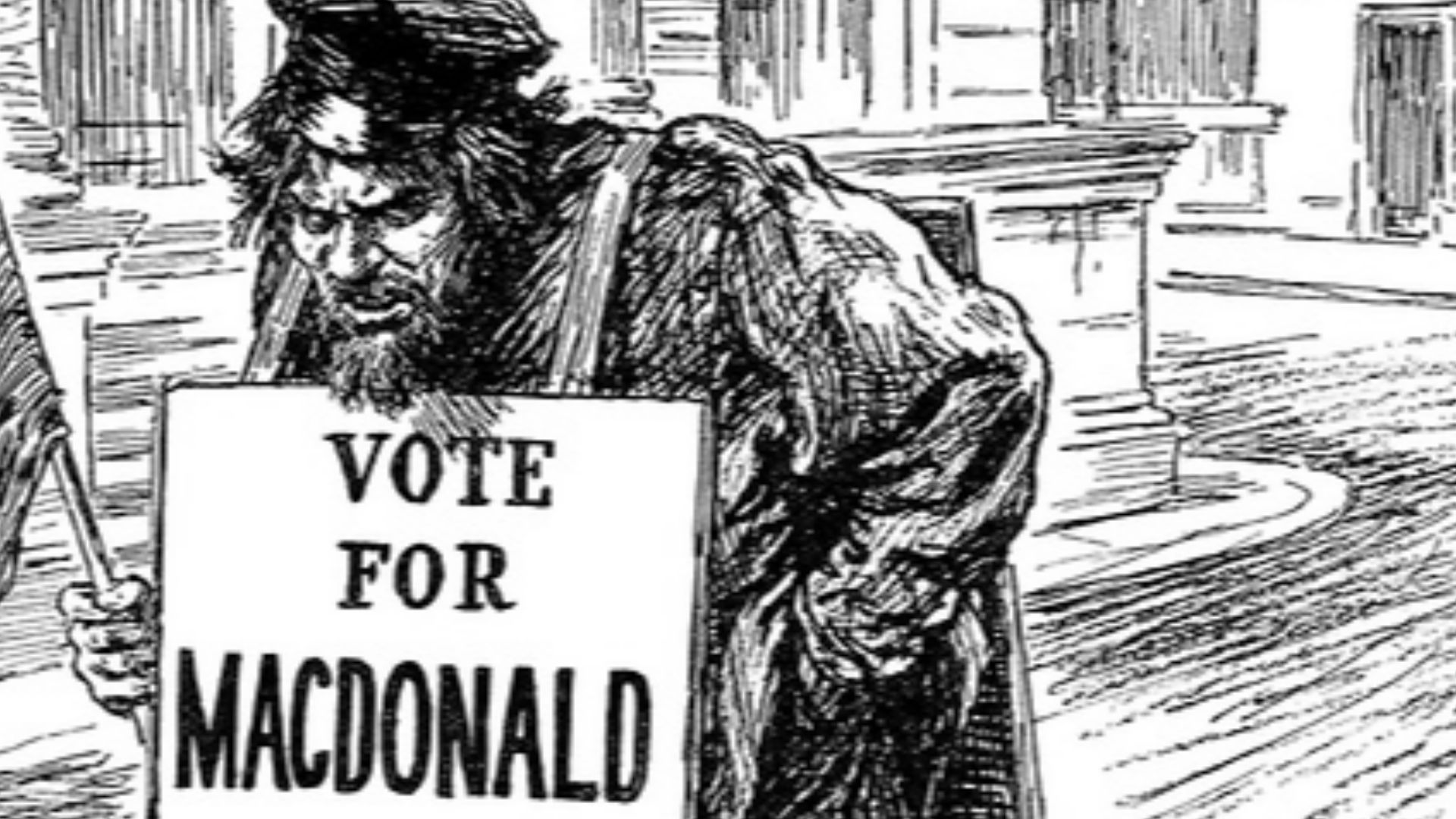
The Zinoviev Letter (1924)
A forged letter, supposedly from Soviet leader Grigory Zinoviev, urged British communists to prepare for revolution. Published days before Britain’s election, it damaged the Labour Party and swayed voters. Later investigations proved it was fake, yet its political impact was immediate and historically significant.
 John Bernard Partridge, Wikimedia Commons
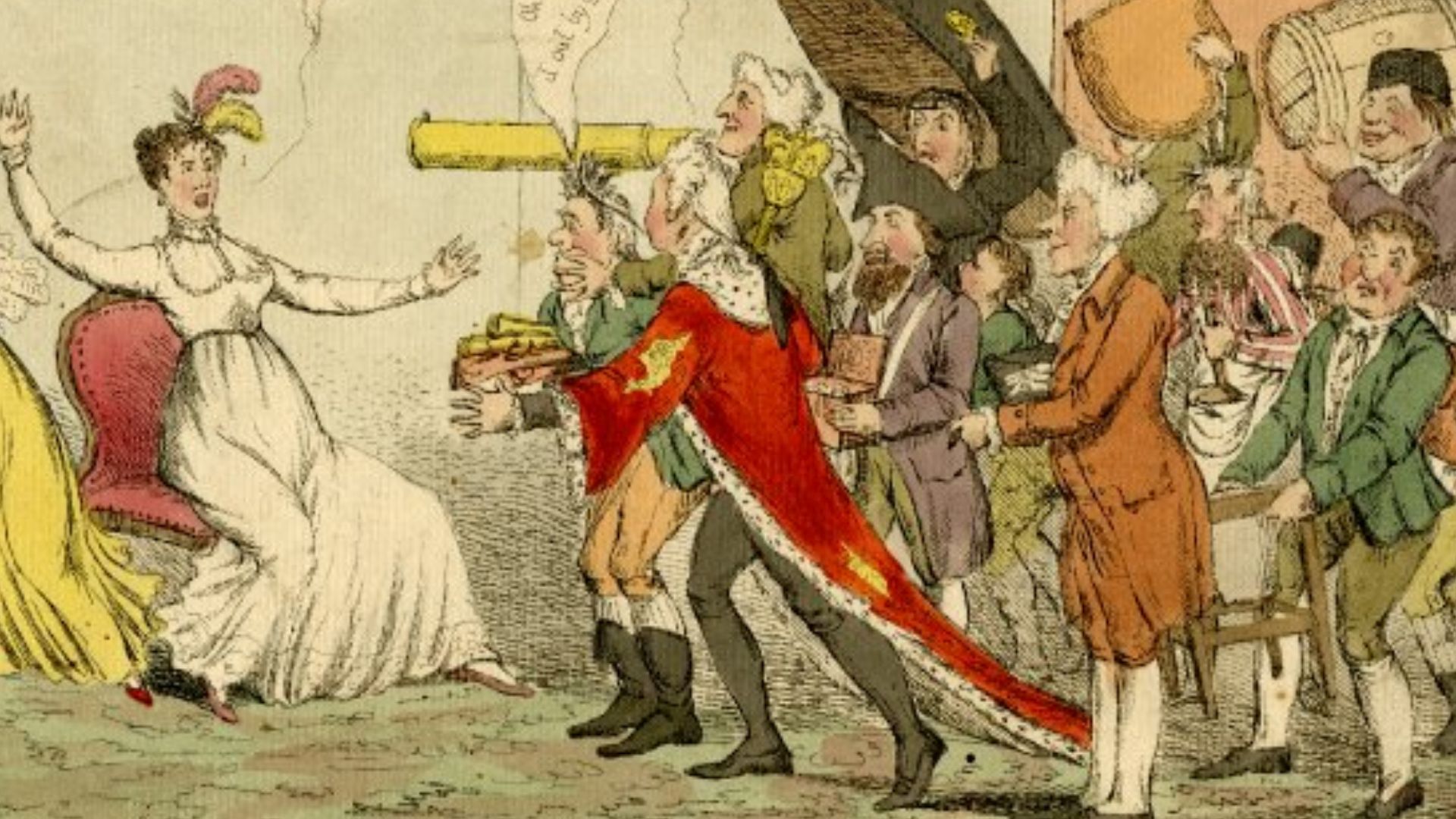
The "Berners Street Hoax" (1810)
Theodore Hook wagered he could make any random London address the city's most talked-about location overnight. He flooded one house with thousands of fake service requests, summoning chimney sweeps, doctors, priests, and tradespeople simultaneously. Berners Street descended into chaos as crowds gathered to watch the confusion unfold over several days.
 William Heath, Wikimedia Commons
The "Spaghetti Tree" BBC Hoax (1957)
BBC's respected Richard Dimbleby narrated a deadpan documentary segment showing Swiss families harvesting spaghetti strands from trees. Many British viewers, unfamiliar with how pasta was actually made, accepted the April Fools' broadcast as legitimate agricultural reporting. The network received calls from people asking how to grow their own spaghetti trees.
 Robert Couse-Baker from Sacramento, California, Wikimedia Commons
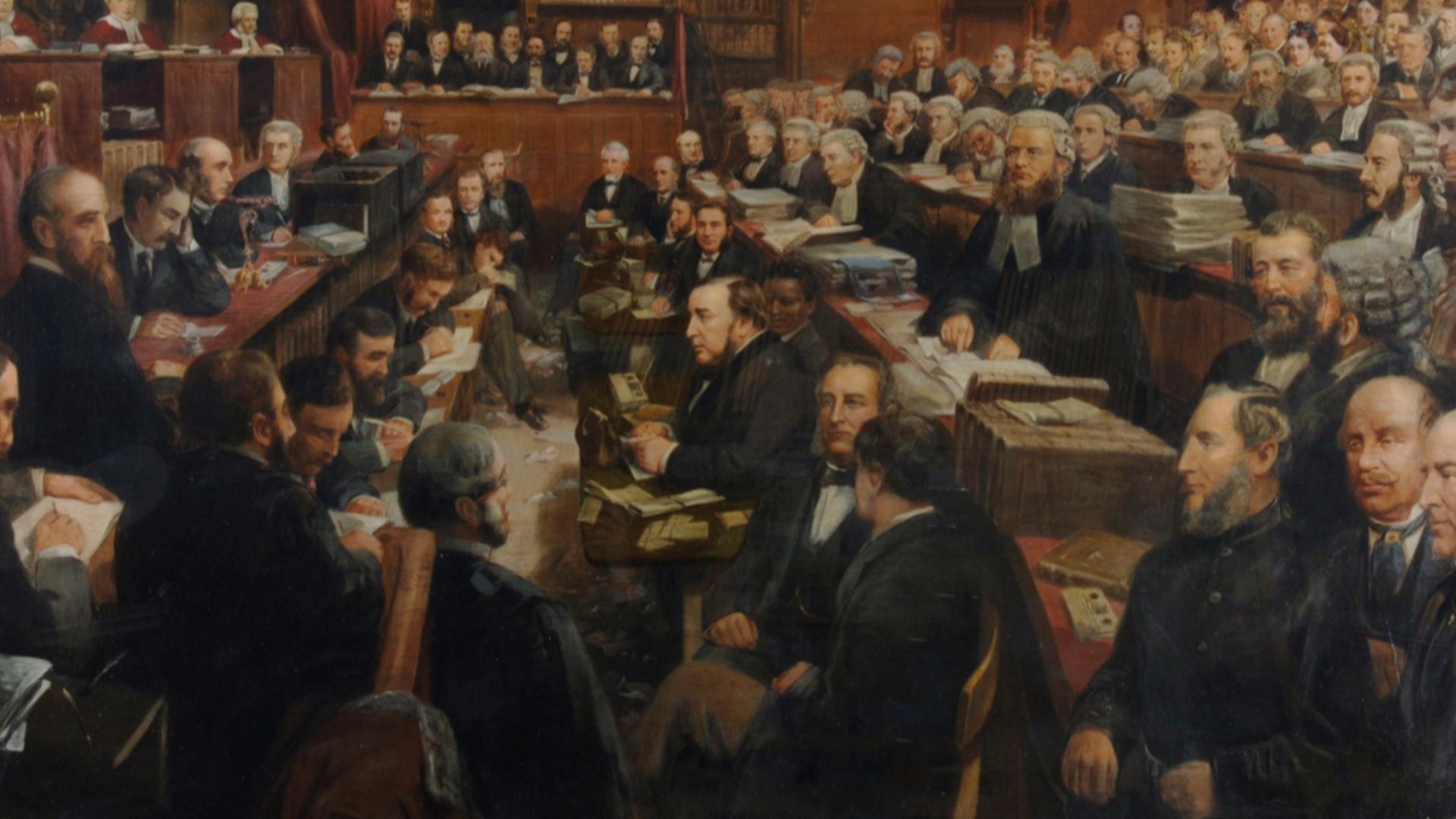
The "Tichborne Claimant" Case (1860s–1870s)
Arthur Orton, an Australian butcher, showed up in England insisting he was Roger Tichborne, a wealthy heir who'd vanished years earlier. Despite weighing far more and looking nothing like the missing aristocrat, he gained passionate supporters who believed his story. Judges ultimately declared Orton an impostor.
 Frederick Sargent, Wikimedia Commons
The "Carlos Castaneda" Hoax (1960s)
Anthropologist Carlos Castaneda published bestselling books describing mystical teachings from Don Juan, a Yaqui shaman he claimed as his mentor. His vivid accounts of psychedelic experiences and indigenous wisdom enthralled counterculture readers seeking spiritual alternatives. Scholars grew increasingly skeptical, finding no evidence that Don Juan existed outside Castaneda's imagination.
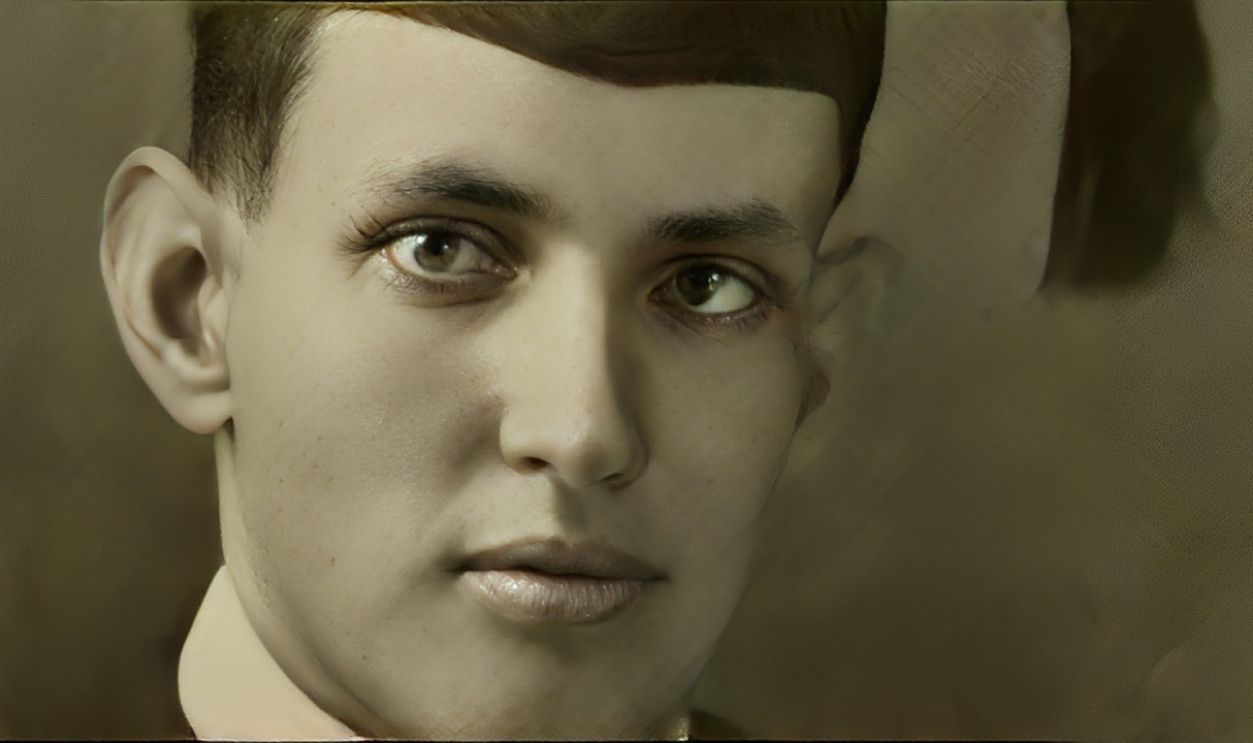 University of Texas at Austin, Wikimedia Commons
The "Operation Fortitude" WWII Deception (1944)
Allied forces constructed an elaborate illusion using phantom armies, fake radio chatter, and double agents to fool Nazi intelligence. The deception convinced German commanders that D-Day would strike Pas-de-Calais rather than Normandy. Juan Pujol Garcia, codenamed "Garbo," fed false information so convincingly that Hitler kept troops away from the actual landing zones.
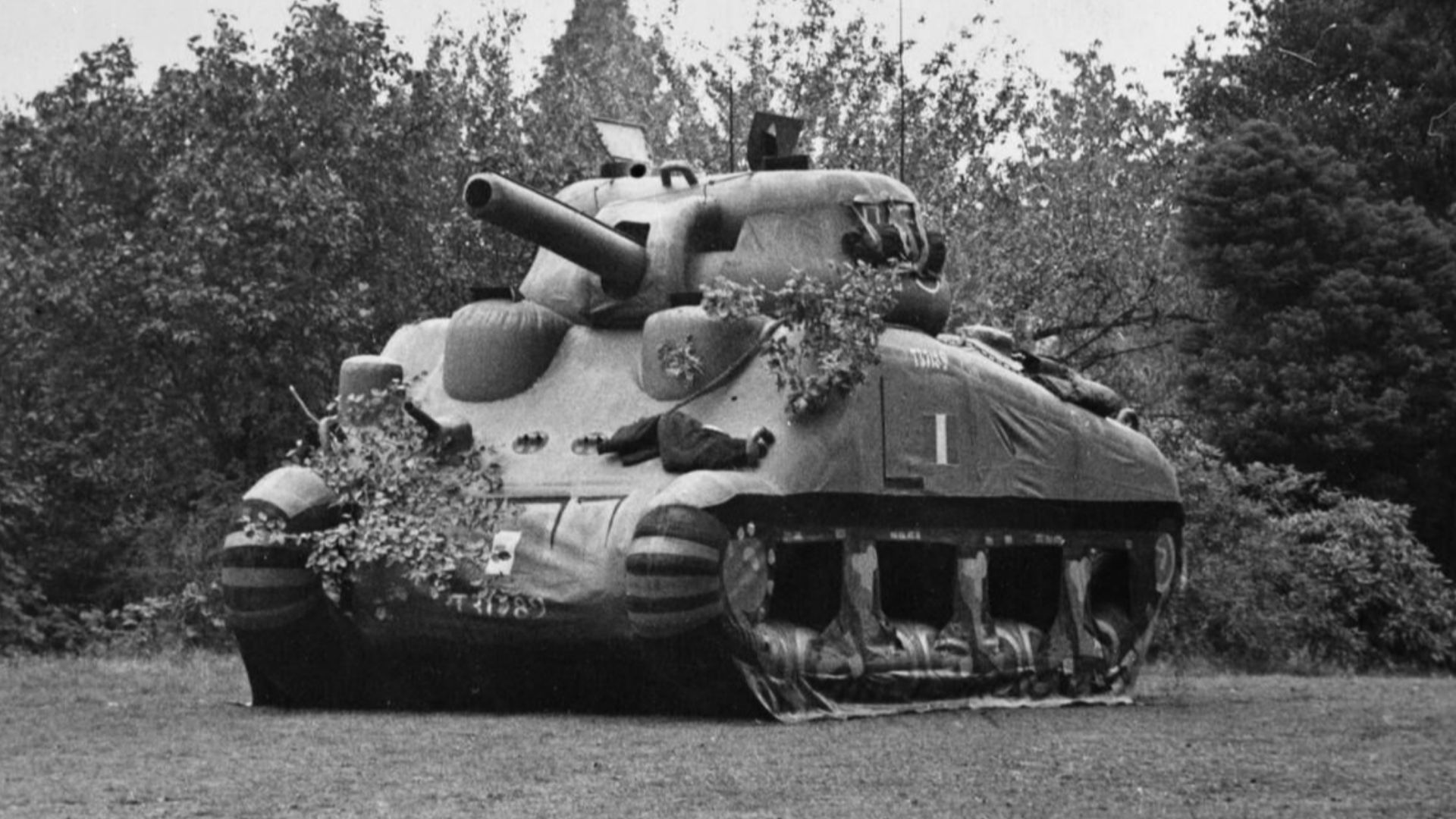 War Office official photographer, Wikimedia Commons











.jpg)
.jpg)