
Powerful Minds With Dark Turns
History tends to polish its stars, but some of its brightest minds showed signs of serious instability. Whispers of erratic behavior, wild obsessions, and unshakable delusions linger behind the names once praised without question.
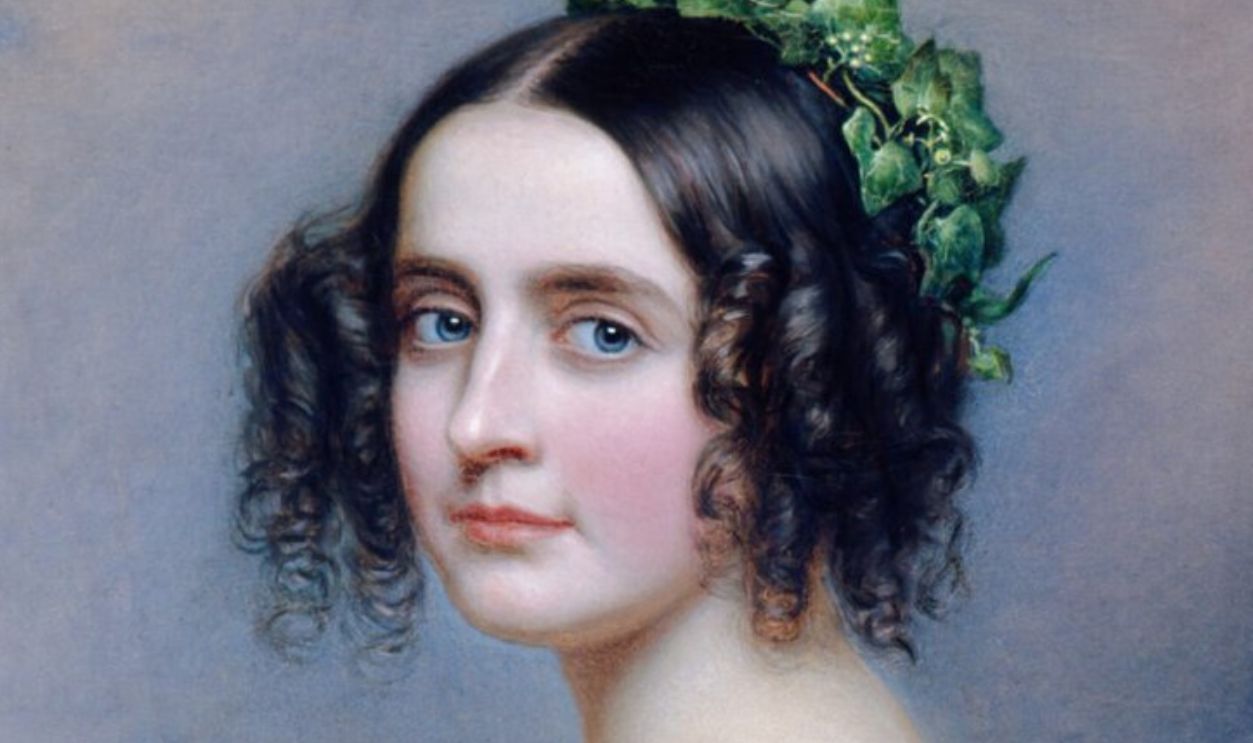
Ludwig II Of Bavaria
In 19th-century Bavaria, King Ludwig II ruled more like a dreamer than a monarch. He poured his fortune into building fantasy castles and often wandered alone at night, dressed in costume. After officials declared him insane, he was found dead in a lake beside his doctor.'
 UnknownUnknown after a photograph from Joseph Albert (On the left side is written
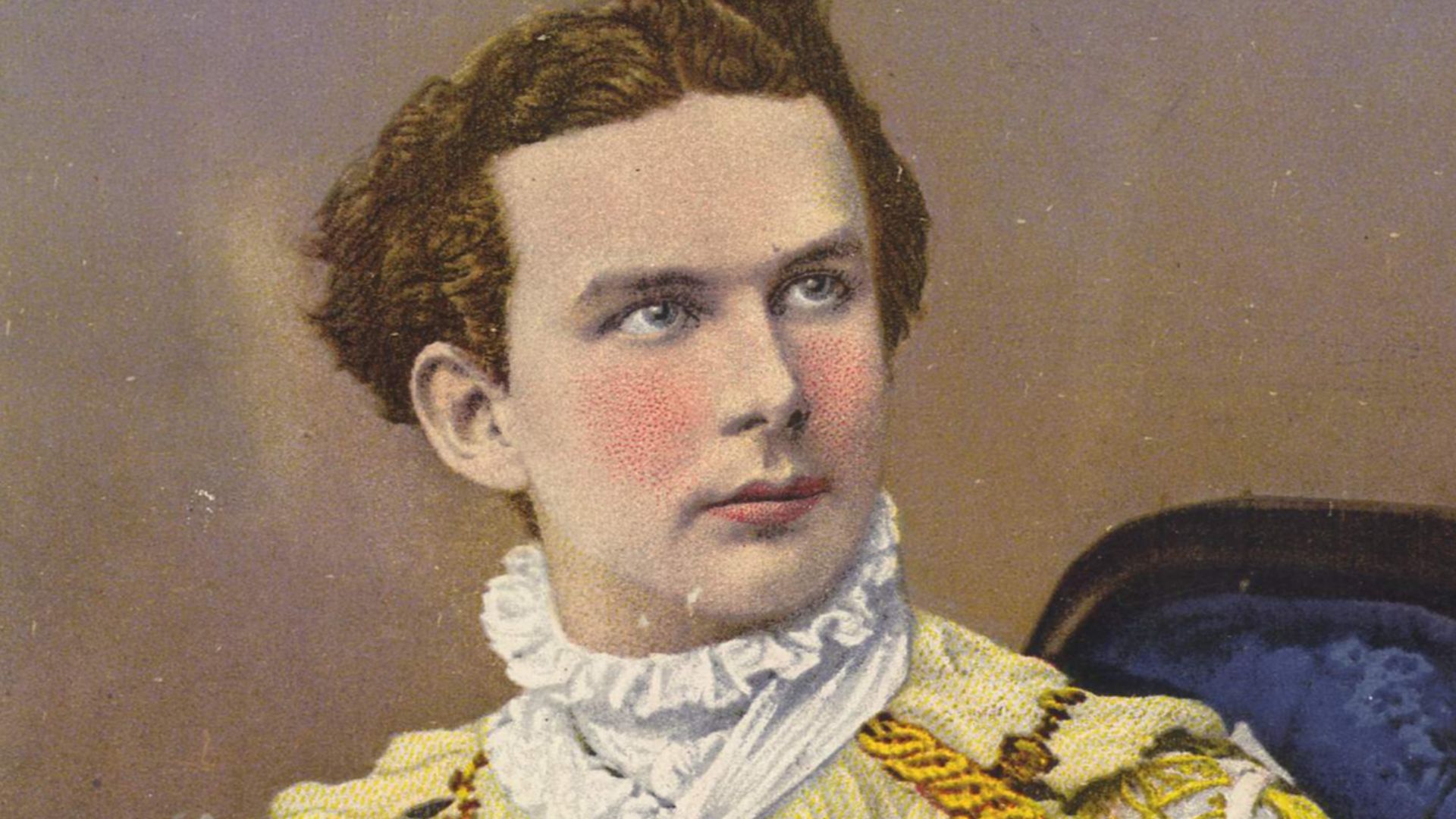
Vaslav Nijinsky
Vaslav Nijinsky rose to fame as one of the greatest ballet dancers the world had ever seen. But behind the curtain, his behavior became harder to ignore—he claimed divinity and filled notebooks with frantic scribbles. Diagnosed with schizophrenia, he spent his remaining life withdrawn from the stage and society.
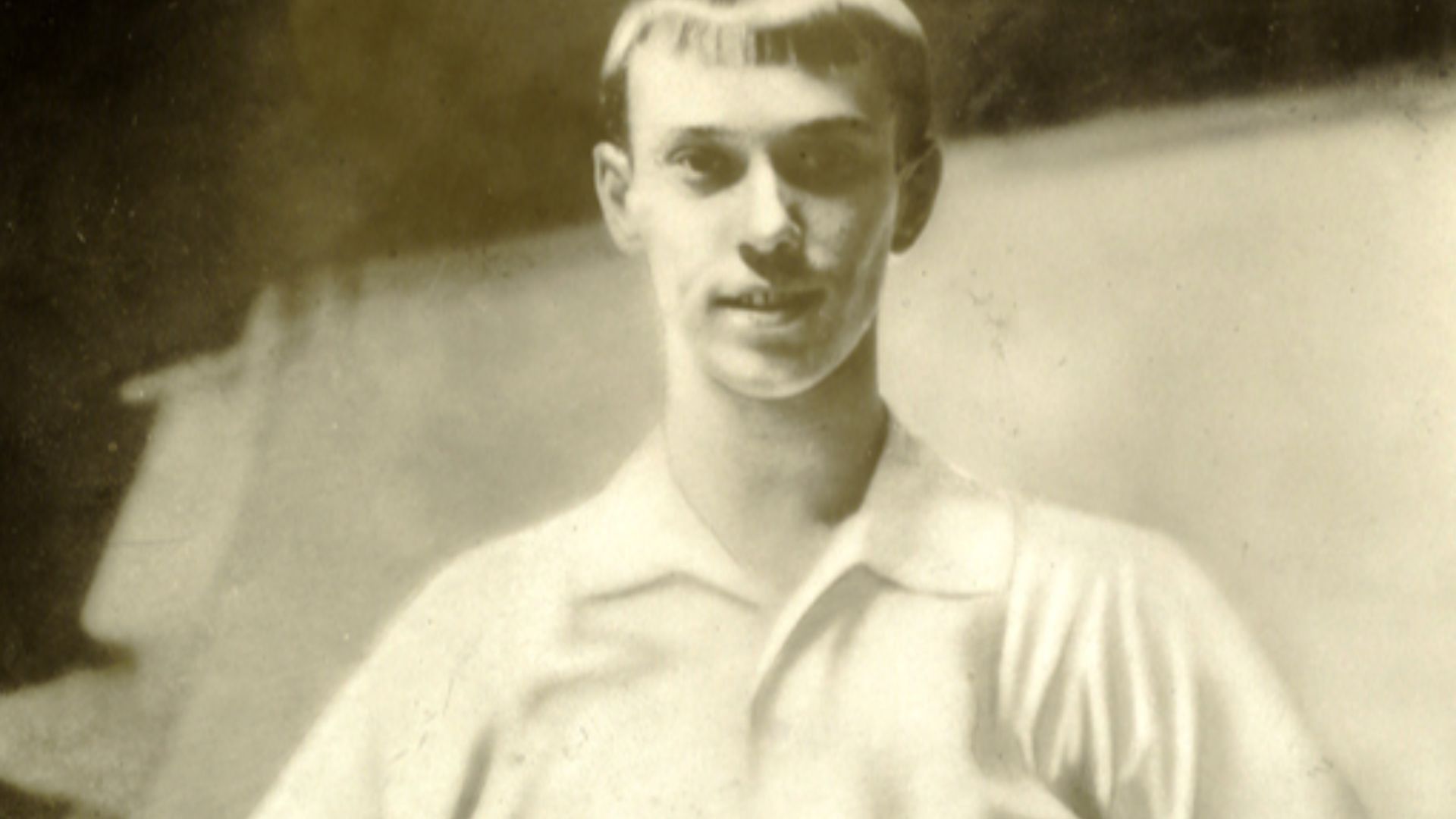
Princess Alexandra Of Bavaria
As a child, Princess Alexandra believed she had a glass piano inside her body, which is why she walked carefully to avoid “breaking”. Even as an adult, she clung to the belief. Her strange delusion became one of the most famous psychological cases of royal history.
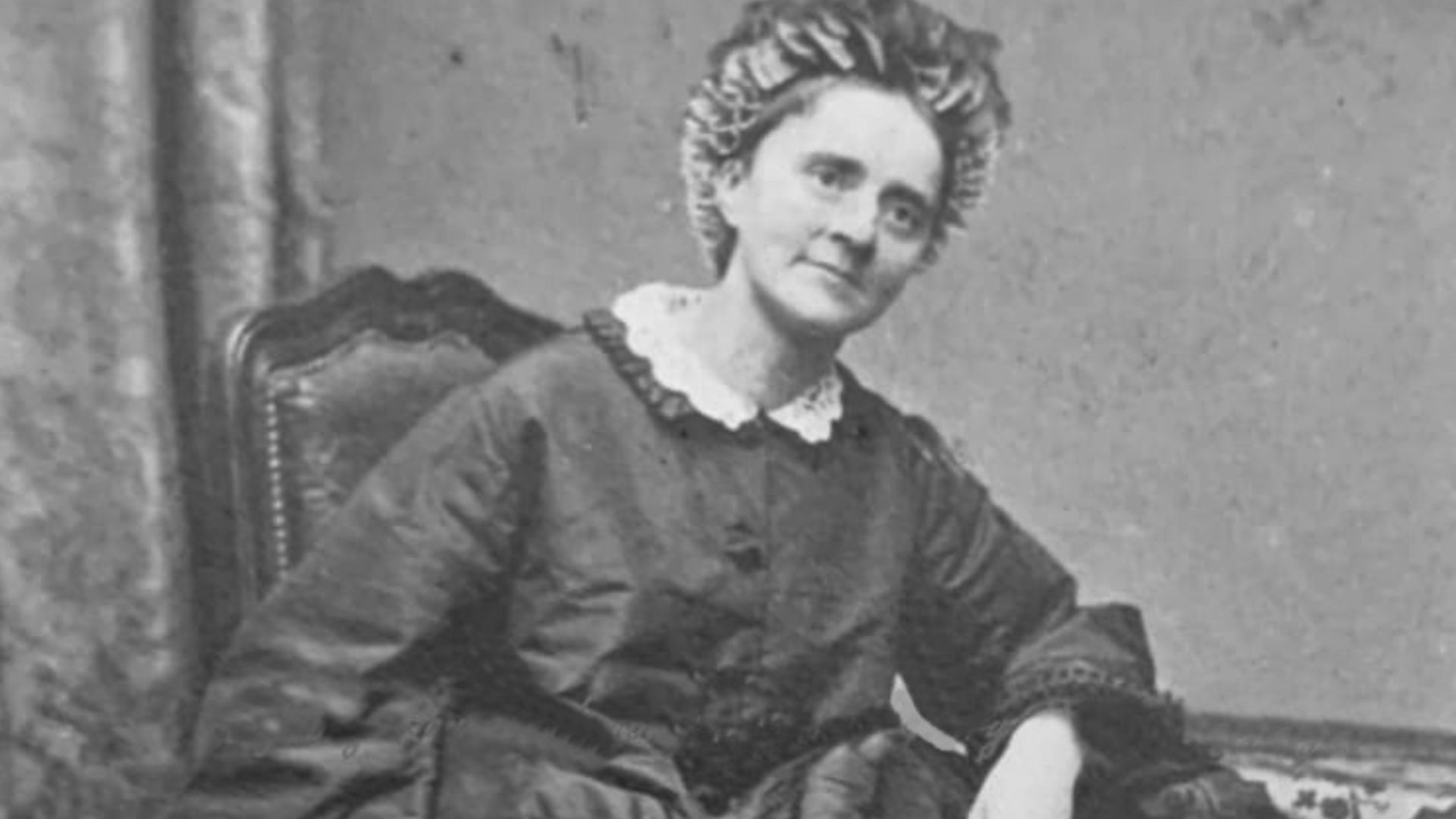 Unknown authorUnknown author, Wikimedia Commons
Vincent Van Gogh
Van Gogh lived in poverty, tormented by inner chaos, long before his paintings became iconic. He once severed part of his ear during a breakdown and checked himself into asylums more than once. His life ended in a quiet field with a self-inflicted gunshot wound.
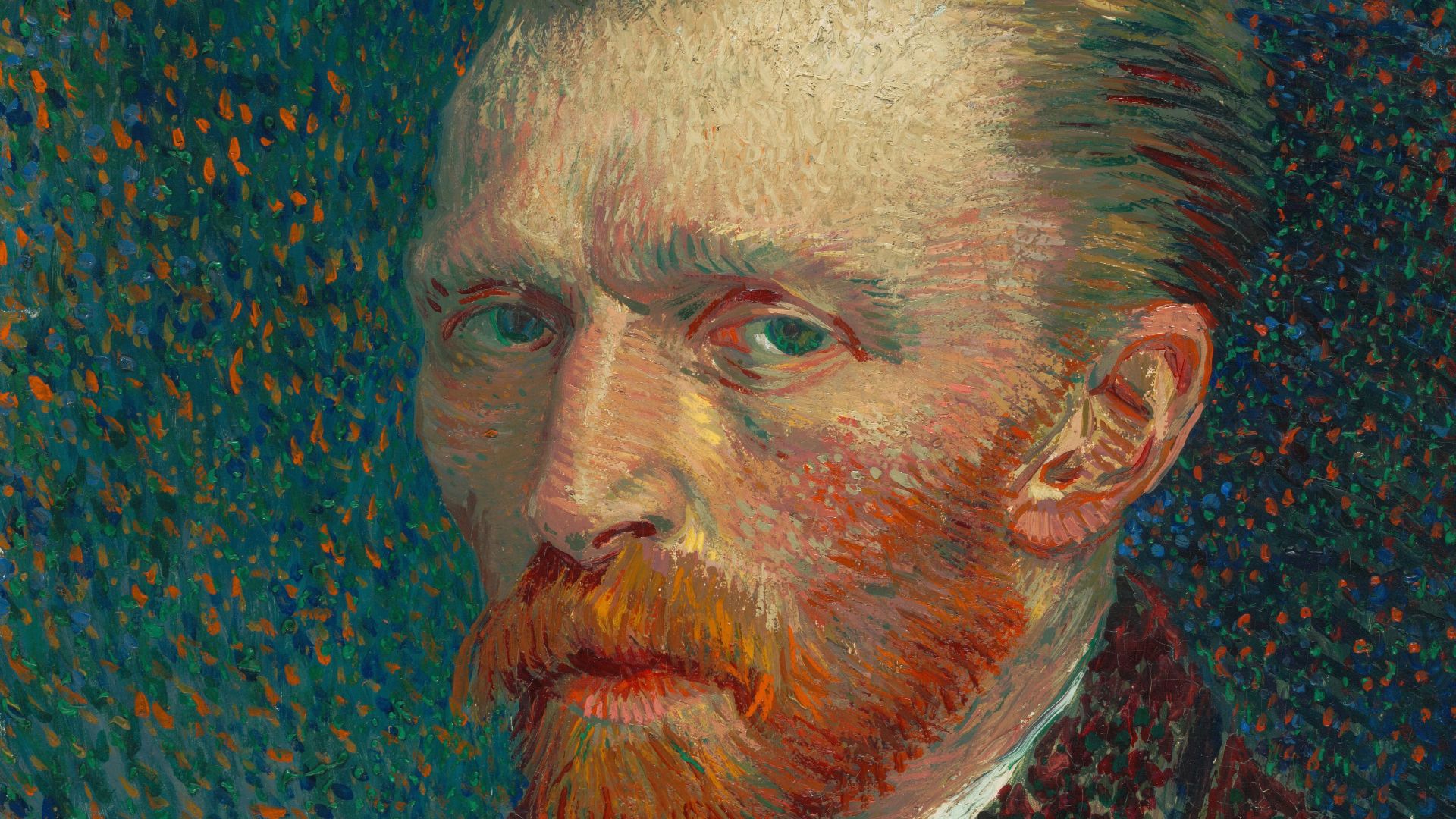 Vincent van Gogh, Wikimedia Commons
Sylvia Plath
There were times Sylvia Plath couldn’t get out of bed, and others when her writing came in unstoppable bursts. She fought crushing depression for years, receiving electroshock therapy more than once. Despite her talent, her inner darkness became too heavy to survive.
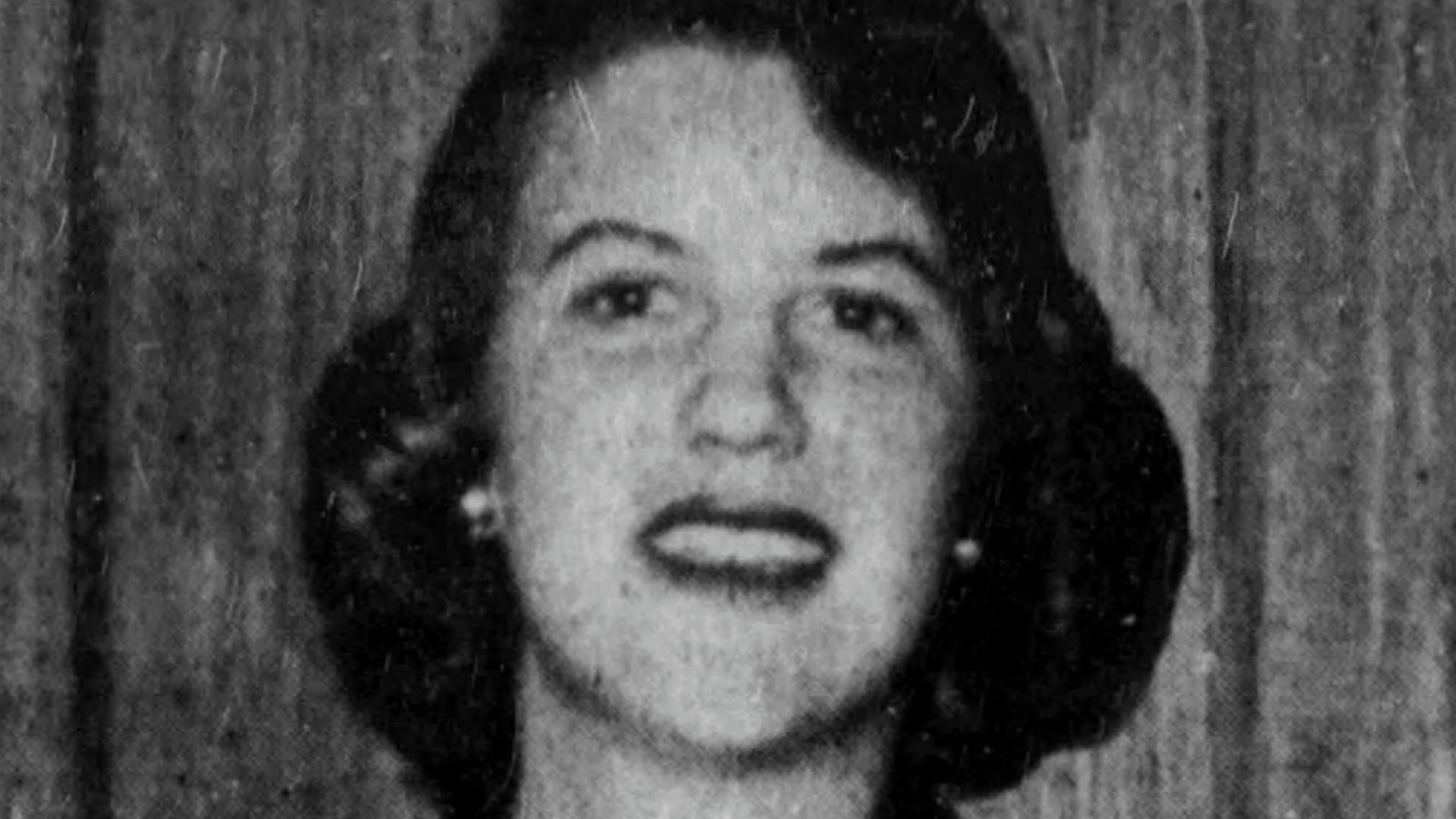 Distributed by Associated Press, Wikimedia Commons
Ernest Hemingway
Ernest Hemingway lived with severe mood swings that many doctors later associated with bipolar disorder. His mental health worsened alongside chronic pain, head injuries, and alcoholism. As depression deepened and paranoia set in, he feared losing his creativity and control, ultimately taking his own life in 1961.
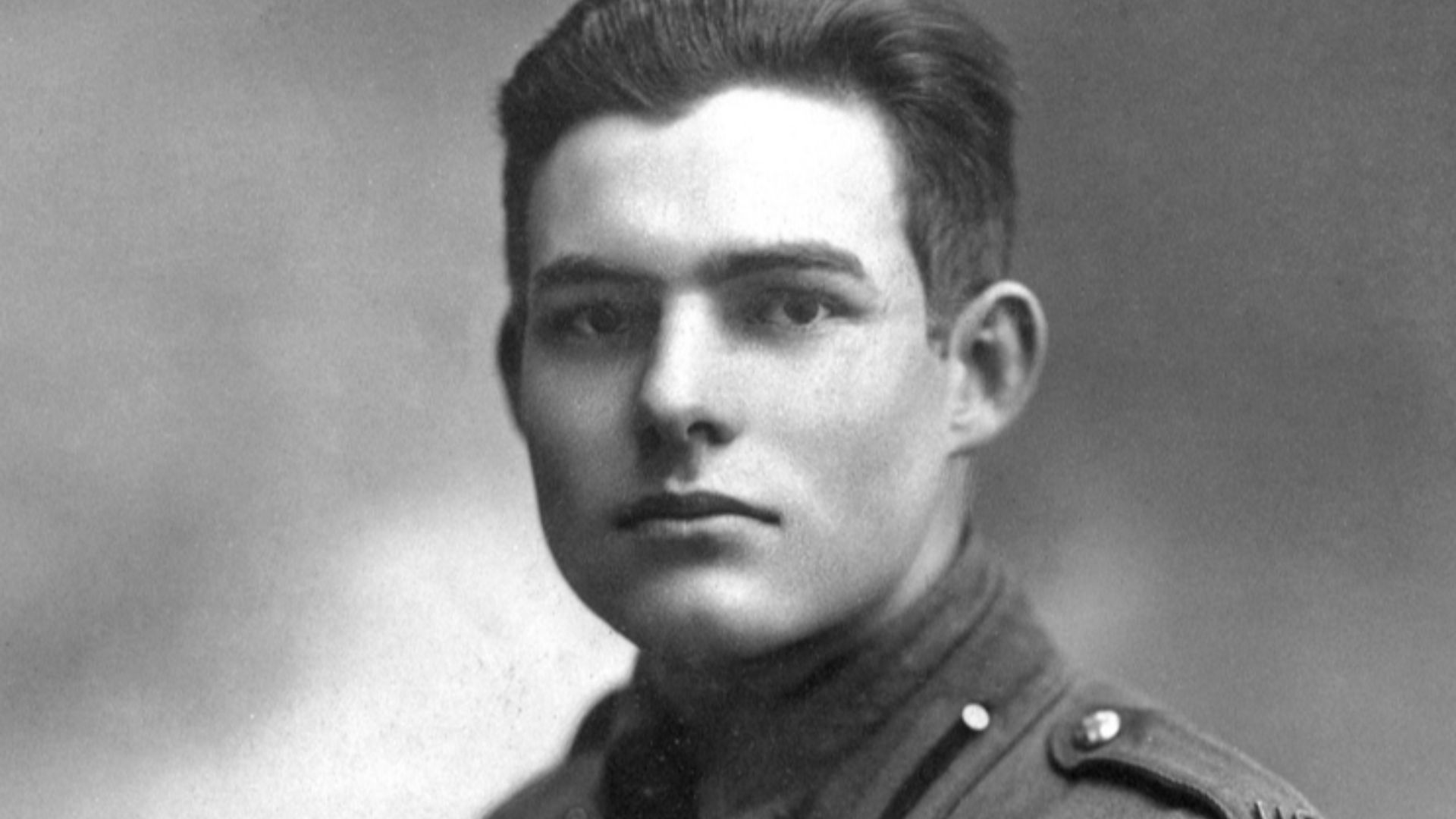 EH2723PMilan1918.jpg: Portrait by Ermeni Studios
derivative work: Beao, Wikimedia Commons
EH2723PMilan1918.jpg: Portrait by Ermeni Studios
derivative work: Beao, Wikimedia Commons
Guy De Maupassant
An invisible double stalked Guy de Maupassant—or so he believed. The celebrated French author grew increasingly paranoid, once trying to stab himself while convinced the twin was taunting him. His mind deteriorated rapidly, and he spent his final months in an asylum, unable to write.
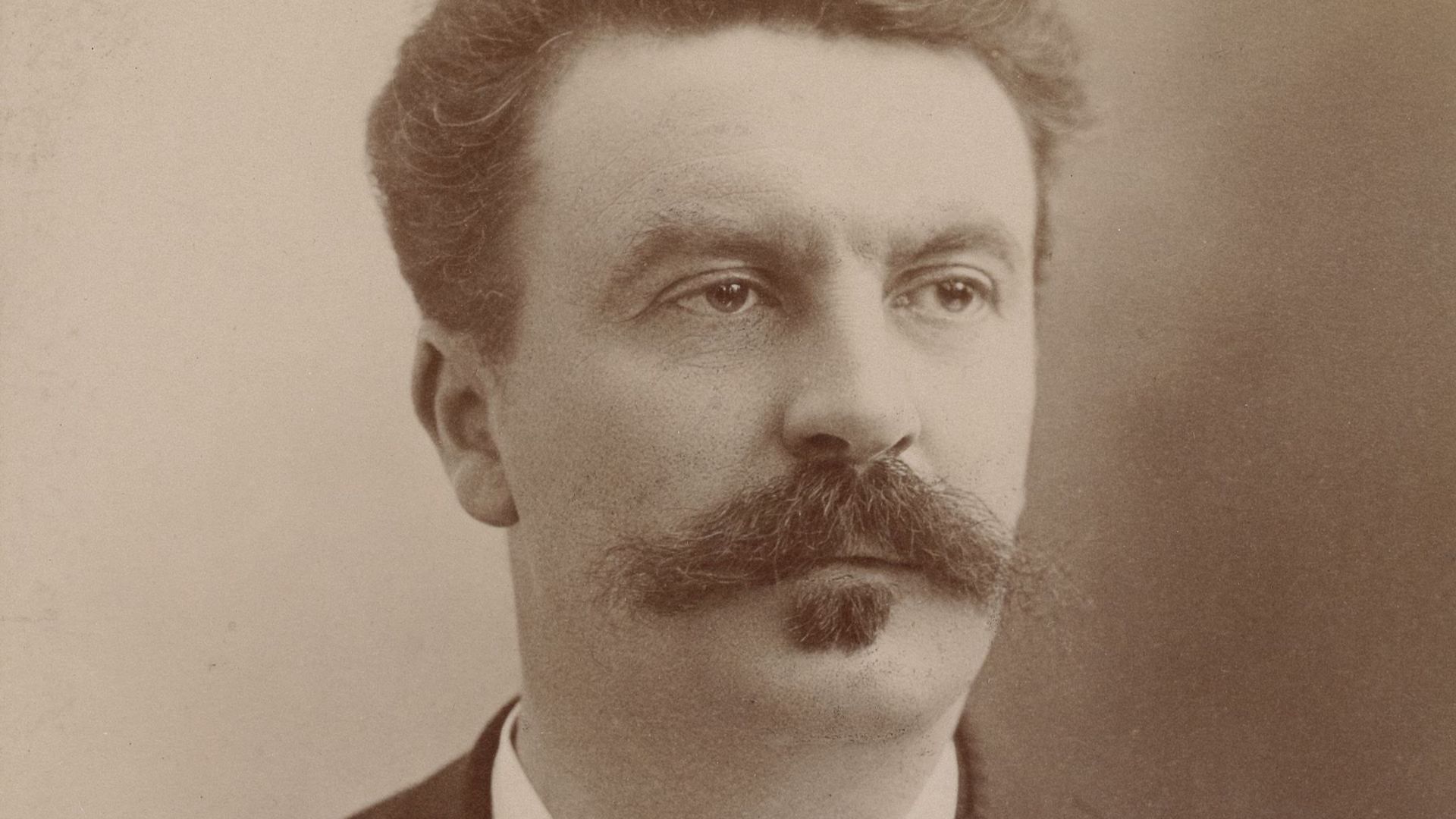
Friedrich Nietzsche
Nietzsche’s writings reshaped philosophy, but his life took a haunting turn in 1889 when he collapsed after throwing his arms around a beaten horse. He never recovered. Most historians believe late-stage syphilis caused the mental breakdown that left him silent for the rest of his life.
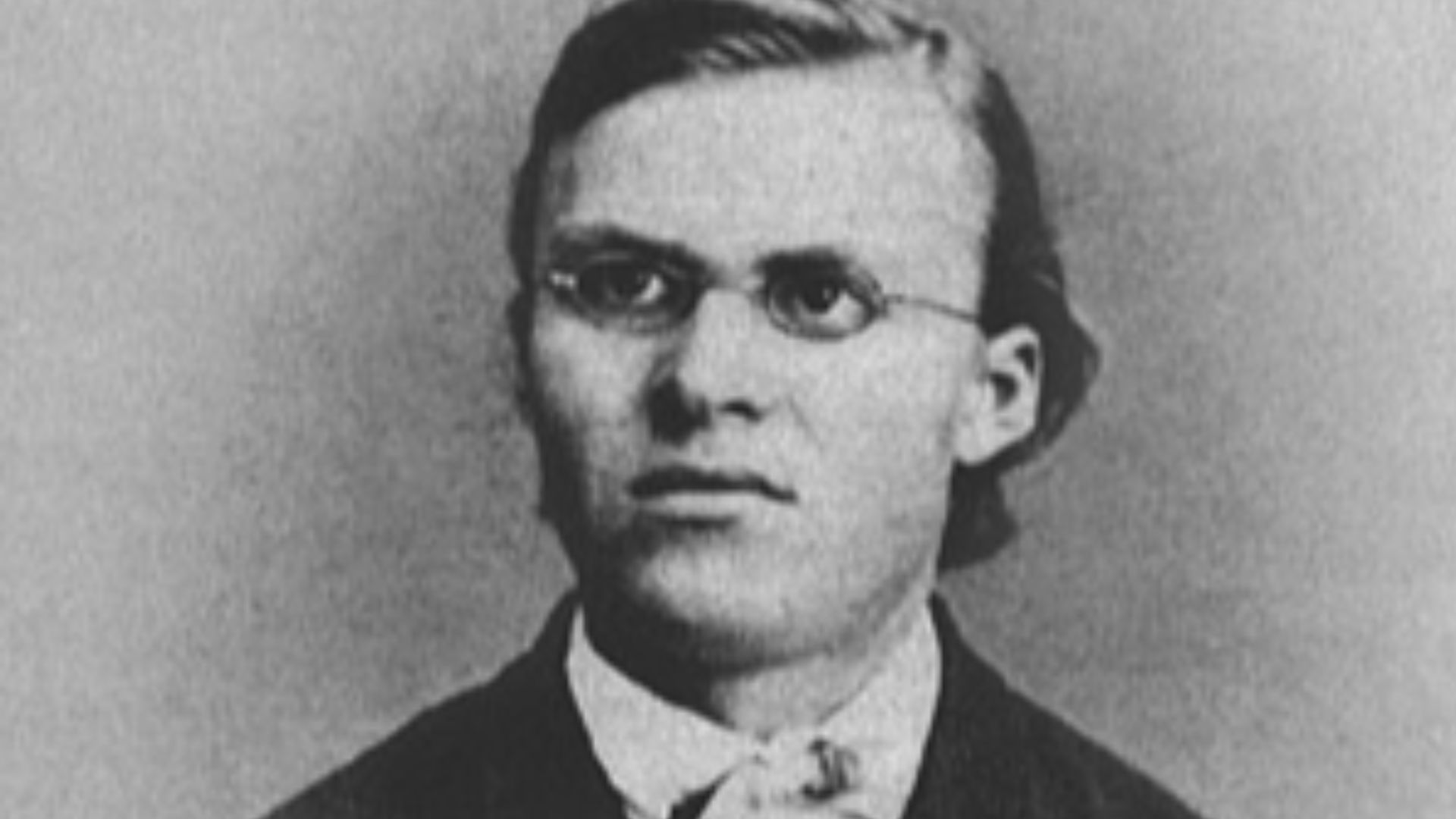 Gustav Schultze, Wikimedia Commons

History's most fascinating stories and darkest secrets, delivered to your inbox daily.
Zelda Fitzgerald
Married to one of America’s most famous authors, Zelda Fitzgerald fought to be seen as more than just a muse. Her emotional highs turned into terrifying lows. Diagnosed with schizophrenia, she spent much of her adult life in psychiatric hospitals, far from the spotlight she once enjoyed.
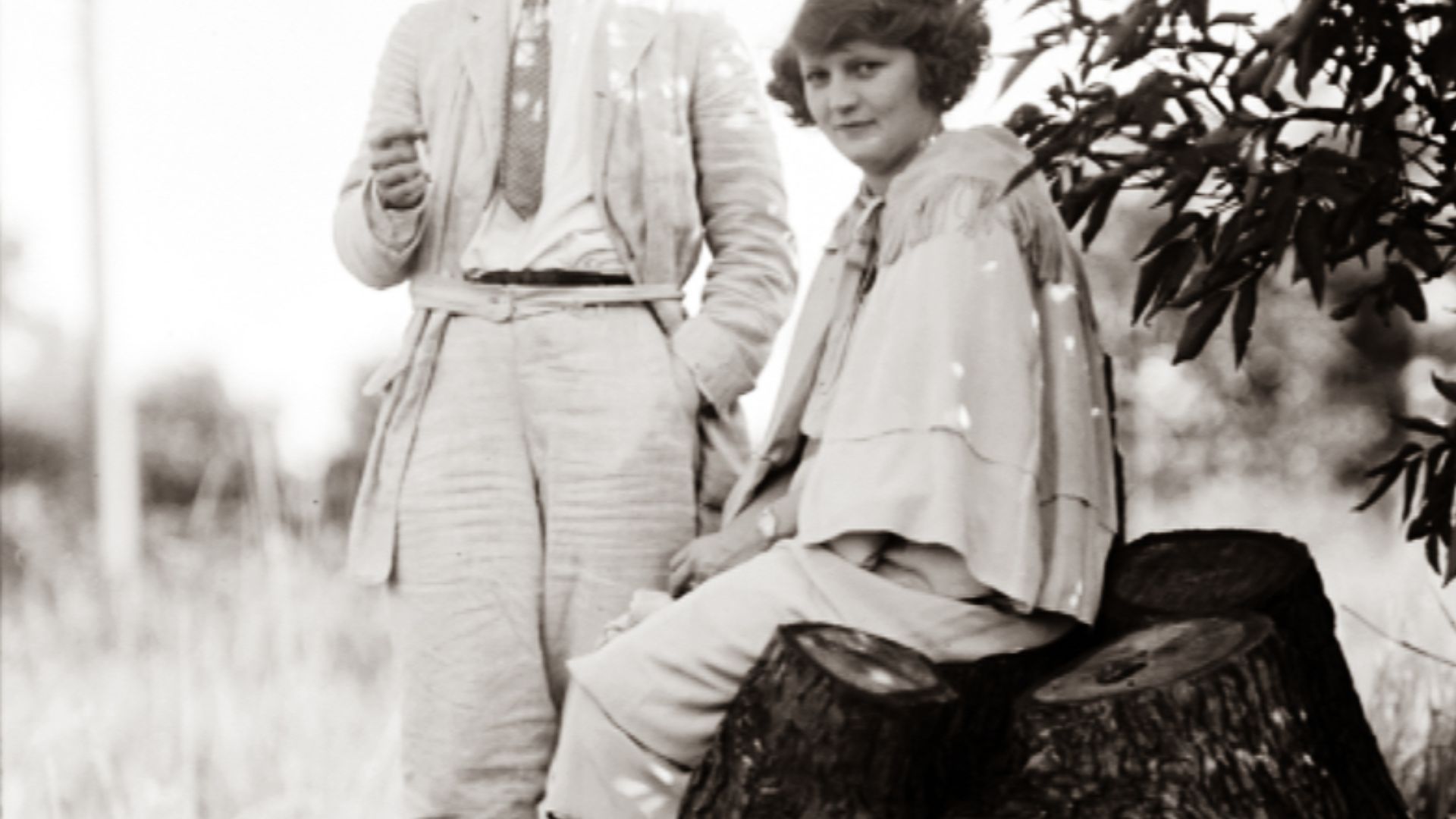 Kenneth Melvin Wright (1895–1964) (photographer), Wikimedia Commons
Virginia Woolf
Creative brilliance often clashed with crushing despair in Virginia Woolf’s life. She described her mind as too full, too loud—filled with voices and noise. As the fear of another breakdown grew, she left a farewell letter for her husband and calmly ended her life in a nearby river.
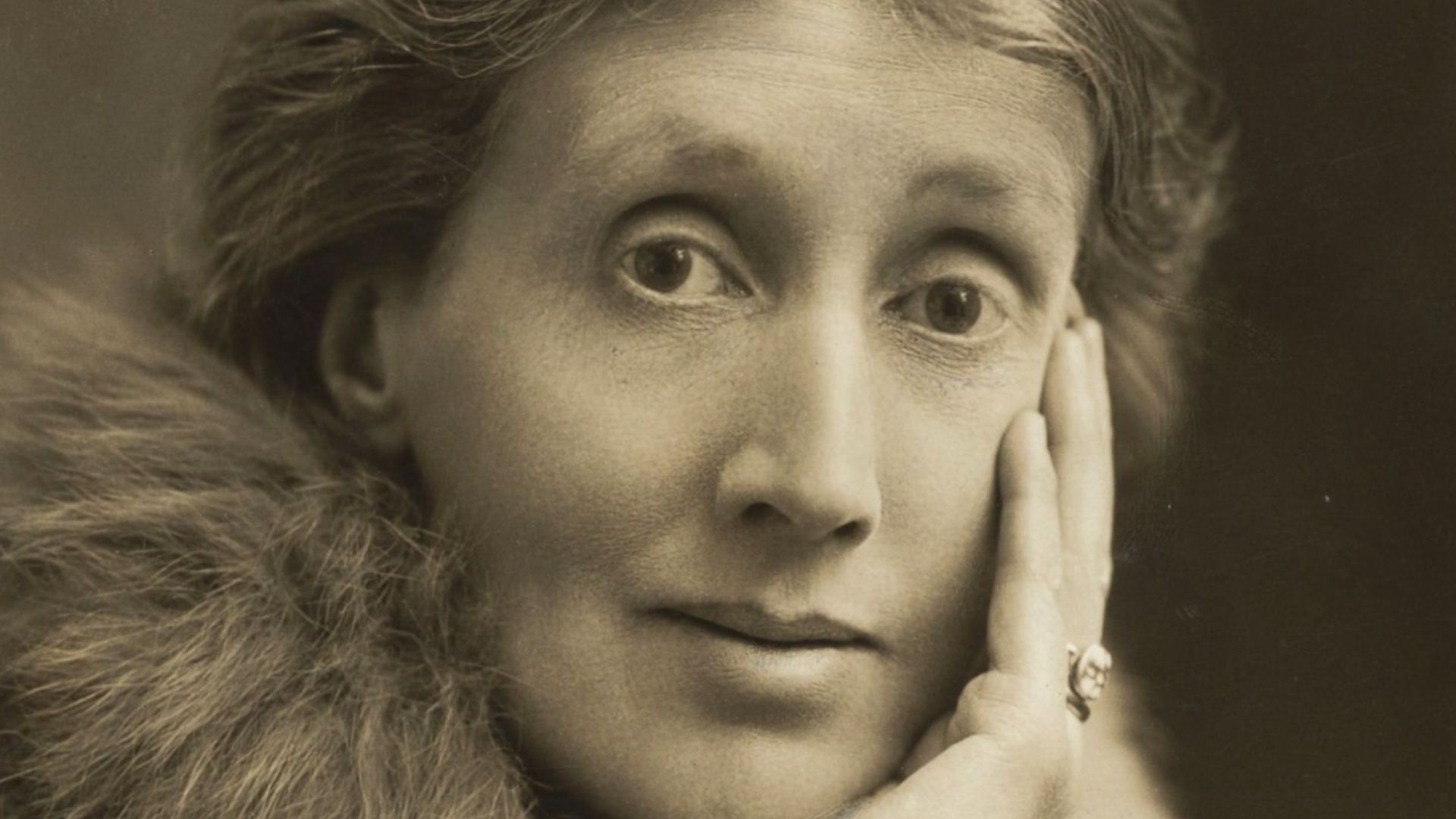 Unknown authorUnknown author, Wikimedia Commons
Antonin Artaud
Antonin Artaud was a French playwright and actor who redefined modern theater with intense, disturbing performances. Behind the scenes, he claimed invisible forces were controlling his body and thoughts. His paranoia worsened over time, leading to years of institutionalization and electroshock therapy.
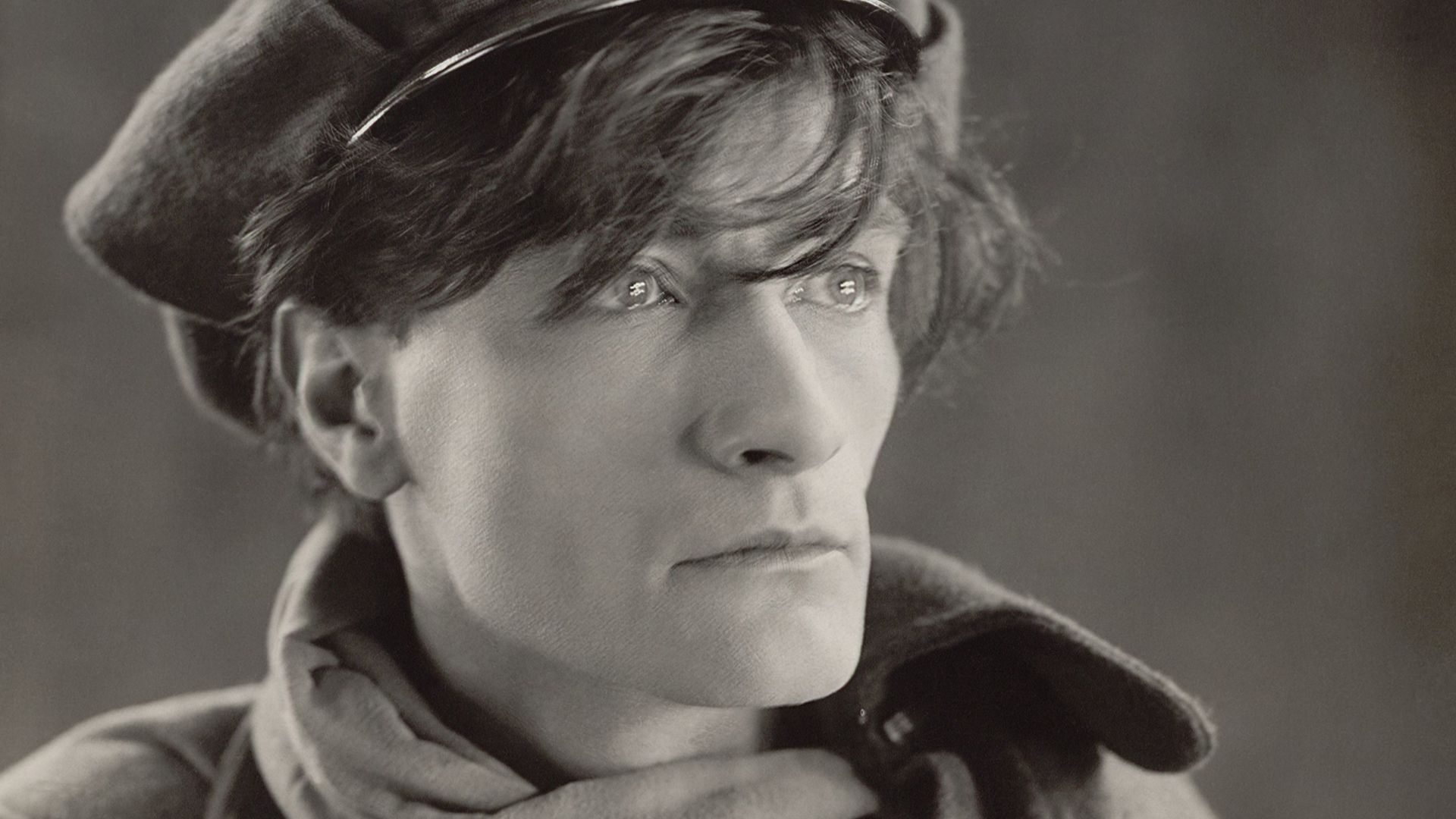 Agence de presse Meurisse, Wikimedia Commons
King George III
By the end of the 1700s, Britain’s King George III had become dangerously unpredictable. He once talked for hours without pause, wrote in sentences that made no sense, and imagined conversations with angels. Many historians now believe a rare genetic illness may have triggered his madness.
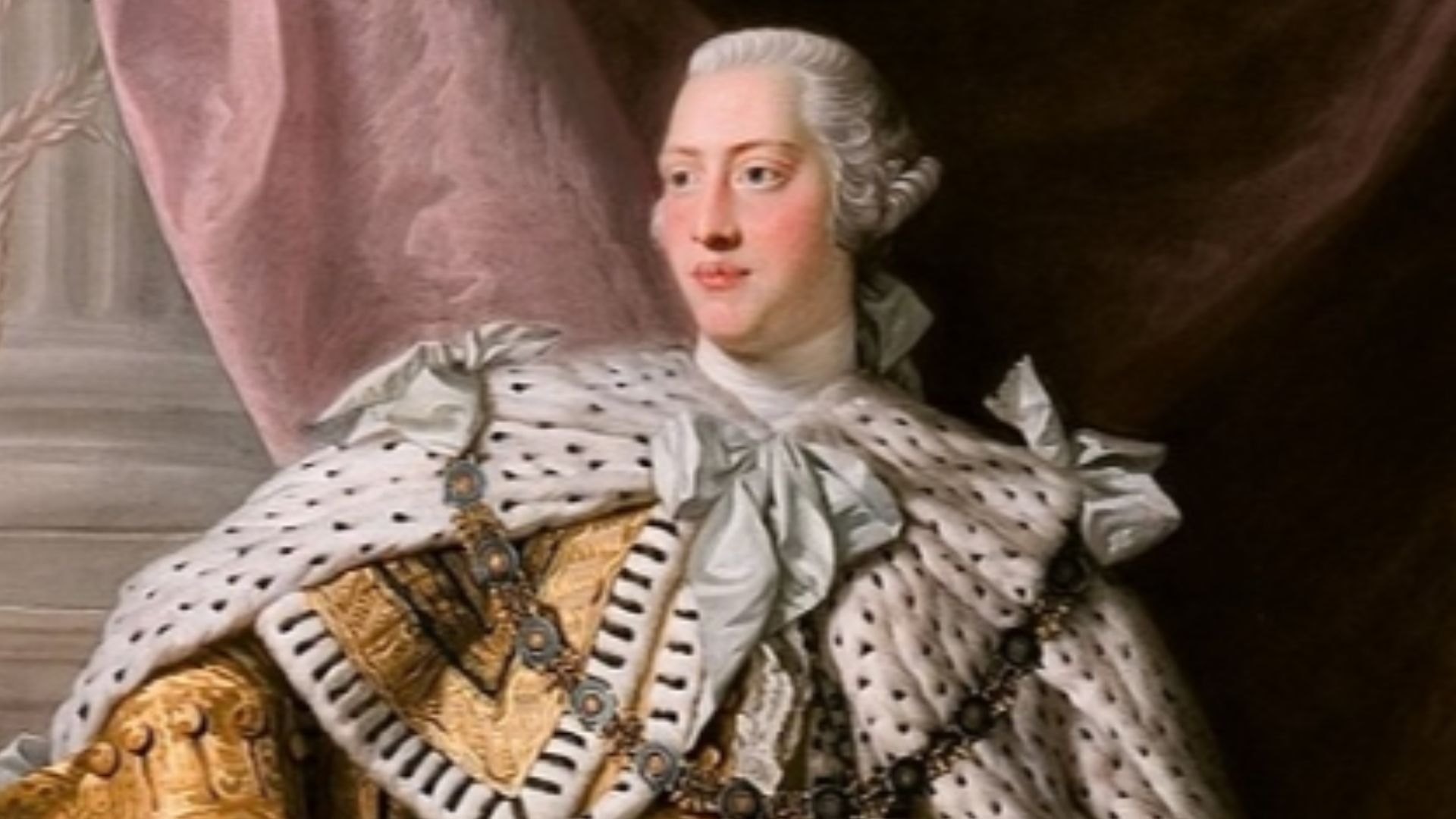 Allan Ramsay, Wikimedia Commons
Edvard Munch
“Sufferings are part of my self and my art” is how Edvard Munch explained the anxiety shaping both his life and paintings as he experienced hallucinations. Although his work later gained worldwide praise, much of his life was spent battling inner turmoil and emotional instability.
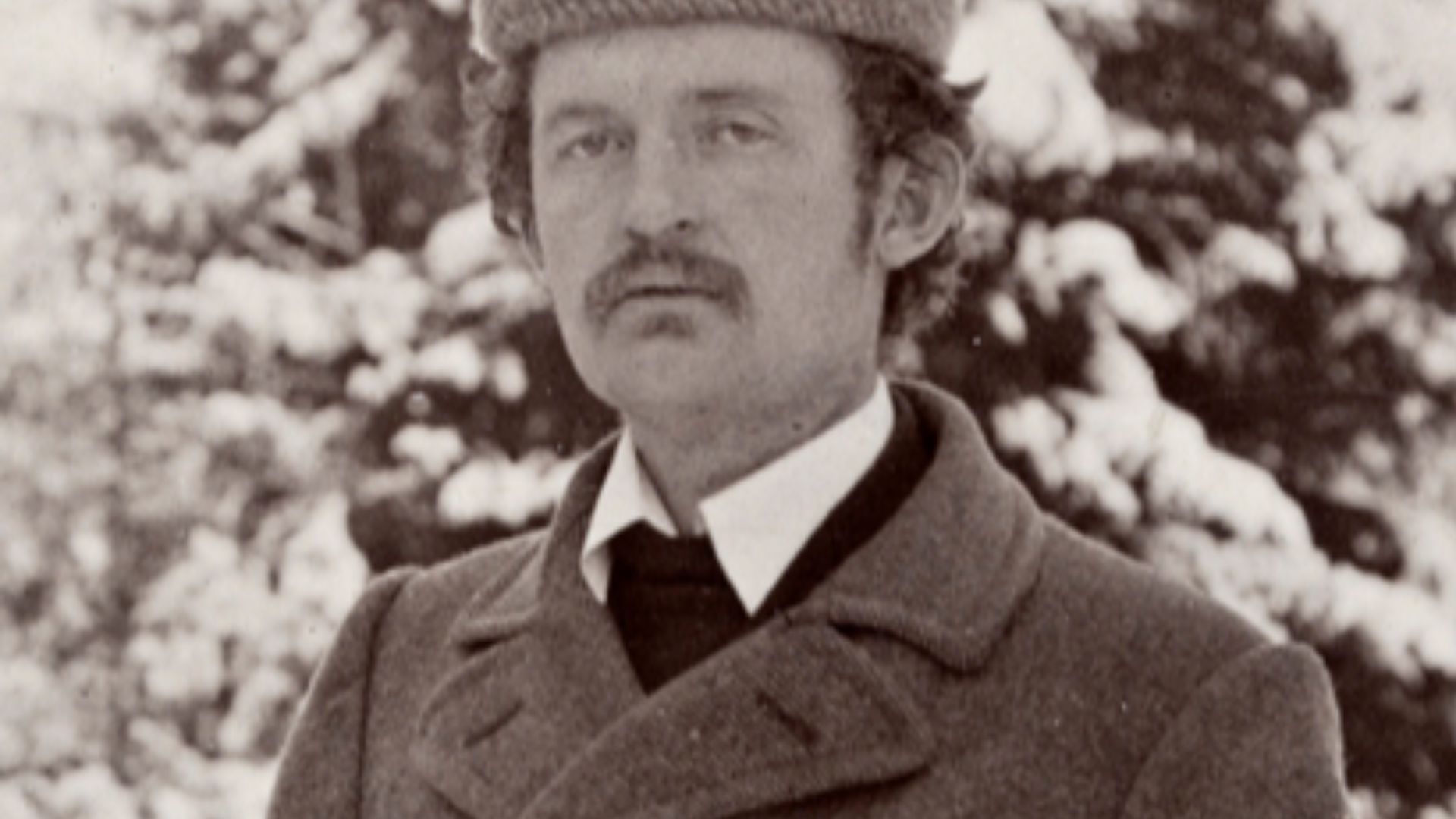 Nasjonalbiblioteket, Wikimedia Commons
Charles VI Of France
Charles VI developed a frightening belief that his body was made of glass. He avoided touch and reacted violently during episodes of confusion. As his condition worsened, royal advisers quietly assumed control of France while the king drifted further away from reality.
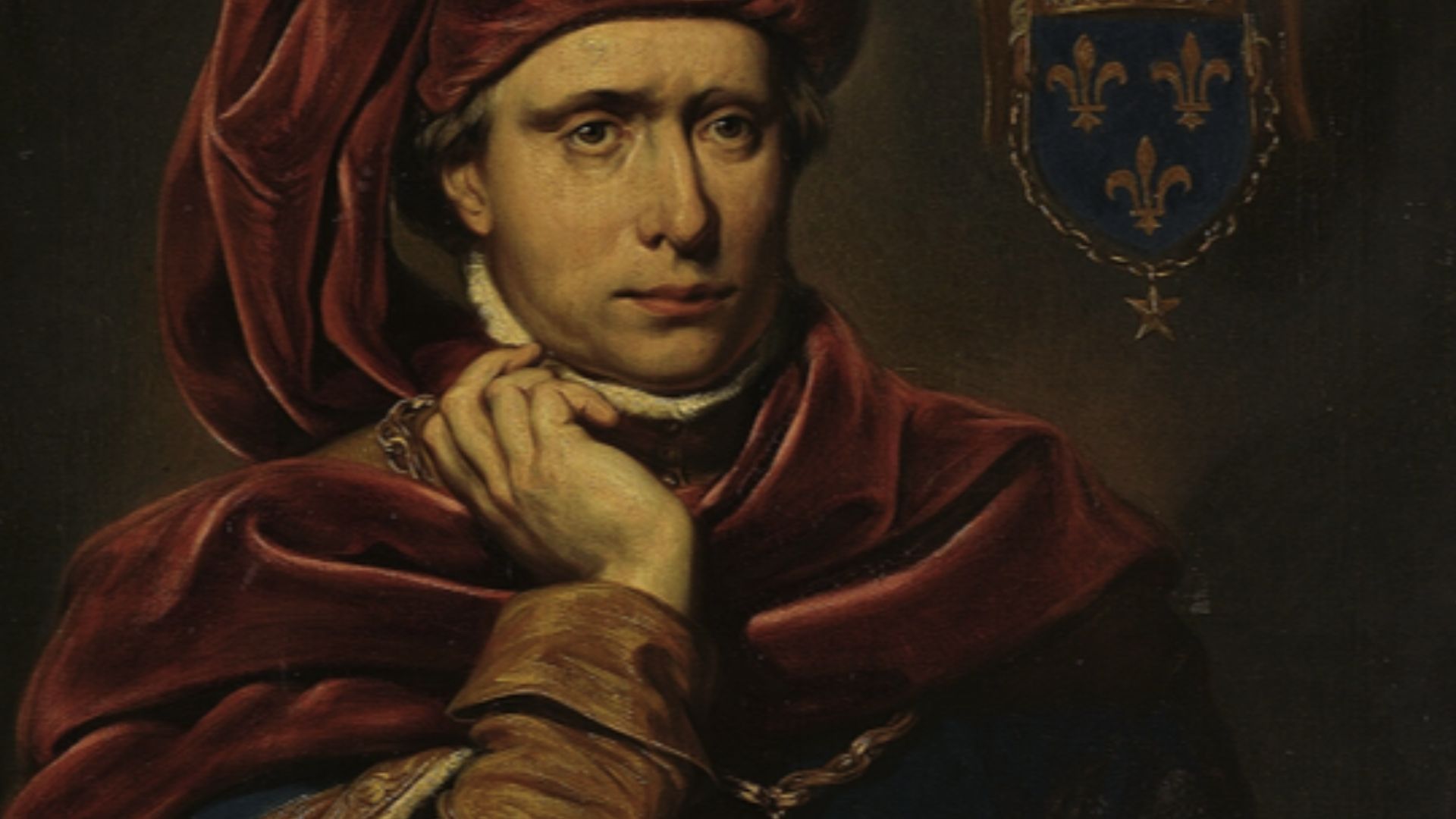 Gillot Saint-Evre, Wikimedia Commons
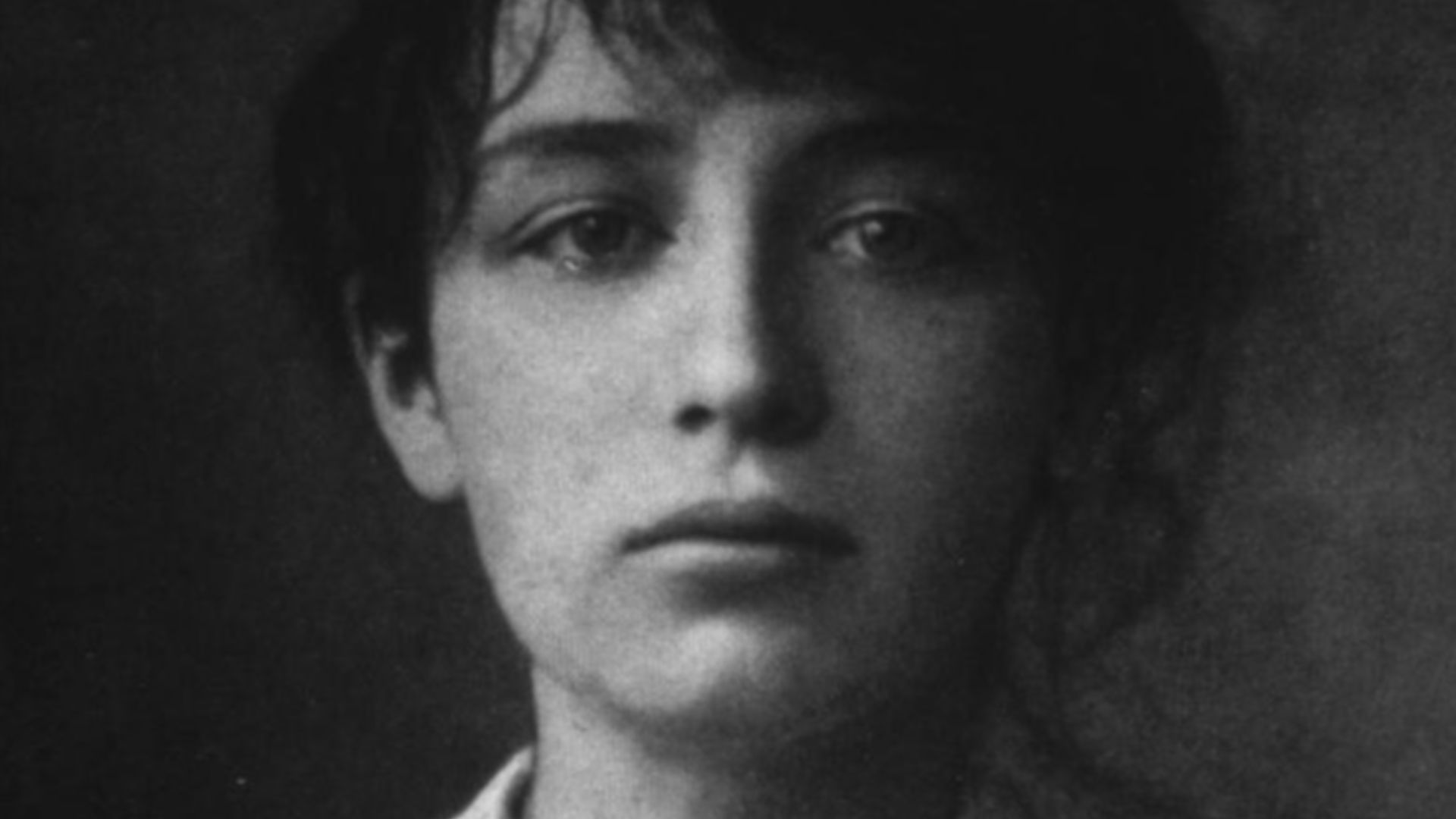
Camille Claudel
Sculpting offered Camille Claudel a sense of purpose—but not enough to quiet her unraveling mind. After a series of personal losses and growing paranoia, she destroyed her own work. Declared mentally ill in 1913, she was confined to asylums for the next 30 years.
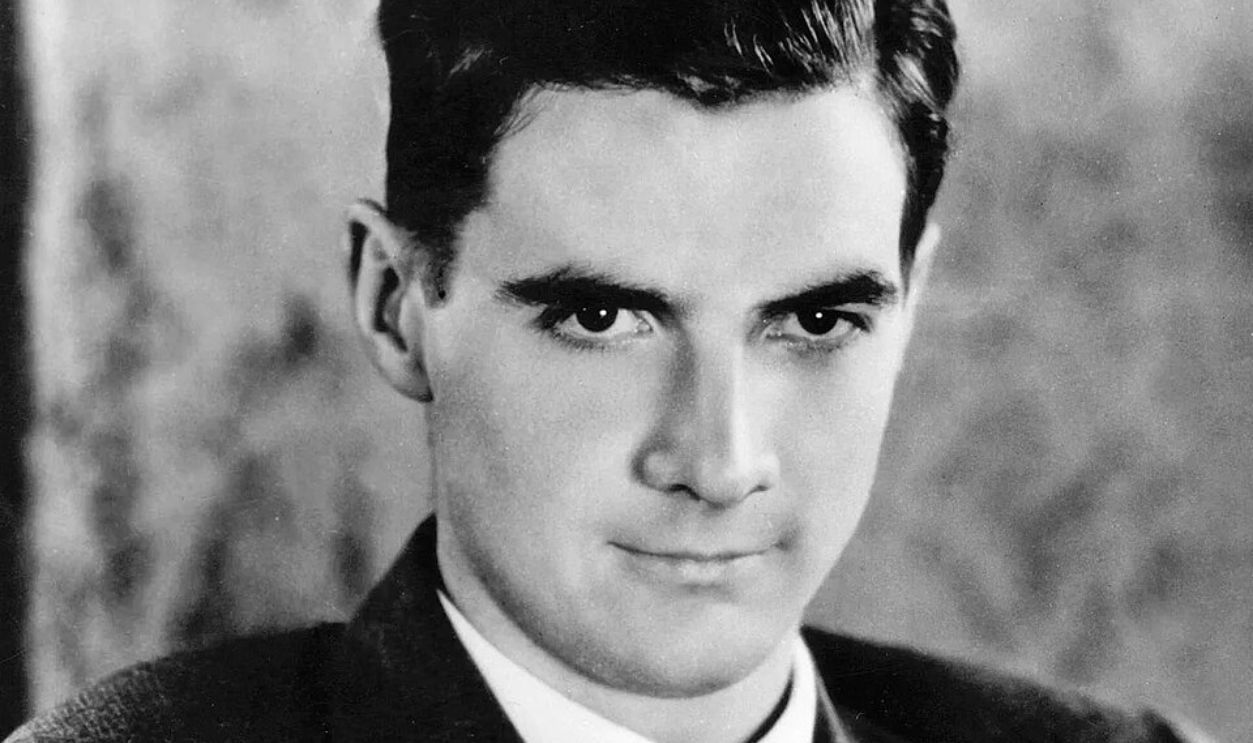
Howard Hughes
Howard Hughes became famous through aviation records and major Hollywood successes. As his wealth grew, fear took over his daily life. He became obsessed with cleanliness, shut himself away for long periods, and refused contact with others. In his final years, he was severely underweight and lived in total isolation.
Salvador Dali
No one painted dreams like Salvador Dali, but his behavior often blurred art and delusion. He claimed to remember life in the womb, staged fake seizures, and said he was a reincarnated saint. Critics couldn’t always tell what was performance, and what was real instability.
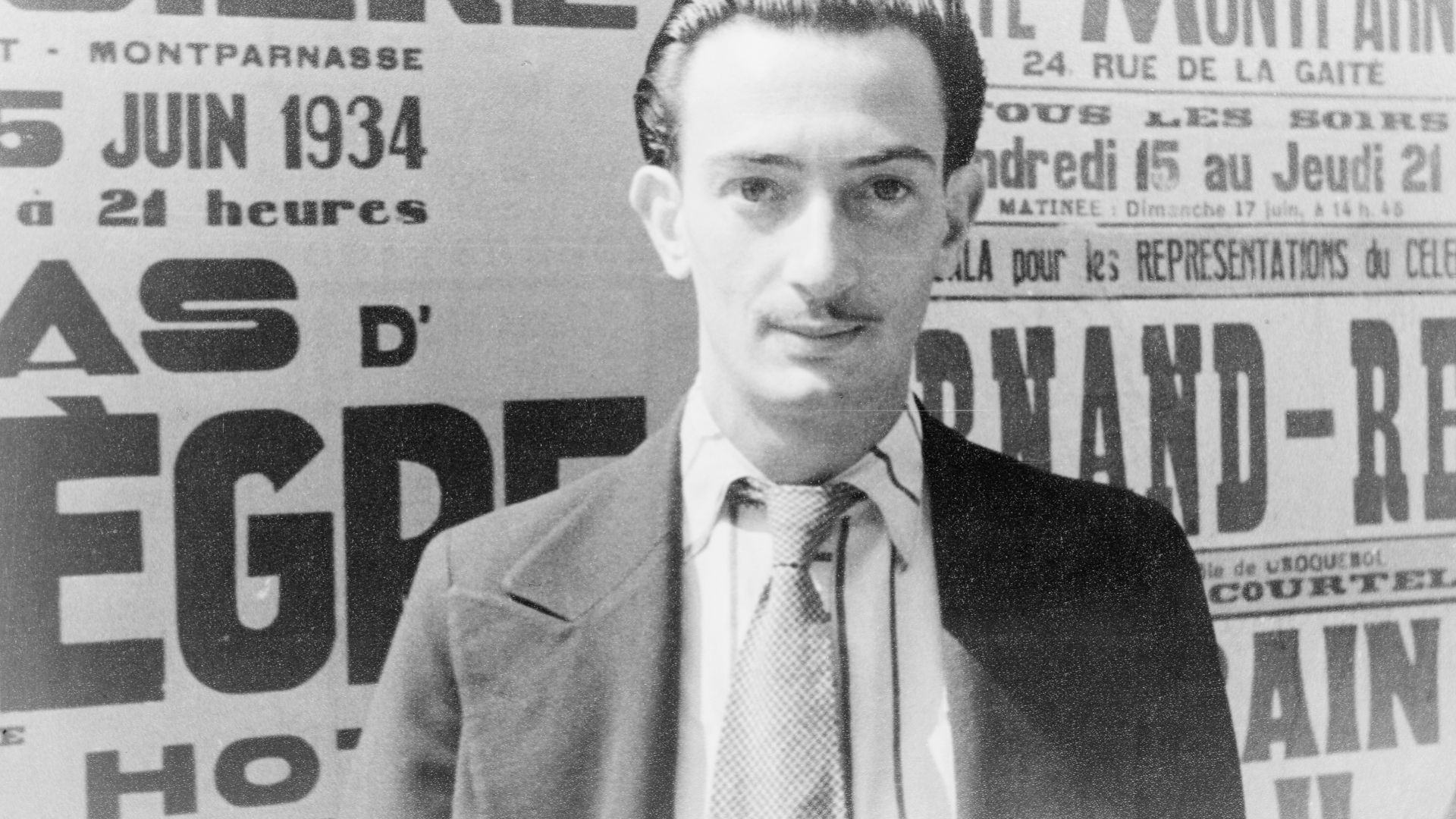 Carl Van Vechten, Wikimedia Commons
Joanna Of Castile
Known later as “Joanna the Mad”, she became emotionally unstable after the sudden death of her husband. Refusing to bury his body, she traveled with his coffin for months and accused others of betrayal. Her family later confined her for life, fearing her unpredictable behavior.
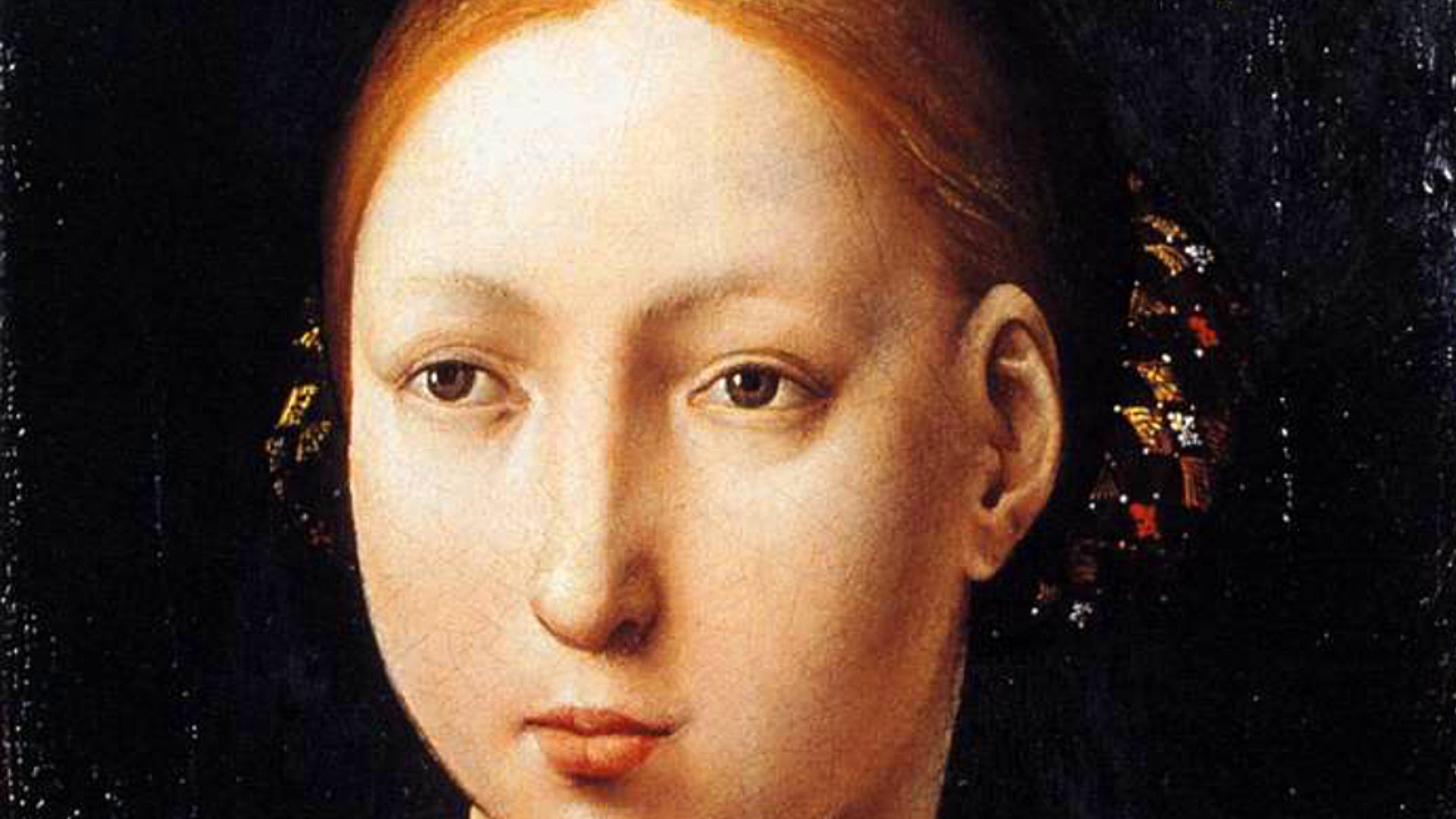 Juan de Flandes, Wikimedia Commons
Nikola Tesla
Obsession shaped Tesla’s life as much as invention. He feared human hair, refused to touch pearls, and claimed to receive signals from aliens. Despite brilliant breakthroughs, his paranoia deepened with age, and he died alone in a New York hotel room, nearly forgotten.
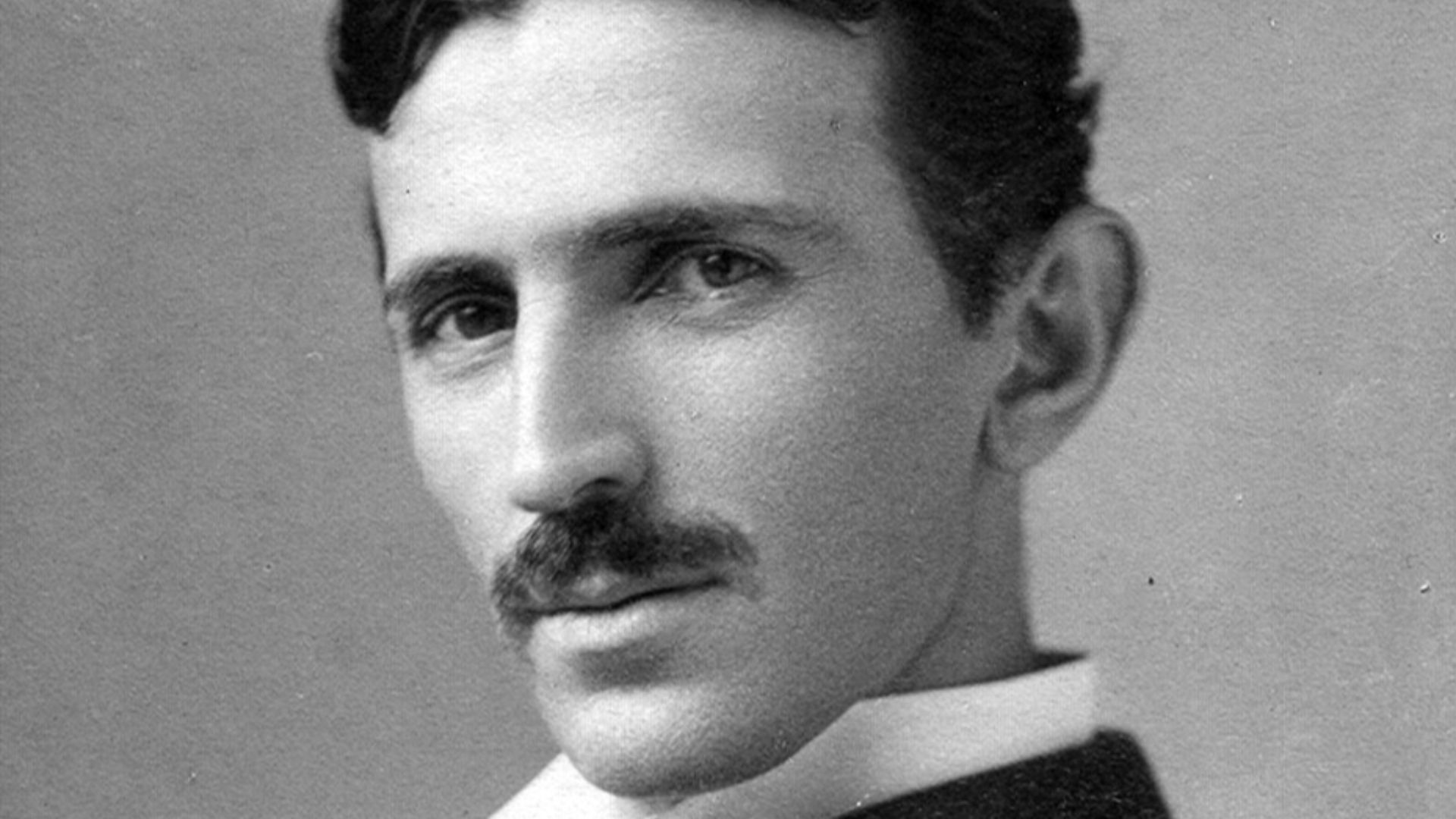 Napoleon Sarony, Wikimedia Commons
Georg Cantor
Mathematician Georg Cantor revolutionized the concept of infinity—but the stress of defending his theories took a toll. He faced public ridicule and spiraled into depression, often hospitalized for breakdowns. In his final years, he stopped publishing entirely and died in a mental institution.
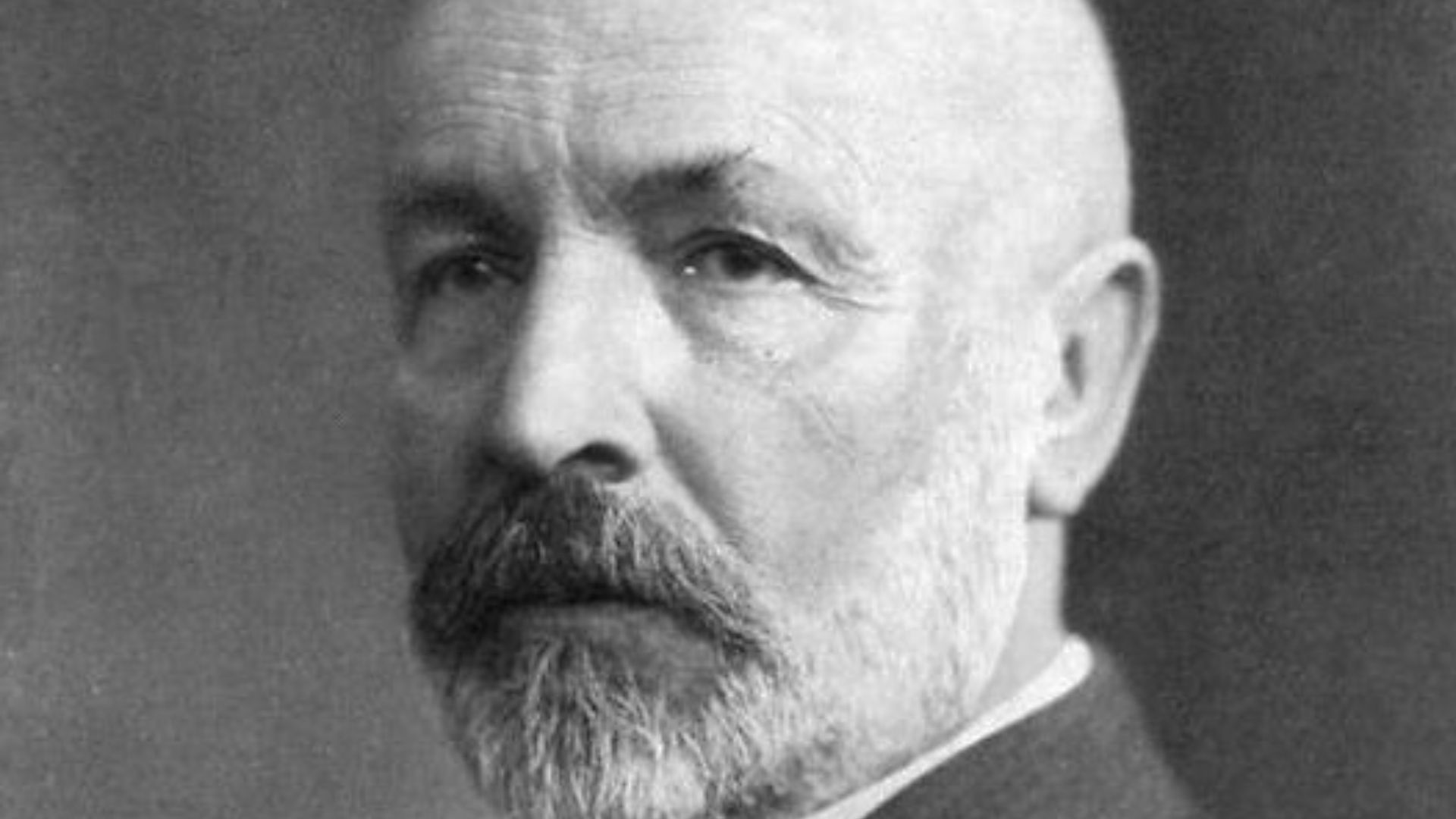 Unknown authorUnknown author, Wikimedia Commons
Mary Todd Lincoln
After witnessing Abraham Lincoln’s assassination, Mary Todd Lincoln began to withdraw from the world. She believed spirits visited her and often acted on irrational fears. Her behavior became so alarming that, in 1875, her only surviving son had her committed to an asylum.
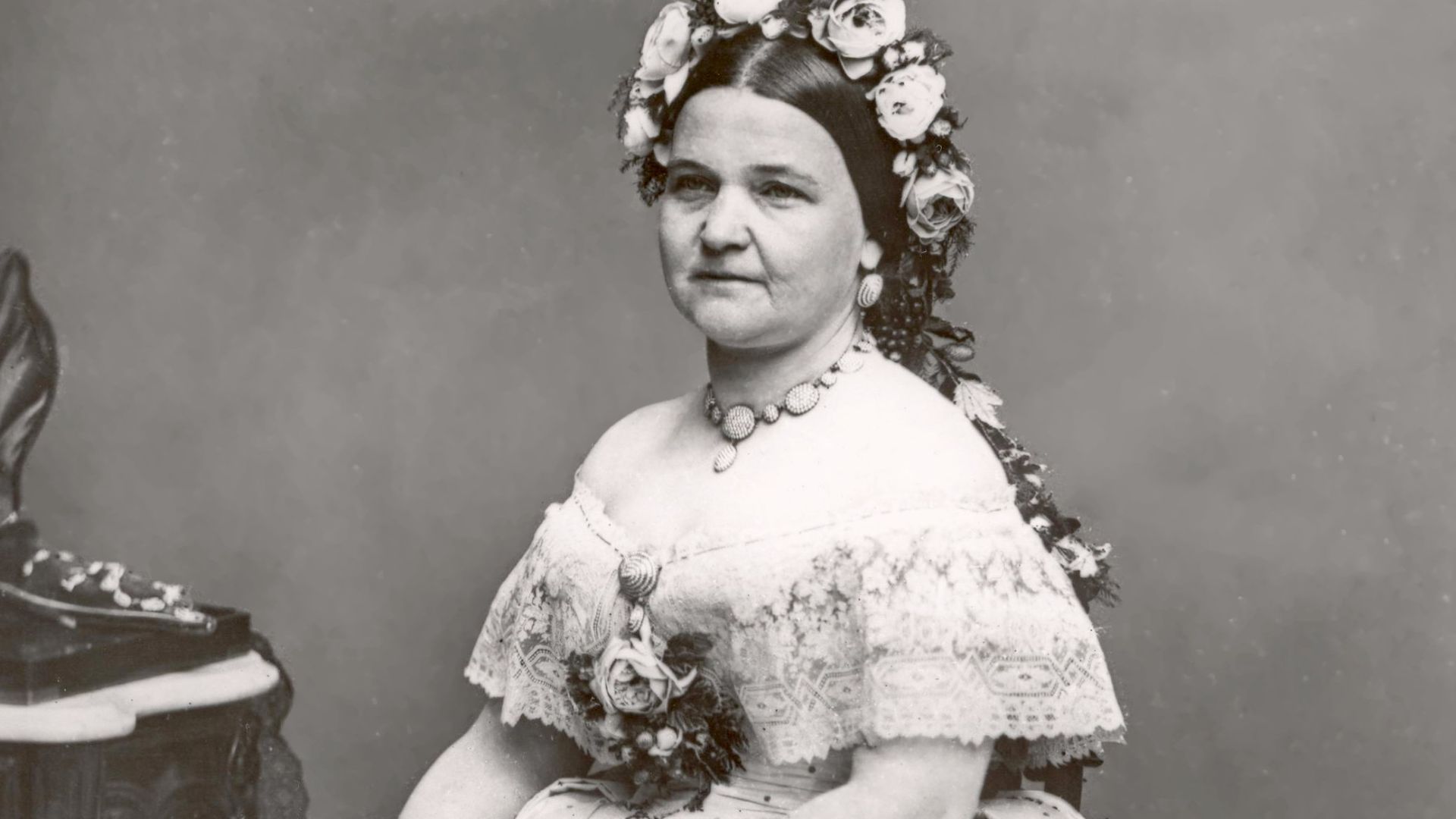 Mathew Benjamin Brady, Wikimedia Commons
Robert Schumann
Composer Robert Schumann believed spirits dictated music to him, sometimes forcing him to write for hours. As his mental health declined, he heard phantom voices and feared he’d hurt his family. He eventually admitted himself to an asylum, where he died two years later.
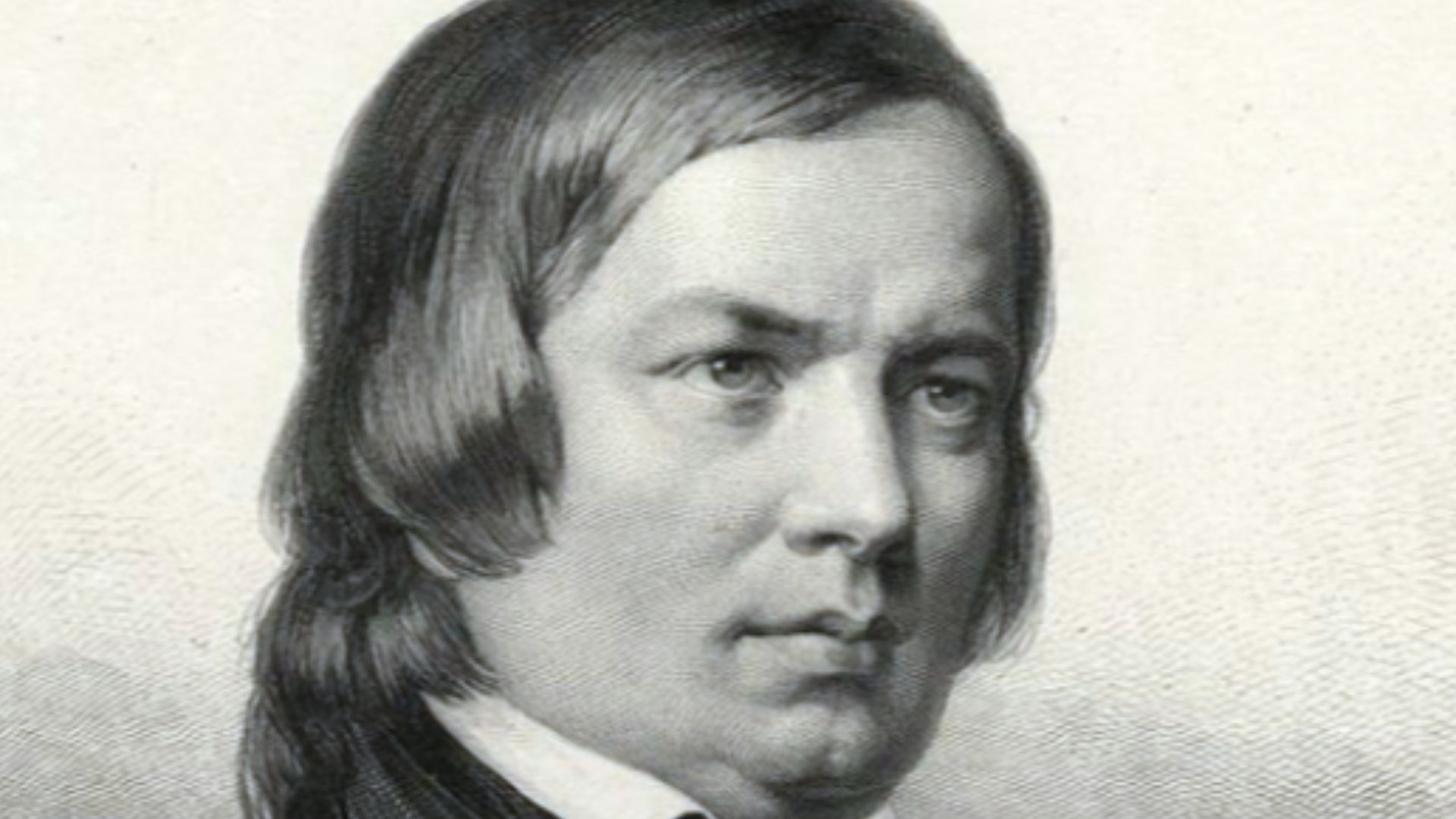 Williamtosun, Wikimedia Commons
Isaac Newton
In his forties, Isaac Newton entered a period of deep isolation and growing paranoia. He filled letters with angry accusations and became obsessed with hidden meanings in scripture. Though praised for scientific brilliance, his private writings reveal years of emotional instability and delusion.
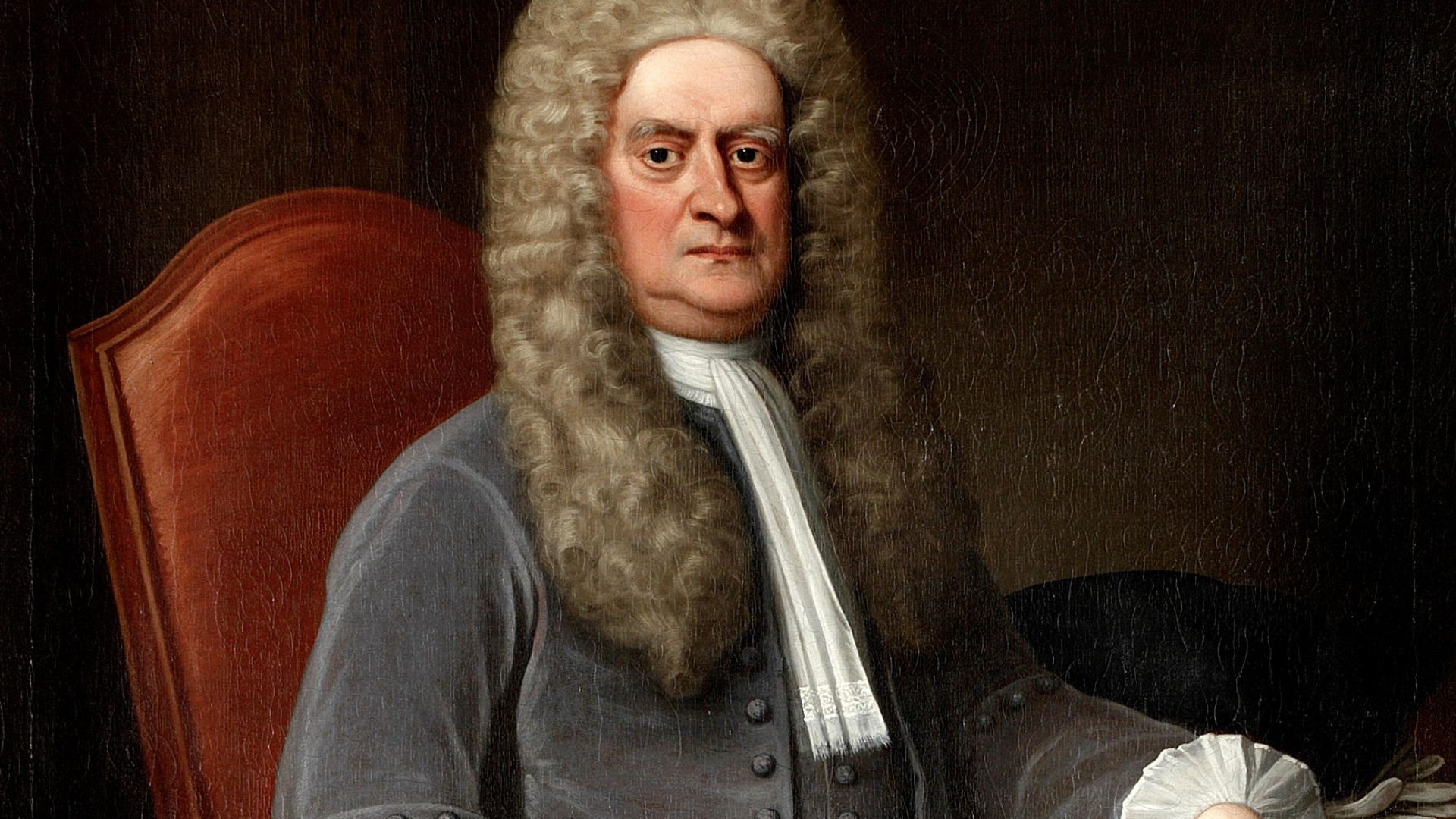 attributed to 'English School', Wikimedia Commons
Lord Byron
Intense and unpredictable, Lord Byron stirred scandal wherever he went. His poetry captured deep emotion, but his personal life was full of volatility. Friends often couldn’t predict his moods, and those closest to him suffered the consequences of his self-destructive impulses.
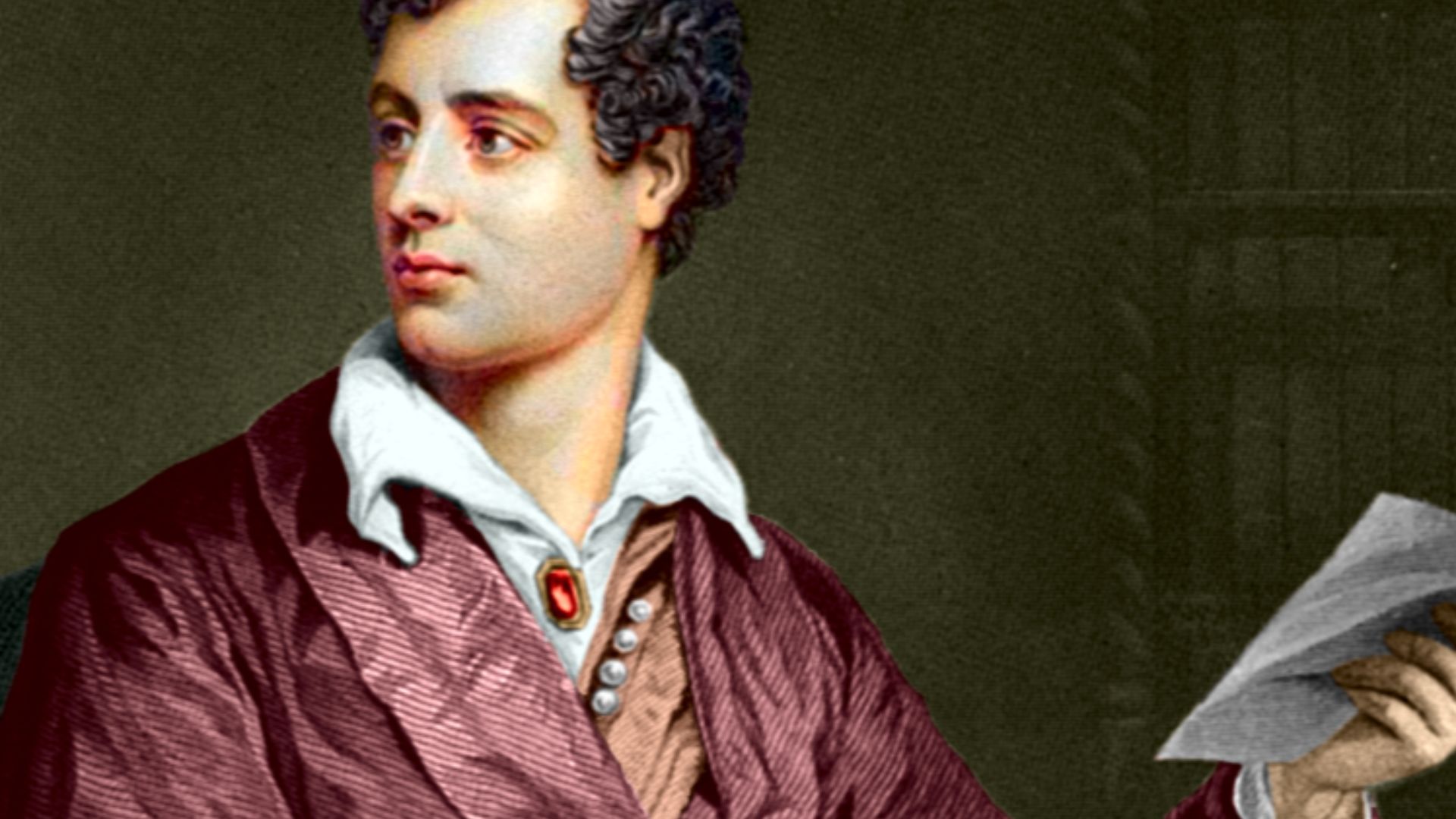 Unknown authorUnknown author, coloured by uploader, Wikimedia Commons
Jean-Jacques Rousseau
By the end of his life, Rousseau believed people were conspiring to ruin him. He avoided friends, accused strangers of plotting against him, and fled cities without warning. Though admired as a philosopher, his paranoia cast a long shadow over his final years.
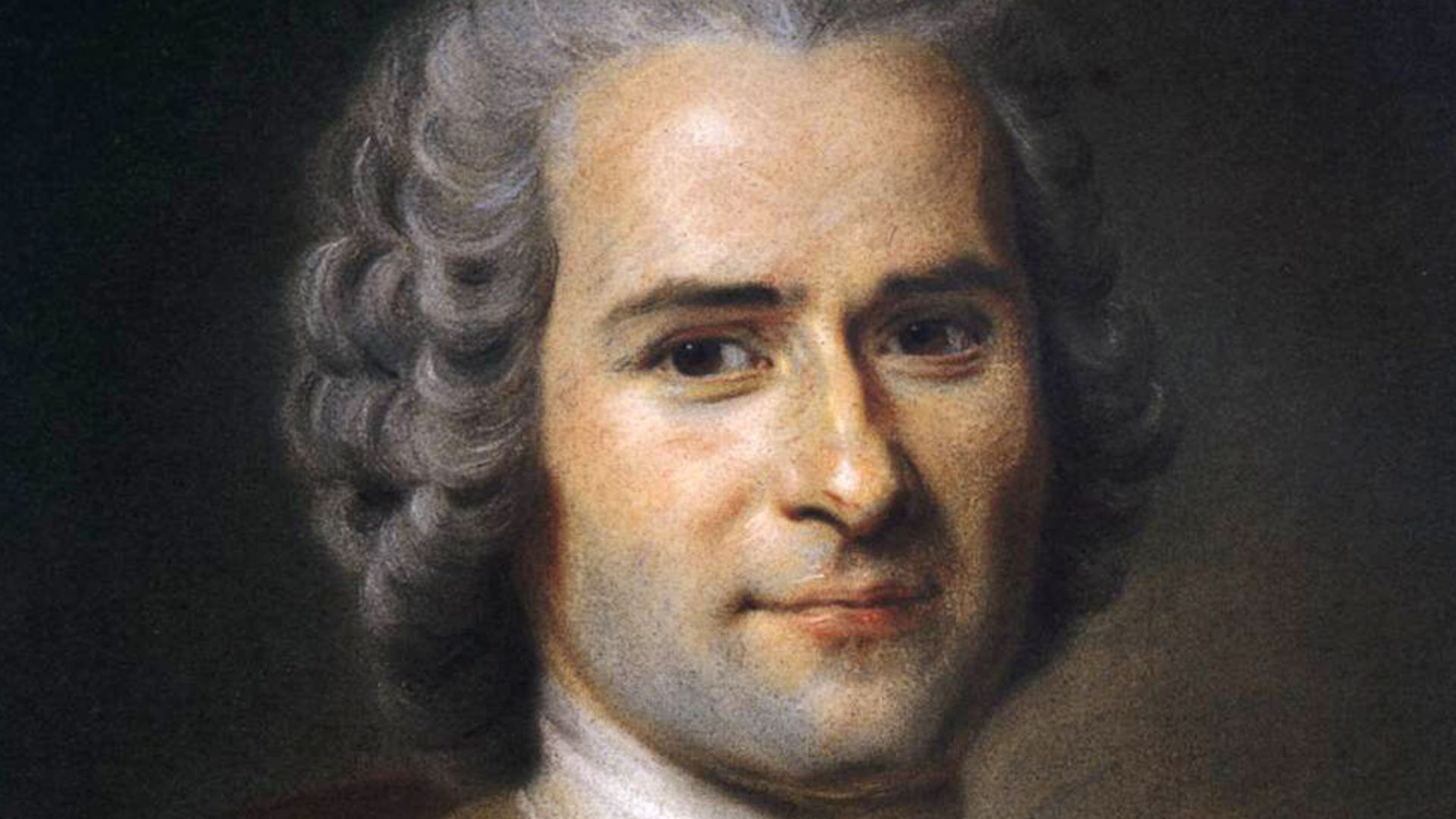 Maurice Quentin de La Tour (Life time: 1788), Wikimedia Commons











