Last Possessions Matter
Turns out, you actually can take it with you. Ancient rulers and modern celebrities alike have been buried clutching their most prized possessions. Sometimes it's practical. Sometimes it's sentimental. Always, it's revealing.

King Tutankhamun
When Howard Carter peered into Tutankhamun's tomb in 1922 and whispered, "wonderful things," he wasn't exaggerating. The boy king's burial chamber was crammed with over 5,000 objects. Everything from golden chariots to board games, a mannequin for trying on clothes, and even 145 loincloths was present.
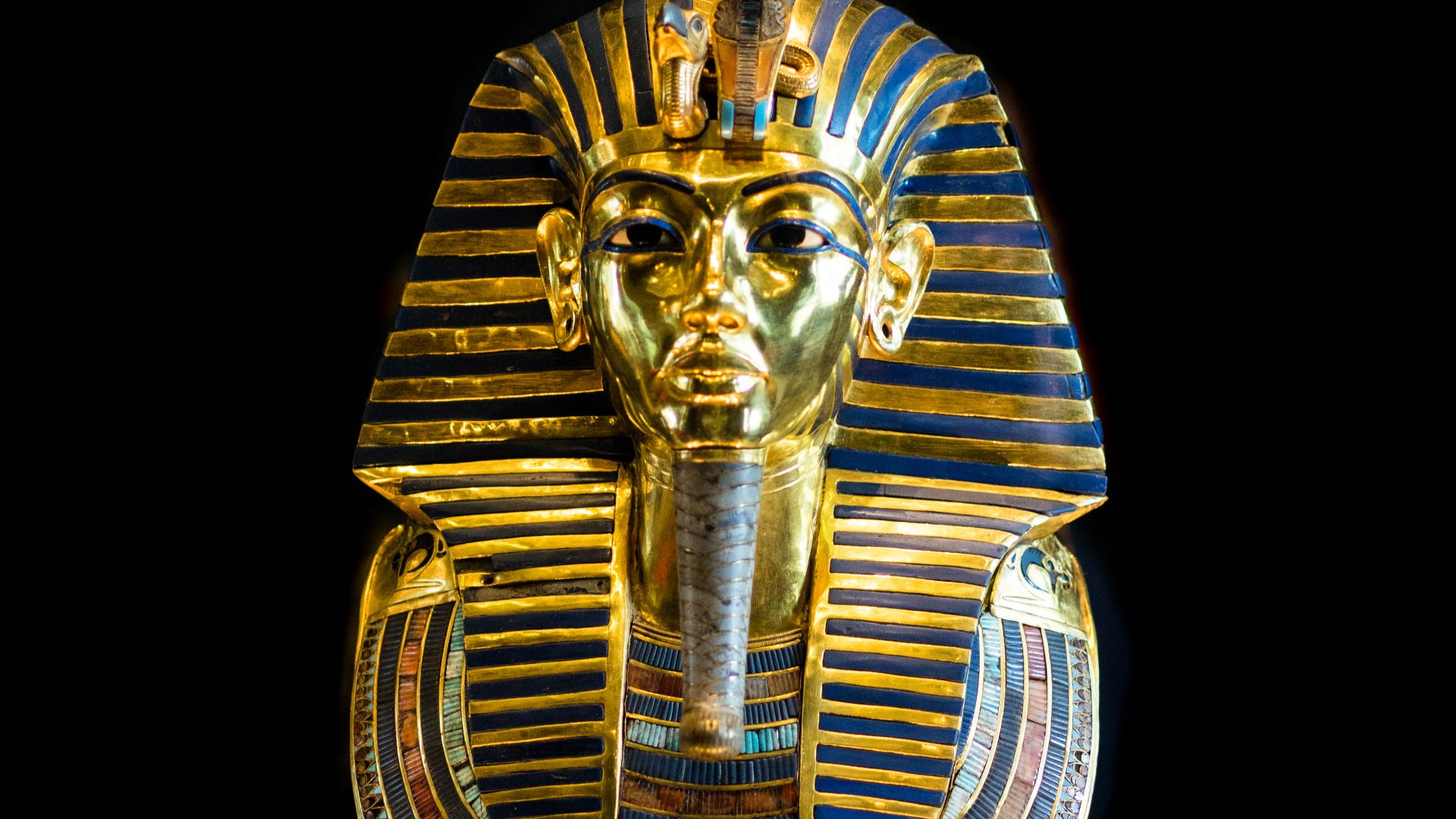 Mark Fischer, Wikimedia Commons
King Tutankhamun (Cont.)
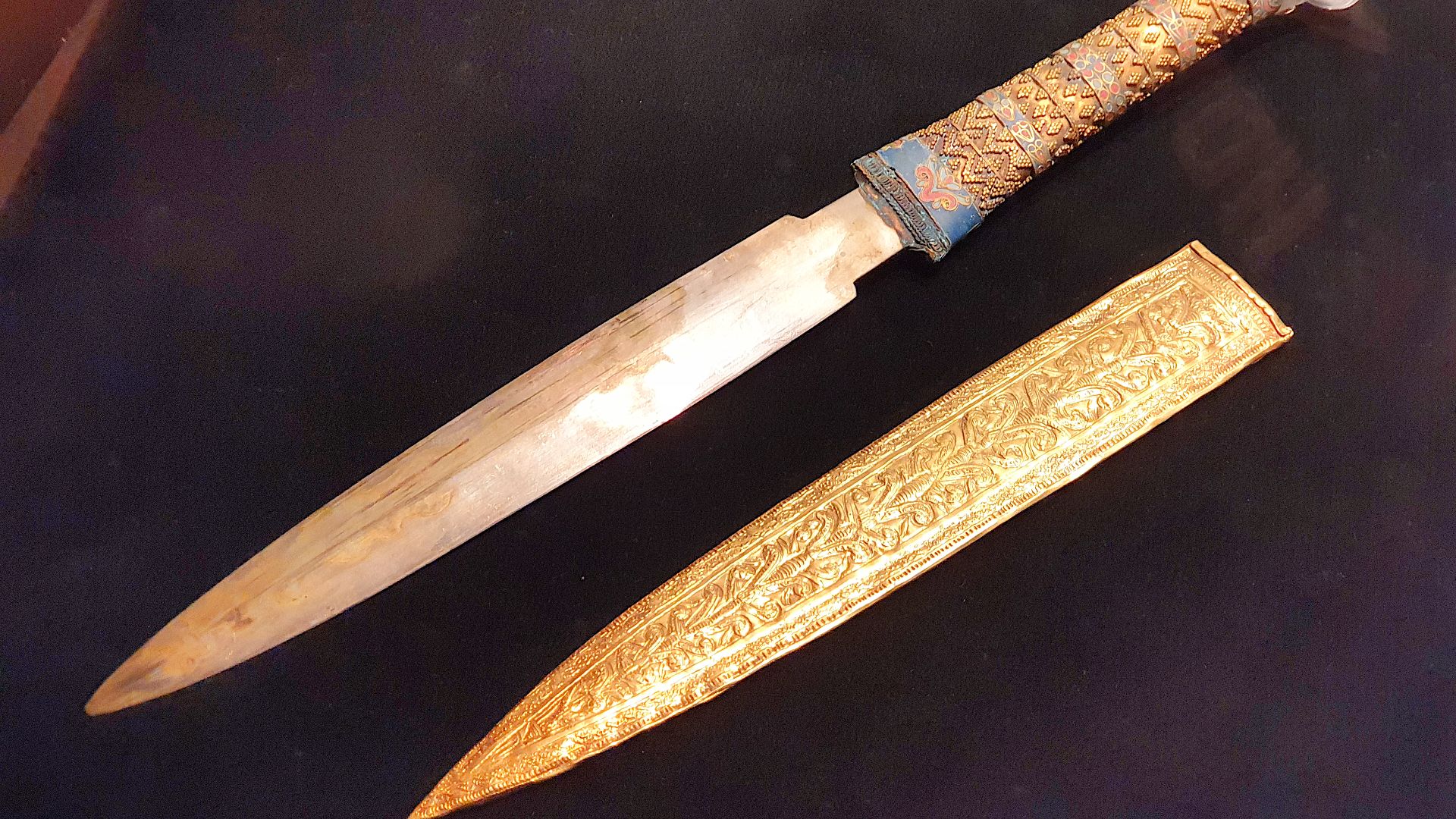
Among the most extraordinary items were two daggers: one with a blade forged from meteorite iron, literally made from space metal that had fallen to Earth. The tomb also held 413 shabti figurines—miniature servants meant to perform manual labor for the pharaoh in the afterlife.
Qin Shi Huang (First Emperor Of China)
The first emperor to unite China wanted an entire empire. Discovered by farmers digging a well in 1974, the Terracotta Army consists of over 8,000 life-sized clay soldiers, 130 chariots with 520 horses, and 150 cavalry horses, each warrior's face individually sculpted with unique features.
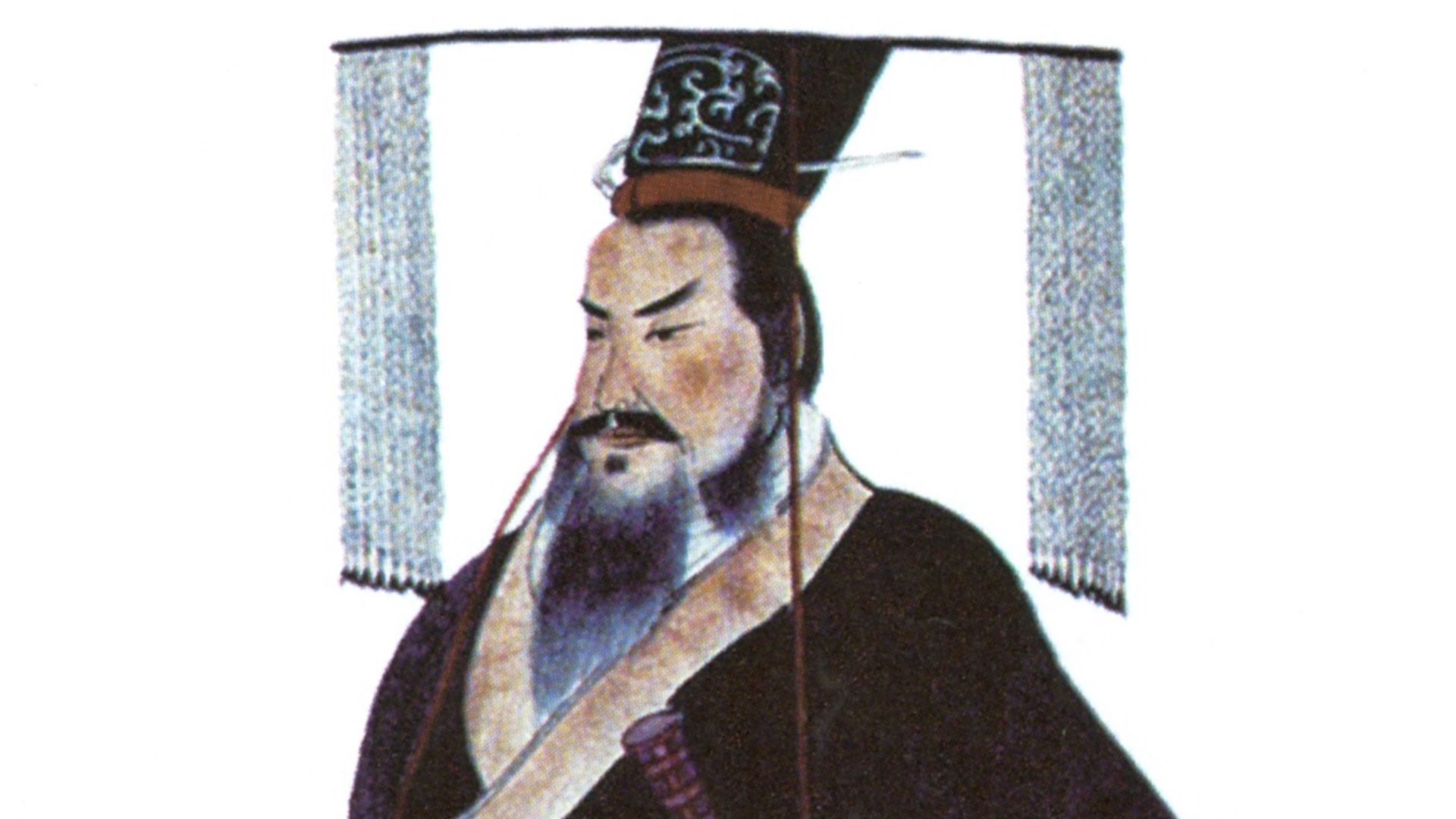 Unknown artistUnknown artist, Wikimedia Commons
Qin Shi Huang (Cont.)
But here's what most people don't know: the soldiers originally held over 40,000 real bronze weapons—swords, spears, crossbows, and battle-axes—that were looted shortly after the emperor's death or rotted away over millennia. The underground realm extends across 38 square miles and took 38 years to build.
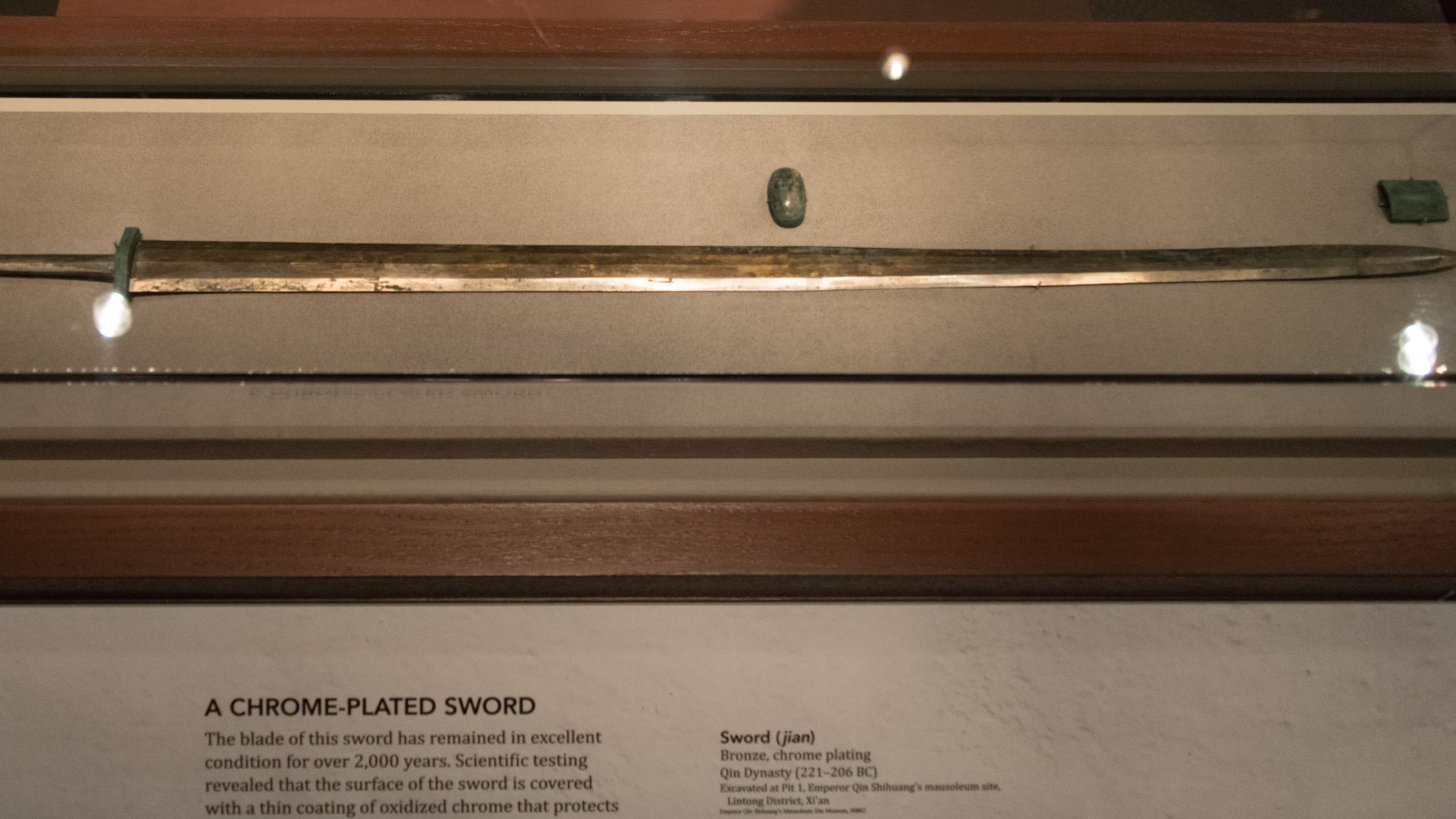 Difference engine, Wikimedia Commons
Harry Houdini
Harry Houdini was buried with his head resting on a pillow stuffed with letters from his beloved mother, Cecilia Weiss. His devotion to her was legendary. After her death in 1913, he visited her grave every single day and again at midnight, lying flat on the ground.
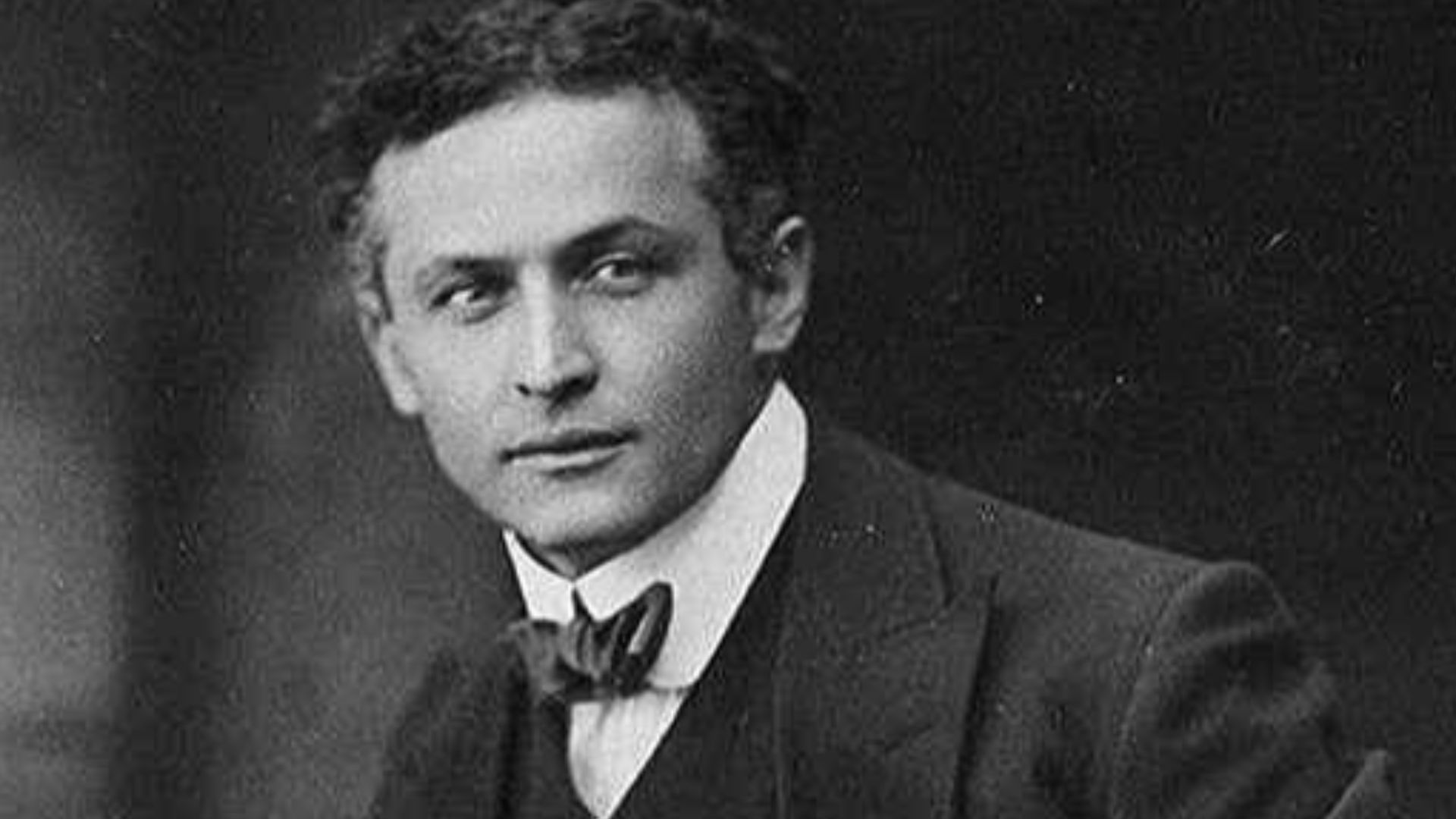 Unknown authorUnknown author, Wikimedia Commons
Harry Houdini (Cont.)
He even had all her letters transcribed into "good German," typed out, and bound into a book so he could read them easily. Houdini was laid to rest in a bronze casket he'd originally purchased for his "Buried Alive" stage act, creating a perfect full-circle moment.
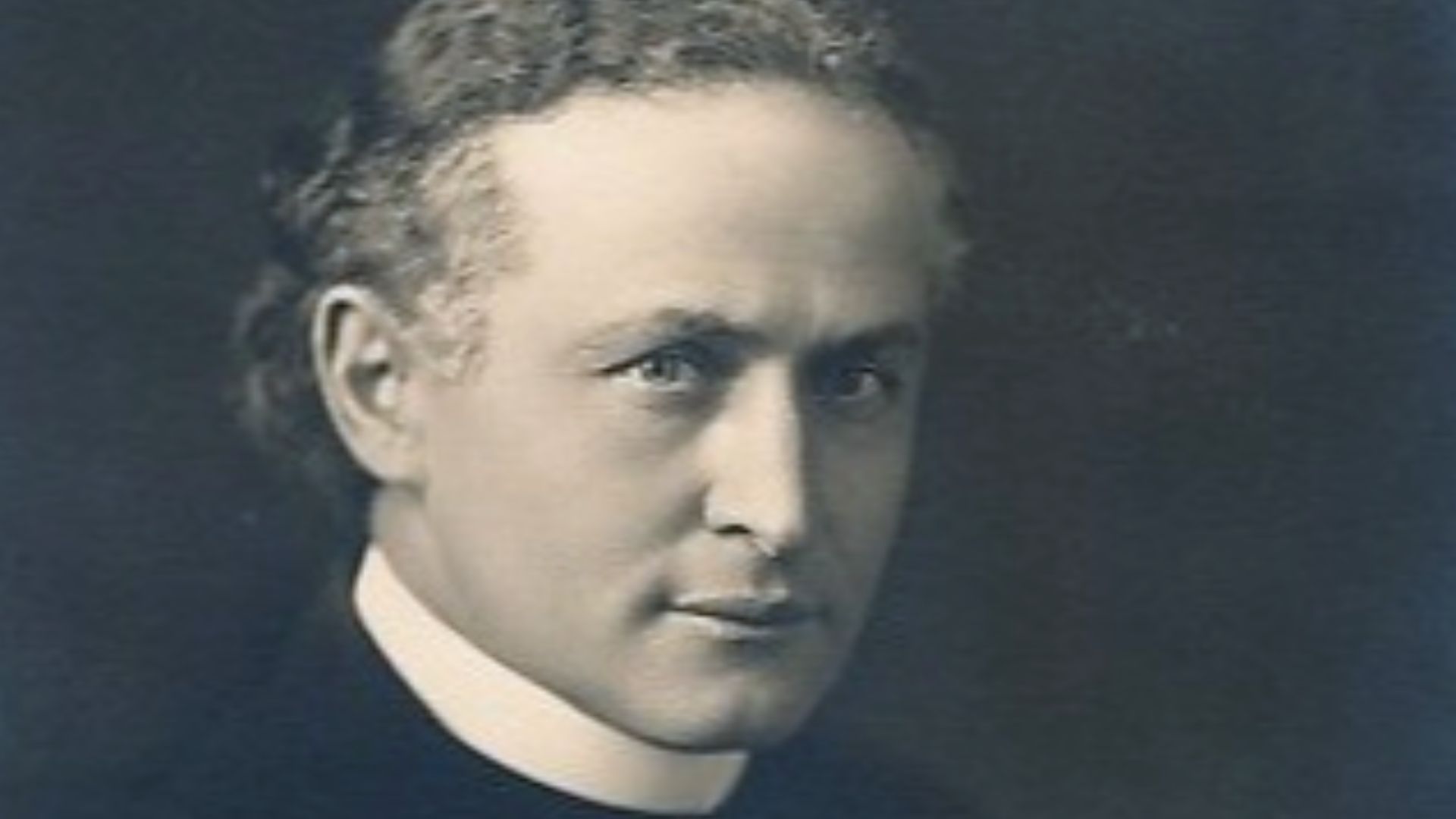 LaPine Studios, Wikimedia Commons
King Khufu
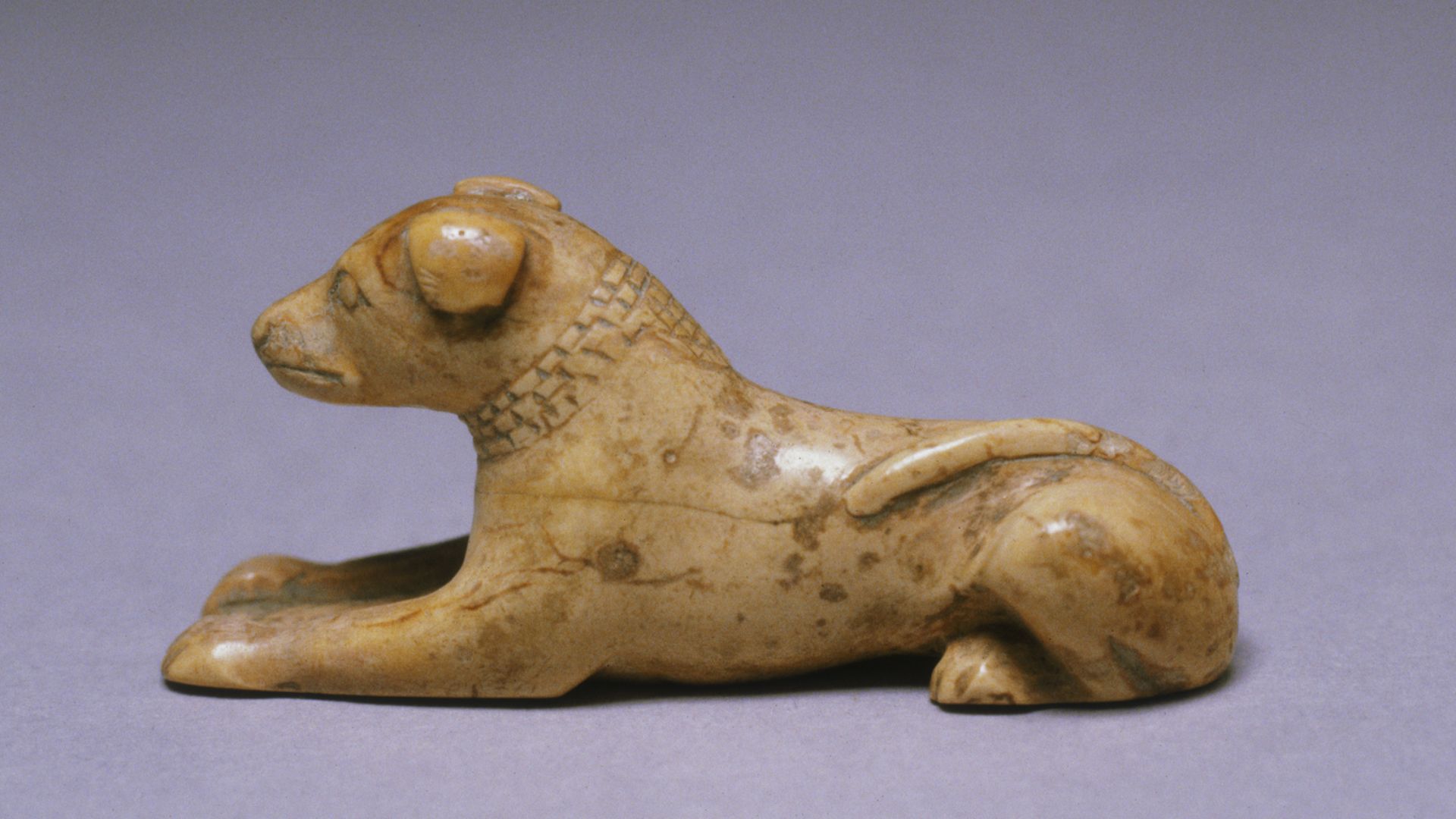
The Great Pyramid builder didn't just entomb himself with gold and jewels; he buried his best friend, too. Pharaoh Khufu, who ruled Egypt around 2589–2566 BCE, was so devoted to his dog Akbaru that the beloved pet received full burial honors alongside his master.
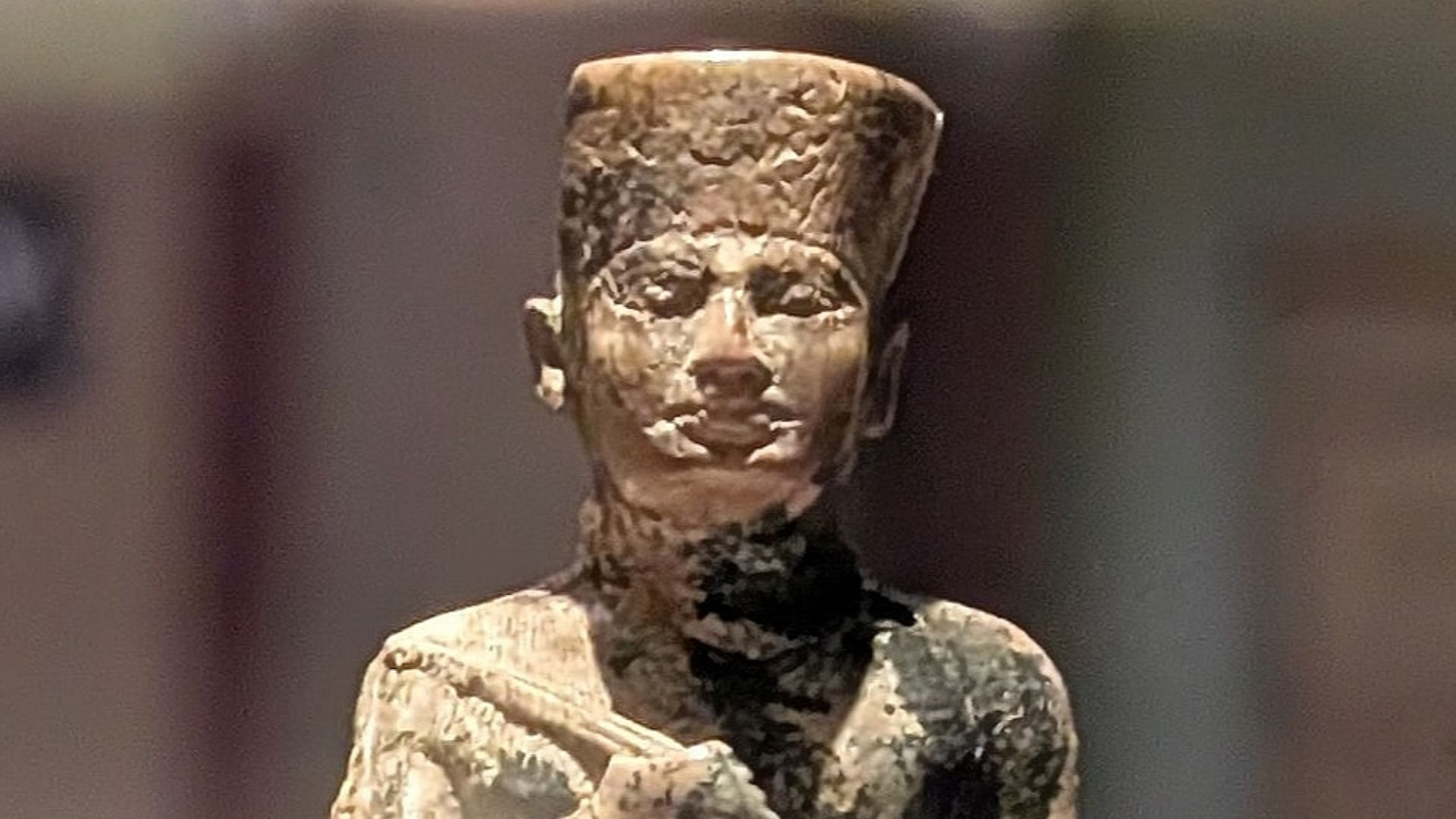
King Khufu (Cont.)
Akbaru's inclusion speaks volumes about the genuine bond between the pharaoh and his companion, transcending the purely practical relationship many ancient rulers had with their animals. Dog collars were frequently included as grave goods throughout ancient Egypt, often inscribed with the animal's name.
 Anonymous (Egypt)Unknown author, Wikimedia Commons

History's most fascinating stories and darkest secrets, delivered to your inbox daily.
Maiherpre
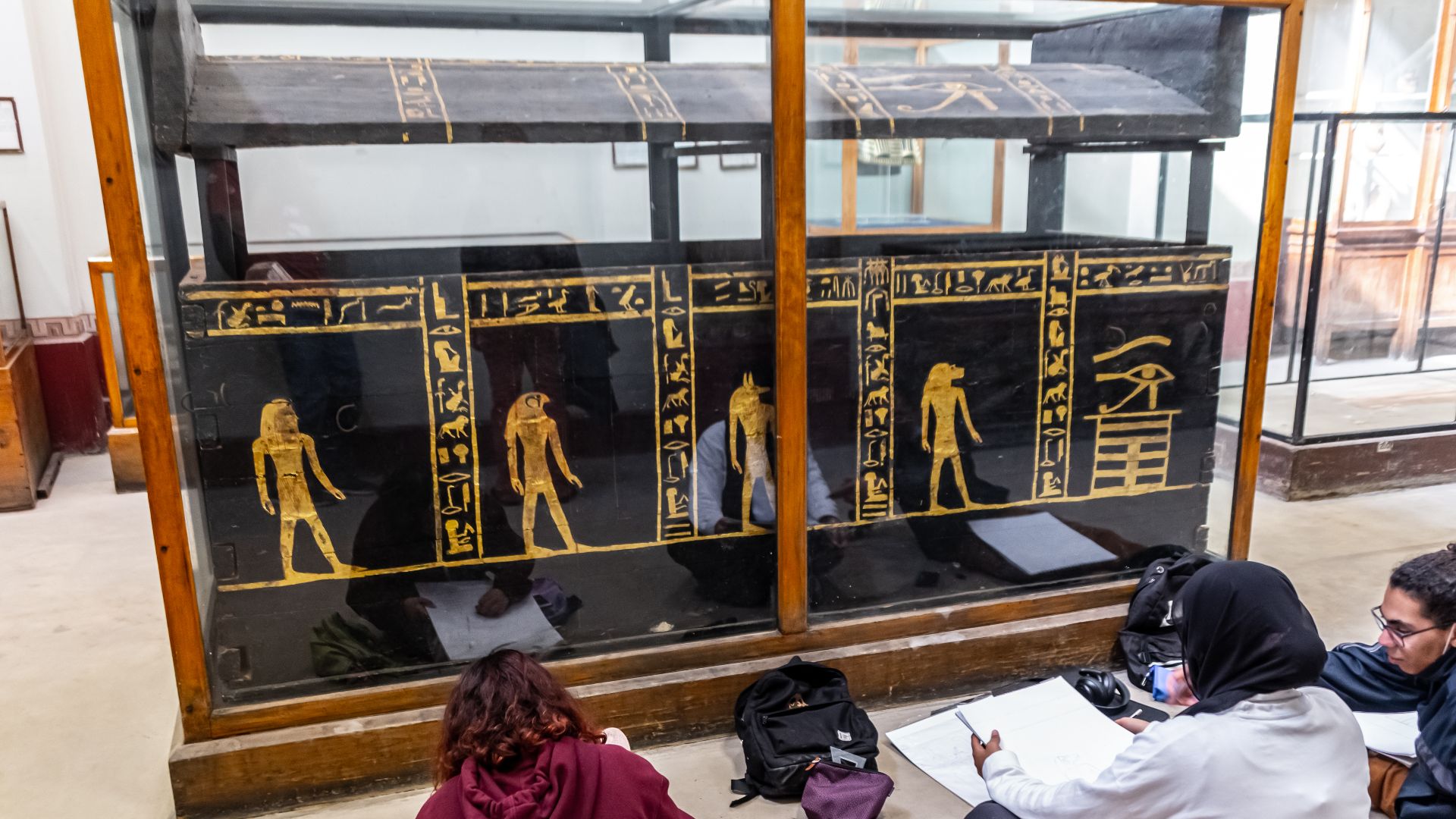
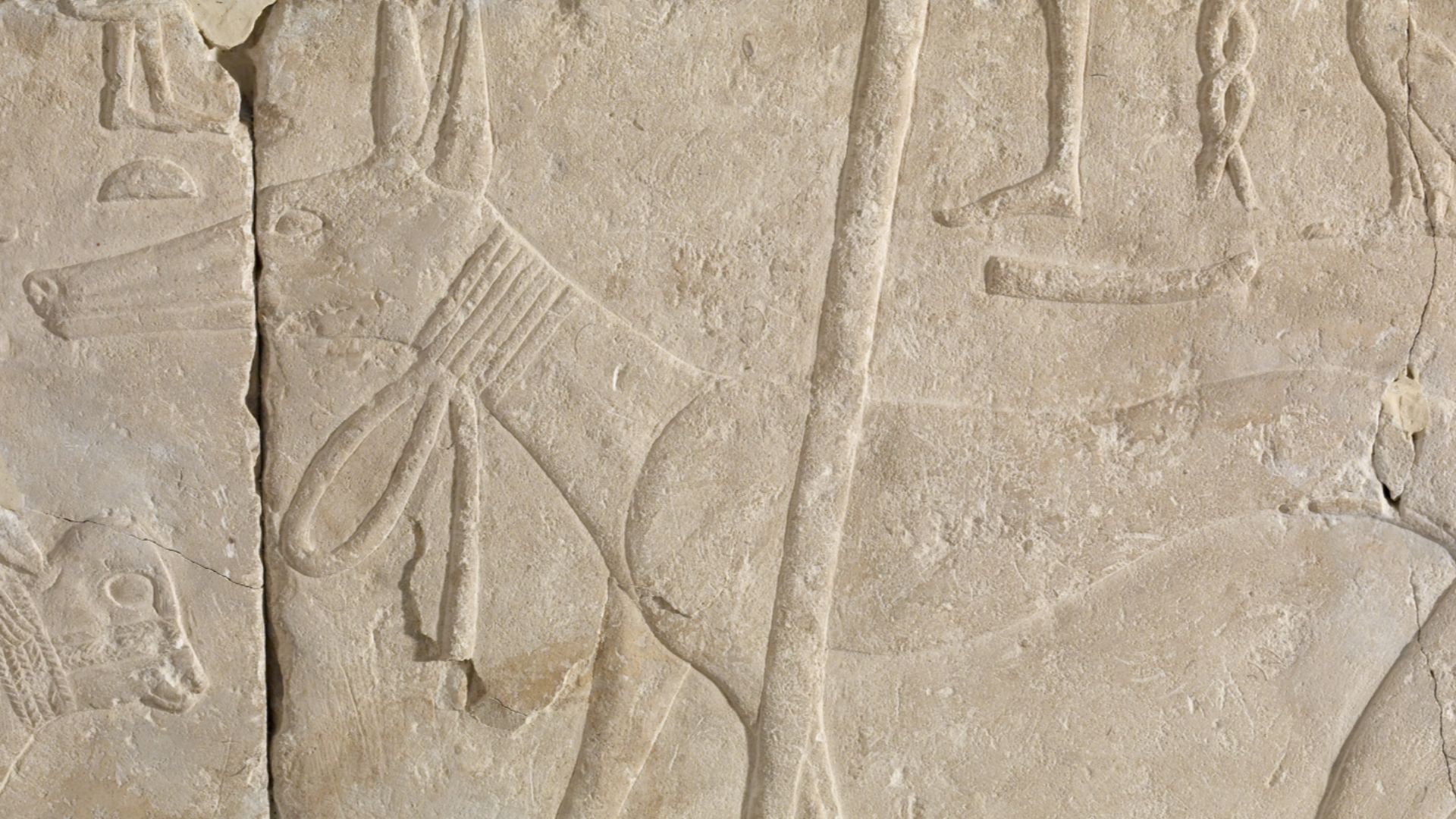
Long before designer dog accessories became a trend, ancient Egyptian warriors were commissioning custom leather collars as works of art. Maiherpre, a high-ranking military official who served during the reign of Thutmose III (1458–1425 BCE), was buried with two spectacularly decorated dog collars.
Maiherpre (Cont.)
These were status symbols dyed in expensive pink pigment and adorned with intricate scenes. One collar displayed galloping horses and lotus flowers accented with brass studs, while the companion piece featured elaborate hunting scenes and proudly bore the dog's name, Tantanuit, engraved for eternity.
 Anonymous (Egypt)Unknown author, Wikimedia Commons
Lord Of Sipan
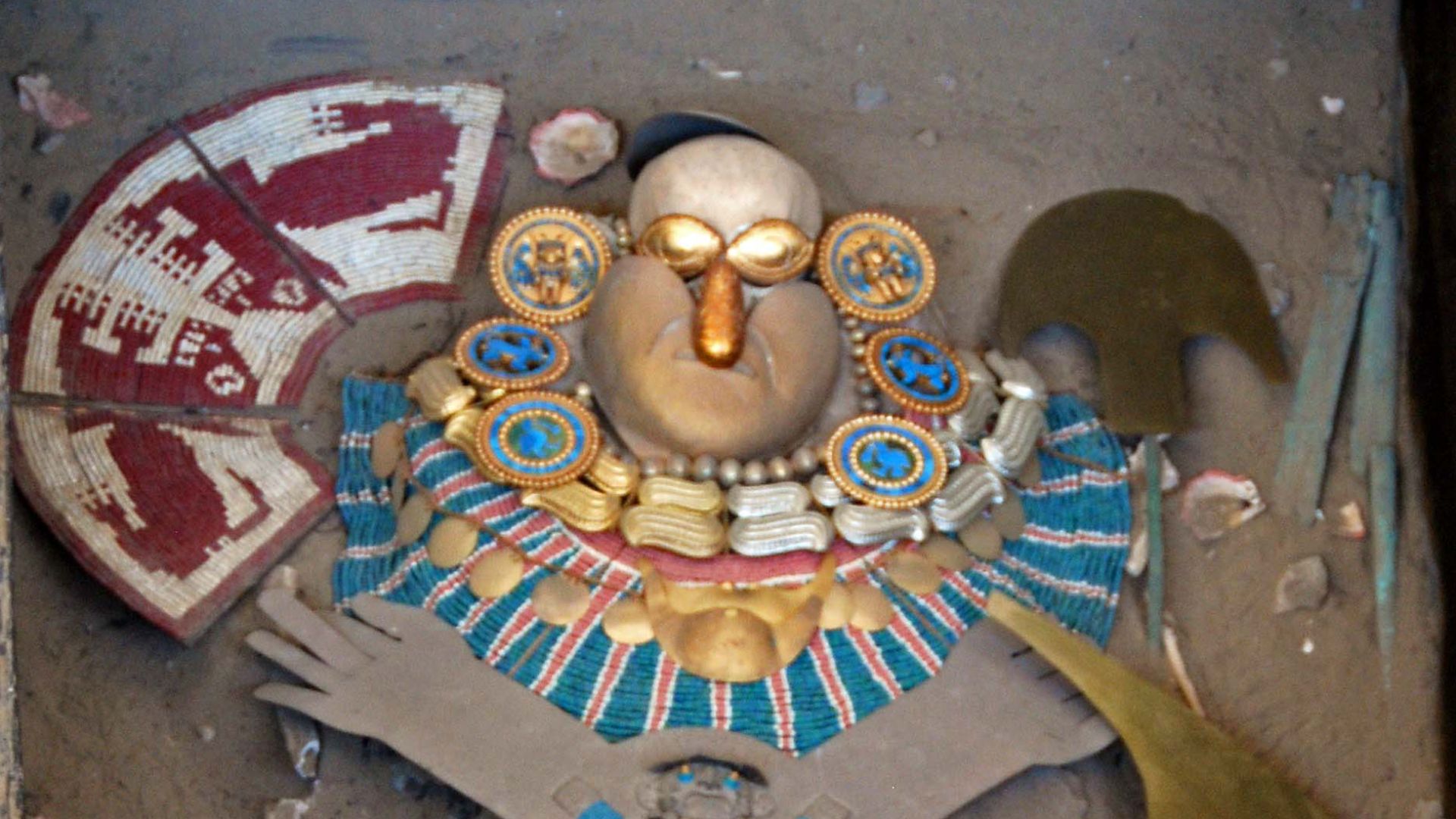
The 1987 discovery of the Lord of Sipan's tomb in Peru revolutionized our understanding of pre-Columbian civilizations. This Moche ruler, who passed away around 250 CE, was buried with such spectacular wealth that archaeologists initially thought grave robbers had beaten them to it.
 Adrian Hernandez, Wikimedia Commons
Lord Of Sipan (Cont.)
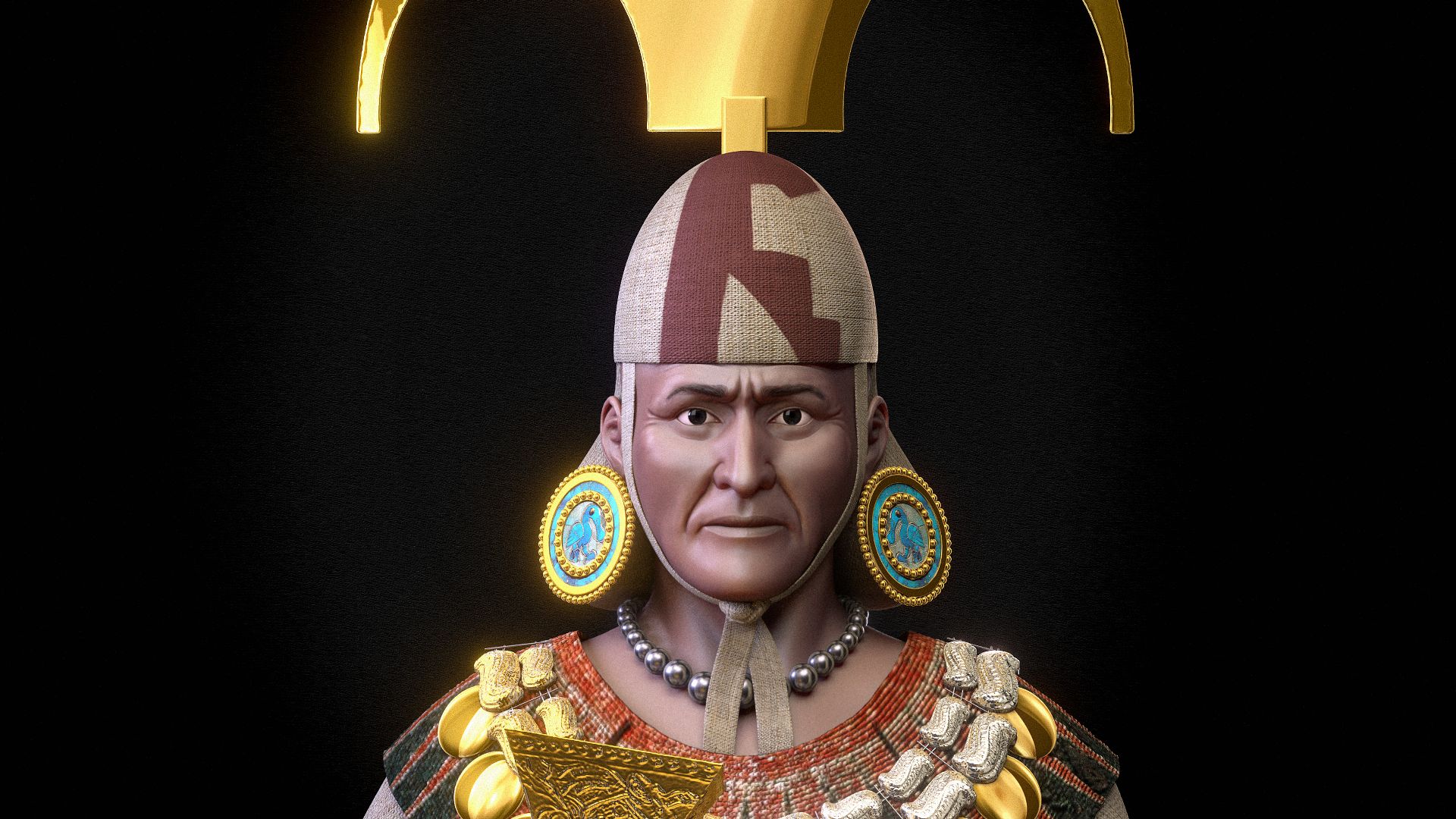
His burial chamber contained elaborate gold and turquoise jewelry, ceremonial knives, gold and silver ornaments, war clubs, and hundreds of ceramic vessels depicting everyday Moche life. What makes this burial extraordinary is the sheer artistry of the metalwork. The Lord wore a gold crescent-shaped headdress.
 Cicero Moraes, Wikimedia Commons
Sutton Hoo Ship Burial
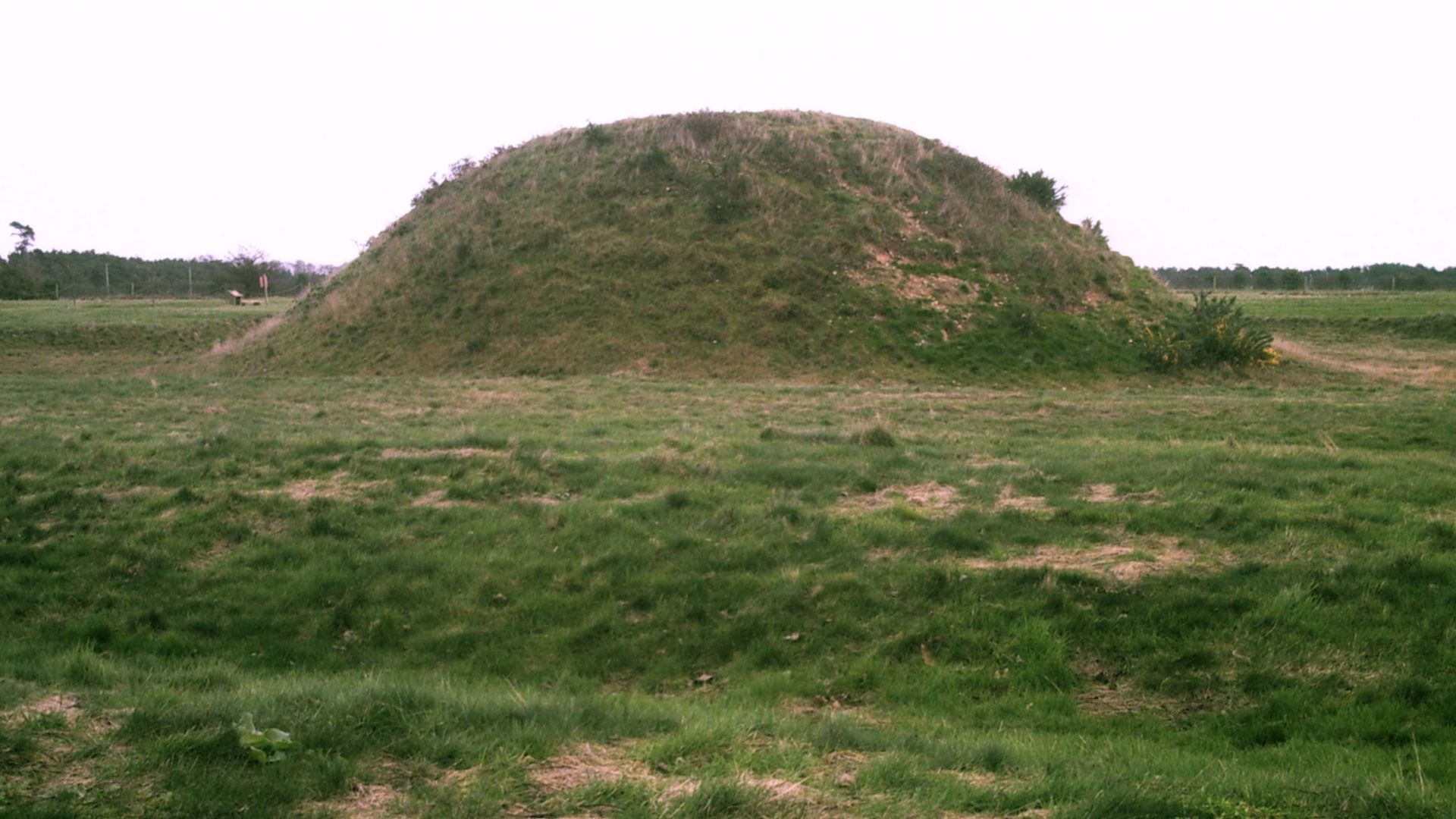
In 1939, archaeologists excavated a grass-covered mound in Suffolk, England, and found something astonishing: an entire 89-foot Anglo-Saxon ship buried as a tomb. Dating to around 625 CE, this vessel contained one of Britain's greatest archaeological treasures—a warrior king's complete burial assemblage.
 Dr Steven Plunkett, Wikimedia Commons
Sutton Hoo Ship Burial (Cont.)
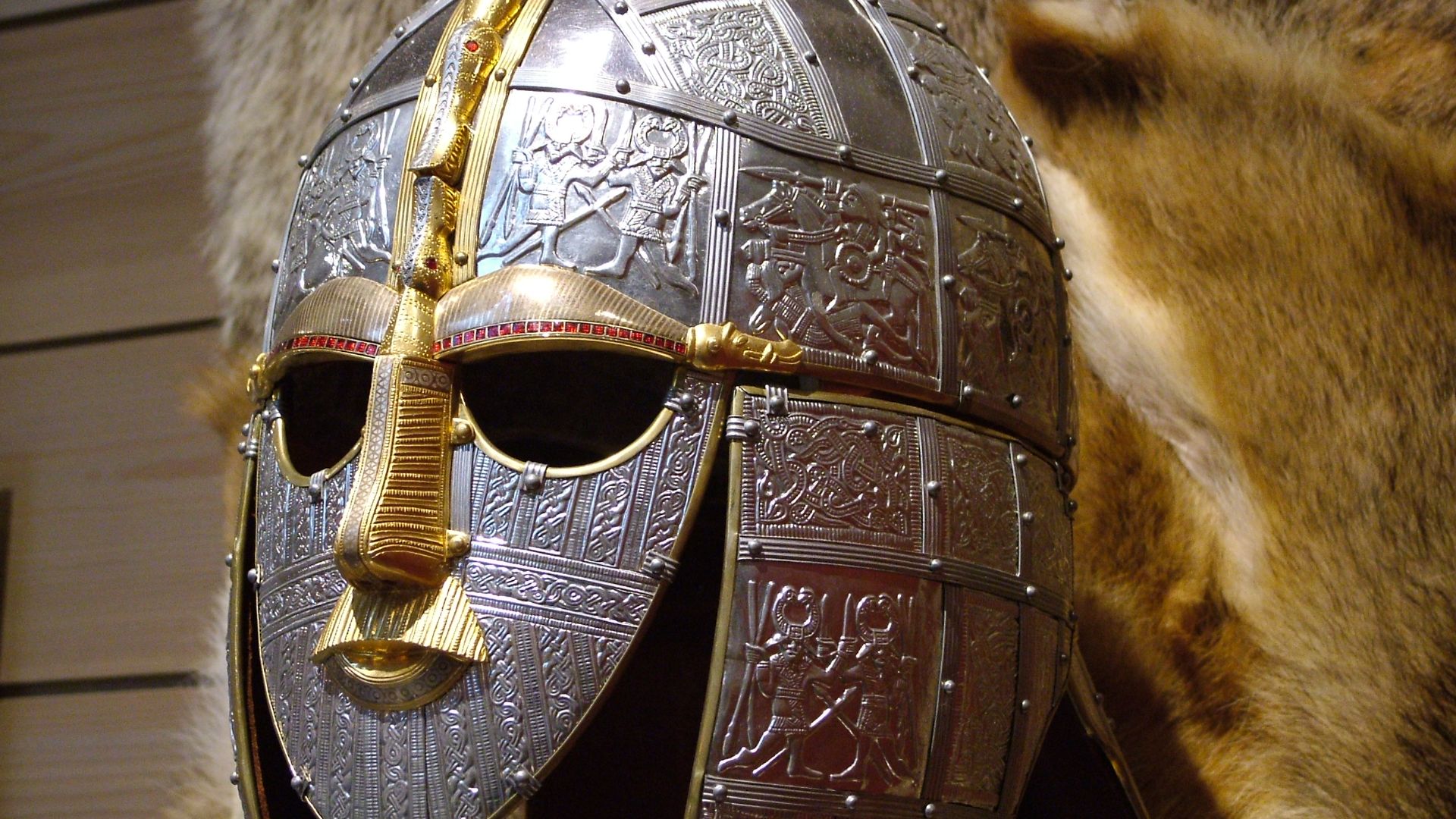
The helmet alone, with its iconic face mask and dragon designs, has become one of the most recognizable artifacts from Dark Ages Europe. Well, the burial goods read like a fantasy novel's inventory: a ceremonial whetstone scepter, a gold belt buckle with intricate animal designs, and Byzantine silver bowls.
Leonard Bernstein
When the famous conductor and composer died in 1990, his burial reflected his eclectic genius and superstitions. Bernstein was interred with an amber piece (his good luck charm), a penny for fortune, his conductor's baton, and a copy of Alice in Wonderland, which he reportedly never traveled without.
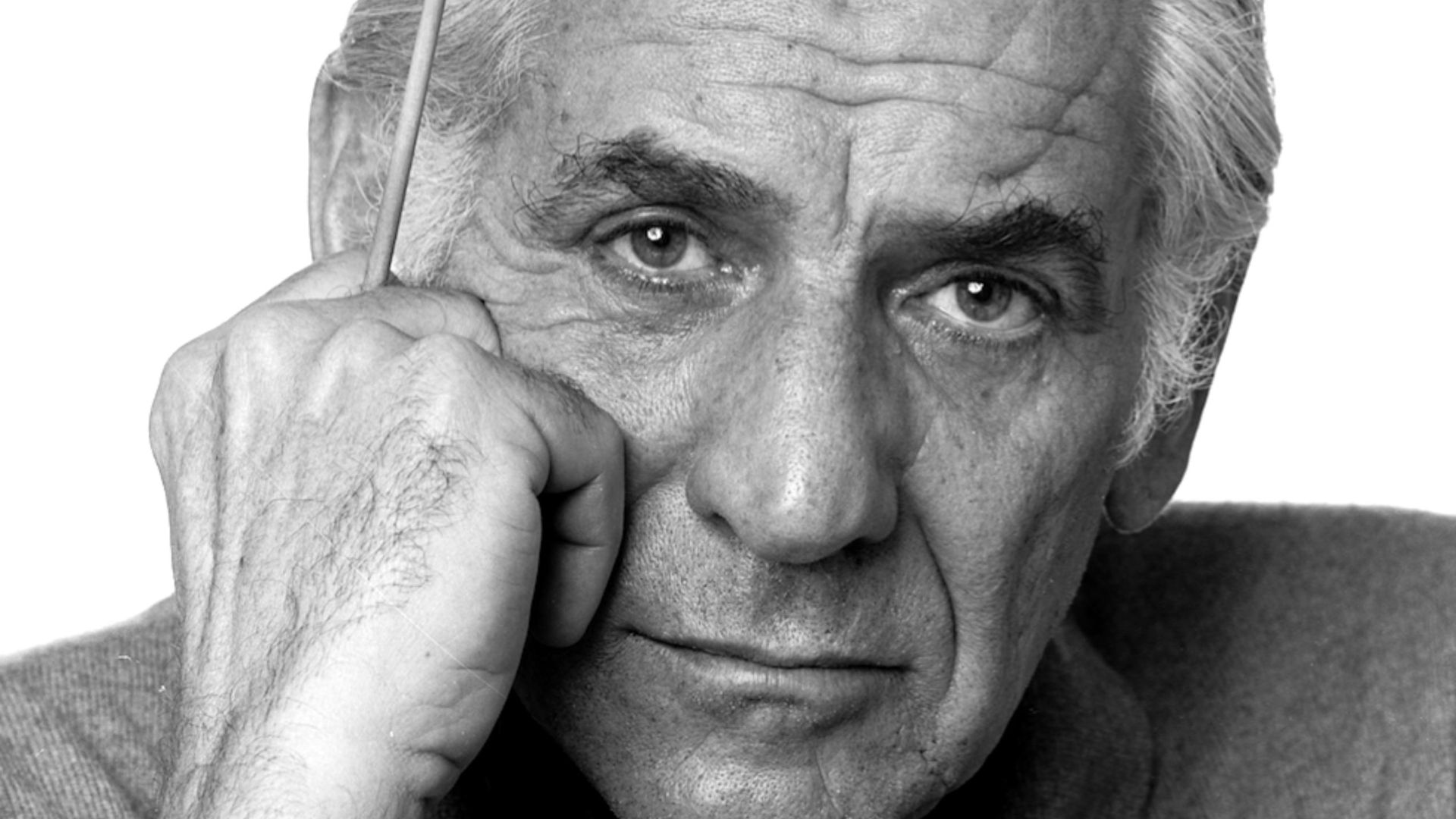 Jack Mitchell, Wikimedia Commons
Leonard Bernstein (Cont.)
And most poignantly, a pocket score of Gustav Mahler's Fifth Symphony was placed over his heart. Each item told a story about the man who composed West Side Story and became one of America's greatest musical ambassadors. Bernstein had championed Mahler's music when it was unfashionable.
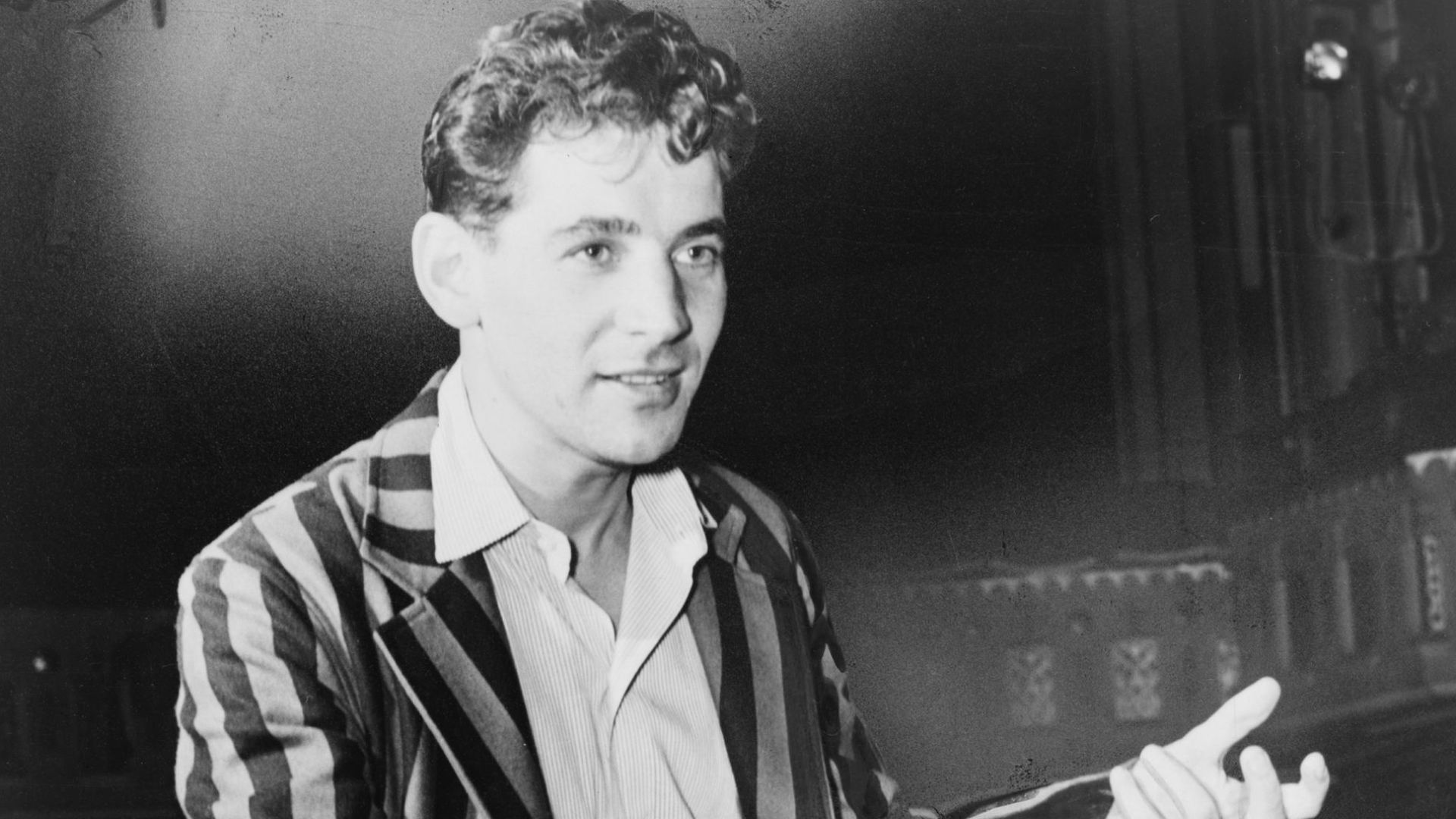 Fred Palumbo, World Telegram staff photographer, Wikimedia Commons
Roald Dahl
The beloved children's author who wrote Charlie and the Chocolate Factory practiced what he preached about chocolate's importance. Yes, he was buried with it. Dahl's 1990 funeral was described by his granddaughter Sophie as "like a Viking funeral," with the author surrounded by meaningful objects in his coffin.
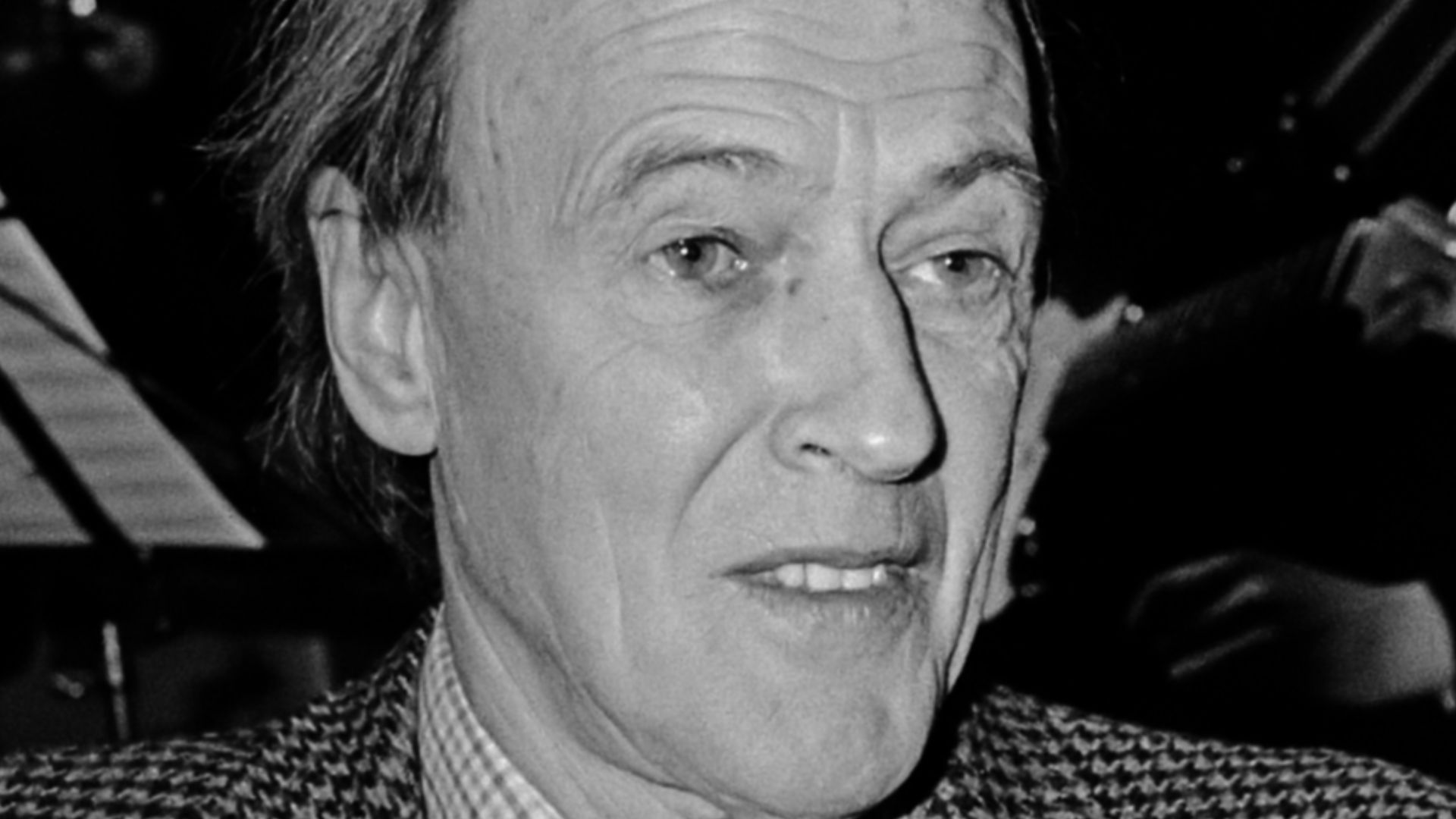 Hans van Dijk for Anefo, Wikimedia Commons
Roald Dahl (Cont.)
It is said that the eclectic collection included chocolate bars, a bottle of Burgundy wine, his beloved snooker cues, pencils (his writing tools), and mysteriously, a power saw. The burial wasn’t solemn in the traditional sense; it was playful, intimate, and unmistakably Dahl.
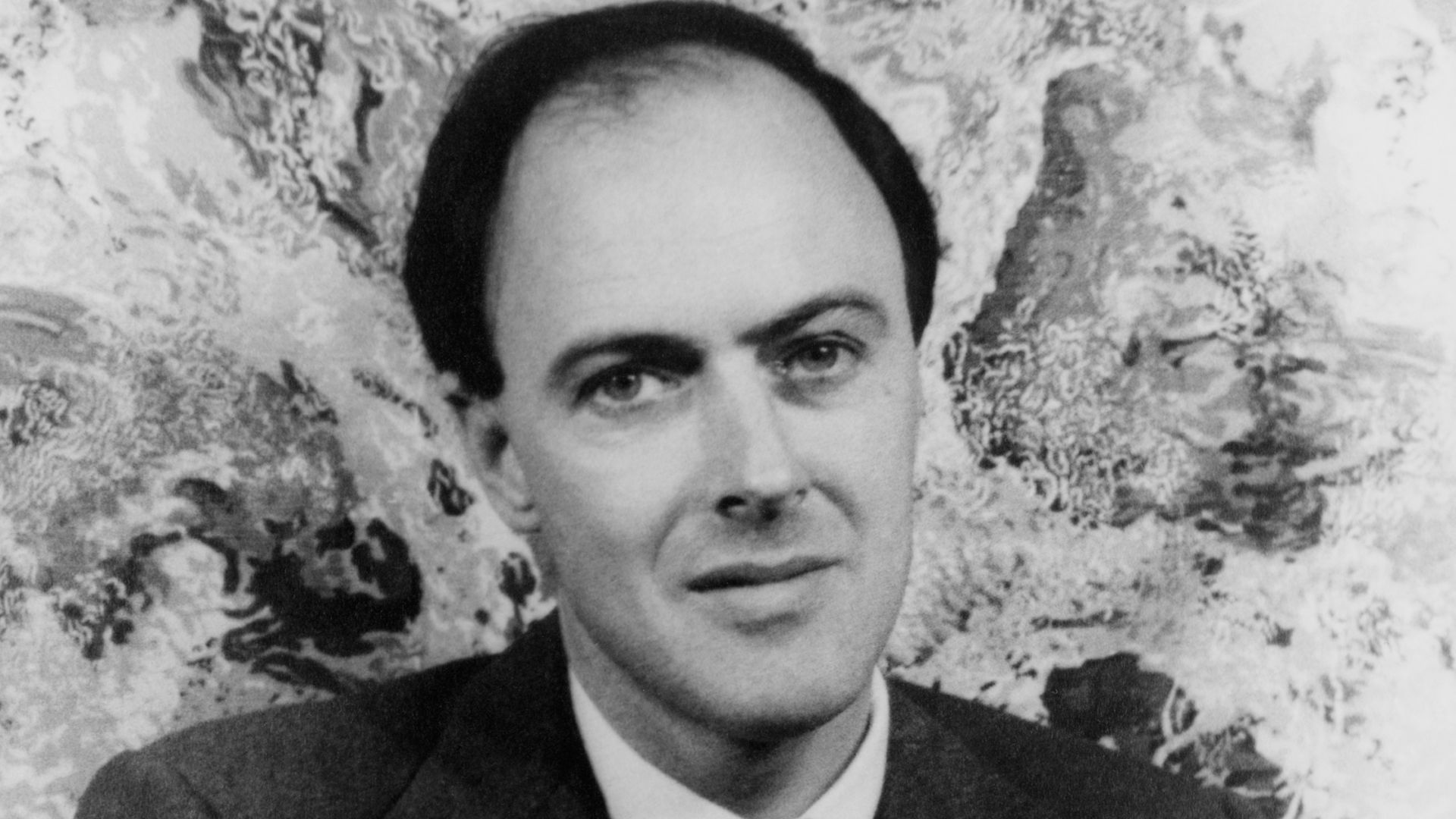 Carl Van Vechten, Wikimedia Commons
George Burns
That vaudeville legend who quipped, "If I'd taken my doctor's advice and quit smoking when he advised me to, I wouldn't have lived to go to his funeral," stayed true to his word until the very end. When Burns died in March 1996, just a week after his 100th birthday.
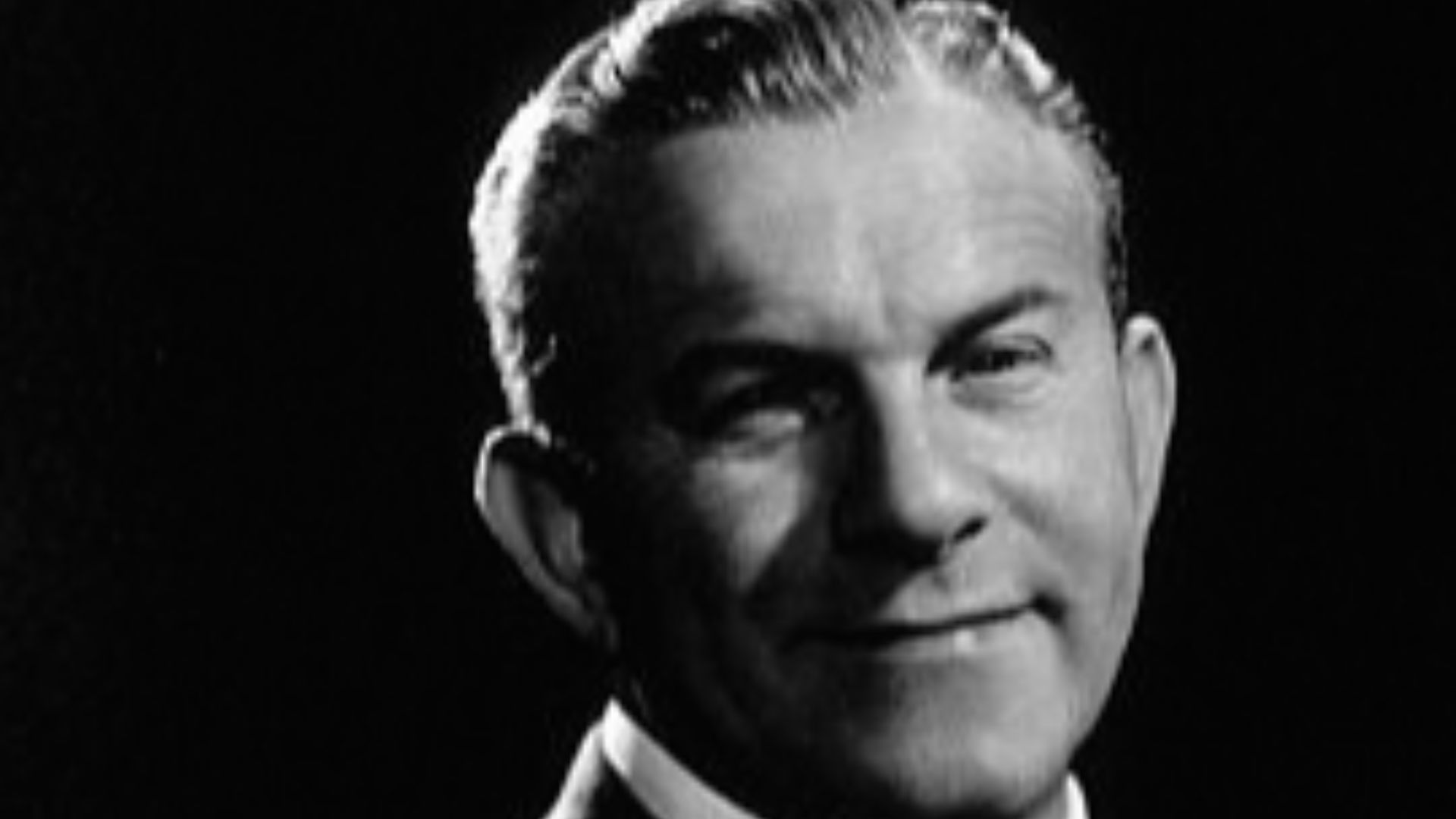 Insomnia Cured Here, Wikimedia Commons
George Burns (Cont.)
He was laid to rest at Forest Lawn Cemetery in Los Angeles with three of his favorite cigars tucked into his pocket. For a man whose career spanned eight decades across vaudeville, radio, television, and film, those cigars were more than a habit—they were his trademark.
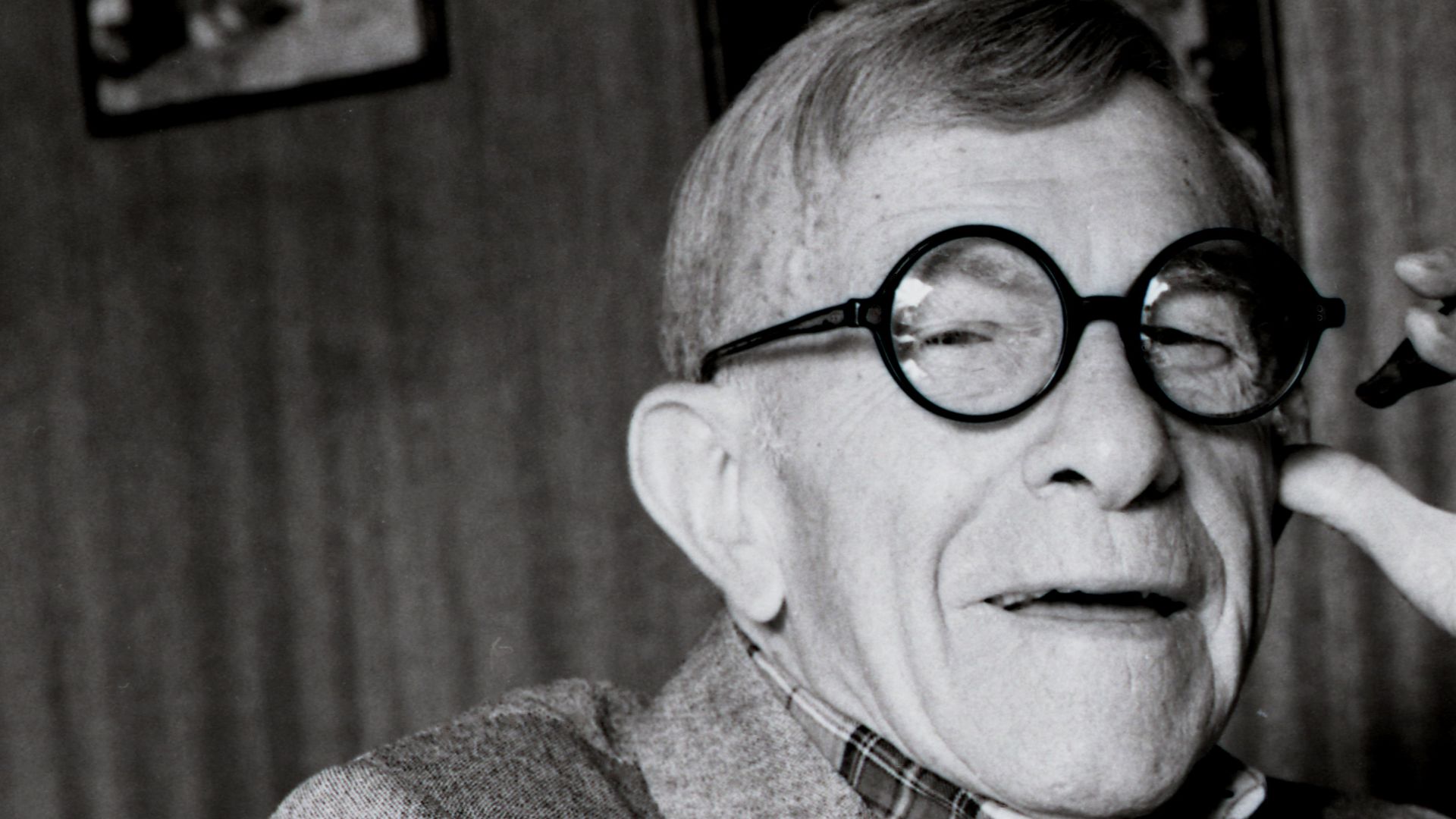 Allan warren, Wikimedia Commons
Elizabeth Taylor
Elizabeth Taylor was known for her violet eyes, eight marriages, and passionate love affairs. She said goodbye in 2011 at age 79, and among the possessions buried with her was a letter Burton had written just three days before his own death in 1984, twenty-seven years earlier.
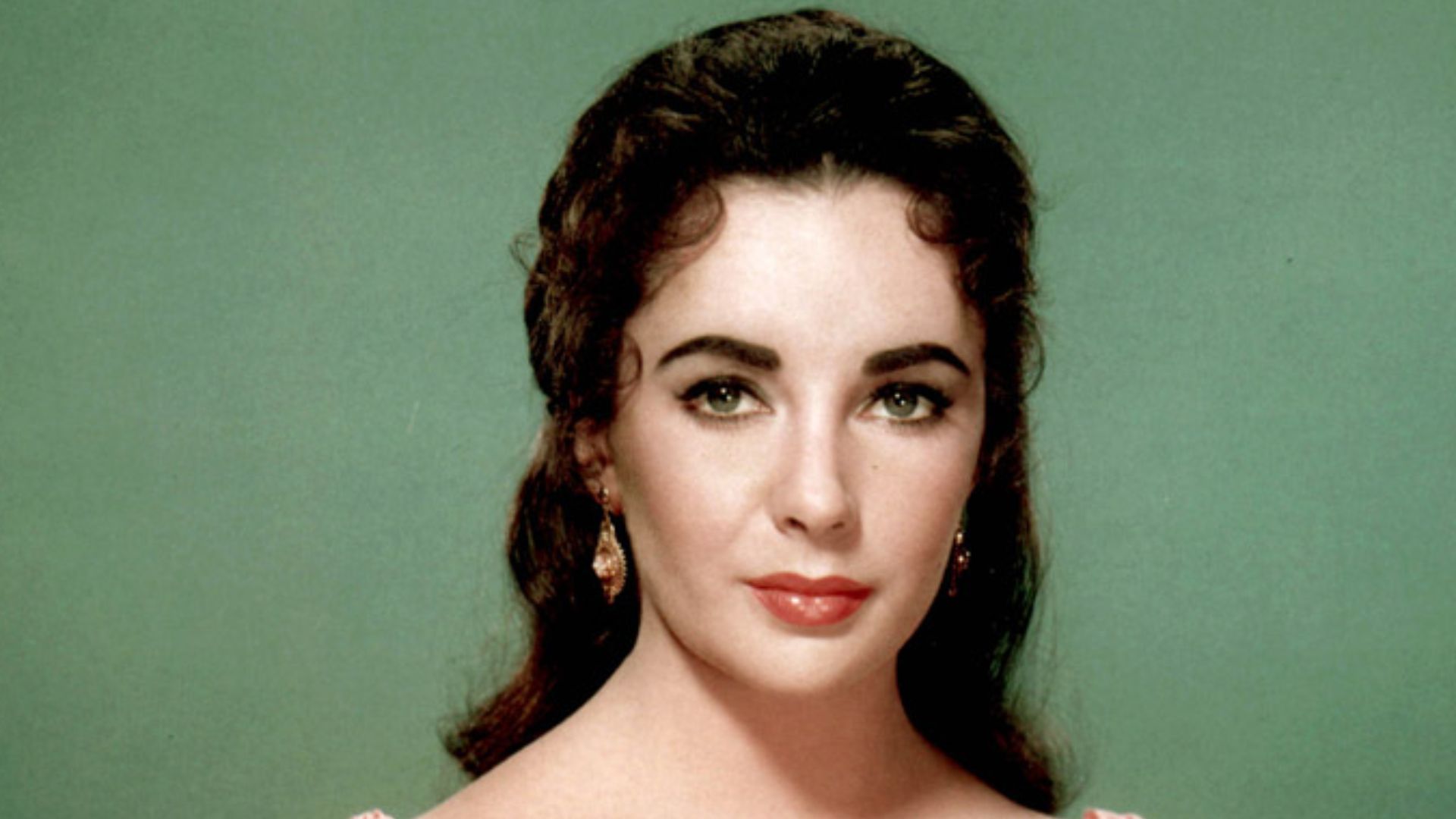 Insomnia Cured Here, Wikimedia Commons
Elizabeth Taylor (Cont.)
She had kept this letter by her bedside for nearly three decades, reading it countless times, and requested that it be placed in her coffin so she could carry his words into eternity. Burton and Taylor's relationship was tempestuous, passionate, and played out on the world stage.
 Metro Goldwyn Mayer-no photographer information given, Wikimedia Commons
Frank Sinatra
When "Ol' Blue Eyes" died in May 1998, he was buried his way, and that meant being prepared for anything, even in the afterlife. Sinatra's coffin at Desert Memorial Park in Cathedral City, California, contained a bottle of Jack Daniel's whiskey, a pack of Camel cigarettes, a Zippo lighter, and ten dimes.
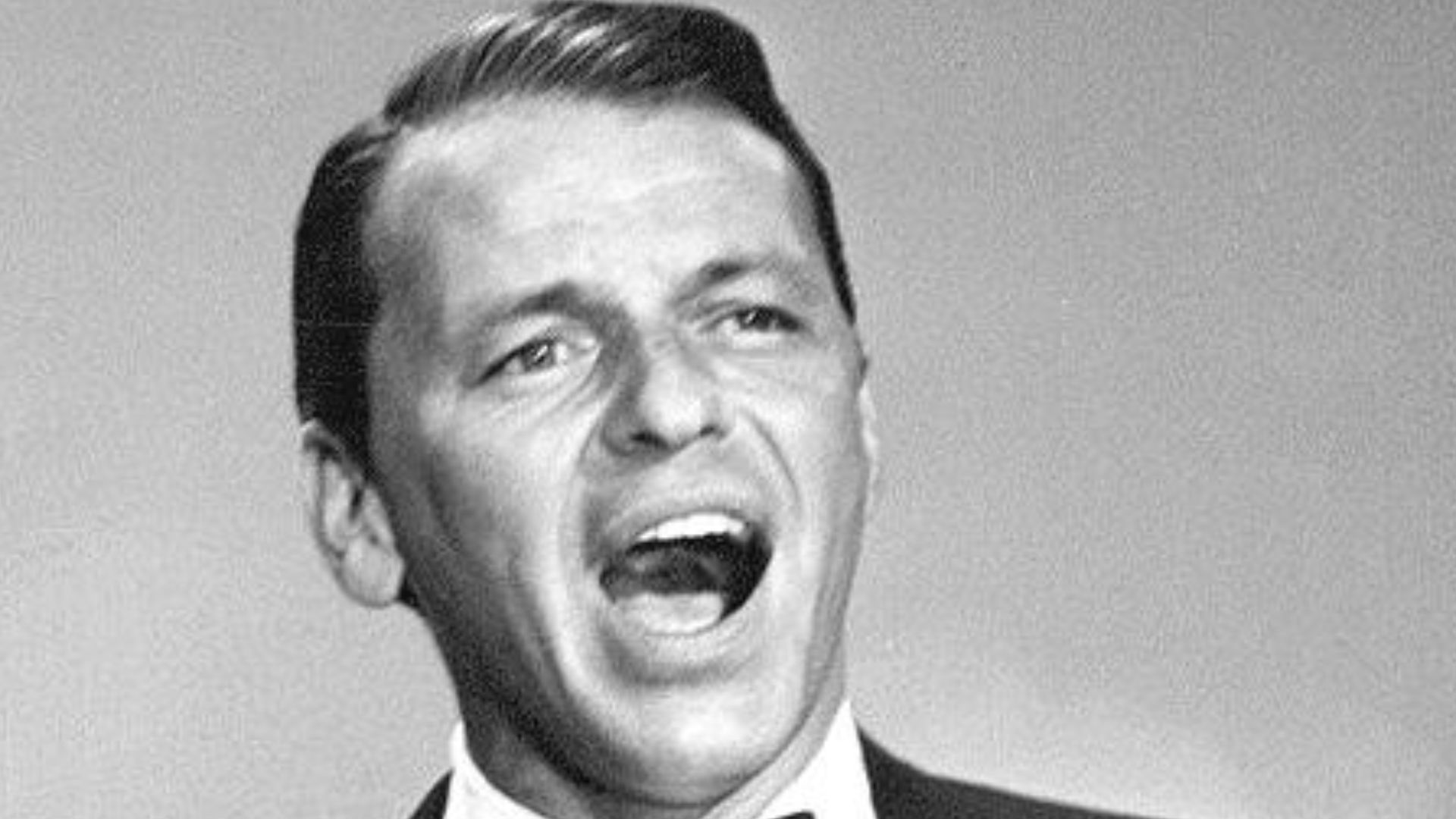 CBS Television, Wikimedia Commons
Frank Sinatra (Cont.)
This wasn't random sentimentality; each item represented quintessential Sinatra. The Chairman of the Board's burial possessions reflect a fascinating contradiction: a man who lived larger than life, surrounded by wealth, power, and the Rat Pack's legendary excess, yet chose simple, working-class items for eternity.