Welcome To The Rock
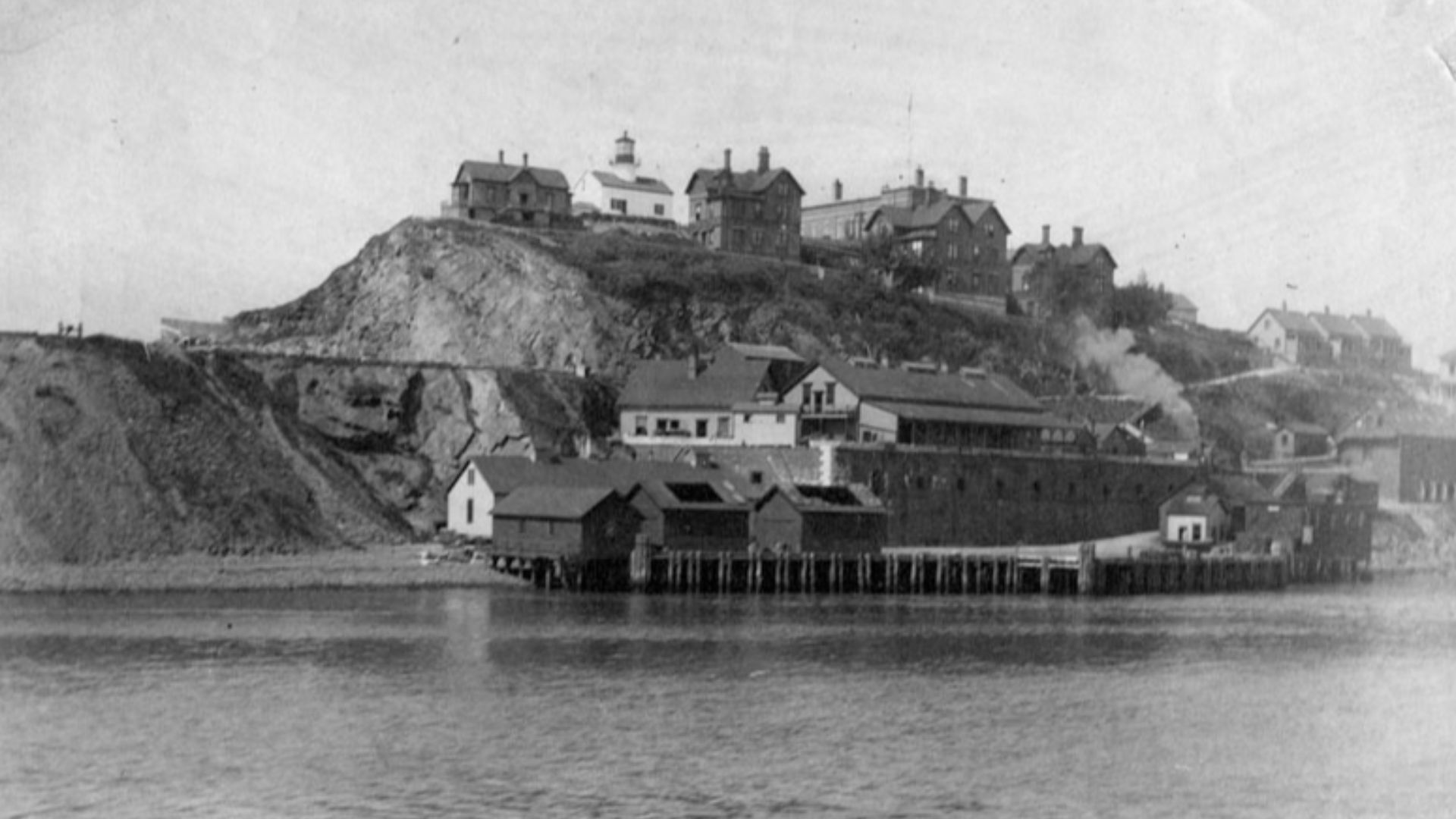
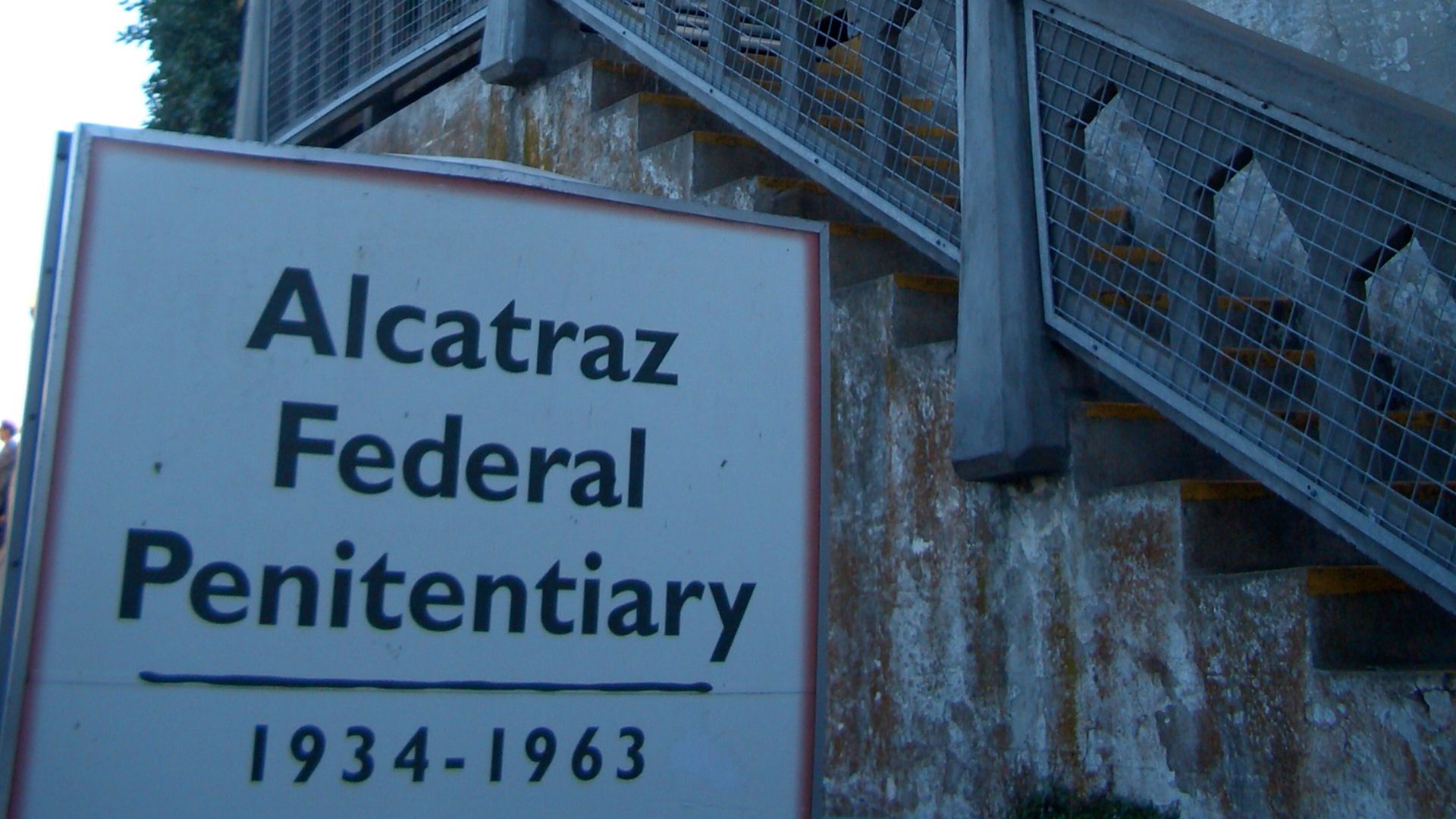
Alcatraz Federal Penitentiary earned a reputation as America's toughest federal correctional facility, and officials believed its location in the chilly, fast-moving waters of San Francisco Bay made getting away nearly impossible. Between 1934 and 1963, 36 inmates participated in 14 escape attempts. Most ended quickly, but a few became legendary stories that people still debate today.
 US Federal Government, Wikimedia Commons
Why Escaping Alcatraz Was So Difficult
The island sat about 1.25 miles from San Francisco, surrounded by icy water, powerful currents, and regular patrol boats. Anyone hoping to get away also had to overcome locked doors, guard towers, frequent inmate counts, and several layers of security before even reaching the shoreline.
 Unknown authorUnknown author, Wikimedia Commons
Joseph Bowers Tried To Climb Over Everything
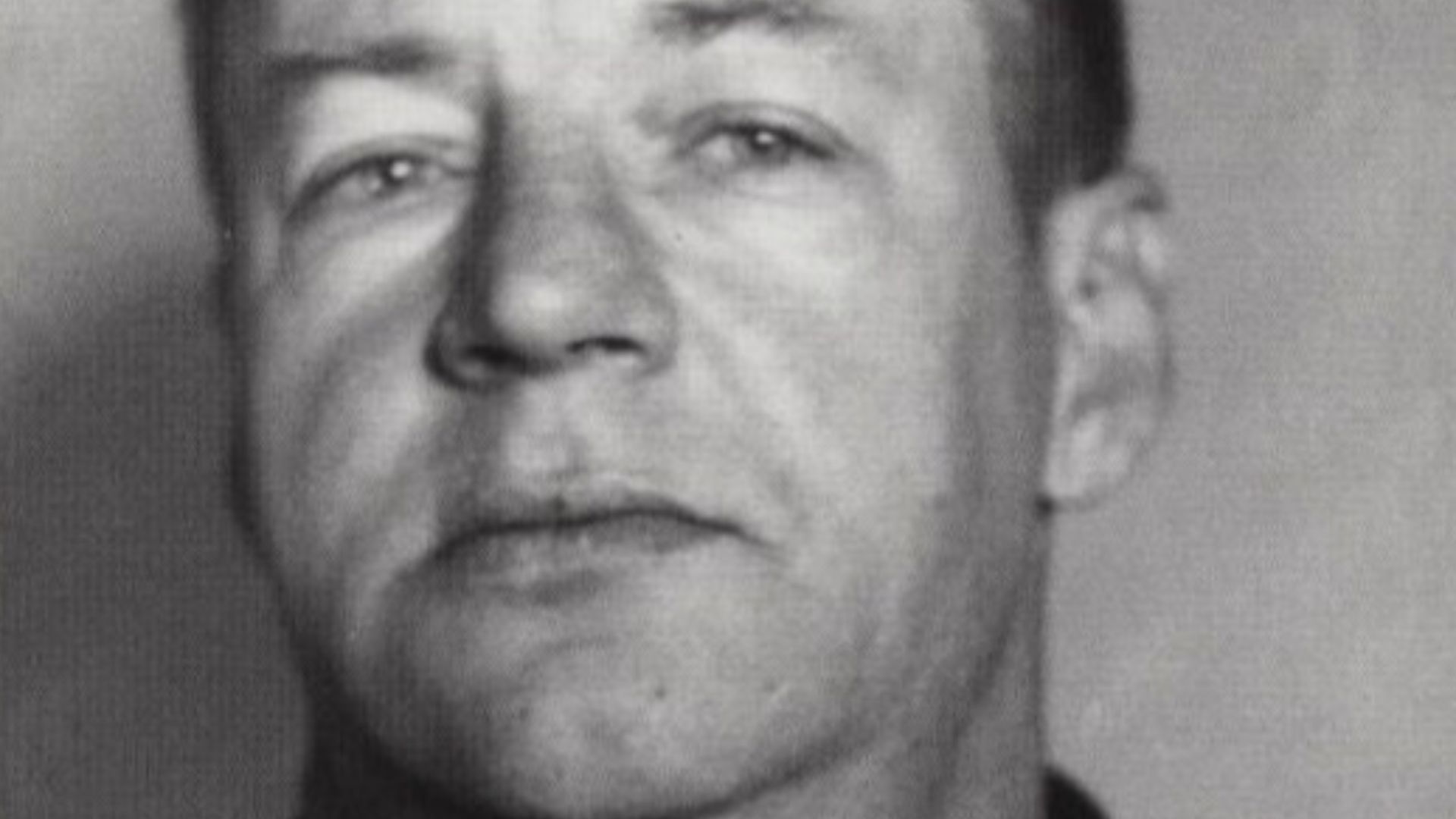
The first documented escape attempt happened in April 1936 when Joseph Bowers climbed a fence near the island's industrial area. Guards repeatedly ordered him to stop, but he continued climbing until they fired at him. He fell from the fence and later succumbed to his injuries, bringing the first escape attempt to an abrupt end.
 U.S. Federal Government, Wikimedia Commons
Theodore Cole And Ralph Roe Simply Vanished
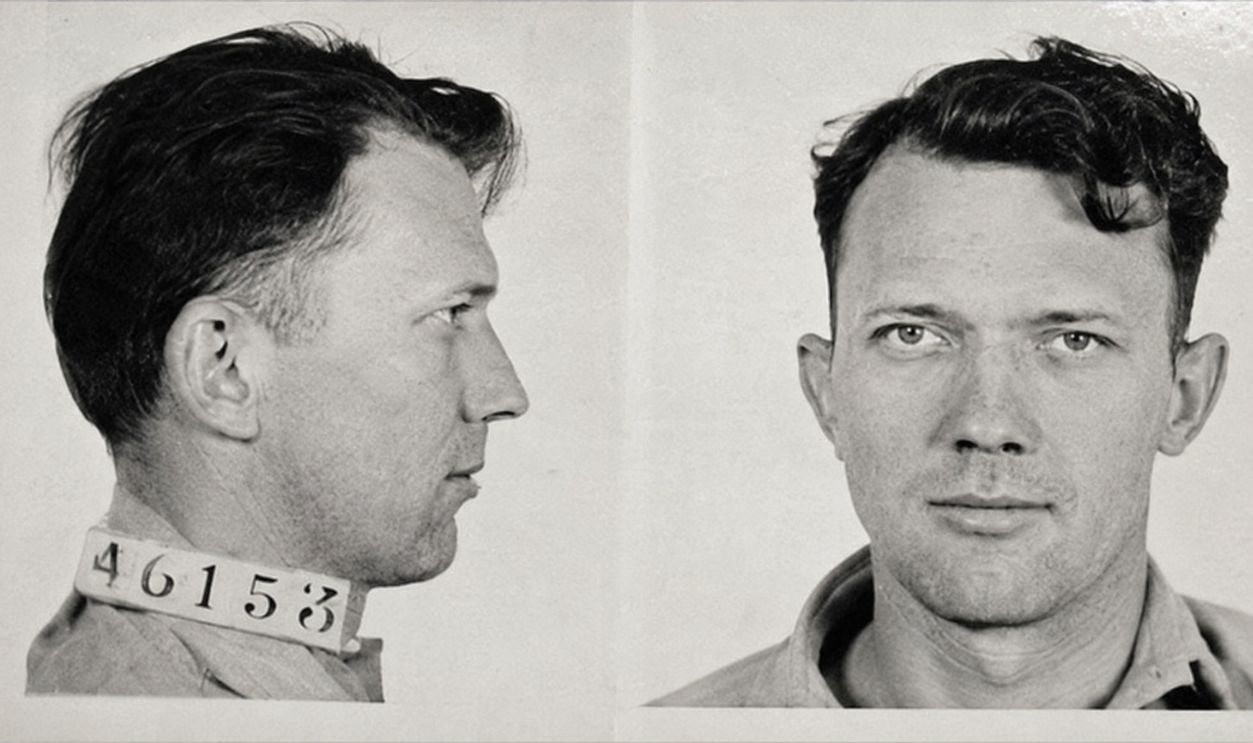
In December 1937, Theodore Cole and Ralph Roe disappeared while working inside the island's mat shop. After cutting through steel bars, they slipped through a window and reached the shoreline under the cover of dense fog. No trace of either man was ever found, although officials believed the cold bay claimed them.
 United States Department of Justice, Wikimedia Commons, Modified
Arthur "Doc" Barker Never Made It Off The Island
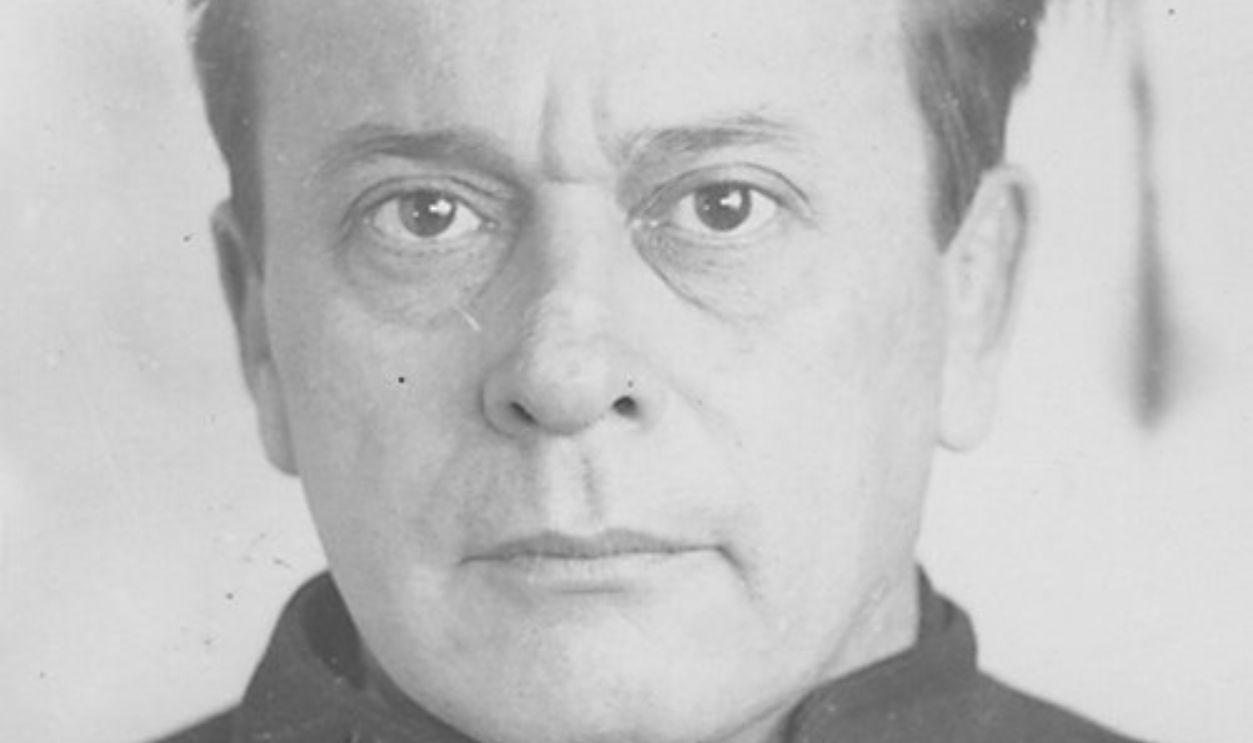
Well-known Barker-Karpis Gang member Arthur Barker joined Dale Stamphill, William Martin, Henri Young, and Rufus McCain in a bold 1939 escape attempt. Barker was struck by gunfire while running across the island toward the water, and the remaining participants were quickly taken back into custody.
 National Archives and Records Administration, Wikimedia Commons
Henri Young Became Famous For Another Reason
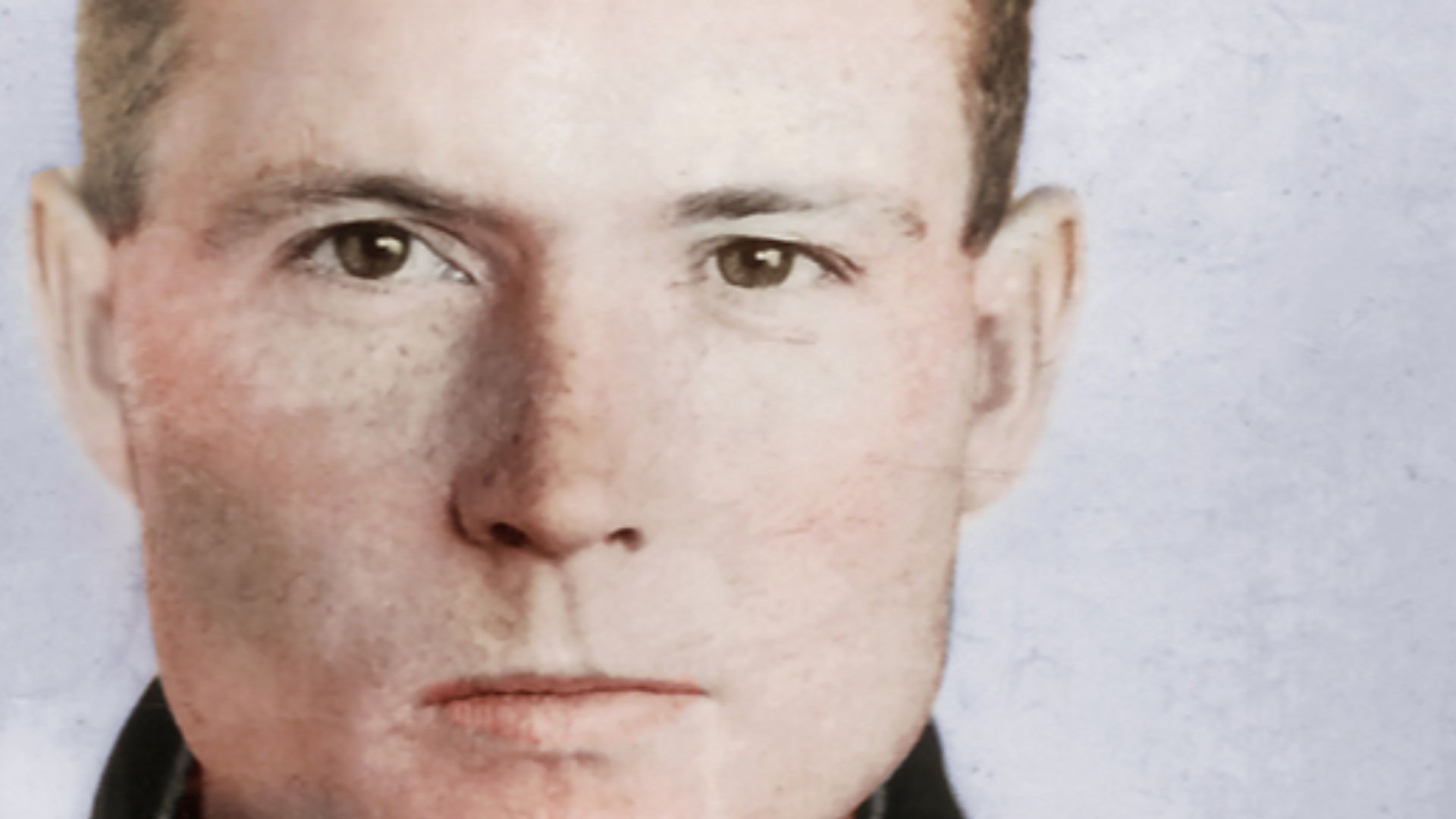
Henri Young survived the unsuccessful 1939 attempt but later hurt fellow inmate Rufus McCain after believing he had revealed details of the escape plan to officials. That incident eventually inspired a film although the movie changed many aspects of the real story.
 Alcatraz Federal Penitenitary, Wikimedia Commons
The Battle Of Alcatraz Turned Into A War Zone
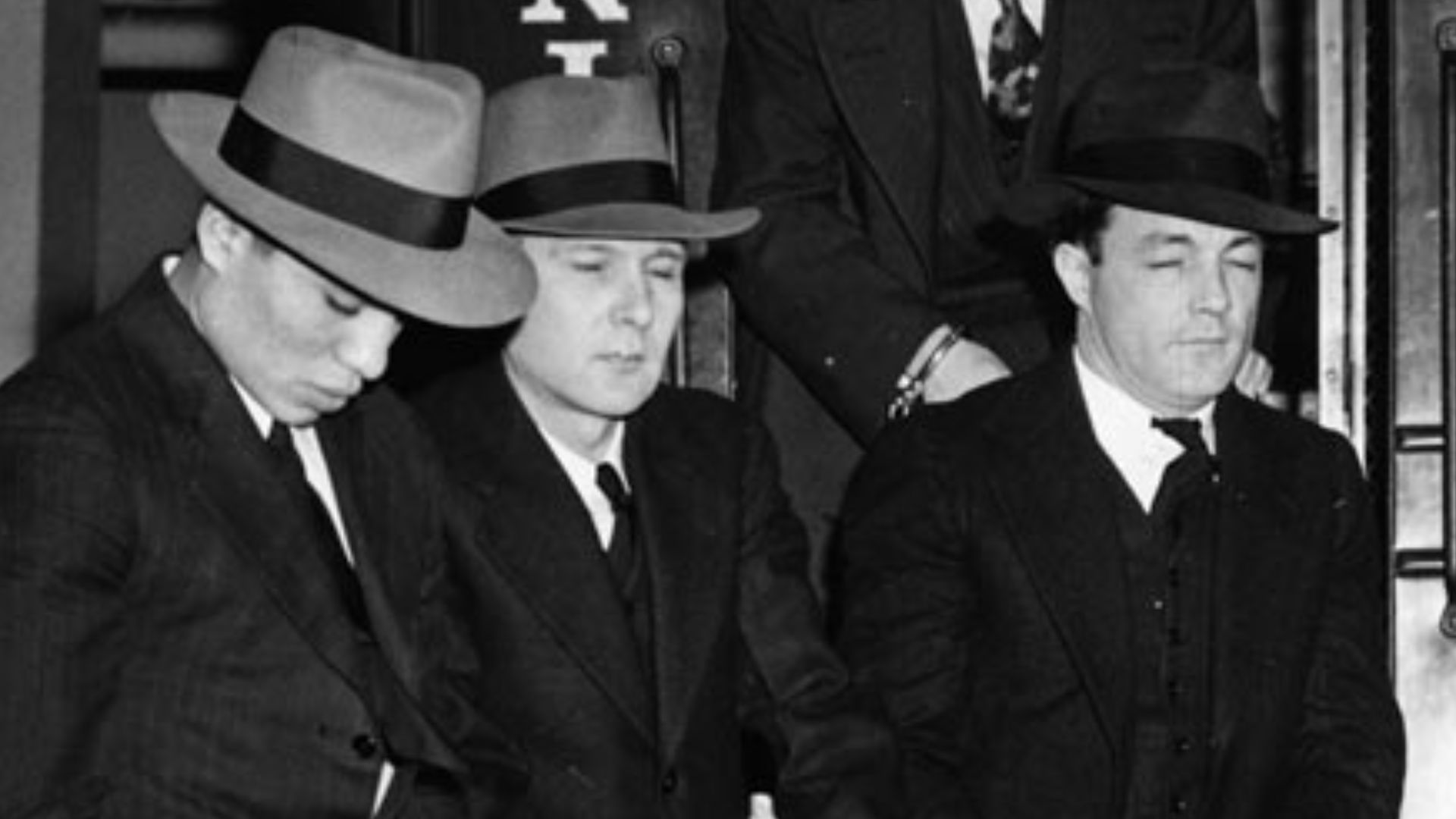
The most dramatic escape attempt began on May 2, 1946, when Bernard Coy, Joseph Cretzer, Marvin Hubbard, Clarence Carnes, Sam Shockley, and Miran Thompson overpowered guards and seized their arms. Their carefully planned breakout stalled after they failed to obtain the key needed to unlock the yard door, leaving them trapped inside the main cellhouse.
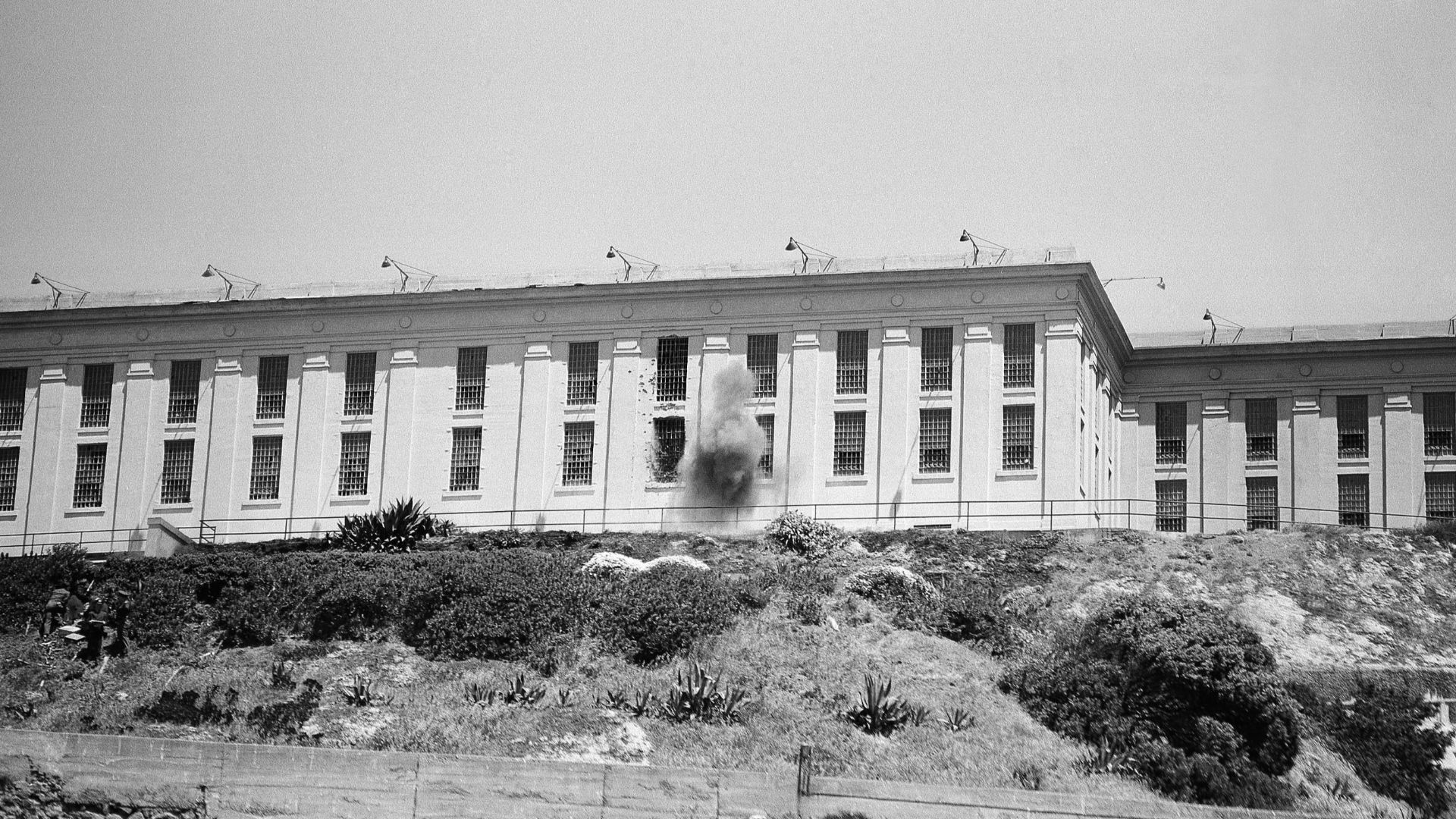
Everything Changed Once The Plan Fell Apart
Unable to leave the building, the six men detained several correctional officers while searching for another way out. The tense standoff quickly escalated as both sides exchanged heavy gunfire throughout the facility.
 BetacommandBot, Wikimedia Commons
Marines Were Called In
Because local authorities struggled to regain control safely, US. Marines from nearby Treasure Island assisted by dropping grenades through openings in the roof while helping secure the building. It remains one of the rare occasions when Marines assisted in ending a correctional facility uprising within the United States.
 Dennis Myts, Wikimedia Commons

History's most fascinating stories and darkest secrets, delivered to your inbox daily.
The High Cost Of Failure
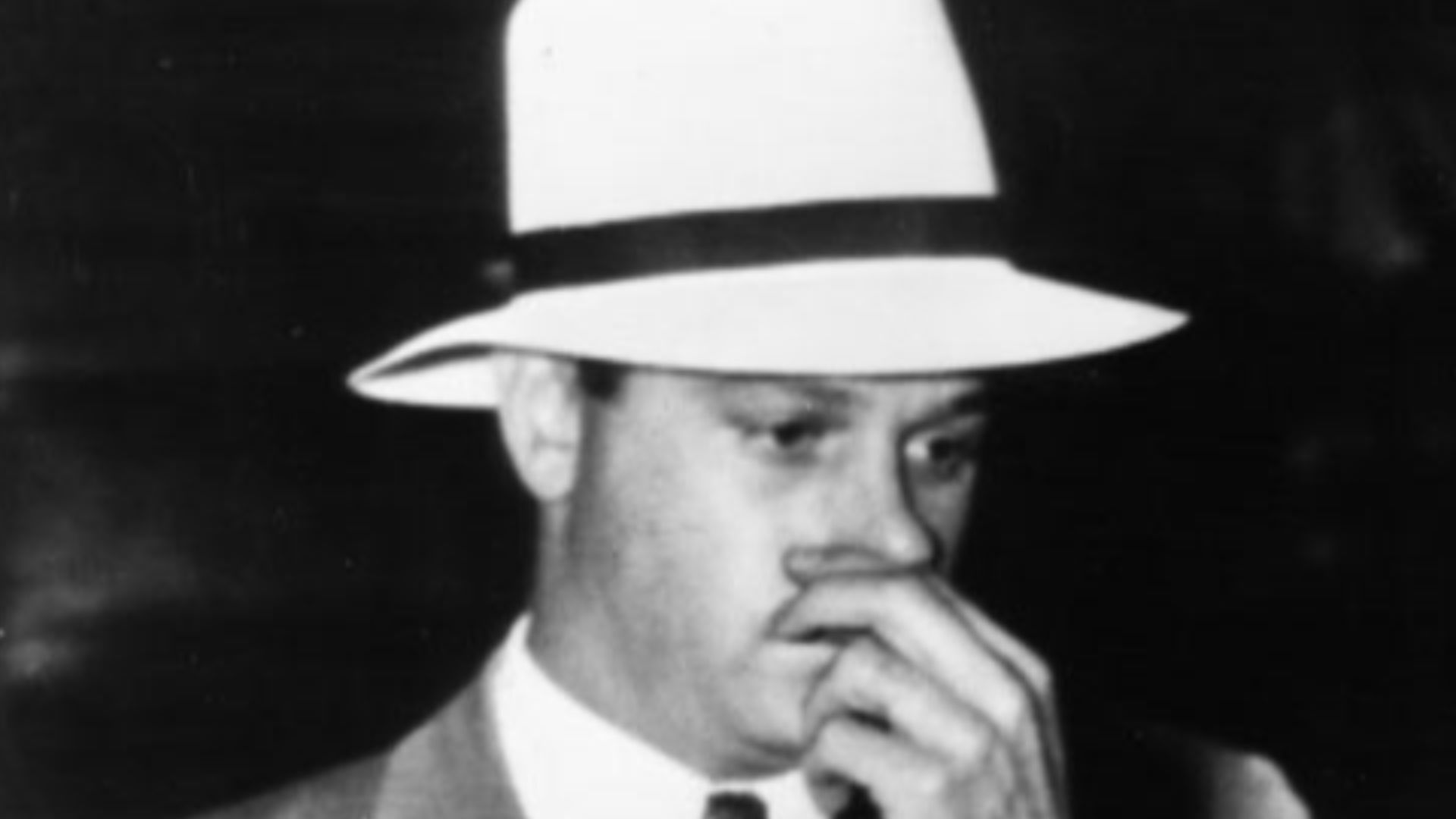
The Battle of Alcatraz ended with correctional officers William Miller and Harold Stites losing their lives, while Bernard Coy, Joseph Cretzer, and Marvin Hubbard also passed during the confrontation. Sam Shockley and Miran Thompson were later executed, while Clarence Carnes received additional time before eventually being released years later.
 Addihockey10, Wikimedia Commons
Floyd Wilson Hid In Plain Sight
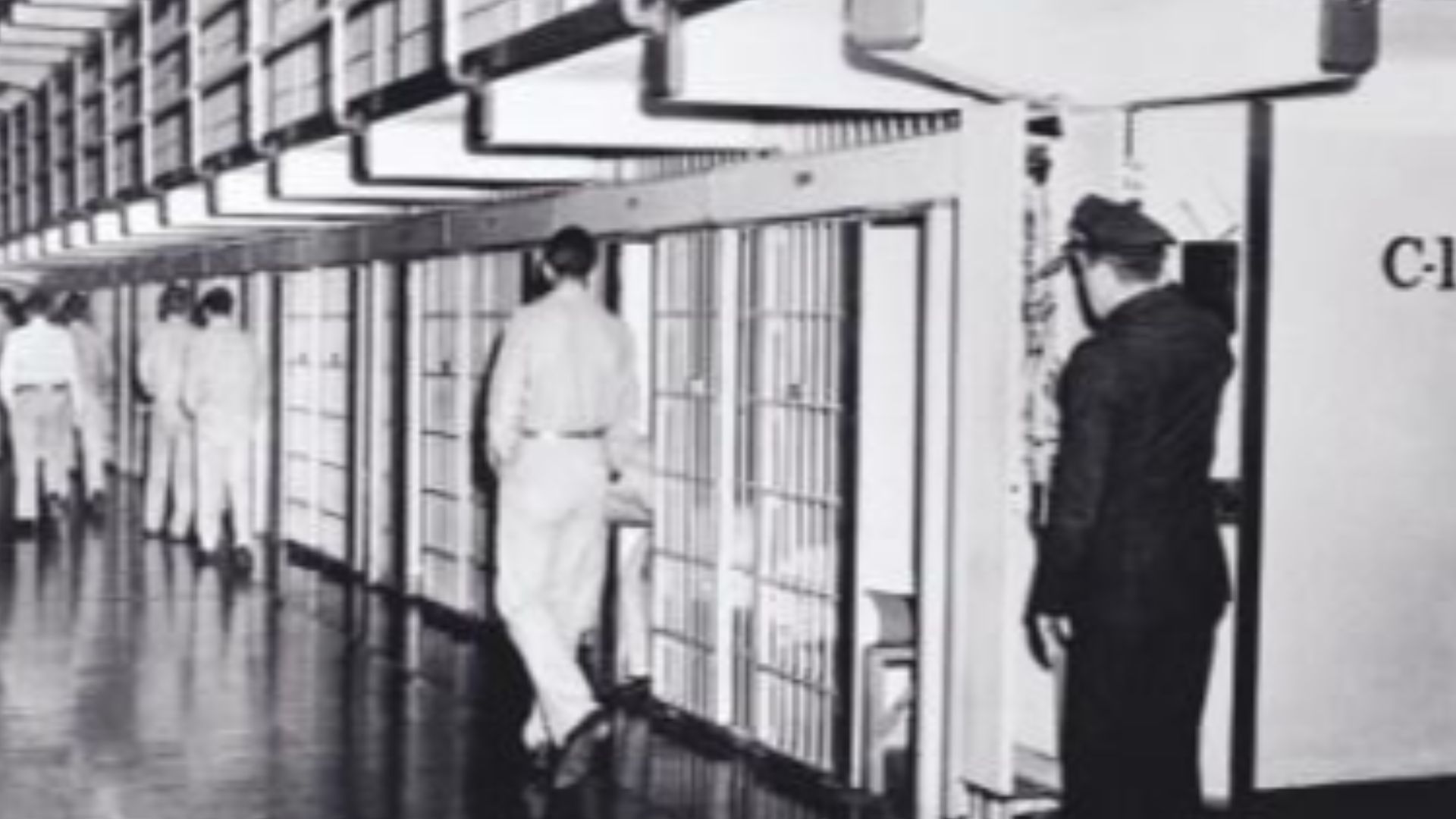
Not every escape relied on elaborate planning. In 1956, inmate Floyd Wilson slipped away while working near the dock and hid among shoreline rocks for several hours. Guards eventually located him, and he peacefully gave himself up.
 Carl Sundstrom, a records clerk employee of Alcatraz Federal Penitentiary., Wikimedia Commons
Aaron Burgett And Clyde Johnson Took Their Chances
In September 1958, Aaron Burgett and Clyde Johnson jumped on a correctional officer assigned to garbage detail before jumping into San Francisco Bay. Johnson was captured almost immediately, while Burgett disappeared until his body was recovered roughly two weeks later.
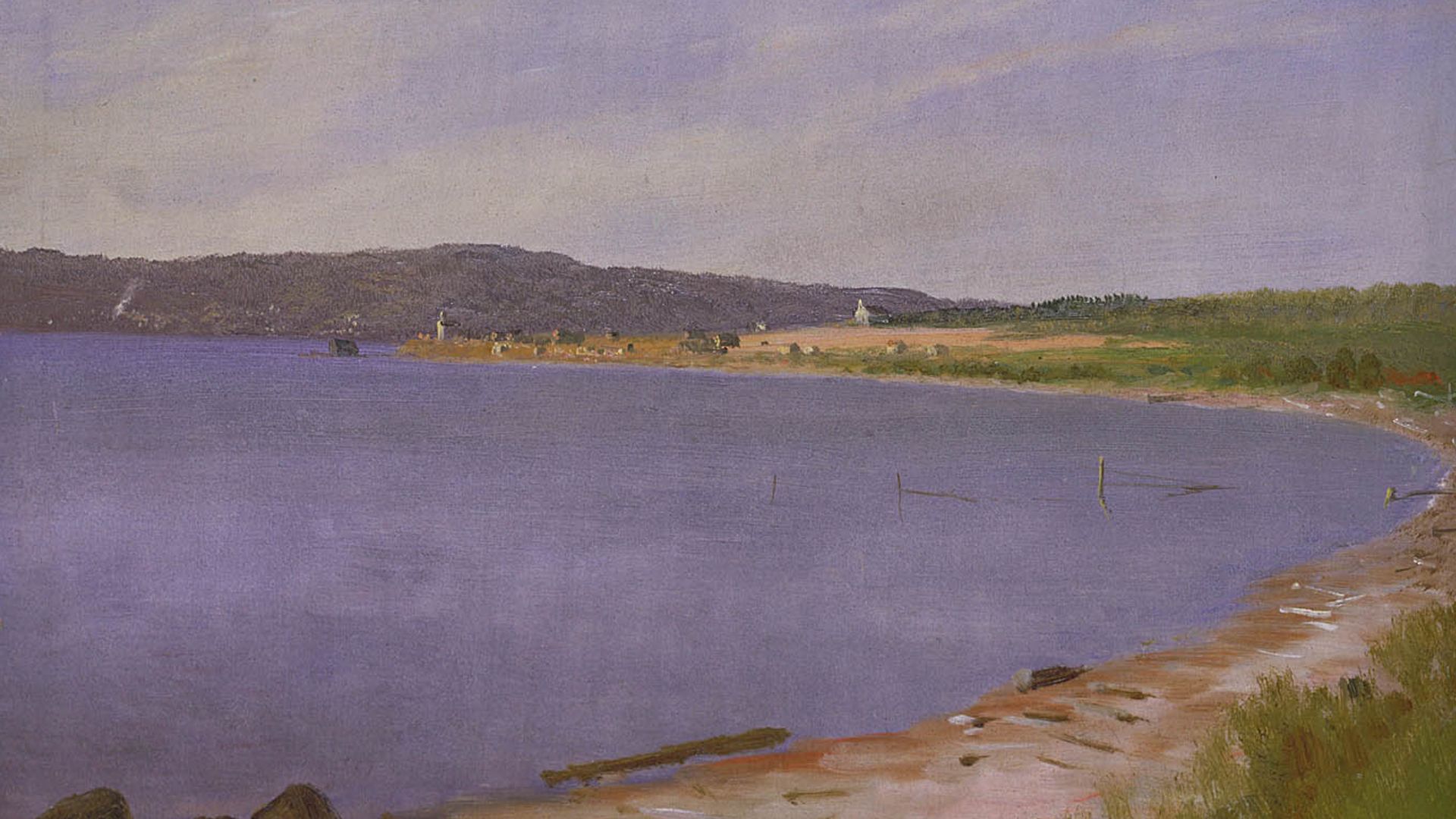 Albert Bierstadt, Wikimedia Commons
Frank Morris Started Planning Immediately
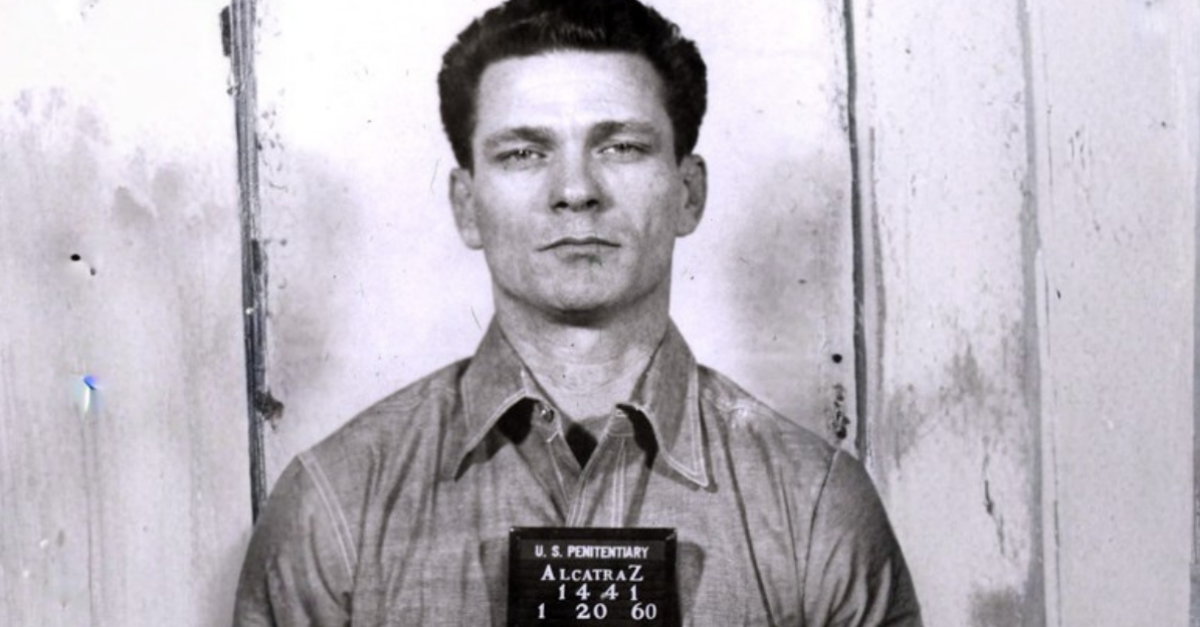
Frank Morris arrived on Alcatraz in 1960 with a long record of successful escapes from other correctional facilities and a reputation for exceptional intelligence. After meeting brothers John and Clarence Anglin, the group quietly began organizing what would become the island's most famous breakout.
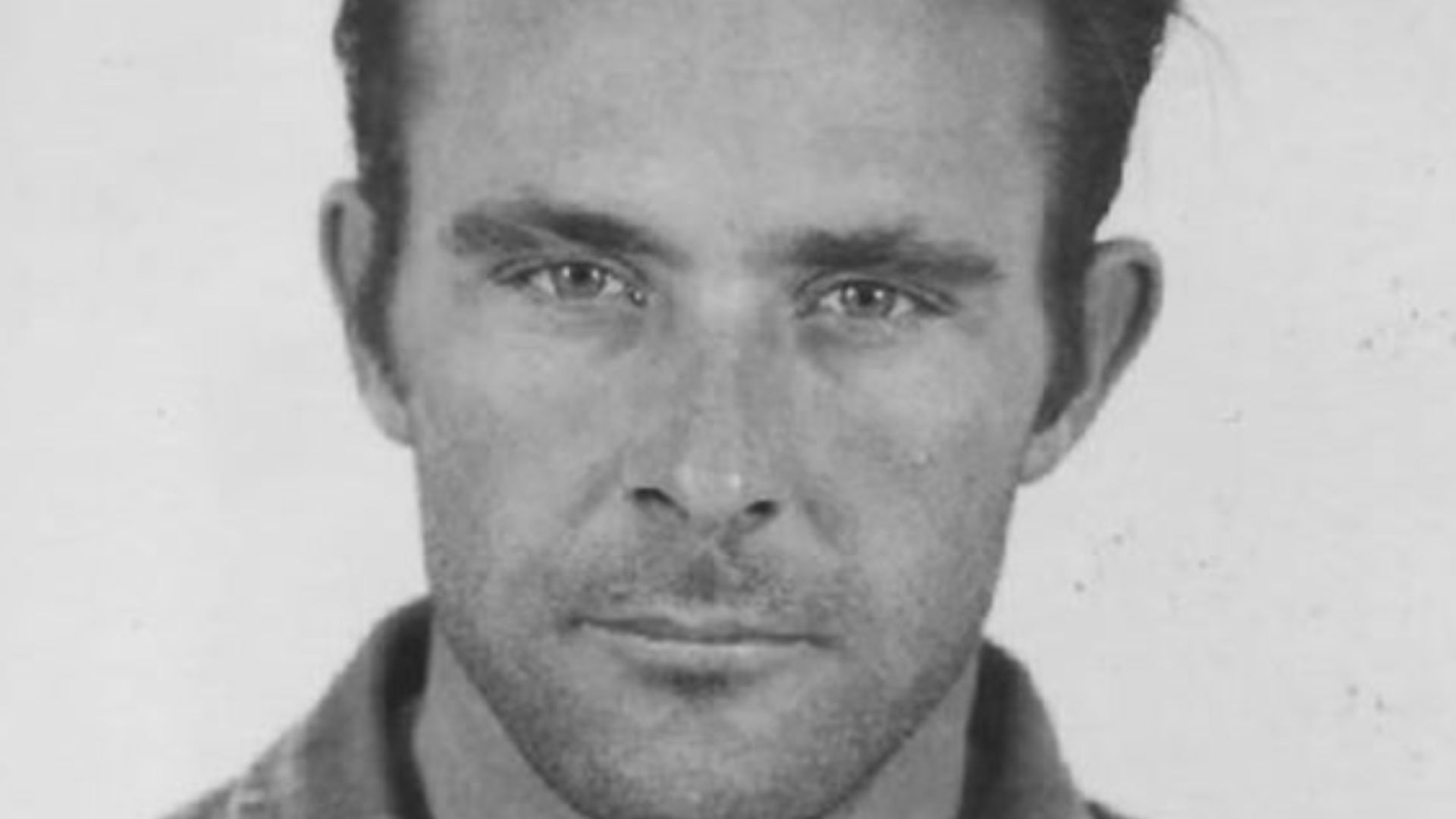 Unknown authorUnknown author, Wikimedia Commons
Everyday Objects Became Escape Tools
The men enlarged ventilation openings behind their sinks using sharpened spoons, homemade drills powered by a stolen vacuum cleaner motor, and other improvised tools. They concealed their progress with fake vent covers while using music hour to disguise the sounds of digging.
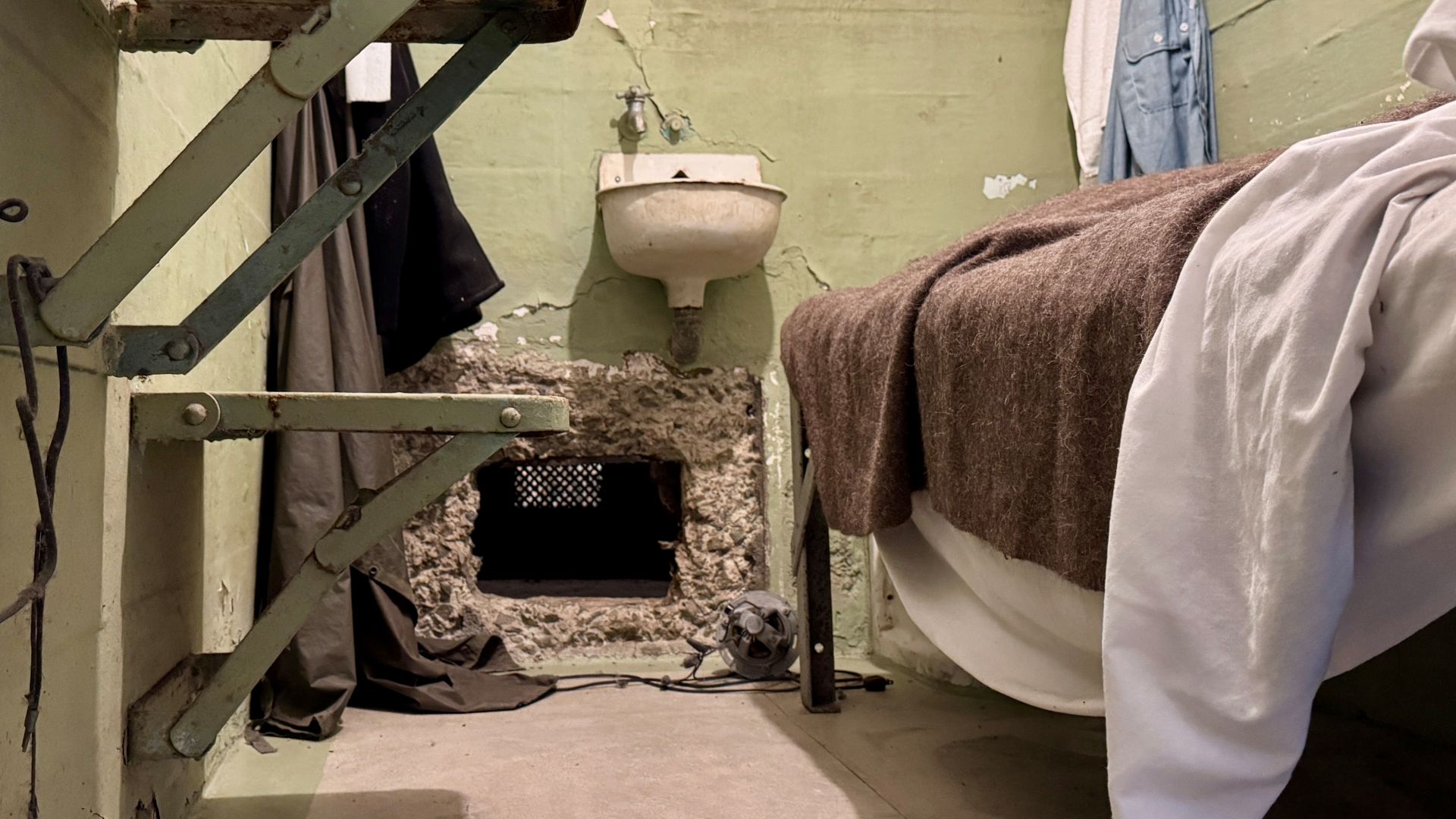
Dummy Heads Fooled The Night Guards
One of the most ingenious parts of the plan involved realistic dummy heads placed on each bed. Made from plaster, paper, paint, soap, and real hair collected from the facility's barbershop, they convinced guards the men were peacefully sleeping during nighttime inspections.

A Secret Workshop Above The Cells
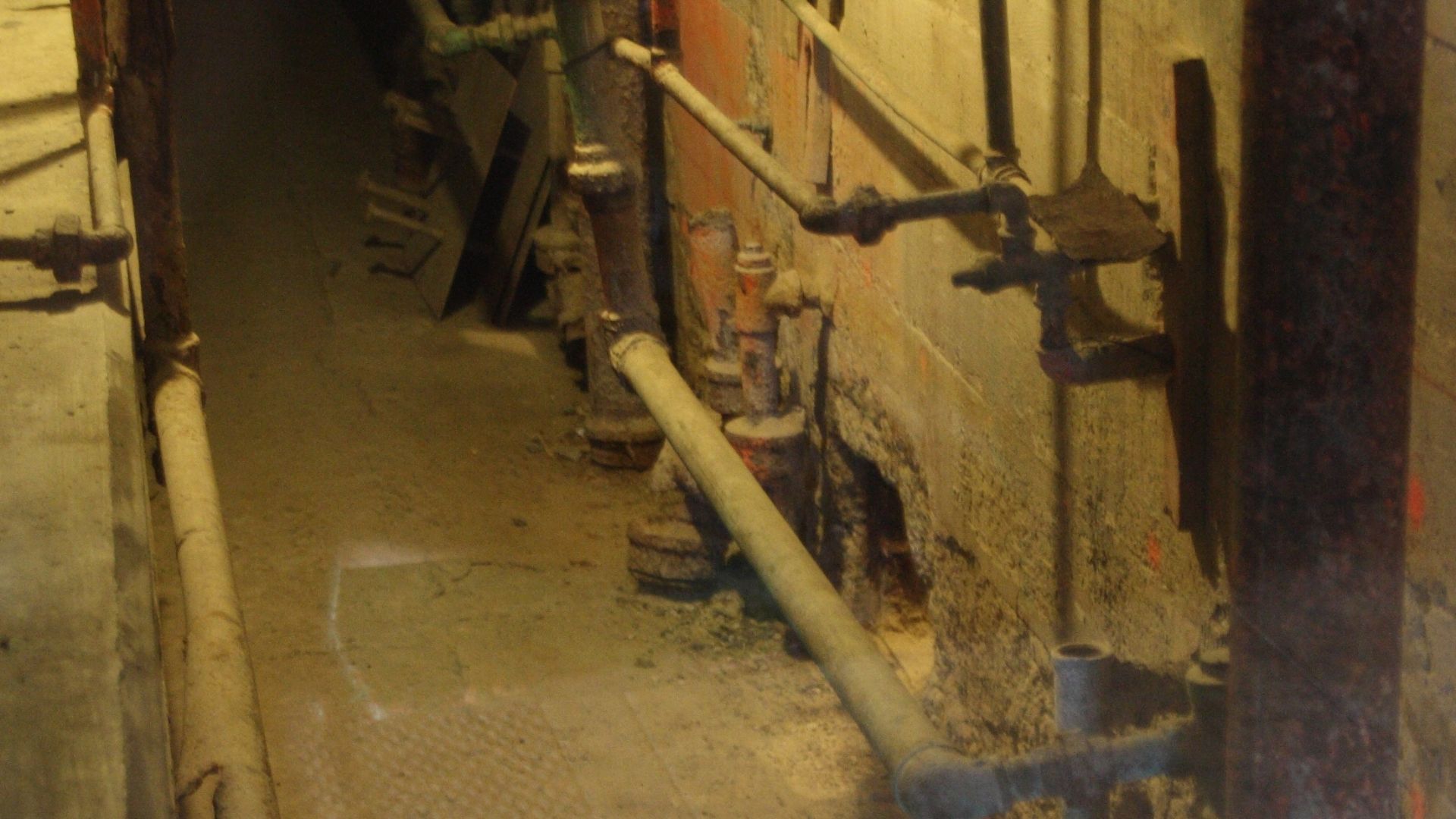
After squeezing through the ventilation openings, the escapees entered an unguarded utility corridor behind a cell. There they assembled homemade paddles, inflatable life preservers, and a large raft stitched together from more than 50 stolen raincoats.
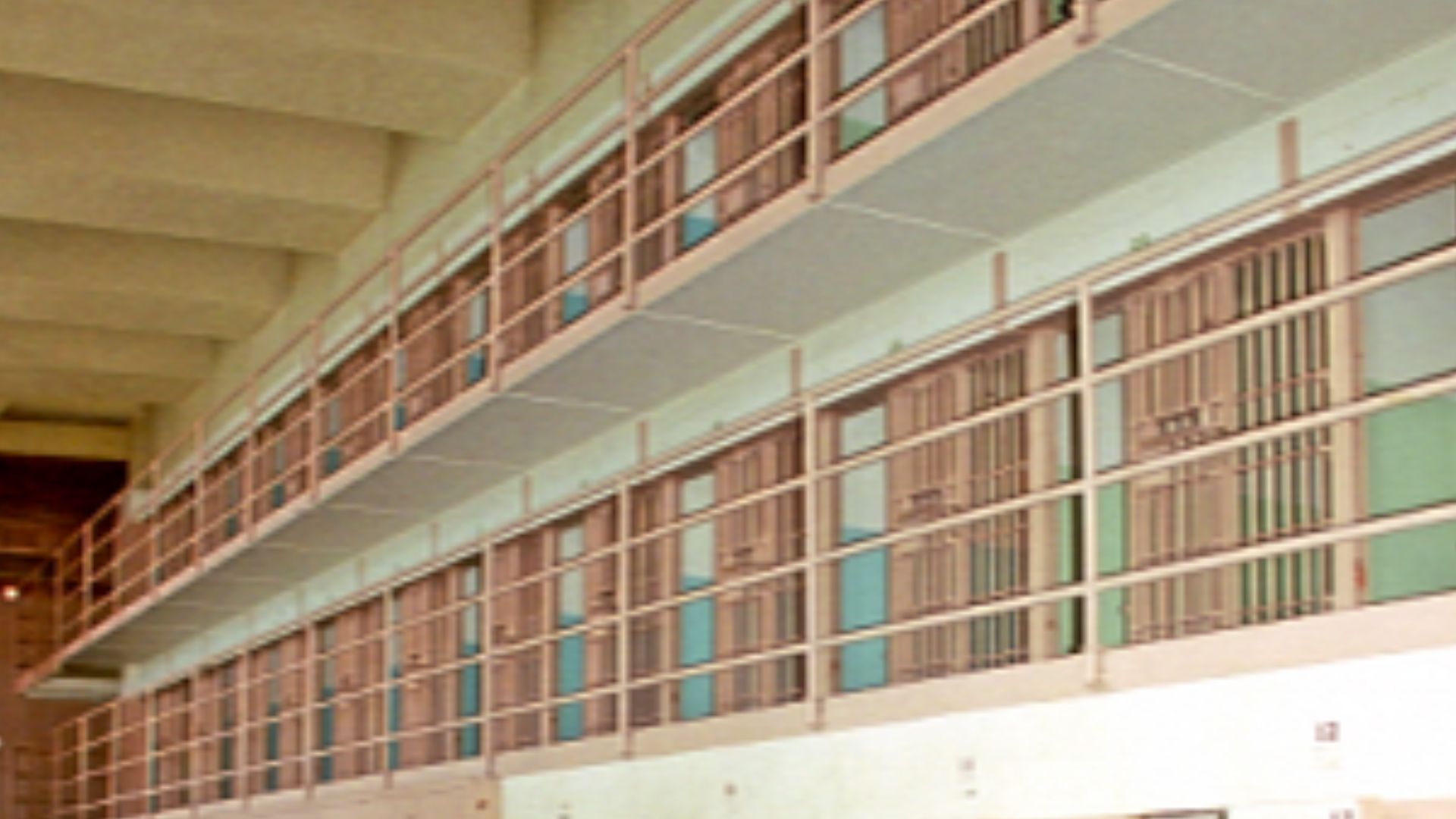 David Ohmer from Cincinnati, USA, Wikimedia Commons
Allen West Never Escaped
Allen West helped develop nearly every part of the plan but could not remove the ventilation grille from his own cell quickly enough on escape night. By the time he freed himself, Morris and the Anglin brothers had already departed, forcing him to remain behind.
The Mystery Begins
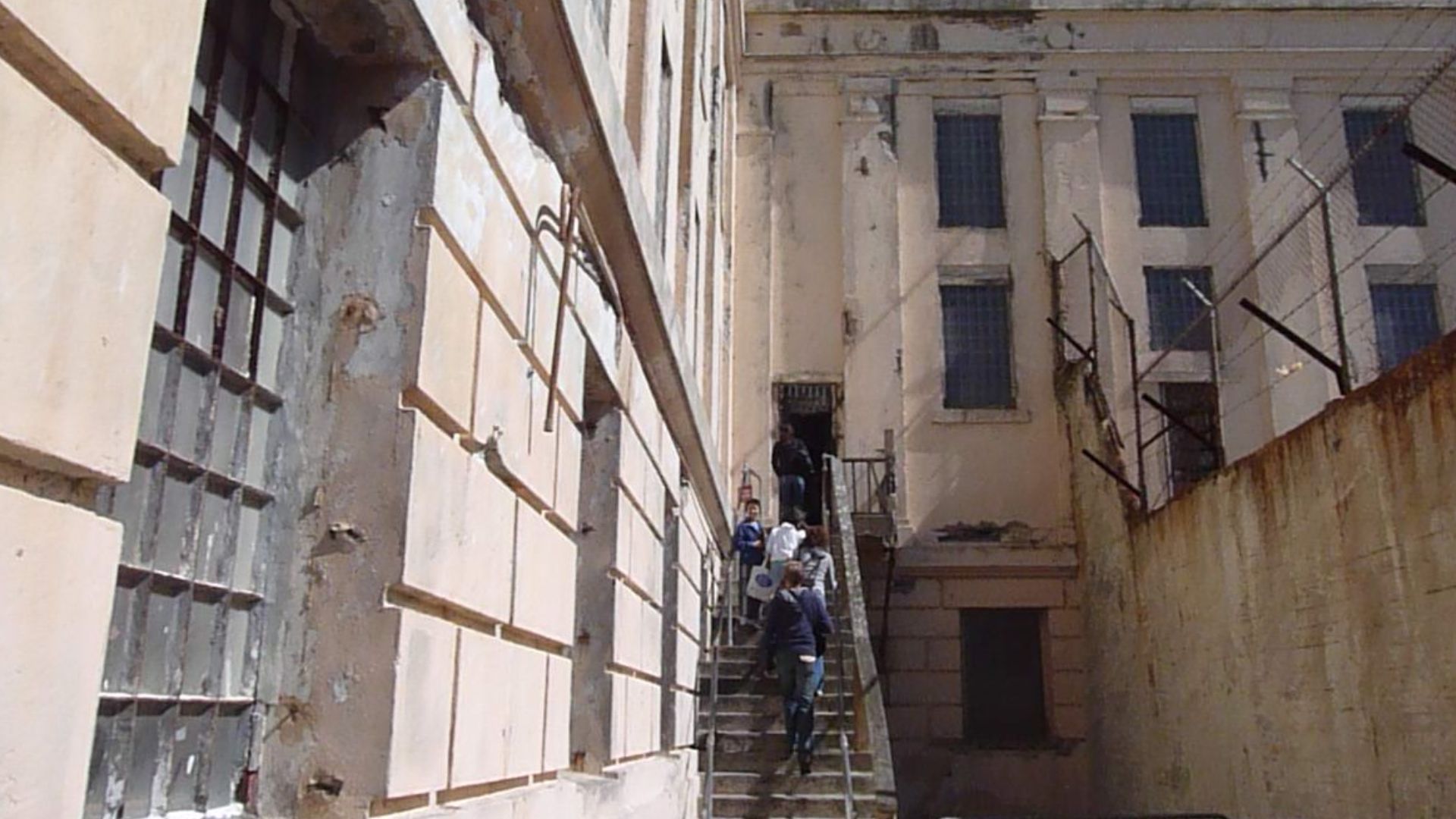
On June 11, 1962, Frank Morris and the Anglin brothers climbed through the utility corridor, crossed the roof, descended the outside of the building, and launched their homemade raft into San Francisco Bay. Despite a massive search involving the FBI, Coast Guard, armed forces, and local authorities, the three men were never located.
Did They Actually Survive?
Investigators recovered a homemade paddle, pieces of the raft, and one life vest, but no confirmed human remains. The FBI ultimately concluded the men probably drowned, yet the US Marshals Service has continued treating the case as an open missing-person investigation because no definitive evidence has ever confirmed their fate.
 Earl Of Sandwish, Wikimedia Commons
Theories Continue Decades Later
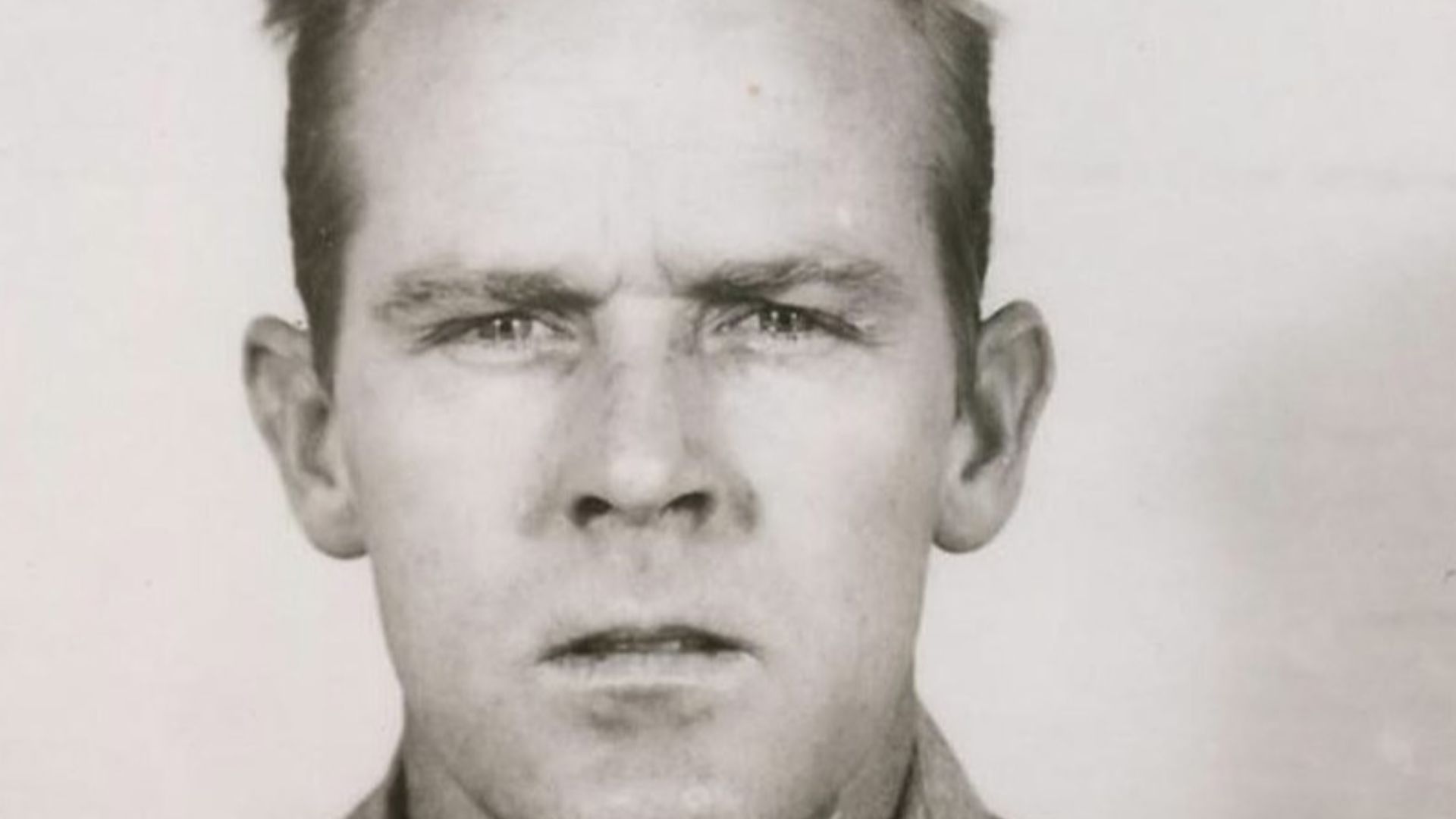
Over the years, reported sightings, family photographs, and even a 2013 letter claiming to be from John Anglin fueled speculation that the three men survived. Investigators carefully examined every lead, including forensic testing of the letter, but none provided enough evidence to change the official investigation.
 US Federal Government, Wikimedia Commons
Alcatraz's Greatest Legacy
Although every other escape attempt ended with recapture or tragedy, the 1962 breakout permanently transformed Alcatraz into one of America's greatest historical mysteries. More than six decades later, historians still agree on one thing: whether the three men reached freedom or not, they carried out the boldest escape attempt ever attempted on "The Rock".
 Elwood j blues, Wikimedia Commons
You May Also Like:
When Mexico City Was A Floating Paradise
The Phoenix Brothers Went From Cult To Celebrity