Grief Was Serious Business
Victorian mourning became both an emotional practice and an organized market. Dress rules could last months or years, while retailers sold fabrics, accessories, jewelry, stationery and funeral goods that observant families were expected to use. By the late nineteenth century, mourning was a recognizable branch of British commerce.
 The Nottingham Journal - Wikimedia Commons
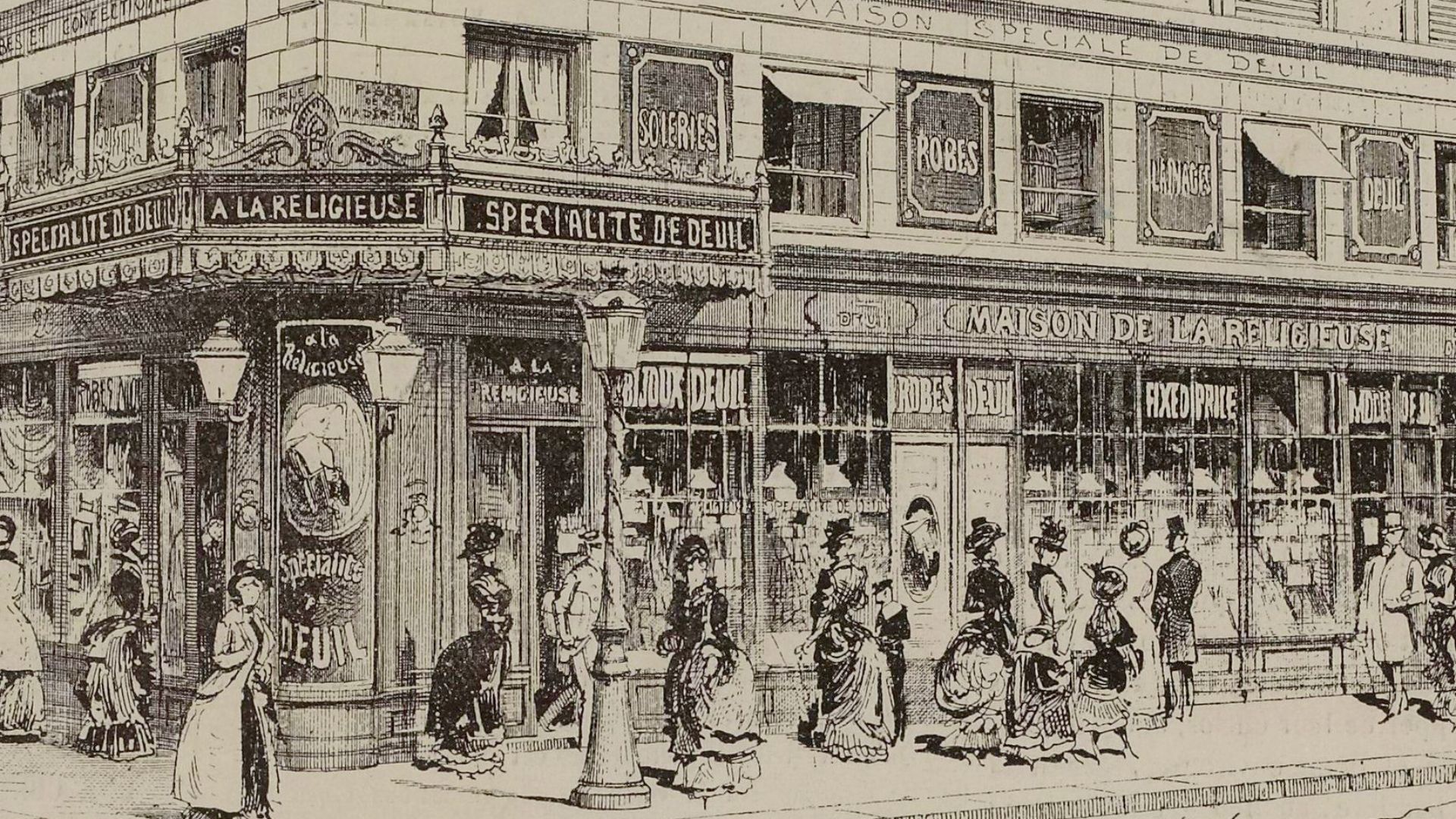
Mourning Became A Retail Category
Victorian mourning clothes were so widely demanded that specialist warehouses emerged to supply them. London Museum notes that Jay’s opened in 1841 to sell goods for funerals and bereavement, while historian Richard J. Evans records that retailers maintained dedicated mourning warehouses.
 Yves et Barret, photograveur, Wikimedia Commons
Queen Victoria Made Black More Powerful
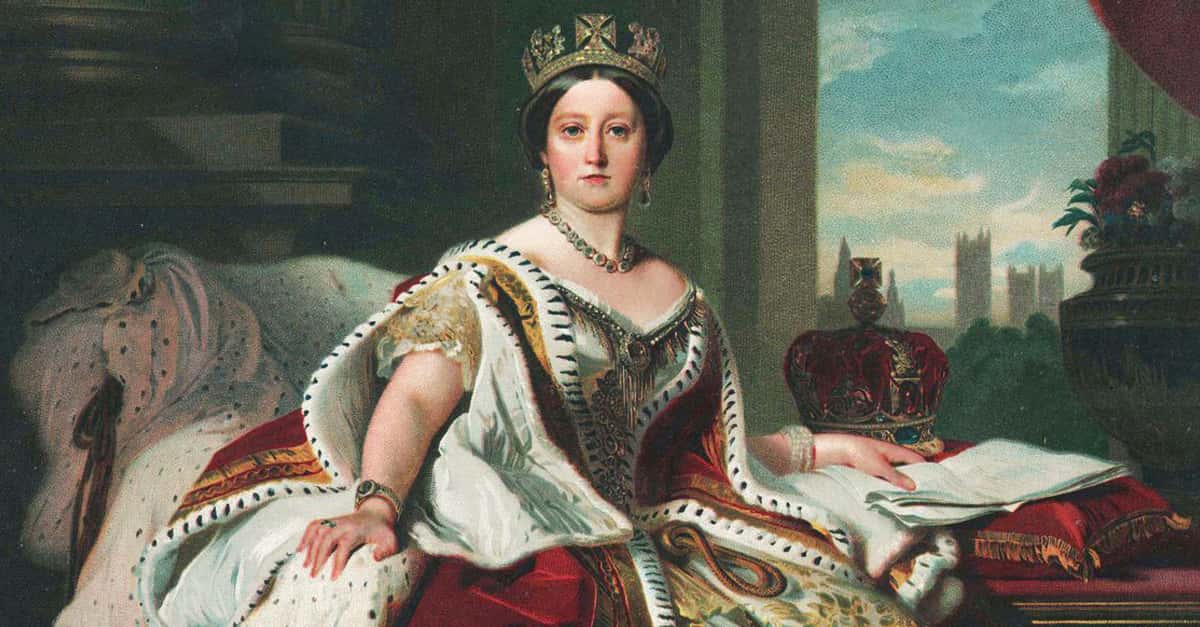
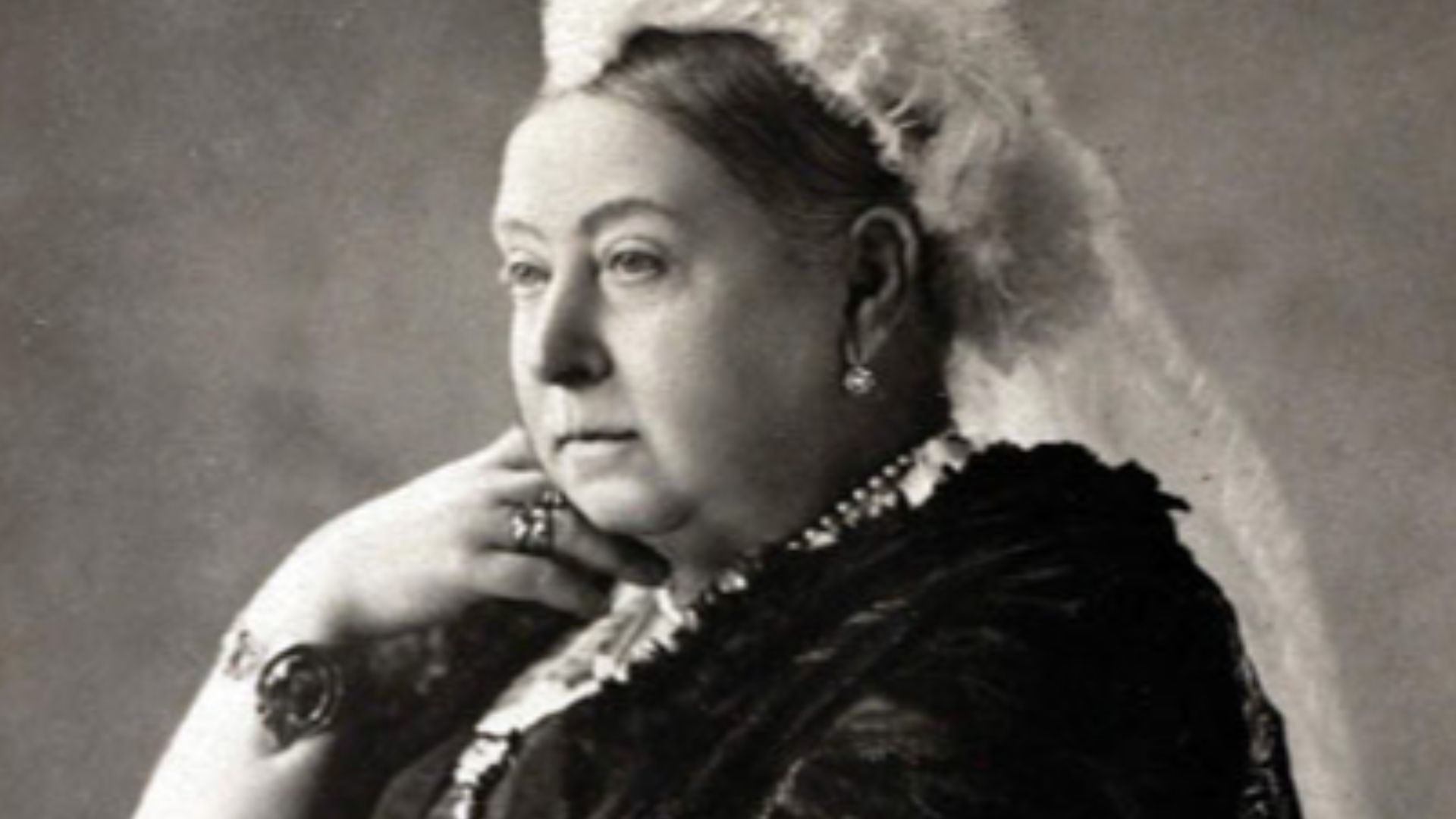
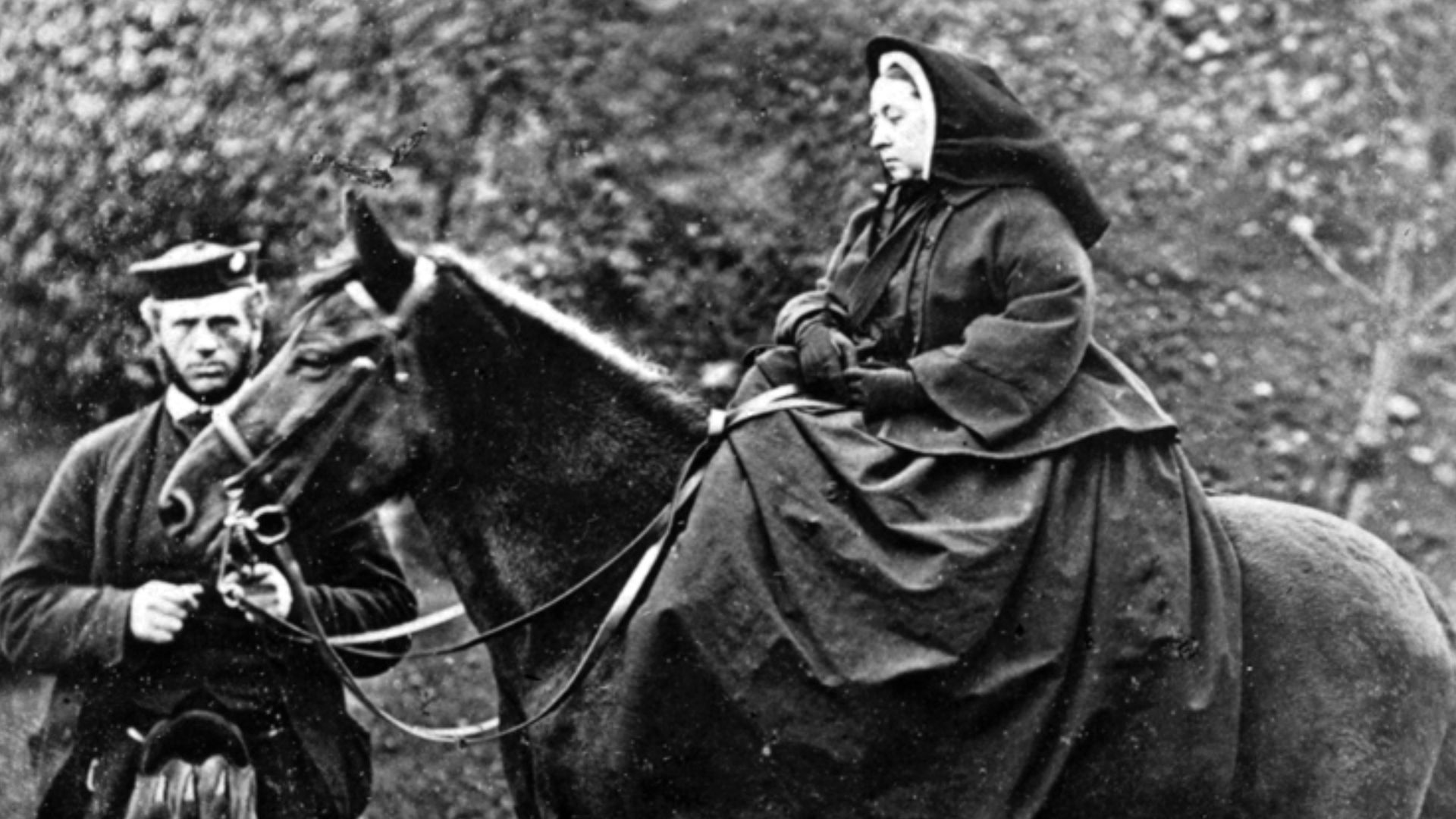
Prince Albert passed on December 14, 1861, at age 42. Queen Victoria wore black and a widow’s cap for the rest of her reign, making her long bereavement the era’s most visible example of mourning dress. The Metropolitan Museum says black mourning peaked during her reign.
 Unknown authorUnknown author, Wikimedia Commons
Mourning Came With Timetables
There was no single timetable for every mourner, but expectations could be lengthy. The Metropolitan Museum says black might be worn from three months to two and a half years. Different phases determined how much black, and later color, was considered appropriate.
 Victoria, drottning av Sverige (1862 - 1862), Wikimedia Commons
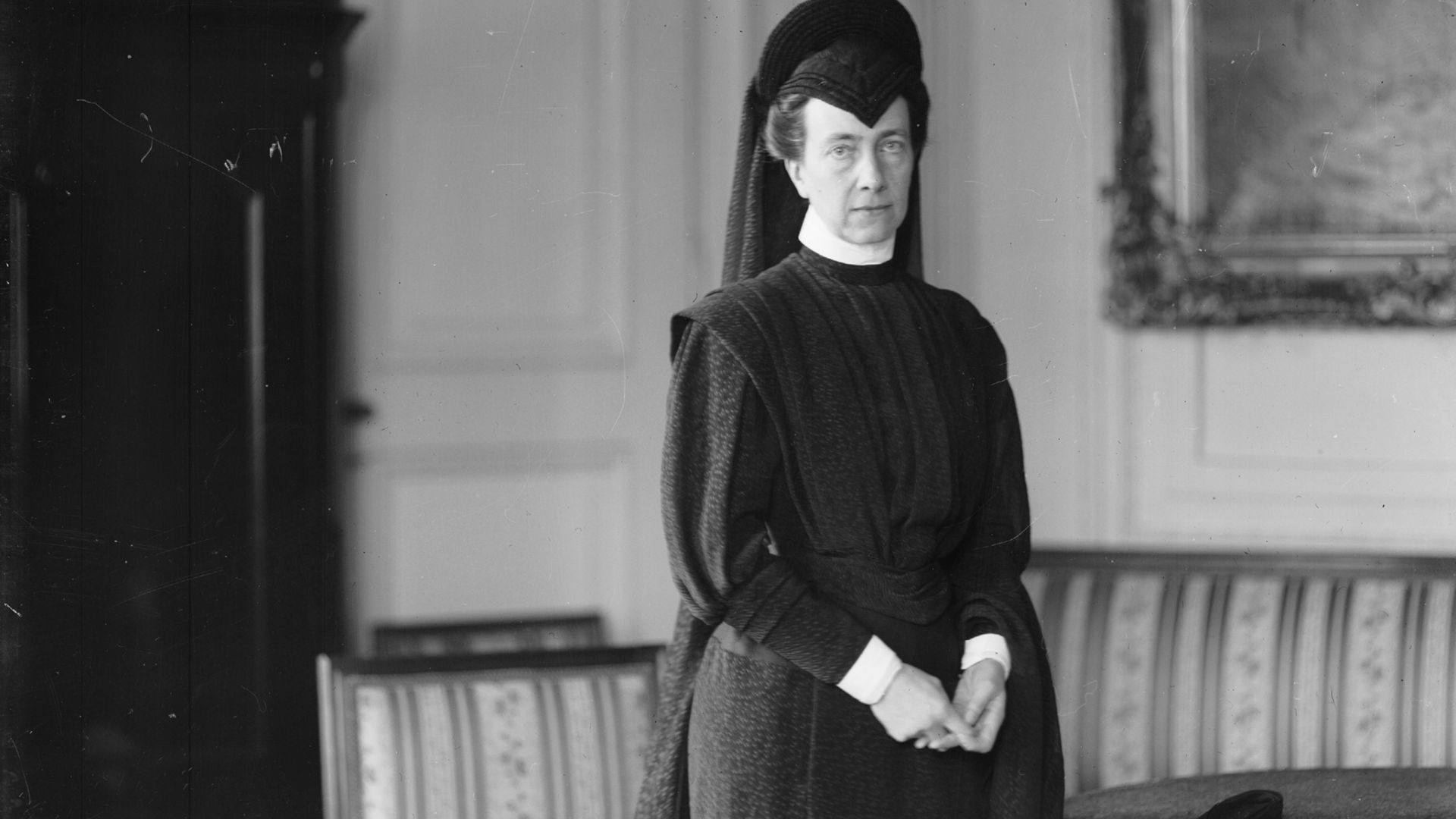
Full Mourning Meant Serious Black
The first phase was the strictest. Full mourning ensembles were solid black, while later “half mourning” could admit white or purple. Those distinctions created demand for different fabrics, finishes, trimmings and accessories as mourners moved from one stage to another.
 George Washington Wilson, Wikimedia Commons
Whole Households Could Need New Clothes
Mourning purchases could extend well beyond a widow. A Victoria and Albert Museum object record says etiquette could require an entire household to wear black, including children and servants, with the severity determined by closeness to the person who had passed.
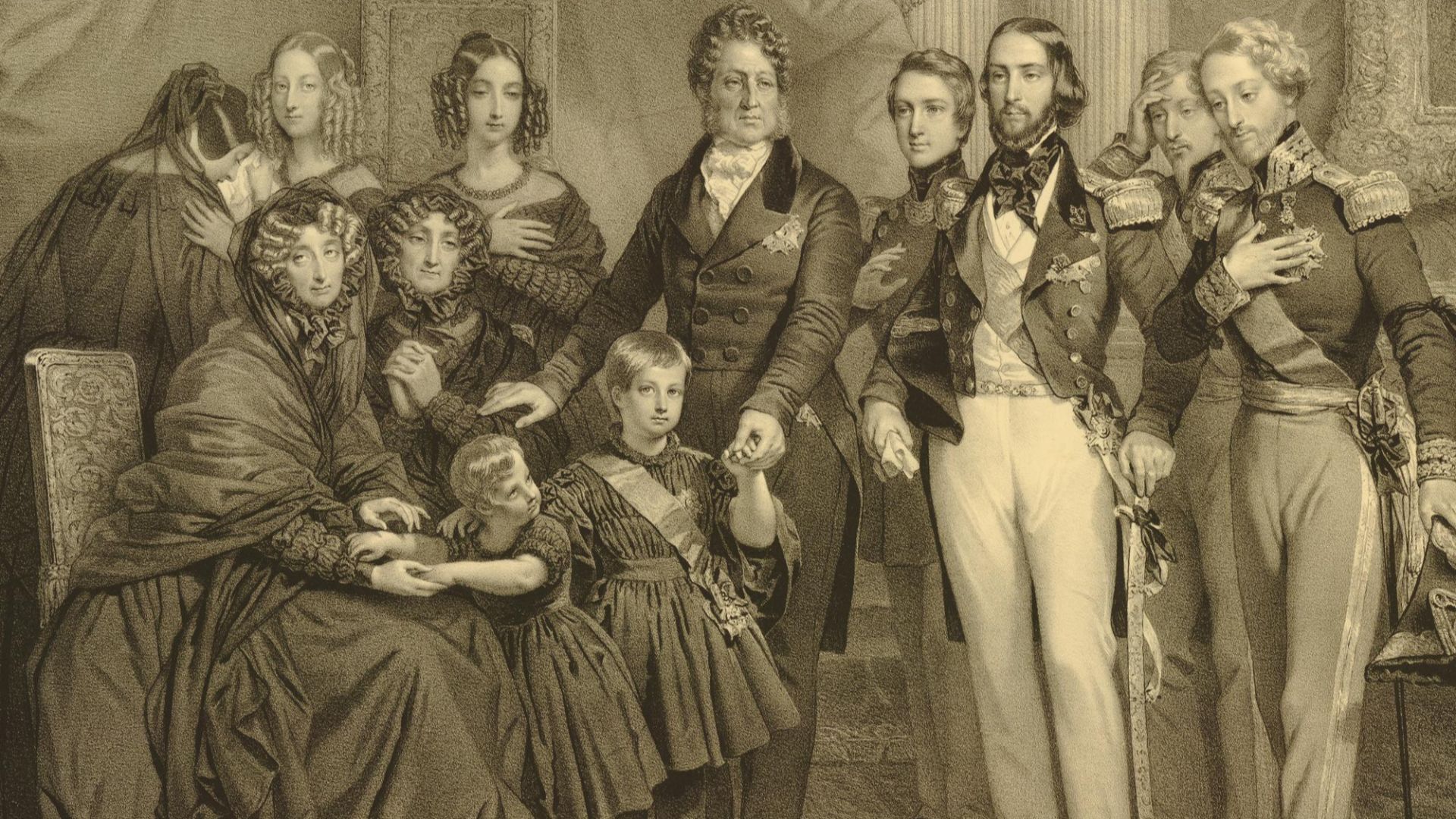 Print made by: Nicolas Eustache Maurin Published by: Bulla & Delarue, Wikimedia Commons
Not Everyone Could Afford A New Wardrobe
The rules crossed class lines, but budgets differed. The Metropolitan Museum notes that mourning wear existed at many price points and that people unable to afford replacement clothing often altered or dyed garments they already owned. The market therefore included both purpose-made outfits and adaptations.
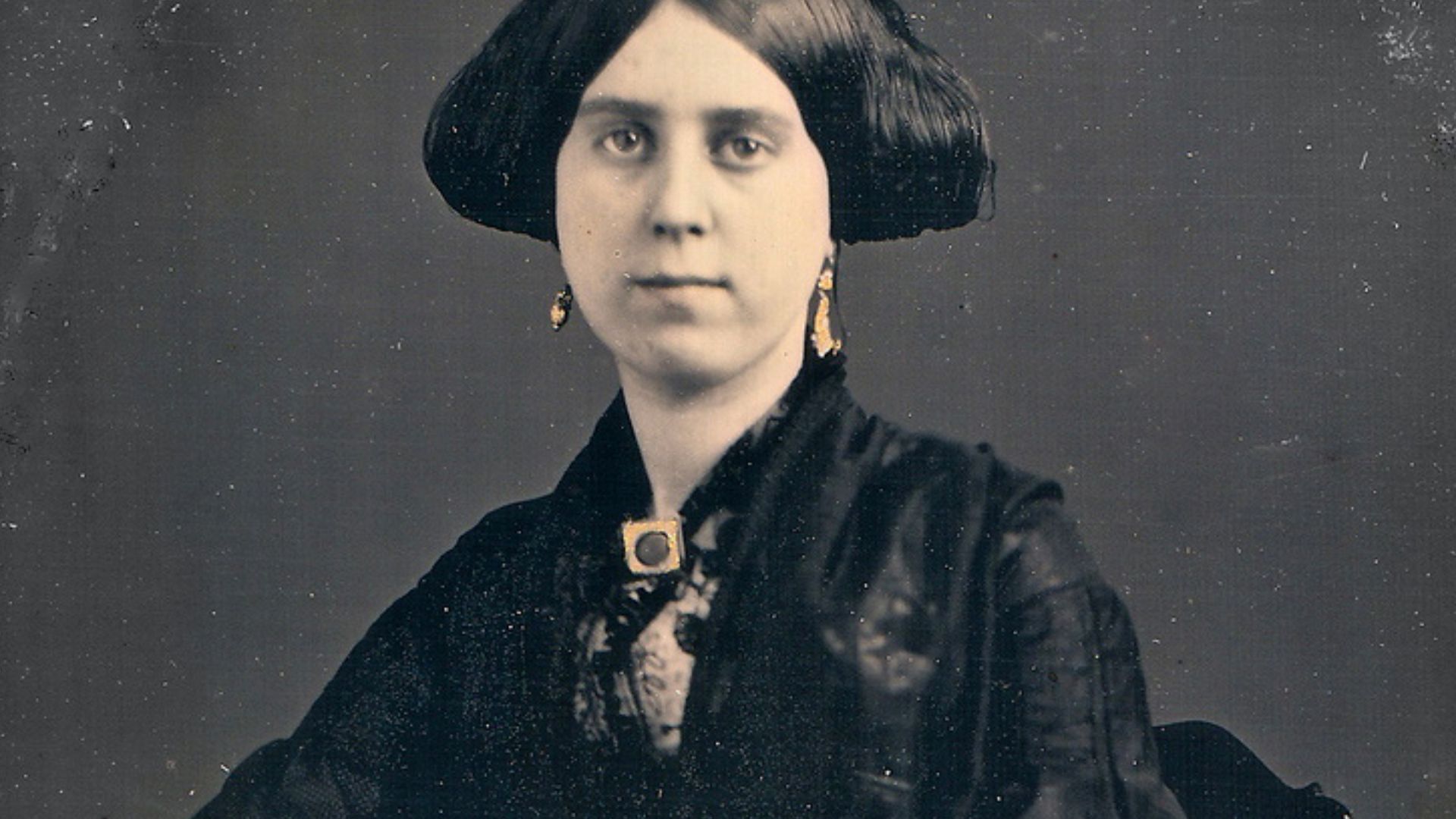 lisby1 (Lisby), Wikimedia Commons
Crape Became The Signature Fabric
Textiles were central to the trade. Mourning crape, a crimped silk gauze, became closely associated with bereavement, while surviving royal clothing combines black silk with mourning crepe. Materials and surface finishes could help communicate a wearer’s stage of mourning.
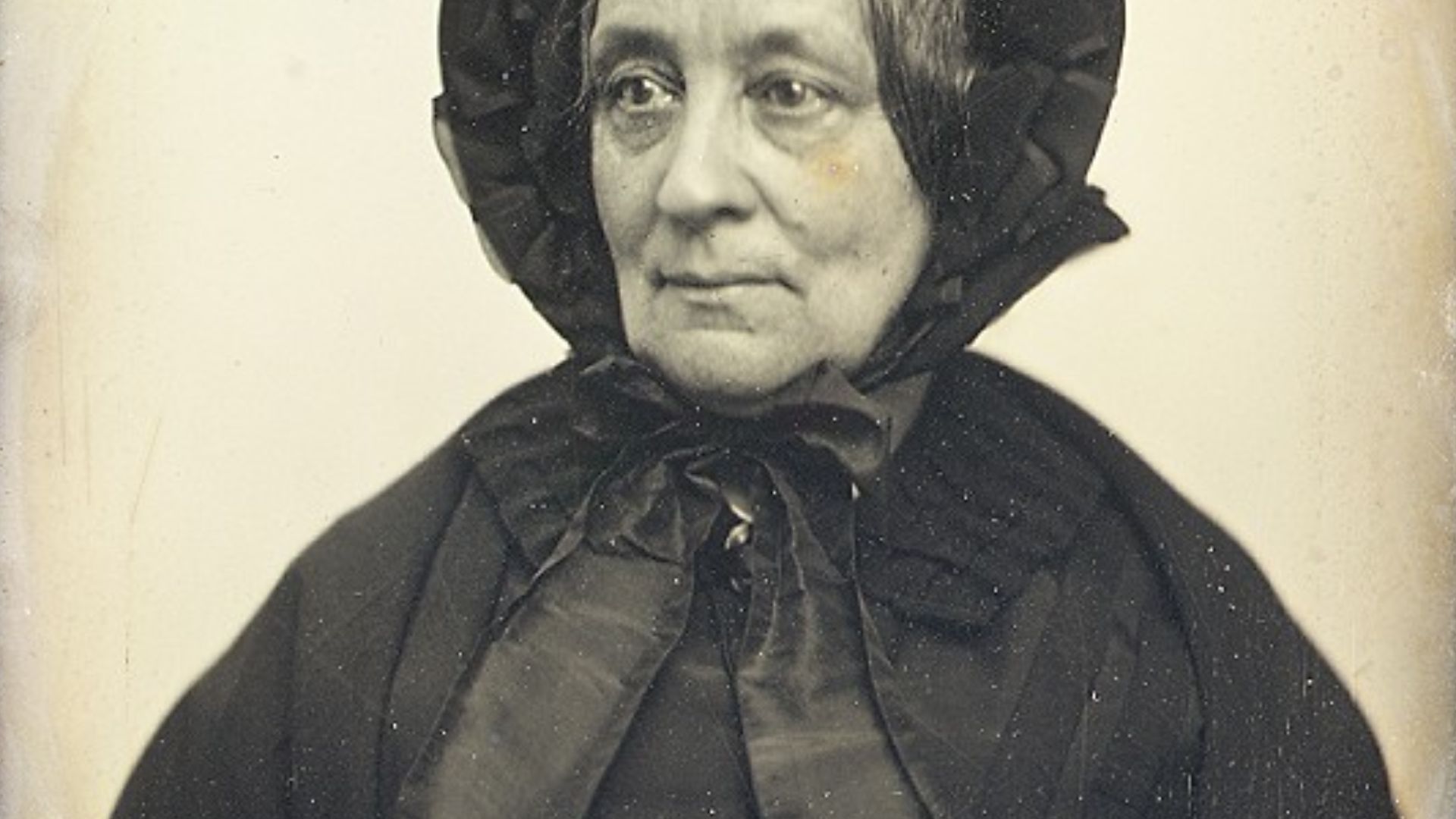 Albert Southworth / Josiah Johnson Hawes / Southworth & Hawes, Wikimedia Commons
Courtaulds Turned Mourning Into Industrial Wealth
Courtaulds became one of Britain’s leading textile businesses partly through black mourning crepe. Braintree Museum says the firm began making crape in 1825 and prospered as mourning spread among the middle classes. It calls the crape trade crucial to Braintree’s nineteenth-century prosperity.
 Chris Allen , Wikimedia Commons

History's most fascinating stories and darkest secrets, delivered to your inbox daily.
Jay’s Built A Mourning Department Store
Jay’s shows how specialist mourning retail could scale. Founded in 1841, it eventually expanded into a Regent Street department store occupying several shopfronts. A surviving London Museum garment label advertises Jay’s royal appointment, showing how a bereavement business became a prestigious metropolitan retailer.
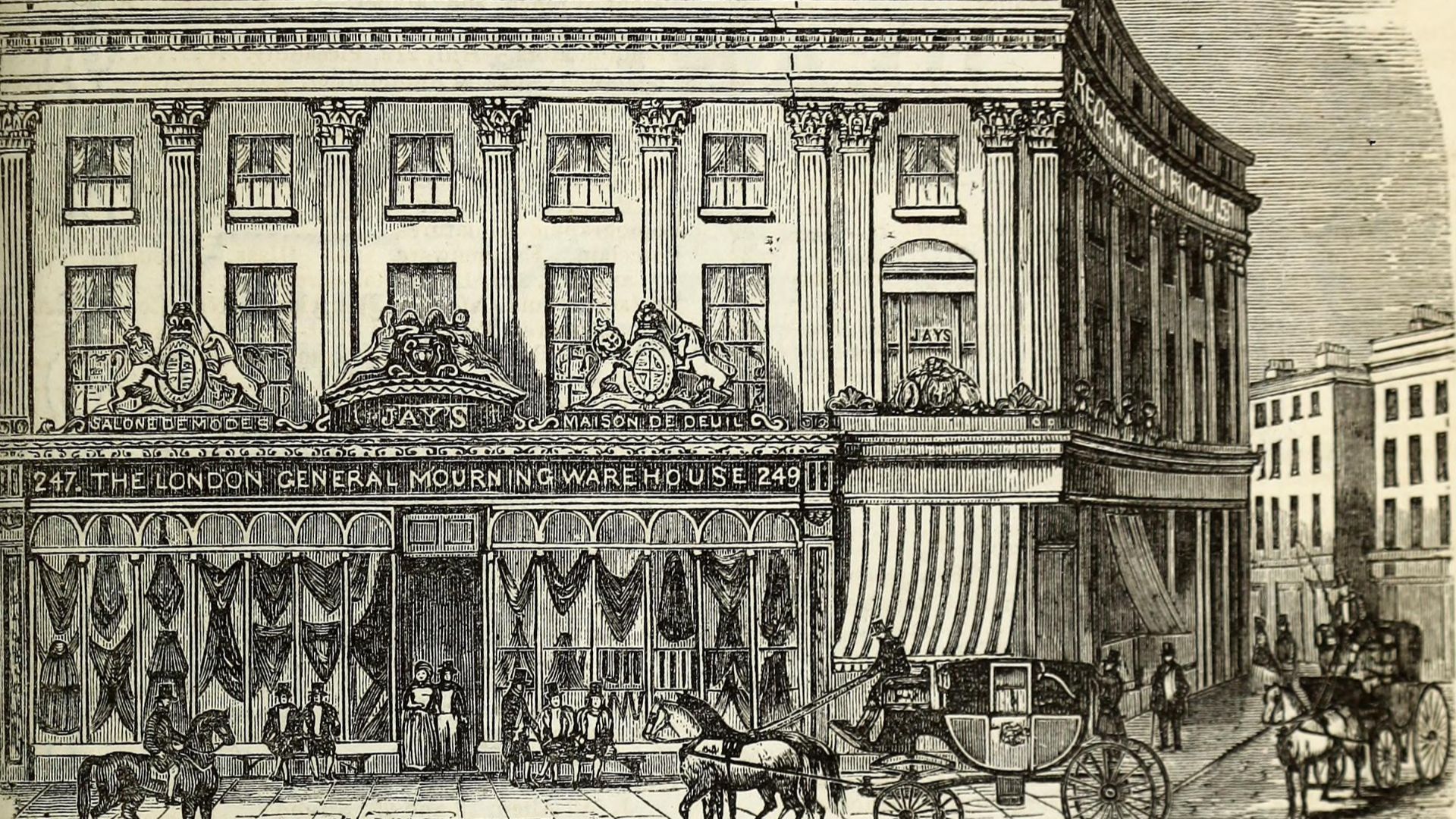 Internet Archive Book Images, Wikimedia Commons
Peter Robinson Had A Mourning Branch
Peter Robinson also created a dedicated mourning operation on Regent Street. Nicknamed “Black Peter Robinson’s,” it employed assistants who advised shoppers on the appropriate degree of mourning. The V&A says its customers ranged from the middle classes to the upper ranks of the working classes.
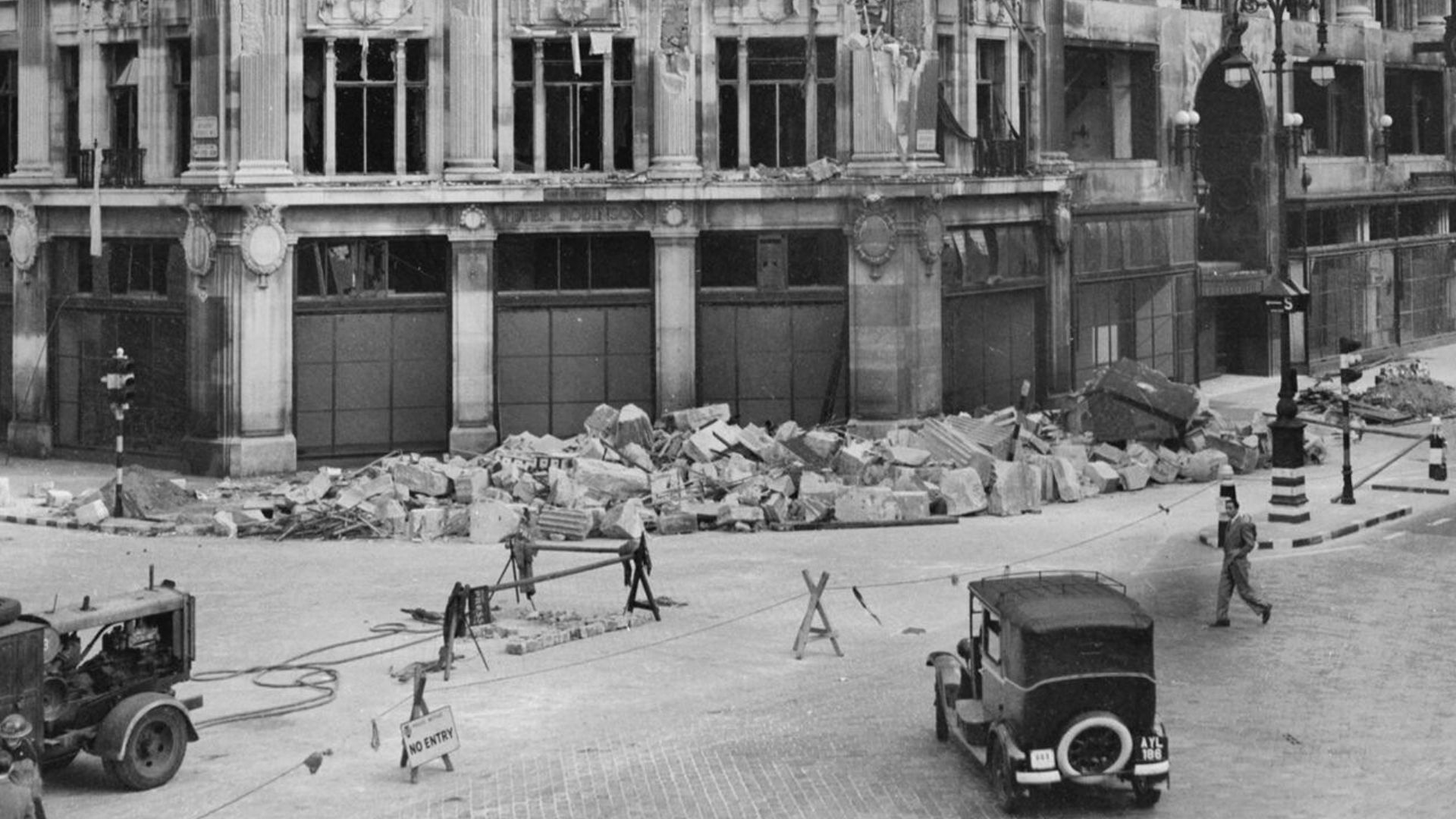 Ministry of Information Photo Division official photographer, Wikimedia Commons
Mourning Retail Was Competitive Outside London
The trade was not confined to the capital. In Leeds, Frederic Forster ran a dedicated Mourning Warehouse on Lower Briggate. University of Leeds research says that by 1901 all local drapers stocked mourning wear, while larger stores maintained special departments.
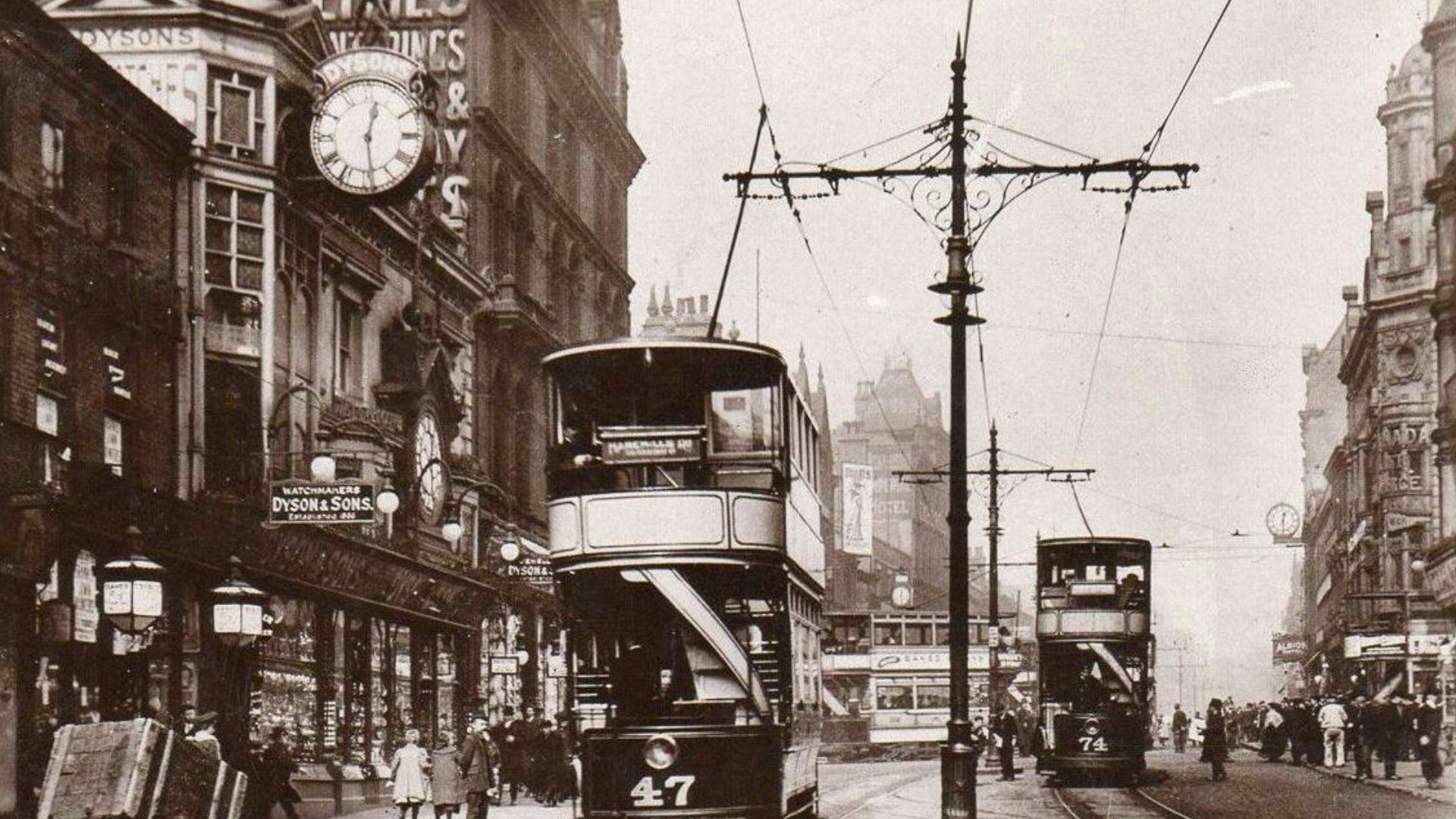 Unknown authorUnknown author, Wikimedia Commons
Grief Still Had To Follow Fashion
Mourning did not freeze clothing design in time. Frederic Forster promoted garments sourced in London and Paris and described them as fashionable and stylish. Jay’s also issued an 1889 advertising leaflet discussing spring fashions, showing that mourning retailers still competed through changing styles.
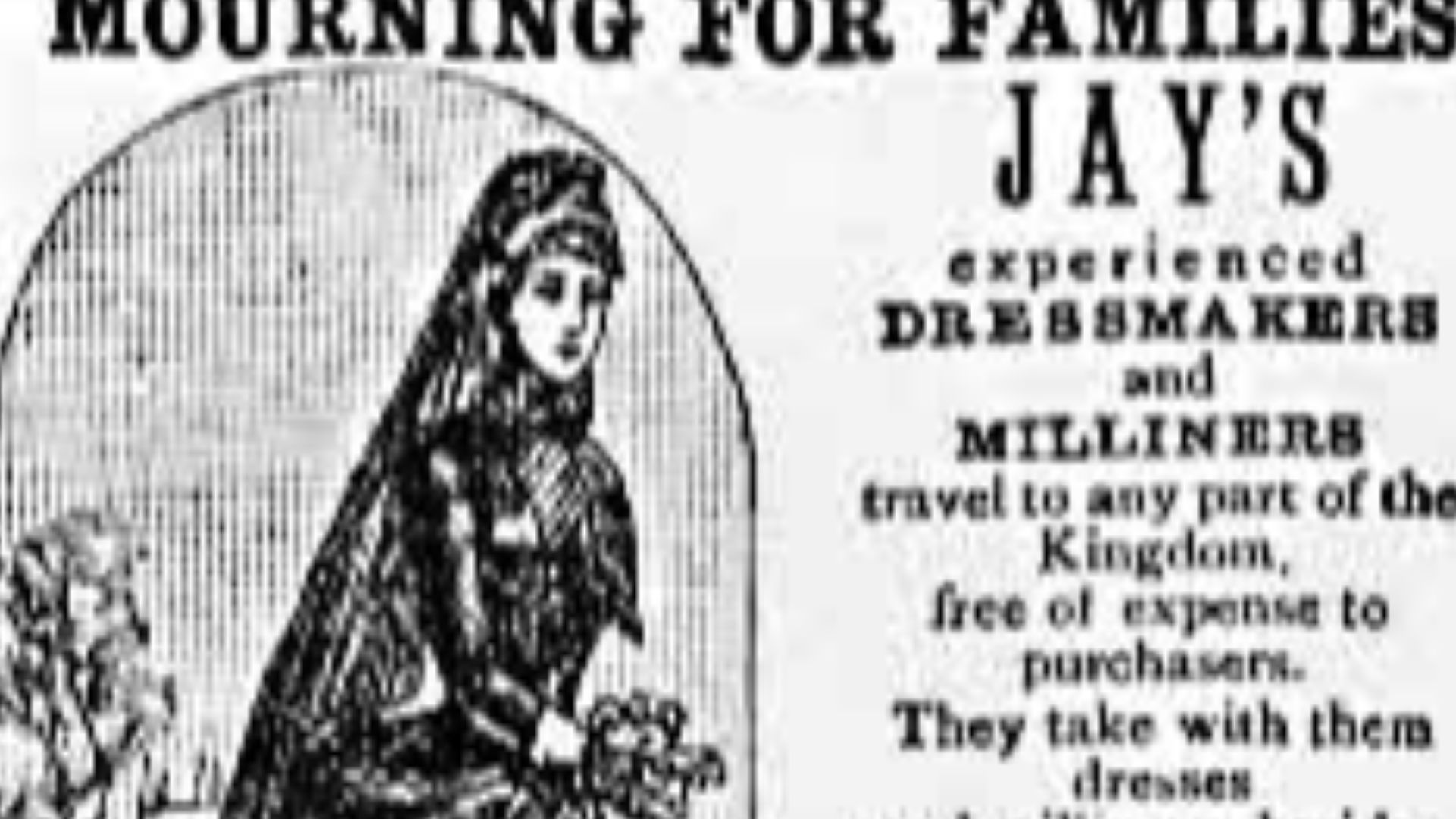 Unsigned, anonymous commercial artist, Wikimedia Commons
Mourning Had Ordinary Price Tags
Surviving merchandise makes the business tangible. London Museum holds black ribbed silk supplied by Jay’s Mourning Warehouse between 1891 and 1900. Its card advertised the fabric as 22 inches wide and priced it at 4 shillings and 6 pence per yard.
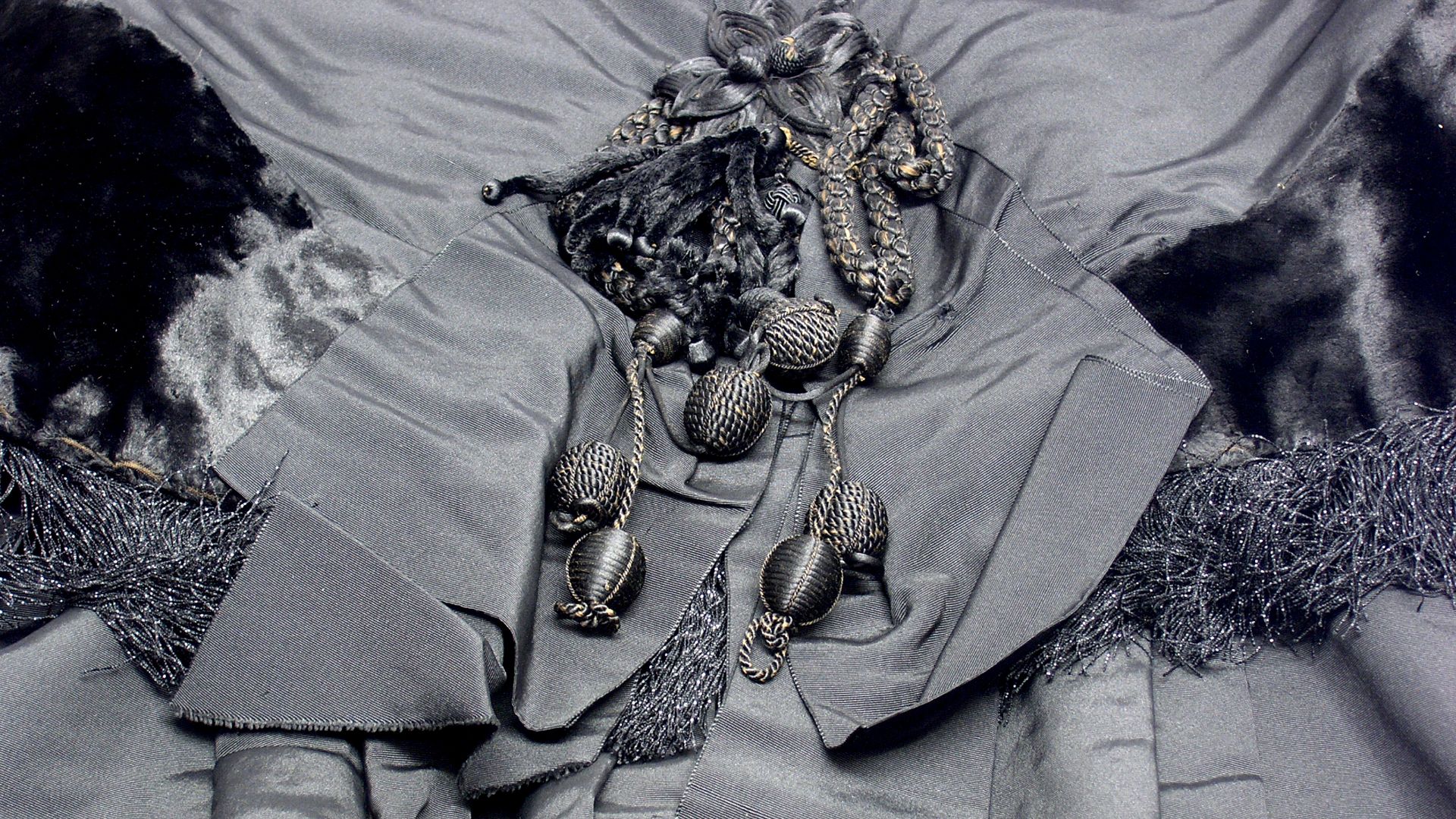 T. Fenncot Evans, Wikimedia Commons
Whitby Jet Became A Boom Industry
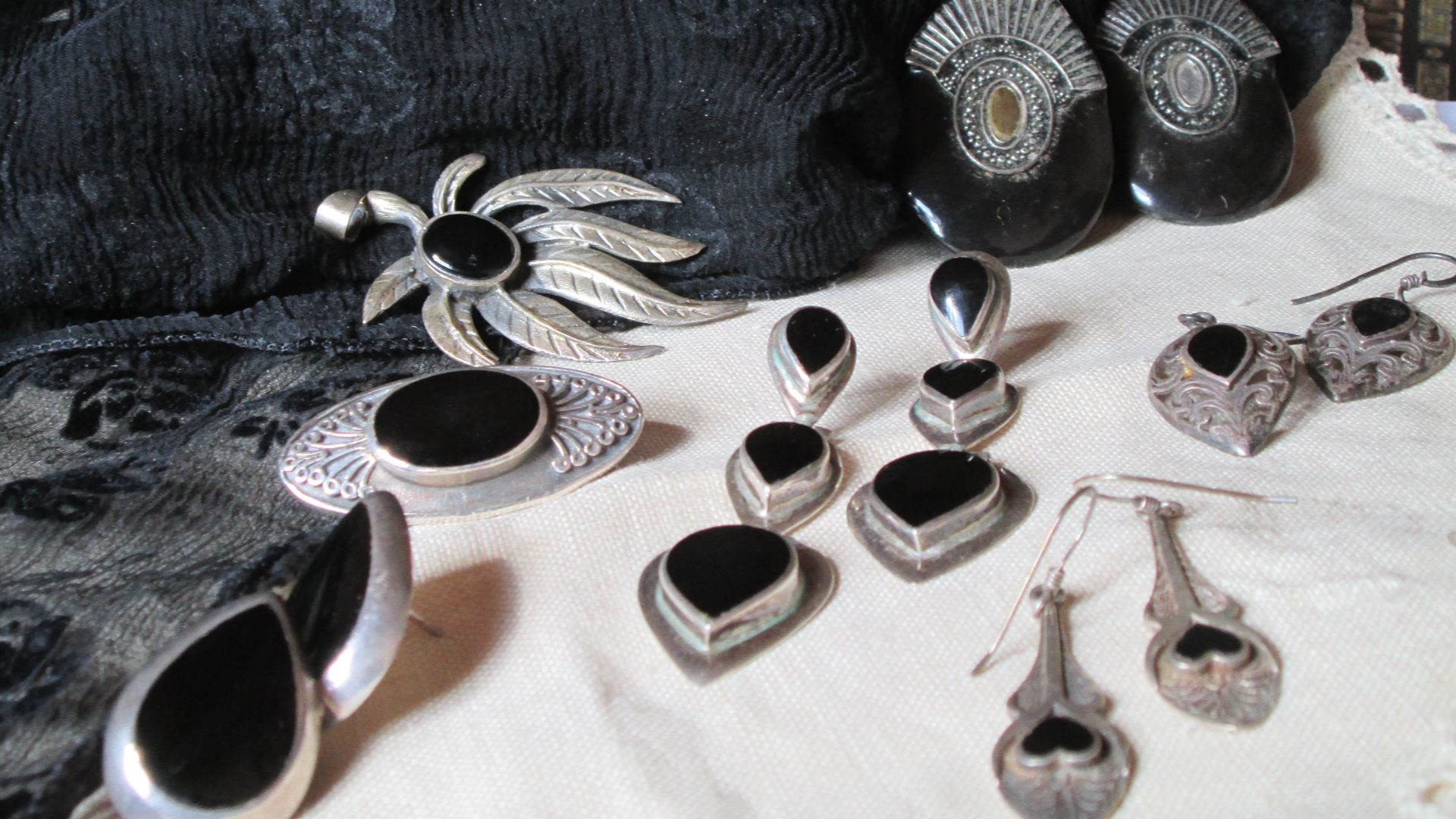
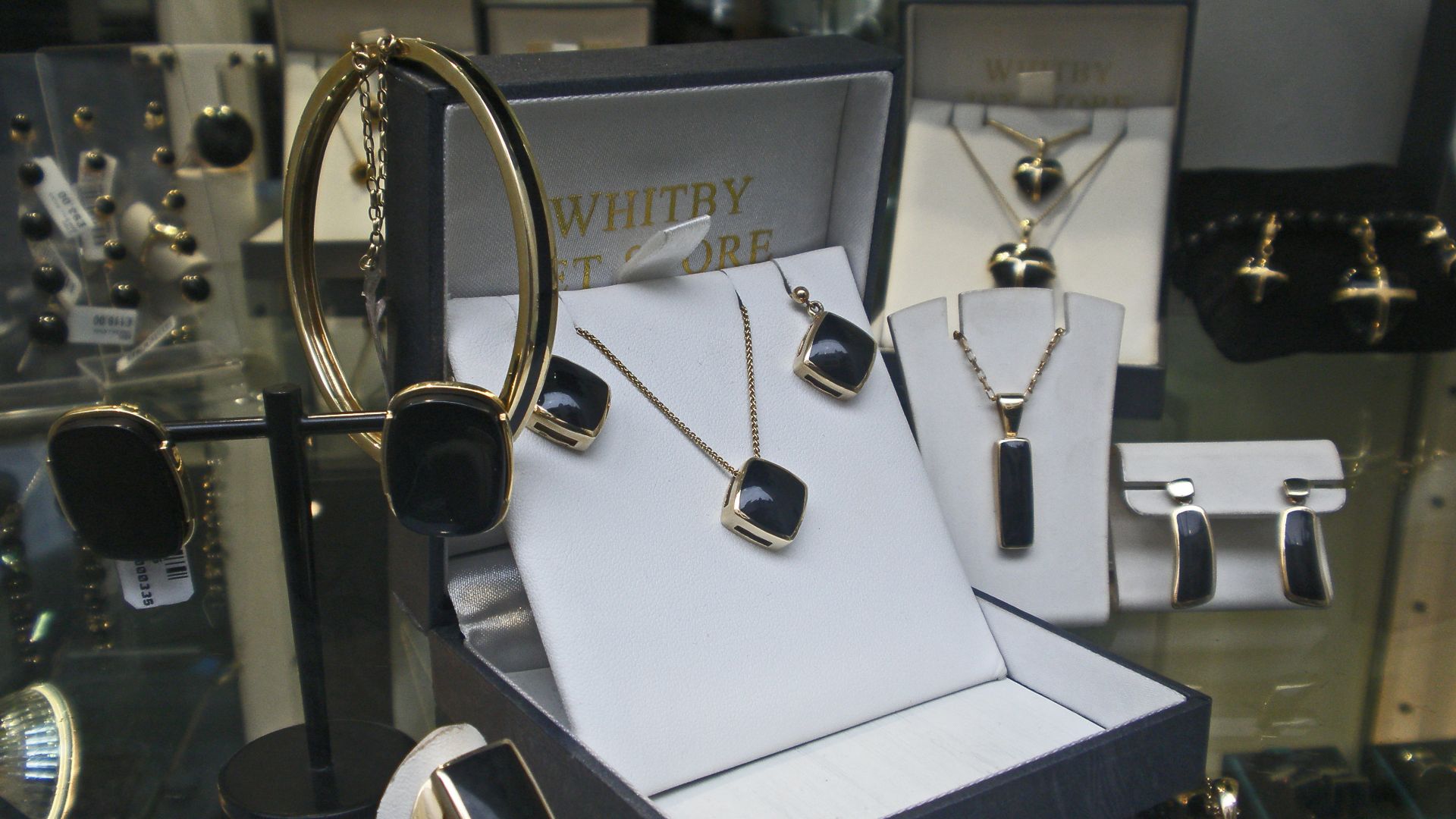
Black jewelry created another lucrative market. Whitby Museum says that between 1860 and 1880 the town had more than 200 jet factories employing about 1,500 people, supplied by roughly 300 mines. Queen Victoria’s patronage after Albert’s death further fueled demand.
Even Jet Changed With The Mourning Stage
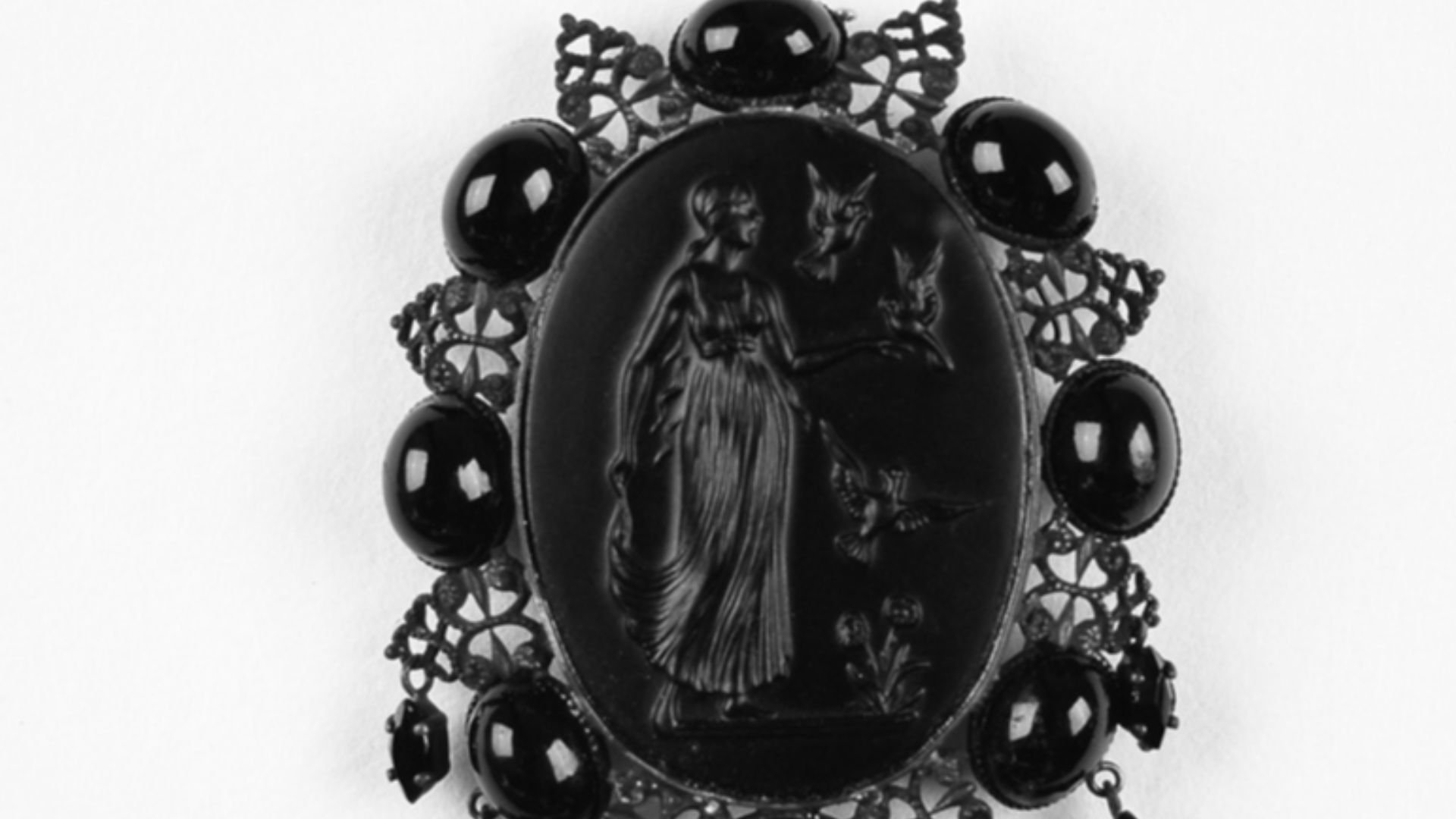
Jet jewelry could signal where a wearer stood in the mourning process. The V&A explains that dull, matte jet was associated with earlier bereavement, while shinier polished pieces could be worn later. Jewelry therefore participated in the same graduated visual code as clothing.
 Amanda Slater from Coventry, West Midlands, UK, Wikimedia Commons
Imitations Followed A Successful Product
Whitby jet’s popularity encouraged substitute materials, while genuine jet remained prized for its polish. The industry also benefited from rail travel: Whitby Museum notes that improved railway access turned the town into a tourist destination where jet jewelry became a sought-after souvenir.
 Detlef Thomas, Wikimedia Commons
Hair Could Become Jewelry
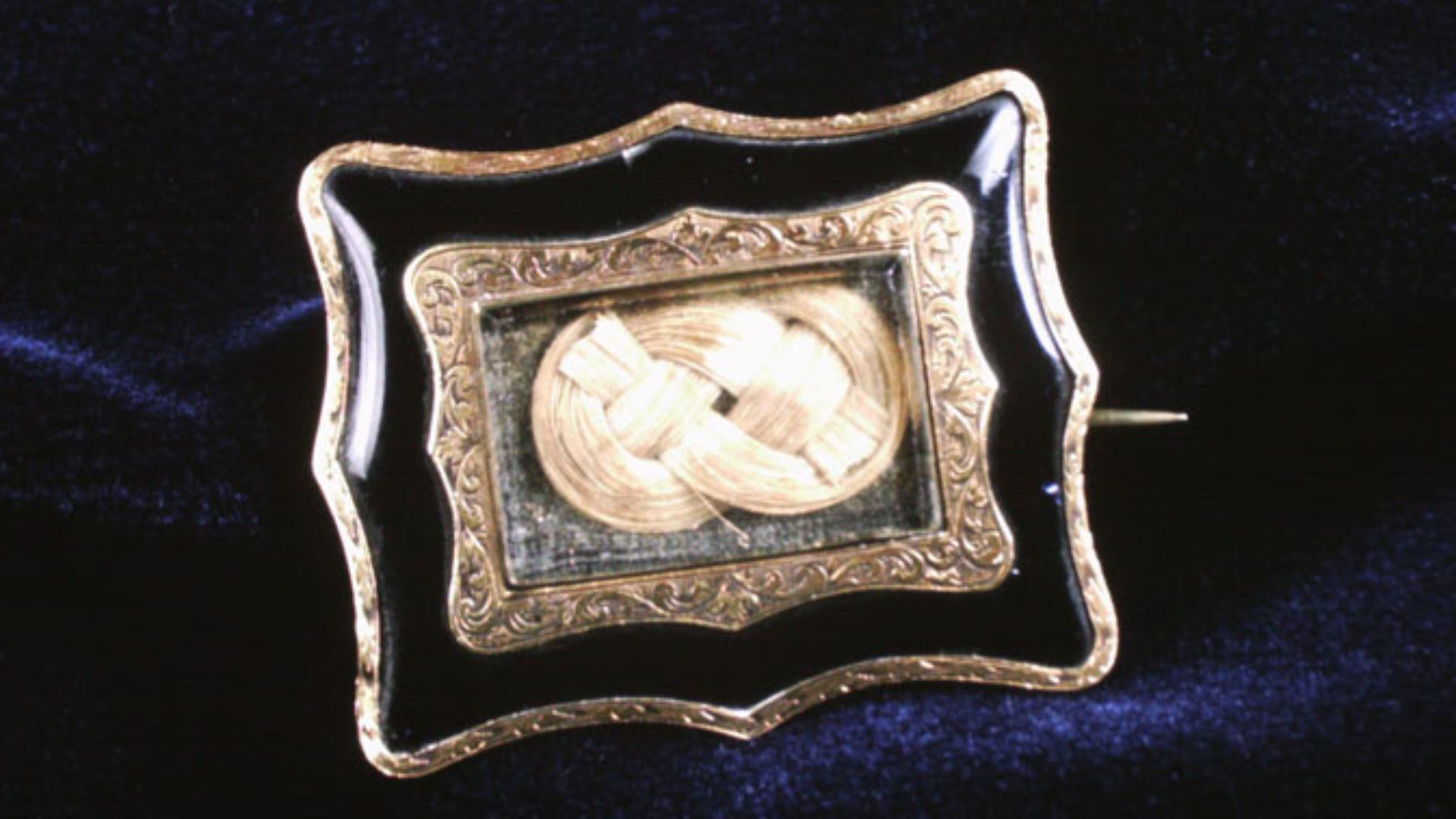
Mourning jewelry did not depend only on gemstones. Hairwork used human hair to create brooches and other keepsakes, sometimes incorporating memorial scenes. The Science Museum Group says hairwork was popular in eighteenth- and nineteenth-century Europe and permitted during a later stage of Victorian mourning.
Photography Entered Memorial Jewelry
New technology also entered mourning jewelry. A Royal Collection ring made for Queen Victoria combined gold and black-and-white enamel with a tiny photograph of Prince Albert from 1861. The piece shows how traditional memorial objects could incorporate photography into intensely personal keepsakes.
There Were Mourning Goods For The Home
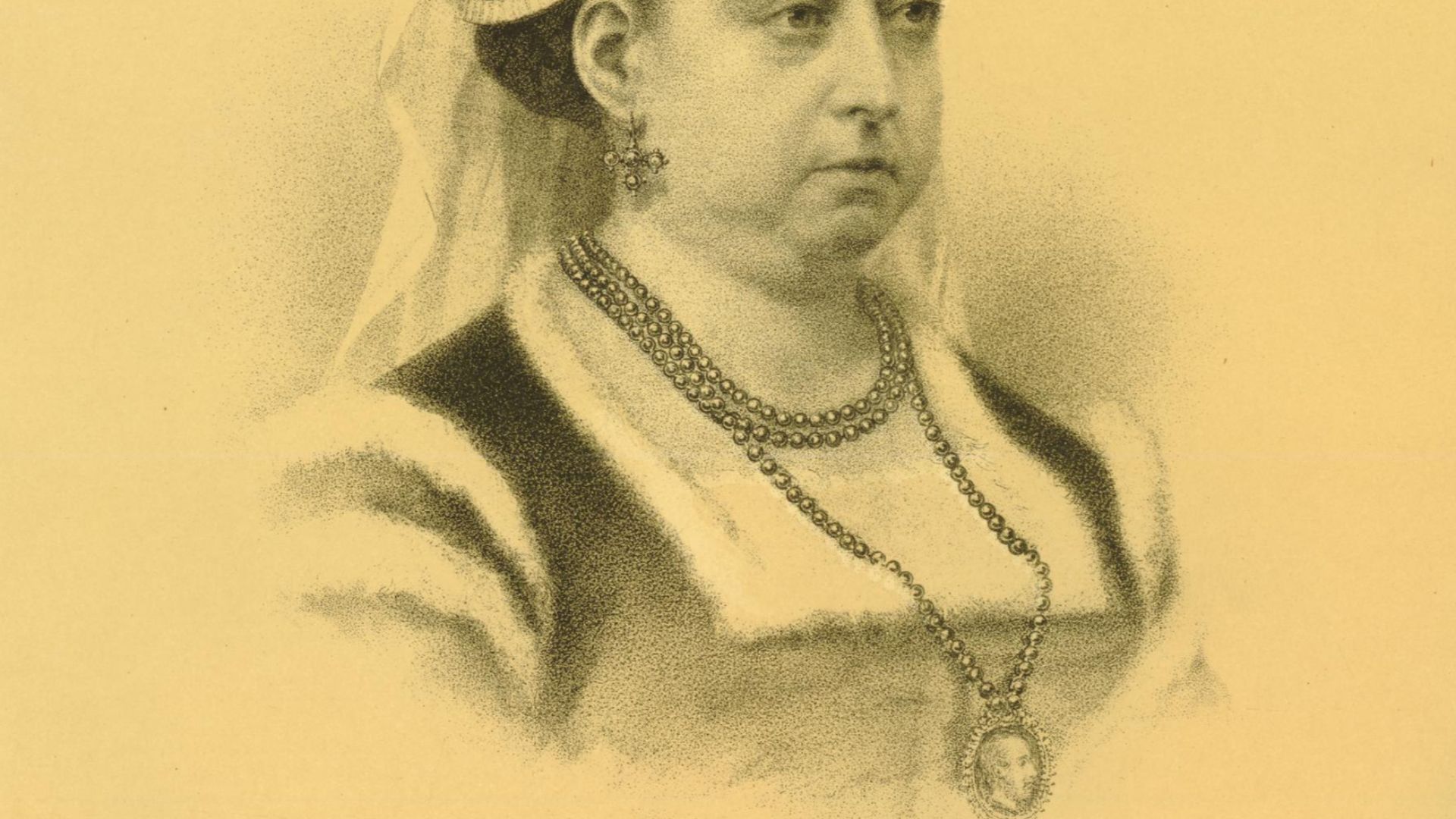
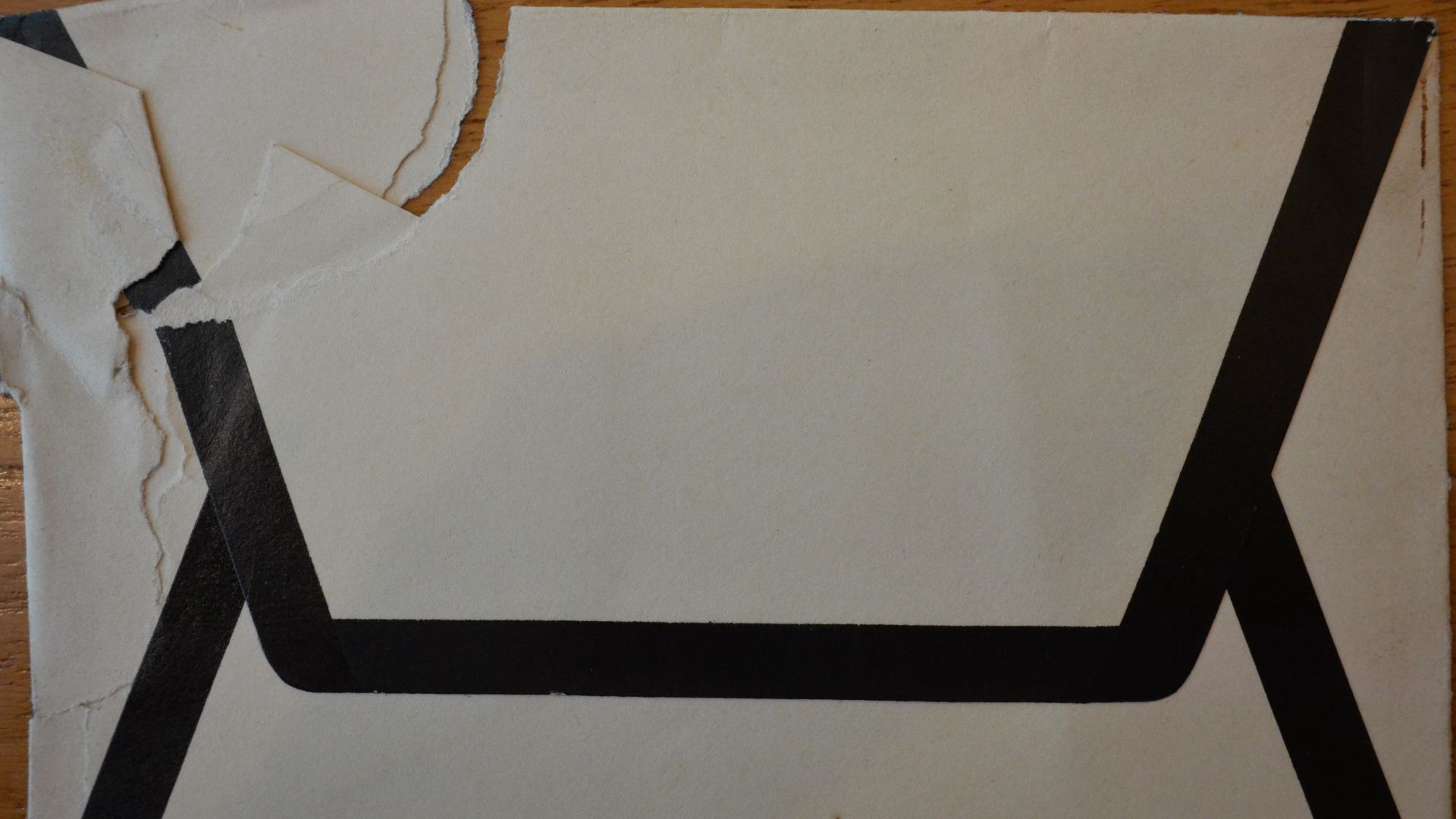
Retail opportunities extended beyond clothing and jewelry. Evans notes that Victorians could buy mourning teapots, black-edged stationery, black crepe for covering a door knocker and even mourning umbrellas. Bereavement could therefore alter both personal dress and ordinary household possessions.
 Arthur Schnitzler, Wikimedia Commons
Funeral Transport Became More Elaborate
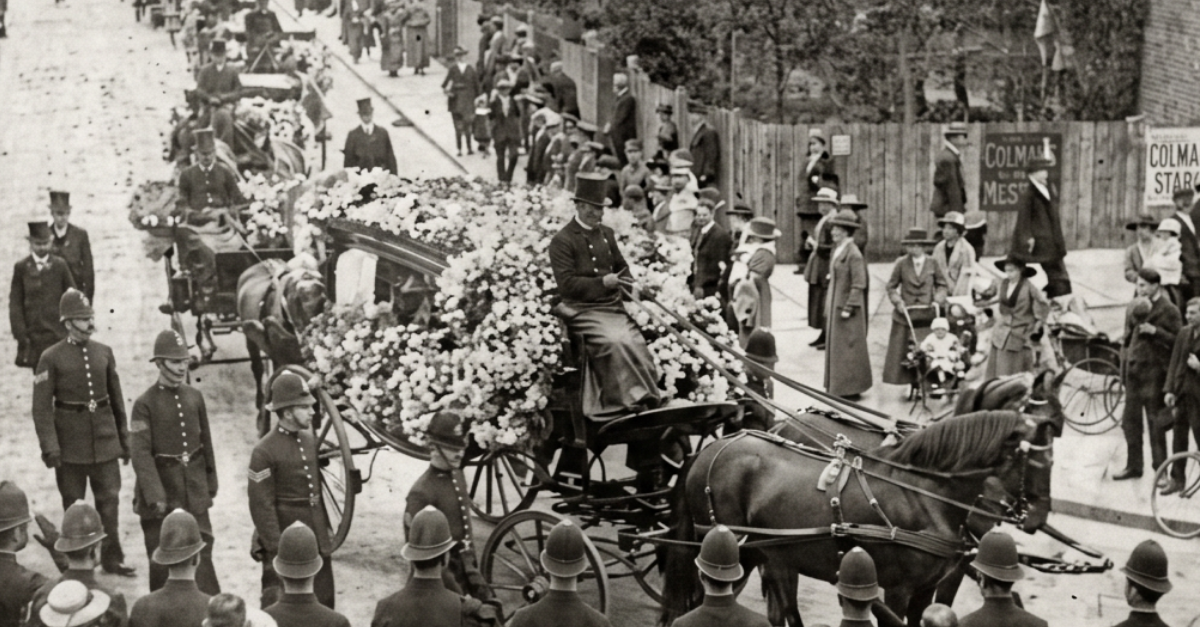
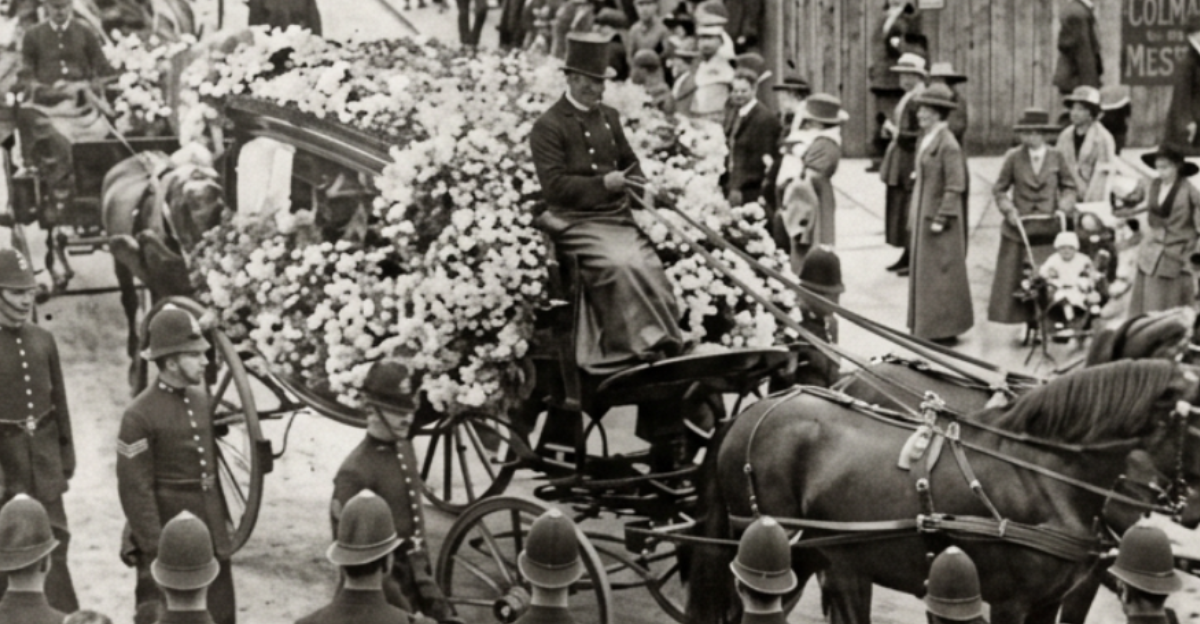
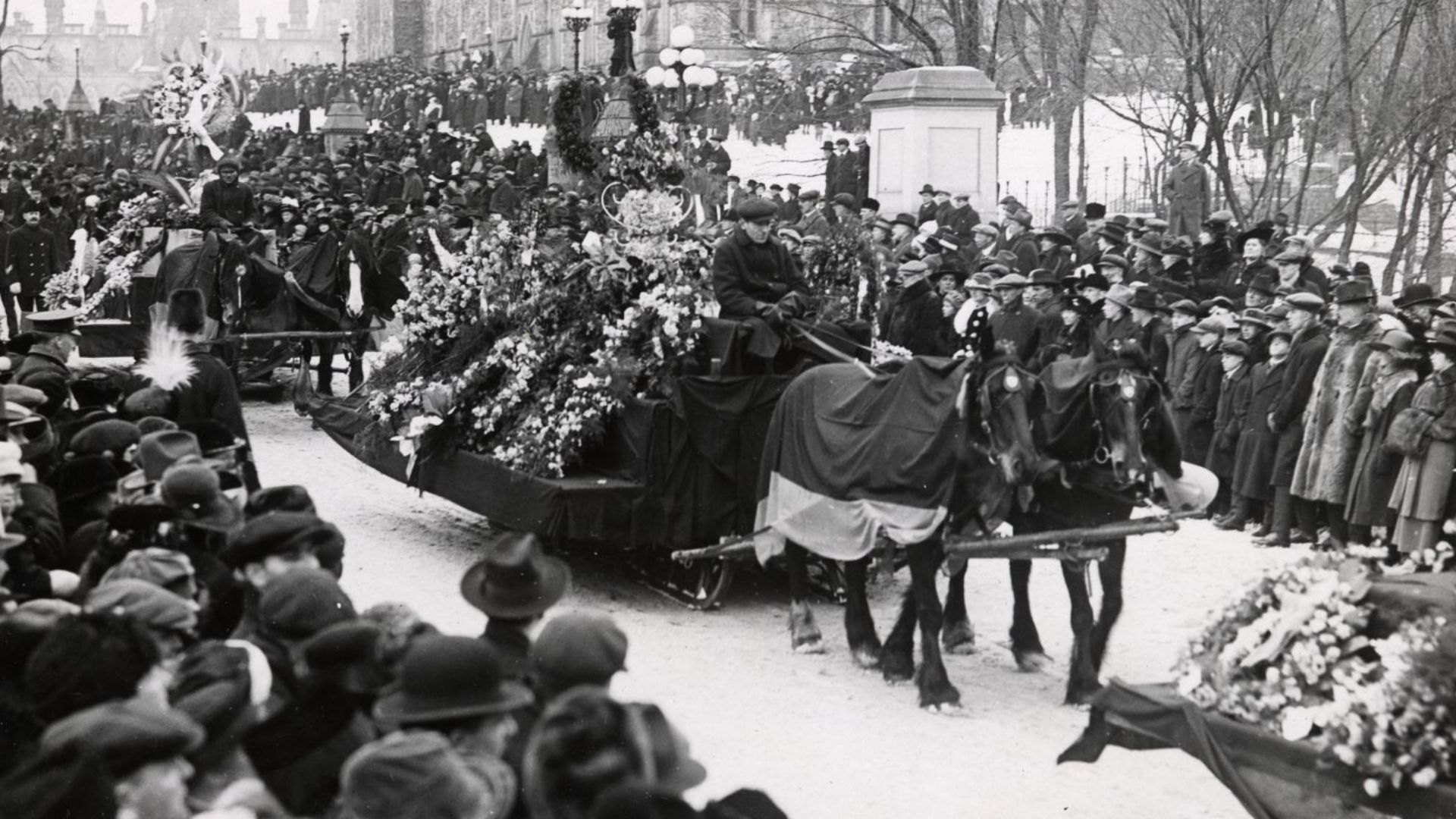
The funeral supported another group of trades. The Science Museum Group says horse-drawn hearses became increasingly important as cemeteries were built farther from town centers. Coaches also grew more elaborate because the scale and splendor of a funeral could reflect social standing.
 Unknown authorUnknown author, Wikimedia Commons
Funerals Could Cost A Fortune
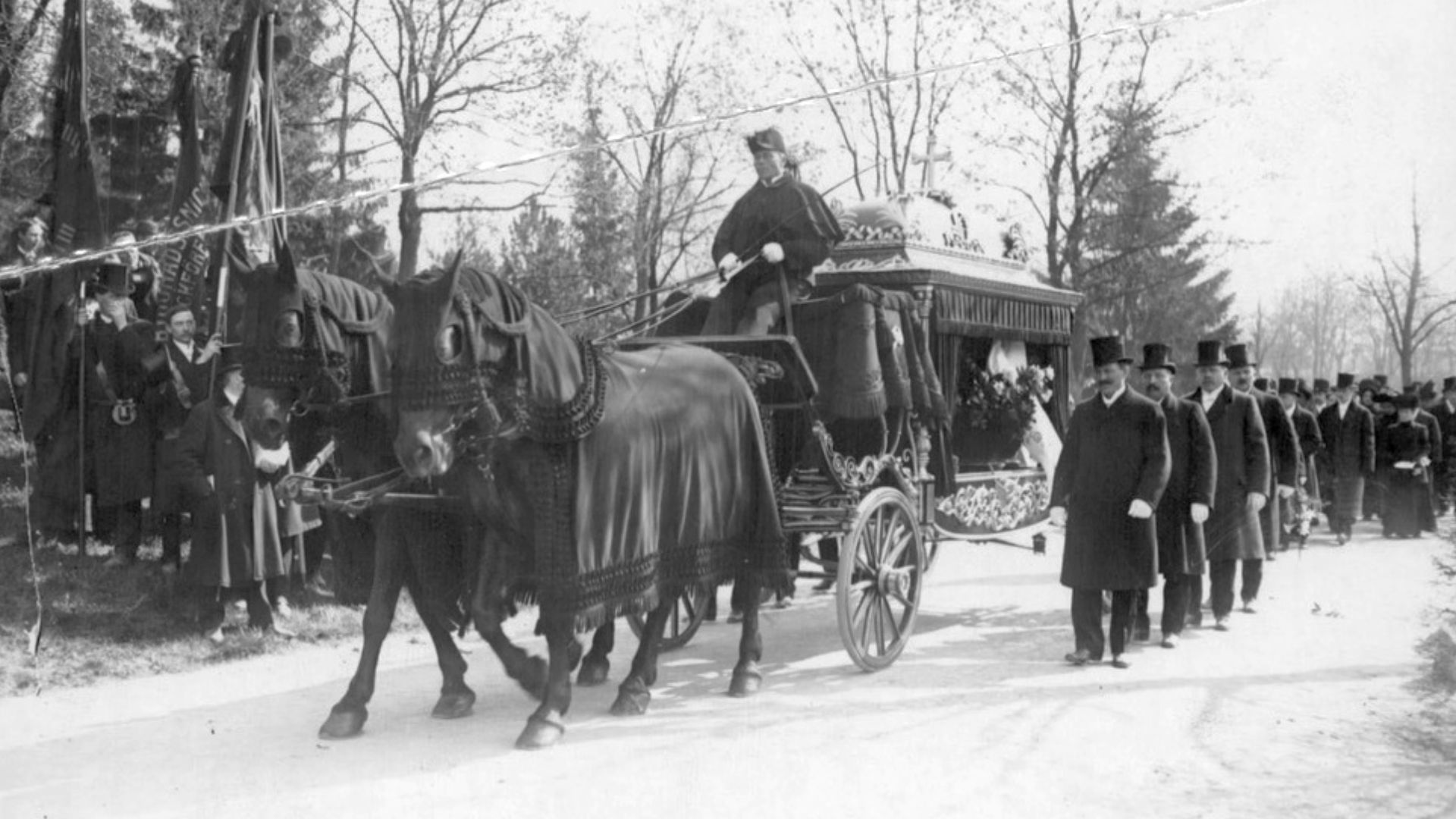
Funeral display could consume enormous sums. Evans estimates that aristocratic funerals in the 1840s typically cost £800 to £1,500, while those of gentlemen ran £200 to £400. He also identifies the 1850s as the probable high point of Victorian funeral ostentation.
 Unknown photographer, Wikimedia Commons
Cemeteries Created Another Market For Display
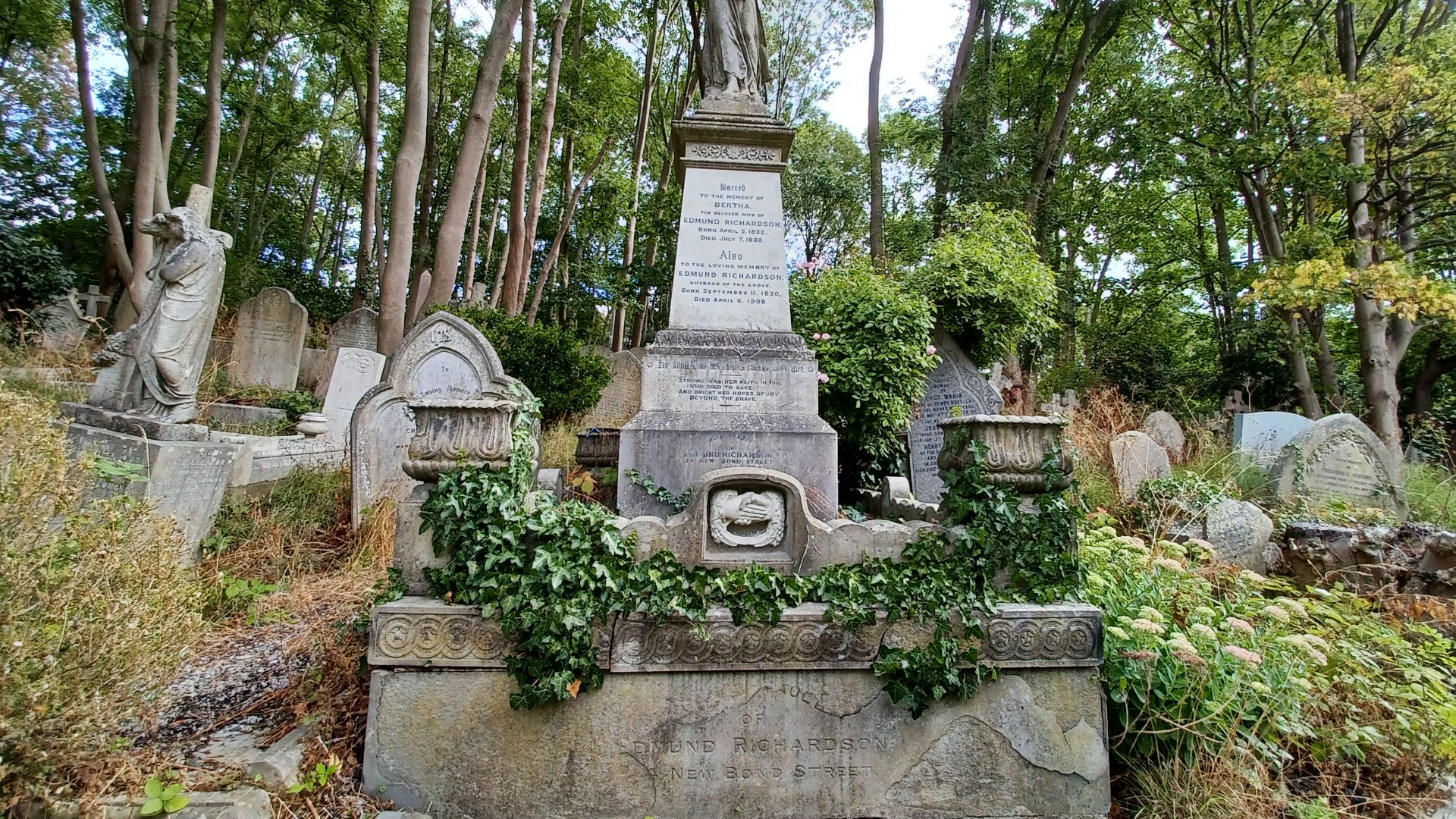
Victorian cemeteries extended commemoration into stone and sculpture. Historic England says families commissioned grand monuments in new cemeteries, while wider stone choices made large tombs and memorials more affordable. Status and remembrance could therefore remain visibly inscribed long after the funeral.
 Simon Burchell, Wikimedia Commons
The Mourning Industry Eventually Lost Its Grip
By the late nineteenth century, elaborate funeral spending faced criticism and simpler practices gained ground. Mourning crepe later declined in popularity, prompting Courtaulds to move into textiles such as rayon. The old industry faded, but not before creating fortunes, factories, department stores and regional trades.
You May Also Like:
How The Great Stink of London helped force one of history’s most important public health projects.
Oscar Wilde, The Greatest Victorian Playwright