
The Summer London Could Smell
London had survived fires, plagues, riots, and royal drama. Yet in the summer of 1858, the crisis that finally rattled Parliament was a smell. The Thames had become so foul that sitting near it felt impossible—and that stench would help transform public health.

A Capital Growing Too Fast
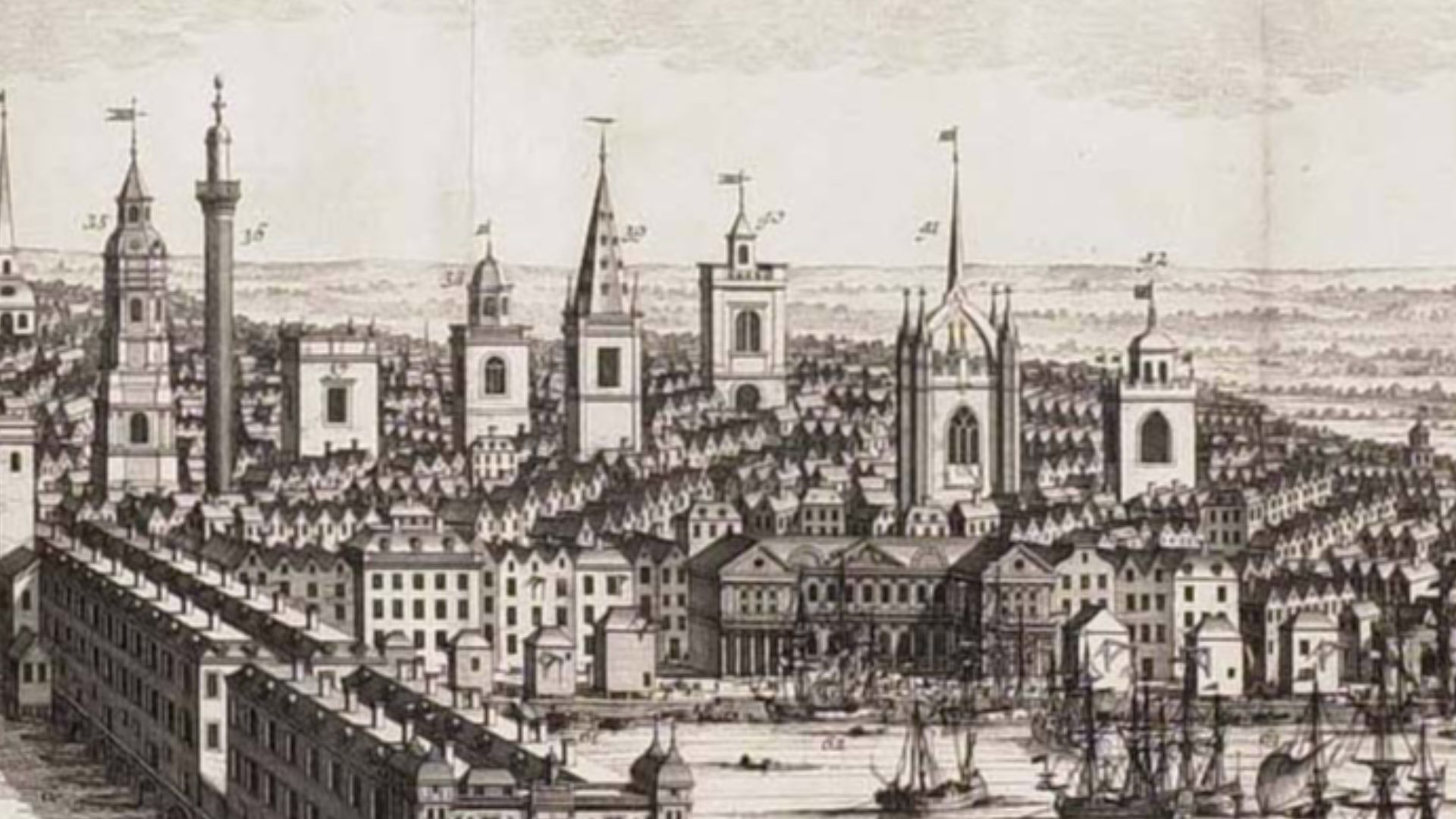
During the first half of the 19th century, London’s population exploded. Houses, factories, and crowded neighbourhoods spread faster than basic services could keep up. Millions produced mountains of waste, but the capital still relied on sanitation systems designed for a much smaller city.
 Olborne~commonswiki, Wikimedia Commons
The Cesspits Below
Many homes stored human waste in cesspits beneath yards, cellars, or shared courtyards. Workers called night-soil men emptied them for a fee. Poor families often could not pay regularly, leaving pits to leak, overflow, and contaminate the ground around densely packed housing.
 Unknown authorUnknown author, Wikimedia Commons
Flush Toilets Backfired
The fashionable water closet looked like progress. With one pull, waste vanished from the home. Unfortunately, London lacked sewers capable of handling the extra flow. The new toilets sent larger volumes of water and sewage into drains that eventually emptied into the Thames.
The Thames Became a Toilet
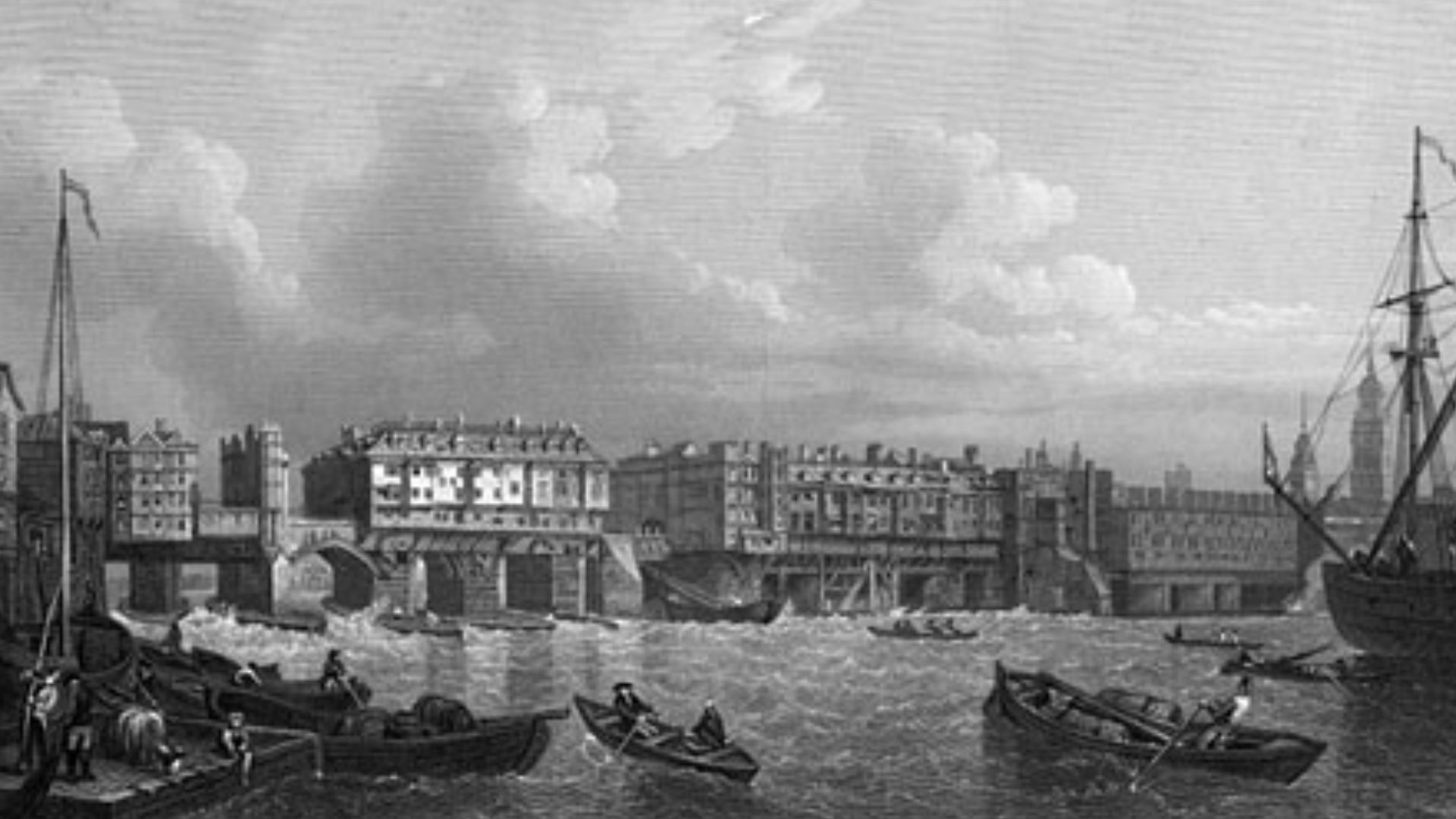
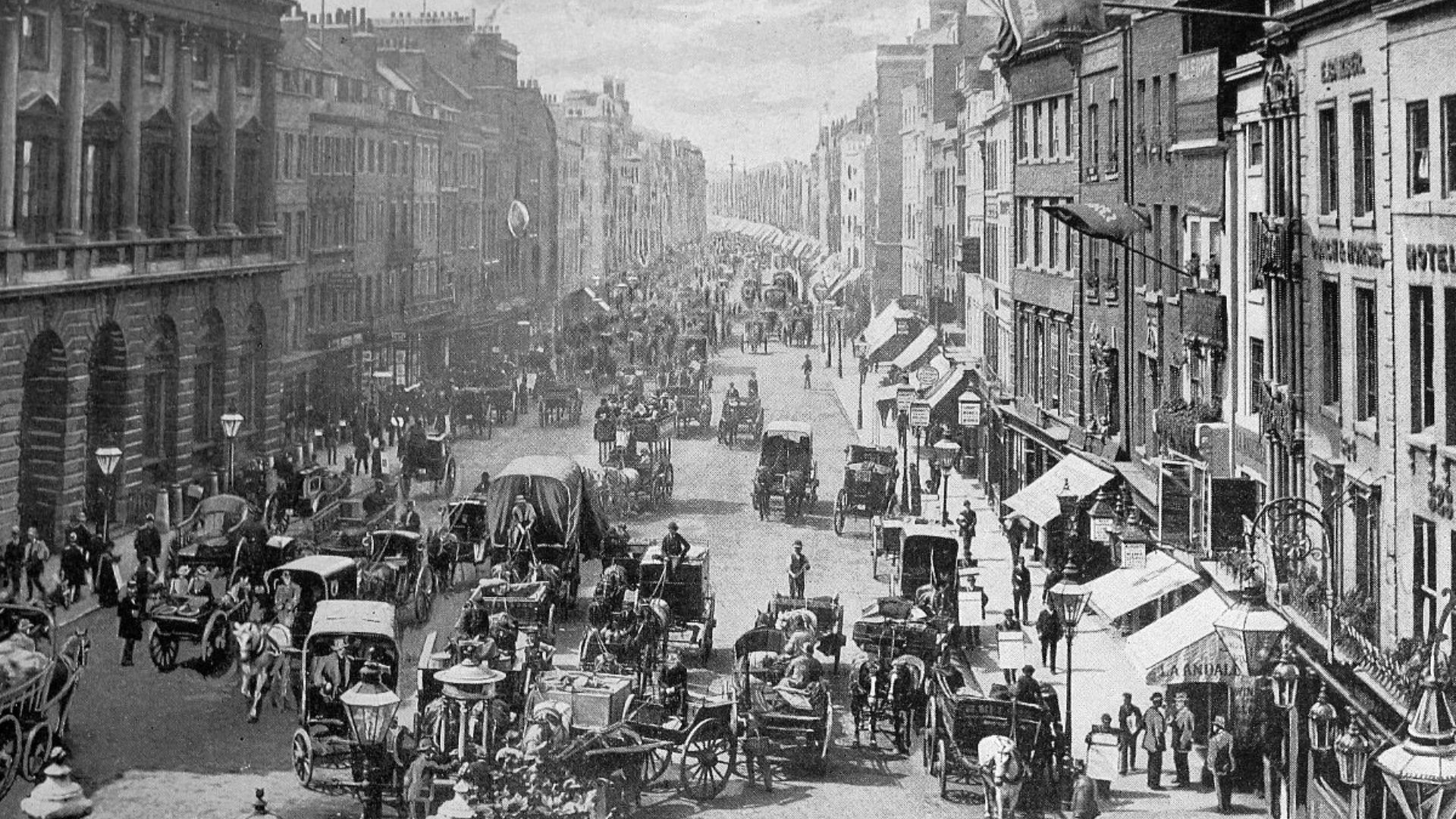
Old streams were covered and converted into drains, while sewers poured directly into the river. Factories and slaughterhouses added chemicals, blood, and animal remains. By the 1850s, the Thames through central London was less a proud waterway than a giant moving sewer.
 Duffman~commonswiki, Wikimedia Commons
London Drank From It Too
The horrifying twist was that water companies also drew supplies from the Thames. Intake pipes could sit dangerously close to sewage outlets. Londoners might send waste towards the river, then receive contaminated water back through pumps and pipes—a deadly form of urban recycling.
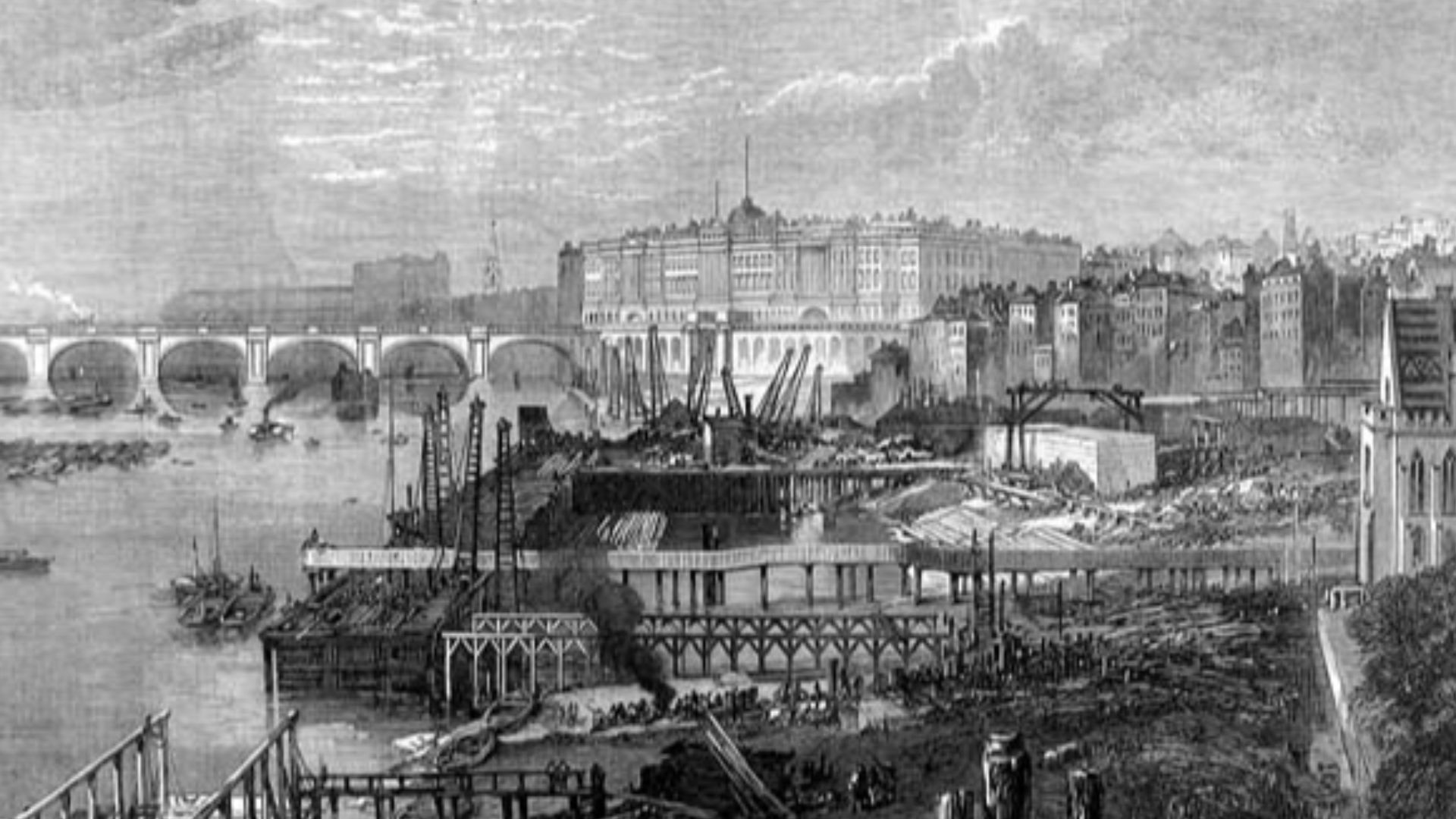 The Illustrated London News, Wikimedia Commons
Cholera Finds London
Cholera struck London repeatedly, bringing violent diarrhoea, dehydration, and death with terrifying speed. Major outbreaks exposed how badly crowded housing and dirty water endangered ordinary people. Yet doctors and officials still argued over exactly how the disease travelled from one victim to another.
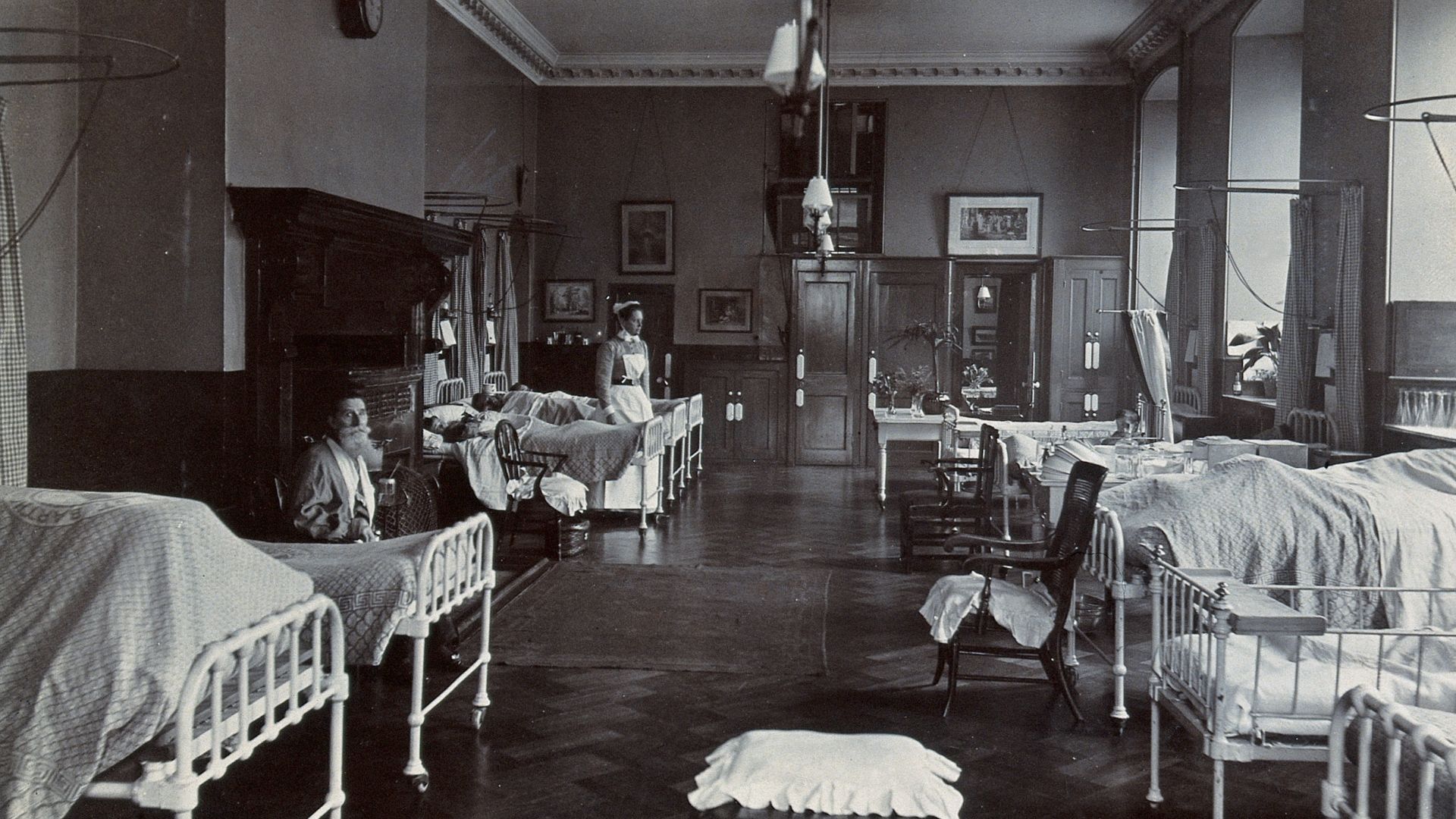
Everyone Blamed Bad Air
The dominant explanation was miasma theory: foul smells supposedly carried disease through poisonous air. In a city full of reeking streets and overflowing waste, the idea sounded sensible. It was wrong about cholera, but it still encouraged authorities to remove filth from crowded neighbourhoods.
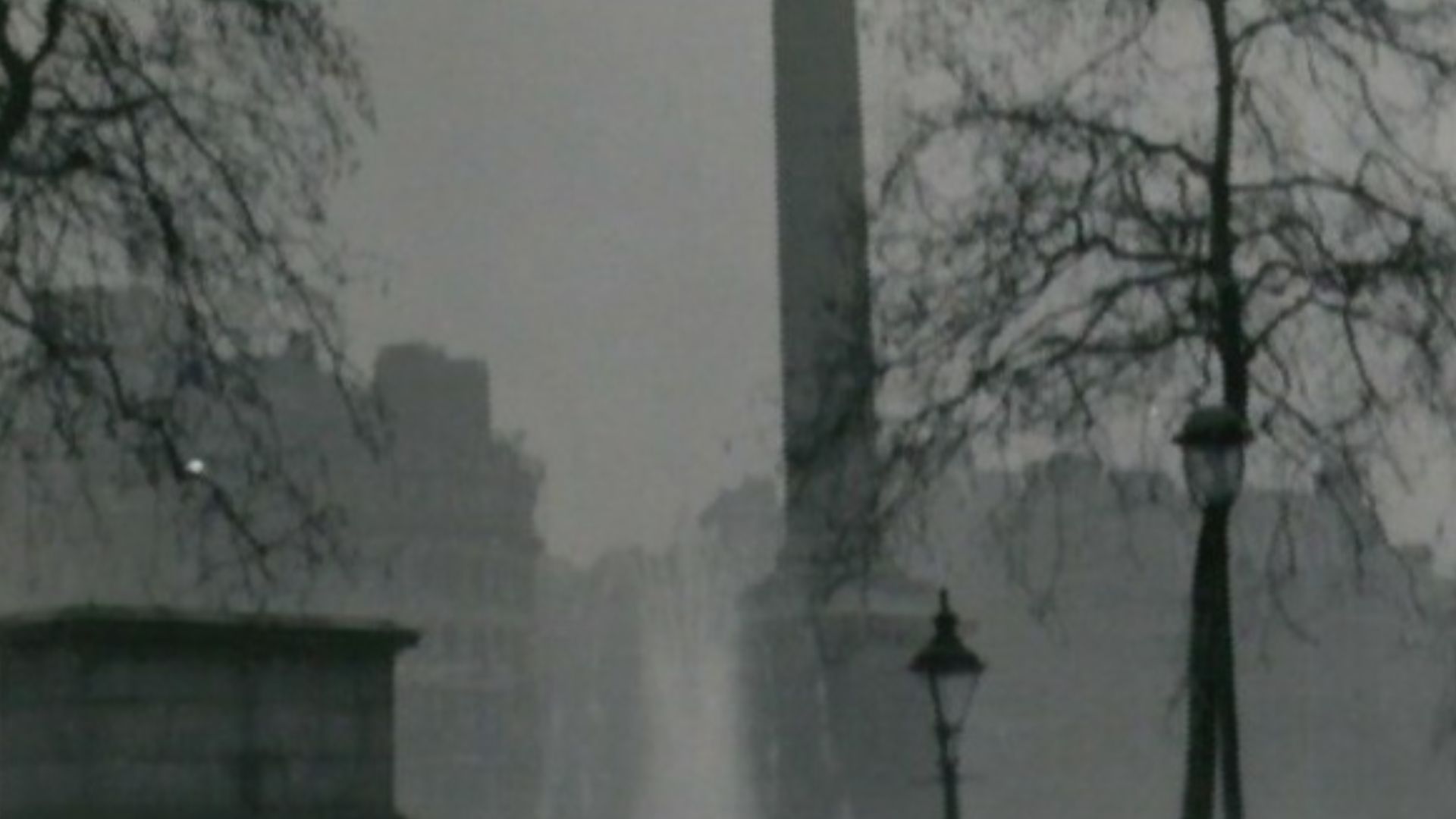
John Snow Follows the Water
Physician John Snow doubted that smell alone caused cholera. During the 1854 Soho outbreak, he mapped victims and found cases clustered around the Broad Street pump. Officials removed its handle, and Snow’s investigation became famous evidence that contaminated drinking water spread the disease.
 Materialscientist, Wikimedia Commons

History's most fascinating stories and darkest secrets, delivered to your inbox daily.
Proof Was Not Enough
Snow’s argument did not instantly defeat miasma theory. Germ theory was not widely accepted, and his explanation challenged established medical opinion. Ironically, London would build its lifesaving sewer system largely for the wrong reason: officials wanted to remove dangerous smells rather than invisible bacteria.
Reform Kept Stalling
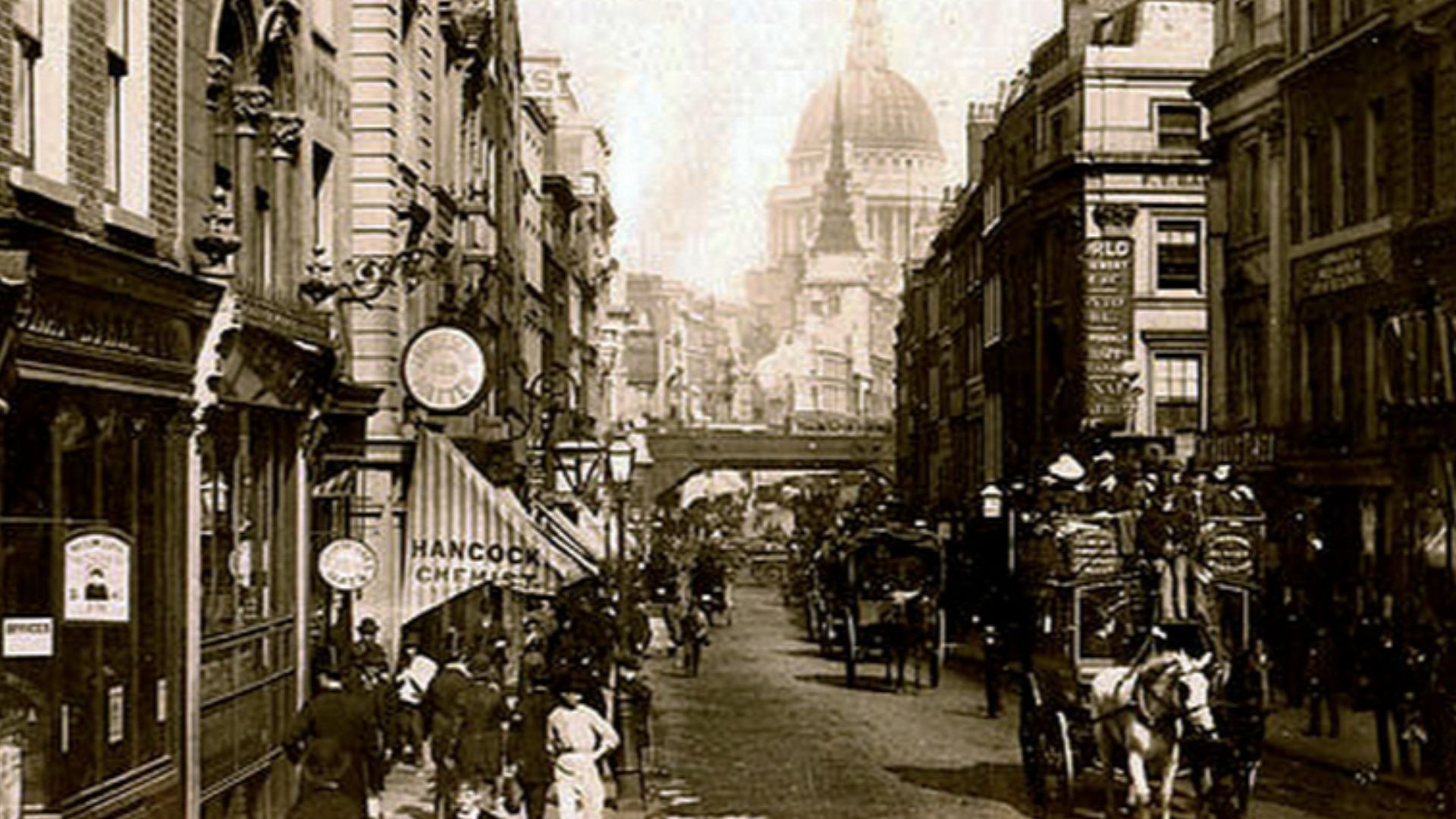
London’s sewage crisis was no secret. Commissions studied it, engineers proposed fixes, and politicians debated costs. The Metropolitan Board of Works was created in 1855, with Joseph Bazalgette as chief engineer. Even then, ambitious drainage plans faced objections, revisions, and long delays.
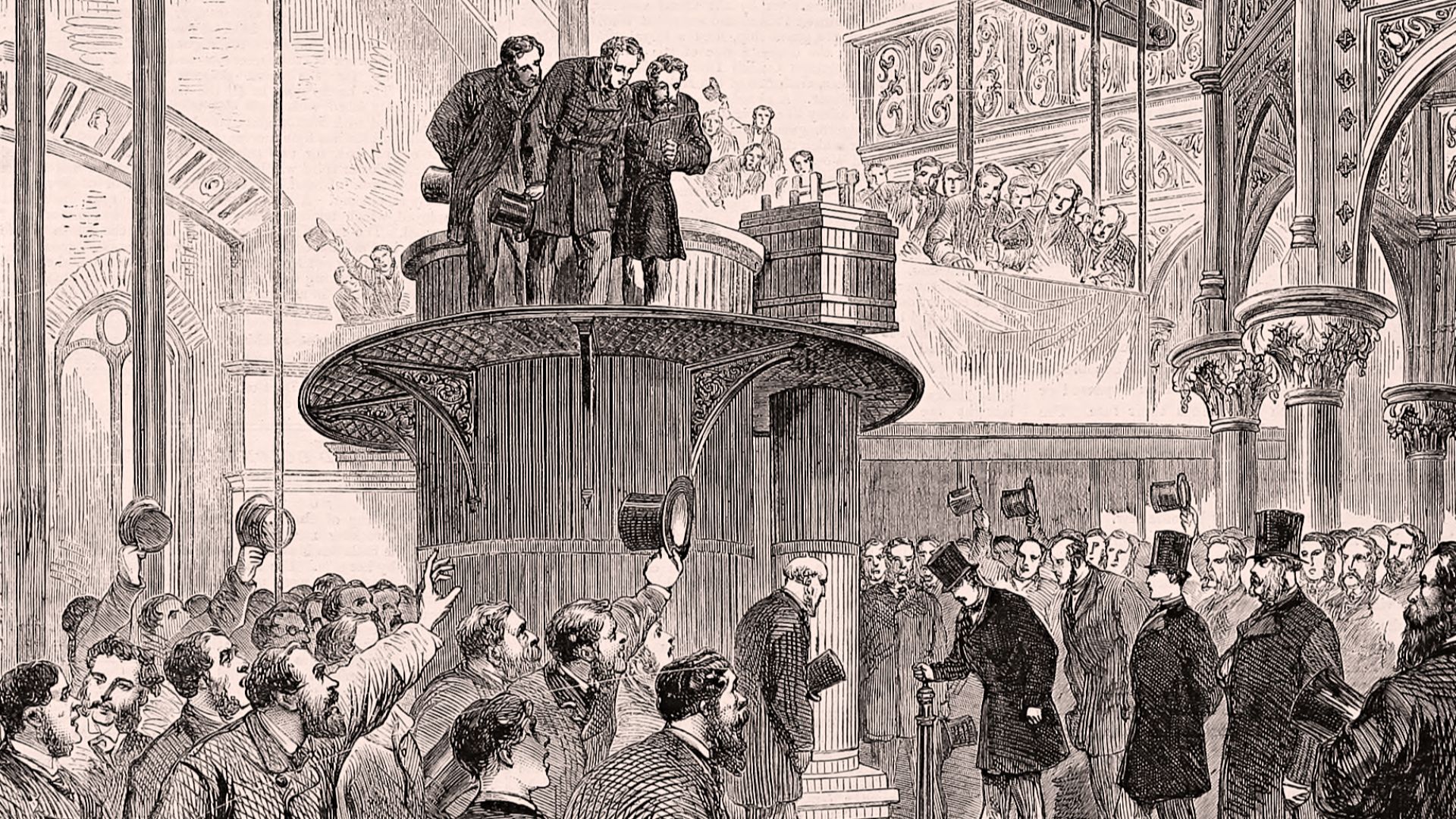 The Illustrated London News, Wikimedia Commons
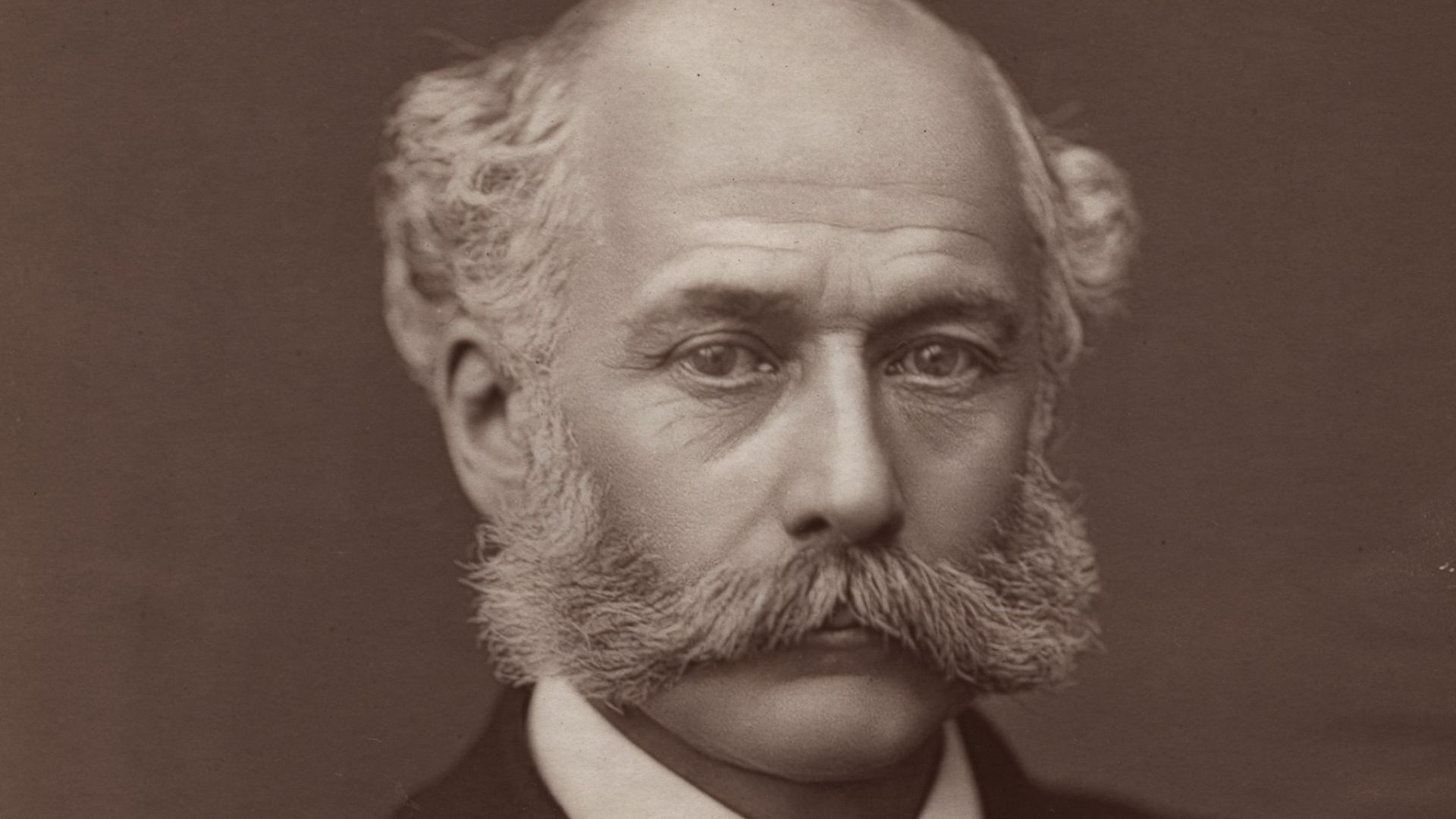
Meet Joseph Bazalgette
Bazalgette was a patient, practical engineer who understood slopes, water flow, brickwork, and bureaucracy. He designed a system that would intercept sewage before it reached central London, then carry it east using gravity and huge pumping stations where the landscape made that necessary.
 Lock & Whitfield, Wikimedia Commons
The Plan Looked Expensive
Building giant tunnels beneath one of the world’s busiest cities required land, labour, materials, and political courage. Officials repeatedly rejected or altered Bazalgette’s proposals. Everyone agreed the Thames was disgusting; fewer people wanted to approve the enormous borrowing needed to fix it properly.
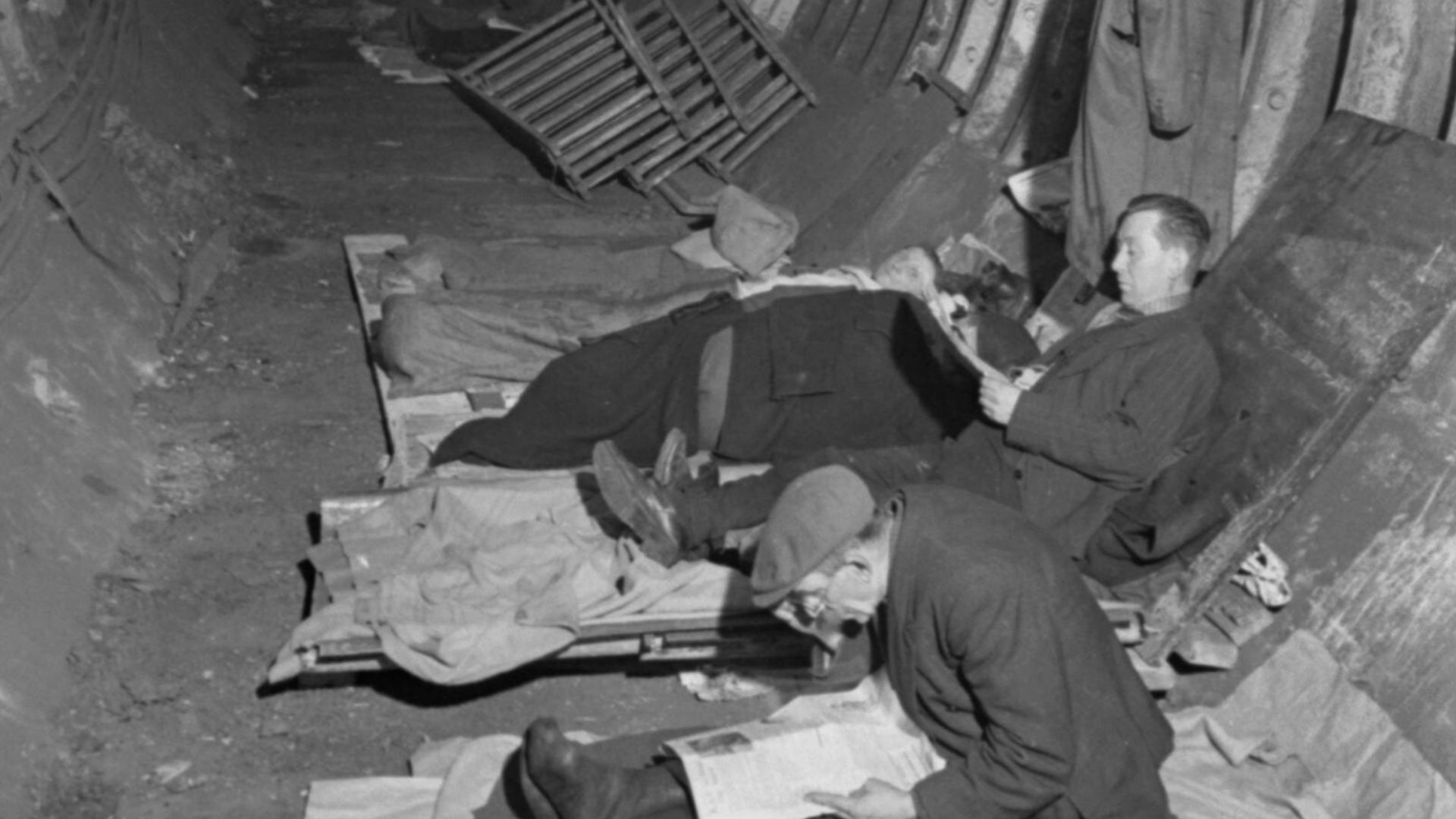 Ministry of Information Photo Division Photographer, Wikimedia Commons
Then Came the Heat
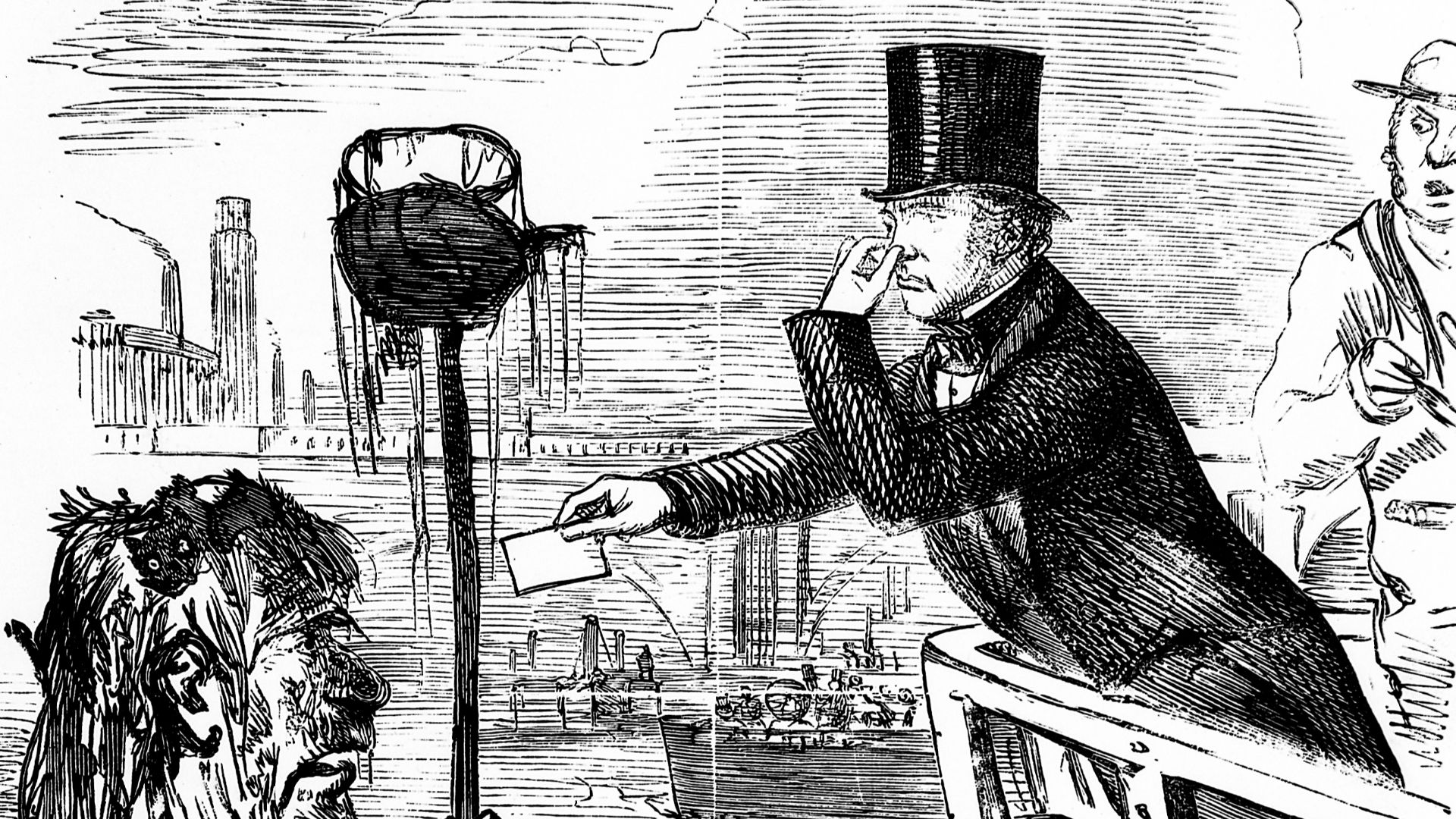
The summer of 1858 brought hot, dry weather. The Thames fell low, exposing sewage-soaked mud along its banks. Heat warmed the waste, and the smell spread through central London. Newspapers soon gave the stomach-turning crisis its unforgettable name: the Great Stink.
The River Started Baking
This was no mildly unpleasant whiff. Human waste, industrial pollution, rotting matter, and stagnant water combined into something almost physical. Londoners covered their faces, avoided the river, and complained of nausea. The city’s sanitation problem had finally become impossible to ignore.

Parliament Gets a Personal Lesson
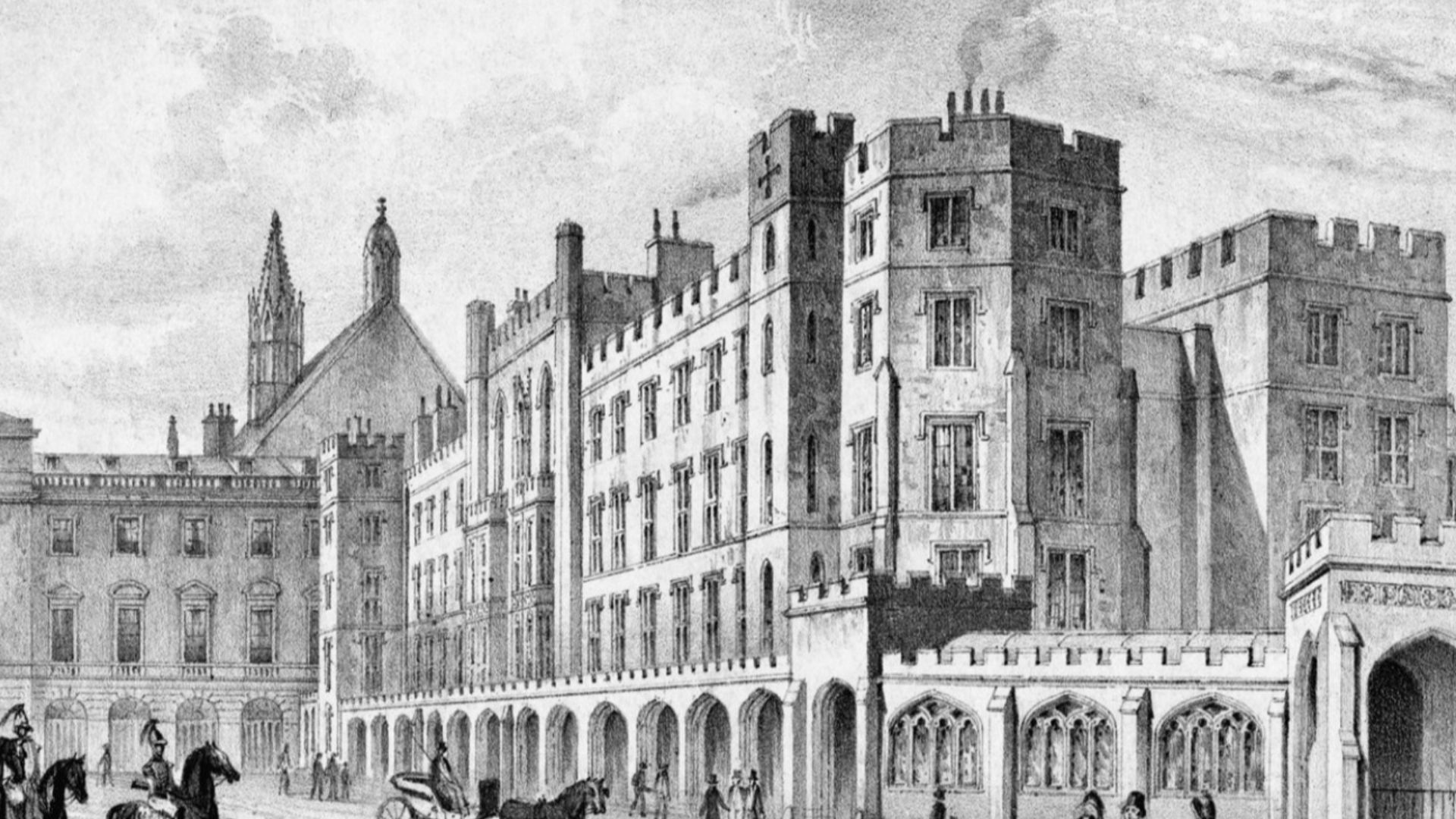
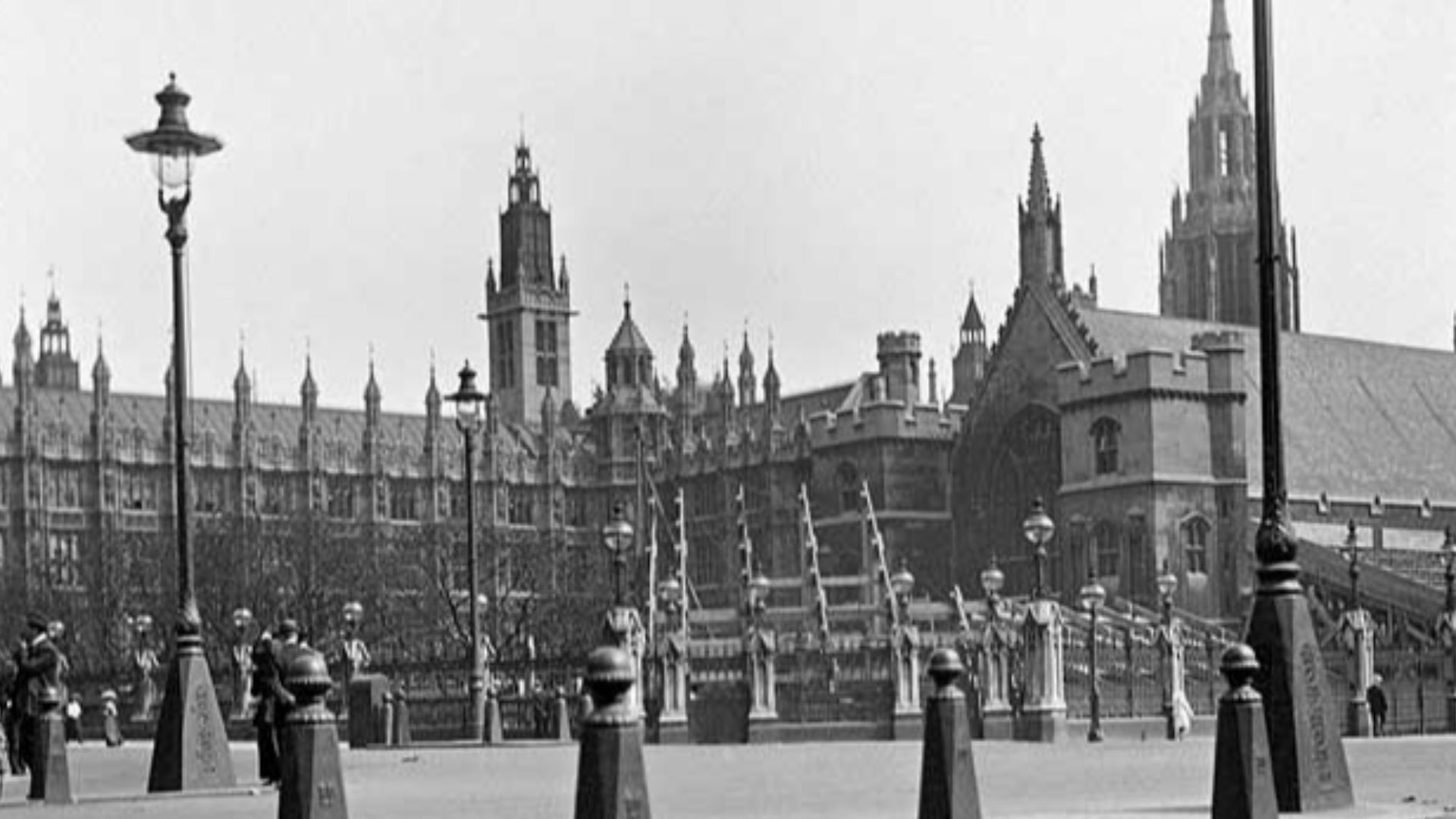
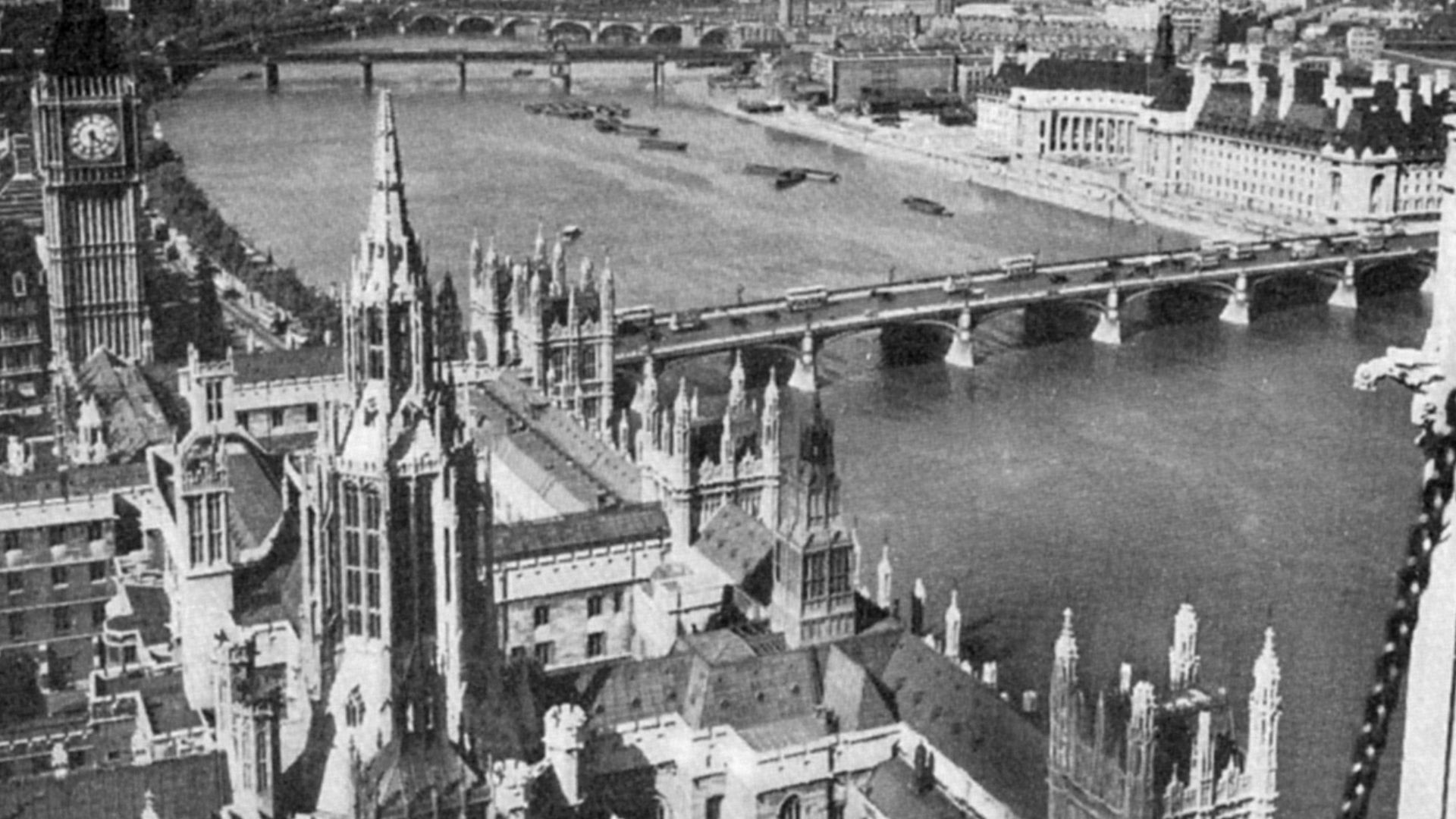
The Palace of Westminster stood directly beside the Thames, placing lawmakers in the stink’s front row. MPs who had tolerated years of suffering in poorer districts suddenly found their own workplace nearly unusable. The crisis had reached the people controlling legislation and public money.
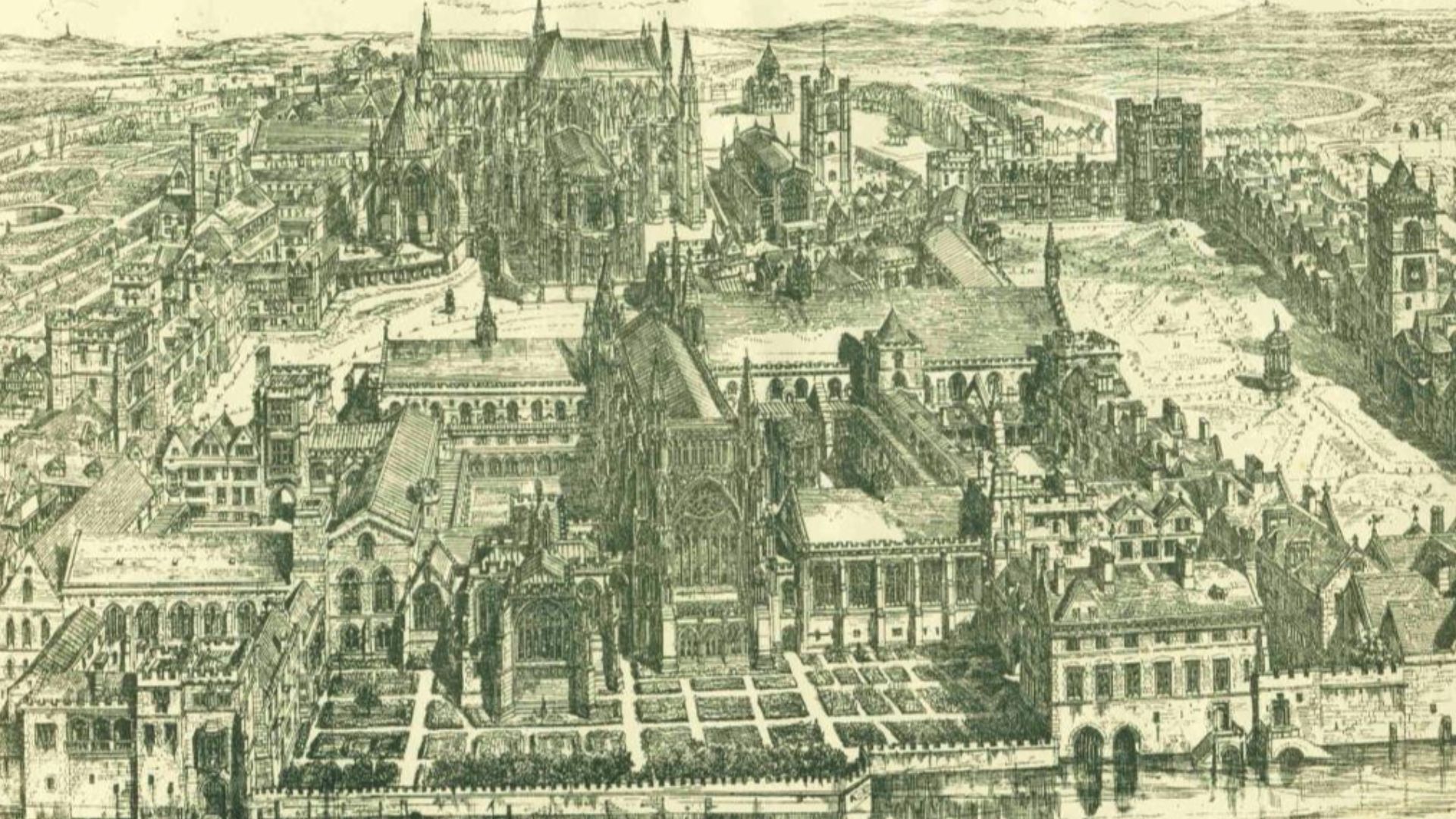
Curtains Could Not Save Them
Workers soaked Parliament’s curtains in chloride compounds to fight the smell. Officials even considered moving government business elsewhere. Nothing gave lasting relief. The attempted cover-up perfectly represented the old approach: masking the symptoms rather than rebuilding the system that produced them.
 Drawn by J. Shury & Son, Printed by Day & Haghe, Wikimedia Commons
Stench Beats Bureaucracy
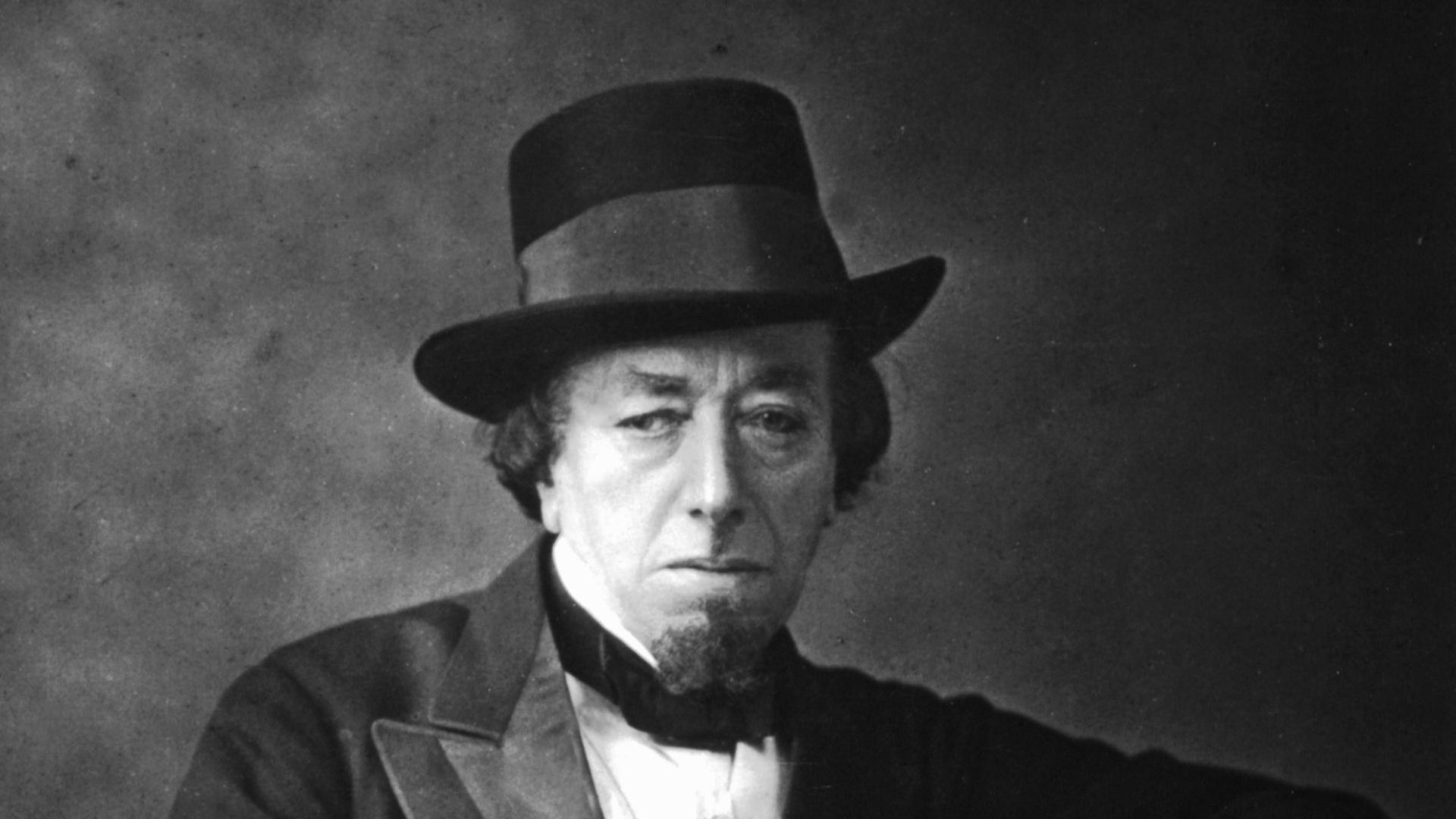
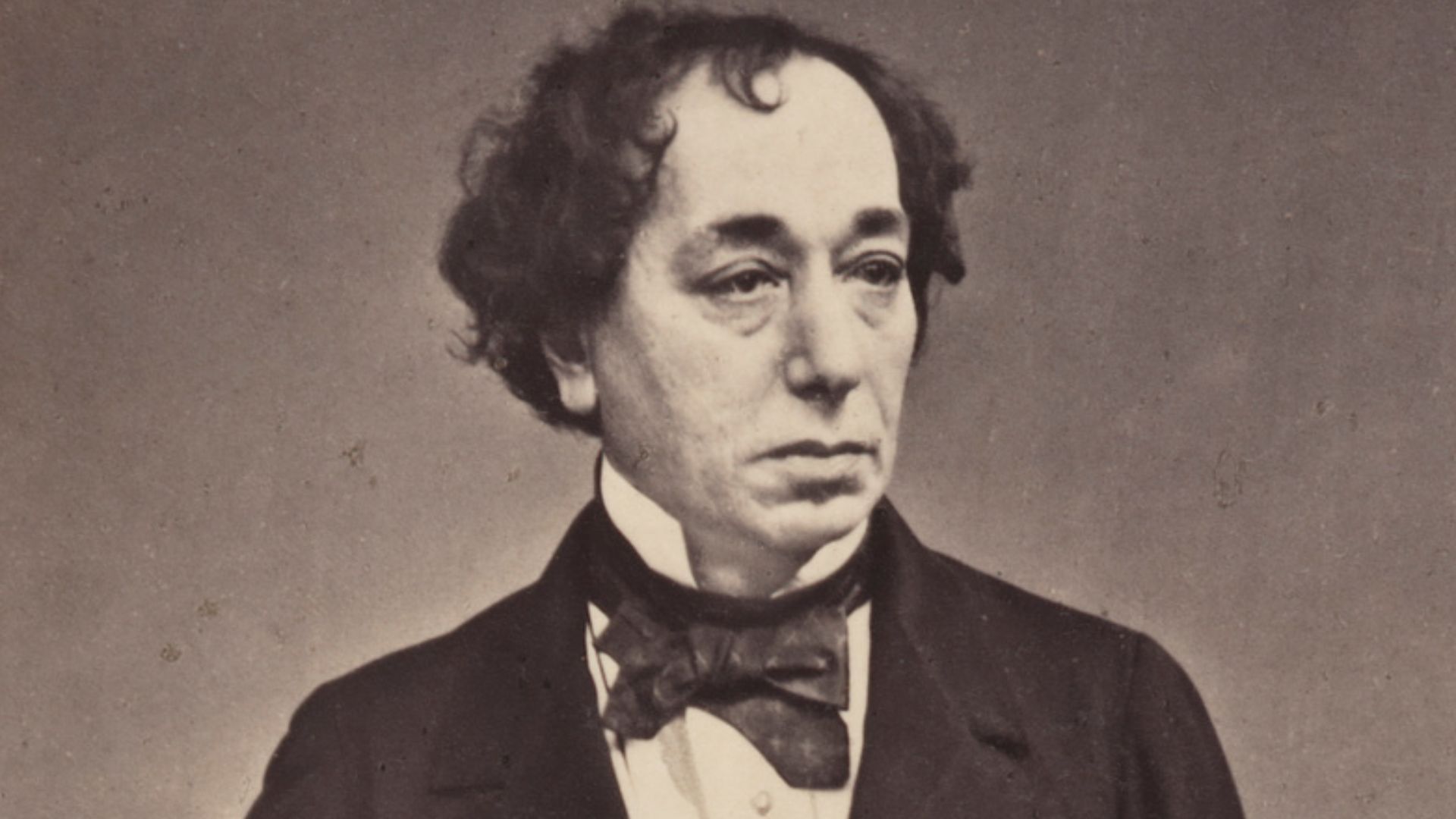
Once the smell disrupted Parliament, political resistance weakened. Chancellor Benjamin Disraeli introduced legislation expanding the Metropolitan Board of Works’ authority. The sewer scheme that had struggled for approval now looked urgent. Few forces move government faster than a crisis entering the government’s own rooms.
 Cornelius Jabez Hughes, Wikimedia Commons
Parliament Opens the Purse
The Metropolis Management Amendment Act became law on 2 August 1858. It empowered the board to build the necessary works and limit sewage entering the Thames within metropolitan London. Parliament also supported borrowing on the vast scale required to turn Bazalgette’s plan into reality.
 Rupert Potter (1832-1914), Wikimedia Commons
Bazalgette’s Big Idea
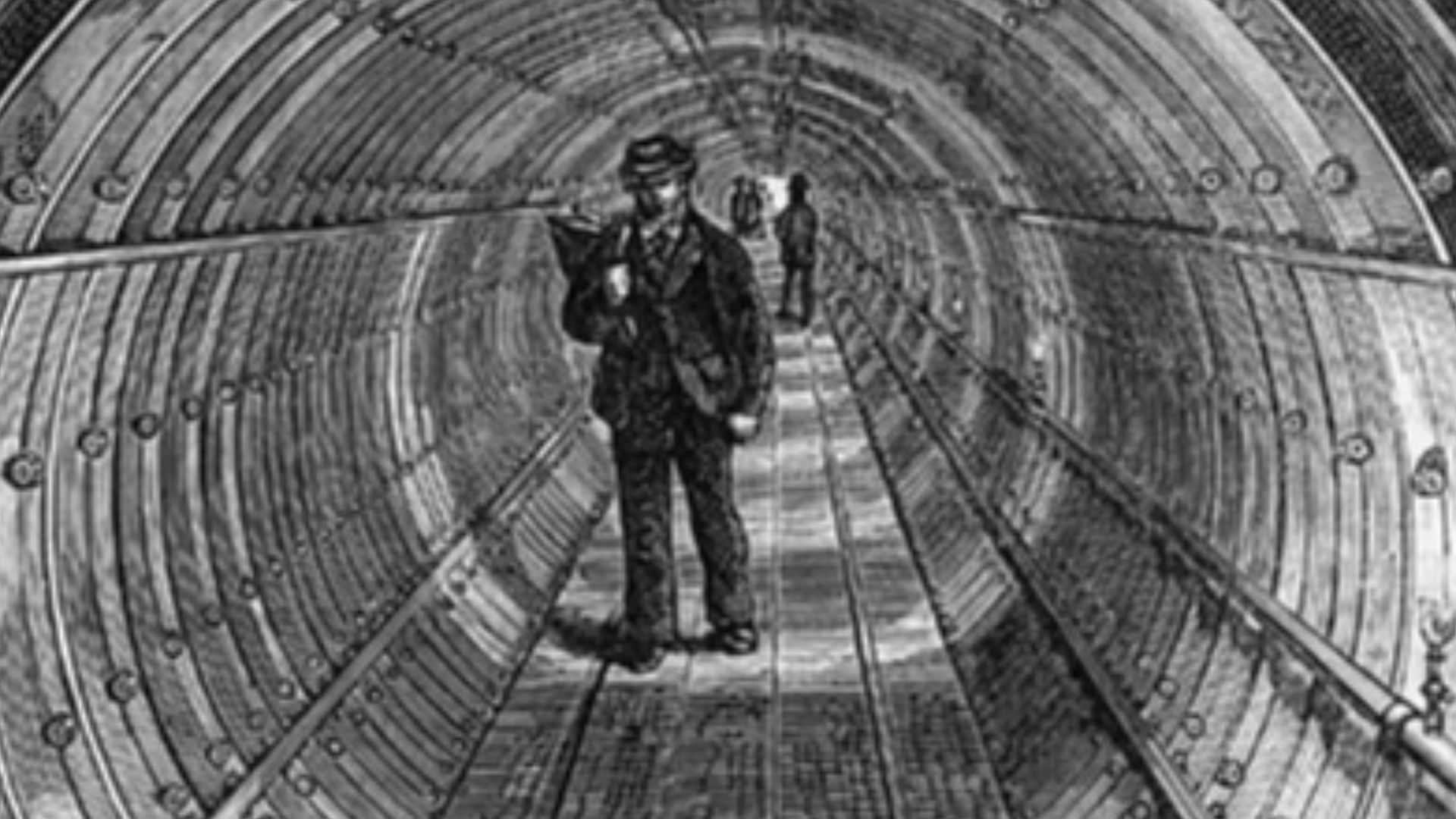
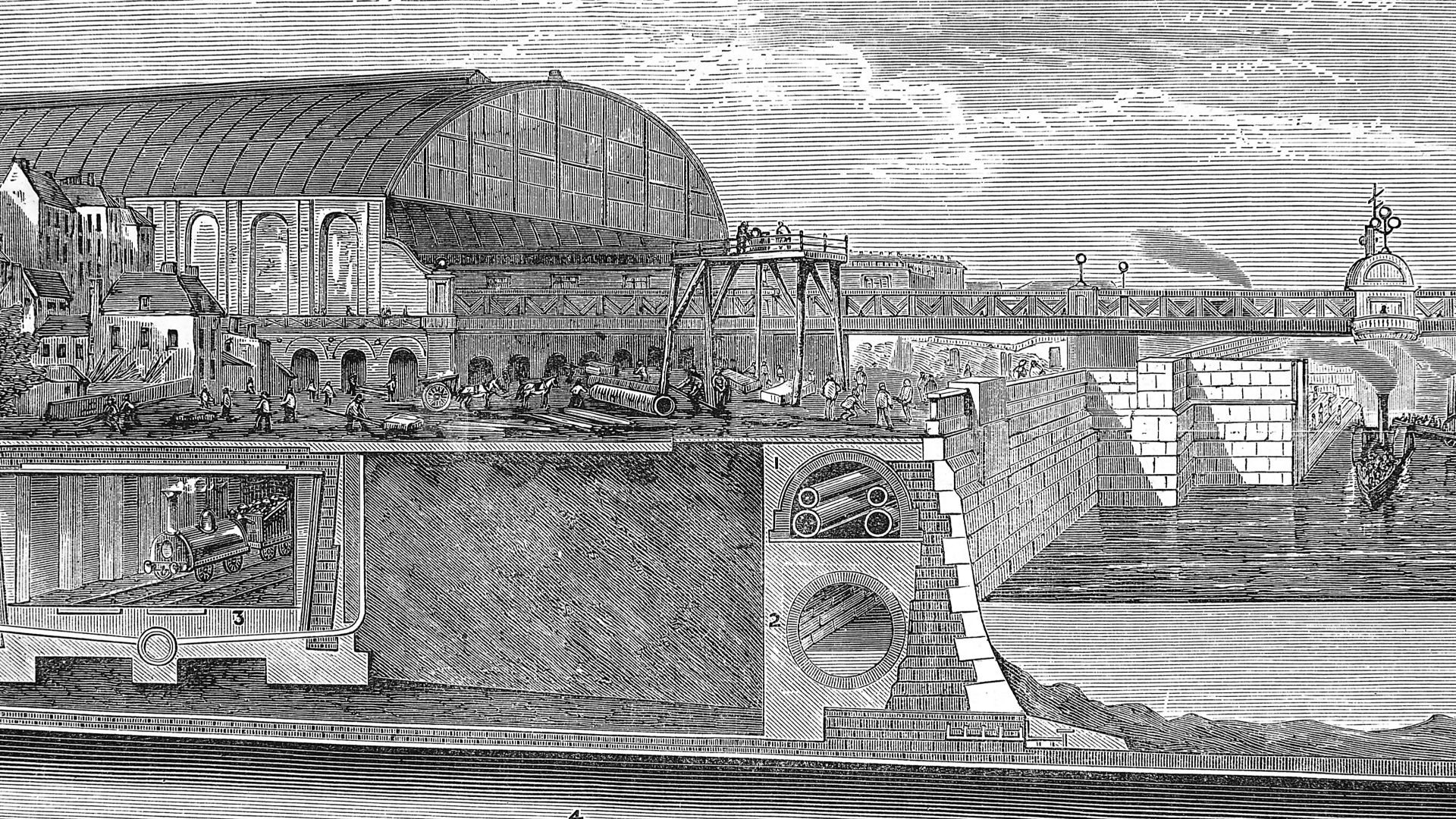
Bazalgette planned intercepting sewers running roughly parallel to the Thames. Instead of letting hundreds of smaller drains empty into the river throughout central London, the new tunnels collected their flow and carried it east. The design treated London as one connected urban system.
 Unknown photographer, Wikimedia Commons
A Hidden City Underground
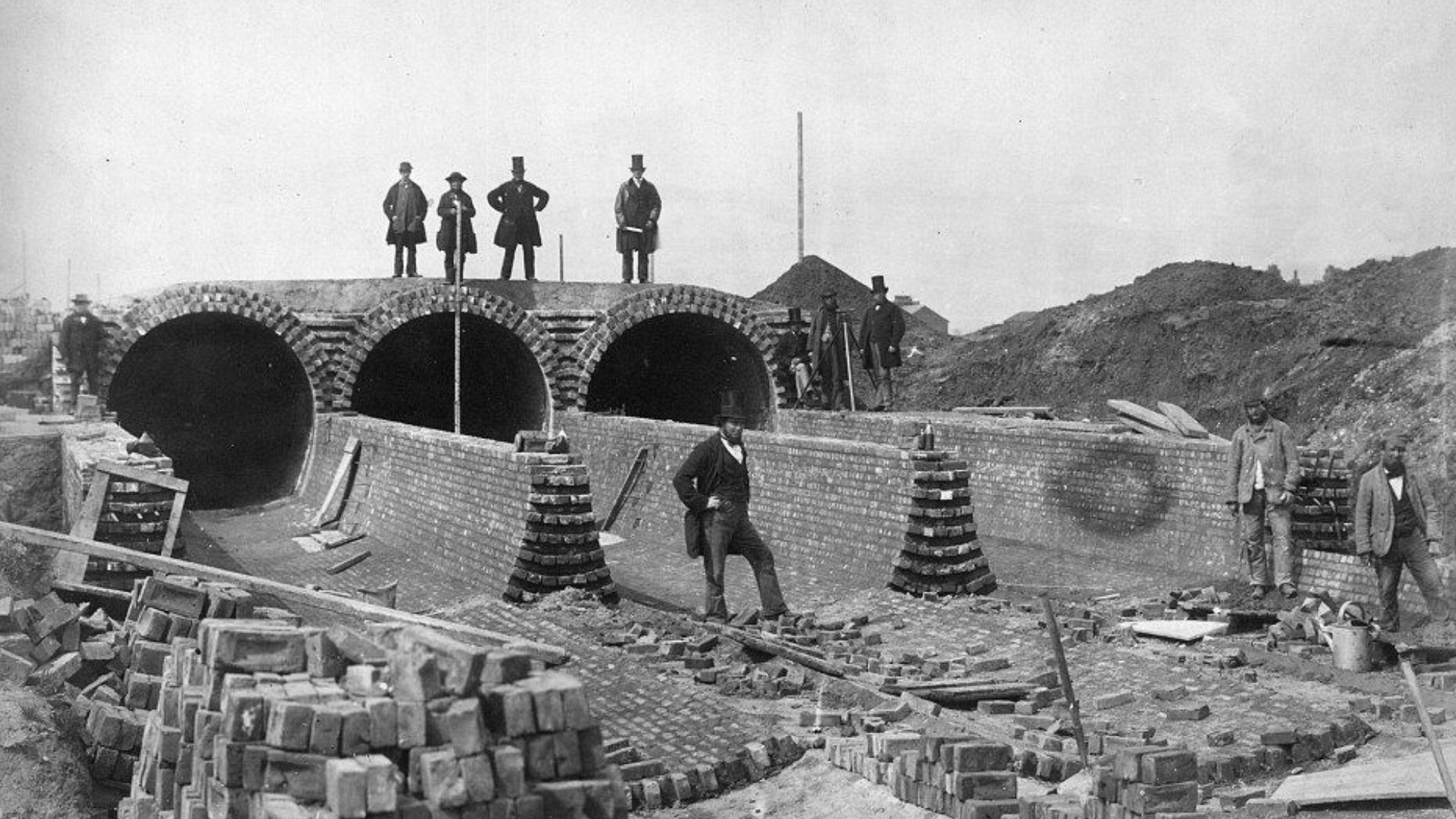
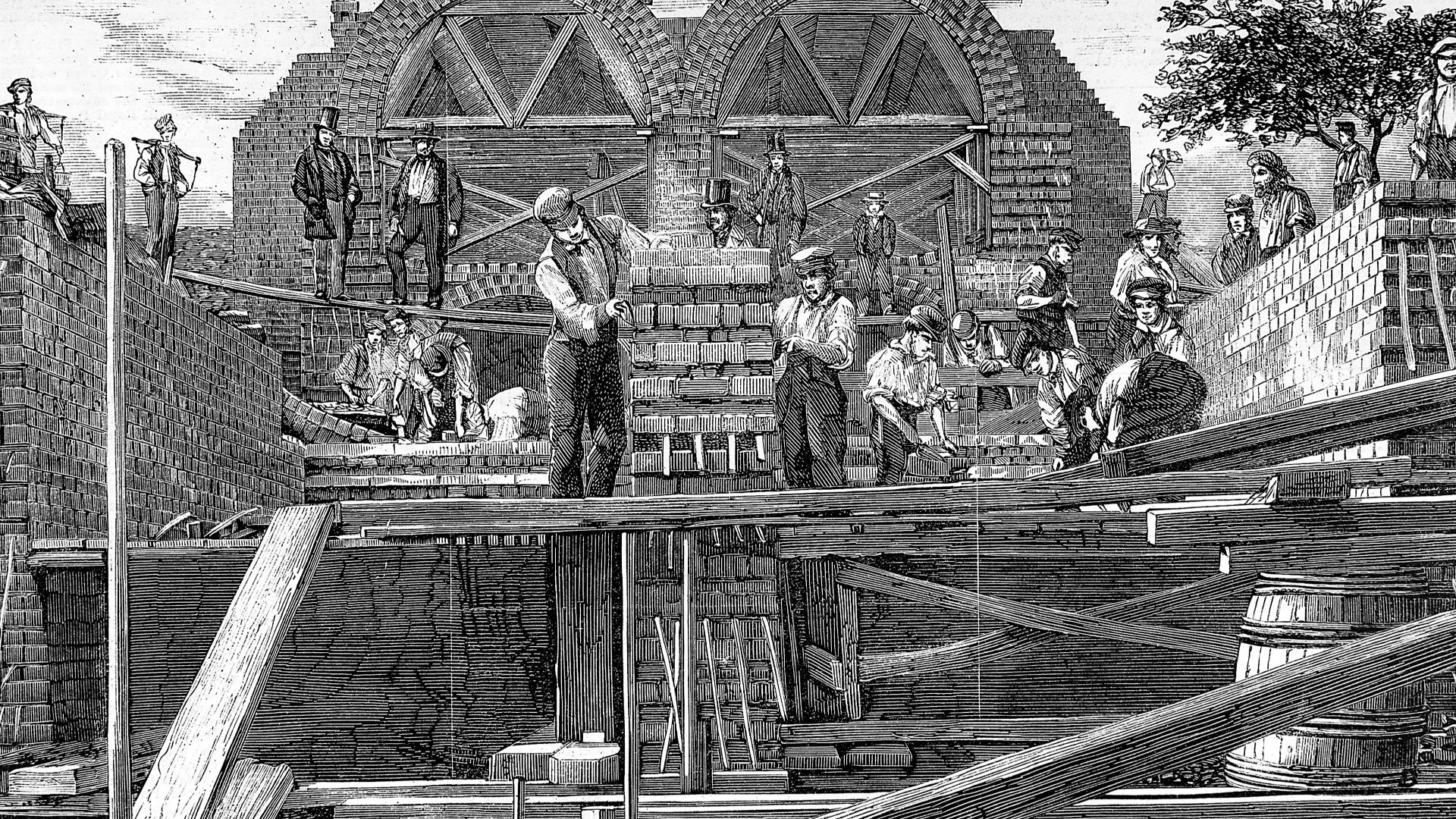
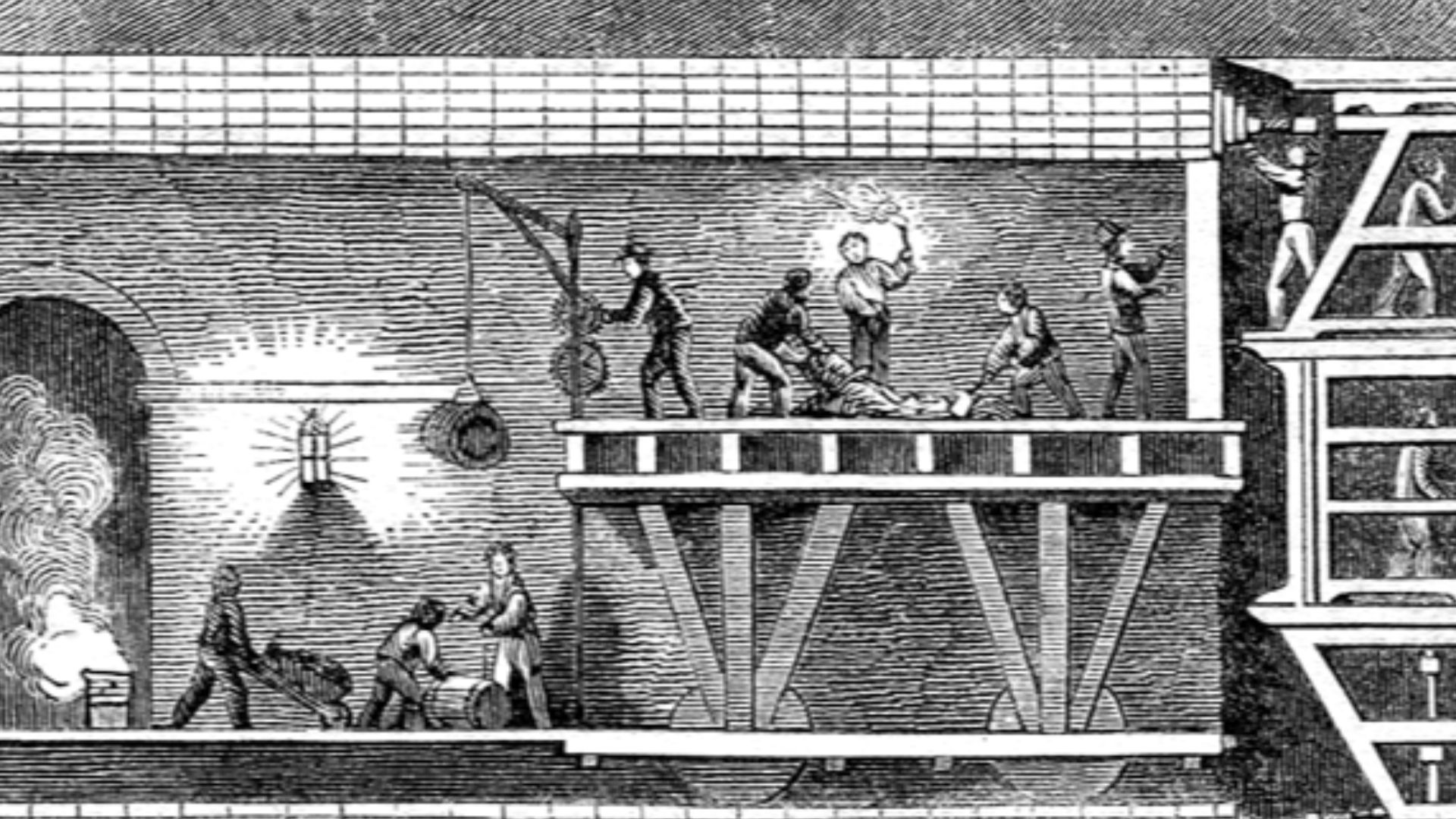
The project involved about 1,100 miles of street drains feeding roughly 82 miles of major brick-lined sewers. Workers dug through crowded streets while avoiding foundations, railways, and waterways. The finished network vanished beneath Londoners’ feet, where it quietly transformed daily life.
 UnknownUnknown , Wikimedia Commons
The Palaces of Sewage
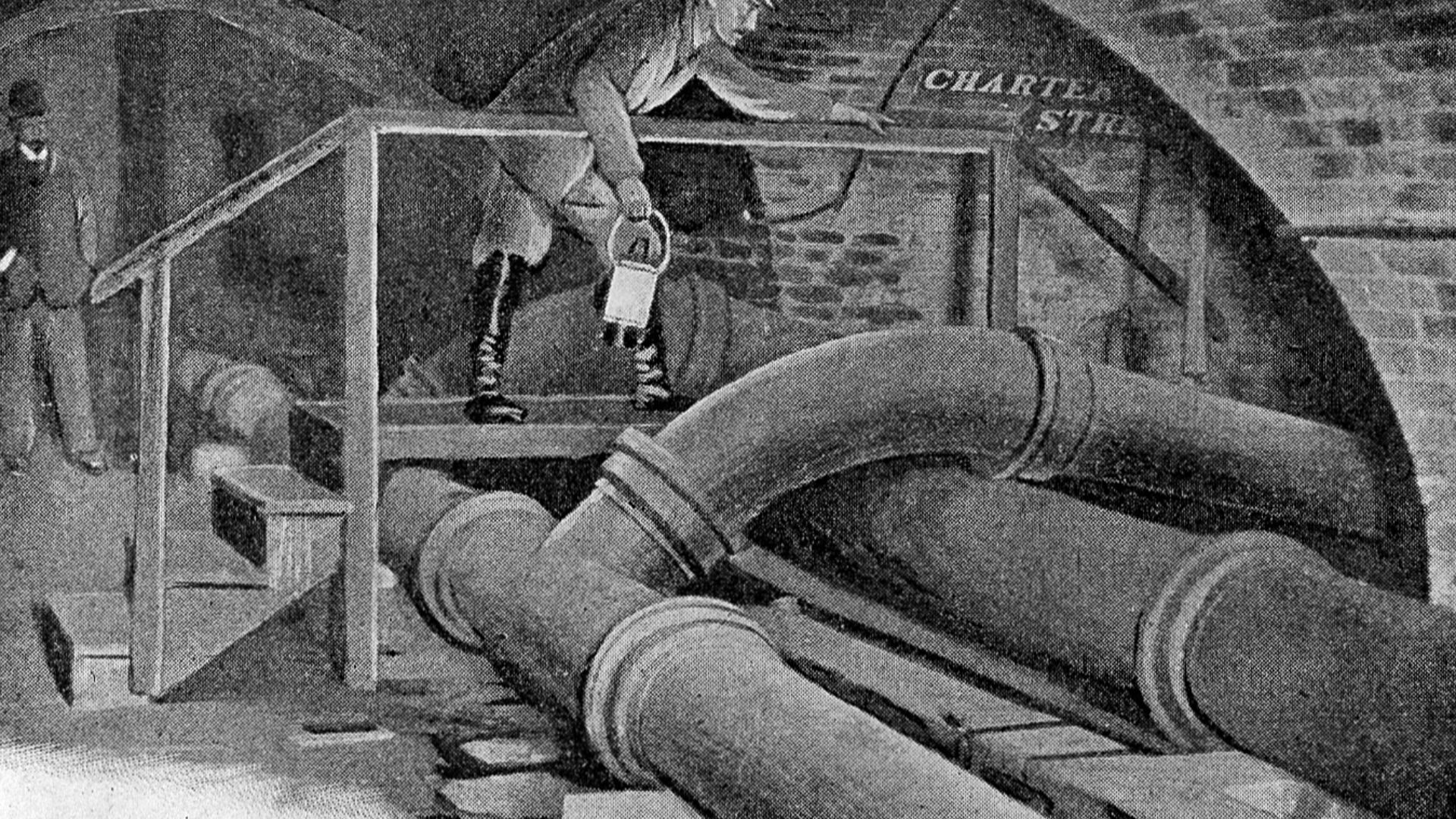
Massive pumping stations lifted waste where gravity could not. Crossness and Abbey Mills featured elaborate ironwork and monumental design, as though Victorian London wanted even its sewage machinery to look impressive. Their steam engines pushed enormous flows towards outfalls east of the city.
London Gained New Riverfronts
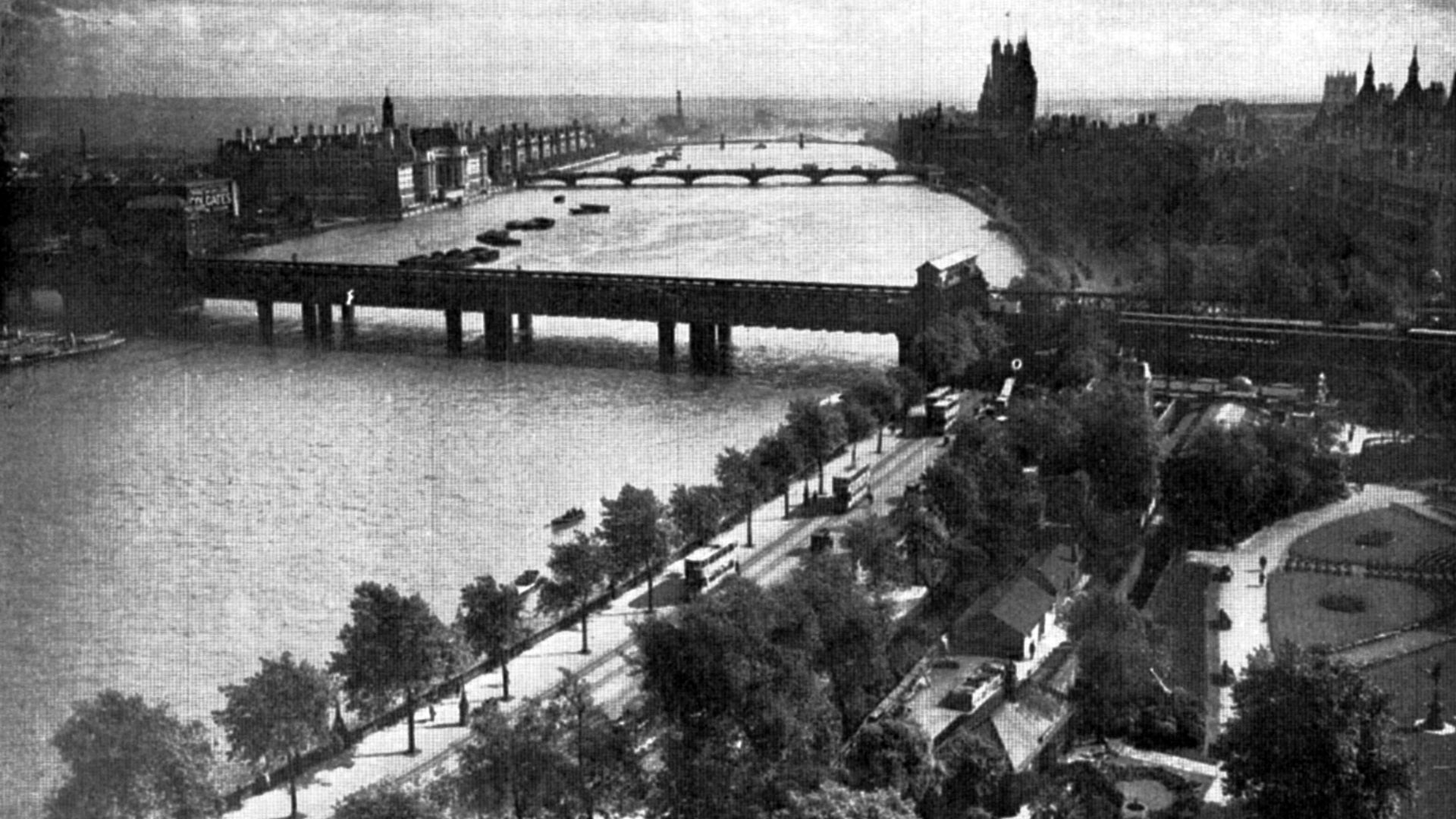
Bazalgette’s work also helped create the Victoria, Chelsea, and Albert embankments. These projects concealed sewers while adding roads, walkways, and reclaimed land beside the Thames. Sanitation engineering did more than remove waste; it physically reshaped central London and changed how people moved through it.
 Unknown authorUnknown author, Wikimedia Commons
Built With Tomorrow in Mind
Bazalgette allowed extra capacity because he expected London to grow. The system was not perfect, and it initially moved sewage downstream instead of fully treating it. Even so, strong brickwork and careful gradients made it remarkably durable, with major sections still in service.
Cholera Delivers the Verdict
London suffered another cholera outbreak in 1866, but it struck an eastern district not yet fully connected to the new network. The pattern strengthened the case for contaminated water. As sewer connections and drinking-water supplies improved, cholera largely disappeared from the capital.
 Unknown authorUnknown author, Wikimedia Commons
The Stink That Saved Lives
The Great Stink did not invent public health reform or sewer engineering. It forced powerful people to act. London’s project showed that sanitation required laws, taxes, engineers, and long-term planning—a lesson later reinforced across England through stronger national public health legislation.
A Crisis Beneath Modern London
The Great Stink sounds comic from a safe distance. For Victorian Londoners, it was the disgusting climax of decades of neglect. Yet the response became one of history’s great public health projects, proving that a city’s most important monument may be infrastructure nobody sees.
 Unknown authorUnknown author, Wikimedia Commons
You May Also Like:
Shimmering Facts About Van Johnson, MGM’s Golden Boy
Pearl Hart Was The Wild West's Most Famous Lady Bandit
The true story of the “Mercury 13” women who passed astronaut tests but never got to fly.