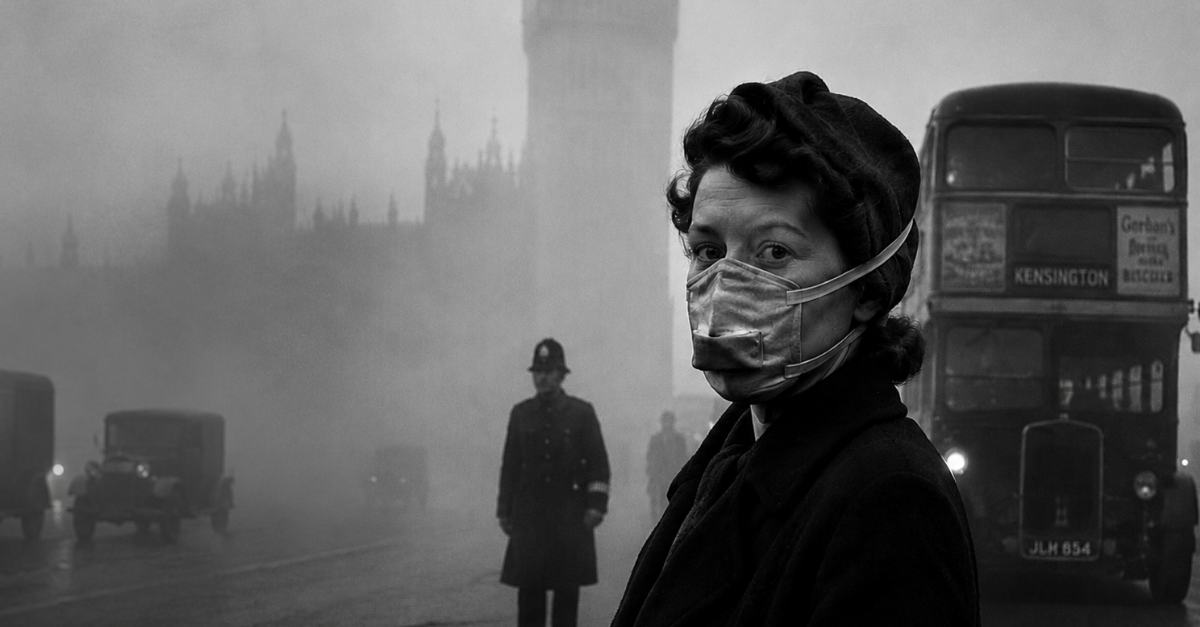
Londoners Thought Thick Smog Was Just Part Of Life
For generations, London was known for its famous "pea-souper" fogs. The city relied heavily on coal to heat homes and power businesses, so smoky air was simply something people learned to live with. By 1952, most residents had no idea that one especially bad fog was about to become one of the deadliest environmental disasters in history.
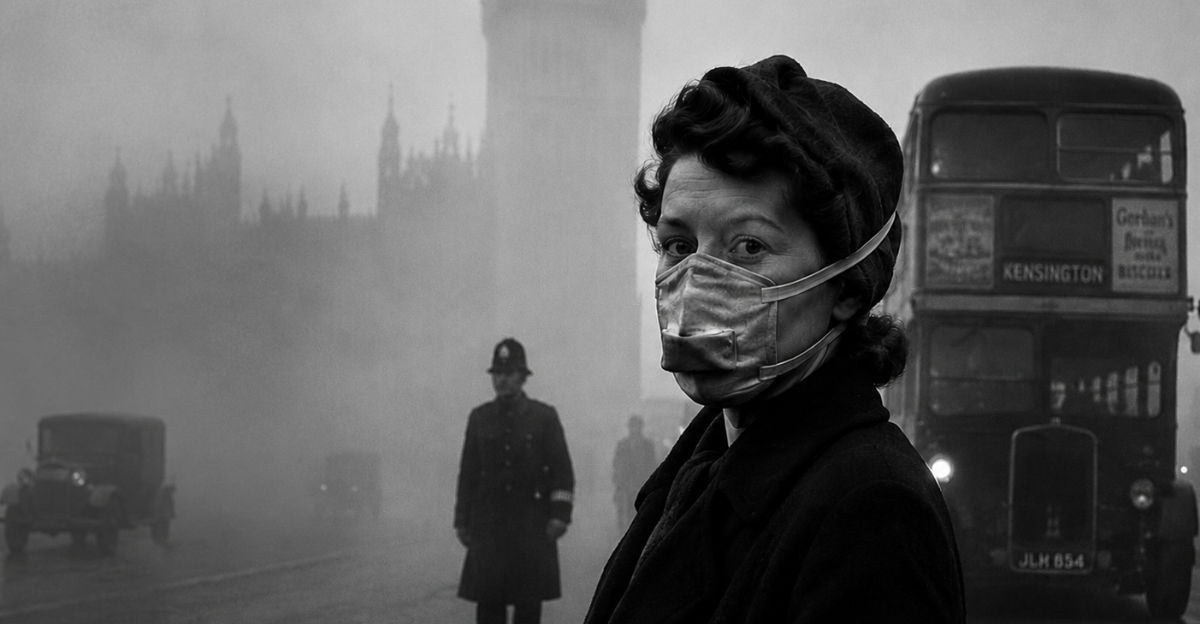
A Cold Snap Created The Perfect Conditions
The trouble started on December 5, 1952, after a stretch of unusually cold weather sent people burning even more coal than usual. Then a weather pattern called a temperature inversion settled over the city, trapping cold air and all the pollution close to the ground. With almost no wind to clear the air, the smoke just kept building.
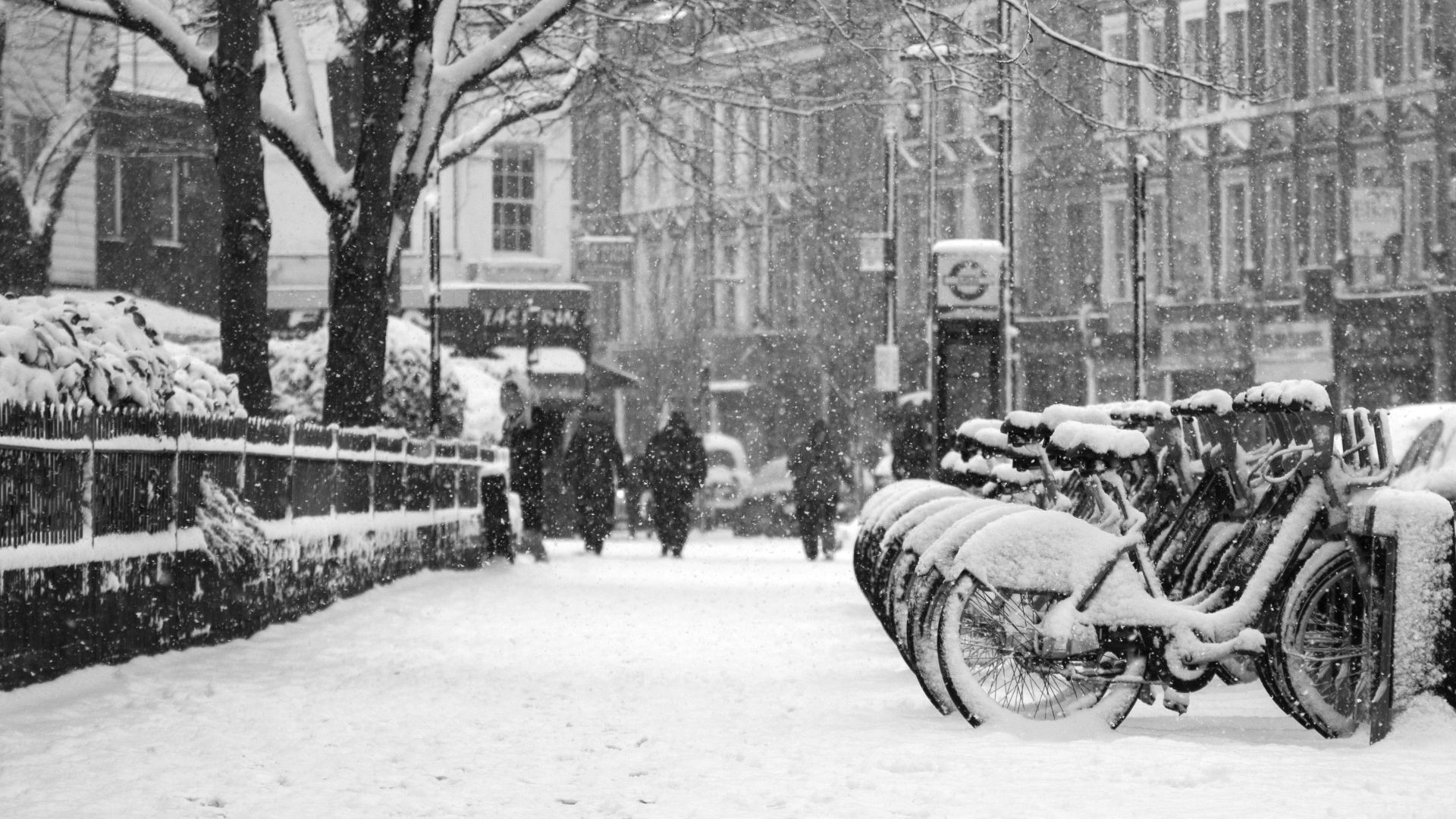
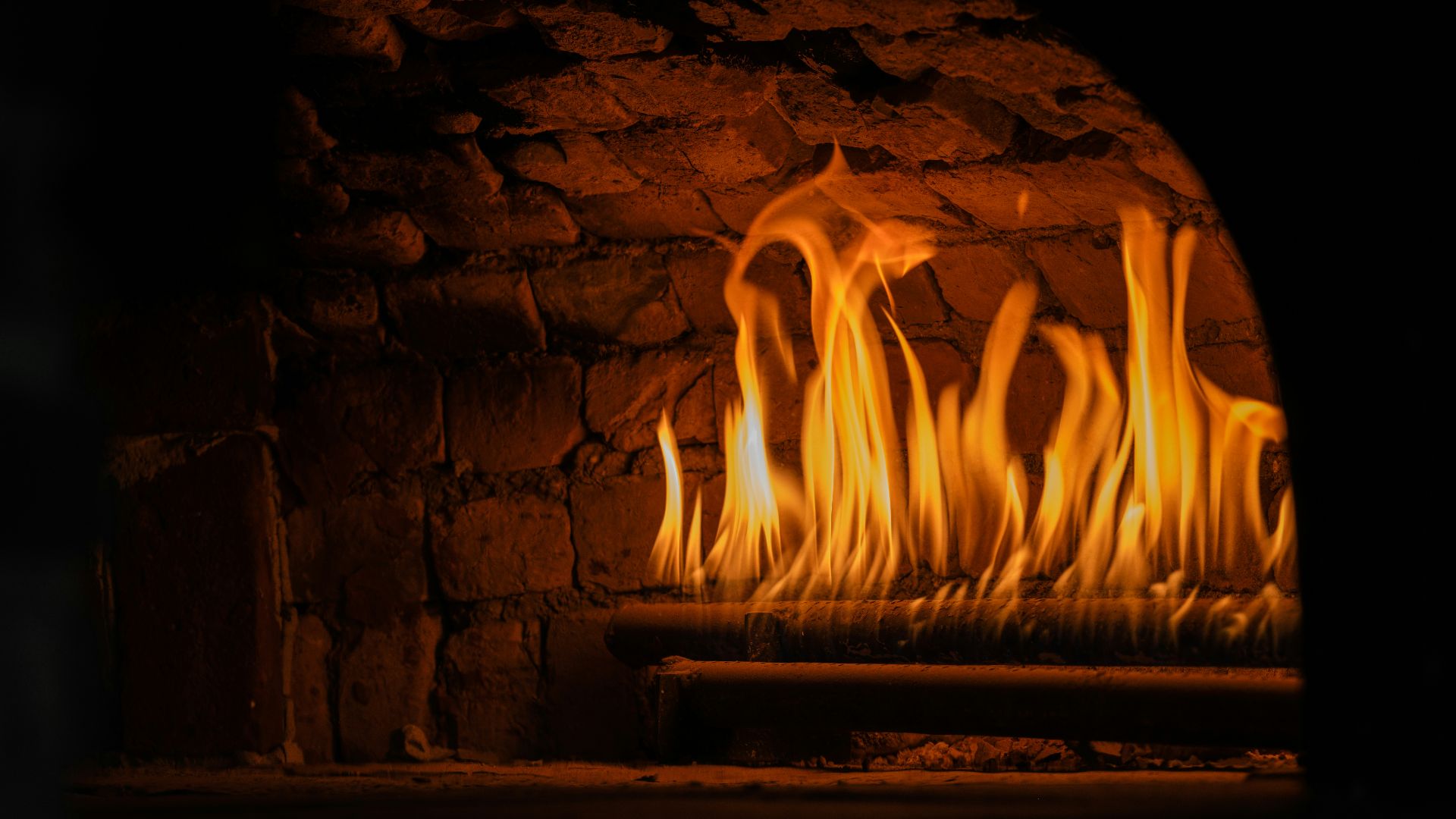
Coal Fires Made Everything Worse
Nearly every London neighborhood was burning coal to stay warm, while factories and power stations were adding even more smoke to the sky. The coal available after WWII was often lower quality and packed with sulfur, creating even dirtier emissions. Millions of chimneys were pumping pollution into an atmosphere that had nowhere to send it.
The Entire City Vanished Into The Smog
Within hours, the pollution mixed with natural fog and turned into an incredibly thick yellowish cloud. Visibility dropped so dramatically that people often couldn't see more than a few feet ahead. Some Londoners later said they couldn't even see their own shoes while walking.
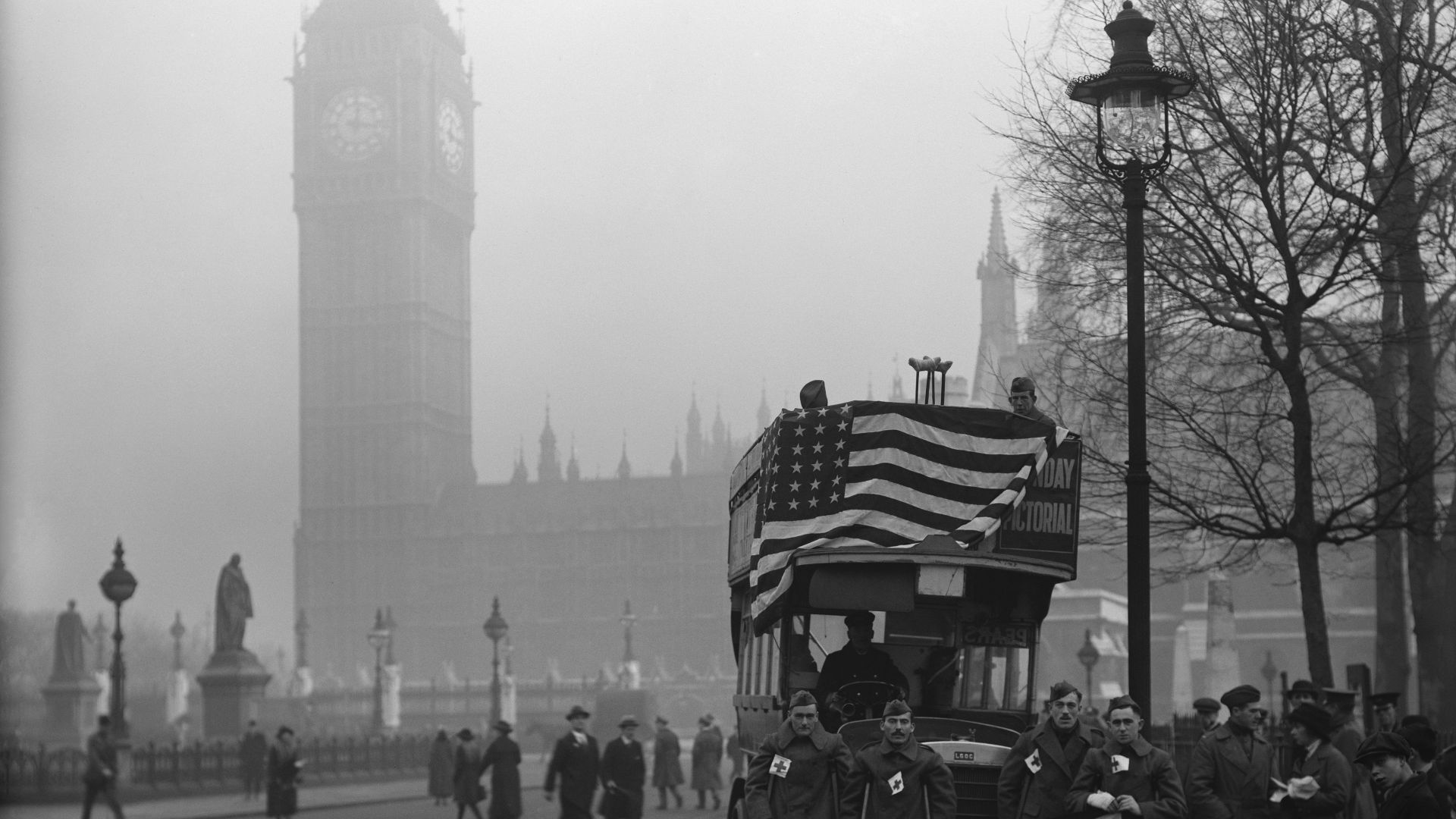
Going Indoors Didn't Really Help
Normally you'd expect to escape bad weather by heading inside, but that wasn't the case here. The smog slipped through windows, doors, and ventilation systems, filling homes, schools, offices, and hospitals with smoky air. There really was no place in the city where people could completely get away from it.
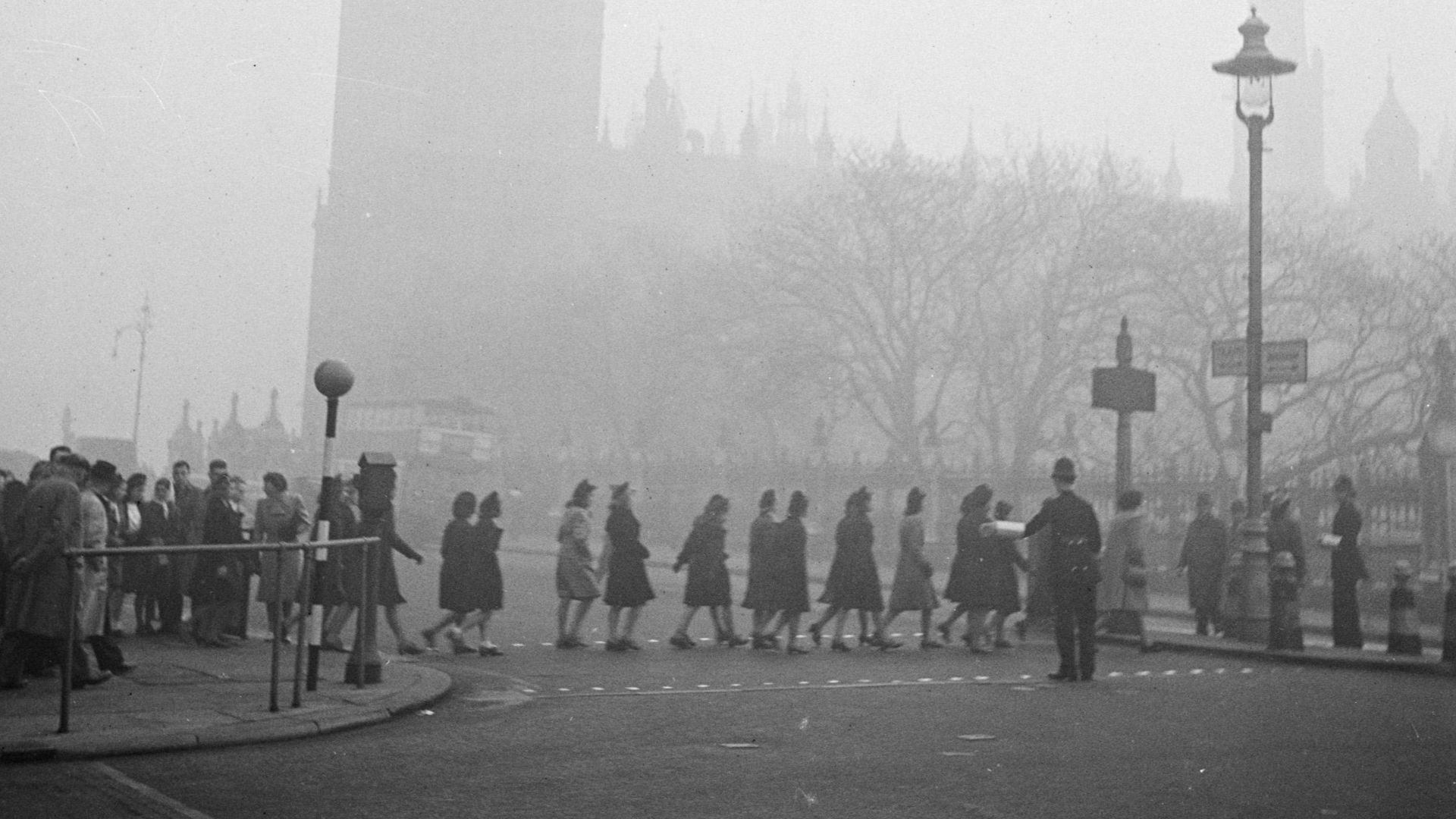 Willem van de Poll, Wikimedia Commons
Getting Around Became Nearly Impossible
Driving was incredibly dangerous because roads were almost impossible to see. Many buses stopped running altogether, and ambulances struggled to reach people needing help. One of the few transportation systems that kept moving was the London Underground since it operated below the thick blanket of smog.
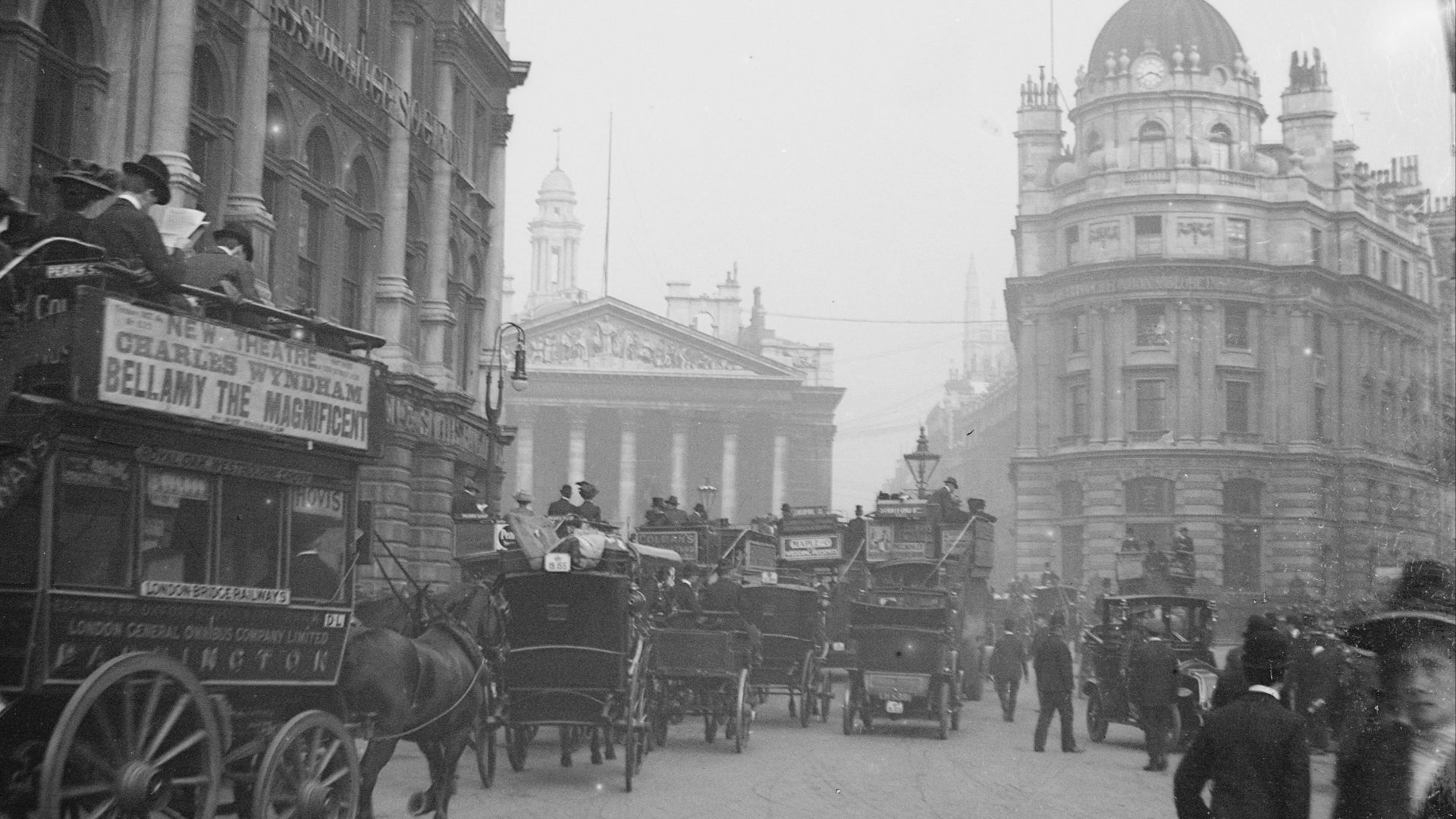 The Royal Danish Library, Unsplash
Everyday Life Came To A Halt
Simple errands suddenly became major challenges. Businesses closed early, shopping trips were canceled, and many people stayed home hoping the fog would disappear by the next morning. Instead, it lingered for five long days.
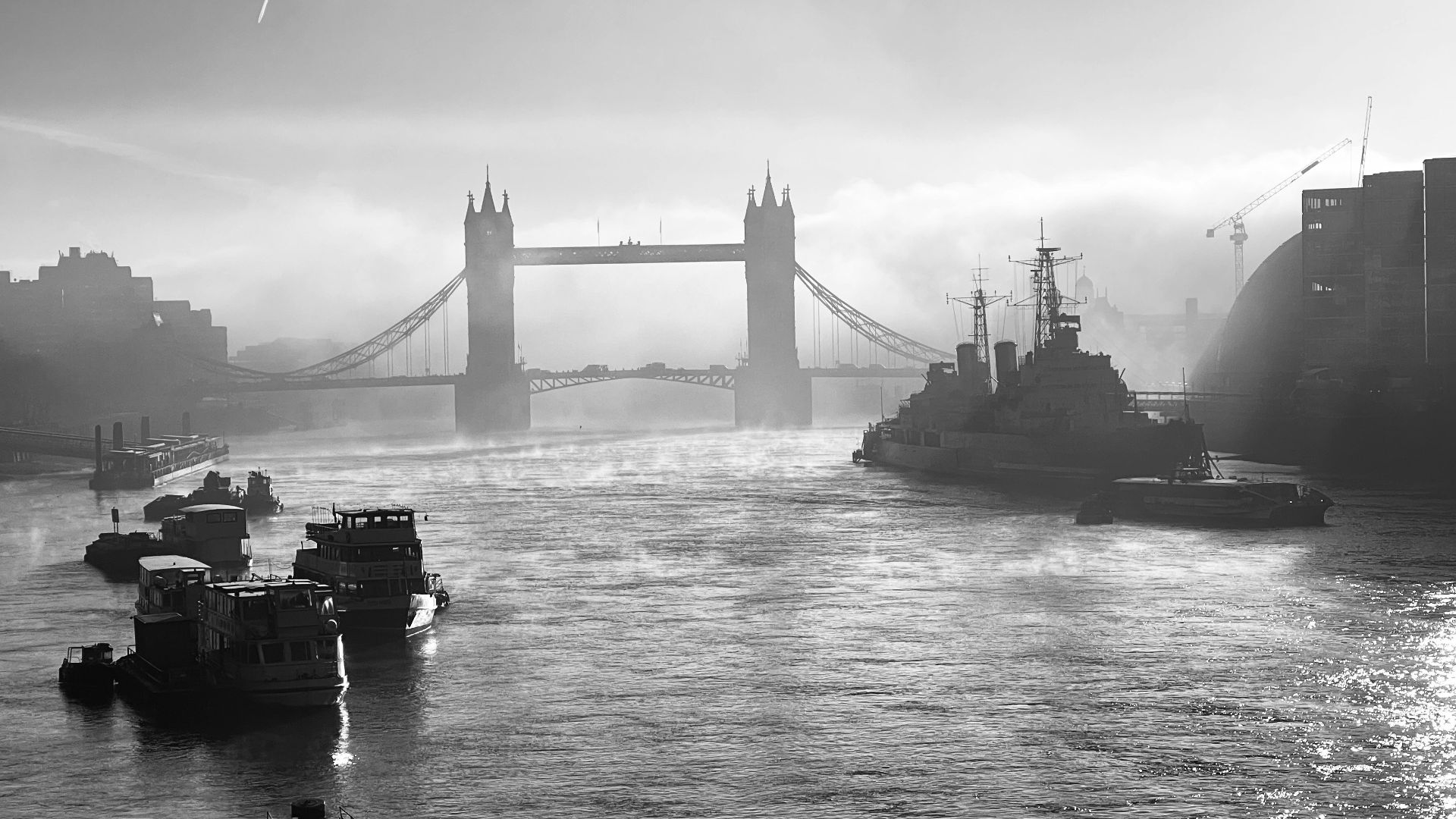
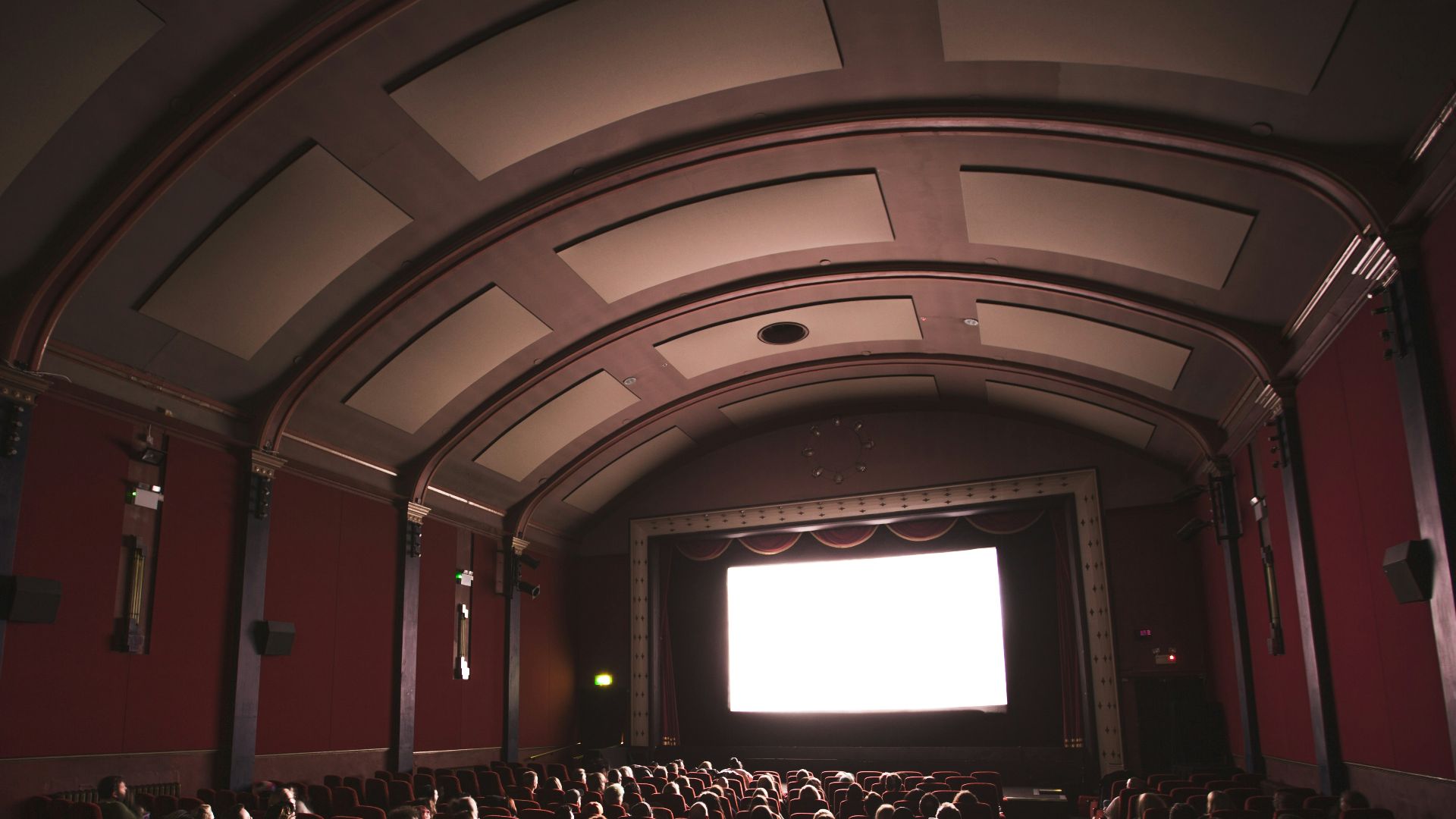
Even Movie Theaters Couldn't Escape It
The smoke was so dense that it drifted inside entertainment venues. People sitting in movie theaters couldn't clearly see the screen, and audiences at live performances often couldn't make out what was happening on stage. Some shows had no choice but to cancel.
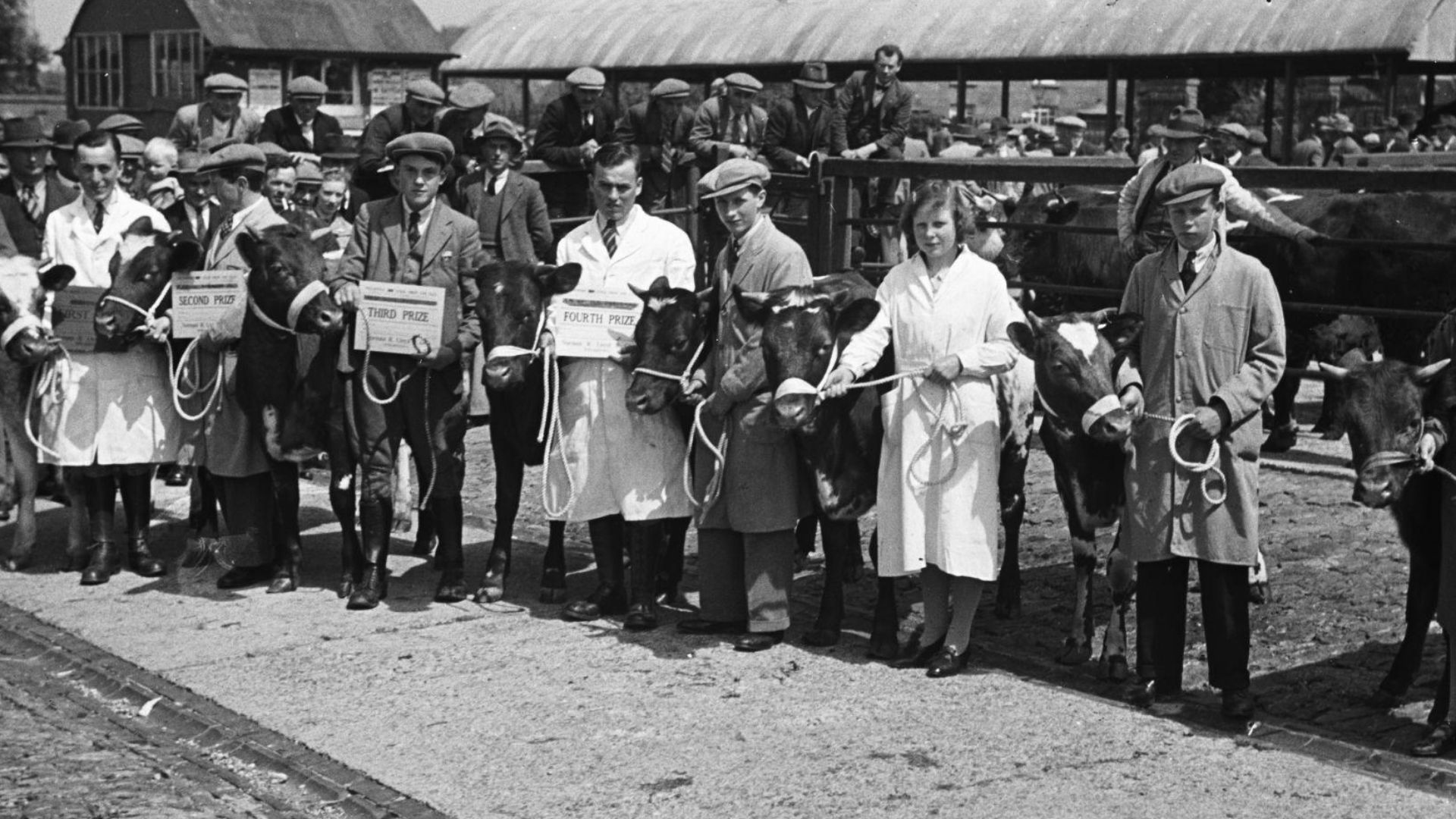
Animals Suffered Too
The smog wasn't just dangerous for people. At London's famous Smithfield livestock show, several prize-winning cattle passed after breathing the polluted air. Farmers also struggled to move animals safely because they could barely see where they were going.
 Geoff Charles, Wikimedia Commons

History's most fascinating stories and darkest secrets, delivered to your inbox daily.
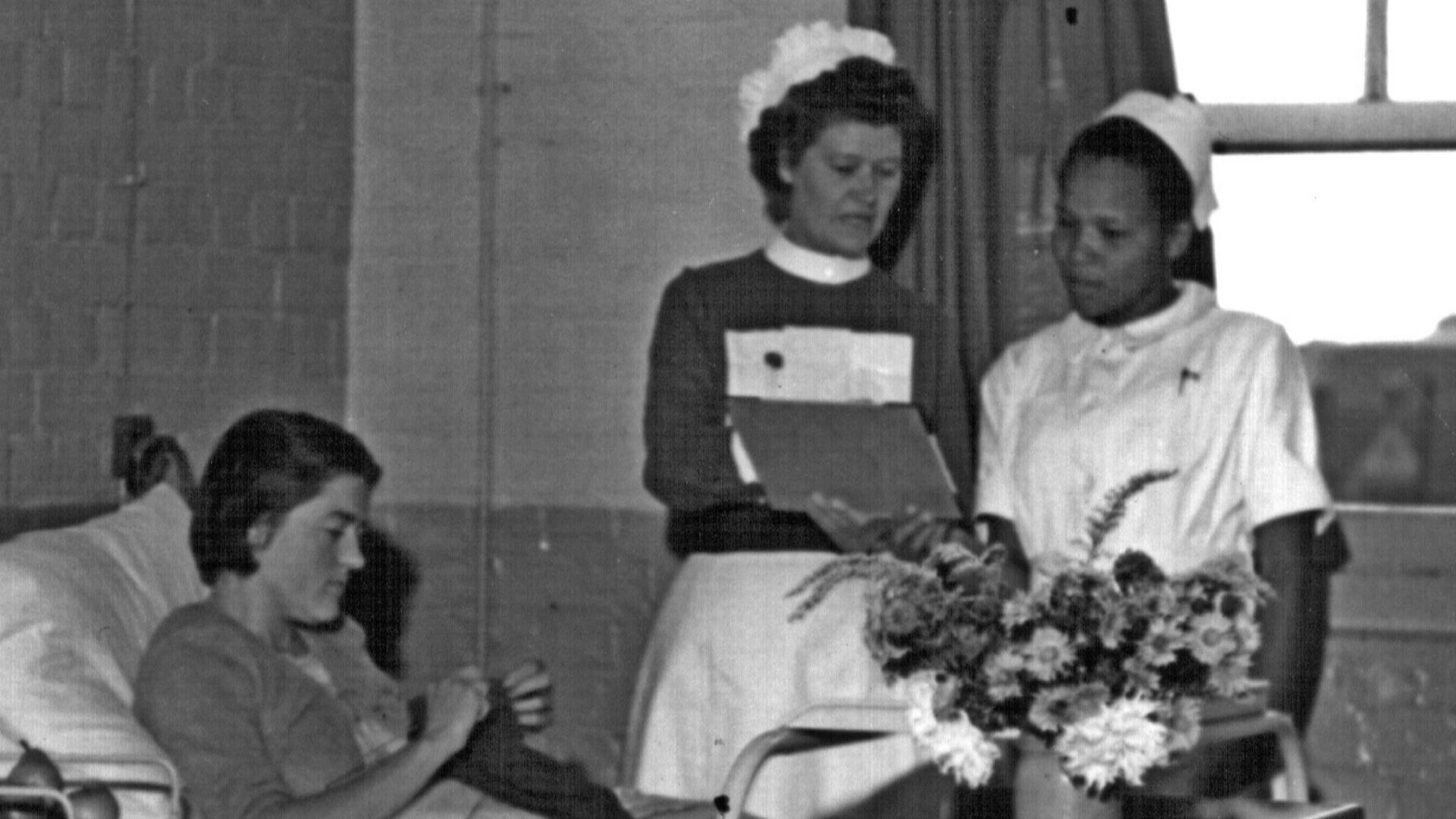
Hospitals Filled Up Fast
Doctors quickly noticed huge numbers of patients arriving with breathing problems, severe coughing, and chest pain. Older adults, babies, and people already dealing with asthma or heart disease were hit especially hard. Hospitals soon found themselves overwhelmed by the growing number of cases.
 Antony Ewart Smith , Wikimedia Commons
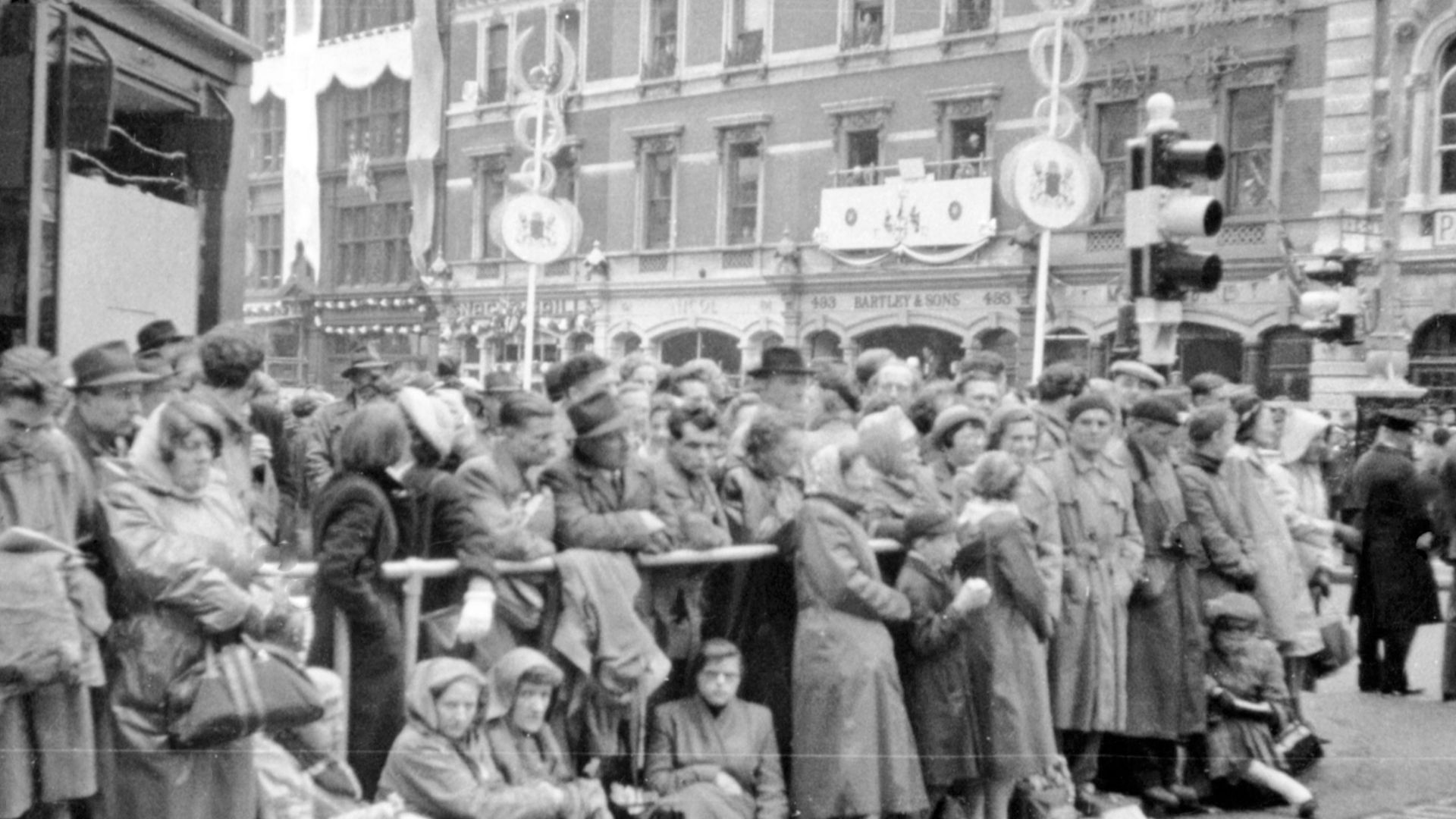
The Toll Was Far Higher Than Anyone Expected
At first, officials believed about 4,000 extra deaths had been caused by the smog. Later studies showed the true number was probably much higher, with roughly 10,000 to 12,000 excess deaths occurring over the following weeks and months. Tens of thousands more people became seriously ill.
 Ben Brooksbank , Wikimedia Commons
Scientists Eventually Figured Out What Happened
Researchers later discovered it wasn't just the smoke people could see that made the smog so deadly. Tiny airborne particles combined with sulfur dioxide and moisture in the fog to create acidic droplets that reached deep into the lungs. That combination caused far more damage than anyone understood at the time.
![Elizabeth Lee Hazen (1888-1975) and Rachel Brown (1898-1980)
Date: 10/28/1955
Local number: SIA Acc. 90-105 [SIA-SIA2008-3566]
Summary: In 1950, microbiologist Elizabeth Lee Hazen (1888-1975) and chemist Rachel Brown (1898-1980), Division of Laboratories](https://www.factinate.com/storage/app/media/factinate/2026/8/5/17859190265dc68820809428c4d5d6f9141780176d16ebadf9.jpg) Smithsonian Institution, Wikimedia Commons
Smithsonian Institution, Wikimedia Commons
The Health Problems Didn't End When The Fog Cleared
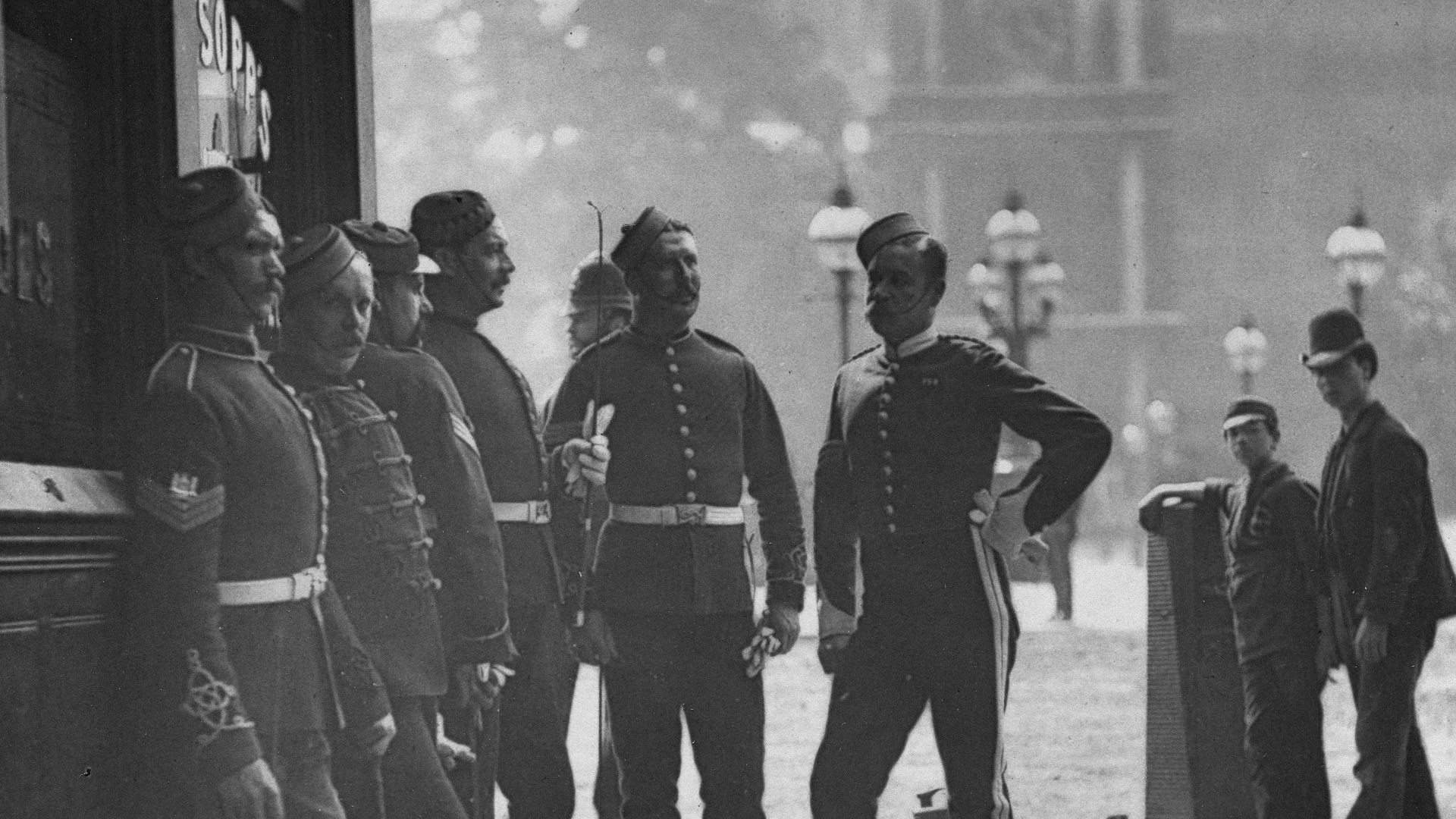
The weather finally changed on December 9, allowing the smog to lift. Unfortunately, that wasn't the end of the crisis. Hospitals continued treating patients for weeks afterward, and deaths linked to the event kept rising as the long-term effects became clear.
 The Cleveland Museum of Art, Unsplash
Many Officials Didn't Realize The Danger Right Away
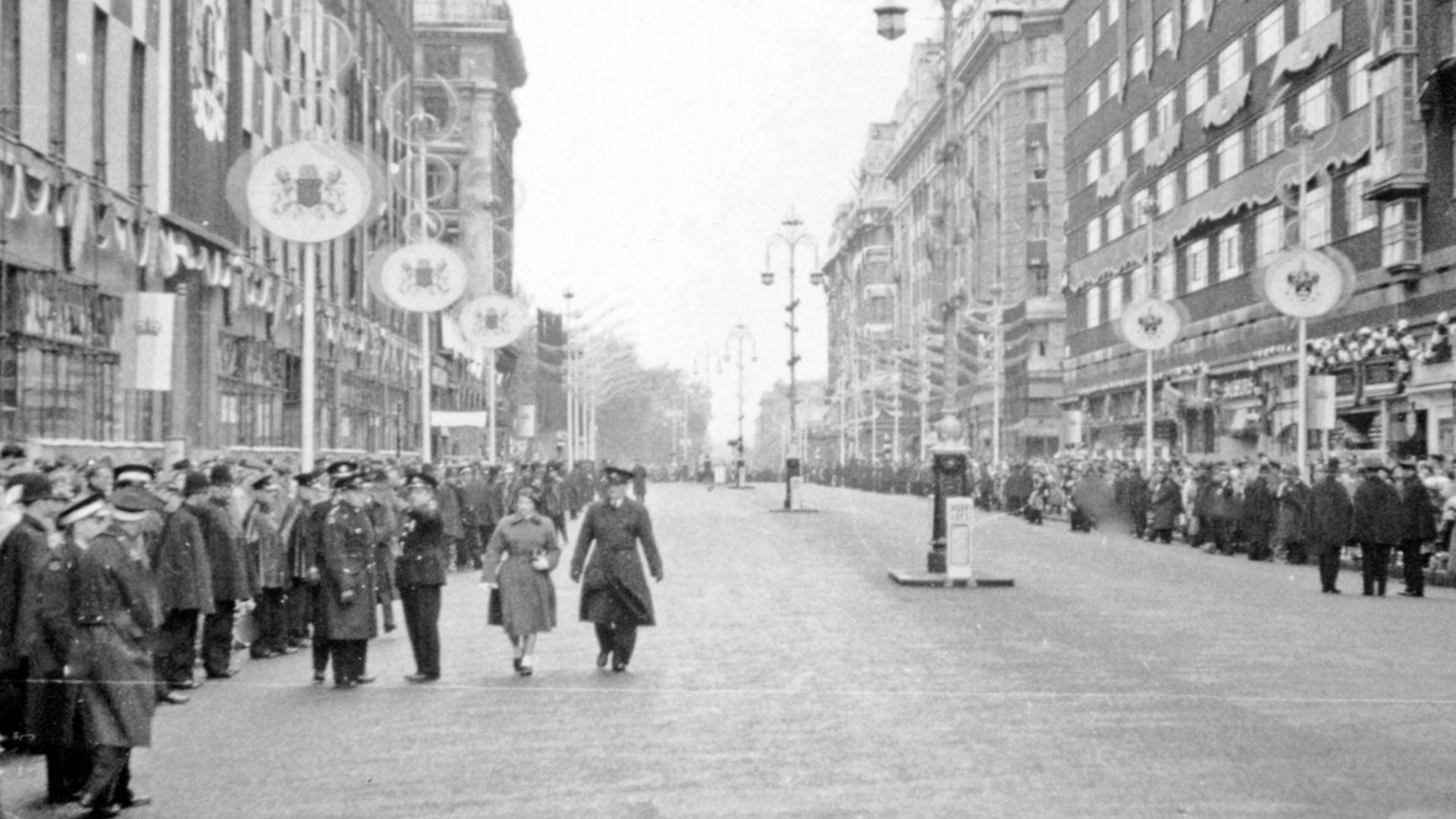
In the early days of the disaster, some government officials viewed it as nothing more than an unusually bad winter fog. Others even suspected that seasonal influenza explained the spike in deaths. It took further investigation before scientists confirmed that air pollution was the real culprit.
 Ben Brooksbank , Wikimedia Commons
Public Outrage Started Growing
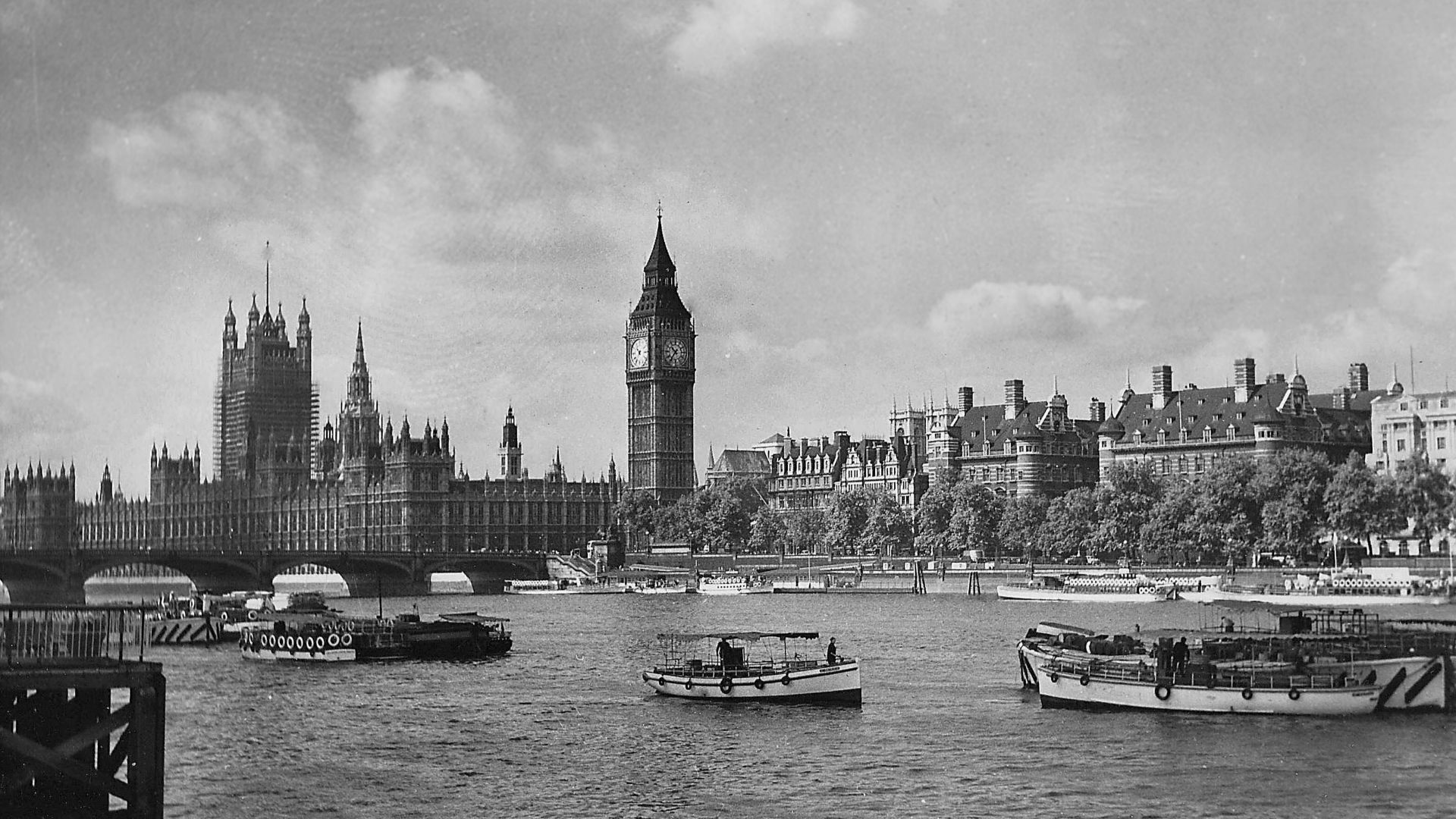
As more families lost loved ones and the scale of the disaster became impossible to ignore, pressure mounted on the government to do something. Newspapers, doctors, and members of Parliament all pushed for stronger pollution controls. The tragedy had made it painfully obvious that cleaner air wasn't just about comfort—it was about saving lives.
 Anthony Harrison, Wikimedia Commons
The Clean Air Act Changed Everything
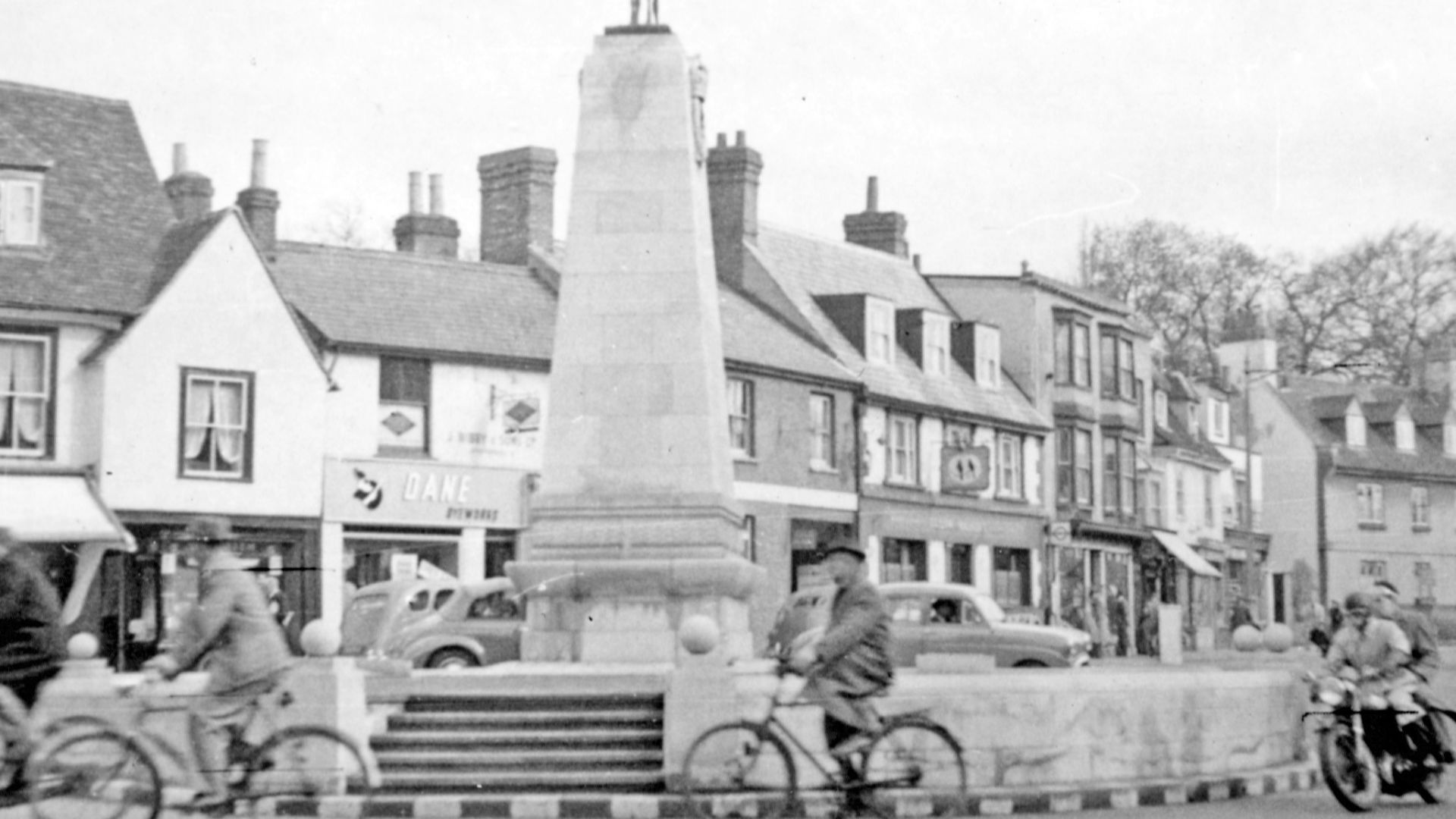
One of the biggest results of the disaster was Britain's Clean Air Act of 1956. The law encouraged cleaner heating fuels, created smoke-control zones, and helped reduce coal smoke across cities. It became a model for air pollution laws in many other countries.
 Ben Brooksbank , Wikimedia Commons
London's Air Slowly Improved
The changes didn't happen overnight, but they worked. Over the following decades, cleaner fuels replaced much of the coal being burned inside the city. Eventually, the thick black winter smogs that had once seemed normal became much less common.
Other Countries Took Notice
The Great Smog wasn't just a British story anymore. Scientists and lawmakers around the world studied what happened in London and used those lessons to develop cleaner air standards and pollution regulations. The disaster became one of the biggest turning points in environmental policy.
 Photographer: Mr. Anderson, Wikimedia Commons
Researchers Are Still Learning From It Today
Even decades later, scientists continue studying the people who lived through the Great Smog. Some research suggests that babies exposed before birth or during infancy faced higher risks of health problems later in life. It's one of the most carefully studied pollution disasters ever recorded.

It Changed The Way We Think About Weather
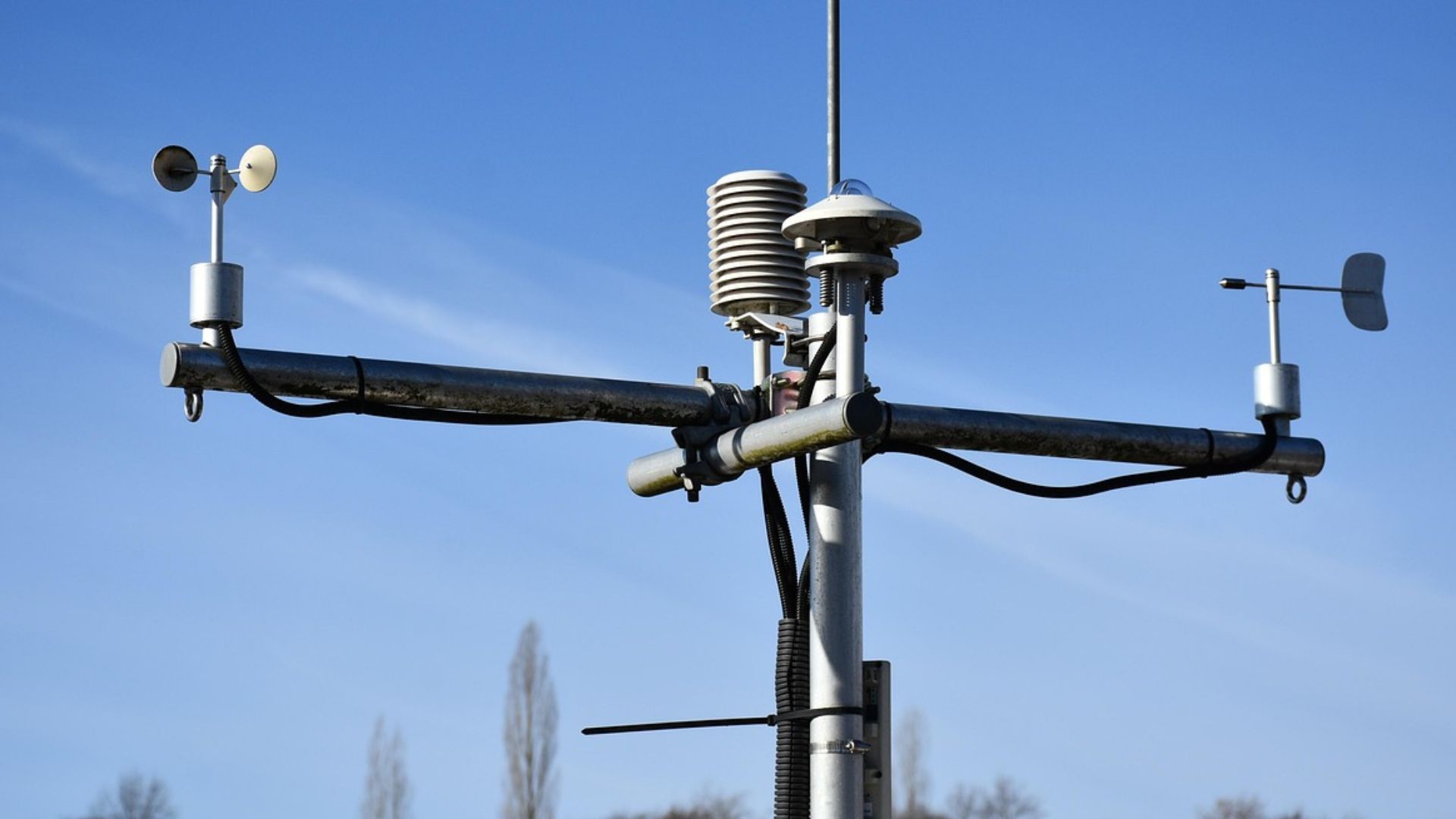
Meteorologists also learned valuable lessons from the event. Today, forecasters closely monitor temperature inversions because they can trap pollution near the ground under the right conditions. When similar weather patterns develop, cities often issue air quality alerts to help protect the public.
It's Still One Of Britain's Worst Environmental Disasters
The Great Smog lasted less than a week, yet it remains one of the deadliest environmental events in British history. Unlike a hurricane or earthquake, it wasn't caused by a dramatic natural disaster. It was the result of everyday pollution building up until the weather turned it into a public health catastrophe.
The Story Still Matters Today
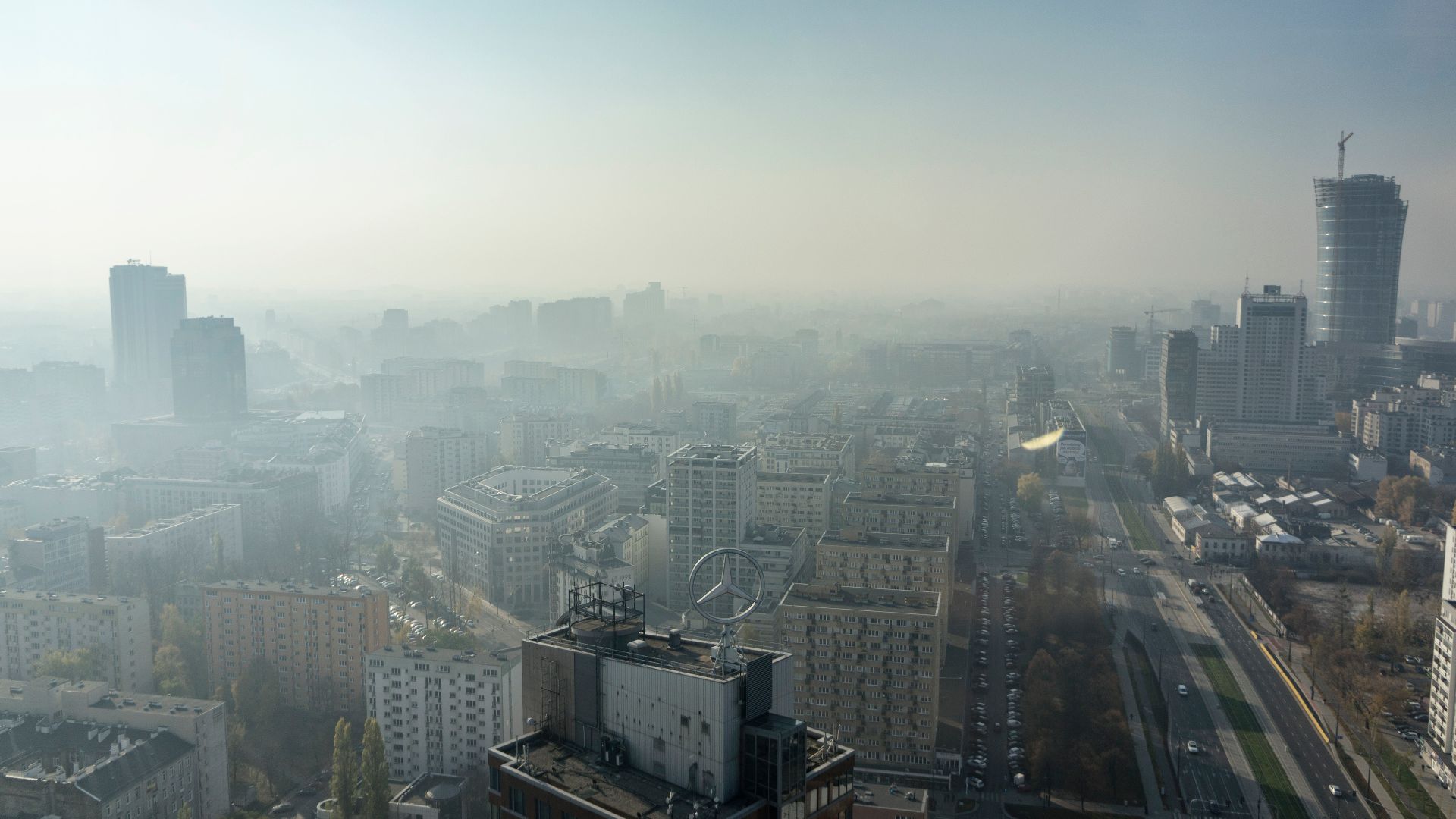
Most cities no longer rely on coal the way London once did, but air pollution hasn't disappeared. Smog episodes still happen around the world when pollution combines with certain weather conditions. The Great Smog serves as a reminder that clean air is something people should never take for granted.
 Radek Kołakowski from Warszawa, Poland, Wikimedia Commons
A Normal Winter Turned Into A Historic Tragedy
What makes the Great Smog so remarkable is how ordinary it seemed at first. Londoners had lived with smoky skies for generations, so few expected anything different. But in just five days, familiar winter air became a deadly reminder that environmental problems can become disasters when they're ignored for too long.
You May Also Like:
The Nightmare Of Balloonfest ‘86
Disco Demolition Night Was Seriously Disturbing