12. Groucho
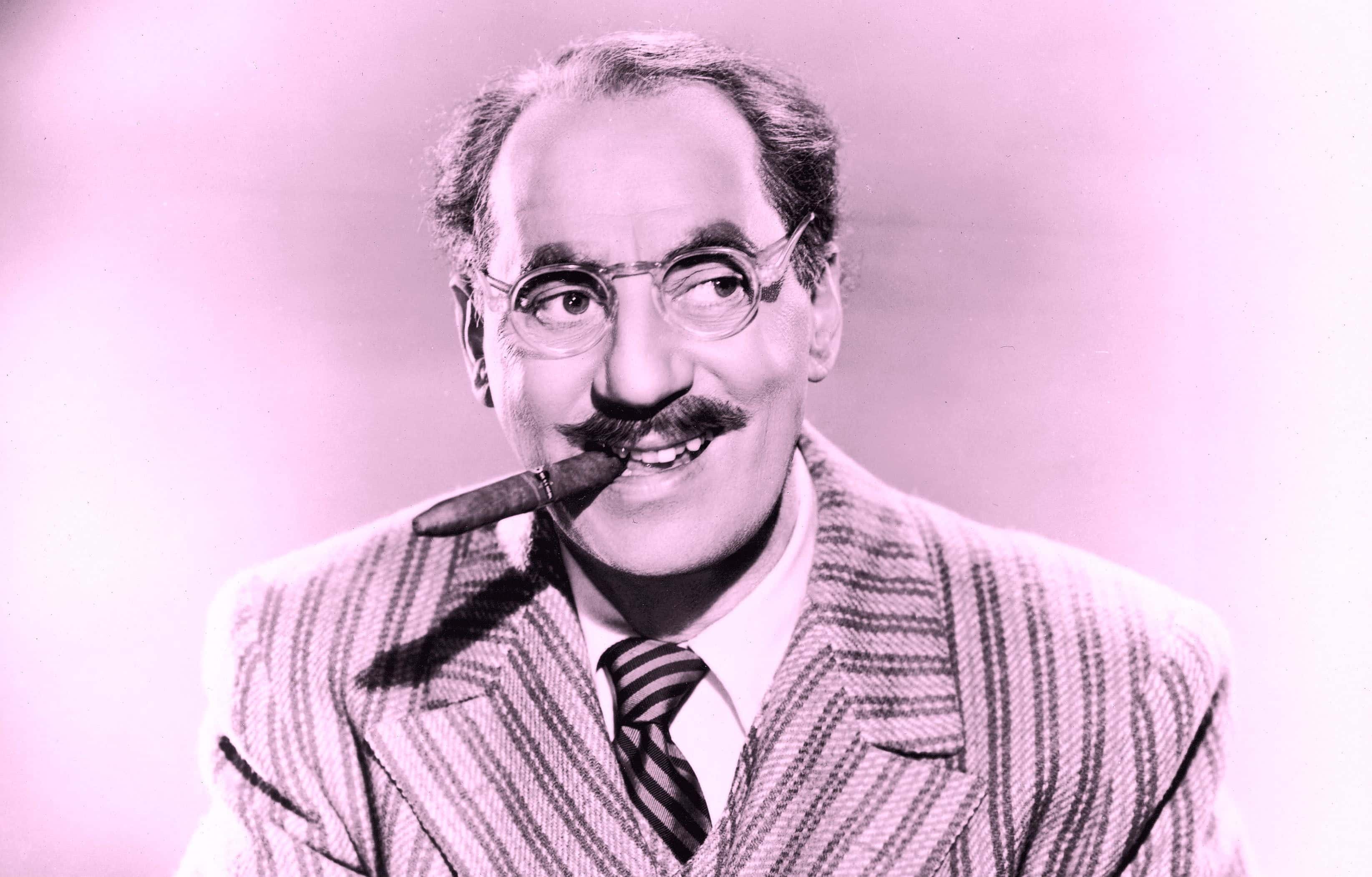
As the most talkative of the legendary Marx Brothers, and host of the game show You Bet Your Life, Groucho Marx’s smart-mouth quips made him one of the most popular and influential comedians of his day. His final words to his wife, “Die? That’s the last thing I intend to do!” are the perfect example of his sense of humor: A snappy rejoinder that gets funnier the longer you think about it.
11. If
In the fourth century BC, Philip II of Macedon campaigned against the Greek city-states. Having conquered most of southern Greece, he sent a message to Sparta, which read, “You are advised to submit without further delay, for if I bring my army into your land, I will destroy your farms, slay your people, and raze your city.” The Spartans replied with a single word: “If.” Suffice it to say, Philip did not attack Sparta.

10. The Rebel
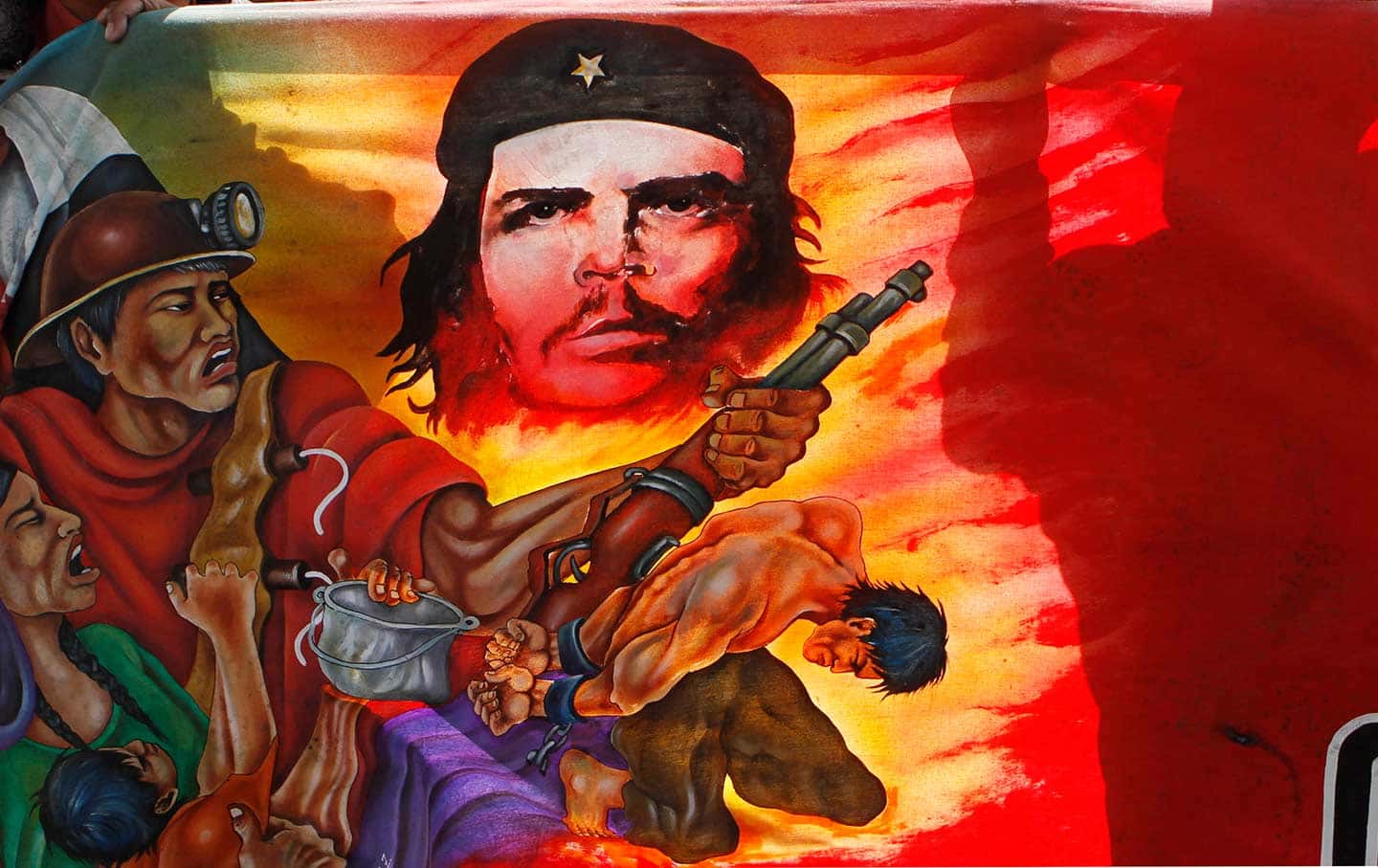
The military genius behind the Cuban Revolution, Che Guevara spent the years after the triumph in Cuba trying to spark similar revolutions in other Latin American countries. Though he became a living legend among would-be revolutionaries, the left-wing militant won no friends among the governments of those other countries, or the United States. When a joint force of CIA agents and Bolivian soldiers tracked him down to a Bolivian farmhouse, Guevara remained fearless and defiant. “Shoot, coward,” he spat at one of the agents, “you’re only going to kill a man.”
9. Picasso
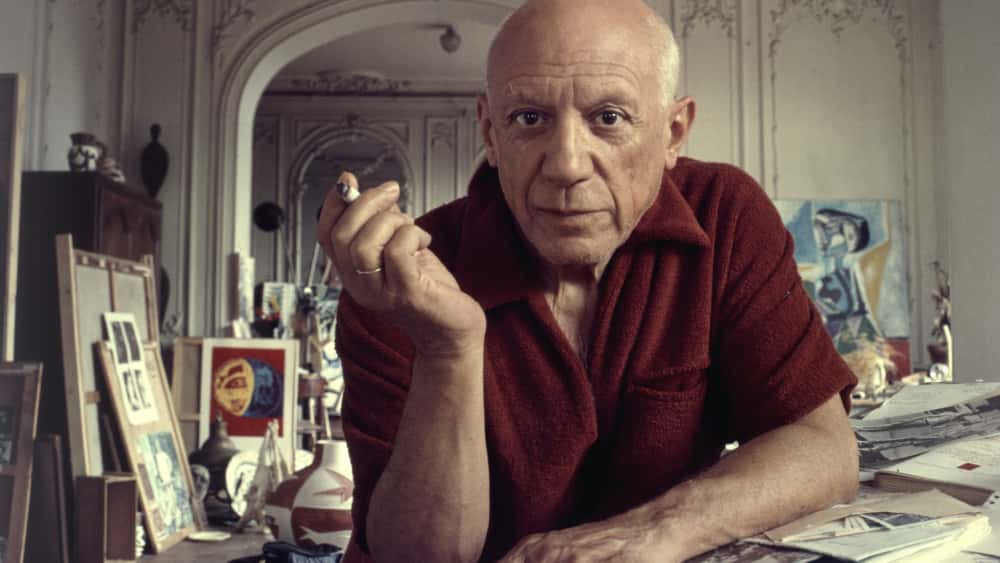
Pablo Picasso was perhaps the greatest artist of the 20th century. He knew it, too. Picasso once said “When I was a child my mother said to me, ‘If you become a soldier, you’ll be a general. If you become a monk, you’ll end up as pope.’ Instead, I became a painter, and wound up as Picasso.” Now, if anyone other than Picasso said that, you’d hate them, but you gotta respect someone who knows their worth.

History's most fascinating stories and darkest secrets, delivered to your inbox daily.
8. I Am Become Death…
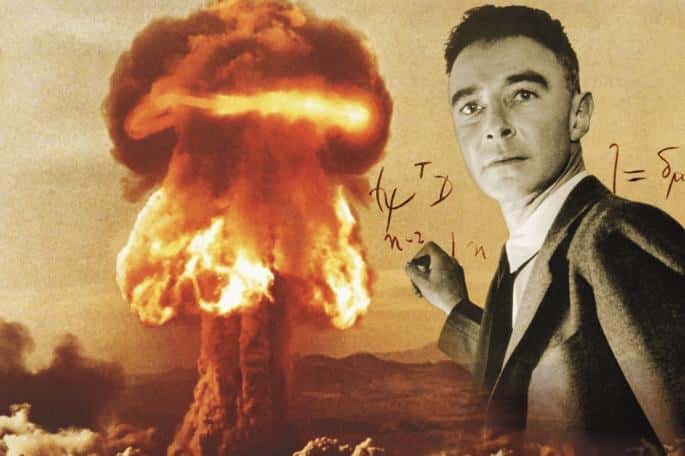
When J. Robert Oppenheimer witnessed the destructive power of his creation, the atomic bomb, he quoted a phrase from the Bhagavad Gita: “Now I am become death, the destroyer of worlds.” It’s a perfect quote, because no matter how you feel about it, the quote will back you up: was it the hysterical ravings of a mad scientist, or the lament of a man who immediately regretted unleashing a horrible force upon the world? The only thing is, Oppenheimer didn’t say it. Not just then, anyway. Oppenheimer did not hit upon the quote until years later, when filming the 1965 documentary The Decision to Drop the Bomb.
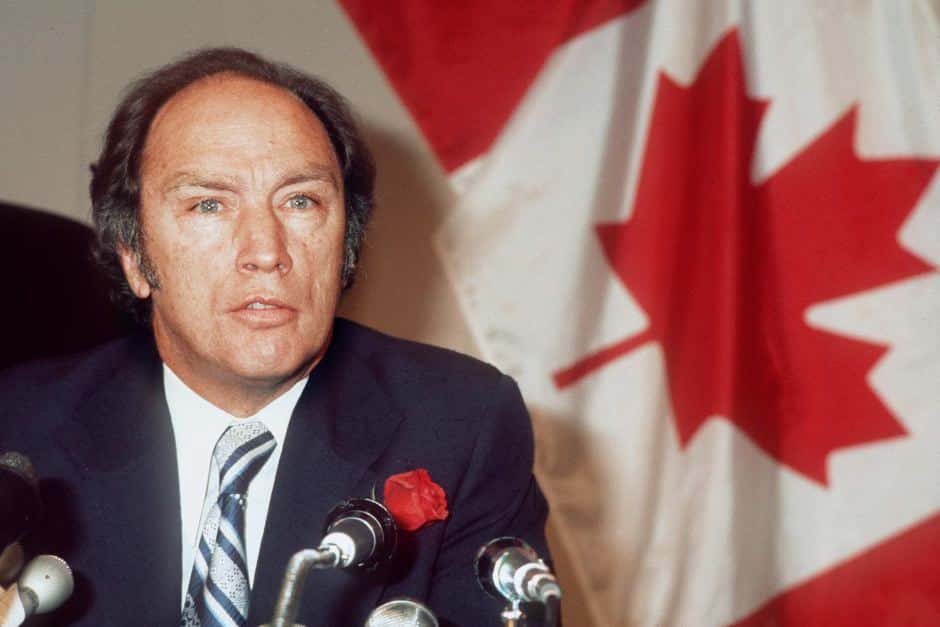
7. Just Watch Me
The election of Pierre Elliott Trudeau to prime minister in 1968 ushered in a new era of confidence and energy in Canada. Trudeau was eloquent, charismatic, and flamboyant—he once performed a mocking pirouette behind the back of Queen Elizabeth II. But when Quebec nationalists kidnapped a foreign diplomat in 1970, Trudeau faced a crisis so great he considered invoking the War Measures Act, effectively establishing military rule in Quebec, a step considered too drastic by many Canadians. When a reporter asked him point blank how far would he be willing to extend these measures, Trudeau scoffed “Just watch me.”
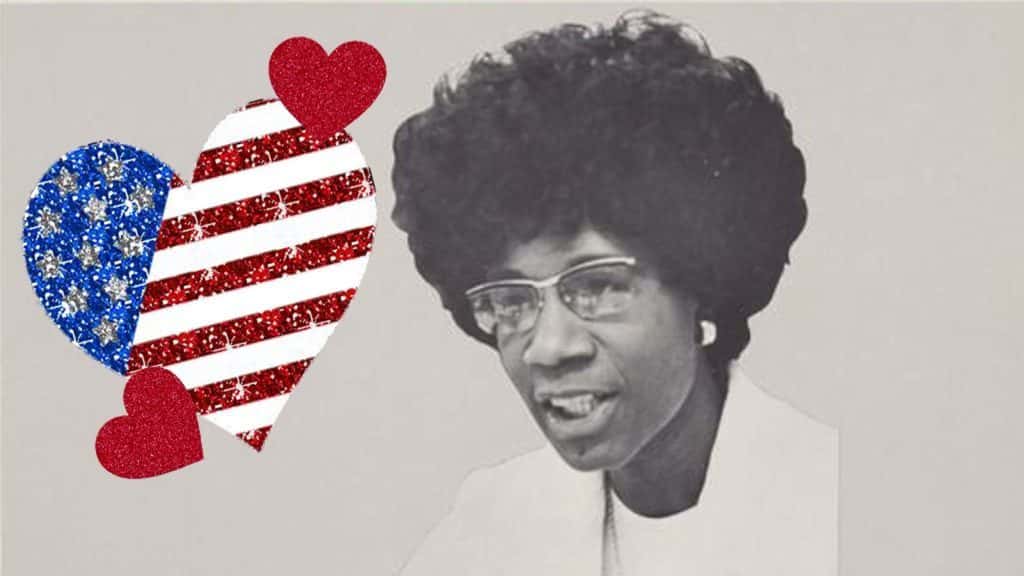
6. A Seat at the Table
Shirley Chisholm, the first black congresswoman, was the kind of woman to make her own opportunities. In 1968 she became the first black woman to run for president of the United States. When she was denied the opportunity to run as the Democratic candidate, she ran as an independent, saying “If they don’t give you a seat at the table, bring a folding chair.”
5. Hidden Figures
Karen Spärck Jones was a pioneer of computer science. She is credited with inventing Inverse Document Frequency, a key component in the development of search engines. With a career in computer science that went all the way back to the 1950s, Spärck Jones knew first hand the struggles women had in entering the field, and was an outspoken advocate for women in tech. She was found of saying “Computing is too important to be left to men.”
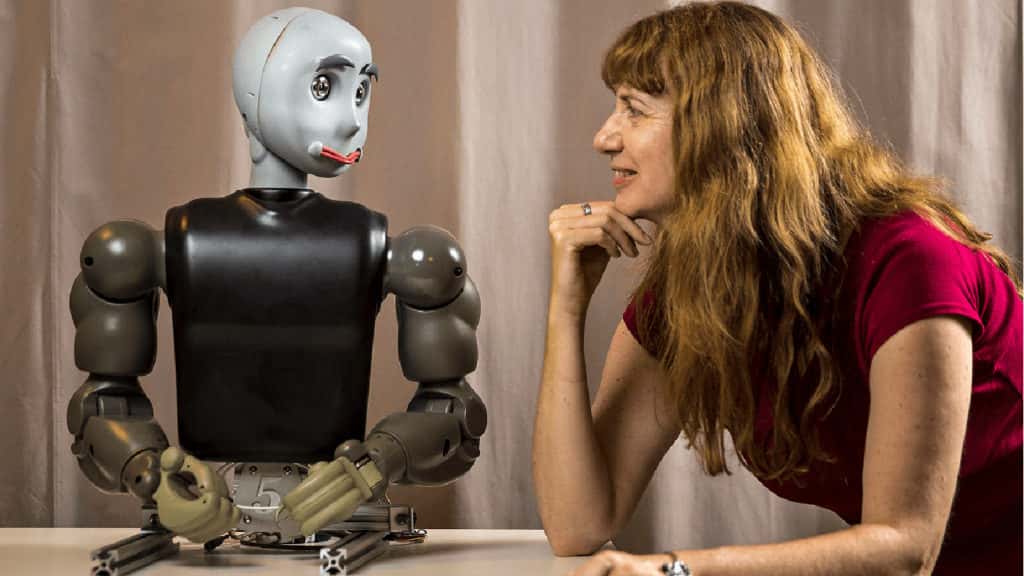
Live Broadcast of the Karen Spärck Jones Lecture 2017
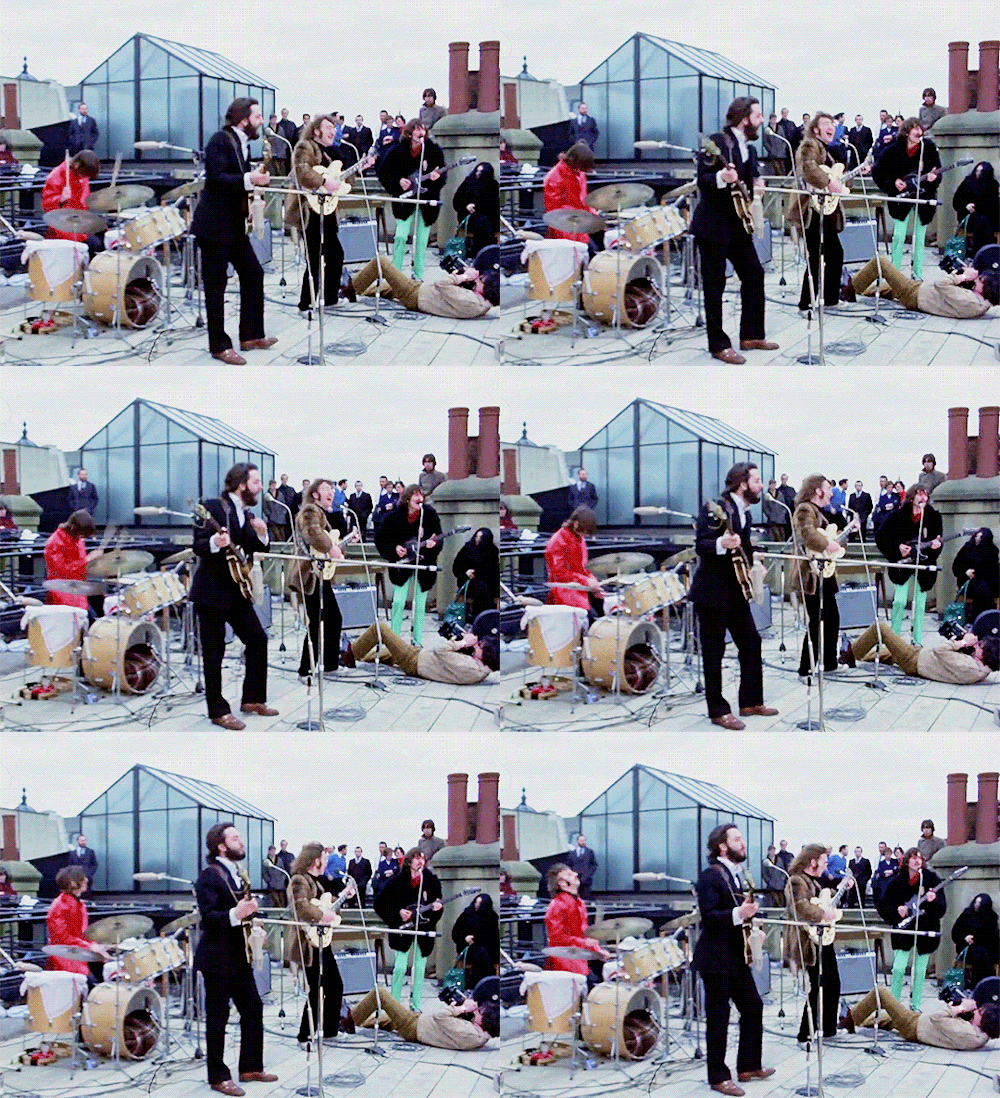
4. The Audition
No rock band had ever matched the popularity and critical success of the Beatles, but by the end of the 1960s the band was running out of steam. No longer touring, and itching to spend more time on their individual careers, the band were on the verge of breaking up. On January 30, 1969, the Beatles played one final set for their fans, performing on the roof of their Saville Row headquarters. When the music ended, 42 minutes later, John Lennon called out “I'd like to say thank you on behalf of the group and ourselves and I hope we've passed the audition.”
3. The Greatest
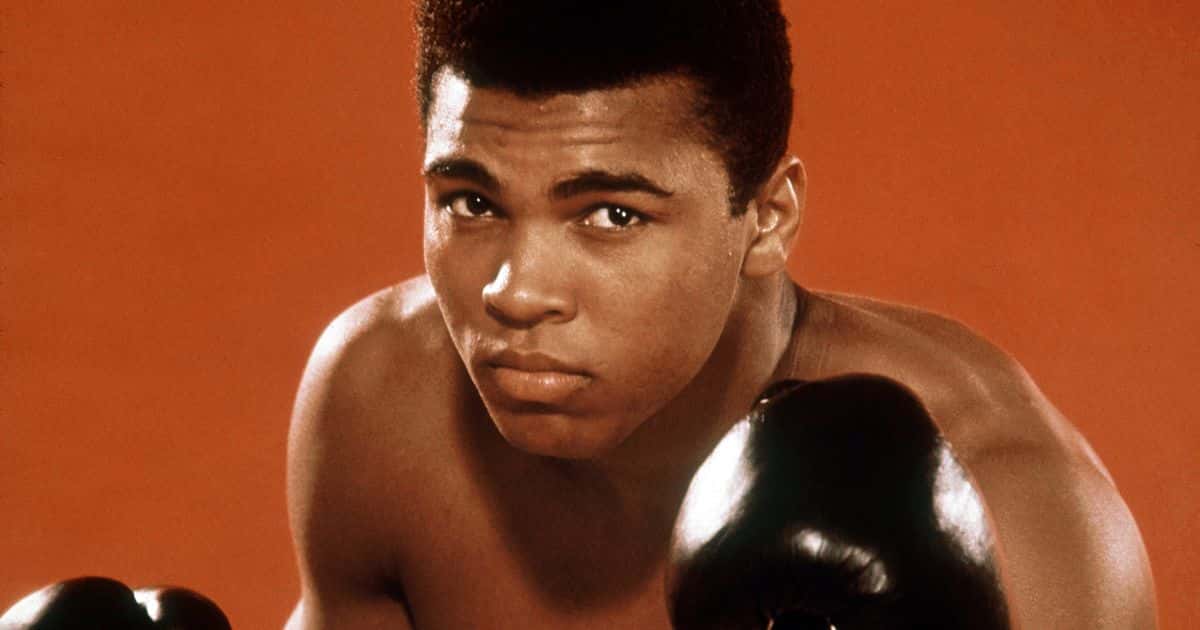
The only thing Muhammad Ali did better than box was talk. His boasts are legendary, and many cite the rhymes he made up to taunt his opponents as an influence on rap music. But Ali did not like to be thought of as a blowhard. Asked about his brags, he explained “Bragging is when a person says something and can’t do it. I do what I say.”
History's most fascinating stories and darkest secrets, delivered to your inbox daily.
2. The Followup
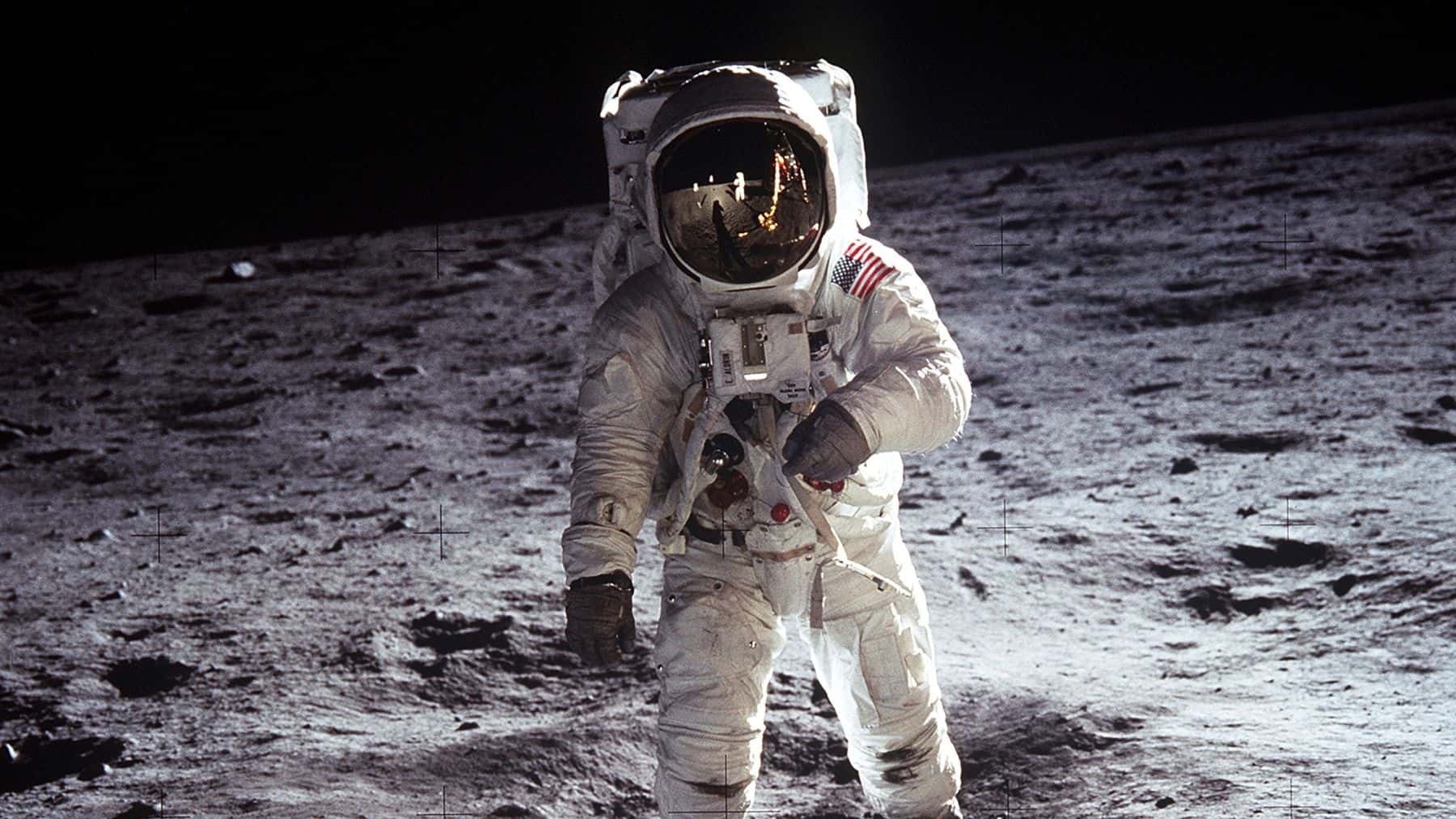
Everyone remembers Armstrong’s famous declaration when he first set foot on the moon ("That's one small step for a man, one giant leap for mankind). His next words, “The surface looks fine and powdery. I can pick it up loosely with my toe” don’t have quite the same poetic quality, but considering no one had felt the surface of the moon before, the description itself is pretty important.
1. Go Ahead, Shoot Your Emperor
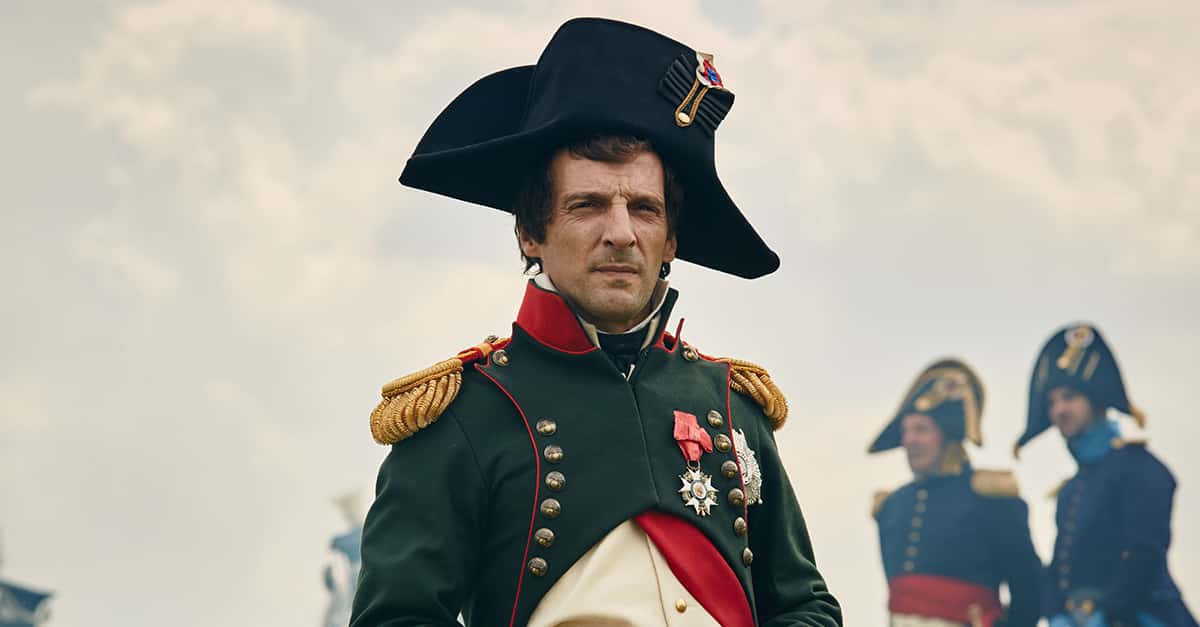
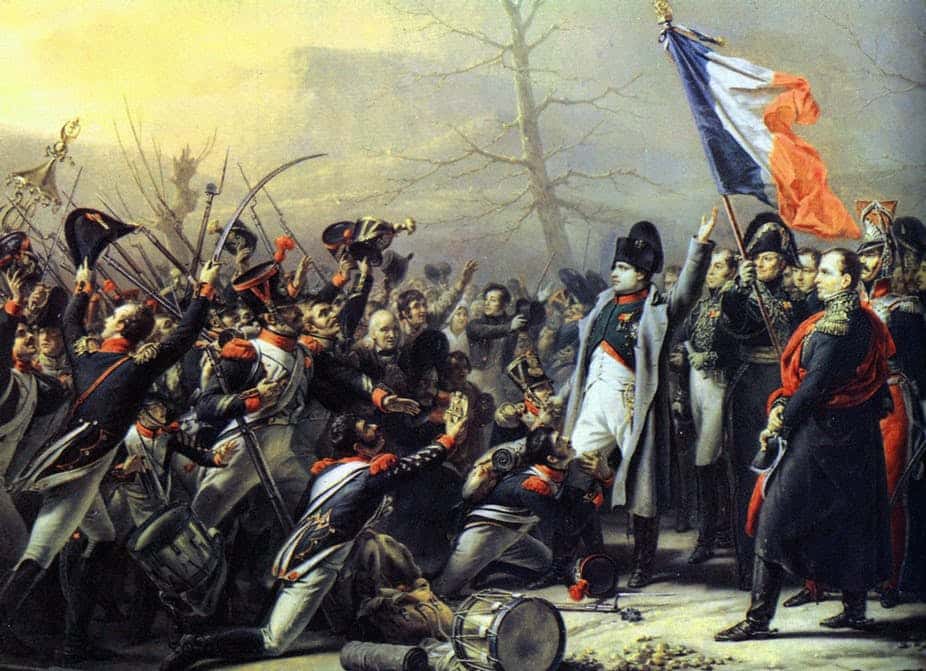
Napoleon was in total exile when he met enemy soldiers. He convinced them to fight for him with just six words. Even after his defeat, abdication, and exile, would-be emperor Napoleon never gave up his goal of gaining control of France and eventually all of Europe. Exiled to Elba after his defeat at Leipzig, Napoleon escaped the island and landed on the French mainland. There he met a regiment who had been sent to prevent him from reaching Paris. Napoleon looked at the soldiers and declared “Here I am. Kill your Emperor, if you wish.” Impressed with his audacity, the soldiers joined Napoleon on his march to Paris and helped him reclaim the throne of France.
Sources: 1, 2, 3, 4, 5, 6, 7, 8, 9, 10, 11, 12, 13, 14, 15, 16, 17, 18, 19, 20, 21, 22, 23, 24, 25, 26, 27, 28, 29, 30, 31, 32, 33, 34, 35, 36, 37, 38, 39, 40, 41