
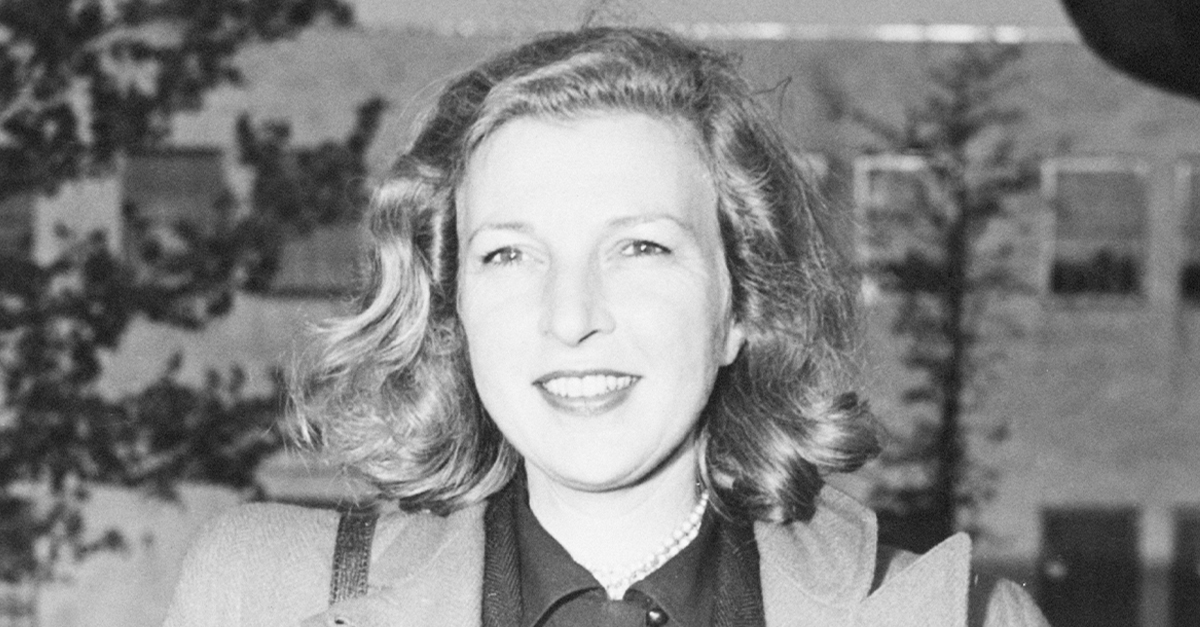
A Fearless Journalist Who Refused Limits
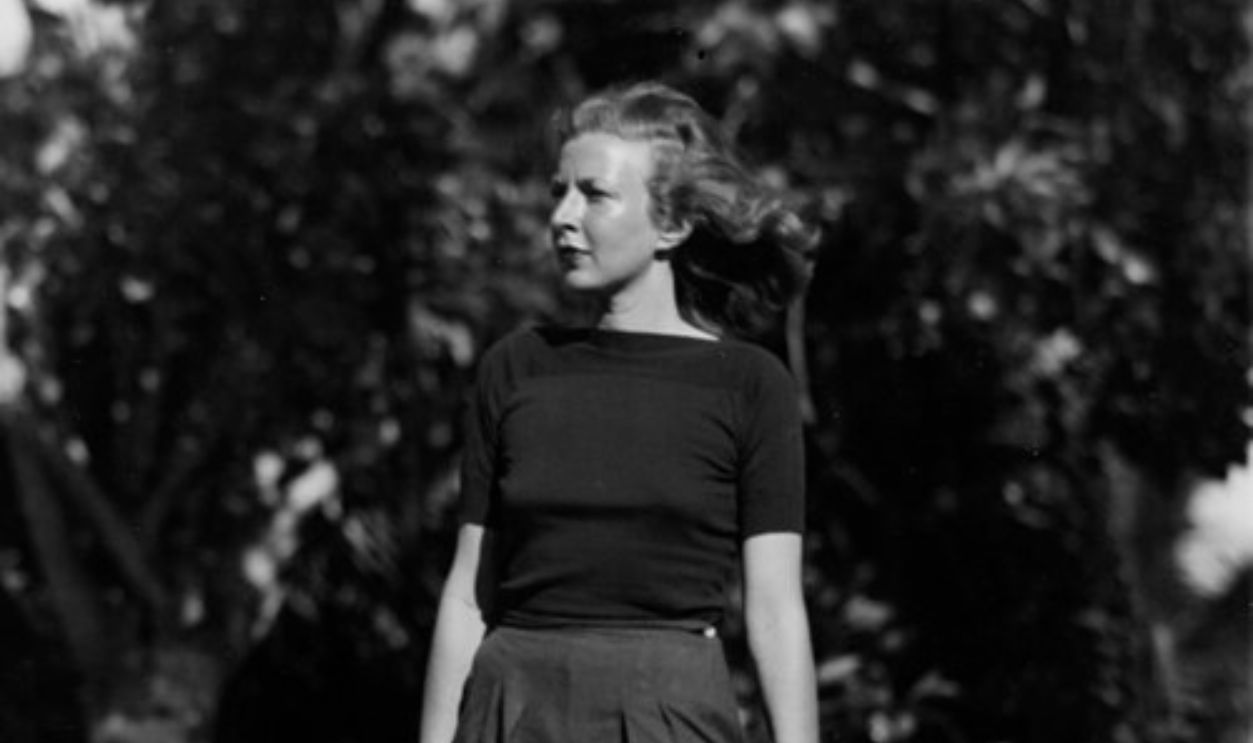
Martha Gellhorn built a career on going where others could not or would not. Across six decades, she reported on nearly every major conflict of the twentieth century, always focusing on civilians caught in war.
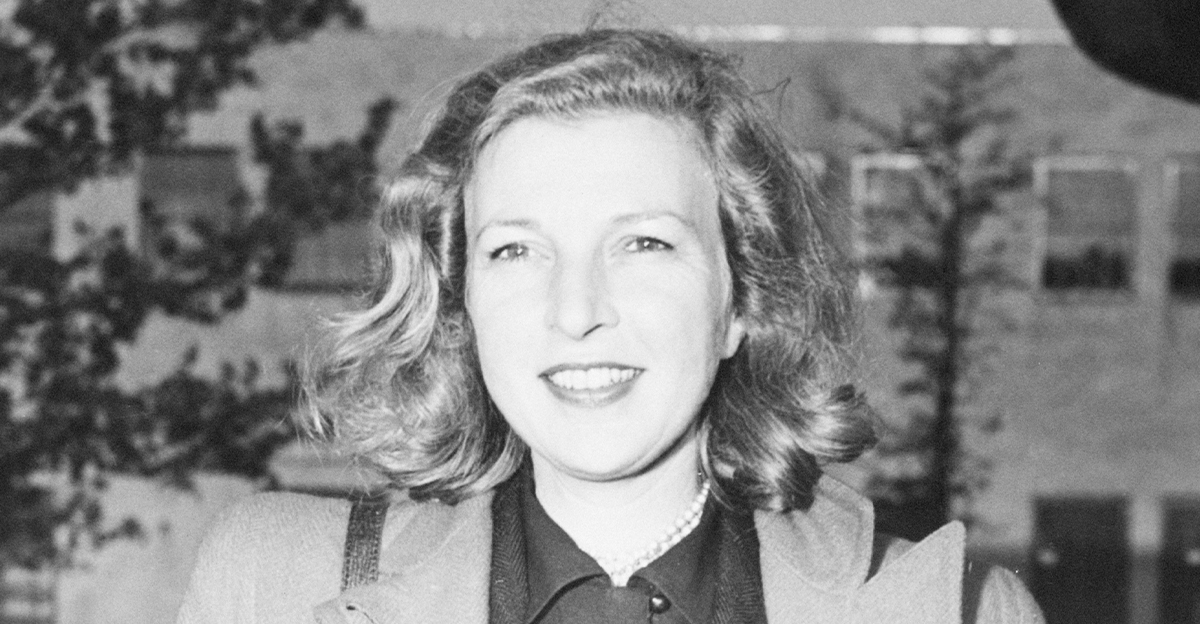 FPG/Archive Photos/Getty Images
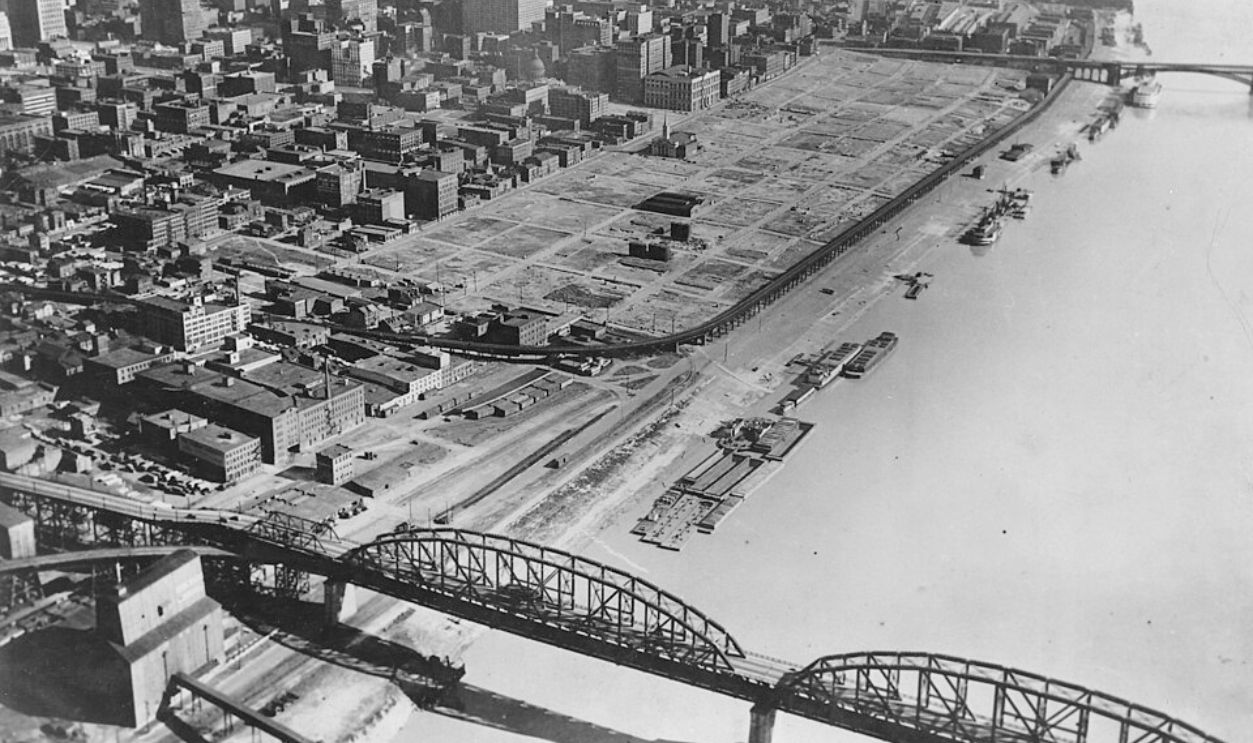
Growing Up In St Louis
Martha Ellis Gellhorn was born in 1908 in St. Louis, Missouri, into a politically engaged family. Her mother was a suffragist (advocate of women's right to vote), and her home life emphasized activism and public service. That early environment shaped her independence and sense of purpose, setting the stage for a life driven by conviction.
 Jefferson National Expansion Memorial Archives, CC BY-SA 1.0, Wikimedia Commons
Childhood Activism
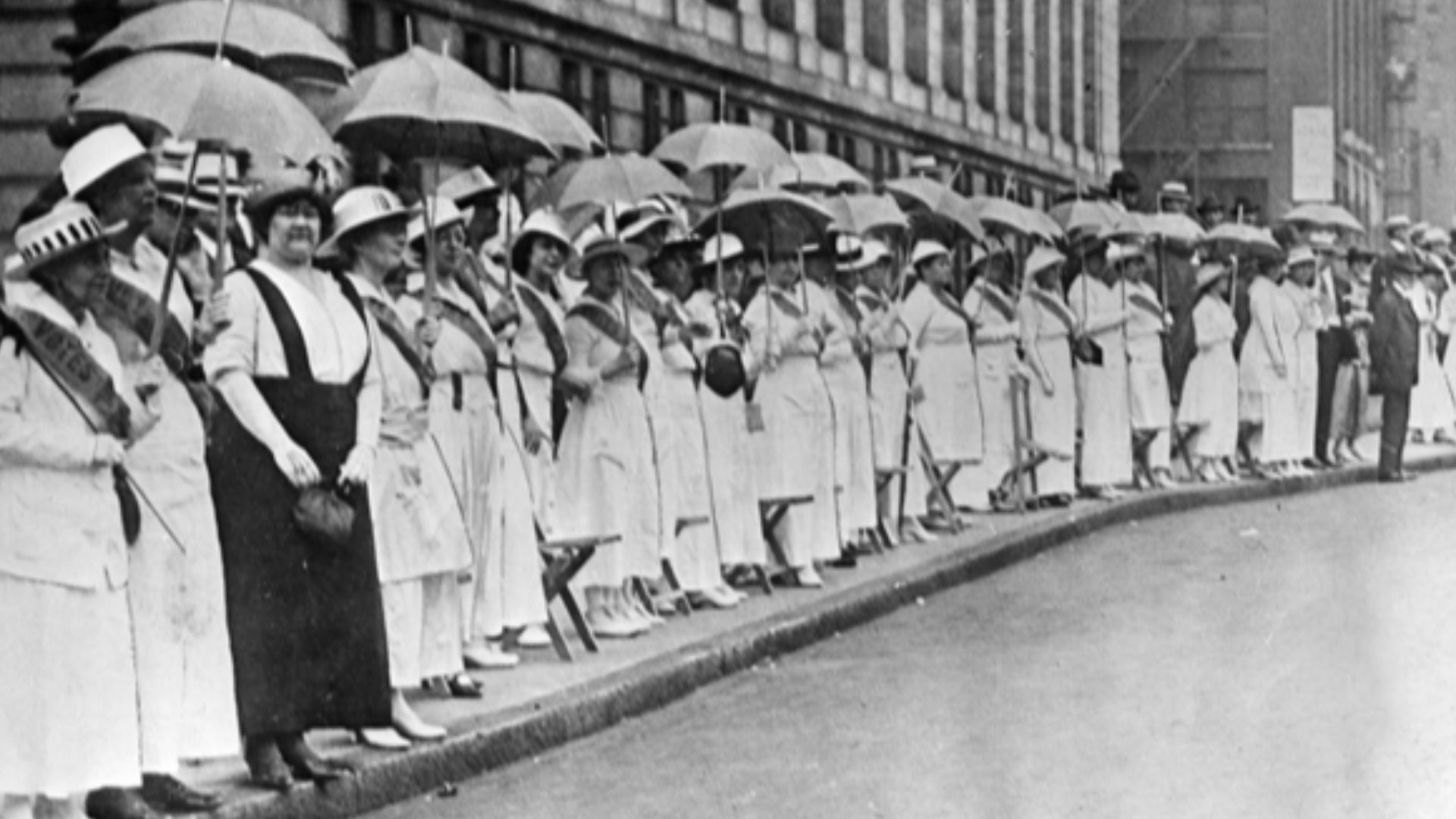
At just seven years old, Gellhorn took part in a suffragist demonstration known as the Golden Lane. She stood with other girls representing future voters, an experience that instilled a lifelong belief in women’s equality and public engagement. That early activism would echo throughout her career.
 Unknown authorUnknown author, Wikimedia Commons
Leaving School To Chase Journalism
Gellhorn briefly attended Bryn Mawr College but left early to pursue a journalism career. She was determined to become a foreign correspondent, a bold ambition for a young woman in the 1920s. This decision marked the first of many moments where she chose independence over convention.
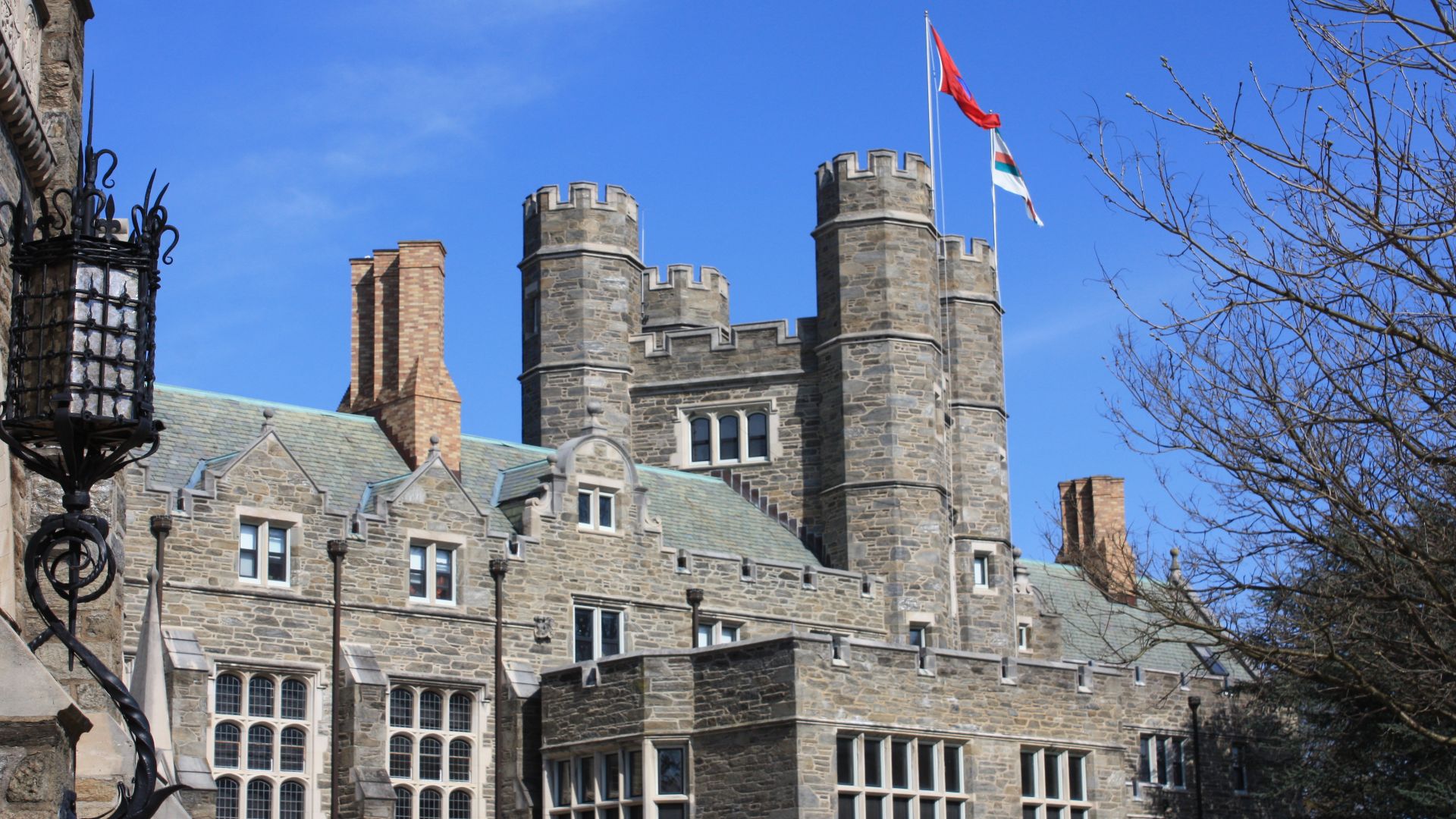 Montgomery County Planning Commission, Wikimedia Commons
Early Work In Europe
In the early 30s, Gellhorn moved to Europe and worked for United Press in Paris. She also contributed to publications like Vogue while traveling widely. These years sharpened her writing and exposed her to international affairs, preparing her for the conflict reporting that would define her career.
The Great Depression And Government Work
Returning to the United States, she worked for the Federal Emergency Relief Administration. Traveling across the country, she documented poverty during the Great Depression. Her reporting focused on ordinary people, a perspective that would remain central throughout her war coverage.
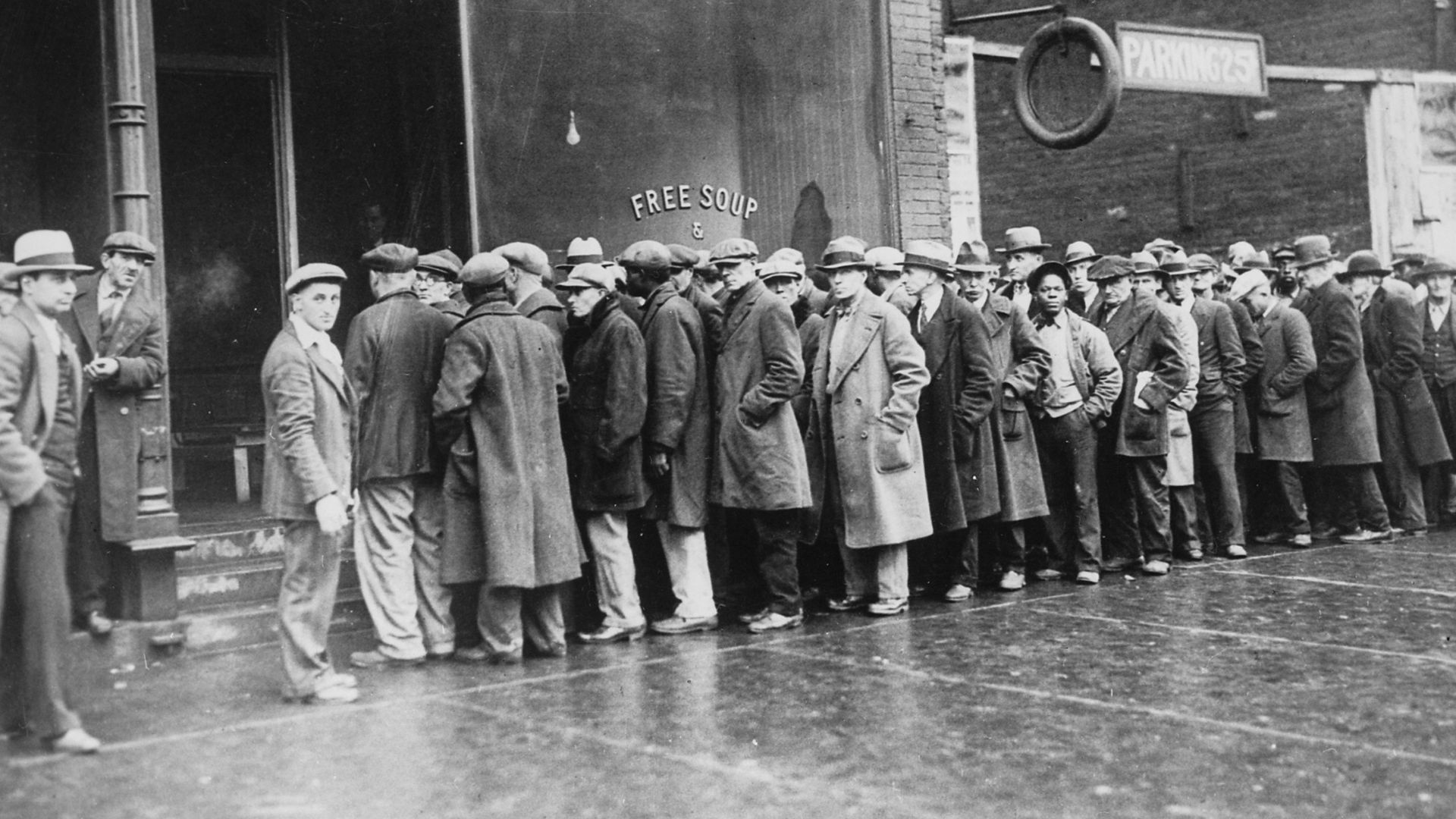 Unknown authorUnknown author or not provided, Wikimedia Commons
Meeting Ernest Hemingway
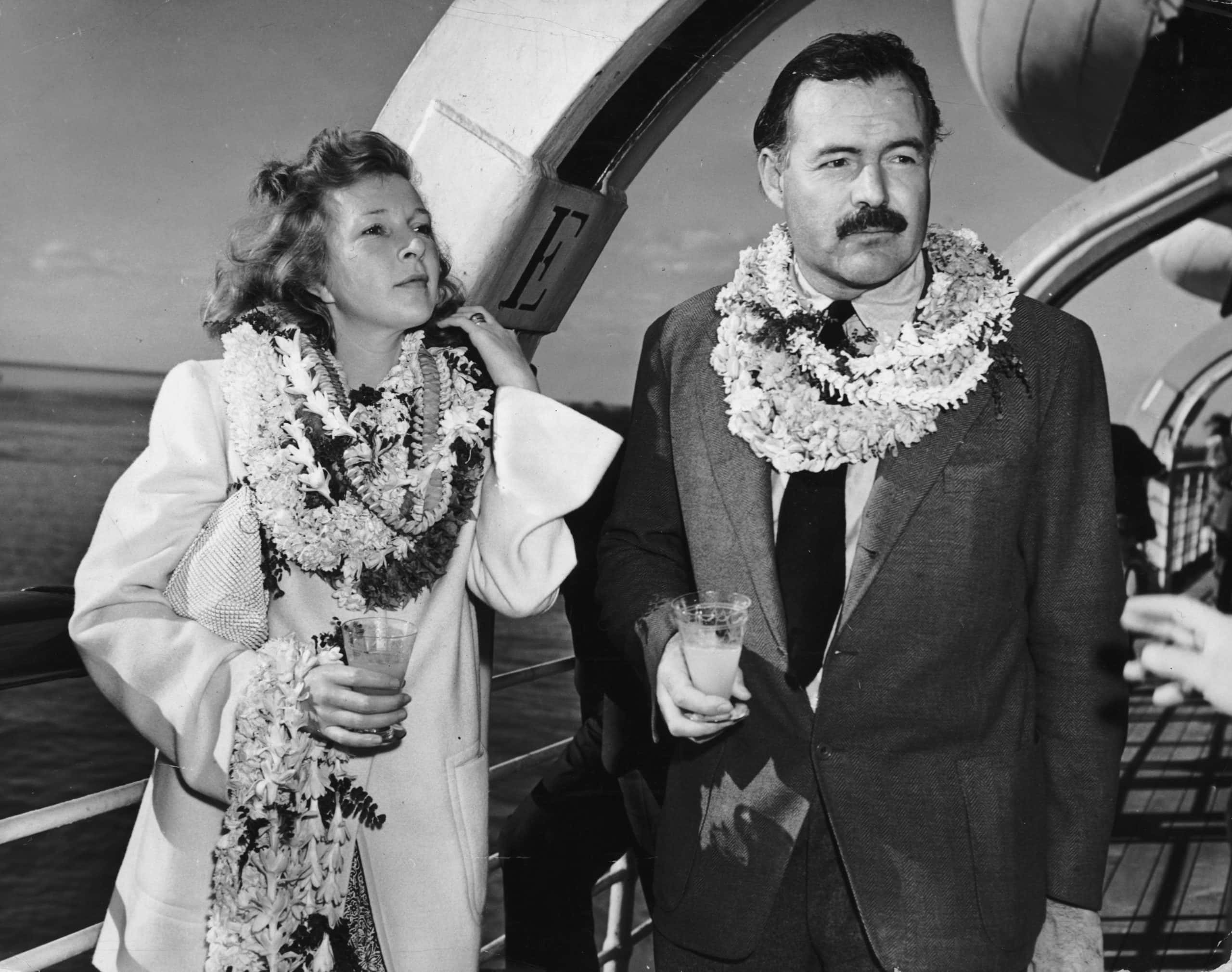
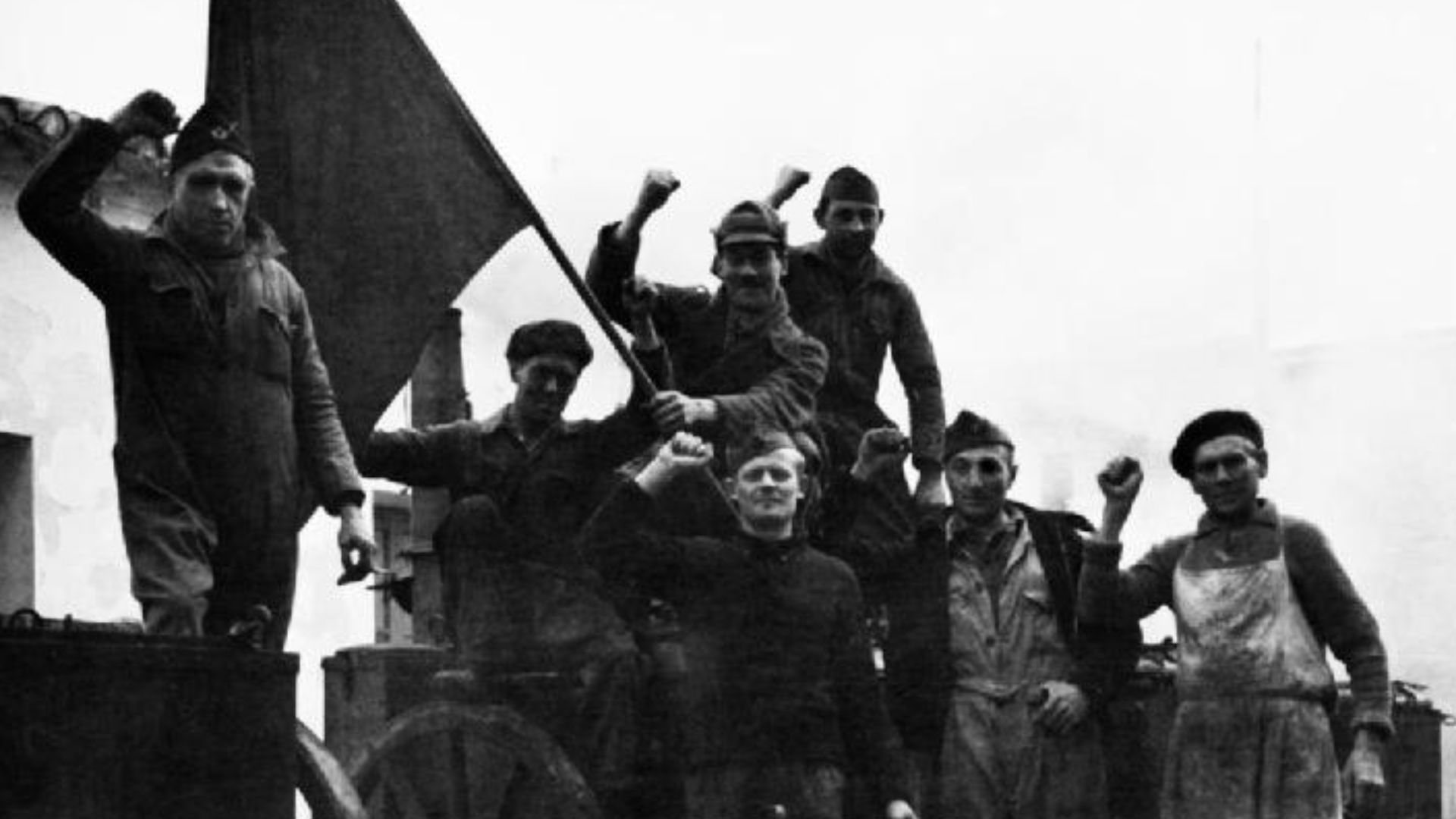
In 1936, Gellhorn met Ernest Hemingway in Key West. Their relationship quickly became both romantic and professional. Soon after, they traveled together to Spain, where both were covering the Spanish Civil War, marking the true beginning of her war reporting career.
The Spanish Civil War Breakthrough
Gellhorn’s reporting from Spain in 1937 brought her recognition. Writing for Collier’s Weekly, she focused on the suffering of civilians rather than military strategy. This approach distinguished her from many correspondents and became her signature style.
A Relationship Built On Competition
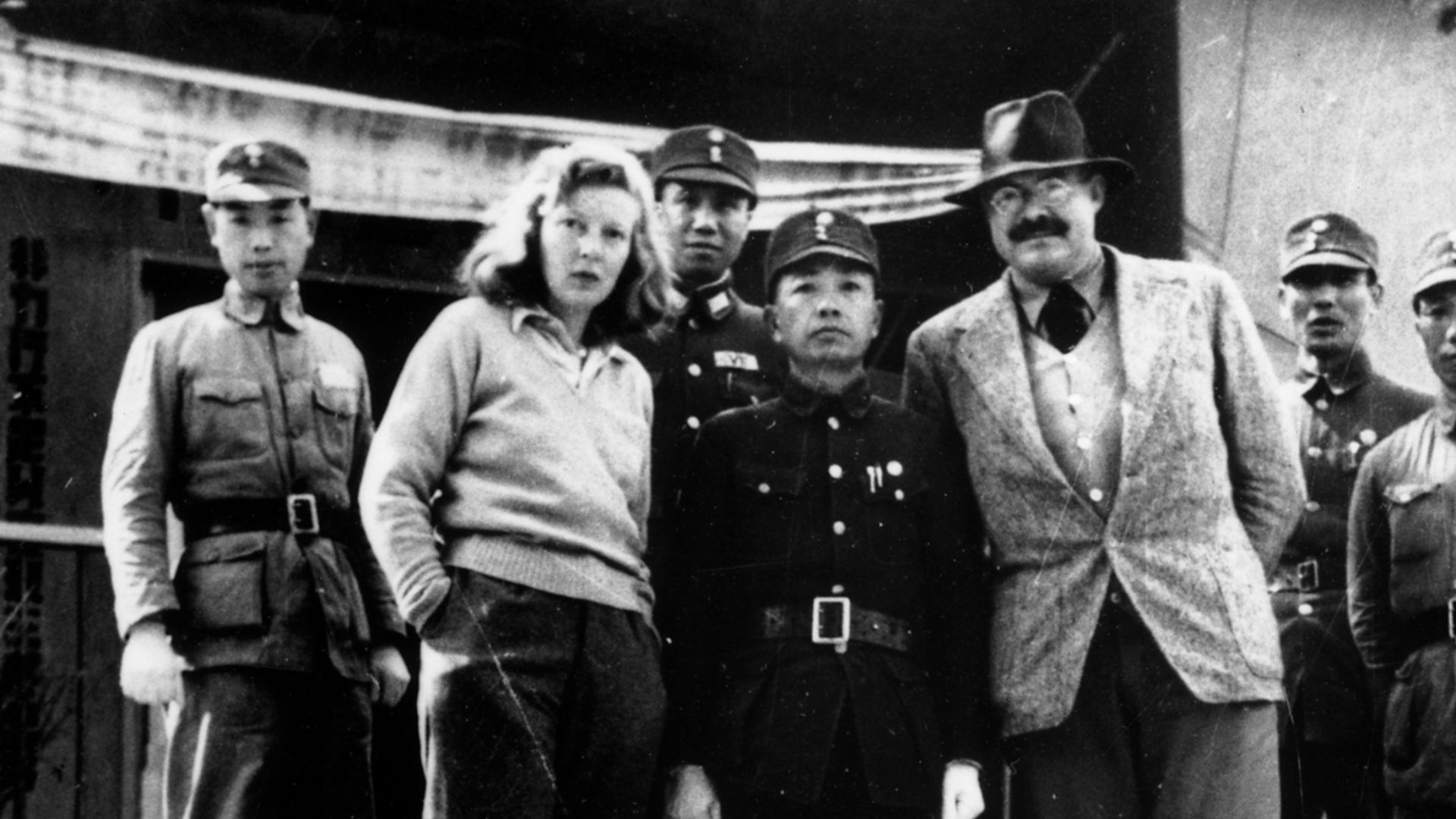
While Gellhorn and Hemingway shared a passion for reporting, their relationship was competitive. Both were driven writers, and tensions often arose over assignments and recognition. This dynamic would shape both their personal lives and career paths.
 Unknown photographer, Wikimedia Commons

History's most fascinating stories and darkest secrets, delivered to your inbox daily.
Marriage And Growing Friction
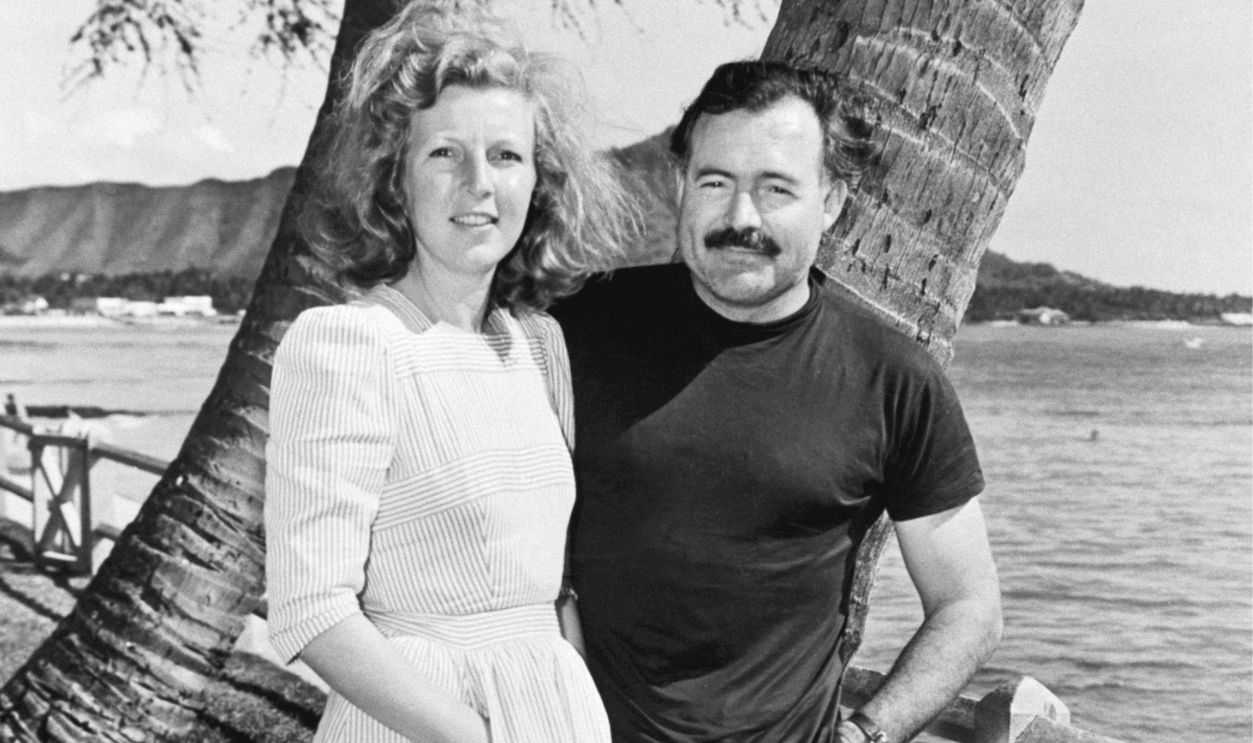
They married in 1940, but the marriage quickly strained under competing ambitions. Gellhorn refused to give up her career, while Hemingway expected her to take on a more traditional role. Her determination to continue reporting was an ongoing source of conflict between them.
Reporting Across World War II
As World War II expanded, Gellhorn reported from multiple fronts, including Finland, Hong Kong, and England. She followed the war wherever she could, building a reputation as one of the most determined correspondents of her generation.
 Chief Photographer's Mate (CPHoM) Robert F. Sargent, Wikimedia Commons
Denied A Press Pass For D-Day
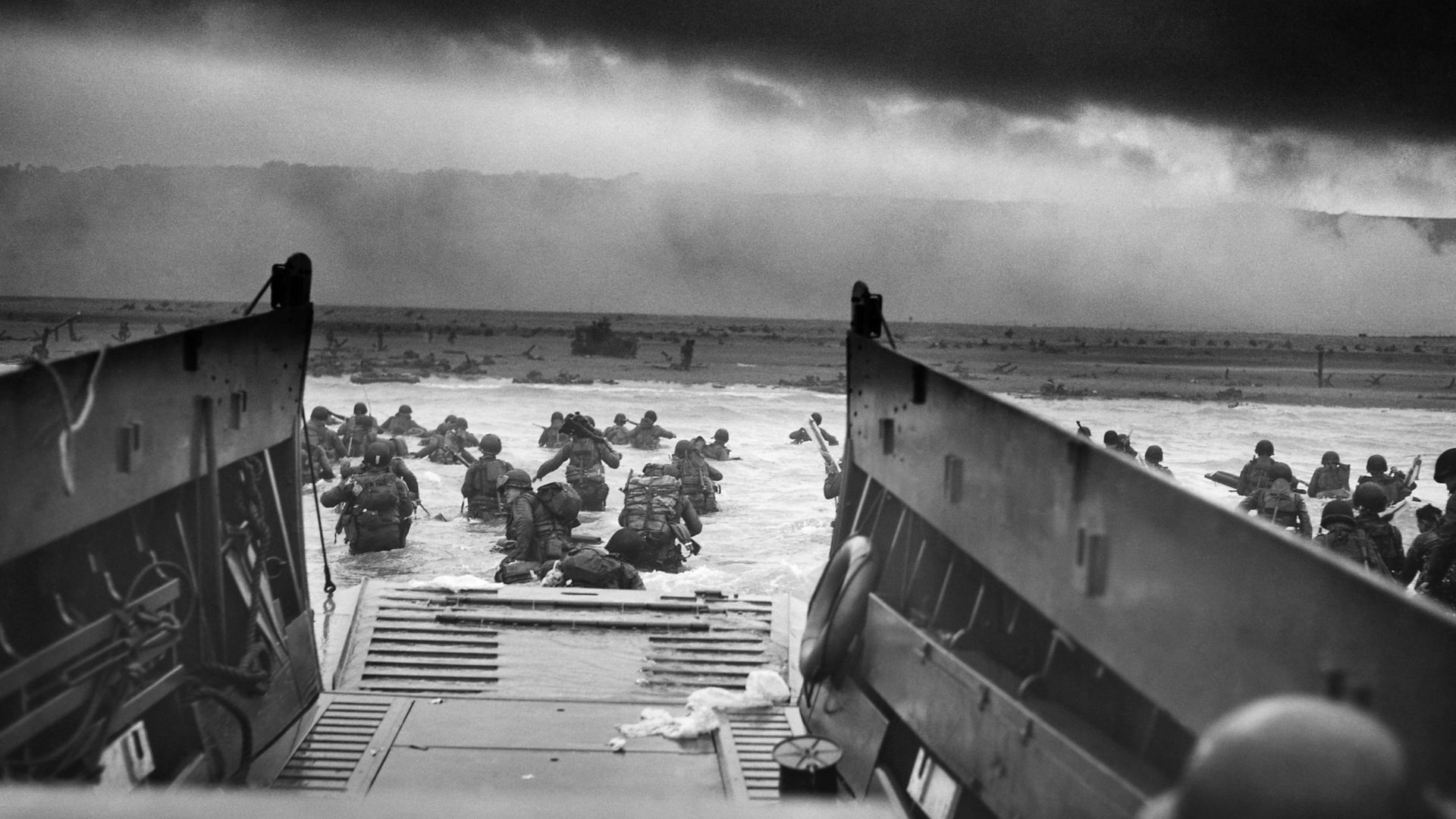
In June 1944, Gellhorn applied for official press credentials to cover the Normandy landings. Like other female journalists, she was denied access. The military restricted women from frontline reporting, a barrier that Gellhorn refused to accept.
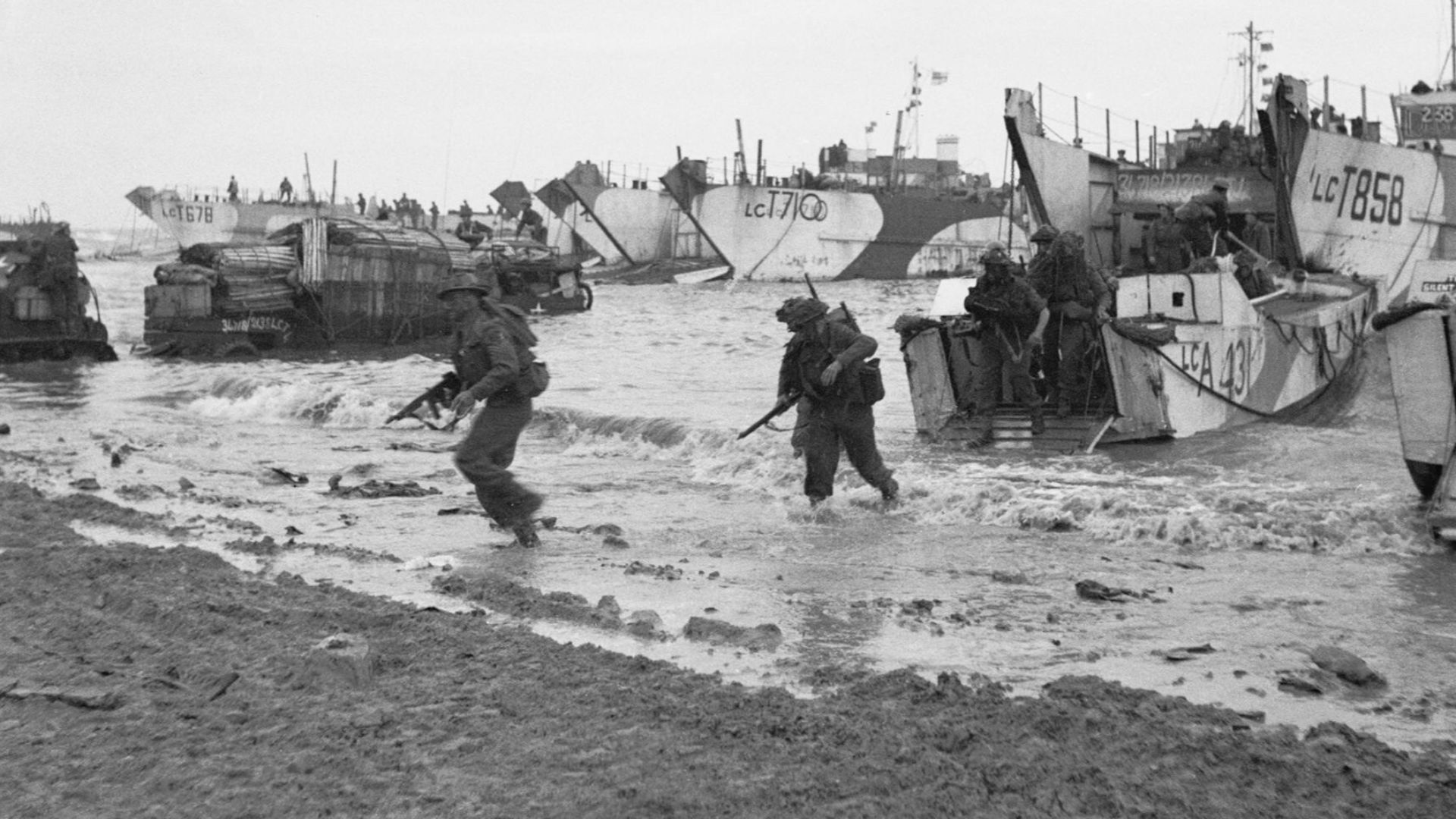 No 5 Army Film & Photographic Unit, Midgley (Sgt), Wikimedia Commons
Stowing Away To Cover The Invasion
Determined to witness the invasion, Gellhorn disguised herself as a nurse and boarded a hospital ship bound for Normandy. She hid in a bathroom during the journey, effectively smuggling herself into one of the most pivotal military operations of the war.
 MadeYourReadThis, Wikimedia Commons
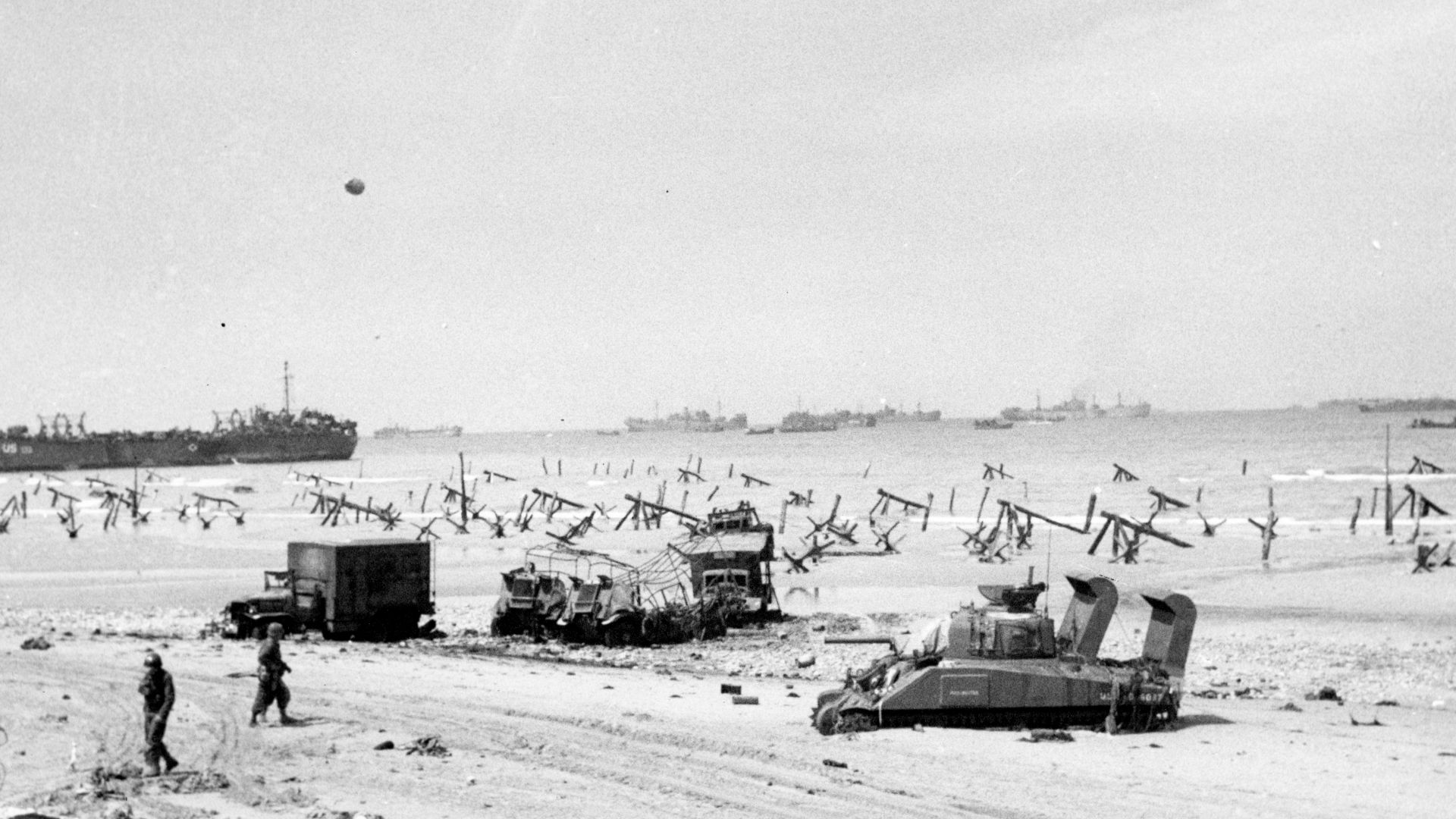
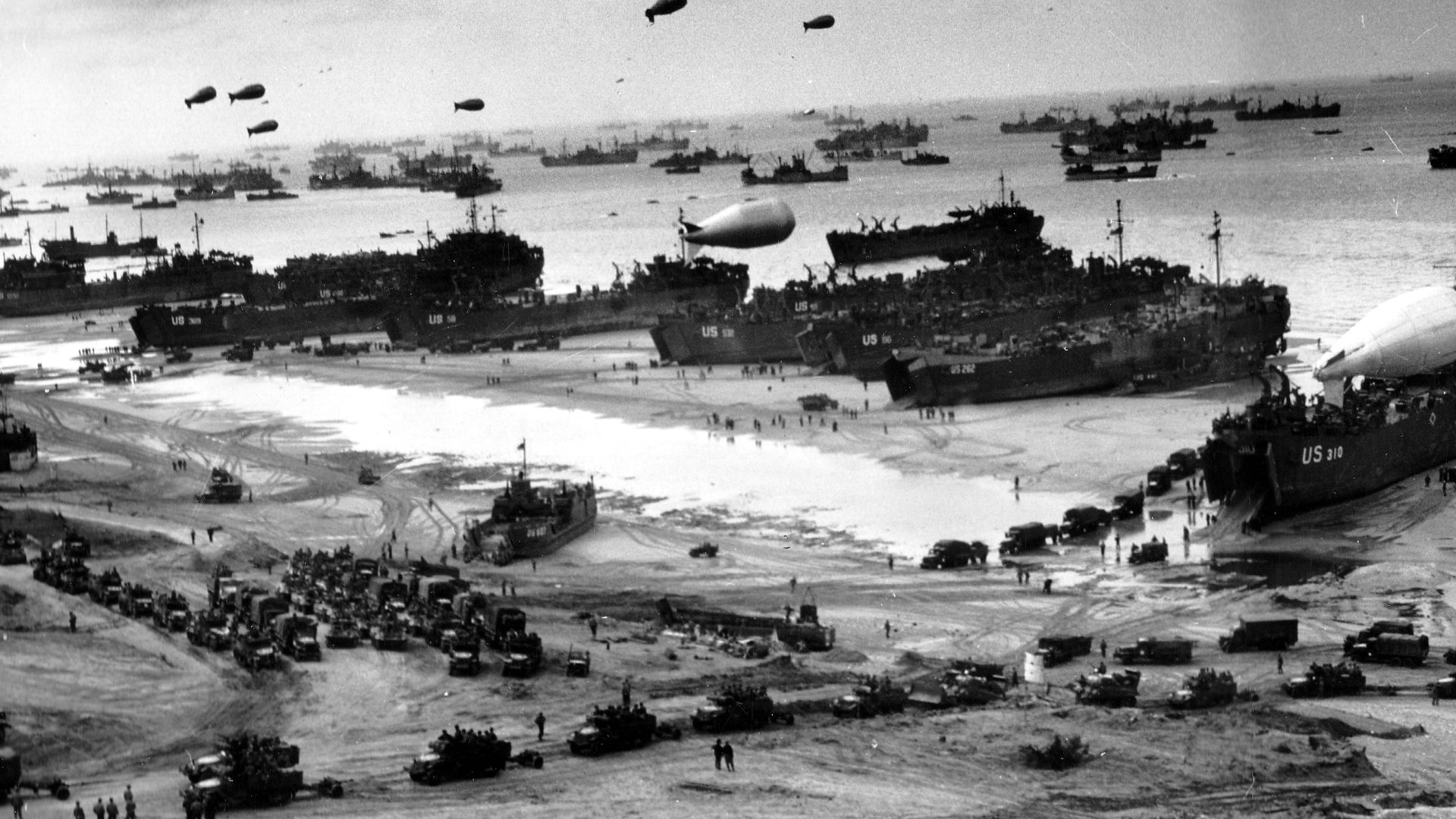
Landing On Omaha Beach
Gellhorn went ashore at Omaha Beach alongside medical personnel, becoming the only woman correspondent present on D-Day. She assisted with wounded soldiers while observing the chaos around her, gathering material for her reporting.
 US Coast Guard, photo 26-G-2517, Wikimedia Commons
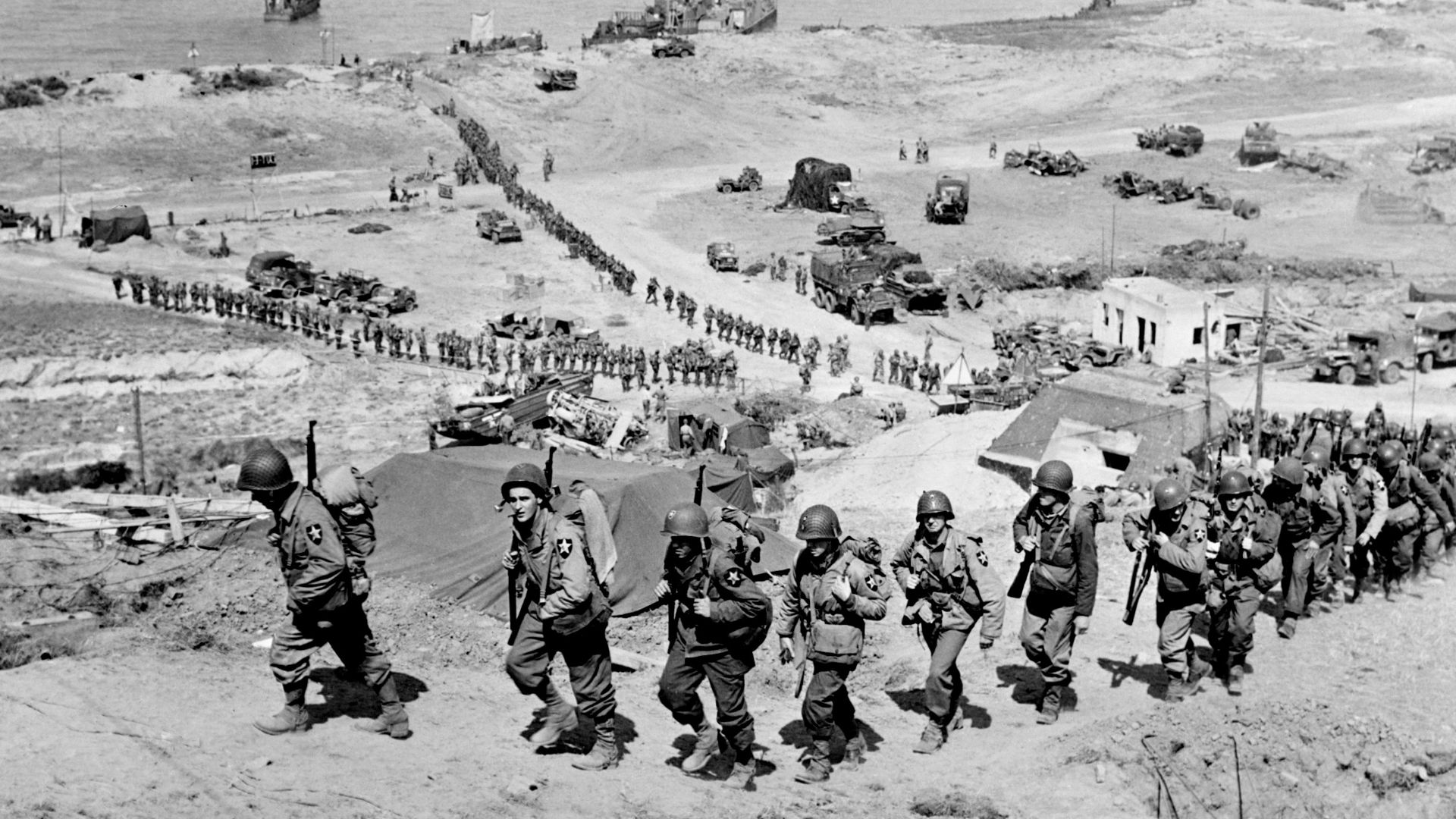
Consequences Of Her Defiance
Her actions didn't go unnoticed. Gellhorn was detained and lost her official accreditation for violating military rules. Despite this, she continued reporting, demonstrating that she wouldn’t allow barriers to stop her from covering the war.
 US Army Signal Corps, Wikimedia Commons
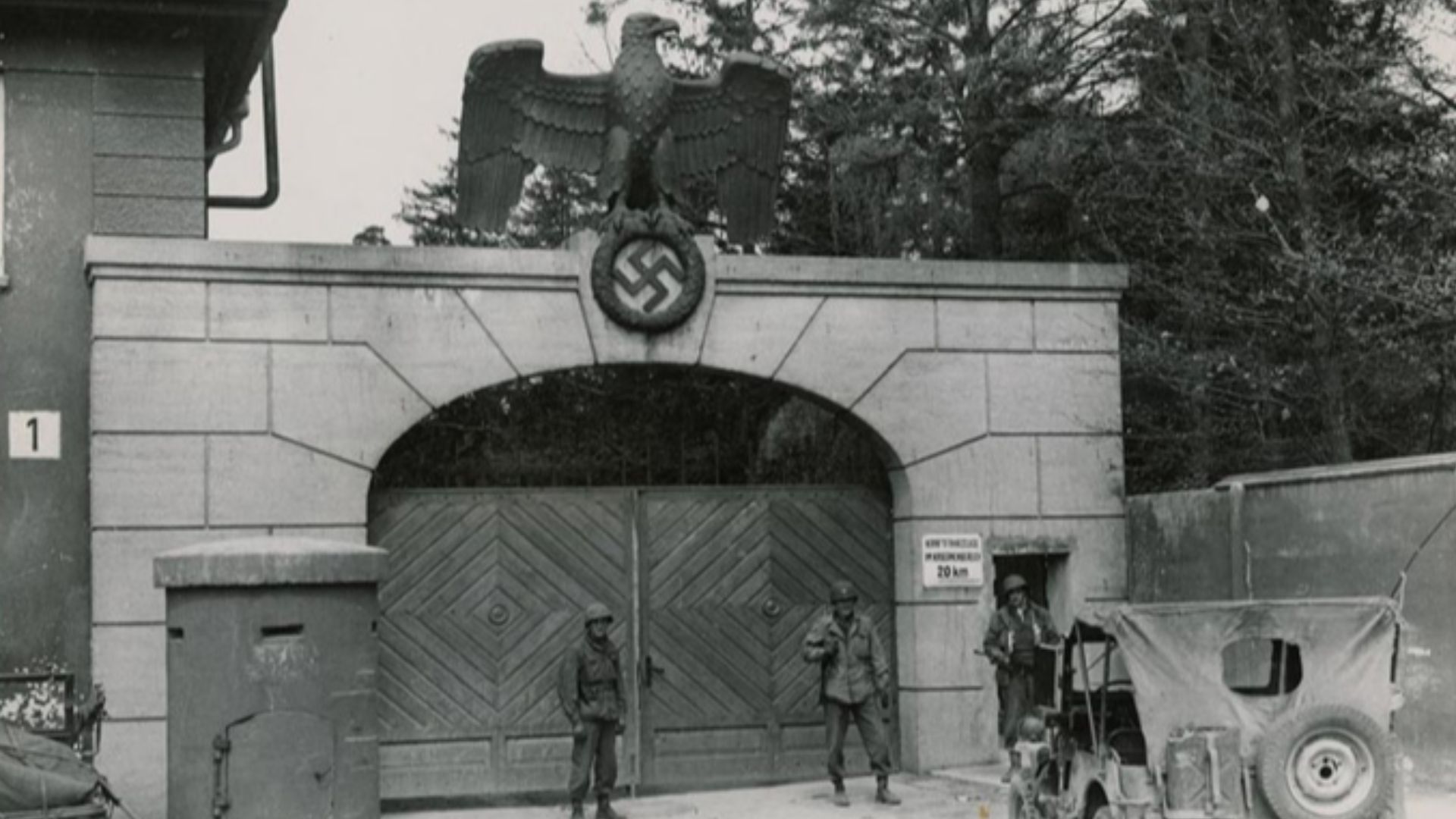
Witnessing The Liberation Of Dachau
Later in the war, she was among the first journalists to report on the liberation of Dachau concentration camp. Her descriptions of the horrors there were stark and unflinching, helping to expose the realities of the Holocaust to the world.
 Unknown authorUnknown author, Wikimedia Commons
The End Of Her Marriage
By 1945, her marriage to Hemingway had fallen apart. Their competing careers and personalities proved incompatible. Gellhorn left the relationship, later insisting she refused to be remembered merely as someone’s wife rather than as a journalist in her own right.
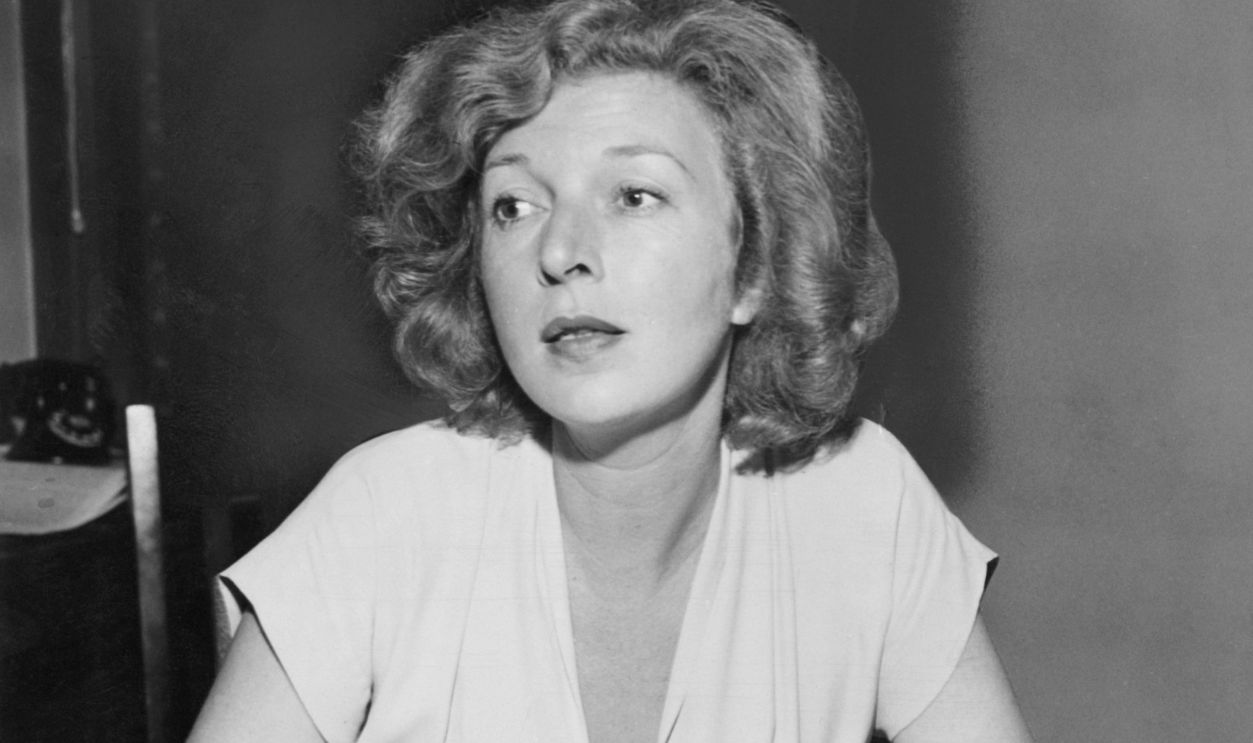
Building An Independent Legacy
After the divorce, she worked hard to establish her identity independently of Hemingway. She continued writing novels and reporting from conflict zones, determined to be recognized for her own achievements rather than her personal relationships.
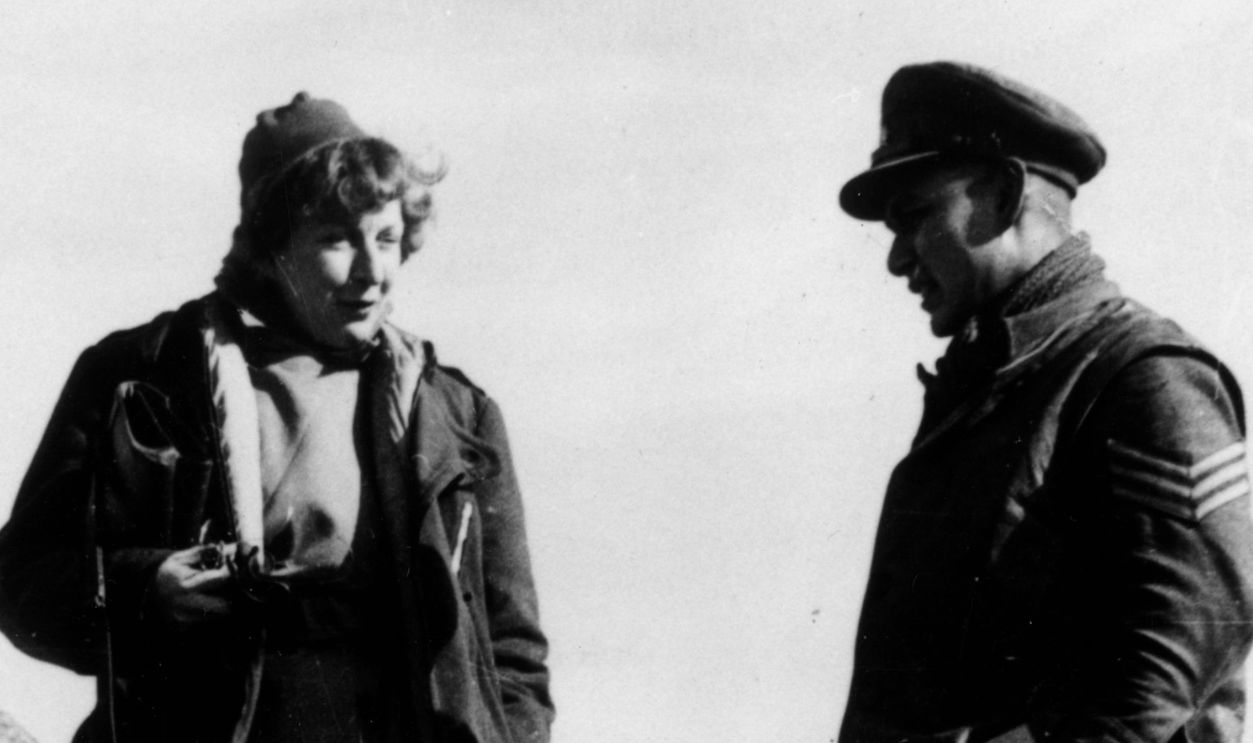
Reporting In The Middle East
In the decades following World War II, Gellhorn covered conflicts in the Middle East. Her reporting continued to center on civilians, often highlighting the human cost of political and military decisions rather than focusing solely on strategy or leadership.
Covering Vietnam
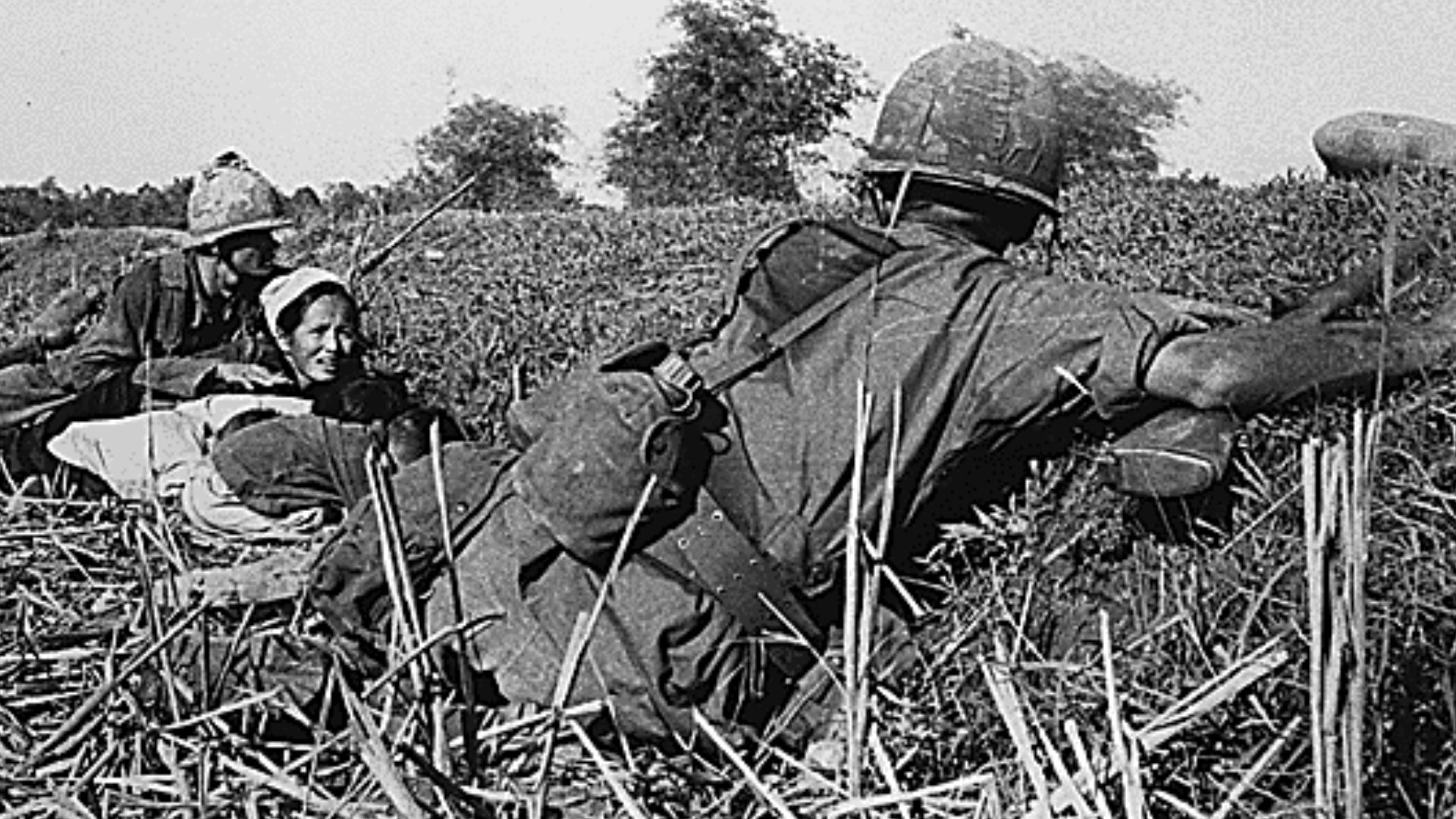
During the Vietnam War, she again reported from the ground, documenting the devastating impact of the conflict on local populations. Even as journalism evolved, her approach never changed, focusing on lived experiences rather than official narratives.
 Unknown authorUnknown author or not provided, Wikimedia Commons
Career Spanning Generations
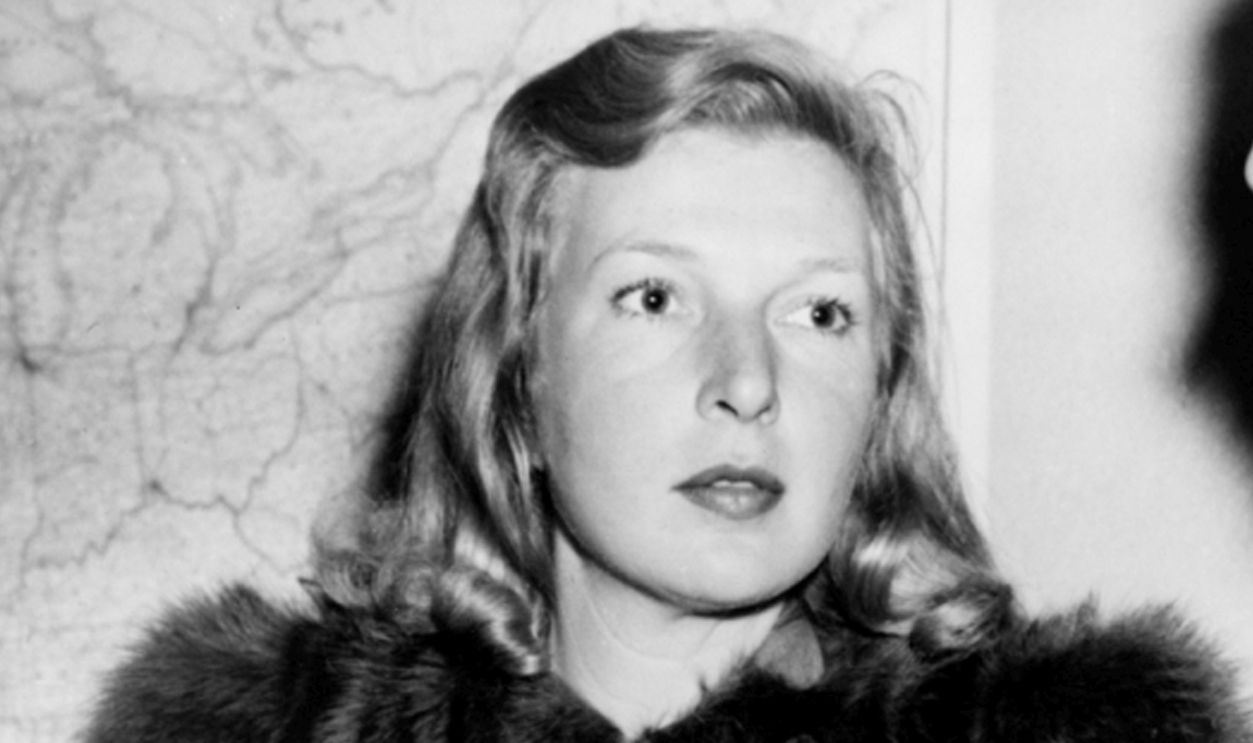
Gellhorn’s reporting career extended into her seventies and beyond. She covered conflicts in Central America and other regions, maintaining her reputation as a journalist willing to go anywhere necessary to tell the story.
 Pictures From History, Getty Images
Reporting On The US Invasion Of Panama
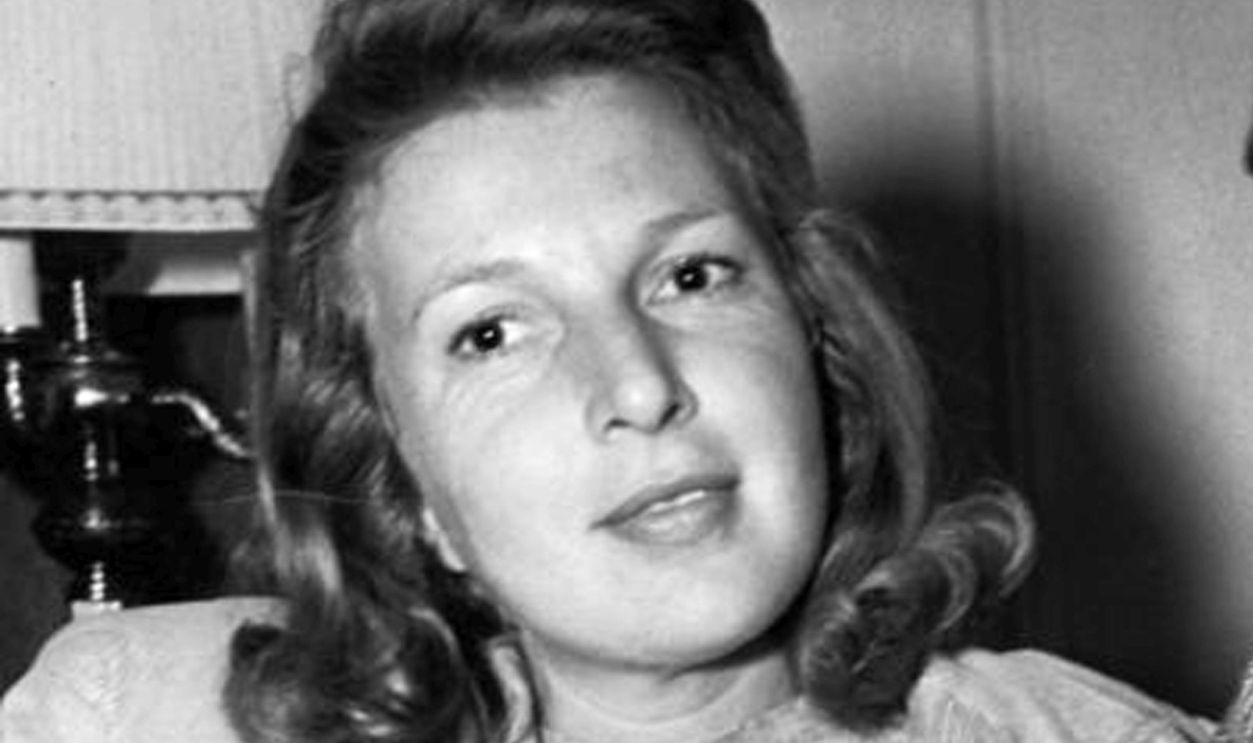
At age 81, she traveled to Panama to cover the United States invasion in 1989. She walked through devastated neighborhoods, speaking directly to civilians affected by the fighting, demonstrating her enduring commitment to firsthand reporting.
 Pictures From History, Getty Images
Focus On Civilian Suffering
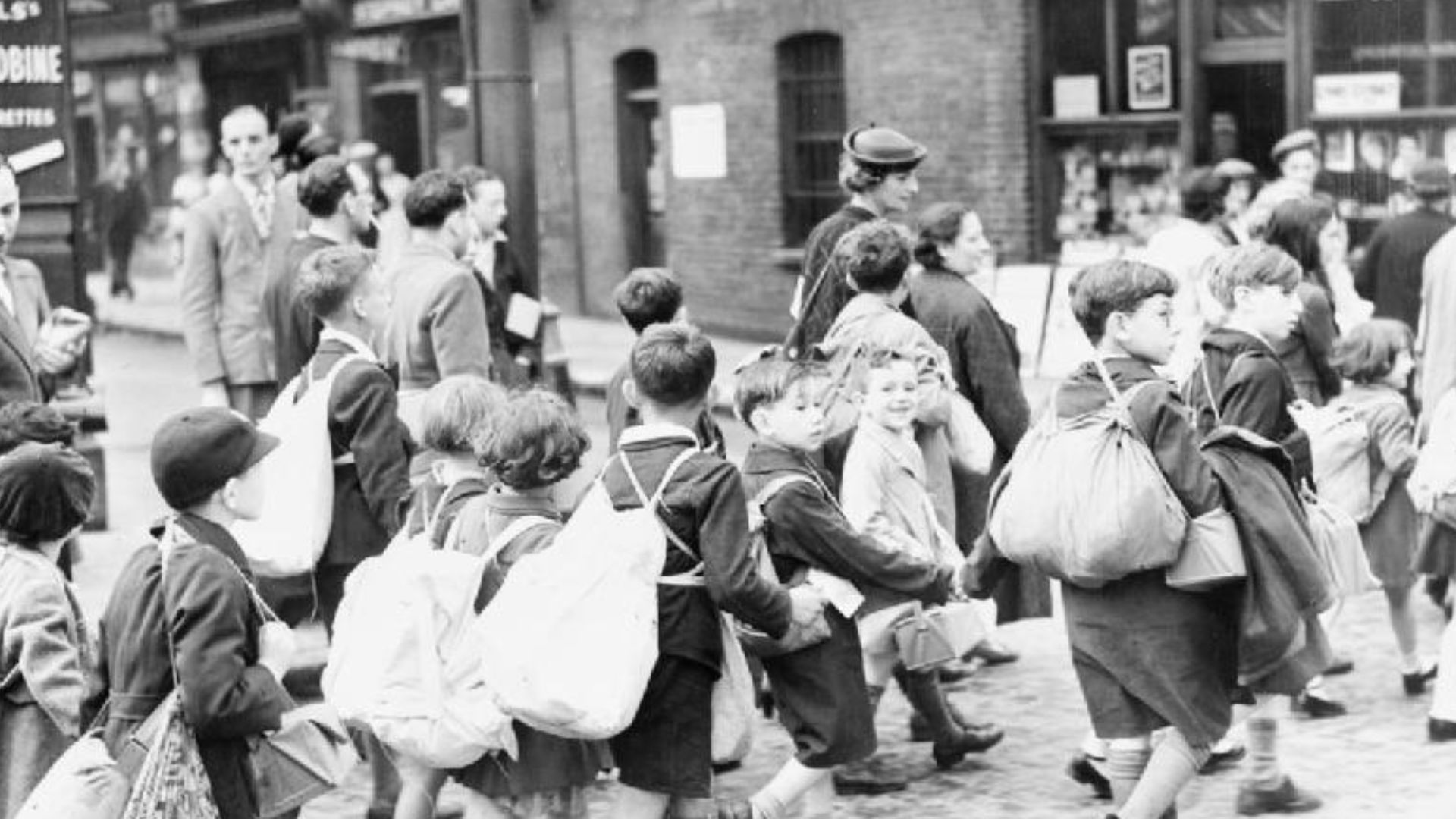
Throughout her career, Gellhorn consistently chose to write about ordinary people rather than military leaders. She believed that war reporting should reflect the experiences of those who endured its consequences, not just those who directed it.
 Unknown authorUnknown author, Wikimedia Commons
Slowing Down In Later Years
As she aged, physical limitations began to affect her work. She declined assignments she felt she could no longer safely complete, though she continued writing and traveling as much as possible. She ended up writing more than 20 books over the course of her life, including novels, short story collections, travel, and memoirs.
 Andre Ulysses De Salis, Pexels
Losing Her Eyesight
In the 1990s, Gellhorn underwent a failed cataract operation that left her nearly blind. This loss deeply impacted her, as reading and writing had been central to her life and identity.
Facing Illness And Decline
Alongside her failing eyesight, Gellhorn suffered from serious health issues, including cancer. Her independence and ability to work were increasingly limited, creating a difficult final chapter after a lifetime of movement and purpose.
Choosing Her Own End
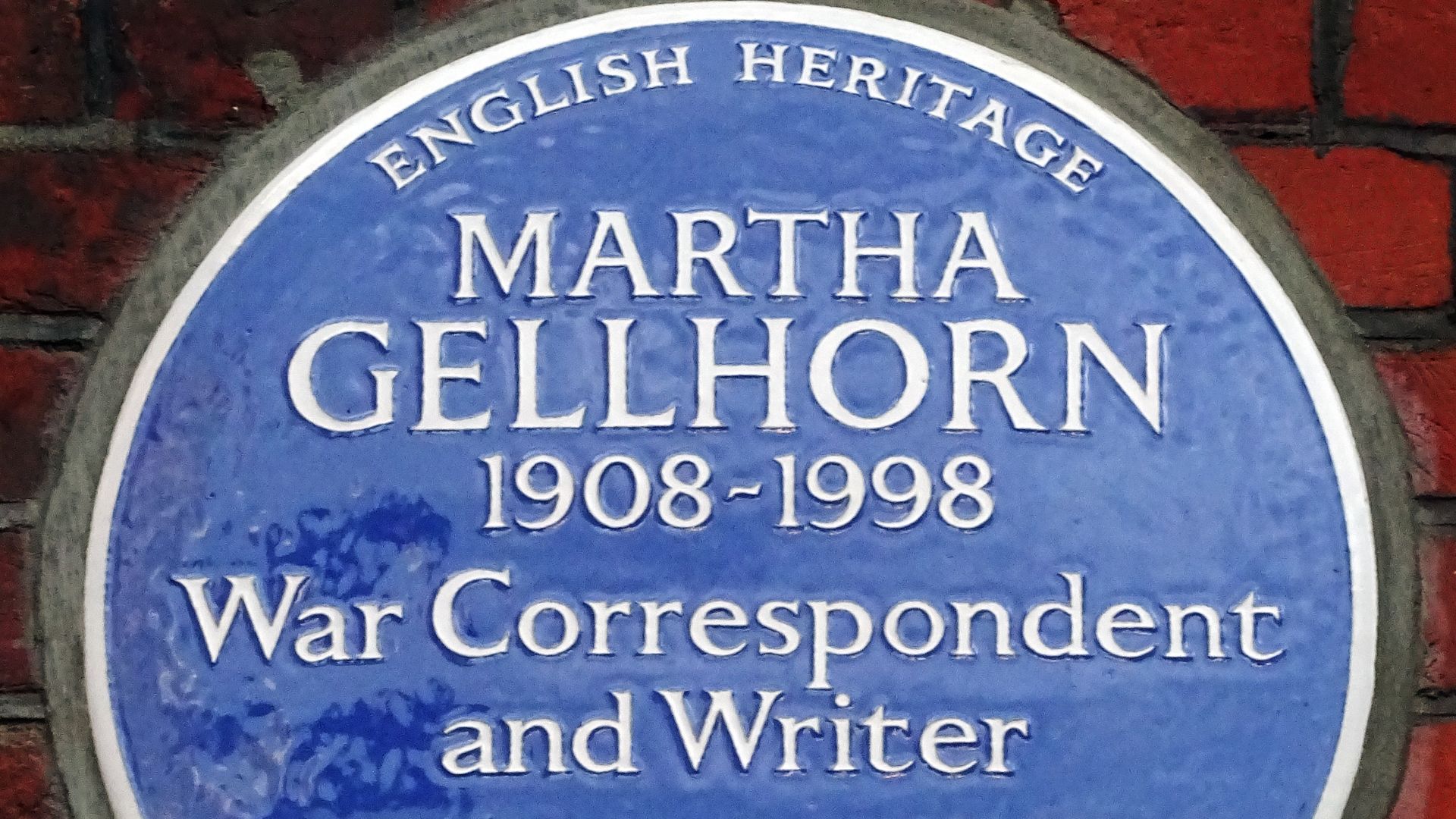
In 1998, at the age of eighty-nine, Gellhorn took her own life in London. She reportedly decided she didn’t want to continue living with severe illness and blindness, maintaining control over her fate in a way consistent with her life.
A Lasting Legacy In Journalism
Gellhorn is widely regarded as one of the greatest war correspondents of the 20th century. Her career redefined what female journalists could achieve and demonstrated the importance of reporting from the ground rather than relying on official narratives.
 National Park Service, Wikimedia Commons
42 Facts About The Vietnam War
Macho Facts About Ernest Hemingway, The Lost Writer







.jpg)
