Ancient Faiths Of The Steppes
Islam reached societies that already possessed deep spiritual traditions. Among Turks and Mongols, belief defined legitimacy, identity, and order in a world shaped by warfare and migration.
The Sky God Tengri
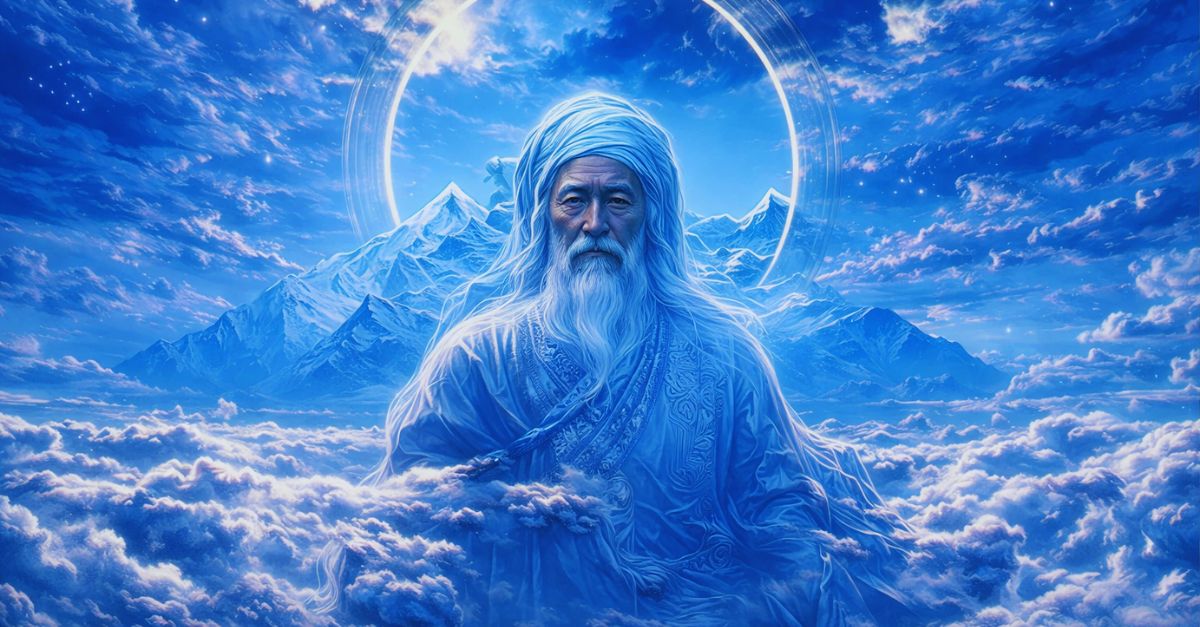
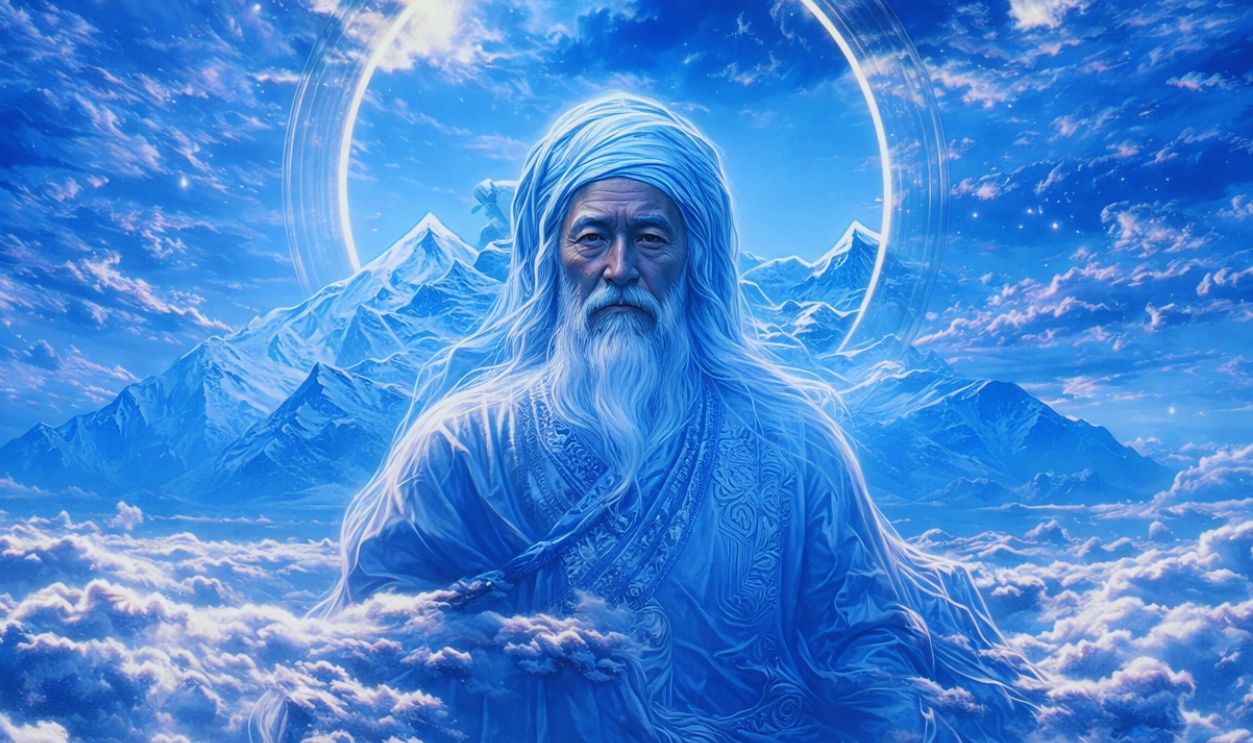
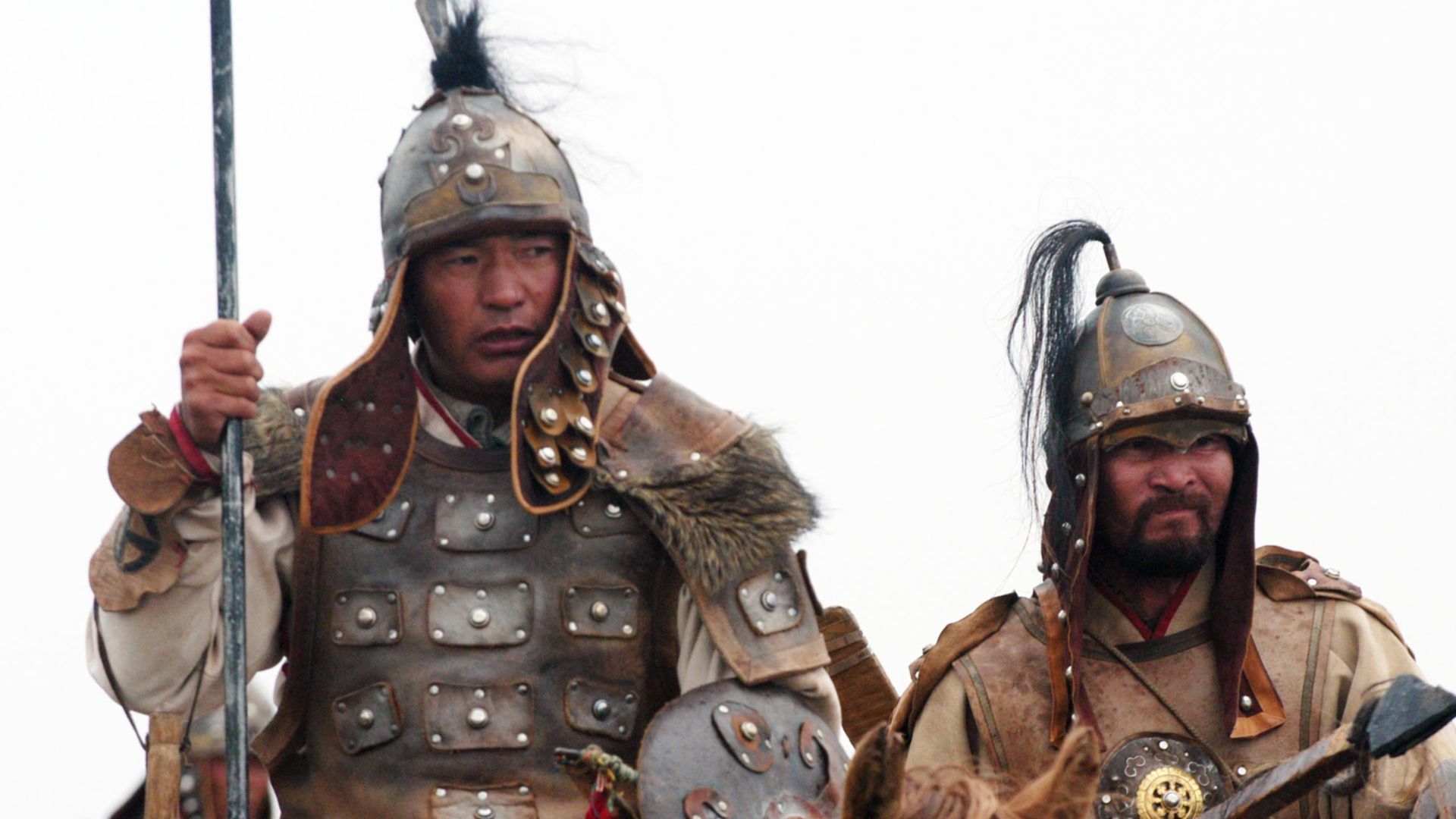
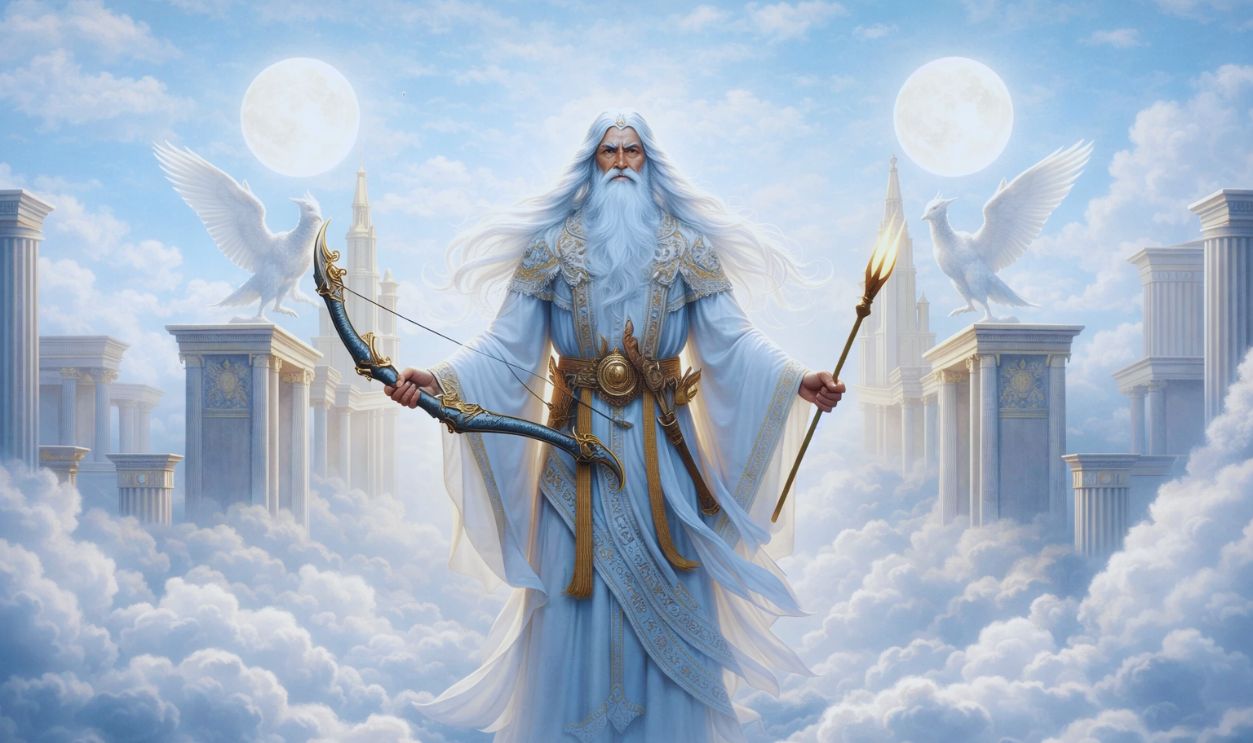
Tengri ruled over everything as the supreme deity. The eternal blue sky was his domain, controlling fate and maintaining cosmic balance. Rulers drew their power from him and claimed divine right to lead their people through his sacred mandate.
The Sky God Tengri (Cont.)
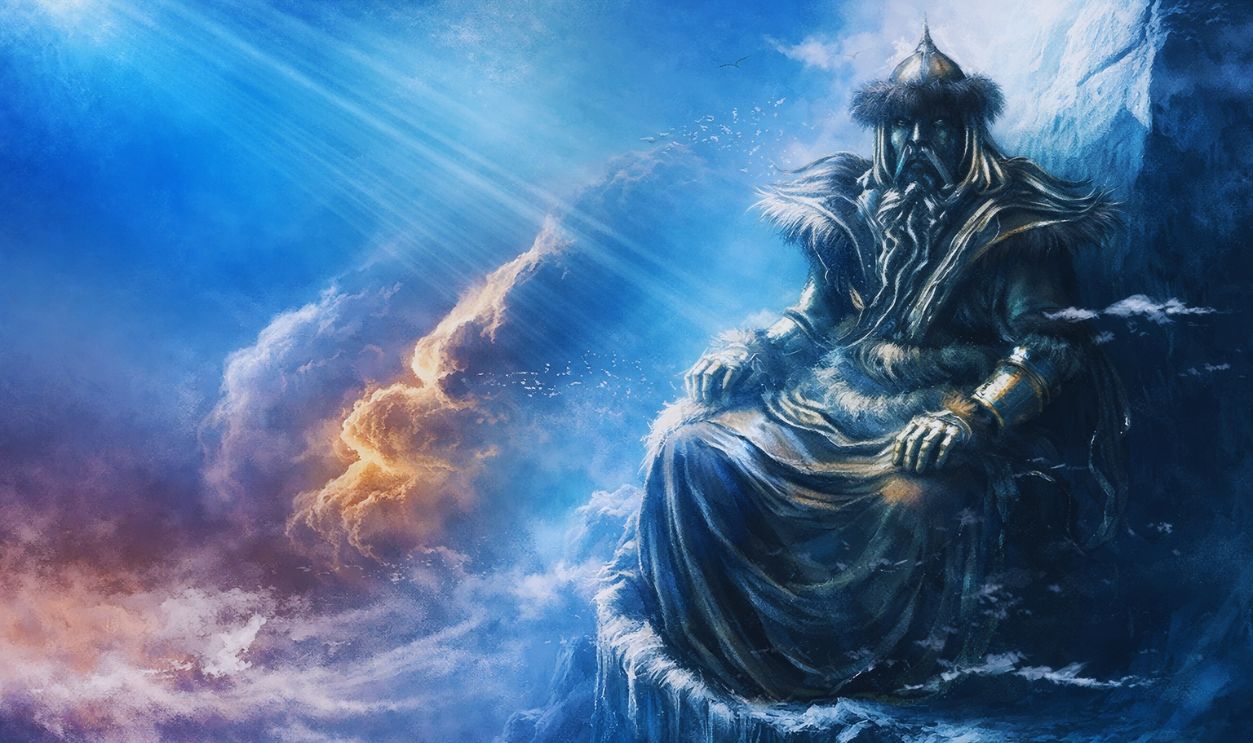
The Warriors called upon Tengri before battle and during peace negotiations. They believed every victory proved his favor, while defeats showed his displeasure. Communities held seasonal ceremonies and offered sacrifices to honor him and seek continued protection throughout the year.
 Sgt. G. S. Thomas, Wikimedia Commons
Sacred Horses
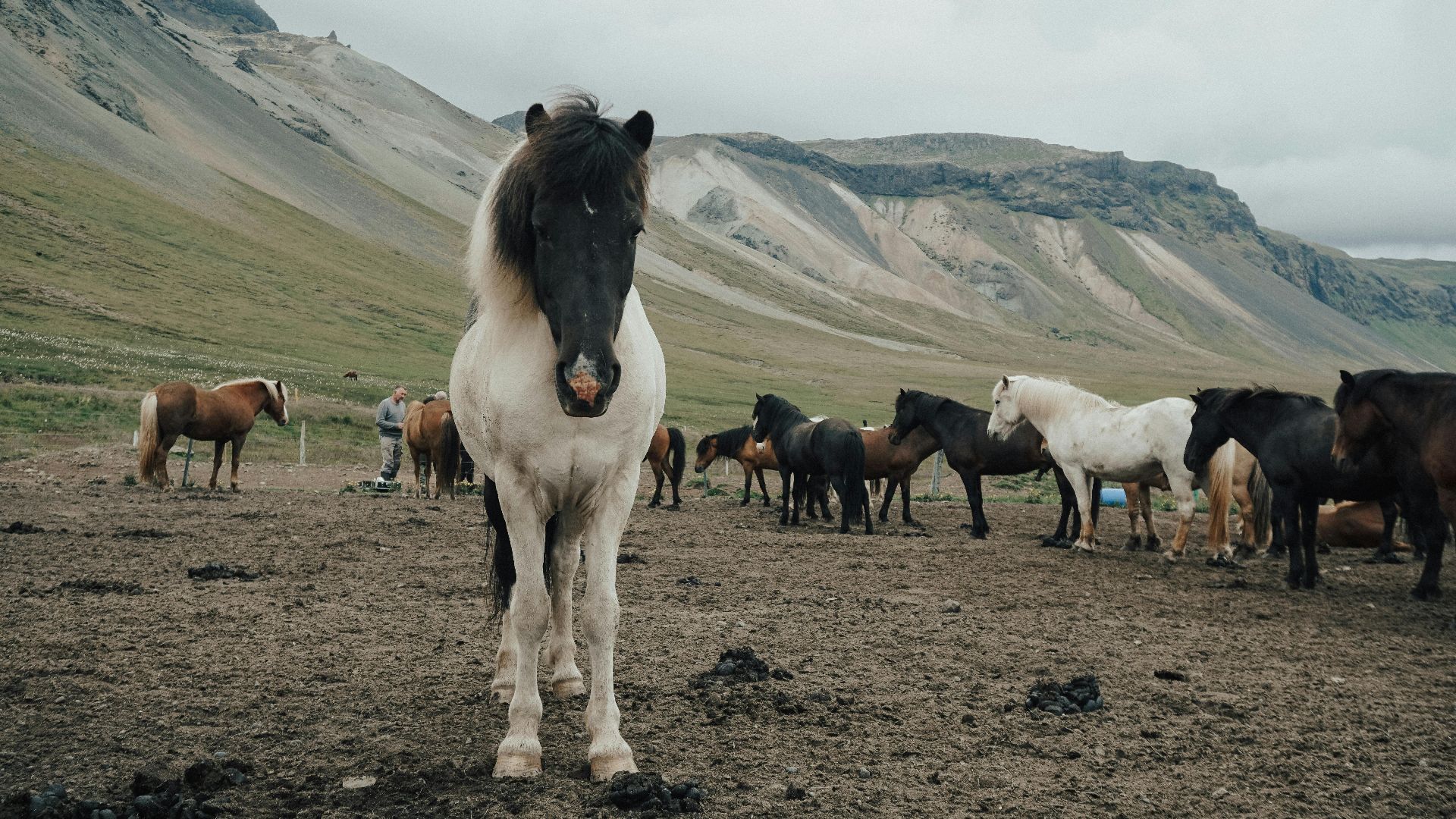
People viewed horses as sacred partners in both life and spirit. These animals represented liberty and elevated a fighter's reputation. Tengri received horses as sacrificial offerings during important rituals that strengthened bonds between heaven and earth.
Earth Goddess Umay
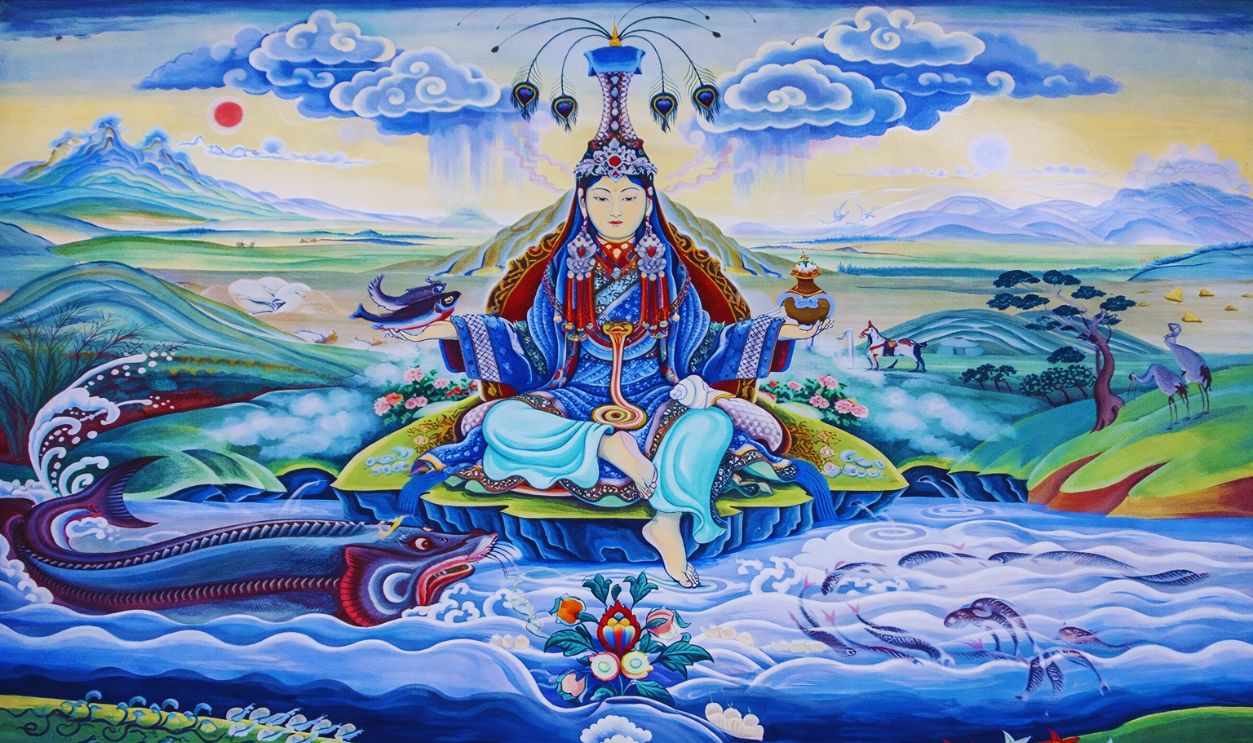
The goddess Umay watched over fertility, childbirth, and young lives. She appeared in depictions as a radiant maternal figure filled with warmth. Expectant mothers appealed to her through prayer, with the hopes that she would grant them protection during delivery and strong children.
Erlik, Lord Of The Underworld
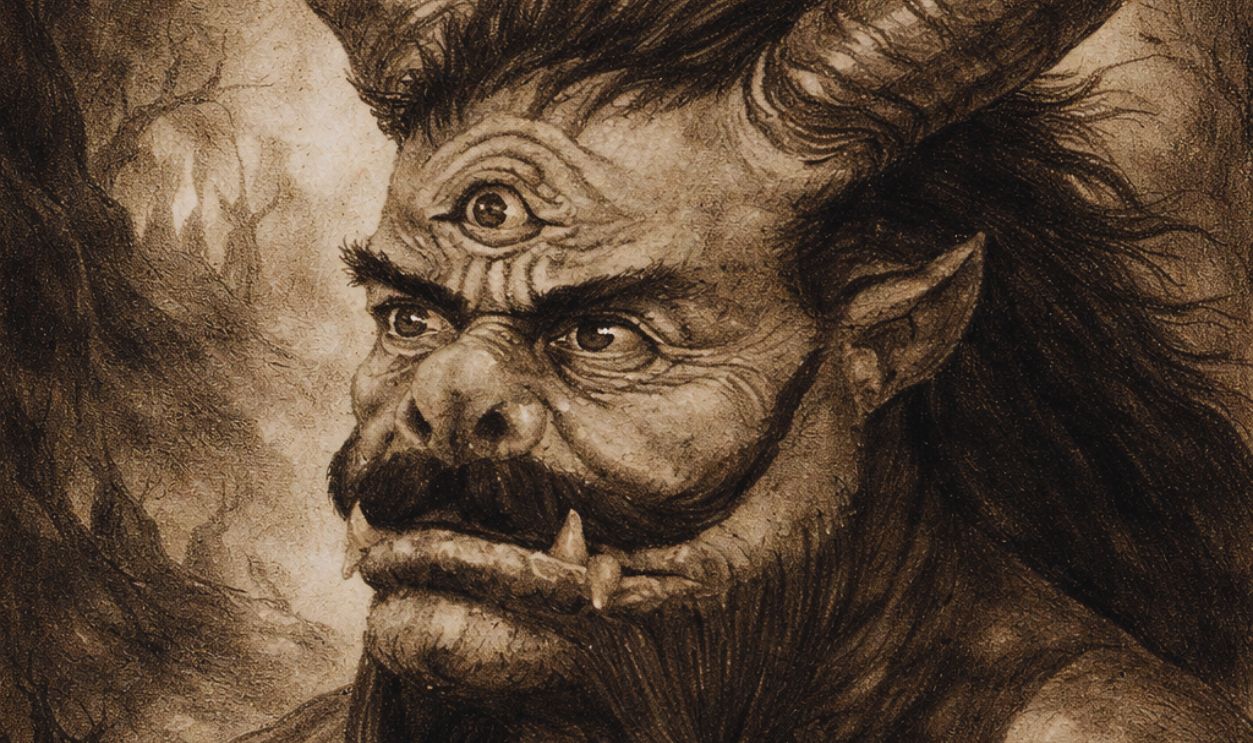
In Turkic mythology, Erlik reigned over death and the dark underworld. He caused disease and misfortune wherever his influence reached. Communities relied on shamans to perform protective rituals to satisfy Erlik and shield themselves from his harmful wrath.
Shamanic Traditions
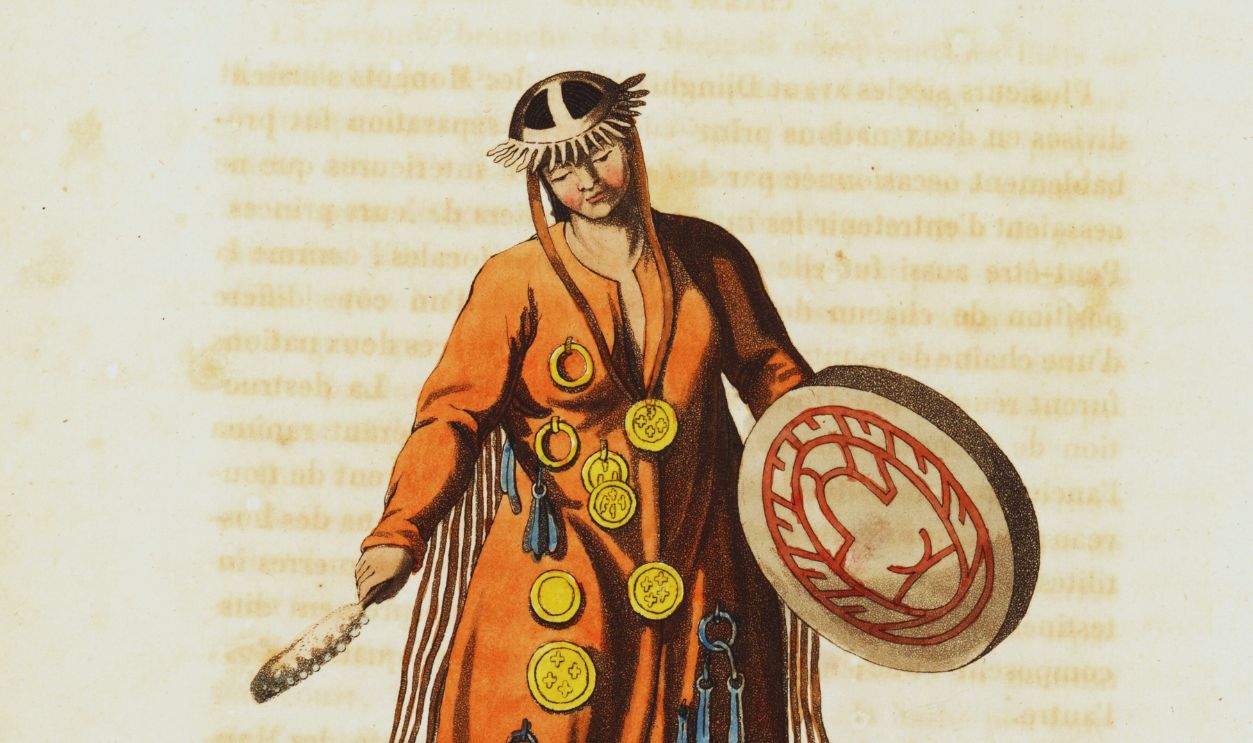
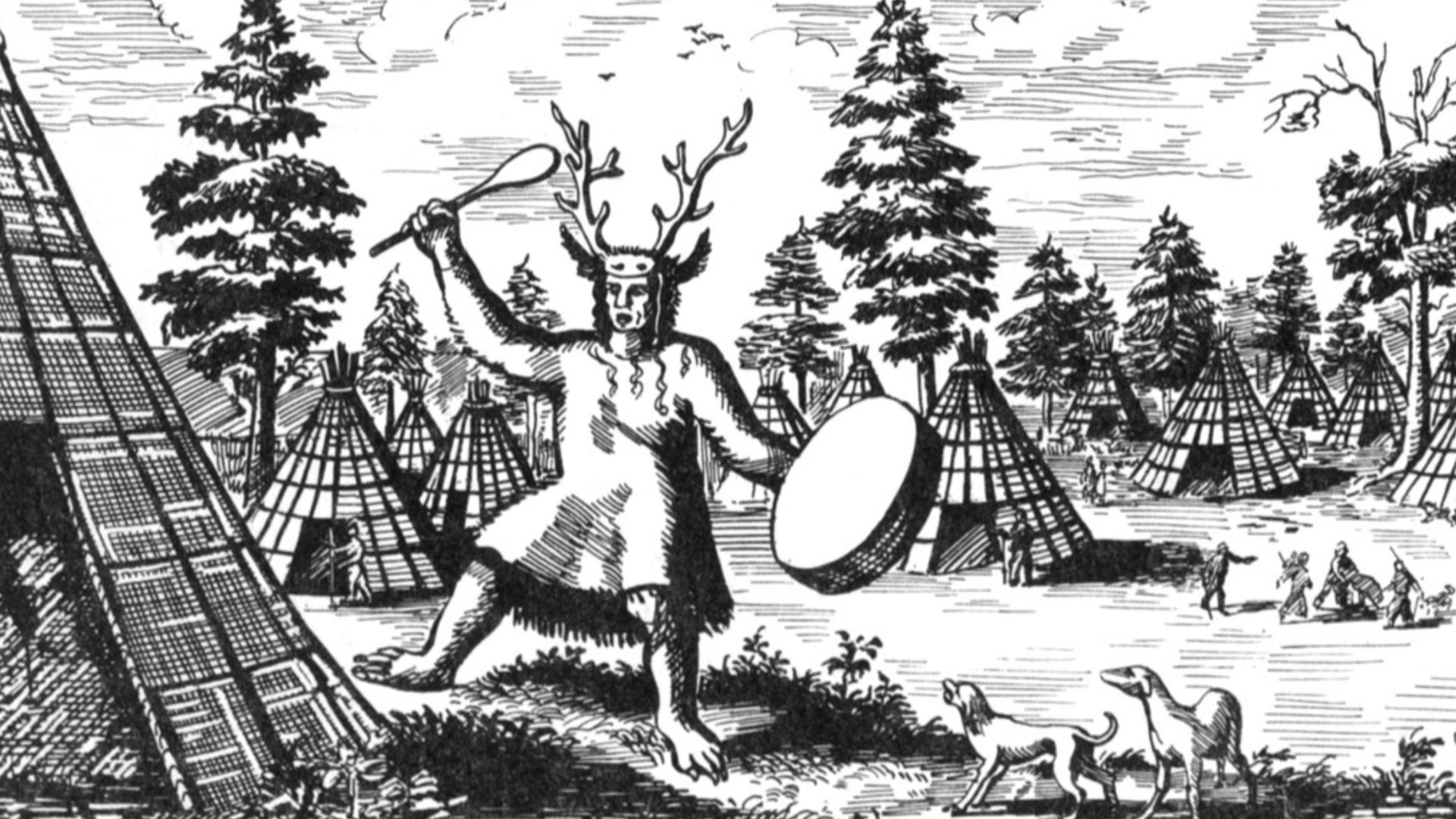
Shamans bridged the gap between the human world and the spirit realms. They employed drums and chants to enter trance states. Healing the sick and revealing hidden knowledge through divination formed their most important responsibilities within the community.
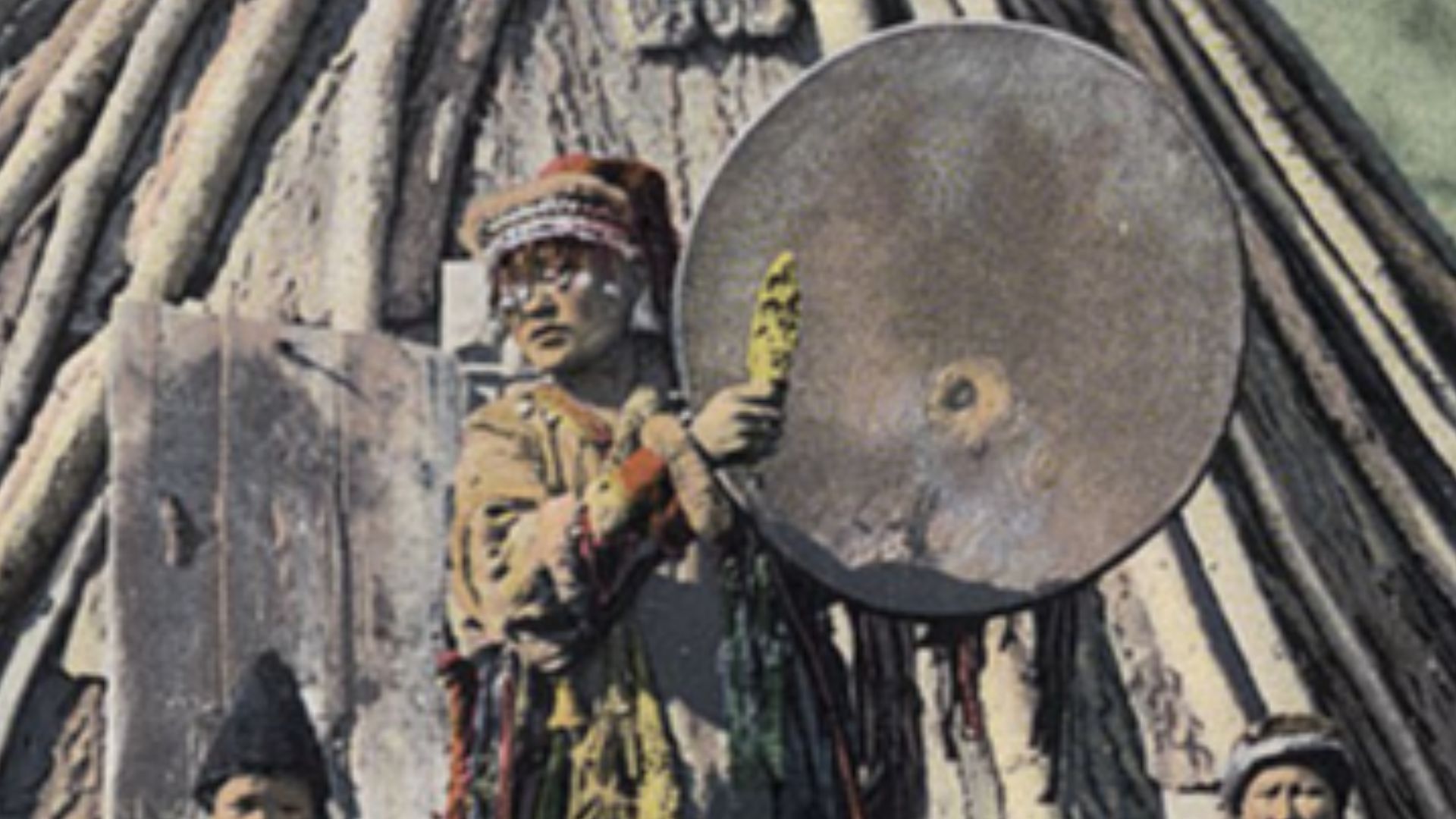 Sergei Ivanovich Borisov, Wikimedia Commons
Shamanic Traditions (Cont.)
Before battles began, shamans provided guidance to fighting men. They decoded omens and explained the meaning behind dreams. Their influence grew so strong that even tribal leaders had to acknowledge shamanic authority as a competing source of power.
The Gray Wolf Myth
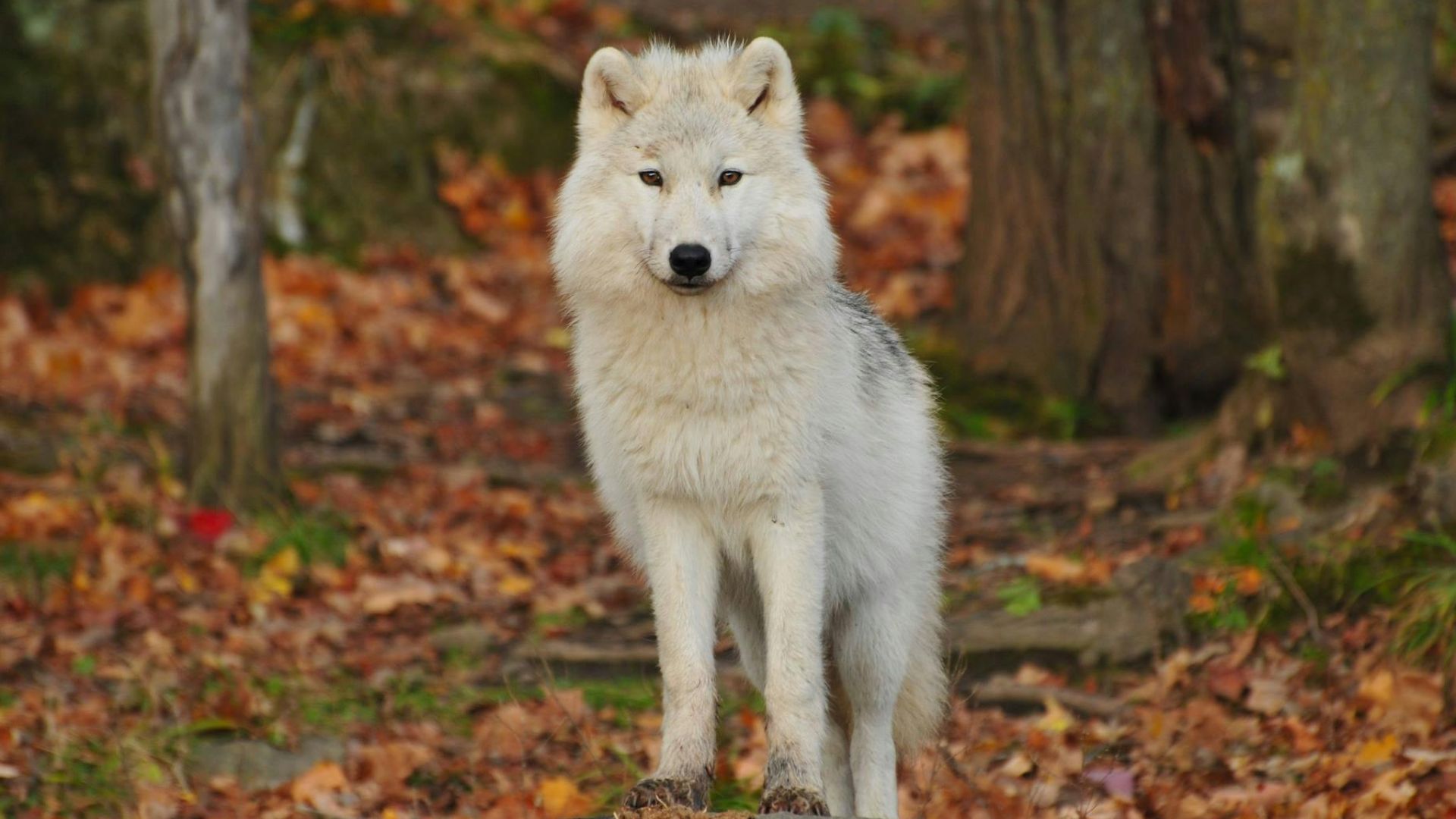
A she-wolf called Asena stood at the beginning of Turkic ancestry. This wolf represented guidance through hardship and the strength to endure. Tribes adopted her image as their sacred totem, and warriors carried it into battle as their emblem.

History's most fascinating stories and darkest secrets, delivered to your inbox daily.
Oghuz Khagan Epic
Turkic tribes looked to Oghuz Khagan as their mythical ancestor. Unity and victorious expansion formed the core of his legendary narrative. His bloodline served as the framework people used to understand why tribes had divided into distinct groups.
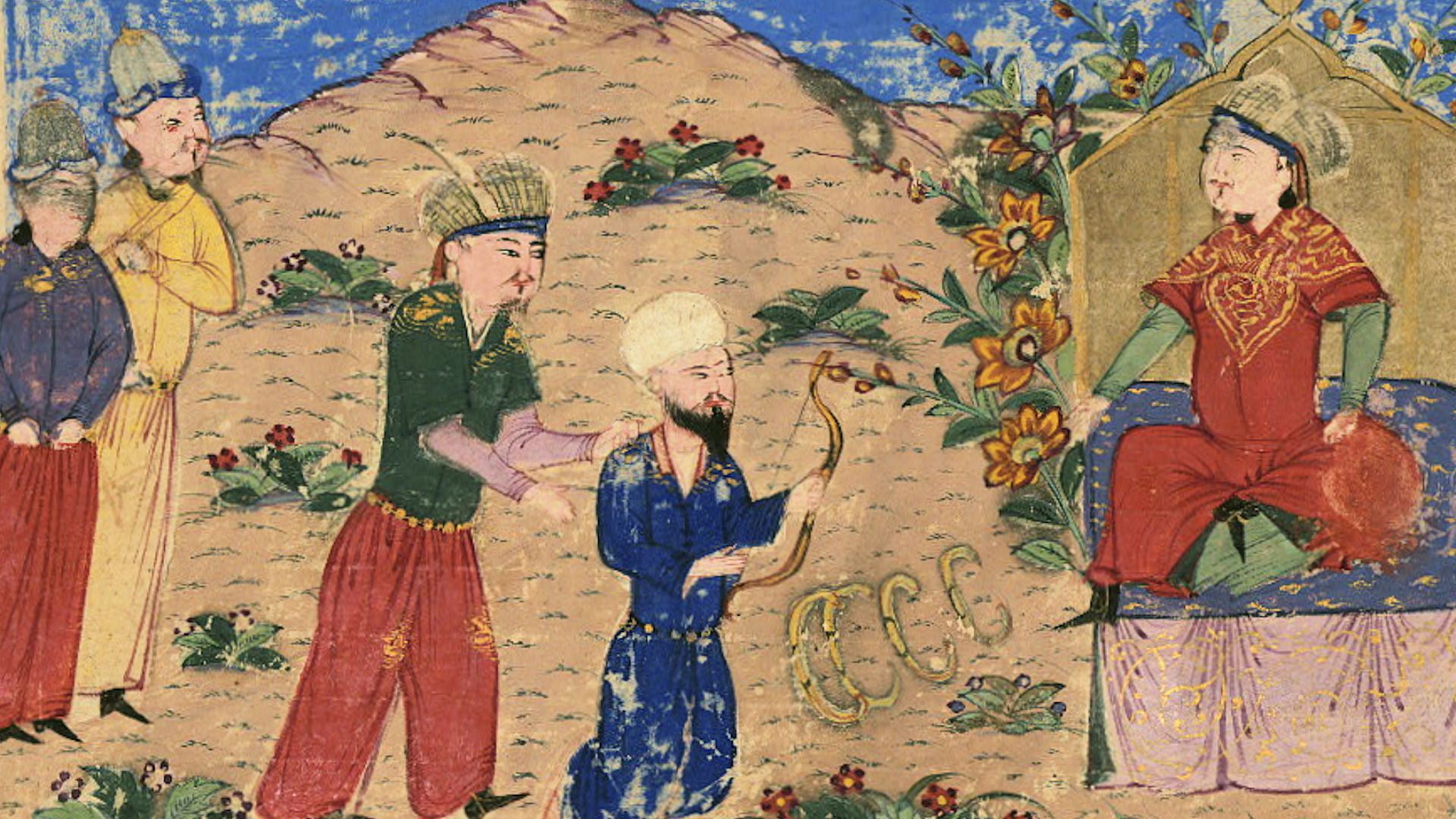 c. 1425-1430 artist, Wikimedia Commons
Nature Spirits (Iye)
Guardian spirits called Iye inhabited forests, mountains, and flowing rivers. Hunters offered prayers before stepping onto sacred ground. Breaking spiritual rules brought swift punishment from these protective forces who watched over their domains jealously.

Nomadic Cosmology
The vast steppe existed as sacred, living terrain in nomadic belief. Seasonal migrations reflected the eternal rhythms of the cosmos. Even temporary camps followed deliberate patterns, with each placement carrying spiritual meaning and symbolic importance.
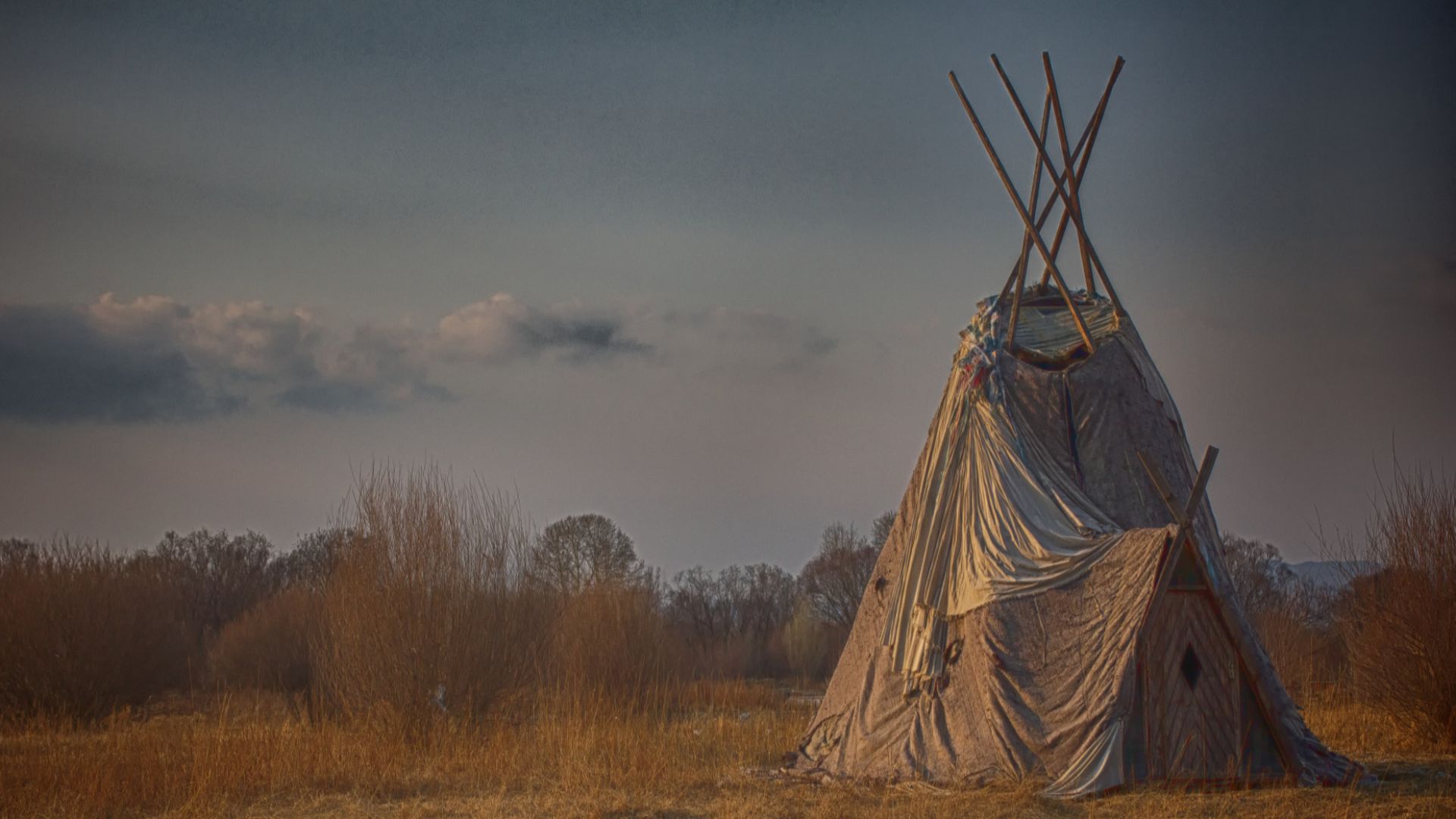 Bernie Anderson, Wikimedia Commons
Fire Worship
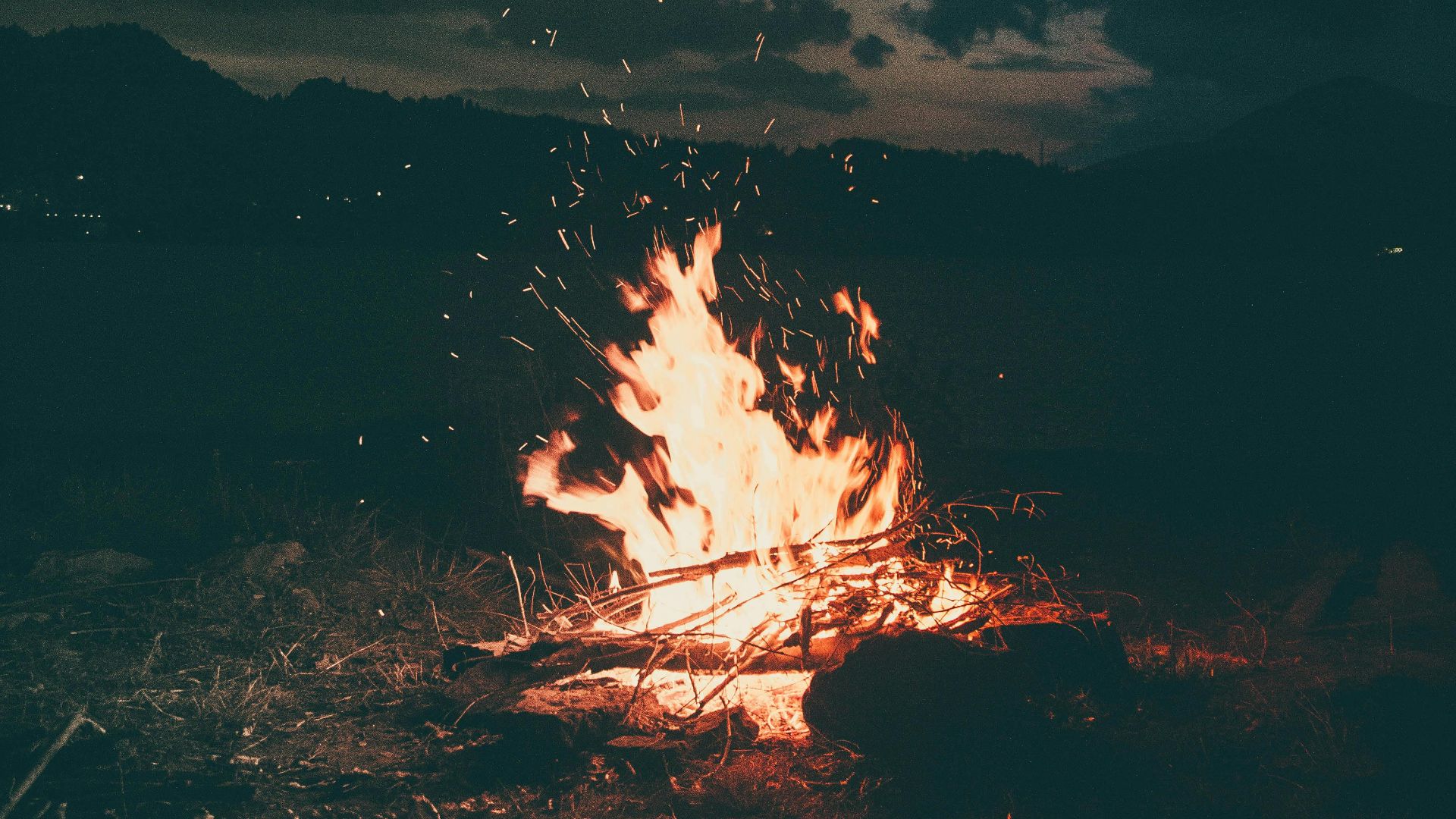
Fire served dual purposes as both purifier and guardian. Flames burning in the hearth received sacred treatment from families. People conducted ceremonies that involved placing offerings directly into the fire to honor its protective and cleansing powers.
Ancestor Veneration
The spirits of the dead provided guidance to their living relatives. People journeyed to tombs and burial mounds as acts of reverence. Regular offerings placed at these locations helped maintain positive relationships with ancestral spirits and ensured their favor.
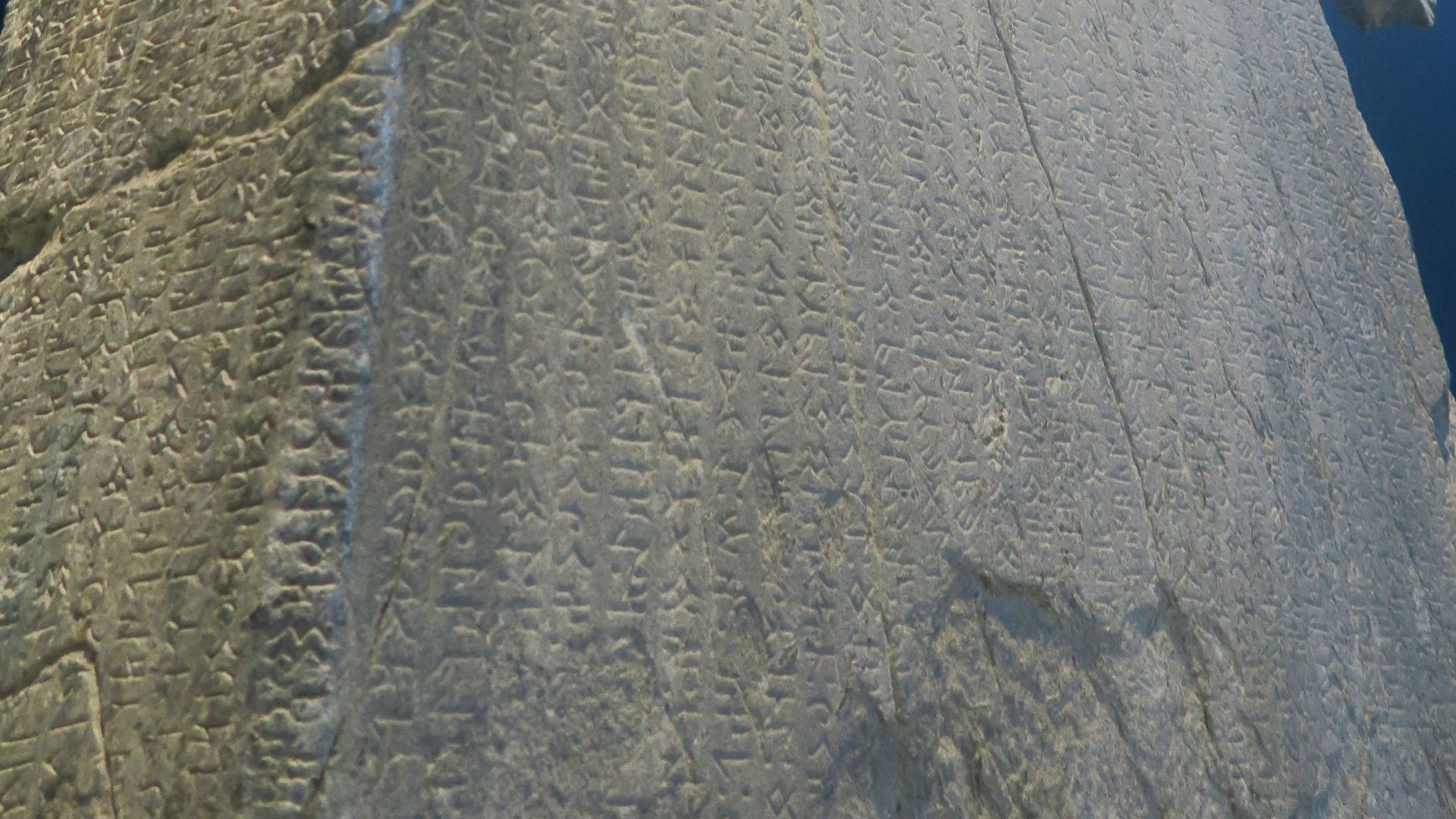 Vezirtonyukuk, Wikimedia Commons
Ancestor Veneration (Cont.)
Clan identity drew strength directly from ancestral spirits. Stories passed down orally kept detailed family histories alive across generations. Leaders pointed to their ancestry when asserting their right to rule, using lineage as proof of legitimate authority.
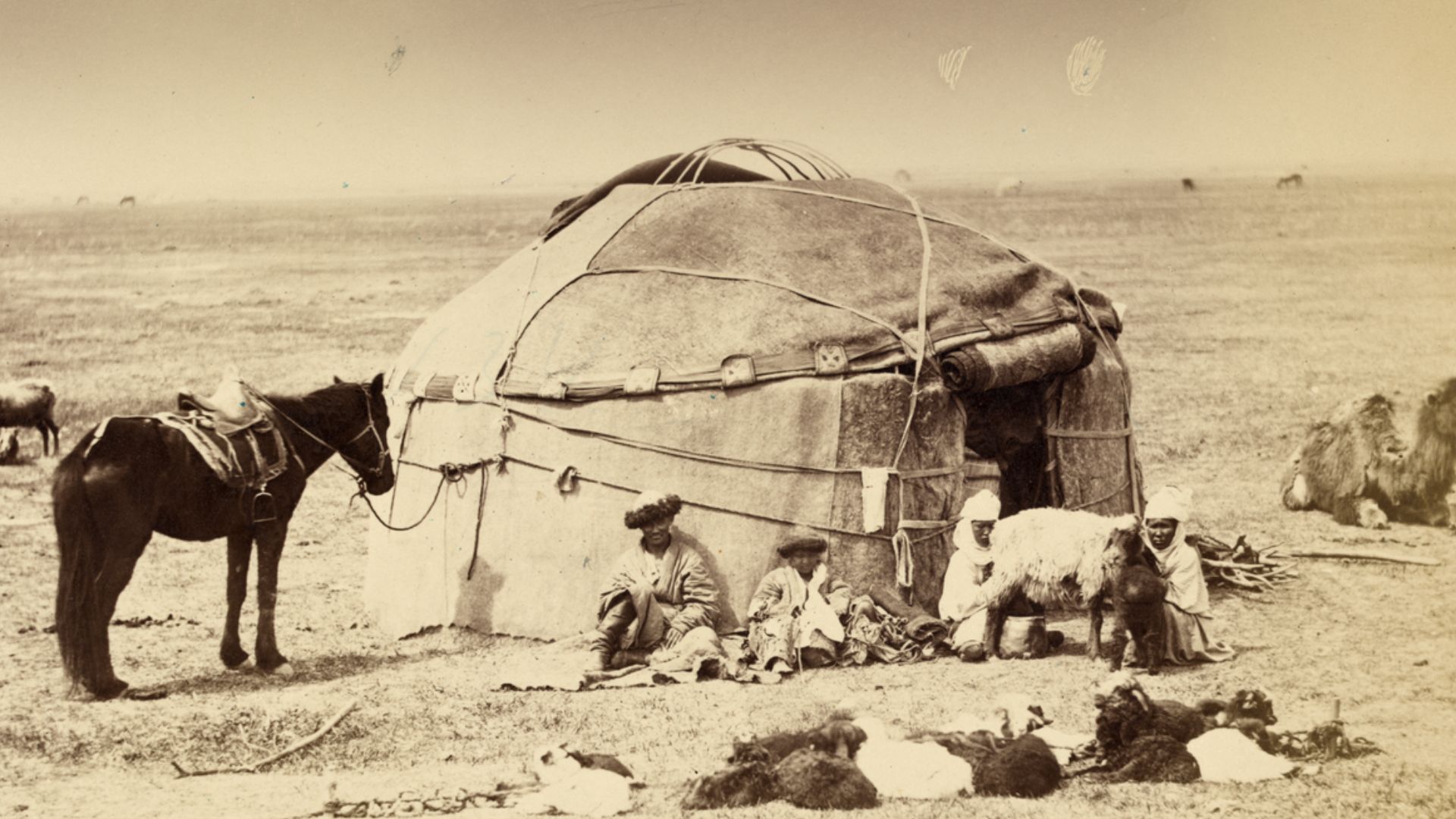 Kun, Aleksandr L., 1840-1888, Wikimedia Commons
Ak Ana, Spirit Of Waters
In Turkic belief, Ak Ana represented the sacred force of purity and creation. She governed all waters—rivers and springs alike. Ceremonies at these waters expressed devotion to her spirit and a desire for continued prosperity.

Dualism Of Good And Evil
Ulgen stood for everything good in existence, including light and creative forces. Erlik controlled darkness, destruction, and malevolent powers. Their eternal struggle against each other provided the framework for understanding why life contained both suffering and joy.
Sacred Geography
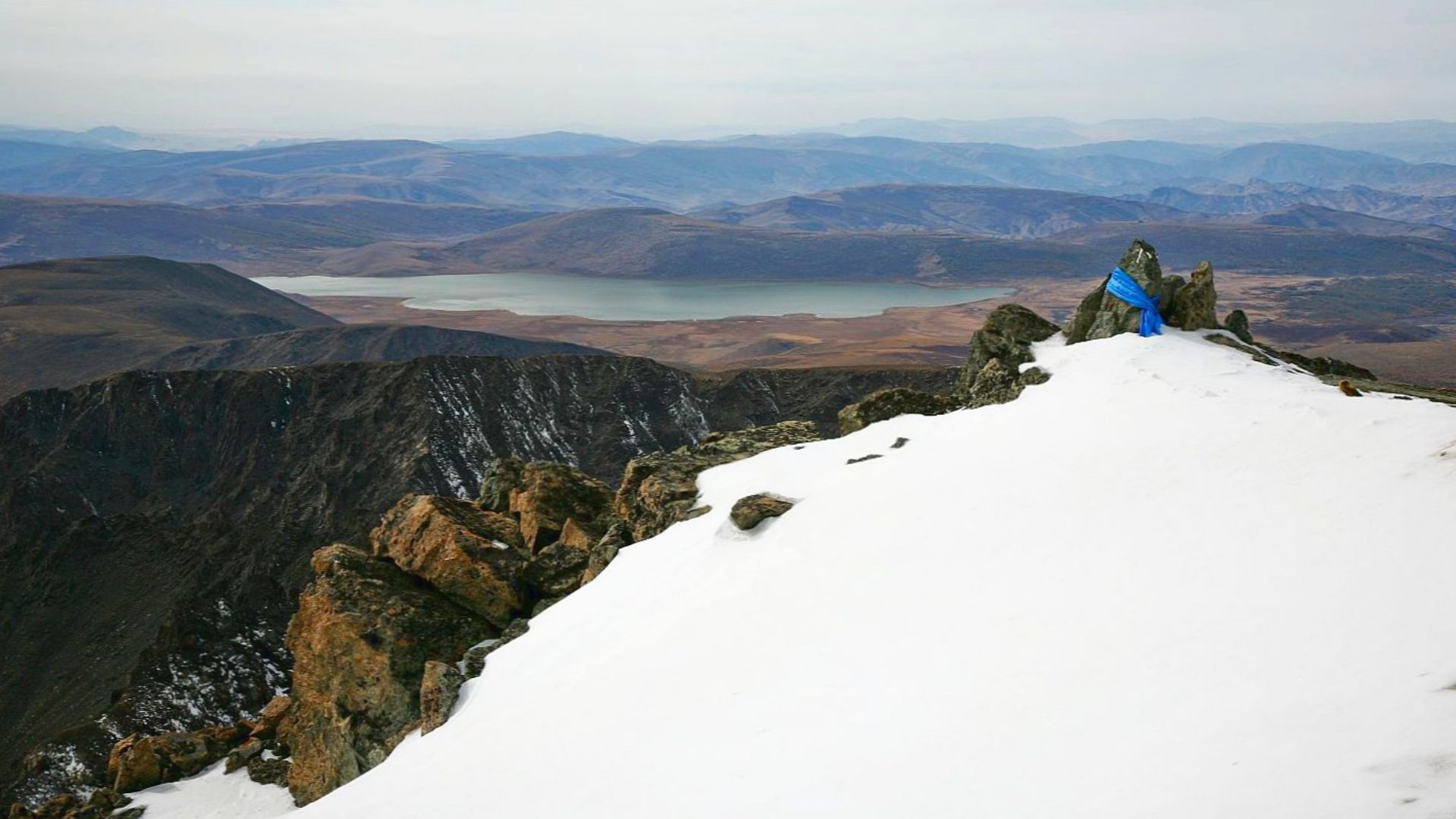
Mountains such as Otuken held profound spiritual importance as holy centers. Mythological stories intertwined with specific rivers and valleys across the landscape. These geographical features became essential markers that shaped and reinforced each tribe's unique sense of identity.
 Andre pixart at German Wikipedia, Wikimedia Commons
Wind And Storm Spirits
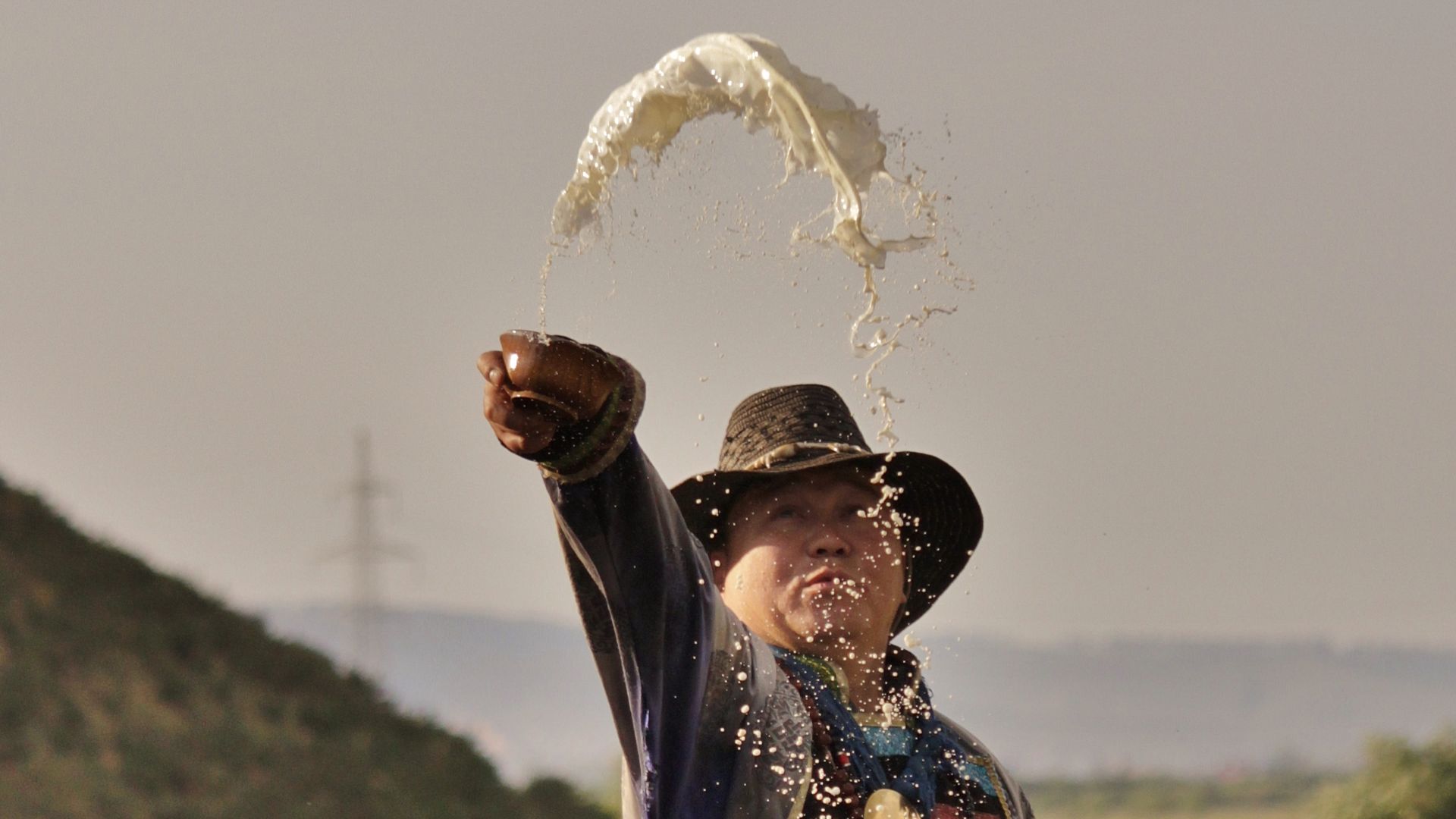
Winds carried personality and power that affected travel and warfare. When storms raged, people interpreted them as expressions of Tengri's anger. Communities relied on shamanic rituals to appease these forces and bring calm back to turbulent skies.
 Arkady Zarubin, Wikimedia Commons
Bird Symbolism In Mythology
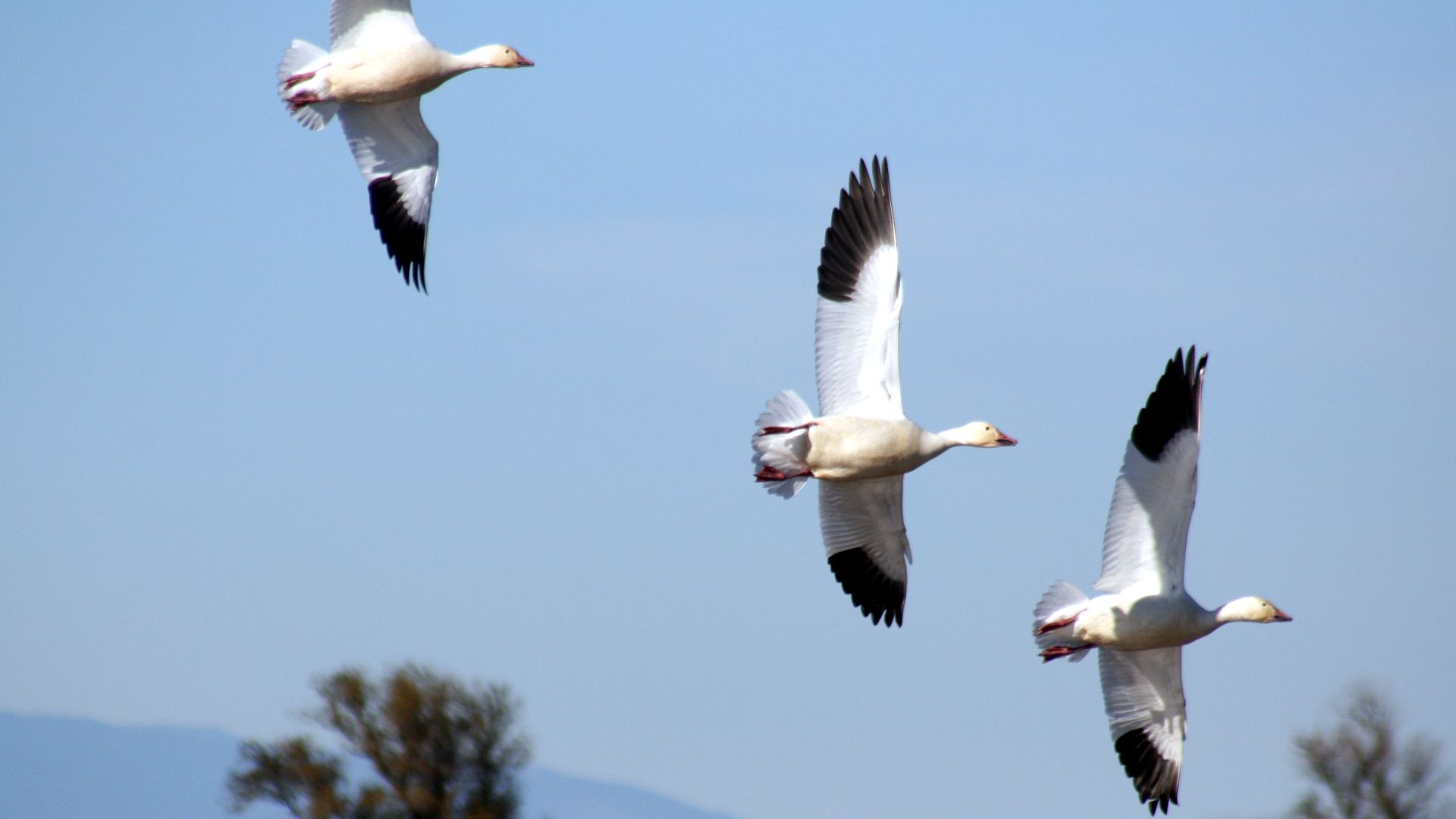
Birds served as divine messengers connecting the earth to Tengri's celestial realm. Their flight paths revealed hidden knowledge to those trained in divination. People attached feathers to their bodies as talismans, trusting in their ability to shield against harm.
 Brocken Inaglory, Wikimedia Commons
Lunar And Solar Reverence
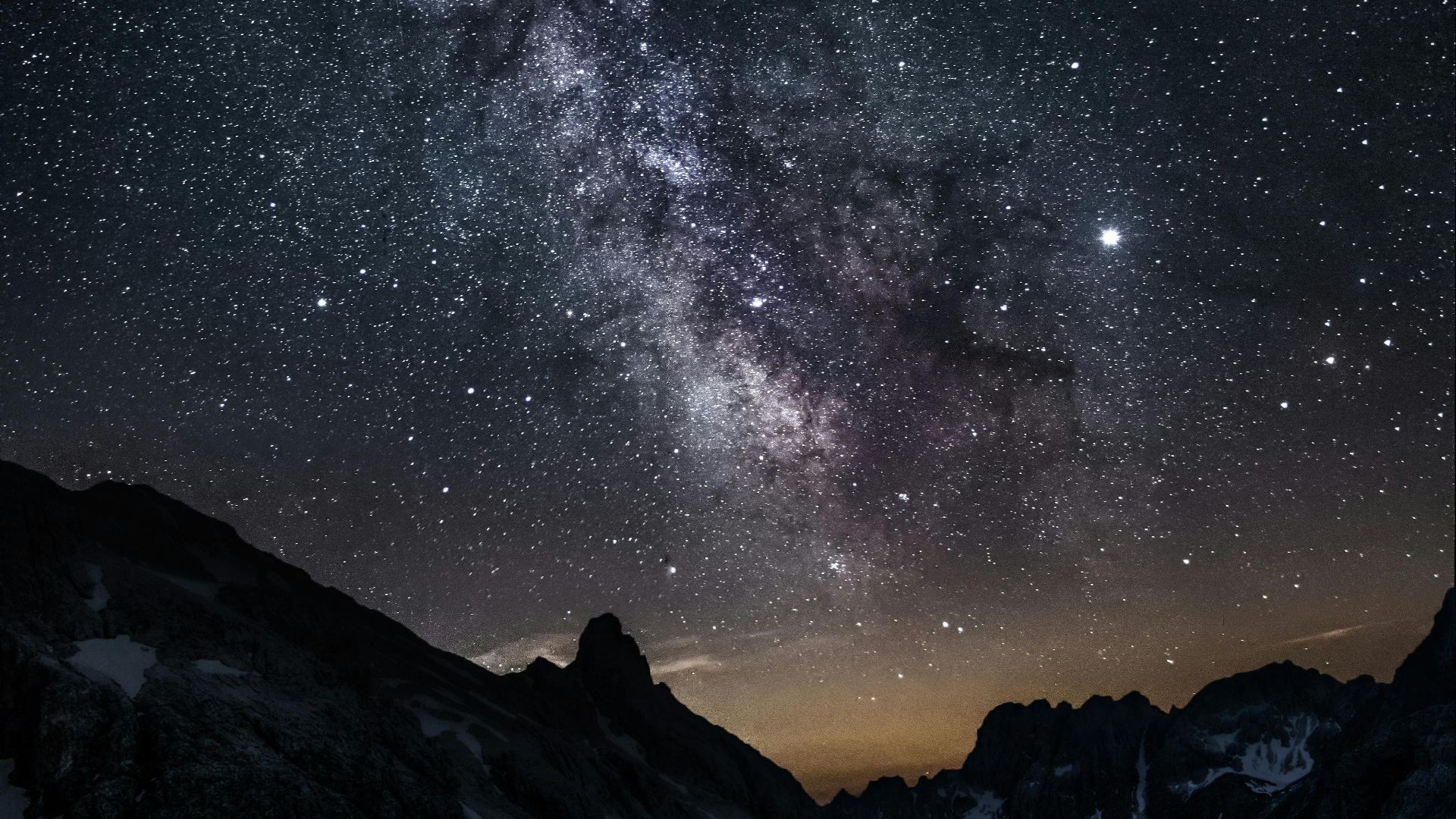
Both the sun and the moon received worship as powerful celestial gods. Eclipses triggered fear and demanded immediate ritual responses to restore cosmic order. Nomadic communities organized their movements and activities around seasonal patterns determined by solar and lunar cycles.

Sacred Trees And Groves
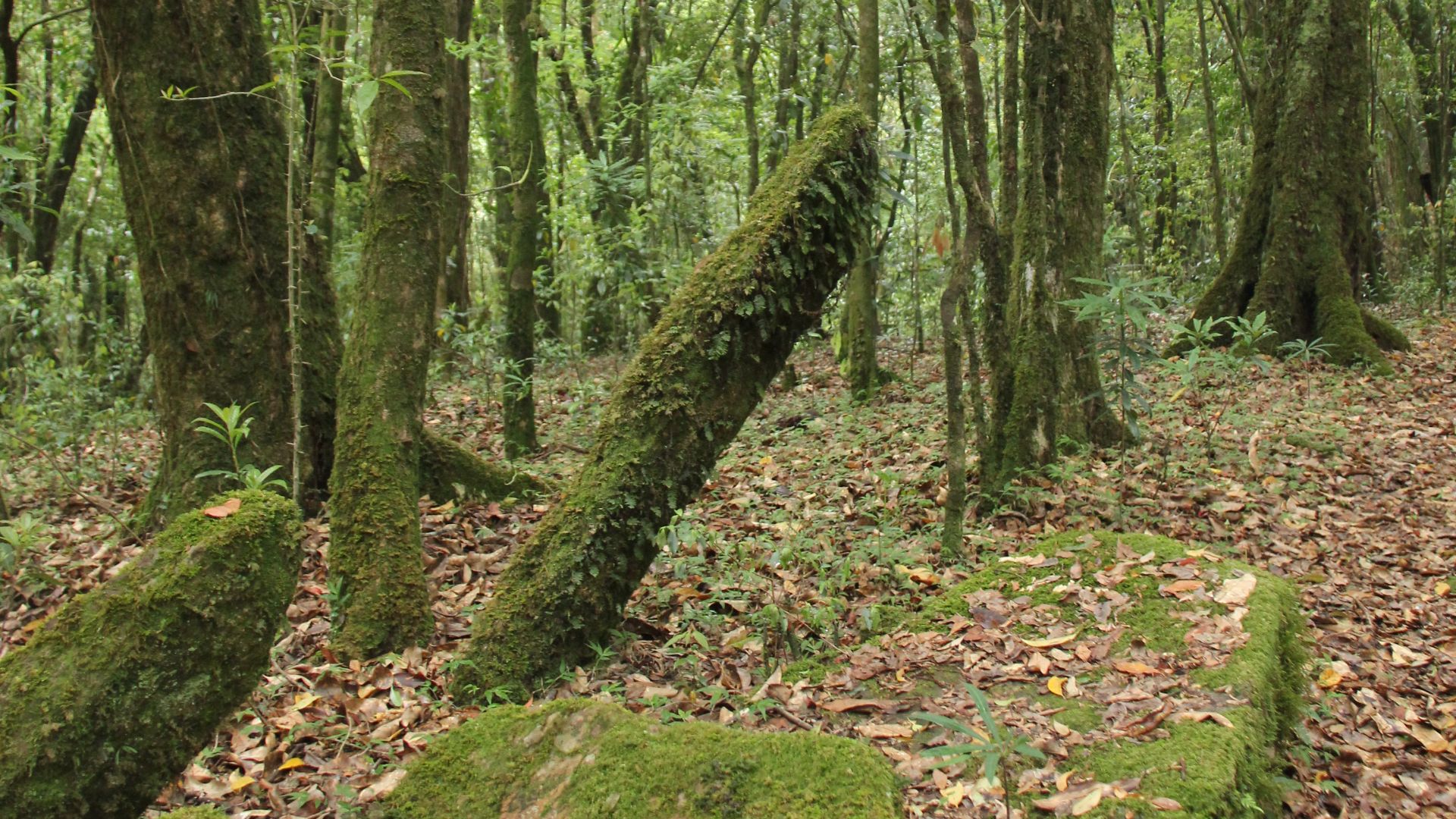
Protective spirits made their homes inside certain revered trees. Rituals involved fastening cloth pieces and placing gifts among the branches above. These holy groves became central meeting places where tribes conducted their most significant spiritual ceremonies together.
 Arshiya Urveeja Bose, Wikimedia Commons
Household Spirits And Domestic Rituals
Every family honored spirits dwelling within their hearth for home protection. Daily offerings of food and drink helped preserve peaceful relations with these entities. Families who forgot or ignored the spirits believed they would suffer bad luck and domestic troubles.
 Unknown authorUnknown author, Wikimedia Commons
Mythical Creatures In Folklore
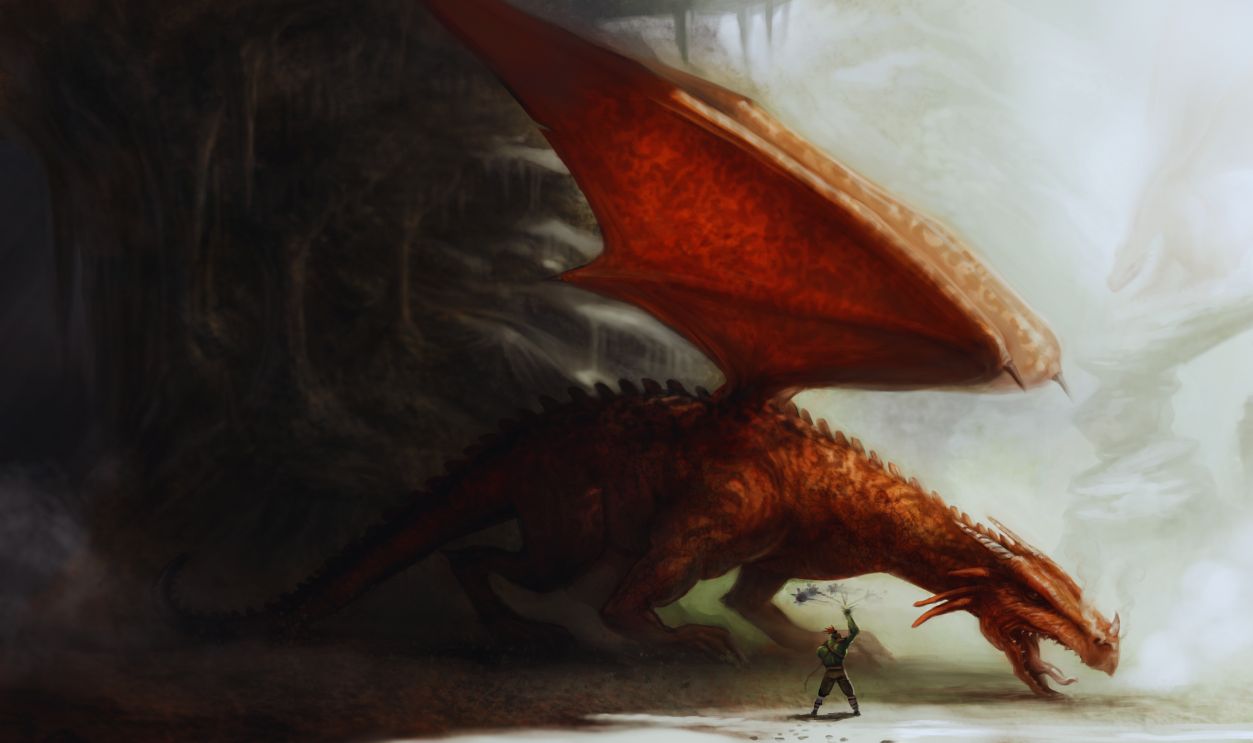
Turkic and Mongol myths featured dragons and serpents in roles both threatening and protective. Such creatures embodied forces of nature that existed beyond mortal command. These stories emphasized the importance of respecting mysteries and powers that defied human comprehension.
 David Revoy / Blender Foundation, Wikimedia Commons
Cosmic Order And Fate (Kut)
Kut represented the divine essence that made rulers legitimate in the eyes of heaven. The celestial realm granted this spiritual power but could revoke it for unworthy leadership. Political authority thus depended entirely on maintaining alignment with spiritual destiny and heavenly approval.
Sacred Oaths And Binding Words
Among Turkic and Mongol societies, spoken oaths carried immense spiritual weight. Words uttered under the open sky were believed to bind the speaker to divine truth. Breaking such vows risked heavenly punishment, while keeping them reinforced honor and legitimacy in both personal and political life.
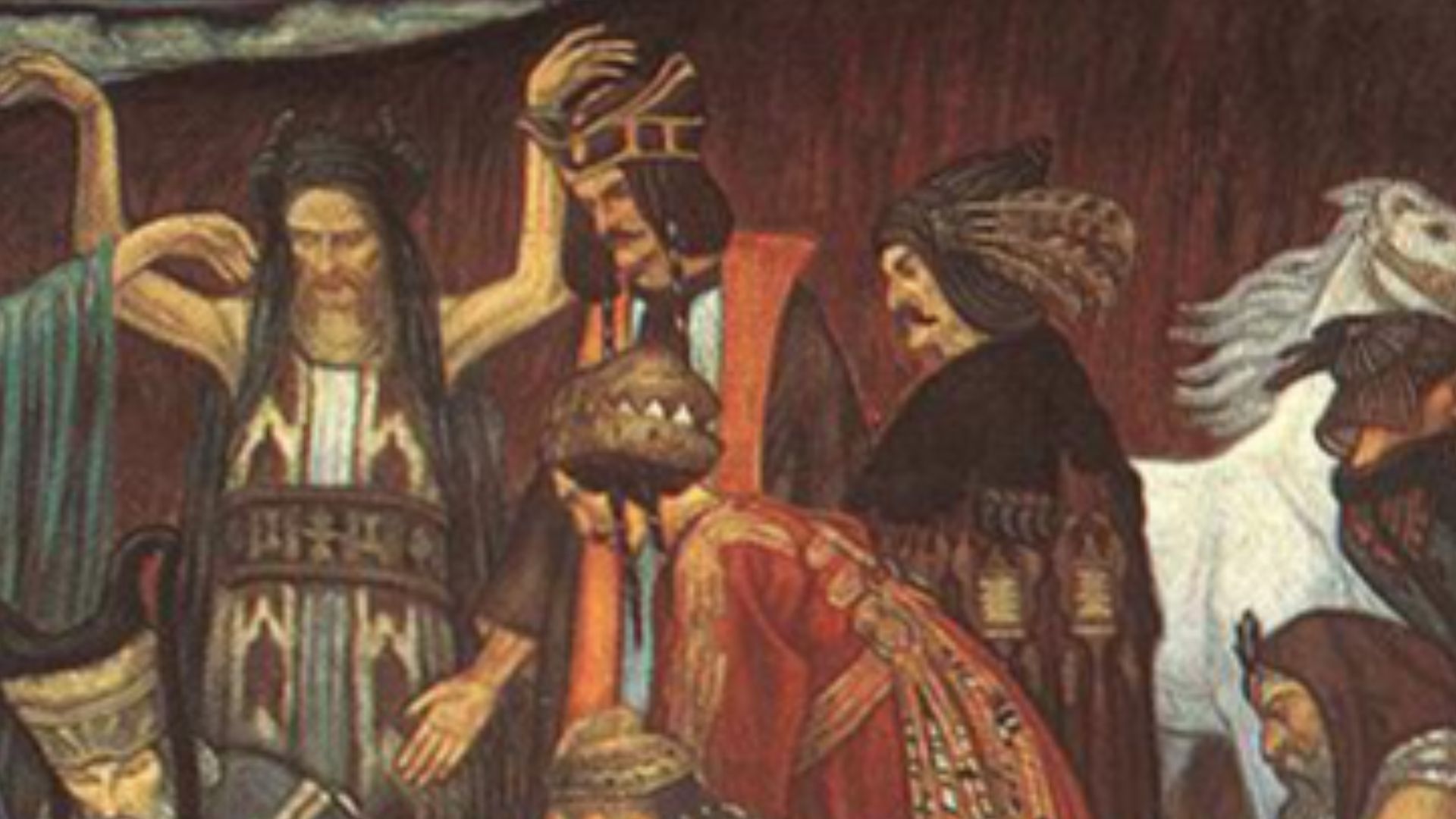 Aladar Korosfoi-Kriesch, Wikimedia Commons