
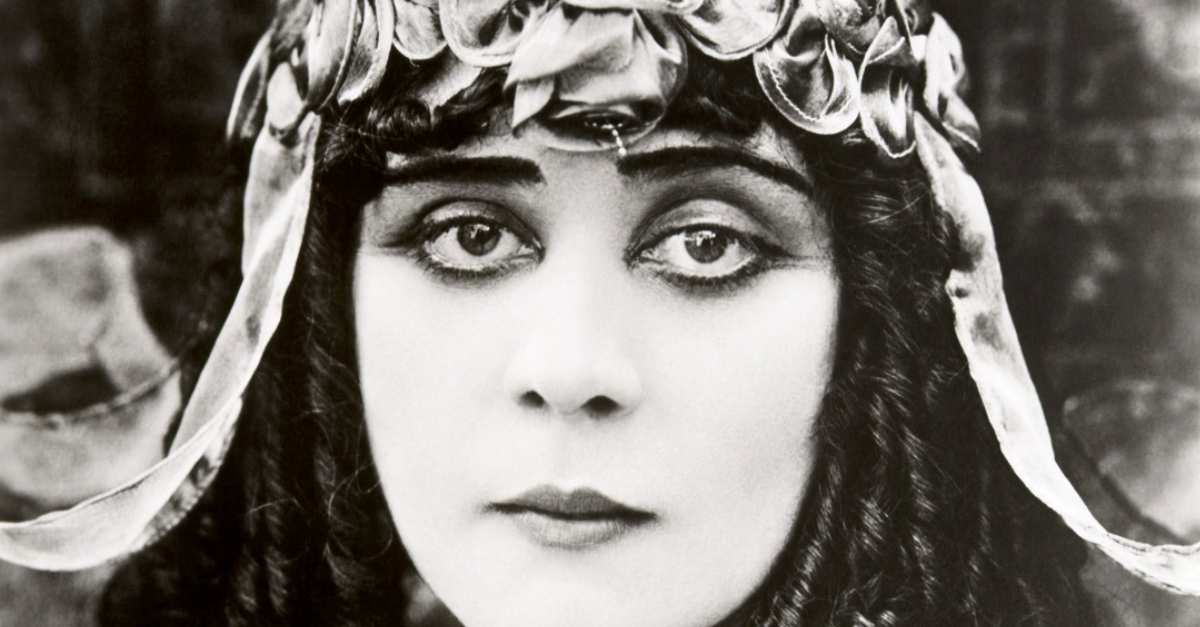
Fame Bites Back.
Long before social media, mass newspapers, fan magazines, radio, and silent movies could turn an ordinary person into a national obsession almost overnight. These forgotten sensations discovered that once the public owned your image, getting your private life back could be nearly impossible.
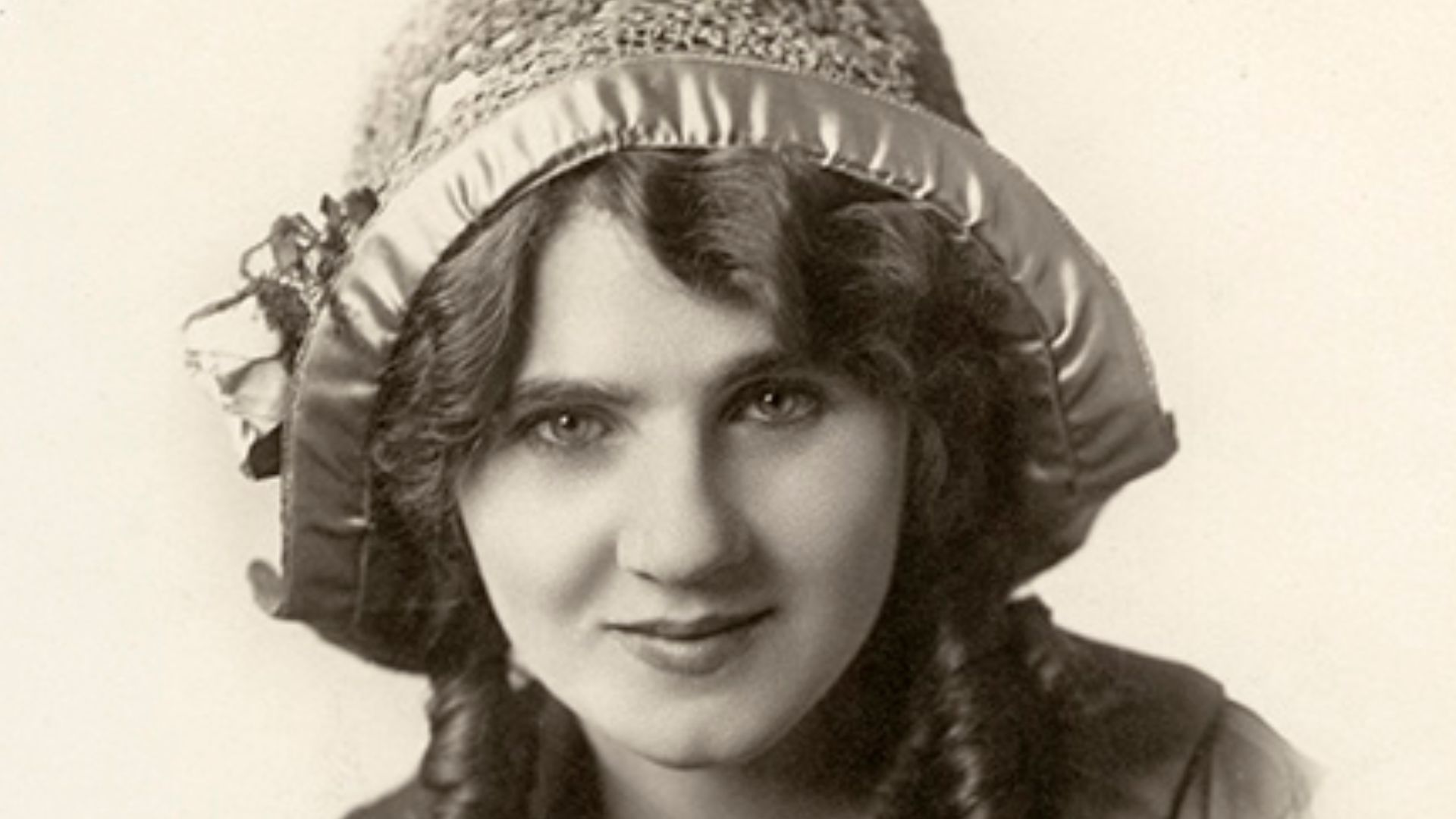
Florence Lawrence Became The First Movie Star
At the dawn of cinema, actors were usually not identified by name because studios feared recognizable performers would demand higher salaries. Florence Lawrence became enormously popular anyway, with audiences calling her simply the “Biograph Girl.” Producer Carl Laemmle realized that her identity itself could sell tickets and began promoting Lawrence by name in 1910. HISTORY describes her as the first film actress whose name was deliberately used to market her movies.
 Wisconsin Center for Film and Theater Research, Wikimedia Commons
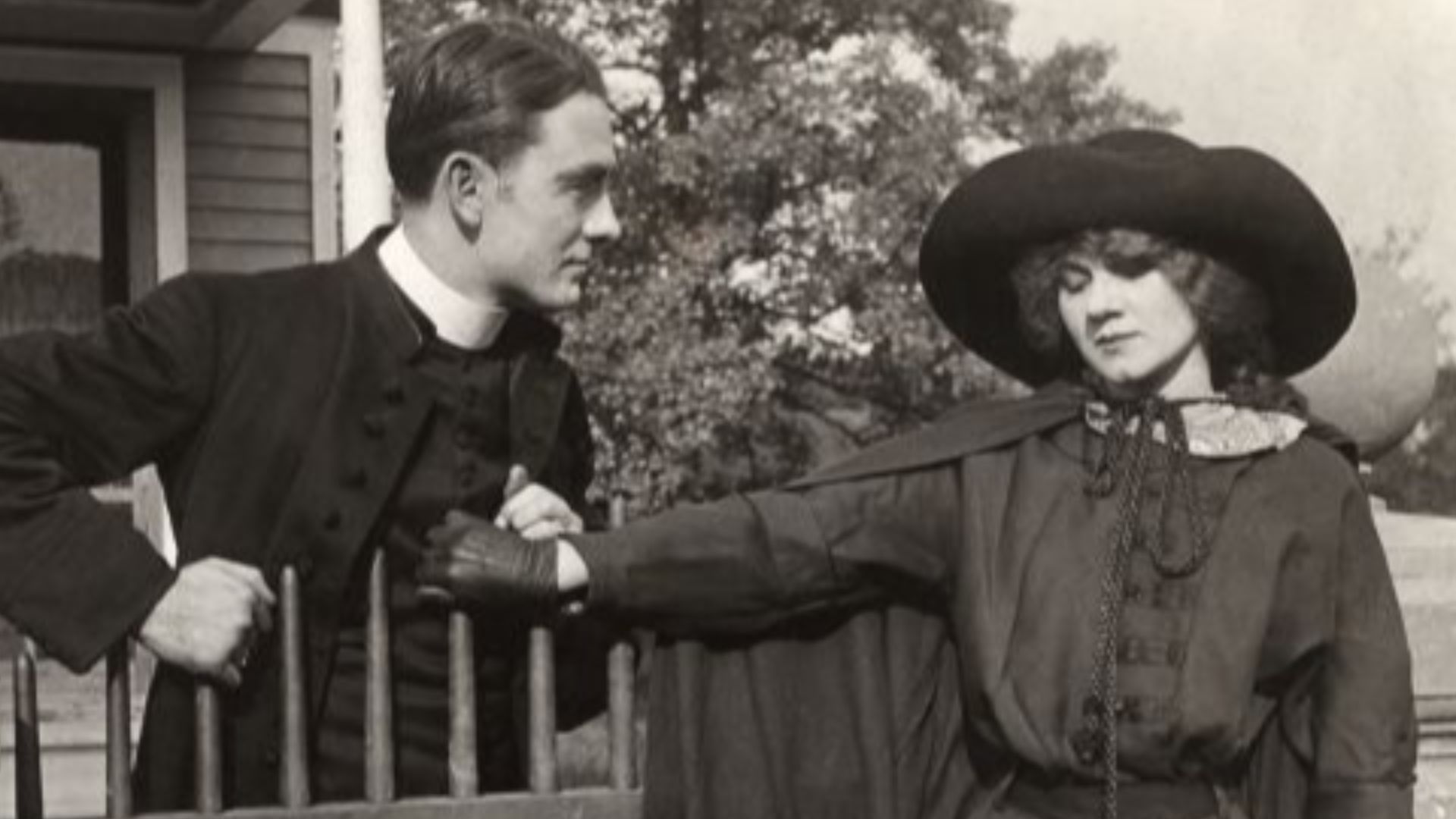
Her Producer Publicized Her Death
Laemmle launched Lawrence’s celebrity with one of film history’s strangest publicity stunts. He planted a rumor that she had been killed in a streetcar accident, then publicly denounced the story and announced that Lawrence was alive and starring for his company. When she appeared in St. Louis afterward, crowds reportedly surged around her and stripped buttons from her clothing. The first modern movie-star publicity campaign had already shown how little control the star herself might have over the story being sold.
 Wisconsin Center for Film and Theater Research, Wikimedia Commons
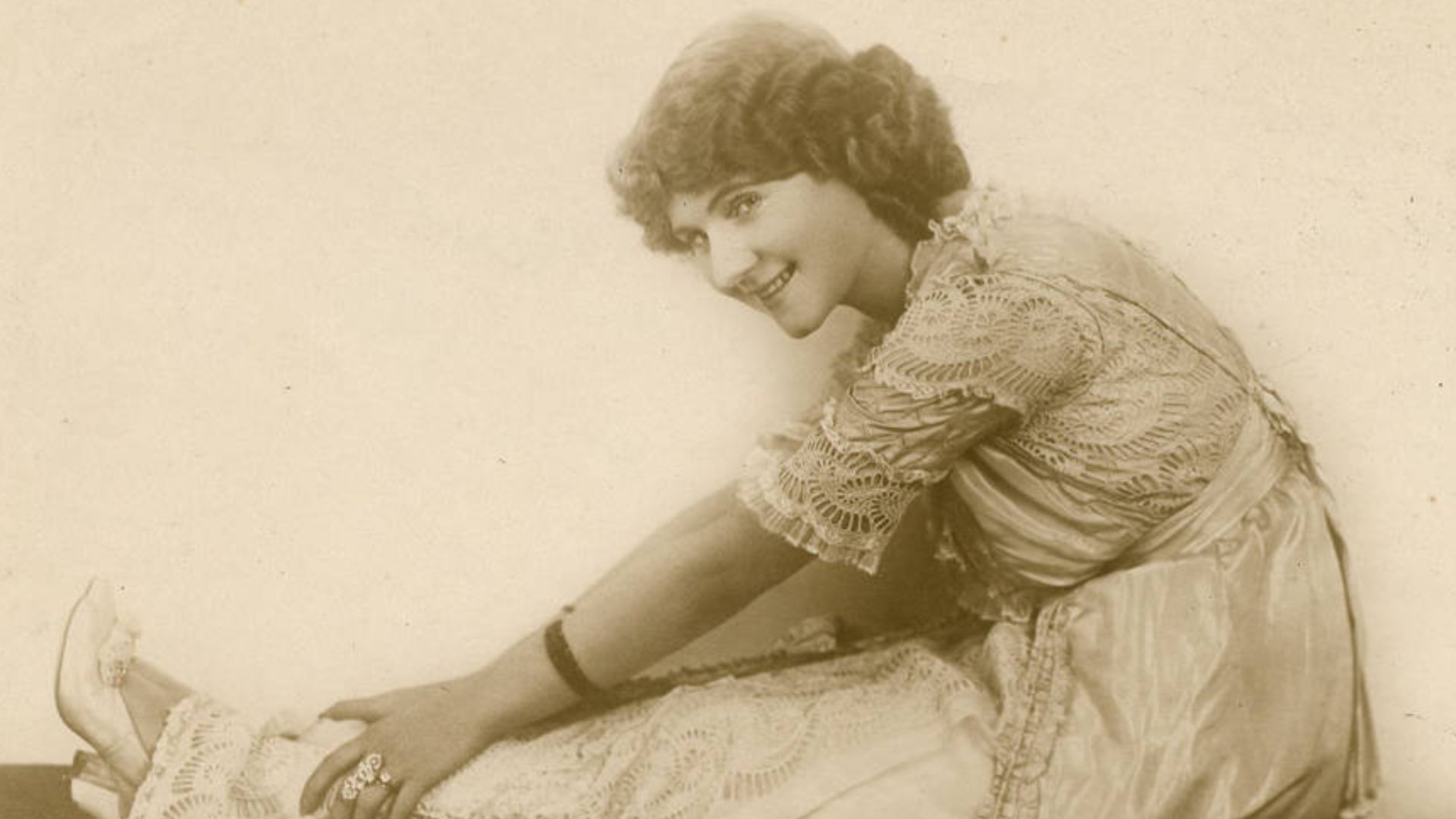
Hollywood Forgot Its First Celebrity
Lawrence eventually suffered injuries, financial setbacks, unsuccessful comeback attempts, and a steep decline in her career. By the 1930s, the woman who had helped invent movie stardom was taking small and often uncredited parts at MGM. She died by suicide in 1938, and her grave remained unmarked for more than five decades. The machinery of celebrity Lawrence had helped create proved much better at producing new stars than remembering old ones.
Evelyn Nesbit Became A Face Everyone Knew
Teenage model and chorus girl Evelyn Nesbit became one of the most photographed young women in New York at the beginning of the 20th century. Her image appeared in newspapers, magazines, advertising, and fashionable portrait photography long before most Americans had anything resembling celebrity television. Wealthy architect Stanford White entered her life while she was still very young, followed by millionaire heir Harry K. Thaw. The attention surrounding Nesbit would soon become far more dangerous than ordinary fame.
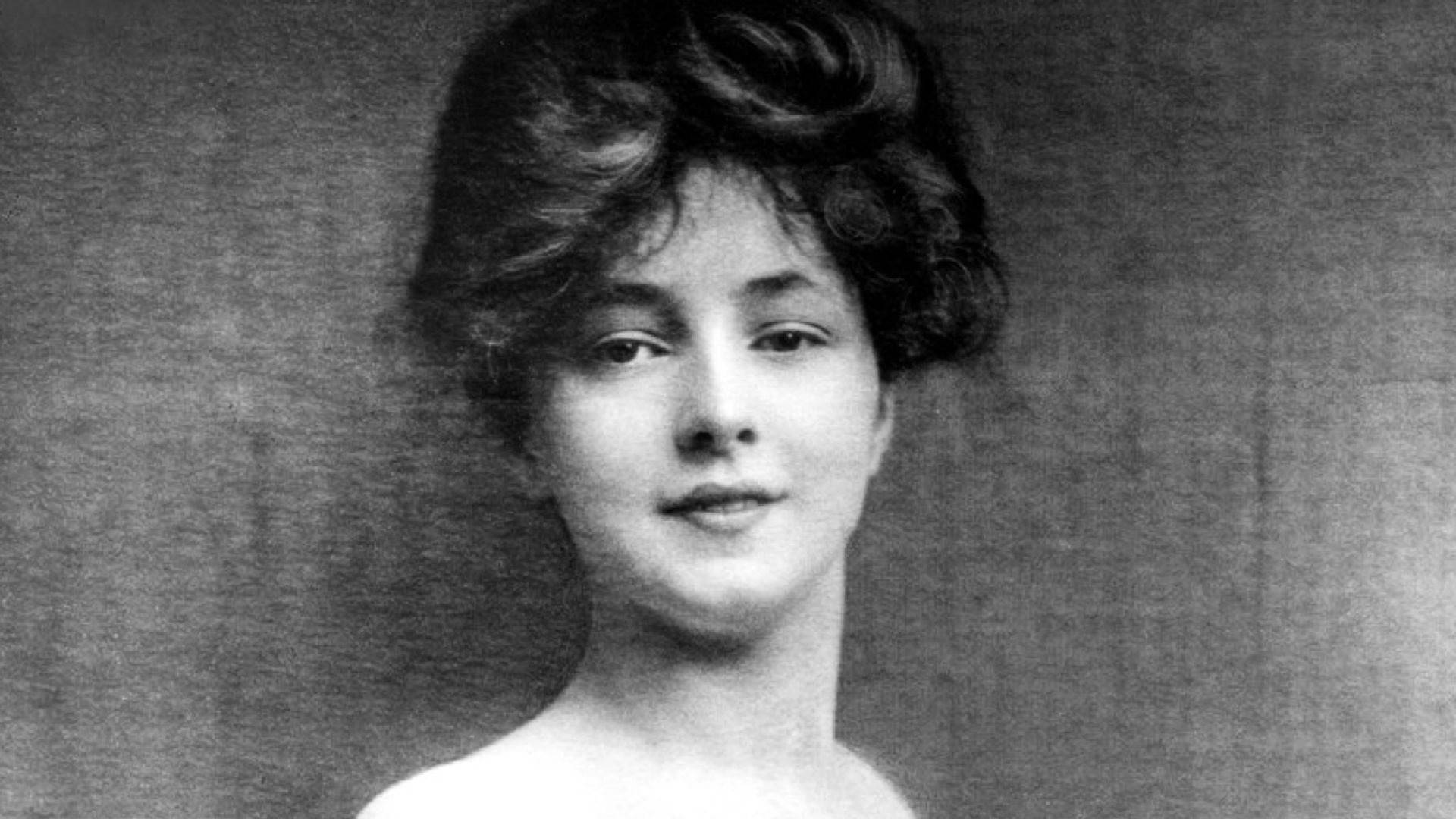 Unknown photographerUnknown photographer, Wikimedia Commons
Her Husband Turned Her Past Into A Trial
Nesbit married Thaw in 1905 after a relationship Smithsonian describes as volatile and abusive. The following year, Thaw shot and killed Stanford White at Madison Square Garden in front of witnesses. Nesbit was then forced to recount deeply personal details about her relationship with White during the sensational trials that followed. Her intimate history became public evidence for a newspaper audience that treated the case like serialized entertainment.
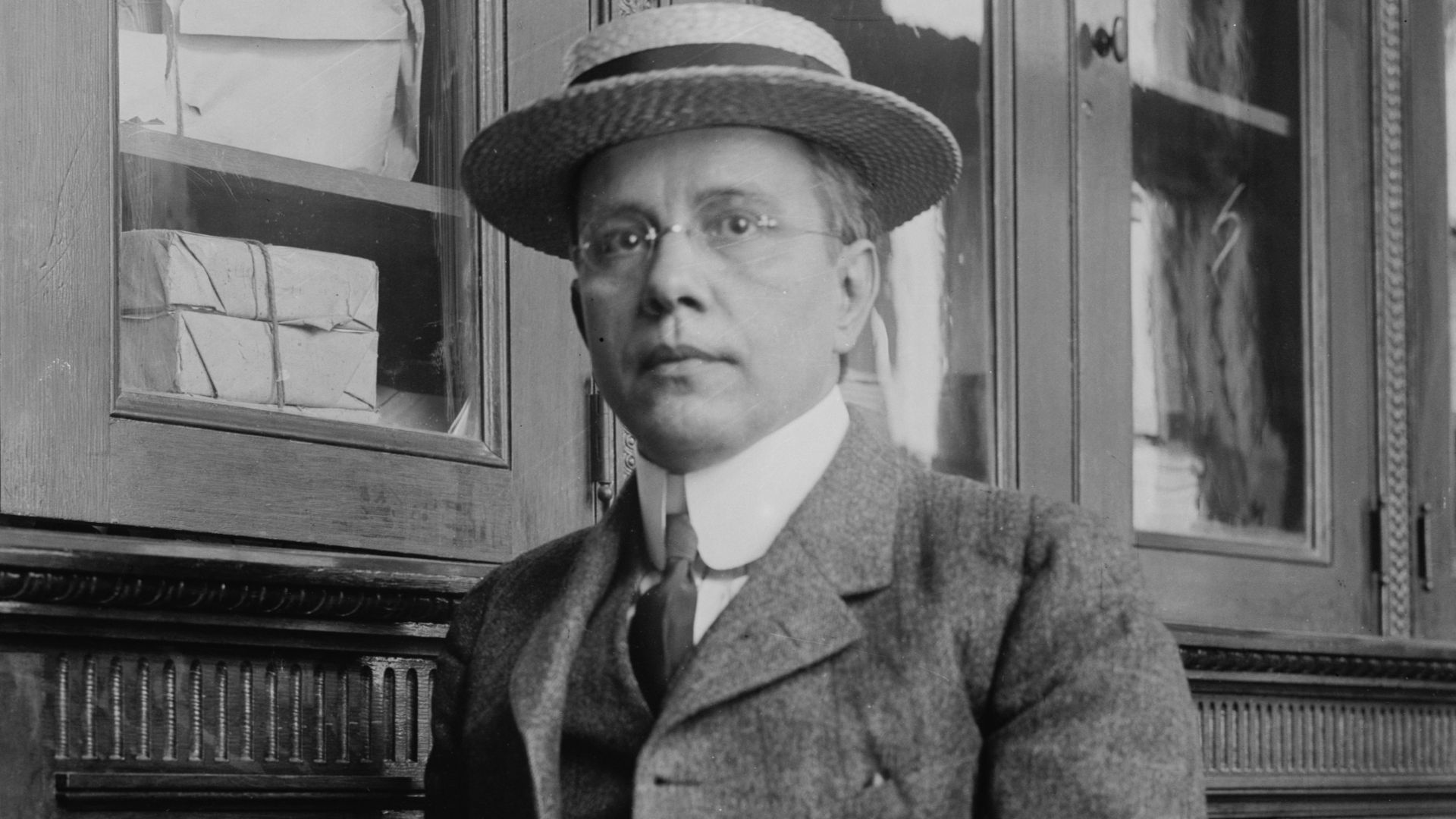 Bain News Service, publisher, Wikimedia Commons
The Headlines Outlived The Woman
The Thaw case became one of the defining celebrity scandals of its era, and Nesbit spent years trying to live beyond it. Smithsonian notes that she later worked in stage and film productions while struggling with drugs and alcohol. She lived until 1967, long enough to see Hollywood turn her life into the film The Girl in the Red Velvet Swing. Fame had first transformed her into an image, then transformed her trauma into a story other people could keep retelling.
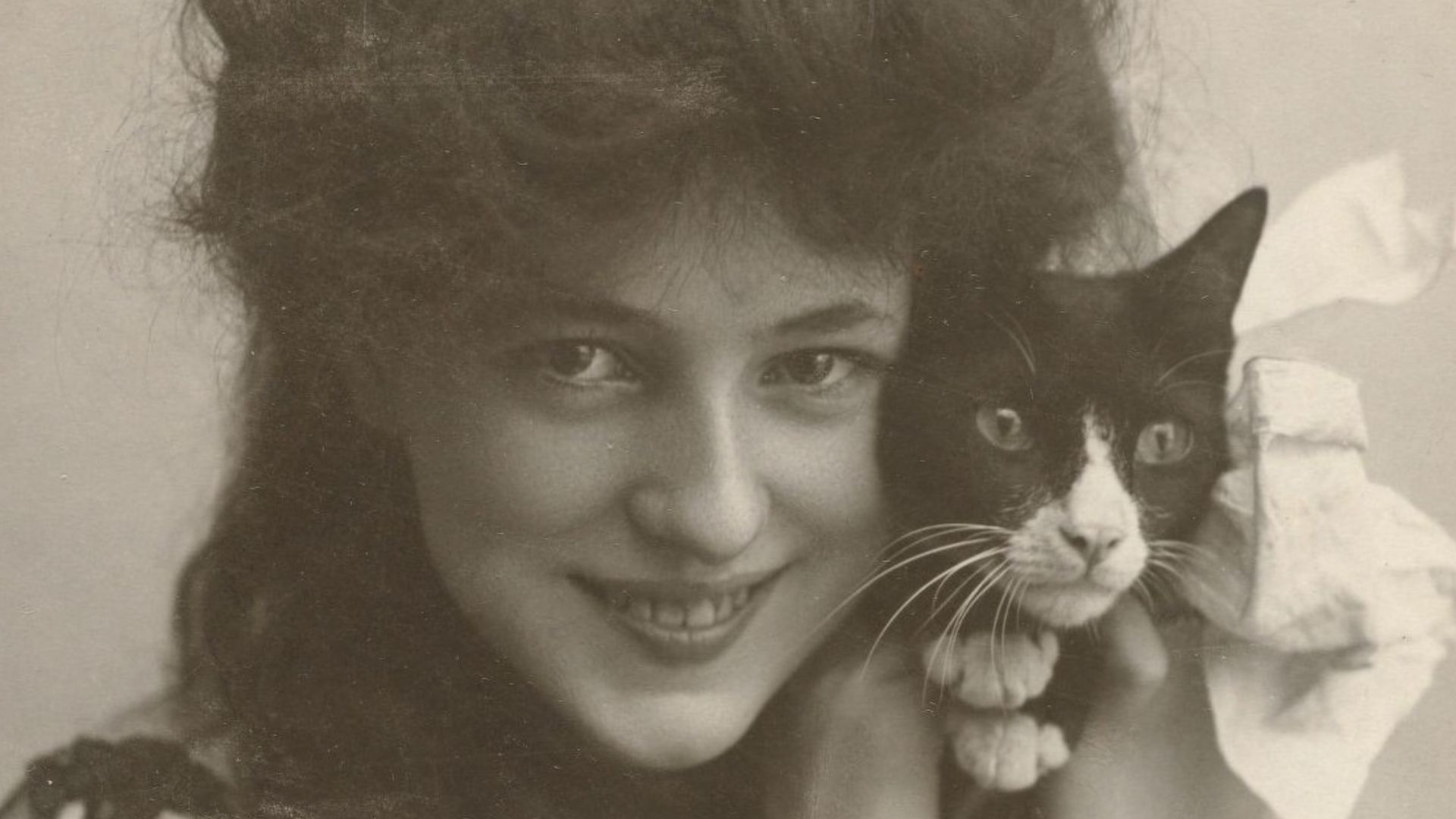 Otto Sarony, Wikimedia Commons
Roscoe Arbuckle Was Hollywood Royalty
By 1921, Roscoe Arbuckle was one of the most successful comedians in American movies. Paramount had agreed to pay him $3 million over three years, and his films played nationwide to huge audiences. His cheerful screen persona and physical comedy made him a bankable celebrity during an era when movie stars were becoming genuine mass-media figures. Then a private party in San Francisco changed what his name meant almost overnight.
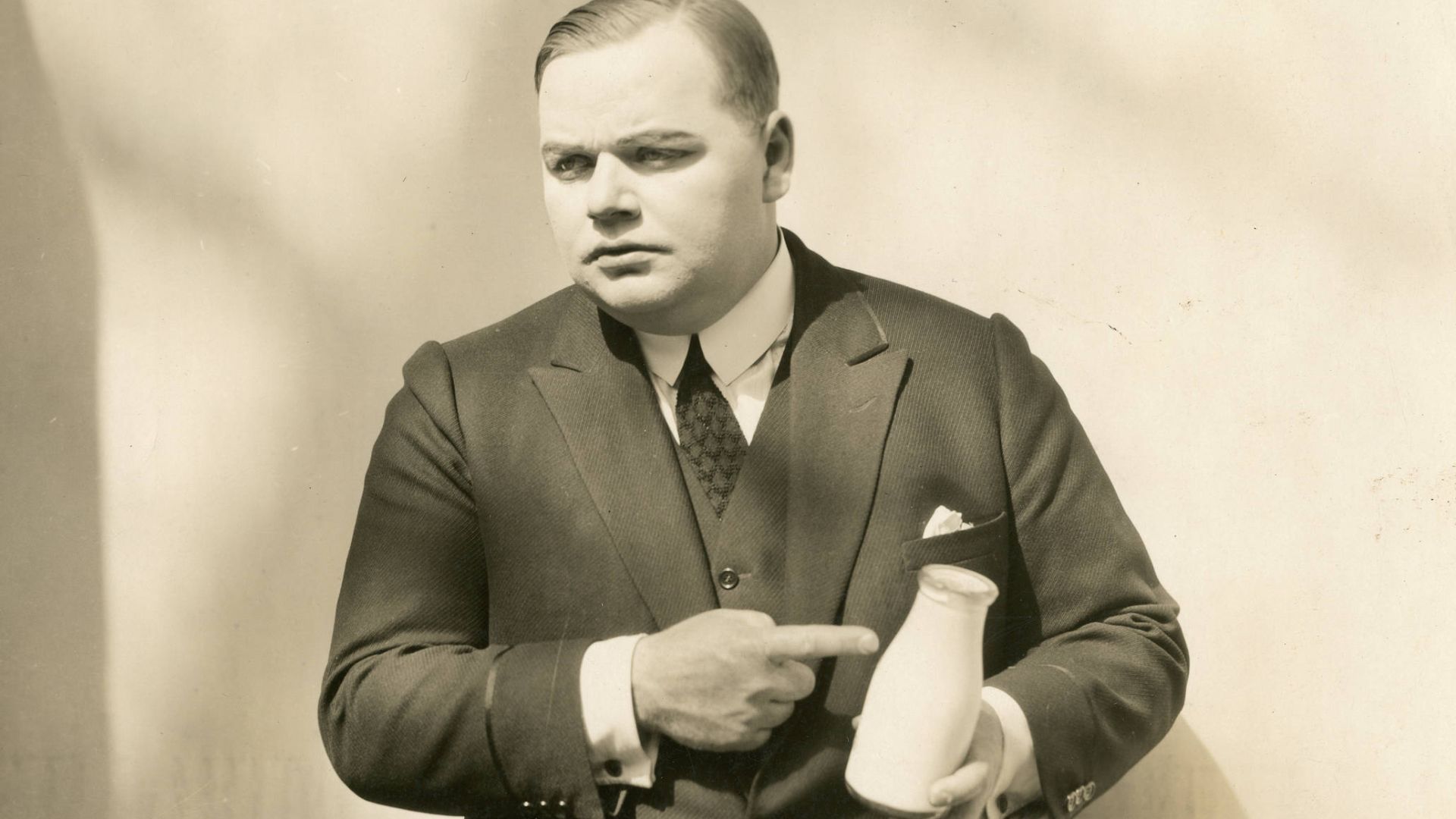 Unknown authorUnknown author, Wikimedia Commons
A Death Became A National Spectacle
Actress Virginia Rappe became seriously ill after the party and died several days later. Arbuckle was accused of assaulting her and eventually faced a manslaughter charge, while newspapers published lurid versions of events before a jury had settled the facts. Two trials ended without a verdict, but a third jury acquitted him after deliberating for only minutes and issued an extraordinary statement declaring that a grave injustice had been done to him. Legal acquittal could not reverse months of sensational publicity.
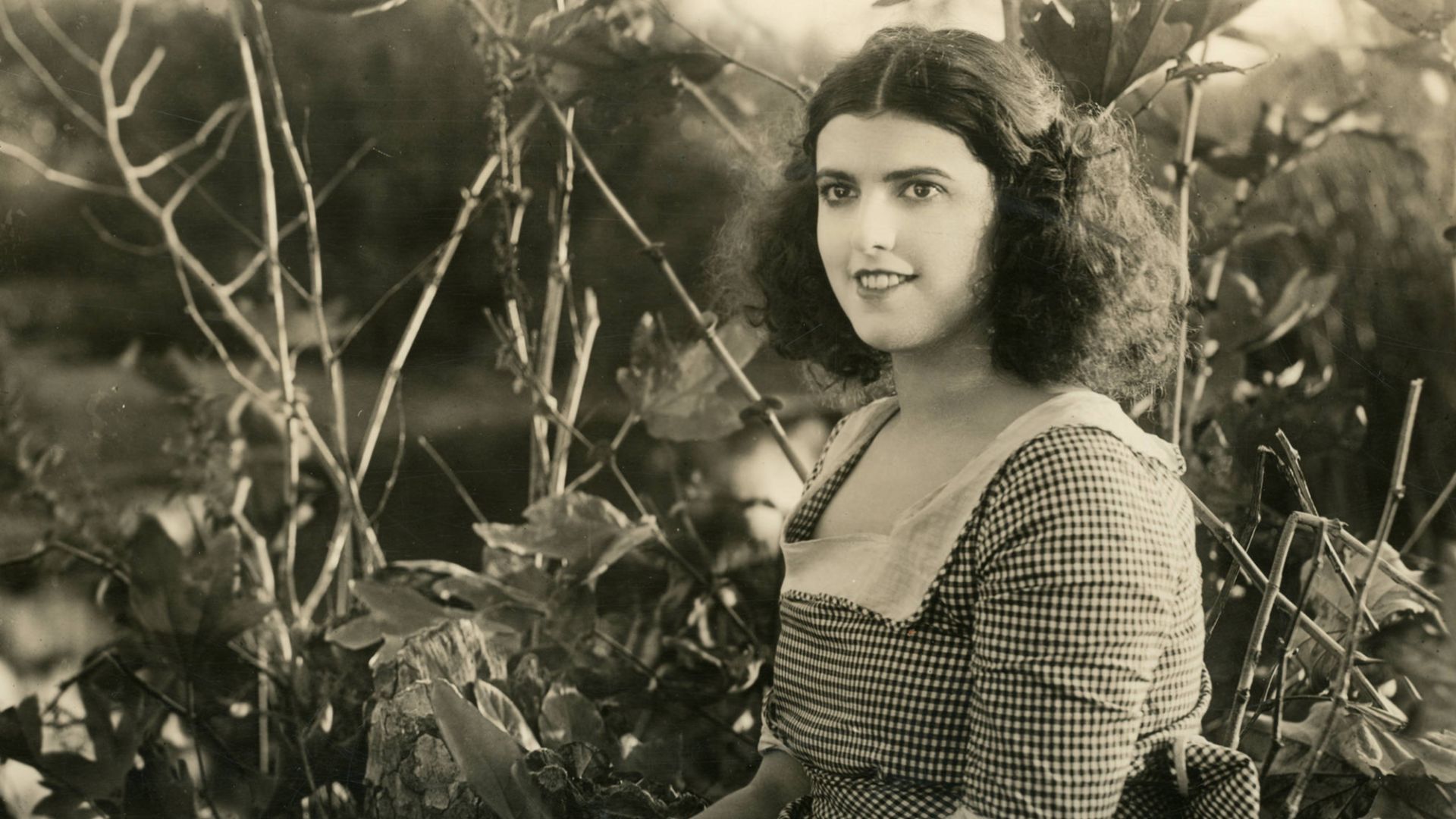 Unknown authorUnknown author, Wikimedia Commons

History's most fascinating stories and darkest secrets, delivered to your inbox daily.
Acquittal Could Not Restore His Name
Just days after the acquittal, Hollywood censor Will Hays banned Arbuckle from appearing in movies. The ban was later lifted, but his career never recovered to anything resembling its former scale. Arbuckle directed under the name William B. Goodrich and spent much of his remaining career behind the camera. Smithsonian notes that his scandal became more famous than the innovative comedy that originally made him a star.
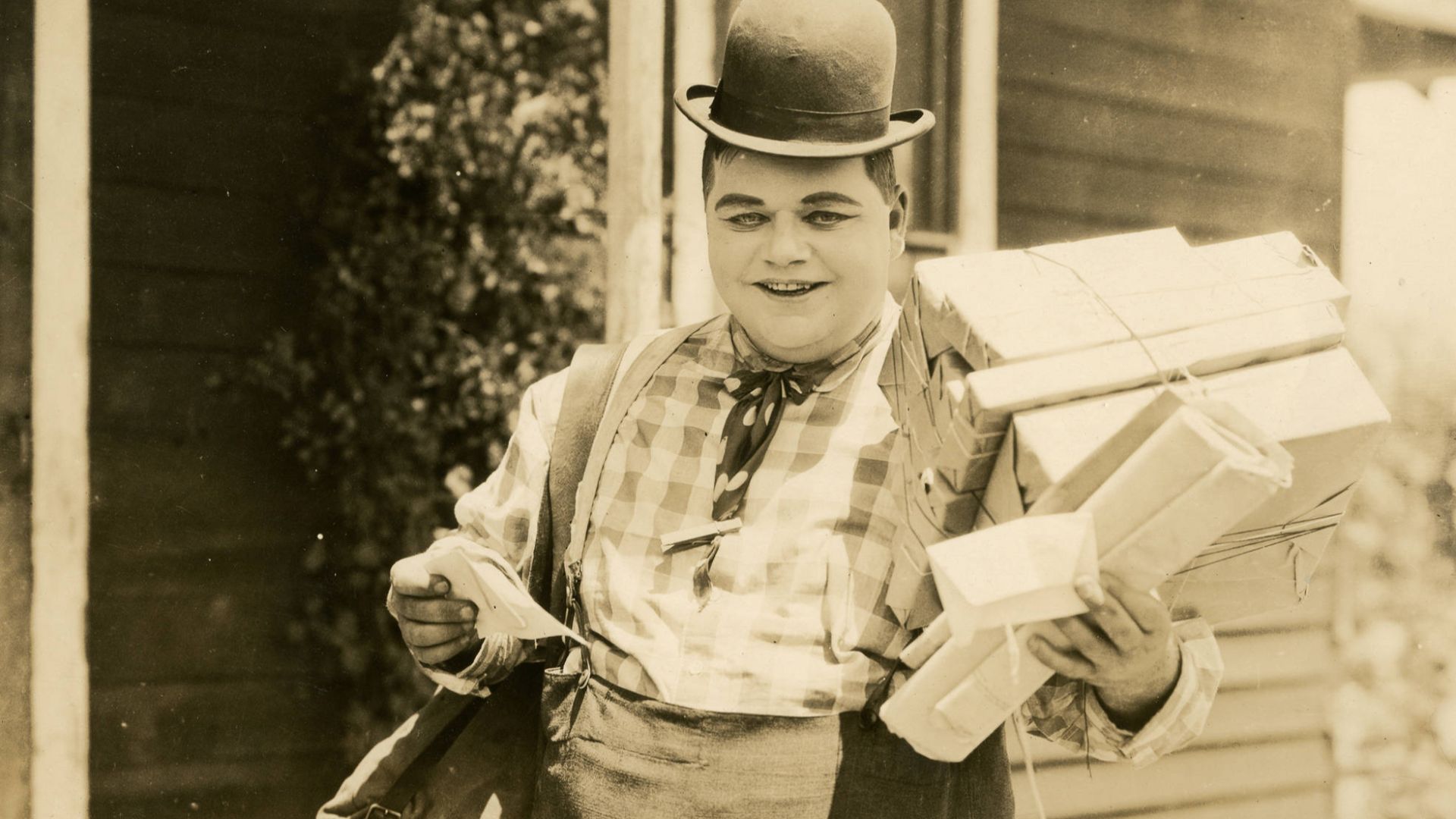 Unknown authorUnknown author, Wikimedia Commons
Mary Miles Minter Was Marketed As Innocence
Mary Miles Minter entered films as a child and became a major silent-screen actress while still a teenager. Studios frequently cast her in wholesome, innocent roles that made youthful purity part of her commercial image. That carefully managed persona became dangerously fragile once her private connection to director William Desmond Taylor became public. Hollywood had taught audiences to feel that they knew her, which made scandal especially profitable.
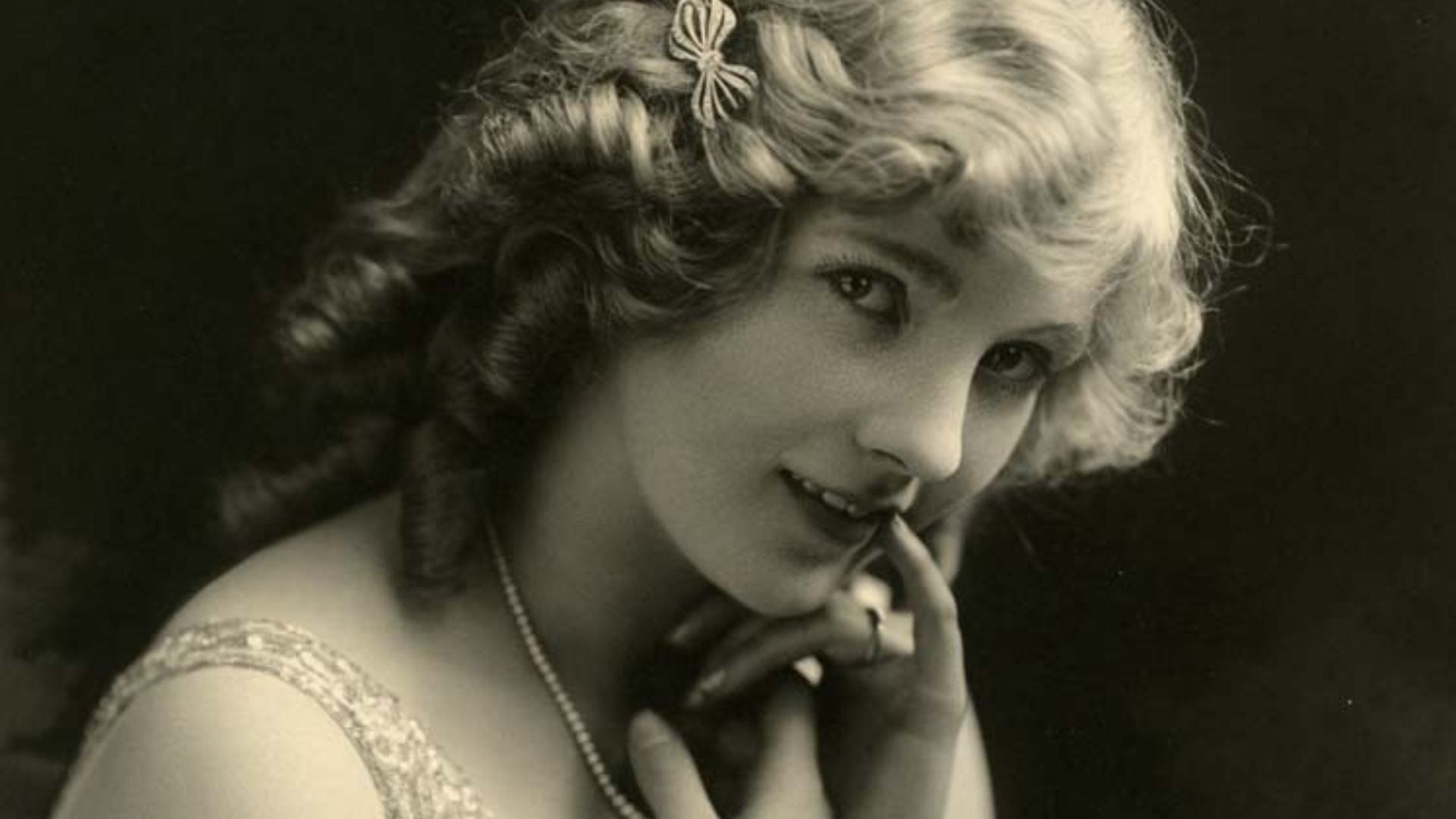 Albert Witzel, Wikimedia Commons
A Murder Put Her Love Letters On Display
Taylor was found shot to death in his Los Angeles bungalow in February 1922. Investigators discovered material connecting Minter to the older director, including a love note, and newspapers eagerly reported on their relationship. No one was ever prosecuted for Taylor’s murder, which remains officially unsolved. That uncertainty only encouraged years of speculation around Minter and others connected to him.
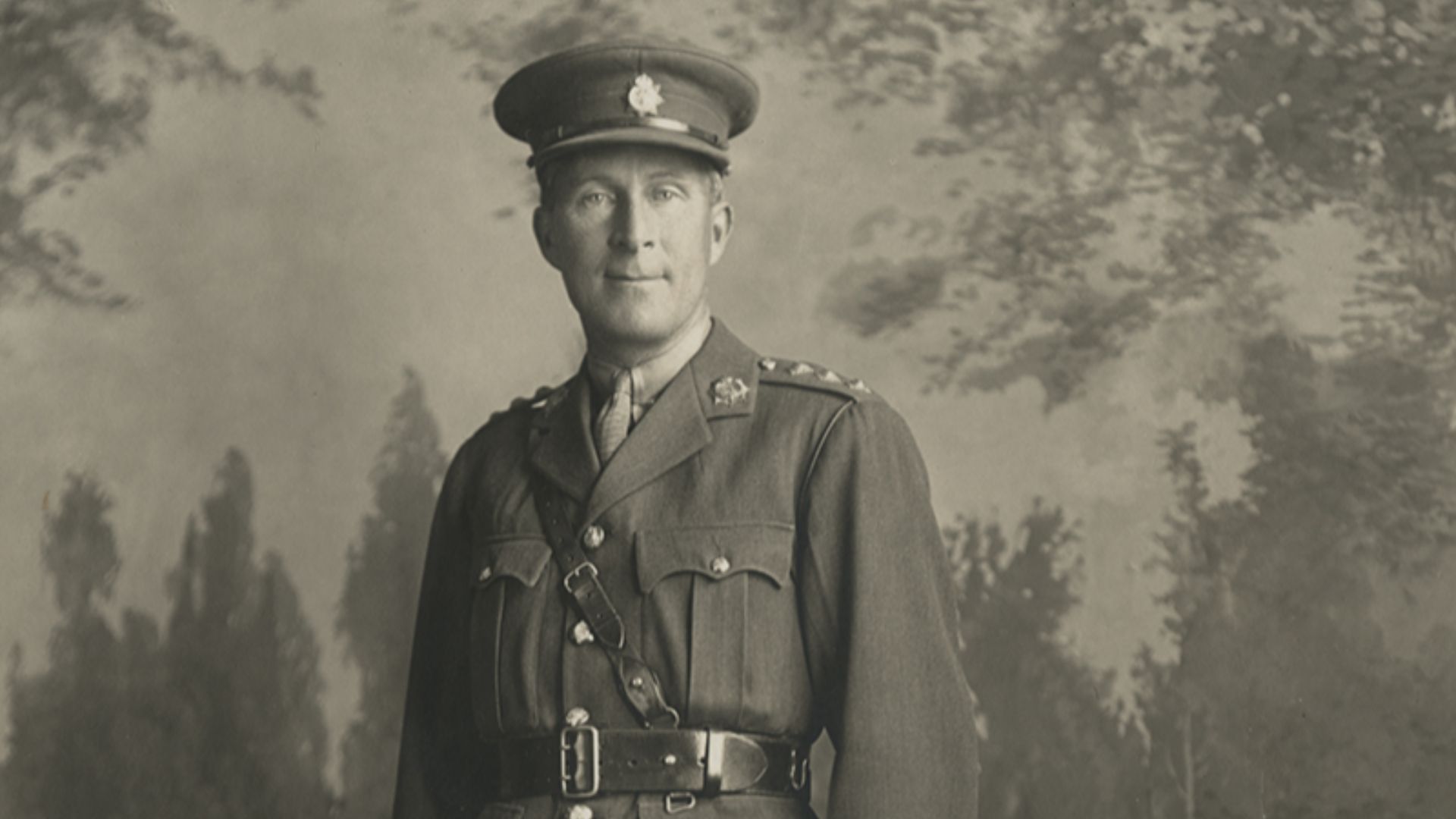 Albert Witzel, Wikimedia Commons
The Mystery Swallowed Her Career
The Taylor murder became one of early Hollywood’s most notorious scandals. HISTORY notes that actresses linked to Taylor saw their careers suffer after the killing, and Minter’s stardom rapidly faded. She largely left movies while still a young woman, even though no court ever found her responsible for Taylor’s death. The role the press assigned her in the mystery proved harder to escape than any character she had played on screen.
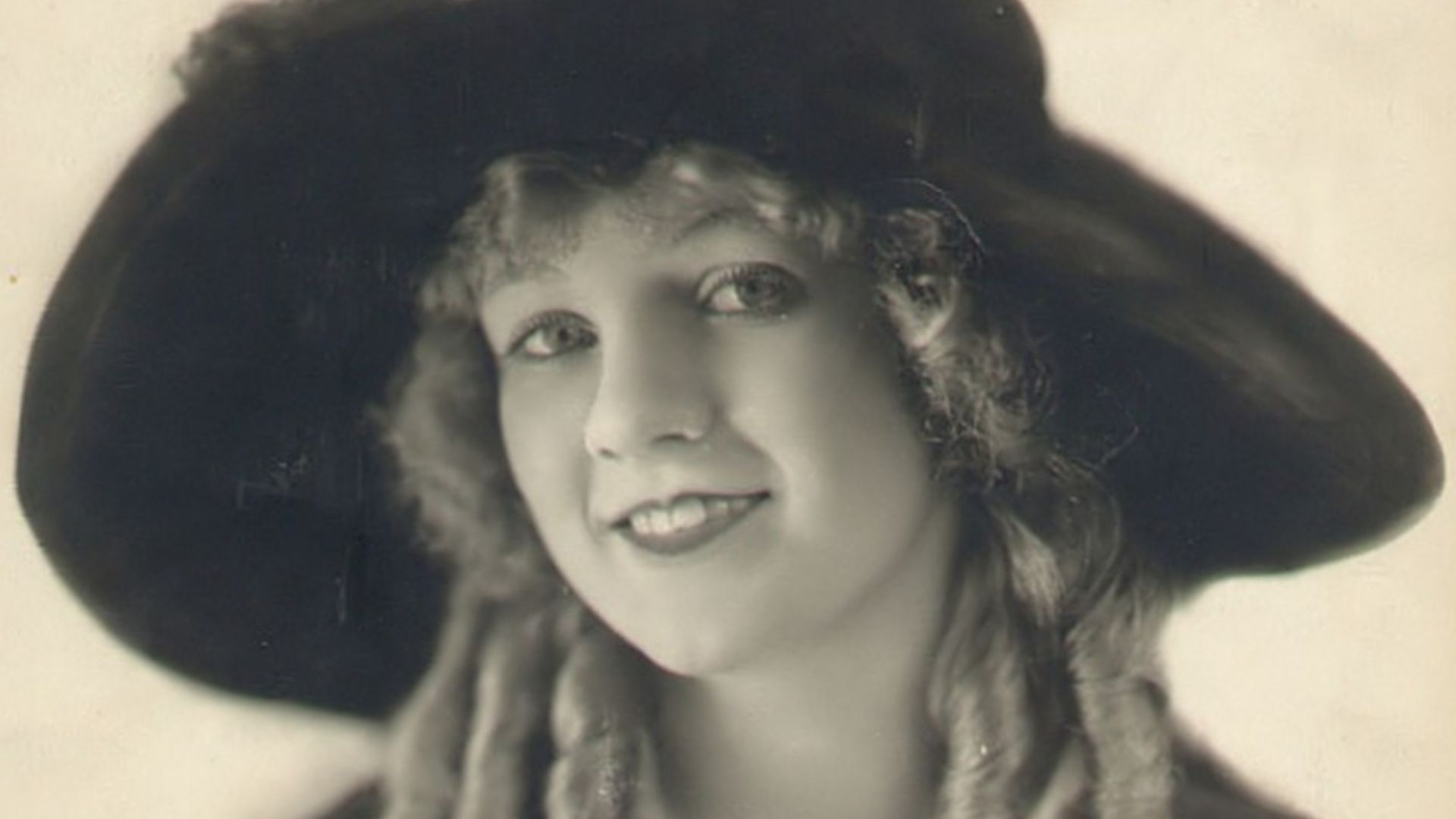 James Wong Howe, cinematographer. 1923 portrait of Mary Miles Mintor., Wikimedia Commons
Theda Bara Was Almost Completely Invented
Theda Bara was born Theodosia Goodman in Cincinnati, but Fox Film preferred a more exotic story. Studio publicity transformed her into a mysterious seductress supposedly connected to Egypt and the Sahara. The campaign was extraordinarily successful, and Bara became one of the silent era’s biggest stars while playing dangerous women who ruined men. One of Hollywood’s earliest mass celebrities was therefore famous partly for a person who did not actually exist.
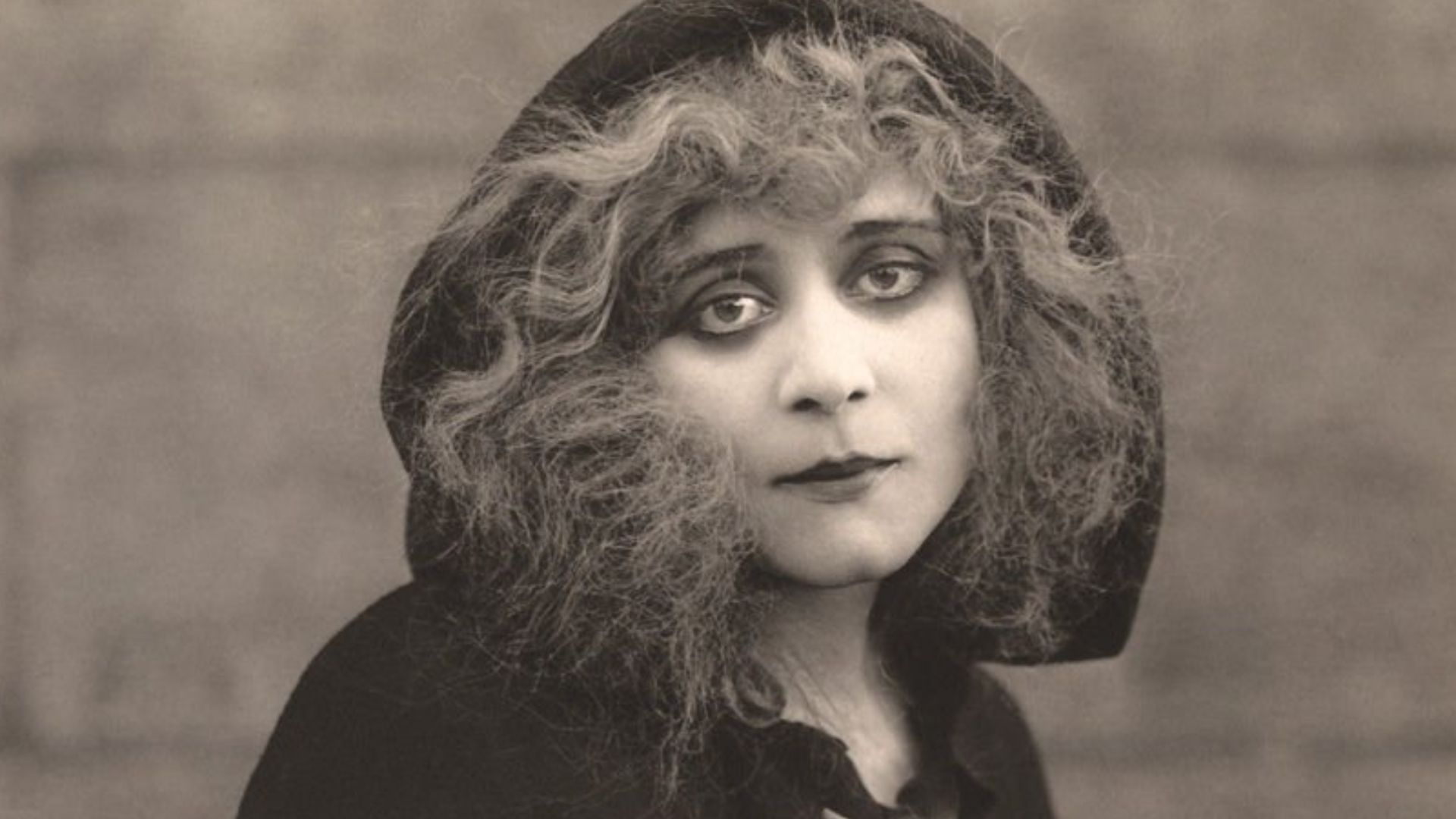 Albert Witzel, Wikimedia Commons
The Vamp Became Her Prison
Bara’s screen persona was so influential that the word “vamp” became closely associated with the kind of predatory seductress she played. She attempted more varied roles, but audiences and producers strongly identified her with wicked, sexually powerful women. The artificial personality created to make her famous also narrowed what Hollywood believed she could convincingly do. Stardom had given Bara an identity powerful enough to overwhelm the actress underneath it.
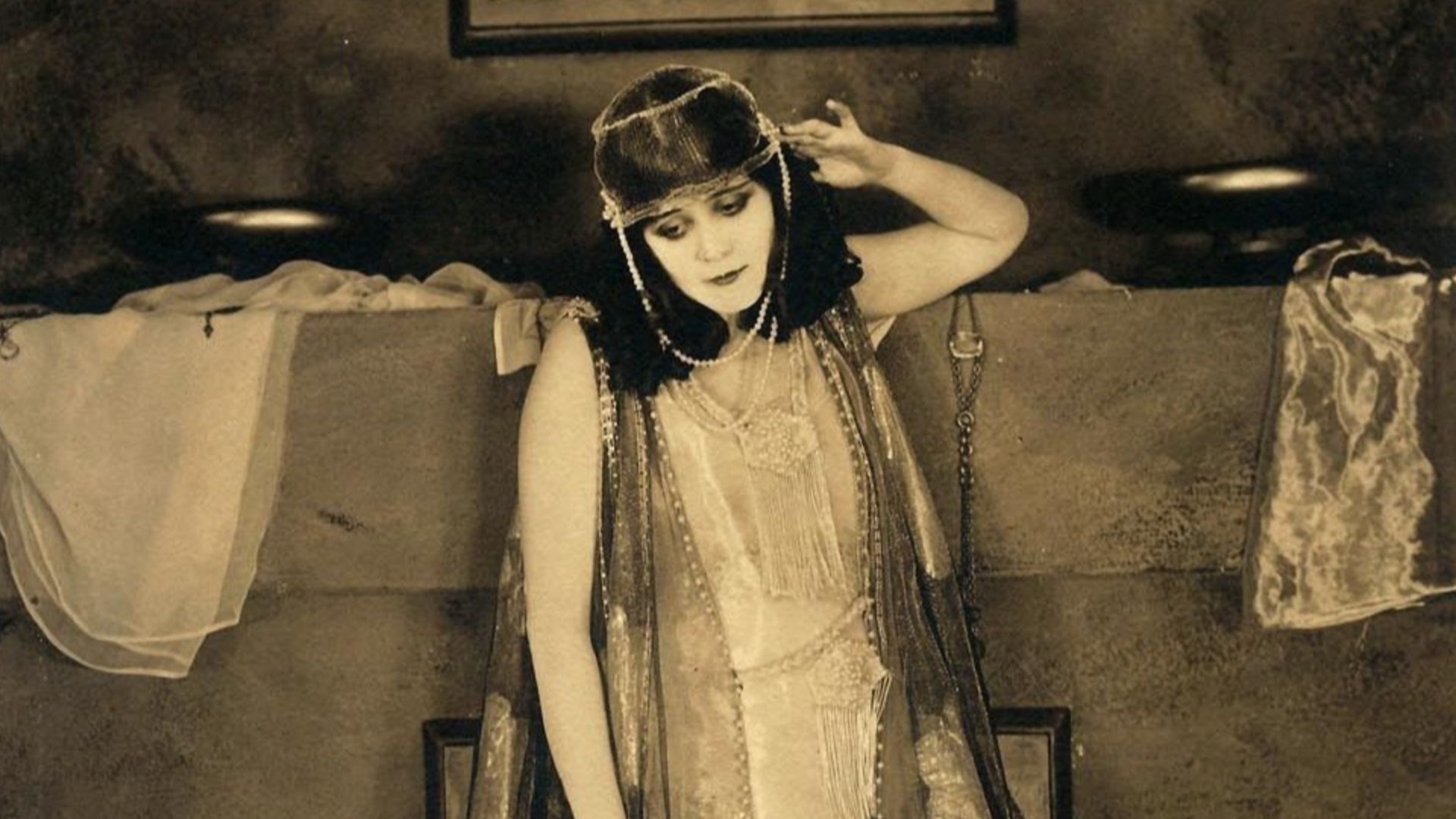 Albert Witzel, Wikimedia Commons
The Public Moved On Without Her
Bara made more than 40 films during an intense period of stardom between 1915 and 1919. As tastes shifted toward different kinds of female stars, her career faded rapidly, and she made only occasional later appearances. A 1937 Fox vault fire then destroyed most of her surviving films, making modern audiences far less familiar with her work than with her once-famous image. The woman who helped define movie celebrity became a reminder of how quickly celebrity itself can disappear.
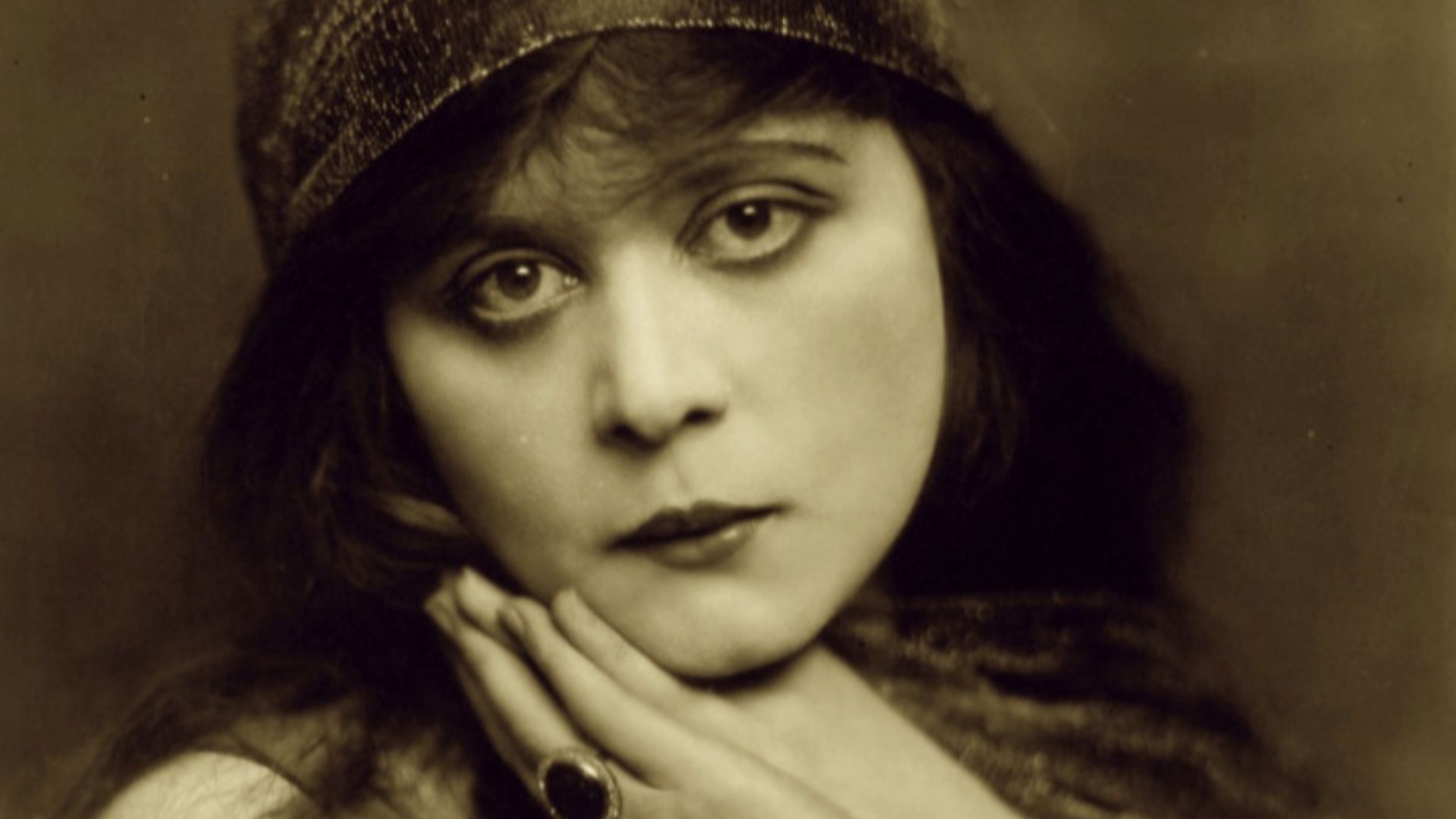 Orval Hixon, Wikimedia Commons
Clara Bow Became The Original “It Girl”
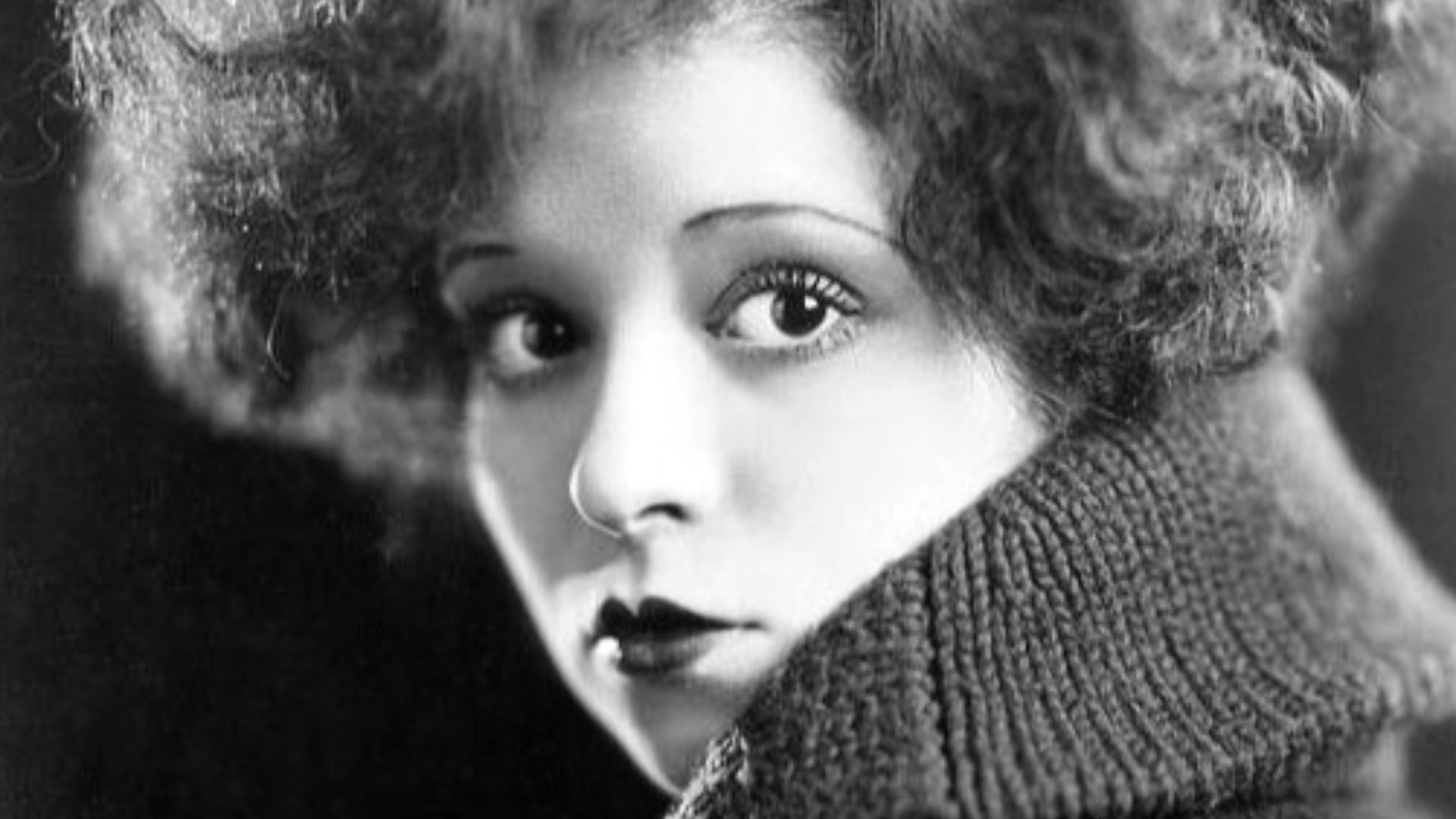
Clara Bow became the defining screen flapper of the 1920s. Her starring role in It turned the word into a shorthand for irresistible sex appeal, and millions of fans copied her clothes, hair, and attitude. Bow eventually became one of Hollywood’s highest-paid and most recognizable women. The industry sold her as spontaneous, liberated, and endlessly exciting, even as constant scrutiny made that image increasingly difficult to survive.
 Albert Witzel, Wikimedia Commons
Her Employee Sold Her Private Life
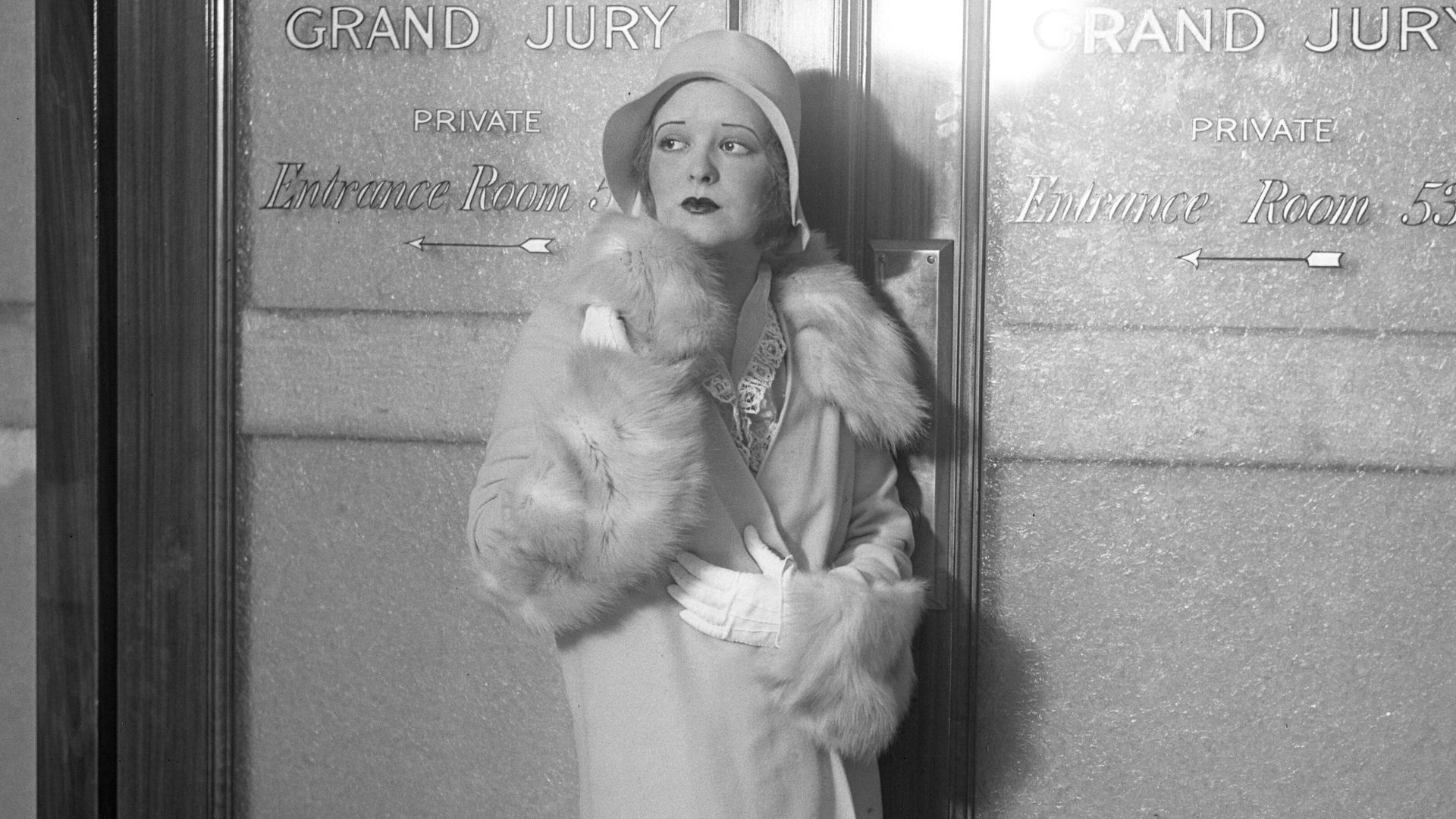
Bow’s former secretary Daisy DeVoe became central to a damaging legal and publicity battle involving accusations about money and private behavior. According to PBS, DeVoe sold Bow’s personal secrets to the press after their relationship collapsed. Newspapers and scandal publications already followed Bow’s romances obsessively, so the trial supplied even more material about her private life. A star famous for appearing uninhibited suddenly had almost no control over what the public was told about her.
 Los Angeles Daily News, Wikimedia Commons
Clara Finally Ran From Clara Bow
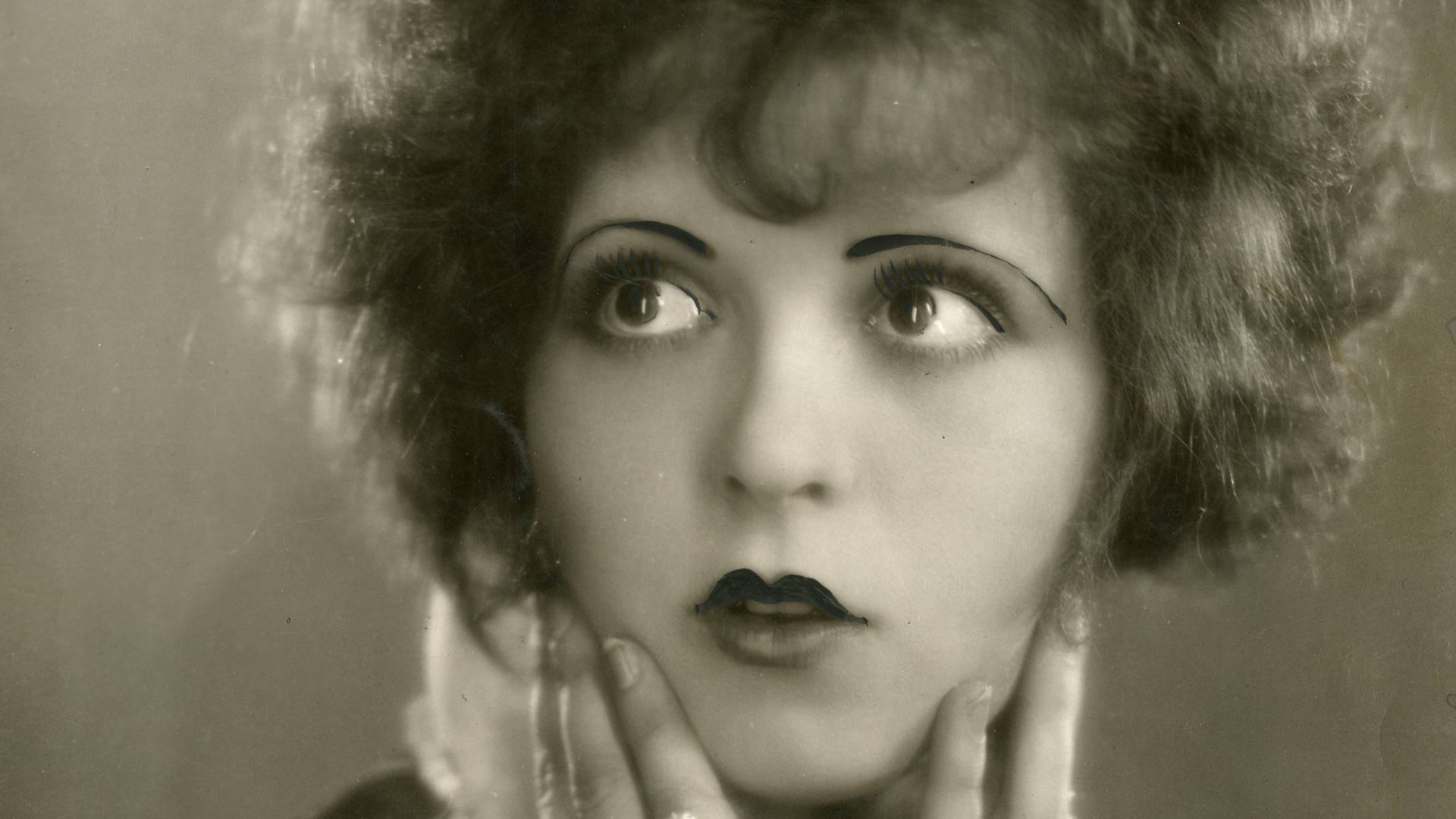
The scandals coincided with severe emotional strain. Library of Congress research records Bow suffering a mental breakdown, being hospitalized, and separating from Paramount, while contemporary Time coverage described another breakdown after the DeVoe case. She retired from films in the early 1930s and spent most of her remaining life away from Hollywood. Bow had become so famous as “Clara Bow” that escaping the character eventually meant escaping the industry that created it.
 Unknown authorUnknown author, Wikimedia Commons
Baby Peggy Worked Before She Could Understand Fame
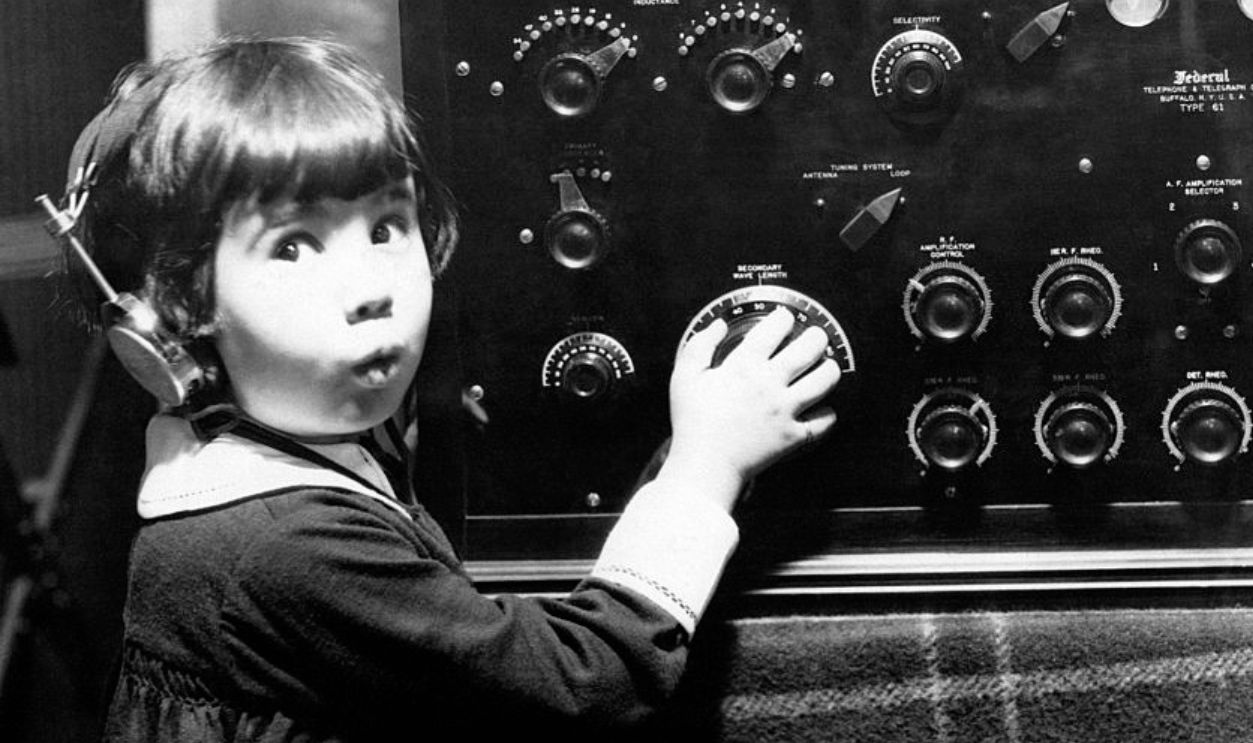
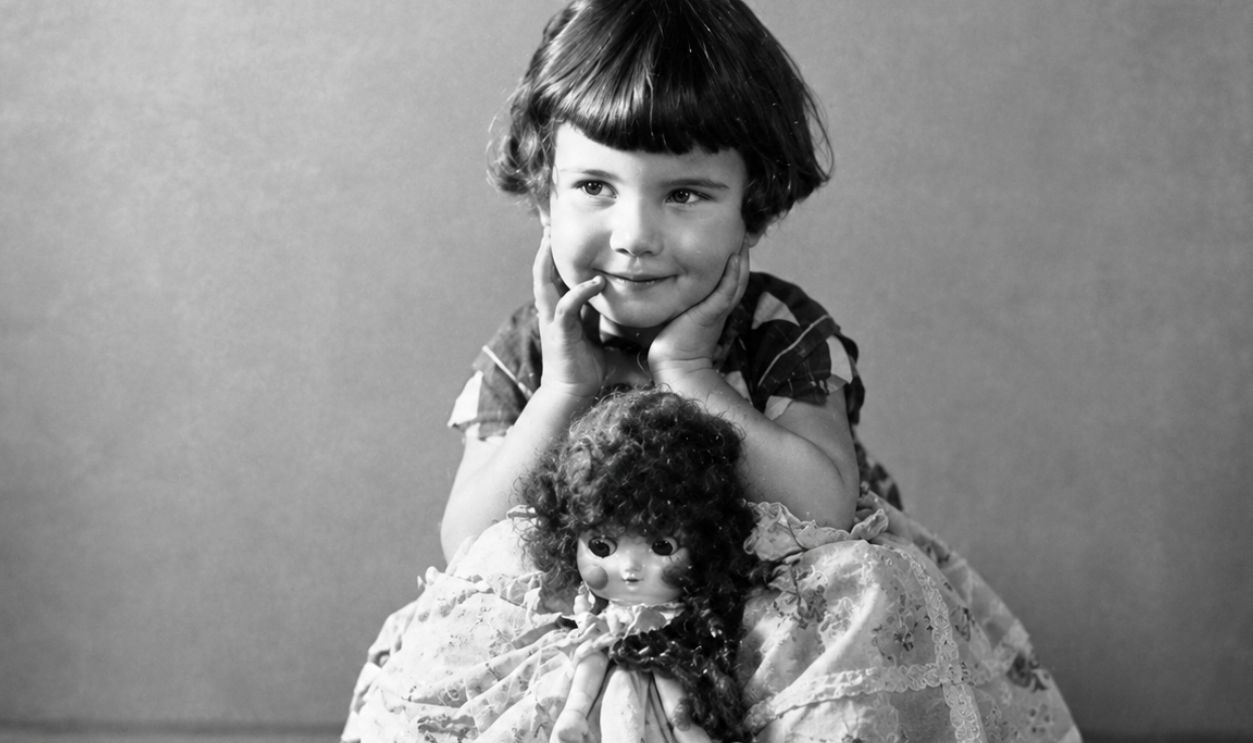
Peggy-Jean Montgomery, later known as Diana Serra Cary, began appearing in films when she was still a toddler. As Baby Peggy, she worked through more than 150 films and became one of the silent era’s most celebrated child performers. Her image sold merchandise, and she reportedly received astonishing quantities of fan mail. She was famous enough to be called the “Million Dollar Baby” before she was old enough to understand what earning a million dollars meant.
The Million-Dollar Baby Lost The Money
Cary later described a childhood built around relentless work and obedience to adults. Her father could command her to laugh or cry for the camera, and she performed dangerous scenes during long working days without the protections expected for child actors today. The large sums she earned did not become financial security because much of the money went elsewhere and her family later went bankrupt. Childhood celebrity had generated a fortune without guaranteeing that the child who earned it would keep one.
 Unknown photographer, Wikimedia Commons, Enhanced
Baby Peggy Became Her Own Historian
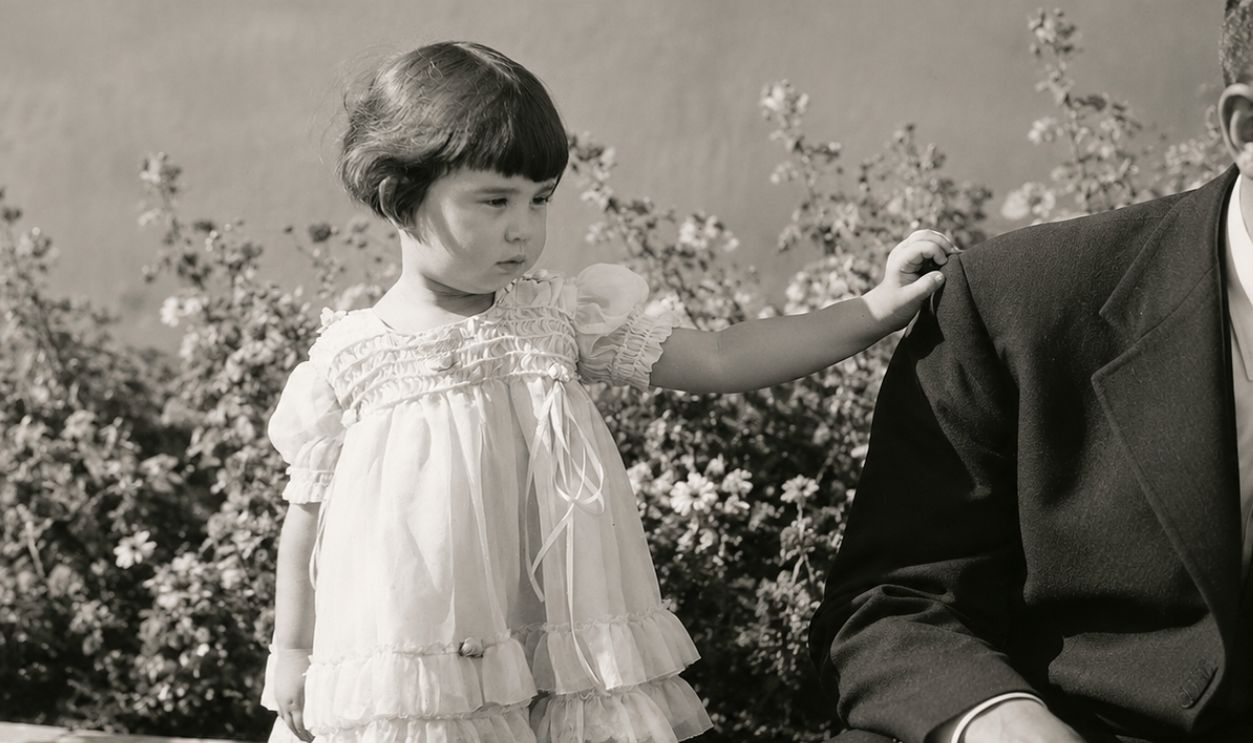
After her childhood career ended abruptly, Cary spent most of her adult life far from her former level of fame. She eventually became an author and historian who wrote about early Hollywood and advocated for stronger protections for young performers. She also worked alongside other former child stars in campaigns associated with California’s child-actor protections. The little girl Hollywood had treated as a product grew up to document exactly what that system had cost children.
 University of Washington, Wikimedia Commons, Enhanced
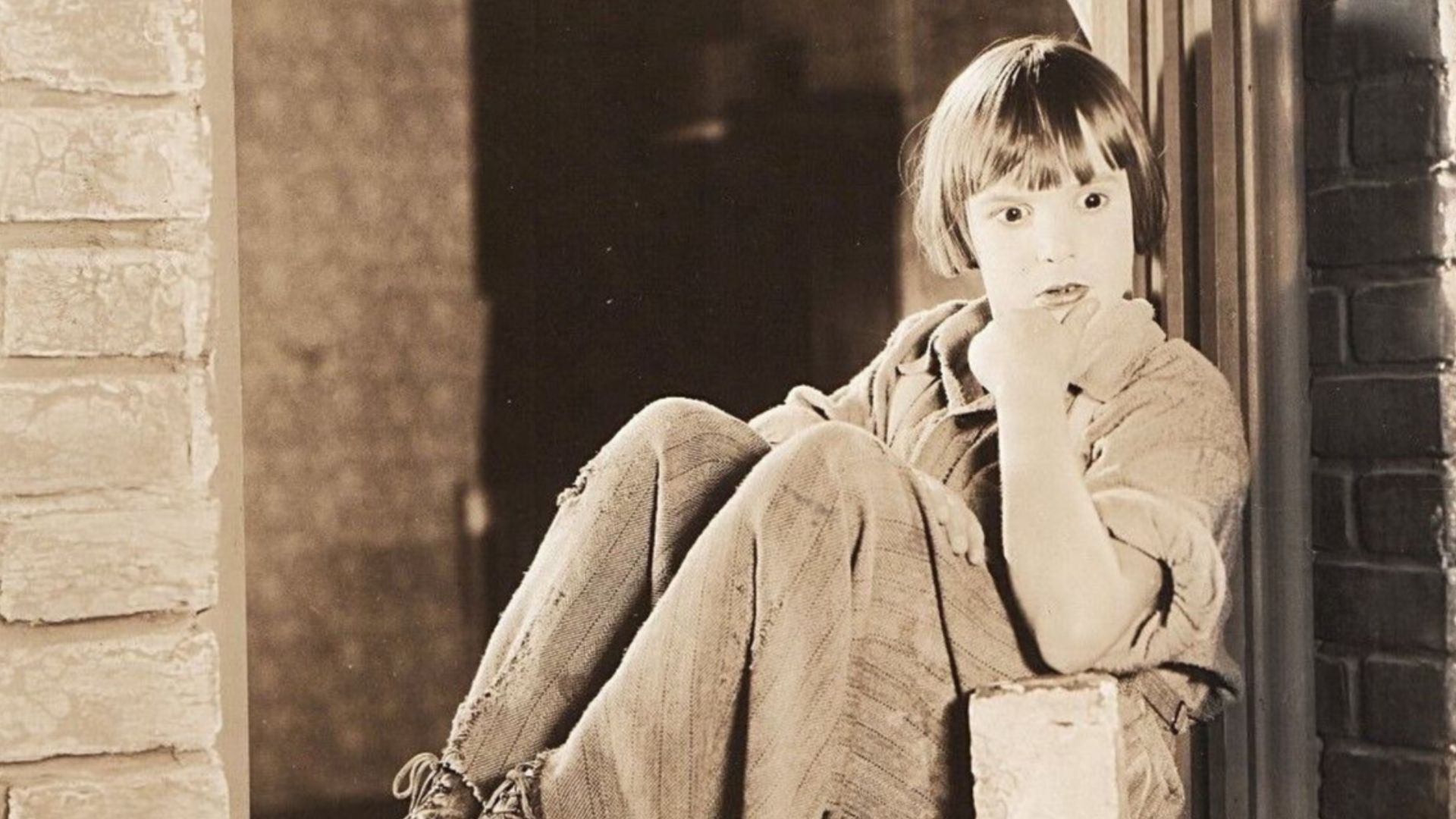
Jackie Coogan Made Childhood Profitable
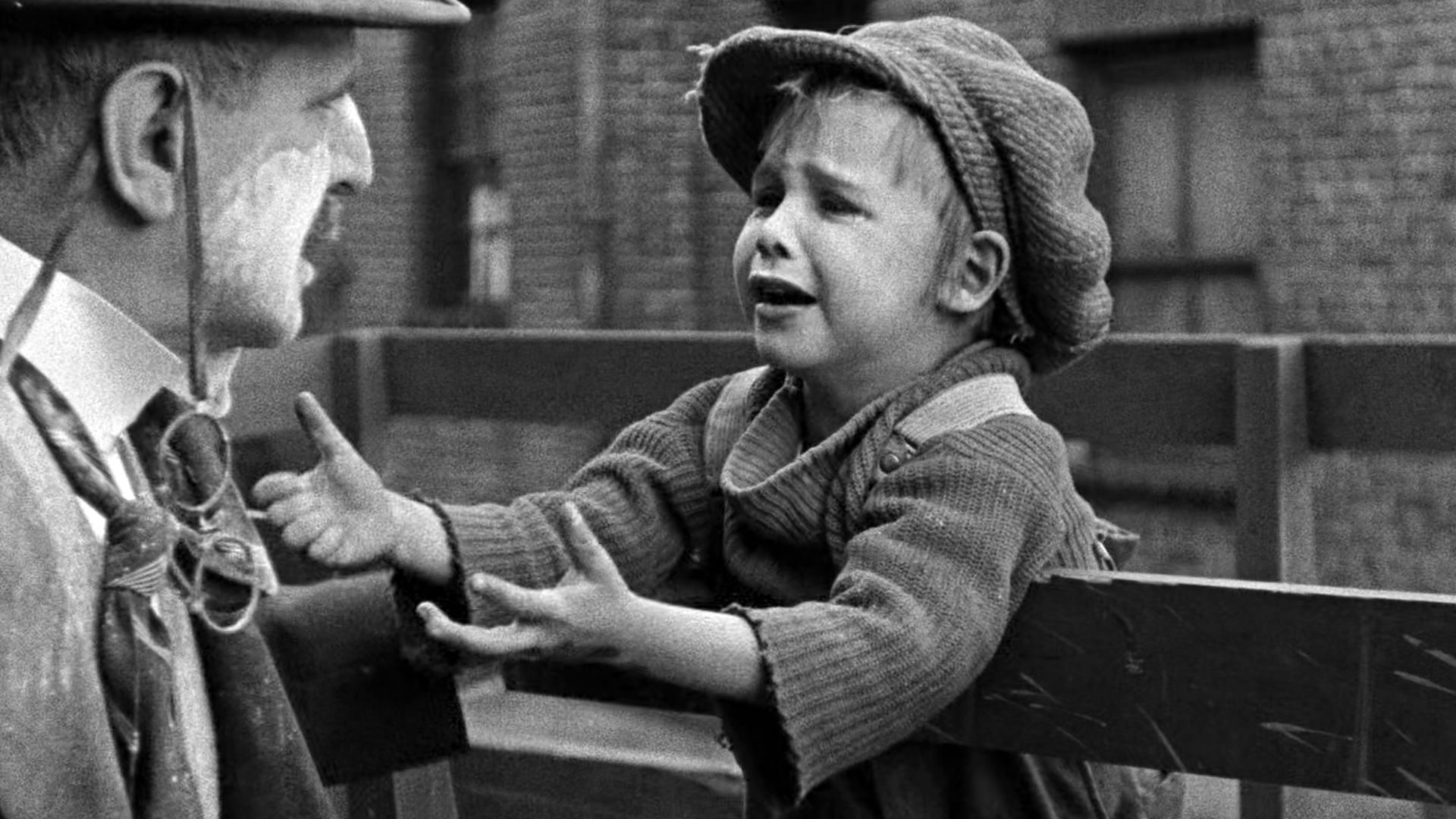
Jackie Coogan became internationally famous after appearing with Charlie Chaplin in The Kid. The Library of Congress notes that Chaplin recognized Coogan’s unusual ability to reproduce powerful emotion naturally on camera. Coogan’s films, merchandise, and appearances made him one of the most commercially successful child performers of the silent era. Like Baby Peggy, he became a valuable entertainment property long before he was legally capable of controlling the money involved.
 Charlie Chaplin, Wikimedia Commons
His Parents Controlled The Fortune
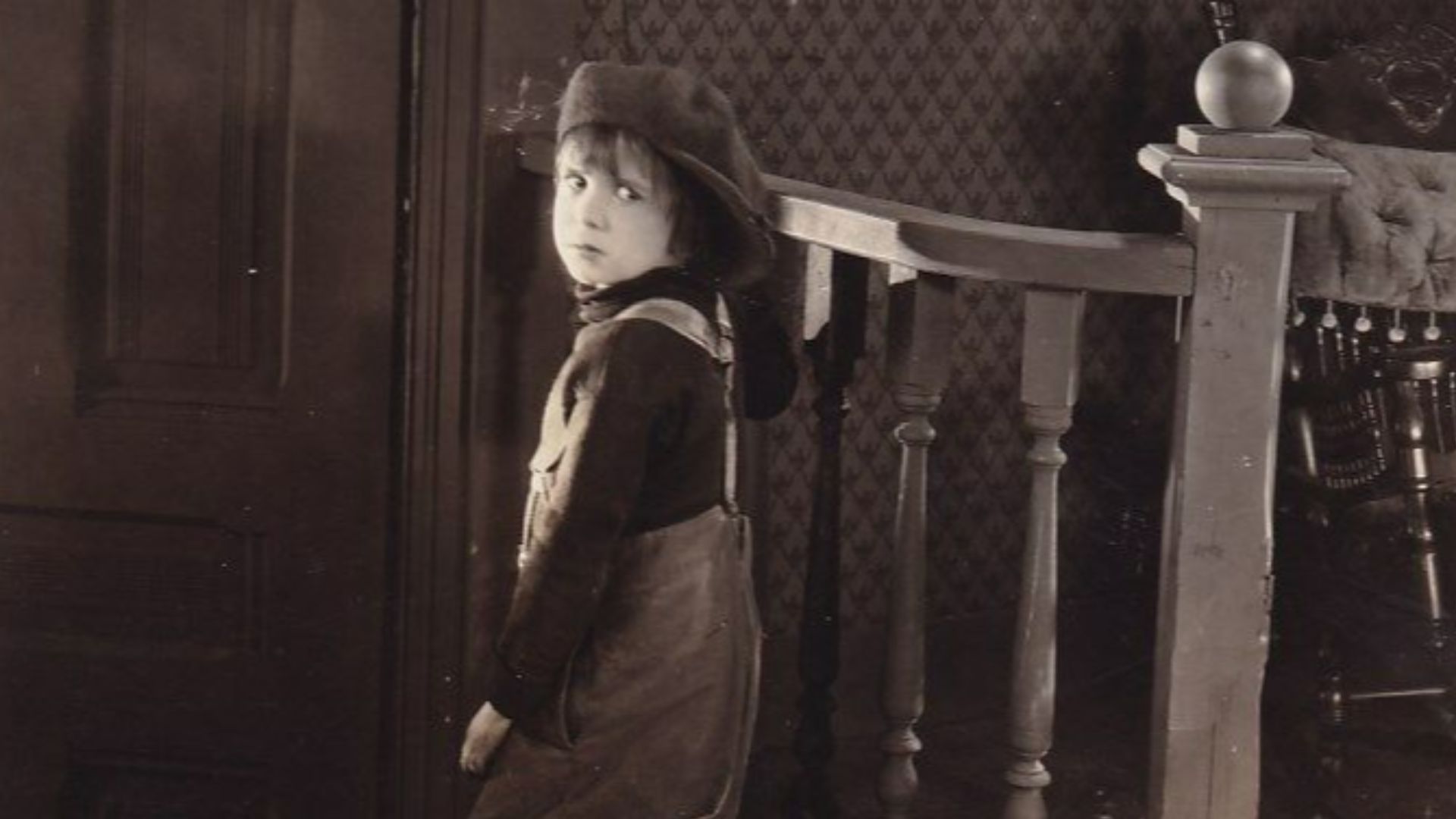
Coogan continued earning enormous sums while he was a minor, but California law at the time generally treated those earnings as belonging under parental control. When he reached adulthood, he discovered that much of the fortune associated with his childhood work was gone. In 1938, he sued his mother and stepfather over the money. The case became one of the most famous warnings about what could happen when a child’s fame enriched everyone around him.
 Unknown authorUnknown author, Wikimedia Commons
The Scandal Changed Child-Star Law
Coogan recovered only a fraction of the money he believed he had earned. The controversy helped inspire California legislation designed to protect portions of child performers’ income, measures commonly associated with the name “Coogan Law.” Later reforms strengthened those protections and required money to be set aside for young performers. His celebrity had failed to protect him, but his loss helped protect generations of child stars who followed.
 Unknown; MGM studio photo, Wikimedia Commons
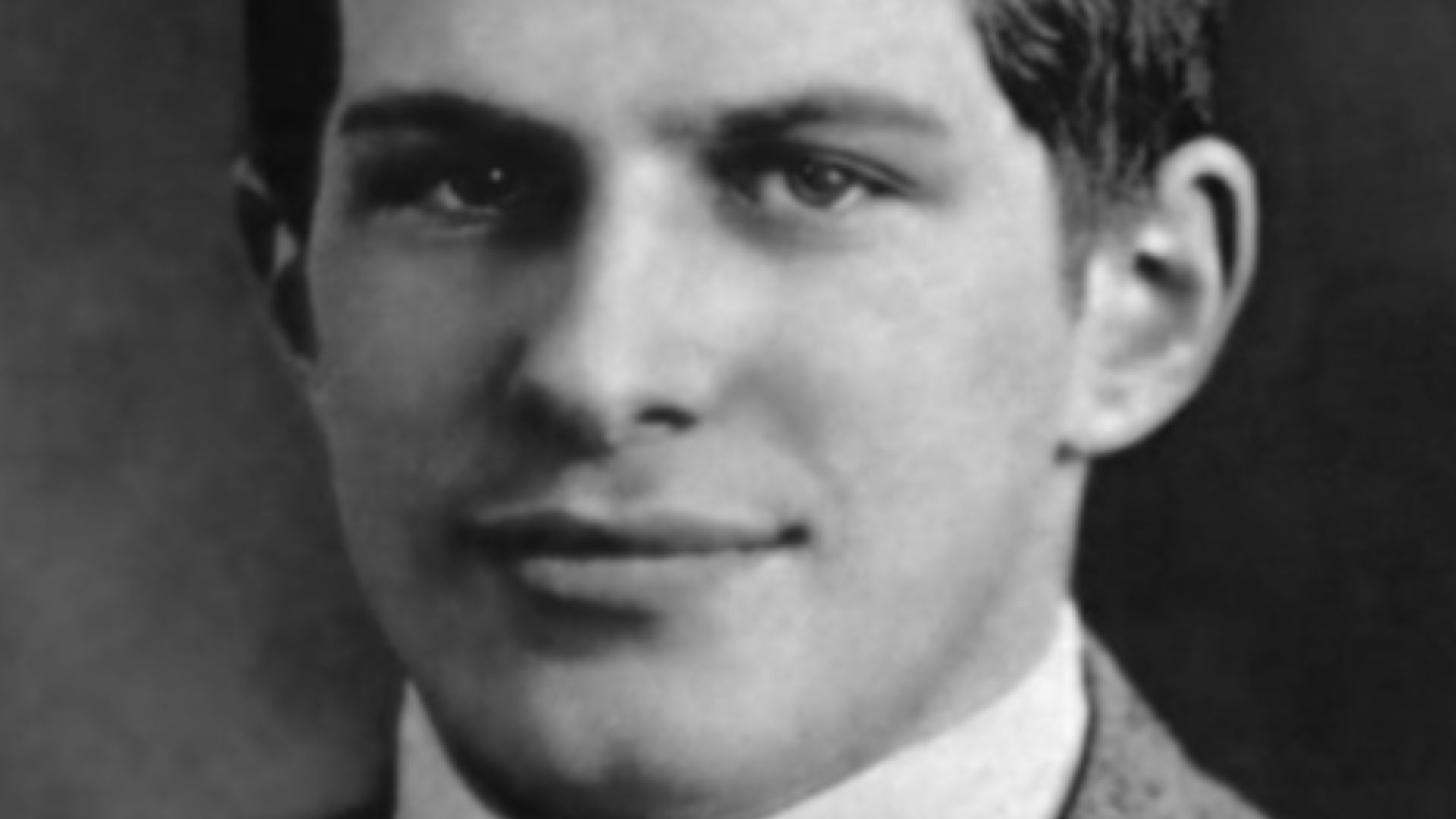
William Sidis Became A Genius For Public Consumption
William James Sidis was one of the most famous child prodigies of the early 20th century. Newspapers covered his intellectual feats, including his entry into Harvard at 11 and his lectures on advanced mathematics. Smithsonian notes that the era’s press eagerly turned unusually gifted children into national celebrities. Sidis became less a private student than a public experiment in what a supposedly perfect genius might become.
 Unknown authorUnknown author, Wikimedia Commons
He Spent Adulthood Avoiding Reporters
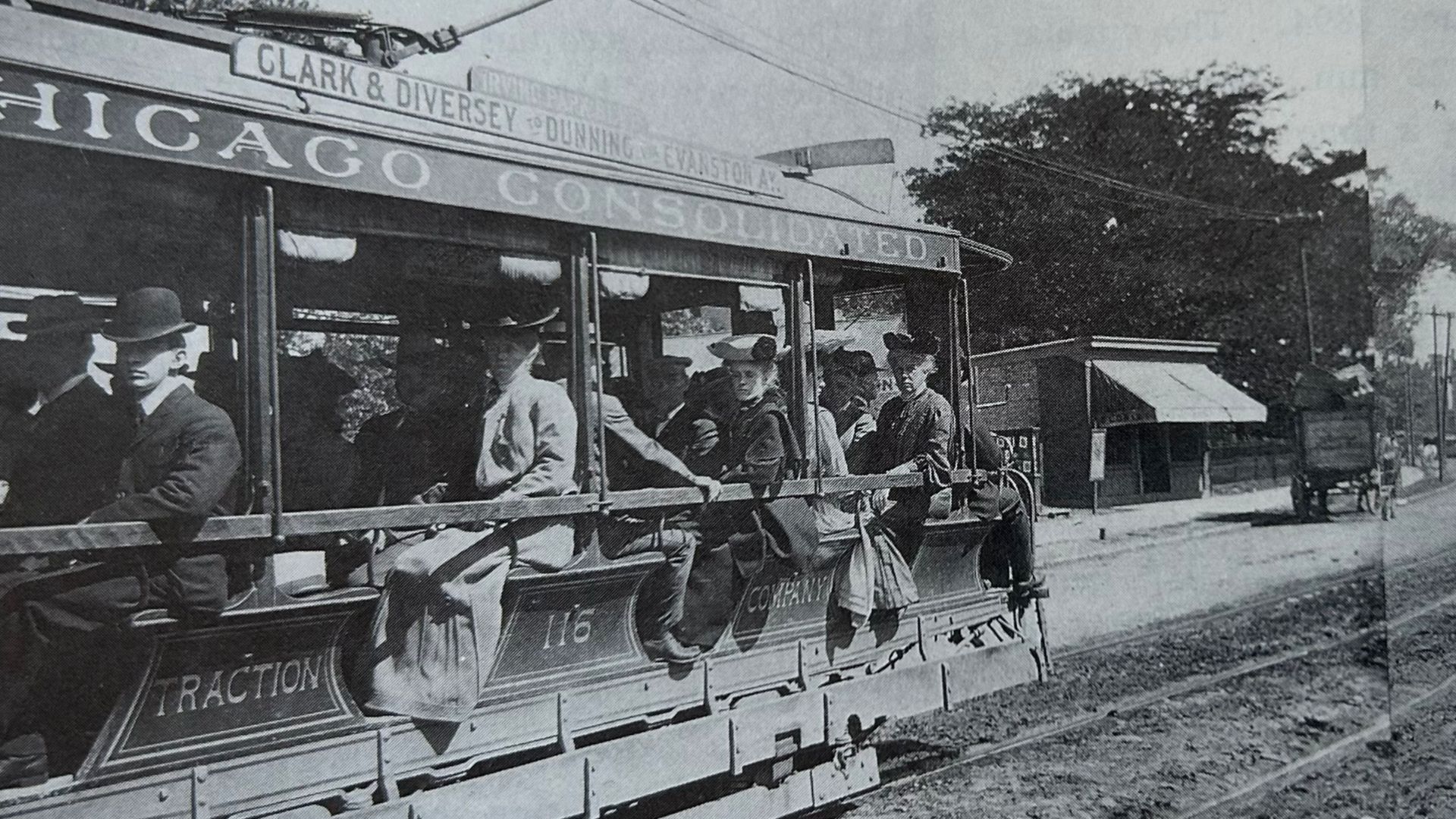
Sidis eventually became deeply uncomfortable with the attention attached to his childhood reputation. He worked ordinary jobs, wrote under pseudonyms, collected streetcar transfers, and reportedly fled from reporters who recognized him. The newspapers that had celebrated his brilliance now treated his desire for obscurity as another story about the failed promise of a prodigy. Even refusing fame became a way for fame to follow him.
 Unknown authorUnknown author, Wikimedia Commons
Privacy Became Another Public Battle
In 1937, The New Yorker published a profile portraying the former prodigy’s quiet adult life in detail. Sidis sued over the article, arguing that the publication had invaded his privacy, but ultimately lost the case. Smithsonian describes the lawsuit as a landmark episode in the continuing debate about public figures and privacy. The boy newspapers had once insisted everyone should watch discovered that adulthood did not automatically restore his right to disappear.
 w:Rea Irvin for w:The New Yorker, Wikimedia Commons
Aimee McPherson Built A Media Empire
Aimee Semple McPherson understood modern publicity better than almost any religious leader of the 1920s. She used dramatic sermons, radio broadcasts, music, theatrical staging, and large public events to build an enormous following. Her Angelus Temple in Los Angeles could seat thousands, and by 1926 she was a genuine national celebrity. Religion, entertainment, and mass media had combined to make Sister Aimee impossible for newspapers to ignore.
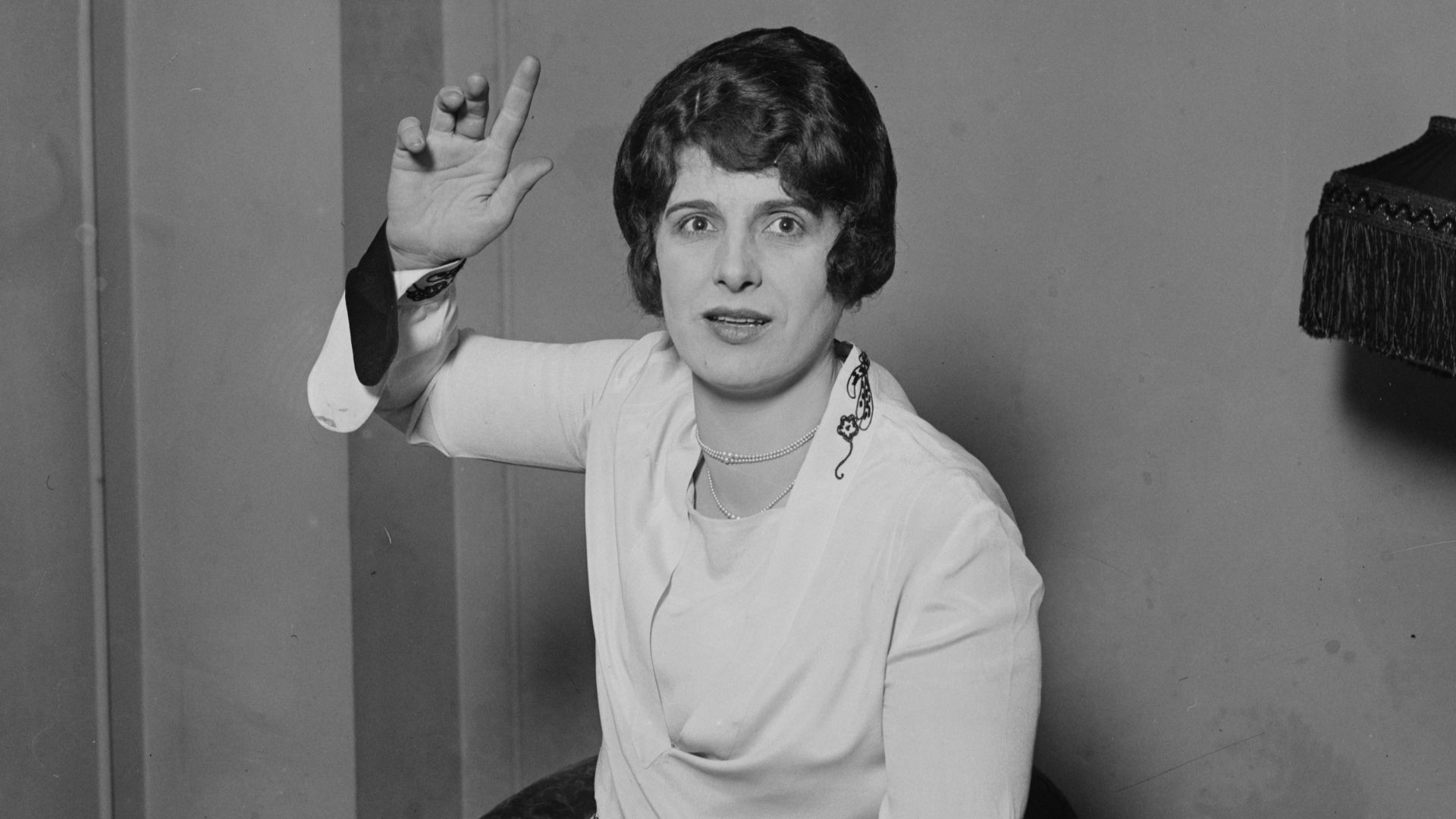 National Photo Company Collection, Wikimedia Commons
Her Disappearance Became National Entertainment
McPherson vanished in May 1926 and was initially feared drowned. Weeks later, she reappeared near the Mexican border and said kidnappers had held her captive before she escaped. Reporters soon focused on claims that she had actually disappeared voluntarily with married radio engineer Kenneth Ormiston, although no conclusive proof established that theory. The mystery became the kind of story where every rumor about a celebrity could be printed as another installment.
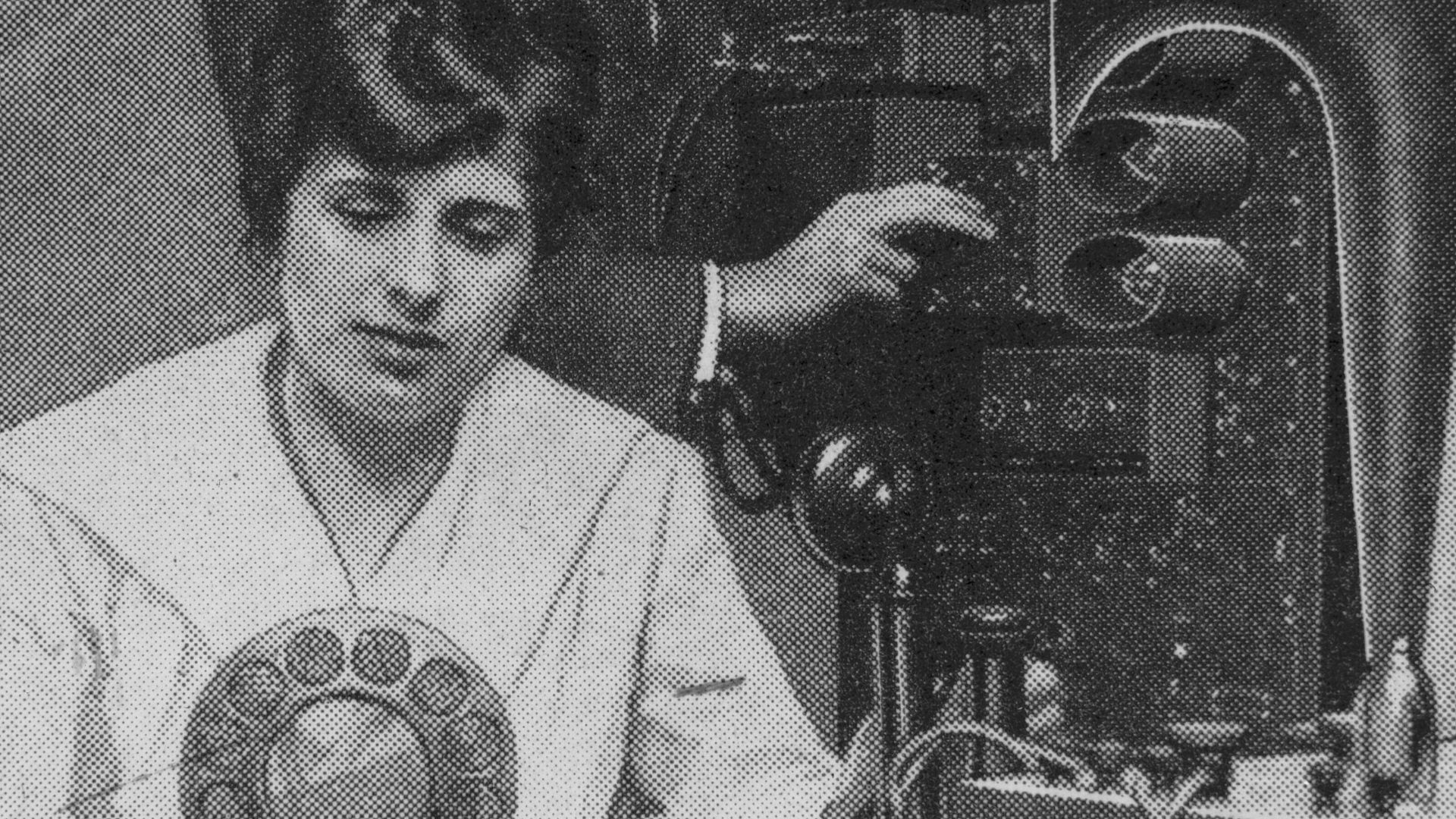 Los Angeles Times, Wikimedia Commons
She Could Never Completely Escape The Scandal
Authorities eventually pursued conspiracy and obstruction allegations related to McPherson’s kidnapping story, but the charges were dropped when the prosecution’s case weakened. The underlying mystery remained unresolved, and Smithsonian notes that newspapers mocked her over the affair for years afterward. Remarkably, the scandal did not destroy her ministry, which continued to grow until her death in 1944. McPherson survived her media trap better than many others, but she never again controlled the public story as completely as she had before disappearing.
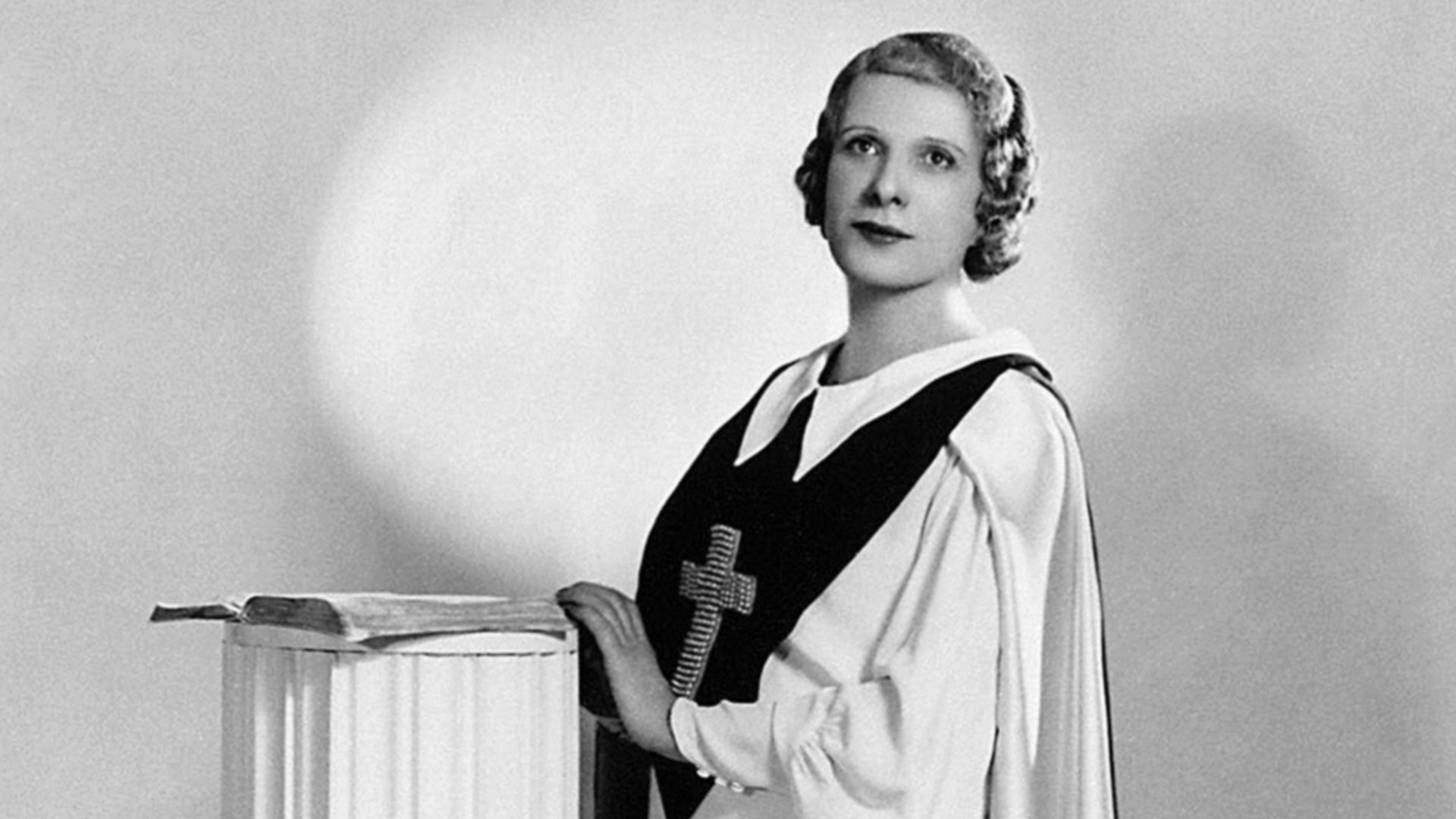 Albert Witzel, Wikimedia Commons
You May Also Like:
These Socialites Hid Sordid Secrets
Page-Turning Facts About The Literary World's Wildest Scandals
Little-Known Celebrity Scandals
Sources: 1, 2, 3, 4, 5, 6, 7, 8, 9, 10, 11, 12, 13, 14, 15, 16, 17, 18, 19, 20, 21, 22, 23, 24, 25, 26











.jpg)