
This Is Where Things Get Weird
Humanity has spent thousands of years pushing past limits that once seemed impossible. But there is a theoretical point on the civilization scale that, if humans ever reached it, well...the consequences would go far beyond better technology.

There’s A Scale For This
Back in 1964, astronomer Nikolai Kardashev proposed a way to classify civilizations based largely on how much energy they could harness. The idea was simple: the more advanced a civilization became, the more energy it would be capable of controlling. And the scale gets very big, very quickly.

Type I: Mastering A Planet
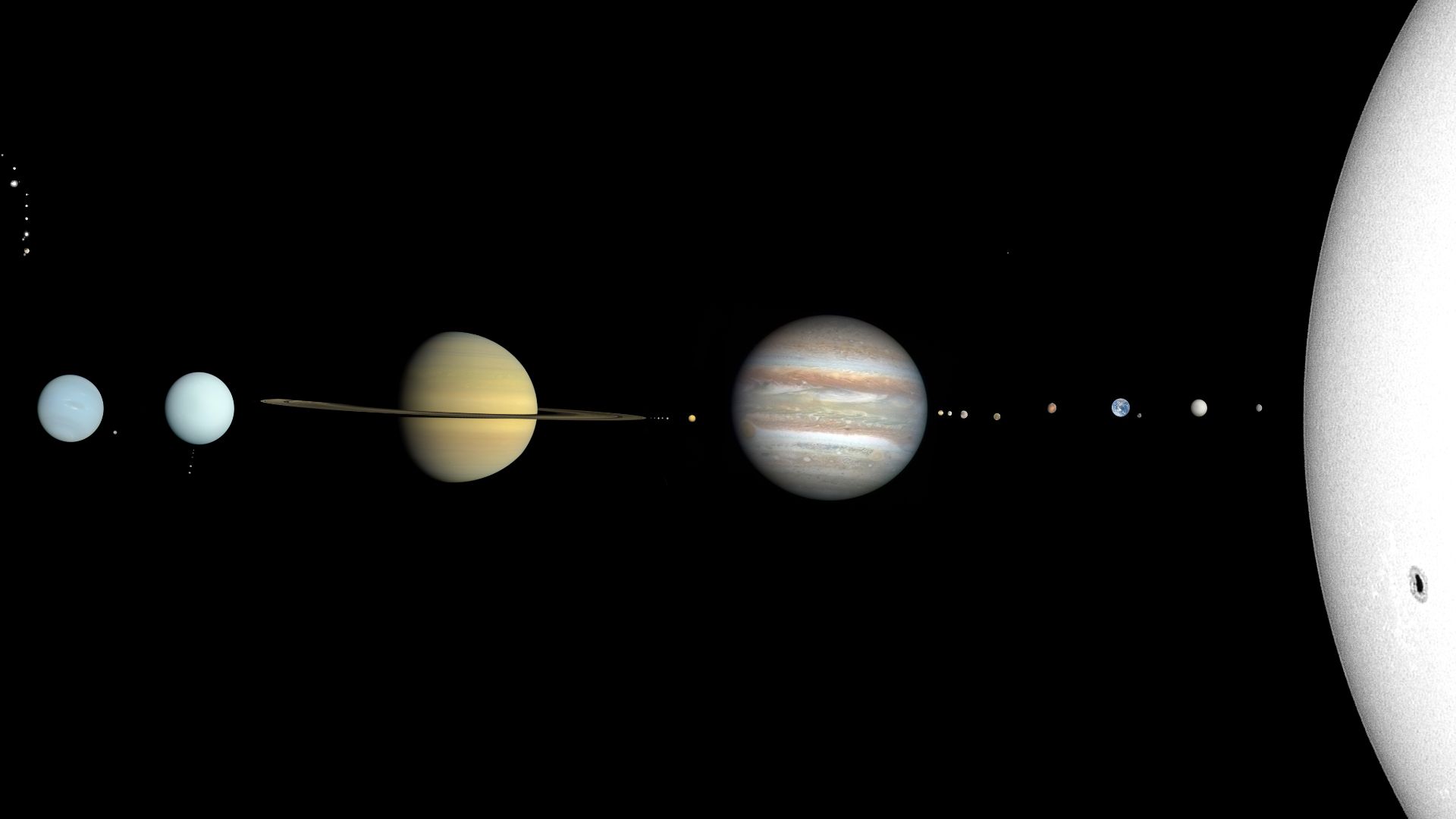
In the popular modern version of the scale, a Type I civilization could harness energy on the scale of an entire planet. Solar, wind, geothermal and other sources would make today's global energy system look remarkably primitive. And that would merely get humanity through the front door.
![Credits: User:MotloAstro (Sun); NASA (Mercury, Venus, Earth, Jupiter [with ESA], Saturn, Uranus, Neptune); Emirate Mission (Mars);](https://www.factinate.com/storage/app/media/factinate/2026/9/4/178852326486b78a751f588373544c1b22c275f1aae75b4c8b.jpg) CactiStaccingCrane, Wikimedia Commons
CactiStaccingCrane, Wikimedia Commons
Type II: The Sun Becomes An Energy Source
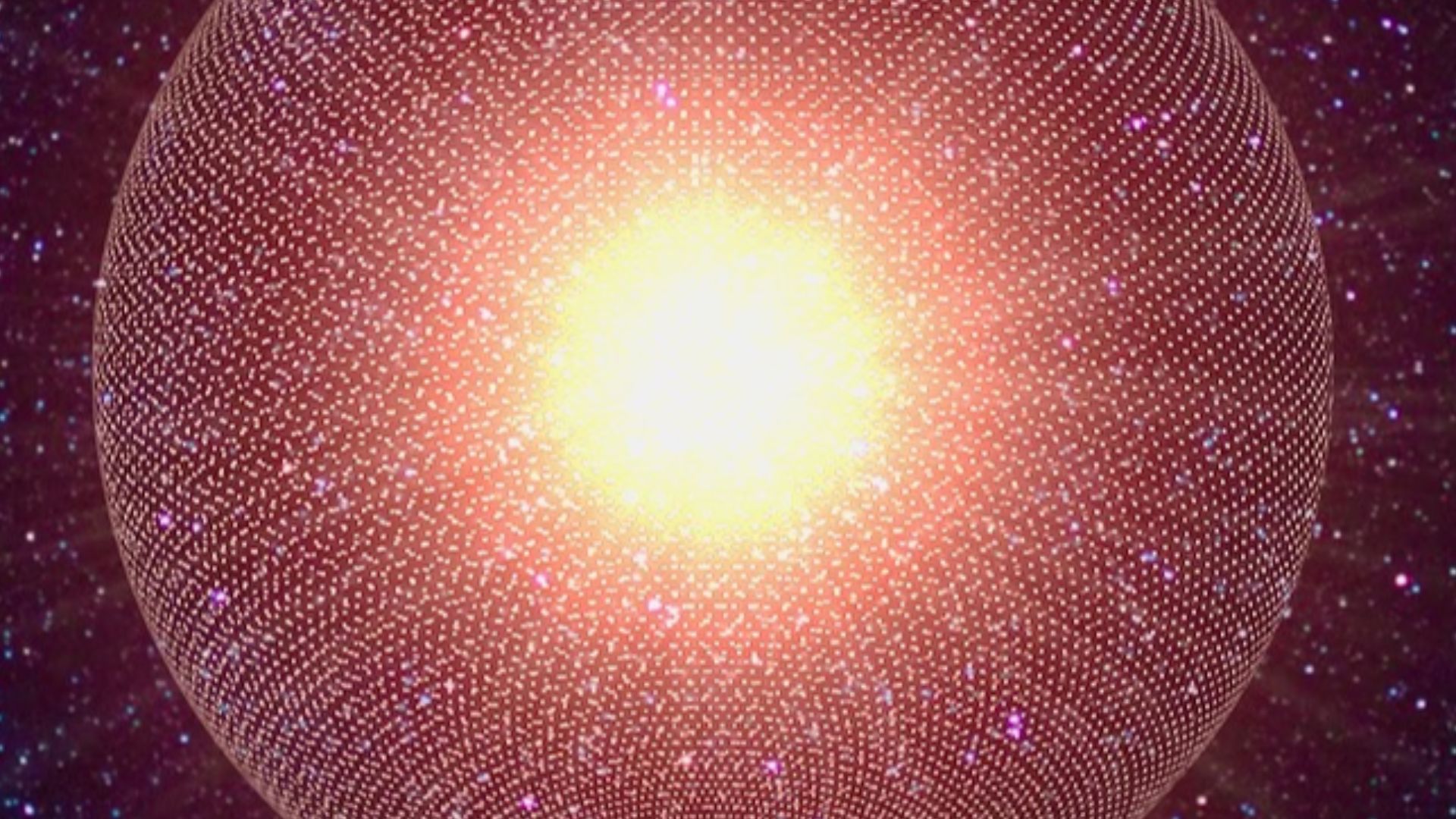
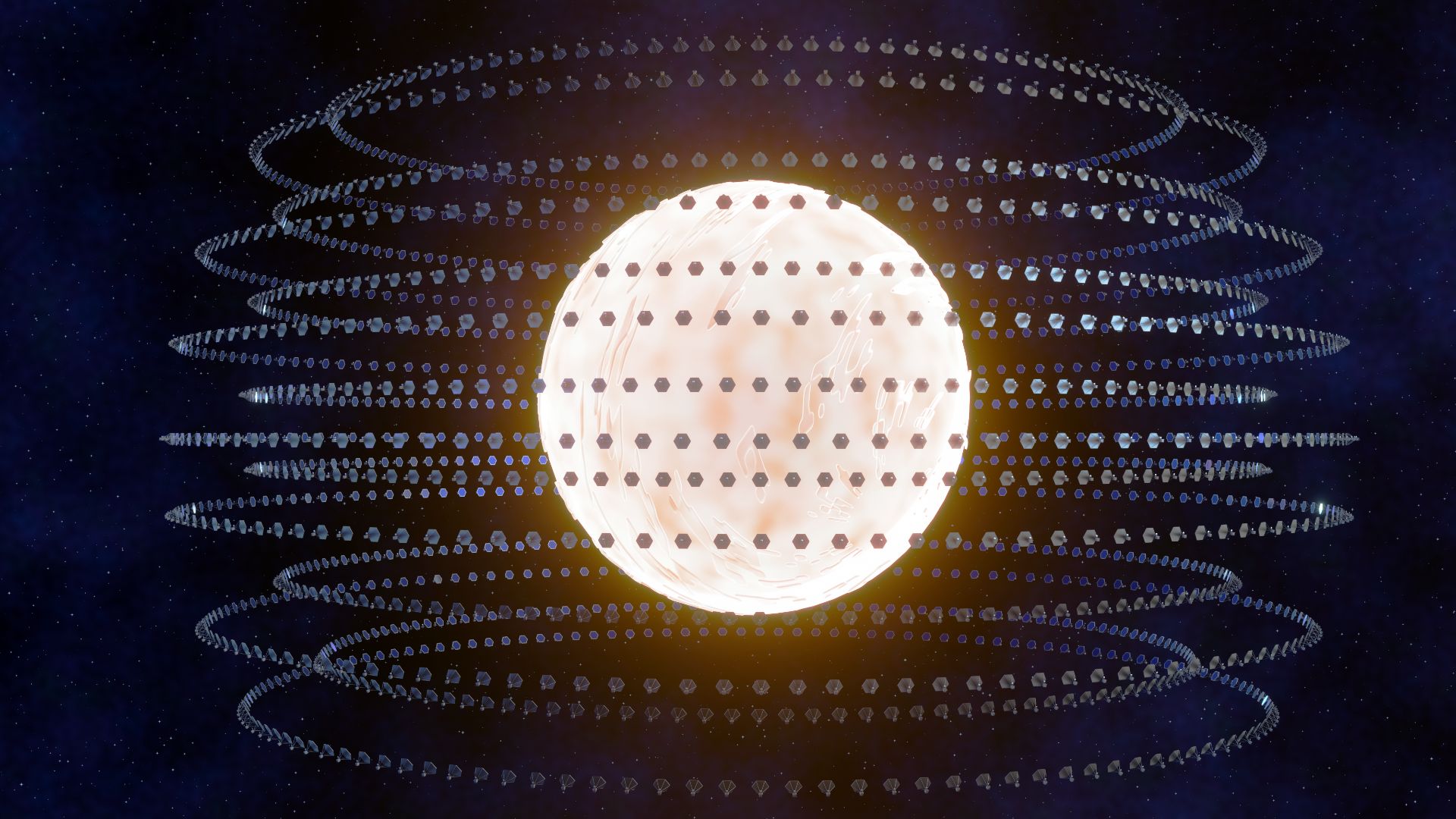
A Type II civilization operates on an entirely different scale. Instead of collecting a tiny fraction of sunlight that reaches Earth, humans might surround the Sun with enormous energy-collecting structures, often imagined as a Dyson swarm, capturing a substantial portion of the star's tremendous output.
 Archibald Tuttle, Wikimedia Commons
Type III: Now Take The Entire Galaxy
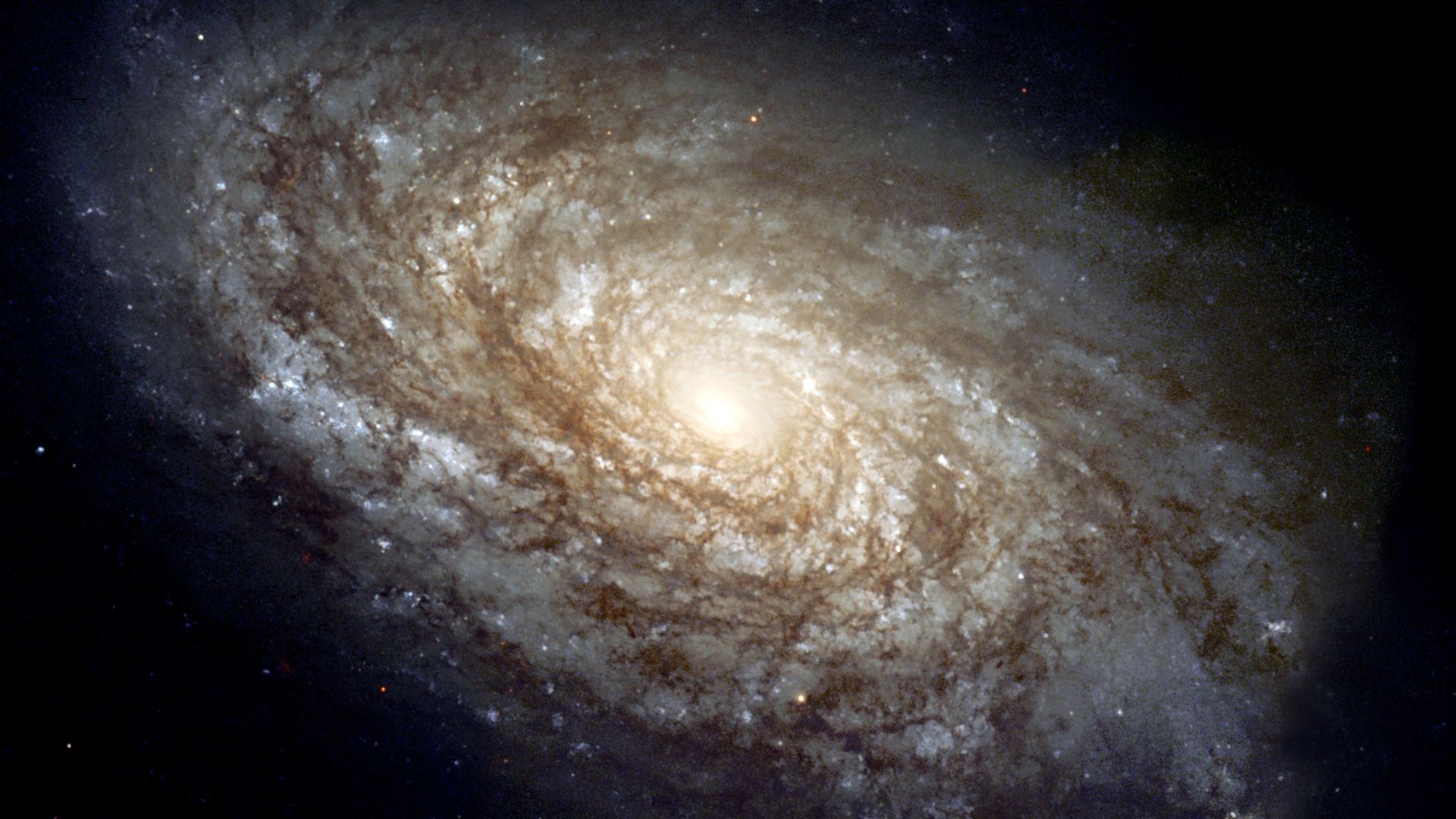
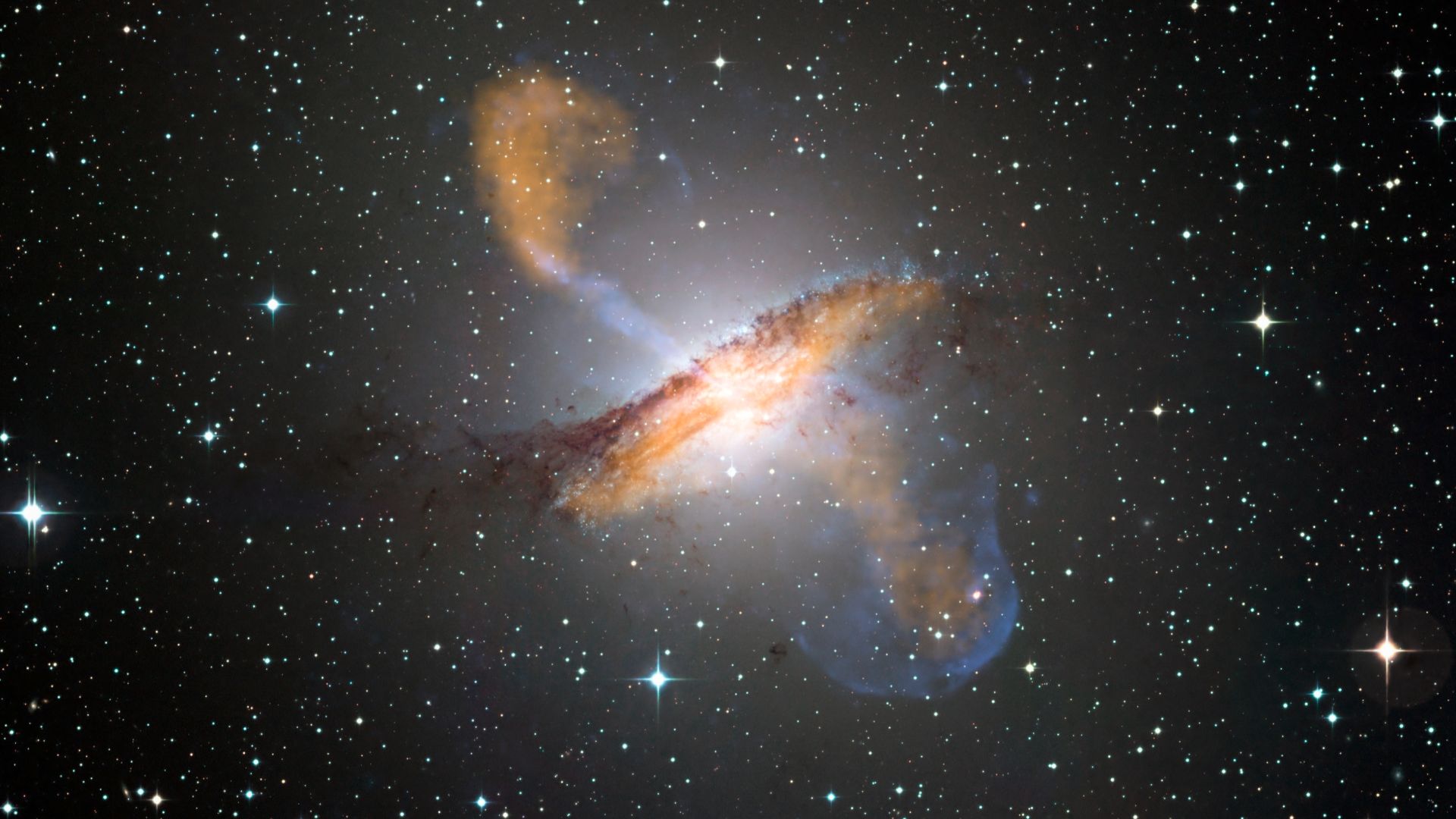
Type III is where the numbers become almost impossible to comprehend. Kardashev imagined a civilization possessing energy on the scale of its entire galaxy. That could mean spreading across billions of star systems and tapping the output of an enormous number of stars.
But Kardashev Stopped At Three
This part matters. Kardashev himself only described Types I, II and III. Everything beyond that comes from later speculative extensions, and scientists don't have one agreed definition for Types IV, V, VI or VII. From this point on, we're entering a thought experiment rather than established science.

And Then Things Get Really Strange
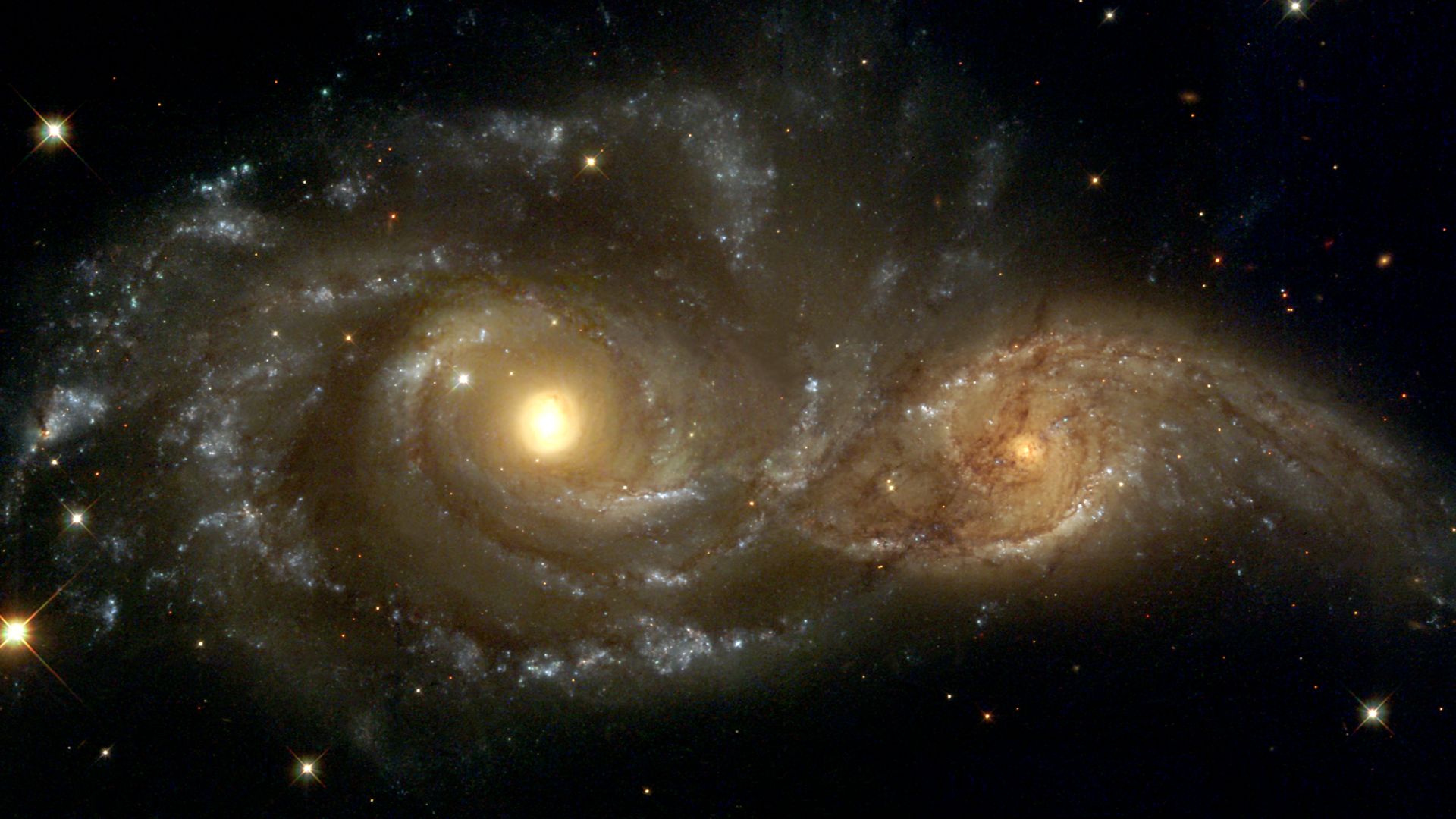
Various extended versions take the scale in different directions, but some imagine additional levels progressing from galactic civilizations toward control of the universe, multiple universes and eventually even more exotic possibilities.
 NASA/ESA and The Hubble Heritage Team (STScI), Wikimedia Commons
So What Are We Calling Type VII?
For this thought experiment, imagine Type VII as the extreme endpoint: a civilization no longer meaningfully limited by planets, stars, galaxies or perhaps even one universe. Its technology would be so far beyond ours that manipulating spacetime and fundamental physics might be ordinary engineering problems.
 CactiStaccingCrane, Wikimedia Commons
Earth Probably Wouldn't Matter Much Anymore
Today, nearly everything about civilization depends on one small planet. By Type VII, Earth could be little more than humanity's ancestral home. Humans or their descendants might occupy countless artificial worlds, star systems or entirely engineered environments scattered across distances we can barely imagine crossing today.
![Taken by Apollo 8 crewmember Bill Anders on December 24, 1968, at mission time 075:49:07 [8] (16:40 UTC), while in orbit around the Moon, showing the Earth rising for the third time above the lunar horizon. The lunar horizon is approximately 780 kilometer](https://www.factinate.com/storage/app/media/factinate/2026/9/4/178852476890d7c79ce9c397e14144b0a360fb649a5a2d8699.jpg) NASA/Bill Anders, Wikimedia Commons
NASA/Bill Anders, Wikimedia Commons
We Might Not Need Planets At All
Why terraform a planet when you can simply build a better one? A sufficiently advanced civilization could conceivably create enormous artificial habitats tailored precisely to its needs, controlling atmosphere, temperature and ecosystems, while using rotation or acceleration to produce artificial gravity rather than hoping to stumble across another conveniently Earth-like world.
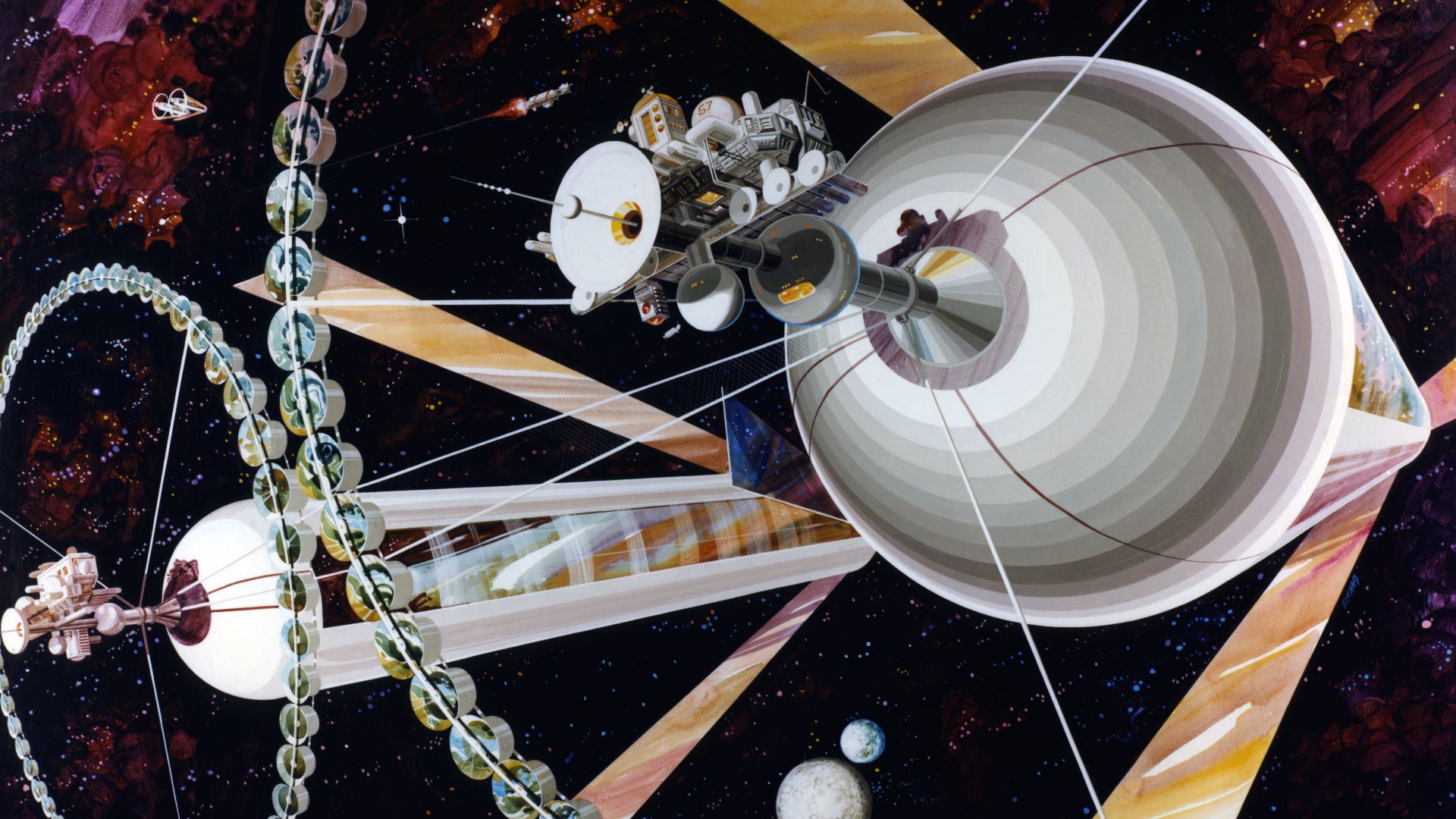 NASA/Rick Guidice, Wikimedia Commons
Stars Could Become Construction Materials
To us, stars are enormous objects we can barely approach. To an extremely advanced civilization, they might become resources to move, modify or dismantle. Concepts such as stellar engineering already exist as theoretical speculation. Type VII would make even those astonishing ideas seem almost quaint.
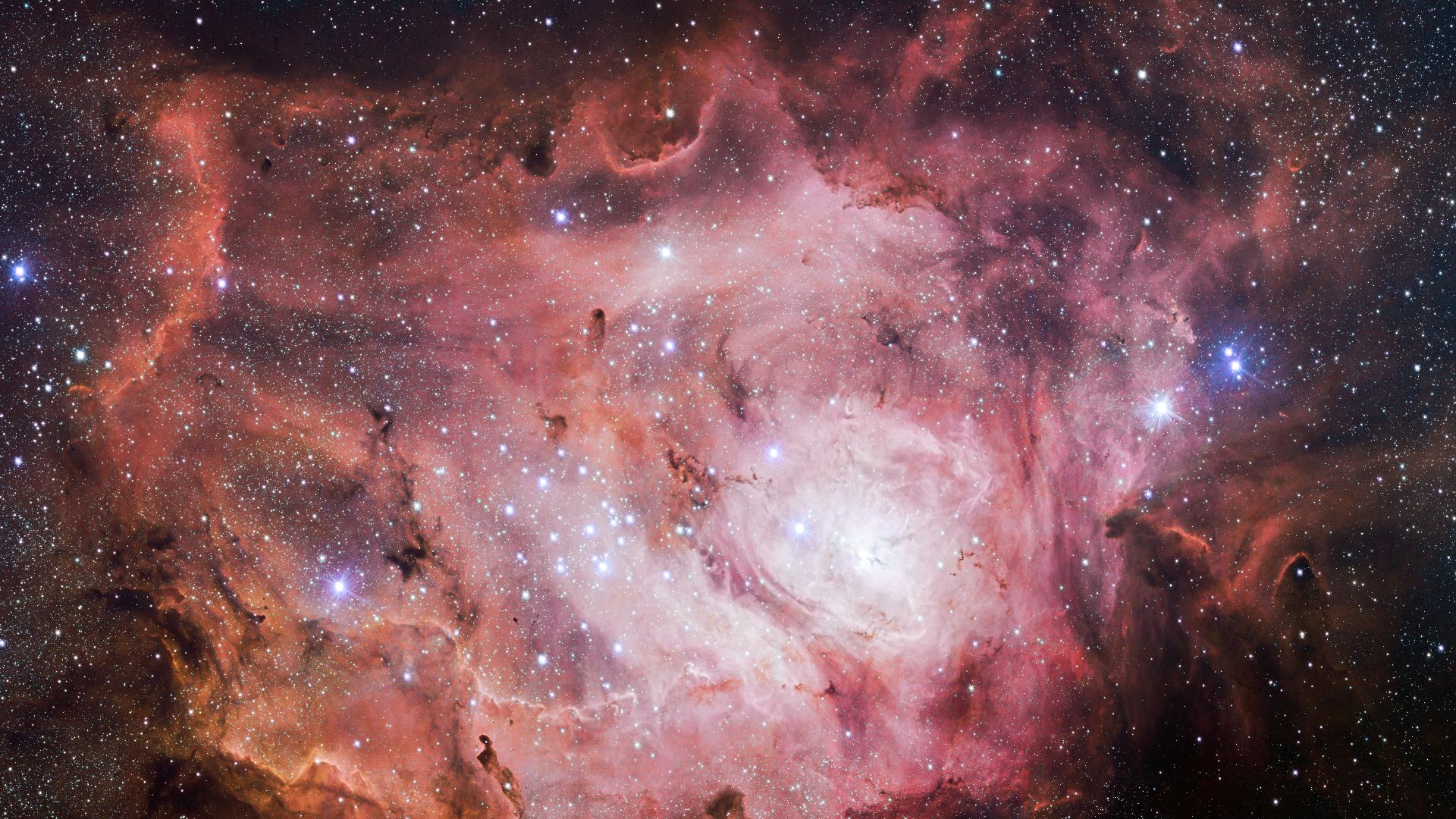 ESO/VPHAS+ team, Wikimedia Commons
Black Holes Might Become Useful
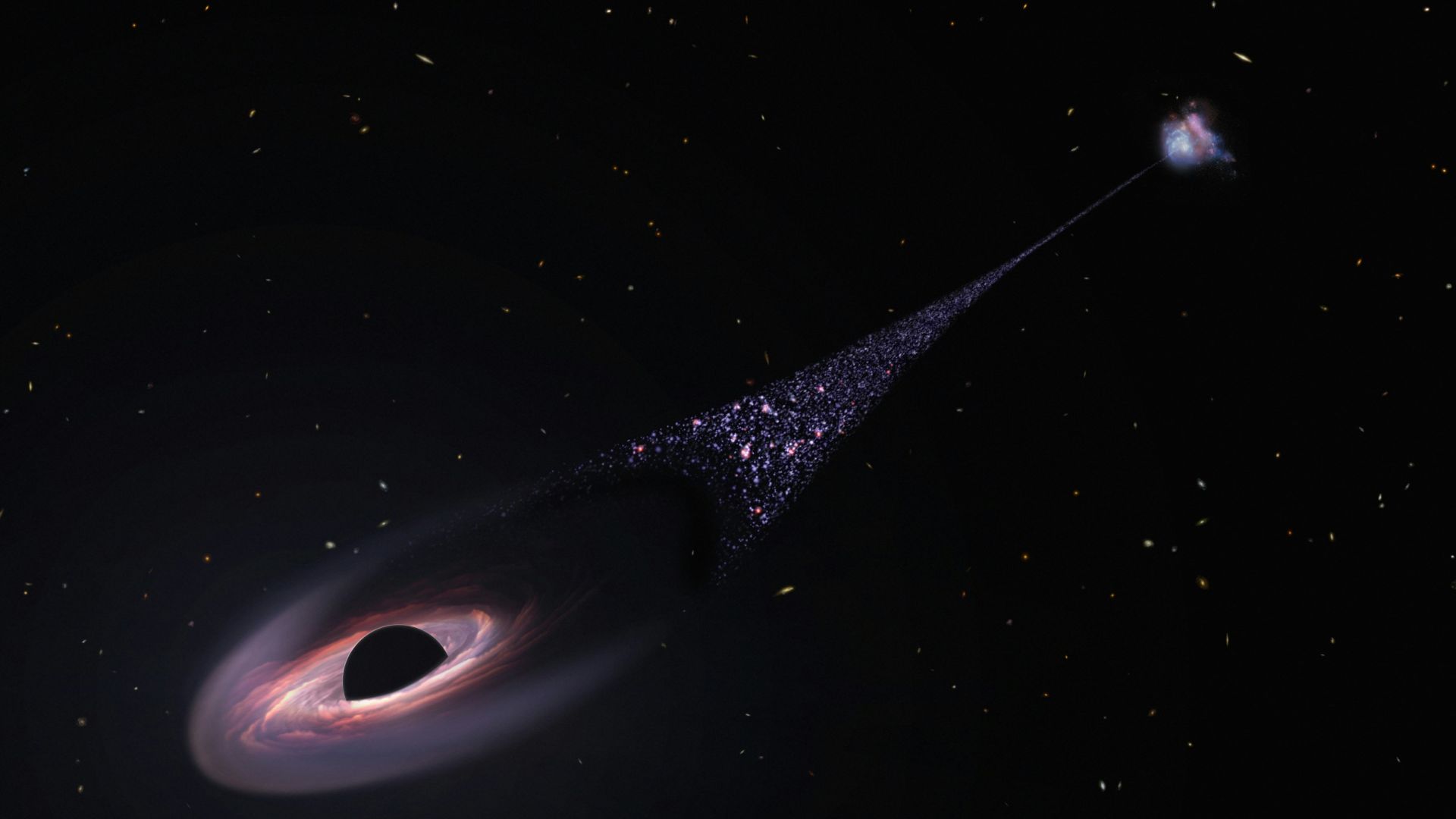
Black holes are among the most extreme objects known to physics, but physicists have long studied ways energy could theoretically be extracted from rotating black holes. A civilization unimaginably beyond us might deliberately create, manipulate or use black holes as power sources, laboratories or technological tools.
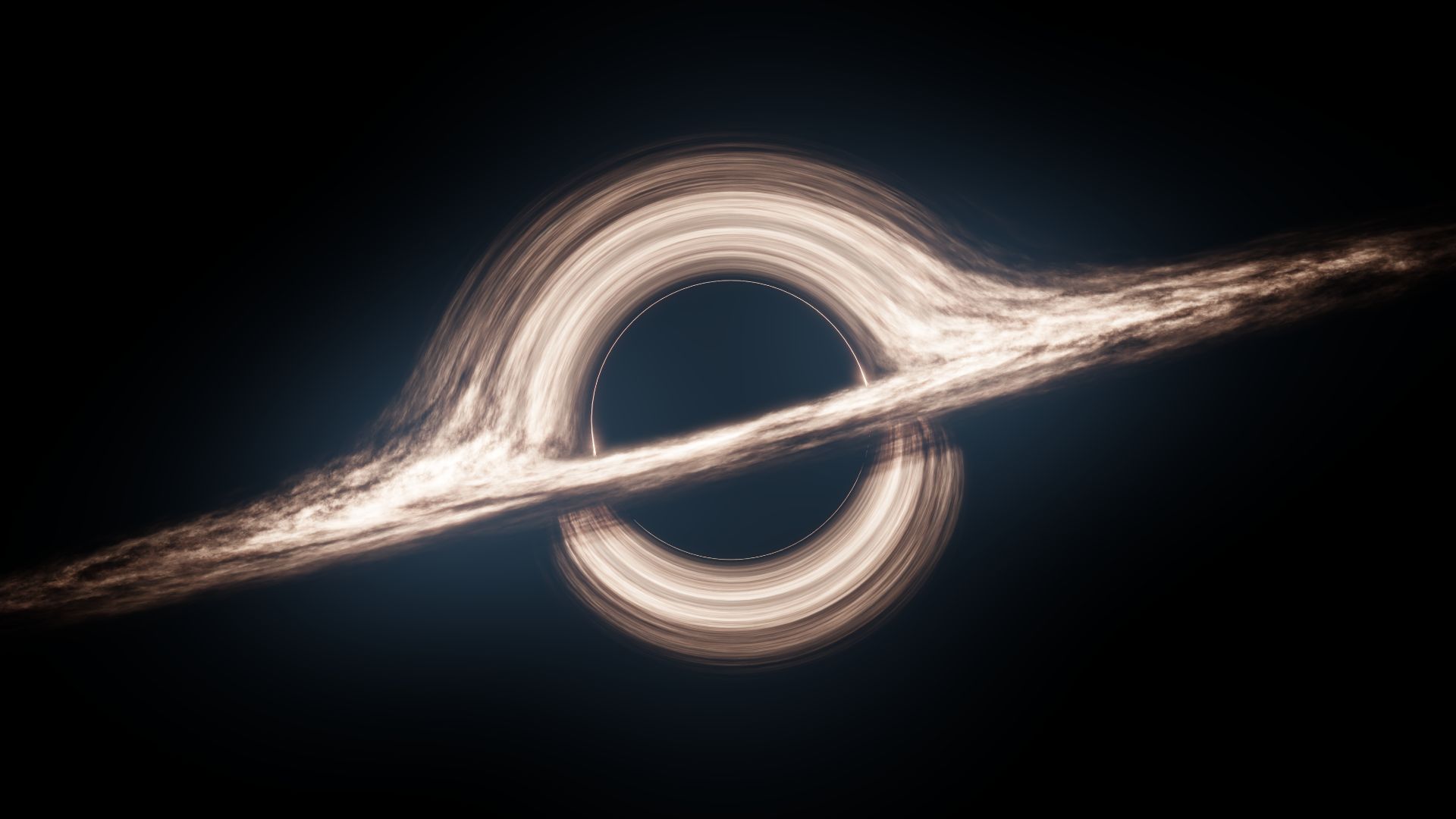
Distance Could Stop Meaning What It Means Today
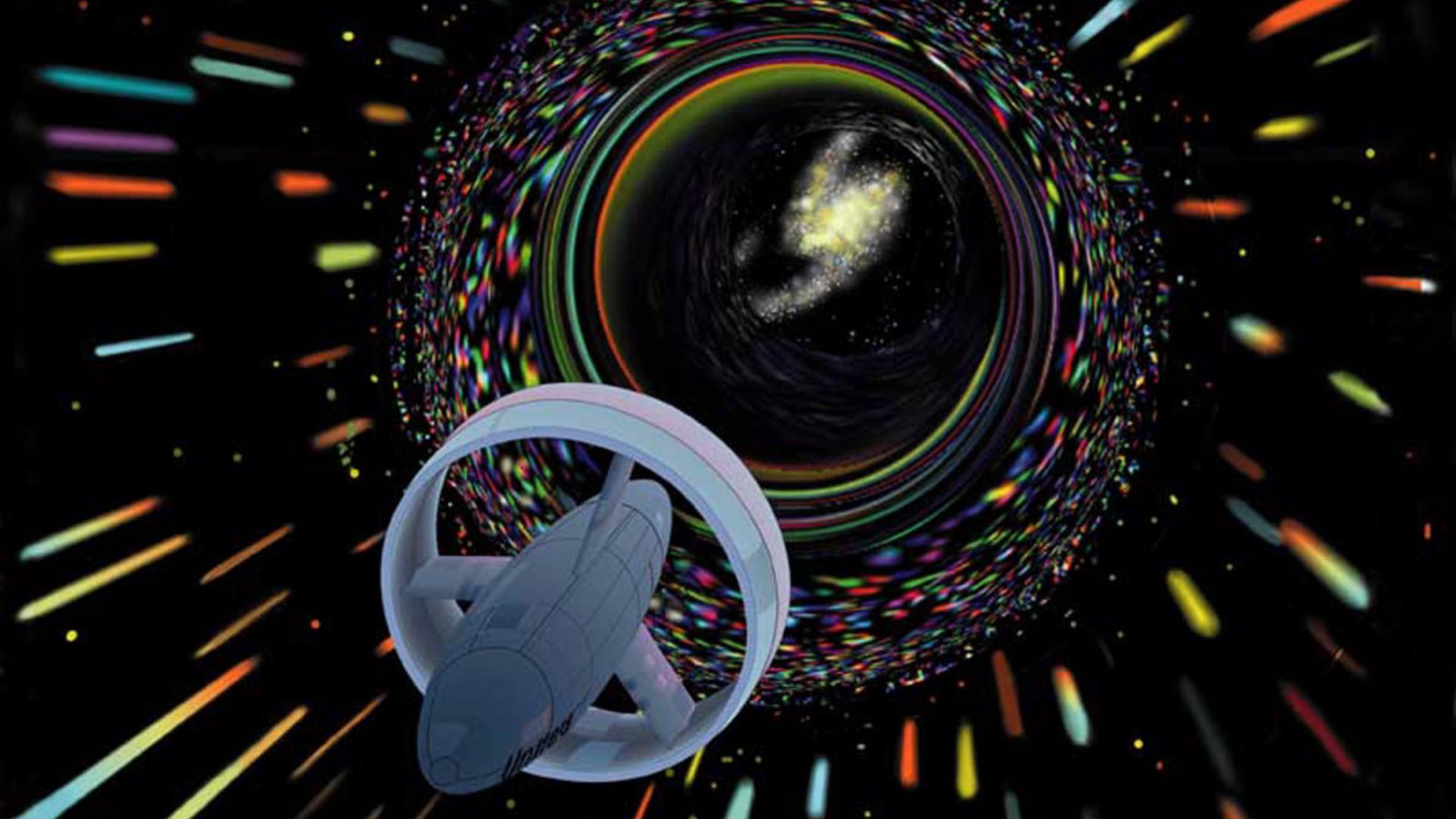
One enormous obstacle to galactic civilization is the speed of light. Even at light speed, crossing the Milky Way takes roughly 100,000 years. If Type VII humanity had discovered physically possible shortcuts through spacetime, however, our present idea of "far away" could become almost meaningless.
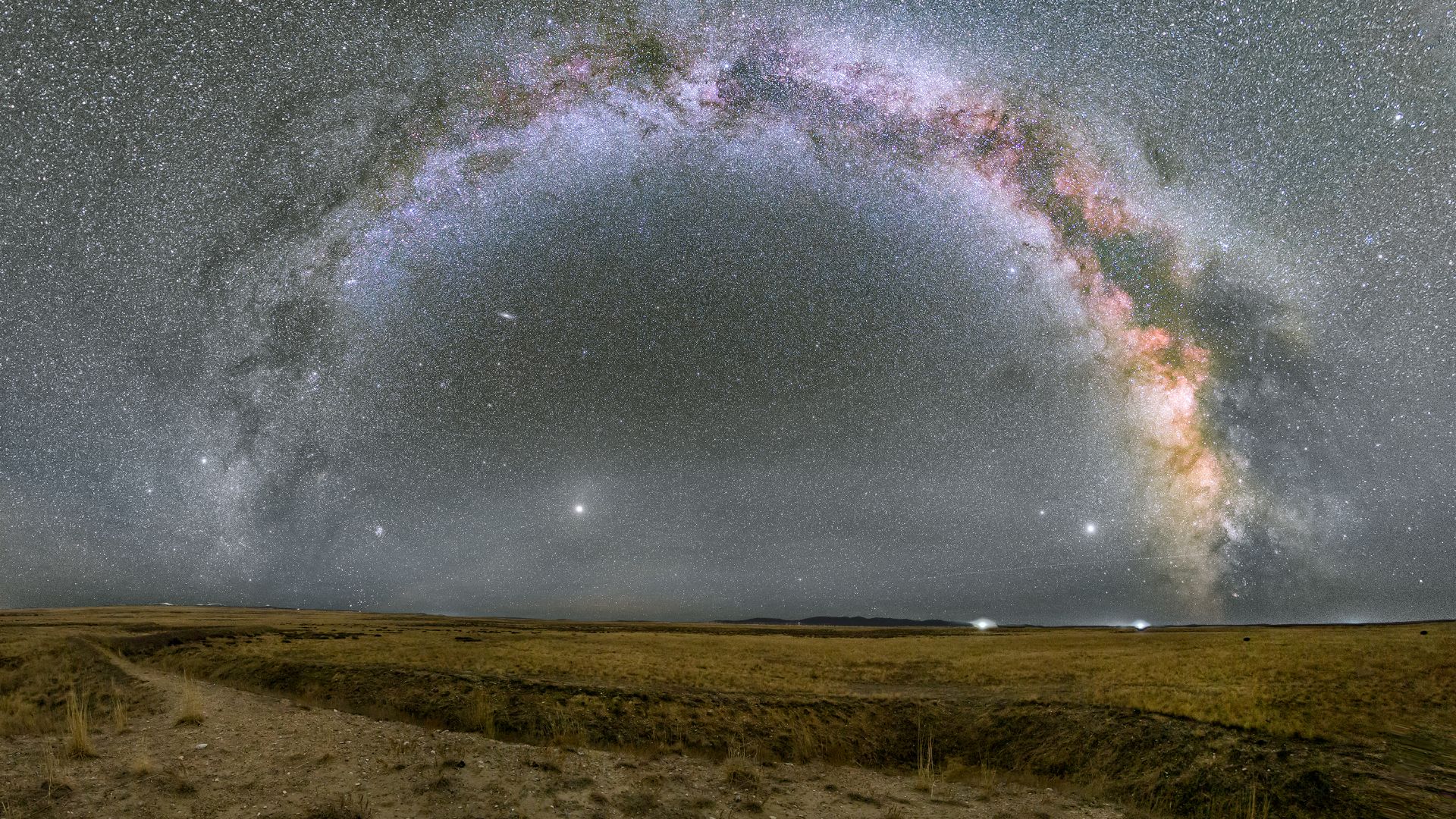
Time Could Become Another Engineering Problem
Einstein already showed us that time isn't absolute. Speed and gravity affect how quickly it passes. A Type VII civilization might understand spacetime so completely that controlling time dilation becomes routine, allowing civilizations separated by enormous stretches of space and time to coordinate in ways we can't currently imagine.
 Ferdinand Schmutzer, Wikimedia Commons
Our Bodies Might Be Long Gone
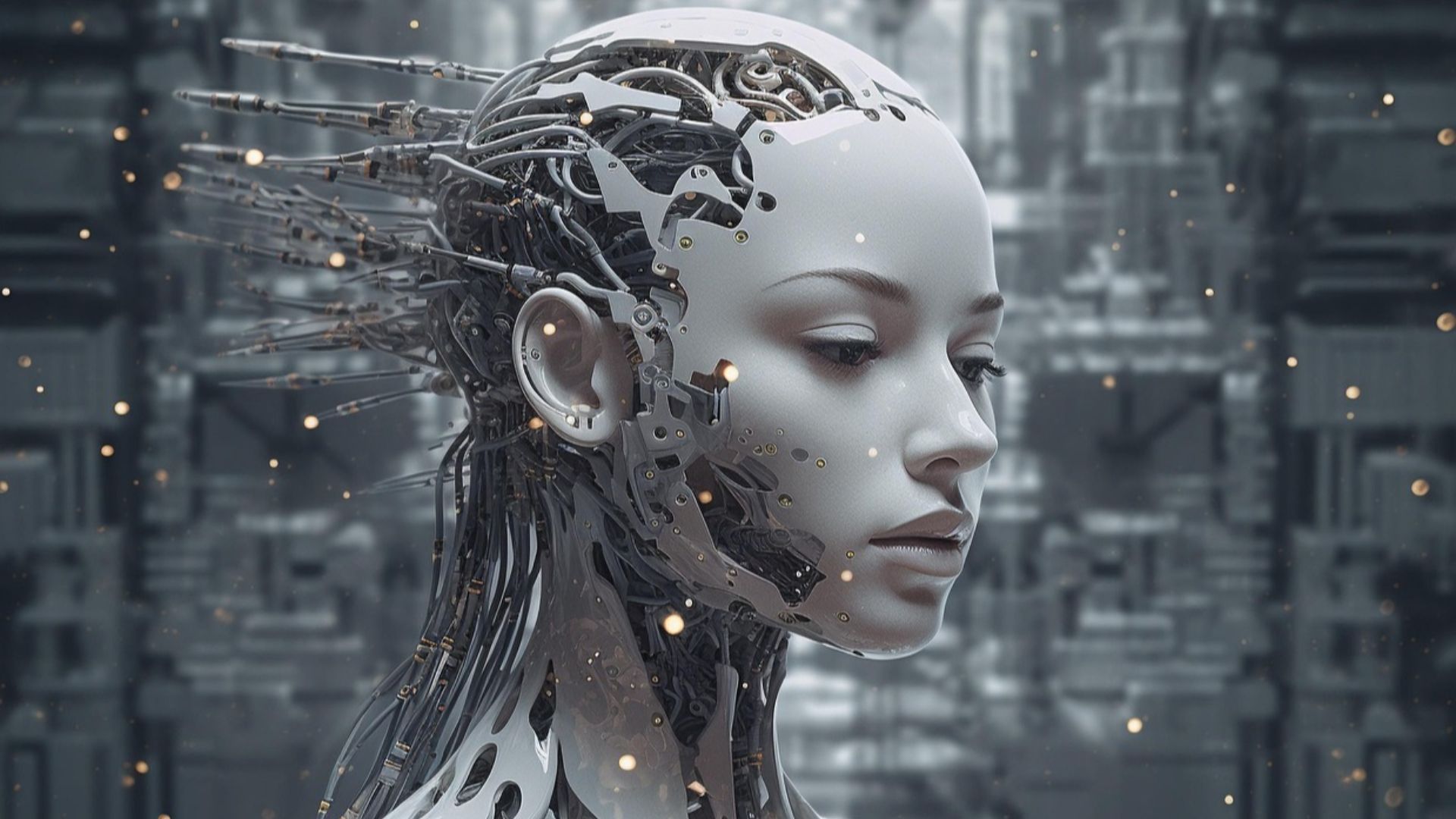
There's no particular reason a civilization surviving long enough to reach such an astonishing level would still consist entirely of biological humans. Minds could potentially merge with machines, exist inside artificial environments or take forms completely unlike us. Homo sapiens might simply be the civilization's distant starting point.

You Could Potentially Live In Any Reality You Wanted
If conscious experience could someday be reproduced digitally, a civilization with almost unlimited computing resources could create extraordinarily convincing simulated worlds. Want medieval Europe? A tropical paradise? A world with completely different rules? Physical reality might become just one option among countless artificial ones.

Scarcity Could Become Almost Meaningless
Most human conflict throughout history has involved scarce things: land, food, resources, energy and wealth. A civilization controlling stellar or galactic amounts of energy could make many familiar forms of scarcity dramatically less important. But even something this advanced would still face physical limits involving matter, energy, computation and entropy.
 LoveEmployee, Wikimedia Commons
Entire Universes Could Become Experiments
Now we're well beyond anything demonstrated by modern science. But some speculative cosmological ideas allow physicists to at least discuss whether new universe-like regions could theoretically be created. For a hypothetical Type VII civilization, creating universes could be the ultimate technological achievement rather than merely a theoretical question.

They Could Even Tinker With Physics
Imagine engineers who don't simply design a machine within the laws of physics, but somehow influence the physical properties of an entirely new universe. That is another enormous speculative leap. No known physics shows that even a civilization capable of creating a universe could simply choose its physical constants or rewrite its laws.
 NASA Hubble Space Telescope, Unsplash
Which Raises A Slightly Uncomfortable Question
If a Type VII civilization could create extraordinarily realistic artificial worlds and populate them with conscious beings, how would those beings know they were created? They might look at their universe, discover consistent physical laws and naturally conclude that this was simply reality.
 YAKOBCHUK VIACHESLAV, Shutterstock
Yes, You Know Where This Is Going
The possibility that our universe could itself be simulated has been debated by philosophers and scientists, although there is currently no evidence establishing that it is true. But Type VII makes the thought experiment much more unsettling: sufficiently advanced civilizations might theoretically create worlds containing civilizations of their own.

We Might Never Recognize A Type VII Civilization
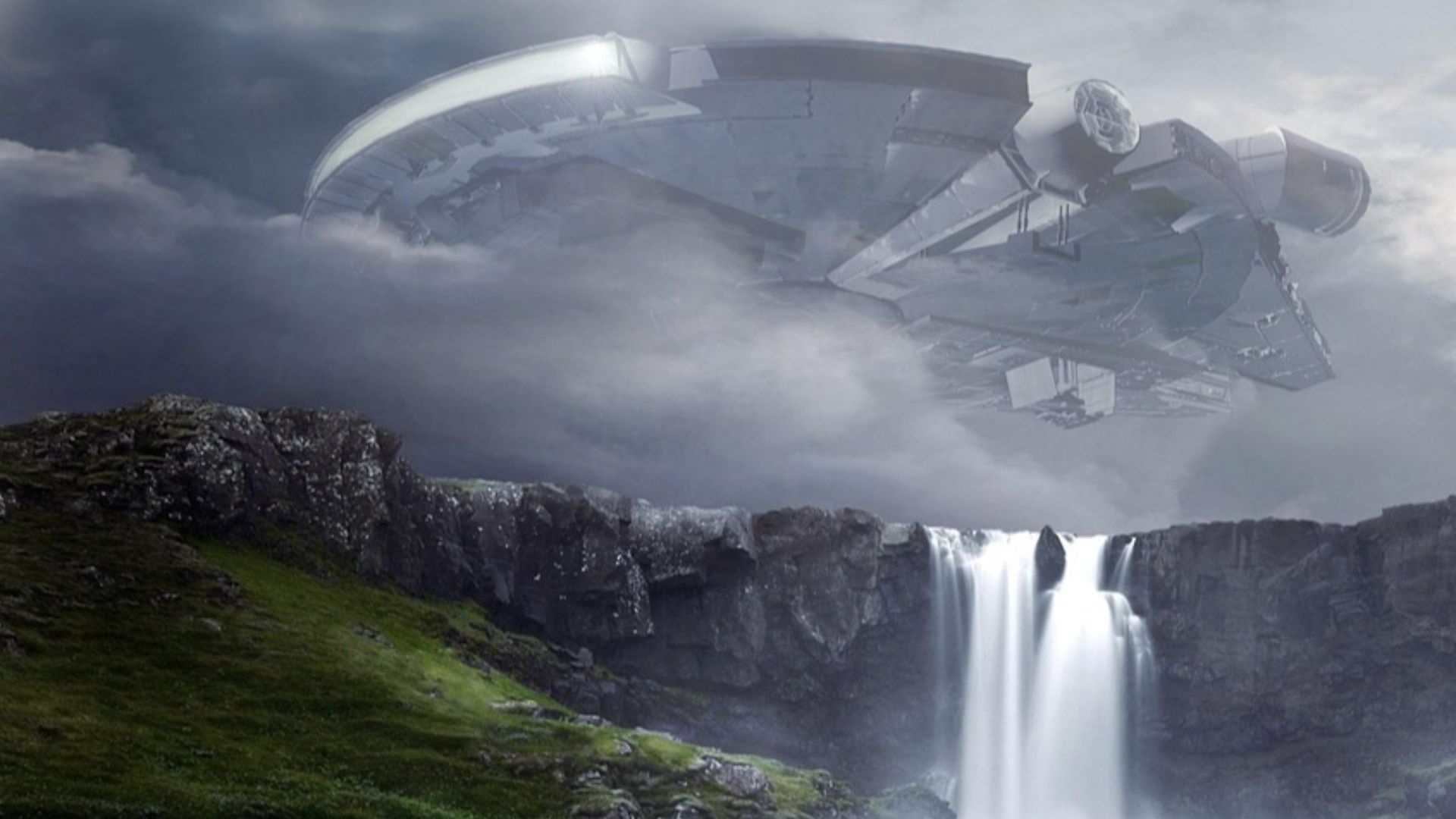
People often imagine advanced aliens arriving in enormous spacecraft. But something millions or billions of years beyond us might be almost impossible to identify as technology. Its actions could look like natural astrophysical events or even features of physics itself. We might not know what we were looking at.
That's Arthur C. Clarke's Problem
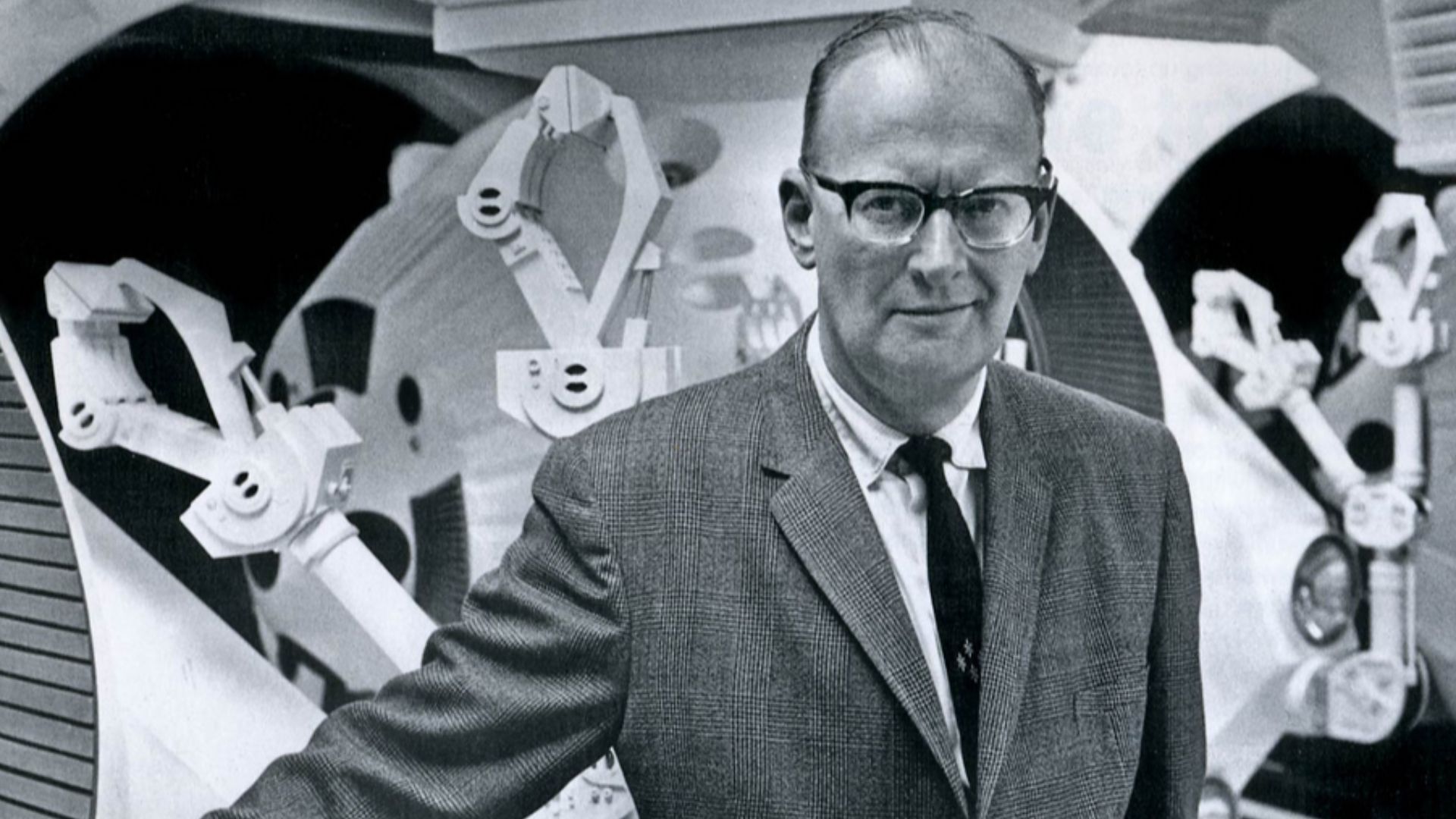
Science-fiction writer Arthur C. Clarke famously observed that sufficiently advanced technology would be indistinguishable from magic. Type VII takes that idea about as far as it can go. A civilization operating at this level wouldn't merely possess better gadgets. From our perspective, its capabilities could appear almost supernatural.
 ITU Pictures, Wikimedia Commons
And We Aren't Even Type I Yet
After all that, here's the reality check. Carl Sagan later adapted the Kardashev scale into a continuous system, and using that approach modern humanity sits at roughly 0.73. In other words, we're still below Type I, while Type VII sits unimaginably far beyond anything our civilization can currently do.
 NASA/JPL-Caltech, Wikimedia Commons
But Getting There Is The Real Problem
Before humanity worries about manipulating universes, there's the considerably smaller challenge of surviving long enough to reach Type I. Civilizations capable of producing increasingly powerful technologies also acquire increasingly powerful ways of damaging themselves and their environments. Technological progress doesn't automatically guarantee civilizational survival.

Type VII Might Never Be Possible
There may be hard physical limits that no amount of intelligence can overcome. The speed of light may remain an absolute barrier. Usable wormholes may prove impossible. Other universes may be inaccessible or nonexistent. Some things imagined for Type VII civilizations could simply violate the rules of reality.
 Les Bossinas (Cortez III Service Corp.), Wikimedia Commons
Or We May Be Thinking Far Too Small
There's another possibility that's arguably even stranger. People living 10,000 years ago couldn't have meaningfully imagined quantum computers, genetic engineering or spacecraft reaching other planets. Asking us to accurately imagine technology millions or billions of years ahead may be just as hopeless.
Would They Even Still Be Human?
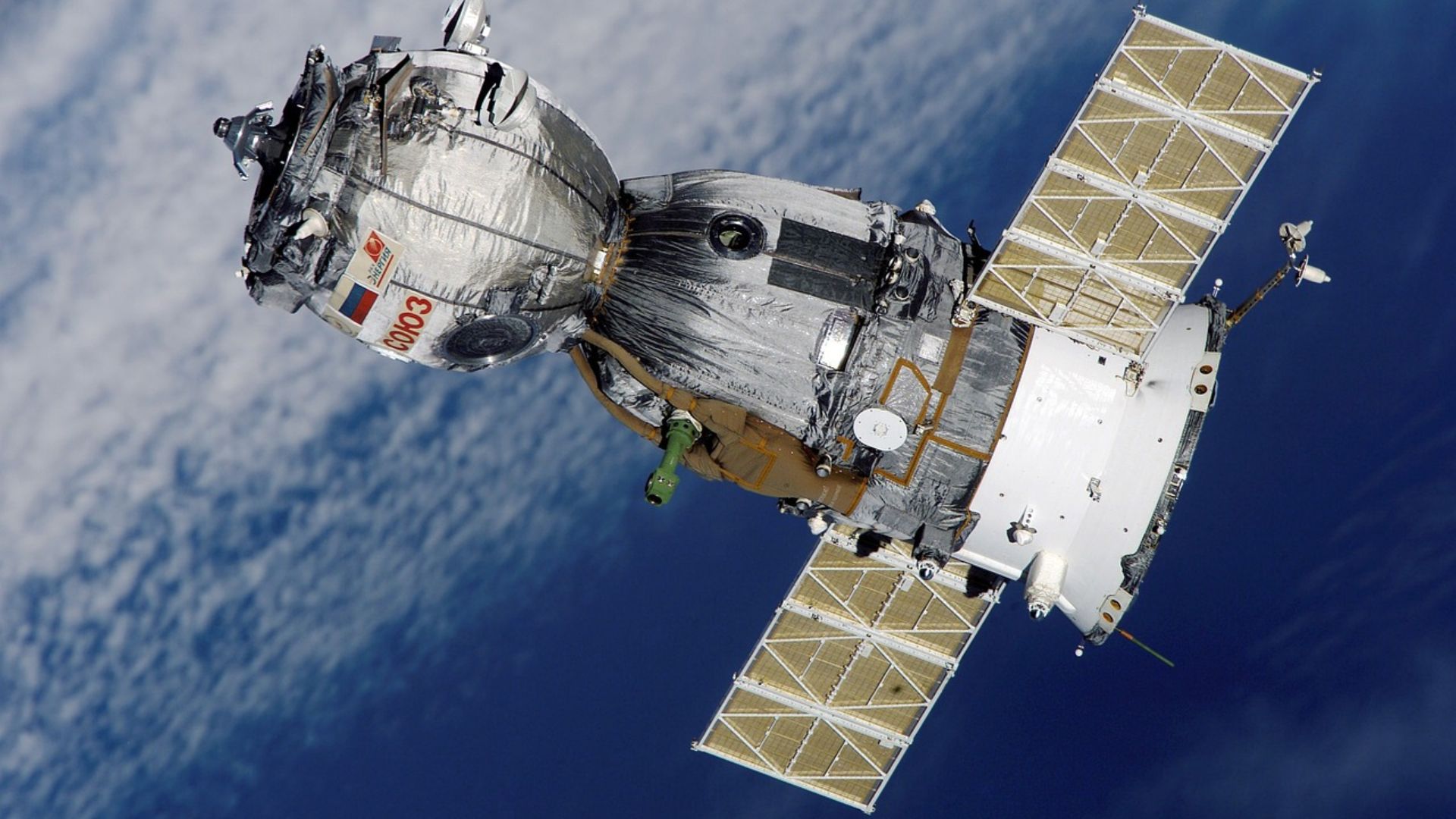
And that might be the biggest question of all. Reaching Type VII would presumably require humanity to survive and transform across staggering periods of time. Our descendants could modify their bodies, merge with artificial intelligence or abandon biology altogether. Whatever eventually reached Type VII might have started with us without resembling us at all.
From Fire To Reality Itself
Humans once struggled to control a campfire. Today we release nuclear energy, photograph black holes and send machines beyond the Solar System. Type VII may ultimately prove impossible. But that's what makes the idea fascinating: it asks just how far intelligence could go if civilization somehow never stopped advancing.
You Might Also Like:
Twelve Recent Archaeological Discoveries That Are Rewriting What We Know About Ancient Egypt