
Tracing Trace A Homeless Space Giant
A faint flash spotted by a Hawaiian telescope has astronomers worldwide scratching their heads. They suspect it’s a massive rogue planet drifting between stars and now gliding toward our solar system—its mysterious, rule-defying journey challenging everything we know.

A Flicker No One Expected
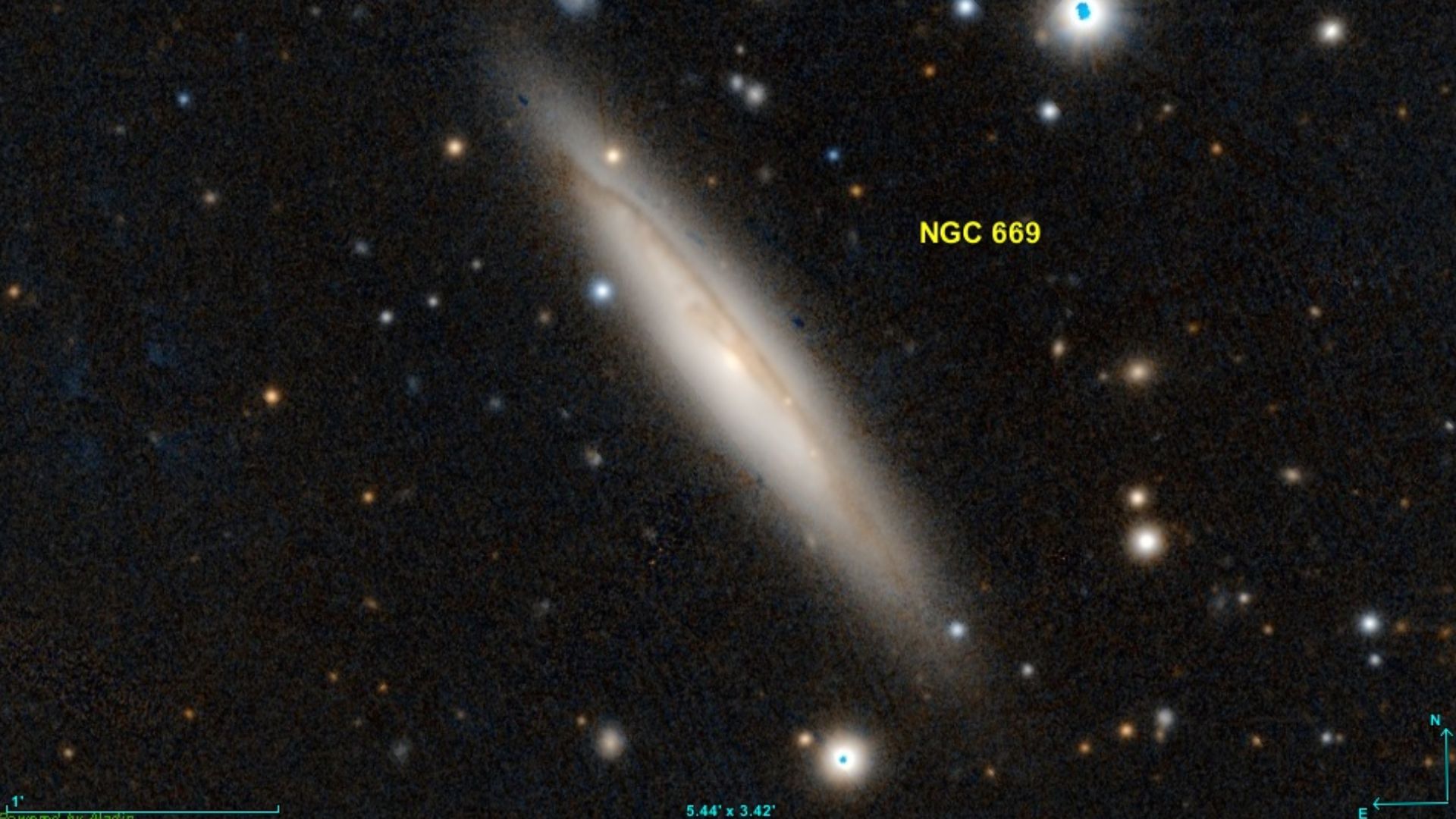
It began with a faint, almost forgettable blip in the Pan-STARRS telescope’s nightly scans. Among millions of distant stars, a subtle movement hinted at something unusual. Some astronomers first considered image artifacts, but the object’s steady trajectory revealed orbital motion, consistent with distant trans-Neptunian objects or long-period comets.
 Donald Pelletier, Wikimedia Commons
The Moment Pan-STARRS Caught A Mystery In Motion
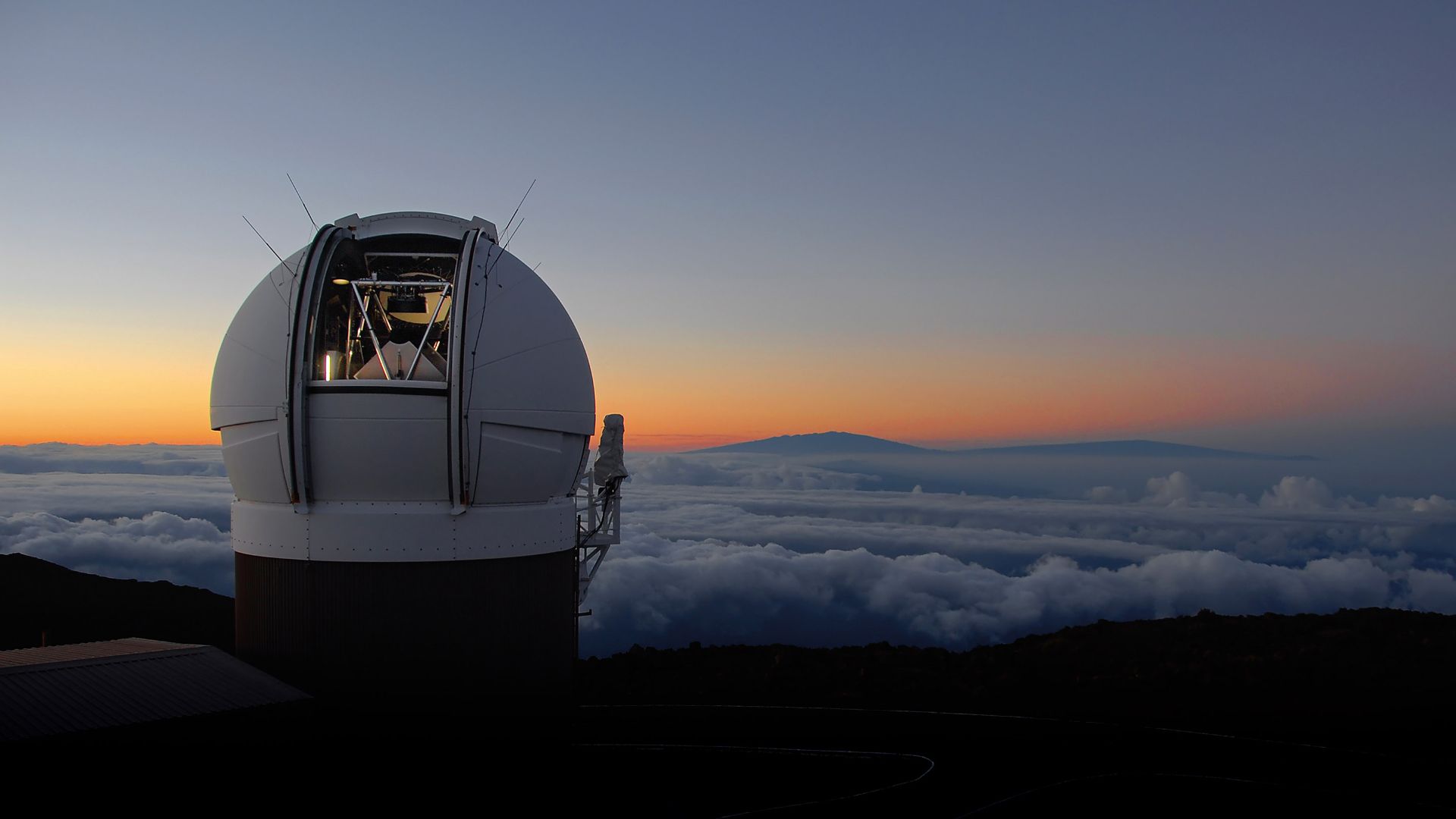
Pan-STARRS, located atop Haleakala in Hawaii, monitors the sky for near-Earth objects using wide-field imaging. In late observations, it recorded a faint, wandering light that didn’t match previous readings. Its trajectory suggested not a looping orbit but a linear path—a hint of an interstellar traveler entering our neighborhood.
 Forest and Kim Starr, Wikimedia Commons
Confirming It Was Real
Astronomers scrutinized archived data to rule out reflection errors, satellite trails, or imaging glitches. Cross-referencing multiple nights revealed consistent movement across unrelated star fields. When secondary observatories confirmed the signal, the focus shifted from uncertainty to awe: a fast-moving interstellar object had entered our solar system.
 R. Ratkowski, Wikimedia Commons
When The Very Large Telescope Took A Closer Look
Once alerted, Chile’s Very Large Telescope (VLT) used adaptive optics to resolve the object more clearly. Its high-resolution instruments split incoming light into detailed spectra, revealing molecular fingerprints. The analysis exposed gases—likely hydrogen, methane, and ammonia—indicating a dense atmosphere.
 J.L. Dauvergne & G. Hüdepohl (atacamaphoto.com)/ESO, Wikimedia Commons
Exposing A Planet’s Identity Through Its Light
Light carries an object’s biography. By dissecting its spectrum, scientists inferred not only its composition but also its temperature and pressure. The data suggested a frigid, Jupiter-sized world radiating faint internal heat. Without a nearby star to warm it, the planet glows solely from residual formation energy.
The Key That Turns Faint Glows Into Data
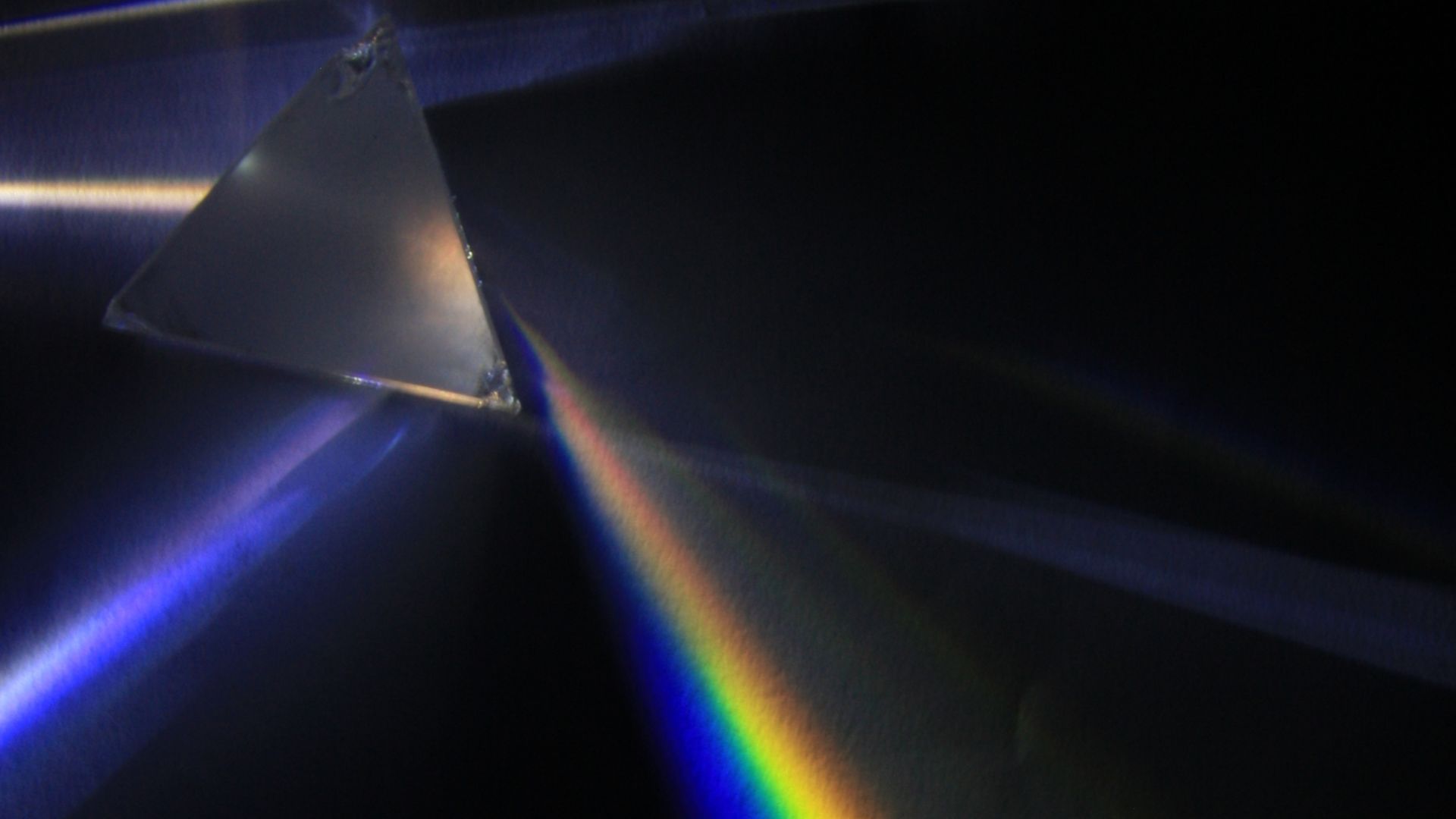
Spectroscopy allowed scientists to transform dim starlight into hard evidence. By dispersing light into a spectrum, researchers detected chemical absorption bands unique to certain molecules. Methane confirmed a gas-giant nature, while water vapor hinted at cloud layers. This precise technique also exposed the planet’s temperature and motion.
Clues Hidden
Those molecular lines told a deeper story. Methane suggested a cool atmosphere, below 500 Kelvin, typical of a mature gas planet. Water vapor implied cloud systems swirling within dense hydrogen layers, and the traces of ammonia pointed to chemical mixing in its deep interior.

A Giant Without A Sun
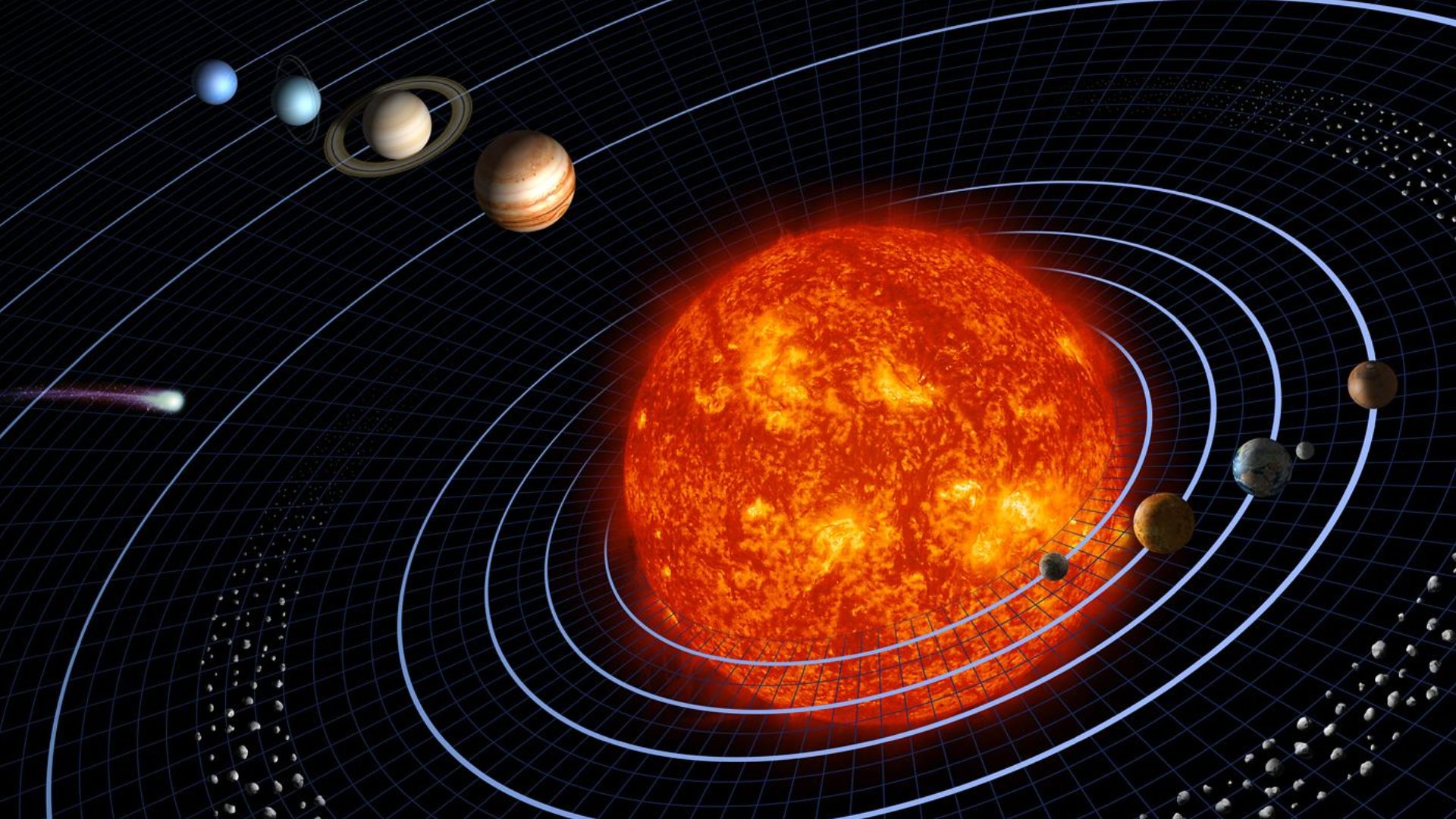
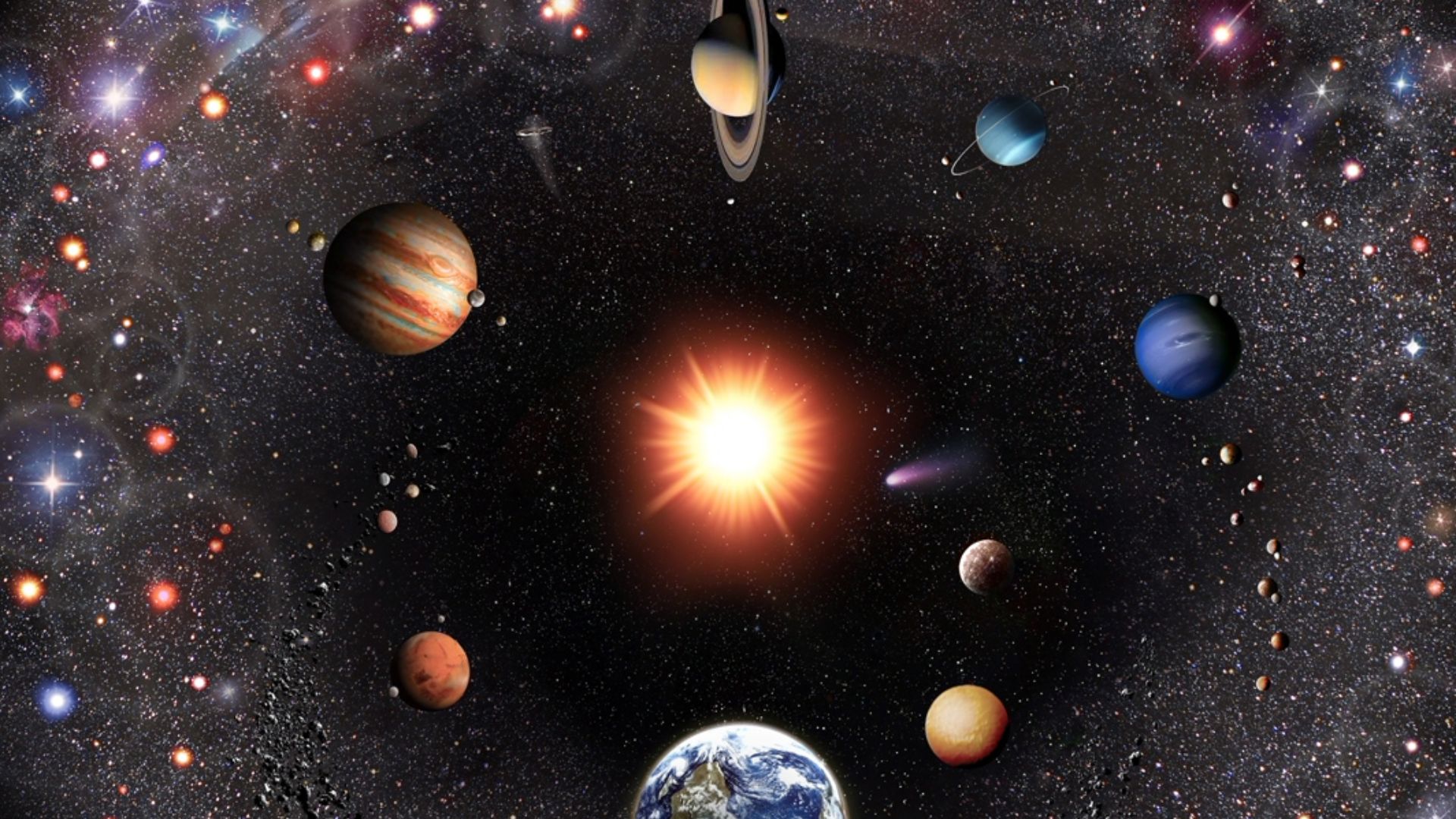
Unlike Jupiter or Saturn, this planet has no sun to orbit. It wanders the galaxy freely, unanchored and cold. Astronomers call such bodies “rogue planets”. Some were likely expelled from developing solar systems due to gravitational chaos, while others formed independently.
 Pablo Carlos Budassi, Wikimedia Commons
How Worlds Become Wanderers
Planetary ejection isn’t rare. In the crowded nurseries where stars form, young planets jostle violently for stable orbits. A close pass from a massive neighbor—or even a nearby star—can sling a planet into interstellar exile. Once expelled, it drifts endlessly, cooling over eons but remaining gravitationally intact and massive.

The Violent Ejections That Forge Rogue Planets
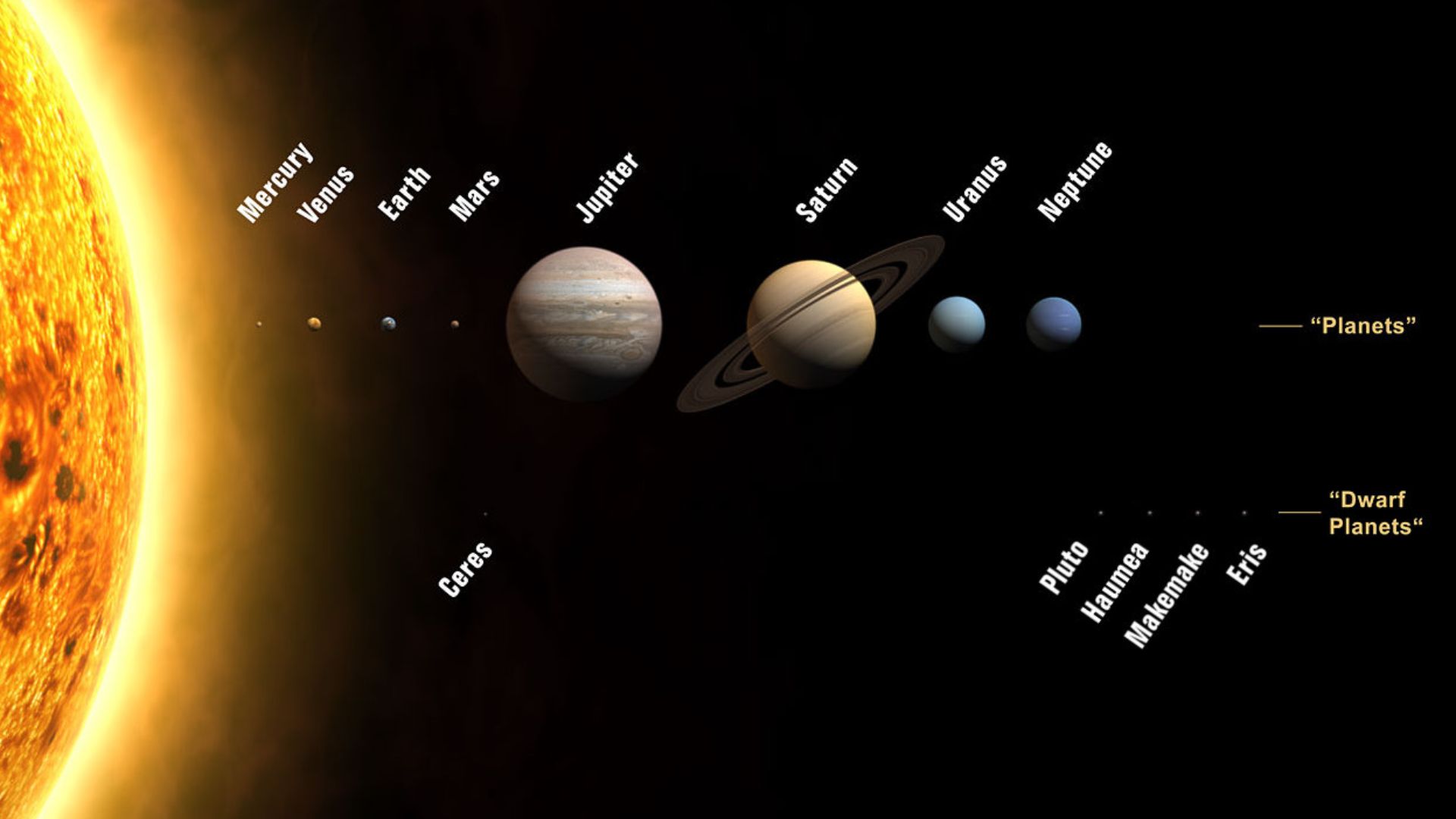
Simulations highlight that early planetary systems behave like cosmic pinball machines. When multiple gas giants form too close together, their immense gravity destabilizes orbits. One planet often gets flung outward at escape velocity. That single, catastrophic event can birth a rogue planet: a full-fledged world suddenly severed from its star.
 Edits by Farry. Source image on English Wikipedia credited by original uploader to
A Stranger Approaches The Solar System
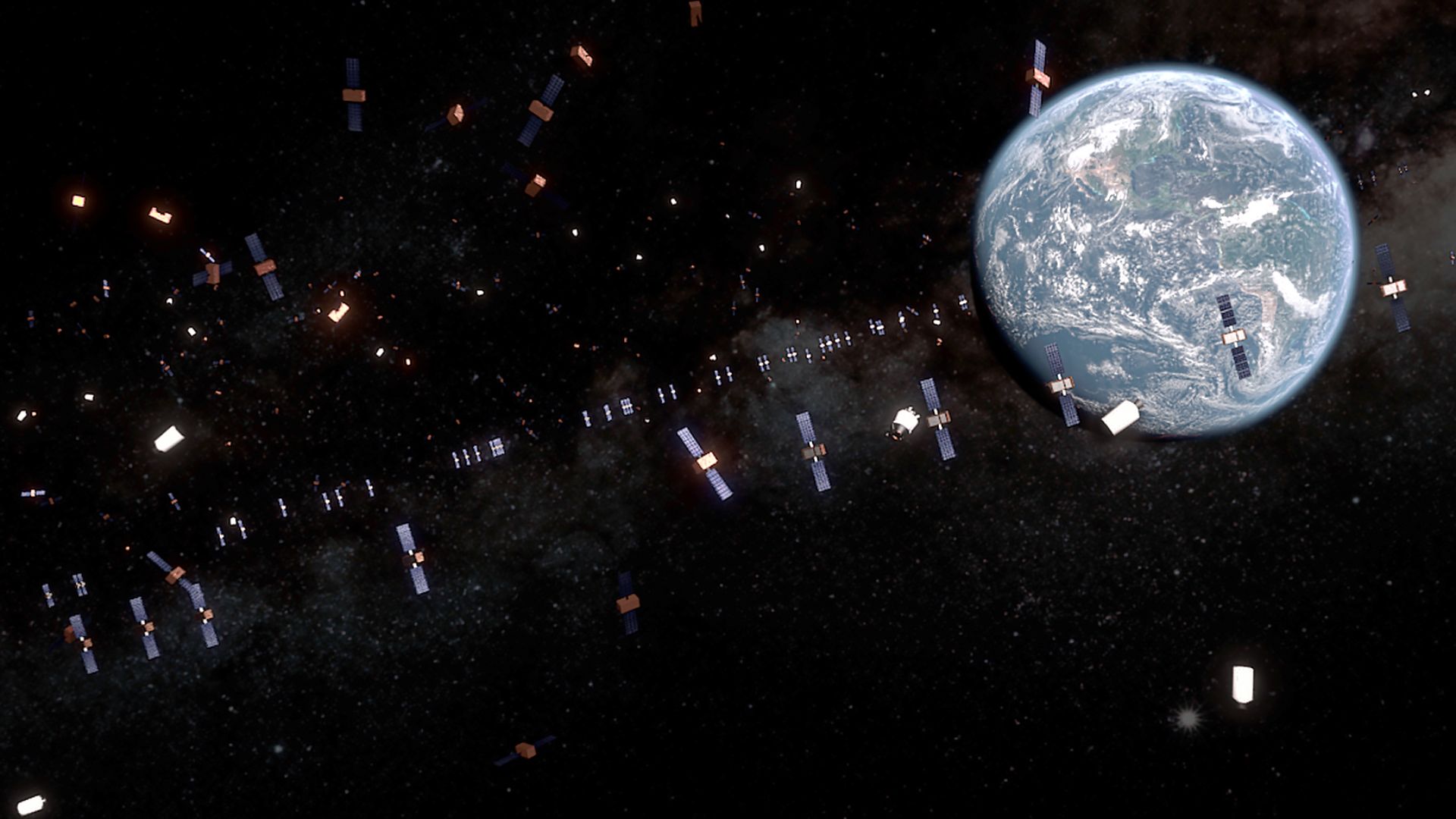
Current orbital simulations indicate the planet is inbound from the galactic outskirts, tracing a hyperbolic path. Its speed and angle suggest a first-time visitor, not a returning comet. Even though it won’t collide with any planet, its proximity offers scientists a rare opportunity to study an interstellar object in real time.
 European Space Agency, Wikimedia Commons
Will Its Gravity Tug On Anything We Know?
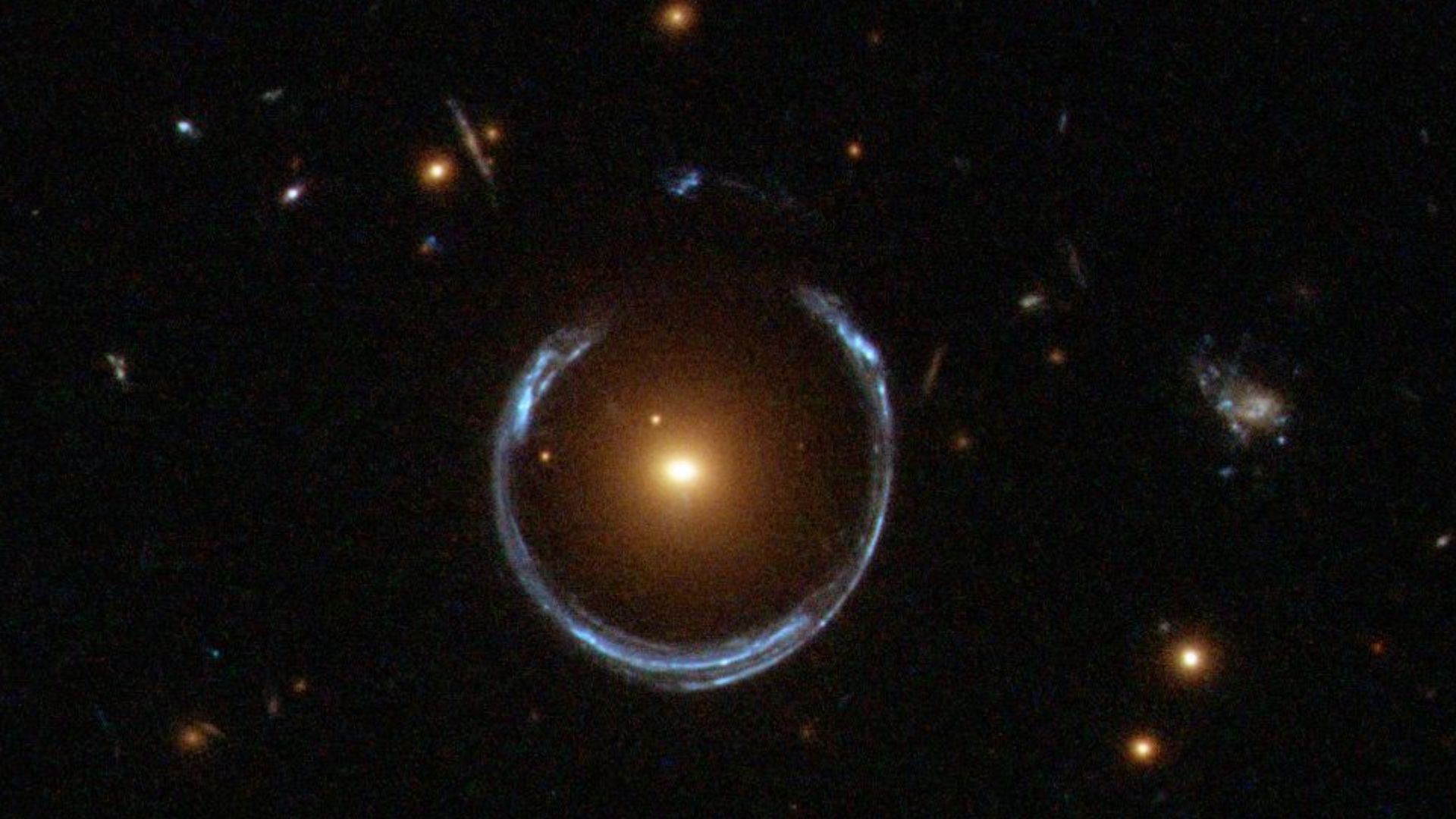
Even a Jupiter-mass planet wields immense gravity, yet distance determines its influence. Models show minimal effects on major planets, but small perturbations could ripple through the outer solar system. The Oort Cloud’s loosely bound comets are most susceptible. These tiny deflections could send icy wanderers inward thousands of years later.
 Lensshoe_hubble.jpg: ESA/Hubble & NASA derivative work: Bulwersator (talk), Wikimedia Commons
The Oort Cloud’s Fragile Balance At The Edge Of The Sun’s Reach
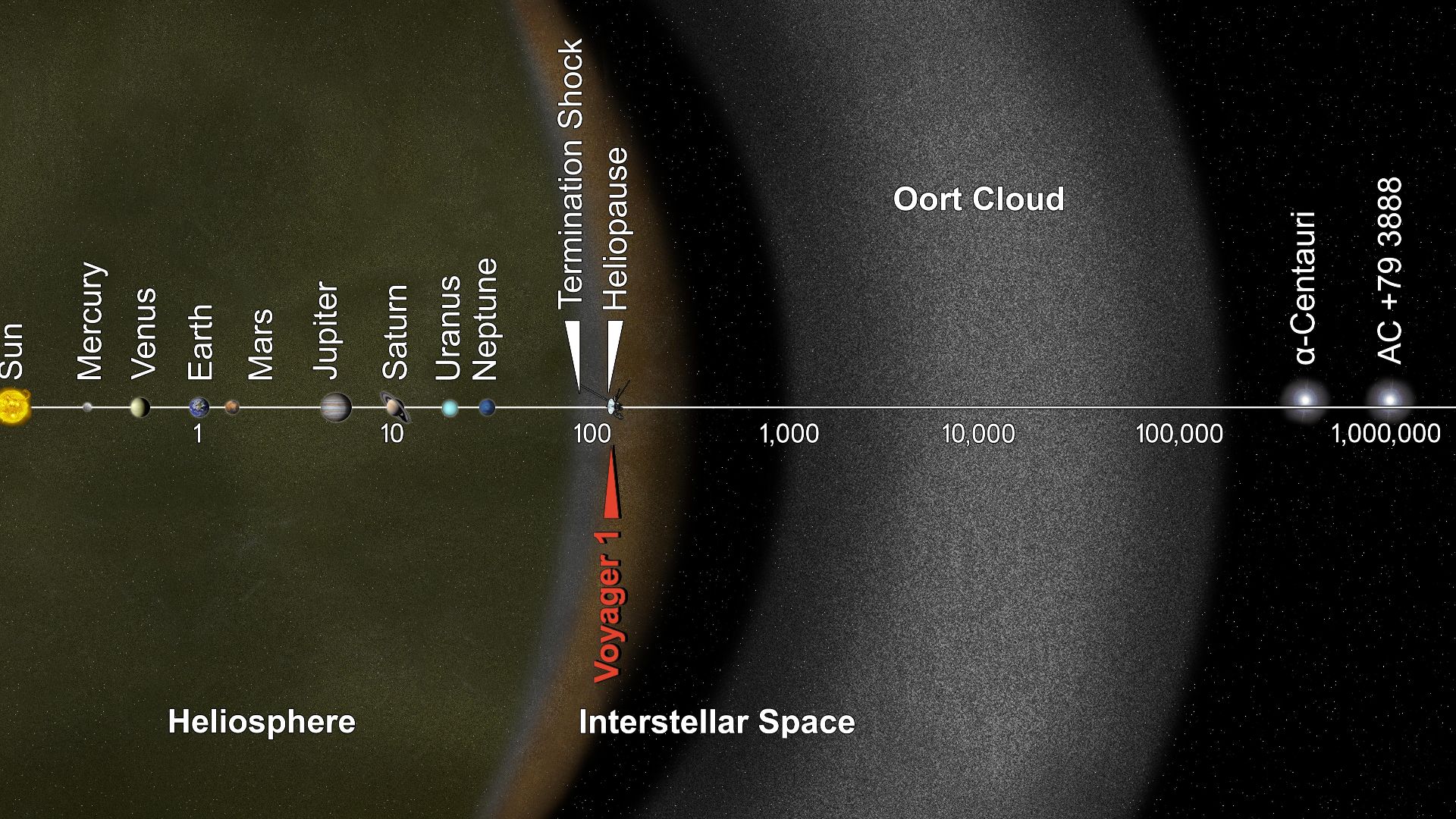
Encircling the solar system like a vast shell, the Oort Cloud contains trillions of frozen bodies. They orbit weakly under the Sun’s gravity, and this makes them sensitive to passing forces. A rogue planet gliding within a few dozen astronomical units could shift orbital paths.
 NASA / JPL-Caltech, Wikimedia Commons
Predicting A Cosmic Drive-By
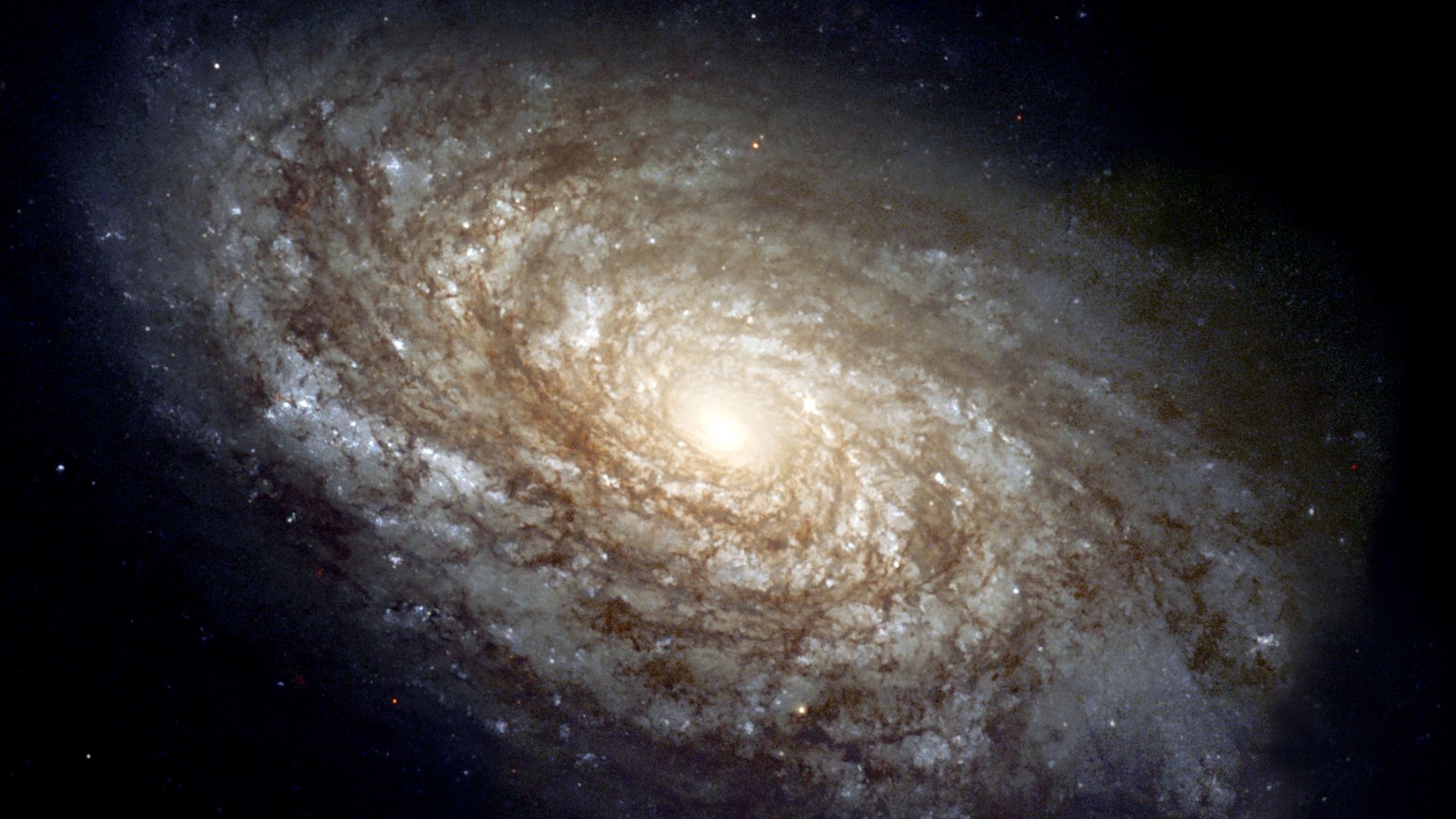
Researchers are running complex three-body simulations to project the planet’s path. These models account for gravitational resonance and the chaotic interactions among multiple bodies. The goal is understanding how even a slight gravitational nudge from a massive interstellar visitor could echo across millions of miles.
Lessons From ‘Oumuamua And Borisov
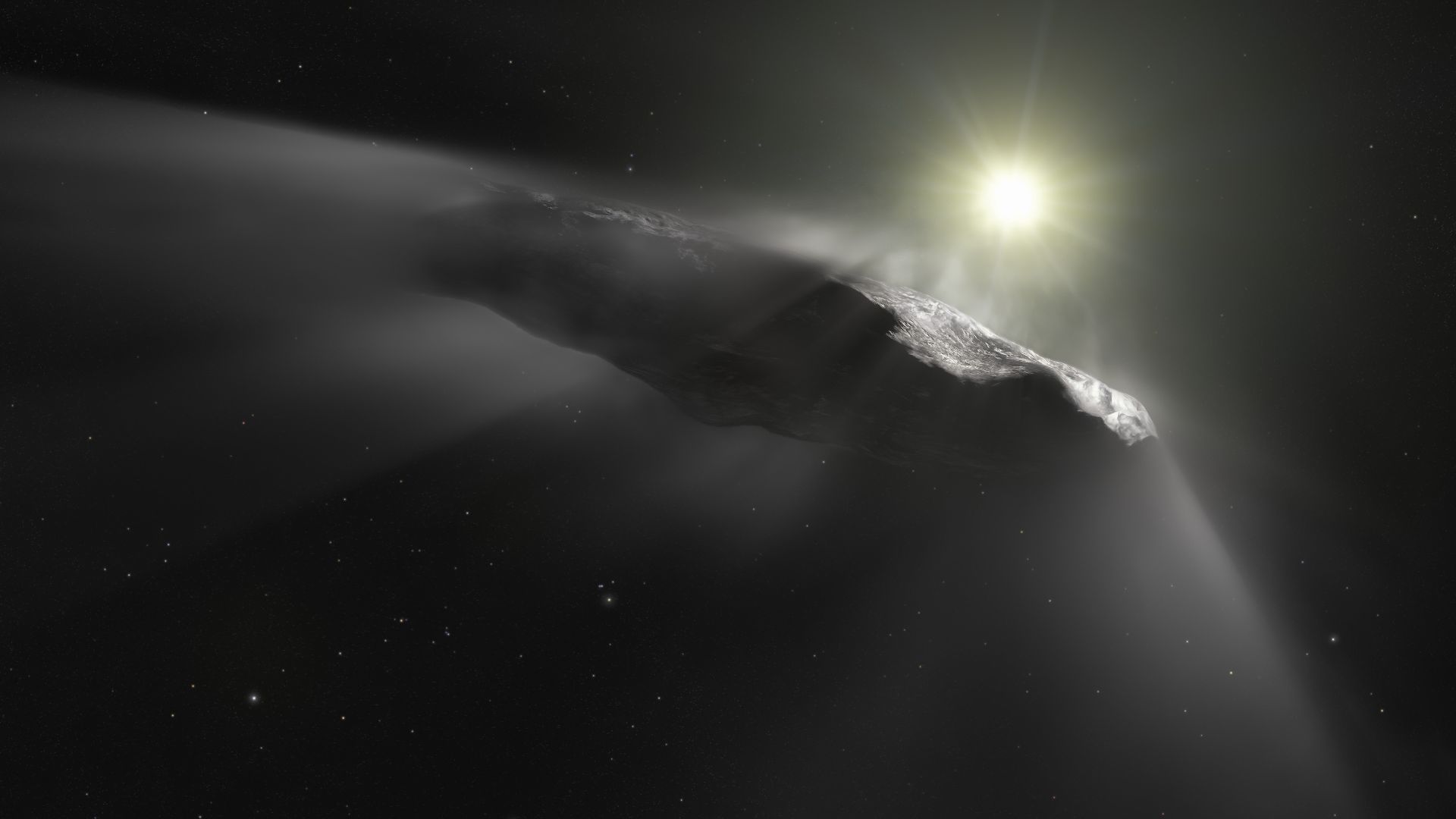
The interstellar visitors ‘Oumuamua (2017) and Comet Borisov (2019) changed astronomy’s expectations. Both were smaller and faster, but they proved that objects from other systems can and do pass through ours. This new arrival, potentially planetary in scale, extends that revelation and explains that interstellar visitors may be more common than once believed.
 ESA/Hubble, NASA, ESO, M. Kornmesser, Wikimedia Commons
Why This Visitor Is In A League Of Its Own
Unlike smaller interstellar visitors, this object’s mass sets it apart. A Jupiter-sized body traveling freely through space challenges long-held assumptions about planetary dynamics. Detecting it through both wide-field imaging and spectroscopy makes it one of the most detailed rogue planet observations ever.
 Pan-STARRS1/STScl, Wikimedia Commons
A Galaxy Teeming With Unanchored Giants
Microlensing surveys, including those by OGLE and MOA, suggest that rogue planets might outnumber stars in the Milky Way. Many are thought to be Jupiter-mass or smaller, silently drifting between systems. These findings imply that planetary ejection is not a rarity. It’s a defining feature of galactic evolution.
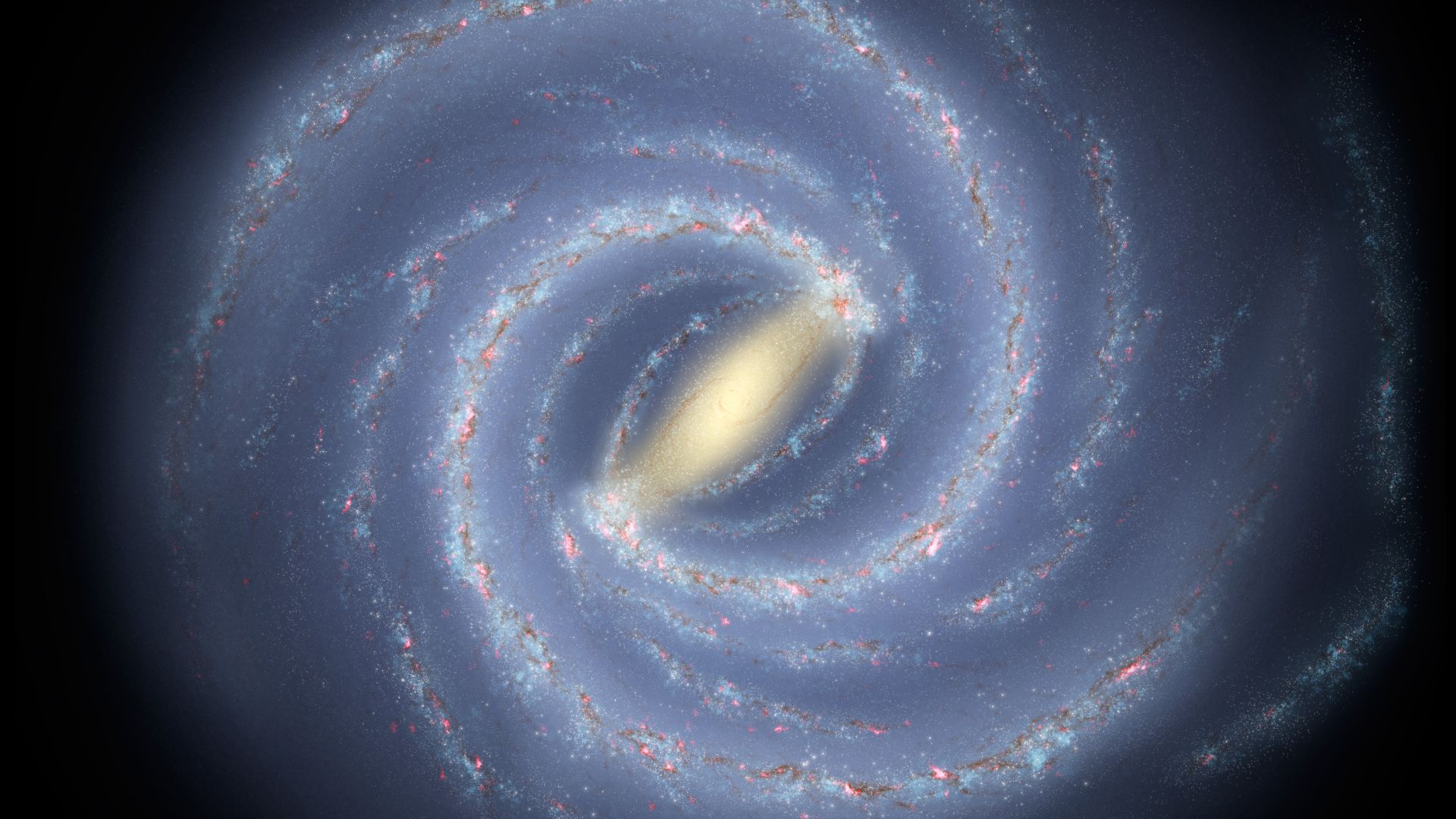 NASA/JPL-Caltech/ESO/R. Hurt, Wikimedia Commons
Could One Ever Be Caught By Our Sun?
Capture is theoretically possible but extremely rare. For a planet to remain bound, it must lose enough velocity relative to the Sun during approach, often through a gravitational assist from another planet. Most rogues pass too quickly. Still, a slow, distant encounter could someday make the Sun a reluctant host.
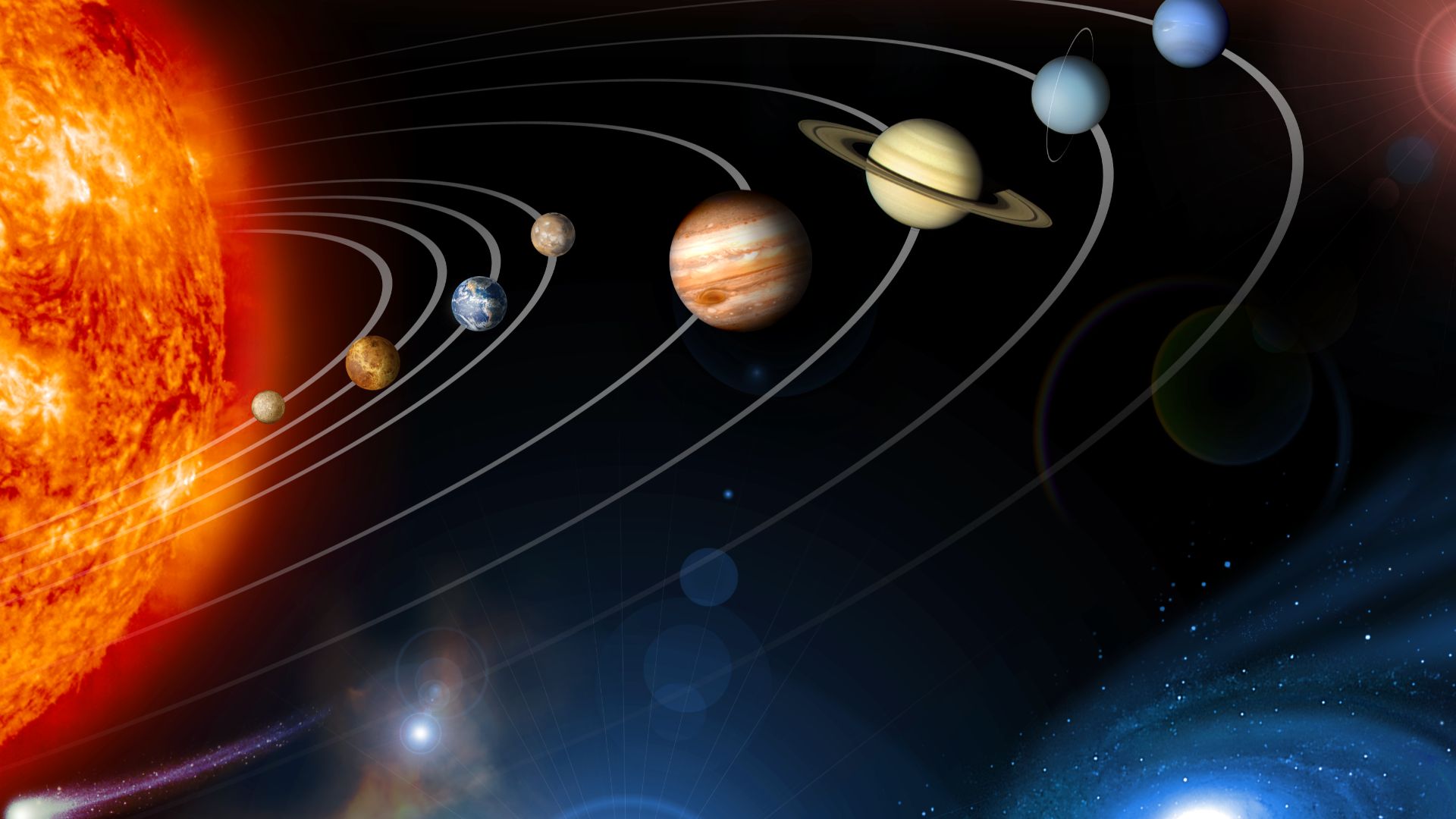
What A Captured Rogue Would Mean For Science
If the Sun ever trapped such a planet, it would provide an unmatched laboratory. Scientists could study a world formed under alien conditions but shaped by our solar environment. Comparing isotopic ratios and heat emission would help decode its history and the diversity of planetary origins.
 Stanford ENERGY, Video by Mark Shwartz, Wikimedia Commons
The Promise Of Spectroscopy In Revealing Its Origins
Spectroscopy remains the ultimate detective tool. Every absorption line corresponds to a molecule forged under specific conditions. By comparing spectra with those of known exoplanets, researchers can infer where and how the rogue formed, whether around a metal-rich star or in isolation.
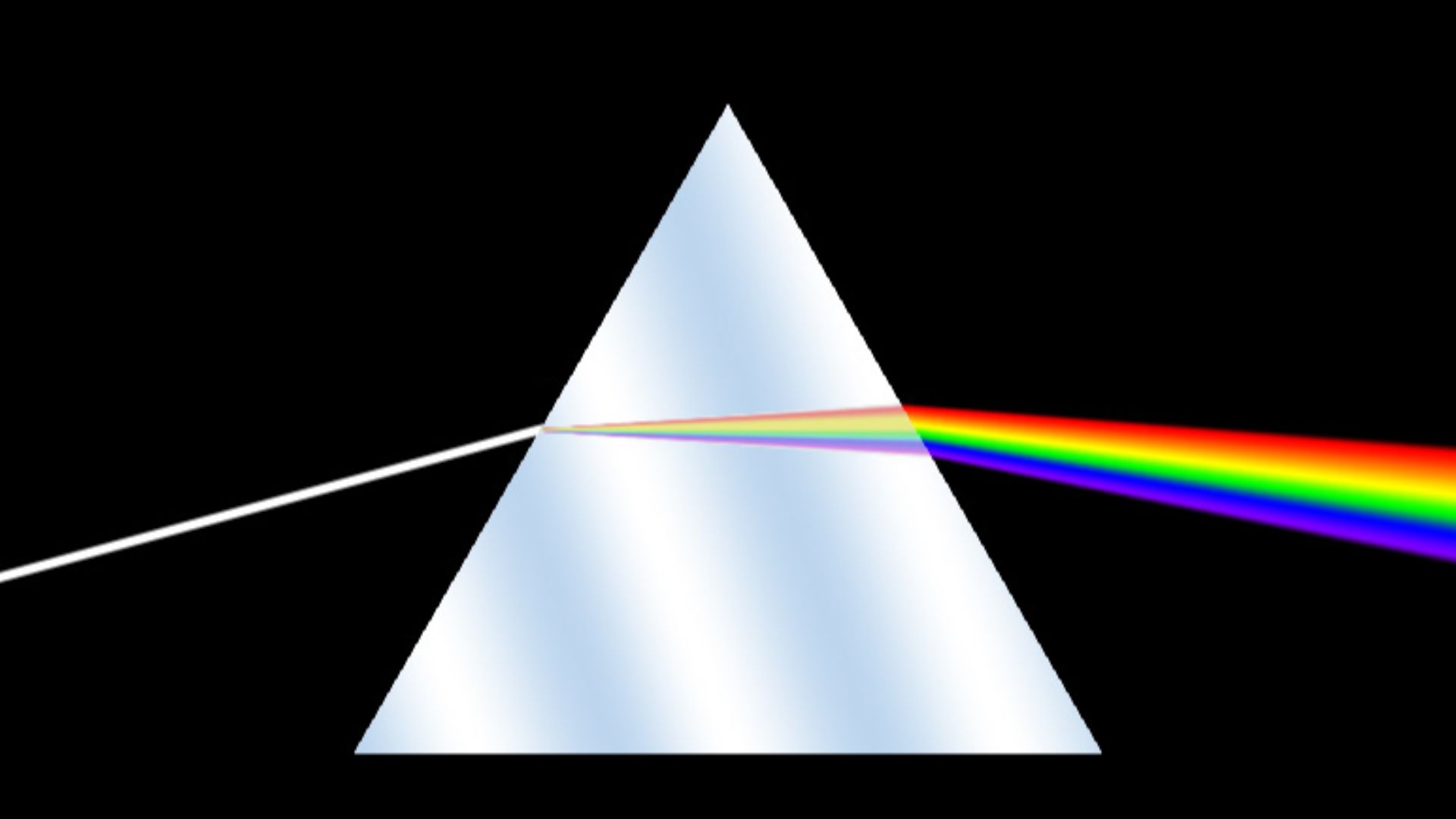 Florenco~commonswiki, Wikimedia Commons
The Human Network Racing To Track It
Professional astronomers and citizen scientists are now joining forces to refine its trajectory. Amateur observatories, automated telescopes, and data-sharing networks contribute nightly updates. This global collaboration exemplifies modern astronomy’s strength, where it links enthusiasts and experts in a shared mission to follow one of the universe’s rarest wanderers.
 Marifer Veloz, Wikimedia Commons
How The Vera Rubin Observatory Could Change The Hunt Forever
The soon-to-launch Vera C Rubin Observatory will transform sky surveys through its Legacy Survey of Space and Time. Capturing the entire southern sky repeatedly, it will detect moving objects invisible to earlier telescopes. Rogue planets, brown dwarfs, and interstellar debris may soon present themselves in unprecedented numbers.
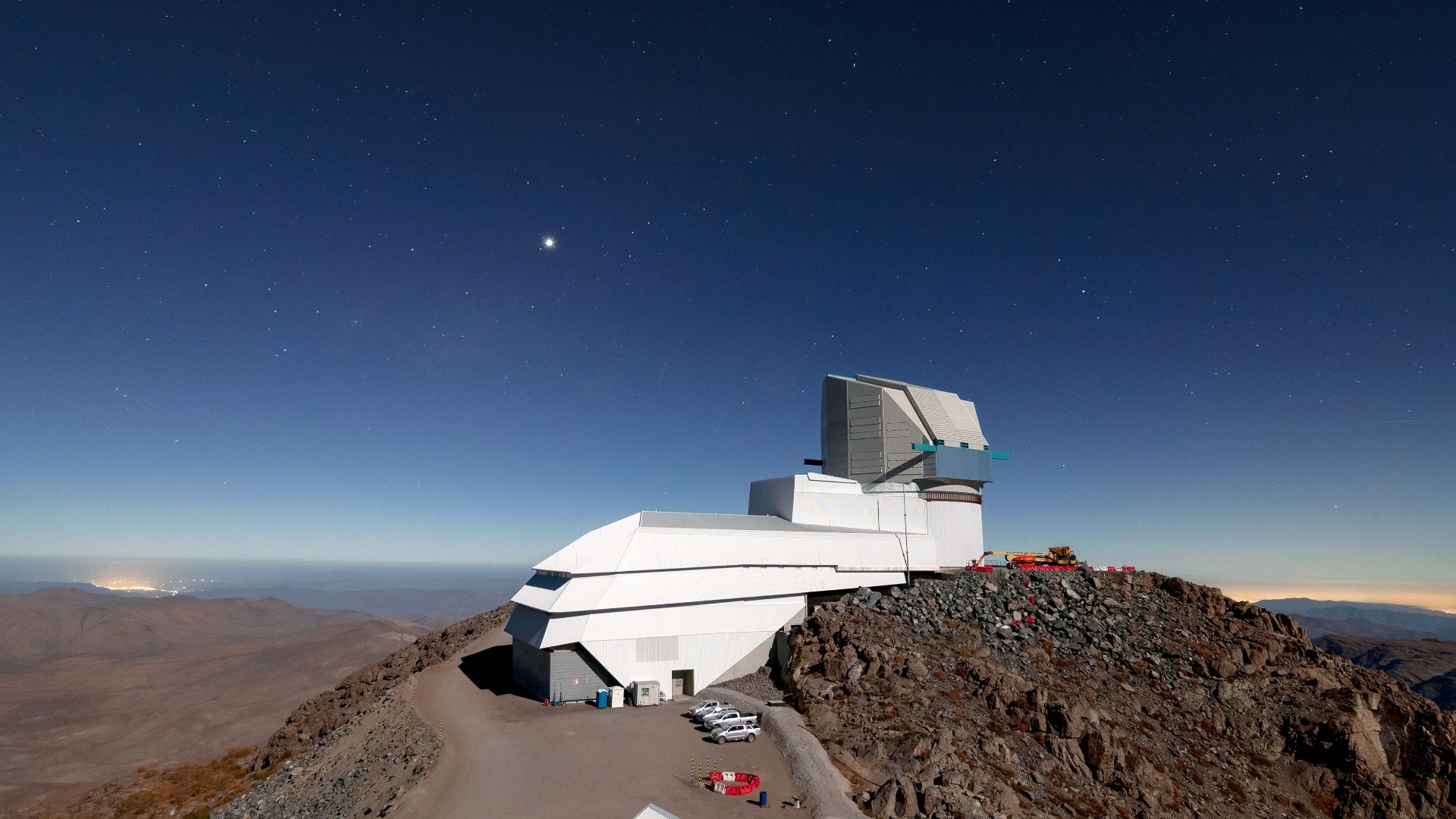 Rubin Observatory/NOIRLab/NSF/AURA/B. Quint, Wikimedia Commons
When The Line Between Star And Planet Blurs
Some rogue planets radiate enough internal heat to resemble failed stars known as brown dwarfs. The distinction hinges on fusion, whether hydrogen ignites within their cores. This boundary’s ambiguity pushes astronomers to rethink traditional categories, showing how nature resists our tidy definitions of what a “planet” truly is.
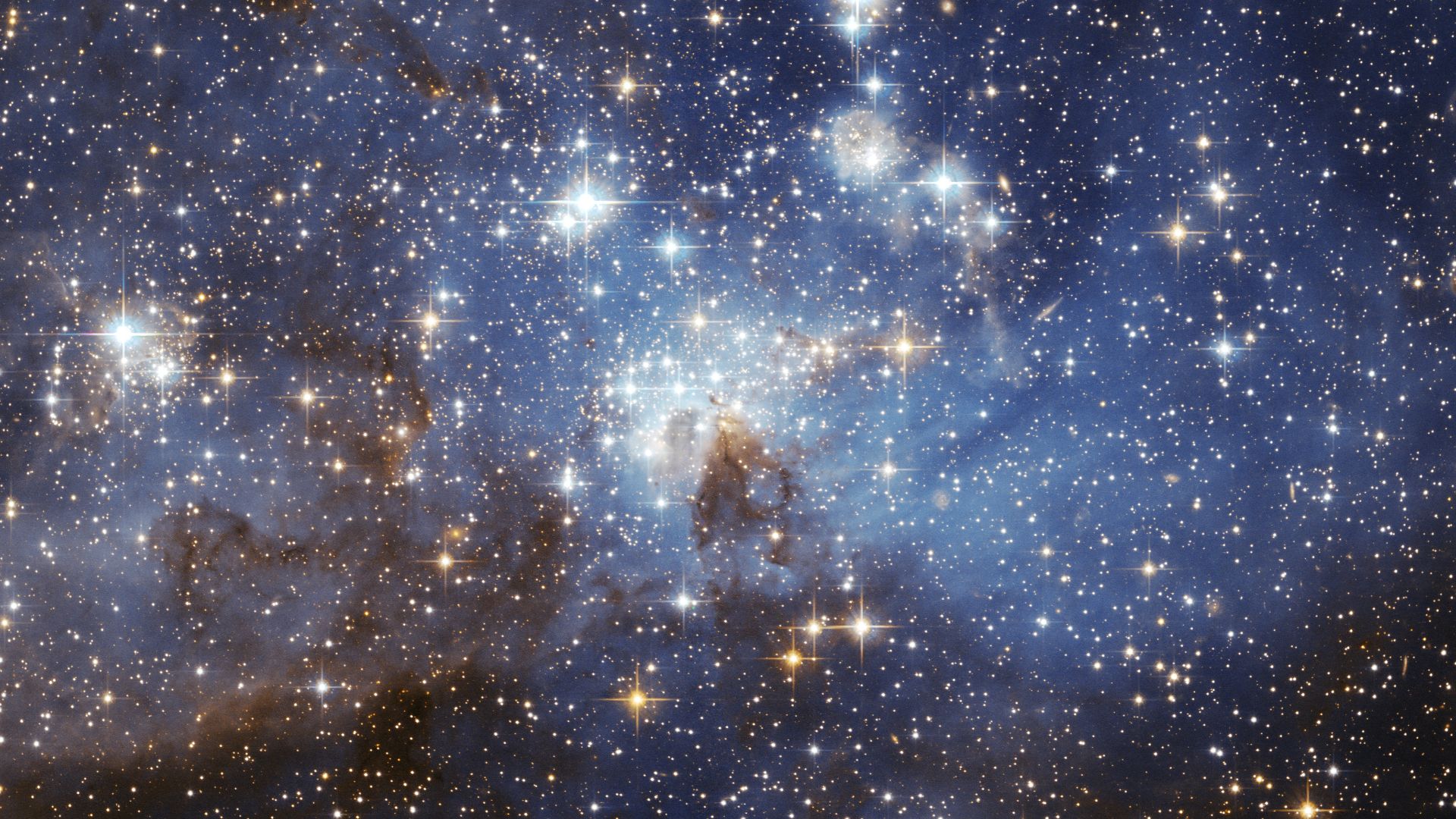
What This Wanderer Might Teach Us About Ourselves
Studying a rogue planet challenges humanity’s perspective on cosmic belonging. Earth feels stable and central, yet this discovery reminds us our system is no exception: just one of billions shaped by gravity and chance. The planet’s isolation reflects both the fragility and resilience inherent in planetary existence.
 CactiStaccingCrane, Wikimedia Commons
A Visitor From Nowhere, Carrying The Secrets Of Everywhere
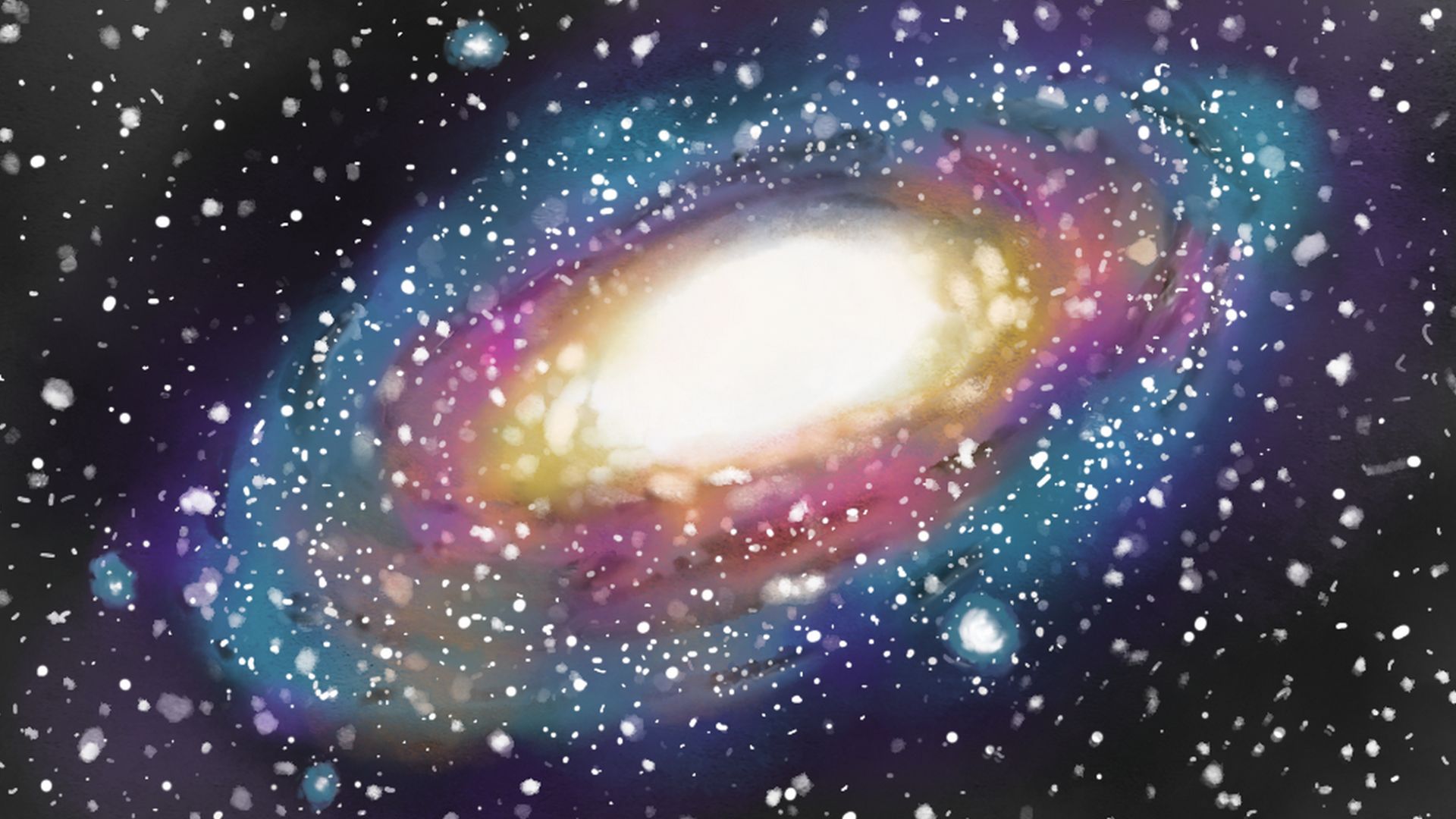
As it drifts closer, this lonely world becomes a messenger from another system with its atmosphere and motion preserving clues to cosmic history. Studying it may explain how planets form or die. In its silence lies evidence that the galaxy itself is endlessly restless, creative, and alive.
 SarahAnthonyART, Wikimedia Commons