From Overlooked To Advisor
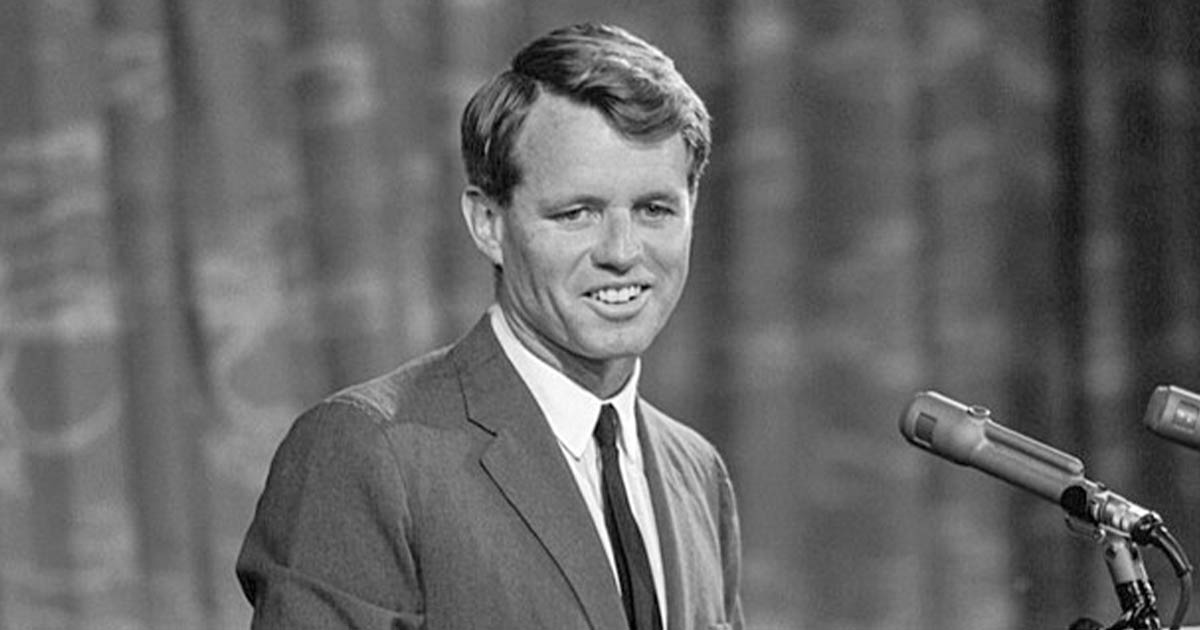
Robert F Kennedy was considered the “runt” of the sizable Kennedy clan. Underestimated from birth, he would become one of the most prominent members of the family, closely advising his Presidential brother, making a public name for himself in his own right, and, unfortunately, meeting a grisly end, another devastatingly common Kennedy family trait.
1. He Was Born Into American Royalty
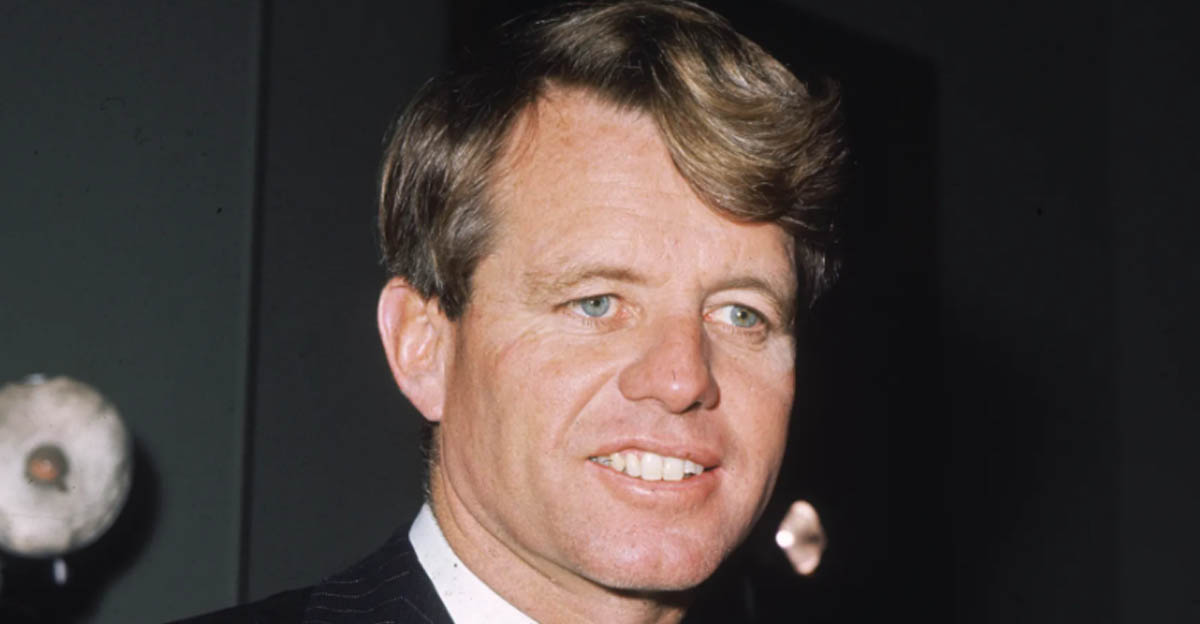
Robert Francis “Bobby” Kennedy was born on November 20, 1925, in Brookline, Massachusetts, into the prominent Kennedy family. Bobby’s father, Joseph Sr, was a wealthy businessman and influential Democratic politician, meaning Bobby came into the world with a fortunate leg up. It didn’t feel that way relative to the rest of his family, though.
 Associated Press, Wikimedia Commons
2. He Arrived Late
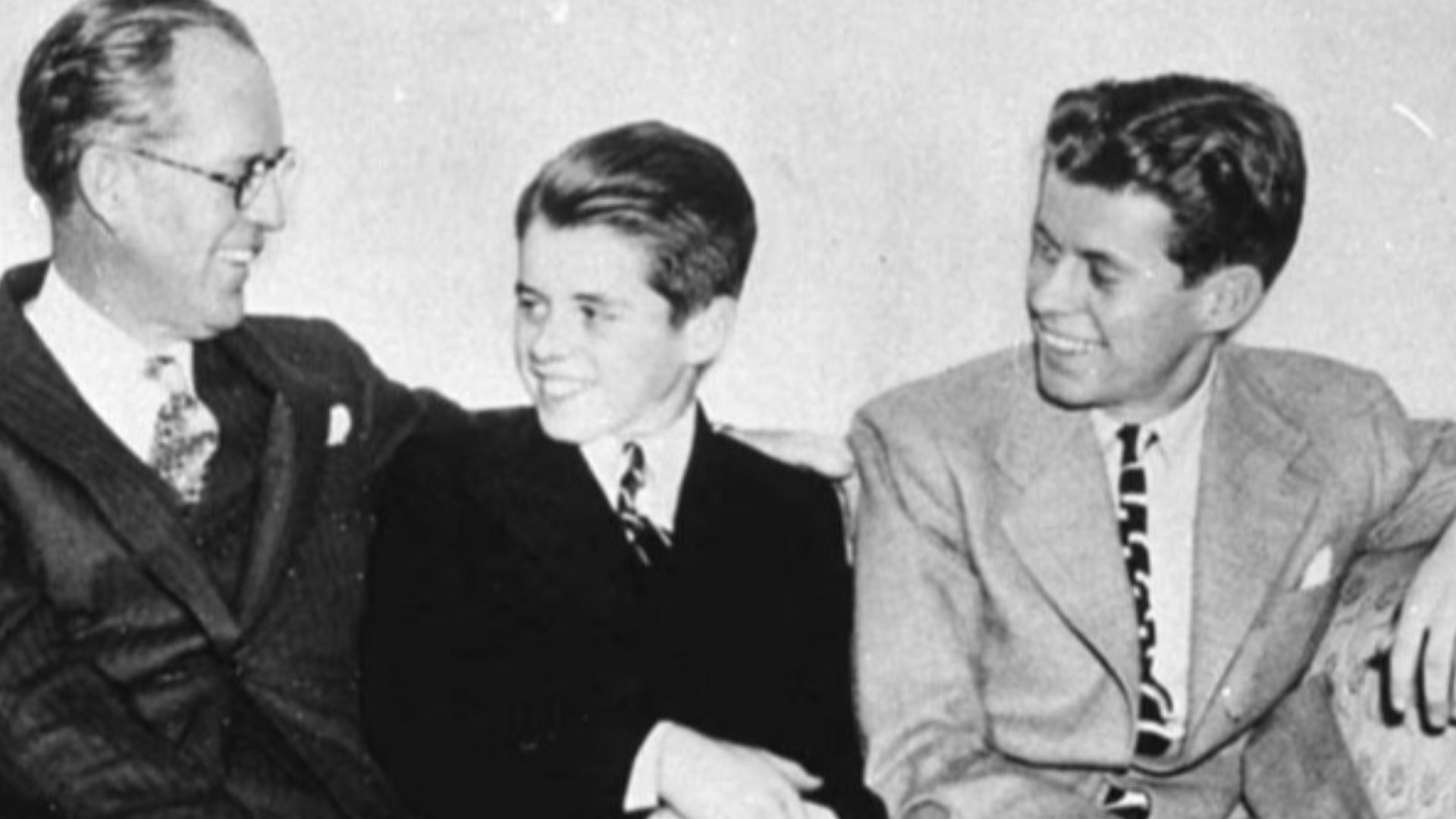
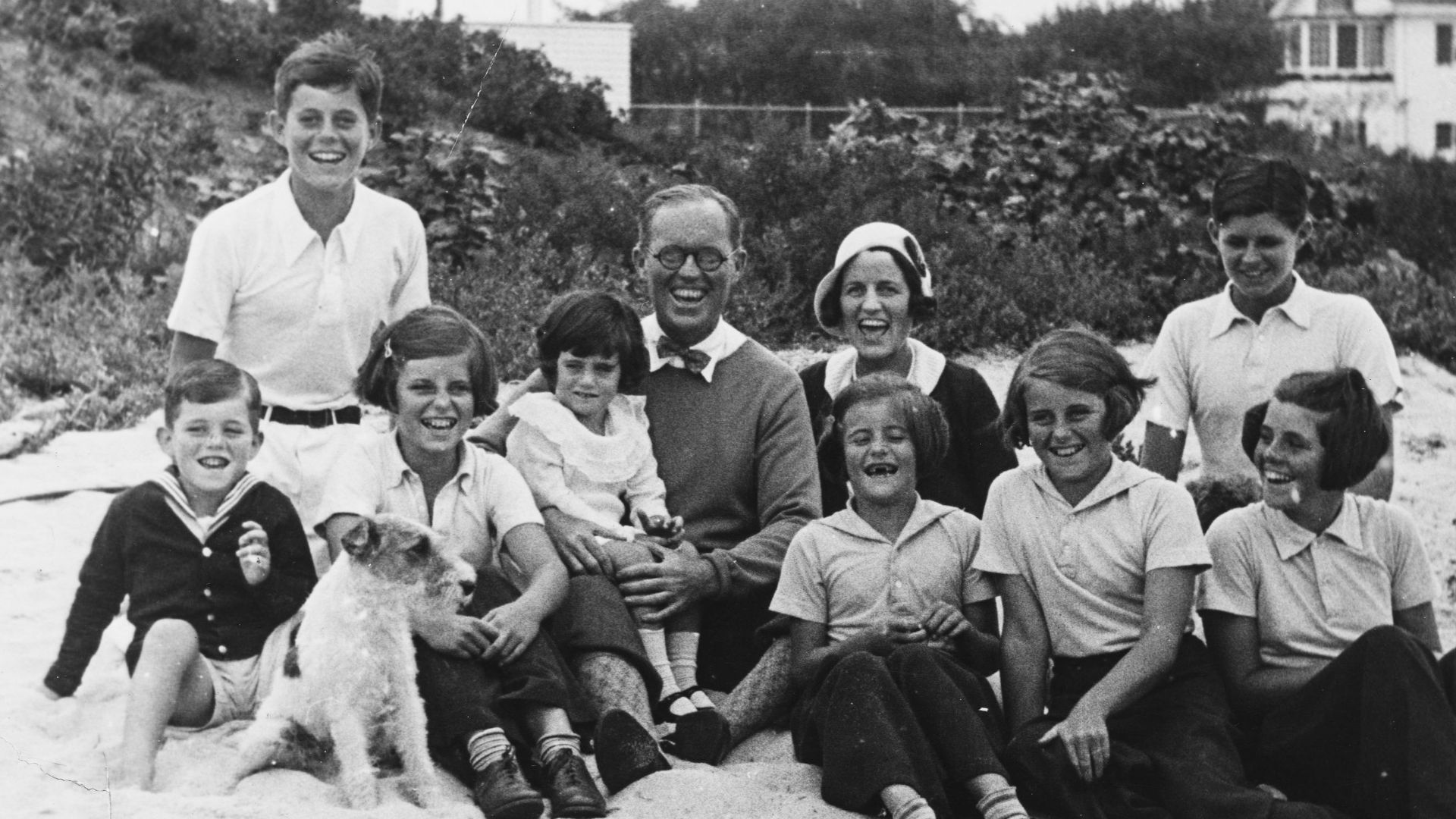
Bobby was the seventh of Joseph and Rose Kennedy’s nine children. As a result, he was often overlooked or downright neglected. He later said of his position in the family pecking order, “When you come from that far down, you have to struggle to survive”. His strict father didn’t help matters.
3. He Was Overlooked
Bobby’s childhood relationship with his father was difficult at worst and non-existent at best. With Bobby being the second youngest son, Joe Sr wrote him off as the “runt” of the family, deciding instead to focus his attention and family ambitions on his eldest sons, Joseph Jr and John. Still, it was not the worst environment in which to cultivate success.
 Unknown author, Wikimedia Commons
4. He Came From An Intellectual Home
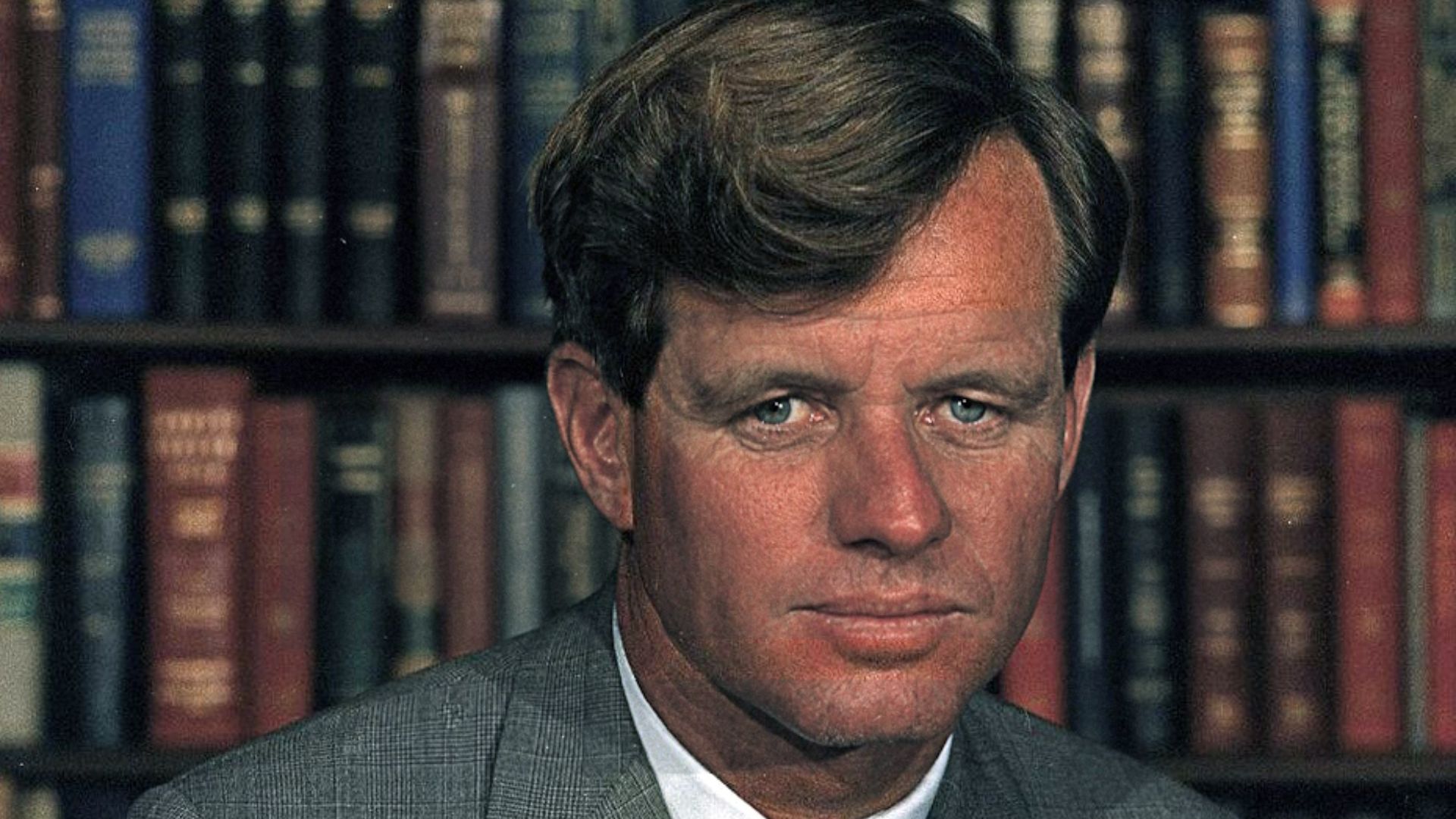
The Kennedy household was an intellectually stimulating environment to grow up in. Indeed, Bobby’s parents would often insist that the family discuss history and current affairs around the dinner table, instilling in their children a deep sense of public duty. But they failed in setting Bobby up for social life.
 Warren K. Leffler, Wikimedia Commons
5. He Got Shipped Off
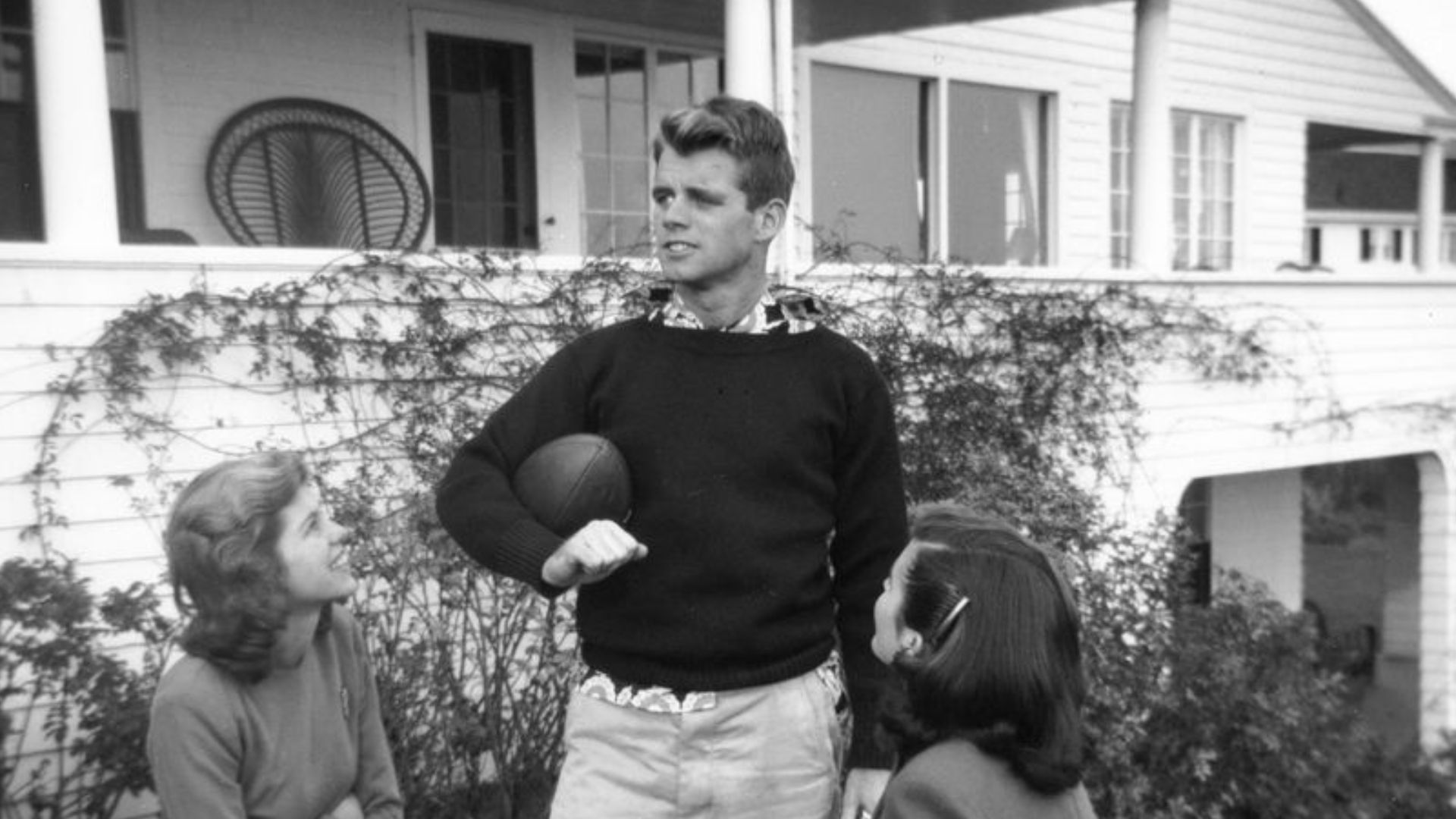
As a teenager, Bobby’s parents sent him to a number of different boarding schools in the New England area. With so many school changes throughout his teen years, Bobby found he could not maintain many consistent friendships, becoming a quiet and awkward kid as a result. But loneliness couldn’t dampen his work ethic.
 Credit: John F. Kennedy Presidential Library and Museum, Boston, Wikimedia Commons
6. He Always Tried Harder
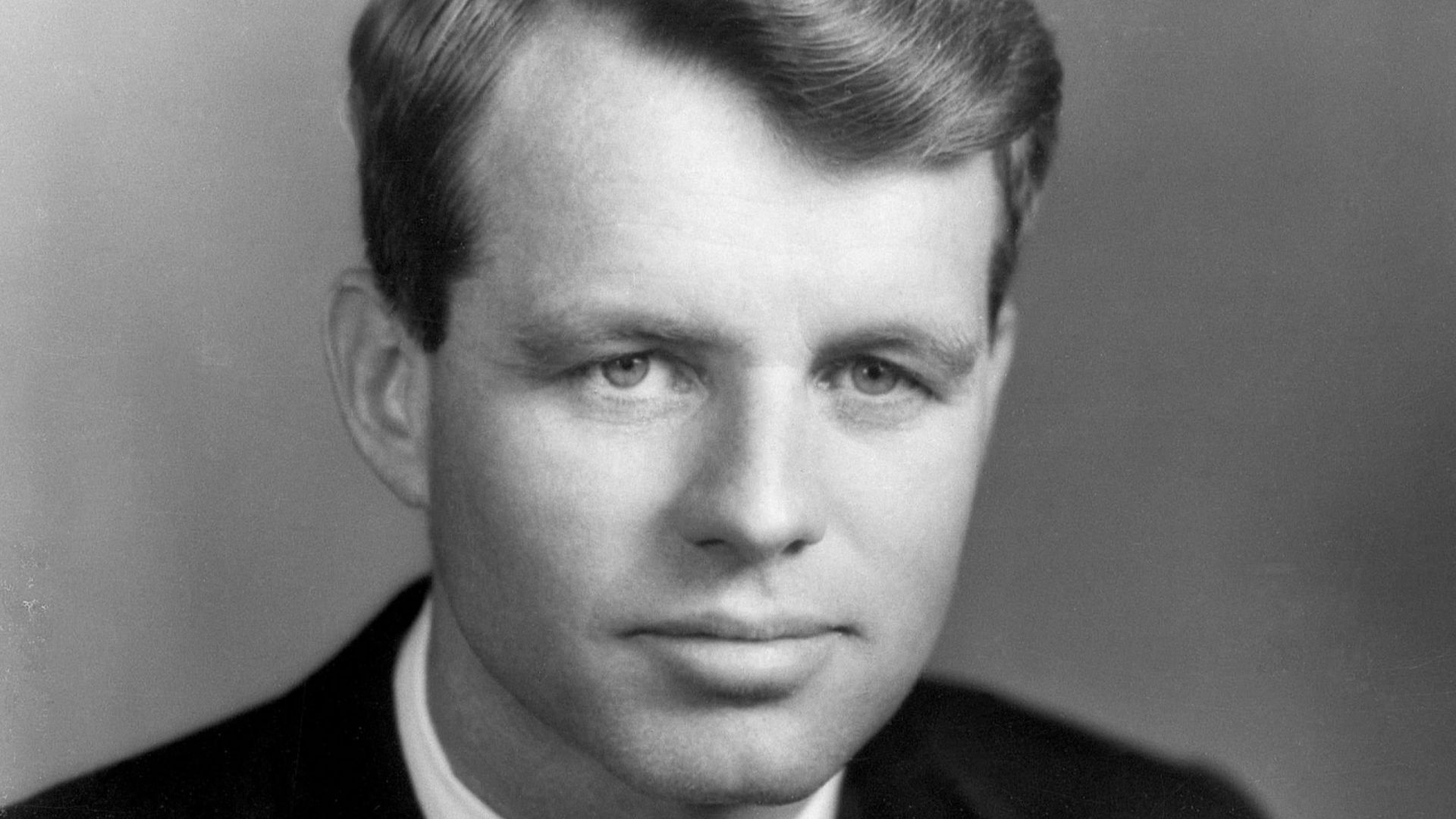
A schoolfriend of his later recounted how the young Robert Kennedy would never back down from a challenge. The boy was reportedly determined to overcome all of his shortcomings, and when he failed, he would redouble his efforts. This did not just apply to schoolwork, but to athletics, success with girls, and popularity too. It signaled that greatness was yet to come for the overlooked Kennedy—but not quite yet.
 Unknown author, Wikimedia Commons
7. He Left No Mark
The young Bobby was a misfit, but a hard worker, nonetheless. This should have been an early sign of potential, but unfortunately, Bobby would have to endure a few more years of being overlooked. One headmaster commented how he was a “very intelligent boy, quiet and shy, but not outstanding, and he left no special mark”. Perhaps he had just not yet found his calling.
 Yoichi Okamoto, Wikimedia Commons
8. He Confronted Reality
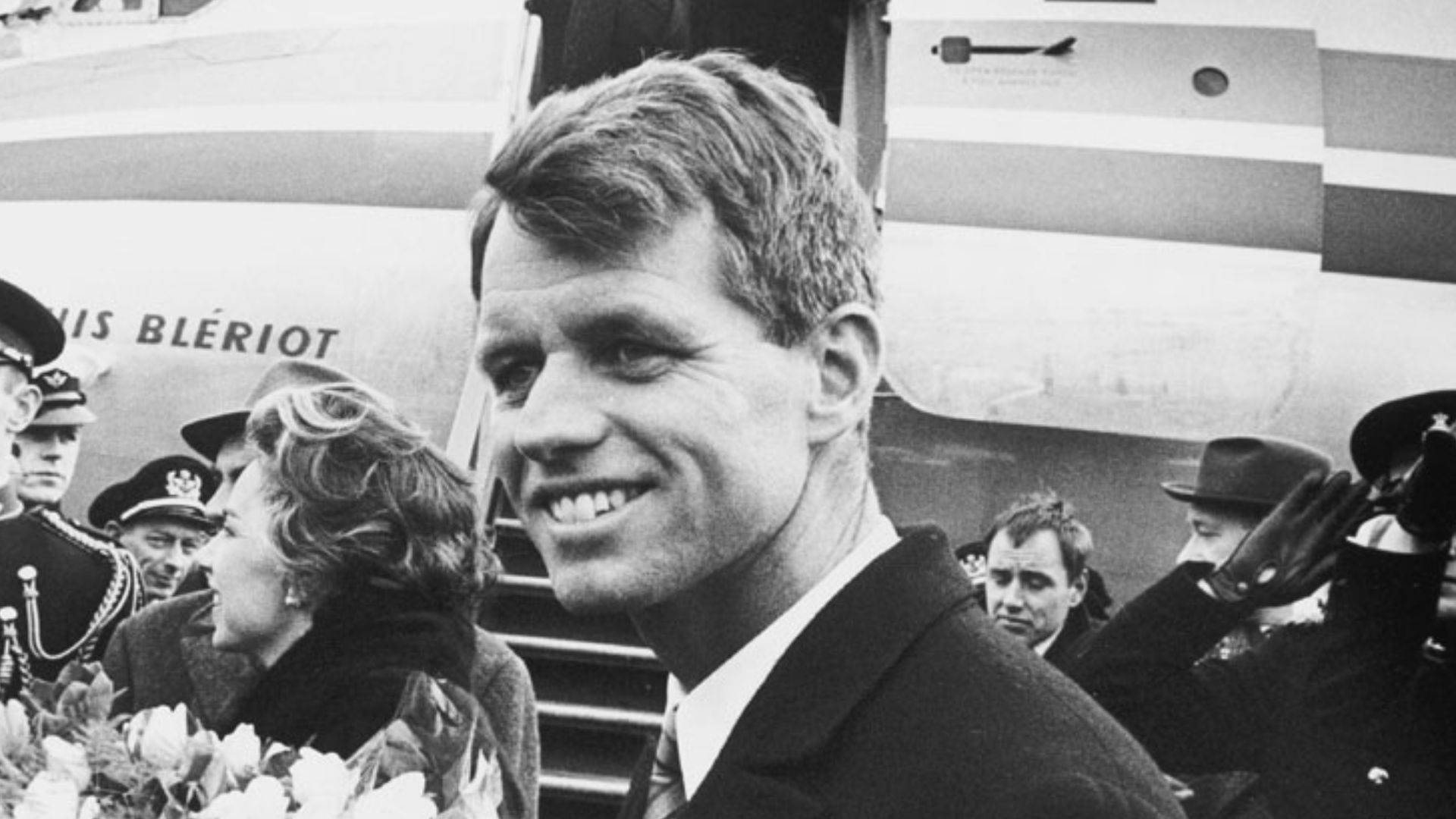
Bobby had grown up with a silver spoon, but he was about to meet the real world. After leaving school, he got his first job as a bank clerk in East Boston, a position he commuted to every day on the subway. It was here where the privileged young man first observed the inequity of the real world, encountering the common poverty of everyday people. This would inspire much of Bobby’s later political work, but he focused first on family life.

History's most fascinating stories and darkest secrets, delivered to your inbox daily.
9. He Met A Gal
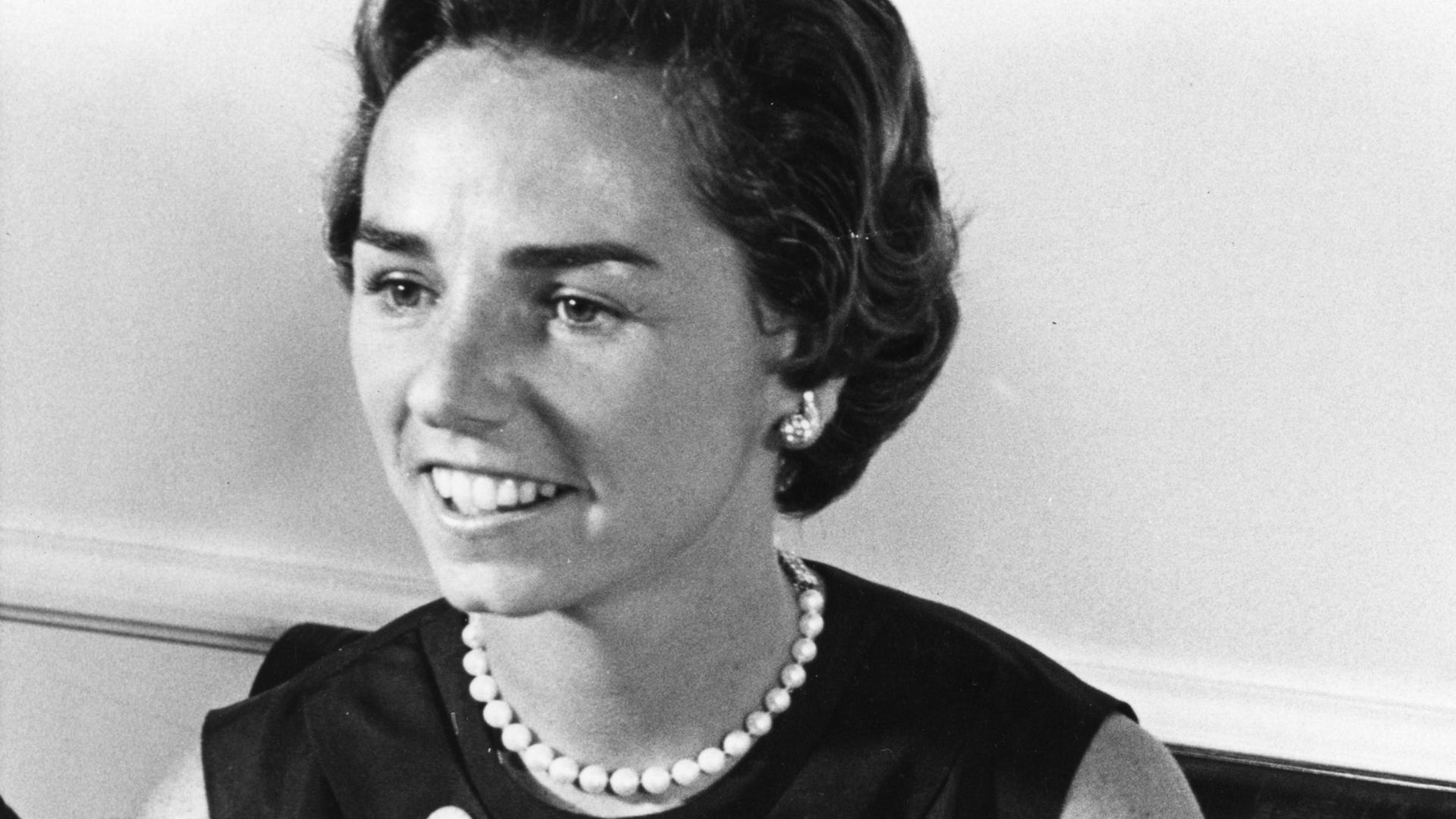
On a skiing trip to Quebec in 1945, Bobby met Ethel Skakel and was immediately smitten. She was from Connecticut, but the two stayed in touch, and would eventually marry in 1950. Over the years, the couple had a whopping 11 children, an odd choice considering how overlooked Bobby felt coming from such a large family himself. His standing had changed by that time, however.
 Photographer not credited, Wikimedia Commons
10. He Moved Up
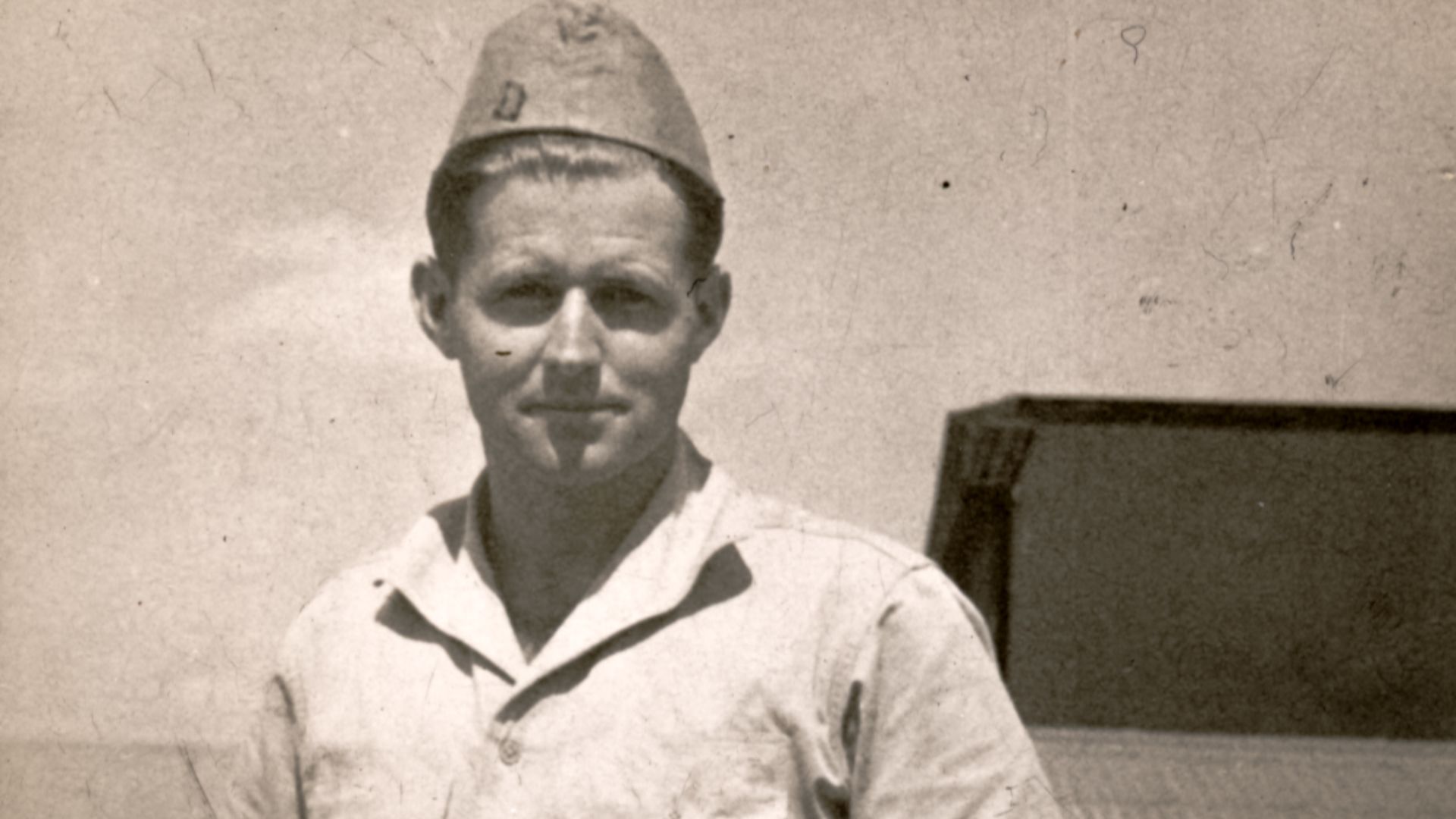
Tragically, in 1944, Bobby’s oldest brother, Joseph Jr, perished in a mission-gone-wrong while serving his country in WWII. It devastated the entire family, particularly Joe Sr, whose mournful reaction made a big impression on Bobby. His brother’s demise meant something else for Bobby, however: he had suddenly moved up in the family patriarchy and began receiving more attention from his father. And now he needed an education to shore up such lofty ambitions.
11. He Pursued A New Career
After some brief naval service towards the end of WWII, where he saw little action, Robert Kennedy enrolled in Harvard and graduated in 1948, obtaining a BA in political science. Having not enjoyed the drudgery of his first bank job, Bobby opted for something a little more exciting: the following September, he enrolled in the University of Virginia’s law school, graduating in 1951. With his eye on an eventual career in law, Bobby took one small detour.
 Sven Walnum, CC0, Wikimedia Commons
12. He Reported From Abroad
Kennedy’s first job out of college was a brief stint with The Boston Post, where he filed six stories as a foreign correspondent. His position brought him around the world, from Berlin to Palestine to Japan. But eventually, it was time to put that law degree to use.
 Warren K. Leffler, U.S. News & World Report Magazine, Wikimedia Commons
13. He Joined The Feds
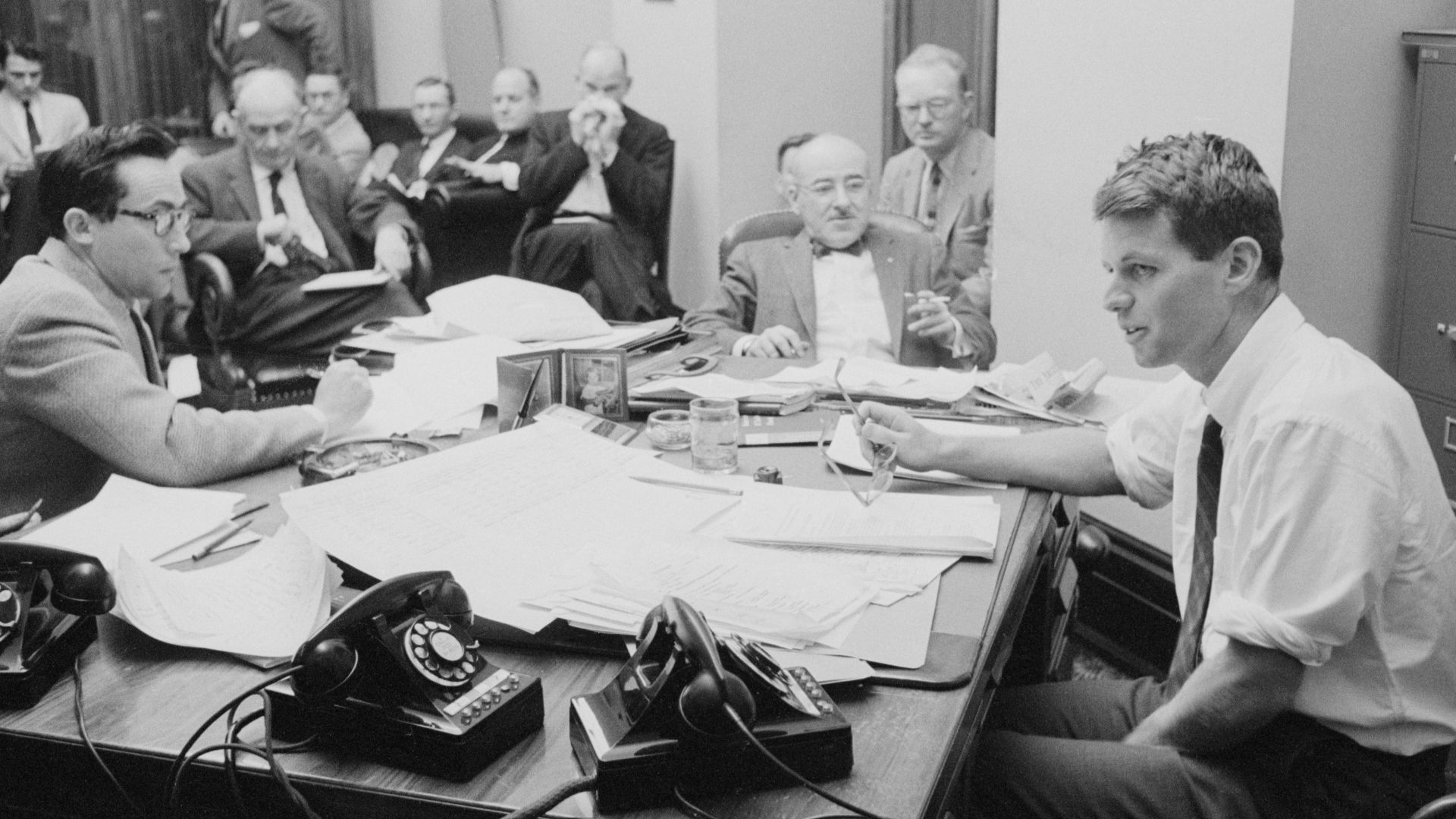
In November of 1951, Bobby got a job as a lawyer at the US Department of Justice. He initially worked in the Internal Security Division, prosecuting cases related to espionage and subversion. The following year, he transferred to the Criminal Division, where he investigated high profile political fraud. But it wasn’t long before family duty called.
 Yoichi R. Okamoto, Wikimedia Commons
14. He Backed Up His Brother
By then, Bobby’s brother John had become something of a rising political star in the country. In June of 1952, Bobby resigned from the DOJ to manage his brother’s senatorial campaign. The stakes were high for the Kennedy family at large, and for Bobby in a more personal way.
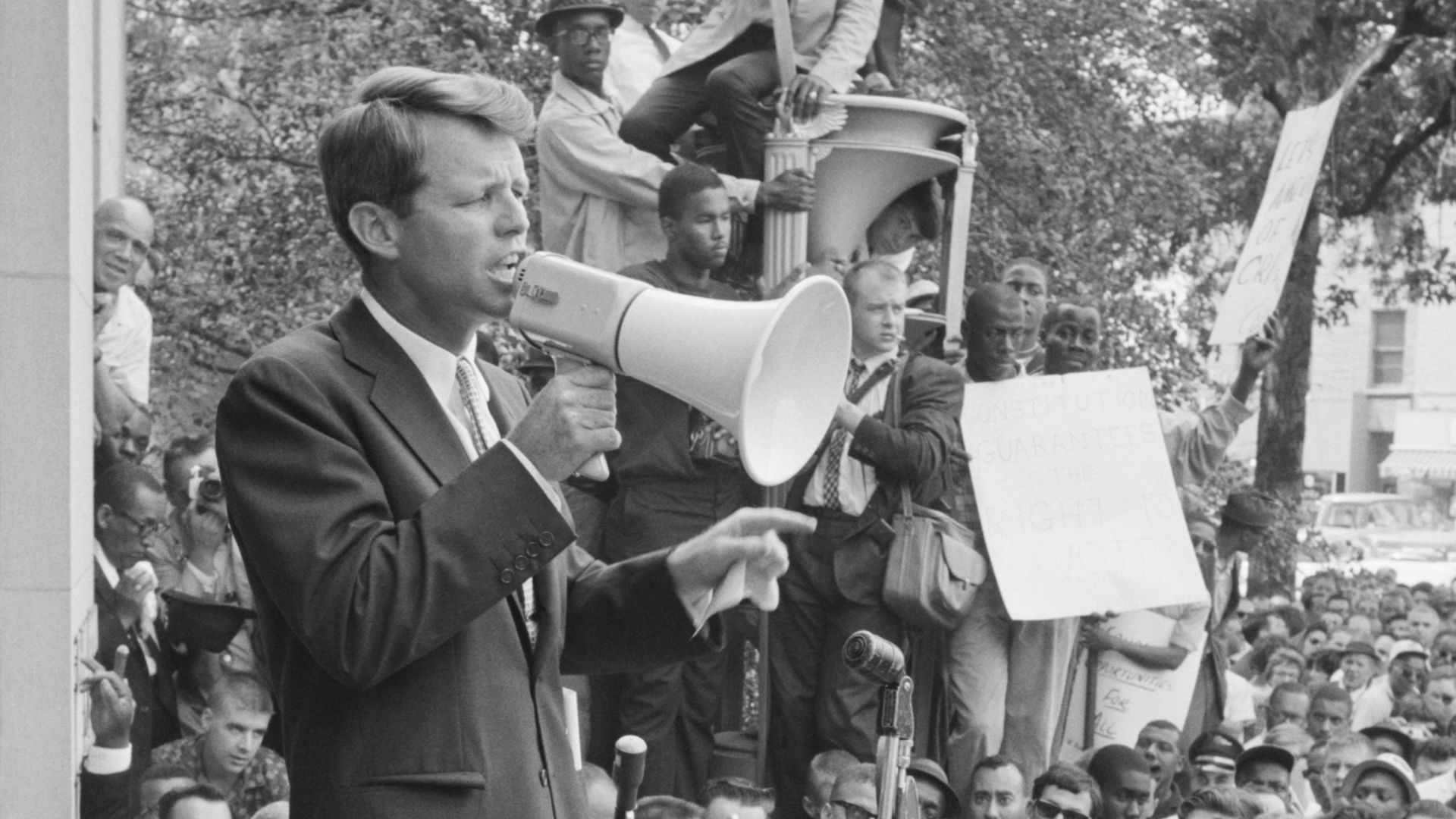 Leffler, Warren K., Wikimedia Commons
15. He Got Daddy’s Approval
John F Kennedy’s eventual victory was a huge moment for the Kennedy clan, establishing the young Senator as a nationally prominent political figure with the potential to make it all the way to the White House. Bobby had his own success too, later commenting on how he felt the campaign’s success finally convinced his father to take him seriously. Now it was time to establish his own presence.
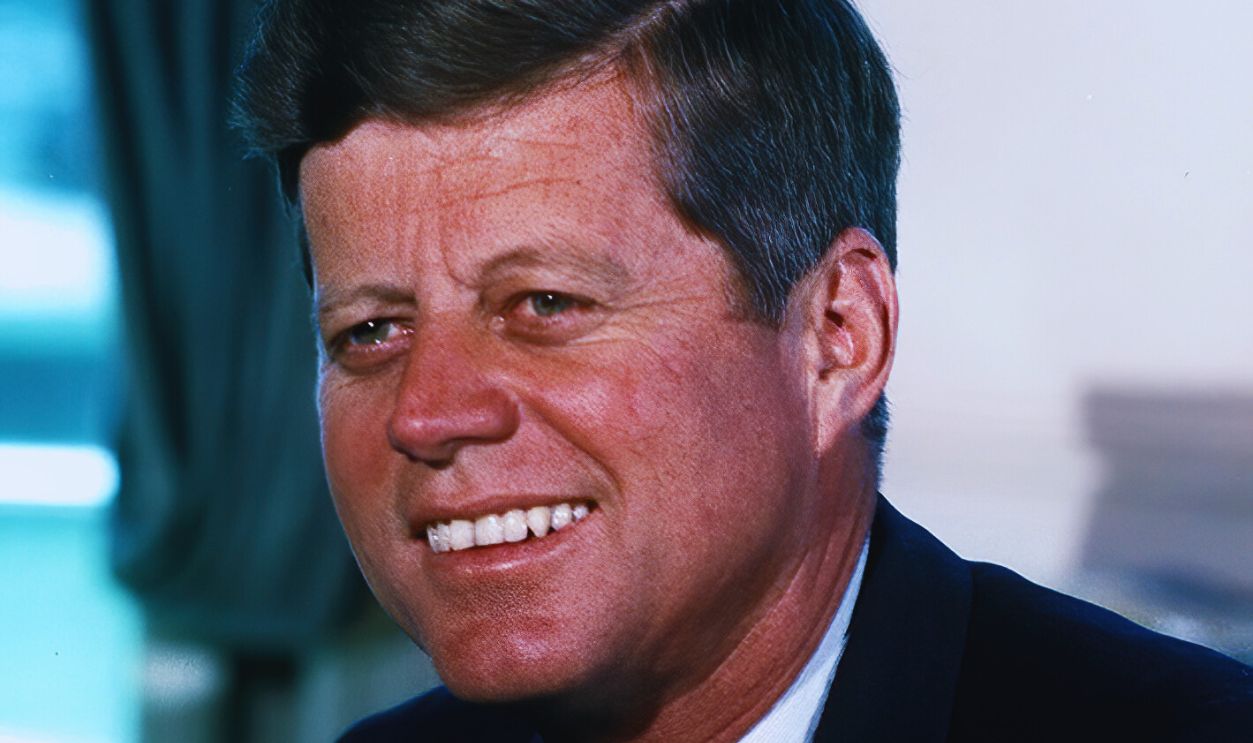 Cecil Stoughton, White House, Wikimedia Commons
16. He Worked For A Controversial Figure
In December 1952, Robert Kennedy began working on Senator Joseph McCarthy’s infamous subcommittee, investigating potential communist infiltration in all areas of American life (with dubious-at-best methods). Kennedy disapproved of McCarthy’s aggressive process, though was quite fond of the man himself. But it still wasn’t the right fit.
 U.S. Government, Wikimedia Commons
17. He Was Adrift
Bobby resigned from the committee in July 1953, and for the next six months or so, felt completely lost. He found himself at “a professional and personal nadir” and still felt he had to prove himself worthy of his towering family name. So, he decided he would be a fighter.
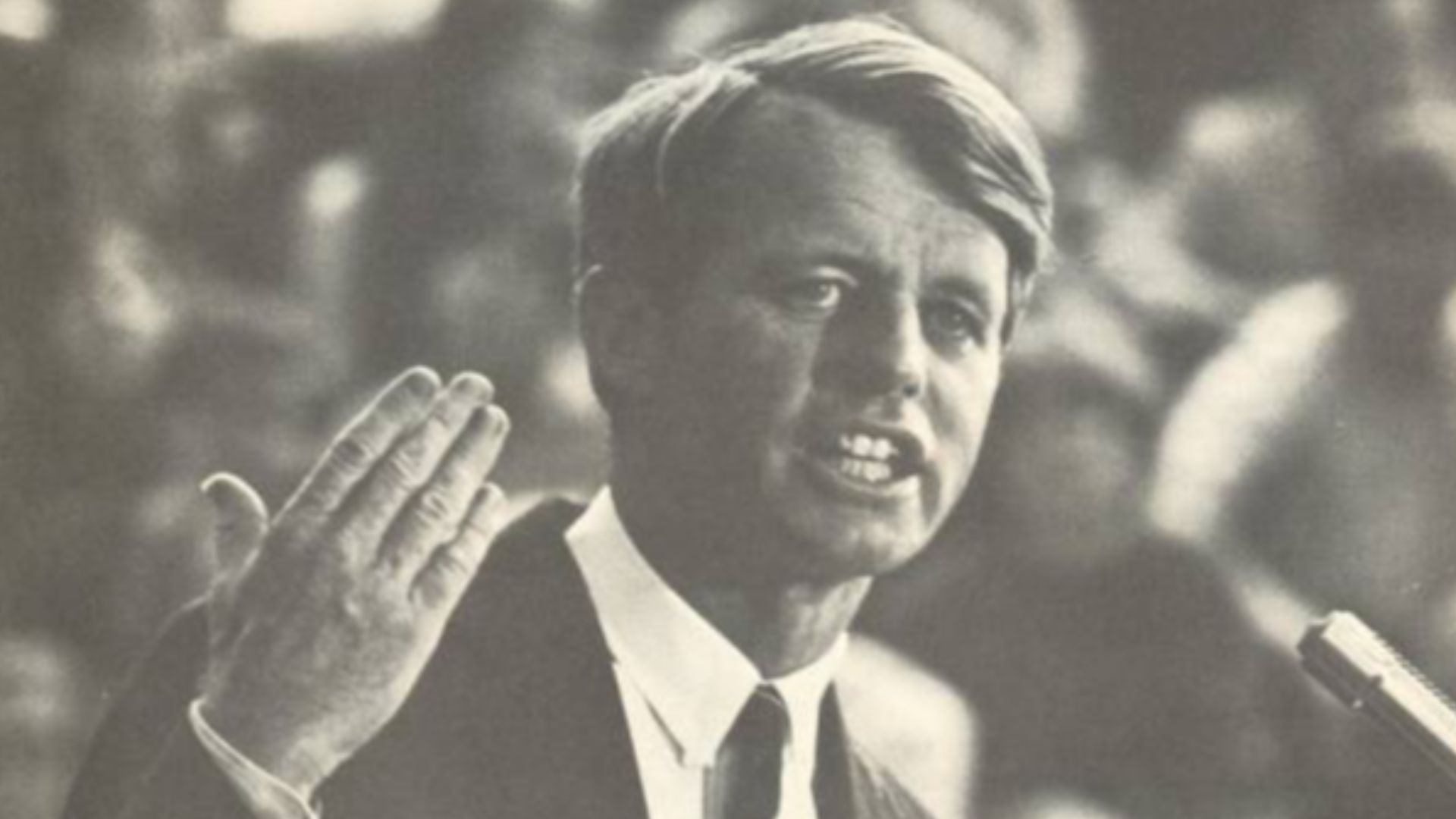 Kennedy for President Committee, Wikimedia Commons
18. He Clashed With Another Controversial Figure
Robert Kennedy rejoined the Senate committee staff in February 1954, this time as chief counsel for the Democratic minority. He worked alongside McCarthy’s chief counsel and future mentor to Donald Trump, Roy Cohn. The two did not get along, with Cohn dismissing Bobby as “an arrogant whippersnapper”. But that whippersnapper was not afraid to use that arrogance against his targets.
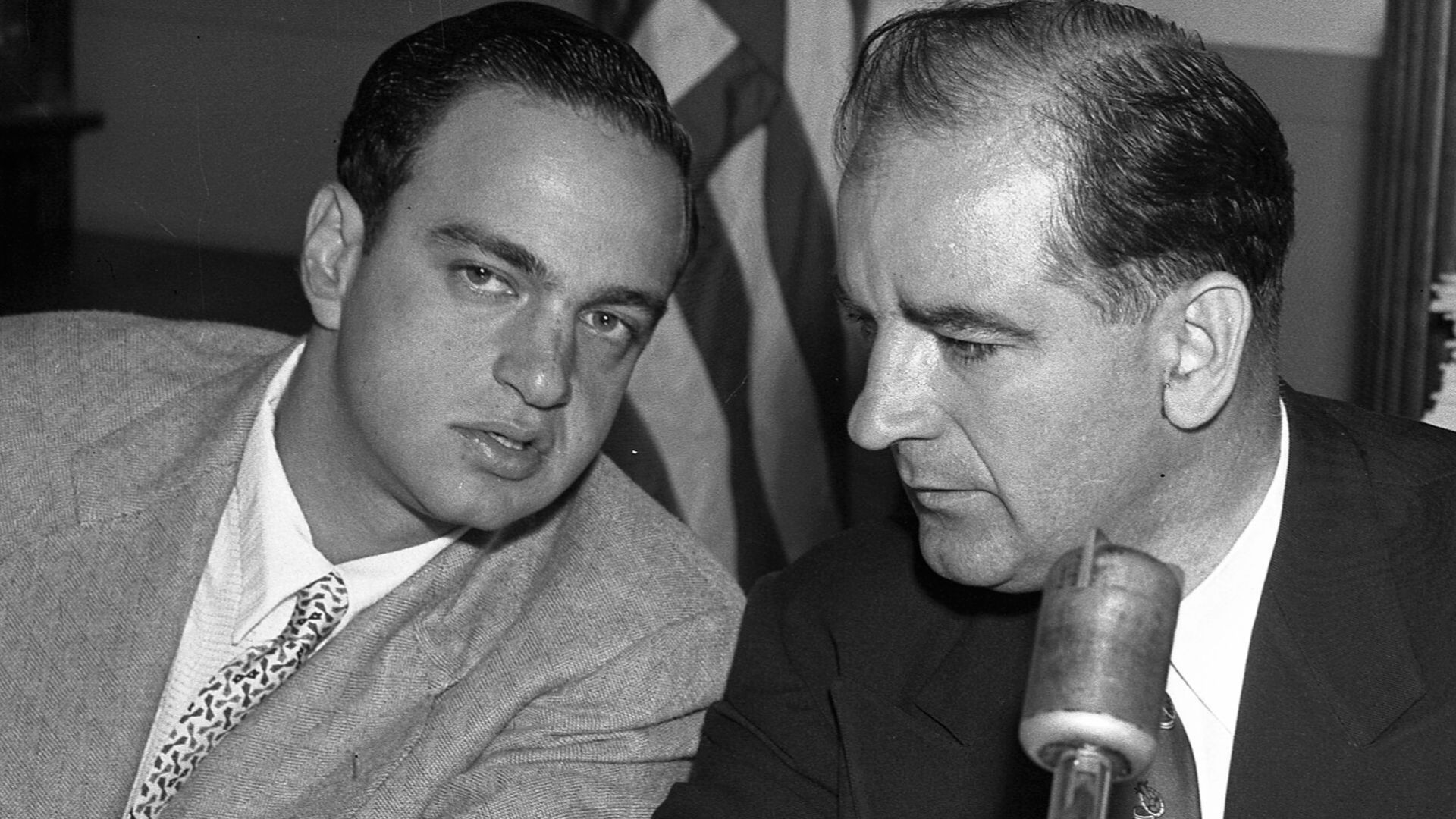 Los Angeles Times, Wikimedia Commons
19. He Fought Corruption
After the Democrats regained a majority in the US Senate, Bobby joined the governing body’s Select Committee on Improper Activities in Labor and Management as chief counsel. Here, he took on union corruption and labor racketeering, publicly targeting Jimmy Hoffa. It proved a highly visible case.
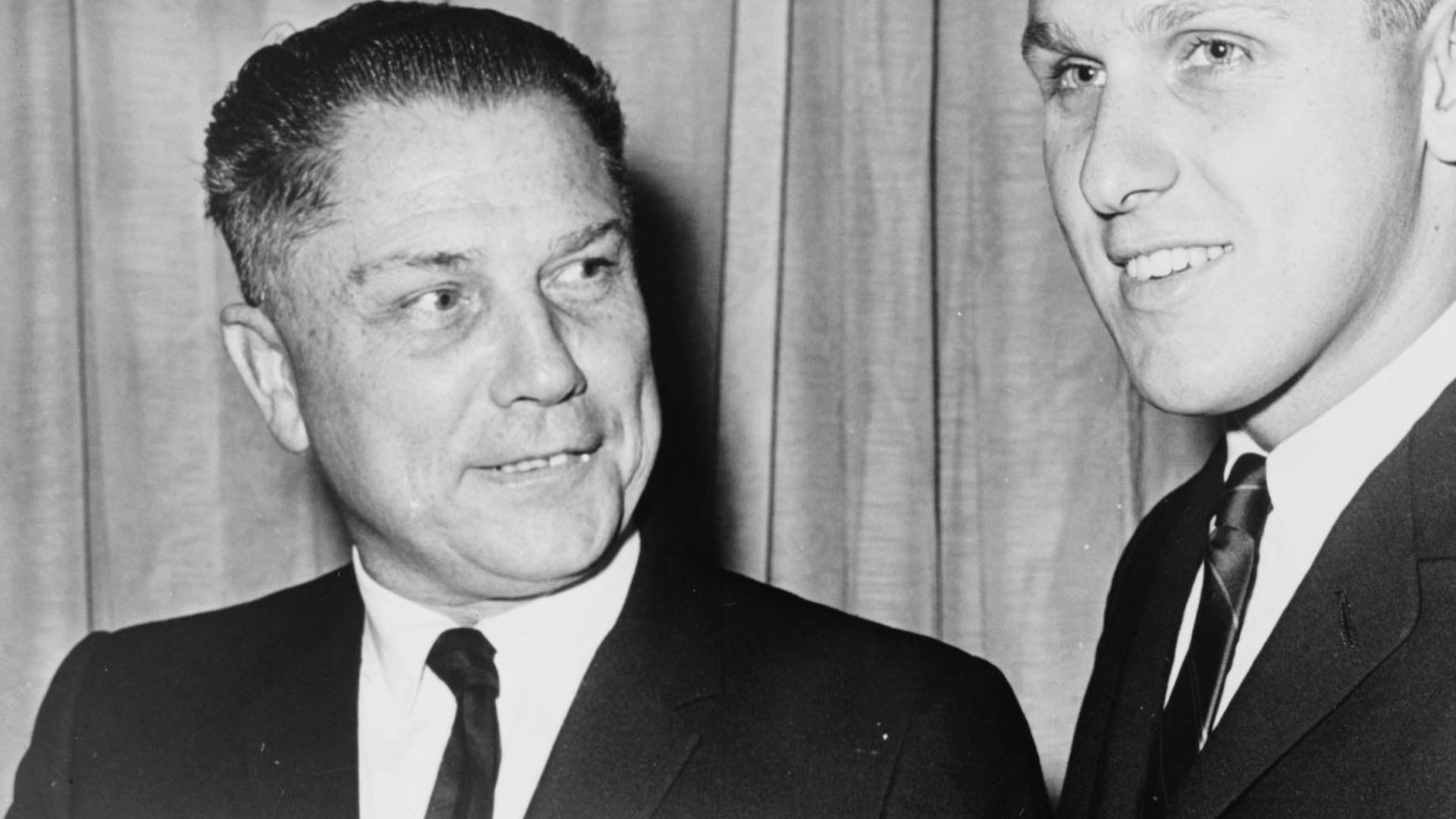
20. He Got Some Heat
Kennedy’s public face-off with Hoffa attracted national attention that significantly raised his profile. Alongside his brother John, the two received much media coverage as a duo, with one publication dubbing the brothers “hot tourist attractions in Washington”. It was time to capitalize on this attention.
 U.S. National Archives and Records Administration, Picryl
21. He Ran It Back
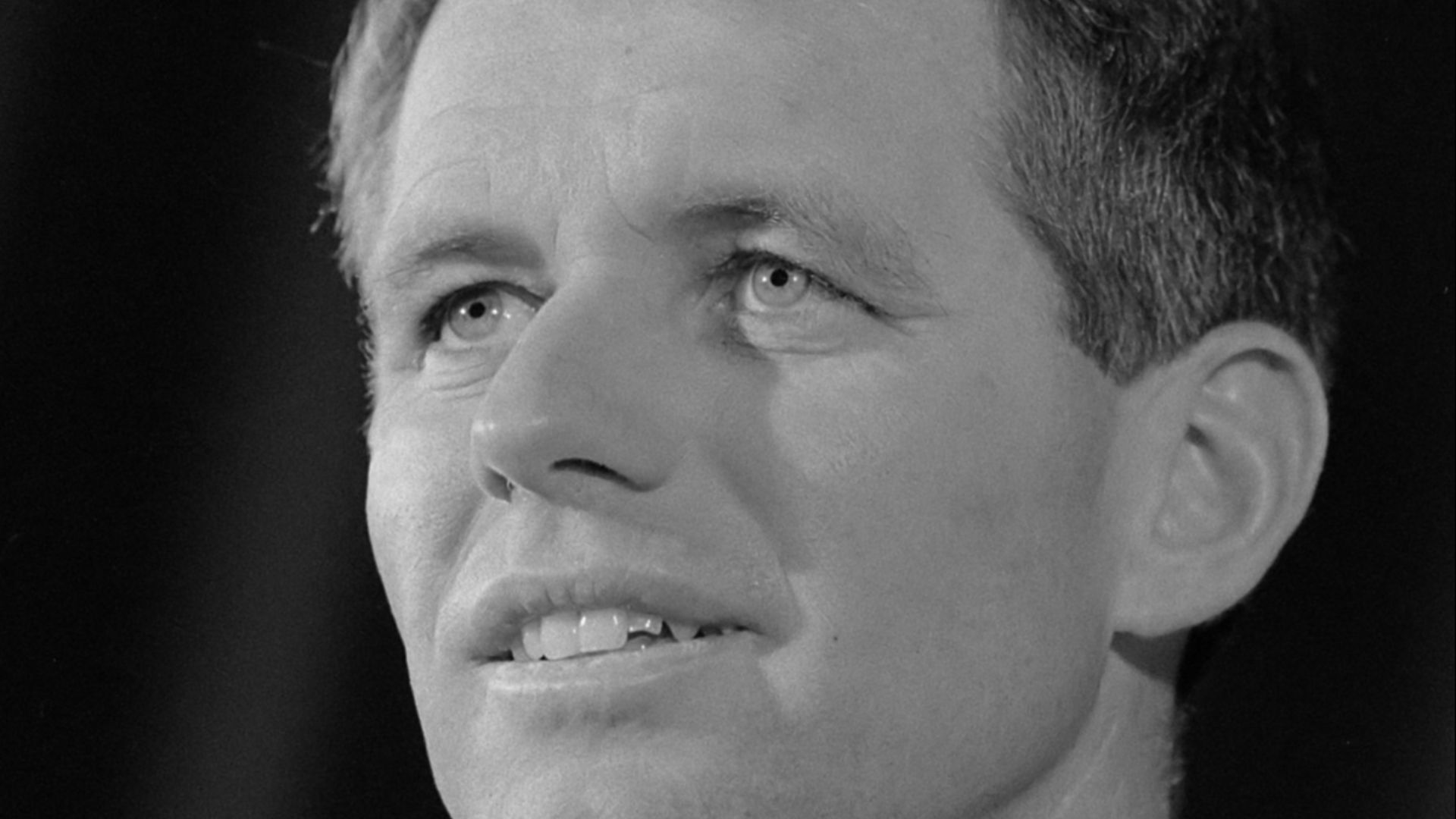
Bobby returned to his first great familial achievement: running his brother’s campaign. But this time, they aimed for the peak: John was running for president. With his newfound publicity, however, Bobby was much more involved this time, giving stump speeches himself throughout the primary season. And while crowds loved him, not all in the party did.
 Jack de Nijs for Anefo, Wikimedia Commons
22. He Made An Enemy
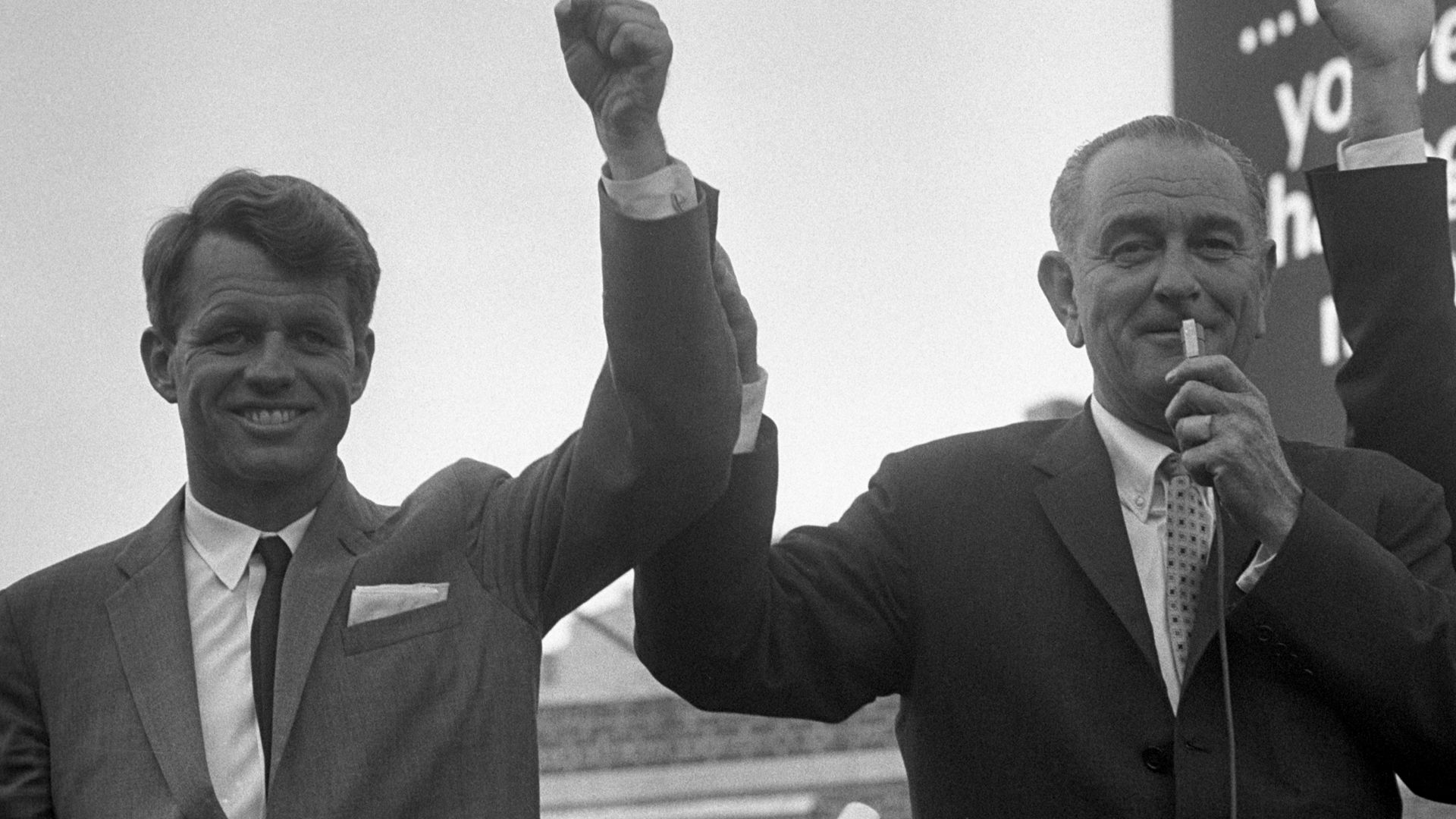
Running against JFK for the Democratic nomination was Senator Lyndon B Johnson, and though he would lose it to Kennedy, he would end up on the ticket as John’s running mate. Bobby was not pleased with this, however, and fearing Johnson’s ambitions, he unsuccessfully tried to persuade the man to turn down the VP nomination.
Johnson, of course, refused, which began a mutual dislike between the two men that would continue well into JFK’s presidential term, particularly considering Bobby’s powerful position.
 Cecil W. Stoughton, Wikimedia Commons
23. He Got A Top Spot
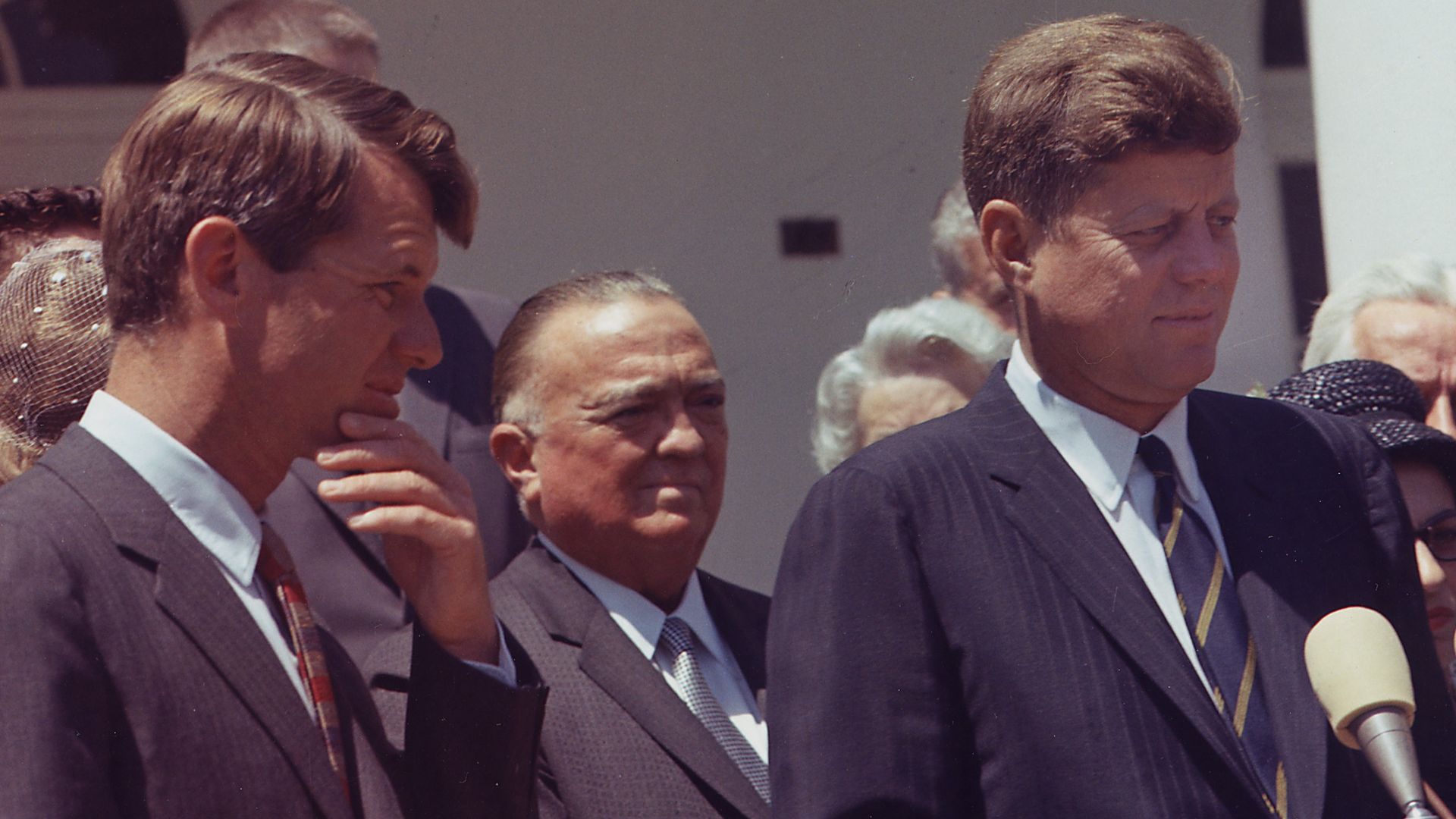
JFK won the 1960 presidential election, and he set to work putting together his cabinet, opting to nominate his younger brother Bobby as United States Attorney General. Bobby faced a lot of pushback from the Washington elite, with many calling his nomination a textbook case of nepotism, while others criticized his lack of experience. Nevertheless, the Senate confirmed Kennedy, making history.
 Cecil W. Stoughton, Wikimedia Commons
24. He Was Young And Powerful
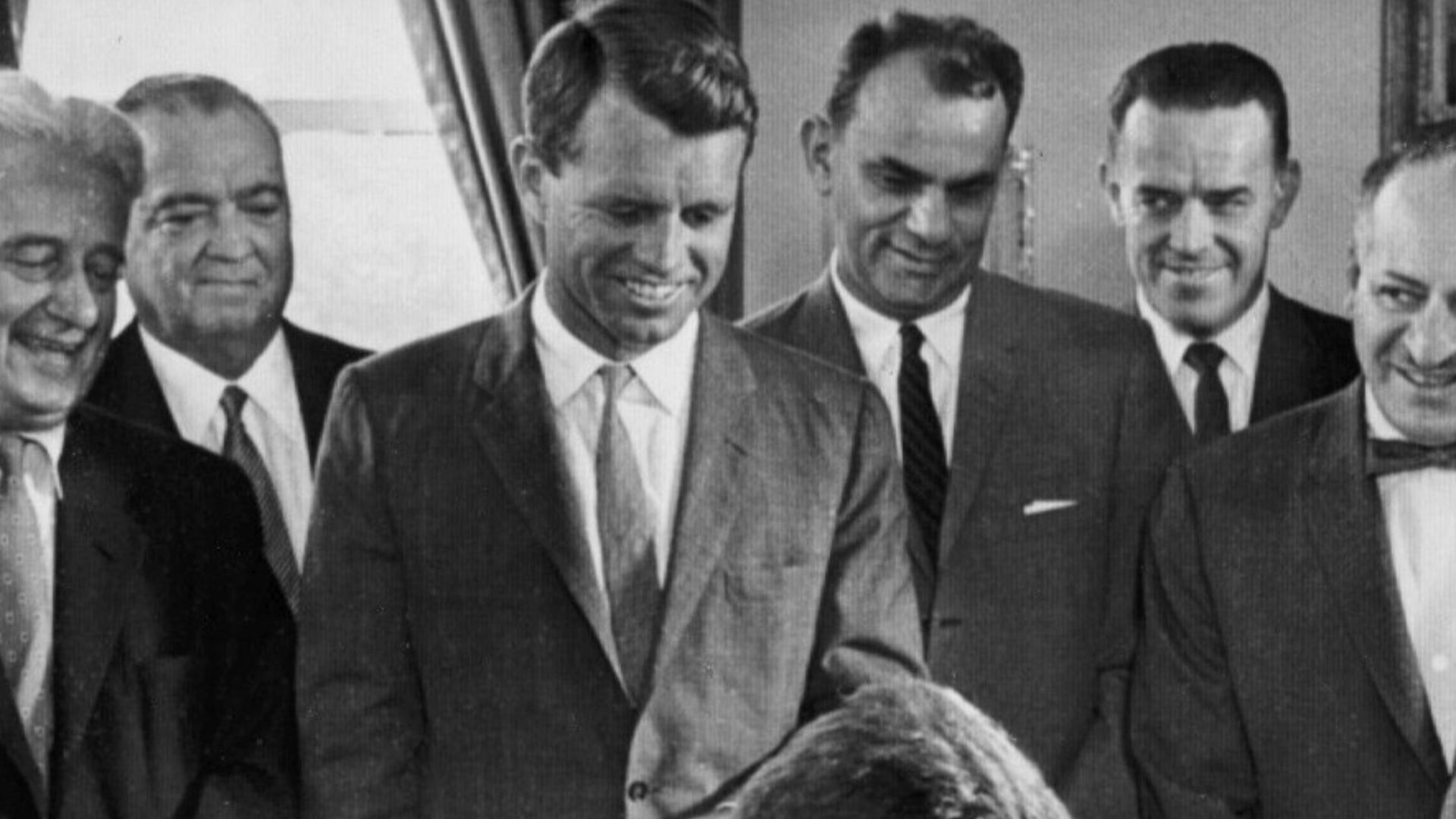
With his appointment as US AG at the age of just 35, Robert Kennedy became one of the youngest presidential cabinet members in United States history. Given his perceived lack of qualifications, he opted to staff his office with many experienced lawyers, setting Washington minds at ease. But that didn’t mean he lacked influence.
 Associated Press, Wikimedia Commons
25. He Was Number Two
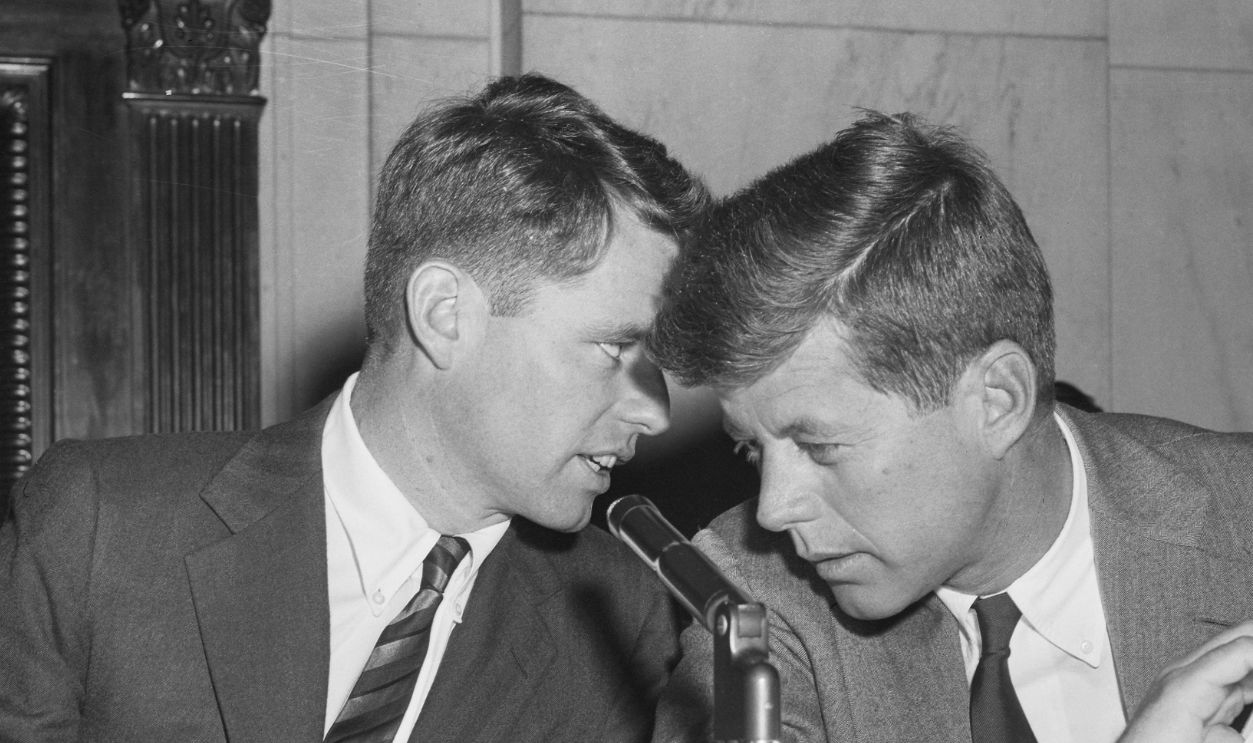
Because he was the President’s brother, Bobby’s influence in the administration stretched beyond law enforcement. Indeed, JFK came to rely on his brother’s advice, and the younger Kennedy became one of the President’s closest advisors and most trusted confidants. The Associated Press even dubbed him “Washington's No. 2-man”. And with this power, Bobby got to work.
26. He Fought The Lawless
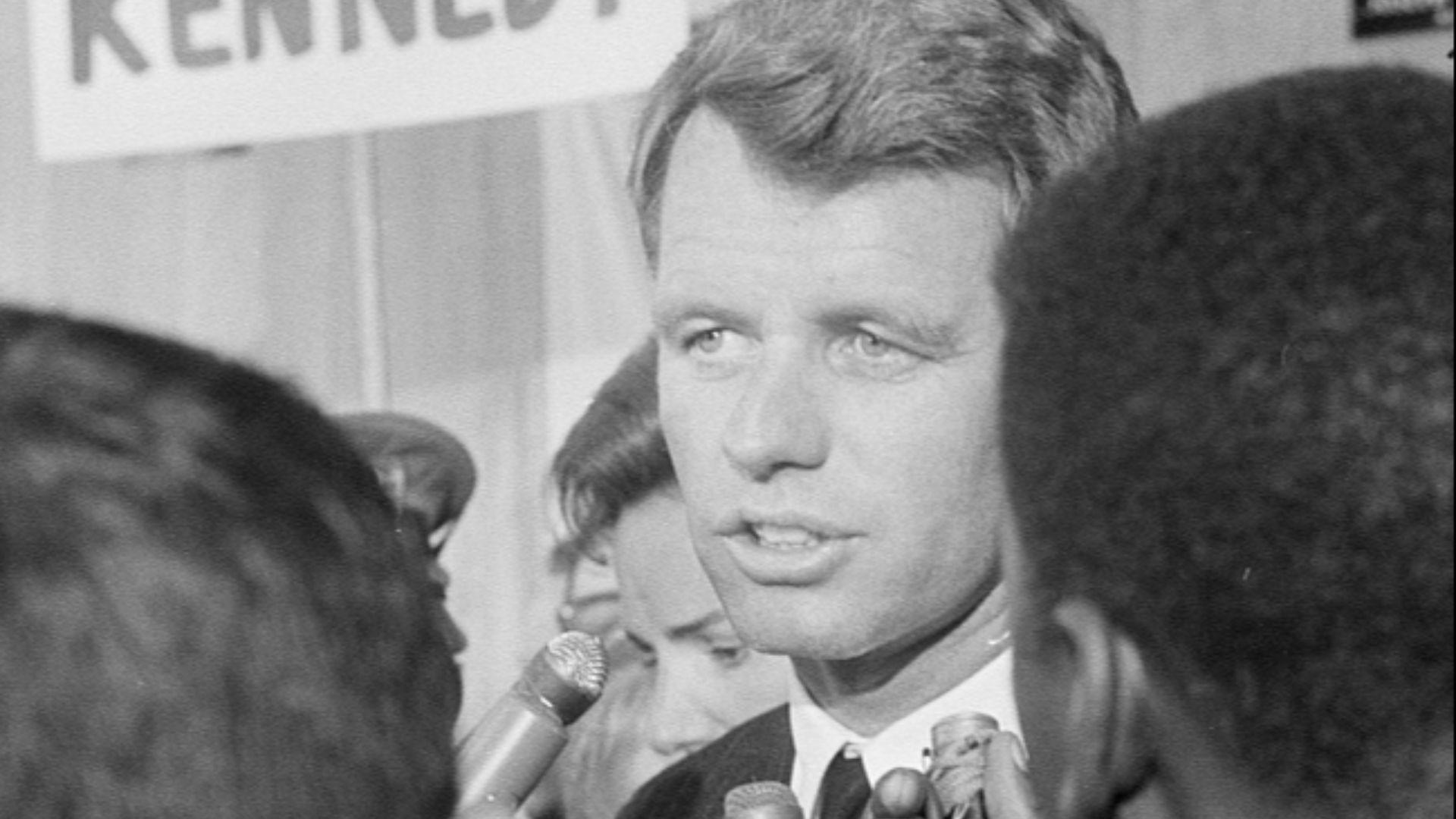
Bobby set to work as AG tackling the nation’s biggest issues concerning law enforcement, and his most relentless crusade was against organized crime. Setting his sights on the Mafia, Robert Kennedy established a coordinated program of all 26 federal law enforcement agencies to investigate and prosecute their leaders (with varying degrees of success). He took on the social issues of the day too.
 Warren K. Leffler, U.S. News & World Report Magazine, Wikimedia Commons
27. He Was Progressive
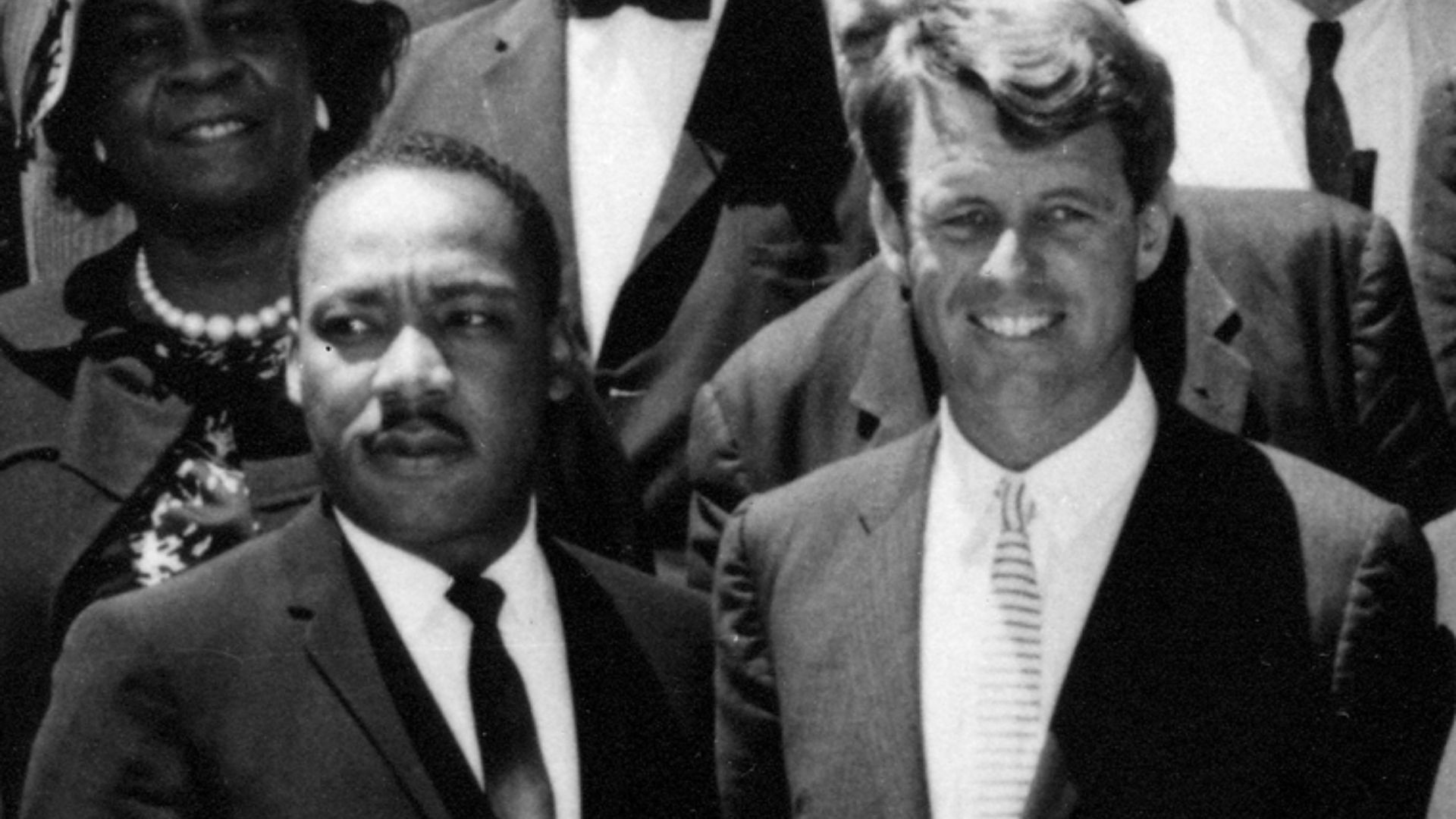
Robert Kennedy was also an outspoken advocate of the Civil Rights movement that was gaining increasing traction throughout the 1960s. He publicly supported the work of Martin Luther King Jr and even collaborated with his brother in proposing the Civil Rights Act of 1964. But his actions in private did not always reflect this progressive veneer.
 Abbie Rowe, National Park Service/John Fitzgerald Kennedy Library, Boston, Wikimedia Commons
28. He Abetted State Crimes
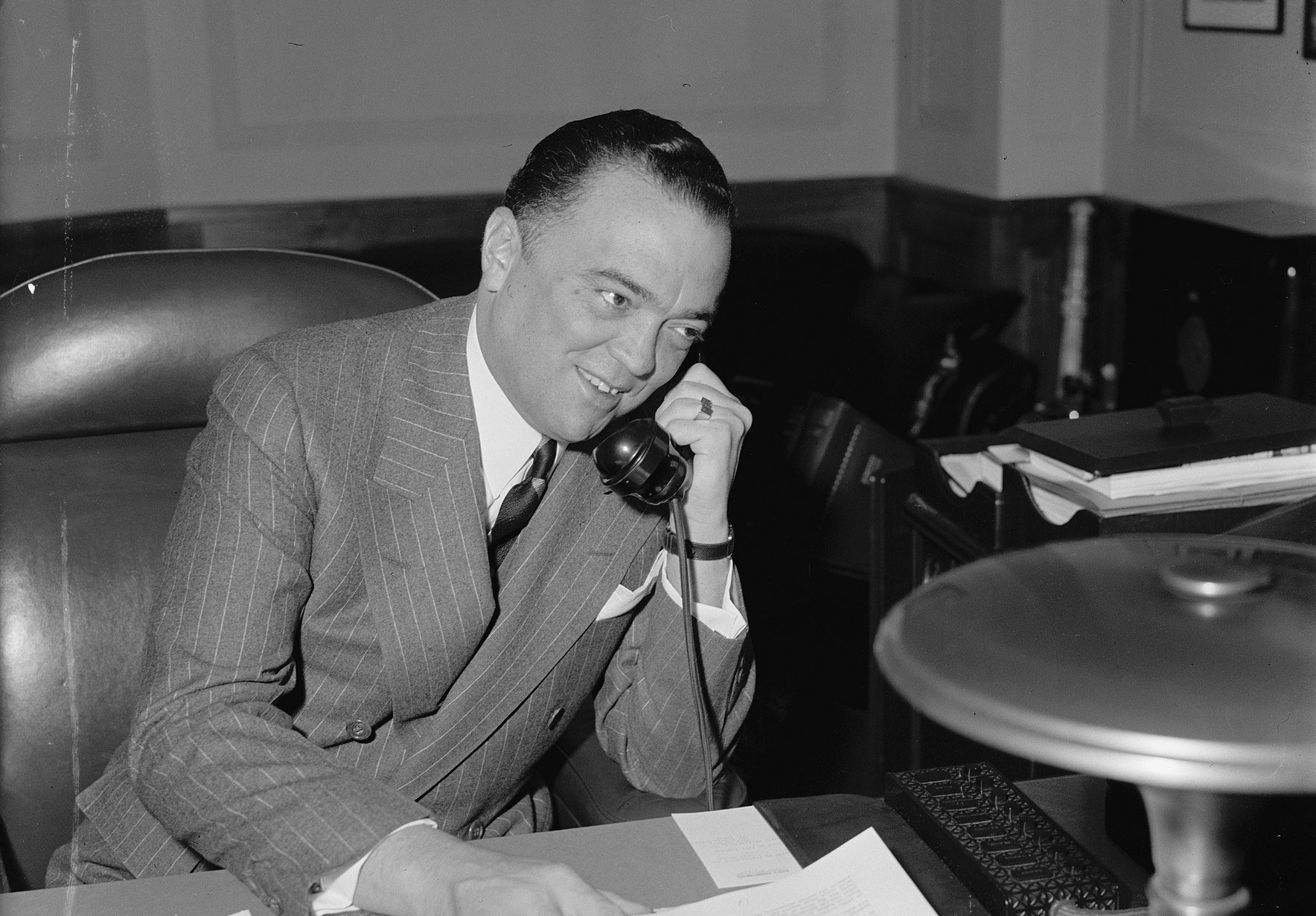
One of Bobby’s most frequent collaborators was FBI Director J Edgar Hoover, who viewed Martin Luther King as an “enemy of the state”. In 1962, Hoover alleged to AG Kennedy that some of King’s closest confidants and advisors were communists. Alarmed by this, Bobby authorized the FBI to wiretap King and some other civil rights leaders. Though a stain on his record, it was, to be fair to Bobby, one of his few concessions to Hoover.
29. He Was A Maverick
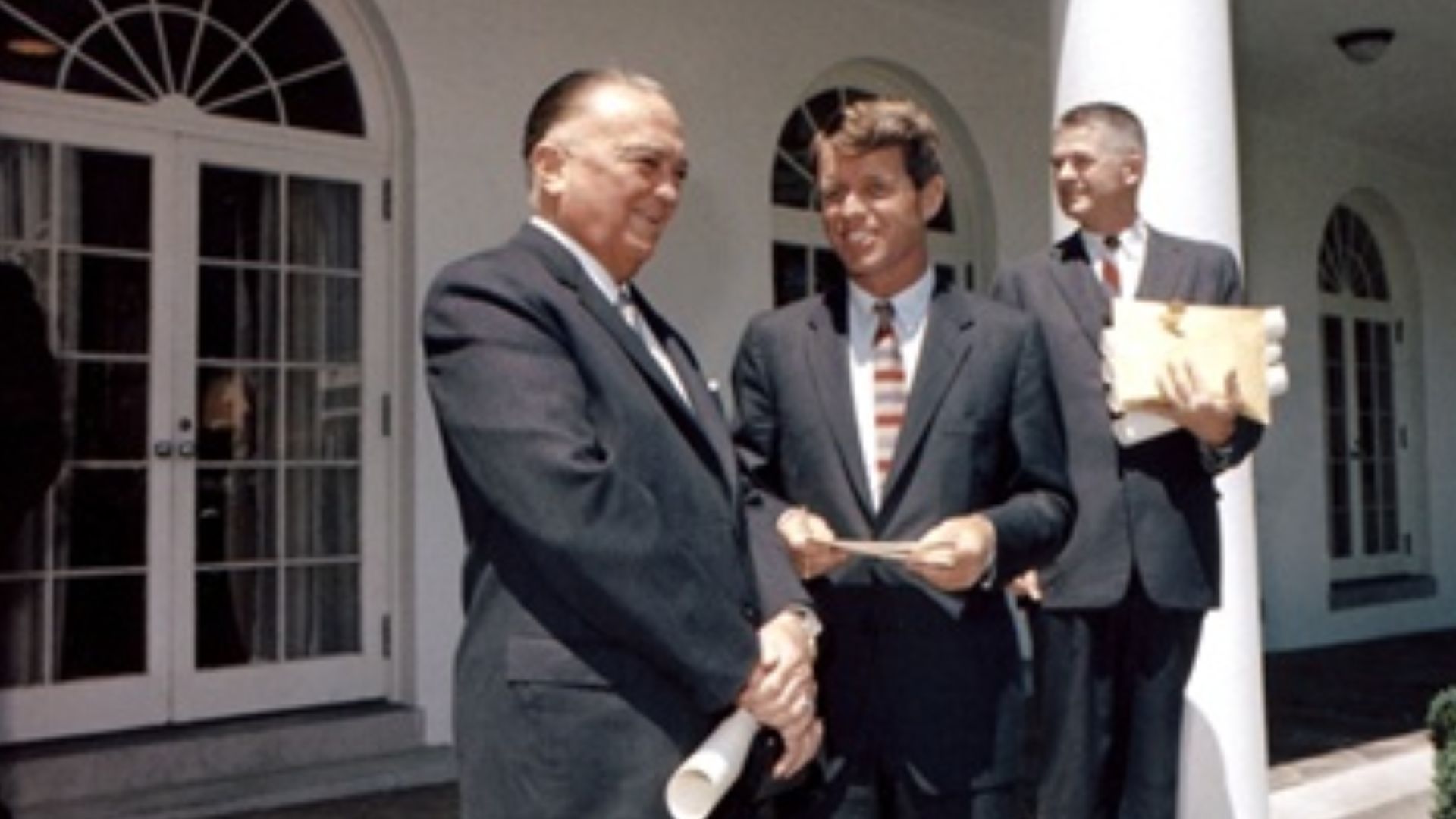
Kennedy and Hoover clashed frequently. While Hoover had enjoyed relatively unchecked power with previous administrations, the Kennedy White House reigned him in a little more than he was used to. Hoover disliked Bobby in particular because, as one biographer concluded, he couldn’t control him. But Bobby proved he was worthy of his powerful position.
 US Government (by Cecil Stoughton}, Wikimedia Commons
30. He Averted Disaster
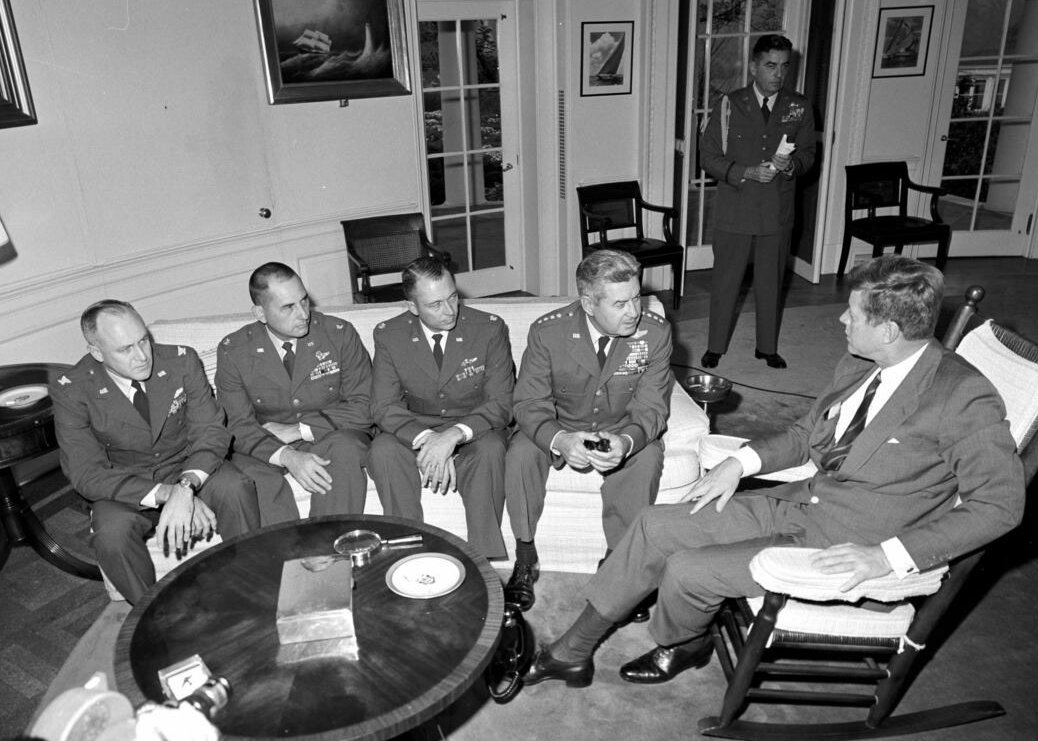
In October 1962, during the Cuban Missile Crisis, Bobby played a key role in bringing the temperature down through his negotiation tactics, with many contemporary historians crediting him, and the trust placed in him by his brother, as crucial to averting all-out military conflict between the US and the Soviet Union.
Indeed, after they averted the crisis, the President summed up the importance of his brother’s role, saying “Thank God for Bobby”. And while the younger Kennedy was making waves on the world stage, his personal life was explosive too.
 Cecil Stoughton, Wikimedia Commons
31. He Got Snapped With A Starlet
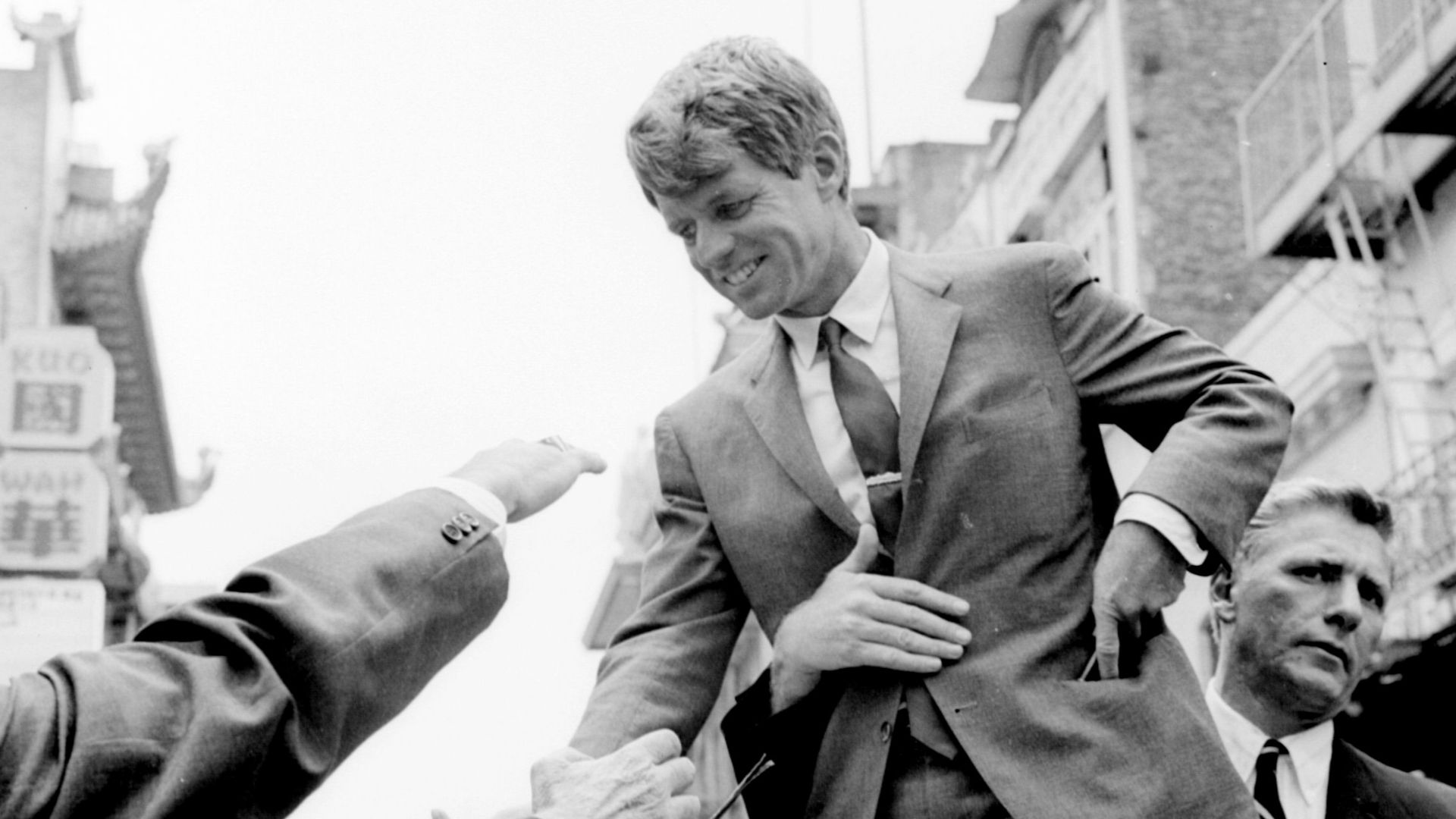
Bobby was not just a political figure, but a straight-up celebrity. Paparazzi often photographed him and he was subject to gossip in the press. The rumor mill really fired up when Bobby was pictured at several events with Hollywood bombshell Marilyn Monroe, inspiring speculation of an affair. They weren’t exactly subtle.
32. He Got Pursued
In 1962, at John F Kennedy’s 45th birthday, Monroe famously sang “Happy Birthday” to the President in a sultry, provocative tone. She appeared to have eyes for the other Kennedy, however. Attendees of the party reported that the actress hardly left Bobby’s side all night. Things got a little heated.
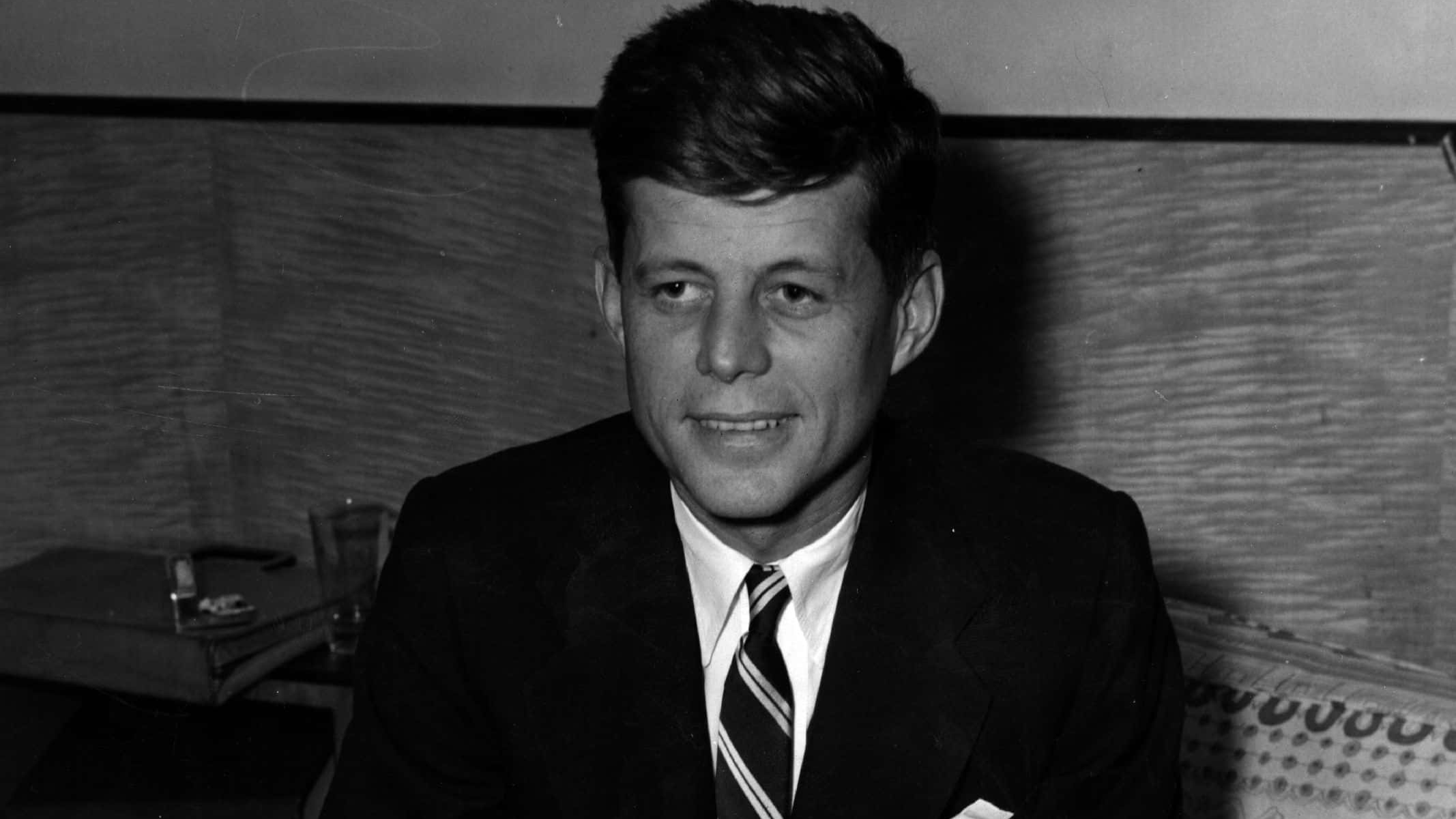
33. He Made Trouble At Home
Reports from the party claim that Monroe literally pinned Bobby against a wall at one point—right in front of his wife, Ethel. Mrs Kennedy was apparently furious at this brazen act, telling Bobby when they got home that it was “the most disgusting thing I've ever seen”. Unfortunately, she had good reason to be worried.
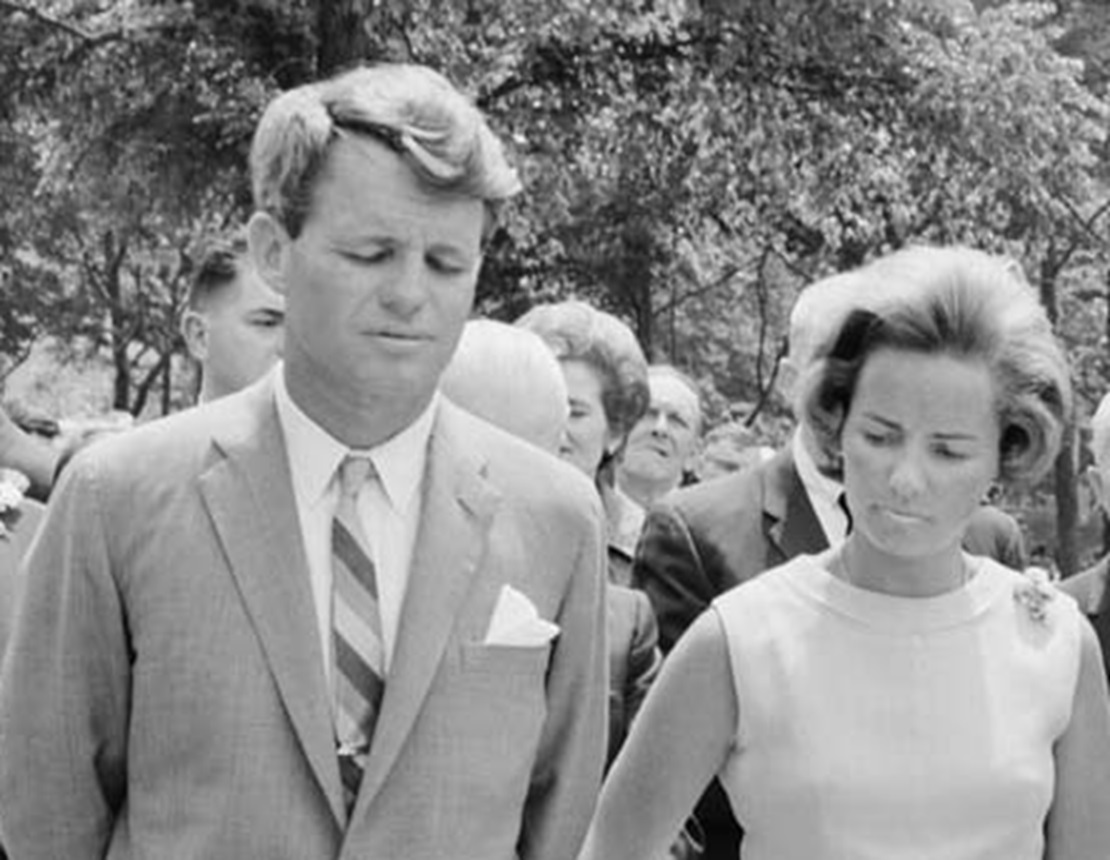 Prospect Park Alliance, Flickr
34. He Was Cheating
In November 2016, after the auction of many of Monroe’s personal effects, a letter was unearthed that confirmed she was indeed having an affair with Robert Kennedy. The correspondence, from Bobby’s sister Jean plainly stated “Understand that you and Bobby are the new item! We all think you should come with him when he comes back East!” Not much more is known about the affair, but it’s safe to assume it didn’t last long after the great Kennedy family tragedy.
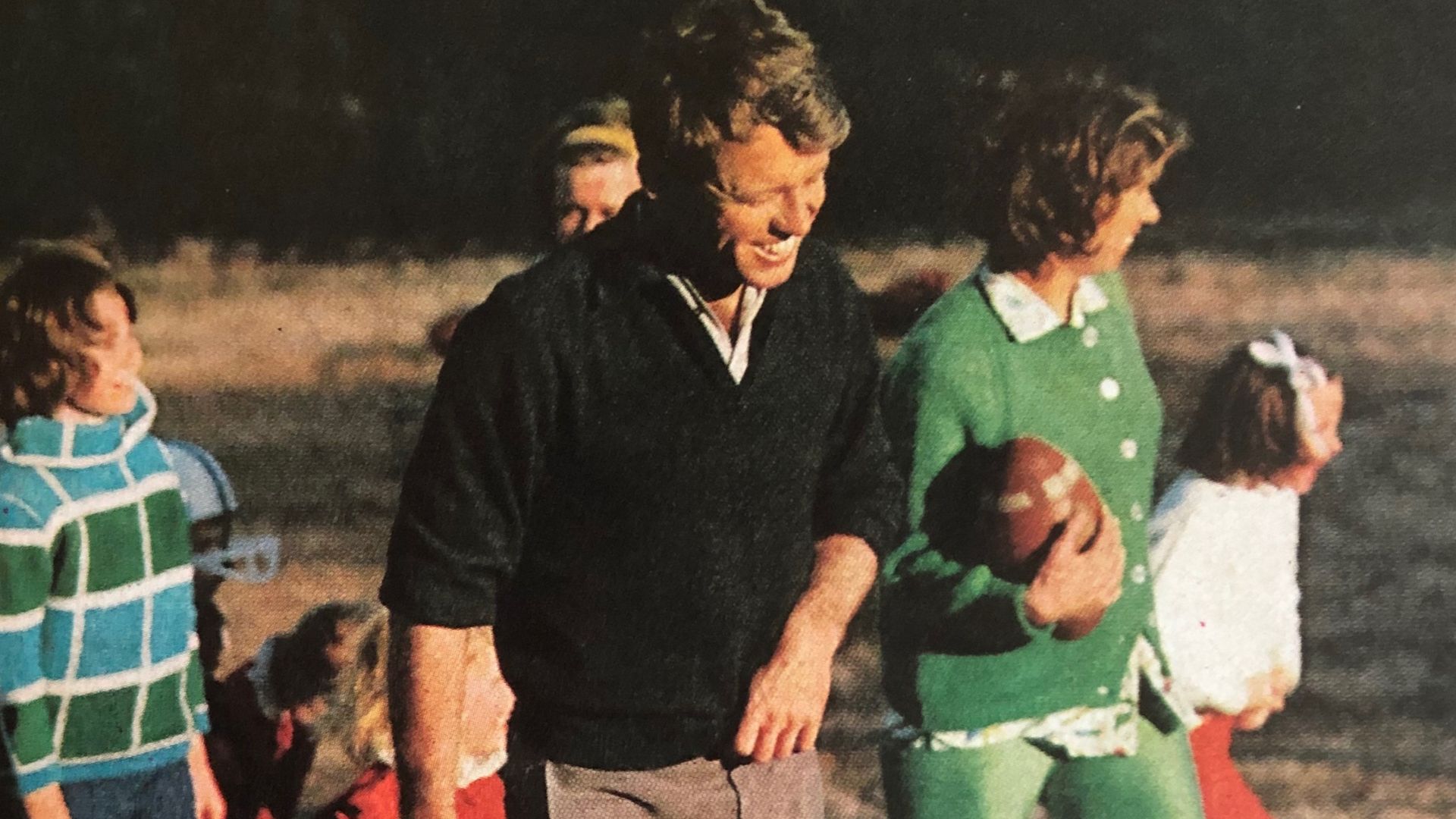 Stanley Tretick, Wikimedia Commons
35. He Got Devastating News
Bobby was at home on November 22, 1963, when he received a call from J Edgar Hoover. The FBI Director informed the AG that his brother, President John F Kennedy, had been shot in Dallas. Interestingly, Hoover abruptly hung up before Bobby had a chance to ask any follow-up questions. Indeed, he later claimed that he believed Hoover enjoyed giving him the news, likely because of the tensions between him and the Kennedys. Bobby’s life changed forever that day.
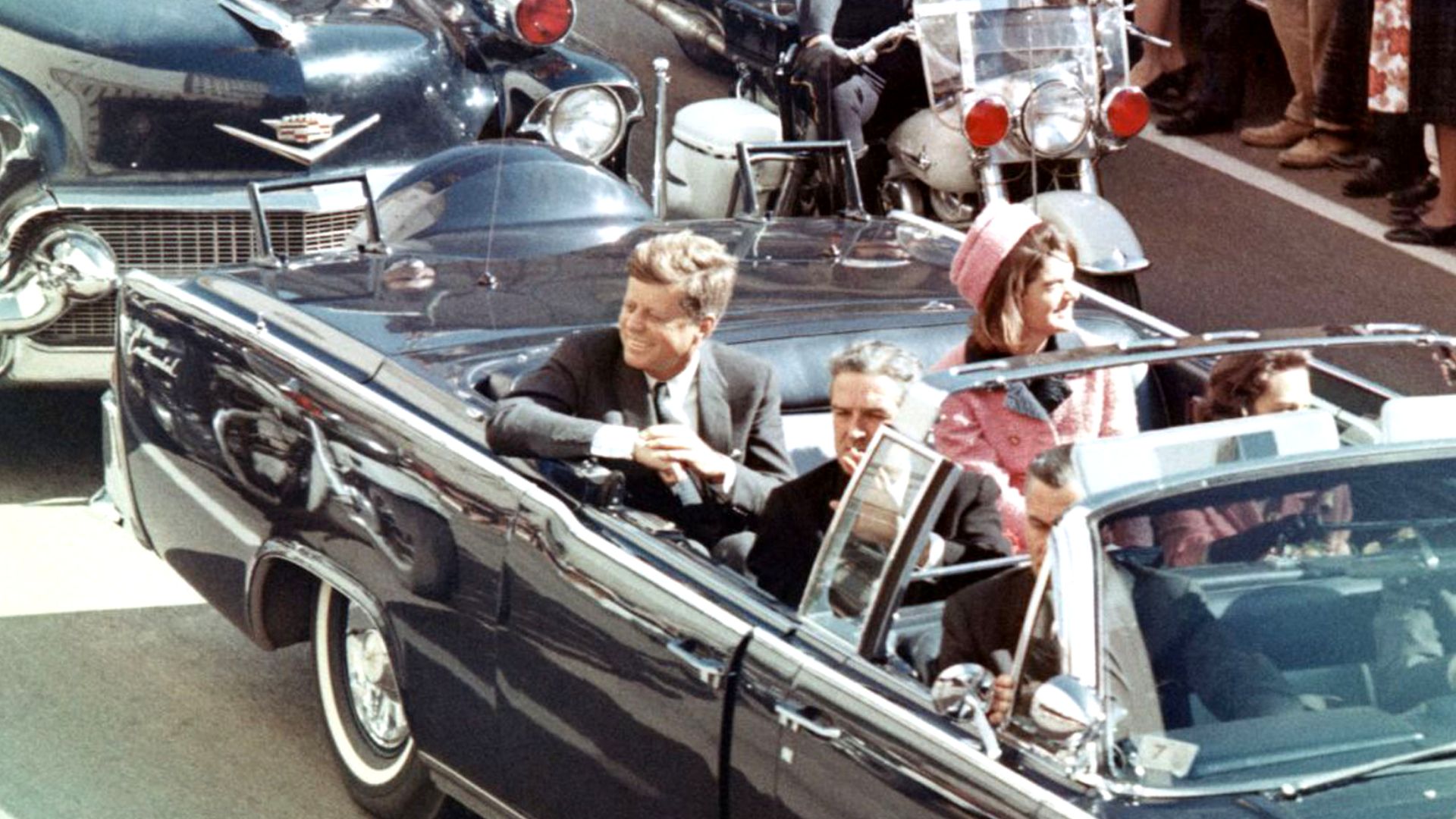 Walt Cisco, Dallas Morning News, Wikimedia Commons
36. He Grew More Jaded
His brother’s assassination had a profound effect on Robert Kennedy, who grew more cynical as a result. He allegedly became more questioning and less reliant on the political system; one commentator judged Bobby had become “more fatalistic, having seen how fast he could lose what he cherished the most”. And he struggled to find his place with his brother’s replacement.
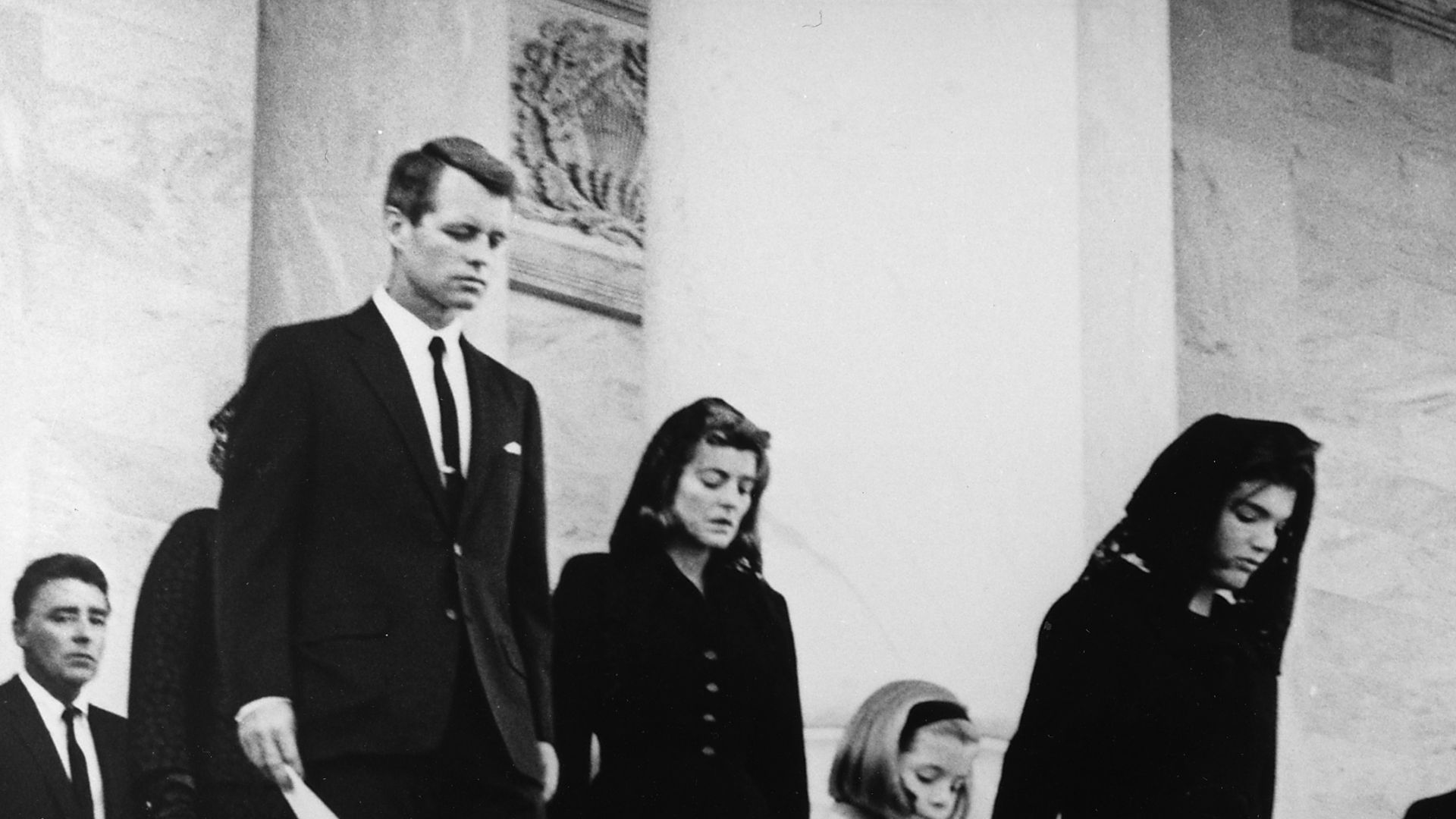
37. He Proved A Problem
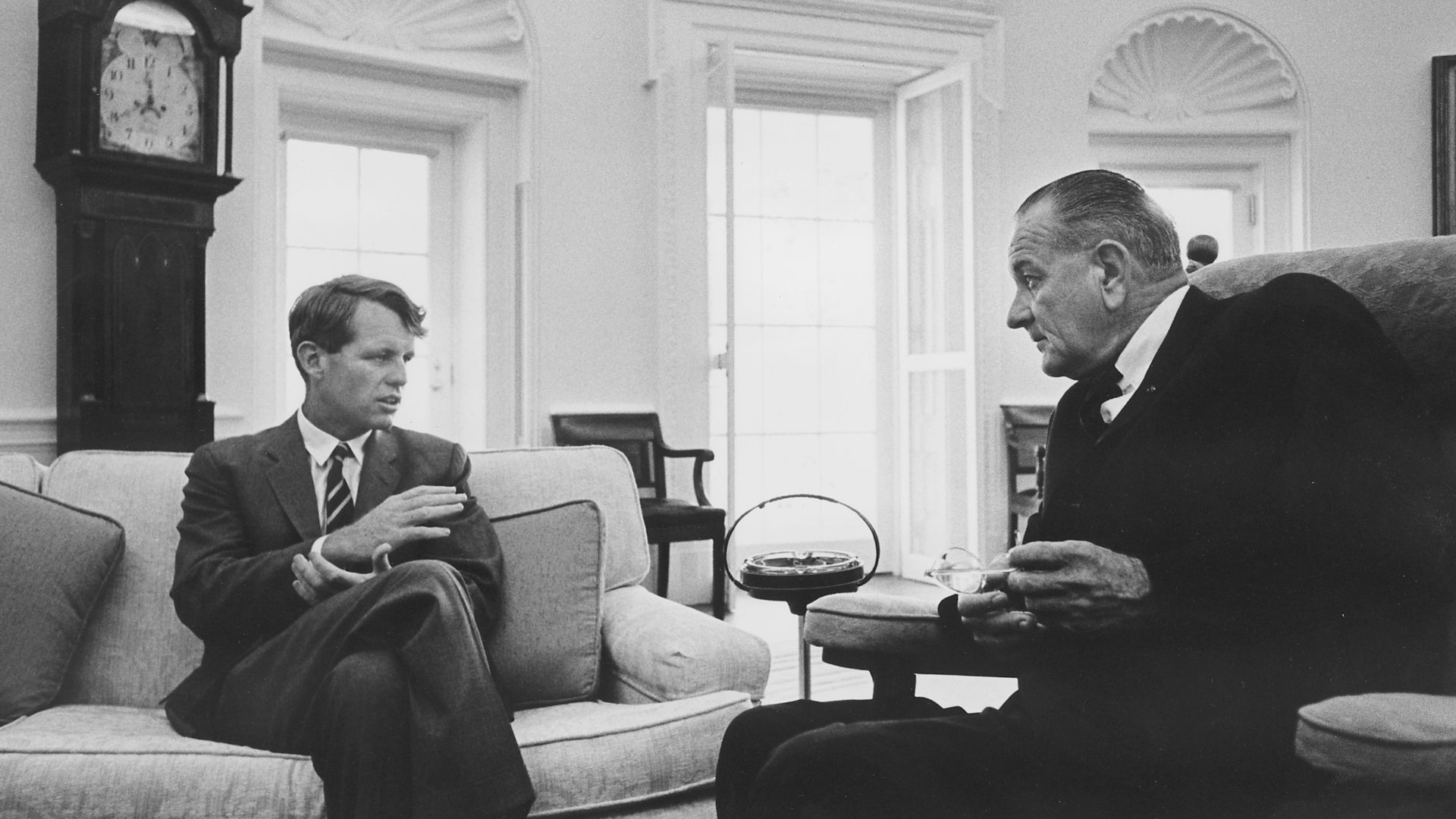
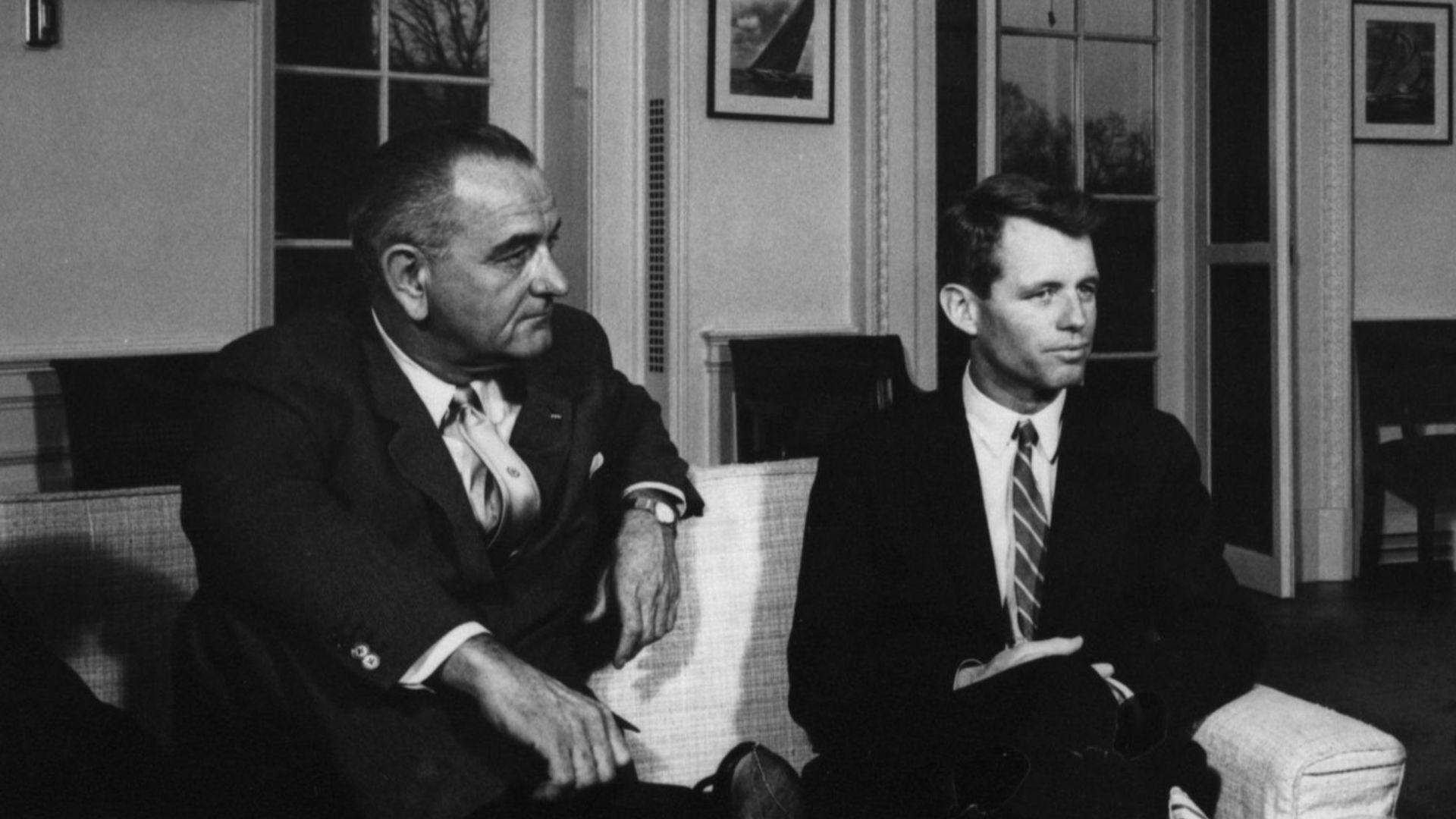
With Lyndon Johnson now occupying the office of president, the VP spot was vacant. An election approached the following year, and many viewed Bobby as a potential candidate for the second spot on the Democratic ticket. However, it was an open secret that Bobby and LBJ disliked one another, with the latter referring to the former’s popularity as “the Bobby problem”. Ultimately, Johnson landed on Hubert Humphrey, and Bobby made moves elsewhere.
 Yoichi Okamoto, Wikimedia Commons
38. He Ran For Office
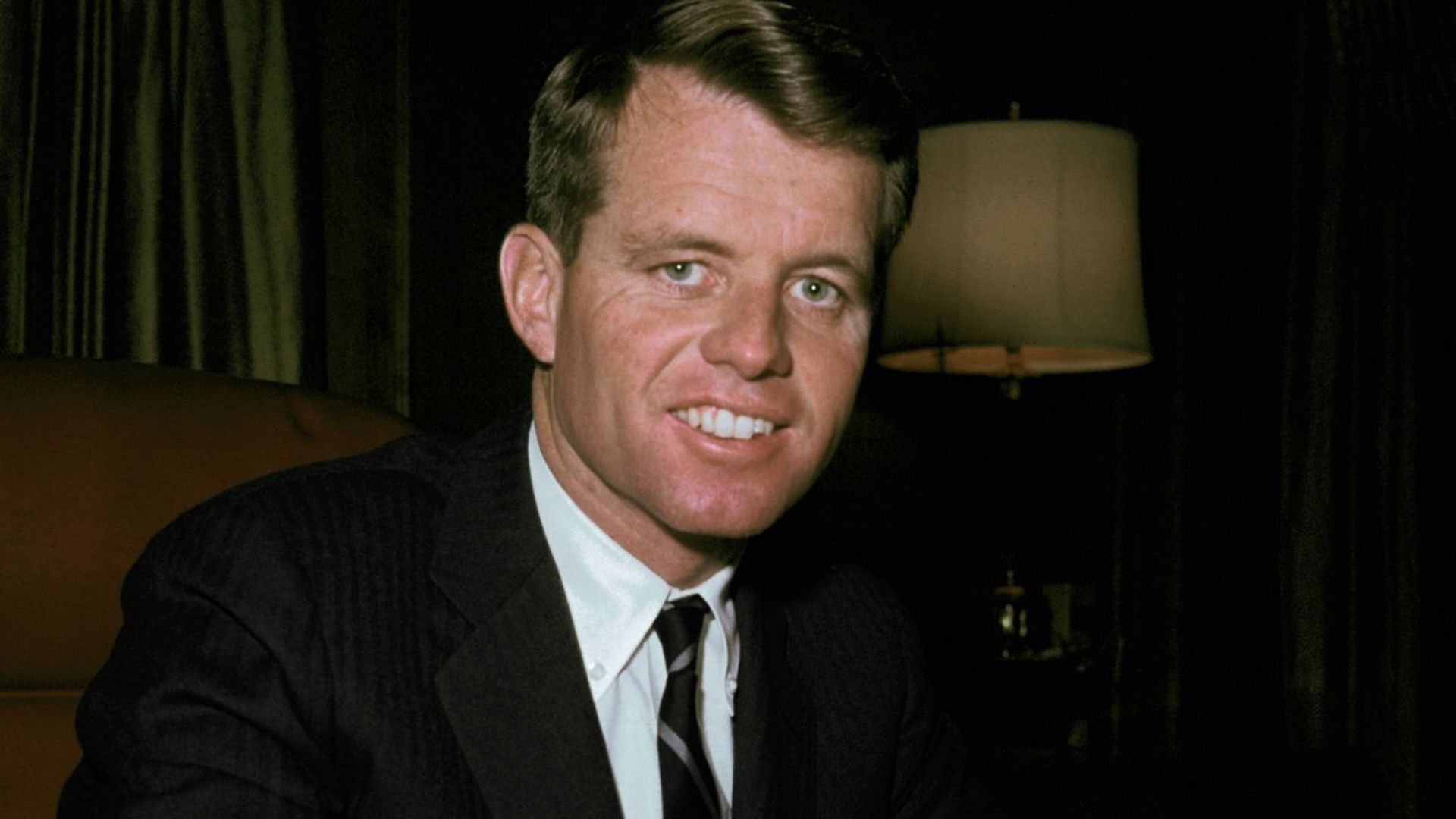
Robert Kennedy ultimately decided to run for the US Senate in 1964. However, as his younger brother Ted already occupied one of the Massachusetts seats, Bobby opted to run representing the state of New York.
He received some criticism for this, particularly from his Republican opponent, for being a “carpetbagger”, having never actually lived in the state. It didn’t seem to matter to voters, however, and Bobby won the election, taking his seat in 1965. He quickly made waves for his own party leader.
 Unknown author, Wikimedia Commons
39. He Opposed An Ongoing Conflict
As Bobby took office, the United States was marred in conflict in Vietnam. The new senator had always opposed US involvement there, even while his brother was president. Though he kept his opposition to Johnson’s views quiet at first, he became increasingly outspoken about his true views as public opinion in the country turned. Indeed, Bobby appeared to have his finger on the pulse.
40. He Was A Populist
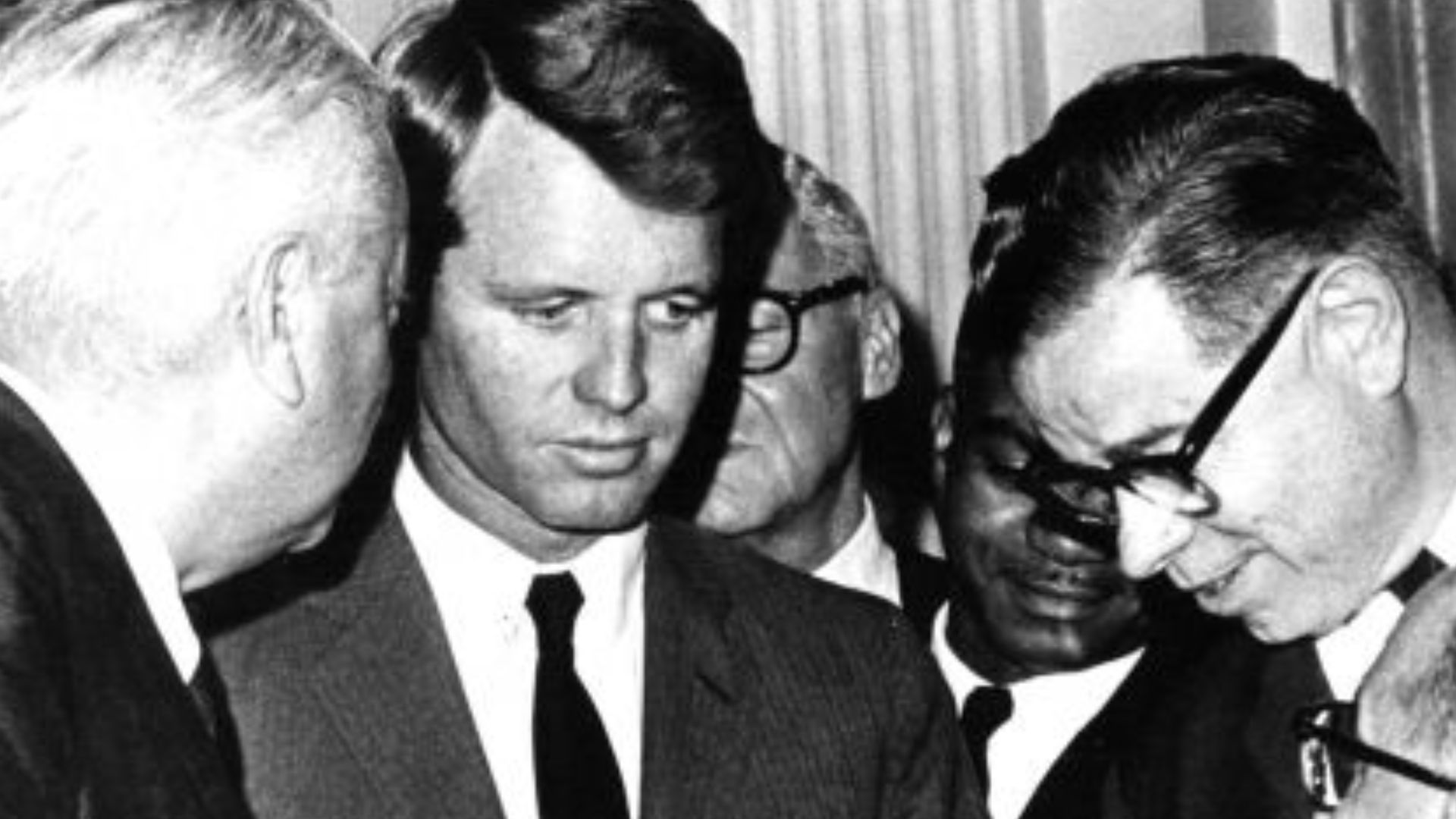
Bobby increased his profile among marginalized voters with his populist rhetoric. An outspoken advocate of civil rights, he was an effective communicator to both black and working-class white voters, skillfully mediating tensions between the two groups. On this wave of popularity, he set his sights on the highest office in the land.
 Unknown authorUnknown author, Wikimedia Commons
41. He Ran For Prez
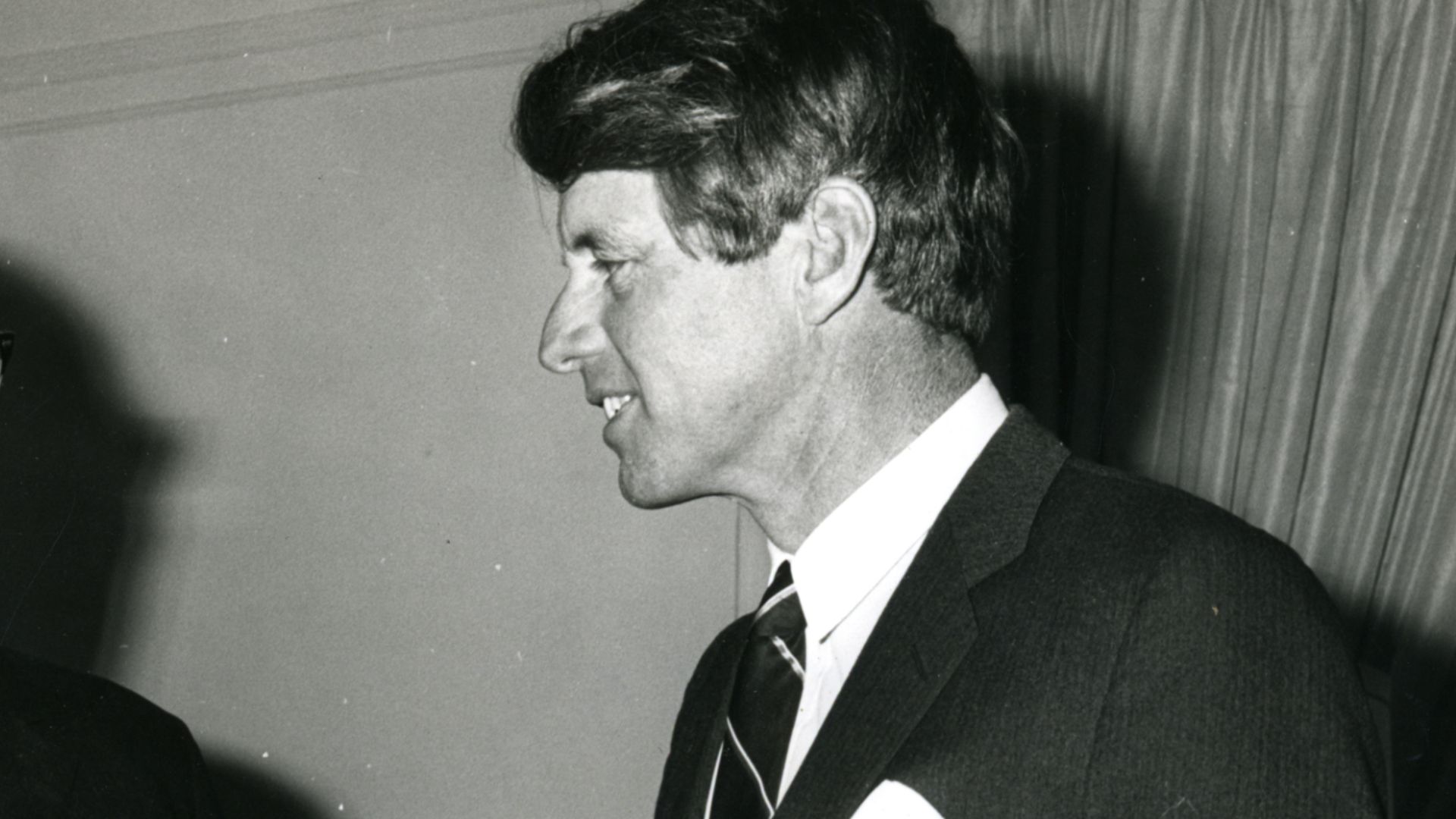
As the 1968 presidential election loomed, Bobby was growing increasingly frustrated with the administration of his brother’s successor. On March 16, 1968, Kennedy declared he would challenge Lyndon Johnson for the Presidency, making the announcement in the same room his late brother had done so eight years previously. He was an immediate hit.
 Unknown authorUnknown author, Wikimedia Commons
42. He Gained Momentum
Running on a platform of decentralization of power, economic justice, non-aggression in foreign policy, racial equality, and social improvement, Bobby’s campaign quickly gained momentum. Stunningly, Lyndon Johnson announced he would drop out of the race on March 31. Now neck-in-neck with Vice President Hubert Humphrey for the Democratic Party’s nomination, Kennedy stepped up his campaigning.
43. He Gave A Speech
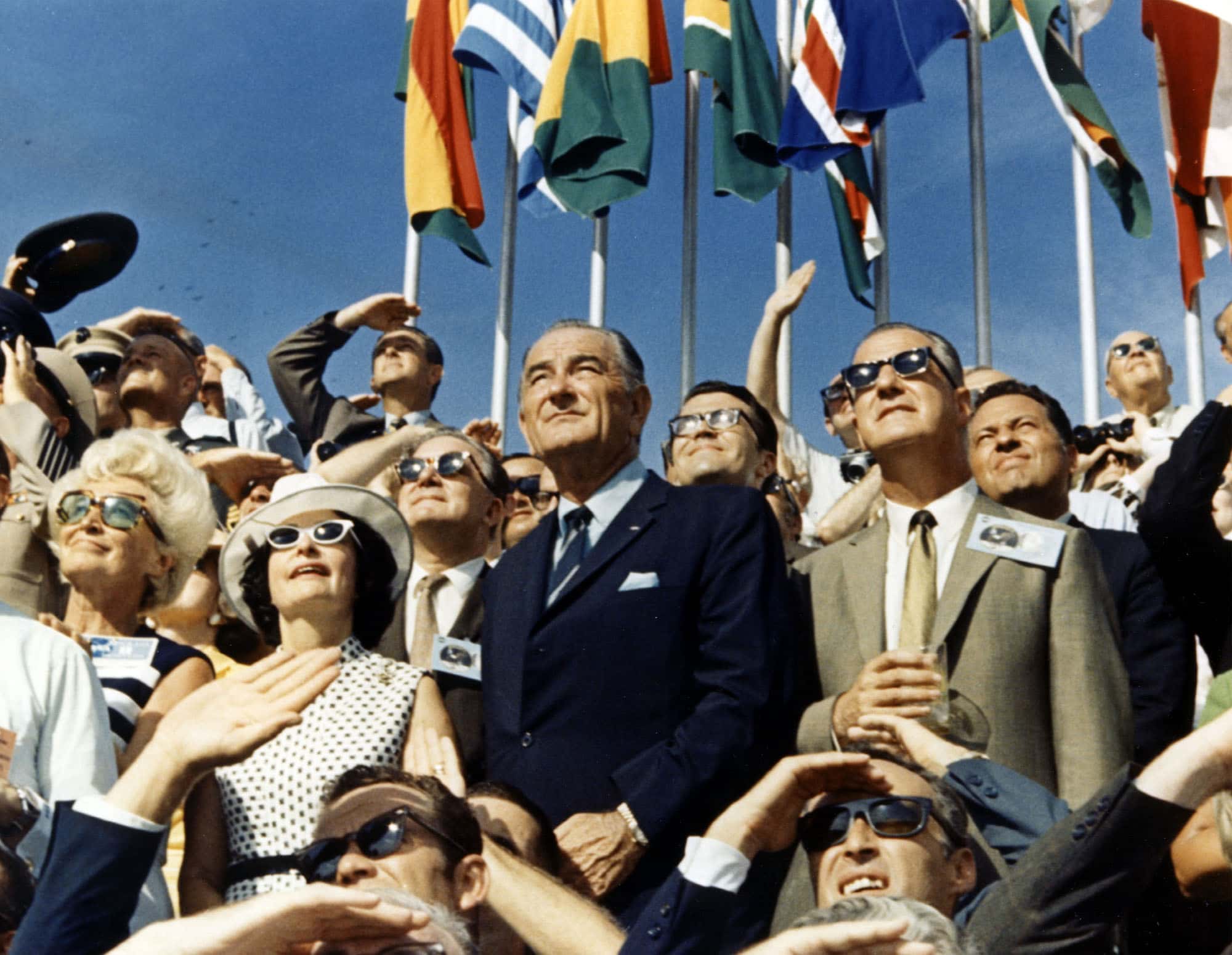
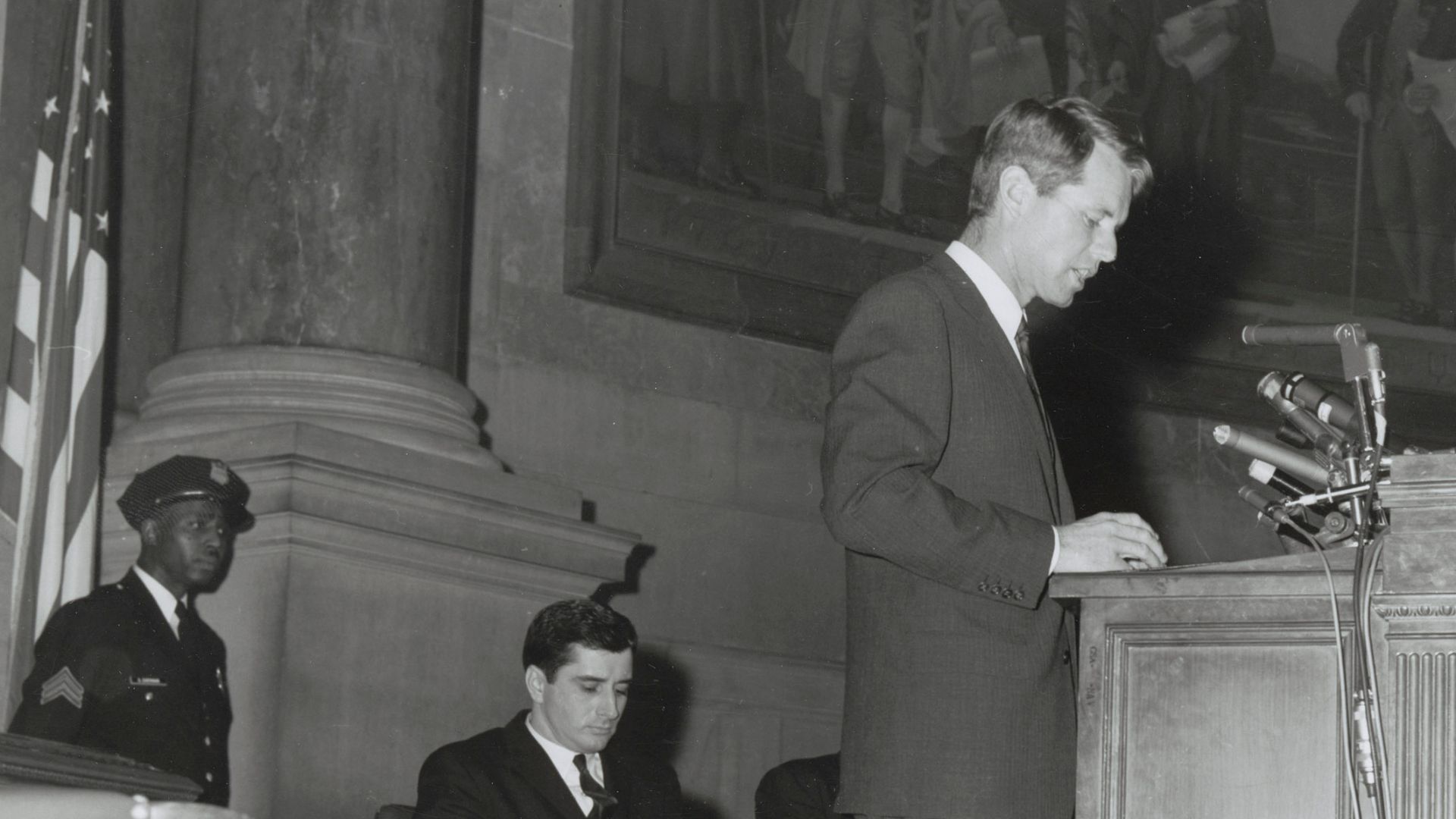
On June 4, Bobby scored major victories, winning both the California and South Dakota primaries, closing the gap on his and Humphrey’s delegates. Shortly after midnight that night, Kennedy addressed supporters in a triumphant and rallying speech at the Ambassador Hotel in Los Angeles. As he left the stage, no one could predict that it would be his final public appearance.
 Unknown authorUnknown author, Wikimedia Commons
44. He Dismissed A Warning
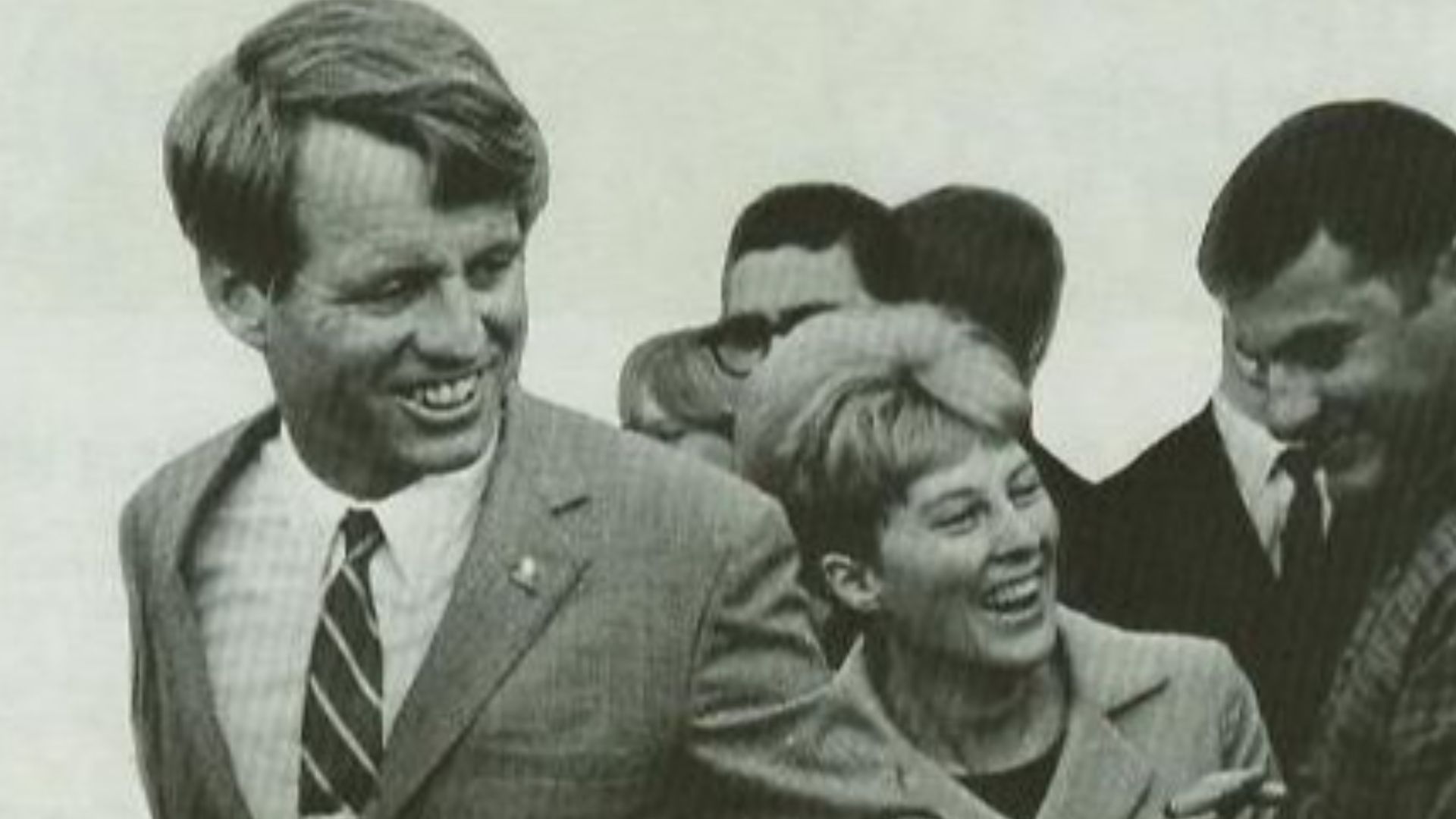
Kennedy left the ballroom and, desiring to address the press room, opted to take a shortcut through the hotel’s kitchen. Earlier that day, his bodyguard had advised him to avoid this route, as he felt it was not properly secured. Bobby did not heed his advice, however, and it would prove fatal.
 Kennedy for President, Wikimedia Commons
45. He Got Taken Out
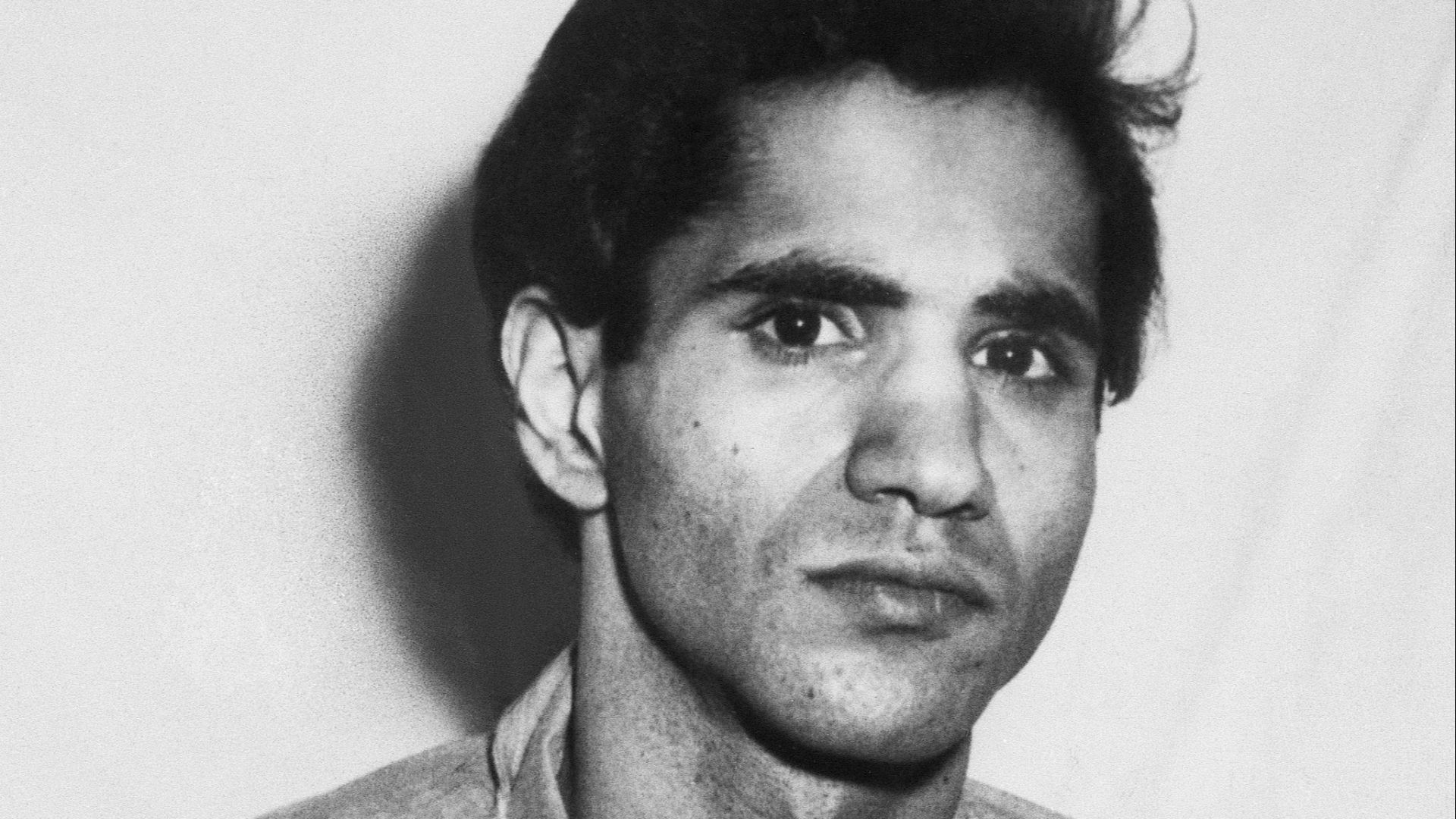
An enthusiastic busboy and supporter, Juan Romero, stopped Bobby in a crowded kitchen passageway. Forever the everyman, the candidate took a minute to shake Romero’s hand. As he did so, he was approached by 24-year-old Sirhan Sirhan, who had a loaded revolver in hand. The young man opened fire, hitting Kennedy three times. It was all downhill from there.
 California Department of Corrections, Wikimedia Commons
46. He Lived Another Day
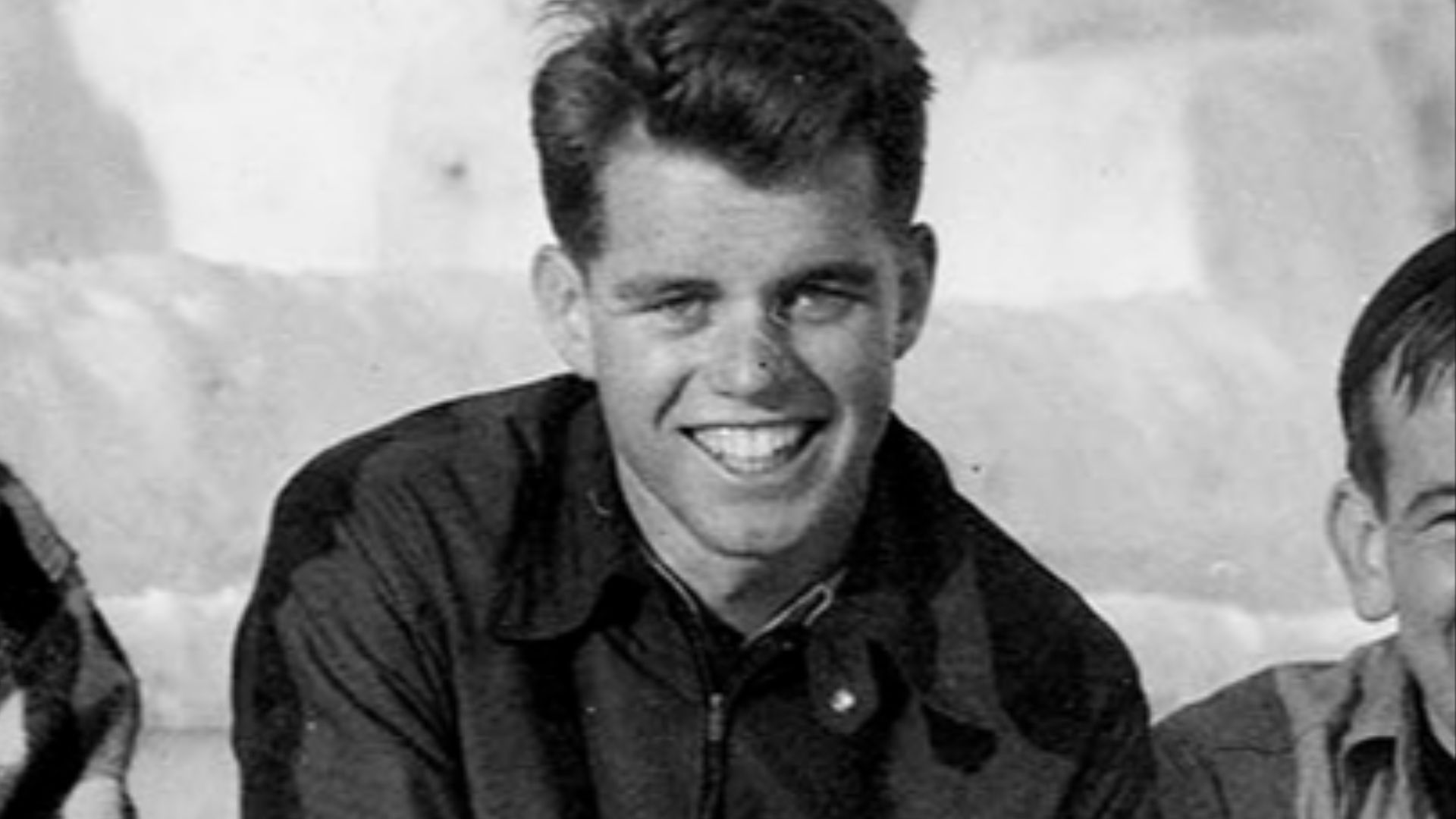
As onlookers wrestled Sirhan to the ground, Bobby lay mortally wounded, asking Romero if everyone was okay. Medical attendants soon arrived and lifted the candidate onto a stretcher, where he lost consciousness. Despite extensive surgery at Good Samaritan Hospital to remove the bullets from his brain, Bobby passed nearly 26 hours after Sirhan’s attempt on his life. He was 42 years old. The media erupted in a frenzy.
 UnknownUnknown , Courtesy of the Bates College Historic Photographs Collection, Wikimedia Commons
47. He Supported Apartheid
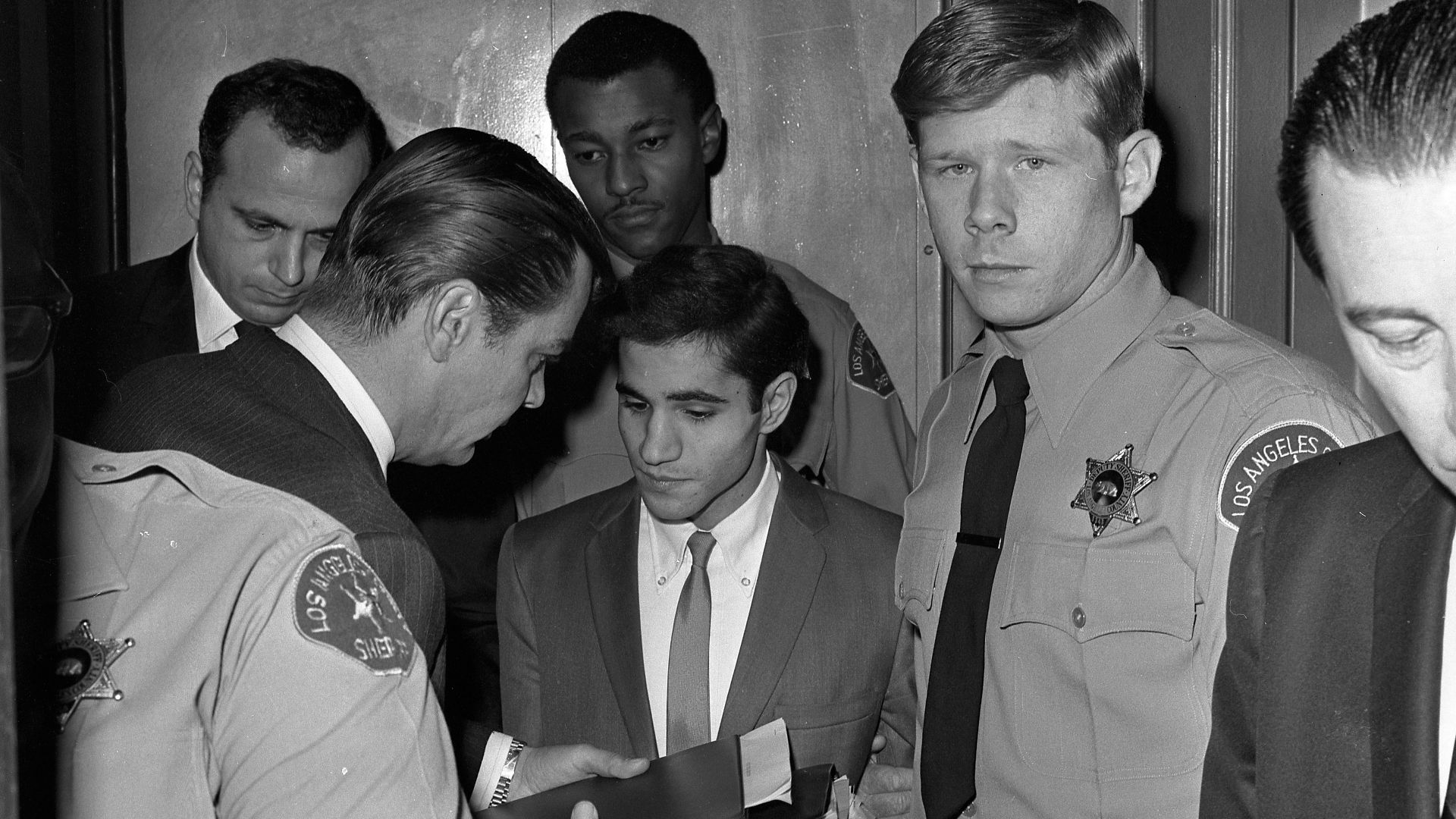
The official story for Sirhan’s motivations to take Kennedy’s life were as retaliation for Bobby’s support for Israel following the 1967 Six-Day War—Sirhan was a supporter of the rights of Palestinians, whose land is under Israeli occupation. However, like with his brother, many have speculated darker forces may have been acting…
 John Malmin, Los Angeles Times, Wikimedia Commons
48. His Demise Was The Subject Of Speculation
There have been many conspiracy theories floated around the shooting of Robert F Kennedy. These include speculation about the presence of a second gunman, a woman who claimed responsibility for the act, and CIA involvement. Regardless of the truth, the world had lost a powerful political force.
49. He Was Complicated
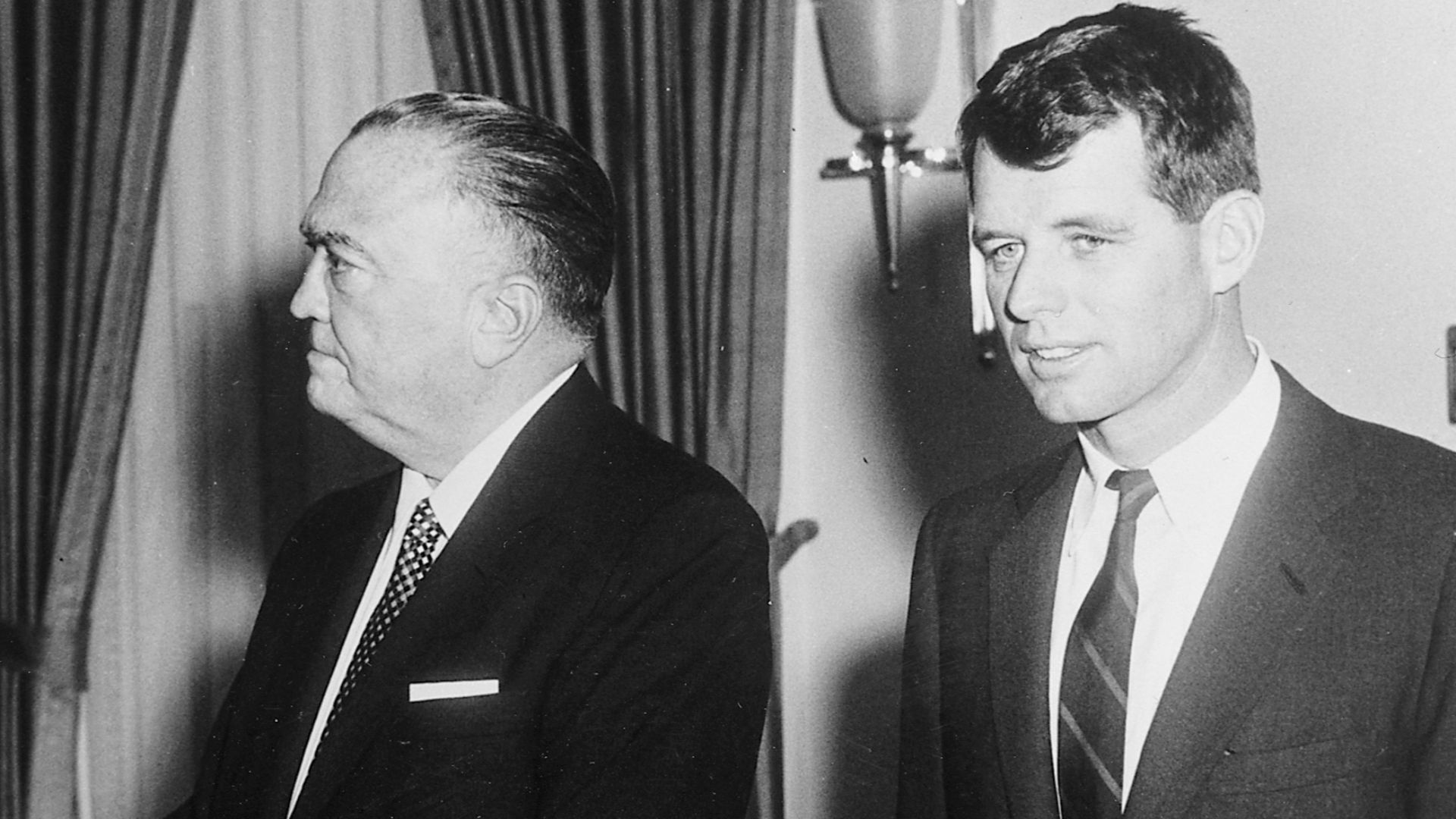
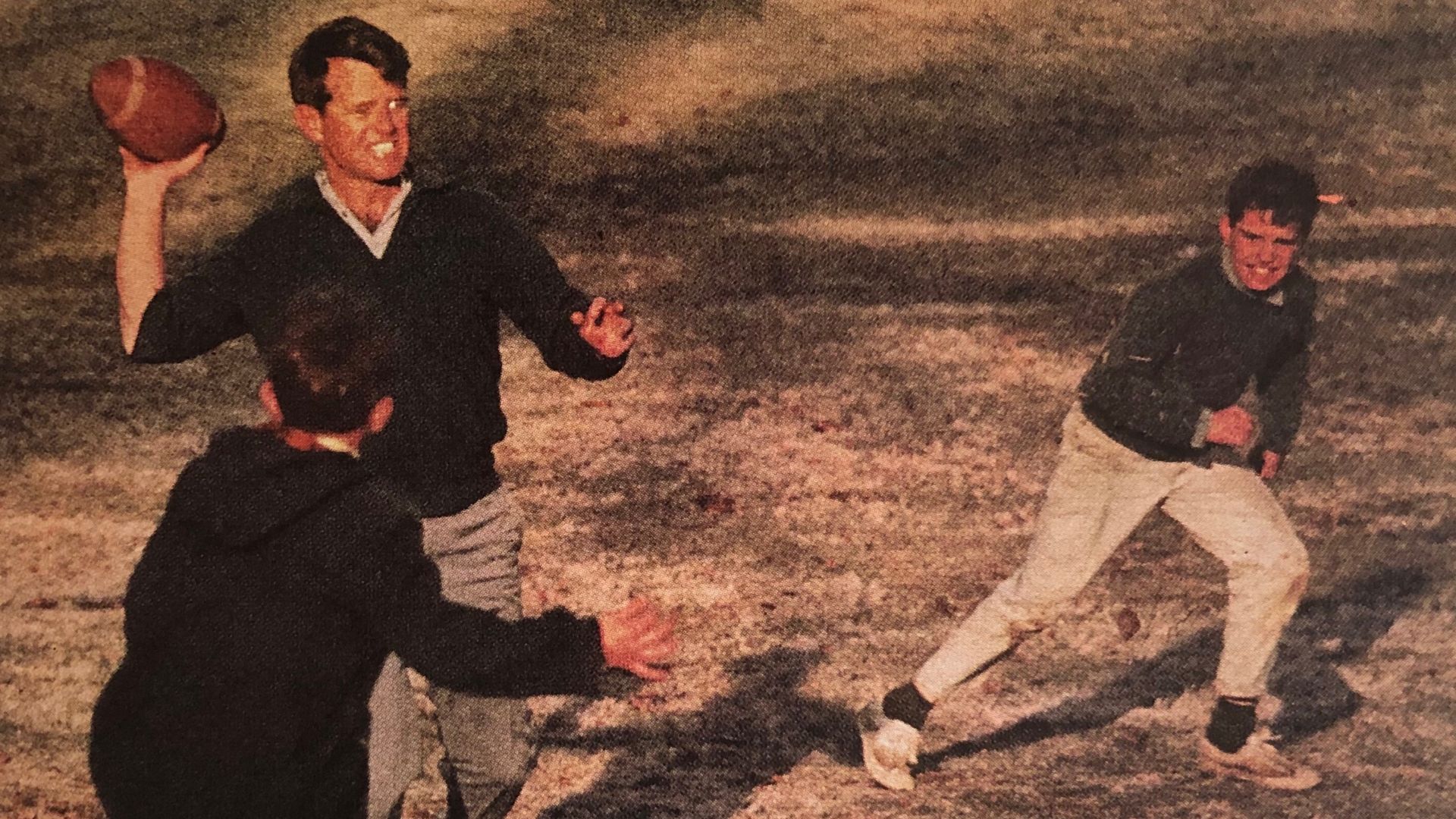
Accounts of Bobby the man vary: many claim that he was a magnanimous presence in Washington but could also be impatient. His professional life took on the characteristics of his family life; namely good humor balanced with service and accomplishment. Some would argue that he did not pass these traits on to his children, however…
 Stanley Tretick, Wikimedia Commons
50. His Son Is Making Waves
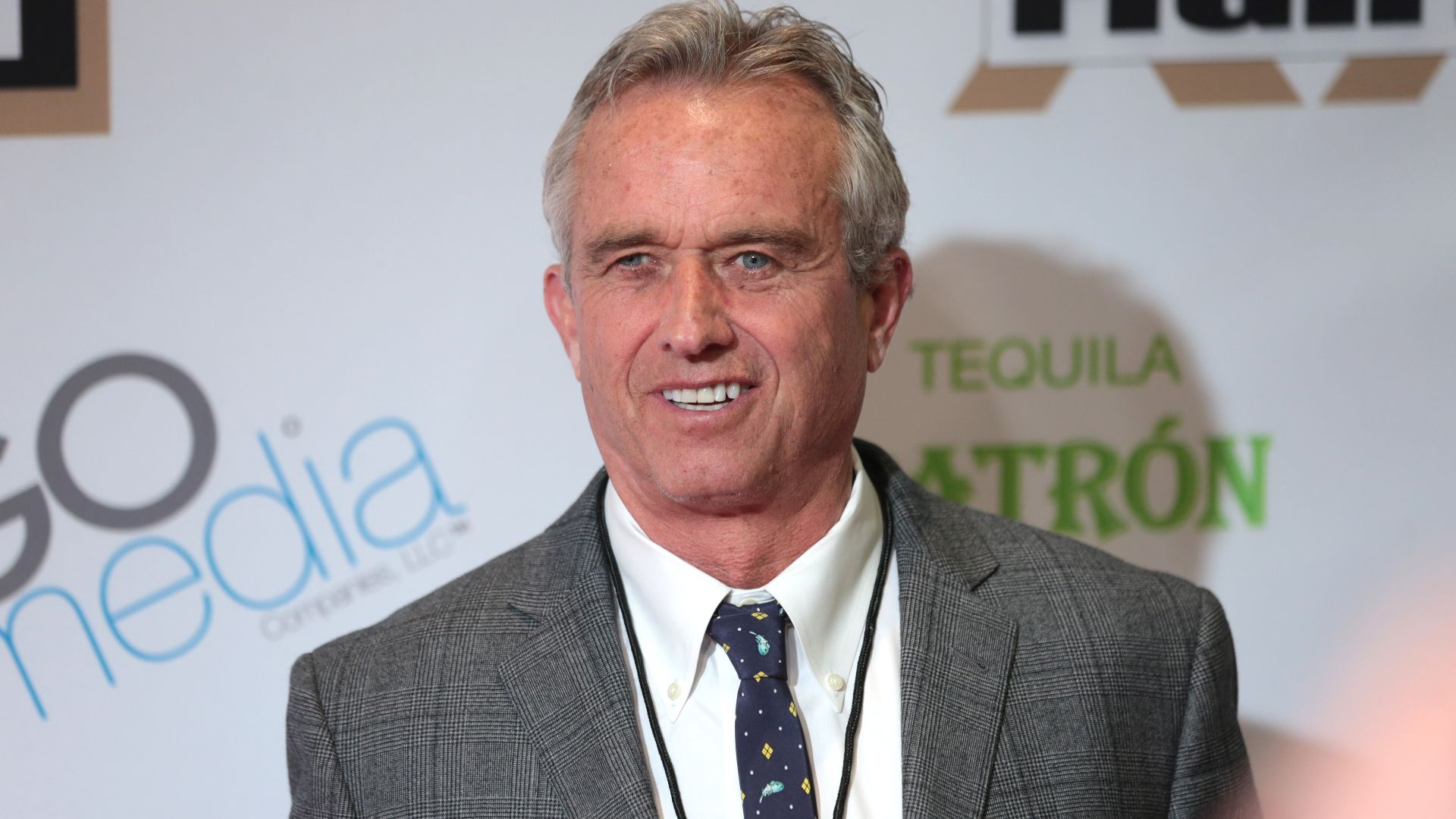
Bobby’s son, Robert F Kennedy Jr, has become a controversial figure in his own right. Currently serving as the United States secretary of health and human services in the second Trump administration, Kennedy Jr has gained notoriety for his conspiratorial thinking and embrace of scientific misinformation, a far cry from his father’s legacy.
 Gage Skidmore from Peoria, AZ, United States of America, Wikimedia Commons
You May Also Like:
Tragic Facts About Kathleen Cavendish, The Lost Kennedy
41 Tragic Facts About The Kennedys
Doomed Facts About Rosemary Kennedy, The Hidden Daughter