

Remember When The Internet Was Weird?
Back in the early days of the internet, a handful of websites completely dominated online life. Some helped you find things. Some helped you waste time. Some somehow did both. Most are long gone, and plenty of younger people have never even heard their names. But if you were online back then, these sites were impossible to avoid. So let's fire up the dial-up and see how many you remember.
GeoCities
If you wanted your own website in the 90s, GeoCities was the place to be. Millions of people built personal pages filled with dancing GIFs, guestbooks, hit counters, and enough flashing text to trigger a headache. There was no Facebook profile or Instagram page. Your GeoCities site was your corner of the internet, and customizing it became a hobby all its own.
AltaVista
Before Google became synonymous with searching the internet, AltaVista was one of the kings of the web. It felt incredibly advanced at the time and could search millions of pages in seconds. That doesn't sound impressive today, but in the 90s it felt like science fiction. For many internet users, AltaVista was their first stop whenever they needed to find anything online.
 AltaVista Webseite, Wikimedia Commons
Ask Jeeves
The idea seemed brilliant. Instead of typing keywords, you could ask a question in plain English and a cartoon butler named Jeeves would help find the answer. It wasn't always accurate, but that didn't stop millions of people from using it. The site became one of the most recognizable brands of the early internet era and proved that a memorable mascot could go a long way.
Angelfire
GeoCities had competition, and Angelfire was one of its biggest rivals. If you were creating a fan site dedicated to your favorite band, TV show, or hobby, chances are you used Angelfire at some point. The pages were often messy, overloaded with graphics, and impossible to navigate. That's exactly what made them charming.

ICQ
Before texting became free and before social media messaging existed, there was ICQ. Users could chat instantly with friends around the world and proudly memorized long identification numbers. The famous 'Uh-oh!' notification sound became one of the defining noises of early internet life. For many people, ICQ was their first experience with real-time online communication.

Lycos
At one point, Lycos was one of the most visited websites on the entire internet. It offered search results, email, news, and just about every service users could want. Like many early web giants, it seemed unstoppable until newer competitors arrived. Today, many people are surprised to learn it still technically exists.

WebCrawler
The name said exactly what it did. WebCrawler helped people find websites at a time when the internet was expanding faster than anyone could keep track of. Back then, simply discovering interesting sites was half the fun. Search engines weren't just tools; they were gateways to an entirely new digital world.
 Carol Twombly, Wikimedia Commons
Excite
Excite was one of the original internet portals, combining search, news, email, weather, and entertainment into a single destination. The goal was simple: get users to start and end every internet session on Excite. For a while, it worked. Then Google showed up and changed the rules of the game.
 Mark Coggins from San Francisco, Wikimedia Commons

History's most fascinating stories and darkest secrets, delivered to your inbox daily.
AOL
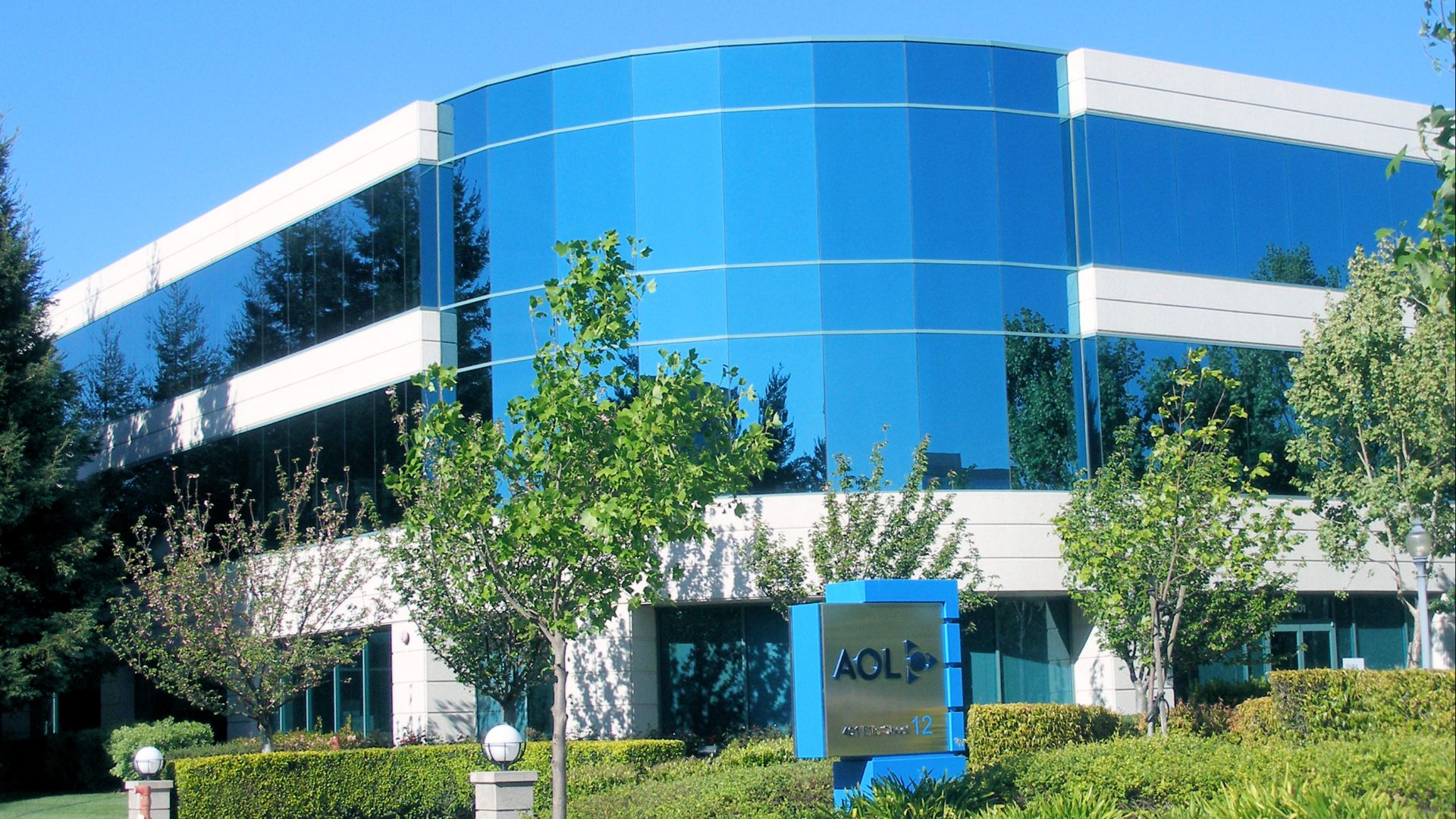
For millions of households, AOL was the internet. If you heard the words 'You've got mail,' you probably smiled. AOL CDs seemed to appear everywhere, from magazines to cereal boxes to random piles at electronics stores. At its peak, the company introduced countless people to the online world and became one of the most recognizable brands on Earth.
 Coolcaesar at English Wikipedia, Wikimedia Commons
AIM
Before WhatsApp, Snapchat, or Messenger, there was AIM. Teenagers spent hours crafting the perfect away message and waiting for certain screen names to pop online. Entire friendships, romances, and arguments played out through AIM chat windows. Looking back, it was basically social media before social media existed.
Napster
Napster changed the music industry forever. Suddenly, people could share songs with strangers around the globe in minutes. Record labels hated it. Users loved it. Even after legal battles shut down the original service, Napster's influence permanently transformed how people consumed music and paved the way for the streaming era.
Friendster
Before Facebook dominated social networking, Friendster looked like it might become the future of the internet. Users built profiles, connected with friends, and explored social networks in ways that felt revolutionary at the time. Technical problems and competition eventually doomed it, but for a brief moment it seemed unstoppable.
 friendster.com, Wikimedia Commons
MySpace
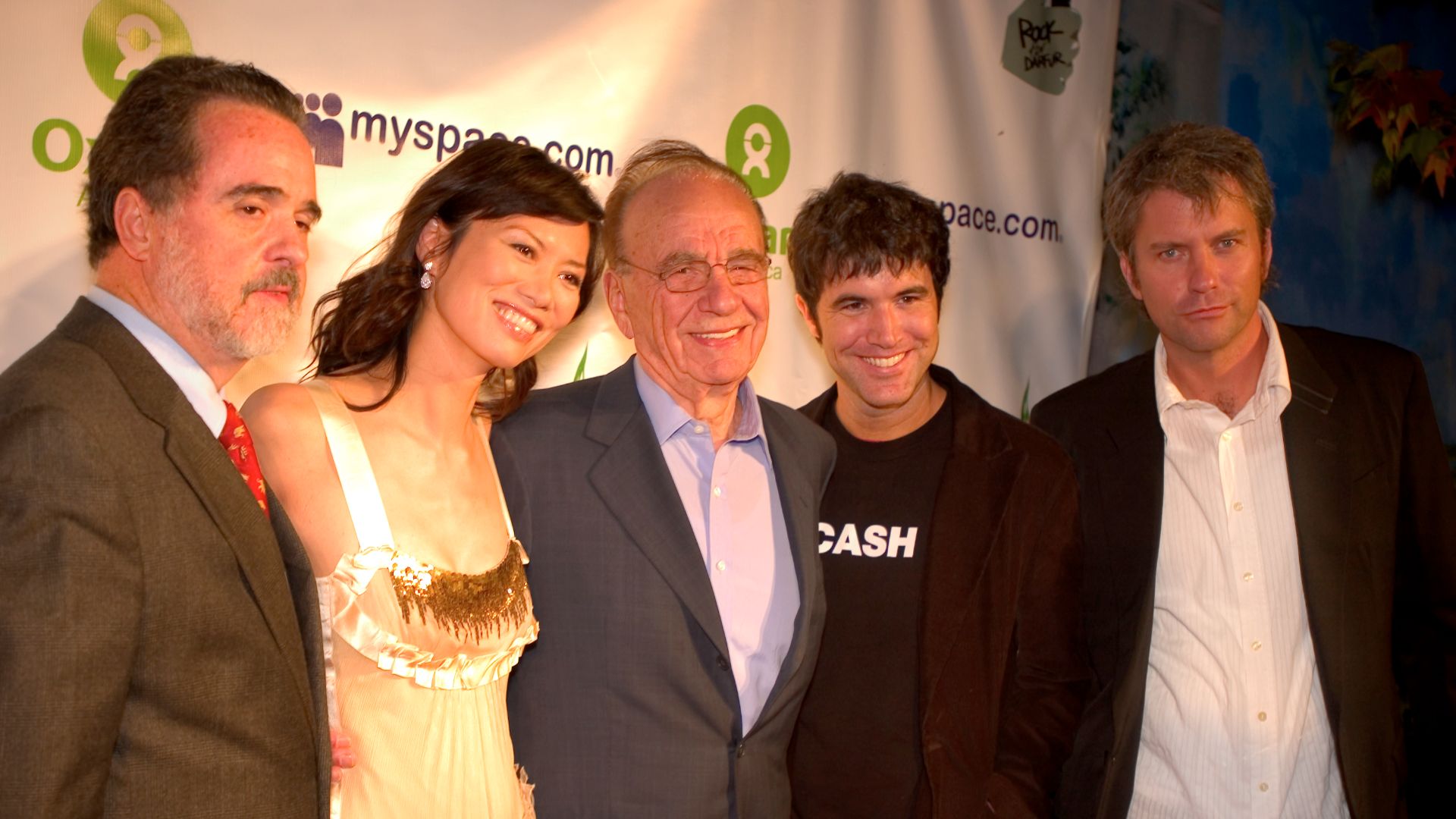
Long before Instagram influencers and TikTok stars, MySpace ruled the social internet. Users customized profiles with music, backgrounds, and enough HTML code to break half the page. Everyone had a Top Friends list, and everyone had strong opinions about it. For an entire generation, MySpace was the center of online life.
 Oxfam America from Boston, USA, Wikimedia Commons
Newgrounds
If your school computer lab had internet access, somebody was probably visiting Newgrounds. The site became famous for Flash animations, games, and content that often pushed boundaries. It launched careers, introduced countless internet memes, and helped shape online culture long before YouTube existed.
 GoMan195531, Wikimedia Commons
eBaum's World
The internet's favorite time-waster before social media arrived. eBaum's World collected funny videos, bizarre photos, and random content from across the web. People spent hours clicking through page after page with no real purpose other than entertainment. In many ways, it was an early version of the endless scrolling we do today.

YTMND
Short for 'You're The Man Now, Dog,' YTMND specialized in weird humor that made perfect sense to internet users and absolutely no sense to anyone else. The site helped popularize countless memes and inside jokes. Explaining most of them today is nearly impossible, which somehow feels appropriate.
 AllGo - An App For Plus Size People, Unsplash
Rotten.com
Not every famous website was wholesome. Rotten.com became notorious for disturbing content that attracted curious visitors looking for things they probably shouldn't see. The site developed an infamous reputation and became one of the internet's earliest examples of shock content.

Fark
Fark built an entire community around strange news stories, odd headlines, and internet humor. Users submitted bizarre content from around the world, often accompanied by sarcastic commentary. The site became a daily destination for people looking for news that traditional outlets ignored.
 Centre for Ageing Better, Unsplash
StumbleUpon
StumbleUpon turned random browsing into a game. Click one button and the site would send you somewhere completely different. You never knew whether you'd discover something fascinating, hilarious, or completely pointless. That unpredictability was exactly why people loved it.
 StumbleUpon, Inc., Wikimedia Commons
HotBot
HotBot was once considered one of the fastest search engines online. It offered advanced search options that felt incredibly sophisticated for the era. Like many early search giants, it struggled once Google arrived and changed user expectations forever.

Dogpile
Why use one search engine when you could use several at once? Dogpile combined results from multiple search providers into a single page. The concept made perfect sense at a time when no single search engine consistently dominated the web.

Yahoo! Directory
Before powerful search engines, many users found websites through Yahoo's massive directory. Human editors organized sites into categories, allowing people to browse the internet almost like a giant digital phone book. It sounds painfully inefficient today, but it worked surprisingly well.
 Logan at English Wikipedia, Wikimedia Commons
RealPlayer
Few pieces of software inspired more frustration than RealPlayer. Yet millions of internet users installed it because many online videos and audio streams required it. Love it or hate it, RealPlayer was once an unavoidable part of the online experience.
 Patrick McMullan, Getty Images
Winamp
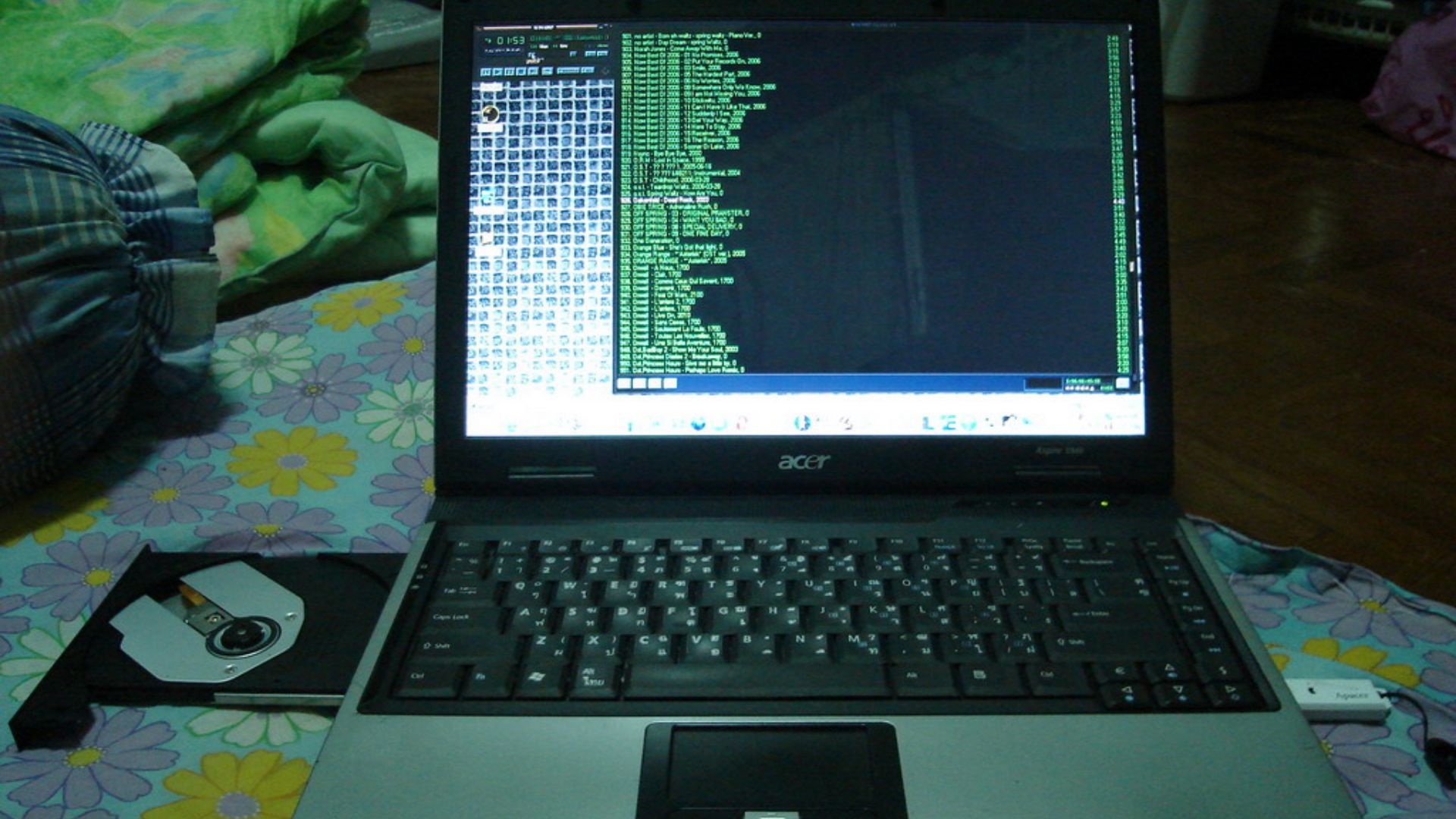
Winamp wasn't technically a website, but internet users downloaded it in enormous numbers. The media player became famous for customizable skins and its legendary slogan: 'It really whips the llama's (behind).' If you know, you know.

Homestar Runner
Before YouTube creators became celebrities, Homestar Runner attracted a devoted online following with quirky cartoons and memorable characters. Strong Bad's emails became especially popular and helped define a particular style of internet humor that flourished during the early 2000s.
 Love Krittaya, Wikimedia Commons
Xanga
For many users, Xanga served as their first blog. People posted thoughts, daily updates, quizzes, and dramatic life stories for friends to read. It combined elements of blogging and social networking years before those concepts became mainstream.
 it's worth it, Wikimedia Commons
LiveJournal
LiveJournal transformed online journaling into a social experience. Users shared personal stories, joined communities, and followed each other's updates. It became one of the most influential platforms of the early social web and helped establish many online habits we still see today.
 SOPA Images, Wikimedia Commons
Shockwave
Shockwave powered countless online games and interactive experiences. Entire afternoons disappeared while people played browser games that seem incredibly simple by today's standards. At the time, they felt cutting-edge.
Netscape.com
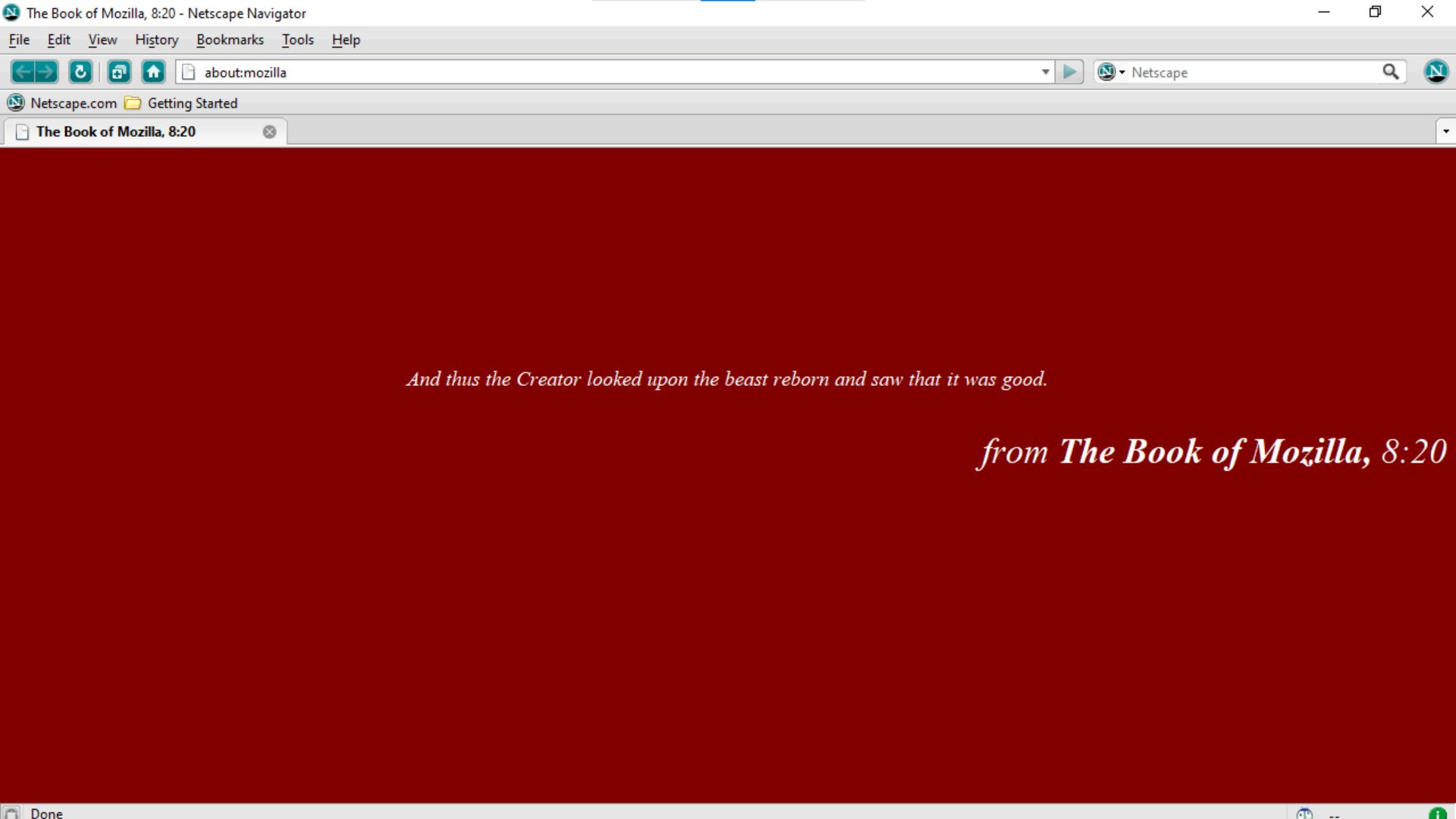
For many users, Netscape wasn't just a browser. It was a destination. The company helped shape the early web and played a major role in the famous browser wars. Younger internet users may know Chrome, Safari, and Firefox, but Netscape walked so they could run.
 Netscape Communication Corporation, Wikimedia Commons
MapQuest
Before smartphones gave turn-by-turn directions, people printed MapQuest directions and hoped for the best. Entire road trips depended on stacks of paper covered in arrows and street names. One wrong turn often meant complete confusion.
 Mapquest Holdings LLC, Wikimedia Commons
TheGlobe.com
One of the earliest social networking sites, TheGlobe.com allowed users to create profiles, join communities, and connect online long before social networking became a household term. It was ahead of its time, which may have been both its greatest strength and its biggest problem.

The Internet Never Felt Like This Again
These websites came from a time when every click felt like an adventure and nobody really knew what the internet would become. Many have vanished, others barely survive, but for millions of Baby Boomers and Gen X users, they'll always be part of the online world's most unforgettable era.

You Might Also Like:
Rock Albums Boomers Love That Most Millennials Haven’t Even Heard Of











.png)


