The Everyday Stuff That Vanished
Baby Boomers grew up surrounded by things that felt so normal, no one even thought to take a picture of them. They were just there. Now anyone born after 2000 would stare at them like museum artifacts.
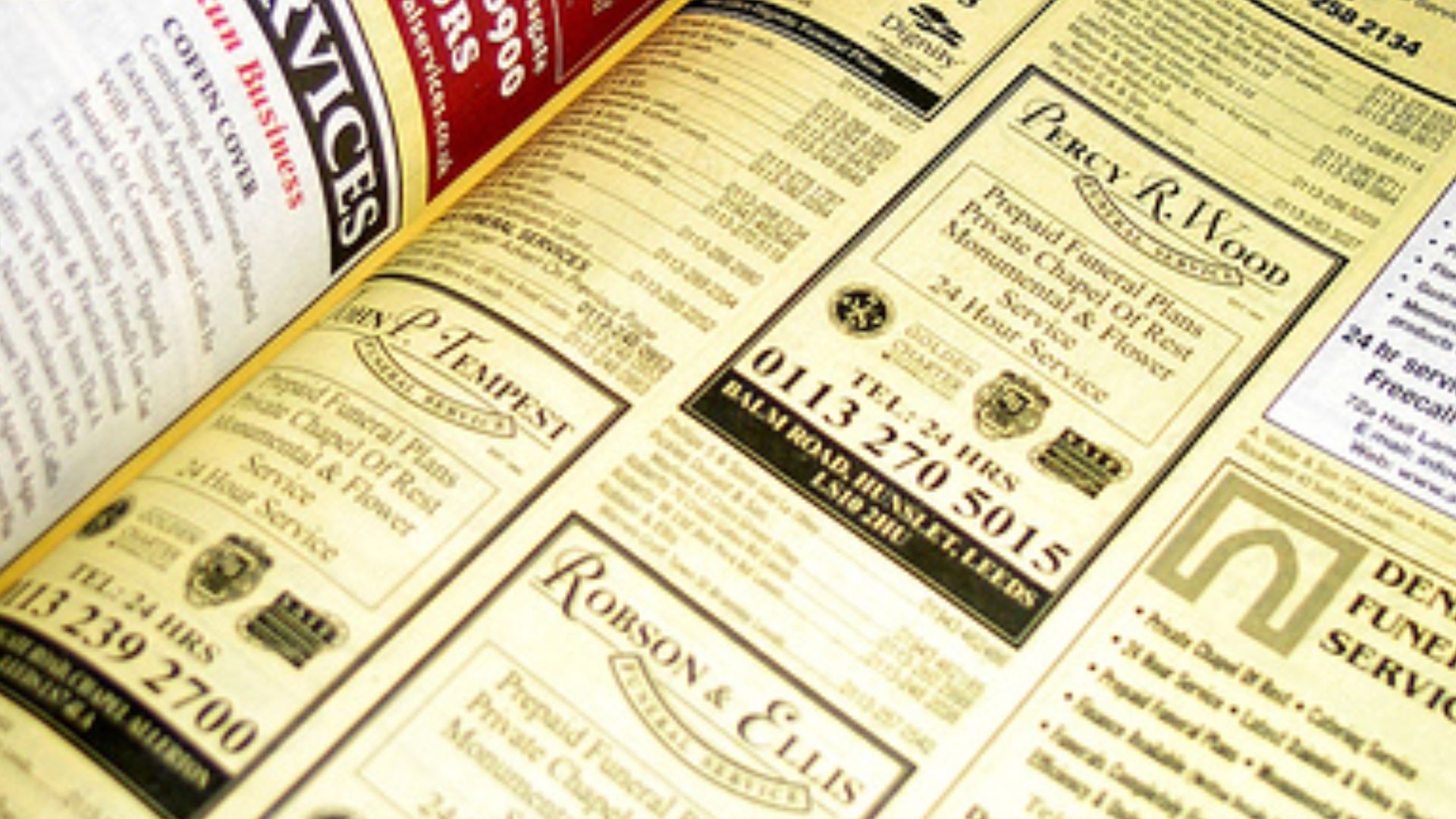
Phone Books On The Kitchen Counter
Every house had one. Usually a big, heavy phone book sitting near the phone, getting slowly destroyed by coffee rings, loose coupons, and someone’s mysterious pencil marks. Need a plumber? Look it up. Need your cousin’s number? Look it up. Need a booster seat? Honestly, it worked for that too.
 How can I recycle this (http://www.recyclethis.co.uk), Wikimedia Commons
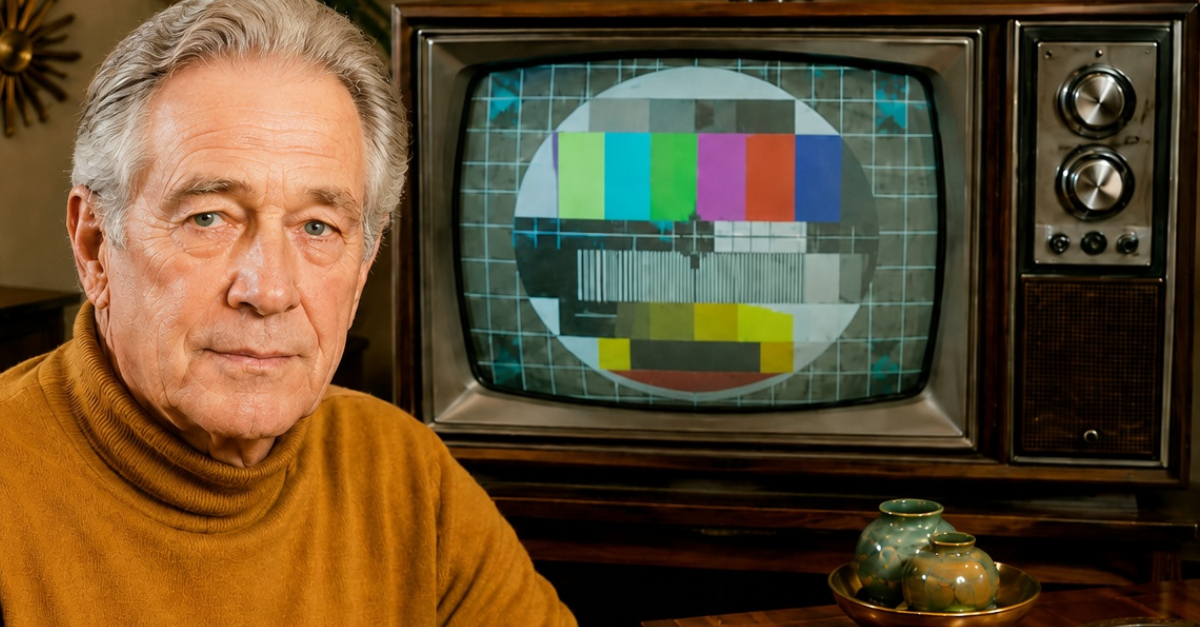
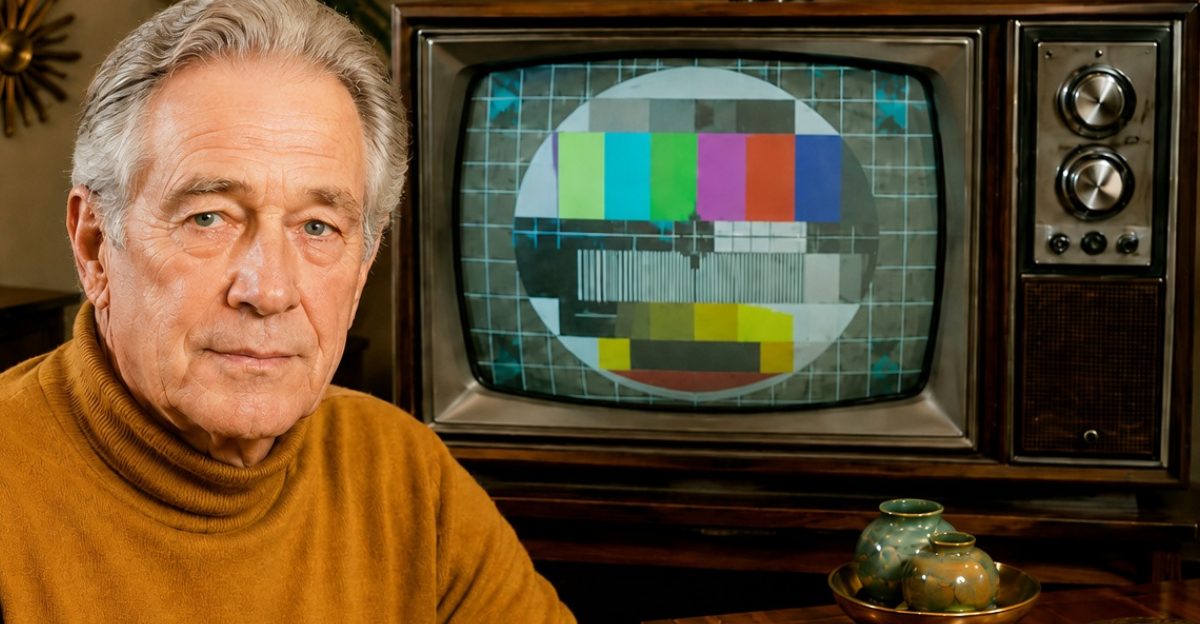
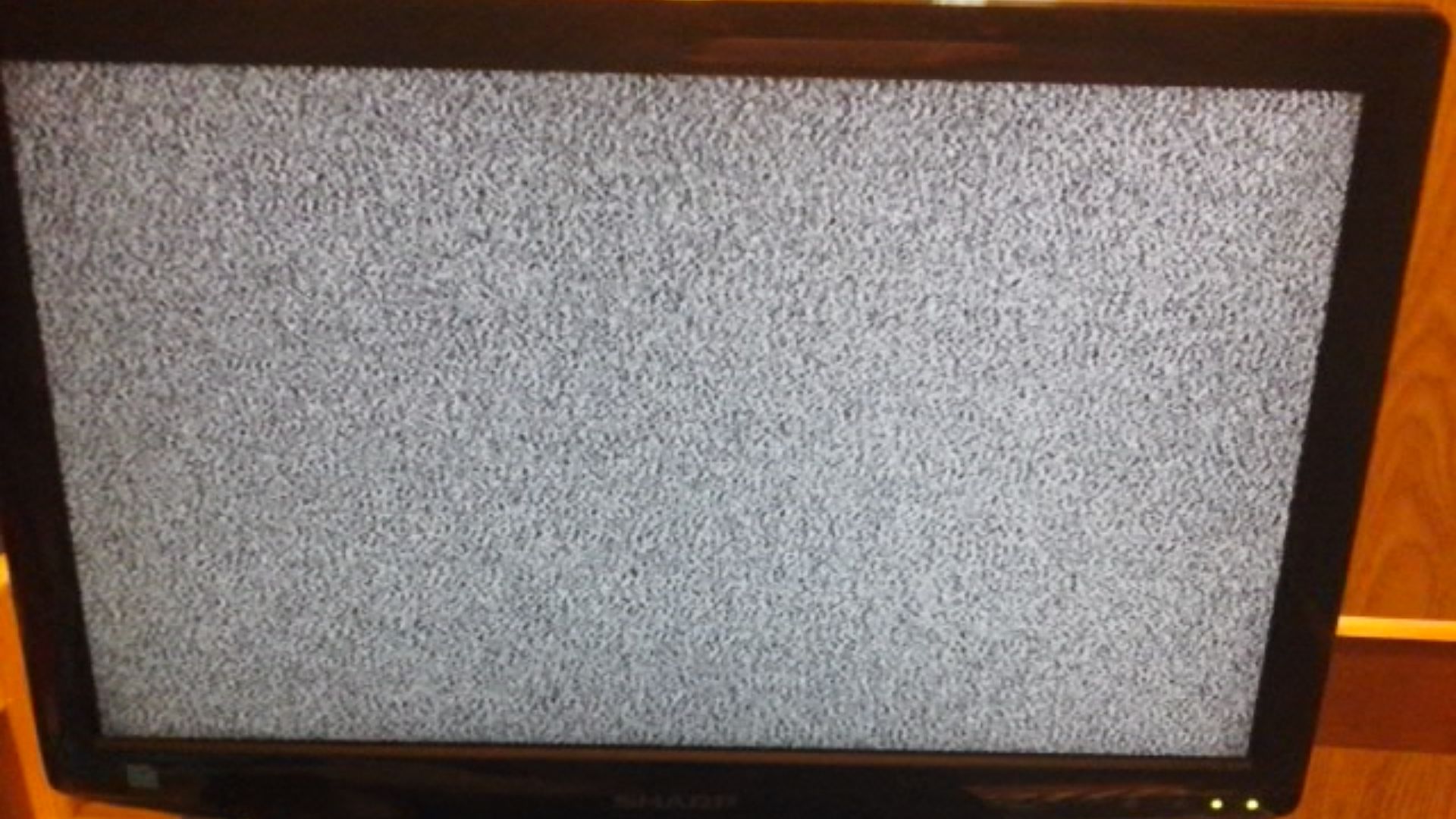
TV Static After The Station Signed Off
There was nothing quite like staying up too late and watching the TV station just…give up. The national anthem might play, the screen would go weird, and then came that ocean of static. Today, streaming services ask, “Are you still watching?” Back then, the television basically said, “Go to bed.”
 William Pina, Wikimedia Commons
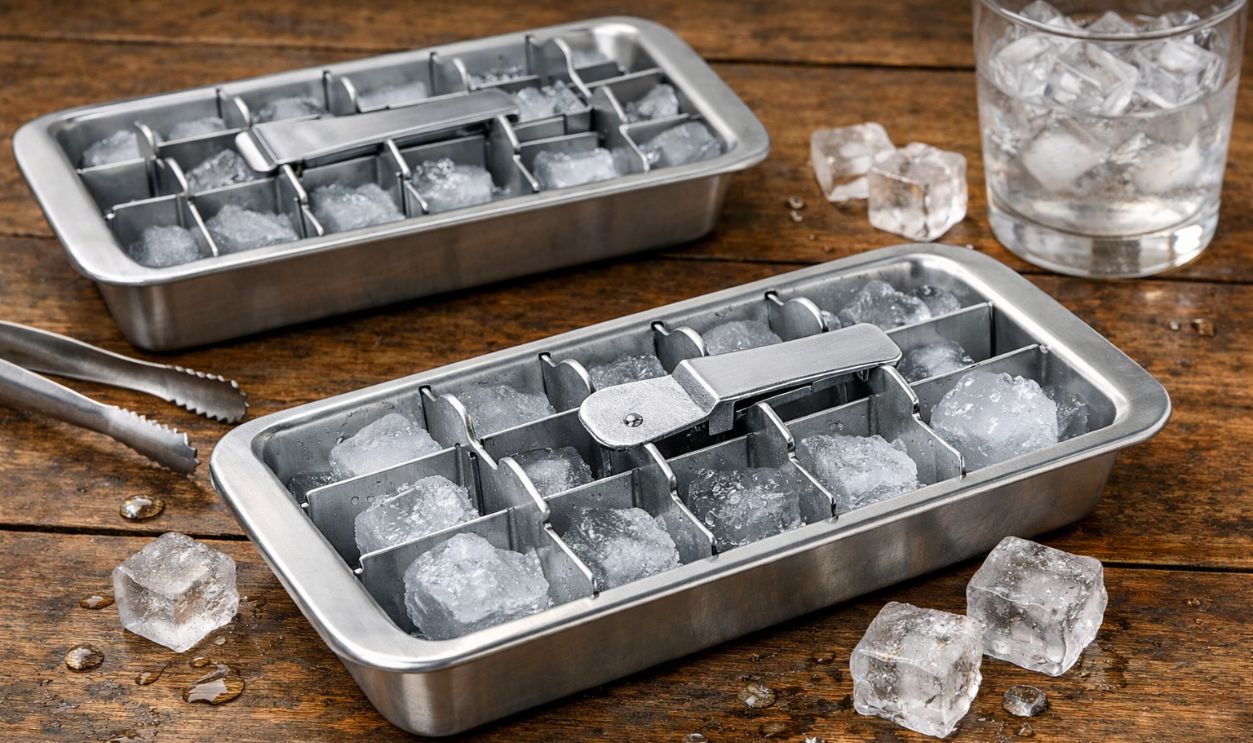
Metal Ice Cube Trays
Before plastic trays and automatic ice makers, there were metal ice cube trays with a lever that fought back. You had to pull it up, crack the cubes loose, and hope you didn’t pinch your hand in the process. Getting ice felt less like making a drink and more like operating farm equipment.
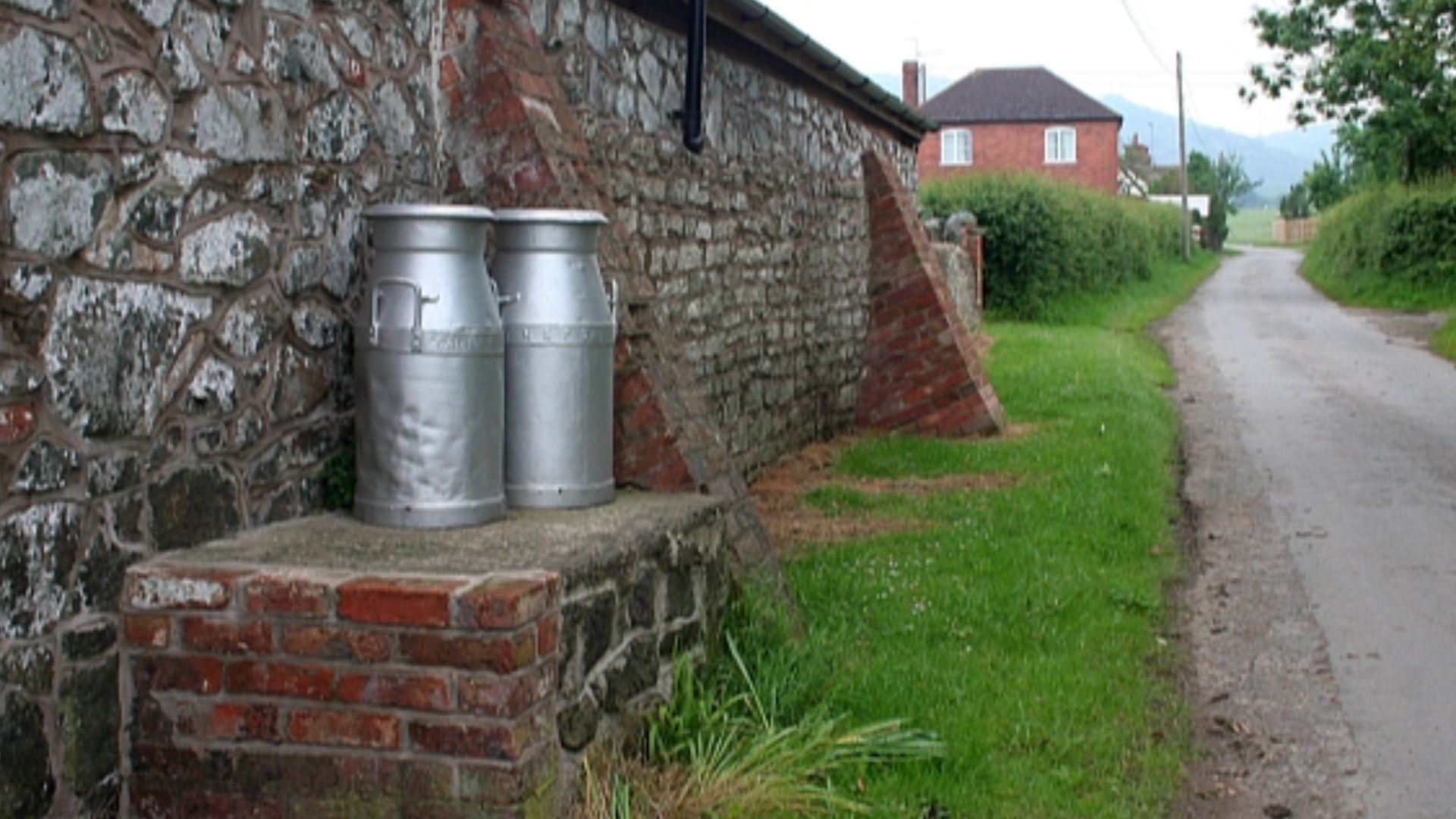
Milk Boxes On The Porch
For a lot of Baby Boomers, milk didn’t come from a giant grocery store run. It just appeared outside the house like magic. A metal milk box sat on the porch, and the milkman dropped off glass bottles. Today, leaving dairy outside sounds insane. Back then, it was just Tuesday.
 Bob Embleton, Wikimedia Commons
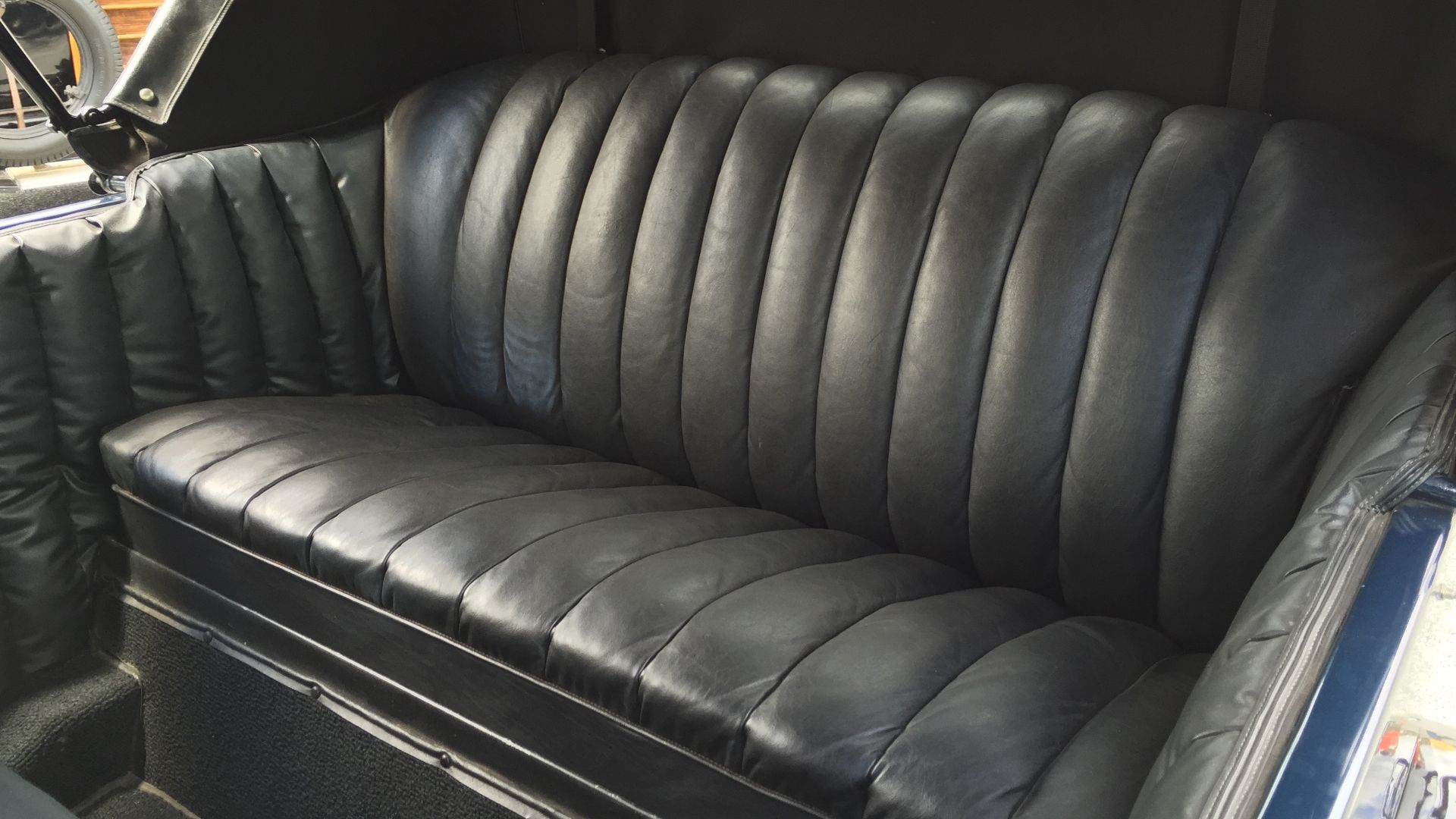
Cars With Bench Seats Up Front
A front seat used to be one long couch with a steering wheel attached. Three people could sit up front, kids could slide around, and no one thought too hard about it. Modern cars have cupholders, consoles, airbags, and warning lights. Older cars had a bench seat and vibes.
The Clicker That Wasn’t Remote Enough
Before remote controls became normal, someone had to get up and change the channel by hand. Then came the early “clickers,” which made a satisfying sound and somehow felt futuristic. The funny part? There were only a few channels anyway, so the whole mission was basically choosing between three options.
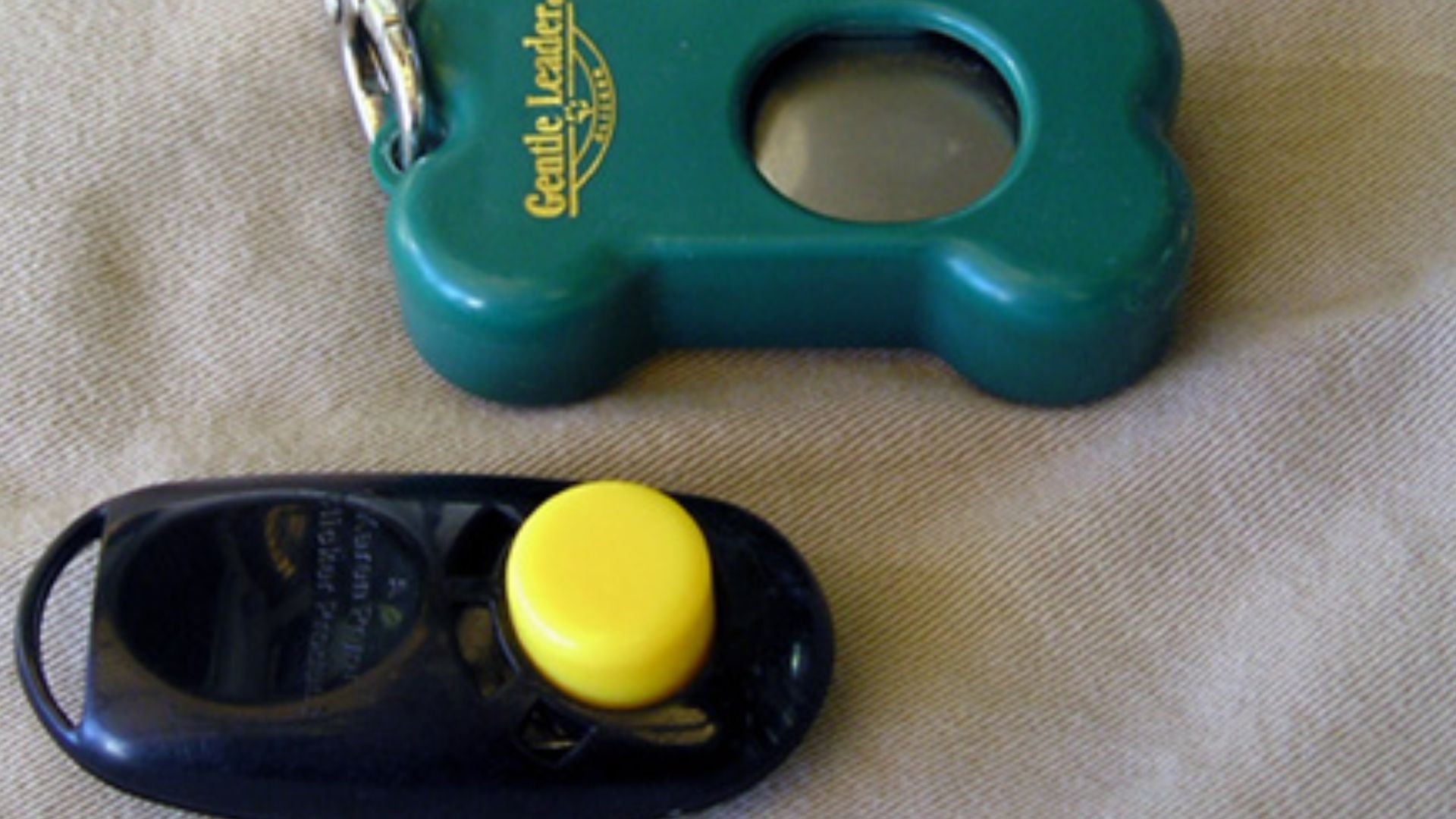 Taken by Elf | Talk Sept 17 '04, Wikimedia Commons
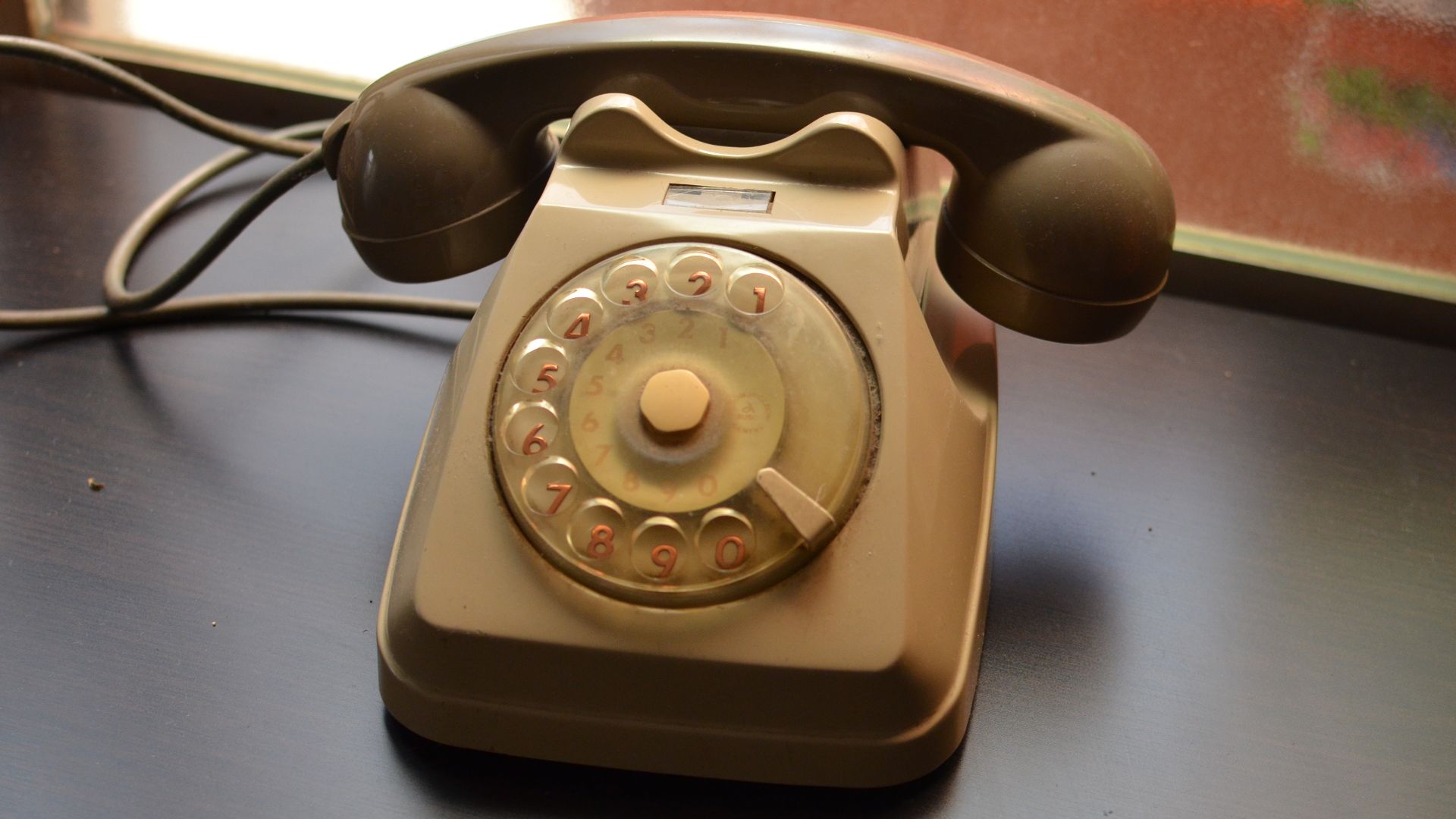
Rotary Phones
There was a real commitment involved in calling someone on a rotary phone. You didn’t just tap a screen. You put your finger in a little hole, dragged it around, waited for it to spin back, and then did it again six more times. Mis-dialing the last number was heartbreak.
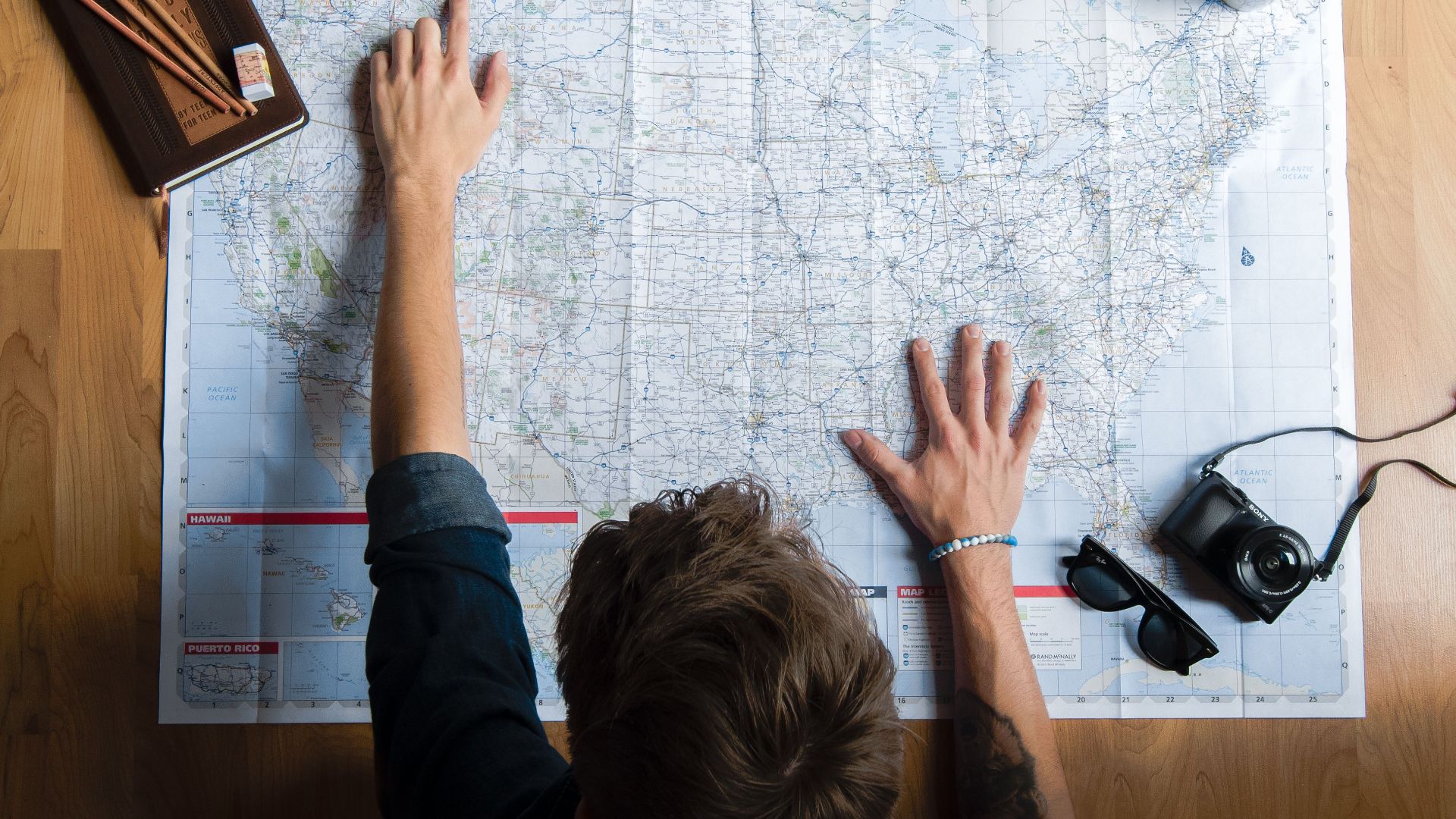
Paper Maps In The Glove Compartment
Every car had a folded map that was never, ever folded correctly again once someone opened it. Family trips depended on these things. One person drove, another person navigated, and eventually everyone argued about whether they were supposed to turn back there. Google Maps never had to survive that kind of pressure.

History's most fascinating stories and darkest secrets, delivered to your inbox daily.
Drive-In Movie Speakers
At the drive-in, you didn’t get surround sound. You got a clunky metal speaker that hung on the car window and made everything sound like it was coming through a tin can. And somehow, it was perfect. Half the fun was remembering not to drive away with the speaker still attached.
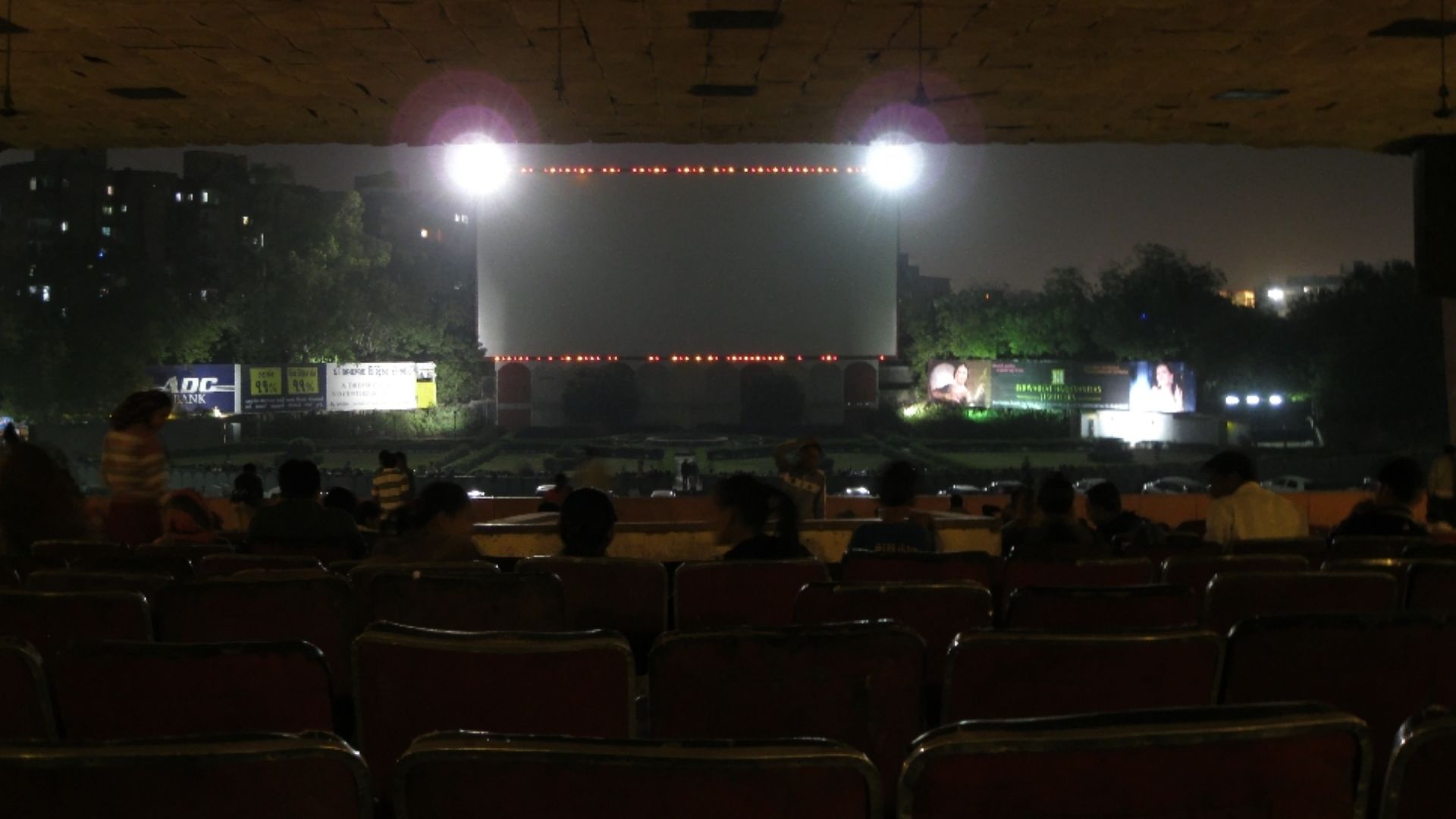 FabSubeject, Wikimedia Commons
Department Store Elevators With Operators
Some Baby Boomers remember when elevators still felt like a tiny formal event. A real person stood inside, asked what floor you wanted, and ran the elevator for you. Now people get annoyed if an elevator takes seven seconds. Back then, someone in a uniform was basically piloting the thing.
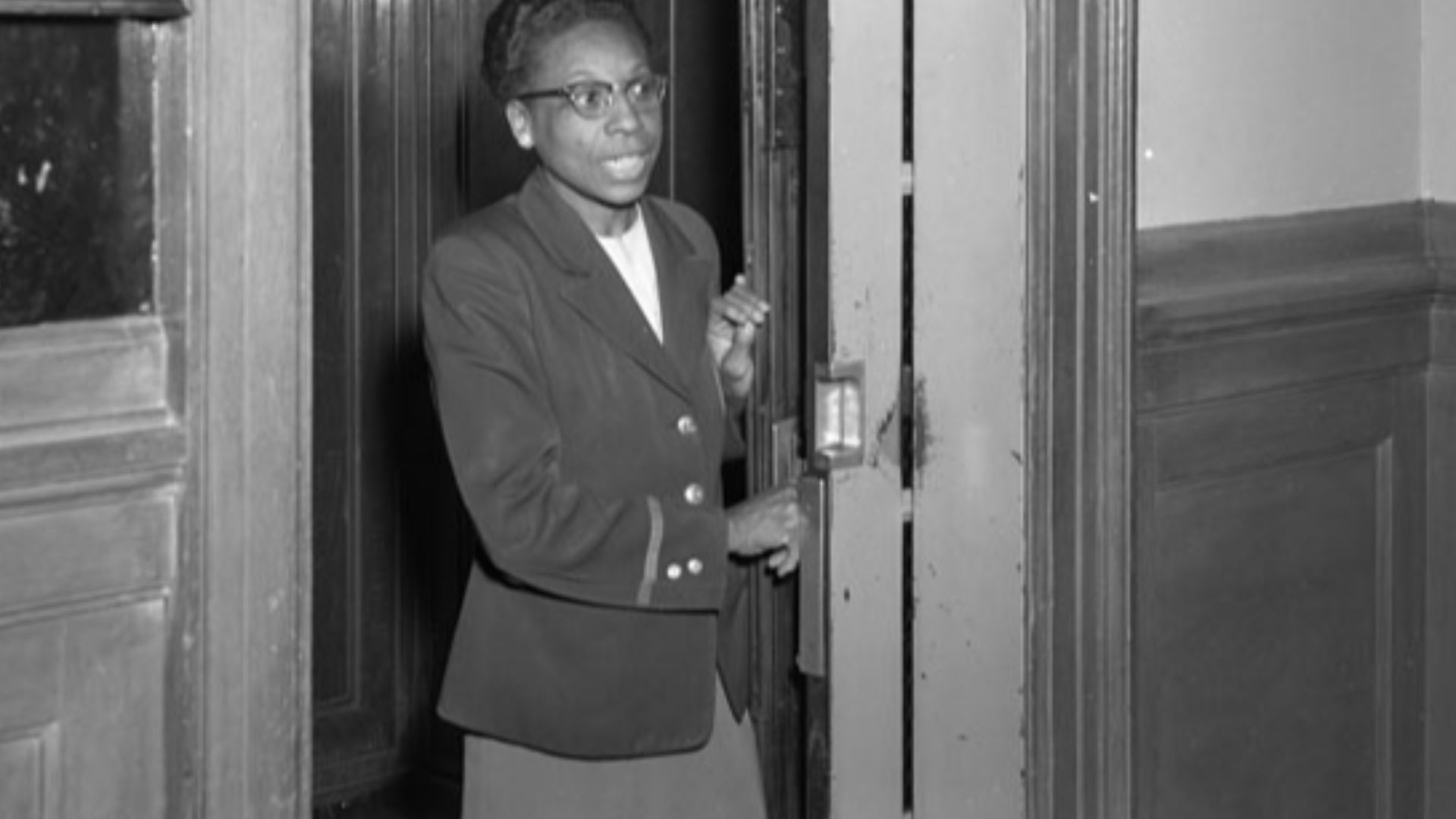 The Library of Virginia from USA, Wikimedia Commons
Green Stamps
S&H Green Stamps were everywhere for a while. You got them at stores, brought them home, licked them, stuck them into little books, and eventually traded them for household items. It sounds like a weird side quest now, but plenty of families treated those stamp books like treasure.
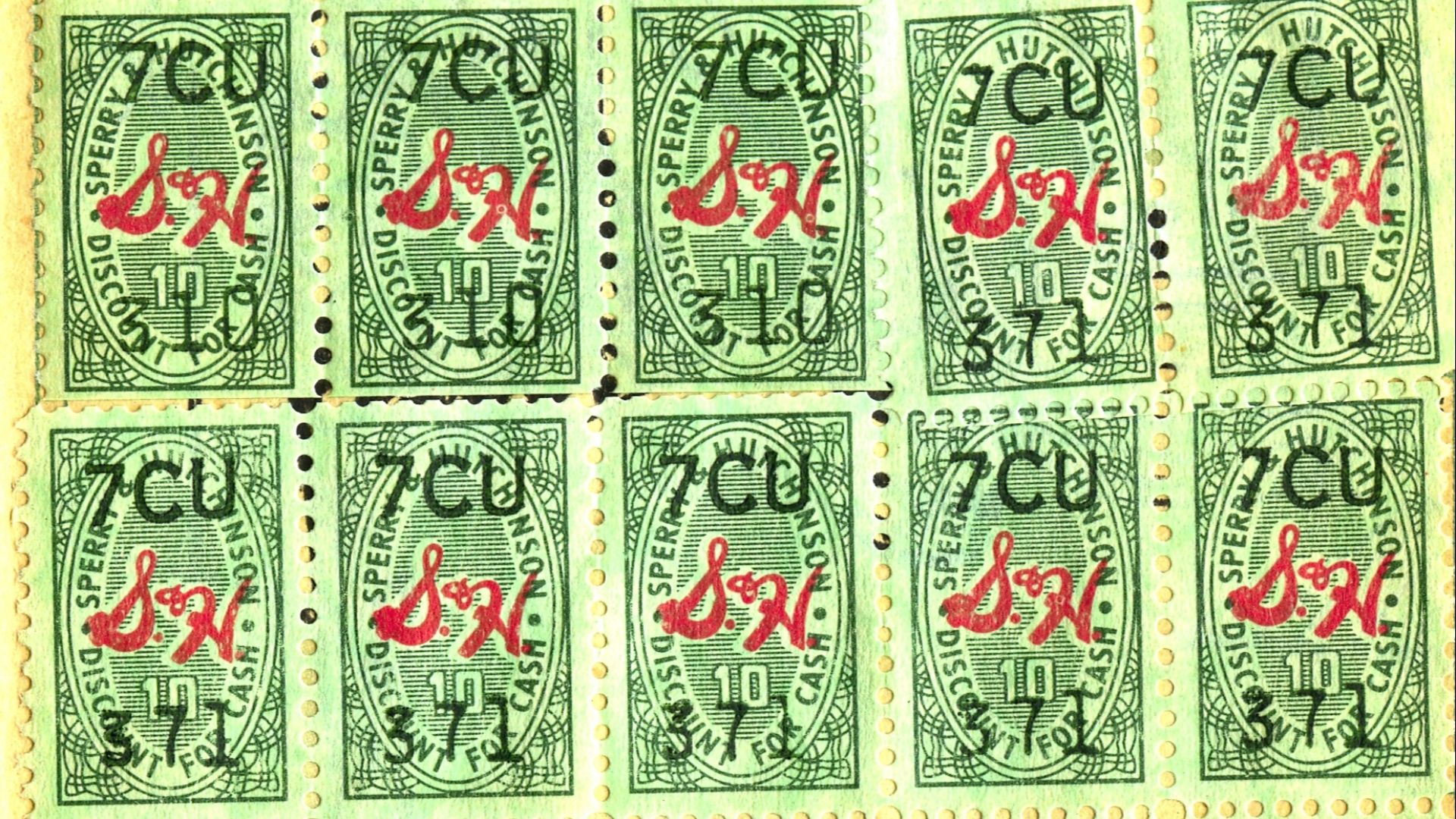 Wandering Magpie from Surf City, CA, USA, Wikimedia Commons
TV Guide On The Coffee Table
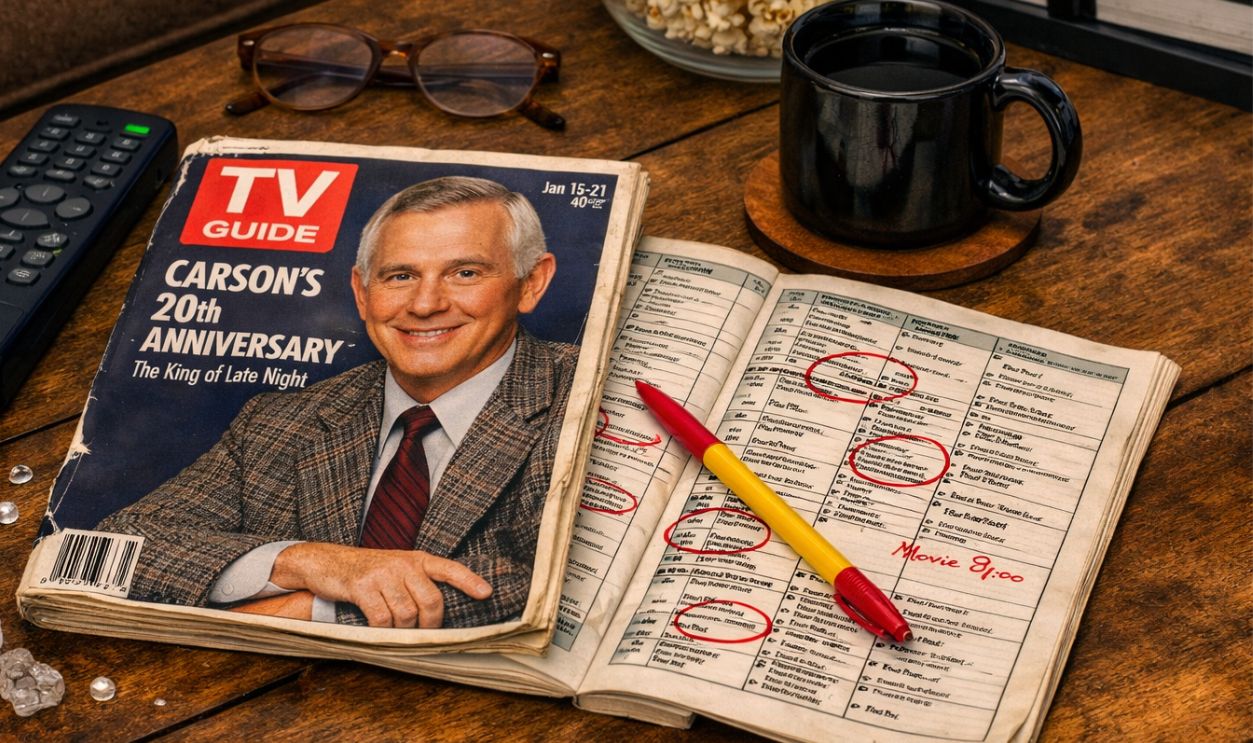
Before streaming menus and endless scrolling, there was TV Guide. You checked the listings, circled things, planned your night, and accepted that if you missed the show, that was your problem. There was no pause button, no “watch later,” and no algorithm pretending to know your personality.
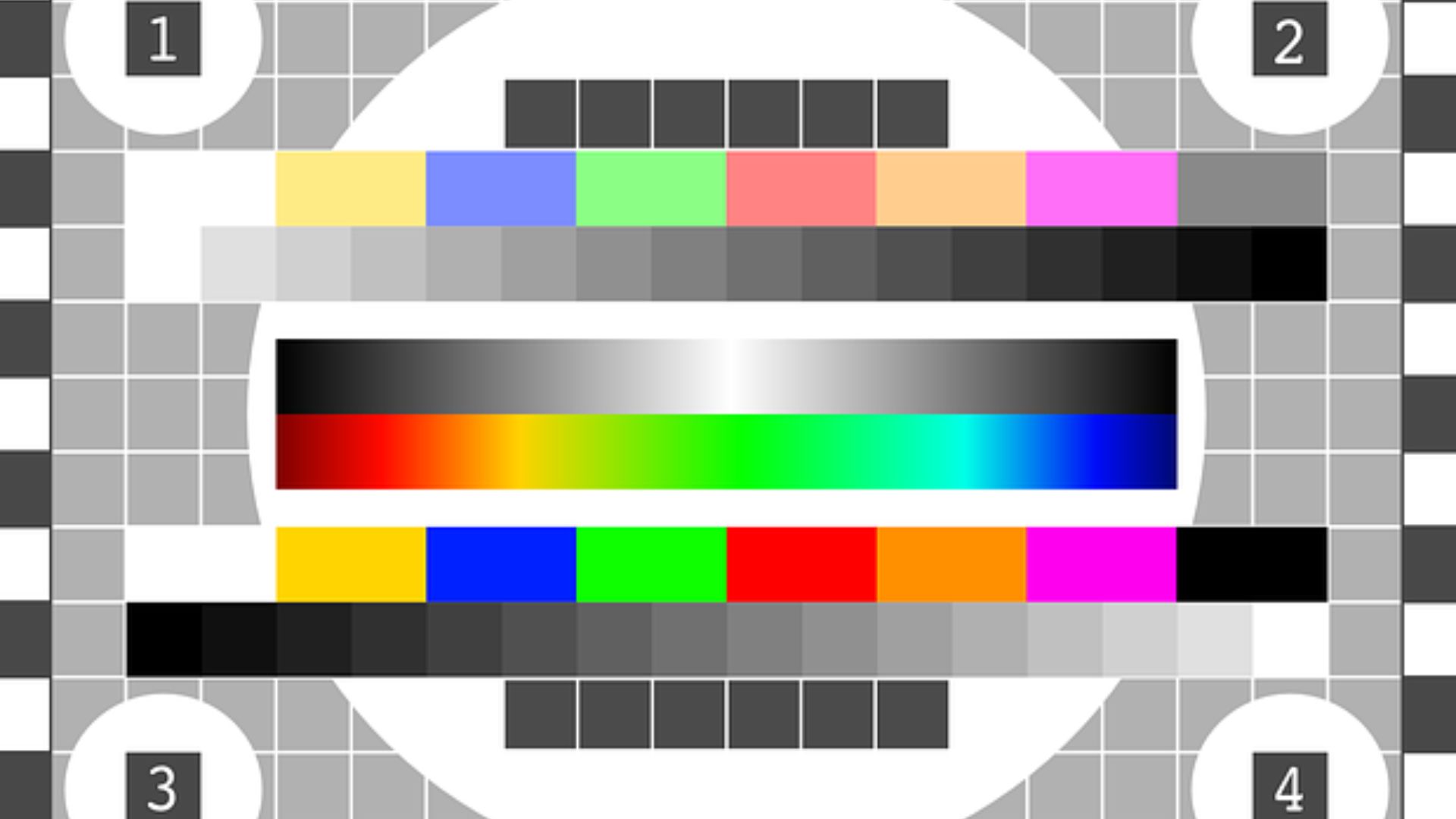
The Test Pattern On Television
That strange test pattern on the screen looked almost official enough to be important, but mostly it meant nothing was on yet. Baby Boomers saw it constantly. Anyone born after 2000 might think the TV had broken, or that someone was trying to contact them from a government bunker.
 HAL2000JUST, Wikimedia Commons
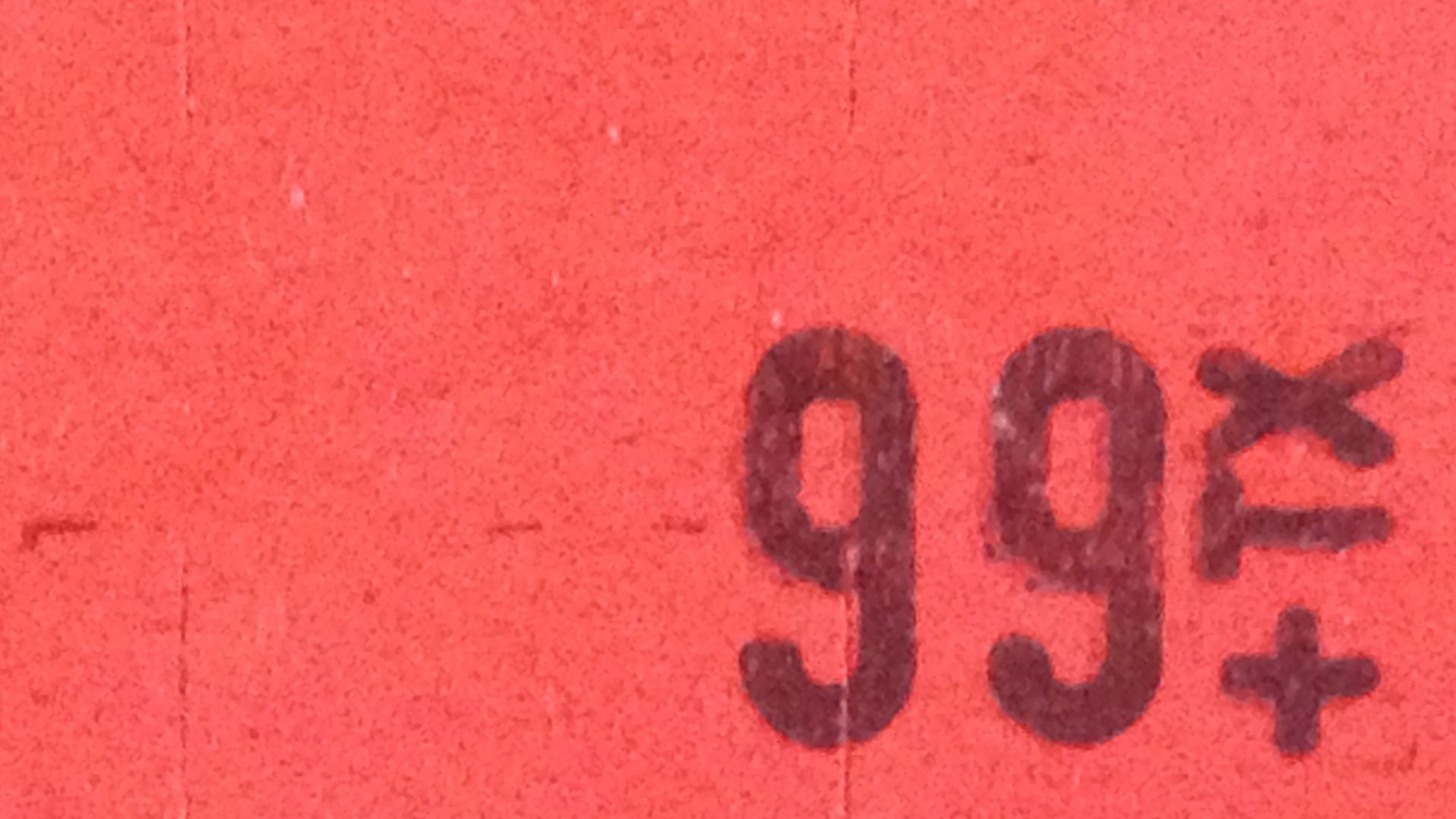
Handwritten Price Tags
Stores didn’t always have barcodes and scanners doing all the work. Prices were written on little stickers, stamped onto cans, or marked by hand. Cashiers actually had to know what they were doing. And if a price sticker fell off, suddenly everyone was part of a small retail investigation.
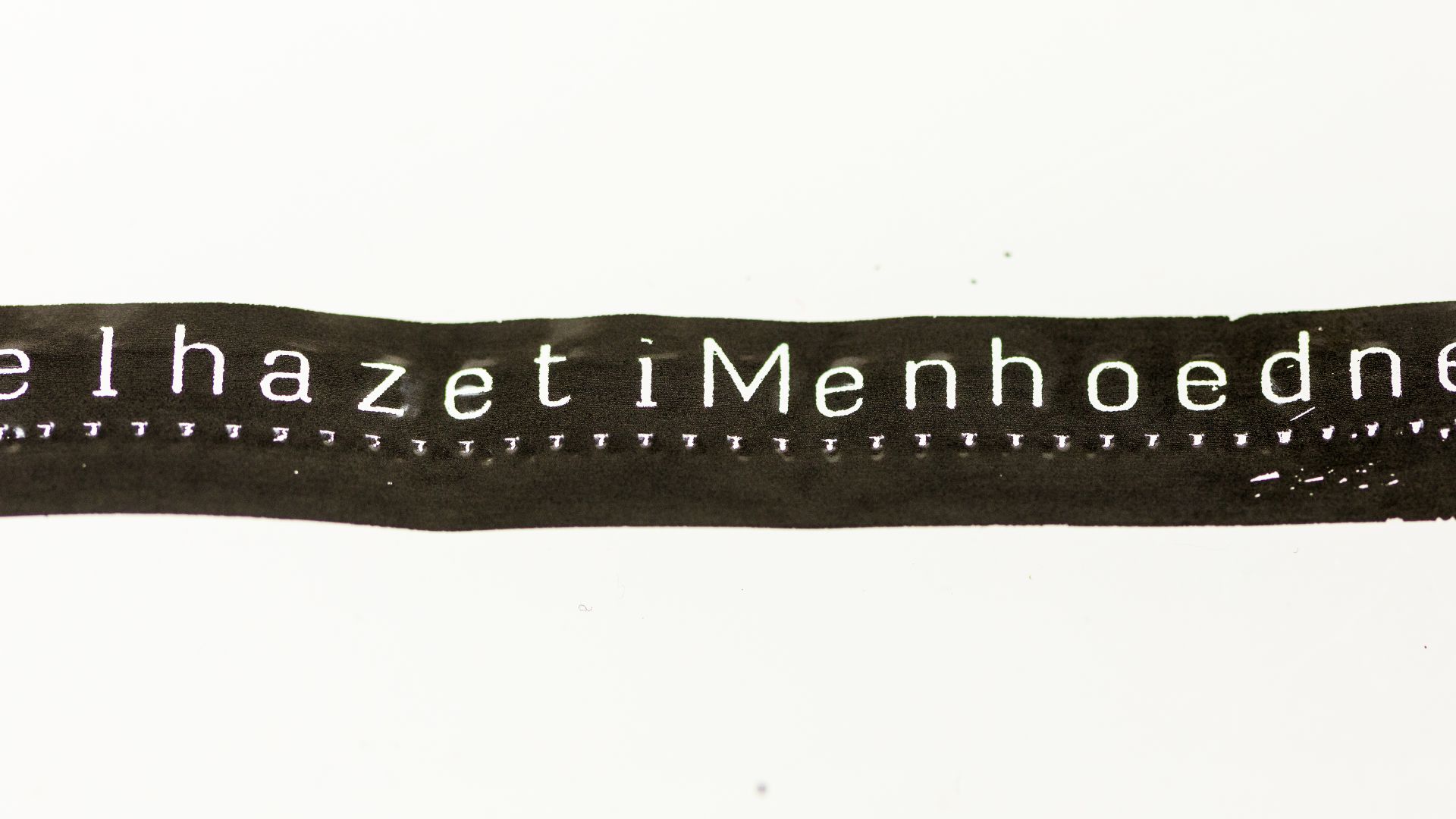
Typewriter Ribbon
Before backspace became a tiny miracle, typing was a much riskier activity. Typewriter ribbon got messy, mistakes were annoying, and correcting something could involve white-out, correction tape, or just starting over while quietly questioning your life choices. Anyone who learned on a typewriter earned every clean page they produced.
 Raimond Spekking, Wikimedia Commons
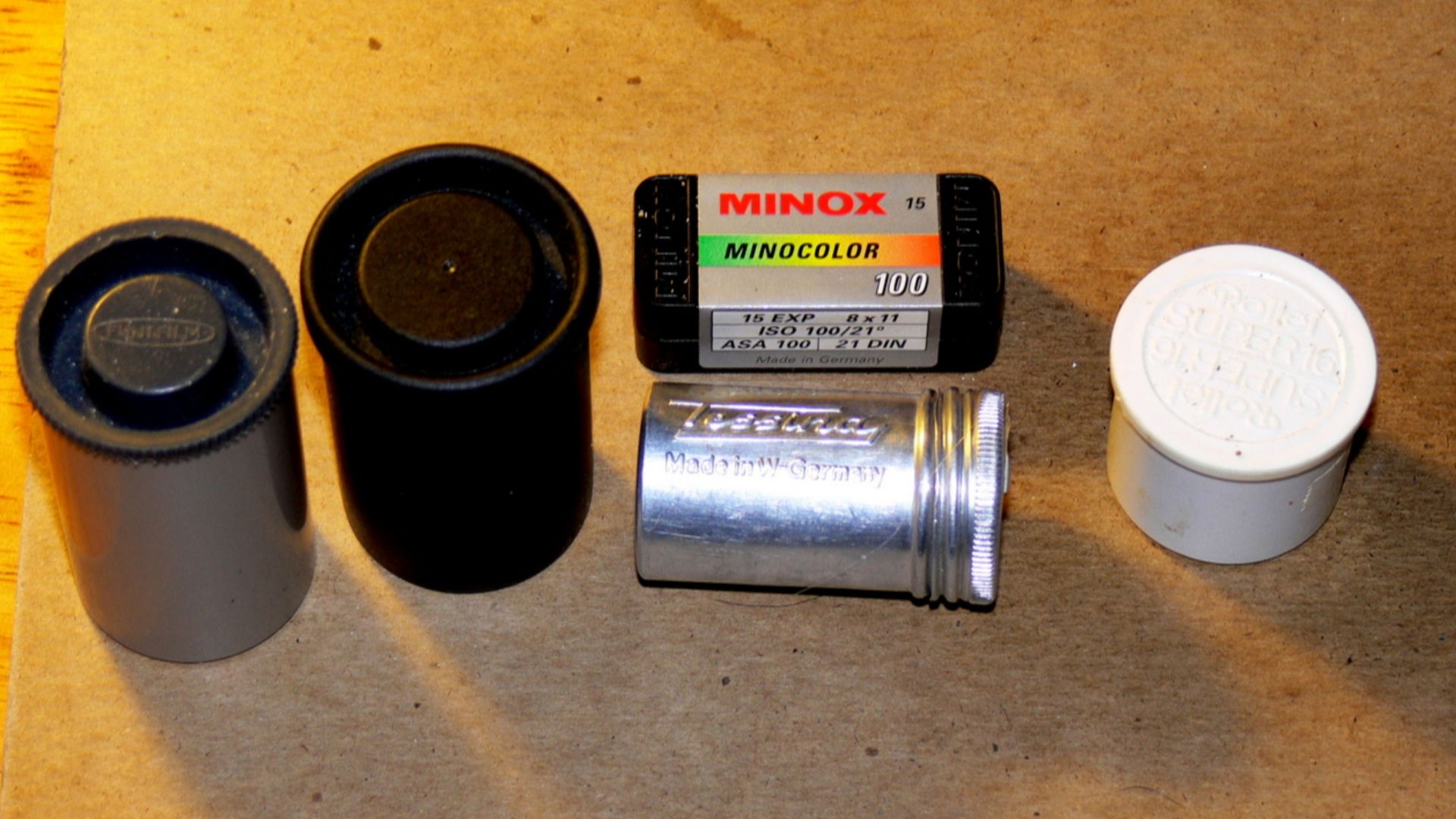
Film Canisters In Every Junk Drawer
Those little plastic film canisters were everywhere. They held coins, buttons, screws, mystery objects, and sometimes actual film. Every junk drawer had at least one. Kids born after 2000 might recognize a phone camera instantly, but hand them a film canister and they’ll wonder what vitamin used to come in it.
Flashbulbs And Cube Flashes
Taking indoor pictures once required a tiny disposable explosion of light. Flashcubes and flashbulbs were part of the routine, and they actually got used up. You didn’t just take 40 photos and delete 39. You took one picture, hoped everyone’s eyes were open, and lived with the result forever.
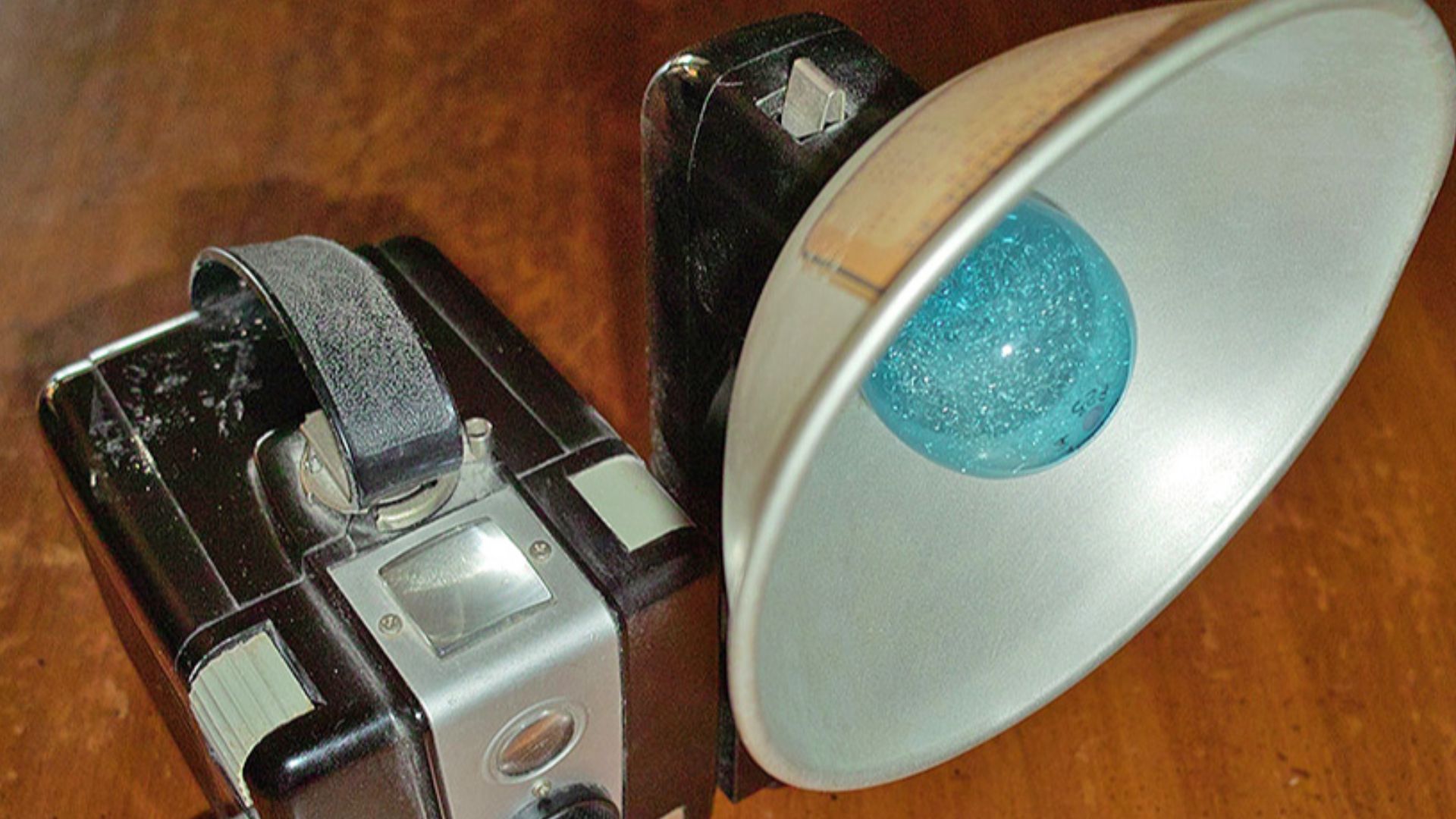 Richard F. Lyon (User:Dicklyon), Wikimedia Commons
Full-Service Gas Stations
Pulling into a gas station once meant someone might actually come out, pump the gas, clean the windshield, and maybe check the oil. The driver just sat there like royalty. These days, unless you're in New Jersey, you're getting out of the car and pumping it yourself.
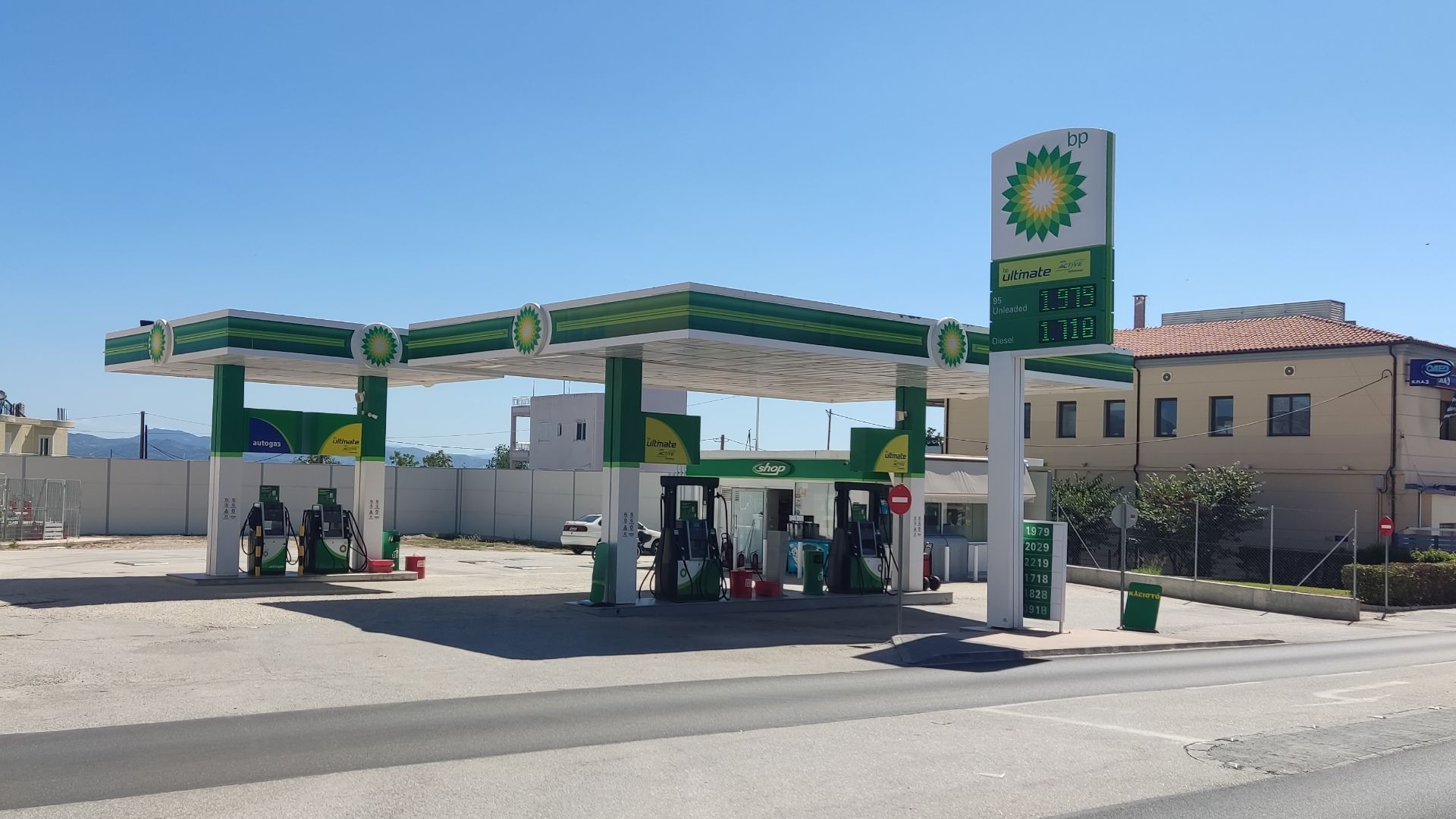 NikosLikomitros, Wikimedia Commons
Glass Soda Bottles Returned For Deposit
Glass bottles weren’t just trash. They were worth something. Kids collected them, brought them back, and felt like tiny business owners walking away with pocket change. Today, most drinks are plastic or cans. Back then, the bottle itself had a whole second life waiting for it.
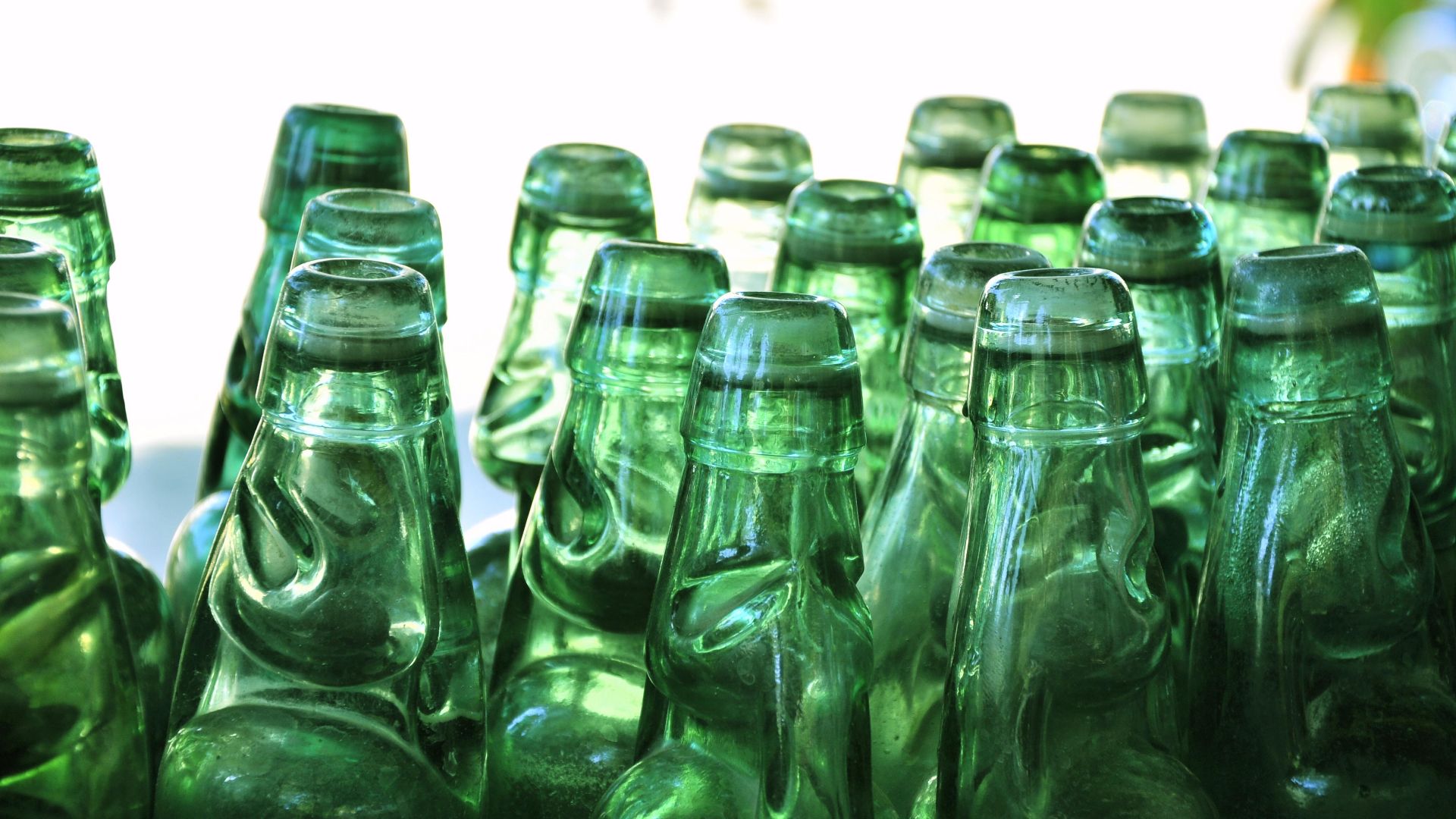
Rabbit Ear Antennas
Every TV had rabbit ears, and adjusting them was a delicate science no one fully understood. Sometimes you had to tilt one side, rotate the other, stand in just the right spot, and maybe hold your breath. The picture cleared up for three seconds—and then someone walked by and ruined everything.
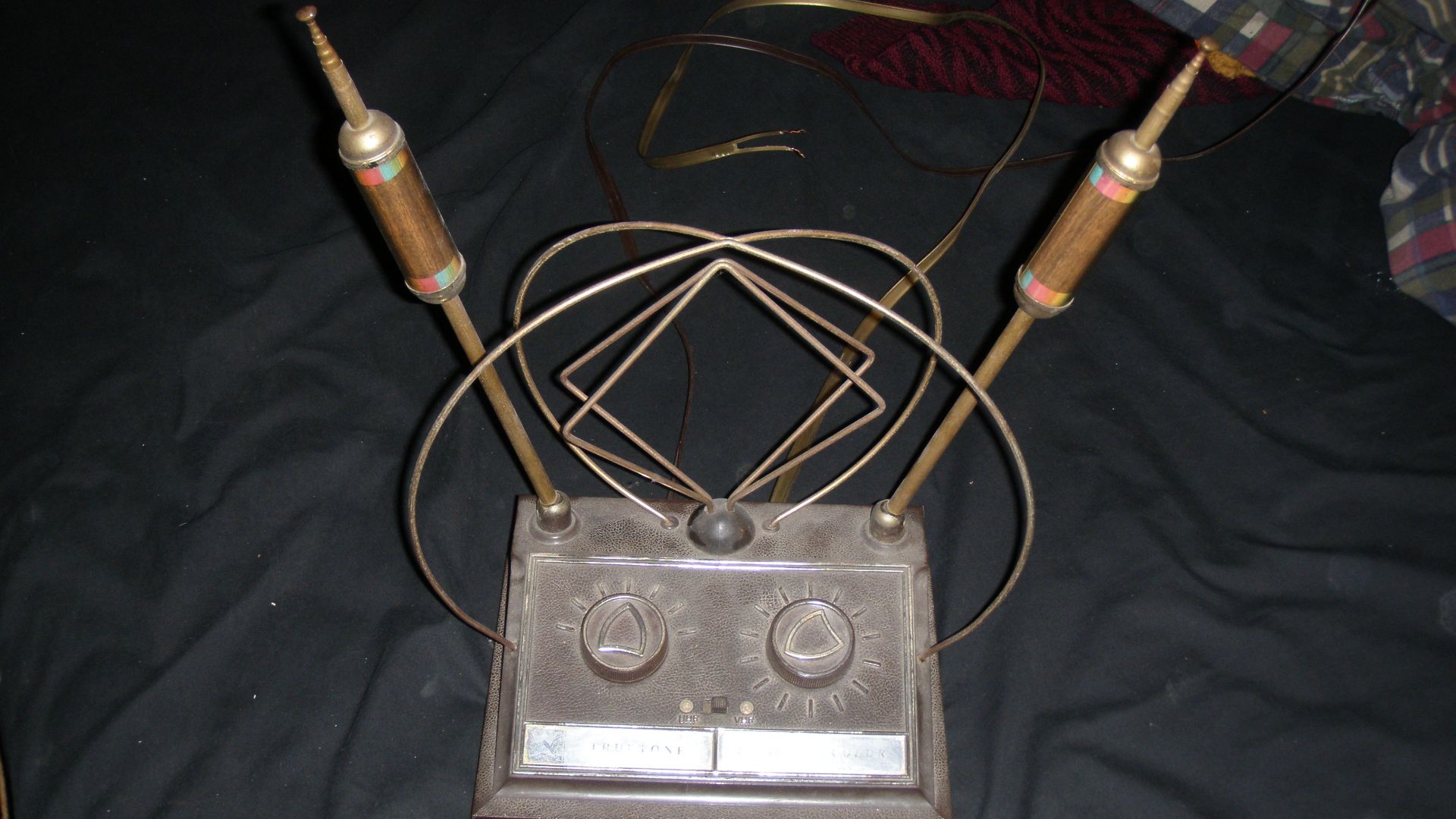 Daniel Christensen (talk), Wikimedia Commons
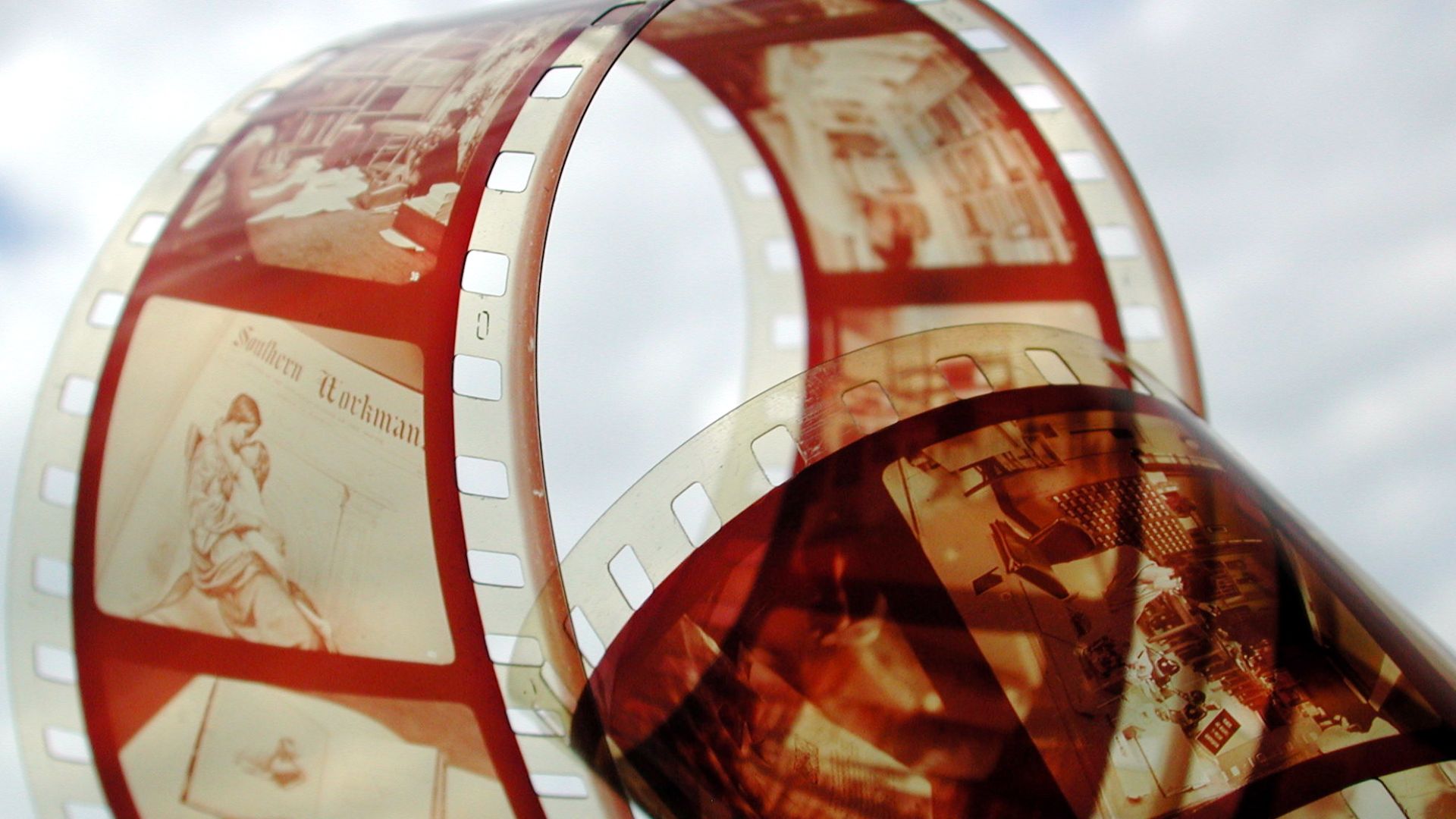
School Filmstrips
A filmstrip day in school felt like a tiny vacation. The lights went off, the projector came out, and a mysterious beep told the teacher when to advance to the next frame. Nobody born after 2000 has experienced the dramatic power of learning history one blurry frame at a time.
 Bart Everson from New Orleans, Louisiana, USA, Wikimedia Commons
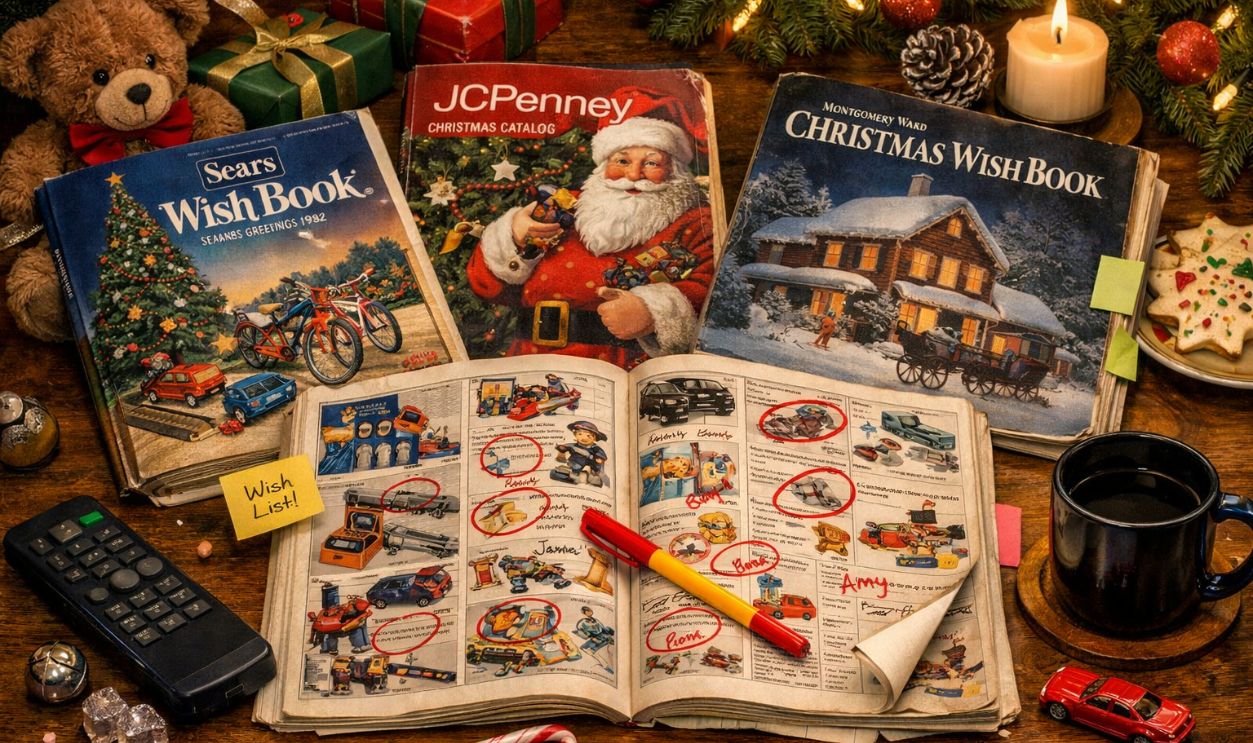
Catalog Wish Books
Before online shopping carts, kids studied Christmas catalogs like legal documents. Sears, JCPenney, Montgomery Ward—those pages were circled, folded, negotiated, and practically memorized. A toy in the catalog could feel more exciting than the toy itself. Modern kids have websites. Boomers had the sacred book of wanting things.
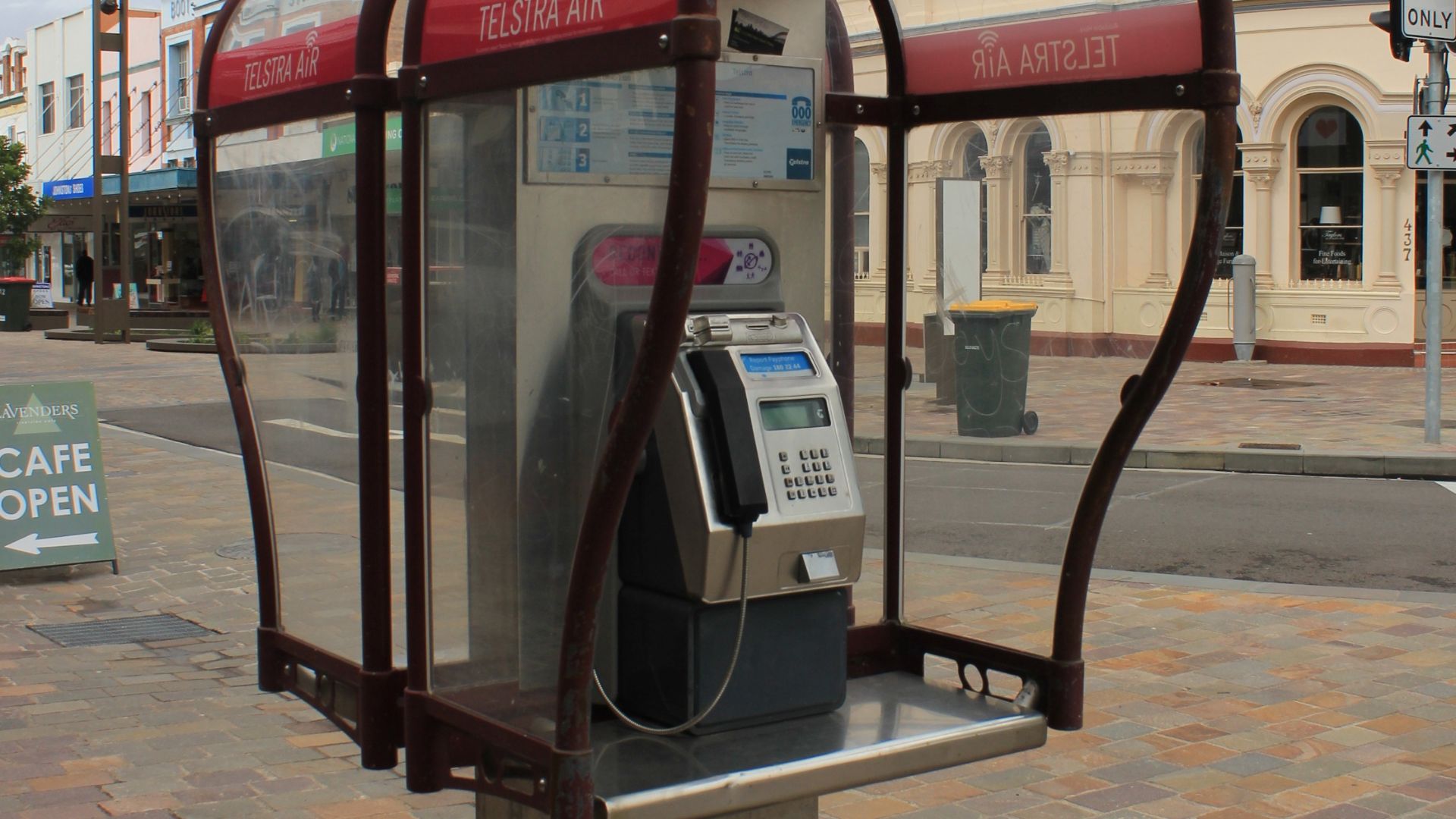
Pay Phones With Phone Booths
A pay phone wasn’t just a phone. It was a lifeline, a meeting point, and sometimes a little glass room where everyone could hear half your conversation anyway. You needed coins, remembered numbers, and hoped the receiver wasn’t sticky. Somehow, society functioned under these conditions.
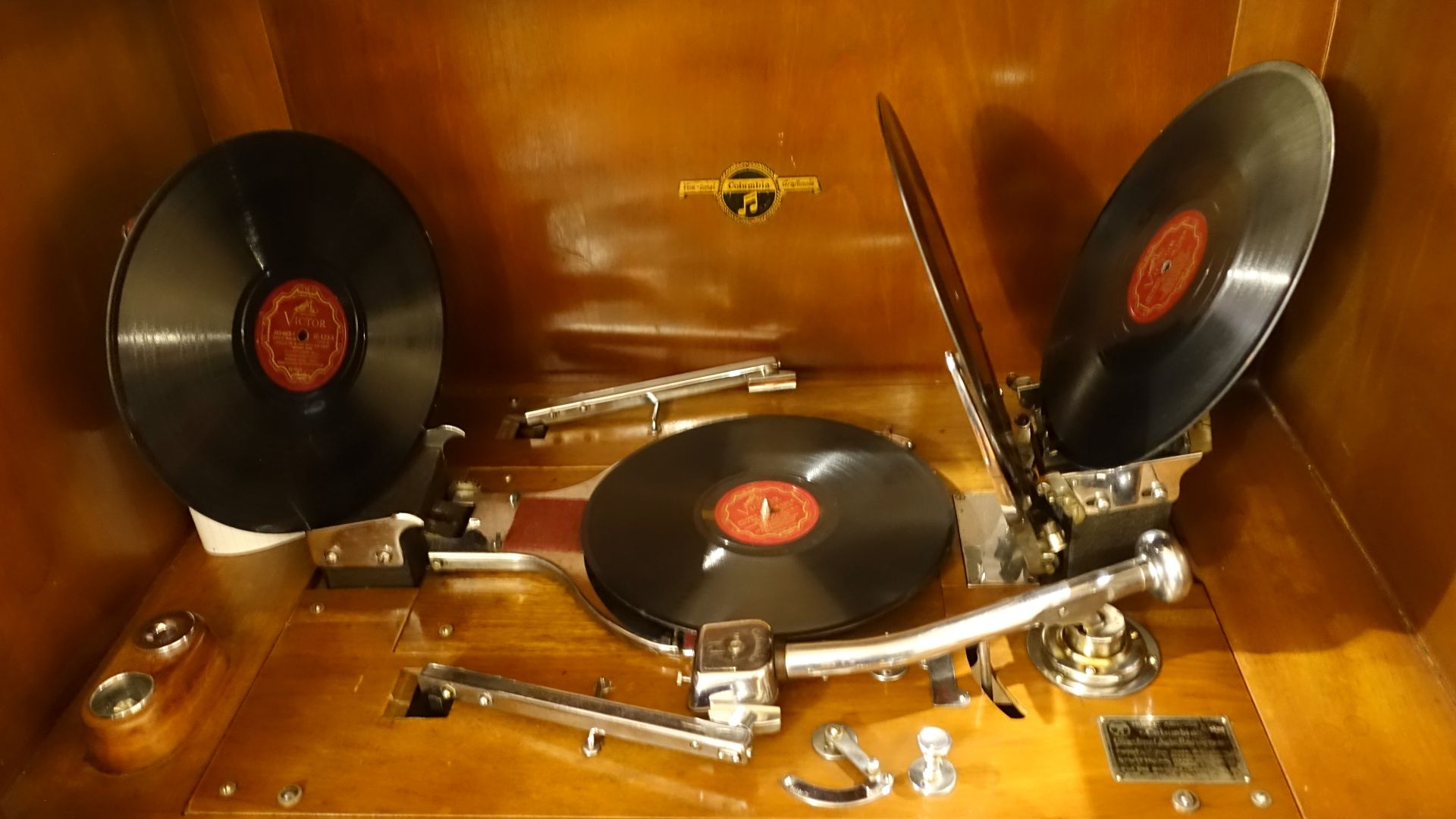
Record Changers
Some stereos could stack several records and drop them one at a time. That felt like luxury. Of course, the whole thing looked slightly dangerous, like your favorite albums were being handled by a tiny mechanical forklift. Still, for a living room party, it was a beautiful little miracle.
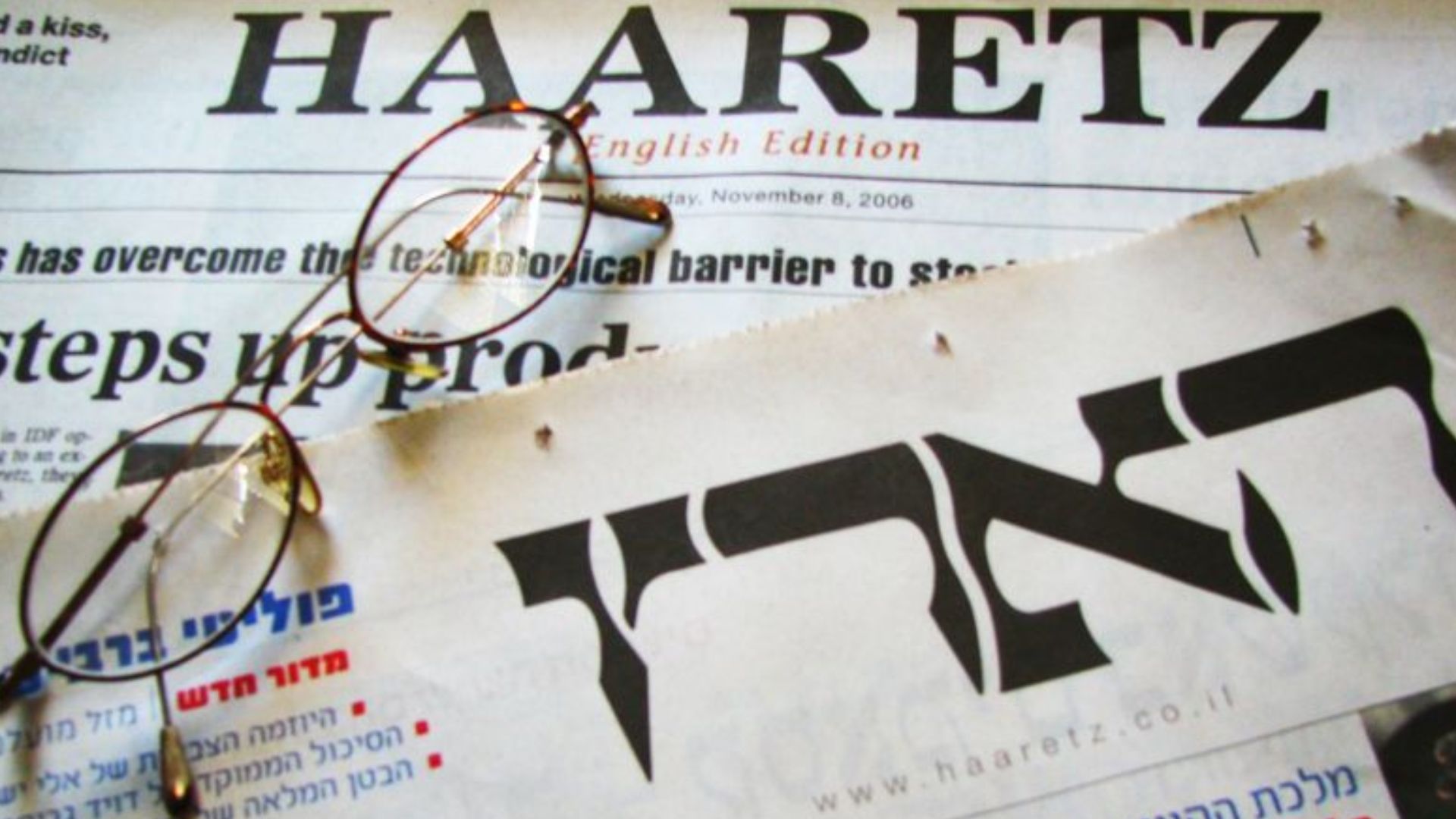
The Newspaper Hitting The Front Step
For decades, the day started with the sound of the newspaper landing outside. Someone brought it in, sections were divided, comics were claimed, and adults disappeared behind the front page. Now the news screams from a phone before anyone gets out of bed. Less ink, more panic.
 Original uploader was Hmbr at he.wikipedia, Wikimedia Commons
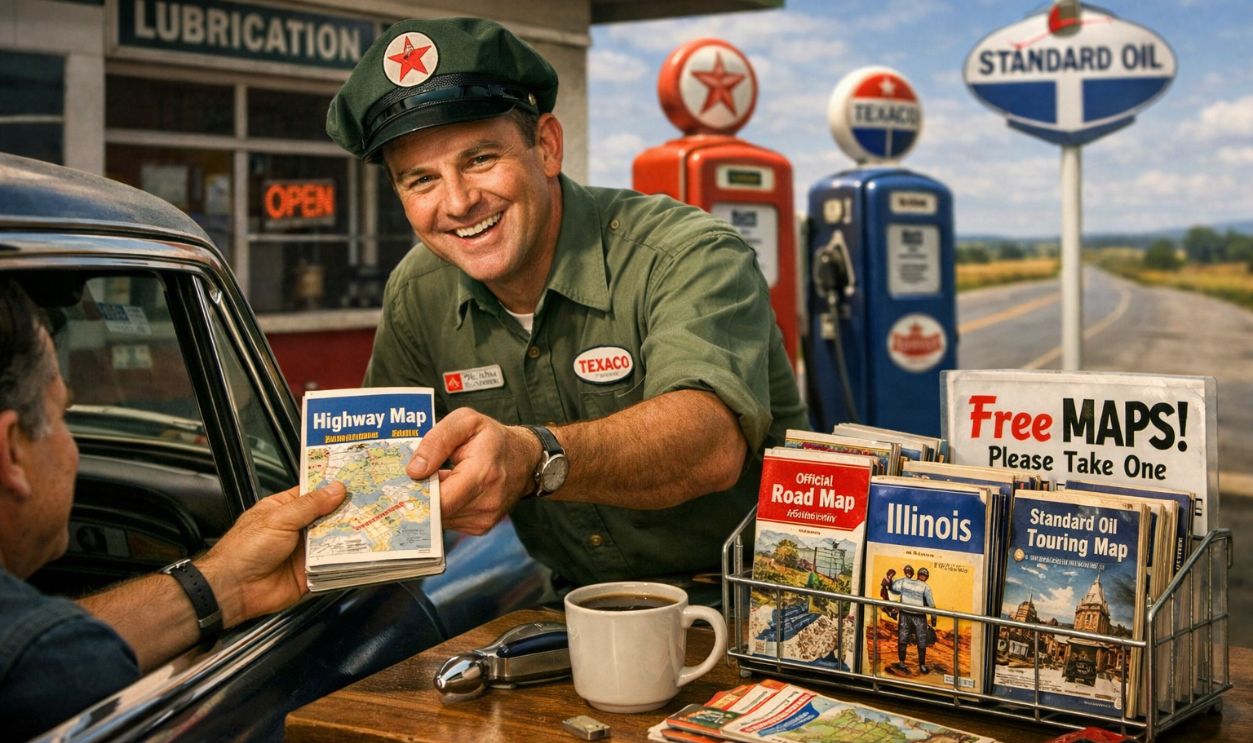
Service Stations With Free Road Maps
Gas stations used to hand out road maps like they were doing the Lord’s work. You could walk in, ask for one, and leave with a giant folded promise that you would absolutely get lost later. Today, free maps feel quaint. Back then, they were survival gear.
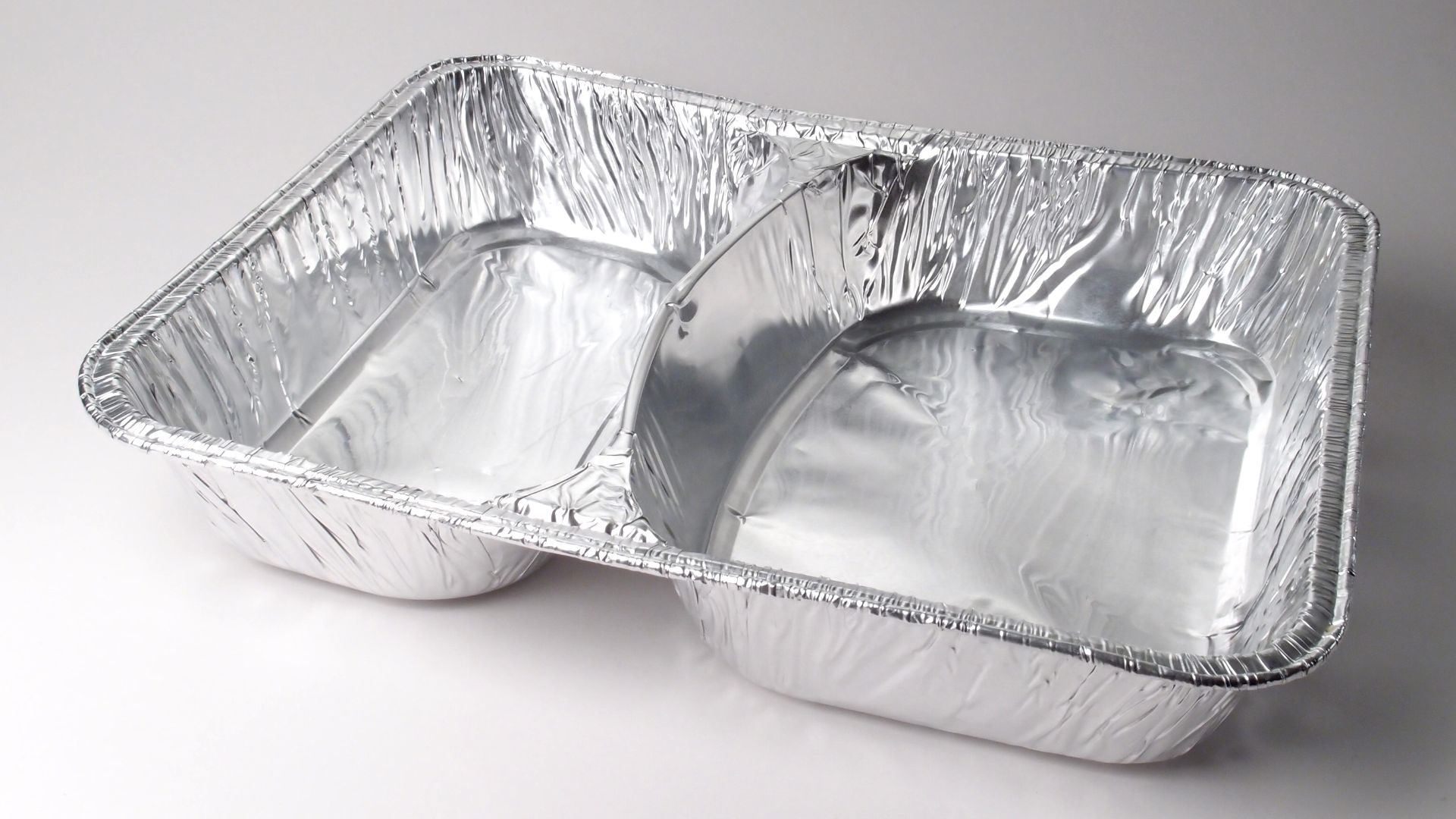
The Aluminum TV Dinner Tray
TV dinners came in shiny aluminum trays with little compartments, and they somehow made Salisbury steak feel like a technological achievement. You peeled back the foil, burned your tongue, and accepted that the brownie corner was either lava or still frozen. Fine dining? No. A childhood memory? Absolutely.
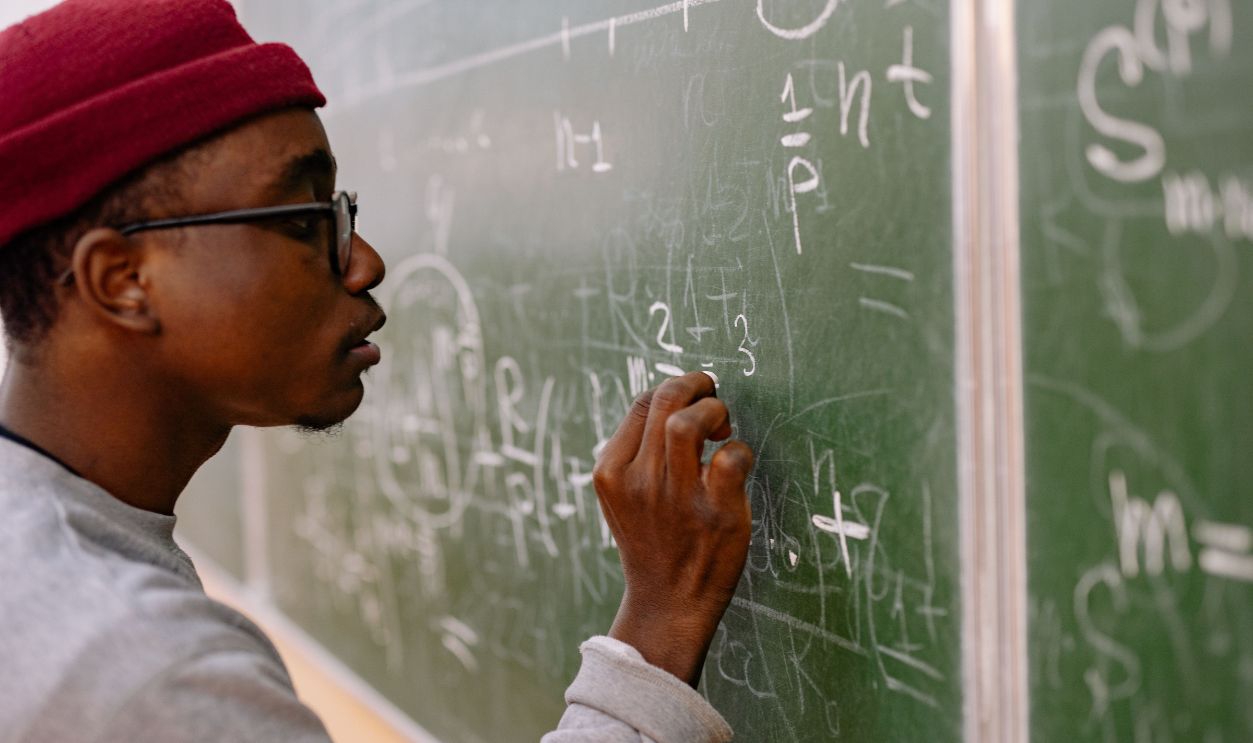
Chalk Dust Everywhere
Classrooms once had real chalkboards, real erasers, and a cloud of chalk dust that followed certain teachers around like weather. Cleaning the erasers outside was basically a reward and a punishment at the same time. Whiteboards may be cleaner, but they don’t have nearly as much drama.
You Might Also Like:
39 Ridiculous Facts About Ben Stiller Movies
Only Boomers Can Quote These Iconic Throwback TV Commercials