Grandma's House Was Full Of Mysteries
Remember the heavy black telephone you weren't supposed to play with? Or the strange metal tray in the freezer, the green stamps tucked into a kitchen drawer, and that dangerous-looking machine Grandma used on laundry day? Baby Boomers grew up around household objects that were already beginning to disappear, but at Grandma and Grandpa's house, plenty were still hanging around. Today, some are so obsolete that younger generations might not even guess what they were for.
The Phone Made You Work For Every Number
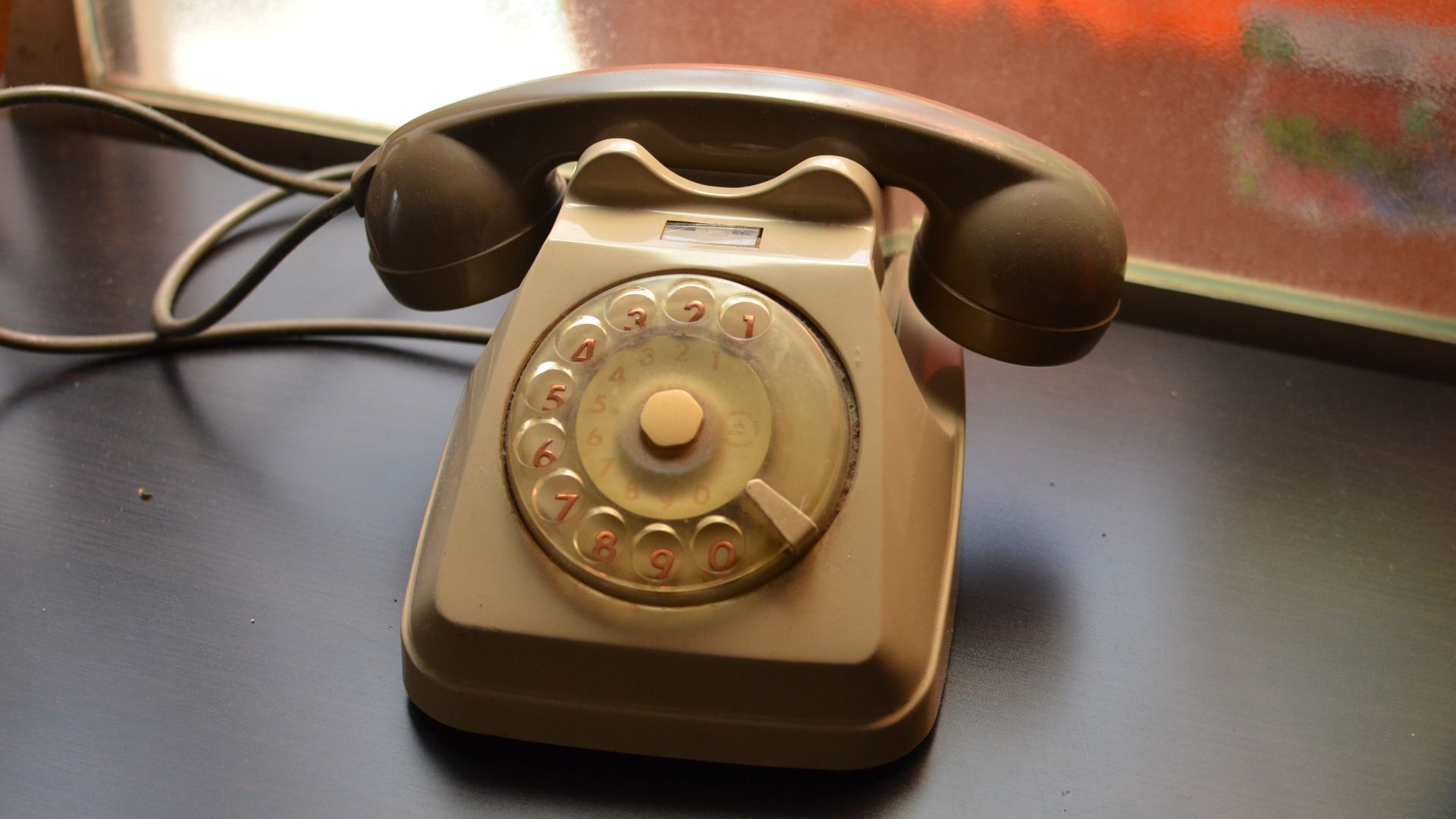
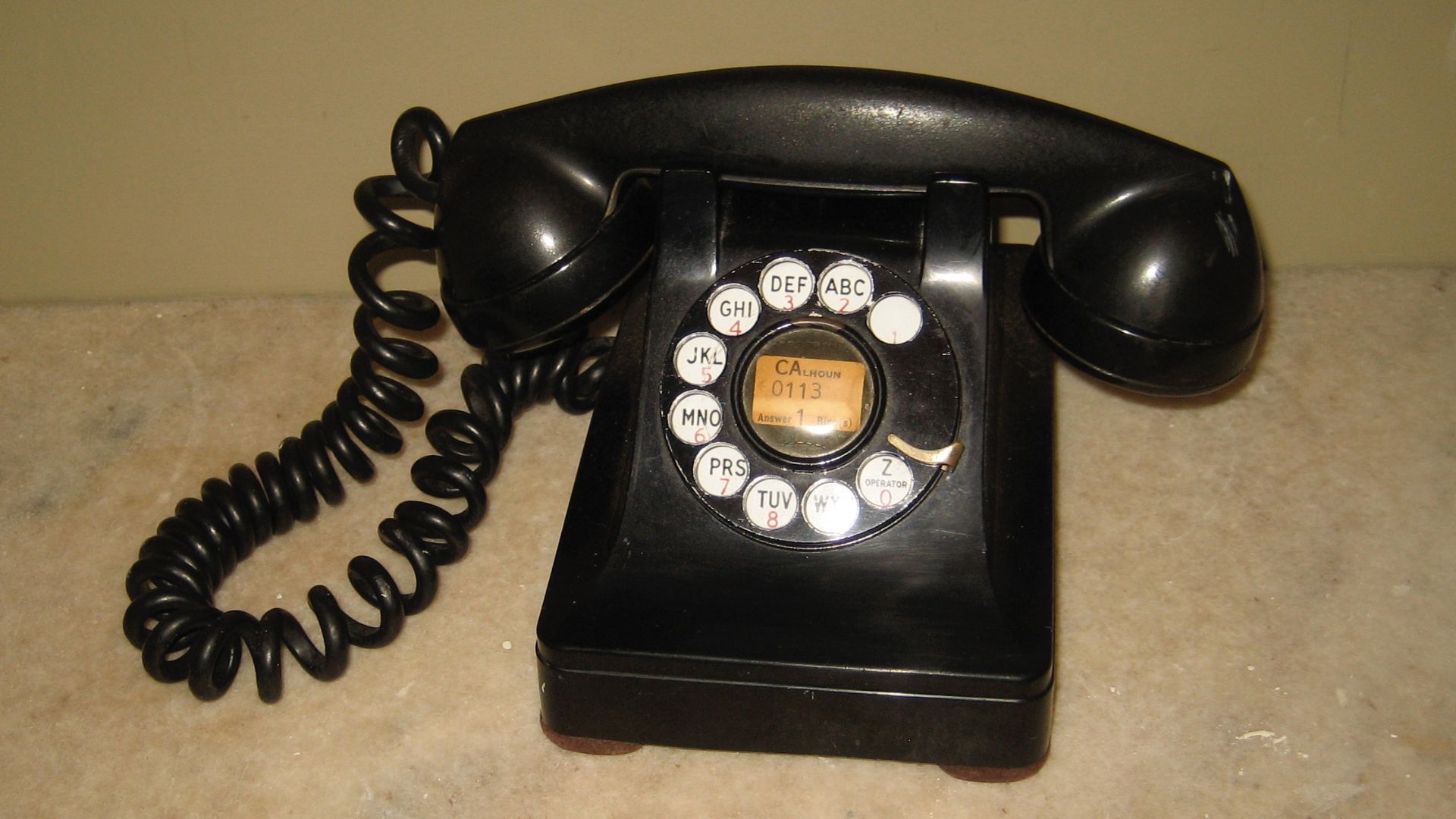
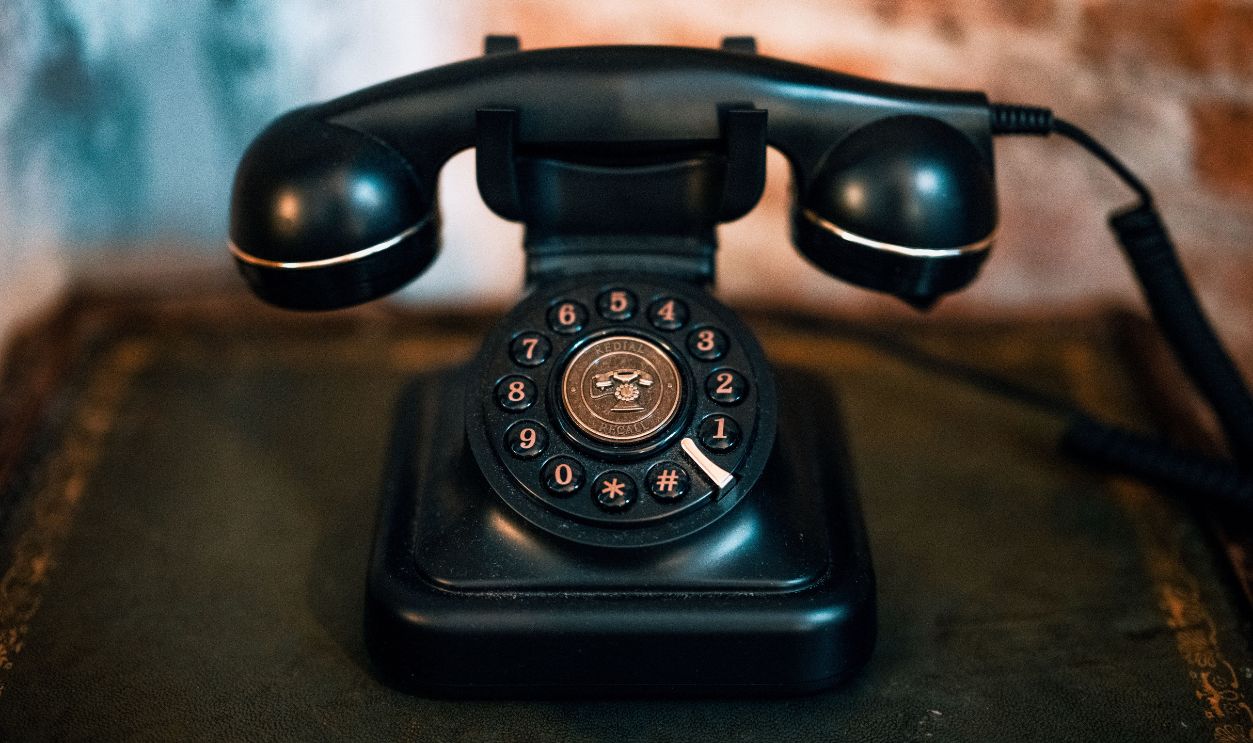
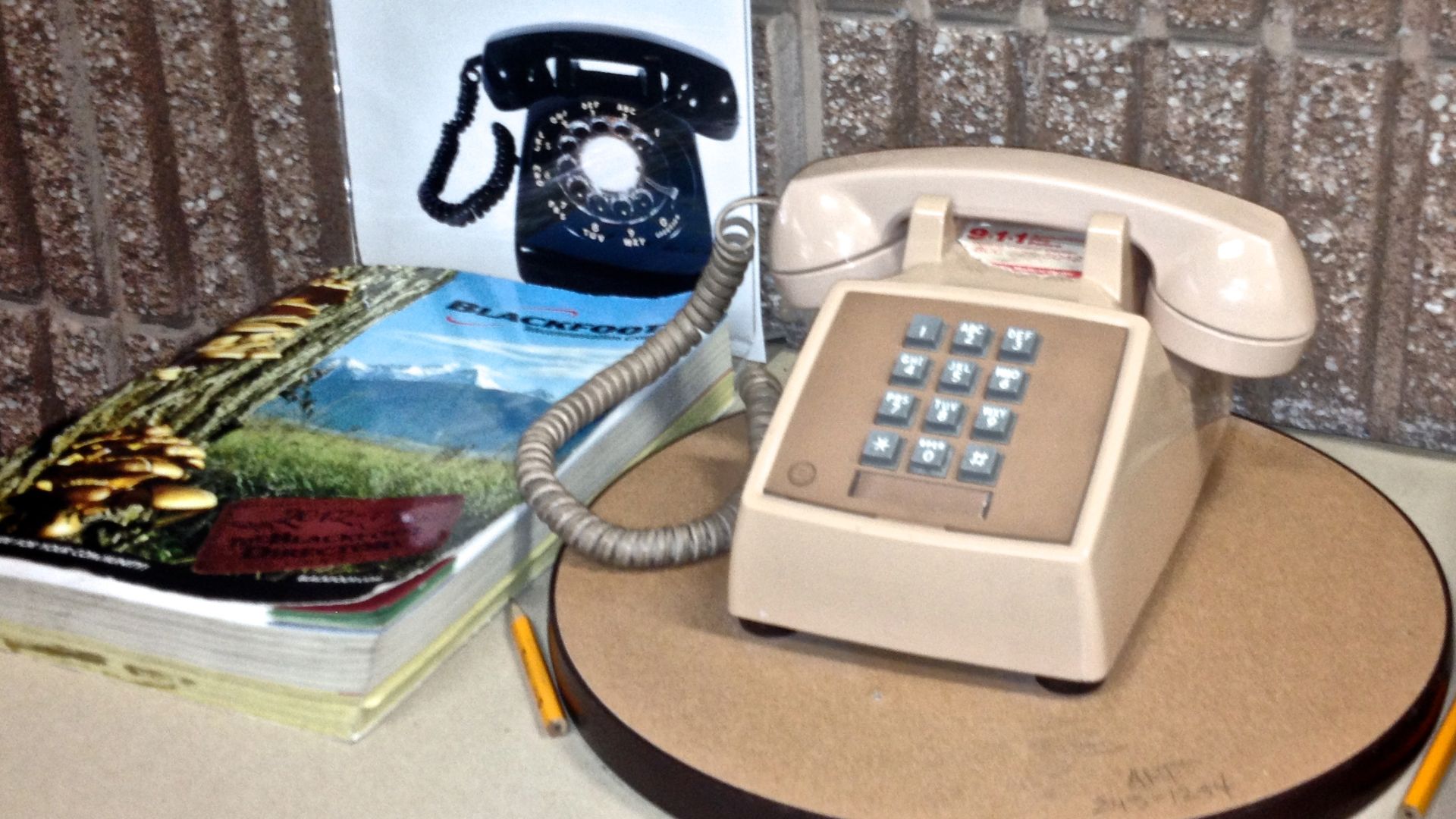
There was something strangely satisfying about sticking your finger into a rotary dial, pulling it around, and listening as it clicked its way back. Making a call meant repeating that little ritual for every digit, and one mistake near the end meant starting over. For countless Boomer kids, Grandma's telephone was also extremely tempting to play with. Unfortunately, the telephone sometimes came with another surprise.
Sometimes The Neighbors Were On The Phone Too
Some grandparents still had party-line telephone service, meaning multiple households shared the same line. Pick up the receiver at the wrong moment and you might discover that somebody down the road was already having a conversation. Telephone directories even printed etiquette instructions reminding subscribers not to monopolize shared lines. Suddenly, accidentally overhearing the neighbors was not snooping. It was a technological hazard.
 Infrogmation of New Orleans, Wikimedia Commons
The Telephone Had Its Own Furniture
In some homes, the telephone was important enough to get a dedicated place to sit. Telephone benches combined a small seat with a shelf or table for the phone, creating the perfect spot for settling into a long conversation. There was no wandering around the house while talking, either, unless that cord was extraordinarily long. And sitting nearby was another object that has almost completely disappeared.
Everybody In Town Was In This Giant Book
Before contact lists and internet searches, there was the telephone directory. These thick books listed local names and telephone numbers alphabetically, while many also contained dialing instructions and other information about using the phone system. Finding someone could mean running a finger down a crowded column of tiny print. Grandma might even have kept hers directly beneath the telephone.
Those Green Stamps Were Basically Treasure
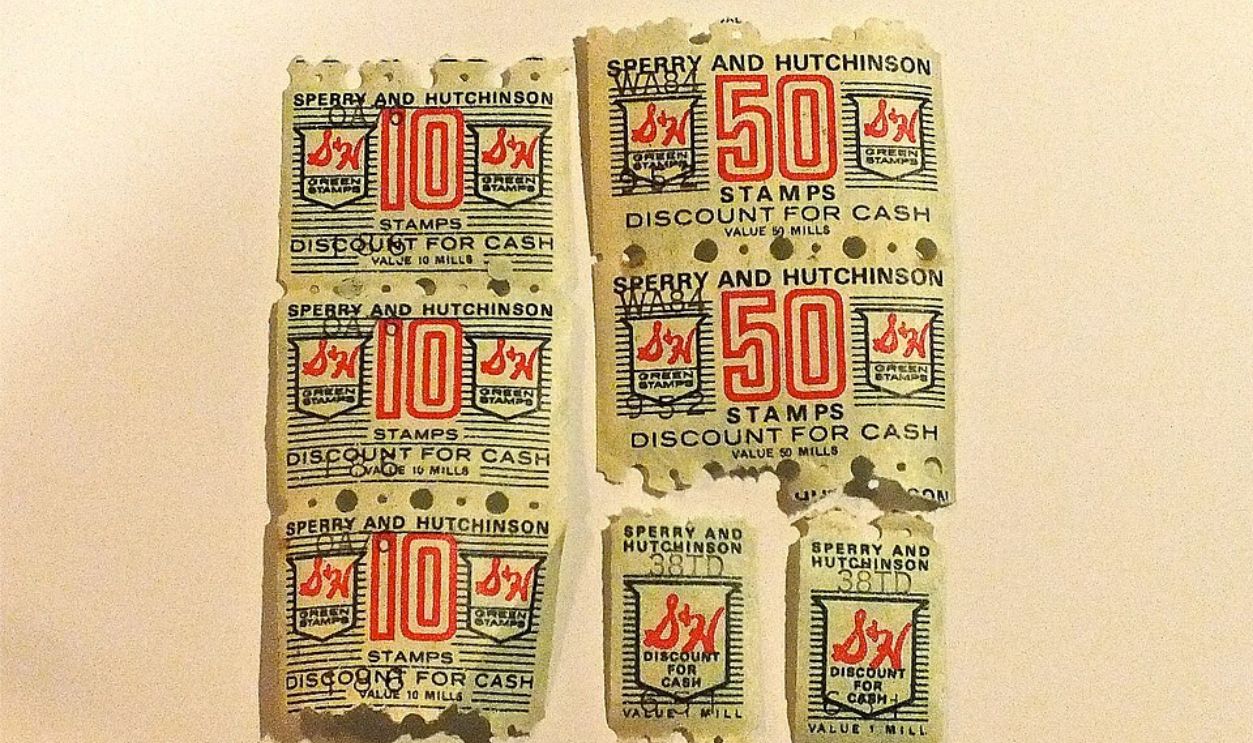
A drawer full of little green stamps did not contain postage. S&H Green Stamps were handed out by participating retailers, and shoppers saved them until they had enough to fill special books. Those books could then be redeemed for merchandise, and by the 1960s the program had become enormous across the United States. For children enlisted to lick and paste the stamps, however, earning that toaster or lamp required some surprisingly sticky labor.
 Cayobo from Key West, The Conch Republic, CC BY 2.0, Wikimedia Commons
The Metal Ice Tray Could Fight Back
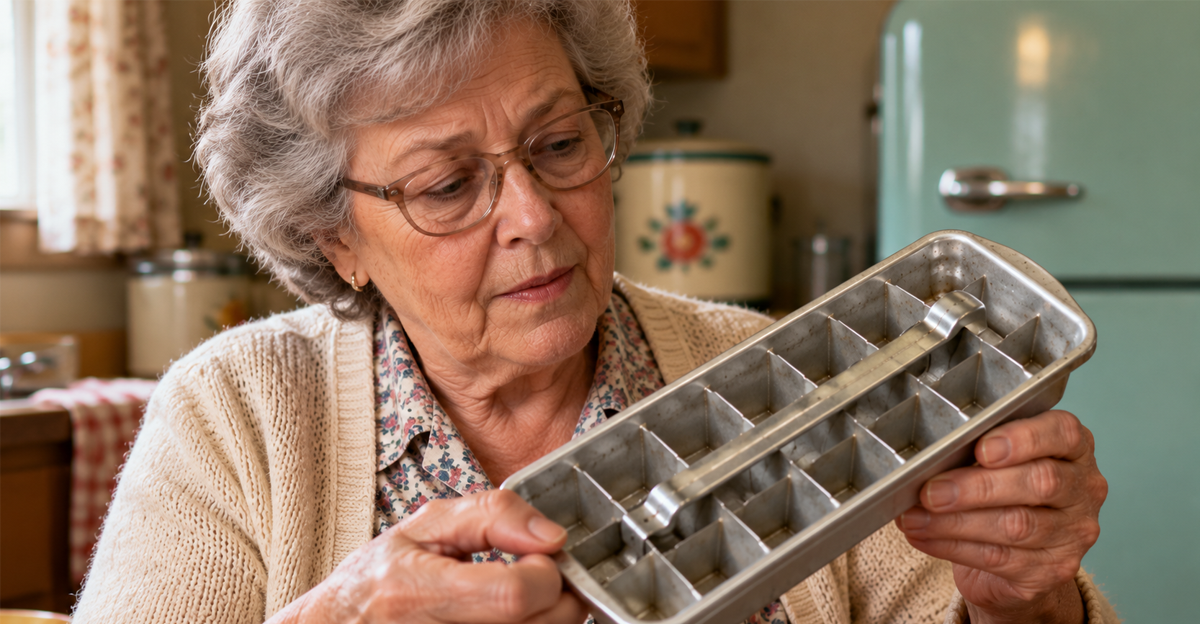
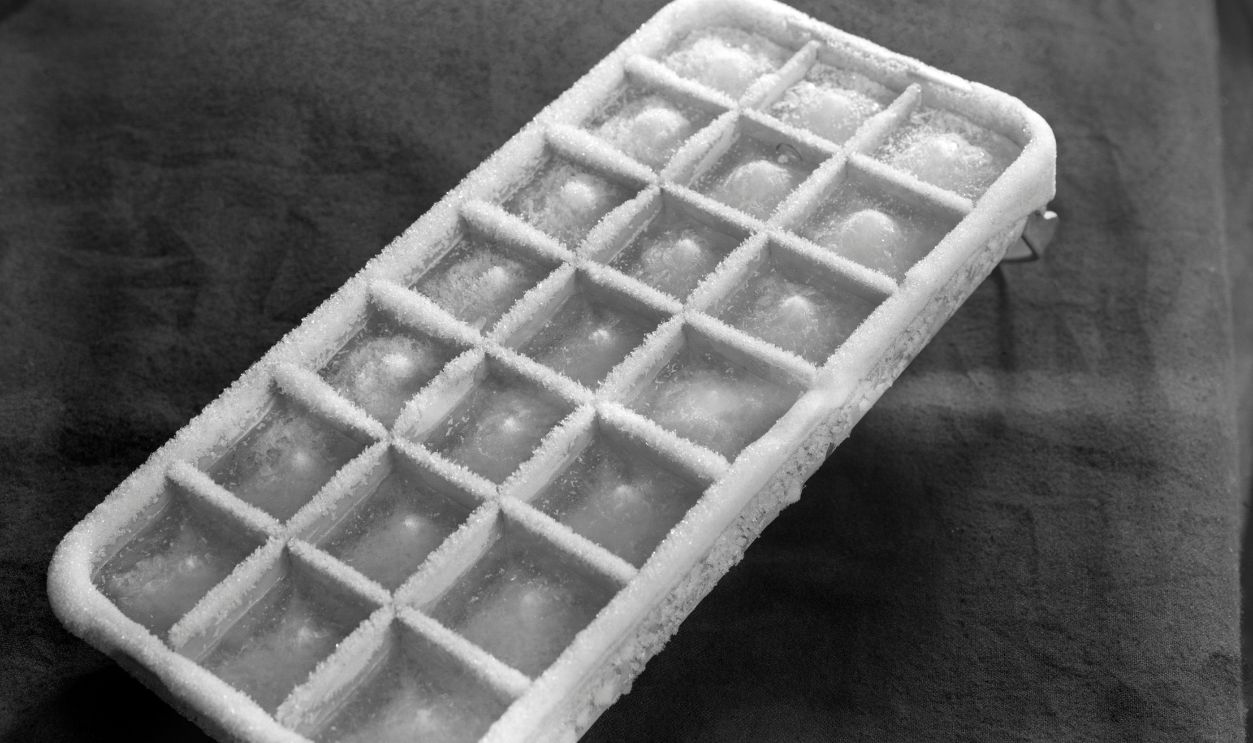
Long before flexible plastic trays, freezers commonly held metal ice cube trays with a lever across the top. Pulling that handle helped break the frozen cubes free from their metal dividers. Anyone who remembers wrestling with one can probably also remember how stubbornly cold metal could cling to damp fingers. Yet that was downright futuristic compared with what some grandparents still had sitting around.
That Wooden Cabinet Was Once A Refrigerator
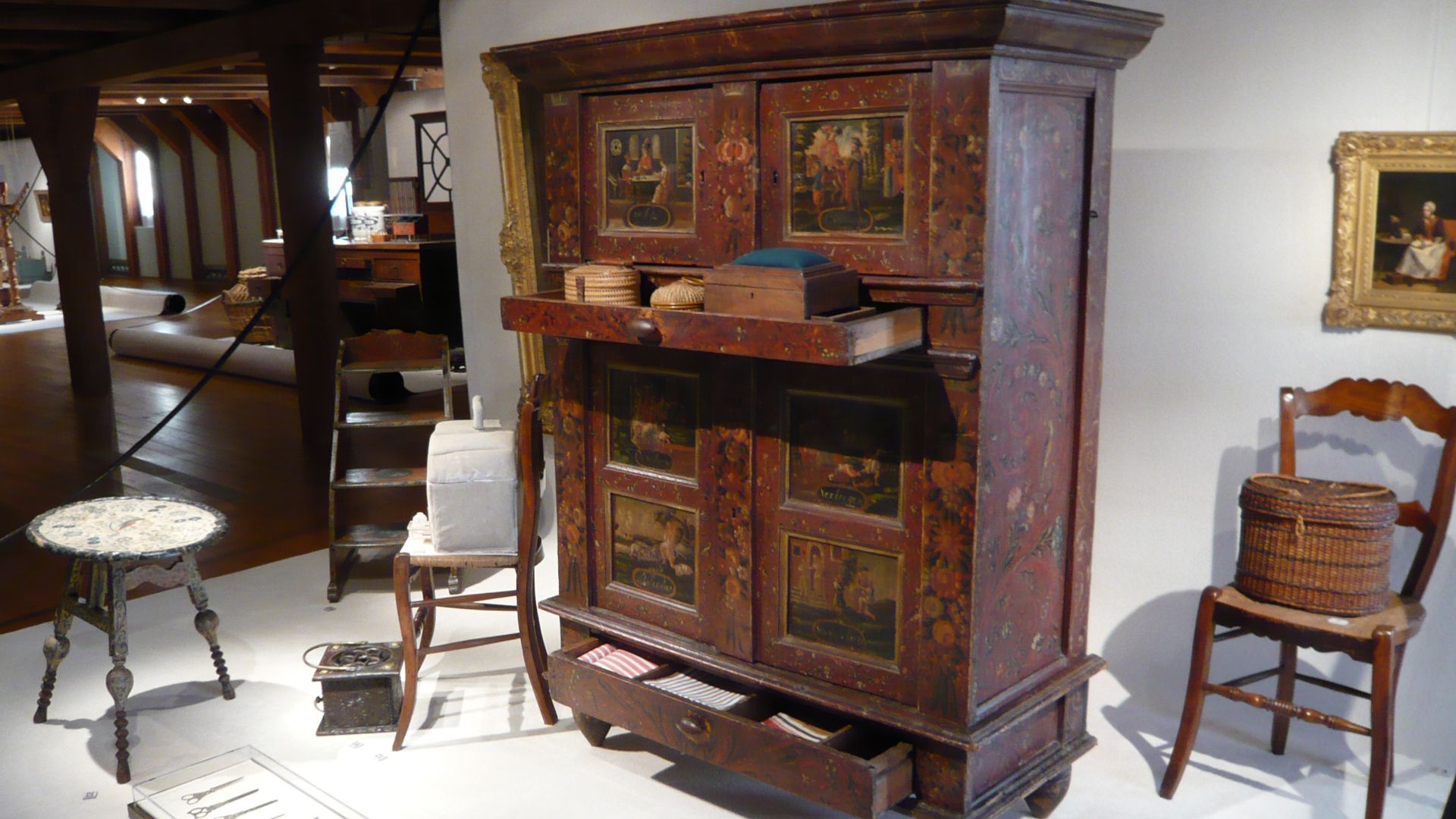
An old wooden cabinet in a basement, pantry, or back room might once have been an icebox. Before electric refrigerators became commonplace, a large block of ice sat inside an insulated compartment and kept food cool as it slowly melted. By 1944, refrigerators were already in 85 percent of American households, so most Boomer children were not growing up dependent on an iceman. But an old icebox could easily survive for decades as storage, leaving kids to wonder why Grandma owned a cupboard with such unusually thick doors.
 Jane023 (talk) 17:30, 25 January 2011 (UTC), Wikimedia Commons
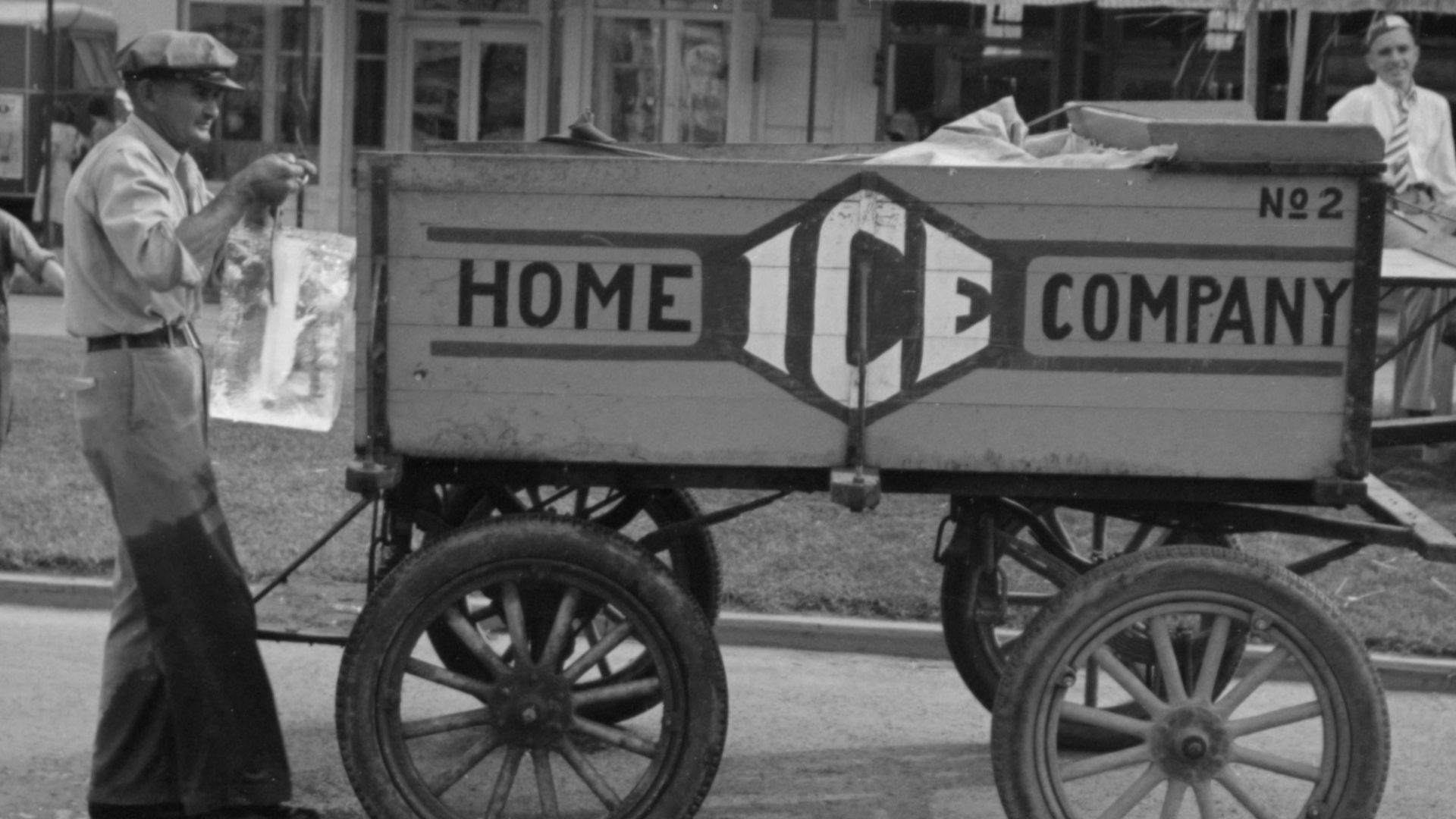
That Strange Card Was For The Iceman
If an even older relic survived alongside the icebox, it might have been a numbered ice-delivery card. Households could put a sign in the window telling the iceman that they needed another block, sometimes indicating whether they wanted 25, 50, 75, or 100 pounds. The iceman would haul the enormous block inside using specialized tongs. For a child accustomed to opening the freezer and finding ice waiting inside, the entire arrangement must have sounded prehistoric.
 Russell Lee, Wikimedia Commons

History's most fascinating stories and darkest secrets, delivered to your inbox daily.
Empty Milk Bottles Had Somewhere To Go
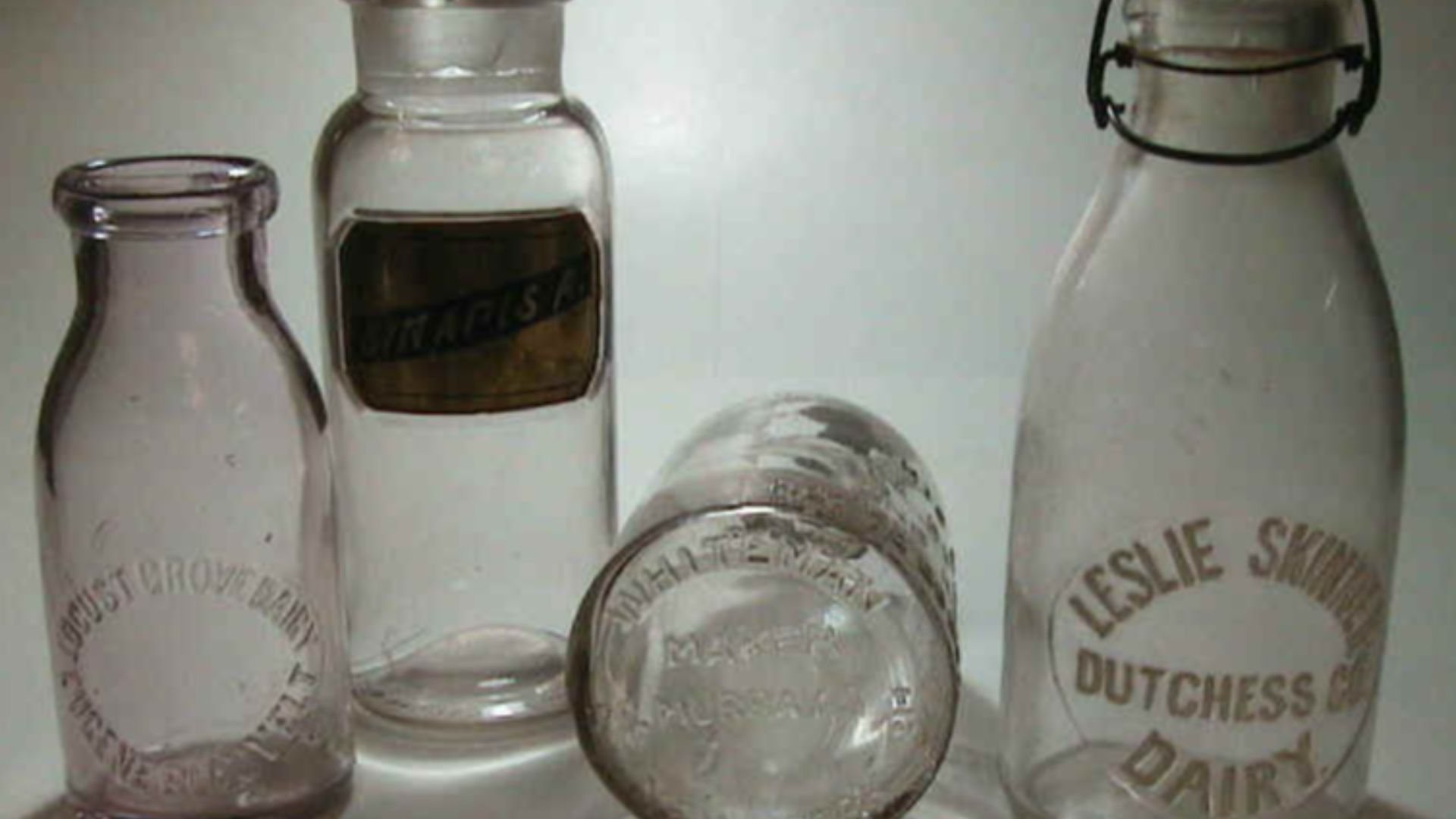
Glass milk bottles were not automatically thrown away when they were empty. Home milk delivery allowed families to receive dairy products at their door, while empty reusable bottles could be collected again. Customers could also leave instructions for the deliveryman about what they needed. That familiar clink of glass bottles around the porch belonged to a morning routine that has largely disappeared from American life.
 Potomacbase at English Wikipedia, Wikimedia Commons
This Wooden Contraption Made Butter
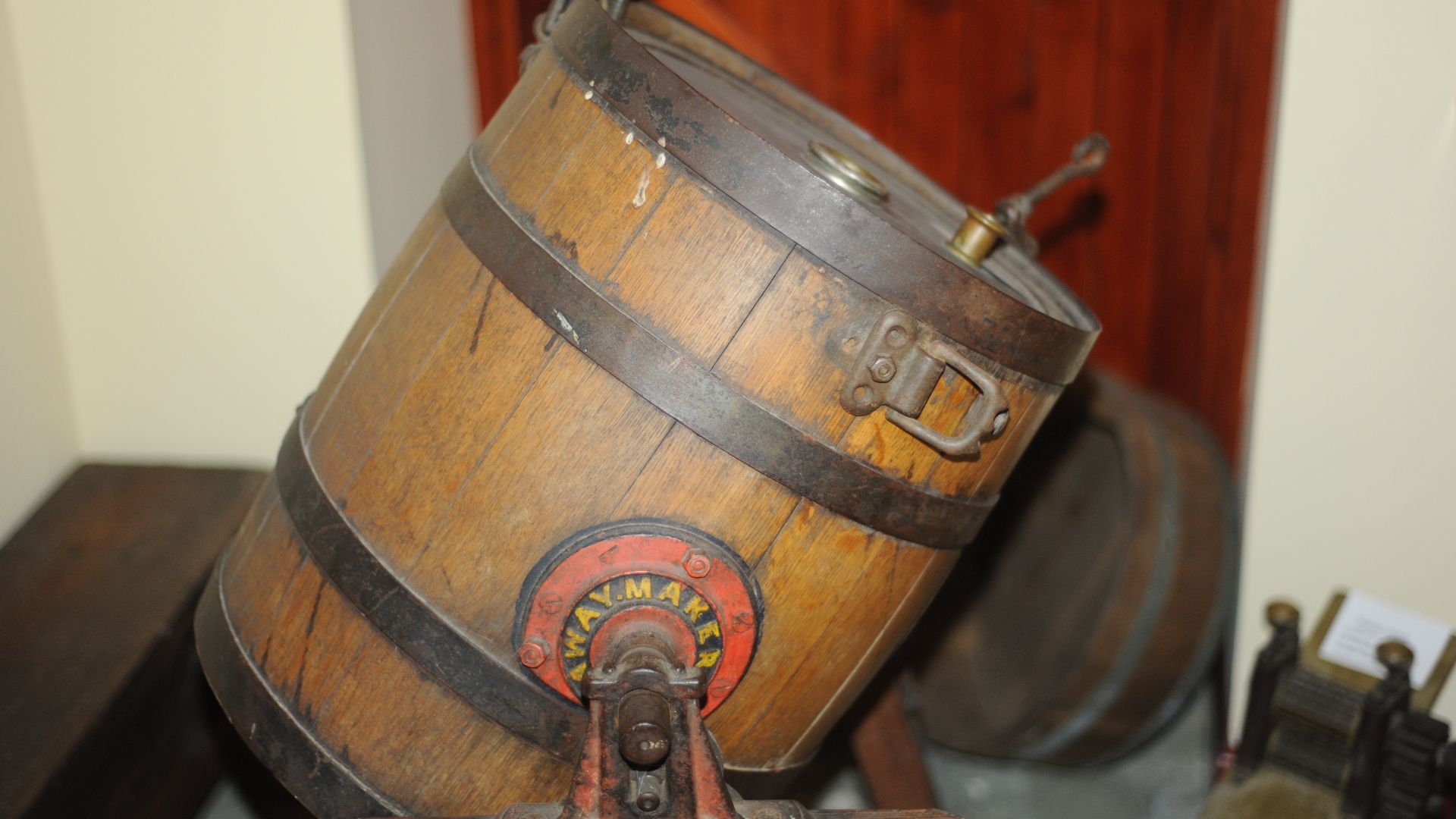
The tall wooden container with a stick protruding from the top was not just rustic decoration. A traditional churn agitated cream until the fat gathered together into butter. By the Boomer era, buying butter at the grocery store was thoroughly normal, but old churns could remain in farmhouses and family homes long after their working lives ended. Grandma knew exactly what it was. The grandchildren might have been considerably less certain.
Mason Jars Weren't Trendy Yet
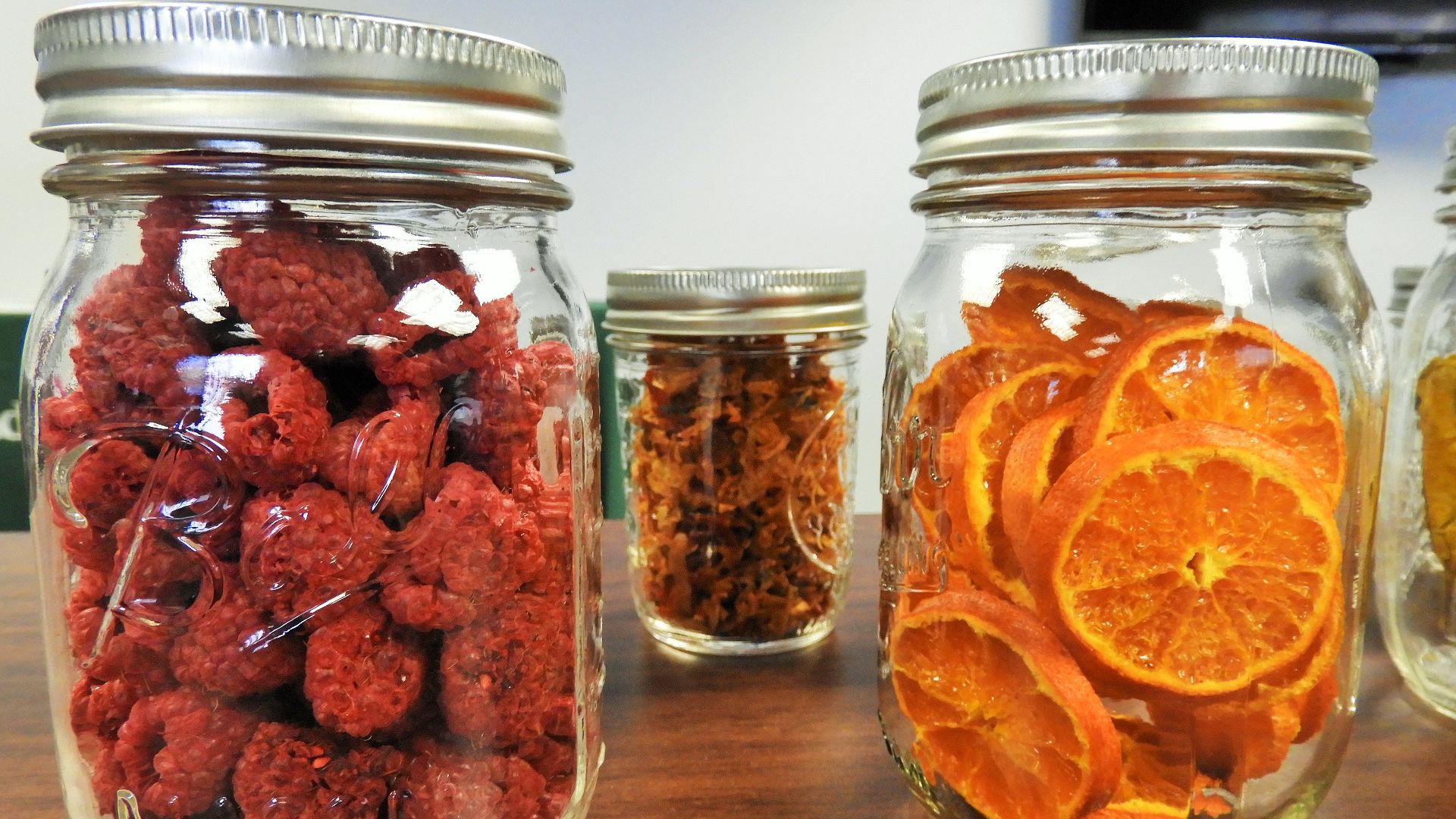
Long before Mason jars became drinking glasses and wedding decorations, shelves of them represented real work. Home canners filled jars with fruits, vegetables, jams, pickles, and other foods to preserve them for later. In households that maintained gardens, summer produce could reappear on the dinner table months after the growing season ended. Those colorful rows in Grandma's pantry were not there for the aesthetic.
 Nutrition, Food Safety & Health, Wikimedia Commons
The Coffee Pot Made Its Own Soundtrack
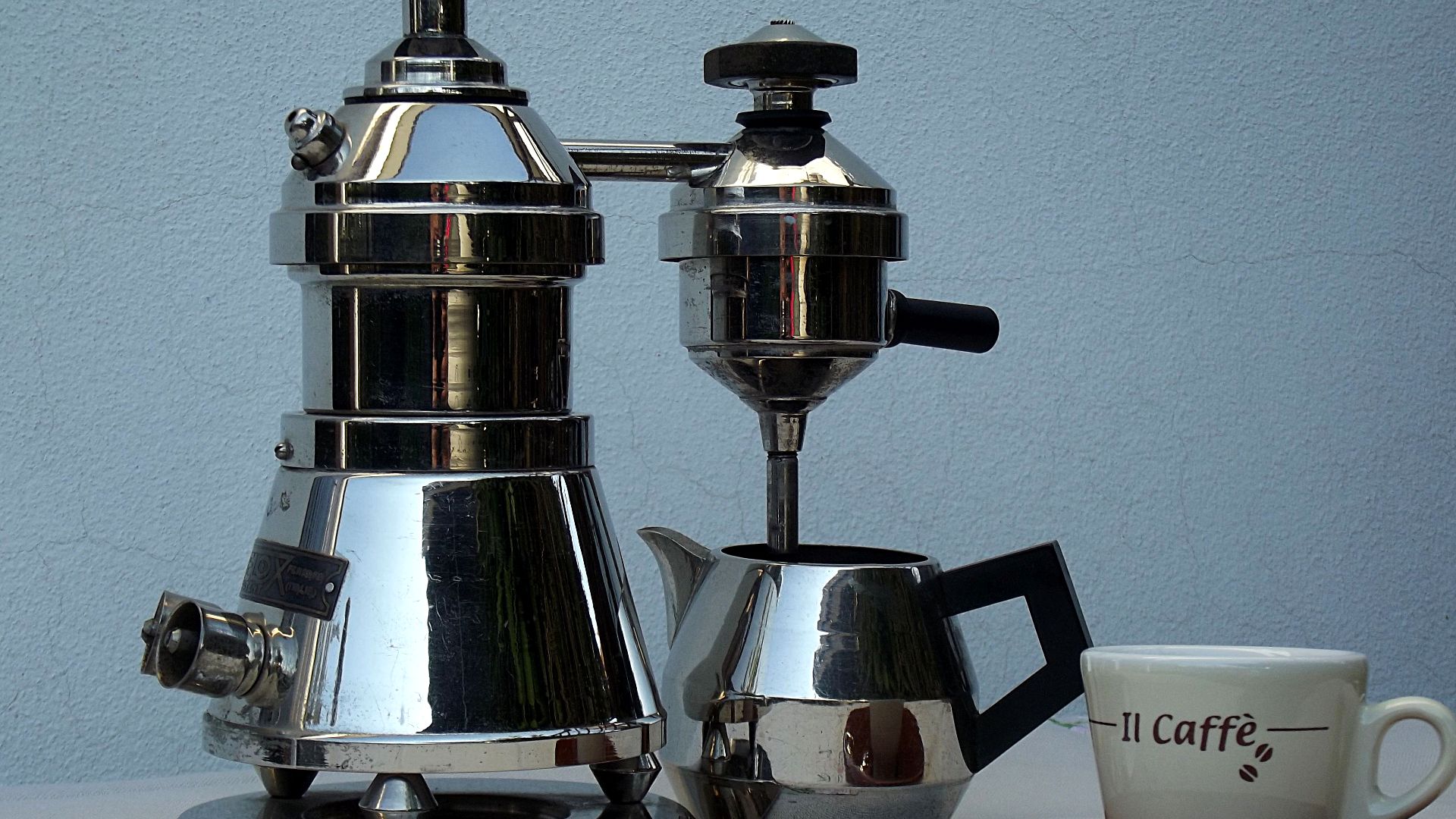
Long before single-serve pods, plenty of American kitchens started the morning with a coffee percolator. As the water heated, it repeatedly circulated through the coffee grounds, producing that unmistakable bubbling and burbling from the kitchen counter or stove. Electric percolators became a familiar postwar appliance before automatic drip coffeemakers eventually displaced them in many homes. For some Boomers, the sound alone still says Grandma's kitchen.
This Gadget Beat Eggs Without A Plug
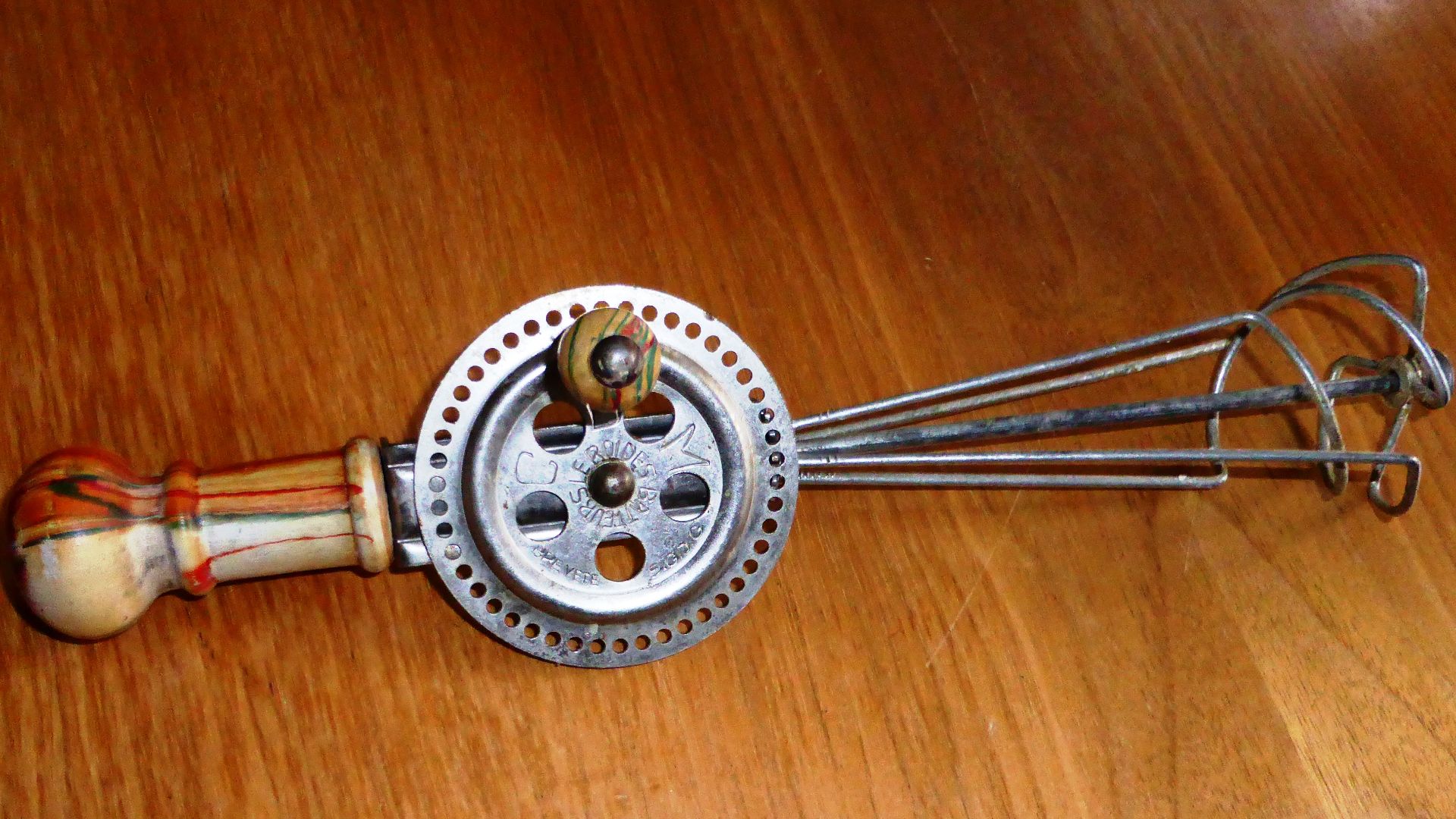
The hand-cranked egg beater looked like someone had raided a toolbox to make a kitchen utensil. Turning the handle spun a pair of metal beaters below, allowing cooks to whip eggs and mix ingredients without electricity. They were simple, durable, and easy to keep in a drawer for years. A child could also discover very quickly that turning the crank without anything in the bowl was far more entertaining than actually helping.
 Schmeissnerro, Wikimedia Commons
A Church Key Wasn't For Sunday Morning
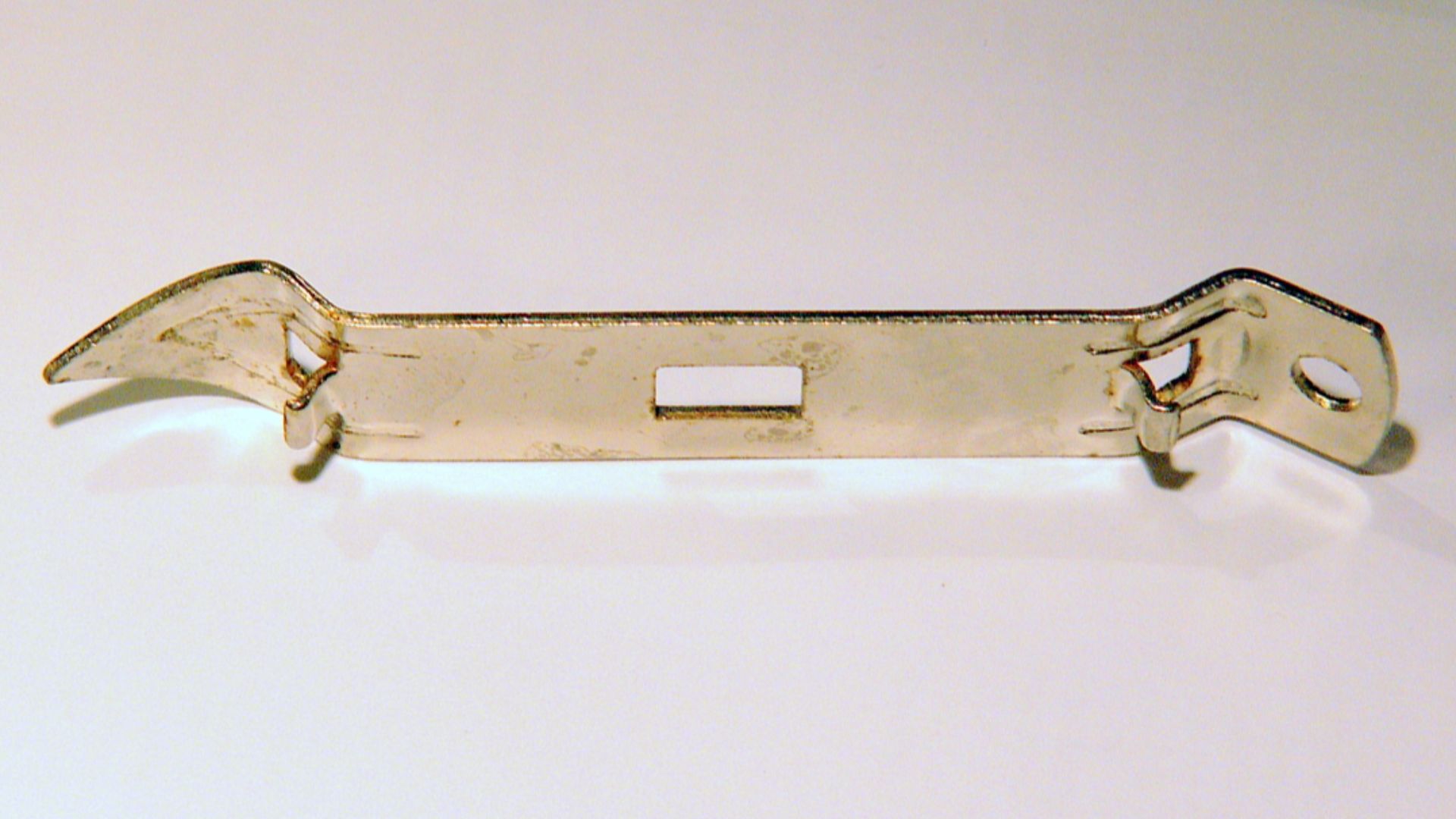
Ask a younger person for a church key and they may understandably wonder which door you mean. The nickname was commonly applied to small metal bottle and can openers, including pointed versions used to punch triangular holes into cans. Before pull tabs became standard, opening certain drinks or canned liquids required an actual tool. Grandma's kitchen drawer could therefore contain several pieces of metal whose purposes were anything but obvious.
The Sewing Machine Worked Like Exercise Equipment
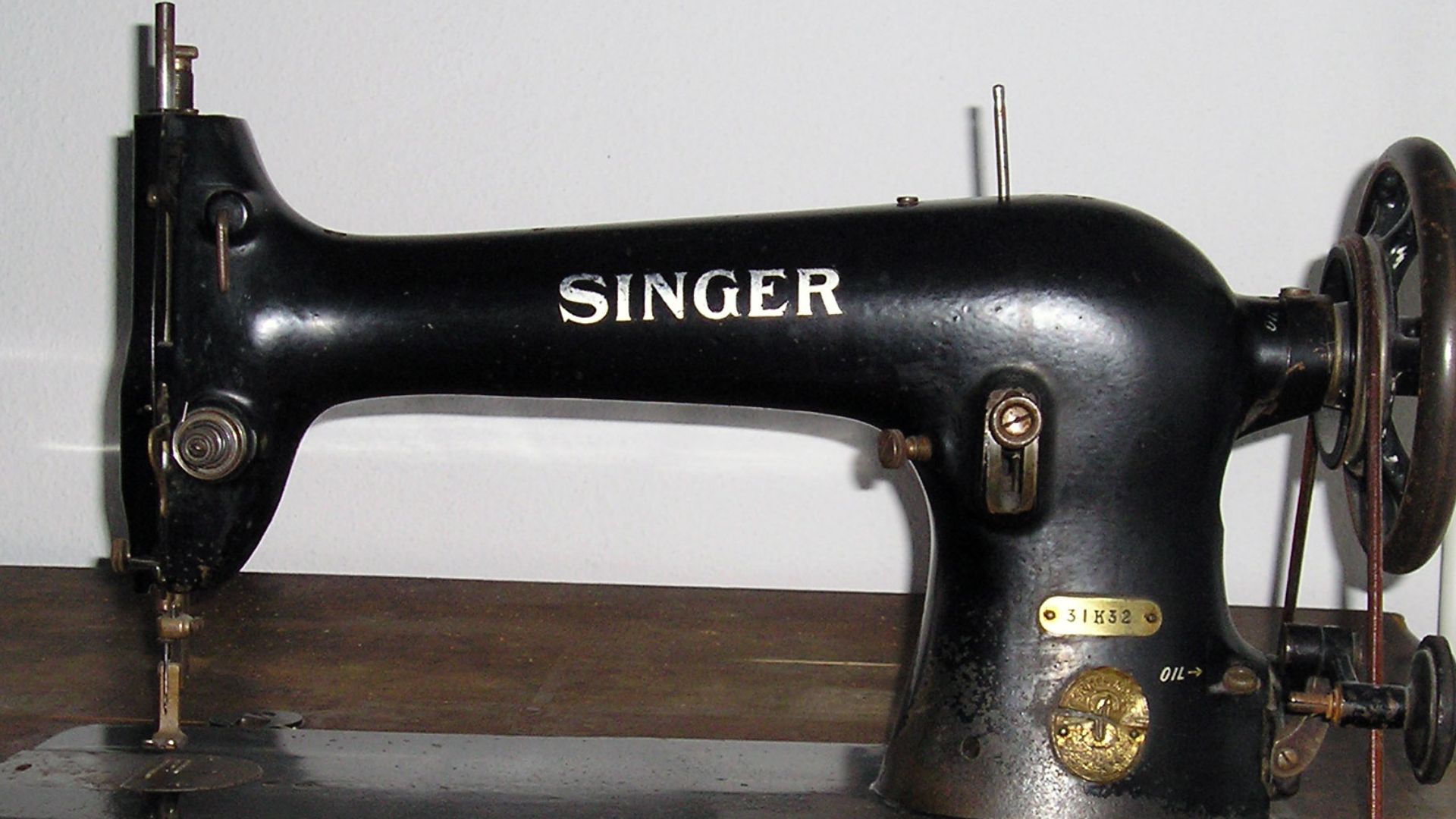
That beautiful old sewing machine in Grandma's spare room might have worked without being plugged in at all. Treadle sewing machines used foot power, with the operator pumping a pedal below the table to drive the mechanism. Their heavy cast-iron bases and wooden cabinets also made them substantial pieces of furniture. Even after newer electric machines arrived, the old treadle was not exactly something a family casually tossed in the garbage.
 Vincent de Groot - http://www.videgro.net, Wikimedia Commons
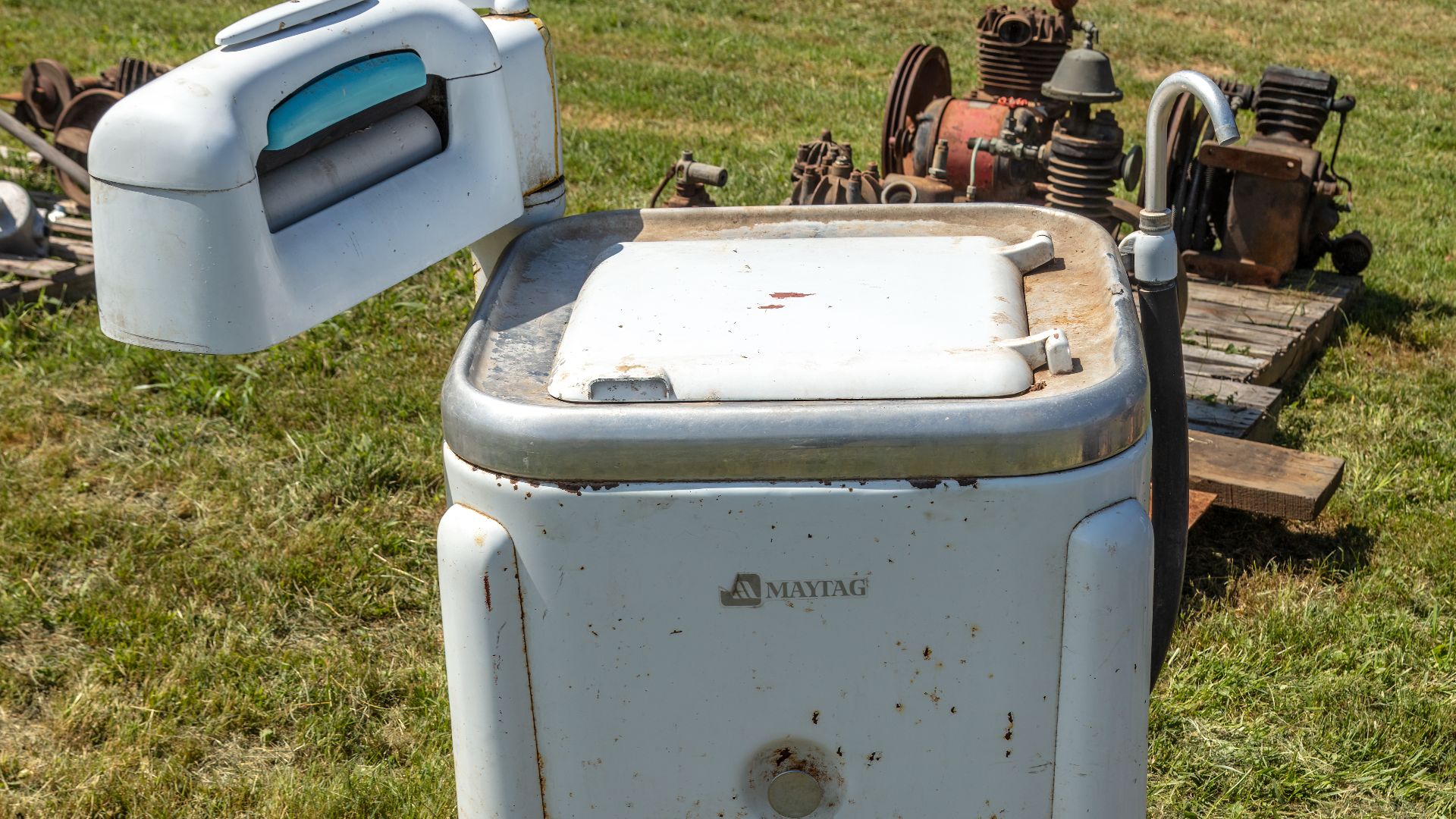
Laundry Day Had A Dangerous-Looking Machine
Before modern washers could spin away most of the water, wet clothes could be passed through a wringer. Two rollers squeezed the fabric while a crank or motor pulled it through, forcing excess water back into the tub. The process worked, but those rollers were not something you wanted curious fingers getting near. Plenty of children learned that particular household rule without needing to hear it twice.
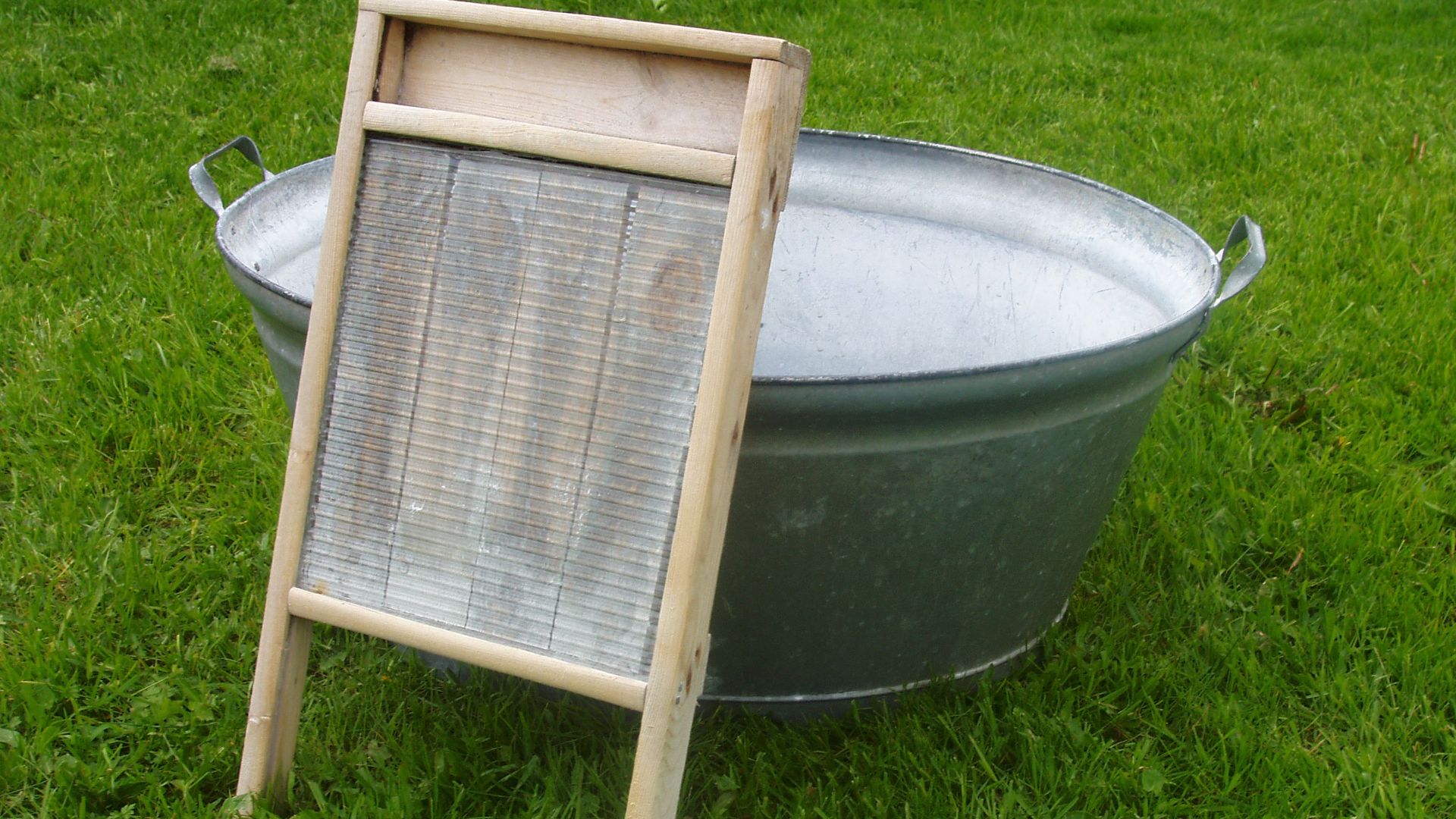
Grandma Might Still Have Had A Washboard
The washboard hanging on a wall was not originally rustic decoration either. Clothing could be rubbed against its ridged surface with soap and water to loosen dirt, making laundry a far more physical job than pressing a button. Washboards continued to evoke very real memories for people who had used them before automatic washing machines took over. And getting the clothes clean was only part of the work.
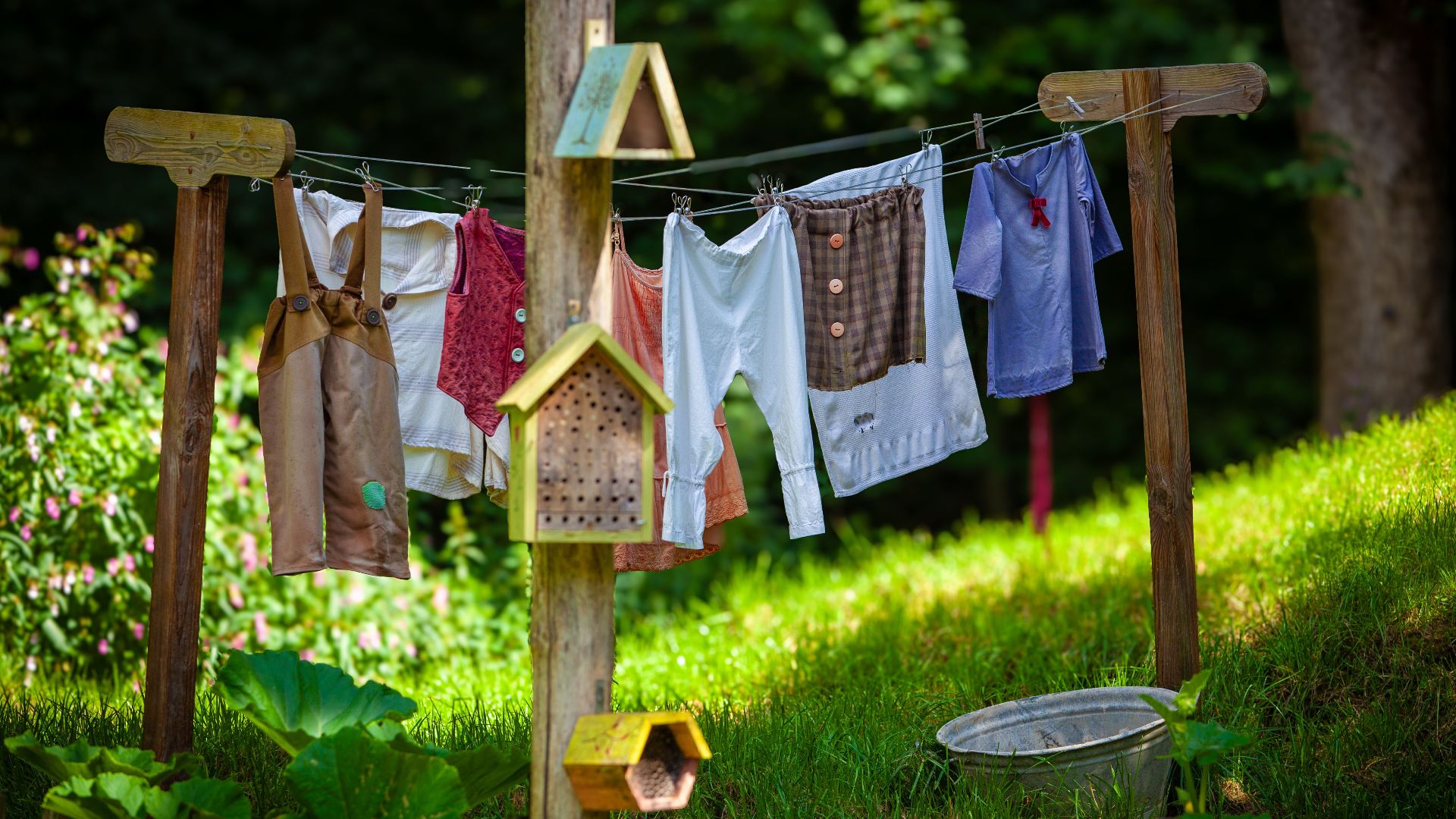
Then Everything Went Out On The Line
A clothesline full of shirts, sheets, and towels was once an ordinary sight behind American homes. Clothespins held everything in place while sun and moving air did the work of an electric dryer. Sheets could come back inside carrying that unmistakable outdoor smell, although sudden rain could turn laundry day into a frantic sprint through the yard. Grandma did not get a phone notification warning that a shower was approaching.
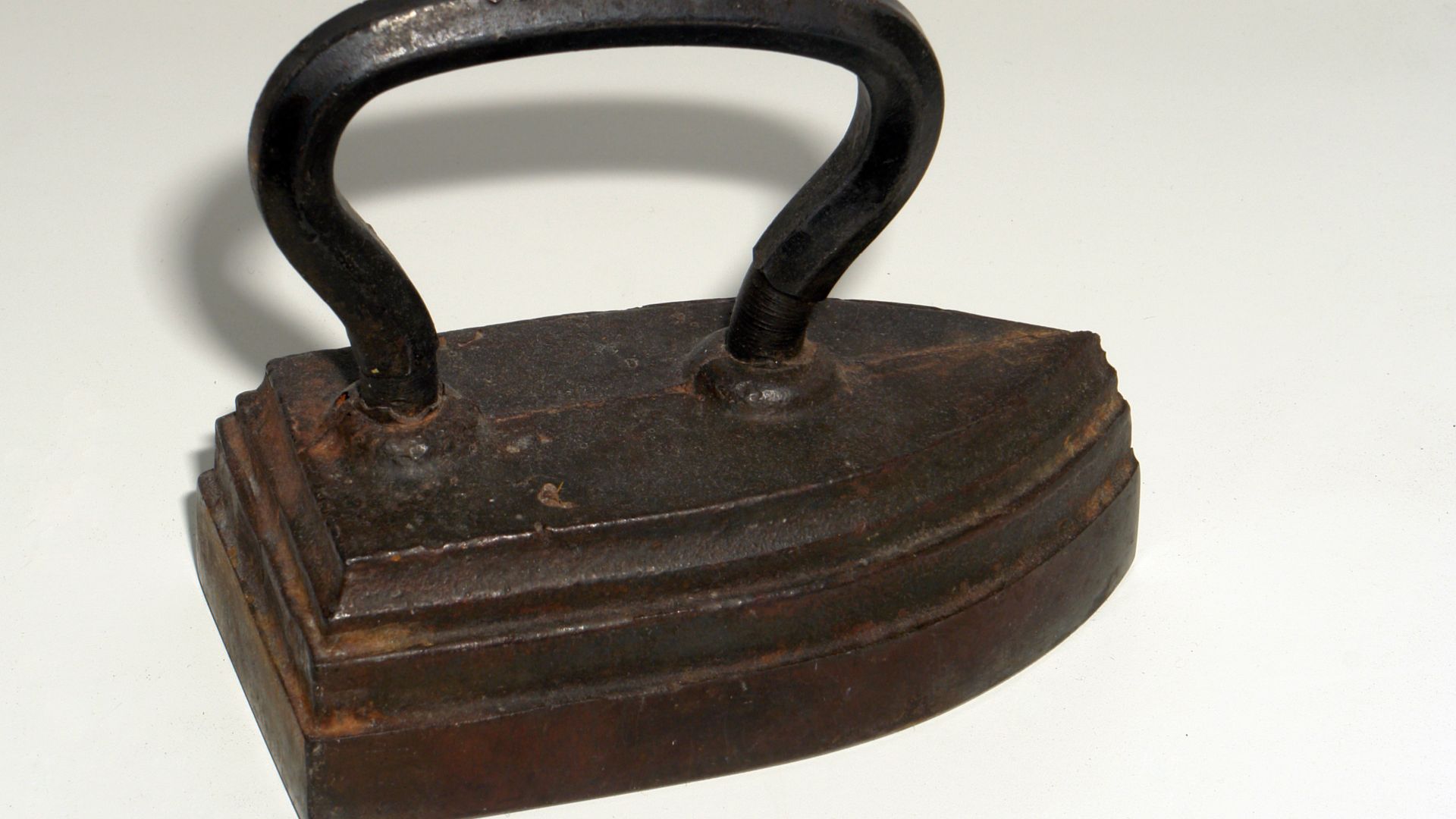
The Iron Was Once Literally A Chunk Of Iron
Some grandparents still owned heavy old irons that had to be heated rather than plugged into an outlet. The so-called sad iron took its name from an older use of "sad" meaning solid or heavy, an accurate description for a tool made largely of metal. Several could be heated so the user could swap one for another as they cooled. Suddenly, complaining about dragging out an ironing board seems a little less justified.
 George Shuklin, Wikimedia Commons
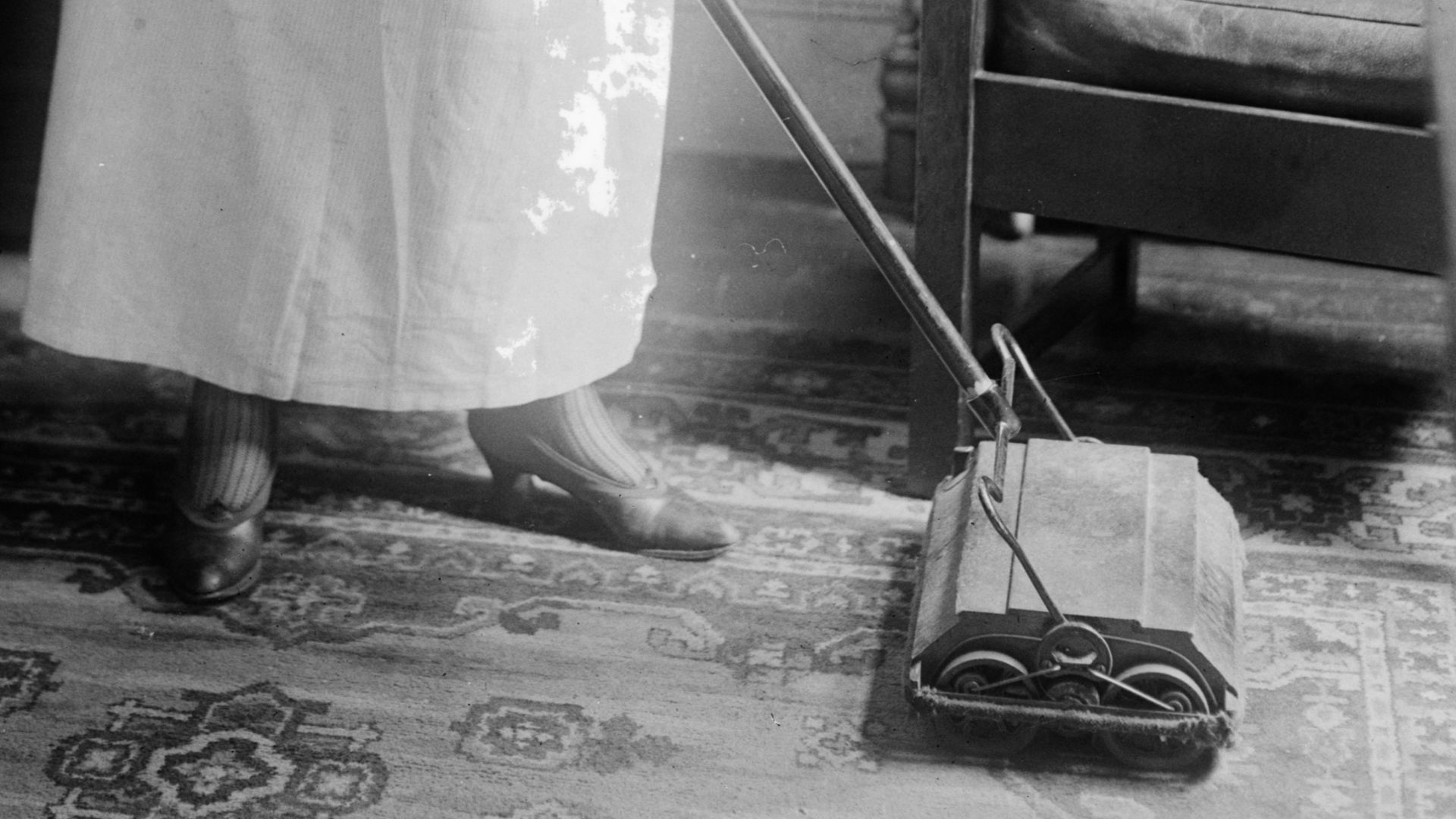
The Carpet Cleaner Didn't Need Electricity
Before every carpet-cleaning device needed a cord or battery, mechanical carpet sweepers offered a wonderfully quiet alternative. Pushing the sweeper across the floor turned brushes underneath, collecting crumbs and debris inside. They were handy for quick cleanups and some households kept using them even after electric vacuums became common. To a child, though, it looked suspiciously like a vacuum that someone had forgotten to plug in.
 Bain News Service, publisher, Wikimedia Commons
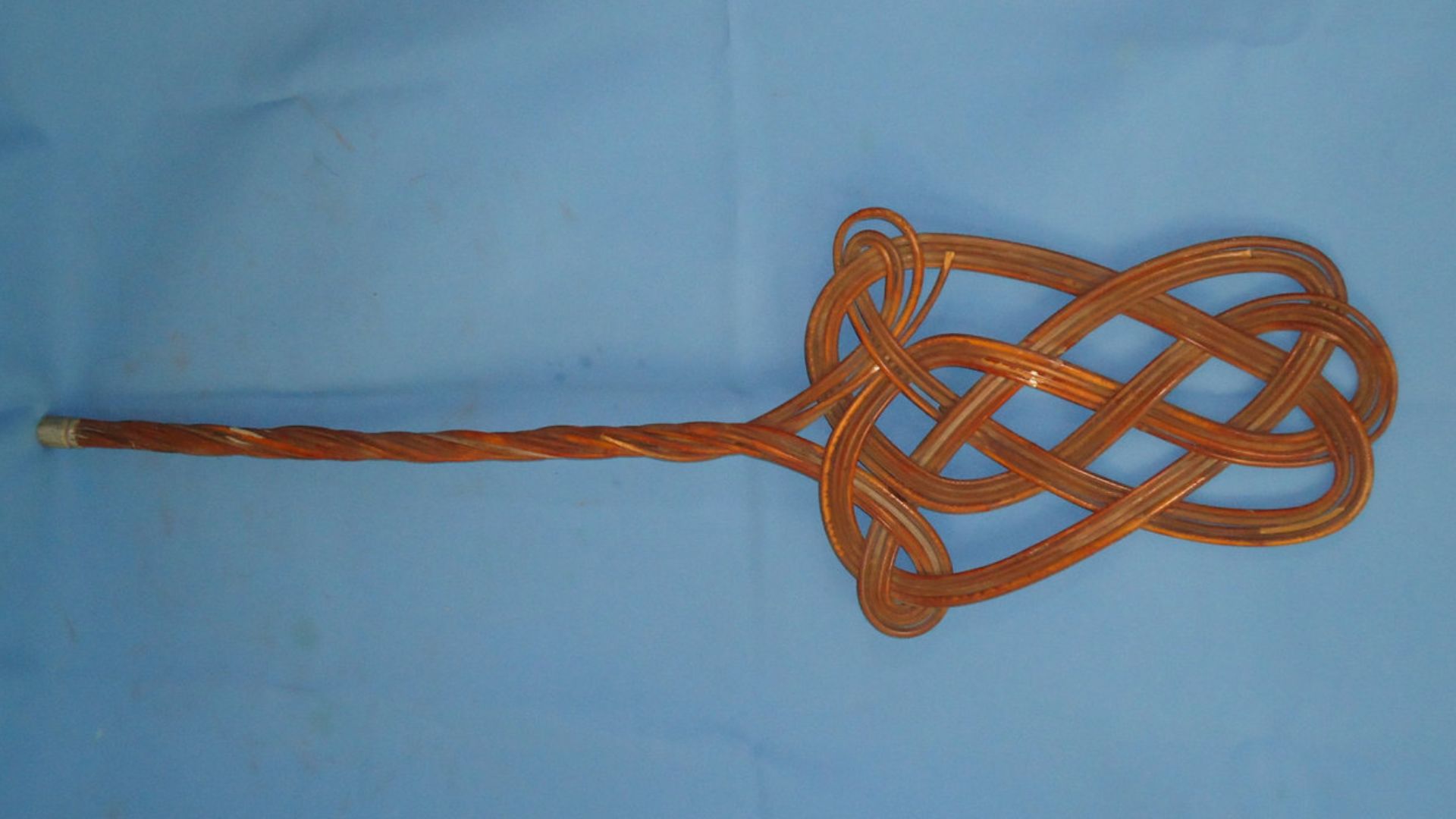
Some Rugs Were Simply Taken Outside And Hit
Deep cleaning could get considerably more aggressive. Rugs were sometimes carried outside, hung up, and struck with a carpet beater so embedded dust and dirt would shake loose. The beater itself often had a decorative-looking woven wire shape, making its purpose far from obvious when found hanging in a basement. Imagine explaining to a modern child that yes, Grandma sometimes cleaned the rug by beating it.
 Wicker Paradise from New Rochelle, United States, Wikimedia Commons
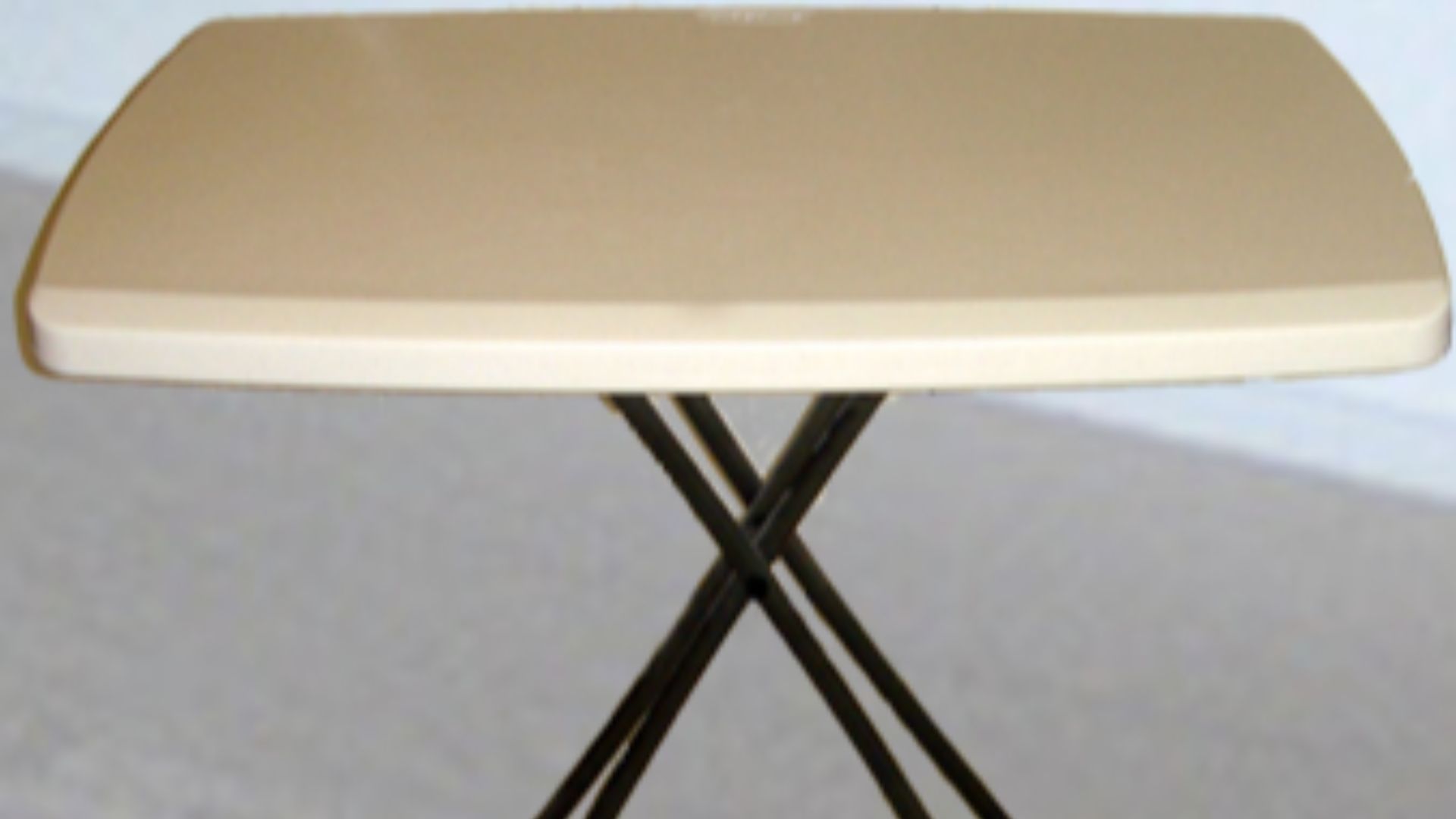
The TV Came With Dinner Furniture
Television changed more than entertainment. Folding TV trays gave families little individual tables that could be set up in front of the set, then collapsed and stored together when the program ended. By the mid-century era, eating while watching television had become part of American popular culture. For many Boomer children visiting their grandparents, getting to eat dinner in front of the TV could feel like a special privilege.
 GreenGlass1972, Wikimedia Commons
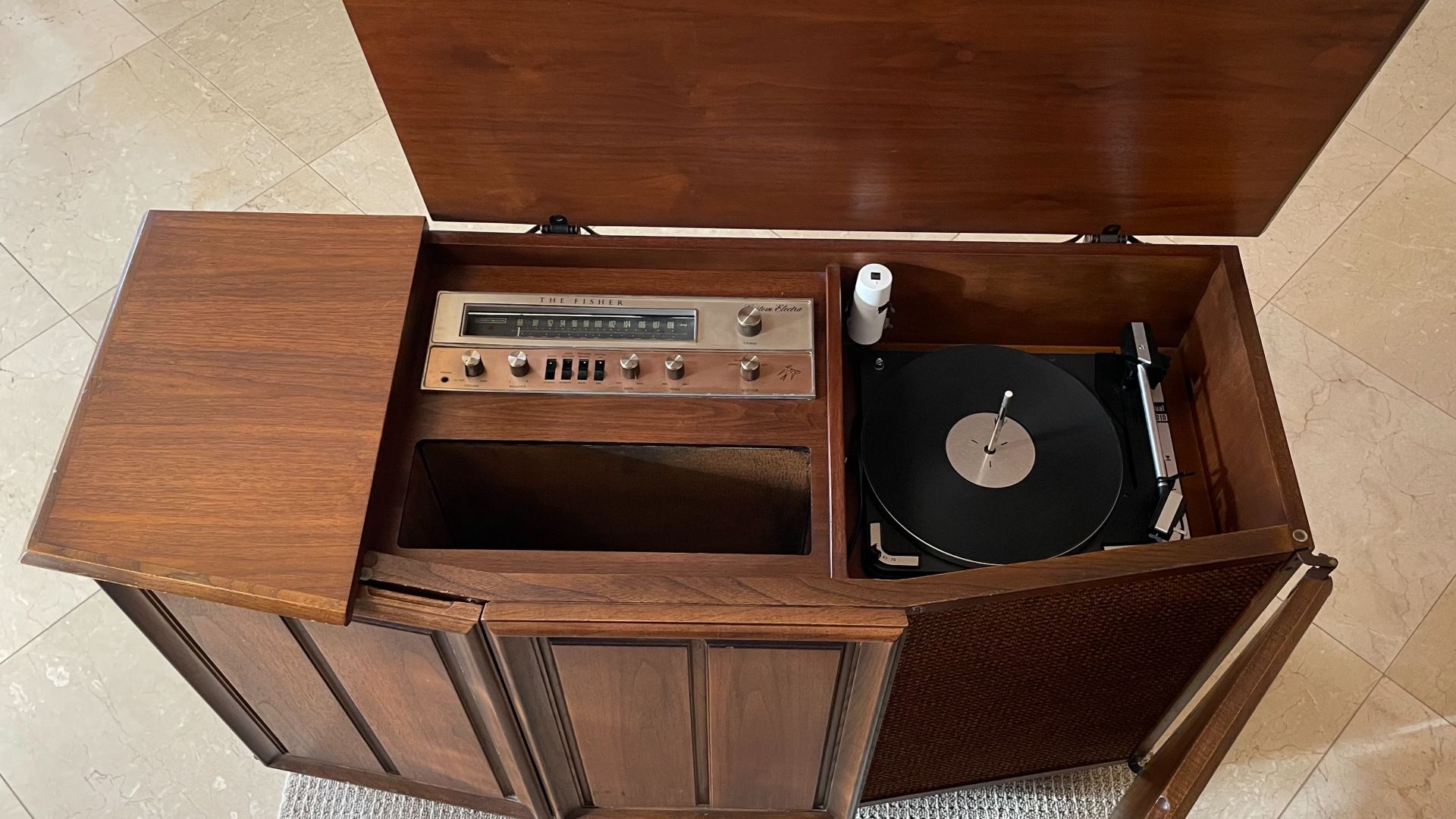
The Stereo Was As Big As The Television
Music did not always come from something you could carry in your pocket. Console stereos combined radios and record players inside large wooden cabinets designed to look like serious living-room furniture. Some were long enough to occupy a good portion of a wall, and opening the lid revealed the equipment hidden inside. Grandma did not have a Bluetooth speaker. She had what looked like a mahogany sideboard that suddenly started playing Frank Sinatra.
Those Thick Records Needed A Different Speed
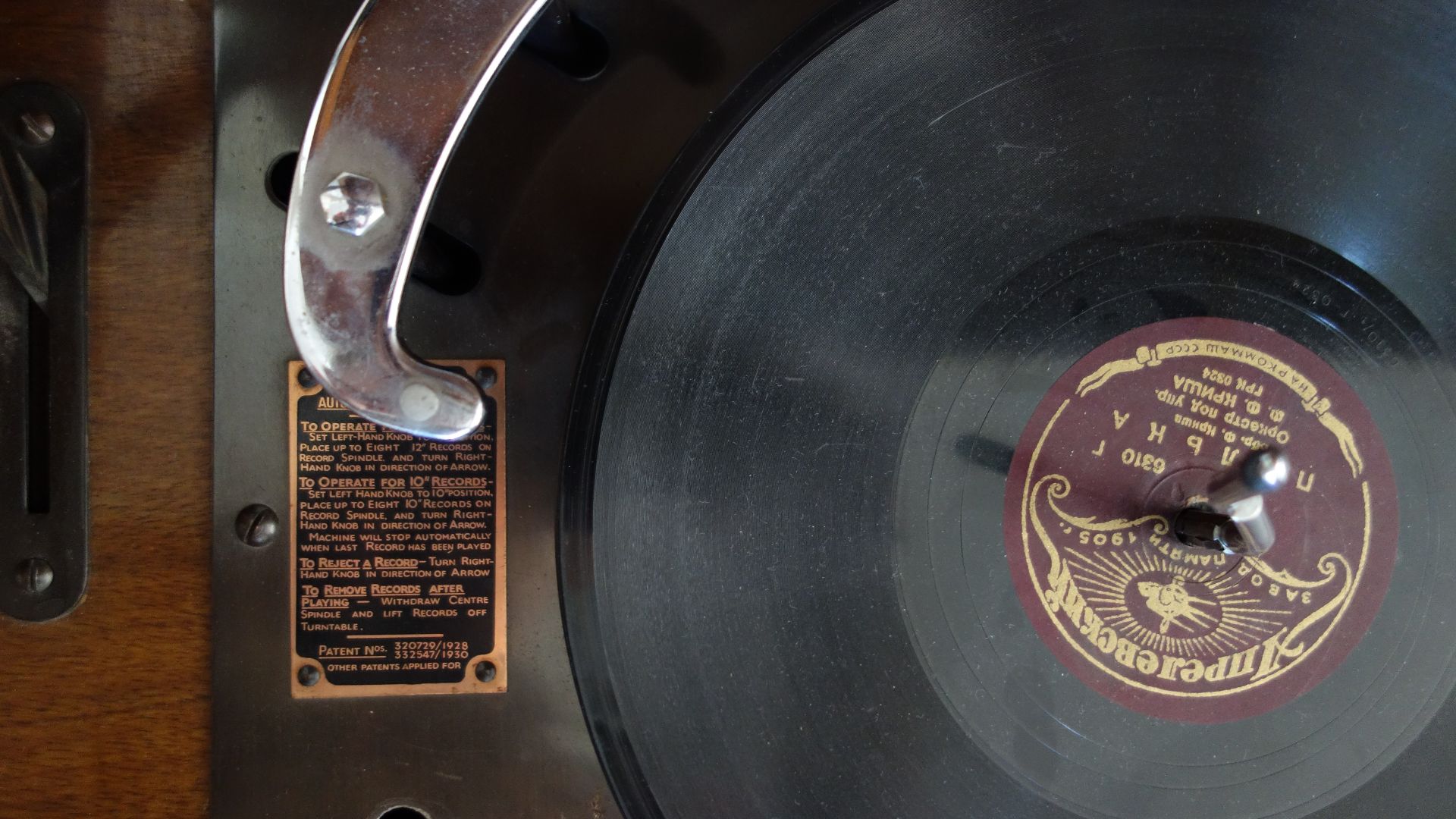
Older record collections could contain discs that did not behave like familiar LPs. The 78 rpm record spun considerably faster than the later 33⅓ rpm LP and was commonly made from shellac rather than vinyl. That material also made many old records more brittle than their vinyl successors. Dropping one of Grandpa's records could therefore produce a much worse outcome than simply scratching it.
 Serge Zykov, Wikimedia Commons
The Camera Didn't Show You What You'd Taken
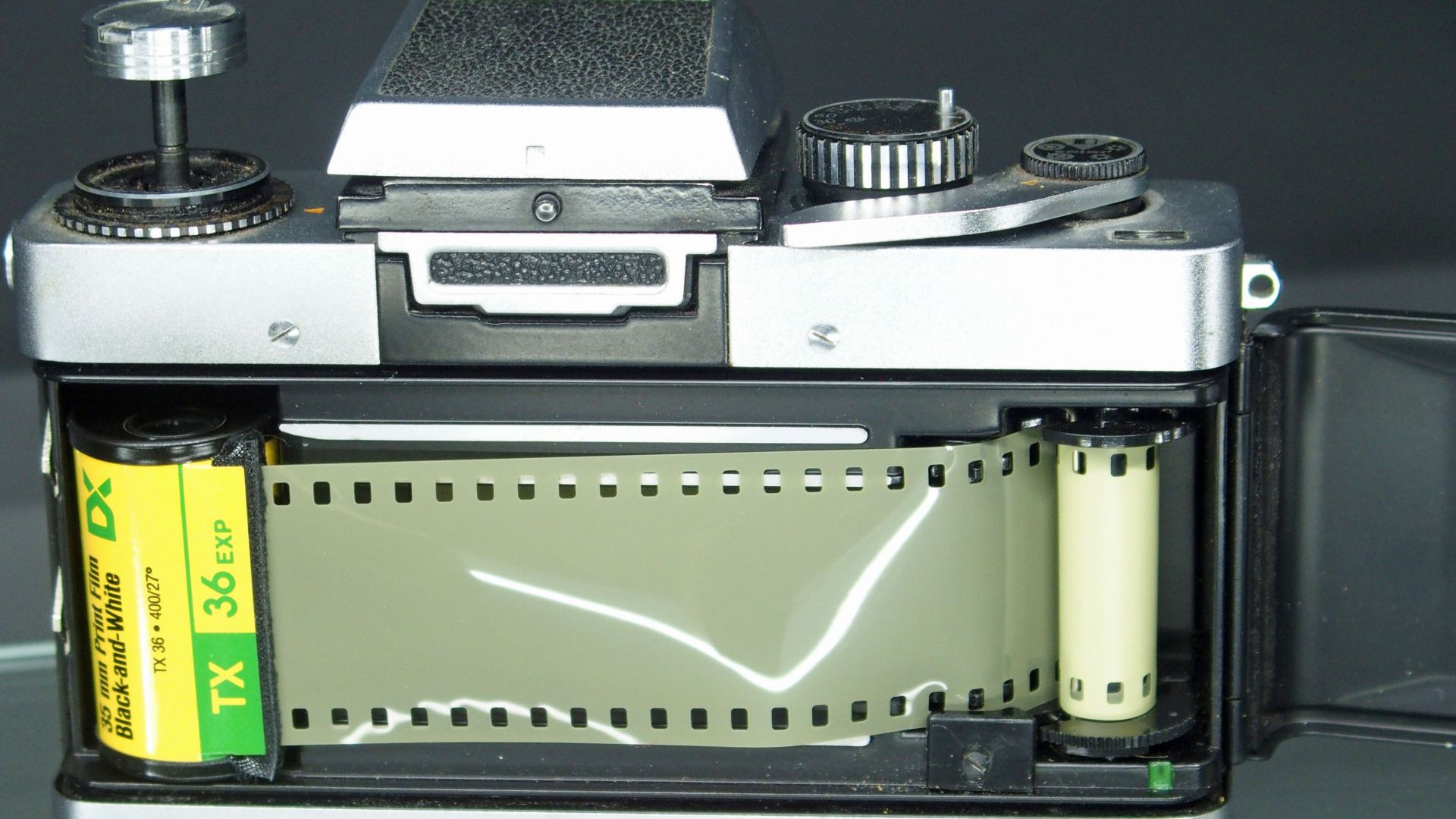
Taking a family photograph once required faith. Film cameras captured images that remained invisible until the film was developed, so there was no screen for checking whether Grandpa blinked or someone put a finger over the lens. A roll also contained a limited number of exposures, which made every press of the shutter matter more. Then came the strange little ritual of dropping the film off and waiting to discover what you had actually photographed.
The Flash Might Have Been A Cube
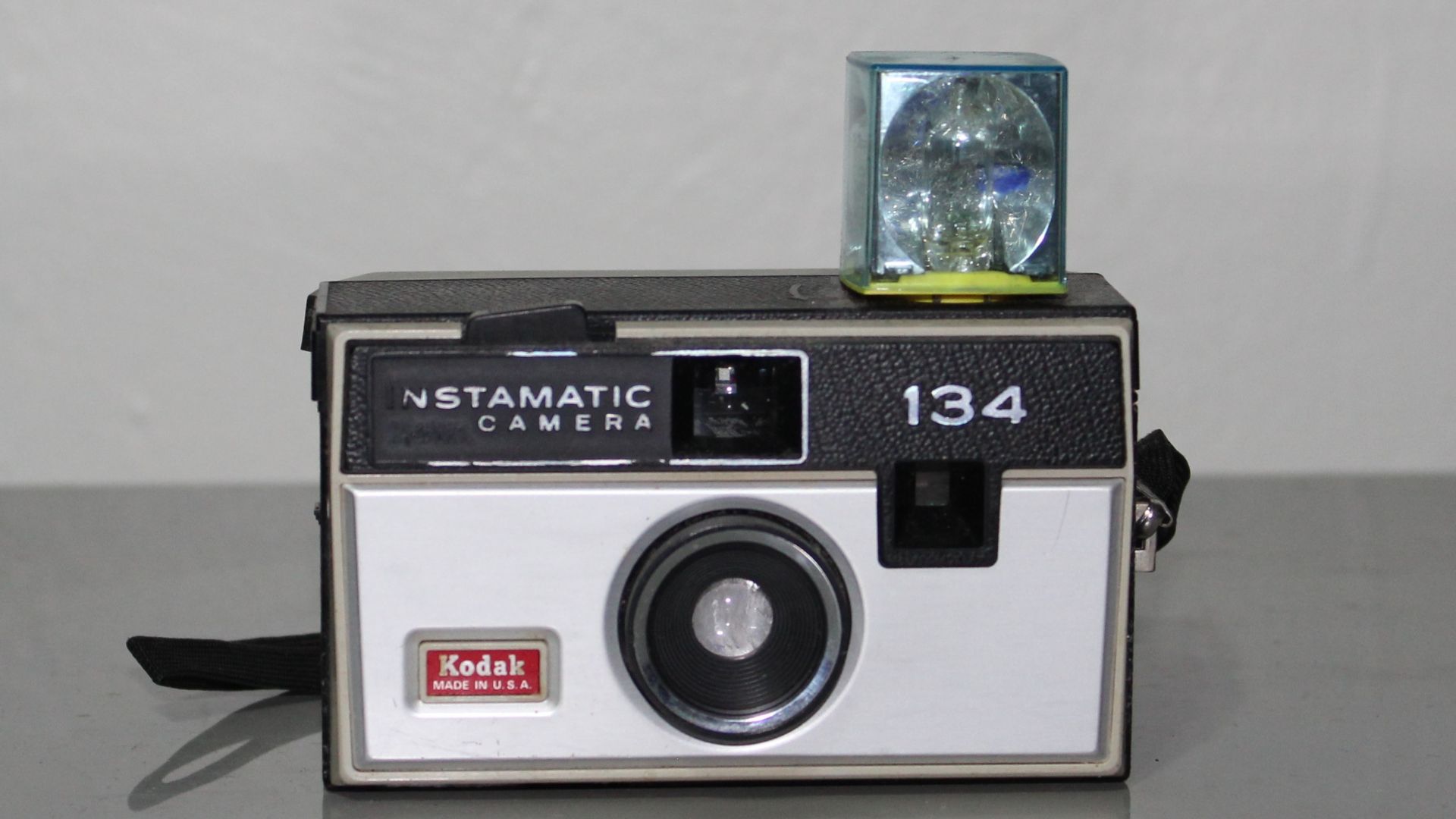
Some family cameras carried an even stranger object on top: a flashcube. The little cube contained multiple flashbulbs and rotated so a fresh bulb could be used for another picture. Each flash was effectively a one-time event, meaning photography involved consumable flashes as well as consumable film. Yet there was one household ritual that might inspire even stronger memories than the family camera.
 Phillip Pessar from Miami, USA, Wikimedia Commons
The Candy Dish Was Almost Sacred
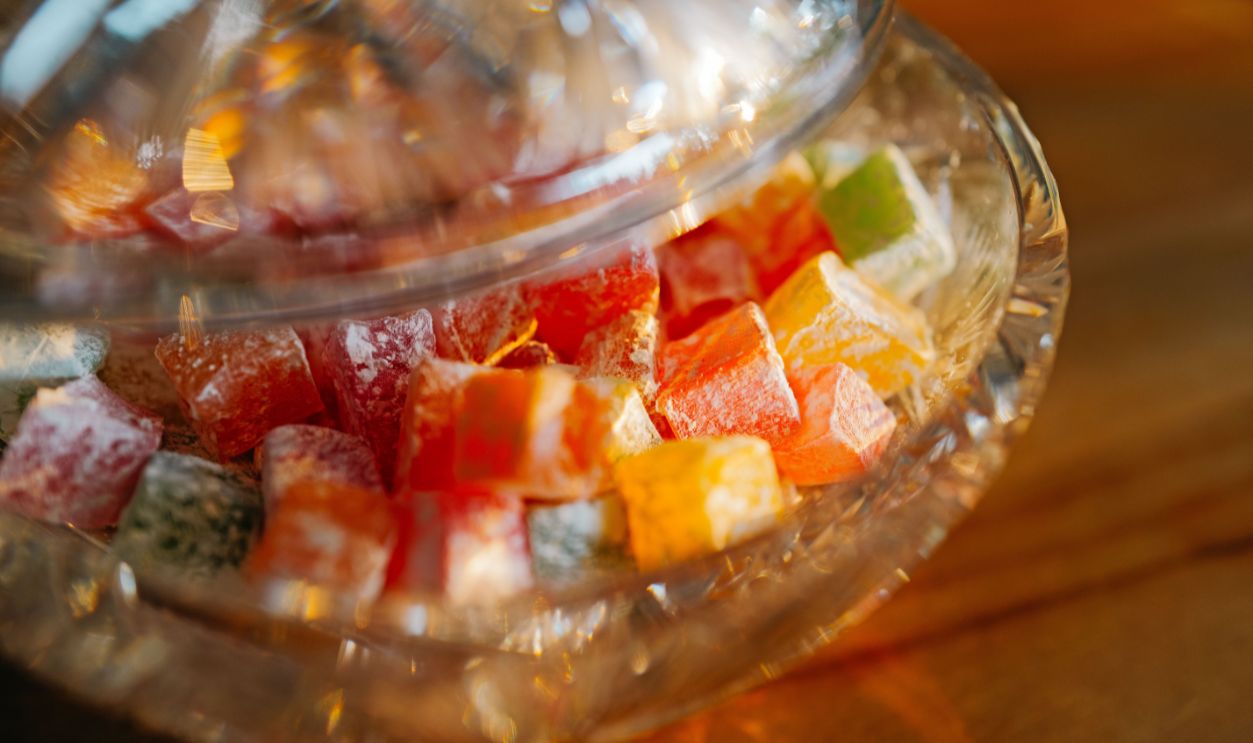
Grandma's candy dish could sit untouched for what seemed like years, often filled with hard candies whose wrappers had somehow fused together. Decorative glass candy dishes were common household serving pieces, and many families seemed to have one permanently stationed on a coffee table or sideboard. The exact contents varied, but the childhood temptation was universal. You just had to decide whether taking one without asking was worth the risk.
Yesterday's Junk Became Today's History
None of these objects seemed particularly historic when they were sitting around Grandma and Grandpa's house. They were simply the telephone, the laundry machine, the coffee pot, the old sewing machine, or that weird thing nobody was supposed to touch. But refrigerators, automatic washers, disposable packaging, digital cameras, smartphones, and changing shopping habits quietly erased the routines that made those objects necessary. What once looked like Grandma's old junk has become a miniature museum of everyday American life.

You May Also Like:
Things From The 1980s That Are Suddenly Cool Again—But Boomers Already Saw Them The First Time Around
Boomer-Era Trends That Disappeared Almost Overnight—And They Want Them Back
Sources: 1, 2, 3, 4, 5, 6, 7, 8, 9, 10, 11, 12, 13, 14, 15, 16, 17, 18