Something Strange in the Sky
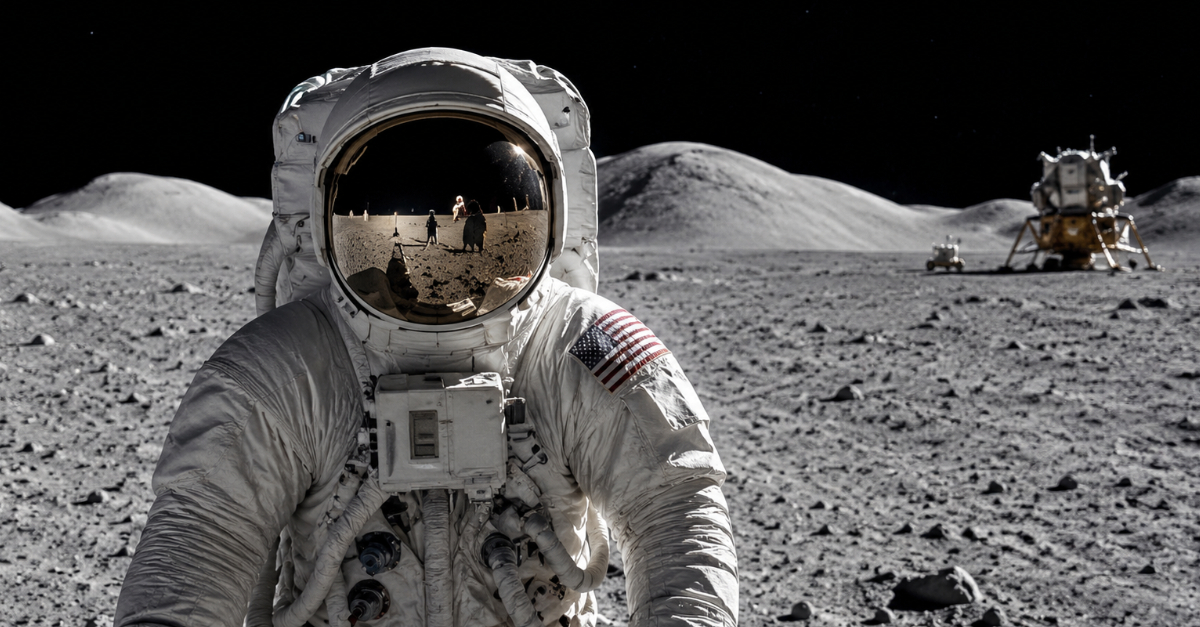
NASA’s Apollo astronauts brought back Moon rocks, scientific data and thousands of photographs that have been studied for more than half a century. You would think there would be very few surprises left hiding in them.
But a theoretical physicist says two versions of the same Apollo image contain one enormous difference—and he believes someone wanted it gone.
This Was Not a NASA Announcement
Despite some of the headlines surrounding the story, this was not a confession from NASA or one of the agency’s scientists. The allegations were made by theoretical physicist Maaneli “Max” Derakhshani during an appearance on Jesse Michels’ American Alchemy podcast. However, the guy has serious credentials.
His Credentials
Derakhshani has a PhD in theoretical physics and has conducted academic research at Utrecht University and Rutgers. His work has focused largely on quantum physics, gravity and the philosophy of science. In other words, he is not simply someone who spotted a blurry dot online and immediately called it an alien.

But He Is Not a NASA Whistleblower
Derakhshani never worked on the Apollo missions, handled the original flight film or witnessed anyone altering photographs. His argument comes from comparing images found in different public archives and claiming the differences between them are too significant to be blamed on ordinary processing.
 NASA; restored by Michel Vuijlsteke, Wikimedia Commons
It Begins With Apollo 14
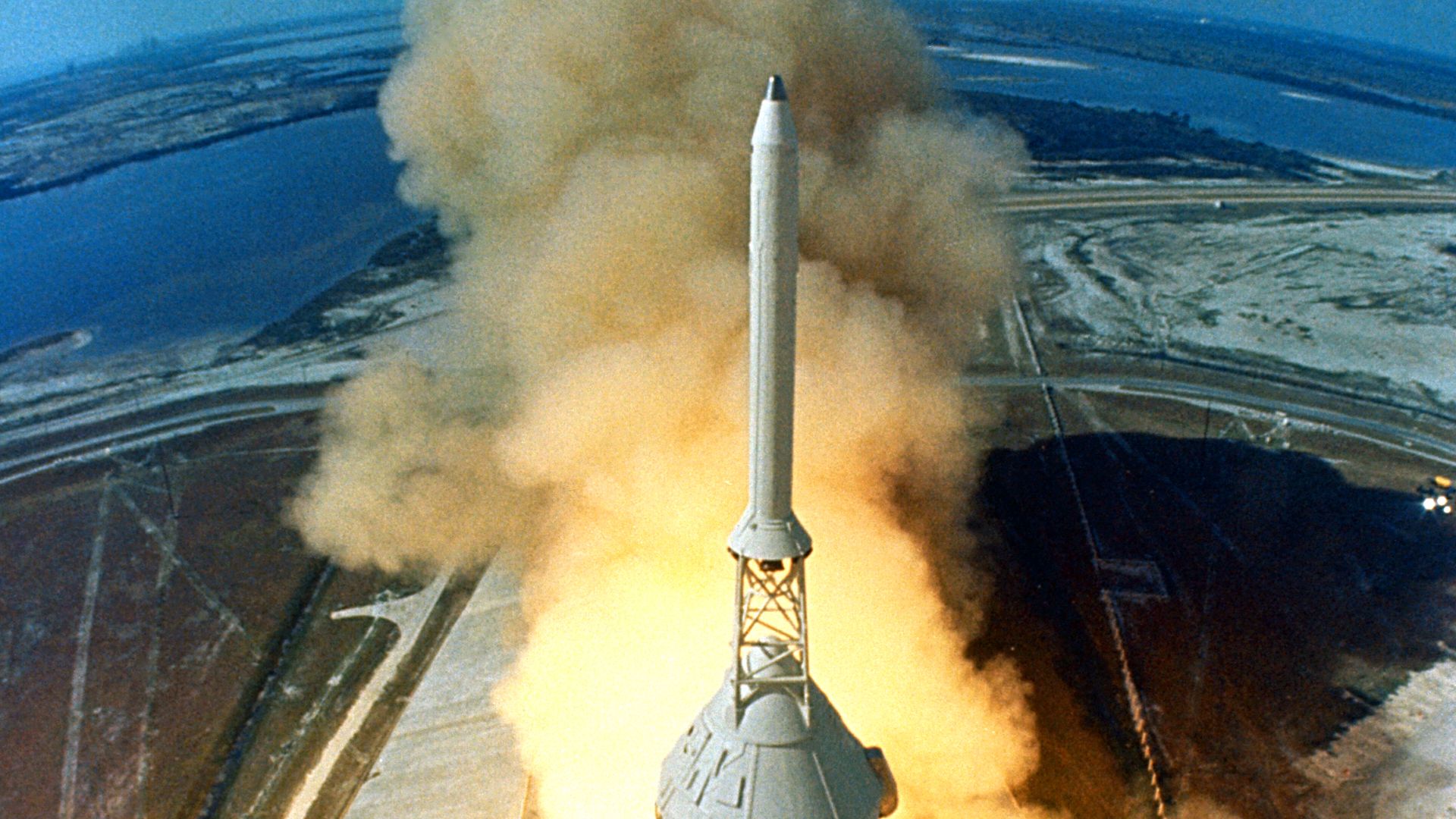
Apollo 14 launched on January 31, 1971, and became NASA’s third successful crewed Moon landing. Alan Shepard and Edgar Mitchell explored the Fra Mauro region while Stuart Roosa remained in lunar orbit. It was a successful mission—but one photograph associated with it has now become the centre of a much stranger story.
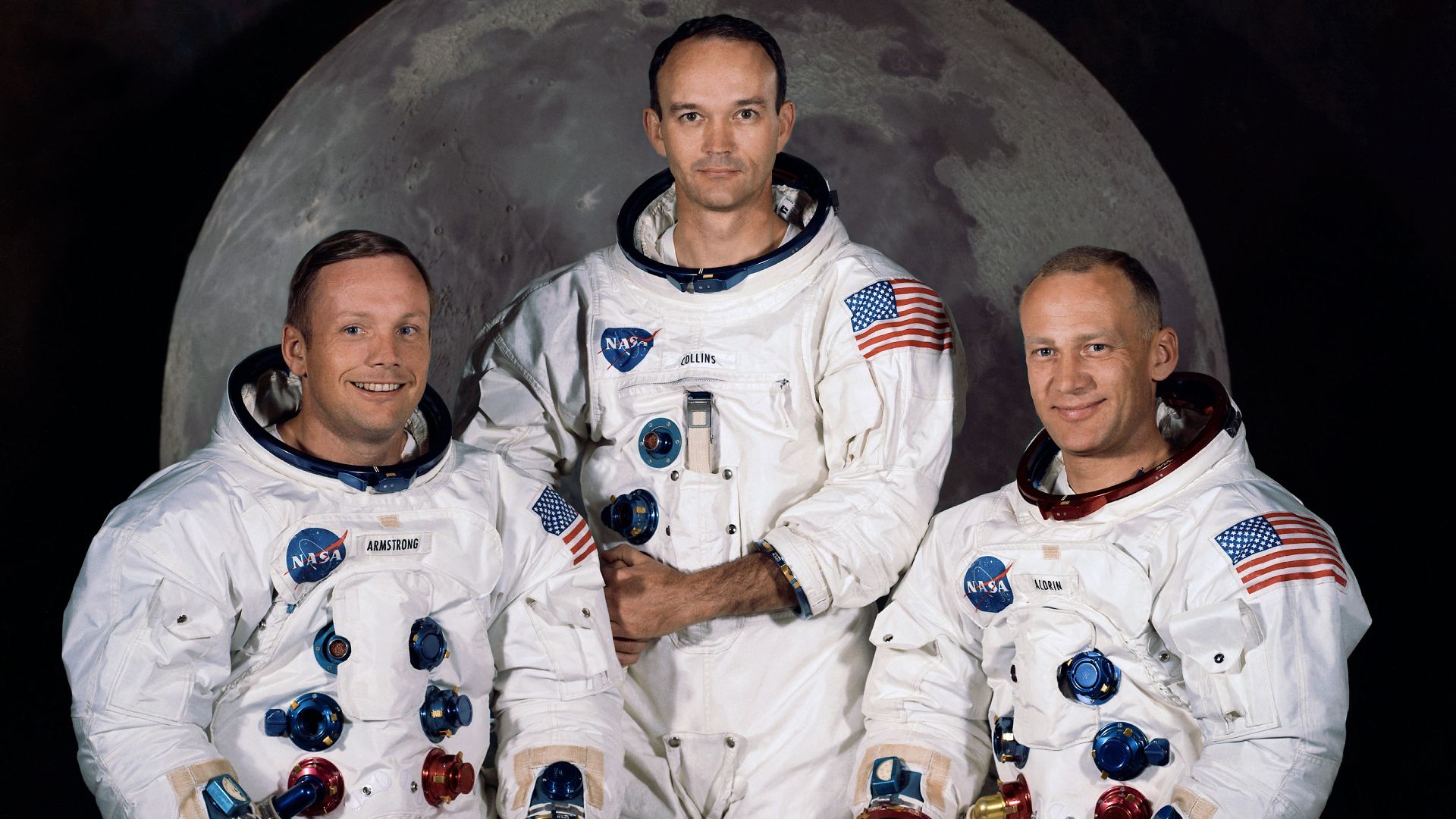
Edgar Mitchell Was Standing in the Frame
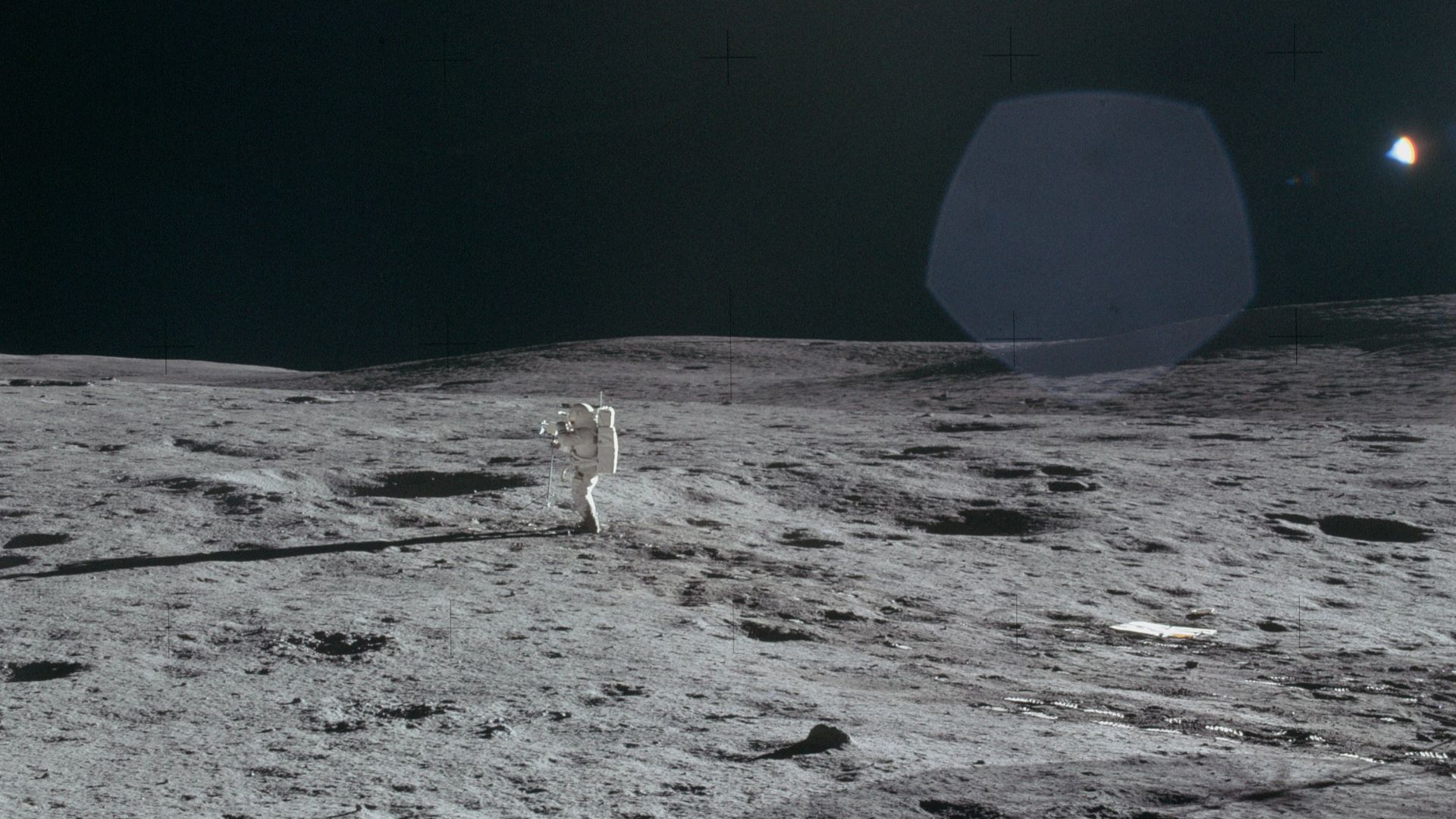
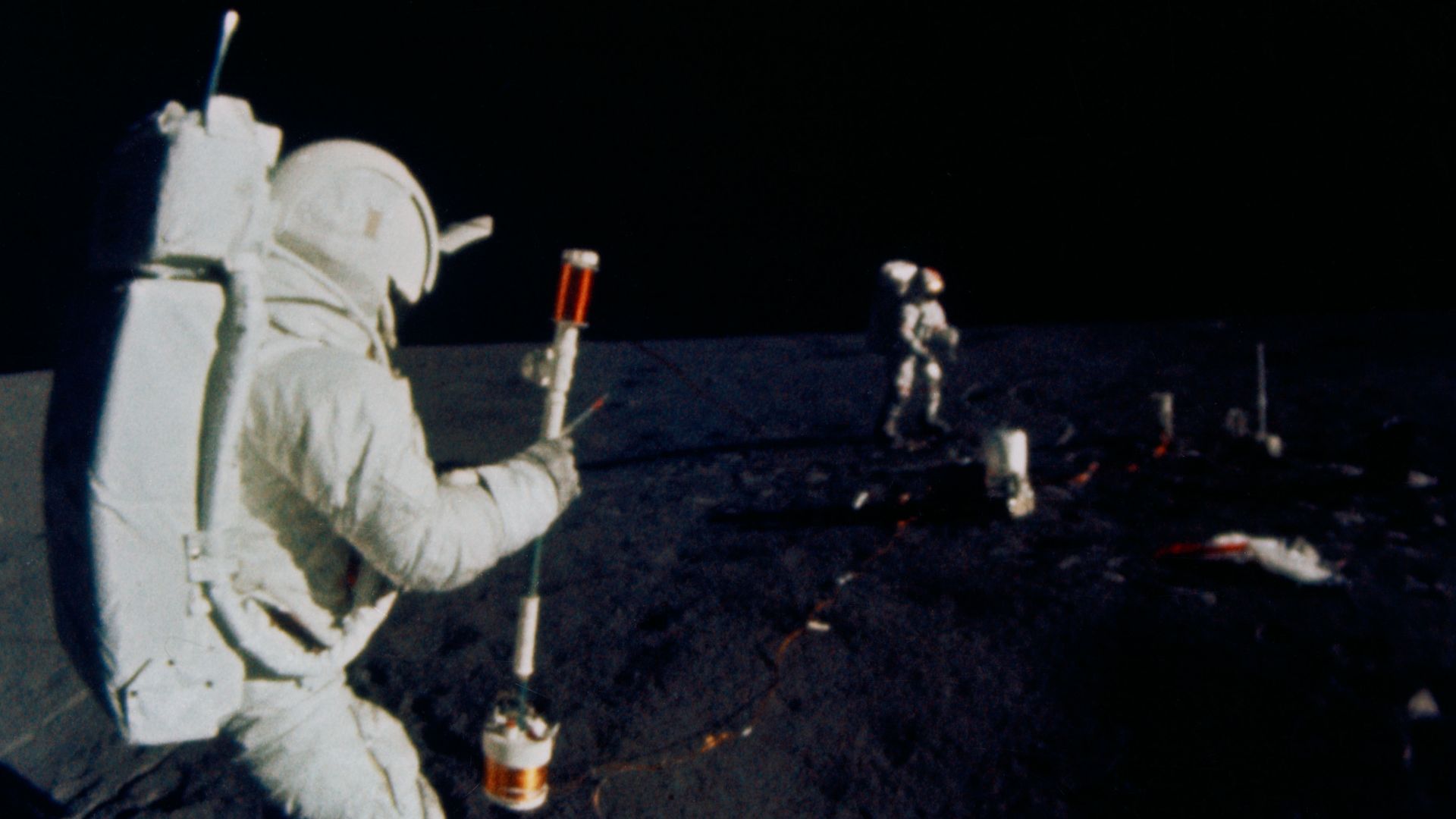
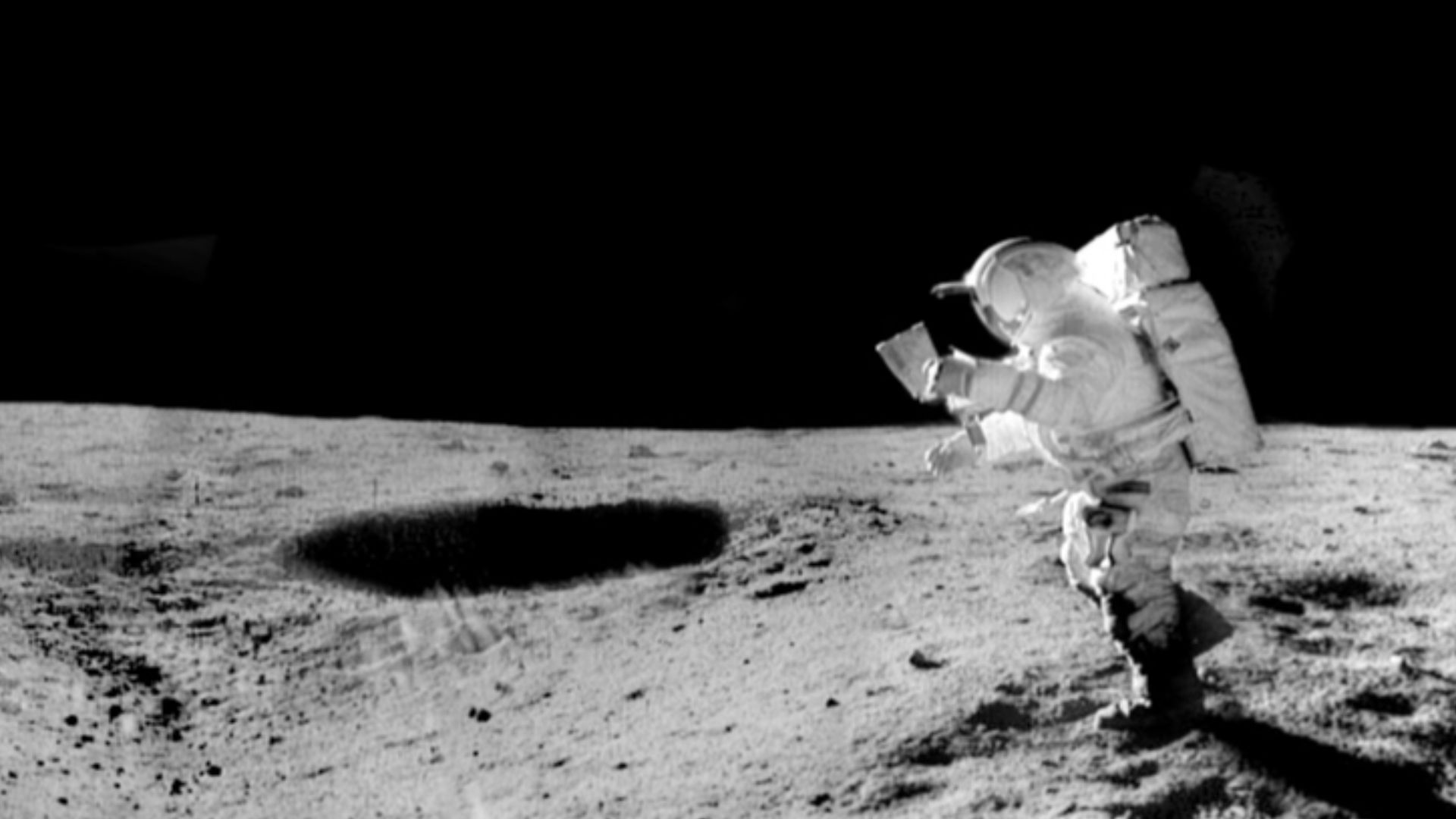
The disputed image shows Mitchell working on the lunar surface. He was the sixth person to walk on the Moon, and the photograph is one of thousands of Apollo images that have been copied, rescanned and placed in different archives over the decades. However, the reports surrounding Derakhshani’s claim do not clearly provide the frame’s official Apollo identification number.
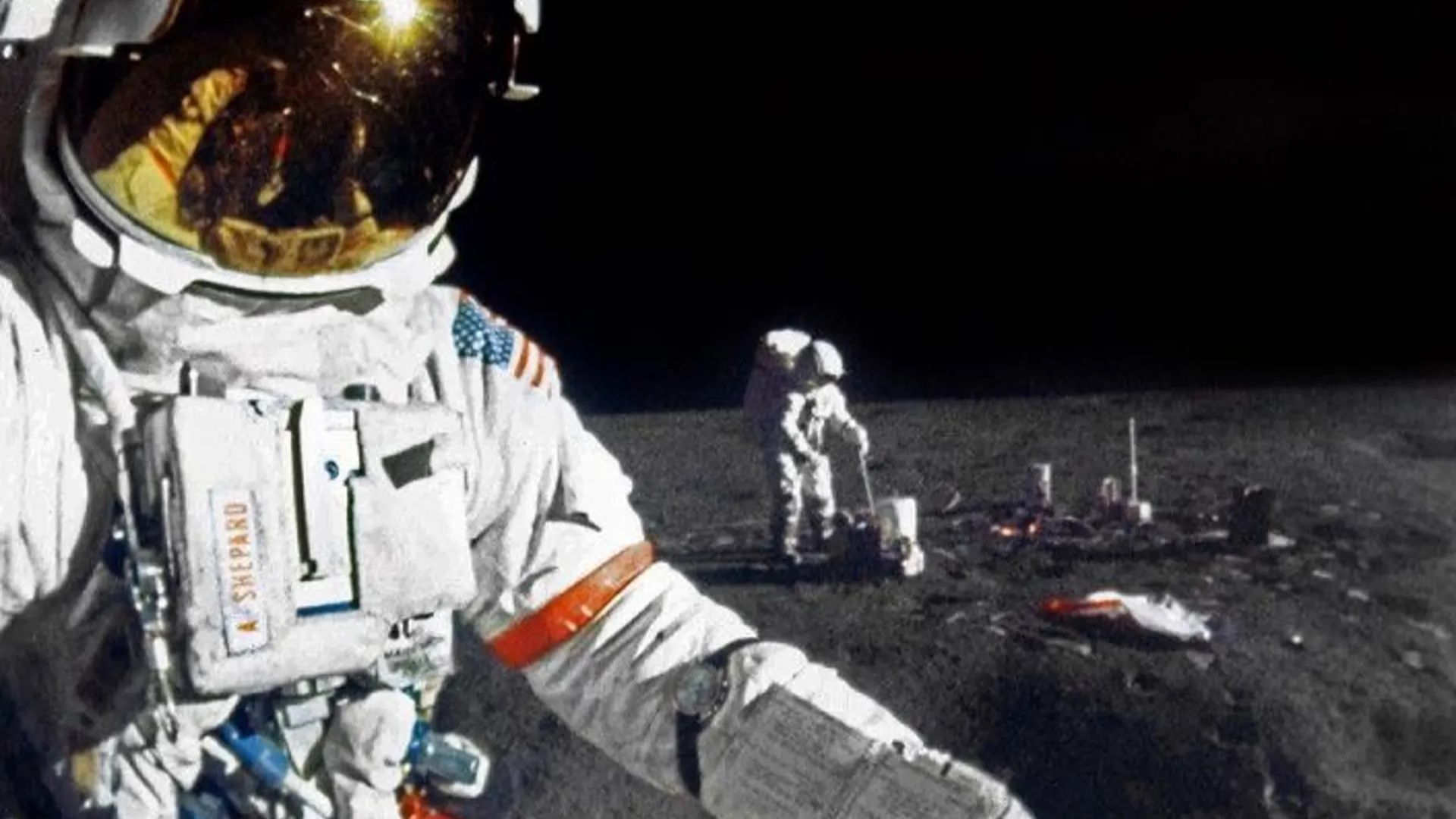
One Version Shows an Empty Sky
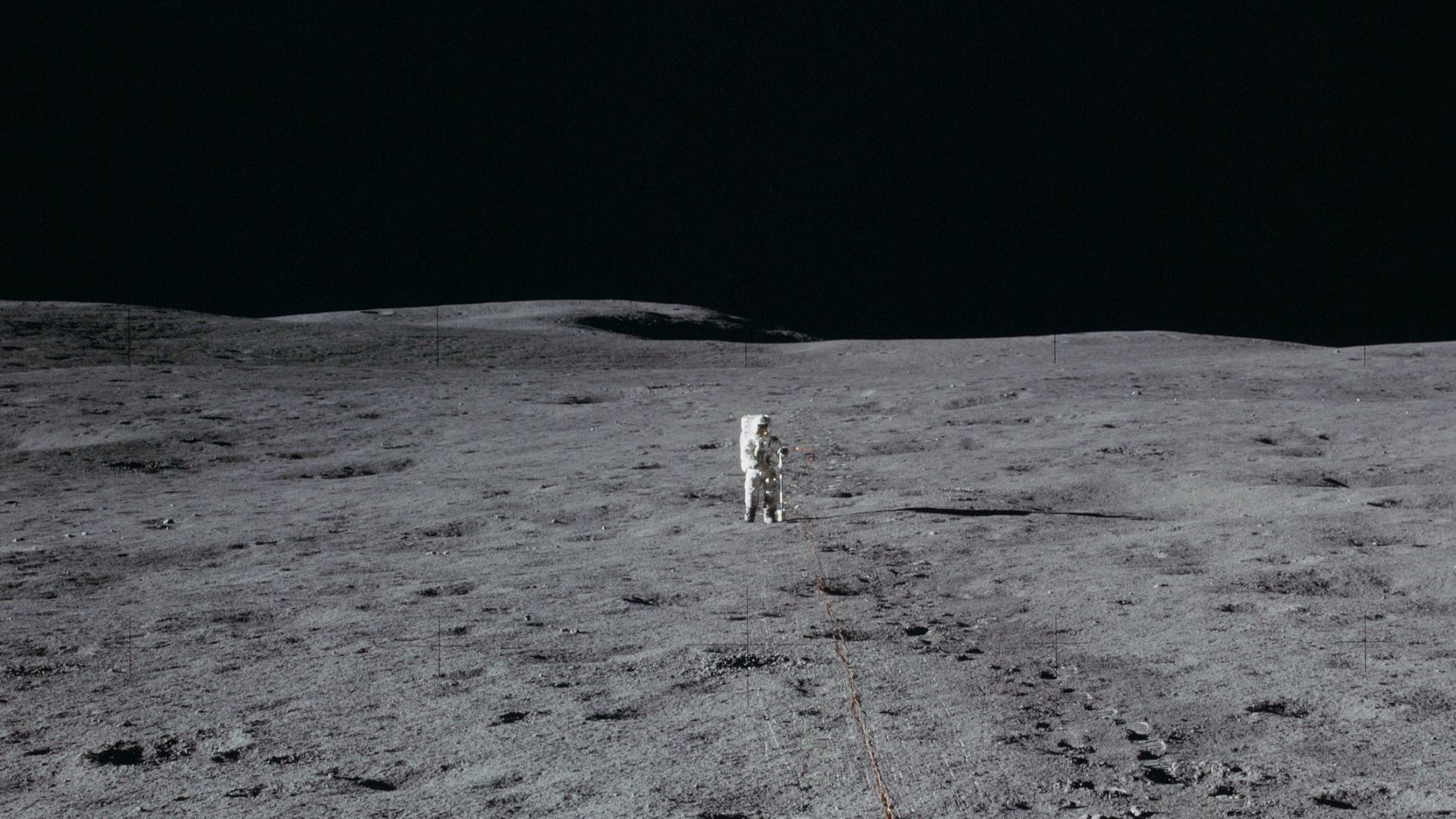
According to the comparison Derakhshani presented, one version of the photograph appears in the Lunar and Planetary Institute’s Apollo Image Atlas. In that reproduction, the sky above Mitchell looks completely black. There are no stars, no mysterious lights and certainly nothing that immediately looks like it arrived from somewhere else.
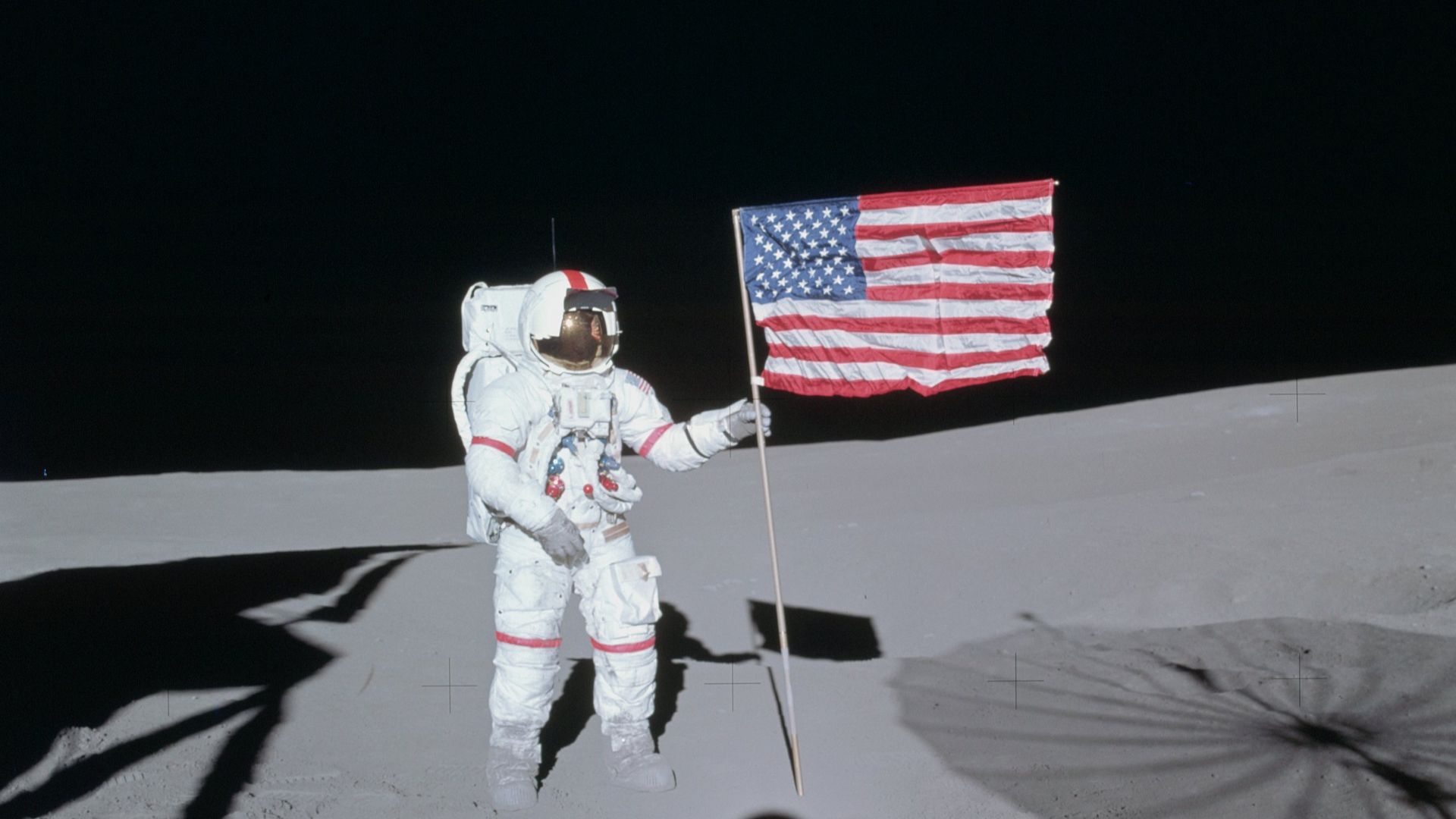 Edgar D. Mitchell / NASA, Wikimedia Commons
Then He Pulls Up Another Copy
Derakhshani says a newer scan of the same exposure appears in another Apollo collection created from Johnson Space Center scans. This time, something is visible in the darkness above Mitchell. It is small, noticeably blue and missing from the version he showed immediately before it.
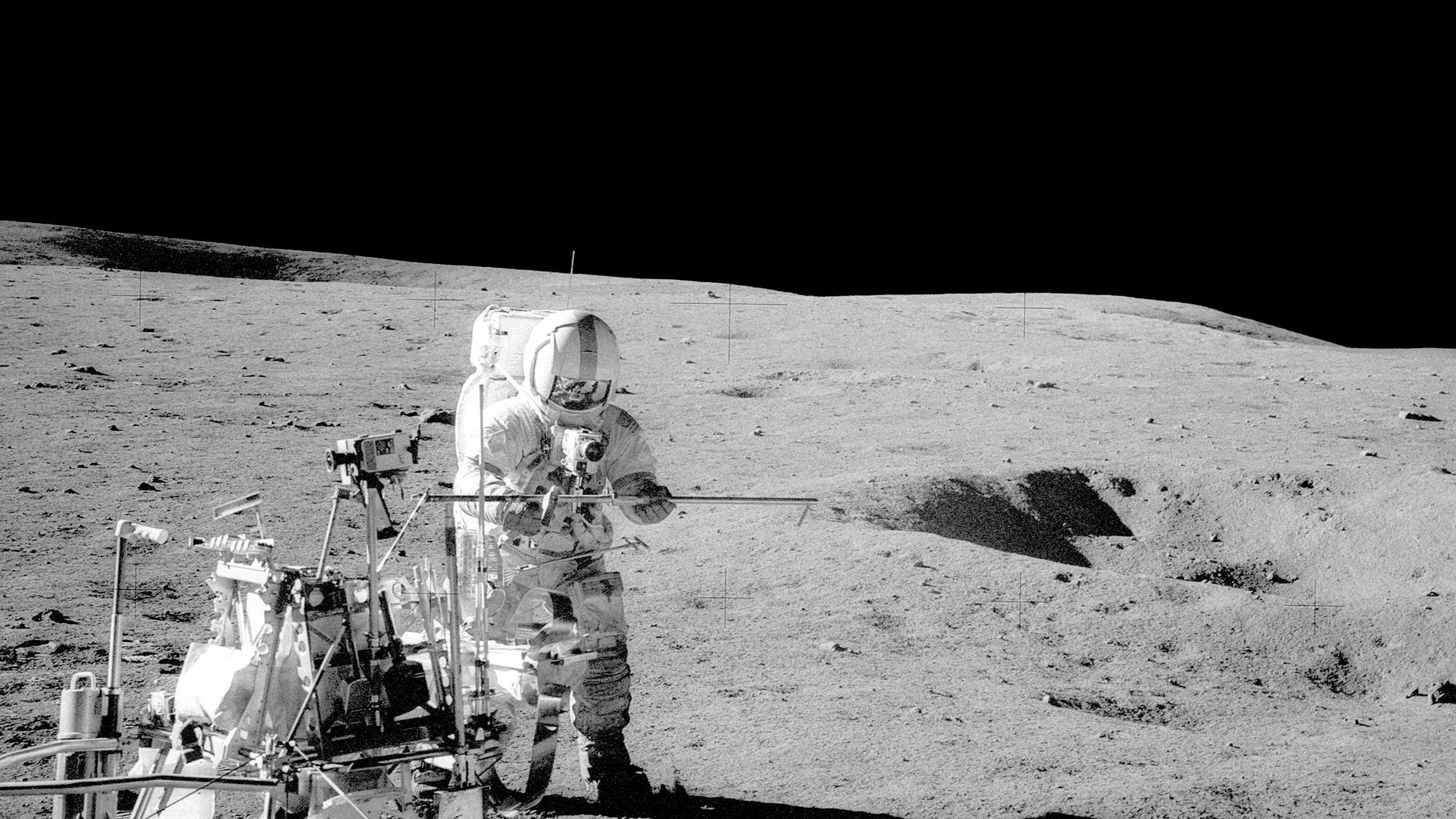 NASA Edgar Mitchell, Wikimedia Commons
The Blue Orb Changes Everything
To Derakhshani, this is not just a slightly brighter pixel or a mark revealed by adjusting the photograph. He describes it as a distinct blue orb. More importantly, he says it appears in one archived reproduction of the frame but seems to be completely absent from the other.

History's most fascinating stories and darkest secrets, delivered to your inbox daily.
He Does Not Think It Was an Accident
Derakhshani argues that the object does not resemble an ordinary lens flare, speck of dust or random film defect. He believes someone deliberately removed it from one version of the photograph—and that the apparent change may have been part of a wider effort to clean unexplained objects out of Apollo imagery.
There Is One Major Problem
Because the exact official frame number is not clearly identified in the reports, the comparison is difficult for outsiders to check independently. Readers are being shown Derakhshani’s presentation of two images, but there has not yet been a published technical analysis confirming that they are the same exposure, processed from comparable source material.
 NASA Johnson Space Center, Wikimedia Commons
The Photograph Has Had Several Lives
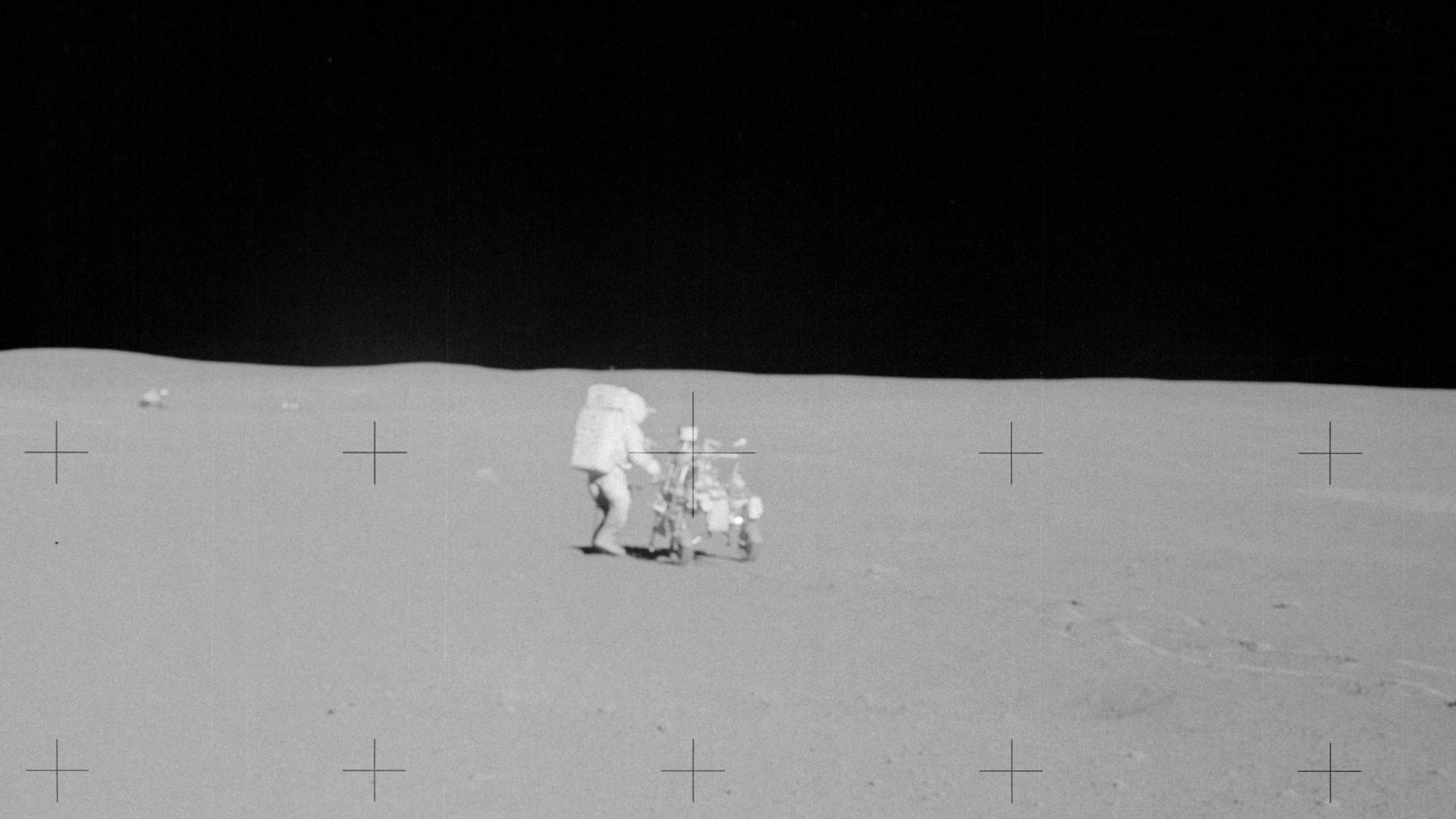
Apollo photographs now exist in several forms. Some older digital images were made from duplicate film several generations removed from the originals, while newer scans were created directly from NASA’s protected flight film. Those different sources can produce noticeably different results before anyone even begins adjusting contrast or colour.
 NASA Johnson Space Center, Wikimedia Commons
Different Scans Can Reveal Different Things
Differences in film generation, exposure, colour processing, compression and scanning quality could potentially explain why a faint mark appears in one reproduction but not another. However, no independent image analysis has yet established what caused this particular blue object—or whether it was present on the original exposure at all.
NASA Really Has Changed Some Apollo Images
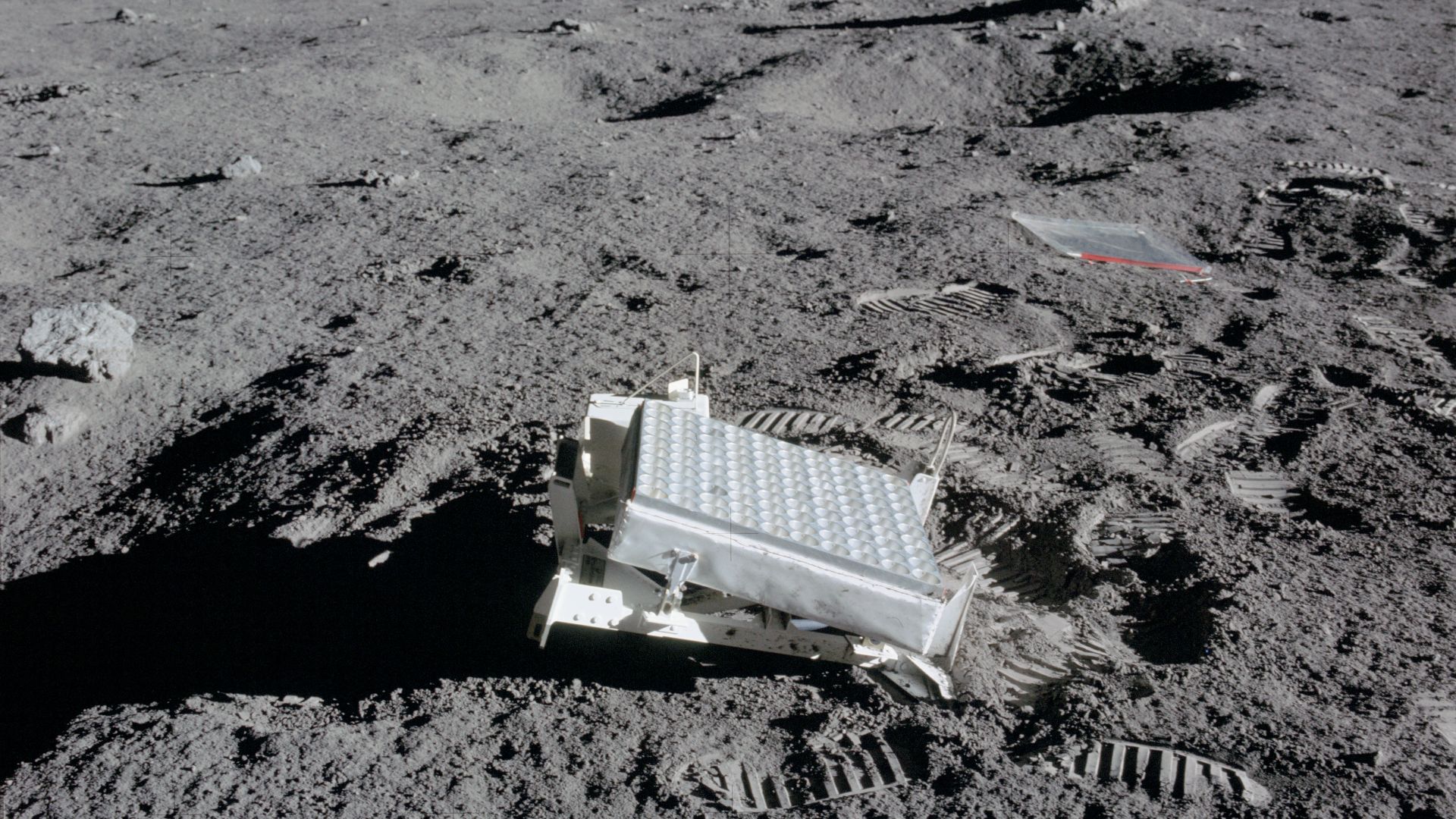
Here is the part that gives Derakhshani’s accusation a little extra oxygen. NASA and the Lunar and Planetary Institute openly acknowledge that some Apollo panoramas were digitally assembled from several frames. During that process, sections of sky and visible lens flares were sometimes removed so the photographs could be blended together cleanly.
 NASA/Alan Shepherd/Edgar Mitchell, Wikimedia Commons
But Those Changes Were Not Secret
Those edits were made to stitched panoramic images and were openly documented. That is very different from secretly removing an unexplained object from a single Apollo photograph. It proves that NASA processed some images for presentation—but it does not prove the agency erased evidence of aliens.
Apollo 17 Adds More Lights
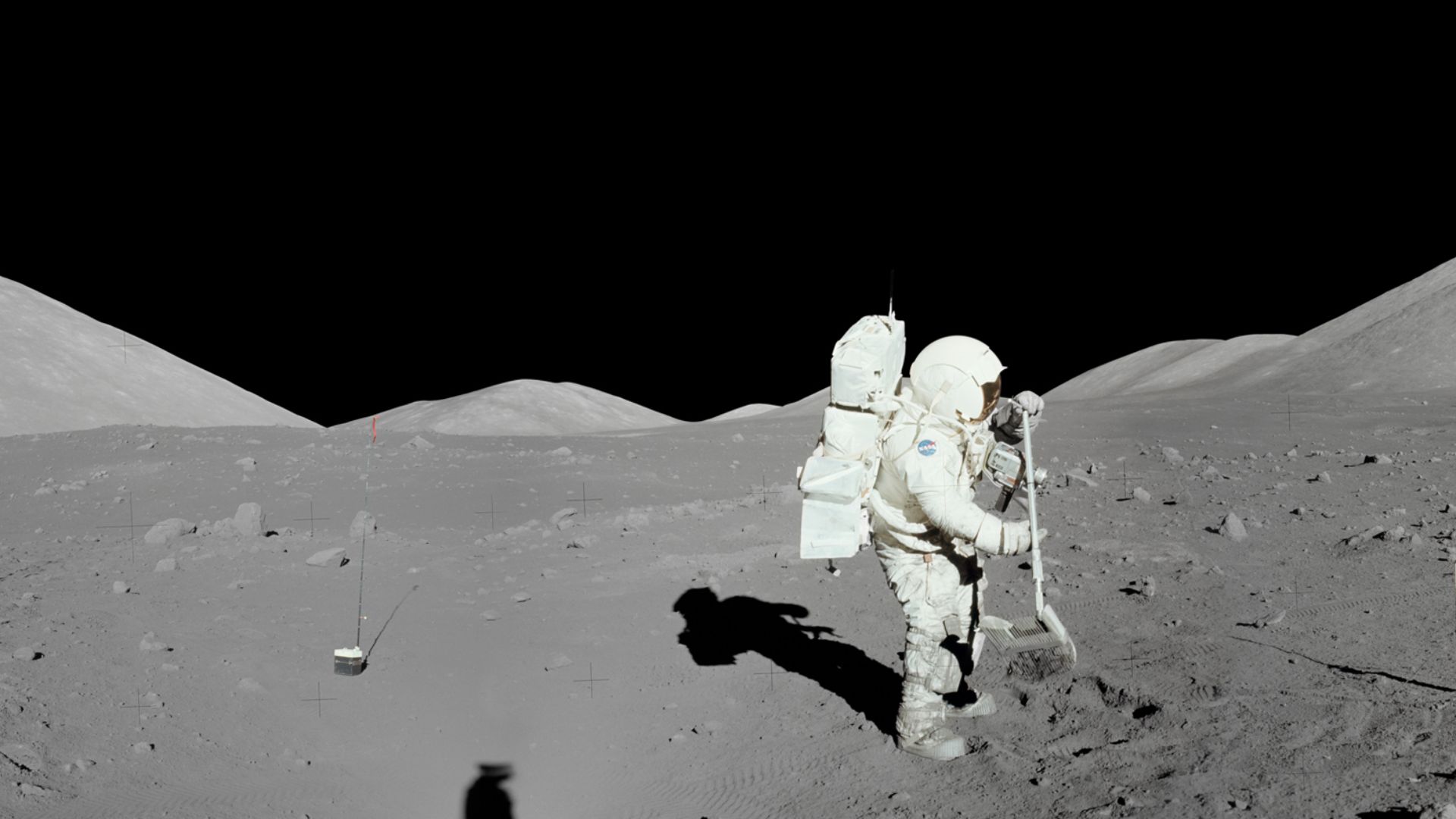
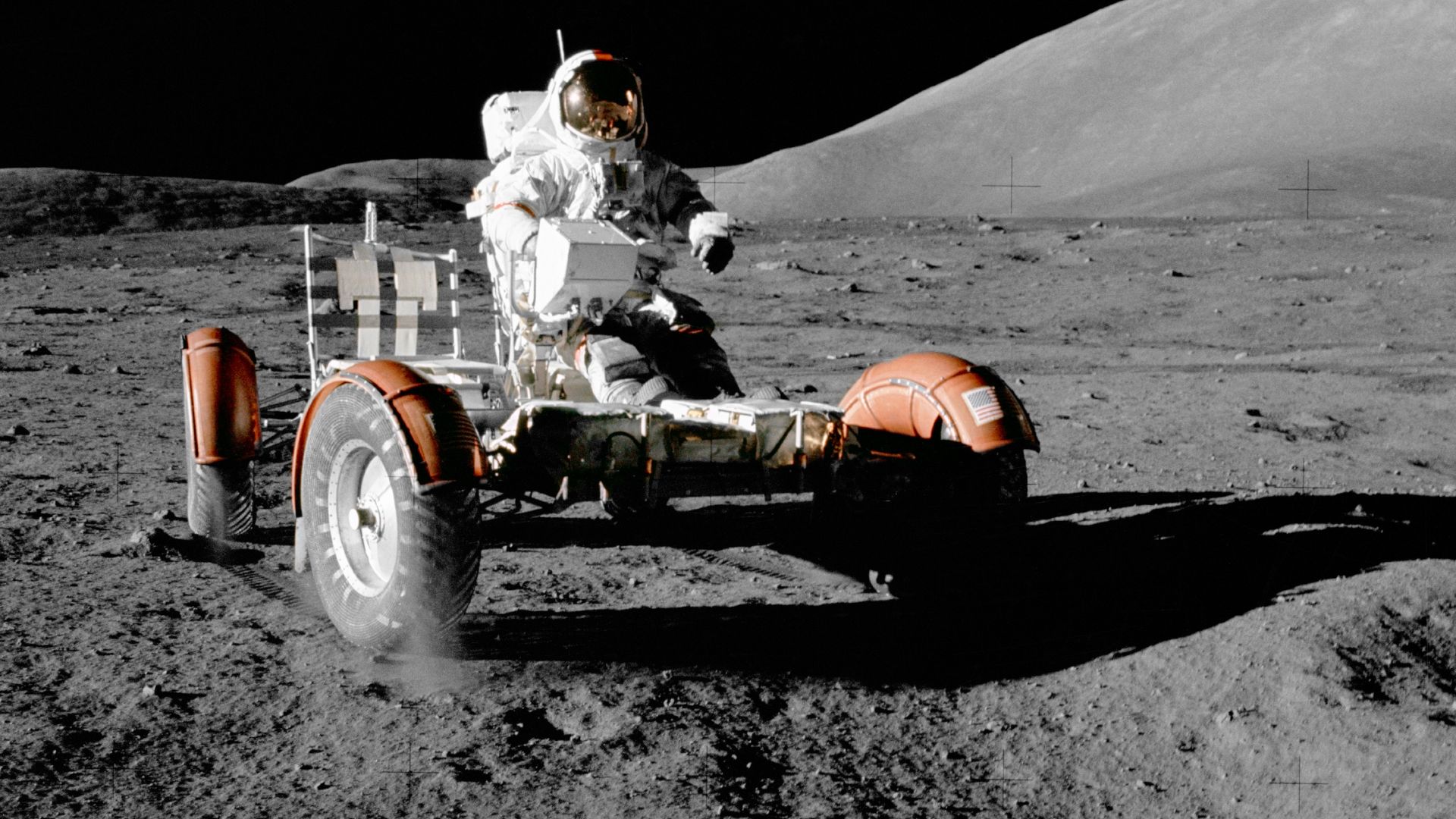
Derakhshani also points to an Apollo 17 image that he says contains three blue lights above the lunar landscape. When the photograph is brightened, he believes a faint shape becomes visible between them, suggesting the lights may all belong to one much larger object hidden against the black sky.
 NASA on The Commons, Wikimedia Commons
There Are Less Exciting Explanations
Film damage, reflections, scanning defects and cosmic rays can all leave bright spots or streaks in space photographs. Once those marks are enlarged and enhanced, they can look surprisingly solid. Derakhshani is not convinced, arguing that the lights appear too round and too regularly arranged to be dismissed so easily. But that remains his interpretation.
 NASA / Harrison H. Schmitt, Wikimedia Commons
Then Comes the Destroyed-Photo Story
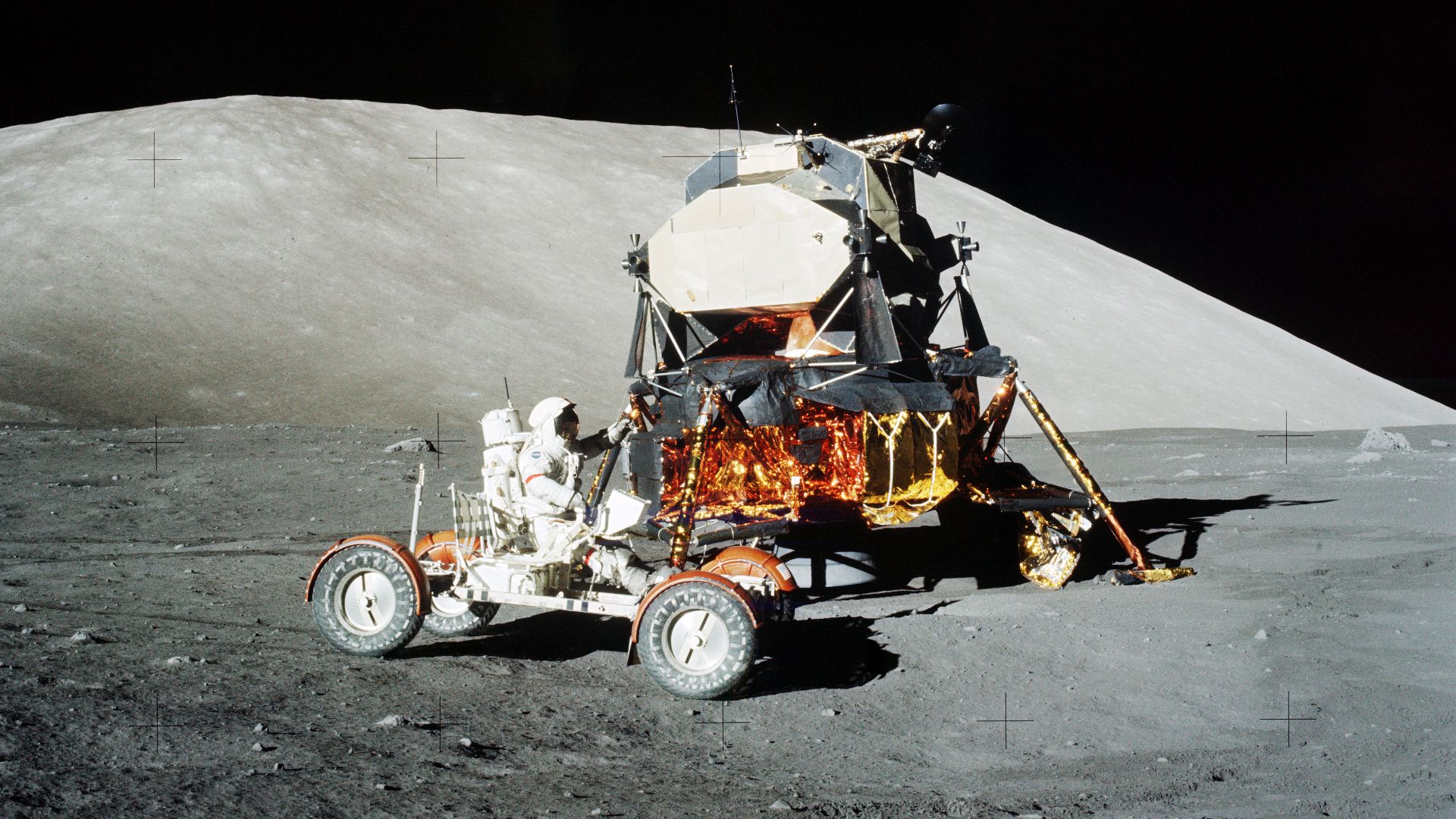
Derakhshani also cites Ken Johnston Sr., a former Apollo-era contractor who says he was ordered to destroy several sets of Apollo photographic prints but kept one. Some retellings describe original negatives, but Johnston’s own account refers to 8-by-10-inch glossy prints. No verified order shows they were marked for destruction because they contained evidence of aliens or unexplained structures.
 NASA / Harrison H. Schmitt, Wikimedia Commons
Buzz Aldrin Gave a Simpler Answer
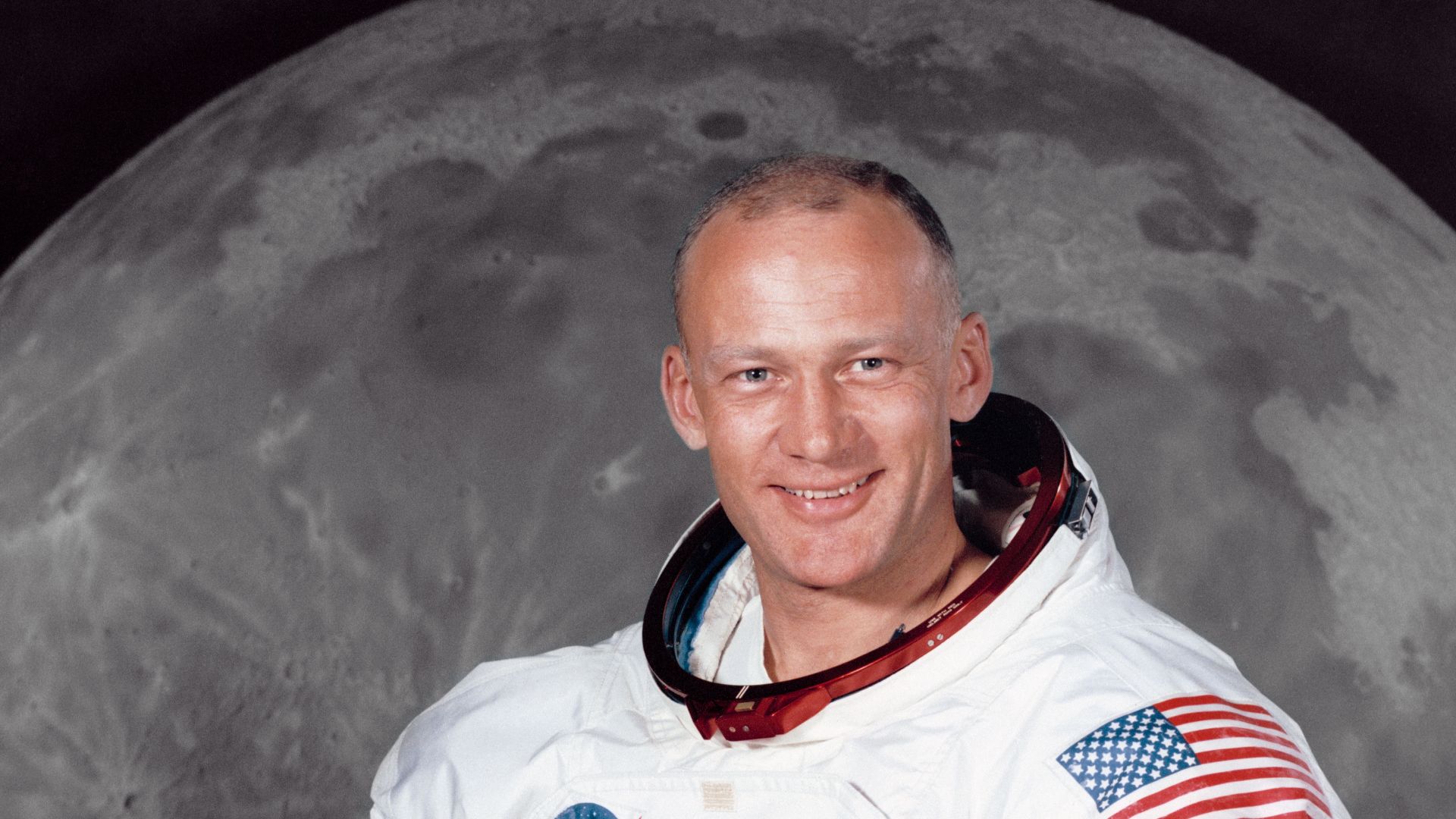
The Apollo 11 crew really did report seeing an unidentified object while travelling toward the Moon. That detail has fuelled speculation for decades. Buzz Aldrin later said it was probably one of the panels discarded when the spacecraft separated from part of its launch vehicle. His conclusion was far less mysterious: it was not an alien craft.
Edgar Mitchell Was Open to the Unexplained
Mitchell secretly conducted an extrasensory-perception experiment during Apollo 14 and later became deeply interested in consciousness, UFOs and claims of extraterrestrial encounters. That makes his presence in the disputed photograph especially intriguing. However, there is no verified statement from Mitchell identifying the blue object above him as an alien spacecraft.
Apollo Did Not End Because of Aliens
The United States stopped sending astronauts to the Moon after Apollo 17, but the historical explanation is much less dramatic. NASA’s budget was being reduced, additional Apollo missions were cancelled and the government shifted its attention toward projects including the Space Shuttle. There is no credible evidence the program ended because astronauts encountered something on the Moon.
 Pacific Southwest Forest Service, USDA from USA, Wikimedia Commons
NASA Says It Has Found No Alien Evidence
NASA’s public position remains that it has found no credible evidence of extraterrestrial life or proof that unexplained objects seen in photographs are alien vehicles. The agency acknowledges that some observations cannot be immediately identified, but says the usual problem is incomplete or unreliable data.
 NASA HQ PHOTO, Wikimedia Commons
So What Does the Photograph Actually Prove?
At the moment, it proves that Derakhshani found what he believes are two noticeably different reproductions of an Apollo photograph. It may also show a real photographic anomaly worthy of closer examination. What it does not prove is that the blue object was an alien craft—or that NASA deliberately removed it.
A Fascinating Claim, Not a Discovery
Derakhshani has found something strange enough to make people stop scrolling and look twice. But the leap from a blue mark in an old photograph to a decades-long alien cover-up is enormous. Until the exact frame is identified and the archival scans are compared by independent imaging experts, this remains an intriguing allegation—not evidence that Apollo astronauts encountered aliens.
You Might Also Like: