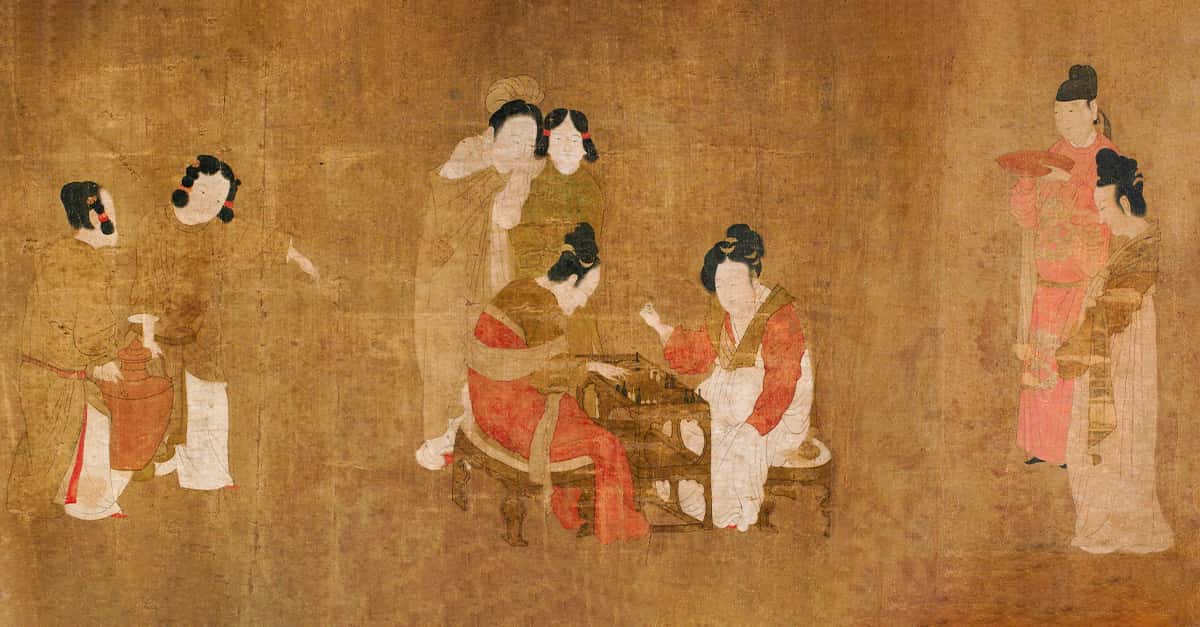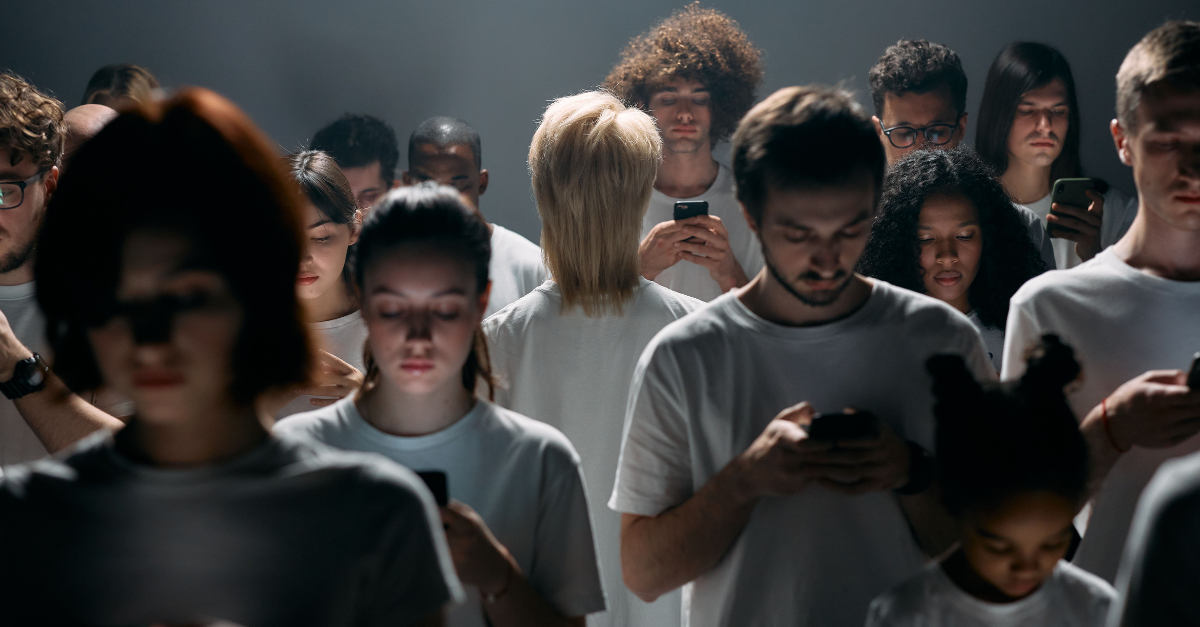
Welcome To The End Of Civilization
Every generation seems to discover a technology that is definitely, absolutely, positively going to wreck civilization. Sometimes the worries contain legitimate concerns. Other times, they age about as gracefully as predictions that nobody would ever need a computer at home. Somehow, society kept going—and usually bought millions of the supposedly dangerous gadgets.
The Printing Press
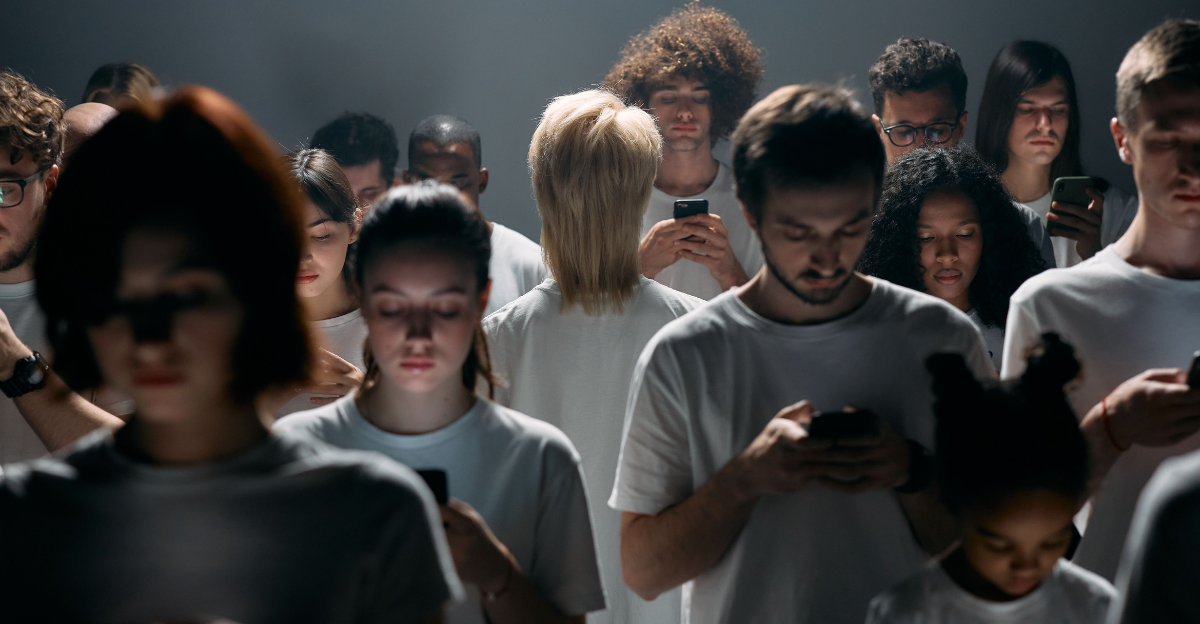
Movable-type printing dramatically lowered the barriers to spreading ideas, which understandably frightened authorities accustomed to controlling them. In 1501, Pope Alexander VI threatened excommunication for printing material without church approval. The press ultimately helped expand literacy, education, newspapers, science, and mass communication.
Novels
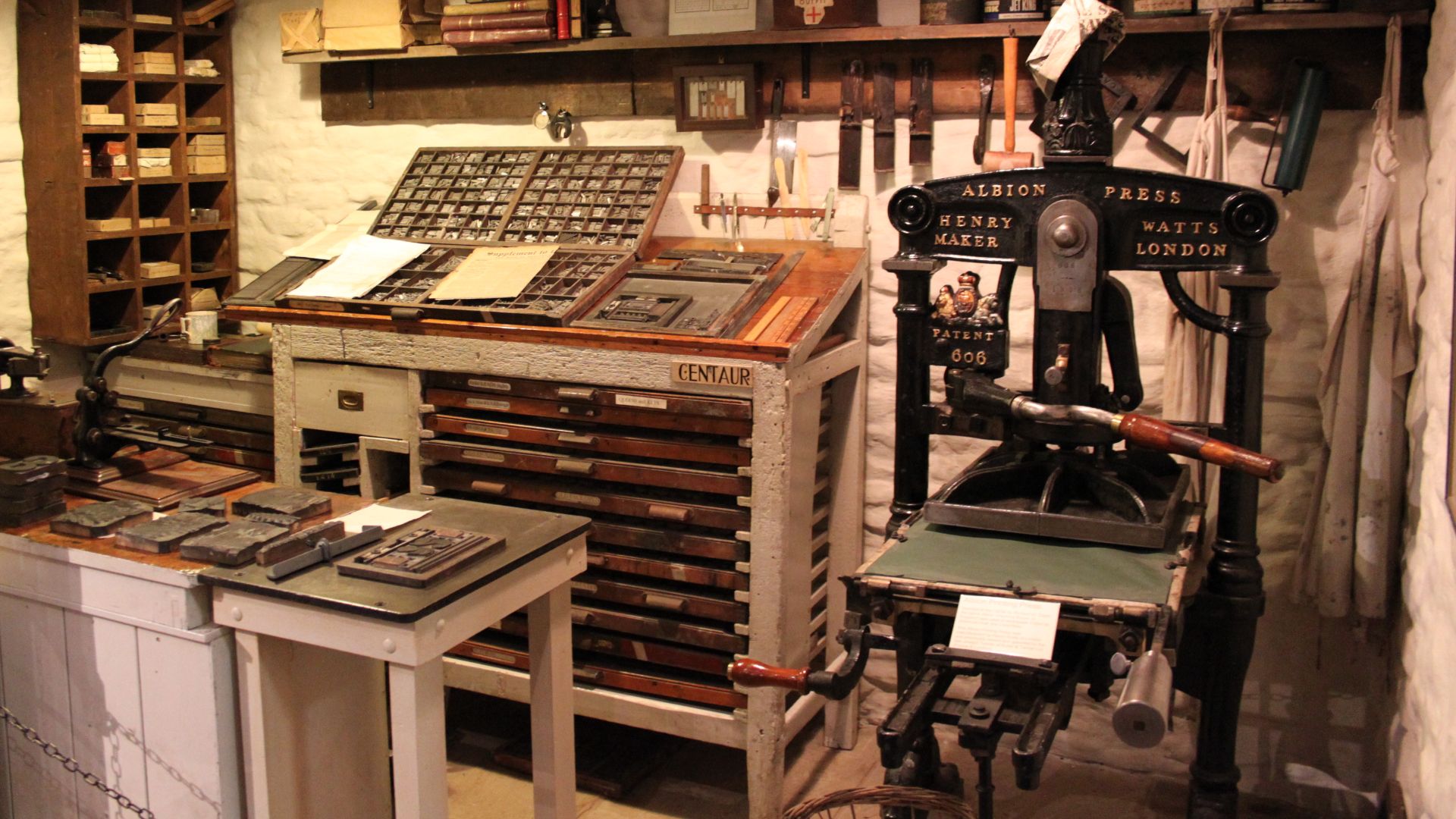
Eighteenth-century critics treated the growing popularity of novels, particularly among young people and women, as something approaching a public-health problem. Commentators worried that excessive reading encouraged idleness, unrealistic fantasies, and questionable morality. Historians now describe the reaction as an early media moral panic.
 Charles-Amable Lenoir, Wikimedia Commons
Bicycles
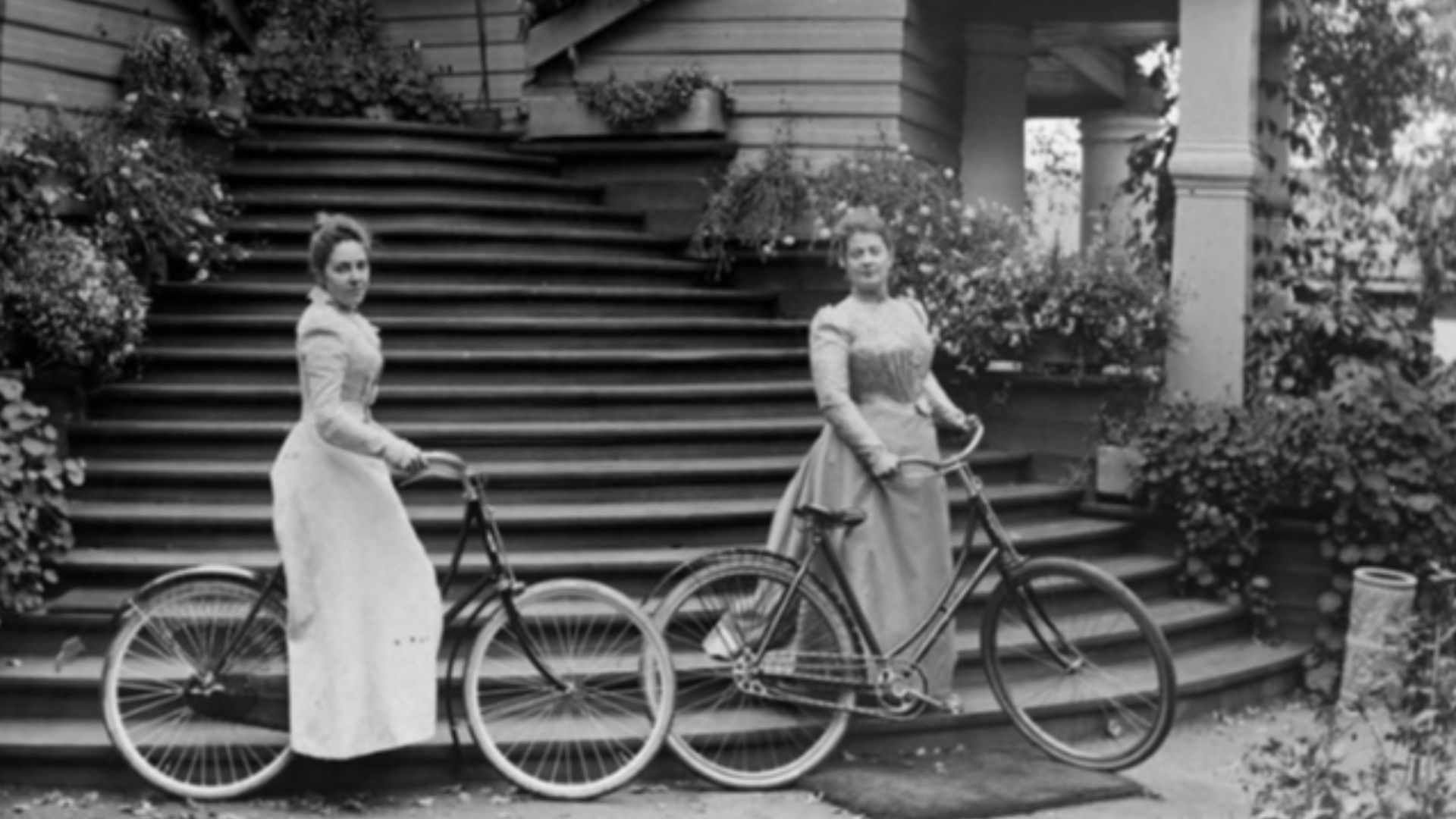
The bicycle became tangled up with fears about independence, gender, and morality during the 1890s. Women cyclists were warned about supposed medical conditions including the infamous “bicycle face,” while religious critics worried cycling encouraged improper behavior. Today, governments generally encourage cycling rather than diagnosing it.
 Unknown authorUnknown author, Wikimedia Commons

History's most fascinating stories and darkest secrets, delivered to your inbox daily.
Automobiles
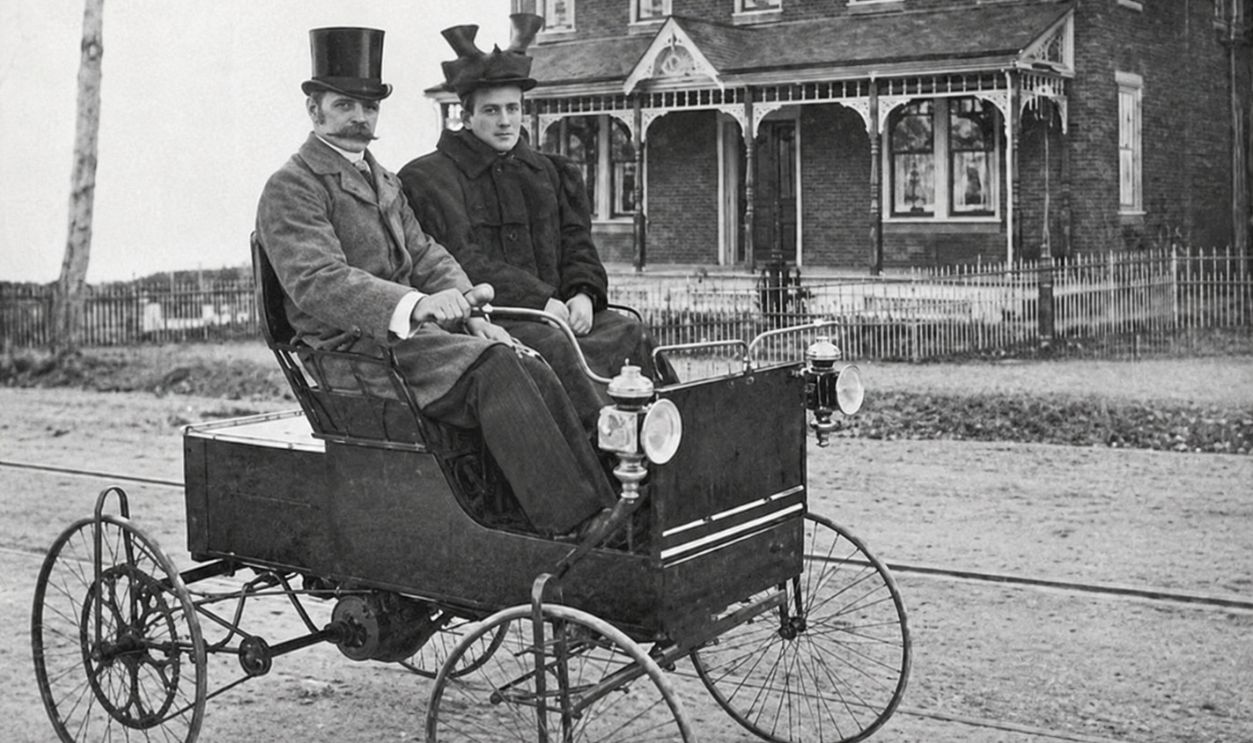
Early motorists weren't universally greeted as pioneers of progress. Automaker Alexander Winton recalled being ridiculed for believing gasoline vehicles could replace horses. Later, parents and ministers complained that cars gave young couples newfound privacy and encouraged people to skip church for Sunday drives.
 Unkwown Author, CC BY-SA 4.0, Wikimedia Commons
Telephones
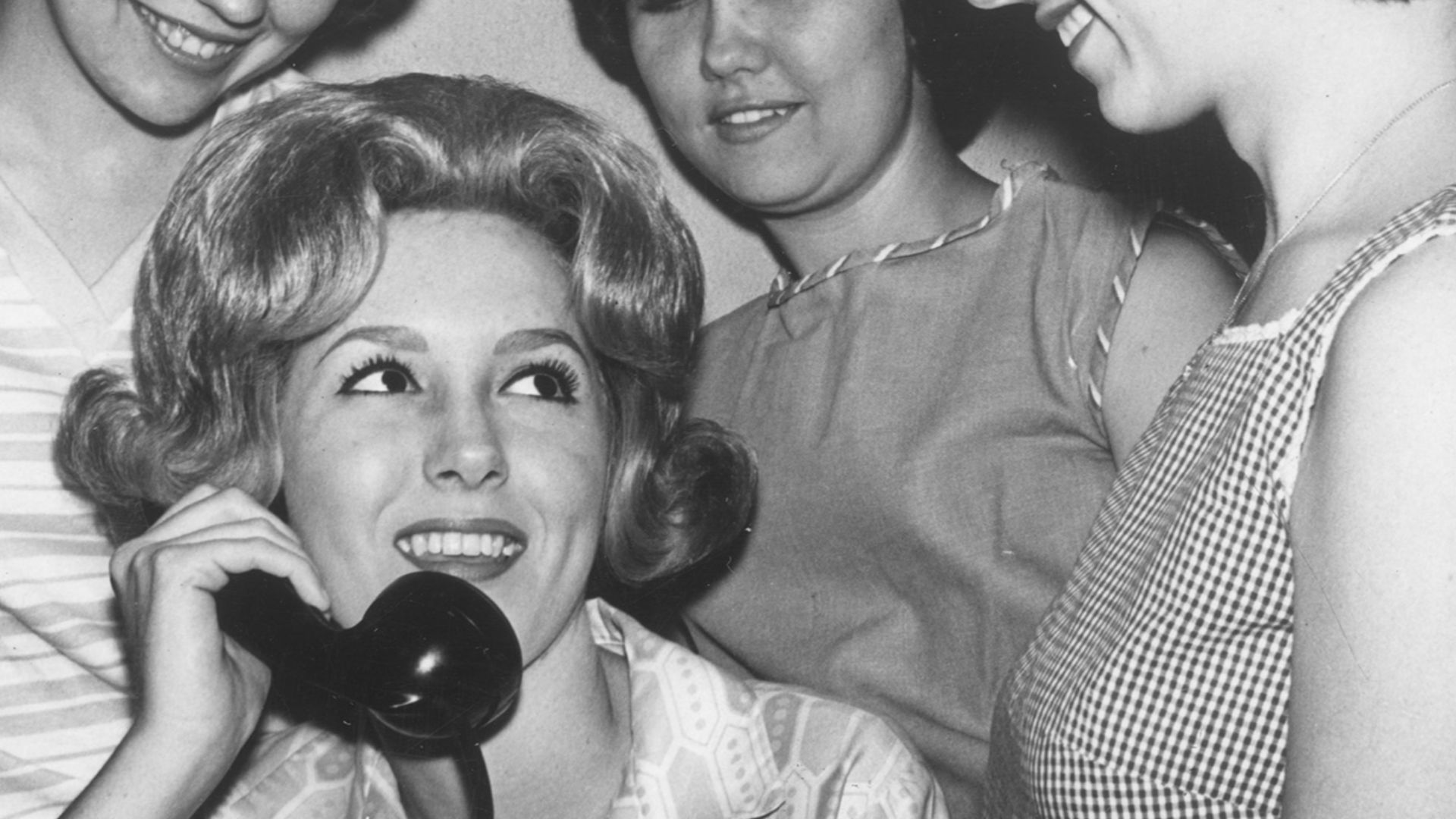
Instantly speaking with someone miles away fundamentally altered social boundaries. Early telephone culture produced concerns about unwanted intrusion, frivolous conversation, changing etiquette, and strangers entering domestic life through the receiver. Eventually, having a telephone became so ordinary that not having one seemed unusual.
 University of Texas at Arlington Photograph Collection, Wikimedia Commons
Motion Pictures
Cinema attracted enormous audiences while alarming reformers who worried about what unsupervised young people might see. Researchers studying media panics have documented recurring claims that movies threatened childhood behavior and morality. Similar arguments would eventually migrate from theaters to practically every screen invented afterward.
 "Socialist Kyiv", Gospolitizdat, 1958, Wikimedia Commons, Modified
Recorded Music
Recorded music threatened people whose livelihoods depended on live performances. As phonograph records and jukeboxes expanded, musicians worried recorded performances would replace paid players. Those tensions eventually contributed to the American Federation of Musicians' major recording ban beginning in 1942.
Radio
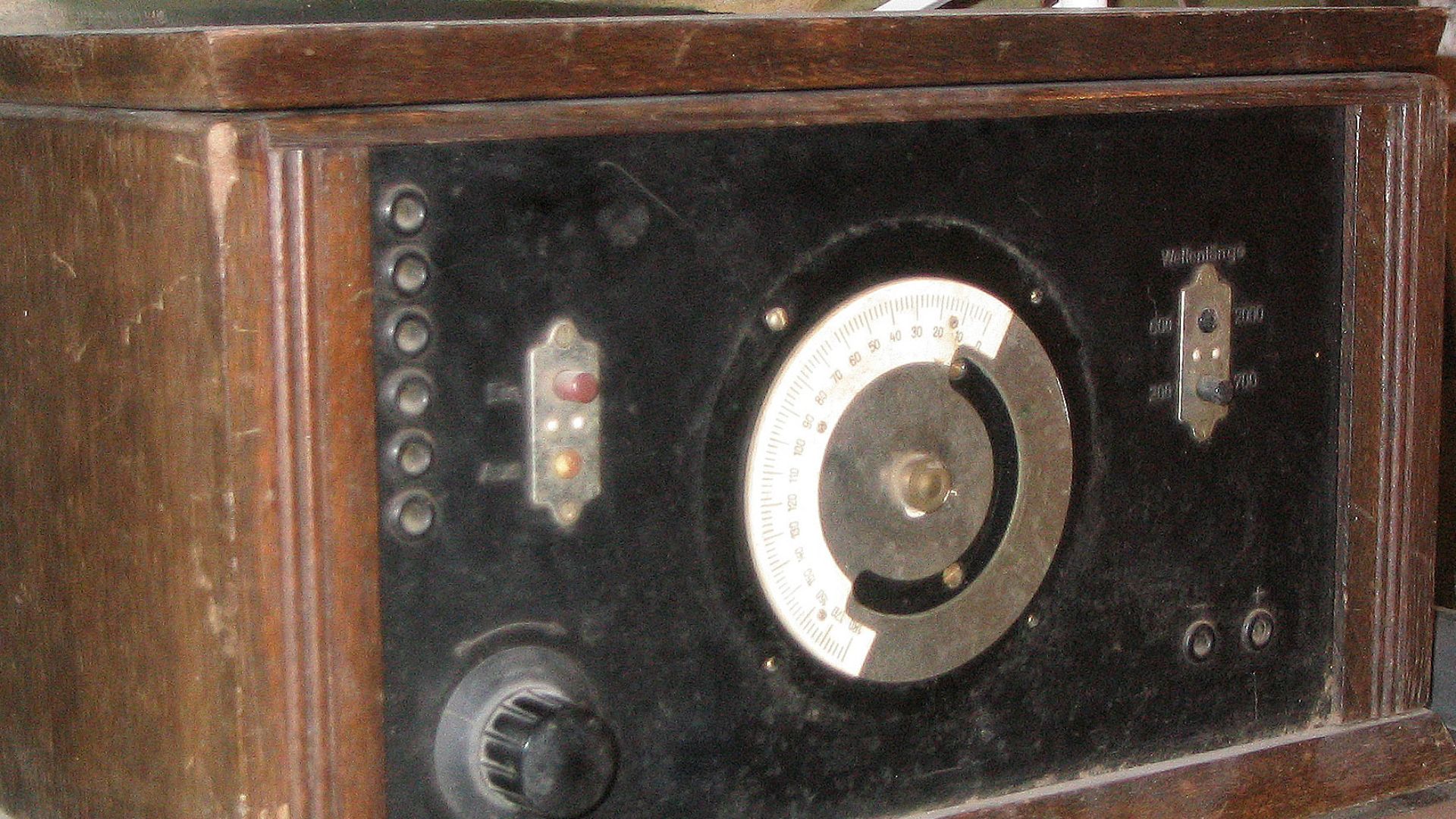
Radio brought entertainment directly into the family home, and adults quickly worried children were listening too much. A 1941 medical article characterized some children's enthusiasm for radio and movies as an unhealthy habit. Apparently, sitting motionless while consuming entertainment was dangerous long before anyone invented TikTok.
 Hannes Grobe (talk), Wikimedia Commons
Television
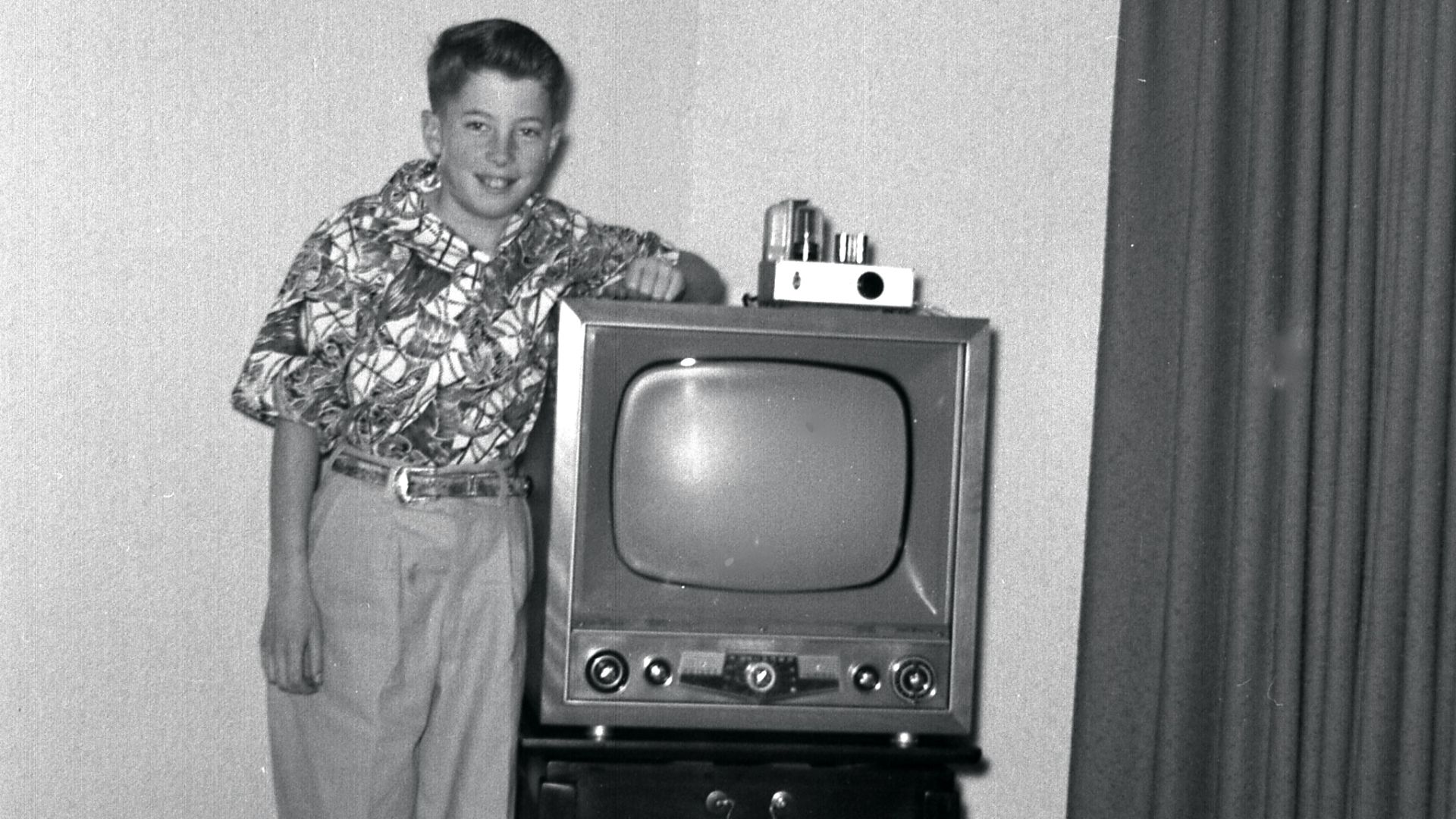
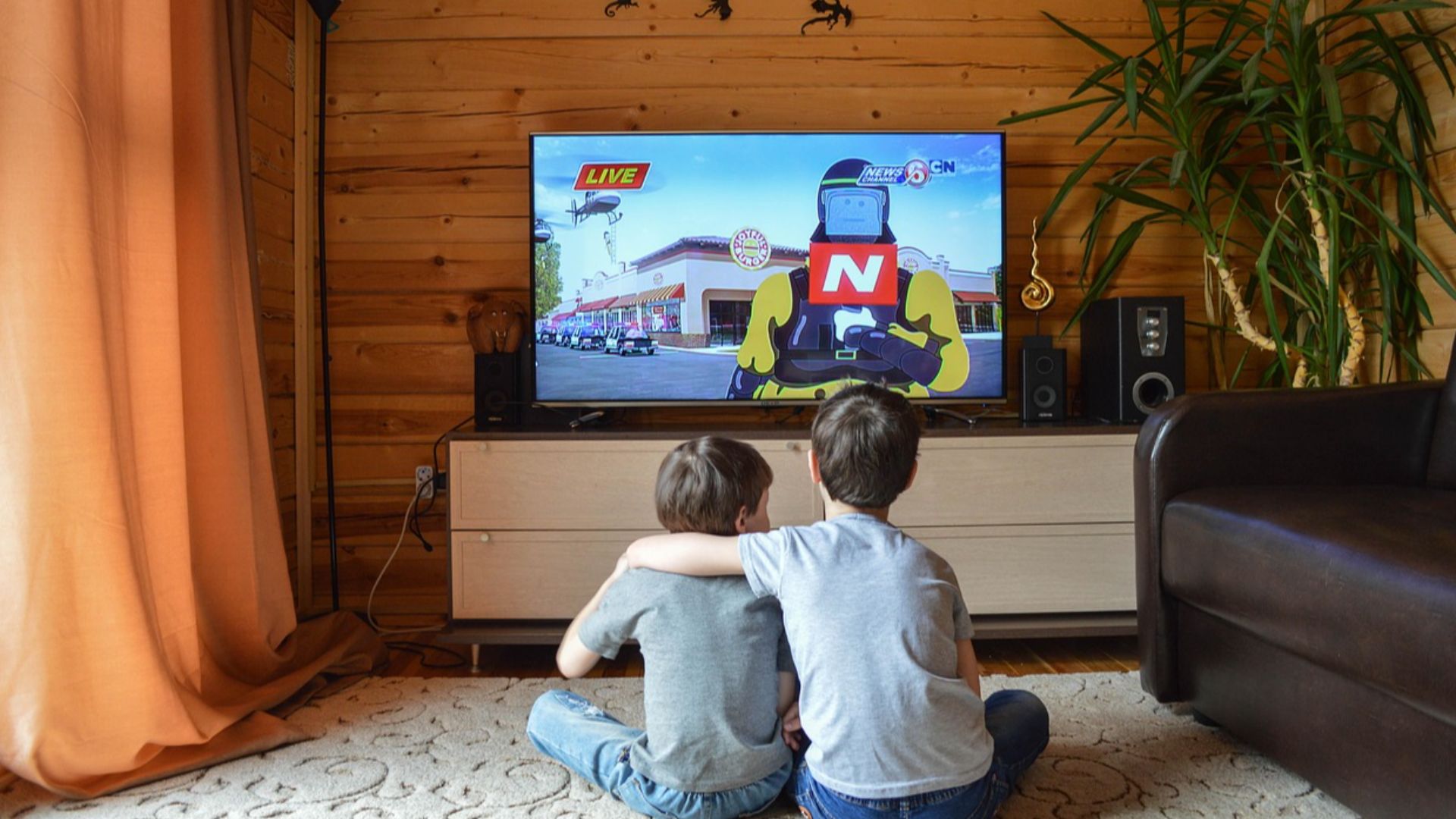
Television inherited many of radio and cinema's accusations almost immediately. Critics worried about passivity, advertising, intellectual decline, and children's viewing habits. Congressional investigations into juvenile delinquency during the 1950s even examined television alongside other supposedly dangerous media.
 John Atherton, Wikimedia Commons
History's most fascinating stories and darkest secrets, delivered to your inbox daily.
Comic Books
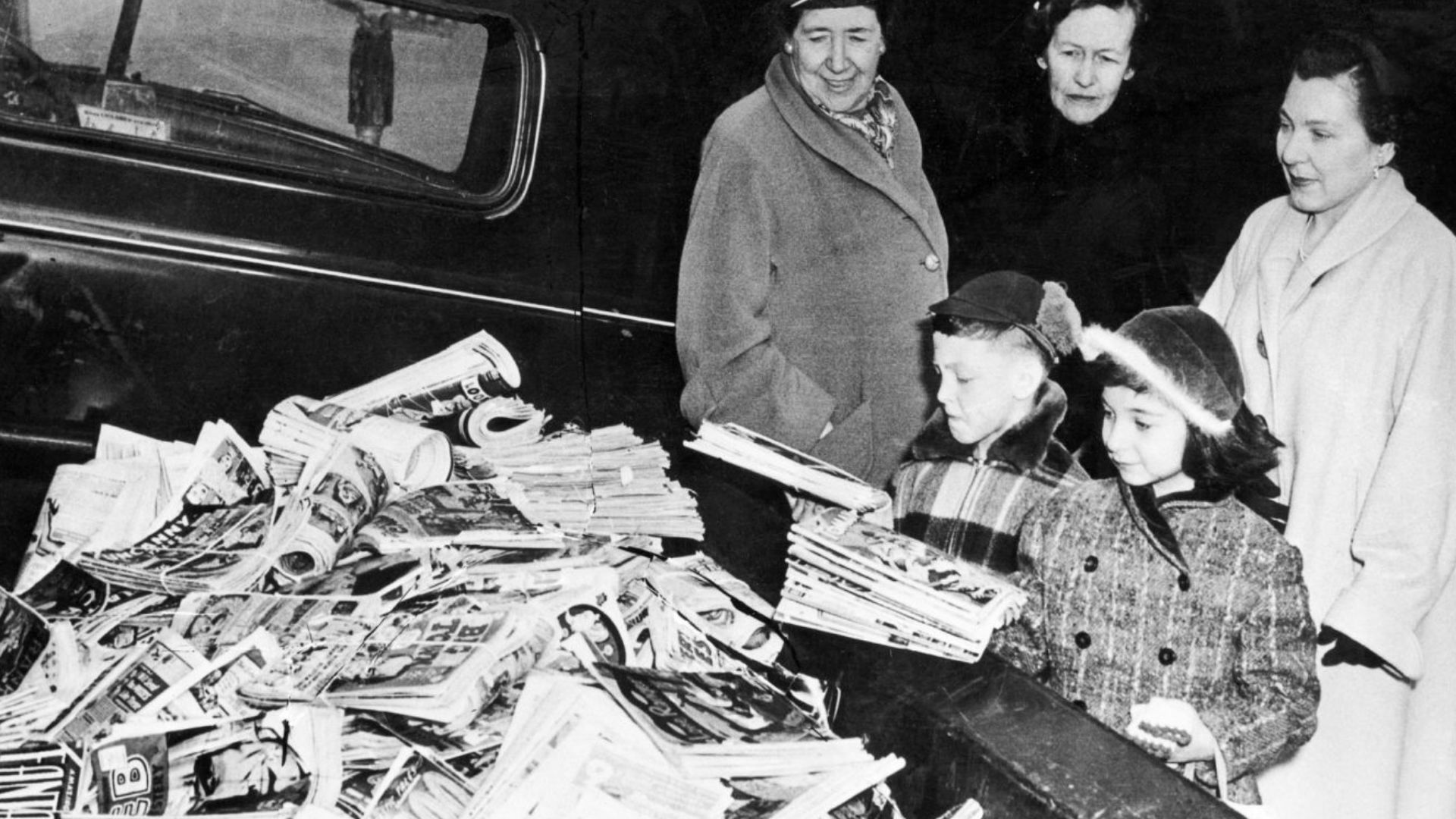
Comic books became serious congressional business in 1954. A Senate subcommittee investigated allegations that horror comics contributed to juvenile delinquency, while communities held comic-book burnings. Publishers responded with industry self-regulation, helping create one of America's most famous entertainment censorship battles.
Pocket Calculators
When affordable electronic calculators entered classrooms, educators debated whether students would become dependent on machines rather than learning arithmetic. The controversy sounds remarkably familiar to modern arguments about technological shortcuts in education. Calculators nevertheless became standard tools in classrooms, offices, laboratories, and phones.
 jakeandlindsay, Wikimedia Commons
Personal Computers
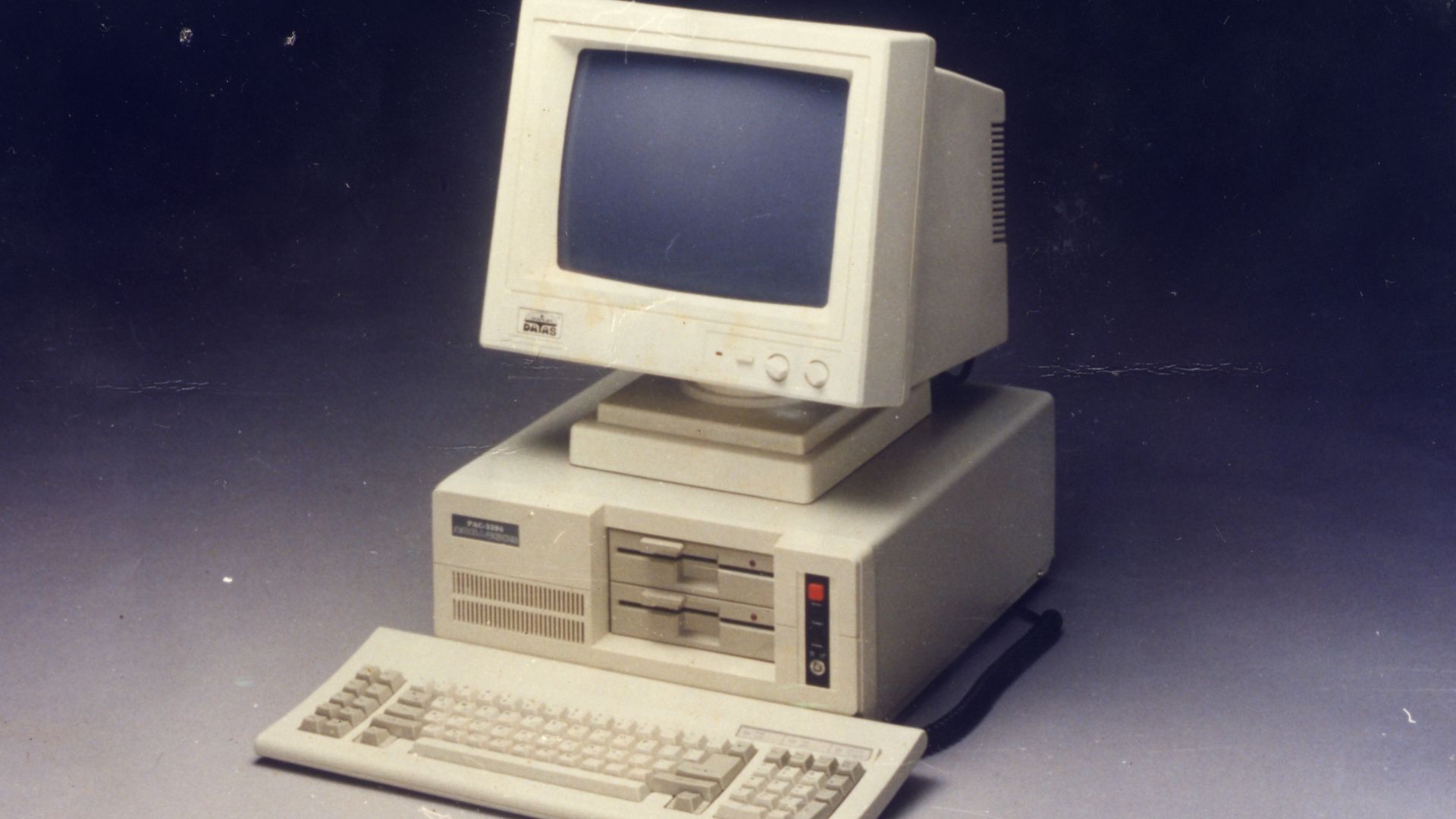
Computers brought their own named anxiety: “computerphobia.” Researchers and educators in the early 1980s discussed people's fear of breaking computers, difficulty understanding them, and discomfort learning unfamiliar systems. A device intimidating enough to inspire its own phobia eventually became basic office equipment.
The VCR
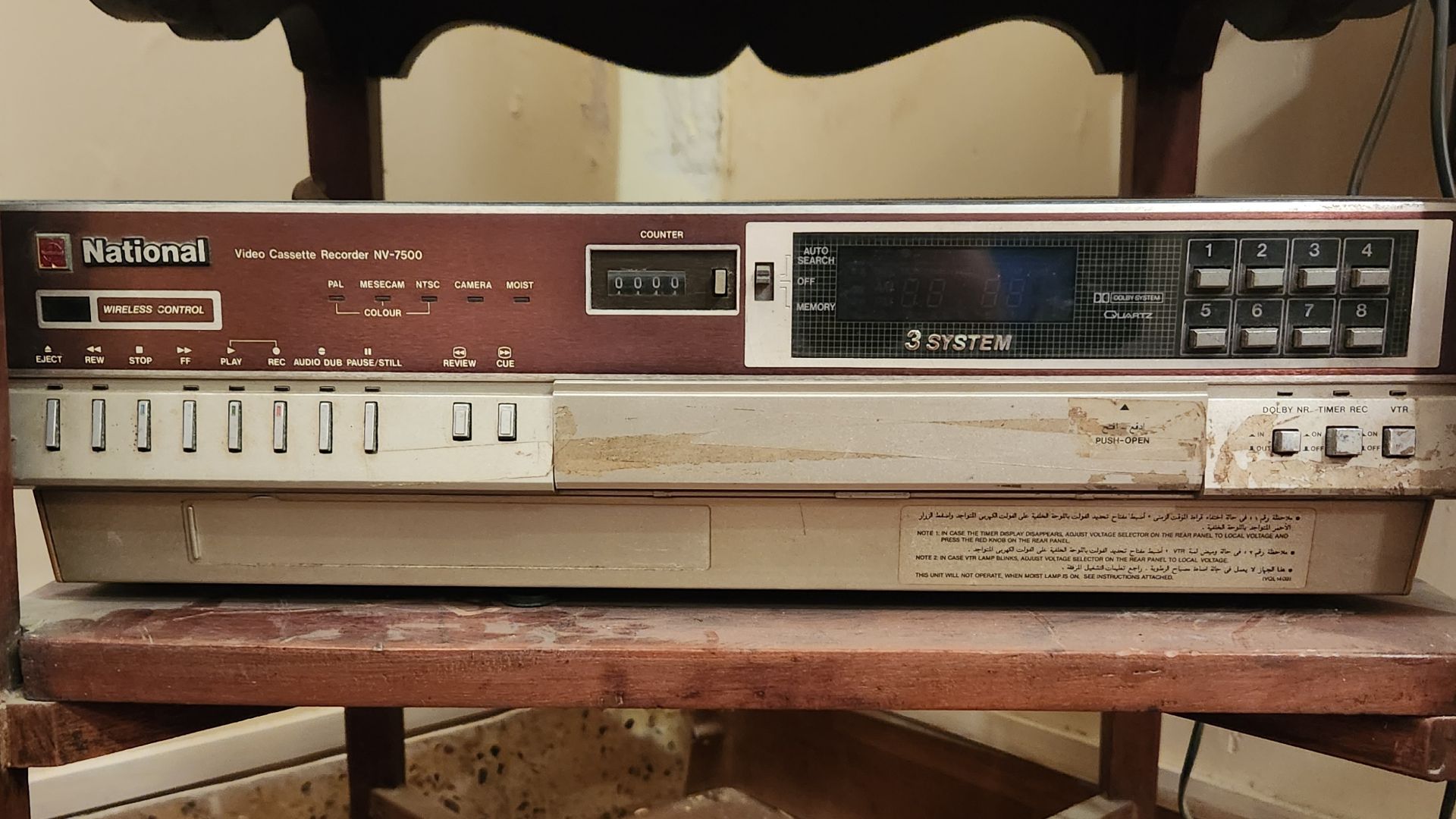
Hollywood viewed home video recording as a potentially devastating copyright issue. Universal and Disney sued Sony over the Betamax, arguing that consumers recording television programs infringed copyrights. In 1984, the U.S. Supreme Court ruled for Sony, protecting legitimate home recording uses.
Cassette Recorders
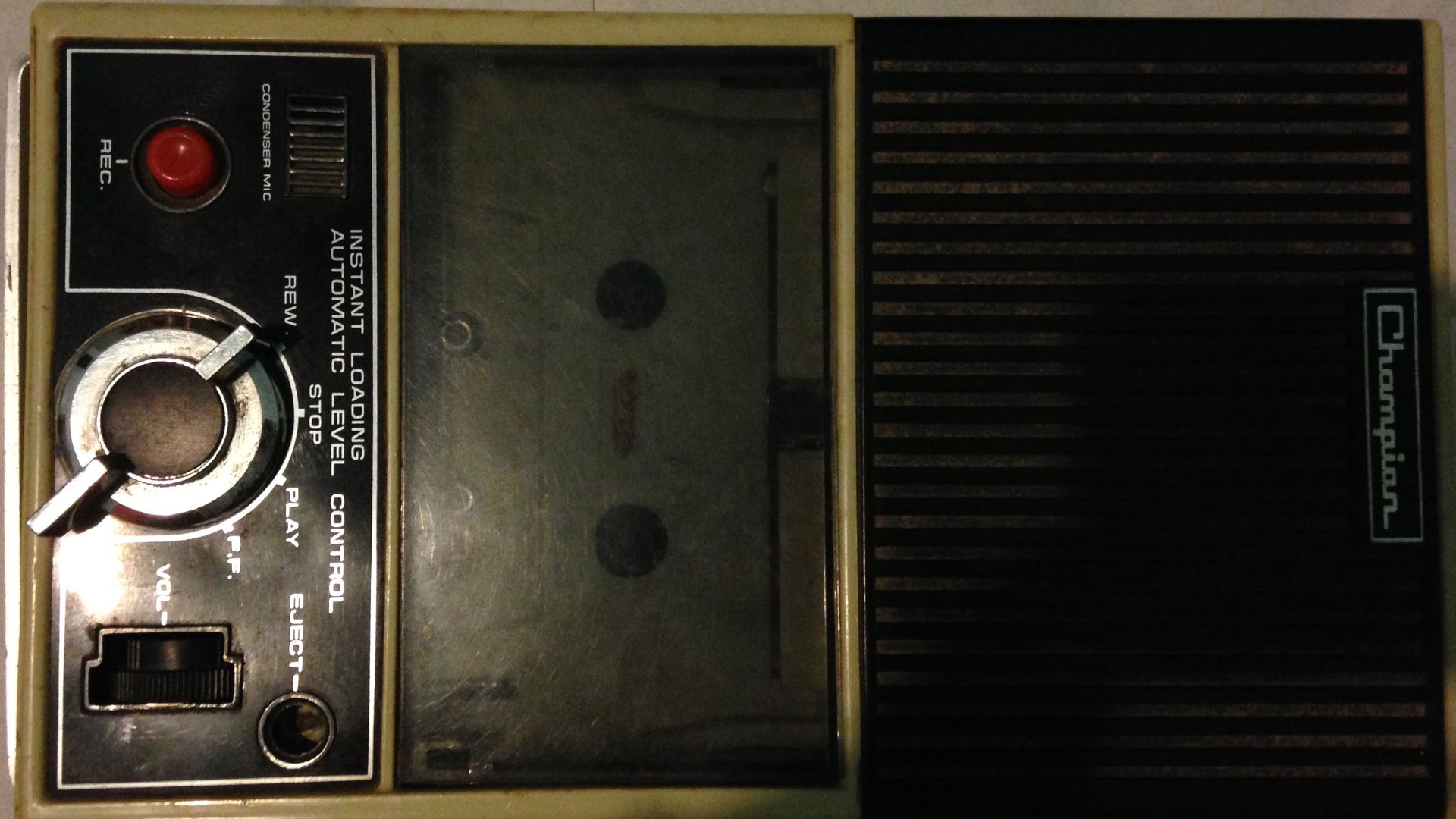
Record companies weren't thrilled about consumers copying albums or recording songs from radio broadcasts. The British Phonographic Industry famously launched its “Home Taping Is Killing Music” campaign in the 1980s. Music survived, while homemade mixtapes became practically an art form of their own.
Portable Music Players
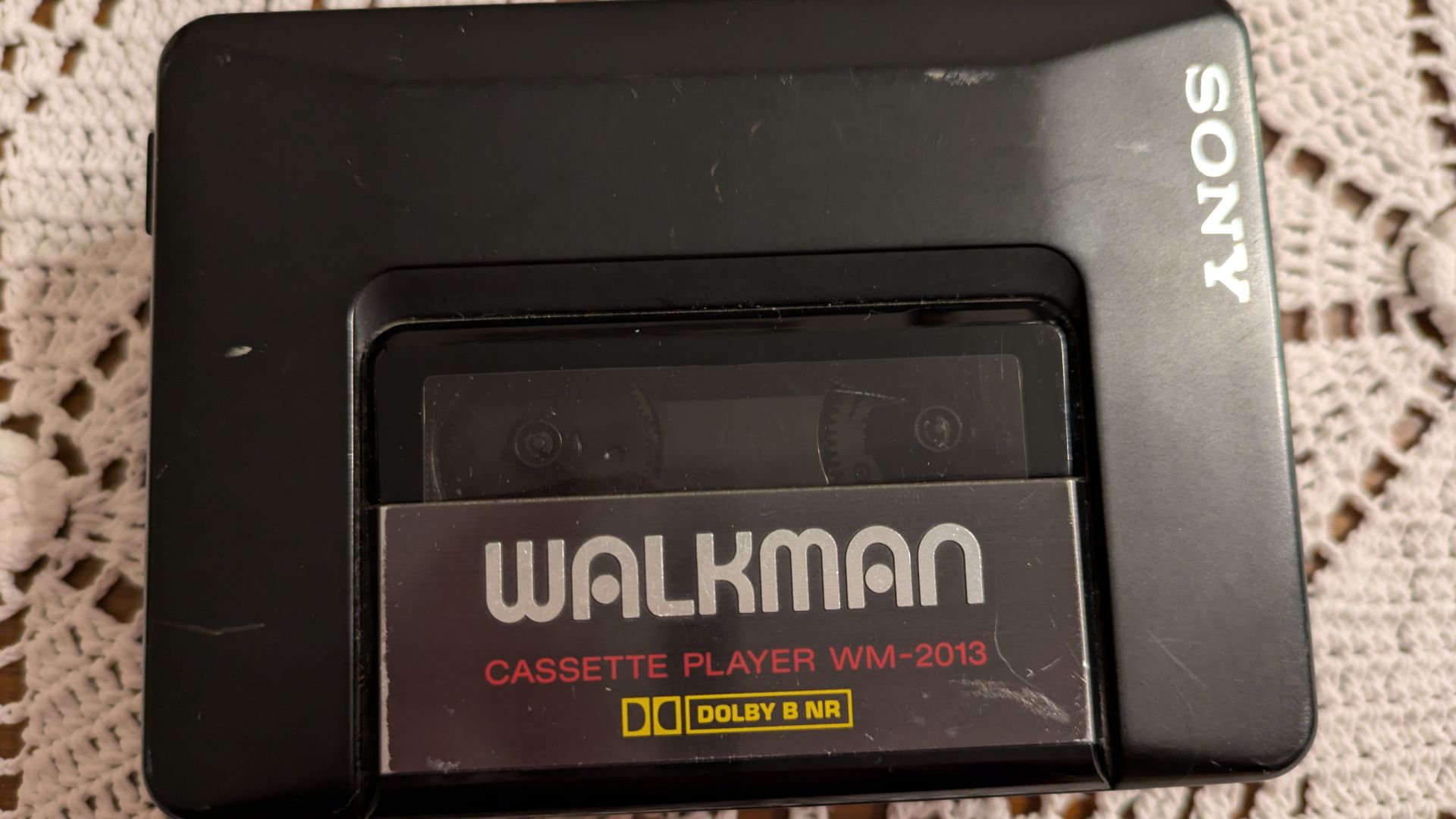
Sony's Walkman helped turn listening into an intensely personal activity, prompting criticism of people retreating into headphones and separating themselves from their surroundings. Portable private listening hardly disappeared. Instead, the basic idea evolved through portable CD players, MP3 players, smartphones, earbuds, and streaming.
 Accurimbono, Wikimedia Commons
History's most fascinating stories and darkest secrets, delivered to your inbox daily.
Synthesizers
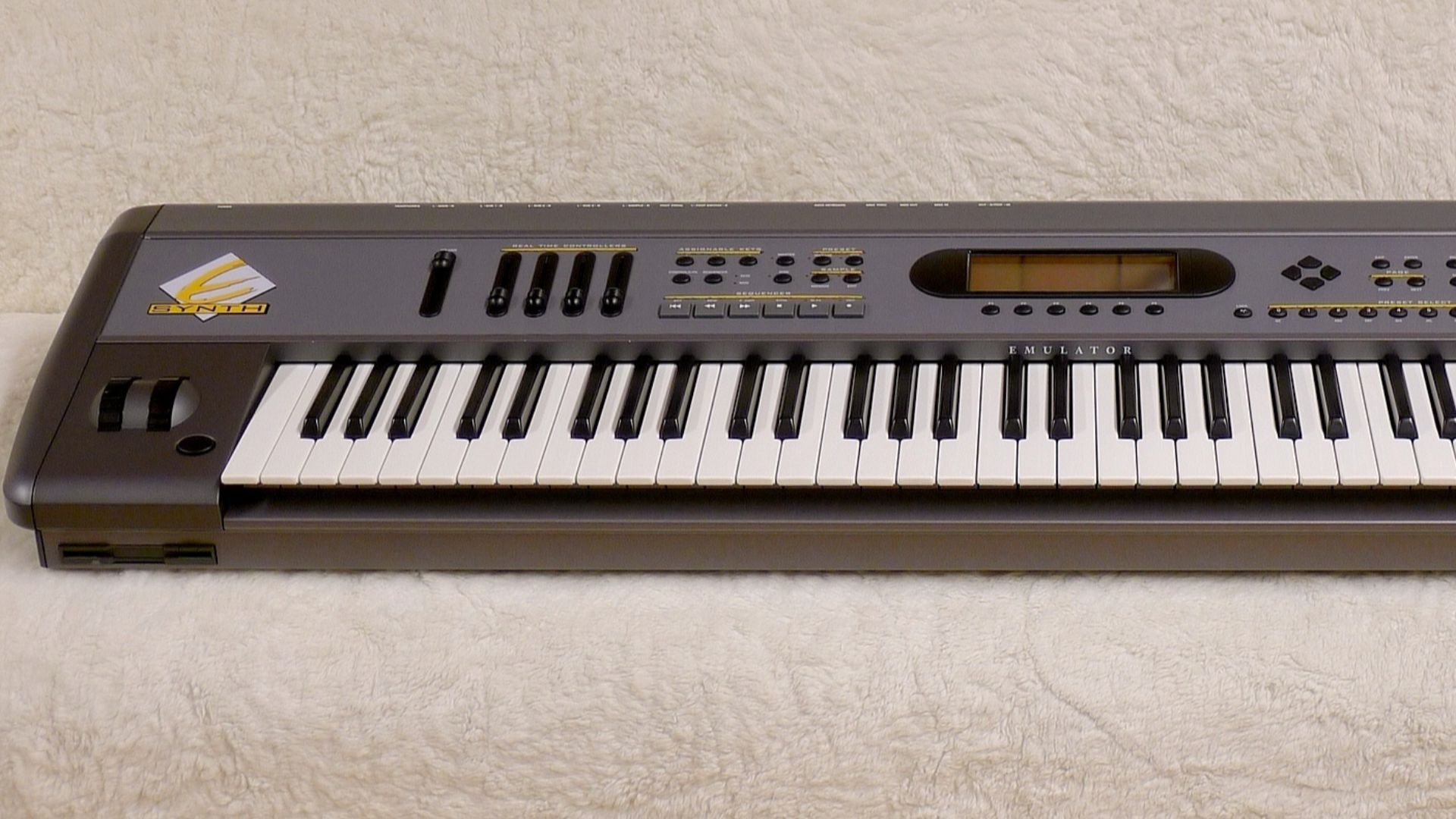
Electronic instruments created genuine employment fears among professional musicians. Britain's Musicians' Union went so far as to approve a motion against synthesizers, drum machines, and similar electronic devices in 1982 amid concerns about musicians being replaced. Synthesizers nevertheless became fundamental to modern popular music.
 deepsonic from Switzerland, Wikimedia Commons
Video Games
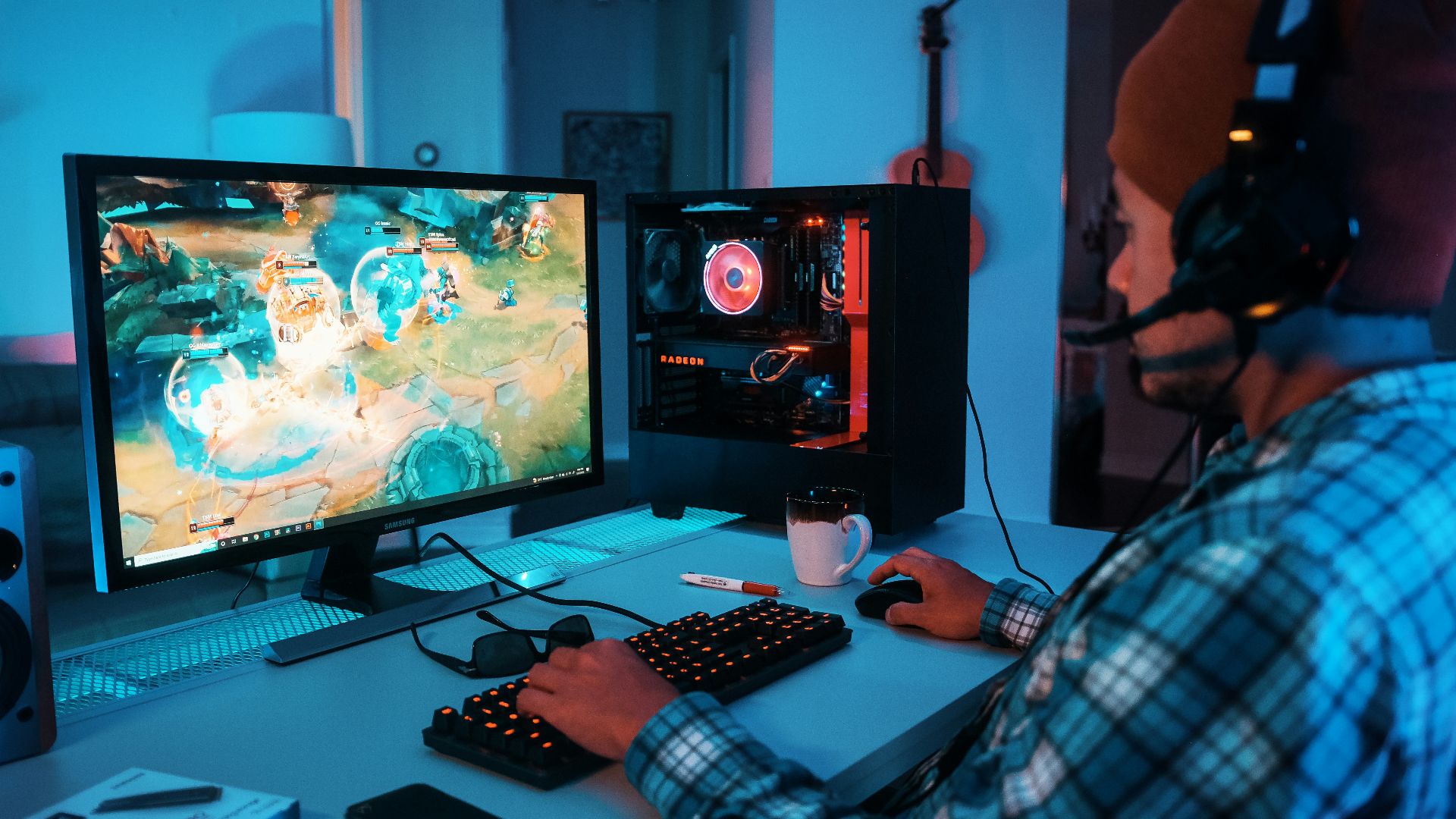
Video games became a political issue as titles such as Mortal Kombat and Night Trap triggered arguments about violent content. U.S. Senate hearings in 1993 pressured the industry over children's access to violent games. The controversy helped spur the creation of the Entertainment Software Rating Board.
The Internet
Early internet culture generated fears involving predators, hackers, privacy, isolation, and general online danger. In a 2000 Pew survey, 54% of American adults who weren't online said they considered the internet dangerous. Fifteen years later, Pew found 84% of American adults were internet users.
Email promised faster communication and then demonstrated the downside of being reachable constantly. Workplace researchers have linked frequent email checking with stress, while organizations have experimented with policies limiting after-hours messages. Despite decades of complaints about overflowing inboxes, email remains central to professional communication.
Cell Phones
Mobile phones generated complaints ranging from health fears to terrible public etiquette. A 2006 Pew-related survey found 82% of Americans were at least occasionally irritated by loud public cell-phone conversations. Apparently society survived anyway, although the person using speakerphone in the grocery store continues testing that achievement.
 Boaventuravinicius, Wikimedia Commons
Smartphones
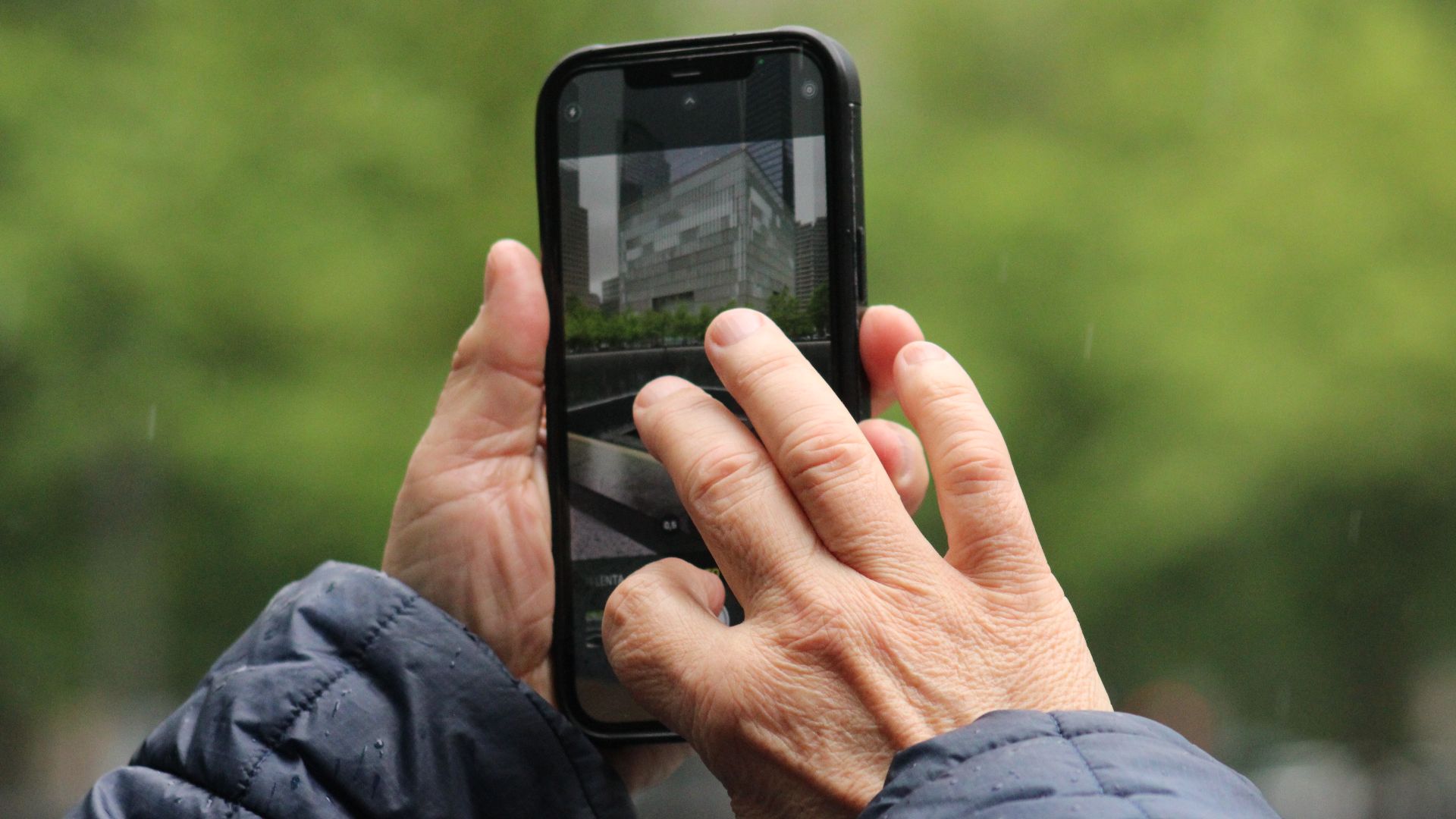
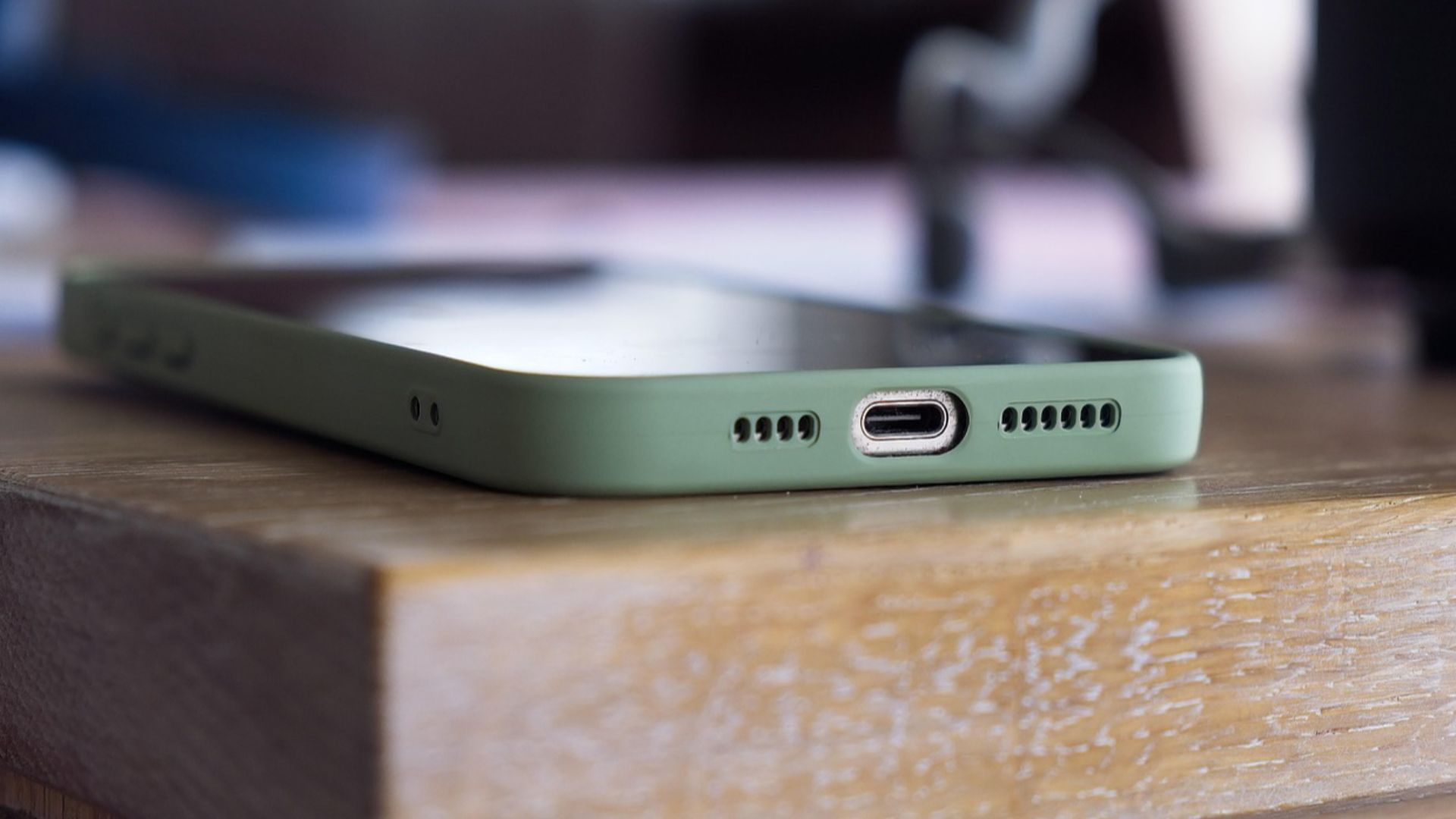
Smartphones combined several previous objects of anxiety—phones, cameras, computers, games, music players, and the internet—into one pocket-sized device. Concerns about distraction and overuse remain substantial, but adoption has been enormous. Pew reported in 2025 that 90% of US adults owned smartphones.
History's most fascinating stories and darkest secrets, delivered to your inbox daily.
Social Media
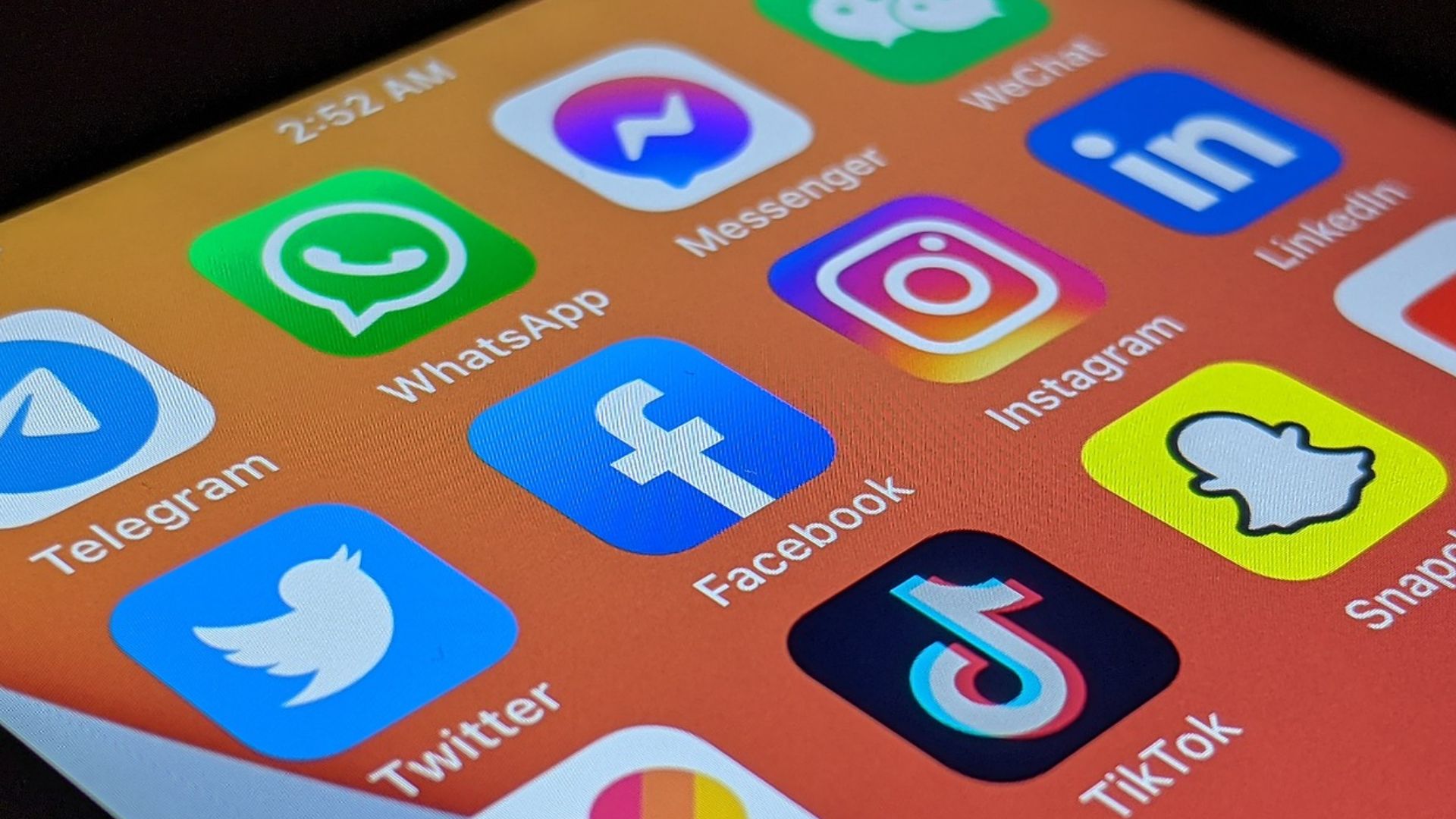
Social media has faced serious criticism involving privacy, misinformation, polarization, harassment, and mental health. Yet adoption expanded from just 5% of American adults in 2005 to widespread mainstream use. Unlike some earlier scares, many concerns remain actively debated—but the technology itself has unquestionably become embedded in everyday life.
The Panic Never Really Disappears
None of this means every concern about new technology is foolish. Cars cause accidents, television can waste time, the internet creates privacy risks, and smartphones can be distracting. The historical pattern is simply more interesting: societies repeatedly struggle to separate a technology's genuine risks from predictions of total cultural collapse. Yesterday's terrifying innovation has an uncanny habit of becoming tomorrow's boring household object.
You May Also Like:
Ordinary Household Objects With Surprisingly Dark Origins
Strange Historical Coincidences That Are Almost Impossible To Believe
Common English Words That Once Had Totally Different Meanings