When Familiar Inventions Look Completely Alien
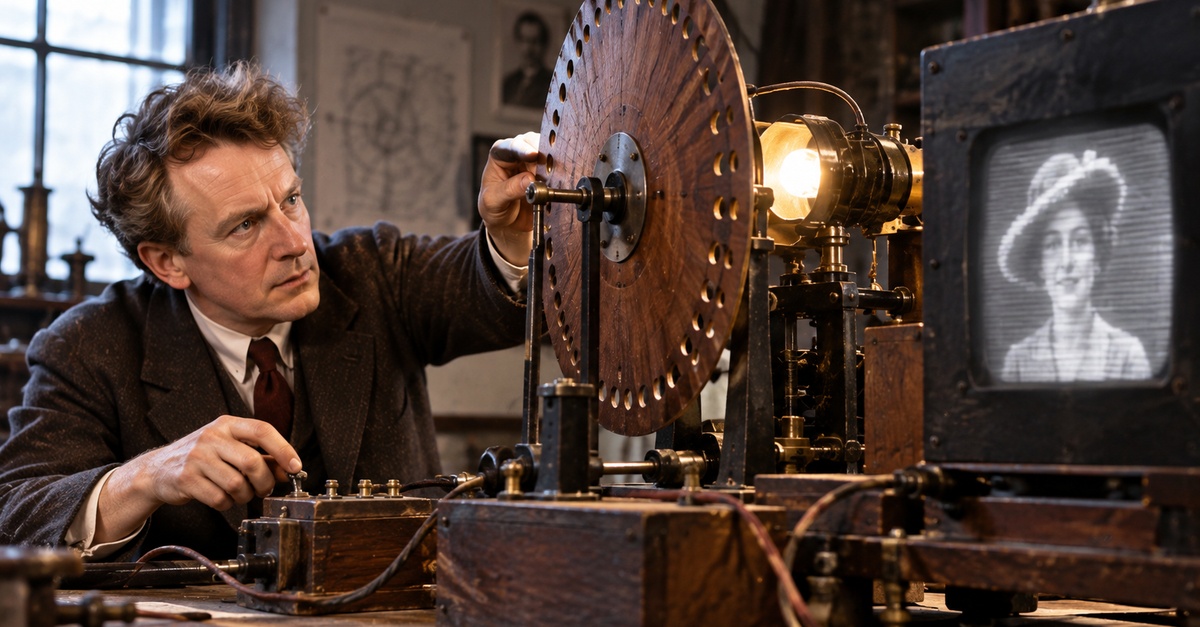
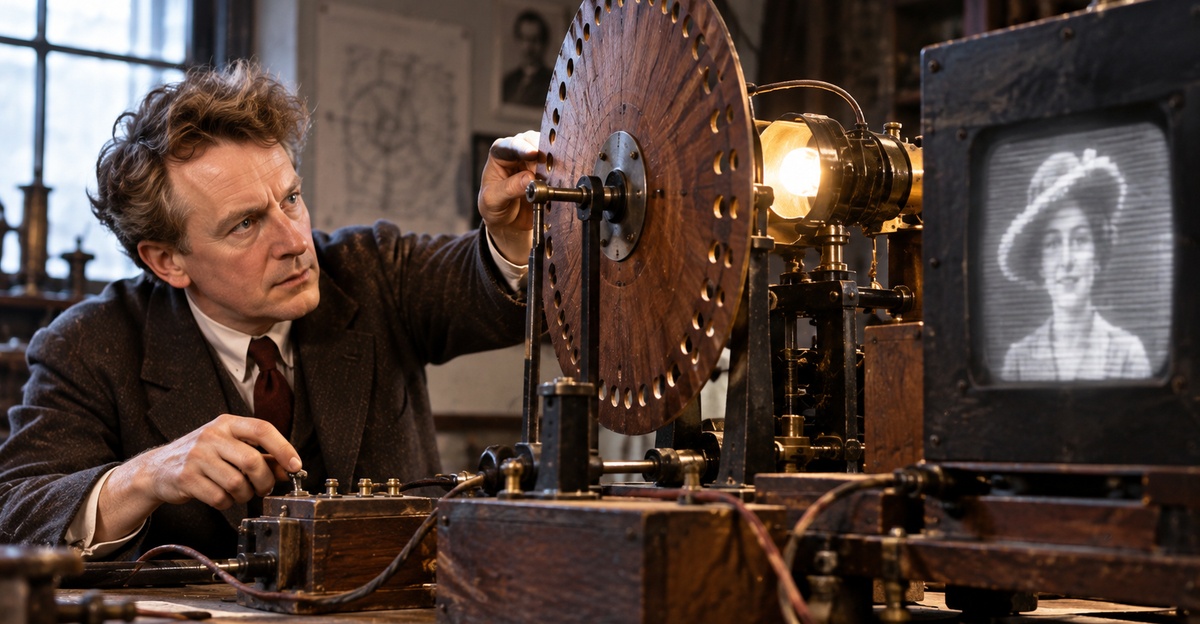
The gadgets we use every day did not always look sleek, simple, or even recognizable. Many began as strange contraptions filled with spinning discs, exposed wires, wooden boxes, and hand-operated mechanisms that seem almost unrelated to their modern descendants. Looking back at these early designs reveals just how much trial and error stood between an inventor's first idea and the technology we now take for granted.
The First Telephones Barely Looked Like Phones
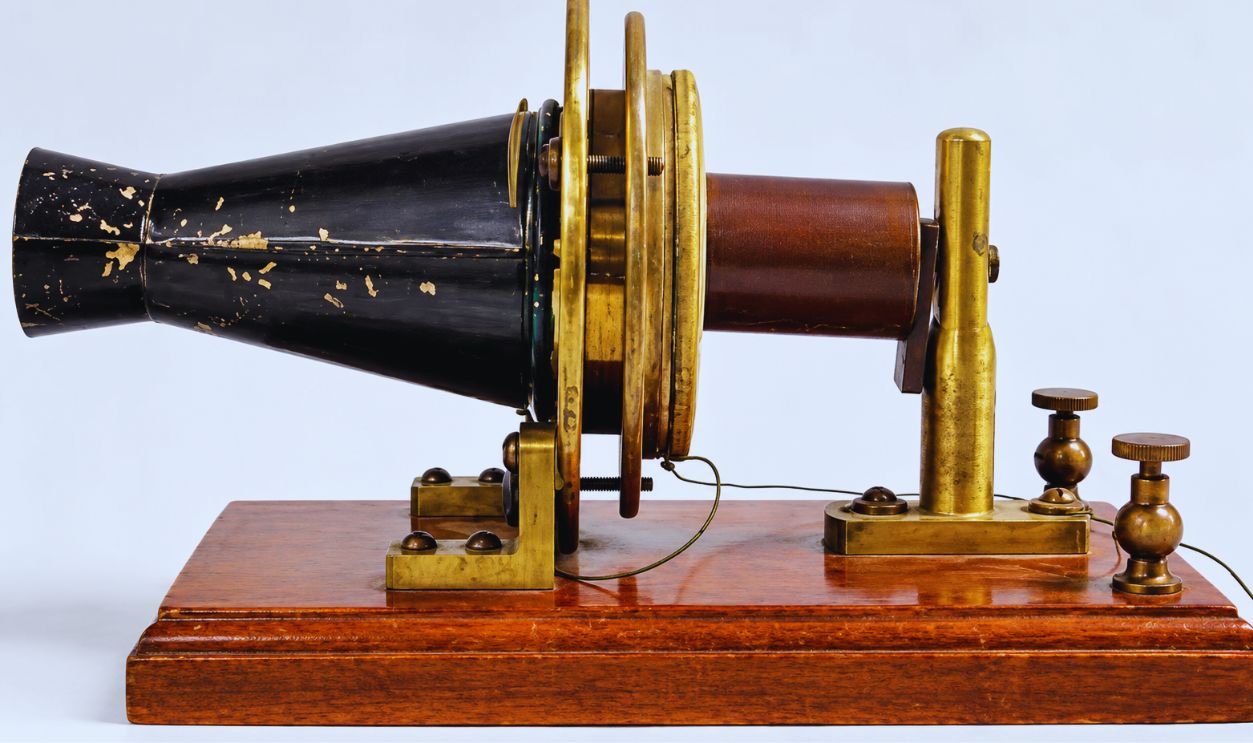
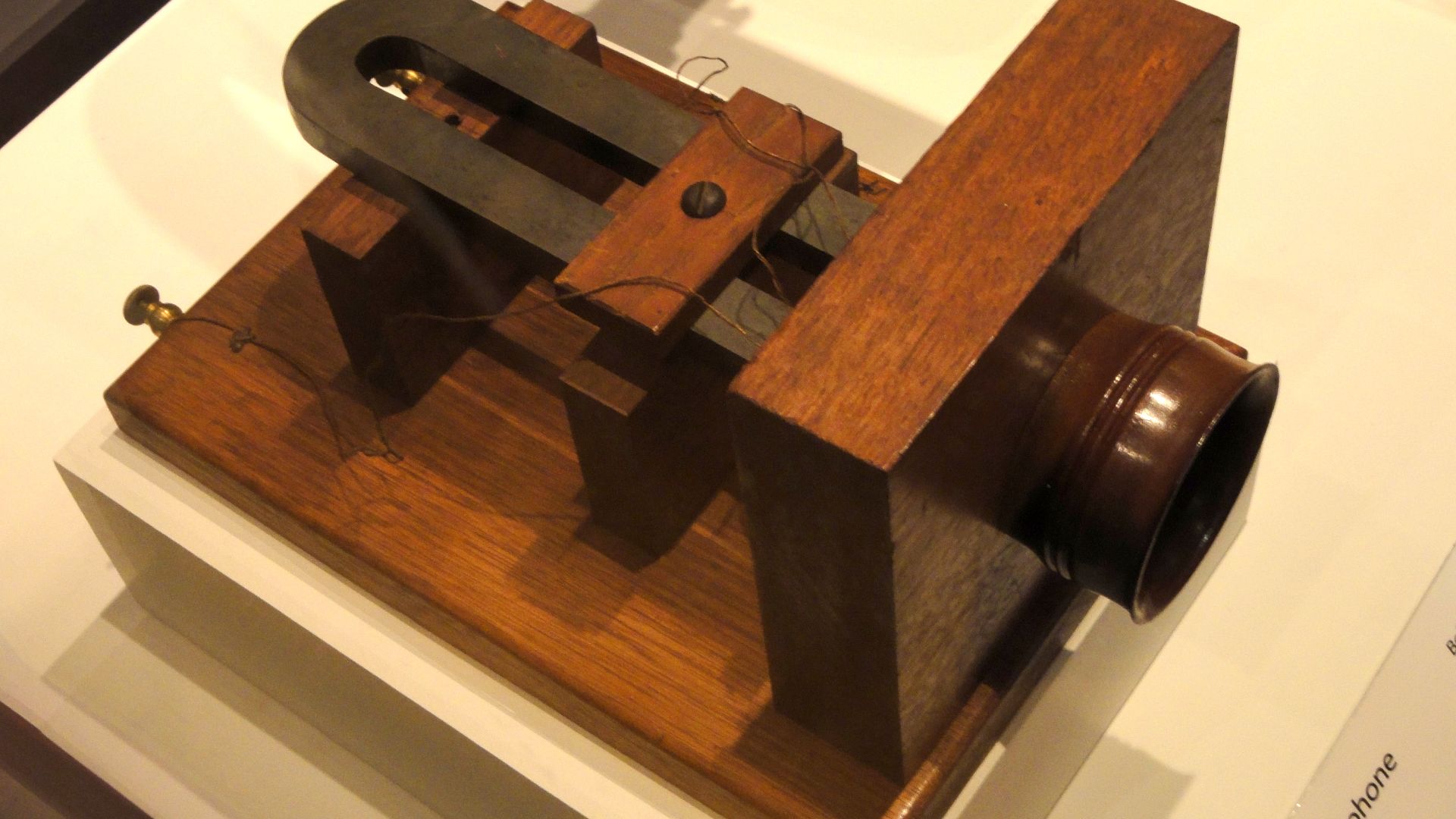
Alexander Graham Bell's experimental telephone from 1876 looked more like a scientific instrument than something meant for conversation. Its wooden base held an electromagnet, a parchment diaphragm, brass supports, and a cone-shaped metal mouthpiece. One version could function as both the transmitter and receiver, meaning users did not yet have the familiar separate earpiece and microphone arrangement.
 National Museum of American History, Wikimedia Commons, Modified
Bell Even Tried Talking Through Liquid
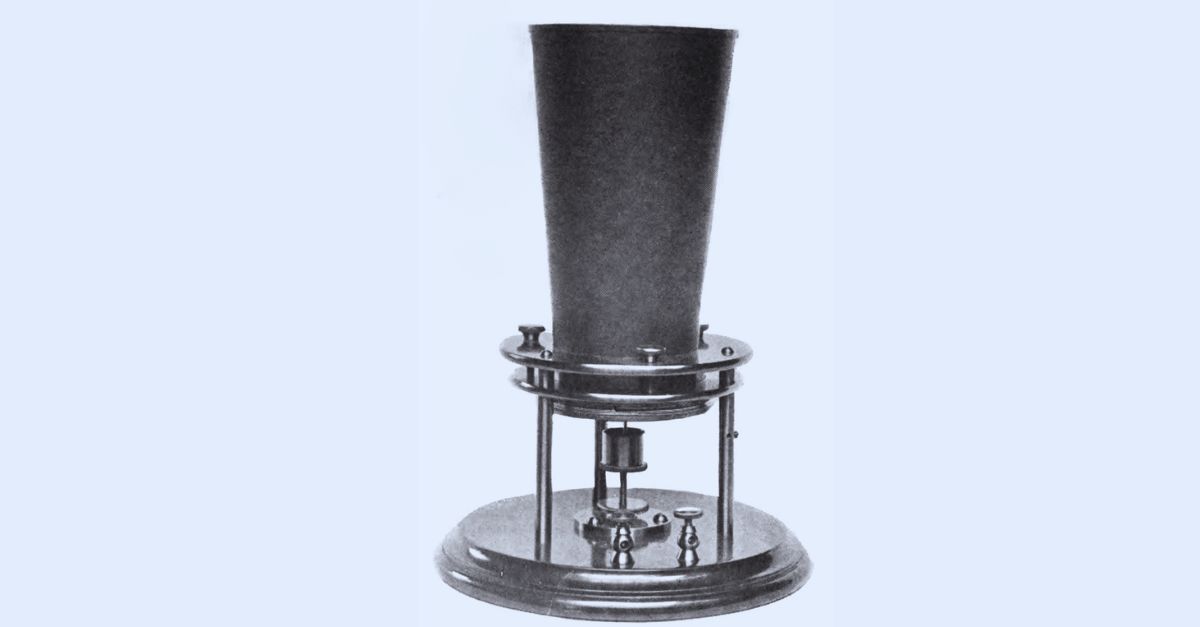
Another experimental Bell telephone used what became known as a liquid transmitter. The Smithsonian dates the surviving apparatus to 1876, the same year Bell received his fundamental U.S. telephone patent. Compared with a modern smartphone, this collection of wood, wires, metal, and laboratory equipment hardly resembles a telephone at all.
 Floyd L. Darrow, Wikimedia Commons, Modified
Early Commercial Phones Were Basically Handles
Even when telephones began moving beyond the laboratory, their appearance remained surprisingly primitive. Bell Telephone Company hand telephones from 1876 and 1877 were narrow handheld devices that combined transmitting and receiving functions. The familiar desk phone with a dial, handset, and base was still far in the future.
Recorded Music Started On Tinfoil
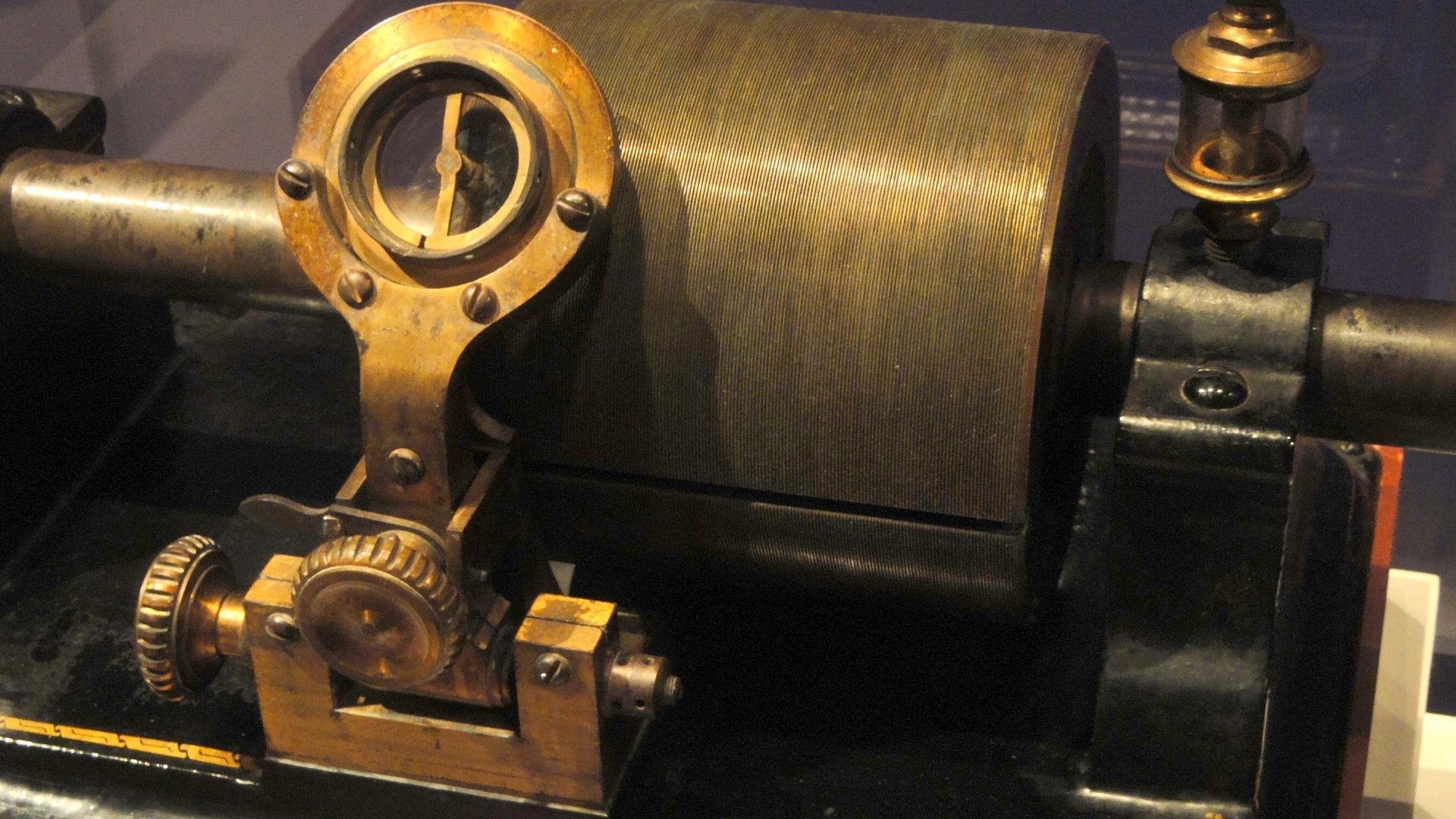
Thomas Edison's 1877 phonograph recorded sound by making indentations in tinfoil wrapped around a metal cylinder. Users spoke into a mouthpiece while a needle responded to the vibrations and cut the pattern into the rotating surface. The fragile foil could survive only a few playings, which makes today's endlessly replayable digital music feel especially remarkable.
The Record Was Originally A Cylinder
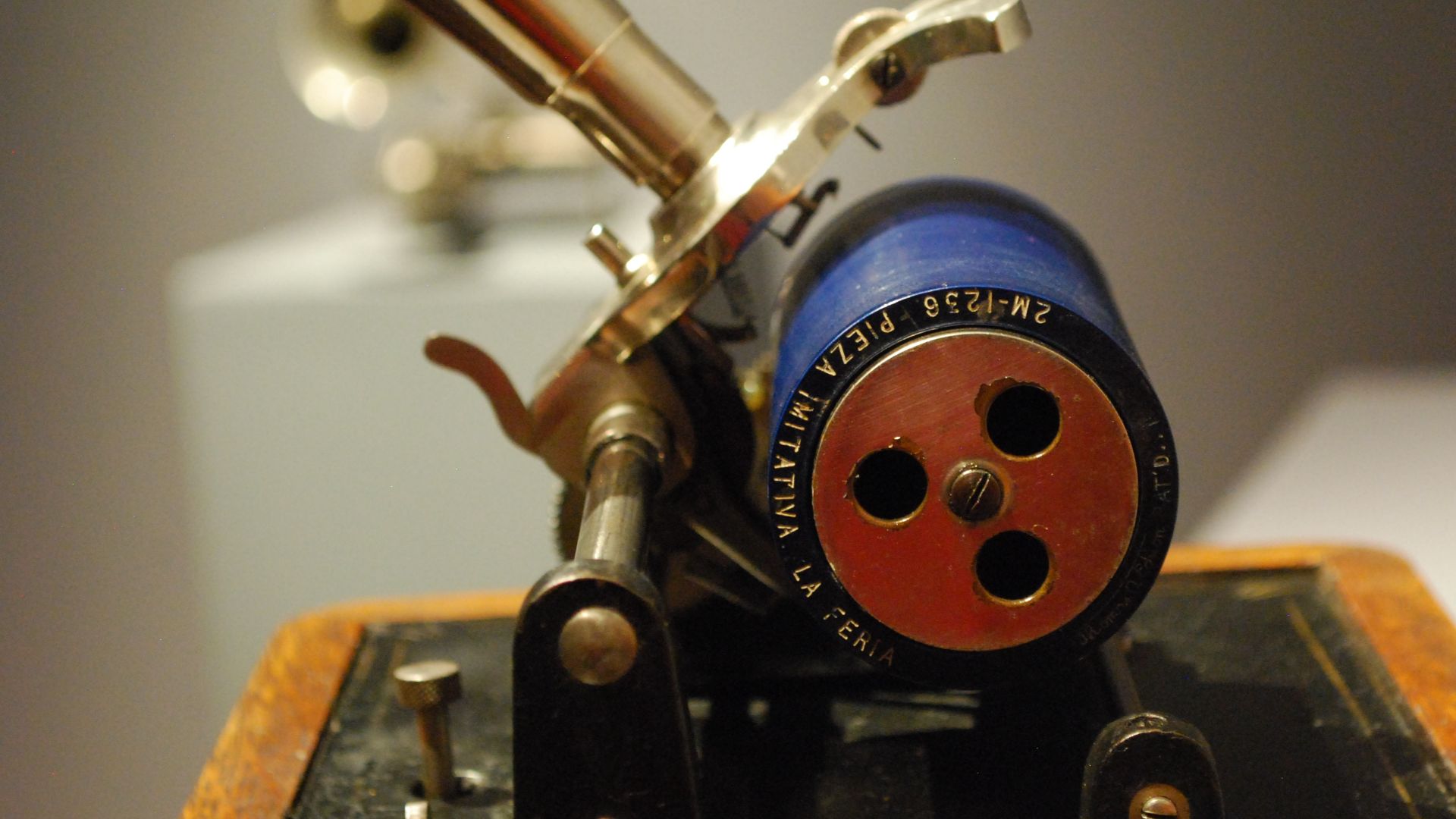
Flat records were not initially the obvious shape for recorded music. Edison later used wax cylinders, while Emile Berliner's gramophone work helped establish lateral-groove recording and eventually the flat disc. For somebody raised on streaming services, even recognizing a wax cylinder as an ancestor of a music album could be difficult.
 AlejandroLinaresGarcia, Wikimedia Commons
Typewriters Once Had Piano-Like Keys
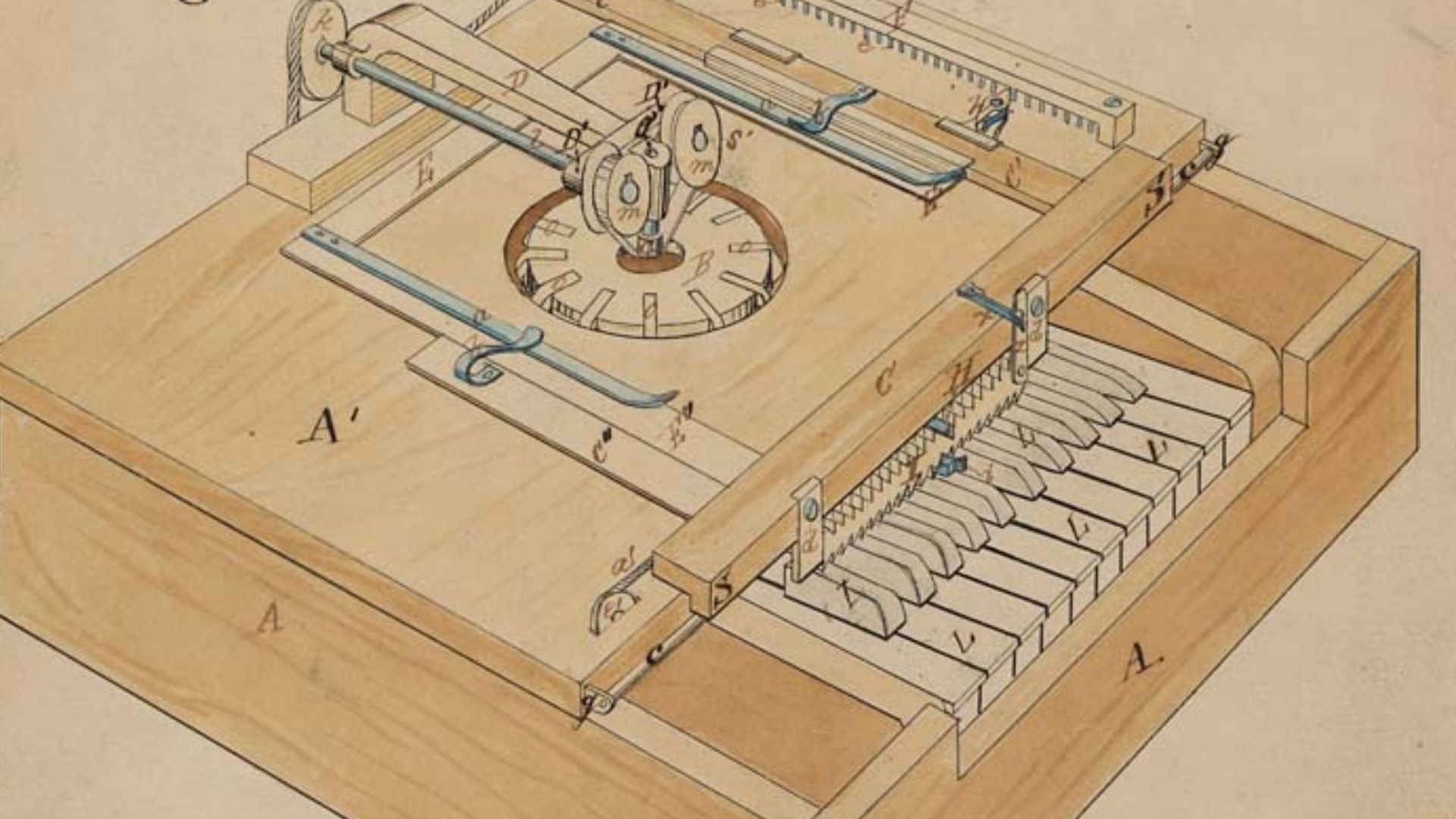
An 1868 patent model created by Christopher Latham Sholes, Carlos Glidden, and Samuel Soule had only six keys. The Smithsonian notes that many early typewriter experiments borrowed piano-key designs, which makes the machine look more like a strange musical instrument than a writing tool. Those experiments eventually helped lead toward commercially successful mechanical typing.
The First Successful Typewriter Only Used Capitals
The Sholes and Glidden Type Writer marketed by Remington in the 1870s could initially type only capital letters. Its keyboard already used the QWERTY arrangement, but the mechanical design was far less convenient than modern keyboards. Later models added the ability to switch between uppercase and lowercase characters.
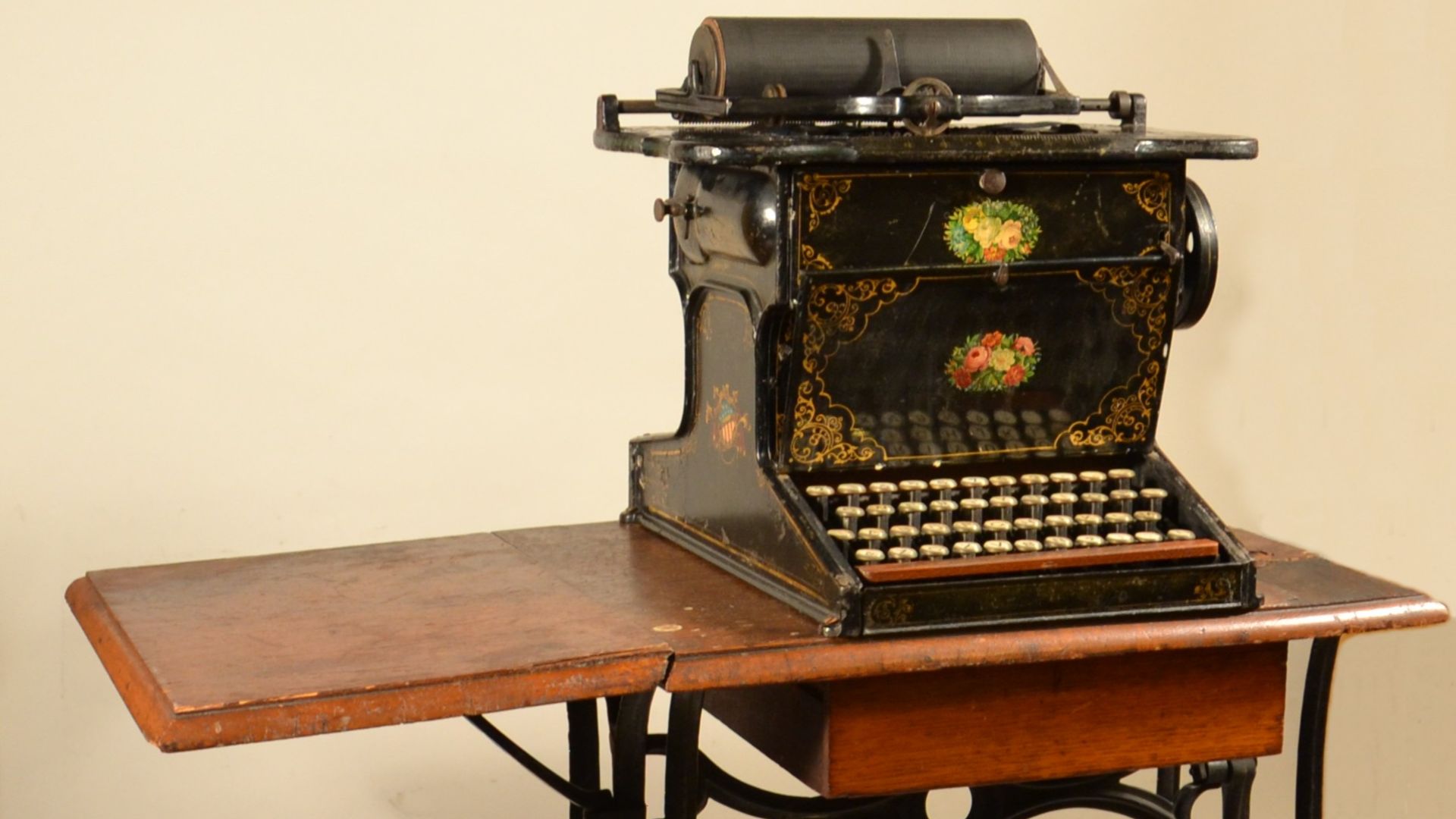
Typists Could Not Even See Their Work
Early typewriter users faced another strange limitation. On many machines, the typing mechanism struck the underside of the paper, so the typist could not immediately see what had been written. Smithsonian history notes that visible typing did not become standard until later improvements transformed the machine during the 1890s.
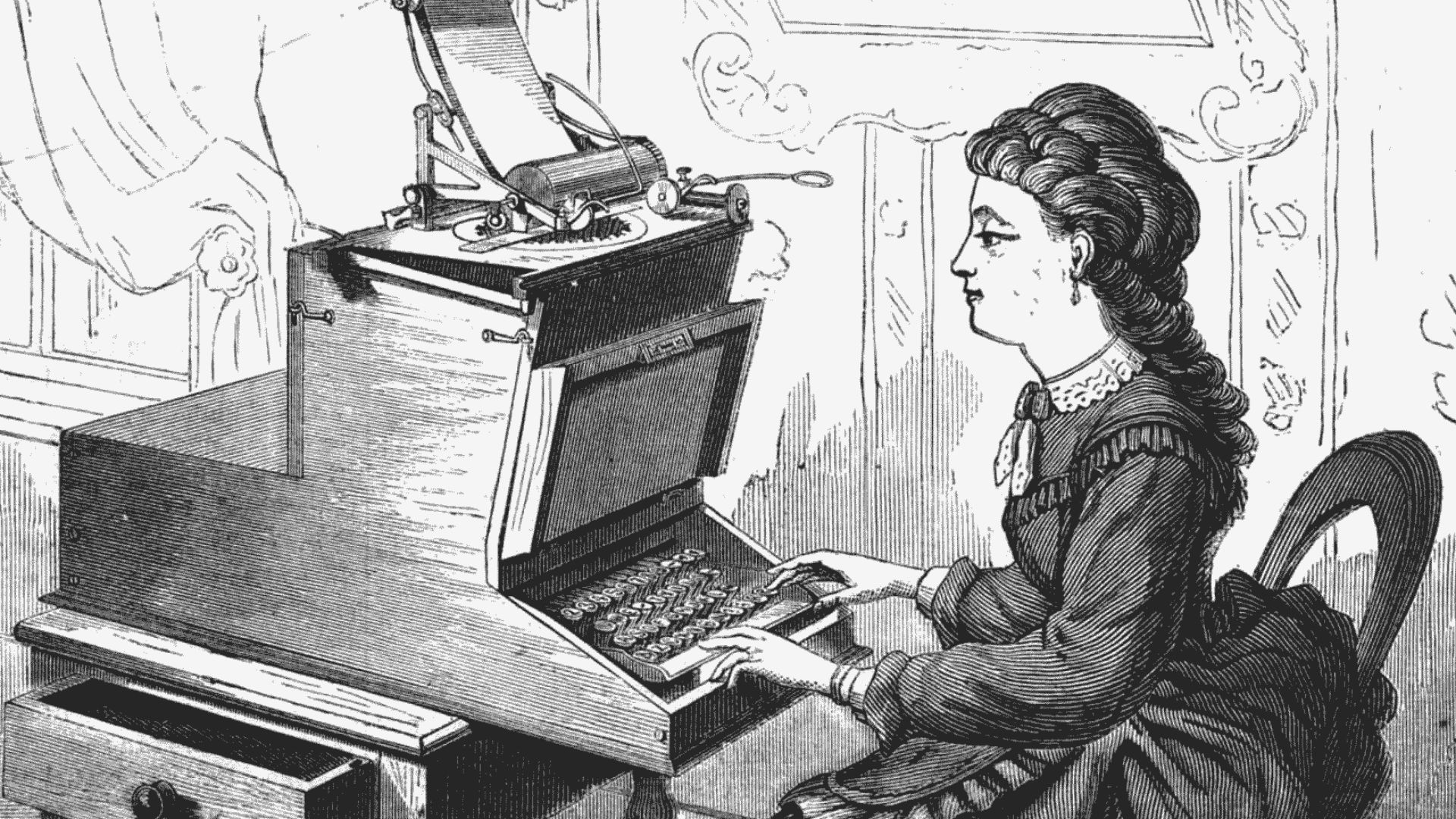 Ten Eyck N.Y., Wikimedia Commons

History's most fascinating stories and darkest secrets, delivered to your inbox daily.
Cameras Were Literally Wooden Boxes
Some of the earliest photographic cameras used in the United States were simple wooden boxes. A Smithsonian daguerreotype camera dating from roughly 1840 to 1860 used a European lens and required separate plate holders and processing equipment. There was no screen, automatic focus, instant review, or even a roll of film inside.
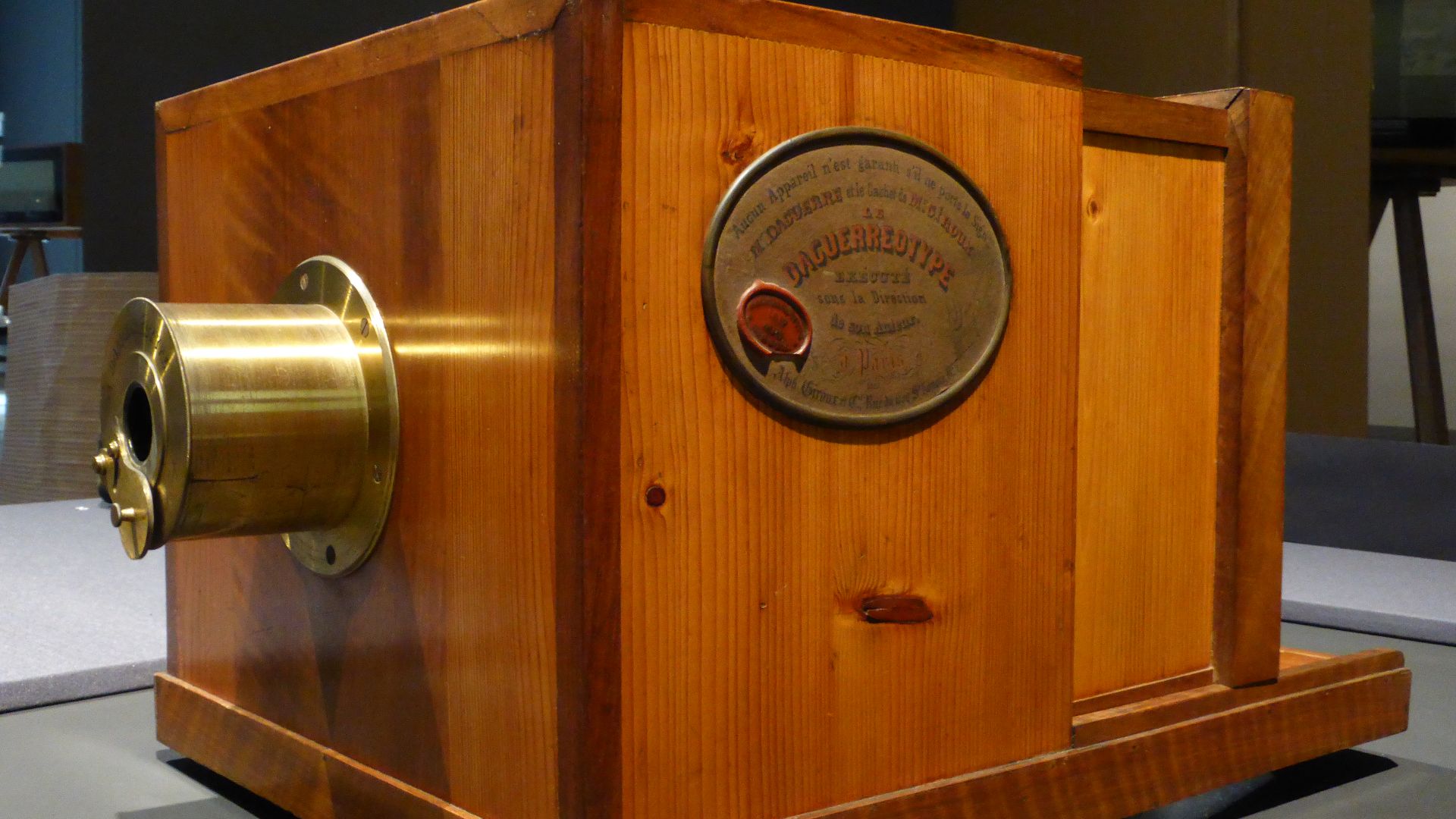 CARLOS TEIXIDOR CADENAS, Wikimedia Commons
Taking A Portrait Could Take Minutes
Early daguerreotype photography demanded extraordinary patience. The Smithsonian notes that the first cameras introduced around 1839 often required exposures lasting two to ten minutes or longer, even in strong sunlight. Portrait subjects sometimes had to sit extremely still while supports helped keep their heads from moving.
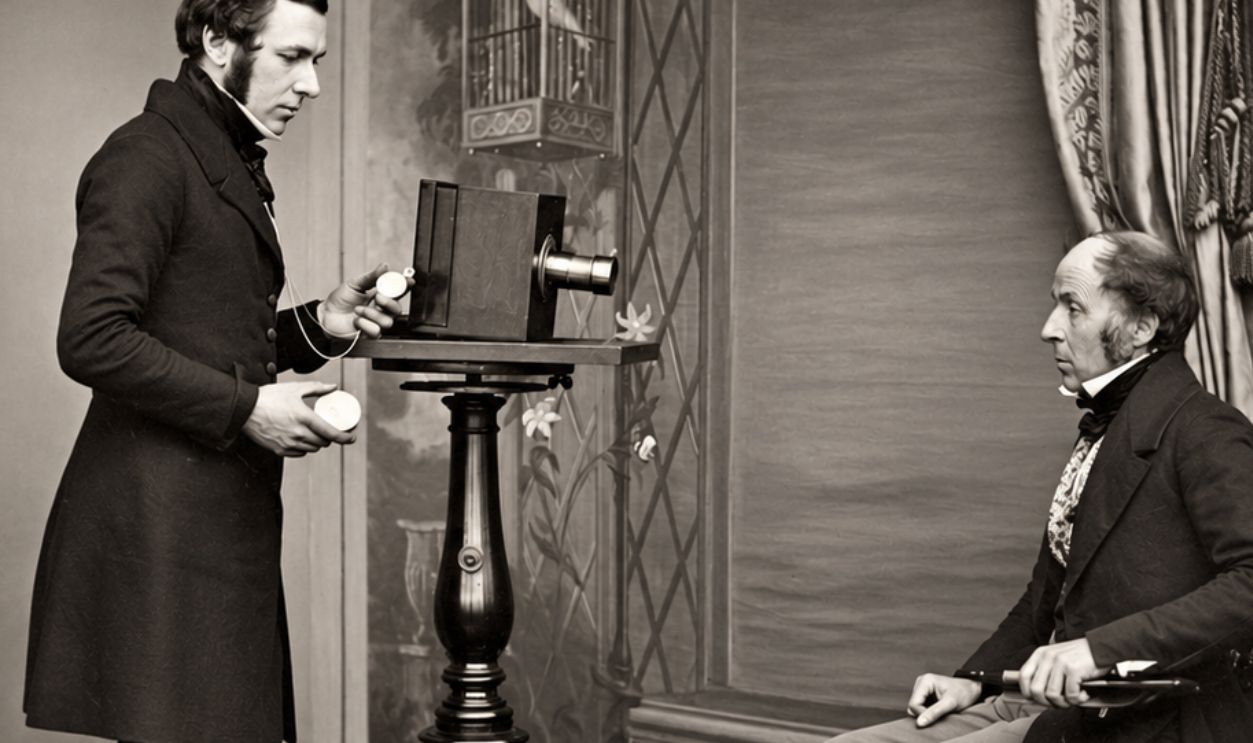 Science & Society Picture Library, Getty Images
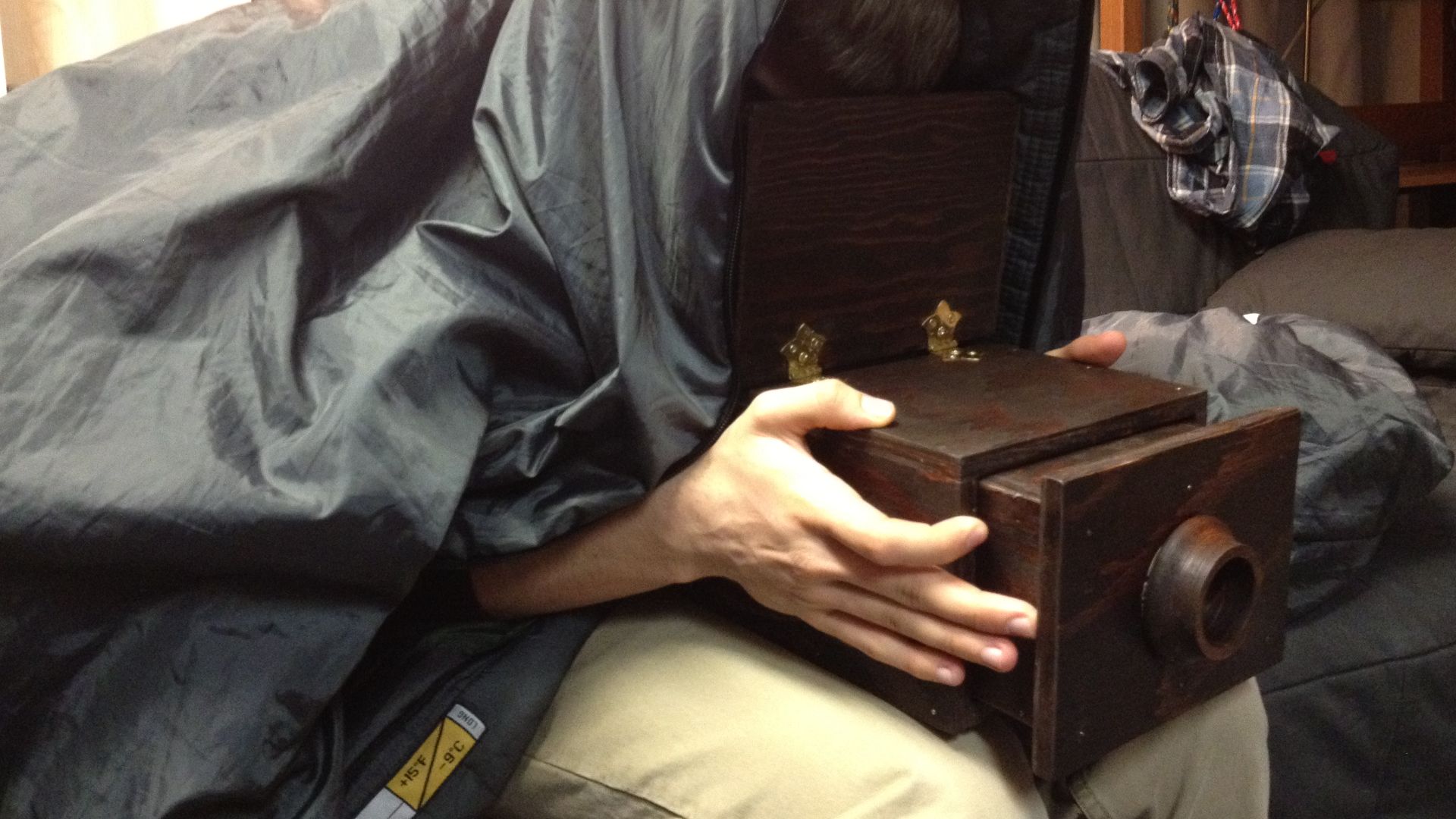
Photography Grew Out Of A Darkened Room
Long before people carried cameras in their pockets, the basic optical principle appeared in the camera obscura. Light entering a darkened space through an opening could project an image of the outside world, and later versions used lenses and mirrors to make the image easier to observe or trace. The device became an important ancestor of photographic cameras.
 The Bearded Man, Wikimedia Commons
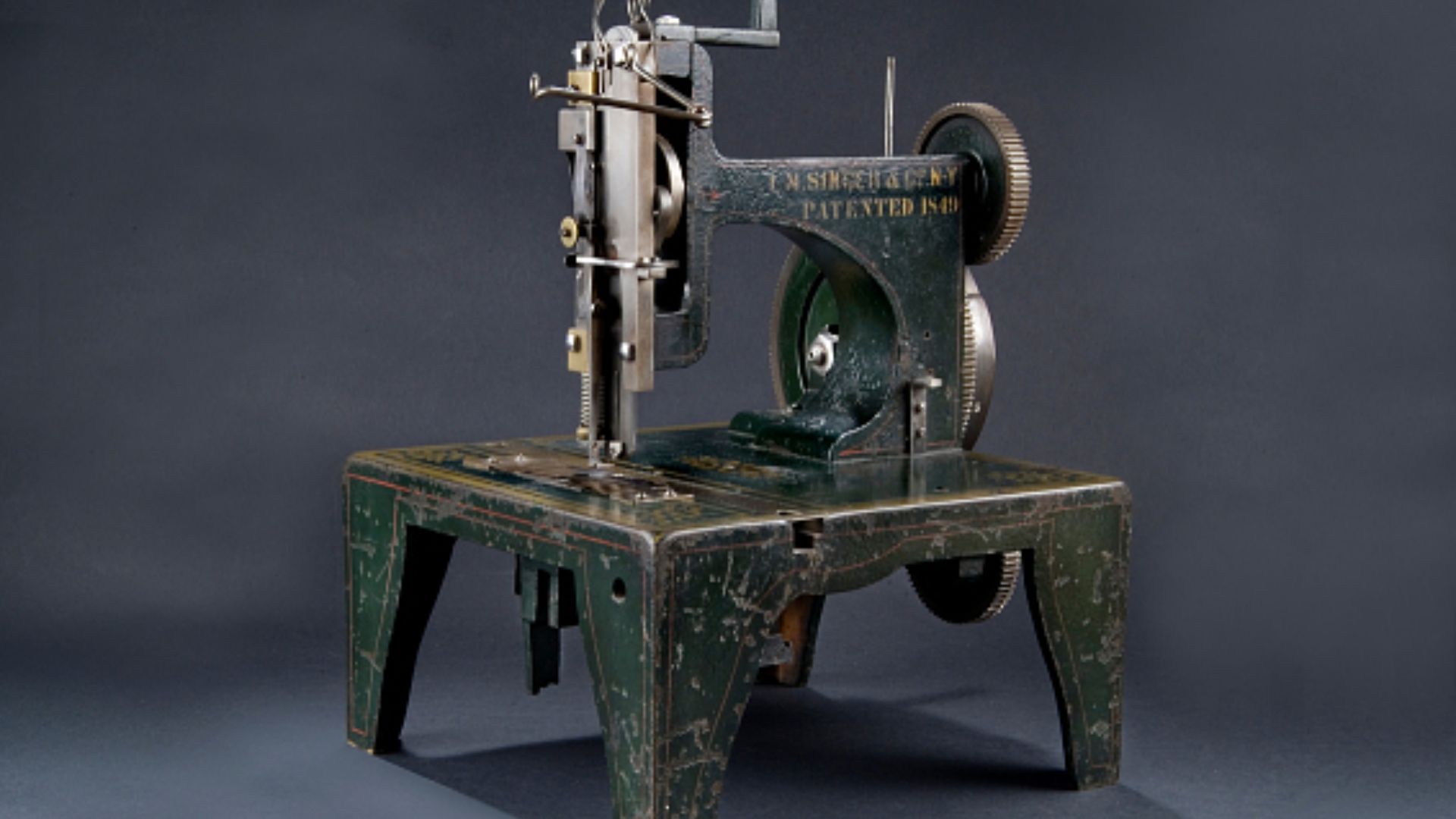
Early Sewing Machines Were Industrial Beasts
Isaac Singer's experimental sewing machine from around 1850 was hardly a lightweight household gadget. The Smithsonian describes the cast-iron machine as weighing an estimated 75 pounds and using a needle-feed system that differed from later designs. Its exposed mechanical structure looks much closer to factory machinery than today's compact sewing machines.
 Smithsonian Institute, Wikimedia Commons
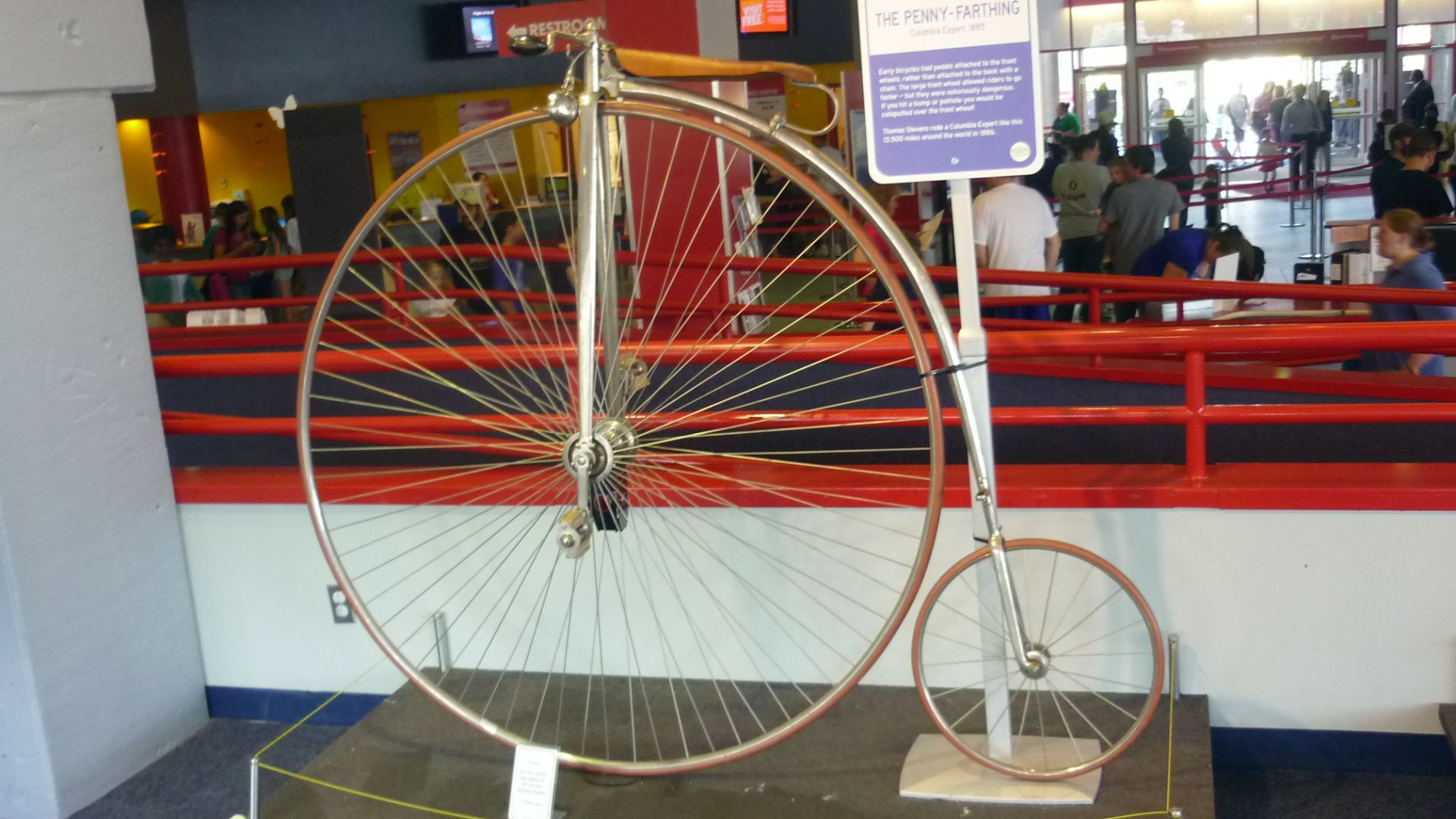
Bicycles Once Put Riders High In The Air
The enormous front wheel of the high-wheel bicycle was not simply a fashion statement. Larger wheels allowed riders to travel farther with each rotation of pedals connected directly to the front wheel. Unfortunately, the high riding position also made crashes dangerous, helping encourage the development of safer designs.
 Photojunkie, Wikimedia Commons
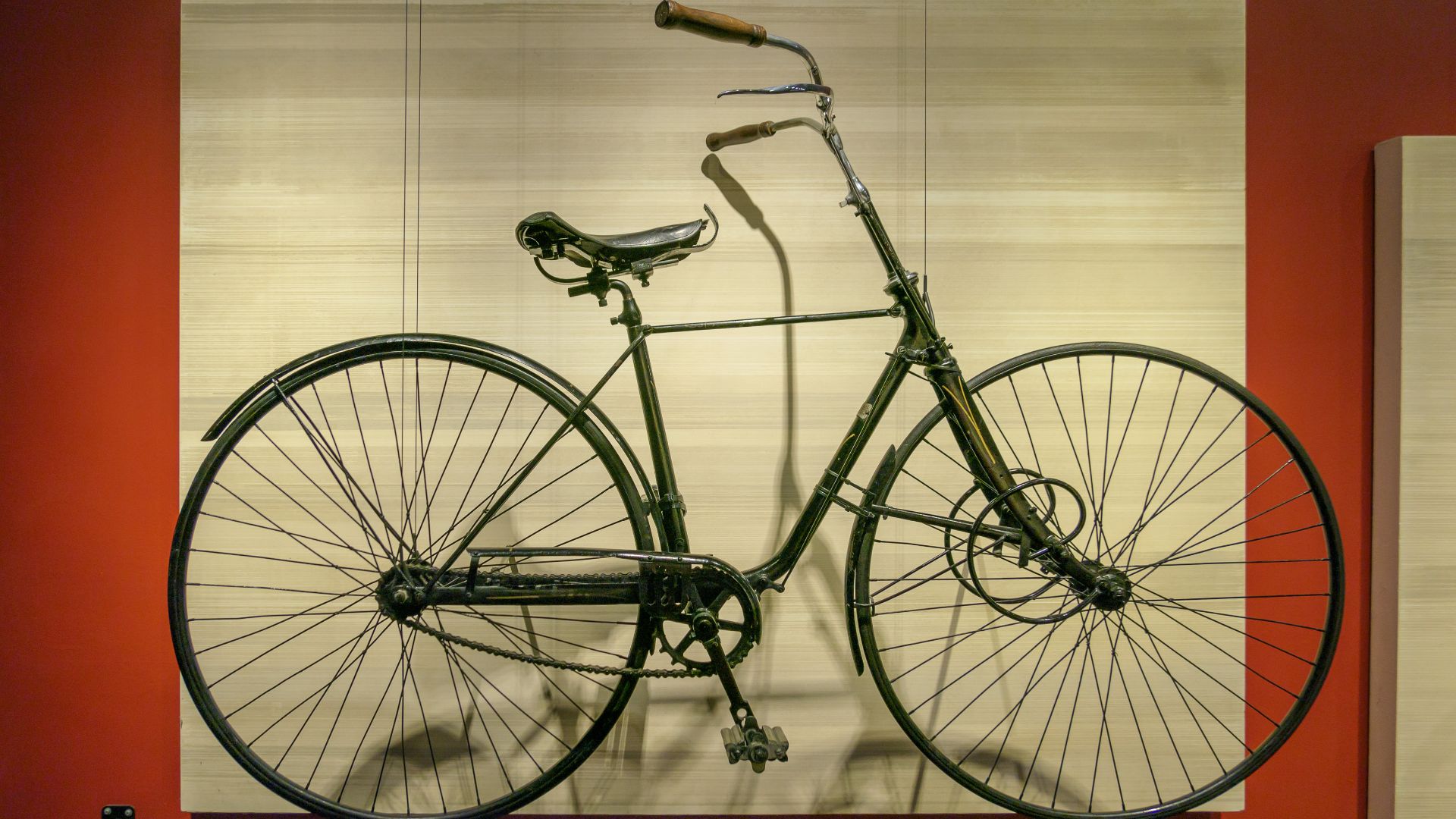
The Modern Bicycle Was Called The Safety Bicycle
By the 1890s, bicycles with two more similarly sized wheels had become more popular than the towering high-wheel machines. They were specifically called "safety bicycles" because they reduced some of the hazards associated with the earlier design. Their overall proportions would look much more familiar to a modern cyclist.
 Kenneth C. Zirkel, Wikimedia Commons
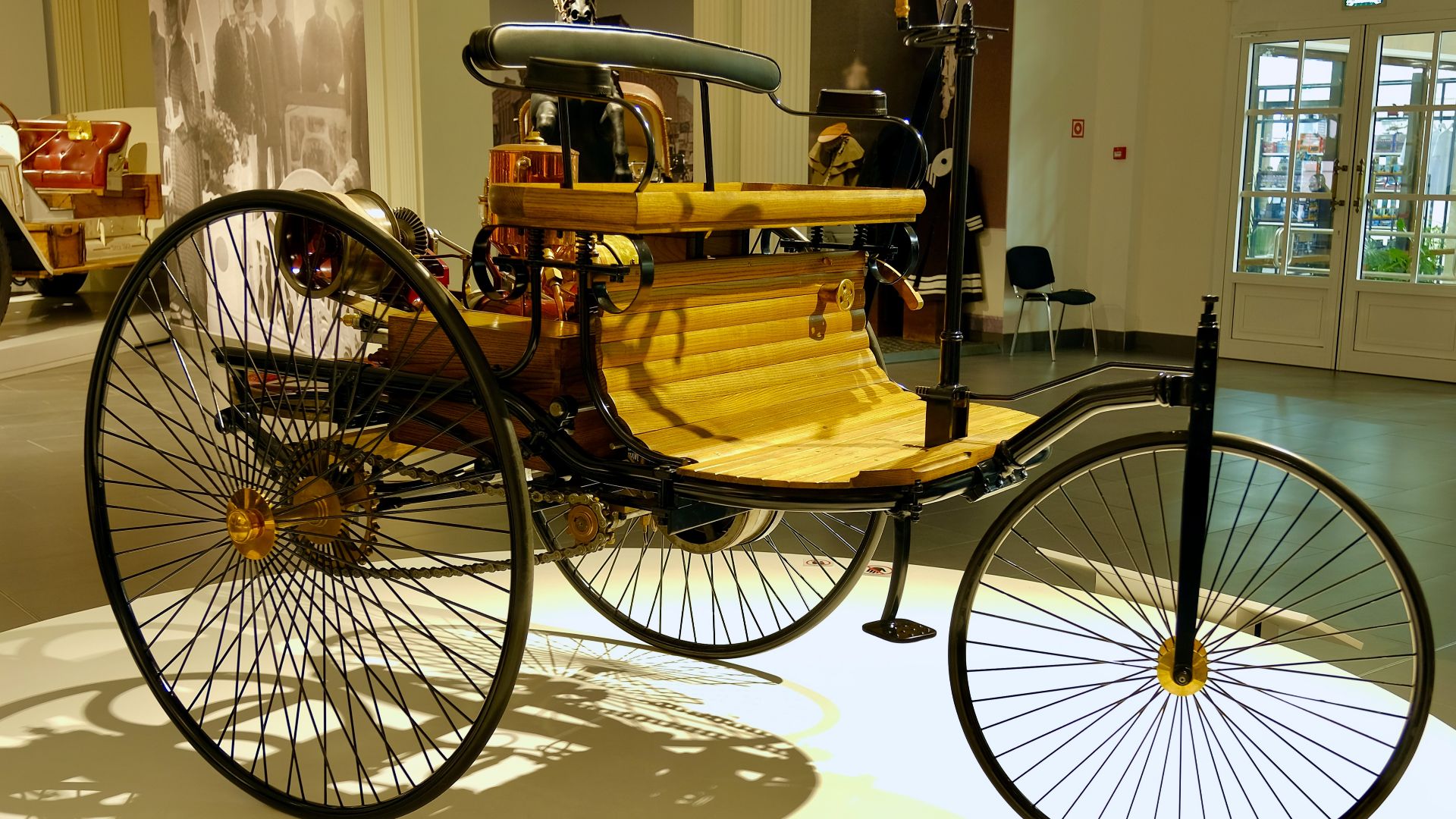
The First Automobile Had Only Three Wheels
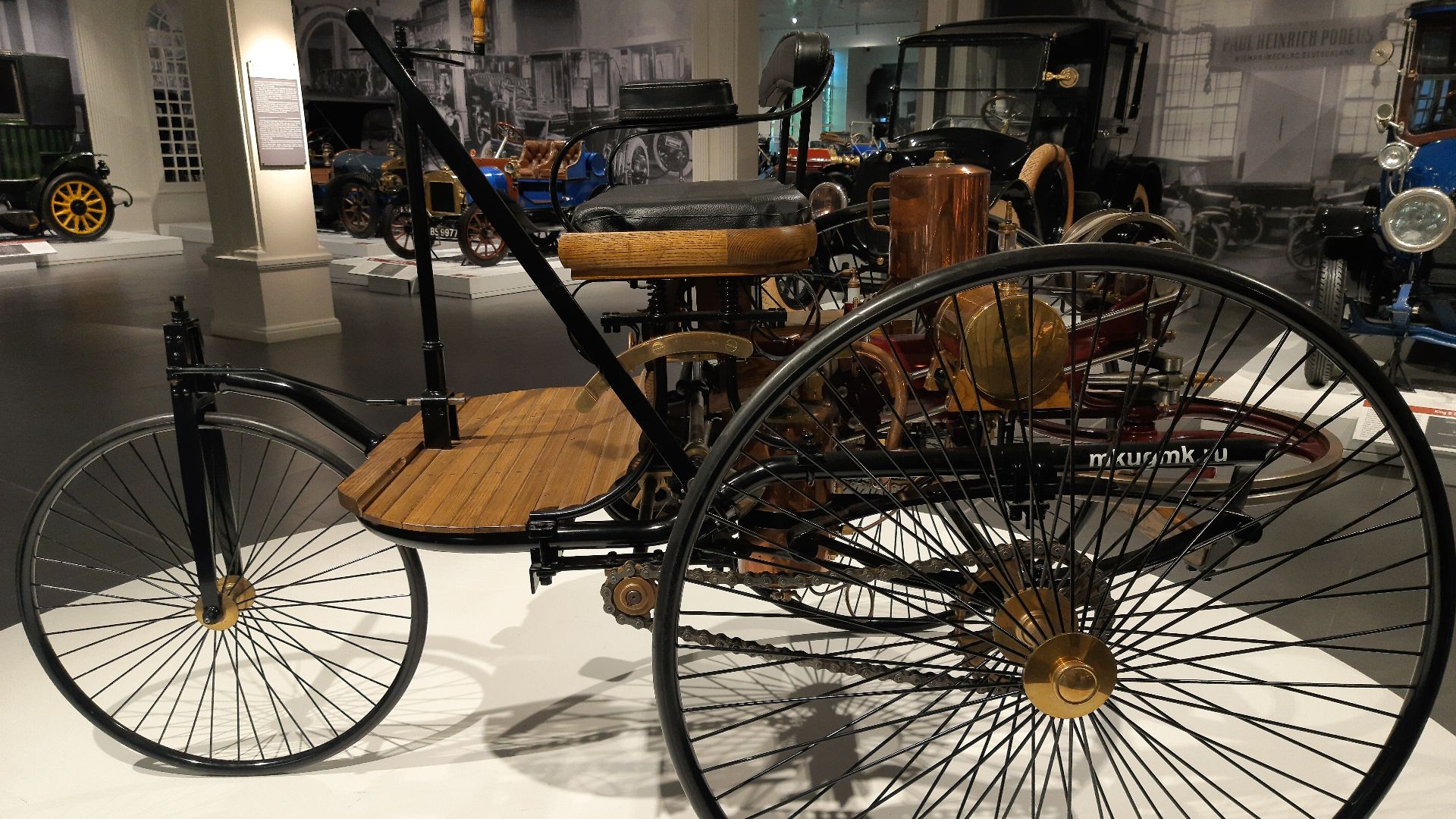
Carl Benz's famous Patent Motor Car looked nothing like a modern sedan or SUV. Benz applied for a patent for his gas-powered vehicle in January 1886, and the first model used three wheels. Newspapers reported on a public outing later that year, helping introduce people to a machine that was still closer in appearance to a motorized carriage.
 Vyacheslav Bukharov, Wikimedia Commons
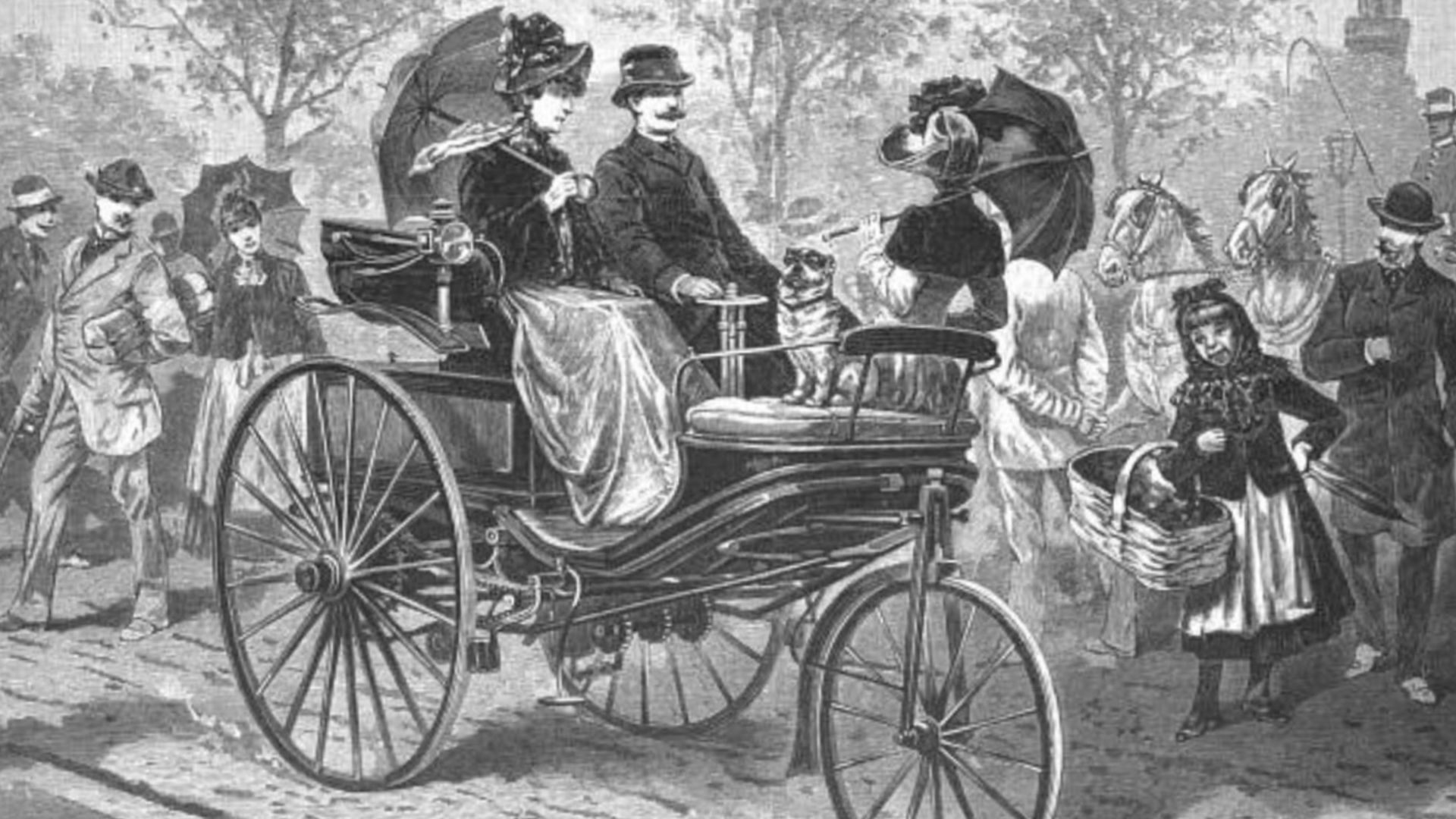
A Long Drive Once Proved Cars Were Useful
In 1888, Bertha Benz took an improved Benz vehicle on a long-distance journey with her sons. The trip from Mannheim to Pforzheim and back covered about 180 kilometers in total and demonstrated that the automobile could be more than an experimental curiosity. At a time when horses still dominated roads, such a journey was a striking advertisement for an unfamiliar technology.
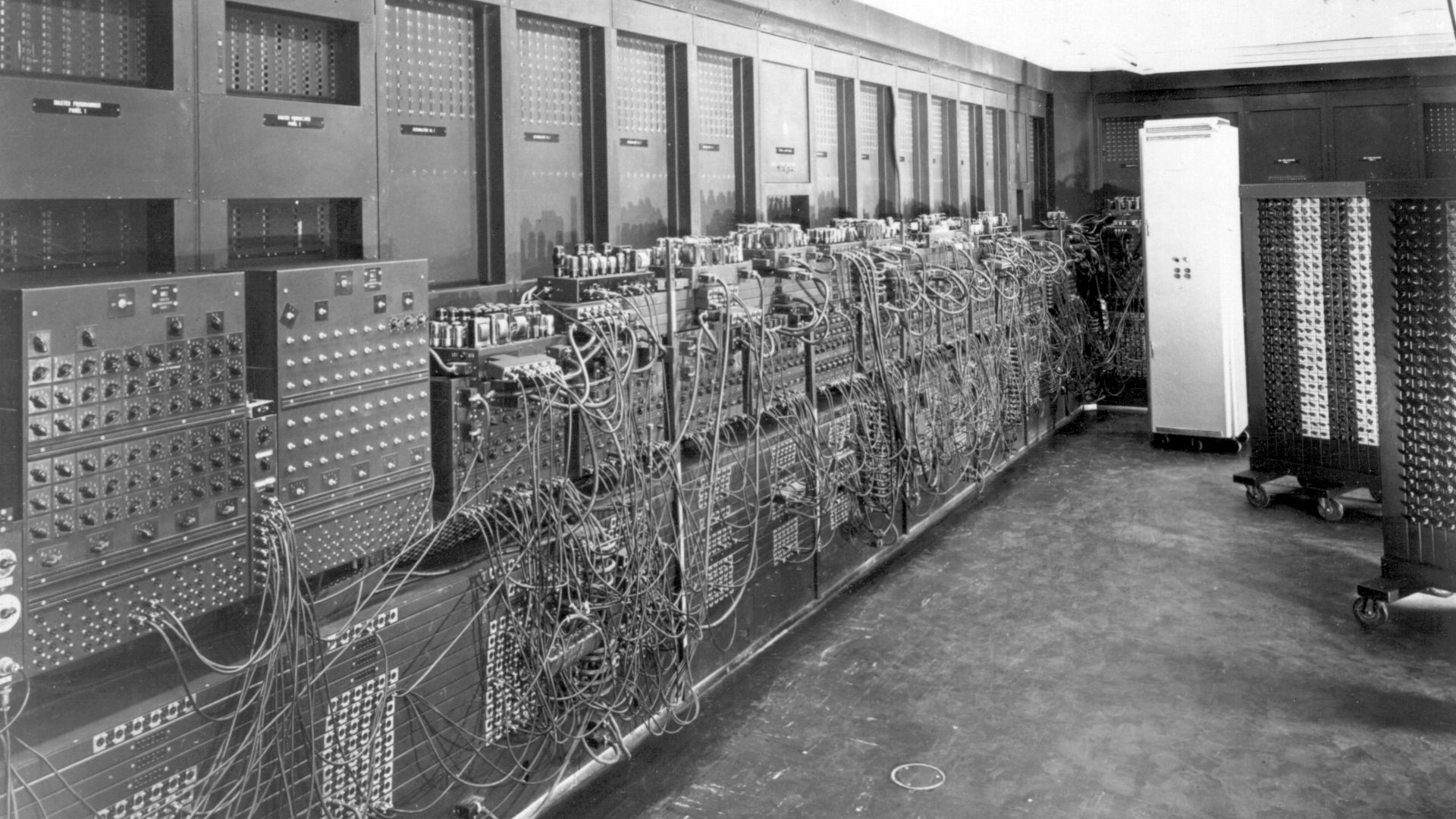
Computers Once Filled Entire Rooms
The electronic computer did not begin with a laptop sitting neatly on a desk. ENIAC, unveiled publicly in 1946, occupied more than 1,000 square feet, contained roughly 18,000 vacuum tubes, and weighed about 30 tons. Its enormous cabinets and tangled equipment would be almost unrecognizable as a relative of today's pocket-sized computers.
 U.S. Army Photo, Wikimedia Commons
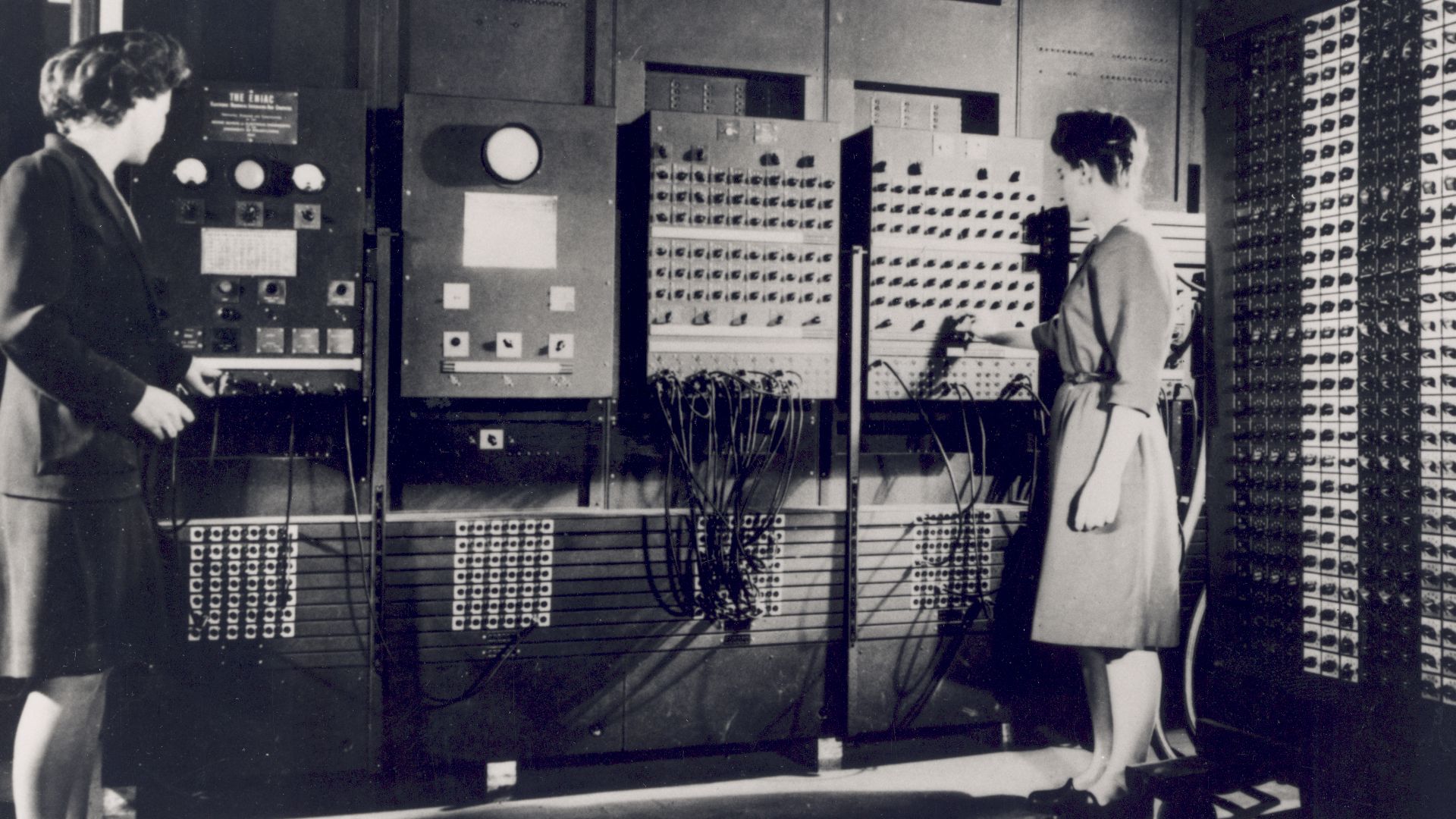
Programming Meant Moving Wires
Early computer programming could involve physically changing the machine. ENIAC operators configured problems using switches and cables rather than simply opening an application and typing code. Preparing a new setup could take days, which helped drive interest in computers that stored their instructions electronically.
 Unidentified U.S. Army photographer, Wikimedia Commons
The First Stored Programs Changed Everything
The Manchester "Baby" became the first computer to execute a program stored electronically in its memory in 1948. Its first program contained only 17 instructions, but the principle was transformative. Modern computers still rely on the basic concept of keeping program instructions in memory rather than manually rewiring the hardware for each task.
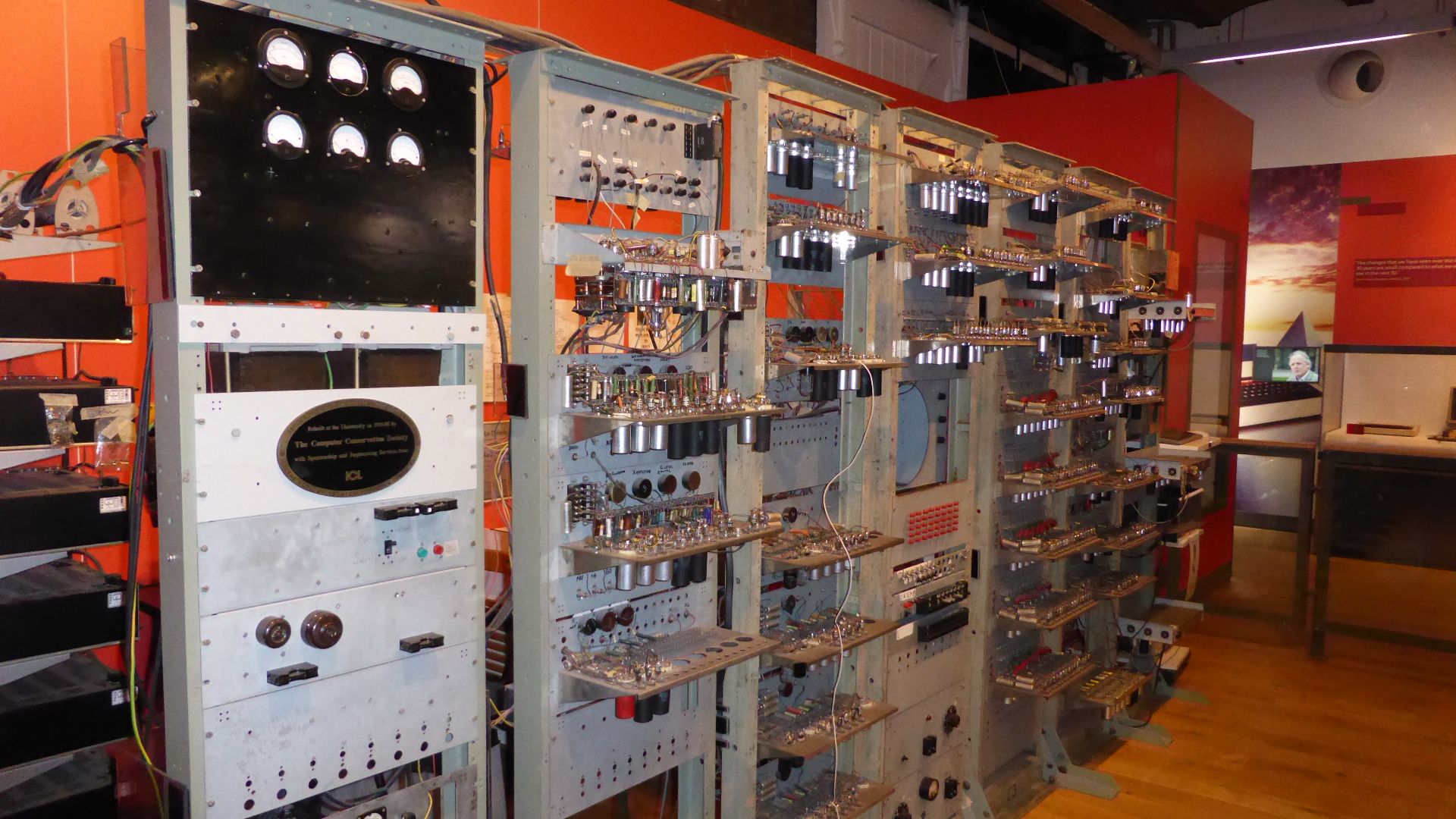 Bob Harvey , Wikimedia Commons
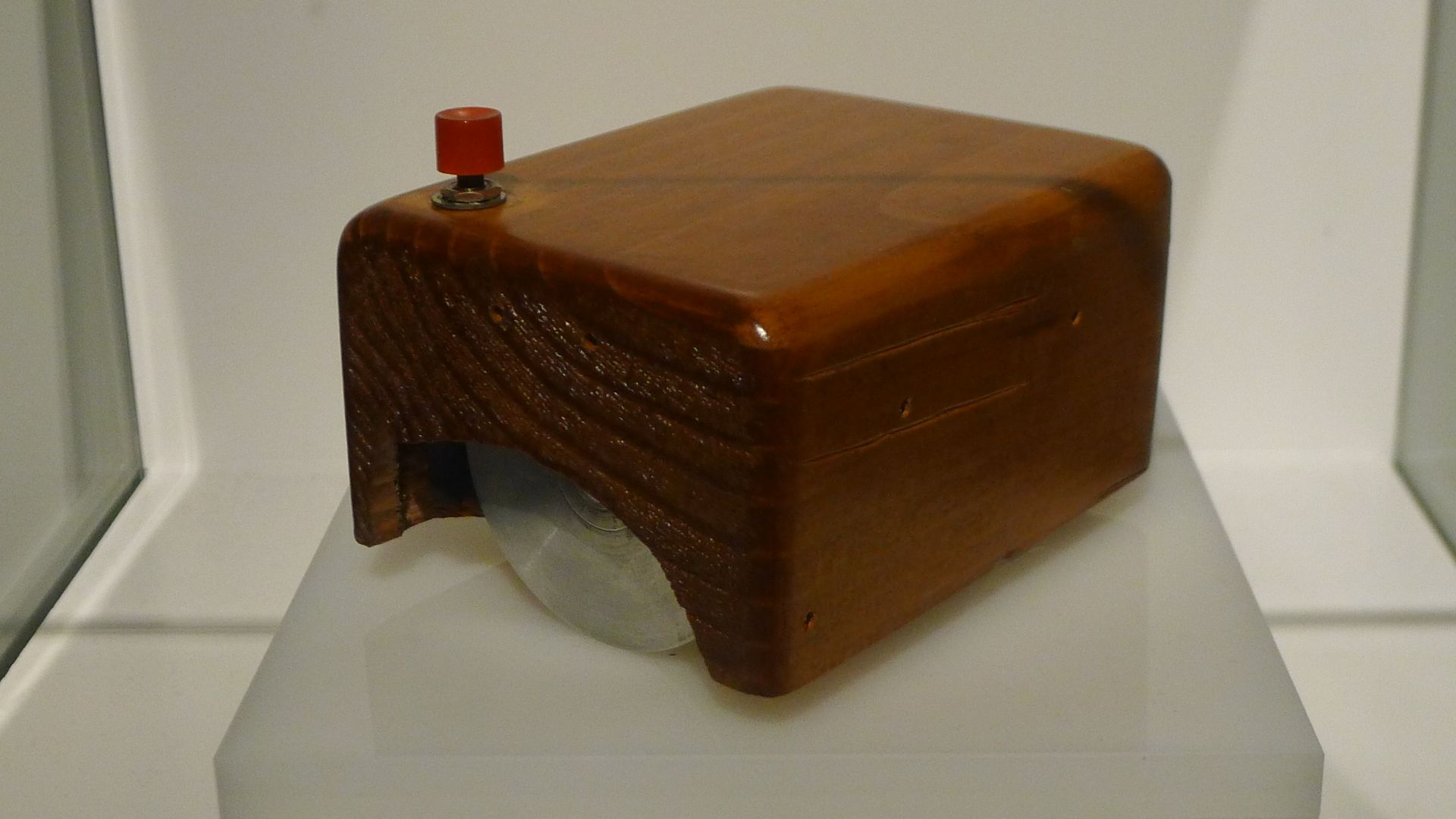
The Computer Mouse Was A Wooden Block
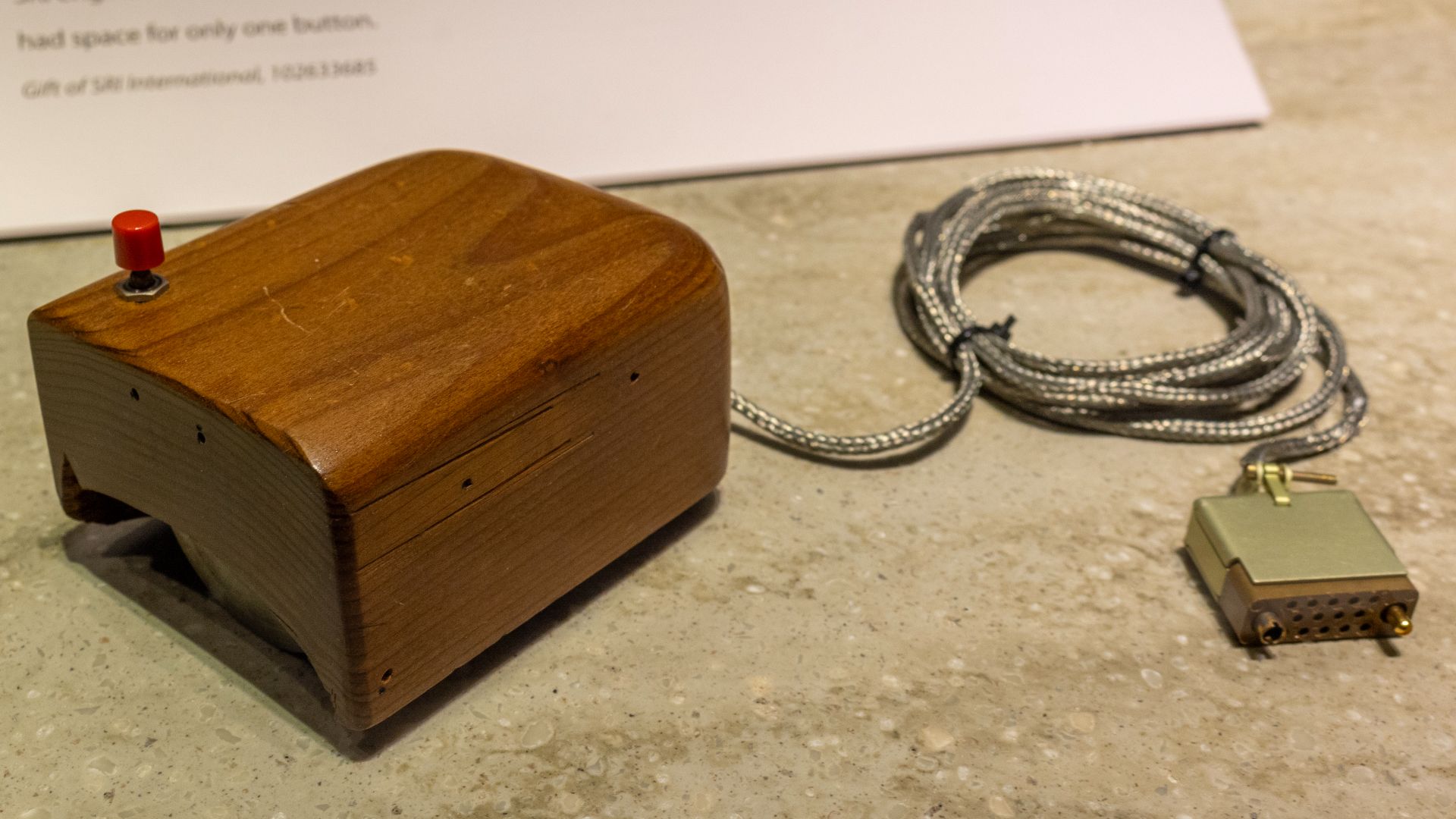
Douglas Engelbart's early mouse looked like something assembled in a workshop because it essentially was. Engineer Bill English built the first prototype from wood, and it used two knife-edged wheels to detect movement. The earliest design had room for only one button.
Even The Mouse's Tail Pointed The Wrong Way
The nickname "mouse" reportedly came from the device's resemblance to the animal and its trailing wire. On early versions, however, the cable extended from the side nearest the user's wrist rather than from the front as it did on later wired mice. Ball-based designs developed during the 1960s eventually became common for decades.
Television Once Used A Spinning Disc
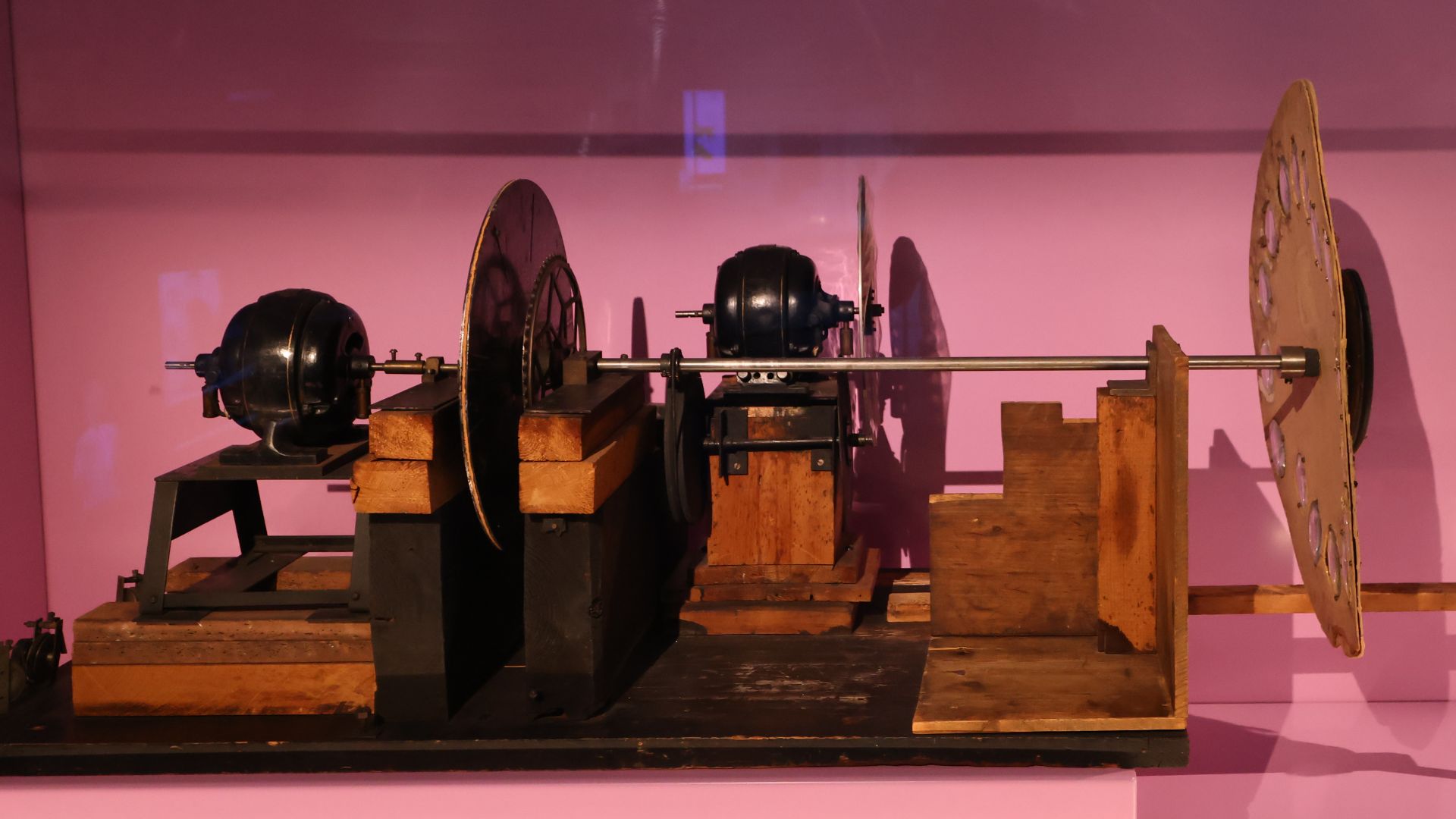
John Logie Baird's experimental television equipment from the 1920s depended on rapidly rotating mechanical discs. One surviving receiver used a disc perforated with 30 holes arranged in a spiral, synchronized with scanning equipment at the transmitting end. That combination of spinning machinery and neon light bears almost no visual resemblance to a modern flat-screen television.
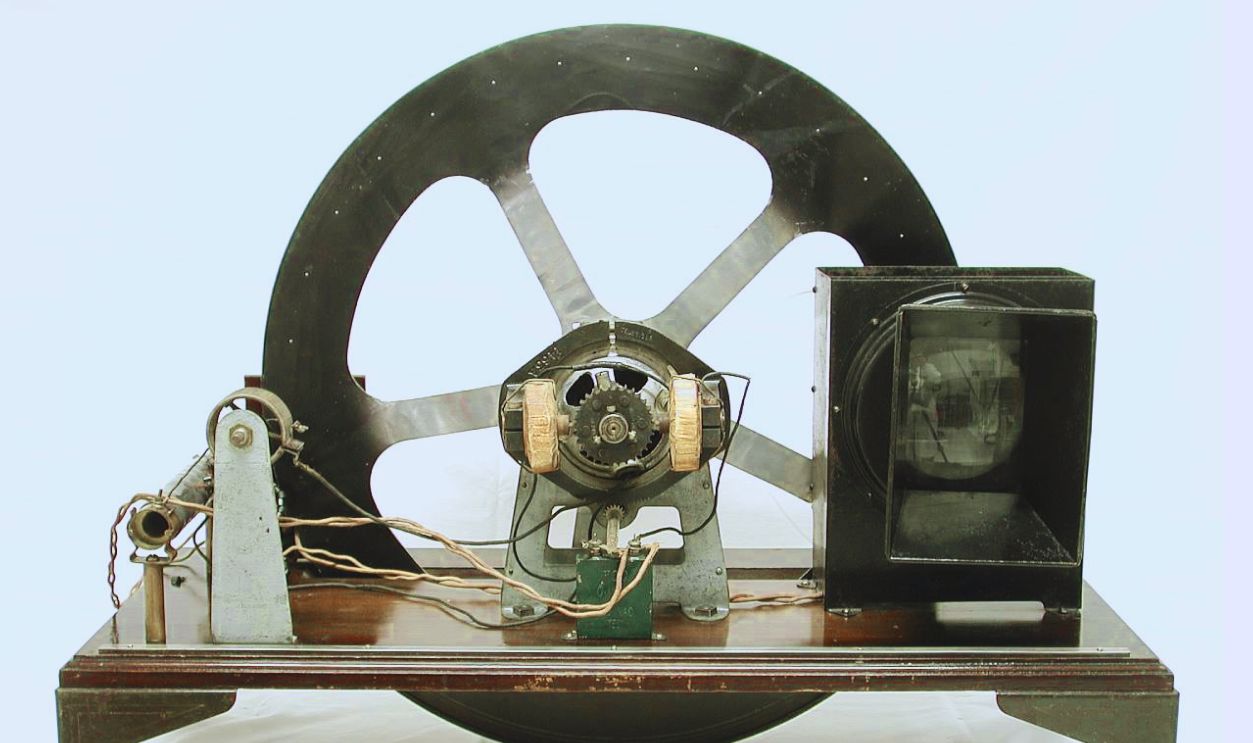 Baird John Logie (inventore), Wikimedia Commons, Modified
One Television Was Built From A Hat Box
Baird's early transmitting apparatus could look almost homemade. The Science Museum Group describes a version using lenses fitted to a cardboard disc cut from a hat box and connected to a motor mounted on an old tea chest. The resulting images had only a few dozen scanning lines, yet the system helped demonstrate that moving pictures could be transmitted.
Refrigerators Were Once Boxes Full Of Ice
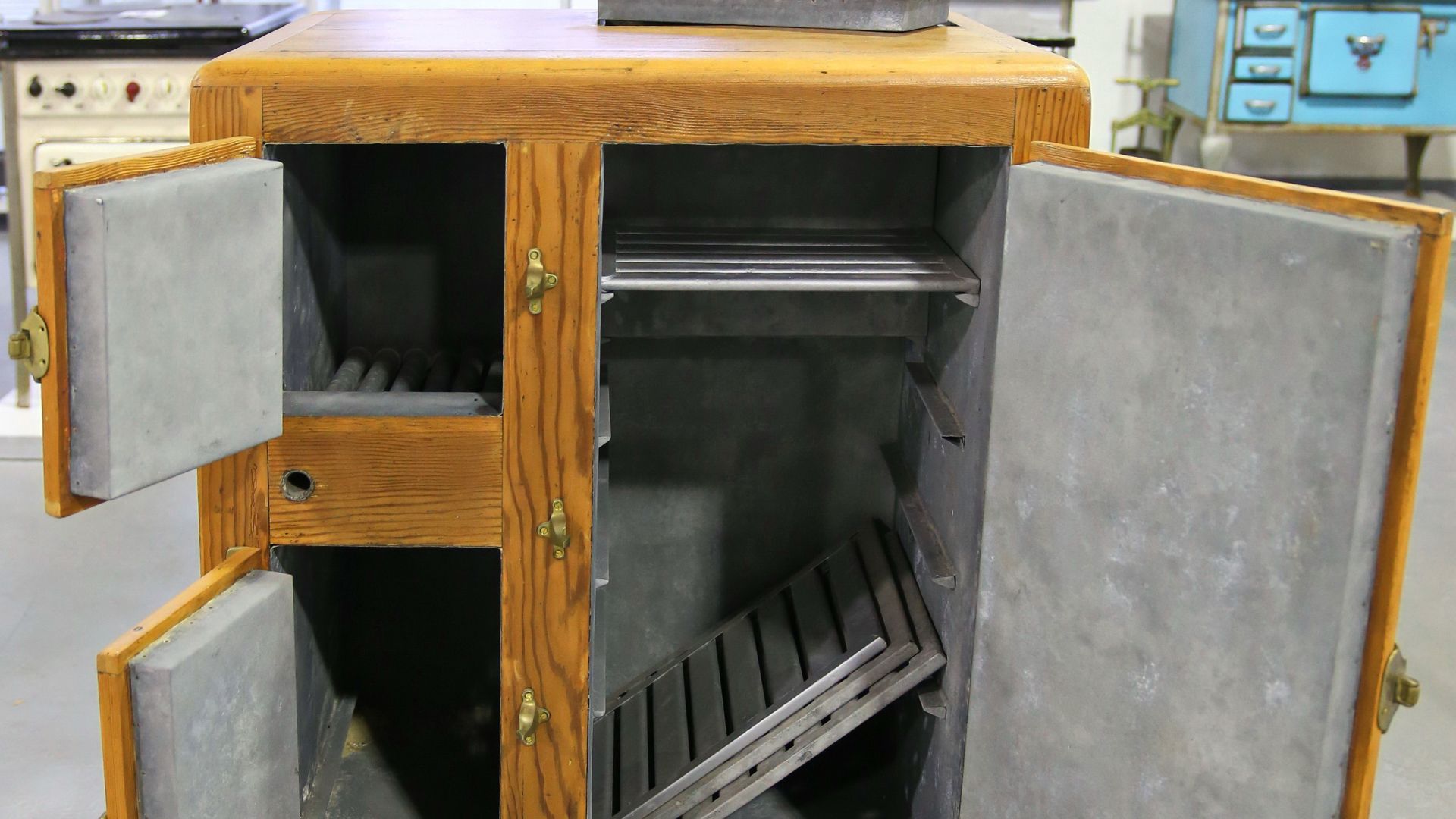
Before electric refrigerators became common, many households relied on insulated iceboxes. Large blocks of ice absorbed heat as they melted, and owners had to deal with the resulting water and arrange for replacement ice. American households continued using these boxes well into the 1930s.
 Milos Jurisic, Wikimedia Commons
The Iceman Was Part Of The Appliance
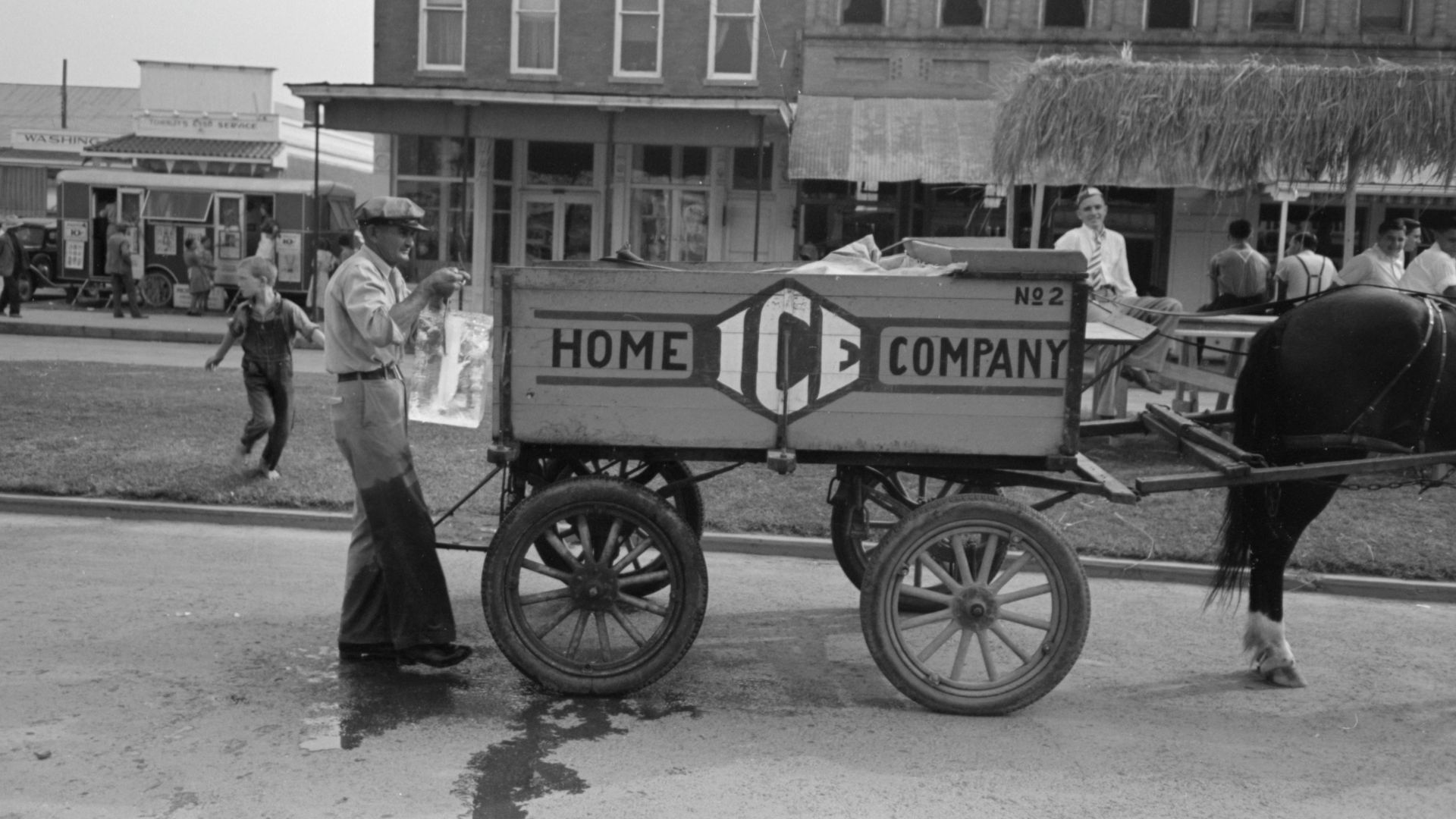
Keeping an icebox cold required an entire delivery system that modern refrigerator owners never think about. Customers could place signs in their windows indicating how large a block of ice they wanted delivered. The refrigerator therefore depended not just on the cabinet in the kitchen, but also on regular access to harvested or manufactured ice.
 Russell Lee, Wikimedia Commons
Early Toasters Made Breakfast A Chore
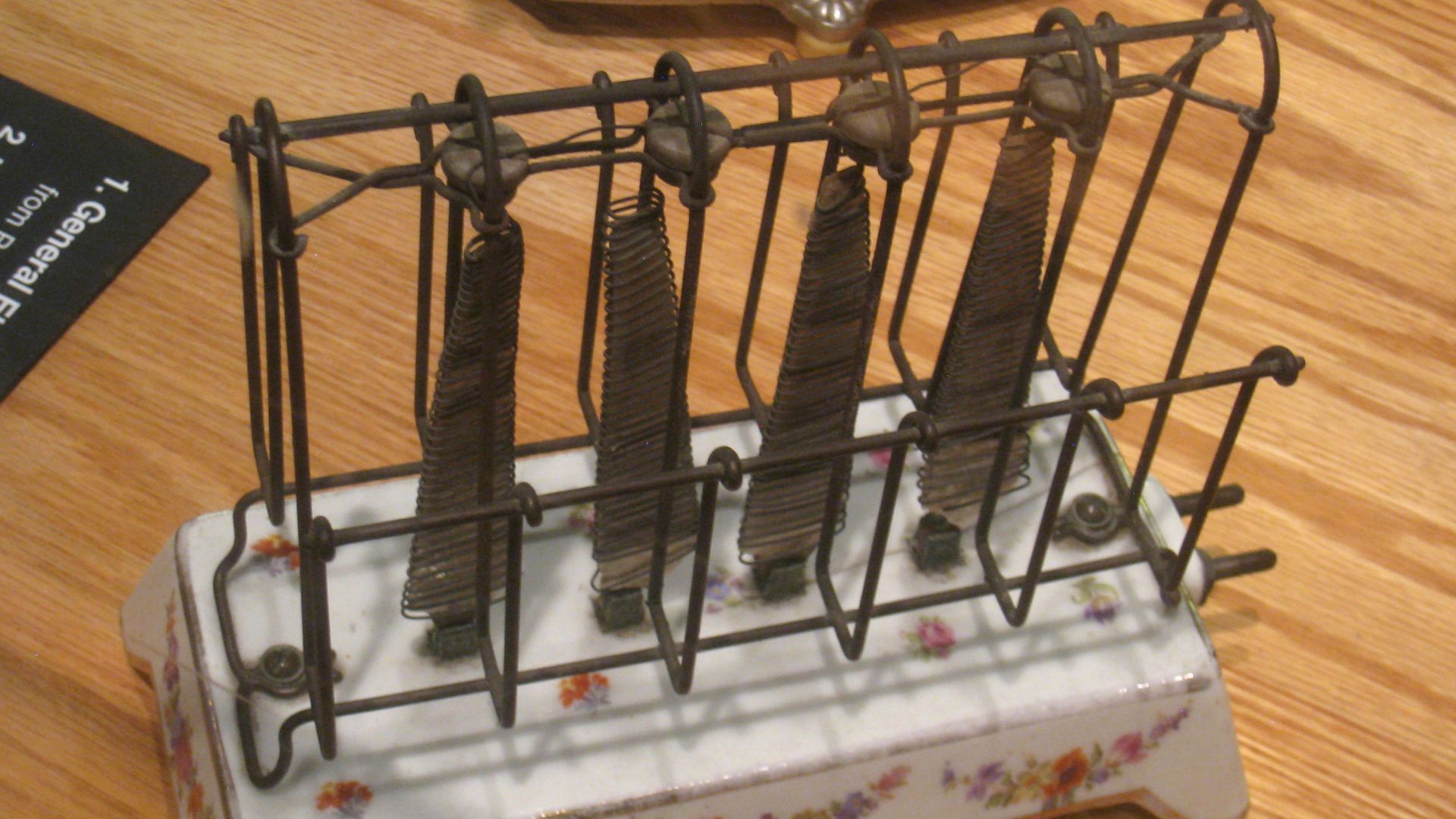
The first generations of electric toasters demanded much more attention than today's pop-up models. Many toasted only one side of a slice at a time, forcing the user to watch the bread and flip it manually. Automatic models that toasted both sides and popped the finished bread upward arrived in the 1920s.
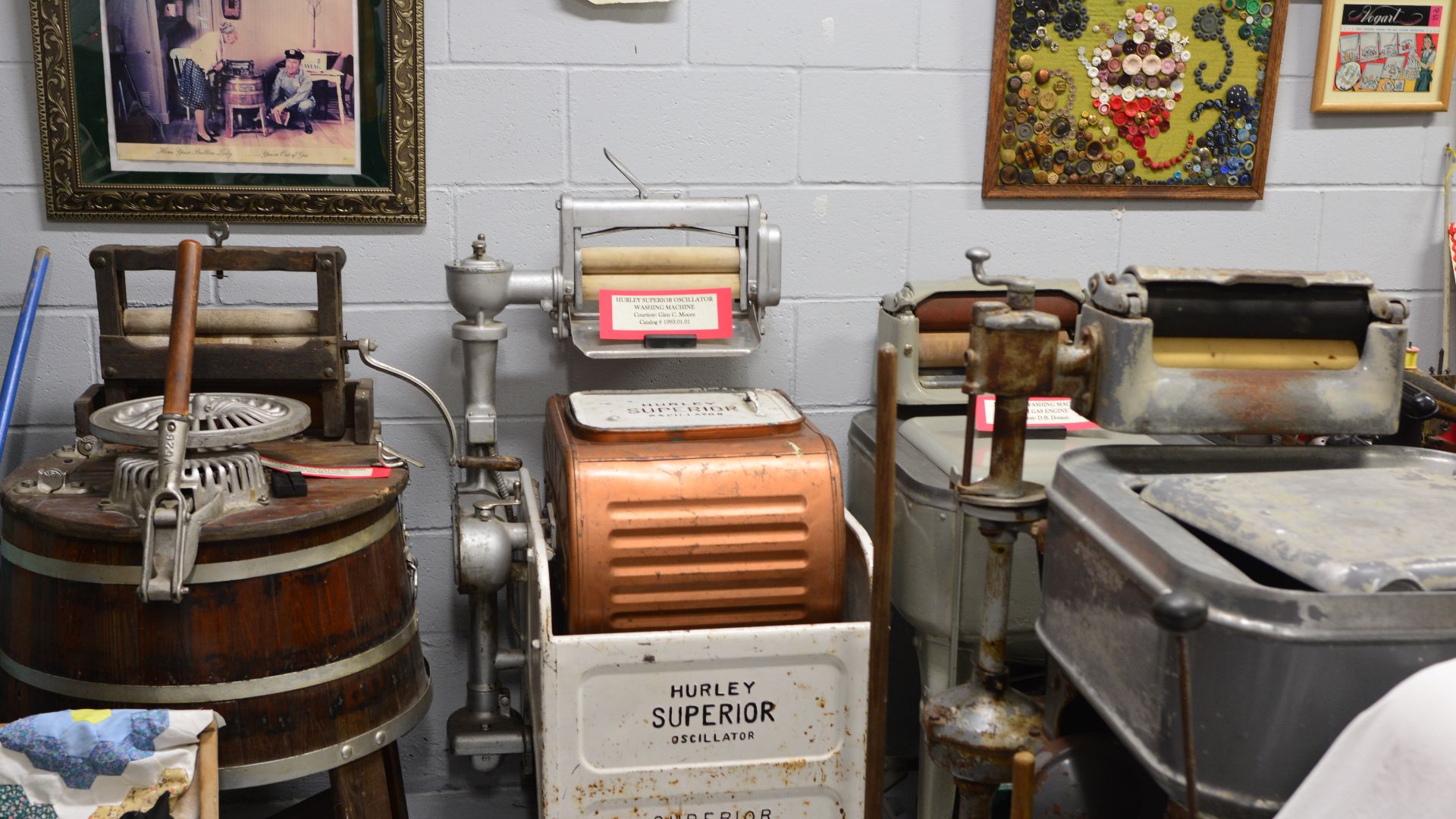
Washing Machines Needed Human Power
Long before push-button washers, inventors experimented with purely mechanical devices for agitating and cleaning clothes. The Smithsonian preserves a washing-machine patent model dating to 1871, decades before electrically powered household laundry equipment became ordinary. Machines from that era belonged to a world in which much of the energy still came from the person doing the washing.
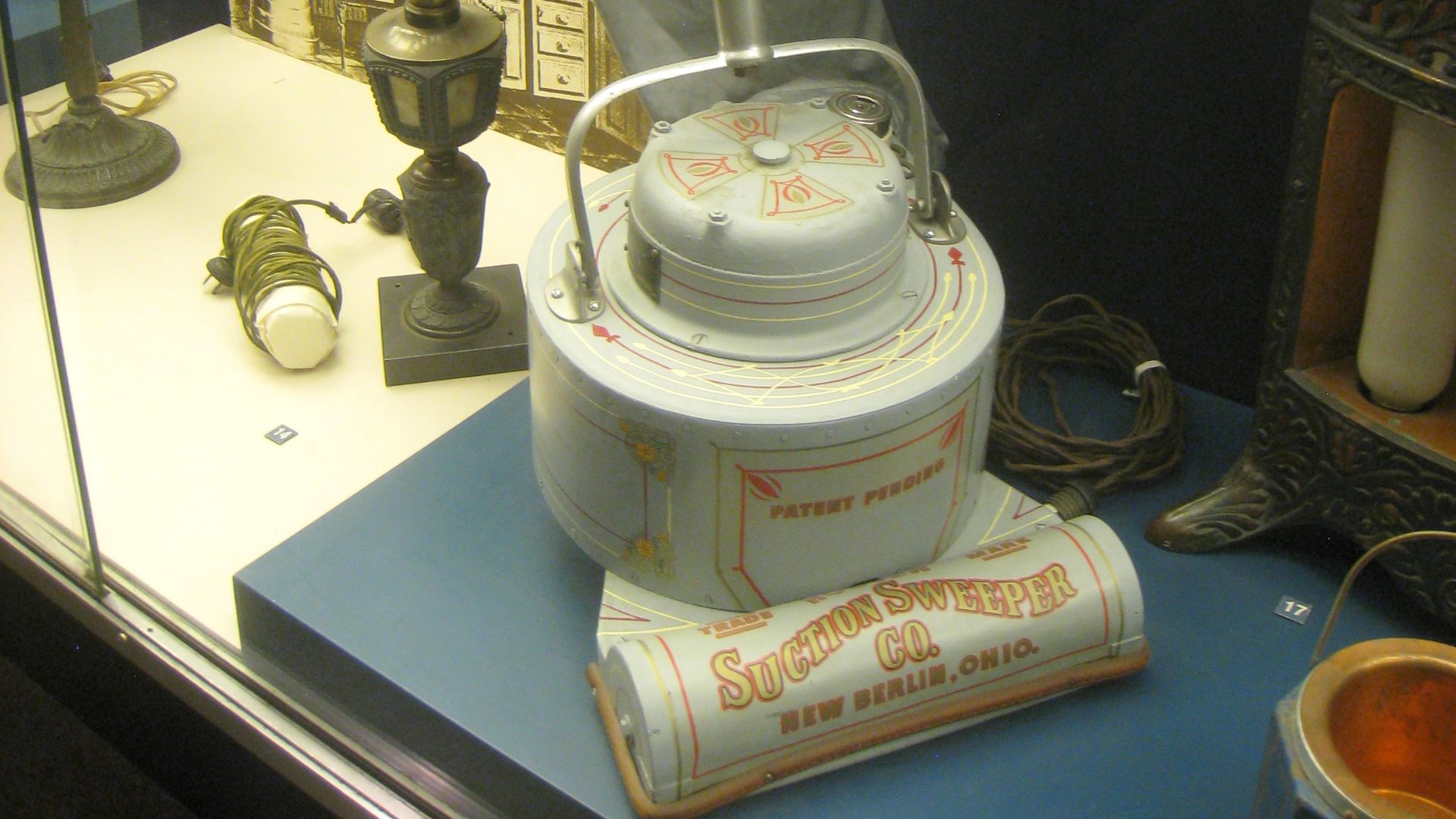
Vacuum Cleaners Slowly Became Household Machines
Vacuum cleaners did not immediately arrive in the compact forms people recognize today. Early twentieth-century cleaning technology gradually developed into portable electric household equipment, and mass production expanded particularly during the economic growth following World War I. By the late 1920s, Hoover machines were adding features such as switches, aluminum bodies, and motor-driven brush rolls that helped establish the familiar upright vacuum.
Electric Lights Needed More Than A Glowing Filament
Thomas Edison was not the first person to experiment with incandescent lighting, and creating a useful household lamp required solving several interconnected problems. His laboratory experimented with different filament materials and electrical characteristics before developing a practical lamp and a wider electrical distribution system. The first public demonstration of Edison's Menlo Park lighting system took place in December 1879.
 Uploaded at enwp by User:Alkivar, Wikimedia Commons
The Strangest Part Is How Quickly They Became Familiar
Many of these early inventions would be difficult to identify if their modern names were removed. A wooden mouse, spinning-disc television, tinfoil phonograph, three-wheeled automobile, and ice-filled refrigerator solved recognizable problems while looking radically different from their descendants. Their history shows that inventions rarely arrive in their final form, and sometimes the awkward first versions are the most interesting ones.
You May Also Like:
The Weirdest Rules People Once Followed At Work
The Discovery Of A Bronze Age Blade Workshop In Southern Israel
Resilient Facts About Ellen Burstyn, The Actor Who Worked With The Devil