
A Life-Saving Invention With A Very Smoky Plot Twist
The smoke detector is one of those household gadgets we only notice when it chirps at 3 AM for attention. But its history is surprisingly dramatic.
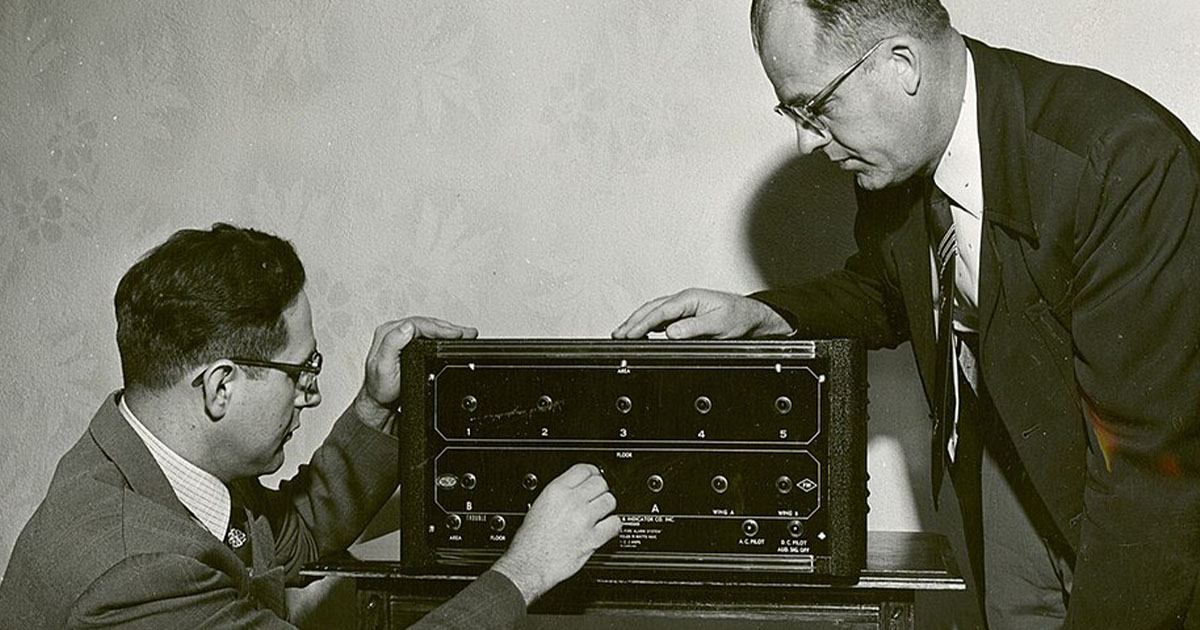
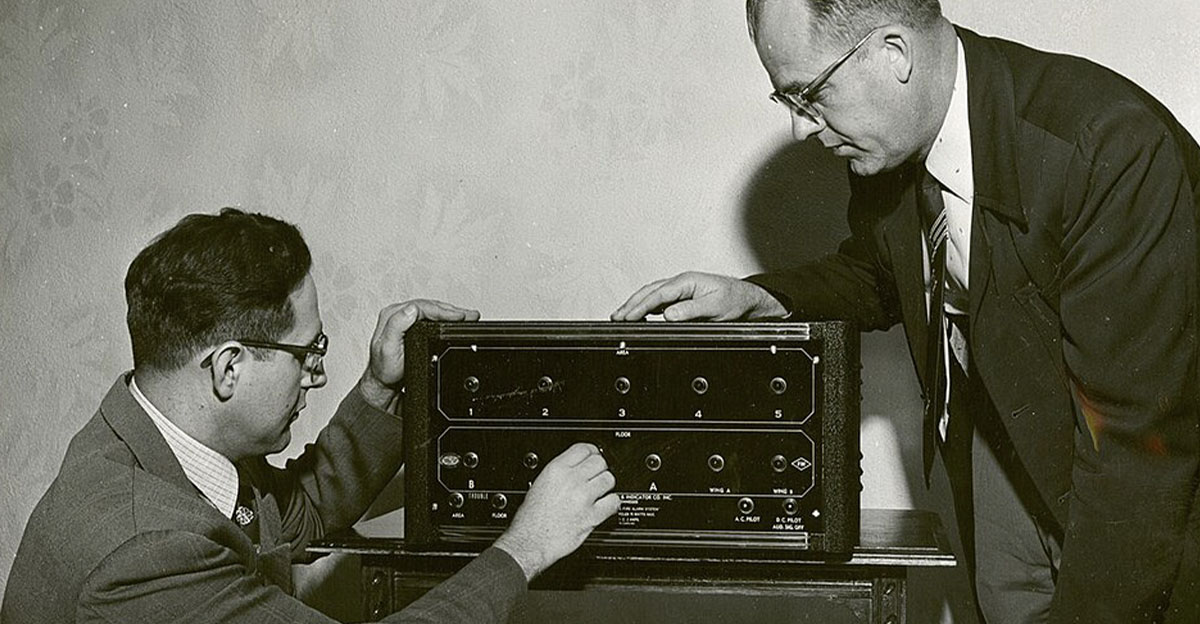 Mennonite Church USA Archives, Wikimedia Commons
Early Fire Warnings Were Basically “Yell Louder”
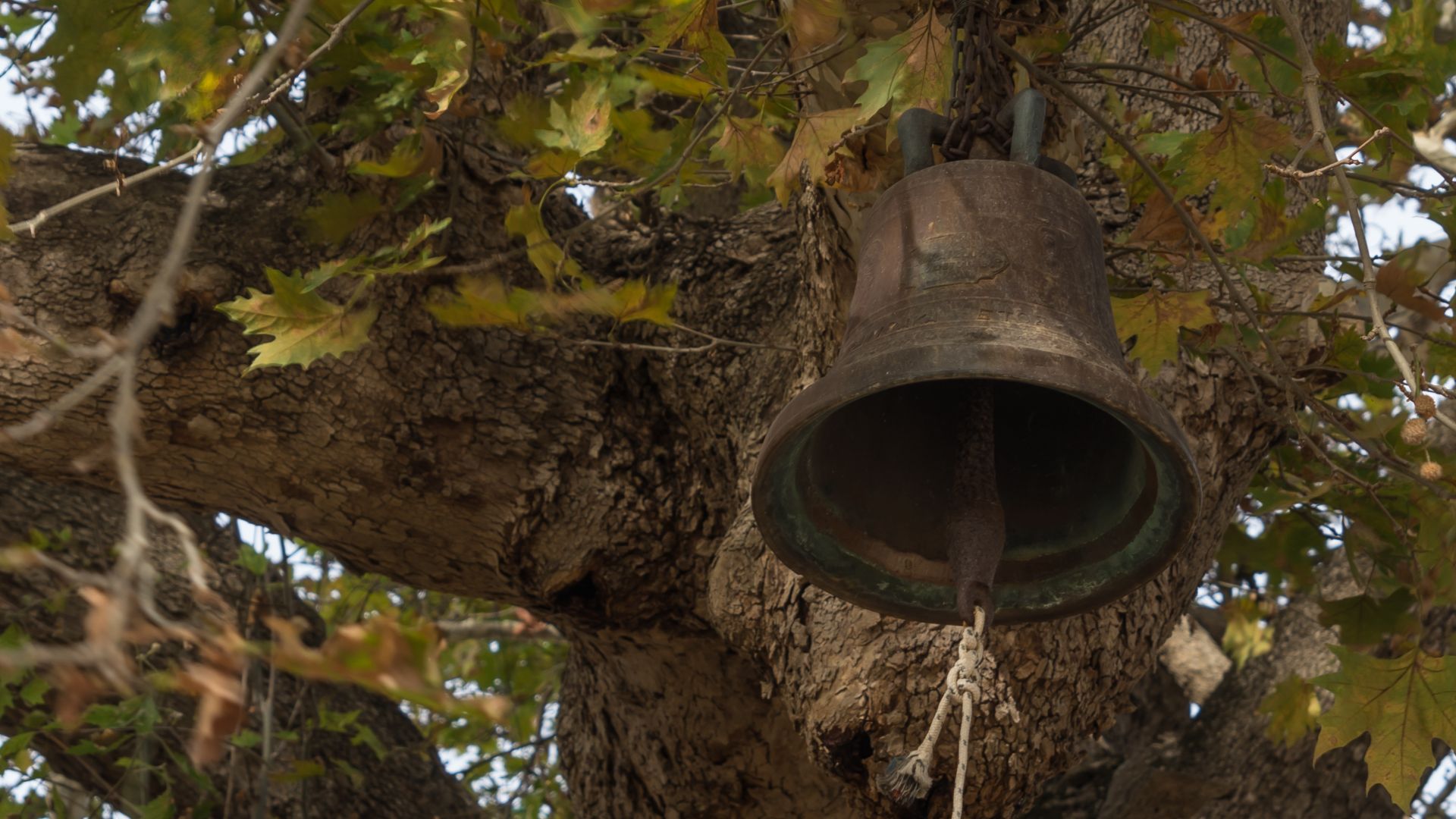
Before modern alarms, fire detection was mostly human-powered. Watchmen, bells, shouting neighbors, and later manual alarm boxes did the job. If smoke appeared, someone had to notice it first. That system worked fine—assuming everyone was awake, nearby, sober, and not deeply committed to ignoring weird smells.
1890 Brought A Breakthrough
In 1890, Francis Robbins Upton, an associate of Thomas Edison, and Fernando J Dibble received a US Patent Number for a portable electric fire-alarm. It was not a modern smoke detector, but it helped push fire safety from “hope someone notices” toward automatic warning.
 Unknown (prior to 1921), Wikimedia Commons
Heat Came Before Smoke
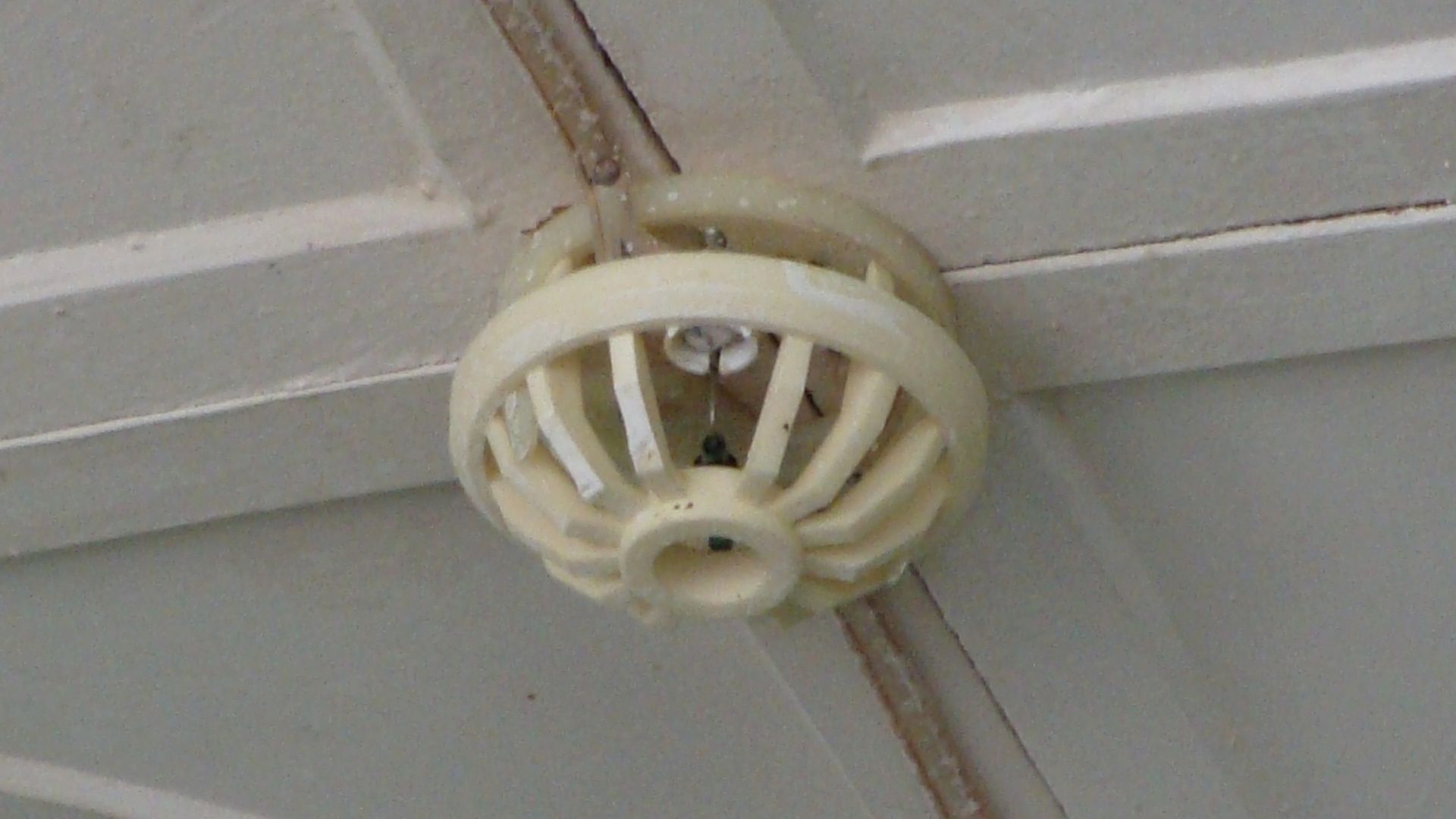
Early automatic fire detectors usually reacted to heat, not smoke. That made sense, but it had one awkward problem: by the time heat built up, the fire was already feeling pretty confident. These devices were useful, but they were not always early enough to save sleeping families.

History's most fascinating stories and darkest secrets, delivered to your inbox daily.
George Andrew Darby Added Another Step
In 1902, English inventor George Andrew Darby patented an electrical heat-indicator and fire alarm in Birmingham, England. His device responded to temperature changes and was an important early fire-detection idea. It was clever, but still more industrial gadget than friendly hallway ceiling buddy.

Scientists Started Playing With Ionization
The future smoke detector needed a way to notice tiny particles in the air. That’s where ionization chambers came in. These devices use electrically charged air, and smoke can interrupt that electrical flow. Basically, science found a way to make smoke betray itself.

Walter Jaeger Was Trying To Detect Something Else
In the late 1930s, Swiss physicist Walter Jaeger was working on a sensor meant to detect poison gas. Unfortunately, the device was not doing its job. This was probably annoying in the way only failed laboratory equipment can be: expensive, confusing, and smugly silent.
 ETH Library, Wikimedia Commons
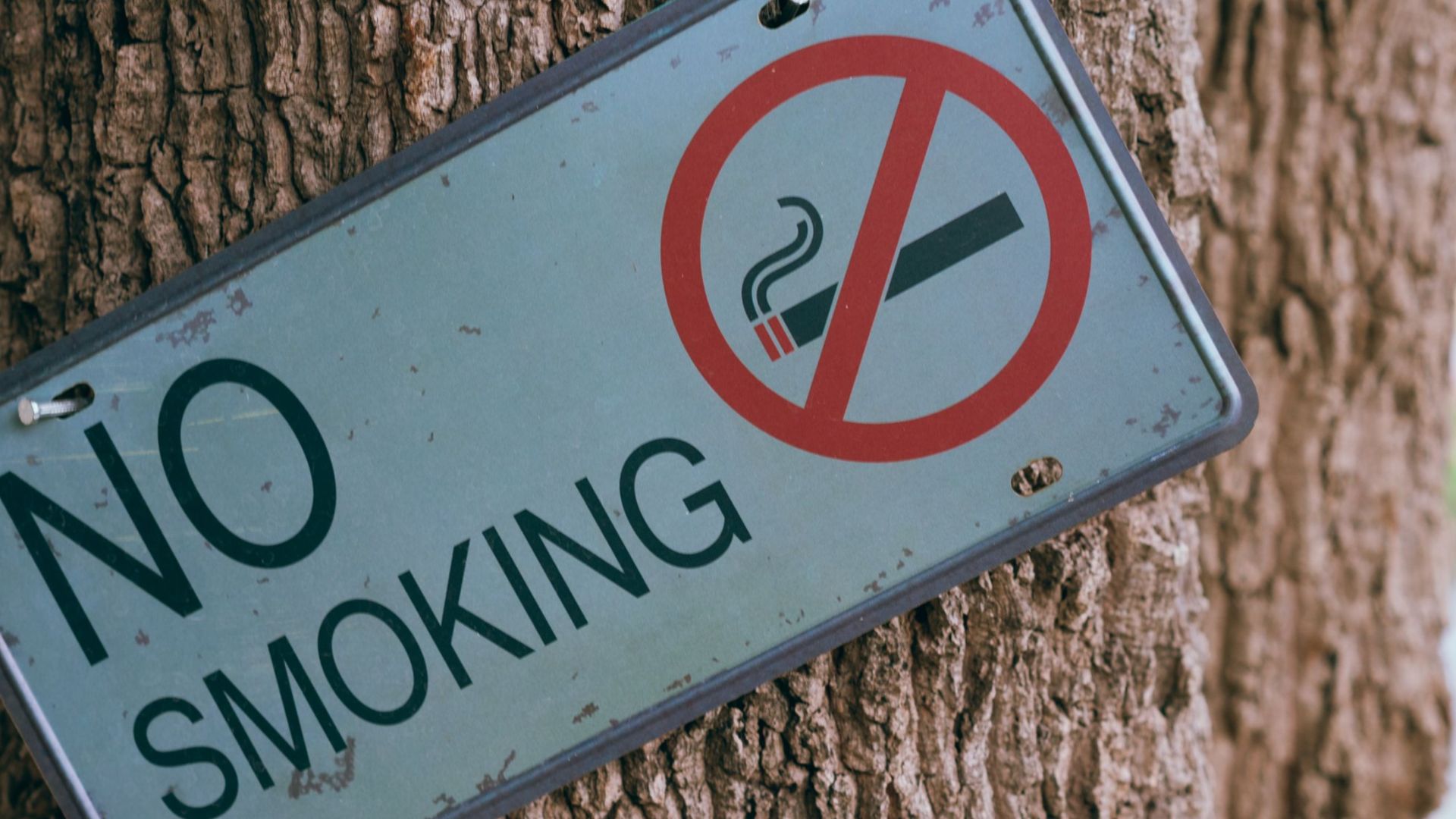
Then Jaeger Lit A Smoke
Frustrated, Jaeger reportedly lit a cigarette near the device. Suddenly, the meter reacted. The machine had failed to detect small amounts of gas, but cigarette smoke changed the electrical current. In other words, the invention did not find poison gas, but it did say, “Hey, smoke is here.”
The Accident Changed Fire Safety
Jaeger’s discovery helped point inventors toward ionization-based smoke detection. It was not yet the cheap plastic alarm we know today, but the principle was there. One failed poison-gas detector had accidentally wandered into one of the most important safety inventions of modern home life.
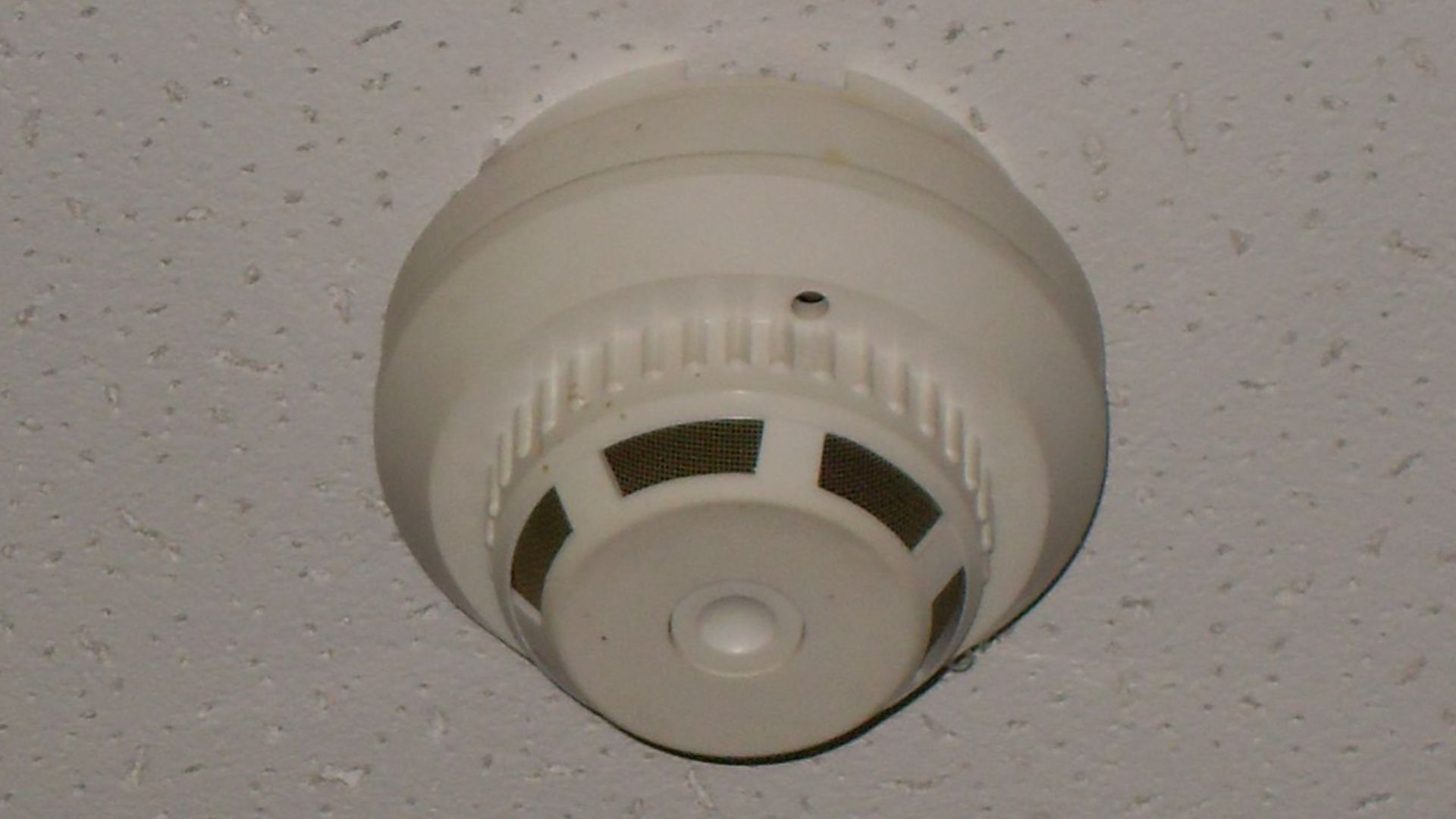
Ernst Meili Helped Move The Idea Forward
In 1939, Swiss physicist Ernst Meili developed an ionization chamber device that could detect combustible gases in mines. That work helped turn the basic science into more practical detection technology. The smoke detector’s family tree is very Swiss, very technical, and surprisingly full of cigarettes.
 U.S. Marine Corps photo by Lance Cpl. Jessica Mazzamuto, Wikimedia Commons
History's most fascinating stories and darkest secrets, delivered to your inbox daily.
Early Smoke Detectors Were Not For Kitchens
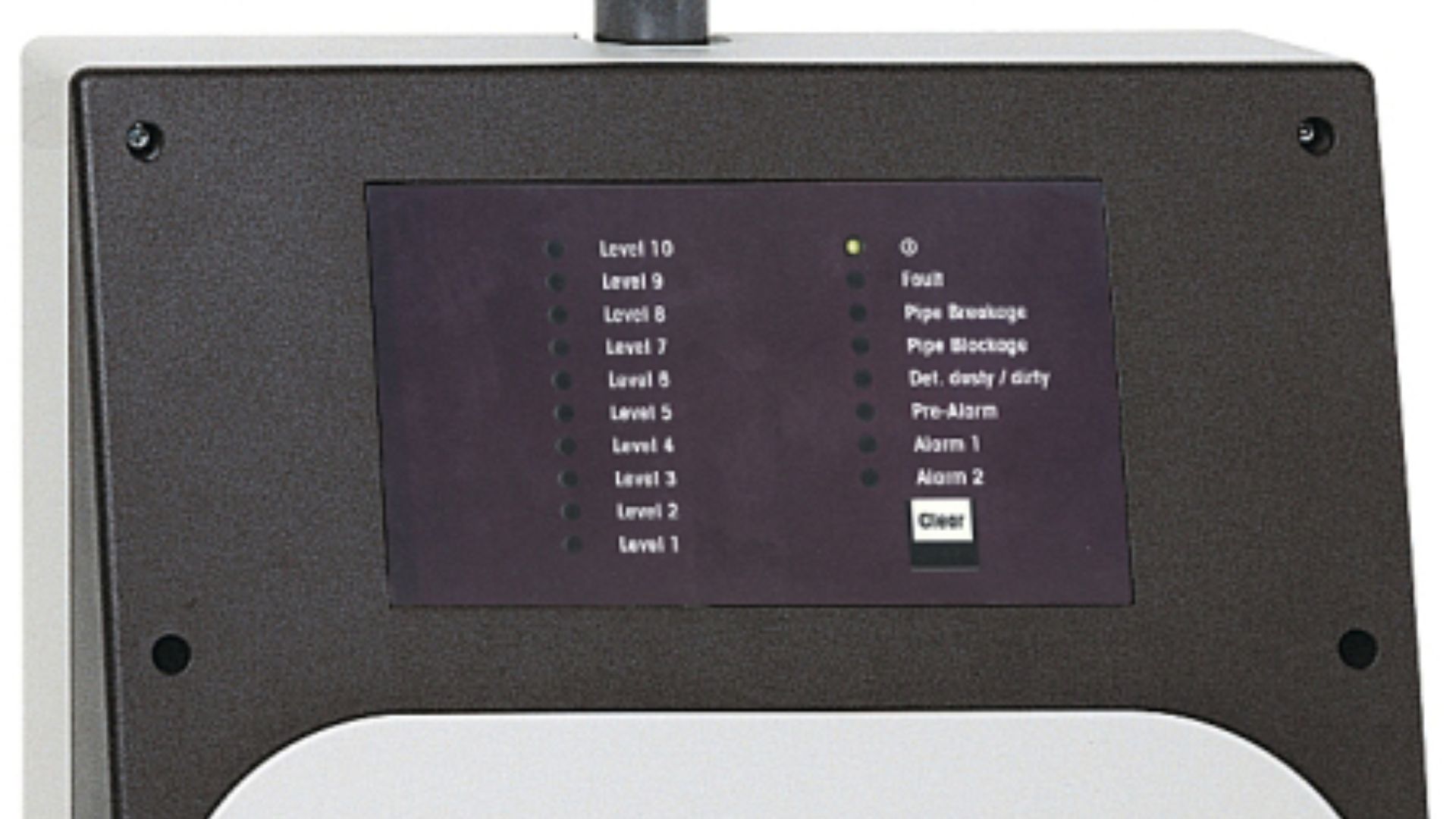
The first smoke-detection systems were bulky, costly, and aimed at industrial or commercial spaces. They were not something a homeowner casually installed above the hallway. Imagine explaining to a 1940s family that one day every house would have a tiny ceiling gadget yelling about toast.
 Stephan Weiß at German Wikipedia, Wikimedia Commons
Radium Was Used Before Americium
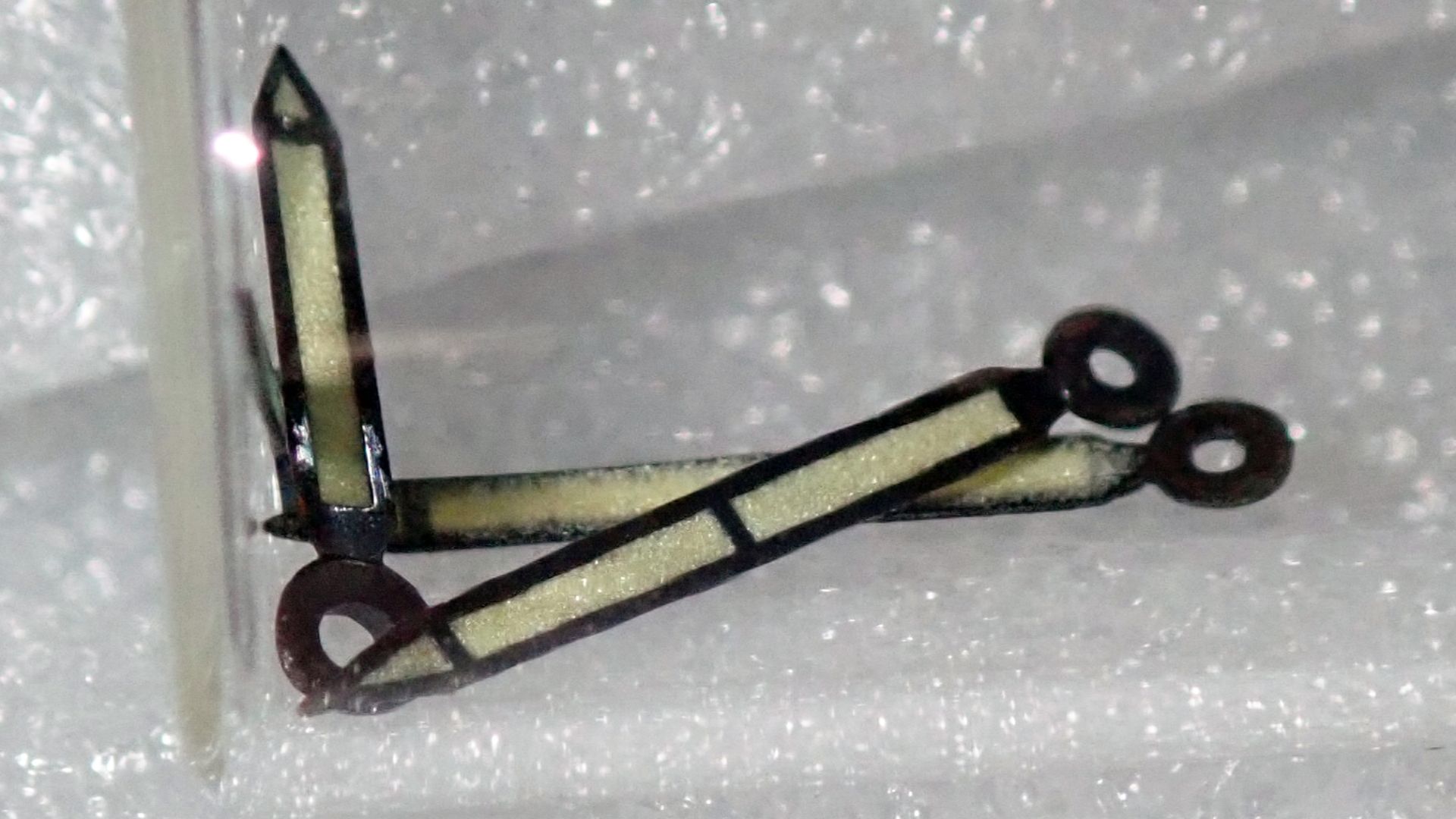
Some early ionization detectors used radioactive sources such as radium. Later household ionization smoke alarms commonly used americium-241 in very small amounts. That sounds alarming, but the radioactive material is sealed inside the detector. The real danger is usually ignoring the alarm—or removing the battery.
 James St. John, Wikimedia Commons
Photoelectric Detection Took A Different Route
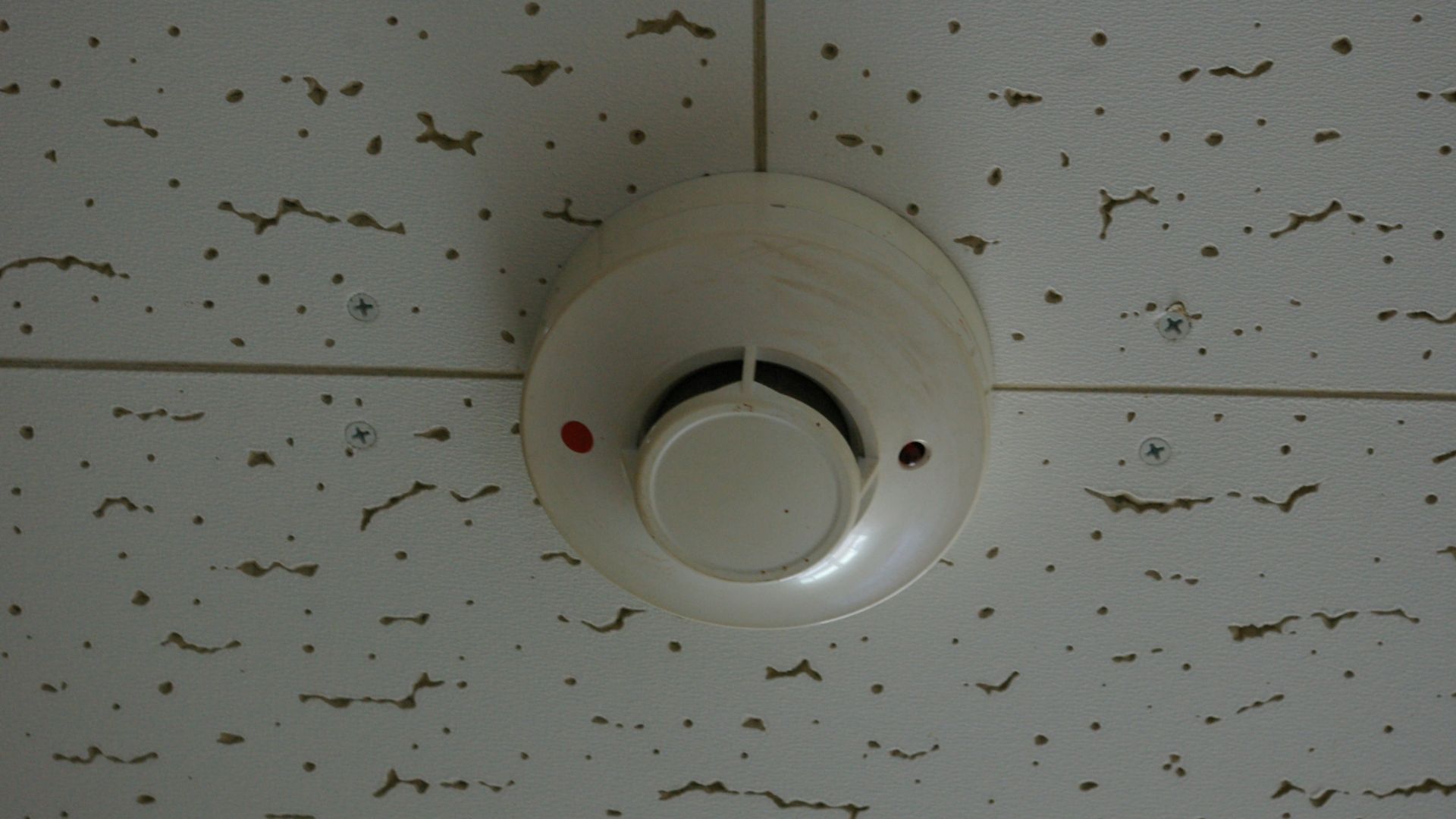
Photoelectric smoke detectors use light instead of ionized air. When smoke enters the chamber, it scatters light onto a sensor, triggering the alarm. It is less “tiny radioactive science box” and more “smoke ruined the flashlight experiment,” which is still pretty clever.
 100yen 06:33, 22 October 2006 (UTC), Wikimedia Commons
The Home Still Had A Problem
By the 1950s and early 1960s, fire experts knew homes needed earlier warning. Heat detectors were not enough, and commercial smoke detectors were too expensive or complicated for everyday houses. The challenge was simple: make something cheap, reliable, loud, and installable by regular people.

Duane Pearsall Entered The Story
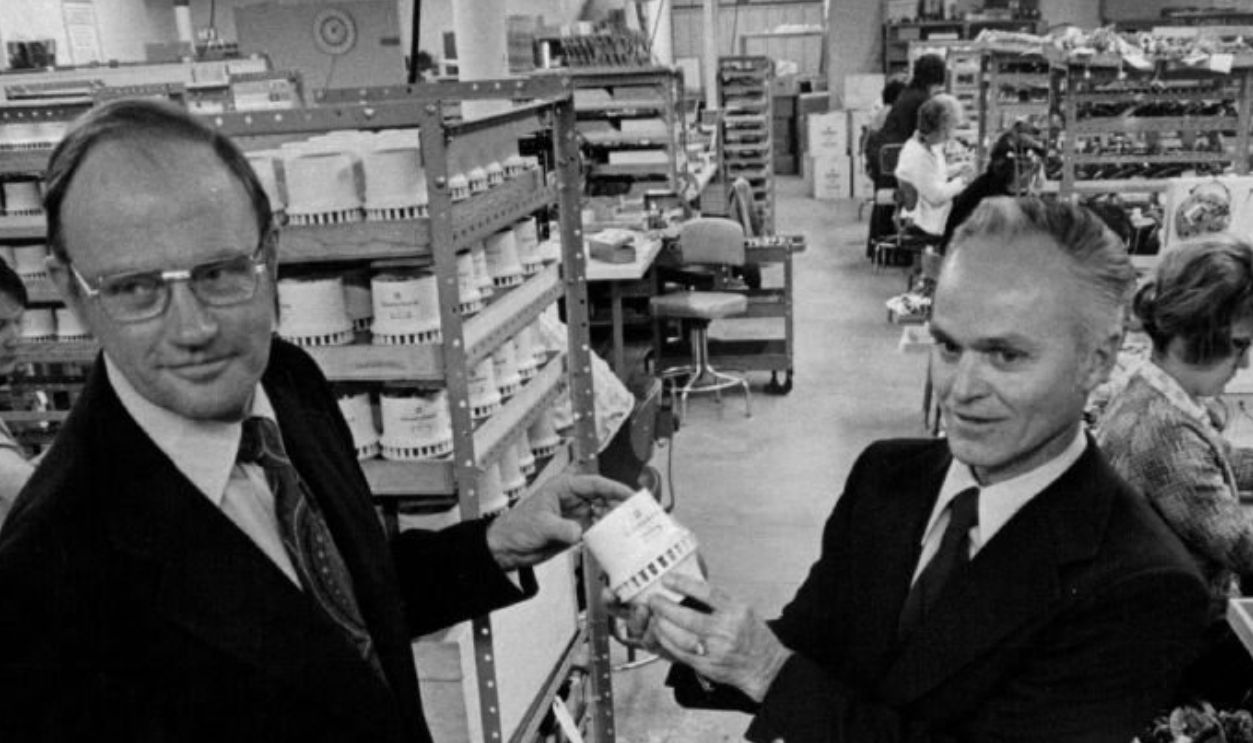
Duane “Dewey” Pearsall was an American entrepreneur who founded Statitrol Corporation in Colorado. In the 1960s, his company worked on static-control equipment. Once again, smoke interfered with an experiment. Apparently, smoke had decided it wanted a second career in product development.
Another Accident Pointed Toward Home Safety
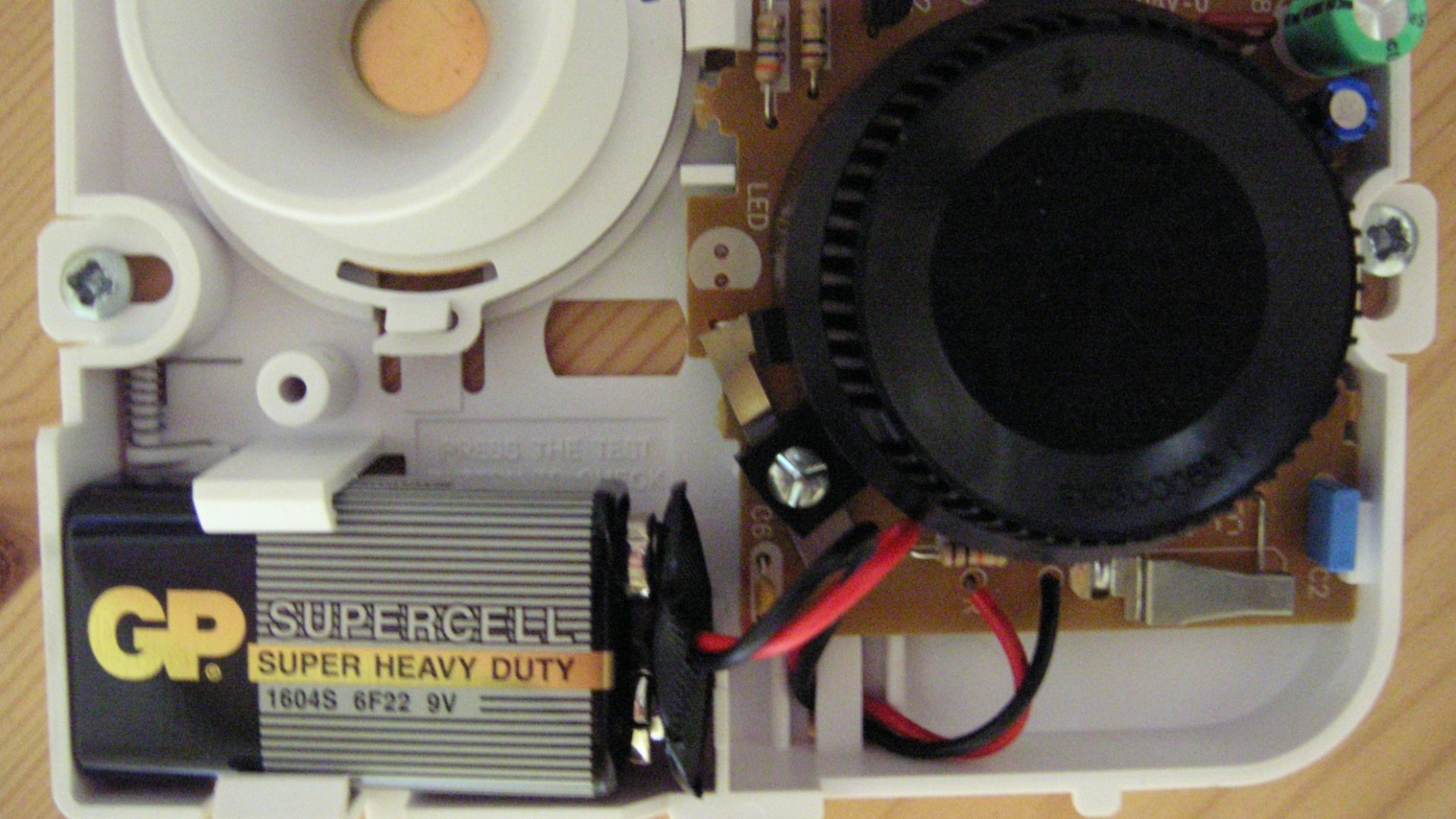
Pearsall’s team noticed smoke affecting their equipment, and that helped inspire work on a practical home smoke detector. Pearsall later became closely associated with the battery-powered home smoke alarm. It is comforting to know one of our most useful safety devices has serious “oops, interesting” energy.
 The original uploader was Hiya111 at English Wikipedia., Wikimedia Commons
History's most fascinating stories and darkest secrets, delivered to your inbox daily.
Stanley Bennett Peterson Helped Build The Device
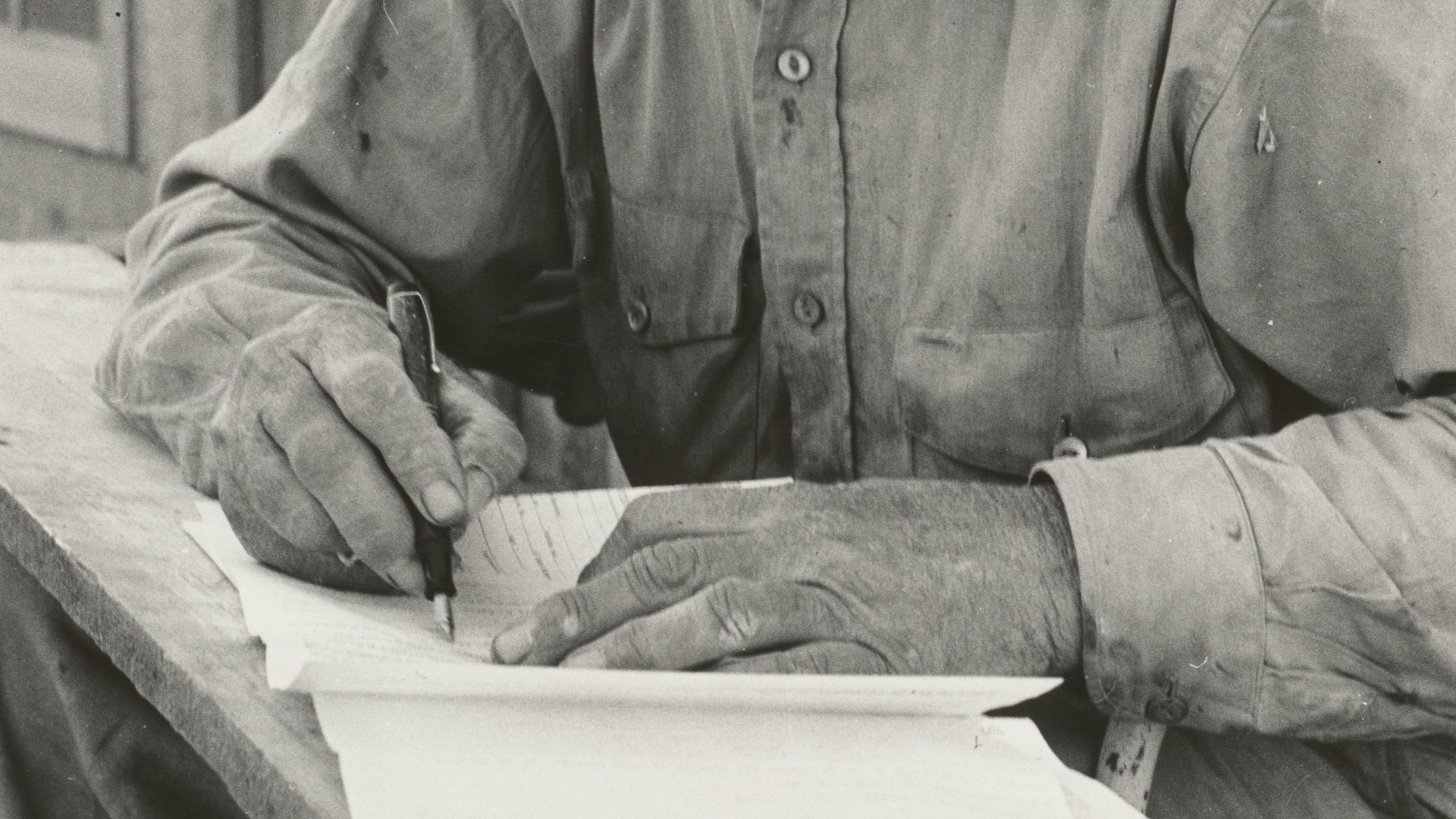
Pearsall worked with engineer Stanley Bennett Peterson on what became the SmokeGard. Their goal was not just to make smoke detection possible, but to make it affordable and practical for ordinary homes. A smoke detector that only rich people could buy was not going to save enough lives.
 The New York Public Library, Unsplash
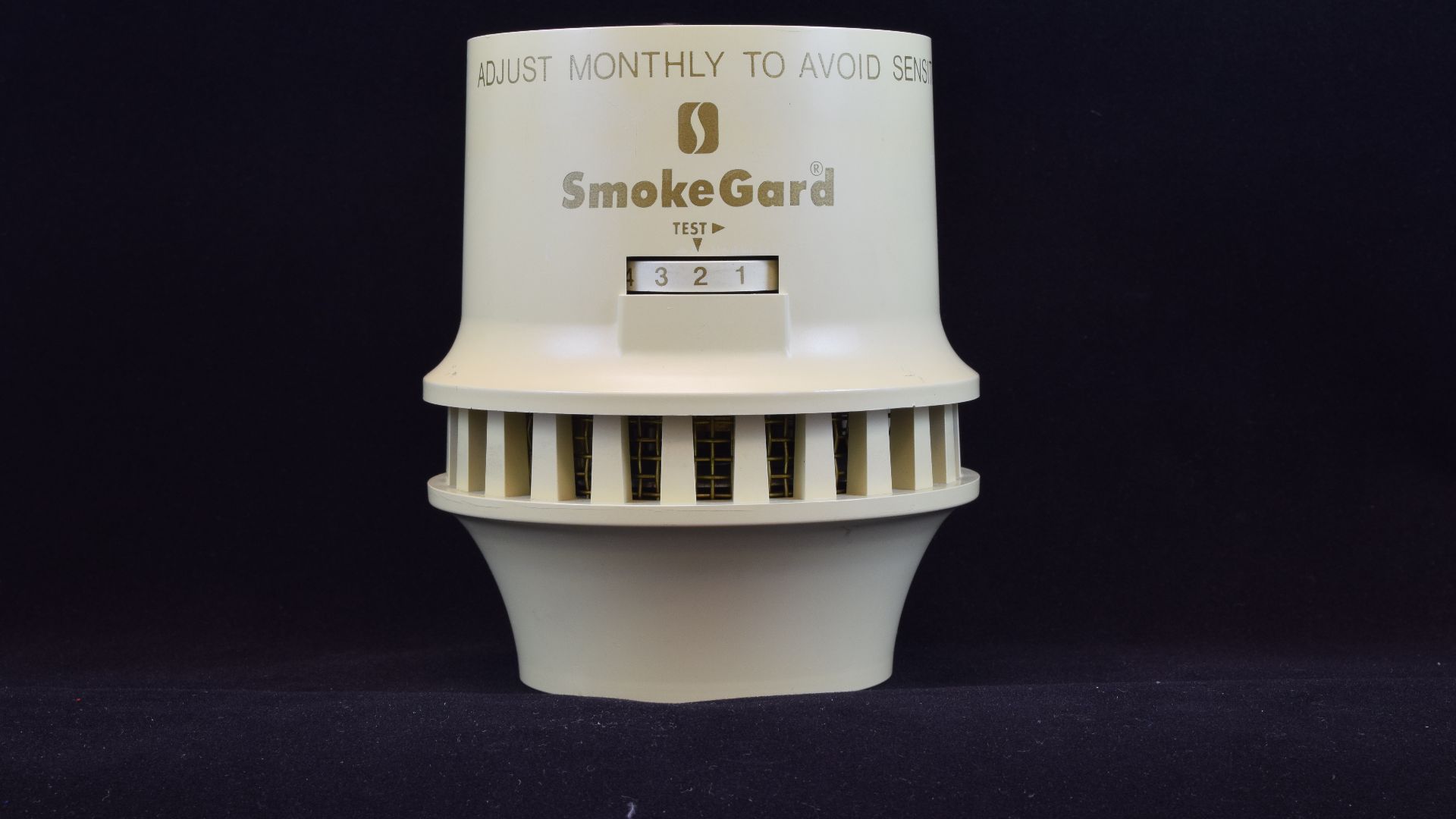
The SmokeGard 700 Became A Big Deal
The SmokeGard 700 became one of the first practical battery-powered smoke detectors for homes. It helped move smoke detection out of factories and into hallways, bedrooms, and suburban ceilings. Suddenly, fire warning did not need wiring, a giant system, or a building engineer named Frank.
 WPI Archives and Special Collections, Wikimedia Commons
Approval Took Serious Testing
Battery-powered home smoke alarms had to prove they could work reliably before people trusted them. Factory Mutual Laboratories tested and approved early models in the 1970s. That mattered because a smoke alarm is not like a novelty kitchen gadget. If it fails, nobody laughs.
Research Showed Placement Mattered
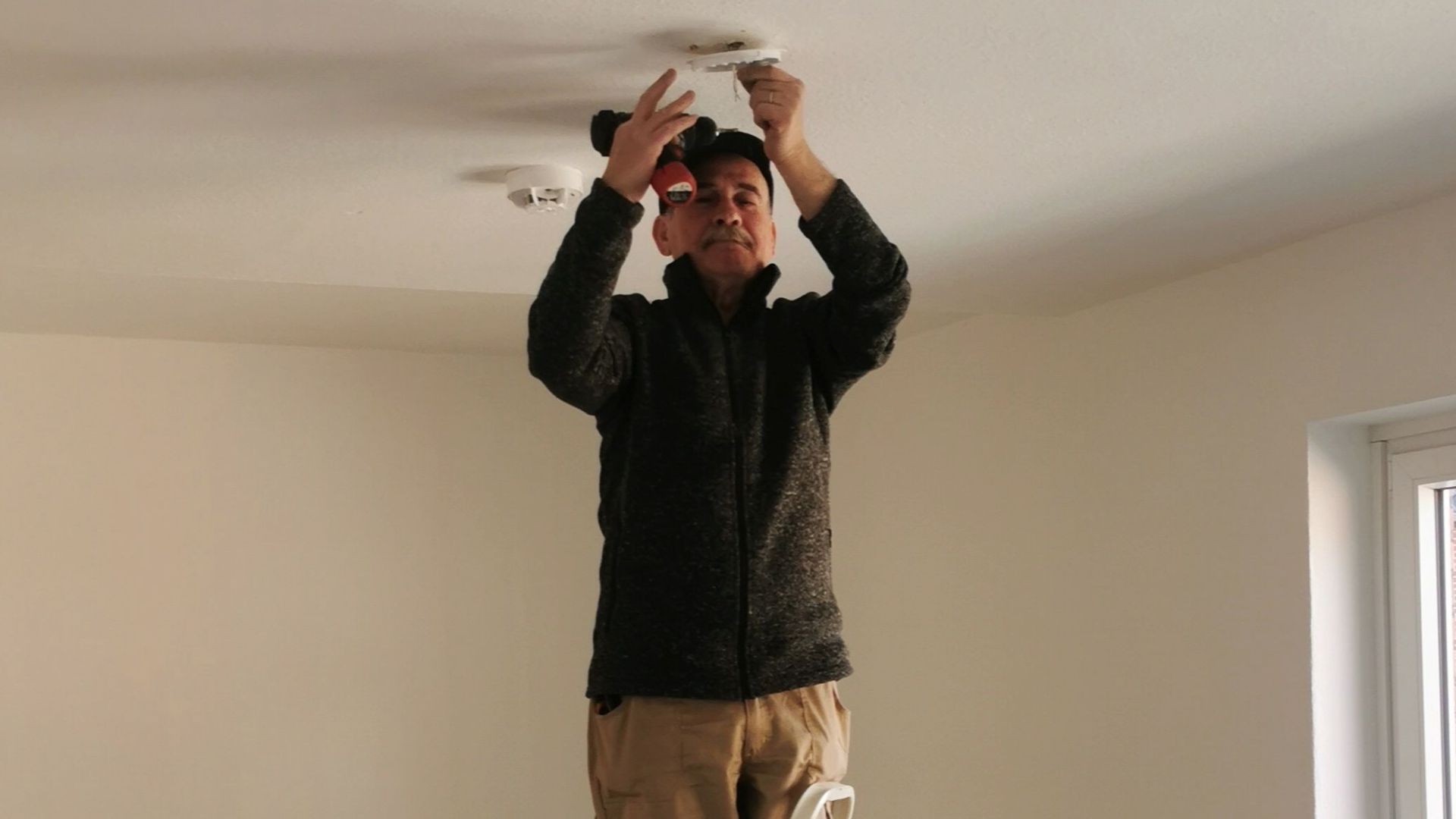
In the 1970s, US researchers studied where smoke alarms should be installed in homes. NIST notes that fire tests helped shape standards for alarm placement. The lesson was clear: owning a detector is good, but putting it somewhere useful is the part that keeps people alive.
Standards Helped Smoke Alarms Spread
As research improved and standards developed, smoke alarms became more common in American homes. NFPA 74, later folded into broader alarm standards, helped guide installation. This was the boring paperwork phase of the story, which is exactly how many life-saving inventions become normal.
 U.S. Consumer Product Safety Commission, Wikimedia Commons
The 1970s Turned Them Into Household Items
In the early 1970s, smoke alarms were still not in most homes. By the end of the decade, adoption had surged. Better technology, lower prices, retailers, public education, and new rules helped turn smoke alarms from “interesting gadget” into “why don’t you have one?”
 TaurusEmerald, Wikimedia Commons
History's most fascinating stories and darkest secrets, delivered to your inbox daily.
Sears Helped Bring Them To Shoppers
Retail distribution mattered. Companies such as BRK Electronics and Statitrol helped push alarms into the consumer market, and major retailers made them easier to buy. Once smoke alarms showed up where ordinary people shopped, they stopped being specialist equipment and became household common sense.
 Kent Madsen, Wikimedia Commons
Smoke Alarms Became A Fire-Safety Success Story
The impact was enormous. NIST says working smoke alarms cut the risk of dying in a home fire by more than half. That is a huge achievement for a device many people mostly associate with burnt popcorn and the most judgmental beep in the house.

The Technology Kept Improving
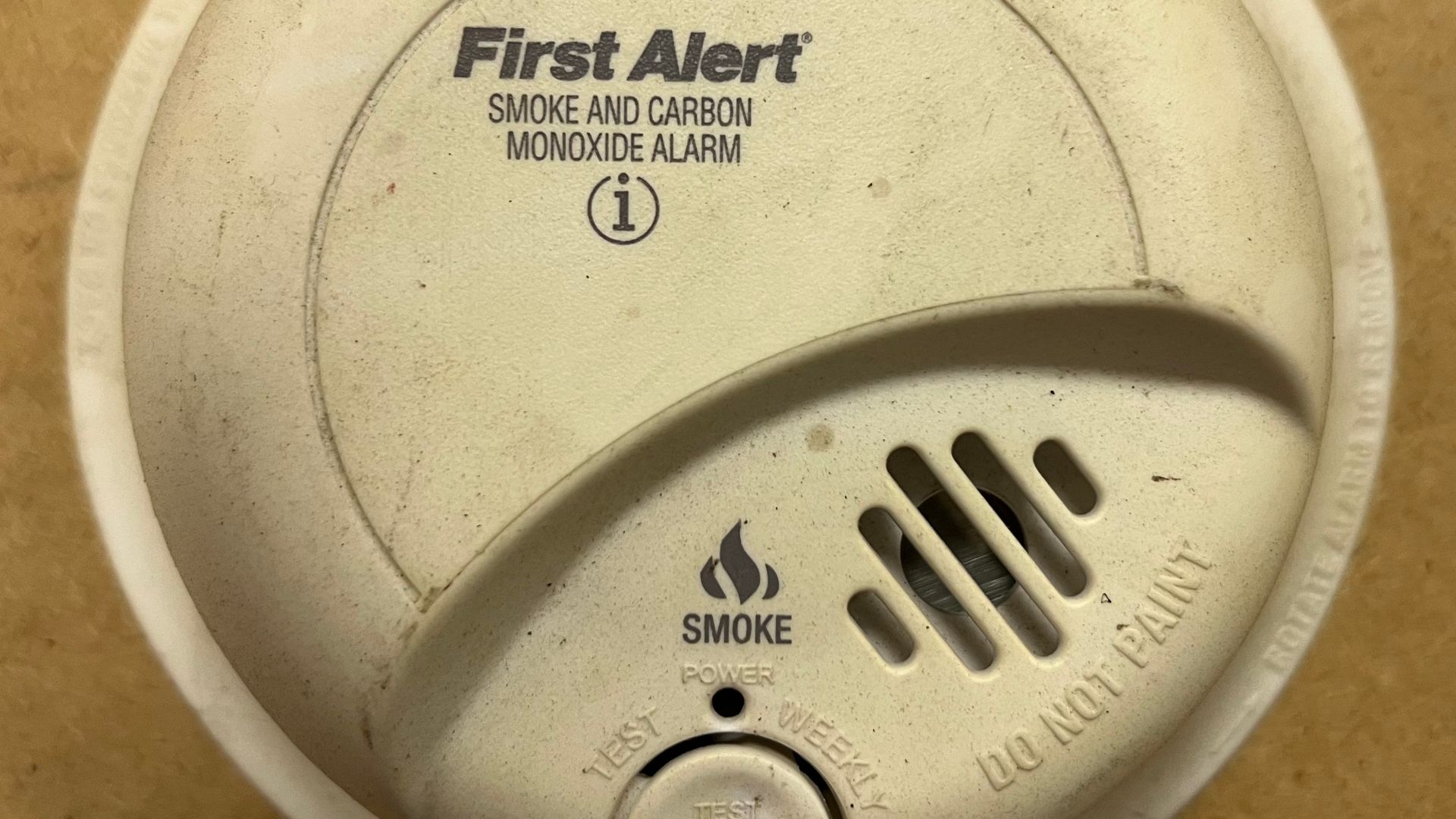
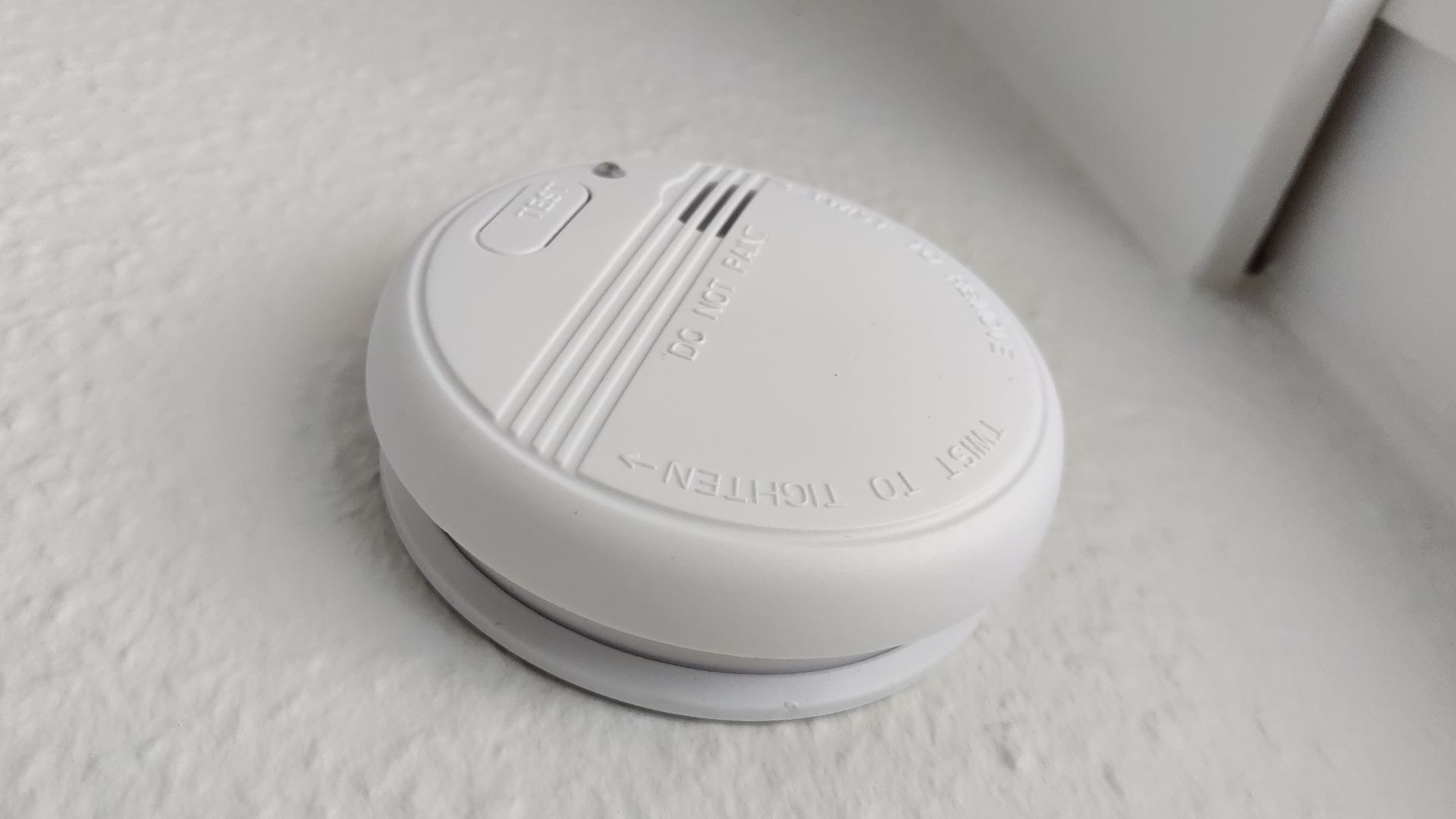
Today’s smoke alarms may be ionization, photoelectric, dual-sensor, hardwired, battery-powered, interconnected, or combined with carbon monoxide detection. Some even send phone alerts. The basic mission is still the same: notice danger early and scream before humans do something slow, like wake up.

A Failed Gadget Became A Ceiling Hero
The smoke detector’s story is funny because it began with failure. Walter Jaeger was not trying to invent the hallway alarm that complains about toast. He was trying to detect poison gas. But his failed device noticed smoke, and that accident helped create one of history’s quietest life-saving revolutions.
You May Also Like:
Completely Normal American Habits From The 1970s That Would Seem Completely Bizarre Today—Did You Do Any Of These?
The Worst Man-Made Disasters in U.S. History
America’s Most Isolated Town










.jpg)