
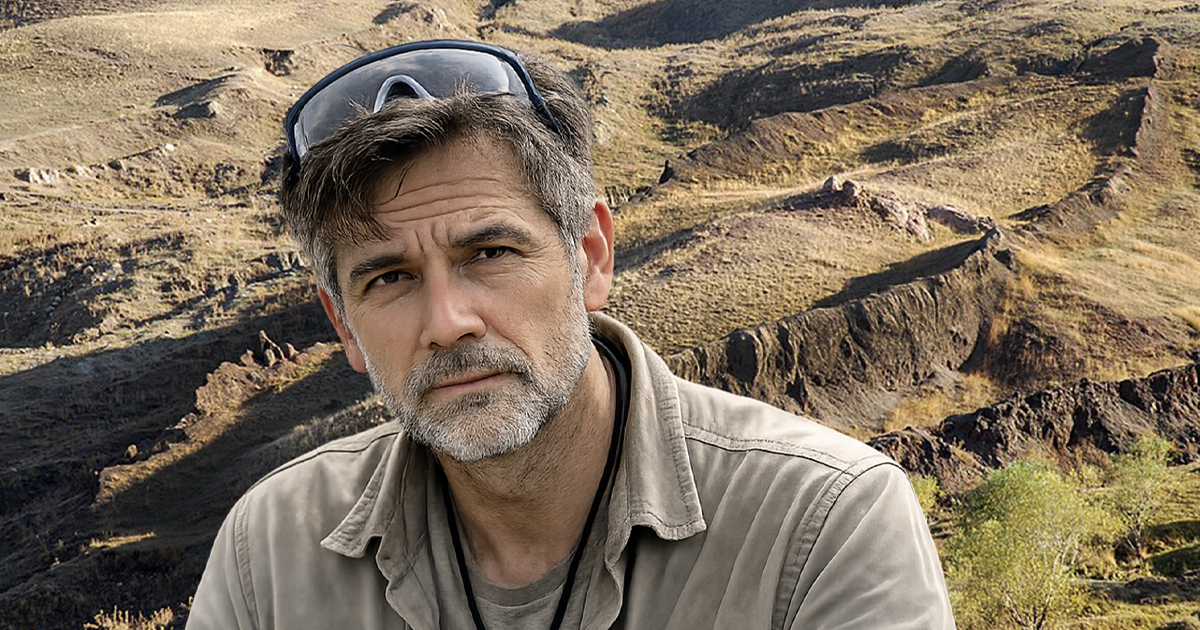
The Search for Noah's Ark Isn't Over
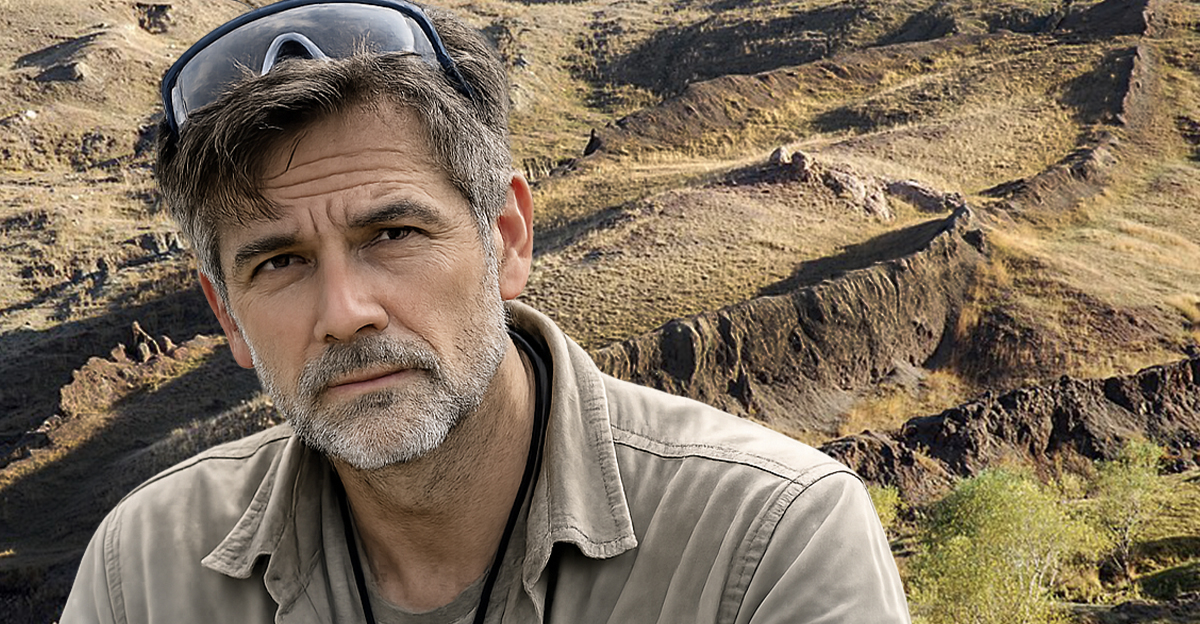
For centuries, people have searched for Noah’s Ark, often with more enthusiasm than evidence. But now, new geological findings in Turkey are giving the story a fresh layer of intrigue. No, this isn’t proof of a giant wooden boat—but it is enough to make scientists take a closer look.
 Zorka Sojka, Wikimedia Commons
A Familiar Location Back In The Spotlight
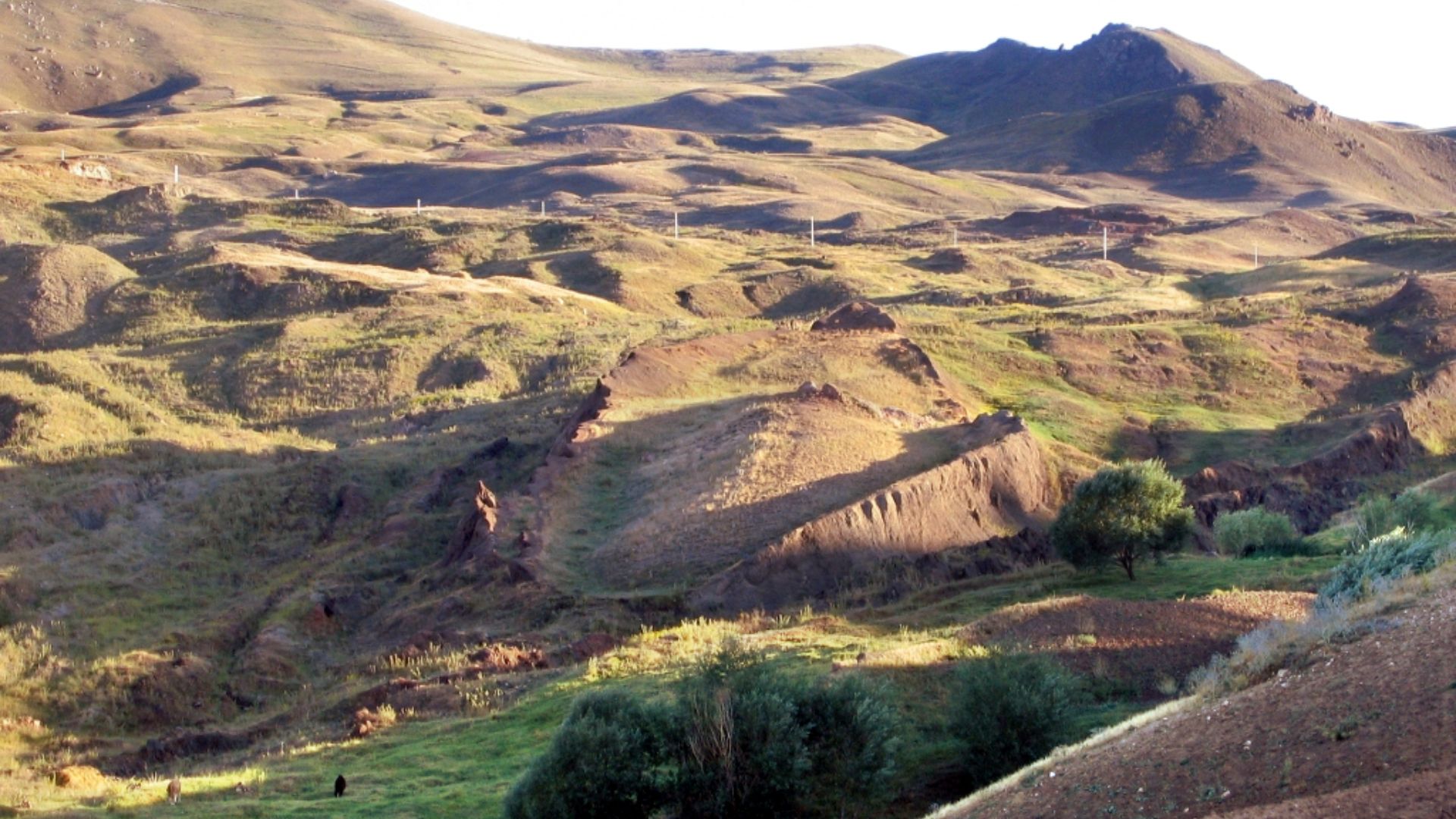
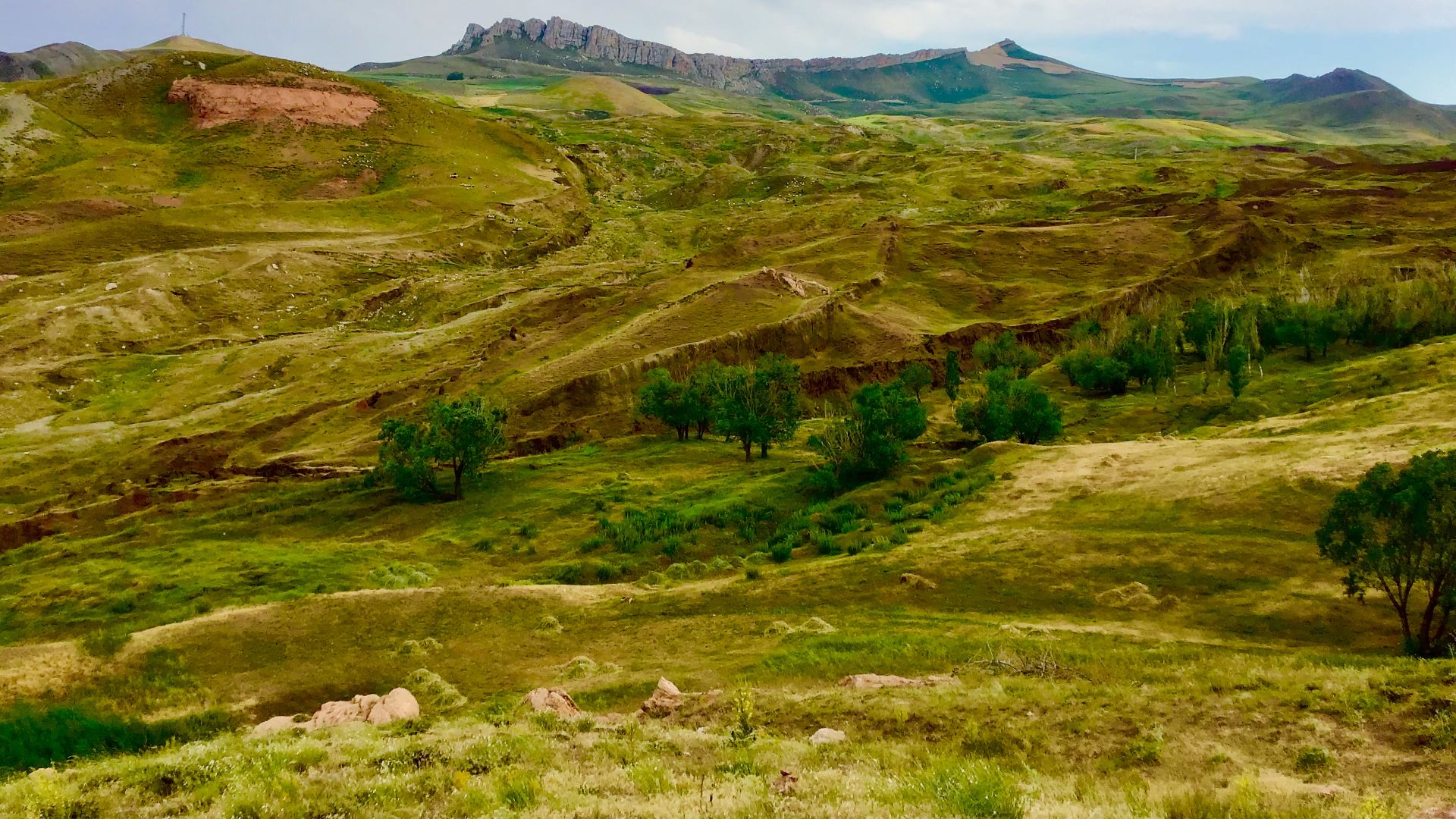
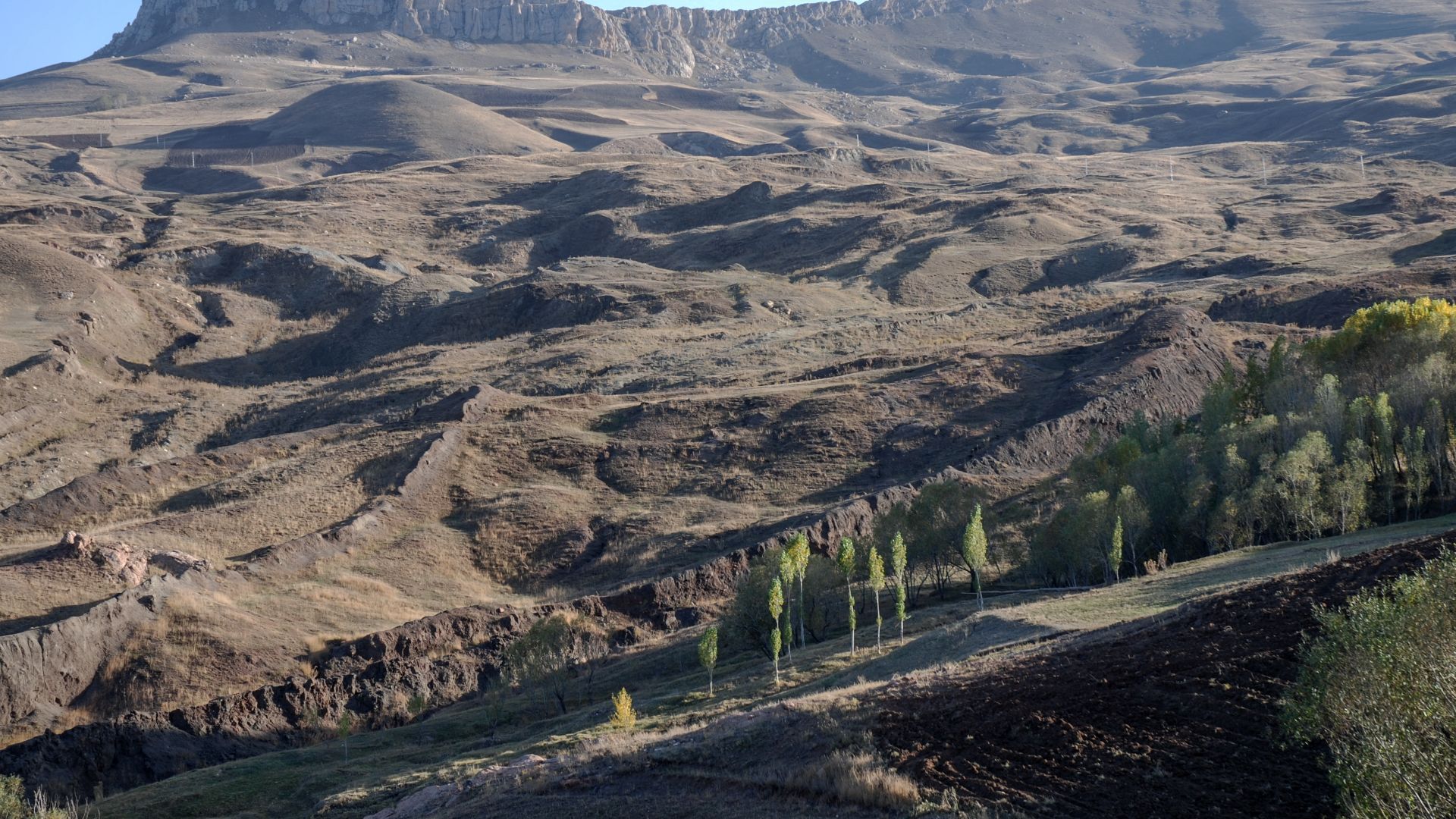
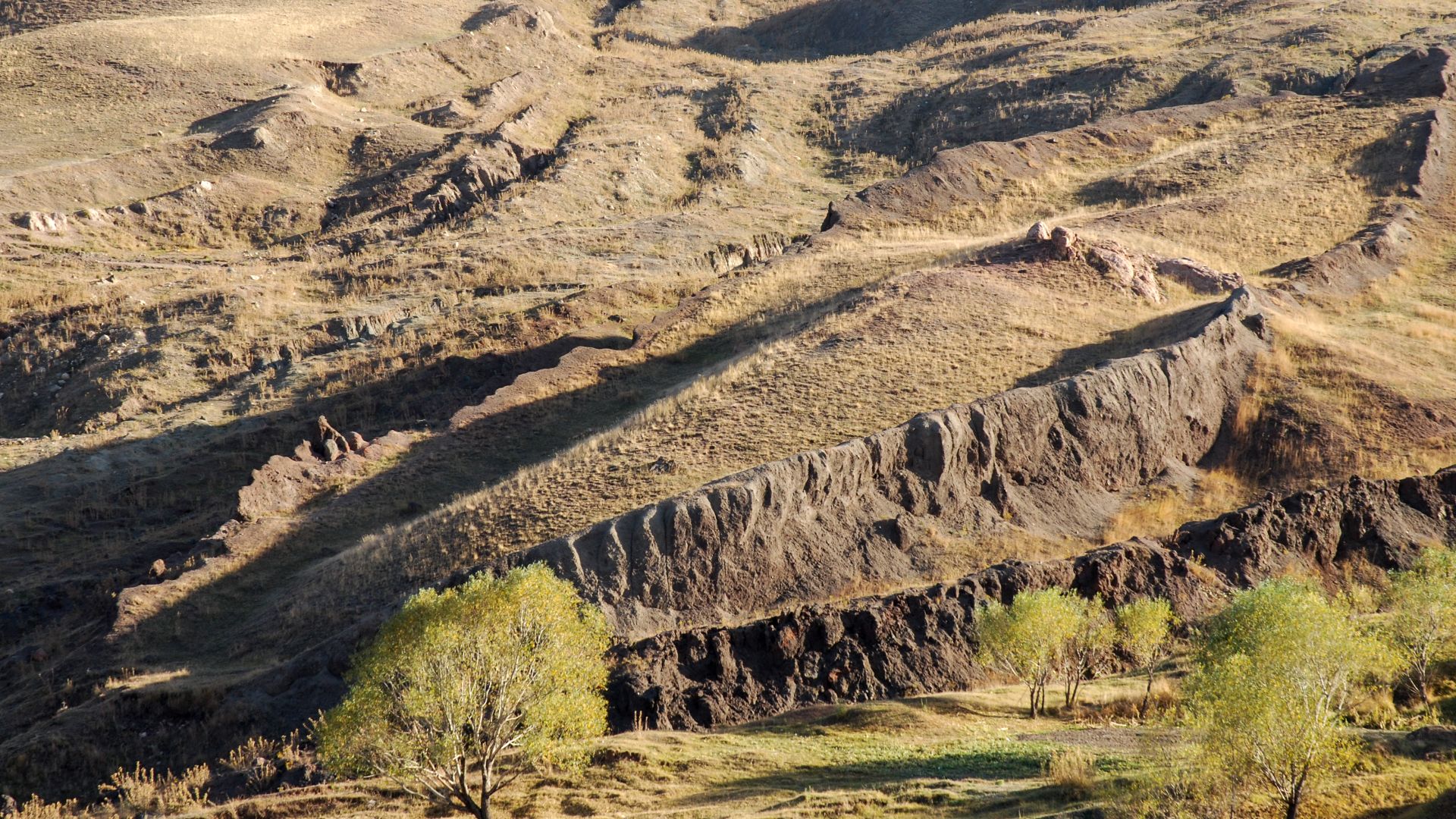
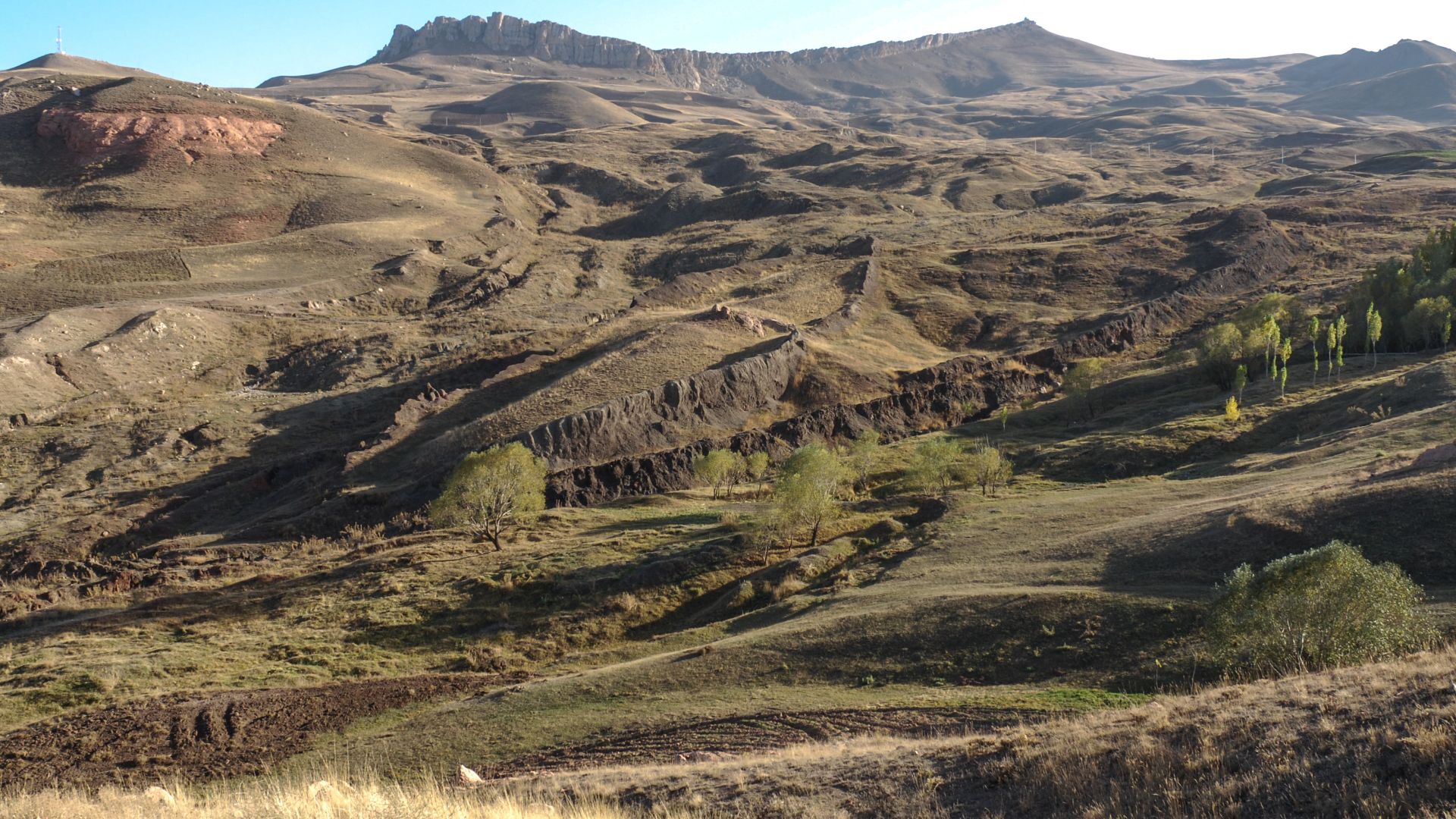
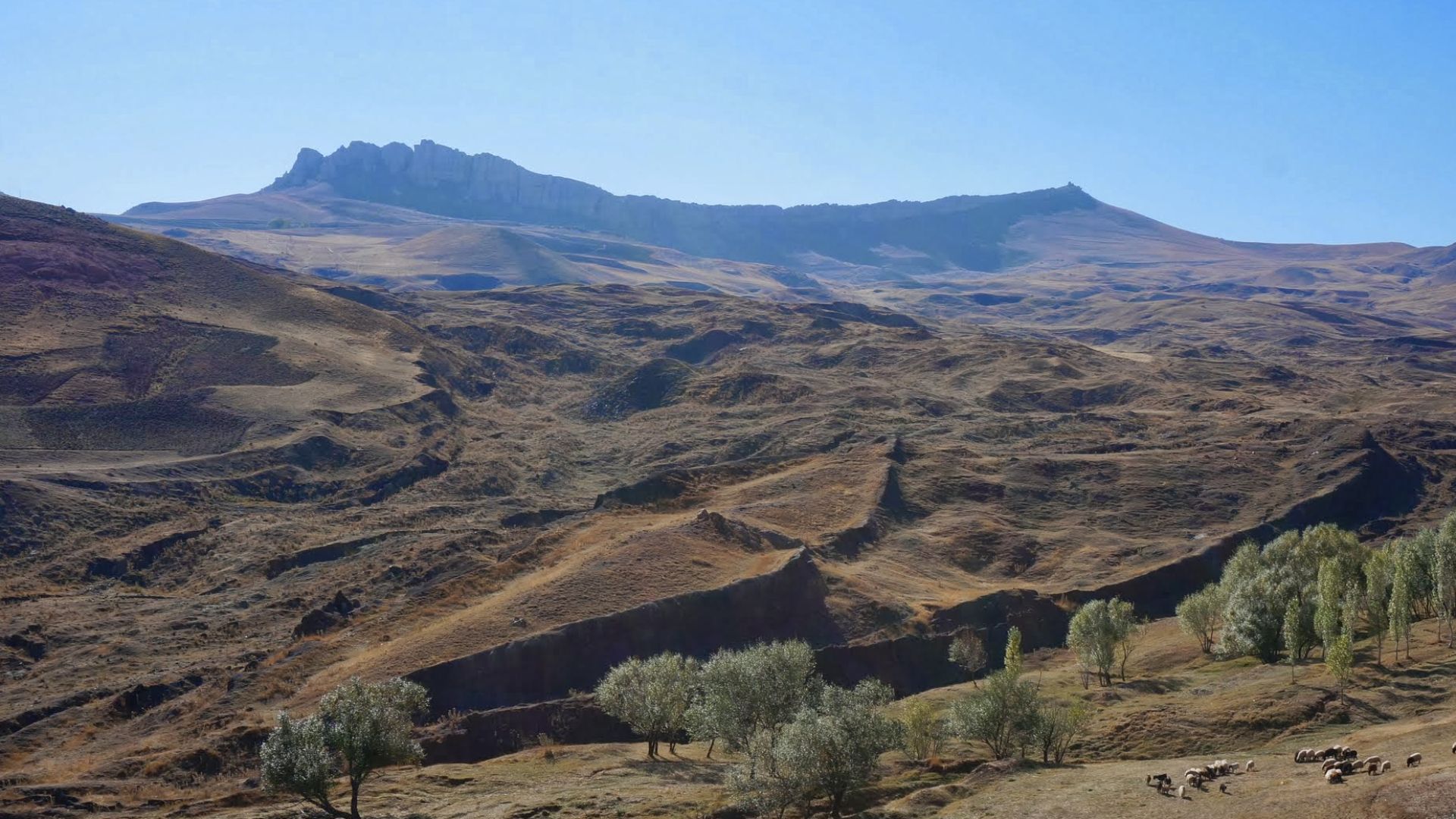
The focus of this renewed attention is the Durupinar formation, located in eastern Turkey near Mount Ararat. This site has been debated for decades because its shape resembles a large ship when viewed from above. It’s one of those places that keeps pulling researchers back in, just in case.
 Mfikretyilmaz, Wikimedia Commons
What Researchers Are Studying Now
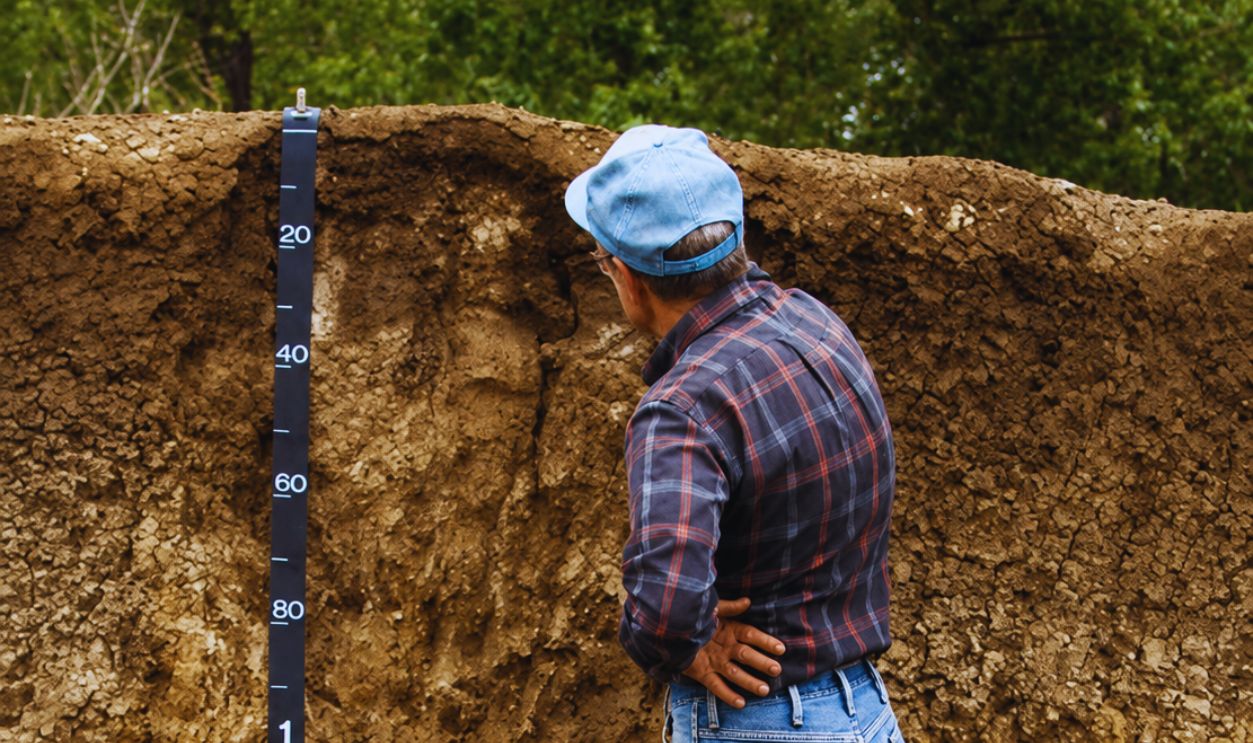
Recent studies have shifted away from trying to prove the Ark itself and instead focus on the surrounding environment. Researchers have been analyzing soil samples, rock formations, and geological layers at the site. Their goal is to understand what the area looked like thousands of years ago.
 Unknown Author, Wikimedia Commons
Evidence Of Water Where It Shouldn’t Be
One of the biggest findings is evidence suggesting the Durupinar area was once underwater. Soil samples reportedly contain marine materials and sediment patterns consistent with a large body of water. That’s not something you’d expect to find on a mountainside today.
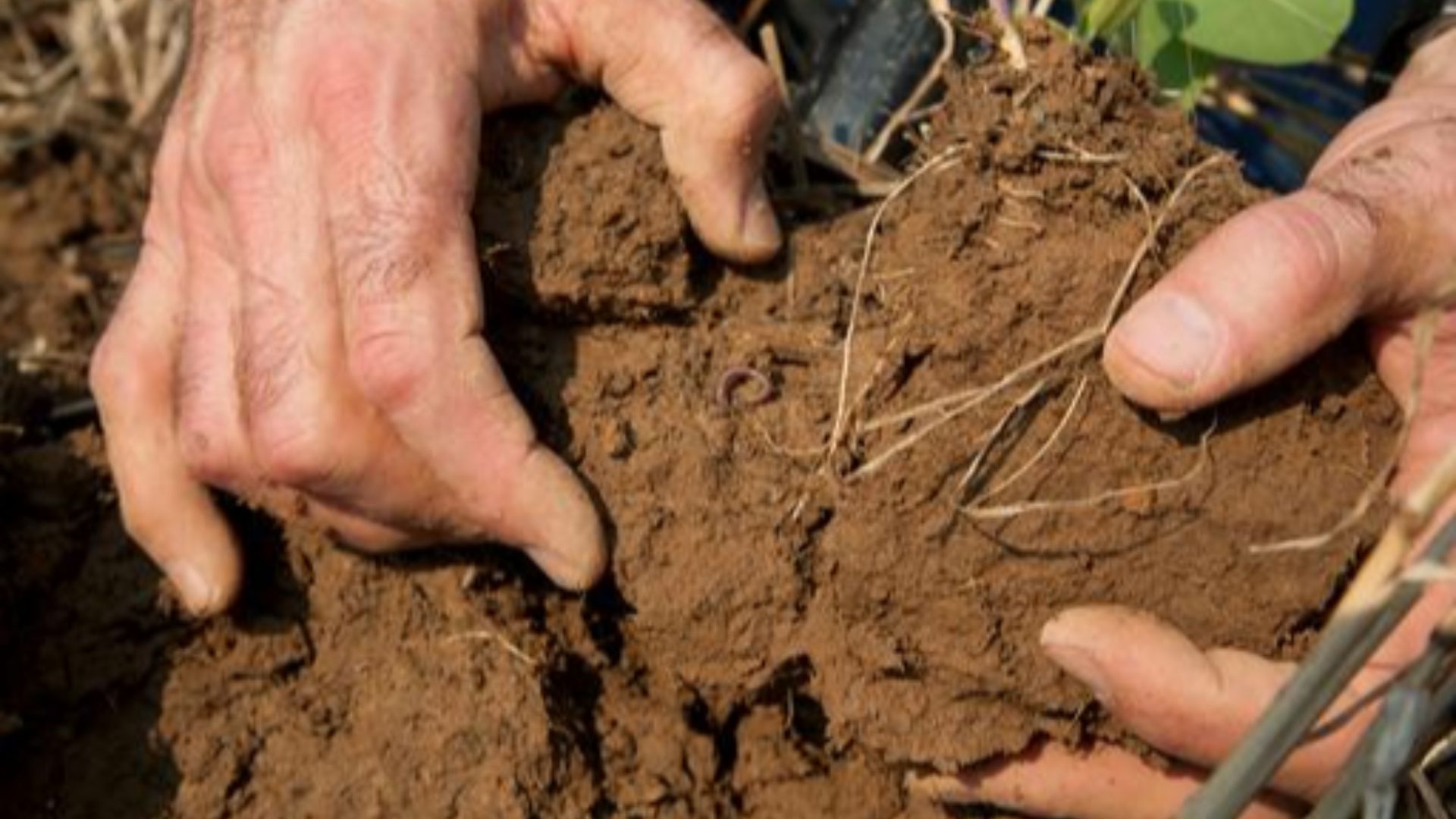 USDA Natural Resources Conservation Service, Wikimedia Commons
Dating The Possible Flooding Event
Researchers believe this flooding may have occurred thousands of years ago, though exact dates are still being debated. Some estimates place it within a time frame that overlaps with ancient flood narratives found in the region. That overlap is what’s really getting people’s attention.
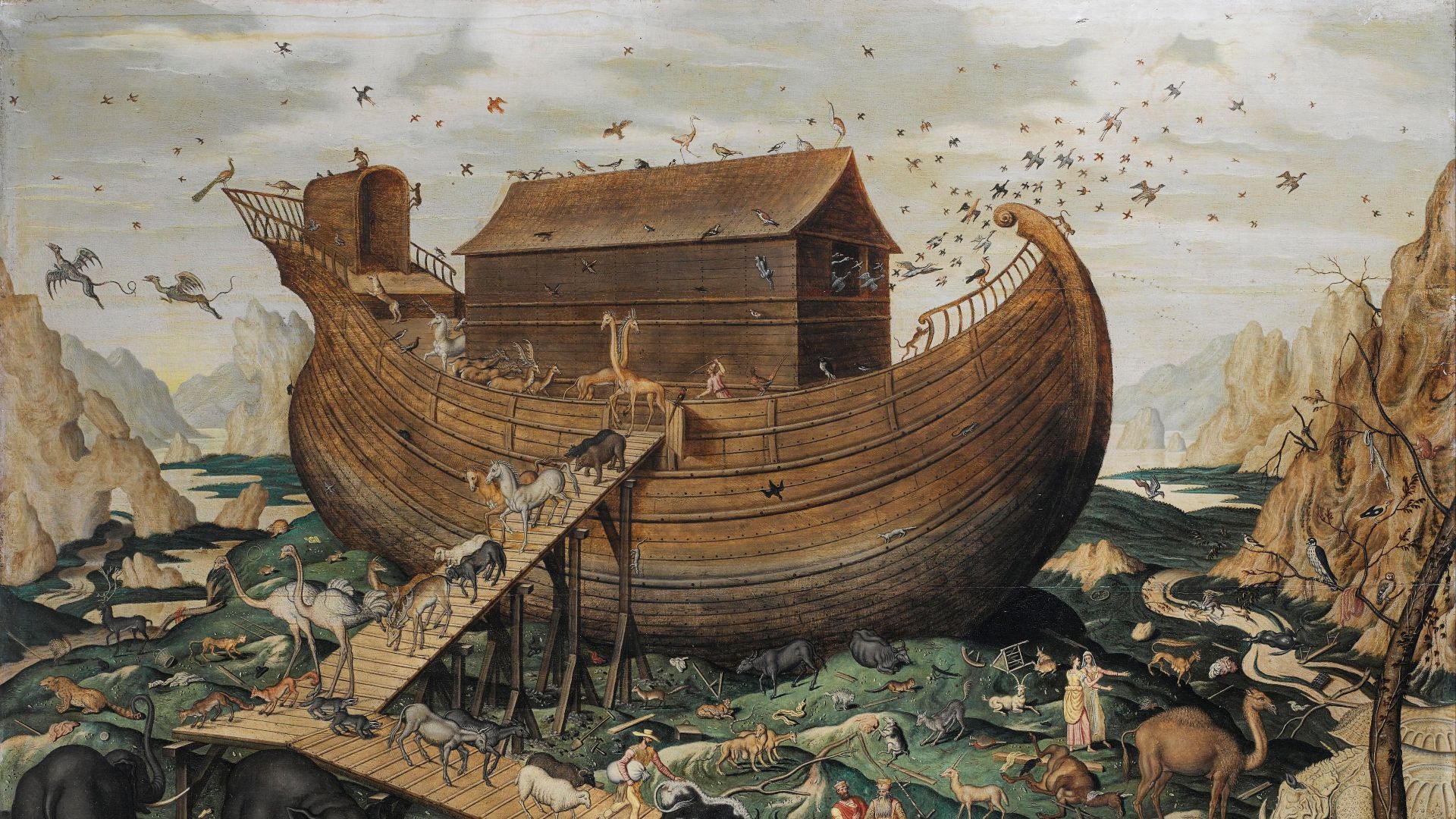 Simon de Myle, Wikimedia Commons
Not Proof—But Definitely Interesting
It’s important to be clear: this does not prove Noah’s Ark existed. There’s no confirmed wooden structure, no preserved vessel, and no direct archaeological evidence of the Ark itself. What it does provide is environmental context that could align with ancient flood stories.
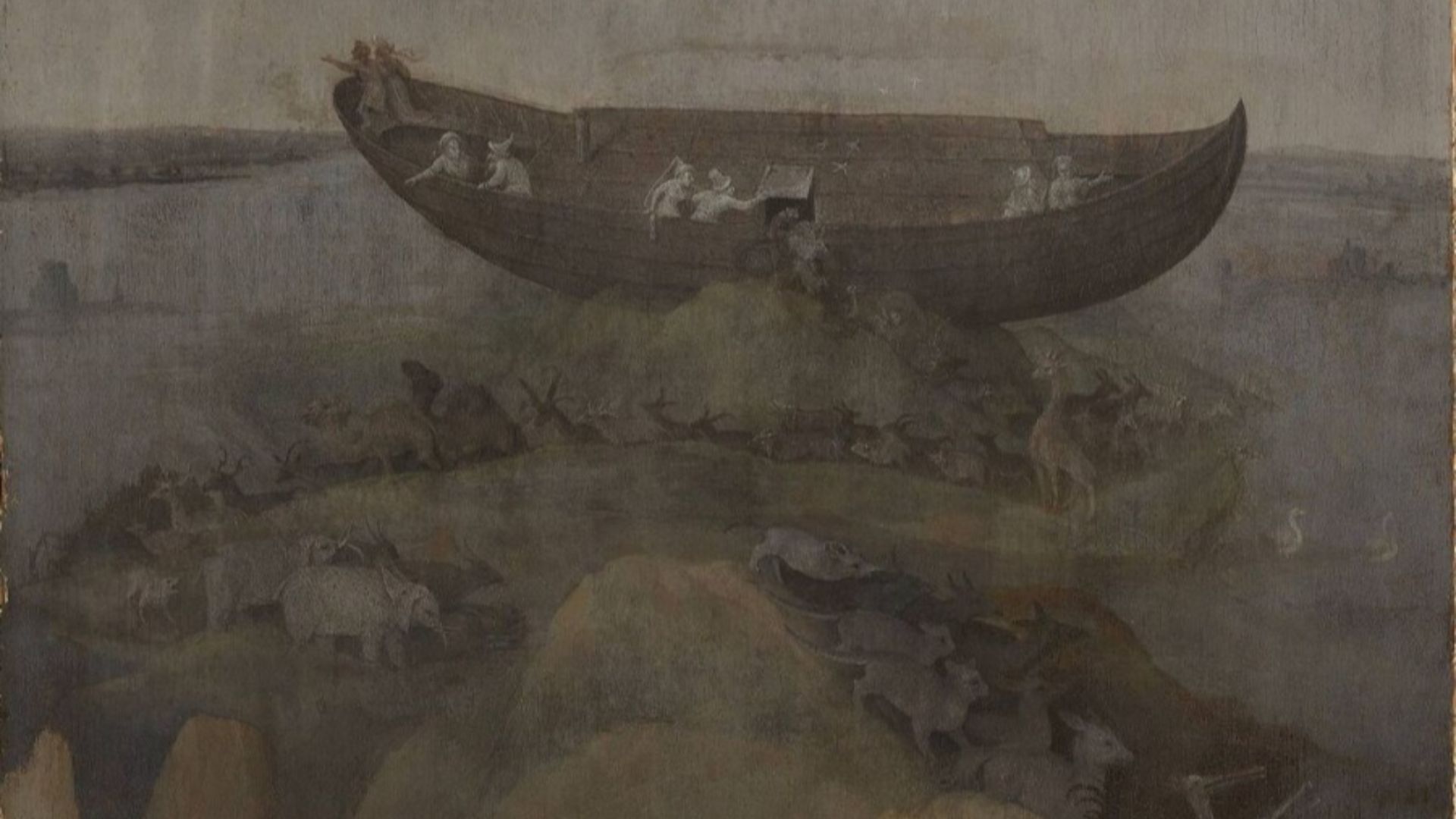 Hieronymus Bosch, Wikimedia Commons
Why Flood Stories Appear Everywhere
The story of a great flood isn’t unique to the Bible. Similar accounts appear in Mesopotamian texts like the Epic of Gilgamesh, which dates back to around 2100 BCE. When multiple cultures tell similar stories, historians start wondering if they’re based on real events.
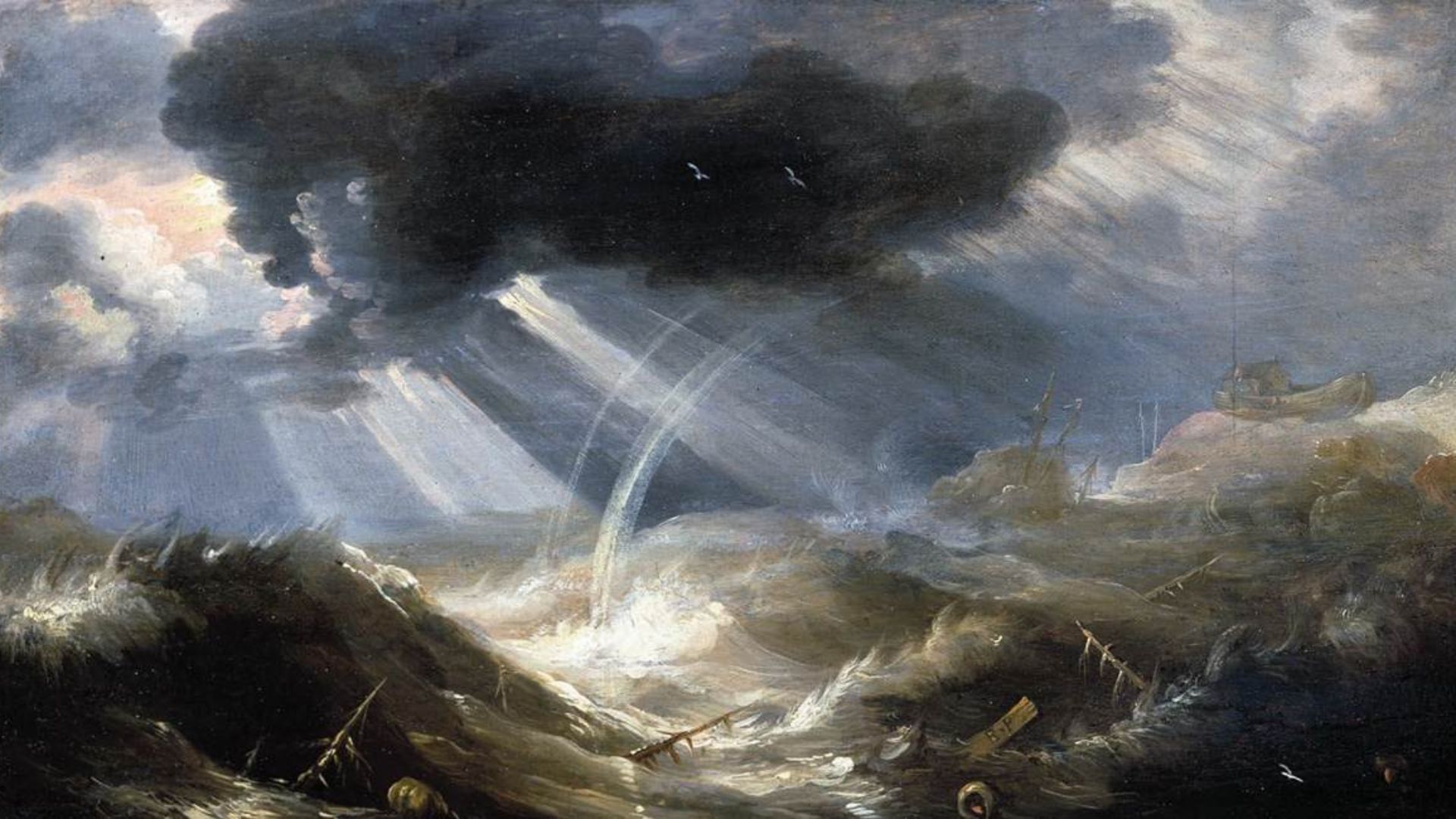 Bonaventura Peeters the Elder, Wikimedia Commons
Ancient Disasters Leave Lasting Memories
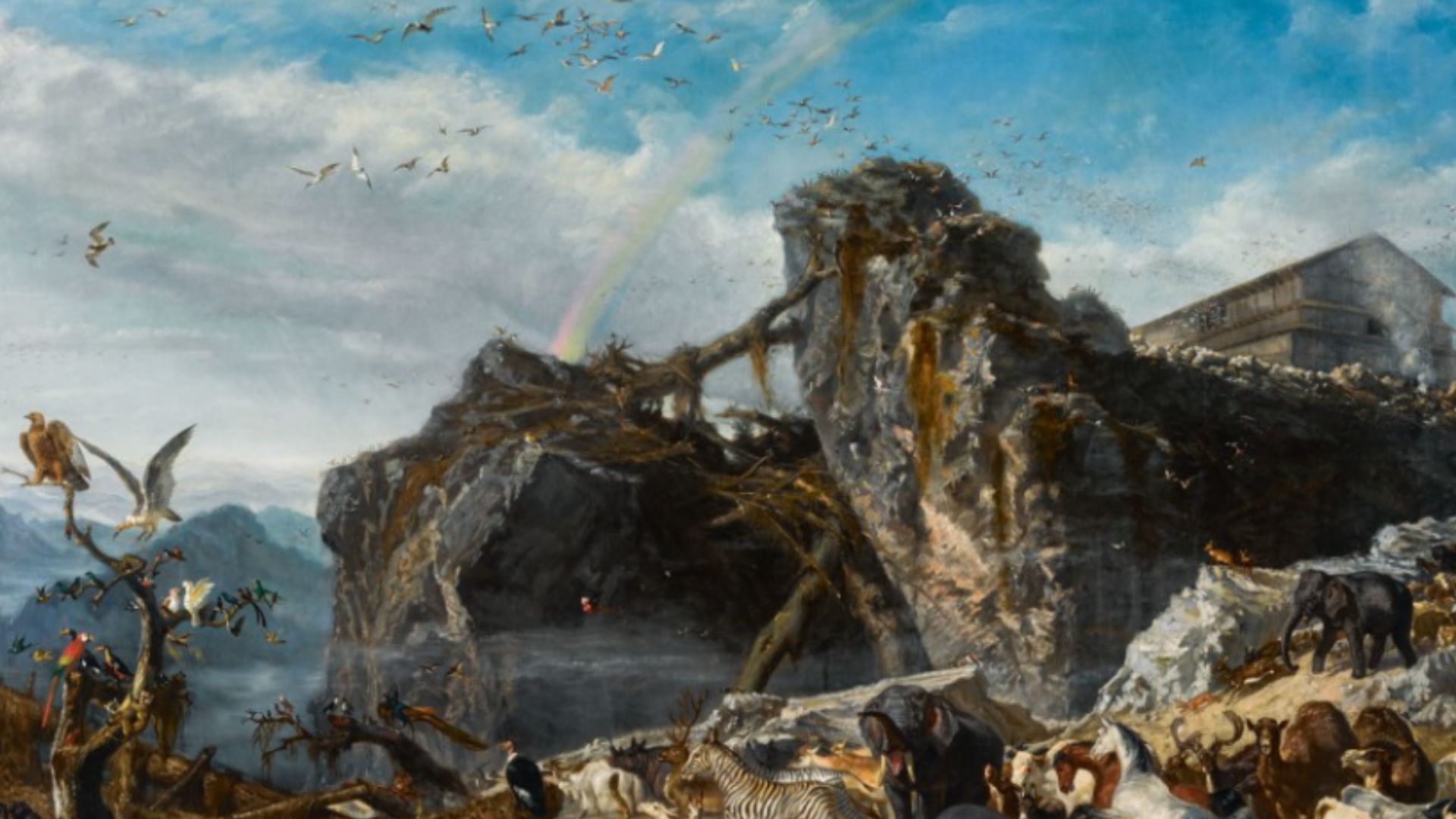
Large-scale floods would have been devastating for ancient communities. Without modern infrastructure, even a regional flood could wipe out entire settlements. Events like that tend to stick in cultural memory and eventually become stories passed down for generations.
 Filippo Palizzi, Wikimedia Commons
The Durupinar Formation’s Unique Shape
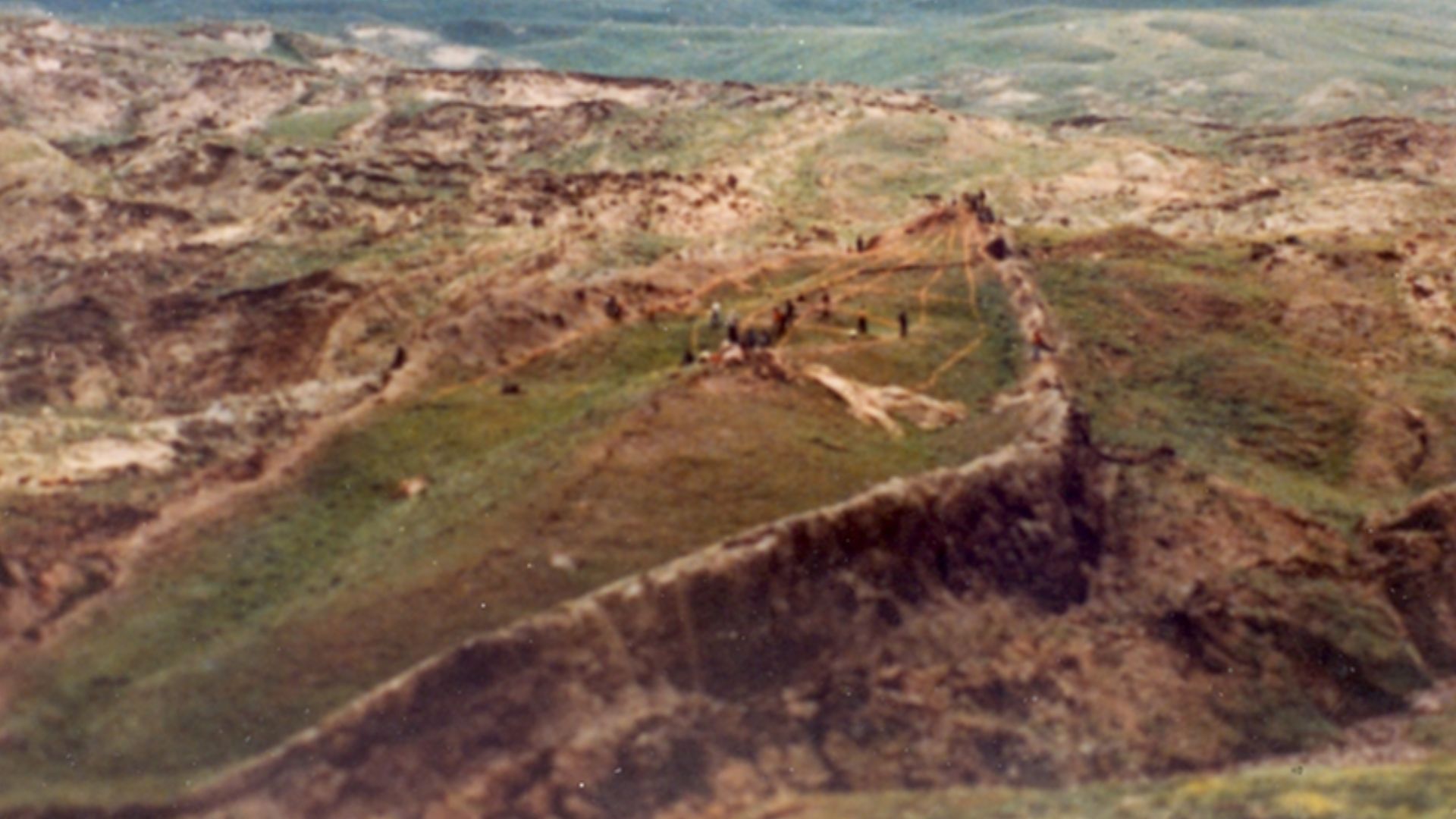
Part of the reason this site gets so much attention is its shape. From above, it looks vaguely like the outline of a ship, measuring about 164 meters (538 feet) long. That resemblance has fueled speculation for decades, even if scientists remain cautious.
 Rudolf Pohl, Wikimedia Commons
Why Scientists Stay Skeptical
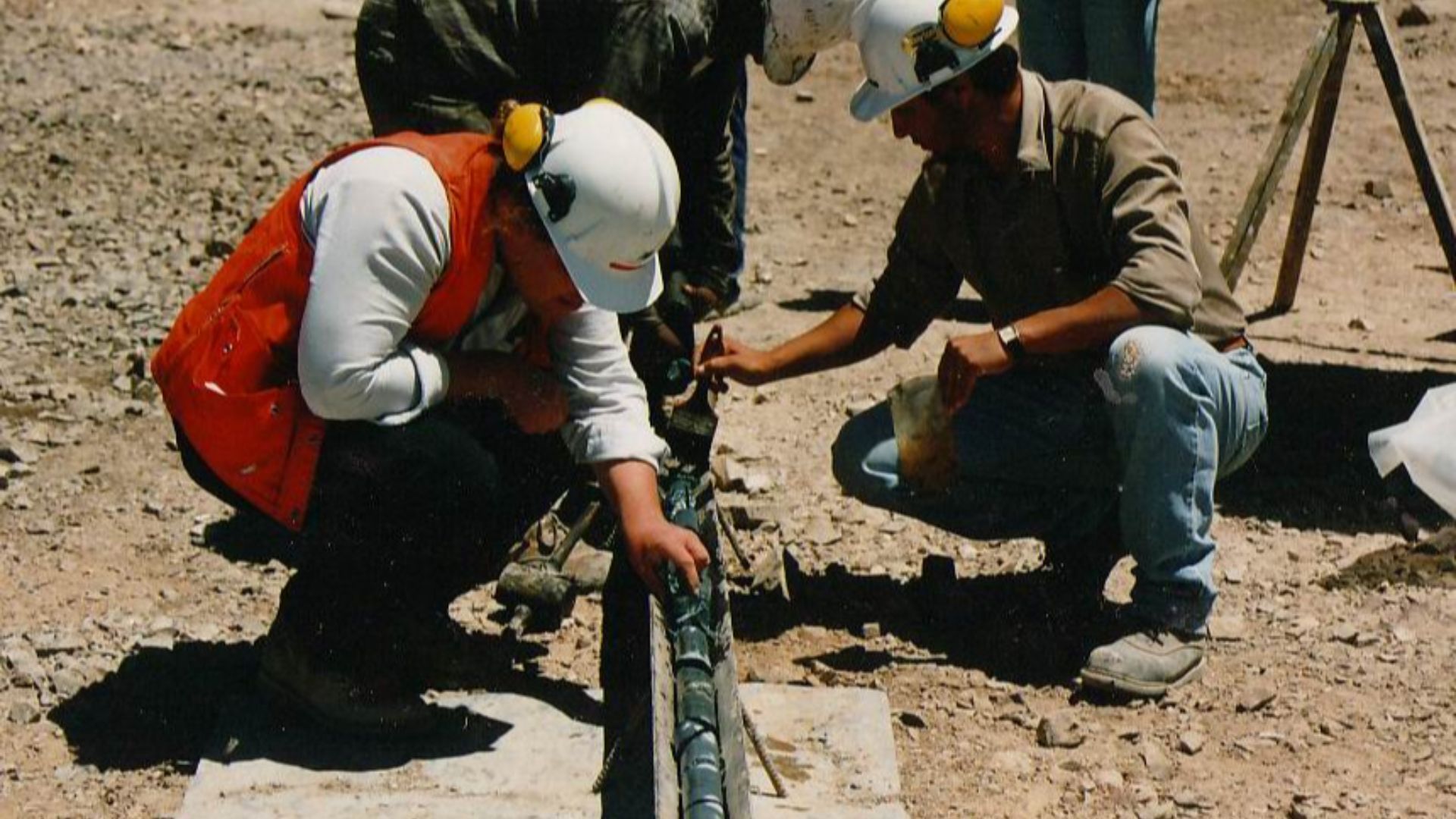
Many geologists argue that the formation is a natural rock structure shaped by erosion and geological processes. Just because something looks like a boat doesn’t mean it is one. Nature has a funny way of creating shapes that mess with human imagination.
 No machine-readable author provided. Geoz assumed (based on copyright claims)., Wikimedia Commons
What The New Research Actually Adds
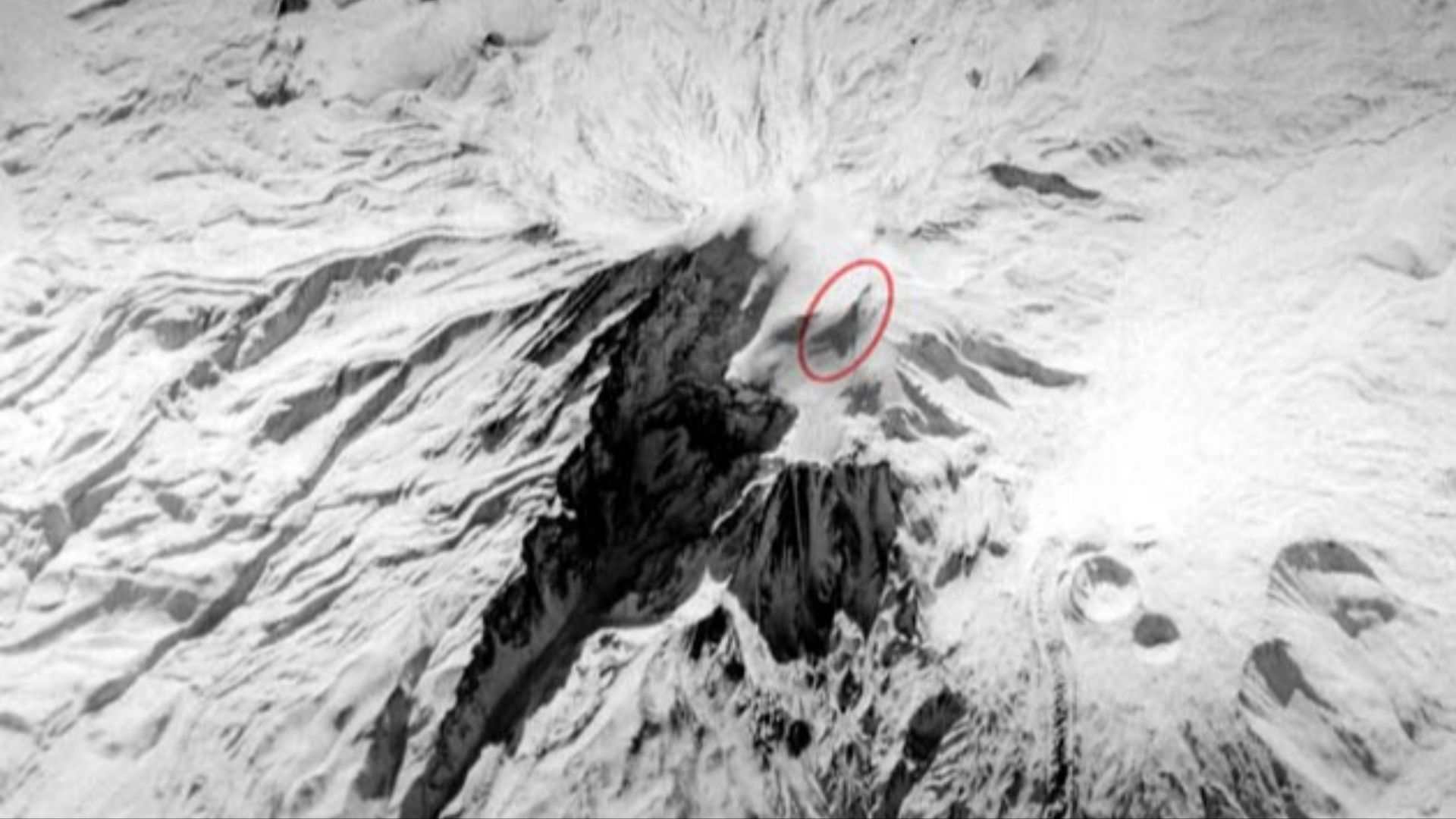
The key contribution of recent studies is the environmental data. Finding evidence of past water presence in the area adds a new piece to the puzzle. It doesn’t confirm the Ark, but it does suggest something significant happened there.
 CIA/Procher Taylor, Wikimedia Commons
Connecting Science And Scripture
This is where things get interesting. While science doesn’t aim to prove religious texts, it can sometimes provide context for them. Discoveries like this allow researchers to explore whether ancient stories might be rooted in real events.
 Adam Jones from Kelowna, BC, Canada, Wikimedia Commons
A Reminder About Interpretation
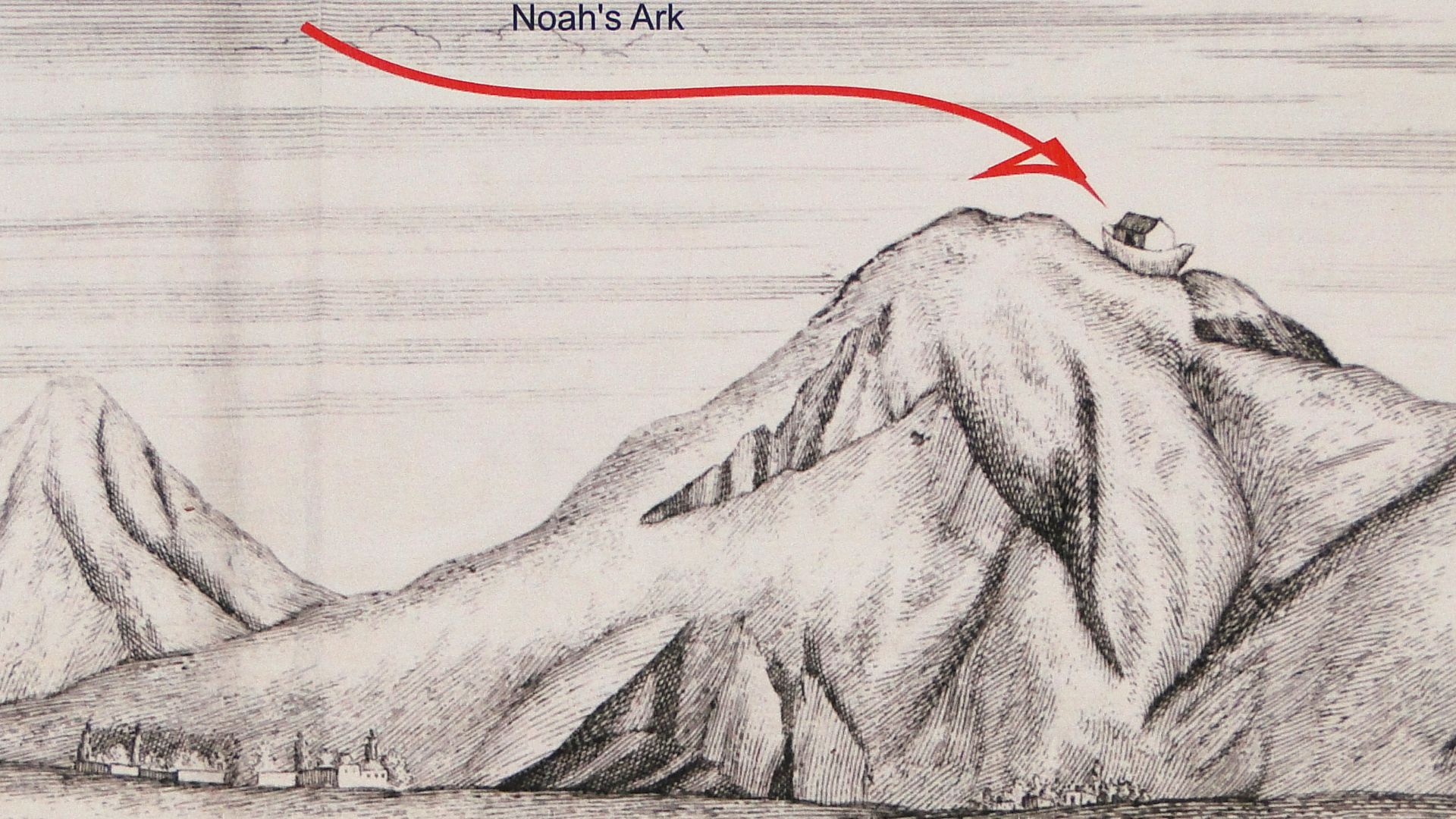
Even if a major flood occurred, that doesn’t mean every detail in the biblical account is historically literal. Stories evolve over time, especially when passed down orally. What starts as an event can become something much bigger in retelling.
 Screenshot from Noah, Paramount Pictures (2014)
Why The Debate Keeps Coming Back
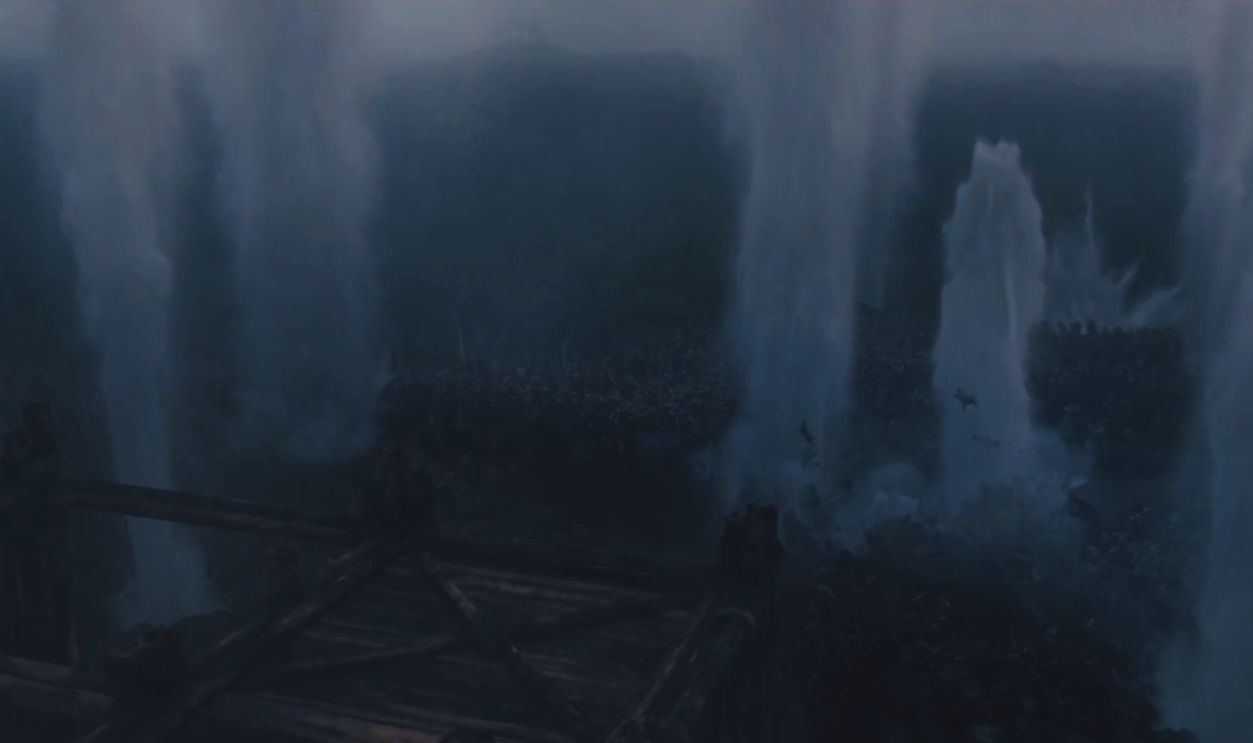
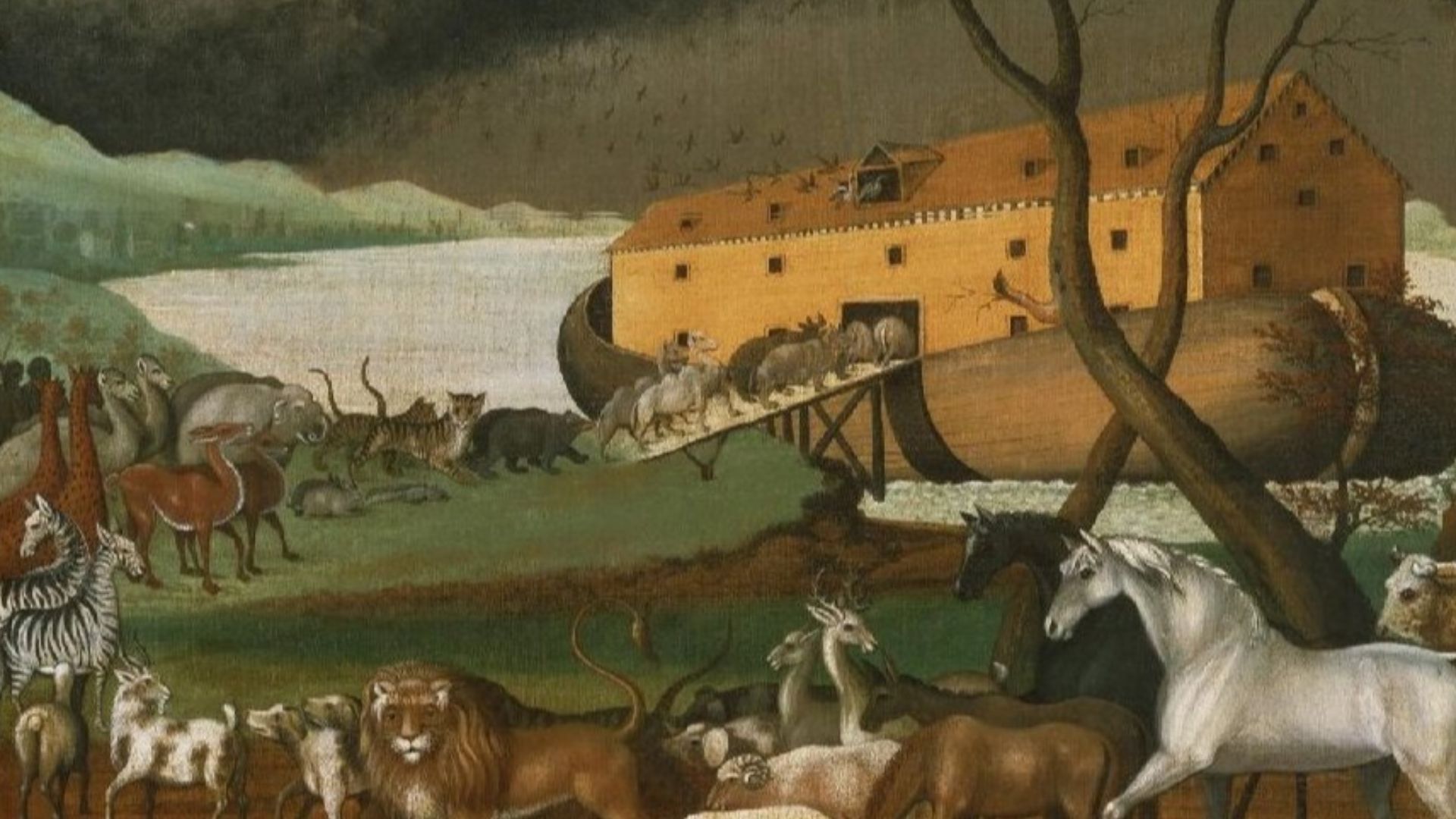
The search for Noah’s Ark sits at the intersection of science, history, and belief. That combination makes it hard to settle the debate once and for all. As long as new evidence appears, people will keep asking the same question.
 Edward Hicks, Wikimedia Commons
Modern Technology Is Changing The Search
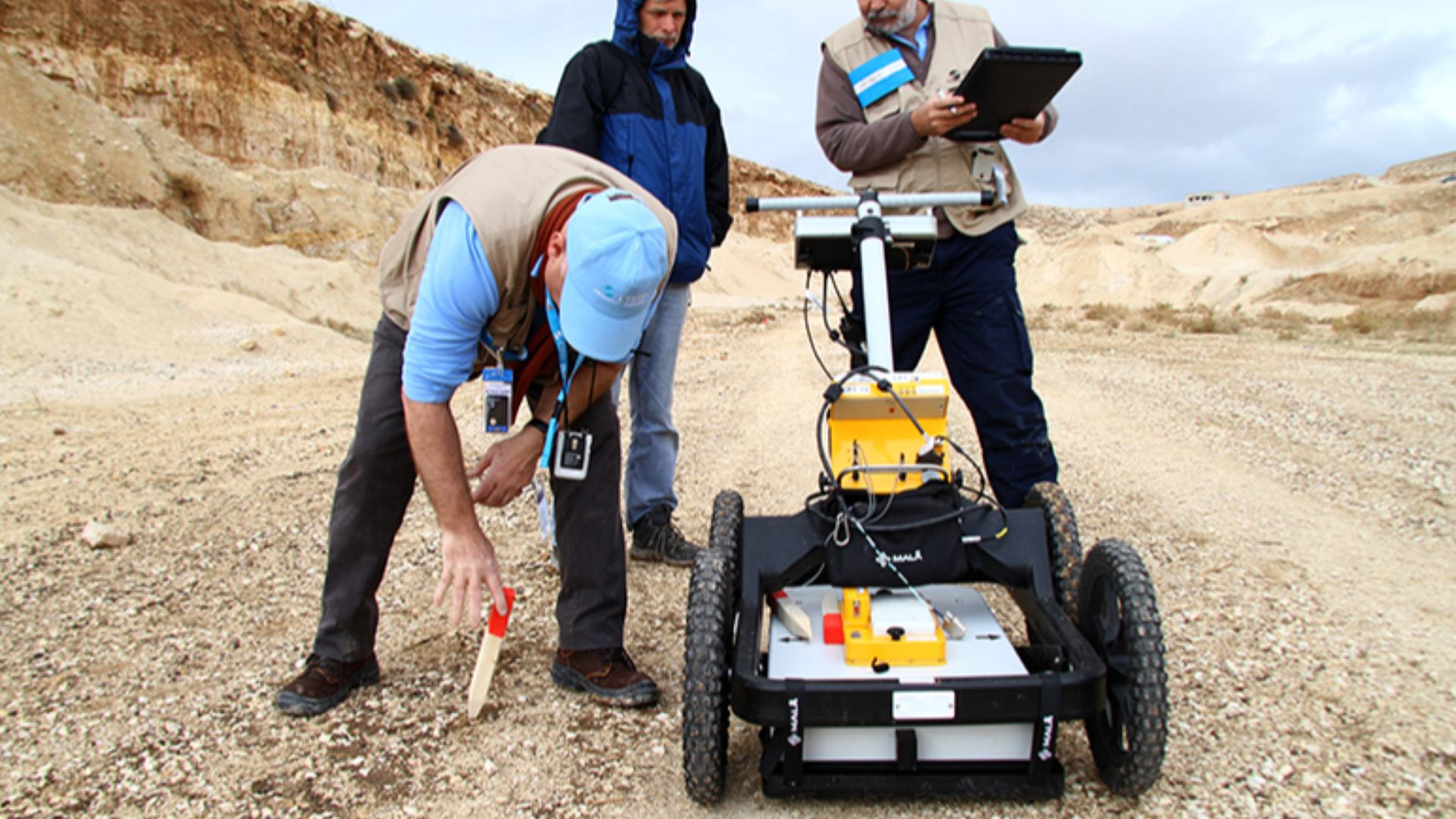
Today’s researchers have tools that earlier explorers didn’t. Ground-penetrating radar, satellite imaging, and geochemical analysis allow scientists to study sites without fully excavating them. That means fewer guesses and more data.
 The Official CTBTO Photostream, Wikimedia Commons
What Researchers Are Looking For Next
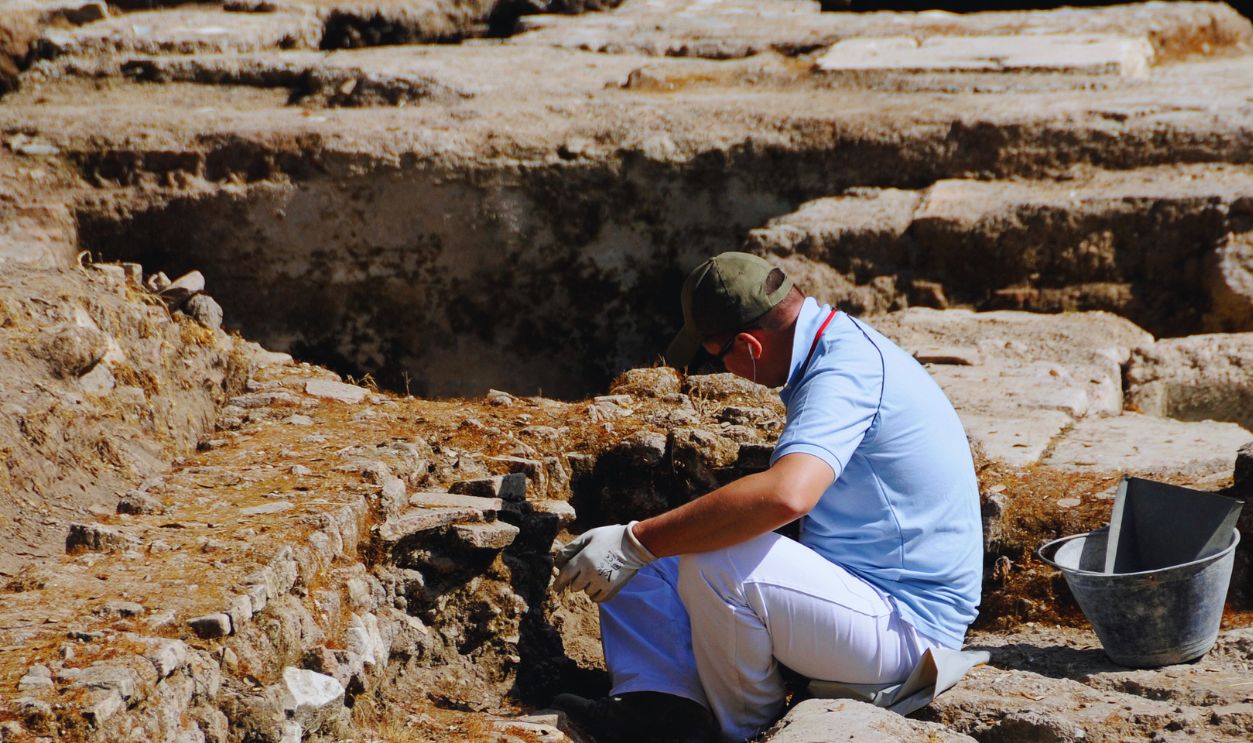
Scientists continue to analyze the Durupinar site for any signs of human construction or unusual materials. So far, nothing definitive has been found. But that hasn’t stopped researchers from digging deeper, sometimes literally.
Why Location Matters
The site’s proximity to Mount Ararat adds to the intrigue, since the Bible describes the Ark coming to rest on “the mountains of Ararat.” Whether that refers to this exact location is still up for debate. Still, it keeps the spotlight firmly on the region.
![Contains modified Copernicus Sentinel data [2020], processed by Pierre Markuse
3D view of Mount Ararat and the Lesser Ararat, Turkey - November 22nd, 2020
Do you want to support this collection of satellite images? Any donation, no matter how small, would](https://www.factinate.com/storage/app/media/factinate/2026/6/30/1782840617462c0076defb78057b961eb3f14d8a378a6d6fc1.jpg) Pierre Markuse, Wikimedia Commons
Pierre Markuse, Wikimedia Commons
Separating Evidence From Excitement
There’s always a risk of jumping to conclusions with discoveries like this. A ship-shaped formation and evidence of water can sound convincing, but science requires solid proof. Until that exists, the Ark remains unconfirmed.
 Zorka Sojka, Wikimedia Commons
The Role Of Media And Public Interest
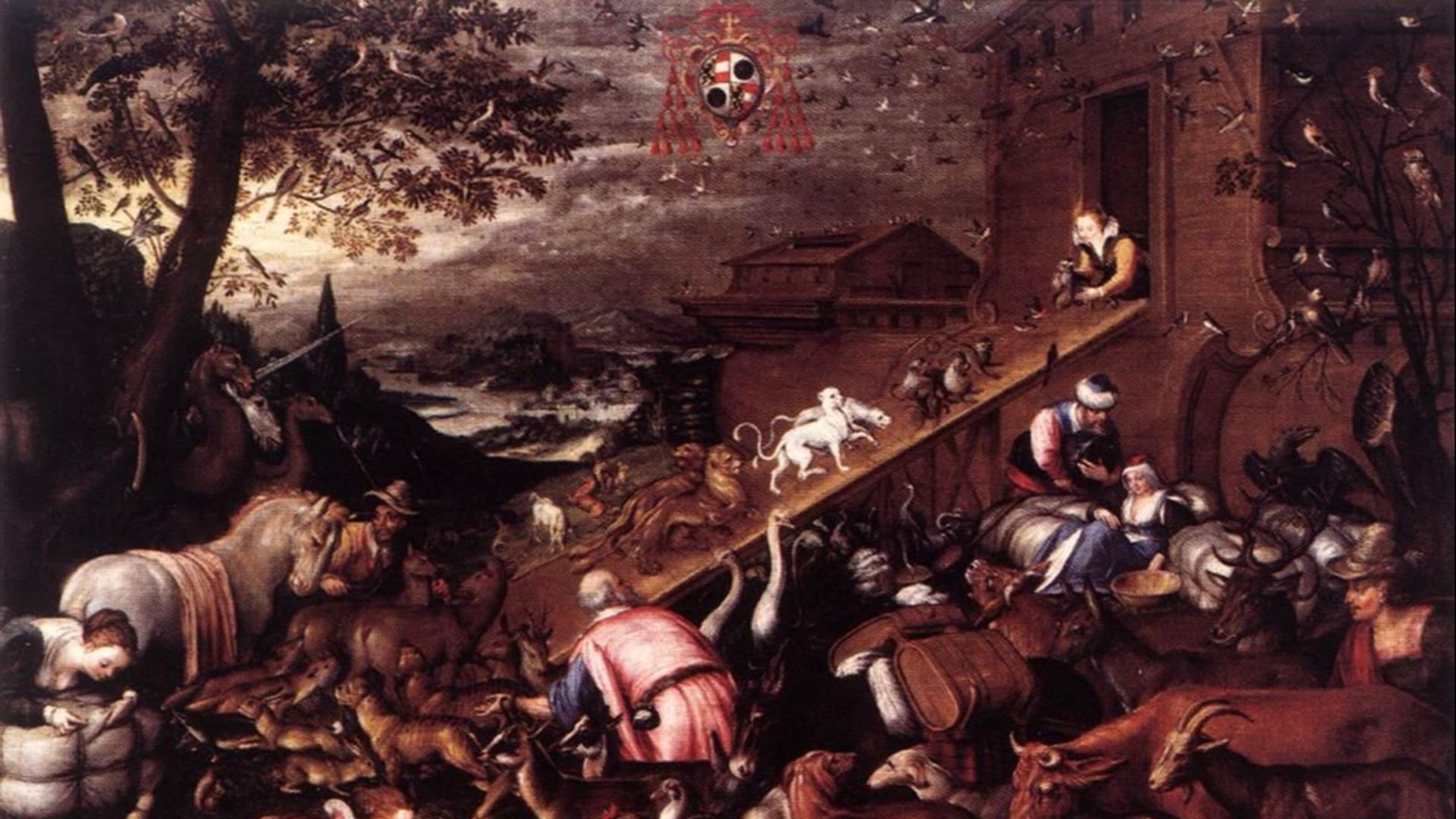
Stories about Noah’s Ark tend to gain a lot of attention quickly. It’s a mix of mystery, history, and religion that naturally draws people in. Sometimes that attention can get ahead of the actual science.
 Hans Caspar Memberger the Elder, Wikimedia Commons
What This Means For Archaeology
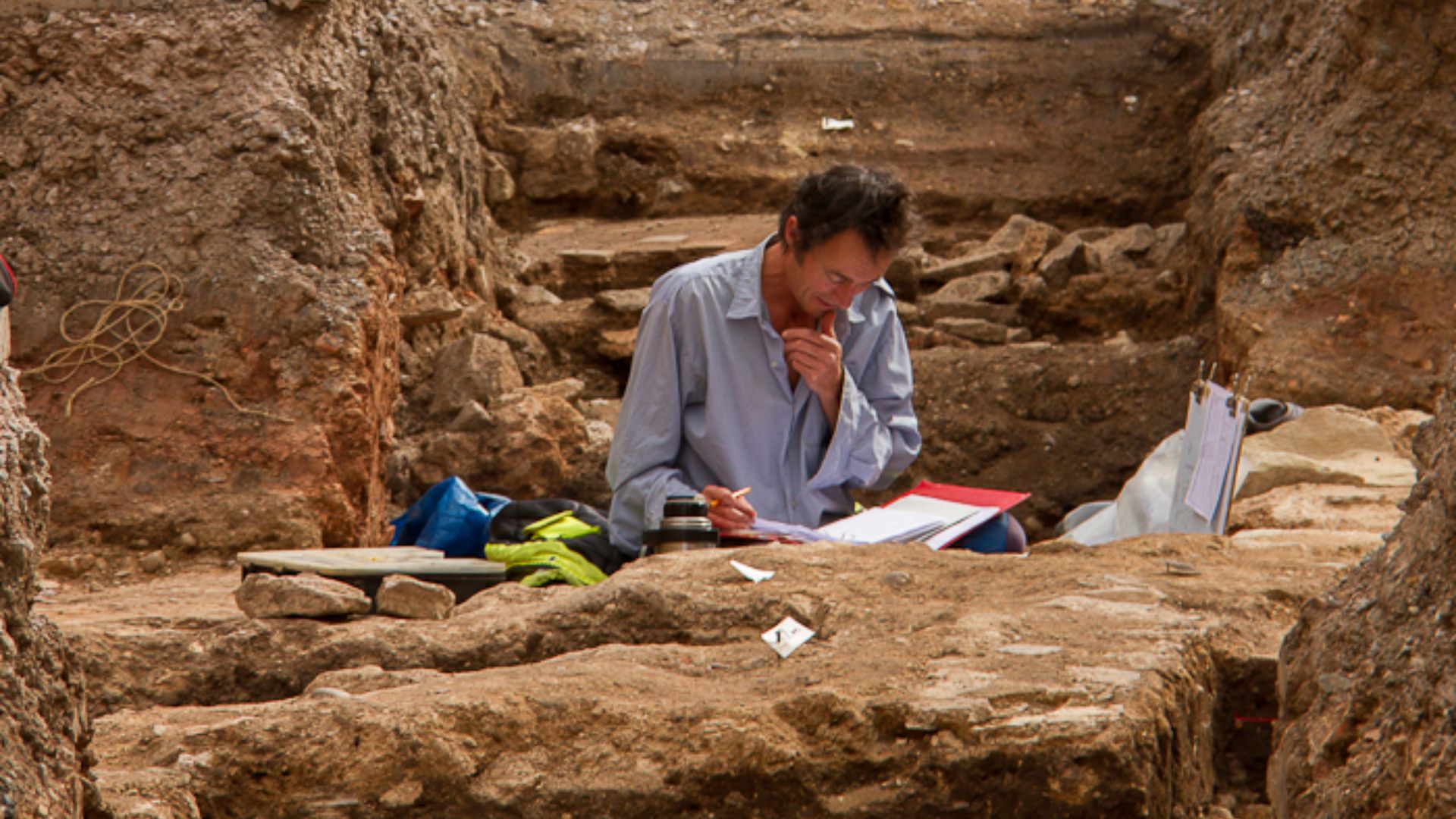
Even without proving the Ark, this research still matters. It helps archaeologists understand ancient environments and how landscapes have changed over time. That information is valuable regardless of the biblical connection.
A Bigger Picture Of Ancient Floods
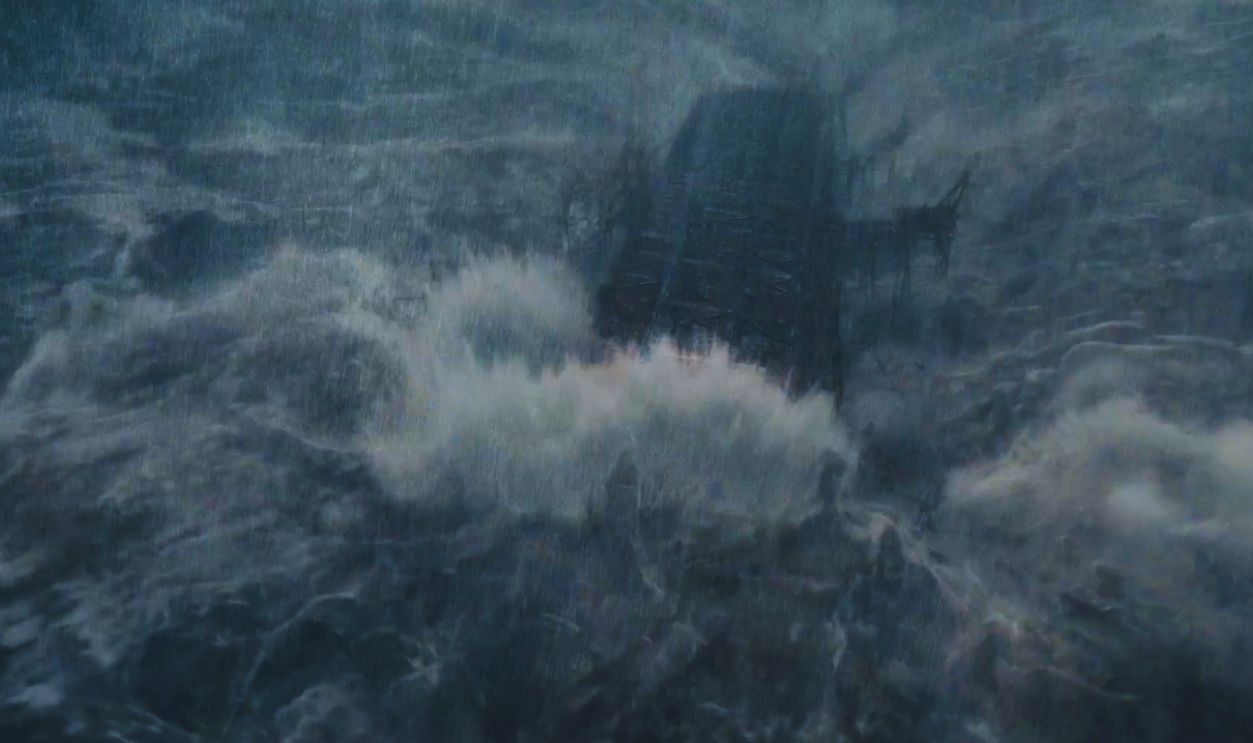
This discovery adds to a growing body of evidence that major flooding events occurred in ancient times. These events may have influenced multiple cultures across the region. That could explain why flood stories appear in different traditions.
 Screenshot from Noah, Paramount Pictures (2014)
Why People Want This To Be True
There’s something compelling about the idea of confirming a story that’s been told for thousands of years. It connects the past to the present in a very direct way. But wanting something to be true isn’t the same as proving it.
 Zorka Sojka, Wikimedia Commons
The Mystery Is Still Alive
Despite decades of searching, no definitive evidence of Noah’s Ark has been found. That hasn’t stopped researchers or curious explorers from continuing the hunt. If anything, discoveries like this keep the mystery going.
 Son of Groucho from Scotland, Wikimedia Commons
When Science Adds Layers To Old Stories
What makes this discovery interesting isn’t that it proves anything outright. It’s that it adds context to a story people already know. Sometimes, understanding the environment behind a story is just as important as the story itself.
 Zorka Sojka, Wikimedia Commons
The Line Between Myth And History
The search for Noah’s Ark highlights how blurry the line between myth and history can be. Some stories may start with real events and evolve over time. Figuring out where fact ends and interpretation begins is the real challenge.
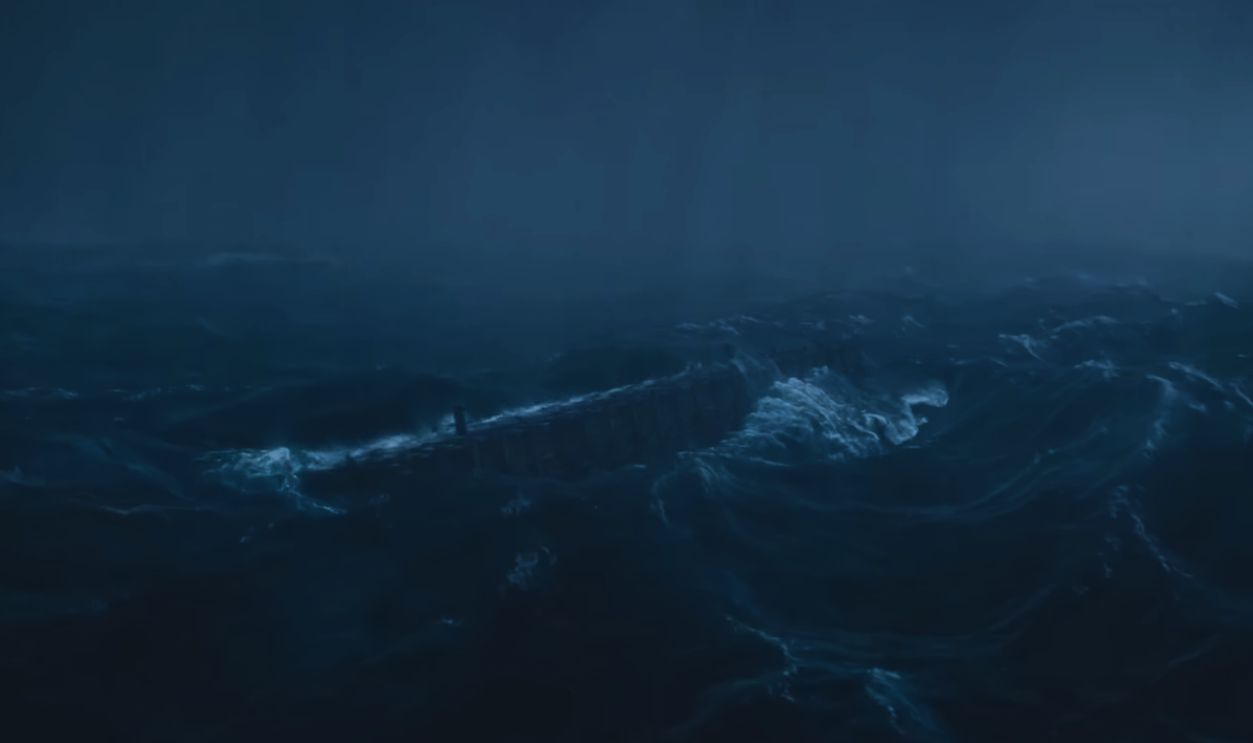 Screenshot from Noah, Paramount Pictures (2014)
The Story Isn’t Over Yet
For now, the Durupinar formation remains an intriguing site with unanswered questions. It may not be Noah’s Ark, but it’s definitely keeping the conversation alive. And in archaeology, sometimes the questions are just as valuable as the answers.
You May Also Like:










.jpg)

