

Where Is Everybody?
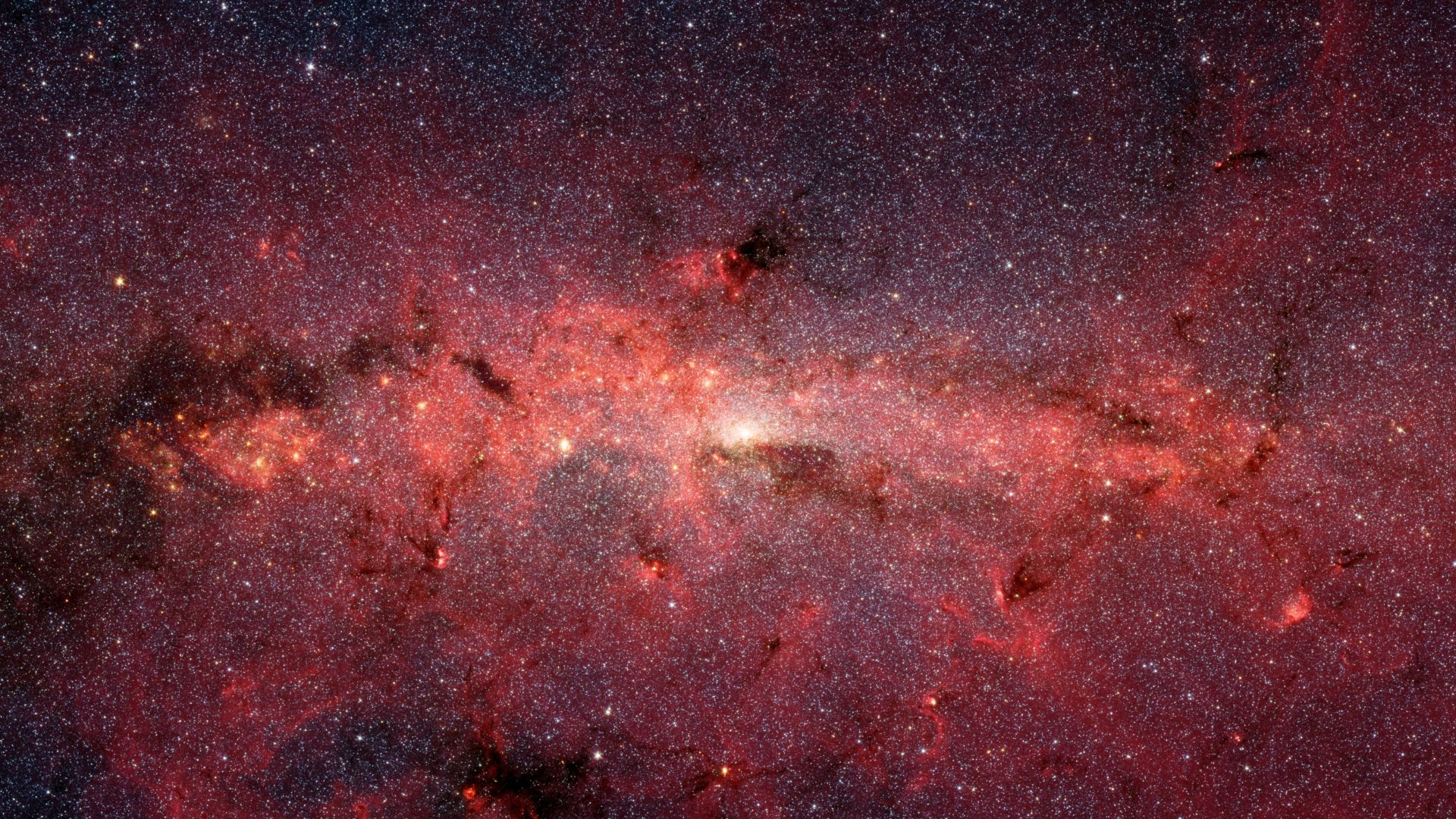
The Milky Way contains hundreds of billions of stars, planets are common, and the galaxy has existed for billions of years. So if intelligent civilizations arise even occasionally, shouldn't somebody have become advanced enough for us to notice by now? Instead, space remains eerily quiet. Scientists have spent decades trying to explain that silence, and some of their proposed answers are considerably less comforting than aliens simply being hard to find.
 Kim Shiflett, Wikimedia Commons
First, What Exactly Is The Fermi Paradox?
The Fermi Paradox is surprisingly simple. If intelligent alien civilizations are reasonably common, some should have emerged millions or even billions of years before humanity. Given enough time, at least one might have spread across part of the Milky Way or produced technology visible from enormous distances. Yet we have found no confirmed evidence of extraterrestrial intelligence.
 Nunn, A.V.W., Guy, G.W. and Bell, J.D., Wikimedia Commons
It Started With One Question
Physicist Enrico Fermi famously raised the issue during a conversation in 1950. Looking at the enormous age of the galaxy and the possibility of other technological societies, he essentially asked, “Where is everybody?” That deceptively simple question became shorthand for one of astronomy's strangest problems.
 Department of Energy-Office of Public Affairs, restored by Yann, Wikimedia Commons
The Time Problem Makes It Stranger
Some models suggest that even relatively slow interstellar expansion could spread a civilization across much of the Milky Way within tens or hundreds of millions of years. That sounds enormous until you remember that the galaxy is more than 13 billion years old. If somebody started billions of years before us, they could have had plenty of time.
And We Still Haven't Found Anyone
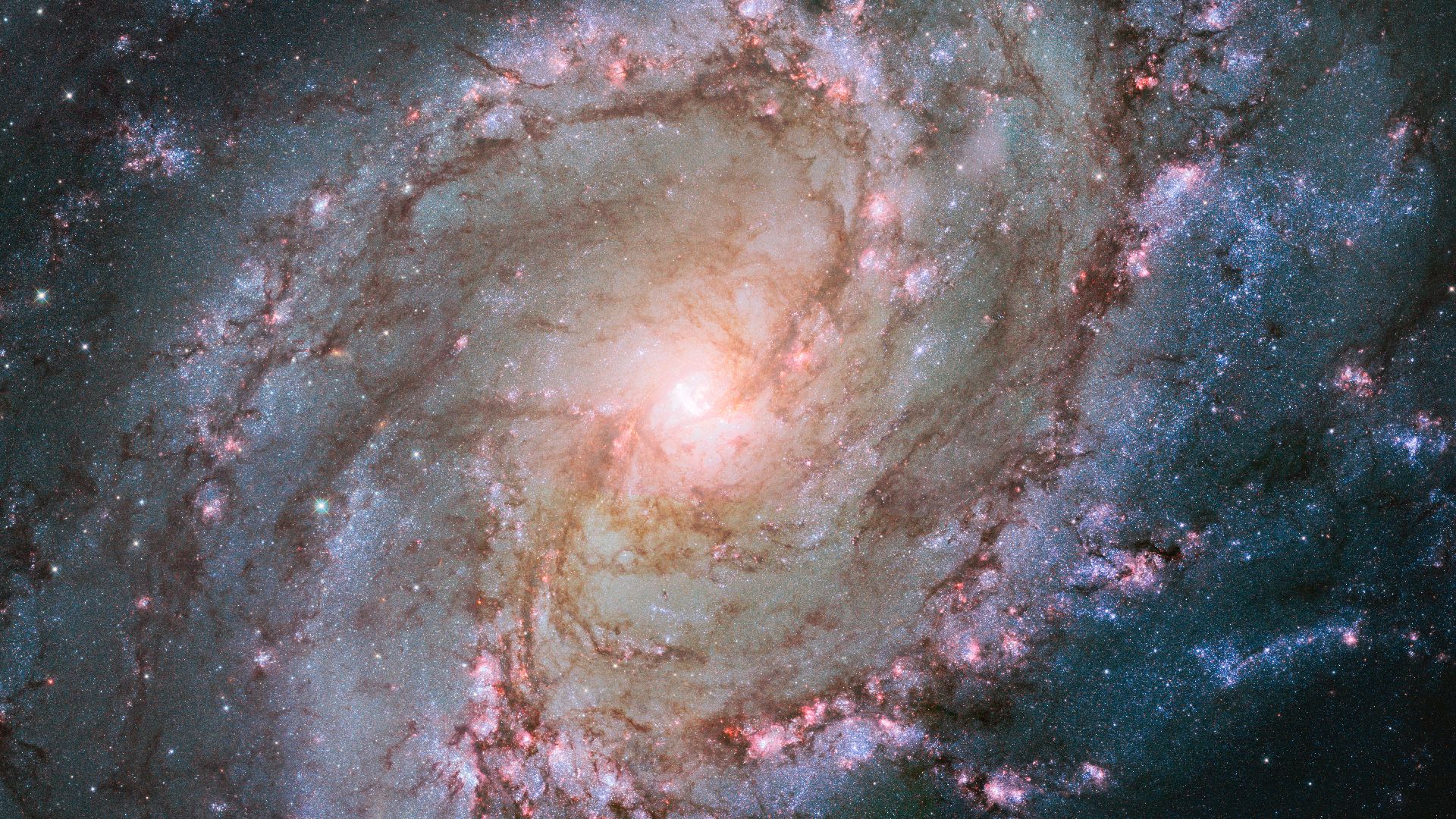
Scientists have searched for radio transmissions, unusual technological signatures, lasers, and other possible signs of advanced civilizations. So far, none has been confirmed. NASA also emphasizes that no credible evidence of extraterrestrial life of any kind has yet been found.
But there may be a reason for this.
 NASA Goddard Photo and Video, Wikimedia Commons
We Haven't Searched Very Much
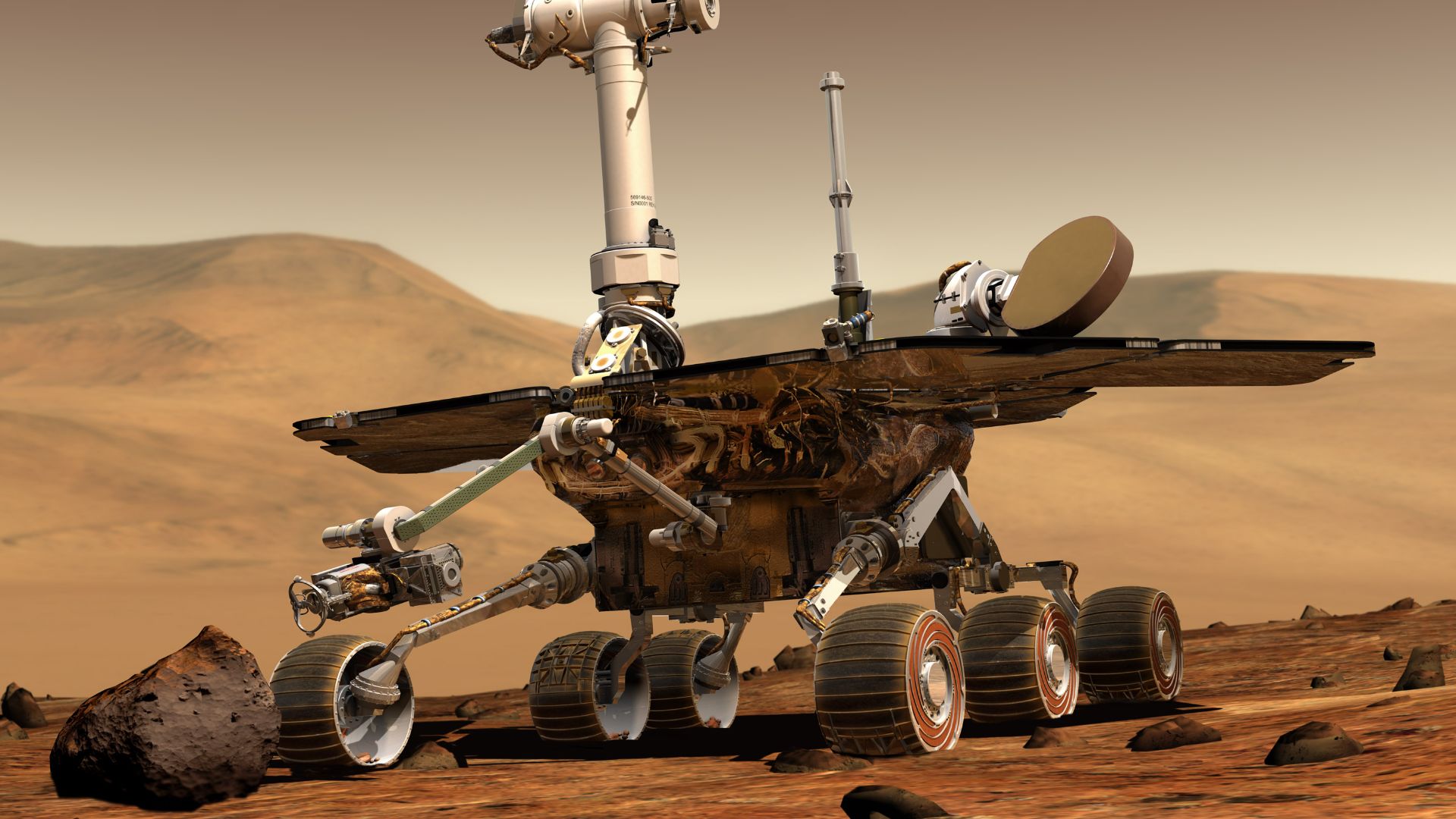
Before things become too creepy, there is an important reality check. Humanity has examined only a tiny fraction of the possible stars, frequencies, planets, signal types, and technologies that could exist. SETI researchers regularly point out that cosmic silence so far does not prove nobody is there.
 NASA/JPL/Cornell University, Maas Digital LLC, Wikimedia Commons
Still, Scientists Keep Asking Why It's So Quiet
That question has produced dozens of proposed explanations. Some are reassuring. Perhaps intelligent civilizations are rare but peaceful, distant, or technologically invisible. Others are darker. Maybe civilizations tend to disappear before they become detectable. And that brings us to one of the most unsettling ideas.
 NASA's James Webb Space Telescope from Greenbelt, MD, USA, Wikimedia Commons
The Great Filter
Researcher Robin Hanson popularized an idea called the Great Filter. Imagine evolution as a long series of difficult steps between lifeless matter and a civilization capable of spreading through space. Somewhere along that path, Hanson argued, one step may be extraordinarily difficult.
 Nikita Sokolsky, Wikimedia Commons
Something Stops Almost Everyone
The disturbing implication is that countless worlds could begin the journey toward advanced life but almost none finish it. Perhaps life itself almost never starts. Perhaps complex cells are rare. Perhaps intelligent species almost never appear. Or perhaps civilizations routinely reach our technological level and then disappear.
 Andy Miah from Liverpool, UK, Wikimedia Commons

History's most fascinating stories and darkest secrets, delivered to your inbox daily.
If The Filter Is Behind Us, That's Good News
Suppose the hardest step was the origin of life, complex cells, or human-level intelligence. In that case, humanity may already have passed the dangerous part. The universe appears quiet because almost no planet ever gets as far as we have. That would make Earth extraordinarily lucky.
If The Filter Is Ahead Of Us, That's Much Worse
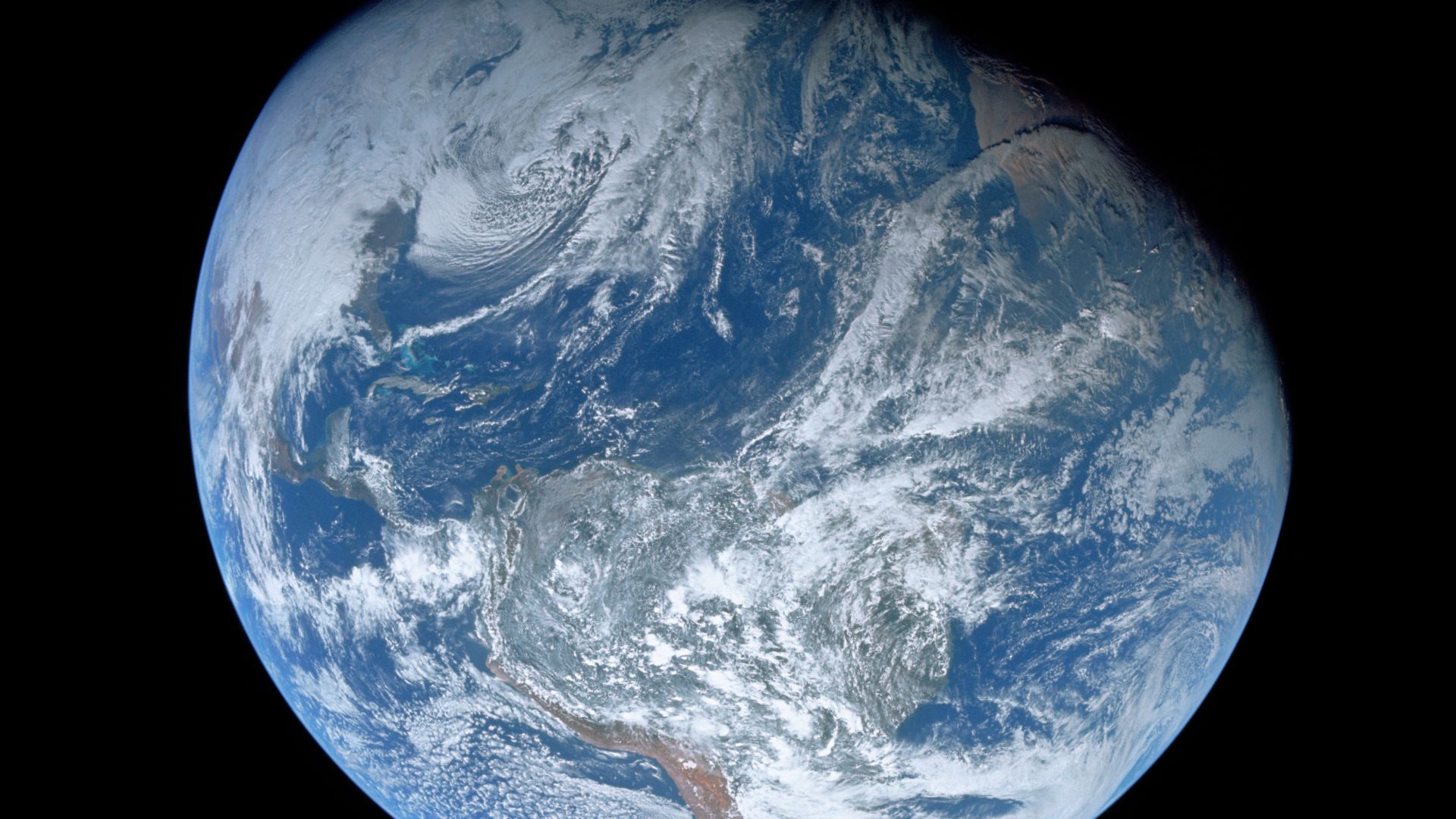
The darker possibility is that technological civilizations may commonly reach something like our stage but rarely survive long enough to spread widely through space. If that were true, the silence around us wouldn't mean we are special. It could mean civilizations like ours tend not to last.
 NASA Glenn Research Center, Wikimedia Commons
Finding Simple Alien Life Could Actually Be Uncomfortable
This leads to one of the strangest implications of the Great Filter idea. If scientists discovered that life independently arose on Mars, Europa, or another nearby world, it could suggest that the first evolutionary steps are relatively easy. That might push the mysterious filter farther forward in the evolutionary process.
 ESA/Hubble & NASA, L. Lamy, Wikimedia Commons
Civilizations May Destroy Themselves
One proposed solution is brutally straightforward: technological societies may eventually gain enough power to destroy themselves. Nuclear war, engineered pathogens, environmental collapse, or technologies we have not invented yet have all been discussed as possible risks. There is no evidence that this commonly happens to alien civilizations, but researchers have considered self-destruction as one possible explanation for the paradox.
 Robystarm07, Wikimedia Commons
We Might Be Living Through A Dangerous Stage
Human technology has advanced extraordinarily quickly. In only a few centuries, we went from early industrial machines to nuclear weapons, genetic engineering, global computer networks, and spaceflight. That does not prove technological civilizations destroy themselves, but it shows how quickly a species can acquire destructive power.
 Ministério da Ciência, Tecnologia e Inovações from Brasília - DF, Brasil, Wikimedia Commons
Some Researchers Have Even Considered Engineered Diseases
One academic paper examined whether advanced biotechnology could eventually allow a civilization to create a pathogen dangerous enough to threaten itself. That does not mean scientists believe alien societies routinely wipe themselves out with engineered diseases. It simply shows how many possible self-inflicted risks have been considered when researchers think about civilization longevity.
 Wade Sisler, Wikimedia Commons
Nature Could Destroy Civilizations Too
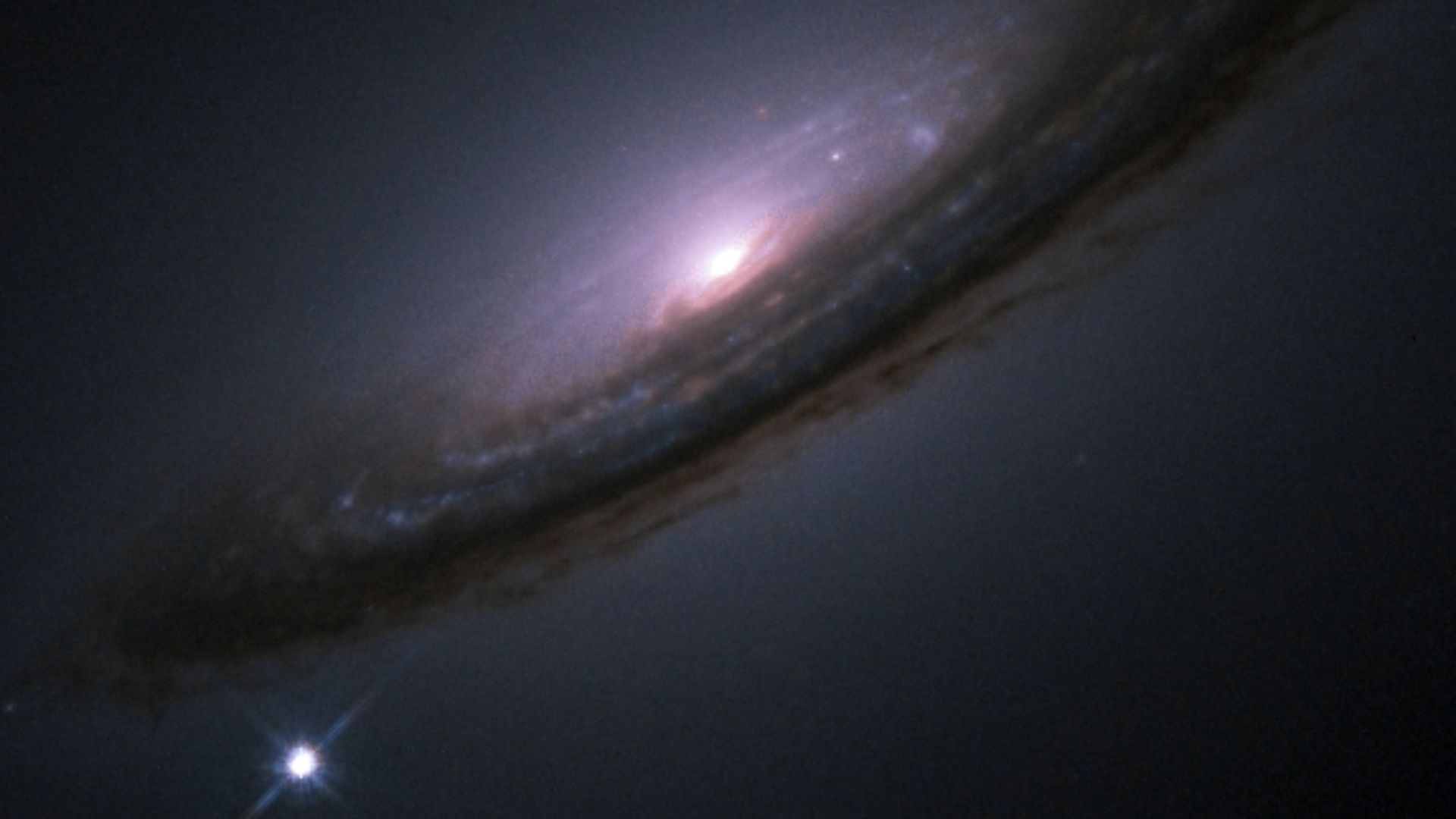
Not every extinction has to be self-inflicted. Researchers have modeled how supernovae, gamma-ray bursts, asteroid impacts, and other astrophysical events could affect life and technological societies. Rare cosmic disasters may periodically reset regions of a galaxy before civilizations have time to expand very far.
 NASA/ESA, The Hubble Key Project Team and The High-Z Supernova Search Team, Wikimedia Commons
Maybe Intelligent Life Is Just Incredibly Rare
Another possibility is less dramatic but perhaps even lonelier. Microbial life could be relatively common while human-like intelligence is extraordinarily unusual. Earth spent billions of years hosting life before one species began building radio telescopes.
 NASA Goddard Photo and Video, Wikimedia Commons
Evolution Doesn't Seem To Be A Straight Road Toward Intelligence
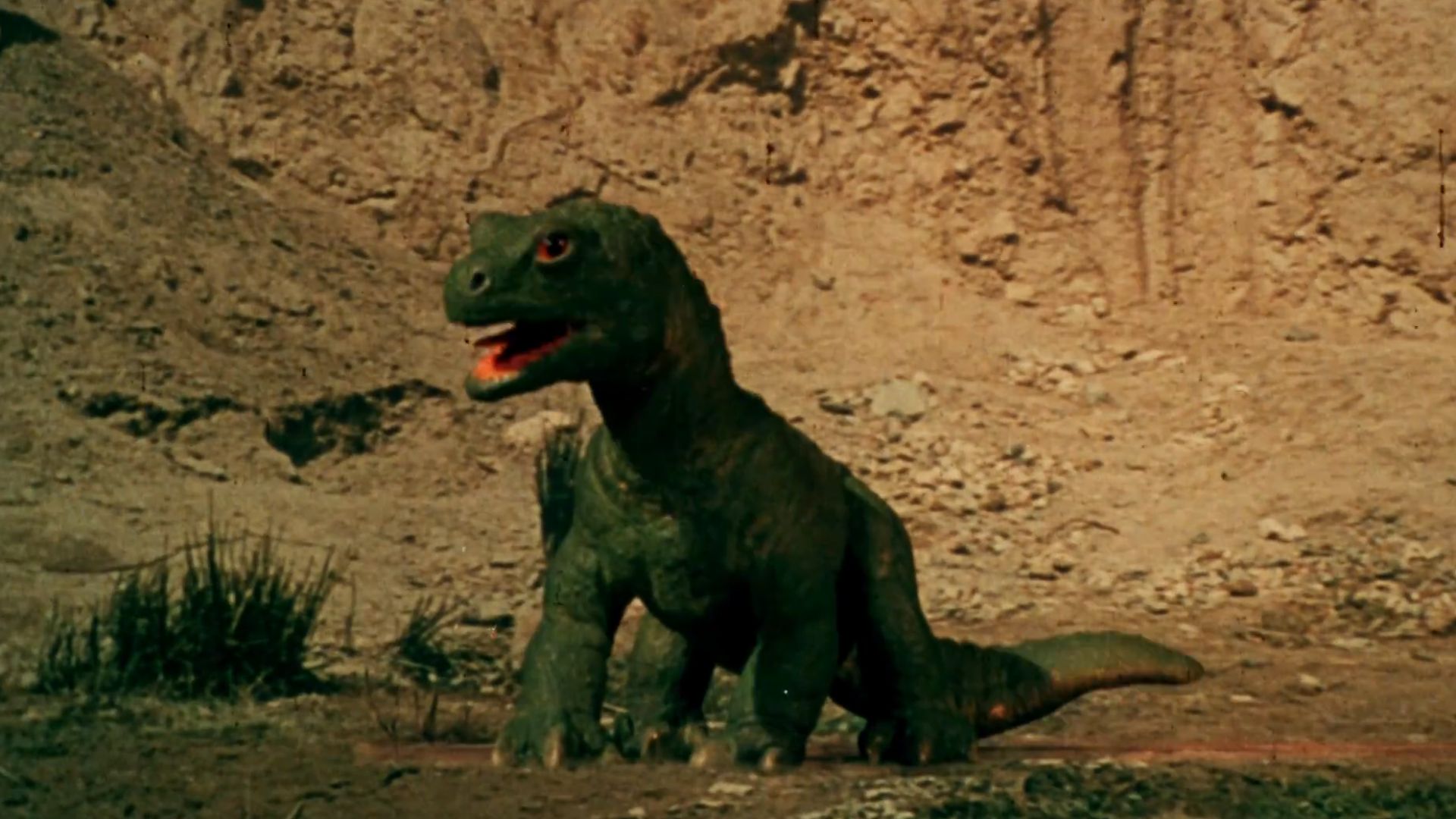
Dinosaurs dominated terrestrial ecosystems for more than 150 million years without developing radio astronomy. That alone shows that a thriving biosphere does not automatically produce a technological civilization. Intelligence like ours may be one unusual evolutionary outcome rather than an inevitable destination.
 Blazing Trailers, Wikimedia Commons
Maybe Earth's Combination Of Conditions Is Unusually Rare
The Rare Earth family of hypotheses suggests complex life may require an unusually fortunate combination of circumstances. A stable star, suitable chemistry, long-term liquid water, geological cycling, a relatively stable climate, and protection from frequent catastrophic events could all matter. Scientists still debate how many of those conditions are truly necessary.

There Could Be Billions Of Living Worlds With Nobody To Talk To
This is an especially eerie possibility. Imagine oceans full of alien microorganisms scattered throughout the galaxy, while almost no species ever develops language, mathematics, electronics, and radio. The universe could be biologically alive while remaining technologically silent.

Or We May Truly Be Alone
Scientists cannot currently rule out the possibility that Earth hosts the only technological civilization in the Milky Way. We also cannot confidently calculate how common technological life should be because several crucial probabilities remain unknown. That uncertainty is exactly what the Drake Equation was designed to illustrate.
 Credit: NASA/JPL-Caltech/S. Stolovy (Spitzer Science Center/Caltech), Wikimedia Commons
The Drake Equation Shows How Little We Know
Astronomer Frank Drake introduced the Drake Equation in 1961 to organize the factors controlling how many detectable civilizations might exist. Some variables, such as the rate of star formation and the frequency of planets, are increasingly measurable. Others remain almost completely unknown.
 Raphael Perrino, Wikimedia Commons
We Don't Know How Often Life Begins
Earth gives us exactly one confirmed example of life emerging. From that single case, scientists cannot confidently calculate the probability that chemistry turns into biology somewhere else. If that probability is unimaginably small, much of the Fermi Paradox disappears.
 DracoRoboter, Wikimedia Commons
We Also Don't Know How Often Intelligence Evolves
Even if bacteria are common across the galaxy, technological intelligence may be rare. Humans are the only Earth species known to have built radio transmitters despite billions of species having existed. Again, researchers are trying to estimate a probability from a sample size of one.
Another Answer Is That Civilizations Don't Overlap
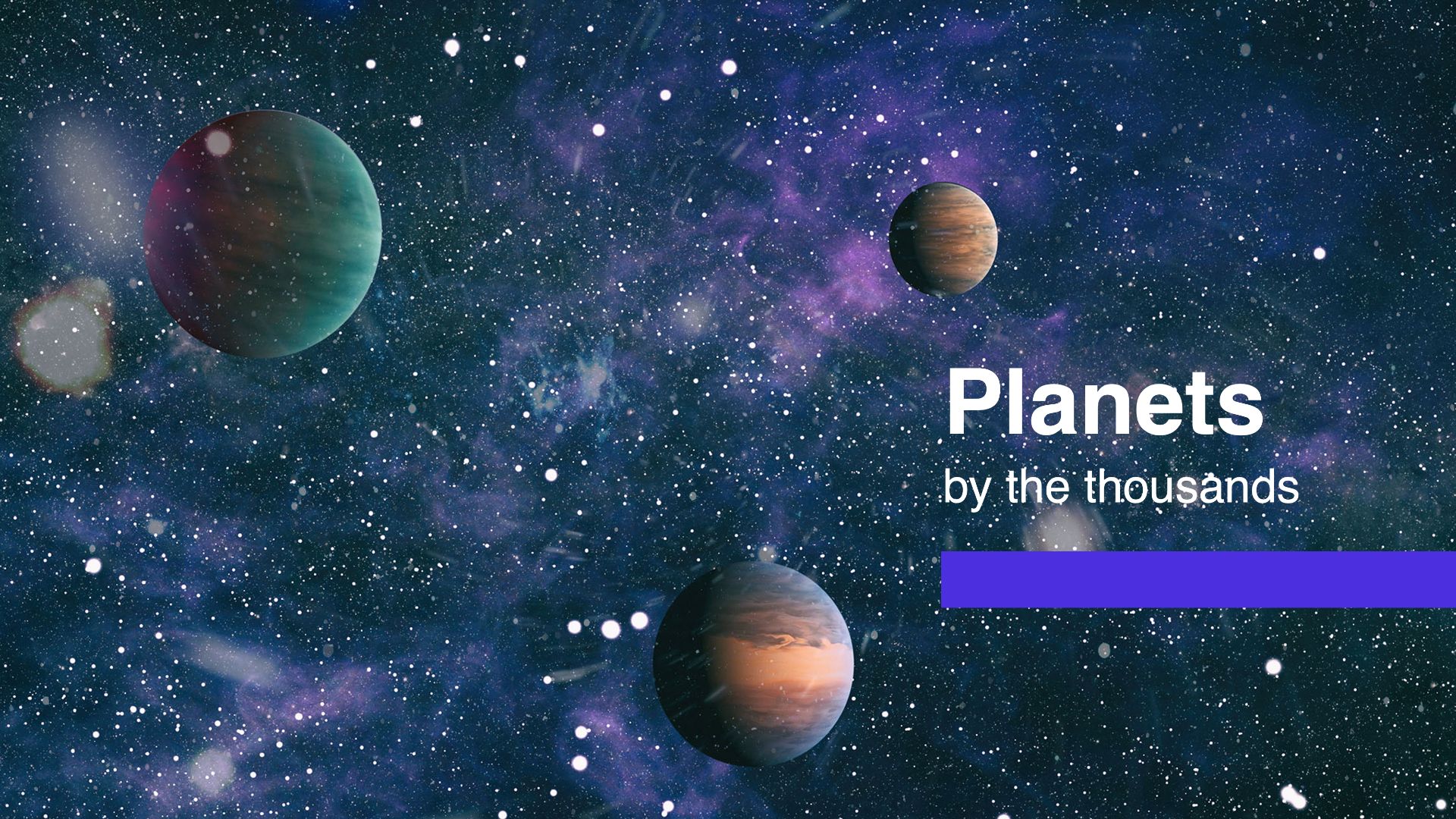
Imagine that technological civilizations arise fairly often but remain detectable for only a few thousand years. In a galaxy billions of years old, two societies could appear millions of years apart and never know the other existed. Both could occupy the same part of space at completely different times.

Humanity's Detectable Period Has Been Tiny
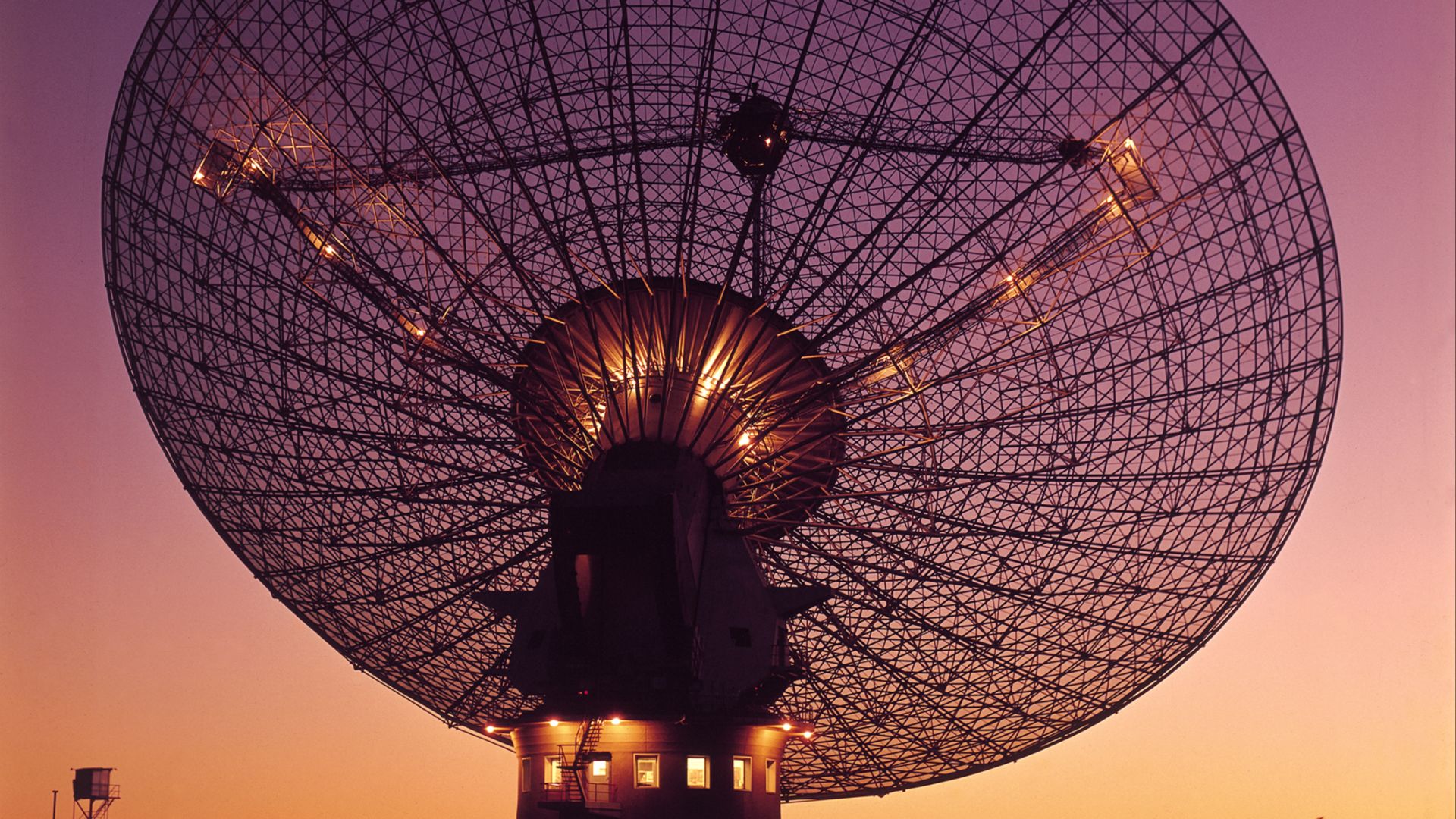
Our own powerful radio technology is barely more than a century old. On astronomical timescales, that is effectively nothing. If another civilization transmitted powerful signals 10 million years ago and disappeared, we may have arrived far too late to hear anything.
 division, CSIRO, Wikimedia Commons
Their Signals Could Already Have Passed Earth
Radio waves travel at the speed of light. A civilization thousands of light-years away could have broadcast for centuries and then gone silent. Those signals might have crossed Earth thousands of years before humans built a receiver capable of detecting them. Cosmic timing can be brutally unforgiving.
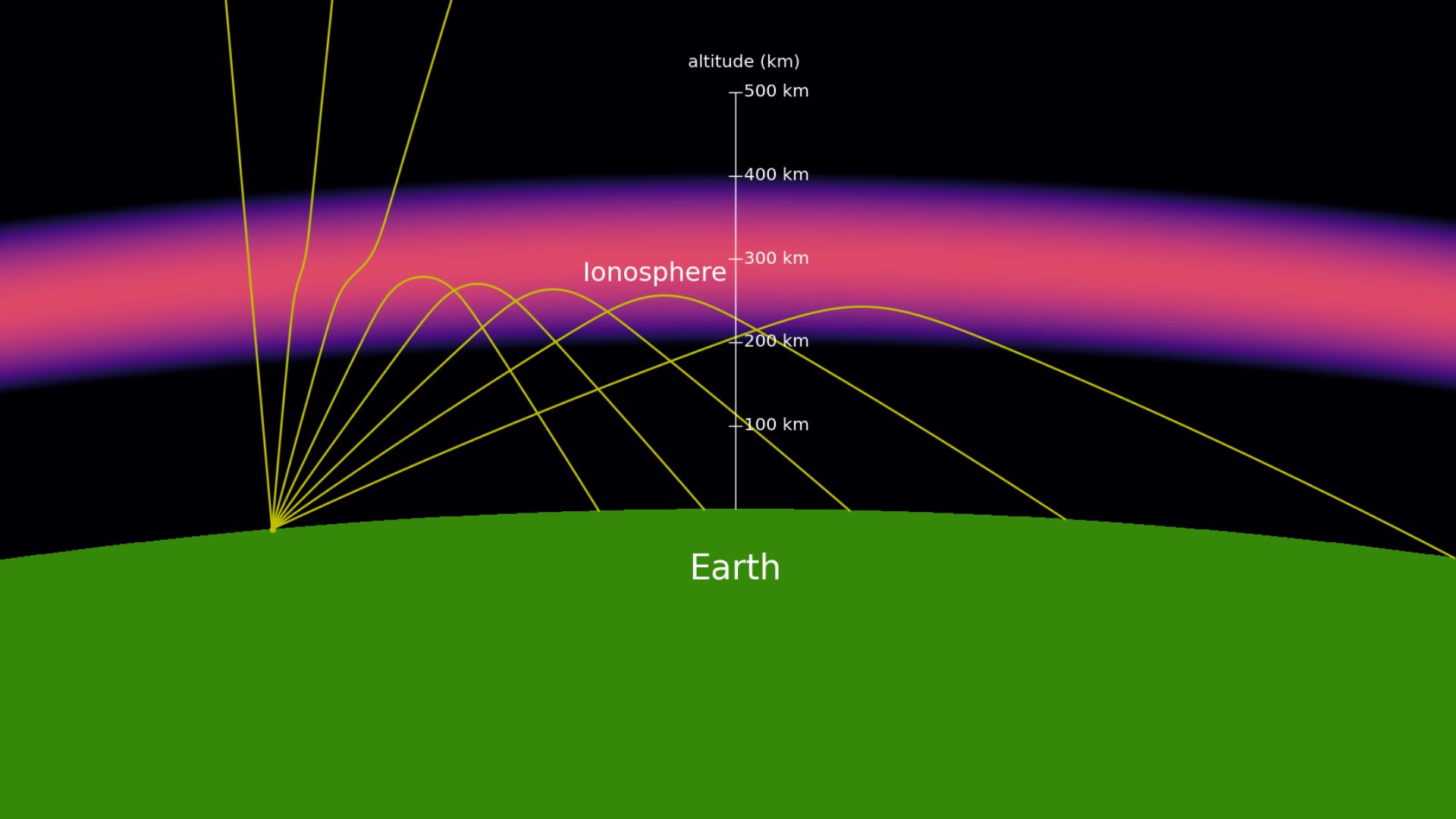 NASA's Scientific Visualization Studio - null, Wikimedia Commons
Maybe We're Listening For The Wrong Thing
Early SETI searches focused heavily on radio signals. Modern researchers also look for technosignatures such as artificial atmospheric chemicals, powerful lasers, unusual energy use, or large-scale engineering. An advanced civilization might use technologies we do not yet understand or wouldn't immediately recognize as artificial.
 H. Schweiker/WIYN and NOAO/AURA/NSF, Wikimedia Commons
Aliens Could Be Quiet Without Trying
A civilization might become less detectable accidentally as its technology changes. Some forms of radio leakage could decline if communication shifts toward tightly directed signals, fiber optics, or other systems. That would not make a civilization invisible, but it could make certain kinds of searches less effective.

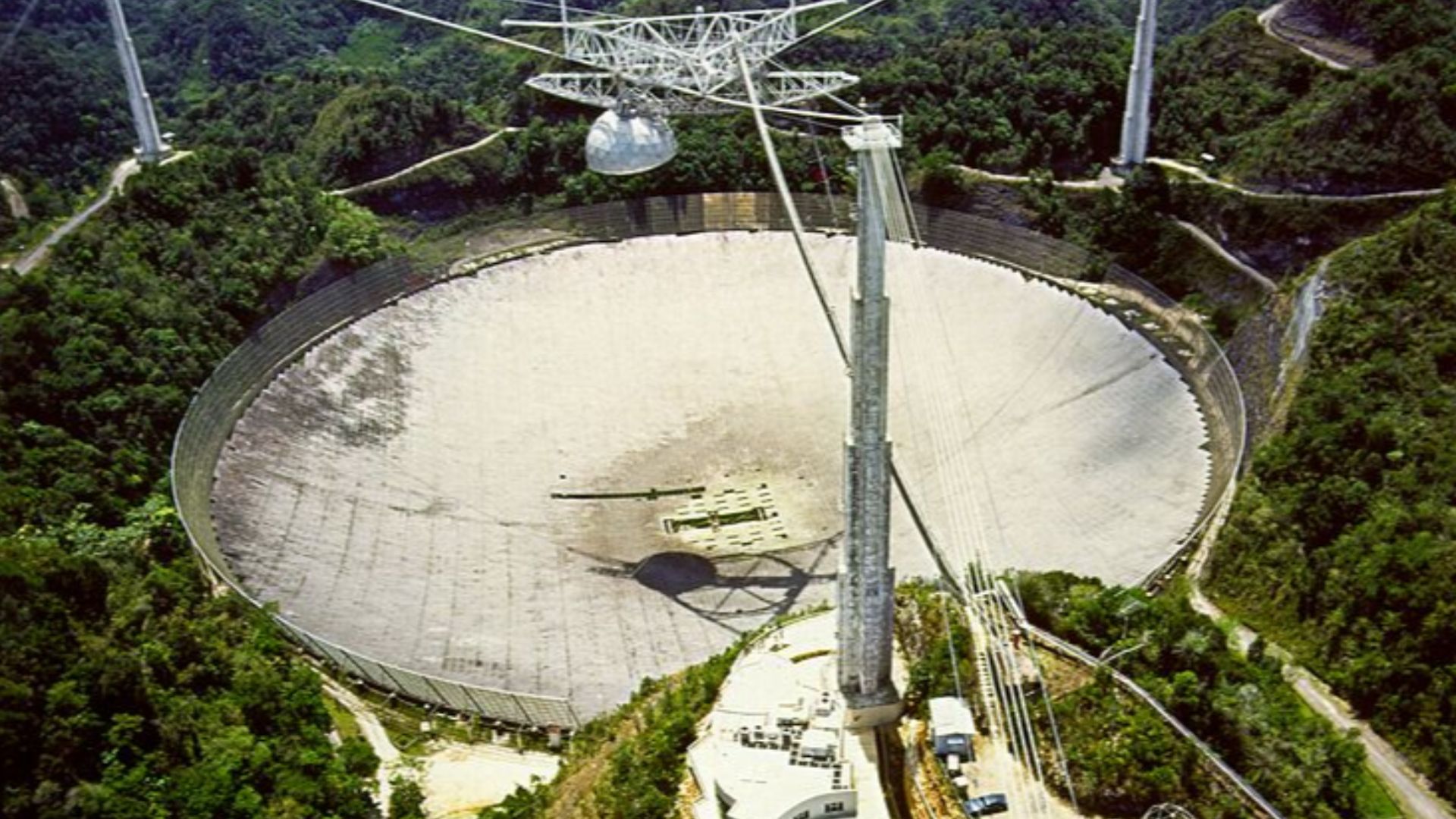
Earth Isn't Completely Invisible
A 2025 study asked how detectable Earth would be to a civilization using technology similar to ours. The researchers found that Earth's powerful planetary radar transmissions could theoretically be detected from roughly 12,000 light-years away under favorable conditions. That makes one possibility especially uncomfortable.
 NASA Stennis Space Center, Wikimedia Commons
Somebody Could Already Know We're Here
If another civilization has technology far beyond ours, Earth might be easier for it to detect than another Earth would be for us. That does not mean anyone has found us. But it raises a strange question: if somebody has noticed us, why haven't they answered?
 NASA Goddard Photo and Video, Wikimedia Commons
The Zoo Hypothesis
In 1973, astronomer John Ball proposed what became known as the Zoo Hypothesis. Maybe advanced extraterrestrials know Earth exists but intentionally avoid interfering with us, much as humans might observe animals in a protected reserve. It is an intriguing idea, but there is no evidence that such a policy exists.

In This Scenario, We Aren't Alone At All
Instead, humanity would be deliberately isolated. Aliens could observe us while choosing not to make contact. It is wonderfully creepy, but also extremely difficult to test because a civilization capable of hiding successfully would leave little evidence.
 MjolnirPants, Wikimedia Commons
Scientists See A Big Problem With It
For the Zoo Hypothesis to work across an entire galaxy, many unrelated civilizations might need to follow similar non-contact rules. Alternatively, one highly advanced civilization might somehow enforce them. That requirement makes the hypothesis difficult to evaluate scientifically.
 Aubrey Gemignani, Wikimedia Commons
The Dark Forest Is Even More Disturbing
A related idea became famous through science fiction, especially Liu Cixin's The Dark Forest. In this scenario, civilizations remain silent because revealing their location could be dangerous. The universe becomes like a forest at night where everyone stays quiet because nobody knows whether whoever hears them is friendly.
 Henry Söderlund, Wikimedia Commons
It Is A Thought Experiment, Not A Scientific Discovery
The Dark Forest is not an established scientific explanation for the Fermi Paradox. It depends heavily on assumptions about alien psychology, strategy, and competition. Still, the underlying question is legitimate: would an unknown civilization necessarily benefit from broadcasting its location? Nobody currently knows.
 Gerd Eichmann, Wikimedia Commons
Some Scientists Debate Whether We Should Broadcast
That uncertainty has helped fuel debates over METI, or Messaging Extraterrestrial Intelligence. Unlike passive SETI, which listens, METI deliberately sends messages toward other star systems. Supporters view it as a reasonable way to attempt communication. Critics argue that deliberate broadcasting deserves broader discussion.

Then There's The “Firstborn” Possibility
What if humanity isn't late? Maybe we are among the first technological civilizations to emerge. Heavy elements needed for rocky planets took time to accumulate across generations of stars, and habitable environments may have become more common as the universe evolved. Perhaps the galaxy hasn't been waiting for aliens for billions of years after all.
 NASA (Crew of STS-39)(The original uploader was Seth Ilys at English Wikipedia.), Wikimedia Commons
That Would Make The Silence Temporary
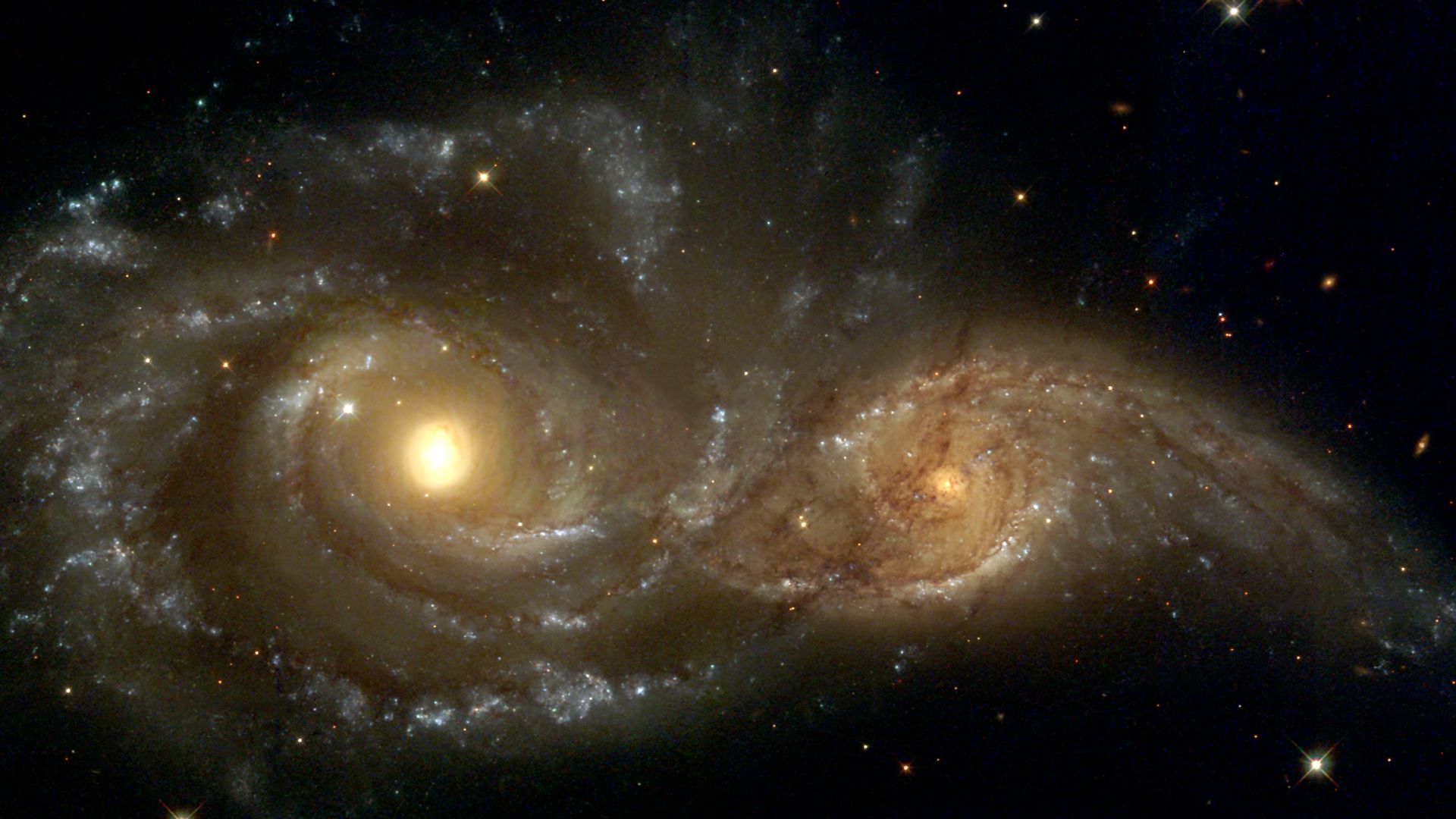
If technological civilizations are only now beginning to appear, there could be other young societies scattered across the galaxy that simply have not had time to reach us. Somewhere, another species could be pointing its first radio telescope toward the stars and asking exactly the same question.
 NASA/ESA and The Hubble Heritage Team (STScI), Wikimedia Commons
Another Possibility Is That Space Travel Is Simply Awful
Science fiction makes interstellar travel look difficult but manageable. Reality is much harsher. Stars are separated by enormous distances, spacecraft require huge amounts of energy, and journeys could take generations. Maybe civilizations simply decide that spreading throughout the galaxy isn't worth the trouble.
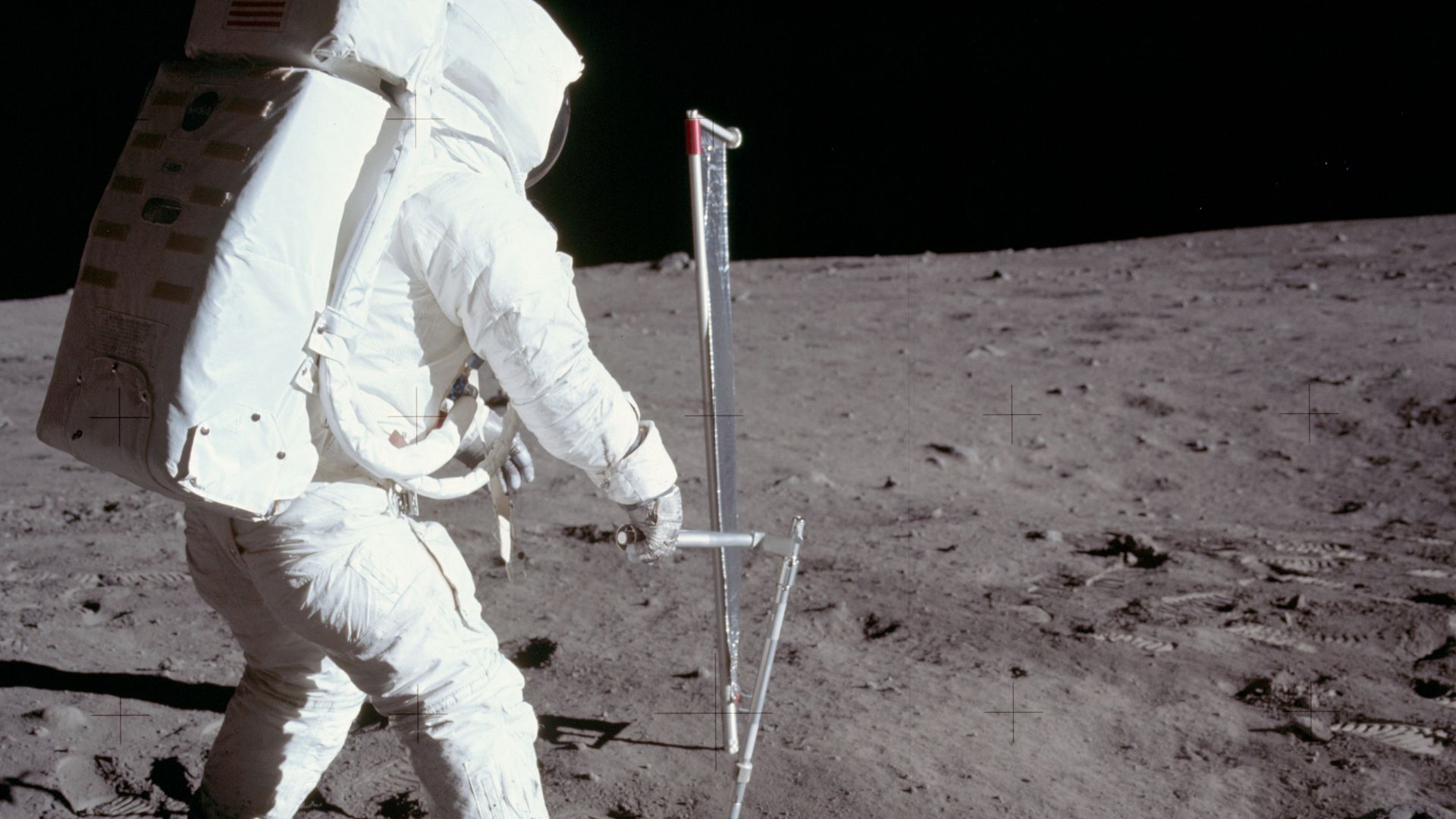 Project Apollo Archive, Wikimedia Commons
Colonies Might Stop Colonizing
Even if one civilization sends settlers to another star, there is no guarantee those settlers would repeat the process. Their descendants might stay put. Many versions of the Fermi argument assume expansion keeps expanding. Real societies might behave far less predictably.

Aliens May Live In Places We Barely Search
Technological species might inhabit moons, underground environments, artificial habitats, or places far from Earth-like planets. They may not build anything resembling our cities. Our searches are inevitably influenced by the only technological civilization we understand: ourselves.
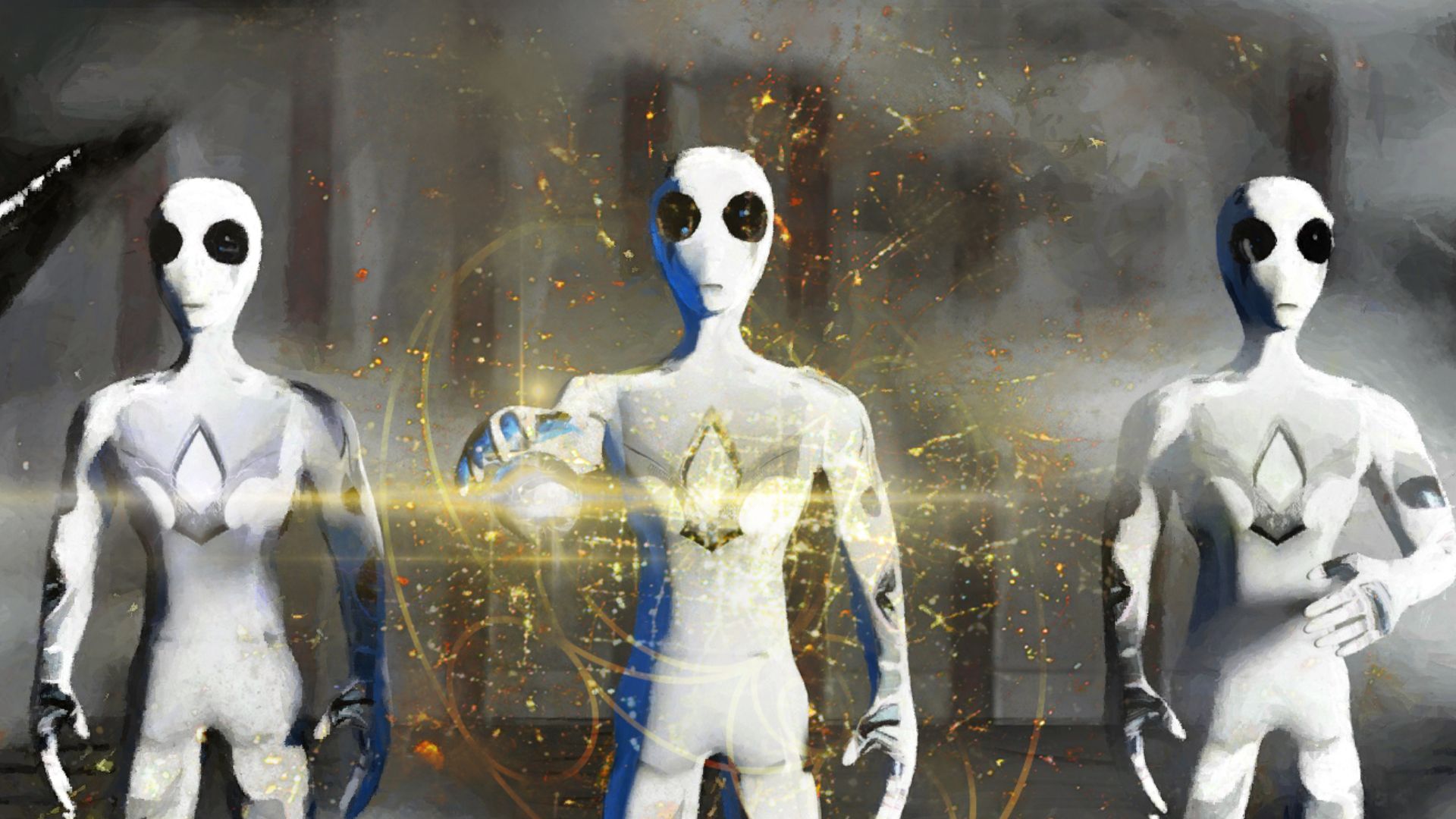
They Could Have Come And Gone Already
The Milky Way is billions of years old. A civilization could have risen, explored part of the galaxy, and disappeared hundreds of millions of years before humans evolved. The uncomfortable question is whether any trace would still remain.
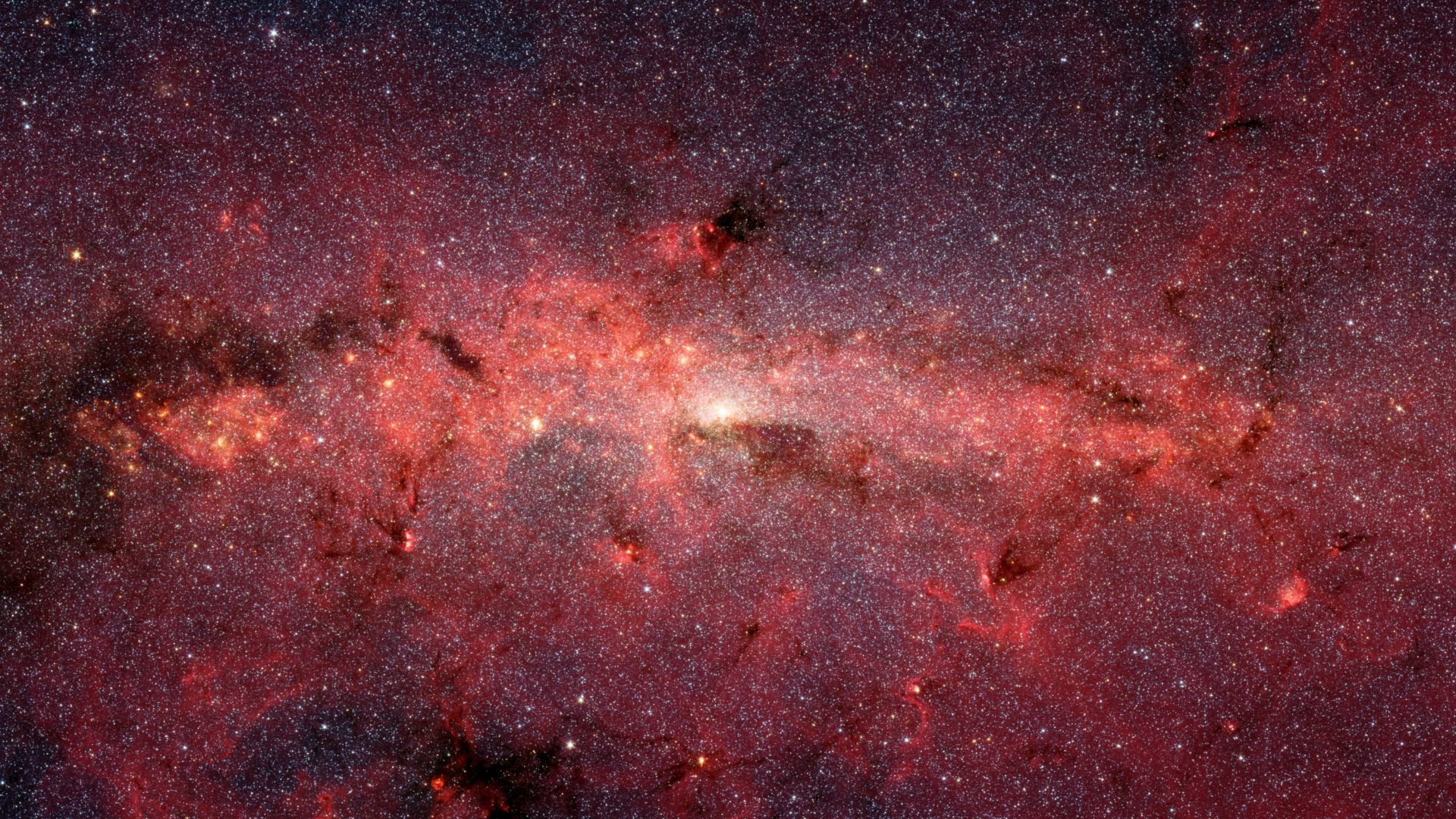 Credit: NASA/JPL-Caltech/S. Stolovy (Spitzer Science Center/Caltech), Wikimedia Commons
Even Earth Erases Its Own Past
Plate tectonics recycles crust, erosion destroys structures, and sediments bury landscapes. Over millions of years, physical evidence can become surprisingly difficult to detect. That does not mean aliens once visited Earth. It simply shows why absence of ancient artifacts is not automatically proof that no civilization ever existed elsewhere.
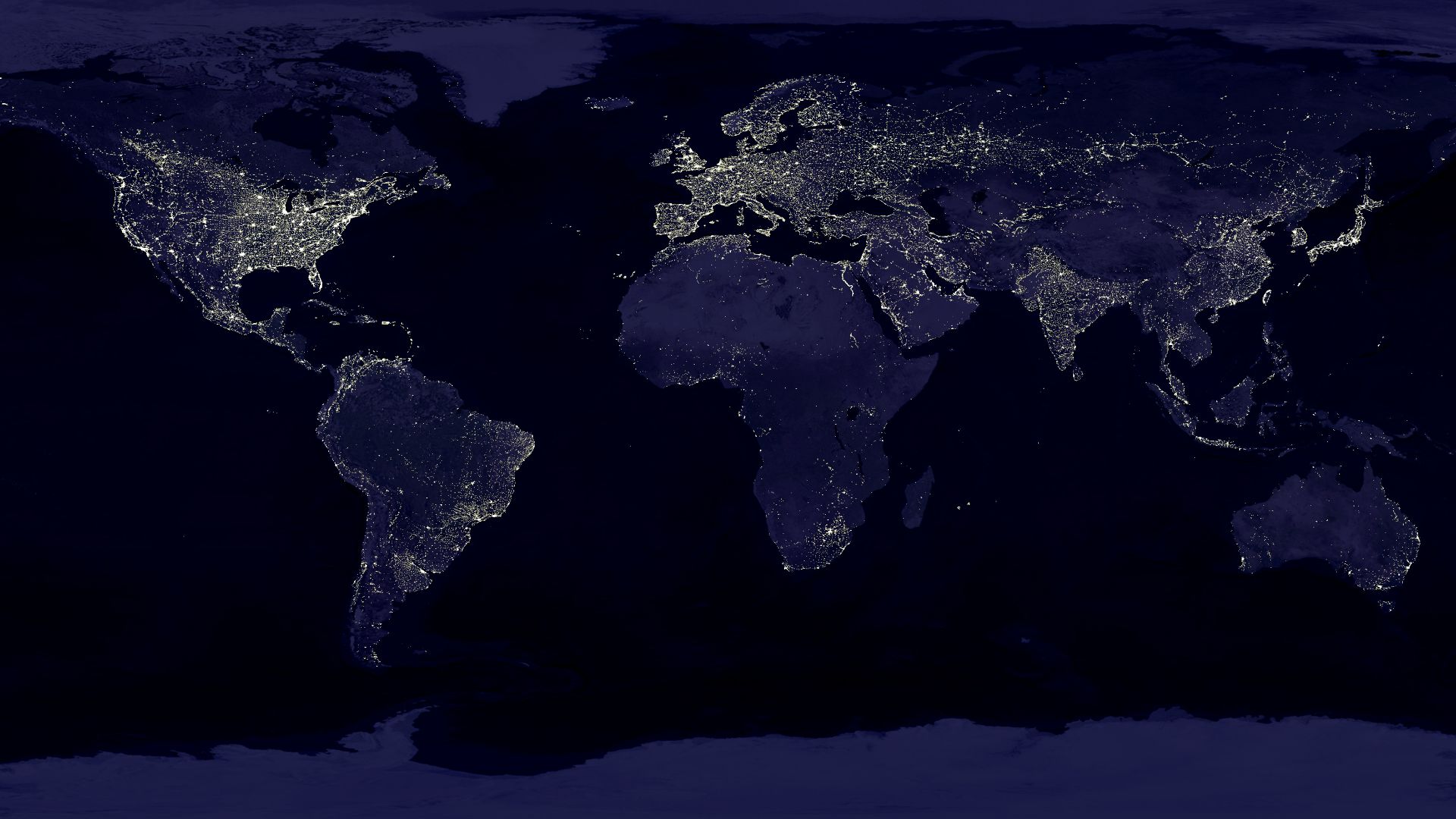
Maybe They Use Robots Instead
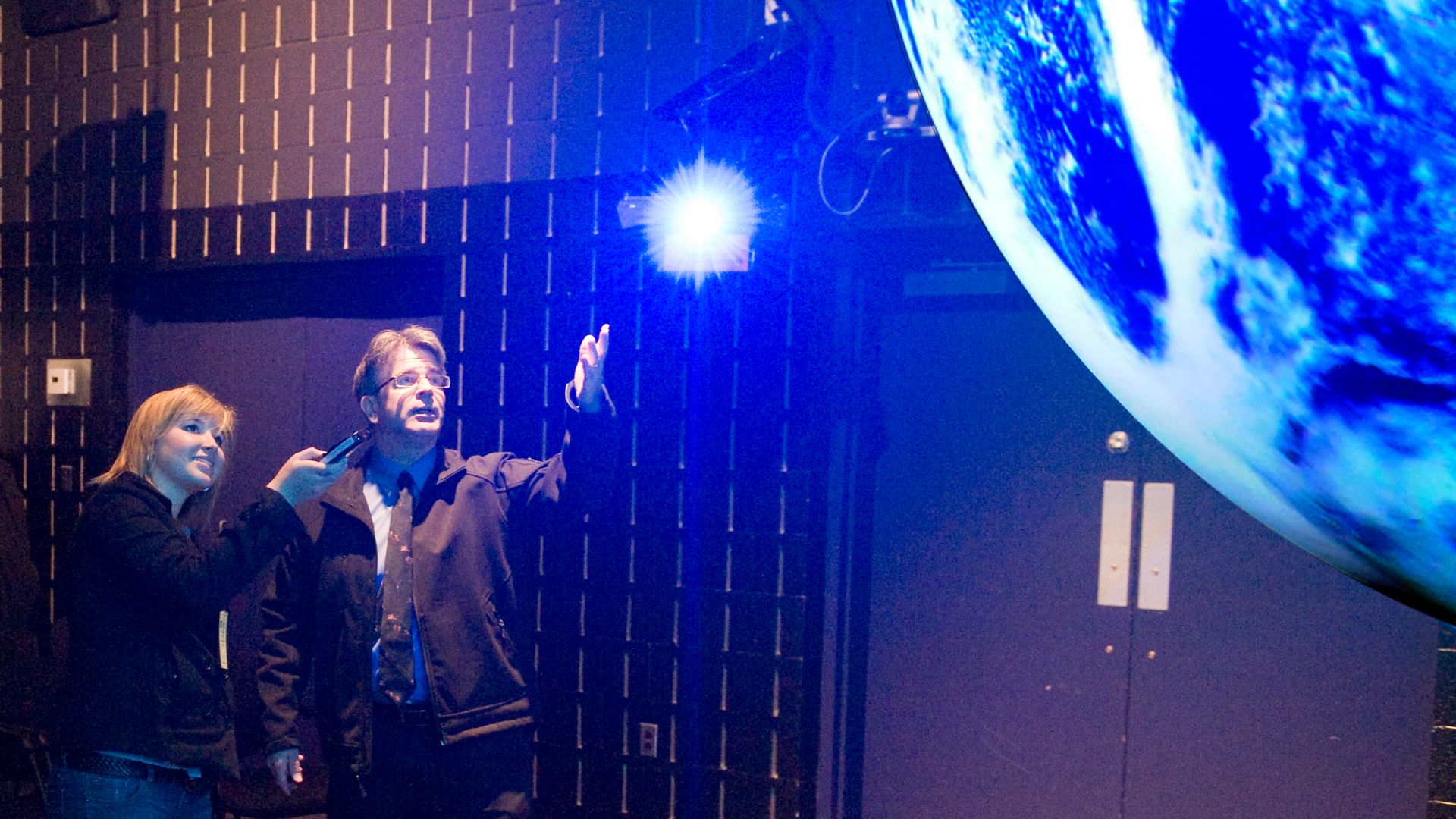
An advanced civilization might send autonomous machines rather than biological explorers. In theory, self-replicating probes could spread from star to star. That can actually make the paradox harder. If such machines are possible and technological civilizations are common, why haven't we found one?
 NASA Goddard/Bill Hrybyk, Wikimedia Commons
What If The First Expanding Civilization Changes Everything?
Physicist Alexander Berezin proposed a speculative model in which the first civilization to achieve interstellar expansion could eventually disrupt or eliminate other developing civilizations as it spreads. The idea is not evidence that this has happened. It is one theoretical way to explain why we might not encounter multiple competing galactic civilizations.
 NASA Goddard Photo and Video, Wikimedia Commons
Humanity Could Be The Dangerous One
Berezin's idea comes with an uncomfortable twist. If no earlier civilization has already spread widely through the galaxy, humanity could theoretically become one of the first to do so. In that scenario, the Fermi Paradox wouldn't necessarily be warning us about something waiting in space. It might be asking what kind of civilization we ourselves will become.
 ESO/VPHAS+ team, Wikimedia Commons
But There Is A Much Simpler Answer
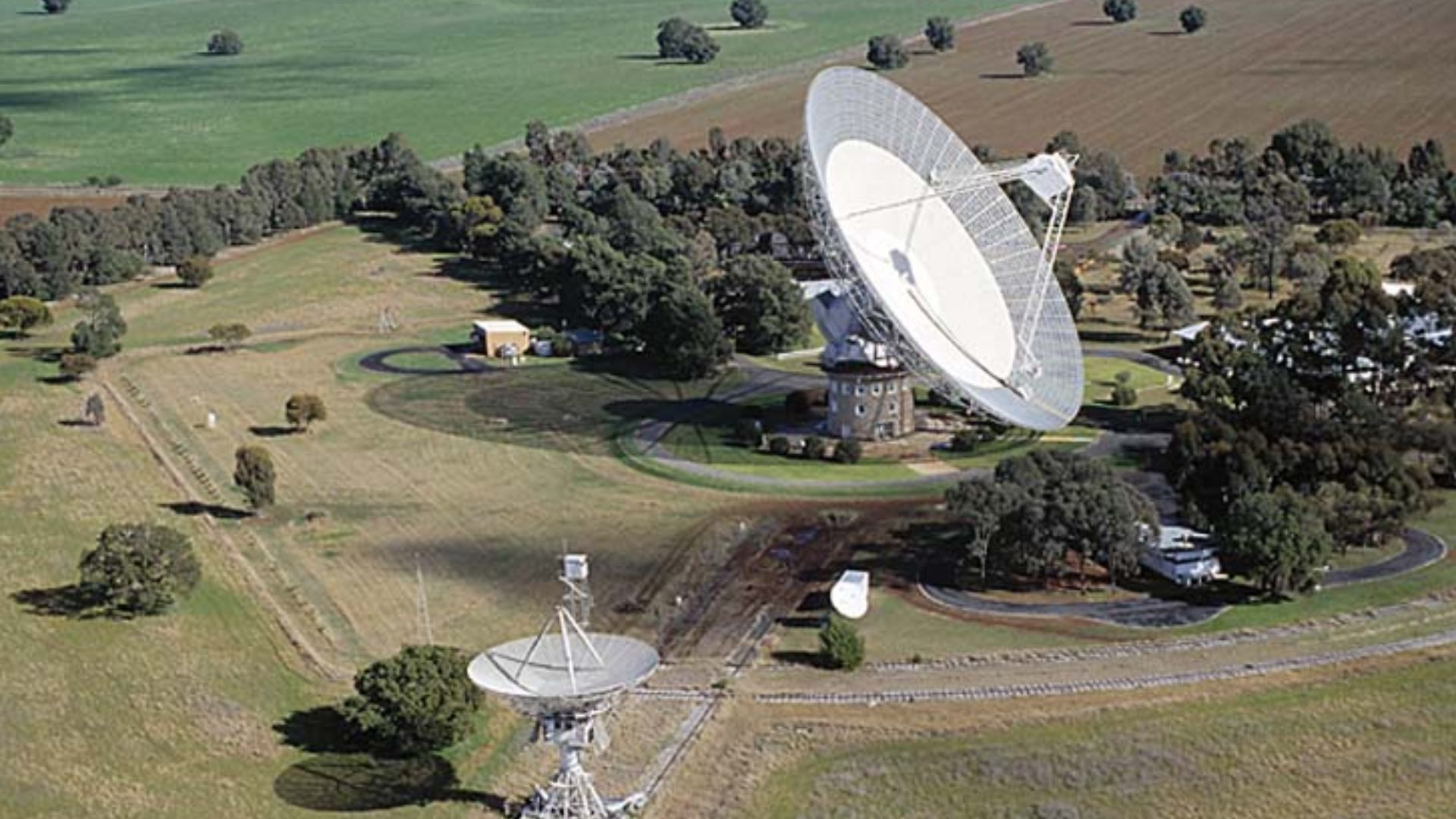
SETI researchers have repeatedly cautioned that the Fermi Paradox can tempt people into making an enormous inference from very limited evidence. Looking at a tiny fraction of the galaxy and seeing no aliens may be like checking one small patch of ocean and deciding whales do not exist. We simply haven't searched enough to know.
 Photograph by John Sarkissian (CSIRO Parkes Observatory), Wikimedia Commons
We've Barely Started Looking
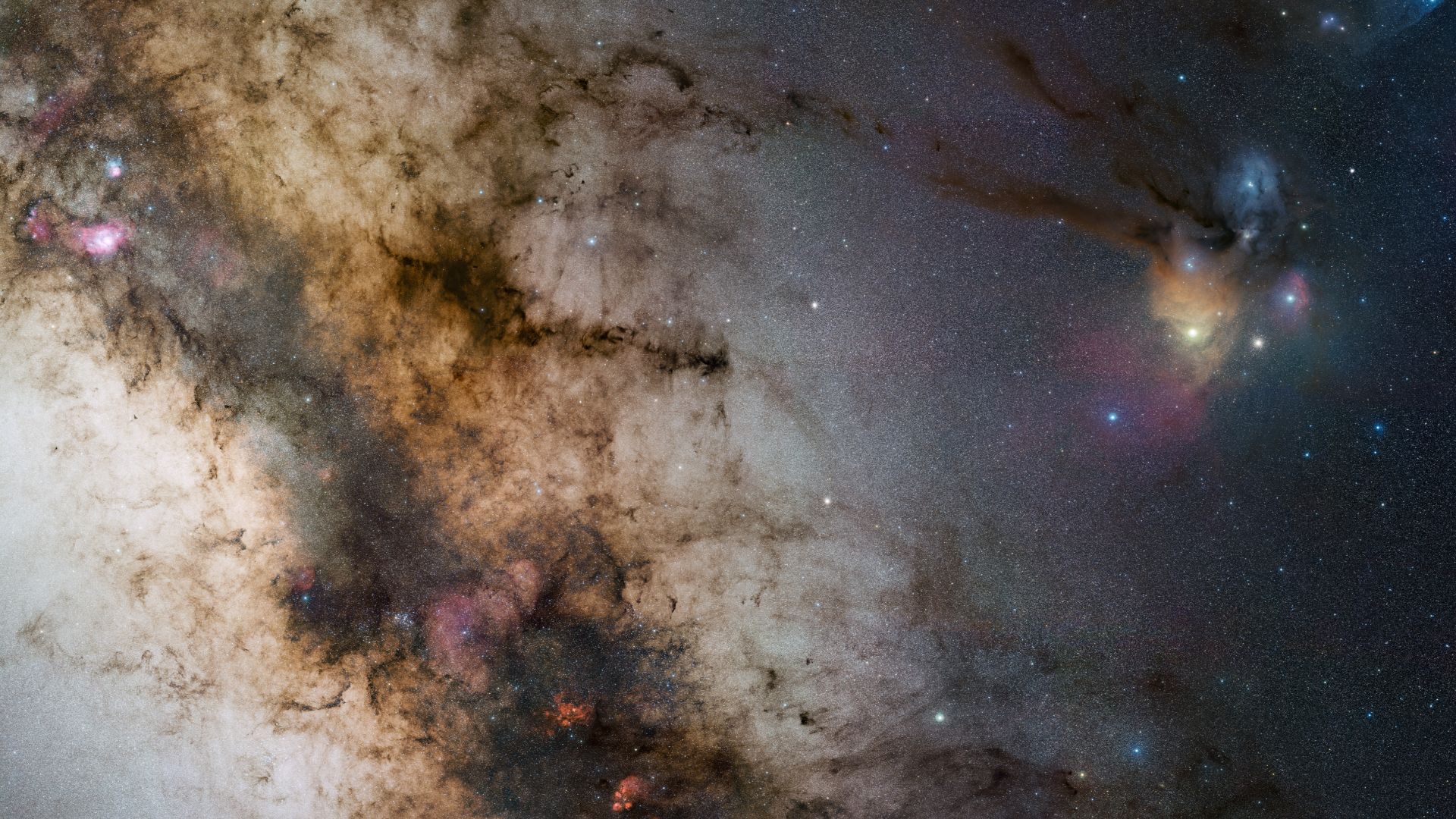
The Milky Way spans roughly 100,000 light-years and contains an enormous number of possible targets. Searches must cover different stars, frequencies, times, signal strengths, and technologies. A civilization could be transmitting somewhere while our telescope is aimed somewhere else at exactly the wrong moment.
 ESO/S. Guisard (www.eso.org/~sguisard), Wikimedia Commons
Silence Is Not Evidence Of Extinction
This is the most important reality check. Scientists have not concluded that extraterrestrial civilizations routinely destroy themselves, hide from us, or go extinct. These are proposed solutions to an unresolved question. None has been proven.
 Bill Ingalls, Wikimedia Commons
But That's What Makes The Paradox So Powerful
We currently face several broad possibilities, and each changes humanity's place in the universe dramatically. Maybe life is almost impossible. Maybe intelligence is almost impossible. Maybe civilizations don't last. Maybe advanced societies are difficult to detect. Maybe we simply haven't looked properly. Or maybe nobody else is there.
 NASA Headquarters / NASA/Bill Ingalls, Wikimedia Commons
Every Answer Creates A Different Kind Of Nightmare
If advanced life is common, we have to explain why it is invisible. If advanced life is rare, humanity may be frighteningly alone. And if civilizations commonly reach our stage before disappearing, the galaxy's silence could contain a warning we do not yet understand.
 U.S. Space Force photo by Airman 1st Class Shaun Combs, Wikimedia Commons
For Now, Nobody Knows Which Answer Is Right
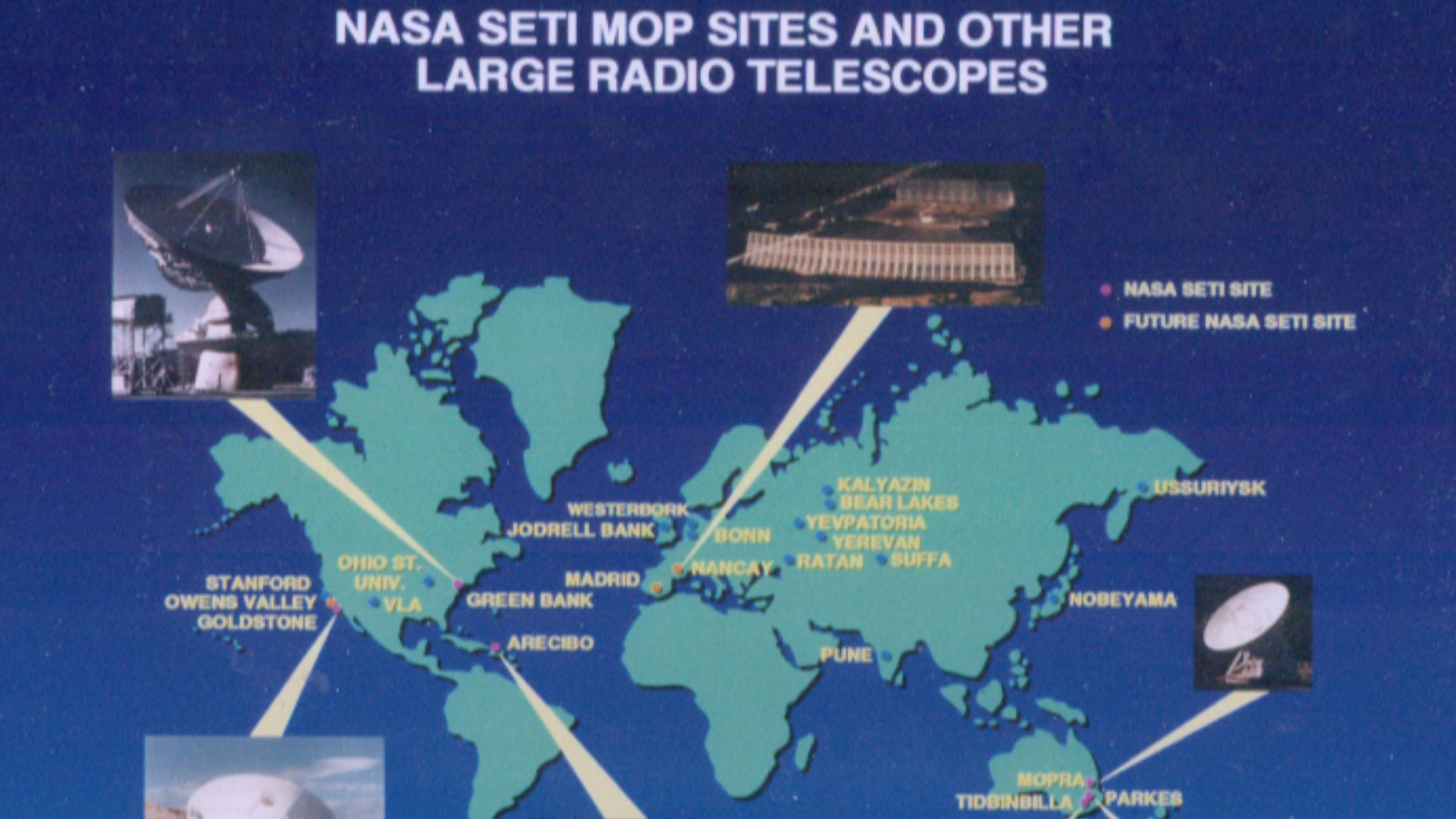
SETI searches continue because speculation cannot solve the Fermi Paradox. Scientists need evidence: a signal, an artificial atmospheric signature, unmistakable technology, or some other observation that cannot reasonably be explained by natural processes. Until then, Fermi's deceptively simple question remains unanswered.
 NASA Ames Research Center, Wikimedia Commons
“Where Is Everybody?”
More than 75 years after Fermi supposedly asked it, the question has only become stranger. We now know planets are extremely common, including many rocky worlds. Yet Earth remains the only place where life of any kind has been confirmed. Perhaps tomorrow's telescope will change that. Or perhaps the silence itself is telling us something, and we simply don't understand what it means yet.
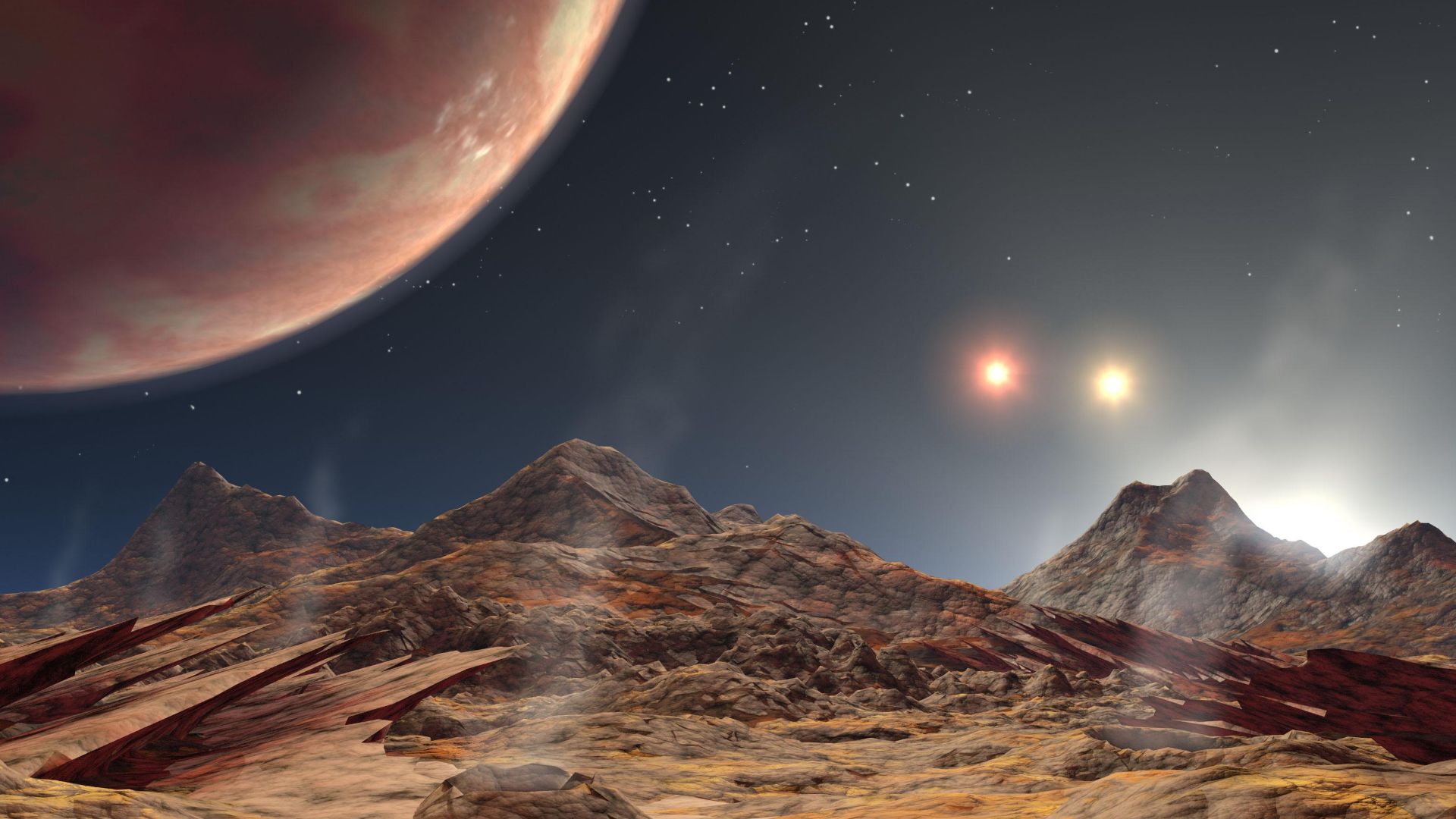 NASA/JPL-Caltech The original uploader was SnoopY at English Wikipedia., Wikimedia Commons
You May Also Like:










.jpg)