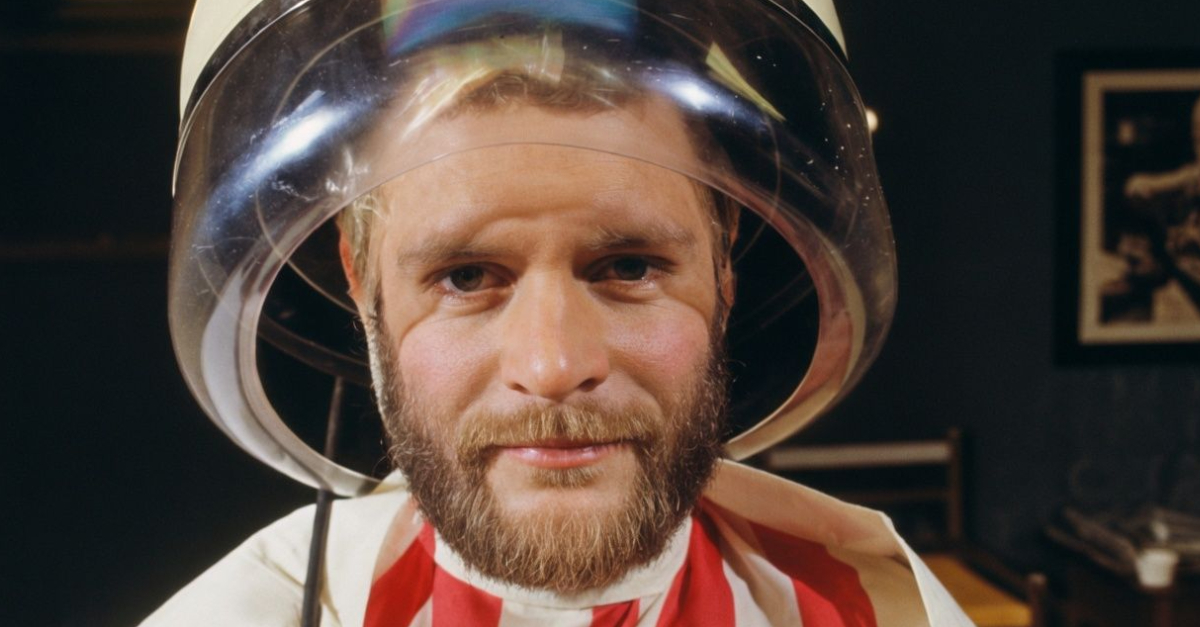
They Actually Used This Stuff?
Baby boomer men in the 60s and 70s were apparently willing to try almost anything if someone promised it would make them look younger, smell more masculine or get a little more attention.
They bought these products, gave them as gifts and proudly lined them up on bathroom counters. Looking back now, it is hard to believe some of them ever existed. But they did.
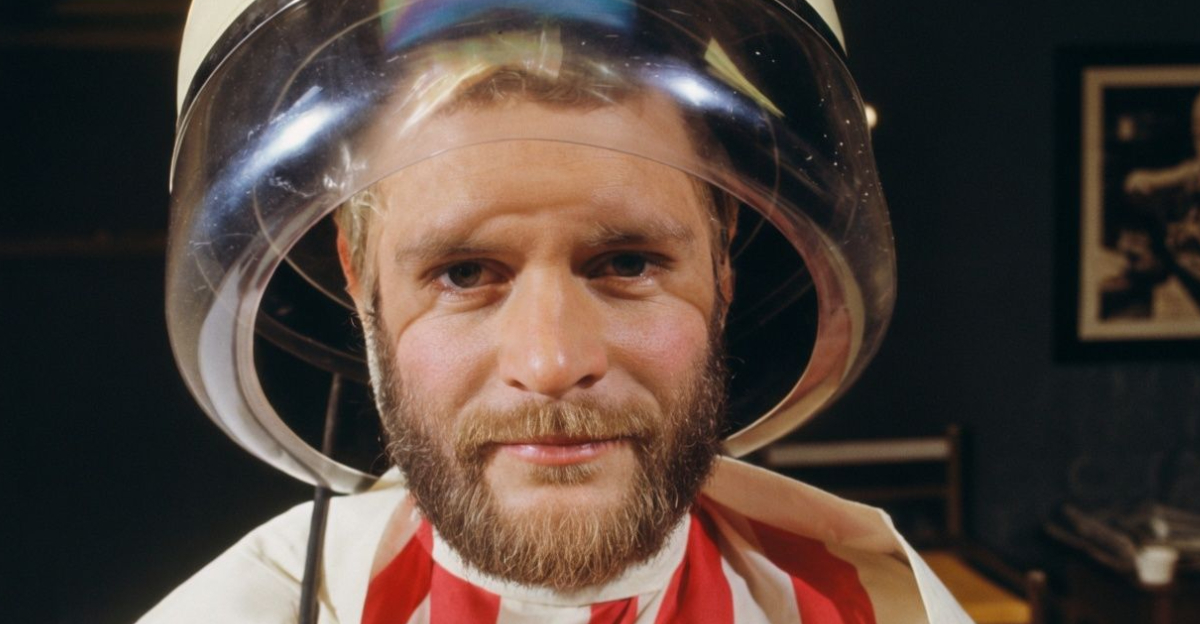 Sjöberg Bildbyrå, Getty Images
Grecian Formula 16
Introduced in 1961, Grecian Formula gradually darkened gray hair so the change supposedly wouldn’t be obvious. Its longstanding American formula used lead acetate, an ingredient the FDA eventually removed from permitted hair-color use. Apparently, hiding a few gray hairs once required some surprisingly serious chemistry.
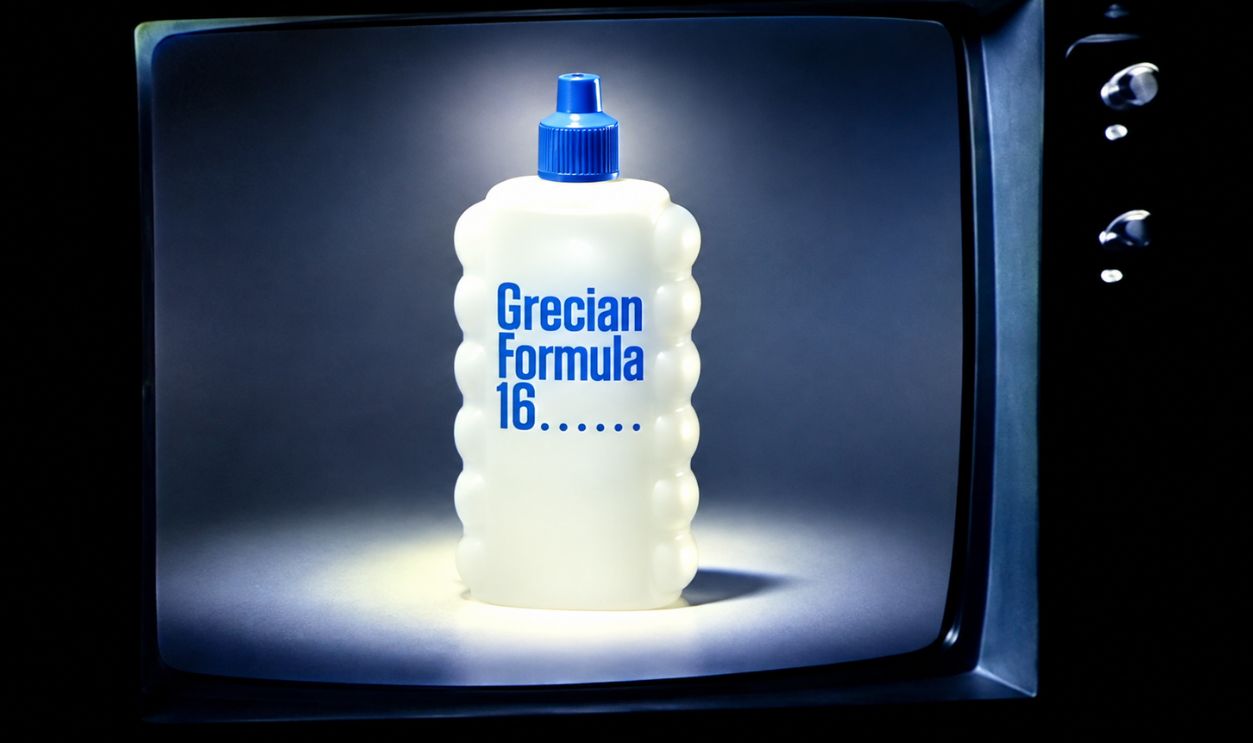 Screenshot from Grecian Formula 16, Combe Incorporated (1975), Enhanced
Hai Karate Aftershave
Hai Karate didn’t merely promise that a man would smell nice. Its advertisements warned that the fragrance could make women completely lose control. Some packages even included mock self-defense instructions showing men how to handle all that supposedly unavoidable attention.
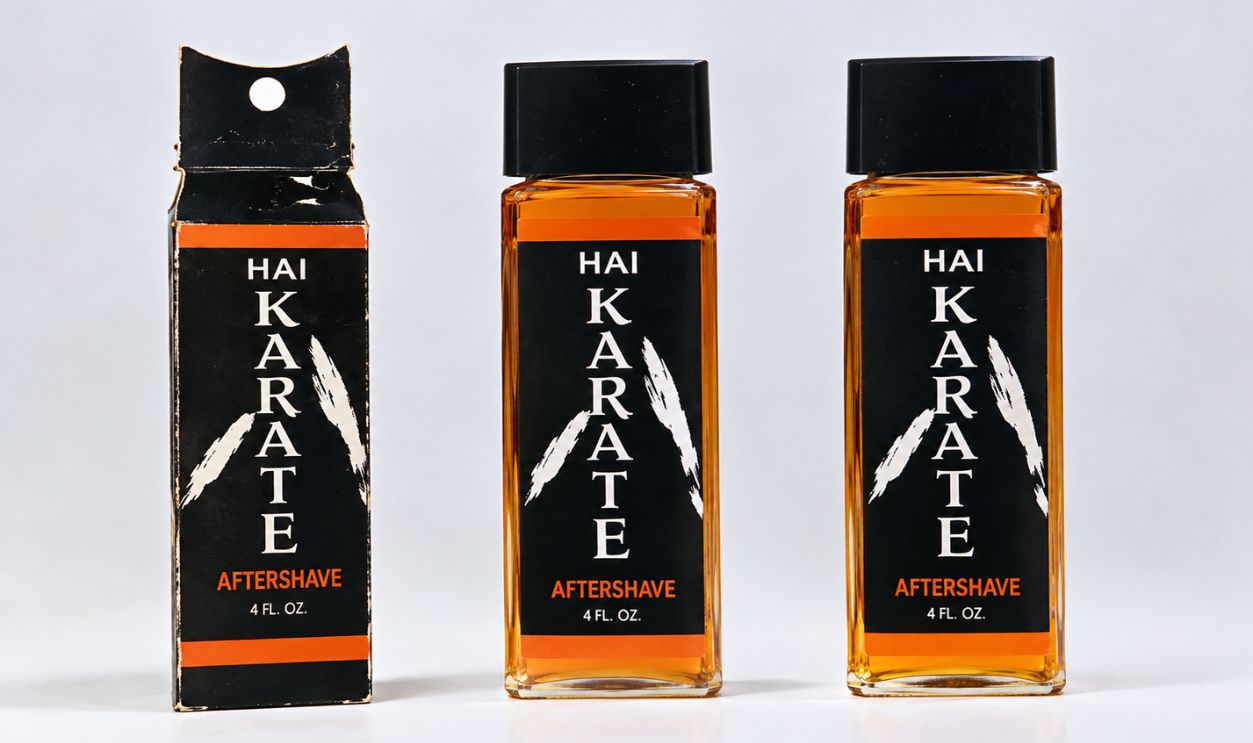 Screenshot from Hai Karate Aftershave, Pfizer (1967), Enhanced
Butch Wax
Keeping a flat-top haircut perfectly upright required something stronger than hope. Butch Wax was a thick, sticky hair product that helped men create a top so flat it practically needed surveying equipment. It worked, but touching the finished hairstyle was probably not recommended.
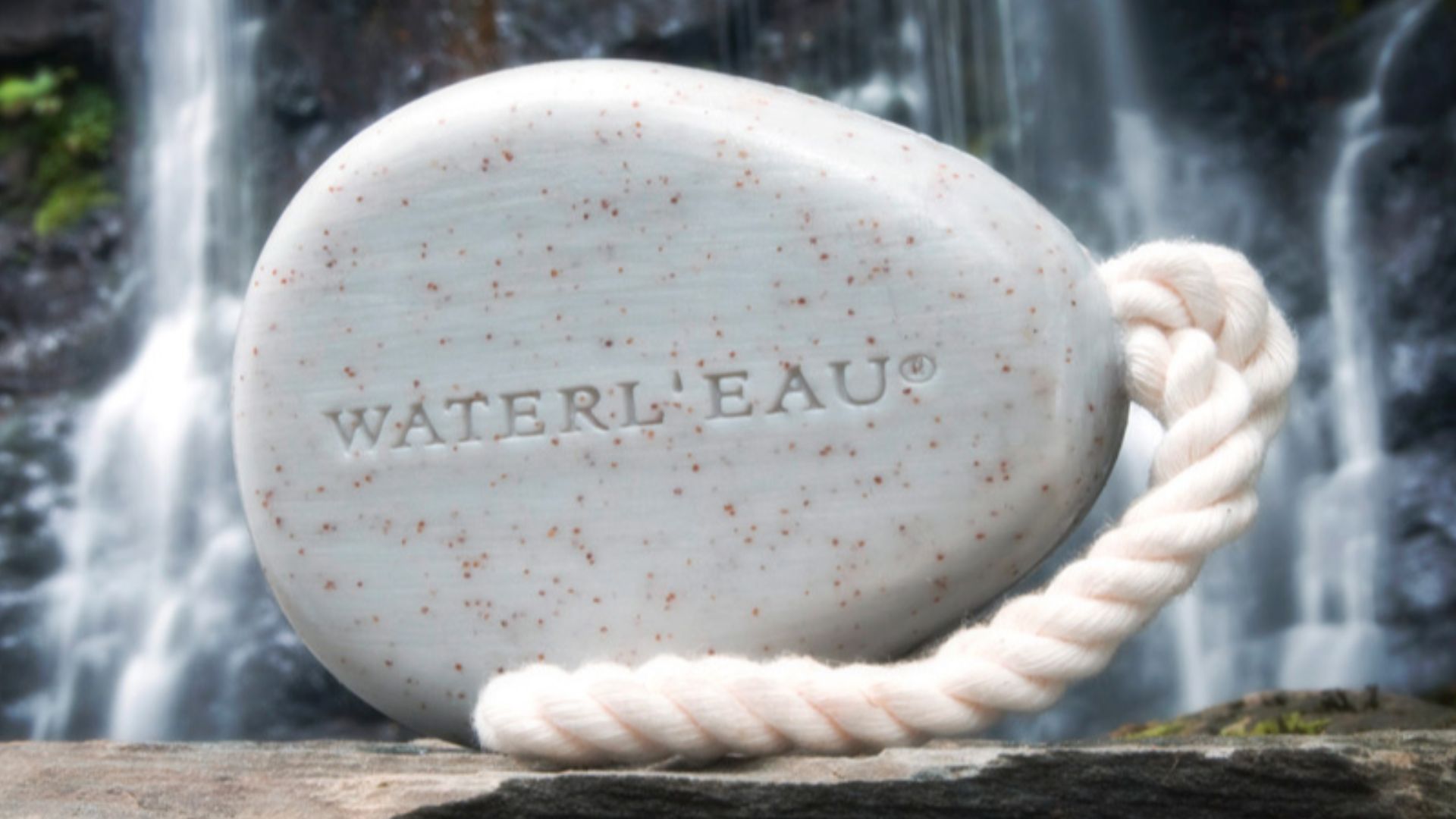
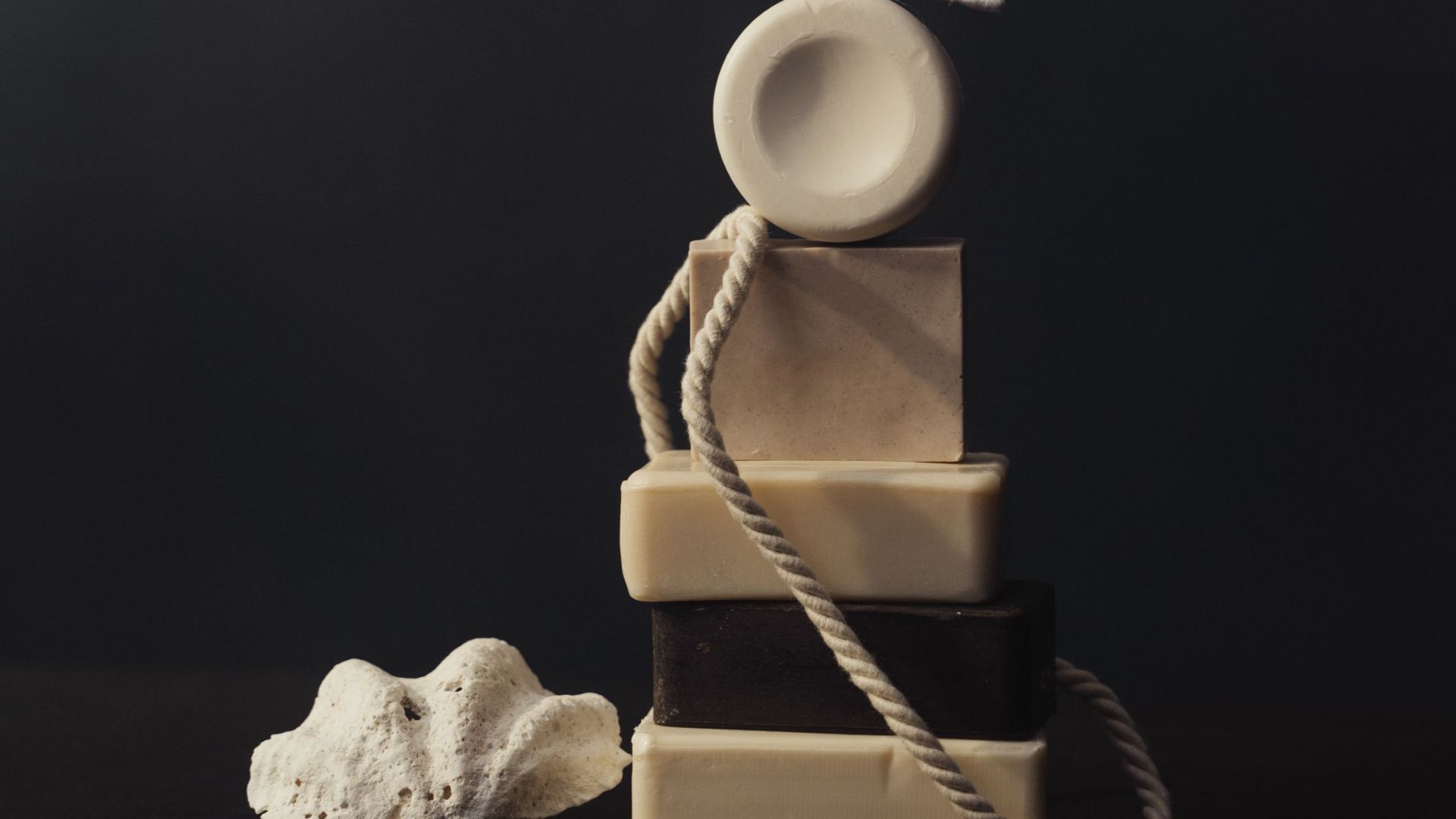
Soap-On-A-Rope
Someone decided an ordinary bar of soap needed a long cord attached to it, and suddenly it became the default Father’s Day gift. Men could loop it around their wrists or hang it from the faucet. Once the soap disappeared, however, they were left showering with a rope.
 Stephen Bradley, Wikimedia Commons
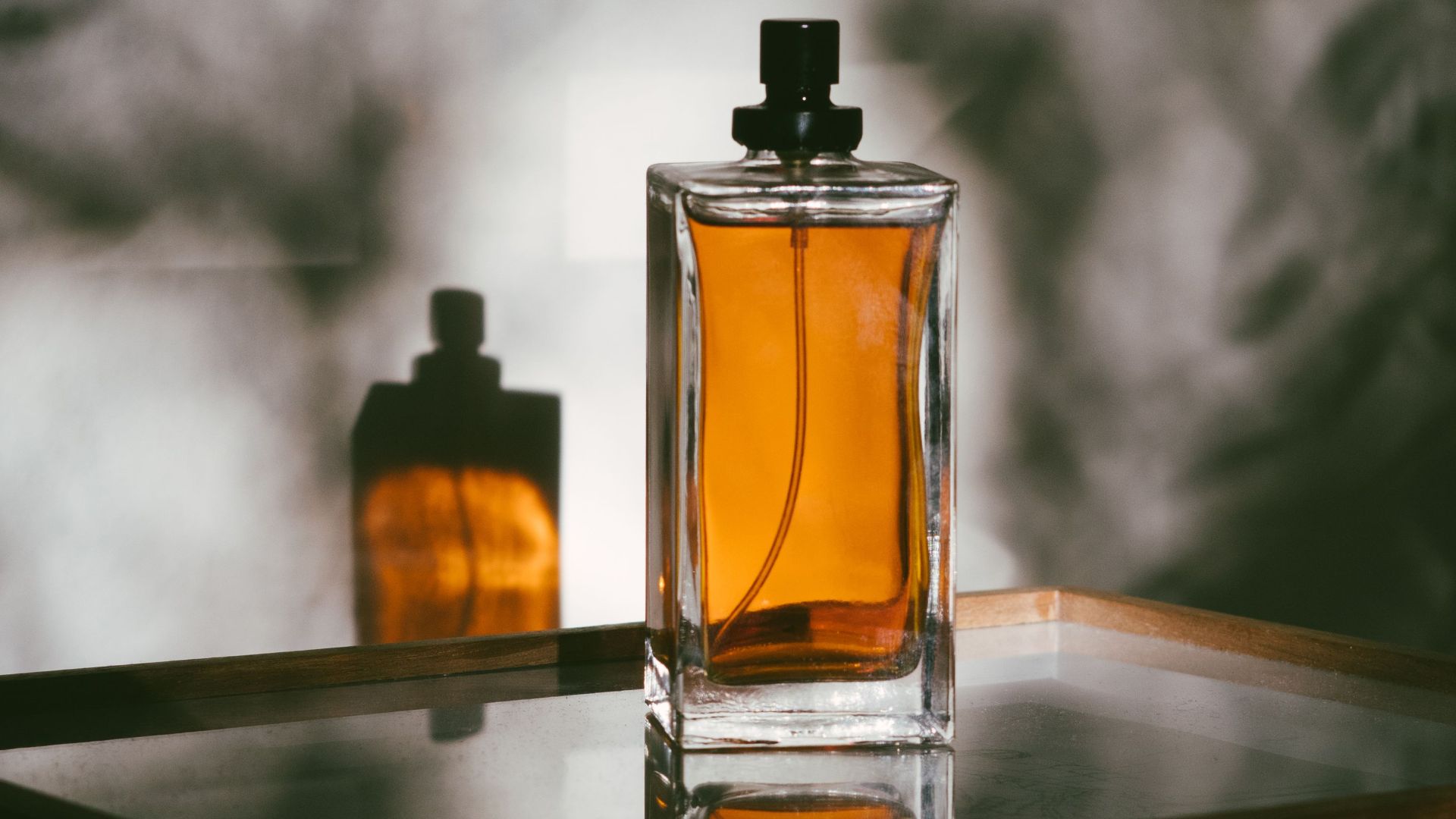
Nuts & Bolts Cologne
Nuts & Bolts was a men’s fragrance packaged in bottles shaped like oversized hardware. Its advertising insisted it did not smell like flowers or fruit because apparently smelling pleasant was dangerously unmanly. Nothing said sophistication quite like unscrewing a giant metal nut before getting dressed.
Right Guard Aerosol Deodorant
Introduced by Gillette in 1960, Right Guard helped bring aerosol deodorant into American bathrooms. Instead of quietly applying a stick, men could fill the room with a cold, perfumed cloud. Getting some deodorant onto the intended area occasionally seemed like a secondary benefit.
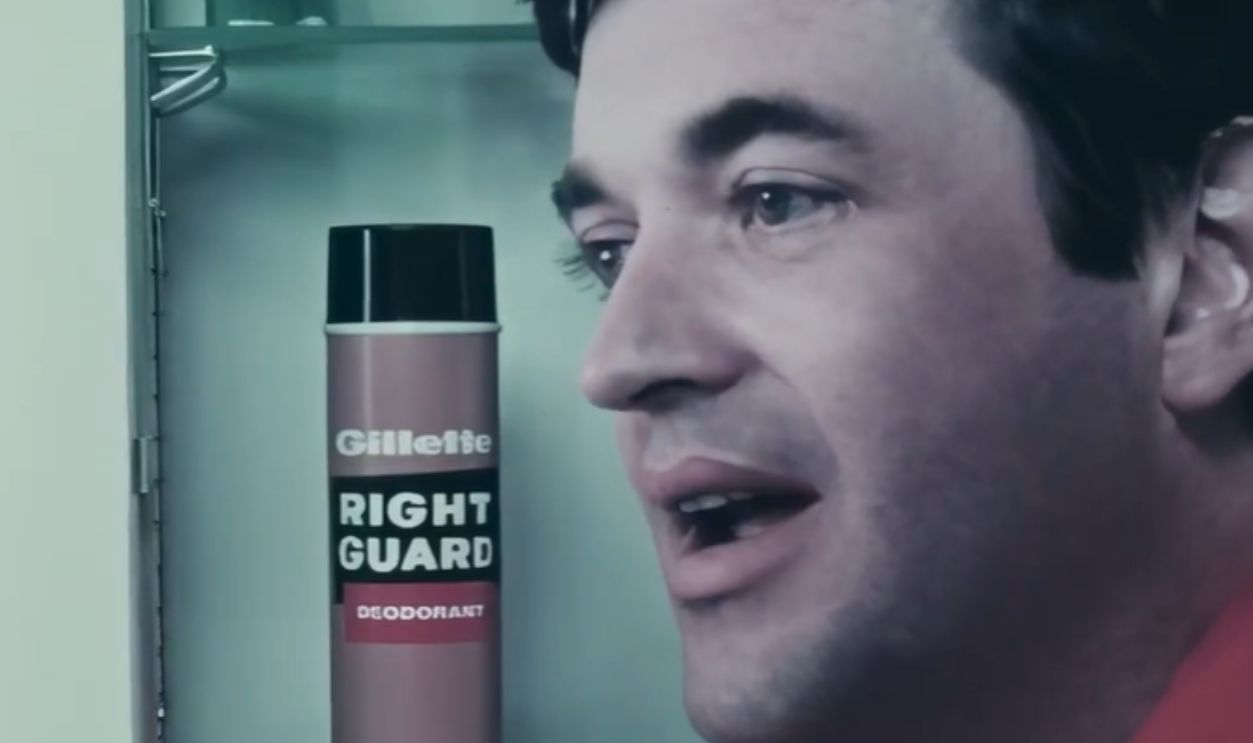 Screenshot from Right Guard Aerosol Deodorant, The Gillette Company (1960)
Brylcreem
Brylcreem promised neat, controlled hair with only a small amount of product. Naturally, plenty of men used considerably more. The result was the unmistakable wet, glossy hairstyle that looked freshly combed for hours and occasionally left a reminder of itself on hats and pillowcases.
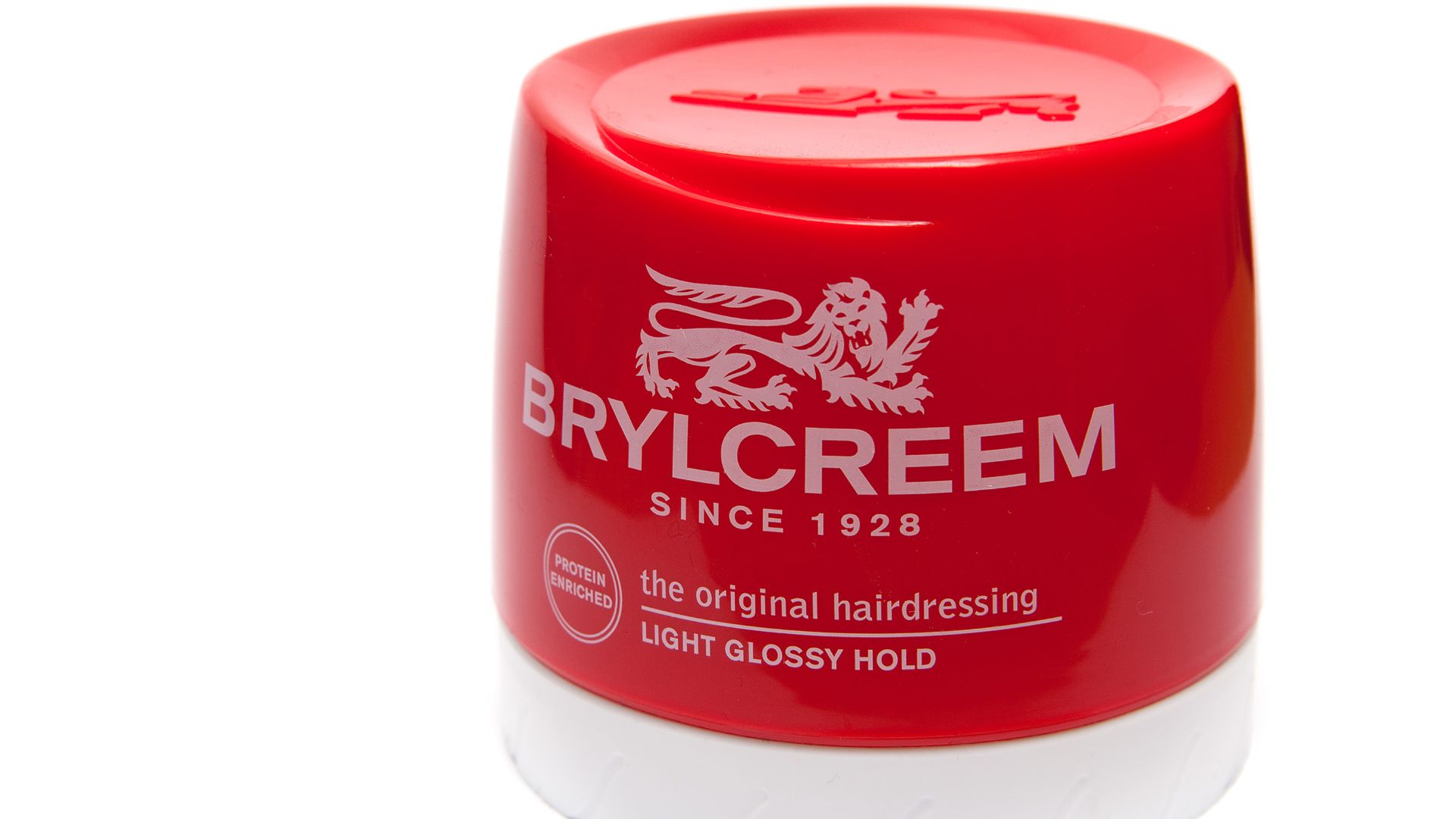 Ashley Pomeroy, Wikimedia Commons
Schick Hot Lather Machine
Why apply shaving cream directly from the can when you could buy an electrical appliance to warm it first? Schick’s Hot Lather Machine became a familiar 70s bathroom gadget. The warm foam felt pleasant, but waiting for a machine to heat up made shaving considerably less convenient.
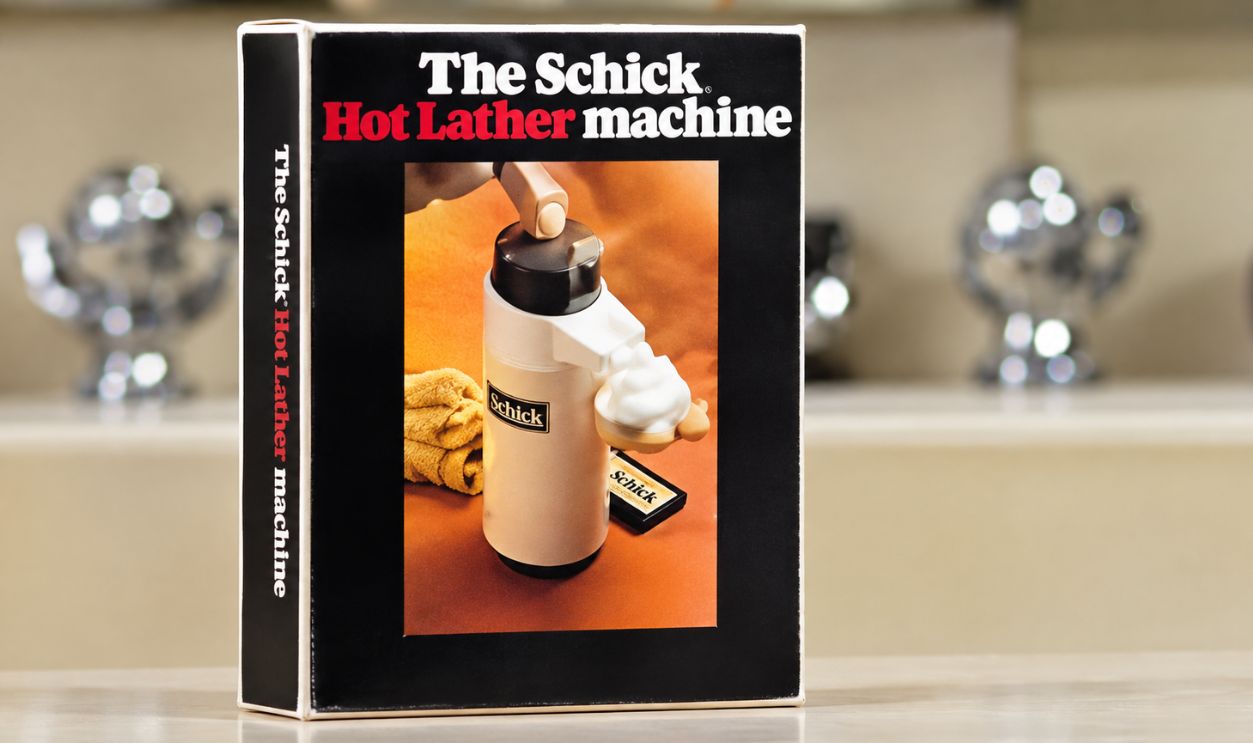 Screenshot from Schick Hot Lather Machine, Schick (1969), Enhanced

History's most fascinating stories and darkest secrets, delivered to your inbox daily.
Avon Novelty Aftershave Decanters
Avon poured aftershave into bottles shaped like cars, footballs, birds, tools, historical figures and practically anything else considered masculine. Men collected entire shelves of them. Some even believed the unopened bottles would become valuable, leaving future generations to inherit dusty cars filled with old cologne.
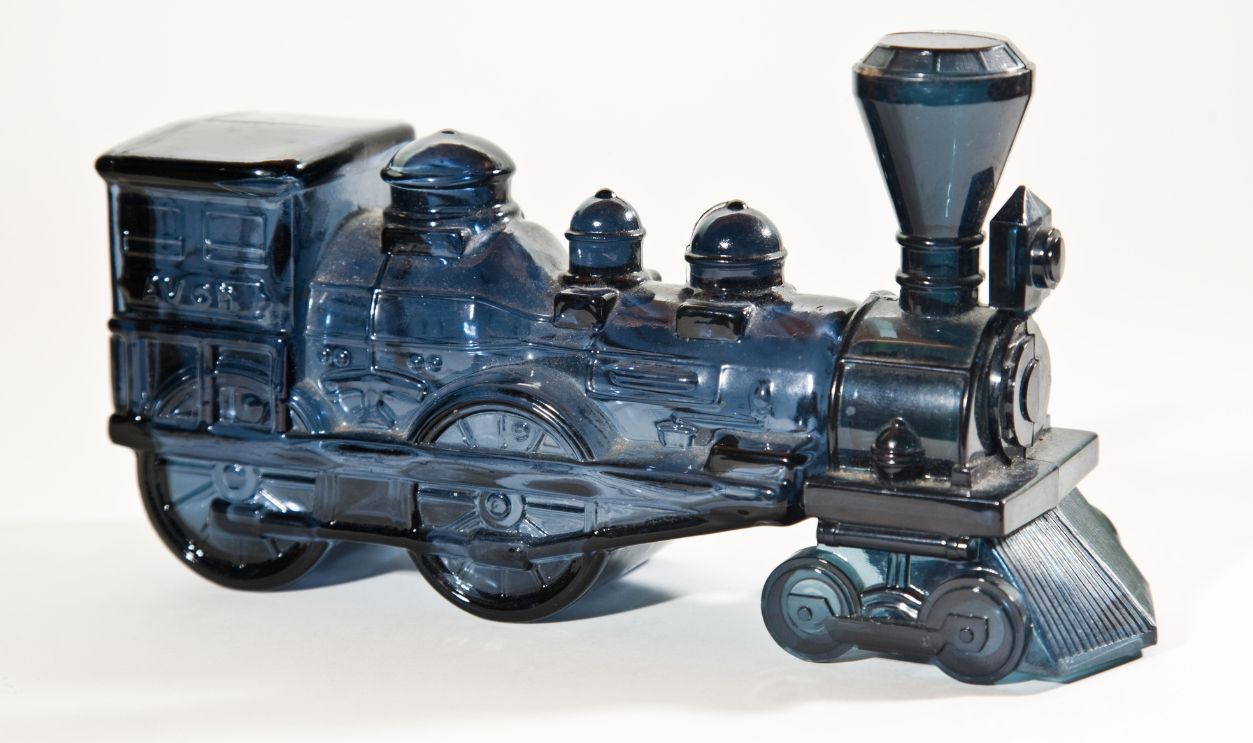 The Washington Post, Getty Images
Mennen Skin Bracer
Skin Bracer commercials made applying aftershave look surprisingly violent. A man splashed the bright green liquid onto his freshly shaved face, received a hard slap and announced, “Thanks, I needed that.” Apparently, if a grooming product didn’t make your eyes widen, it simply wasn’t working.
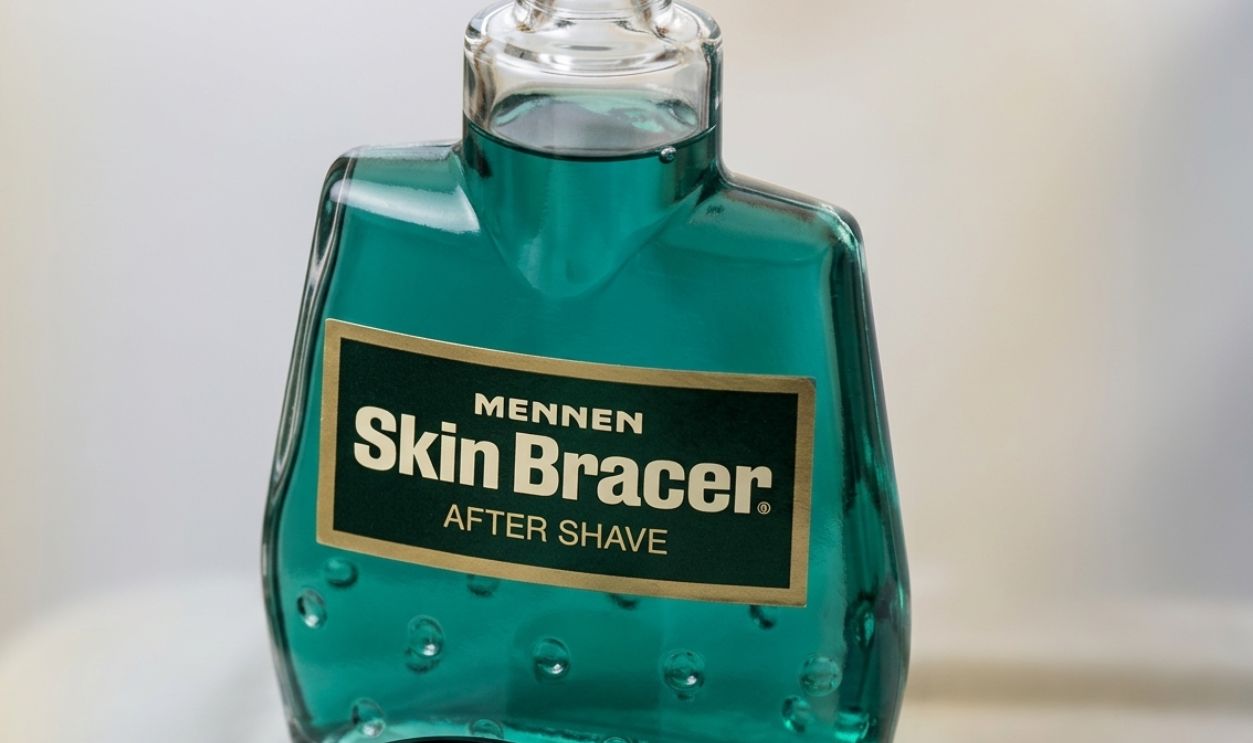 Screenshot from Mennen Skin Bracer, The Mennen Company (1972), Enhanced
The Dry Look
Gillette’s The Dry Look was essentially hairspray marketed to men who presumably wanted nothing to do with hairspray. The company emphasized that it left hair soft and natural rather than stiff. Add a masculine package and a new name, and suddenly spraying your hairstyle seemed completely different.
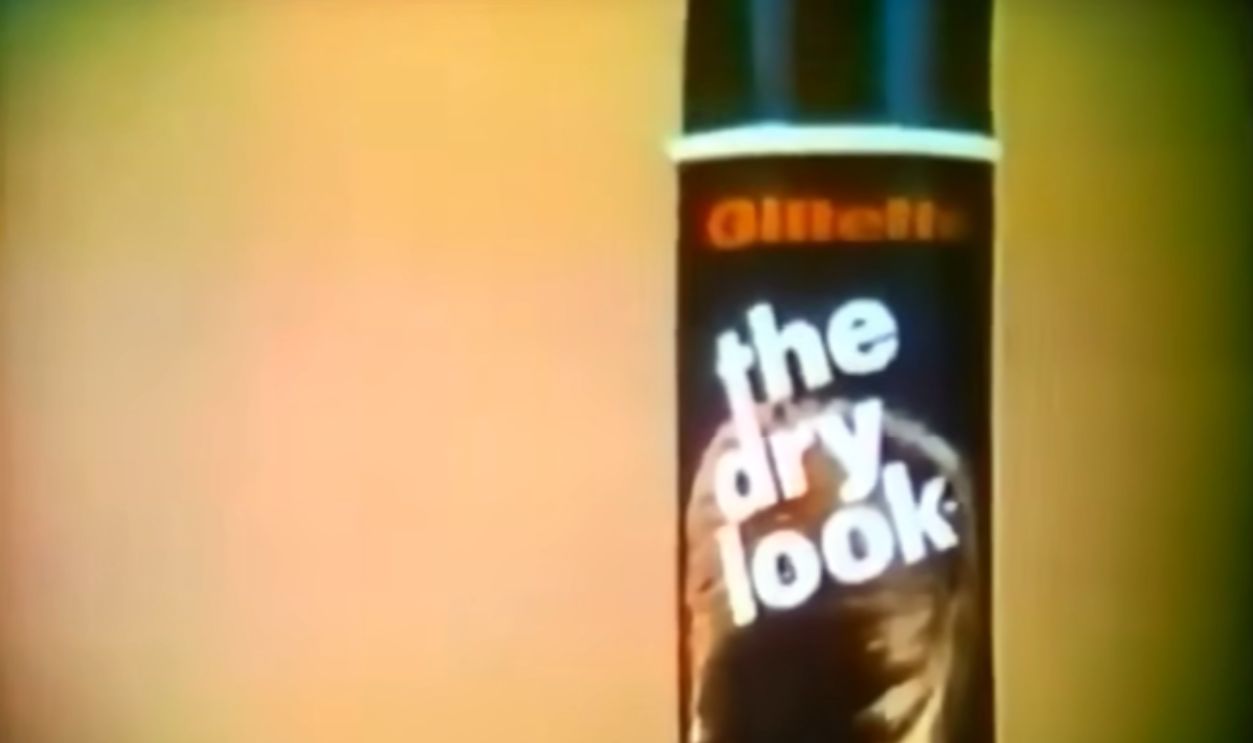 Screenshot from The Dry Look, The Gillette Company (1971)
Macho Musk Oil
Released during the peak of the 70s musk craze, Macho Musk Oil claimed to work with a man’s personal chemistry and send an unmistakable message. The advertisements were less interested in explaining its scent than assuring buyers it could turn an ordinary evening into something far more exciting.
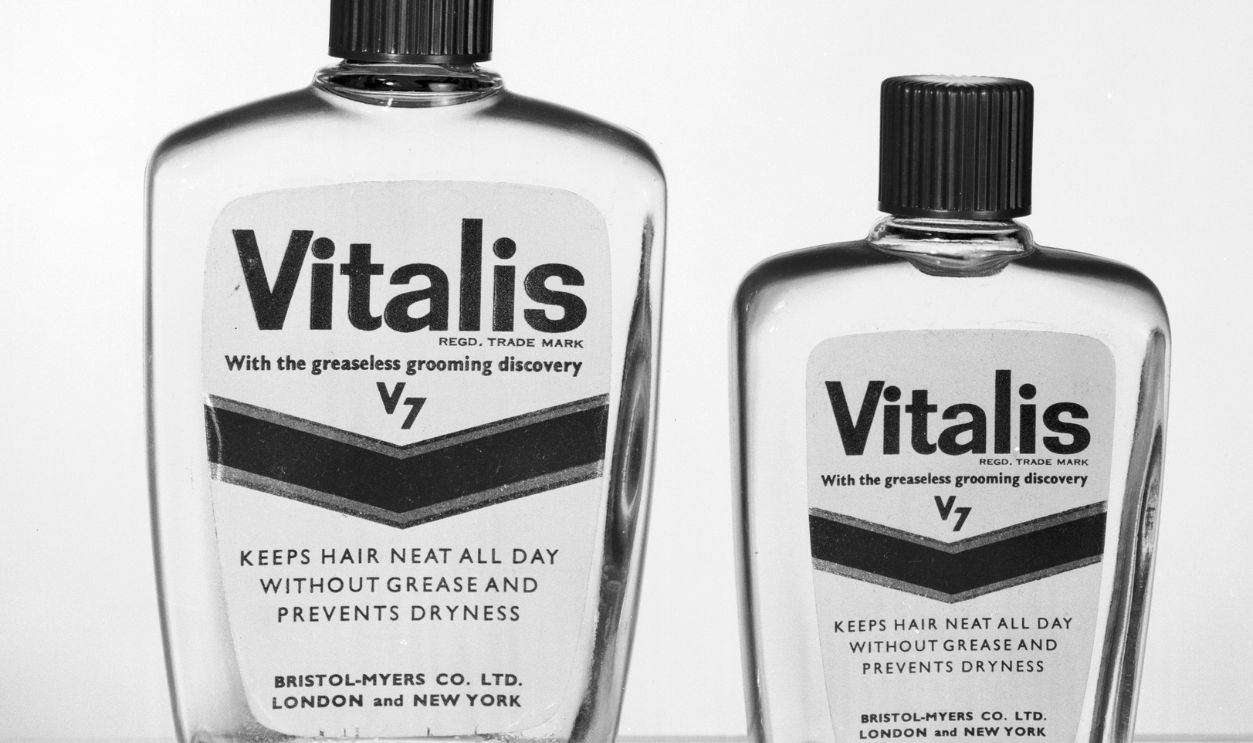
Vitalis Hair Tonic
Vitalis promised to control unruly hair without producing the heavily greased appearance of older tonics. Advertisements credited a mysterious grooming discovery called “V-7,” which supposedly wasn’t a mineral, vegetable or animal oil. What exactly was it? Men apparently weren’t expected to ask inconvenient questions.
Citation Aerosol Cologne
The Citation grooming line offered cologne in an aerosol can. Rather than placing a few drops on the neck, men could spray fragrance around themselves like bathroom freshener. Gift sets also included aerosol deodorant, shaving cream and talc, ensuring almost every grooming step produced its own cloud.
Game Plan Grooming Products
Game Plan turned a football theme into an entire men’s grooming collection. The line included Face Guard aftershave, Power Play cologne and Linebacker soap-on-a-rope. Evidently, men who enjoyed football could only understand toiletries if every bottle sounded like something announced during a game.
Wildroot Cream-Oil
Wildroot Cream-Oil promised to keep hair neatly controlled without making it feel stiff. What it delivered was the glossy, carefully combed finish men once considered sophisticated. Applying too much could leave hair looking less professionally groomed and more like it had been marinated.
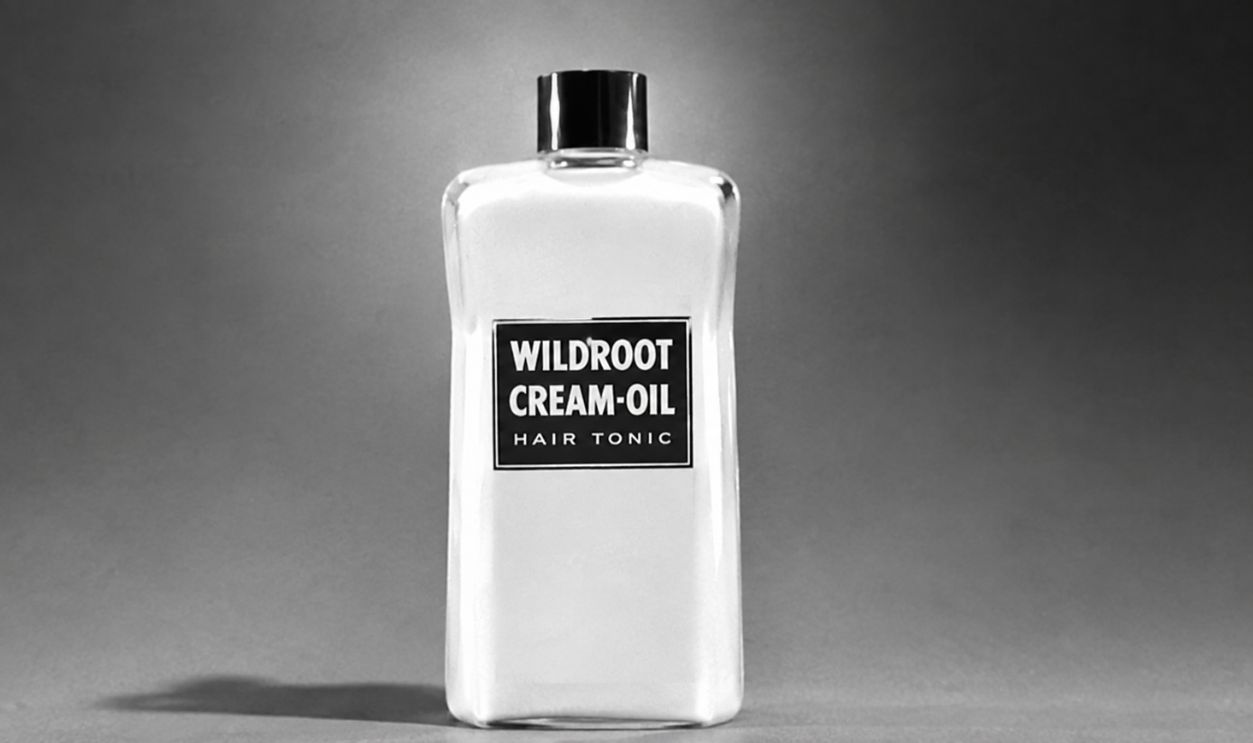 Screenshot from Wildroot Cream-Oil, Wildroot Hair Tonic Company (1960), Enhanced
Male Factor Toiletries
Max Factor introduced its Male Factor toiletries as products containing a mysterious new ingredient that supposedly separated men from boys. Precisely what that ingredient was remained conveniently vague. But the name sounded masculine, and in 1960 that was apparently more important than knowing what was inside the bottle.
Max For Men Hair Dryer And Styler
Gillette’s 1972 Max for Men was a hair dryer and styling tool packaged specifically for male customers. It did roughly the same job as other hair dryers, but its aggressively masculine name reassured boomer men that drying and carefully styling their hair was still a rugged activity.
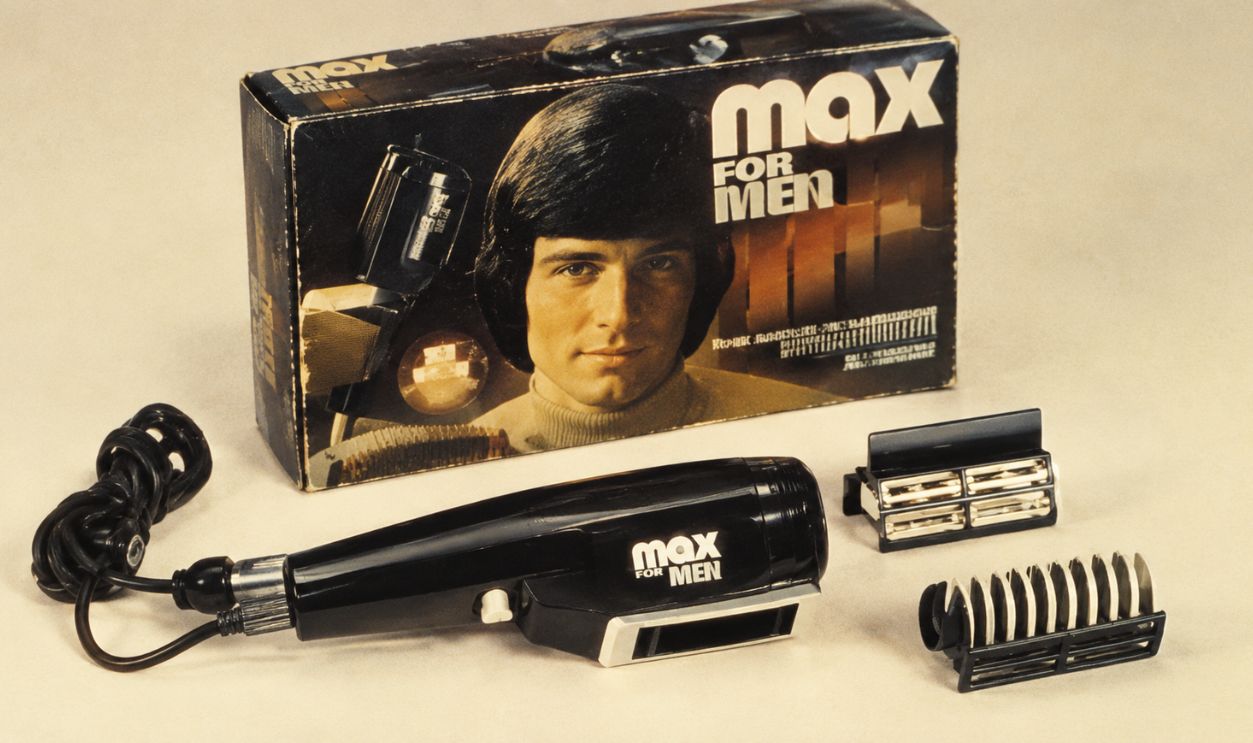 Screenshot from Max For Men Hair Dryer And Styler, The Gillette Company (1972), Enhanced
Score Hair Cream
Score Hair Cream itself was fairly ordinary. Its advertising was anything but. One notorious campaign surrounded a fully dressed man with adoring women and suggested the hair cream would deliver everything he had always wanted. Evidently, shiny hair was all that stood between the average man and complete devotion.
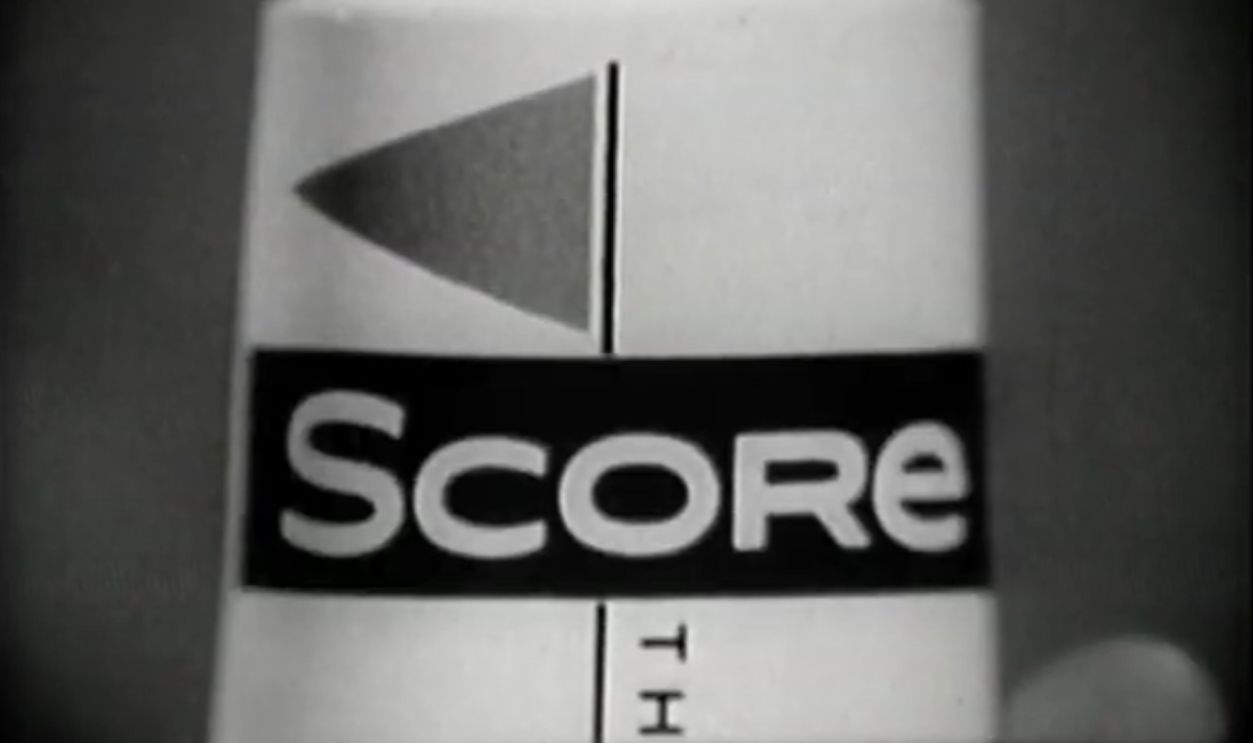 Screenshot from Score Hair Cream, Bristol-Myers Company (1967)
Old Spice Talcum Powder
Old Spice gift sets didn’t stop at aftershave and cologne. Men could also purchase body talc, shaving talc and even aftershave talc. Apparently, the well-groomed man of the 60s required enough fragrant powder to make getting dressed resemble the aftermath of a minor flour explosion.
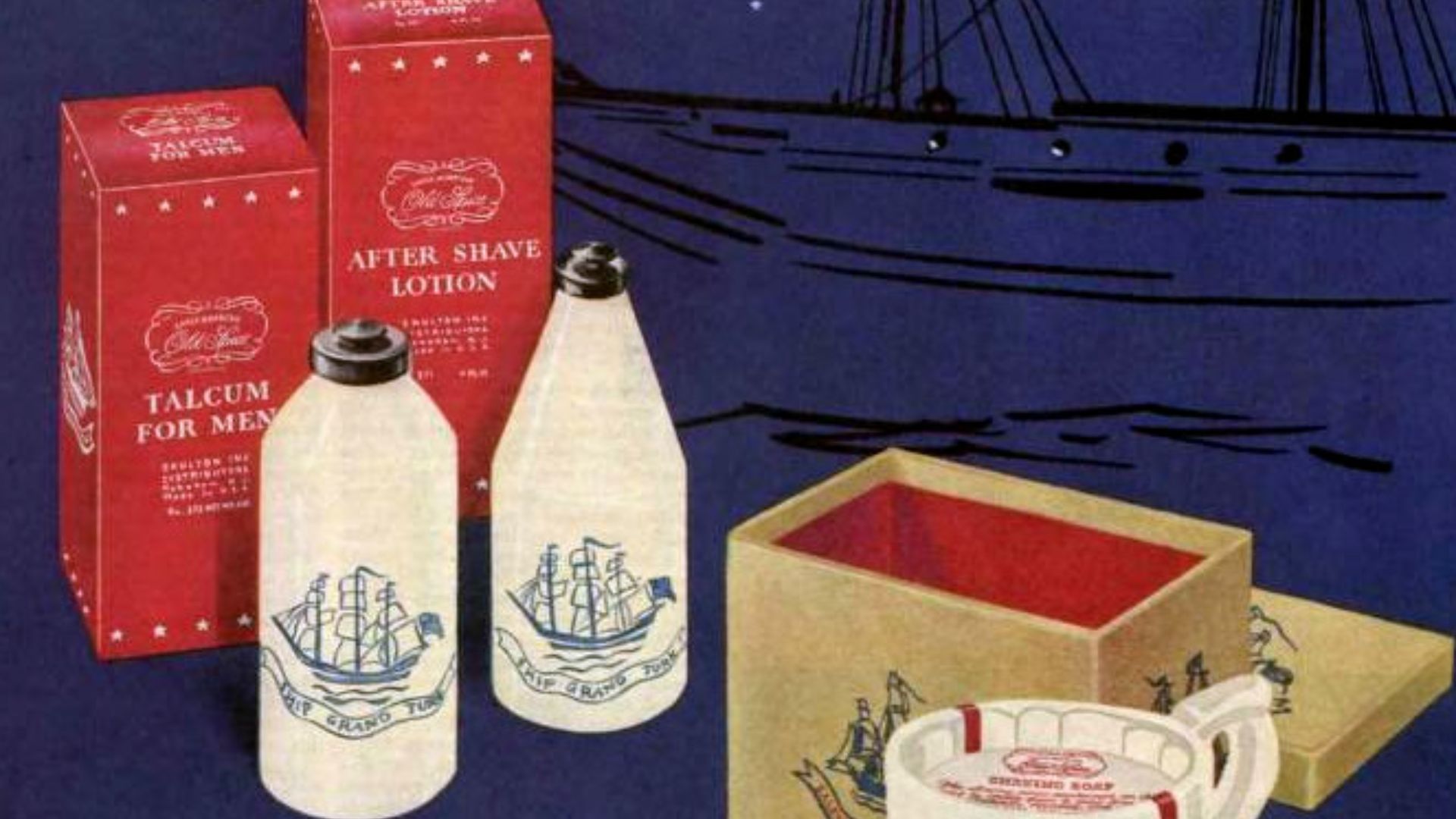 Shulton, Inc., Wikimedia Commons
English Leather From Head To Toe
English Leather encouraged men to wear the same fragrance across aftershave, cologne, deodorant, soap and other products. That created a consistent scent, although “consistent” may be understating it. A fully layered English Leather man probably entered the room several moments before the rest of him.
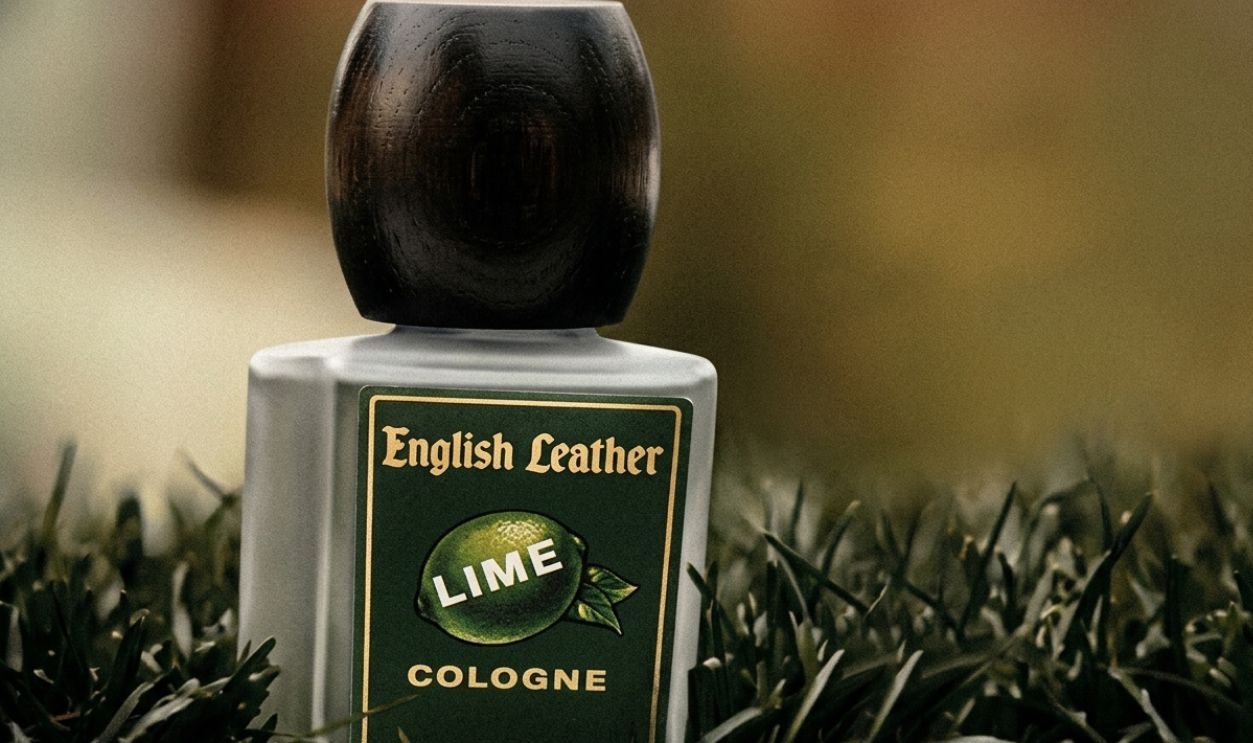 Screenshot from English Leather Lime Cologne, MEM Company (1971), Modified
Vaseline Hair Tonic
A 1966 advertisement claimed Vaseline Hair Tonic would “bring out the male” in a man’s hair. How hair could possess a gender remained unexplained. The tonic added control and shine, but the suggestion that masculinity came from a carefully oiled side part was certainly ambitious.
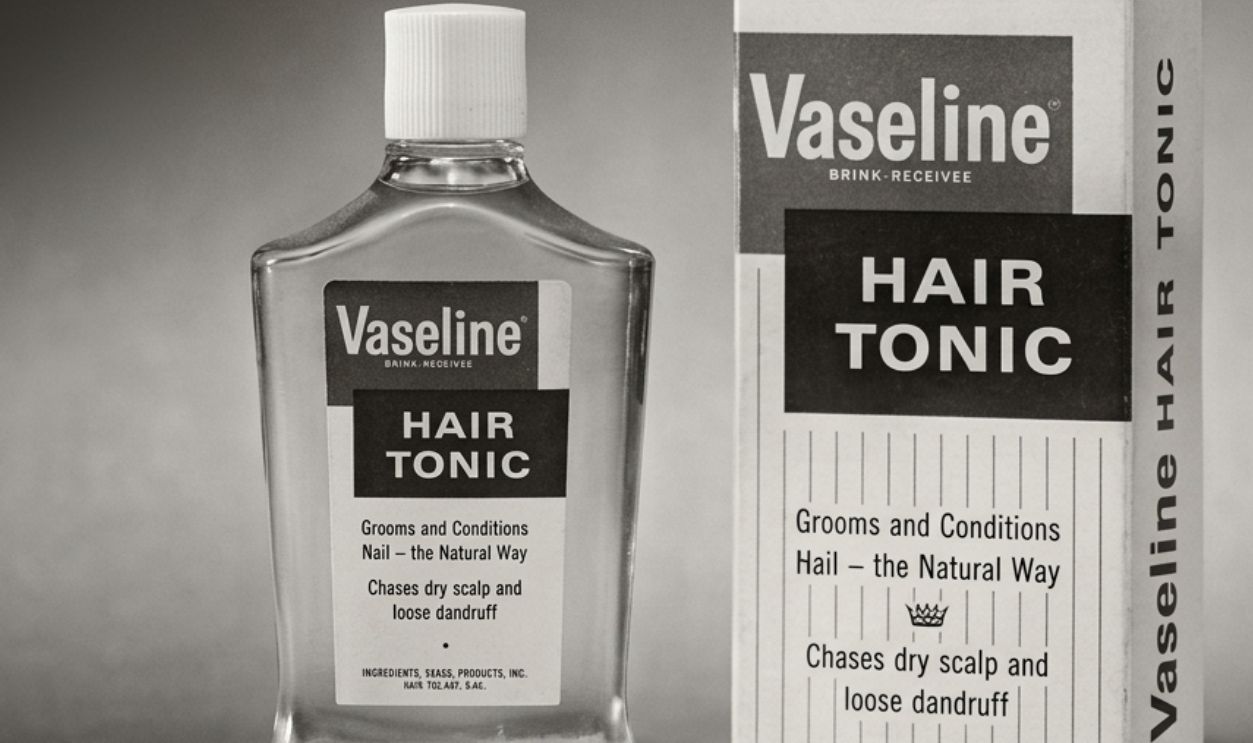 Screenshot from Vaseline Hair Tonic, Chesebrough Manufacturing Co. (1961), Modified
Mennen Millionaire
Mennen’s 1979 advertising claimed the company had issued a million-dollar challenge to create the ultimate masculine fragrance. The resulting cologne arrived in suitably gold-colored packaging. Whether anyone actually smelled like a millionaire was apparently left for the people standing nearby to decide.
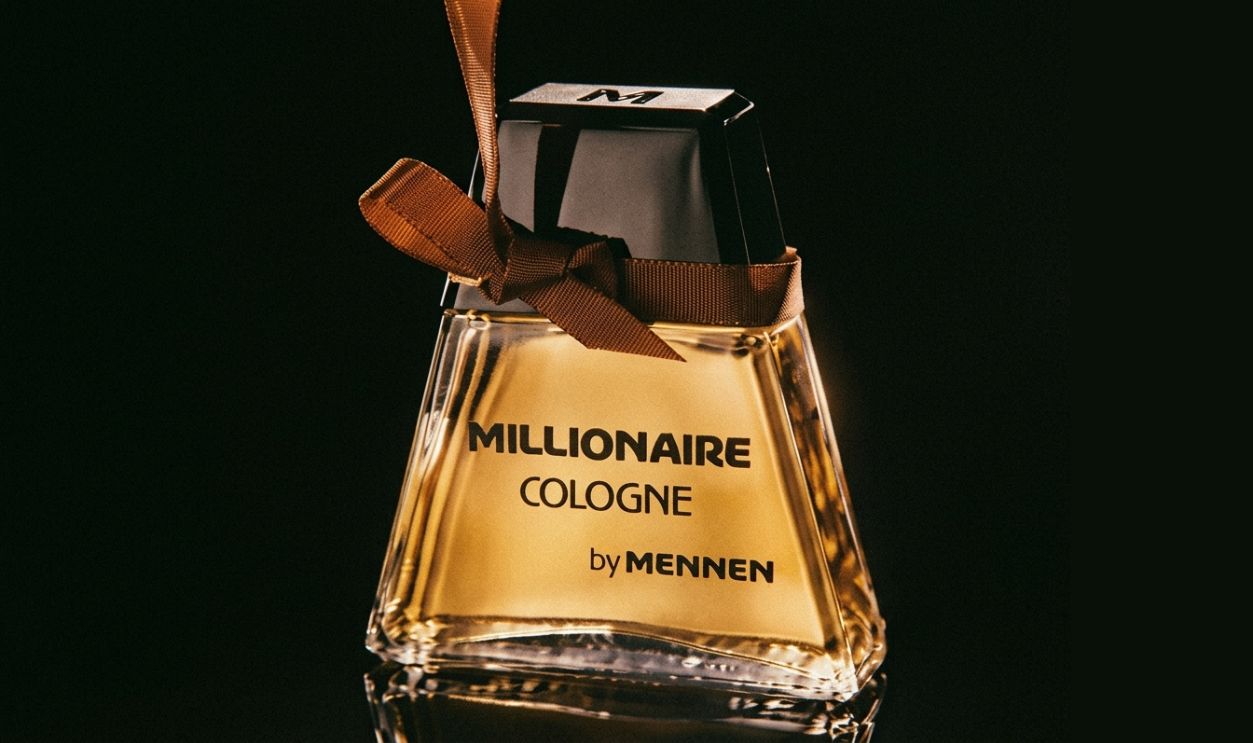 Screenshot from Millionaire Cologne by Mennen, The Mennen Company (1979), Enhanced
Pantene’s Hair Fitness Program
Pantene marketed its early-70s men’s products as a “physical fitness program” for hair. The regimen included shampoo, conditioner, hair groom and hair lotion. Men weren’t merely washing their hair anymore. They were apparently sending every strand through an intensive training program.
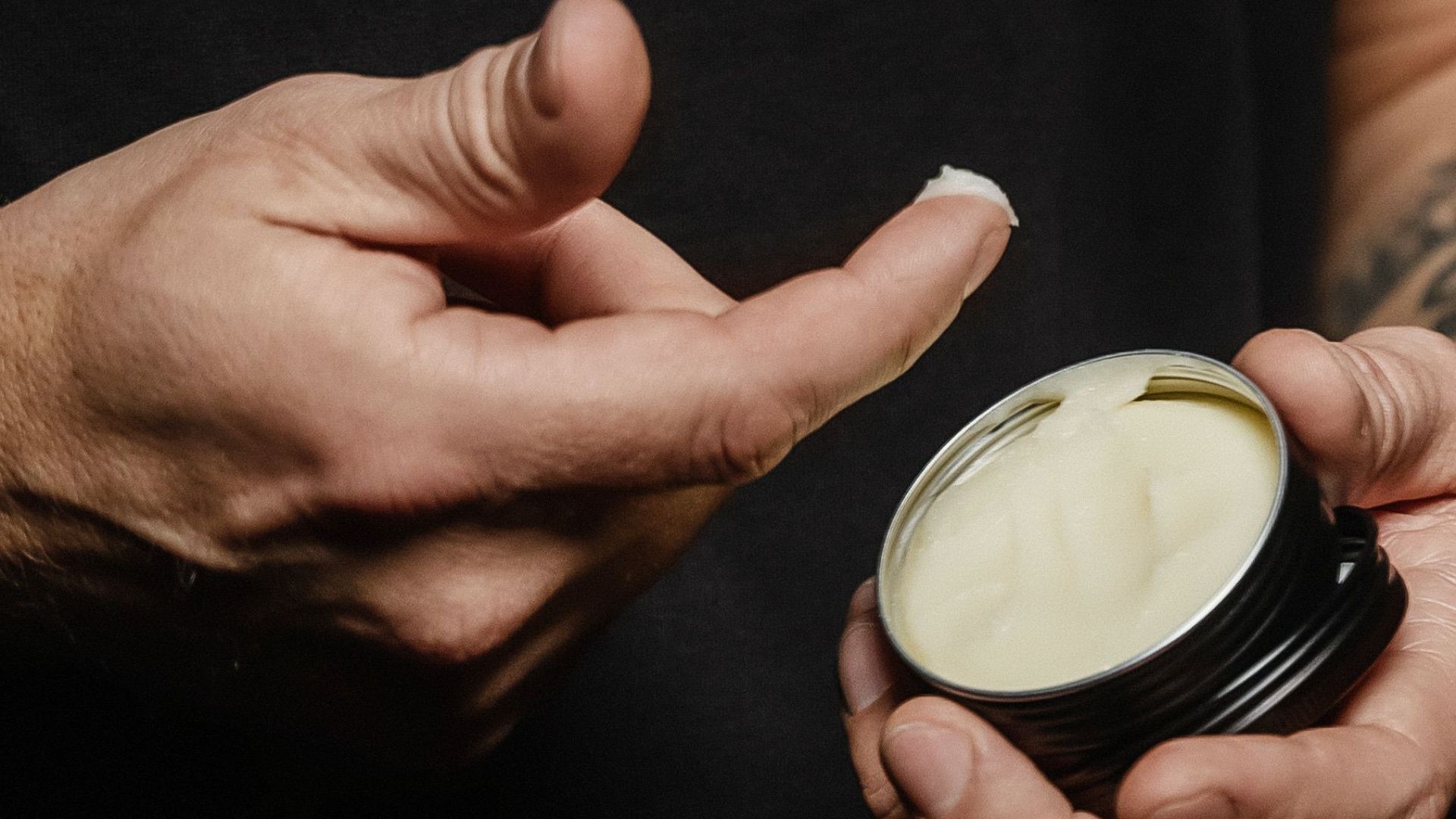
Duke Greaseless Pomade
Duke promised to hold even wiry hair perfectly in place without leaving it greasy. Its advertisements also assured men that women loved the “Duke Look.” The product may have controlled stubborn hair, but expecting one jar of pomade to transform someone’s romantic prospects was asking an awful lot.
Jovan Musk Oil For Men
Jovan Musk Oil became one of the defining fragrances of the 70s by suggesting that musk could dramatically increase a man’s appeal. Subtlety was not really part of the plan. The scent was meant to be noticed, and men frequently applied enough to ensure that nobody could possibly miss it.
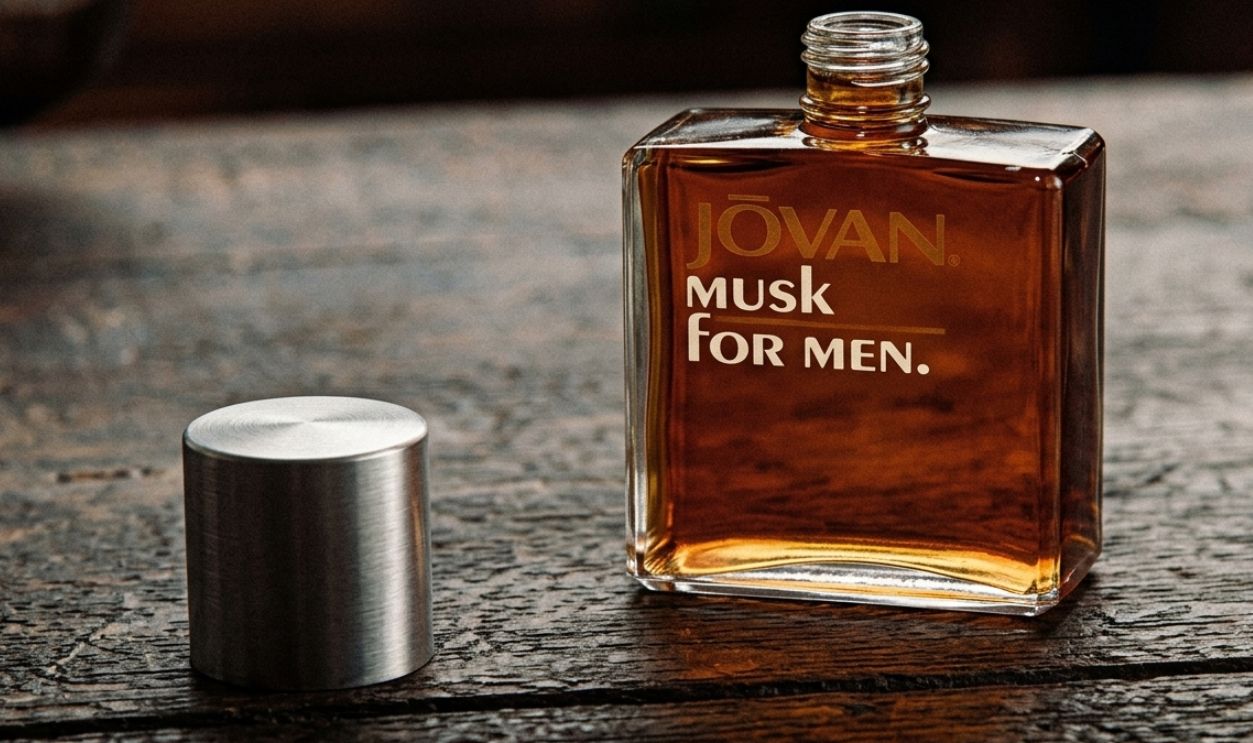 Screenshot from Jovan Musk Oil For Men, Jovan, Inc. (1973), Enhanced
Excalibur Spray Talc
Avon’s Excalibur line included fragrance, soap-on-a-rope and aerosol talc. Yes, men could spray scented powder onto themselves from a can. It combined the drifting cloud of an aerosol with the mess of talcum powder, solving a bathroom problem that probably never existed.
You Might Also Like:
Things Employers Used To Pay For That Workers Are Increasingly Expected To Buy Themselves