Six Centuries Of Bewilderment
For more than six centuries, the Voynich Manuscript has baffled historians, linguists, cryptographers, and all manner of eccentric amateur supersleuths. Dating way back to the early 15th century, this mysterious codex is filled with strange plants, astronomical diagrams, and flowing text written in an unknown script. Recent research suggests scholars may be on the verge of finding out how it was created, and helping to understand its origins.
 Beinecke Rare Book & Manuscript Library, Yale University, Wikimedia Commons; Factinate
What Is The Voynich Manuscript?
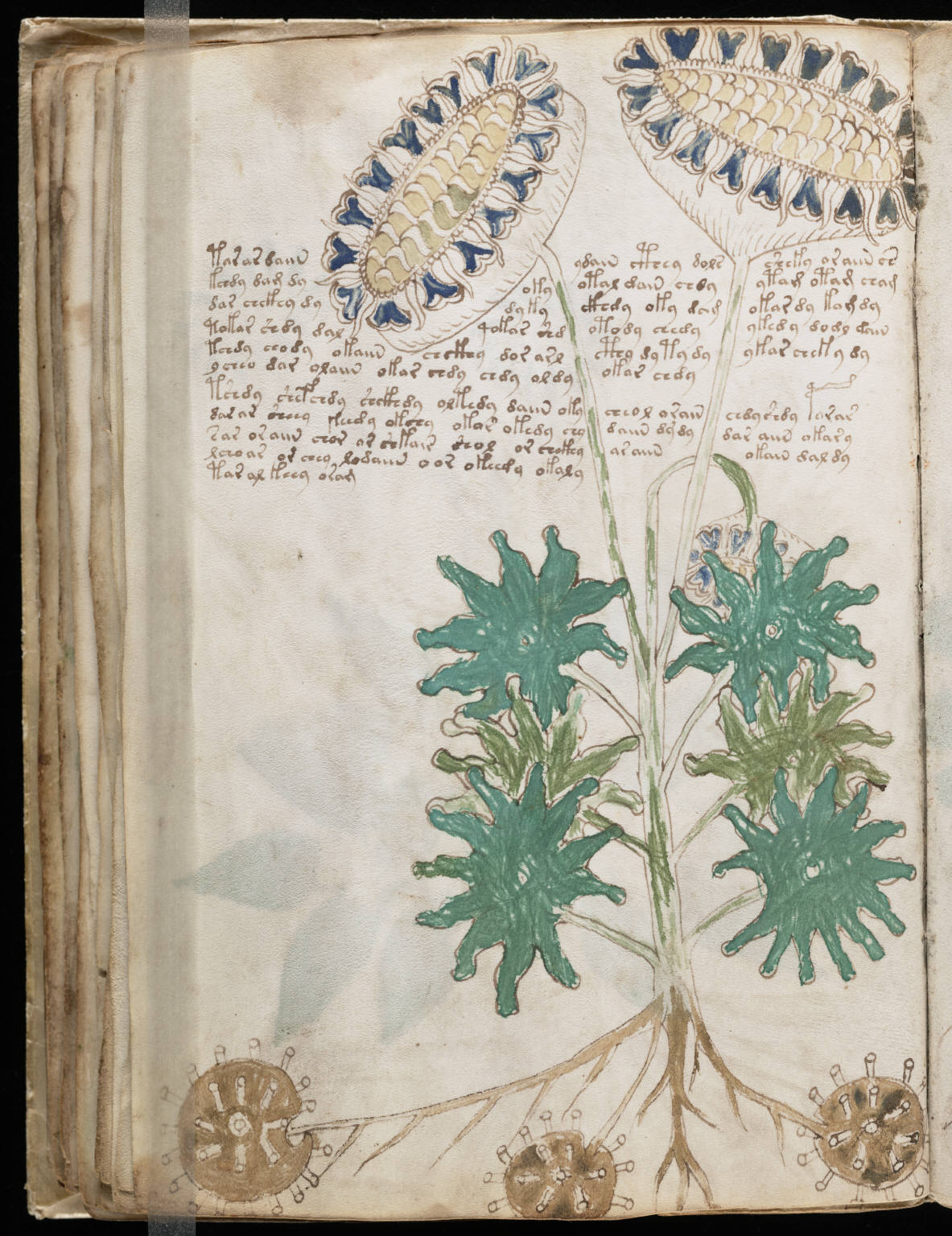
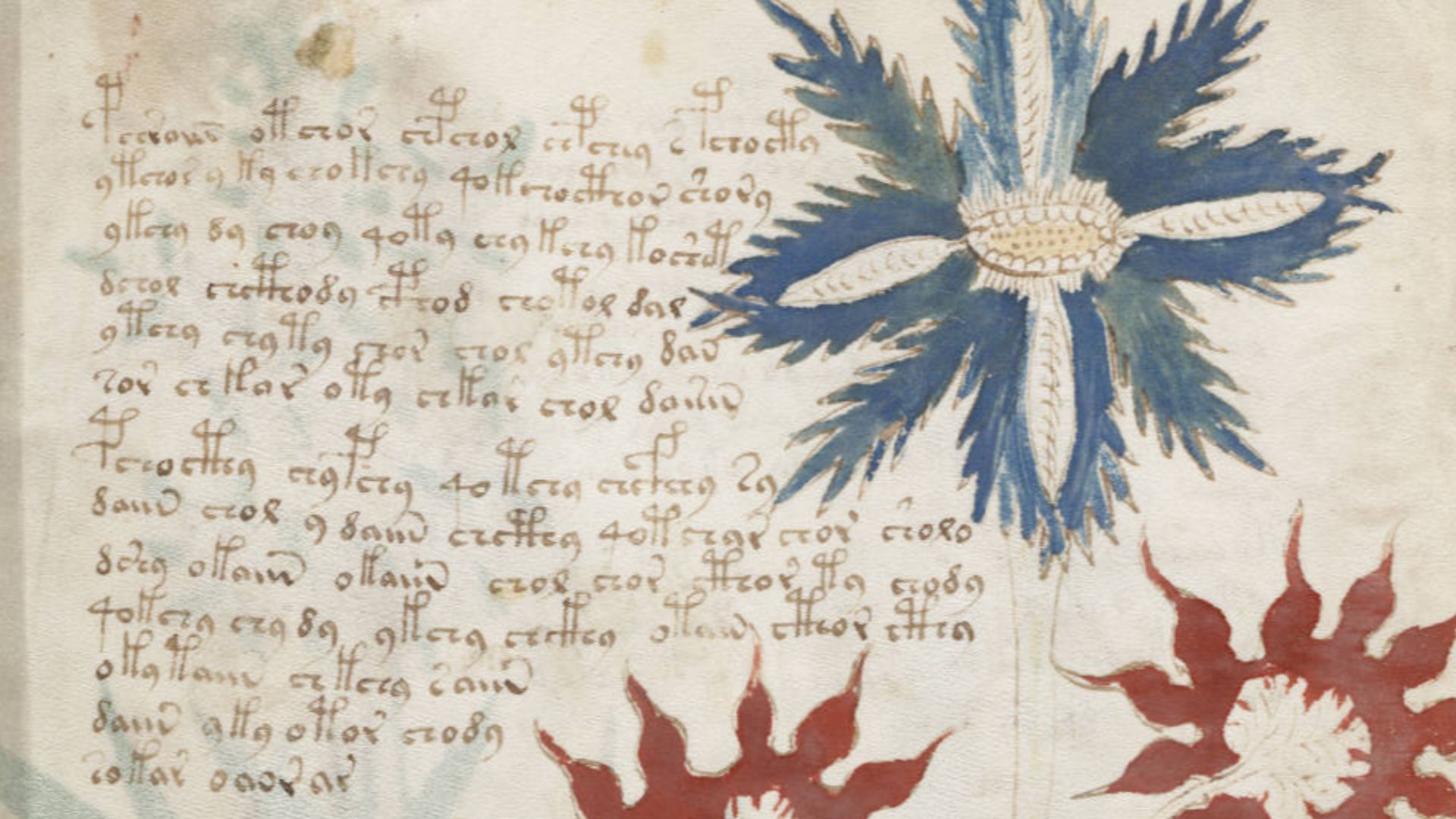
The Voynich Manuscript is an illustrated medieval codex written in a coded script that has never been conclusively deciphered. Radiocarbon testing of the vellum dates it sometime between 1404 and 1438. This date range anchors the manuscript in the late medieval period. While its text appears to be structured like a language, no known language matches it. This is what makes it one of history’s most enduring literary enigmas.
 Unknown authorUnknown author, Wikimedia Commons
Physical Description Of The Codex
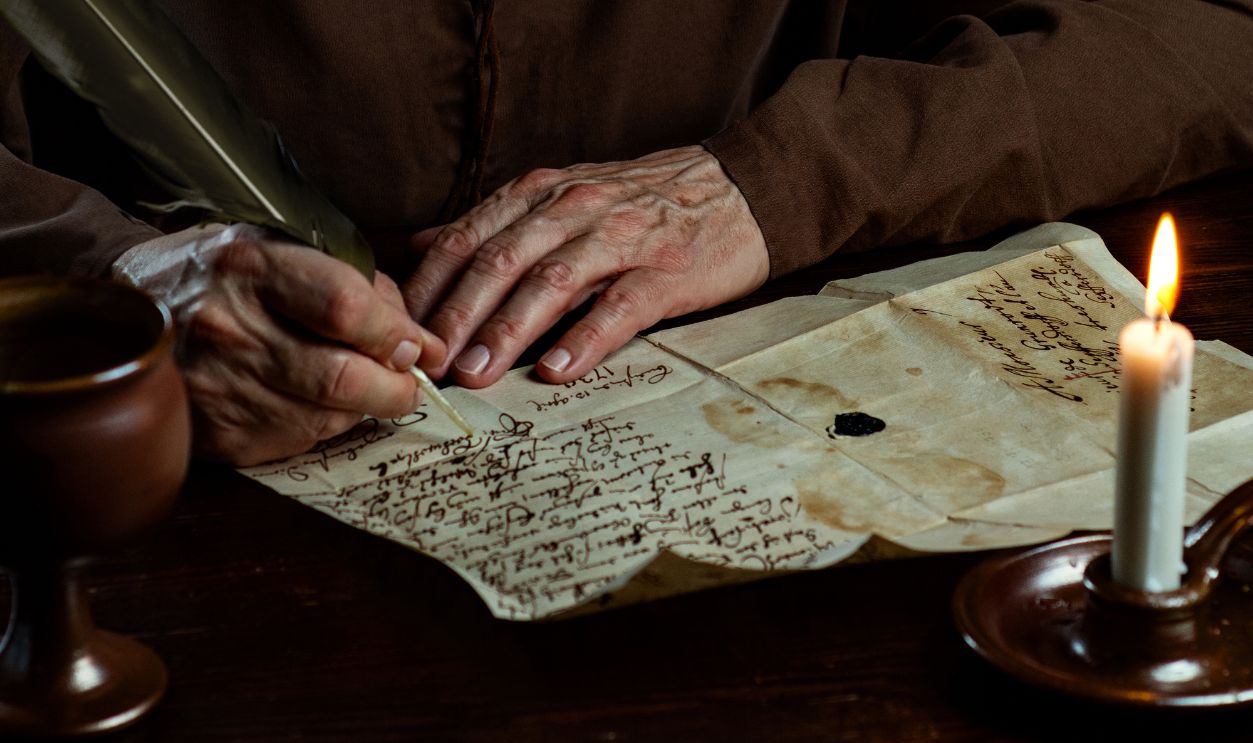
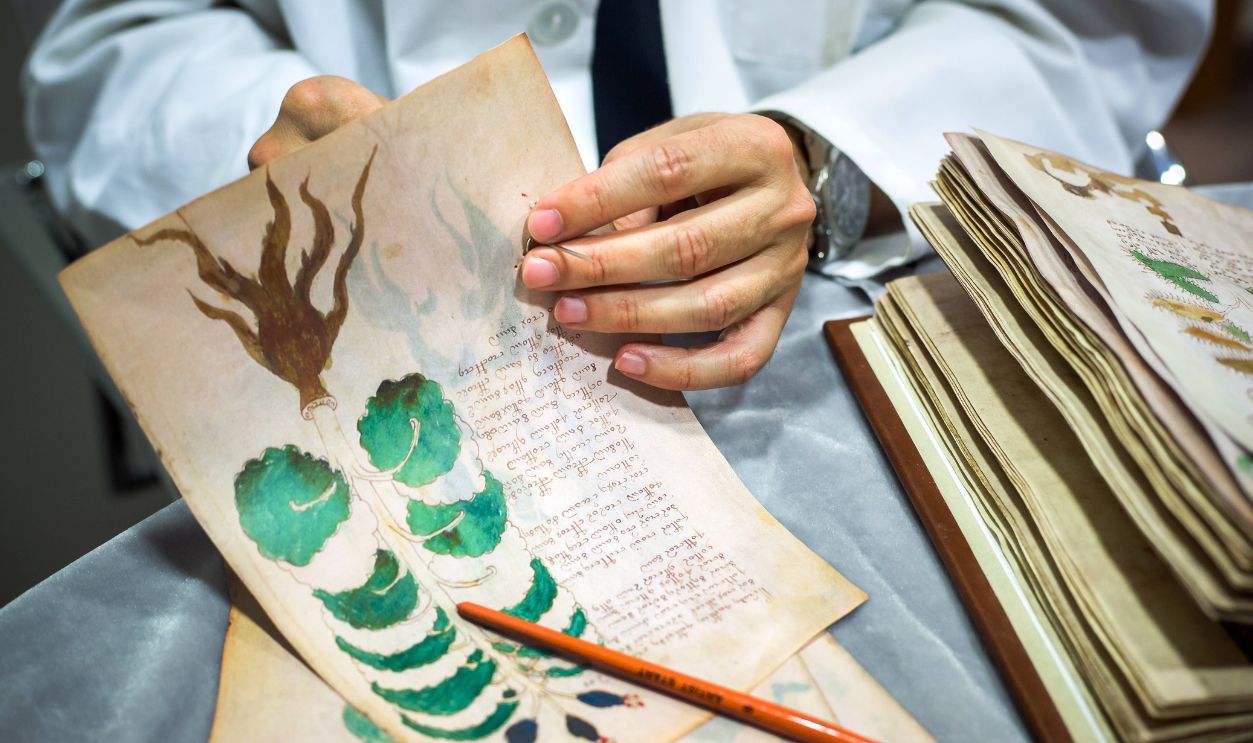
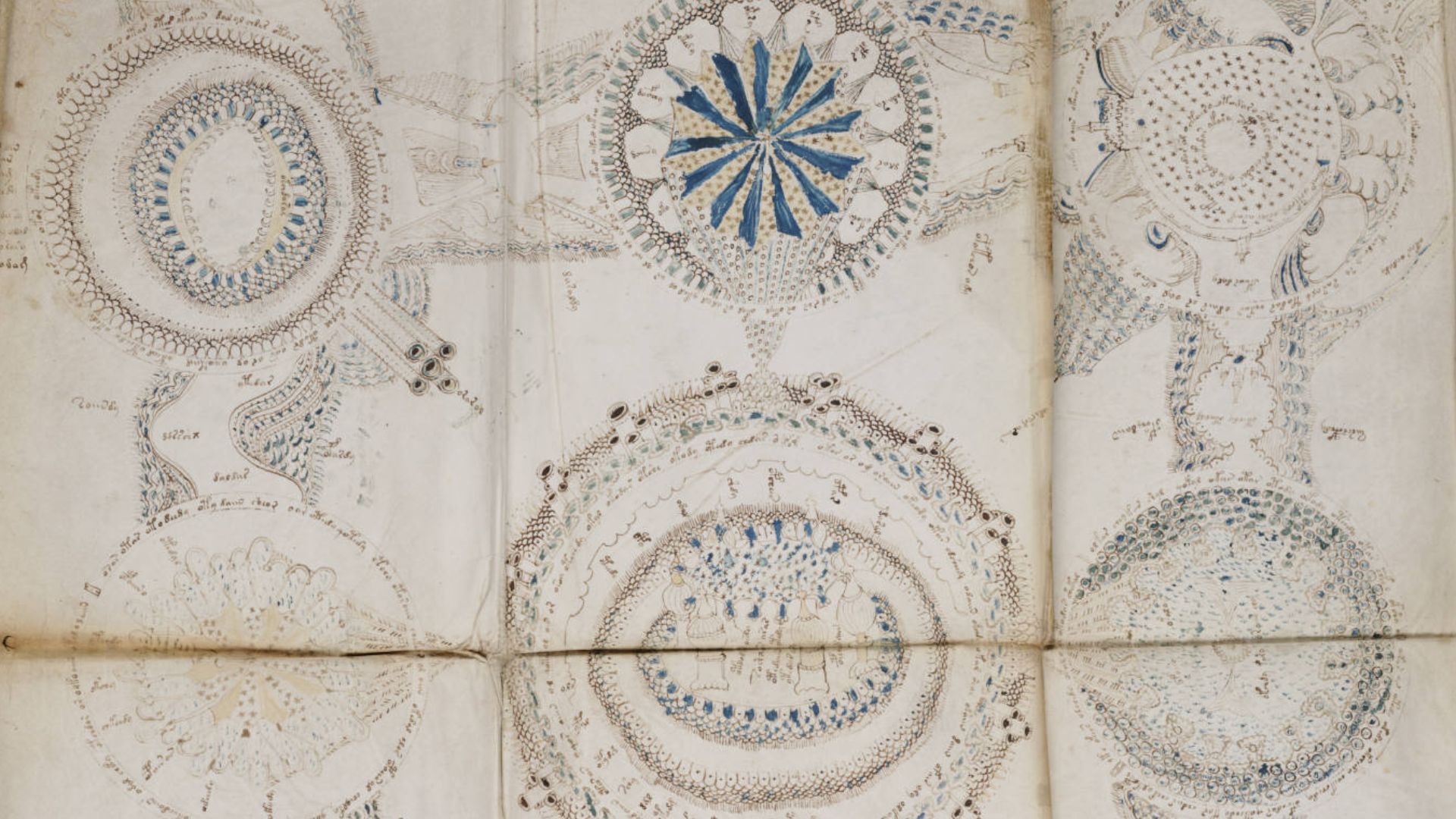
The manuscript currently contains about 240 surviving pages, though some pages are missing. It’s written on fine vellum made from calfskin, suggesting that it was an expensive commission. The ink flows smoothly and consistently, and many of the pages show elaborate illustrations. These images look carefully planned rather than casually added, which supports the notion that this was a serious and intentional work.
Mysterious Script
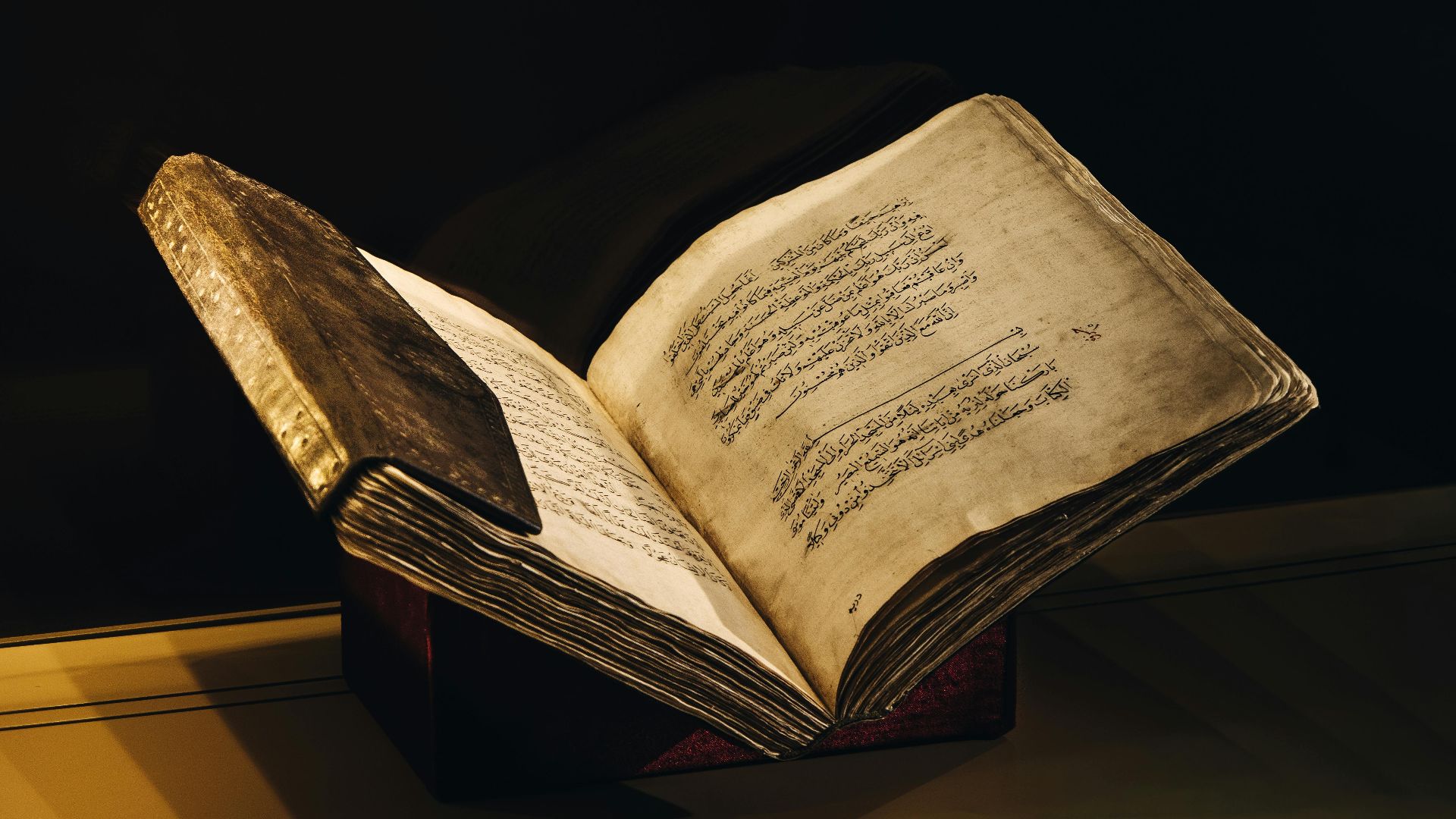
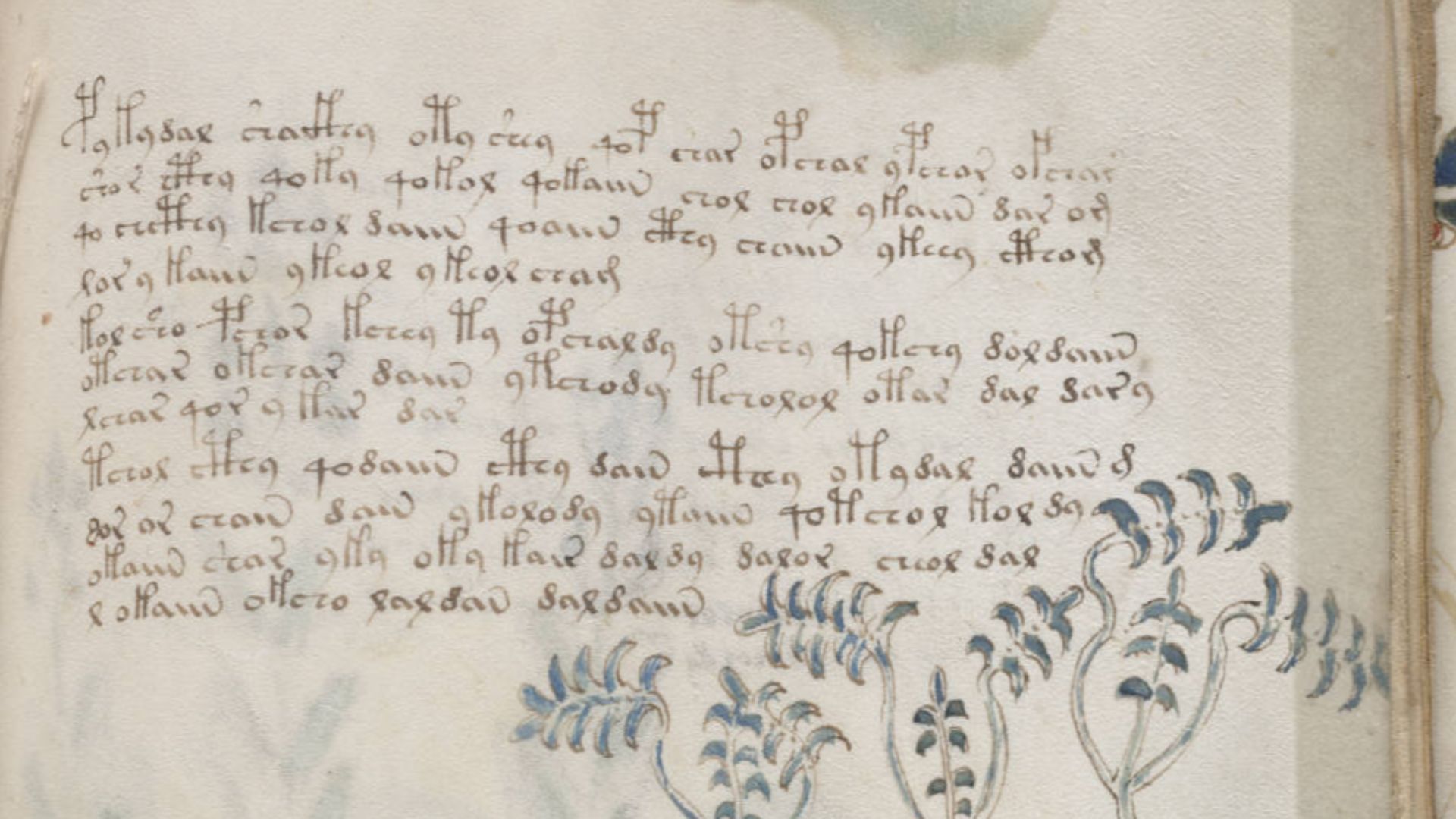
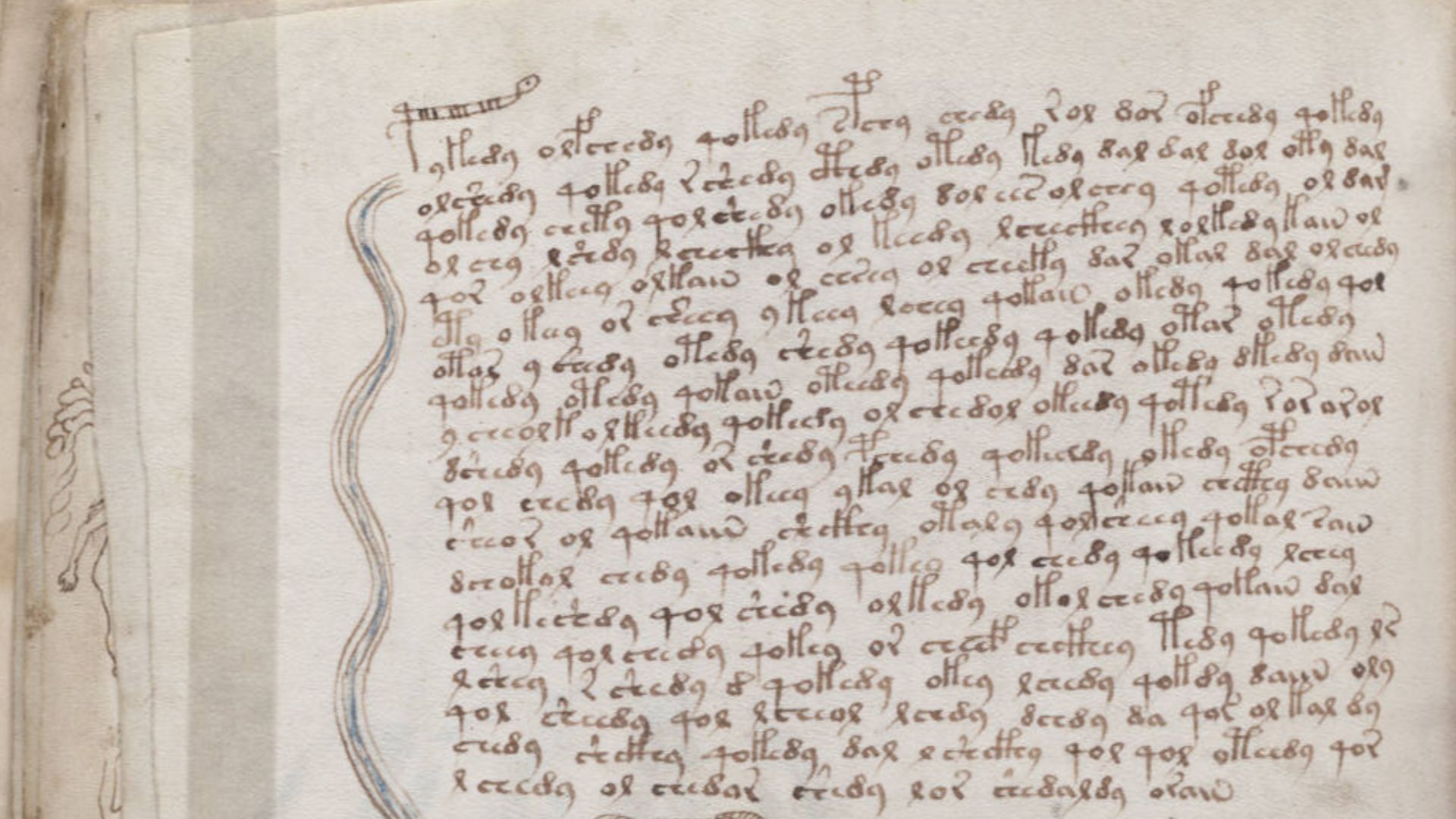
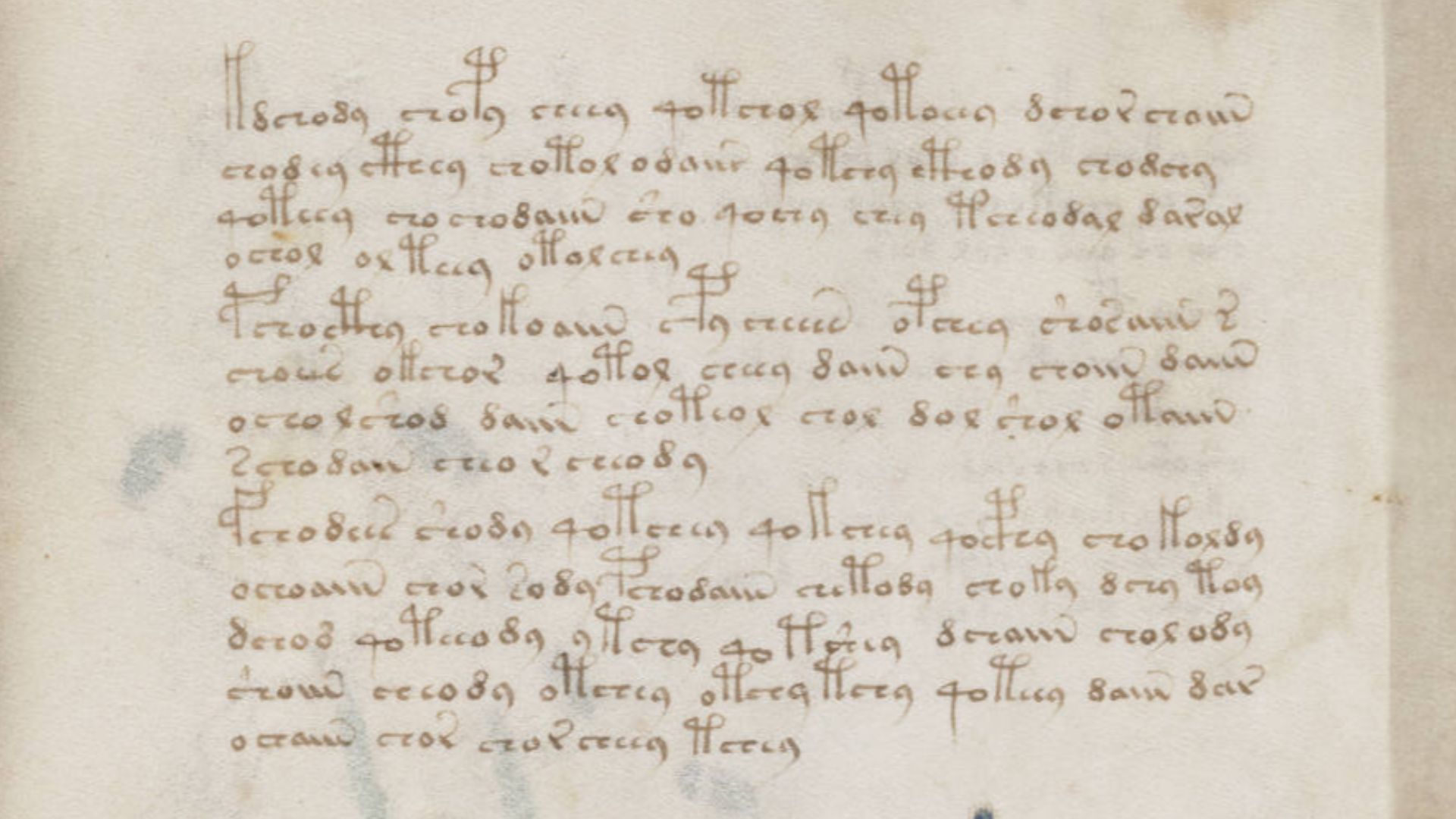
Researchers refer to the manuscript’s writing system as “Voynichese.” This is a flowing script of roughly two dozen core characters with additional variants. Word patterns repeat in statistically meaningful ways, which suggests a grammatical structure. But even after decades of effort, no one has come up with a bilingual key, translation, or linguistic match. Experts aren’t sure whether it encodes a real language or is something more artificial.

History's most fascinating stories and darkest secrets, delivered to your inbox daily.
Illustrated Sections And Themes
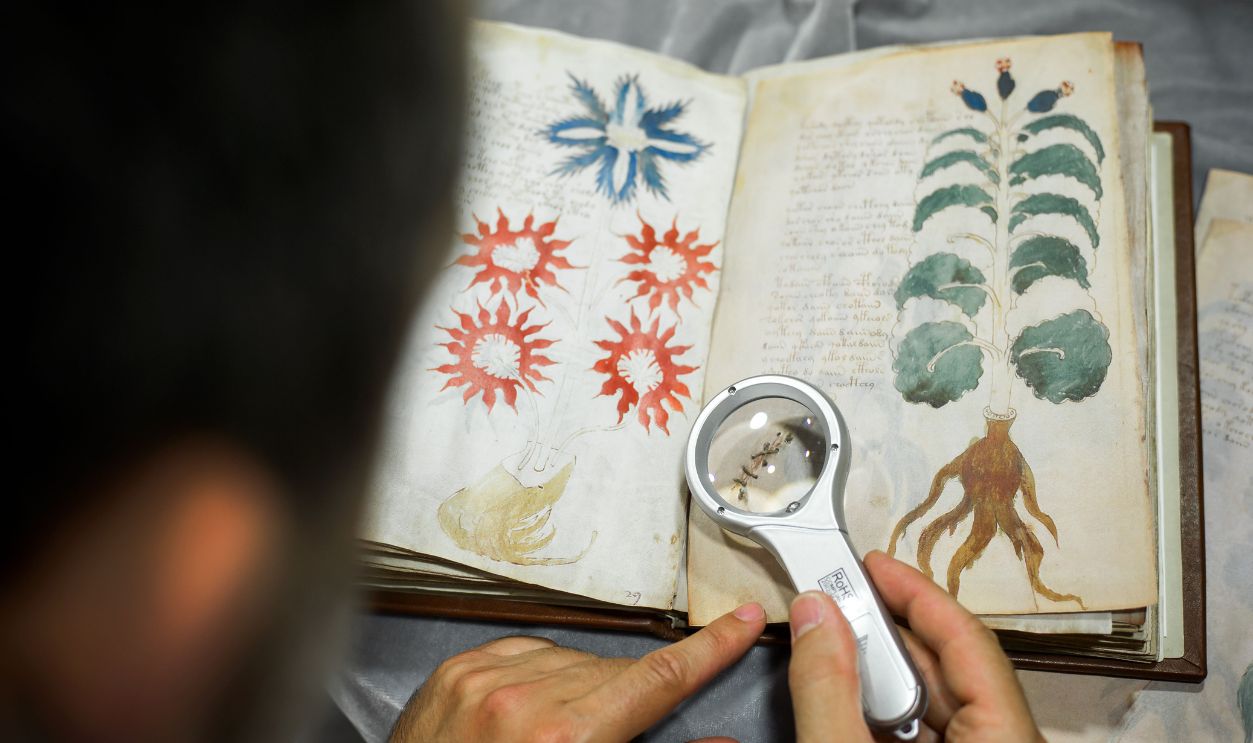
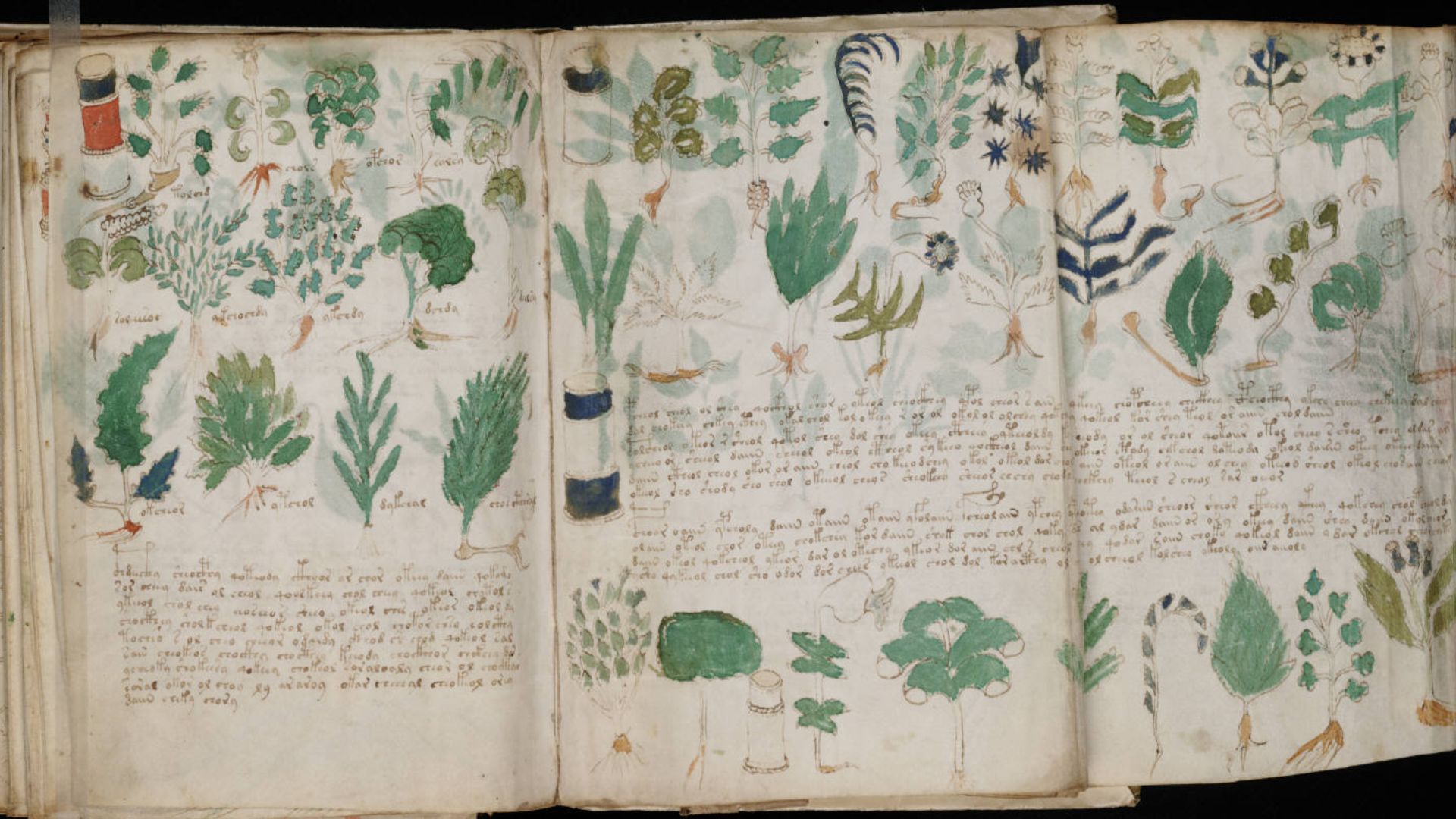
Researchers typically like to divide the manuscript up into thematic sections based on its illustrations. These include: a herbal section filled with strange plants; a cosmological section with zodiac diagrams; a biological section showing bathing women in strange pools, and what appears to be a pharmaceutical section with jars and plant fragments. The imagery hints at some kind of scientific or medicinal purpose, though nothing is definite.
Early Speculation About Its Purpose
Ever since the book resurfaced in the modern era, scholars have squabbled over the manuscript’s intent. Is it a medical encyclopedia, an alchemical manual, a coded political document, or just an elaborate hoax? Its consistent script suggests some kind of genuine intent, and not just meaningless nonsense. But with no recognizable language, all we can do is speculate about its true function and intended audience.
First Known Owner
The earliest confirmed historical reference to anyone possessing the manuscript comes from Georg Baresch. He was an alchemist who lived in Prague in the 17th century. Baresch described the book as a perplexing artifact that he couldn’t make heads or tails of, referring to it as a “Sphynx.” At his wit’s end, he sent copies of some of the pages to scholars imploring them for help. This marks the first attempt to crack the manuscript’s mystery.

Possible Connection To Emperor Rudolf II
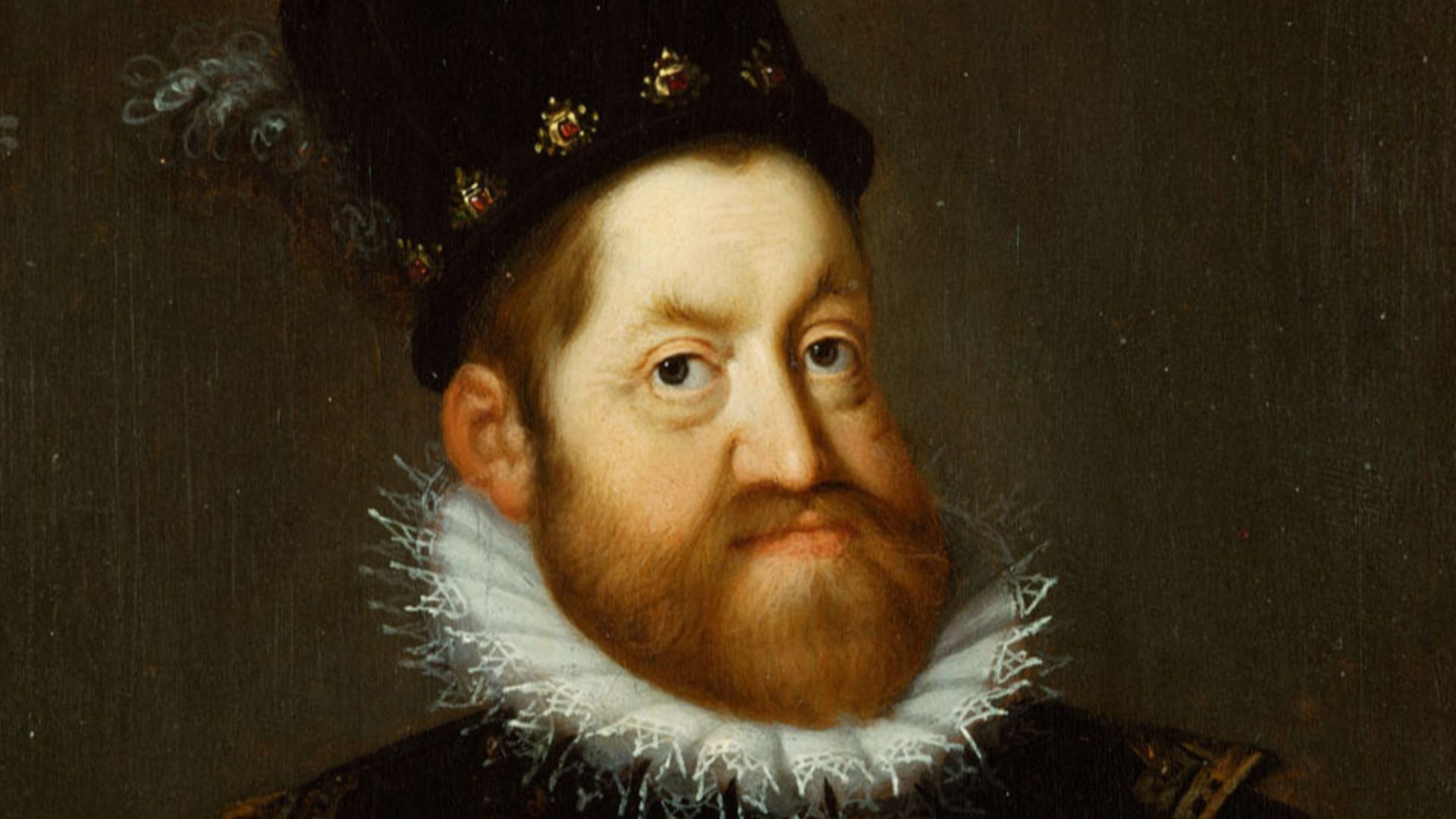
A letter found later suggests that the Holy Roman Emperor Rudolf II may have bought the manuscript in the late 16th century for 600 ducats (gold pieces), a major sum at the time. Rudolf was well known for his interest in alchemy, astrology, and scientific curiosities. It was entirely plausible that the strange manuscript found a place at Rudolf’s court amongst the other bric-a-brac of his collection, but all we have to go on is the contents of the letter.
 Joseph Heintz the Elder, Wikimedia Commons
Later Custody In Prague
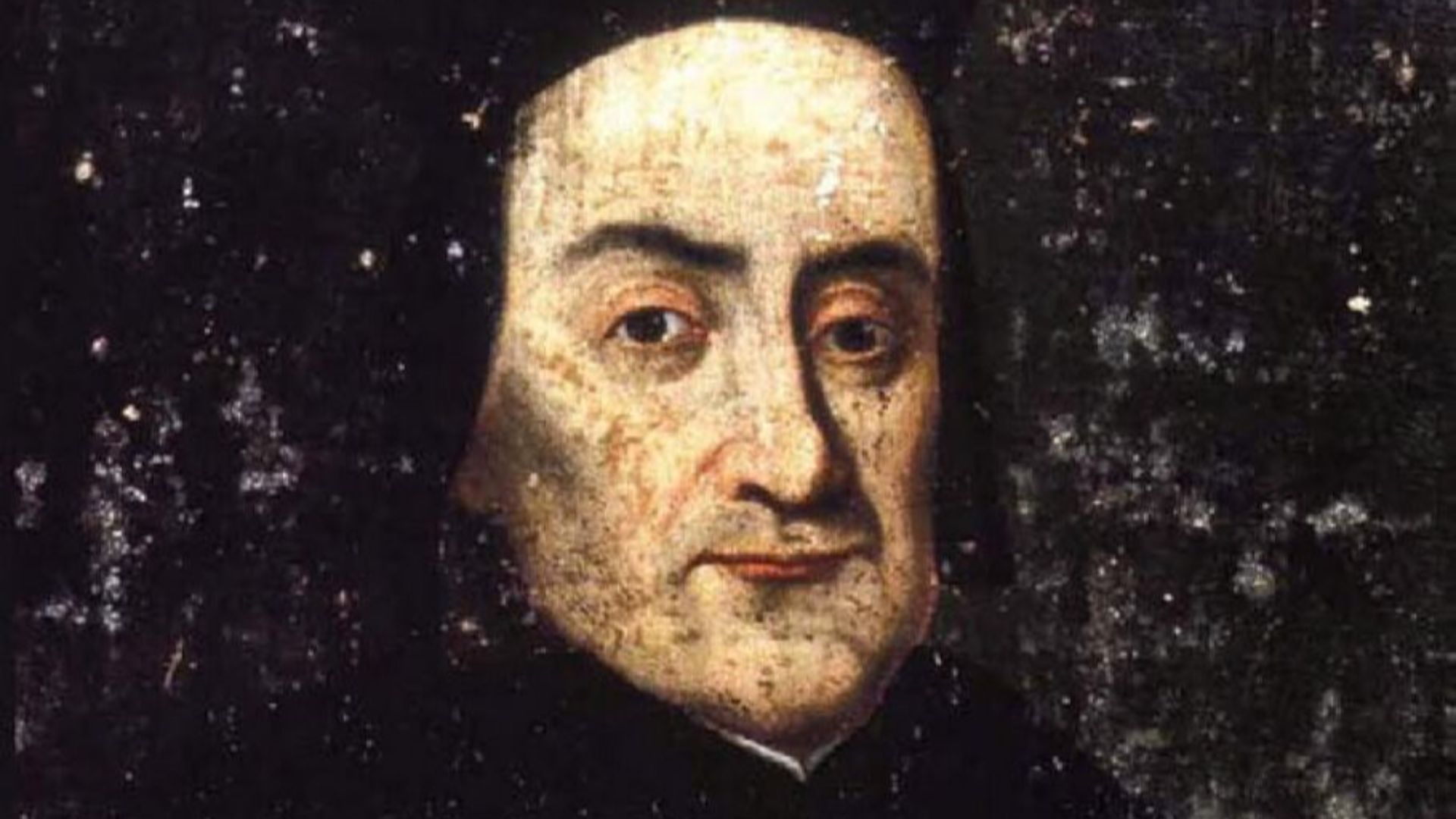
After Baresch, the manuscript passed to Jan Marek Marci (1595–1667). Marci was a medical doctor and scholar who later sent it to the Jesuit polymath Athanasius Kircher (1602–1680) in Rome. Kircher was known for his abilities to decipher ancient scripts, and Marci hoped that Kircher could unravel the manuscript’s secret. But Kircher apparently had no success in translating the mysterious script.
 Unknown authorUnknown author, Wikimedia Commons
Disappearance And Rediscovery
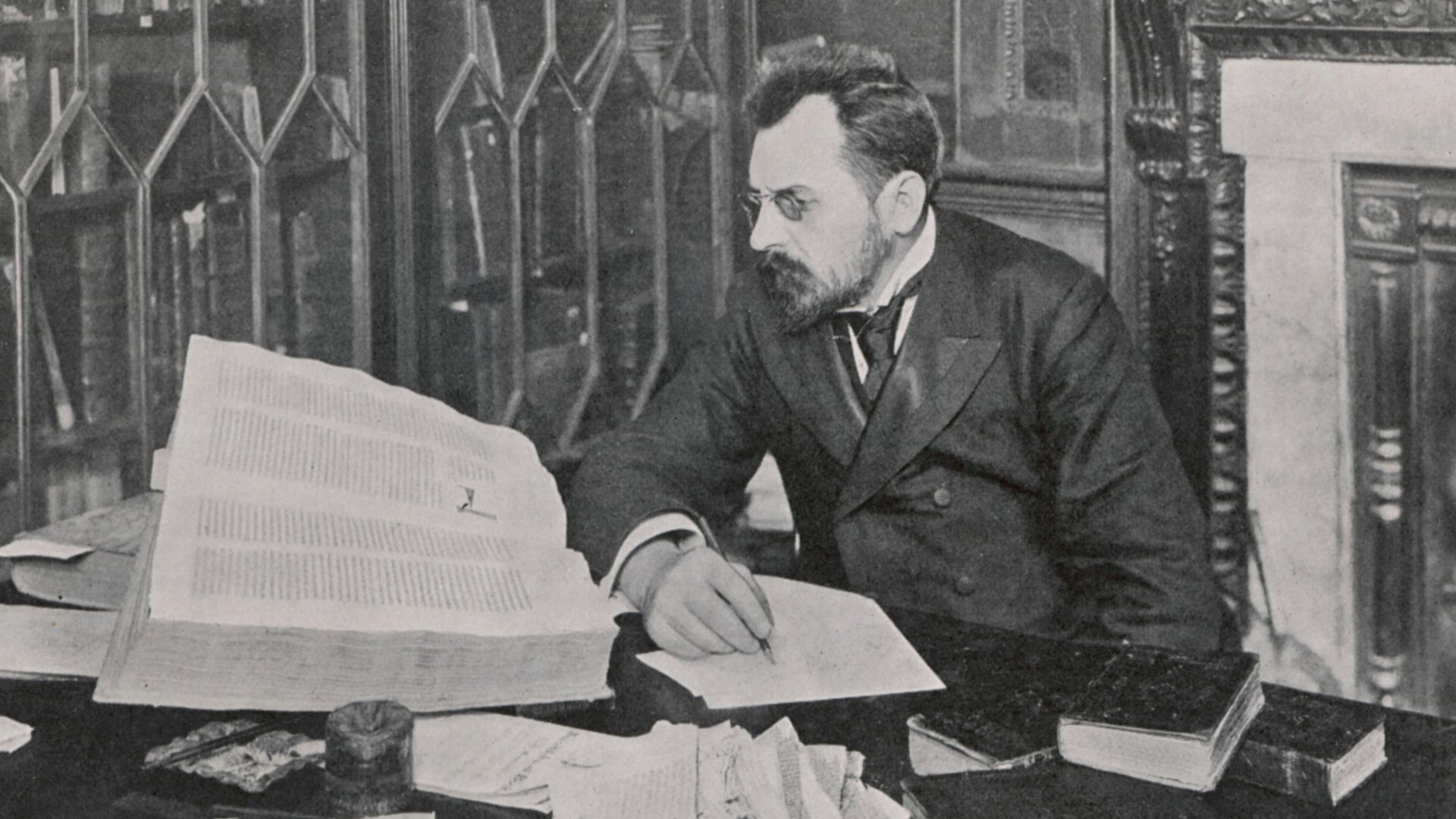
Following its transfer to Rome and Kircher, the manuscript pretty much vanished from public awareness for centuries. It stayed squirreled away in the Jesuit collections until 1912, when Wilfrid Voynich acquired it from a Jesuit college near Rome. From Poland, Voynich ran one of the biggest rare book businesses in the world. He was the one who introduced the manuscript to the modern world and had his name attached to it ever since.
 Unknown authorUnknown author, Wikimedia Commons
History's most fascinating stories and darkest secrets, delivered to your inbox daily.
From Private Hands To Public Institution
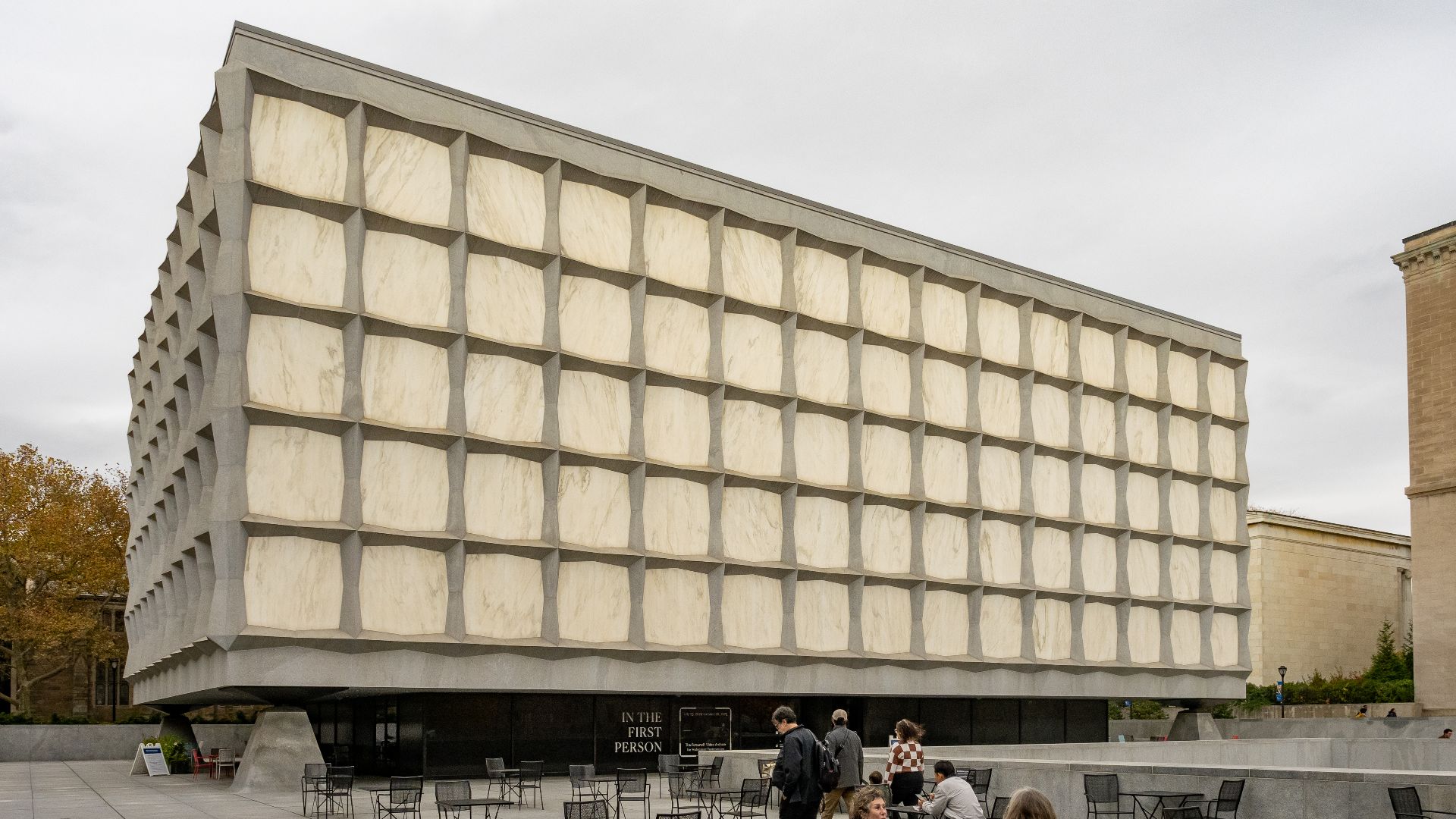
After Wilfrid Voynich’s death in 1930, the manuscript passed through several owners, including rare book dealer Hans P. Kraus. Kraus then donated it to Yale University’s Beinecke Rare Book & Manuscript Library in 1969, where it remains today. Housing the manuscript in a major university allows for greater scholarly access, preservation, and opportunities for systematic research.
 ajay_suresh, Wikimedia Commons
Digitization And Global Access
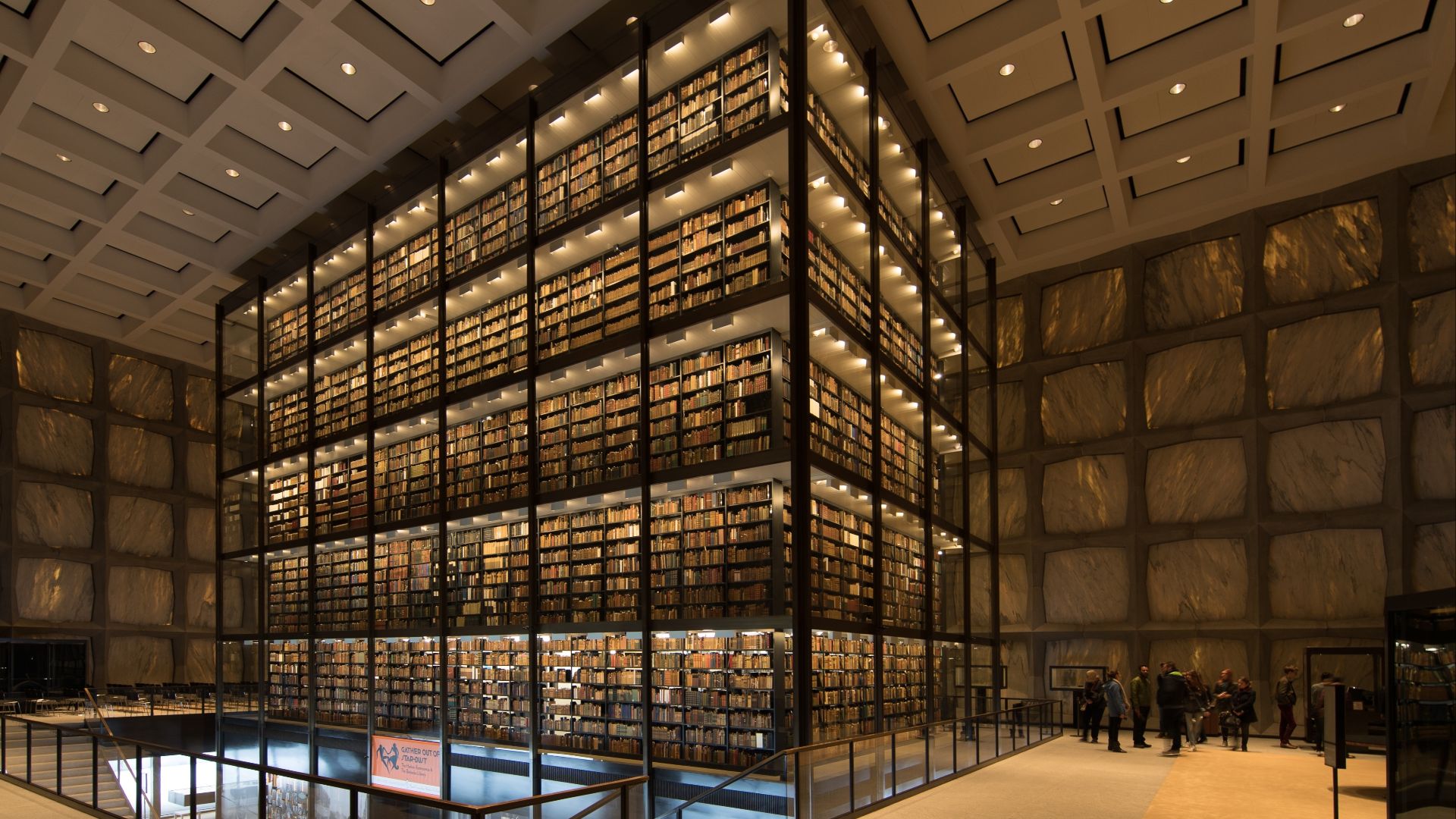
In 2020, Yale made high-resolution digital scans of the entire manuscript publicly available online. This was a major step forward in expanding public access, as now researchers could examine every page in detail from anywhere in the world. The digitization set off a new flurry of interest that has yet to die down. Computational linguists and cryptographers can now analyze its crazy-looking patterns with modern tools.
 Michael Kastelic, Wikimedia Commons
Earlier Claims Of Decipherment
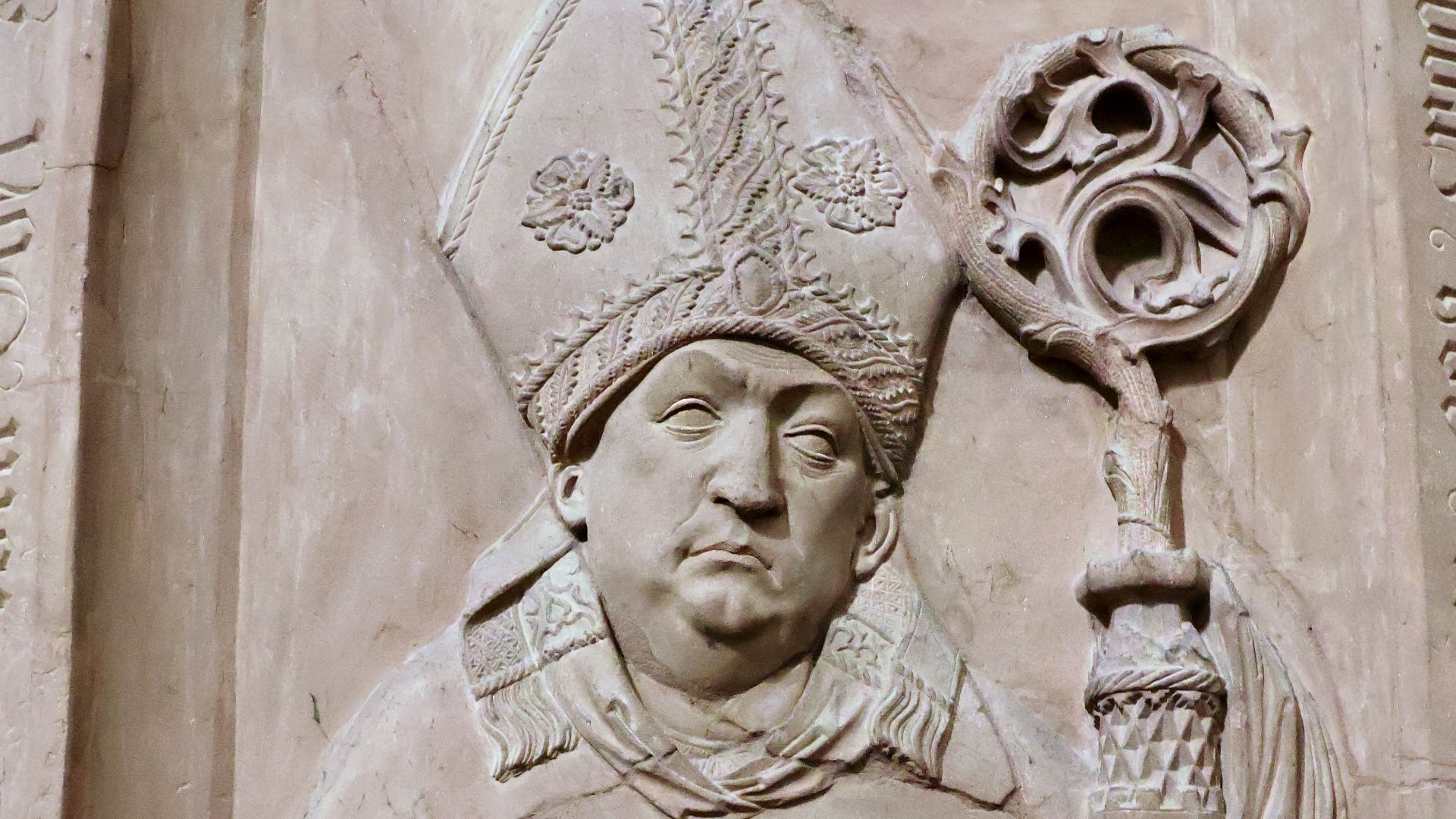
Over the decades, several researchers have stepped forward claiming to have deciphered the manuscript. These interpretations have ranged from extinct medieval dialects to early Romance languages. But most of these proposed solutions have failed to survive peer review or fallen apart under scrutiny. The problem is that a lot of them rely on subjective interpretations instead of systematic linguistic or statistical evidence.
Renewed Cipher Hypothesis
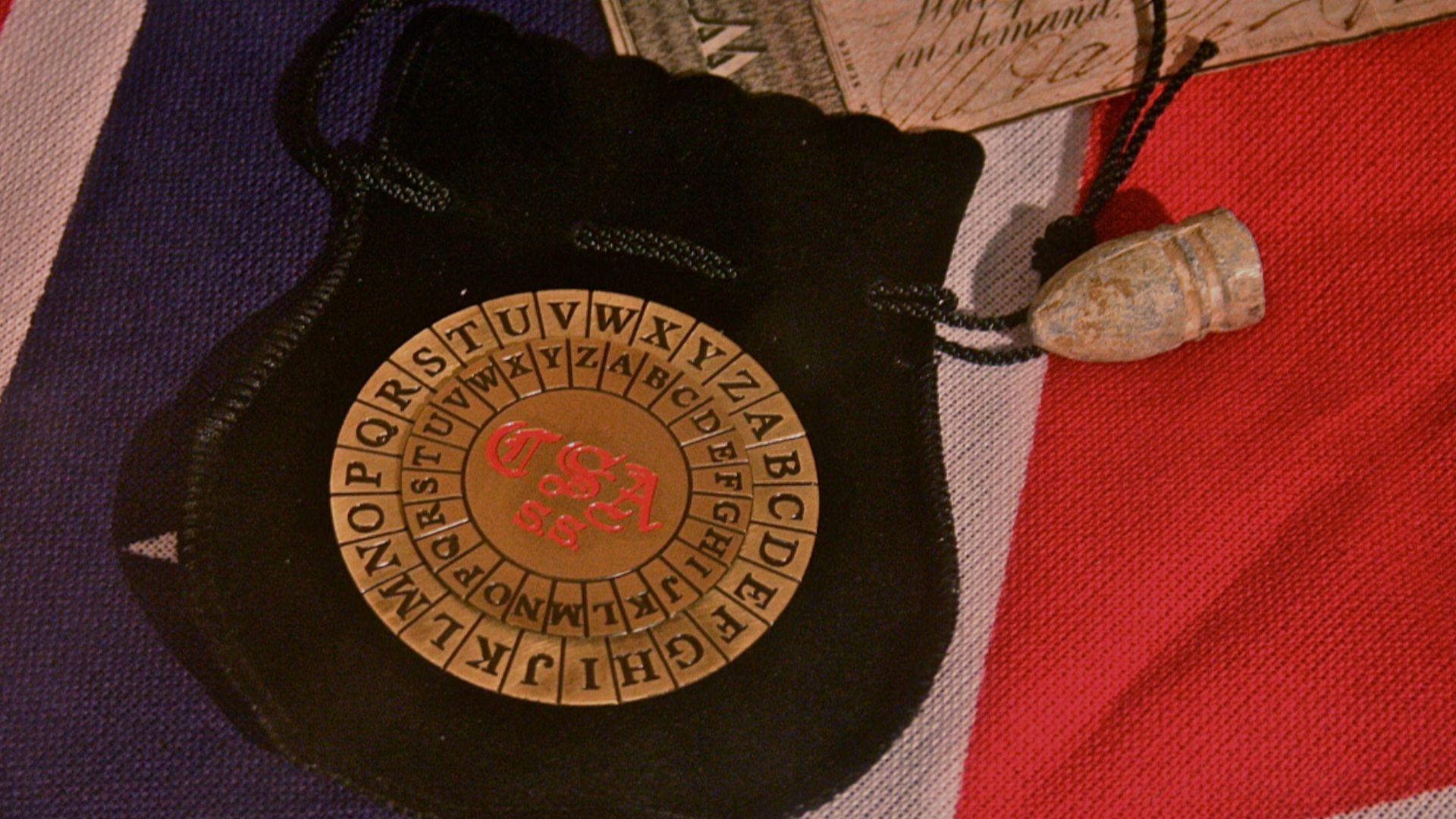
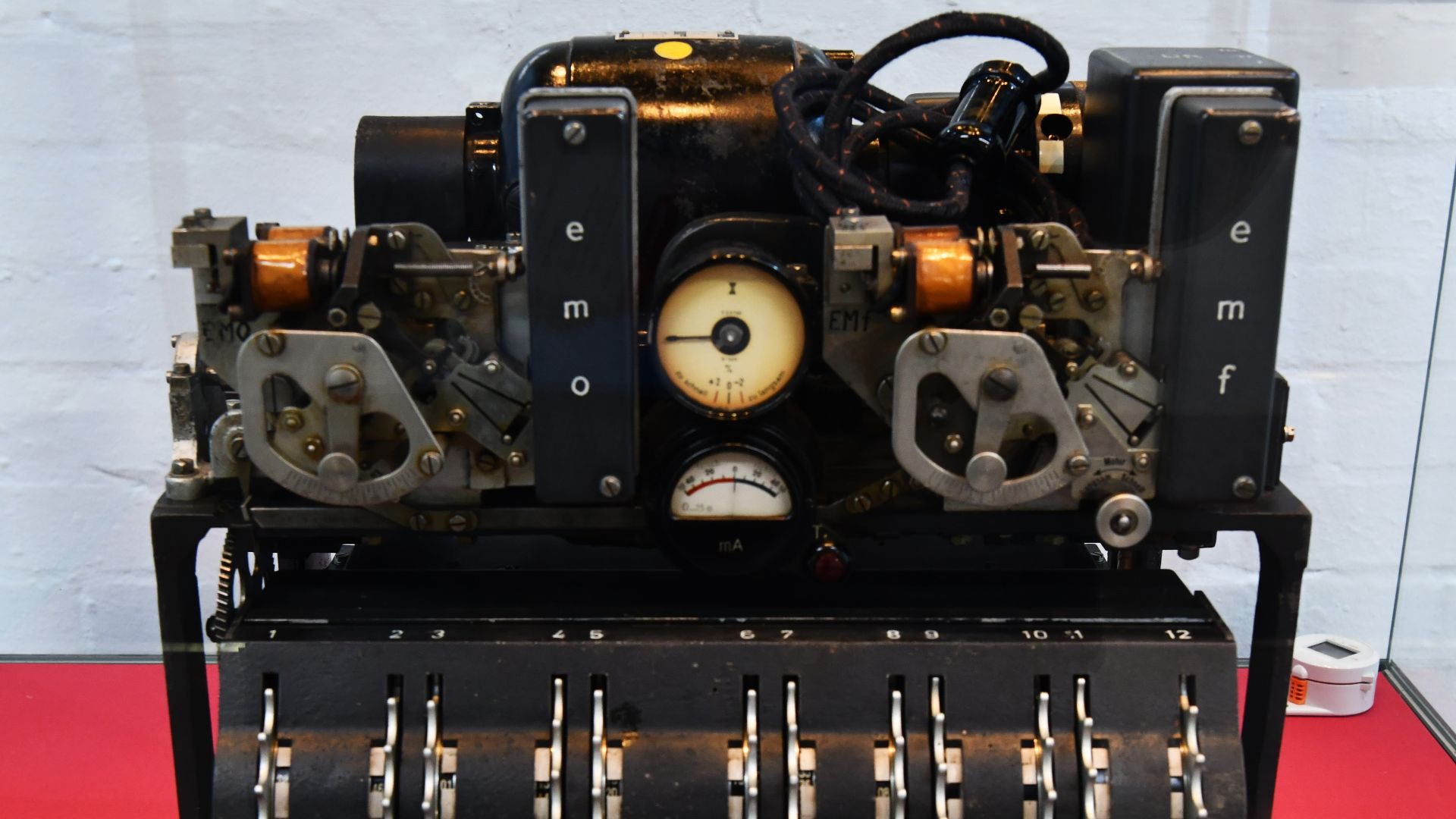
Recent research suggests the manuscript may have been created using a historically plausible cipher technique. Instead of being meaningless or purely linguistic, the text may represent encoded content transposed through a system of substitution rules. This would explain why “Voynichese” resembles a real language while still defying a straightforward translation.
 RadioFan (talk), Wikimedia Commons
Naibbe Cipher Model
One new proposal outlines a cipher mechanism sometimes referred to as the Naibbe model, inspired by card-based substitution systems that were known in medieval Europe. Researchers were able to show how Latin or Italian text could be transformed into Voynich-like strings while maintaining word length and repetition patterns that closely mirror the statistical properties seen in the manuscript itself.
 Unknown authorUnknown author, Wikimedia Commons
Structure Is All-Important
The manuscript’s word frequencies, positional patterns, and recurring clusters have the look of a genuine language, and not just random text. Statistical analysis shows consistent grammatical-like structures. If a reproducible cipher can produce those same patterns, it lends support to the argument that the manuscript carries meaningful encoded information, and not just deliberate nonsense created to deceive people.
 Unknown authorUnknown author, Wikimedia Commons
History's most fascinating stories and darkest secrets, delivered to your inbox daily.
A Partial Solution
It’s important to point out that these recent studies don’t claim to have translated the manuscript’s actual content. But they do propose a viable explanation for how the text could have been constructed. Proving a plausible medieval cipher method shortens the list of possibilities and steers the debate toward structured encryption and away from hoax theories.
 Michael Garlick , Wikimedia Commons
Beyond The Code
Beyond the simple issue of decoding, the Voynich Manuscript gives us insights into medieval curiosity about botany, astronomy, medicine, and cosmology. Even the mysterious illustrations provide clues about intellectual culture in the early 15th century. Whether it too is encoded or symbolic, it shows us a world eager to classify knowledge and preserve its secrets.
 Unknown authorUnknown author, Wikimedia Commons
Ongoing Fascination
Part of the manuscript’s pull is in its refusal to yield simple answers in an age where we expect technology to provide us with instant answers to every question. Each generation brings new technologies and new perspectives, yet the core mystery stubbornly defies our every effort. The manuscript’s combination of beautiful craftsmanship, unknown script, and murky history keeps scholars coming back to it again and again.
 Unknown authorUnknown author, Wikimedia Commons
What Comes Next?
Future research will likely utilize artificial intelligence, pattern recognition software, and deeper historical cipher analysis. With complete digital access and interdisciplinary collaboration, scholars will be in a great position to test reproducible models. While a full translation is still elusive, the roadmap toward comprehension gets clearer with each serious study.
 Mohamedgu123, Wikimedia Commons
Six Hundred Years Of Mystery
Six centuries after it was created, the Voynich Manuscript is one of history’s most captivating unsolved puzzles. Modern statistical methods and historically reliable cipher theories are bringing researchers to the gateway of an explanation of how it was written. The ultimate meaning of it may still be shrouded in a fog of uncertainty, but the path toward a solution has never been more promising.
 Unknown authorUnknown author, Wikimedia Commons
You May Also Like:
Amazing Facts About Historical Artifacts
23 Enigmatic Facts About Secret Codes and Ciphers