Some Dead Sea Scrolls May Be Older Than Originally Thought
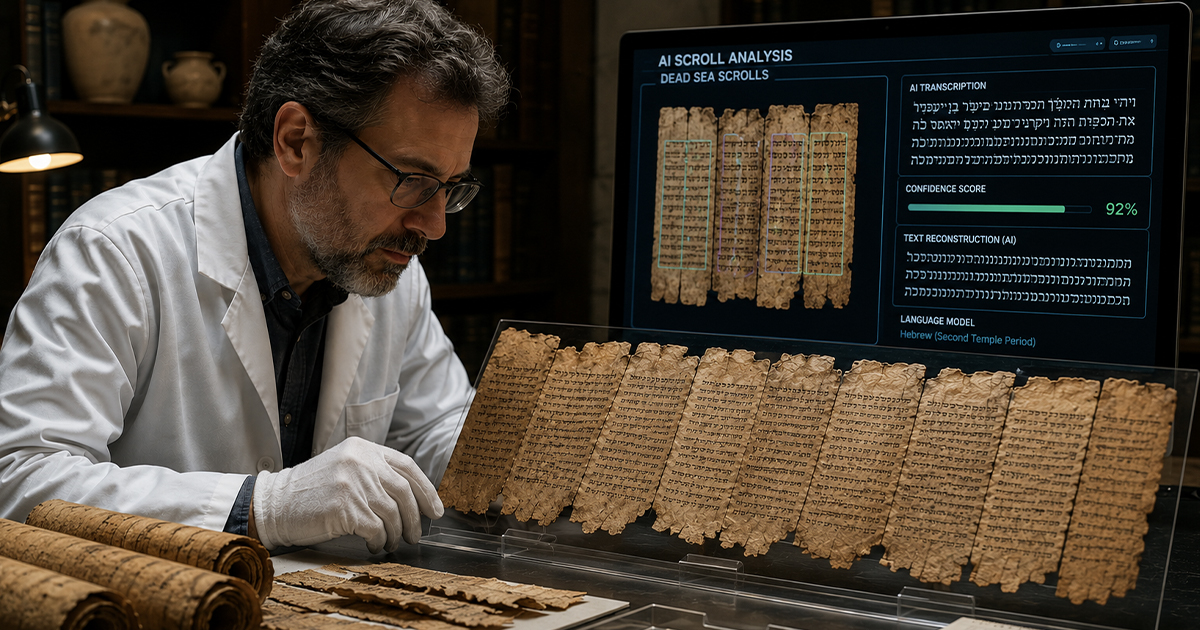
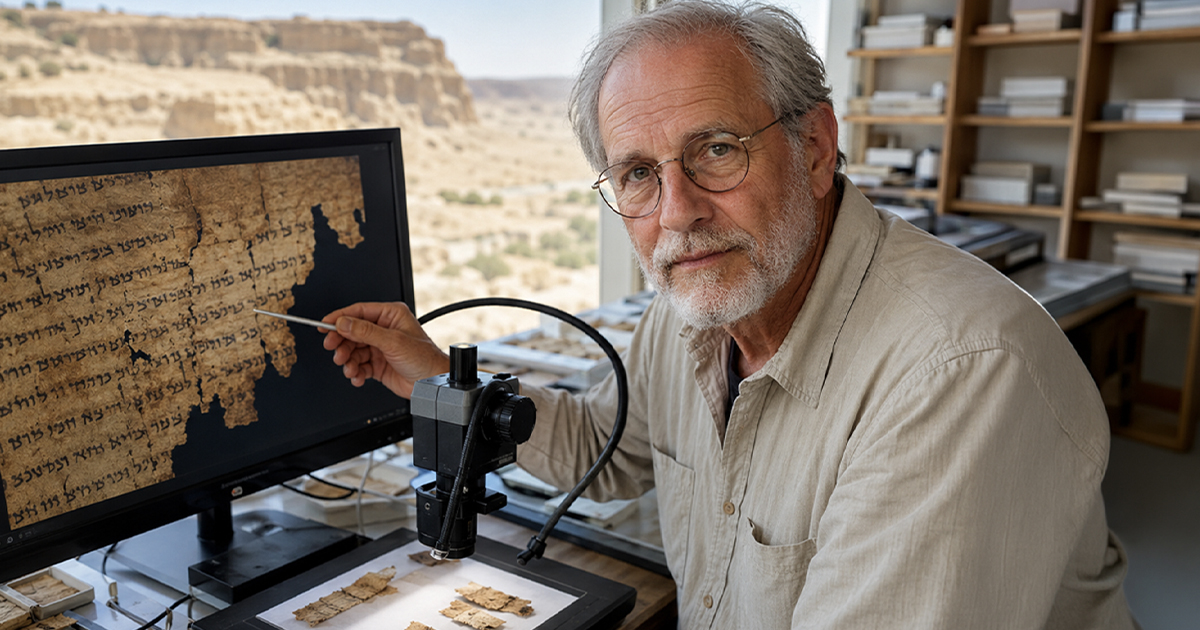
For decades, historians believed they had a pretty good idea of when the Dead Sea Scrolls were copied. Then, in June 2025, a new scientific study challenged those assumptions. By combining radiocarbon dating with an artificial intelligence system called Enoch, researchers concluded that some of the world's oldest biblical manuscripts may have been written decades earlier than previously believed.
A Study Years In The Making
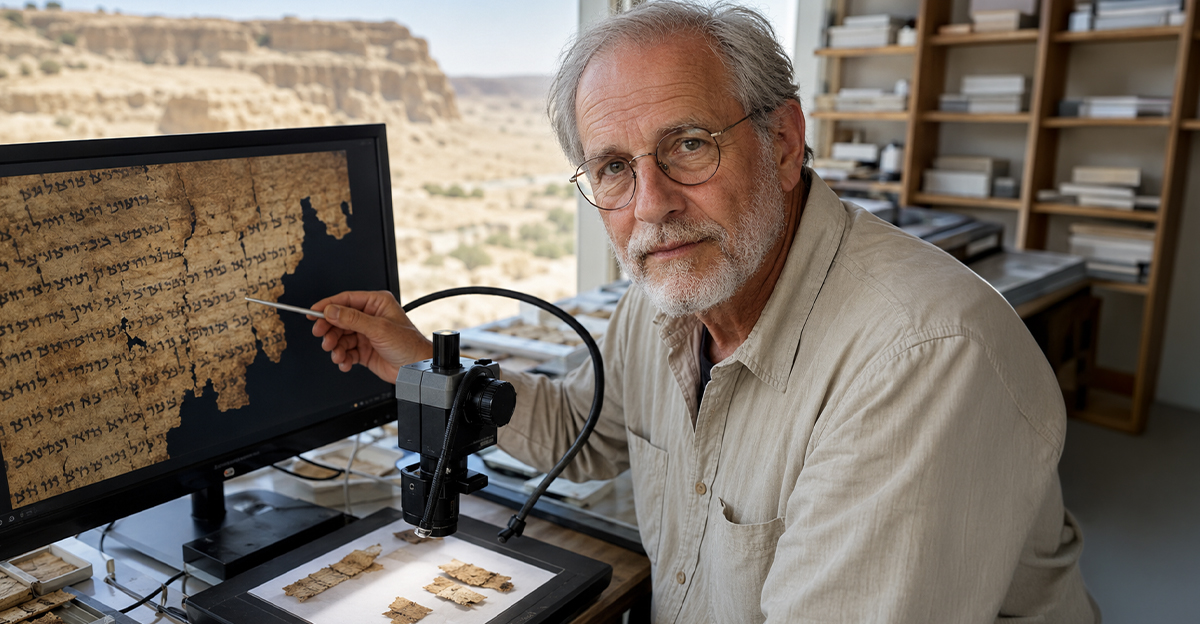
The findings were published on June 4, 2025, in the peer-reviewed journal PLOS ONE. The international research team was led by Professor Mladen Popović, director of the Qumran Institute at the University of Groningen in the Netherlands. Their goal wasn't to discover new scrolls—it was to answer a question scholars have debated for generations: exactly when were these scrolls written?
 Vitold Muratov, Wikimedia Commons
The Scrolls Didn't Need To Be Rediscovered
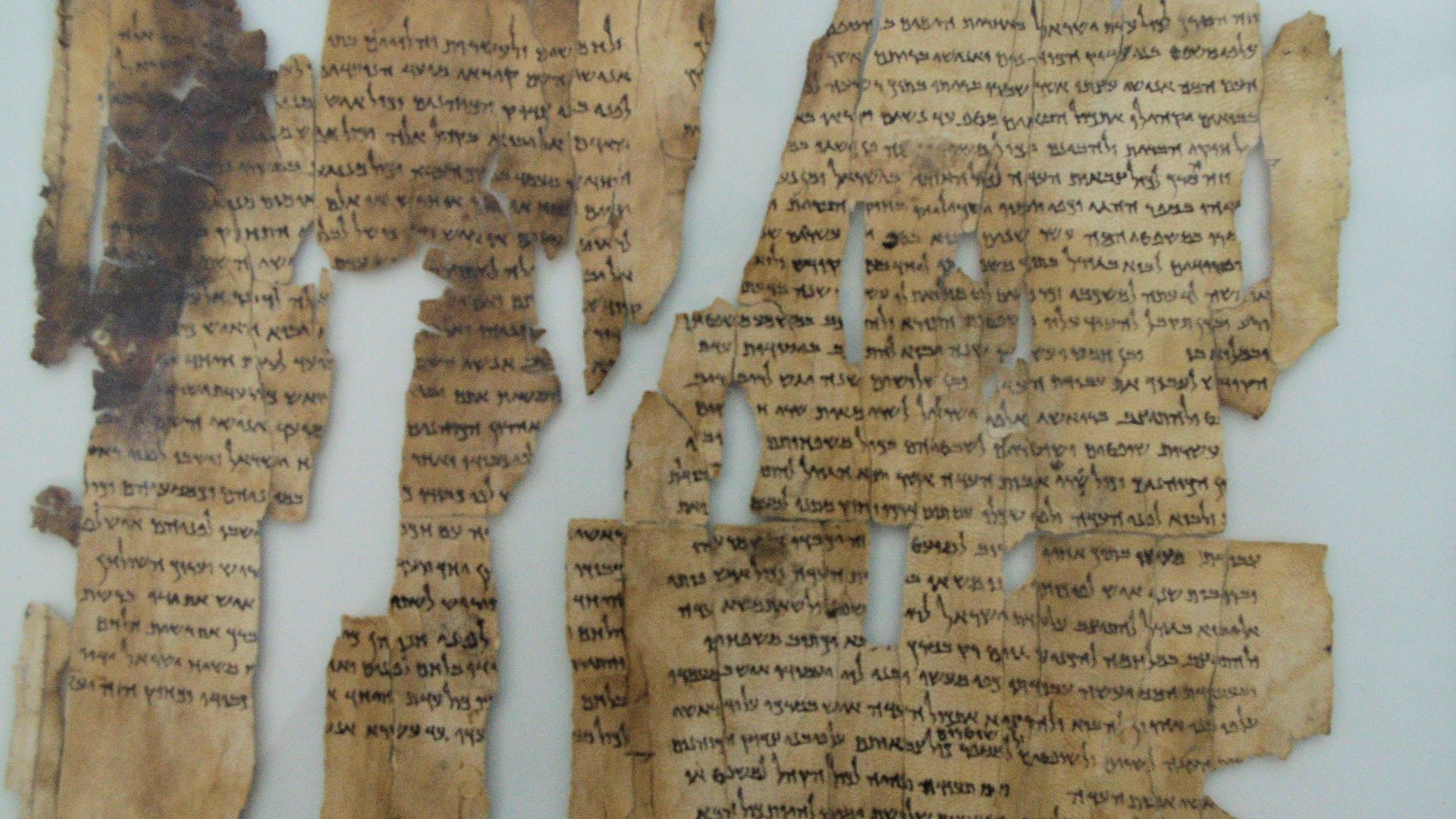
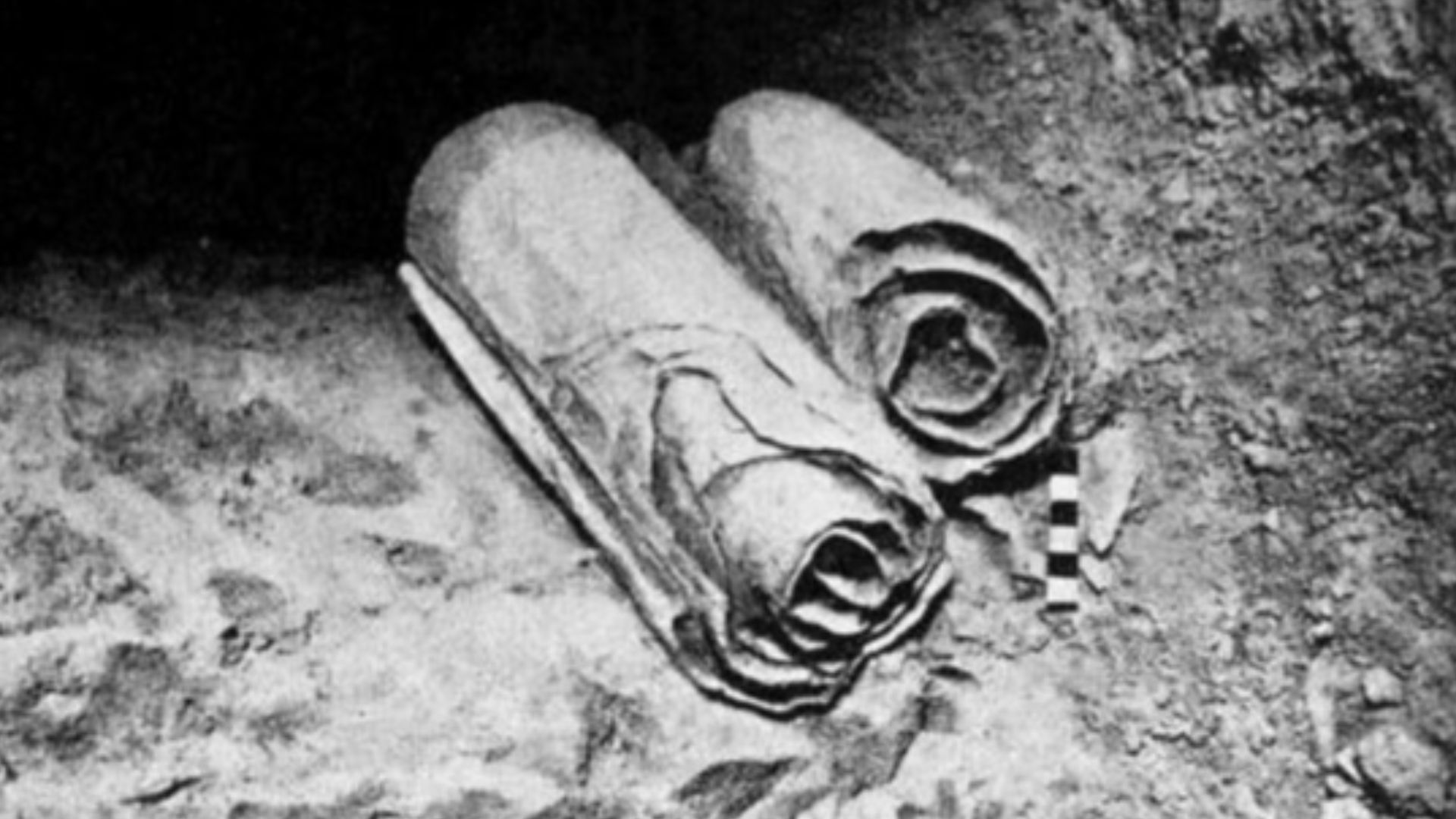
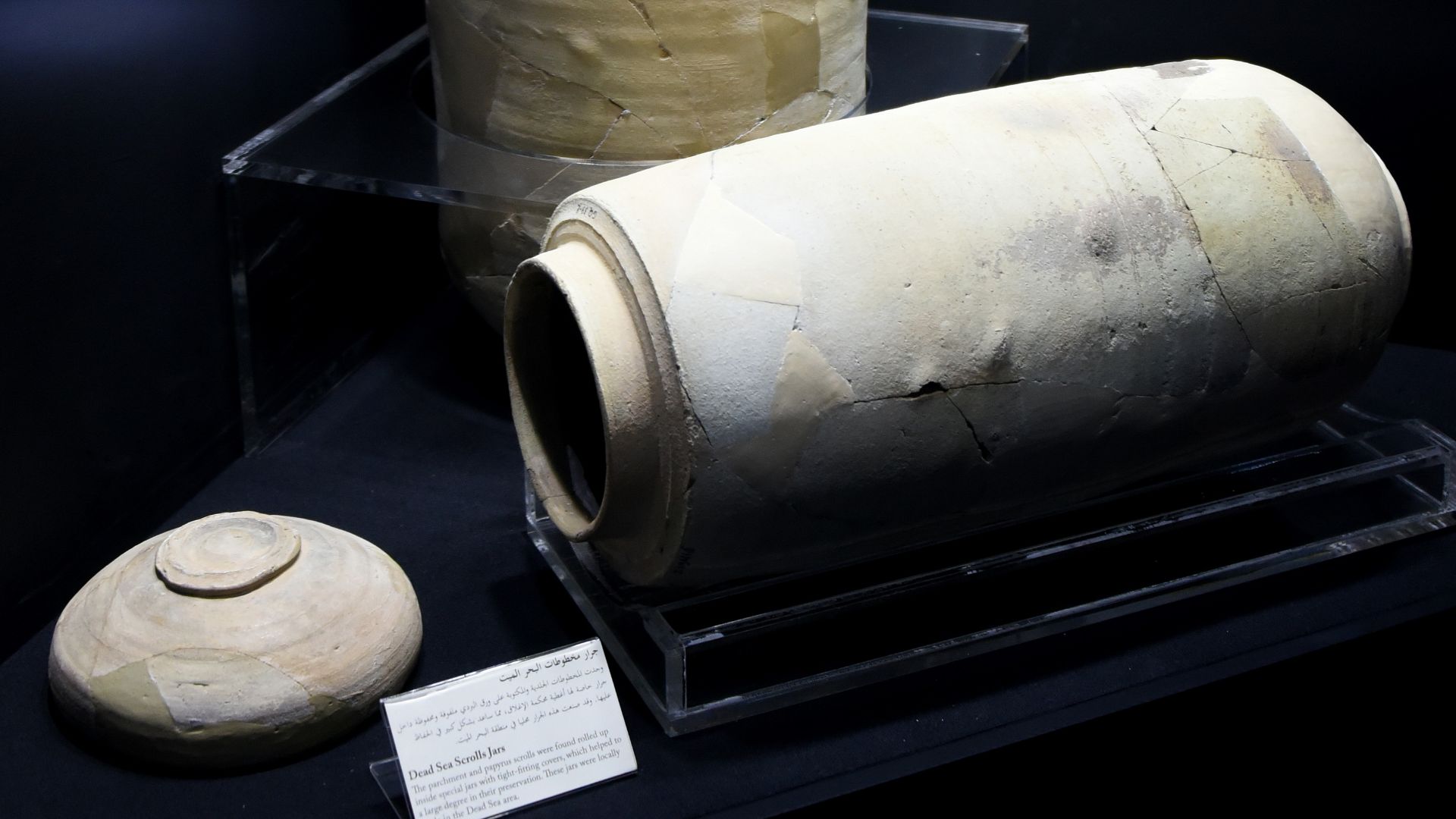
Unlike many archaeological breakthroughs, this one didn't begin with a shovel. The Dead Sea Scrolls were discovered between 1947 and 1956 in caves near Qumran, on the northwestern shore of the Dead Sea. Instead of finding new manuscripts, researchers returned to the existing collection armed with much better technology.
 Ken and Nyetta, Wikimedia Commons
Why Dating The Scrolls Has Always Been Difficult
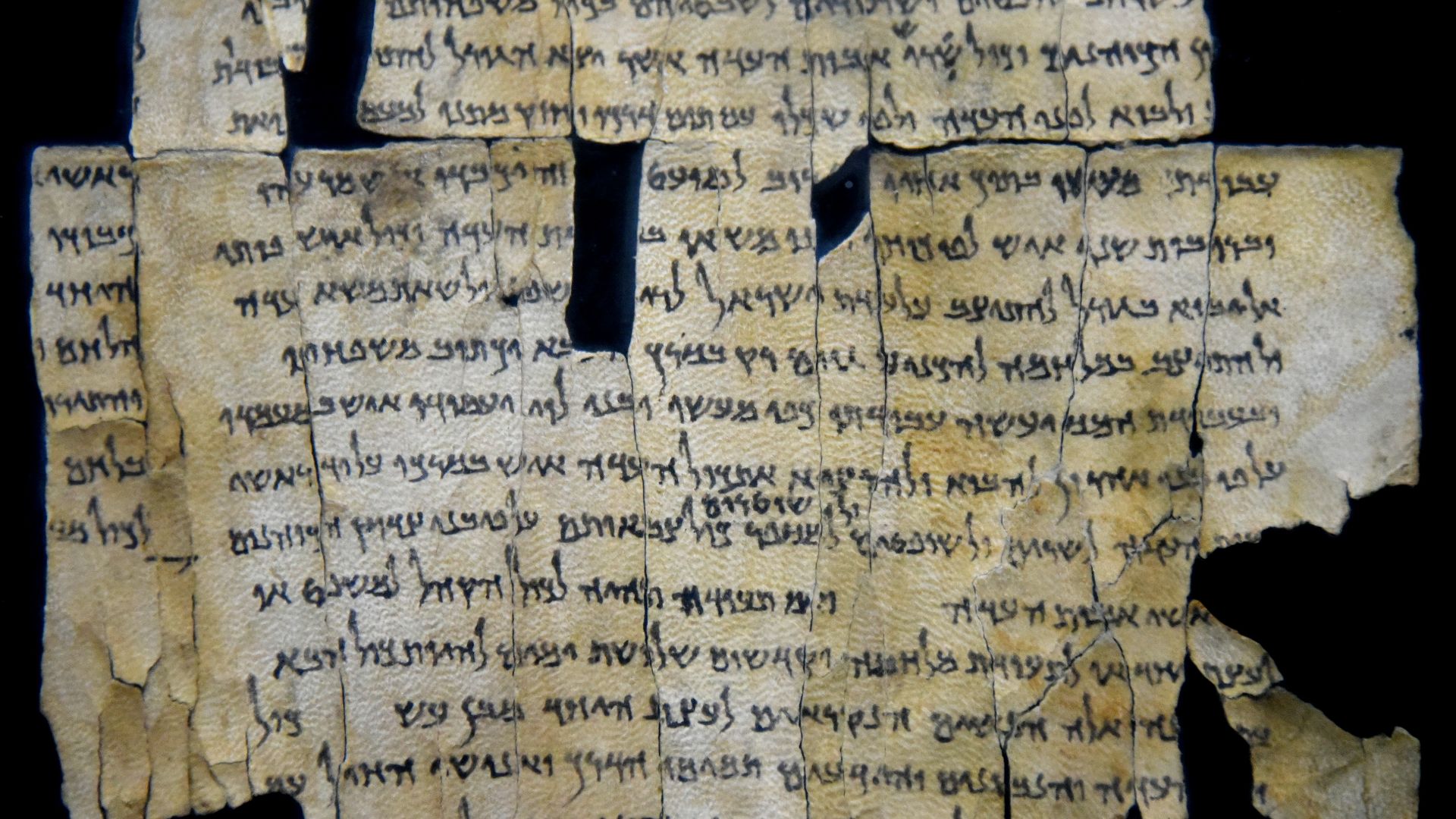
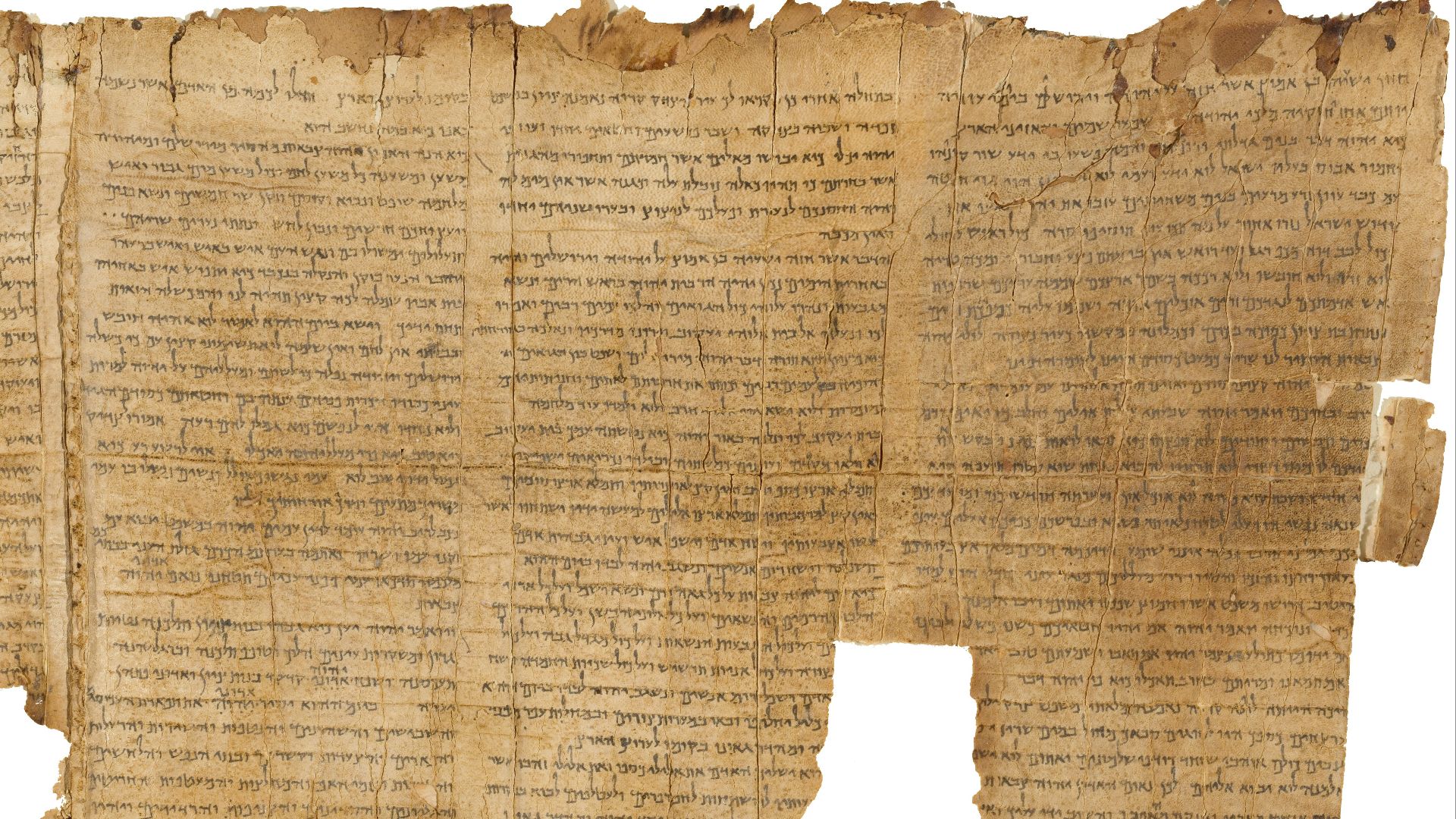
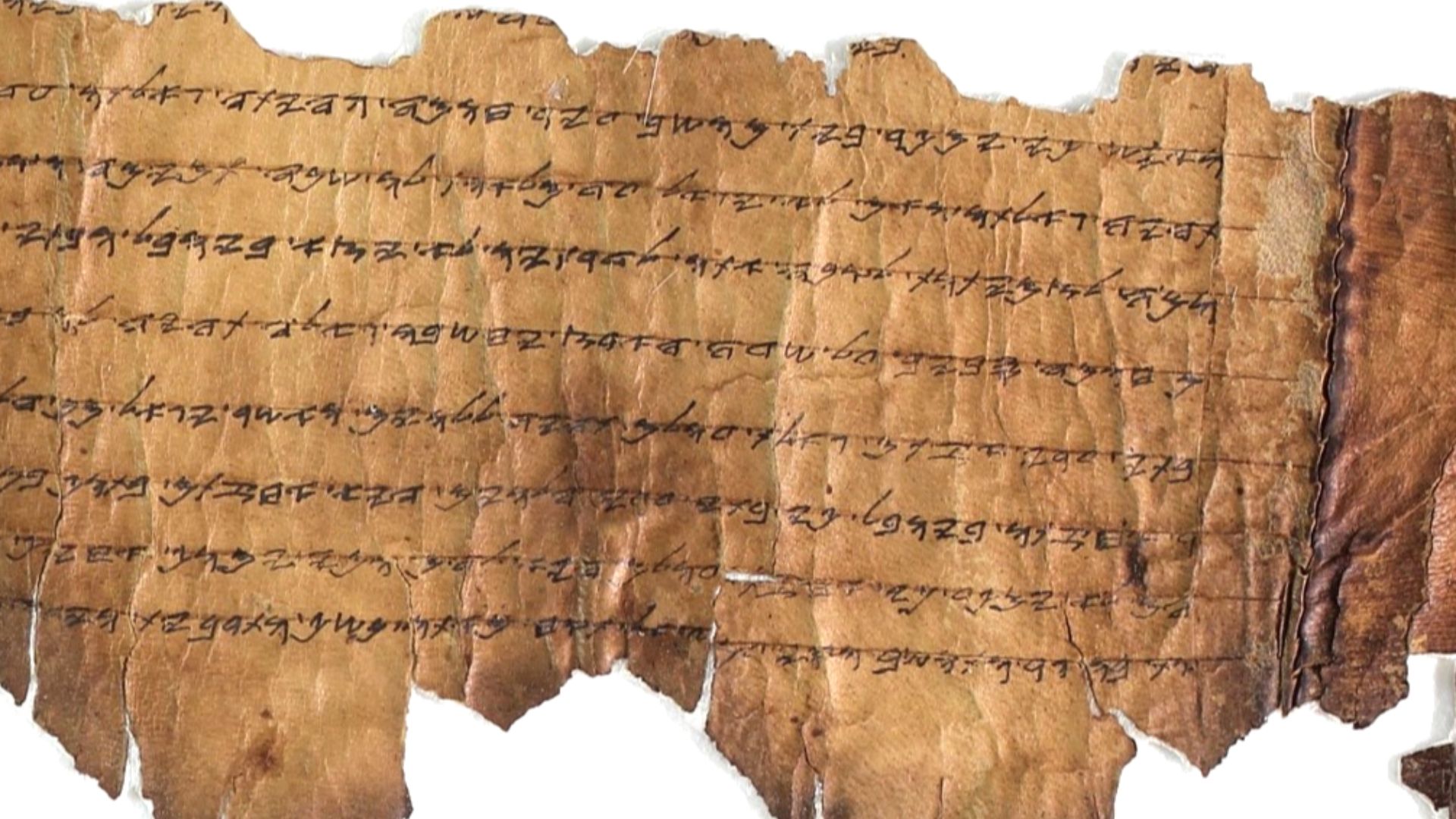
Most ancient manuscripts don't include a convenient date at the bottom of the page. For decades, scholars estimated the age of the scrolls mainly by studying handwriting styles, a field known as paleography. While that method has been remarkably successful, it still leaves room for interpretation.
 Abraham Meir Habermann, 1901–1980, Wikimedia Commons
Enter Artificial Intelligence
The research team developed an AI model named Enoch. Rather than replacing human experts, Enoch was trained to recognize subtle handwriting patterns and compare them with manuscripts whose ages had already been confirmed through radiocarbon dating. Think of it as giving a handwriting expert an incredibly powerful digital assistant.
 Osama Shukir Muhammed Amin FRCP(Glasg), Wikimedia Commons
Carbon Dating Came First
Before the AI could begin making predictions, researchers needed reliable reference points. They carefully cleaned scroll samples to remove contaminants left behind during conservation work in the 1950s, then performed new carbon-14 dating on 30 manuscript samples, successfully dating 27 of them. Those results became the foundation for the AI model.
 Unknown authorUnknown author, Wikimedia Commons
Why Cleaning The Scrolls Was So Important
Earlier radiocarbon studies had a hidden problem. Many of the scrolls had been treated with castor oil decades ago to make faded writing easier to read. Unfortunately, that treatment could affect dating results. By removing those contaminants first, researchers believed they could obtain much more accurate ages.
 Matson Photo Service - American Colony Jerusalem, Wikimedia Commons
The AI Was Surprisingly Accurate
After training, Enoch analyzed 135 previously undated manuscripts. According to the researchers, about 79% of the AI's proposed dates were considered realistic after review by experienced paleographers. That's an impressive success rate for manuscripts written more than two thousand years ago.
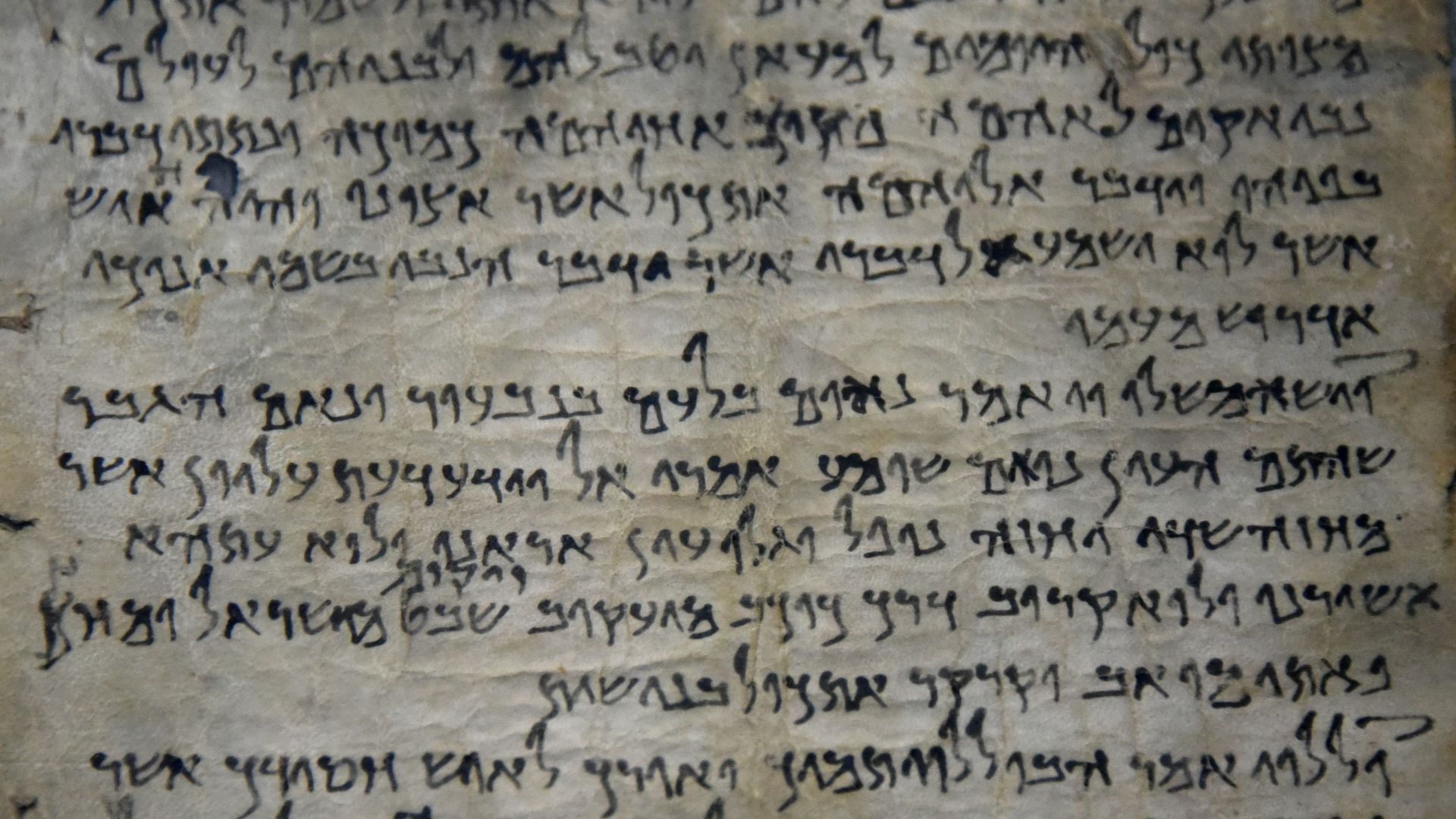 Osama Shukir Muhammed Amin FRCP(Glasg), Wikimedia Commons
Some Scrolls Turned Out To Be Older
The biggest surprise was that many manuscripts appeared to be 50 to 150 years older than scholars had previously believed. That doesn't sound like much at first—but in ancient history, a century can completely change how historians understand the development of ideas and religious texts.
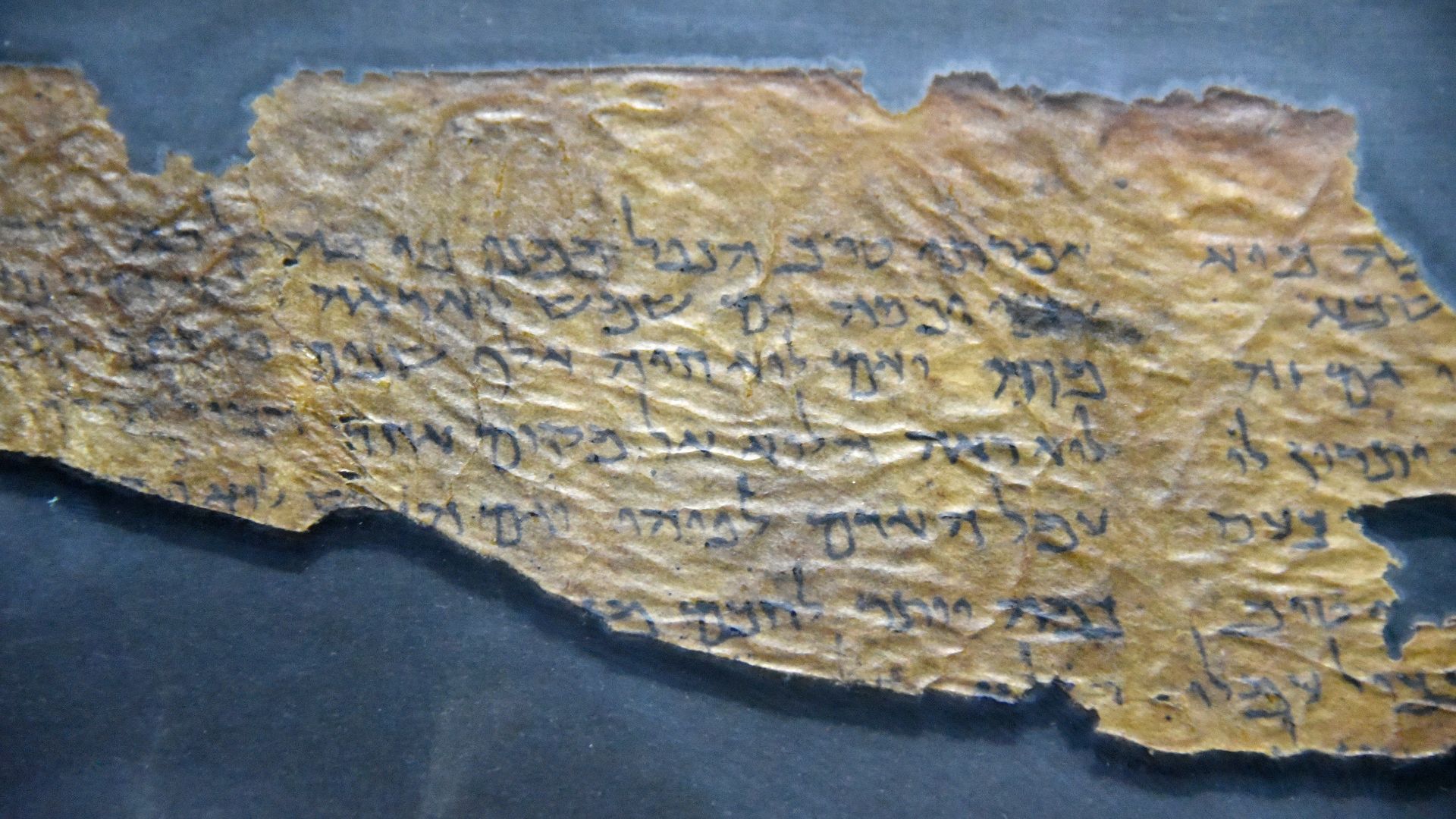 Osama Shukir Muhammed Amin FRCP(Glasg), Wikimedia Commons

History's most fascinating stories and darkest secrets, delivered to your inbox daily.
The Book Of Daniel Stood Out
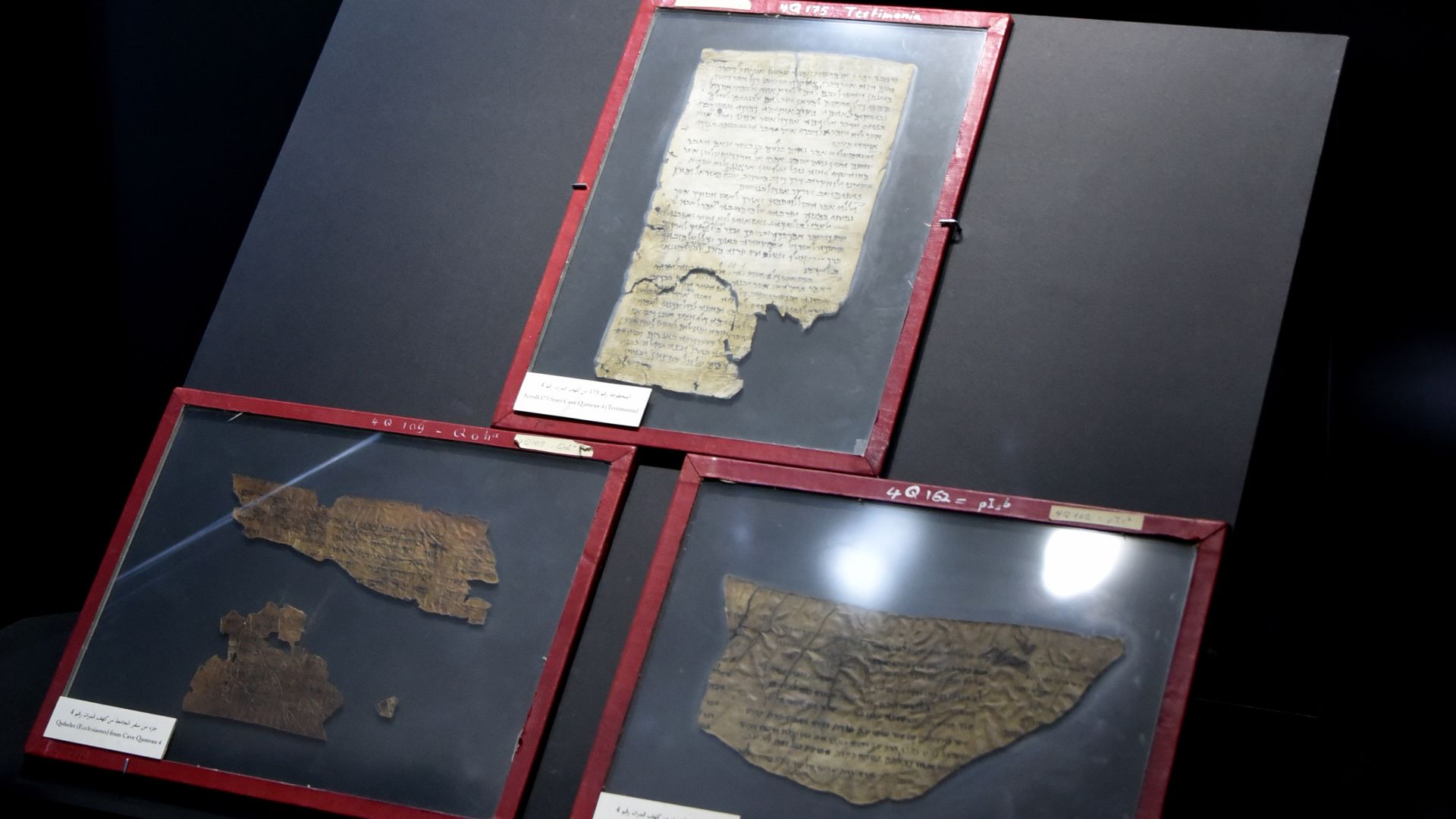
One of the most remarkable examples involved 4Q114, a fragment of the Book of Daniel. Earlier estimates placed its copying around the second century BCE, but the new analysis suggests it may have been written between 230 and 160 BCE—bringing it much closer to the lifetime of the book's presumed author.
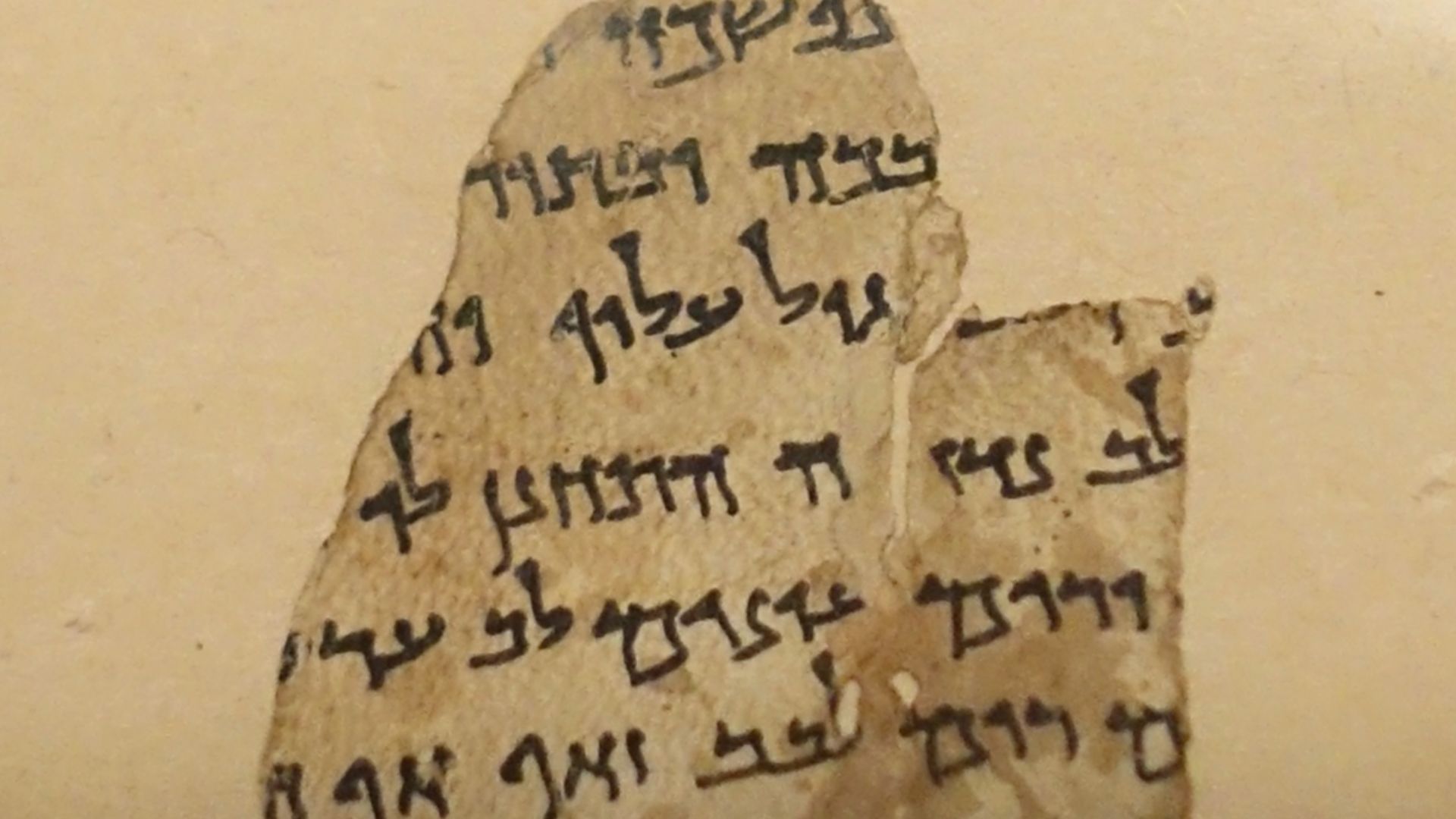
Ecclesiastes Was Another Surprise
Researchers also found that a copy of Ecclesiastes may date much closer to the period when the book itself was composed. If correct, that would make it one of the earliest surviving copies of the text ever identified.
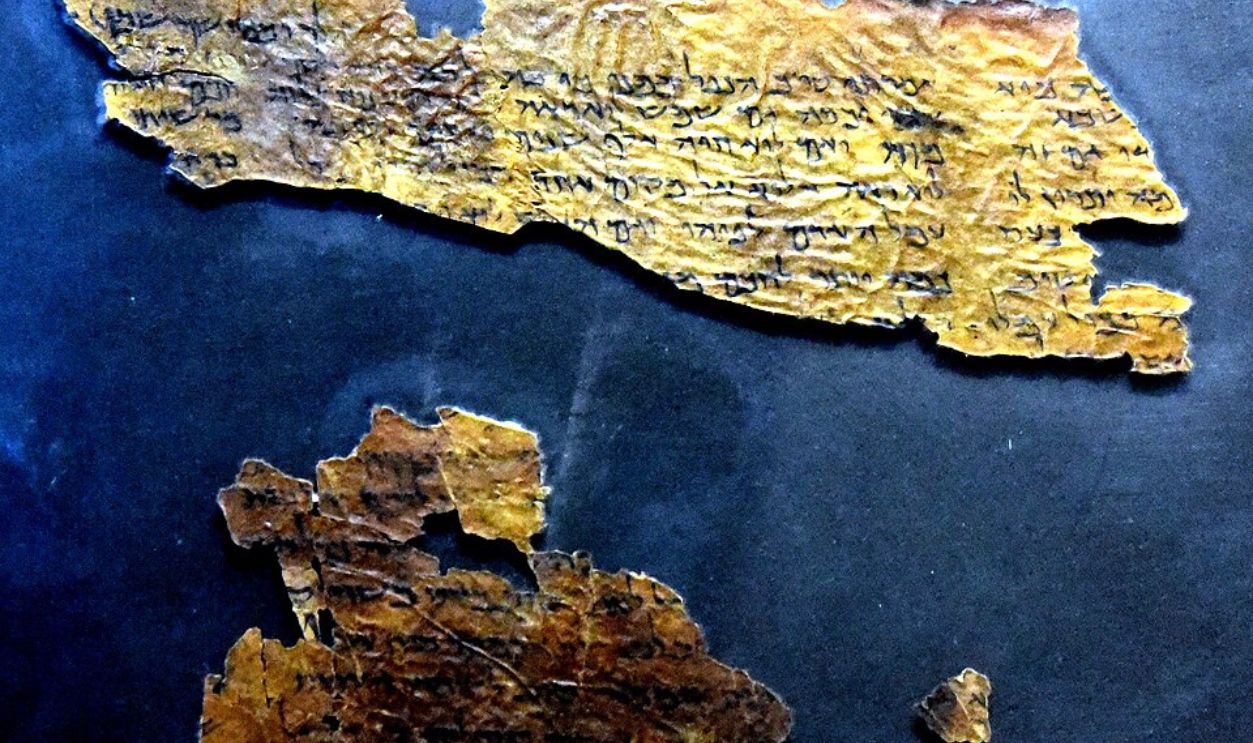 Osama Shukir Muhammed Amin FRCP(Glasg), Wikimedia Commons
Rethinking Ancient Handwriting
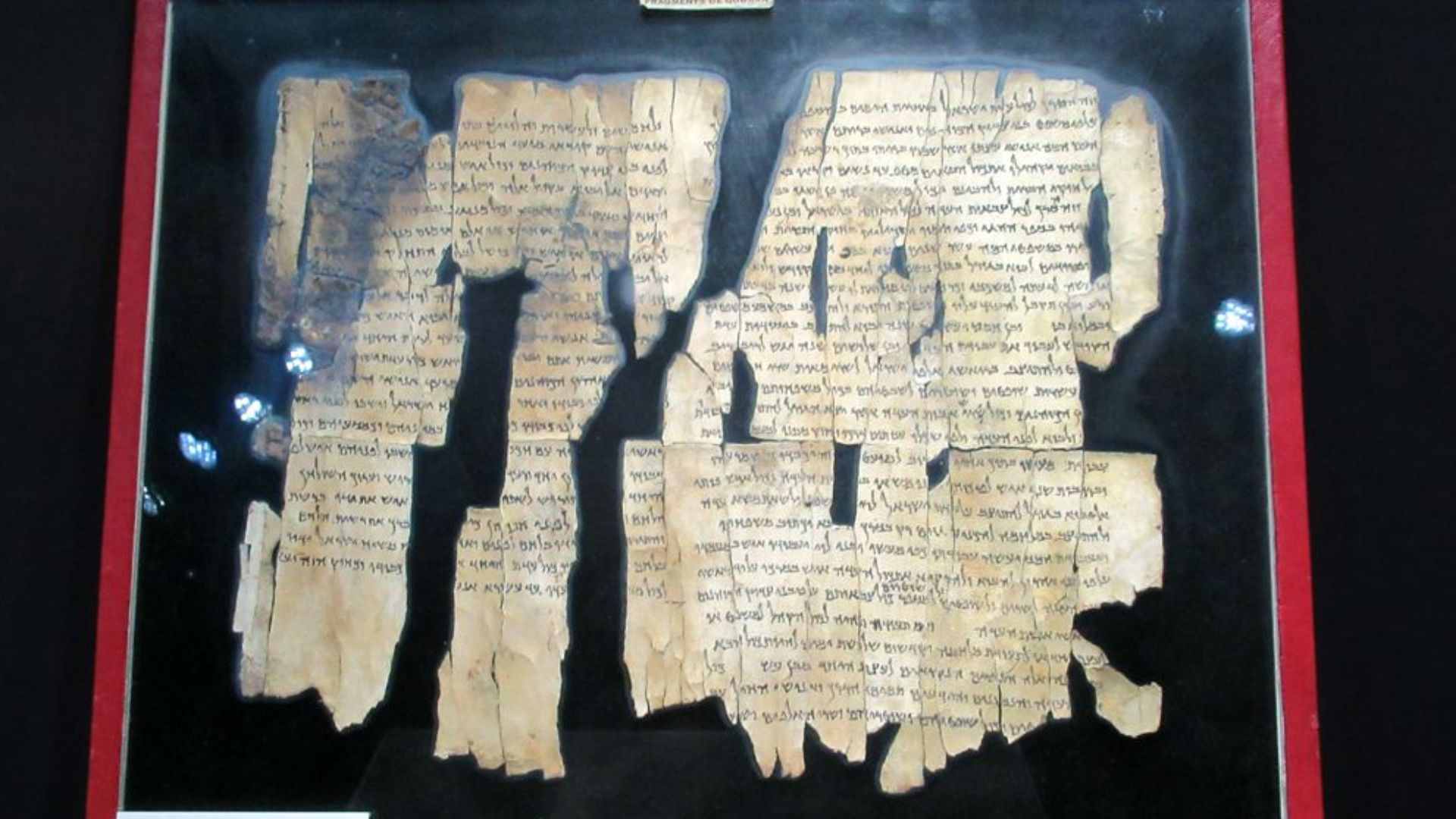
The study also challenged long-standing ideas about the evolution of Hebrew script. Scholars had believed that Hasmonaean handwriting gradually gave way to Herodian script. Instead, the new analysis suggests the two styles may have overlapped for decades.
That Changes More Than Handwriting
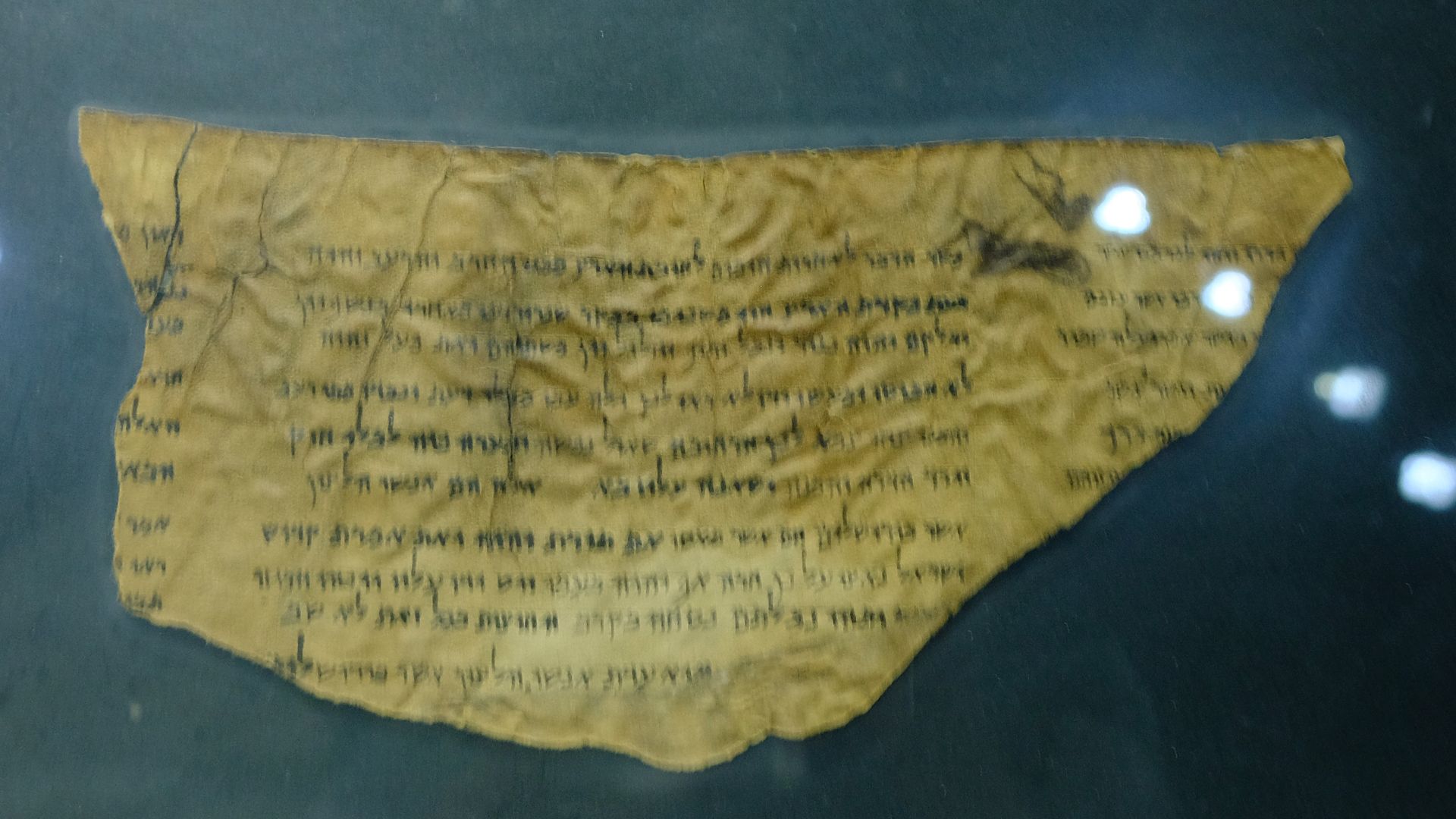
This isn't just about penmanship. Dating handwriting more accurately helps historians determine when books were copied, which communities produced them, and how ideas spread across the ancient Jewish world. Every improved date strengthens the historical timeline.
 Davide Mauro, Wikimedia Commons
The Bible Gets A Little Closer
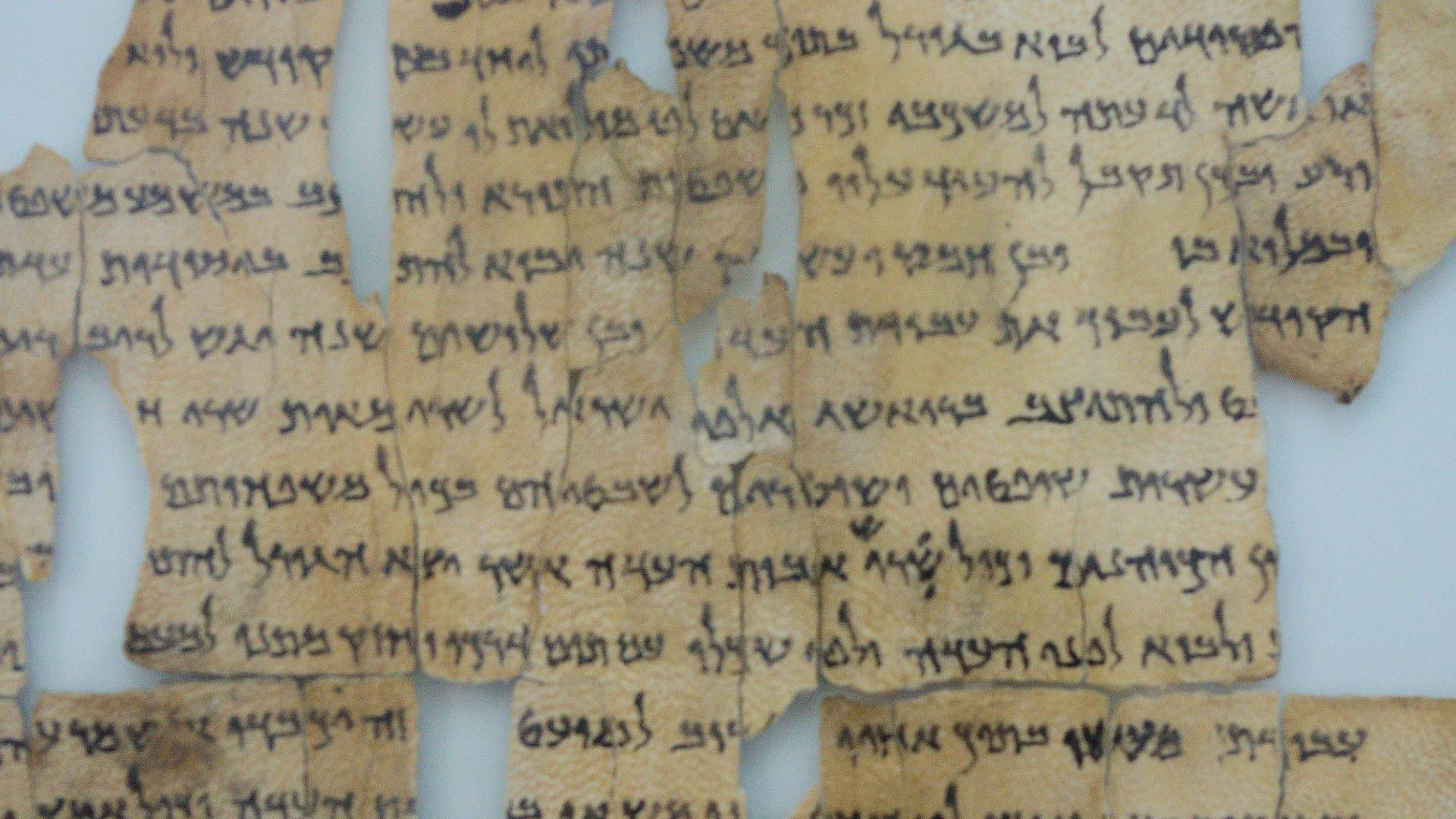
Some biblical manuscripts now appear to have been copied much closer to the time when scholars believe the original books were written. That shortens the historical gap between composition and surviving copies—a detail historians find especially significant.
 Ken and Nyetta, Wikimedia Commons
Meet Professor Mladen Popović
The project was led by Professor Mladen Popović, whose team has spent years applying artificial intelligence to ancient handwriting. He described the new technology as opening a new door into the ancient world and compared it to a time machine that lets researchers place ancient scribes more precisely in history.
 Osama Shukir Muhammed Amin FRCP(Glasg), Wikimedia Commons
Not Everyone Is Convinced
As with many groundbreaking studies, not every scholar agrees with every conclusion. Some paleographers argue that AI should remain a tool—not the final authority—and caution that traditional handwriting analysis still plays an essential role.
 User:KetefHinnomFan, Wikimedia Commons
The Researchers Agree
Interestingly, the research team doesn't claim AI should replace experts. Instead, they see Enoch as another source of evidence that can work alongside radiocarbon dating and traditional paleography to improve accuracy.
 Photographs by Ardon Bar Hama, author of original document is unknown., Wikimedia Commons
Why The Dead Sea Scrolls Matter So Much
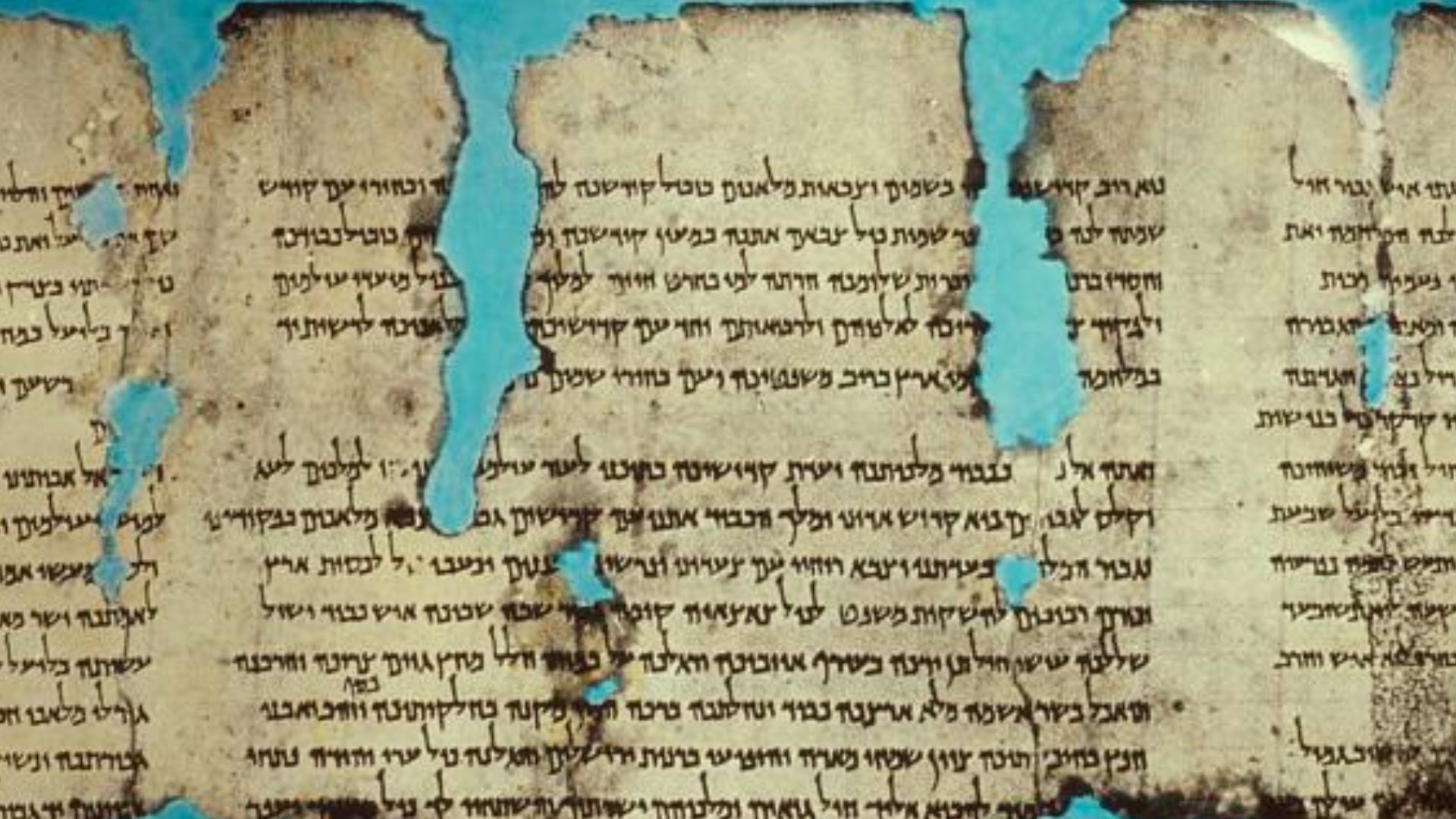
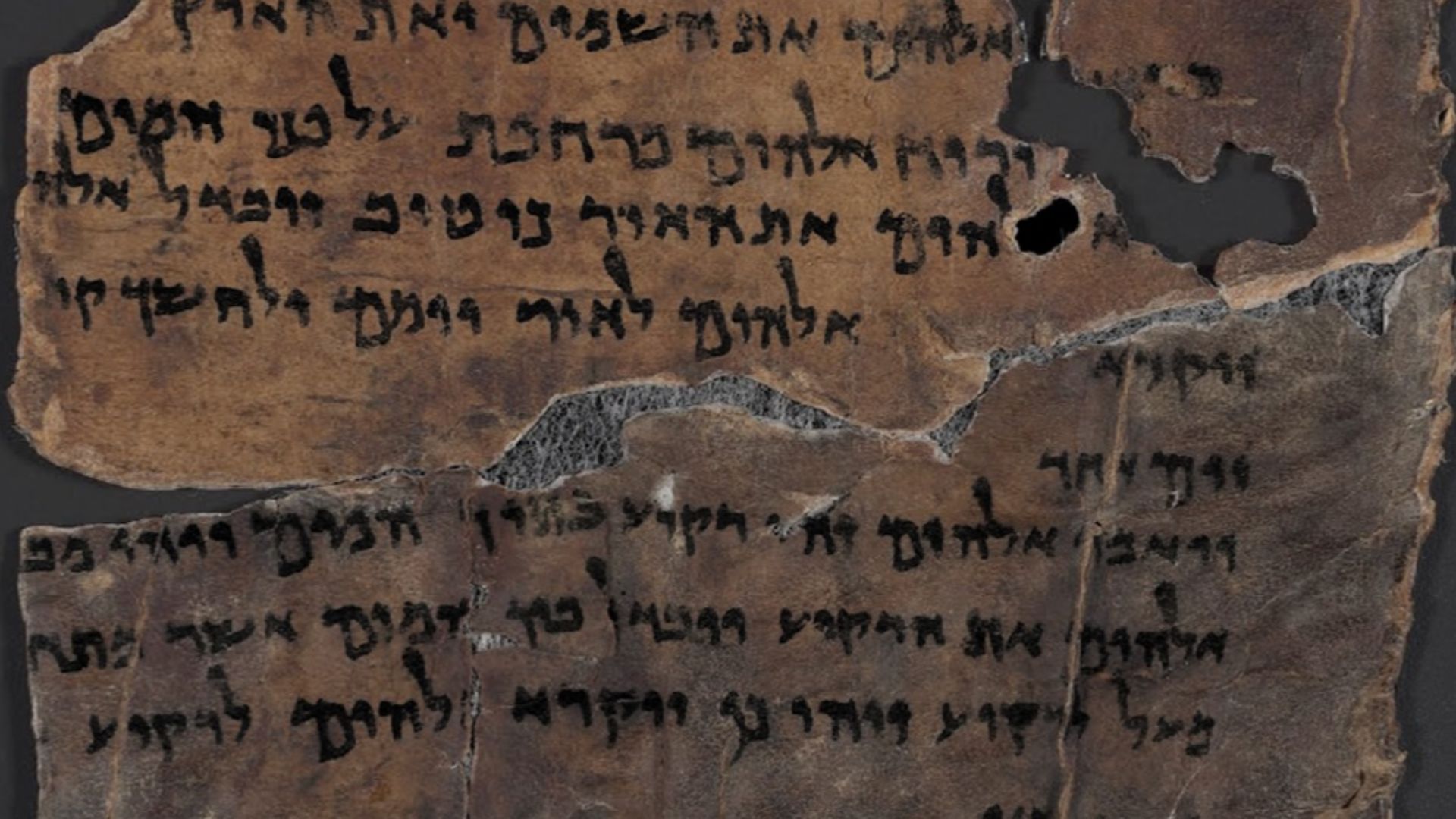
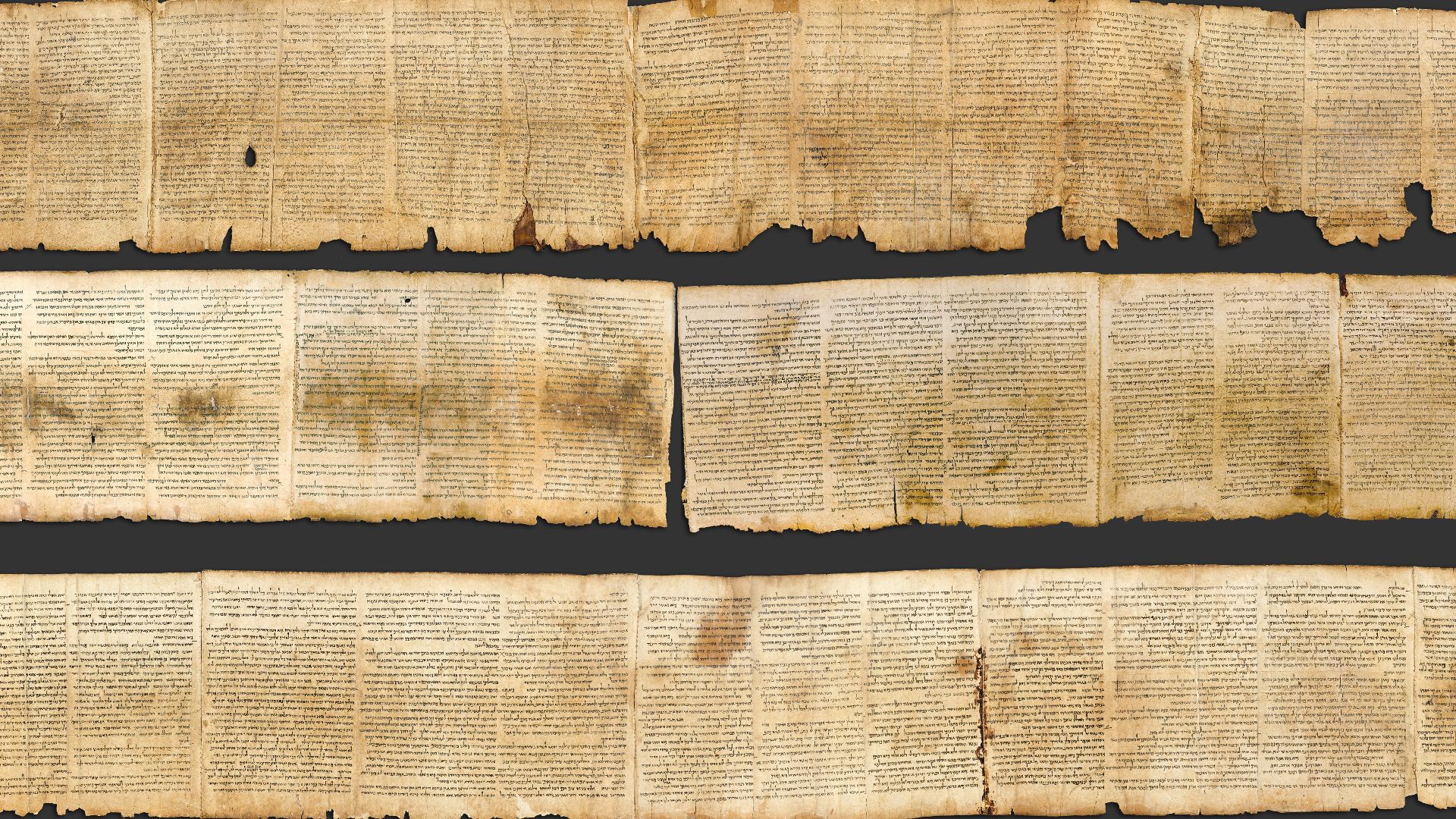
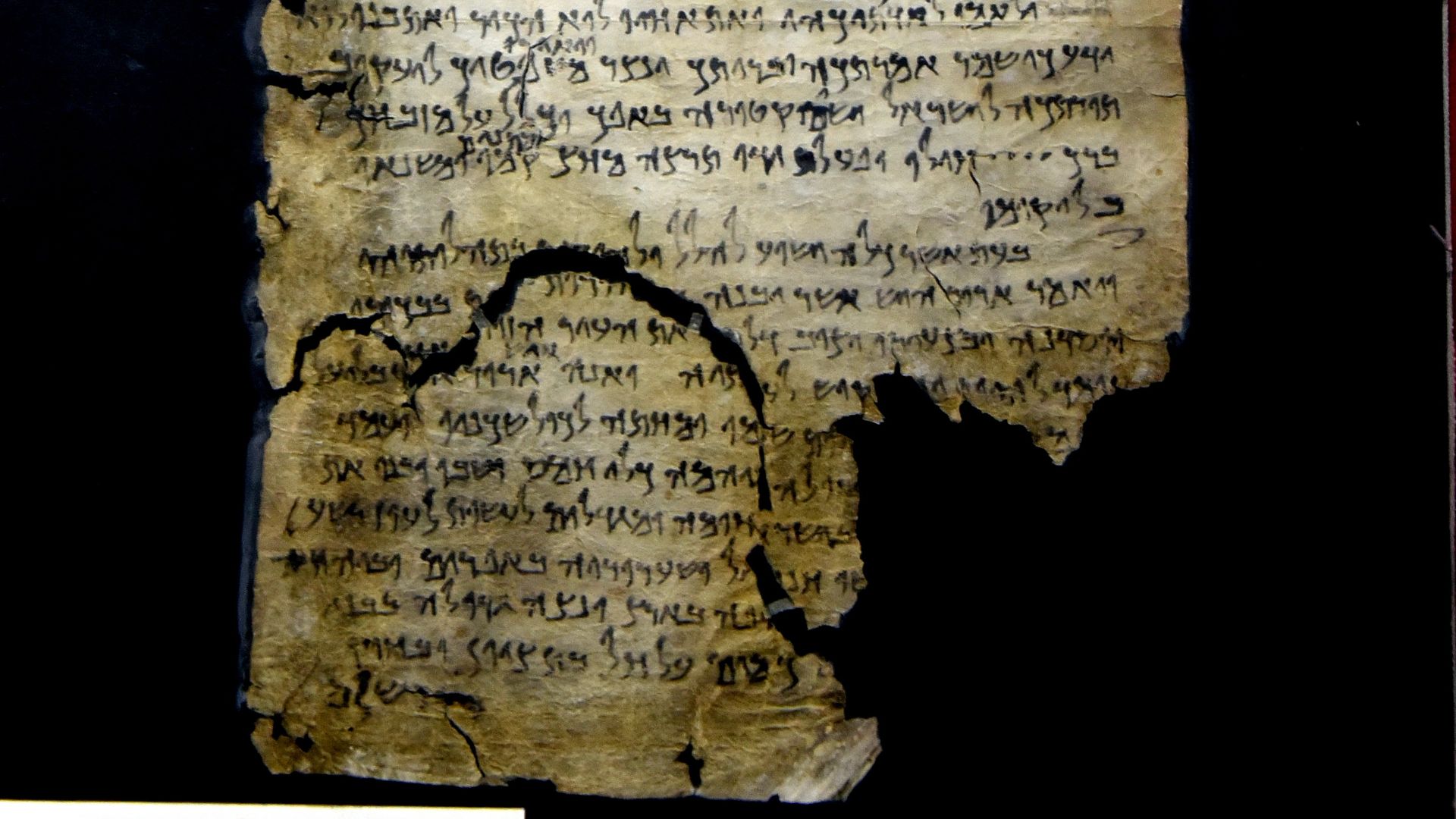
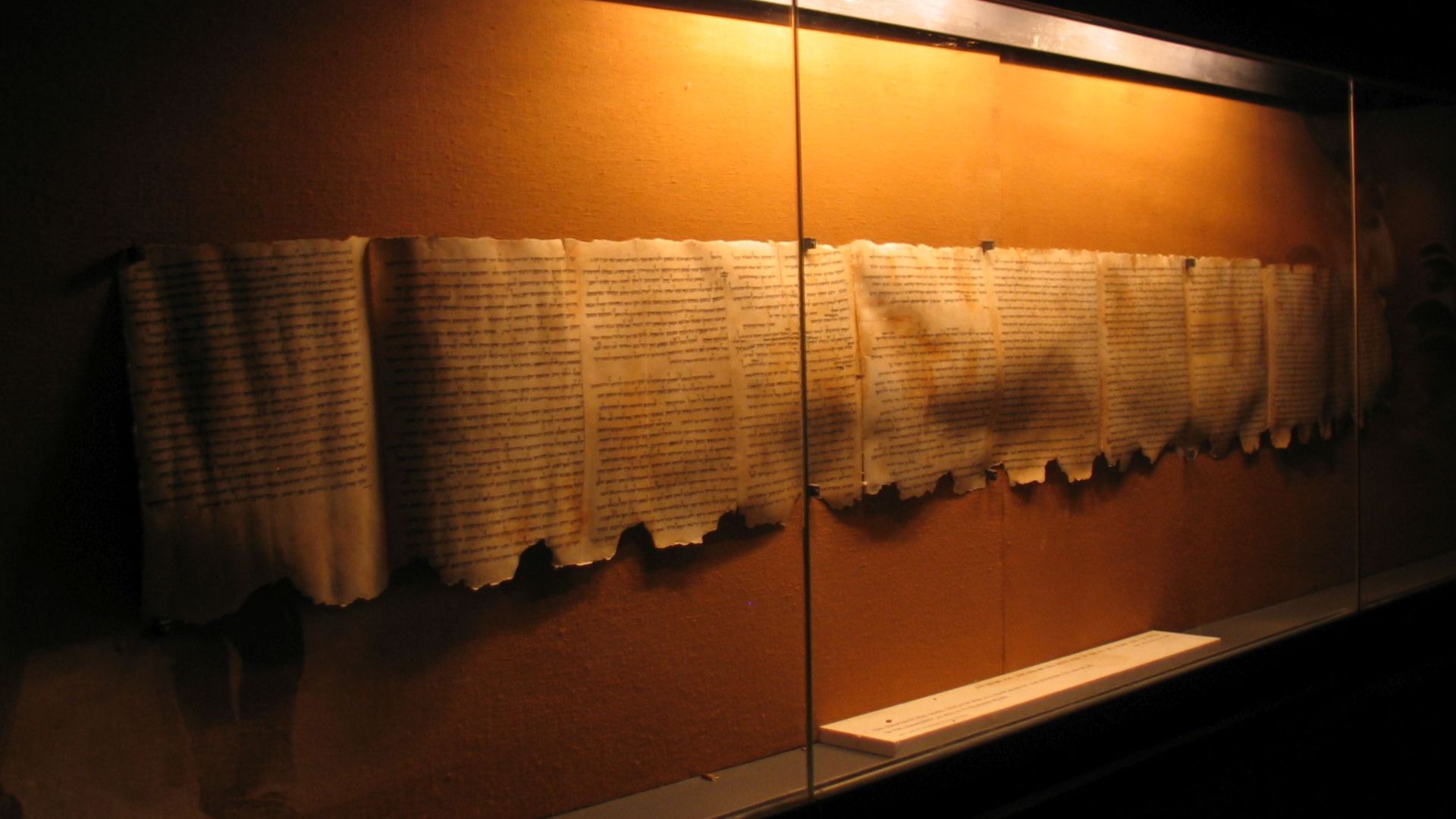
The Dead Sea Scrolls include the oldest surviving copies of many books of the Hebrew Bible, along with legal texts, hymns, community rules, and other Jewish writings. They've transformed our understanding of Judaism during the Second Temple period since their discovery nearly eighty years ago.
 Osama Shukir Muhammed Amin FRCP(Glasg), Wikimedia Commons
One Study, Hundreds Of Manuscripts
Only a small number of scrolls were directly radiocarbon dated. The real breakthrough was using those securely dated manuscripts to estimate the ages of many more without damaging them. That dramatically expands what researchers can study in the future.
 Osama Shukir Muhammed Amin FRCP(Glasg), Wikimedia Commons
Archaeology Meets Artificial Intelligence
This study is another reminder that archaeology isn't just about digging. Sometimes the biggest breakthroughs happen in laboratories, where computers help answer questions that once seemed impossible to solve.
 IPPA photographer, Wikimedia Commons
Ancient Texts Still Have New Stories To Tell
It's remarkable that manuscripts discovered almost eighty years ago can still produce major surprises. As technology improves, researchers continue extracting new information from artifacts that have been sitting in museum collections for decades.
Could The Timeline Change Again?
Probably. The researchers expect Enoch to improve as additional manuscripts receive secure radiocarbon dates. Every new data point helps refine the model, meaning future studies could adjust the chronology even further.
 Shai Halevi on behalf of the Israel Antiquities Authority, Wikimedia Commons
The Scrolls Keep Rewriting History
The Dead Sea Scrolls have already reshaped biblical scholarship once. Now, thanks to artificial intelligence and improved radiocarbon dating, they may be doing it again. Even after more than seventy years of study, these ancient manuscripts are still revealing new secrets—and historians suspect they're not finished yet.
 Osama Shukir Muhammed Amin FRCP(Glasg), Wikimedia Commons
You May Also Like:
Archaeologists Found A Tiny Assyrian Inscription In Jerusalem—And It Connects Directly To The Bible