
When The Cure Was Somehow Worse
Being sick today isn't fun, but at least your doctor probably won't prescribe mercury, deliberately give you malaria, or drain a bowlful of blood from your arm. Medical history is packed with treatments that once seemed perfectly reasonable. Unfortunately, some of them made the original illness look like the good part.
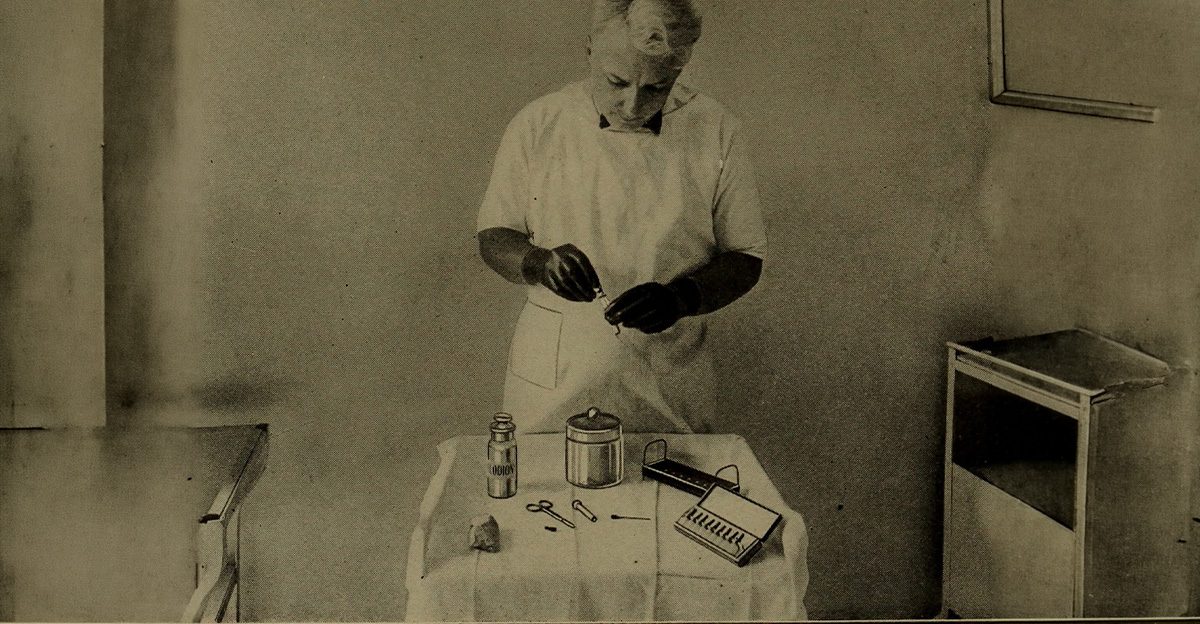 Internet Archive Book Images, No restrictions, via Wikimedia Commons
Mercury Was Practically Everywhere
For centuries, physicians prescribed mercury compounds for illnesses ranging from constipation to syphilis. Patients swallowed them, rubbed them onto their skin, and breathed in mercury vapors. The treatment could damage the kidneys and nervous system, cause trembling, and alter behavior. Still, doctors kept reaching for the mercury.
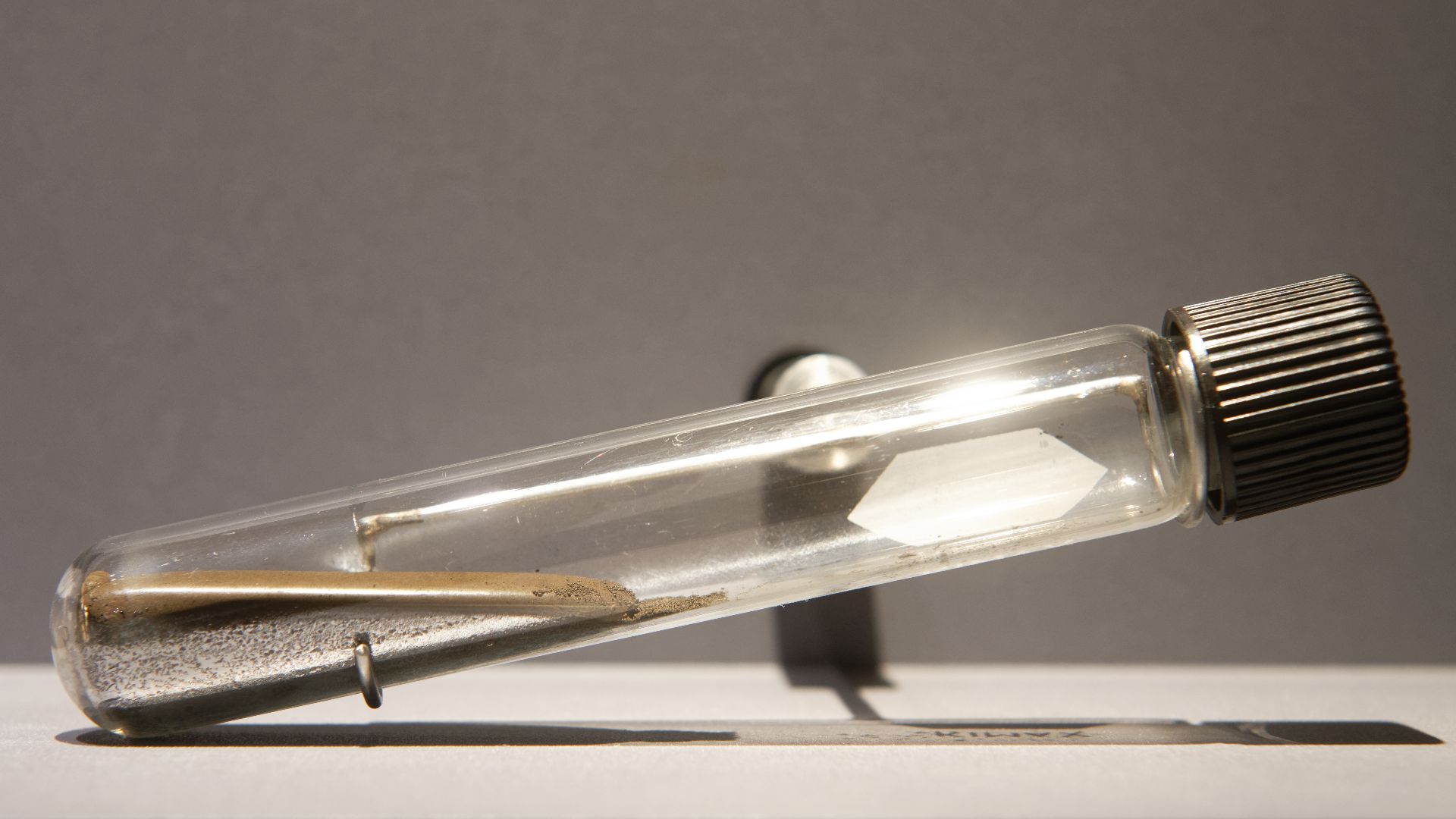 Marie-Lan Taÿ Pamart, Wikimedia Commons
Losing Teeth Was Apparently Progress
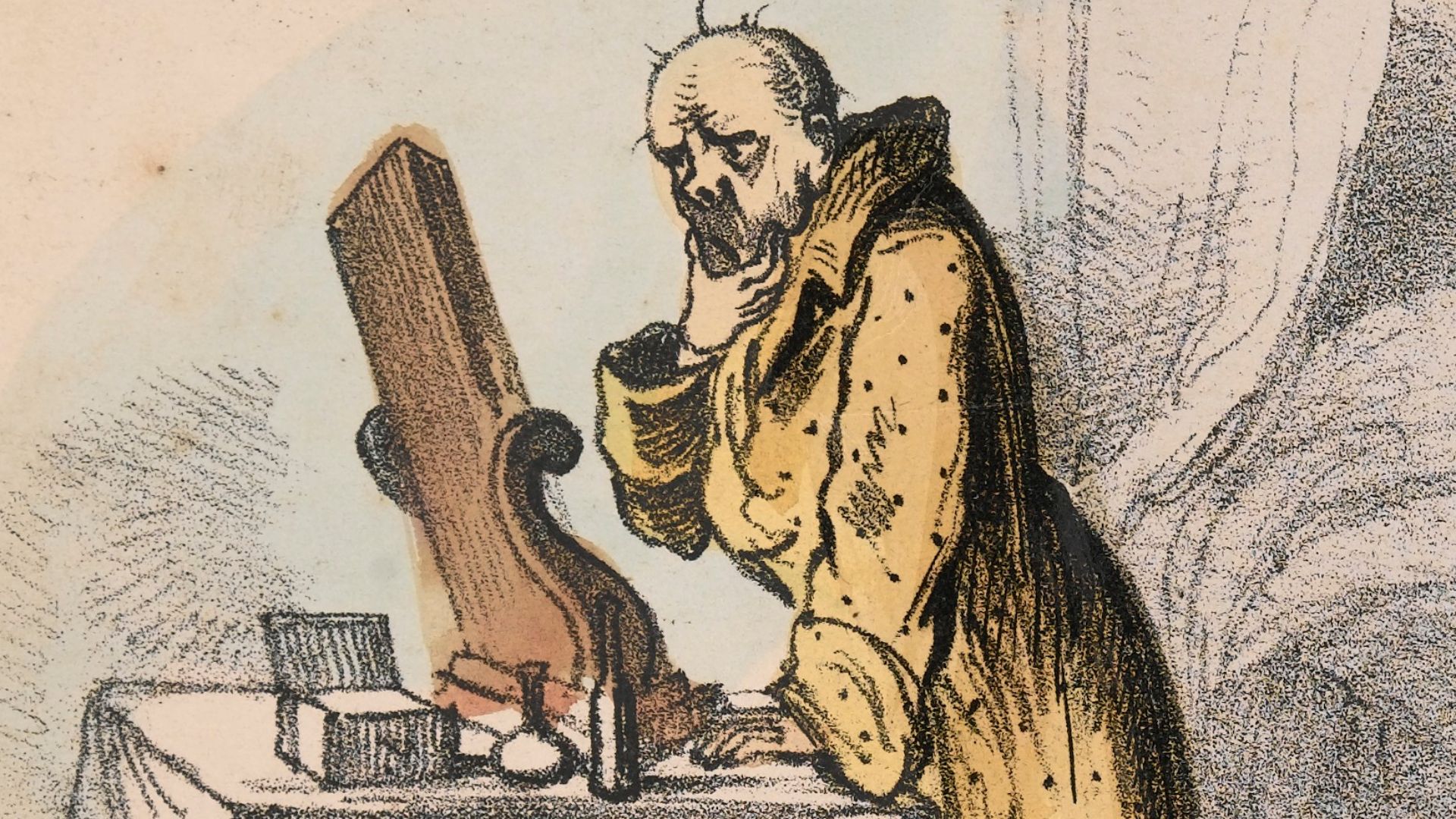
Mercury treatment sometimes continued until patients began salivating heavily. Doctors occasionally interpreted this dramatic reaction as proof that something useful was happening. Something was happening, all right. Mercury poisoning could produce mouth sores, swollen gums, and loose teeth. Nothing says "successful treatment" quite like suddenly needing dentures.
Calomel Became A Medical Favorite
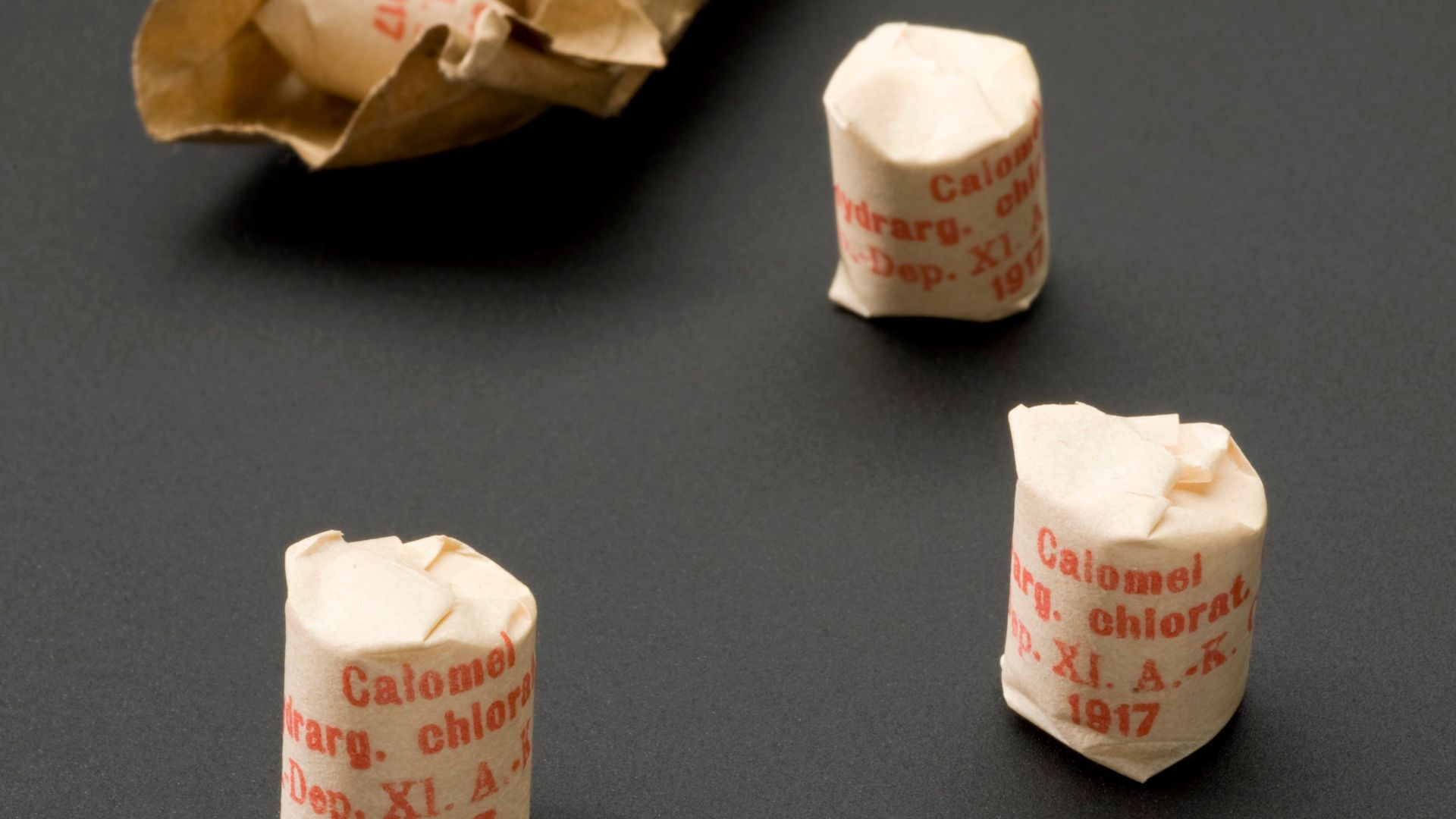
Calomel, a mercury compound, became one of the most popular remedies in American medicine. Doctors used it to purge the digestive system, believing that emptying the body might remove disease. Unfortunately, repeated treatment could cause mercury poisoning. Somehow, "violently ill but now also poisoned" remained a respectable medical strategy.

History's most fascinating stories and darkest secrets, delivered to your inbox daily.
Even Abraham Lincoln Took It
Abraham Lincoln reportedly used pills containing calomel before becoming president, particularly during periods of emotional distress. He eventually stopped taking them. That was probably wise. Researchers have suggested mercury exposure may have contributed to irritability and other symptoms—something Lincoln definitely didn't need while preparing to run a country.
 Alexander Gardner, Wikimedia Commons
Arsenic Had Excellent Marketing
Modern poison labels have somewhat damaged arsenic's reputation, but 19th-century medicine was considerably more optimistic. Arsenic compounds were prescribed for asthma, skin problems, and other illnesses. Long-term exposure could damage nerves and organs while increasing cancer risk. Apparently, the skull-and-crossbones branding had not yet caught on.
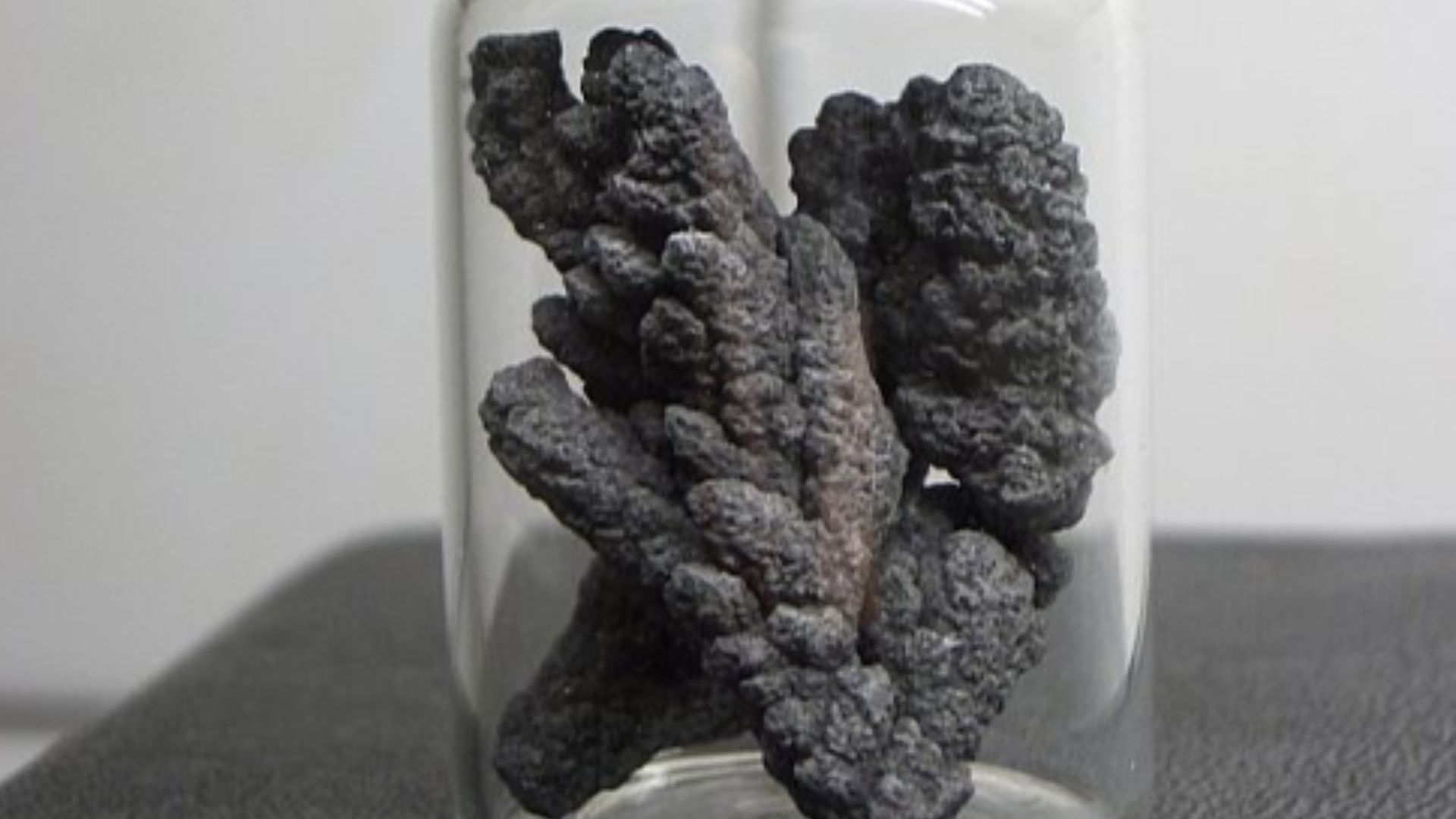
Arsenic Was Supposed To Make You Beautiful
Arsenic wasn't merely medicinal. Some beauty products promised that it could improve the complexion, particularly when pale skin was fashionable. Unfortunately, arsenic exposure could cause skin lesions, stomach problems, numbness, and serious illness. The Victorian beauty routine occasionally had a surprisingly strong "possible poisoning" component.
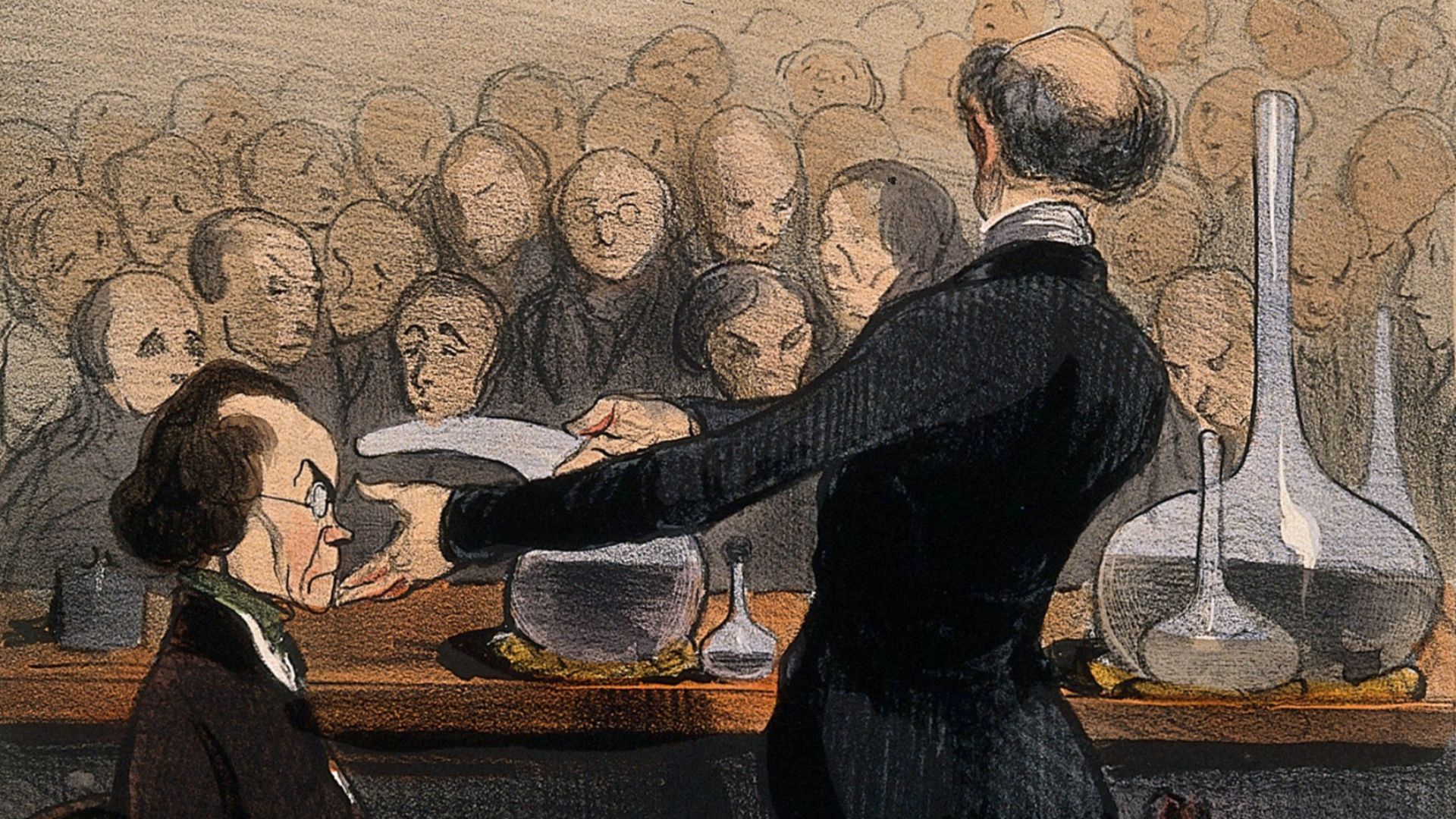
Lead Made An Appearance Too
Lead compounds turned up in historical creams, ointments, and other preparations. The attraction was understandable: some lead-based products could temporarily change the appearance of skin. The downside was rather substantial. Lead accumulates in the body and can damage the brain, nervous system, kidneys, and other organs.
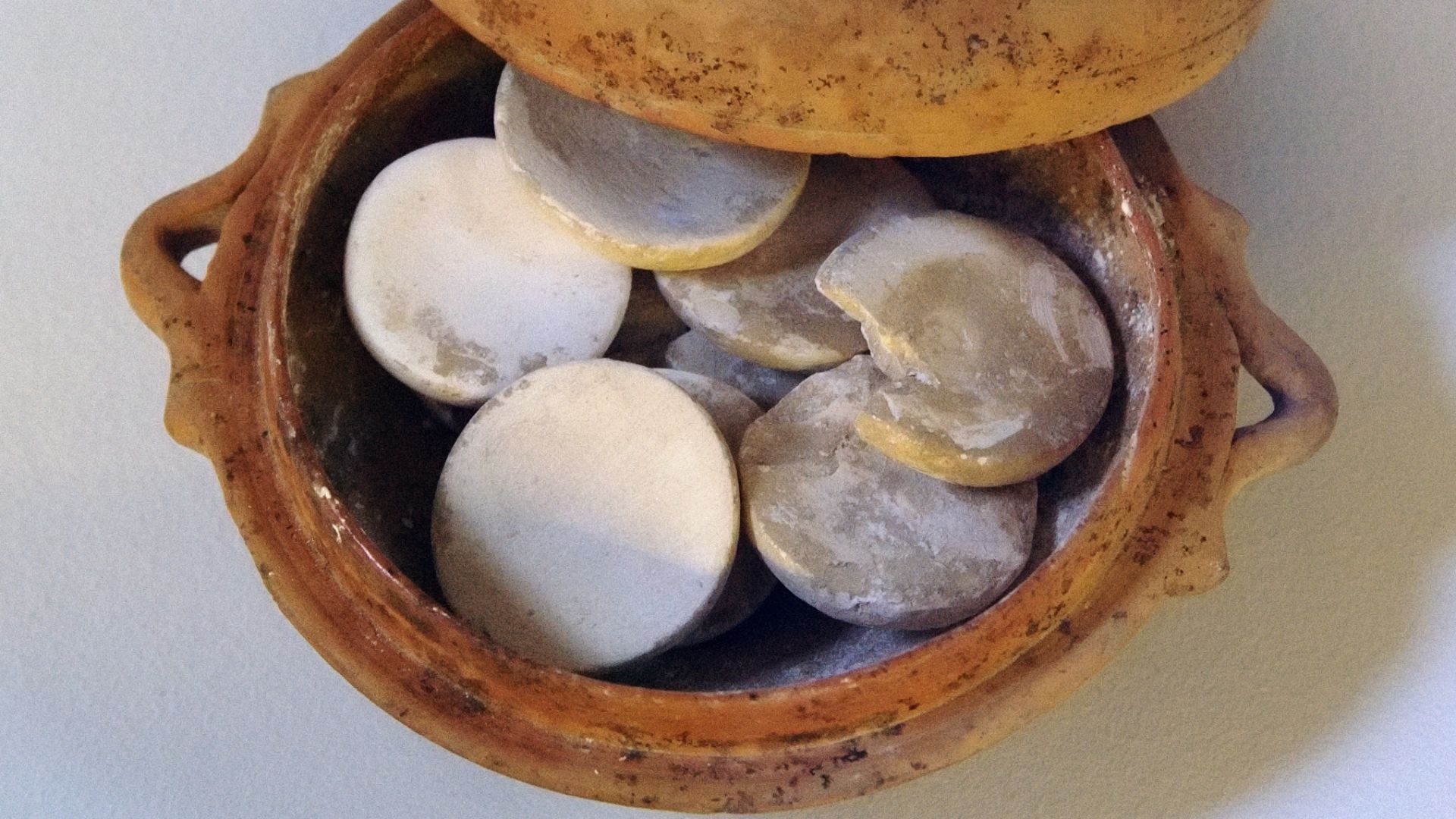 Gabriela Ruellan, Wikimedia Commons
White Lead Created Fashionable Faces
For centuries, pale skin suggested wealth because it implied you weren't working outdoors. Some people therefore used cosmetics containing white lead to achieve the desired look. Unfortunately, repeated exposure could cause hair loss, skin damage, abdominal pain, and poisoning. Beauty may hurt, but ideally it shouldn't require toxicology.
 Unknown authorUnknown author , Wikimedia Commons
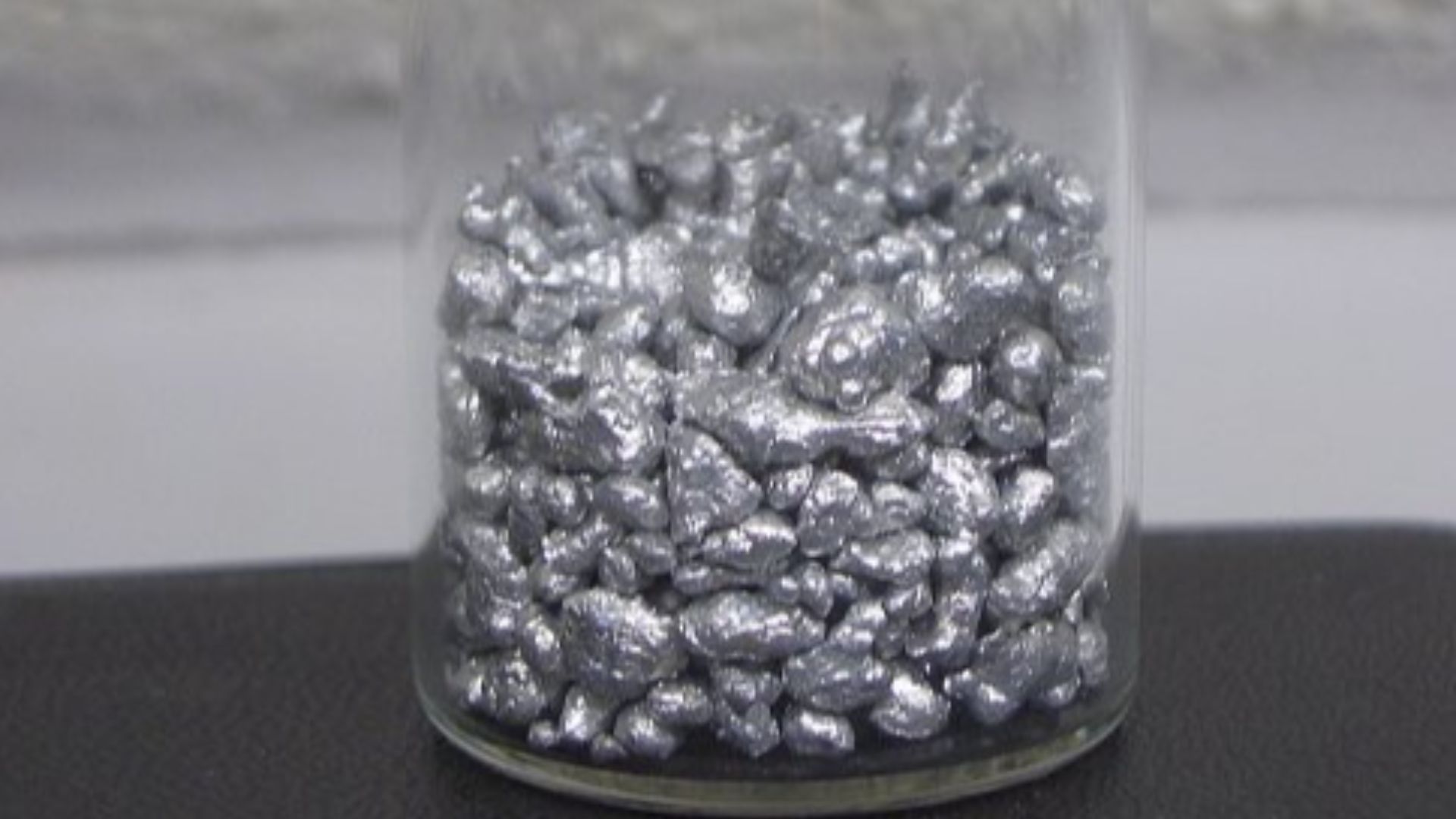
Antimony Was Used To Empty Everything
Historical physicians loved the idea of purging disease from the body, and antimony was excellent at producing dramatic results. It could trigger vomiting and diarrhea with impressive efficiency. Unfortunately, excessive exposure could also cause severe dehydration, heart problems, organ damage, and death. The cure certainly didn't lack enthusiasm.
History's most fascinating stories and darkest secrets, delivered to your inbox daily.
Doctors Had Reusable Vomiting Cups
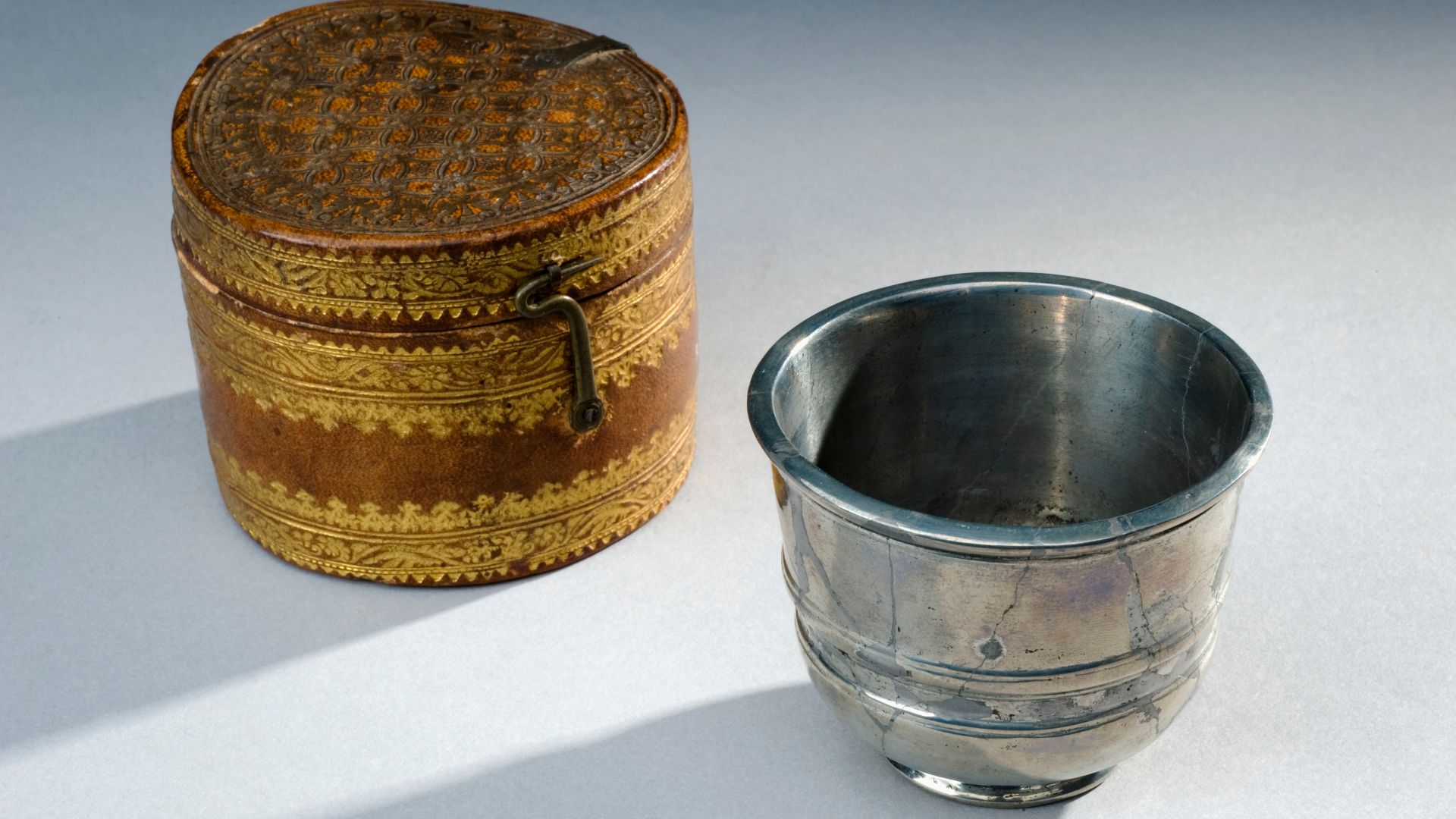
Here's a medical collectible you probably don't want in your kitchen. Antimony cups were once used to prepare beverages that caused vomiting. Liquid left inside the cup absorbed antimony before being consumed. The resulting sickness was considered therapeutic. Somehow, people willingly owned cups specifically designed to ruin their afternoon.
Bloodletting Refused To Go Away
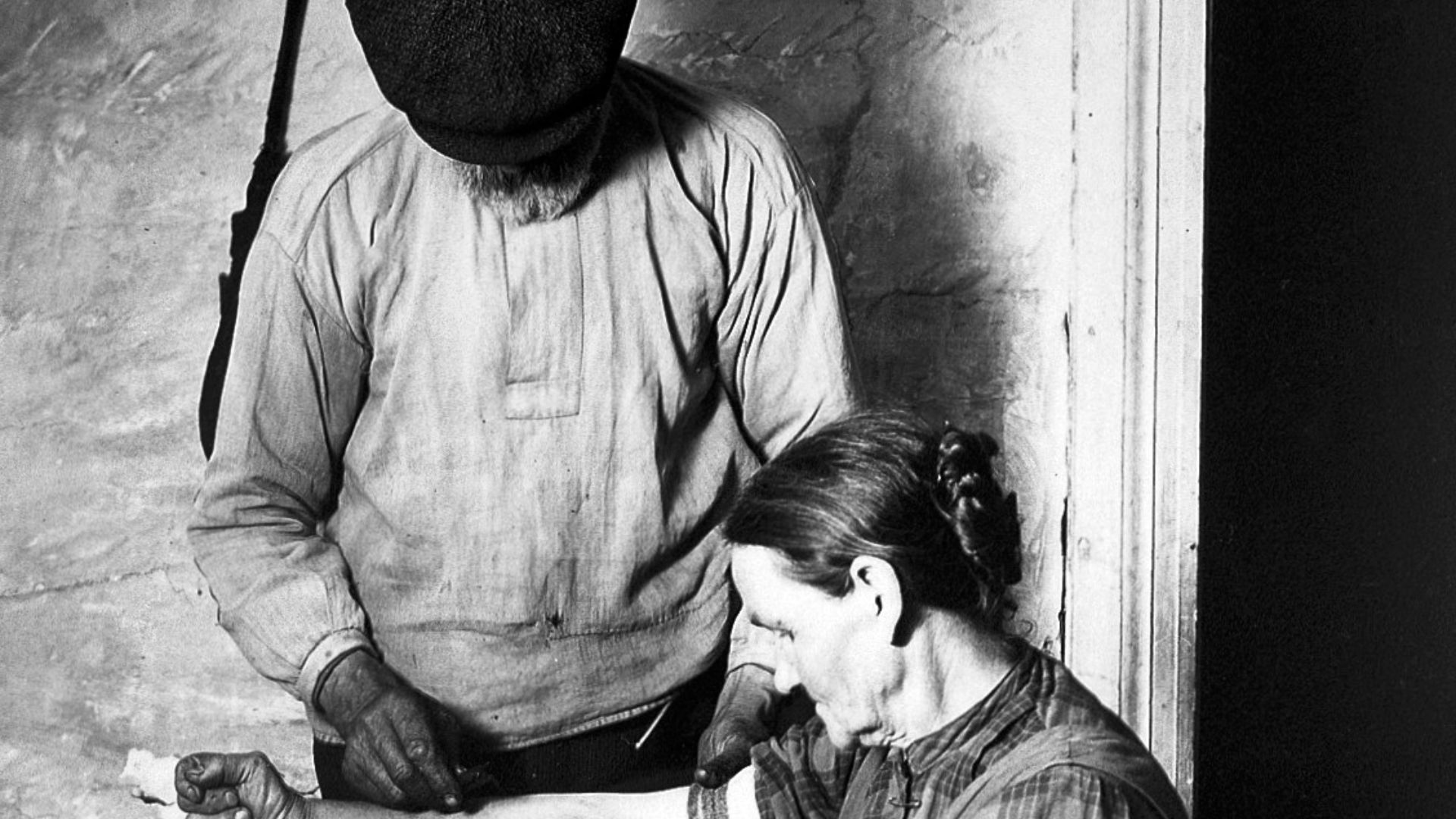
Few questionable treatments enjoyed a longer career than bloodletting. Physicians practiced it for centuries, believing illness resulted from imbalances within the body. Removing blood supposedly restored harmony. Unfortunately, removing too much could weaken already sick patients, cause dangerous drops in blood pressure, and make recovery considerably harder.
George Washington Got The Full Treatment
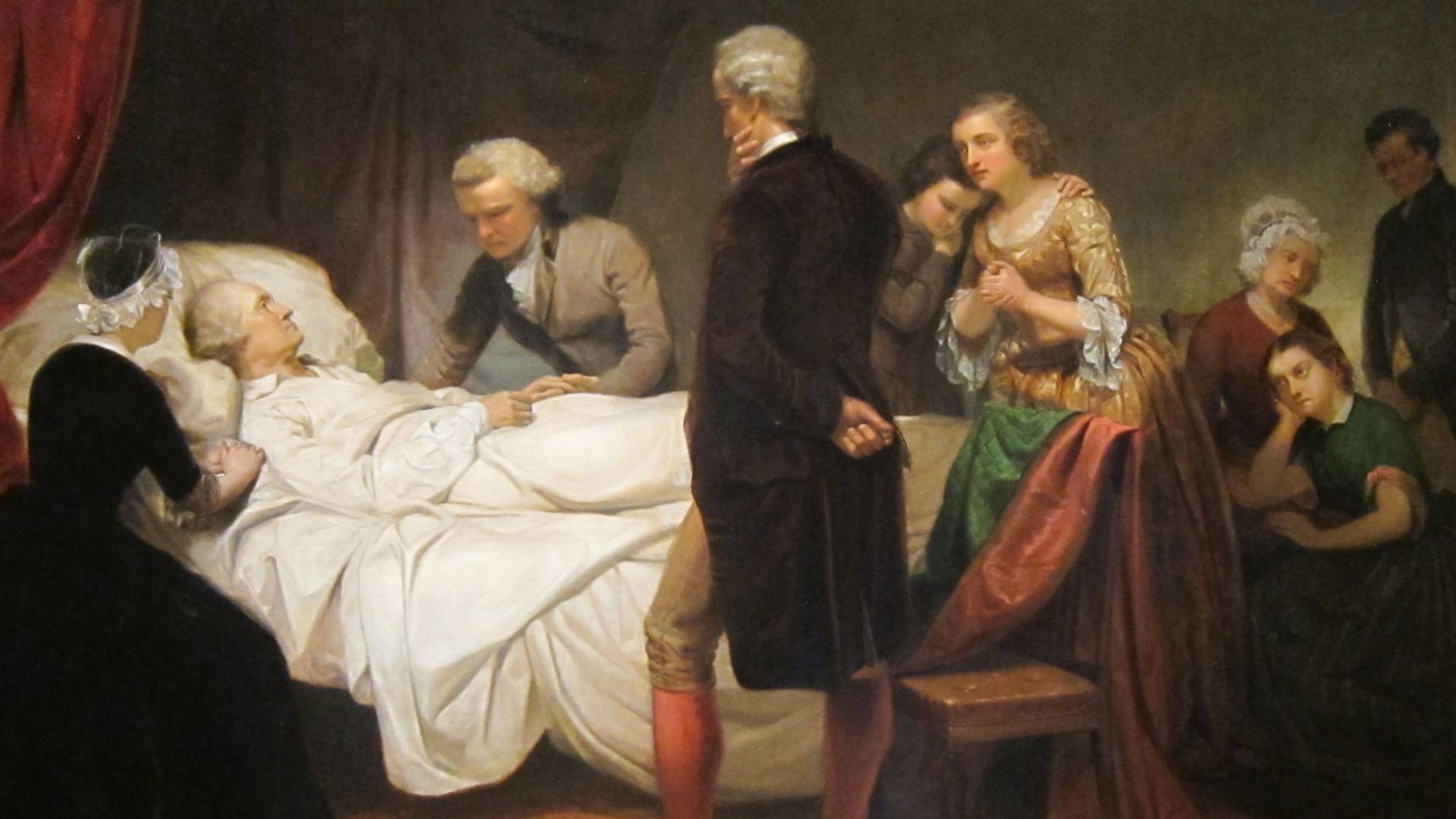
When George Washington became dangerously ill in December 1799, his doctors removed a substantial amount of his blood while desperately trying to save him. His exact cause of death remains debated, but losing so much blood probably wasn't helpful. Even presidents weren't safe from medicine's enthusiasm for buckets.
 Junius Brutus Stearns, Wikimedia Commons
Leeches Became Tiny Medical Assistants
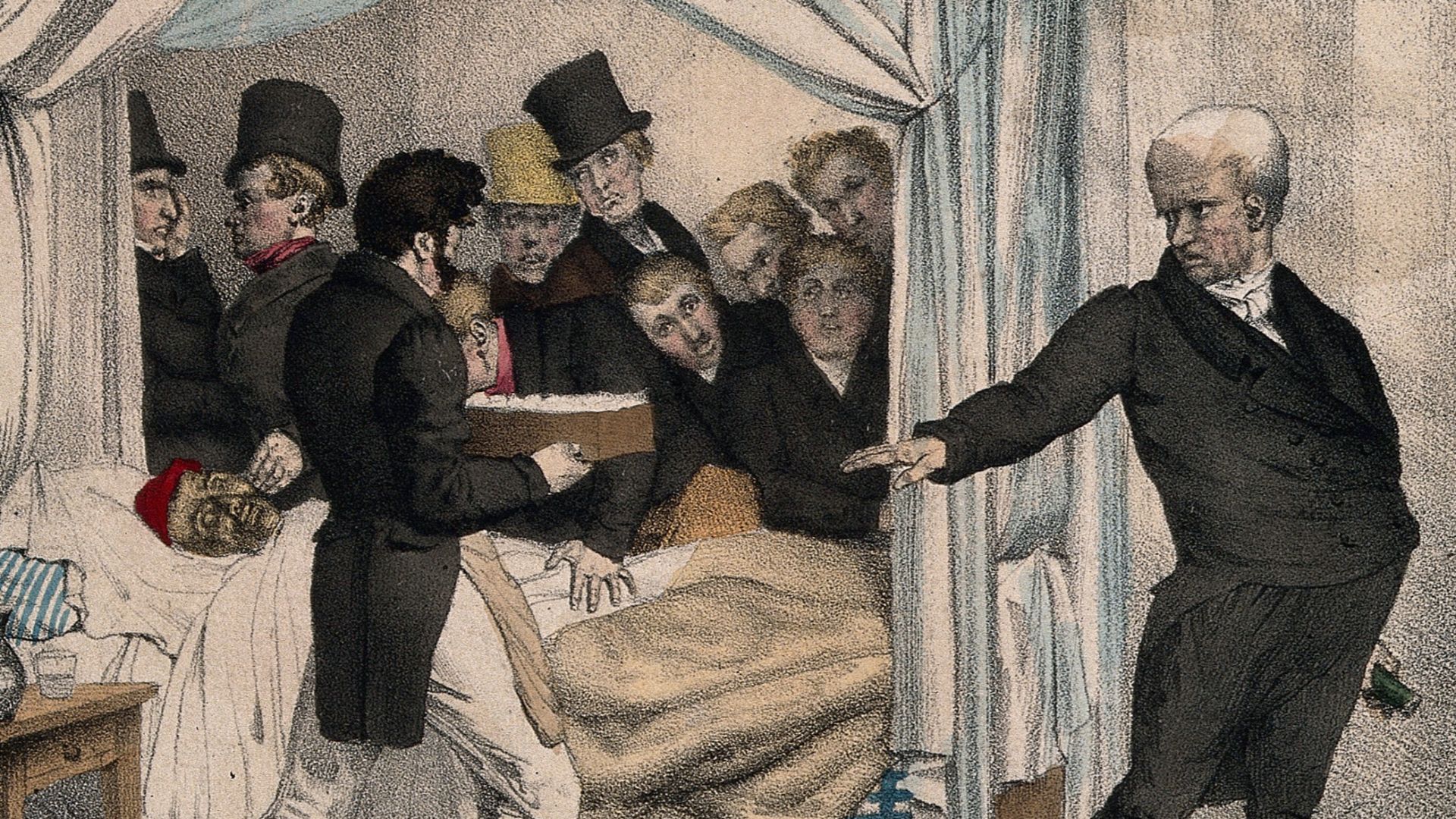
Bloodletting didn't always require a blade. Doctors also used leeches, which conveniently handled the unpleasant part themselves. During the early 19th century, demand became enormous. Leeches do have legitimate uses in modern reconstructive medicine, but historical physicians applied them far more enthusiastically—and to considerably more conditions.
Blistering Was Exactly What It Sounds Like
Some physicians believed creating large blisters could draw illness away from another part of the body. Irritating substances were deliberately applied to the skin until painful blisters formed. The patient might have arrived with a fever and left with a fever plus a brand-new collection of wounds.

Spanish Fly Was Used To Raise Blisters
Cantharides, commonly called Spanish fly, came from blister beetles and was used medically to irritate the skin. The substance could cause painful blistering and was extremely toxic if absorbed or swallowed. Kidney damage, internal bleeding, and death were possible consequences. The beetles were arguably the least troubling part.
 Luis Fernández García, Wikimedia Commons
History's most fascinating stories and darkest secrets, delivered to your inbox daily.
Purging Became A Medical Obsession
For generations, doctors believed bowel movements could force disease out of the body. Powerful purgatives were therefore prescribed for an extraordinary variety of illnesses. Unfortunately, severe diarrhea could leave sick people dangerously dehydrated and weak. If the disease didn't exhaust you, the treatment was standing by to finish the job.
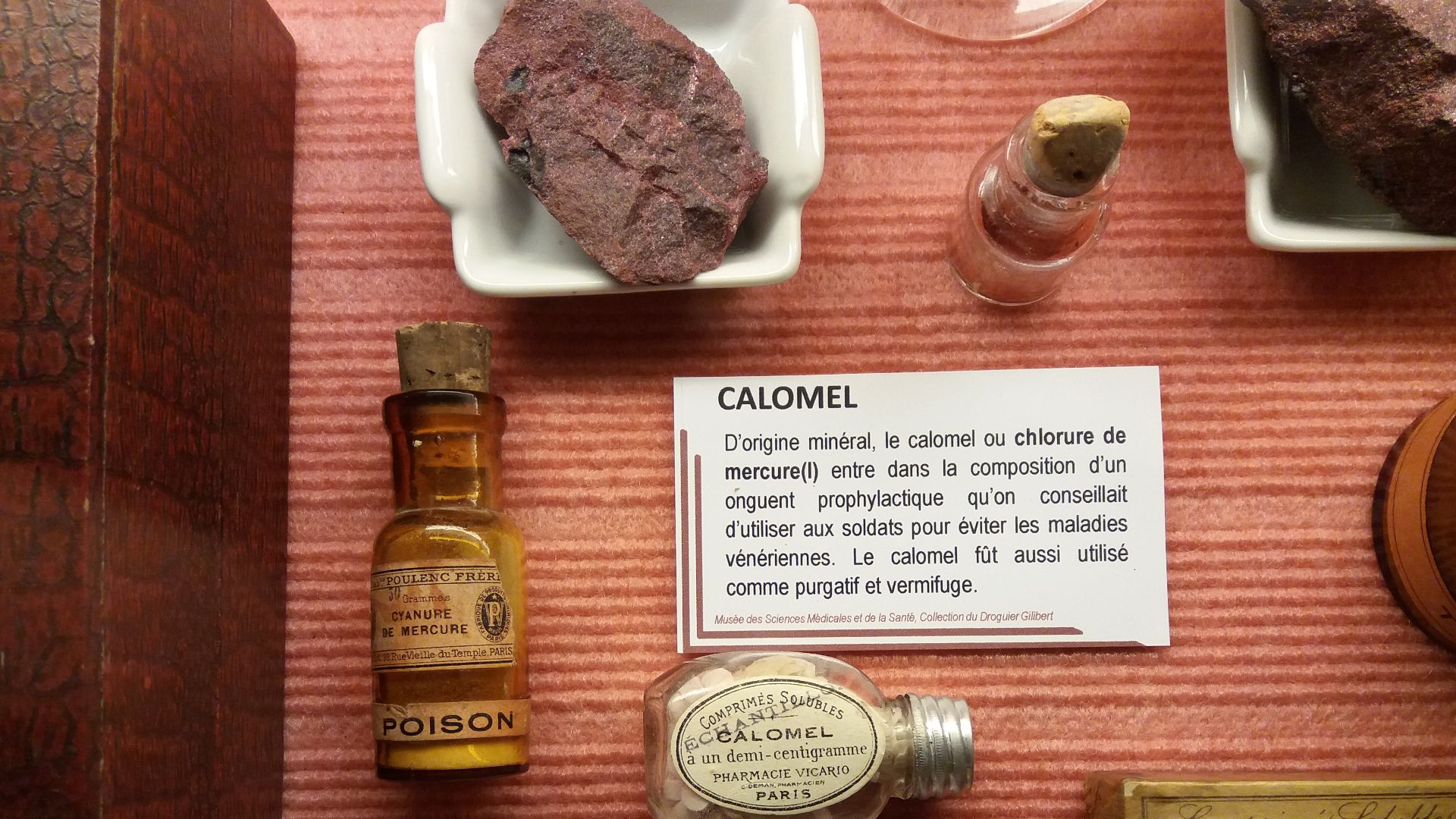 Romainbehar, Wikimedia Commons
Radium Looked Like The Future
When radioactivity was discovered, people understandably found it fascinating. Less understandably, businesses soon began placing radioactive materials into supposed health products. Radiation was promoted as energizing and restorative. Customers weren't told much about tissue damage, bone destruction, or cancer, largely because nobody fully understood those consequences yet.
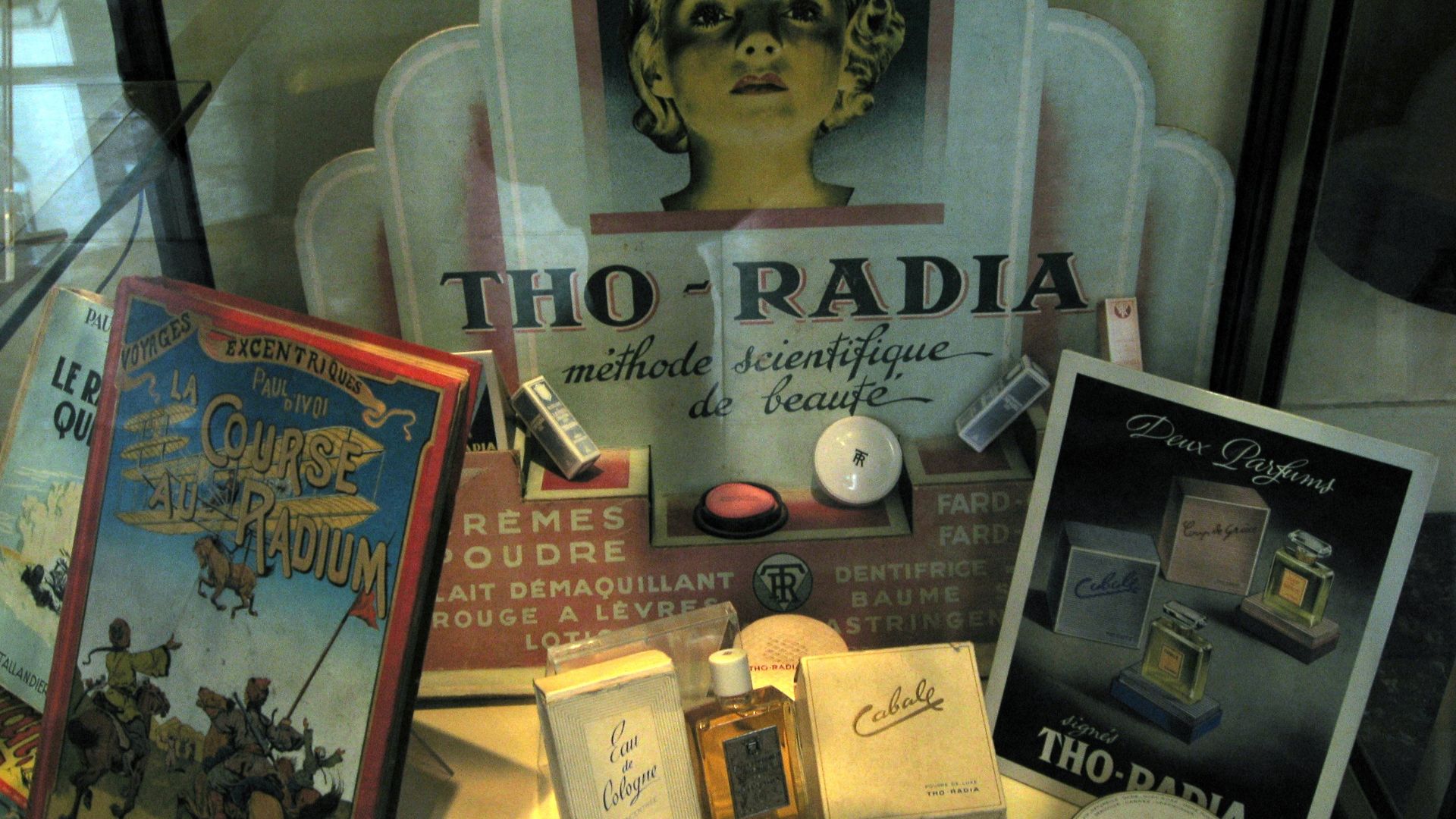 Jon Evans from Toronto, Canada, Wikimedia Commons
Radioactive Water Became A Health Craze
Some early 20th-century consumers purchased water containing radioactive material because advertisements suggested it could restore vitality. Today, that sounds like something a movie villain would keep in the basement. At the time, however, radioactive products were marketed with cheerful confidence to people who assumed modern science knew what it was doing.
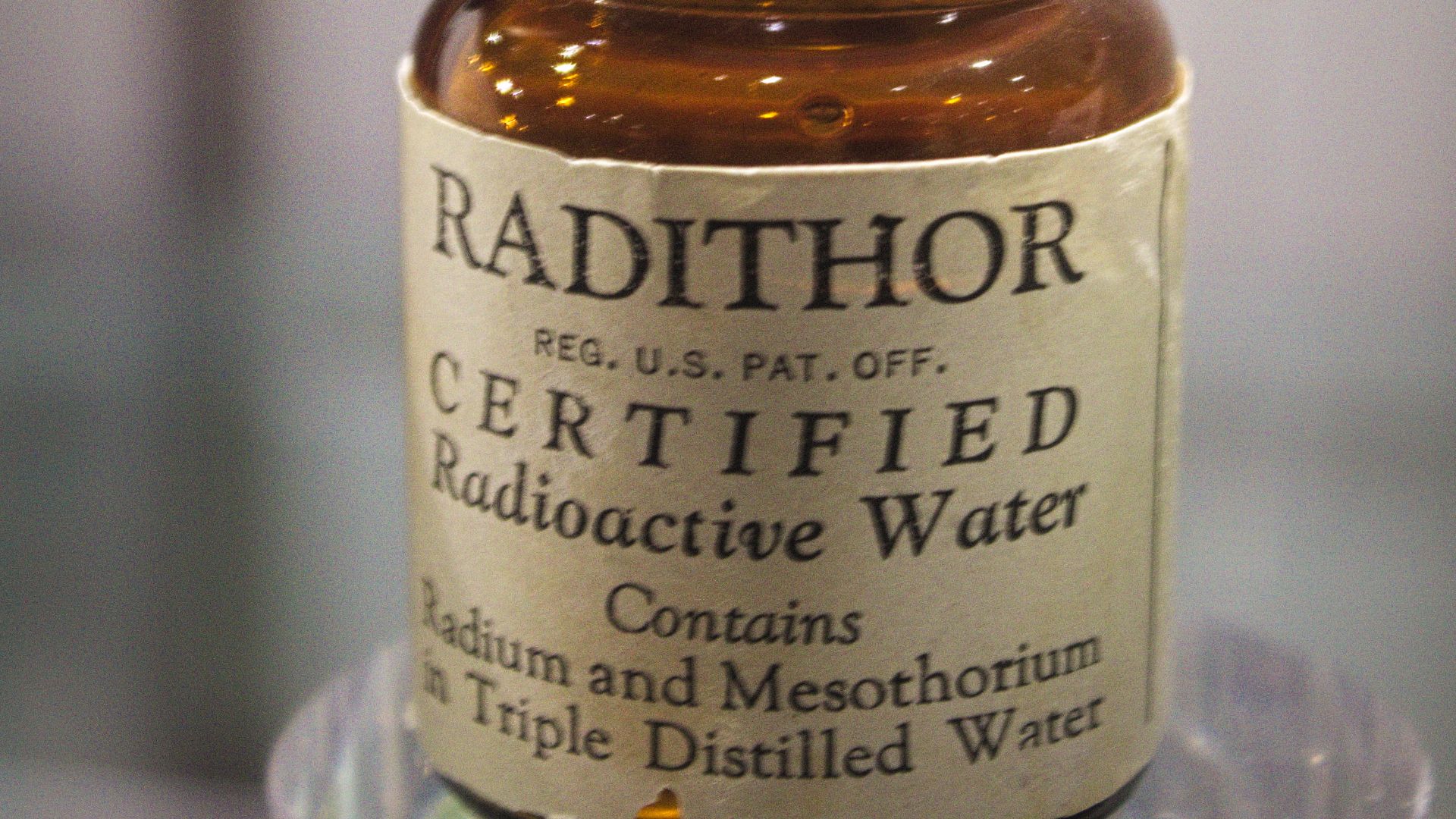 Sam LaRussa from United States of America, Wikimedia Commons
Radithor Produced A Horrifying Warning
American industrialist Eben Byers famously consumed large quantities of Radithor, a commercially sold radioactive preparation. He eventually suffered catastrophic radiation injuries, including severe damage to his jaw and bones. His death in 1932 became national news and helped convince regulators that radioactive wellness products might require slightly more supervision.
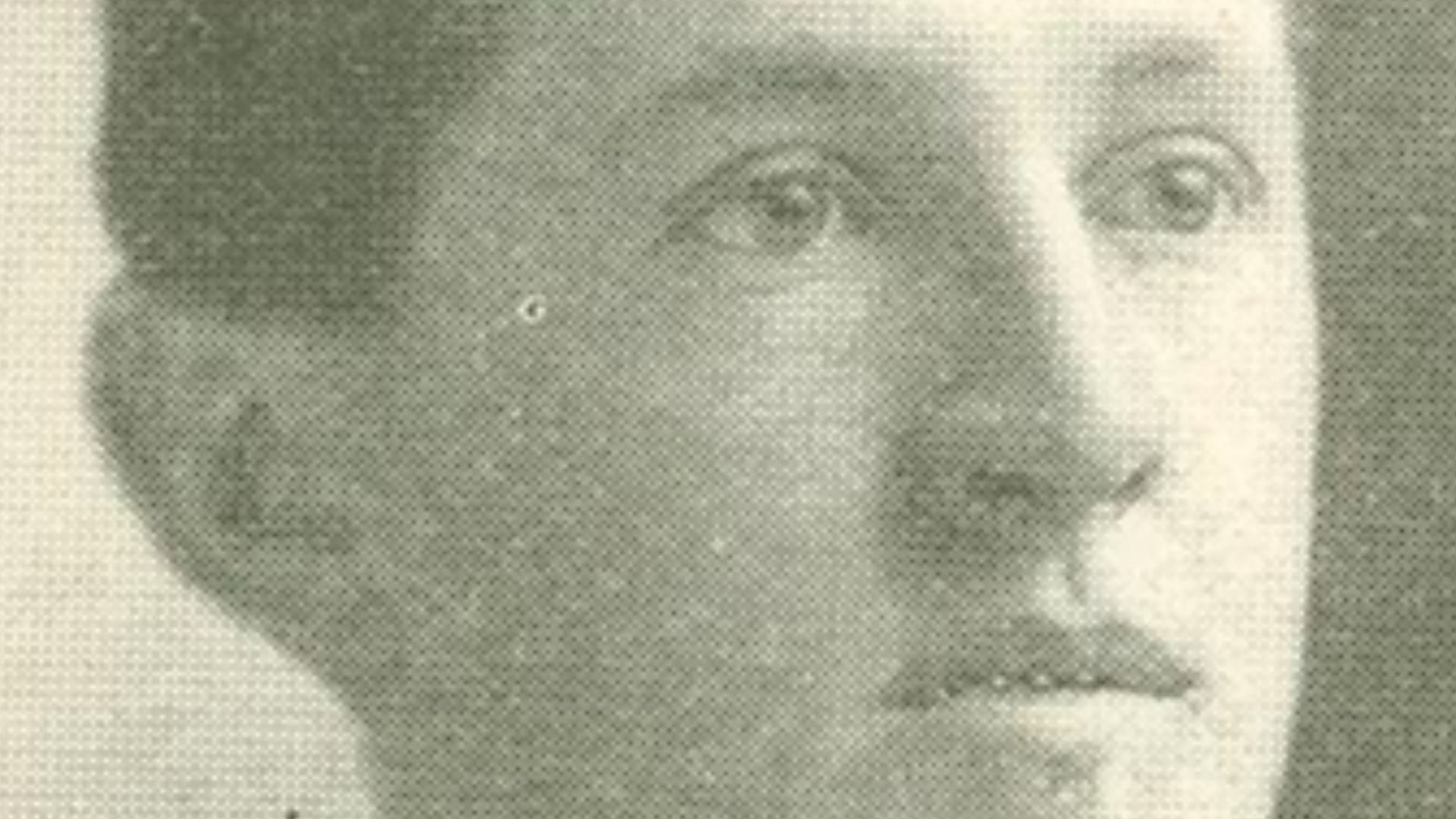
Strychnine Was Supposed To Be Invigorating
Strychnine is best remembered today as a notorious poison, but small amounts once appeared in medical tonics. Physicians used it as a stimulant and attempted treatment for various conditions. The margin between "stimulating" and "terrifying medical emergency" wasn't exactly generous. Poisoning could trigger violent muscle spasms and convulsions.
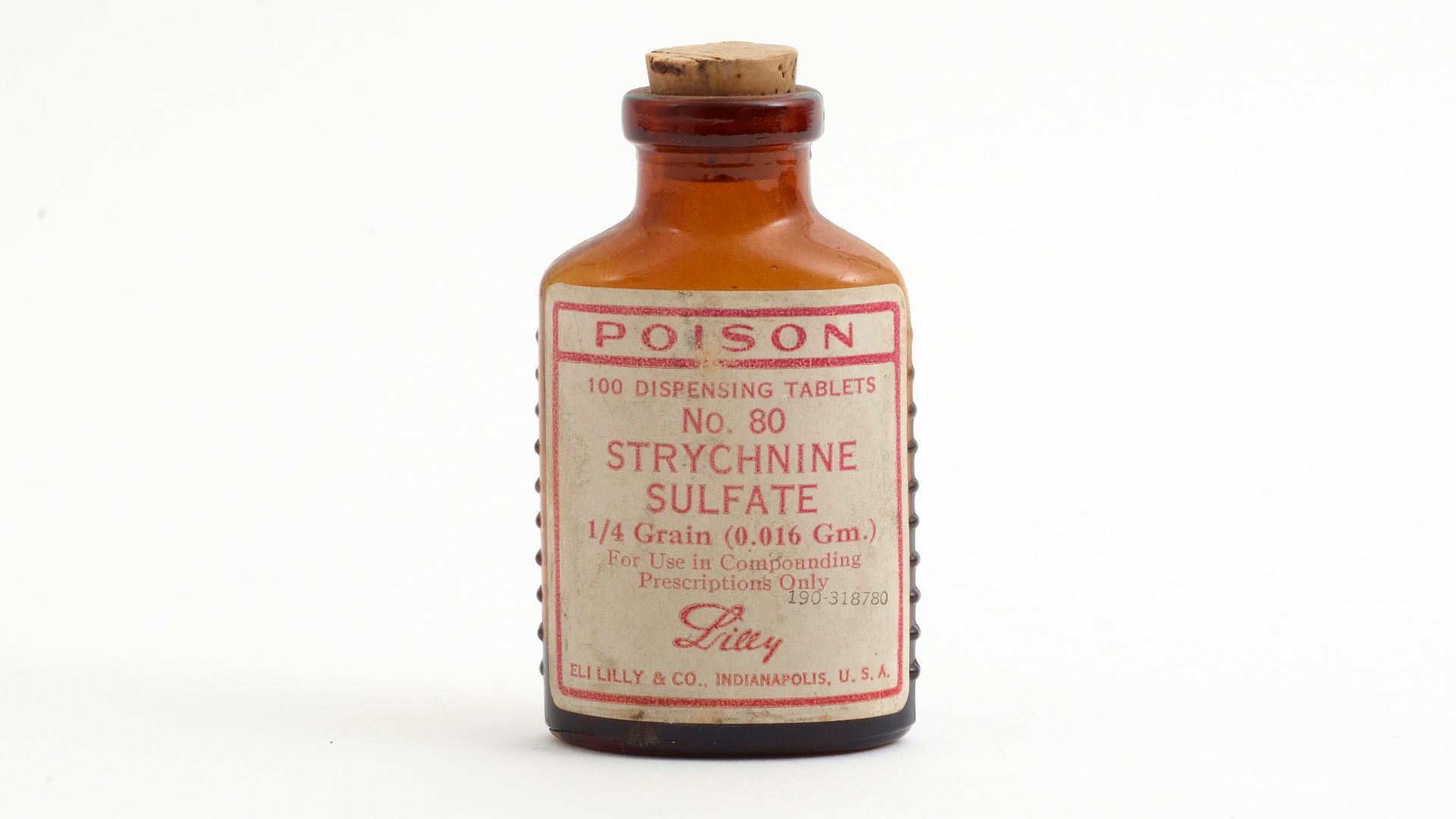 Eli Lilly and Company, Wikimedia Commons
Electricity Was Going To Cure Everything
Once electricity became widely understood, medical entrepreneurs decided it must surely solve every human problem. Electrical belts, brushes, rings, and strange machines promised relief from weakness, pain, nervousness, and countless other complaints. Some did virtually nothing. Others could burn or shock customers. Either way, the advertisements were terrific.

History's most fascinating stories and darkest secrets, delivered to your inbox daily.
Doctors Deliberately Gave Patients Malaria
In the early 20th century, physicians sometimes infected patients suffering from late-stage syphilis with malaria. The idea was that malaria's high fevers might kill the syphilis-causing bacteria. The technique sometimes worked, remarkably enough, but intentionally giving somebody another potentially deadly disease came with some fairly obvious complications.
 Unknown authorUnknown author, Wikimedia Commons
Insulin Comas Became Psychiatric Treatment
Before modern psychiatric treatments became available, some hospitals administered large amounts of insulin to patients with schizophrenia, deliberately causing severe hypoglycemia and comas. The process could lead to seizures, brain injury, or death. Its effectiveness was eventually questioned, but thousands of patients had already experienced the treatment.
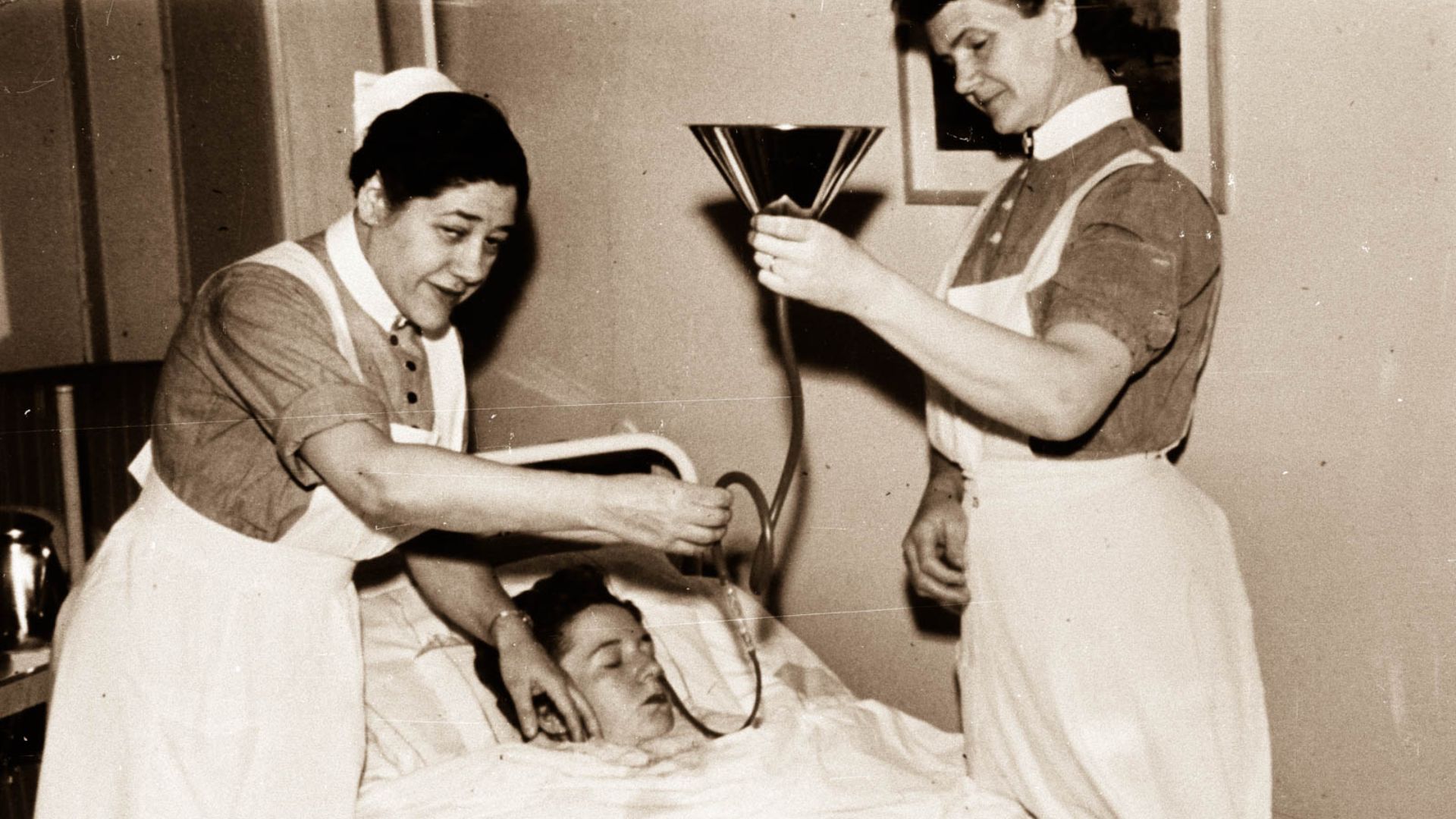 Unknown authorUnknown author, Wikimedia Commons
Lobotomies Were Once Cutting-Edge Medicine
Lobotomy involved deliberately damaging connections within the brain's frontal regions in an attempt to treat severe psychiatric illness. The procedure became surprisingly widespread during the mid-20th century. Some patients became quieter afterward, which was sometimes labeled improvement. Unfortunately, others experienced devastating personality changes, disability, cognitive impairment, or death.
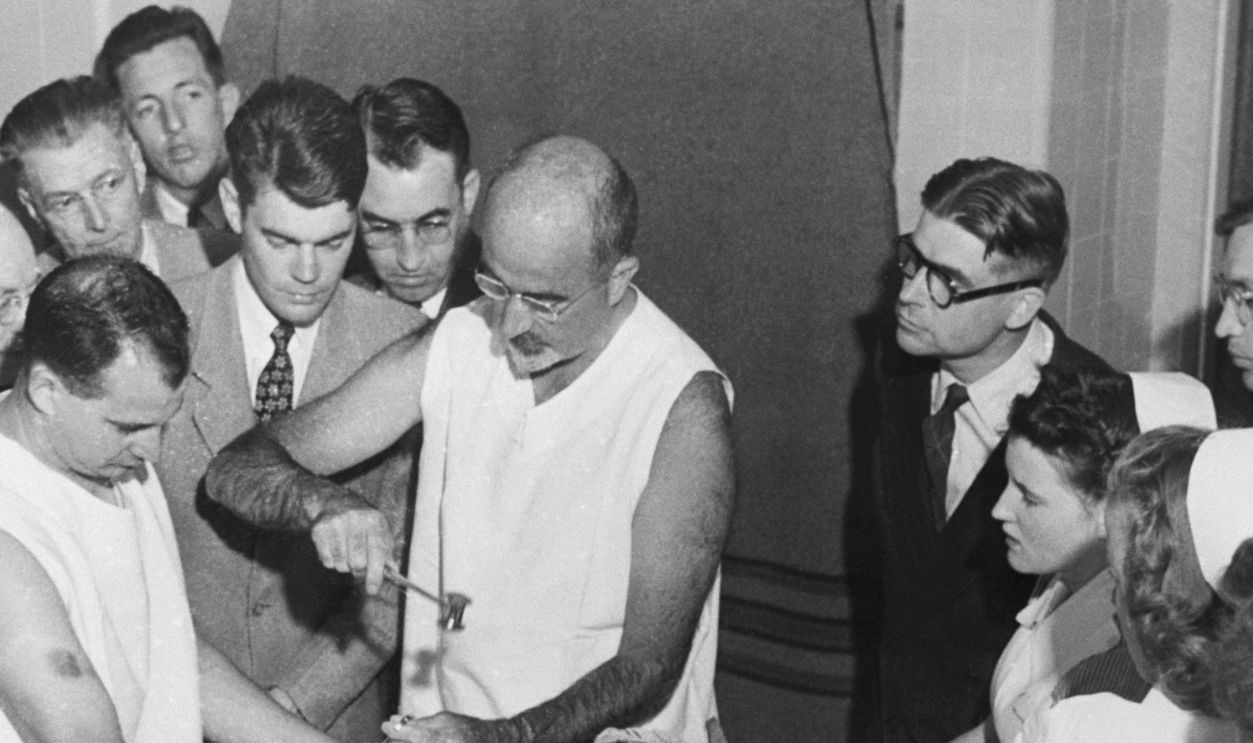
A Lobotomy Earned A Nobel Prize
The history becomes even stranger. Portuguese neurologist António Egas Moniz shared the 1949 Nobel Prize in Physiology or Medicine for developing prefrontal leucotomy, an early form of lobotomy. Today, the procedure is largely remembered as a medical horror story. Scientific reputations, it turns out, can age rather unpredictably.

Yesterday's Miracle Is Today's Warning
It's easy to chuckle at radioactive water and antimony vomiting cups, but the people using them weren't necessarily foolish. Many were following the best advice available at the time. That's what makes these stories fascinating—and unsettling. Medicine advances partly because someone eventually asks the extremely important question: "Are we sure this is helping?"
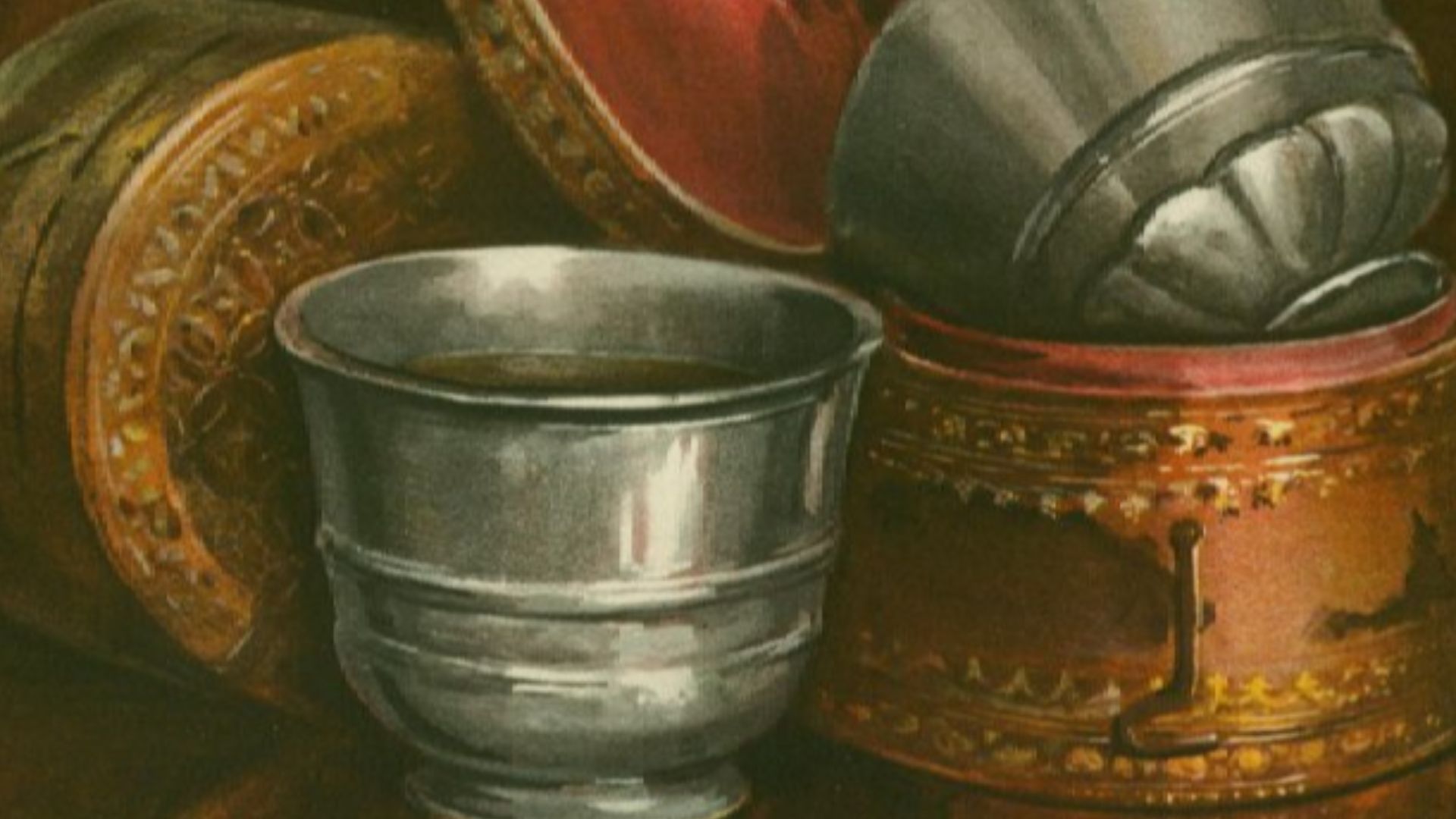 BMJ Publishing Group, Wikimedia Commons
You May Also Like:
Shocking Facts About Martha Mansfield, The Fleeting Starlet
Mysterious Facts About Alla Nazimova, The Mother Of Sapphic Hollywood










_(14594127697).jpg)