
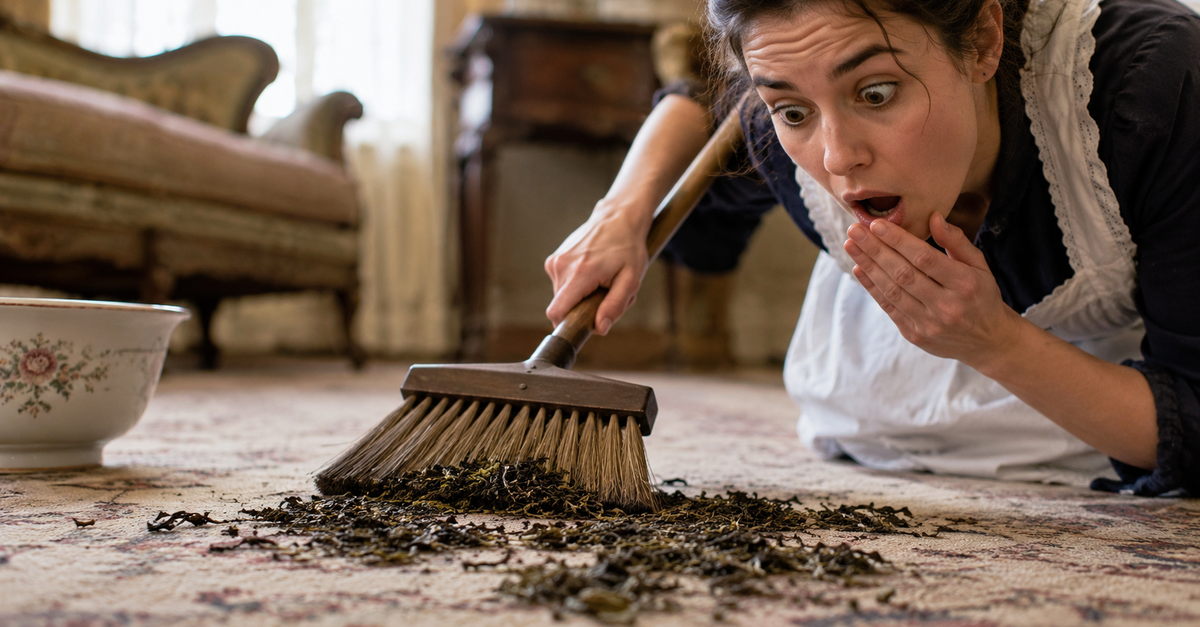
Damp Tea Leaves Made Carpet Sweeping Less Dusty
Before vacuum cleaners became ordinary household equipment, sweeping a carpet could simply throw dust back into the air. Isabella Beeton’s 1861 household manual instructed housemaids to scatter damp, squeezed-out tea leaves over carpets before sweeping because the moisture helped hold down loose dust. Another Victorian housekeeping guide gave essentially the same instruction, showing that this was an established cleaning practice rather than an isolated oddity. Factinate Ltd
Fresh Grass Could Replace The Tea Leaves
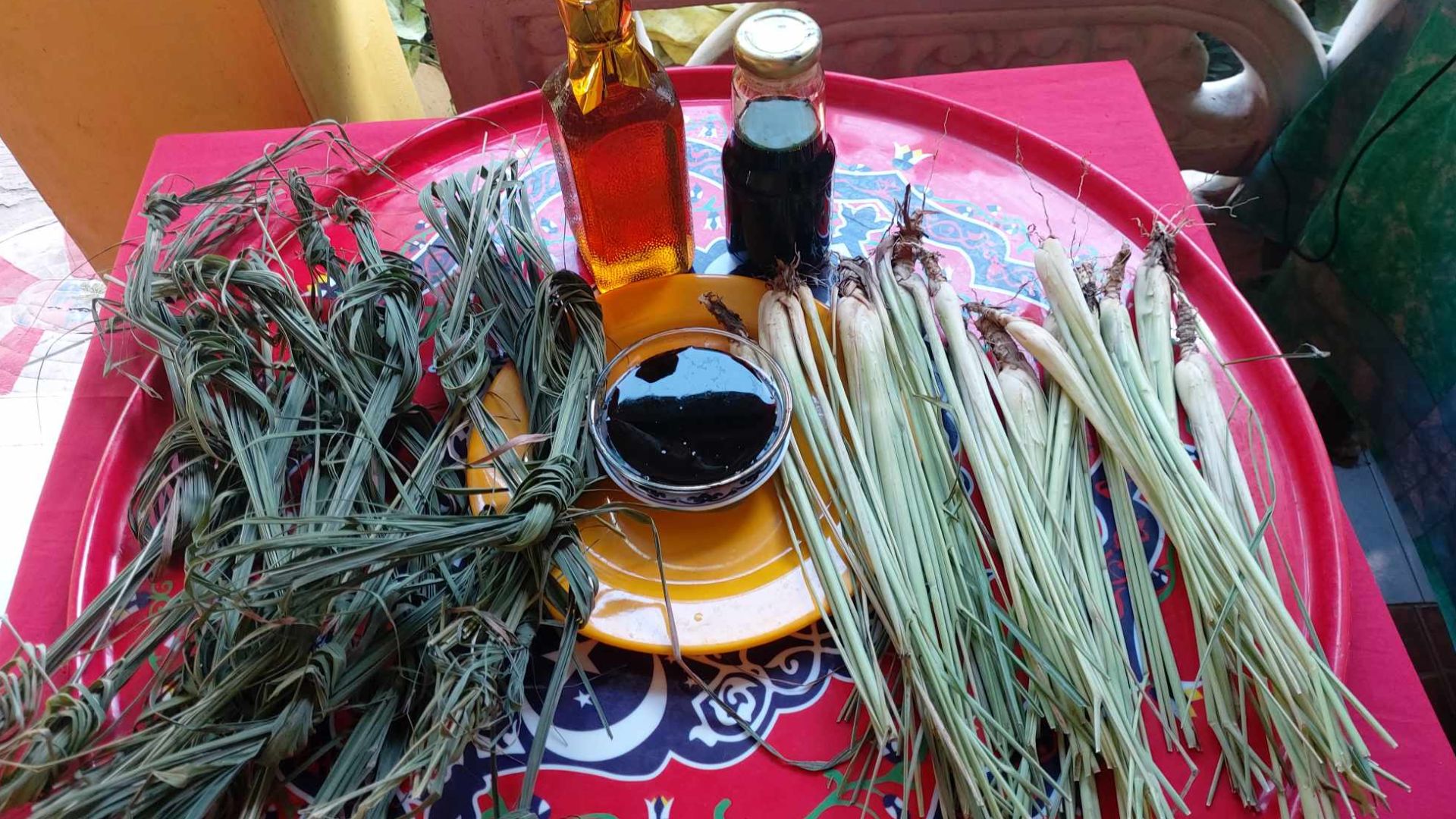
Tea leaves were not the only damp material Victorian housekeepers tossed across their floors. Beeton also suggested freshly pulled grass when tea leaves were unavailable, again with the goal of stopping dust from flying around while a carpet was swept. A modern homeowner would probably reach for a vacuum, but the underlying idea of trapping fine particles before removing them was surprisingly practical.
 Elmer Centeno Guevarra, Wikimedia Commons
Stale Bread Was Used To Clean Wallpaper
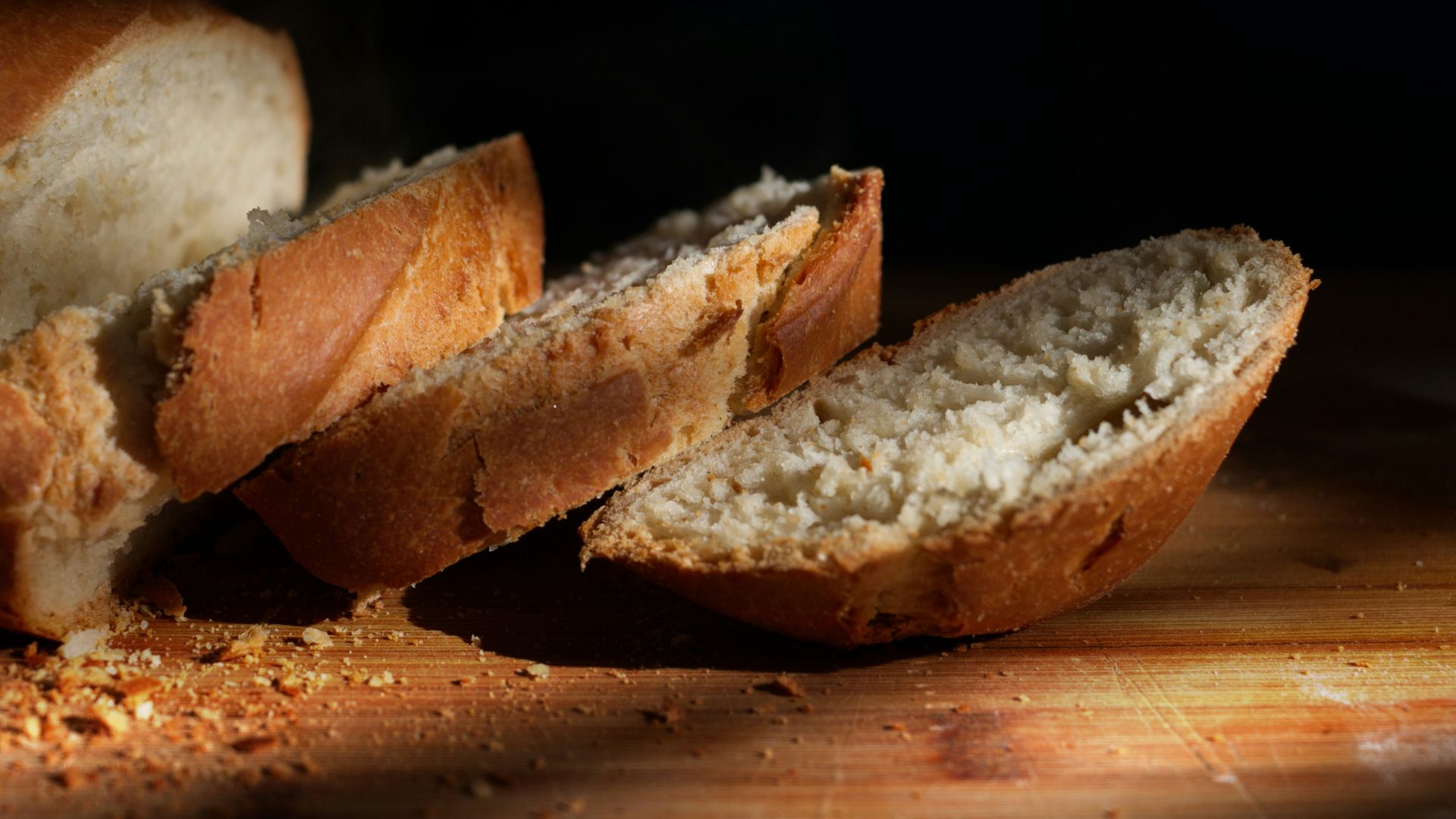
Throwing bread at a dirty wall sounds like the beginning of a food fight, but a major nineteenth-century household manual recommended something remarkably close to it. The Practical Housewife told readers to take pieces of stale bread and gently rub the crumb downward across paper hangings after removing loose dust. The soft bread acted as a disposable dry-cleaning material at a time when washable wall coverings and modern cleaning sponges did not exist.
Brown Paper Went Inside Smelly Bottles
Long-necked bottles were difficult to scrub before purpose-built bottle brushes became commonplace. An 1860 household guide recommended putting pieces of gray or brown paper into a foul-smelling bottle, adding water, and shaking it vigorously before allowing the mixture to sit. The paper supplied friction against the inside surface, making this strange-looking technique a primitive form of mechanical scrubbing.
Coffee Was Burned To Freshen The Icebox
Early refrigerators and iceboxes could develop unpleasant odors, and one 1915 housekeeping book offered a dramatic solution. Christine Terhune Herrick advised heating a small shovel until nearly red-hot, sprinkling ground coffee onto it, and placing it briefly inside the refrigerator. This is definitely not a method to copy with a modern appliance, but it shows how strongly people relied on aromatic smoke before packaged refrigerator deodorizers existed.
A Drinking Glass Could Check A Damp Bed
Cold, damp bedding was a genuine concern in homes that were difficult to heat. The Practical Housewife advised warming the bed, placing an inverted glass tumbler between the sheets for a few minutes, and checking whether moisture appeared on the glass. The idea was that condensation could reveal lingering dampness before somebody climbed into bed.

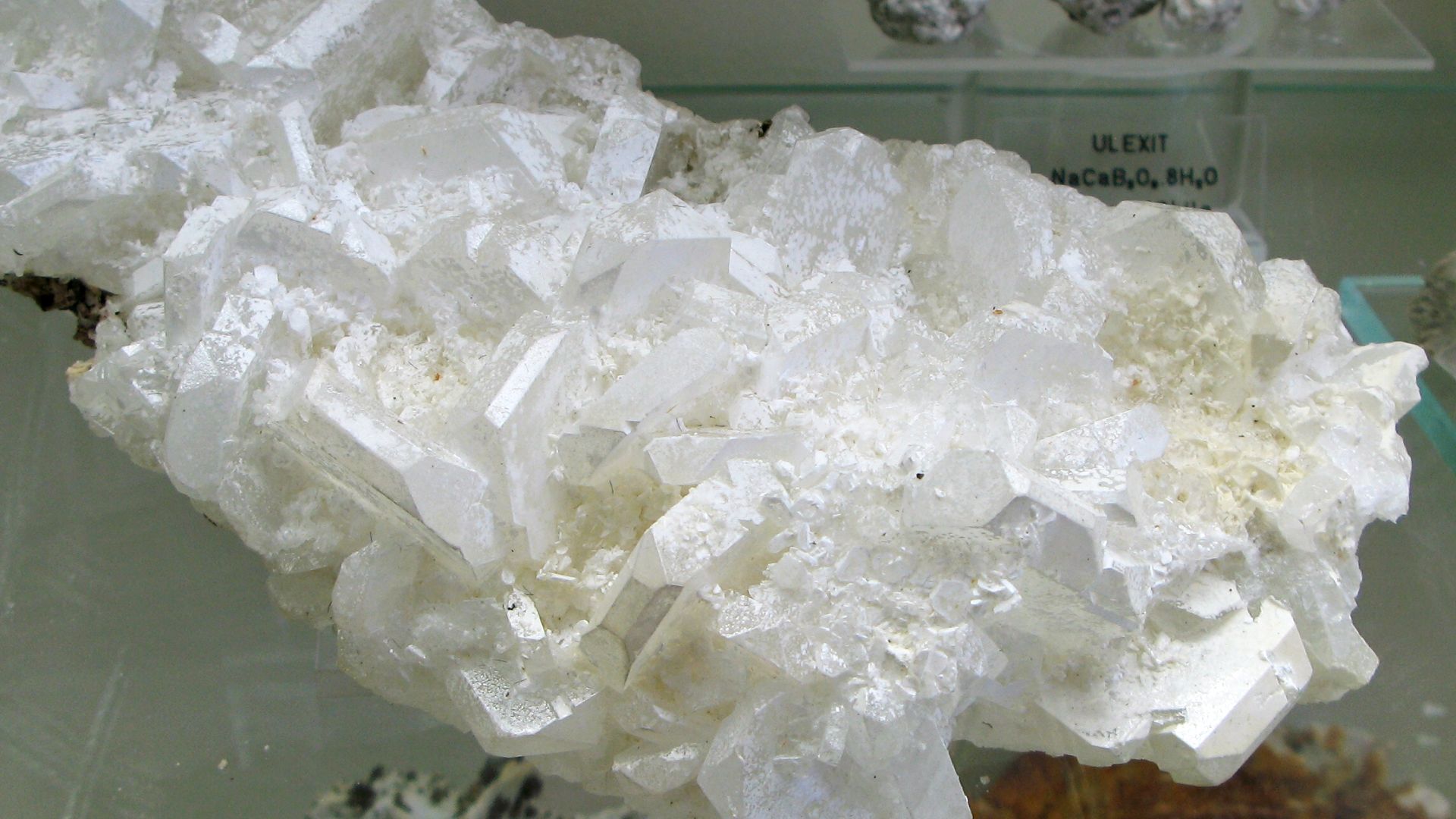
Washing Soda Was A Drain Cleaner
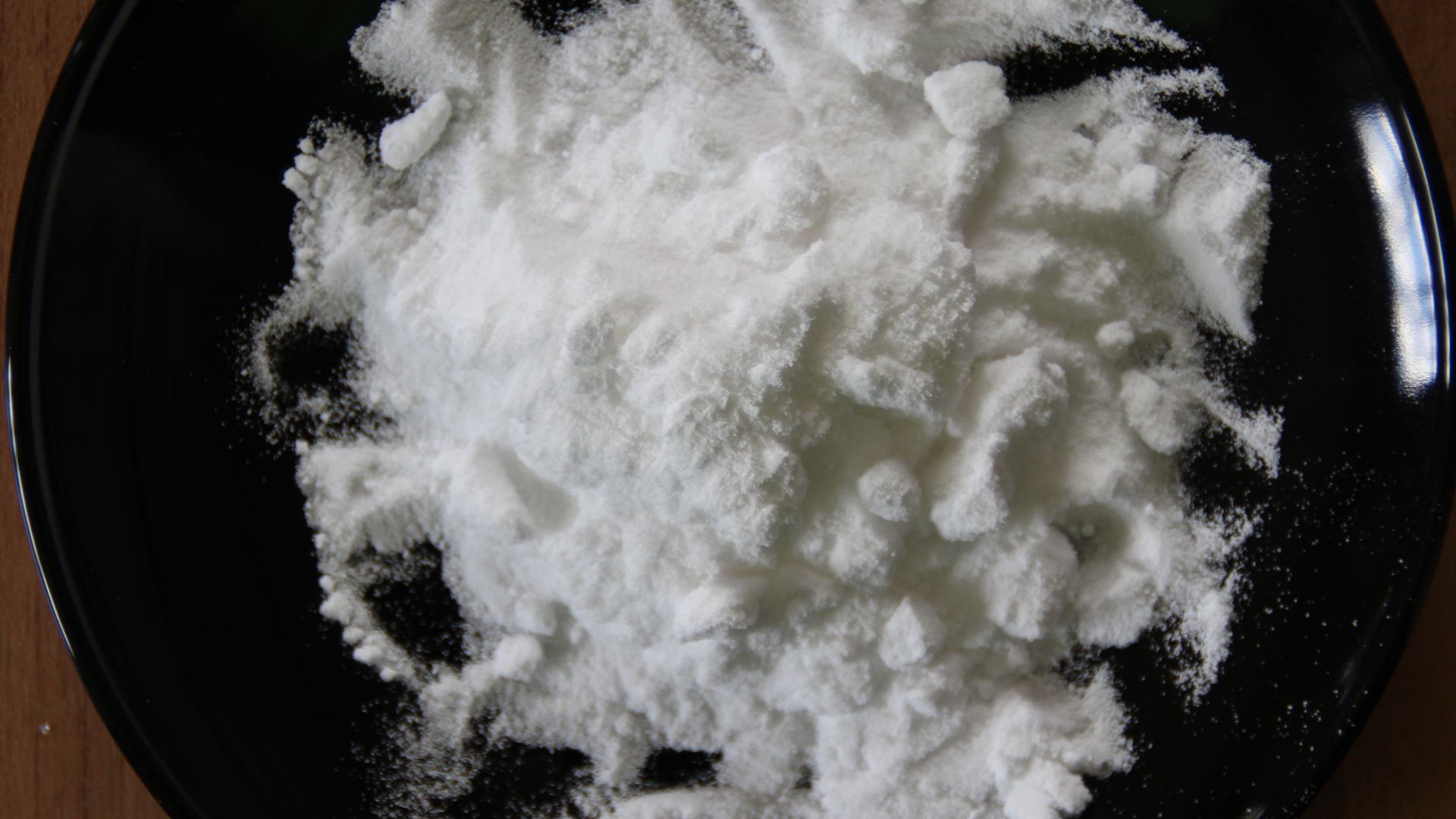
A clogged sink did not automatically mean buying a brightly labeled bottle from the hardware store. Herrick’s 1915 guide recommended washing soda, or sodium carbonate, for greasy waste pipes because it helped cut accumulated fat. Washing soda is still sold as a heavy-duty cleaner today, although modern plumbing guidance and product directions should take priority over century-old household instructions.
 Geoprofi Lars, Wikimedia Commons
Lemon And Salt Attacked Stubborn Laundry Stains
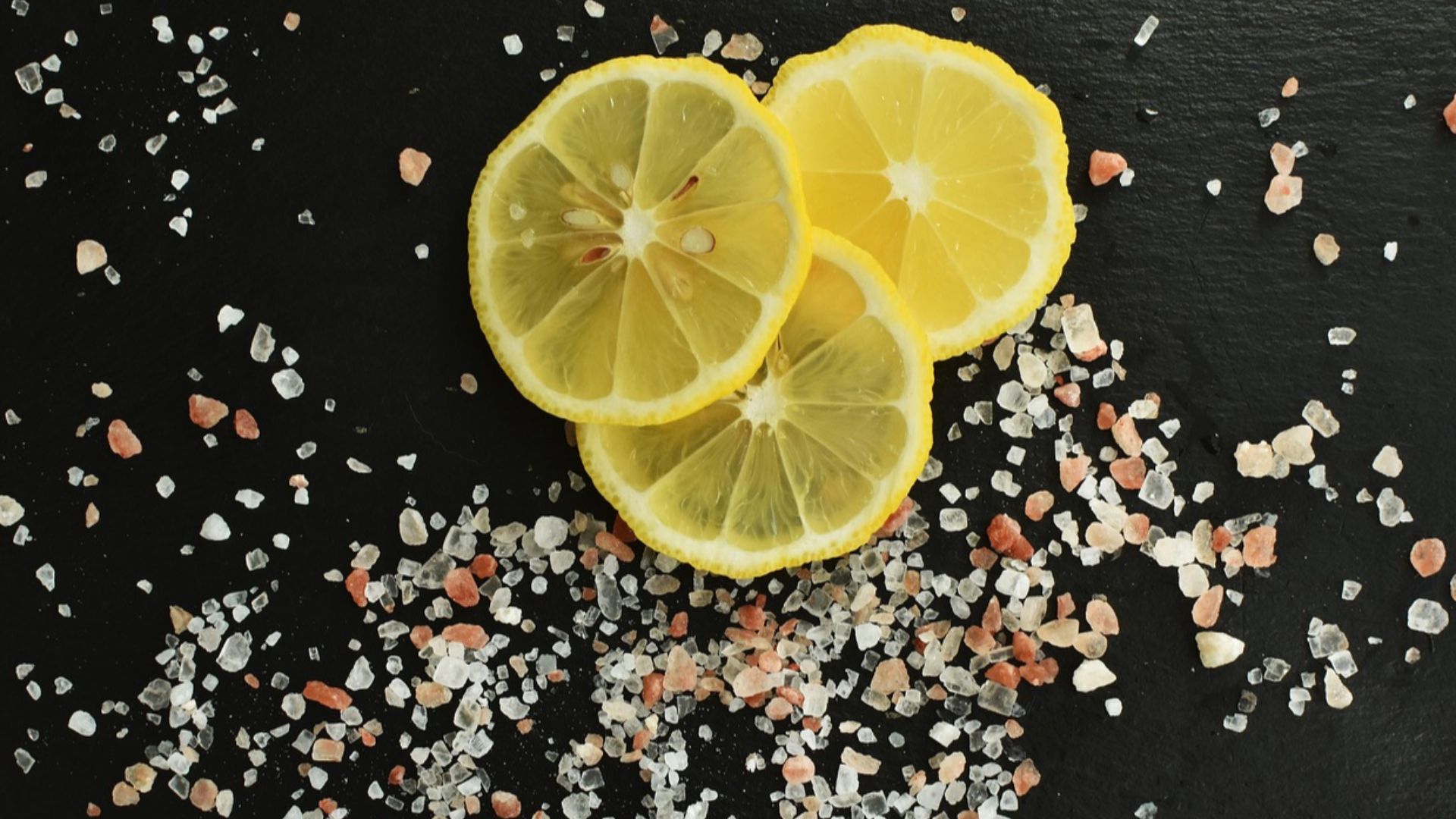
The combination of lemon juice, salt, and sunlight was once treated almost like a household stain-removal kit. Herrick recommended wetting rust, some ink, and certain mildew stains with lemon juice, adding salt, and exposing the fabric to the sun. Lemon and salt are still commonly used as cleaners because acidity and mild abrasion can help loosen certain deposits, although delicate fabrics can be damaged by improvised treatments.
Buttermilk Was Used Against Mildew
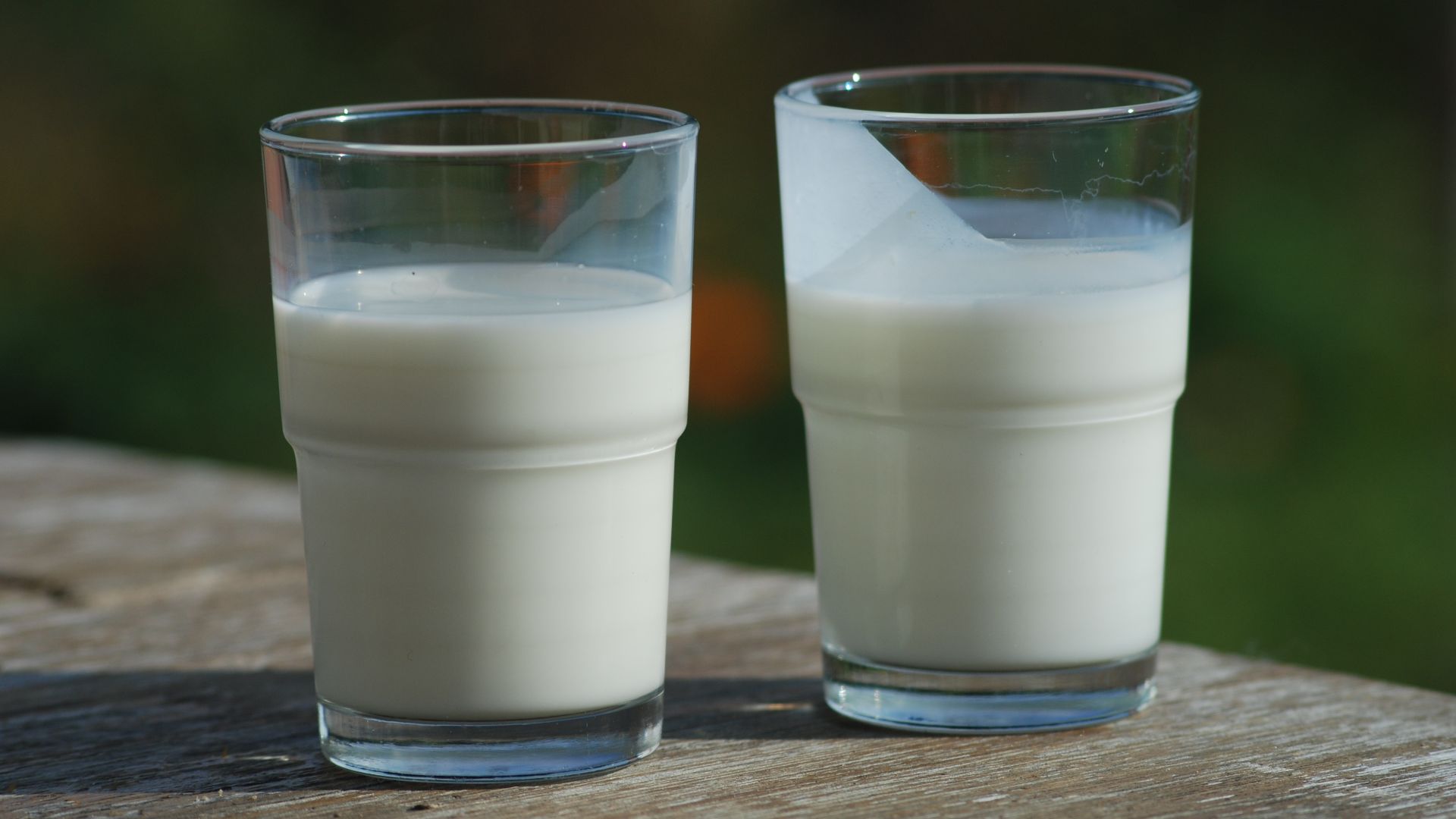
One of the stranger laundry instructions in the same 1915 manual involved boiling mildew-marked fabric in buttermilk when lemon and salt were not enough. That sounds more like a recipe than washday, but acidic dairy products appeared repeatedly in historical cleaning advice. The technique belongs to its period, especially because modern stain removers offer far more predictable results.

History's most fascinating stories and darkest secrets, delivered to your inbox daily.
Butter Was Rubbed Onto Grass Stains
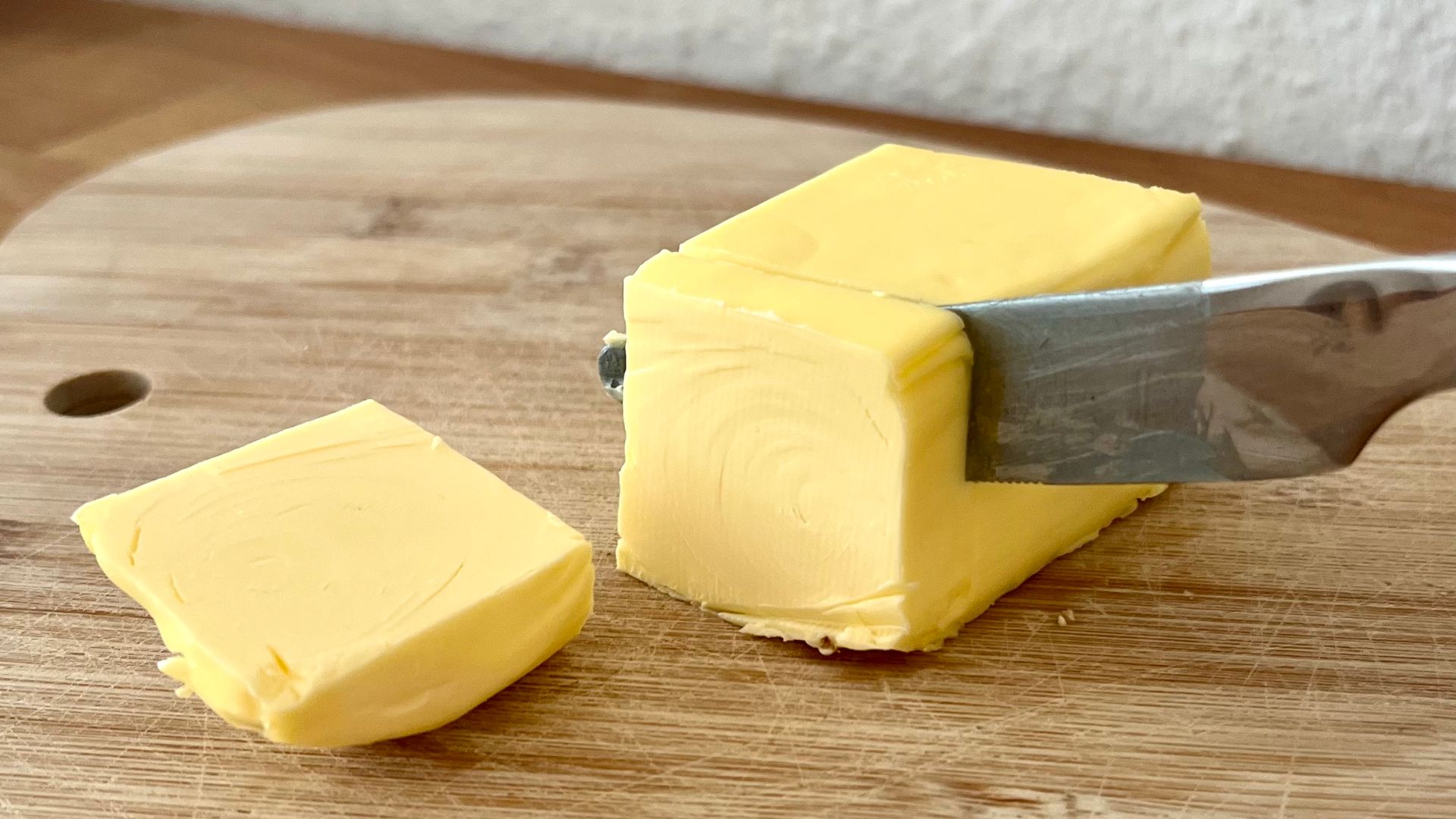
Grass on your clothes normally makes you think of detergent, not another greasy food. Herrick nevertheless reported that grass stains were sometimes treated by rubbing them with butter and then washing the butter back out. The extra cleanup alone explains why this trick has not exactly enjoyed a modern revival.
 Julikalucky, Wikimedia Commons
Kerosene Sometimes Went Into The Laundry Boiler
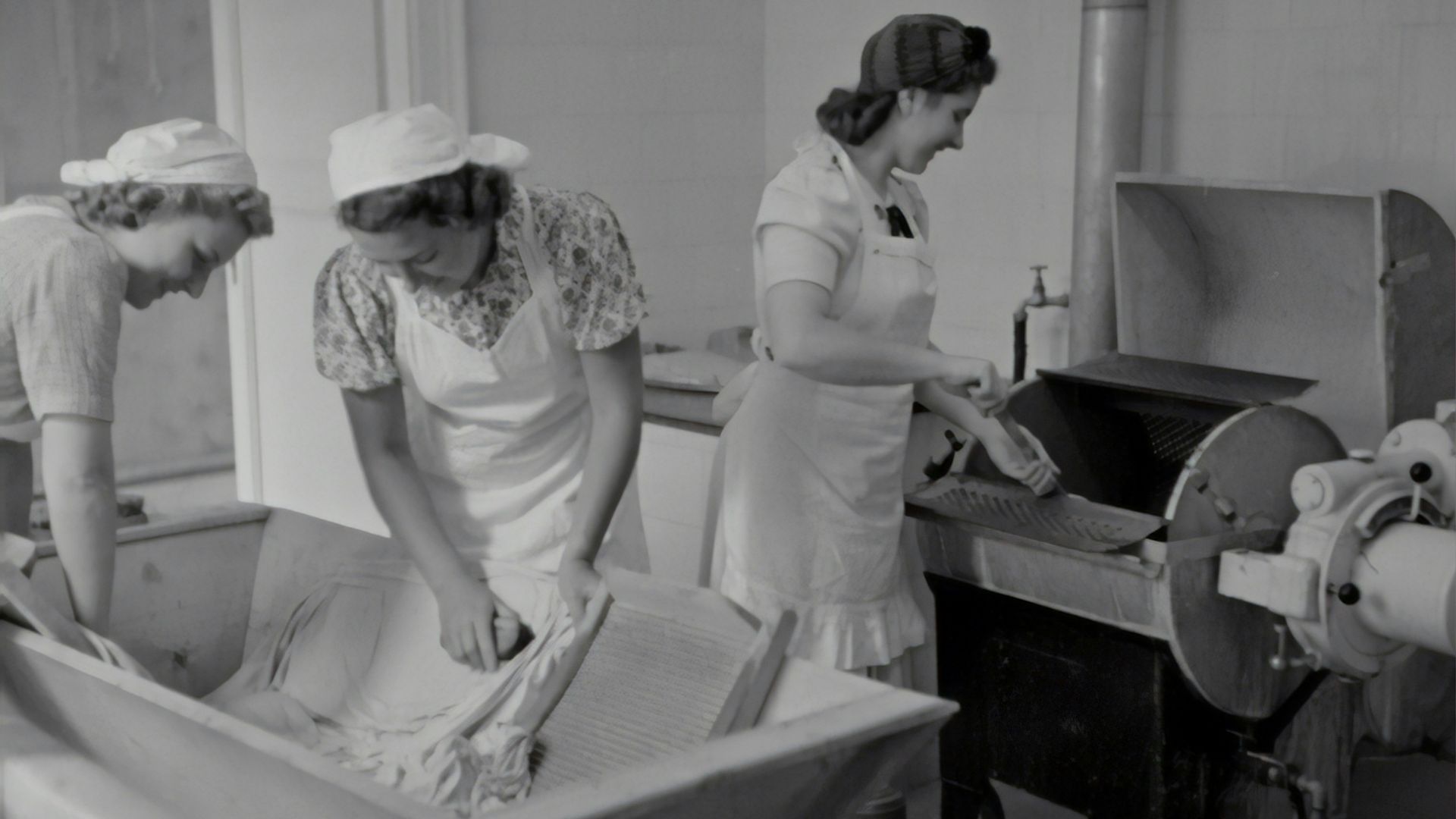
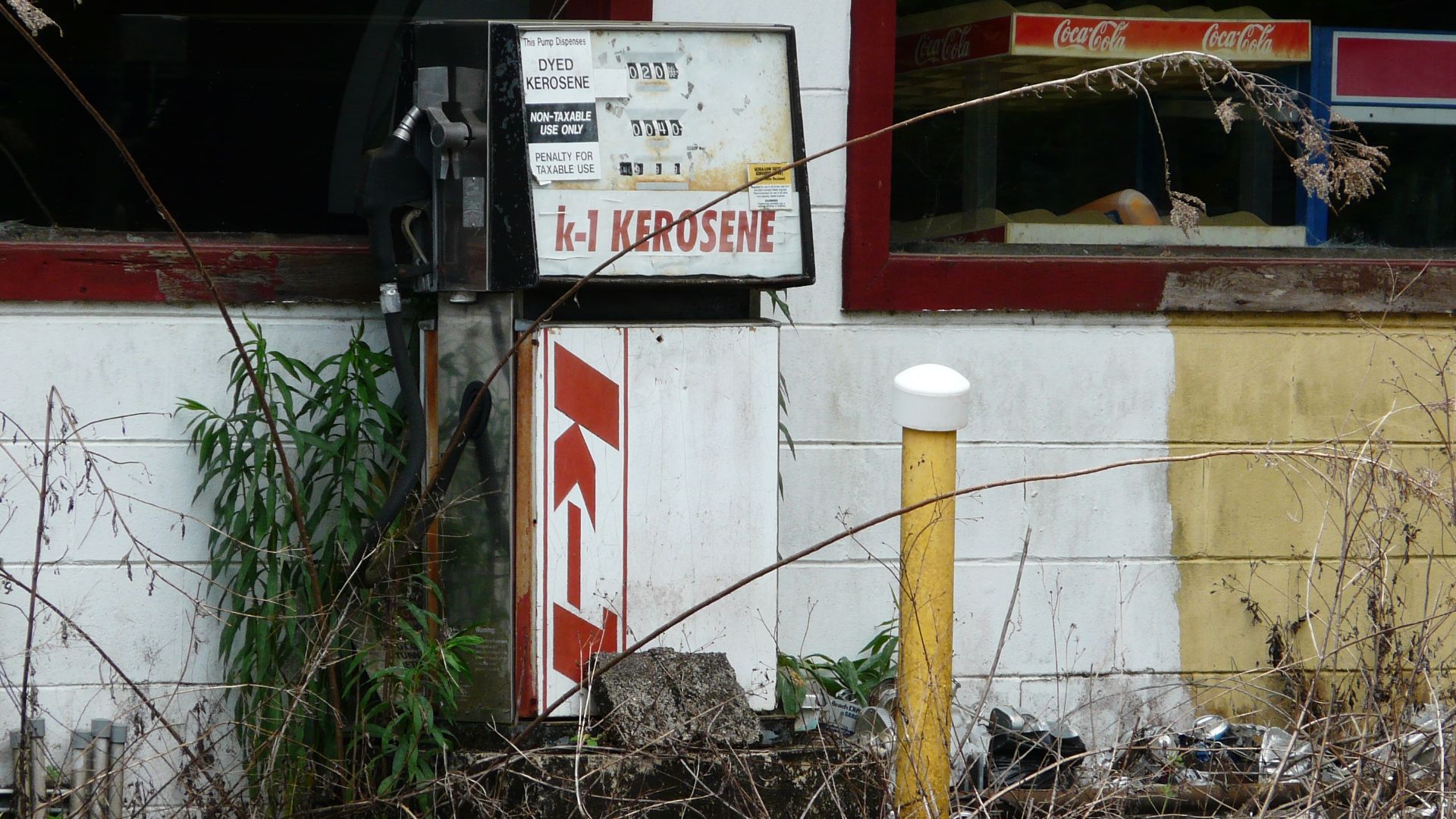
Laundry could involve surprisingly combustible ingredients in the early twentieth century. Herrick recommended adding a tablespoon of kerosene to the boiler used for white clothes, a practice that reflected an era of very different household equipment and safety expectations. It is a fascinating historical trick, but kerosene should not be added to a modern washing machine or used around contemporary laundry appliances.
 Austrian National Library, Unsplash
Kerosene Also Appeared In Floor Care
Kerosene was not limited to washday. The same 1915 guide suggested that hardwood floors could be wiped with kerosene when a mixture of crude oil and turpentine was unavailable, while warning against using too much because of the lingering smell. Modern floor finishes can react badly to solvents, so this is another case where the historical practice is more interesting than useful today.
 The Bushranger, Wikimedia Commons
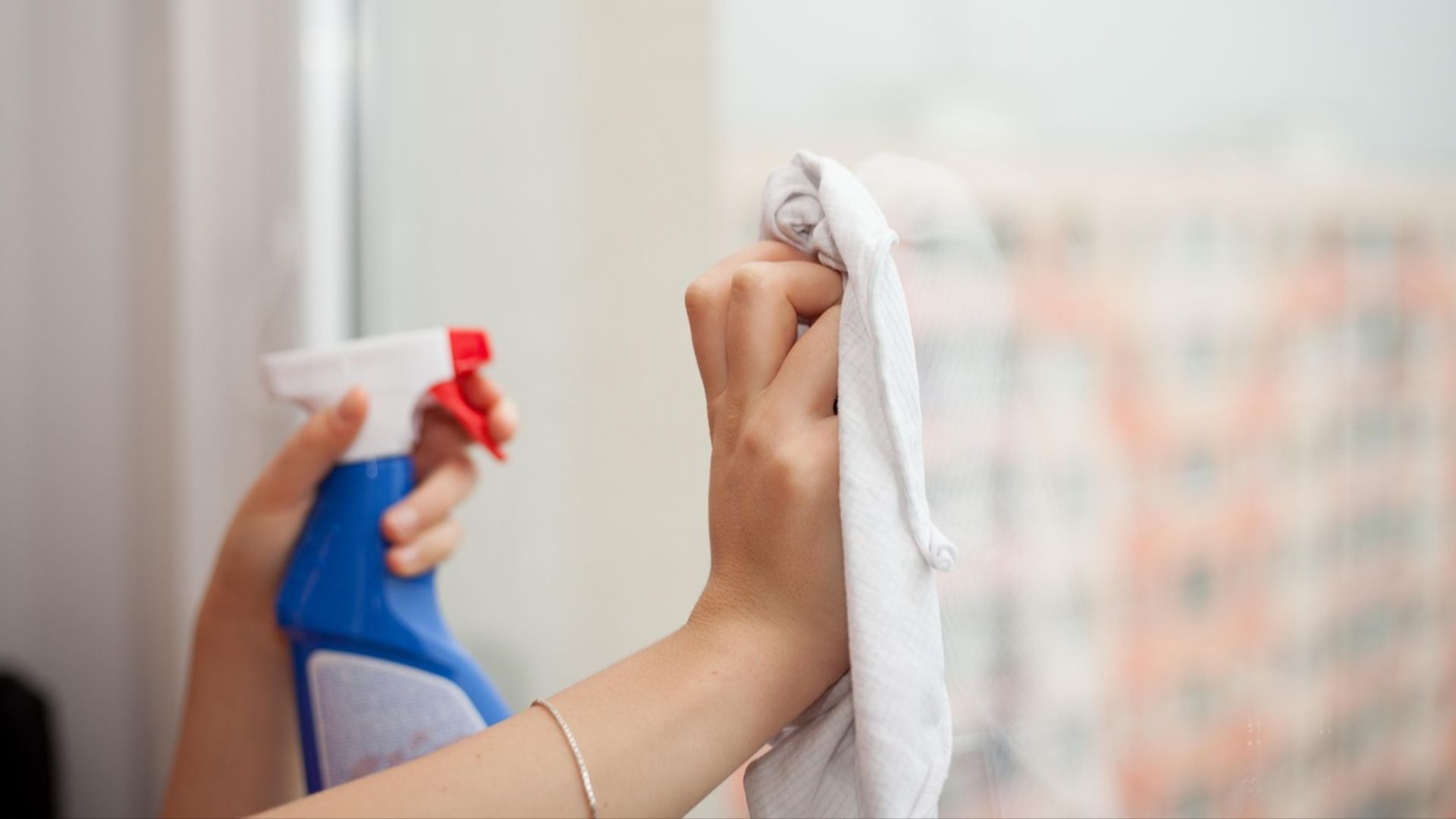
Alcohol Kept Window Water From Freezing
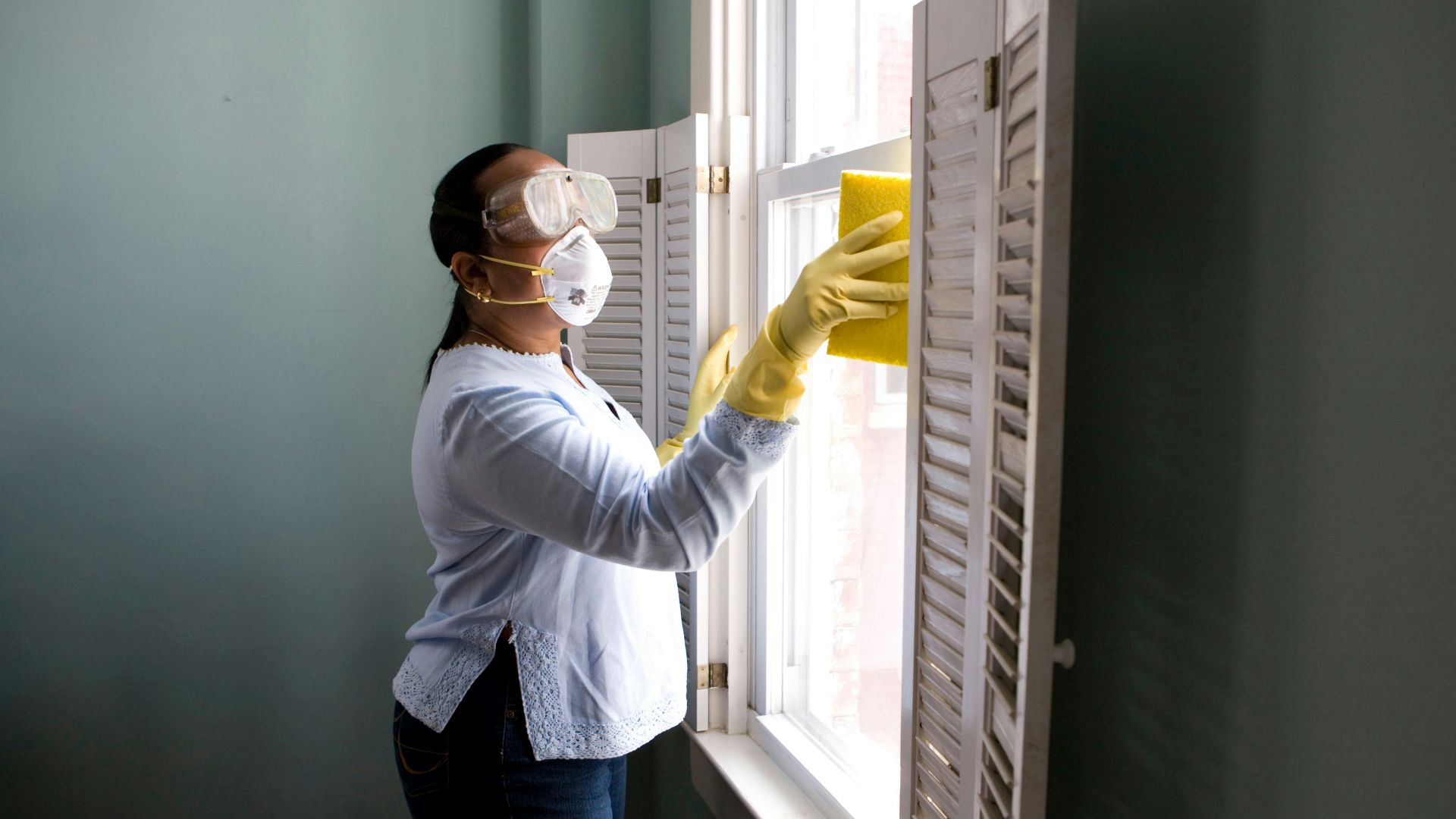
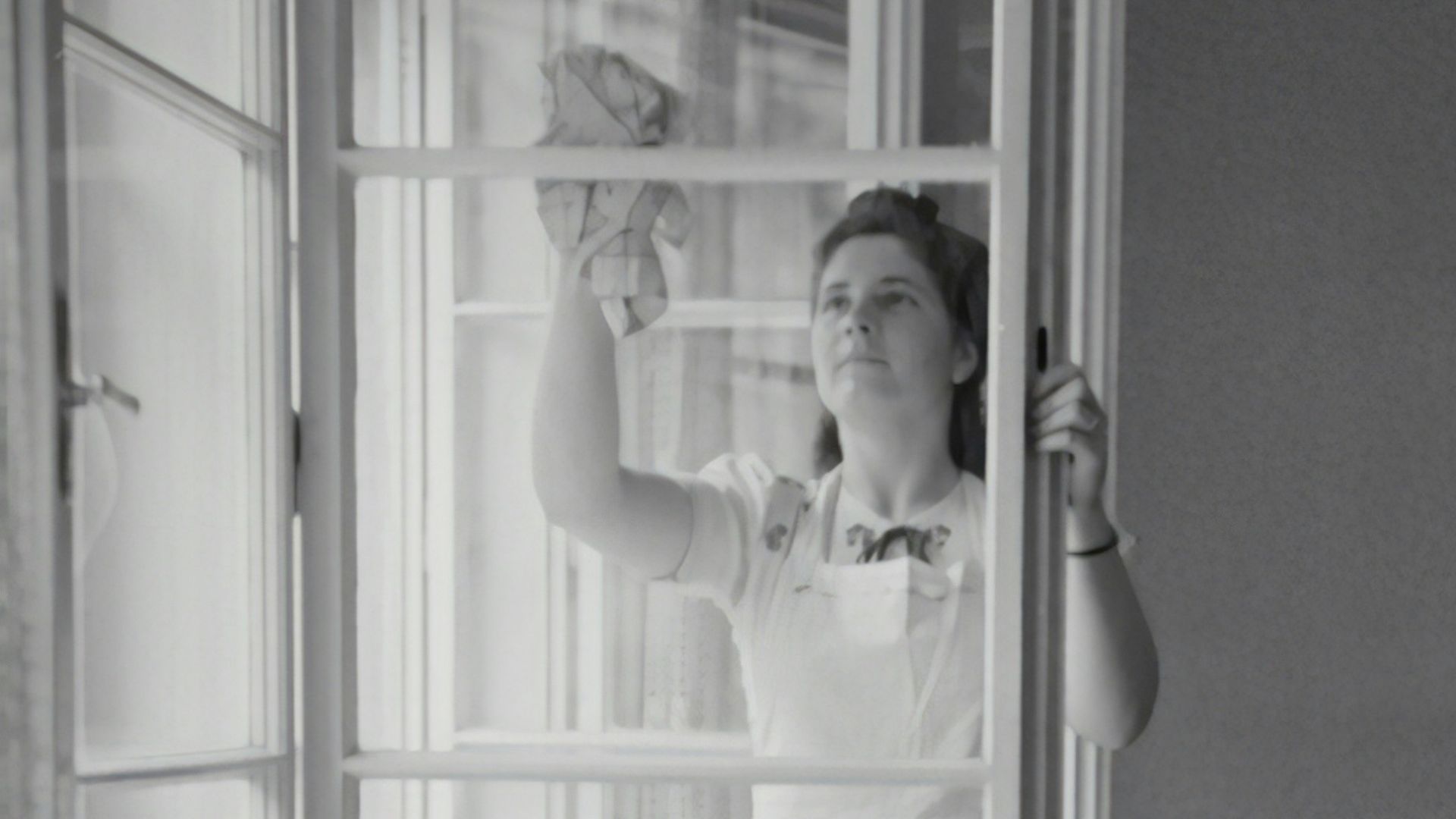
Cleaning windows in winter presented a problem that is easy to forget in centrally heated homes. Herrick recommended adding alcohol to window-washing water during cold weather so the liquid would be less likely to freeze on the cleaning cloth. The suggestion makes much more sense once you picture somebody washing drafty windows in an unheated or only partly heated house.
Borax Or Ammonia Went Into Window Water
The same window-cleaning instructions advised skipping soap because it could leave the glass cloudy. Instead, householders were told they could add a little borax or ammonia to warm water before washing the panes. The basic concern about residue survives today, even though modern glass products and microfiber cloths make the process considerably easier.
 Ra'ike (see also: de:Benutzer:Ra'ike), Wikimedia Commons
Dinner Could Cook Inside A Box Of Hay
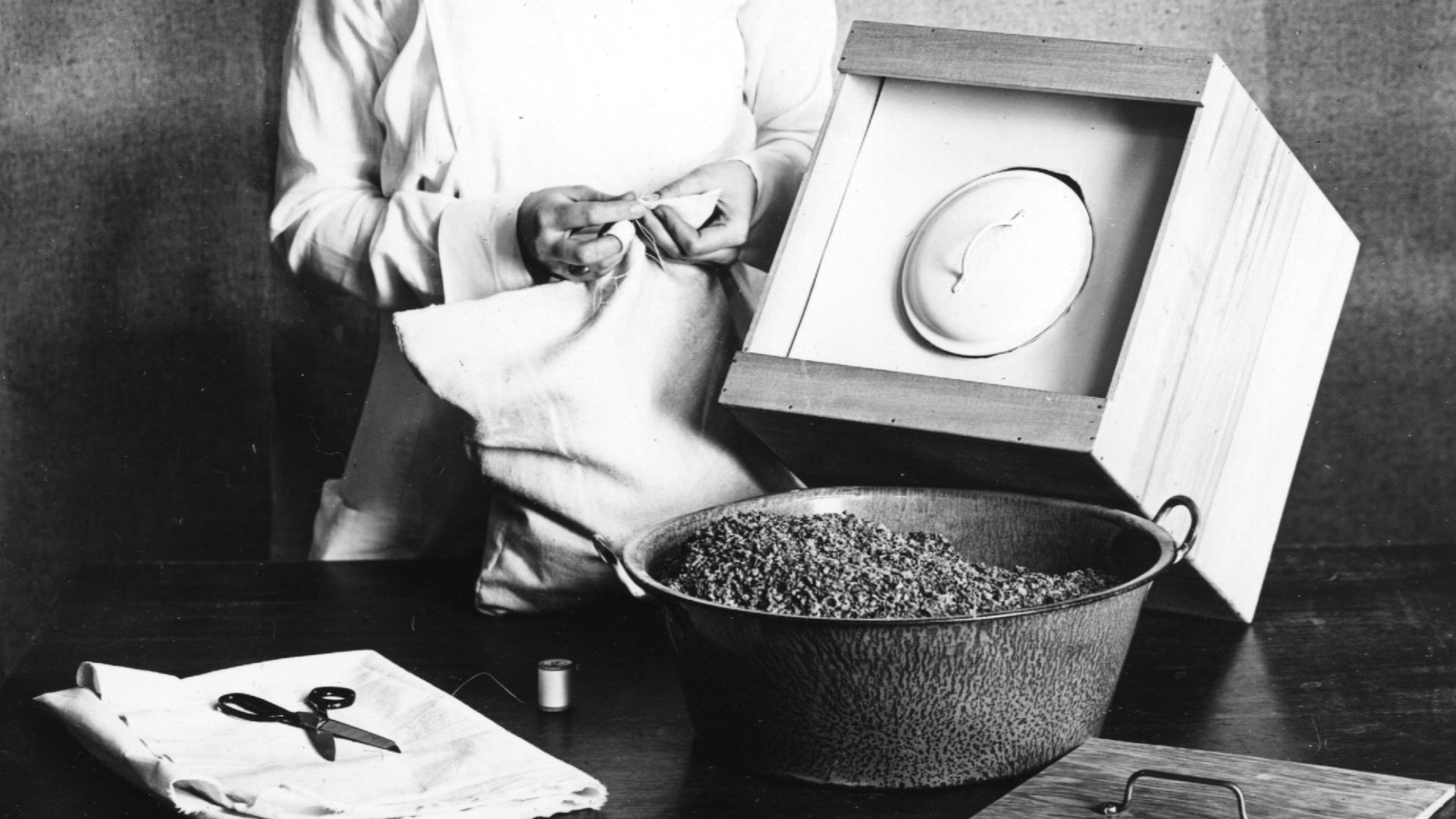
The fireless cooker sounds impossible until you realize that the food was heated first. Households placed a hot pot inside a heavily insulated box, often packed with hay, so retained heat could continue cooking the meal without a continuously burning stove. The U.S. Department of Agriculture notes that such hay boxes had been used for generations, and early twentieth-century household guides promoted them as major savers of fuel and labor.
 Cornell University Library, Wikimedia Commons
Newspapers Became Disposable Garbage Liners
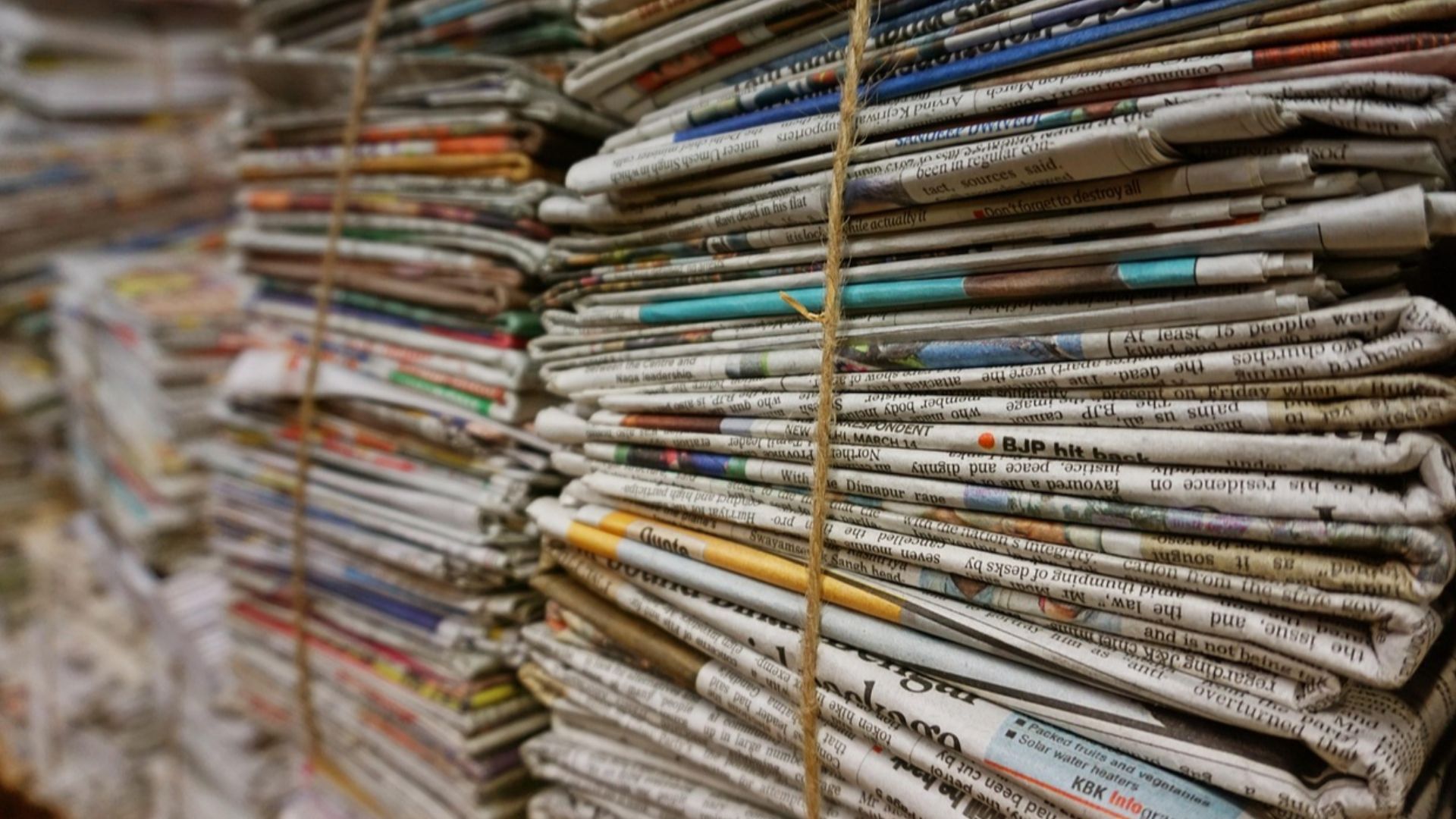
Disposable plastic trash bags were still decades away, so yesterday’s newspaper had another job waiting for it. Herrick casually referred to lining the household garbage pail with newspaper, suggesting the habit was ordinary enough to require little explanation. It was cheap, absorbent, and easy to discard along with the refuse.
Buttermilk Was Also Used To Clean Sponges
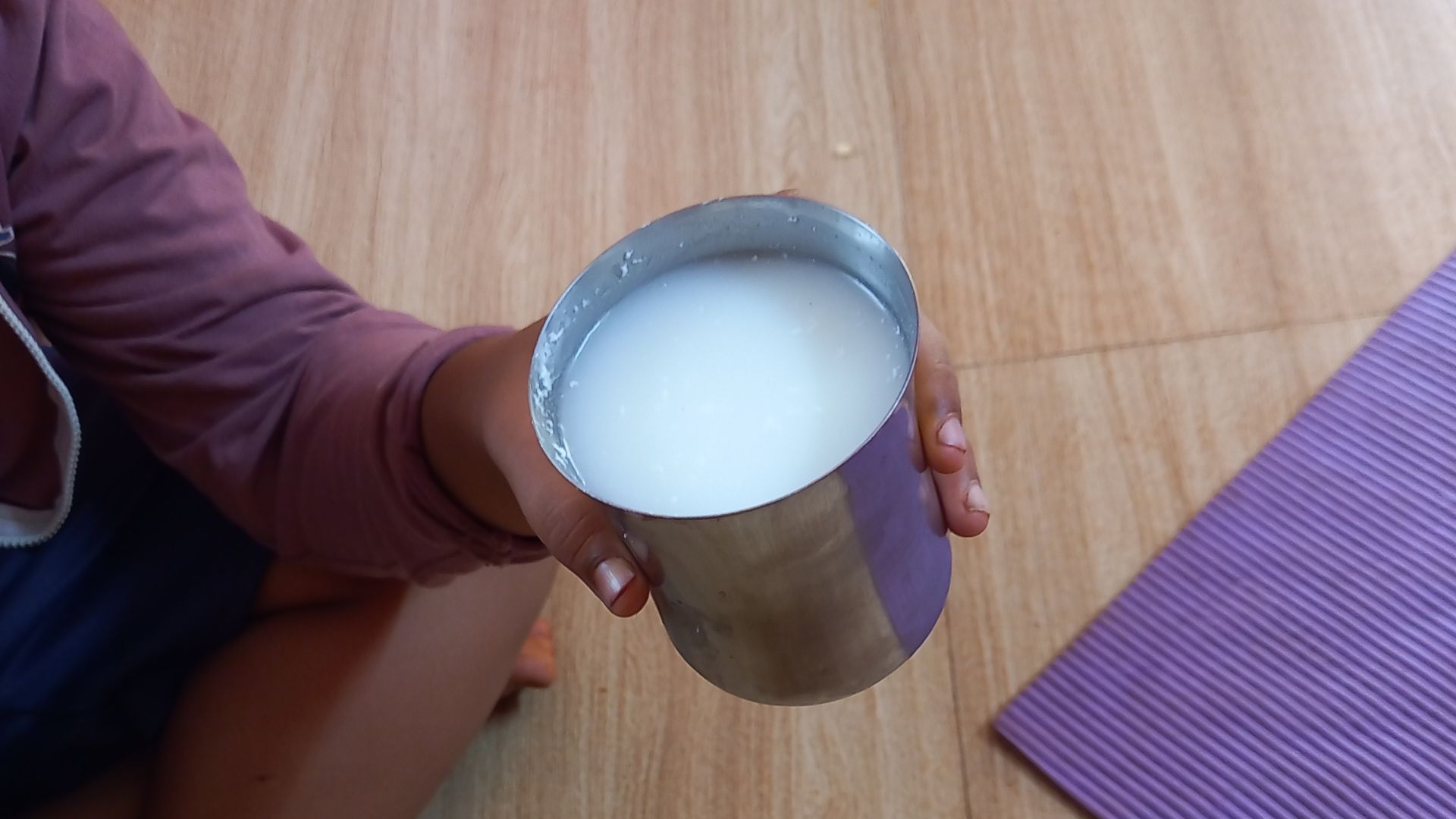
If the mildew trick was not strange enough, buttermilk also appeared in cleaning advice for household sponges. The Practical Housewife recommended soaking a dirty sponge in cold buttermilk for several hours and then rinsing it in clean water. The contributor even claimed to have used the technique repeatedly, which gives us an unusually direct glimpse of a household trick that someone reported actually practicing.
 Dr. Satish Upalkar, Wikimedia Commons
Charcoal Powder Polished Brass
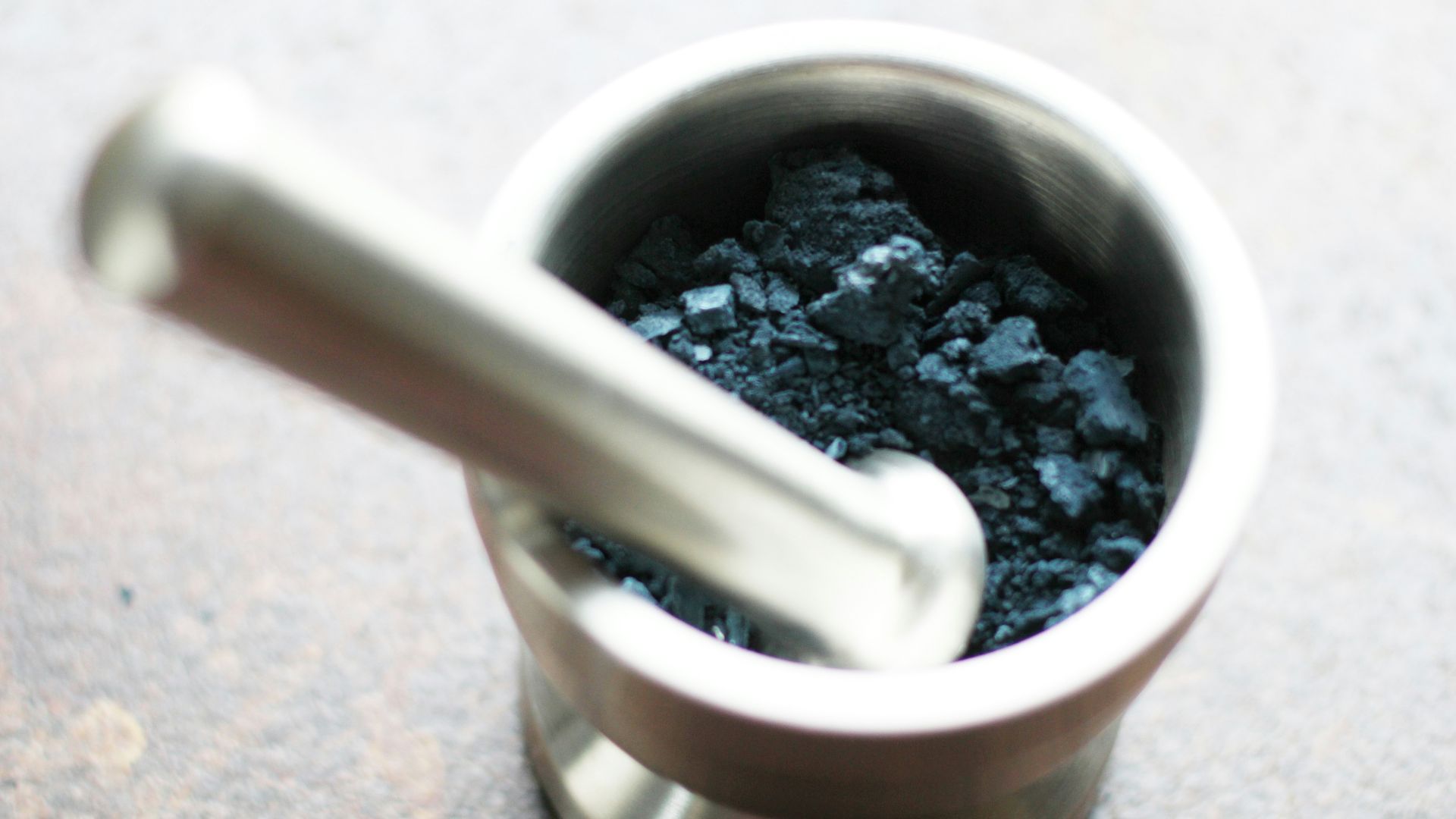
Charcoal was not just fuel for the fire. An 1860 guide recommended powdered charcoal as part of a polishing treatment for brass, copper, and lacquered work, preferring it to an older mixture involving powdered glass and red lead. Fine abrasive materials still play a role in metal polishing, although modern products are much easier to control and generally safer.
Chalk And Pumice Scrubbed Marble
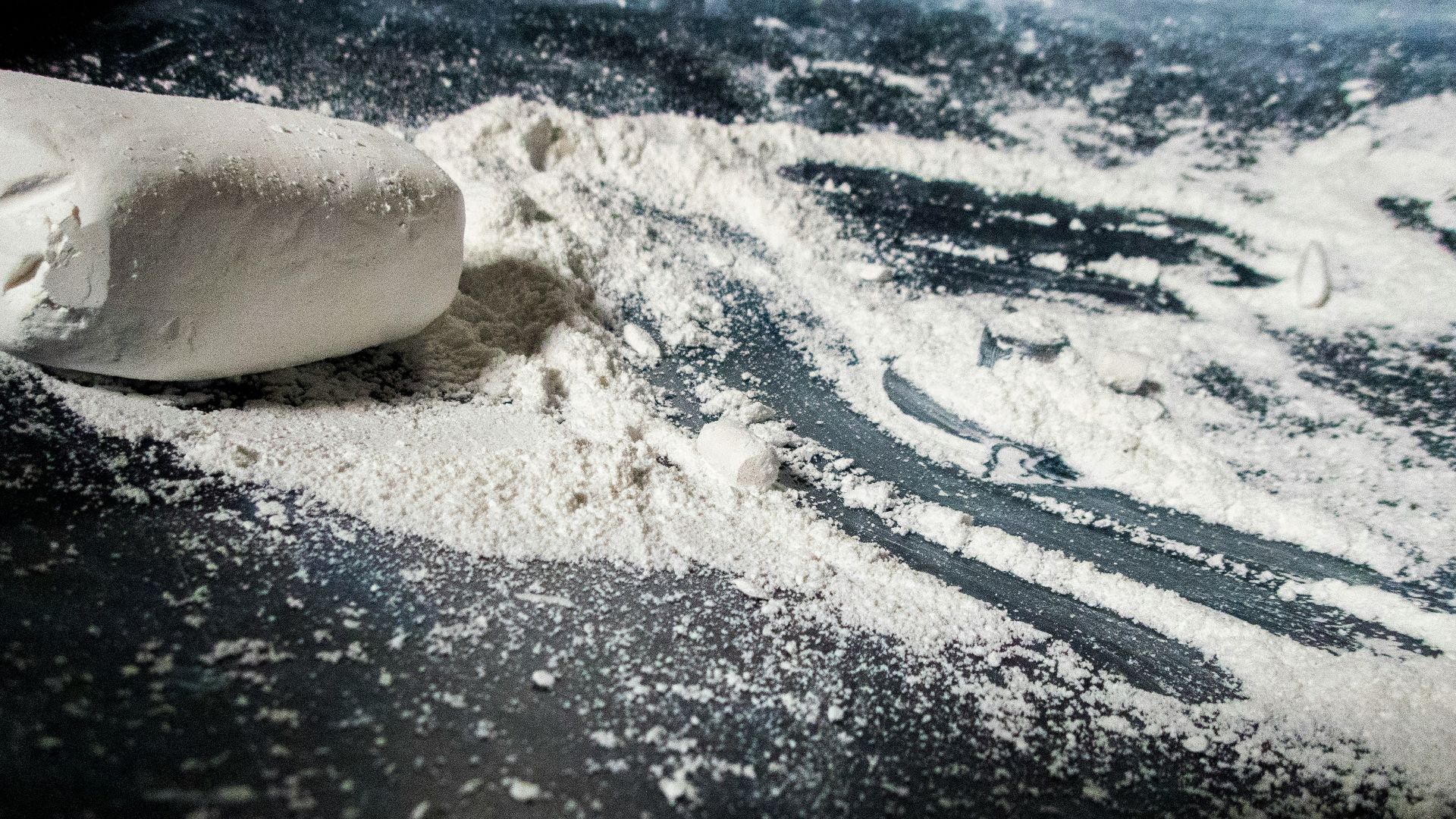
Victorian housekeeping manuals could make a cleaning cupboard sound like a geology collection. One recipe for cleaning marble combined common soda with powdered pumice stone and finely powdered chalk, which was mixed with water and rubbed across the stained surface. Current conservation advice is far more cautious about abrasive treatment, particularly when dealing with valuable or historic stone.
Flour Could Take The Smear Off A Tea Tray
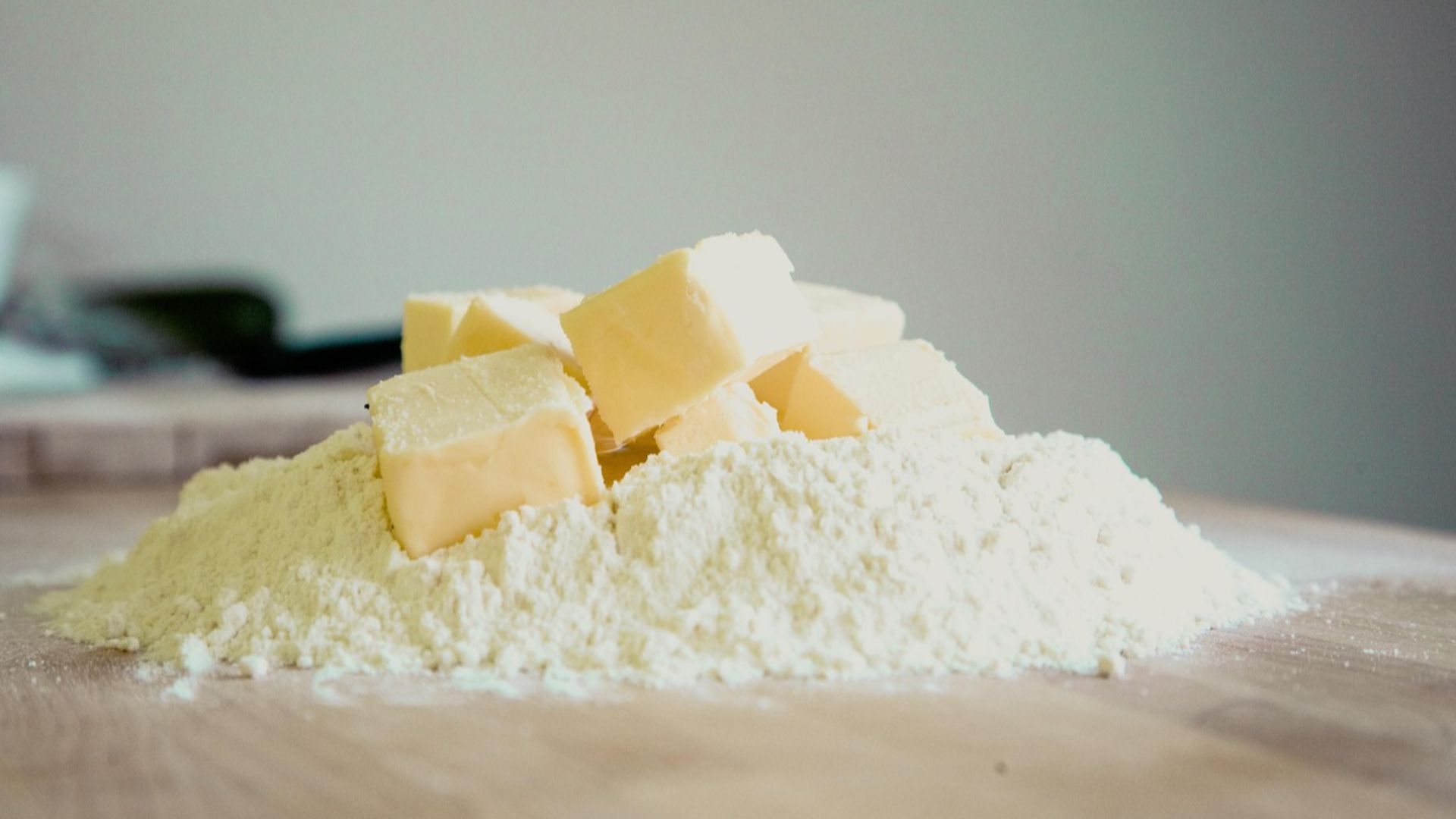
Flour did not always stay in the baking cupboard. The Practical Housewife told readers that if a cleaned tea tray still looked smeary, a little flour could be dusted over the surface and rubbed away with a dry cloth. In other words, an ingredient associated with making messes could also be recruited to absorb and buff away residue.
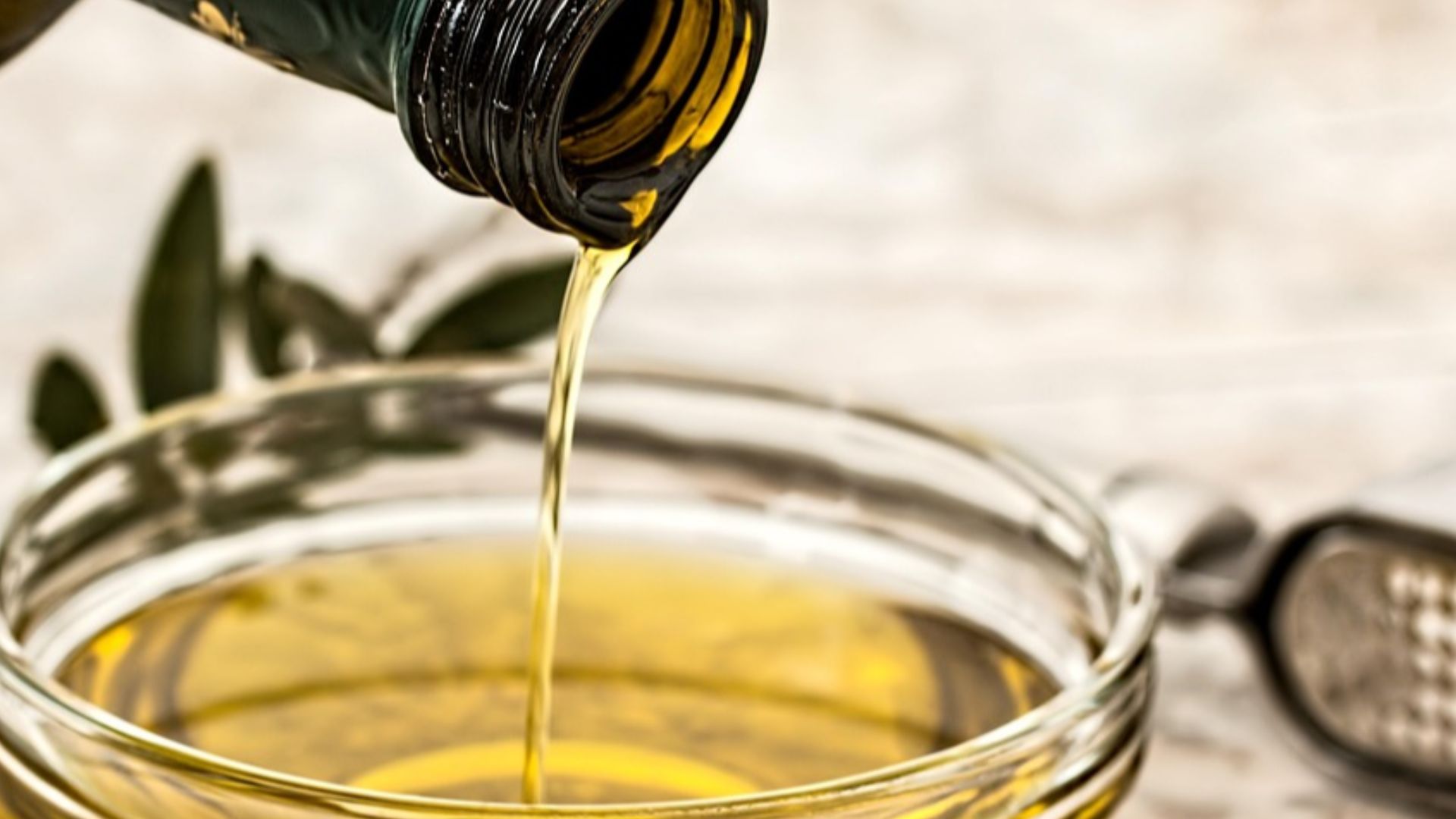
Sweet Oil Was A Furniture-Room Fixer
The same tea-tray instructions recommended something called “sweet oil,” a historical term commonly used for mild edible oils such as olive oil, on marks left on certain paper-covered trays. A woolen cloth with a small amount of the oil was rubbed over the blemish. Today, randomly applying oil to an antique finish would be risky, but it made sense within an era when householders routinely mixed their own cleaners and polishes.
Spirits Of Wine Cleaned The Mirrors
“Spirits of wine” sounds like something served after dinner, but it historically meant highly concentrated alcohol. The Practical Housewife instructed readers to dip a clean, slightly damp sponge into spirits of wine when cleaning mirrors and looking glasses. Alcohol remains a common ingredient in glass cleaners because it evaporates readily and can help cut oily residue.
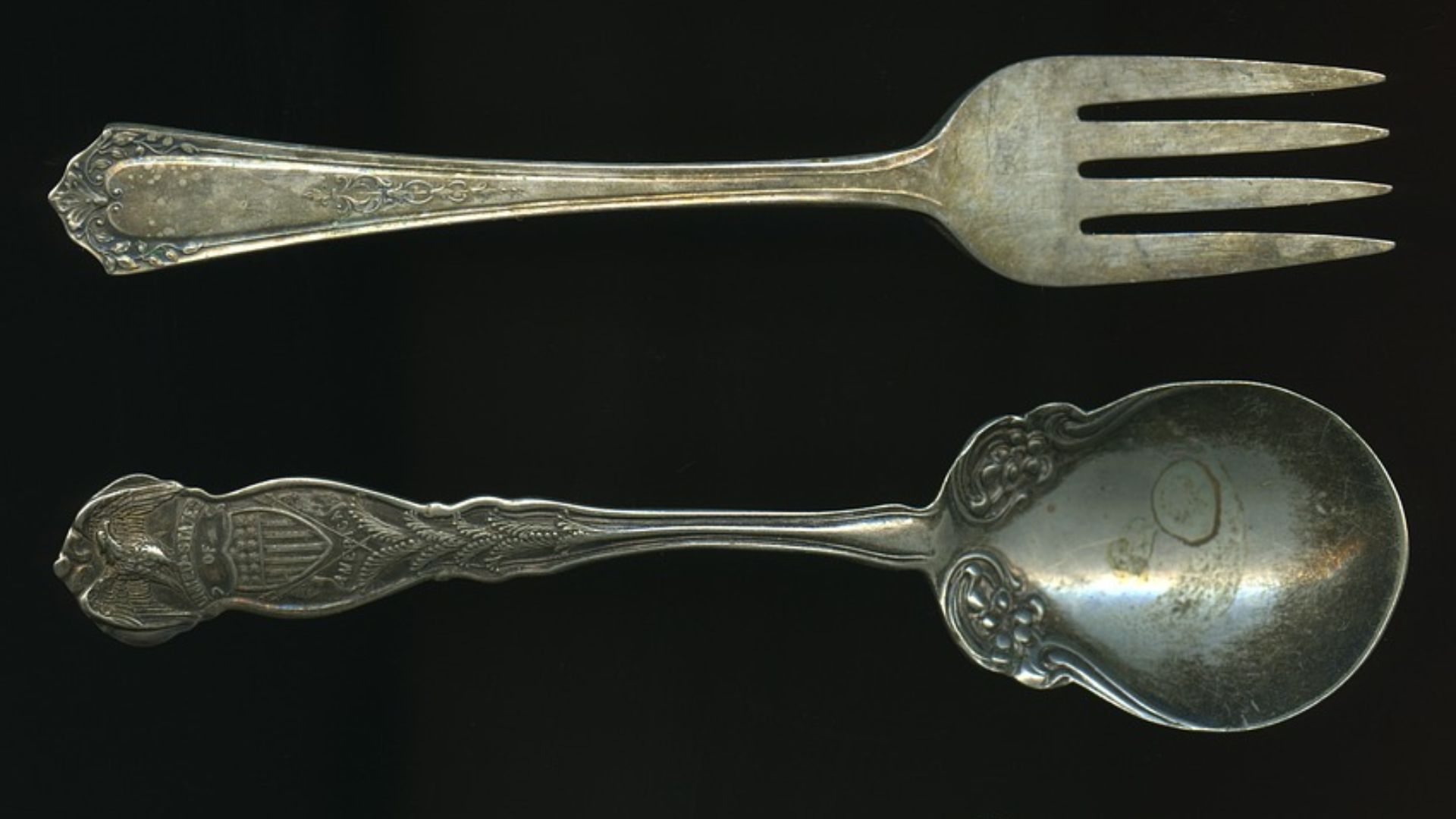
Silver Could Get A Lye And Alum Bath
Tarnished silver inspired some remarkably aggressive homemade chemistry. An 1860 recipe called for powdered alum, moderately strong lye, and soft soap to be combined and applied to discolored silver before rinsing. Because lye is caustic and can cause severe burns, this historical method is a perfect example of a once-published household trick that should stay in the history books.
Black Ink Could Restore Old Leather
Scuffed black leather sometimes received a treatment that sounds more like school supplies than shoe care. Beeton’s household manual suggested giving old leather one or two coats of black ink after cleaning it, then applying polish once the surface had dried. The ink functioned as a crude color restorer before modern leather dyes and conditioning products became widely available.
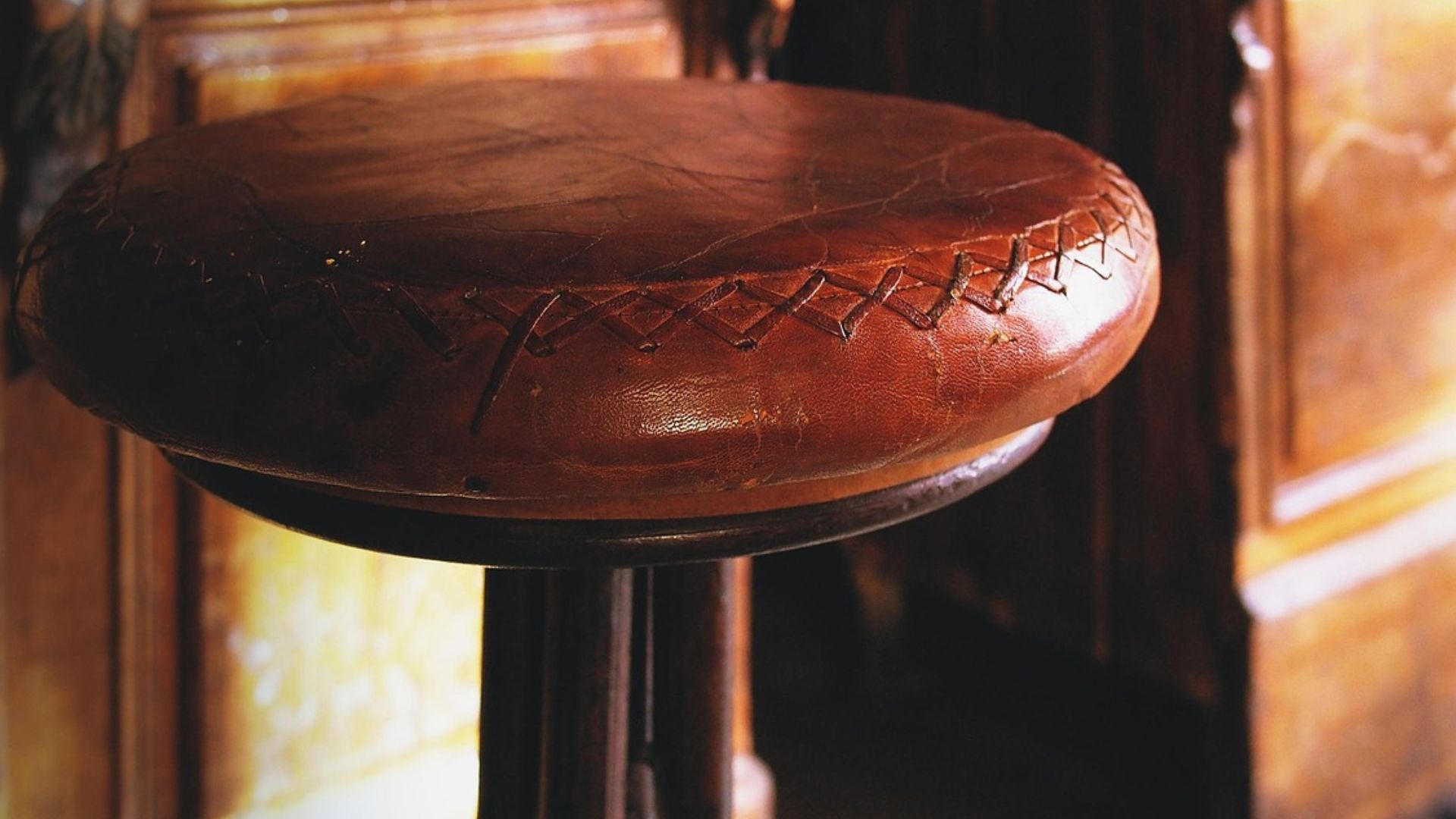
Fish Oil Was Used To Soften Leather
Even stranger ingredients appeared when leather became very dry with age. Beeton recommended softening particularly old leather with fish oil before additional cleaning and polishing steps. The odor must have been memorable, but oils and fats were among the few readily available materials householders could use to condition dried leather.

Whiting And Oil Polished Plated Metal
“Whiting” was finely powdered chalk, and Victorian households found plenty of cleaning uses for it. Beeton recommended well-washed whiting mixed with sweet oil for cleaning plated metalwork, while other metal surfaces received different abrasive mixtures. It was basically a homemade polishing paste assembled from materials that could already be found around a well-stocked household.
 Austrian National Library, Unsplash
Cedar Shavings Went Into Clothing Storage
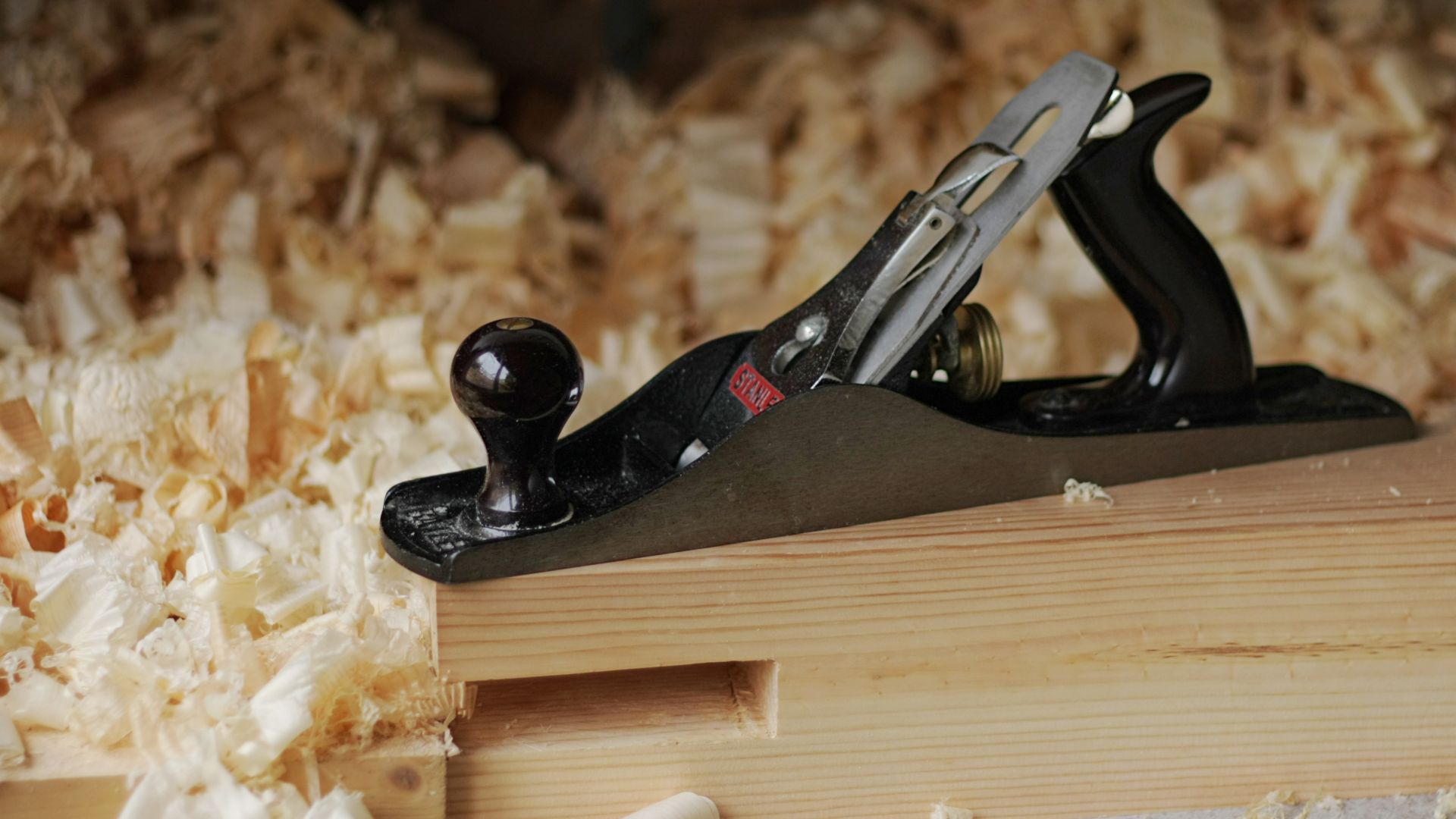
Cedar’s reputation as moth protection has deep roots. The Practical Housewife recommended putting cedar shavings into small muslin bags and distributing them among stored clothes to discourage moths. Modern extension guidance says cedar can repel some clothes moths but does not reliably eliminate an existing infestation, so the old trick had a basis in reality without being a complete solution.
 Phil Gradwell, Wikimedia Commons
Old Housekeeping Was Basically Applied Improvisation
Taken together, these tricks reveal households that reused whatever was already close at hand, including tea leaves, bread, coffee, flour, oils, alcohol, chalk, and scraps of newspaper. Some ideas survived because their basic chemistry or physics made sense, while others disappeared as safer cleaners, electricity, vacuum cleaners, modern plumbing, refrigeration, and manufactured detergents changed domestic life. The weirdest part is not that people tried these methods, but that respected household manuals printed detailed instructions for them as perfectly normal everyday knowledge.
 The Oregon State University Collections and Archives, Unsplash
You May Also Like:
The Weirdest Rules People Once Followed At Work
The Discovery Of A Bronze Age Blade Workshop In Southern Israel
Resilient Facts About Ellen Burstyn, The Actor Who Worked With The Devil









