Taxes Have Always Been More Creative Than You Think
Nobody enjoys paying taxes, but today's income and sales taxes seem downright ordinary compared to some of history's strangest government levies. Across centuries, rulers taxed everything from beards and windows to wallpaper and even urine, often hoping to raise money while also changing people's behavior. Here are 20 of the oddest taxes ever imposed—and the surprising stories behind them.

Urine Tax
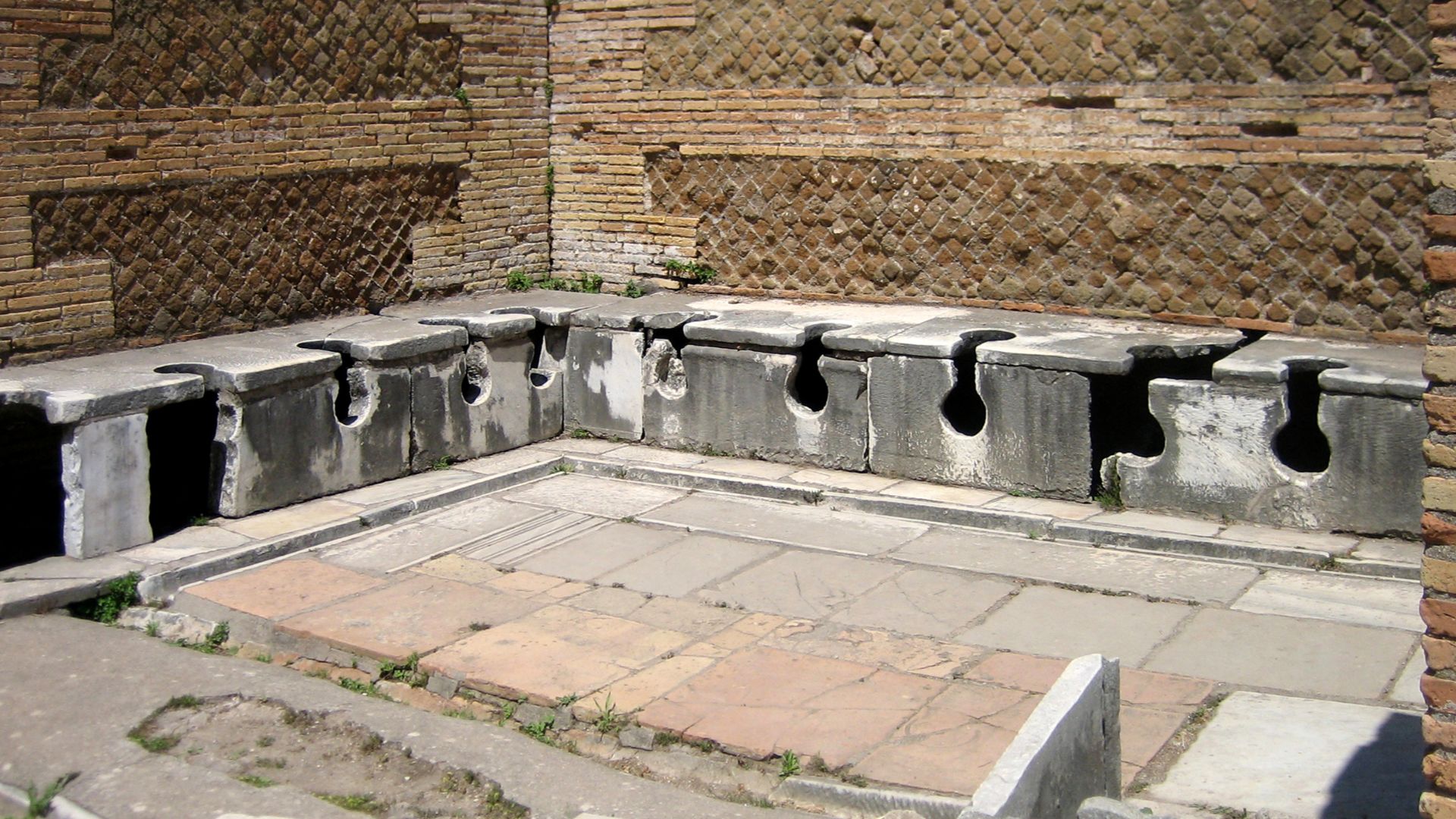
Ancient Rome turned human waste into a taxable commodity. Emperor Vespasian imposed a tax on the collection and sale of urine, which was prized by tanners and laundries because its ammonia helped clean fabrics and process leather. The tax became so famous that it inspired the phrase pecunia non olet—"money does not stink".
Beard Tax
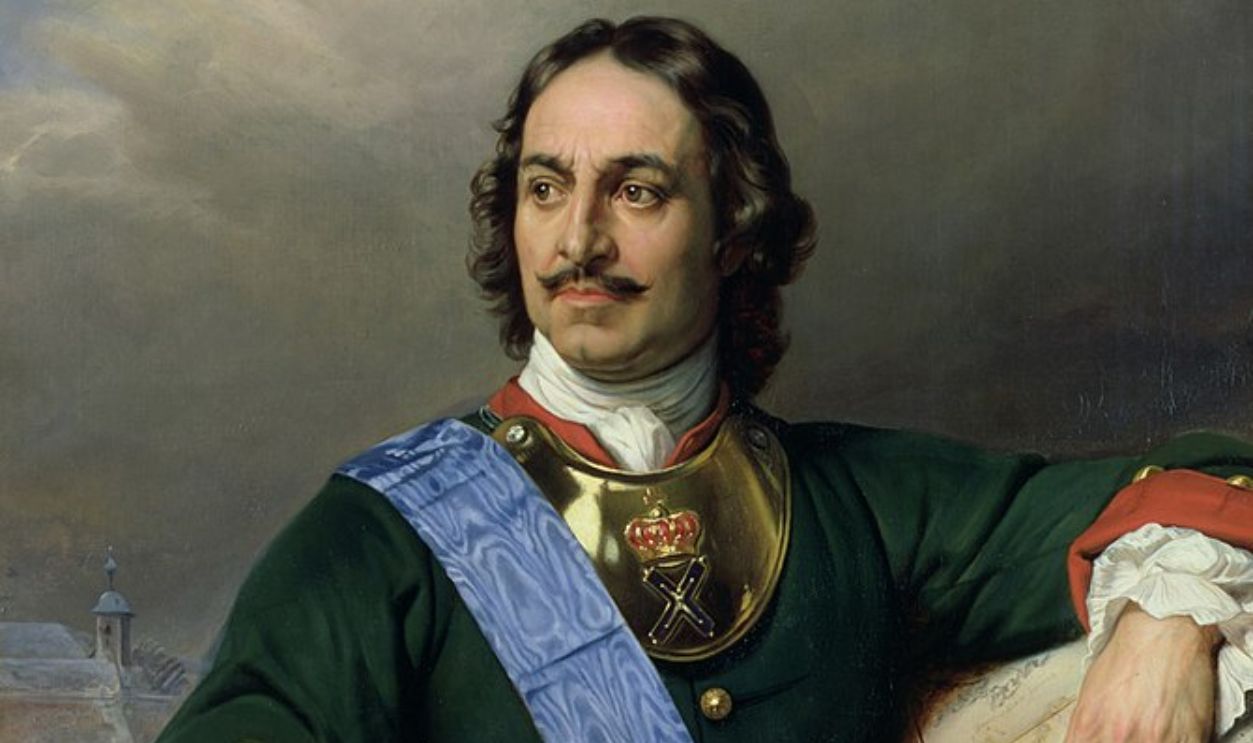
Peter the Great introduced Russia's beard tax in 1698 as part of his campaign to modernize the country along Western European lines. Men who insisted on keeping their facial hair had to pay the tax and carry special beard tokens as proof of payment. Rather than simply raising revenue, the policy was meant to reshape Russian society.
 Paul Delaroche, Wikimedia Commons
Window Tax
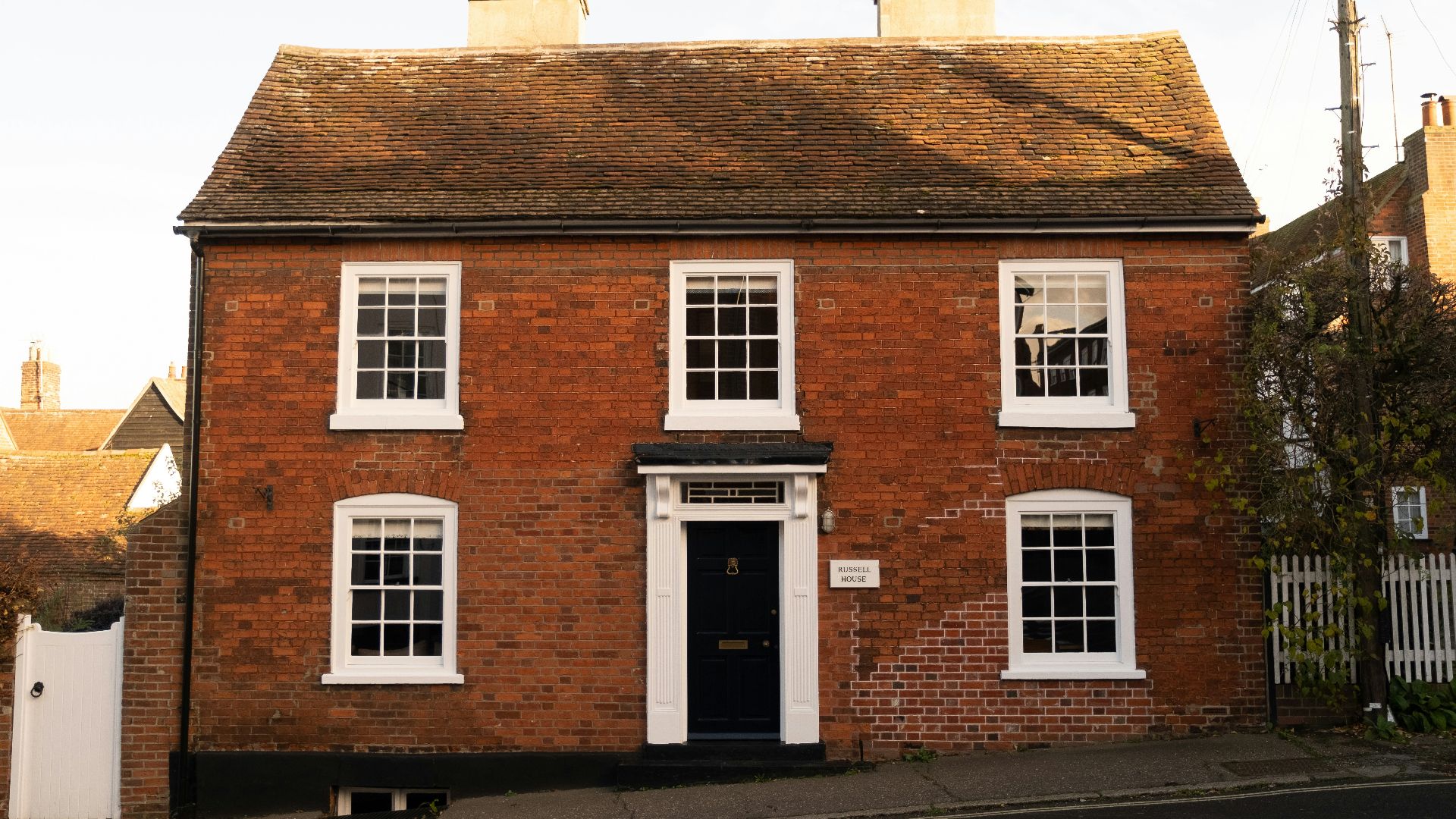
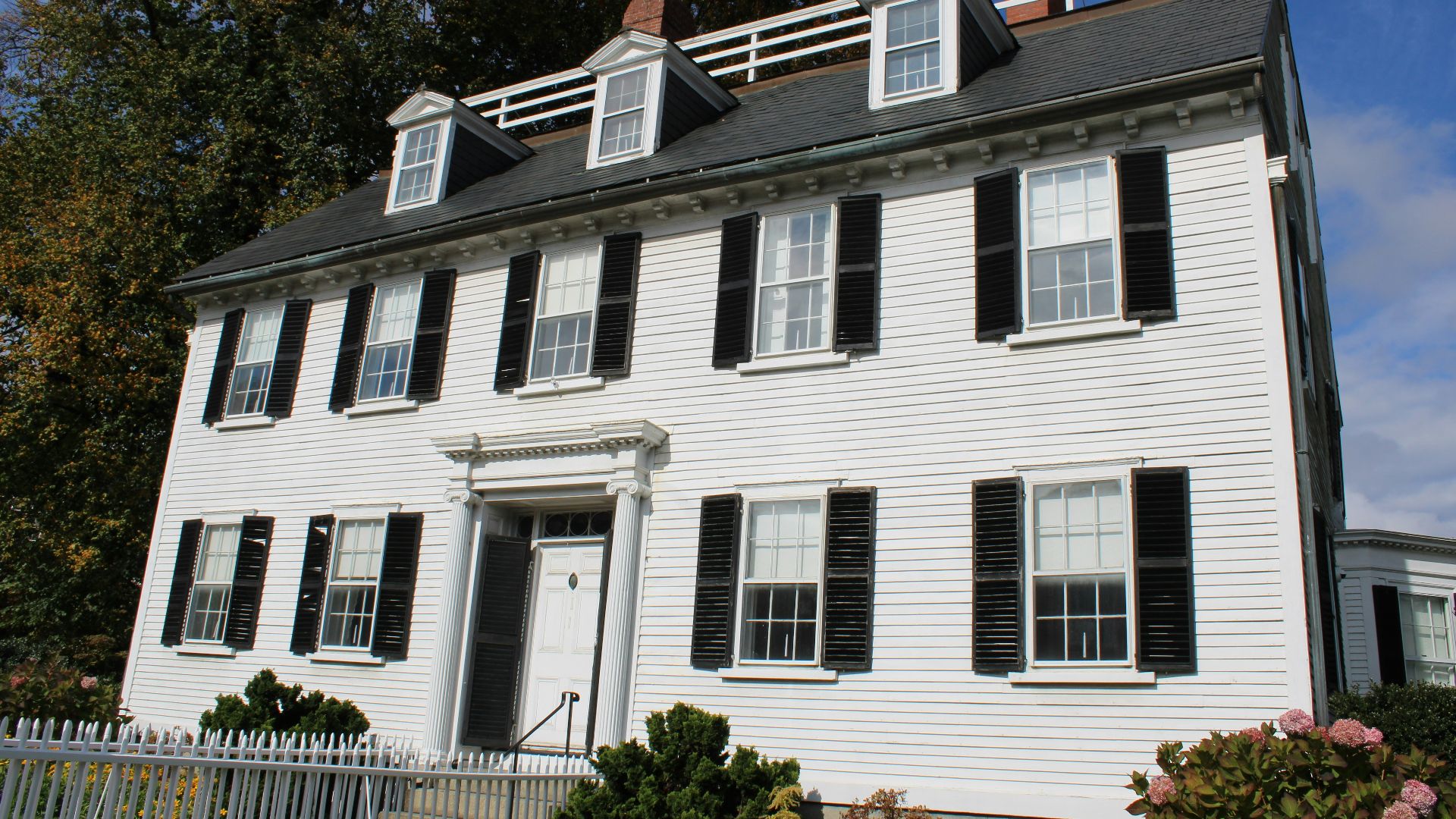
England introduced the window tax in 1696 as a way to tax wealth without creating an income tax. Because larger homes typically had more windows, the number of windows determined how much owners paid. Many homeowners responded by literally bricking up their windows, leaving behind a distinctive architectural reminder that can still be seen today.
 David Walker | Walker Design Co., Unsplash
Wallpaper Tax
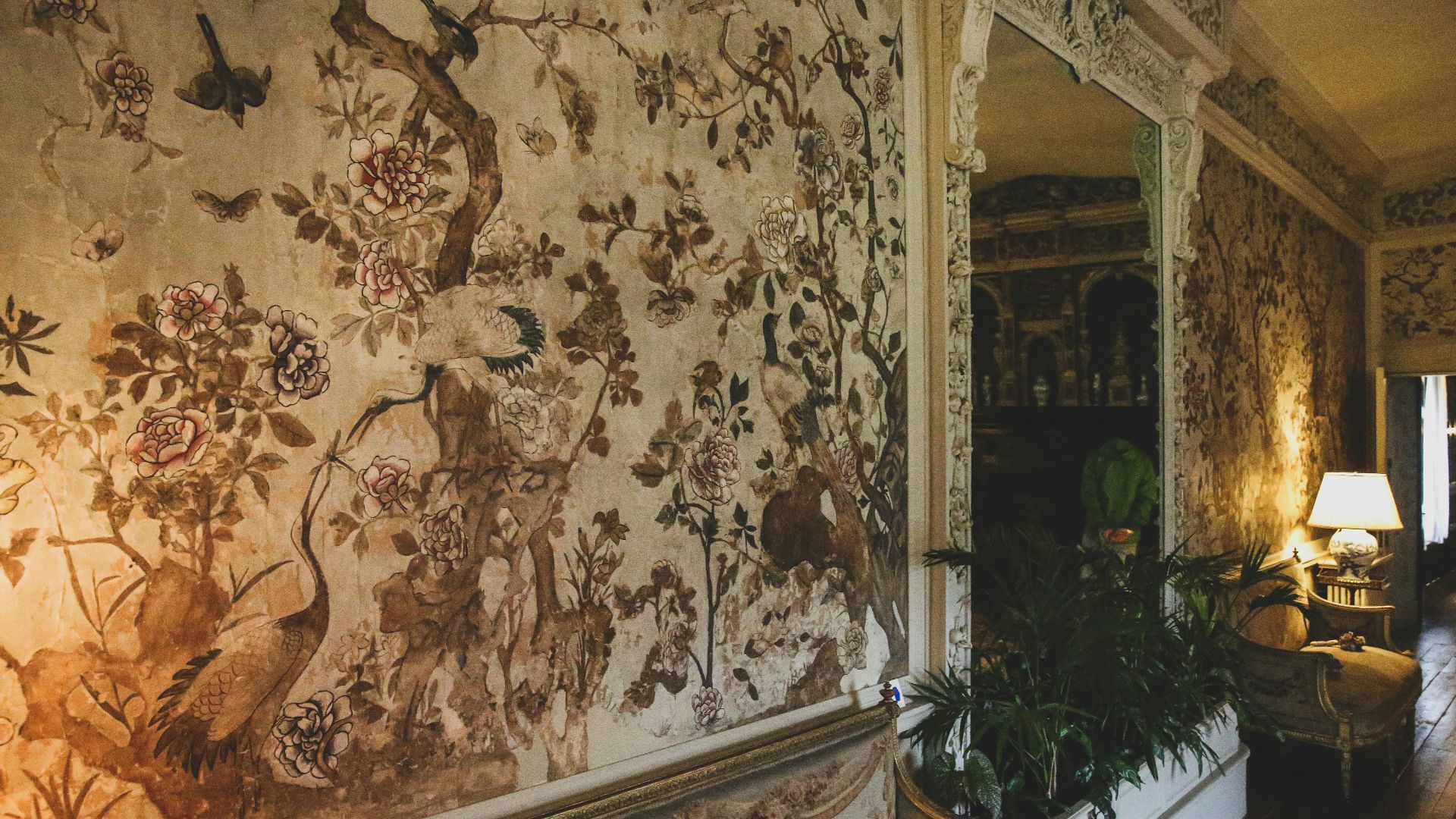
Decorative wallpaper became a luxury subject to taxation in Britain beginning in 1712. Printed and patterned wallpaper carried a tax, while plain paper did not, encouraging homeowners to buy untaxed paper and decorate it themselves with painted or stenciled designs. The workaround became fashionable enough that it created an entirely new decorating trend.
Hat Tax
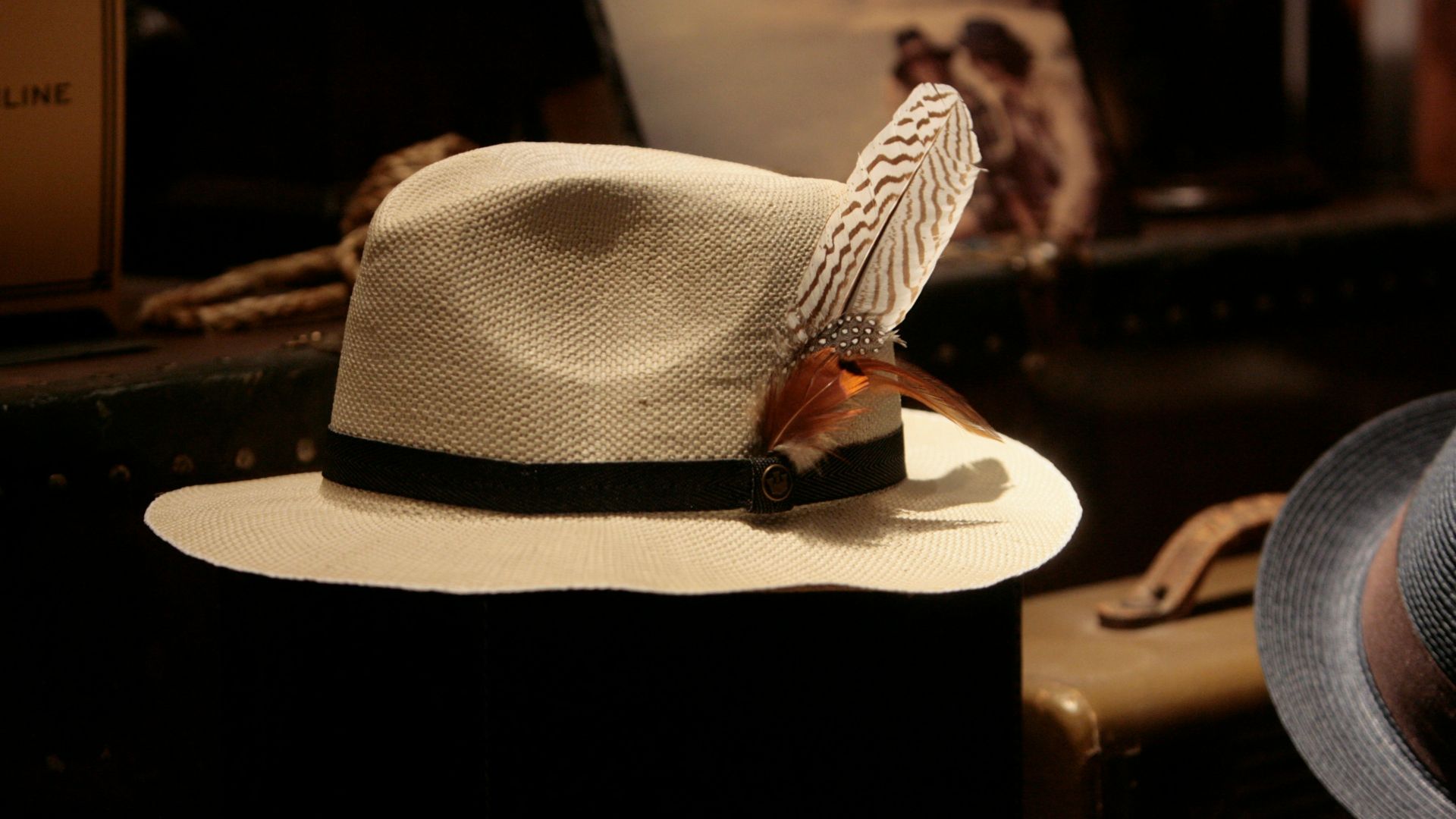
Britain's hat tax, introduced in 1784, assumed expensive hats reflected personal wealth. Hat sellers had to purchase licenses, and every qualifying hat required an official tax stamp inside its lining. Counterfeiting those stamps became such a problem that severe criminal penalties were attached to the offense.
Brick Tax
Britain taxed bricks beginning in 1784 to help fund government spending after costly wars. Instead of paying more, manufacturers simply made larger bricks so builders needed fewer of them. The unintended consequence changed building practices and influenced the size of bricks produced throughout the country.

Hearth Tax
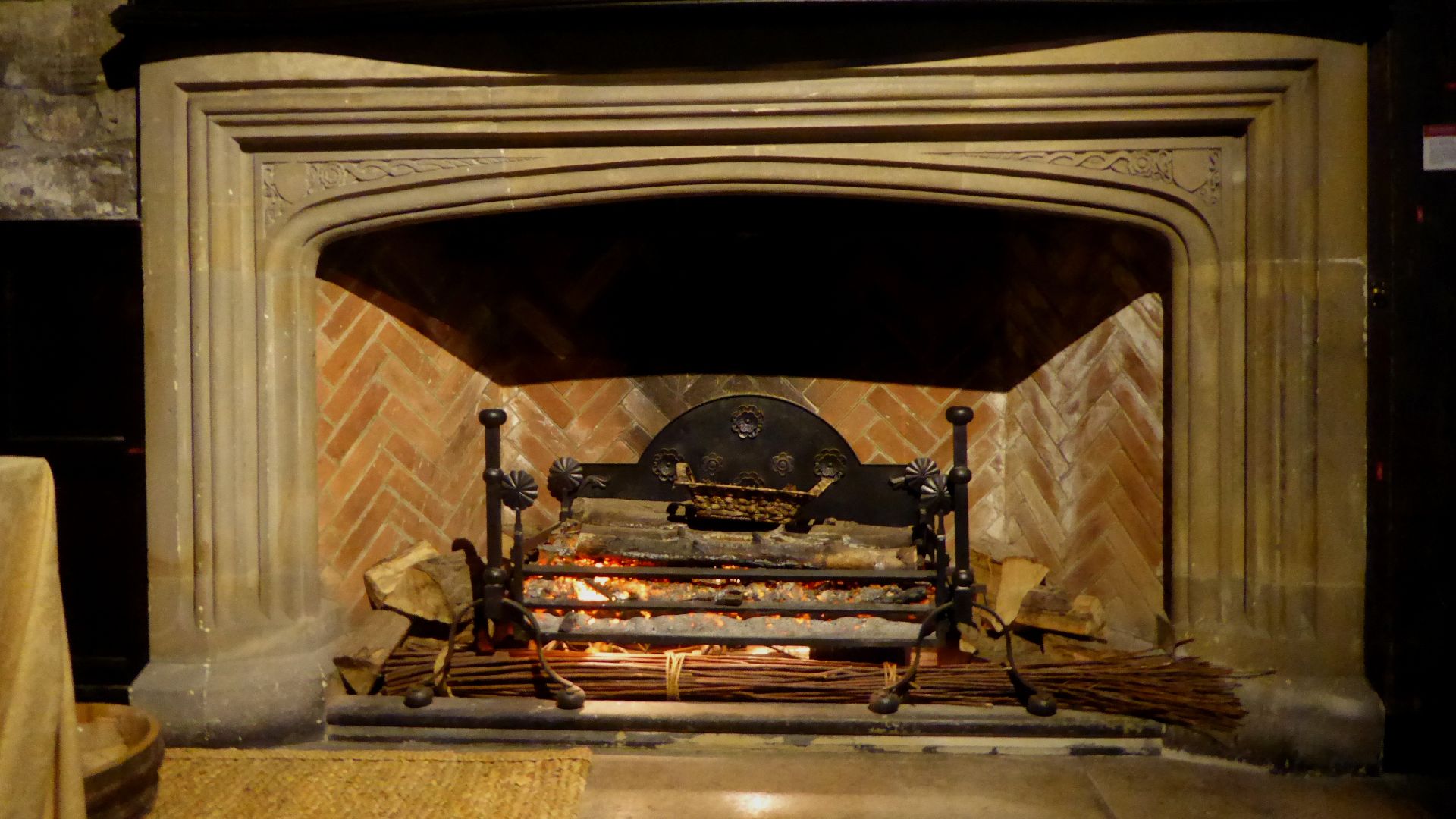
For centuries, several European countries taxed households based on the number of fireplaces they contained. England adopted the hearth tax in 1662, with each hearth serving as a rough indicator of a family's wealth. Tax collectors sometimes had to enter homes to count fireplaces, making the levy deeply unpopular.
 Ethan Doyle White, Wikimedia Commons
Glass Tax
Britain also taxed glass during the eighteenth century by charging manufacturers according to production. To reduce the tax burden, many companies produced thicker, smaller panes instead of larger sheets. The policy unintentionally influenced architectural design until it was repealed in the mid-nineteenth century.

History's most fascinating stories and darkest secrets, delivered to your inbox daily.
Candle Tax
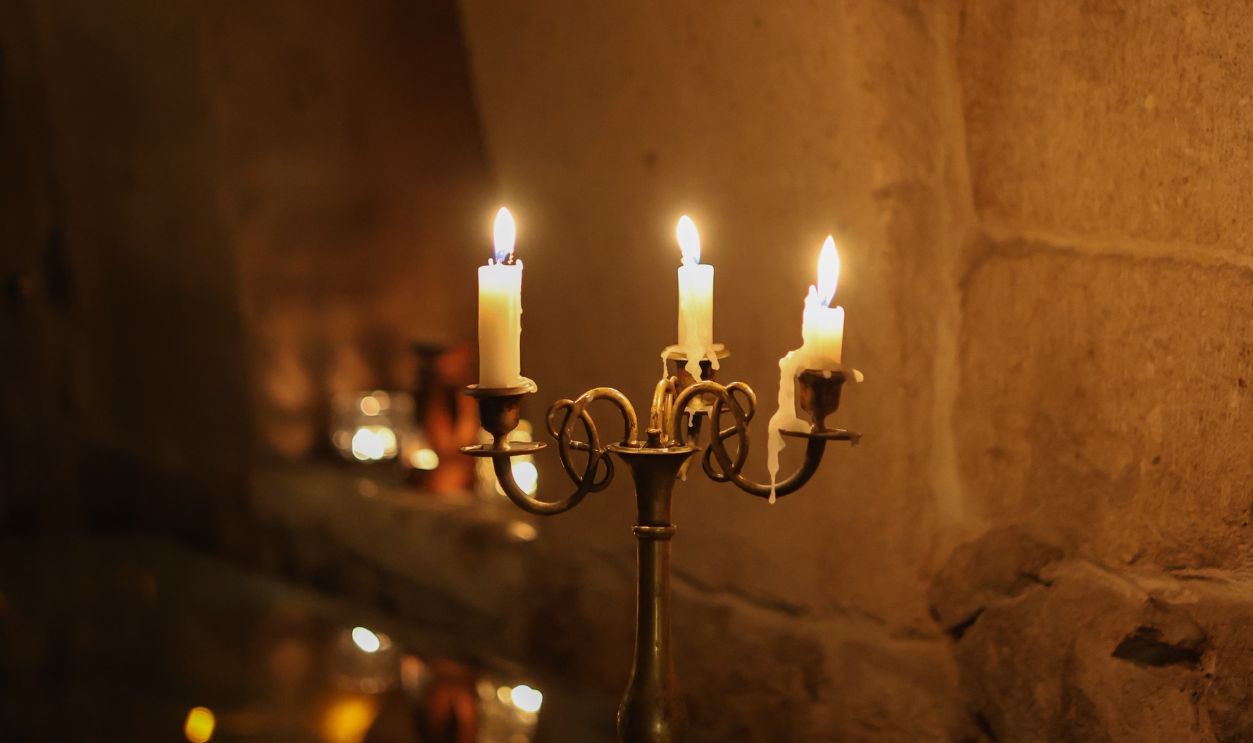
Candles were once an everyday necessity rather than a luxury, making them an attractive source of government revenue. Britain's candle tax increased the cost of artificial light, encouraging many households to use fewer candles and rely more heavily on daylight. It was one of several taxes aimed at commonly used household goods.
Soap Tax
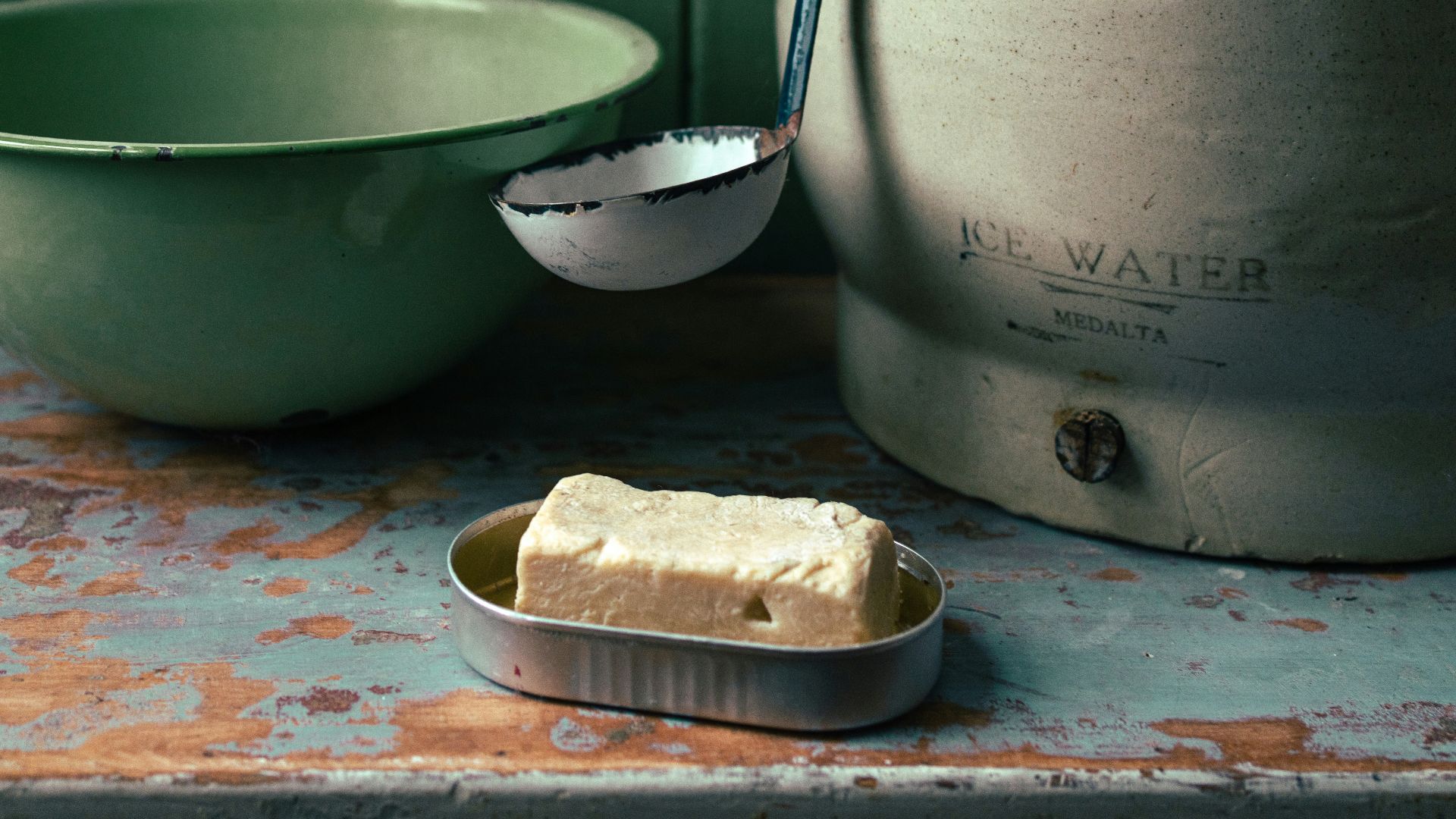
Soap was another basic necessity that Britain taxed beginning in the early eighteenth century. Manufacturers operated under strict government supervision to prevent tax evasion, with production facilities sometimes locked by tax officials between approved operating hours. Critics argued the tax discouraged cleanliness before it was eventually abolished.
Salt Tax
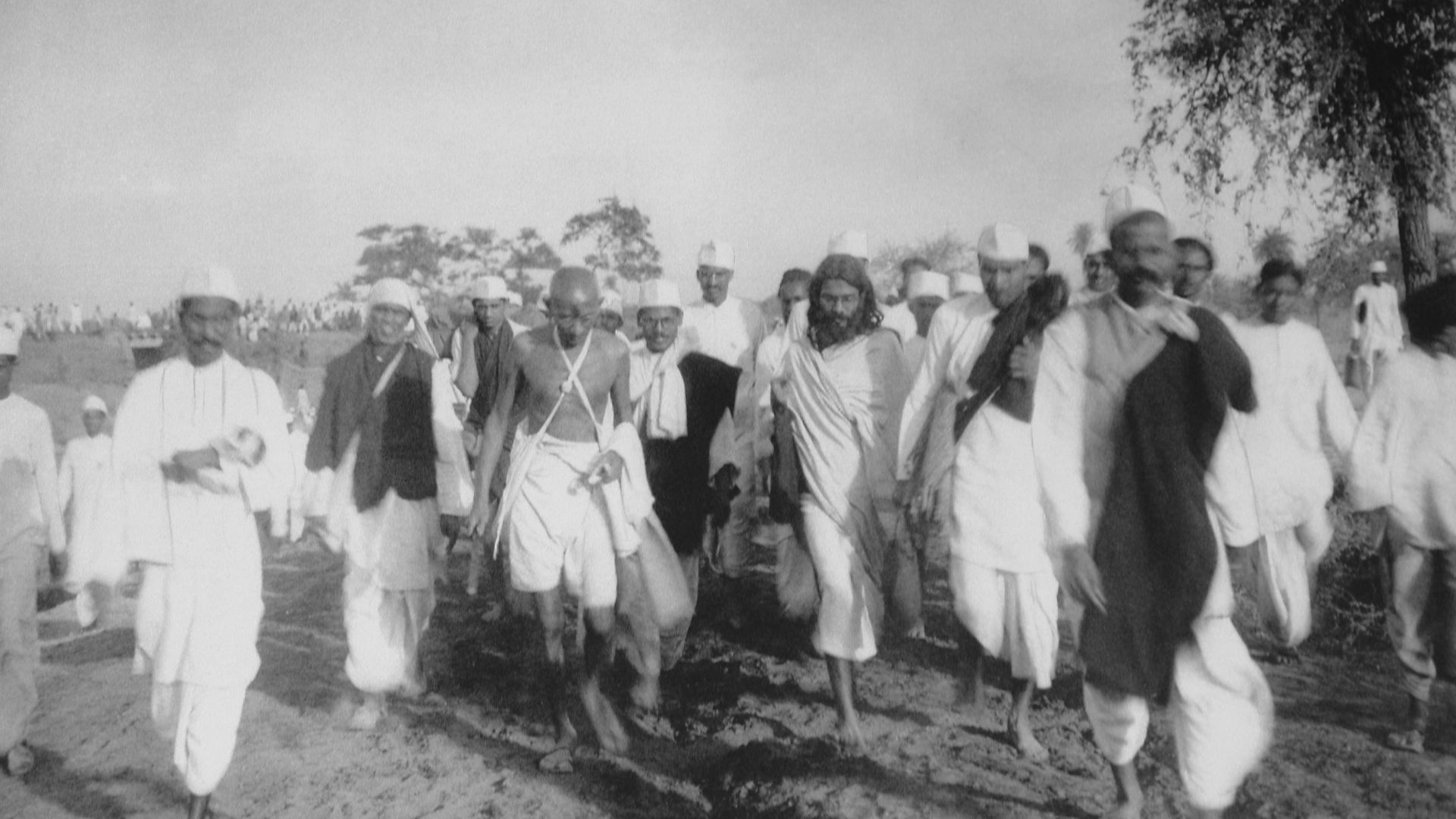
Few taxes generated as much resentment as taxes on salt, a vital everyday necessity. Salt taxes existed in many countries, but British India's version became especially controversial because it affected virtually everyone regardless of income. The tax ultimately became the target of Mahatma Gandhi's famous 1930 Salt March.
 Unknown authorUnknown author, Wikimedia Commons
Hair Powder Tax
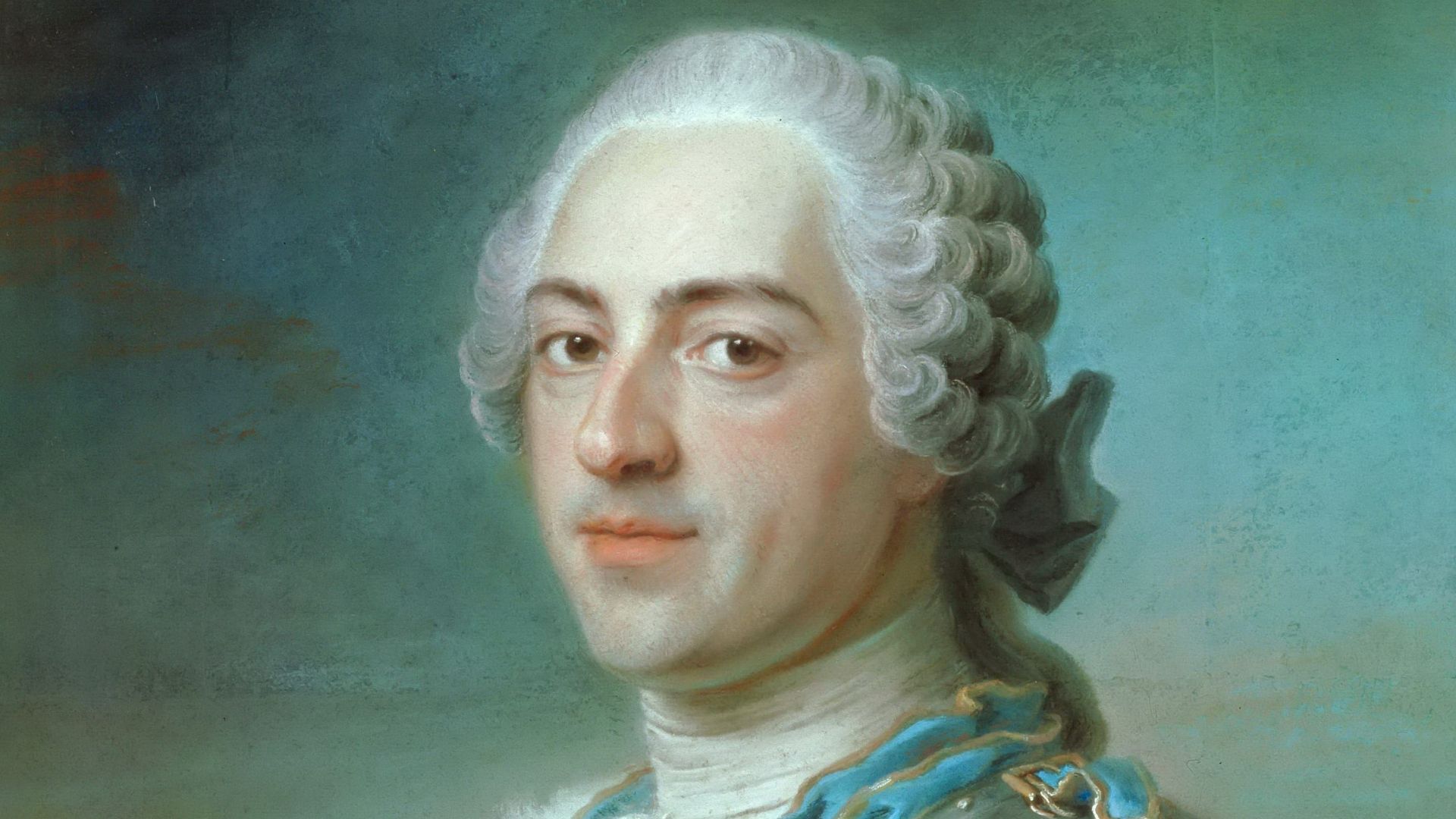
Fashionable powdered wigs became a source of revenue in Britain beginning in 1795. Anyone using hair powder generally had to purchase an annual certificate, although some occupations and members of the royal family received exemptions. As powdered hairstyles quickly fell out of fashion, so did the tax's profitability.
 Maurice Quentin de La Tour, Wikimedia Commons
Bachelor Tax
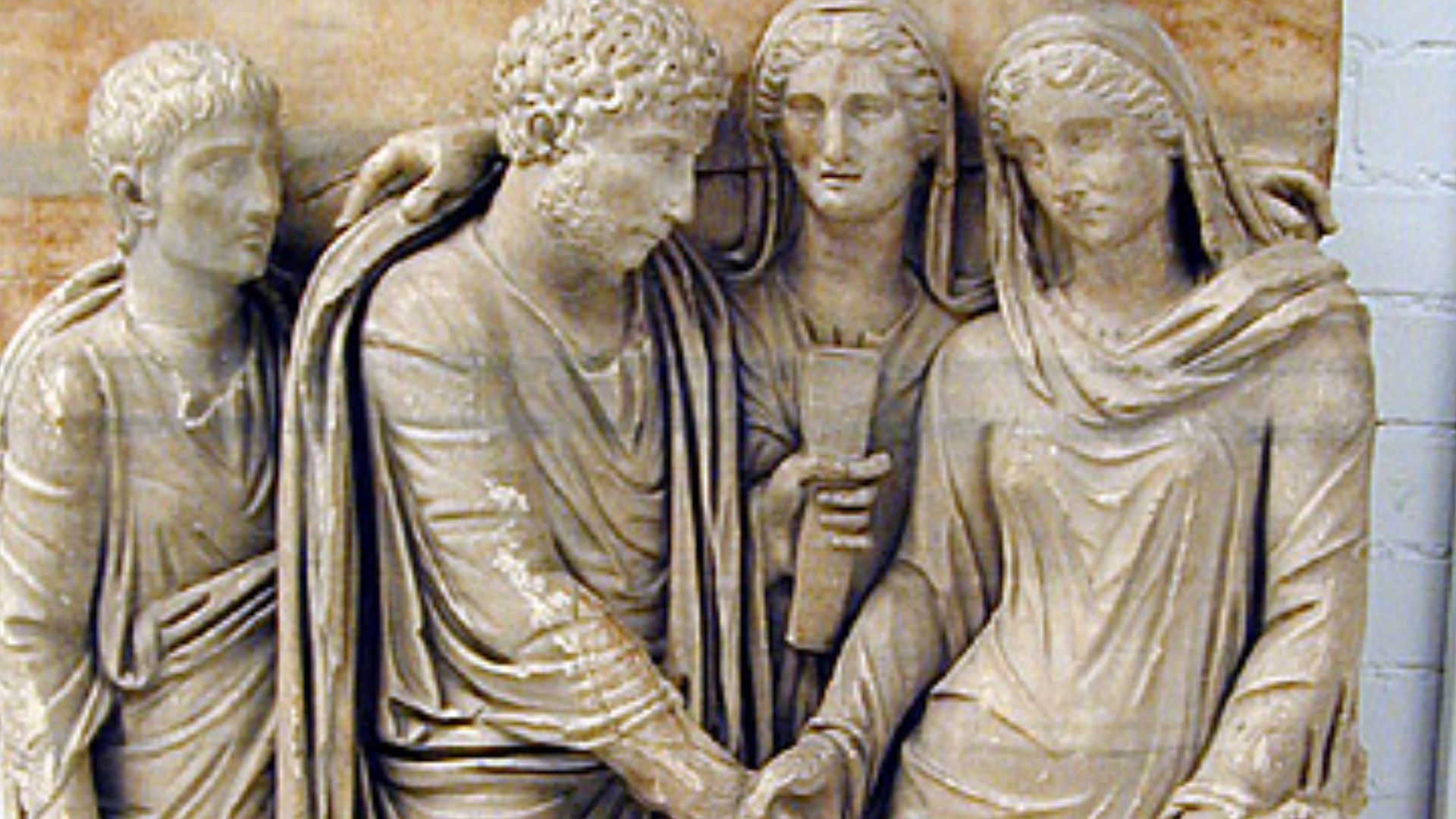
Governments have occasionally tried taxing unmarried men to encourage marriage and increase birth rates. Versions appeared in Ancient Rome and much later in countries including Romania during the communist era. Rather than targeting wealth, these taxes attempted to influence personal and demographic choices.
 Aranzuisor~commonswiki, Wikimedia Commons
Scutage, The "Cowardice Tax"
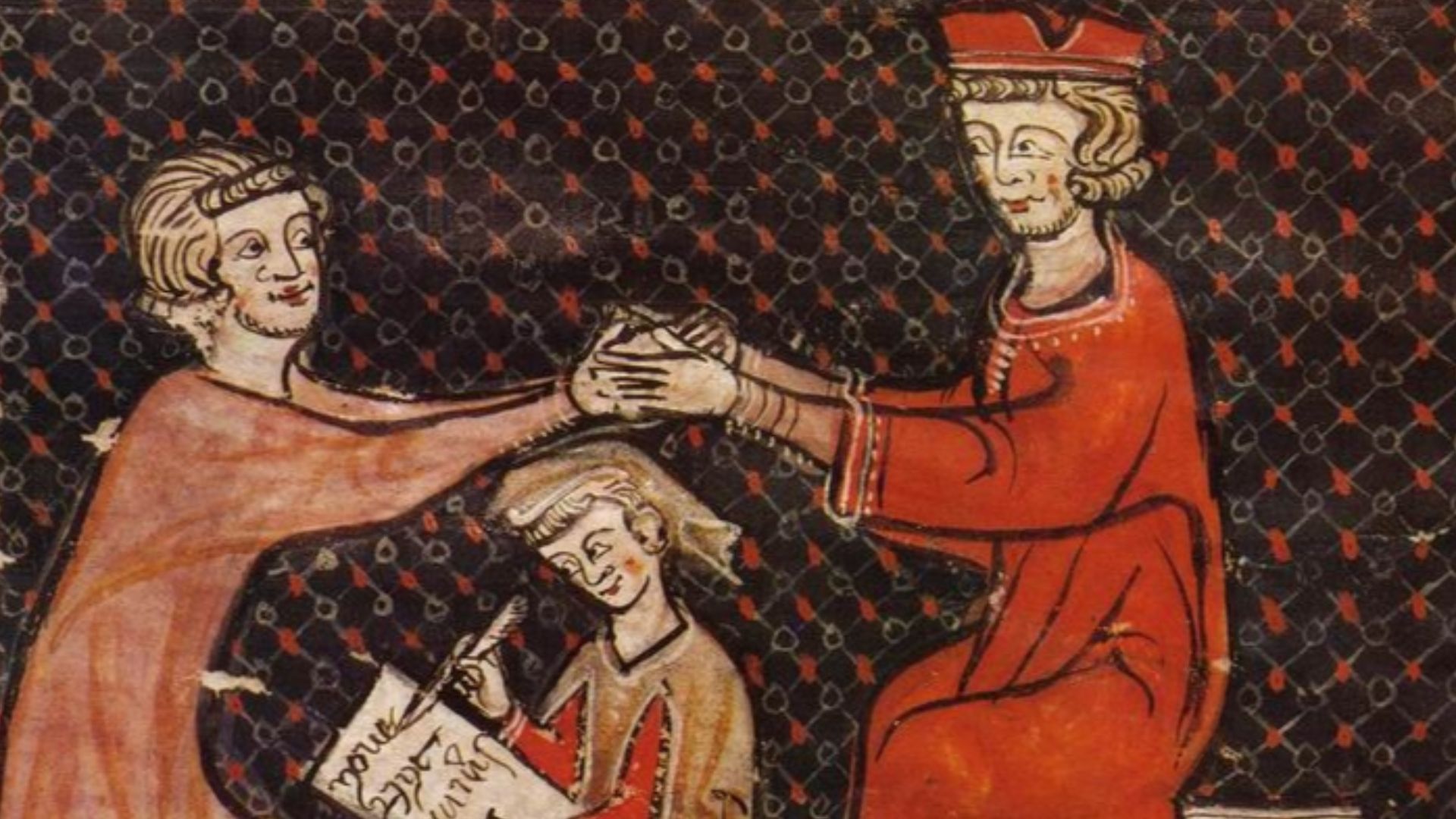
Medieval English knights who preferred not to fight could pay a fee known as scutage instead of performing service. Critics later nicknamed it the "cowardice tax," although rulers often preferred receiving money because it allowed them to hire professional soldiers. Over time, the payment evolved into a broader land tax.
Playing Card Tax
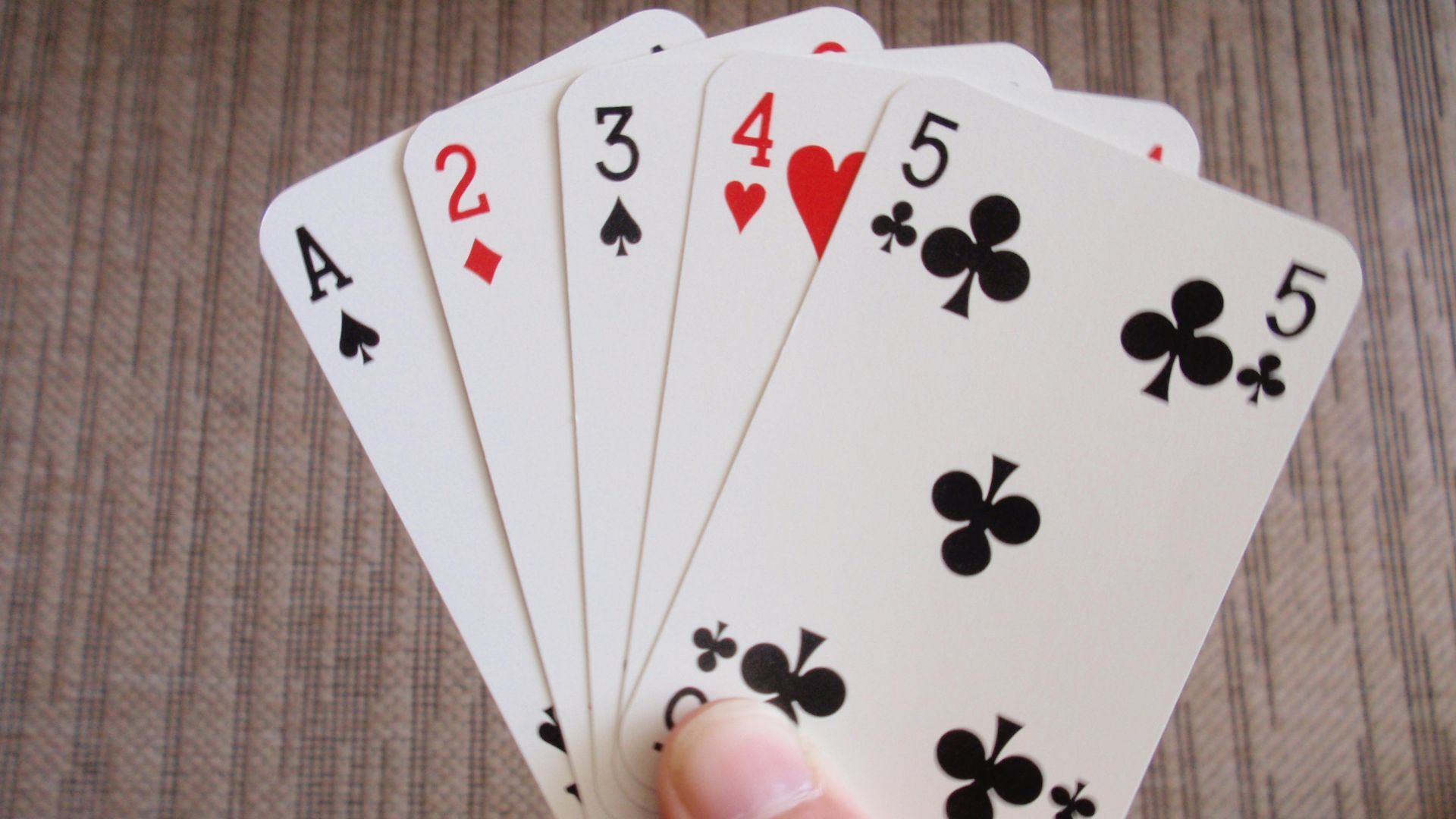
Playing cards became taxable in Britain during the eighteenth century as governments sought new revenue sources from popular leisure activities. Manufacturers had to include official duty stamps on decks, and fake stamps became common enough to attract prosecutions. Even entertainment was fair game for taxation.
Dice Tax
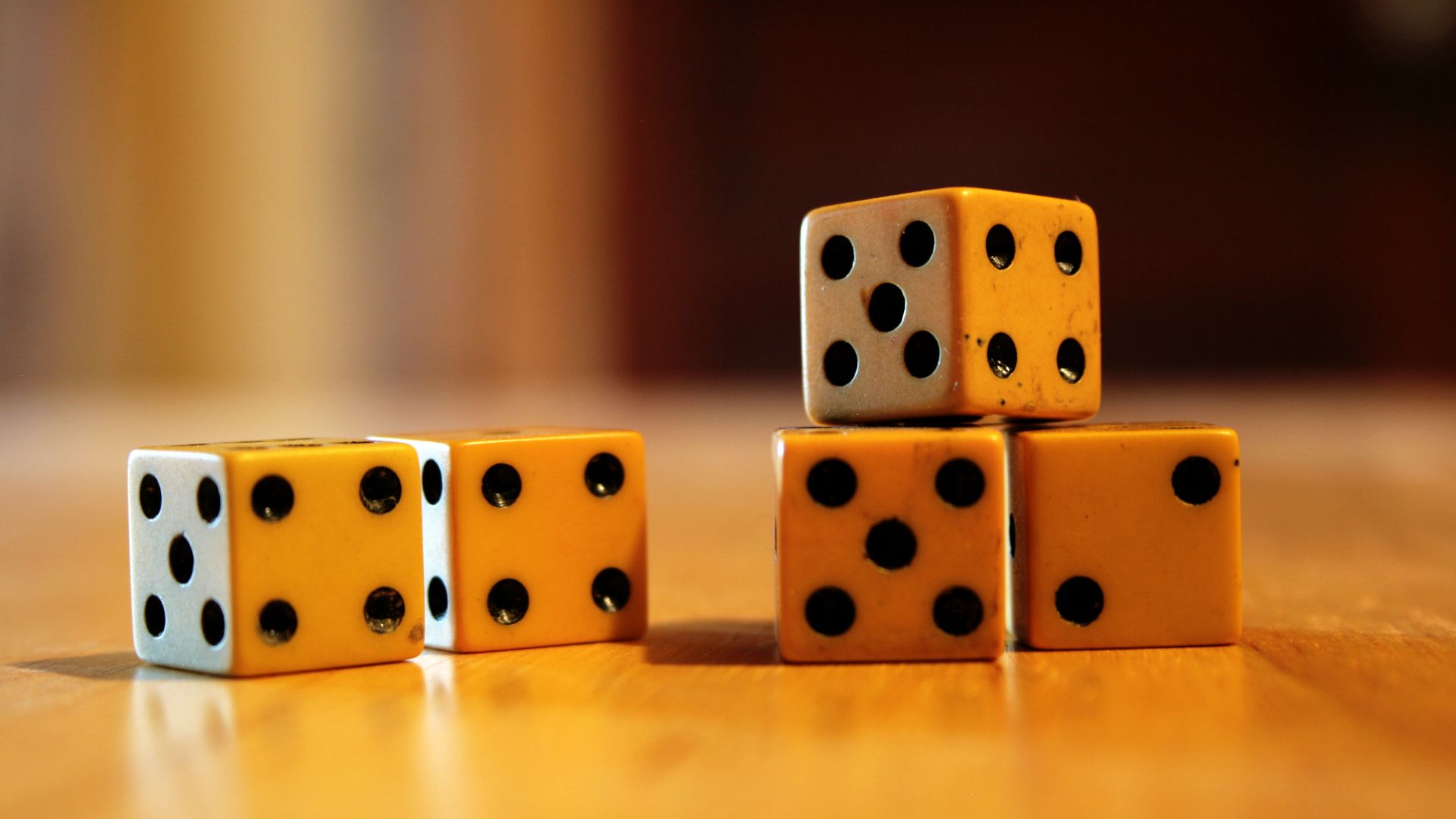
Dice joined playing cards as another taxable form of recreation. British governments viewed gambling products as convenient revenue generators because they were widely purchased yet not considered necessities. Like several other excise taxes of the era, the duty remained in place for generations.
Clock And Watch Tax
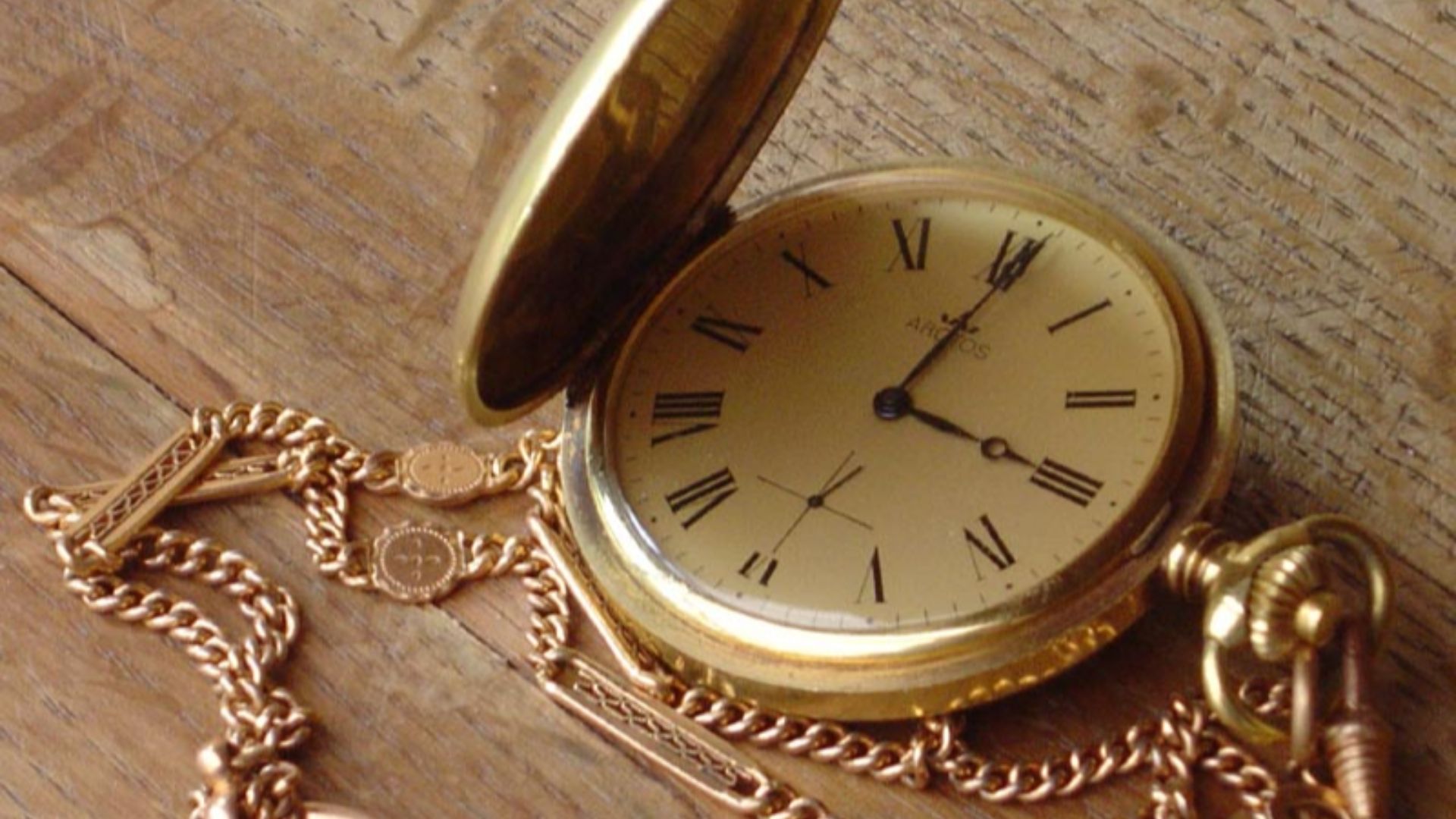
France briefly experimented with taxing clocks and watches during the eighteenth century. Since timepieces were expensive possessions, officials believed they reflected personal wealth and could provide additional revenue. The tax proved unpopular and was eventually abandoned after only a short period.
 Isabelle Grosjean ZA, Wikimedia Commons
Perfume Tax
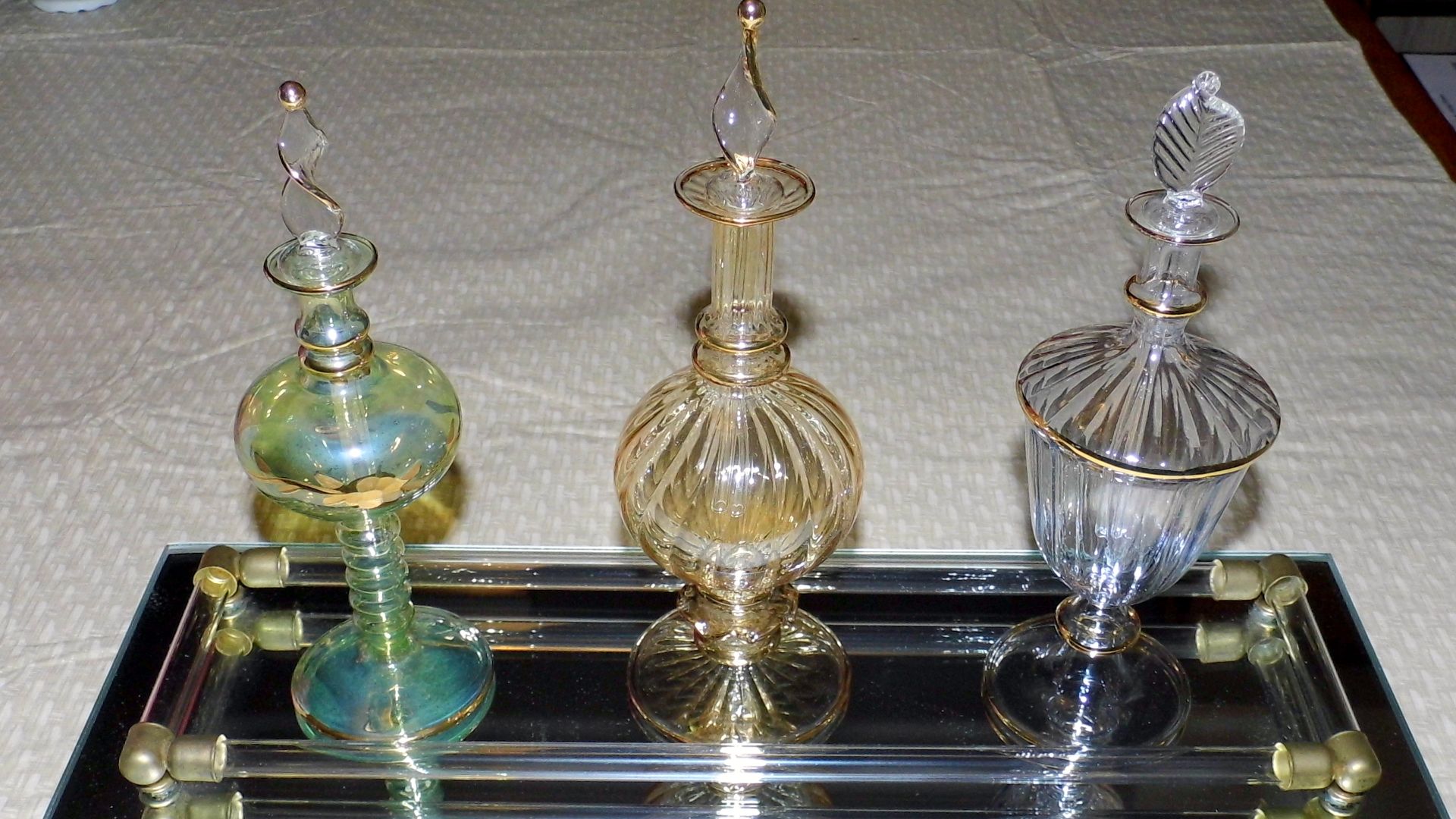
Luxury items frequently attracted government attention, and perfume was no exception. Britain introduced a perfume duty in the late eighteenth century alongside several other taxes on fashionable consumer goods. Officials hoped that taxing non-essential products would raise revenue without burdening basic necessities.
 Joe Haupt from USA, Wikimedia Commons
Glove Tax
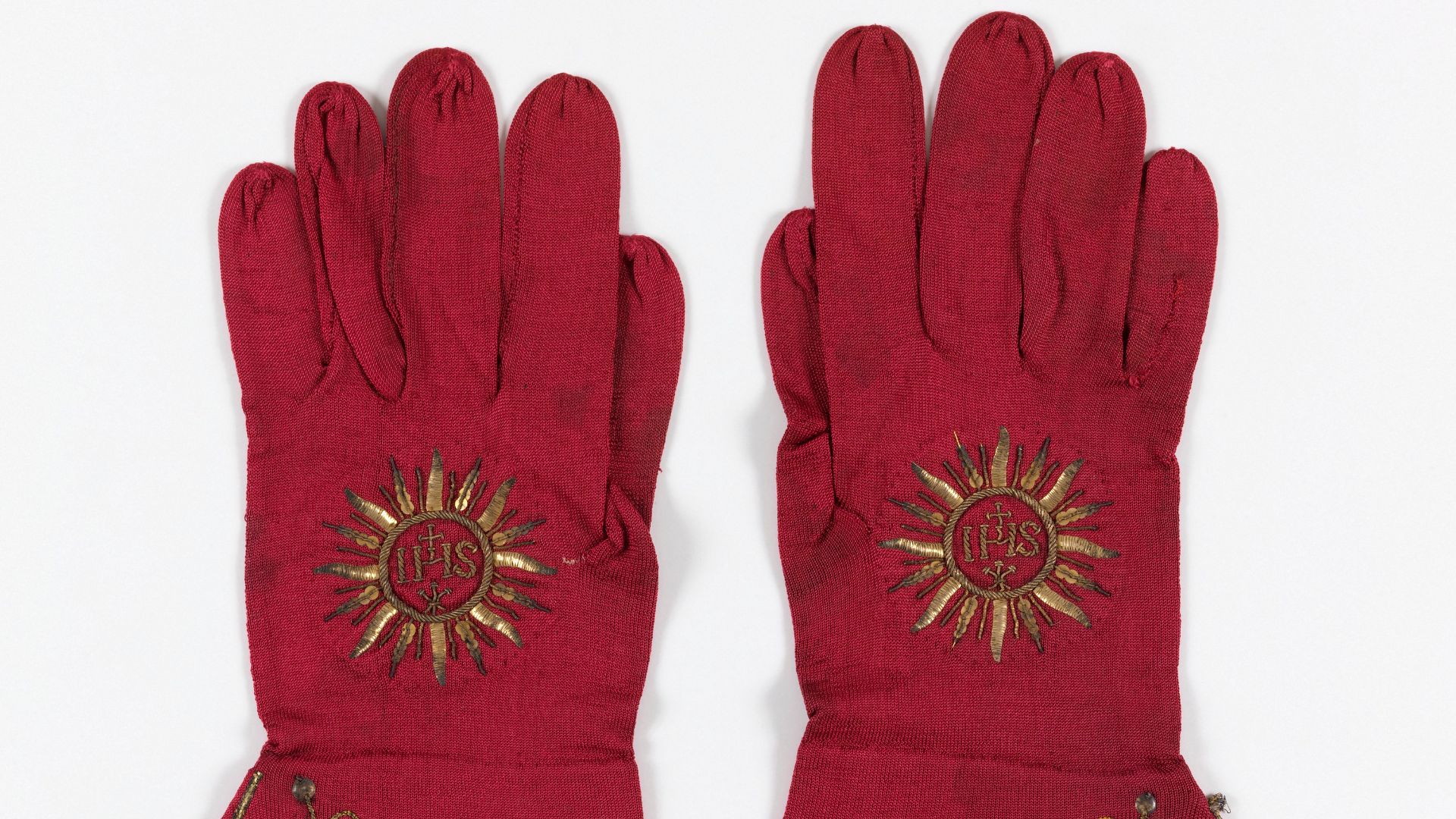
Gloves also fell under Britain's expanding list of taxed luxury accessories during the late eighteenth century. Manufacturers and retailers had to comply with complicated rules surrounding production and sales, illustrating how governments increasingly looked beyond property and income for new tax opportunities.
 Unknown artistUnknown artist, Wikimedia Commons
Chimney And Fireplace Taxes Across Europe
Although England's hearth tax is the best-known example, taxes based on chimneys and fireplaces appeared in several European countries over the centuries. Officials favored them because fireplaces were easy indicators of household size and prosperity. Homeowners, however, rarely appreciated inspectors showing up to count them.

The Legacy Of Strange Taxes
Many of history's oddest taxes eventually disappeared because they were difficult to enforce, encouraged creative loopholes, or produced unintended consequences. Yet they remain fascinating reminders that governments have always searched for inventive ways to raise revenue. Looking back, today's tax forms suddenly don't seem quite as unusual.
You May Also Like:
These Once-Popular Products Practically Disappeared Overnight
The Forgotten Department Stores That Once Ruled The American Retail World
The Most Bizarre Ways People Communicated Before Modern Technology