
When The Textbook Version Gets An Upgrade
History class has a habit of turning complicated events into wonderfully tidy stories. One hero rides through the night. One inventor has a light-bulb moment. One explorer proves everyone else wrong. The trouble is that memorable stories aren’t necessarily accurate ones. Archaeology, surviving documents, scientific research, and generations of historical scholarship have dismantled plenty of “facts” that once seemed unquestionable. Here are 21 classics that deserve an eraser.
 This file was derived from: Betsy Ross 1777 cph.3g09905.jpg: Wikimedia Commons
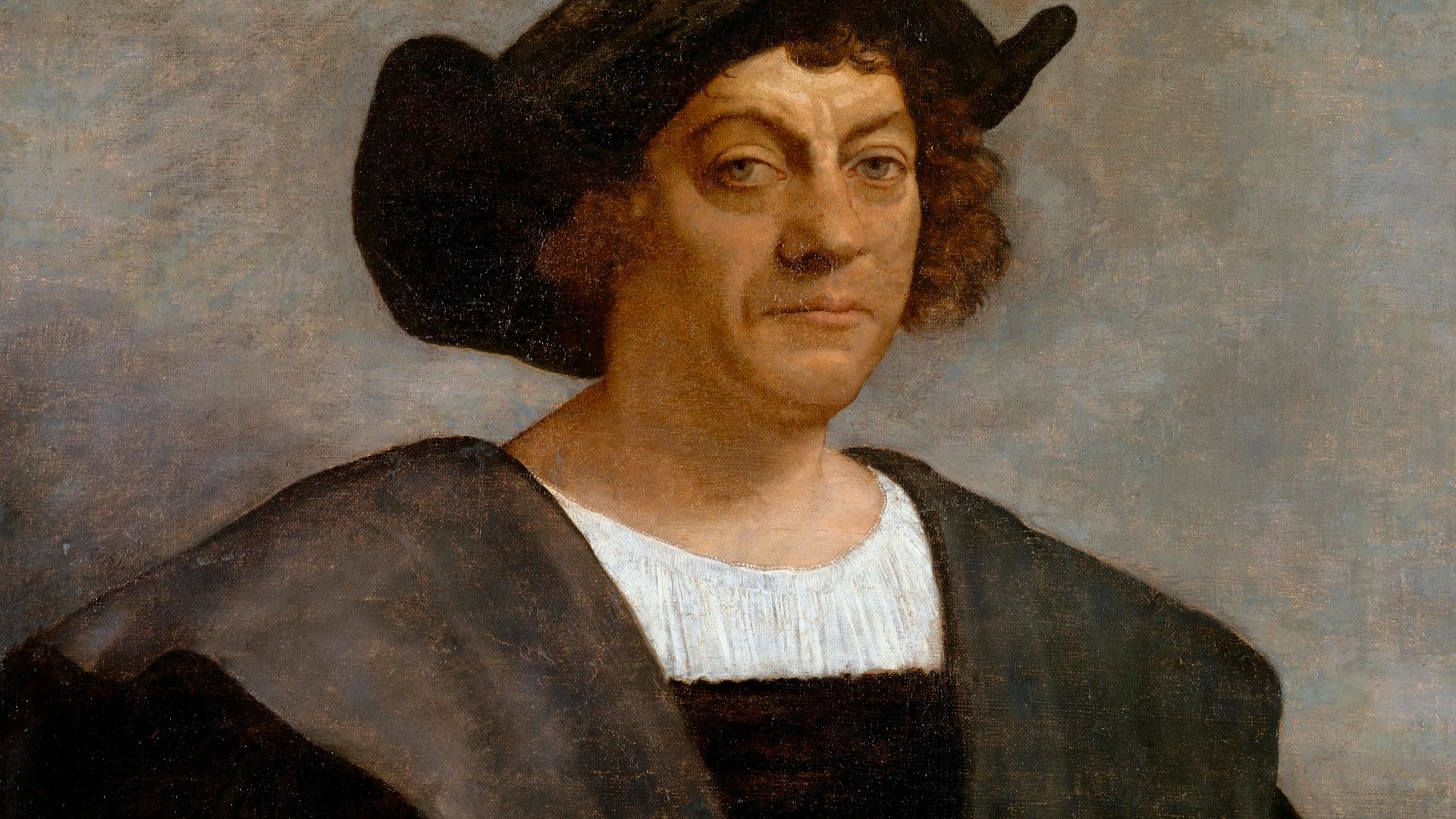
Columbus Proved The Earth Was Round
Christopher Columbus did not sail west to convince medieval Europeans that Earth was round. Educated Europeans had known about Earth’s spherical shape for centuries. The actual disagreement concerned its size: Columbus badly underestimated the distance westward to Asia. The famous flat-Earth showdown was largely popularized centuries later, particularly through Washington Irving’s romanticized 1828 biography of Columbus.
 Sebastiano del Piombo, Wikimedia Commons
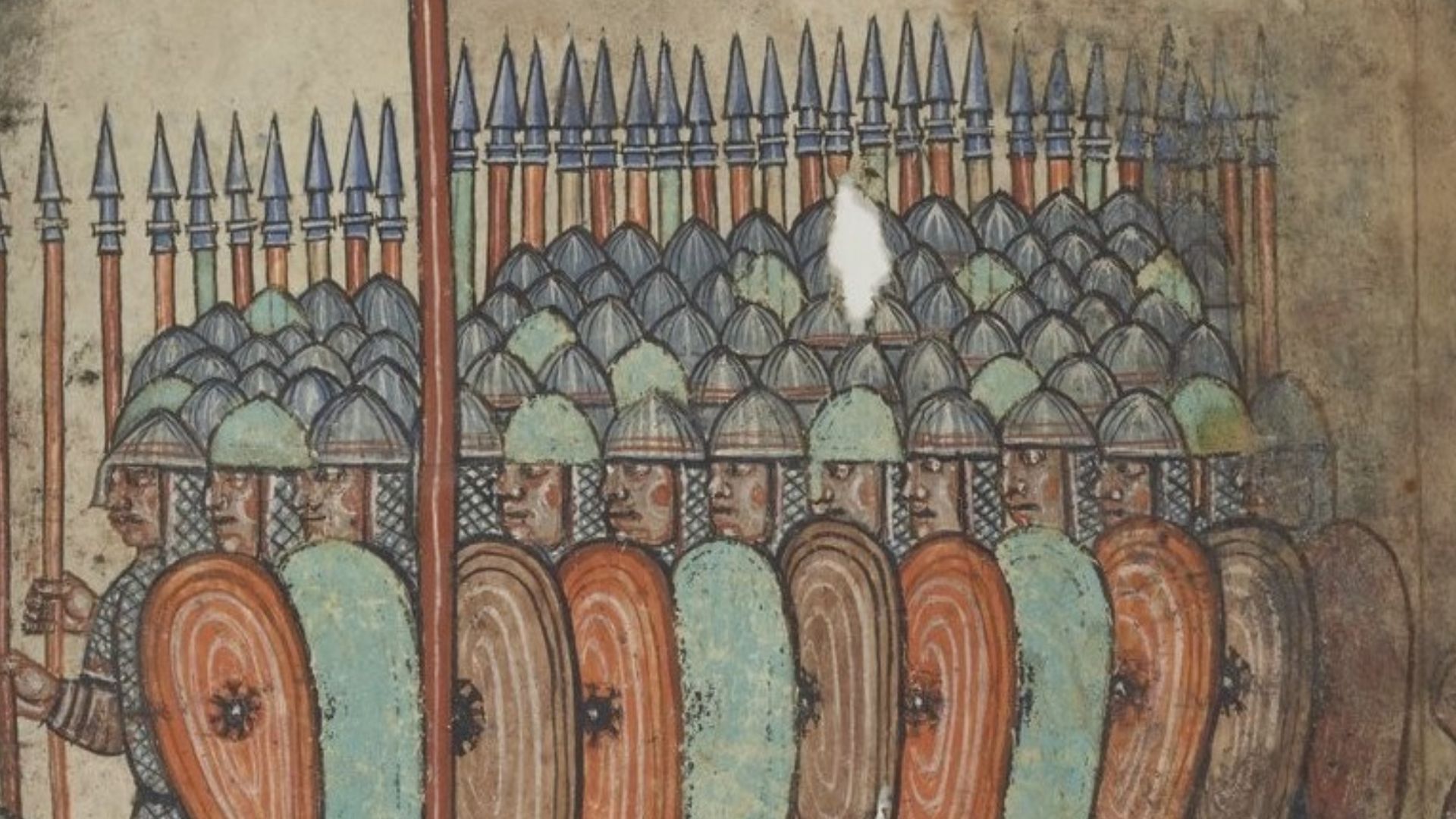
Vikings Wore Horned Helmets
The horned Viking helmet may be perfect for cartoons, football fans, and Halloween costumes, but it is lousy history. The only complete Viking Age helmet ever discovered has no horns, and contemporary sources don’t describe Viking warriors wearing them. Horned headgear existed in other contexts, but there is no evidence it was standard Viking battle equipment.
 Abbey of Saint-Aubin, Wikimedia Commons
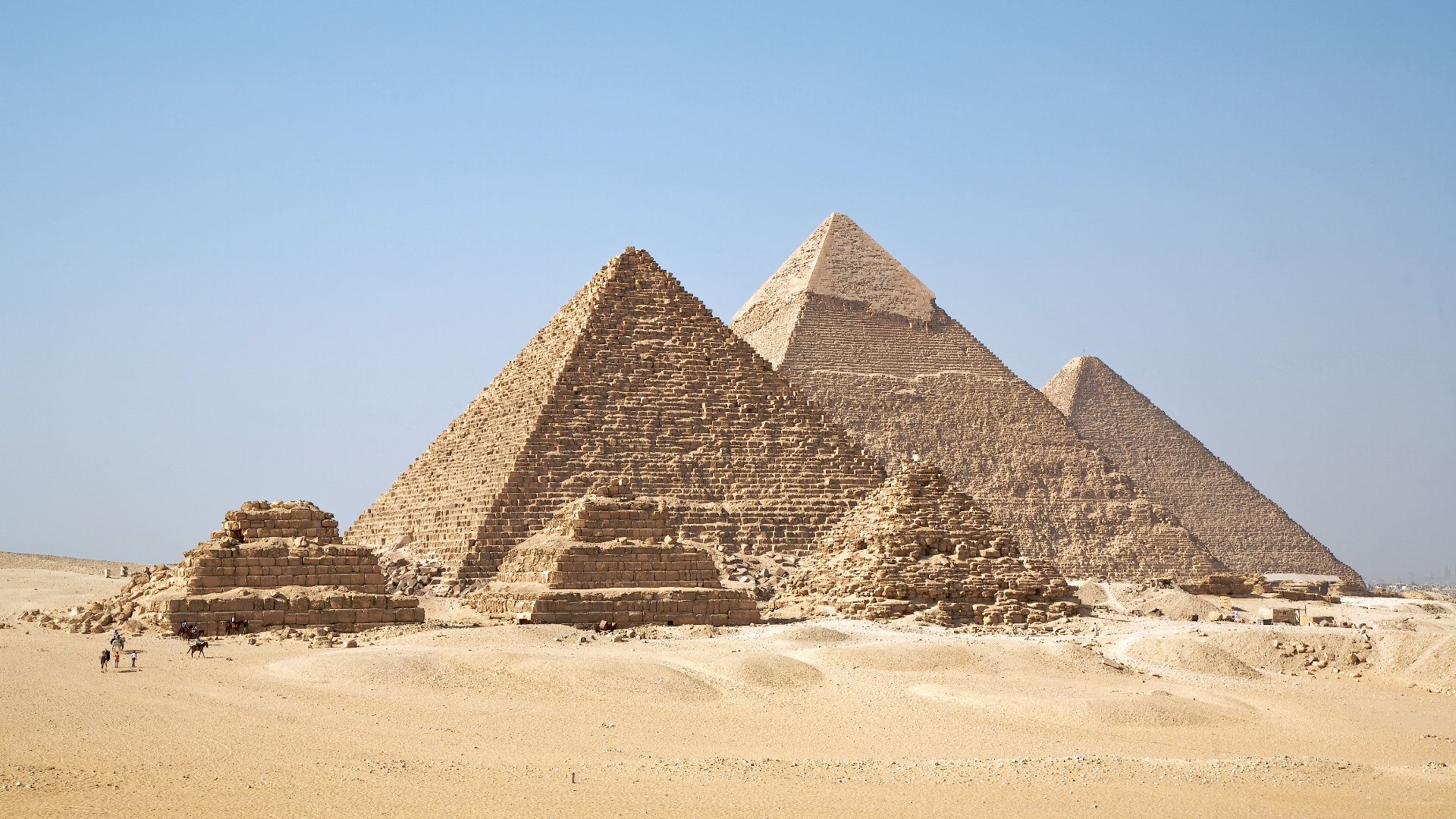
Slaves Built The Egyptian Pyramids
Movies love armies of chained slaves dragging stones beneath cracking whips. Archaeology paints a different picture. Excavations around Giza uncovered settlements and tombs associated with pyramid builders, and researchers believe the workforce consisted largely of native Egyptian laborers, including skilled craftsmen and manual workers who received food as compensation. The pyramids were monumental construction projects, not giant slave camps.
 Ricardo Liberato, Wikimedia Commons
The Great Wall Is Visible From The Moon
This “fact” somehow survived despite the rather inconvenient problem of being false. NASA says the Great Wall of China is not visible from the moon with the unassisted eye and can be difficult or impossible to distinguish even from low Earth orbit without powerful lenses. Being extremely long does not help much when something is relatively narrow and blends into its surroundings.
 CEphoto, Uwe Aranas, Wikimedia Commons
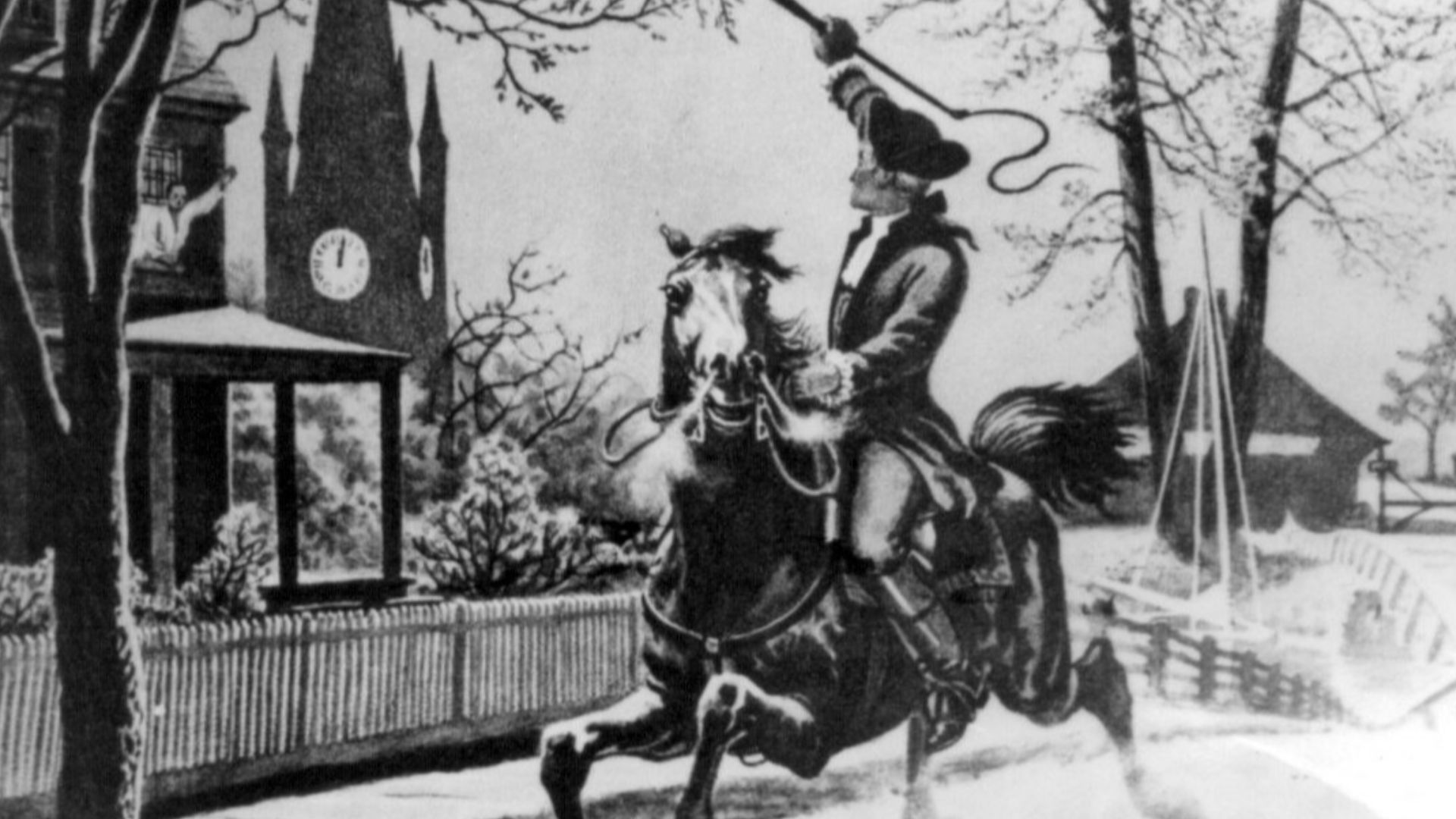
Paul Revere Rode Alone
Paul Revere certainly rode on the night of April 18, 1775, but he wasn’t galloping solo through Massachusetts as America’s one-man alarm system. William Dawes, Samuel Prescott, and numerous other riders helped spread warnings about British troop movements. Longfellow’s later poem transformed a coordinated network into a much cleaner story starring one unforgettable hero.
 Office of War Information, Wikimedia Commons
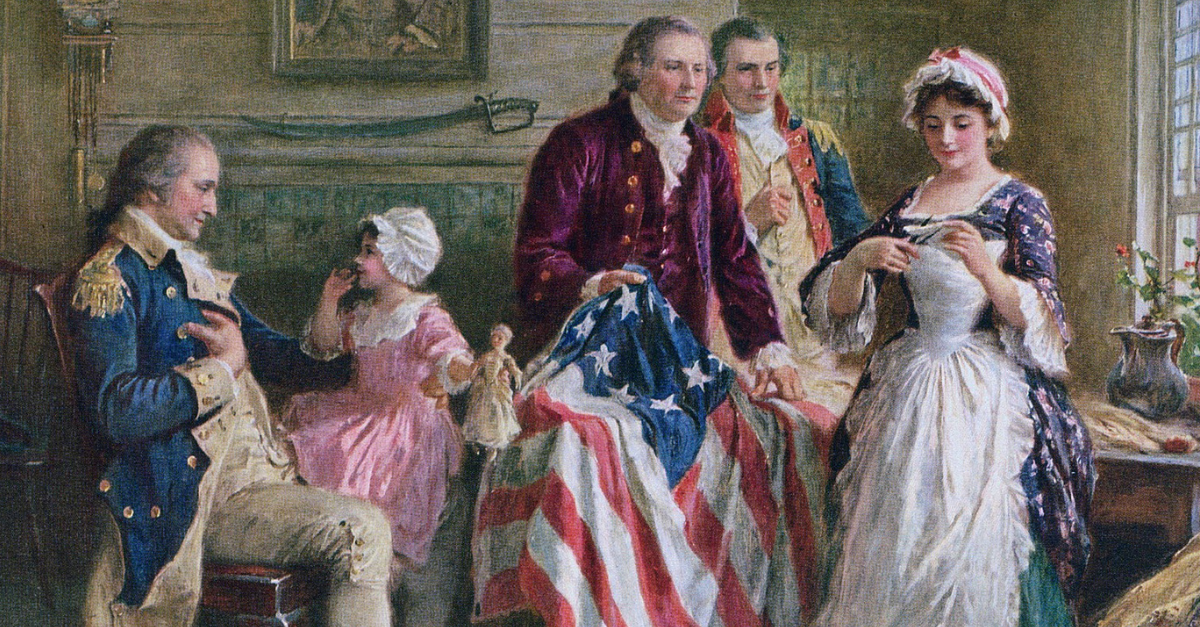
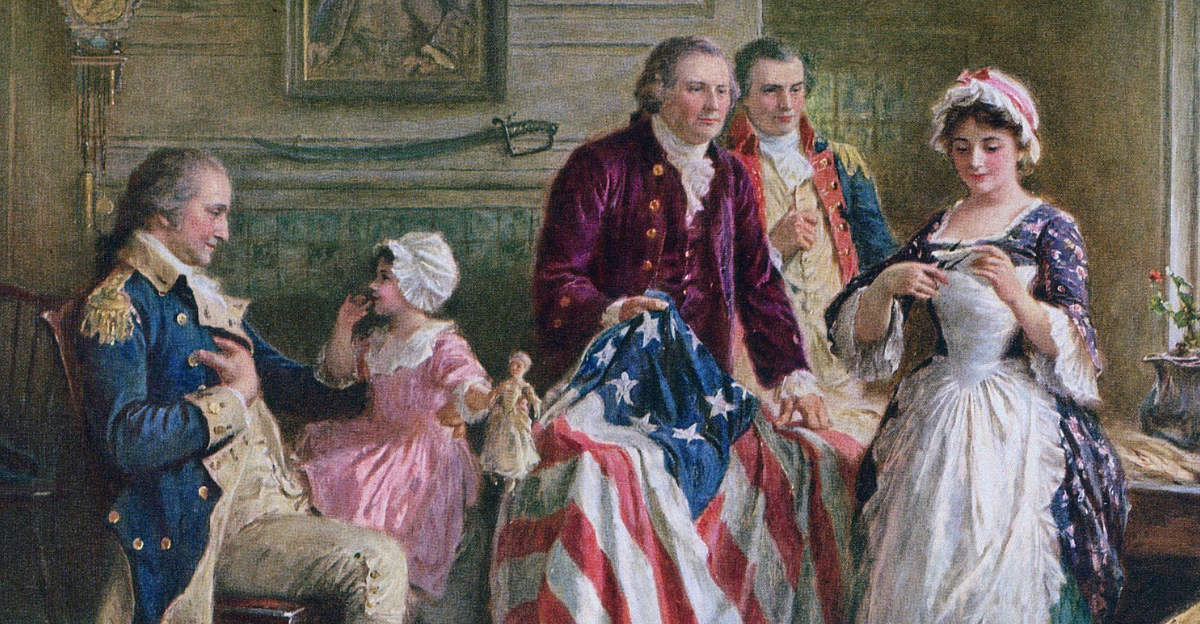
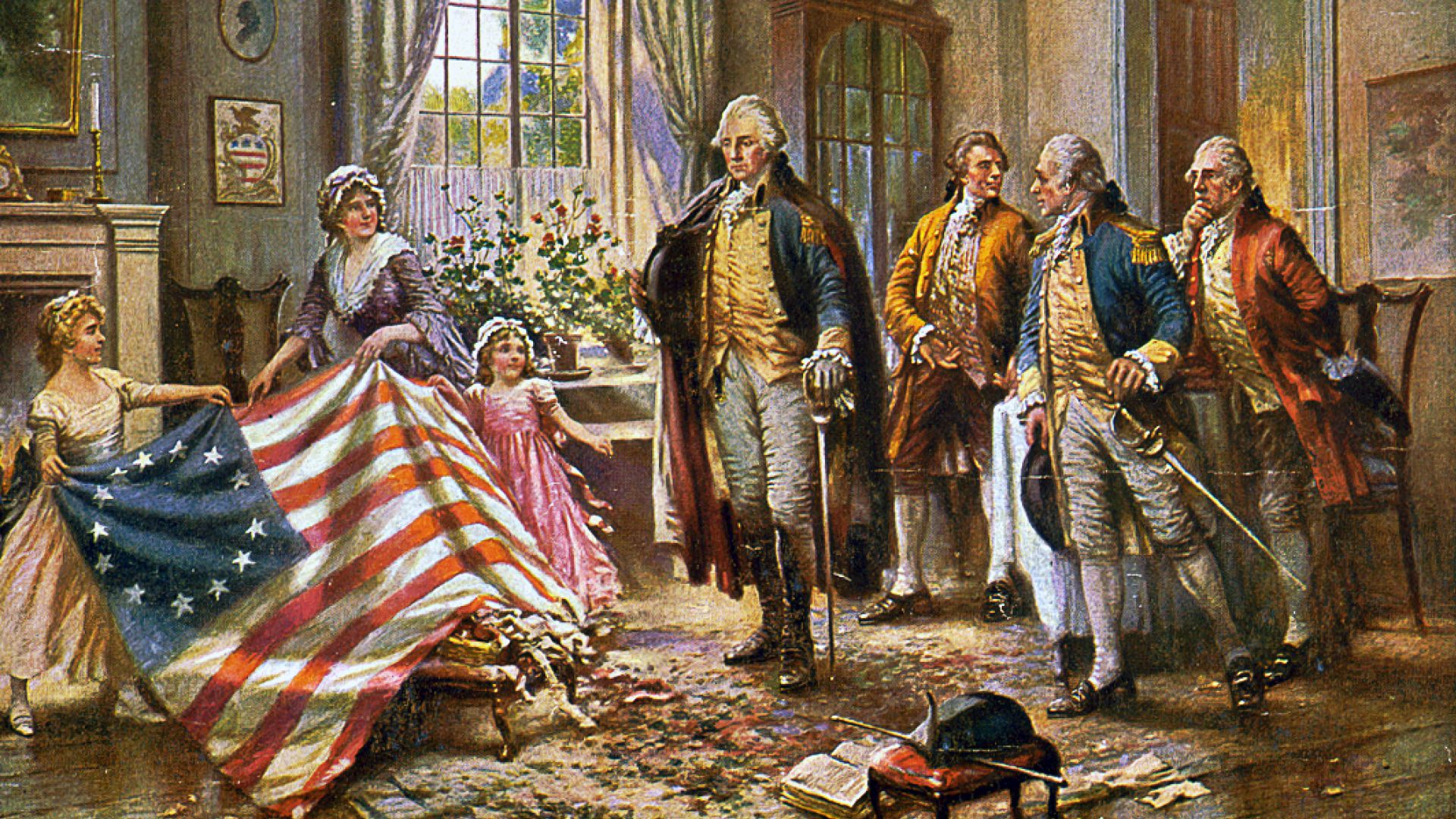
Betsy Ross Designed The First American Flag
Betsy Ross really was an upholsterer in Revolutionary Philadelphia, but historians have found no contemporary evidence proving she designed the first American flag. The famous account emerged publicly in 1870 when her grandson William Canby presented a family story about her involvement. The Smithsonian notes that historians have searched records without finding documentation verifying the tale.
 Edward Percy Moran, Wikimedia Commons
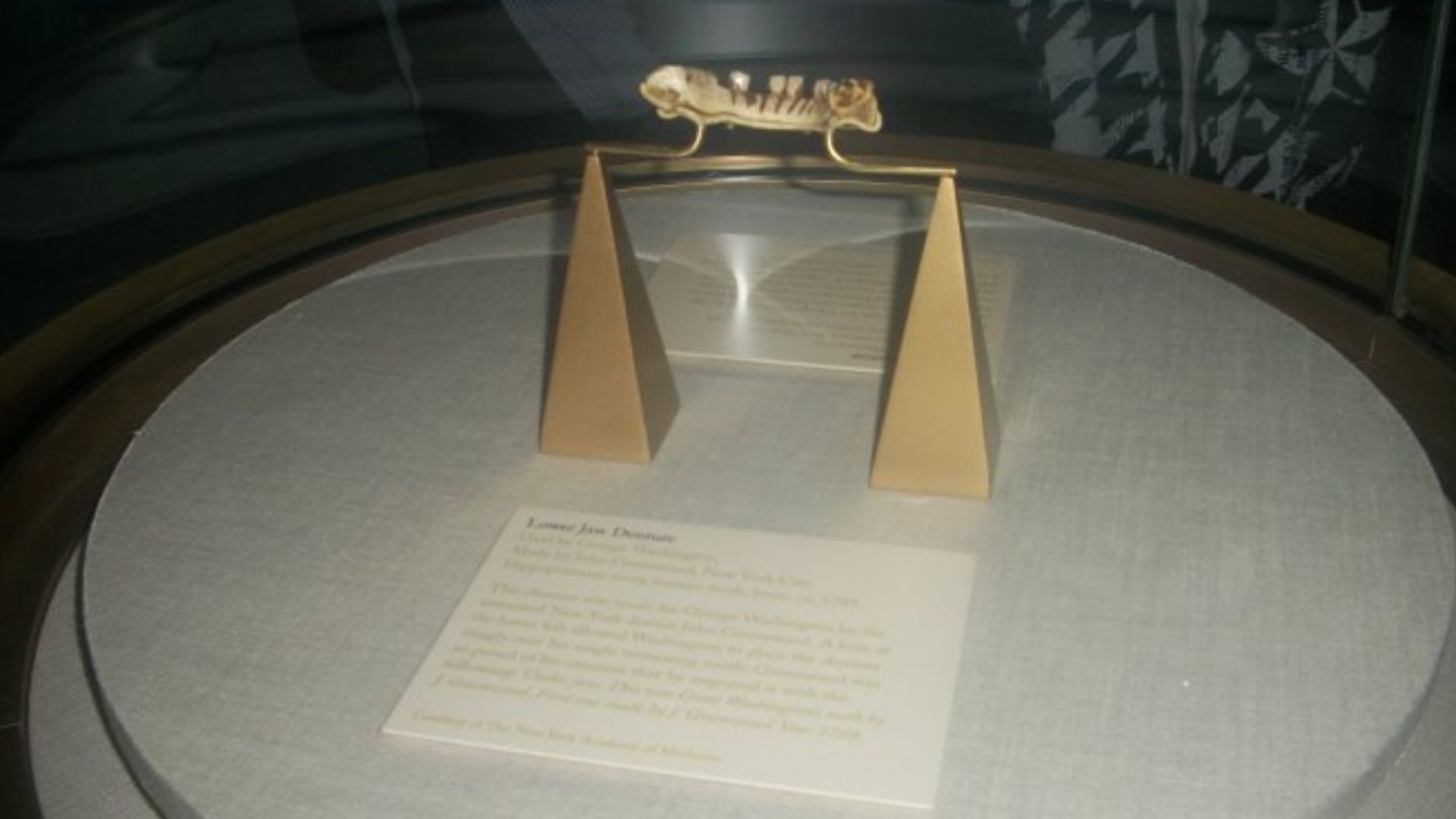
George Washington Had Wooden Teeth
Washington’s dental situation was genuinely unpleasant, but lumber was not involved. His dentures incorporated materials including ivory, metal, and human teeth. Mount Vernon calls the wooden-teeth story one of the most persistent myths about Washington, noting that even twentieth-century scholarship sometimes repeated it. Apparently the real dental history wasn’t strange enough already.
 Gabi Hernandez, Wikimedia Commons
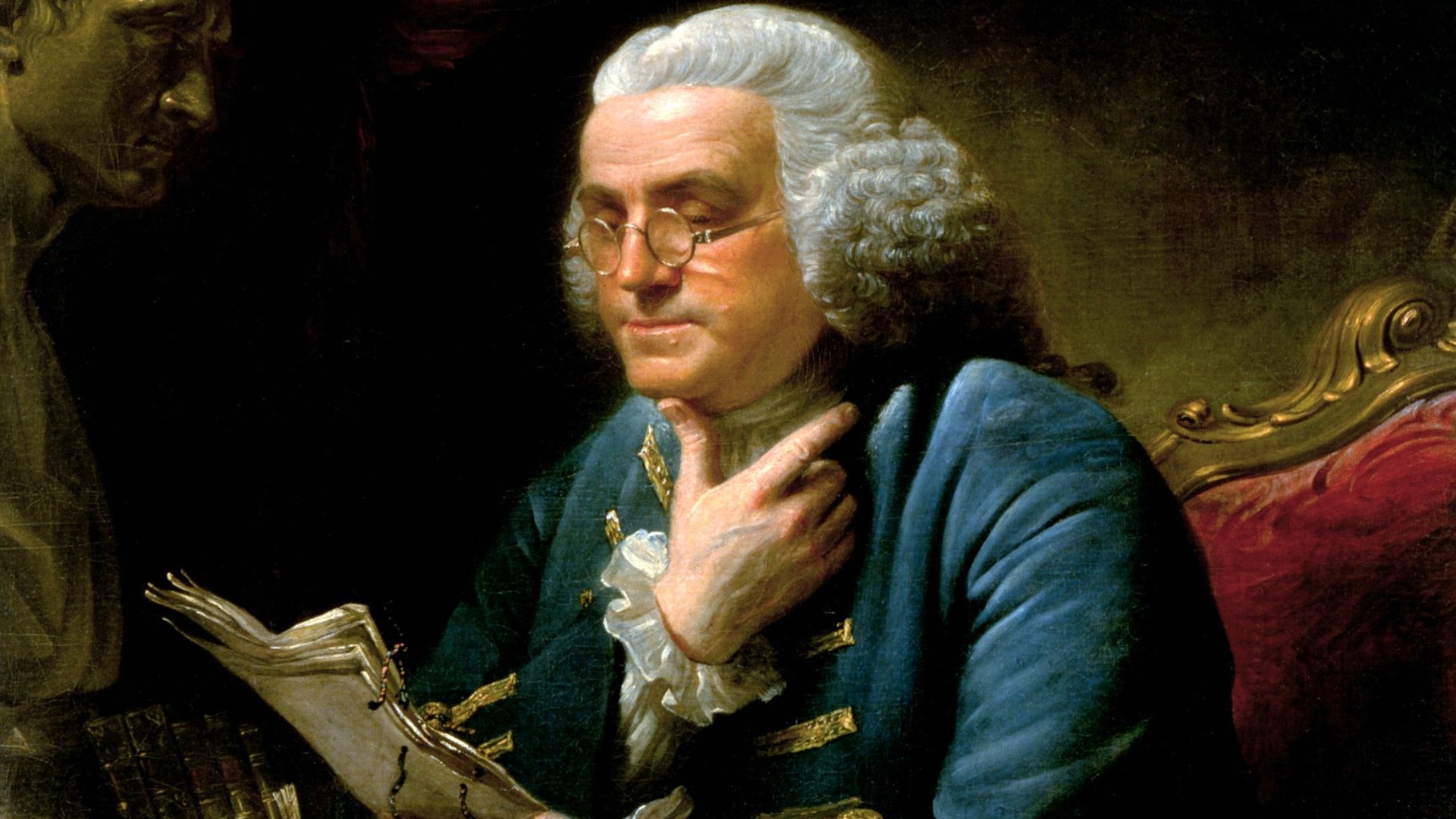
Benjamin Franklin Discovered Electricity With A Kite
Electricity was already being studied before Benjamin Franklin ever considered sending a kite skyward. Franklin’s work concerned the electrical nature of lightning, and historians even debate whether he personally performed the famous kite experiment exactly as later retellings suggest. French experimenters successfully tested Franklin’s related lightning-rod proposal in 1752 before reports of his kite experiment appeared.
 David Martin, Wikimedia Commons

History's most fascinating stories and darkest secrets, delivered to your inbox daily.
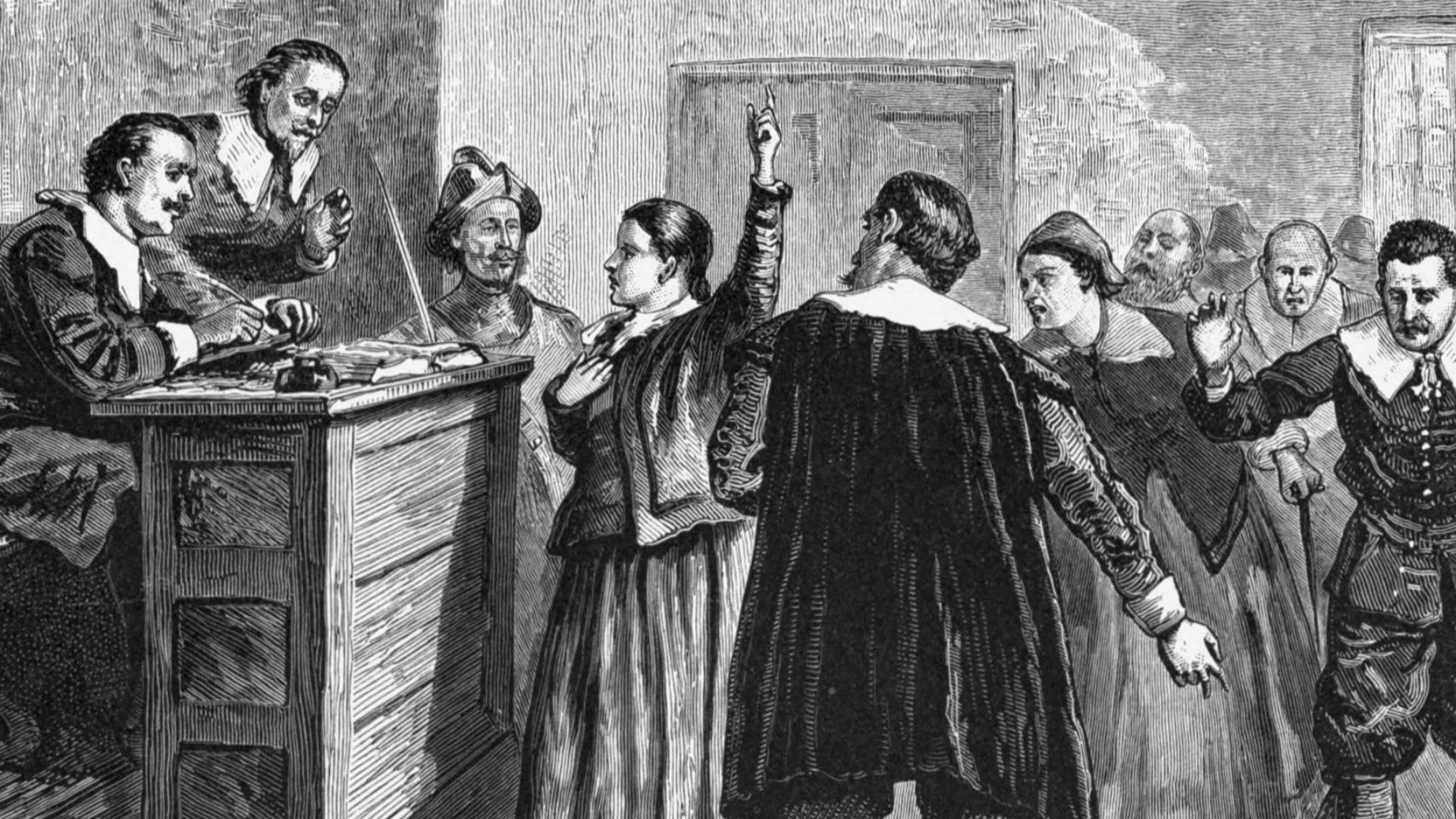
Salem’s Accused Witches Were Burned
The image of witches burning at the stake belongs elsewhere, not in the Salem trials. Others passed in lockup. No convicted victim of the Salem witch trials was executed by burning, despite how frequently flames get attached to the story in popular memory.
 unattributed, Wikimedia Commons
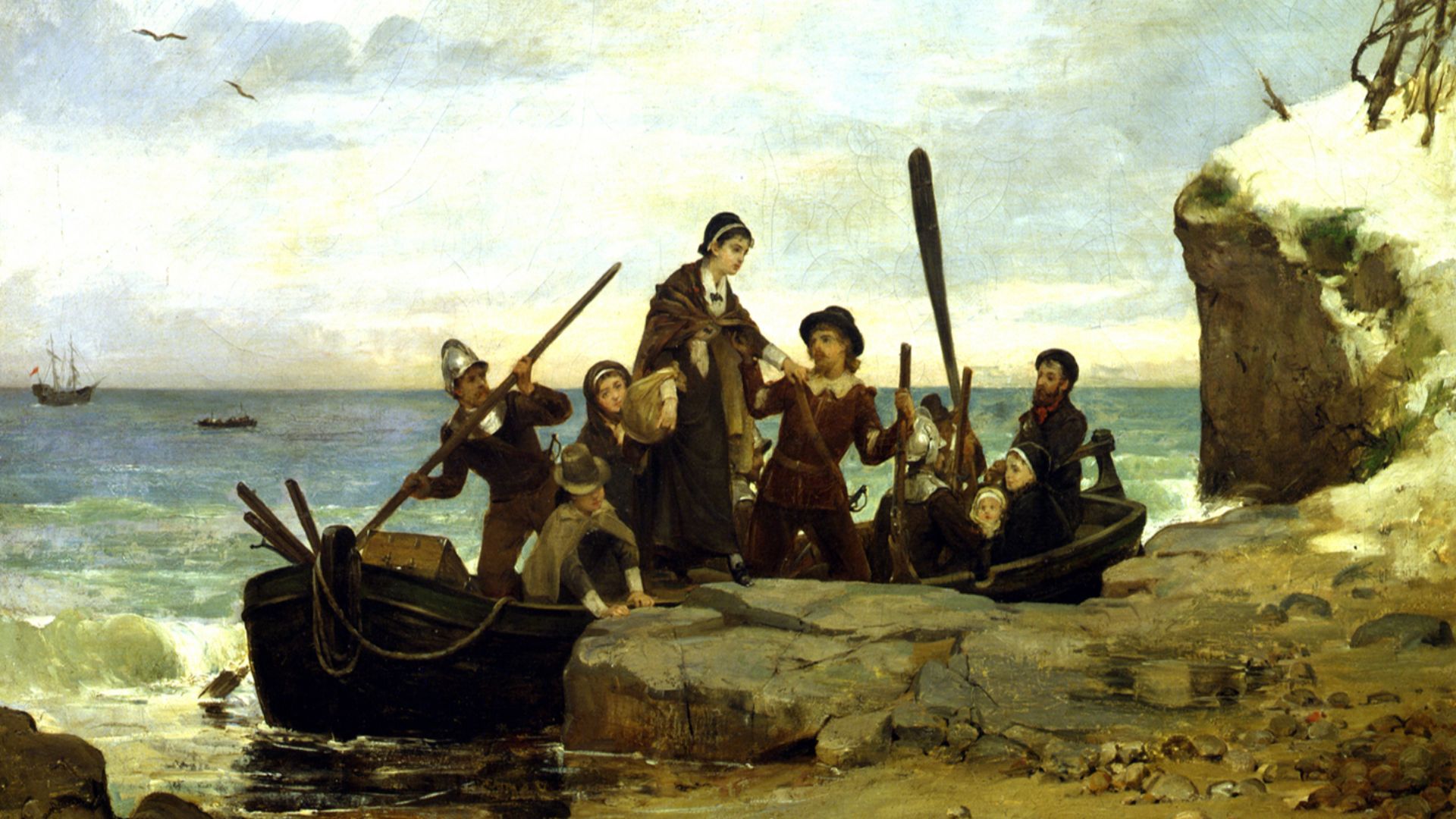
The Pilgrims Landed On Plymouth Rock
Plymouth Rock makes an excellent monument but a shaky historical landing pad. Neither of the two surviving firsthand accounts describing Plymouth Colony’s founding mentions the rock. Its supposed connection to the Pilgrims wasn’t recorded until 1741, 121 years after their arrival, when elderly Thomas Faunce identified it based on a story from an earlier generation.
 Henry Bacon, Wikimedia Commons
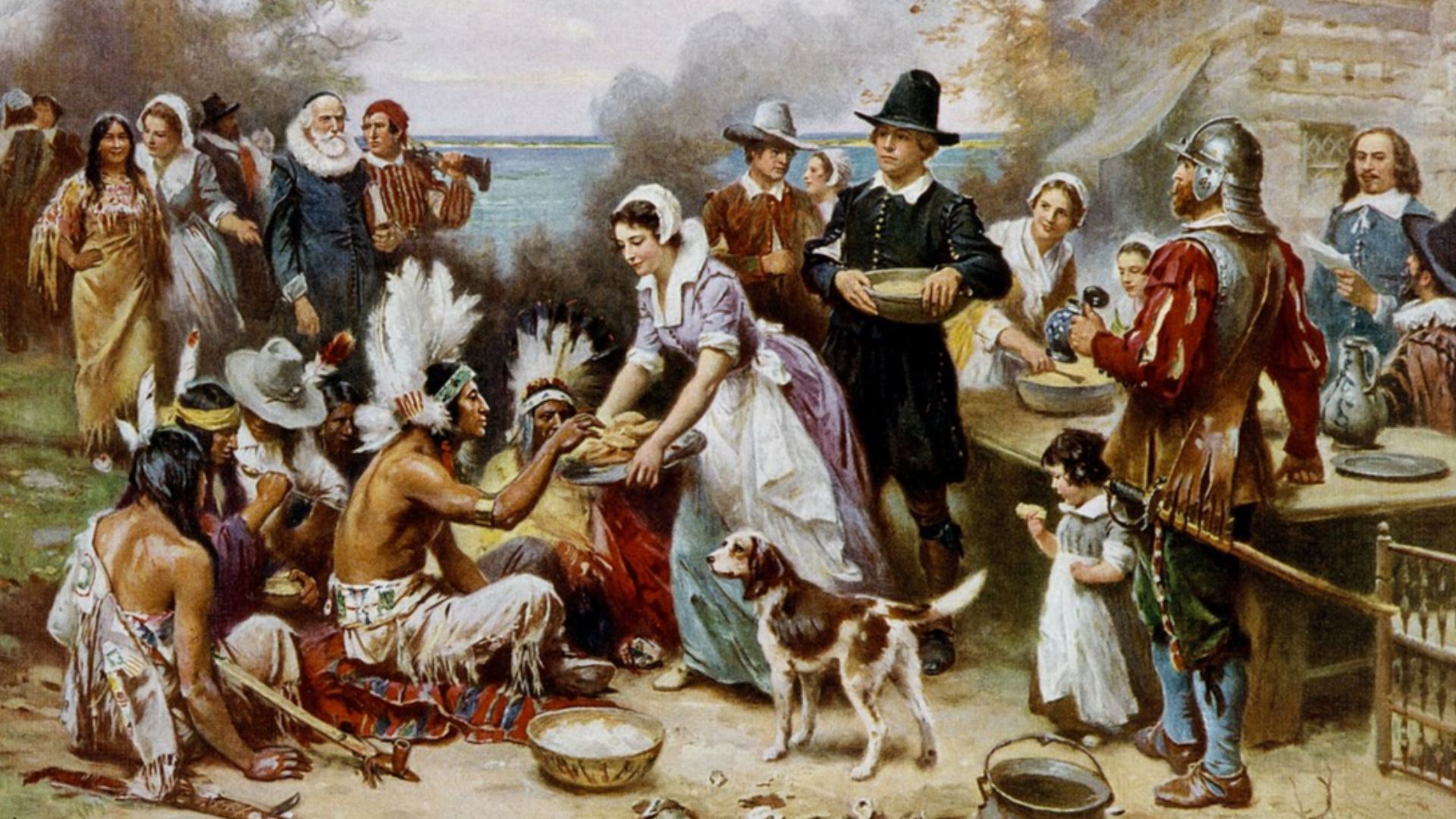
The First Thanksgiving Was A Cozy Friendship Feast
There was a 1621 harvest gathering involving Plymouth colonists and Wampanoag people, but the familiar classroom pageant dramatically simplifies the circumstances. The Wampanoag had their own political interests and a long history before English settlement. The cheerful national myth also tends to skip the disease, colonization, land conflicts, and danger that shaped Indigenous-colonial relations afterward.
 Jean Leon Gerome Ferris, Wikimedia Commons
Pocahontas Saved John Smith From Execution
John Smith claimed Pocahontas intervened when Powhatan was about to kill him, but historians have long questioned his account. The Smithsonian’s National Museum of the American Indian notes that most historians consider the rescue story false, while some suggest Smith may have misunderstood a ceremony. What certainly isn’t supported is the later romanticized version of their relationship.
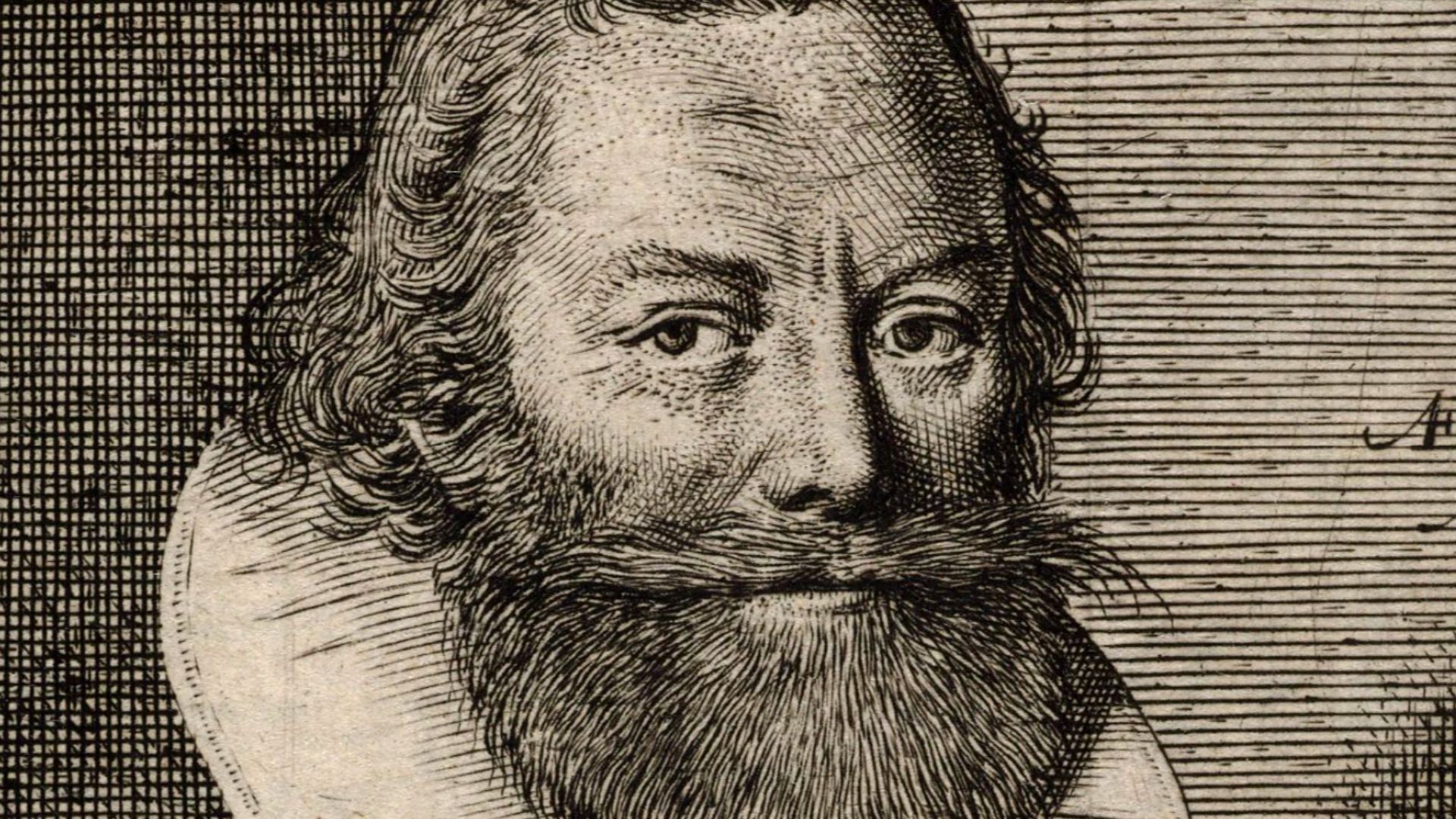 Book by Capt. John Smith, engraver uncertain, Wikimedia Commons
Rats Alone Spread The Black Death
Black rats and their fleas have spent centuries carrying the blame for Europe’s Black Death. Modern research has made the picture considerably murkier. A 2018 study modeling nine historical outbreaks found that transmission involving human fleas and body lice matched mortality patterns better than rat-based transmission in most cases, challenging the traditional rat-centered explanation.
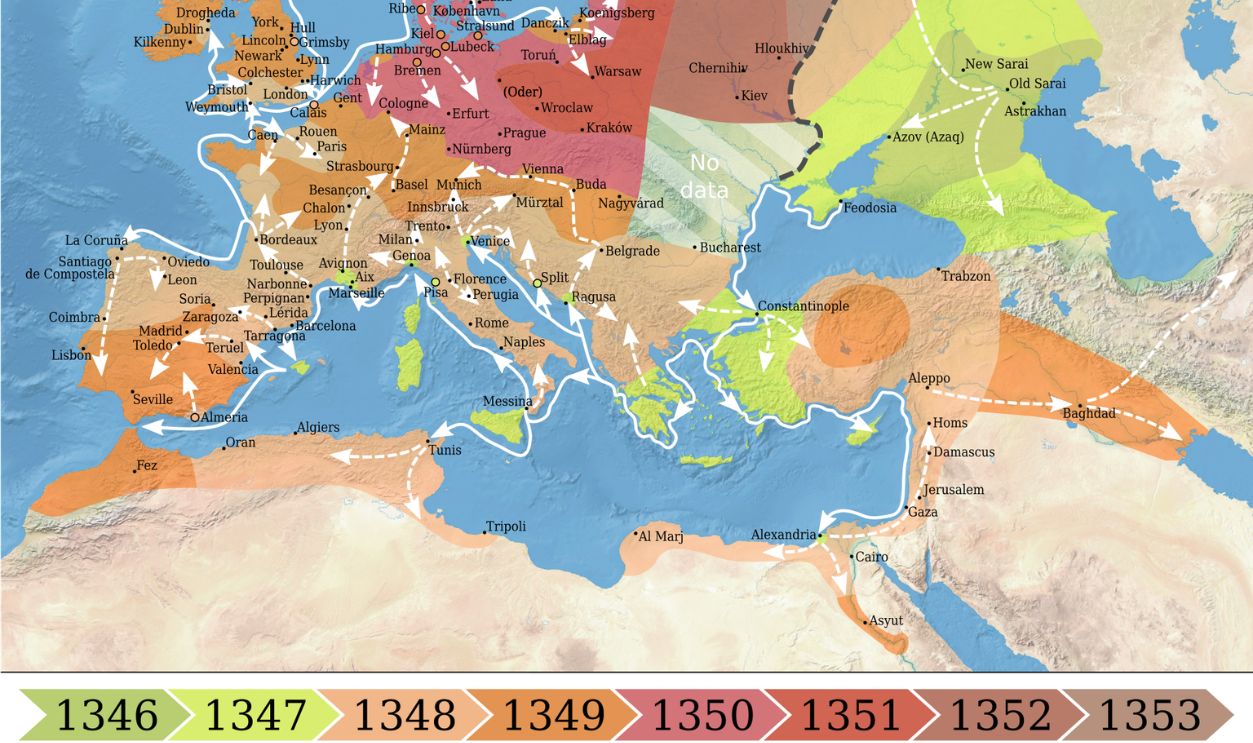 Flappiefh, CC BY-SA 4.0, Wikimedia Commons
Thomas Edison Invented The Light Bulb
Edison made enormously important improvements to electric lighting, but he did not conjure the light bulb from nothing. Inventors had been experimenting with electric and incandescent lighting for decades. Edison’s team developed a longer-lasting practical lamp and, crucially, helped create the electrical system needed to make widespread illumination commercially useful. Invention, it turns out, can be a team sport across generations.
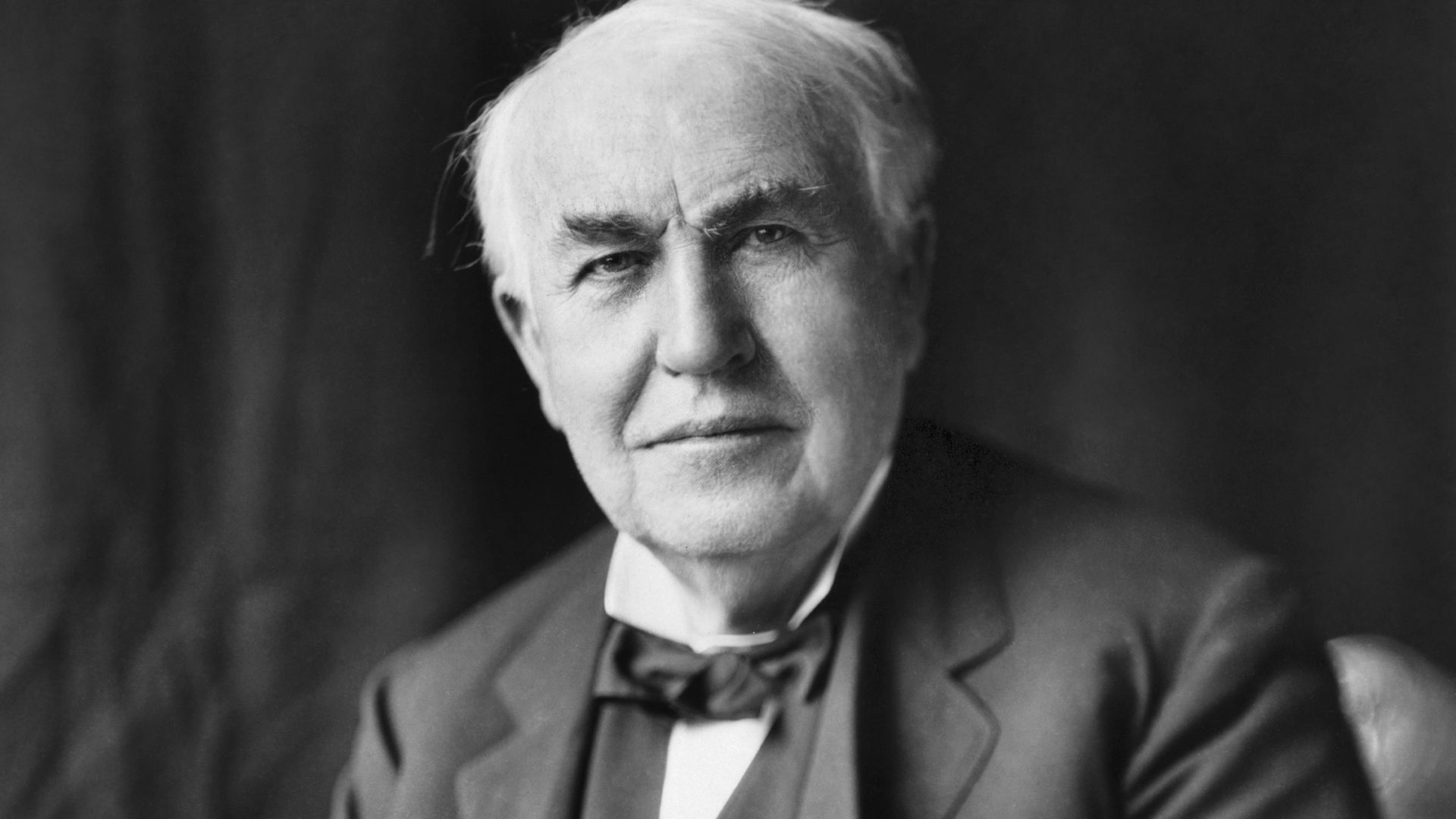 Louis Bachrach, Bachrach Studios, restored by Michel Vuijlsteke, Wikimedia Commons
Everyone Signed The Declaration On July 4
July 4, 1776, was when the Continental Congress adopted the Declaration of Independence, not when every famous signature appeared in one dramatic ceremony. The parchment copy was prepared later, and most delegates began signing it on August 2. Some signatures were added even later, making the beloved image of everyone gathering around on July 4 historical shorthand rather than literal reality.
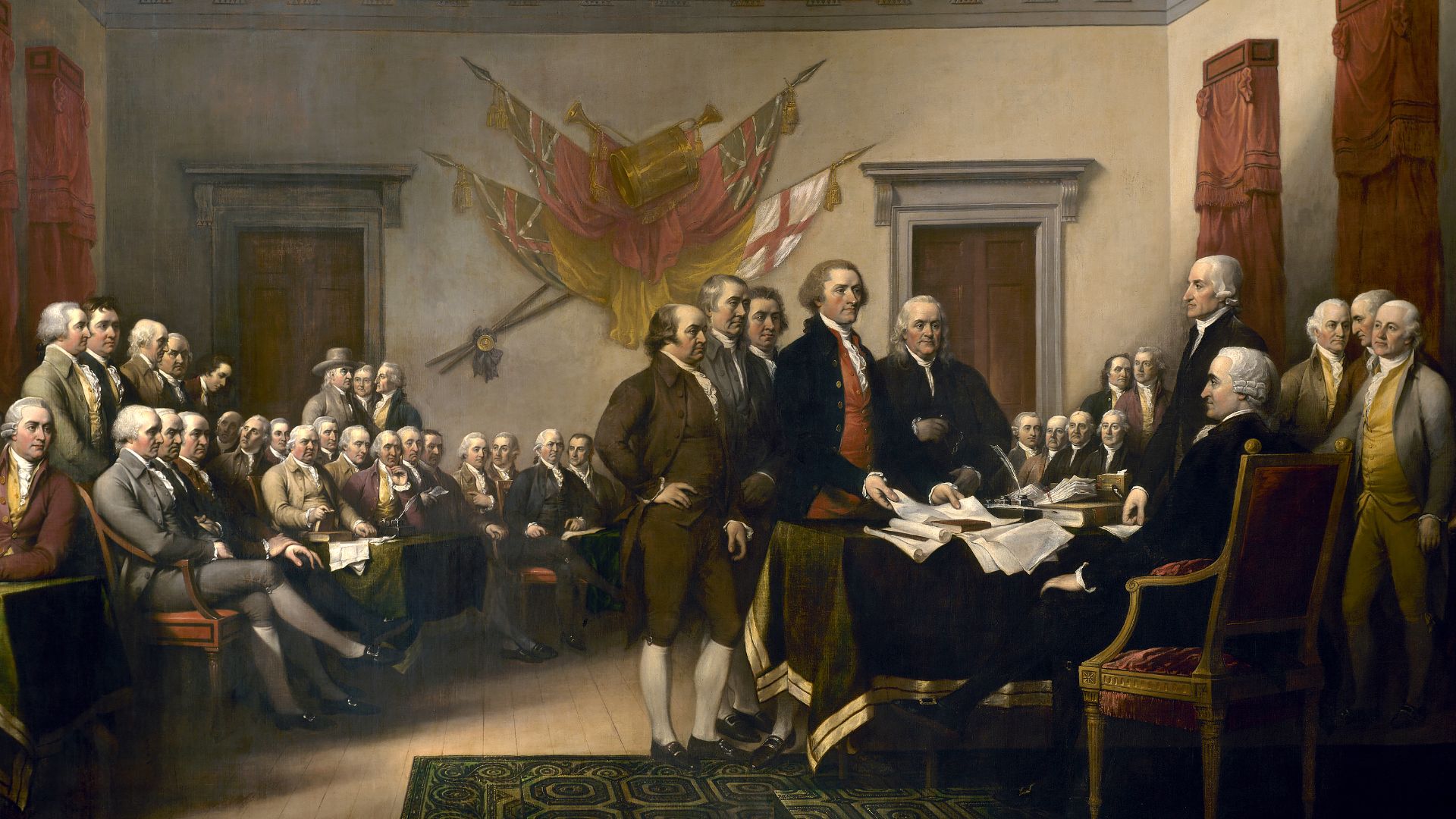 John Trumbull, Wikimedia Commons
An Apple Hit Isaac Newton On The Head
The apple story has a genuine historical core, which makes the exaggerated version especially stubborn. Newton later told acquaintances that watching an apple fall helped prompt his thinking about gravity. William Stukeley recorded the account. What that early version does not say is that the apple bonked Newton on the head and instantly delivered the theory of universal gravitation.
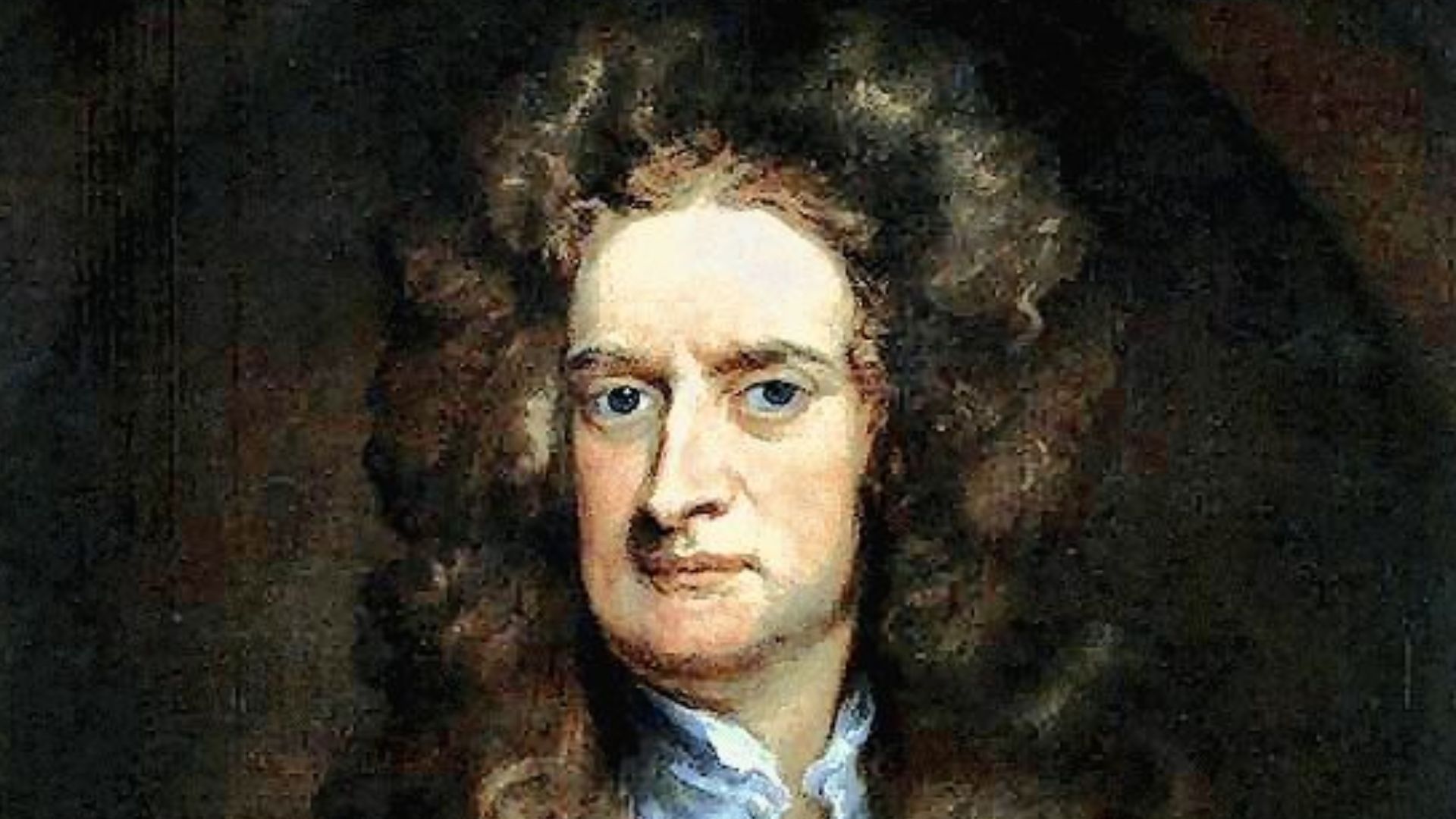 Godfrey Kneller, Wikimedia Commons
Marie Antoinette Said “Let Them Eat Cake”
There is no reliable evidence Marie Antoinette uttered history’s most infamous pastry recommendation. A similar anecdote about a “great princess” appeared in Jean-Jacques Rousseau’s writing when Marie Antoinette was still young. Historians generally reject the attribution. The line survived because it perfectly captured the image of an oblivious aristocrat, whether the aristocrat actually said it or not.
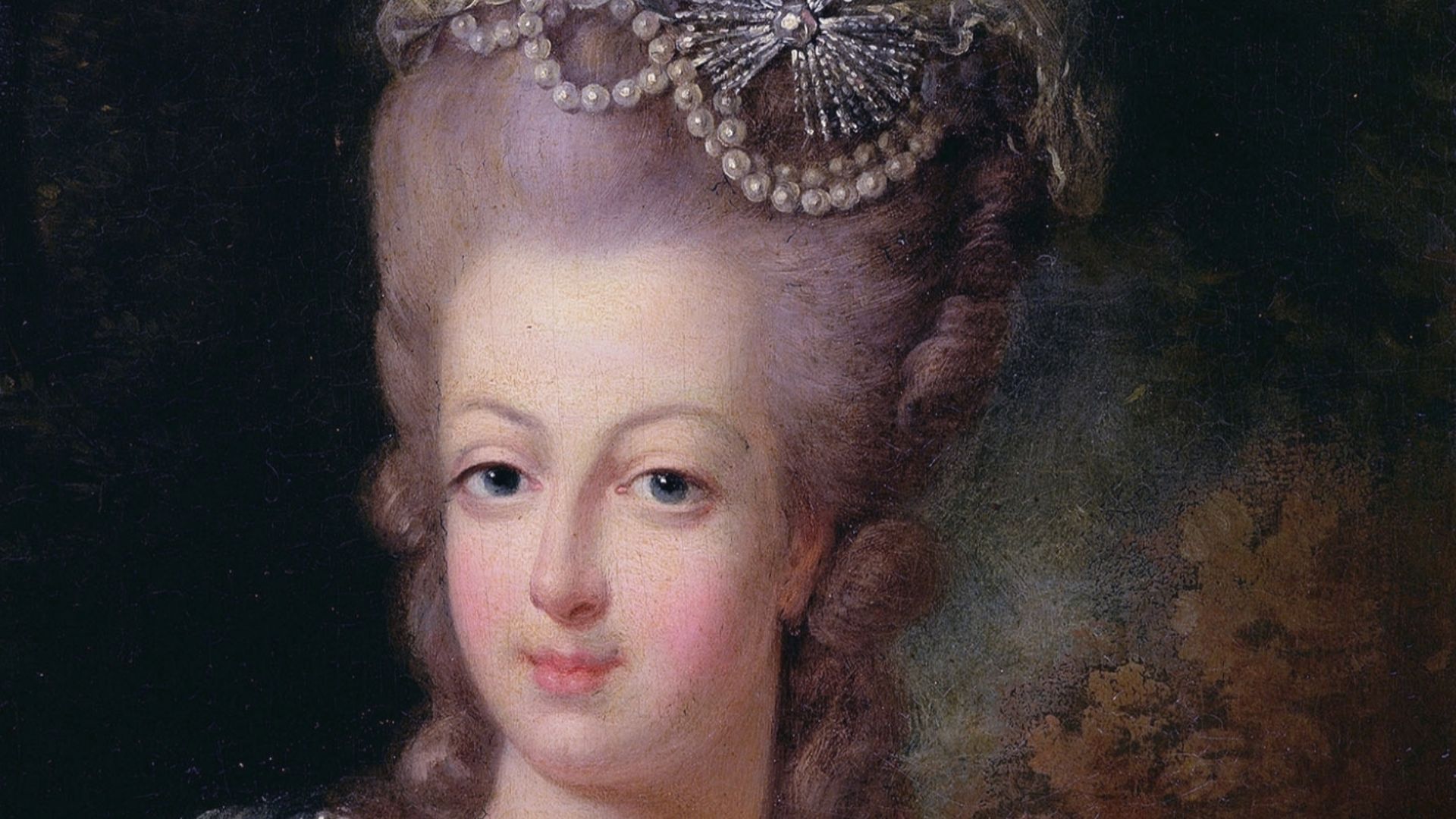 After Jean-Baptiste André Gautier-Dagoty, Wikimedia Commons
Nero Fiddled While Rome Burned
Nero could not literally have fiddled while Rome burned in 64 CE because the modern fiddle did not yet exist. Ancient accounts of Nero’s behavior during the Great Fire are complicated and sometimes hostile, and later storytelling did plenty of polishing. The phrase became a memorable symbol of negligent leadership, not a reliable eyewitness description of Nero’s musical schedule.
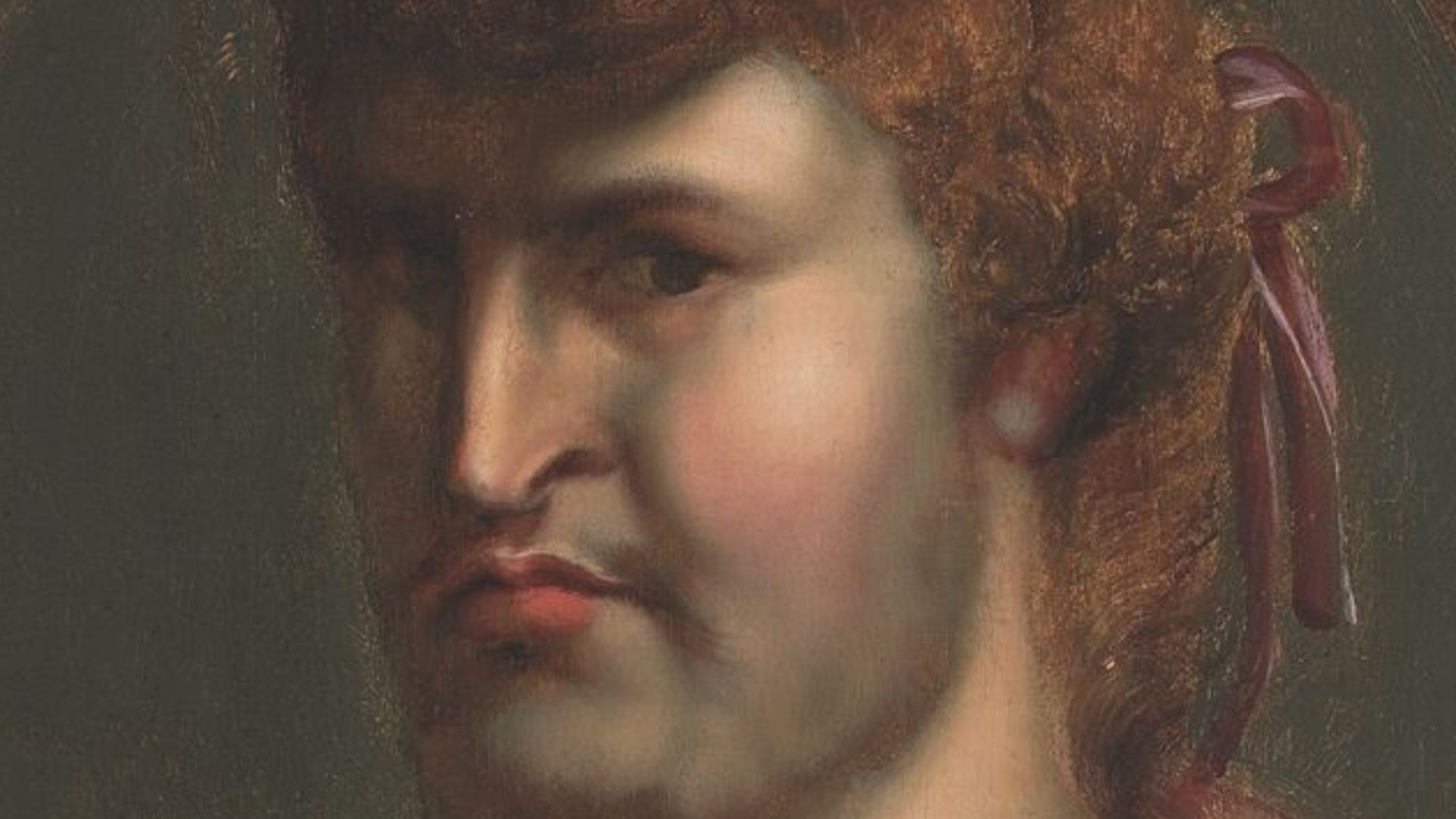 Peter Paul Rubens, Wikimedia Commons
Only 300 Spartans Fought At Thermopylae
Leonidas did lead roughly 300 Spartan warriors at Thermopylae, but they weren’t Greece’s entire fighting force. Thousands of other Greek fighters participated earlier in the battle, and hundreds of non-Spartans remained during the famous final stand, including roughly 700 Thespians. History remembered the Spartans exceptionally well. Their allies could probably use a better publicity department.
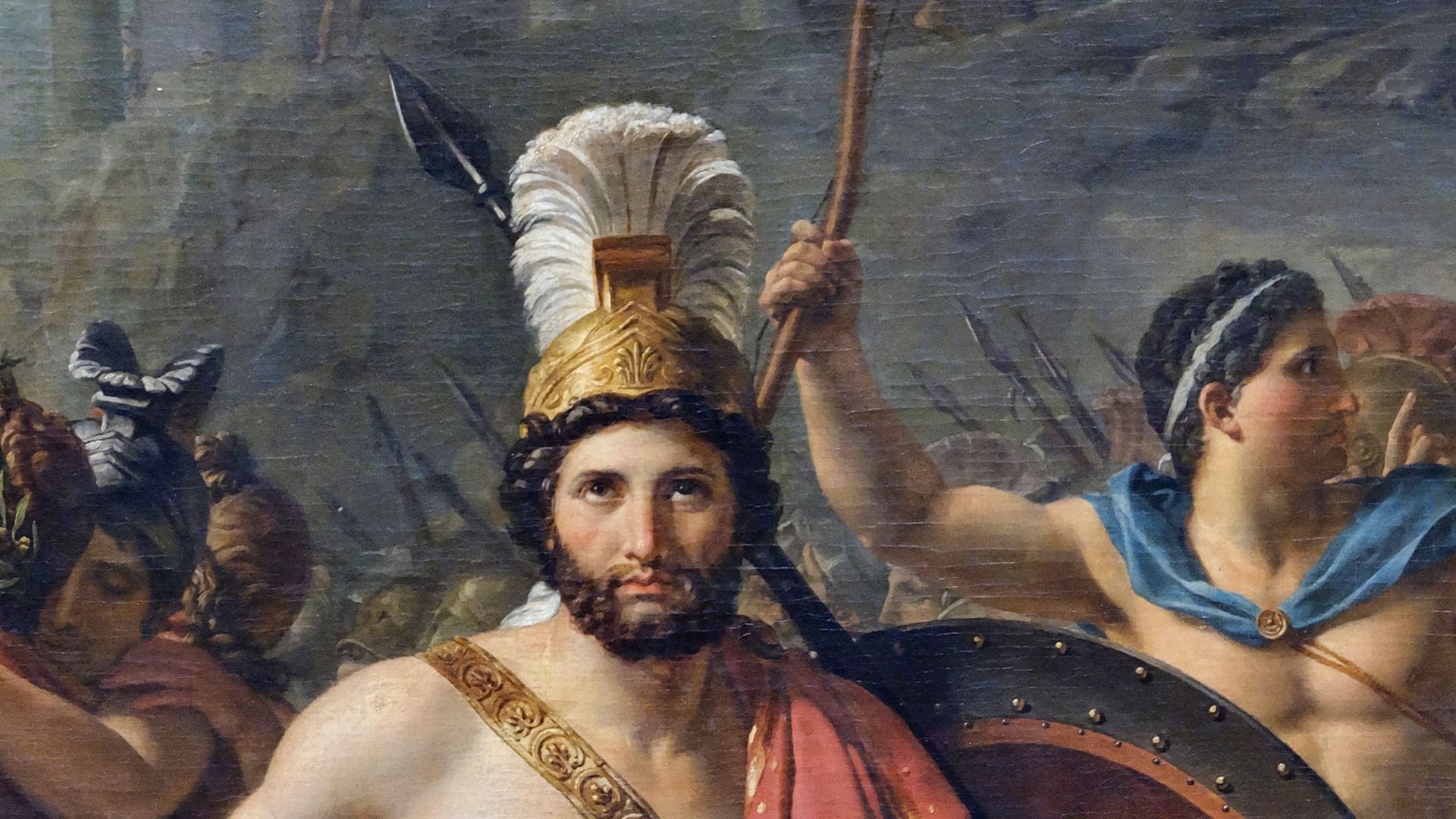 Jacques-Louis David, Wikimedia Commons
Columbus Was The First European In America
Indigenous peoples had inhabited the Americas for thousands of years before Columbus arrived, making “discovery” a misleading description to begin with. Even restricting the claim to Europeans doesn’t save it. Archaeological remains at L’Anse aux Meadows in Newfoundland demonstrate a Norse presence in North America around five centuries before Columbus crossed the Atlantic.
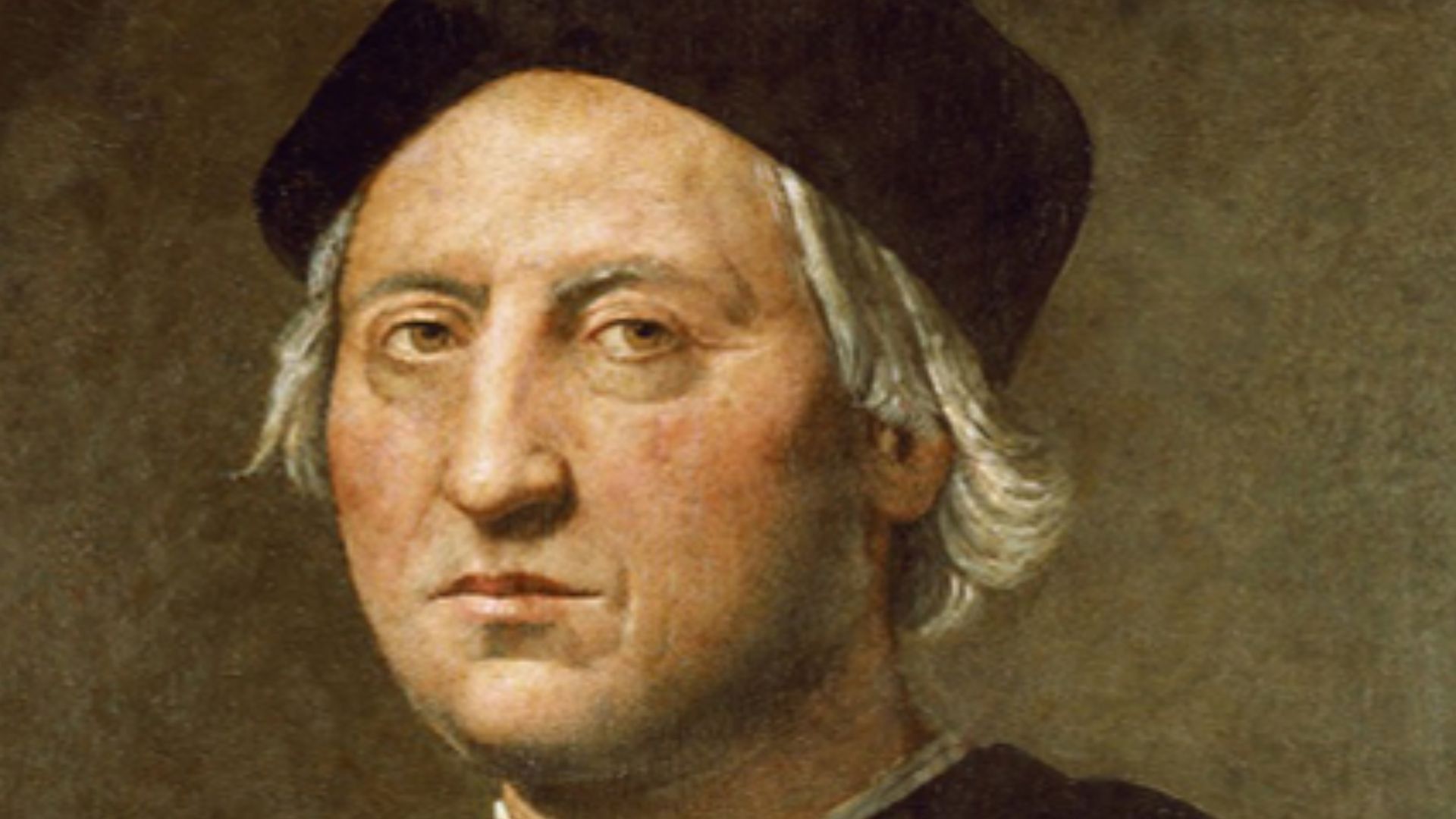 Ridolfo del Ghirlandaio, Wikimedia Commons
Einstein Failed Math
This one has comforted generations of students staring miserably at equations, but Albert Einstein was not a failed mathematician. He did fail an entrance examination for the Swiss Federal Polytechnic, but mathematics was among his strongest subjects; his weaker results were elsewhere. Einstein later explicitly rejected the story and said he had mastered differential and integral calculus before age 15. Sorry, algebra students. History has revoked the excuse.
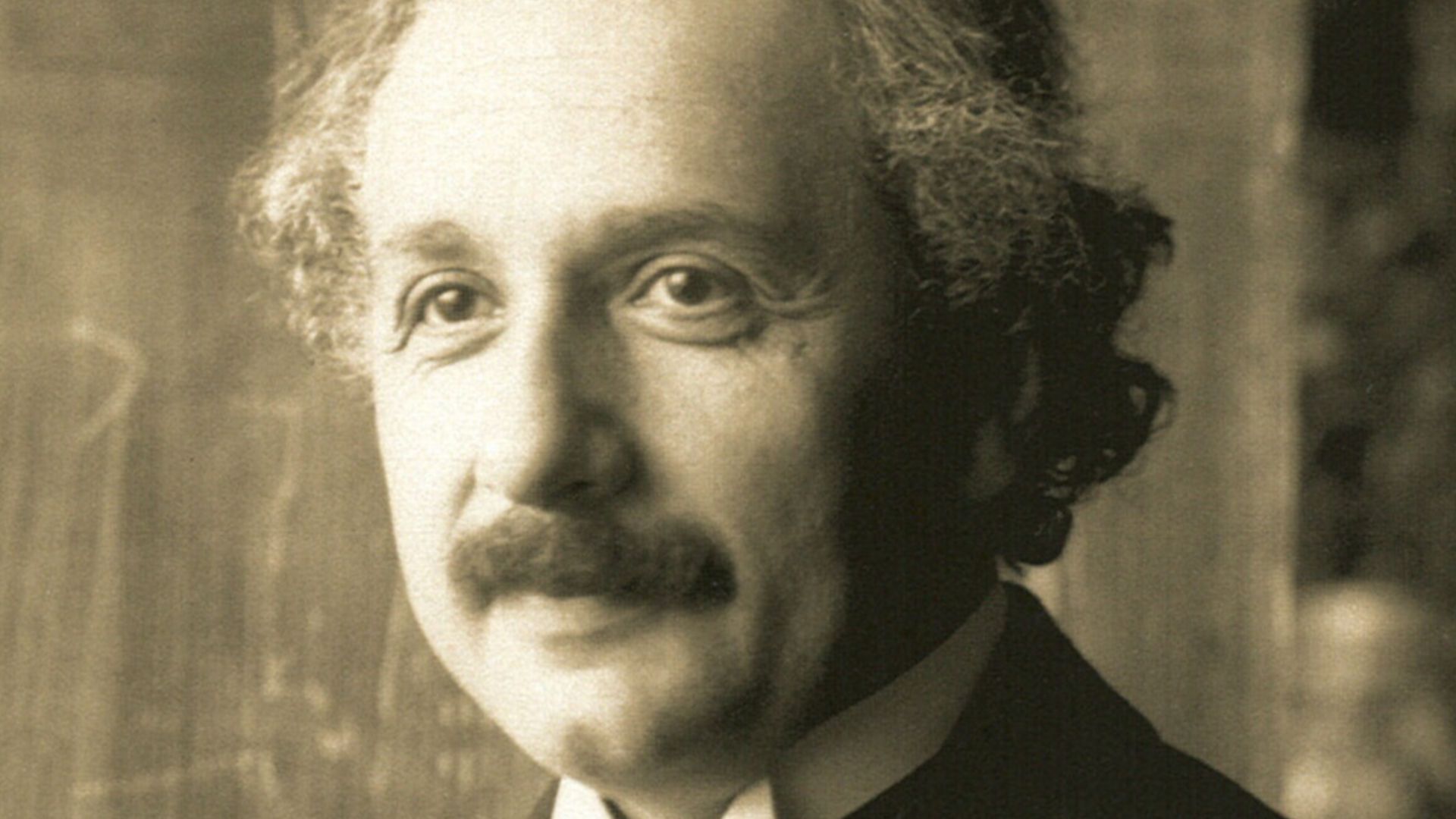 Ferdinand Schmutzer (1870-1928), Wikimedia Commons
You May Also Like:
Common English Words That Once Had Totally Different Meanings
Everyday Expressions From The Middle Ages That People Still Say Today
Everyday Words That Came From People Whose Names Most Of Us Have Forgotten
Source: 1











_by_Henry_A._Bacon.jpg)
