
People have always found creative ways to get from one place to another, especially when the landscape made ordinary travel impossible. Long before cars, trains, and airplanes became common, communities around the world developed ingenious transportation methods using animals, simple tools, and the natural environment. Some of these solutions seem almost unbelievable today, yet they played a vital role in connecting people, moving goods, and shaping entire civilizations. Here are some of the most unusual transportation methods that once kept the world moving.

Walking Stilts Across The Marshes
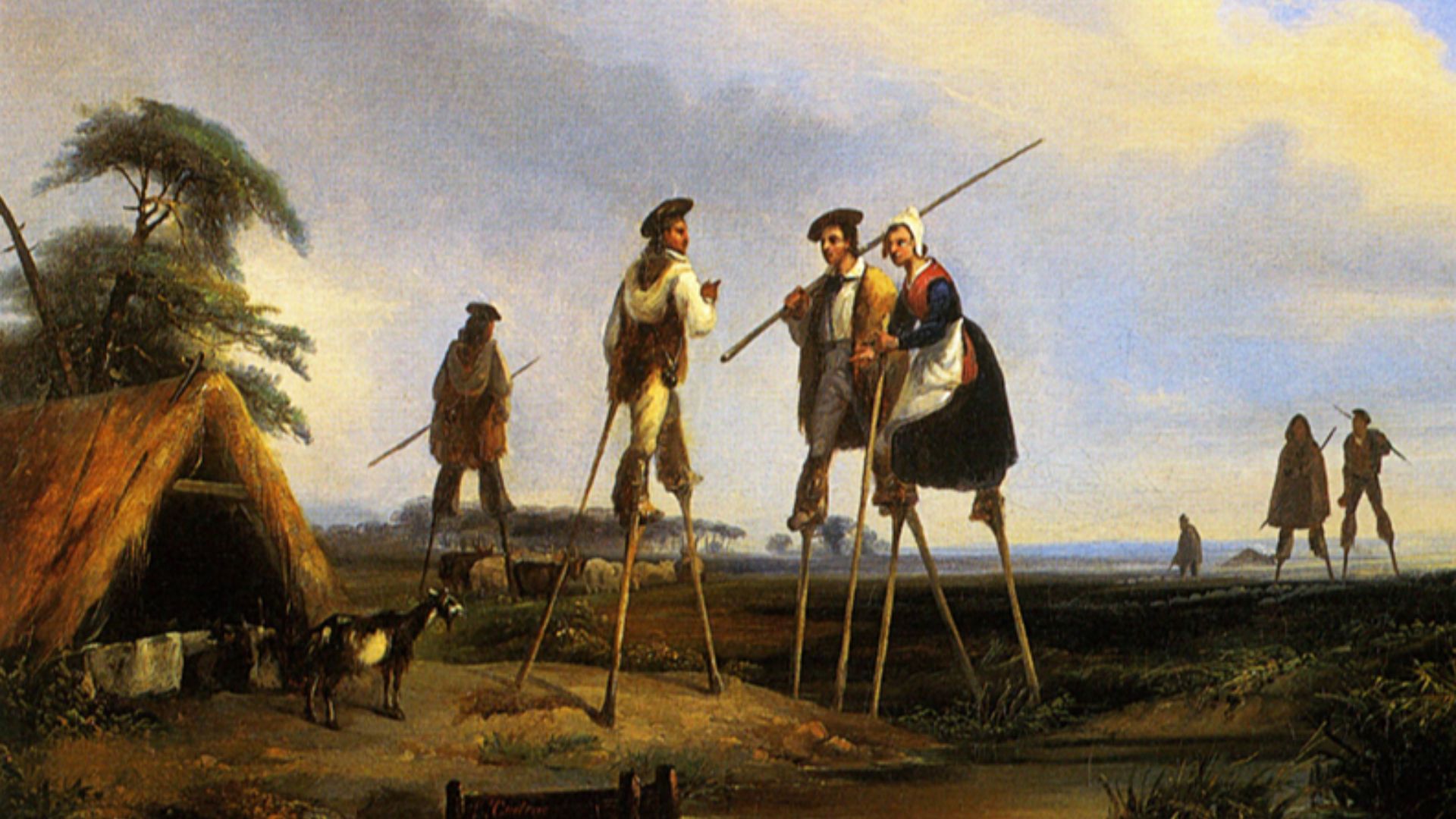
Not every unusual vehicle had wheels. In southwestern France, shepherds in the Landes region famously traveled on tall wooden stilts to cross wetlands and soft ground. The stilts also gave them a better view over grazing sheep while allowing them to cover long distances surprisingly quickly. As roads improved and the marshes were drained during the nineteenth century, this remarkable way of traveling gradually disappeared.
 Jean-Louis Gintrac, Wikimedia Commons
Sedan Chairs Turned People Into Passengers
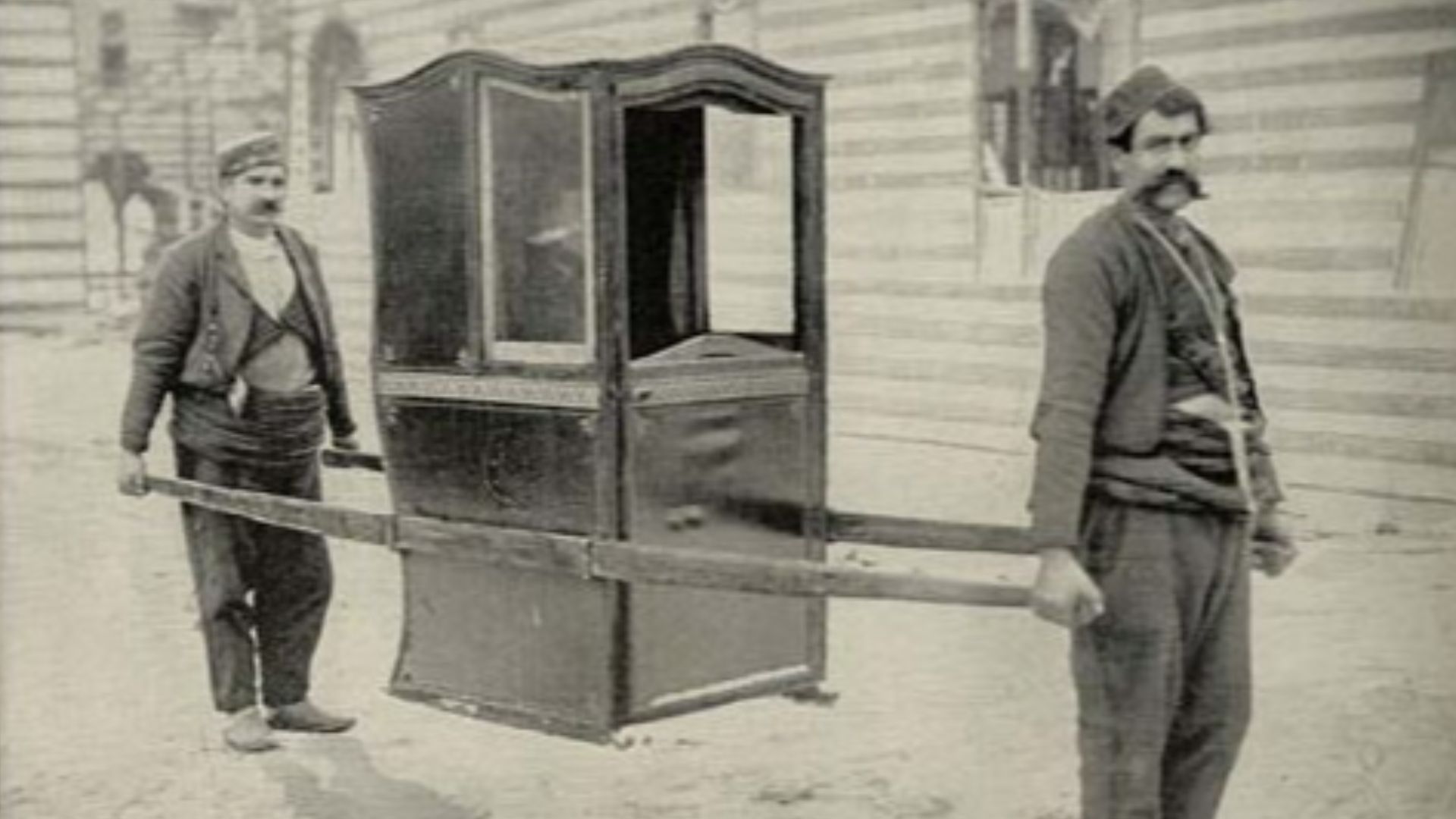
Before taxis became common, wealthy travelers in many European and Asian cities often hired sedan chairs. Two or more carriers lifted the enclosed chair with long poles and transported a passenger through crowded streets. The method was especially useful in cities with narrow roads where horse-drawn carriages struggled to pass. Sedan chairs remained popular in many places well into the nineteenth century.
Coracles Floated Across Rivers With Ease
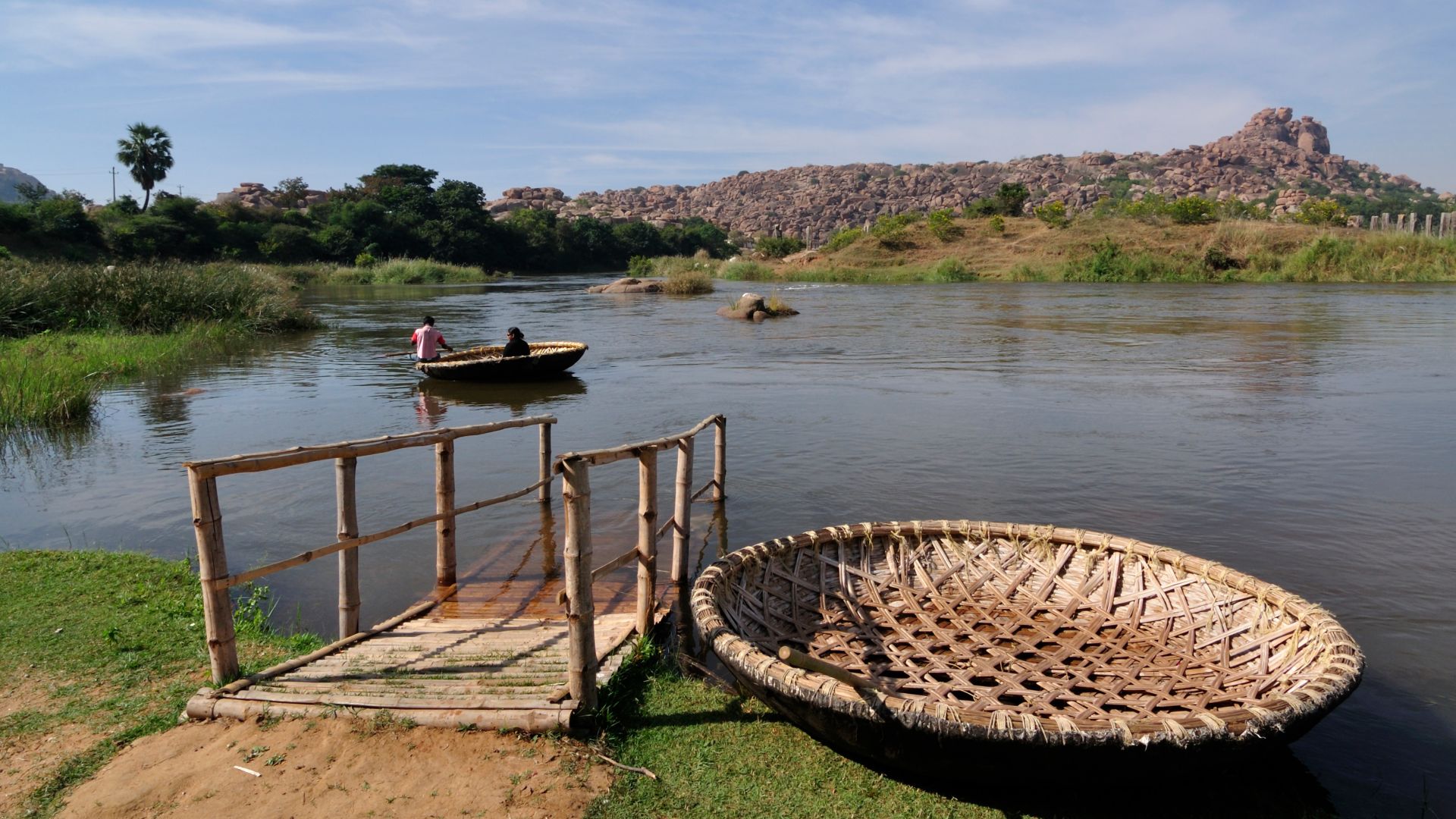
The coracle looks more like a basket than a boat, yet it served communities in Britain and parts of Asia for centuries. Builders stretched animal hides, and later canvas, over lightweight wooden frames to create an extremely portable vessel. Fishermen could carry a coracle on their backs before launching it into rivers. Its simple design proved remarkably effective despite its unusual appearance.

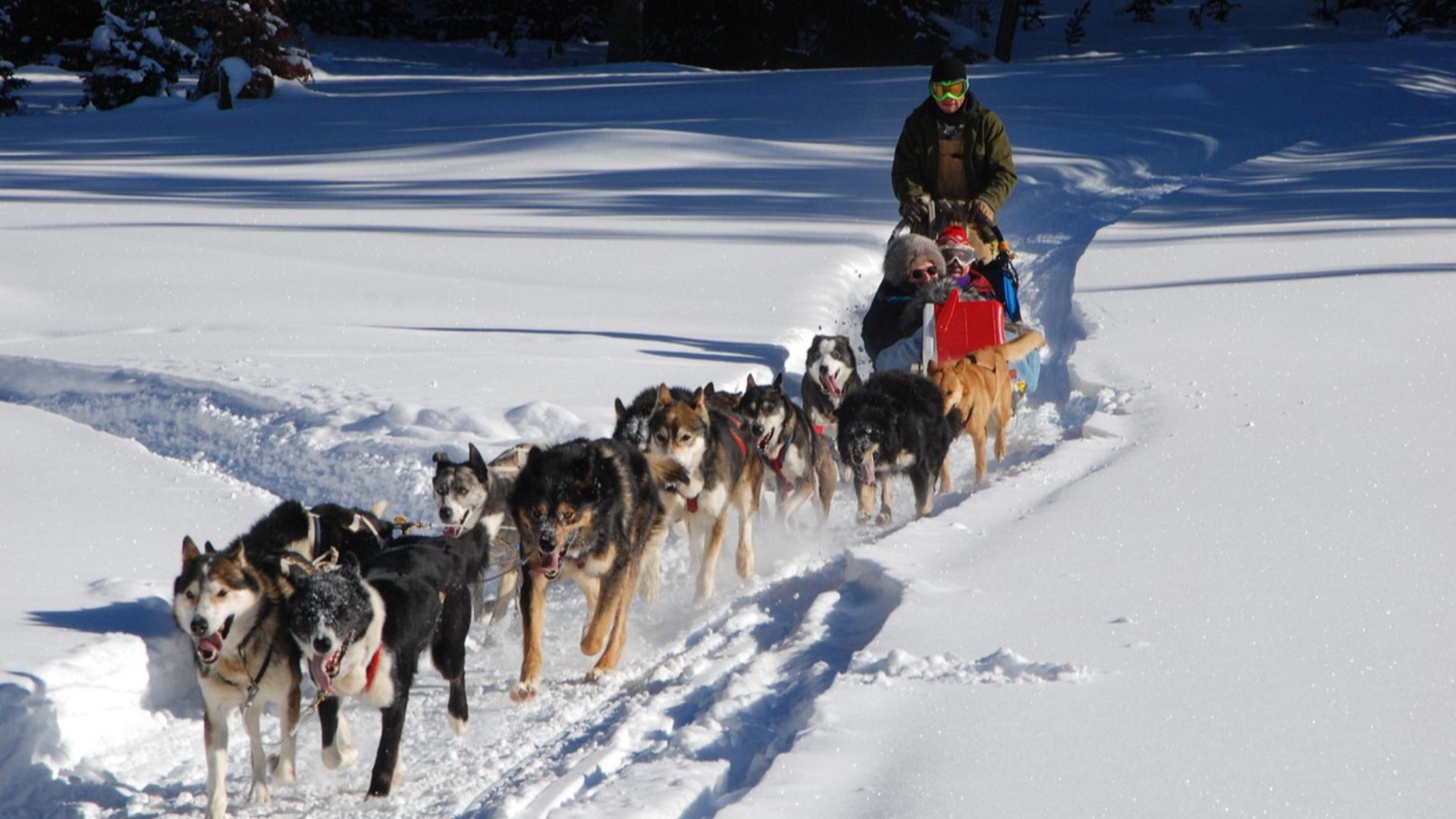
Dog Sleds Kept Entire Communities Connected
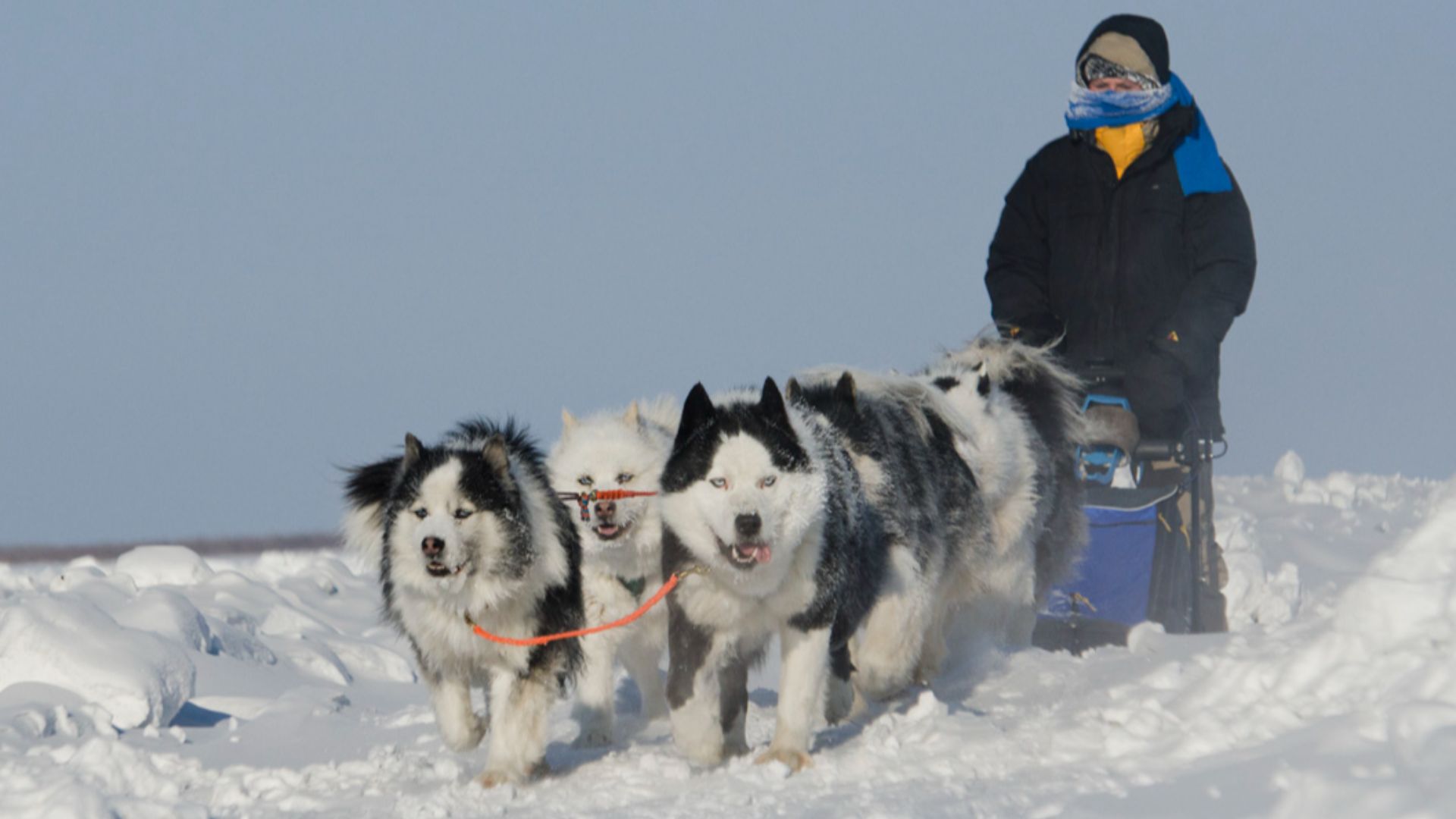
Long before snowmobiles arrived, dog sleds served as vital transportation across the Arctic. Indigenous peoples relied on trained sled dogs to move families, supplies, and hunting equipment across snow and sea ice. Mail carriers also depended on dog teams during Alaska's early development. Aviation eventually replaced most commercial sled routes, but dog sledding remains culturally significant today.
 Ajarvarlamov, Wikimedia Commons
Reindeer Pulled Travelers Across The Far North
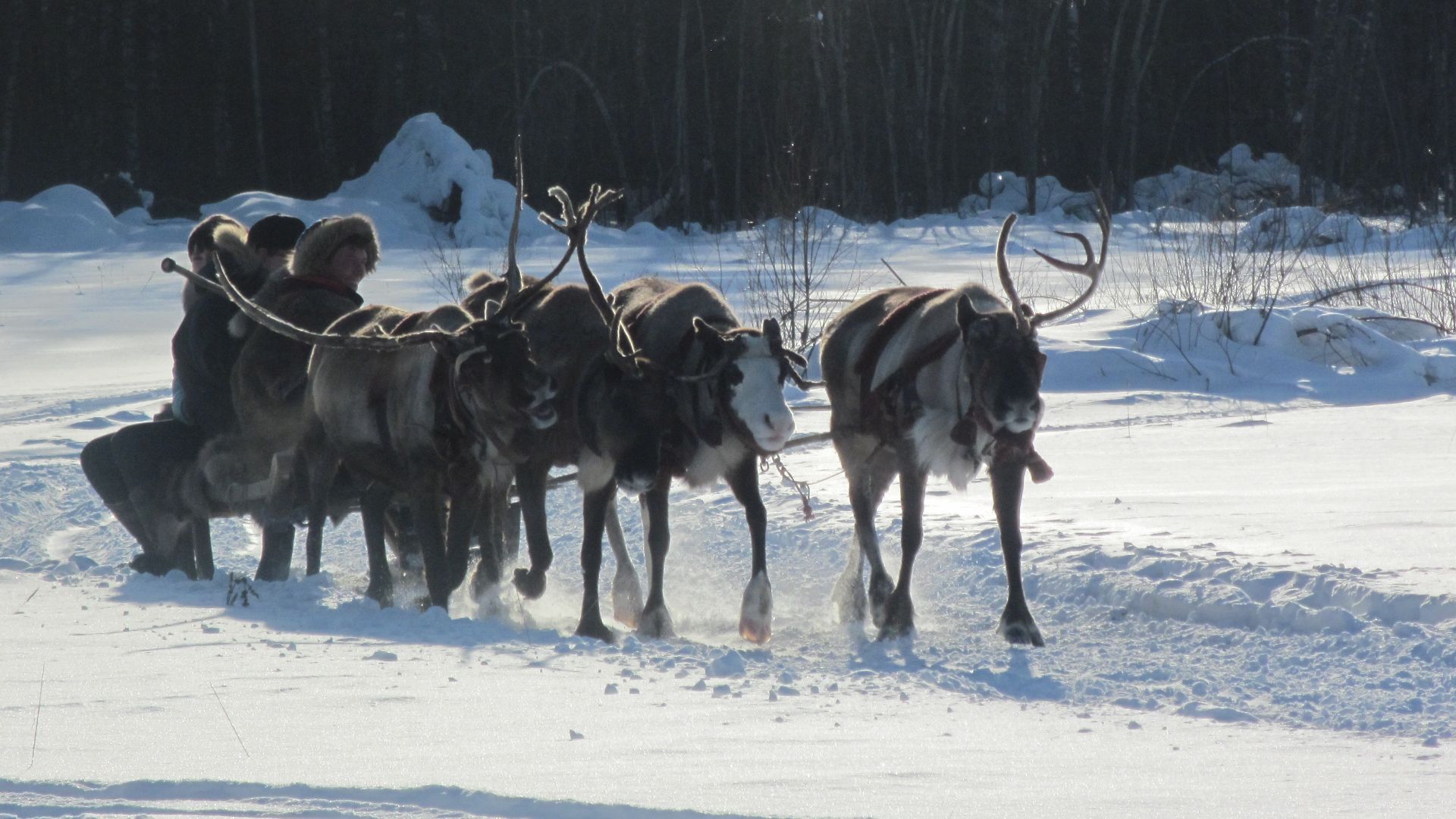
The Sámi people of northern Scandinavia have relied on domesticated reindeer for transportation for generations. Reindeer sleds allowed families to move efficiently across snowy landscapes where horses struggled. The animals also carried supplies during seasonal migrations. Their endurance made them perfectly suited for Arctic conditions.
 Elen Schurova from Moscow, Russia, Wikimedia Commons
Camels Became Ships Of The Desert
Camels transformed travel across some of the world's harshest deserts. Their ability to survive for long periods without water allowed merchants to cross vast stretches of the Sahara and Arabian deserts. Camel caravans connected major trade routes for centuries. Entire cities flourished because these animals could transport goods where wheeled vehicles could not.
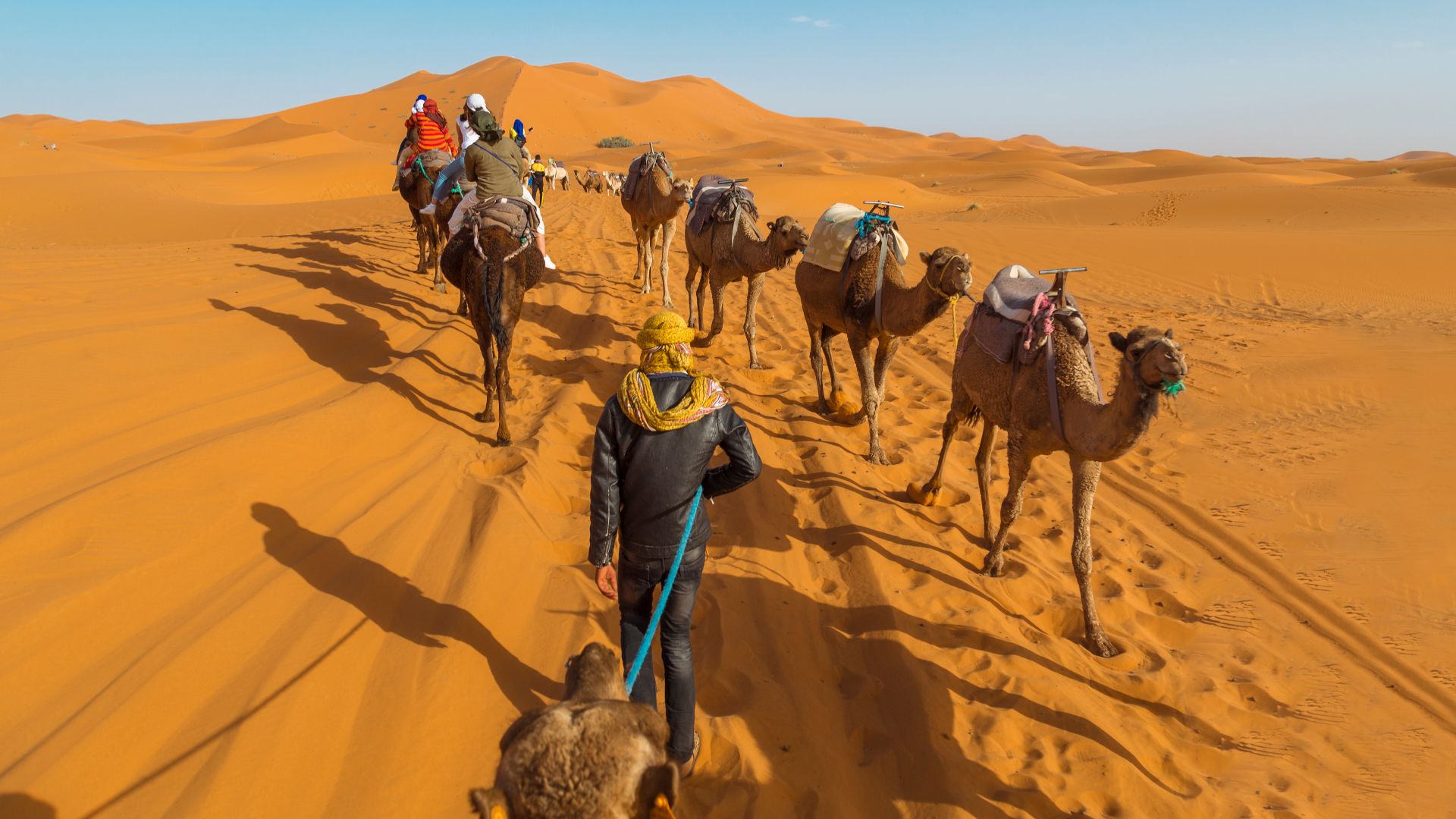 Asfour hamza, Wikimedia Commons
Elephants Carried More Than Royalty
In South and Southeast Asia, elephants served as practical transportation long before becoming tourist attractions. They moved heavy cargo through forests, crossed rivers, and carried travelers where roads barely existed. Their strength made them especially valuable for logging and military campaigns. Even today, their historical importance remains well documented.

Llamas Became The Andes' Pack Specialists
The Inca Empire never used horses before European contact, but llamas filled an essential transportation role. These sturdy animals carried supplies across steep mountain trails that challenged larger pack animals. Although they could not carry riders, they moved food, textiles, and valuable goods efficiently. Their contribution supported trade throughout the Andes.
 Thomas Quine, Wikimedia Commons
Yak Caravans Crossed High Mountain Passes
Life in the Himalayas demanded transportation adapted to thin air and rugged terrain. Yaks transported salt, grain, wool, and other necessities between isolated communities. Their thick coats and powerful build allowed them to thrive where many other animals could not survive. Mountain trade depended heavily on these dependable animals.
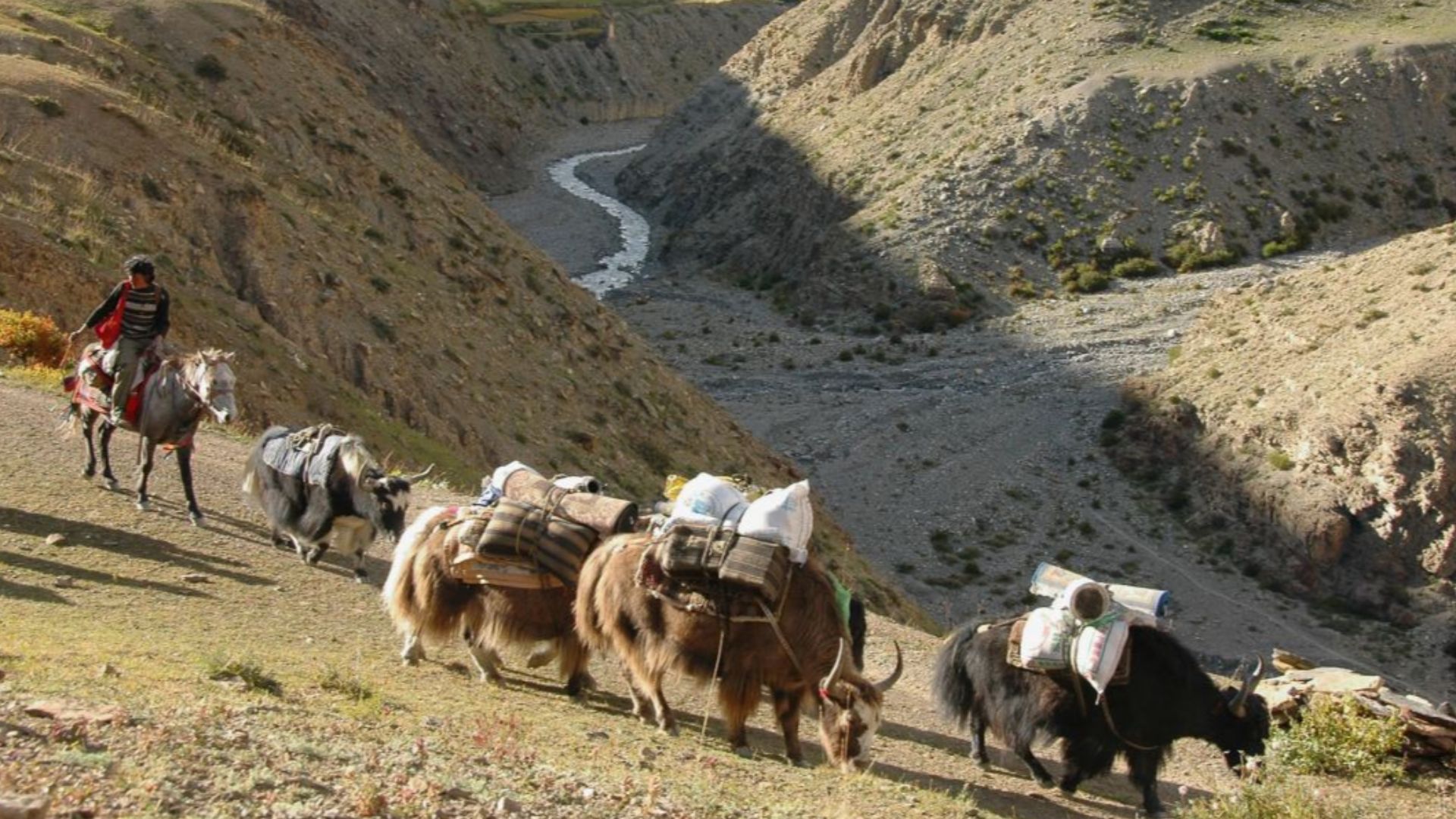 Carsten.nebel, Wikimedia Commons

History's most fascinating stories and darkest secrets, delivered to your inbox daily.
Toboggans Slid Across Frozen Landscapes
Simple wooden toboggans proved incredibly useful across northern North America. Indigenous communities used them to haul supplies over snow without wheels sinking into soft terrain. Fur traders later adopted similar sleds during long winter journeys. Their lightweight construction made them practical for wilderness travel.
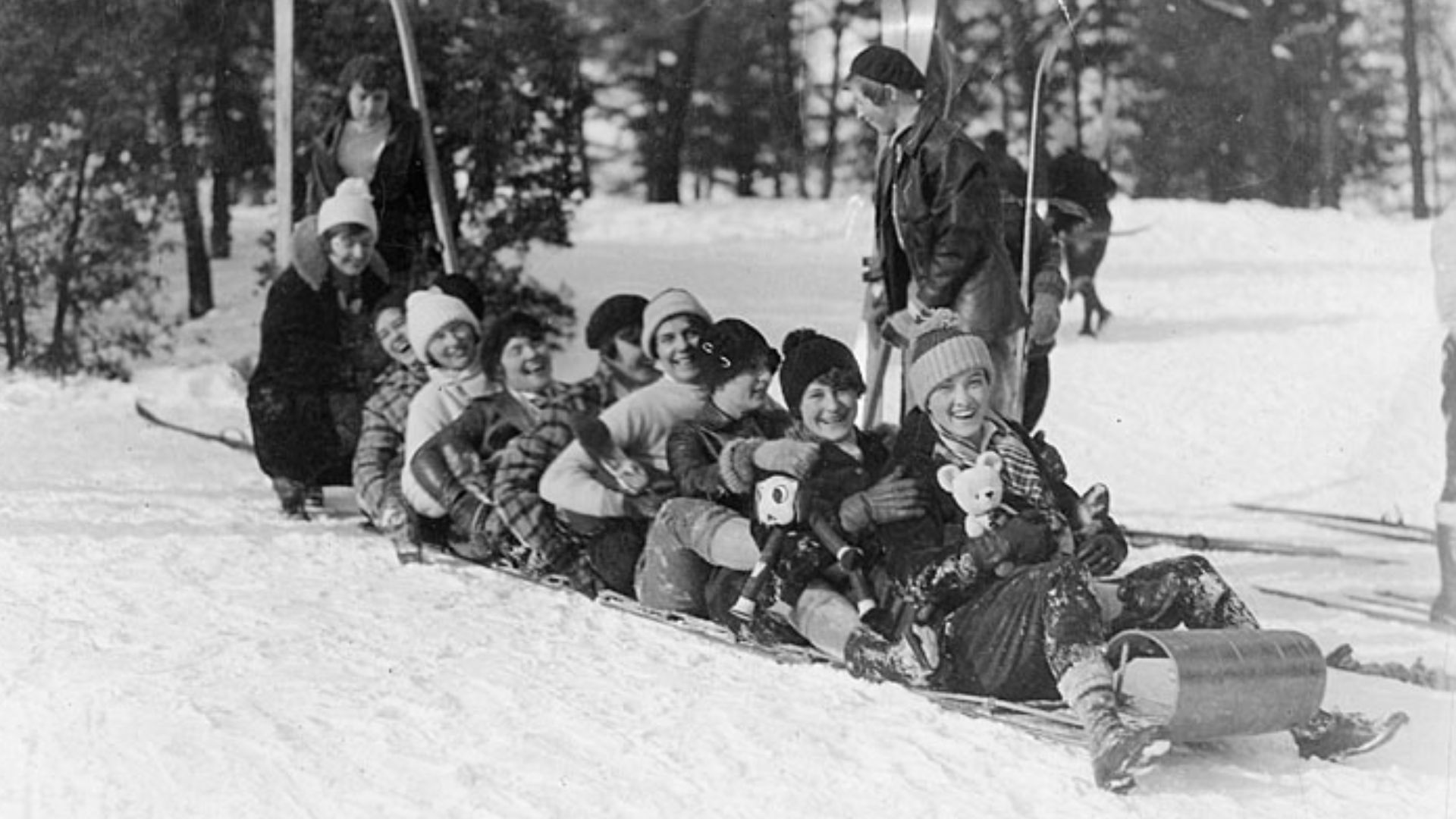 uwdigitalcollections, Wikimedia Commons
Ice Boats Raced Across Frozen Lakes
Winter sometimes created transportation opportunities instead of obstacles. Ice boats used metal runners and large sails to glide across frozen lakes at remarkable speeds. They carried passengers and cargo whenever conditions allowed. In certain regions, they could even travel faster than horse-drawn vehicles.

Rope Ferries Let Rivers Do The Work
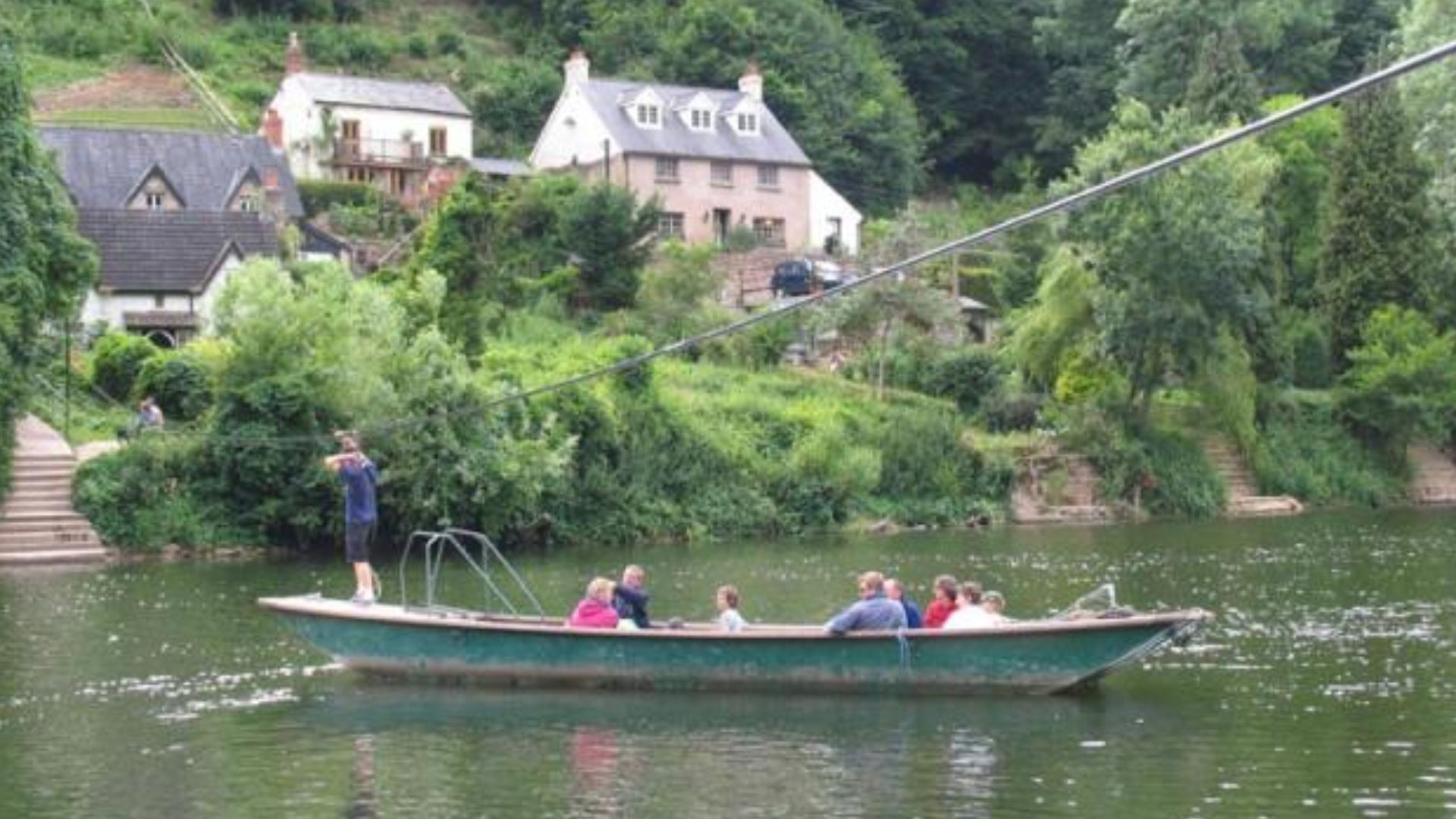
Some river crossings depended more on physics than engines. Rope ferries attached to cables stretched across rivers and used the force of the current to propel themselves from one bank to the other. Operators simply adjusted the boat's angle against the current. This clever system required little fuel while remaining surprisingly effective.
Human Powered Rickshaws Filled Busy Streets
Rickshaws first appeared in Japan during the late nineteenth century before spreading across Asia. A runner pulled a lightweight two-wheeled carriage carrying one or two passengers. They offered inexpensive transportation through crowded urban neighborhoods. Motorized versions eventually replaced many traditional rickshaws.
 Los Angeles Daily News, Wikimedia Commons
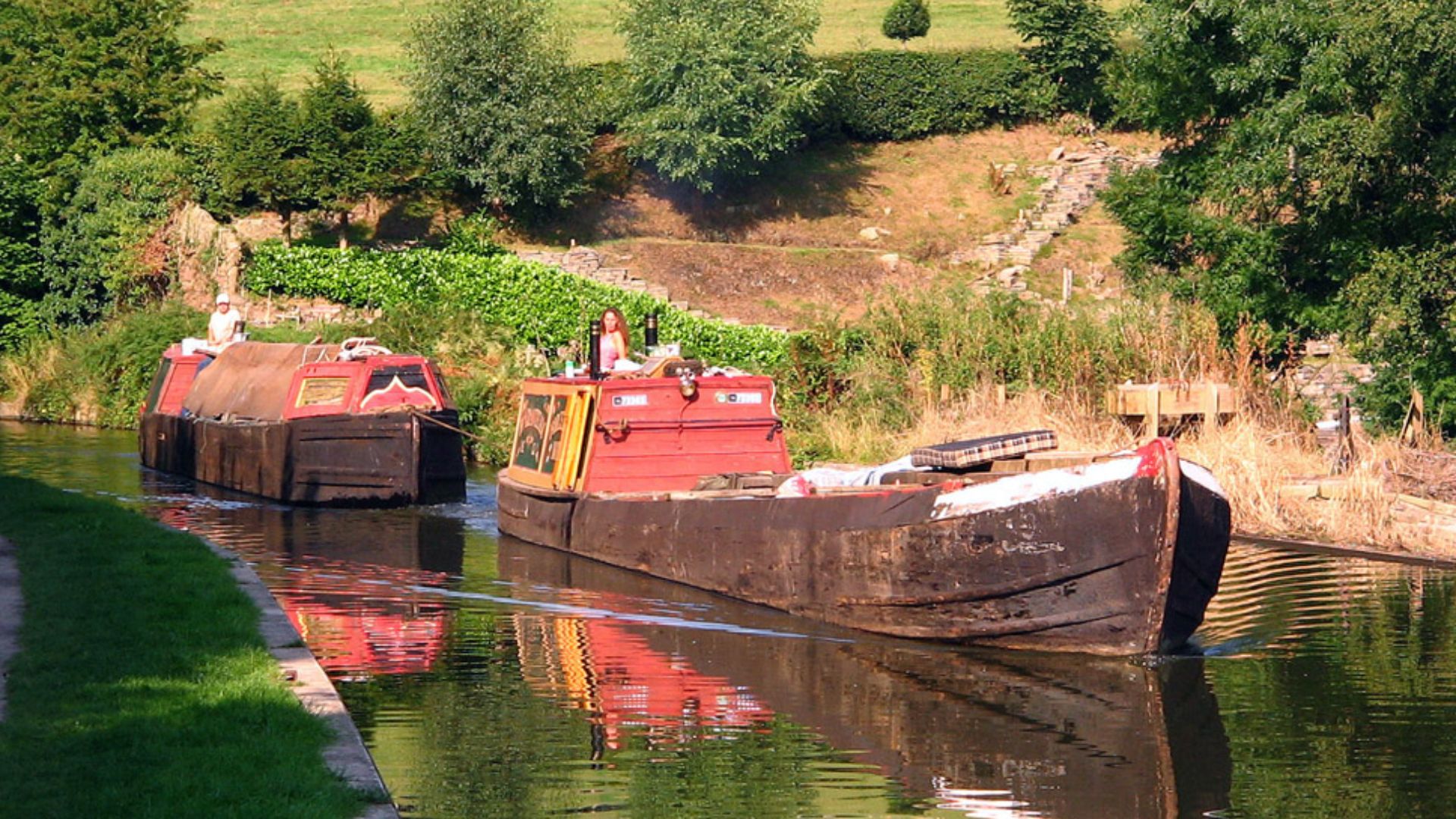
Canal Boats Once Defined Commerce
Before railroads dominated freight transportation, canals formed the backbone of commerce in many countries. Horses or mules often walked along towpaths while pulling heavily loaded boats through narrow waterways. This slow but efficient method moved goods that would have overwhelmed road transport. Entire industries depended on canal networks.
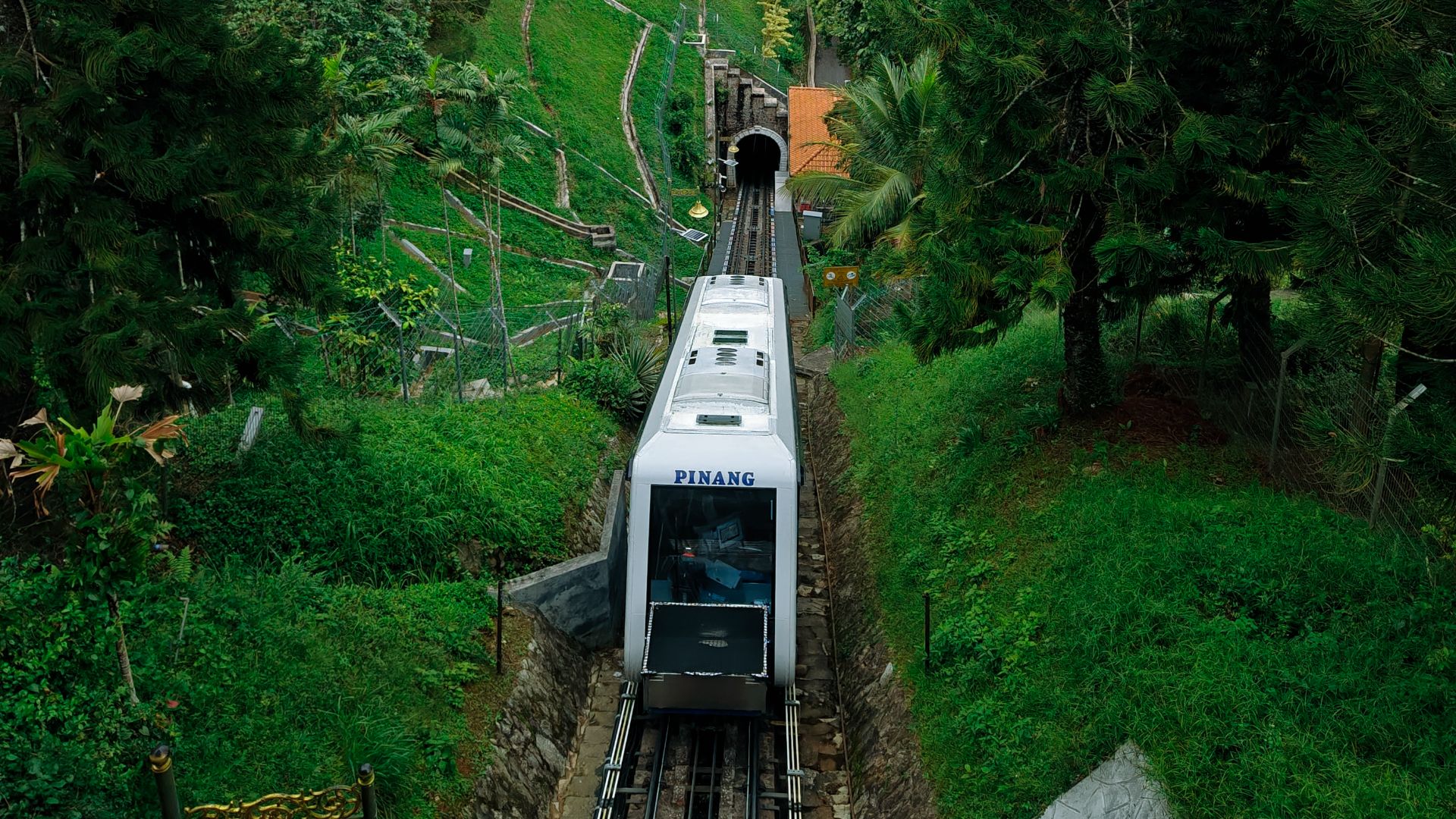
Funicular Railways Climbed Impossible Hills
Some mountains proved too steep for ordinary trains. Engineers solved the problem by building funicular railways that used cables connecting two railcars. As one car climbed, the other descended and helped balance the system. This clever design continues operating in many mountainous regions today.
 HundenvonPenang, Wikimedia Commons
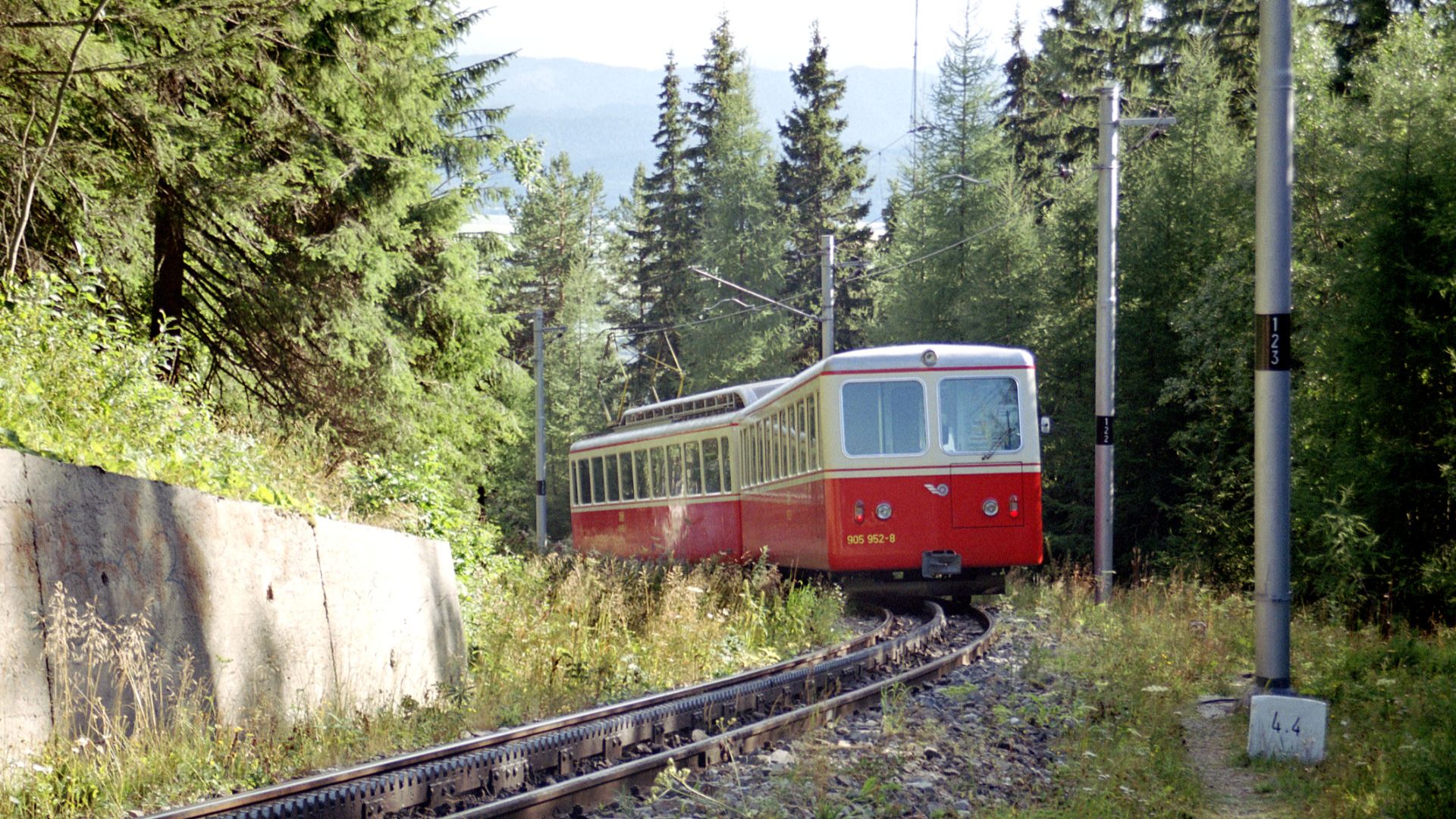
Rack Railways Tackled Extreme Slopes
Ordinary train wheels lose traction on very steep grades. Rack railways solved this challenge by adding a toothed rail between the tracks that engaged a gear beneath the locomotive. This allowed trains to climb mountains safely. Many historic rack railways still attract visitors around the world.
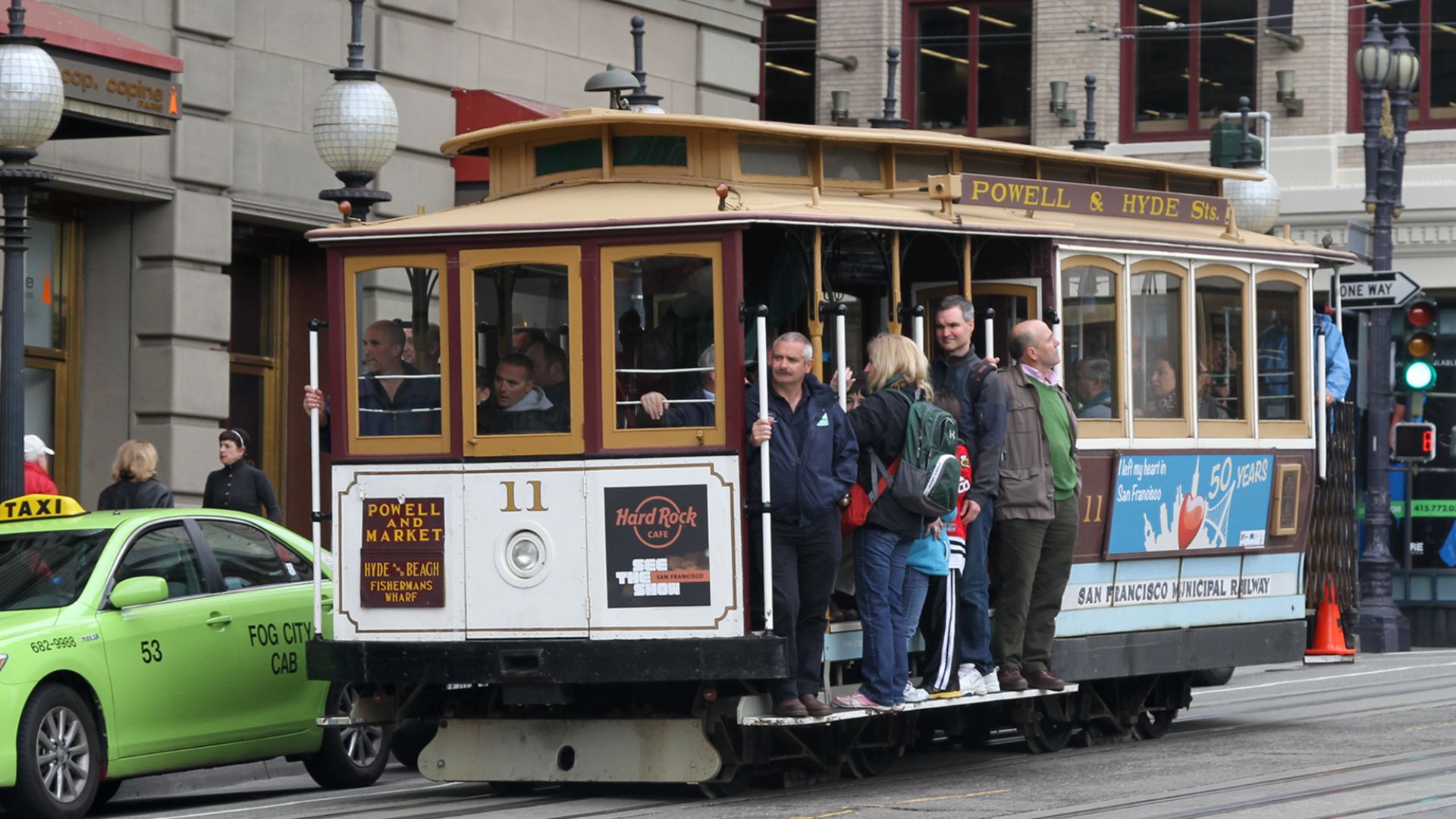
Cable Cars Floated Above Congested Streets
Cities with steep hills often developed transportation unlike anything found elsewhere. Cable cars used continuously moving underground cables that vehicles gripped to climb difficult slopes. San Francisco became especially famous for preserving this system. The technology represented an innovative solution before modern buses became widespread.
Barrel Boats Crossed Dangerous Rapids
Some early river travelers used small round boats that looked almost like oversized barrels. Similar to coracles, these vessels could handle rough water surprisingly well because of their compact shape. Their maneuverability made them useful on rivers with unpredictable currents. Local builders refined their designs over generations.
Snowshoes Turned Deep Snow Into A Highway
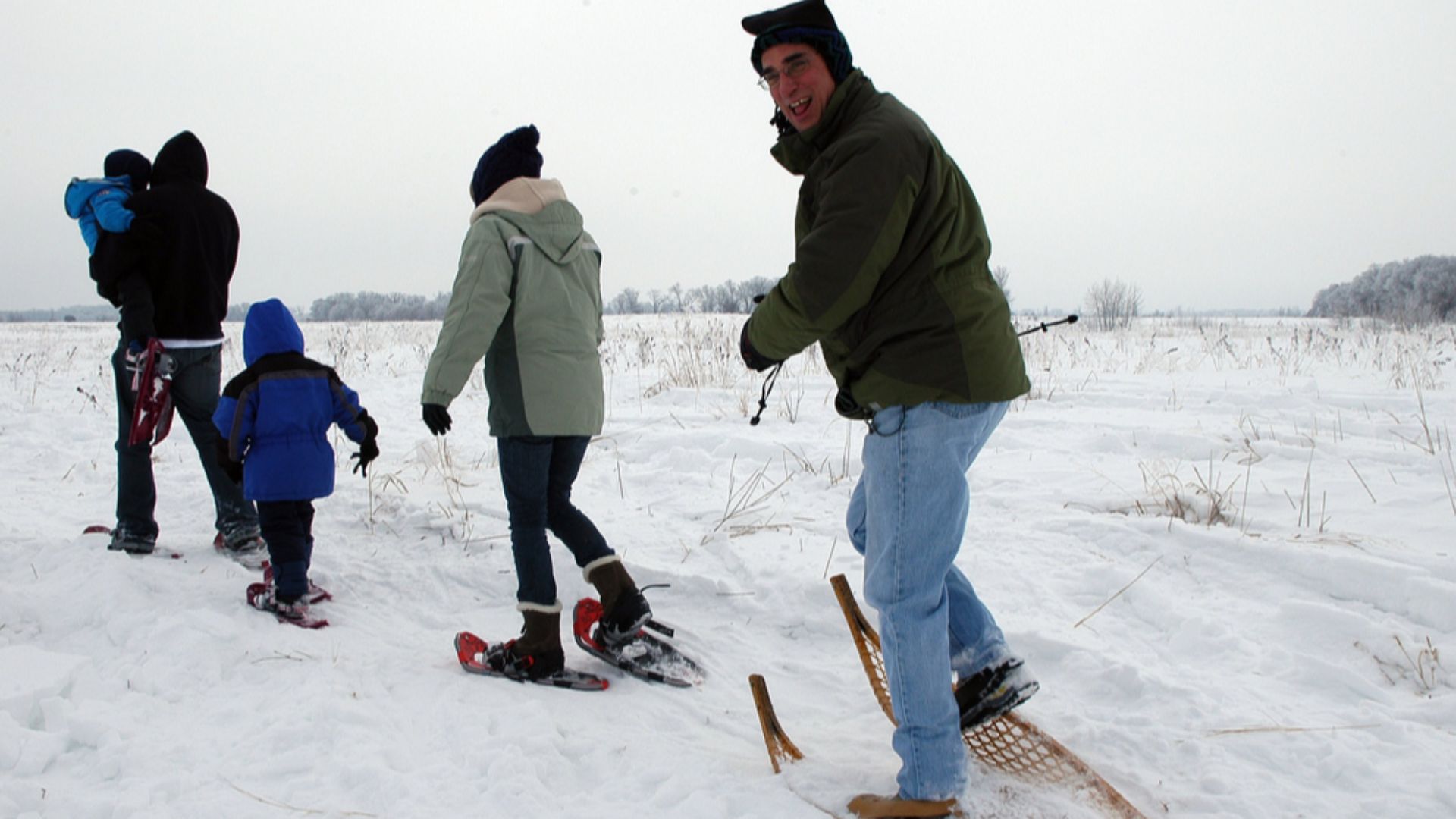
Snowshoes were not merely outdoor equipment. Indigenous peoples throughout North America relied on them as essential transportation during long winters. The broad frames spread a person's weight across the snow, preventing deep sinking. Without snowshoes, many winter journeys would have been nearly impossible.
 U.S. Fish and Wildlife Service Headquarters, Wikimedia Commons
Skis Served As Everyday Transportation
Long before skiing became a sport, it functioned as reliable transportation across northern Europe. Archaeological evidence shows people using skis for thousands of years. Travelers, hunters, and soldiers all depended on them during snowy seasons. Their efficiency helped communities remain connected throughout harsh winters.

Bamboo Rafts Floated Entire Families
Throughout parts of Asia, bamboo rafts carried people and goods along rivers for centuries. Bamboo's natural buoyancy made it an ideal building material requiring little processing. Some rafts became large enough to transport livestock and heavy cargo. Rivers often served as the fastest transportation corridors available.
 Yuval Haimovits, Wikimedia Commons
Dugout Canoes Began With A Single Tree
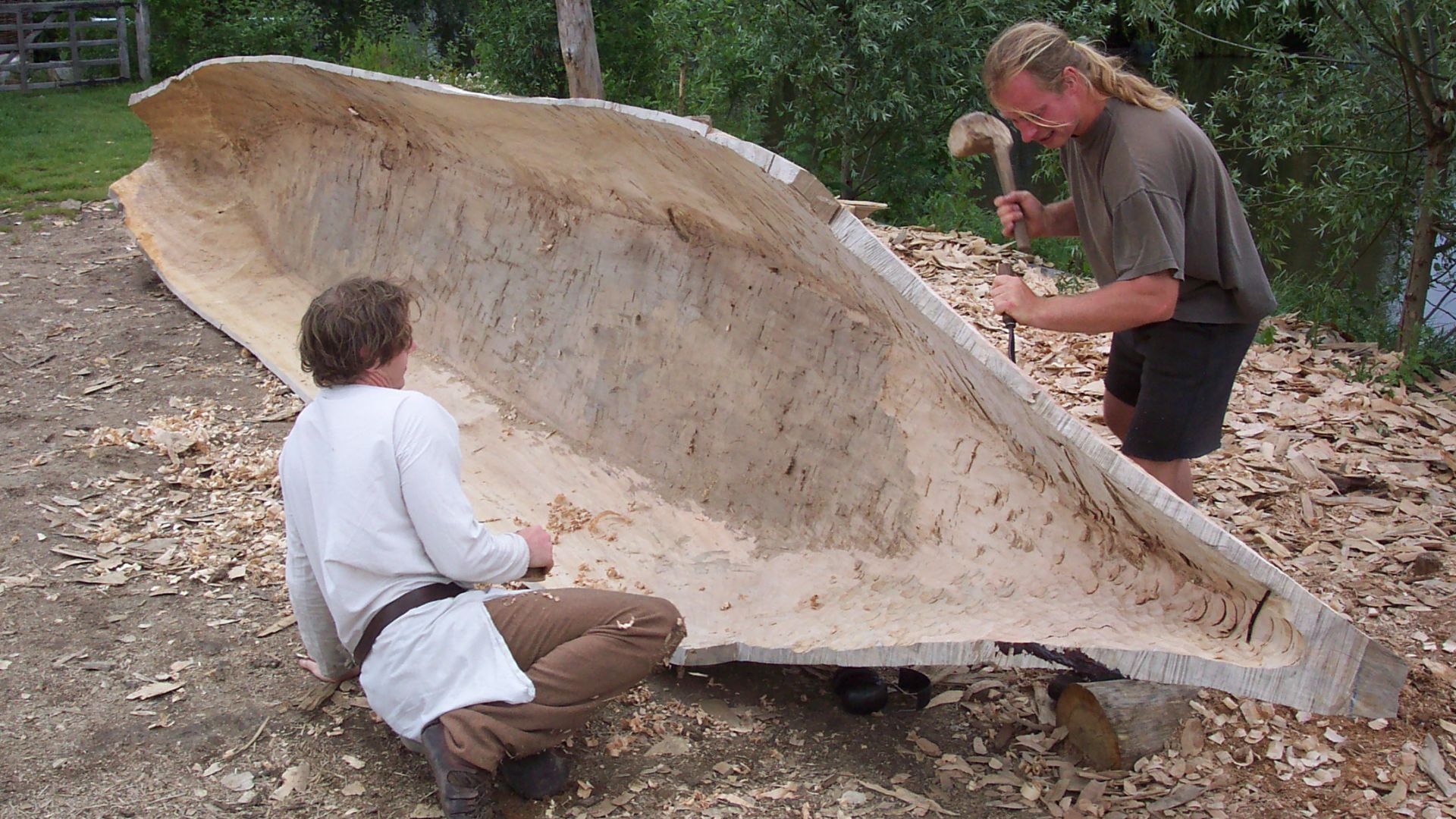
Many early civilizations created canoes by hollowing out large tree trunks. These dugout canoes traveled rivers, lakes, and coastal waters while carrying people, food, and trade goods. Their durability made them practical for daily transportation. Archaeologists have uncovered examples dating back thousands of years.
 Andreas Mensert, Wikimedia Commons
Pack Mules Conquered Narrow Trails
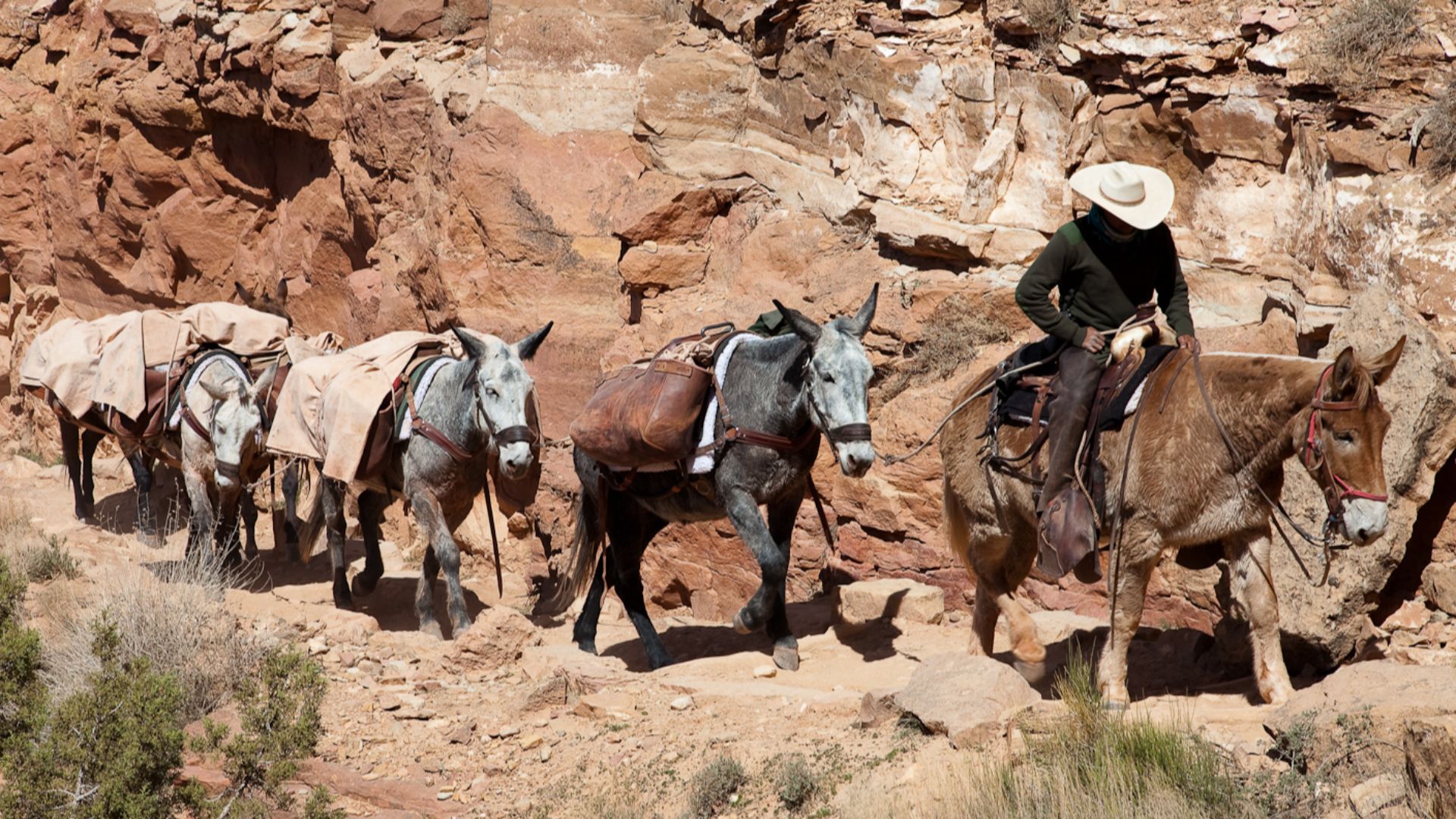
Mules became legendary for navigating difficult mountain terrain. Their strength, sure footing, and endurance allowed them to transport supplies where wagons simply could not go. Explorers, miners, and soldiers all relied heavily on mule trains. Even modern wilderness expeditions occasionally use them.
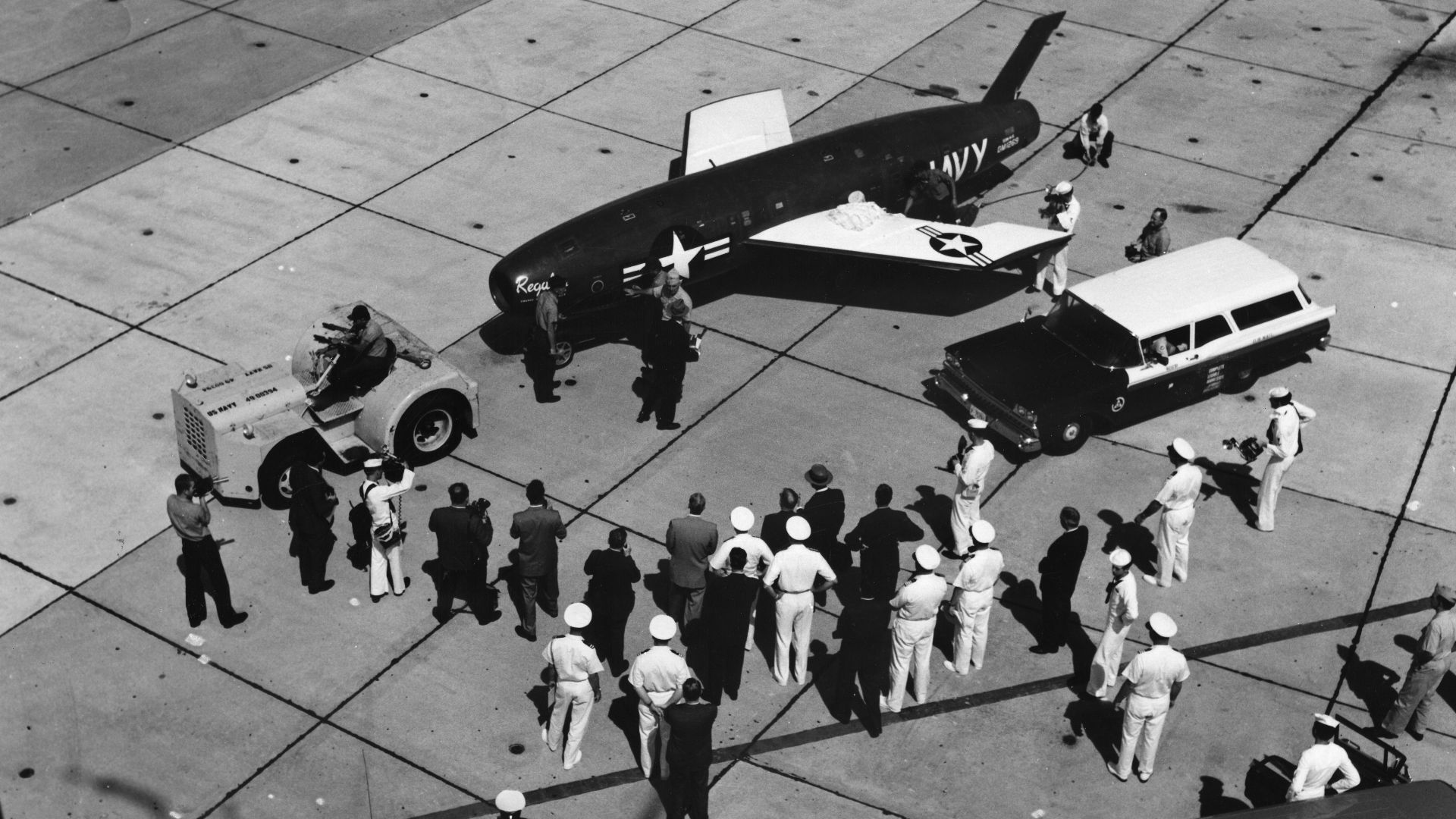
Mail Even Traveled By Missile
One of history's most unusual transportation experiments occurred in 1959. The United States tested "missile mail" by launching postal containers aboard a guided missile between military facilities. The demonstration succeeded technically but proved far too expensive for everyday postal service. It remains one of the most unusual transportation experiments ever attempted.
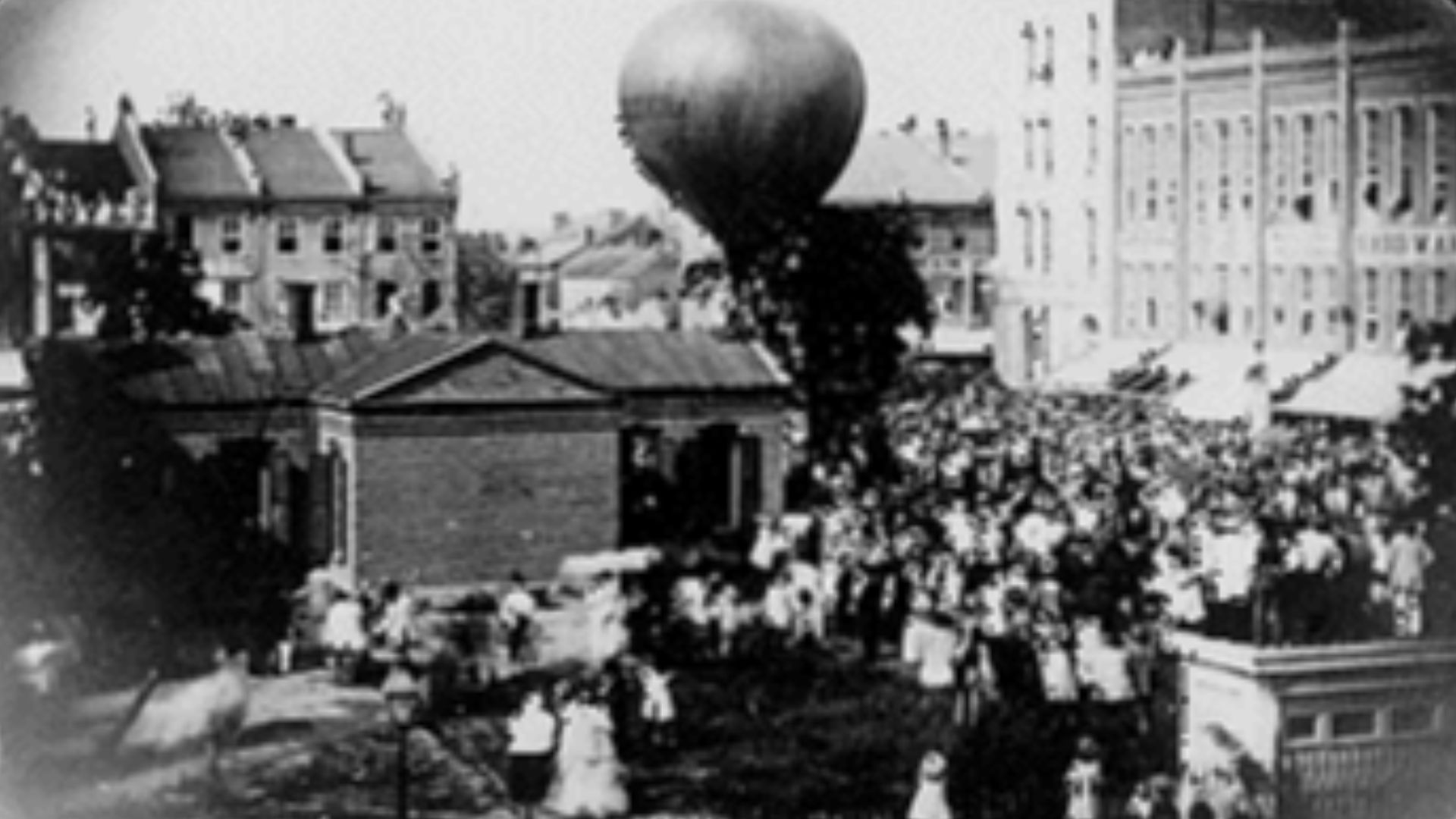
Hot Air Balloons Delivered Mail
People often associate balloons with sightseeing, but they briefly played a role in postal history. In 1859, balloonist John Wise carried official mail during an experimental flight in Indiana. Although the concept never became practical for routine deliveries, it demonstrated how aviation could transform transportation. The experiment became an important milestone in early airmail history.
 Unknown authorUnknown author, Wikimedia Commons
Transportation Constantly Reinvents Itself
Looking back at these unusual transportation methods shows how creative people became when facing difficult landscapes and limited technology. Every region developed solutions that matched its climate, geography, and available resources. Many of these systems eventually gave way to modern vehicles, yet their influence can still be seen in transportation today. They remind us that innovation often begins with solving everyday problems in unexpected ways.
You May Also Like:
101 Fun And Random Facts That Almost Nobody Knows
Bizarre Facts About History’s Weirdest People
42 Facts About Strange Marriage Customs From Around The World