
New Does Not Always Mean Better
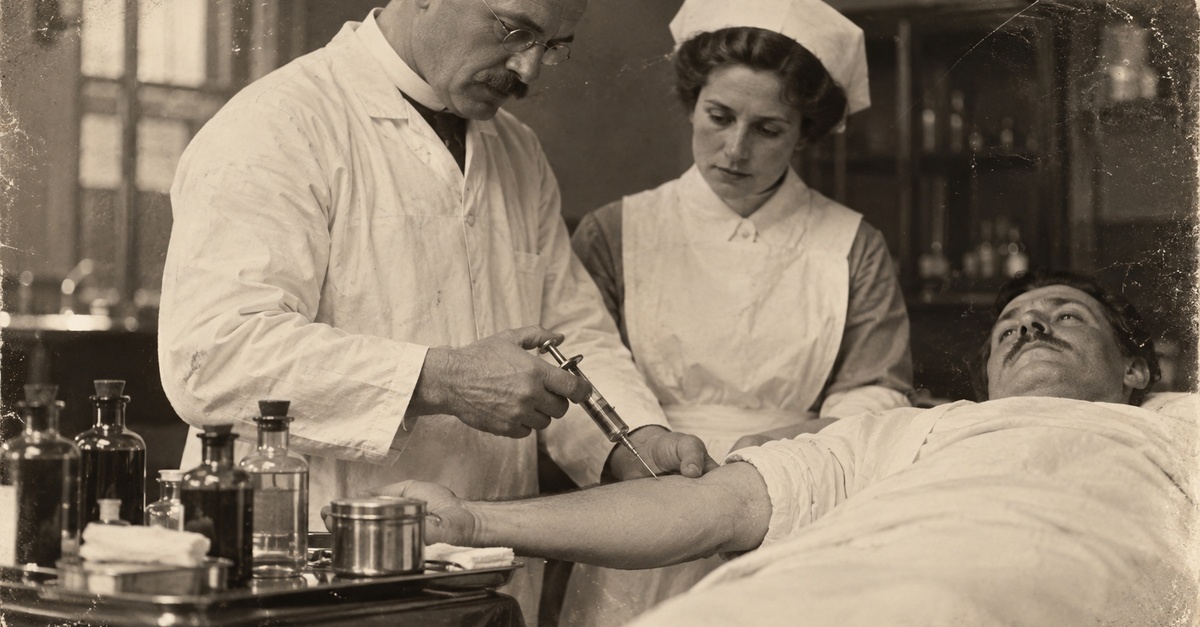
Medical history is filled with treatments that once represented the cutting edge of science. Doctors often adopted them because they seemed logical according to the knowledge available at the time, and early success stories could make them look even more convincing. The problem was that convincing theories and enthusiastic observations were not always the same thing as reliable evidence.
Bloodletting Survived Remarkably Long
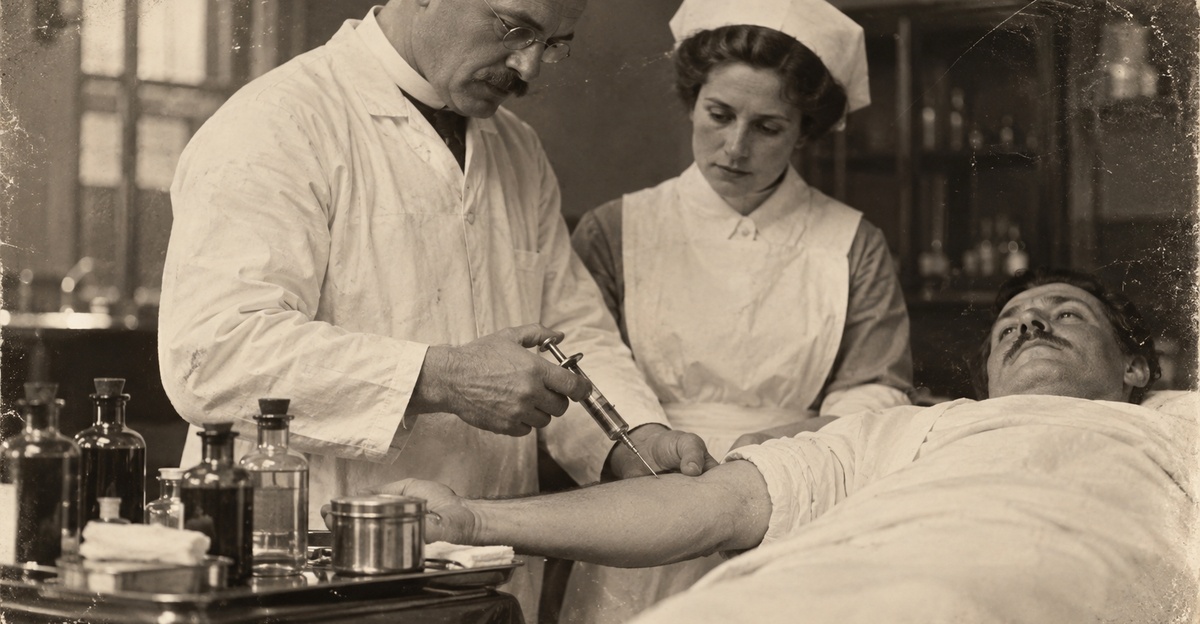
For more than two thousand years, physicians deliberately removed blood to treat an enormous range of illnesses. The practice survived major advances in anatomy and physiology before finally declining sharply during the nineteenth century as its benefits were increasingly questioned. Blood removal still has legitimate uses for a few specific disorders today, but its history shows what can happen when a familiar treatment escapes rigorous testing.
Mercury Became A Medicine Cabinet Regular
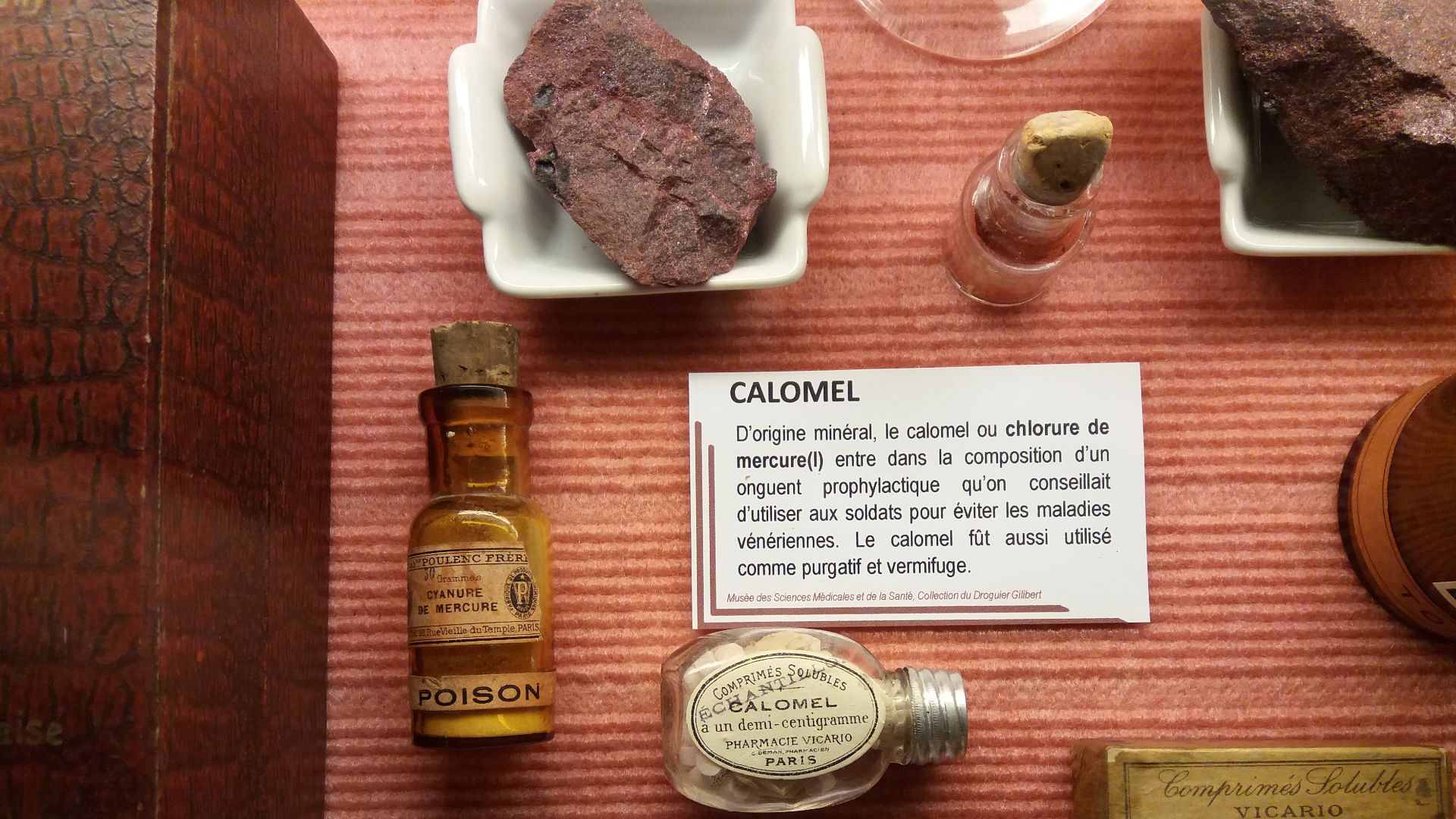
Mercury compounds were once common pharmaceutical ingredients rather than obvious warning signs. Calomel and other mercurials were prescribed for acute and chronic illnesses, used as diuretics, and incorporated into treatments for skin disorders and infections. Their long medical career demonstrates how a drug's established reputation can survive even when toxicity should encourage greater caution.
 Romainbehar, Wikimedia Commons
Antimony Was Supposed To Purge Illness Away
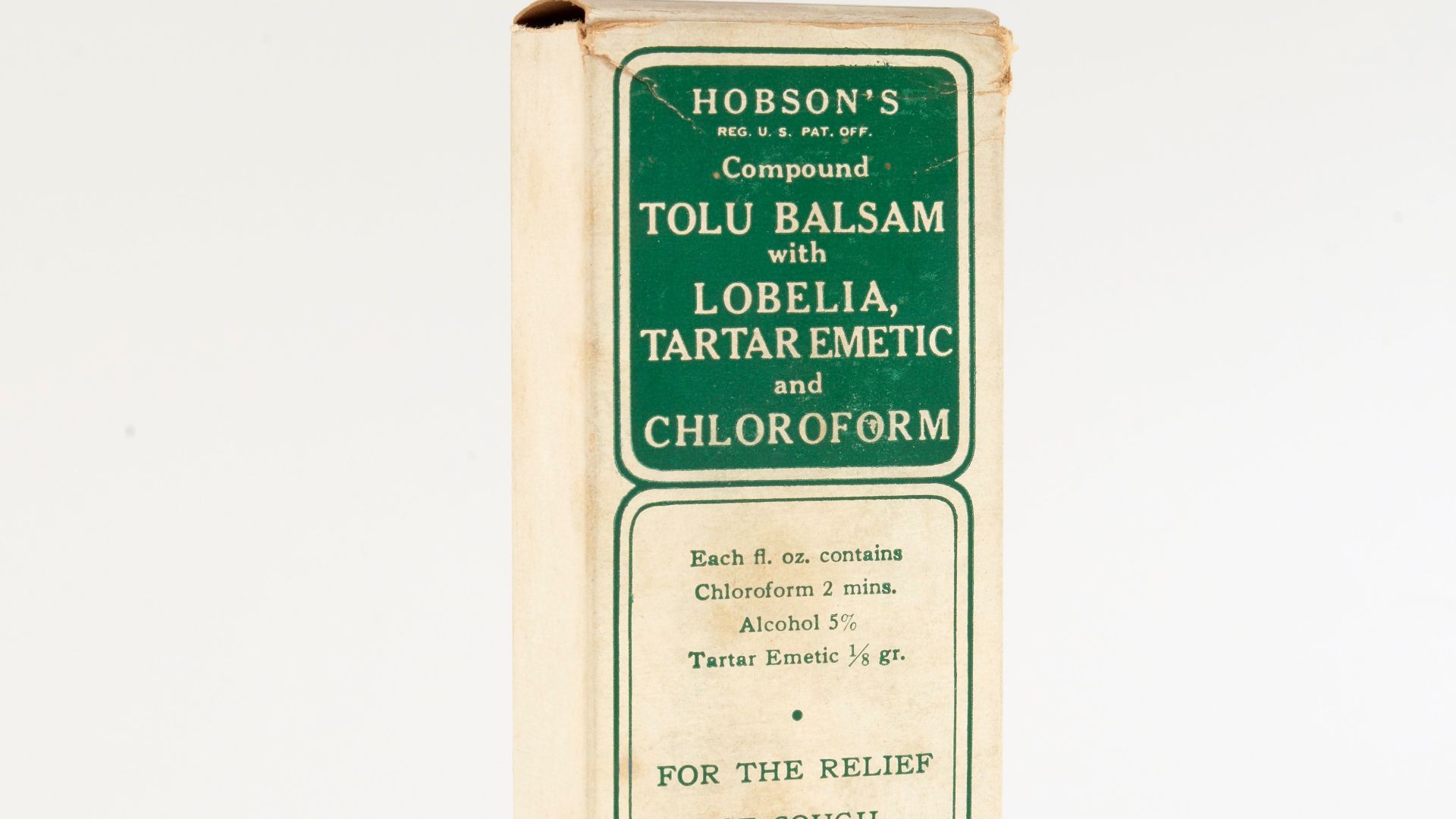
Antimony compounds were prescribed for conditions including fever, pneumonia, inflammation, and congestion. Tartar emetic earned its name because vomiting was considered part of its therapeutic effect, even though antimony itself can be toxic. Eventually, the dangers of broad antimony treatment became harder to justify, providing another example of harmful physical effects being mistaken for signs that a medicine was working.
 Pfeiffer Chemical Company, Wikimedia Commons
Mercury Became The Standard Answer To Syphilis
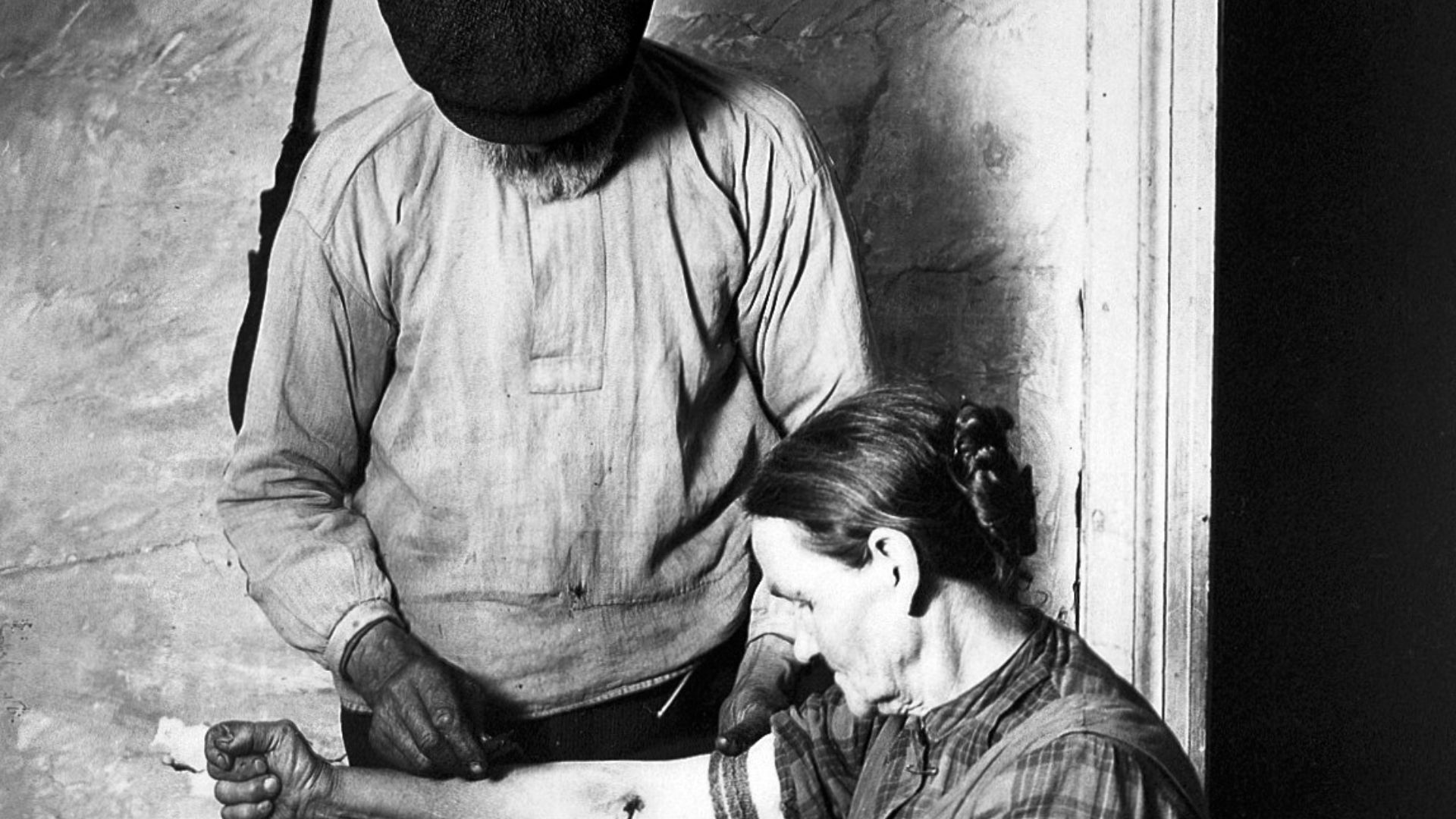
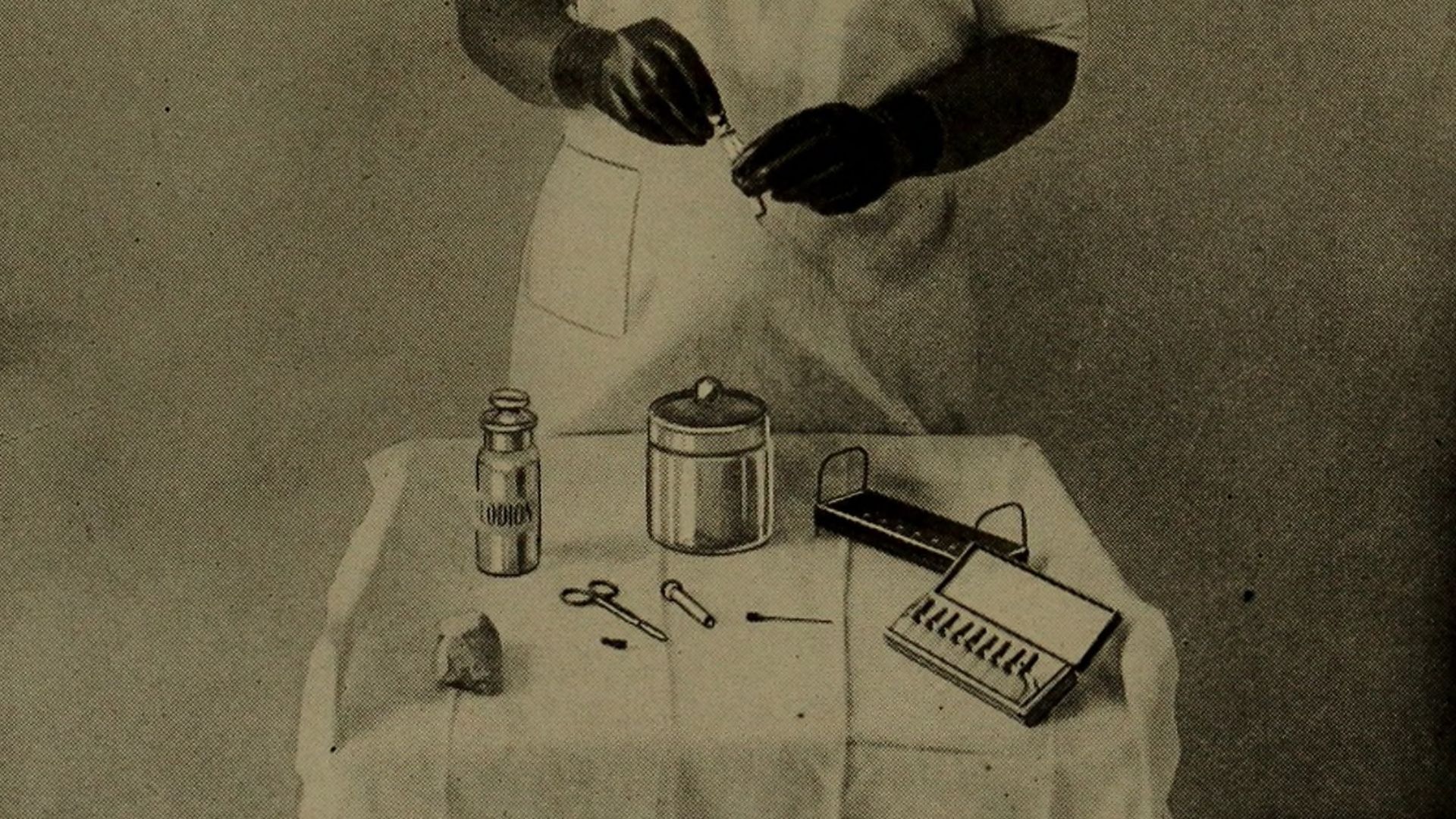
Mercury held a major place in syphilis treatment for roughly four and a half centuries. Patients received it in different preparations despite substantial toxicity and uncertain effectiveness, largely because physicians had few better options. Its extraordinary longevity is now a classic illustration of how tradition can become a substitute for convincing evidence.
 Internet Archive Book Images, Wikimedia Commons
Arsenic Looked Scientific And Versatile
Thomas Fowler introduced a potassium arsenite preparation in the late eighteenth century that became known as Fowler's solution. Physicians later prescribed arsenic preparations for illnesses ranging from skin diseases and asthma to malaria and leukemia, even though chronic exposure could produce serious toxicity. Modern medicine still uses carefully controlled arsenic compounds for certain cancers, but that targeted use is very different from treating arsenic as a general-purpose remedy.

Salvarsan Showed That Progress Could Still Be Dangerous
Paul Ehrlich's arsenic-based Salvarsan became an important treatment for syphilis after its introduction in the early twentieth century. Unlike many earlier remedies, it represented a genuine therapeutic advance, but administering arsenical drugs remained complicated and potentially toxic. Penicillin ultimately transformed syphilis treatment, reminding doctors that even a breakthrough treatment may later be replaced by something safer and more effective.
Radioactive Medicine Had A Futuristic Glow
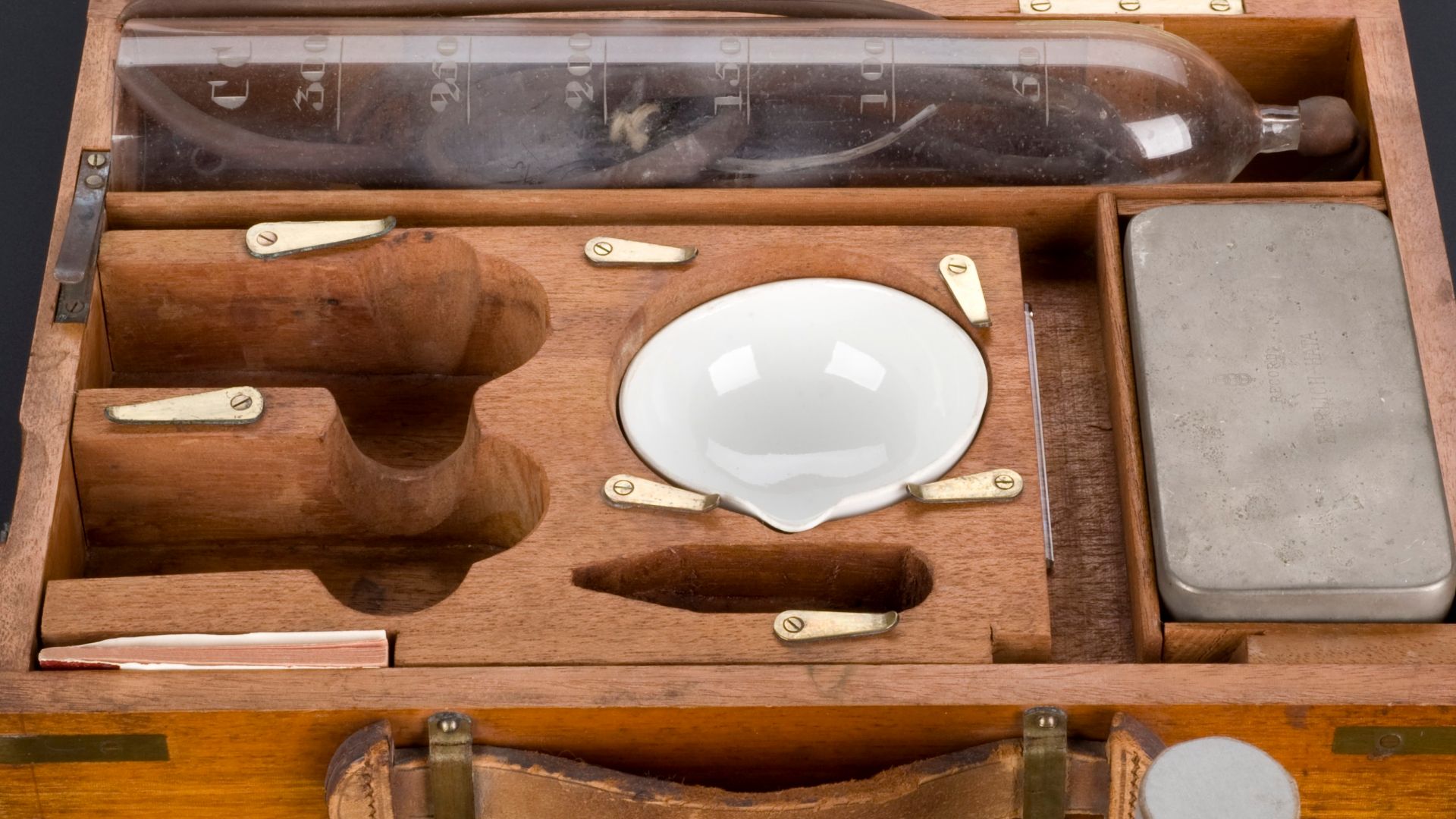
After radioactivity captured the scientific imagination, some companies marketed mildly radioactive preparations as medicines and health tonics. Radithor, which contained radium isotopes in water, was promoted for a remarkable range of supposed health problems until severe radiation poisoning exposed the consequences. The enthusiasm surrounding such products demonstrated how the prestige of a new scientific discovery can be borrowed to sell treatments long before their risks are understood.
 Sam LaRussa from United States of America, Wikimedia Commons
X-Rays Were Used To Treat Childhood Ringworm
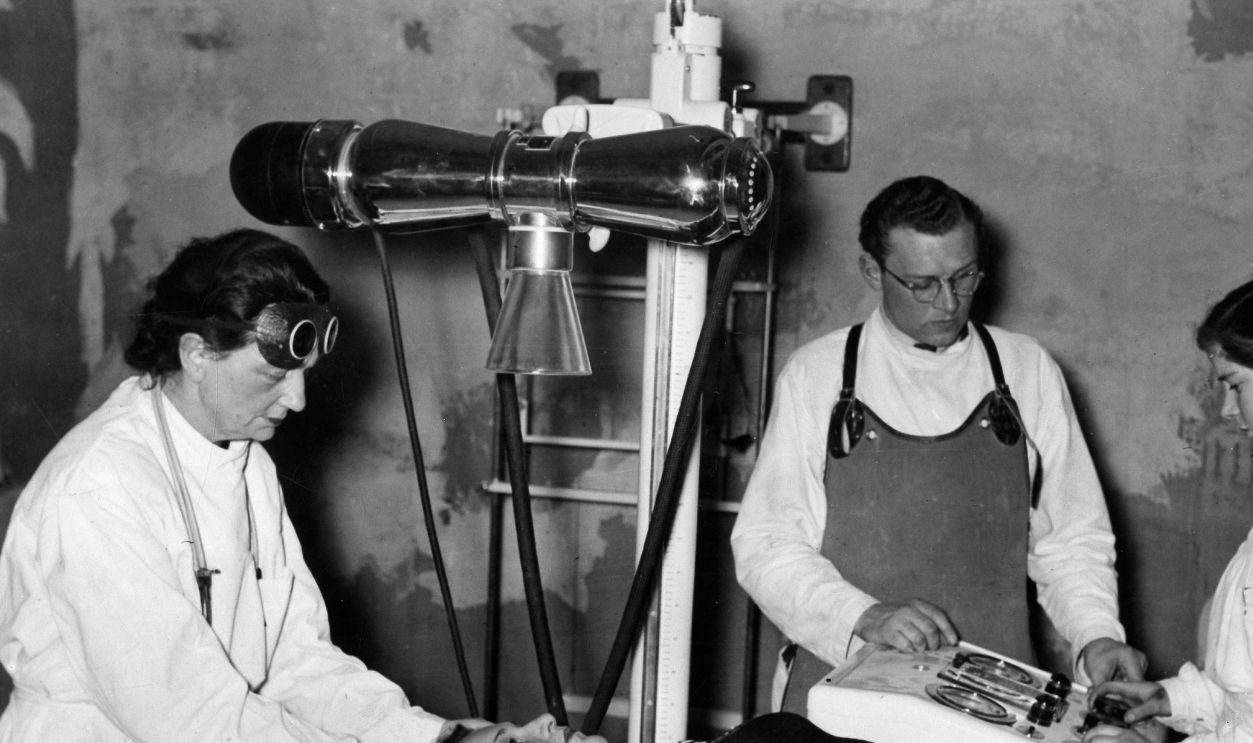
Before effective antifungal medicines were widely available, doctors sometimes used X-rays to remove infected scalp hair in children with tinea capitis. Medical literature of the 1940s and 1950s described radiation epilation as an effective way to control the infection. Long-term follow-up later documented increased risks of tumors and skin cancers among children exposed to this treatment, turning a once-respected therapy into an important radiation-safety lesson.
 ullstein bild Dtl., Getty Images

History's most fascinating stories and darkest secrets, delivered to your inbox daily.
Doctors Deliberately Gave Patients Malaria
Neurosyphilis could cause severe psychiatric and neurological deterioration before antibiotics existed. Beginning in 1917, Julius Wagner-Jauregg deliberately infected some patients with malaria because repeated high fevers appeared to improve the condition, and the work earned him the 1927 Nobel Prize in Physiology or Medicine. Malaria therapy became obsolete once more effective antimicrobial treatment arrived, but its rise shows how extraordinary risks can appear reasonable when an otherwise devastating disease has few treatments.
 brandstaetter images, Getty Images
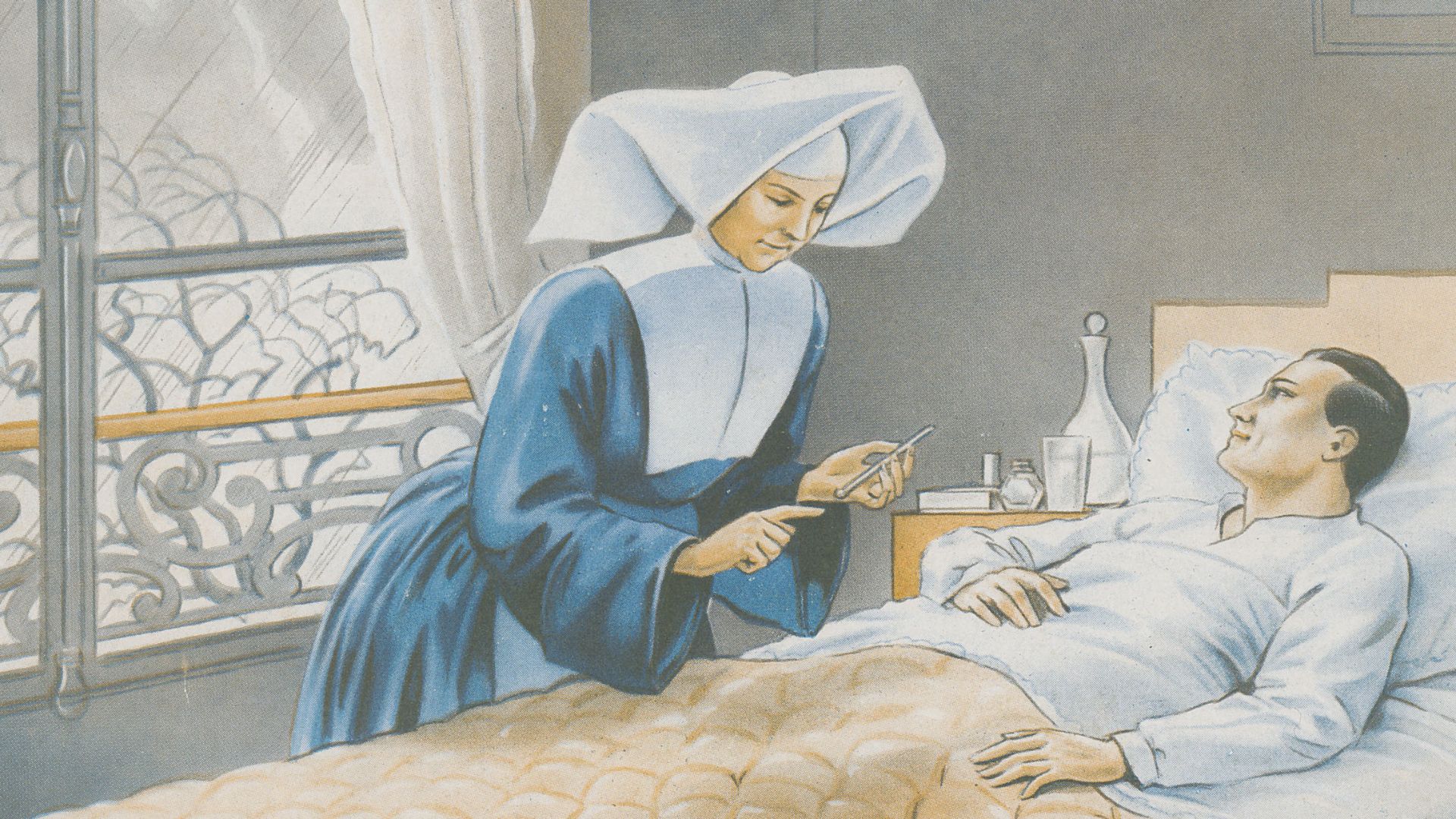
Cardiazol Turned Seizures Into Therapy
During the 1930s, psychiatrists began using Cardiazol, also called Metrazol or pentylenetetrazole, to provoke seizures in people with serious mental illness. The treatment spread through psychiatric hospitals even though the biological theory behind it was questionable and patients frequently experienced intense fear before the induced convulsions. It was eventually displaced by electroconvulsive therapy, but its history highlights the dangers of letting dramatic biological effects stand in for solid proof of benefit.
 Donna Nobot, Wikimedia Commons
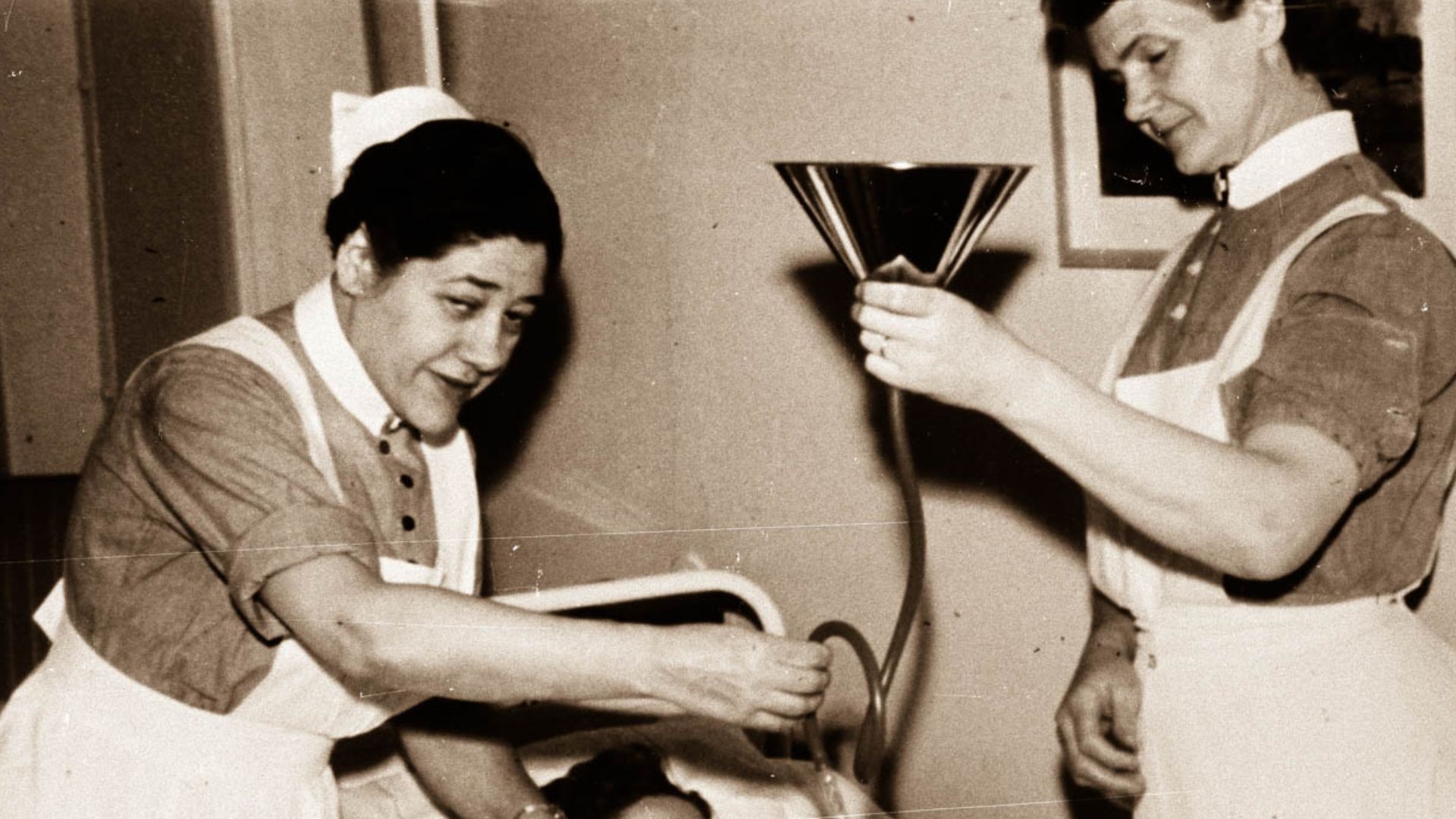
Insulin Comas Became A Psychiatric Routine
Psychiatrists in the 1930s began giving patients large doses of insulin to induce severe hypoglycemia and coma, especially in cases of schizophrenia. The procedure required considerable staff and carried significant risks, yet it spread internationally and was regarded by many physicians as evidence that psychiatry was becoming more scientifically sophisticated. Controlled trials and changing psychiatric treatment eventually undermined its reputation, and insulin coma therapy largely disappeared during the 1950s.
 Unknown authorUnknown author, Wikimedia Commons
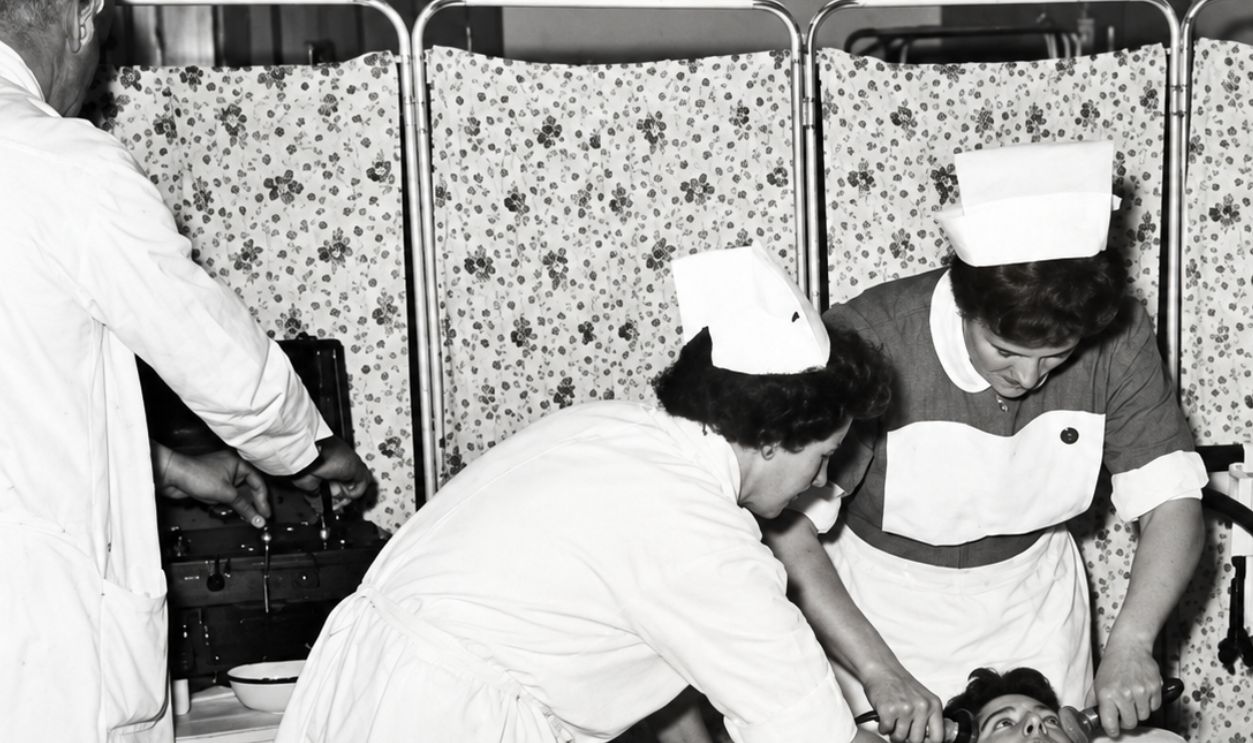
Early ECT Was Far Rougher Than Today's Treatment
Electroconvulsive therapy originally produced therapeutic seizures without the anesthesia and muscle relaxation that accompany the procedure today. Those uncontrolled muscle contractions could cause substantial musculoskeletal injuries, helping give early ECT a frightening reputation. Modern ECT uses general anesthesia, muscle relaxants, carefully controlled electrical stimulation, and remains an accepted treatment for certain severe psychiatric conditions, so the historical lesson concerns how it was once administered rather than ECT itself.
 University of Liverpool Faculty of Health & Life Sciences, Wikimedia Commons, Modified
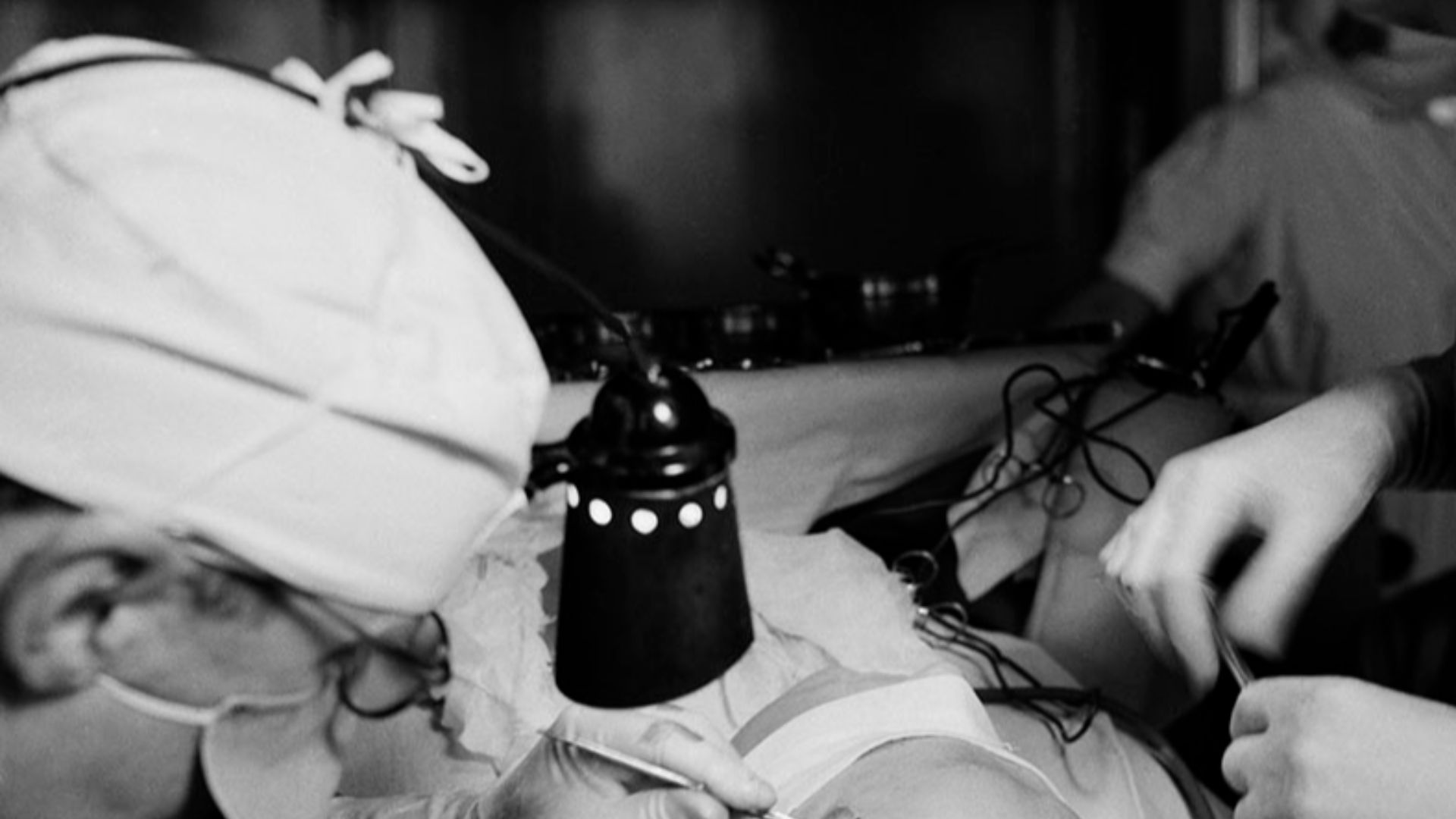
Lobotomy Was Once Mainstream Medicine
Frontal lobotomy entered American psychiatry during the 1930s as a surgical attempt to change the emotions and behavior of severely ill psychiatric patients. Within about a decade, variations of the procedure had become accepted at numerous hospitals and were performed for diagnoses including schizophrenia, obsessive-compulsive disorder, and mood disorders. Its eventual fall from favor became one of medicine's clearest warnings about permanently altering healthy brain tissue without sufficiently reliable evidence of benefit.
 Lennart Nilsson, Wikimedia Commons
The Ice-Pick Lobotomy Pushed Things Further
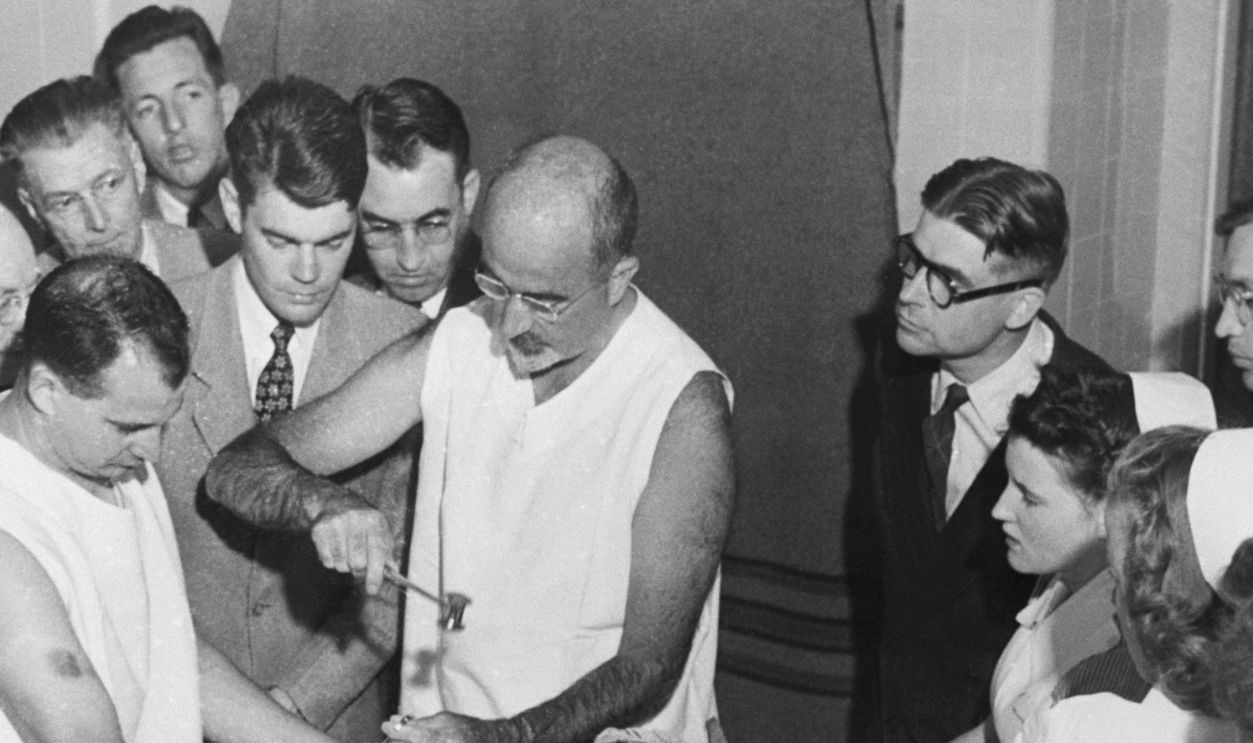
Walter Freeman introduced his transorbital lobotomy technique in 1946, promoting a procedure that could be performed outside a conventional neurosurgical operating room. Neurosurgeons criticized both the technique and the environment in which Freeman believed it could be performed, yet he became a famous public advocate and personally carried out thousands of lobotomies. The episode now illustrates the danger of allowing charisma, publicity, and procedural simplicity to outrun scientific restraint.
Cold Showers Were Once Psychiatric Treatment
Nineteenth-century physicians designed specialized showers partly as treatments for mental illness. Prolonged cold-water exposure was sometimes intended to cool supposedly inflamed brains and could also be deliberately frightening, while reports of shower-related deaths eventually contributed to its decline. Hydrotherapy later took gentler forms, but this earlier chapter shows how treatment and punishment can become dangerously blurred when patients have little power over their care.
![Hydrotherapy cures at Gräfenberg, Germany, abrasion wash [right] and head bath [left]
Iconographic Collections
Keywords: Hydrotherapy; THERAPY](https://www.factinate.com/storage/app/media/factinate/2026/9/14/1789390885397c8e6dde020911255b0625bd4a2725d8530991.jpg)
Deep Sleep Was Treated Like Therapy
During the twentieth century, some psychiatrists experimented with prolonged drug-induced sleep as a treatment for mental disorders. The technique required patients to remain heavily sedated for extended periods and later became associated with major questions involving safety, standards of care, and patient rights. Its history reinforces the principle that reducing a patient's awareness or behavior is not the same thing as successfully treating the underlying illness.

The Rest Cure Confused Inactivity With Recovery
Neurologist Silas Weir Mitchell's famous rest cure was commonly prescribed to women diagnosed with neurasthenia during the late nineteenth century. Treatment could involve weeks of bed rest, isolation, massage, and heavy feeding designed to restore what physicians believed was depleted nervous energy. Although some physical symptoms could improve, the treatment often ignored the social and psychological circumstances contributing to a patient's distress.
 Hollinger, Wikimedia Commons, Modified
Thalidomide Changed Drug Regulation
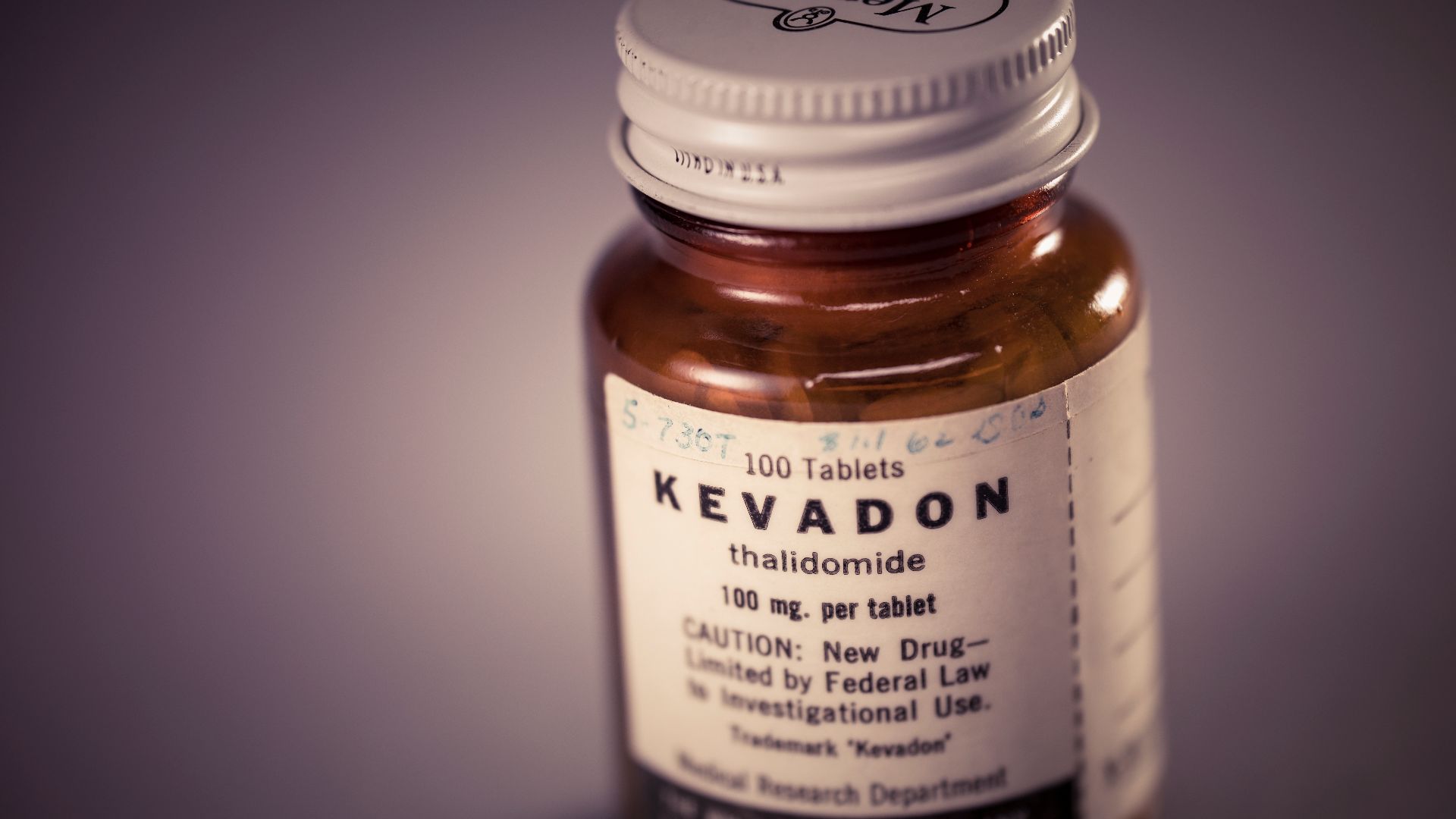
Thalidomide was marketed in parts of Europe as a sedative and became associated with thousands of babies born with serious congenital abnormalities after exposure during pregnancy. FDA medical officer Frances Kelsey resisted approval of the drug in the United States because she believed the available safety evidence was inadequate. The disaster helped build support for the 1962 Kefauver-Harris amendments, which strengthened requirements that drug manufacturers demonstrate both safety and effectiveness.
 The U.S. Food and Drug Administration, Wikimedia Commons
DES Revealed Harm Decades Later
Diethylstilbestrol, commonly known as DES, was prescribed to pregnant women for years before evidence revealed serious consequences for some children exposed before birth. Women exposed to DES in the womb have an increased risk of clear cell adenocarcinoma of the lower genital tract as well as several other health concerns. The case demonstrated why medication safety sometimes has to be studied across generations rather than only during the weeks or months immediately after treatment.
 The U.S. Food and Drug Administration, Wikimedia Commons
Radical Mastectomy Became The Bigger-Is-Better Era
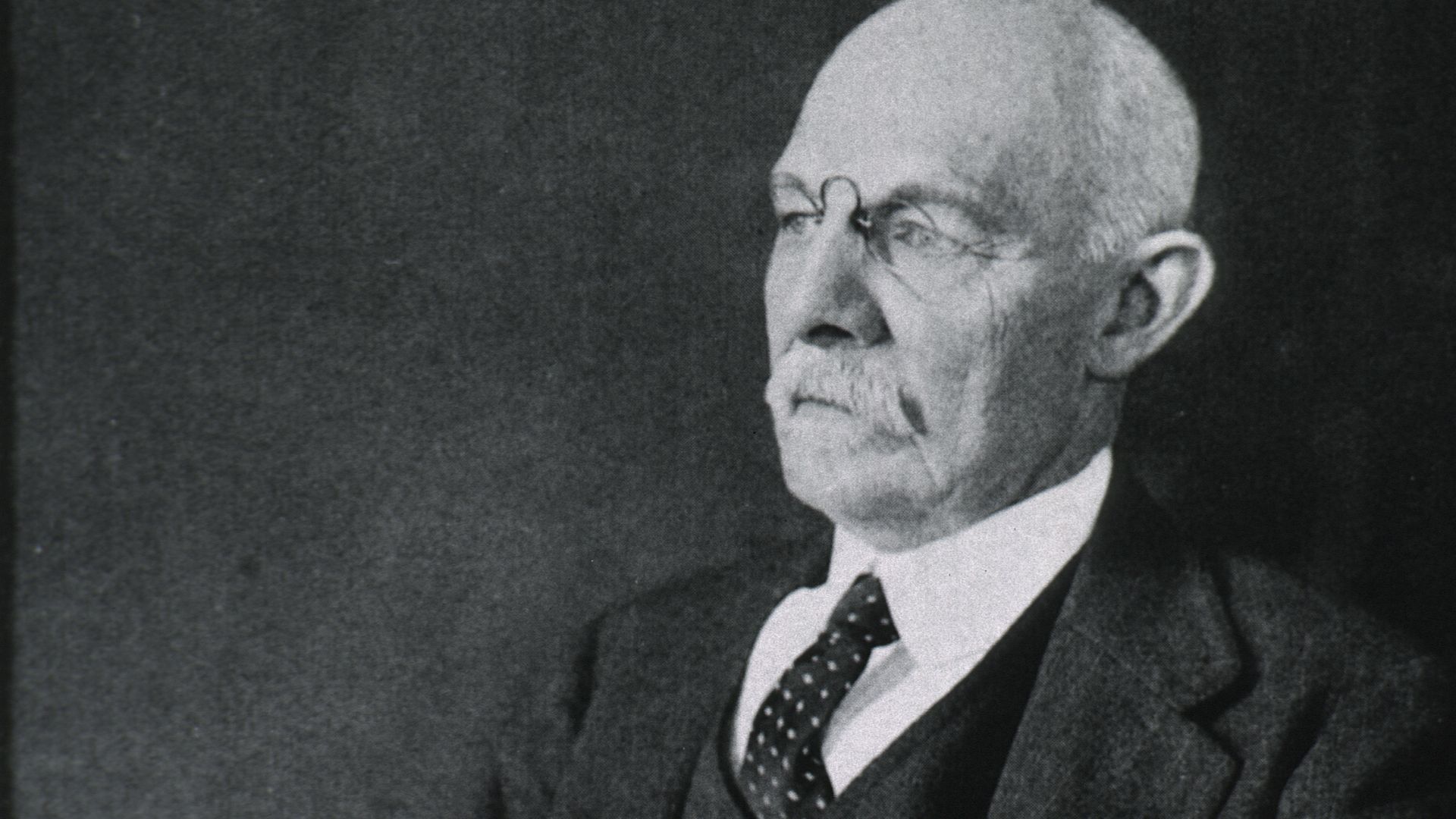
William Halsted's radical mastectomy involved removing the breast, pectoral muscles, and axillary lymph nodes and became a dominant approach to breast cancer treatment for decades. As randomized trials and changing theories of cancer biology accumulated, surgeons learned that increasingly extensive surgery did not automatically translate into better survival. Breast-conserving approaches and less destructive operations eventually showed how important it is to test whether extra treatment actually provides extra benefit.
 John H. Stocksdale, Wikimedia Commons
An Angina Operation Failed A Sham Test
During the mid-twentieth century, surgeons tried treating angina by tying off the internal mammary arteries in the hope of improving blood flow to the heart. Patients often reported improvement, which initially seemed to validate the operation. Randomized studies comparing the surgery with sham operations found no meaningful advantage, creating a landmark demonstration of why invasive procedures need controlled testing too.

Routine Episiotomy Seemed Preventive
For years, many obstetricians routinely made a surgical incision in the perineum during childbirth because they believed it could prevent worse tearing and protect long-term pelvic function. Systematic reviews found that routine use did not provide the expected maternal benefits and could instead increase injury and pain compared with a more selective approach. The change in practice showed that doing something routinely because it sounds preventive can still expose patients to unnecessary harm.
 Valerie WINCKLER, Getty Images
Doctors Once Tried Freezing The Stomach
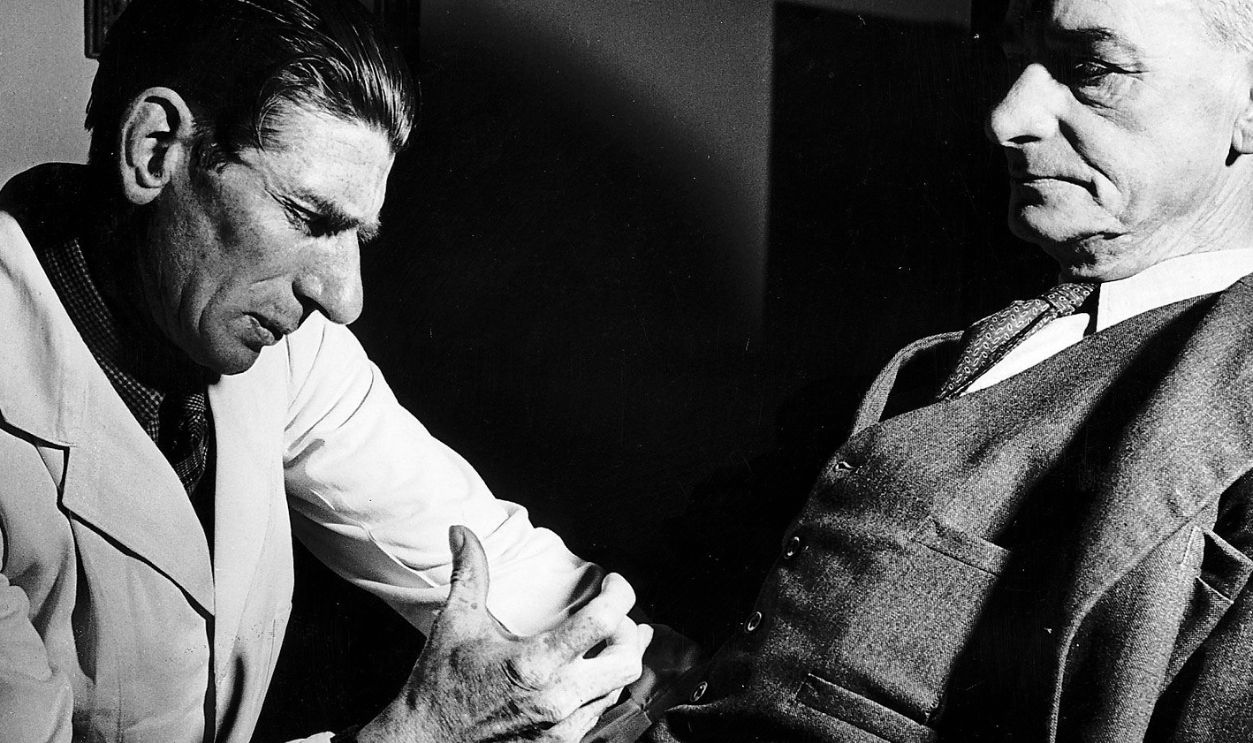
In the early 1960s, gastric freezing was promoted as a treatment for peptic ulcers. A refrigerated liquid was circulated through a balloon inside the stomach in an effort to suppress acid production, and early reports generated enough excitement for the procedure to spread quickly. Later controlled trials found it no better than a sham procedure, while complications and temporary benefits helped consign gastric freezing to medical history.
Good Intentions Were Never Enough
Most physicians who adopted these treatments were not deliberately trying to harm their patients. They were frequently working with incomplete biological knowledge, desperately ill people, persuasive theories, and early observations that appeared encouraging. The recurring failure was assuming that a plausible explanation or dramatic result proved that the treatment itself was beneficial.
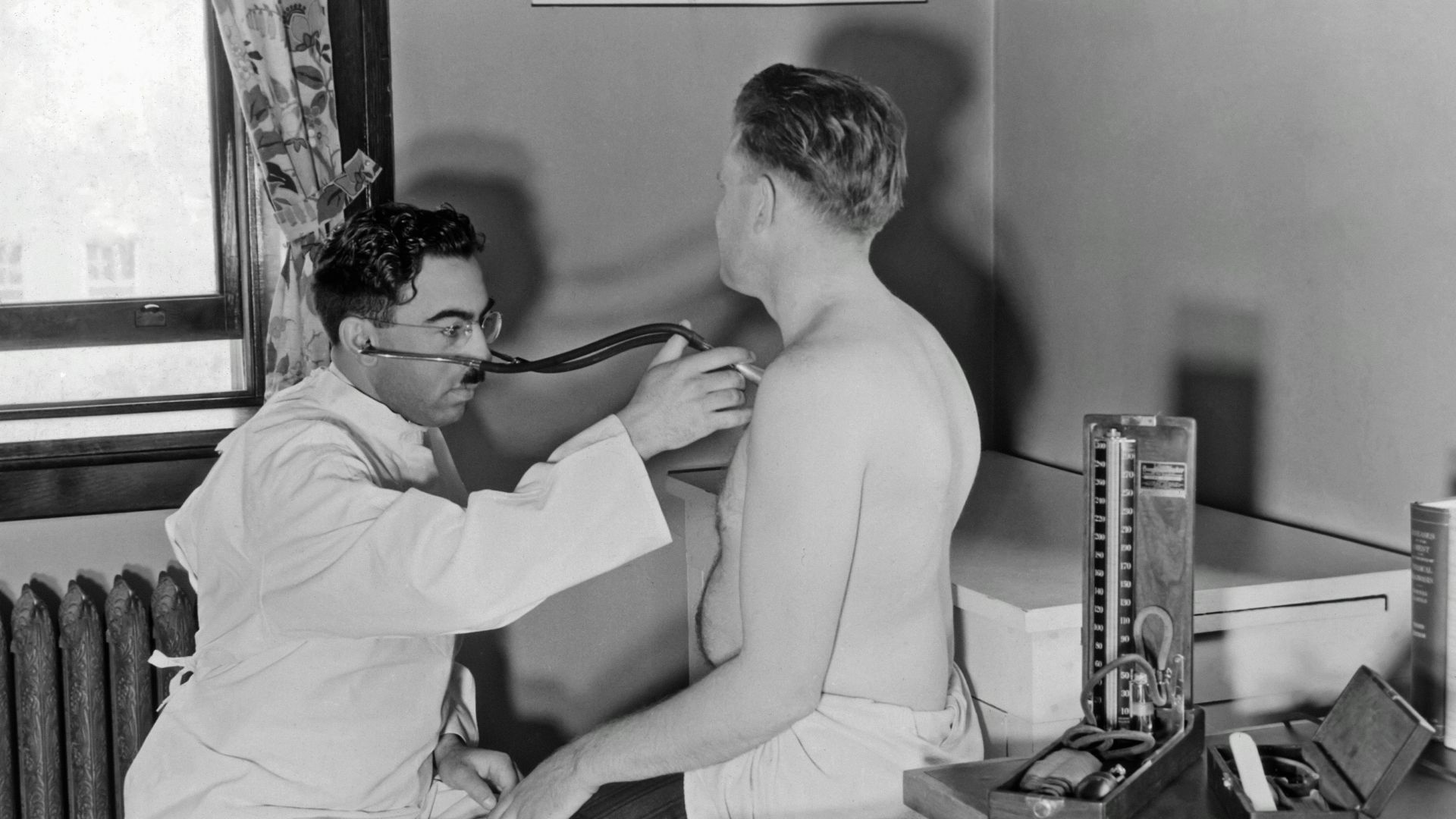
Controlled Trials Changed The Standard
One of modern medicine's most important advances was not a particular drug or machine but a better way of deciding whether treatments actually work. Randomized trials, appropriate comparison groups, long-term surveillance, and stronger regulatory requirements repeatedly overturned therapies that had once appeared effective. The sham-controlled angina operations, the insulin-coma trials, and post-thalidomide drug reforms all illustrate how systematic testing can expose mistakes that clinical confidence alone cannot.

Today's Medicine Will Have Its Own Lessons
Medical practice continues to change because evidence continues to accumulate. Treatments currently considered appropriate may be refined, restricted, or replaced as researchers learn more about benefits, side effects, and which patients actually need them. The lasting lesson from medicine's discarded treatments is therefore not that doctors once knew nothing, but that good medicine requires the willingness to challenge even its most modern-looking ideas.
 National Cancer Institute, Unsplash
You May Also Like:
The Weirdest Rules People Once Followed At Work
The Discovery Of A Bronze Age Blade Workshop In Southern Israel
Resilient Facts About Ellen Burstyn, The Actor Who Worked With The Devil








.jpg)
.jpg)
