When Ordinary Things Were Signs Of Serious Wealth
Imagine living in a world where owning a mirror, drinking tea, or having a carpet could make your neighbors jealous. Before factories and mass production transformed everyday life, many things we barely think about were expensive symbols of status. Some were handmade, others came from distant countries, and a few were practically worth showing off at dinner parties. Here's how yesterday's luxuries became today's ordinary purchases.
 Photos of the Past from Hanwell, London, UK, Wikimedia Commons
#30. Decorative Wallpaper
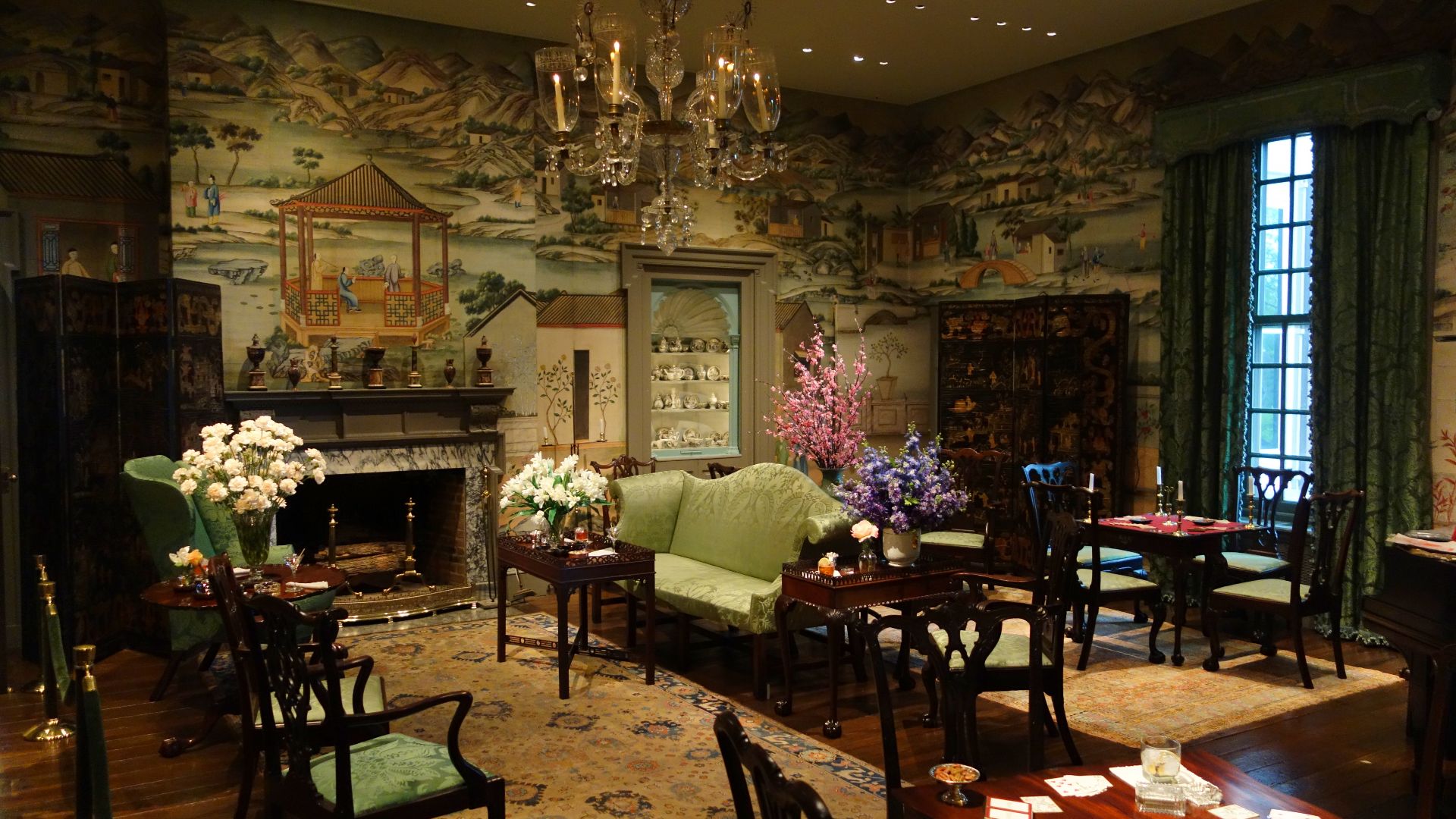
Today, wallpaper is something you buy when you want to make a room look fancy. In the 1700s, elaborate hand-painted wallpaper was a luxury associated with wealthy households. Chinese decorative papers were especially fashionable in Europe. In 1839, mechanized wallpaper printing emerged in Britain, helping transform the industry. British production rose from about one million rolls in 1834 to nearly nine million by 1860.
#29. Fine Carpets
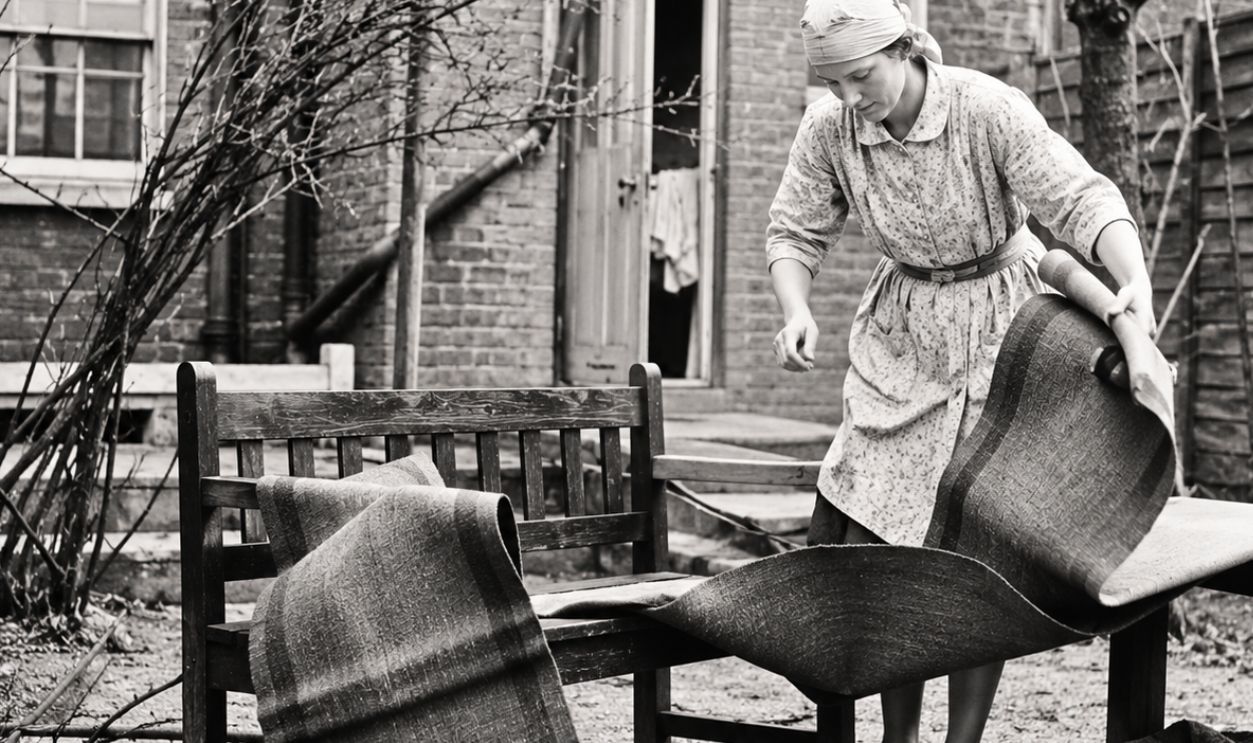
Before machine weaving, an elaborate carpet could require months of skilled labor. The wealthy decorated their homes with expensive imported rugs and handmade carpets, while many ordinary households relied on bare or simpler-covered floors. Power looms and mechanized carpet production expanded during the 1800s, gradually making carpeting more affordable. Suddenly, having something soft underfoot did not necessarily mean owning an estate.
 Ministry of Information Photo Division Photographer, Wikimedia Commons, Modified
#28. Lace Clothing And Trimmings
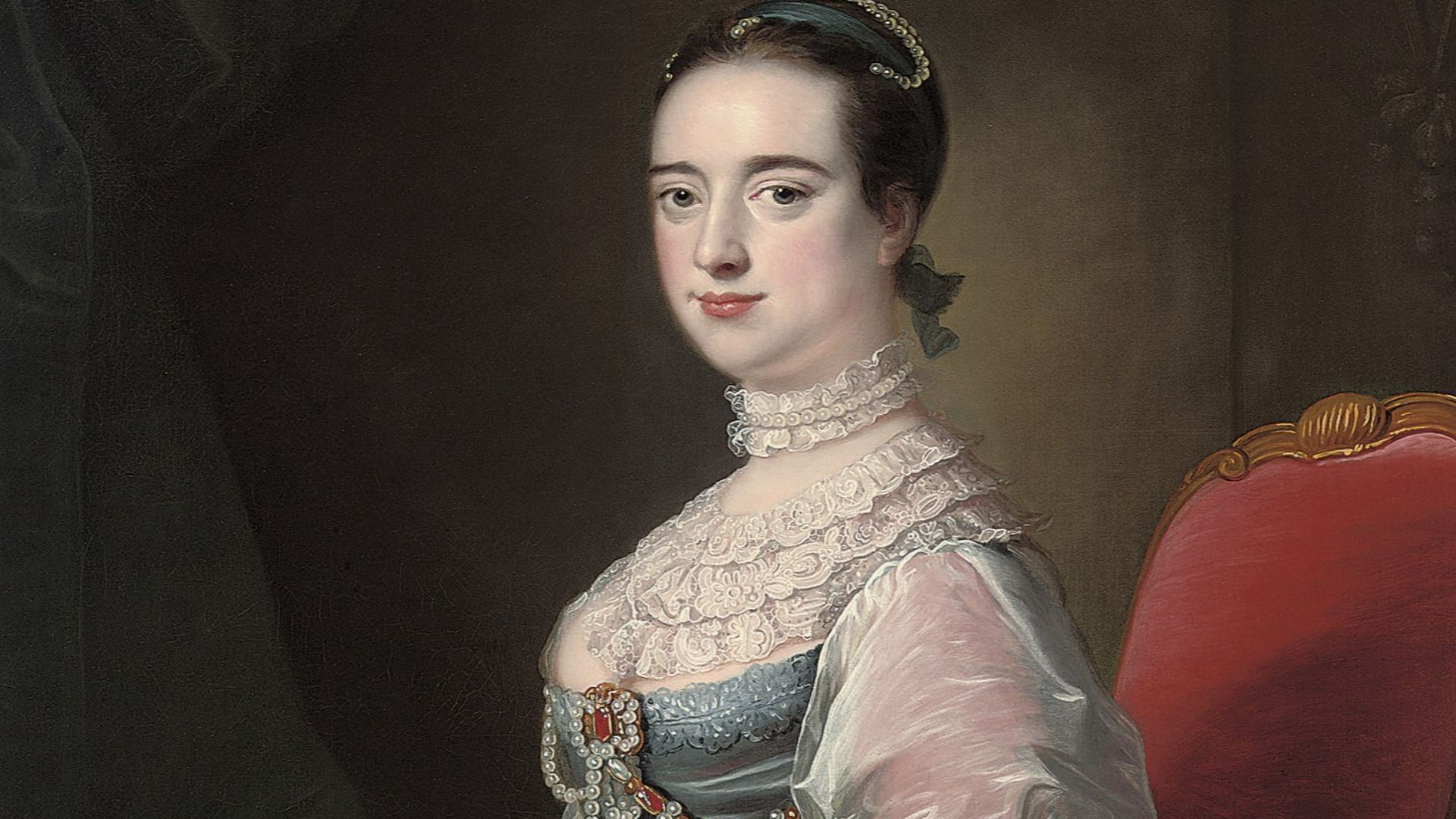
Lace was once one of the easiest ways to announce that you had money to spare. Handmade lace collars, cuffs, and dress decorations required enormous patience and skill. In 1809, John Heathcoat patented a machine for producing bobbinet lace. Mechanization transformed the trade during the 19th century, making lace available to a much broader audience. Fancy cuffs no longer required a family fortune.
 Attributed to Joseph Wright of Derby, Wikimedia Commons
#27. Silk Stockings
Silk stockings were fashionable among wealthy Europeans for centuries. Genuine silk required expensive raw materials and skilled manufacturing, making fine hosiery an impressive wardrobe investment. The introduction of nylon stockings in 1940 offered Americans a fashionable, mass-produced alternative. Their popularity was immediate, although wartime shortages soon interrupted production. Suddenly, luxurious-looking legs were no longer reserved for society's wealthiest dressers.
 Erik Liljeroth, Wikimedia Commons
#26. Tailored Suits
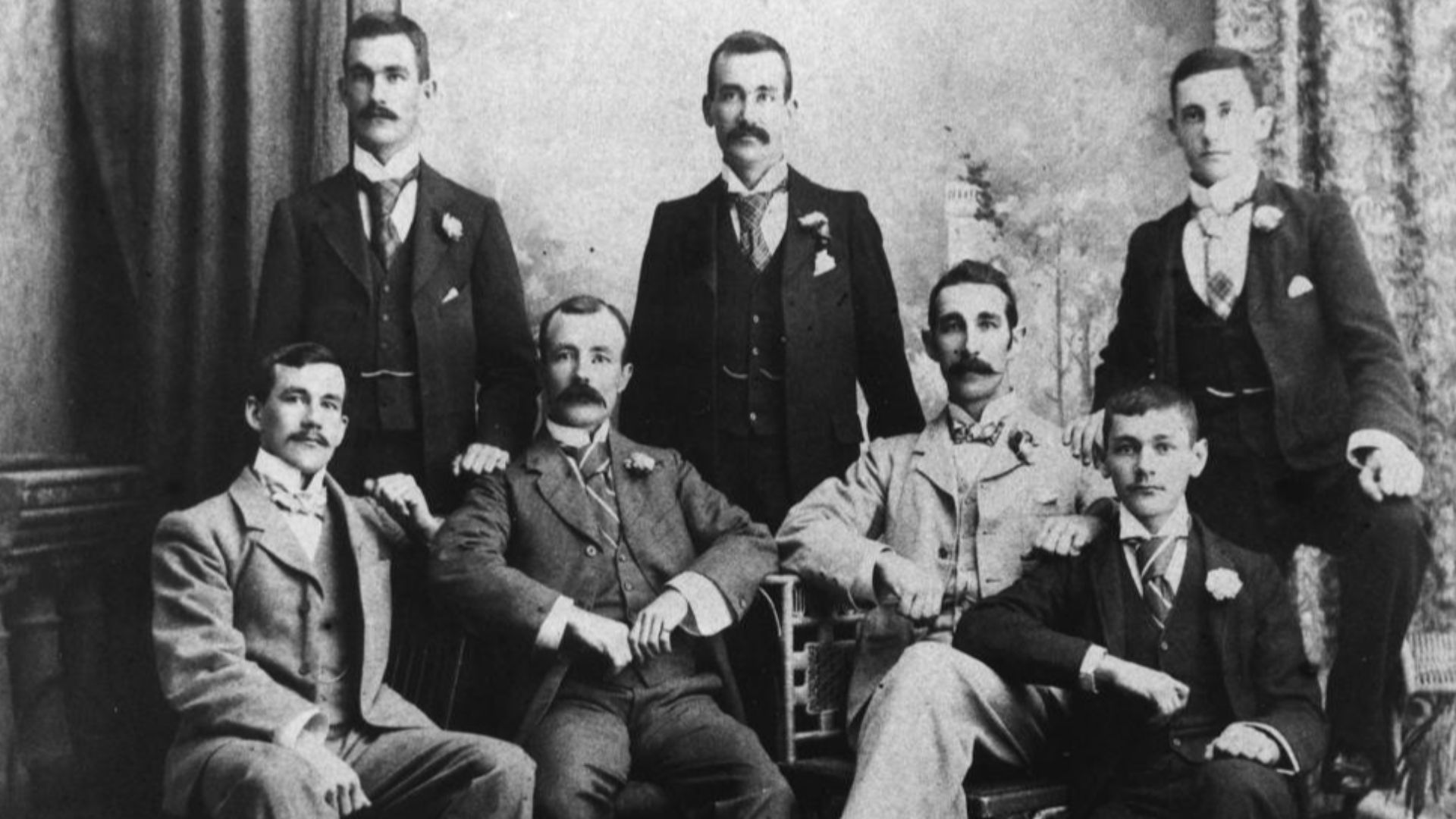
Before the rise of industrial clothing factories, a properly fitted suit generally required a tailor and substantial handwork. Wealthy men could afford wardrobes made specifically for their measurements, while less affluent customers often relied on simpler garments or secondhand clothing. Ready-made clothing expanded dramatically during the 19th century. By the early 1900s, looking respectable no longer required keeping a personal tailor on speed dial.
 Whitehead, F. A., Wikimedia Commons
#25. Leather Dress Shoes
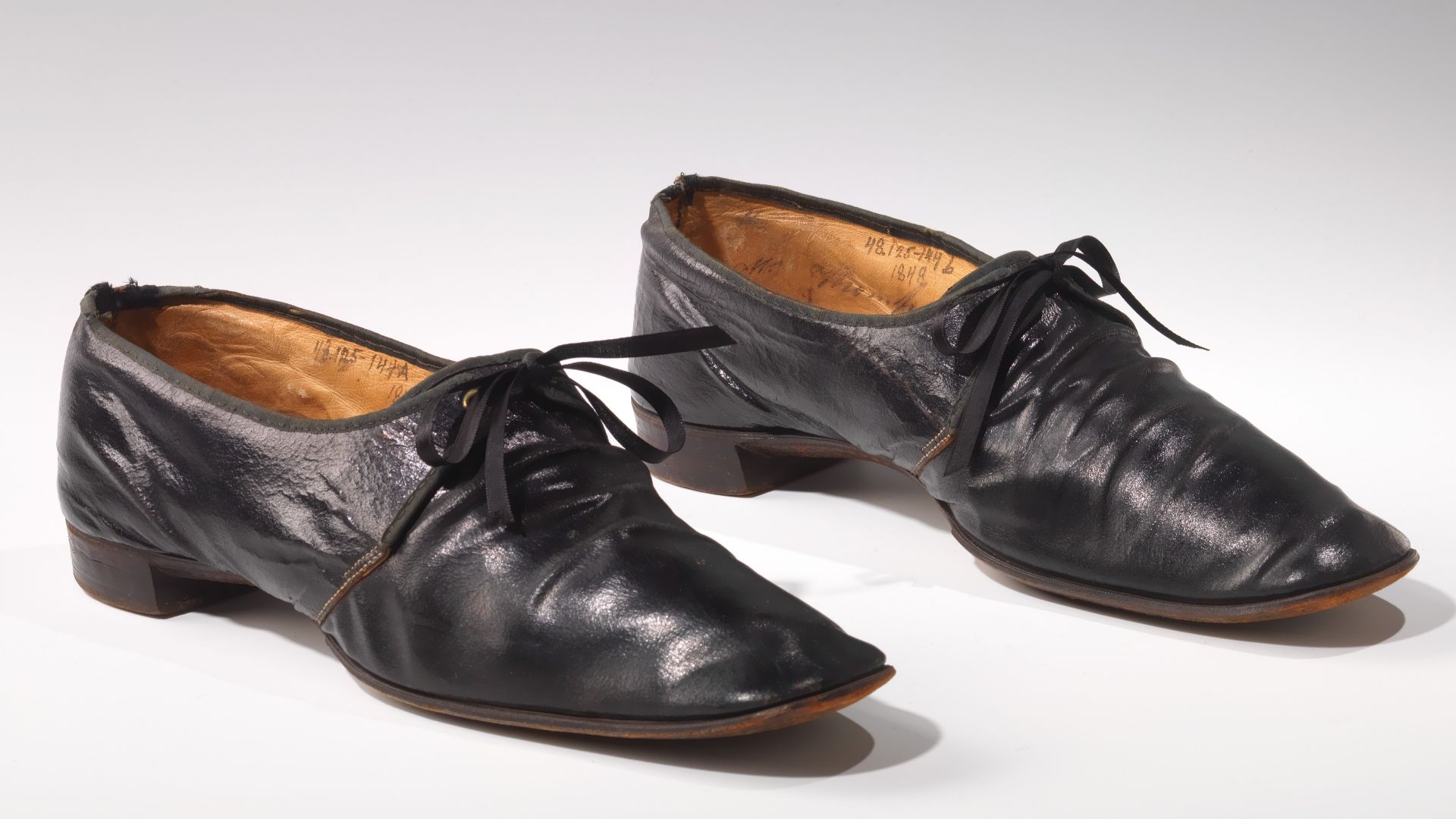
Custom-made shoes were once a considerable expense, especially those made from fine leather with fashionable details. Shoemakers measured feet, cut materials, and stitched footwear largely by hand. During the 19th century, specialized machinery and standardized sizing revolutionized production. Factory-made shoes became increasingly affordable, allowing ordinary workers to buy footwear that previously might have belonged in a wealthy gentleman's wardrobe.
 Creator:John Golden, Wikimedia Commons
#24. Large Glass Windows
In earlier centuries, large panes of clear glass were difficult and expensive to produce. Wealthy European homes could feature impressive glazed windows, while poorer households sometimes made do with small panes, shutters, or other coverings. Improvements in sheet and plate-glass manufacturing during the 19th and 20th centuries made windows cheaper. Today, having glass in every room barely earns a second thought.

#23. Household Mirrors
A large, clear mirror was once an extravagant possession. Before modern glassmaking and silvering techniques, high-quality mirrors demanded expensive materials and skilled labor. Venetian mirrors were particularly prized among Europe's wealthy. In 1835, Justus von Liebig developed an important chemical silvering process, helping pave the way for cheaper production. Eventually, mirrors became so ordinary that people could complain about their reflections in practically every bathroom.
 Jorge Barrios, CC BY-SA 3.0, Wikimedia Commons
#22. Porcelain Dinnerware
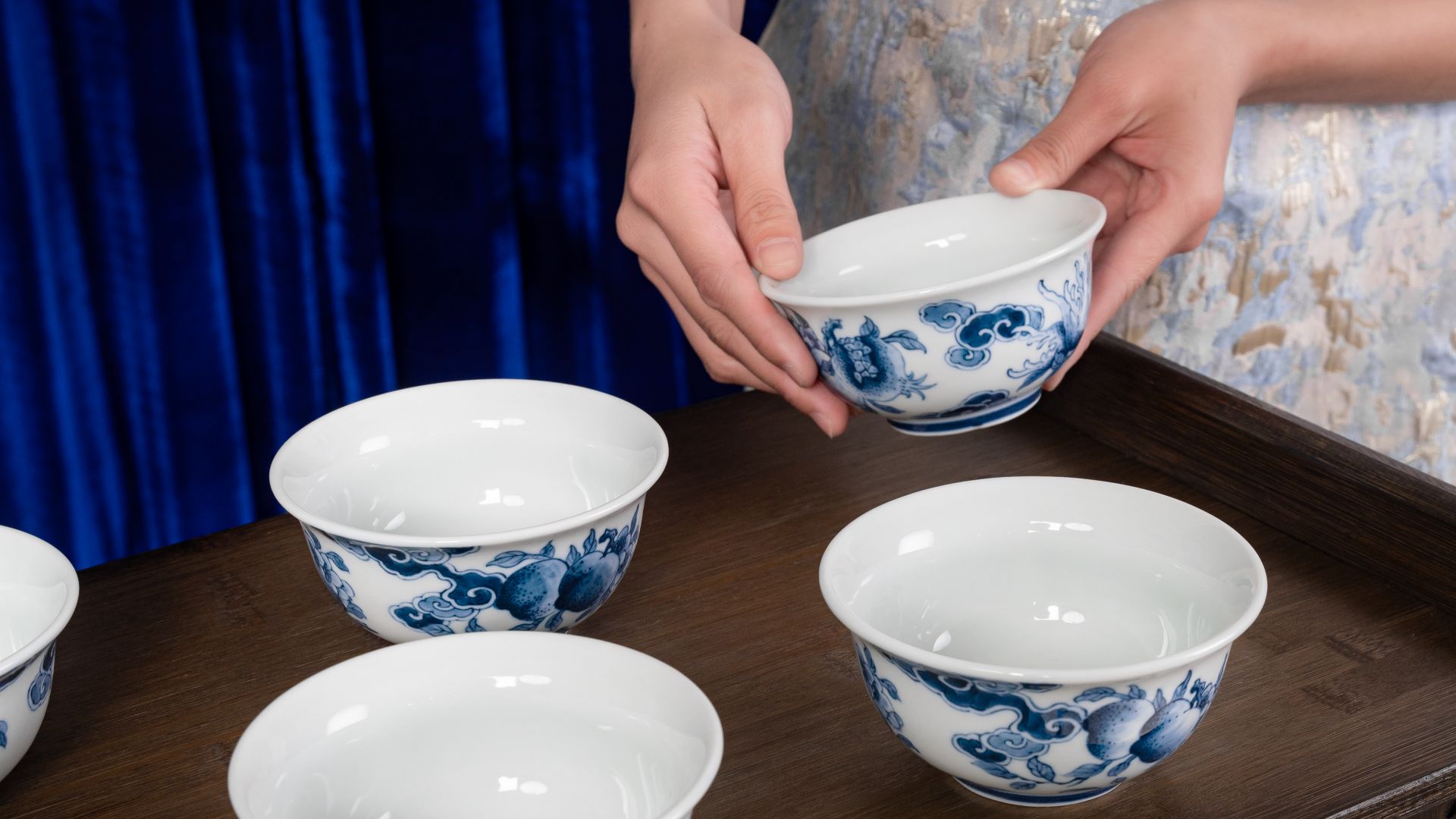
Fine porcelain was once a prized import from China, coveted by European aristocrats and wealthy merchants. Its delicate appearance, smooth surface, and intricate decoration made it a status symbol. European manufacturers developed their own porcelain industries during the 1700s, and mechanized ceramic production expanded availability in the 1800s. Today, people can buy an entire dinner set without needing a royal invitation.
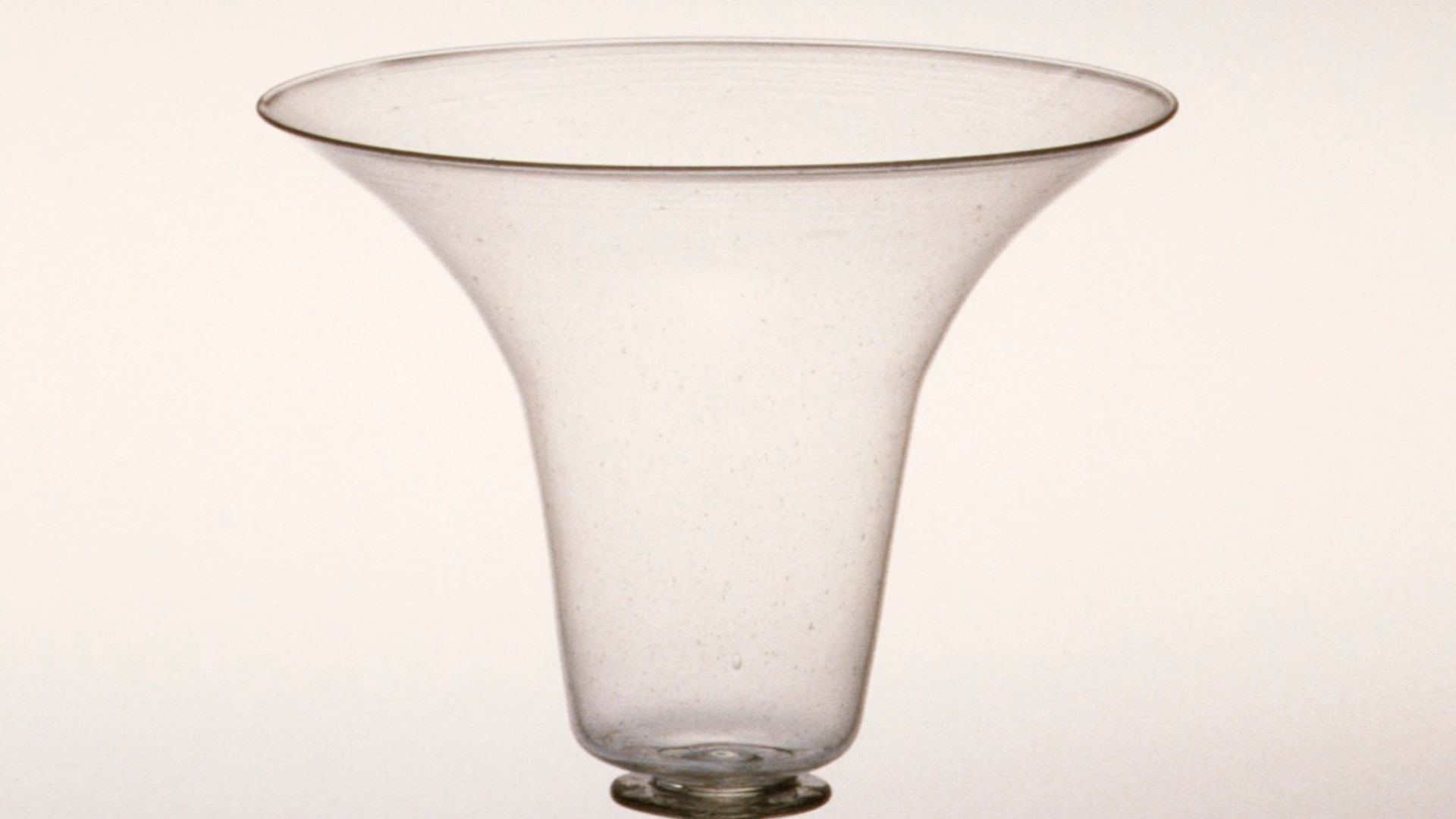
#21. Clear Drinking Glasses
For centuries, beautifully transparent drinking vessels were prized luxury items, especially high-quality Venetian and Bohemian glassware. Producing consistent, attractive glass required specialized furnaces and considerable skill. Industrial glassmaking expanded during the 19th century, while automated bottle production took off in the early 1900s. Now, people casually leave drinking glasses in the sink like they were never anybody's prized possession.
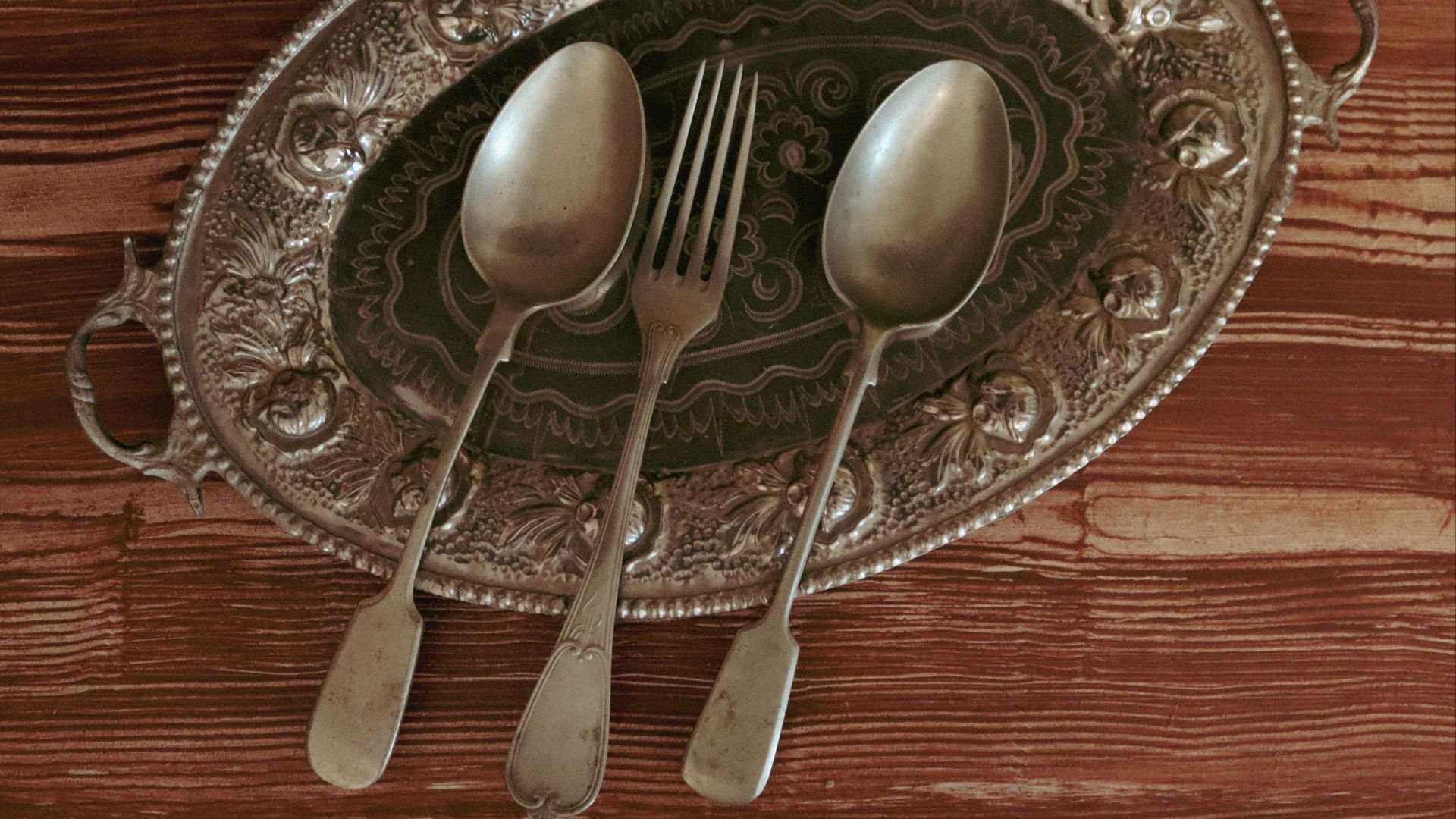
#20. Matching Metal Cutlery
Matching sets of silver knives, forks, and spoons once communicated a family's wealth and social standing. Silver was expensive, and elaborate flatware often required skilled craftsmanship. Electroplating developed in the 19th century, allowing less expensive metals to receive a thin silver coating. Later, mass-produced stainless-steel cutlery became common. Suddenly, matching utensils were no longer evidence that someone owned half the countryside.
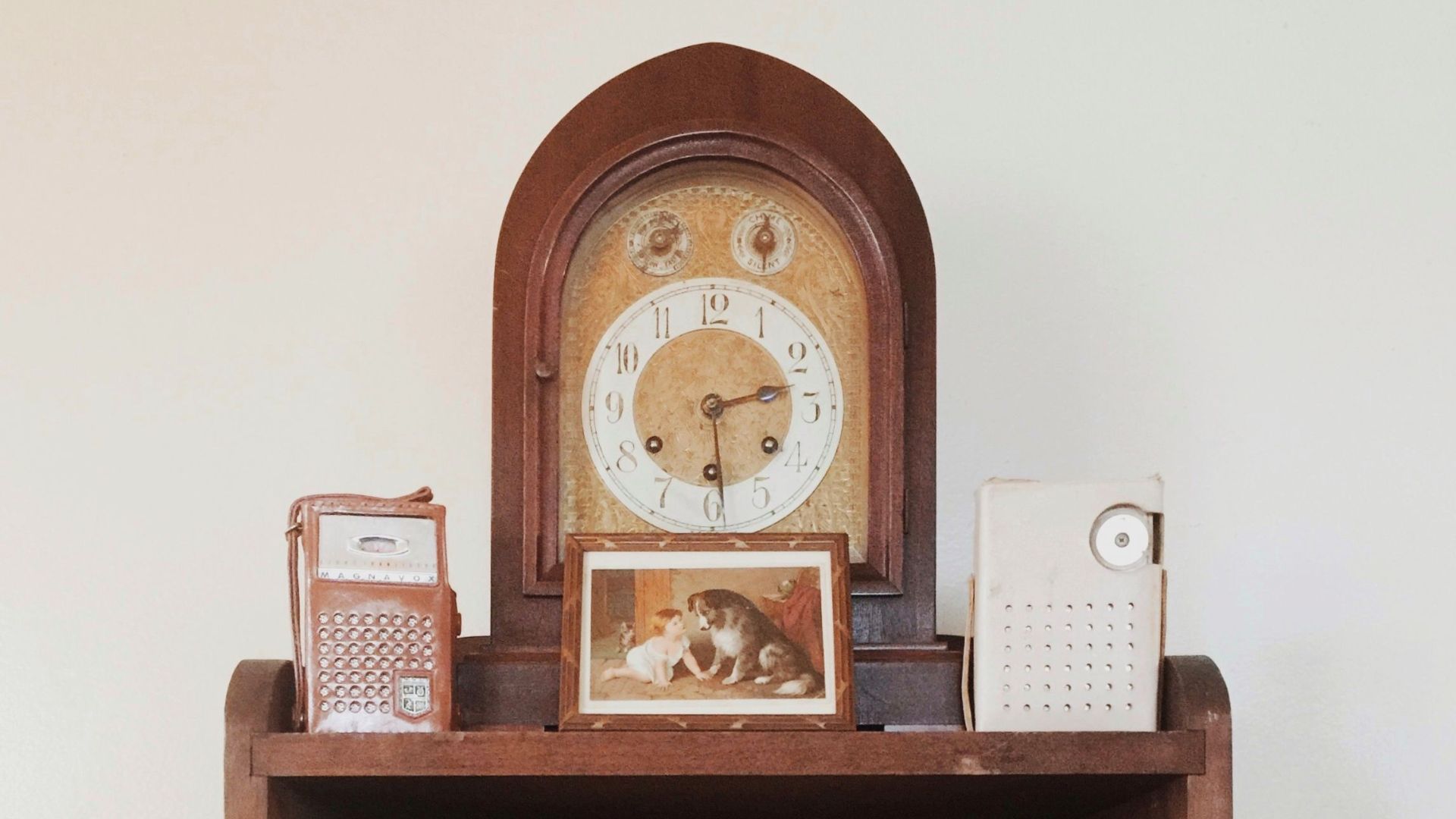
#19. Reliable Household Clocks
In the 1700s, a dependable mechanical clock was an important and often expensive household possession. Skilled clockmakers had to produce complicated movements, frequently by hand. American manufacturers helped change this during the early 1800s. Eli Terry pioneered production methods using interchangeable parts, while later makers expanded inexpensive clock manufacturing. By the mid-19th century, affordable clocks were spreading into ordinary homes.
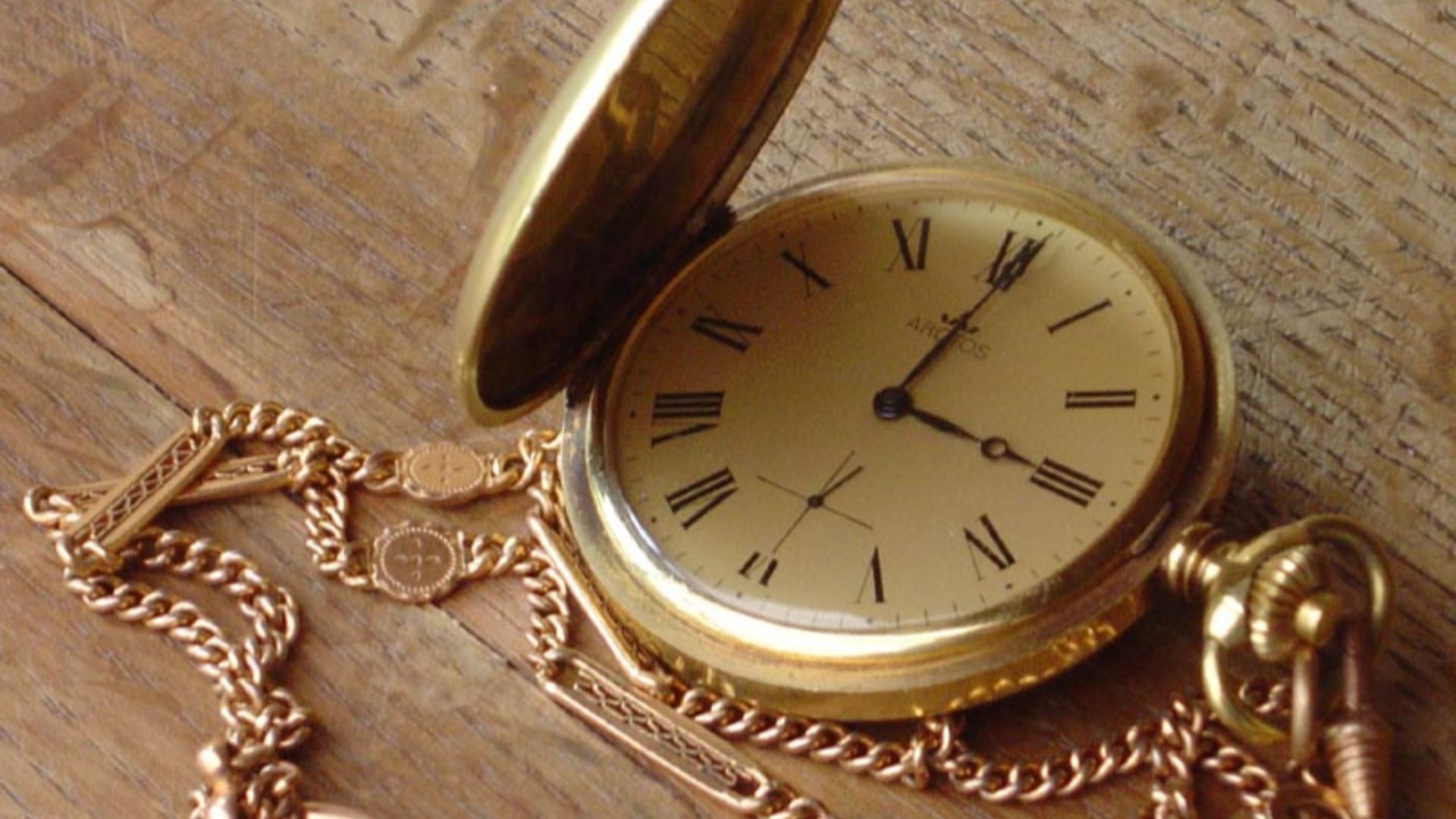
#18. Pocket Watches
A personal watch once suggested considerable wealth, particularly when its movement was assembled by a skilled watchmaker. In the 1850s, American manufacturers such as the Waltham company developed systems for producing watches using standardized, interchangeable components. Prices gradually fell, and personal timekeeping became increasingly attainable. Eventually, being punctual stopped requiring a small fortune, although some people still haven't received that particular memo.
 Isabelle Grosjean ZA, Wikimedia Commons
#17. Fountain Pens
Writing instruments with internal ink reservoirs had existed for centuries, but early designs were often expensive, unreliable, or difficult to manufacture. During the late 19th century, improvements in nibs, filling systems, and factory production made fountain pens increasingly practical. By the early 20th century, they were common office and school accessories. What once felt like a gentleman's luxury became something students could lose before lunchtime.
 Beku Kanomi, Unsplash, Enhanced
#16. Printed Books
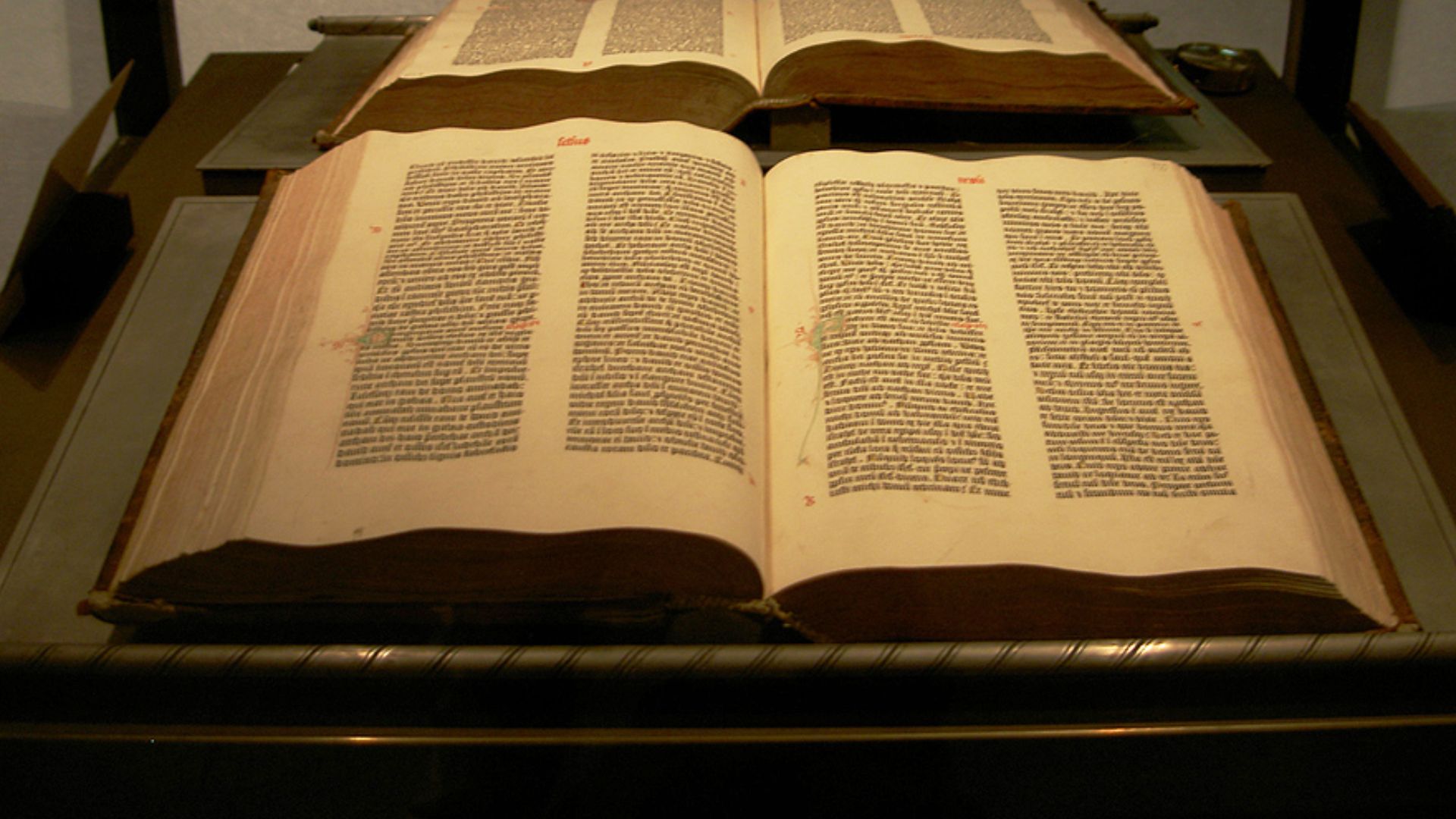
Before European printing presses spread in the 15th century, manuscript books often required painstaking work by scribes. Elaborate illuminated volumes could be extremely expensive, particularly those commissioned by wealthy patrons. Gutenberg's movable-type printing methods helped revolutionize book production in Europe during the 1450s. Later industrial printing and cheaper paper made books accessible to mass audiences. Owning a library gradually became possible without owning a castle.
 BetacommandBot, Wikimedia Commons
#15. Spectacles
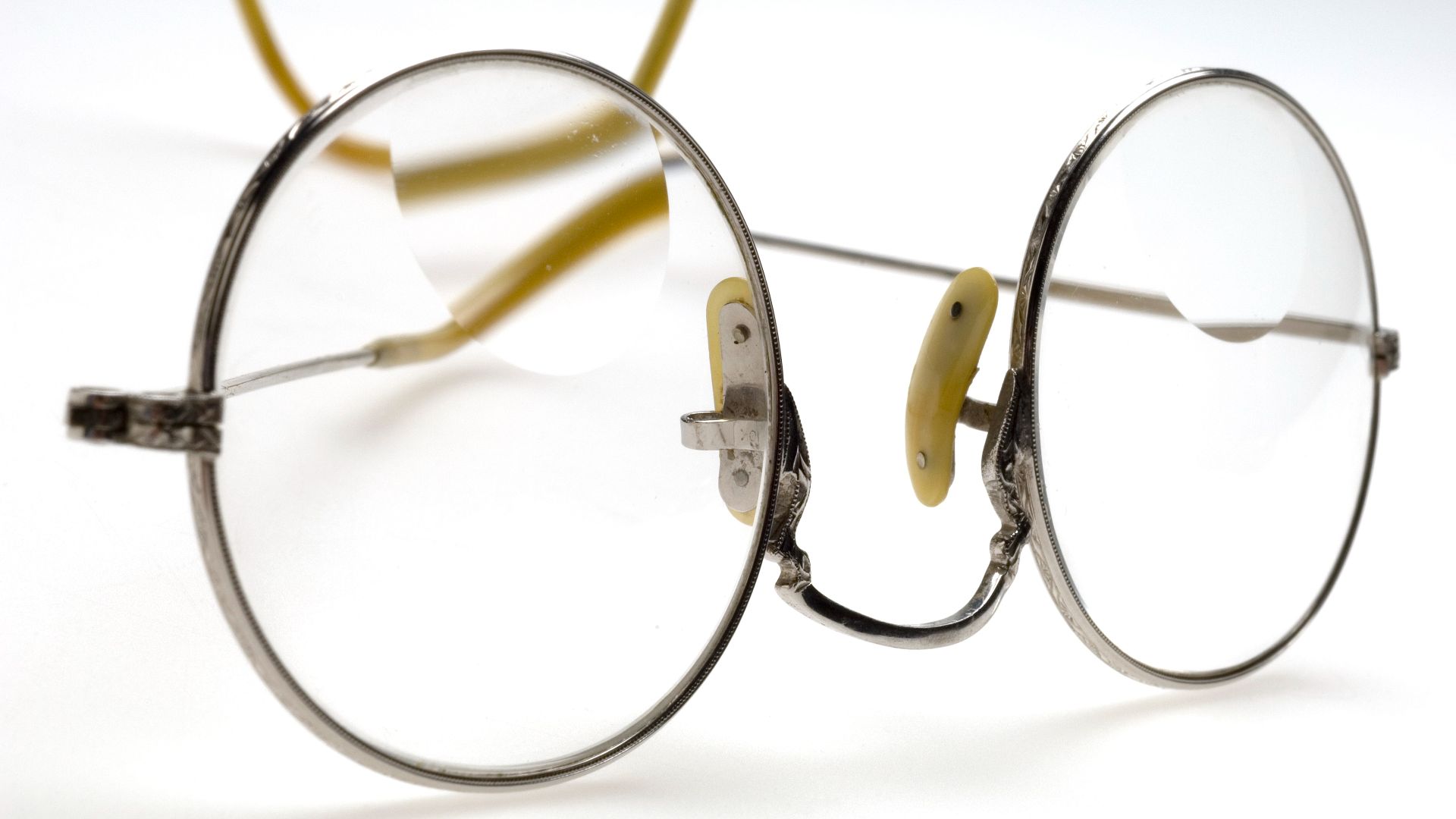
Eyeglasses appeared in Europe during the late 1200s, but early spectacles were handmade and could be costly or difficult to obtain. Wealthy, educated buyers were among those able to acquire better examples. Industrial lens grinding, metalworking, and standardized frames gradually reduced prices during the 19th century. Today, someone can purchase reading glasses at a drugstore, which would have seemed remarkable to many earlier generations.
#14. Umbrellas
In earlier European society, umbrellas and parasols were often fashionable accessories associated with wealth and status. Their frames, coverings, and handles could be expensive and labor-intensive to produce. During the 1800s, improvements in metal frames and factory manufacturing helped bring prices down. Eventually, carrying an umbrella became less about demonstrating refinement and more about realizing it was raining after leaving the house.

#13. Decorative Candles
Candles were not exclusively for the wealthy, but high-quality beeswax candles certainly carried a premium. They generally burned cleaner than the cheaper tallow candles many families used. During the 19th century, stearin and later paraffin expanded candle production and reduced costs. Suddenly, cleaner-burning candles became more widely available. Today, people spend extra money making candles smell like pumpkin pie, which brings the story full circle.

#12. Scented Soap
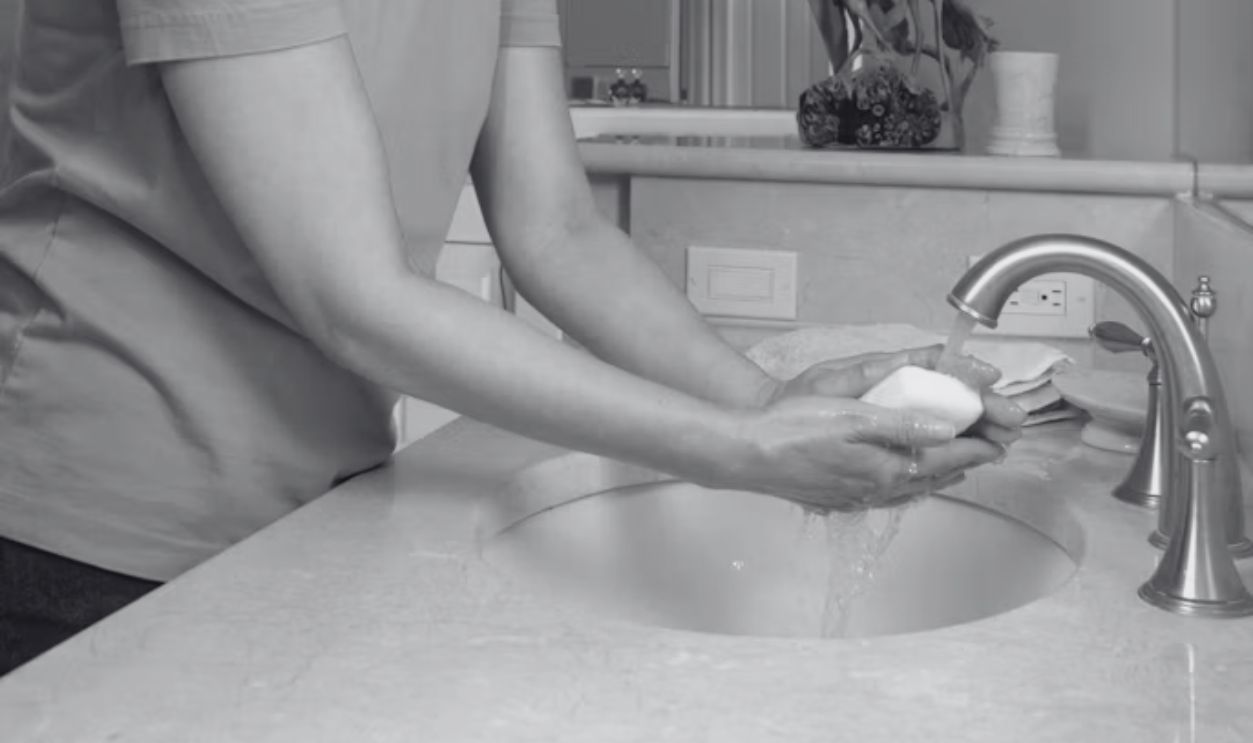
Soap existed long before industrialization, but fine perfumed toilet soaps were luxury products associated with wealthy households. Ordinary families often used more basic soaps for washing. Industrial chemical production, advances in manufacturing, and extensive advertising made commercially packaged soaps more affordable during the 19th and early 20th centuries. Eventually, beautifully wrapped bars became ordinary grocery-store purchases rather than special imports.
 National Cancer Institute, Unsplash
#11. Perfume
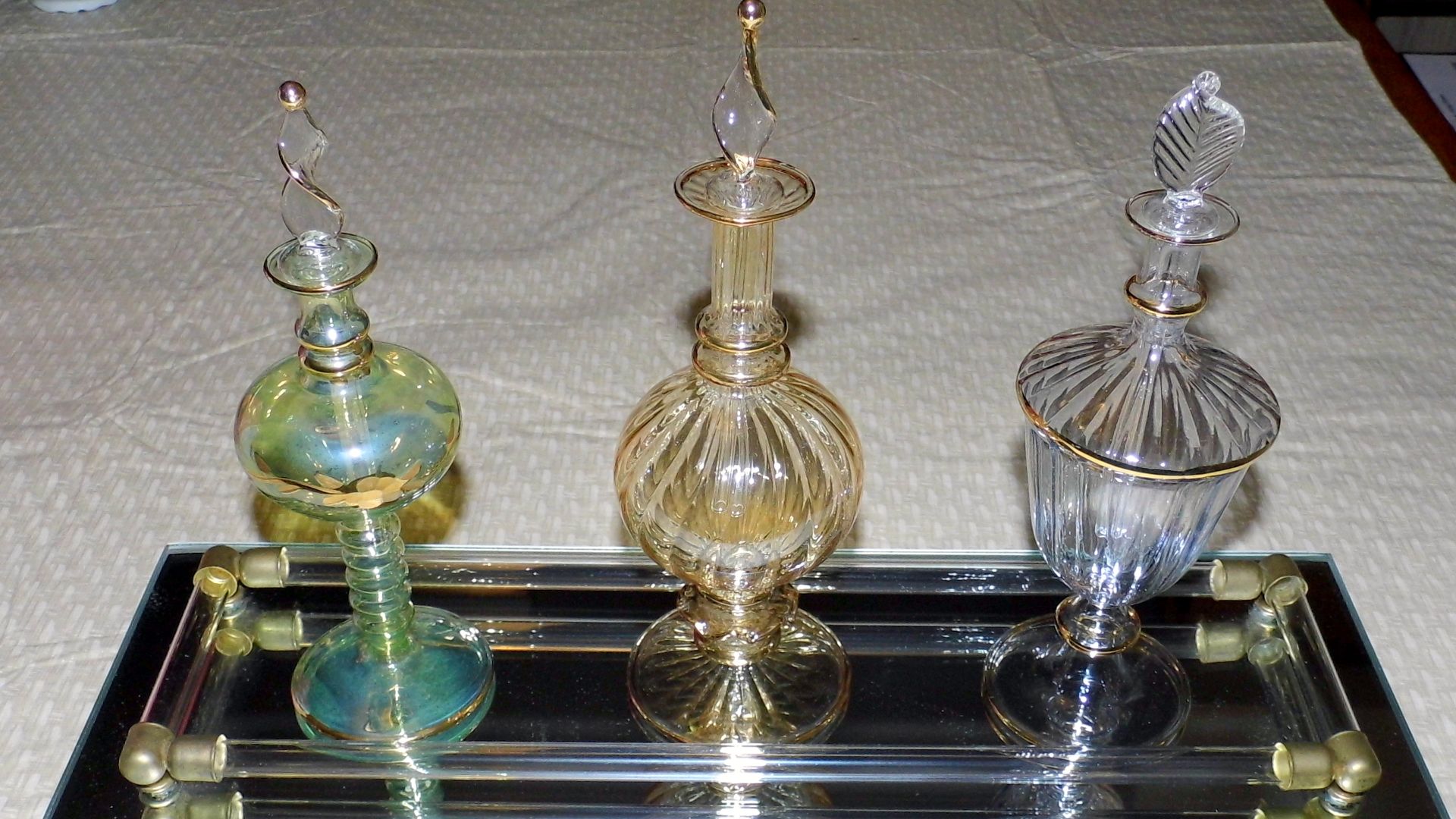
Fine perfumes once depended on costly natural ingredients, including flowers, resins, and rare aromatic substances. Elaborate fragrances were strongly associated with royalty and the wealthy. During the late 19th century, synthetic aroma chemicals expanded perfumers' options and helped support larger-scale production. Affordable fragrances eventually reached department stores everywhere. Smelling expensive no longer required actually being expensive.
 Joe Haupt from USA, Wikimedia Commons
#10. Upholstered Sofas
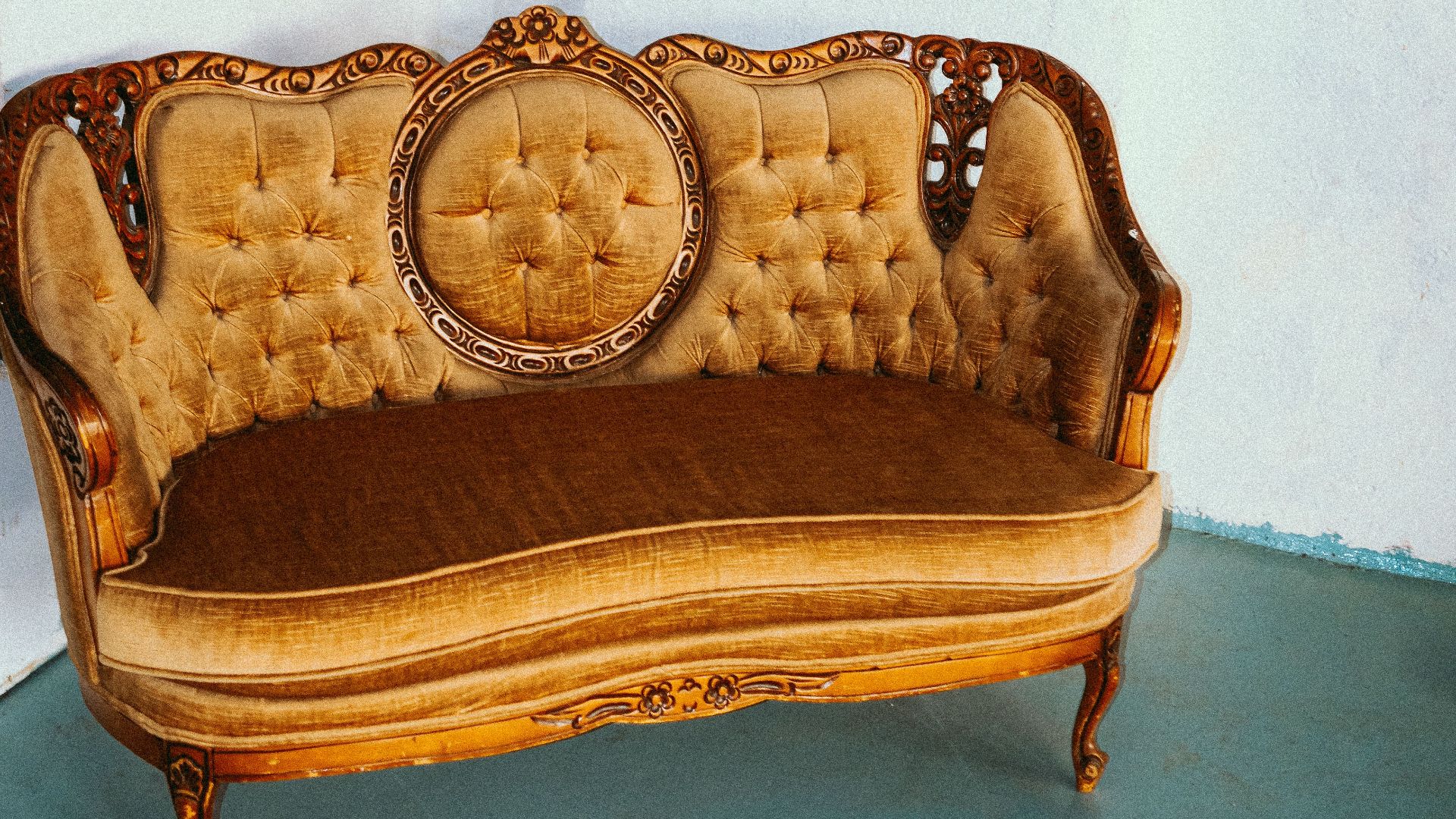
Elaborate upholstered furniture was once an expensive household investment. Frames were constructed by skilled cabinetmakers, while springs, padding, and fabric required additional labor. Mechanized woodworking, standardized components, and factory furniture production expanded during the 19th century. By the 20th century, upholstered sofas were increasingly affordable for middle-class households. Today, they mostly serve as expensive storage systems for missing remote controls.
#9. Spring Mattresses
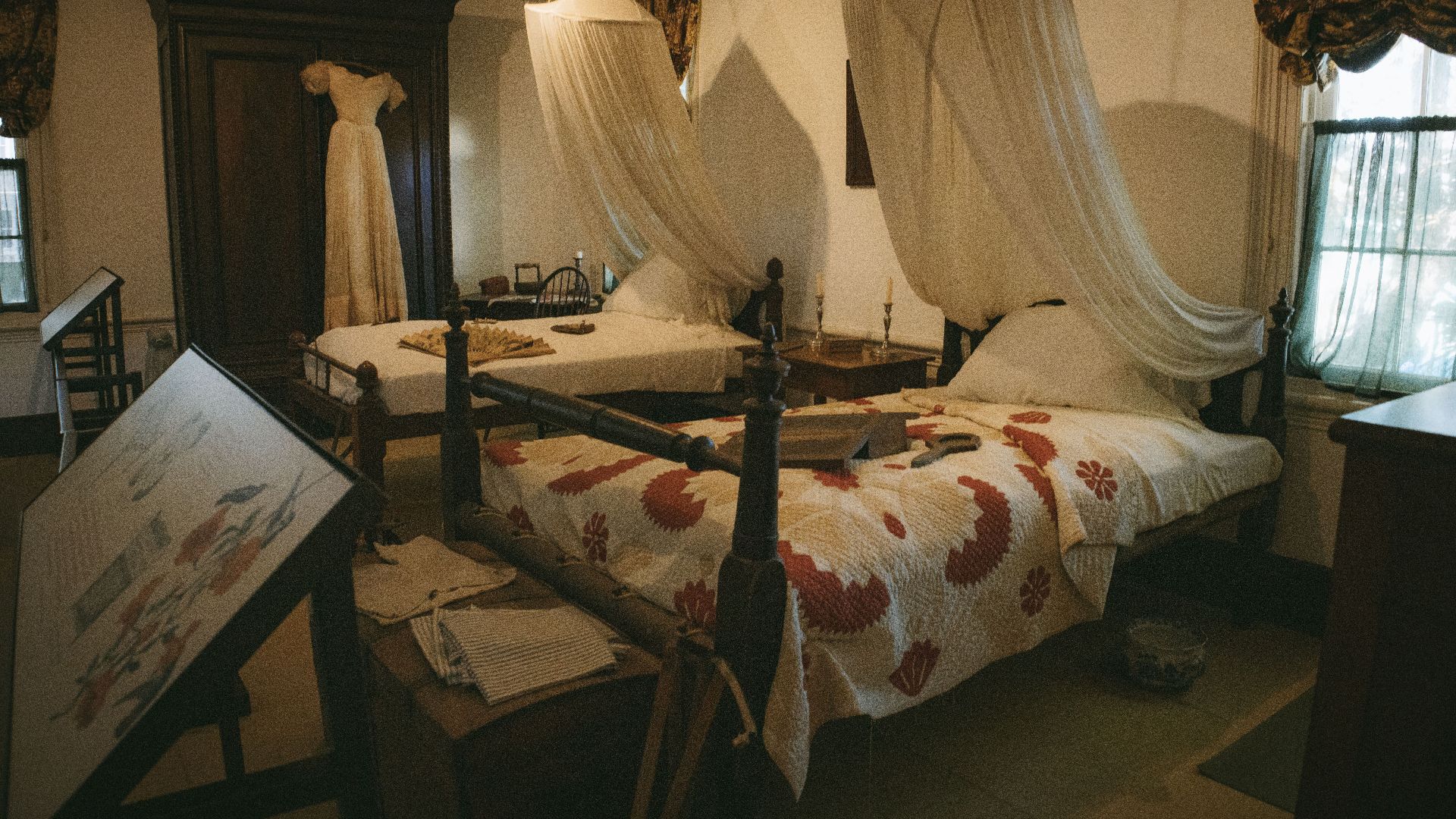
Comfortable bedding has always varied enormously by wealth. Fine featherbeds and elaborate mattresses were expensive, while poorer households often slept on straw-filled bedding or simpler surfaces. Metal spring technology developed during the 19th century, and machine-made innerspring mattresses became more widespread in the early 20th century. A supportive mattress gradually became an ordinary household purchase rather than a luxury reserved for better-off families.
#8. Children's Dolls
Beautiful dolls were once handcrafted from materials such as wood, wax, porcelain, and fabric. Finely dressed examples could be expensive gifts for wealthy children. Industrial dollmaking expanded in the 19th century, and new materials, including celluloid and later plastics, helped lower costs. By the mid-20th century, mass-produced dolls were standard toy-store merchandise. Childhood became considerably less dependent on whether your parents could afford porcelain.
 Thomas Quine, Wikimedia Commons
#7. Bicycles
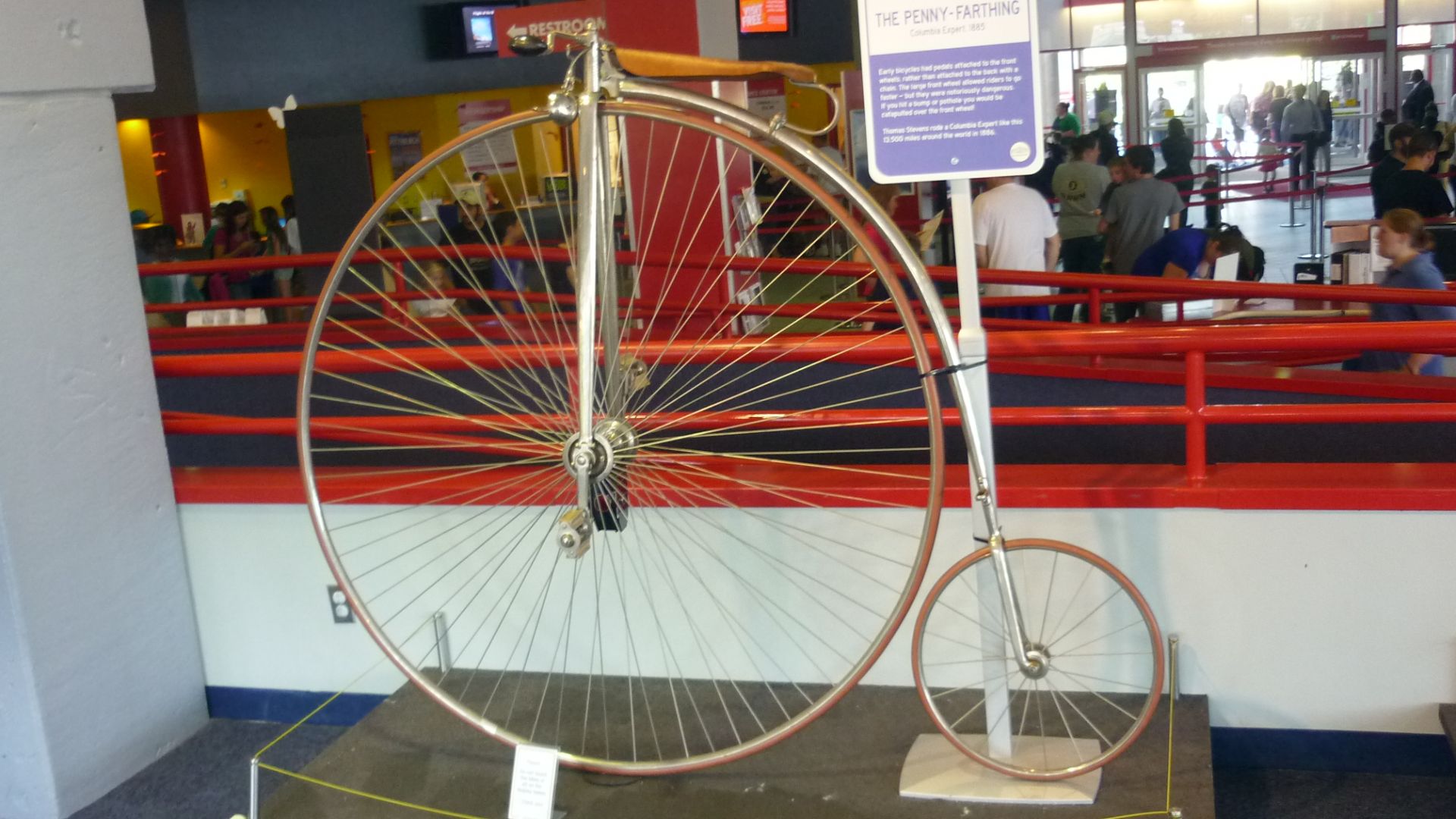
Early bicycles could be expensive novelties, particularly during the late 19th century when cycling became fashionable among affluent enthusiasts. High-wheel bicycles also demanded a certain willingness to gamble with gravity. The development of the safety bicycle in the 1880s, followed by larger-scale manufacturing, helped make cycling more practical and affordable. What began as a fashionable pastime increasingly became transportation for ordinary workers and families.
 Photojunkie, Wikimedia Commons
#6. Home Pianos
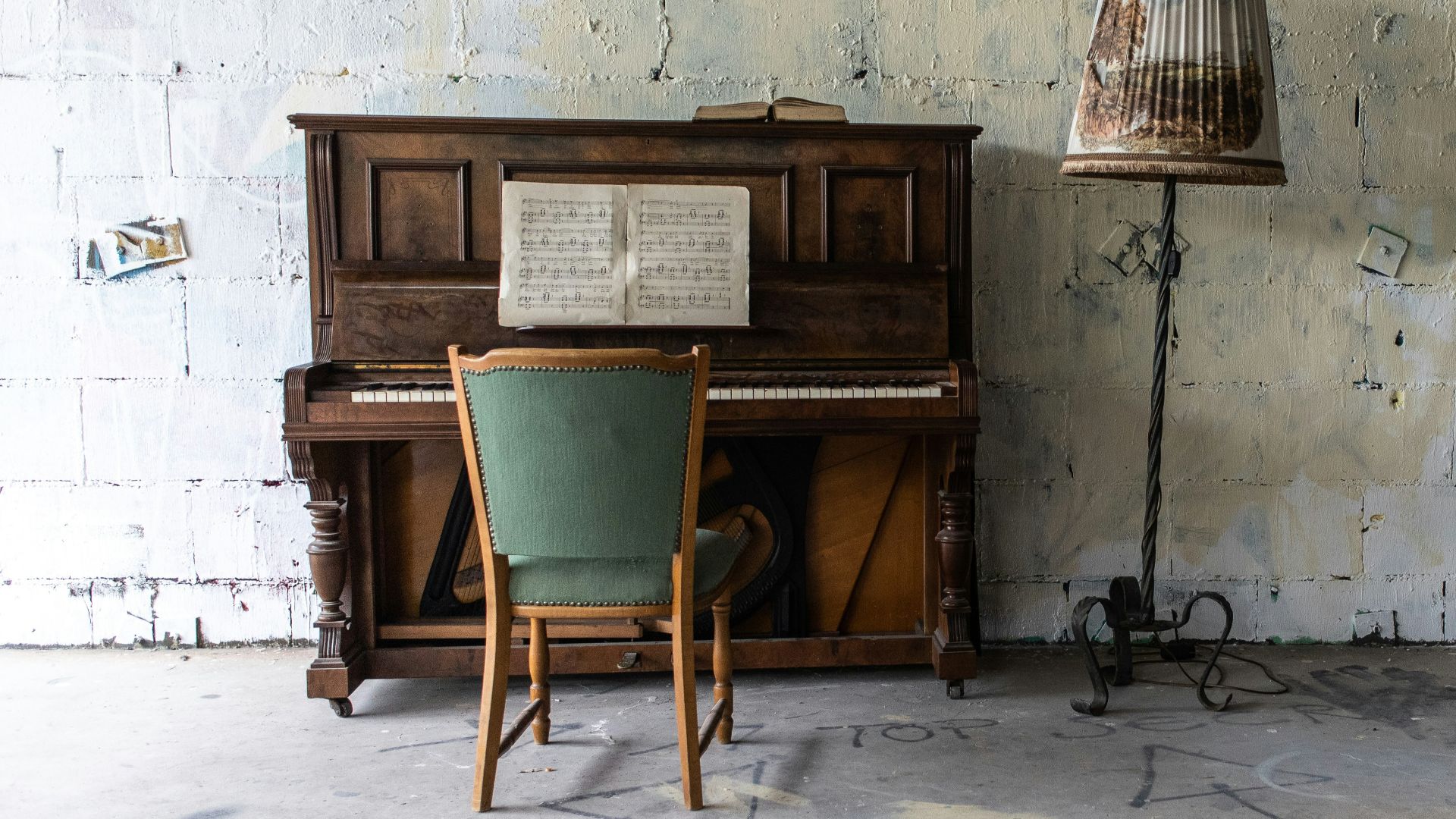
For much of their early history, pianos were costly instruments owned by wealthy households and institutions. Each required specialized materials and skilled craftsmanship. During the 19th century, piano factories expanded production, while upright designs offered a smaller, generally more affordable alternative to grand pianos. By the early 20th century, many middle-class homes had one. Musical talent was optional, but practicing scales apparently was not.
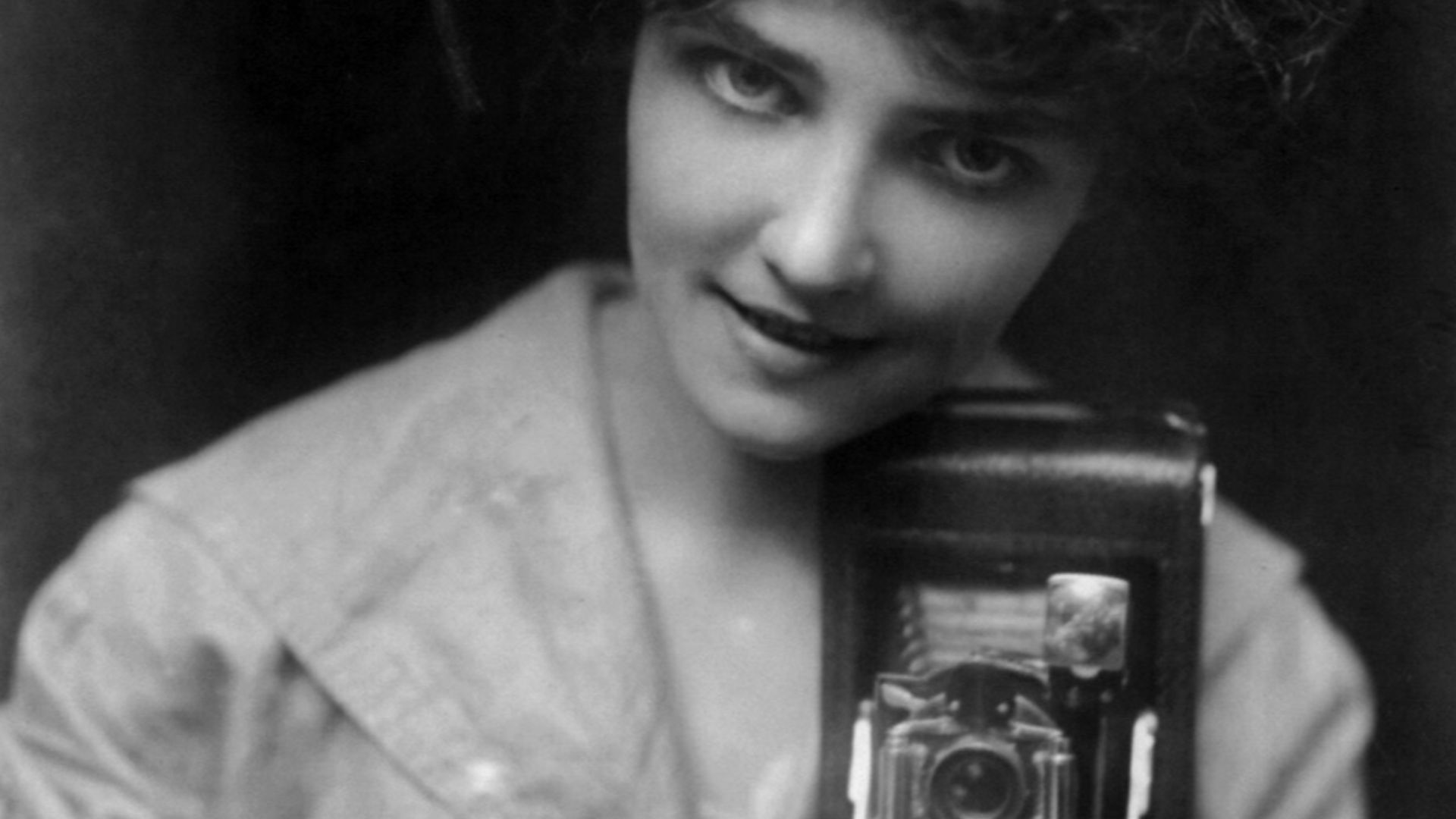
#5. Personal Cameras
Photography was once an expensive business involving elaborate equipment, complicated chemistry, and professional operators. Ordinary families usually visited photographers for formal portraits. George Eastman's Kodak cameras helped change that in the late 1800s, but the real revolution came with the Brownie camera in 1900. It sold for just $1. By the end of 1905, Kodak had sold more than 1.2 million Brownies, making family snapshots dramatically more accessible.
 Unknown authorUnknown author, Wikimedia Commons
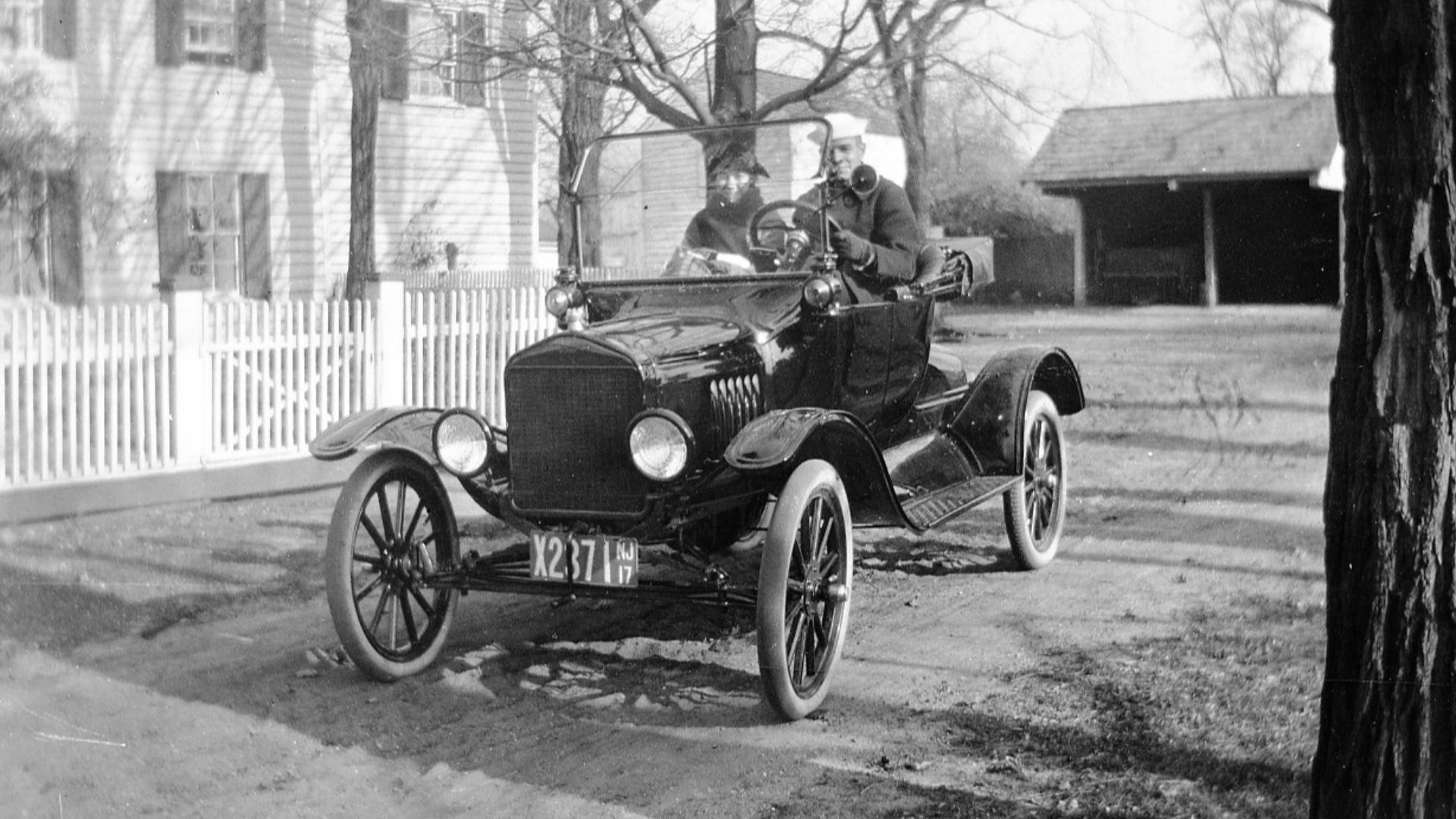
#4. Automobiles
In the automobile's earliest decades, car ownership was largely reserved for wealthy buyers and enthusiasts. Vehicles were expensive to build, maintain, and operate. Henry Ford's Model T arrived in 1908, and Ford introduced the moving assembly line for automobile production in 1913. Manufacturing efficiency helped drive prices down. By the 1920s, cars were increasingly within reach of ordinary American families, permanently changing how people worked, traveled, and lived.
 Richard from USA, Wikimedia Commons
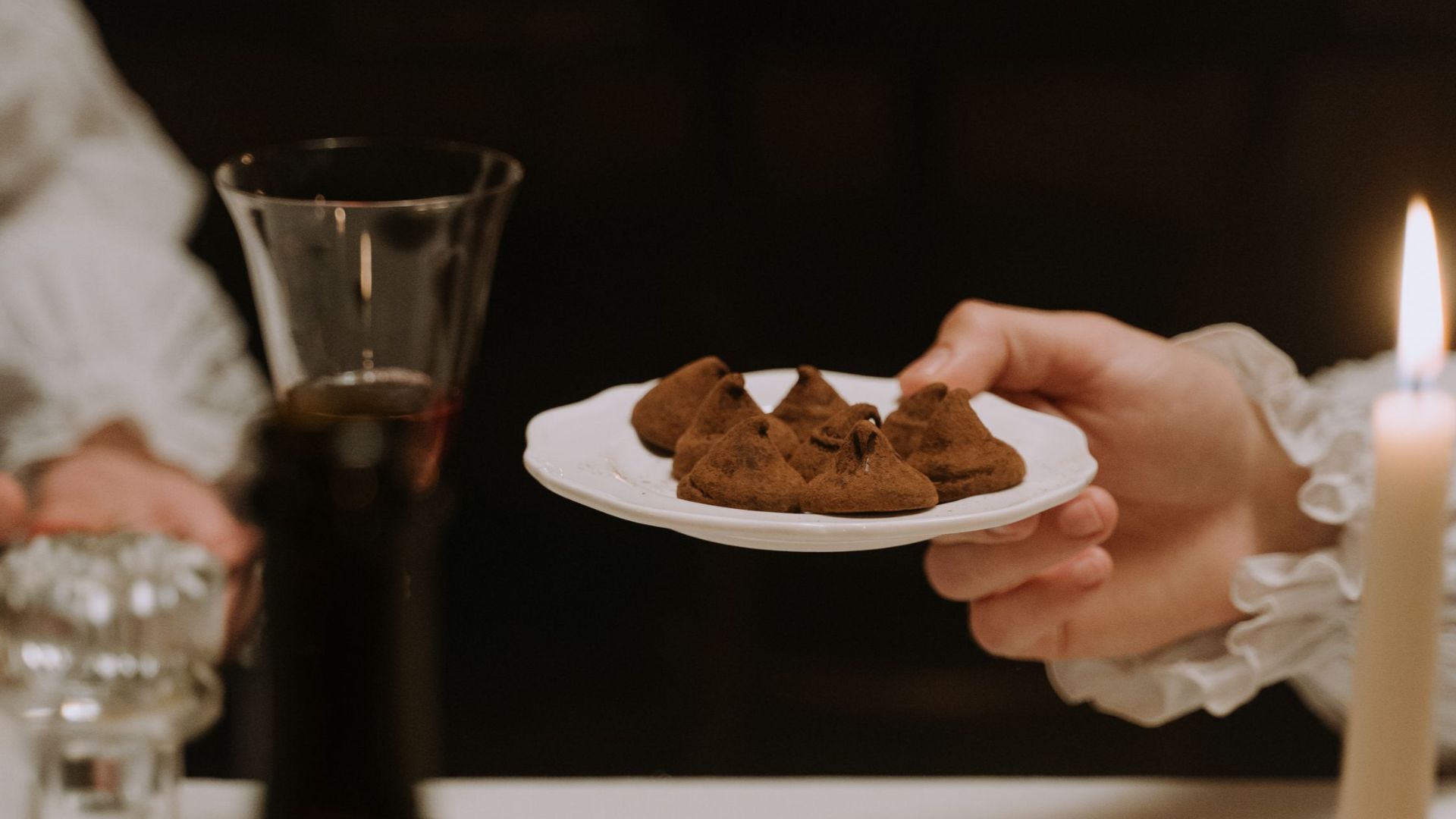
#3. Chocolate
Chocolate was once a luxury in Europe, enjoyed in expensive drinking houses and wealthy homes after cacao arrived from the Americas. Processing cacao and importing ingredients kept prices relatively high. During the 19th century, industrial innovations transformed production. Coenraad van Houten's cocoa press of 1828 and later manufacturing developments helped expand chocolate's availability. Eventually, chocolate bars became an affordable treat rather than something reserved for society's privileged sweet tooth.
#2. Refined Sugar
Refined sugar was an expensive luxury in much of medieval and early modern Europe. Wealthy households used it in elaborate desserts, while ordinary people often relied on other sweeteners or consumed far less sweetness overall. Expanding colonial plantations, much of whose production depended on enslaved labor, greatly increased supply. Later, beet-sugar factories and industrial refining further reduced costs during the 1800s. What once signaled wealth eventually became a standard kitchen staple.

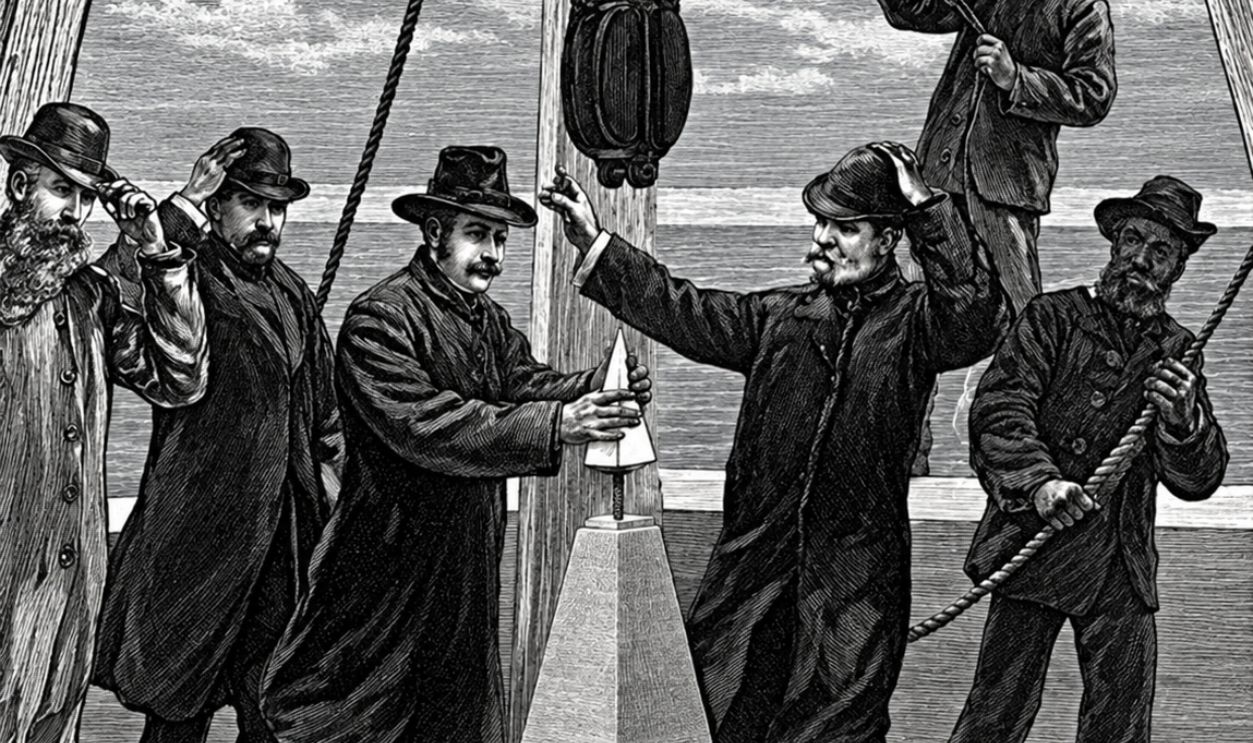
#1. Aluminum Goods
Here's perhaps the strangest luxury of all. In the mid-1800s, aluminum was so difficult to extract that the metal was exceptionally expensive. It appeared in jewelry and prestigious objects, and an aluminum cap was placed atop the Washington Monument in 1884.
Everything changed in 1886 when Charles Martin Hall and Paul Héroult independently developed an economical extraction process. Industrial production sent prices tumbling. According to the Science History Institute, aluminum eventually fell to around 30 cents per pound as production expanded. The once-precious metal became ordinary enough for kitchen foil, soda cans, cookware, and countless disposable products. Imagine telling a 19th-century aristocrat that future generations would use their luxury metal to wrap leftover pizza.
 S.H. Nealy, Wikimedia Commons, Modified
You May Also Like:
Ordinary Household Objects You Would Never Expect To Find In A Museum—Until You Hear Their Stories
Medical Treatments Praised As Major Breakthroughs—Until The Long-Term Effects Became Known
These Familiar Inventions Once Looked Like Science Experiments Gone Wrong