A Theft That Shocked An Empire
Some unsolved crimes fade into history, but others only become more intriguing with time. The disappearance of the Irish Crown Jewels in 1907 belongs firmly in the second category. More than a century later, the priceless ceremonial insignia have never been recovered, and no one has ever been convicted.
These Were Not The British Crown Jewels
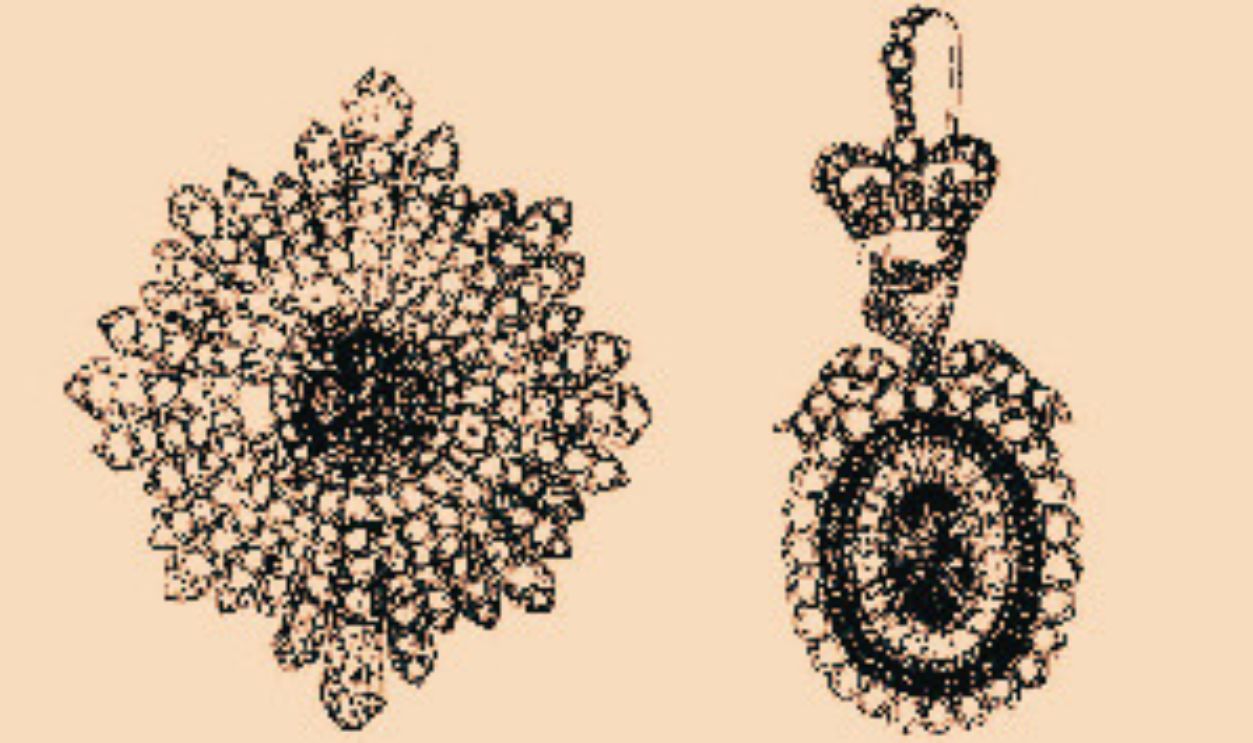
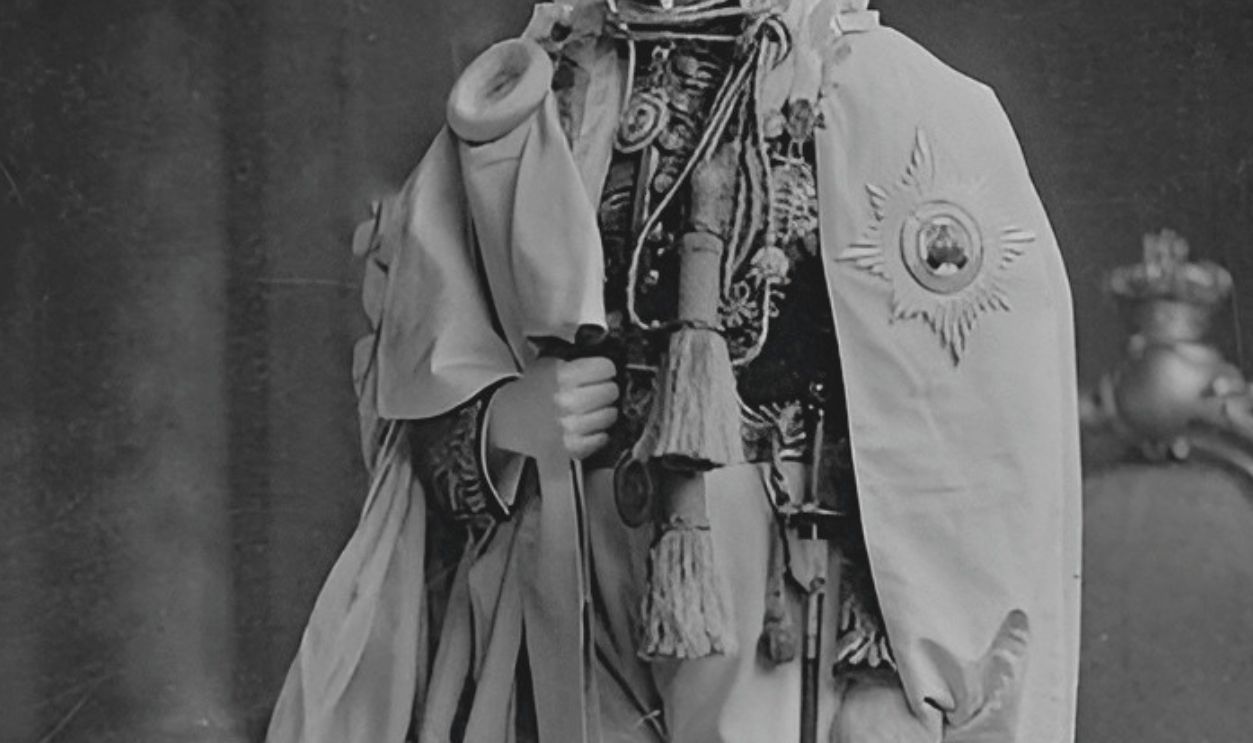
Despite their name, the Irish Crown Jewels were not the coronation jewels of the British monarchy. They were the ceremonial insignia of the Most Illustrious Order of St Patrick, an elite order of chivalry founded in 1783. The collection included a jeweled star, a diamond badge, and five elaborate gold collars worn during official ceremonies.
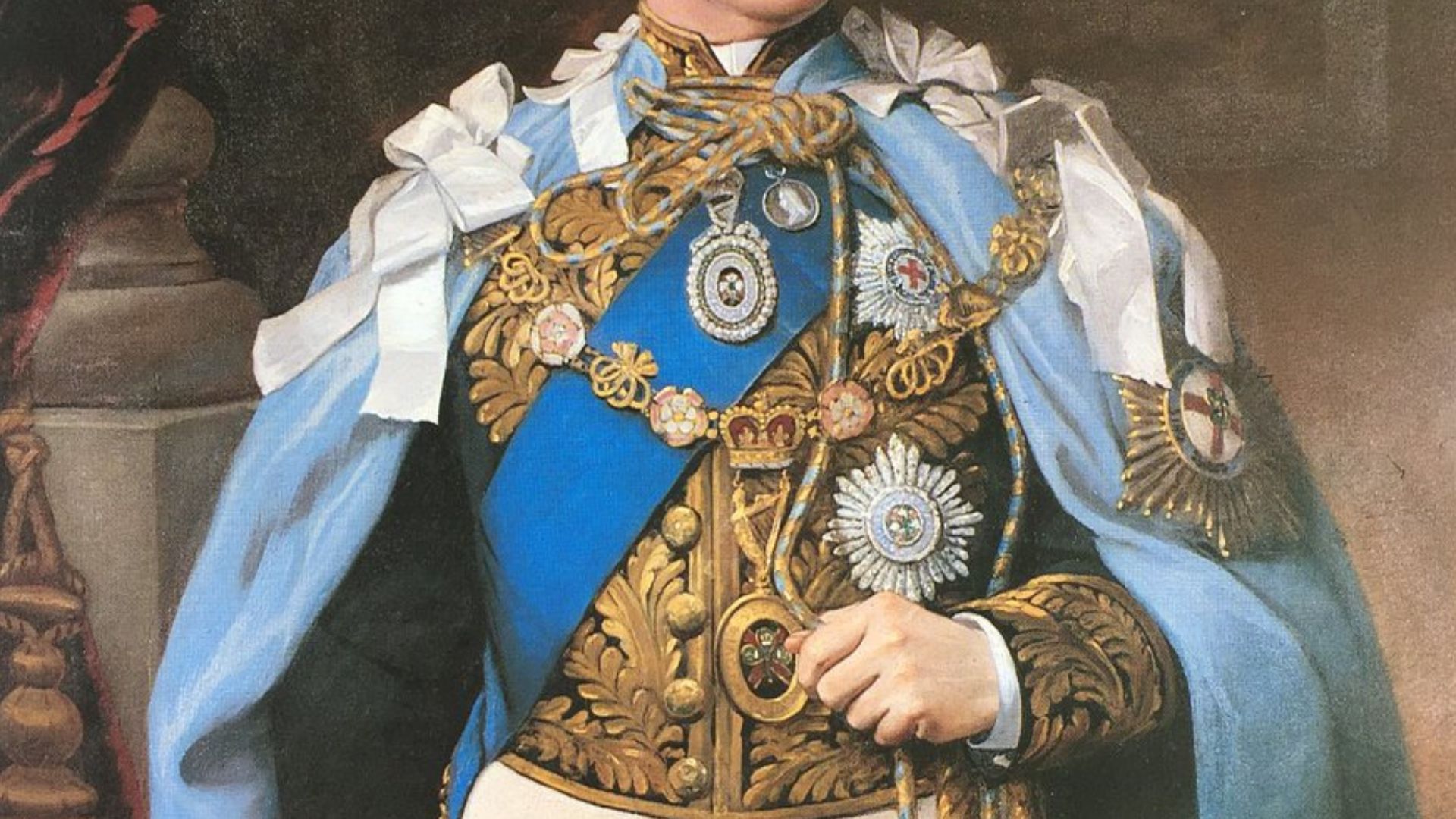 Thomas Alfred Jones, Wikimedia Commons
Hundreds Of Precious Gems Were Involved
The insignia were extraordinary works of craftsmanship. Together they contained 394 gemstones, including Brazilian diamonds, emeralds, and rubies, with many stones originally coming from Queen Charlotte's jewelry collection. Today, experts estimate the collection would be worth several million euros.
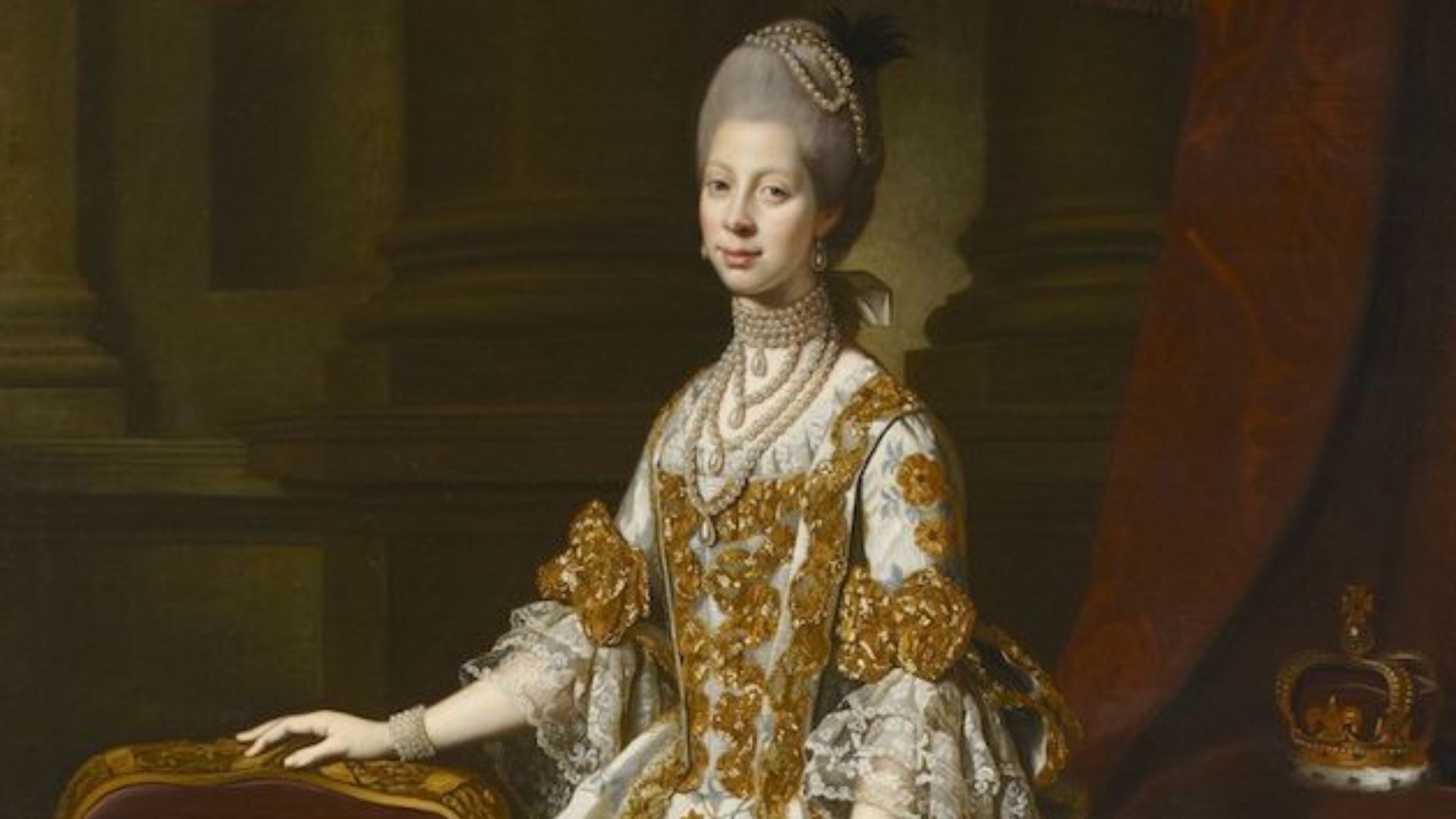 Nathaniel Dance-Holland, Wikimedia Commons
Dublin Castle Was Supposed To Be Secure
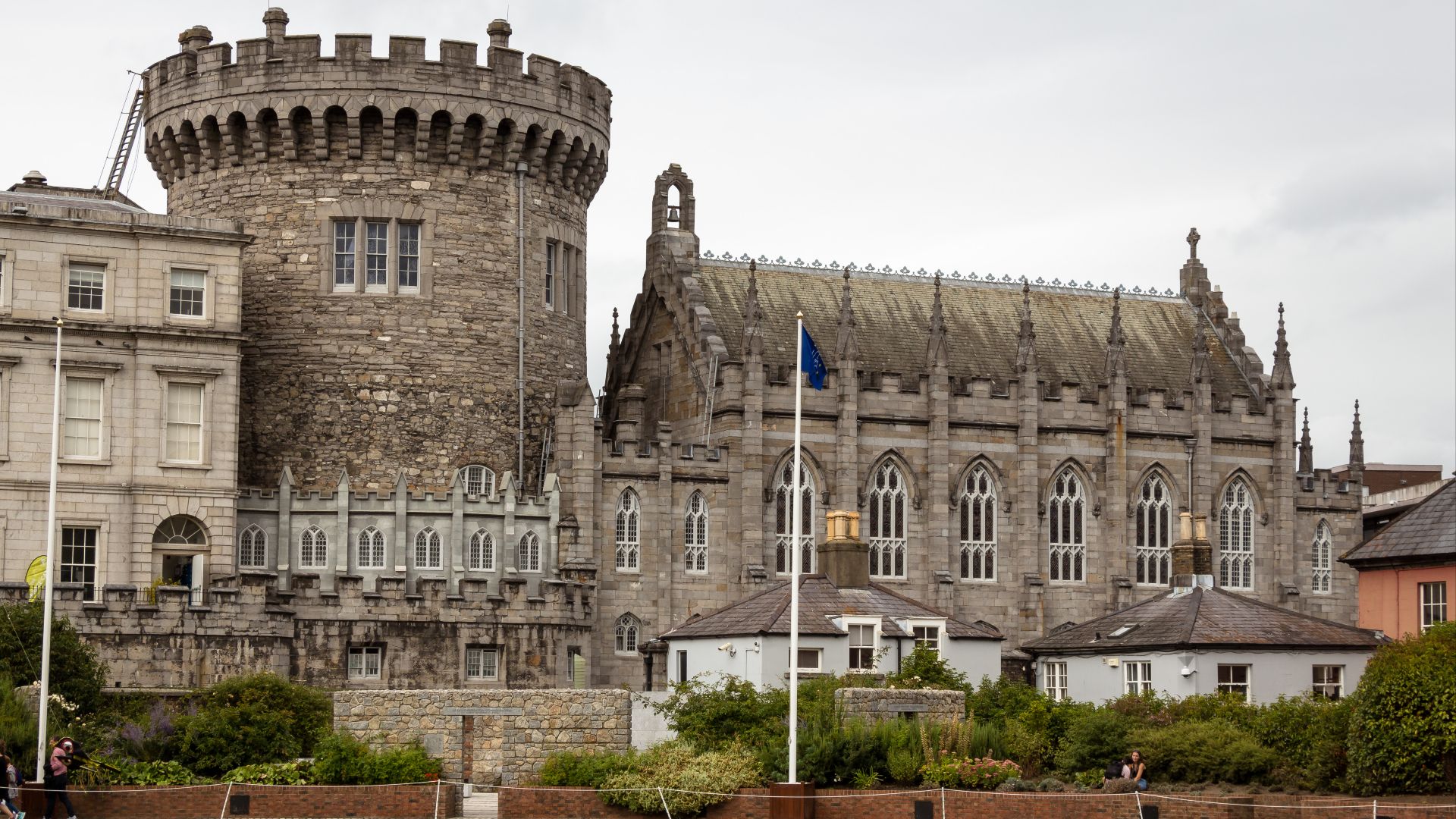
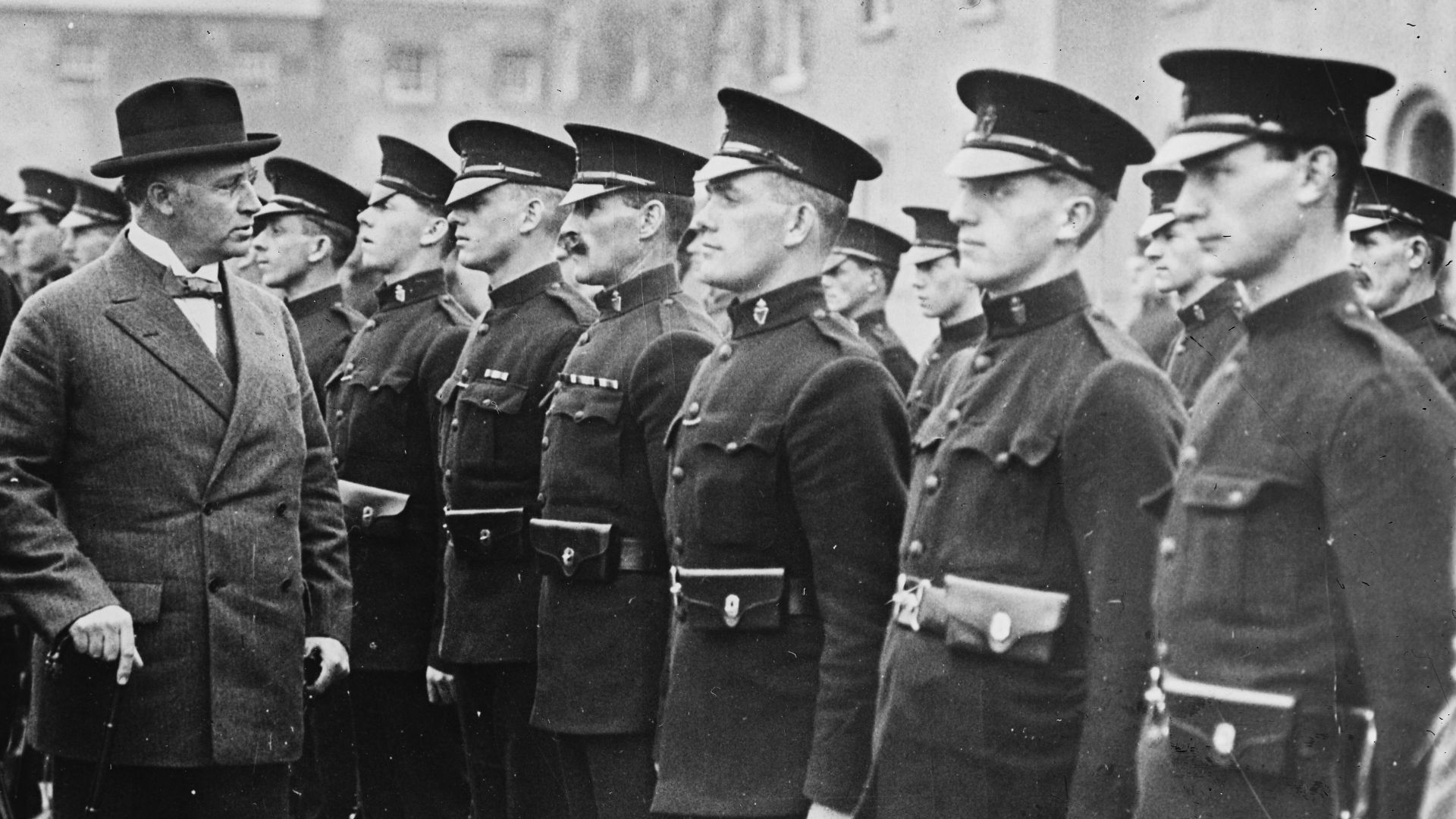
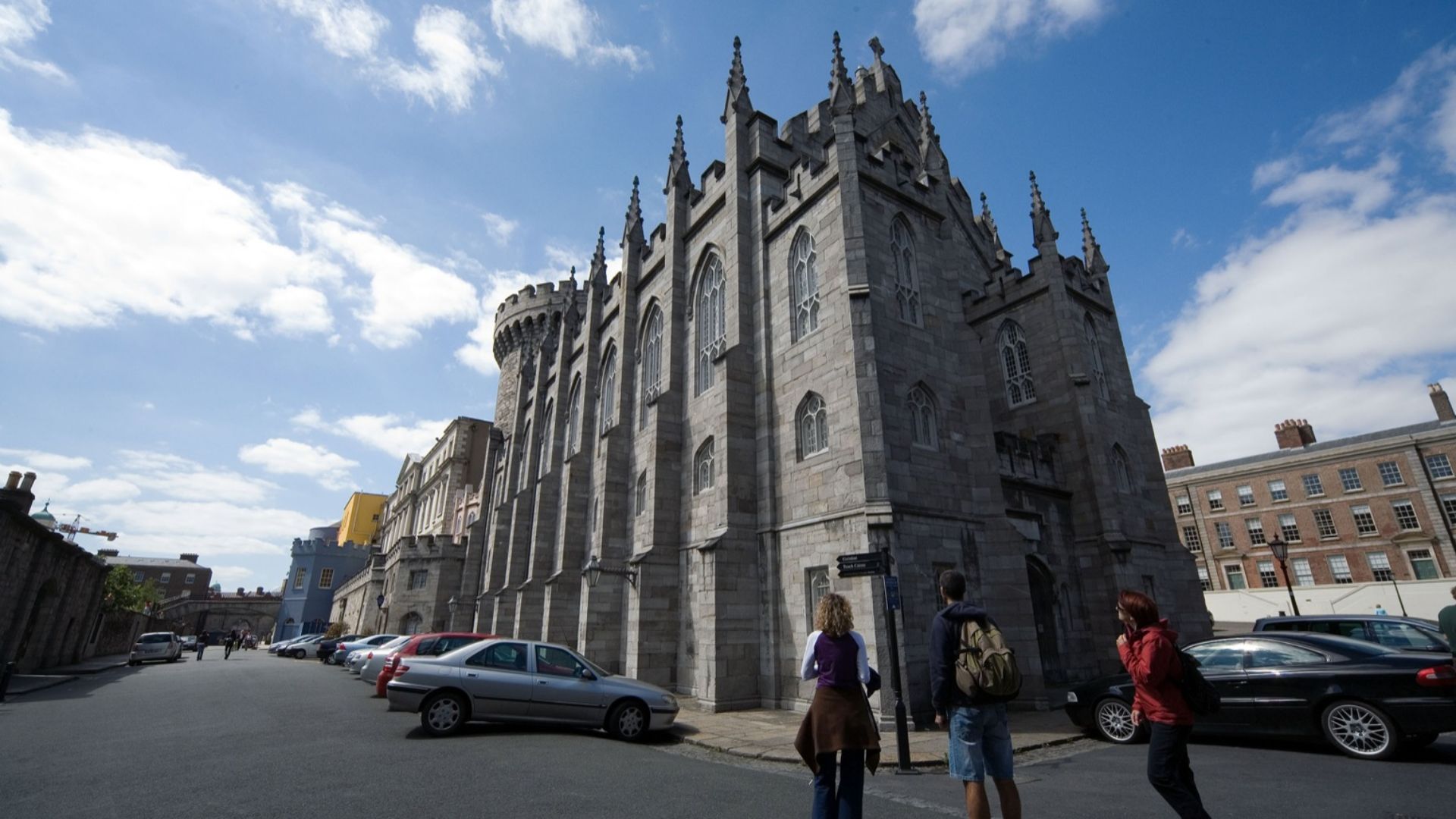
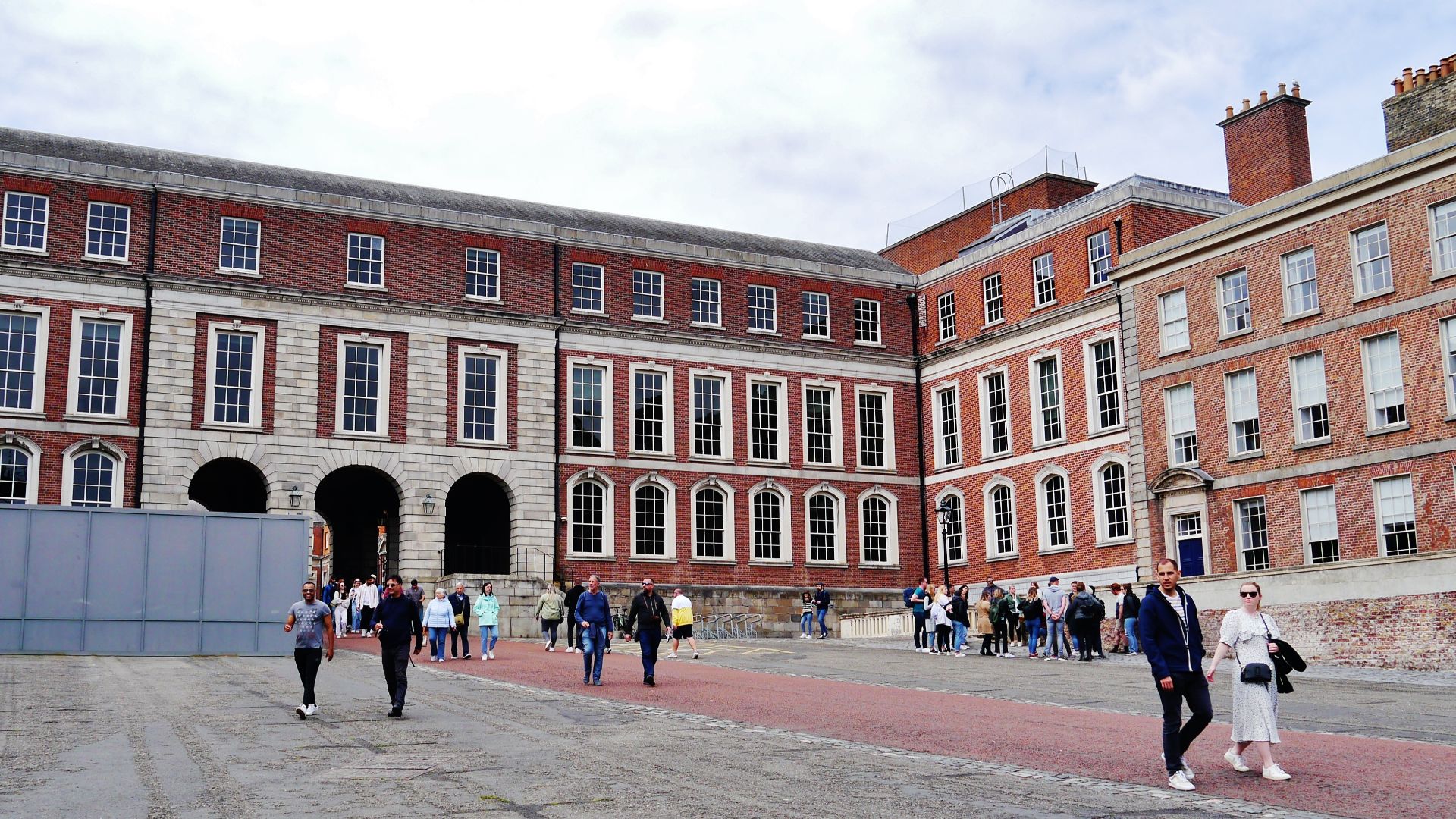
The jewels were stored inside Dublin Castle, which served as the center of British administration in Ireland. Soldiers, police officers, and officials constantly occupied the complex. Many people believed it was one of the safest places in the country to protect valuable state property.
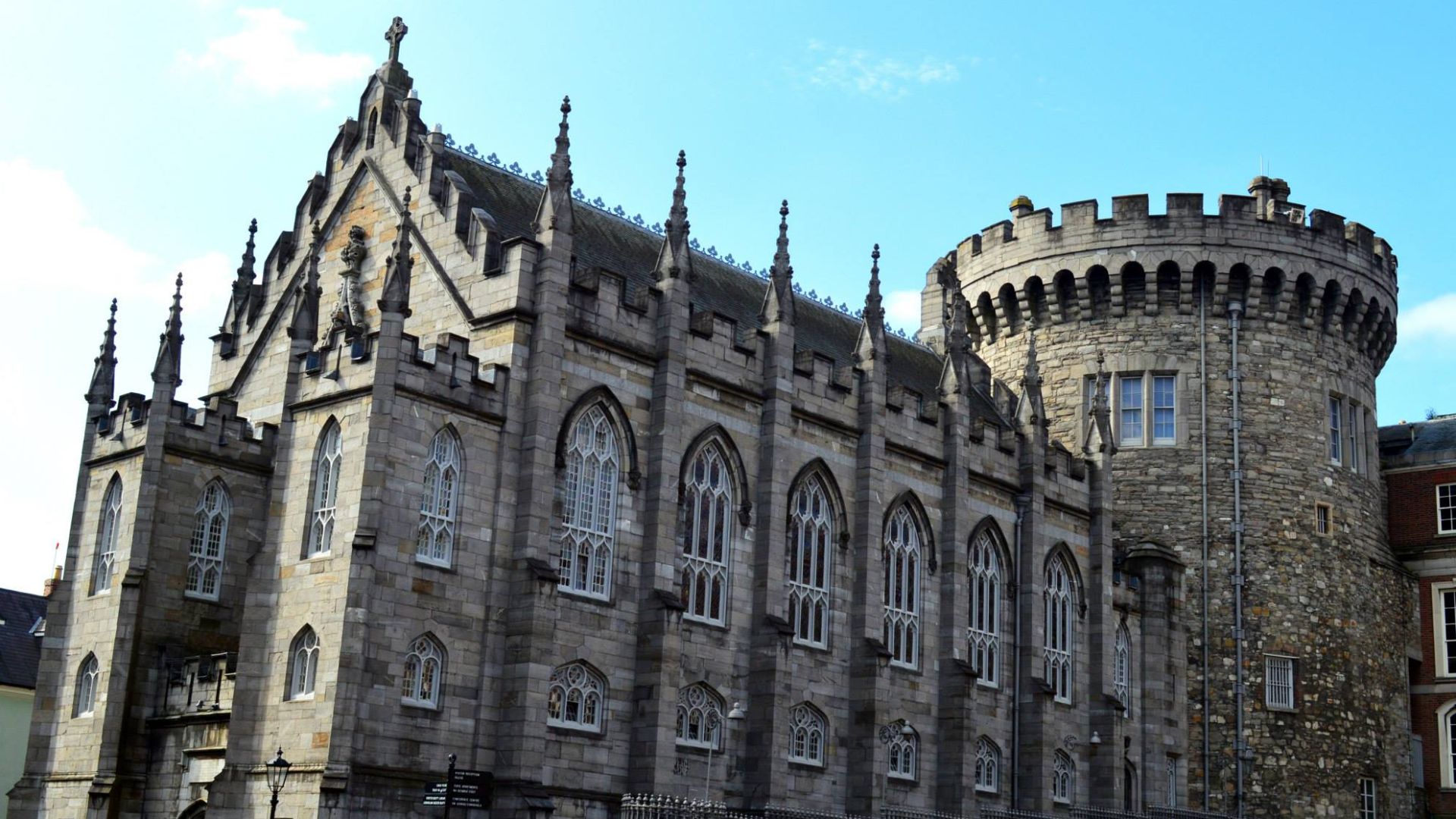
A Safe That Created New Problems
Security was not as strong as it appeared. Officials had intended to place the jewel safe inside a specially built strong room. Unfortunately, the safe turned out to be too large to fit through the doorway, so it remained elsewhere inside the Office of Arms, creating an unexpected weakness.
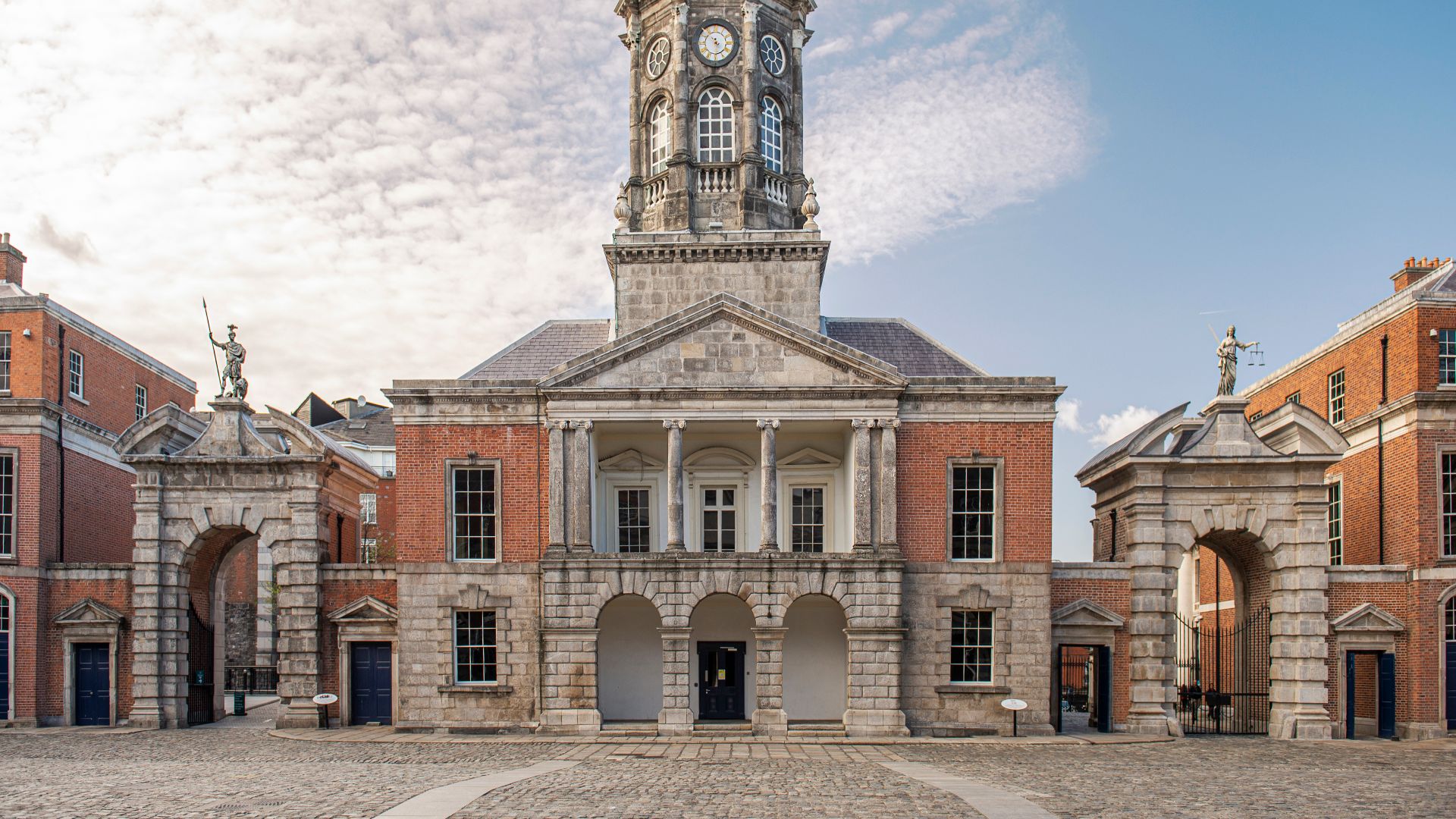 Marek Śliwecki, Wikimedia Commons
Sir Arthur Vicars Held The Responsibility
The jewels were entrusted to Sir Arthur Vicars, the Ulster King of Arms. His office handled heraldry and ceremonial duties throughout Ireland. Because he controlled access to the jewels, his decisions later came under intense public scrutiny.
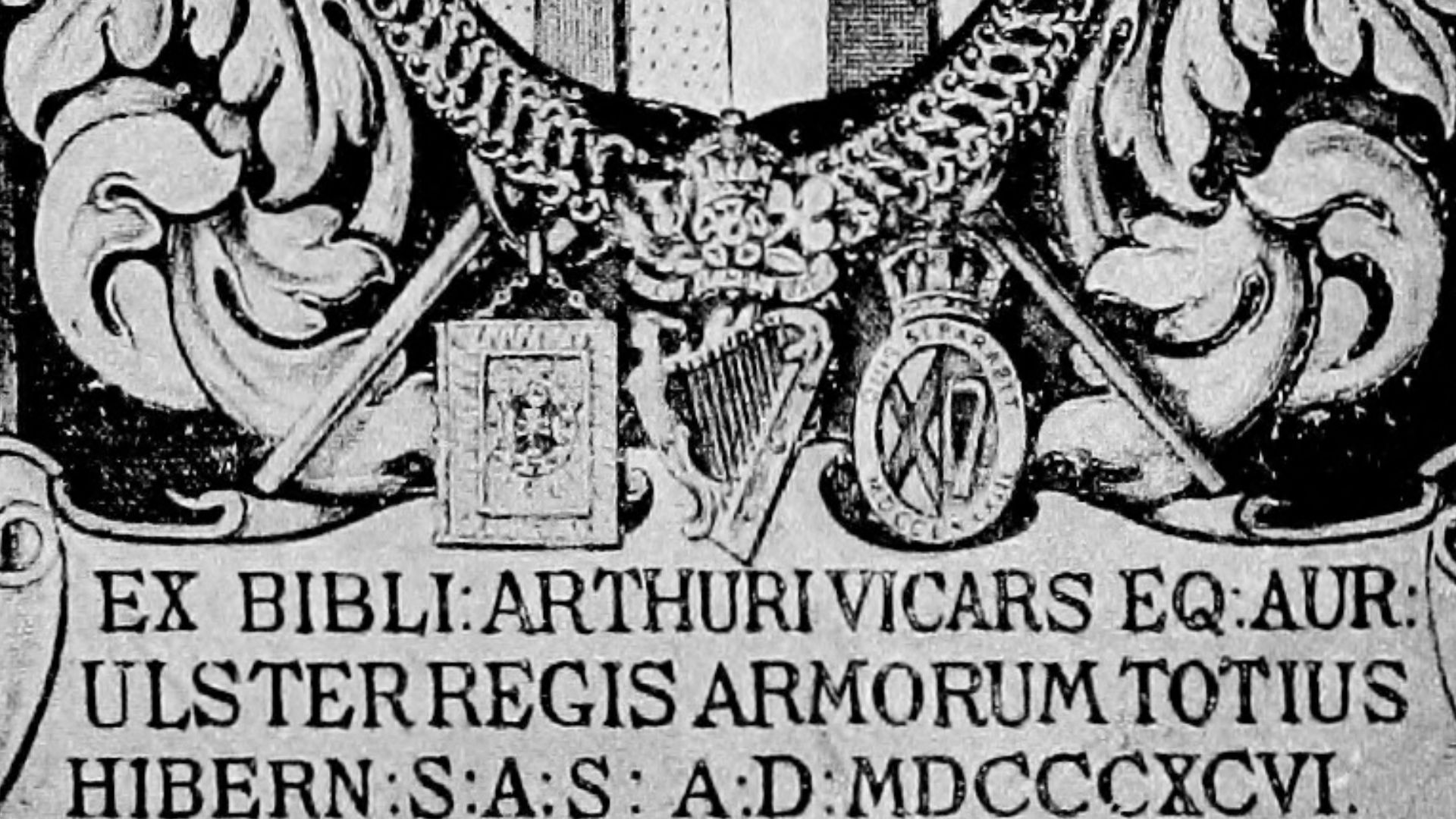 Internet Archive Book Images, Wikimedia Commons
The Last Confirmed Viewing
The final confirmed sighting of the jewels occurred on June 11, 1907. After that date, no one verified that they remained inside the safe. That gap became one of the biggest obstacles investigators faced after the theft was discovered.
An Important Royal Visit Was Approaching
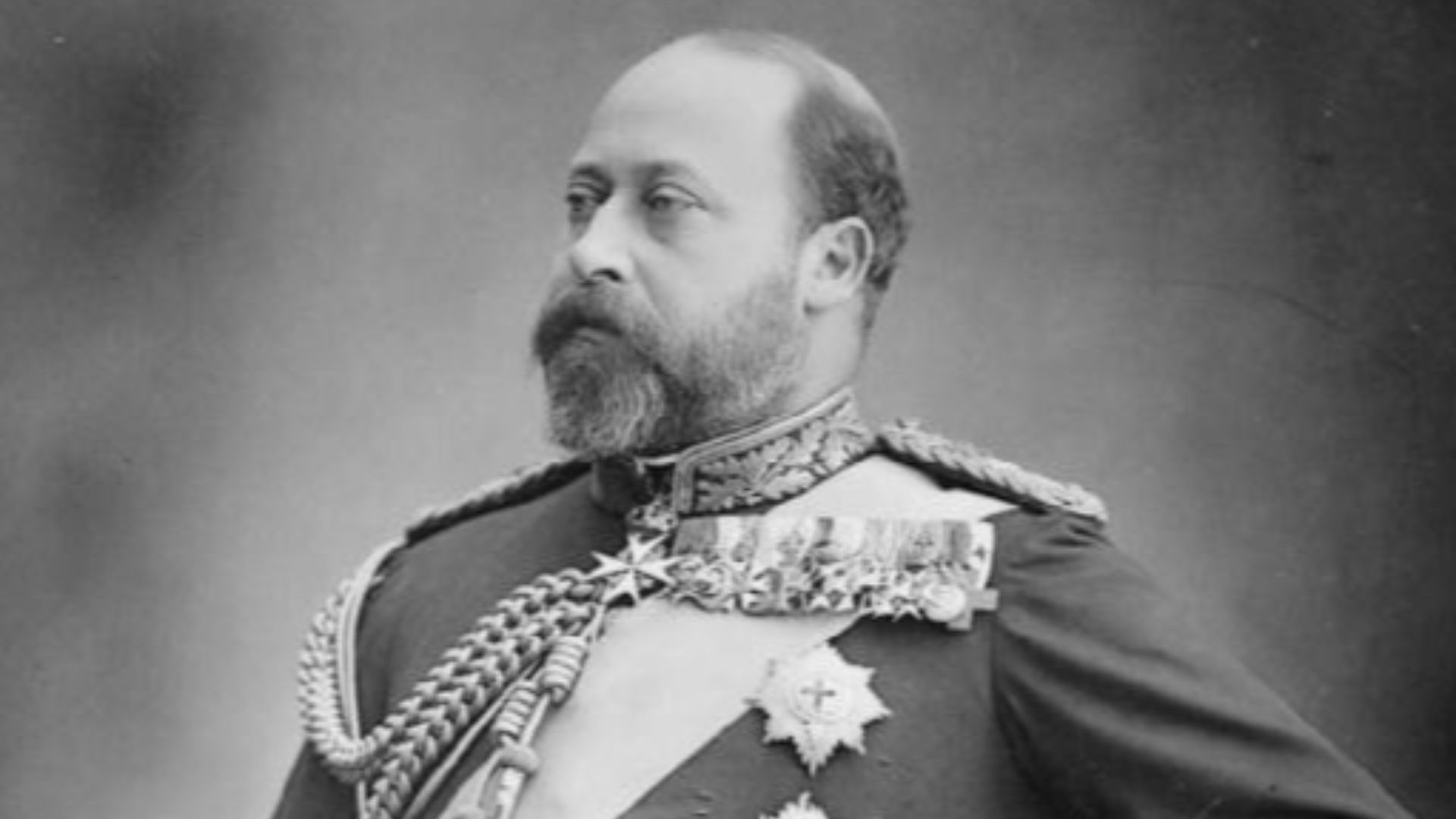
The timing could hardly have been worse. King Edward VII was scheduled to visit Dublin only days later. The jewels were expected to be used during a ceremony involving the Order of St Patrick, making their disappearance especially embarrassing for the British administration.
 Unknown authorUnknown author, Wikimedia Commons
The Empty Safe Changed Everything
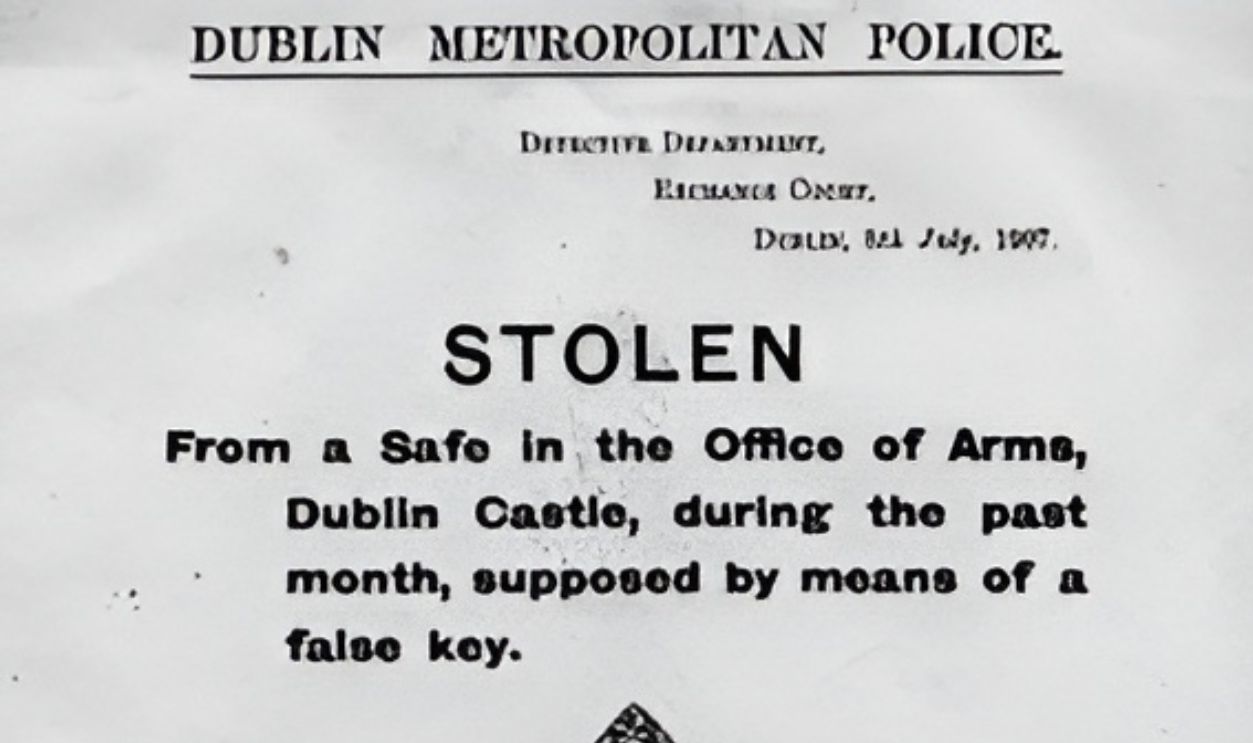
On July 6, 1907, the safe was opened and the jewels were gone. The theft immediately became an international news story. Officials quickly realized they did not even know exactly when the crime had occurred.
 Dublin Police(Life time: 1907), Wikimedia Commons, Modified

History's most fascinating stories and darkest secrets, delivered to your inbox daily.
Suspicious Security Breaches Had Already Happened
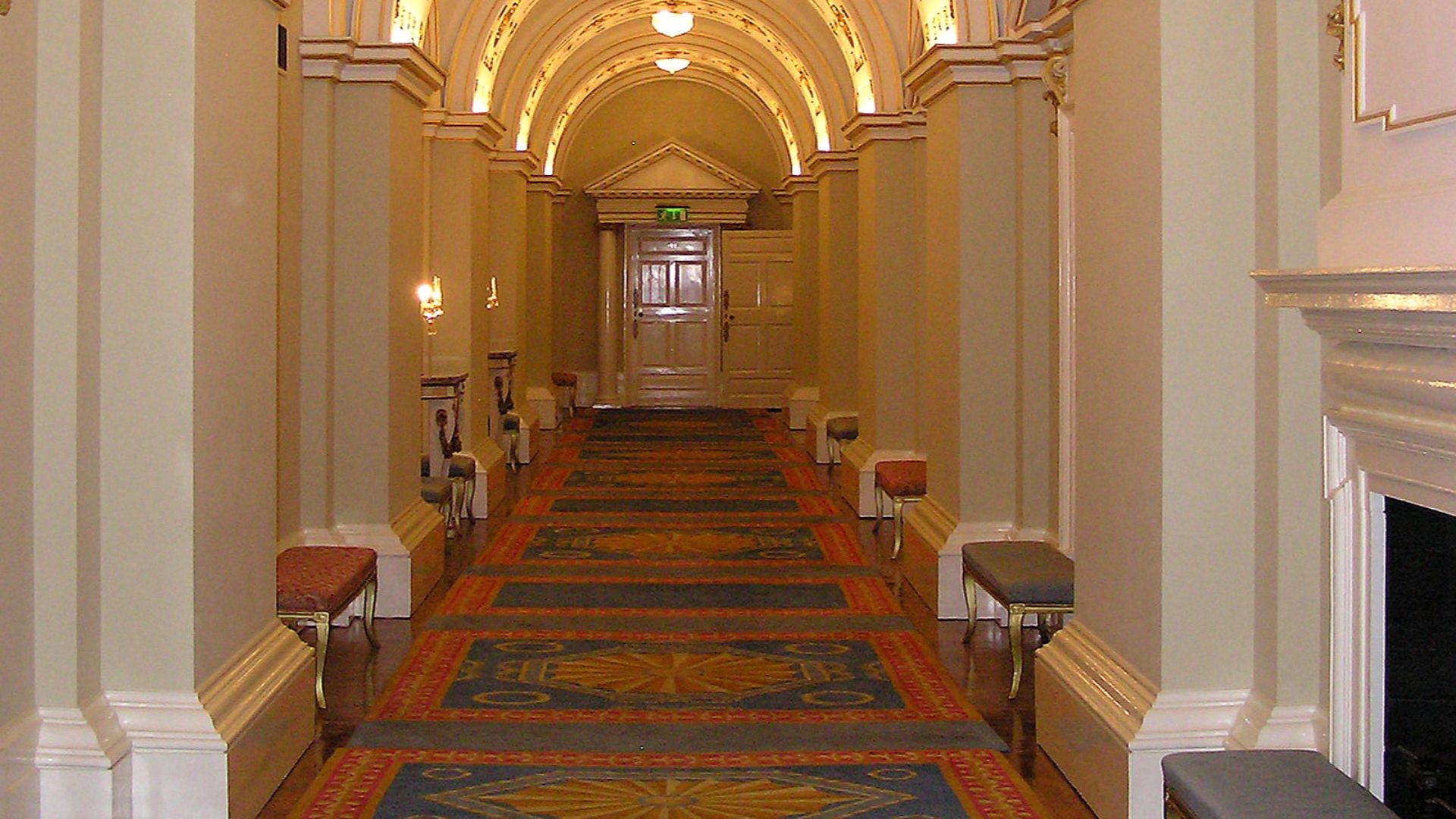
Investigators uncovered several troubling incidents before the discovery. Doors to the Office of Arms and the strong room had reportedly been found unlocked on separate occasions. Those warning signs had not been treated as urgent security failures at the time.
 Donaldytong, Wikimedia Commons
The Cleaner Reported Something Strange
One of the most unusual details involved a cleaner named Mrs. Farrell. She discovered an unauthorized person inside the strong room during the weeks before the theft was uncovered. Her observations later became an important part of the investigation.
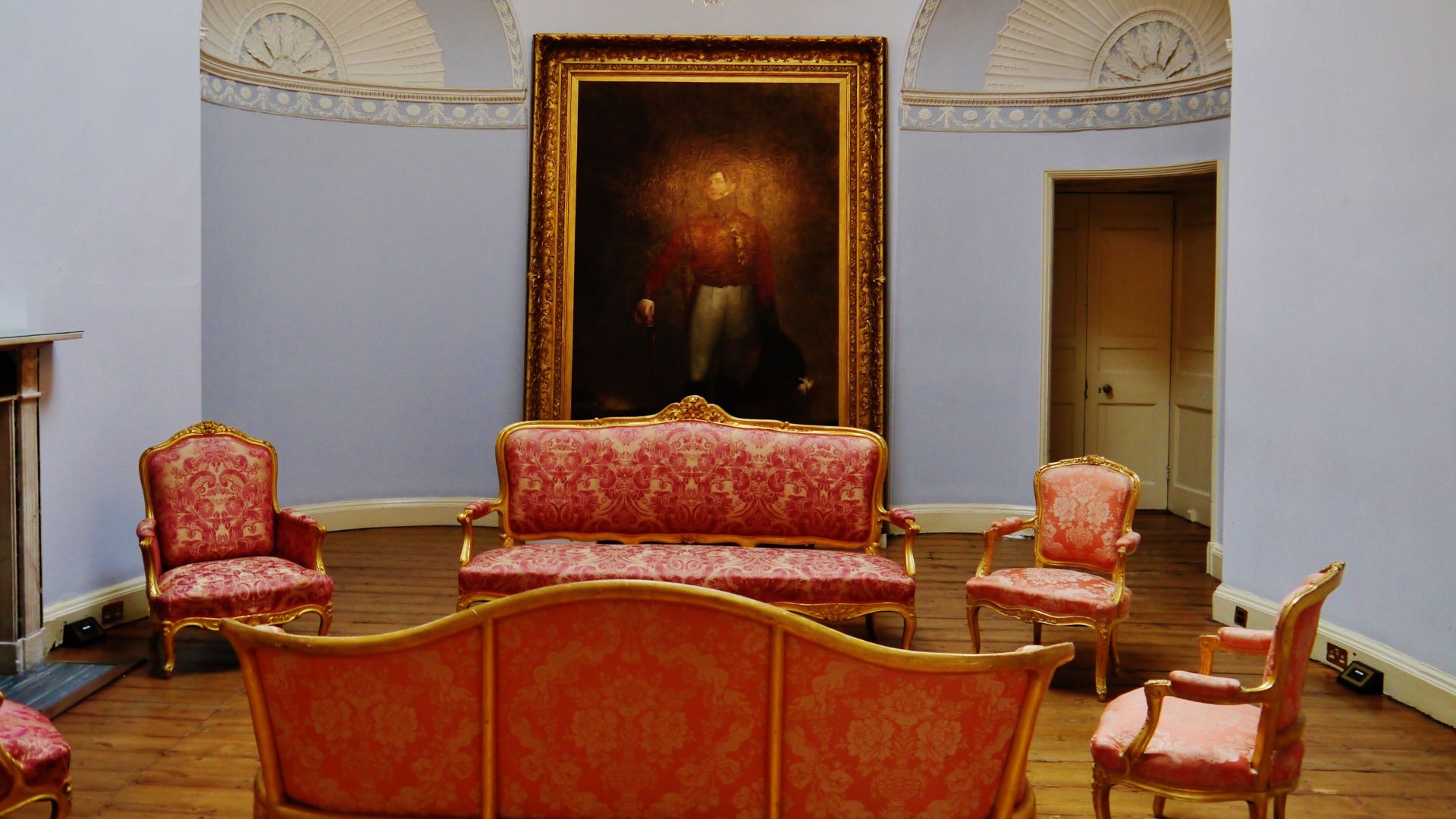
No Forced Entry Was Found
Perhaps the most puzzling fact was the absence of obvious forced entry. The safe itself had not been smashed open. That immediately raised questions about whether someone with legitimate access or copied keys had been involved.
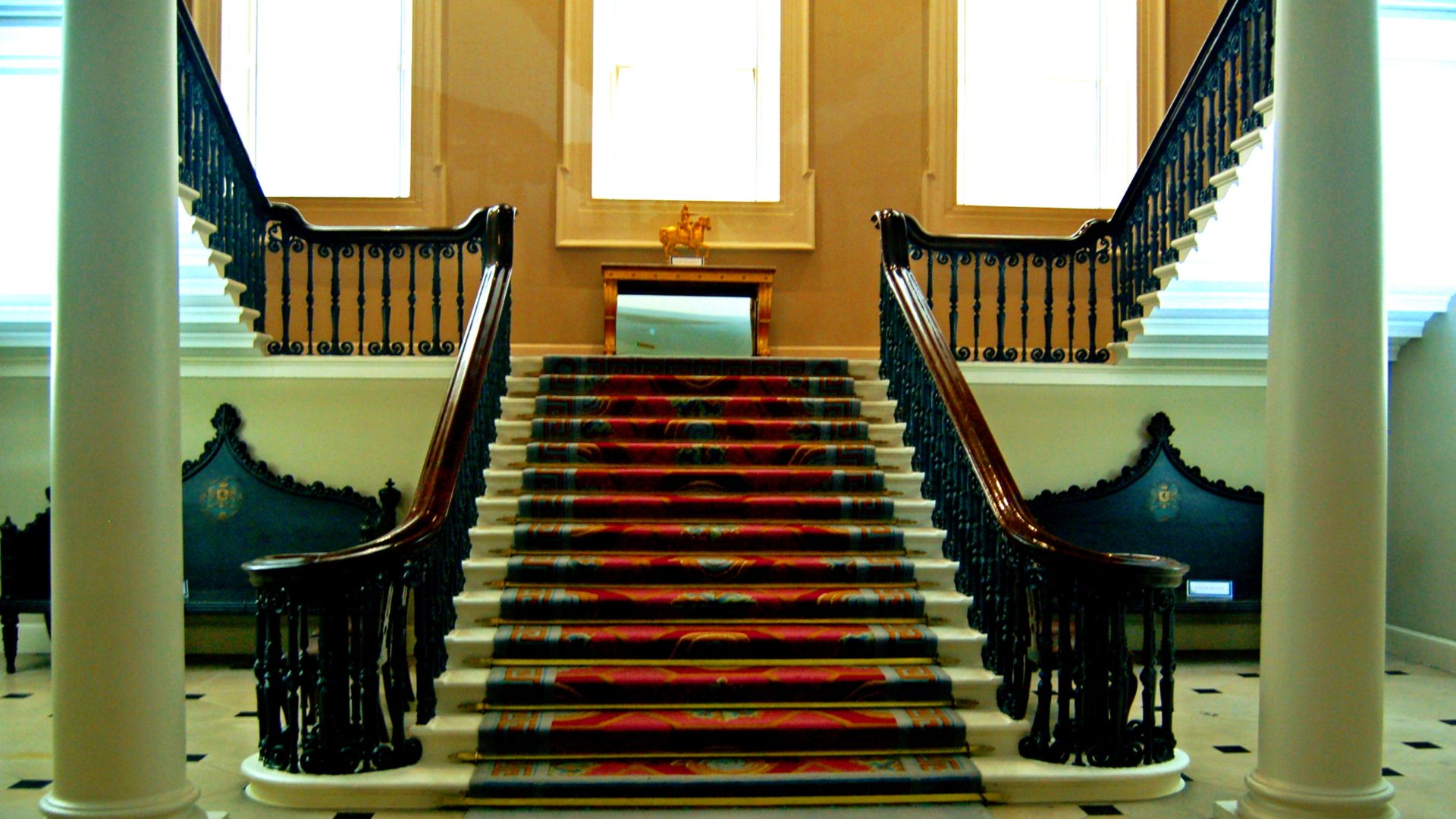 Joseph Mischyshyn , Wikimedia Commons
The Investigation Quickly Expanded
Police from multiple agencies began searching for clues. Rewards were offered, witnesses were questioned, and newspapers followed every development. Even with enormous public attention, investigators struggled to identify a clear suspect.
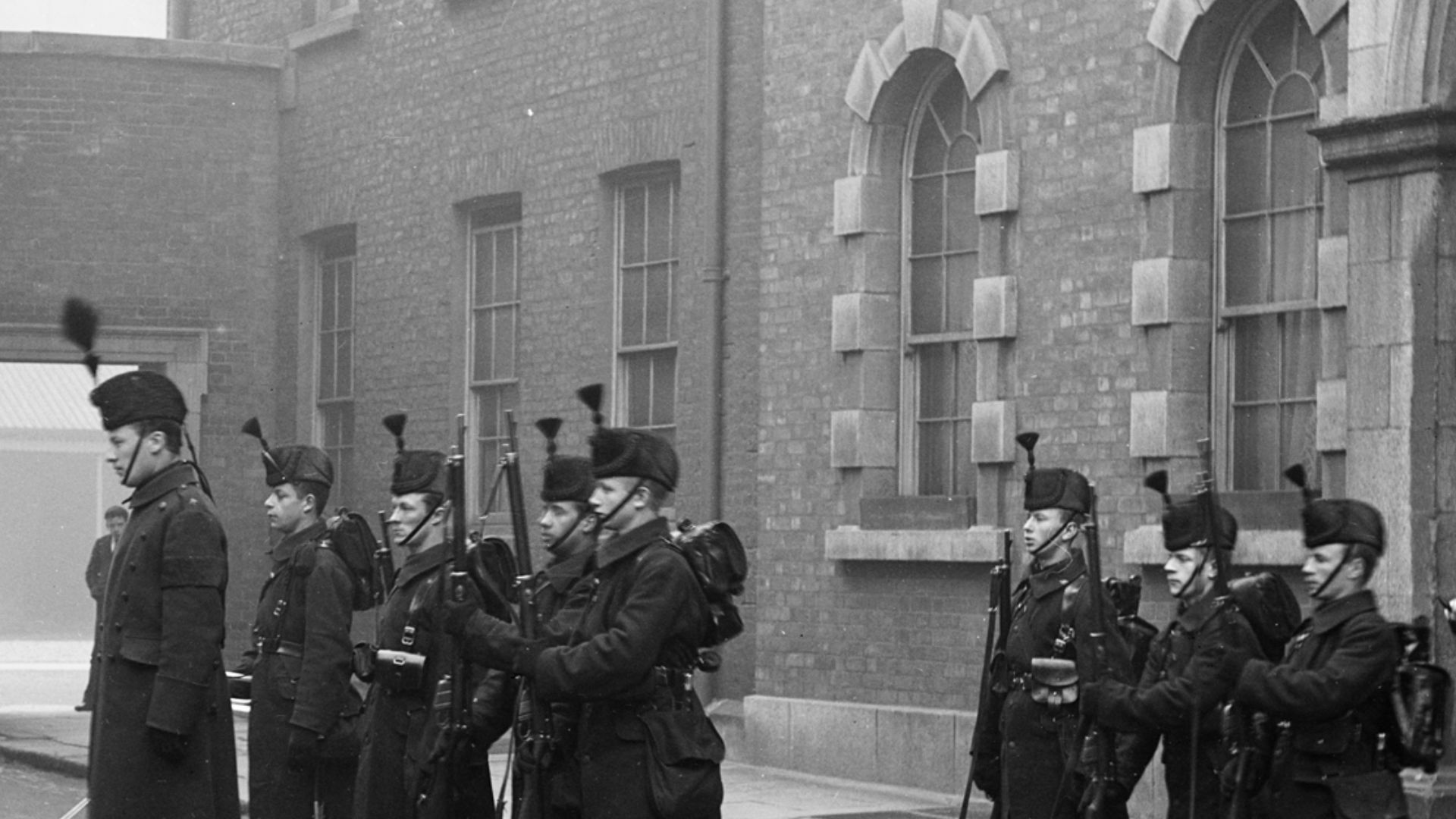 National Library of Ireland on The Commons, Wikimedia Commons
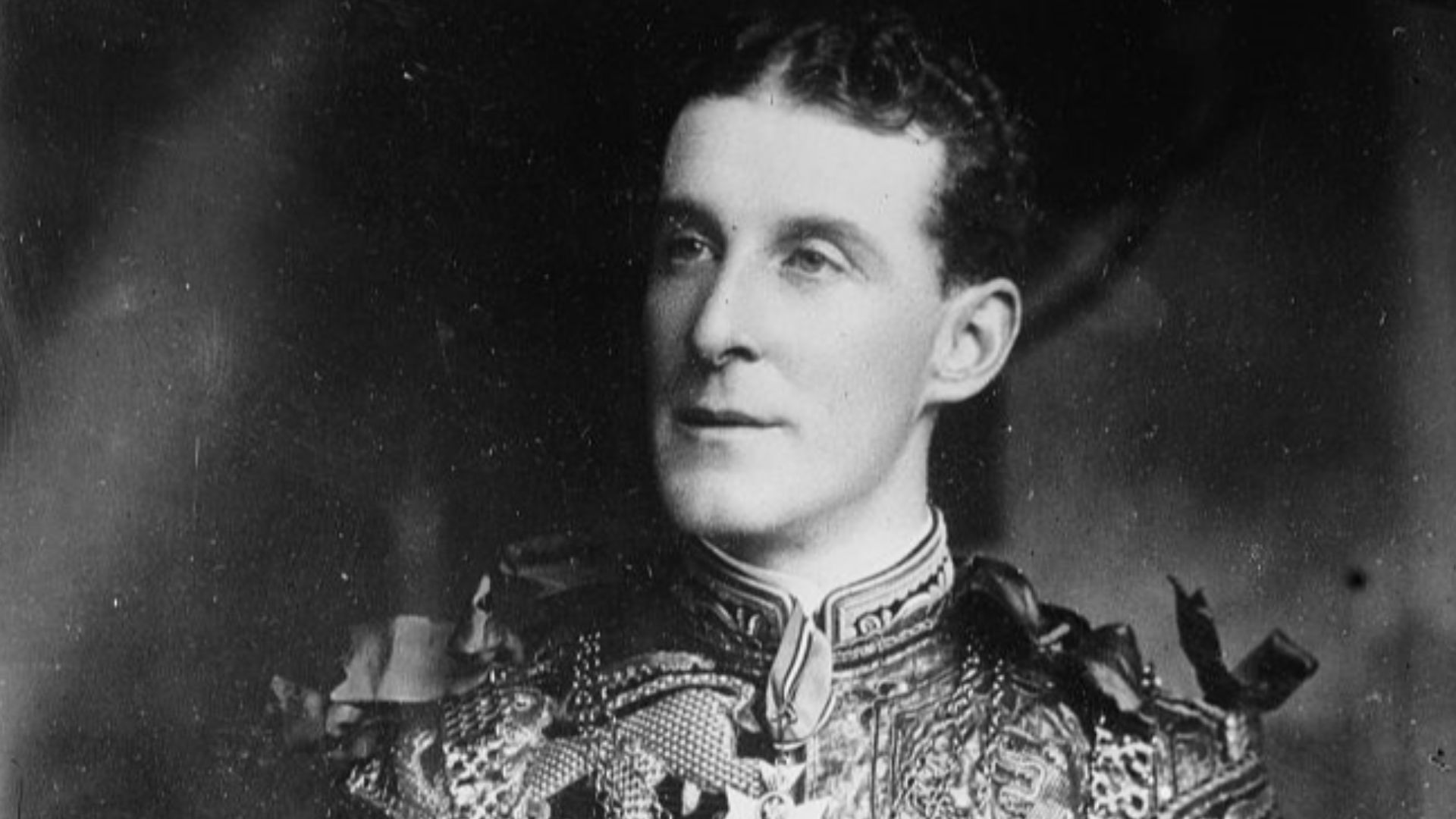
Sir Arthur Vicars Became A Target
Although no evidence proved he stole the jewels, Vicars faced severe criticism. Many believed he had been careless with their security. His reputation suffered greatly, and he was eventually dismissed from his position.
 George Grantham Bain Collection (Library of Congress), Wikimedia Commons
Rumors Soon Overtook The Facts
As often happens in famous unsolved crimes, speculation spread rapidly. Stories circulated about scandals inside Dublin Castle and secret social circles connected to officials. Most of these allegations were never conclusively proven, but they added to the public fascination.
Francis Shackleton Entered The Story
Attention eventually focused on Francis Shackleton, brother of famed explorer Ernest Shackleton. Francis worked at Dublin Castle and later became notorious after being convicted of financial fraud in an unrelated case. Historians continue to debate whether he had any connection to the missing jewels, but no proof has ever established his involvement.
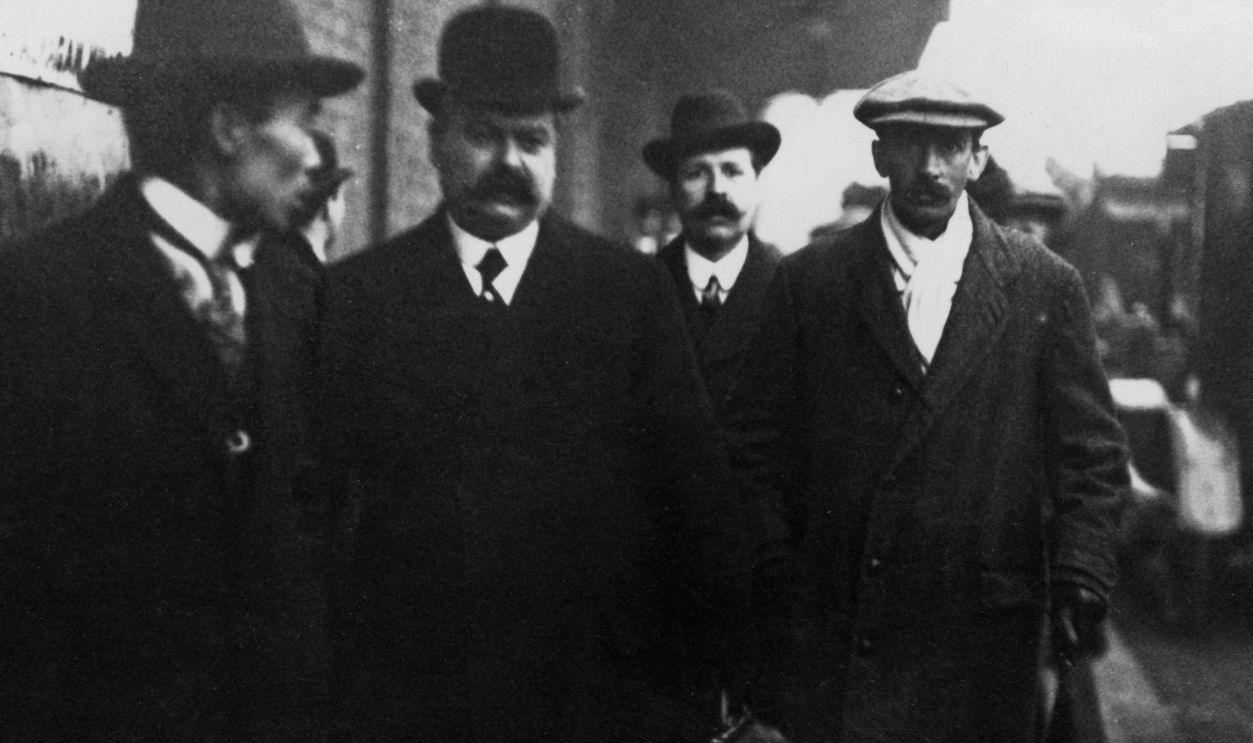 Topical Press Agency, Getty Images
Captain Richard Gorges Also Drew Suspicion
Another frequently discussed figure was Captain Richard Gorges. Some investigators believed he may have had access through personal connections and duplicated keys. Despite repeated suspicions, no court ever convicted him of the theft.
 August Schwerdfeger, Wikimedia Commons
Arthur Conan Doyle Offered Assistance
The mystery attracted famous names. Sherlock Holmes creator Arthur Conan Doyle, who was distantly related to Sir Arthur Vicars, even offered to help investigate the disappearance. His involvement reflected how widely known the case had become.
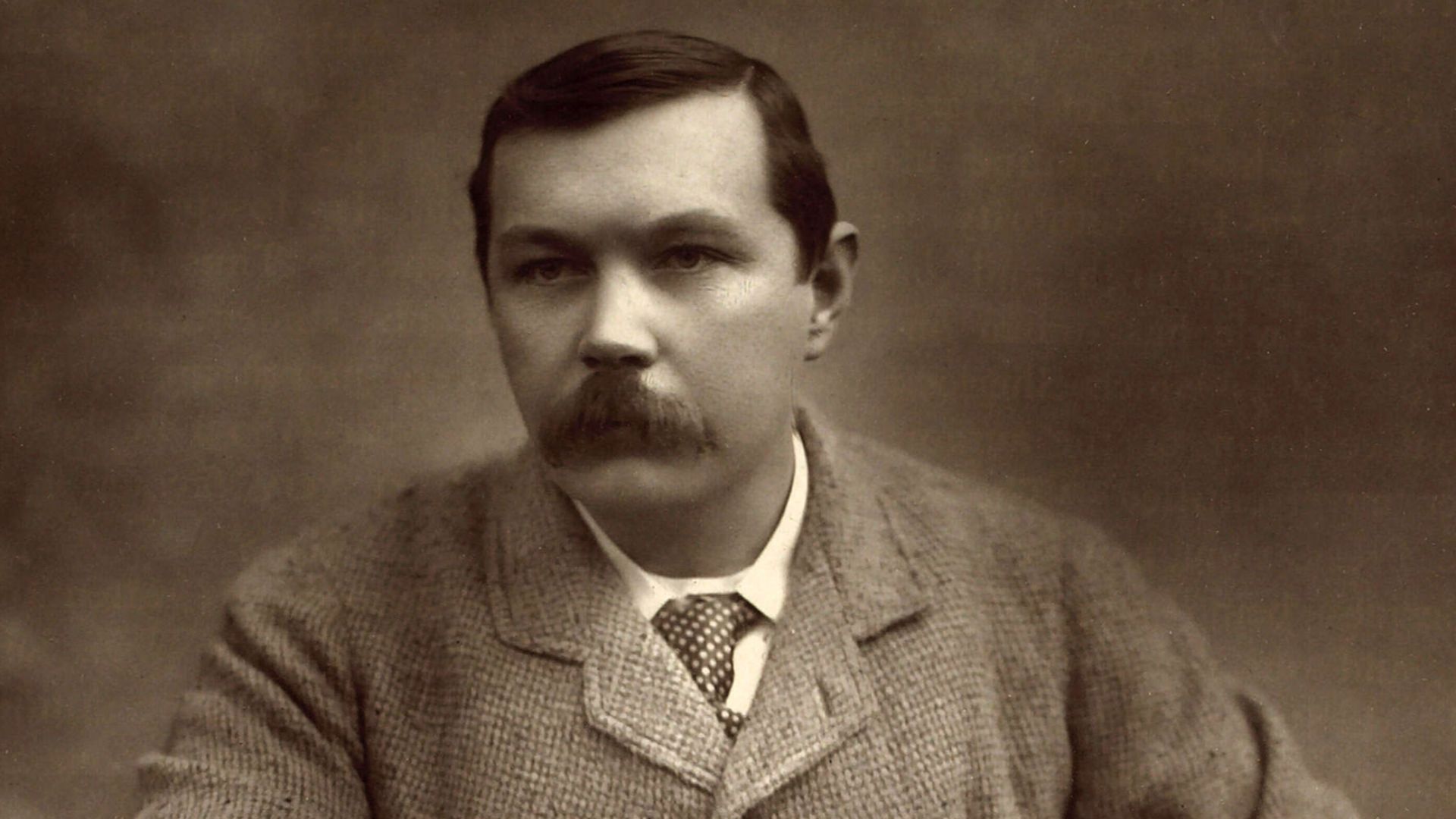 Herbert Rose Barraud (1845 - c1896), Wikimedia Commons
Psychic Investigations Added More Mystery
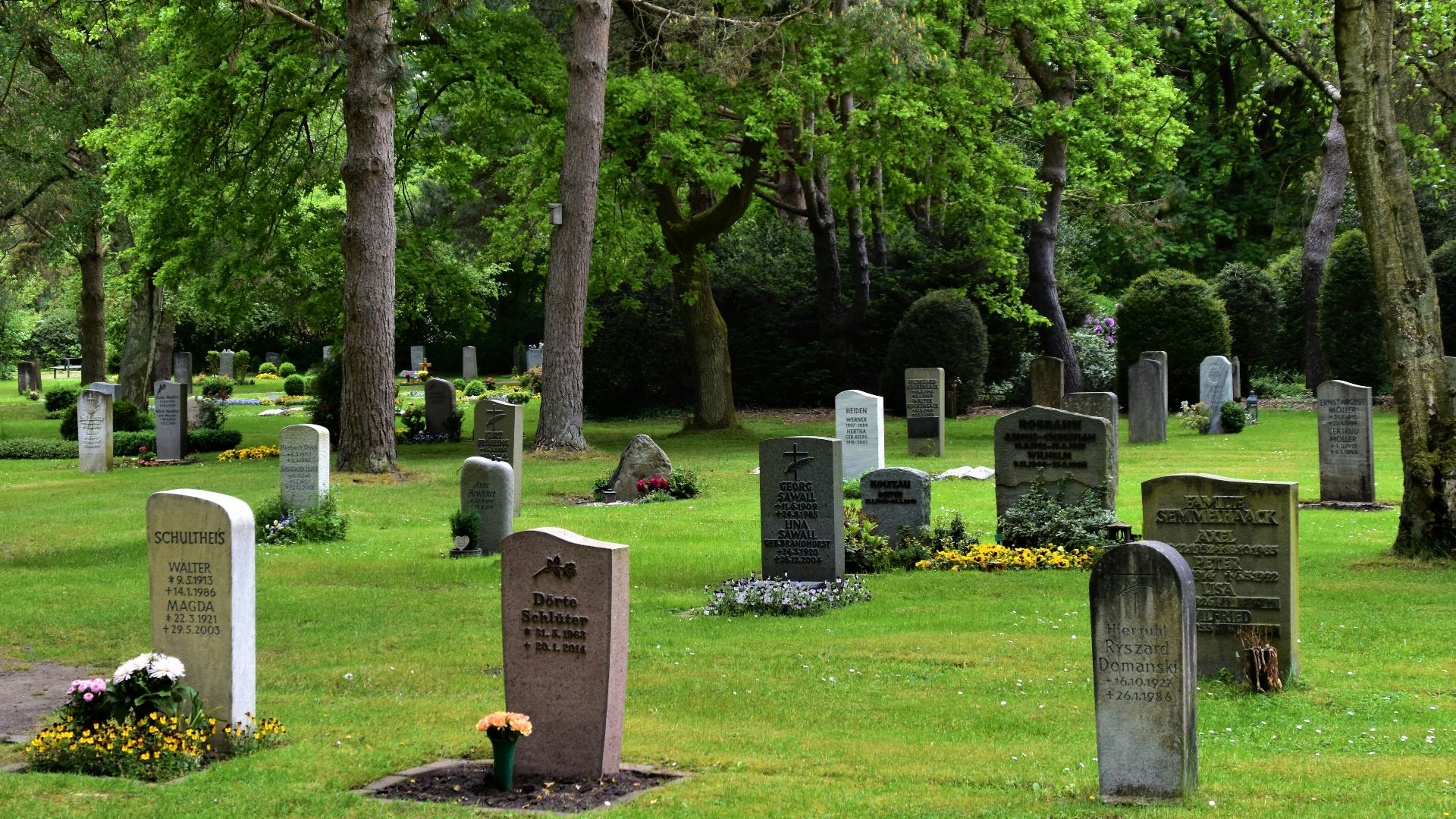
Not every investigative effort followed traditional police methods. Psychics claimed to know where the jewels had been hidden, leading to searches and even excavations in graveyards. None of those efforts produced any evidence or recovered property.
Parliament Demanded Answers
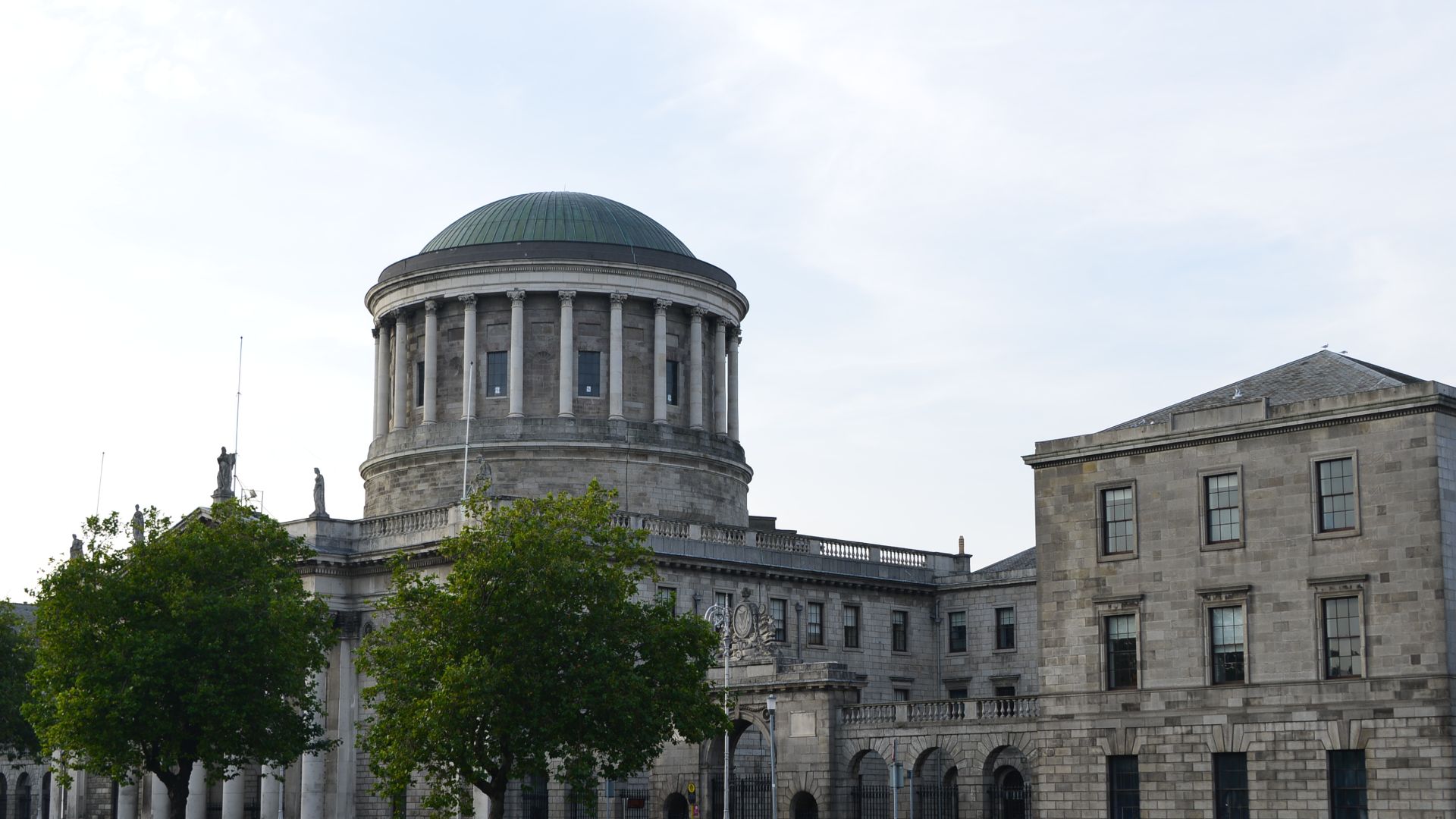
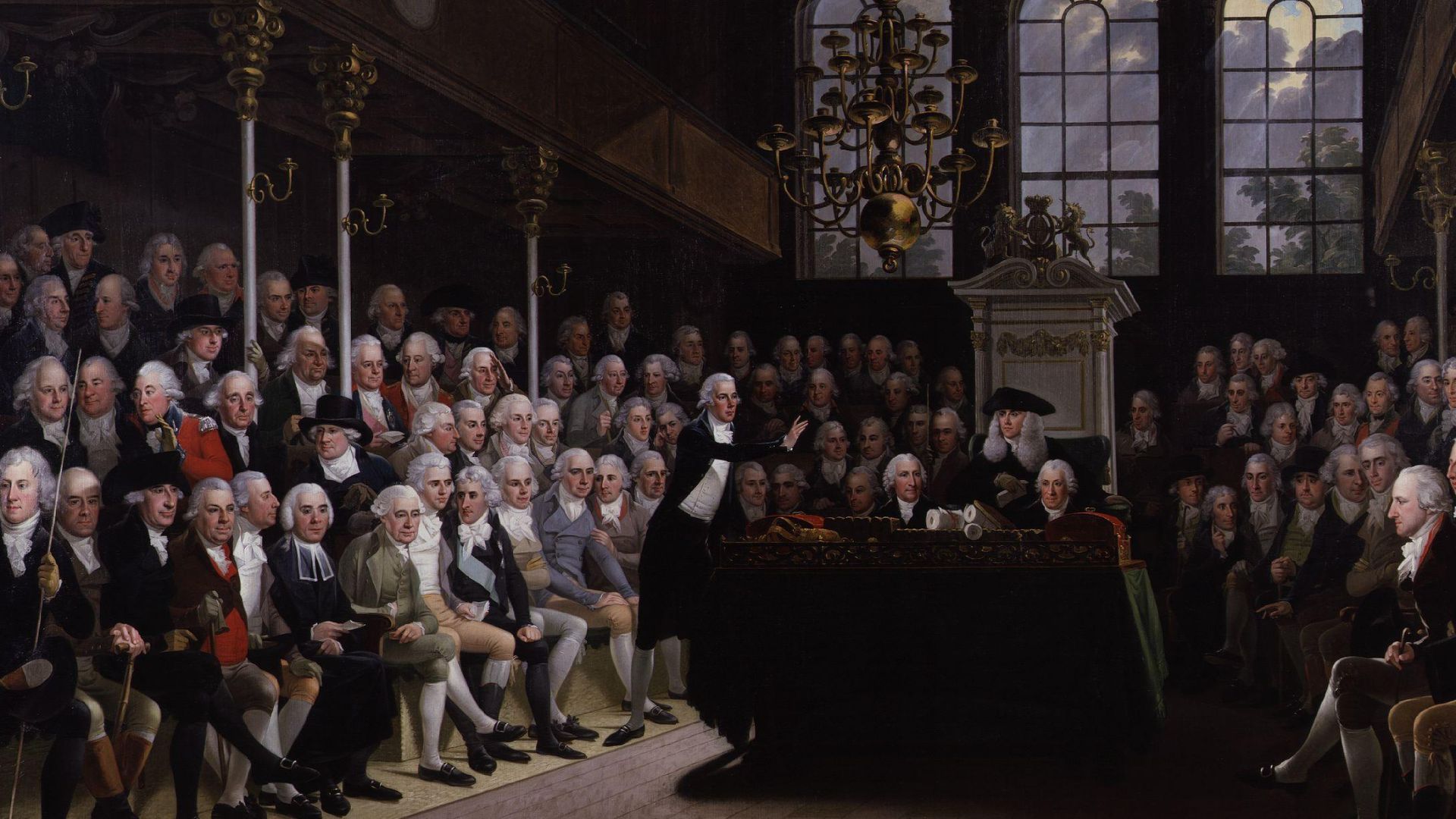
The theft became a political embarrassment in both Ireland and Britain. Parliamentary discussions questioned how such valuable ceremonial objects could vanish from one of the government's most secure buildings. Despite official inquiries, no definitive explanation emerged.
 Anton Hickel, Wikimedia Commons
Many Historians Suspect The Jewels Were Broken Apart
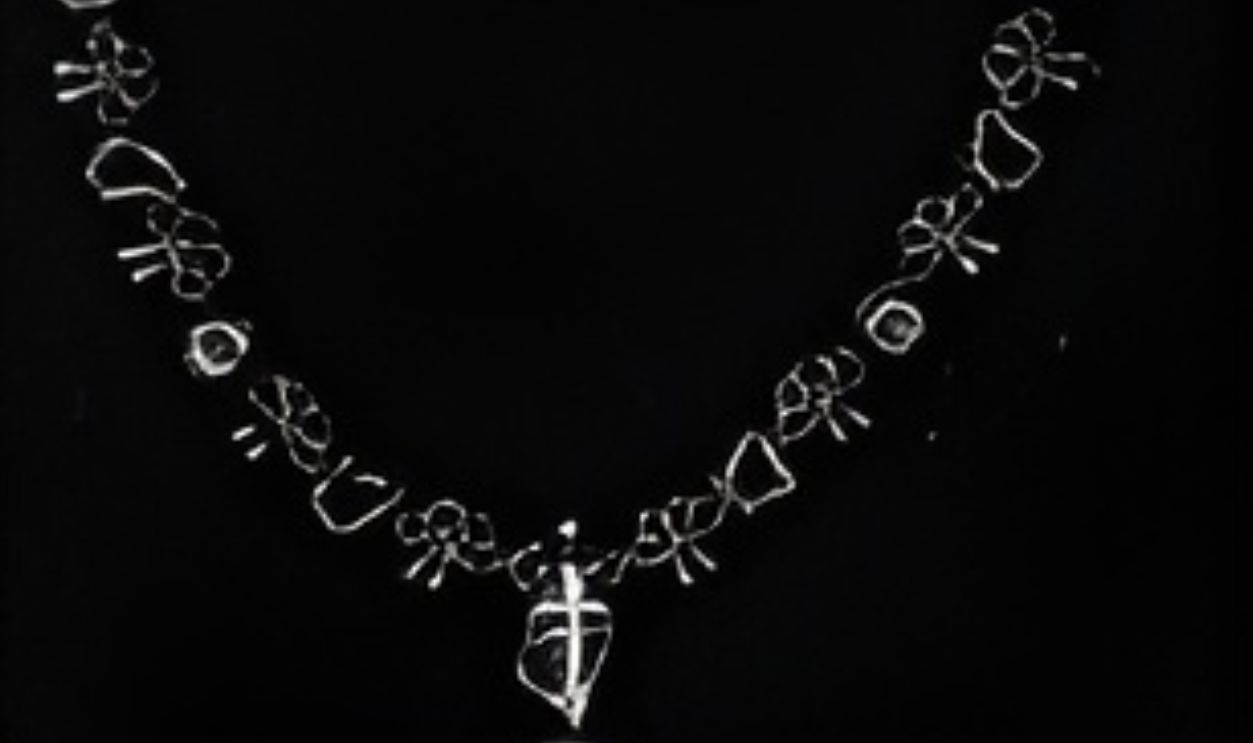
One of the leading modern theories suggests the jewels were dismantled soon after the theft. Individual diamonds, emeralds, and rubies would have been much easier to sell than the distinctive ceremonial pieces. If that happened, recovering the original insignia would have become nearly impossible.
 Dublin Police(Life time: 1907), Wikimedia Commons, Modified
Other Theories Continue To Circulate
Alternative explanations have included political conspiracies, insider theft, and deliberate cover ups. Some theories even suggested the jewels left Ireland almost immediately. None of these ideas has ever been supported by enough evidence to close the case.
False Leads Kept Appearing
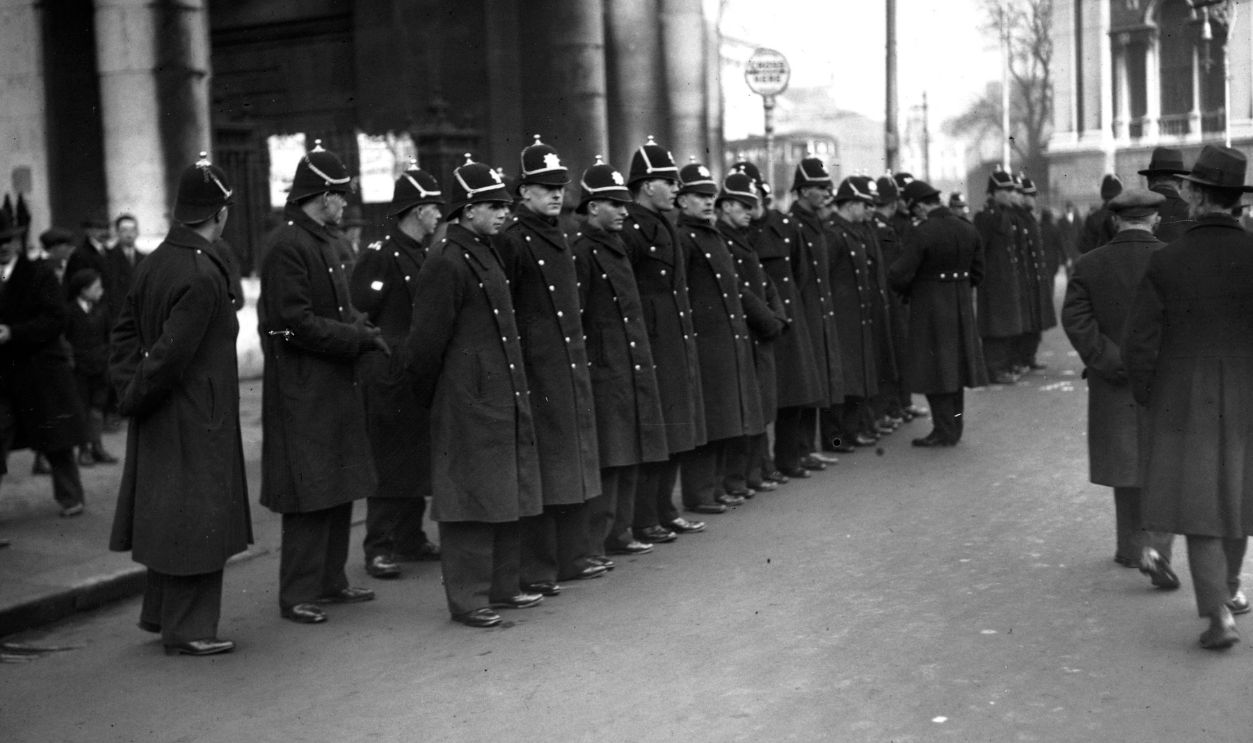
Over the decades, investigators received letters, tips, and reported sightings. Several searches were organized after supposedly credible information surfaced. Every lead eventually ended without recovering the missing insignia.
The Case Still Fascinates Historians
The disappearance remains one of Ireland's greatest historical mysteries. It combines valuable treasure, security failures, political intrigue, and unanswered questions. Every new generation of researchers has found fresh reasons to revisit the evidence.
 William Murphy, Wikimedia Commons
Dublin Castle Still Tells The Story
Visitors to Dublin Castle can still learn about the remarkable theft through exhibitions explaining the history of the Office of Arms and the missing jewels. The disappearance has become part of the castle's identity as much as its architecture and political history. The empty space left by the missing insignia continues to capture imaginations more than a century after they vanished.
The Mystery Remains Unsolved
More than 100 years have passed since the jewels disappeared, yet the central questions remain unanswered. Who took them, how they escaped with them, and what ultimately became of the jewels are still unknown. Until convincing evidence finally emerges, the Irish Crown Jewels will remain one of history's most enduring unsolved treasure mysteries.
 Unidentified photographer, Wikimedia Commons, Modified
You May Also Like:
The Weirdest Rules People Once Followed At Work
The Discovery Of A Bronze Age Blade Workshop In Southern Israel
Resilient Facts About Ellen Burstyn, The Actor Who Worked With The Devil