

When Every Household Had Its Own Little Arsenal
Step into an American home in the 1960s, and the cabinets, laundry room, and kitchen might look surprisingly unfamiliar. Families relied on everything from powerful chemical sprays to bulky laundry equipment and products that promised to make housework easier. Some disappeared because better inventions came along, while others were restricted after their risks became clear. A few still survive as vintage collectibles or specialty products, but their original versions have largely vanished from everyday American life.

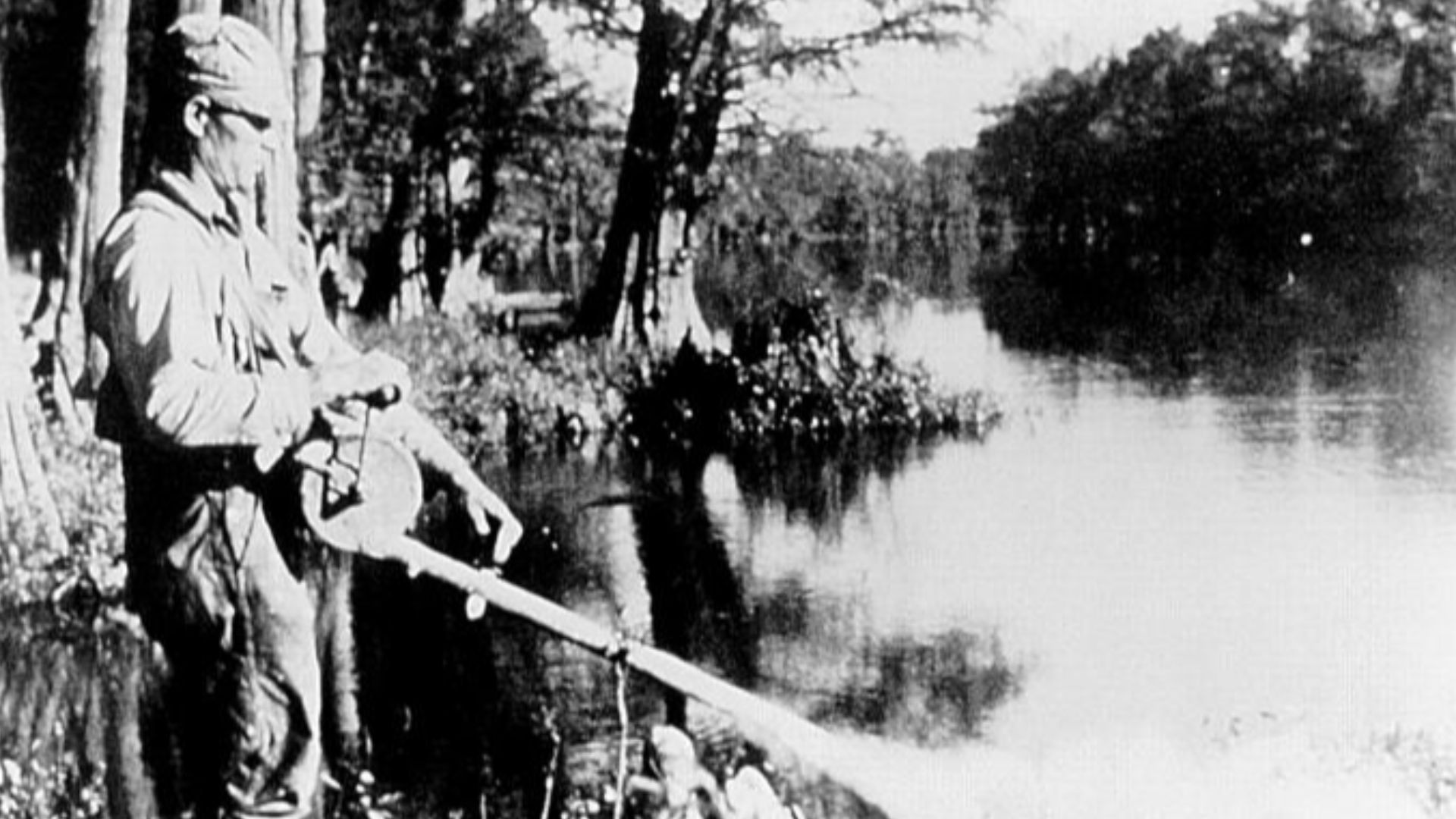
DDT Bug Sprays Were Once Household Staples
Before DDT became notorious for its environmental effects, it was widely used to control insects around homes and gardens. The chemical was inexpensive, effective, and long-lasting, which helped explain its popularity after World War II. Growing concerns about wildlife damage and potential human health risks eventually changed its reputation. The Environmental Protection Agency canceled nearly all remaining domestic uses in 1972, with the restrictions taking effect at the end of that year.
 Content Providers(s):CDC, Wikimedia Commons
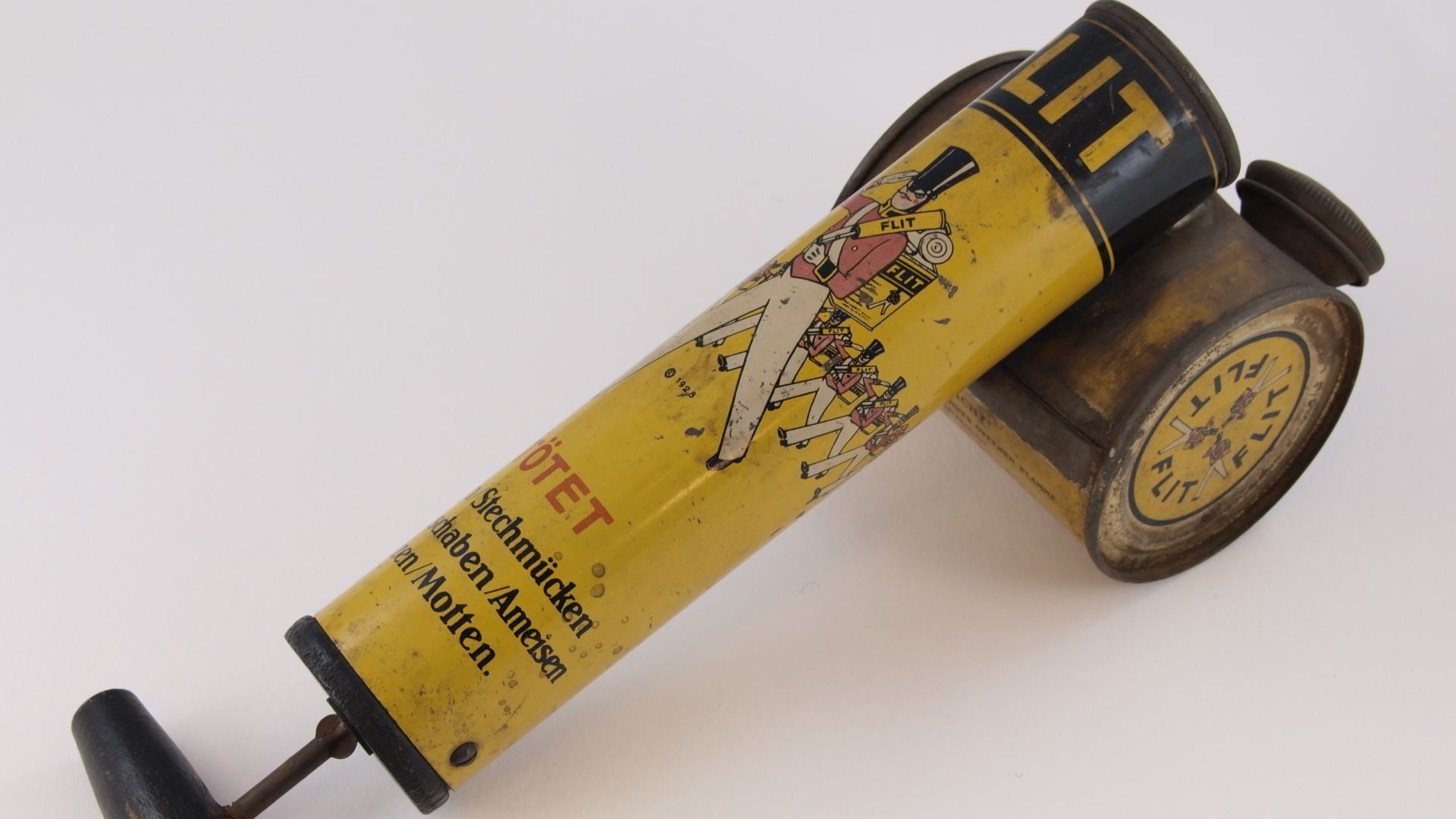
Flit Spray Had A Very Different Formula
Flit was once a familiar name in household insect control, and its vintage cans looked like ordinary cleaning supplies. The Smithsonian preserves an early-1950s Flit aerosol containing DDT, pyrethrins, and piperonyl butoxide. That particular combination reflects a period when persistent pesticides could be included in products intended for domestic use. Whatever happened to the brand in different markets, that old DDT-containing formulation is no longer a normal American household purchase.
 Photographed by User:Bullenwächter, Wikimedia Commons
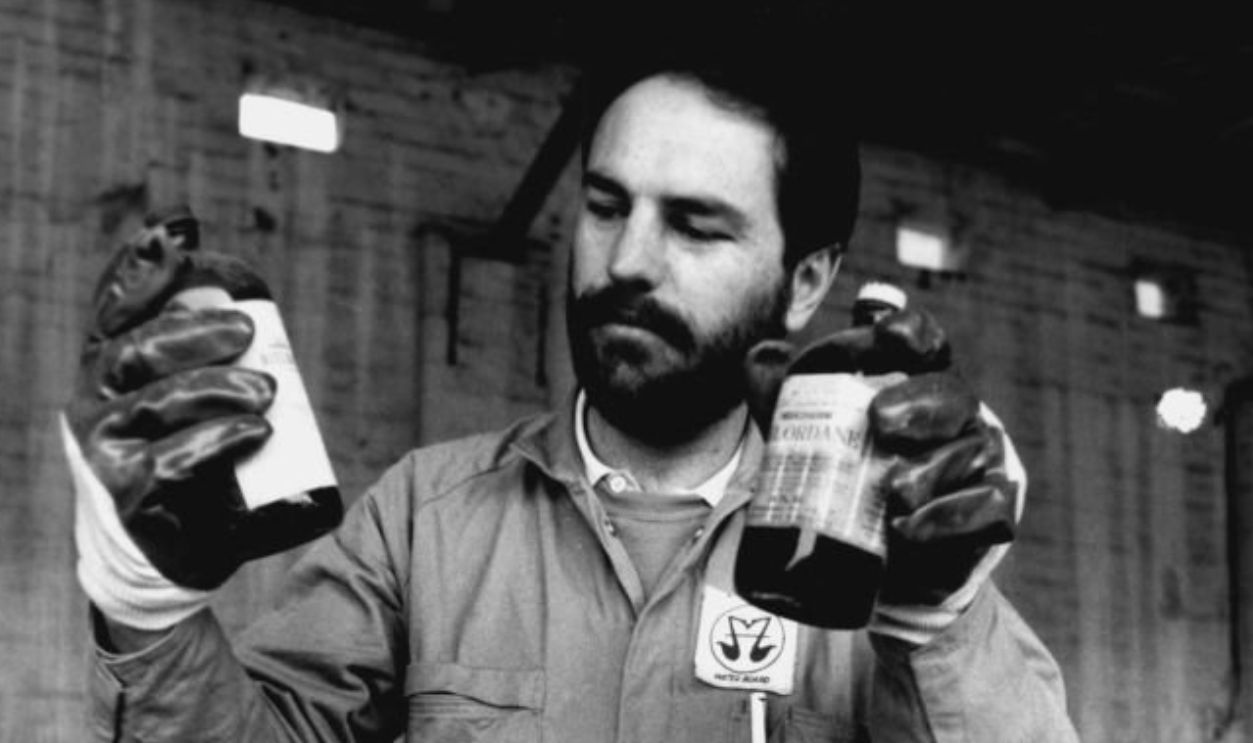
Chlordane Promised To Keep Termites Away
Chlordane was used extensively to protect buildings against termites and to control pests around lawns and gardens. Its ability to persist made it attractive for long-lasting pest control, but that same persistence became a major environmental concern. Federal regulators canceled most uses in 1978 and the remaining registered uses in 1988. The chemical remains an important part of the history of residential pest treatments, even though new chlordane products have disappeared from the American market.
 Fairfax Media Archives, Getty Images
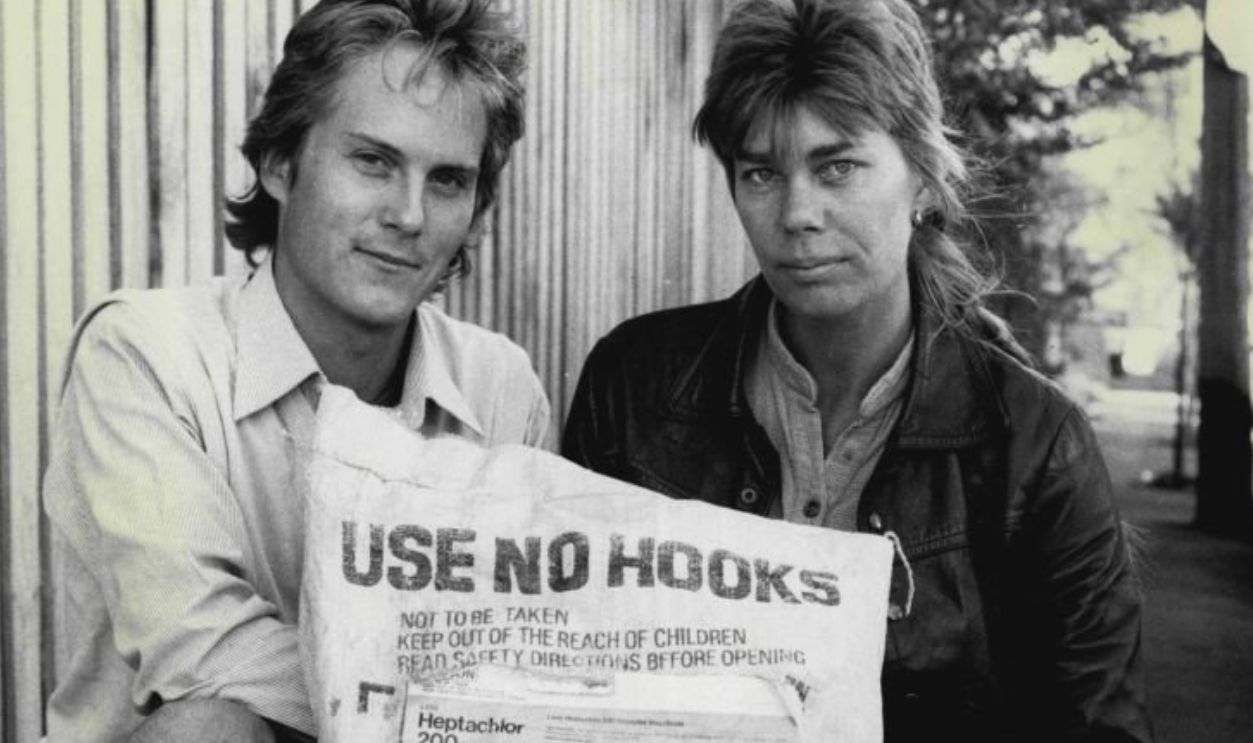
Heptachlor Was Another Forgotten Pest Fighter
Heptachlor was used against termites, soil insects, and certain household pests during the mid-20th century. Homeowners could encounter it through pest-control treatments intended to protect their properties. Environmental persistence and health concerns eventually brought restrictions, followed by the disappearance of registered termite-control products containing the chemical. It is another example of a once-accepted household treatment that modern homeowners would not normally encounter as a new product.
 Fairfax Media Archives, Getty Images
Aldrin Offered Protection Beneath The House
Aldrin was another insecticide used in and around buildings, particularly for controlling termites. It was also used in agriculture and in treatments intended to protect building materials from insects. The EPA canceled most applications during the 1970s, while certain specialized uses continued temporarily. By 1987, the remaining registered uses had been voluntarily canceled, ending its place in American pest-control products.
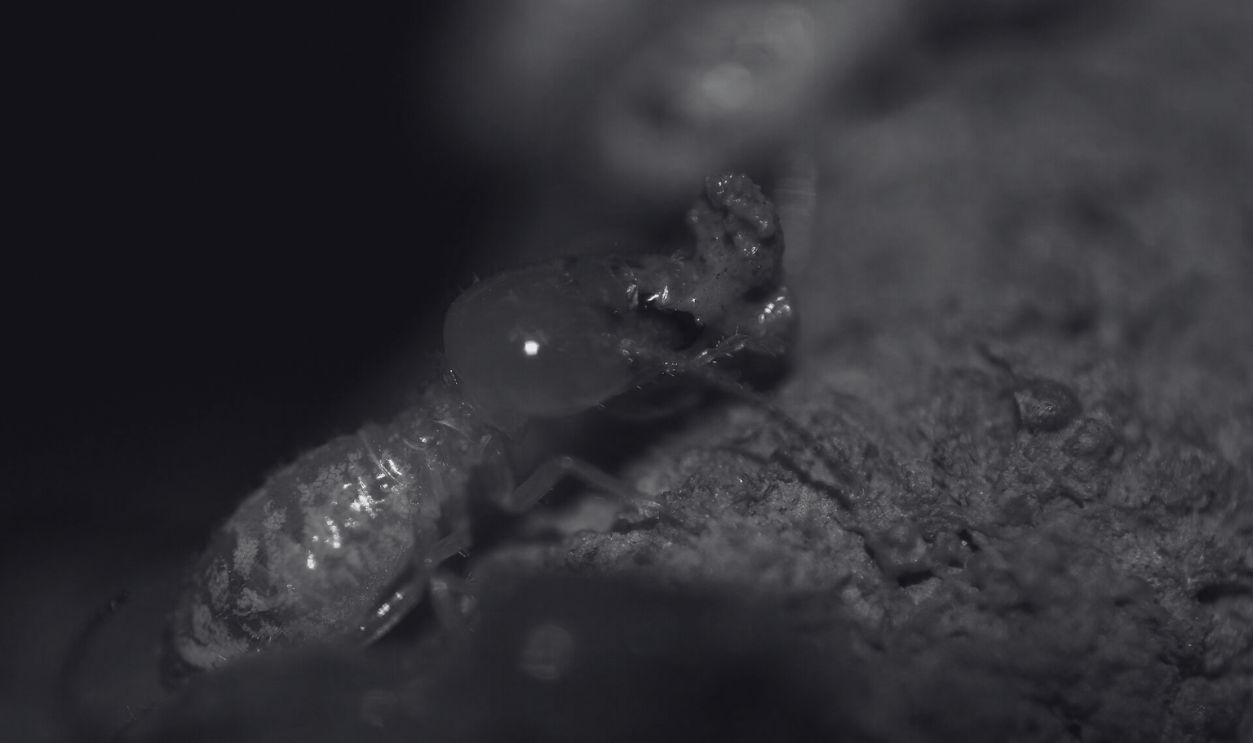 Nikhil More, Wikimedia Commons
Dieldrin Had A Similar Rise And Fall
Dieldrin belonged to the same generation of persistent insecticides as aldrin. Its applications included termite control and treatments intended to protect wood and other materials from insect damage. Federal restrictions progressively eliminated its uses as concerns about the chemical accumulated. The remaining registrations were canceled in 1987, leaving dieldrin-containing household pest treatments in the past.
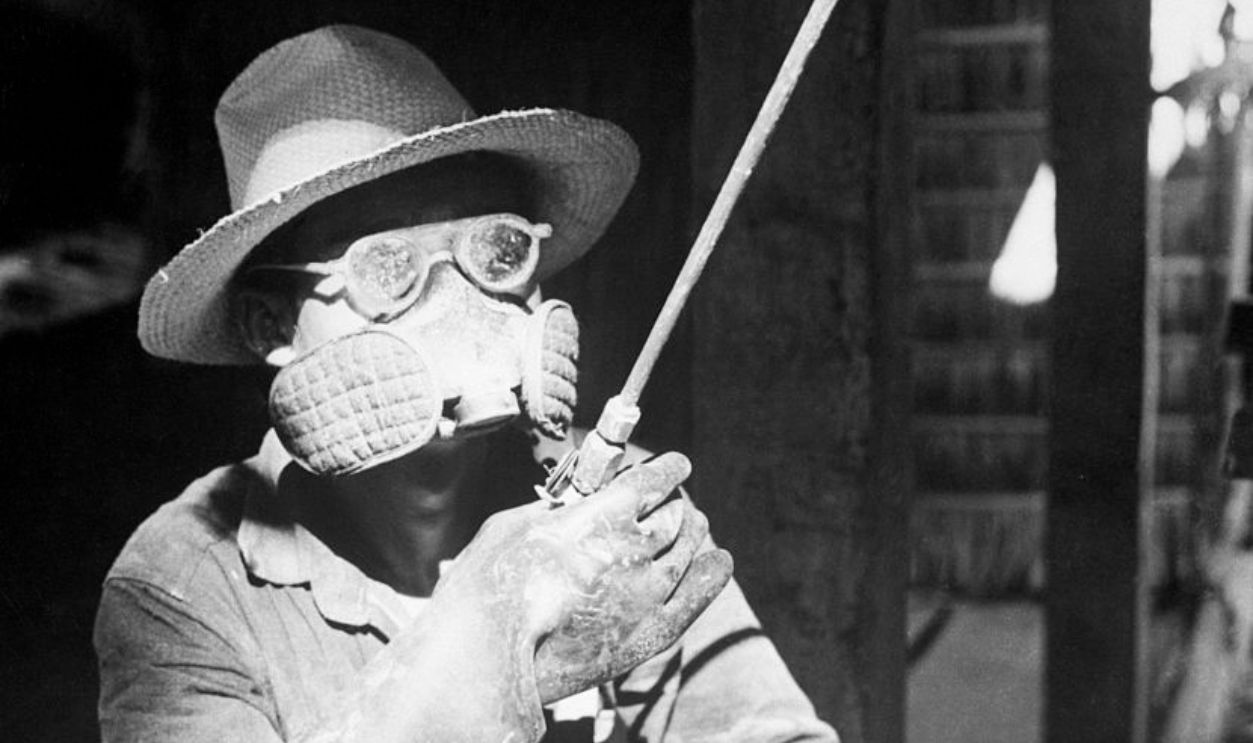
Mirex Was Used Against Fire Ants
Mirex was once used to fight fire ants, termites, and other pests. Its usefulness as an insecticide came with a serious drawback because it belonged to a group of chemicals that could persist in the environment. The EPA reports that all registered American uses were canceled in 1977. The old mirex-based pest-control products are therefore another relic of an era when chemical convenience often received more attention than long-term consequences.
 Magdalena Smyczek, Wikimedia Commons
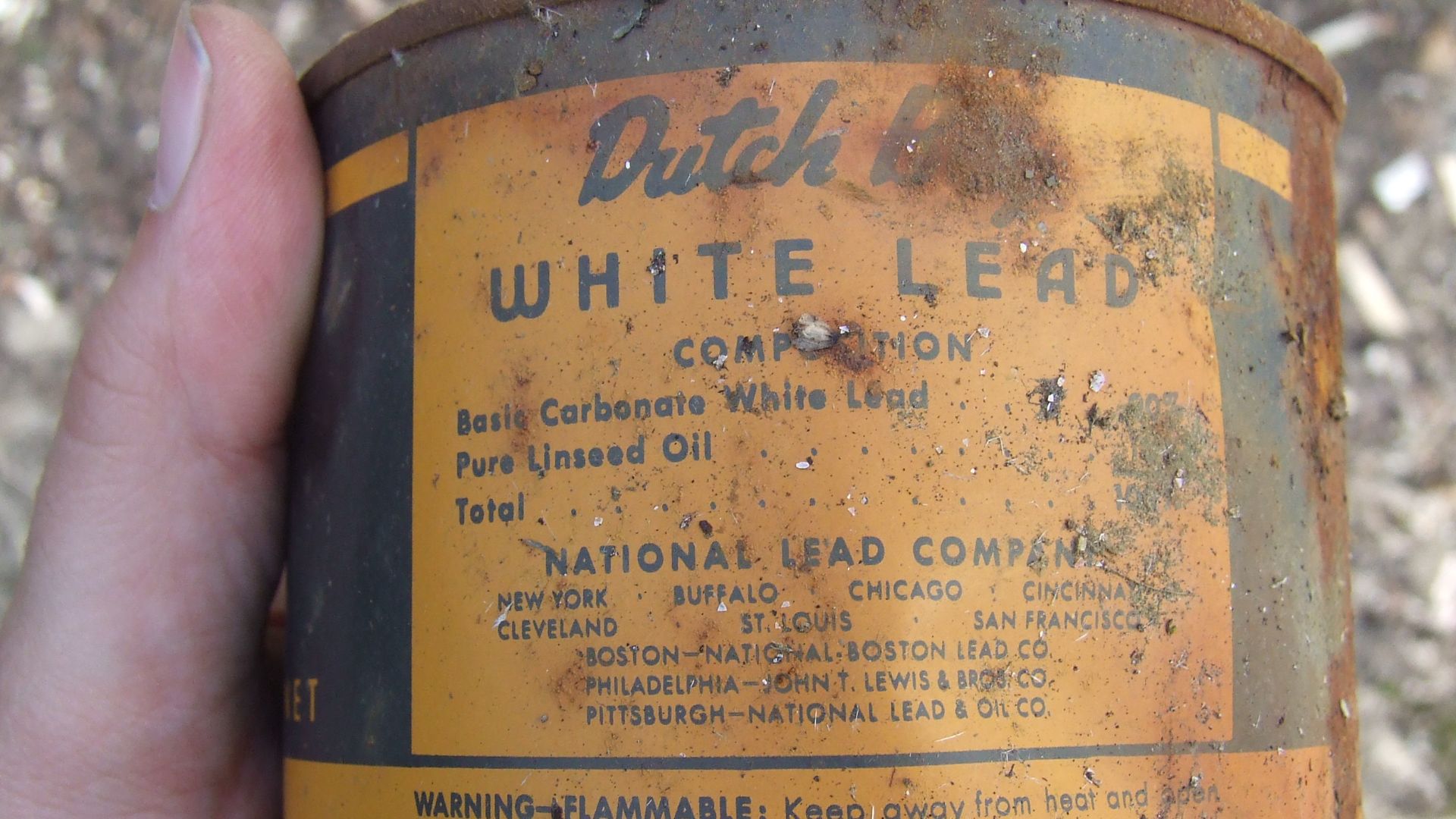
Lead-Based Household Paint Looked Perfectly Ordinary
Paint containing lead was once used on residential surfaces, including walls and woodwork. Lead pigments helped paint adhere and last, but deteriorating coatings could create hazardous dust and chips. The United States banned the sale of lead-based paint for residential use in 1978. Although old coatings remain in millions of houses, homeowners can no longer buy the same kind of lead-based residential paint that earlier generations used.

History's most fascinating stories and darkest secrets, delivered to your inbox daily.
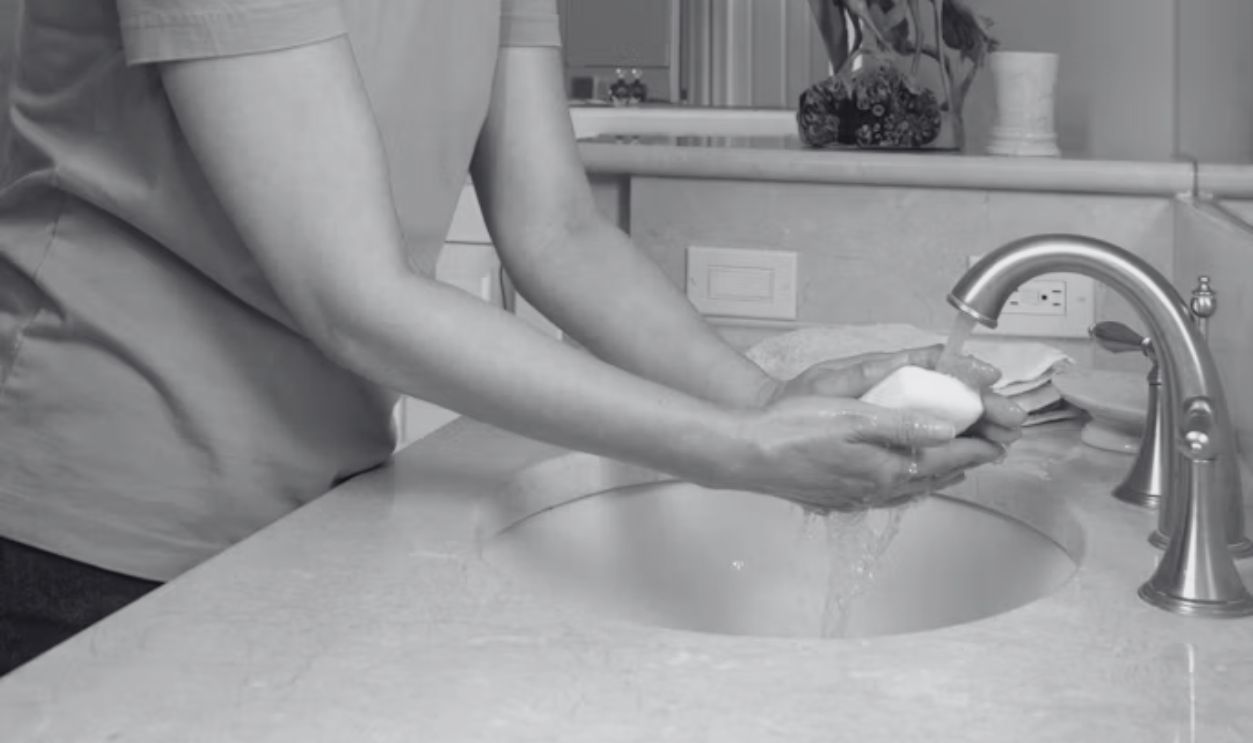
Hexachlorophene Soaps Promised Extra Cleanliness
Antibacterial soaps containing hexachlorophene were part of an earlier approach to personal hygiene. The chemical was valued for its antimicrobial properties, but concerns about toxicity and absorption through the skin eventually led to tighter controls. In 1972, the FDA finalized restrictions affecting hexachlorophene in over-the-counter antimicrobial products. The familiar unrestricted consumer formulations of that era are no longer part of ordinary American bathroom shelves.
 National Cancer Institute, Unsplash
Mercury-Containing Beauty Creams Lost Their Place
Some older cosmetics used mercury compounds, including in products intended to affect skin appearance. Mercury can be absorbed through the skin and may cause neurological and other health problems. Modern FDA regulations prohibit mercury compounds in most cosmetics, apart from narrowly defined exceptions and unavoidable trace amounts. Those restrictions help explain why the old mercury-containing beauty preparations cannot legally be sold as ordinary American cosmetics today.

Salvo Detergent Tablets Were Ahead Of Their Time
Long before today's laundry pods, Procter & Gamble marketed Salvo as a concentrated tablet detergent. The Smithsonian's packaging collection includes Salvo materials dated to 1963, confirming its place in the decade's laundry market. The tablet format offered a different approach to measuring detergent than pouring powder from a large box. The original Salvo laundry product eventually disappeared from American shelves, even though premeasured laundry products would return in newer forms.
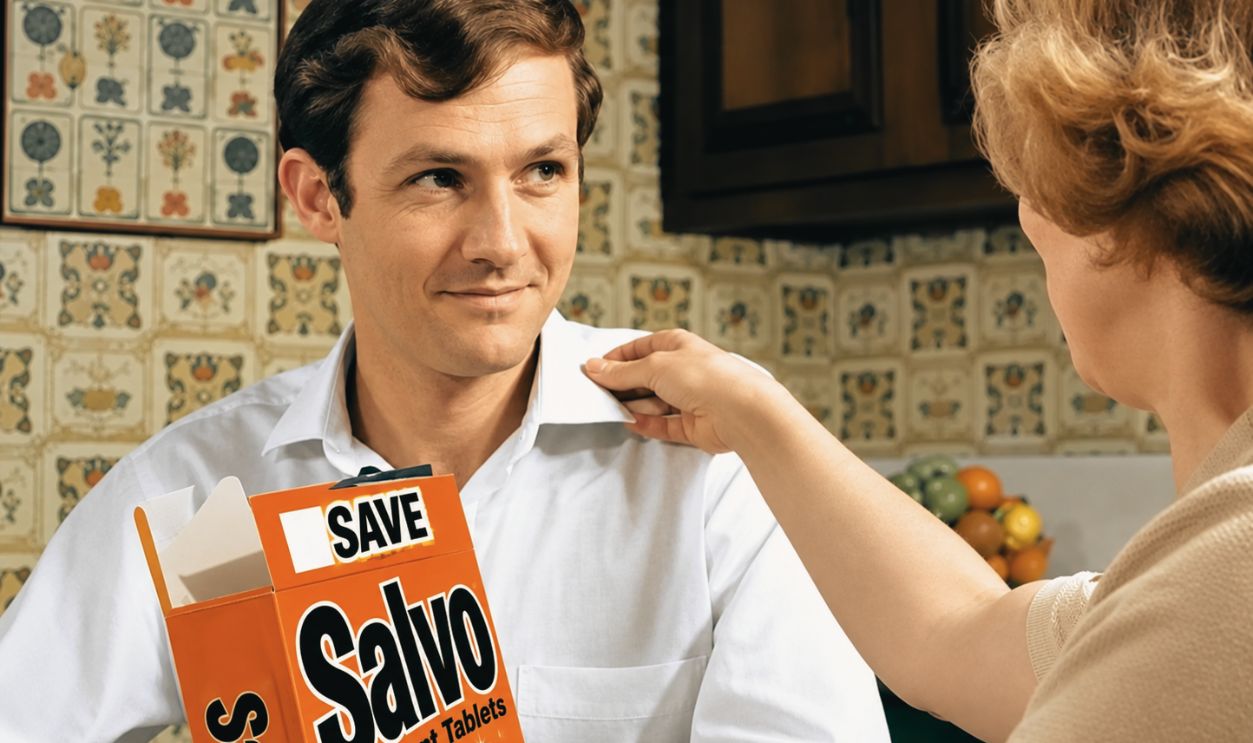 Screenshot from Salvo Detergent Tablet Commercial, Procter & Gamble Company (1970)
Duz Detergent Boxes Became Laundry Room Memories
Duz was a familiar name from an era when large cardboard detergent boxes occupied laundry-room shelves. The Smithsonian preserves Procter & Gamble packaging for the brand from 1961, 1962, and 1965, among other years. These surviving packages show how heavily household cleaning products relied on distinctive branding and printed boxes. The original Duz detergent eventually disappeared from mainstream American supermarkets, leaving its packaging as a nostalgic reminder of mid-century washday.
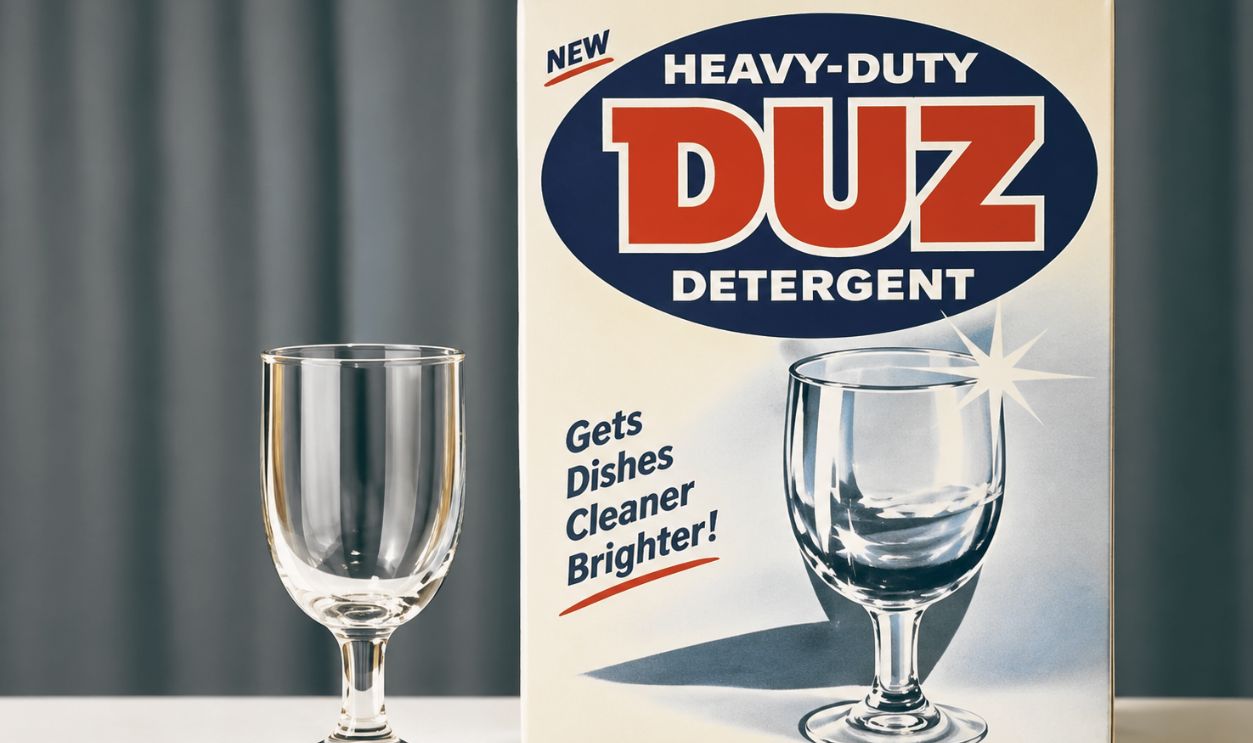 Screenshot from Duz Detergent Commercial, Procter & Gamble Company (1965)
Old Drene Shampoo Packaging Became A Museum Piece
Drene was among the hair-care names associated with Procter & Gamble's earlier consumer products. The Smithsonian's packaging archives preserve Drene materials alongside detergents, soaps, and other personal-care products. Its vintage packaging belongs to a period when manufacturers were experimenting with different ways to market household toiletries. Although the original Drene line no longer occupies its former place on American shampoo shelves, its packaging remains part of consumer-product history.
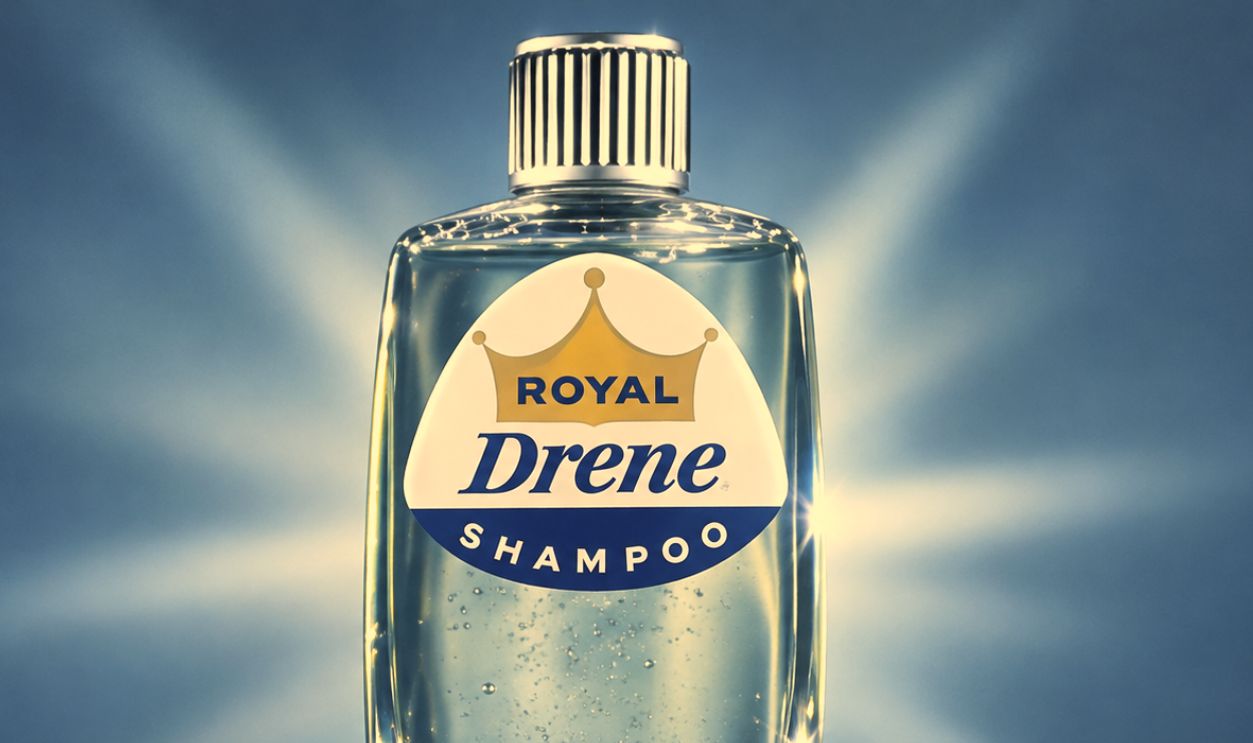 Screenshot from Drene Shampoo Commercial, Procter & Gamble Company (1958)
Wringer Washing Machines Made Laundry An Operation
Many households still used wringer washing machines during the transition to fully automatic laundry equipment. These machines required someone to guide wet clothing through rollers that squeezed out excess water. Canada's History describes how earlier electric washers had to be filled and drained manually, while motorized wringers handled the squeezing. Automatic washers eventually eliminated much of that hands-on work, making traditional wringer machines an increasingly rare household sight.
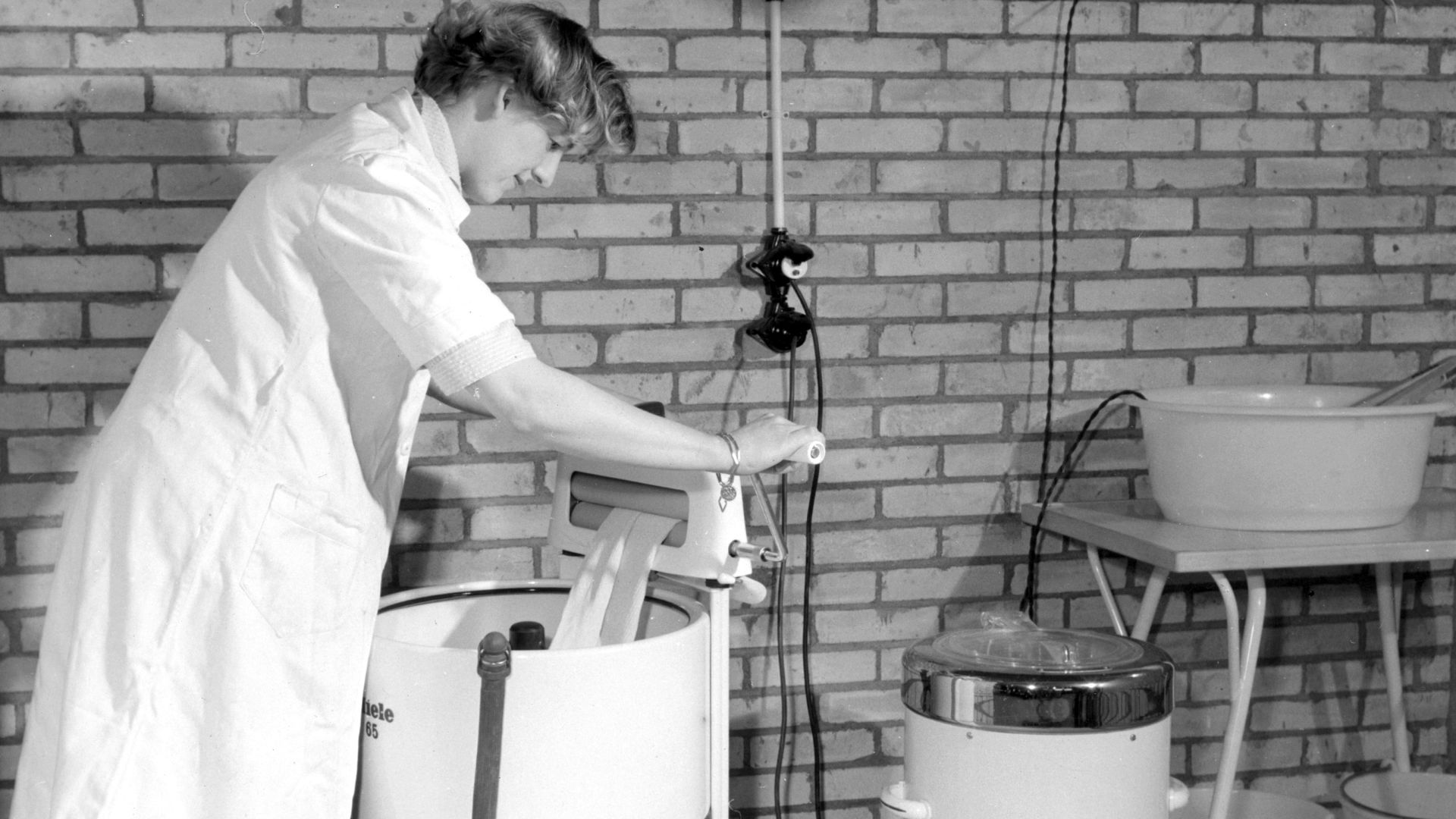 Nationaal Archief, Wikimedia Commons
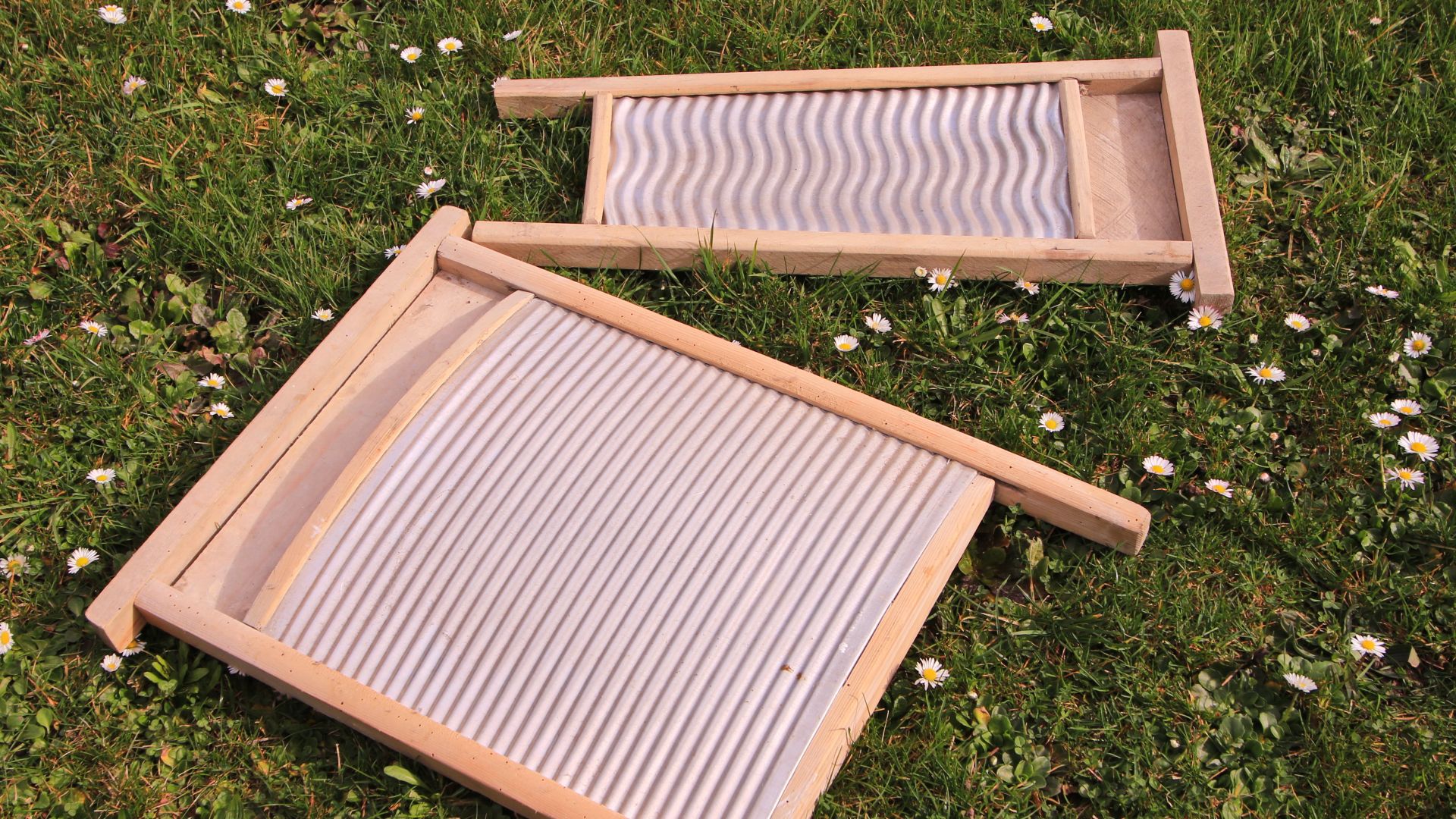
Washboards Once Did The Hard Scrubbing
Before automatic washing machines became standard, washboards helped people scrub dirt from clothing by hand. Their ridged surfaces provided friction when fabric was rubbed against them in soapy water. Even after electric washing machines arrived, older laundry equipment remained useful in homes that had not upgraded. Washboards still exist as specialty products and antiques, but they have largely disappeared as essential weekly laundry equipment.
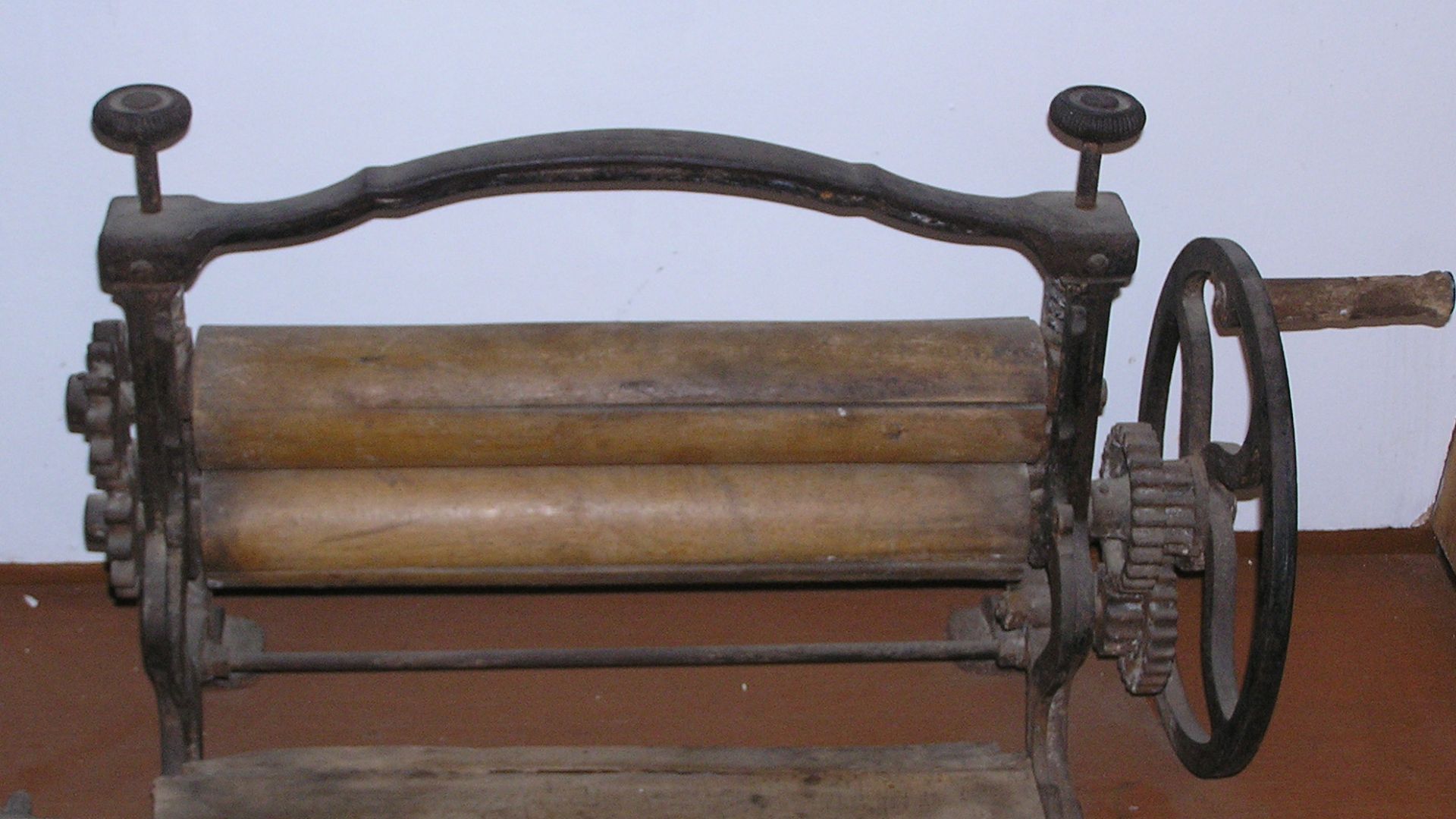
Hand-Cranked Mangles Required Some Muscle
A mangle, or laundry wringer, squeezed water from washed clothing by passing it between rollers. The process reduced the amount of moisture remaining in fabric and made line drying more manageable. Electric-powered wringers eventually performed similar work, while fully automatic machines made separate mangles unnecessary for most families. Today, traditional domestic mangles are more closely associated with historical demonstrations and vintage laundry equipment than ordinary homes.
 Andrey Butko, Wikimedia Commons
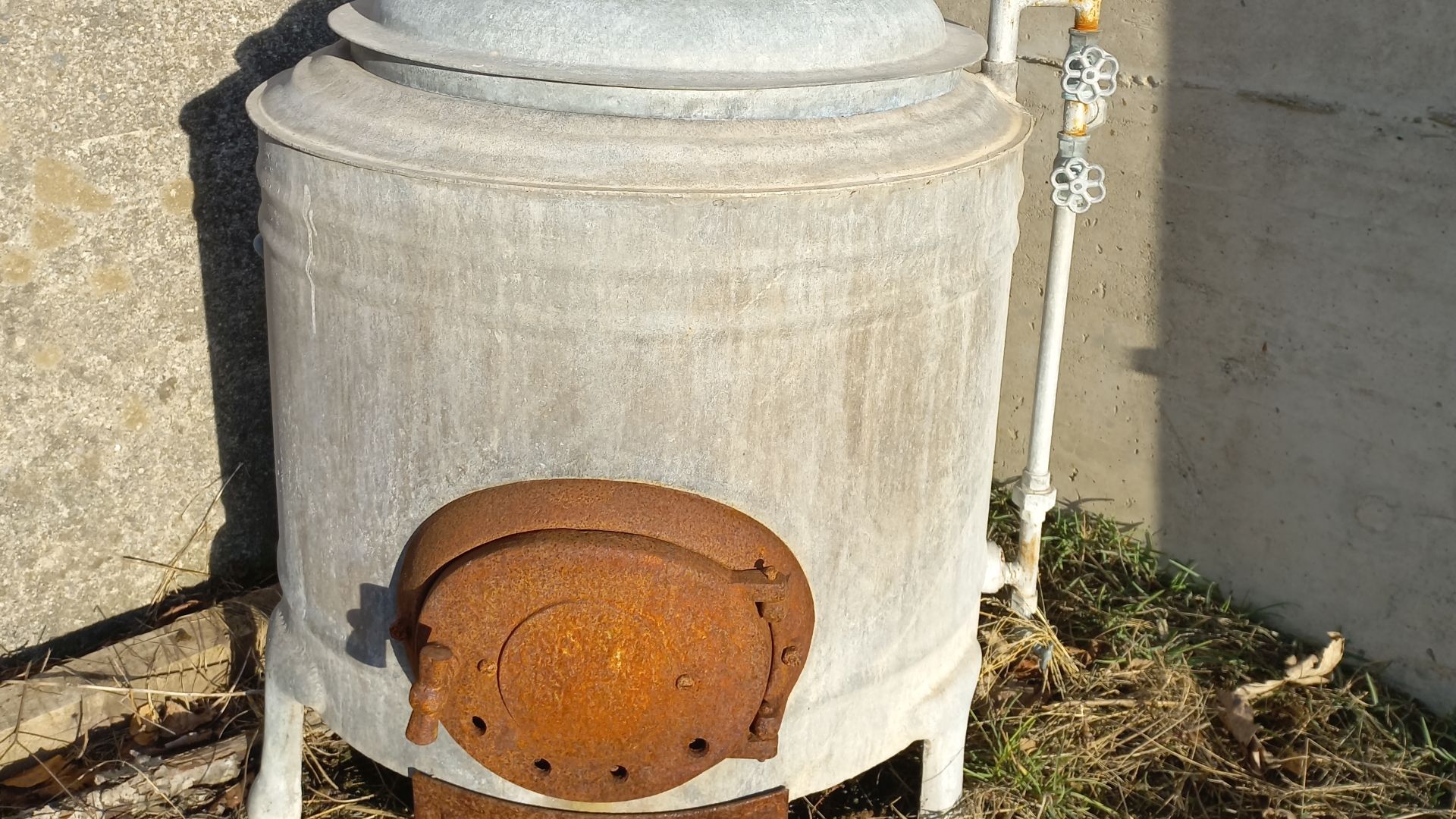
Laundry Boilers Turned Washday Into A Project
Before convenient hot-water supplies and automatic machines became widespread, households used large boilers to heat water for washing. Some were heated on stoves, while later electric models offered a more convenient approach. The history of domestic laundry shows how much effort once went into heating, washing, rinsing, and drying clothes. Modern washing machines and household plumbing have made the old-fashioned laundry boiler unnecessary for most people.
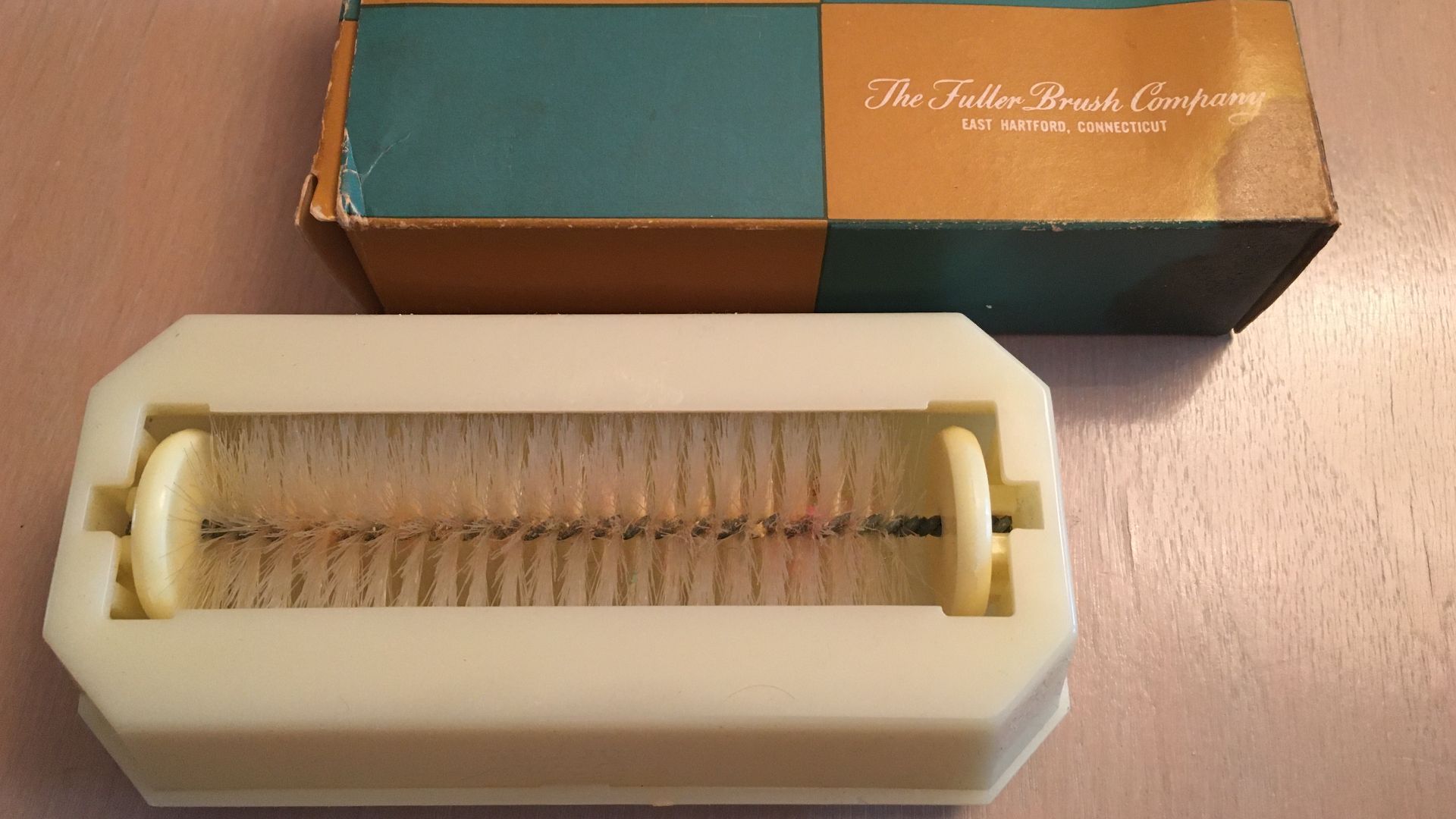
The Old Fuller Brush Sales Kit Was A Household Fixture
The Fuller Brush Man became a recognizable figure in American household shopping by visiting customers with cleaning brushes, samples, and promotional materials. The Smithsonian records that the company's door-to-door sales model was especially prominent during the middle of the 20th century. Customers could examine cleaning implements at home rather than relying entirely on store displays. Although Fuller Brush products have continued in other sales channels, the traditional traveling salesman's demonstration kit is no longer a routine part of neighborhood shopping.
 Jonathan Schilling, Wikimedia Commons
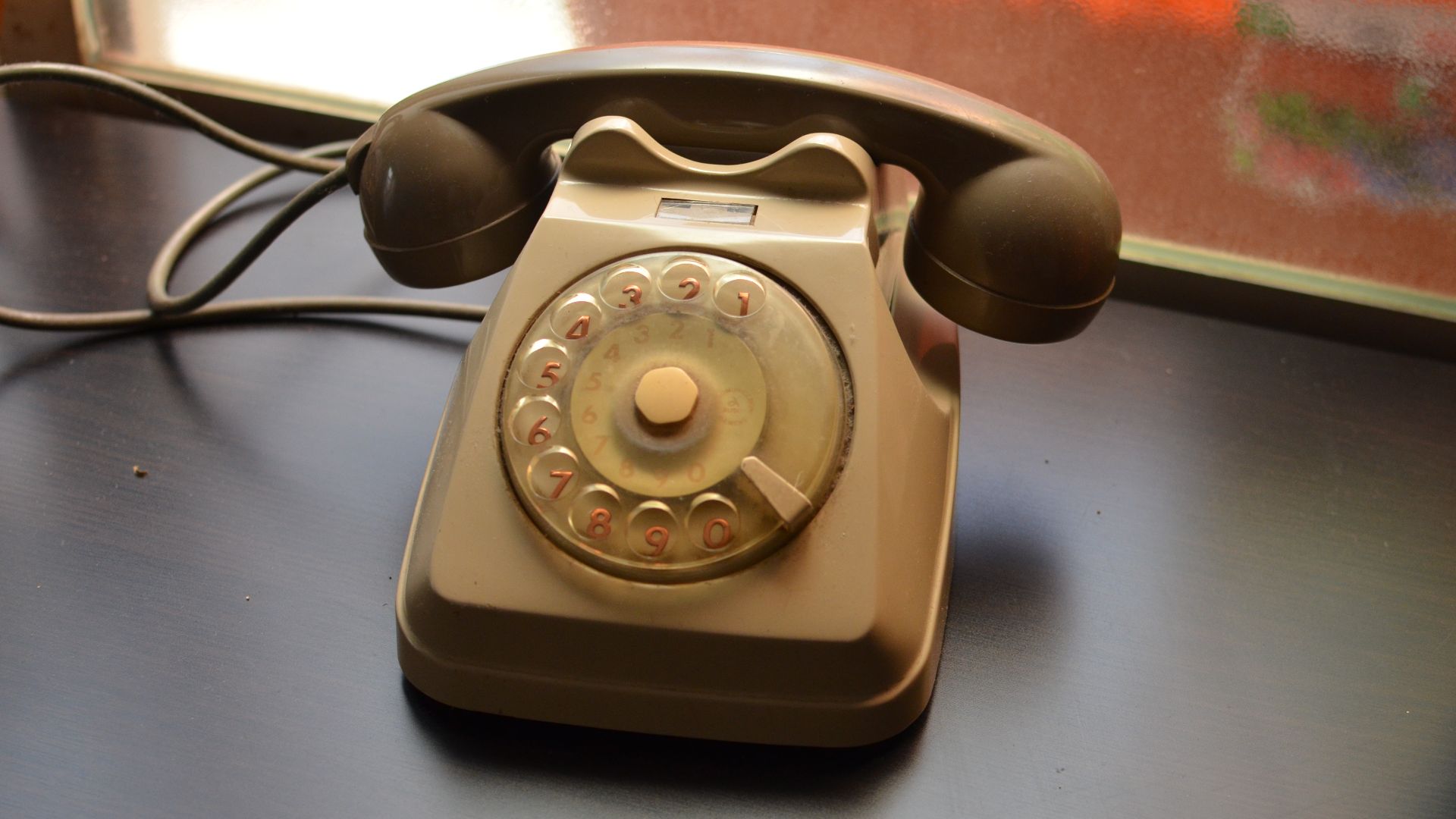
Rotary Telephone Dials Made Every Call Slower
A rotary telephone required users to turn a numbered dial for each digit of a telephone number. The Smithsonian preserves a Western Electric rotary-dial component manufactured around 1960. These mechanical dials were characteristic of home telephones before push-button dialing became the familiar alternative. Rotary phones still survive among collectors and enthusiasts, but the original mechanical dialing system has disappeared from most modern households.
Suzy Homemaker Refrigerators Filled Playrooms
The Suzy Homemaker toy line, introduced in 1966, offered miniature versions of familiar household appliances. Its refrigerator came with plastic food, while the broader range included working toy mixers, ovens, and other domestic equipment. The Smithsonian preserves a 1968 refrigerator and documents how the line reflected expectations about household responsibilities. The original toy range belongs to a particular period in American consumer culture, even though miniature kitchen appliances remain popular toys today.
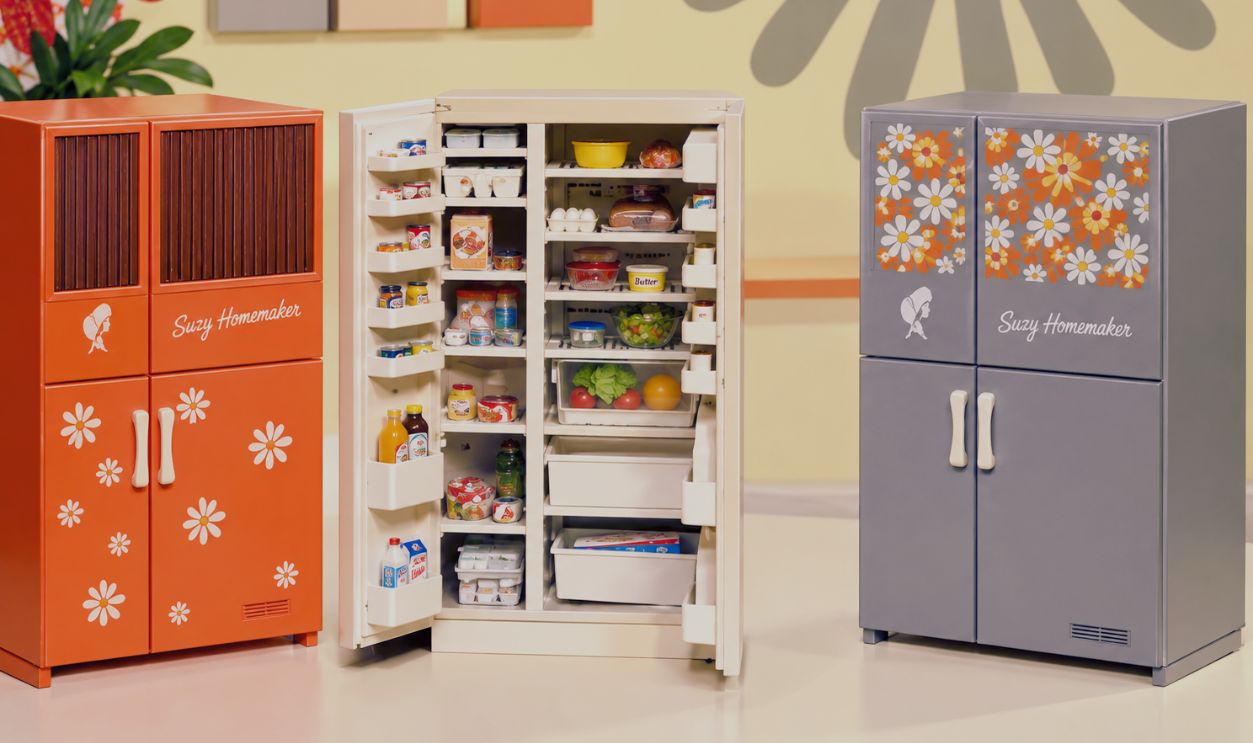 Screenshot from Suzy Homemaker Commercial, Topper Toys (1971)
Suzy Homemaker Toy Washers Made Chores Into Play
The Suzy Homemaker range did not stop at refrigerators and ovens. Children could also play with miniature laundry equipment, including a toy clothes washer. The Smithsonian explains that the product line presented household chores as activities children could imitate through play. While toy washing machines still exist, the original Suzy Homemaker models are artifacts of the 1960s rather than regular fixtures in today's toy aisles.
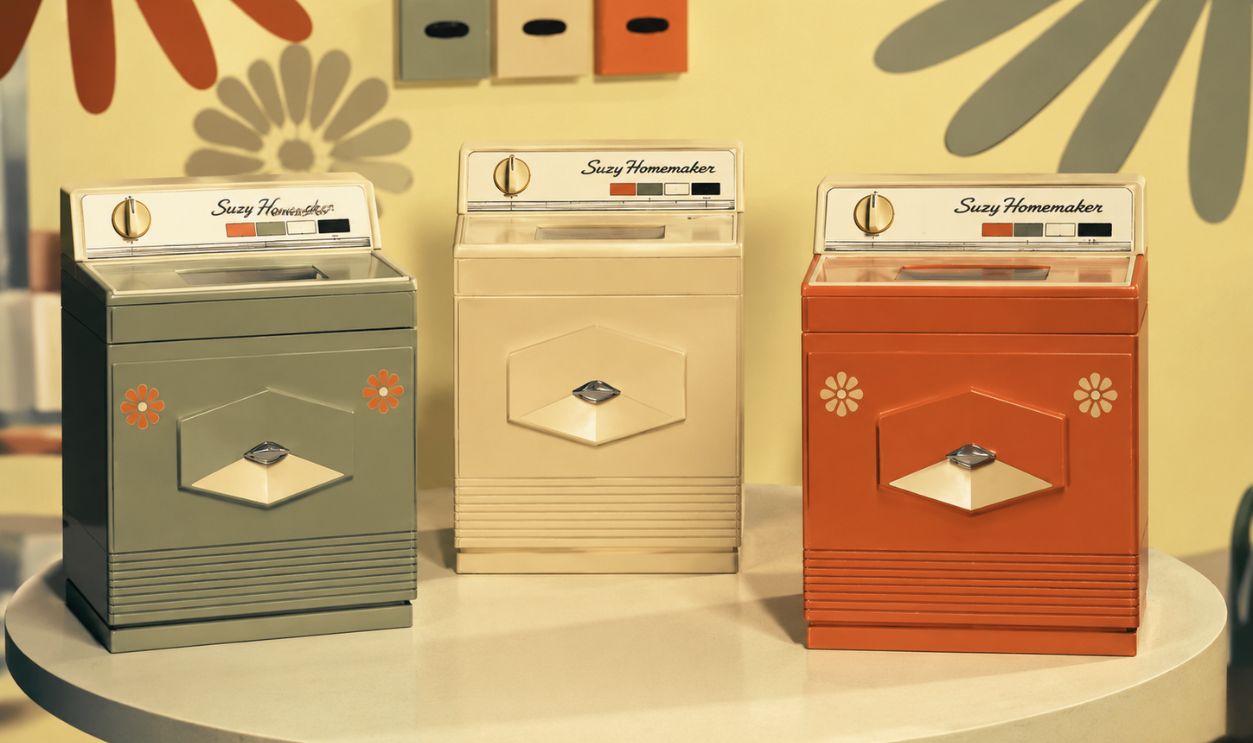 Screenshot from Suzy Homemaker Commercial, Topper Toys (1971)
Suzy Homemaker Toy Vacuums Completed The Collection
Another product in the Suzy Homemaker range was a miniature vacuum cleaner with accessories. It belonged to a coordinated collection that also featured toy dishwashers, irons, and ironing boards. Advertising encouraged children to imagine performing the same domestic tasks they saw adults doing at home. The original range eventually gave way to newer generations of household-themed toys, leaving the vintage models as reminders of how children were marketed to in the 1960s.
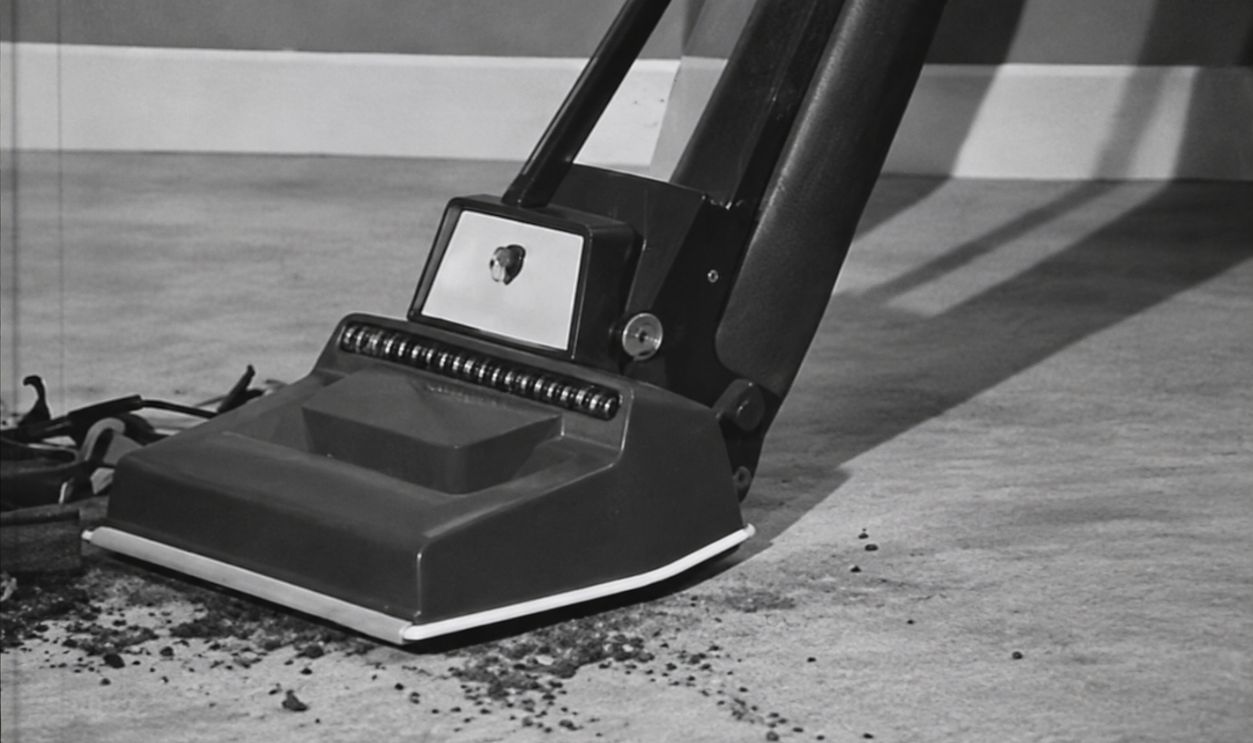 Screenshot from Suzy Homemaker Commercial, Topper Toys (1967)
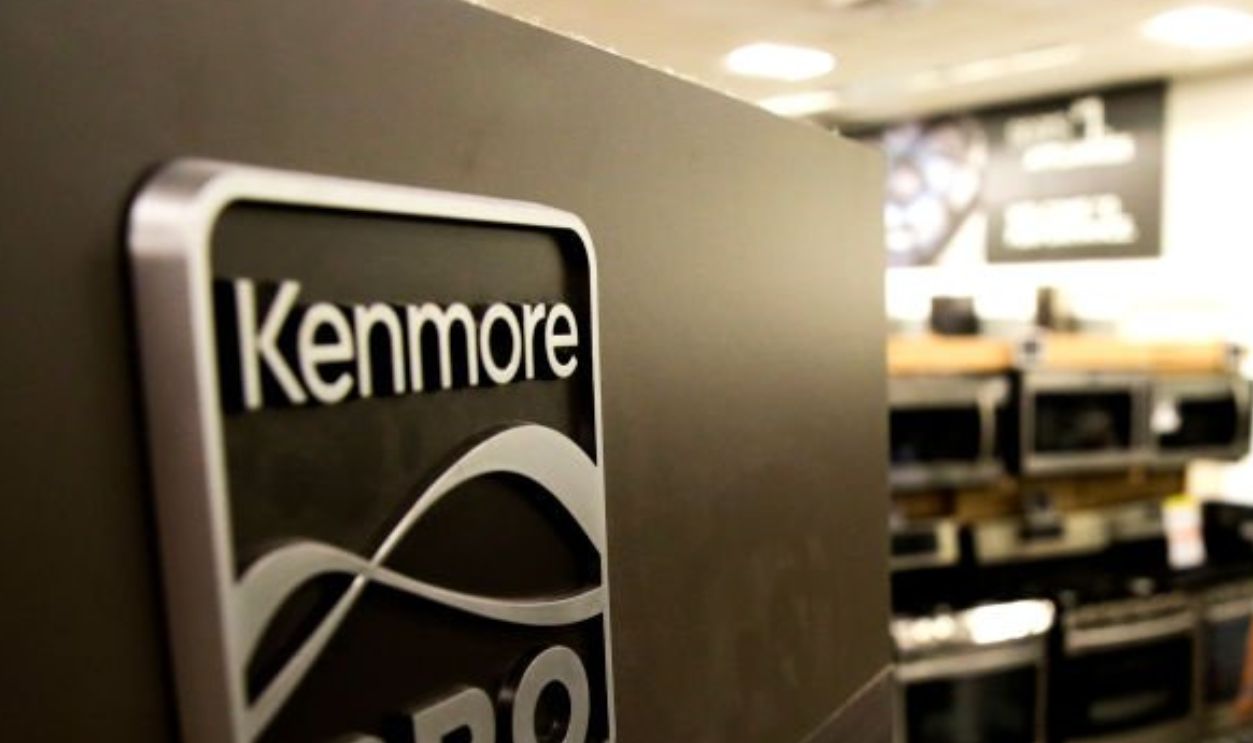
Kenmore Elevator Toasters Showed Off Modern Convenience
Sears sold a Kenmore model known as the Elevator toaster during the 1960s. The Smithsonian preserves an example with a chrome-plated body, a heat-control lever, and a spring-operated pop-up mechanism. Its design reflected a period when manufacturers emphasized electric appliances as a way to reduce household labor. The original Elevator model is no longer a regular retail product, although its basic pop-up mechanism remains familiar.
 San Francisco Chronicle/Hearst Newspapers, Getty Images
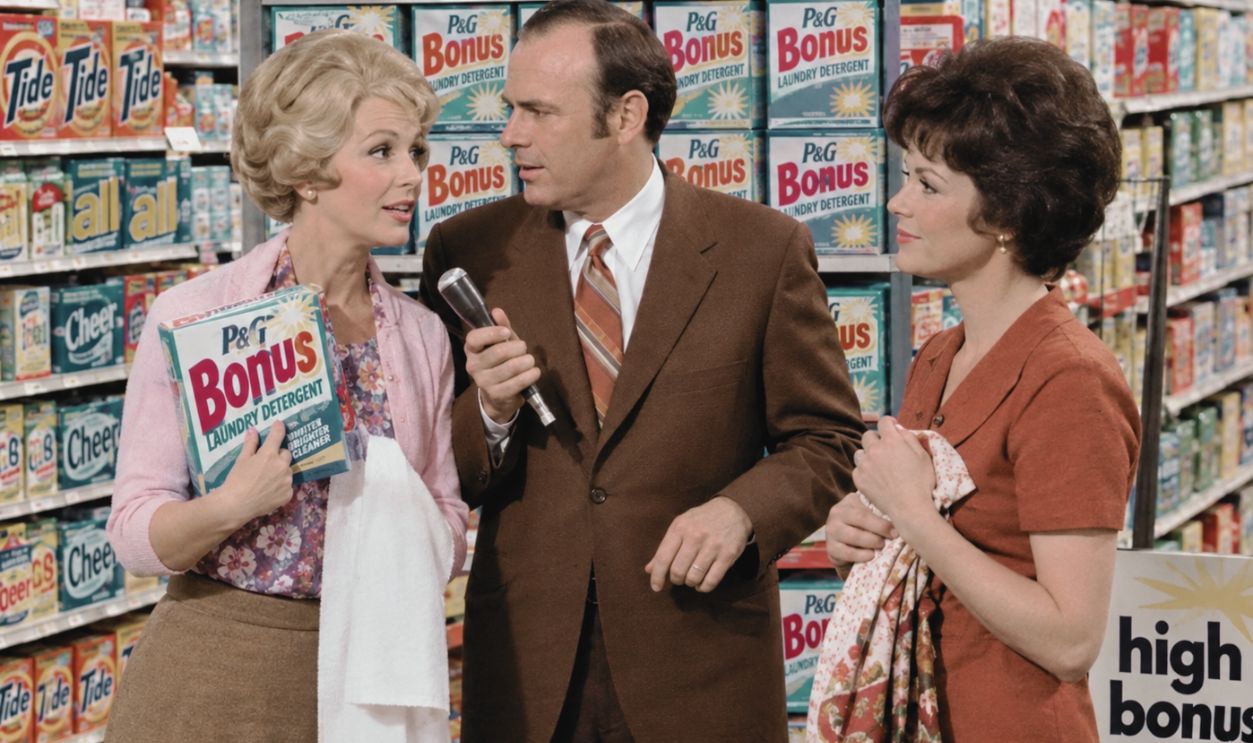
Old-Fashioned Washing Powders Had Their Own Identity
Laundry aisles once featured a much broader assortment of individually branded washing powders and cleansers. The Smithsonian's Procter & Gamble collection includes historical packaging for Rub No More Cleanser and Washing Powder, alongside numerous other early cleaning products. These packages illustrate how manufacturers competed through product names, advertising, and promises of easier cleaning. Many of those original formulations and package designs have disappeared, even though powdered laundry products remain available.
 Screenshot from P&G Bonus Laundry Detergent Commercial, Procter & Gamble Company (1960), Enhanced
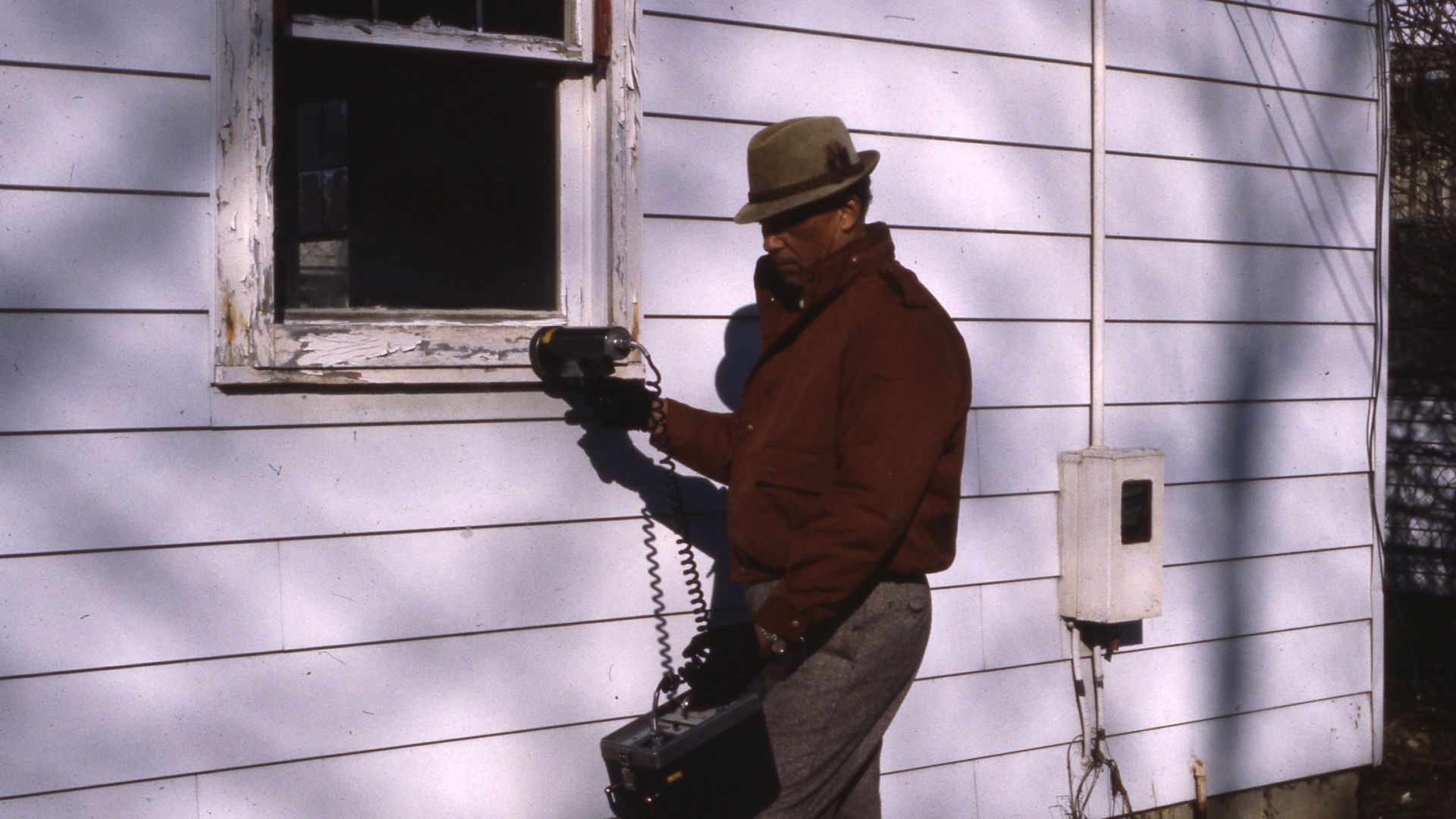
Lead-Painted Household Furniture Became A Safety Concern
Lead-based paint was not limited to walls and ceilings. Earlier coatings could also appear on household furniture, creating potential exposure when painted surfaces deteriorated. Federal regulations adopted in 1978 prohibited lead-based paint on household furniture and children's toys. The old furniture coatings therefore belong to a time before modern restrictions, although surviving pieces may still require precautions when being restored.
 David E. Lucas, Wikimedia Commons
The Products Disappeared, But Their Stories Remain
Looking back at 1960s household products reveals how dramatically everyday expectations have changed. Some items became obsolete because newer appliances made household tasks easier, while others disappeared because their chemical ingredients raised serious concerns. The Smithsonian's collections preserve many examples of the packaging, appliances, and advertising that once surrounded American families. Their disappearance shows that household convenience has never been a fixed idea, and that even the most familiar products can eventually become history.

You May Also Like:
Products That Became Famous For Something They Were Never Designed To Do
Old Household Tricks That Sound Ridiculous But Actually Got Used All The Time









_02.jpg?uselang=it)
