Predictions That Were Weirdly Right
Some people are so ahead of their time that everyone else thinks they’ve lost the plot. History is packed with bold predictions that sounded silly, dramatic, or flat-out impossible when they were made. Then the future arrived—and suddenly the “crazy” people looked like the only ones paying attention.
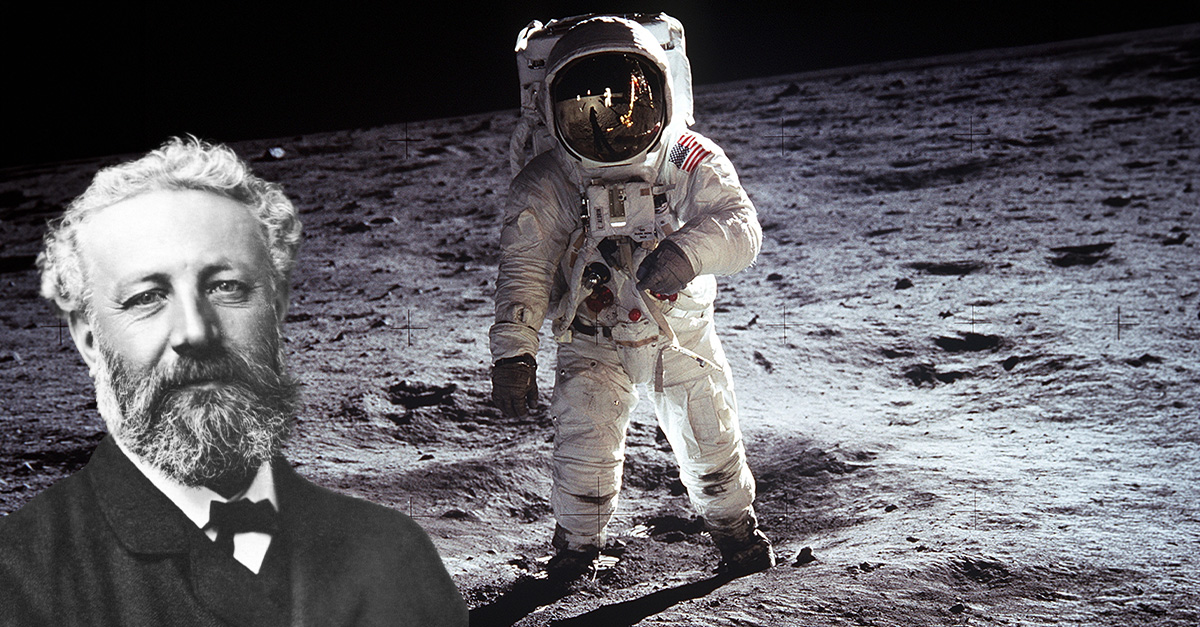
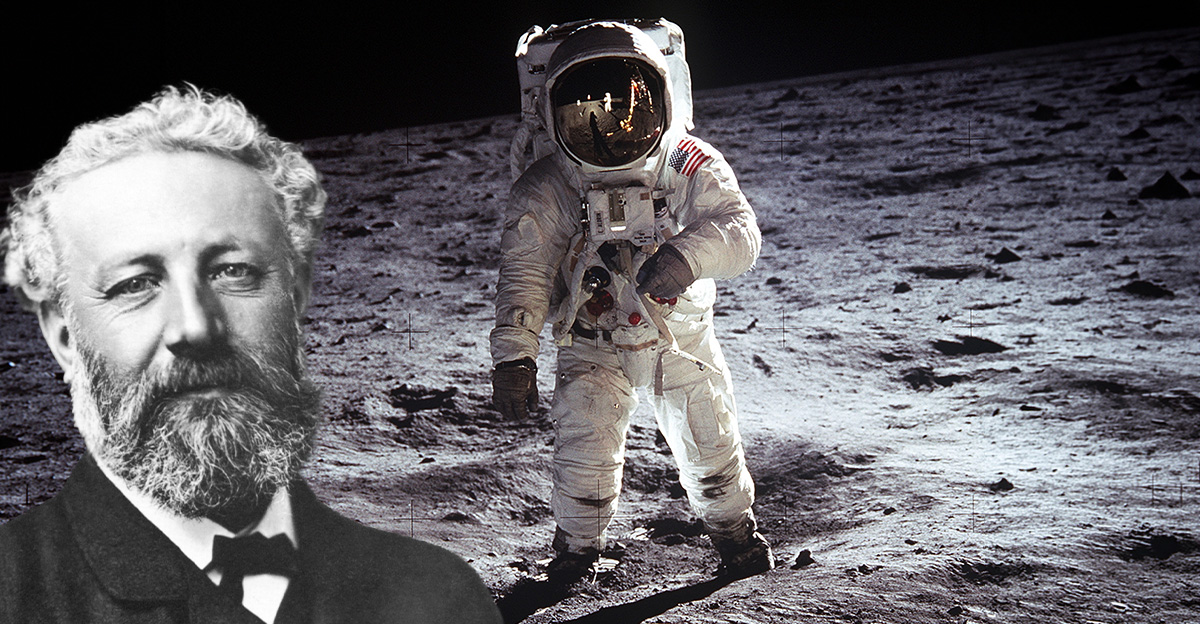 Neil A. Armstrong, Public domain, via Wikimedia Commons
Jules Verne Basically Called The Moon Landing
In 1865, Jules Verne wrote about men being launched toward the moon from Florida inside a capsule. At the time, that was pure adventure-story madness. Then, more than 100 years later, Apollo 11 launched from Florida and carried astronauts to the moon. Not bad for a novelist with a telescope and a wild imagination.
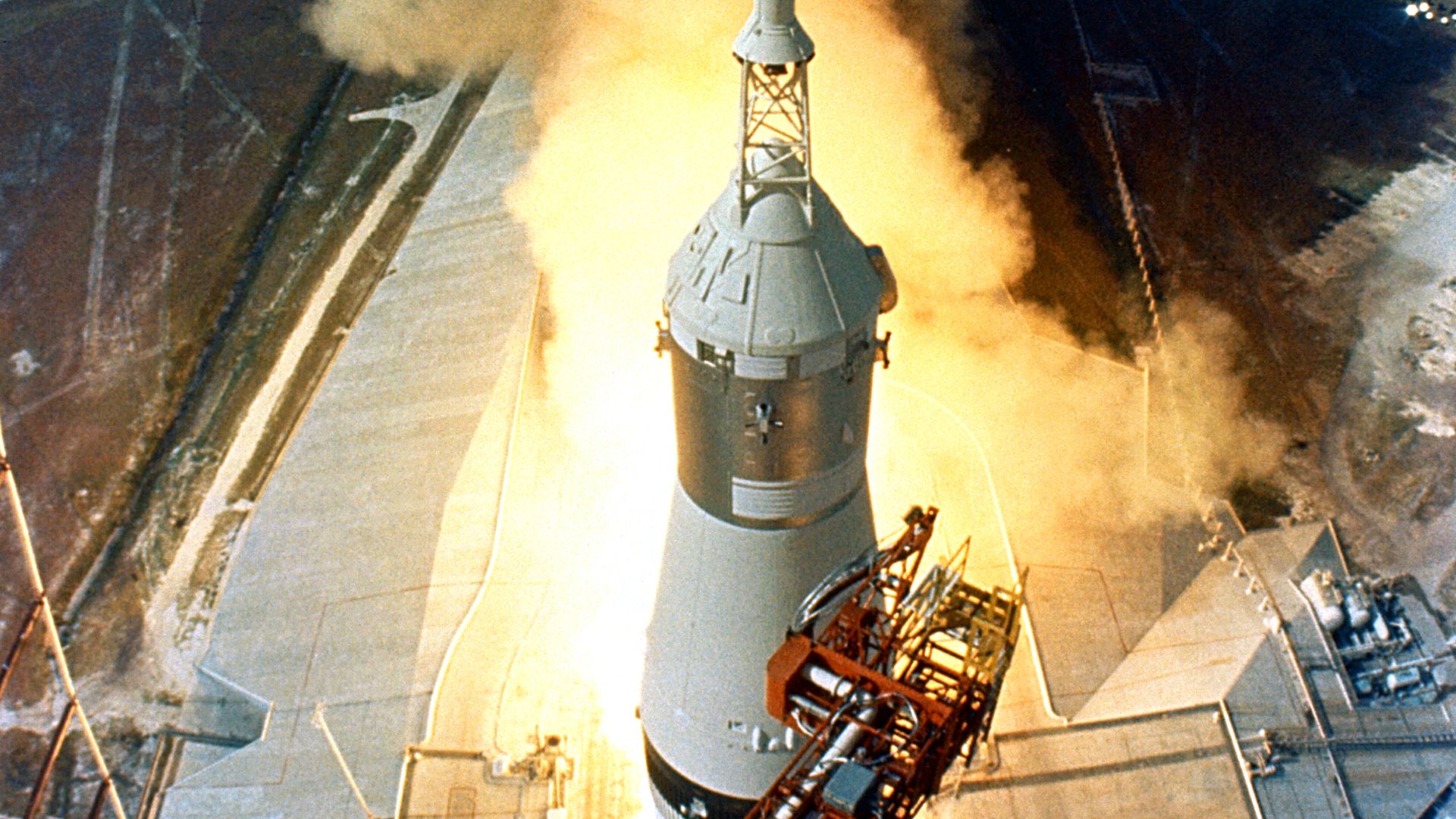 NASA; restored by Michel Vuijlsteke, Wikimedia Commons
Nikola Tesla Saw Wireless Life Coming
Nikola Tesla didn’t just think electricity was useful—he imagined a world where people could send messages instantly without wires. That sounded almost mystical in his lifetime. Now we text, stream, scroll, and video chat from tiny wireless devices all day long. Tesla would probably be smug, and honestly, fair enough.
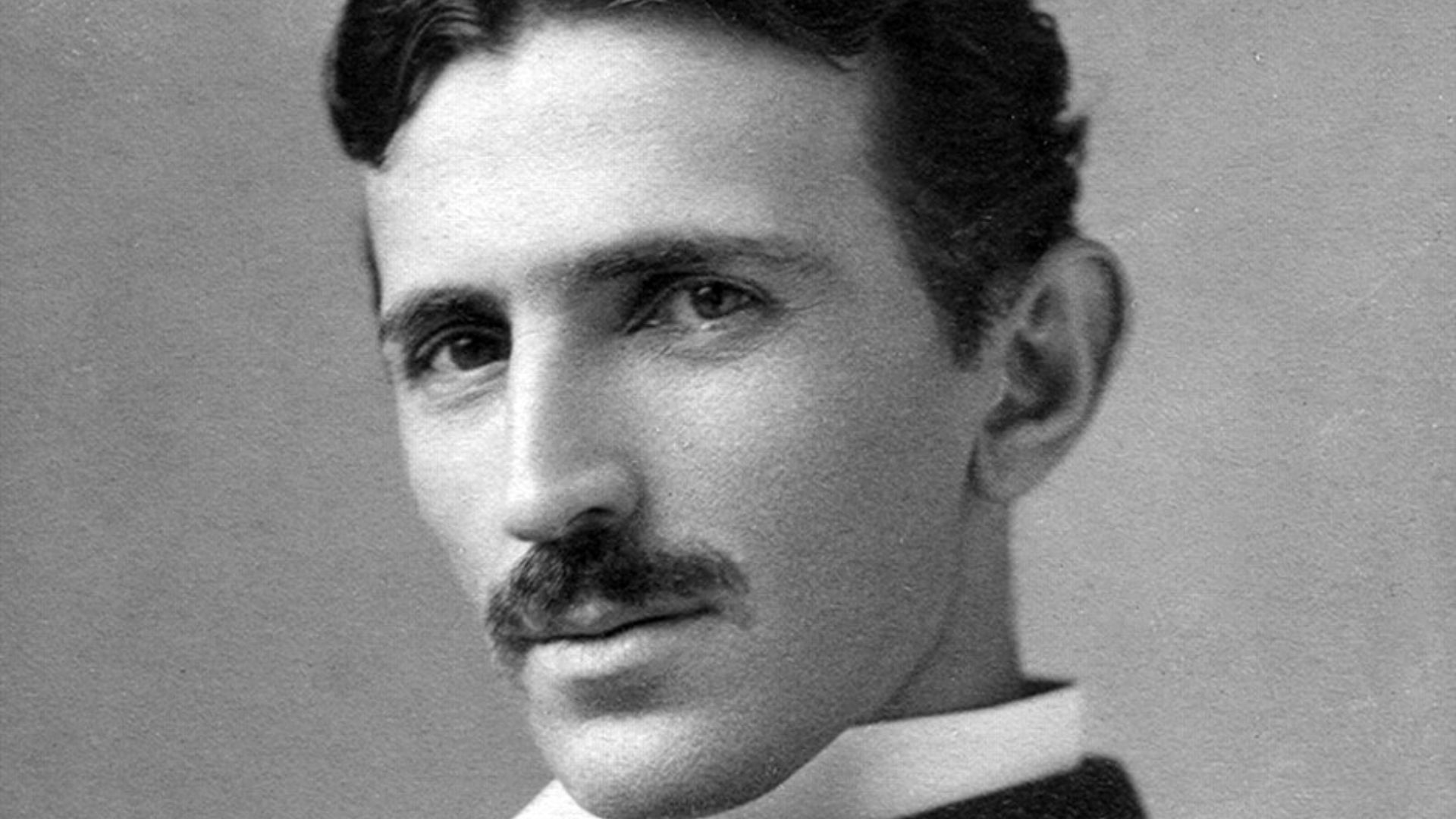 Napoleon Sarony, Wikimedia Commons
Mark Twain Imagined A Version Of The Internet
Mark Twain once wrote about a fictional device that let people see and hear events happening around the world. In the 1890s, that sounded like a magic window. Today, livestreams, news feeds, video calls, and social media do exactly that. Twain may have been joking around, but the man accidentally saw the future.


History's most fascinating stories and darkest secrets, delivered to your inbox daily.
H.G. Wells Predicted Atomic Bombs
H.G. Wells imagined atomic bombs decades before they became reality. When he wrote about weapons powered by atomic energy, the science was still young and the idea sounded impossible. Sadly, the 20th century proved him right. It remains one of the most chilling examples of science fiction turning into history.
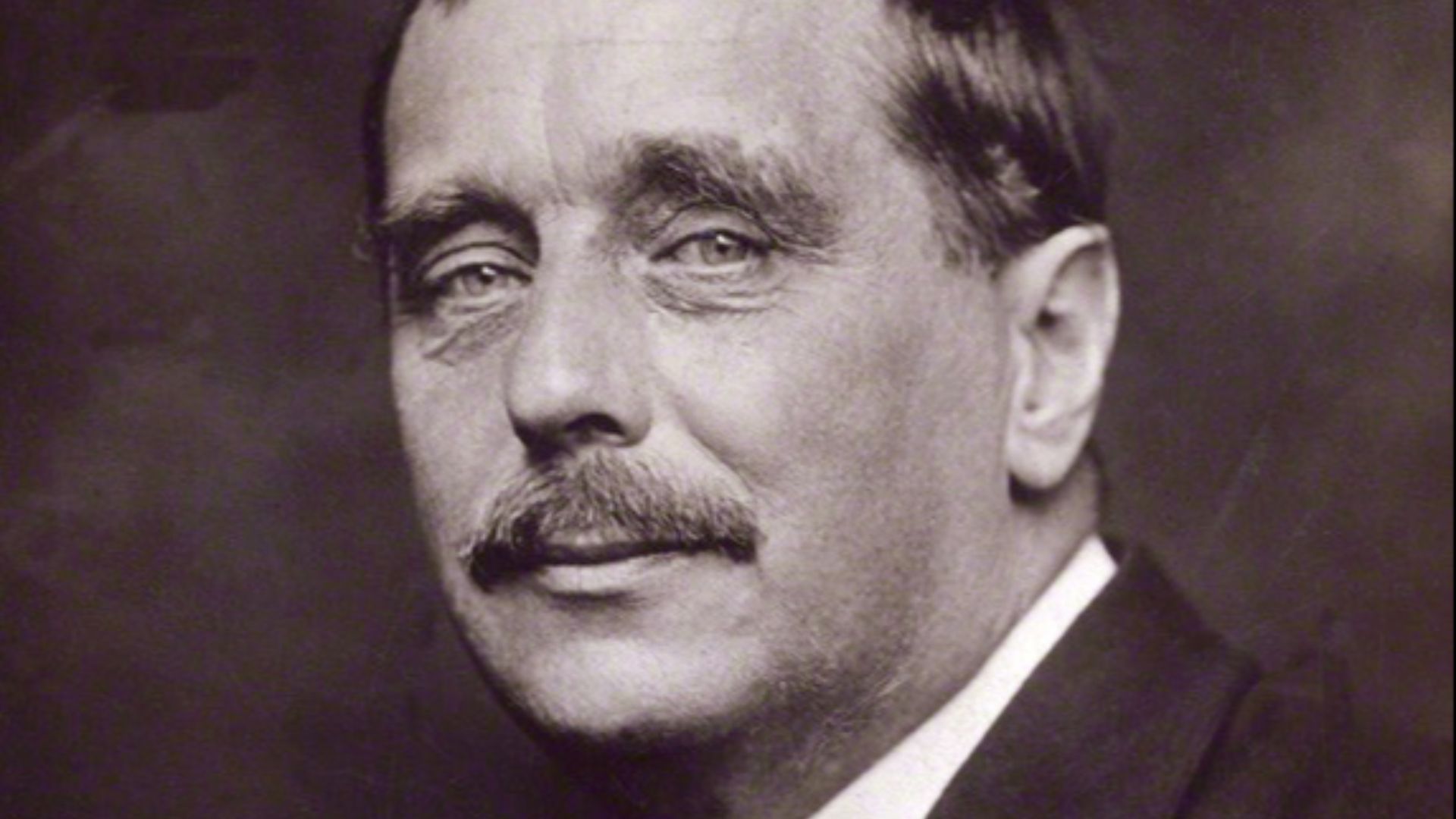 George Charles Beresford, Wikimedia Commons
John Elfreth Watkins Predicted Mobile Phones
In 1900, engineer John Elfreth Watkins Jr. predicted that people would one day talk across the world using wireless telephones. Back then, phones were clunky, fixed, and very much attached to wires. Today, a phone without wires is so ordinary that we panic when the battery hits 3%.
 Urban Versis 32, CC BY-SA 4.0, Wikimedia Commons
Watkins Also Predicted Instant Photo Sharing
Watkins had another surprisingly modern idea: photographs could be sent quickly across long distances. In 1900, taking and sharing a photo was a whole process. Now, someone can snap a picture of lunch and send it across the planet before the soup gets cold. The future is impressive and slightly annoying.

Arthur C Clarke Saw Satellites Coming
In the 1940s, Arthur C Clarke suggested that satellites could be used for global communication. At the time, it sounded like high-level space fantasy. Now satellites help power television, GPS, weather reports, phone networks, and internet connections. Clarke didn’t just predict a gadget—he predicted the wiring of the modern world.
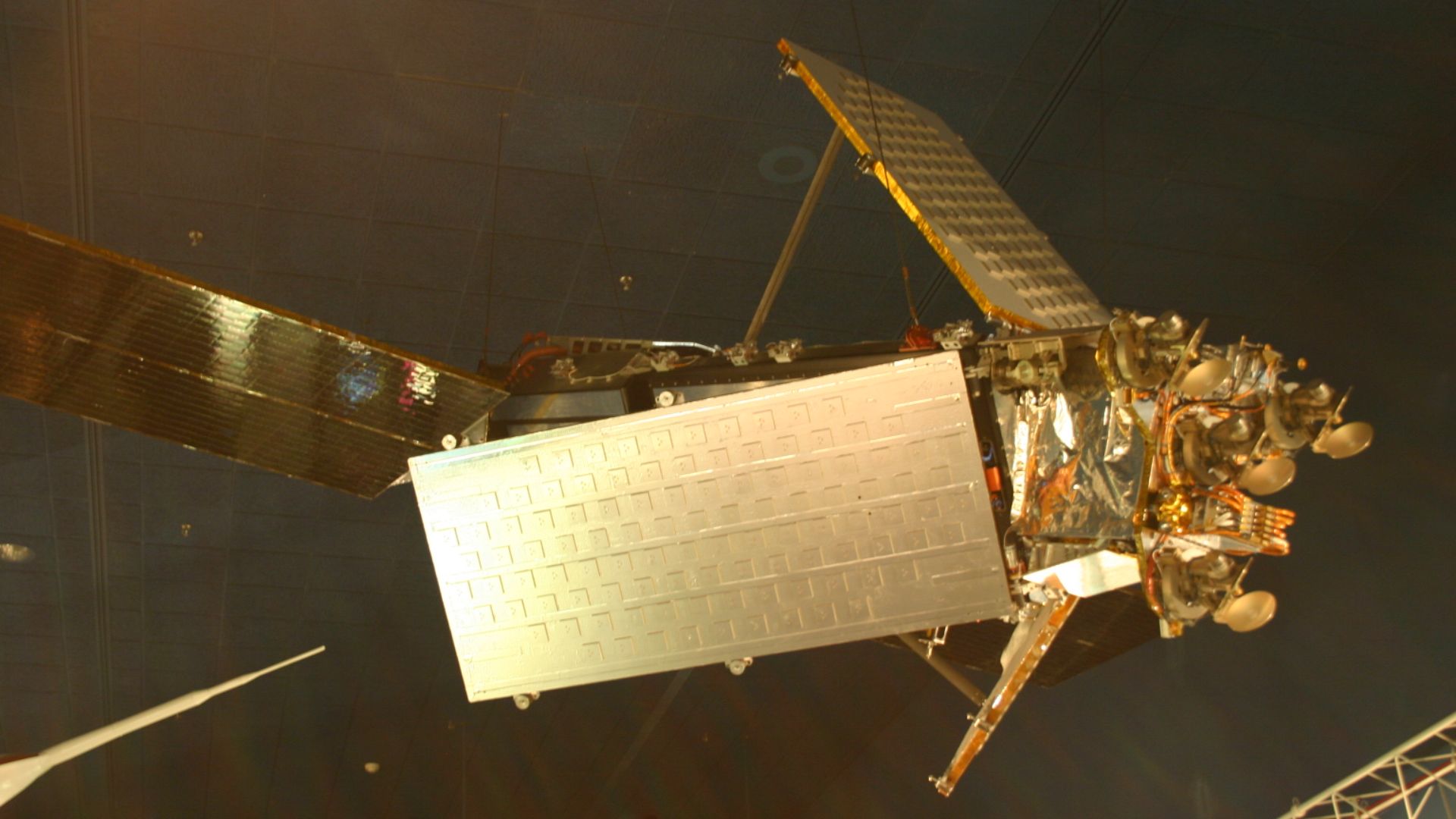 Flickr user ideonexus, Wikimedia Commons
Clarke Also Imagined Online Banking
Arthur C Clarke also pictured people doing business from home using computers. That once sounded oddly lazy and futuristic. Why would anyone bank from home? Now we pay bills, move money, deposit checks, and shop without leaving the couch. Clarke understood something very important: people love convenience.
 Christian Velitchkov, Unsplash
Edward Bellamy Predicted Credit Cards
In his 1888 novel Looking Backward, Edward Bellamy described people using cards to buy things instead of cash. To readers at the time, that was a strange little futuristic detail. Today, credit and debit cards are everywhere. Bellamy imagined a cashless world before “tap to pay” became second nature.

History's most fascinating stories and darkest secrets, delivered to your inbox daily.
Roger Bacon Predicted Cars And Planes
Way back in the 1200s, philosopher Roger Bacon wrote about machines that could move without animals and devices that could carry people through the air. This was a world of horses, carts, and muddy roads. Cars and airplanes were centuries away, but somehow Bacon had the basic idea.

Leonardo Da Vinci Could Not Stop Inventing The Future
Leonardo da Vinci filled his notebooks with flying machines, parachutes, armored vehicles, and mechanical inventions that looked impossible for his era. Not everything would have worked, but that almost doesn’t matter. In a world without engines, Leonardo was already sketching the sky, the battlefield, and the future.
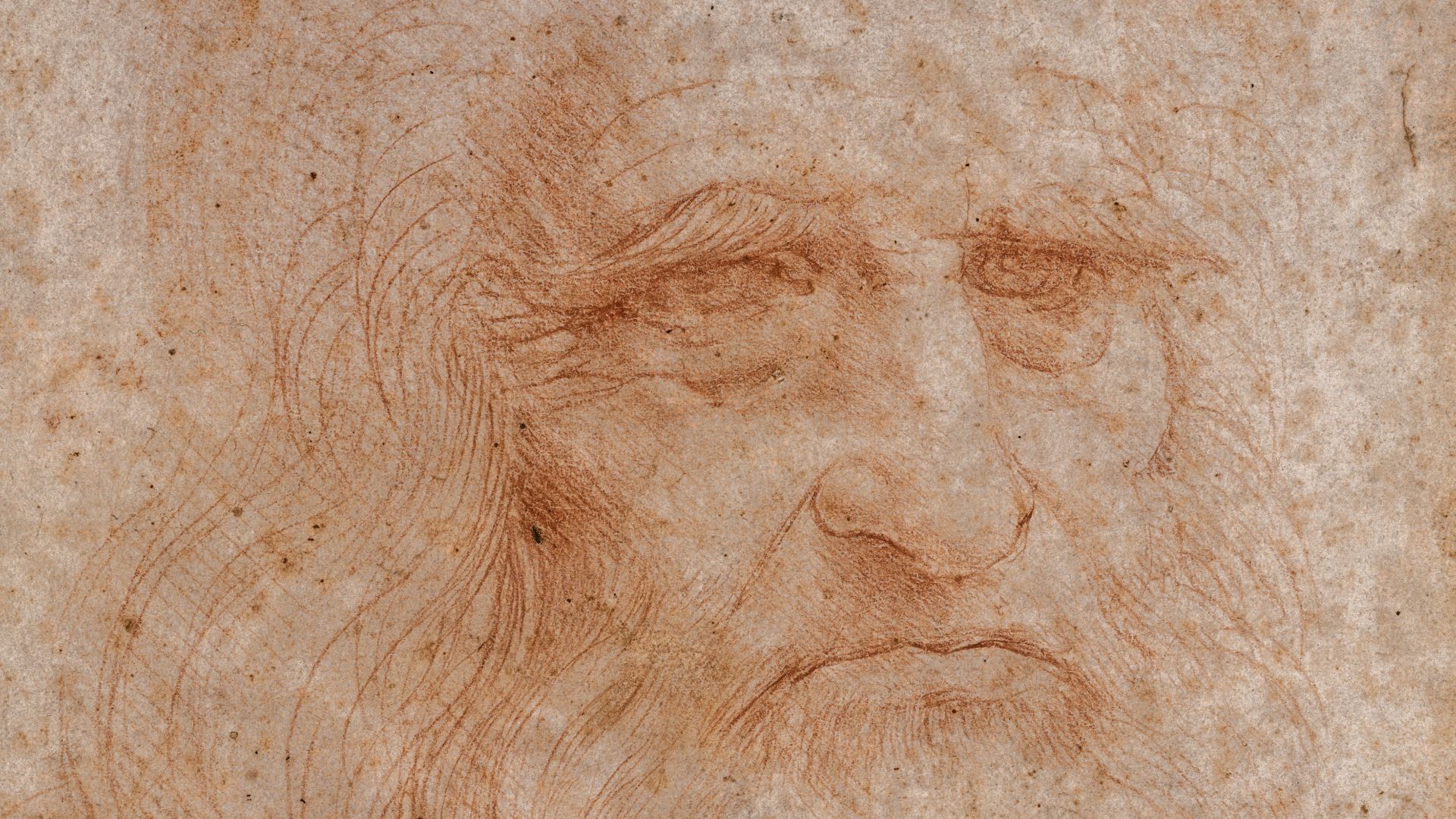 Leonardo da Vinci, Wikimedia Commons
Robert Boyle Predicted Organ Transplants
In the 1600s, scientist Robert Boyle made a list of things future medicine might achieve. One of them was replacing organs. At the time, doctors were nowhere close to anything like that. Centuries later, organ transplants became life-saving procedures. Boyle’s prediction was bold, strange, and incredibly accurate.

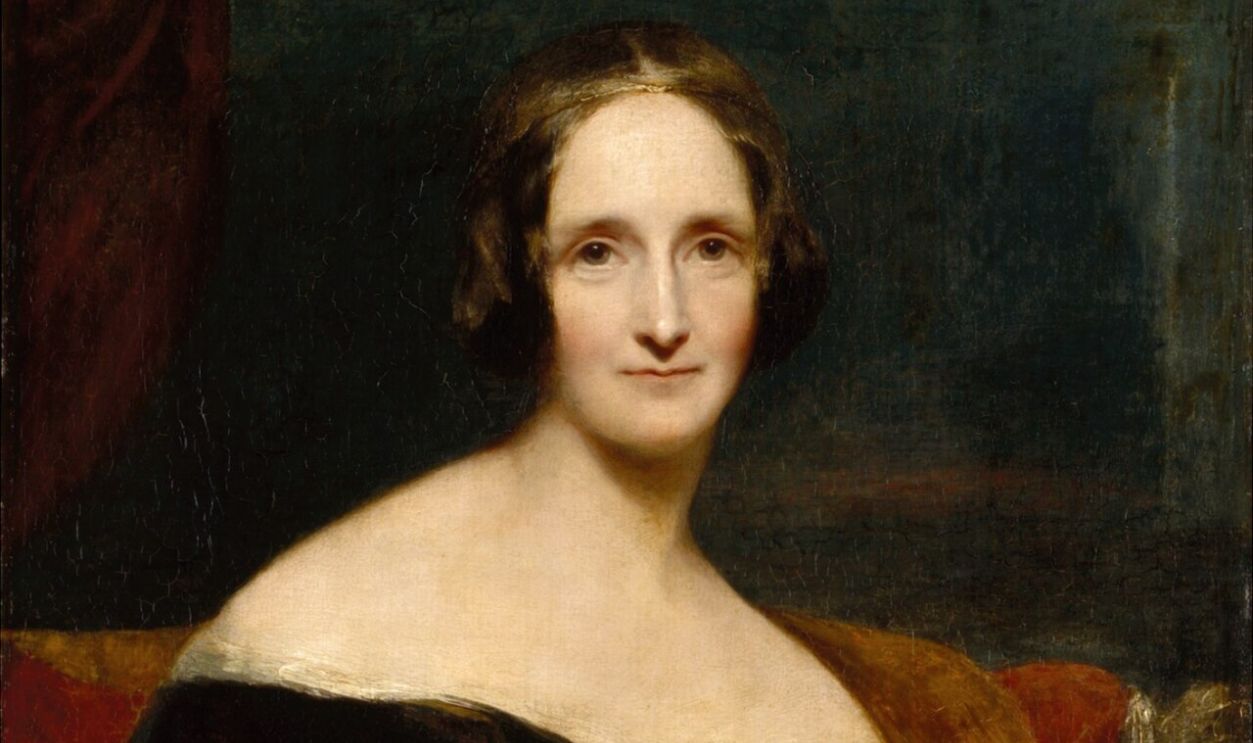
Mary Shelley Understood Science Anxiety
Frankenstein wasn’t a literal prediction of monster-making, thankfully. But Mary Shelley understood something very real: science was beginning to touch the mysteries of life itself. Her story played with electricity, bodies, ambition, and fear. Modern medicine went in a much better direction, but Shelley nailed the anxiety.
 Richard Rothwell, Wikimedia Commons
Hugo Gernsback Predicted Video Calls
Hugo Gernsback, a major name in early science fiction, imagined people seeing each other while speaking across long distances. At the time, that sounded like a parlor trick from the future. Now video calls are so common that “You’re on mute” has become one of humanity’s great shared phrases.

Ray Bradbury Predicted Earbuds
In Fahrenheit 451, Ray Bradbury described tiny “seashell” radios that fit inside people’s ears. In the 1950s, that image felt strange and futuristic. Today, wireless earbuds are everywhere—on buses, in offices, at gyms, and in the ears of people pretending not to hear you.

History's most fascinating stories and darkest secrets, delivered to your inbox daily.
Bradbury Also Saw Giant Screens Coming
Bradbury also imagined huge wall-sized screens filling homes with entertainment. That seemed extravagant in the age of small televisions. Now, giant flatscreens and endless streaming services dominate living rooms. Bradbury’s future came true, though he might not be thrilled by how many shows we binge in one sitting.

Isaac Asimov Predicted Smart Homes
Isaac Asimov imagined homes filled with automated machines that could cook, clean, and respond to everyday needs. Once, that sounded like a cartoon version of the future. Now we have smart speakers, robot vacuums, connected lights, automatic thermostats, and appliances that send notifications. The house got opinions.

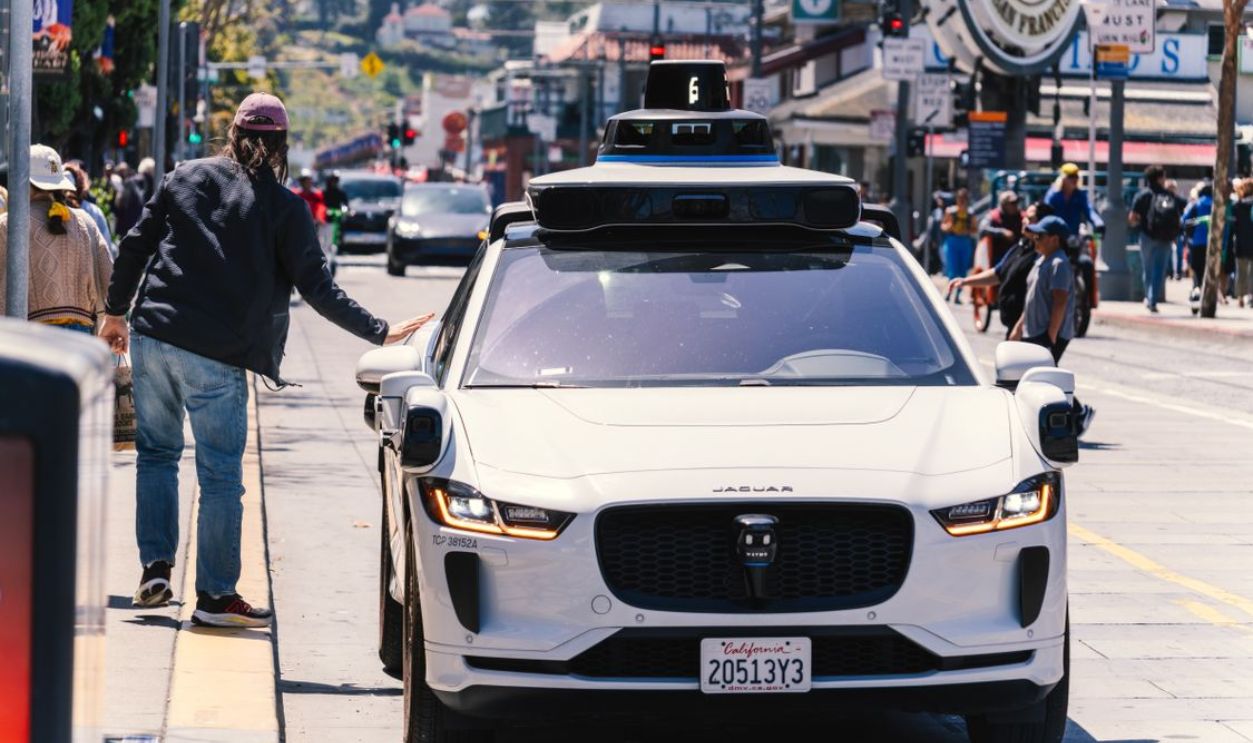
Asimov Also Predicted Self-Driving Cars
Asimov also imagined cars that could drive themselves. For a long time, that felt ridiculous because driving seemed so obviously human. Now self-driving technology is real, even if it still has plenty of problems to solve. The fully autonomous future isn’t perfect yet, but Asimov clearly saw the turn signal.
Marshall McLuhan Predicted The Global Village
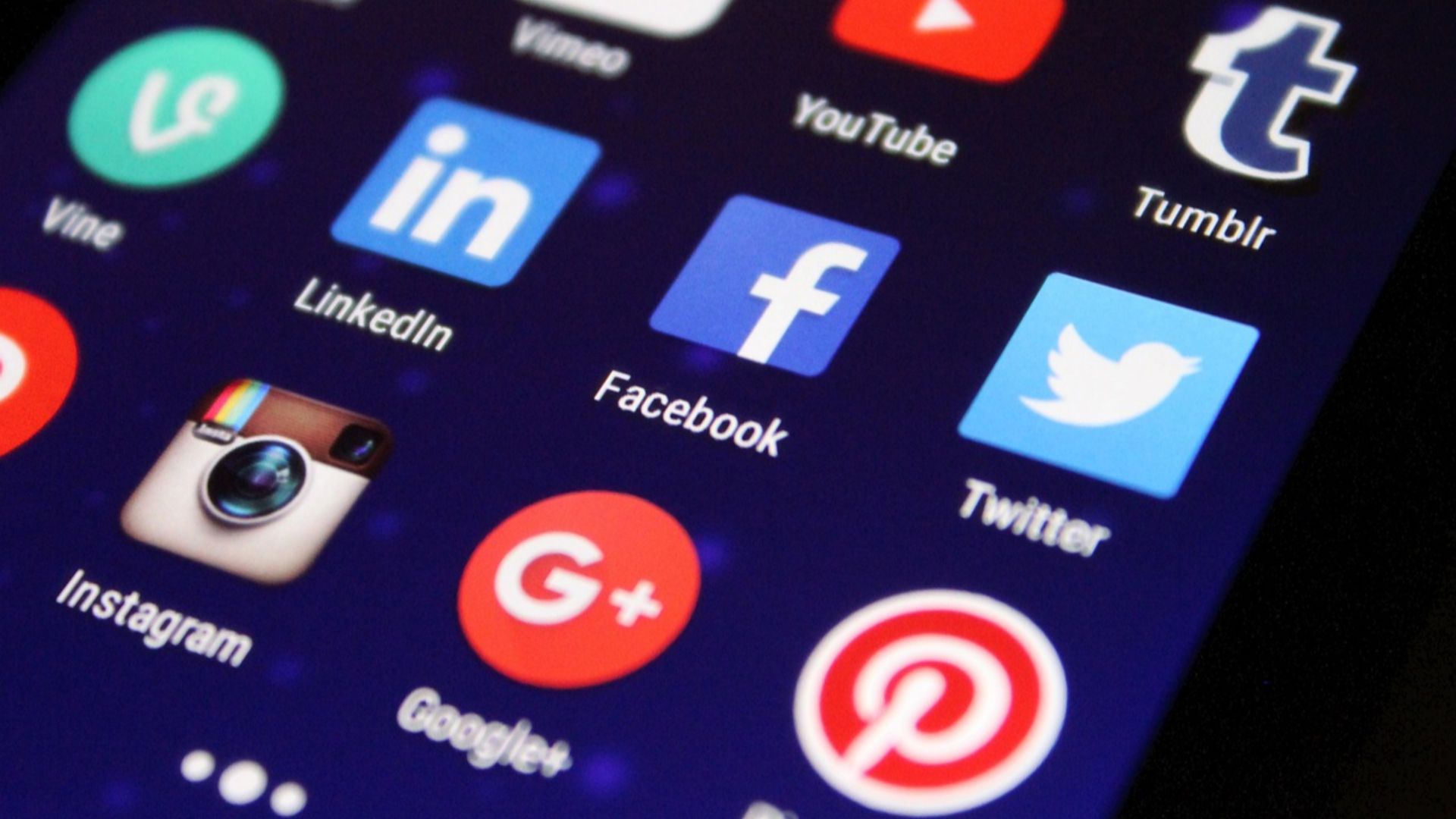
In the 1960s, Marshall McLuhan said electronic media would turn the world into a “global village”. It sounded dramatic, maybe even a little pretentious. Then came satellite TV, the internet, smartphones, and social media. Now a story from across the world can feel personal before breakfast.
Alan Turing Saw The Age Of Thinking Machines
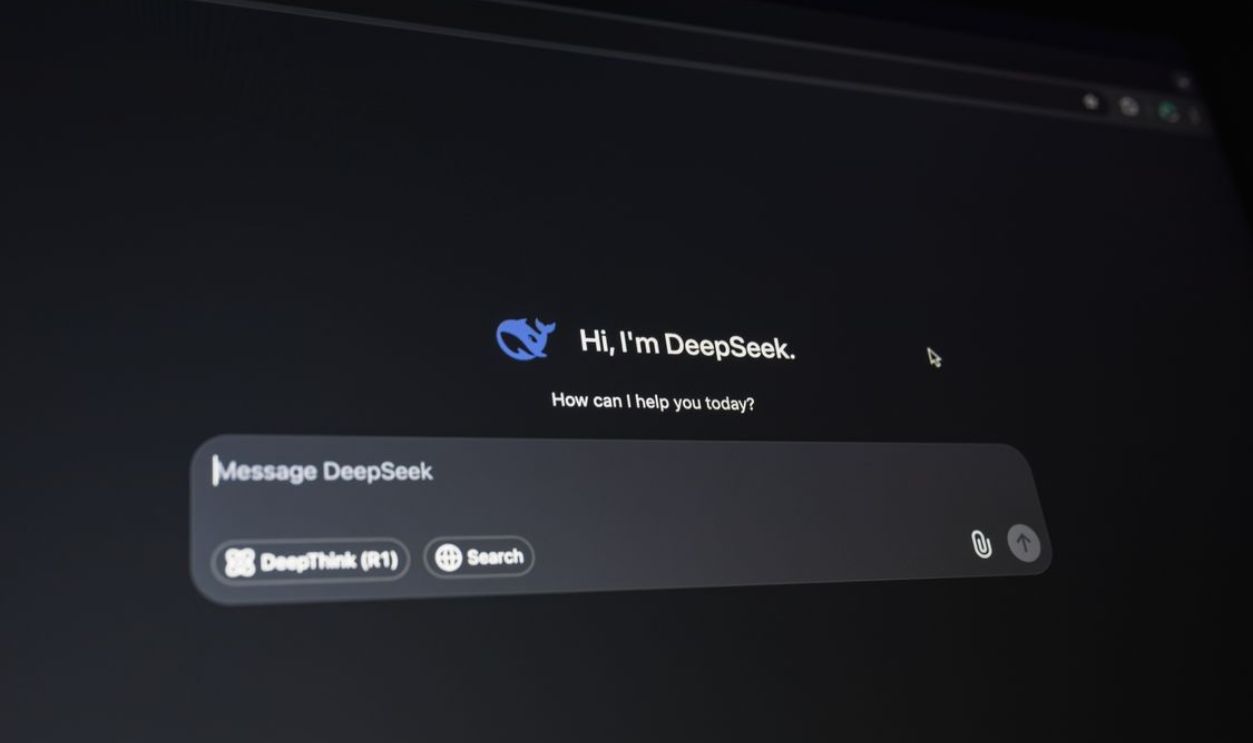
Alan Turing asked whether machines could think long before AI became a dinner-table topic. In his day, computers were enormous, limited, and hardly glamorous. Today, artificial intelligence writes text, translates languages, recognizes faces, recommends music, and answers questions. Turing didn’t just predict a tool—he predicted an argument we’re still having.
Vannevar Bush Predicted Hyperlinks
In 1945, Vannevar Bush described a machine called the Memex, which would let people store information and move between connected ideas. That may sound dry, but it was basically a glimpse of how the web would work. Hyperlinks turned his strange information dream into everyday behavior.
 Belbury, cursor by Dub, CC BY 4.0, Wikimedia Commons
History's most fascinating stories and darkest secrets, delivered to your inbox daily.
Aldous Huxley Predicted Mood-Managed Society
In Brave New World, Aldous Huxley imagined a society where people used drugs to smooth out sadness, stress, and discomfort. His fictional version was extreme, but the broader idea still feels familiar. Modern life includes plenty of mood-altering prescriptions, and Huxley’s warning remains uncomfortably relevant.

George Orwell Predicted Mass Surveillance
George Orwell’s 1984 imagined a world where governments used technology to watch people constantly. At the time, it seemed terrifying and exaggerated. Today, surveillance cameras, location tracking, online data collection, and digital monitoring make the book feel less like fantasy and more like a very grim instruction manual.

Robert Heinlein Predicted The Waterbed
Not every correct prediction has to be world-changing. Science fiction writer Robert Heinlein described water-filled beds before they became a real-life fad. It sounded like a weird futuristic luxury. Then waterbeds became wildly popular in the 20th century, proving the future can be both accurate and squishy.
 Photographed by Robert Paprstein, Wikimedia Commons
Martin Cooper Knew Phones Would Be Personal
Martin Cooper, a pioneer of the handheld mobile phone, believed people would want personal wireless phones, not just car phones or shared devices. That seemed excessive at first. Now the smartphone is practically an extra limb. Cooper understood that people wouldn’t just use phones—they’d build their lives around them.

Today’s Ridiculous Idea Might Be Tomorrow’s Normal
The funny thing about the future is that it rarely looks respectable at first. It shows up as a strange novel, a wild lecture, a weird invention, or a prediction people laugh off. Then, slowly, the world changes—and yesterday’s ridiculous idea becomes the thing nobody can live without.
You May Also Like:
Strange Social Rules That All Americans Once Followed Without Question
The World's Worst Villains Who Were Framed By History
Unlikely Facts About Michael Clarke, The Unconventional Rock Star