Over Before It Started
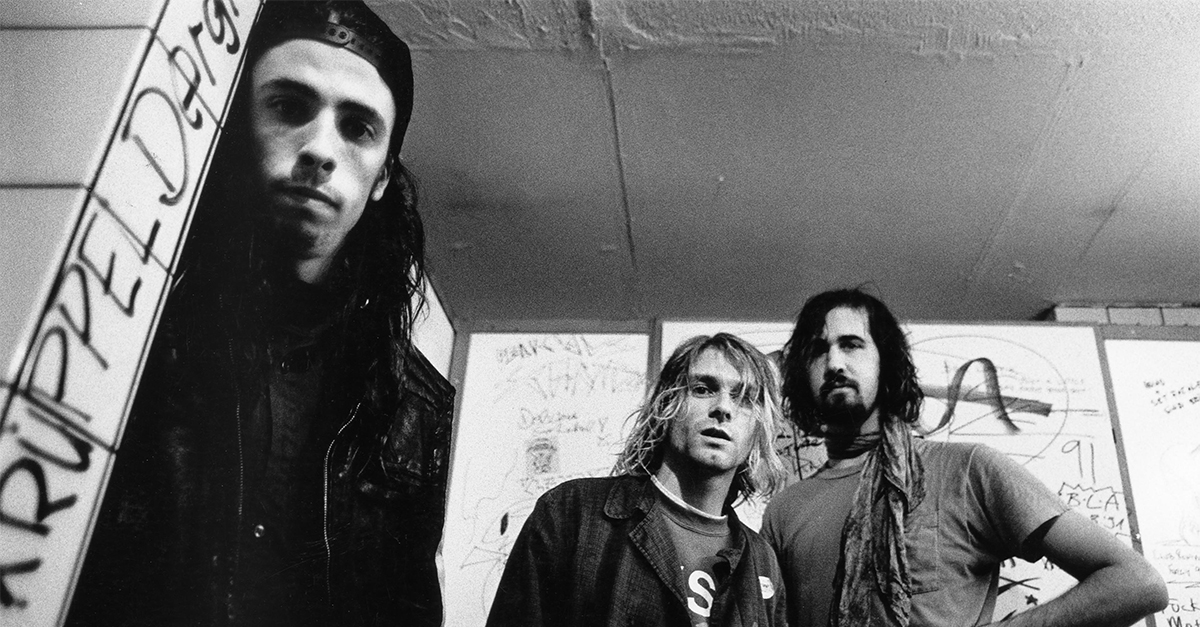
Nirvana is one of the best-known bands to ever exist—for better or for worse. Whether as the object of genuine affection or the subject of derision for their fame, “selling out,” or their personal problems, the band’s output has spoken for itself, and stands the test of time even three decades later.
In their short time together, Nirvana accomplished a lot—despite burning bright and flaming out when their leading man met an untimely end.
1. It Was Slow To Start
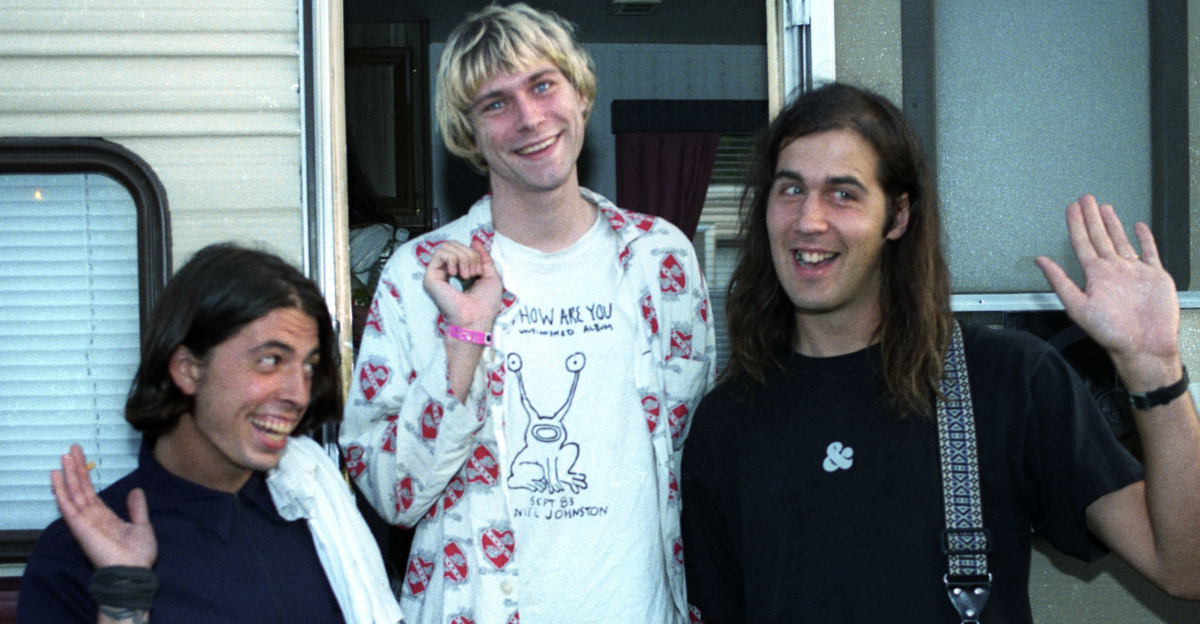
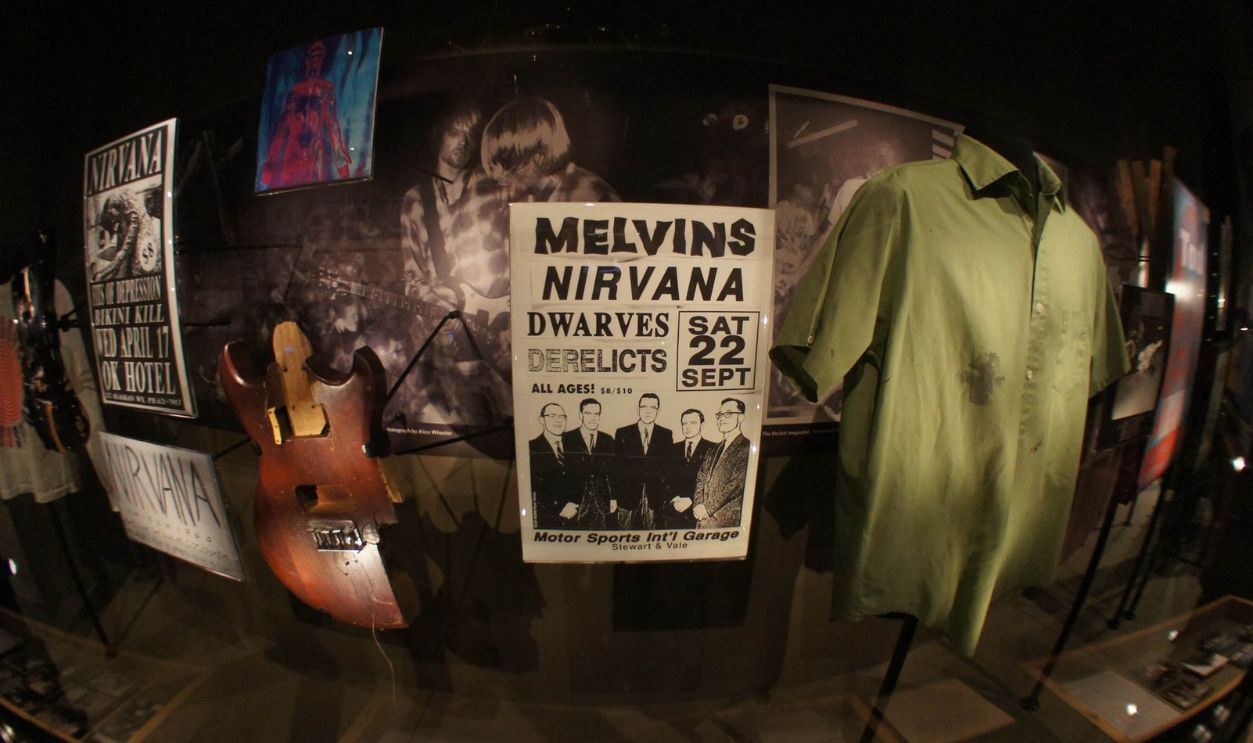
Nirvana was first formed in 1987 in Aberdeen, Washington, by Kurt Cobain and Krist Novoselic. The band came about after Cobain and Novoselic met at a local space where a band called the Melvins practiced. Instantly, they were drawn into a friendship, but the music they made together inspired Cobain to take their relationship further and suggest they start a band
But Novoselic wasn’t quick to agree.
 Geffen Records, DGC Records, Wikimedia Commons
2. It Was Led By A Man In Constant Turmoil
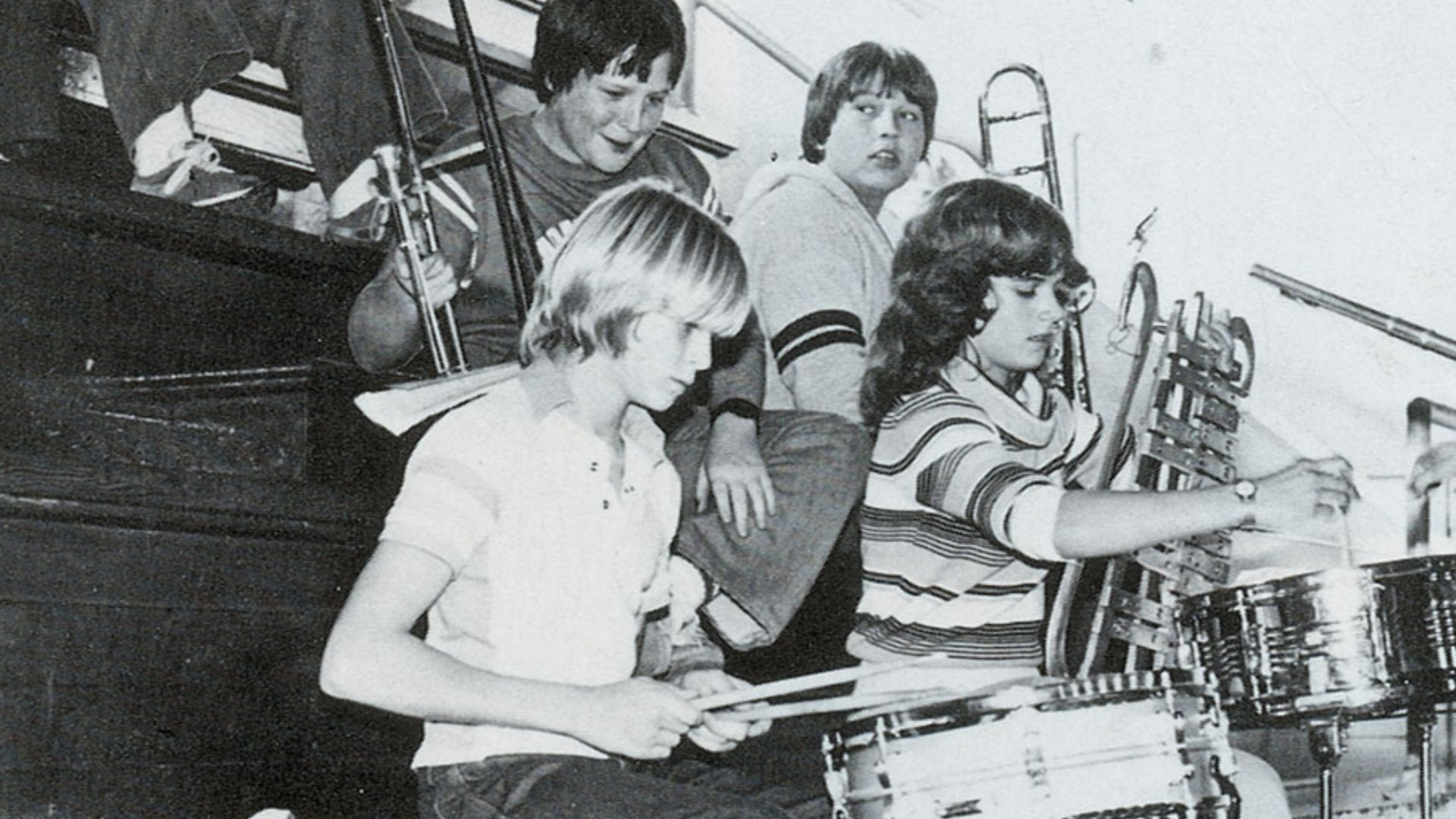
Kurt Cobain had struggled with many things during his youth. His parents divorced, he had mild scoliosis and serious stomach issues that caused him pain, and his mental health wasn’t the best. Music and art were his primary ways of expressing himself. Even at a young age, his art pushed the envelope of acceptability, with several of his school projects being censored by school officials.
As we’ll see, this did nothing to curb his impulse to think critically about the world around him.
 Alice Wheeler, Wikimedia Commons
3. It Was A Two-Man Band
Novoselic took some convincing to start a group. Cobain had to show him a demo from his other band, Fecal Matter, but it took Novoselic way longer than expected to actually listen to the songs. After three years of waiting for Novoselic to agree to start a band, he finally agreed.
Novoselic and Cobain’s musical partnership was well on its way.
 JonnyX and the Groadies @ Flickr, Wikimedia Commons
4. It Was Originally A Cover Band
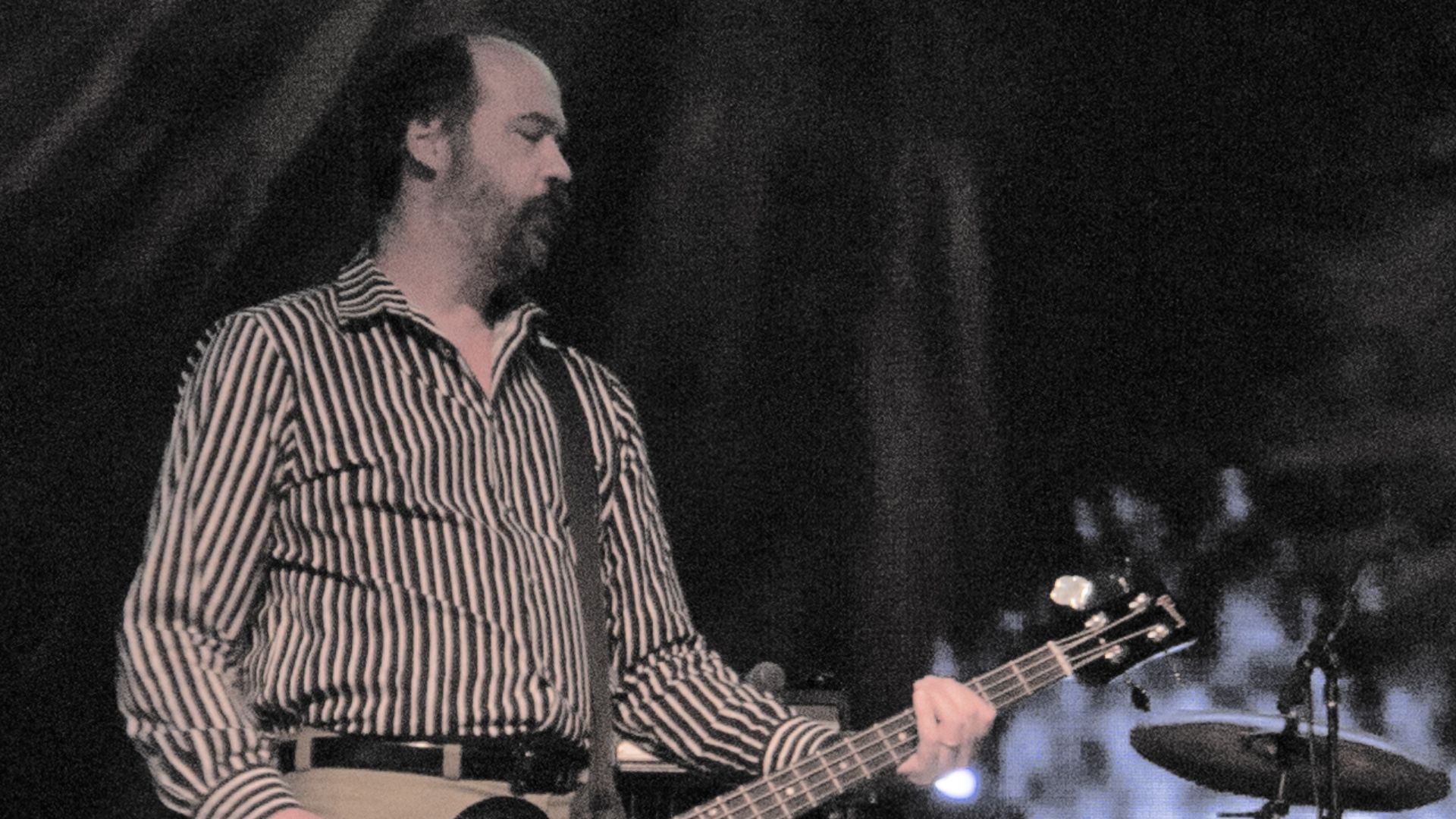
The band Nirvana didn’t come about immediately. When it was just Cobain and Novoselic, they were a Creedence Clearwater Revival tribute band called the Sellouts. Then, they pivoted twice before finding Aaron Burckhard, who they brought in to play drums. They took some of the material from Cobain’s earlier projects and started writing new songs after finding their lineup.
But they weren’t through their rocky beginnings yet.
 David Lee (davidjlee), Wikimedia Commons
5. It Was A Band Of Many Names
The first time the band played as “Nirvana” was at Community World Theater in Tacoma, Washington. The band went through so many names before landing on Nirvana, including Skid Row, Pen Cap Chew, Bliss, and more. But eventually they chose Nirvana, which Cobain credited to wanting “a name that was kind of beautiful”.
Little did they know the band’s name would be a portent of both good and ill.
6. It Was Unable To Keep A Single Drummer
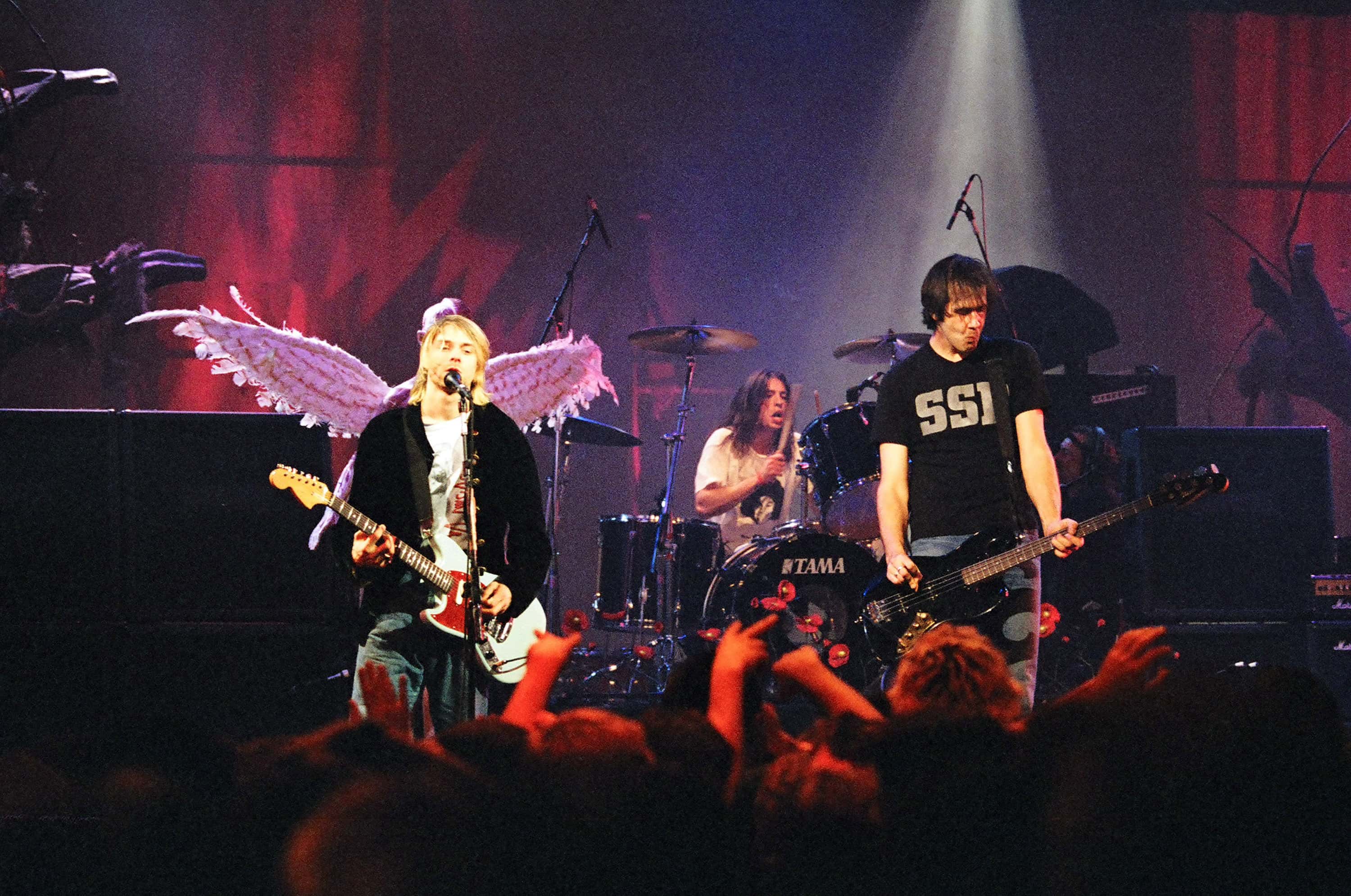
By 1988, the lineup for the band still hadn’t solidified. Cobain was on lead vocals and guitar, and Krist Novoselic was on bass, but they had a rotating cast of musicians filling the rest of the roles. It wasn’t until the following year that they would have a full final lineup.
In the meantime, they had other things to think about.
 P.B. Rage from USA, Wikimedia Commons
7. It Was Quick To Get Attention
Nirvana released their first single, a cover of “Love Buzz” by Shocking Blue, with the Seattle indie record label Sub Pop. This also brought about their first interview, in Sounds with John Robb. They were starting to garner some traction, which meant they had to turn their sights to bigger and better things.
Like recording their debut album.
8. It Was A Combination Of Well-Known Sounds
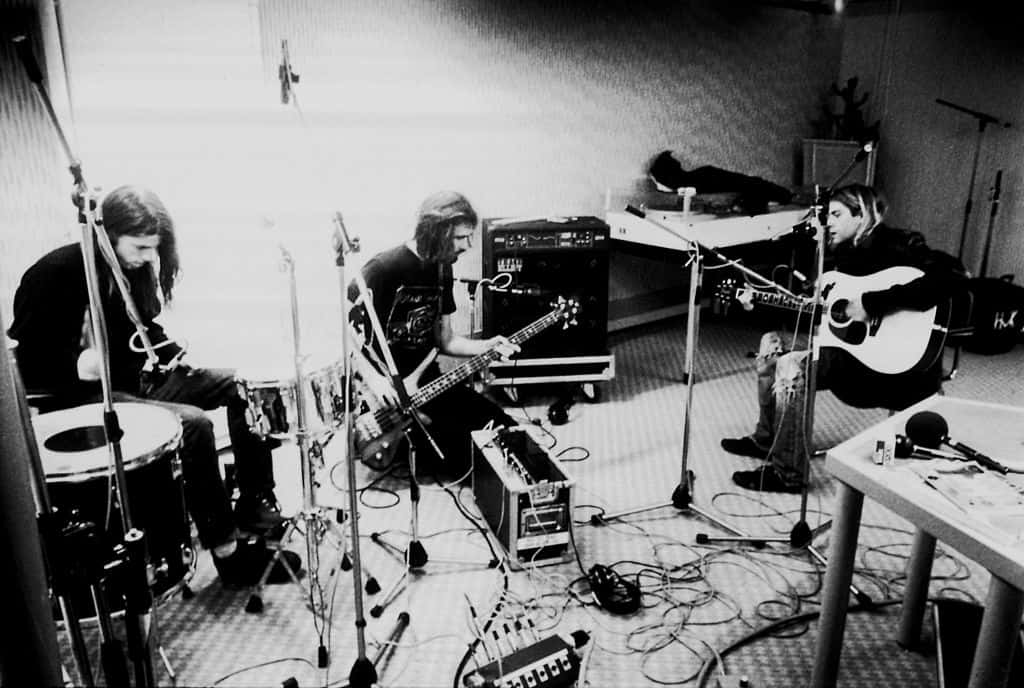
Nirvana drew inspiration from Mudhoney’s 1980s punk rock, Black Sabbath’s 1970s heavy metal, and dirge-rock from the Melvins, whose practice space had started it all. It was costly to record the album, though, and when Jason Everman paid the tab at the recording studio for them, they let him into the band as a second guitar.
Only, he never played on the album, despite receiving credit. It was all an effort to “make him feel more at home with the band”.

History's most fascinating stories and darkest secrets, delivered to your inbox daily.
9. It Was Already Subversive
Even before its release, Nirvana’s debut garnered support, and they signed as the first band under an extended contract with then-fledling label Sub Pop. When they released Bleach in 1989, it was immediately loved by college radio stations. Nirvana took the album on tour around the US, and they continued to get more and more attention.
But they ran into some personal issues late in the tour.
 Montesano High School, Wikimedia Commons
10. They Were Unhappy With The Situation
The tour left Cobain displeased, and he found himself dissatisfied with the small crowds and constant financial pressures. Not only that, but conflict was starting to appear between the members. Cobain and Novoselic had sought out drummer after drummer, and they didn’t want to keep looking.
Unfortunately, it seemed like they needed to find another replacement.
11. It Was Forced To Find Another Member
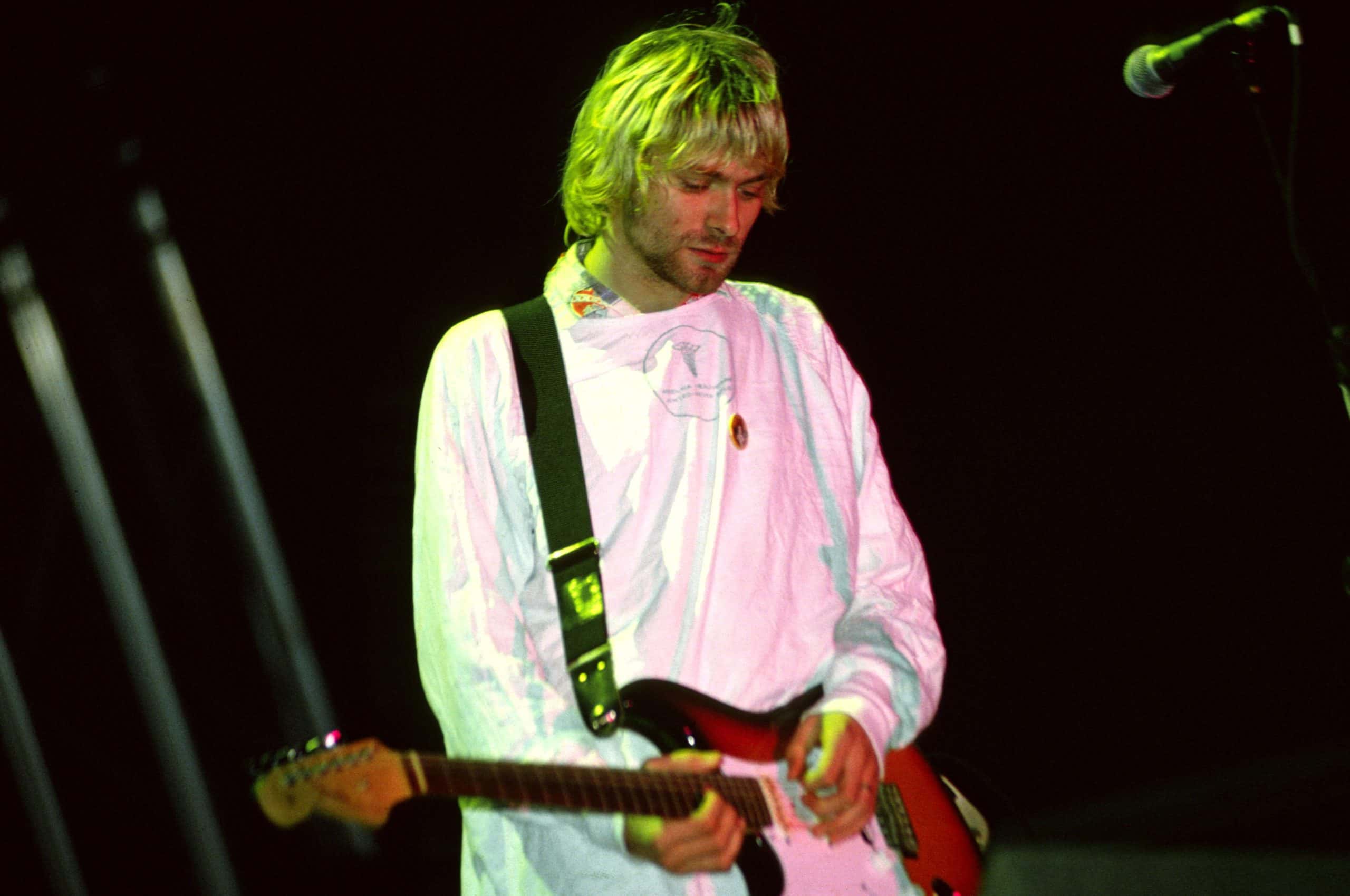
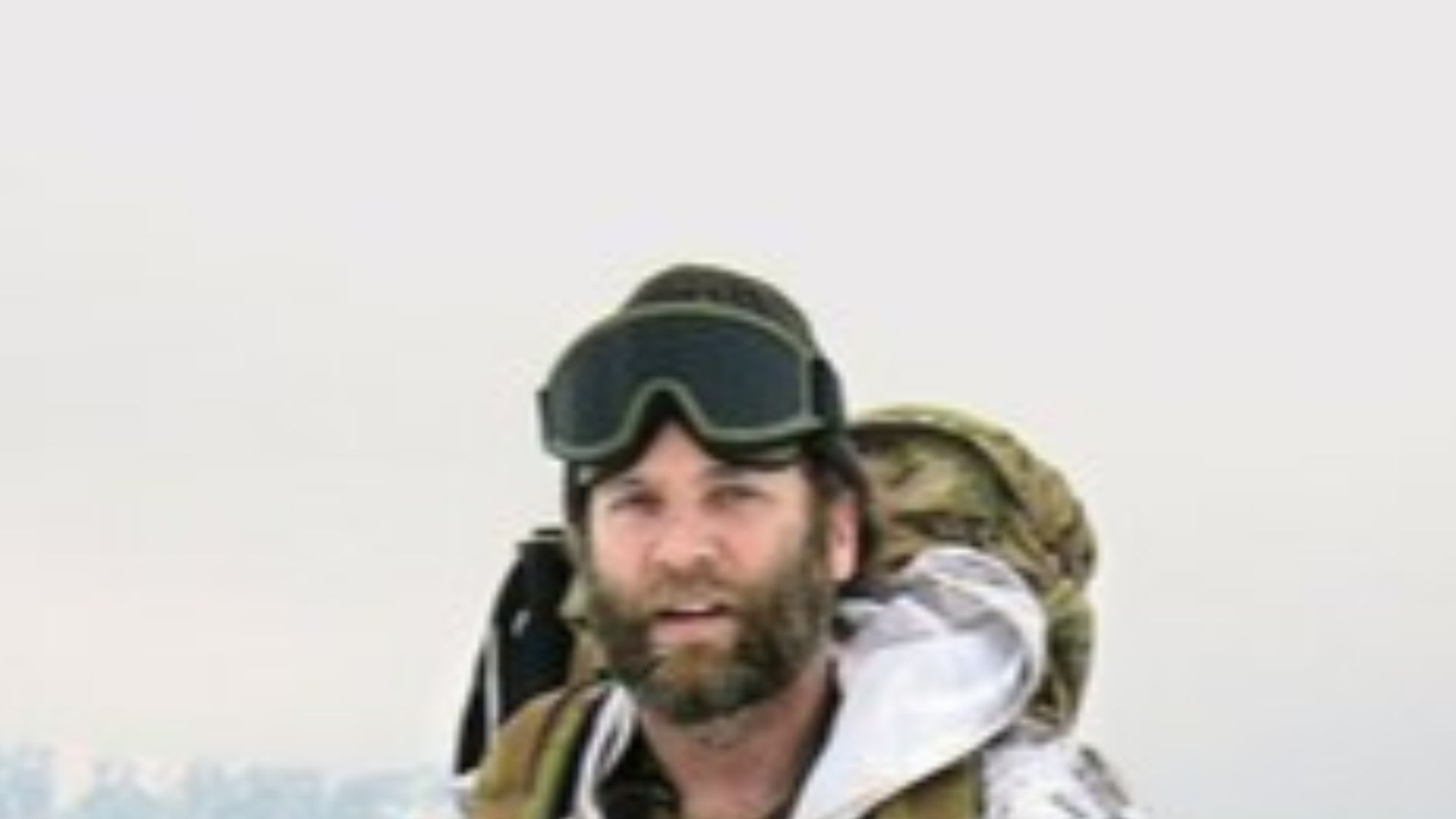
Everman and the band were facing some impassable differences. They couldn’t reconcile, and the last few dates of the tour were canceled as a consequence. Reportedly, no one fired Everman directly, and later, he claimed he quit the band.
This wasn’t the only difficulty they faced early on.
 Member of the United States Army, serving with Everman in Afghanistan, Wikimedia Commons
12. It Was Doing Well—But Not How He Wanted
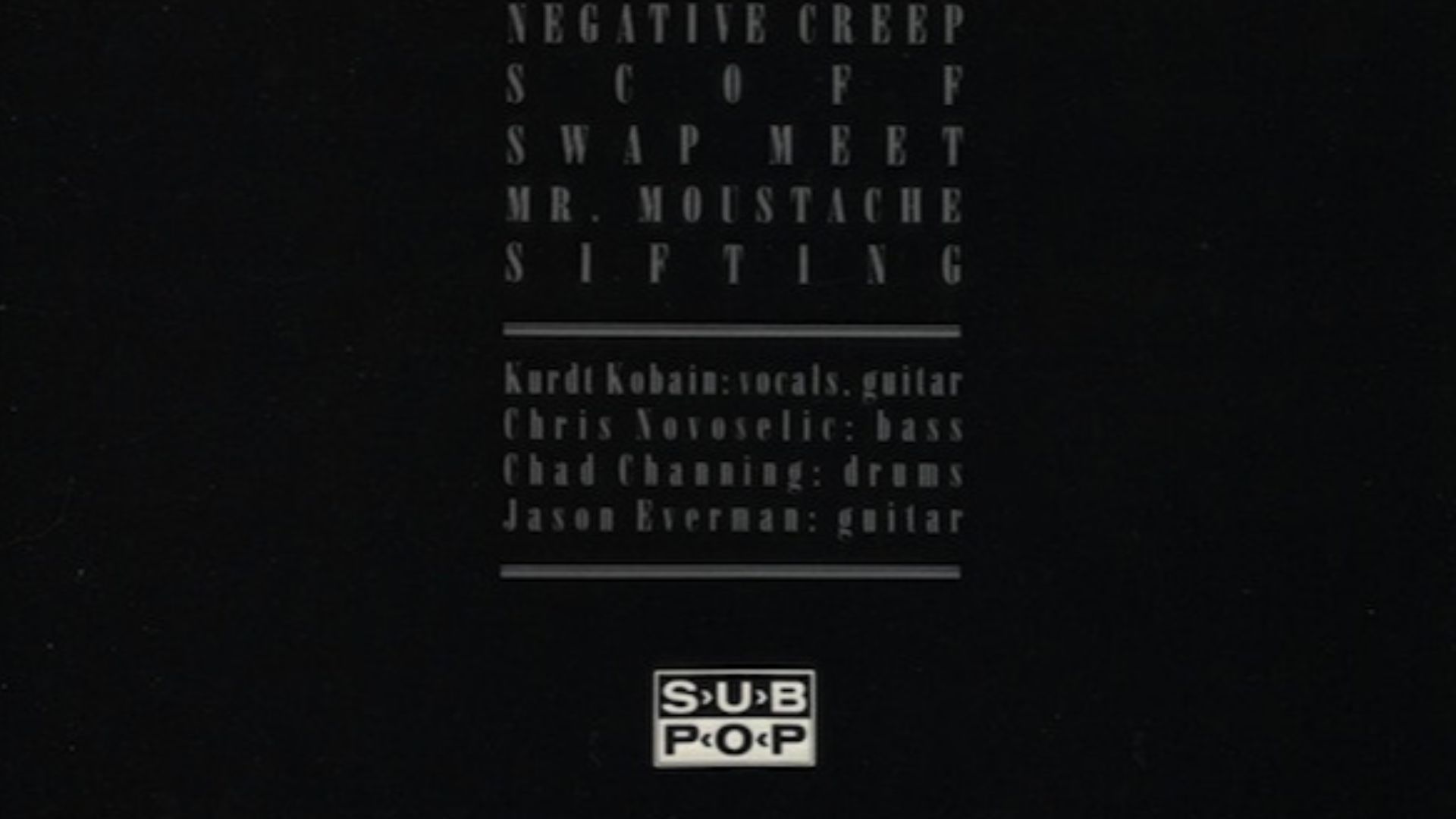
Bleach was doing well, in spite of Sub Pop’s inability to promote it, and it sold over 40,000 copies. But the label’s lack of support in getting their album out there frustrated Cobain. The band made a drastic change, and they decided to record an EP with a different producer.
At the same time, Cobain stated in an interview that their music style was changing, too.
 Sub Pop Records, Wikimedia Commons
13. It Was Pivoting To A New Sound
Nirvana recorded the Blew EP in 1989 with Steve Fisk. The music was drastically different from their first album, and Cobain said, “The early songs were really angry… But as time goes on the songs are getting poppier and poppier as I get happier and happier”.
Little did he know, but thats happiness was short-lived.

14. They Were Not Easy To Work With
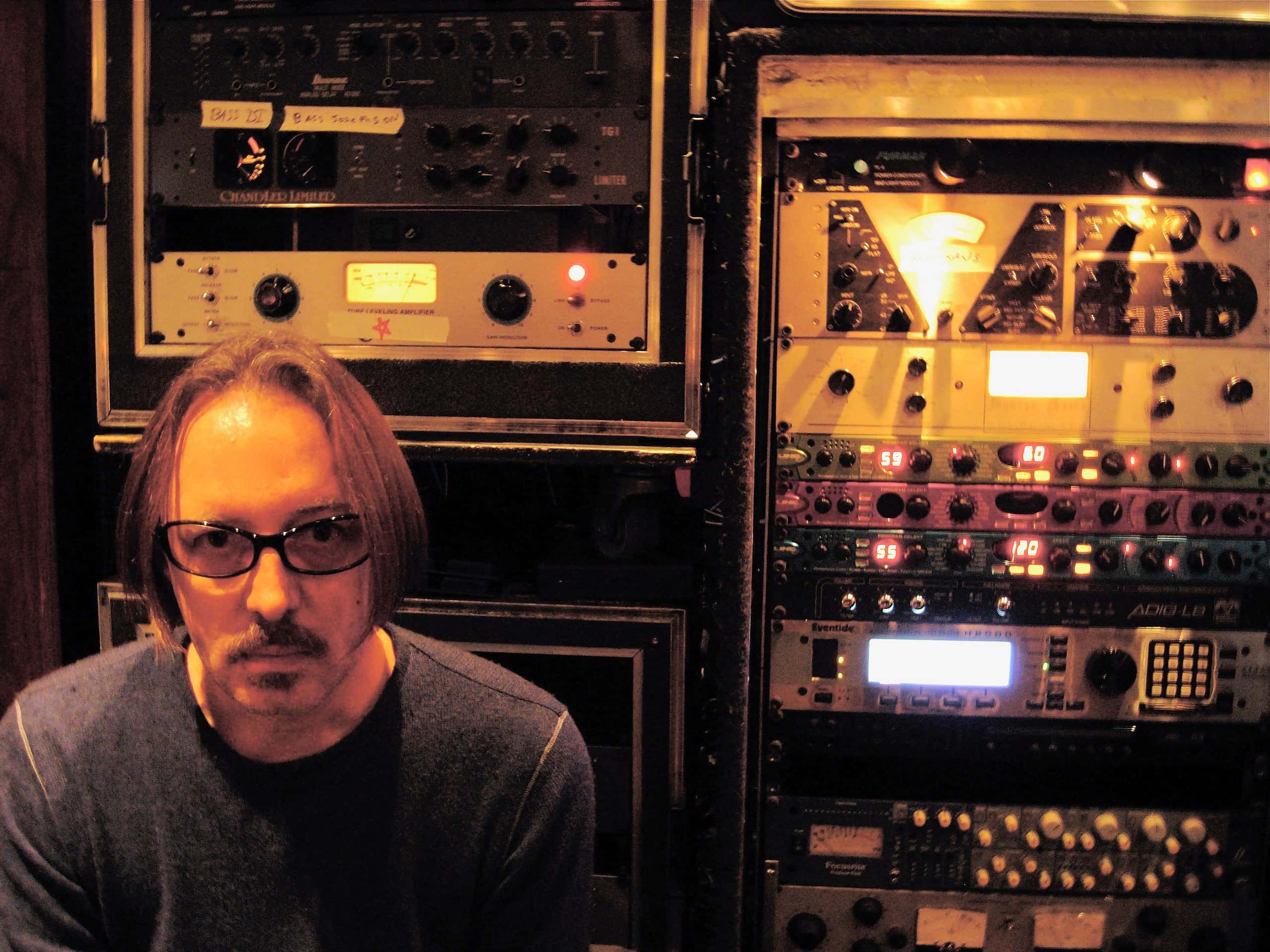
In April of 1990, Nirvana changed studios, signing with Smart Studios in Madison, Wisconsin. Butch Vig produced their album, but as they recorded, Cobain and Novoselic ran into more problems. They stopped enjoying the drummer’s style. Chad Channing joined the band in 1988 and received credit on their first album, and for a while, their collaboration was going great.
But now, things were looking different.
 Valdo Howell, Wikimedia Commons
15. They Needed A New Drummer—Again
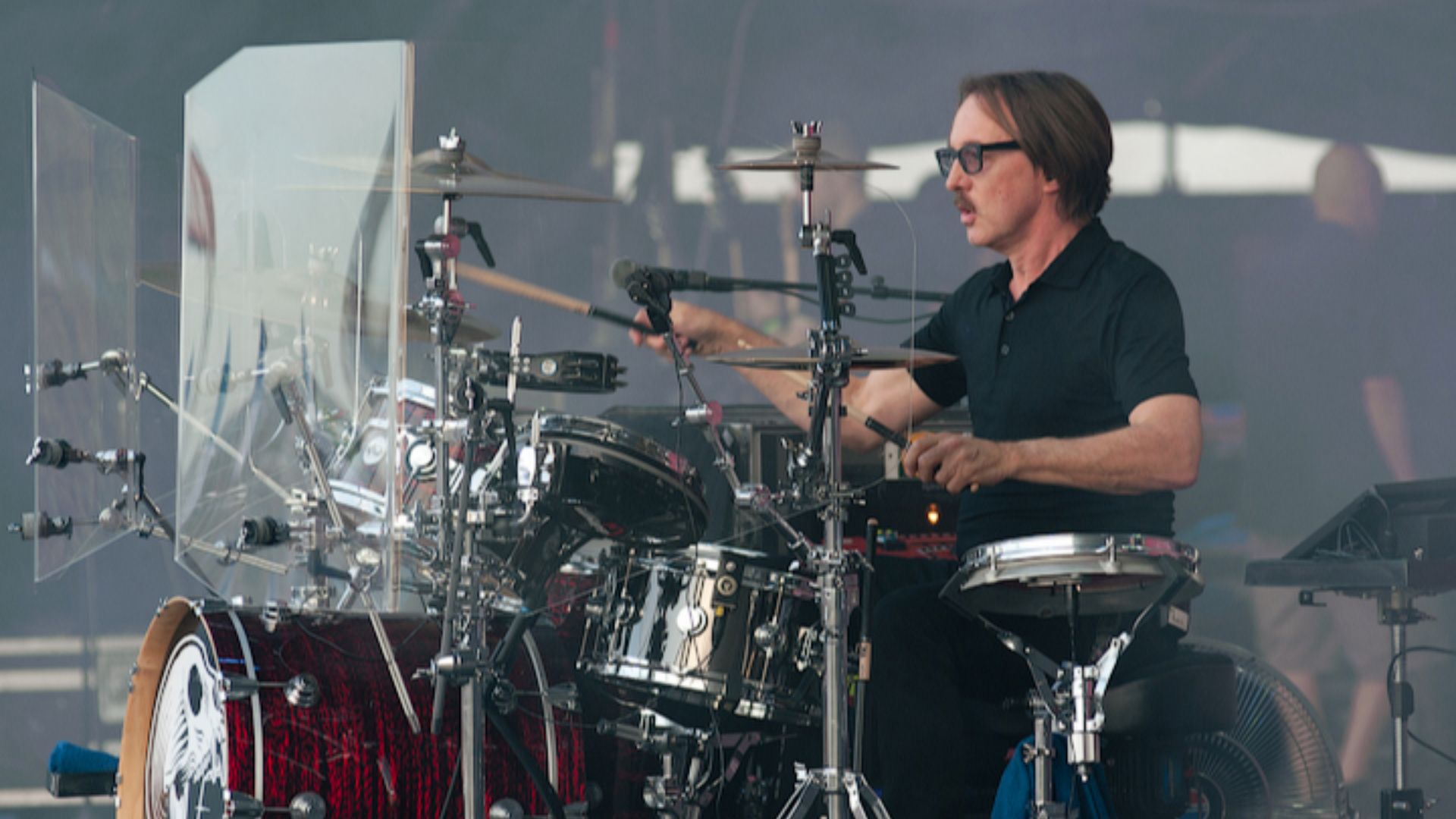
Channing grew irritated when Cobain and Novoselic prevented him from participating in the bulk of the songwriting. His frustration only grew as their popularity started to climb. Butch Vig was doing his job, circulating their music and getting bigger labels interested in the band. But as the bootlegs of Nirvana’s demos made their way through the music scene, Channing had had enough.
He quit the band, leaving Nirvana in the lurch without a drummer.
 Дмитрий Рузов, Wikimedia Commons
16. They Were Testing Their Options
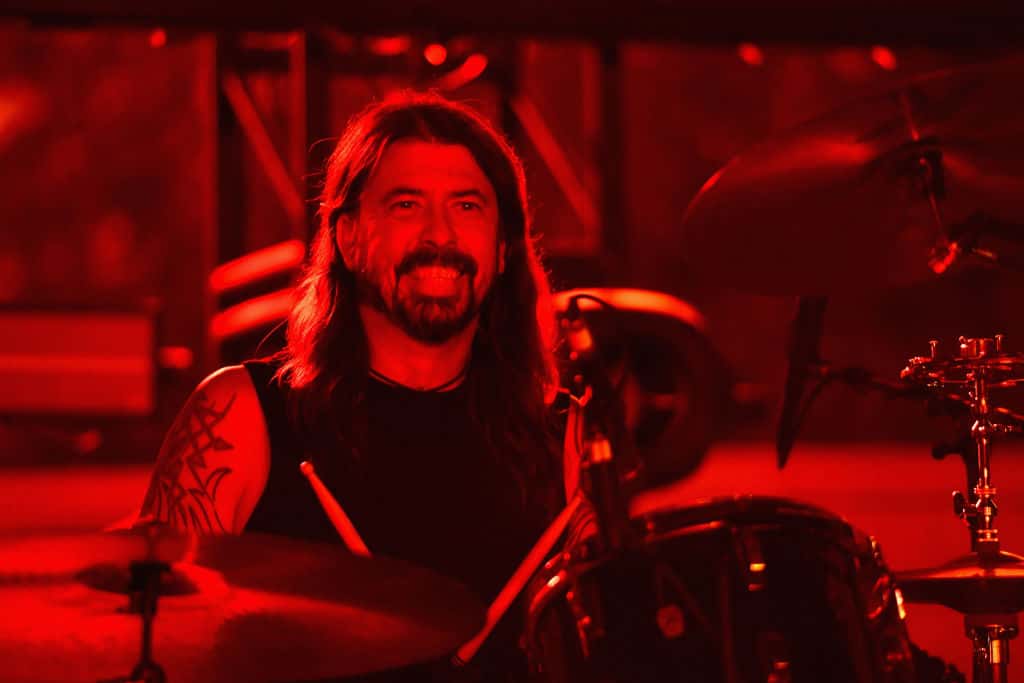
Fortunately, Nirvana had friends they could call upon. In July of 1990, they recorded the single “Sliver” with Dan Peters from Mudhoney on drums. Later, Dale Crover filled in as the band did seven performances during the American West Coast tour. But they found a permanent replacement that September, when a member of the Melvins told them to audition Dave Grohl.
It took them two minutes to make a decision.
 Matt Winkelmeyer, Getty Images
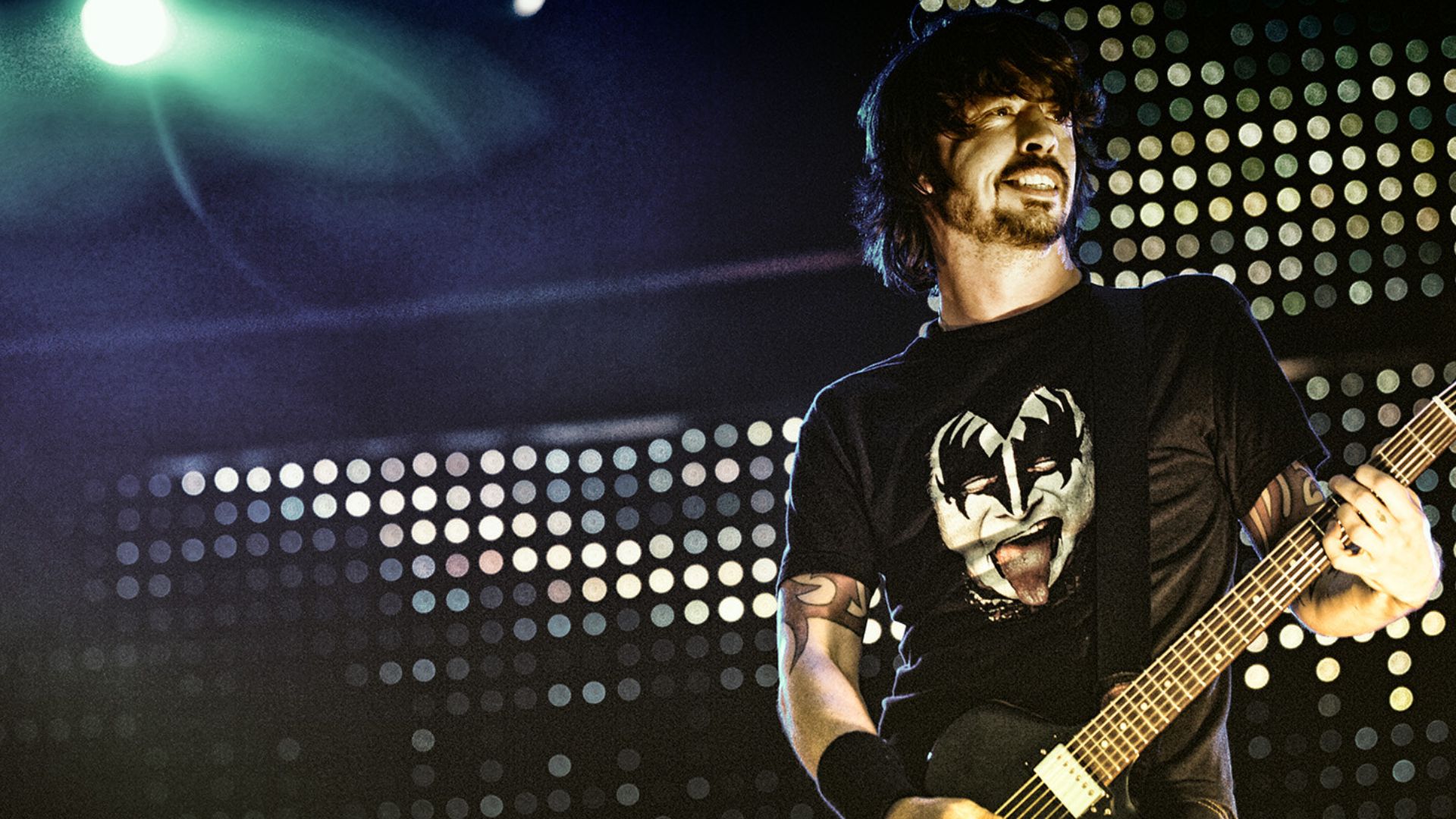
17. They Were A Unique Pair To Join Up With
Cobain and Novoselic welcomed Grohl into the lineup. Grohl had a very interesting reaction to meeting the band. Based on their album cover, he thought they were “psycho lumberjacks,” but upon seeing Cobain and Novoselic in person, he said, “What, that little dude and that big [guy]? You’re kidding me”. They knew Grohl’s addition would bring about some major change for Nirvana.
But none of them could predict what was coming.
 Roger Woolman, Wikimedia Commons
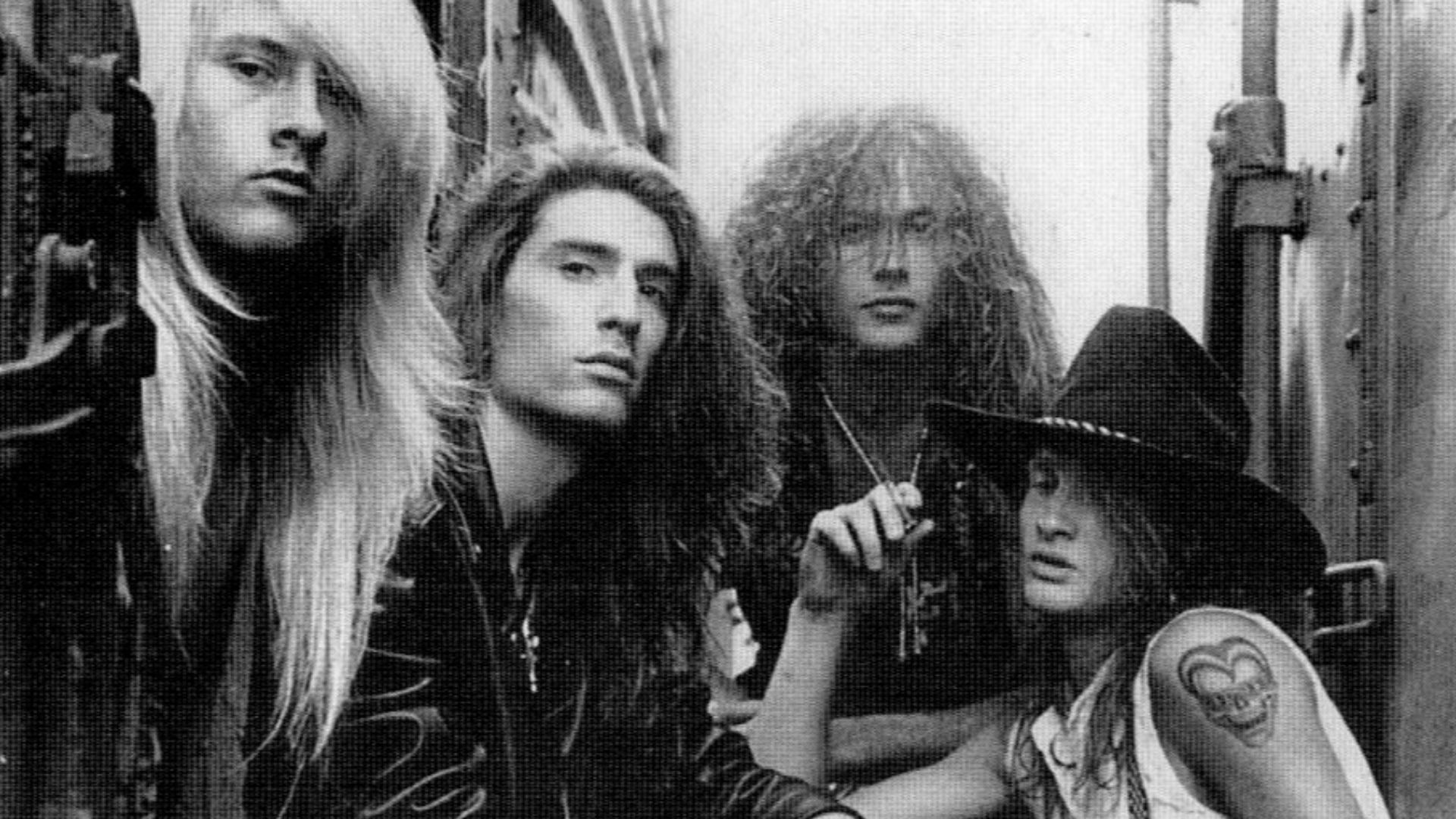
18. It Was Becoming Too Big For Its Roots
As they gained popularity, Nirvana dropped Sub Pop and sought out a bigger label to work with. But they didn’t know where to start, being new to the industry and relatively fresh faces on the stage. They sought out help from a surprising source: Susan Silver, manager of Soundgarden and Alice in Chains.
Her help changed everything.
 Photograph by Paul Hernandez, Wikimedia Commons
19. They Were Able To Forge New Connections
Silver introduced Cobain and Novoselic to hard-hitting industry names, like agent Don Muller and an attorney who specialized in the music business, Alan Mintz. Not only that, but Mintz had niched his expertise down to finding deals for new bands. With this newfound support, Nirvana was able to get noticed by big-ticket labels.
When they signed with DGC Records in 1990, Nirvana was ready to take flight.
20. Their Work Ethic Brought Criticism
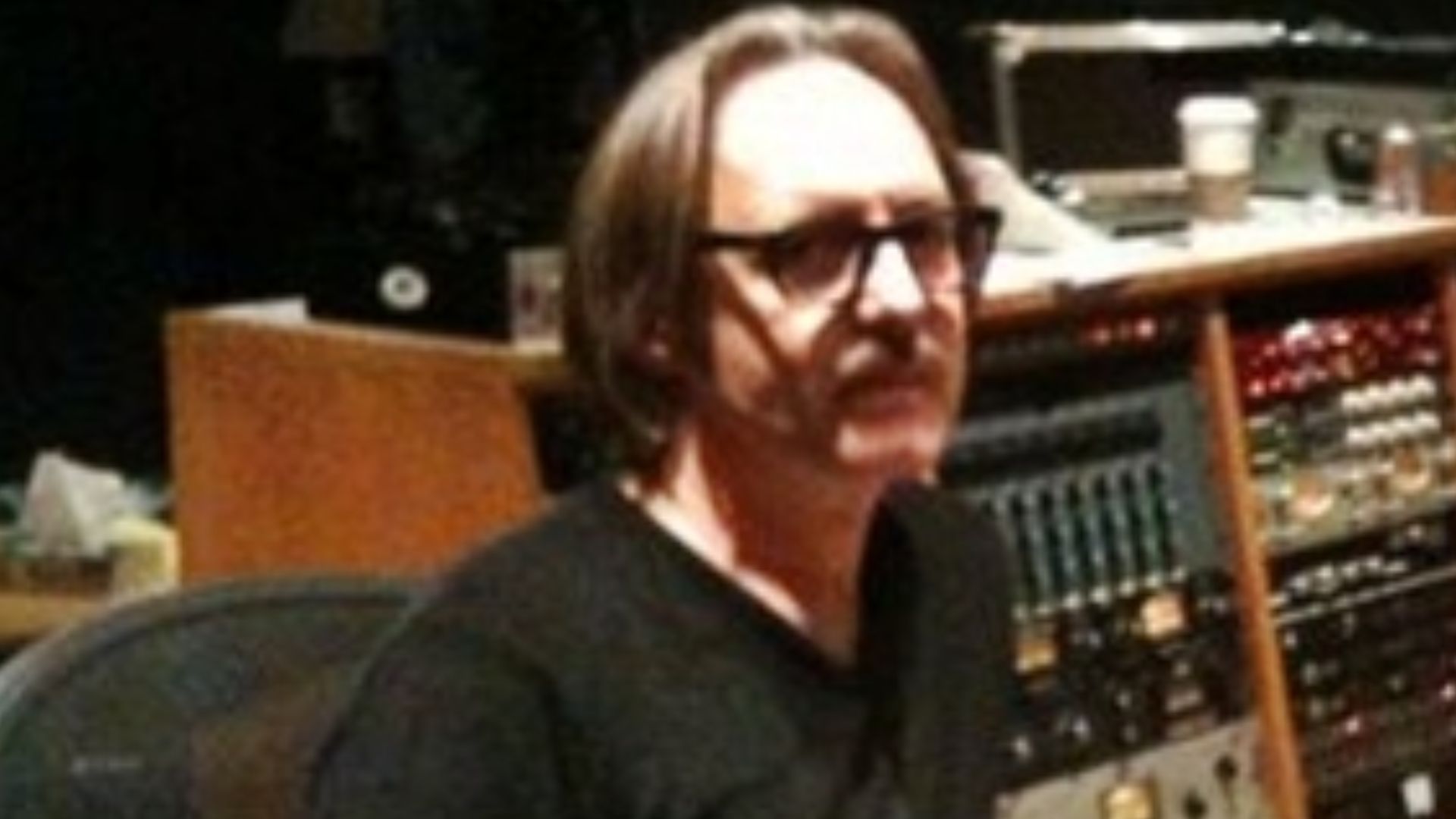
Nirvana began working on their second album, the first with a major label, Nevermind. They kept their previous producer, Butch Vig, and recorded in Van Nuys, Los Angeles. Their songs were grungy, unpolished, and most concerningly to the label, unfinished. Recording ran behind schedule, and the label had to bring someone in to finish the job.
This would be a mistake.
21. They Were Deeply Displeased By This
The label brought in Andy Wallace, who mixed for Slayer, to pull the last parts of the record together. What was initially a great way to get the timeline back on track turned into something terrible for the band. After they released Nevermind, Nirvana stated they were unhappy with the way Wallace made them sound. It was too polished and didn’t reflect their sound.
That didn’t stop the record from achieving new heights for the band.
 Nirvana Studios - Custom Circus, Wikimedia Commons
22. It Was Starting A New Trend
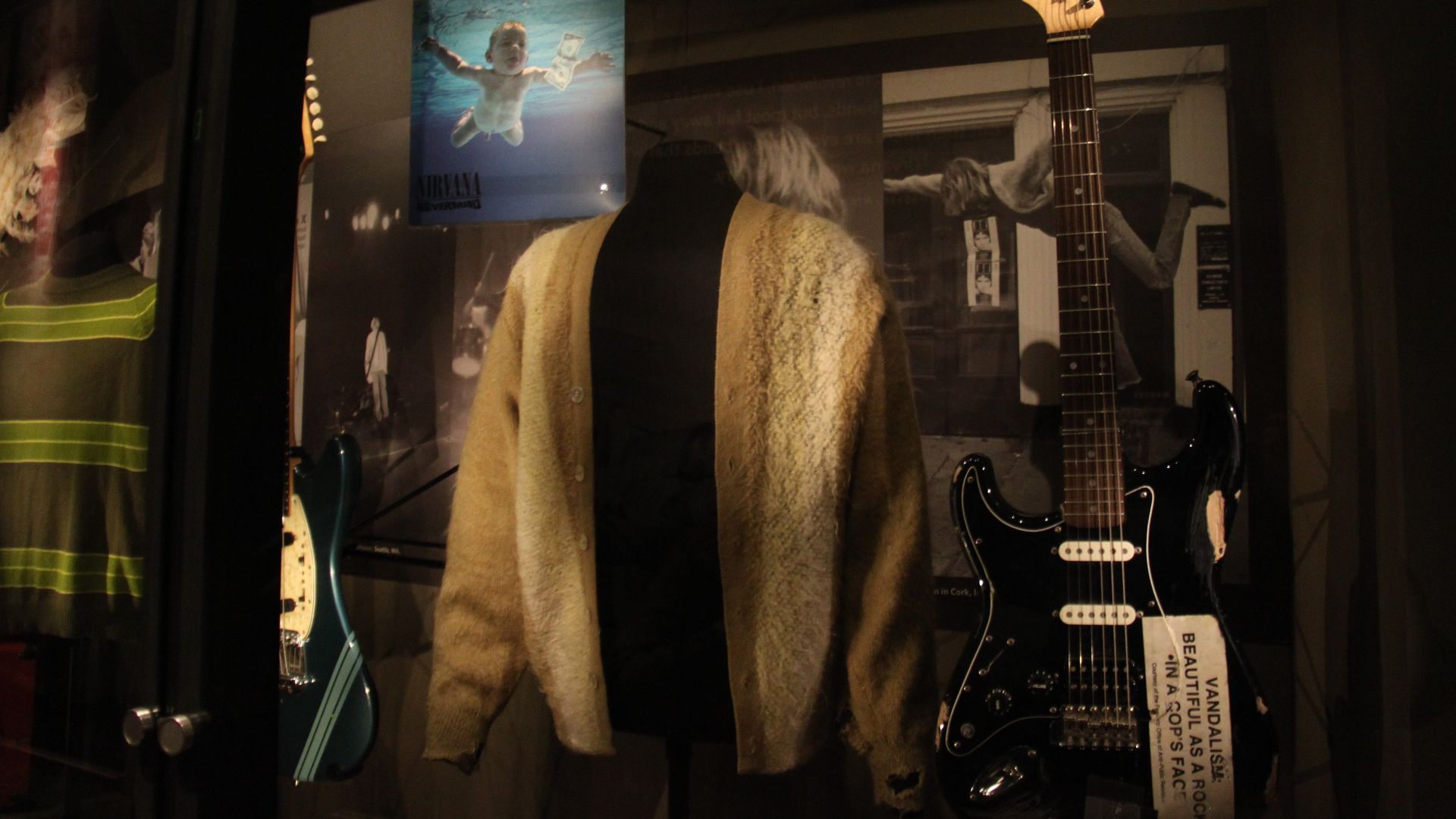
The album entered the band into the mainstream despite their album falling firmly in the “grunge” genre. Grunge was a subgenre of alternative rock, and until this point, had remained fairly underground in the music scene. But with Nirvana’s newfound success, their musical stylings were thrust into the spotlight.
But there was one unfortunate side effect to their burgeoning popularity.
 Theresa Arzadon-Labajo, Wikimedia Commons
23. It Was Crowned With A Heavy Title
Nirvana became known as the “flagship band of Generation X”. As if this already wasn’t enough pressure, the media called Cobain the “spokesman” of the generation, which he loathed. He hated that fans and the media cast him into this role, especially since he felt the messages of his songs had been misunderstood by broader audiences.
One track gained a lot of attention very quickly.
 Rickymouser45, Wikimedia Commons
24. It Was Known By One Song
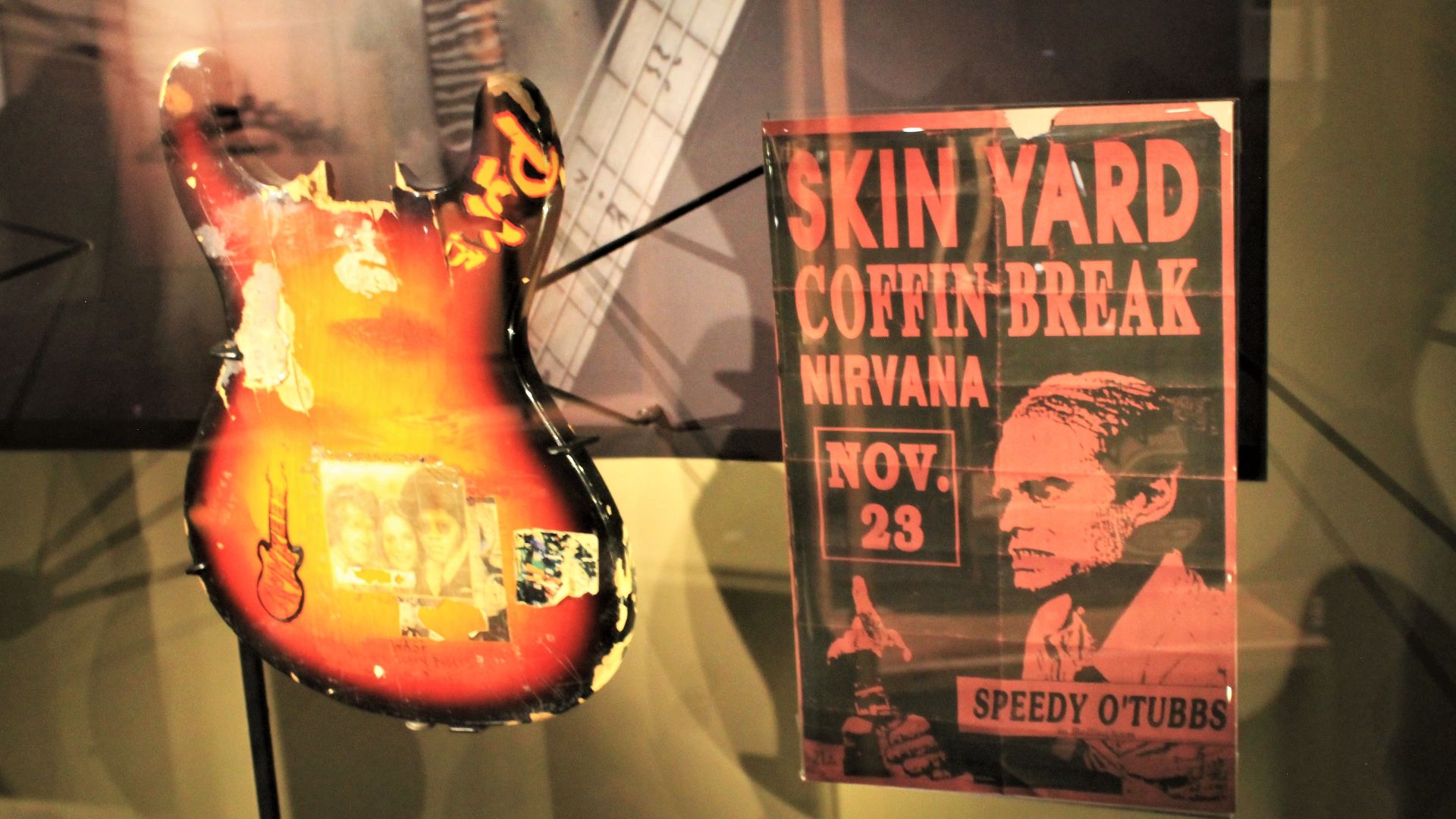
One song in particular took the scene by storm, with the music video getting featured on MTV. “Smells Like Teen Spirit” played constantly over the radio and music TV, and they were finally on an international tour in Europe. They were selling tons of tickets, which meant their tour was off to a great start.
Or rather, it was off to a dangerous start.
25. It Was Inundated With Attention
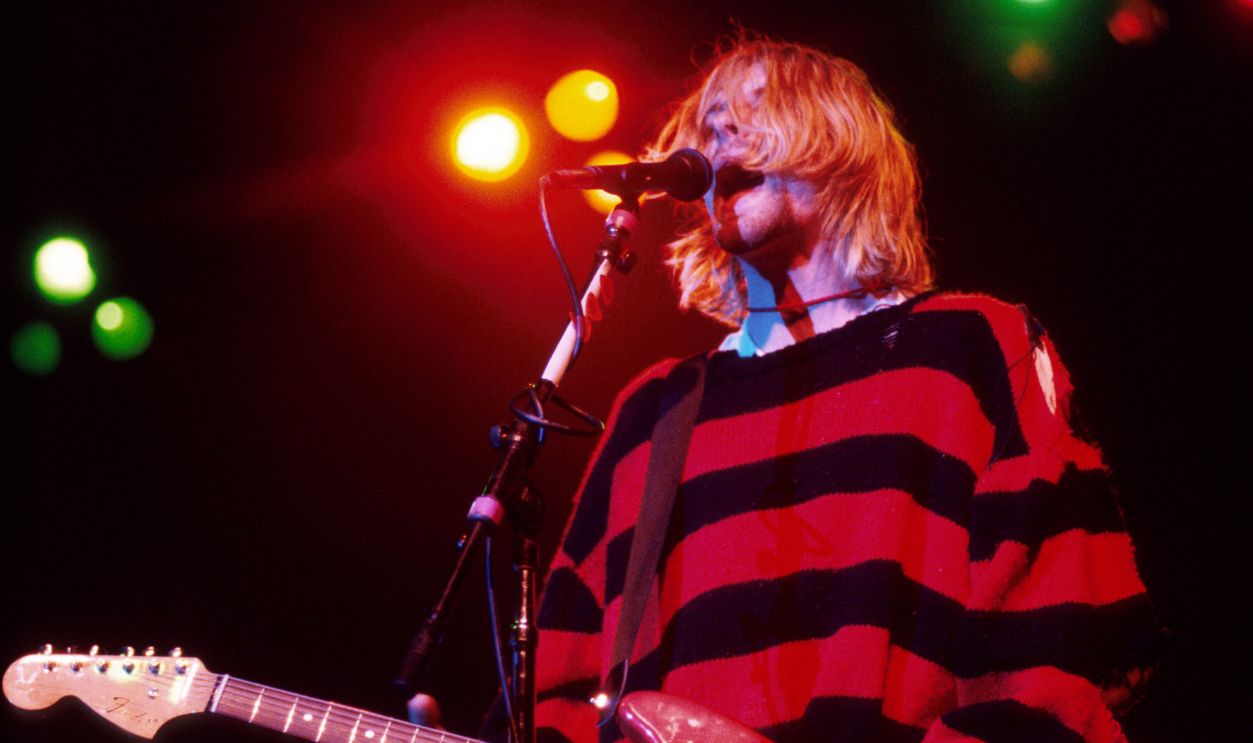
Nirvana’s sudden popularity required some adjusting to. Their European shows were oversold to a precarious extent. Not only that, but the band was being crowded on stage by TV crews. They couldn’t escape their own song being played on the radio. The critical acclaim was rolling in, too, with Billboard stating that “Nirvana is that rare band that has everything”.
Little did they know, conflict waited once they returned home.
26. They Were Running Into Personal Issues
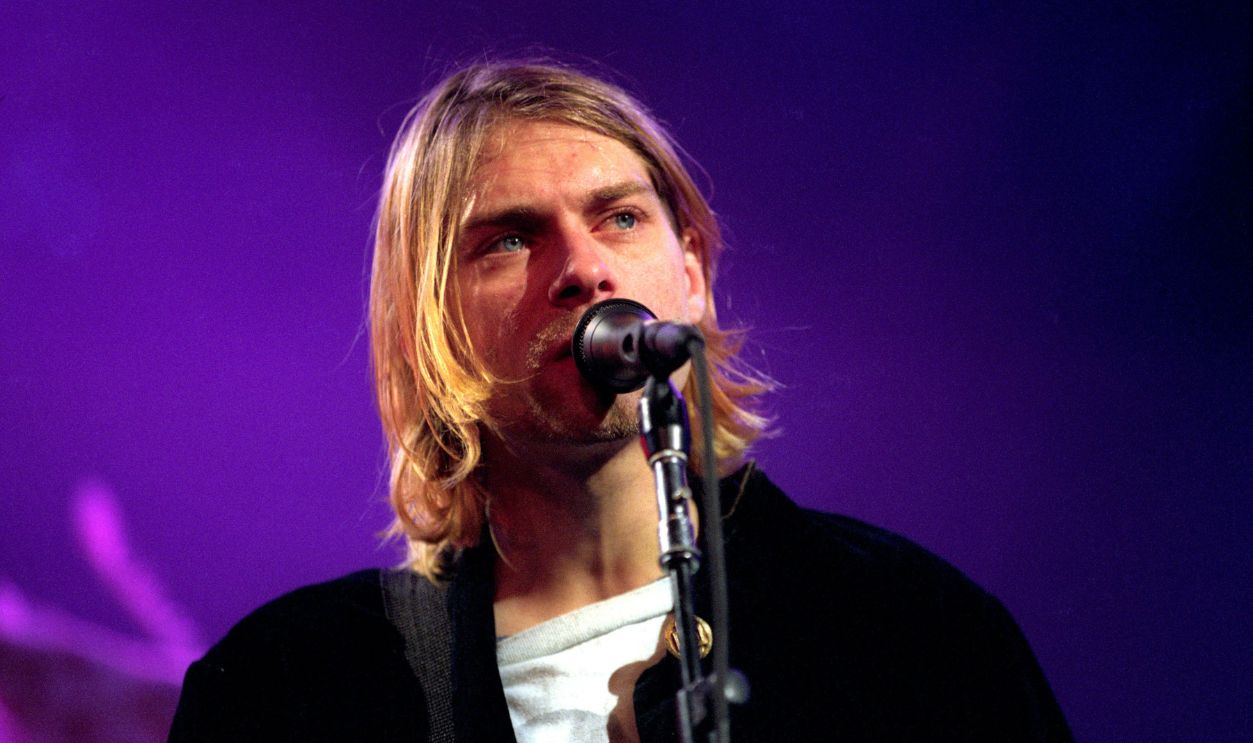
Nirvana decided they weren’t doing an American tour for Nevermind. They kept their performances to only a few, and in 1992, they switched things up. Cobain, who had been writing the majority of the music, decided he wanted a bigger share of the royalties. Initially, this wasn’t an issue, and Grohl and Novoselic were amenable to the idea.
It wasn’t until Cobain made another request that things started to sour.
27. They Were Forced To Manage This Problem
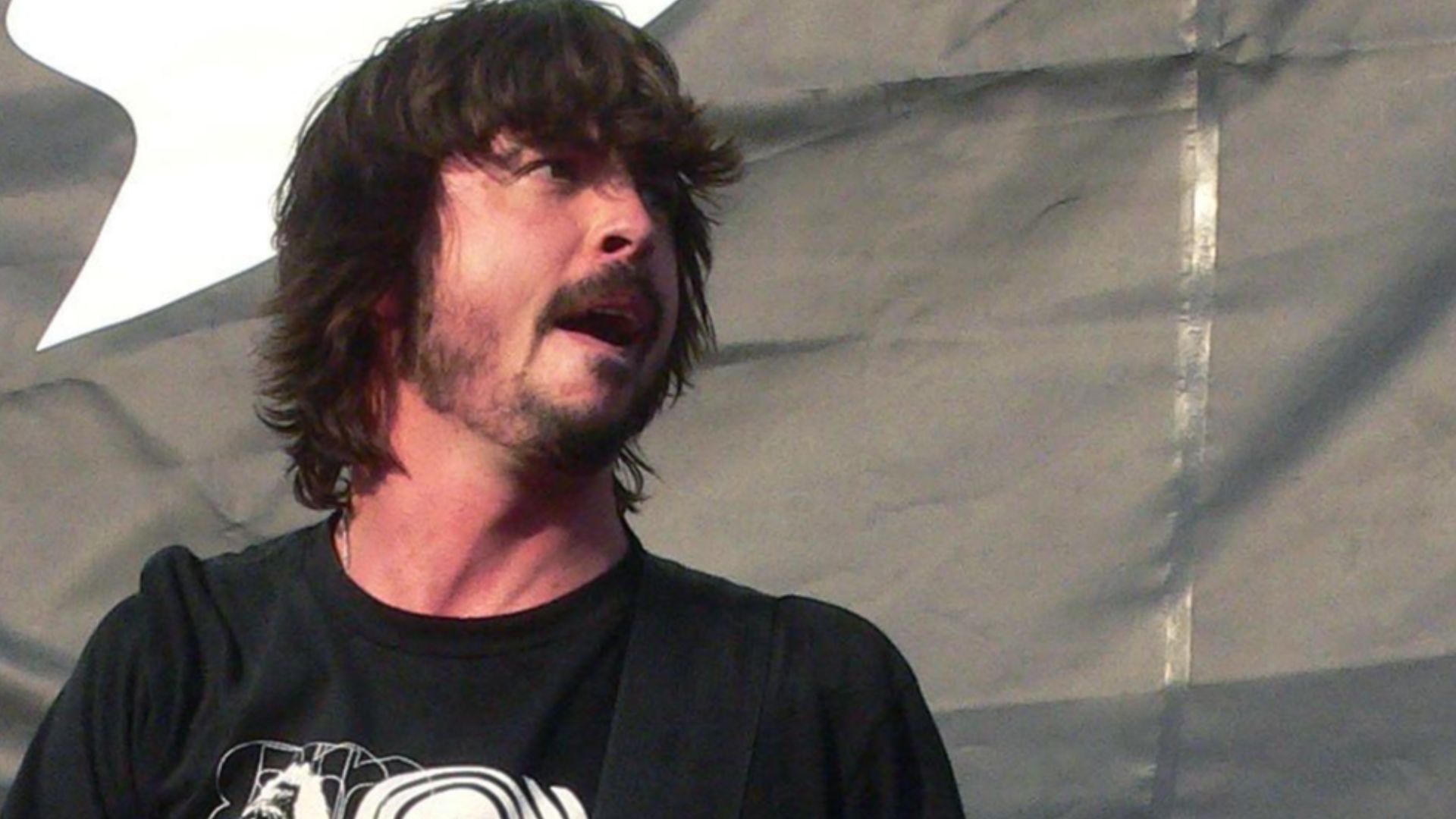
During their handful of American performances, Cobain’s substance use became prominent. In a photoshoot with Michael Lavine, which preceded their first Saturday Night Live appearance, he obviously nodding off.
This struggle would continue to make a mess of Cobain’s personal and professional life.
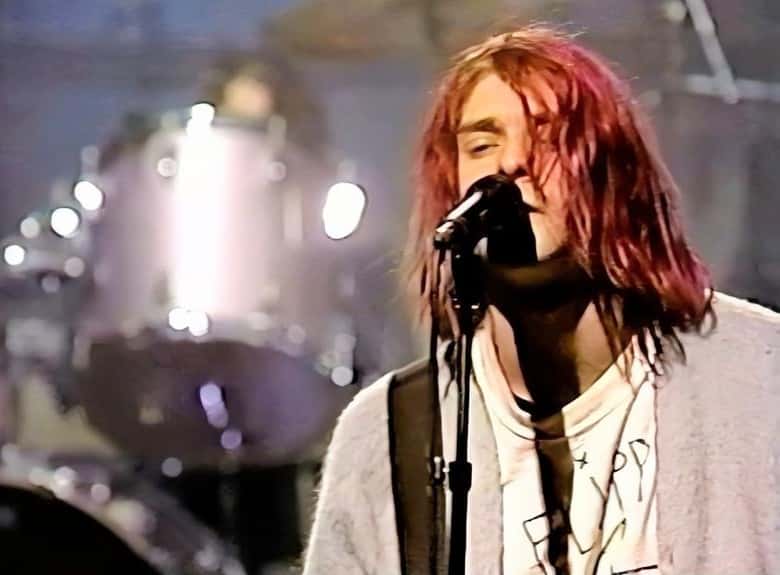 Screenshot from Saturday Night Live, NBC
28. They Were Required To Keep Going Despite Tragedy
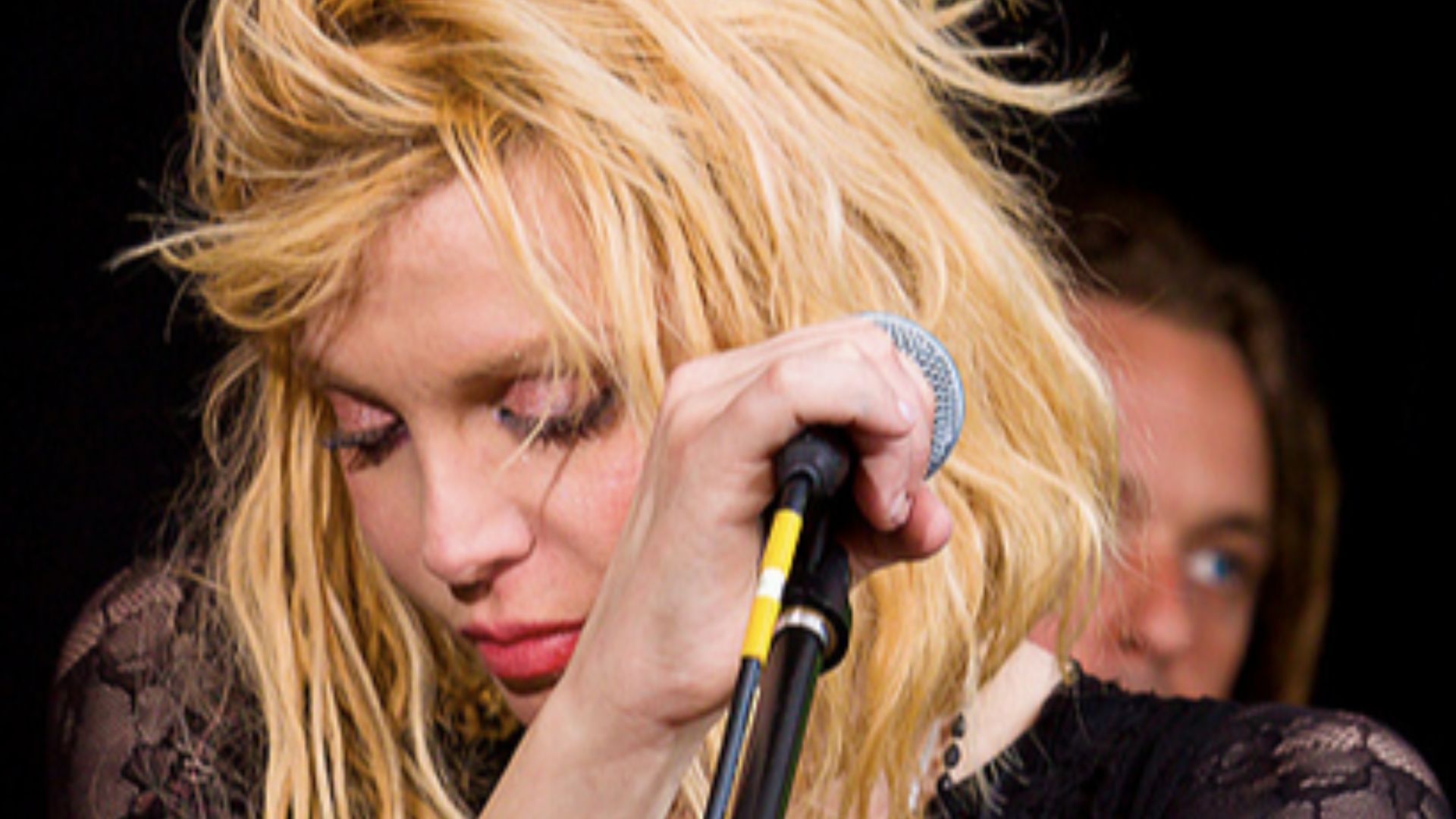
The next morning, after their SNL debut, Cobain went through his first overdose. It left him near death, and his wife, Courtney Love, had to resuscitate him. He was at real risk of losing his life to his addiction, but according to biographer Michael Azerrad, Cobain stated, “They’re not going to be able to tell me to stop…they thought that any second, I was going to die”.
The band endured this Damoclean situation—not realizing it would soon become status quo for them,.
 Stephen Eckert from Sewell, NJ, USA, Wikimedia Commons
29. They Were Revisiting Old Problems
Around this time, Cobain decided that he wanted an even bigger share of Nevermind’s royalties, too. He had a hard time convincing Grohl and Novoselic to agree, since the royalties had already been distributed after the release. The tension caused by the division of royalties almost split up the band, but eventually, Grohl and Novoselic relented, and Cobain retroactively received 75% of the money.
This conflict sowed the seeds for further disagreements.
 Steven Friederich, Wikimedia Commons
30. It Was Booked For Consistent Performances
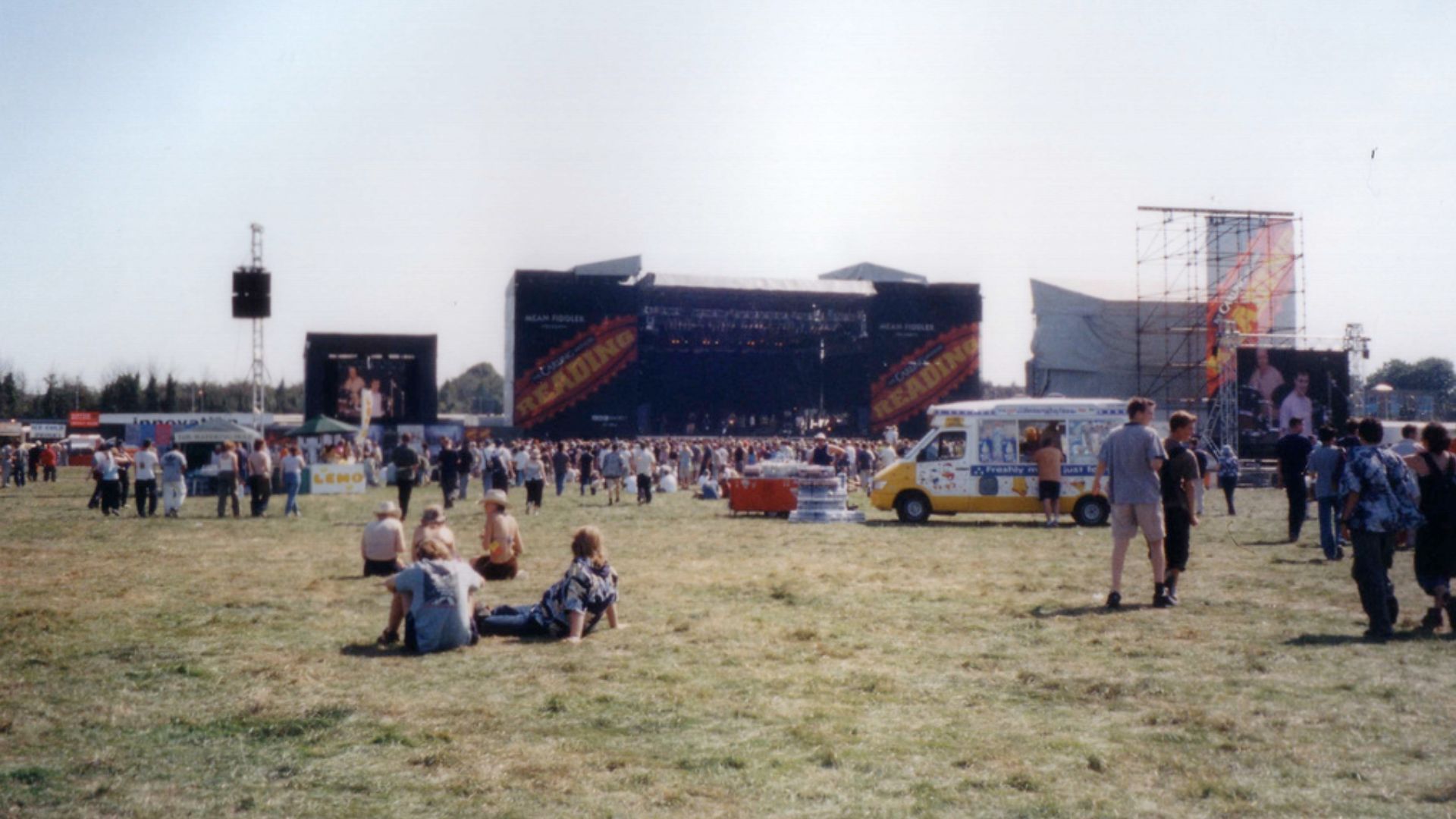
In 1992, in the wake of Nevermind, Nirvana closed that year’s Reading Festival in England, with Cobain planning the whole performance. It would become one of their most well-remembered performances of the band’s lifetime. But they didn’t stop there, as a few days later, they played the MTV Video Music Awards.
The network had some restrictions on what they could play, which didn’t bode well for Cobain.
 Chris Ford from Uk, Wikimedia Commons
31. They Had To Change Their Setlist
Nirvana wanted to perform a new song, but it had strong language in the title. The network censored their choice, insisting they play a different song. This set Cobain off, and in an act of defiance, he performed the first few bars of the song before switching to a different, more palatable choice, “Lithium”. At the same awards, the Awards presented them with both the Best Alternative Video and Best New Artist awards.
At that point, it seemed like nothing could stop them.
32. They Were Quick To Record A New Album
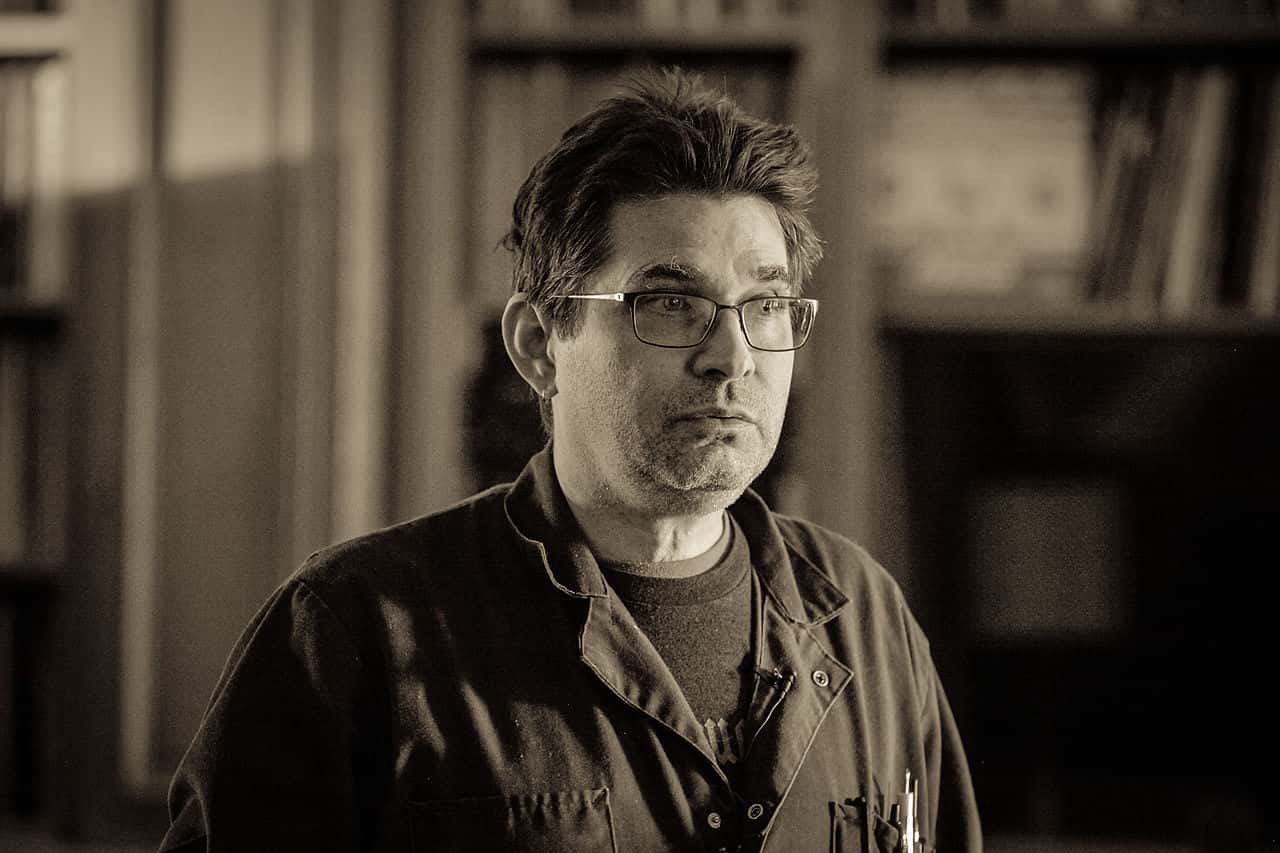
After the release of an album—Incesticide—consisting of compiled recordings from DGC and Sub Pop in late 1992, Nirvana headed into the new year with their eyes set on bigger and better things. 1993 brought about the creation of a new album, whose recording started with a different producer, Steve Albini. In two weeks, the band recorded the album for $25,000 under Albini’s guidance and “natural” producing style.
But the album quickly ran into issues prior to its release.
 Mixwiththemasters, Wikimedia Commons
33. They Were Rocked By Another Incident
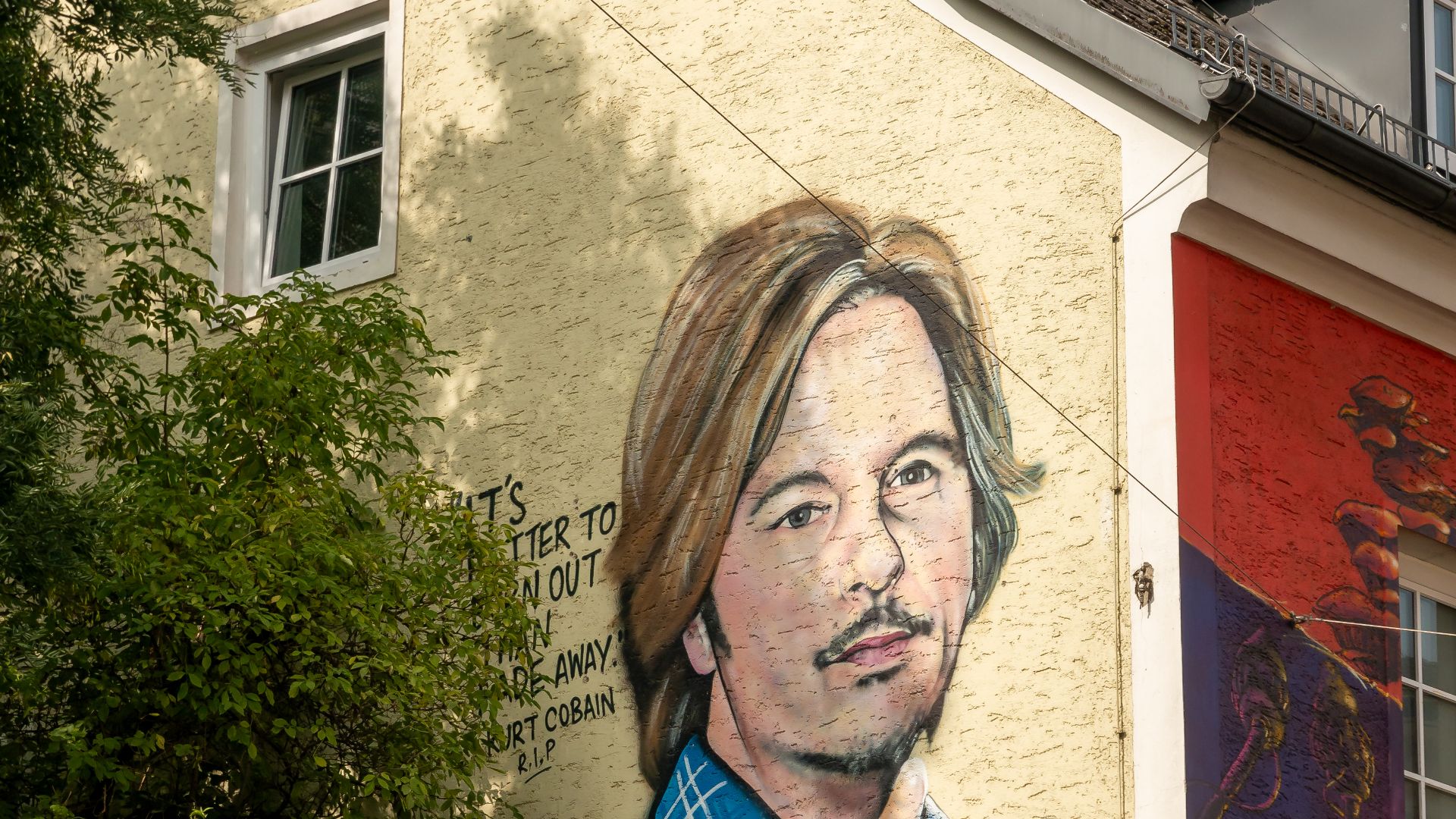
As 1993 wore on, Cobain faced another medical emergency. In May, his substance use threatened to overpower him once again. He overdosed in his Seattle home, and Love had to call the paramedics to save him. They hospitalized him, though they let him leave that same day.
The looming threat of his substance use hadn’t taken him—at least not yet.
 Matti Blume, Wikimedia Commons
34. They Were Threatening Their Success
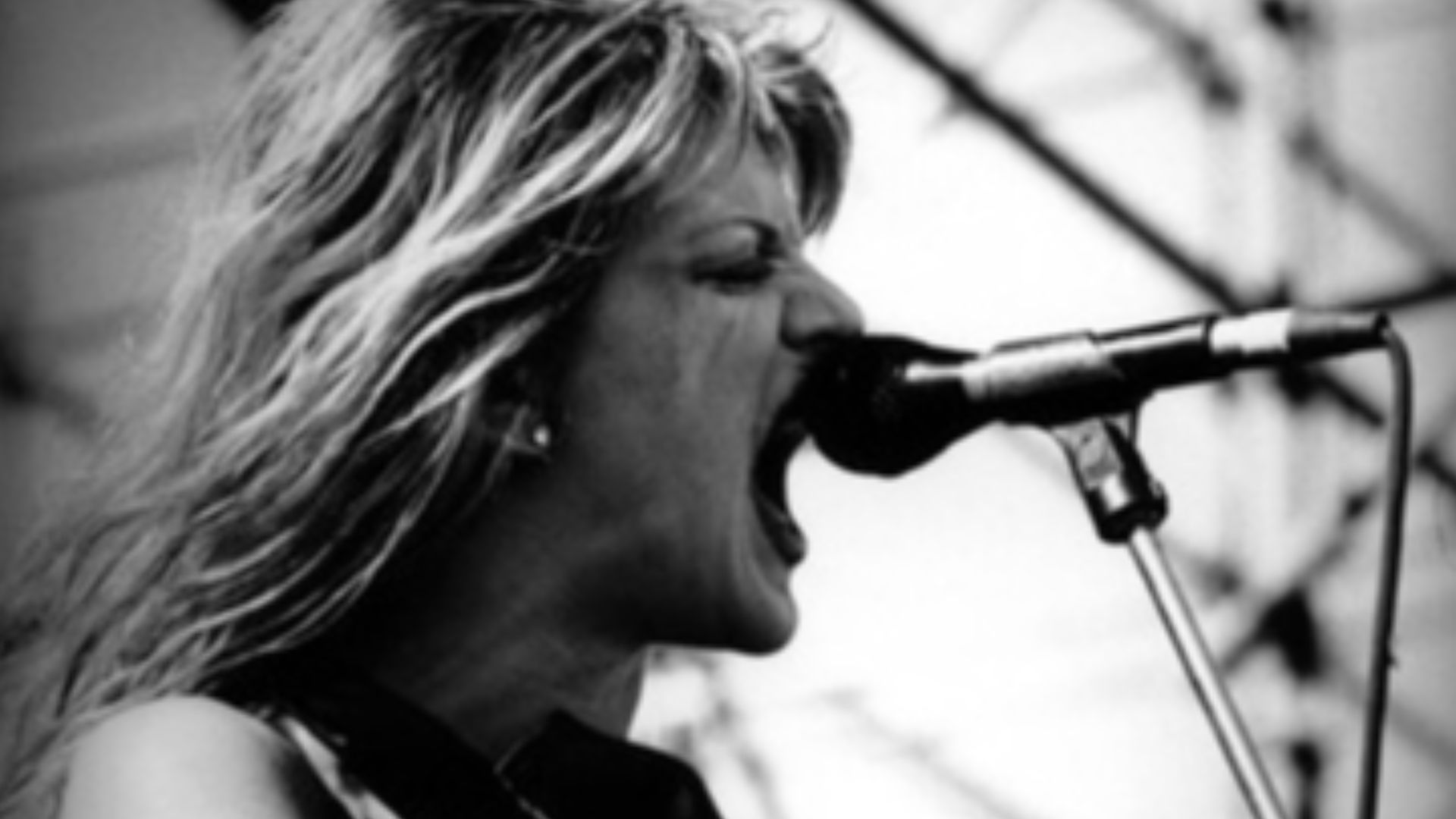
A couple of months later, Nirvana was slated to perform in New York City at the New Music Seminar. Cobain overdosed again right before their performance. This time, Love knew what to do. Instead of calling an ambulance, she administered naloxone to reverse it. She was able to revive him, and he still managed to perform that night with the audience being none the wiser.
This wouldn't be the last time Love caught him a little too far gone in his substance use.
 Liguz, Andrzej, Wikimedia Commons
35. They Were Required To Reevaluate
Nirvana’s new album was controversial within the head honchos at their label, DGC. The Chicago Tribune and Newsweek both quoted DGC as claiming the newest Nirvana project was “unreleasable”. This comment drew criticism from fans, who claimed the label was ruining the band’s creative talents.
The conflict stood to ruin the release of In Utero before it could be fully realized.
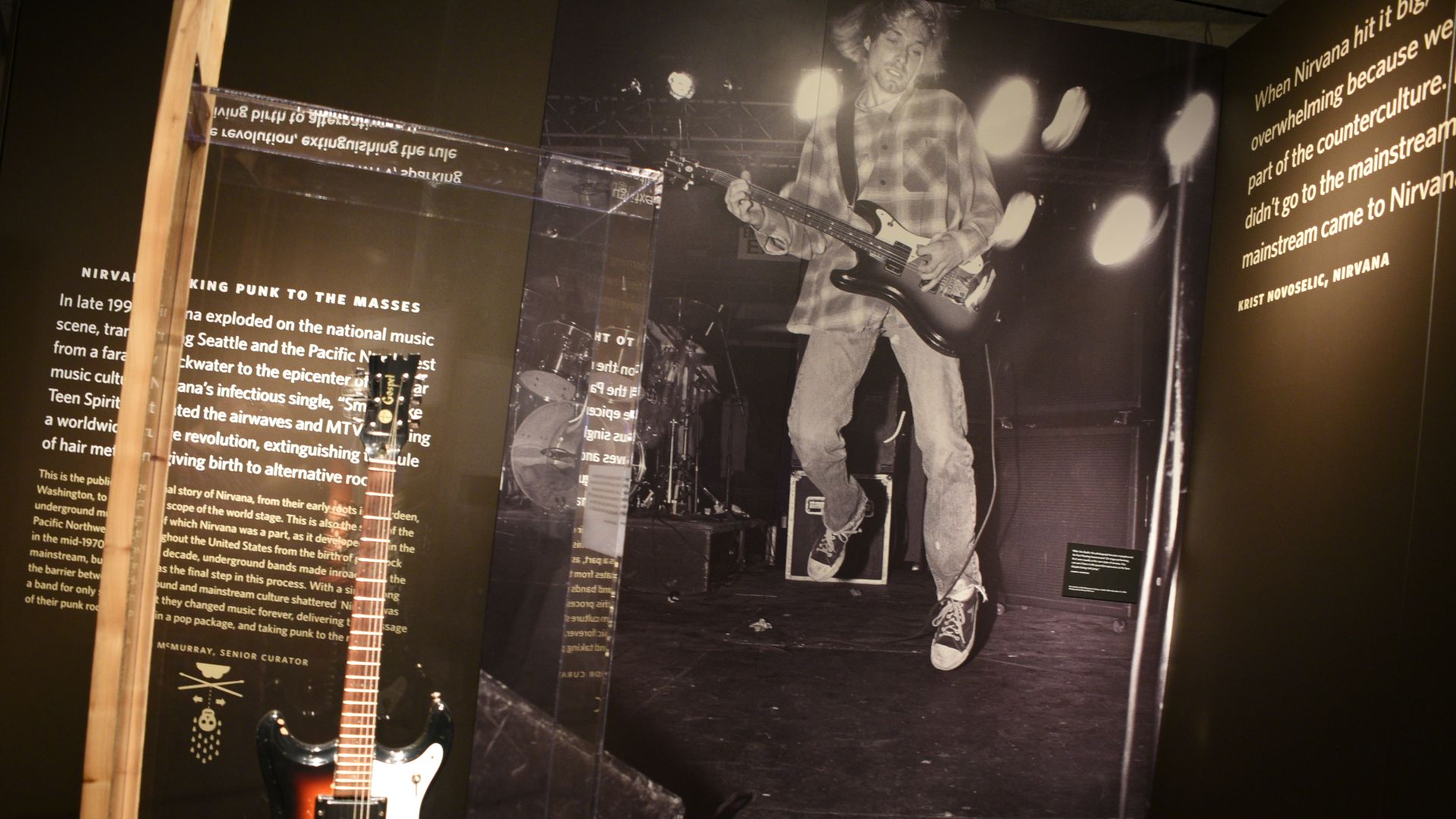 Francisco Antunes from Manchester, United Kingdom, Wikimedia Commons
36. They Were Fighting For Their Album
DCG and Albini were adamant that the songs Nirvana had written for this album weren’t going to be commercially successful. They were too weird, too grungy, and the band couldn’t decide on which titles to use and which tracks to include on the record. On the flip side, Cobain stated Albini’s mixes weren’t quite “perfect”, that they smoothed over Nirvana’s classically rough edges.
In the end, they had to bring in another music legend to fix their problems.
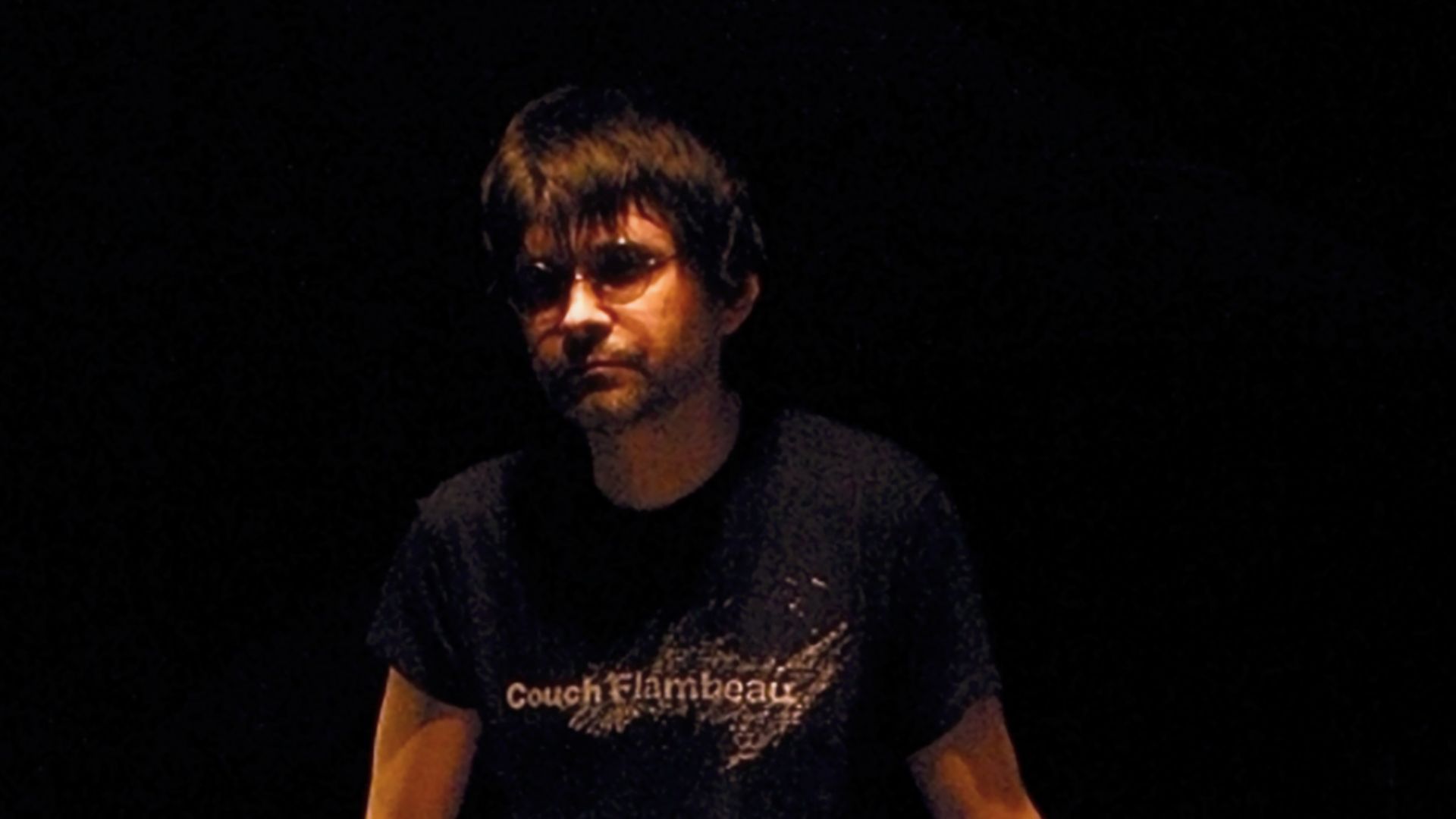 cássio abreu, Wikimedia Commons
37. They Were Able To Fix What Wasn’t Working
Nirvana had Scott Litt, producer for REM, come into the studio to help remix two of the songs Cobain was most displeased with. Together, they added more instrumentation and vocal tracks. Eventually, they got the album just right, and they released it under the title In Utero in September 1993.
Contrary to claims the songs would be “too weird,” the critical acclaim came rolling in.
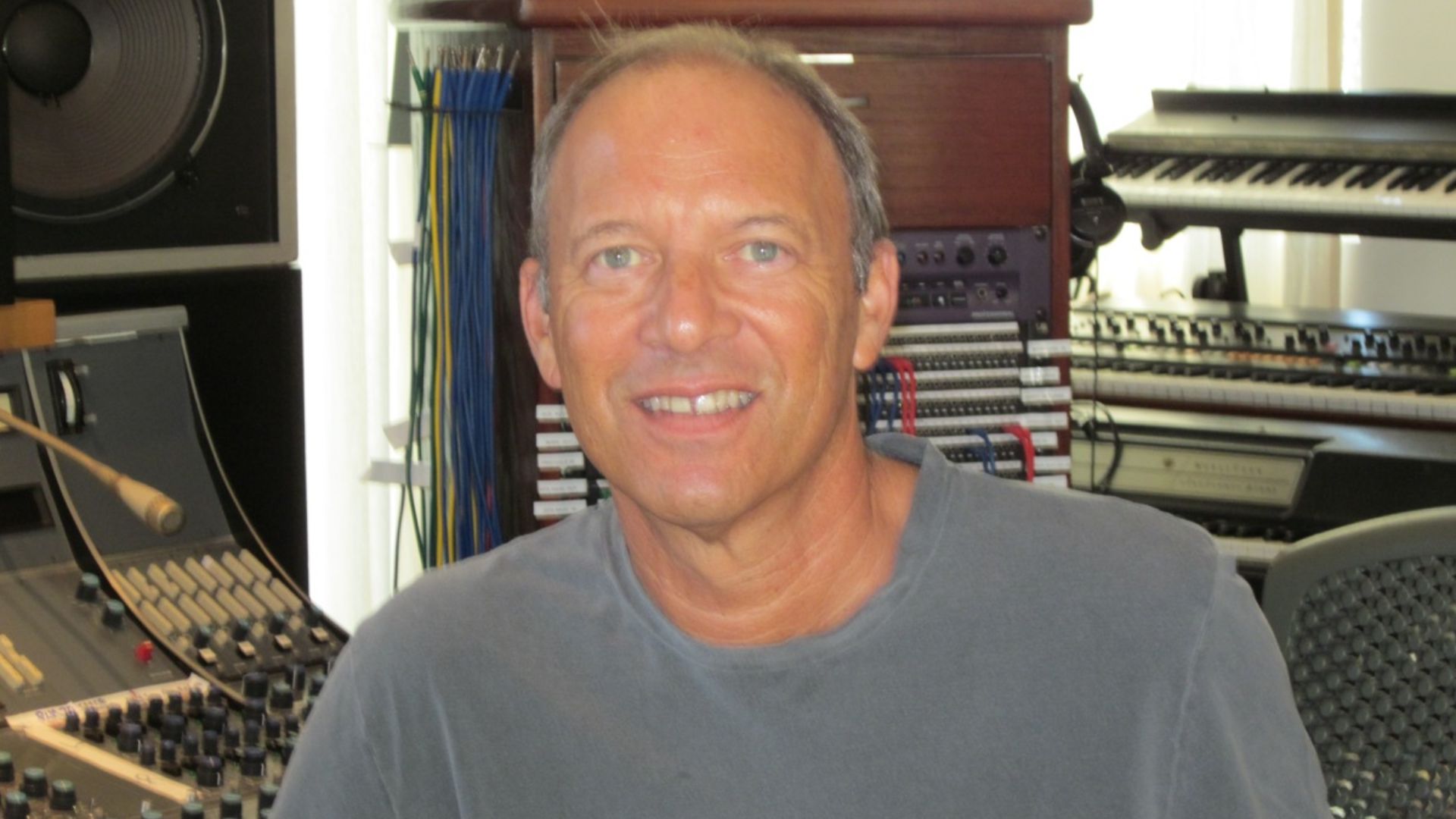
38. They Were Back On Top
In Utero reached the top of American and British album charts, and in a review by Christopher John Farley for Time, he said, “Nirvana hasn’t gone mainstream, though this potent new album may once again force the mainstream to go Nirvana”. It sold over 5 million copies in the US and prompted the band to go on their first American tour in two years. They even brought on an additional guitarist to support their performances.
But things were taking a turn for the worse for Cobain.
39. They Were On A High
In 1994, Nirvana toured Europe for a second time. They had just performed in Munich, Germany, on March 1, when Cobain came down with severe laryngitis and bronchitis. They flew him to Rome for medical treatment, where his wife, Courtney Love, met him the following day, March 3.
This would be the start of a long slide into Cobain’s last weeks.
 Andrea Fleming, Wikimedia Commons
40. They Were Ending Tour On A Low Note
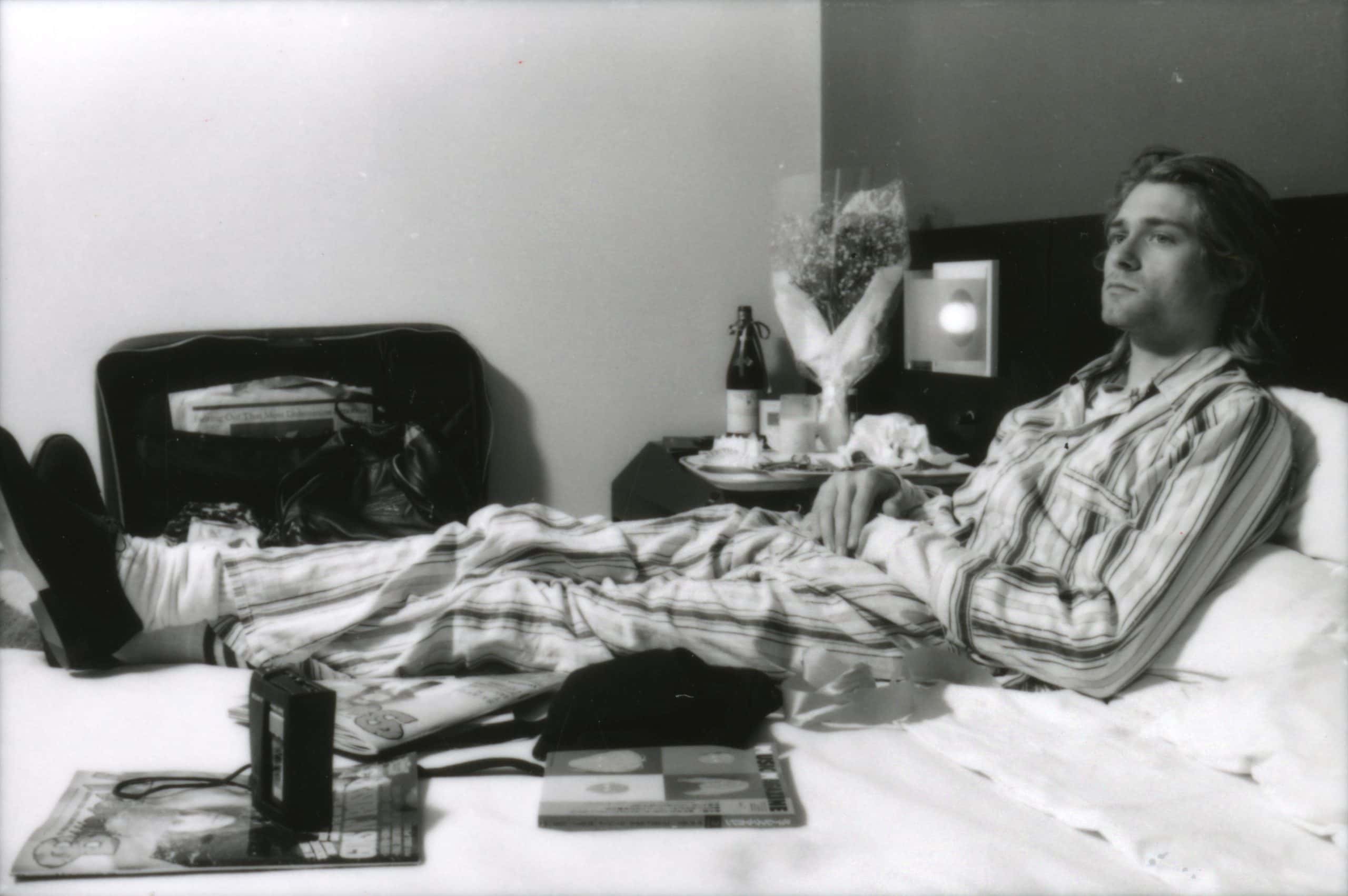
The day after her arrival, Love discovered Cobain unresponsive in their room at the hotel. They rushed him to the hospital, and doctors confirmed he’d had a negative reaction to Rohypnol after mixing it with a few too many drinks. Later, Love would state that this was Cobain’s first attempt to remove himself from this world.
They canceled the rest of the tour, but things for Cobain continued to decline.
 Gutchie Kojima/Shinko Music, Getty Images
41. They Were At The Whims Of An Addict
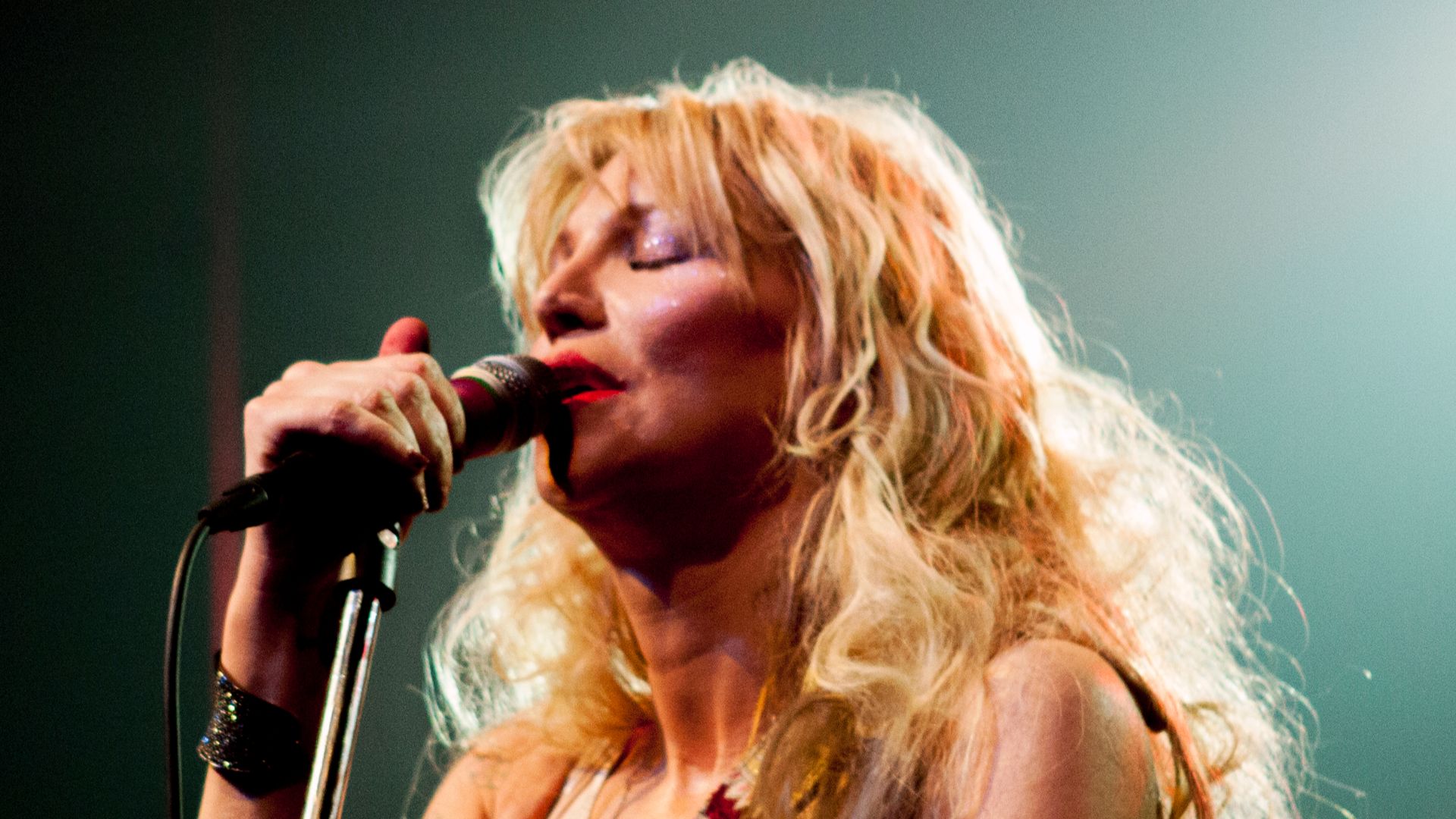
Two weeks later, the future of Nirvana was thrown into even more uncertainty and turmoil. Cobain made another attempt to take his own life. He barred himself and a firearm in a room and terrified Love. She called officers to the scene for help, and they took multiple firearms and some of Cobain’s pills from the premises.
Despite claiming he wasn’t intending to harm himself, Cobain’s mental state was becoming increasingly terrifying.
 Andrea Fleming, Wikimedia Commons
42. They Were Uncertain About The Future
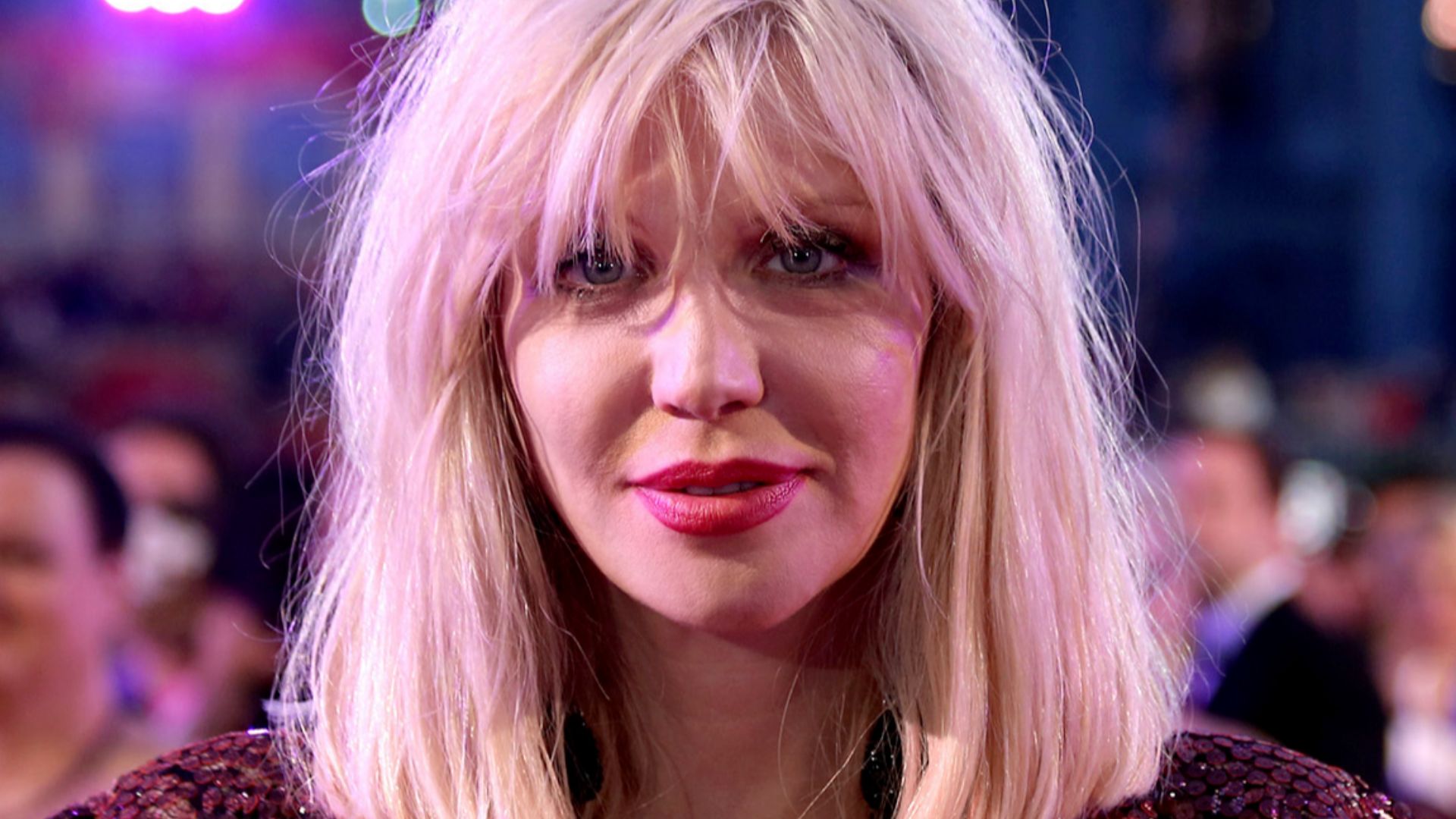
After being hospitalized in Rome, Cobain relapsed with his substance use. Love and many of his friends, family, and professional acquaintances came to intervene in his behavior. But he reacted horribly, shouting insults and contempt at his loved ones. But after things calmed down, Cobain checked into a rehabilitation center.
But this stint in rehab didn’t last long.
 Manfred Werner - Tsui, Wikimedia Commons
43. They Were Hopeful This Would Work
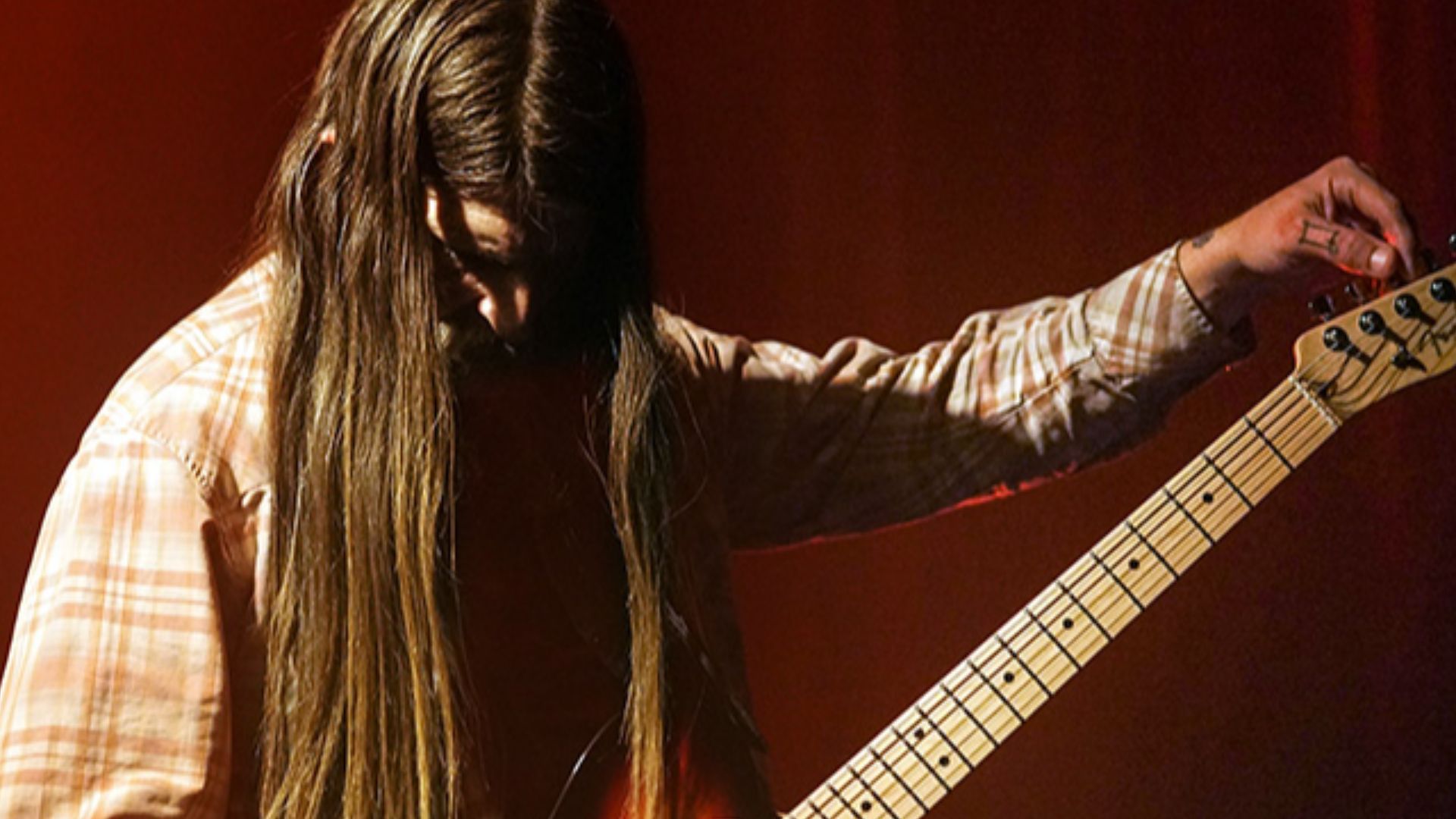
The same day as he left for rehab, Cobain had his best friend, Dylan Carlson, acquire a firearm for him—his existing ones having been confiscated. It became clear rather quickly that Cobain had no real desire to get better. After only a few days in rehab, he climbed over the 6-foot wall surrounding the building and escaped back to Seattle.
Three days later, Cobain sealed his fate.
 Hreinn Gudlaugsson, Wikimedia Commons
44. They Were On Damage Control
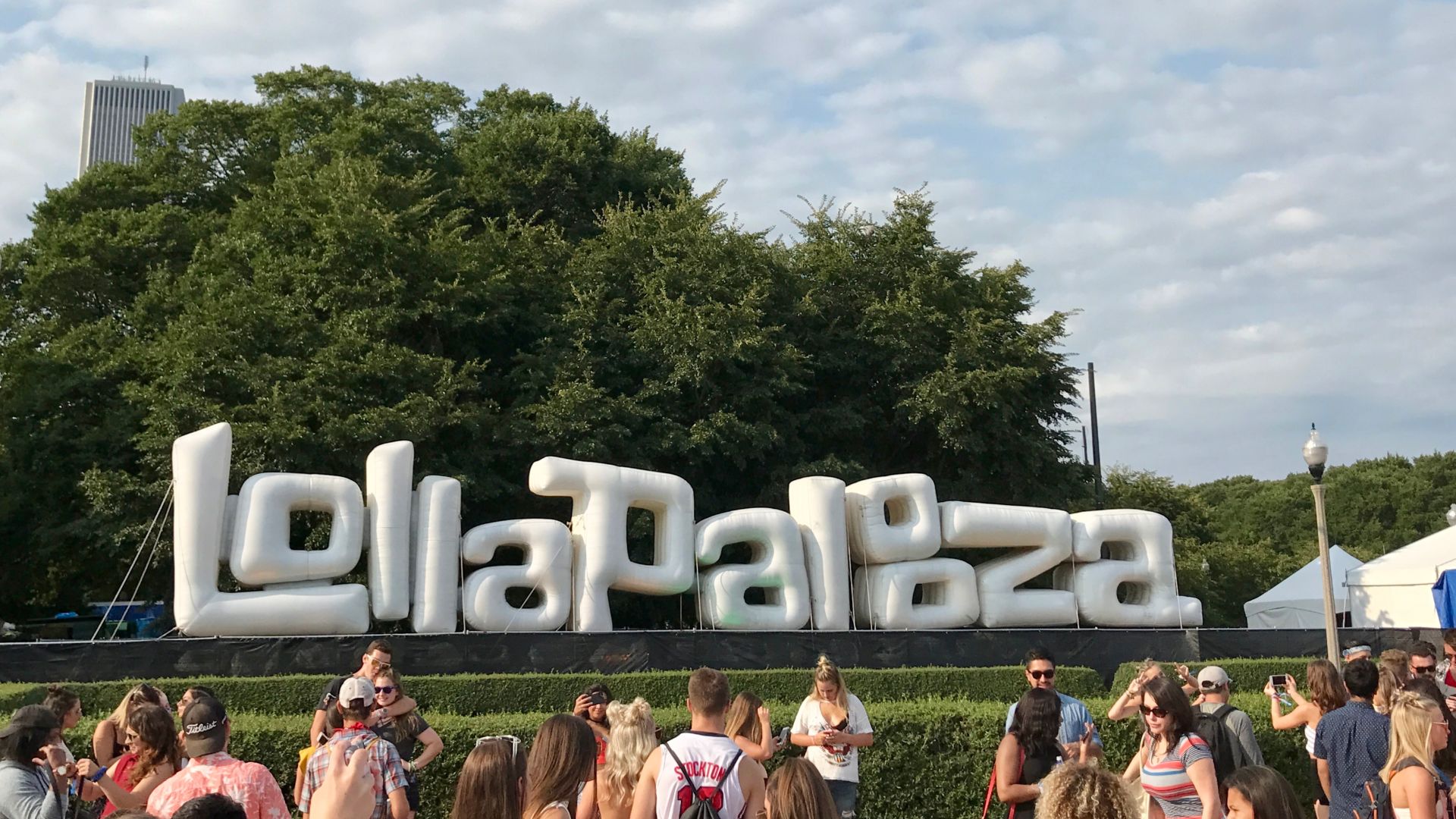
The conflict and unrest that Cobain’s behavior caused had intense ripple effects. In the days following his intervention and subsequent time in rehab, rumors circulated that Nirvana was going to dissolve. This was only exacerbated when they canceled their appearance at the 1994 Lollapalooza.
But not even Cobain’s bandmates could guess at what was happening behind the curtain.
45. They Were Taken By Surprise
On April 8th, 1994, an electrician found Cobain with a self-inflicted firearm injury in his home in the Denny-Blaine neighborhood of Seattle, having been missing since his escape. There wasn’t much time between his escape and the time authorities determined his heart stopped beating. His isolation meant there was little anyone could have done to save him. He was 27.
The tragedy of his loss shook the music industry and the fans who had grown to love him.

46. They Were Mourning In The Open
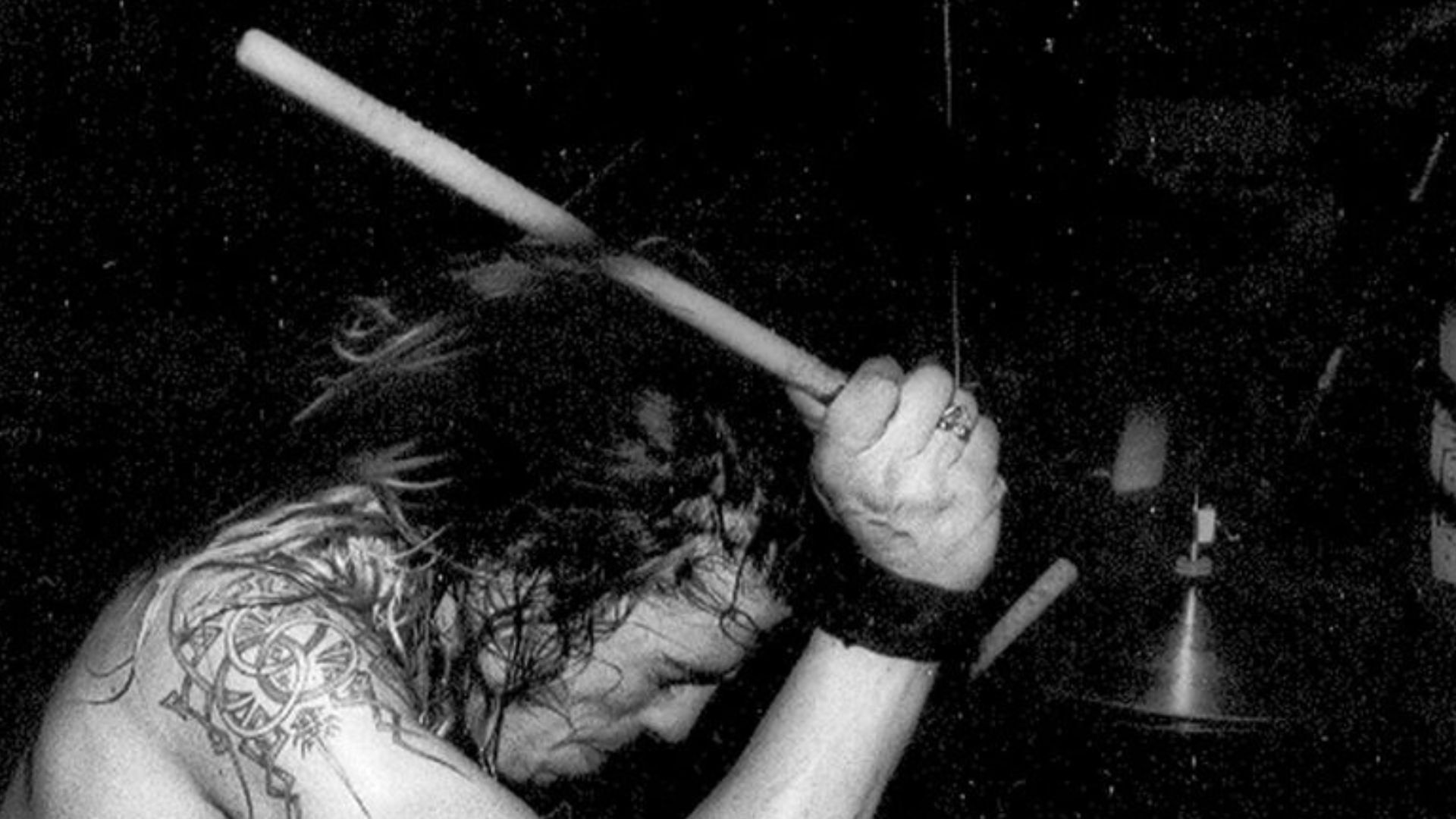
A publicly-held vigil occurred on April 10, 1994, in a park near the Seattle Center. Around 7,000 mourners came to participate. The band members of Nirvana were left wondering what to do next. Their careers in the band had come to a truly abrupt end. Novoselic took time off away from the limelight.
Grohl, on the other hand, started his own ensemble which would later become just as famous as Nirvana was—though, ultimately more lasting.
 Tobby Holzinger / Agentur Spirit, Wikimedia Commons
47. They Were Boosted By Tragedy
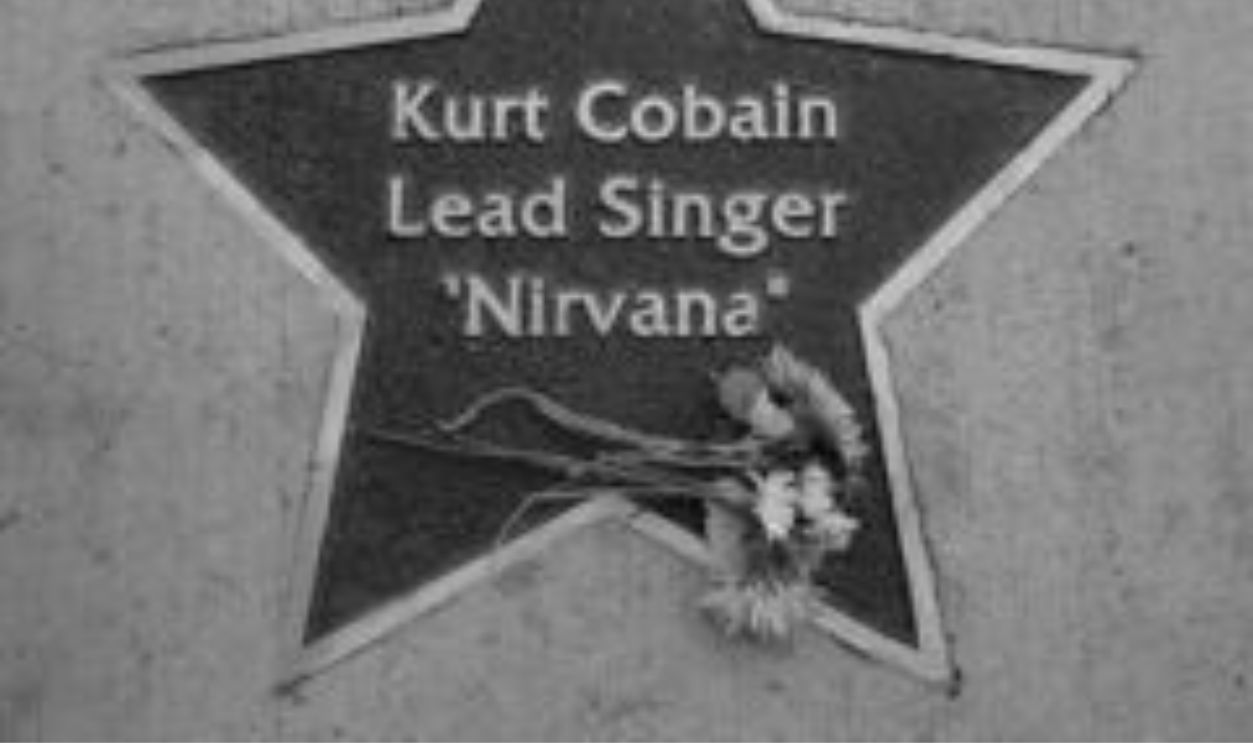
Cobain’s untimely passing drew monumental attention to Nirvana. The band achieved a lot during their time, but nothing compared to the spotlight of tragedy illuminating what could have been. Old and new fans alike flocked to get their hands on Nirvana albums, and for a while, Novoselic, Grohl, and Love were too trapped in mourning to get at each other.
But once some time had elapsed, conflict started brewing.
48. They Were Able To Keep Going
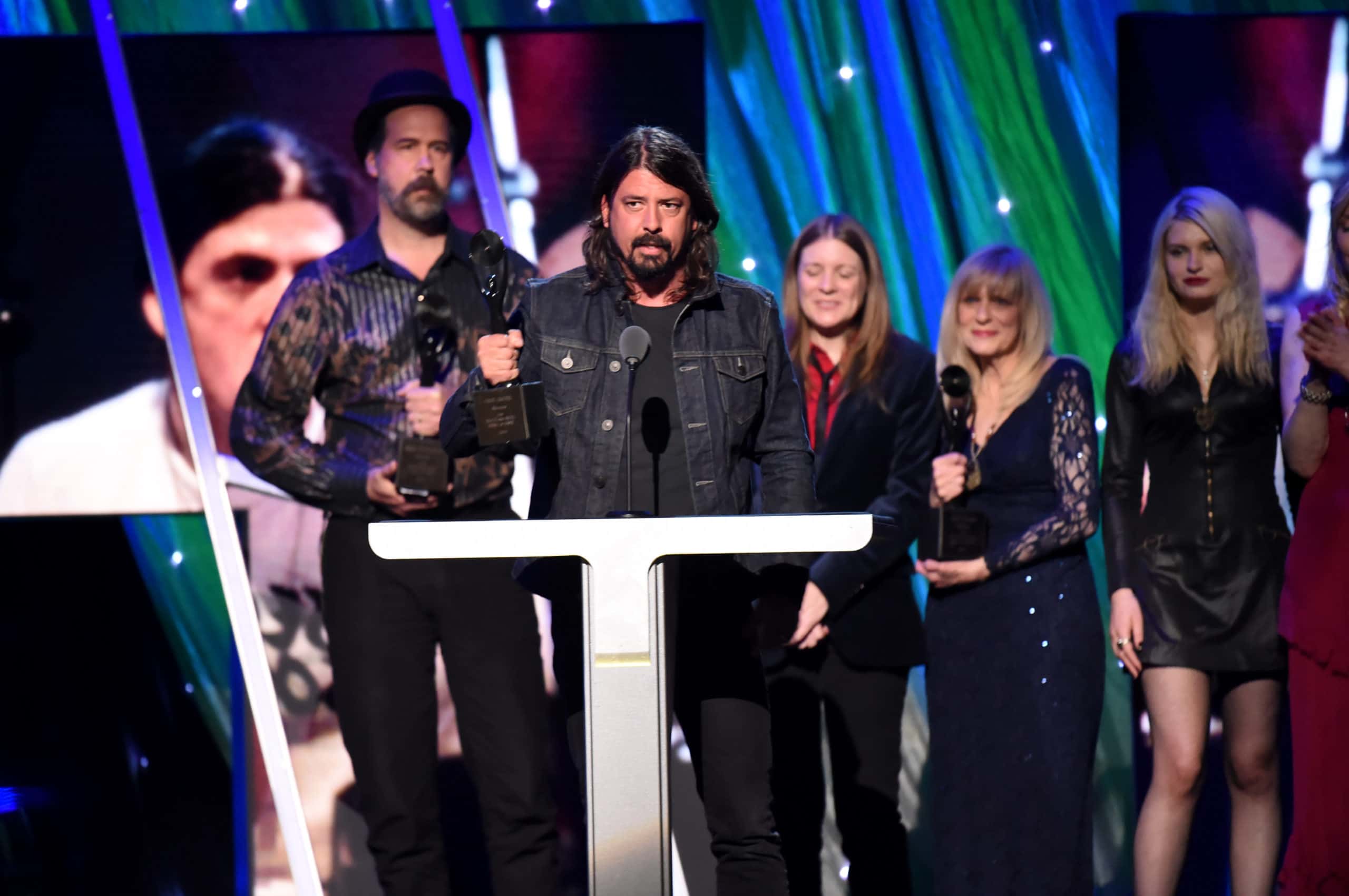
Even though Nirvana had stopped creating new music as a band, there was still a need to handle projects like compiled albums and releasing unheard music under the Nirvana name. Love, Novoselic, and Grohl came together to oversee this. But right before a 45-song box set of rare Nirvana tracks came out, Love backed out and filed for an injunction to stop the release.
She made a wild claim that was insulting to the other band members.

49. They Were Fighting For Their Share
Love stated that Nirvana was Cobain, establishing Novoselic and Grohl as the sidekicks to Cobain’s superhero. Despite this, they were able to resolve the issue before the issue made its way to court, and they released the album of compiled Nirvana songs.
This wouldn’t be the only time there would be issues surrounding Nirvana and Cobain’s legacy.
50. They Were Slapped With A Suit
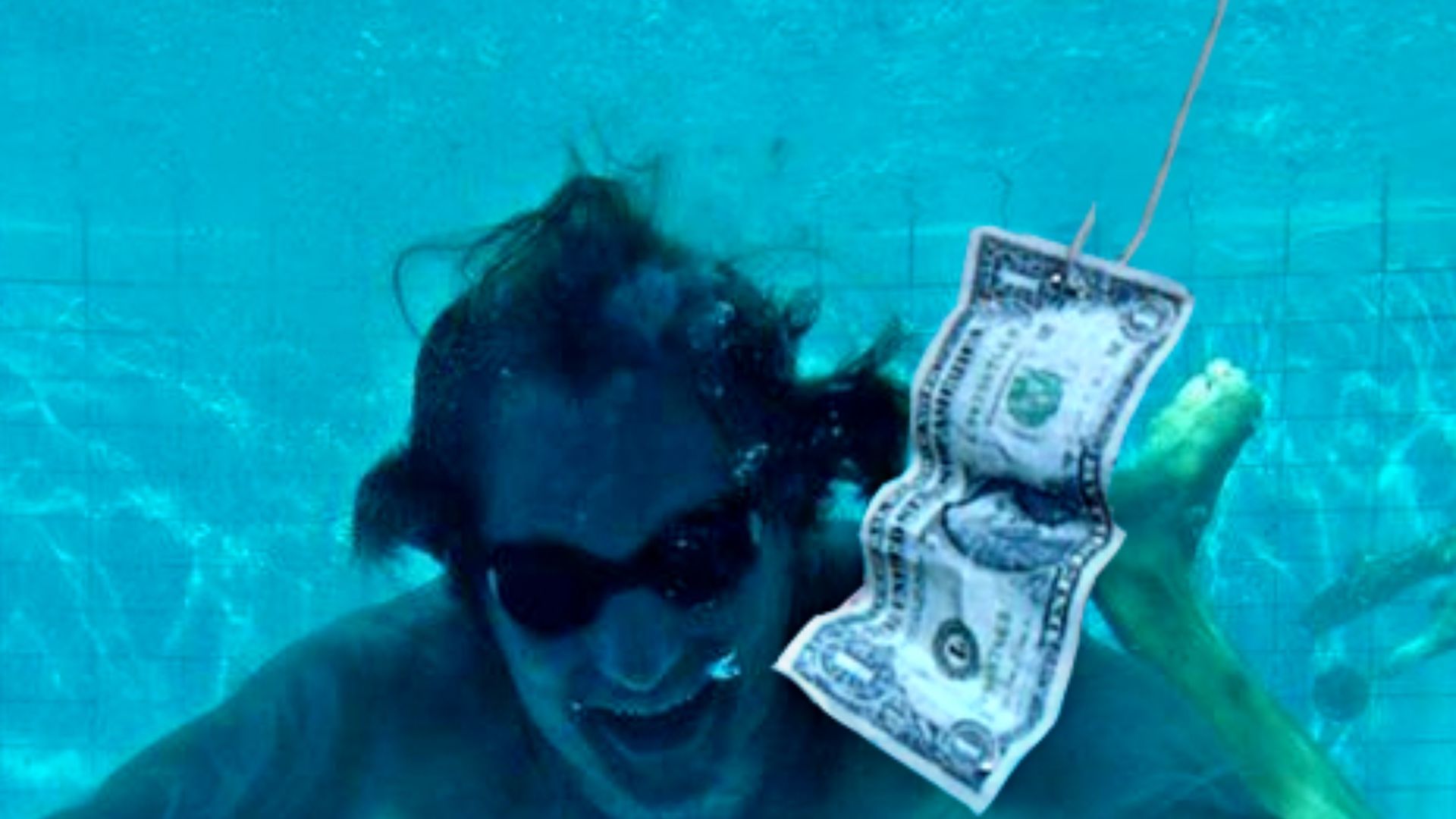
In August 2021, Spencer Elden—the now-adult baby on the cover of Nevermind—came forward demanding Nirvana censor his exposed parts and repayment for emotional damages. Despite this filing, Elden has profited from being the Nirvana baby and has been known to recreate the album cover in the 30 years since the original photo took place. Not only that, but his case has expired beyond the 10-year statute of limitations. Despite these legal roadblocks, many believe his case is an opportunity to create more regulation around the issues Elden raised.
Nirvana did not need to settle, but on the album’s 30th anniversary, things might be different.
 Pål Nordseth, Wikimedia Commons
51. They Had An Iconic Moment On SNL
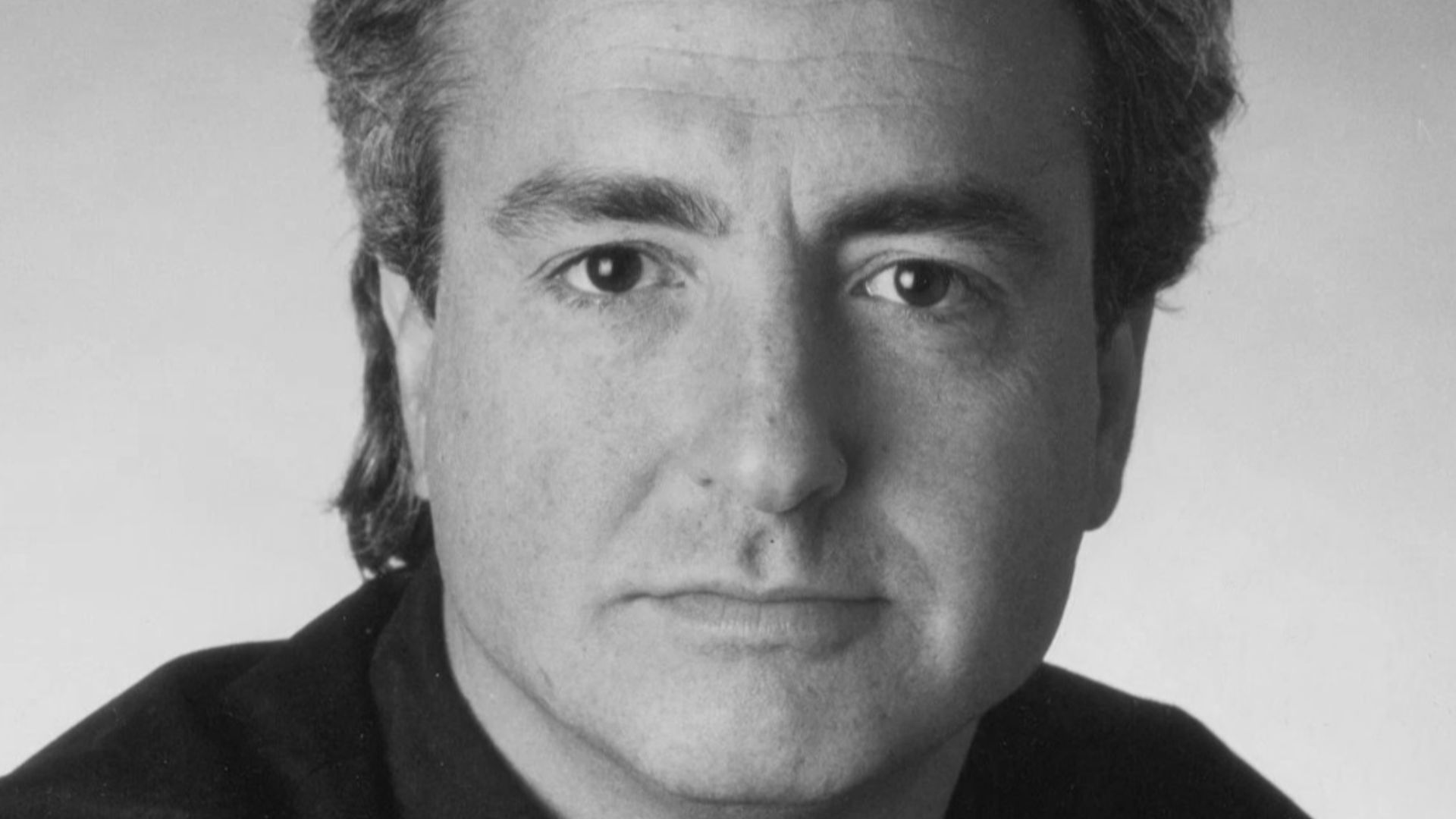
During Nirvana’s 1992 appearance on Saturday Night Live, the band managed to squeeze a minor scandal into the closing credits of the show. Bassist Krist Novoselic and drummer Dave Grohl began making out while they were standing around on the stage, only to be joined in their kissing session by Kurt Cobain.
After the initial broadcast, SNL producer Lorne Michaels was utterly furious, and cut the footage of the kissing out of every re-broadcast. Safe to say, the 90s were a really different time.
 Fox Broadcasting Company, Wikimedia Commons
52. She Never Forgot Him
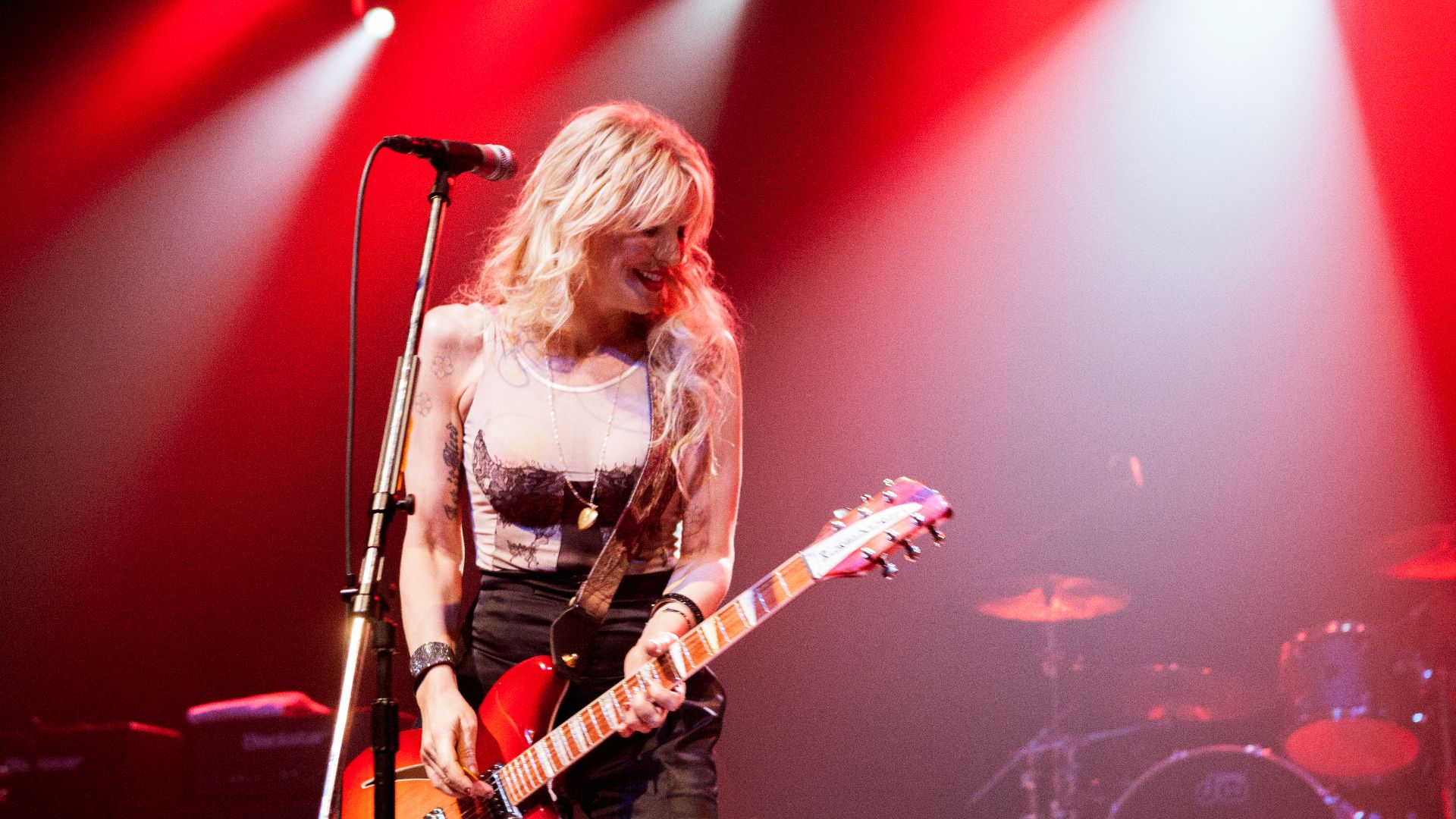
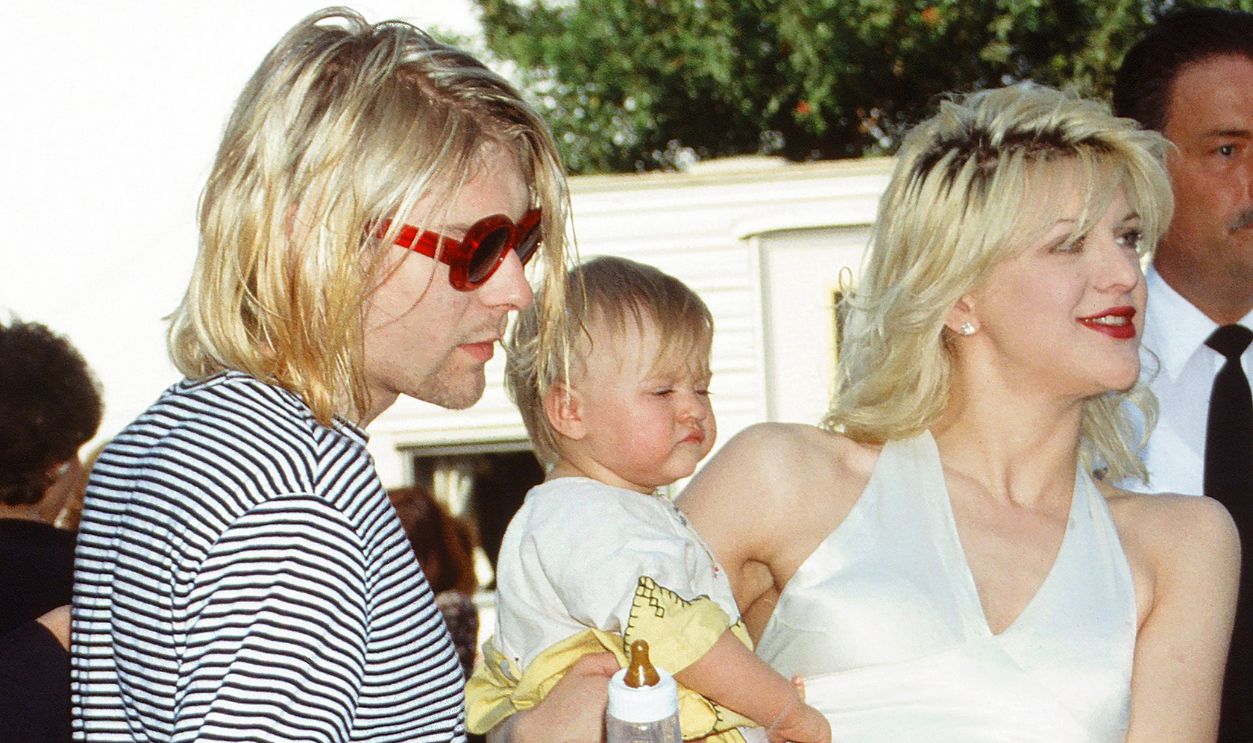
After Cobain’s tragic death, his heartbroken widow Courtney Love kept a macabre and bizarre keepsake of her true love. Once Cobain was cremated and finally laid to rest, Love split up his ashes, dividing them between a traditional urn—and a very unconventional teddy bear.
 Andrea Fleming, Wikimedia Commons
53. They Re-Opened The Case
In 2014, Seattle Police revisited the case of Kurt Cobain’s suicide and revealed that an undeveloped roll of film with photographs of the scene had sat in an evidence locker for years. These tragic new photos were far more clear than the Polaroids that had been previously used, but they only confirmed the earlier finding that Cobain had ended his own life.
Police initially refused to make the photos public, wondering what good such painful images could do, but some of them, including one tragically showing the hospital bracelet Cobain still had on his arm from the detox program that he had escaped from just days before his death, were eventually released.
54. He Was Not Able To Save Himself
Years after Kurt Cobain took his own life in 1994, his friend and former bandmate Dave Grohl revealed the heartbreaking truth about his friend’s death in an interview with the BBC, tragically saying that he always knew that Cobain was going to die young: “There are some people that you meet in life that you just know that they are not going to live to be a 100 years old… In some ways, you kind of prepare yourself emotionally for that to be a reality."
Cobain left this world isolated from it. But if you or someone you know is in need of support for substance use, help is available. You are not beyond saving.
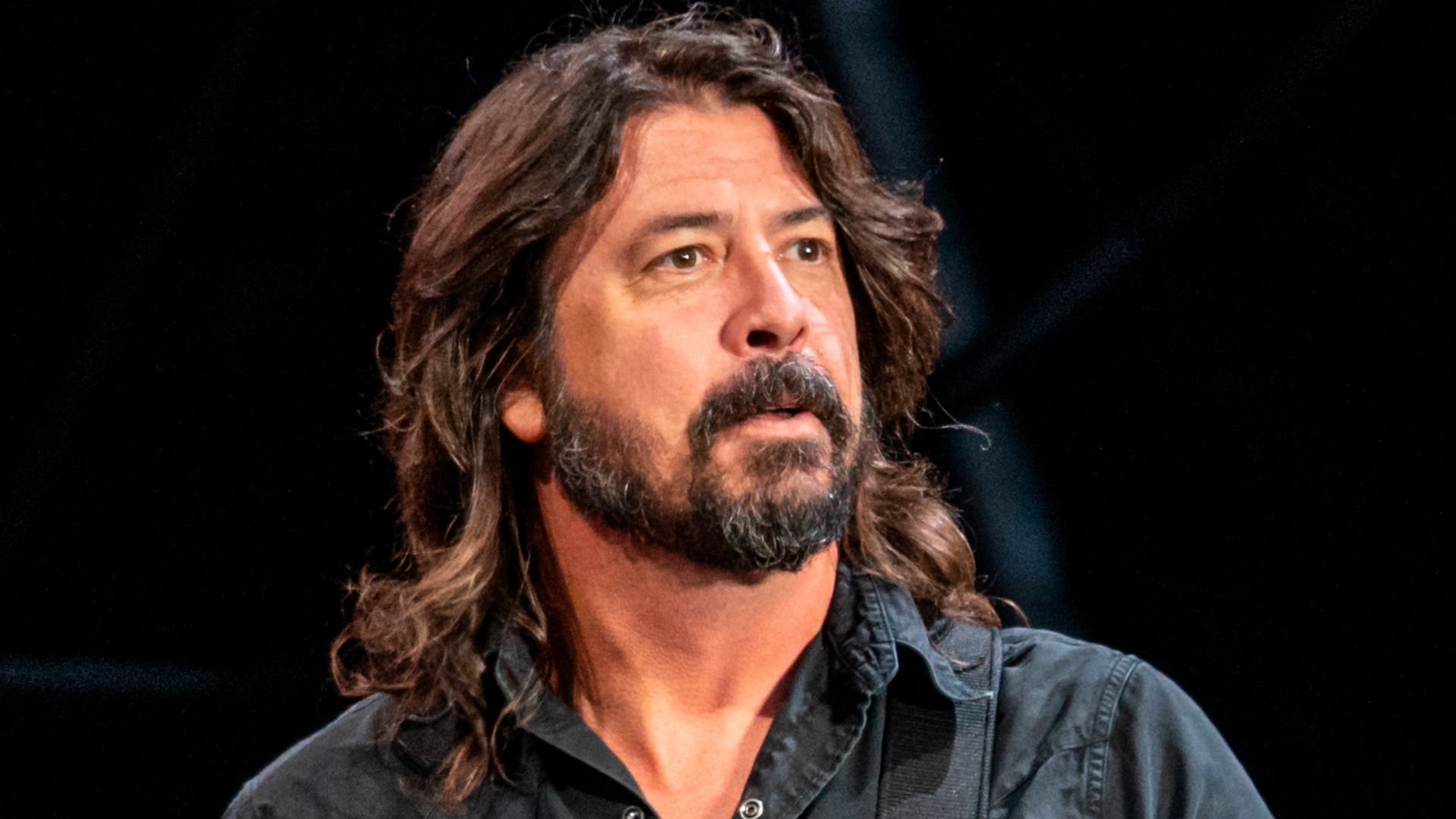 Raphael Pour-Hashemi, Wikimedia Commons
https://www.ccsa.ca/addictions-treatment-helplines-canada
You May Also Like:
Penetrating Facts About Chris Cornell, Seattle Grunge’s Brave Pioneer
Heartbreaking Facts About Layne Staley, Alice In Chain’s Lost Singer
Iconic Facts About Shannon Hoon, The Star Who Burned Too Bright