When Being Rich Wasn't Enough
America's richest families once seemed untouchable. Railroads, stores, and estates promised wealth for generations. Yet some fortunes crumbled through extravagant spending, disastrous investments, lawsuits, or simple changes in ownership. Others survived as museums and charitable gifts rather than family bank accounts. The endings differ. Wealth can leave a family through bad decisions, changing markets, contested estates, or intentional generosity, and those outcomes should never be confused.
 National Magazine, Wikimedia Commons
The Commodore's Railroad Jackpot
Cornelius Vanderbilt built his fortune in steamships and railroads, leaving roughly $100 million when he died in 1877. Son William expanded it further. Later generations faced an expensive temptation: displaying it.
 Produced by Mathew Brady's studio, restored by Michel Vuijlsteke, Wikimedia Commons
Mansions That Couldn't Last
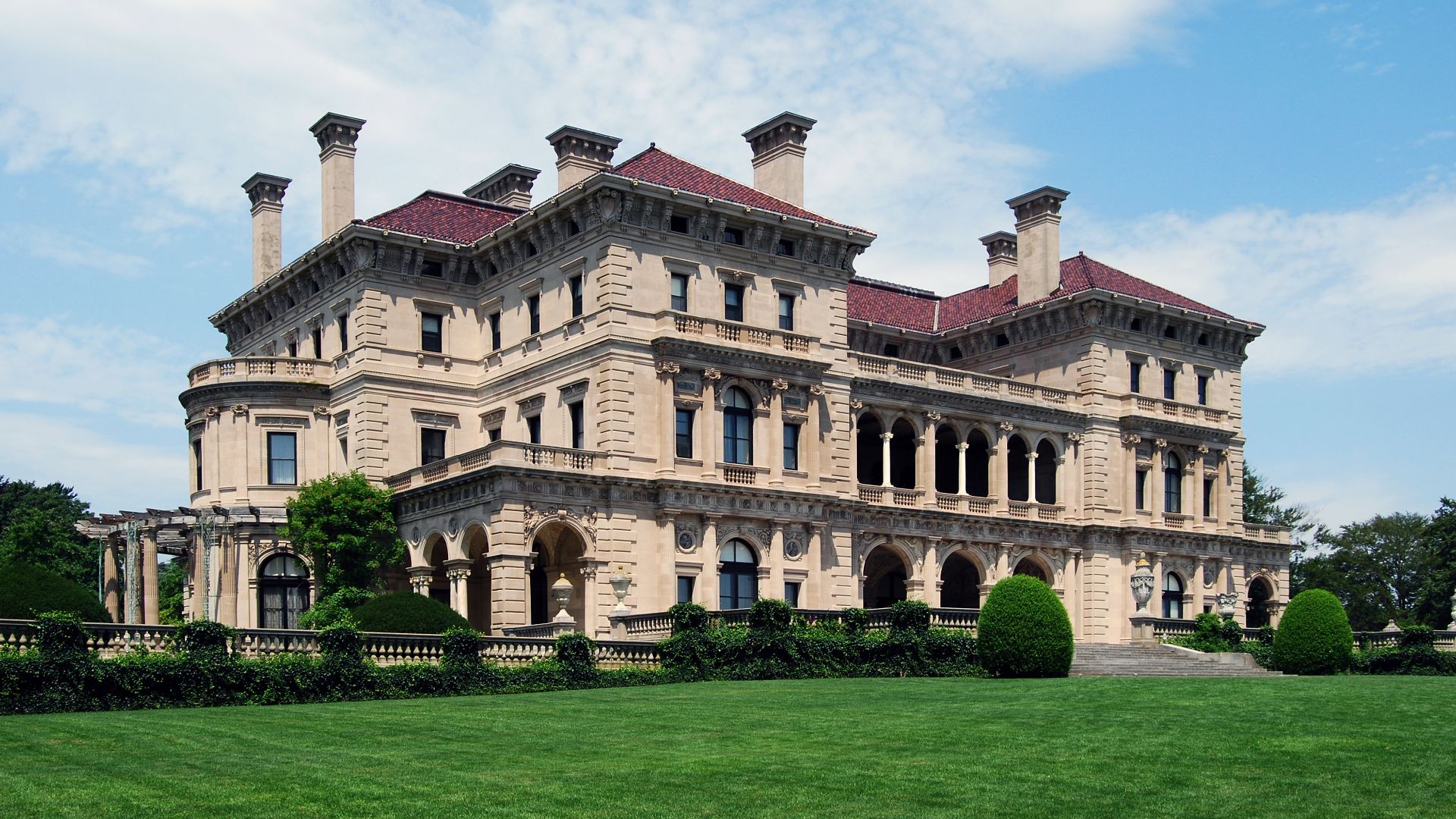
Vanderbilt descendants commissioned enormous houses in Manhattan and Newport, pouring inheritances into costly properties. Within decades, the family had disappeared from America's very richest ranks. One descendant later described its swift disappearance.
 UpstateNYer, Wikimedia Commons
Jay Gould's Railroad Millions
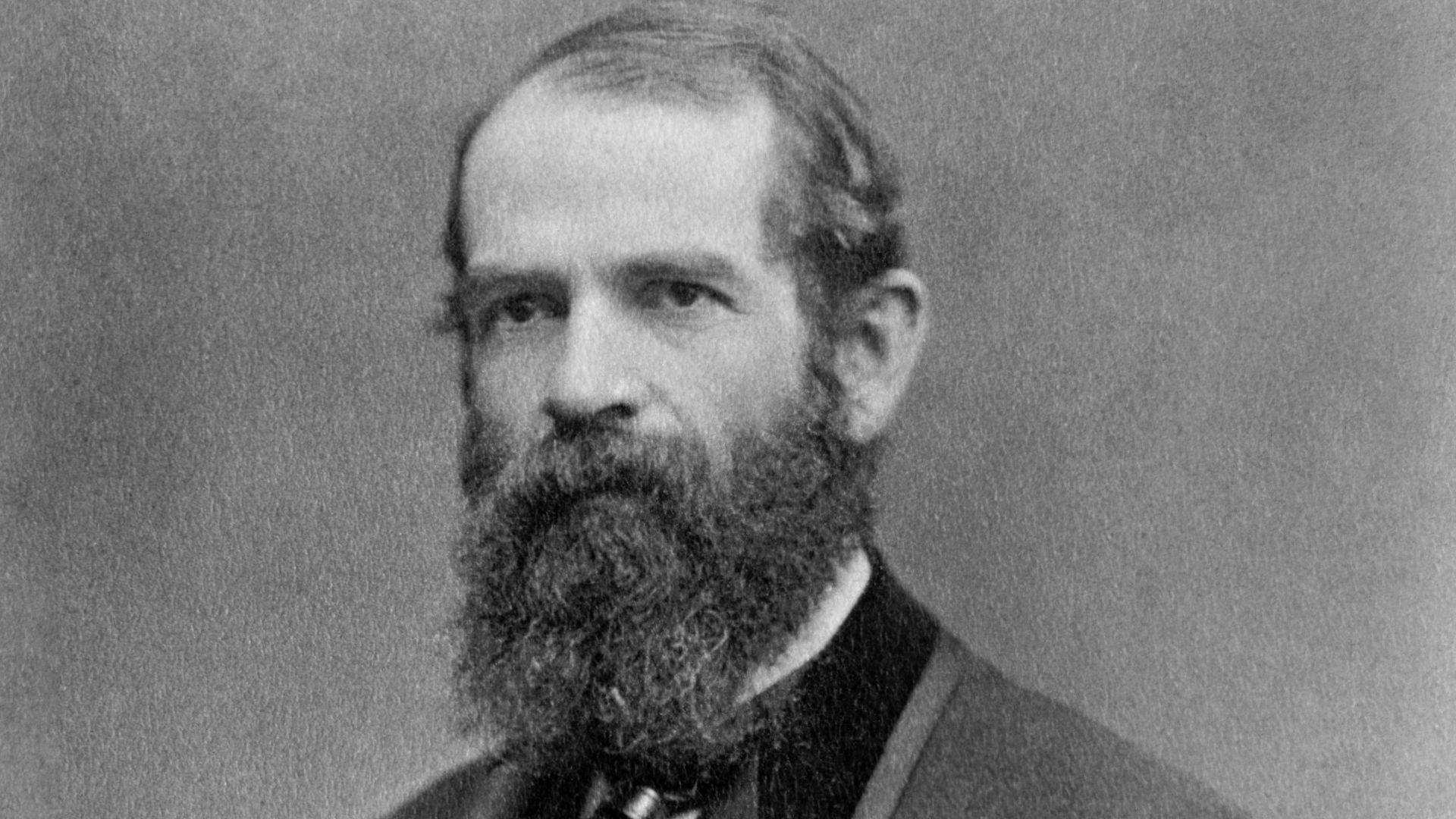
Railroad financier Jay Gould left his six children an estate worth roughly $80 million in 1892. Four became trustees, led by eldest son George. Managing railroads proved harder than inheriting them.
 Bain News Service, publisher
Restoration by Adam Cuerden, Wikimedia Commons
The Gould Empire Comes Apart
George Gould lost control of important railroad holdings, and siblings challenged the estate's management. Litigation brought a multimillion-dollar settlement. George's own estate shrank dramatically after debts and claims. Some heirs stayed wealthy, but the empire ended.
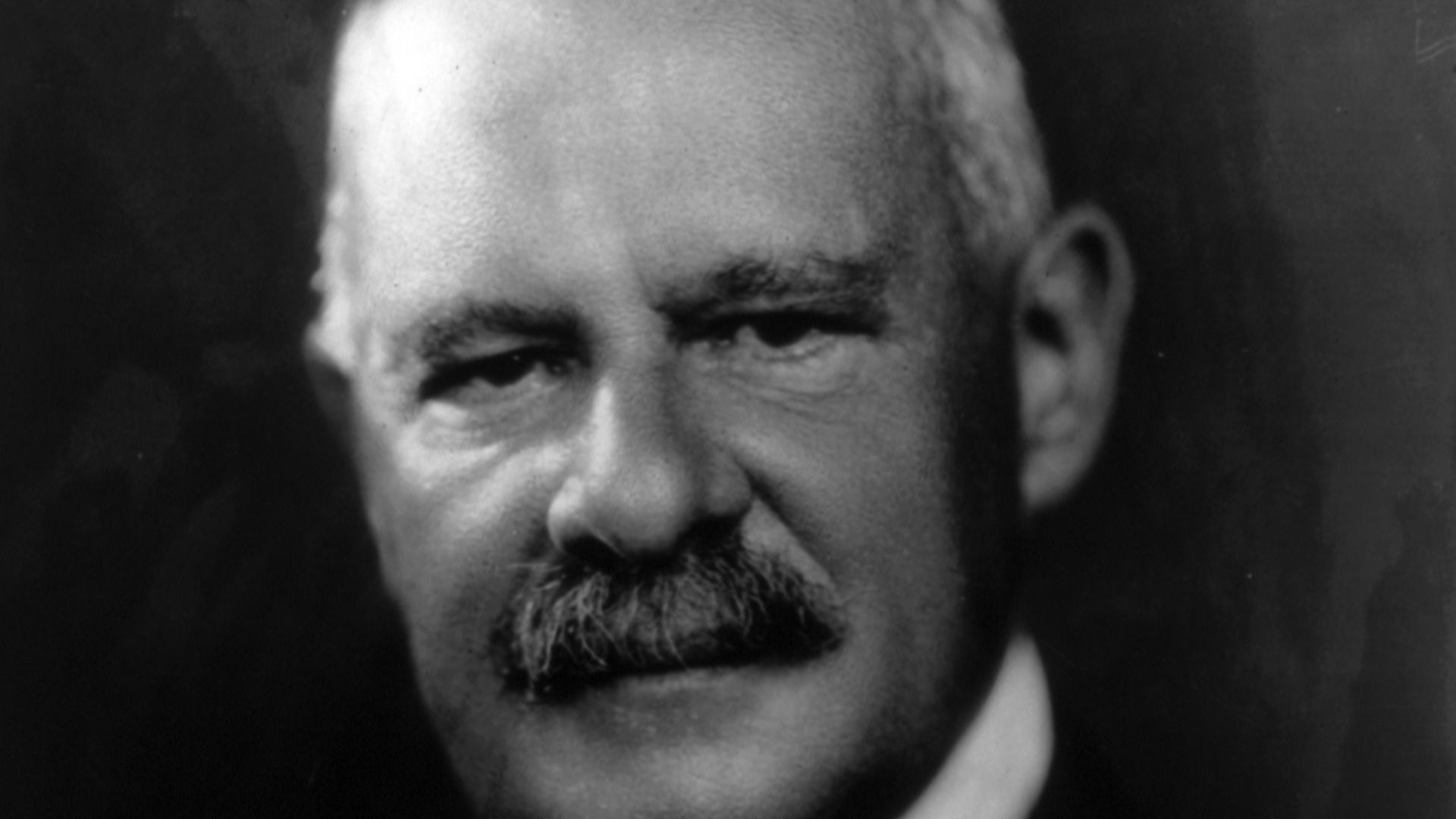 Unknown authorUnknown author, Wikimedia Commons
The Strohs Become Beer Royalty
Bernhard Stroh arrived in Detroit in 1850 and established a successful brewery. By the 1980s, his descendants controlled America's third-largest brewing business. Their collective fortune was valued at approximately $700 million, seemingly securing their future.
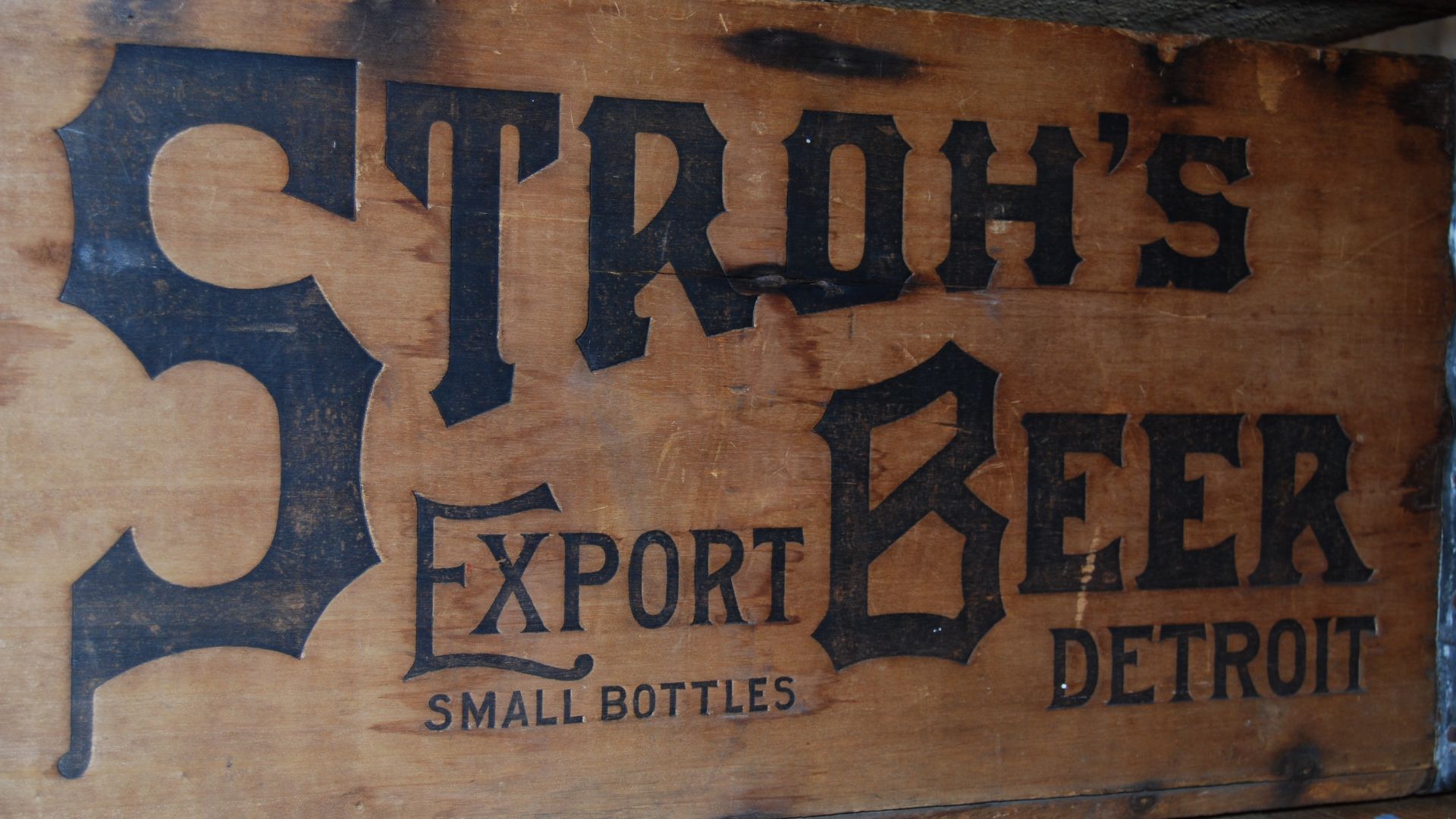 PDru2014 from Detroit, United States, Wikimedia Commons
The Brewery's Expensive Gamble
Expansion and acquisitions increased Stroh's debt just as competition intensified. Competitors acquired the brewery business in 1999. Company distributions eventually ended. Not every descendant was penniless, but the shared brewing fortune was gone.
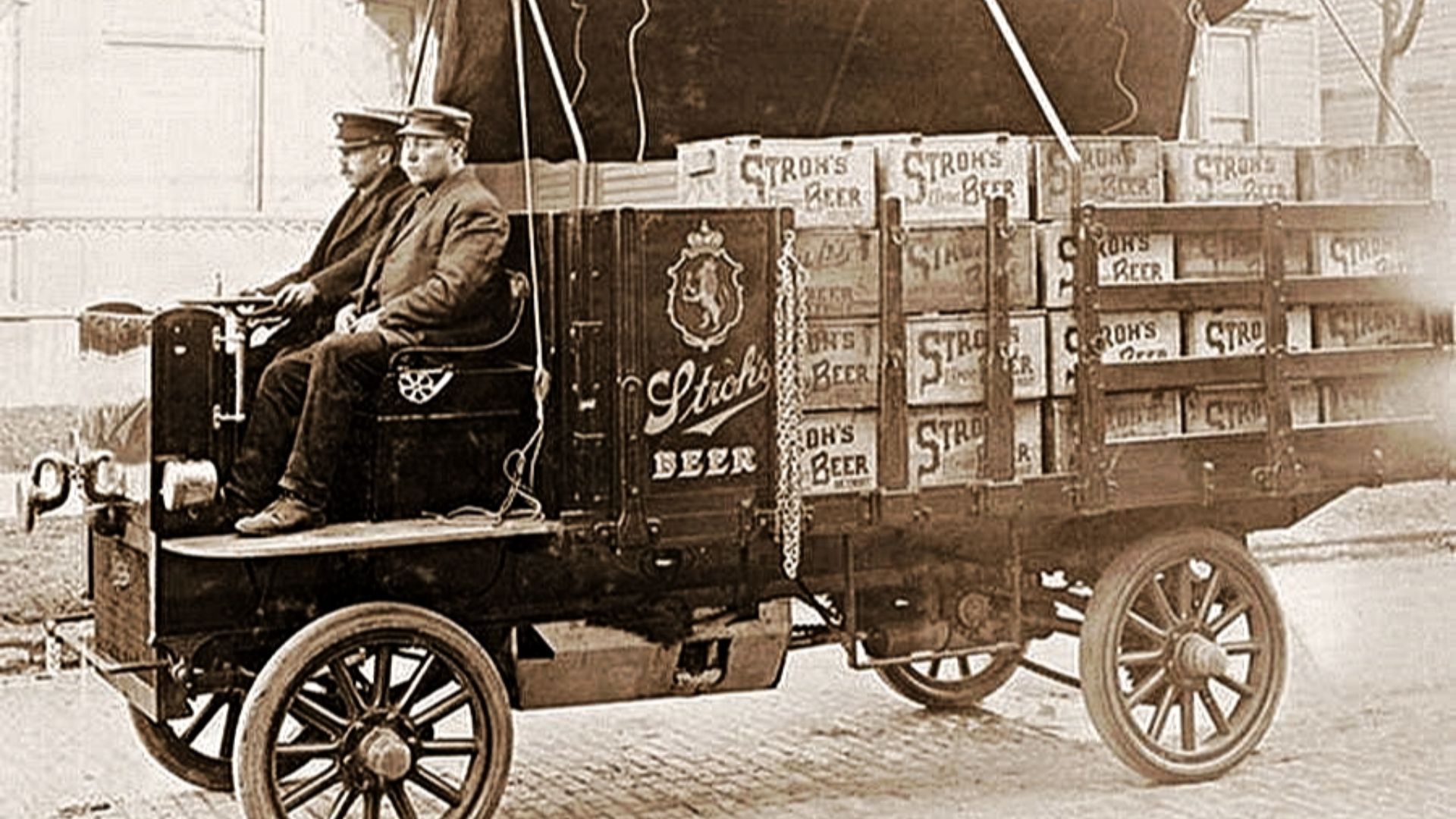 Wystan from Ann Arbor, Wikimedia Commons
Woolworth's Five-And-Dime Goldmine
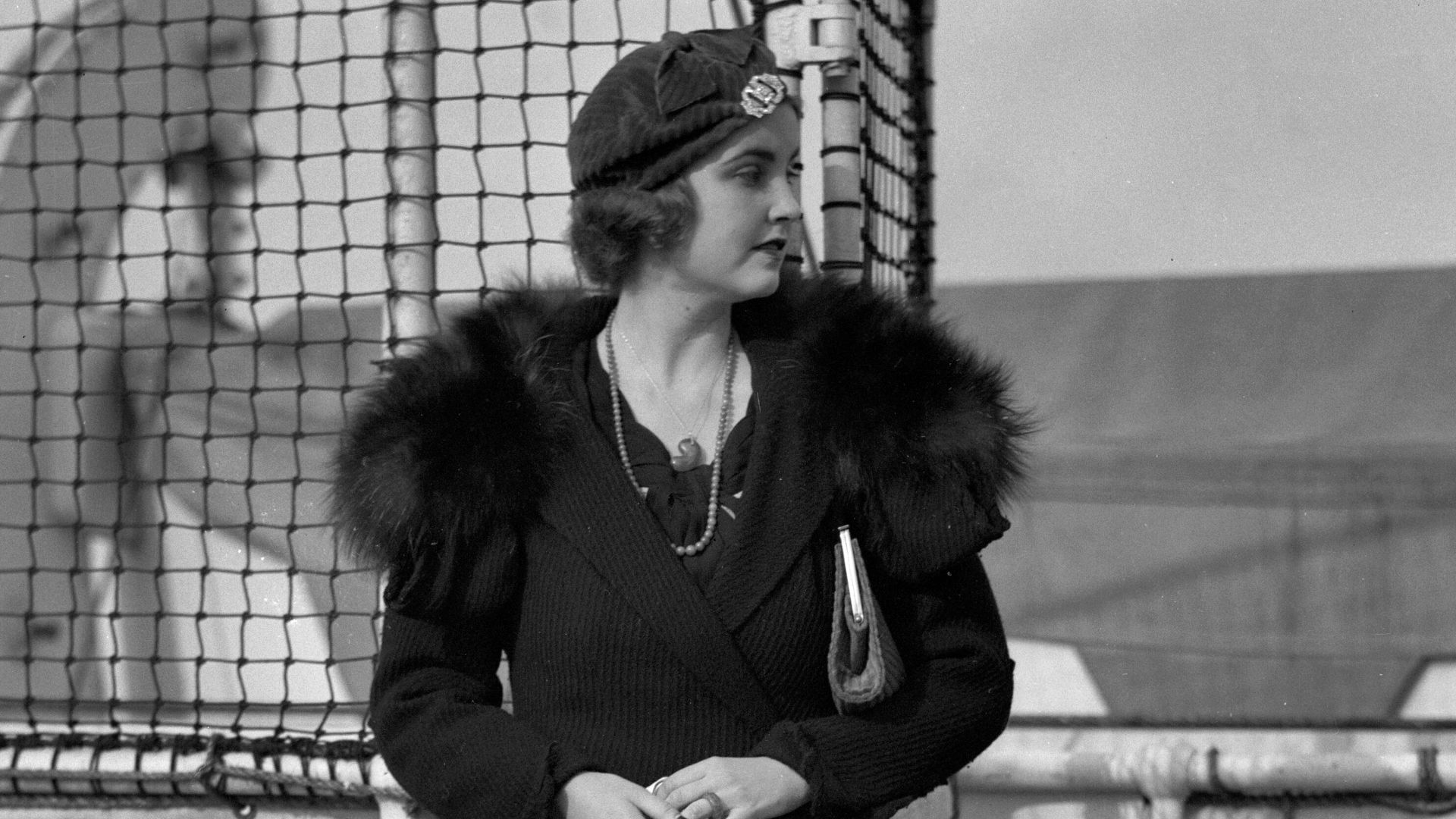
Frank Woolworth built a five-and-dime retail powerhouse. His granddaughter Barbara Hutton eventually inherited tens of millions of dollars and became an international celebrity. Her eventual collapse did not mean every Woolworth family asset vanished.
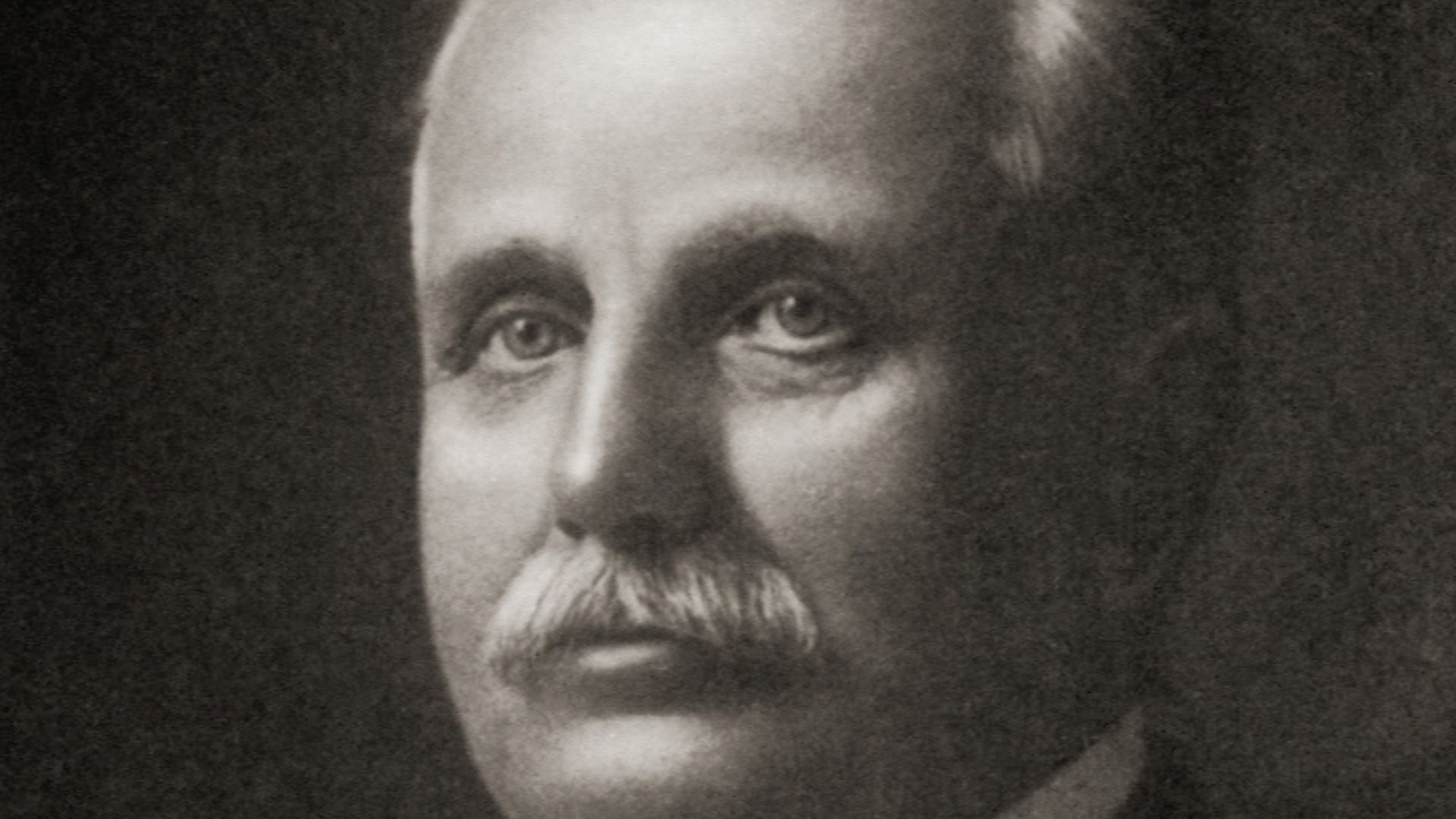
Barbara Hutton's Last Dollars
Hutton bought extraordinary jewelry, maintained lavish residences, and married seven times. Costly divorces, investments, and her extravagant lifestyle eroded her wealth. When she died in 1979, reports placed the remainder of her once-vast fortune at only a few thousand dollars.
 Los Angeles Times, Wikimedia Commons

History's most fascinating stories and darkest secrets, delivered to your inbox daily.
The Hartfords' Grocery Millions
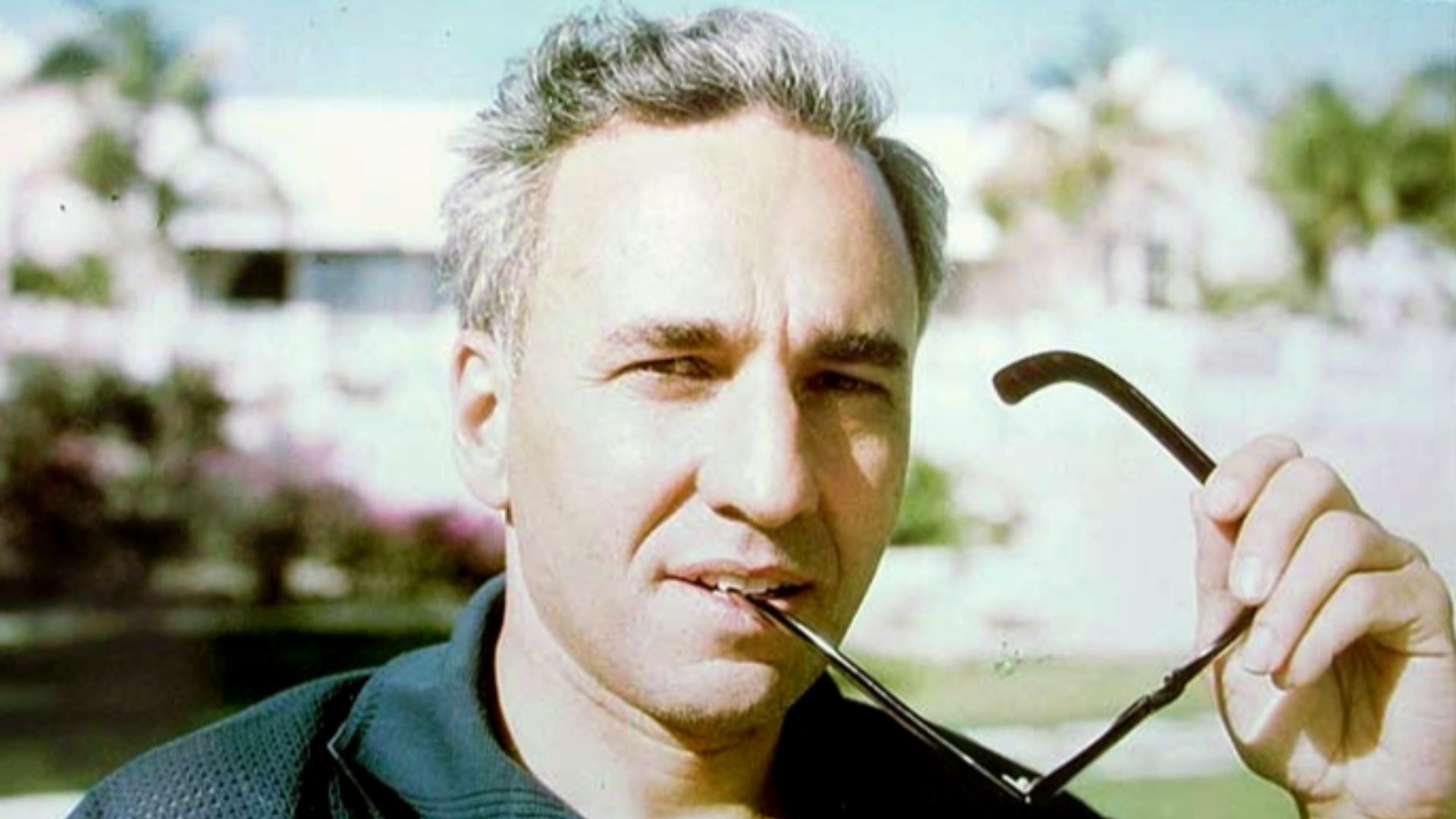
A&P supermarkets made the Hartford family enormously wealthy. Heir Huntington Hartford II could pursue almost any ambition. Many proved costly. Hartford funded artistic ventures and cultural projects on a grand scale, but his inherited income could not guarantee their success.
 Diane Hartford, Wikimedia Commons
Huntington Hartford's Costly Dreams
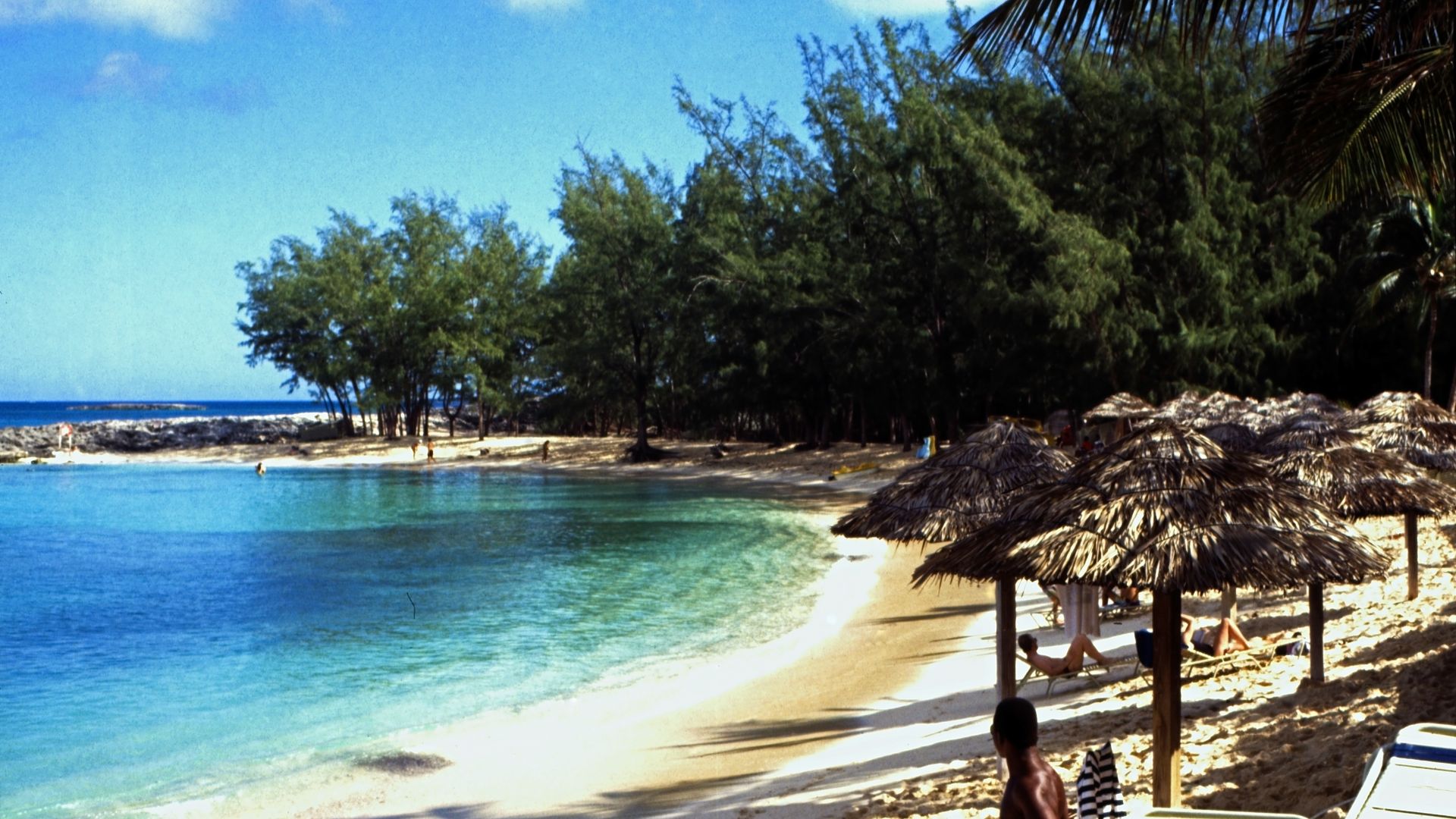
Hartford invested in magazines, artistic ventures, entertainment, and a Bahamas resort. The Ocean Club alone represented an enormous investment that struggled financially. After decades of ventures that lost money, he eventually sought bankruptcy protection. It was a personal collapse, not a verdict on every relative.
 Rudiger Stehn from Kiel, Deutschland, Wikimedia Commons
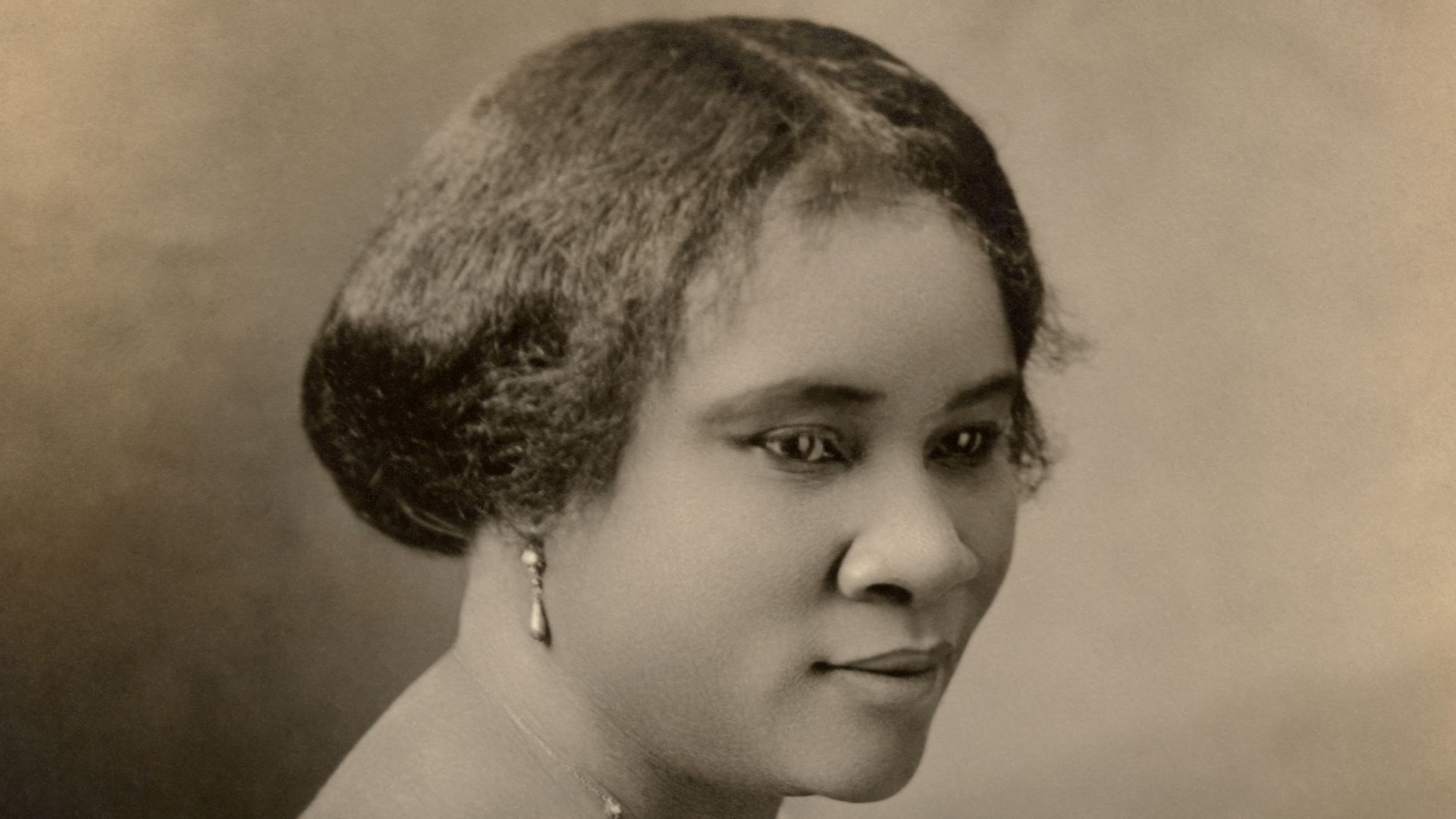
Madam Walker's Remarkable Rise
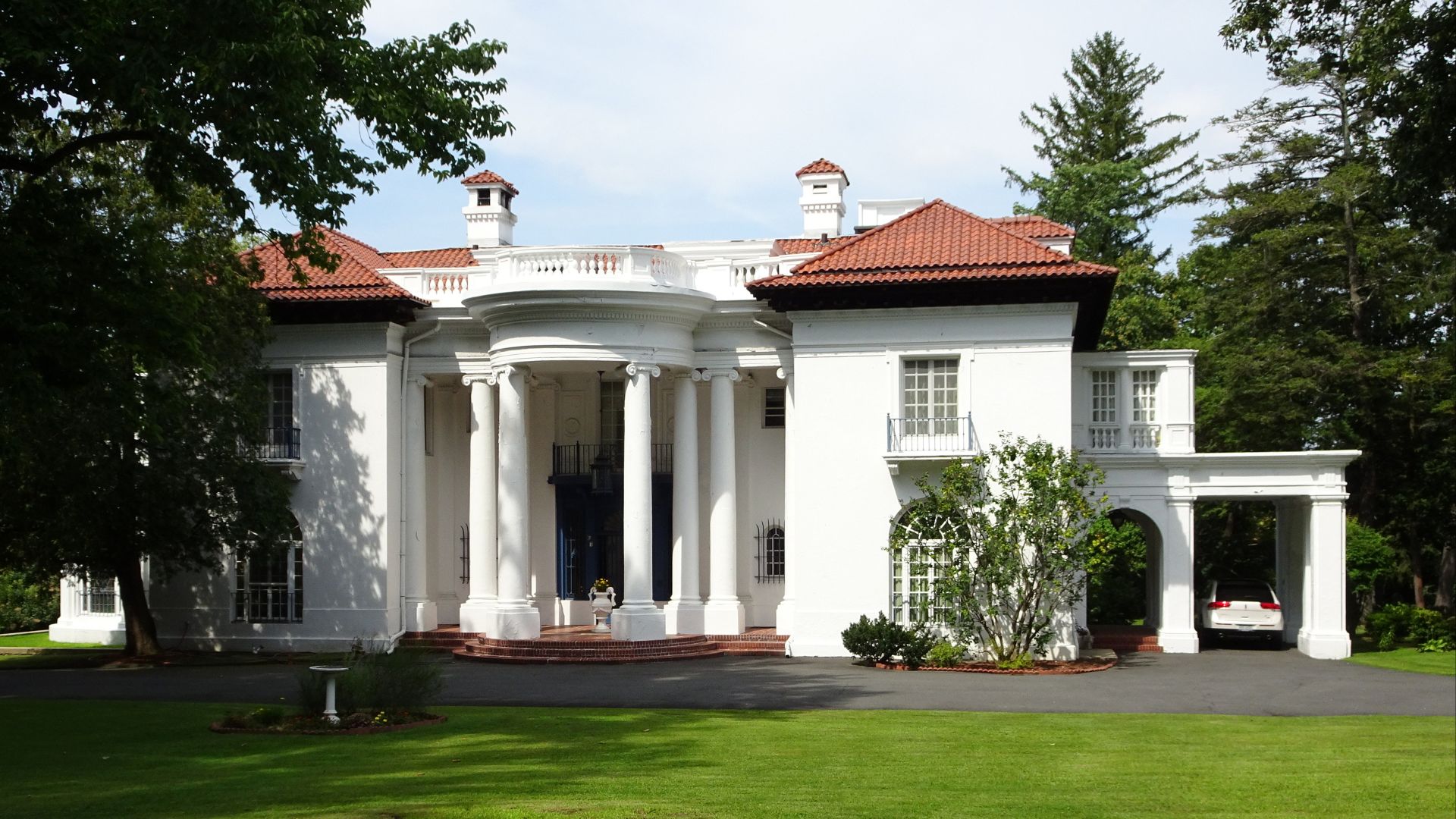
Madam C. J. Walker built a hair-care company supported by thousands of sales agents. She also invested in property and commissioned Villa Lewaro in New York. When she died in 1919, she left both a thriving business and charitable commitments.
 Addison Norton Scurlock / Adam Cuerden, Wikimedia Commons
The Walker Estate's Financial Squeeze
Her daughter A'Lelia spent lavishly, borrowed against property, and accumulated debts. Then the Depression hurt sales amid costly company obligations. Villa Lewaro's furnishings were auctioned in 1930, and the mansion was sold in 1932. The company, however, continued operating.
 Jim.henderson, Wikimedia Commons
Hetty Green's Extraordinary Savings
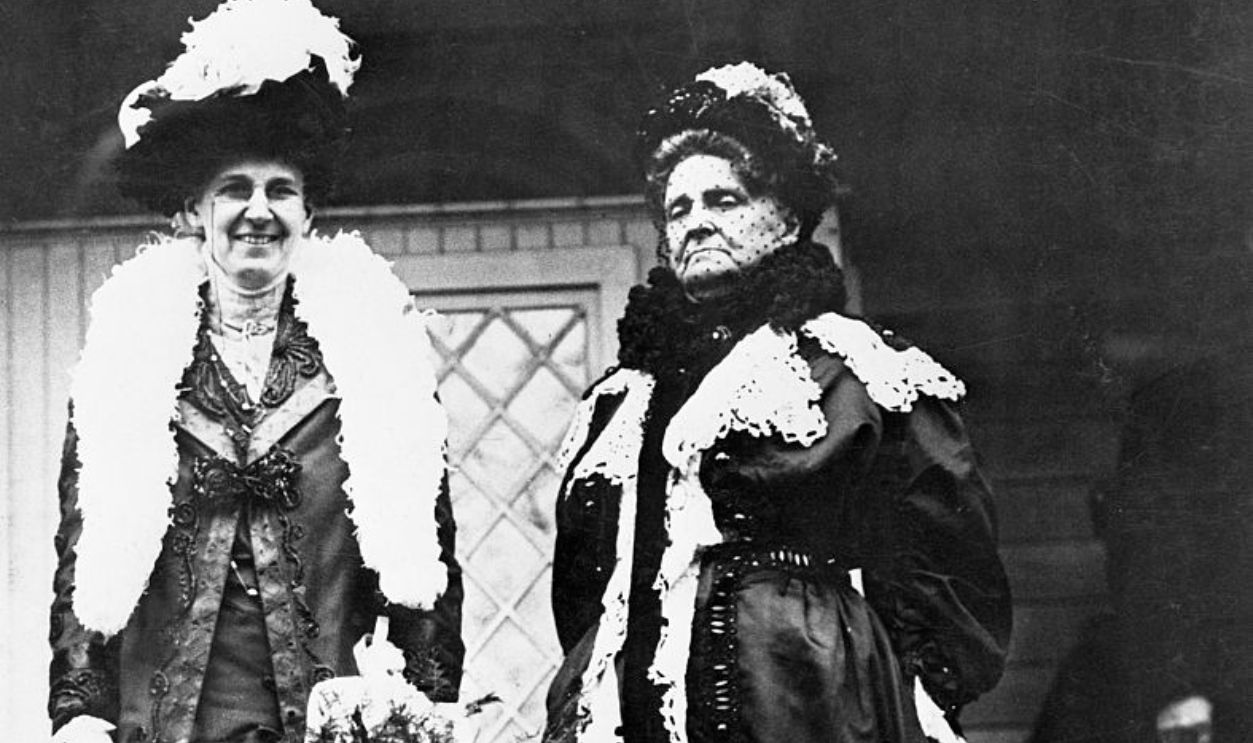
Financier Hetty Green turned inherited money into an immense portfolio of investments, becoming one of America's richest women. Her frugality became legendary. When she died in 1916, her wealth passed to her son Ned and daughter Sylvia, whose habits differed.
 Hollinger & Rockey, Wikimedia Commons
The Green Money Changes Hands
Ned spent freely on costly properties and collections, while Sylvia remained comparatively restrained. Sylvia inherited much of the remaining wealth and died in 1951. She left most of her estate to educational and charitable institutions. The money survived; the dynasty did not.
John Ringling's Circus Fortune
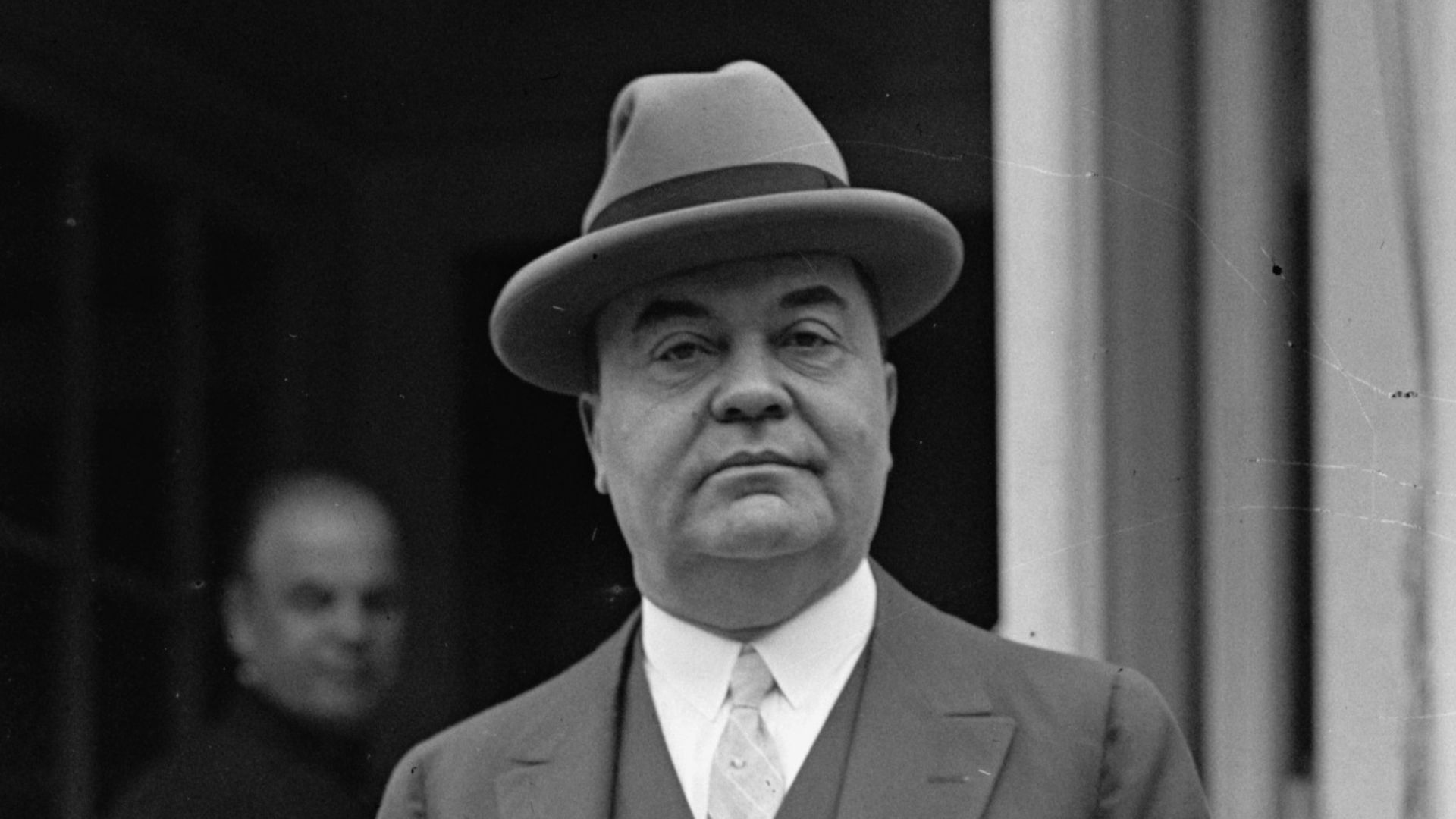
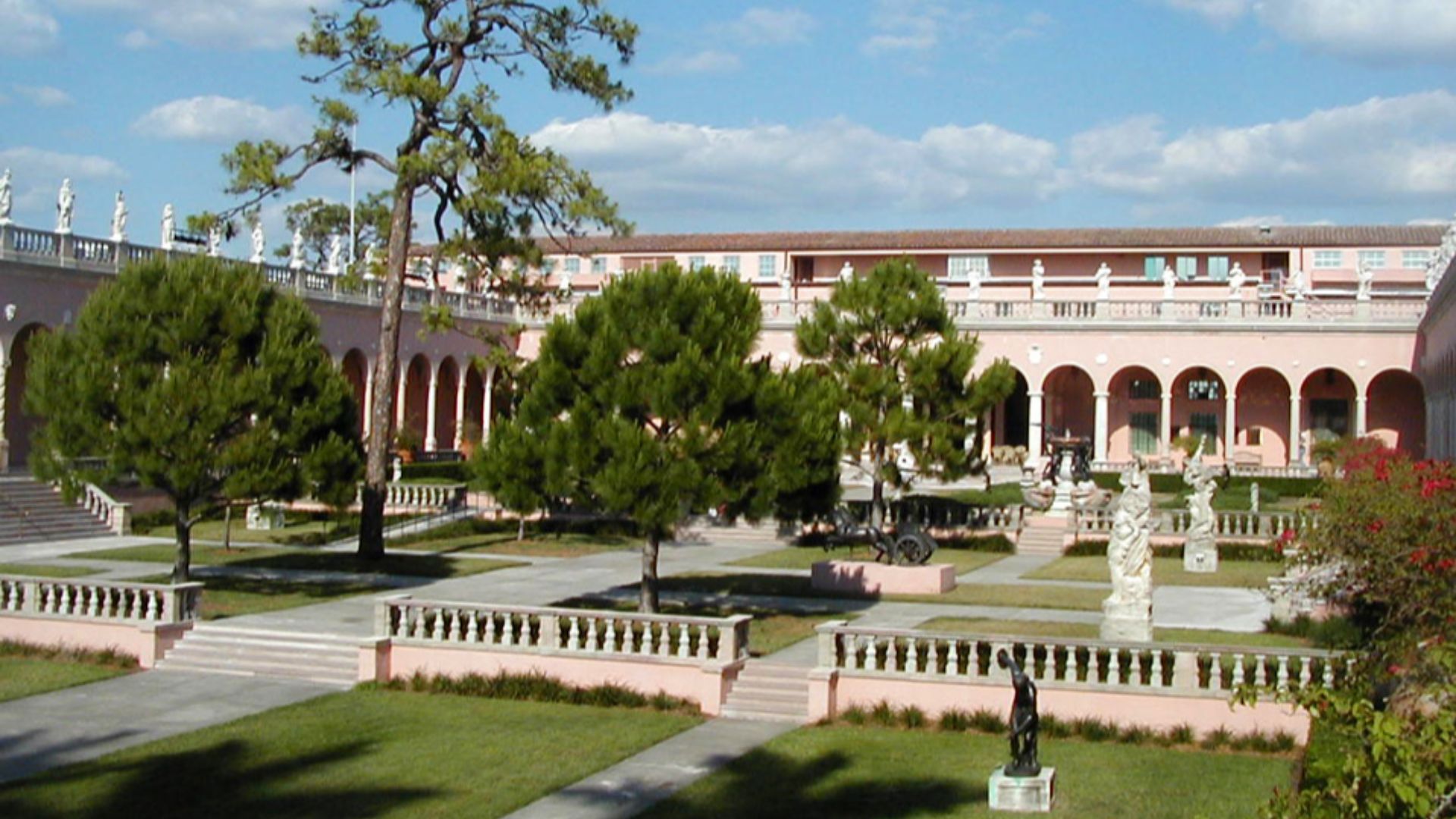
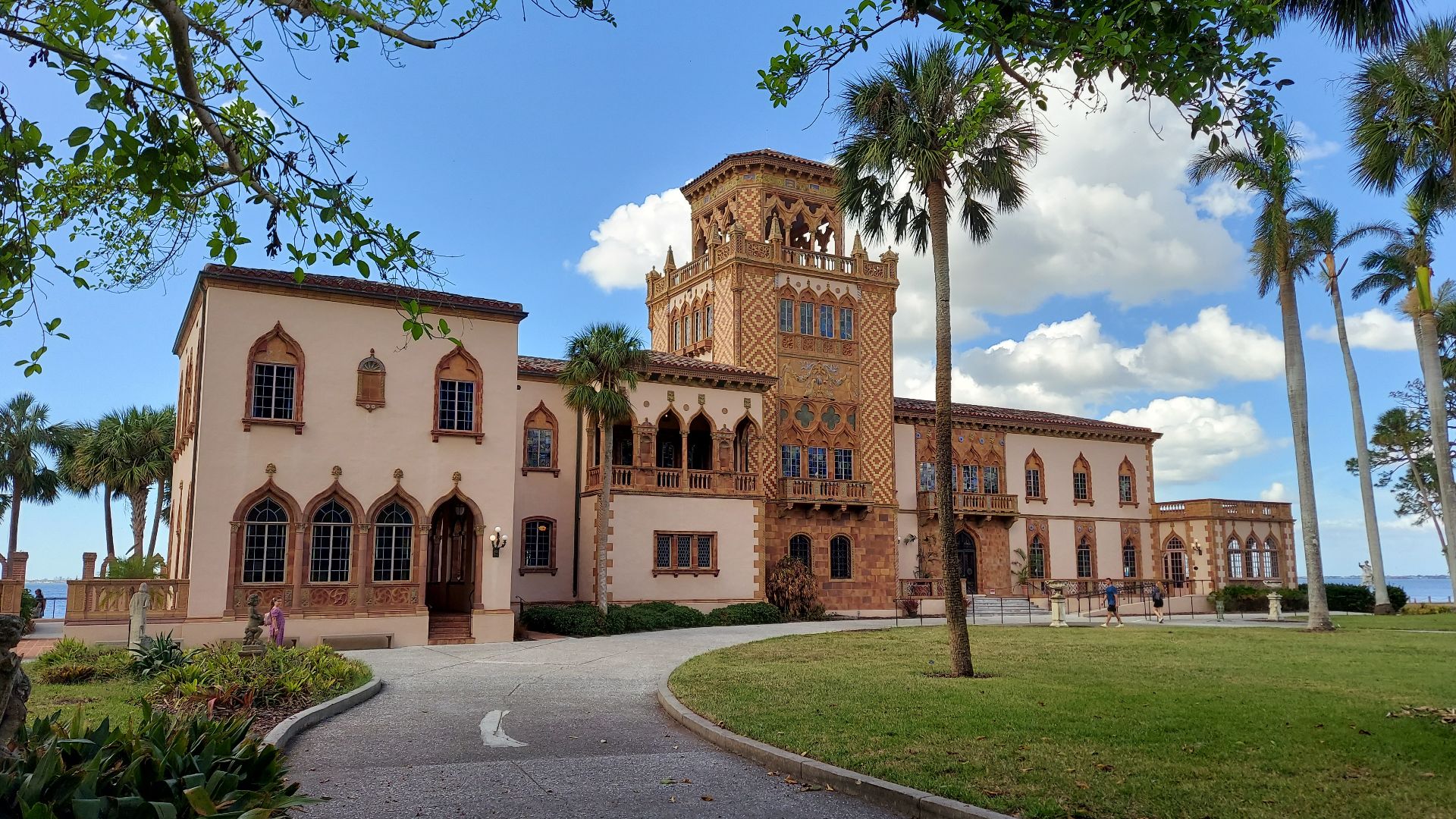
John Ringling helped turn a family circus into an entertainment giant. He collected artwork and built a spectacular Florida estate. His wealth was once estimated in the tens of millions, making him a powerful showman and collector.
 National Photo Company Collection, Wikimedia Commons
The Showman's Financial Reversal
Financial difficulties and the Depression battered Ringling's holdings. By the time he died in 1936, he was close to bankruptcy. His museum, mansion, and collection ultimately passed to Florida, as relatives settled debts. His artistic legacy survived better than his private fortune.
 Roger Wollstadt from Sarasota, Florida, U.S.A., Wikimedia Commons
The Astors' Manhattan Treasure
John Jacob Astor built extraordinary wealth through the fur trade and Manhattan real estate. His heirs ruled New York society. When John Jacob Astor IV died aboard the Titanic, his son Vincent inherited approximately $69 million, extending the dynasty.
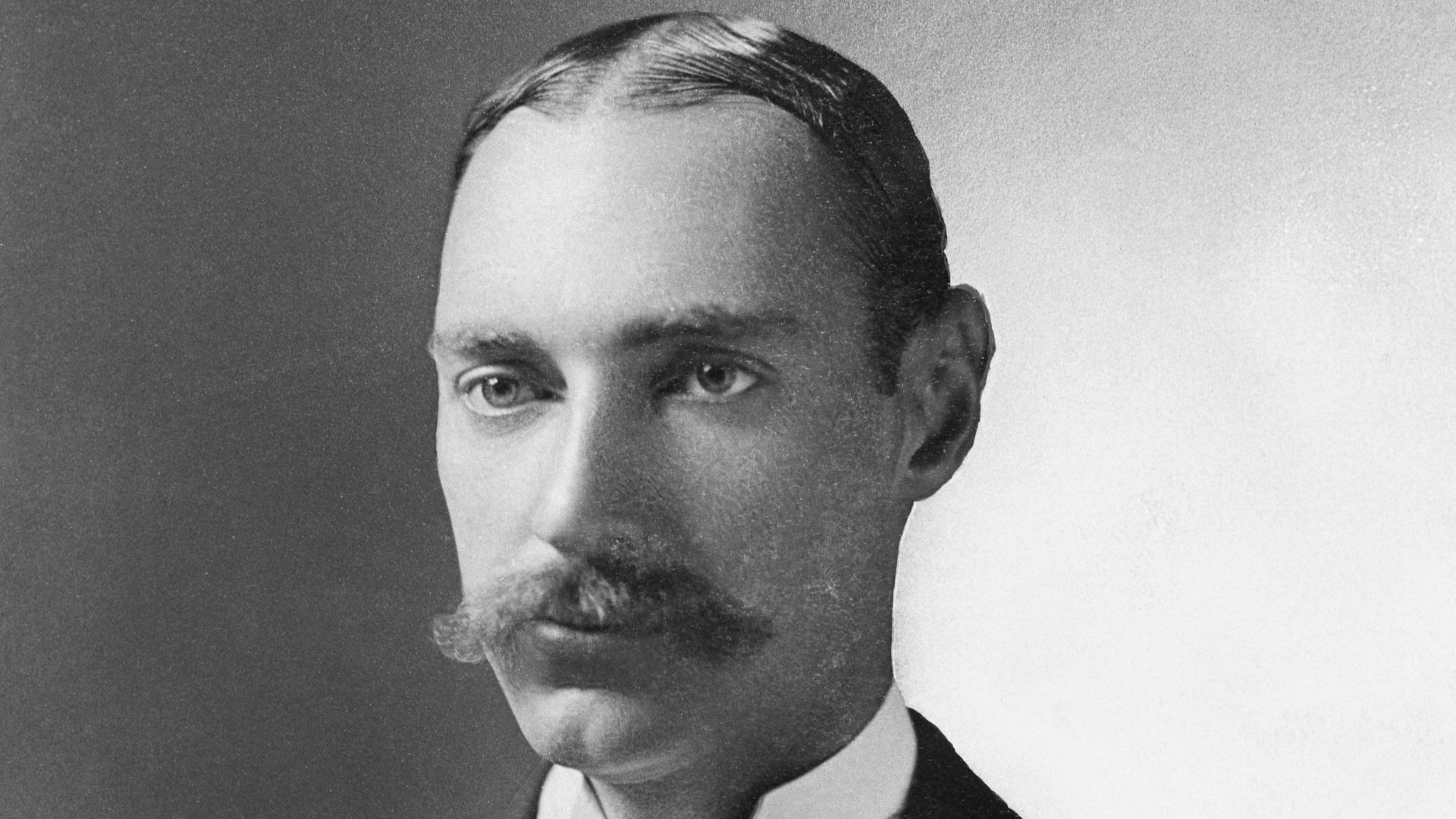 Unknown authorUnknown author, Wikimedia Commons
The Astor Empire Slowly Unravels
Vincent broke with his ancestors' habit of accumulating rental properties and sold portions of the holdings. The American family fortune diminished. Brooke Astor later controlled significant charitable resources, but the sprawling wealth of the original dynasty no longer resembled its Gilded Age peak.
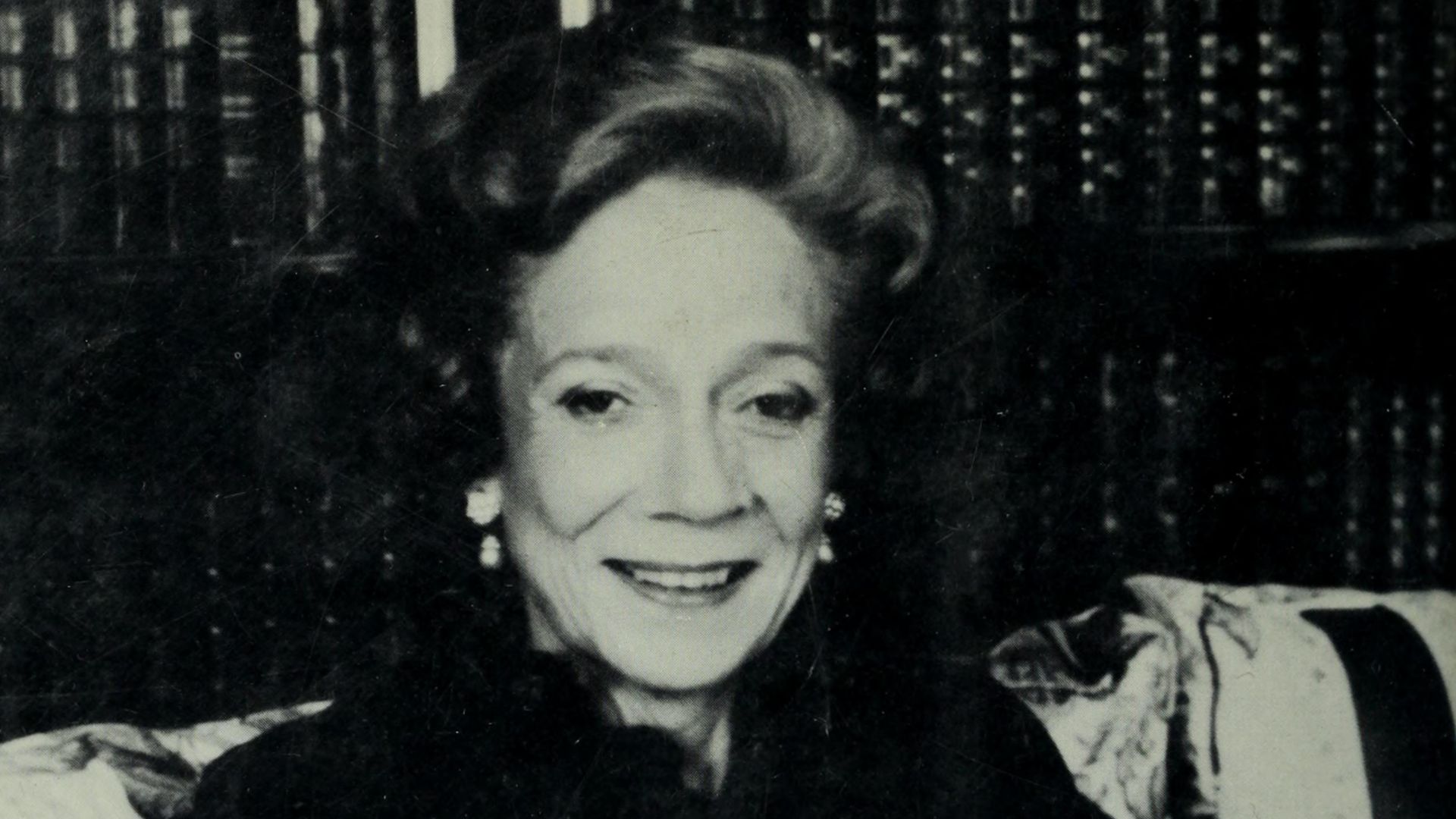 Presumably Horst P. Horst, Wikimedia Commons
The Wendels' Property Empire
The Wendel family accumulated valuable Manhattan land while retaining a famously modest lifestyle. Their wealth sat largely in property. Their Fifth Avenue mansion occupied a commercially valuable site, complete with a private yard. By the early twentieth century, however, the family lacked direct heirs.
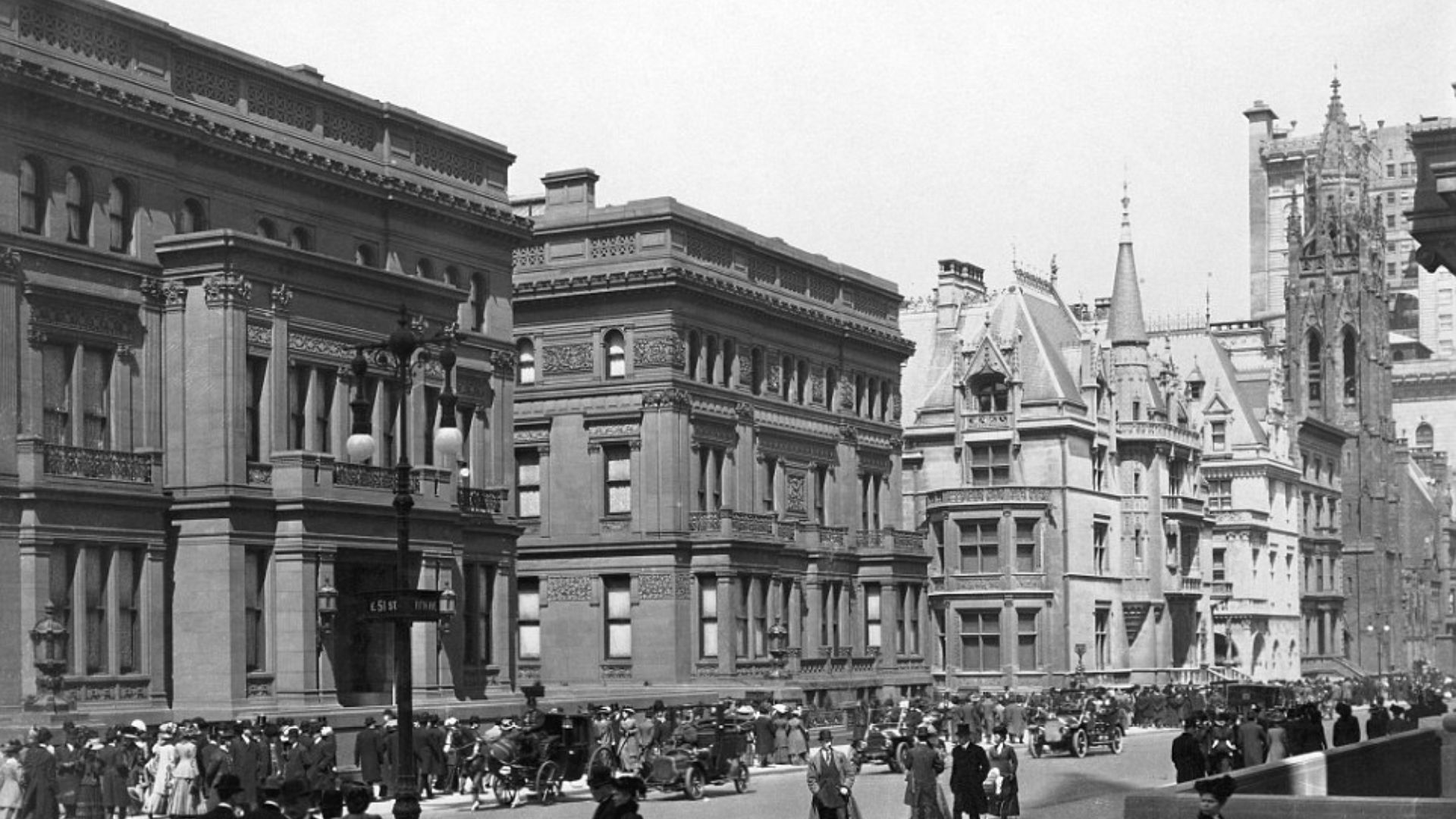 Unknown authorUnknown author, Wikimedia Commons
An Inheritance Without Descendants
Ella Wendel, the last surviving sibling, died in 1931. After challenges to her estate, most of the fortune went to charitable institutions rather than continuing as a family inheritance. Drew University inherited the Fifth Avenue mansion site, later leased commercially.
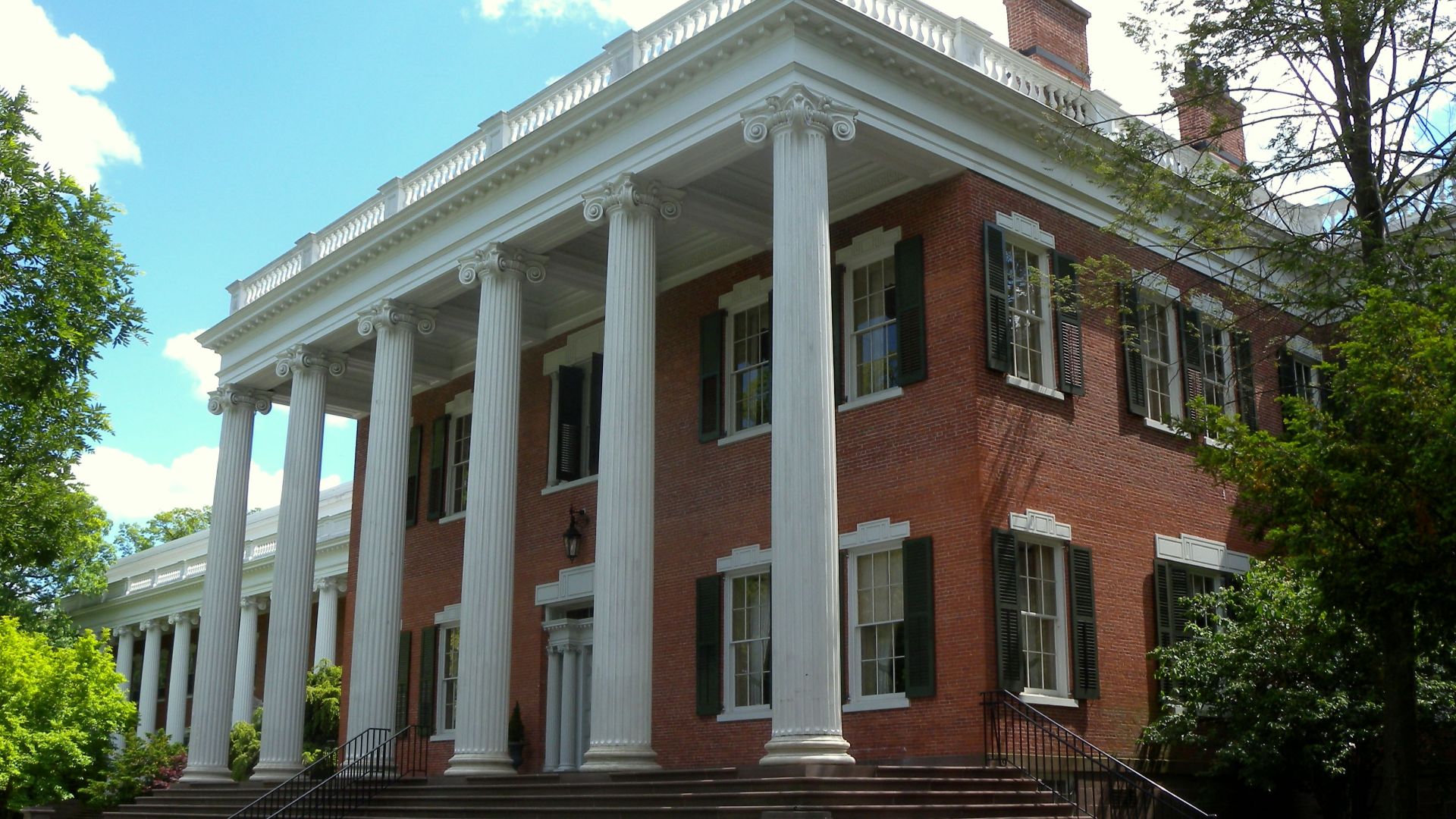 Jim.henderson, Wikimedia Commons
A. T. Stewart's Retail Empire
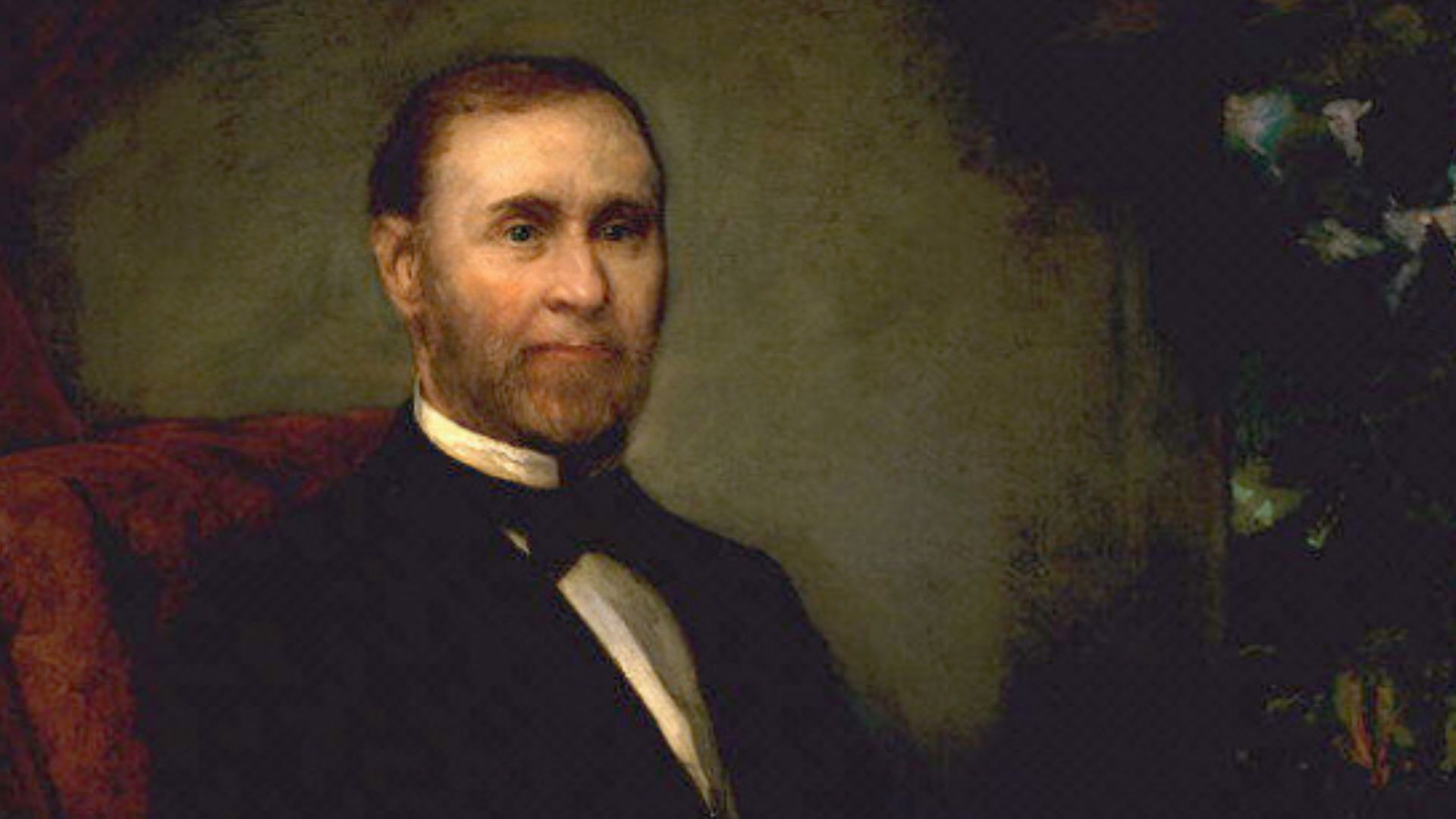
Merchant A. T. Stewart grew an enormous New York retail and wholesale business and amassed an estate worth tens of millions. When he died in 1876, the bulk went to his widow, Cornelia. Their children died young, leaving no direct heirs.
 Thomas Le Clear, Wikimedia Commons
The Merchant Prince's Undoing
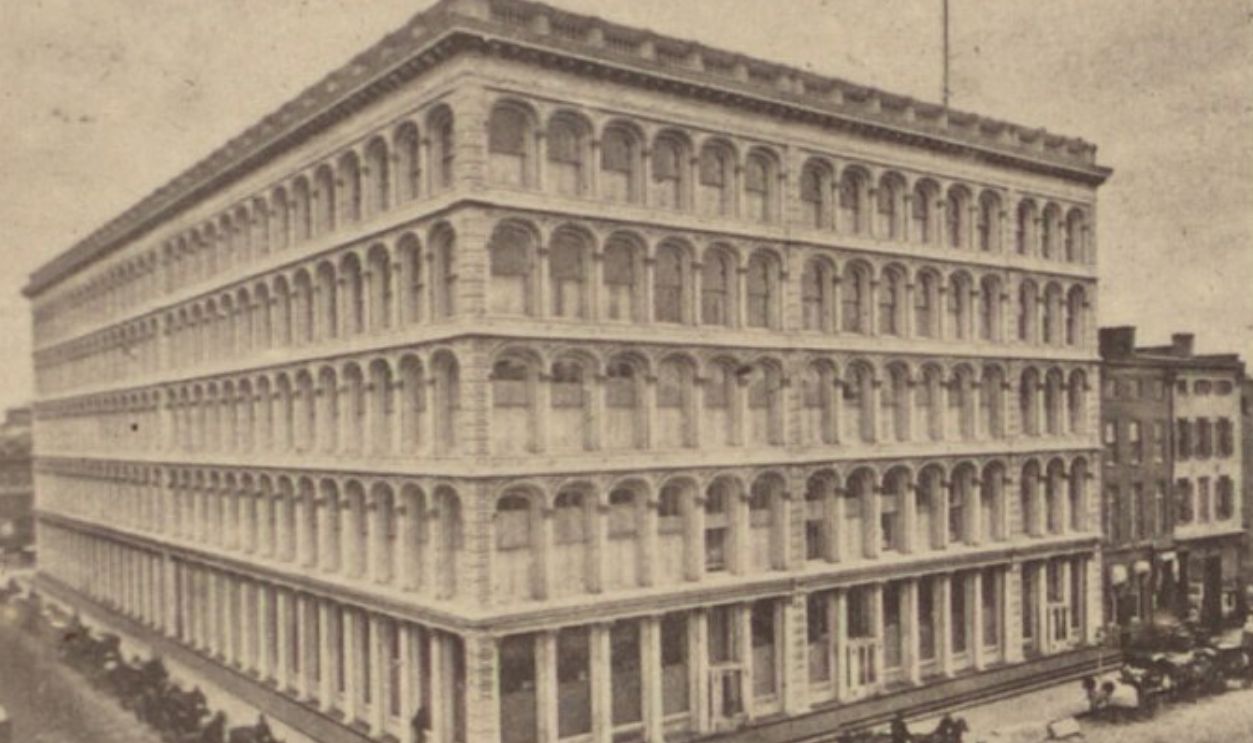
Stewart's lawyer Henry Hilton took control of the retail operation, but its performance collapsed. By 1883, the once-powerful business had entered liquidation. Estate disputes and repeated attempts to revive the stores consumed resources. The original retail empire unraveled without heirs splurging on mansions.
 New York Public Library, Wikimedia Commons
H. L. Hunt's Oil Riches
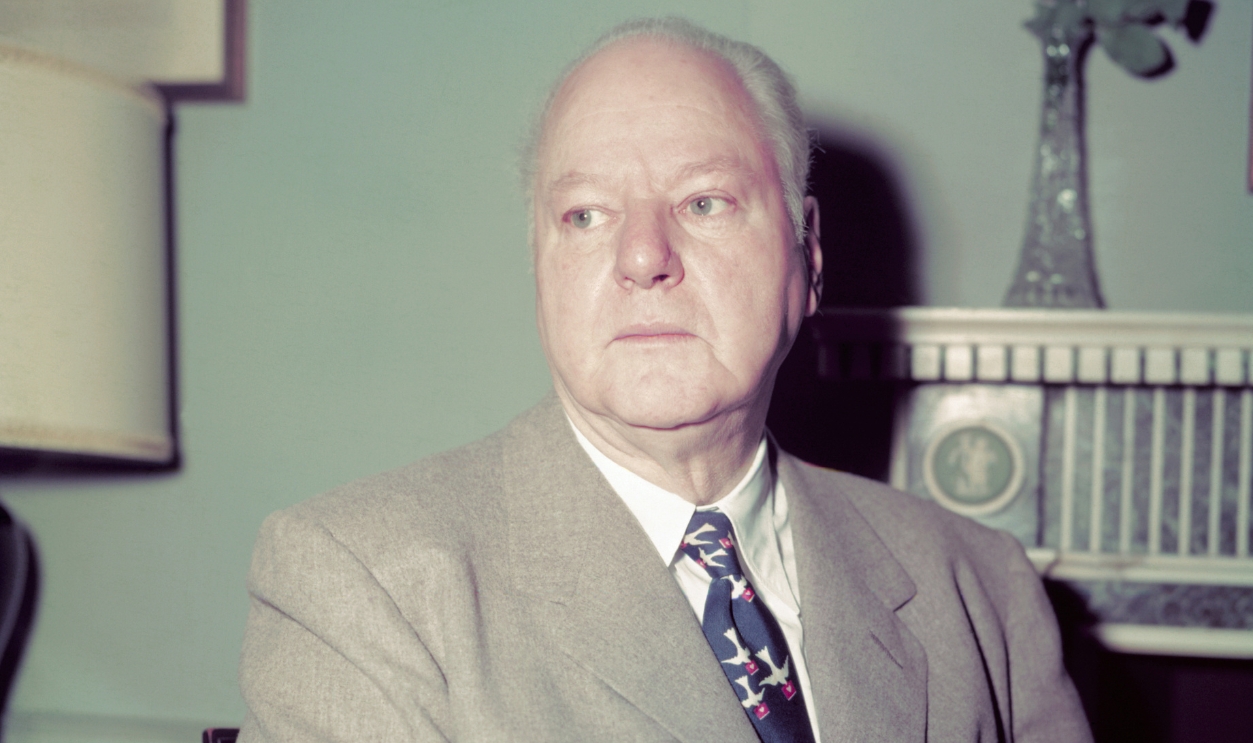
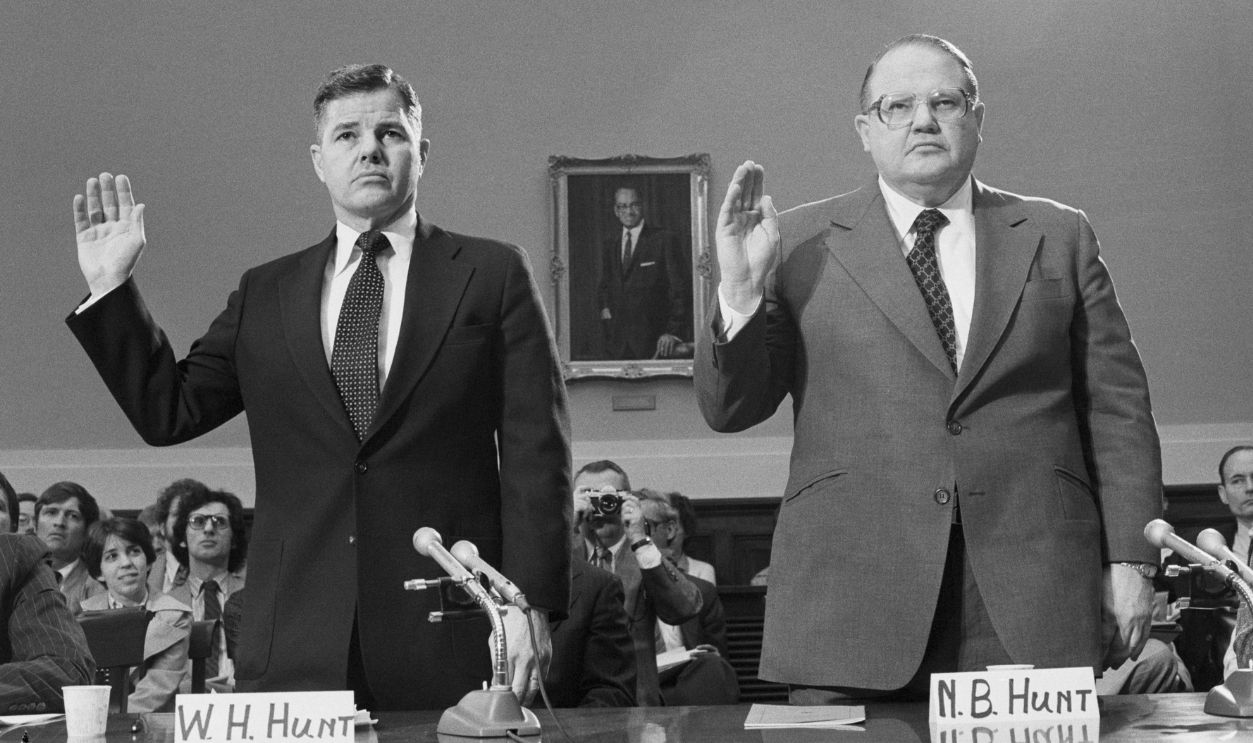
Texas oilman H. L. Hunt left immense wealth to his family. His son Nelson Bunker Hunt inherited a substantial share and pursued ambitious investments. Other Hunt branches remained wealthy. Bunker's losses were personal.
A Silver Bet Goes Very Wrong
Nelson Bunker Hunt and his brother Herbert accumulated huge silver positions before prices collapsed in 1980. Litigation and debt followed. Bunker sought bankruptcy protection in 1988, and much of his estate went toward creditors. Other Hunt relatives retained wealth.
Why These Fortunes Really Vanished
These histories don't all end in poverty. Some wealth was squandered, some shrank through failures, and some funded public institutions. What disappeared was the family's commanding financial power. A famous surname, it turns out, isn't a guaranteed investment strategy.
You May Also Like:
Forgotten Moral Panics That Took Over Newspapers, Schools, And Living Rooms
Strange Historical Coincidences That Are Almost Impossible To Believe
Sources: 1, 2, 3, 4, 5, 6, 7, 8, 9, 10, 11, 12, 13, 14, 15, 16