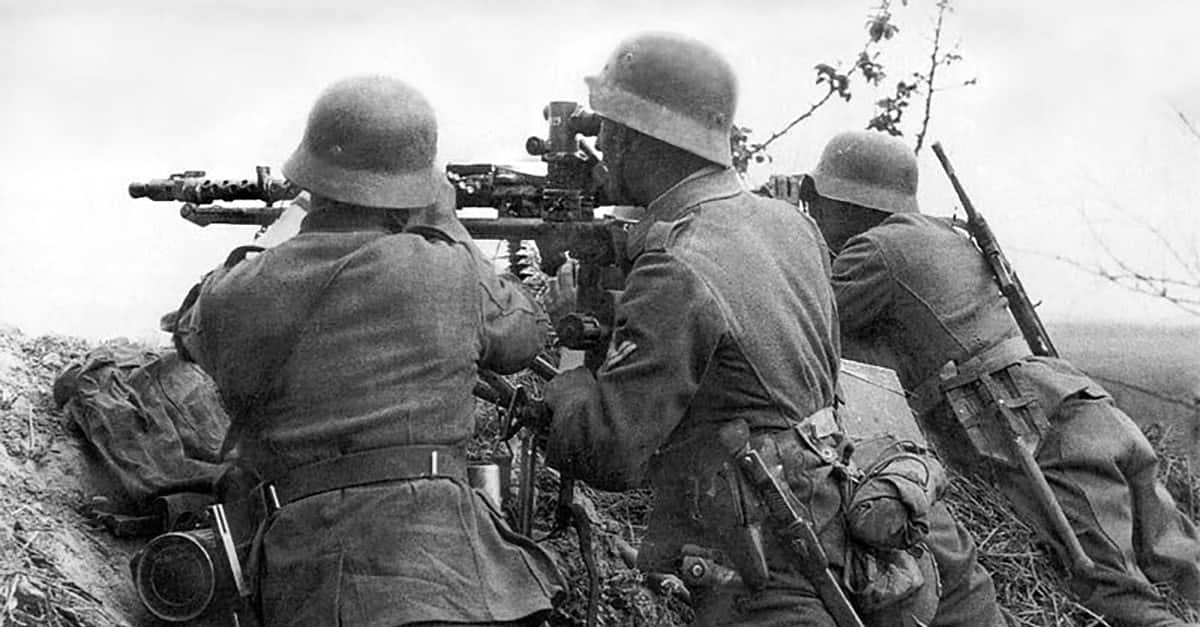
It Was A Grudge Match
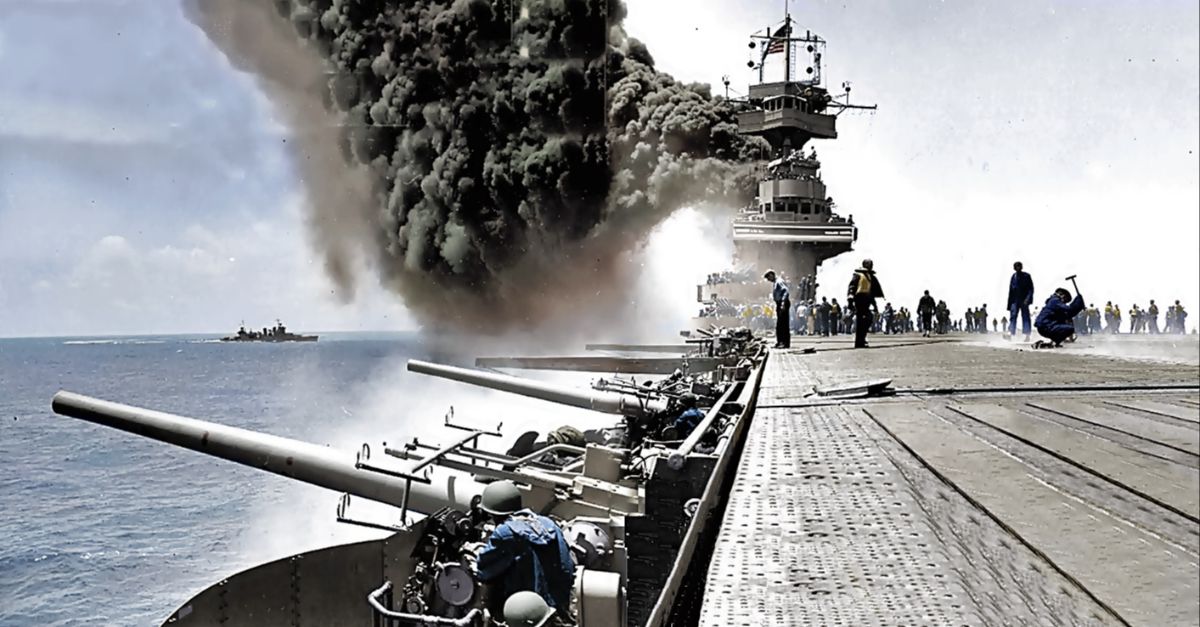
While Japan’s surprise strike against Pearl Harbor gets loads of attention, there is another WWII battle that was clearly just as dramatic. The Battle of Midway pitted America against Japan once again. The stakes were incredibly high, as this was a kind of grudge match. The Japanese wanted to continue in their campaign against America.
For America, they needed to hold their ground in the volatile South Pacific and get some sweet revenge for what had happened at Pearl Harbor.
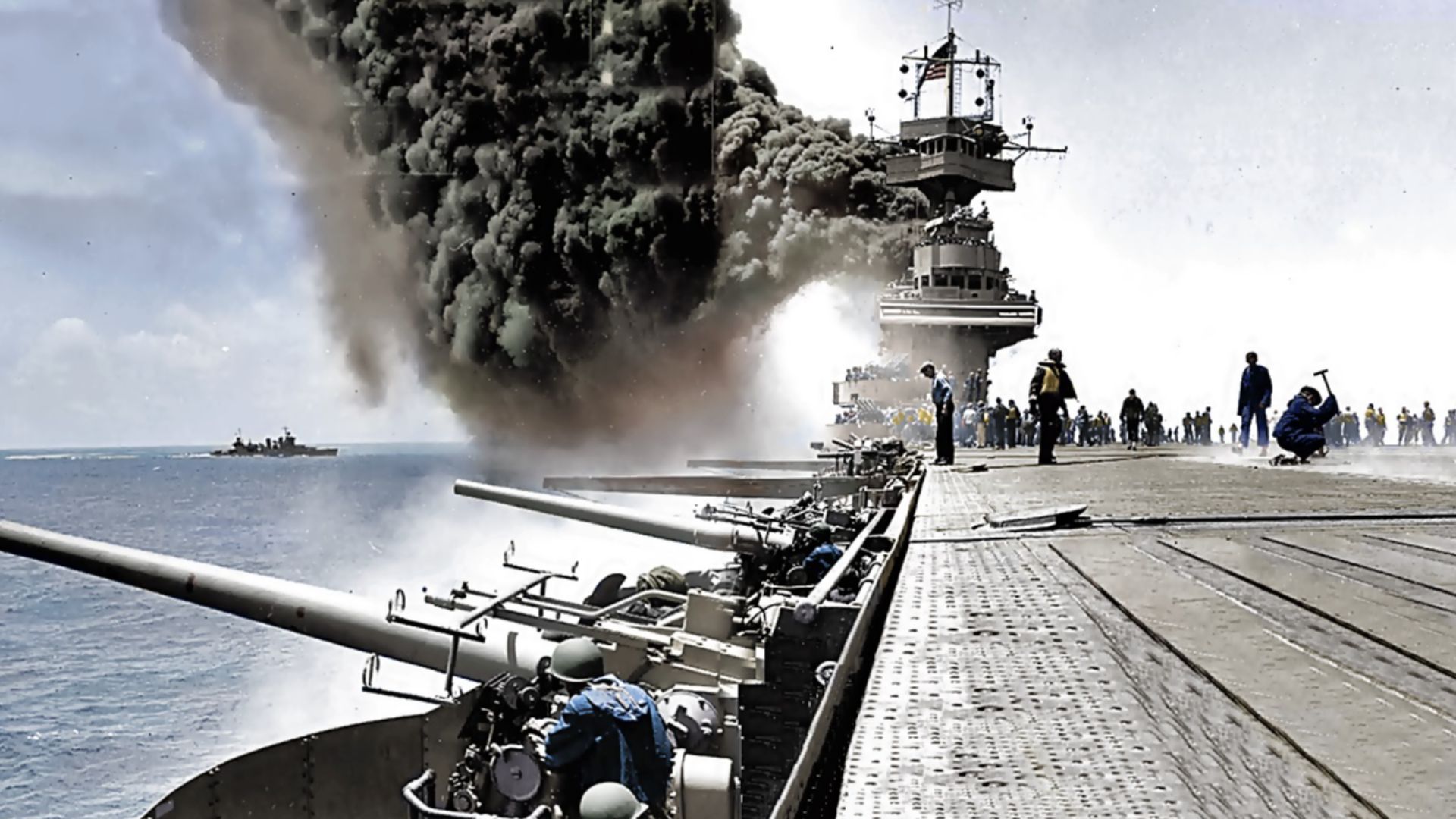 Cassowary Colorizations, Wikimedia Commons
1. What Are The Midway Islands?
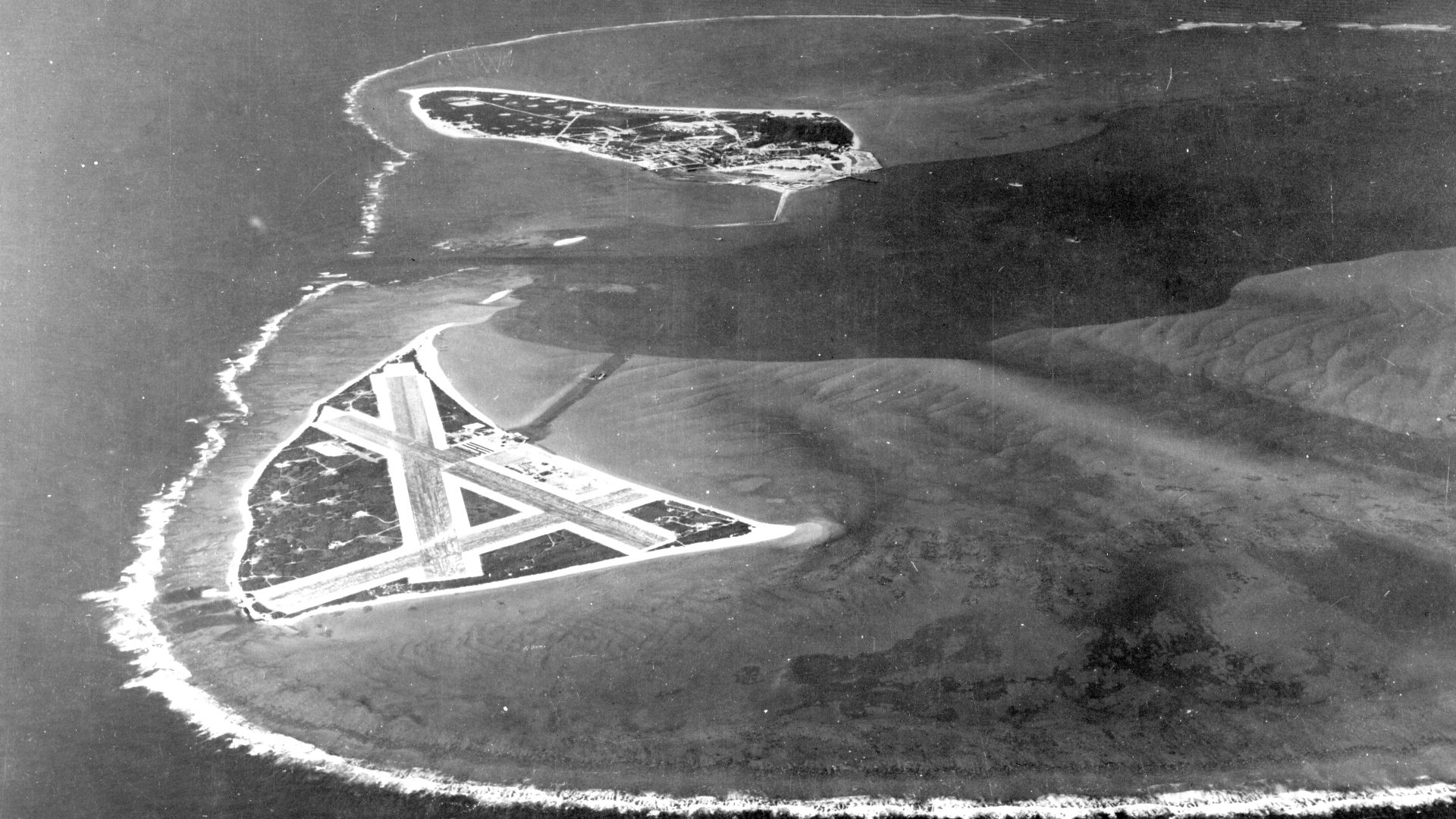
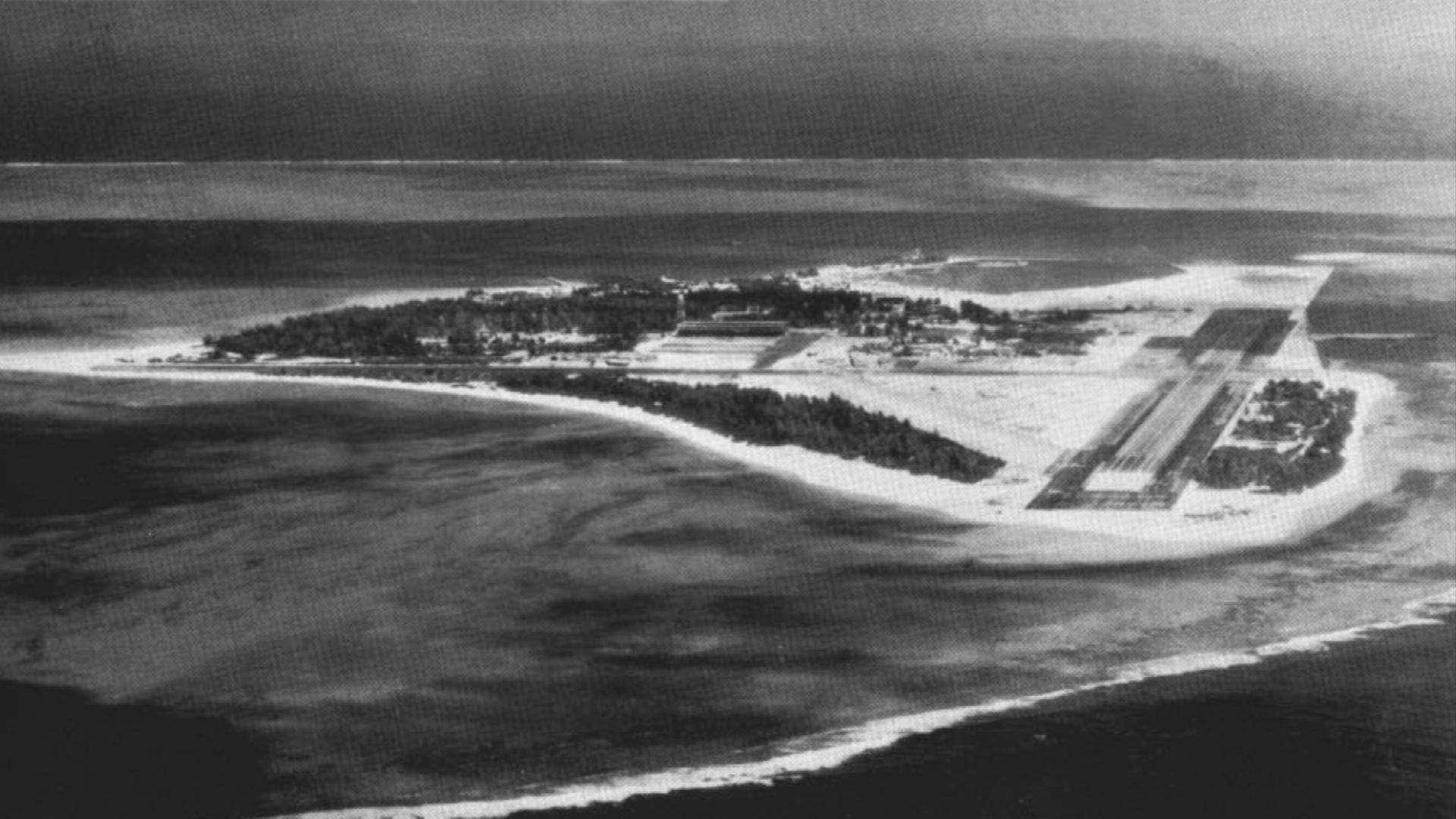
Way back on June 5, 1859, Captain NC Brooks claimed the Midway Islands for the United States of America. The thing was, America had little use for the atoll, which covers 6.2 square kilometers (2.4 square miles). But when air travel became common, the Midway Islands suddenly were an asset worth defending.
When the US entered WWII, it became clear that these islands were something that America had to hang onto: no matter what the cost.
 Unknown authorUnknown author, Wikimedia Commons
2. They Planned To Use It
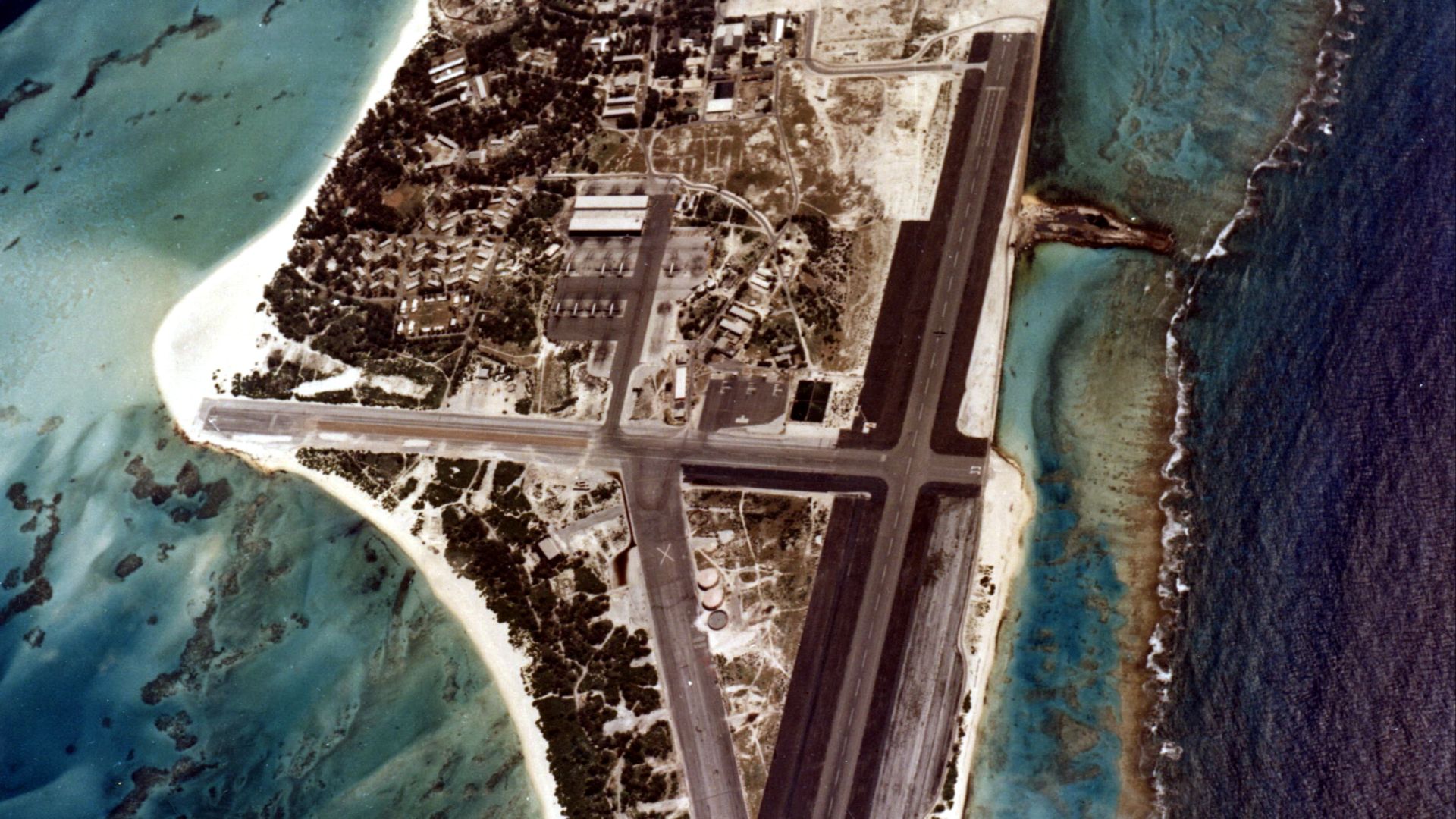
With the start of WWII, the US saw how important Midway could be. In 1940, the US Navy started to build bases for both submarines and air traffic. The next projects were runways on Eastern Island and a hangar for seaplanes on Sand Island. They also built radio facilities and a power plant.
It was hard to keep all this activity a secret. Soon, Japan noticed—and took action.
 D. Lee, U.S. Navy, Wikimedia Commons
3. There Was An Early Attack
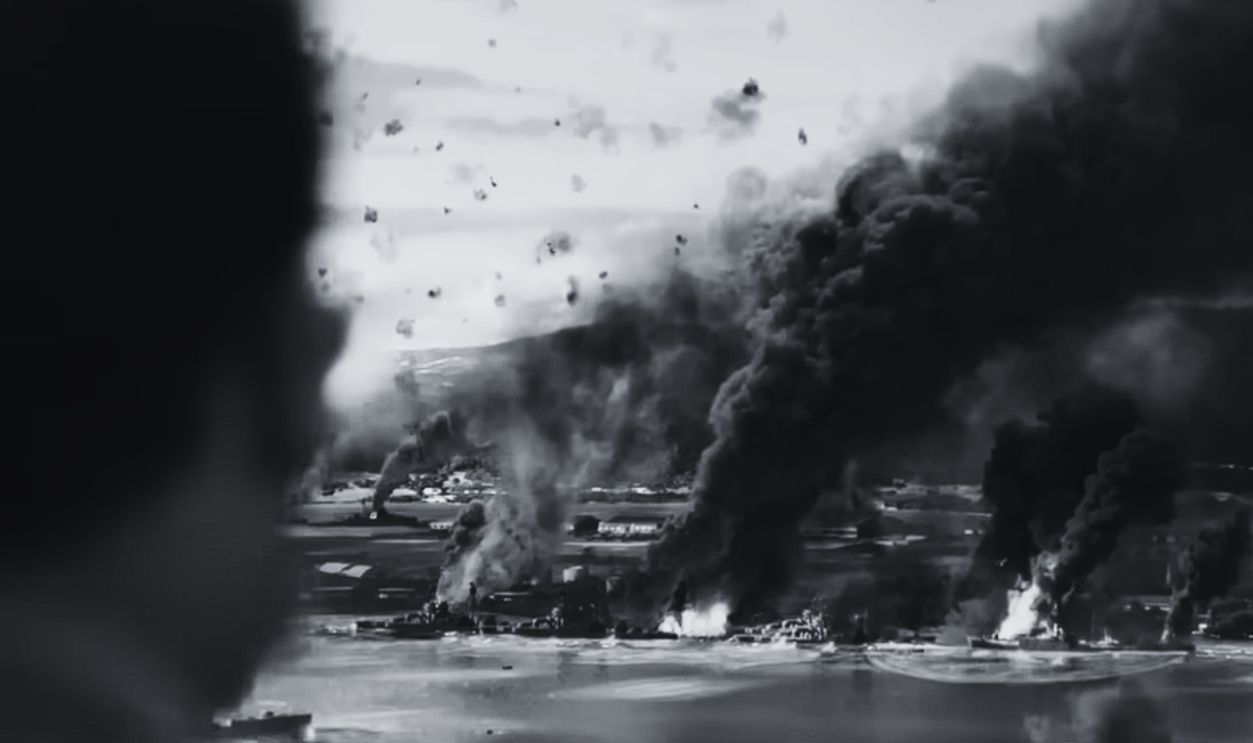
Over the two-day period of December 7 and 8, 1941, just 12 hours following Japan’s Pearl Harbor Attack, Japan also struck the hangar and the power plant on Midway. This resulted in a serious injury to Lieutenant George Cannon. Despite his injuries, Cannon still managed to force Japan out of the area.
But this wasn’t over so easily.
 Screenshot from Midway, Lionsgate (2019)
4. There Was A Change In the Pacific
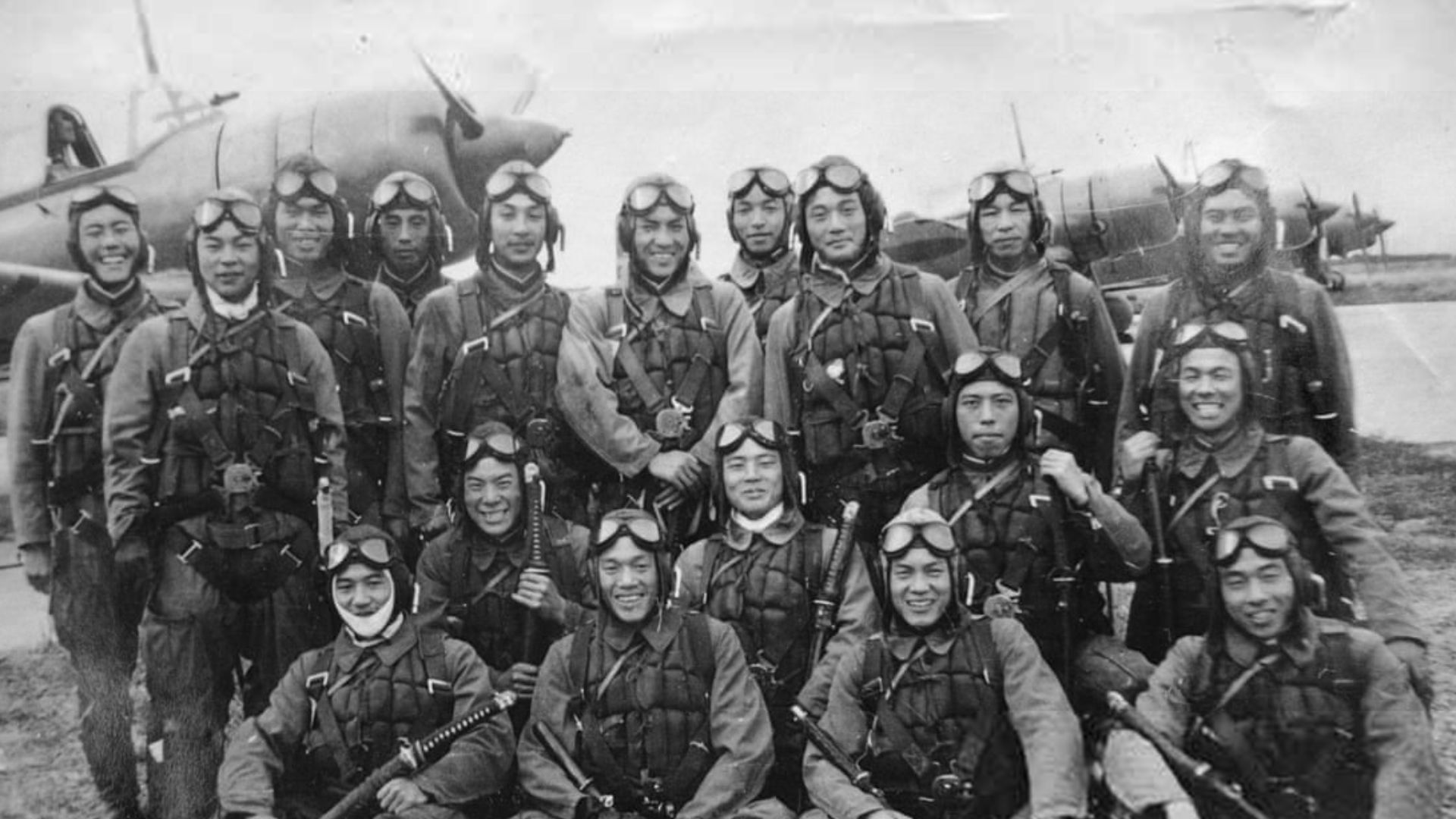
In 1942, Japan had a plan to expand WWII to include places in the Pacific. They set their sights on British Hong Kong, the Philippines, Singapore, British Malaysia, and the Dutch East Indies. They had no problem taking these locations.
But there was something that could derail Japan’s plan. And that was the USA.
 Unknown authorUnknown author, Wikimedia Commons
5. They Had An Obstacle
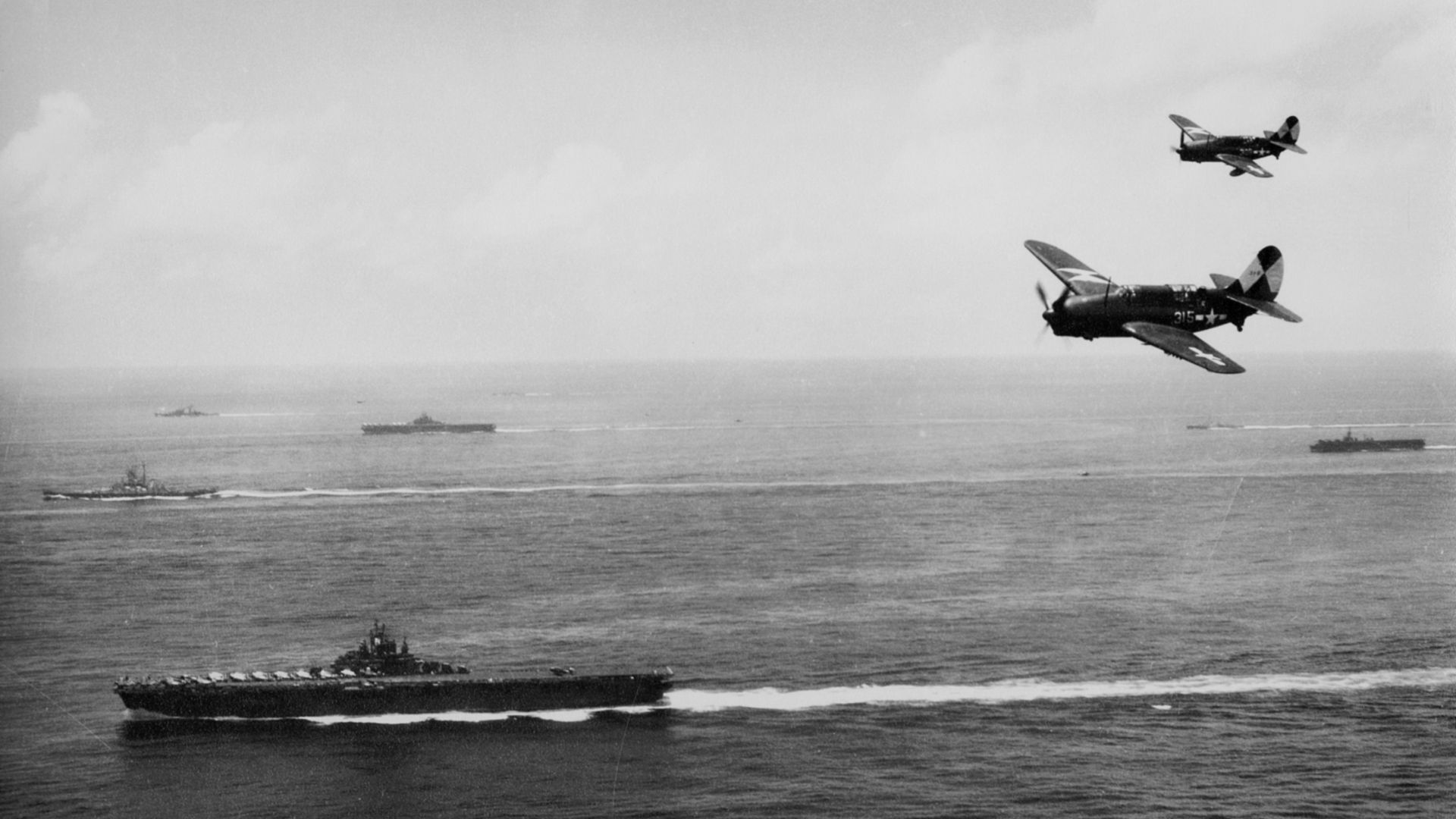
In order to accomplish their goal in the Pacific, Japan had to face a potential obstacle. The US had carrier forces in the area, and they could potentially derail any plan that Japan had. As it turned out, they had some really good reasons to fear the power of the US.
6. They Were Vulnerable
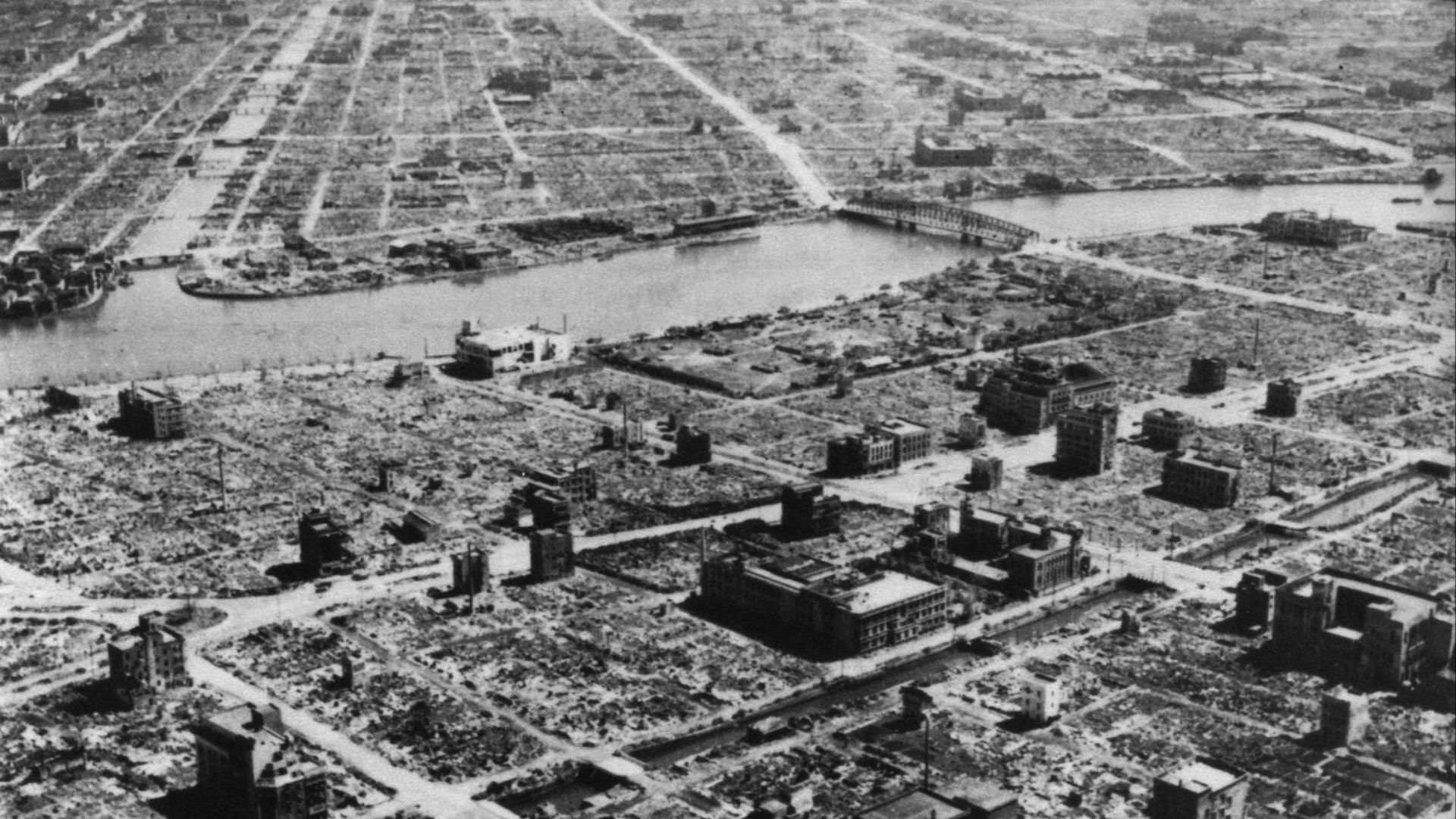
In April 1942, American forces had hit targets in Tokyo and other cities in Japan. This was a brutal wake-up call. The Japanese realized two things. The US was a formidable enemy, and it had some serious vulnerabilities that the US could easily exploit.
The Japanese had a plan, and it could be fatal to Americans.
7. They Wanted to Do It Again
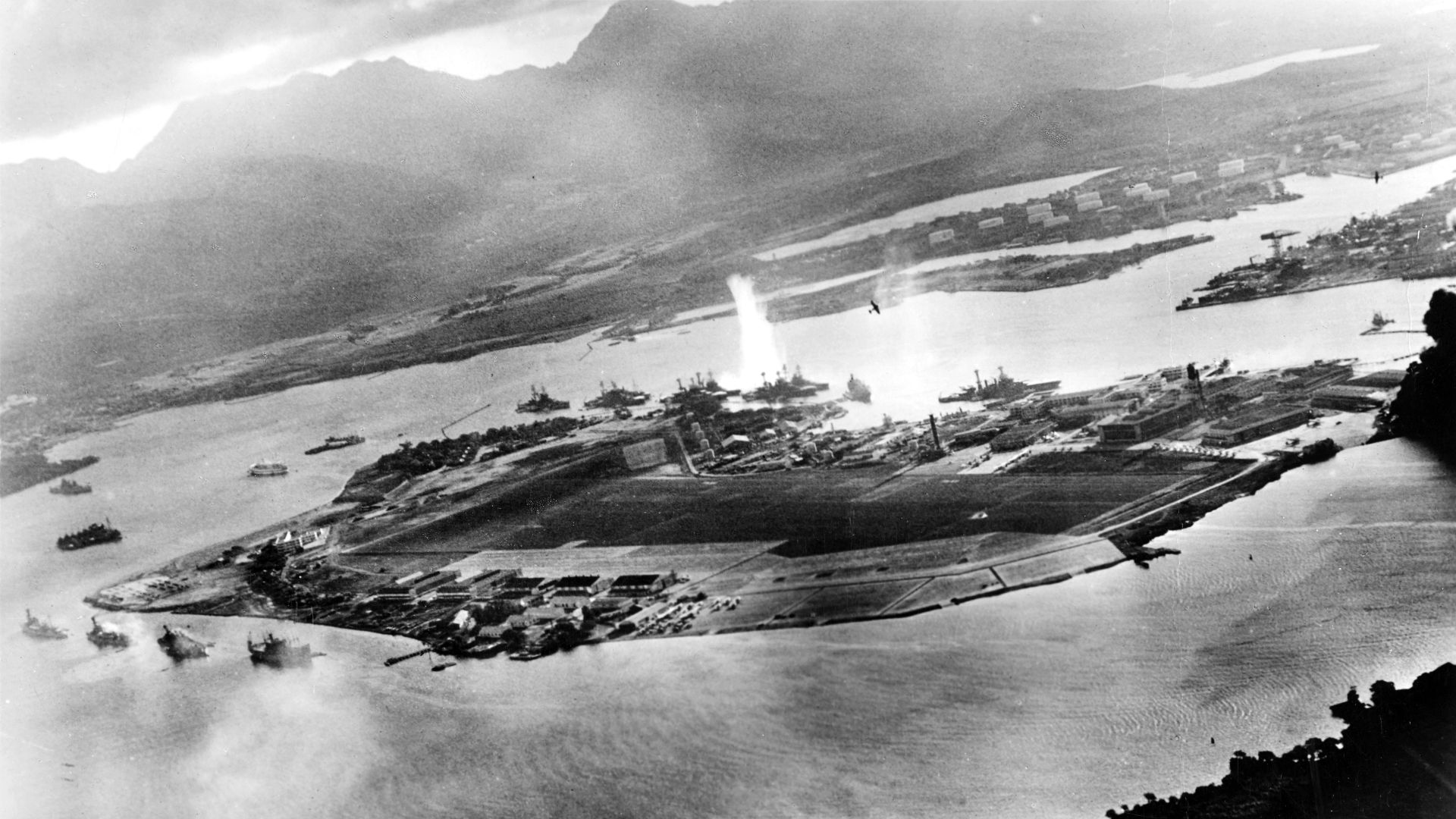
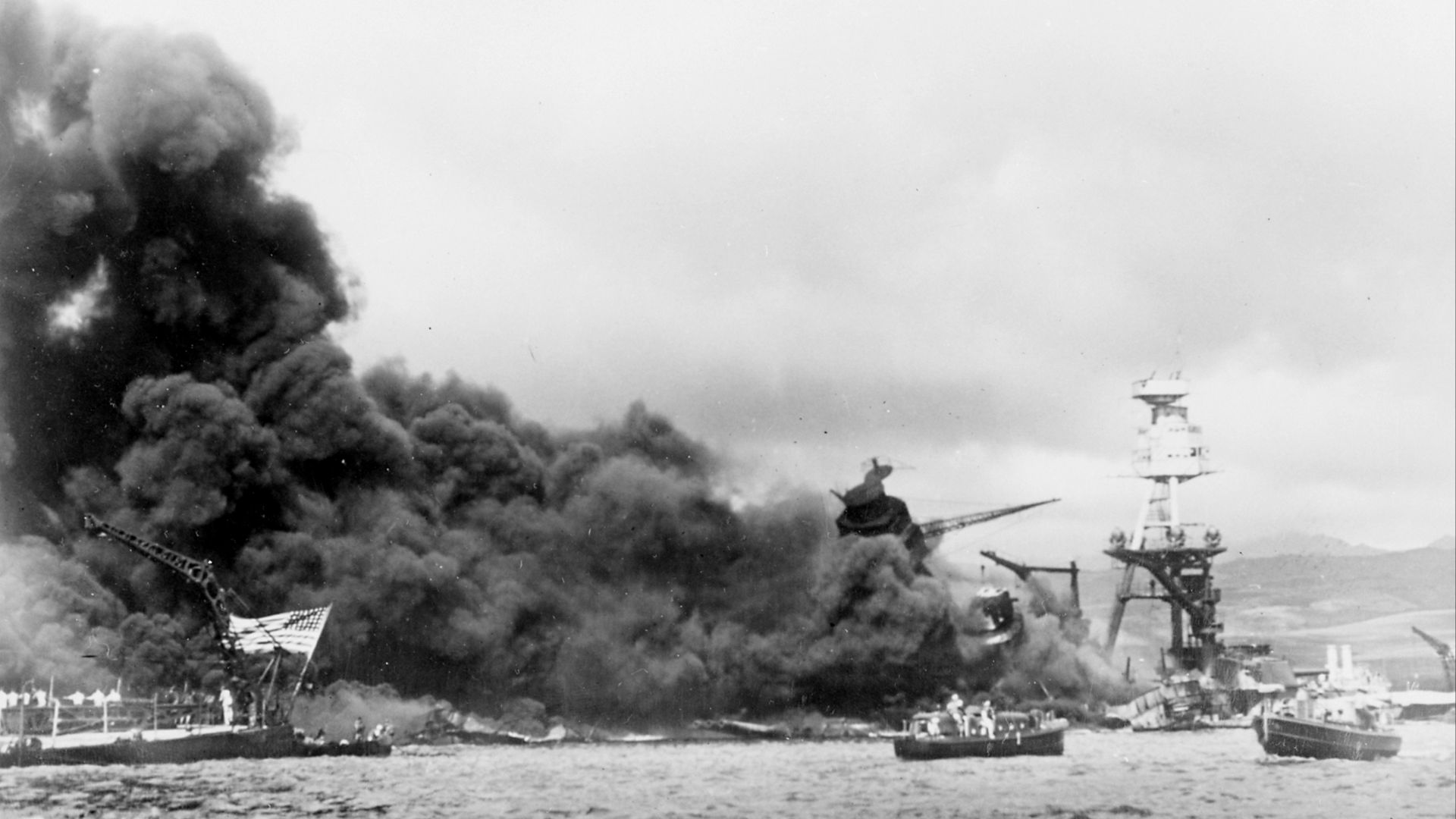
At this point, the Japanese seriously considered hitting Pearl Harbor again. As most of us know, the first hit was in December 1941, and it had been devastating. It had also drawn the US into WWII. Japan hoped that a second offensive against Pearl Harbor would move all of the US defense back into that region. Then they would be free to do what they wanted.
But there was a flaw to their thinking.
 Imperial Japanese Navy, Wikimedia Commons
8. They Feared The Power Of The US
Japan was considering a second strike against Pearl Harbor, but they were hesitating. Because after the first strike, the US had placed a lot of power on the islands. This would not be the same surprise assault as the first one had been. Japan wisely gave up on the idea of a second Pearl Harbor action.
So, they came up with a plan B.

History's most fascinating stories and darkest secrets, delivered to your inbox daily.
9. It Wasn’t A Significant Place
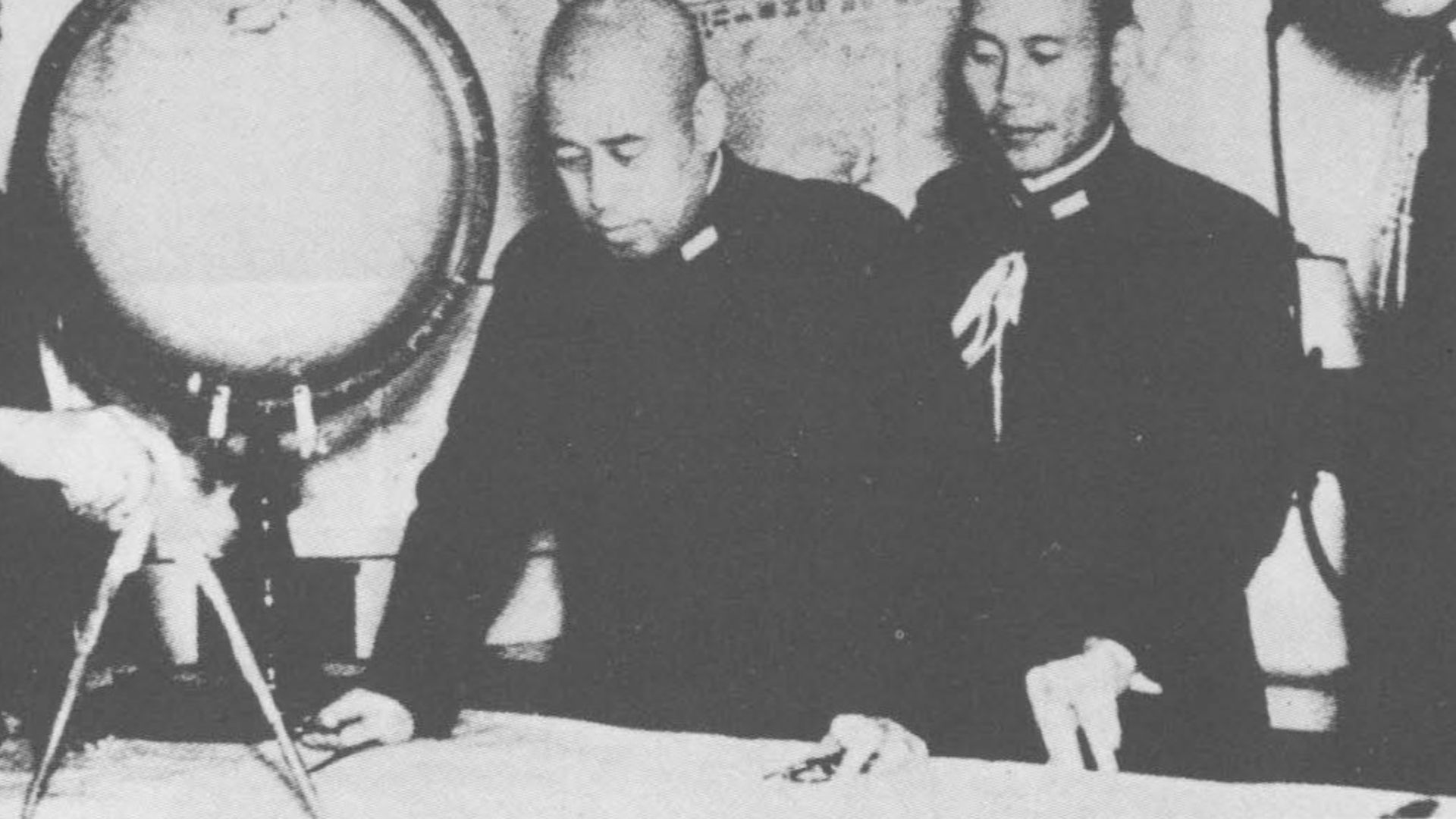
Japanese Admiral Isoroku Yamamoto chose the relatively unimportant atoll called Midway for his next action. The location of Midway is the furthest point northwest of the Hawaiian Islands. Even still, he knew the US would defend Midway as it was an important place where they could refuel their submarines.
But there was another very crucial reason to choose Midway.
 Unknown authorUnknown author, Wikimedia Commons
10. It Was Out Of Reach
The thing about Midway was that it was out of the way. It was far enough away that almost all of the US’s aircraft in that area couldn’t reach it. Obviously, the Japanese had put a lot of thought into choosing their target. They would have to be equally thoughtful when they put their plan in motion.
One false move, and they would lose everything.
11. He Had Misinformation
Admiral Yamamoto wanted to act fast. You see, he had already destroyed the USS Yorktown in the Battle of the Coral Sea. This meant the Americans only had the USS Enterprise and the USS Hornet left for defense. This information suggested that the US was vulnerable.
But there was something that Yamamoto didn’t know.
12. They Worked Round The Clock
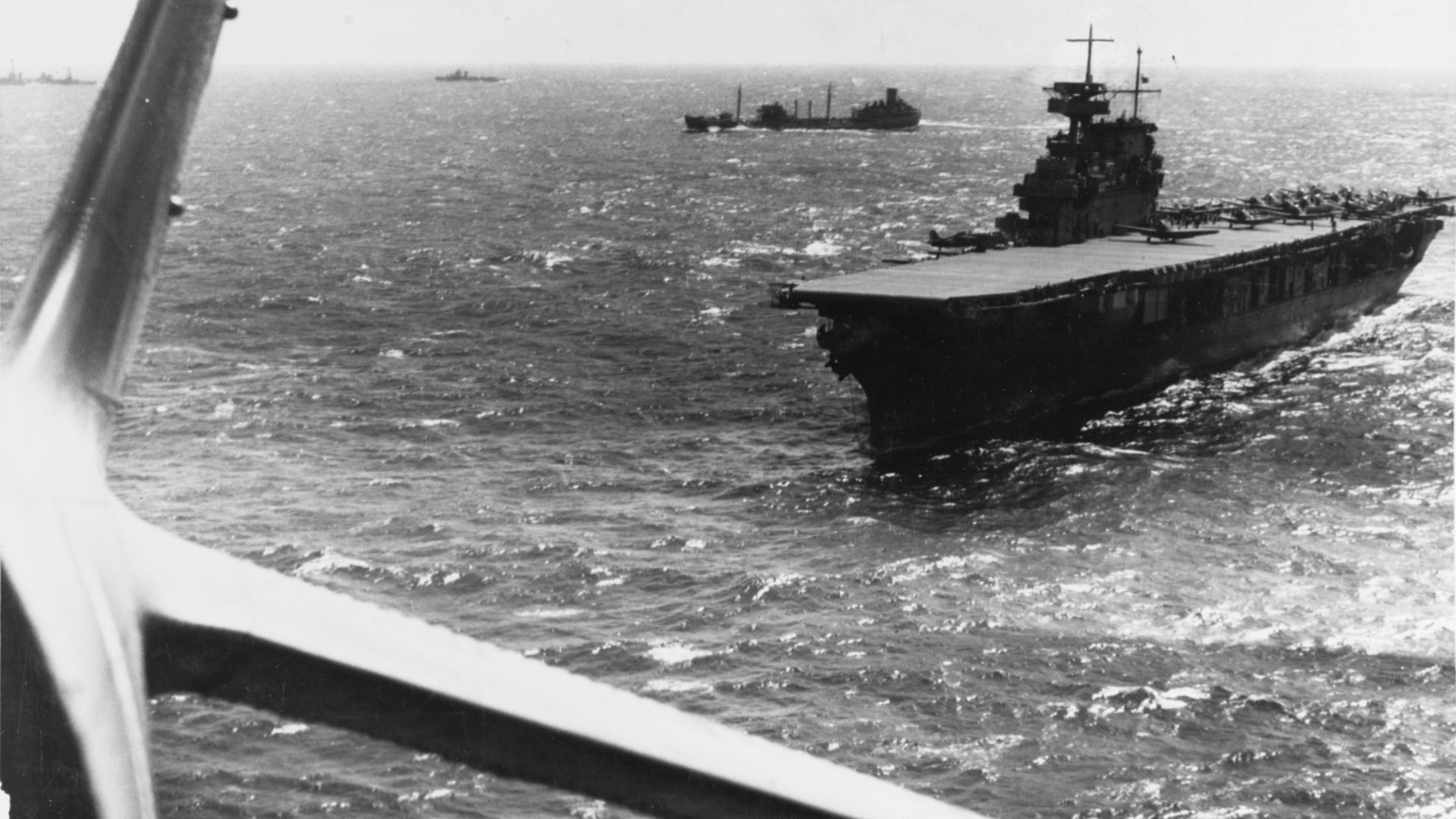
The information that Yamamoto didn’t have was the true state of the USS Yorktown. Yes, the Japanese had hit it, and yes, it needed repairs. But they had worked around the clock and made the Yorktown seaworthy in 72 hours. It was a remarkable feat, and the USS Yorktown was actually ready to go. The US was not a vulnerable target. At least not as vulnerable as Yamamoto thought.
But there was something else that Yamamoto got wrong.
13. He Underestimated Americans
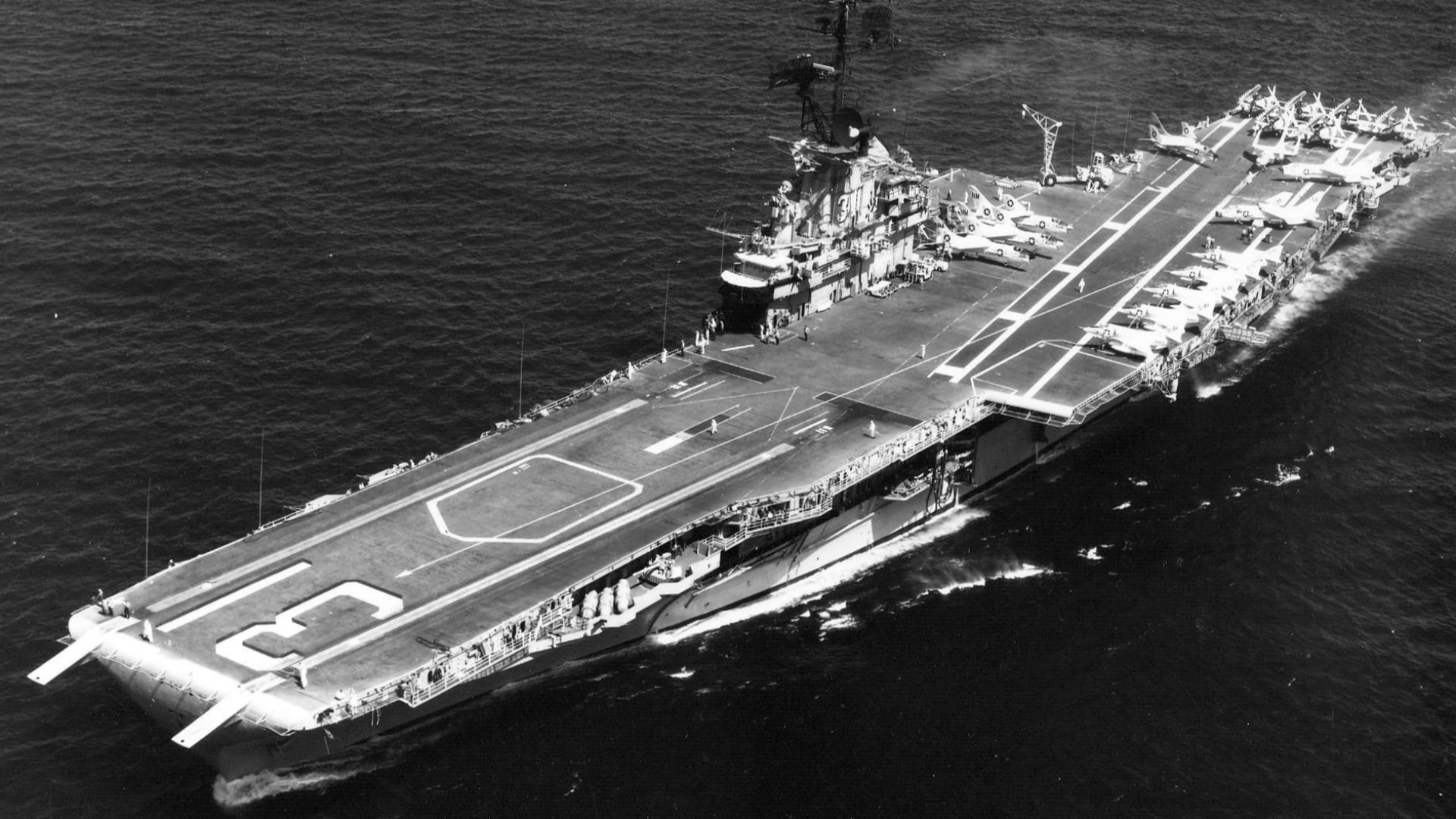
Because of US losses in this region, Yamamoto assumed that morale on the US side was low. But he underestimated the American desire to succeed. Morale was not low, and American fighters were ready to take on whatever Japan had in store for them.
Yamamoto was creating a dangerous trap that would require more than high morale to survive.
 撮影: 海軍省Ministry of the Navy, Wikimedia Commons
14. He Sent Two Waves
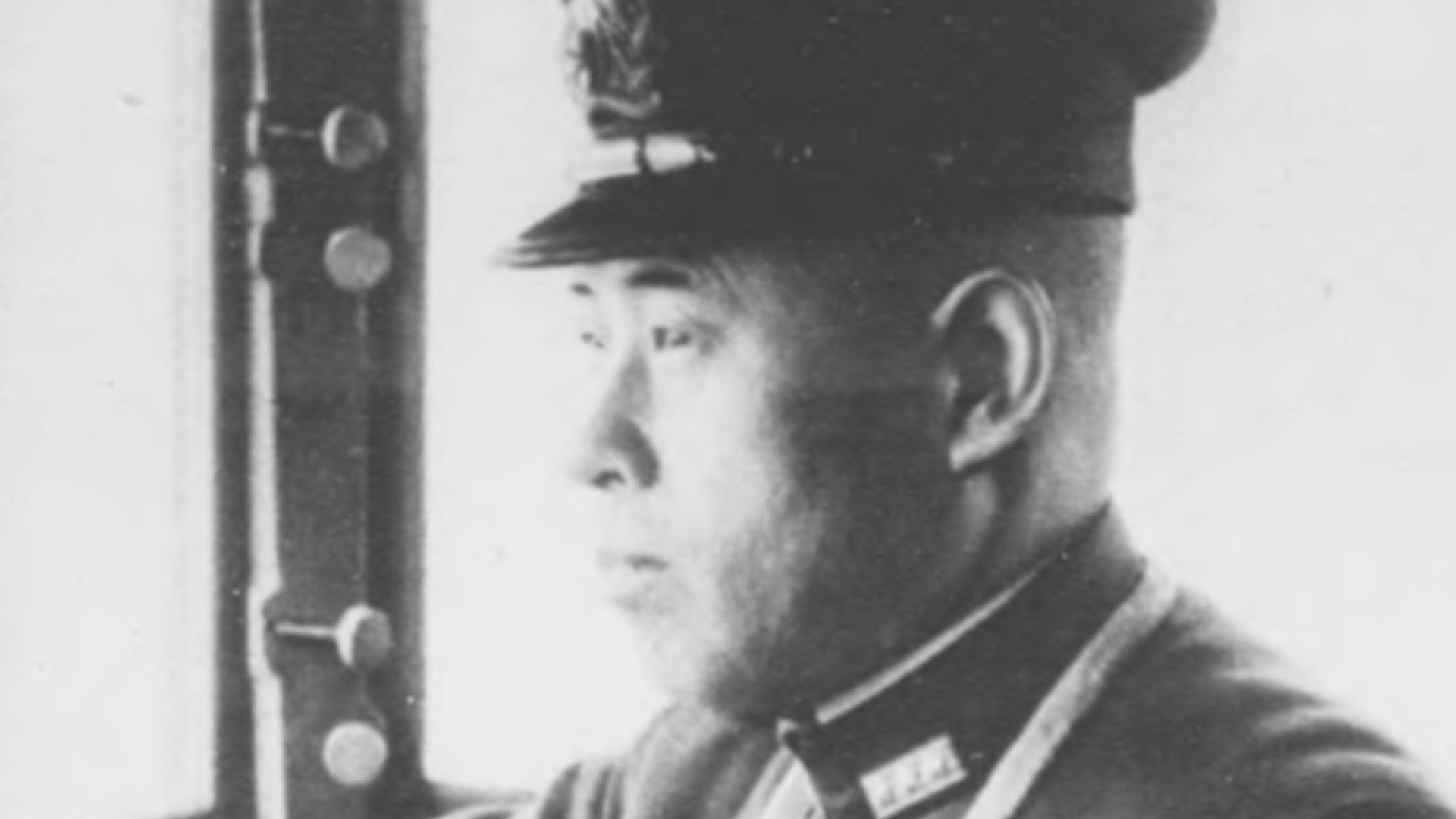
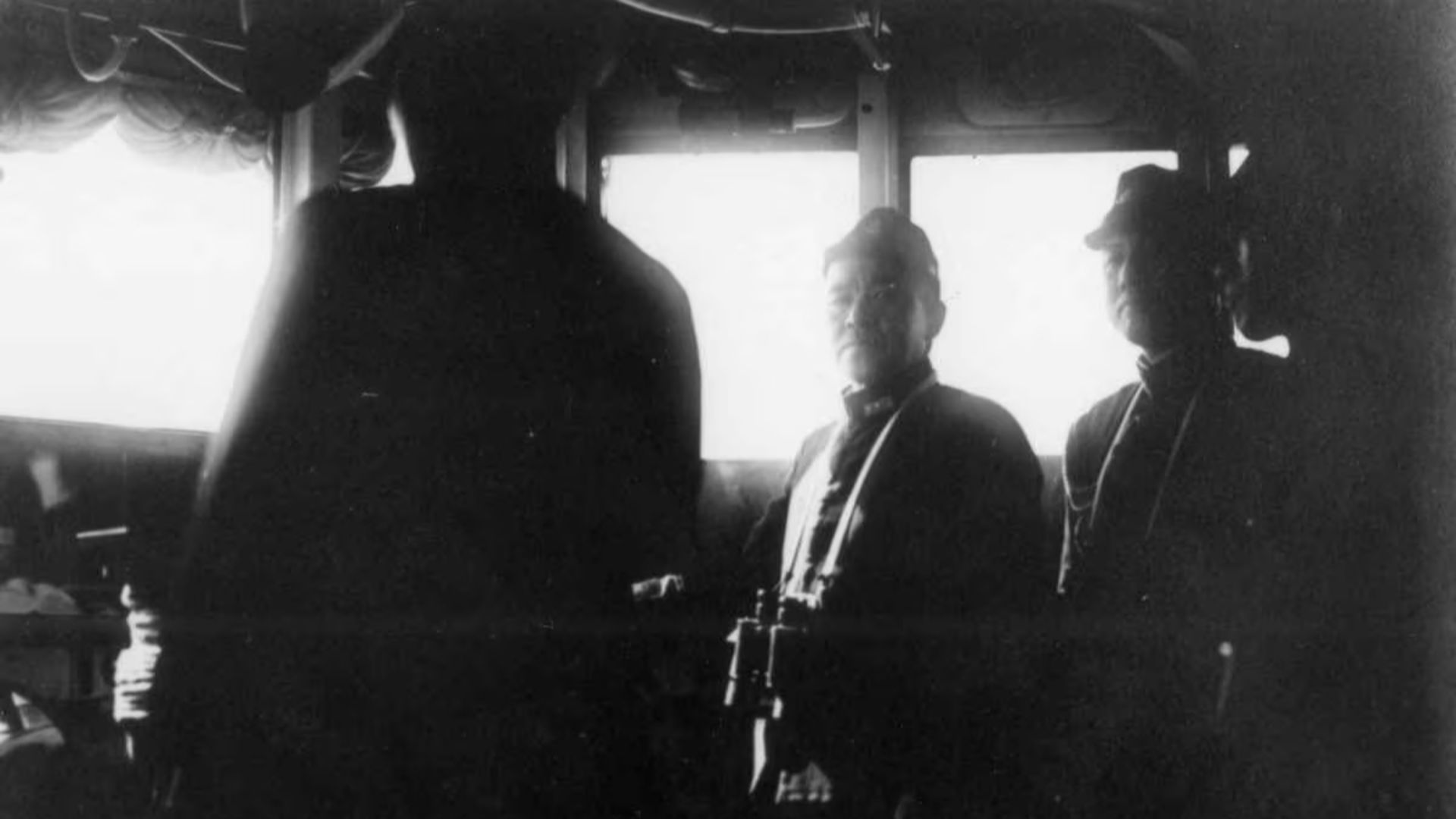
Admiral Yamamoto’s plan was to lure any American carriers into Midway by sending a small showing of force there, led by Chuichi Nagumo. His secret plan was to have more fighting power several hundred miles behind the first one led by himself. When American forces went to defend Midway, they'd find that the Japanese had not one but two levels of power.
It was an ingenious plan, but it had a flaw.
 Unknown IJN photographer, Wikimedia Commons
15. They Were Too Weak
The thing was that Nagumo’s strike—the one whose job it was to lure American forces to Midway—was too weak. Yamamoto’s second force was the stronger, but it was too far away to do any significant damage. He was sending his first strike to a losing battle.
But Yamamoto had another, more serious problem.
 Unknown authorUnknown author, Wikimedia Commons
16. They Broke The Code
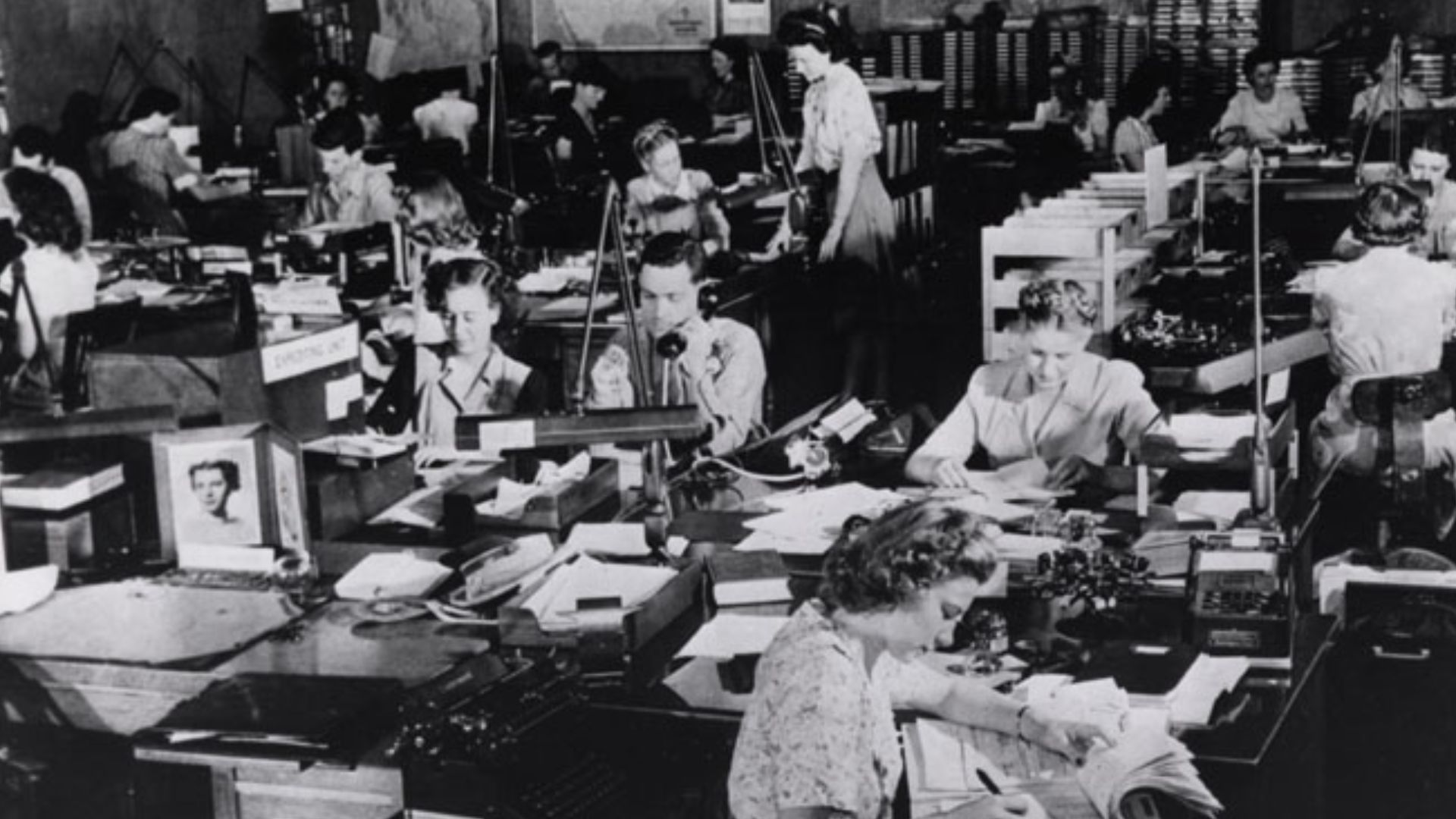
What Yamamoto didn’t count on was American codebreakers. These codebreakers knew that the Japanese were referring to a place by the code AF. They suspected it meant Midway, but they weren’t sure. To figure it out, they sent an uncoded message that said that Midway’s water purification system was not working.
Then the Japanese did something they would soon regret.
 U.S. Army photographer, Wikimedia Commons
17. They Tricked Them
When the Japanese heard that the Midway water system wasn't working, they wanted to pass on the information to their people. In their message, they replaced “Midway” with ”AF”. Now the Americans were certain that AF meant Midway. This was critical information to have.
18. The Had Key Information
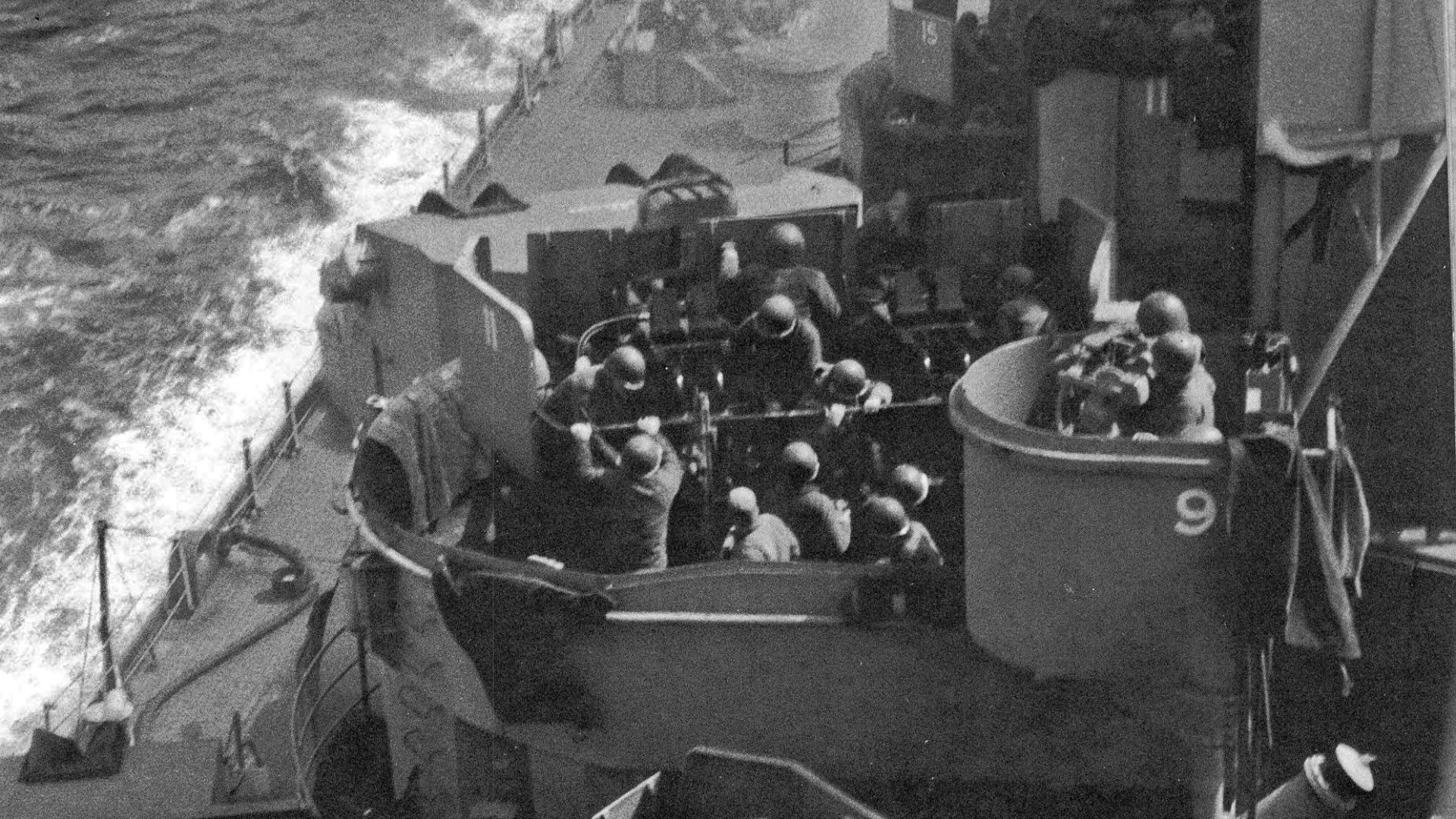
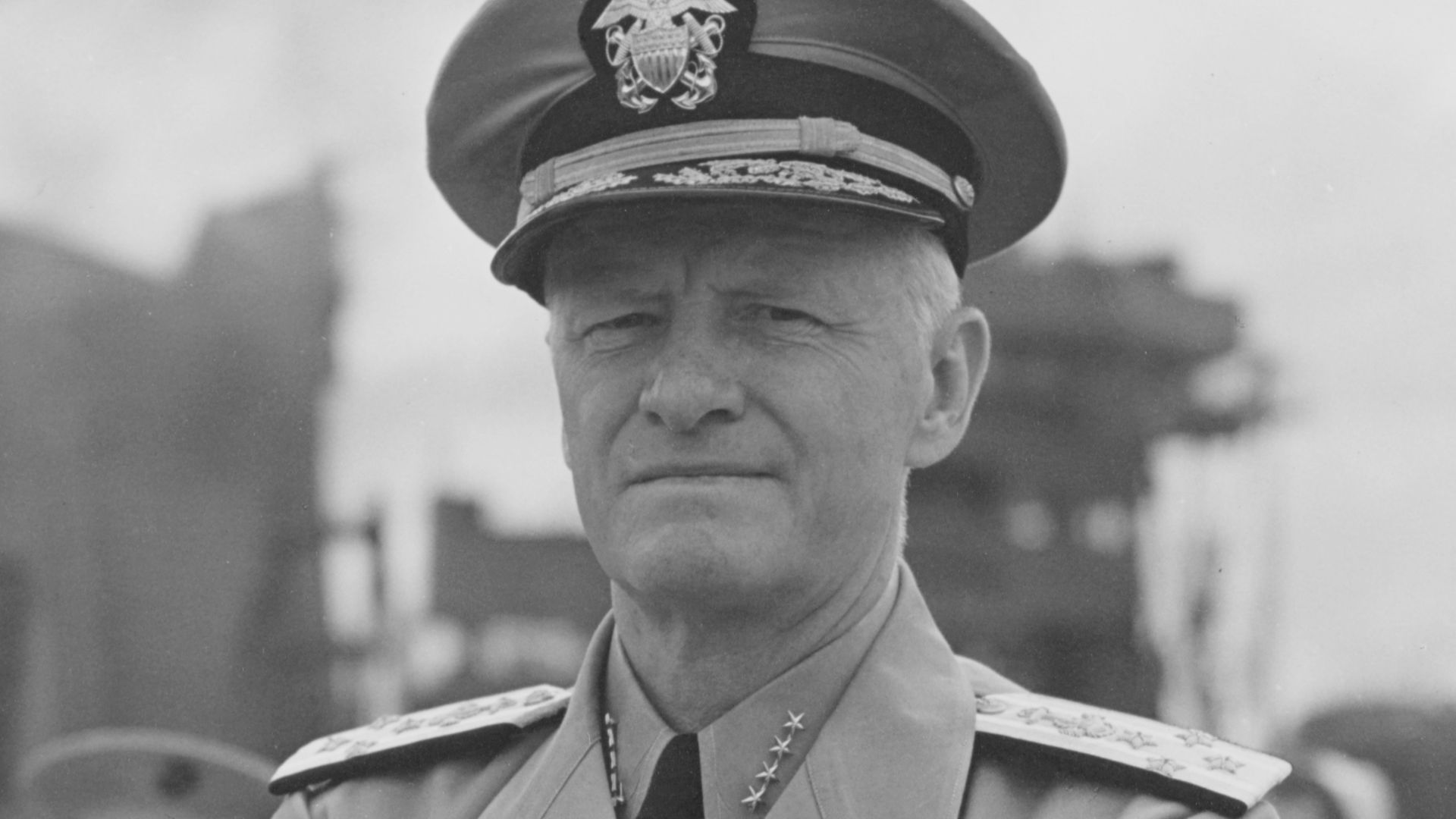
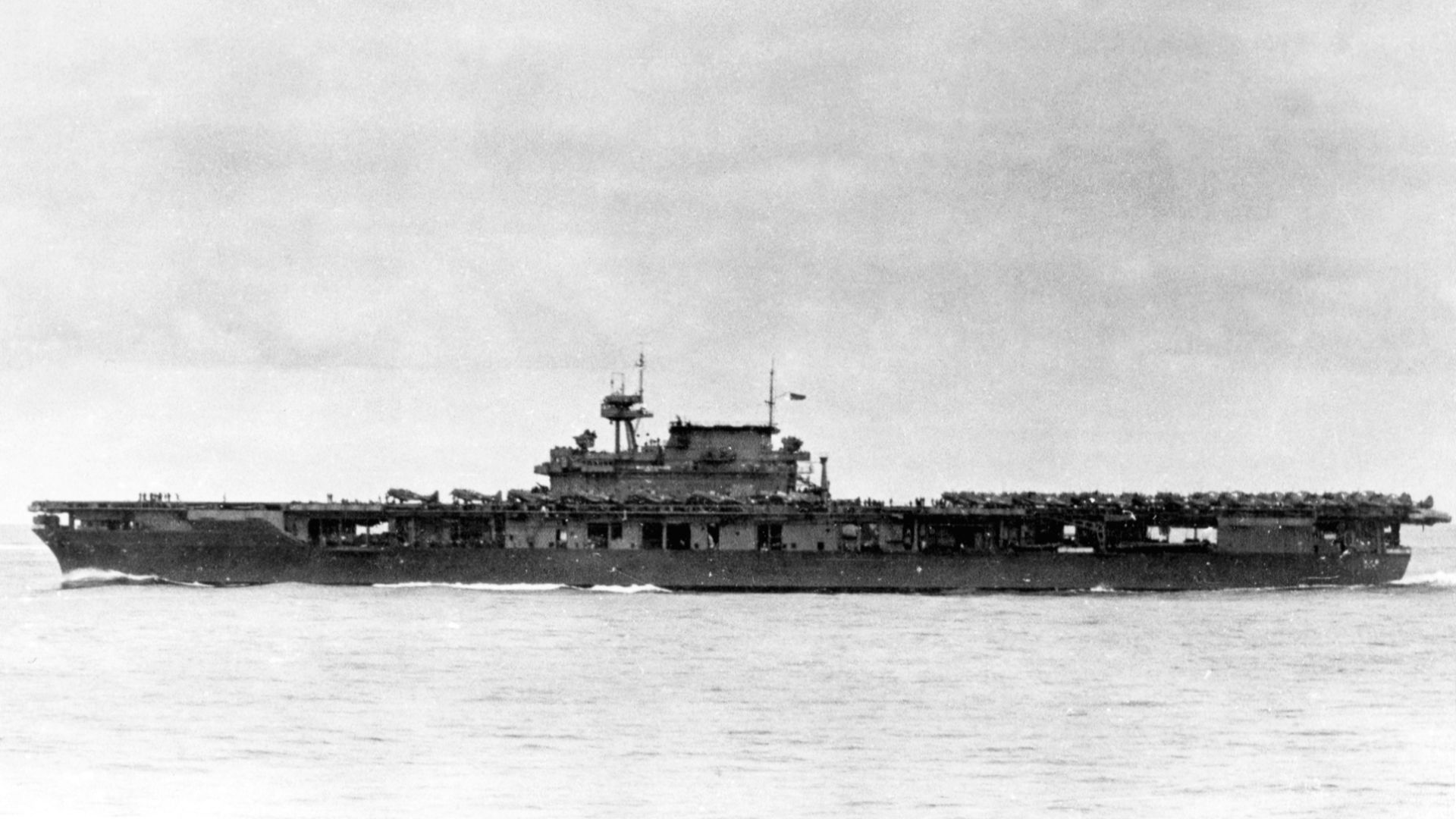
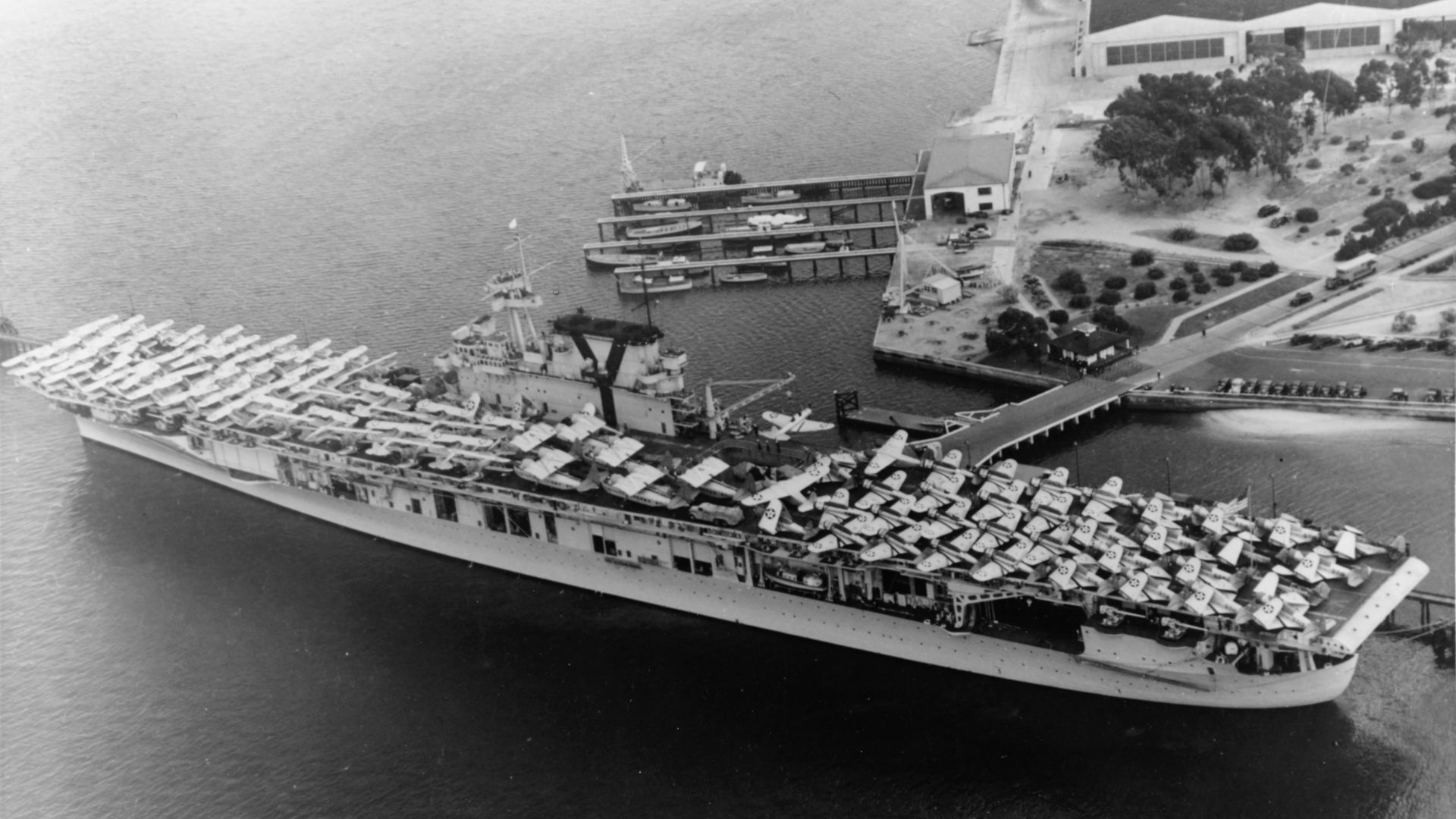
So, now the US had a vague plan of what was in store for them at the Battle of Midway. They knew what to expect, and Yamamoto had no idea they knew anything at all. It was Admiral Chester Nimitz who took on the job. He sent three carriers to a northeast position off Midway. The carriers were Enterprise, Hornet, and Yorktown. Remember, the Japanese didn’t know that the Yorktown existed. So, it was like a secret weapon for America.
But there was a problem with the carrier.
19. They Did It In A Rush
Yes, the USS Yorktown was now in working order, but replacing the air group had been difficult and done in a rush. The result was that some of the aircrew lacked experience. It also meant that it wasn’t clear if Yorktown would reach Midway in time to help.
It really was a race against time.
20. They Put Together A Powerful Force
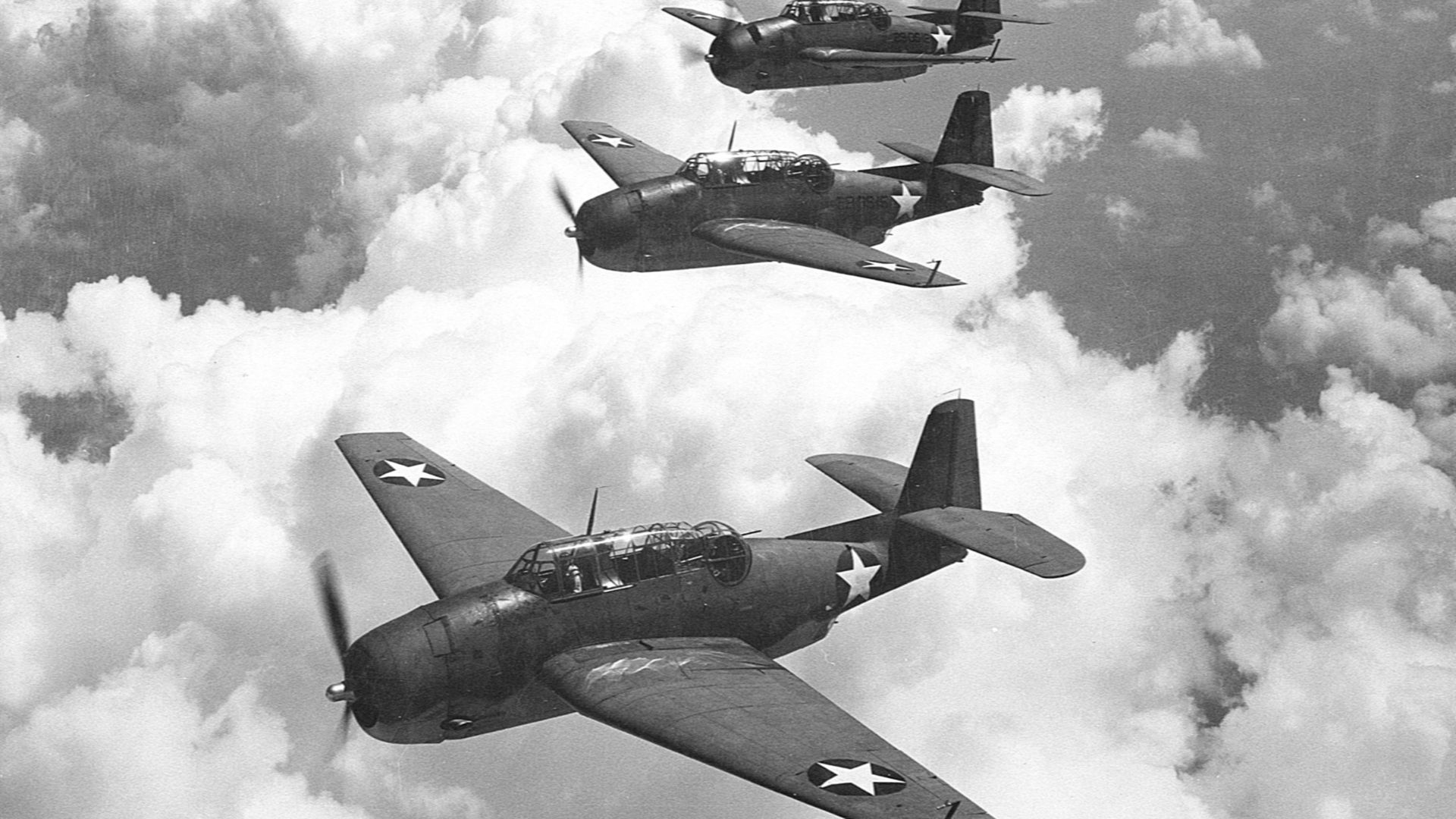
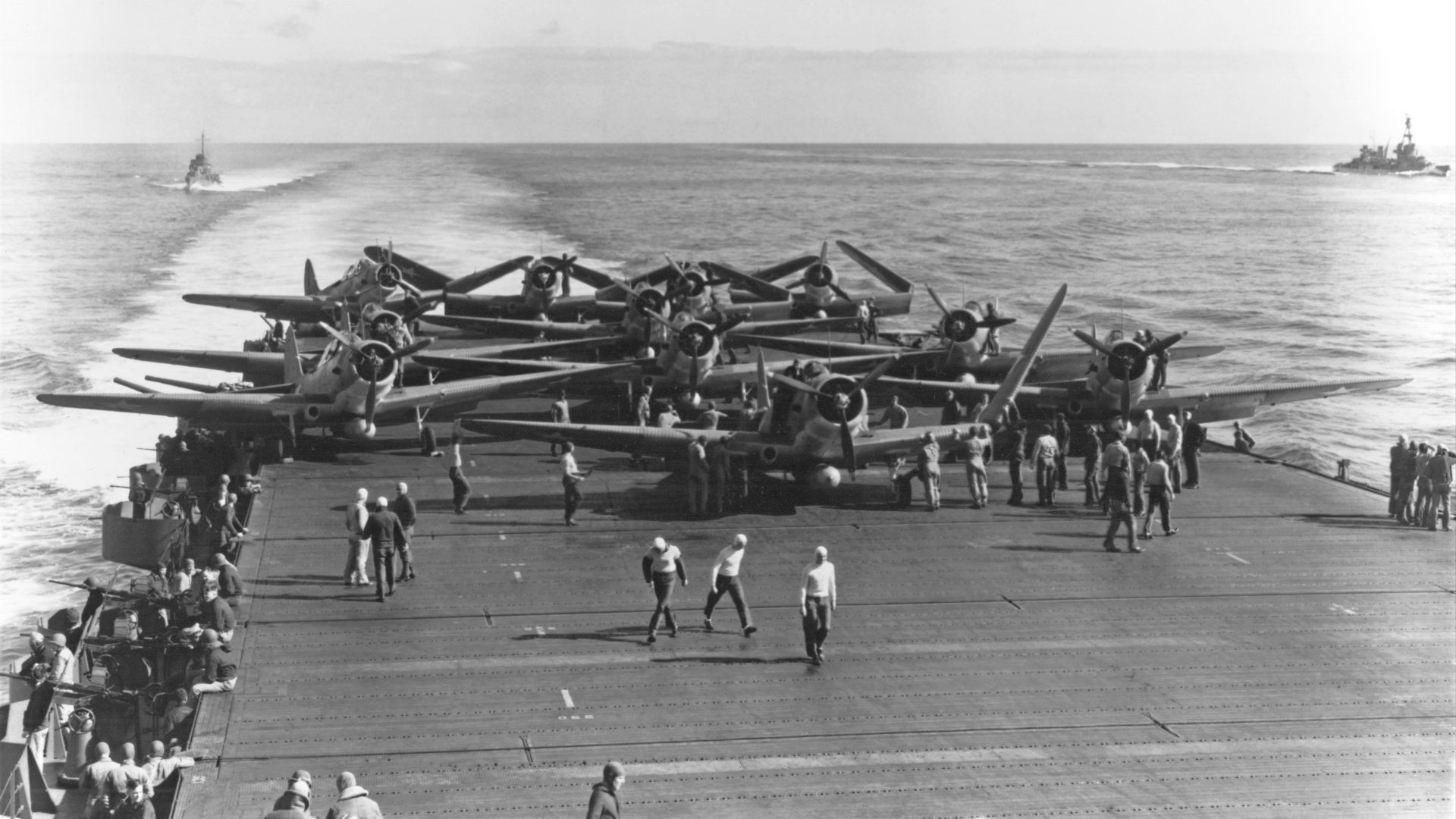
By June 4, the US Navy had assembled a truly formidable collection. They had four squadrons of PBYs, which totaled 31 aircraft. They also had Grumman TBF Avengers: six in total. The Marine Corps added 64 various types of aircraft, and the USAAF added another 122 aircraft. The US was certainly much more prepared than the Japanese could have imagined.
But Japan had another problem.
 Lt. Comdr. Horace Bristol, U.S. Navy photo 80-G-427475, Wikimedia Commons
21. It Was Unbalanced
While many saw Japan as the winner of the Battle of the Coral Sea, they had also sustained serious losses. For this reason, what Japan brought to the Battle of Midway was not quite as strong as they had hoped for. So, a weakened Japan was now facing off with a US enemy that had more power than they knew about.
And then the US side had another piece of luck.
22. He Saw Them Coming
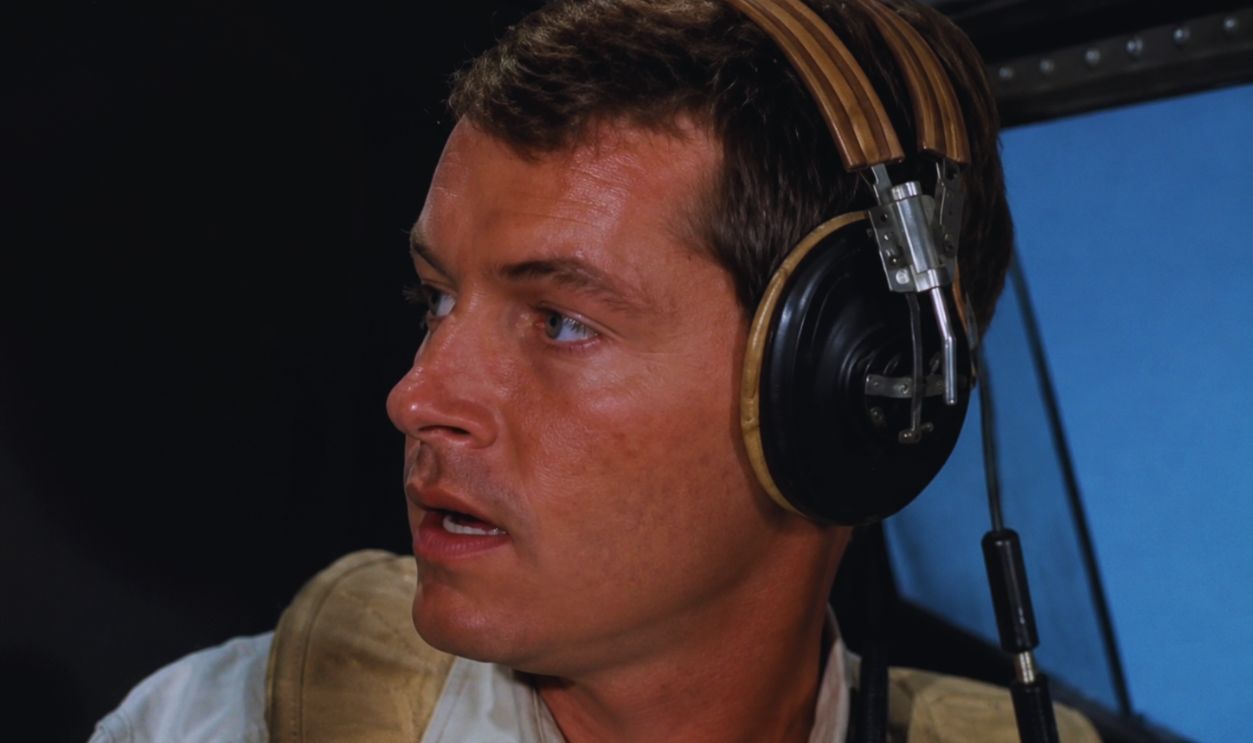
On June 3 at 9:00, a US pilot made an important sighting. He saw the Japanese heading toward Midway. The man who saw it was Ensign Jack Reid, but he made a critical mistake. What he saw was Nagumo’s initial force—the one used to lure the Americans into the area. Yet what he reported seeing was Yamamoto’s more powerful wave of attack.
This would be a costly error.
 Screenshot from Midway, The Mirisch Corporation / Universal Pictures (1976)
23. They Failed To Connect
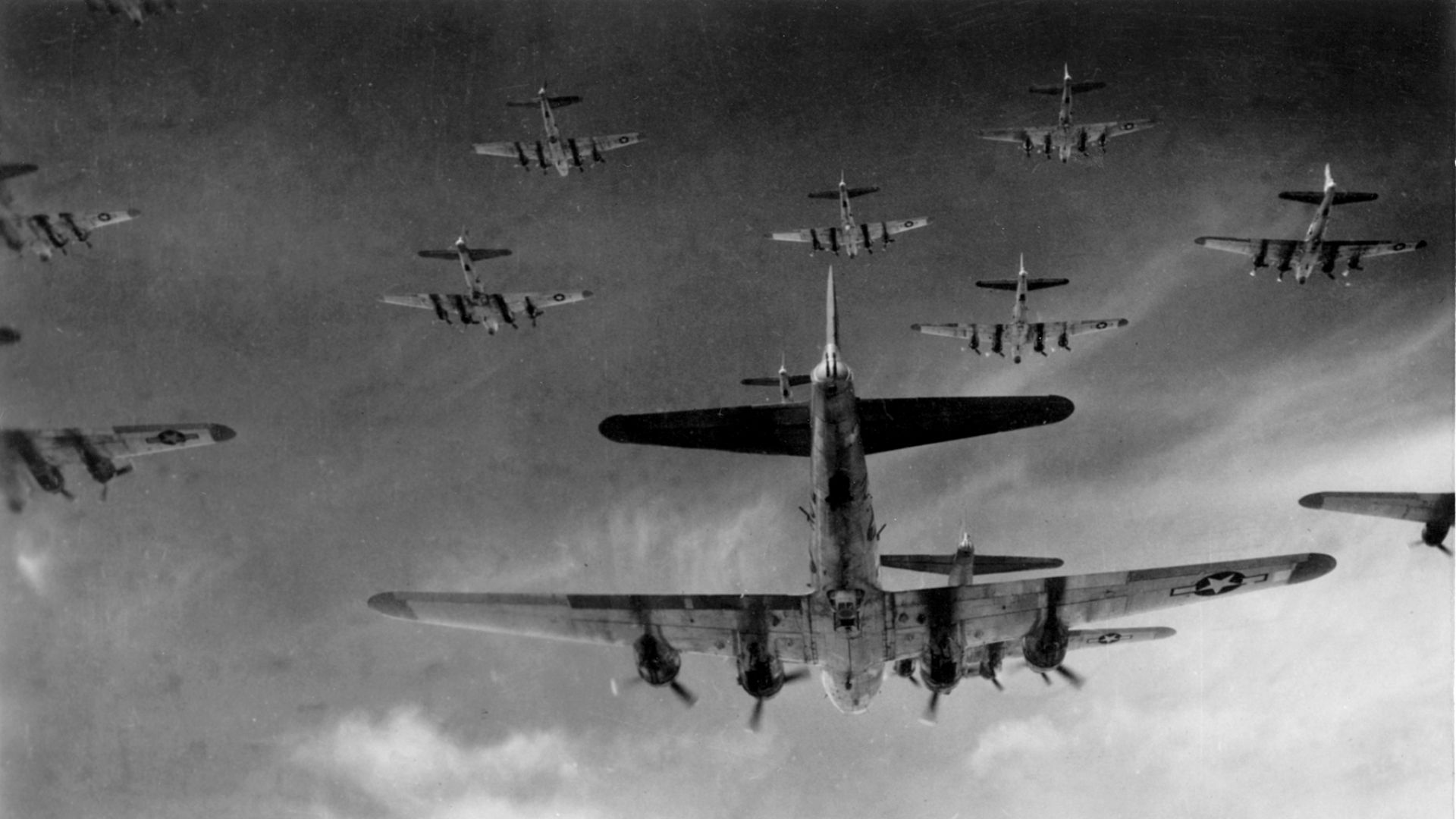
The nine unlucky B-17s left Midway at 12:30, but they frustratingly failed to hit any targets. Later, they were more successful and hit one of Japan’s oil tankers. This would go down on record as the only hit made by a torpedo that was air-launched. Plus, there was still Yamamoto’s more powerful second wave to deal with.
24. He Sent Out His First Wave
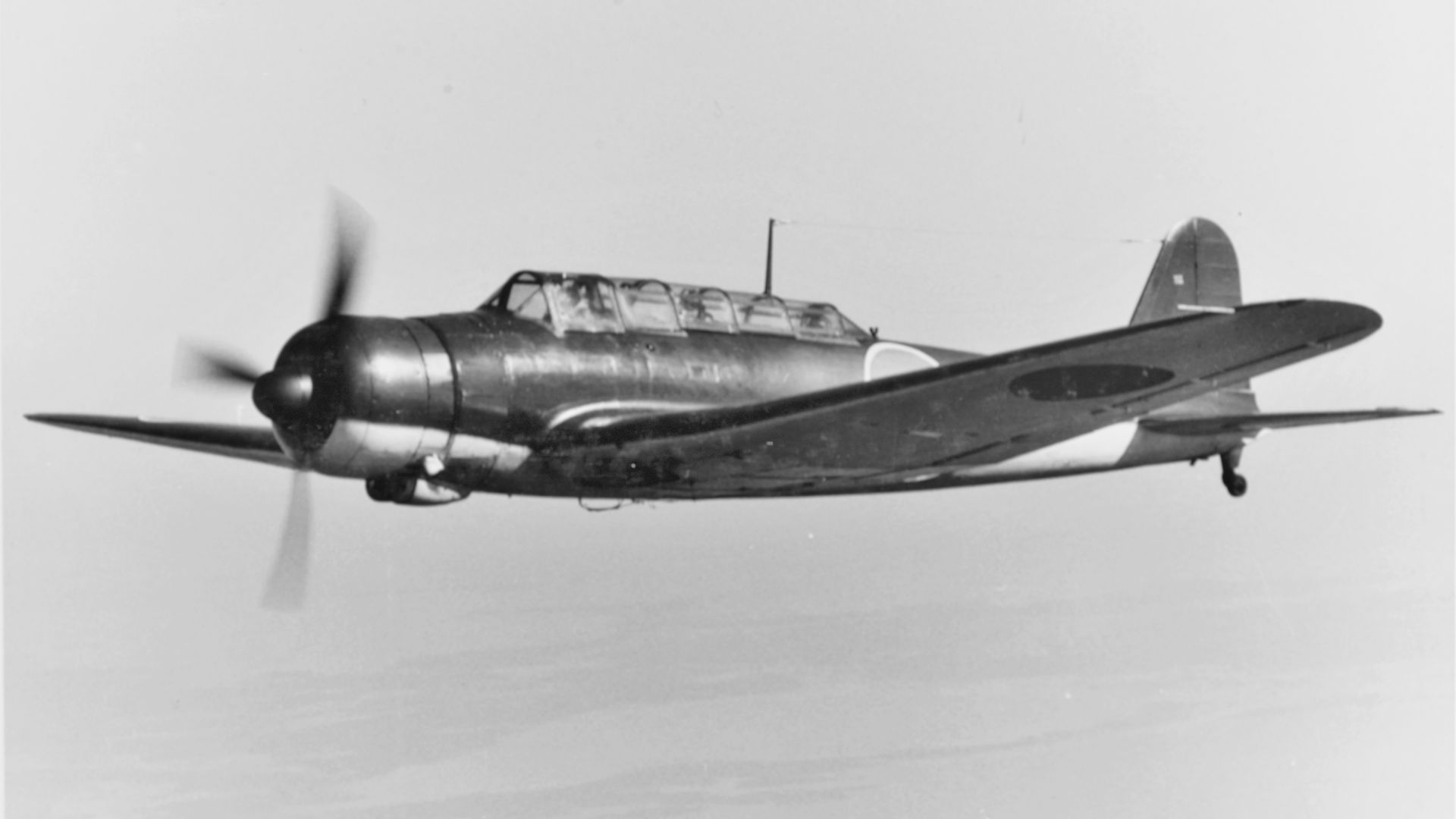
By 4:30 on June 4, Nagumo was ready to launch his attack. His lethal force included 36 D3As and 36 B5Ns. He also sent out seven search aircraft. It was a huge and formidable force. But there was one thing wrong.
25. He Thought He Had Time
The thing was, Japan didn’t really know what the Americans were doing. They had inadequate reconnaissance, and they thought they were more or less in the clear. What Nagumo didn’t know was that the radar at Midway knew about the Japanese attack, and they were on their way to intercept it.
If the US had the speed, they could intercept the strike.
 USN, photographed from USS Pensacola (CA-24), Wikimedia Commons
26. They Did Serious Damage
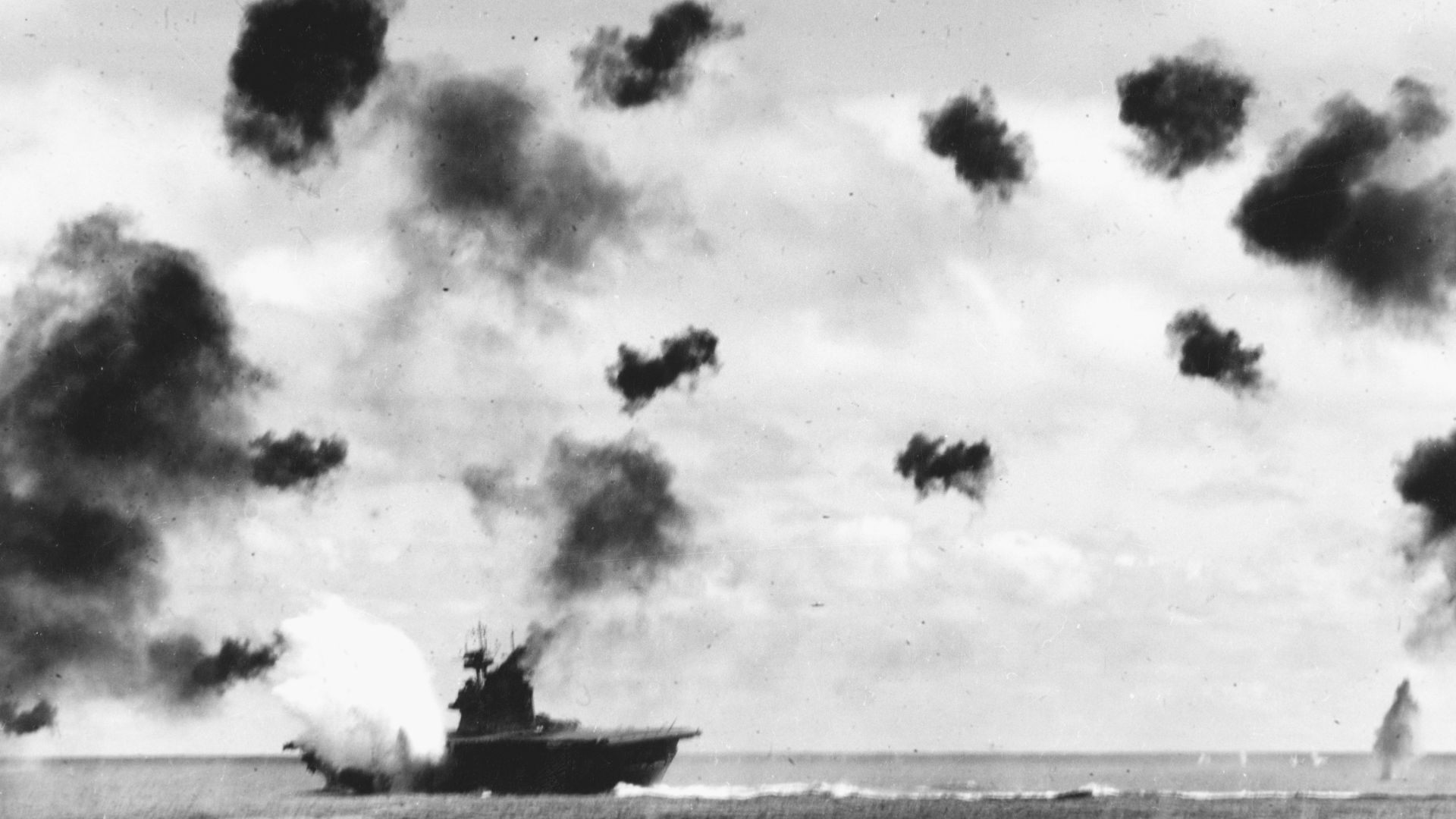
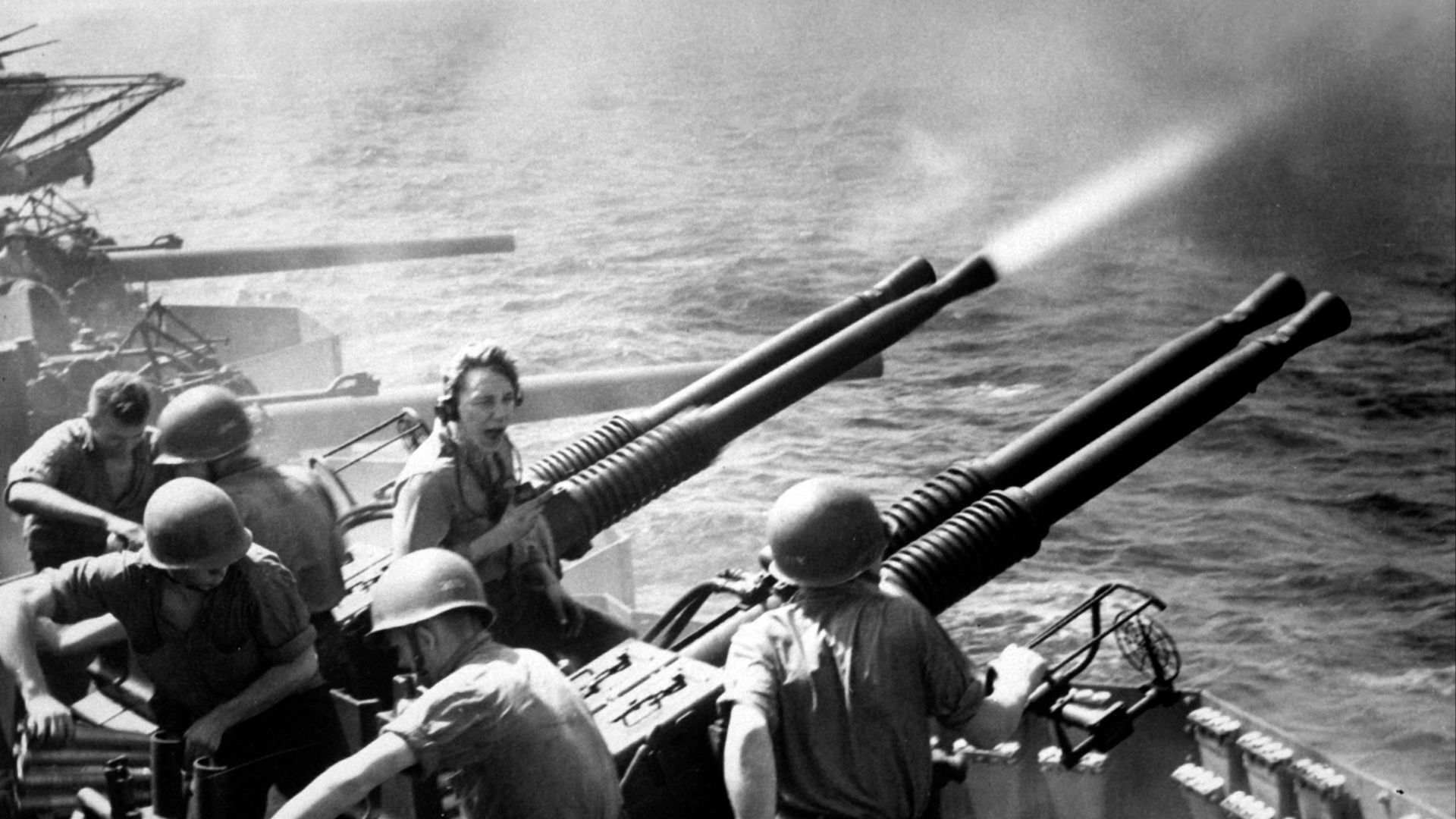
It was Major Floyd B Parks who led the American interception in the Battle of Midway, but he quickly suffered some heavy losses. Following the battle, only two of the US planes were left still able to fly. But the American anti-aircraft force was lethal. They destroyed three Japanese aircraft and did significant damage to the others.
Next, the US would benefit from a Japanese tactical error.
 Lt. Comdr. Charles Kerlee, USN, Wikimedia Commons
27. He Made The Wrong Choice
Nagumo had to decide whether to finish rearming or attack immediately. He decided to wait because he thought it was vital to arm the fighters in reserve with torpedoes. Many believe that this was Nagumo’s fatal mistake. The Enterprise and Hornet now had a chance to launch their planes.
Suddenly, the Americans had a huge advantage.
28. They Struck with Torpedoes
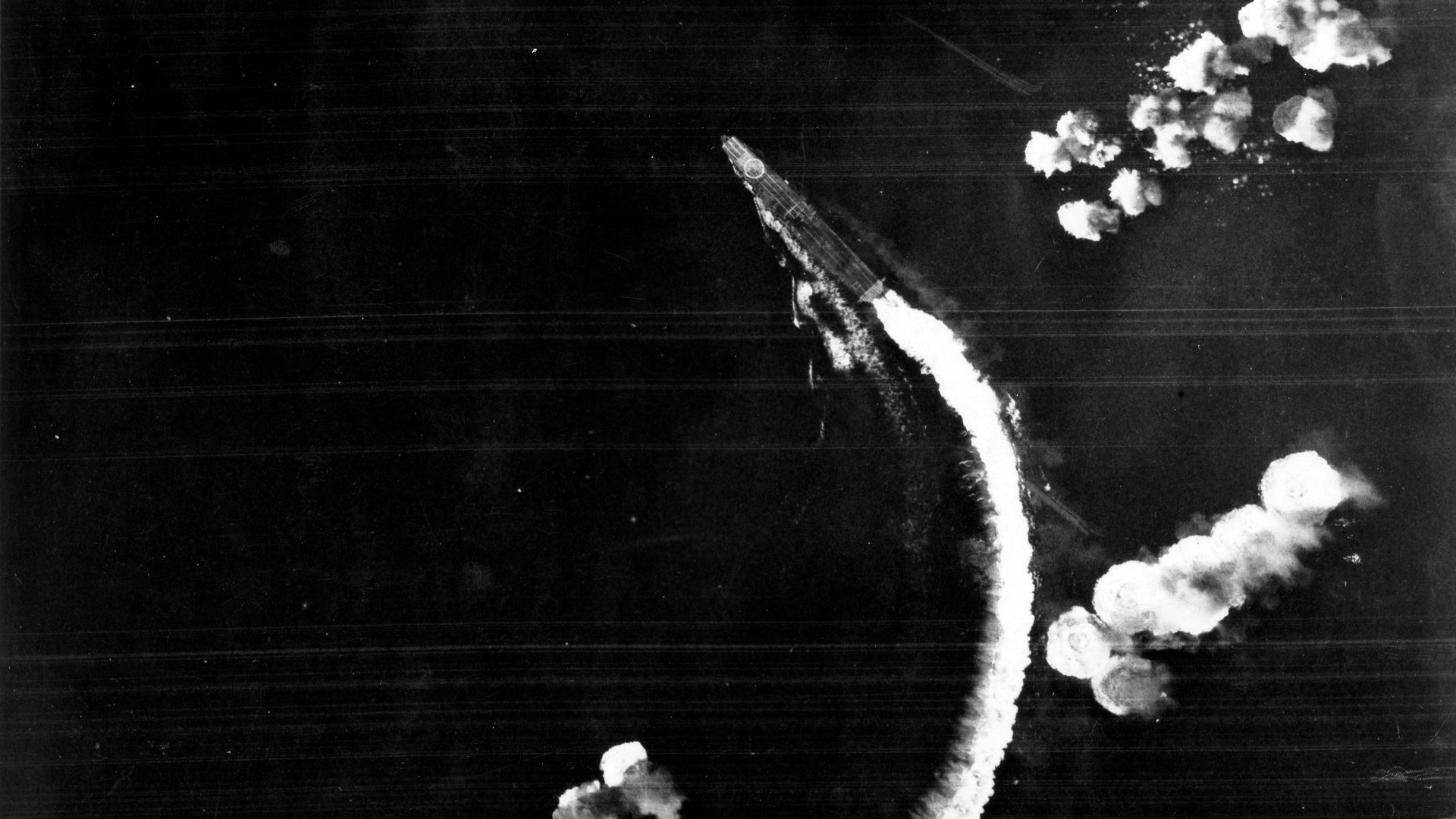
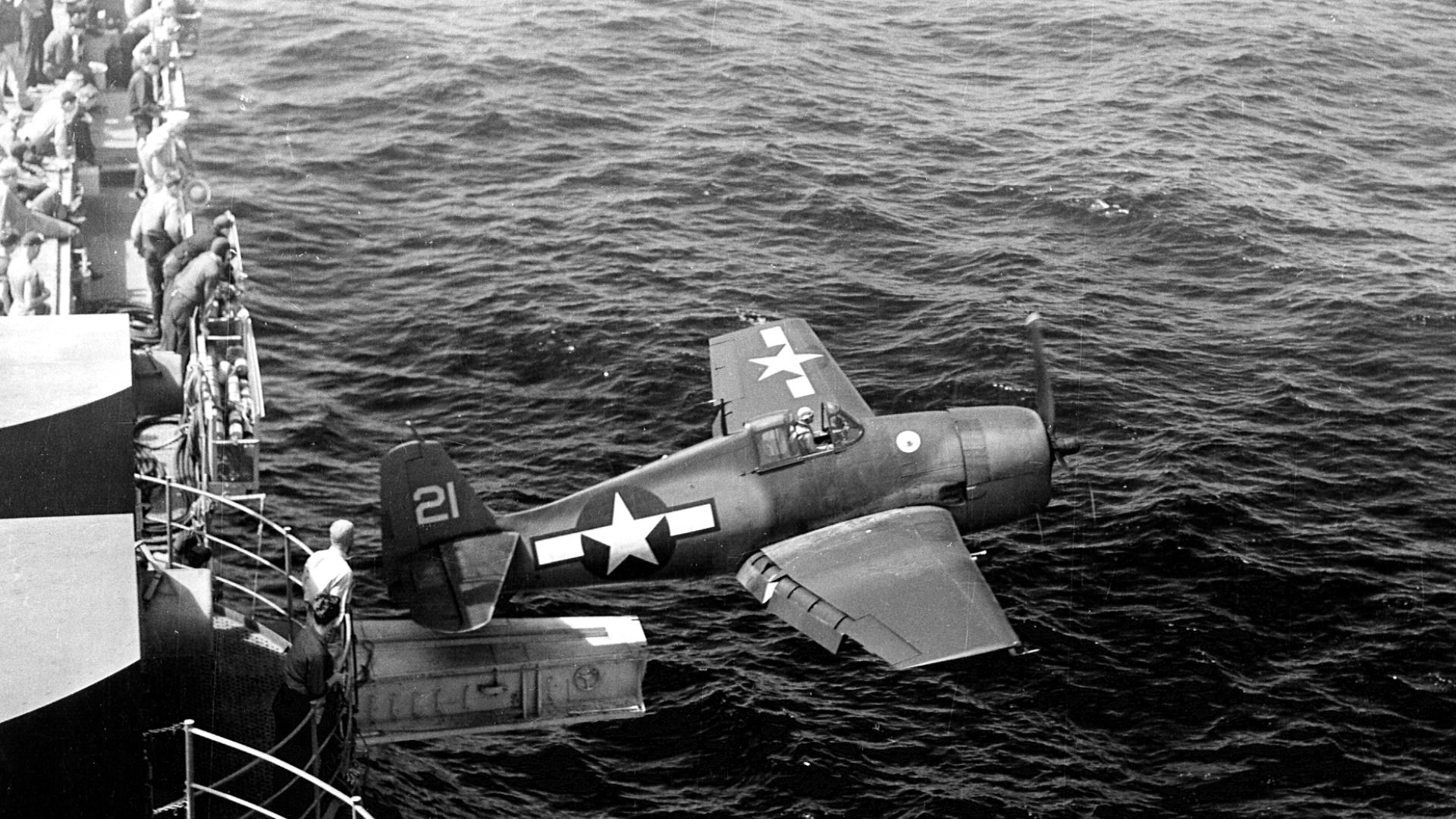
The USS Enterprise, USS Hornet, and the USS Yorktown were now all in the area of the Battle of Midway. The plan was to use two squadrons to make direct hits on three Japanese carriers in the area. These were the Kaga, Soryu, and the Akagi. Unfortunately, it was now the American's turn to make a devastating mistake.
 Official U.S. Navy Photograph work, Wikimedia Commons
29. There Was A Breakdown In Communication
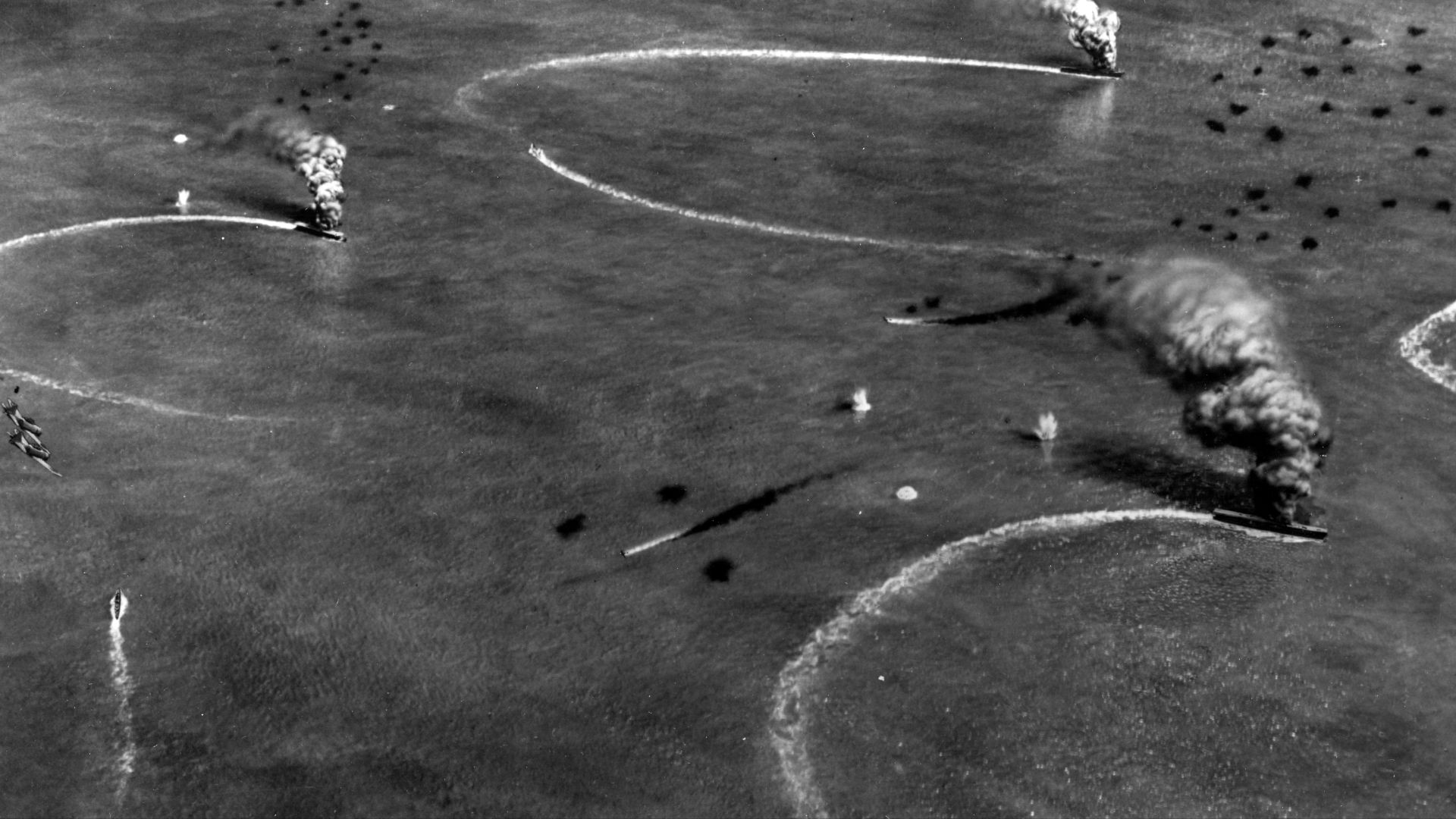
Due to a miscommunication, both US squadrons went for the same carrier. So the Kaga ended up getting a double strike and received somewhere between three and five hits. One of these hits was directly on the bridge, and it took the life of Captain Jisaku Okada and many of his senior officers.
Sure, the Kaga was down, but that left the other Japanese carriers untouched.
 Official U.S. Navy Photograph work, Wikimedia Commons
30. He Saw The Mistake
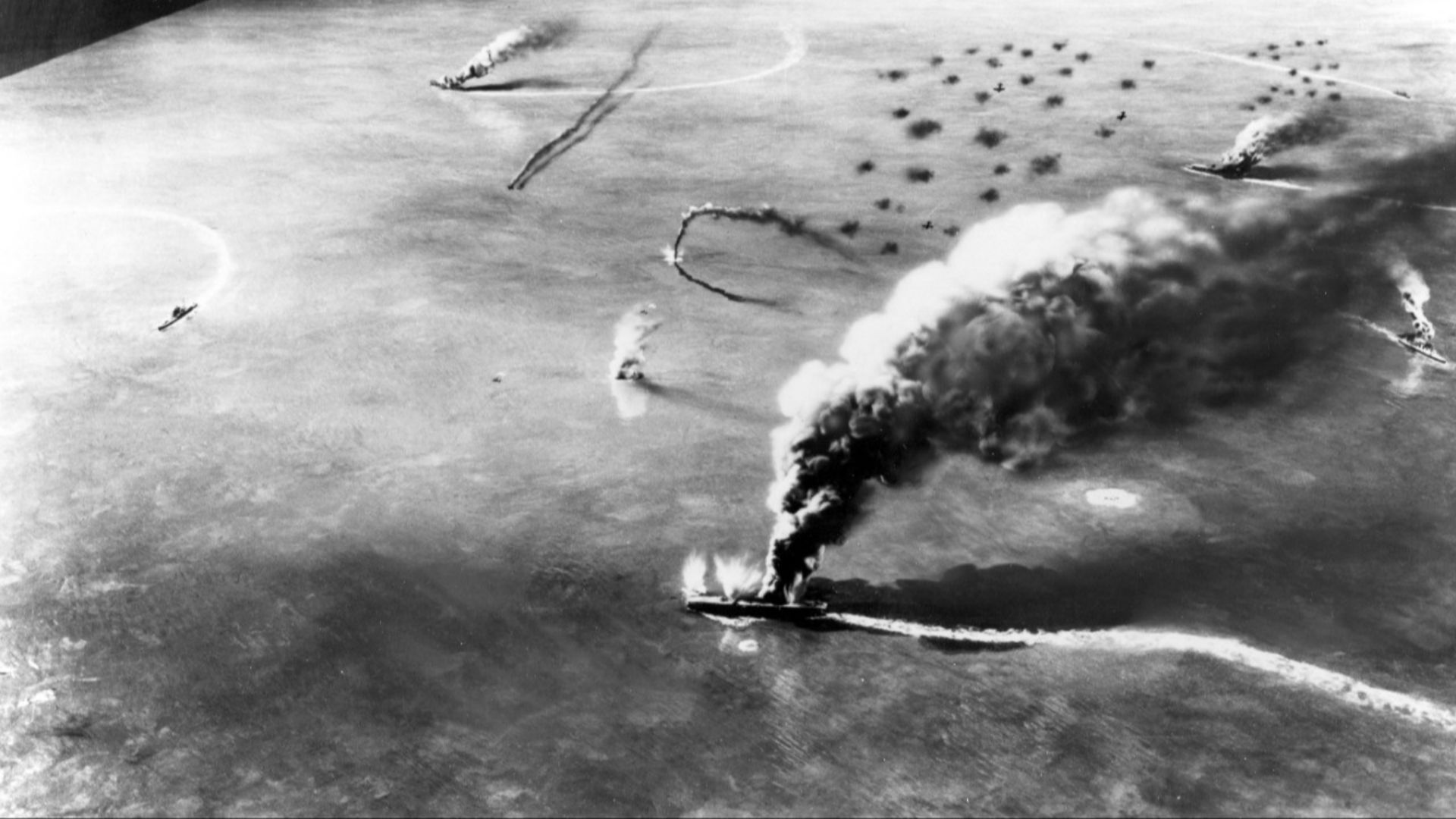
While both squadrons were descending on the Kaga during the Battle of Midway, Lieutenant Richard Halsey Best noticed the error. He and his wingmen still had time to pull out of their dives. They made a stunning change of plan. They were going to launch an attack on one of the other ships. The Akagi was in for trouble.
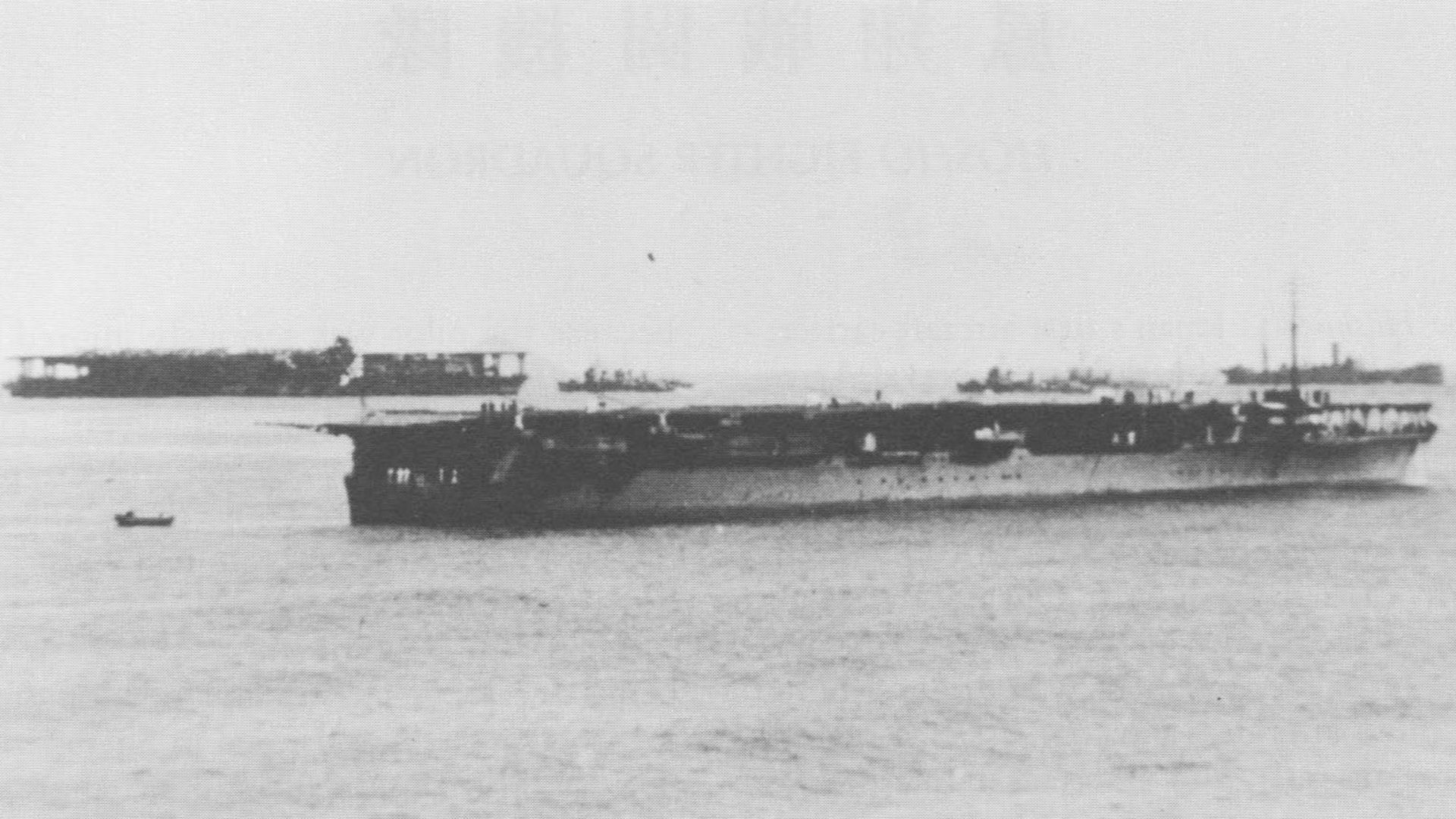
31. They Left It In A Mess
Next during the Battle of Midway, Lieutenant Best and his wingmen turned their attention to the Akagi. While they only succeeded in making one direct hit, it was a lethal one. The explosion struck the aircraft on the upper hangar deck. The Japanese had armed and fueled these aircraft, and the result was a massive fire. One man on board said there were “bodies everywhere”.
They’d destroyed the Akagi, but there was still one carrier left for the Americans to deal with.
![The Imperial Japanese Navy aircraft carrier Akagi undergoing trials off Iyonada, 17 June 1927. Early in her career, she was fitted with three flight decks; the two lower decks were later plated over in a mid-1930s refit.[1]](https://www.factinate.com/storage/app/media/factinate/2026/5/12/177857422654a7711a44a8601e972c7160b327e95a1fa2eb90.jpg) Sabishio(?) Yagi, Wikimedia Commons
Sabishio(?) Yagi, Wikimedia Commons
32. All Three Burned
Lieutenant Max Leslie took off from the USS Yorktown in a VB-3. His mission was to take down the Soryu. His three hits ignited fuel and caused huge explosions, which turned into a powerful and lethal inferno. Now all three carriers were ablaze. Eventually, the blaze became unstoppable, and Nagumo had to leave the Akagi in shame.
Japan now had only one aircraft carrier.
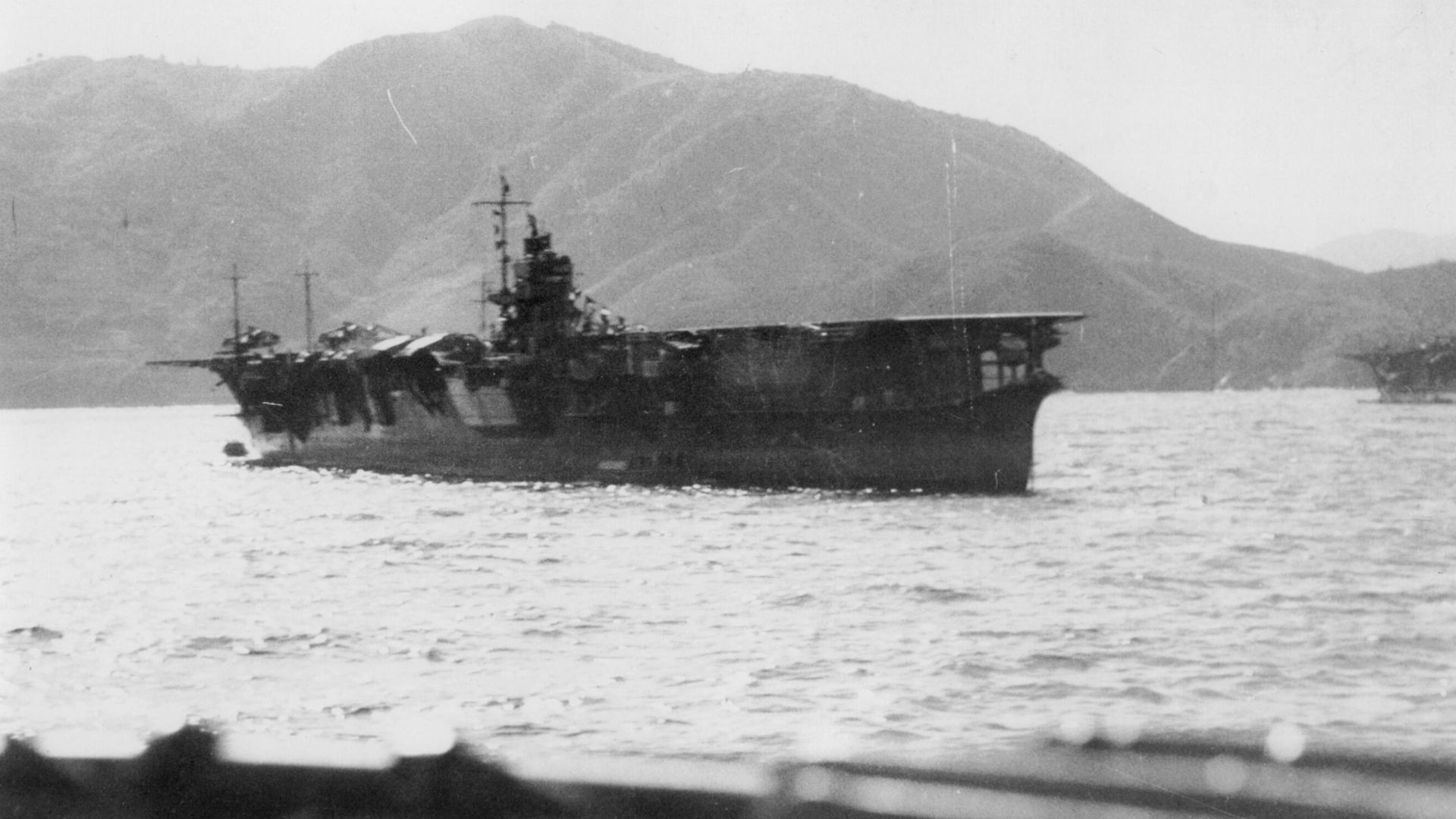
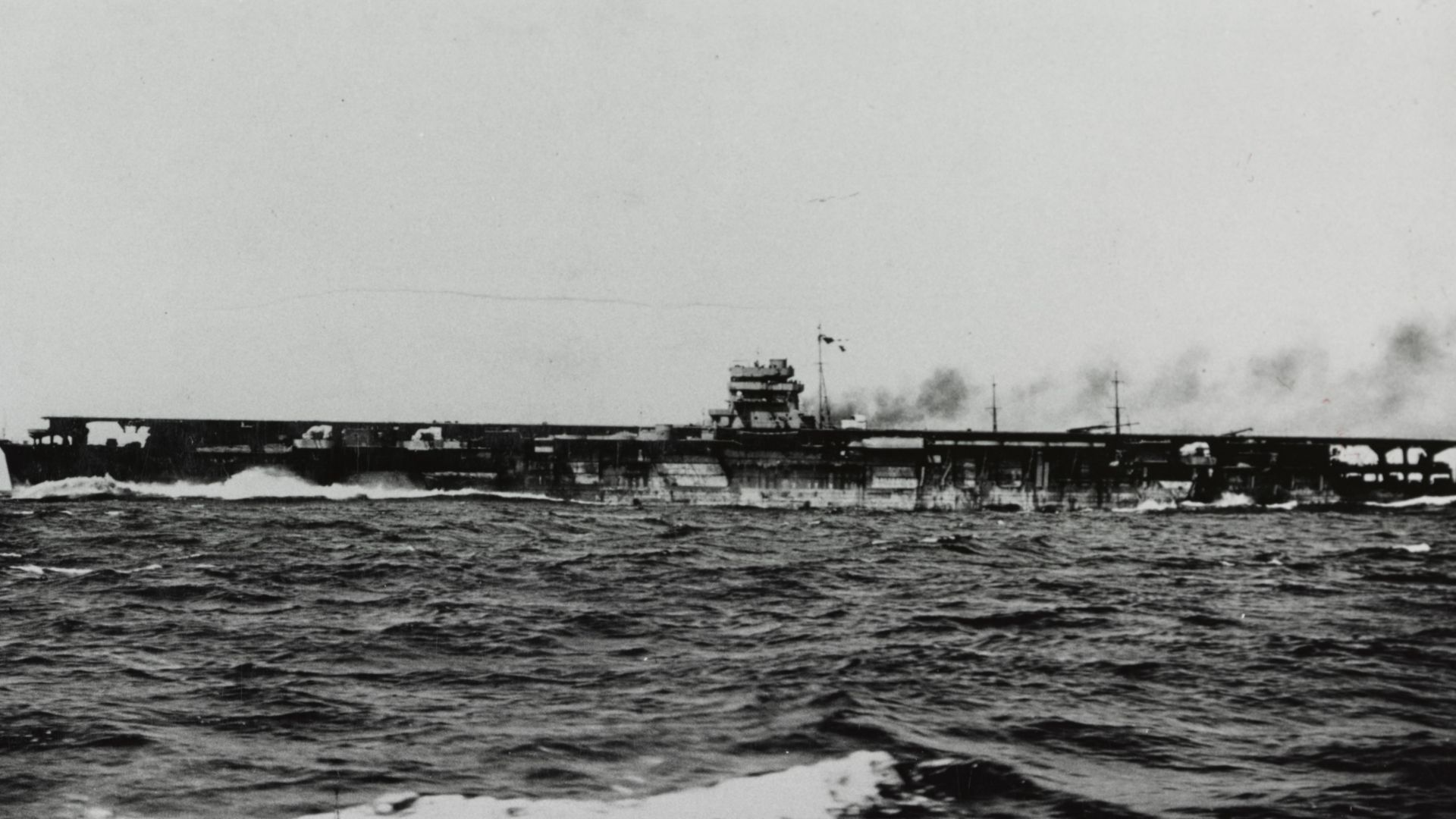
33. They Got Hit
At that point during the Battle of Midway, Japan’s only surviving carrier was the Hiryu, but it could still inflict damage on the Americans. The Hiryu struck the USS Yorktown and severely damaged it. Thankfully, it didn't sink. Due to the damage, Fletcher moved his staff to the Astoria. Immediately, workers began to repair the Yorktown. In record speed, the Yorktown was once again up and running.
But it was not out of danger. Not at all.
 U.S. Naval Historical Center Photograph Donation of Kazutoshi Hando, 1970., Wikimedia Commons
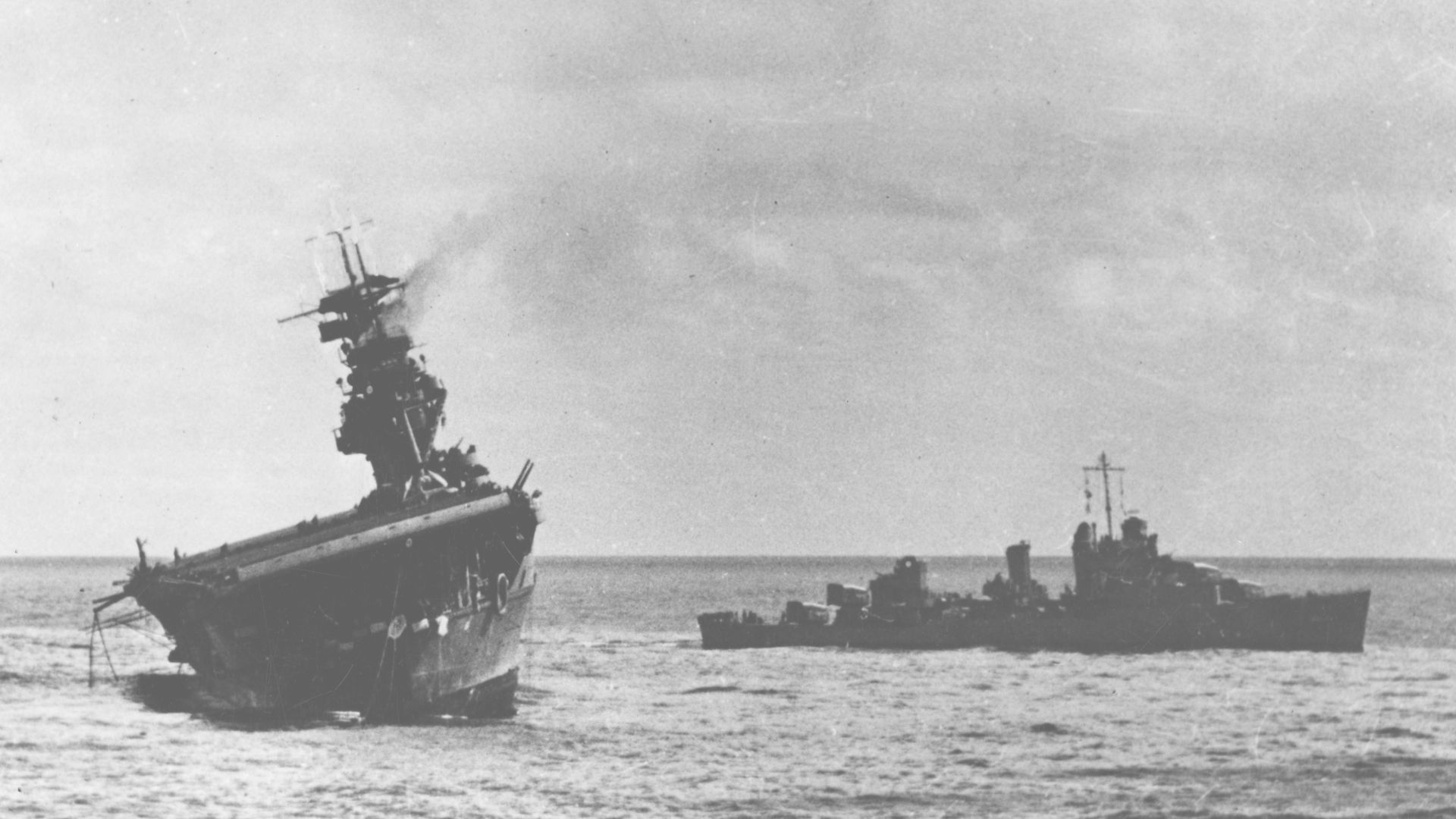
34. It Got Hit Again
The repairs to USS Yorktown were so well done that the Japanese thought it was altogether a different carrier. They hit USS Yorktown again and crippled it. The Japanese were celebrating the destruction of two carriers, but they were wrong about that. This gave them a false sense of being close to a victory.
As it turned out, they were still far from the end.
35. They Got Revenge
In the latter part of the day on June 4 during the Battle of Midway, a scout plane from the USS Yorktown made an amazing discovery. They had found the location of Japan's last remaining carrier: the Hiryu. With this information, the USS Enterprise sent an attack its way. By the time the day was over, the Hiryu was in flames, and eventually it sank altogether. It was sweet revenge for Japan’s attack on Yorktown.
But the Battle of Midway was far from over.
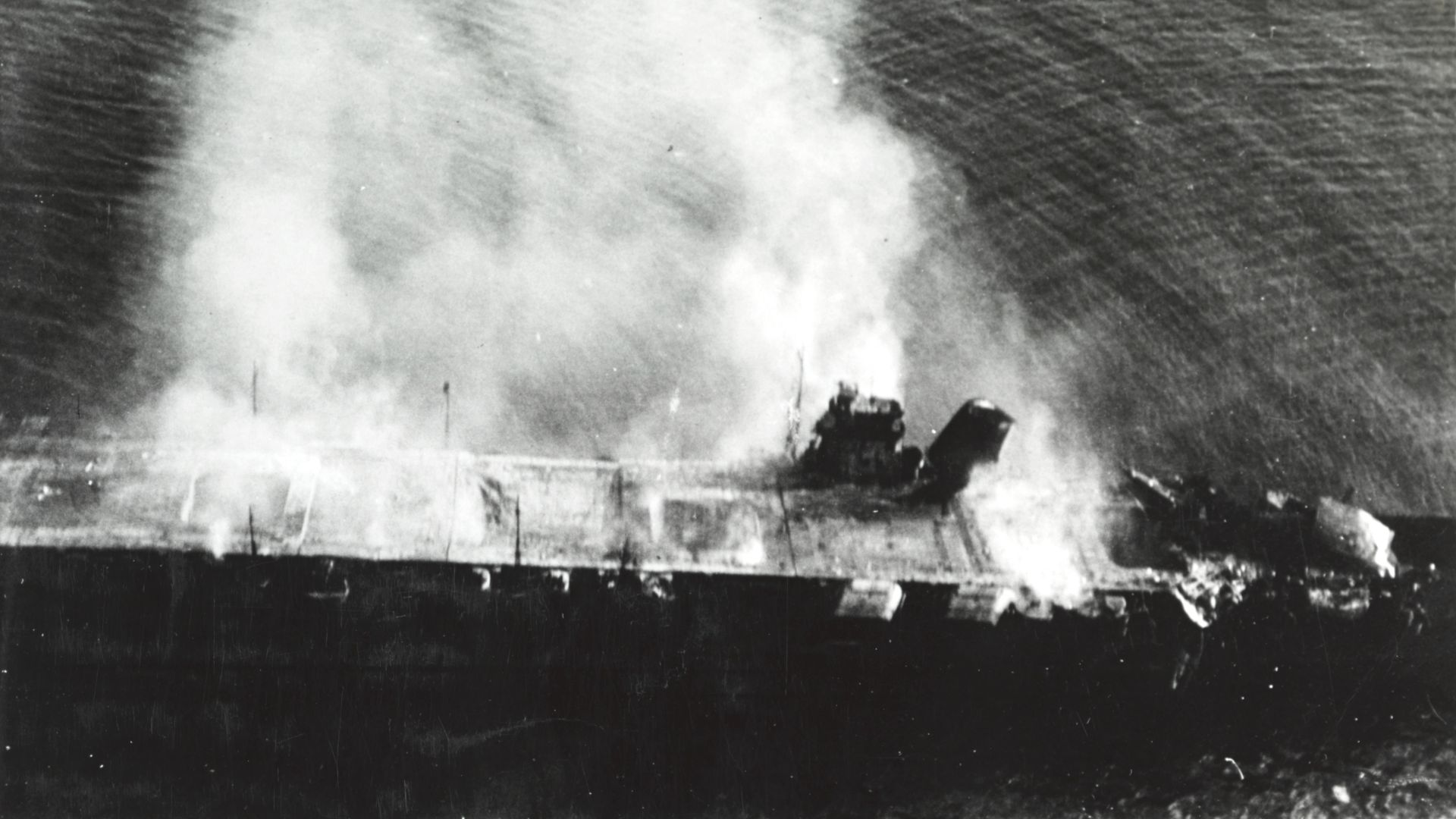 Special Service Ensign Oniwa Kiyoshi, Wikimedia Commons
36. These Ships Were A Mystery
The sun eventually set on this bloody day, leaving the area plunged in darkness. The two sides took the time to plan their next moves. Just after 2:00 on June 5, Commander John Murphy, who was aboard a submarine called Tambor and just west of Midway, saw several ships approaching. The thing was, he had no way of knowing if they were friendly forces or the Japanese enemy.
This confusion was going to cost America a lot.
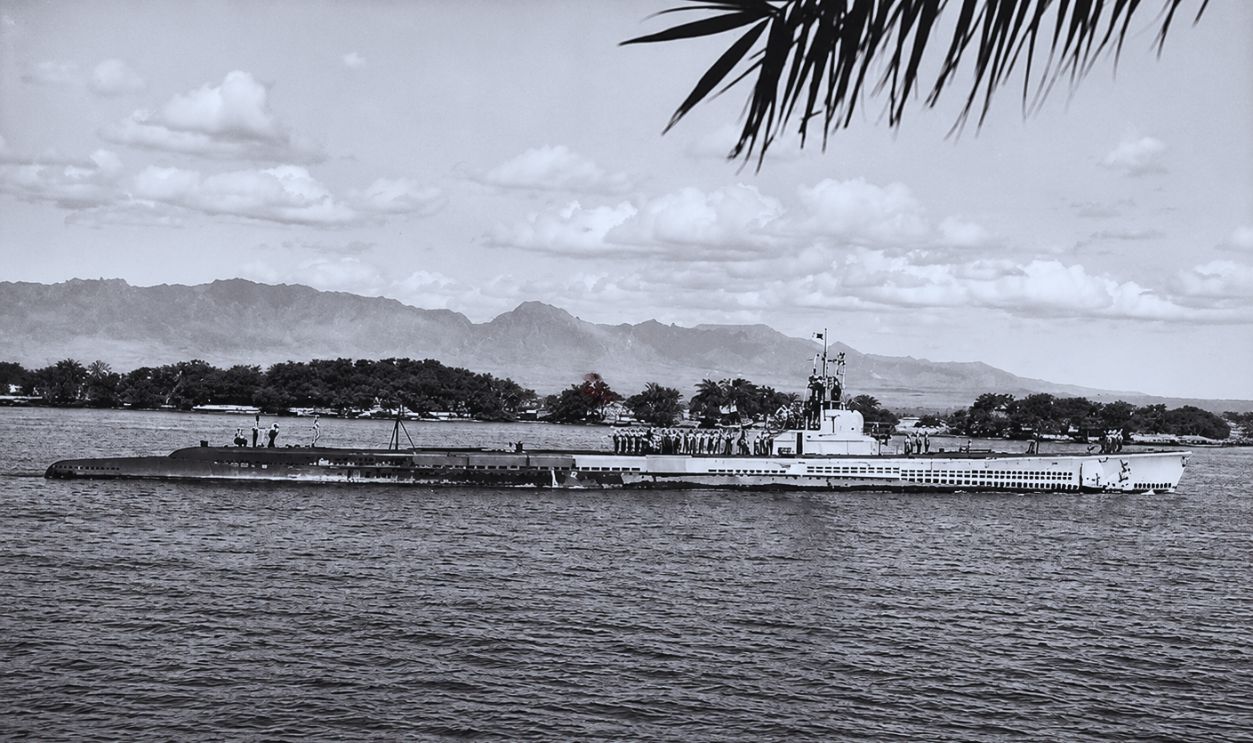 United States Federal Government, Wikimedia Commons
37. There Was An Accident
Commander Robert English received Murphy’s report about the ships and became enraged because the report did not identify whether they were Japanese. As it turned out, they were the ships that Yamamoto had sent, and they were on their way to attack Midway. But something strange happened to these ships. Mogami and Mikuma accidentally crashed into each other.
Due to the accident, both carriers had to slow down. This meant they were sitting ducks for the Americans.
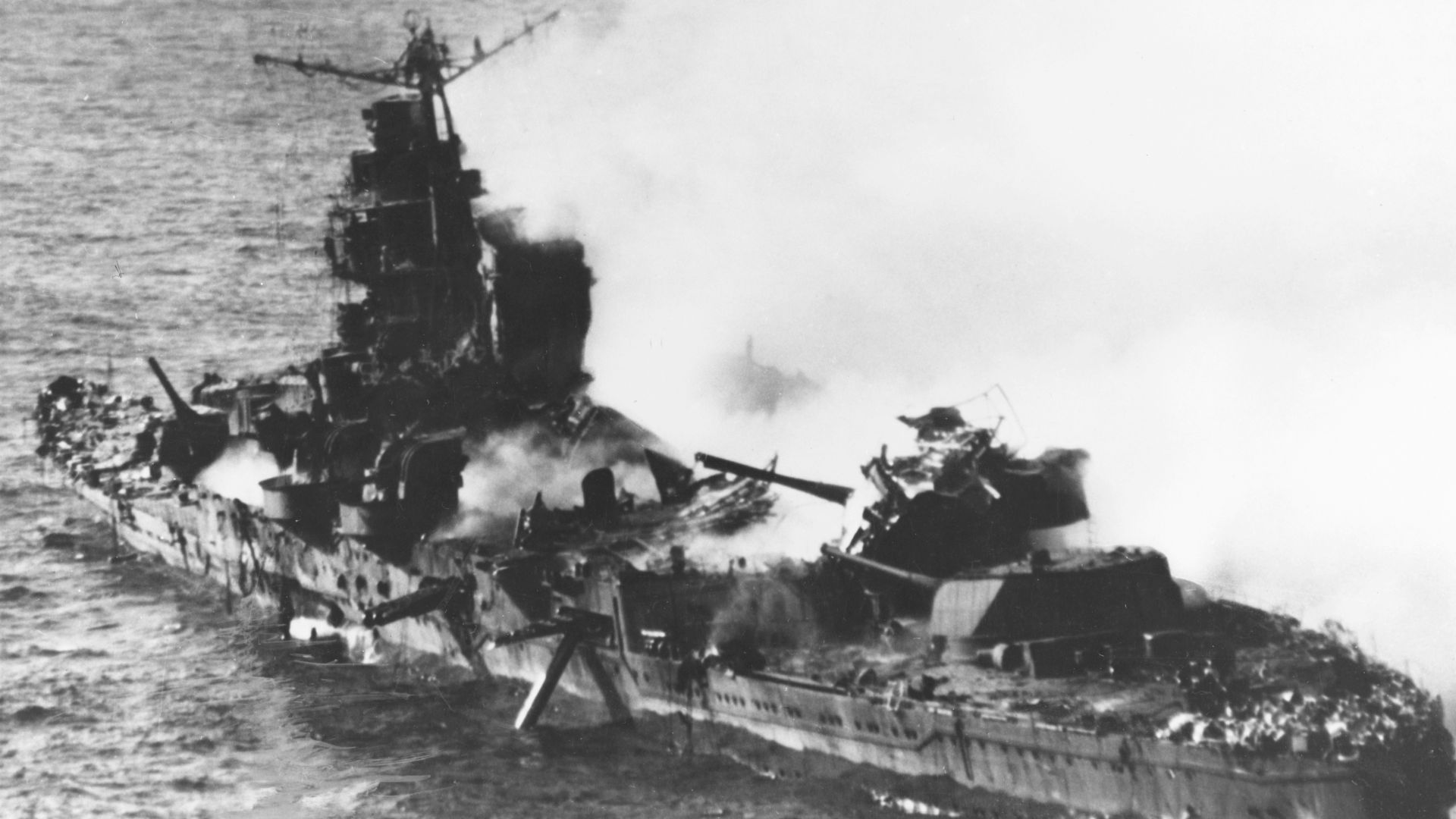 A.D. Brick or CP(PA) J.S. Mihalovitch, USN, Wikimedia Commons
38. He Had To Hide
Murphy could now see that the approaching ships were Japanese, and this led him to take his submarine down. He had two reasons: to hide from the Japanese, and to launch an offensive strike. Unfortunately, Murphy’s ambush did not go well, and he snuck away from the area without any hits. The two slow moving cruisers were still sitting ducks, but there was no American vessel there to take advantage during that moment of the Battle of Midway.
Murphy had made a critical mistake.
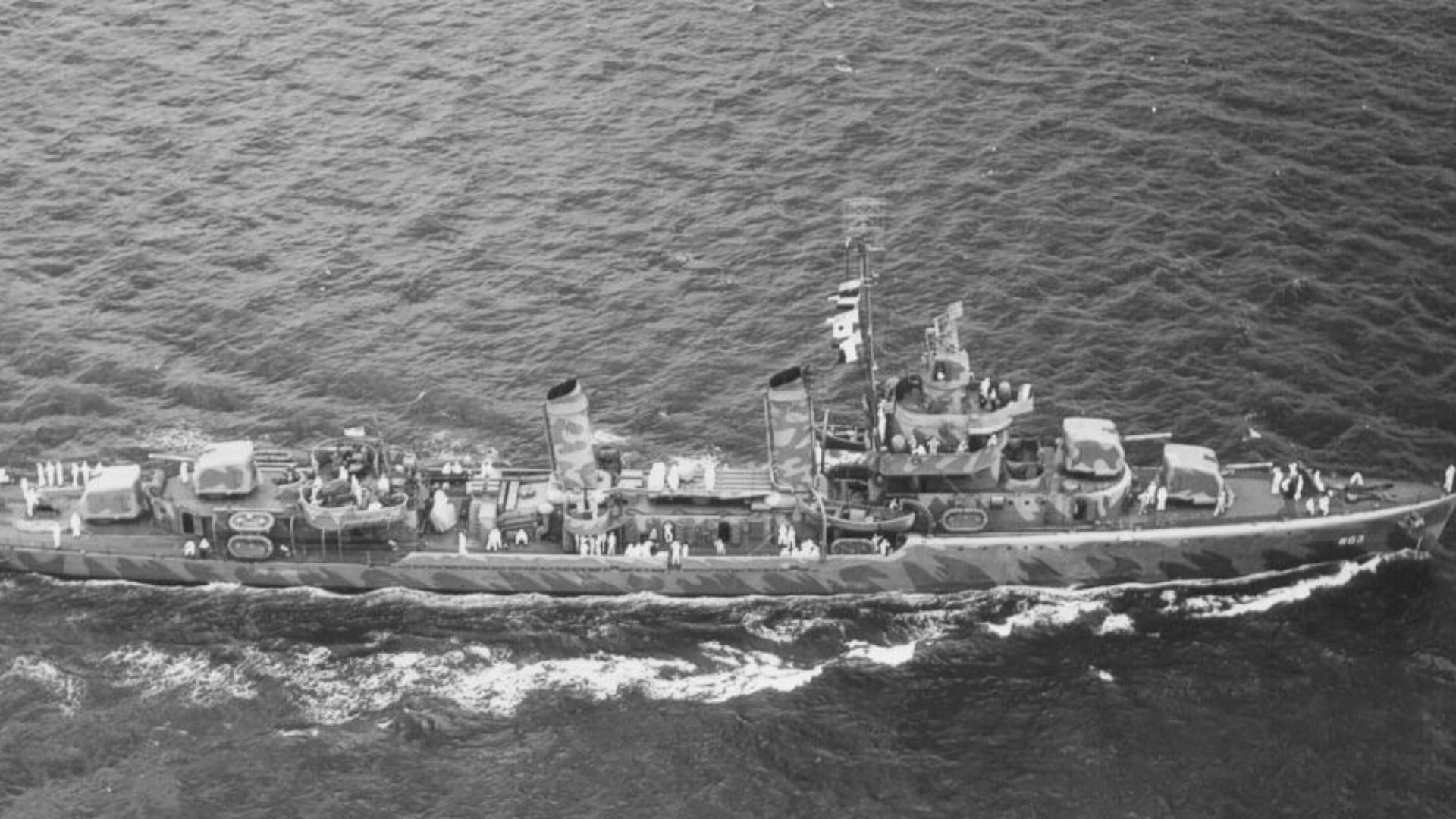 File Upload Bot (Magnus Manske), Wikimedia Commons
39. He Had To Pay For His Mistakes
Murphy arrived at the port and had to face the music. His first sin was that he had sent a vague report about the cruisers. His second one was not being more aggressive in his attack on Mogami and Mikuma. They were an easy target, and he had failed to do any damage. Murphy’s punishment was a demotion to working at a shore station.
Now it was time to make up for Murphy’s mistakes.
40. One Was Lost
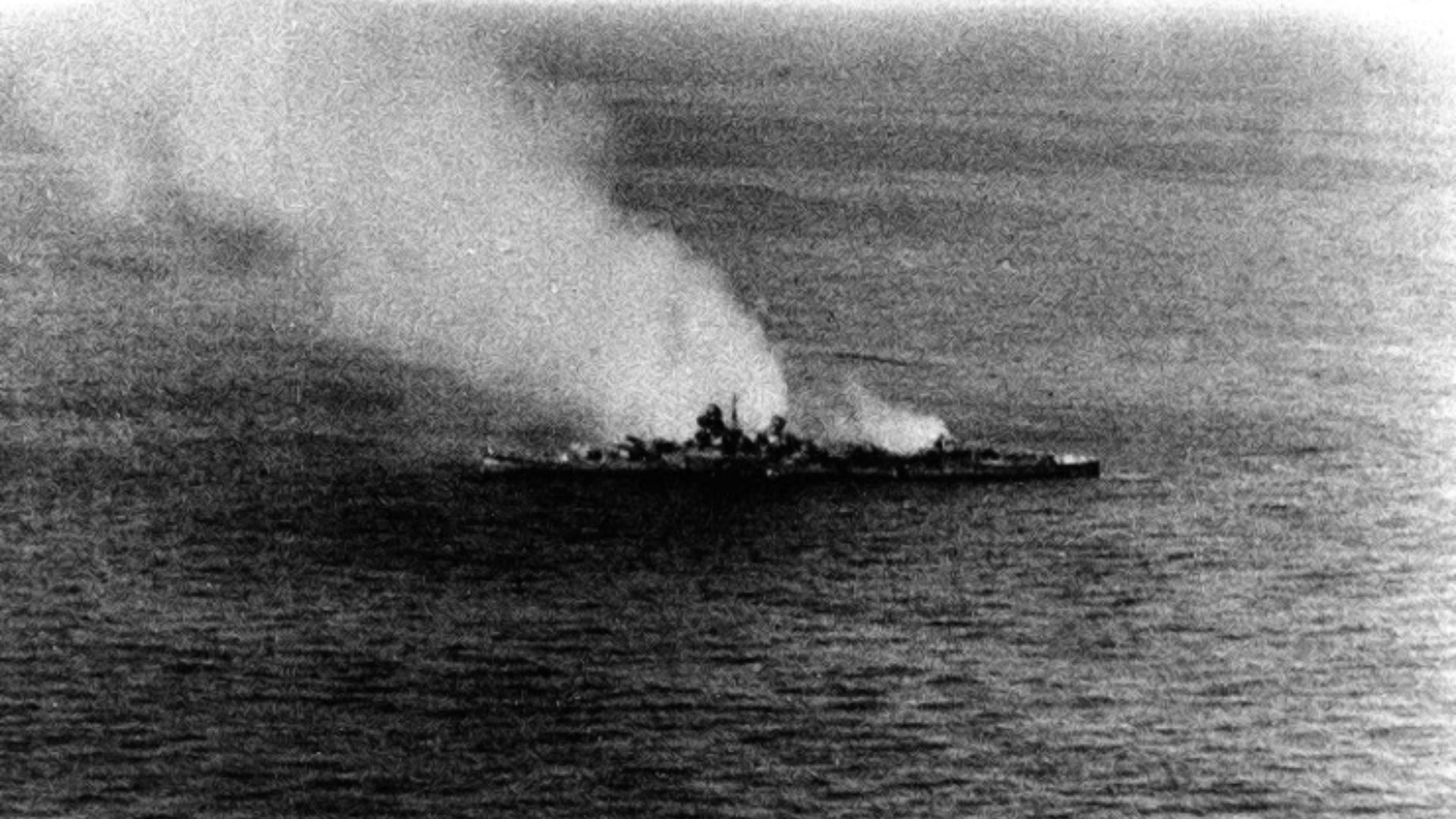
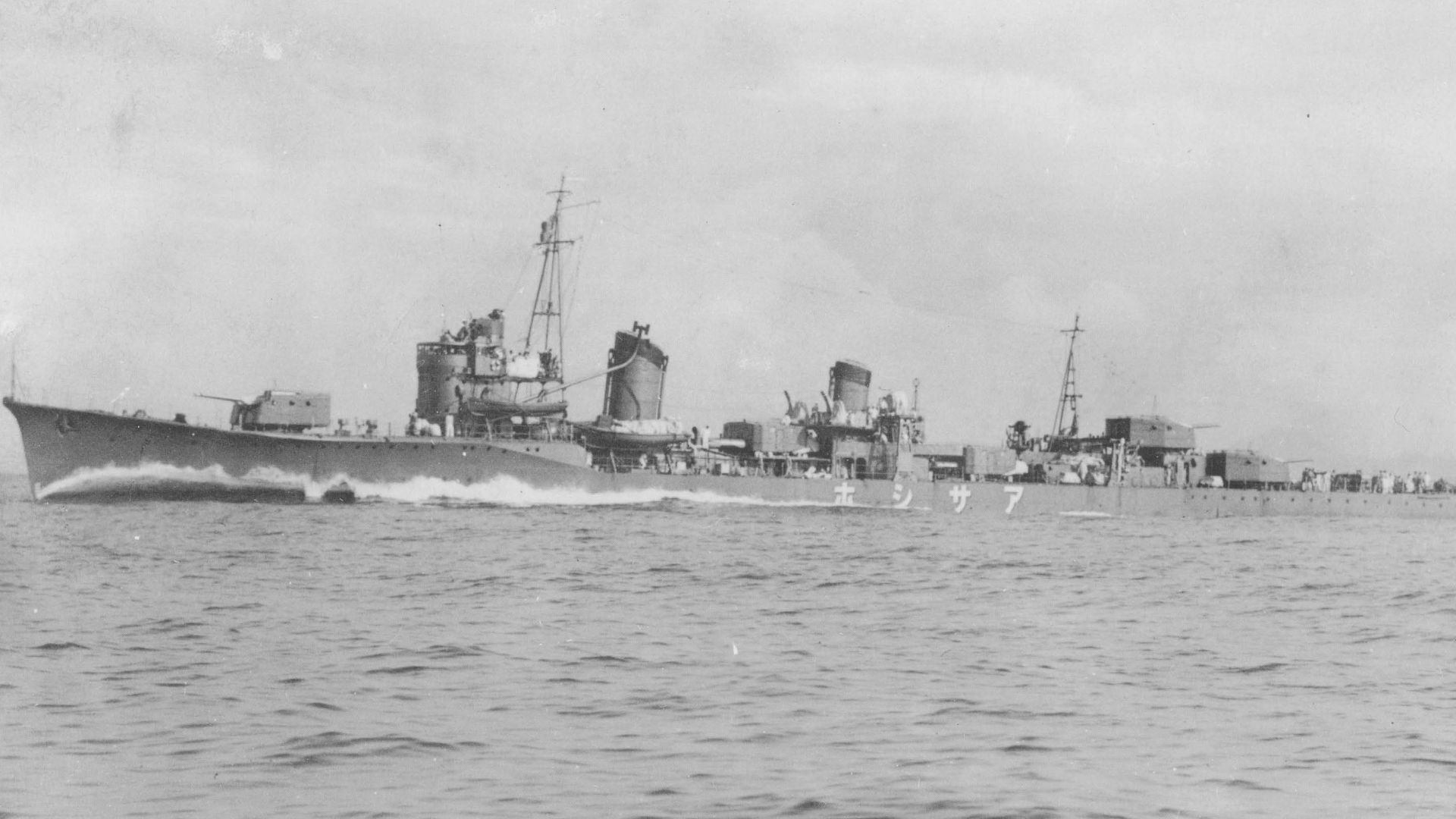
To fix the damage done by Murphy, the Americans launched strikes from both Midway and their carriers. They sank the Mikuma, and the Mogami suffered significant damage. They also did serious damage to two destroyers: the Arashio and Asashio. Sadly, Captain Richard E Fleming lost his life in this offensive. He received a posthumous Medal of Honor for his service.
But the Battle of Midway still raged on—and there was little time to mourn the loss.
 Shizuo Fukui, Wikimedia Commons
41. They Got Hit Twice
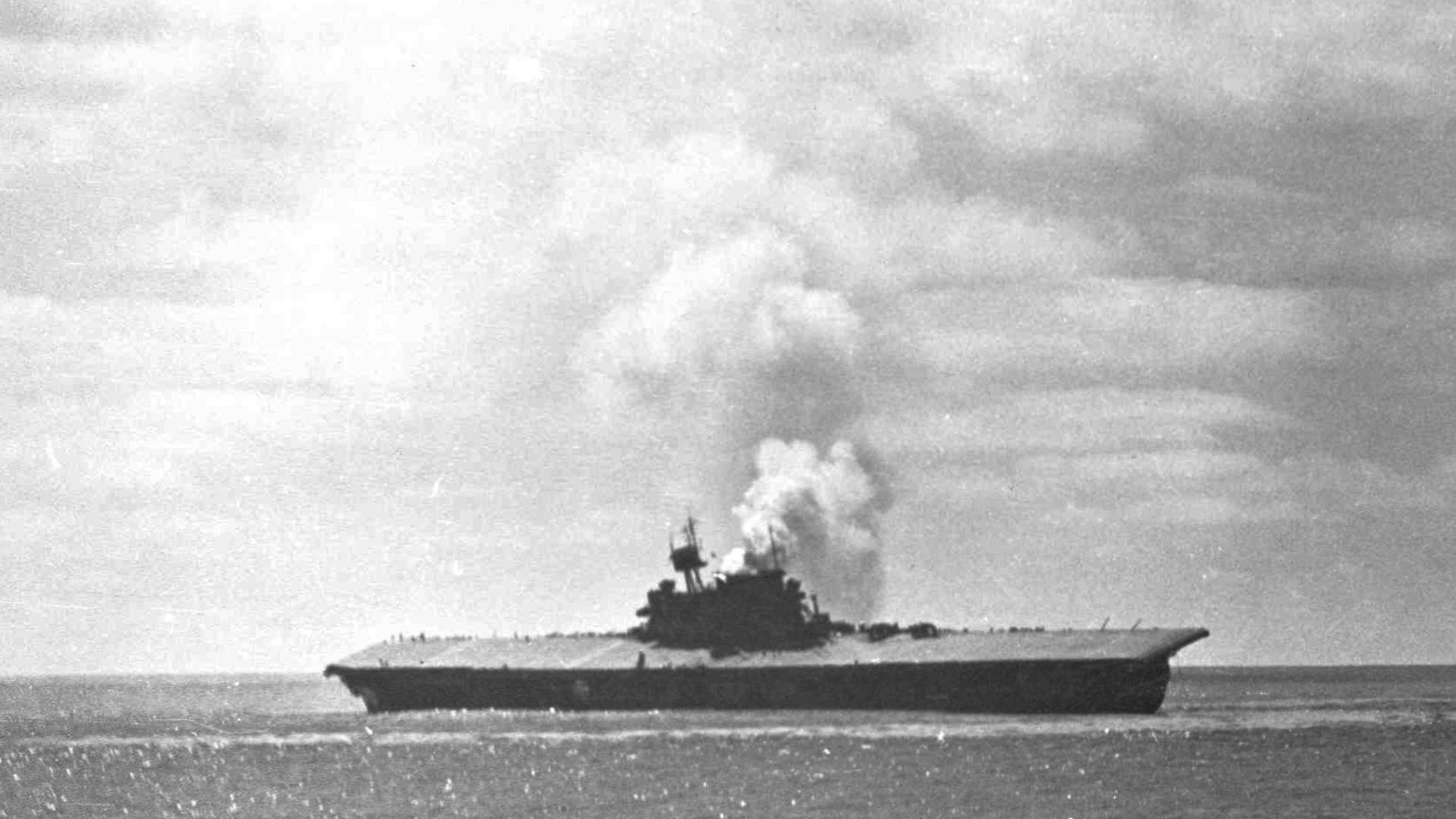
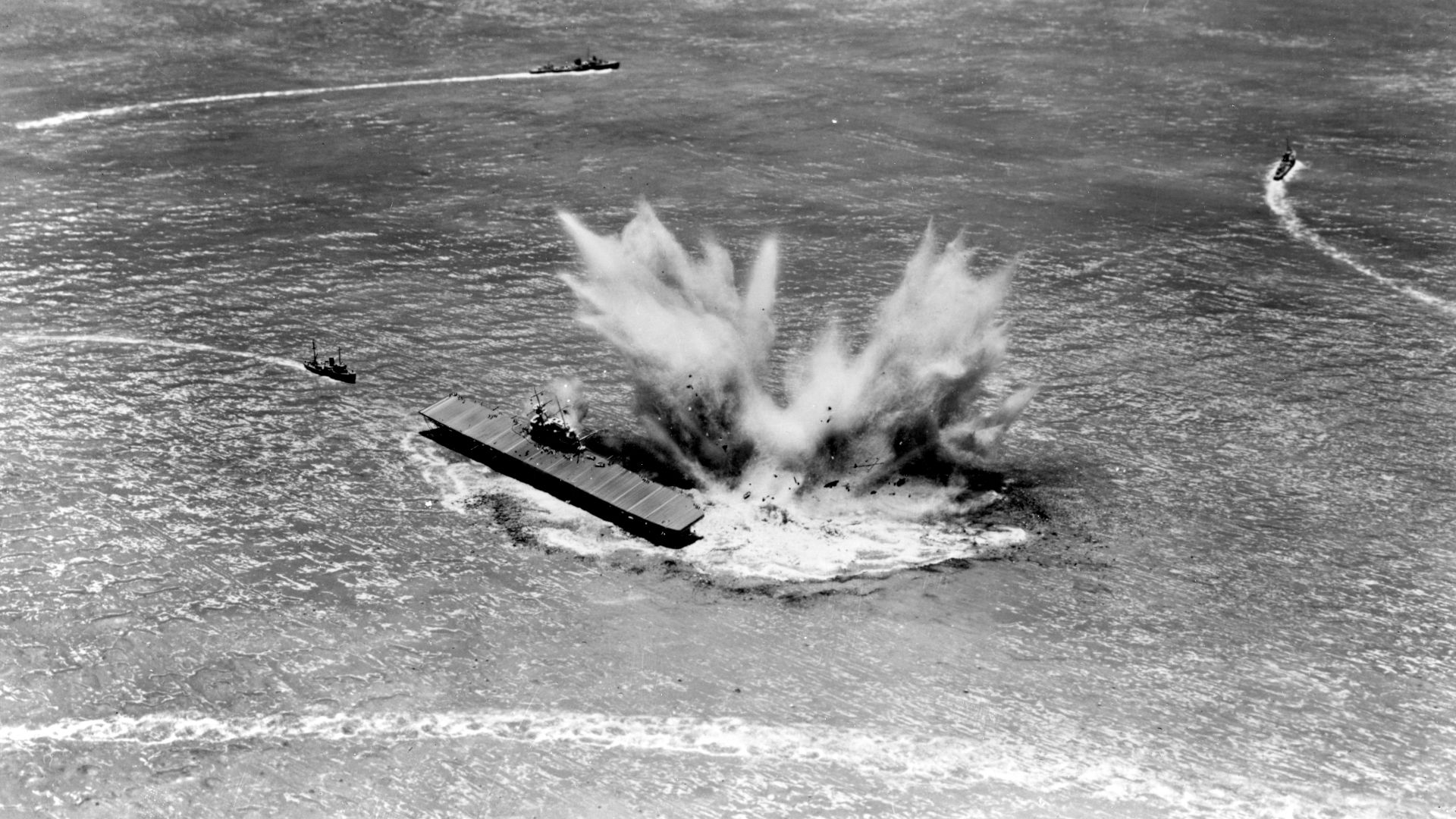
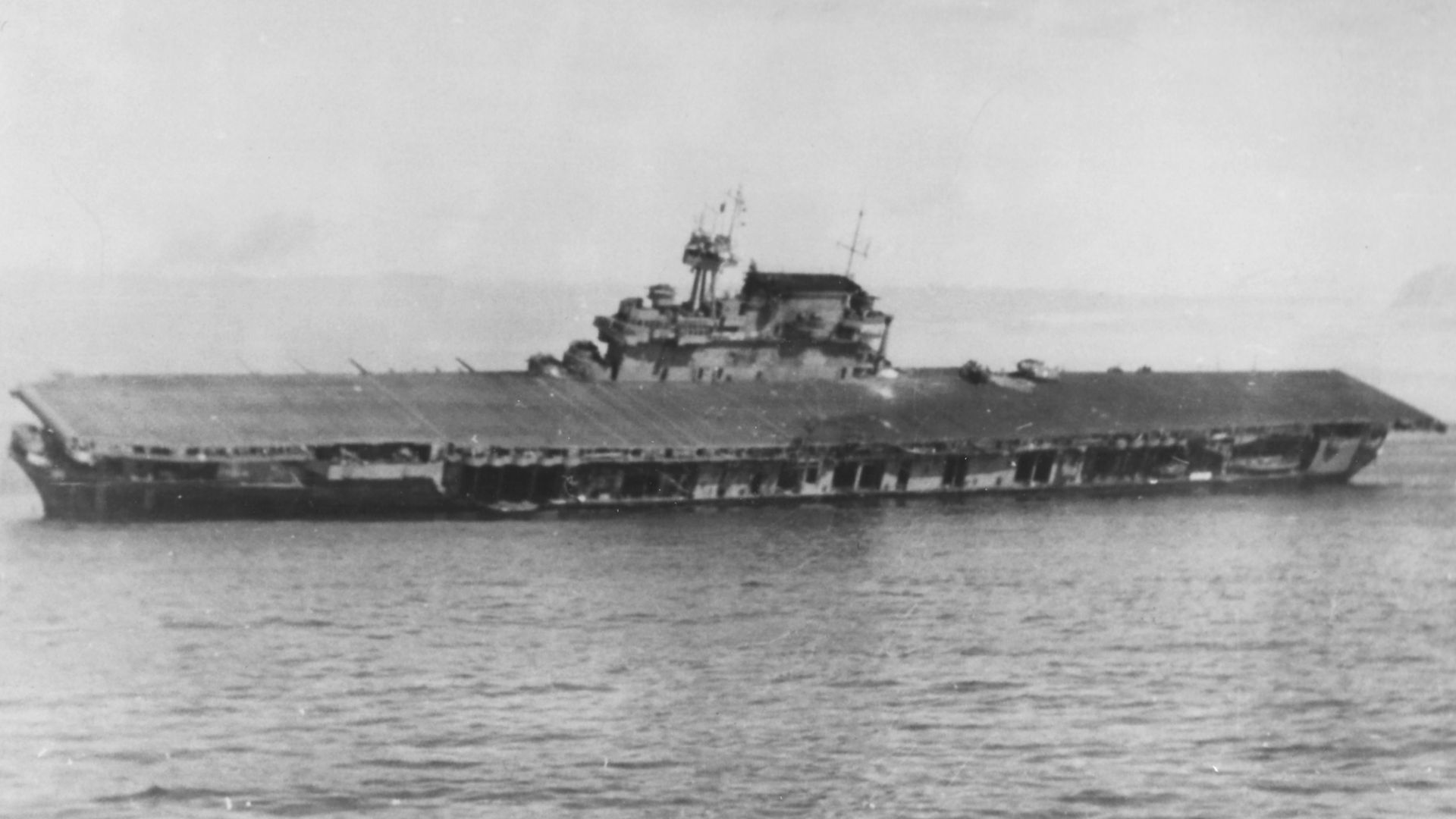
Meanwhile, the USS Vireo was towing a heavily damaged Yorktown. The USS Hammann was also there to provide much-needed power. In the afternoon of June 6, a Japanese submarine managed to torpedo the Yorktown and get two direct hits. Luckily, there were only a few crew members on board.
The USS Hammann was not so lucky.
42. It Was A Huge Loss Of Lives
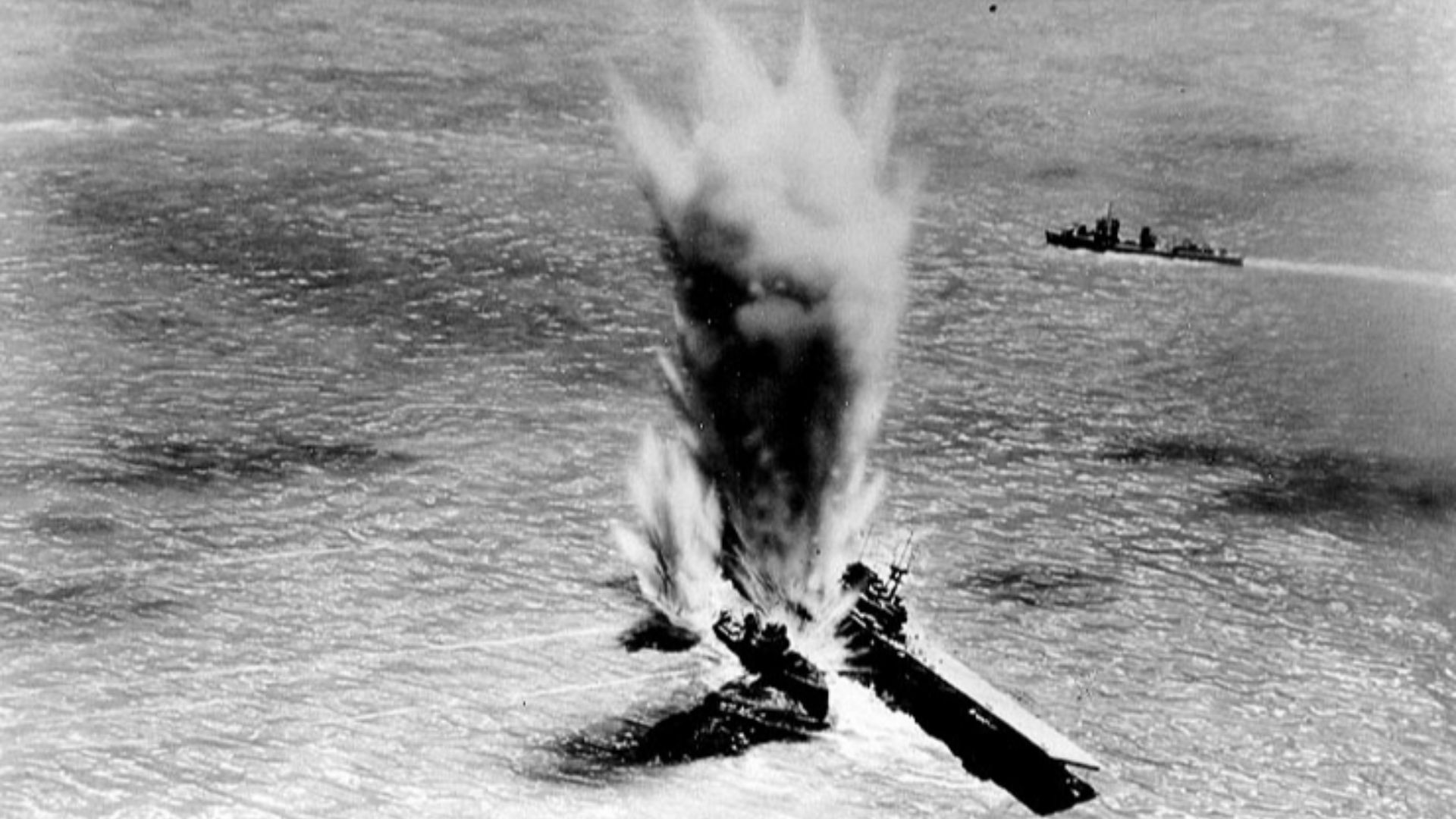
The USS Hammann had been there to provide extra power to the Yorktown when one of the Japanese torpedoes struck the Hammann. The entire ship broke in two pieces and began to go down. To make matters worse, the Hammann’s own depth charges ignited, and the explosions turned this into a catastrophe of a high order. Tragically, 80 men lost their lives.
The Yorktown had always been able to make a recovery—but this time it seemed impossible.
43. It Was Gone Forever
The Yorktown had sustained many damages in its career—to say nothing of how many hits it had taken since the Battle of Midway broke out—and it had been a ship that had always managed to rise from the ashes. This time, this was not true. It seemed like an impossibility to repair it, so the crew got themselves off the ship and to a safer place. At around 7:00, it turned over and went down to the watery depths. The Yorktown was no more.
This vital vessel was gone, but the battle was still on.
44. They Had To Retreat
The following days saw the US send more forces to deal with the Japanese. They were able to send fighters from both the sea and from Midway. With this lethal force, Japan had to slowly retreat. It looked like the Americans had won the Battle of Midway.
But there were also some grim realities to face.
 Unknown authorUnknown author, Wikimedia Commons
45. They Did A Tally
Of course, after any battle, there are some gruesome final tallies to add up. On the American side, the casualty list included the carrier Yorktown and a destroyer called Hammann. The loss of human lives reached a tragic 307. This included Major General Clarence L Tinker, who was a Commander of the 7th Air Force. He was in an aircraft that went down close to Midway.
For the Japanese, the toll of the Battle of Midway was far more devastating.
46. It Was A Bloody Battle
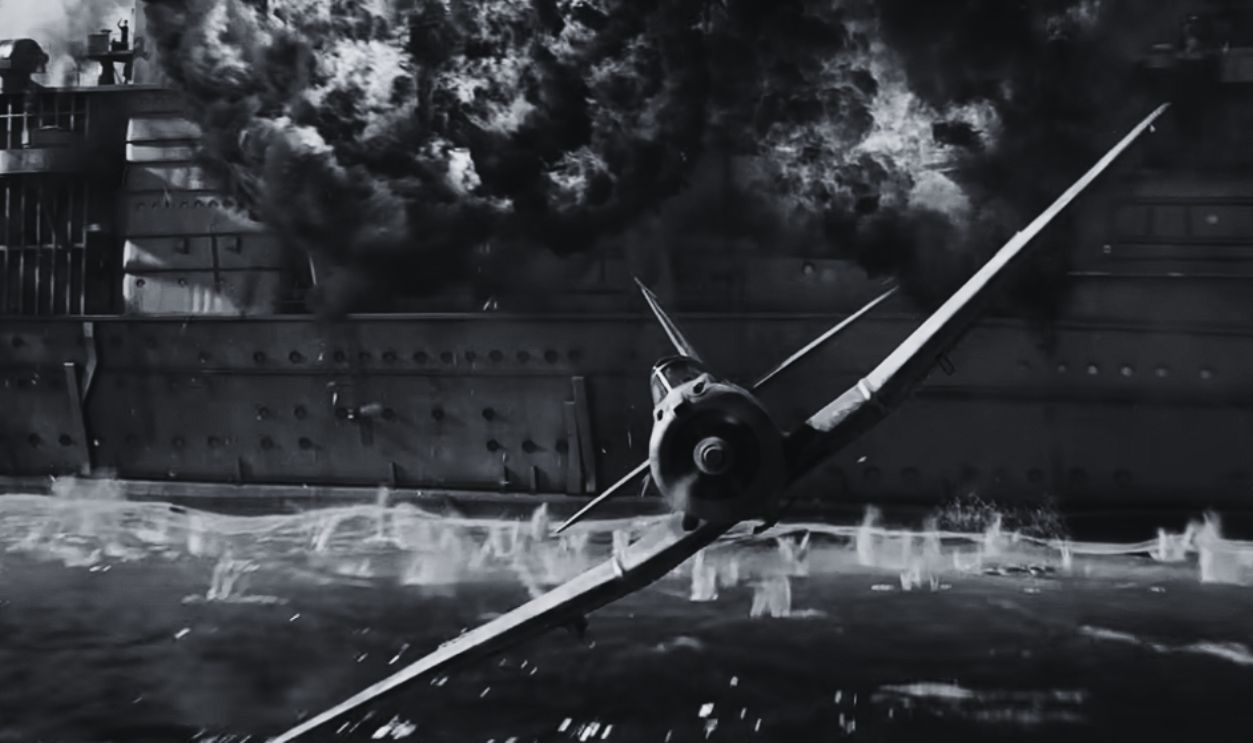
The Battle of Midway had cost the Japanese a devastating 3,057 human lives. Two Japanese captains, Yamaguchi and Yanagimoto, had both perished as they valiantly went down with their ships. Of course, they also suffered the loss of carriers and many fighter planes.
How the Japanese handled this startling loss is a shocker.
 Screenshot from Midway, Lionsgate (2019)
47. They Kept It A Secret
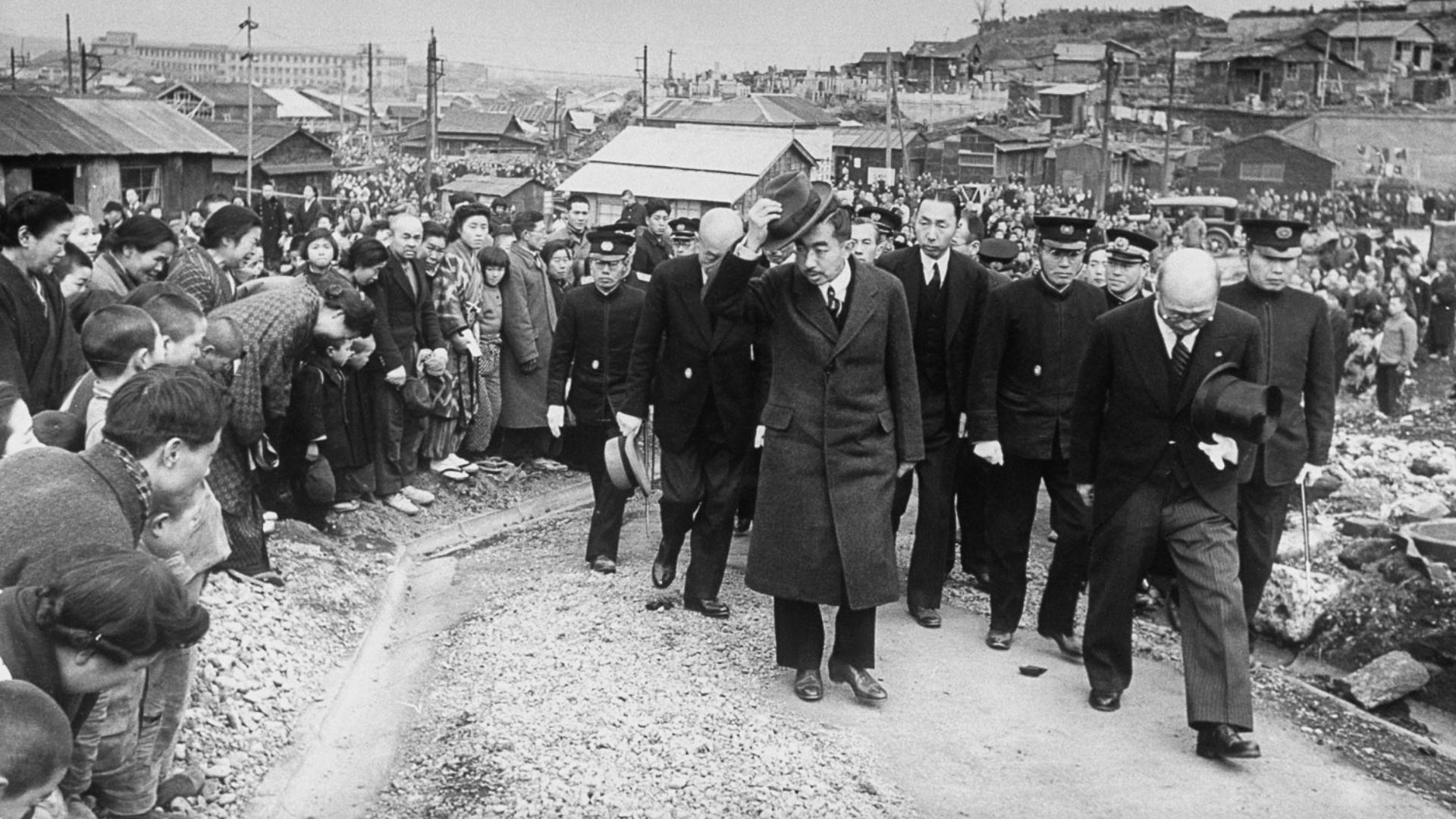
Even though it was clear that the Americans had come out on top at the Battle of Midway, the news in Japan was different. In fact, they announced a great victory. The true nature of the incredible loss remained a secret. Only Emperor Hirohito and his highest officials knew the sad truth.
But keeping this secret was going to be difficult.
 Unknown, Mainichi Shimbun, Wikimedia Commons
48. They Were Secret Patients
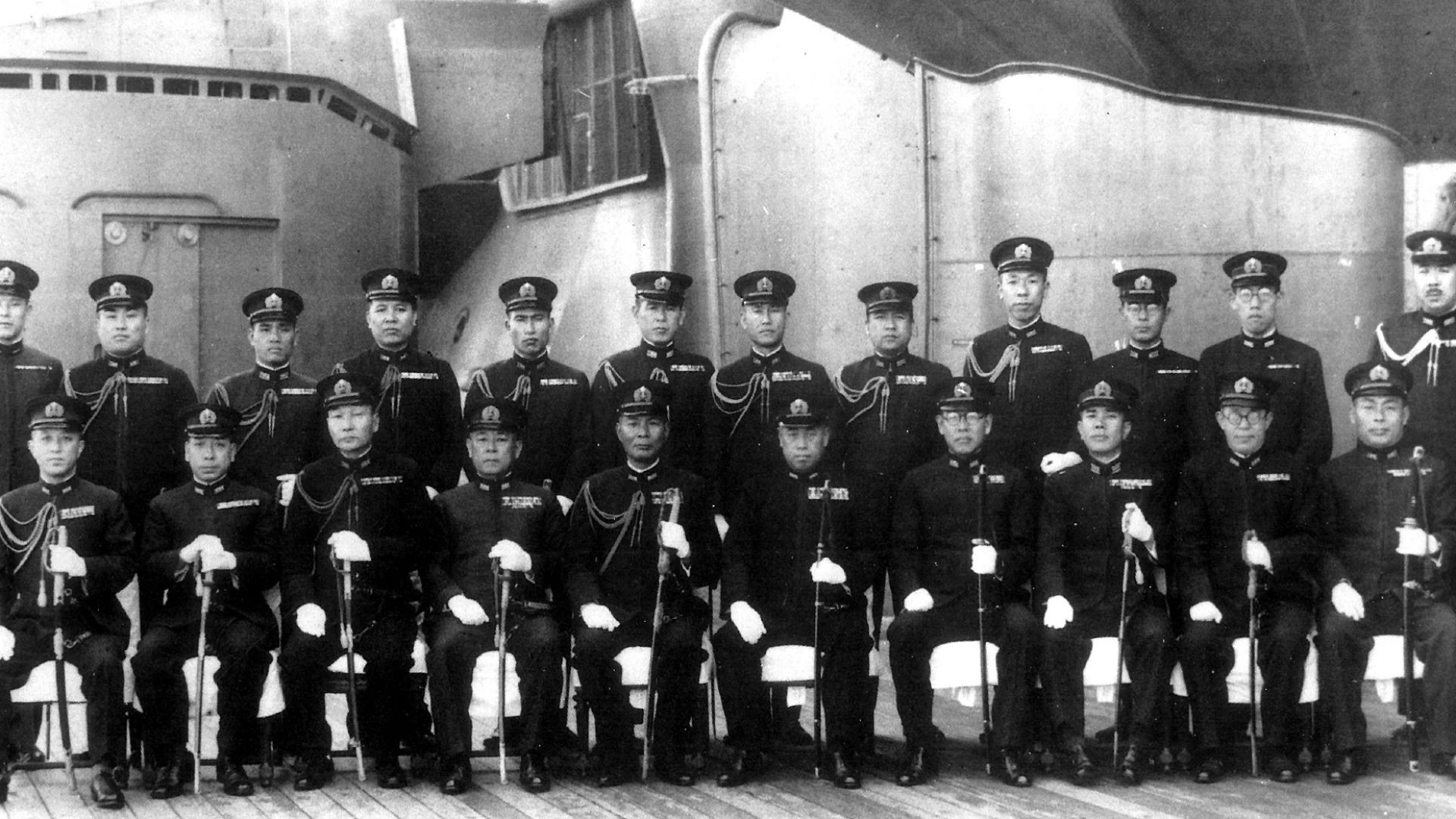
When all the casualties of the Battle of Midway arrived in Japan, it would soon become clear that the Japanese had lost. To keep their secret alive, they kept the injured from Midway away from other patients at the hospital. The ones that had survived also had to be silent. To do this, they sent them to other battles in the South Pacific, where most of them perished.
Of course, the truth was out there. But a lot of it was sitting at the bottom of the ocean.
 Unknown photographer for the IJN, Wikimedia Commons
49. They Rest At the Bottom
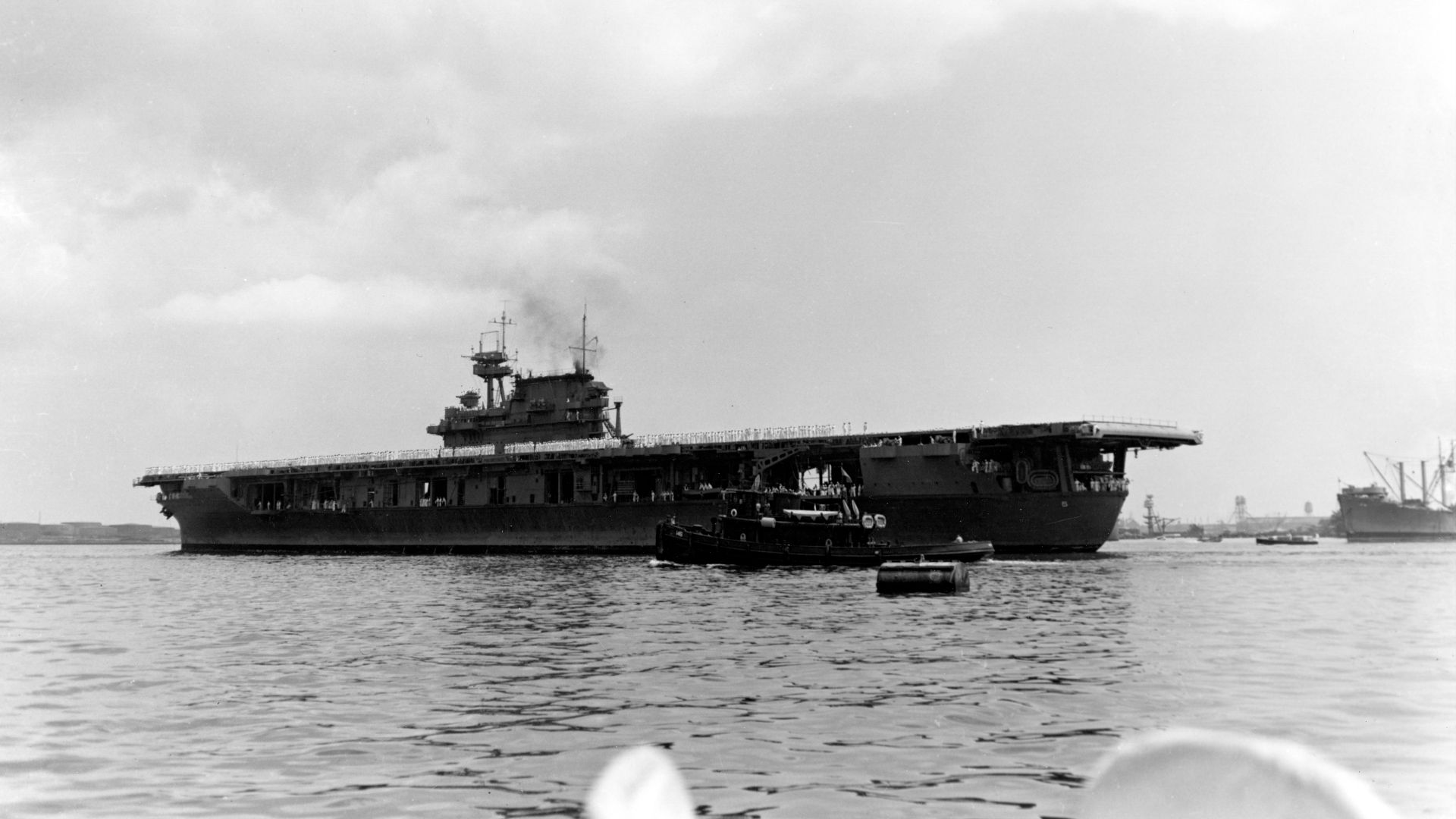
The area where the Battle of Midway took place has an extreme depth, so locating the destroyed vessels proved difficult. In 1998, oceanographer Robert Ballard used the help of veterans, both American and Japanese, to locate the sunken Yorktown. Remarkably, photographs show a mostly intact ship. Ballard could not find any remains of the Japanese carriers.
There had been great losses on both sides of the Battle of Midway. So, were there any positive takeaways?
50. It Was A Significant Battle
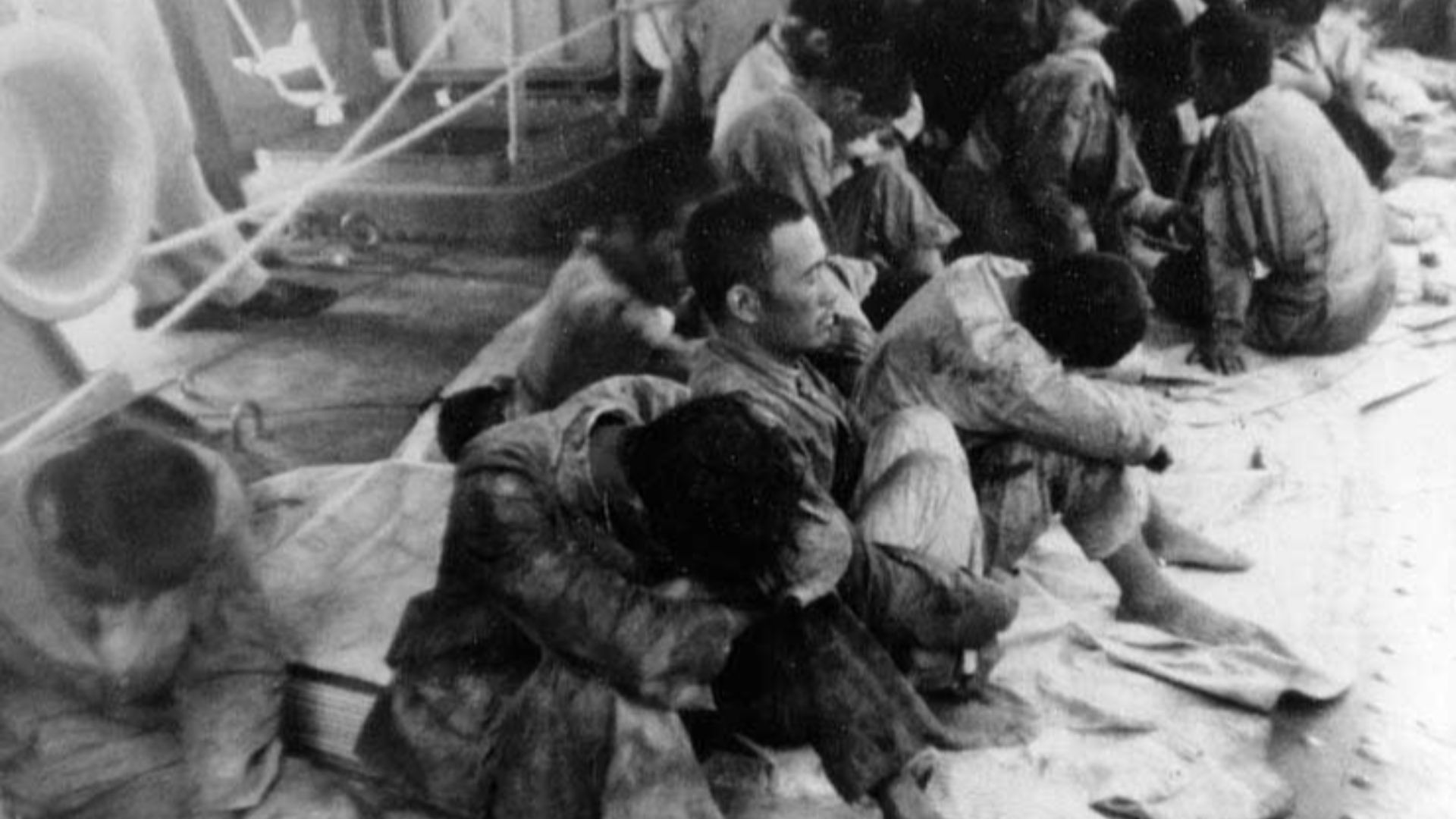
Many see the Battle of Midway as a very significant change in WWII. It was a turning point in that this was the first naval win for the Allies against the Japanese. Many historians speculate about what would have happened if the Japanese had won at Midway. It’s possible that they had plans to occupy Fiji and Samoa and even carry out offensives against Australia and Alaska.
It could have been a very different world.
You May Also Like:
Devastating Facts About The Battle of Stalingrad, The Most Brutal Battle In History
Shellshocked Facts About Audie Murphy, America’s Troubled Hero