England's Violent Turning Point
The Battle of Hastings marked the beginning of the Norman Conquest in England, a seismic shift in the history of Britain, to the balance of forces in medieval Western Europe, and, indeed, in the trajectory of the planet. One of the most mythologized conflicts in the UK, it had humble origins with an affable monarch who left behind a crisis.
 Musée des Beaux-Arts de Caen, Wikimedia Commons
1. It Began With Permission
In 911AD, a group of Vikings, led by a fearsome warrior named Rollo, landed in Normandy and began conducting raids. Fearing a drawn-out conflict, the ruling Carolingian King, Charles the Simple, agreed to allow them to settle the land. This proved successful, and the Vikings assimilated quite smoothly. They would eventually receive a royal visitor from across the channel.
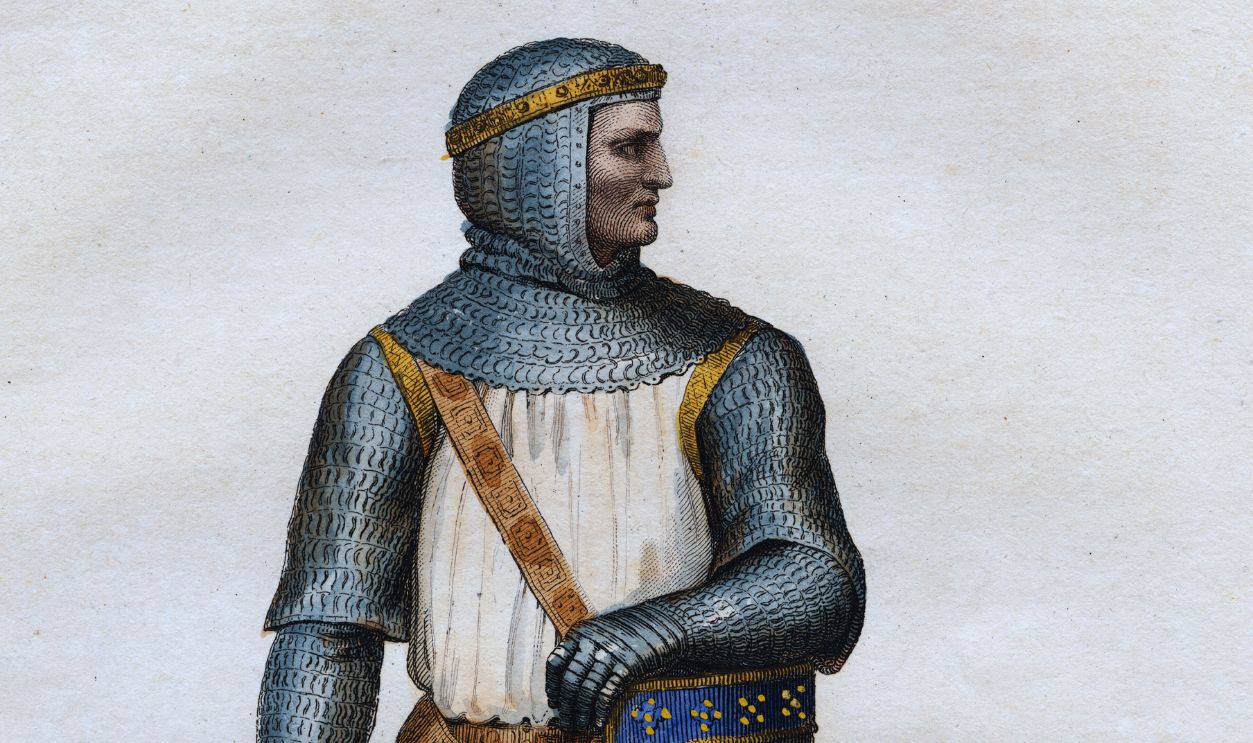 Stefano Bianchetti, Getty Images
2. Royalty In Exile
Nearly a century later, now well established in the area, the Duke of Normandy, Richard II, agreed to marry his sister Emma to the King of England. The marriage produced a son, Edward the Confessor. During Viking invasions of England, Edward and his mother fled to her homeland, where the prince spent years getting to know his maternal culture. He found himself quite enamored.
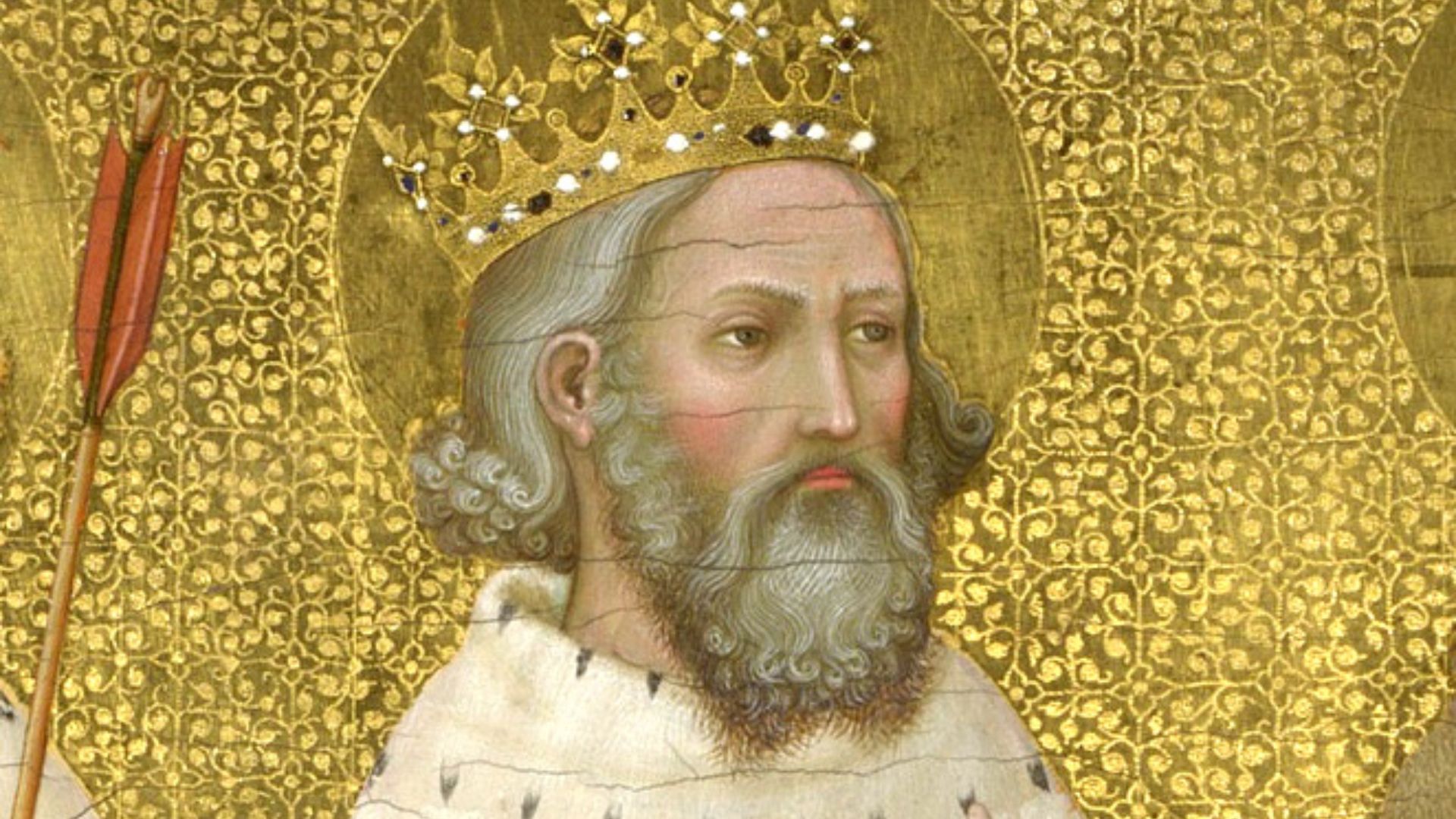 Unknown (English or French), Wikimedia Commons
3. The Normans’ Influence Spreads
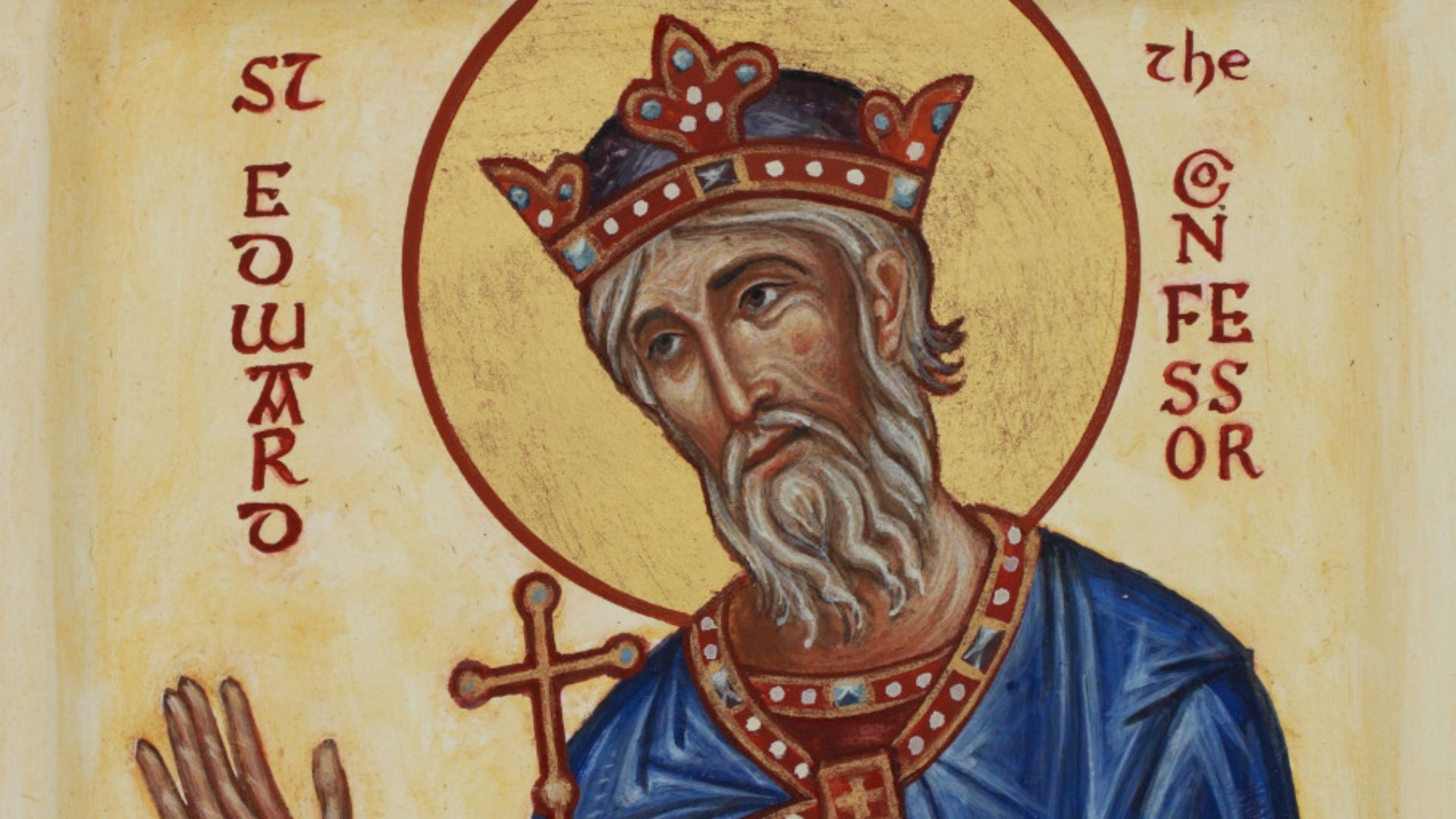
After returning from exile and succeeding to the English throne in 1042, Edward was practically Norman himself. He drew on his former hosts for support, appointing them positions of power at court and establishing a strong Norman interest in English politics. The King may have sewed some consequential seeds.

History's most fascinating stories and darkest secrets, delivered to your inbox daily.
4. Floated Ideas
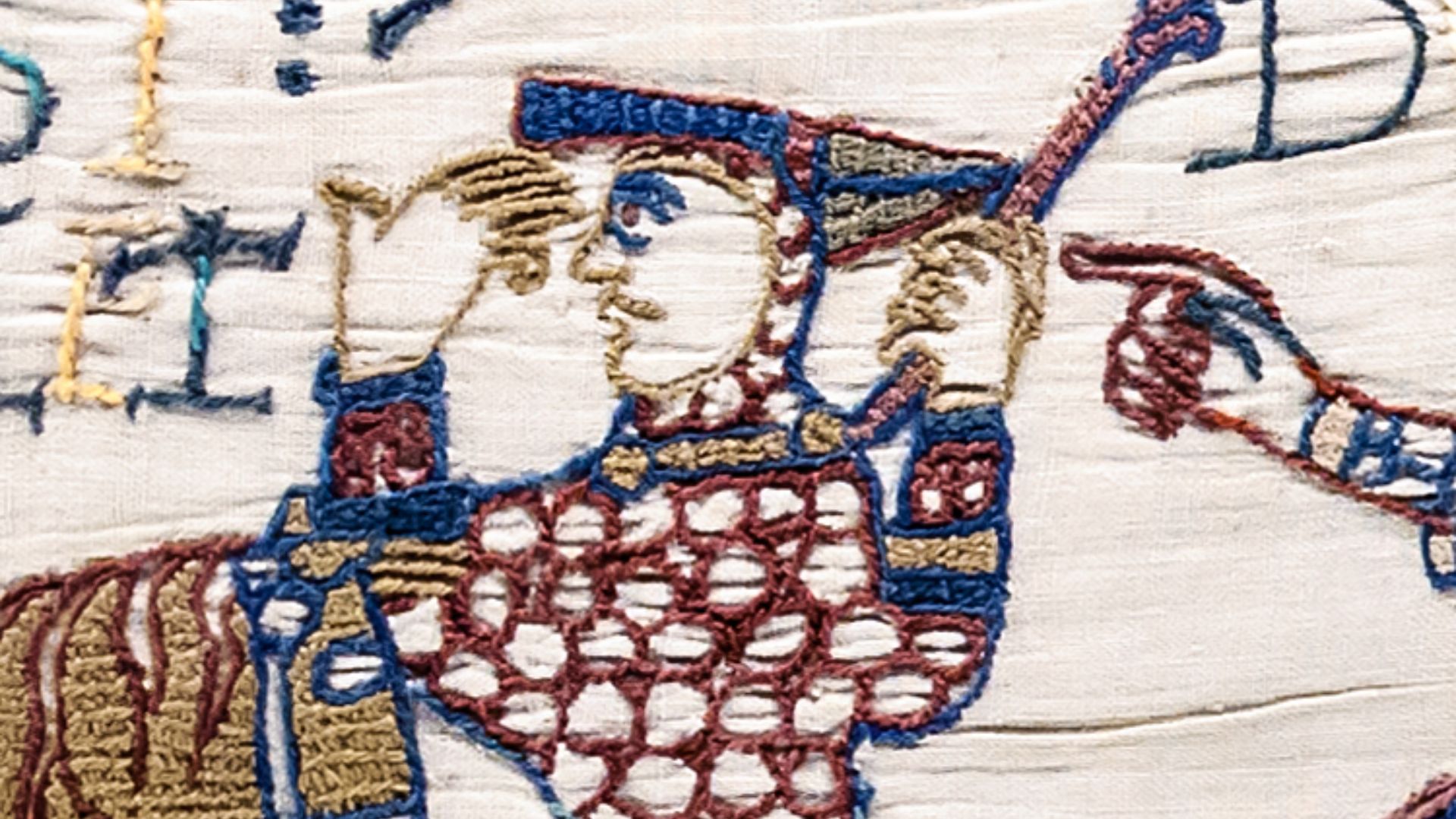
Edward had a close relationship with Duke William of Normandy and often took his counsel to advise on the ongoing conflict between Edward and the Earl of Wessex. It is possible that the King may even have encouraged William’s ambitions for the English throne. This was especially notable because he was childless, and it spelled trouble for all those involved.
5. Crisis Begins
After a long, 24-year reign, Edward finally perished on January 5, 1066. Still childless, the resulting crisis of succession was a dramatic start to one of the most tumultuous years in English history. The universe itself seemed to signal that dark days were ahead.
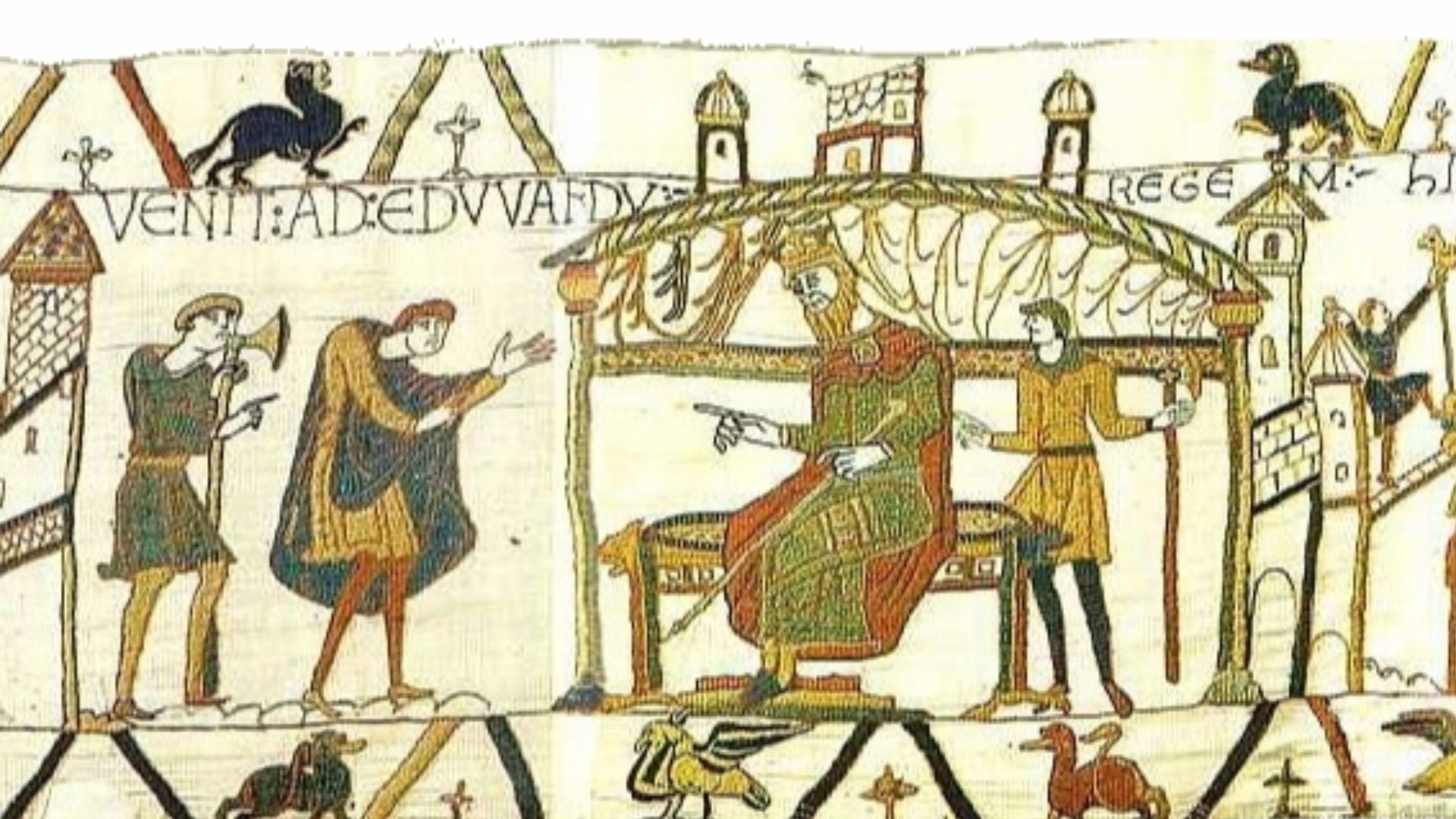 Image on web site of Ulrich Harsh., Wikimedia Commons
6. A Cosmic Warning
A comet appeared in the sky in April of 1066, what we now know as Halley’s Comet. Widely reported throughout Europe, many in England interpreted it to be connected with the succession crisis, and many feared troublesome times loomed. They weren’t wrong.
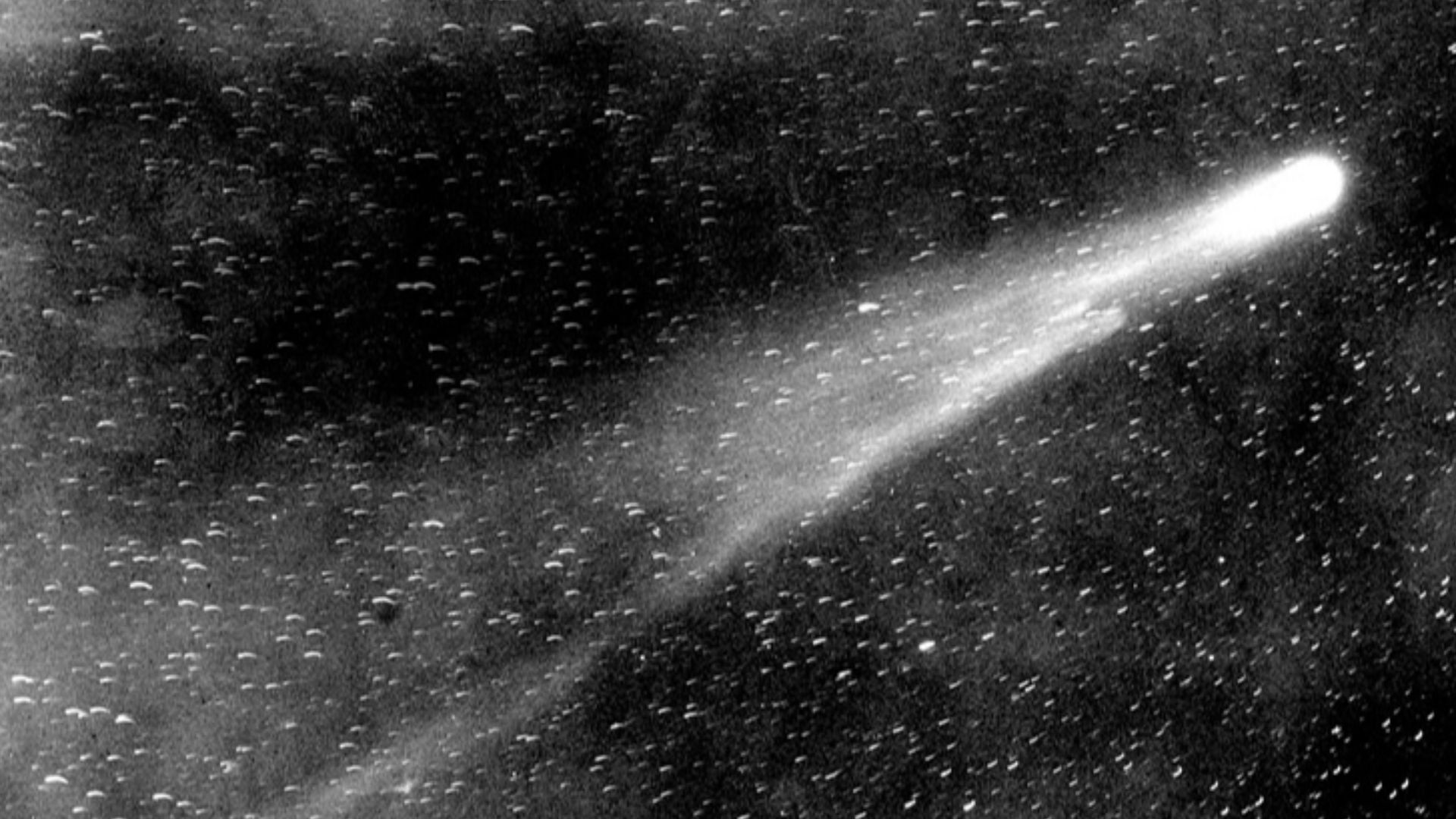 The Yerkes Observatory, Wikimedia Commons
7. The Contenders
Following Edward’s passing, there were several contenders that vied for his throne. His immediate successor was the son of his earlier opponent Godwin, the new Earl of Wessex named Harold. The leading contender, Harold was challenged by two neighboring rulers, William of Normandy and Harald (with an A) Hardrada, King of Norway. Harold ascended, and the other two hatched their plans.
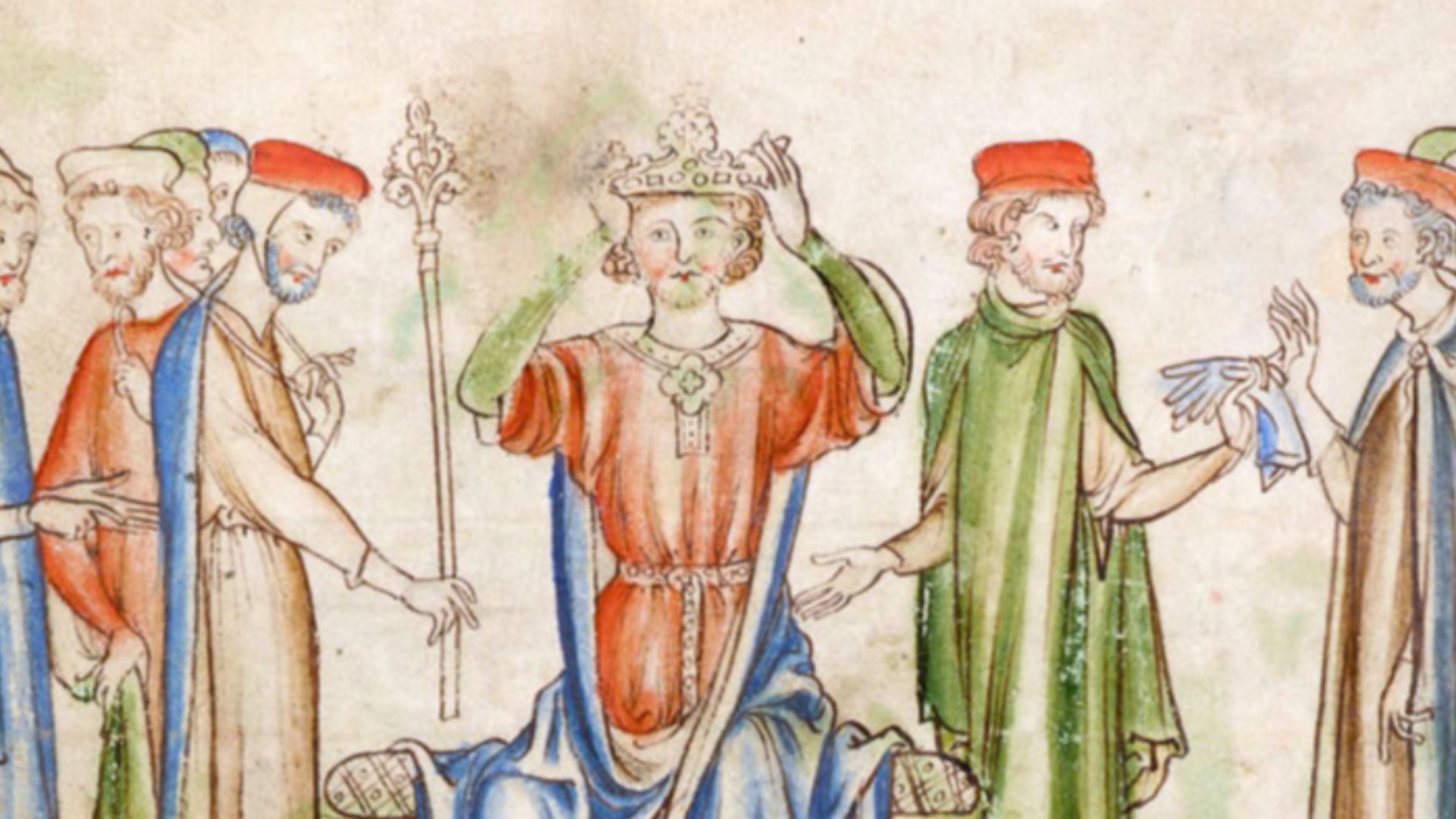 Anonymus (The Life of King Edward the Confessor), Wikimedia Commons
8. A New King Under Attack
William and Harald both did not wait long before assembling troops and a naval fleet, intending to invade England and taking Harold’s throne. To make matters worse, the King’s exiled brother, Tostig, supported the Norwegian King and combined their forces. Harold had to respond.
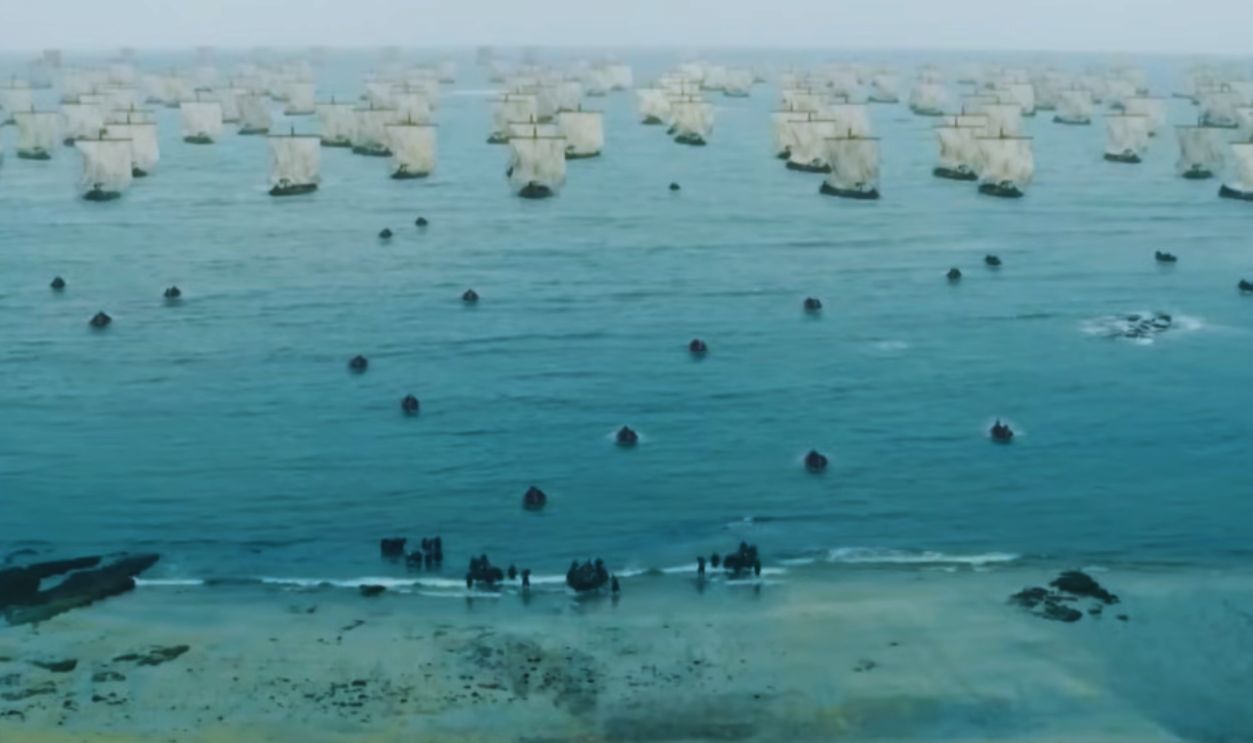 Screenshot from King & Conqueror, BBC Television (2025)
9. Defenders Assembled
Learning of the advancing challengers, King Harold hastily called his banners, seeking the support of the various earls of England to lend their support to his personal forces. The gathered army consisted largely of infantrymen, with few archers. After awaiting William on the southern coast, Harold got word of the invasion from Norway and quickly steered his forces north.
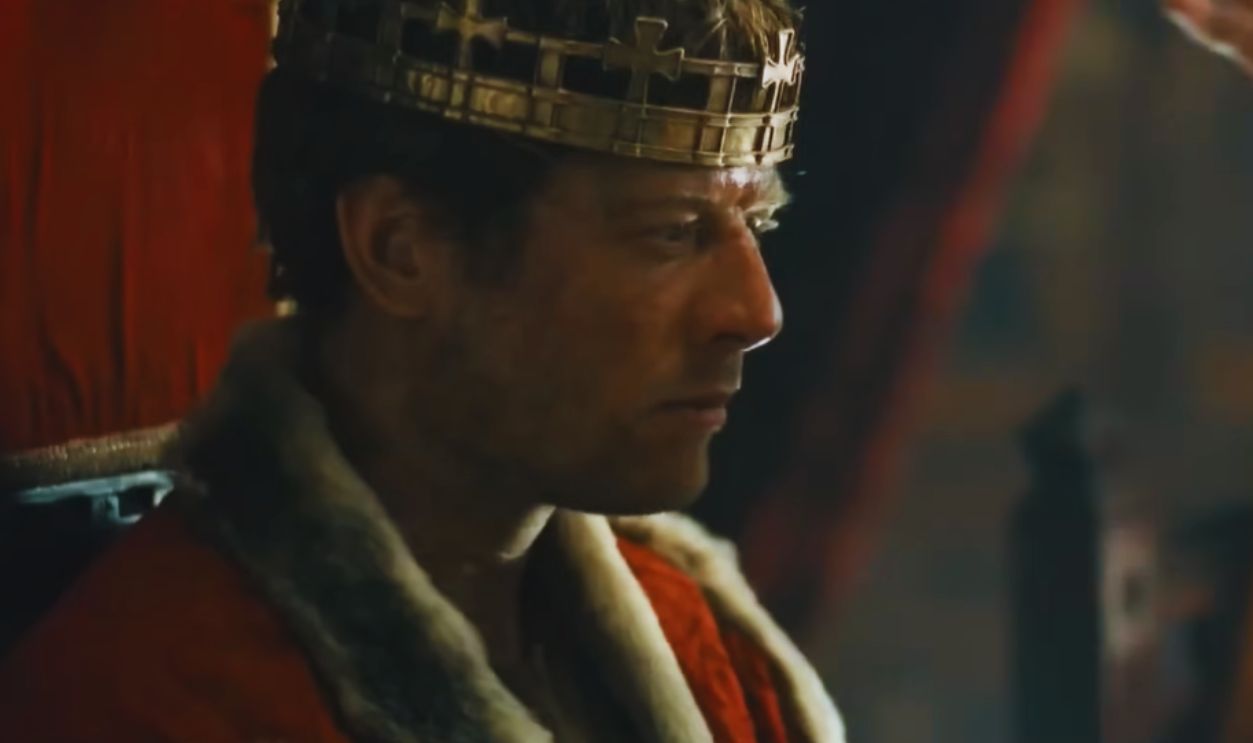 Screenshot from King & Conqueror, BBC Television (2025)
History's most fascinating stories and darkest secrets, delivered to your inbox daily.
10. Harold Beat Harald
The English forces got the jump of the invading Norwegians and decimated Harald’s forces at the Battle of Stamford Bridge on September 25. Harald and Tostig were both felled during the fighting, and the Norwegians suffered devastating losses. But the victory was not without cost for Harold.
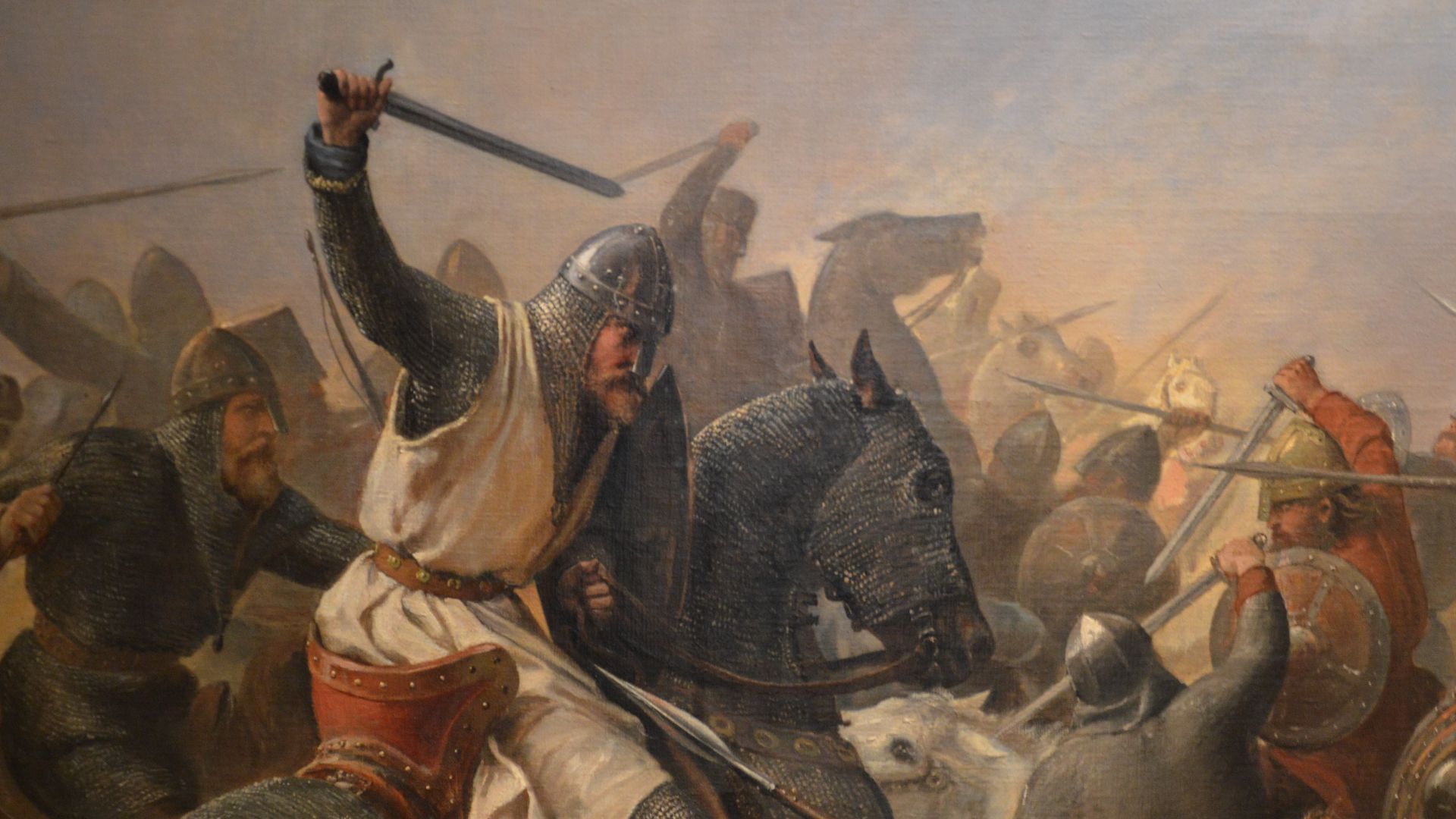 Peter Nicolai Arbo, Wikimedia Commons
11. The English Took A Knock
Despite Harold’s decisive victory, his forces were left significantly weakened after the battle with the Norwegians. The men who remained were beaten and worn out from the fighting. To make matters worse, they were now positioned quite far north. To the south, another enemy was bolstering his ranks.
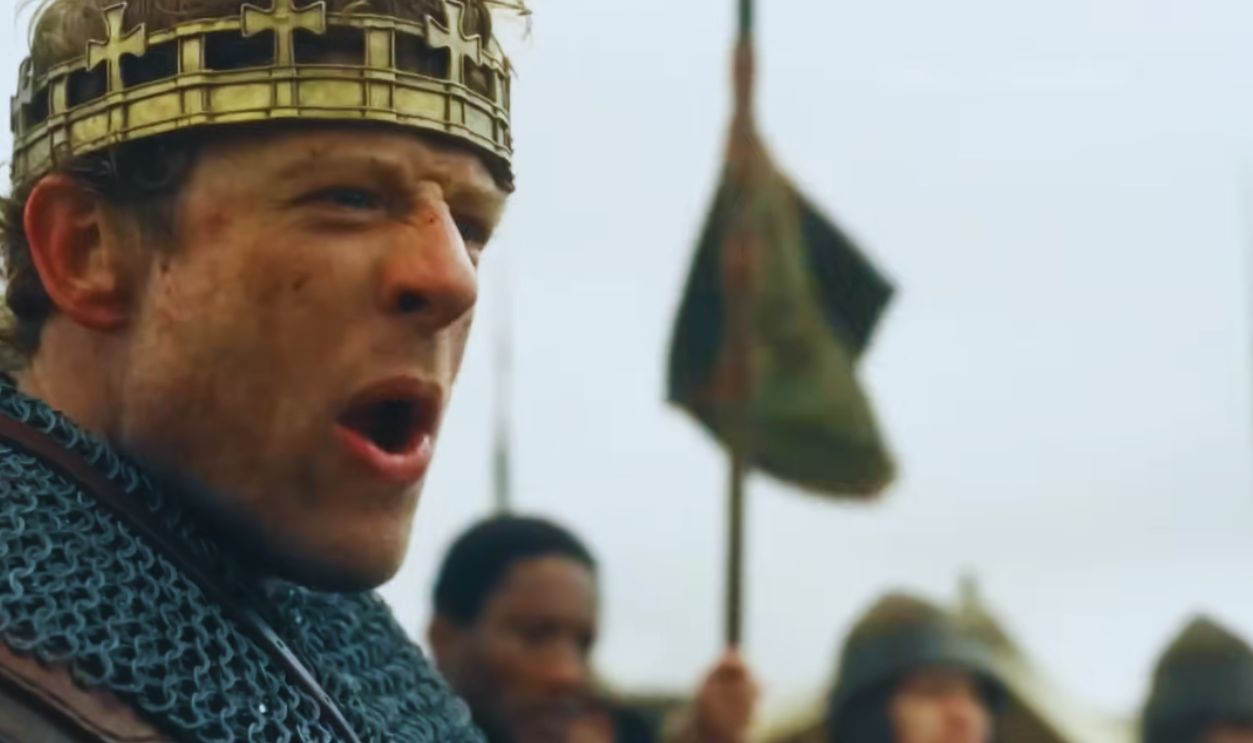 Screenshot from King & Conqueror, BBC Television (2025)
12. The Norman Preparation
Over the course of nine months, William assembled a substantial invading force. Gathering troops from Normandy and the rest of France, including significant contingents from Brittany and Flanders, the only thing more impressive than William’s speedily gathered army was his large fleet of ships, which he assembled from basically nothing. The Normans had bodies, and they may also have had blessings.
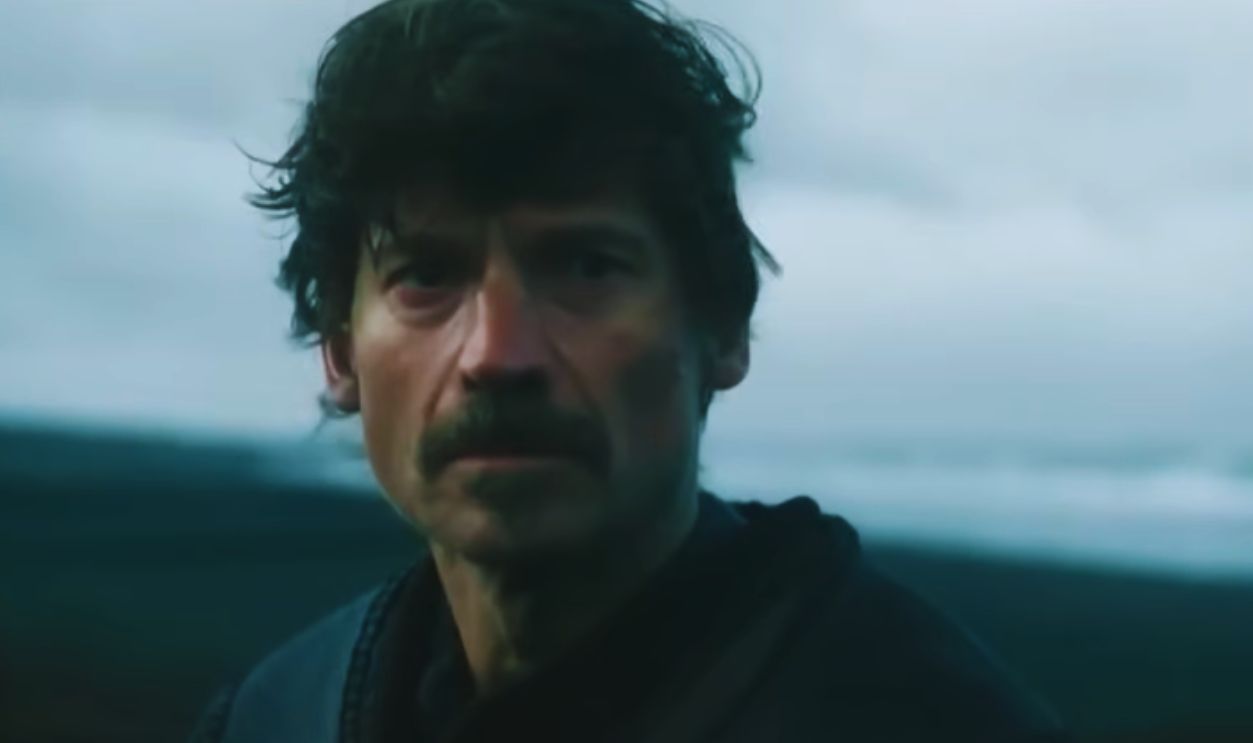 Screenshot from King & Conqueror, BBC Television (2025)
13. The Church Weighed In
Though there are conflicting historical accounts, some sources allege William managed to enlist some powerful diplomatic support behind his claim. The most notable of this apparent support came from Pope Alexander II, who reportedly gave a papal banner as a token of the Church’s approval. With the wind at his back, both figuratively and literally, William set sail.
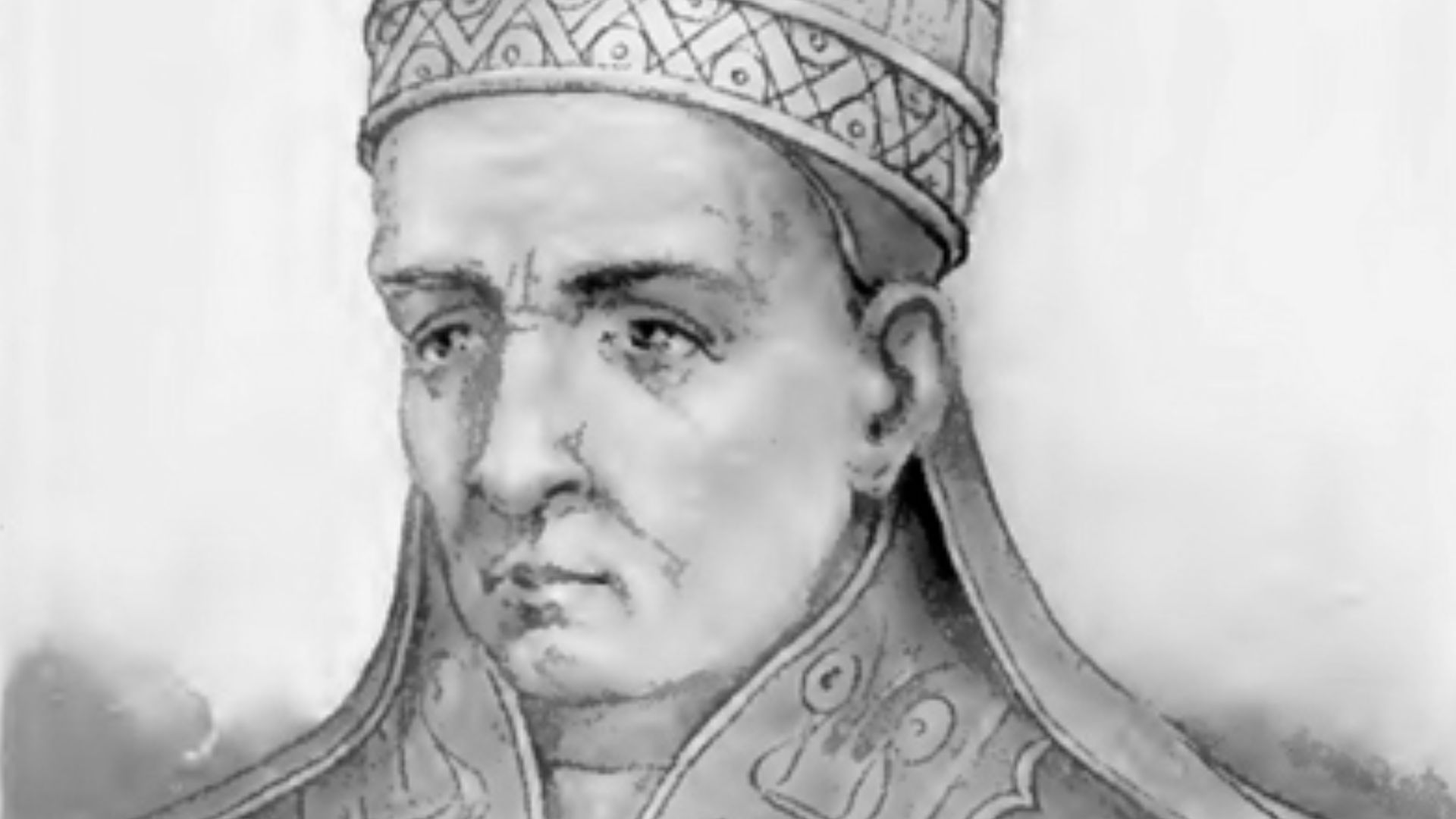 Artaud de Montor (1772–1849), Wikimedia Commons
14. The Normans Make Themselves At Home
A few days after the English defeat of Harald, the Normans crossed the channel, landing in Sussex on September 28. Seeking to fortify their position immediately, they hastily built a wooden castle at Hastings. After all, they needed somewhere to house all those troops.
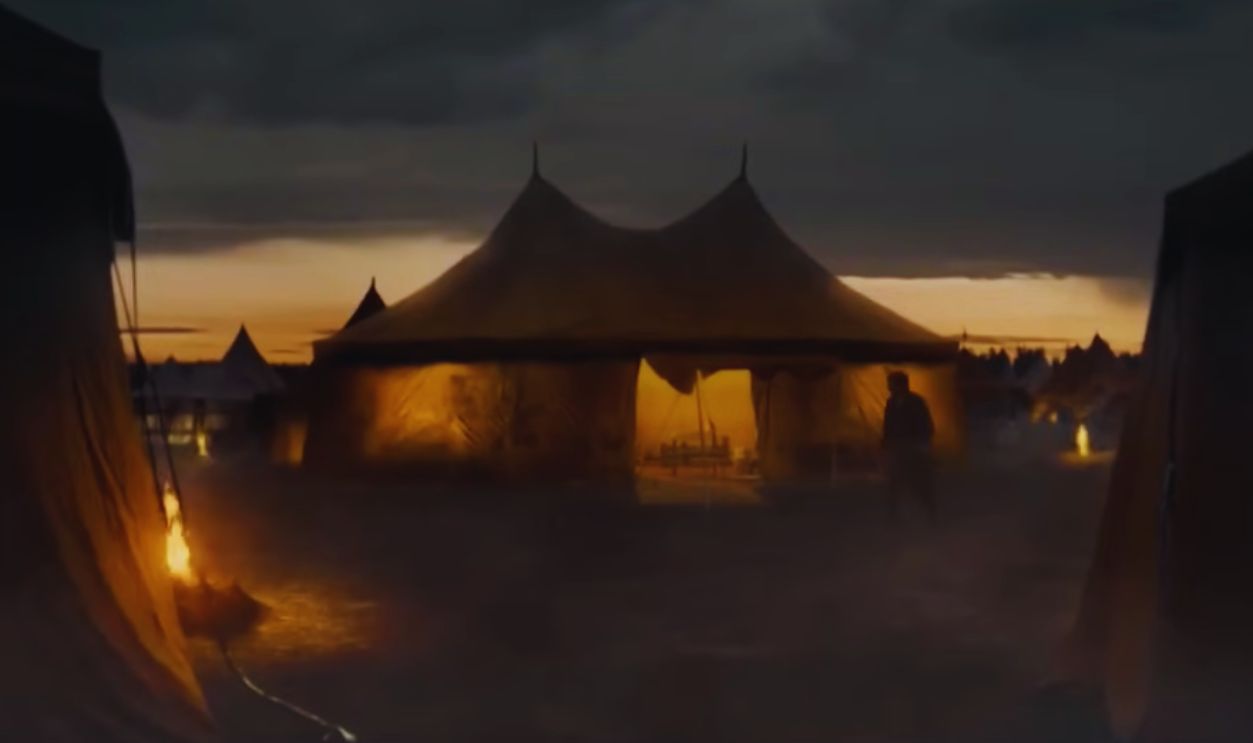 Screenshot from King & Conqueror, BBC Television (2025)
15. The Norman Numbers
The exact number of men comprising William’s forces is lost to history. Estimated figures vary from 7,500 to 150,000. What is known is that the composition of the Norman army was more diverse than Harold’s infantrymen-only force; William’s army included sizeable amounts of cavalry and archers too. But numbers were not the only factor.
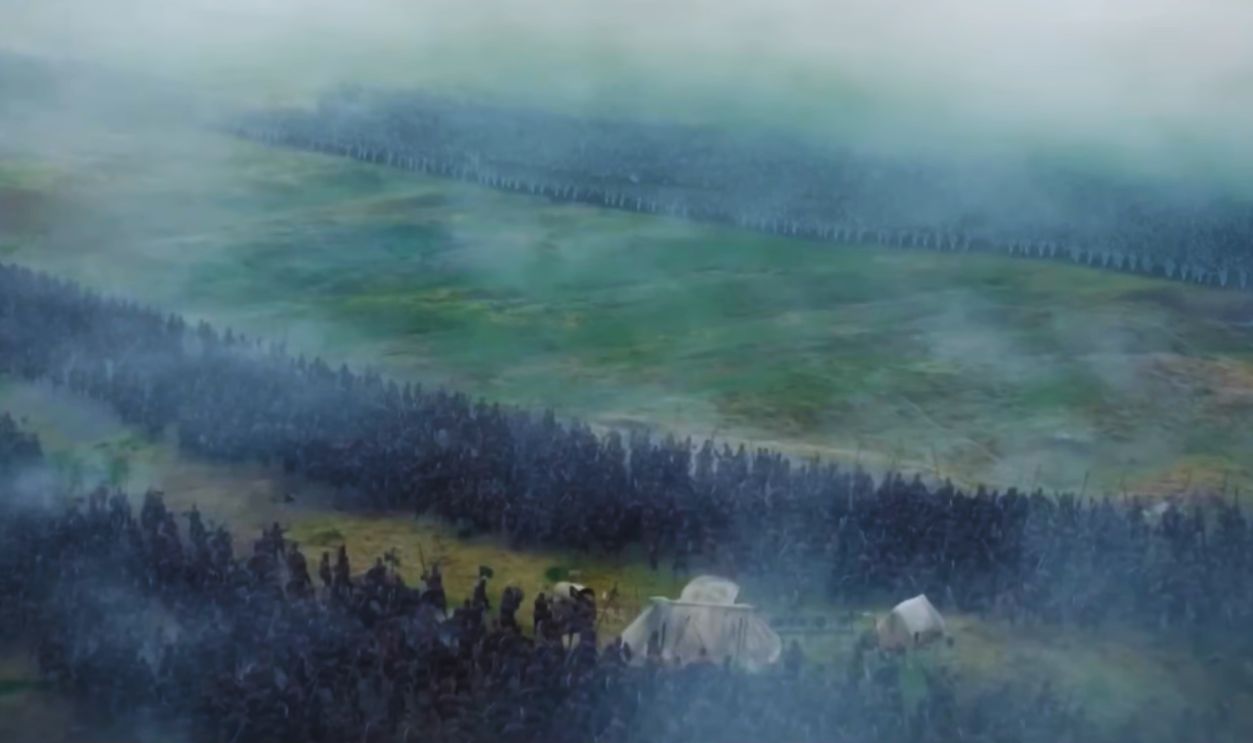 Screenshot from King & Conqueror, BBC Television (2025)
History's most fascinating stories and darkest secrets, delivered to your inbox daily.
16. Kitted Out Normans
The Norman soldiers’ armor mainly consisted of knee-length, chainmail hauberks, some with sleeves to the elbows, along with conical helmets featuring a vertical band guarding the bridge of the nose. They also typically carried shields and swords, spears, or javelins for infantrymen and lances for horsemen. Harold had his work cut out for him.
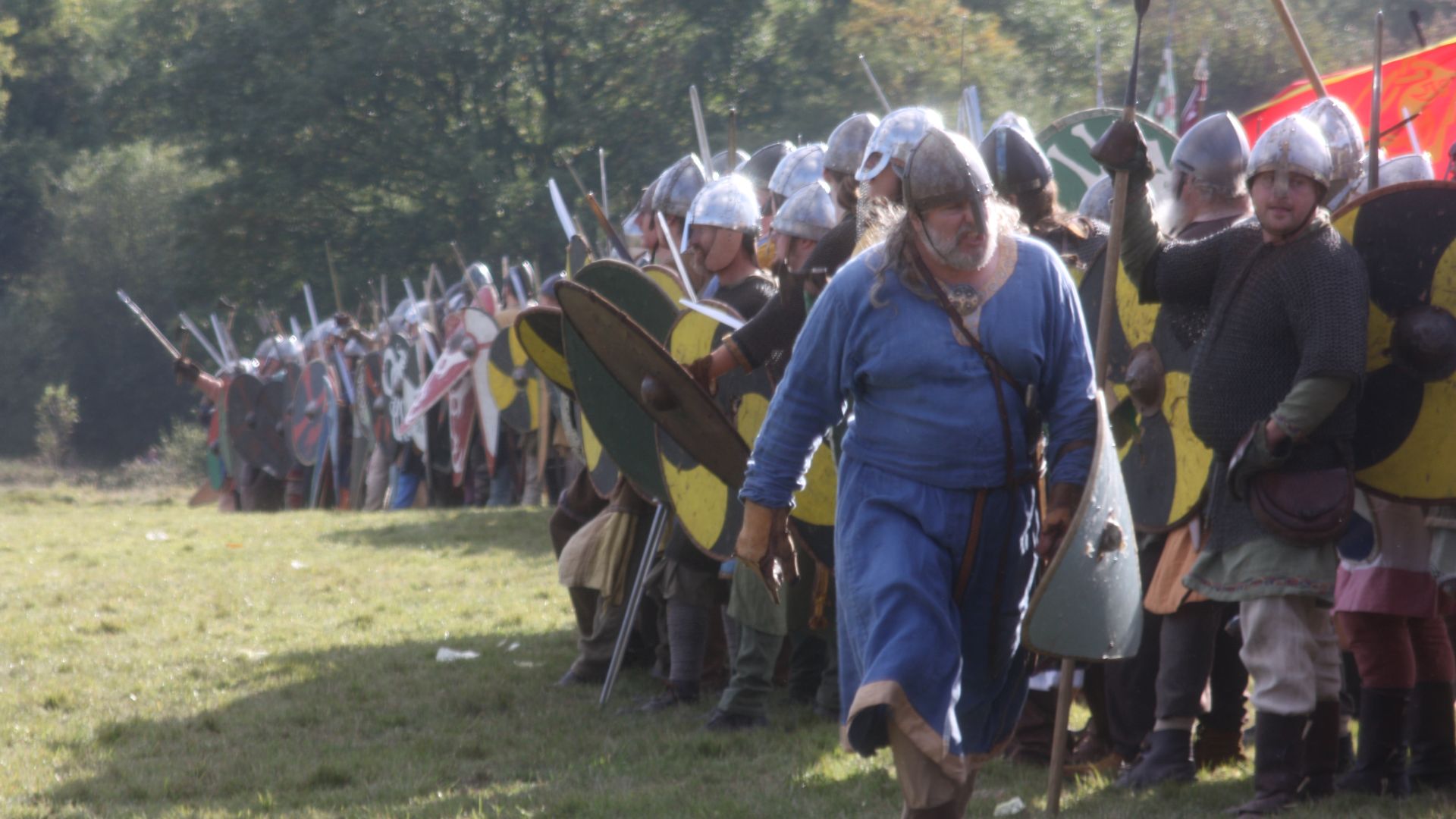 Antonio Borrillo, Wikimedia Commons
17. Harold On The Road Again
Harold marched south shortly after defeating Tostig and Harald. It seems he had not yet heard of William’s landing, however, and this would later prove devastatingly consequential. He likely heard about the Norman invasion on his way south, but by then he had already opted to leave a sizeable portion of his forces behind in the north. He even lost the element of surprise.
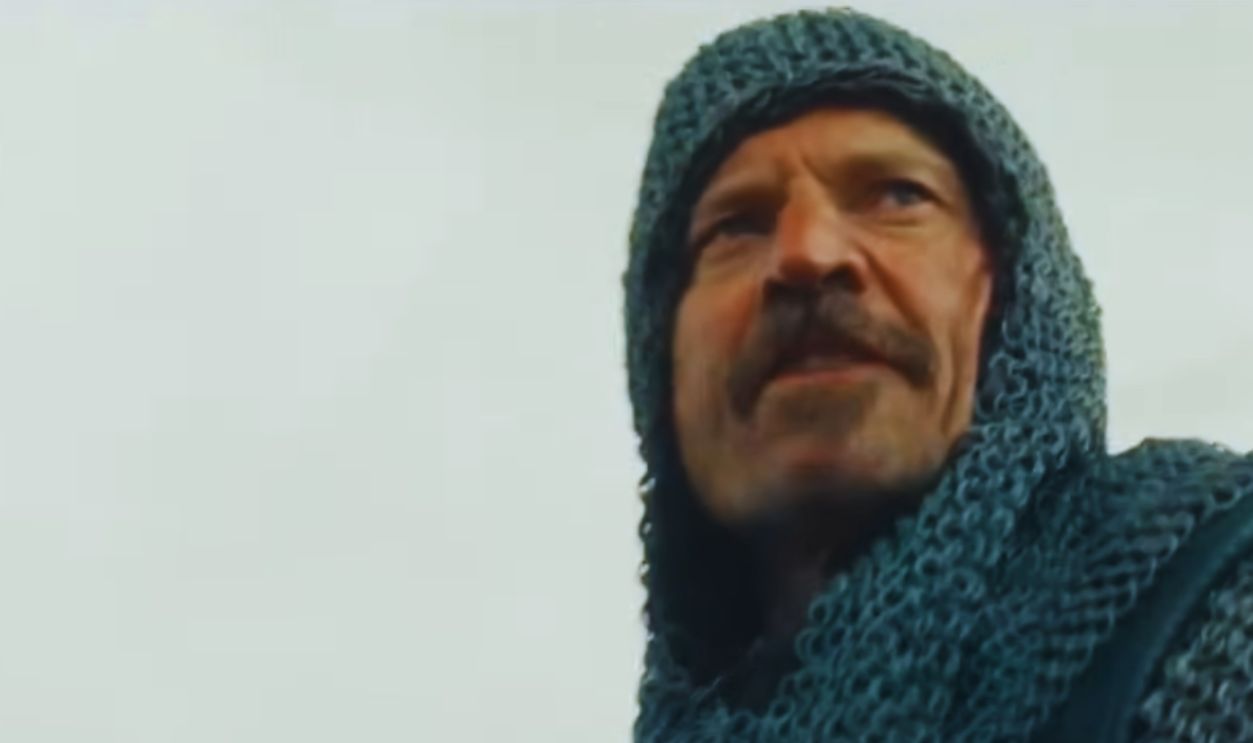 Screenshot from King & Conqueror, BBC Television (2025)
18. Scouters Gonna Scout
Harold must have felt nervous hearing of the Normans’ landing after leaving much of his force behind, and all he could hope for now was to arrive before the Normans had time to prepare. This was not meant to be, however, as William had sent scouts ahead who spotted the English forces on their march south. But what did they see?
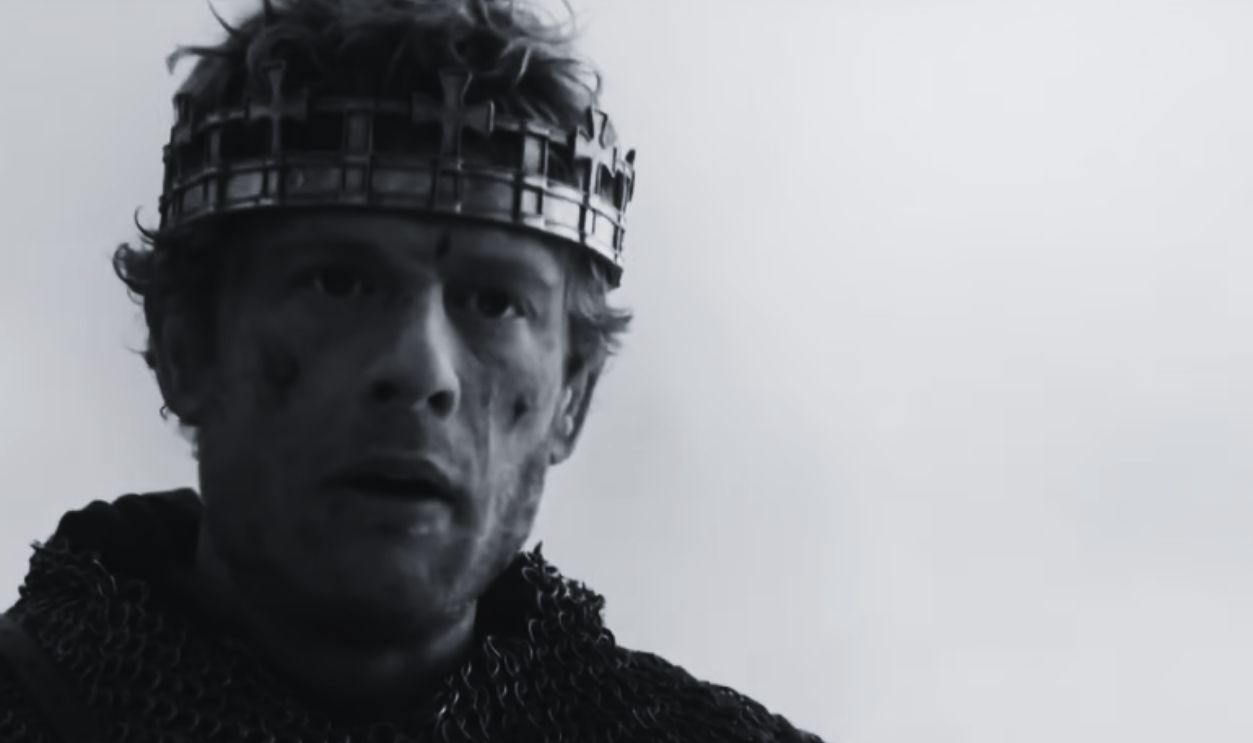 Screenshot from King & Conqueror, BBC Television (2025)
19. The English Stats
Like the Normans, the exact number of English forces at Hastings has also obscured over time. There is a larger variance in numbers claimed by various sources, from 5,000 to 1,200,200, though the higher range is highly unlikely. All we know is that the army consisted entirely of infantry. But surely the resources of the crown were a boon?
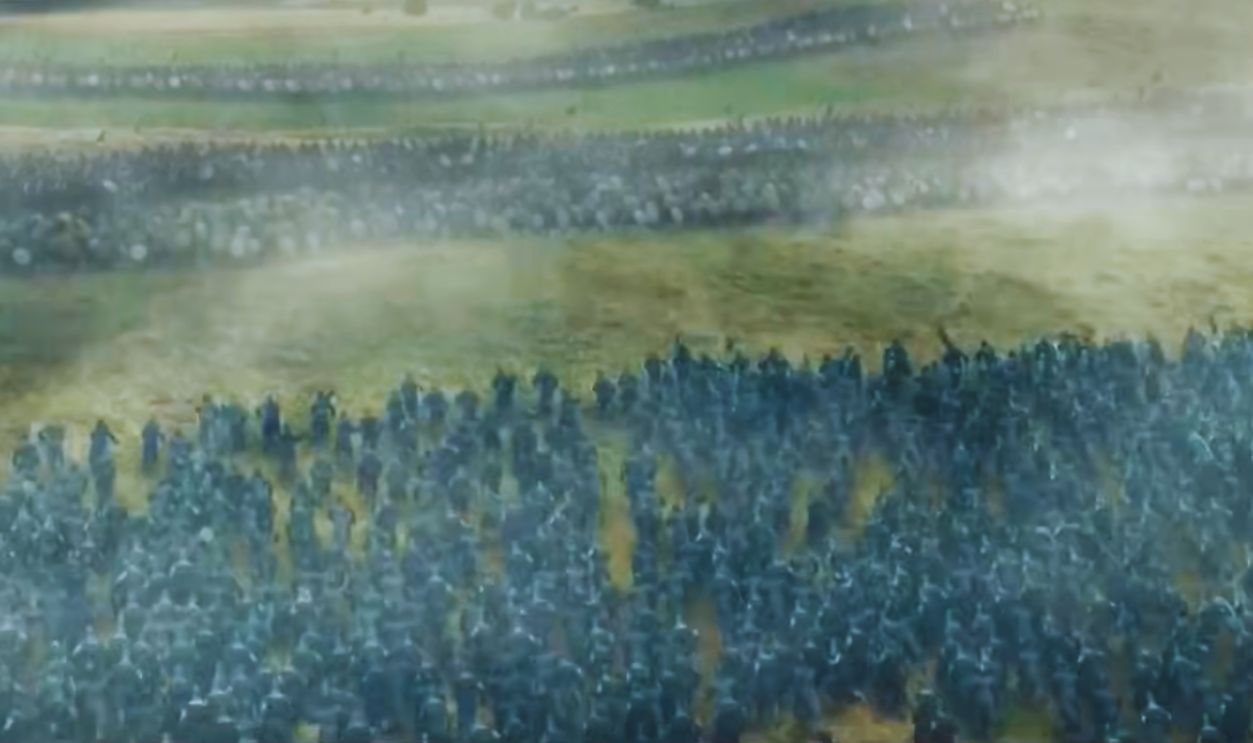 Screenshot from King & Conqueror, BBC Television (2025)
20. Swagged Out English
English armor was similar to the Normans’: a conical helmet, a mail hauberk, and a shield. Swords were present too, but the English added battleaxes to the mix of weaponry. Luckily, there were some archers among the infantrymen, meaning it was only calvary where the English could not match the invaders at all. Regardless, battle was inevitable.
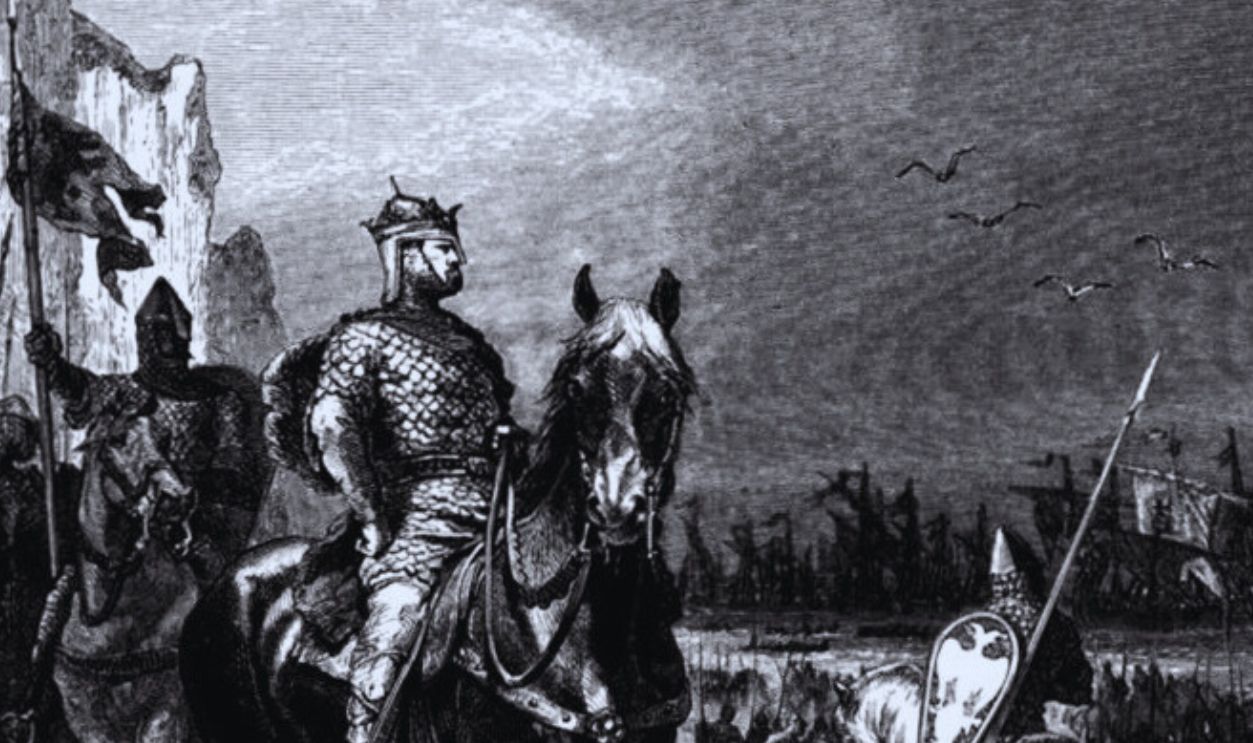 Alphonse de Neuville, Wikimedia Commons
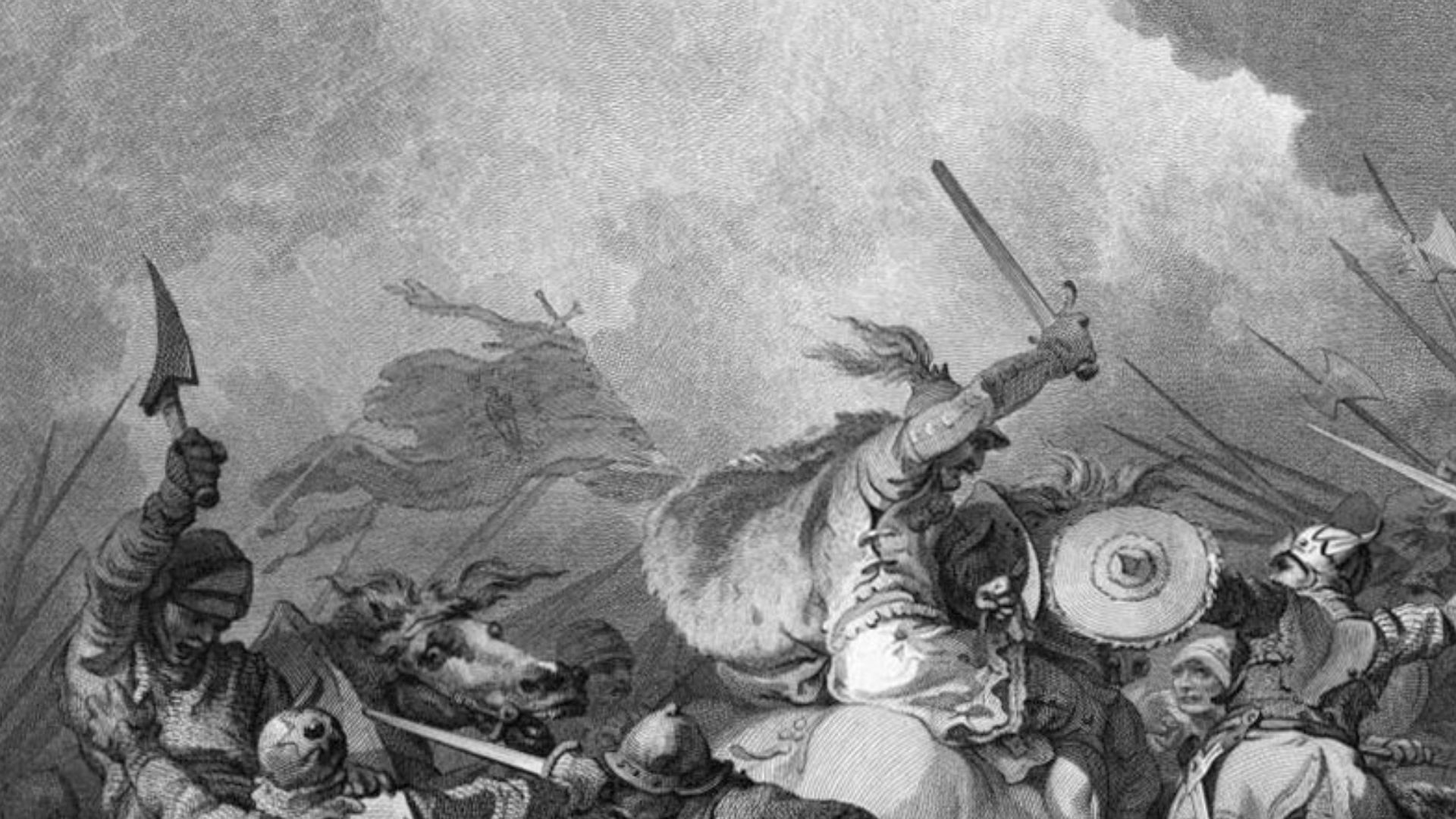
21. The Battle Of Hastings Begins
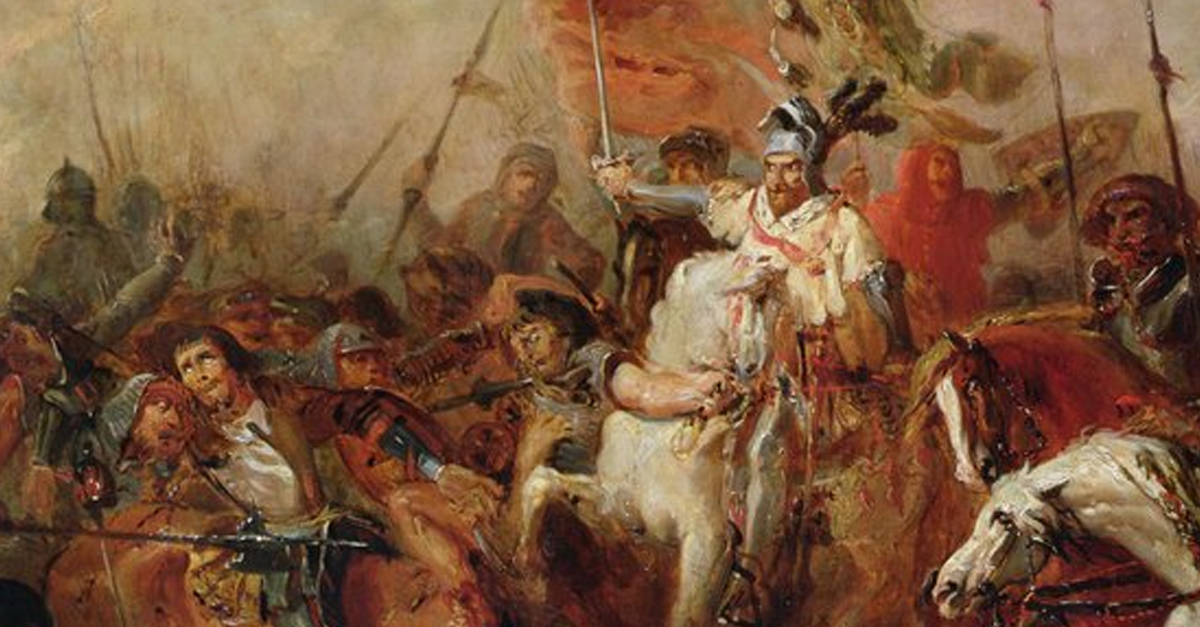
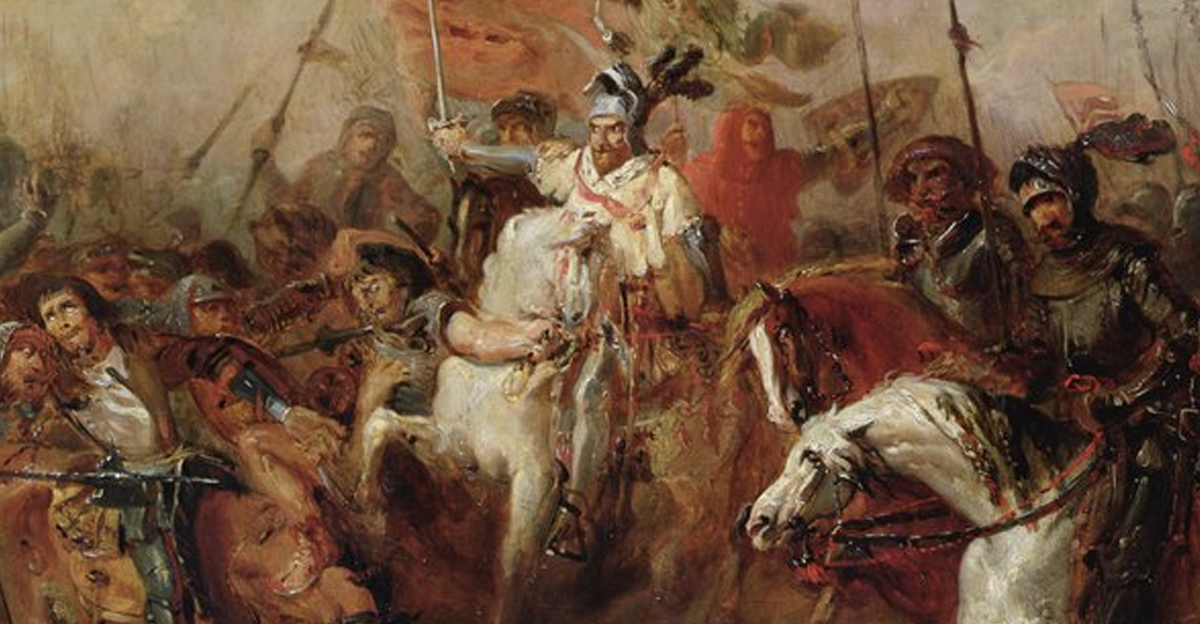
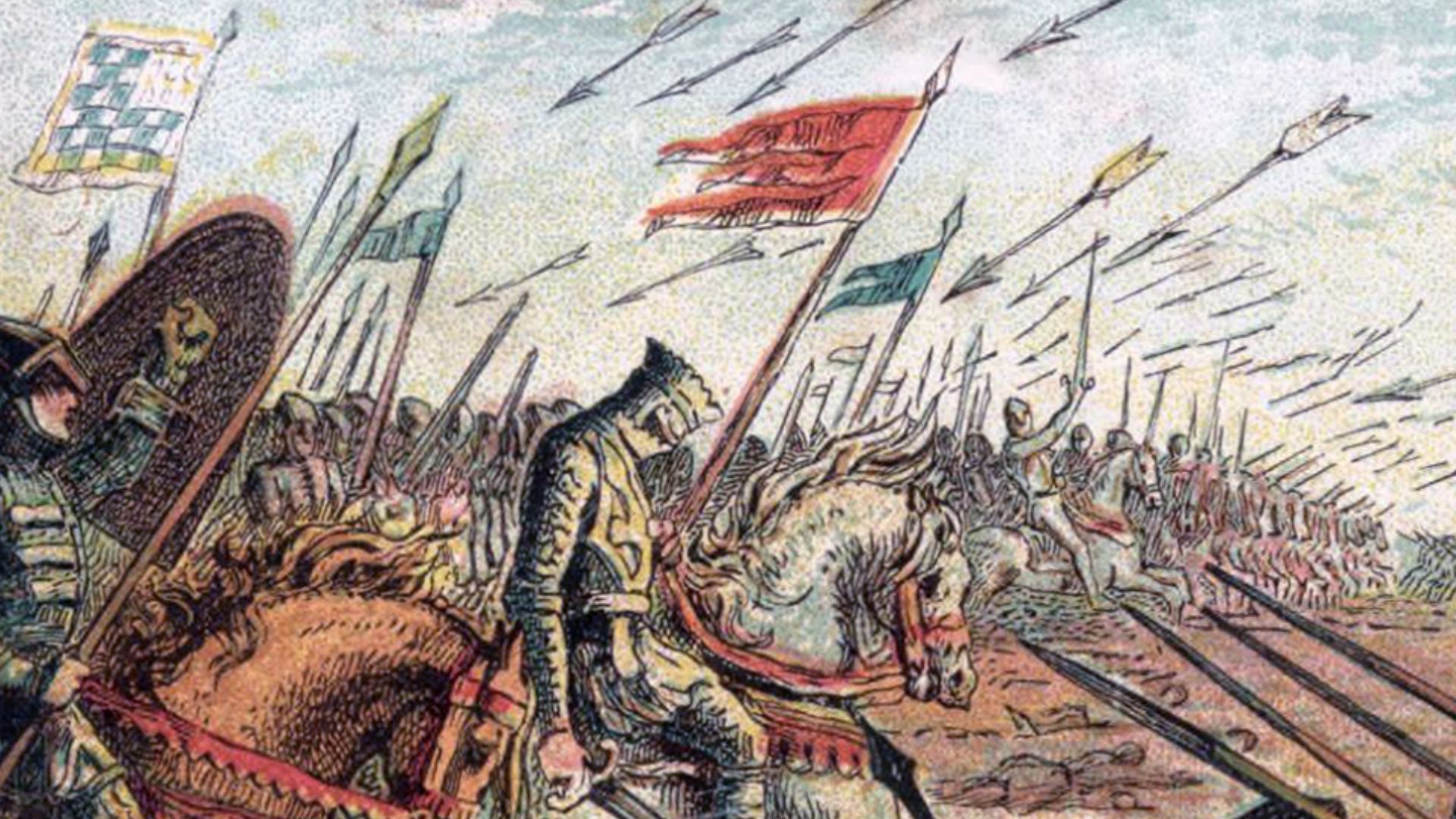
Now is as good a time as any to point out that an exact description of the battle is impossible as all primary accounts of the fighting contradict one another. However, one undisputed fact is when the Battle of Hastings began: around 9am on Saturday, October 14, 1066. And it didn’t happen where you’d think.
 Philip James de Loutherbourg, Wikimedia Commons
History's most fascinating stories and darkest secrets, delivered to your inbox daily.
22. Hastings Is That A-Way!
The fact that most know the event as the Battle of Hastings is an oddity, as it actually took place seven miles north of Hastings. And while this may seem close enough, there were several settlements much closer to the battlefield than Hastings itself. Regardless, Hastings became forever associated with the skirmish between two incredibly capable forces.
 Joseph Martin Kronheim (1810–96)[1], Wikimedia Commons
23. The English Dug In
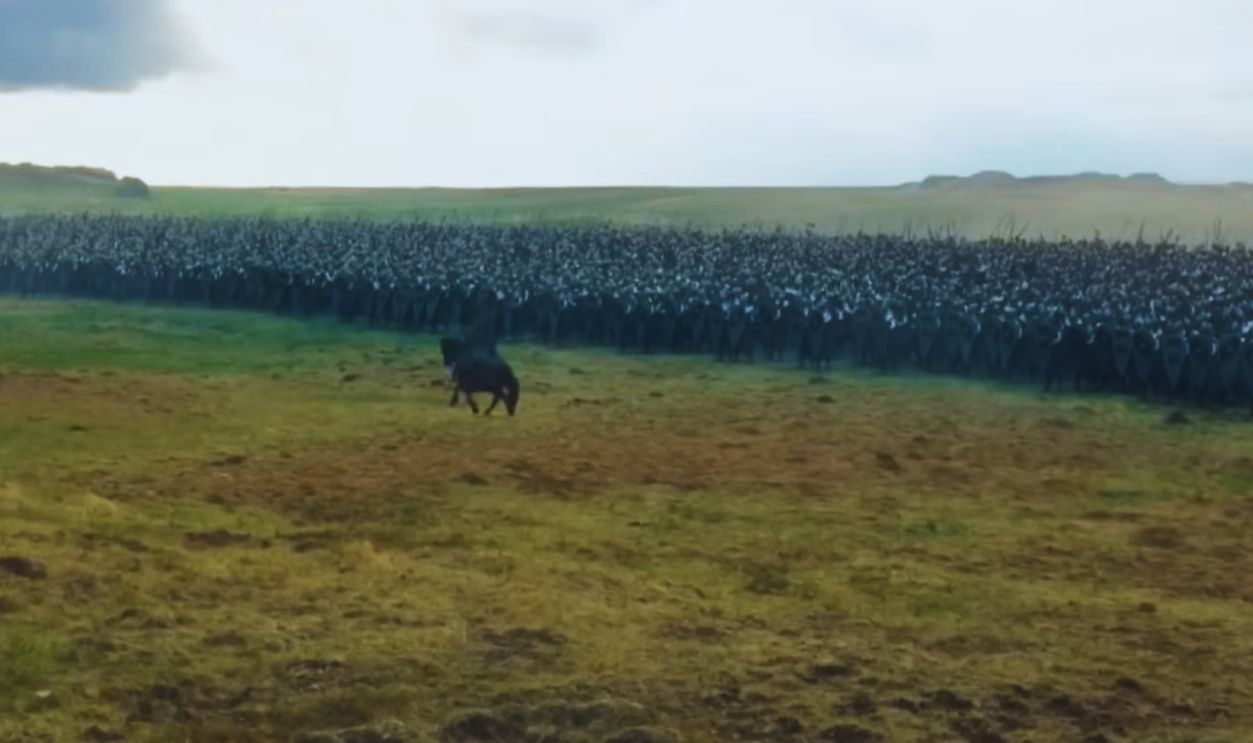
Harold’s forces began the battle in a dense formation atop a steep slope, giving them a good view of the battlefield. Wooded areas flanked them on either side, and the ground before them was marshy, further solidifying their position. The English infantry formed a shield wall and forced the Normans to make the first move.
 Screenshot from King & Conqueror, BBC Television (2025)
24. The Normans Intimidated
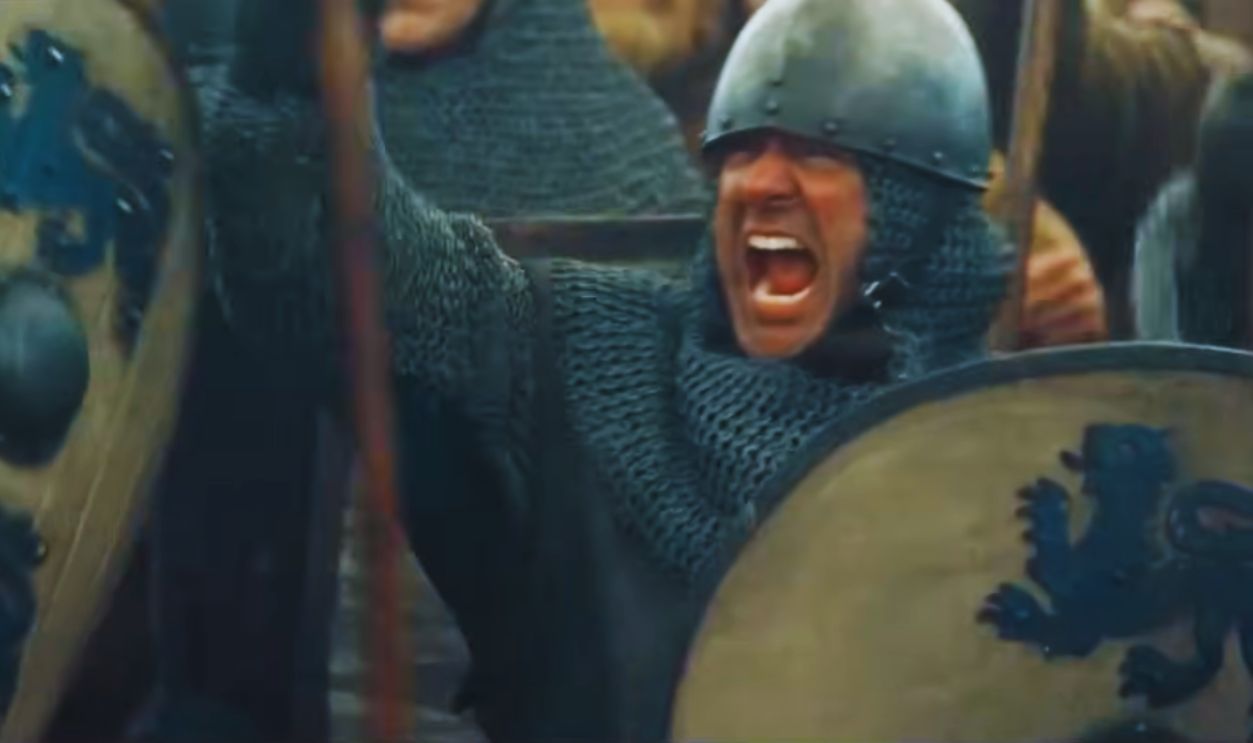
The historical sources on the Norman forces are much more substantial. William arranged his men in three groups, based on their origins: Bretons on the left, Normans under William’s direct command in the center, and Frenchmen on the right. The archers made their way to the front lines.
 Screenshot from King & Conqueror, BBC Television (2025)
25. The First Arrows Fly
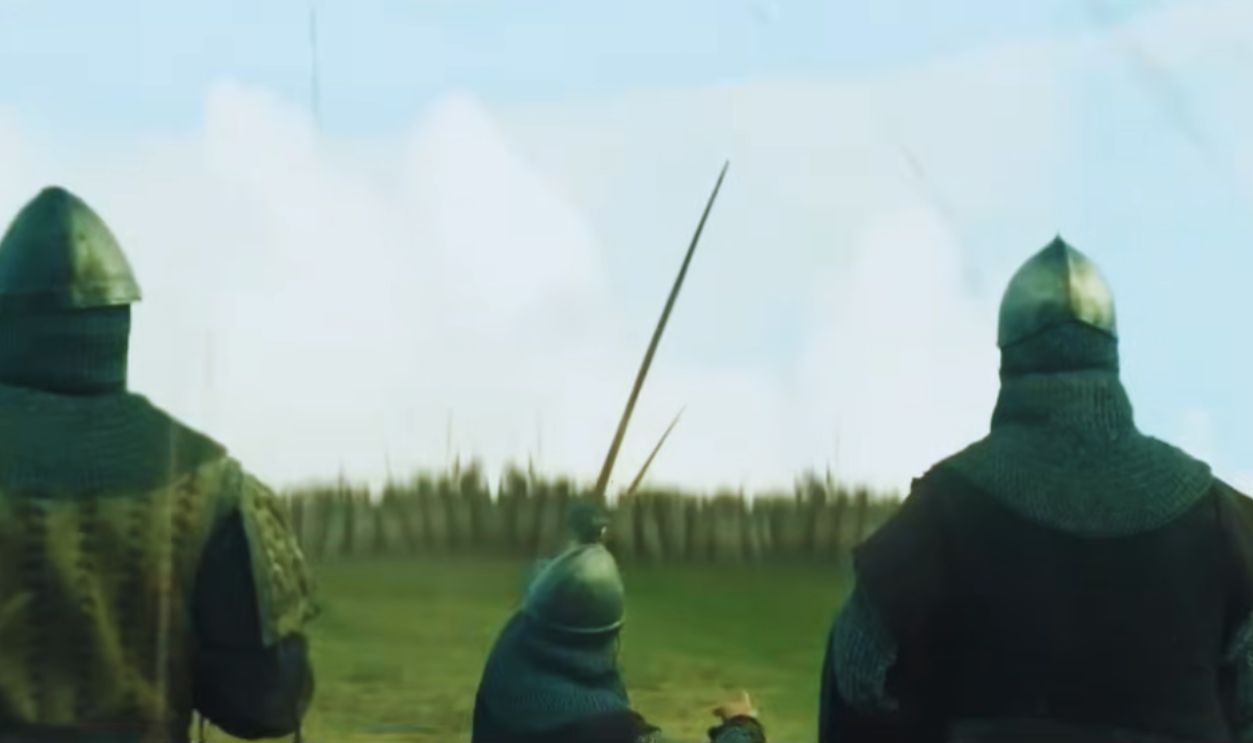
The battle commenced with a flurry of Norman arrows fired uphill toward the English forces. The presence of the shield wall, however, meant this proved largely ineffective: the arrows merely bounced off the shields. Since the English had few archers, there were no arrows that the Normans could pick up to use. A change in tactic was required.
 Screenshot from King & Conqueror, BBC Television (2025)
26. Forces Clash
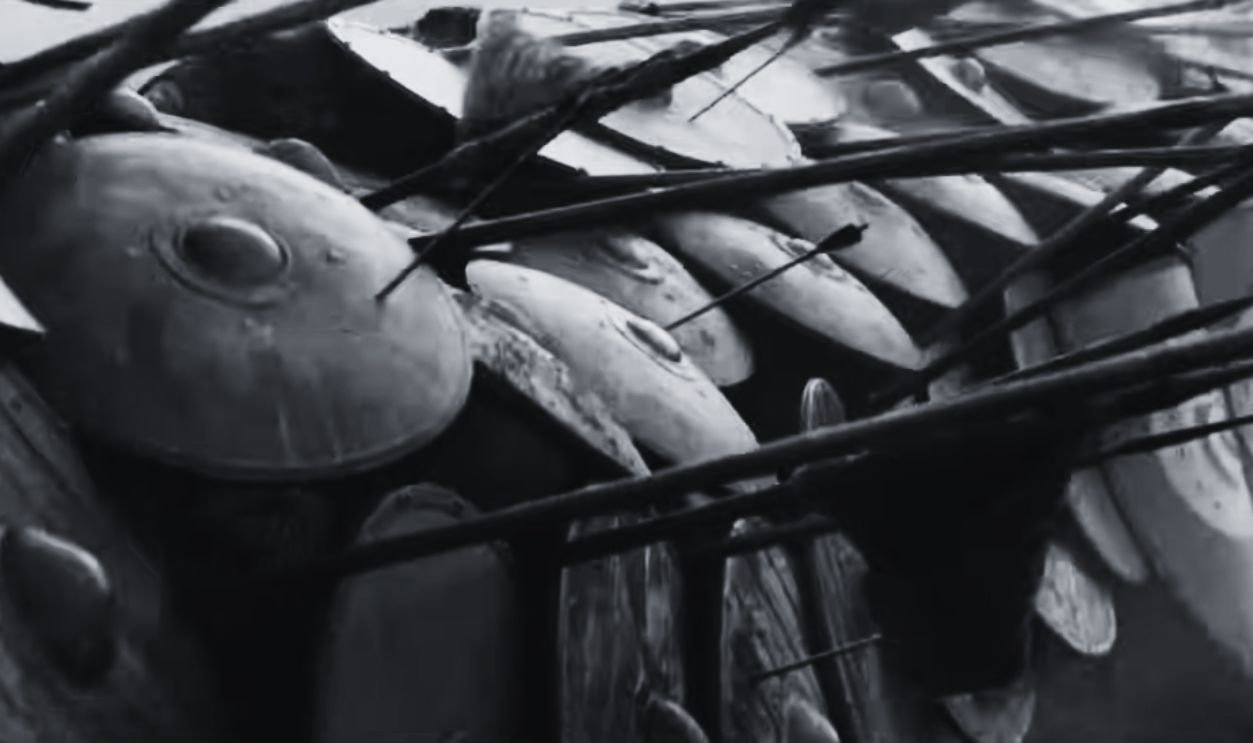
William now had no choice but to send his infantry forward. The spearmen advanced rapidly and clashed with the shield wall. The English faced a barrage of spears, axes, and stones, but steadfastly held the line. Failing to force an opening in the wall, William sent the third wave.
 Screenshot from King & Conqueror, BBC Television (2025)
27. Horses Clash
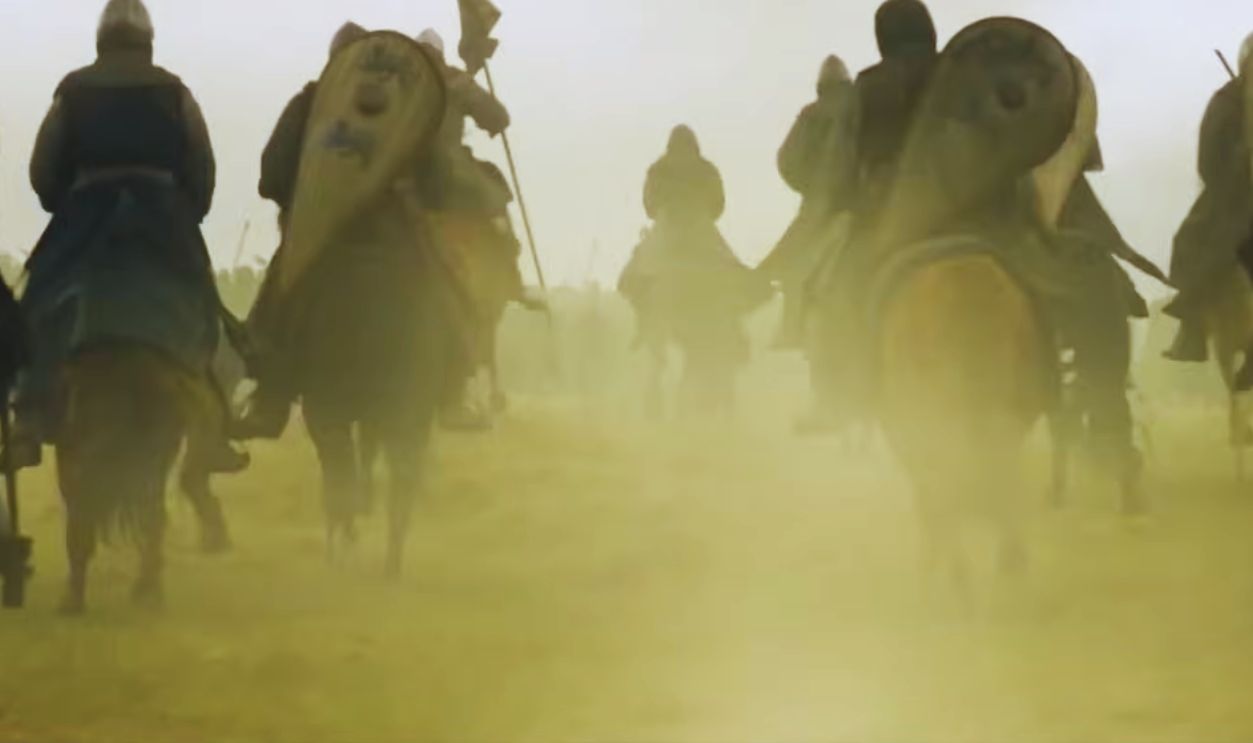
The Norman cavalry came next, but still they failed to make headway against the immovable English shield wall. Dissuaded by events, the Norman forces began to retreat. Morale seemed to be falling, and a rumor may have contributed.
 Screenshot from King & Conqueror, BBC Television (2025)
History's most fascinating stories and darkest secrets, delivered to your inbox daily.
28. A Fallen Leader?
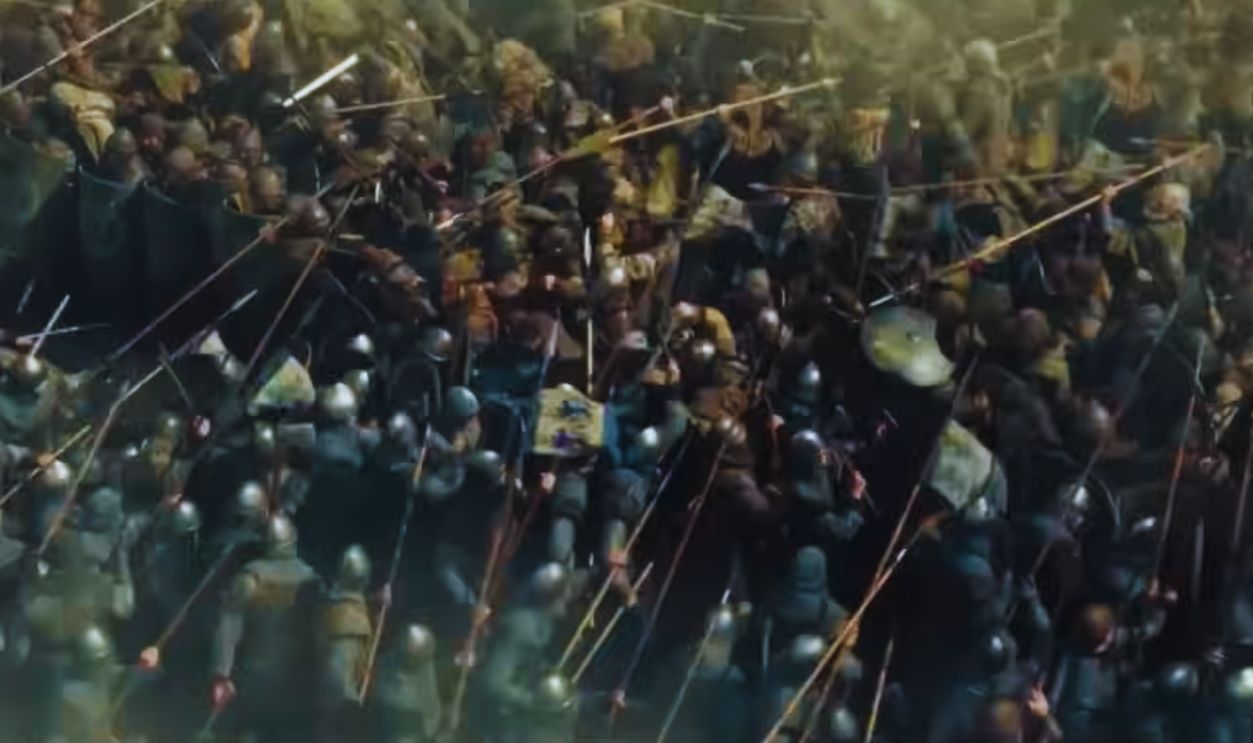
In such close proximity, stories spread quickly among fighting forces, and Hastings was no different. A rumor formed among the Normans the English had slain William in the initial confusion, only increasing the chaos among the invaders. The situation was dire, and morale needed restoring.
 Screenshot from King & Conqueror, BBC Television (2025)
29. The Boss Reappears
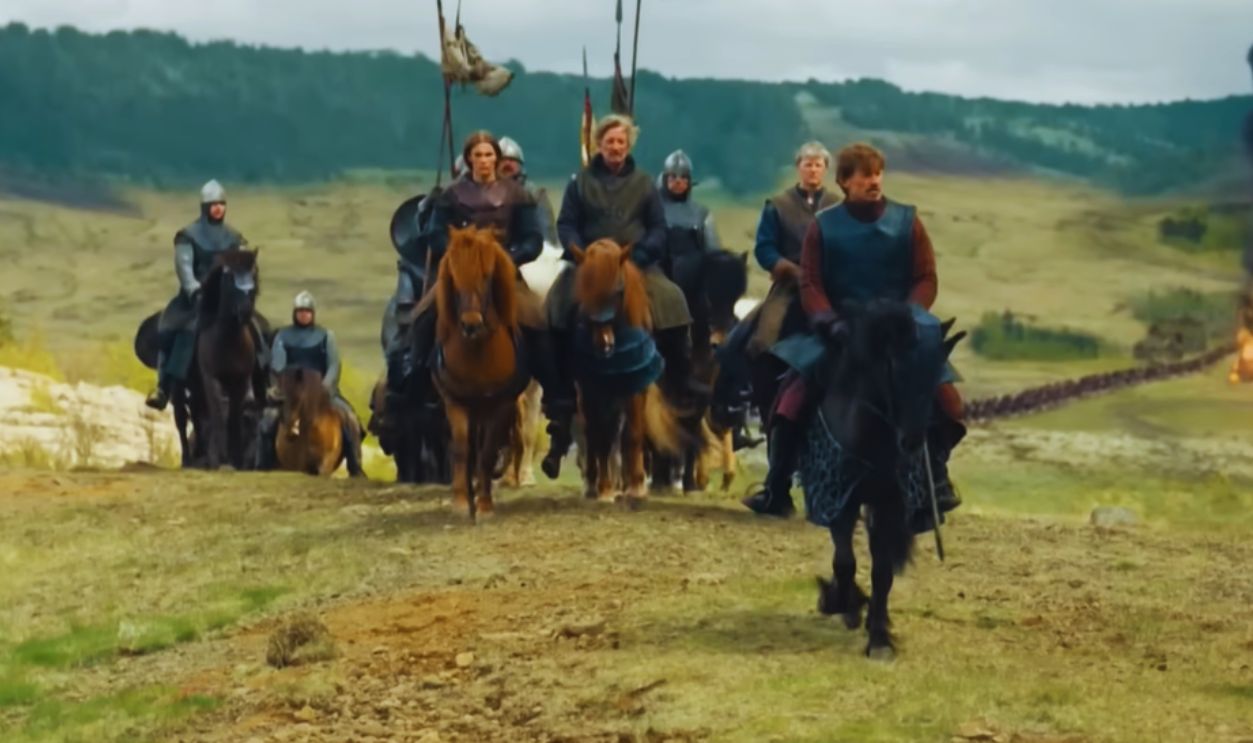
The English forces began to relentlessly pursue the fleeing Normans, which spurred William into action. Learning of his supposed fate, the fearsome leader rode through his forces, announcing that rumors of his demise had been greatly exaggerated. This had the rallying effect he had hoped for.
 Screenshot from King & Conqueror, BBC Television (2025)
30. The Tide Begins To Turn
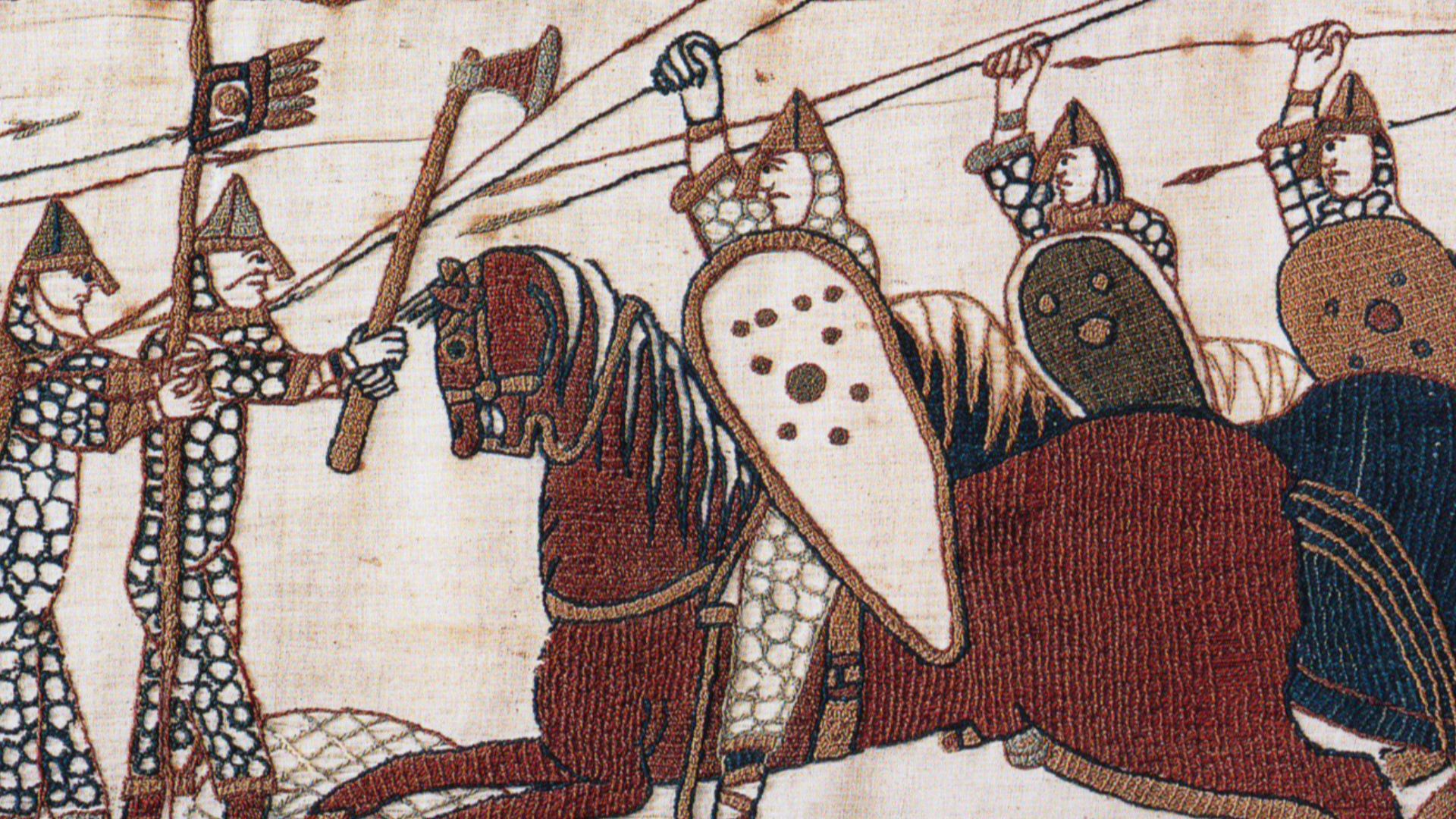
Some accounts claim that the English pursual of the fleeing invaders may not have been ordered by Harold but was, in fact, the result of overconfidence on the front ranks after seeing the Normans retreat during the early parts of the Battle of Hastings. Regardless of who gave the order, it would prove to backfire on the English. The Normans found a second wind and began to beat back the English forces. The fighting greatly intensified, but it was the storm before the calm.
 11th century unknown, Wikimedia Commons
31. Lunchtime
Most historians agree that what happened next during the Battle of Hastings was amusingly human: both armies stopped for lunch. This lull in the fighting had tactical significance, however, as it allowed both leaders time to implement new strategies. For William, it proved to be a lightbulb moment.
 Screenshot from King & Conqueror, BBC Television (2025)
32. Fake It Til You Make It
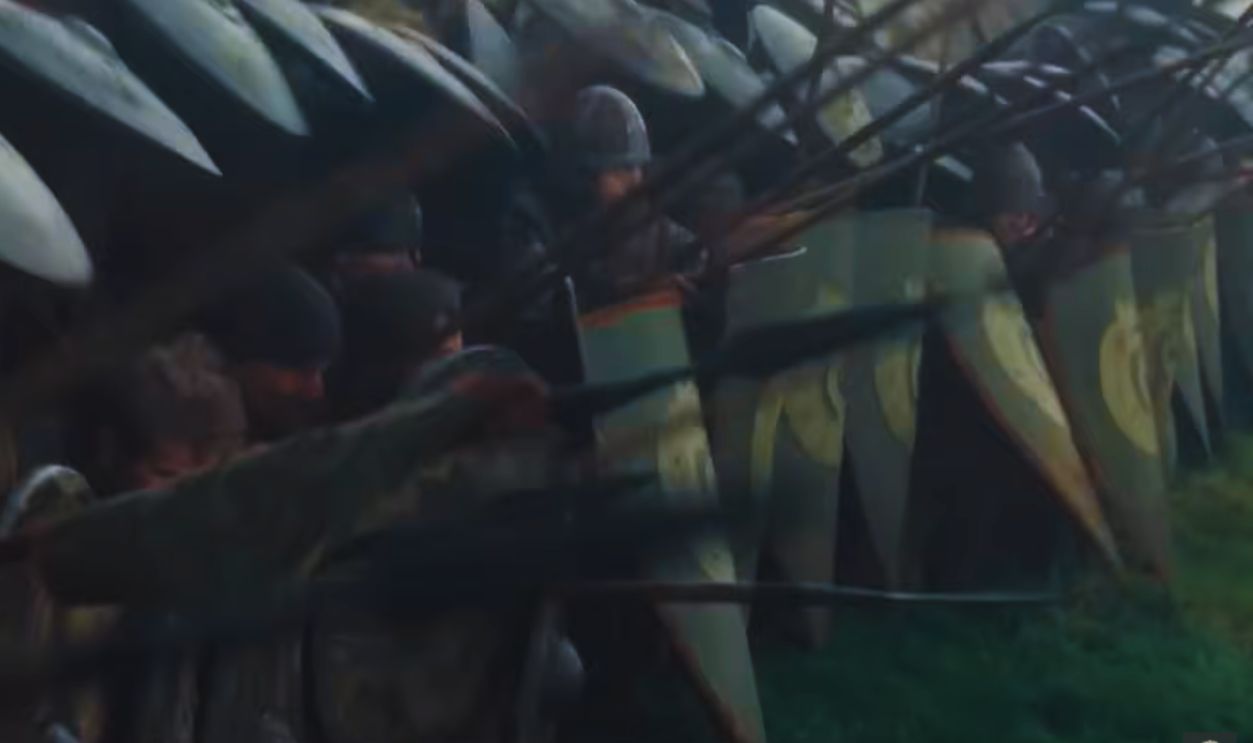
Inspired by the English pursuit and thrashing of the Normans just before lunch, William turned an apparent weakness into an advantage. Employing a tactic known as feigned flight, he sent the Norman cavalry against the English shield wall again. But this time, he instructed them to quickly retreat, hoping it would draw the English into further pursuits and, thus, break their lines. The Norman leader did not simply sit back, however.
 Screenshot from King & Conqueror, BBC Television (2025)
33. Goodbye Horses
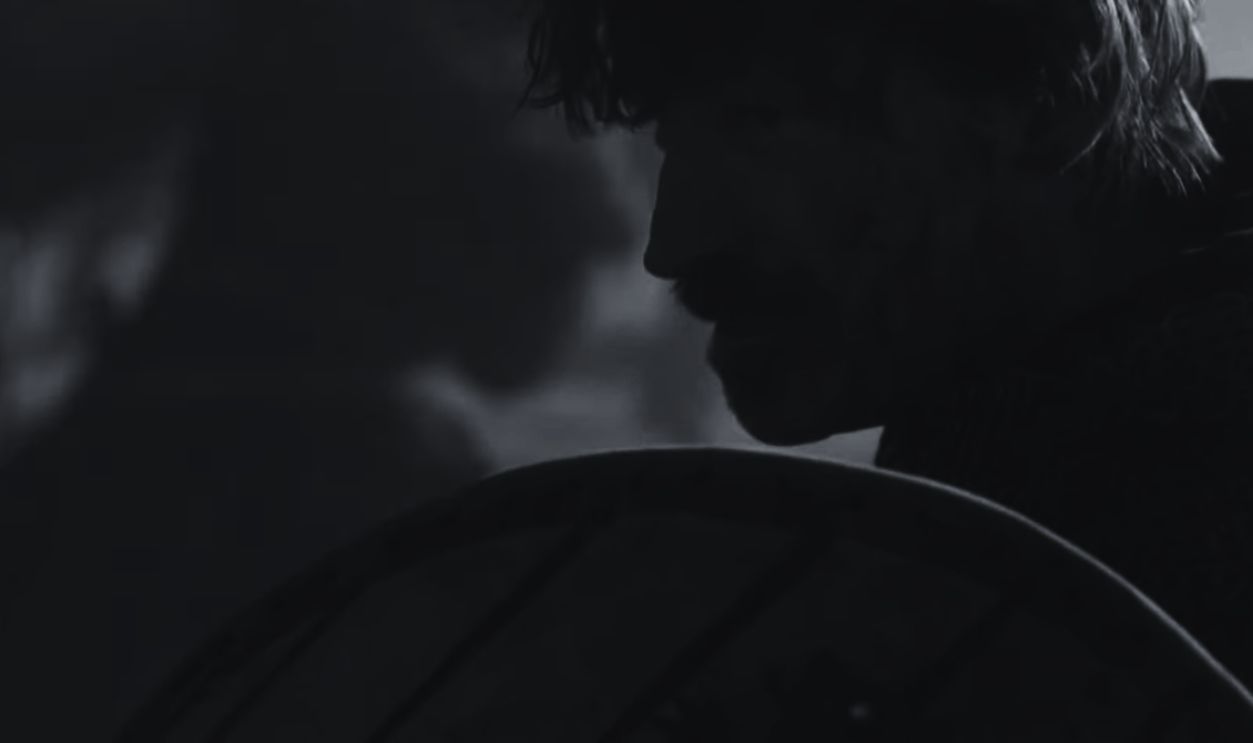
The effectiveness of William’s new tactic has been debated, but one thing that is clear is that the Normans continued to fight relentlessly, including their fearless leader himself. Accounts claim that William even had two or three horses slayed under him during the course of the battle! The Normans’ steadfast courage and superior numbers would soon turn the tide decisively.
 Screenshot from King & Conqueror, BBC Television (2025)
History's most fascinating stories and darkest secrets, delivered to your inbox daily.
34. Goodbye Harold
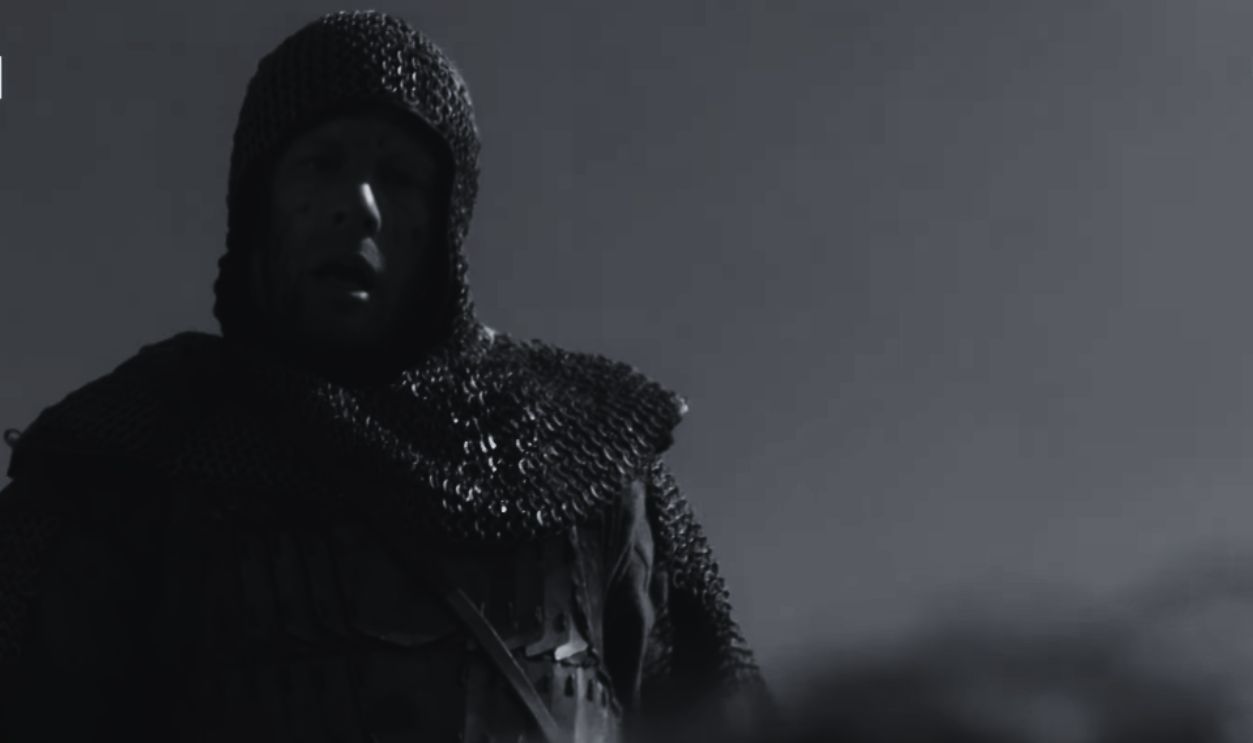
Though there are contradictory accounts as to when exactly it occurred, at some point Harold perished in battle. It likely happened late in the day, and the most likely cause is a grisly one: the King of England was reportedly felled by an arrow to the eye. The head of the snake had been severed, and the body followed.
 Screenshot from King & Conqueror, BBC Television (2025)
35. The English Disintegration
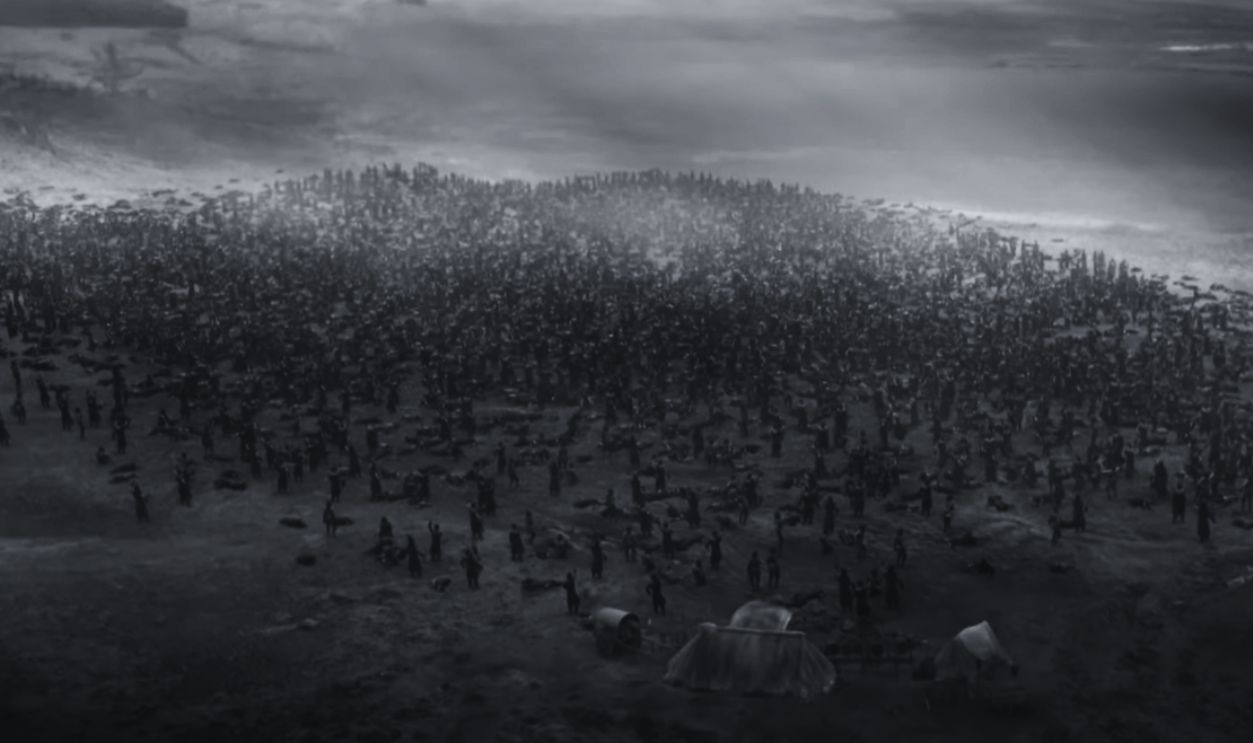
Finding themselves now leaderless, the English forces quickly deteriorated. They had already suffered significant casualties, and seeing the tide turn, many men fled the Battle of Hastings. Not all gave up so hastily, however.
 Screenshot from King & Conqueror, BBC Television (2025)
36. The Ride-Or-Dies
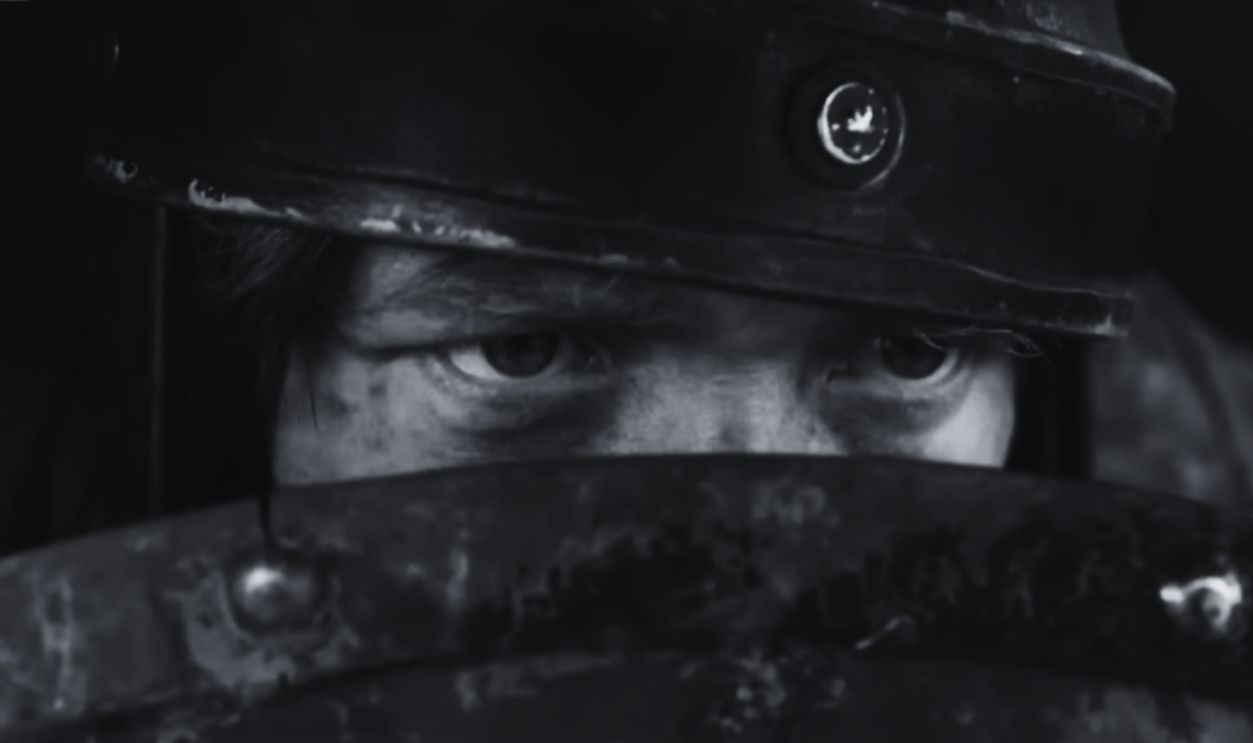
As their fellow Englishman perished or fled around them, one contingent of forces remained steadfast. The fighters from Harold’s royal household gathered around the King’s body and fought bravely until the end. They likely got to see the sunset one final time.
 Screenshot from King & Conqueror, BBC Television (2025)
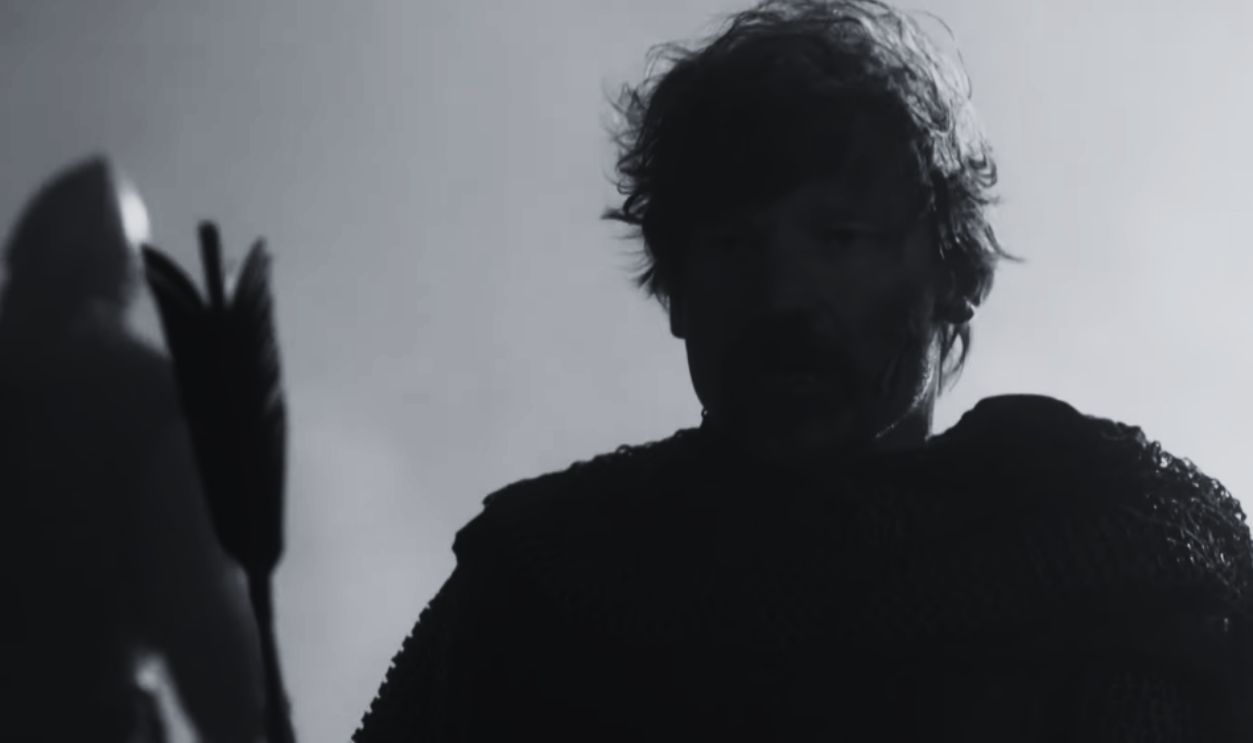
37. The Battled Ended With The Day
Most historians agree that the Battle of Hastings wrapped up around dusk with a decisive Norman victory. The courageous forces of both sides spent an entire day fighting for their Kings, but only one side could win. What went wrong for the English?
 Screenshot from King & Conqueror, BBC Television (2025)
38. Harold Made Errors
The defeat of the English at the Battle of Hastings was likely due to several errors on Harold’s part. For one, he had just successfully defended against the invasion of Harald and Tostig, significantly weakening his forces. However, his decision to dismiss half his men in the north, and to not gather further forces on his march south, proved decisive, as he likely lacked the numbers to deal with the Norman onslaught. But we should not discount skill on the other side.
 Screenshot from King & Conqueror, BBC Television (2025)
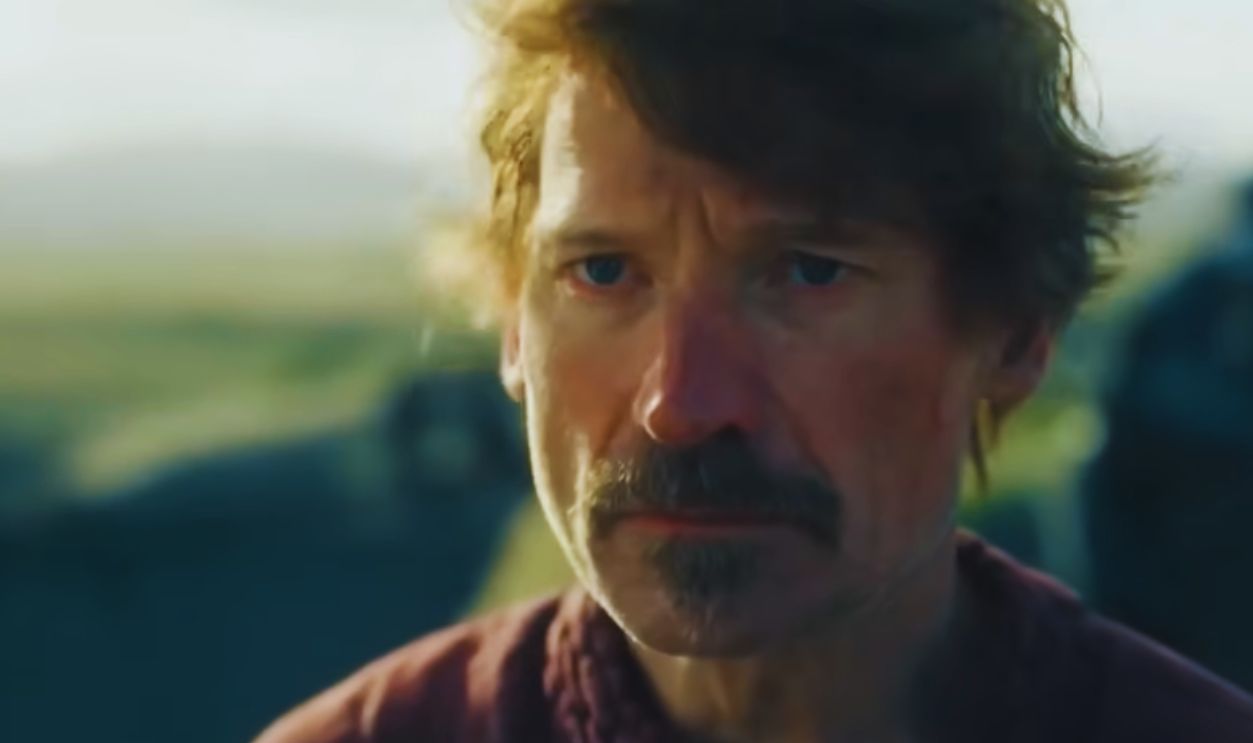
39. William Had It Going On
What historians cannot deny is that William was by far the more experienced military leader. His tactics were flexible and adaptable, and the presence of cavalry on the Norman side meant he had more strategic options too. And for his savviness, William was rewarded.
 Screenshot from King & Conqueror, BBC Television (2025)
History's most fascinating stories and darkest secrets, delivered to your inbox daily.
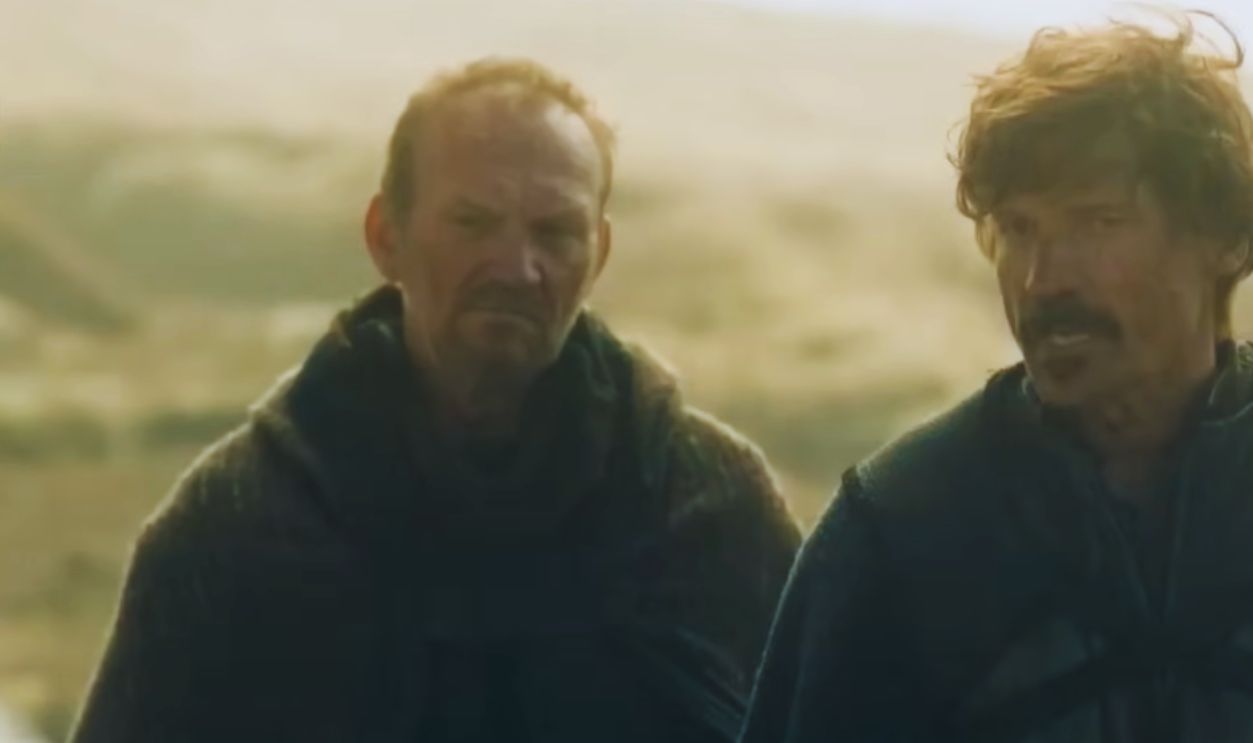
40. There Were Concessions
After troops identified Harold’s body the following day, they presented his personal standard to William as a signifier of the Norman leader’s victory at the Battle of Hastings. They then sent the standard to the papacy to signal to Rome that new leadership in England was imminent. But before moving on to his destiny, William had to tend to the fallen.
 Screenshot from King & Conqueror, BBC Television (2025)
41. Lost Casualties
With many bodies left behind after the battle, something had to be done with them…well, the ones the victors cared about, anyway. The Norm and left the English bodies strewn across the battlefield, with some later collected by relatives. The Norman buried their fallen in a large, communal grave, though strangely enough, no one has ever found this burial site. But how many are we missing here?
 Screenshot from King & Conqueror, BBC Television (2025)
42. The Casualty Count
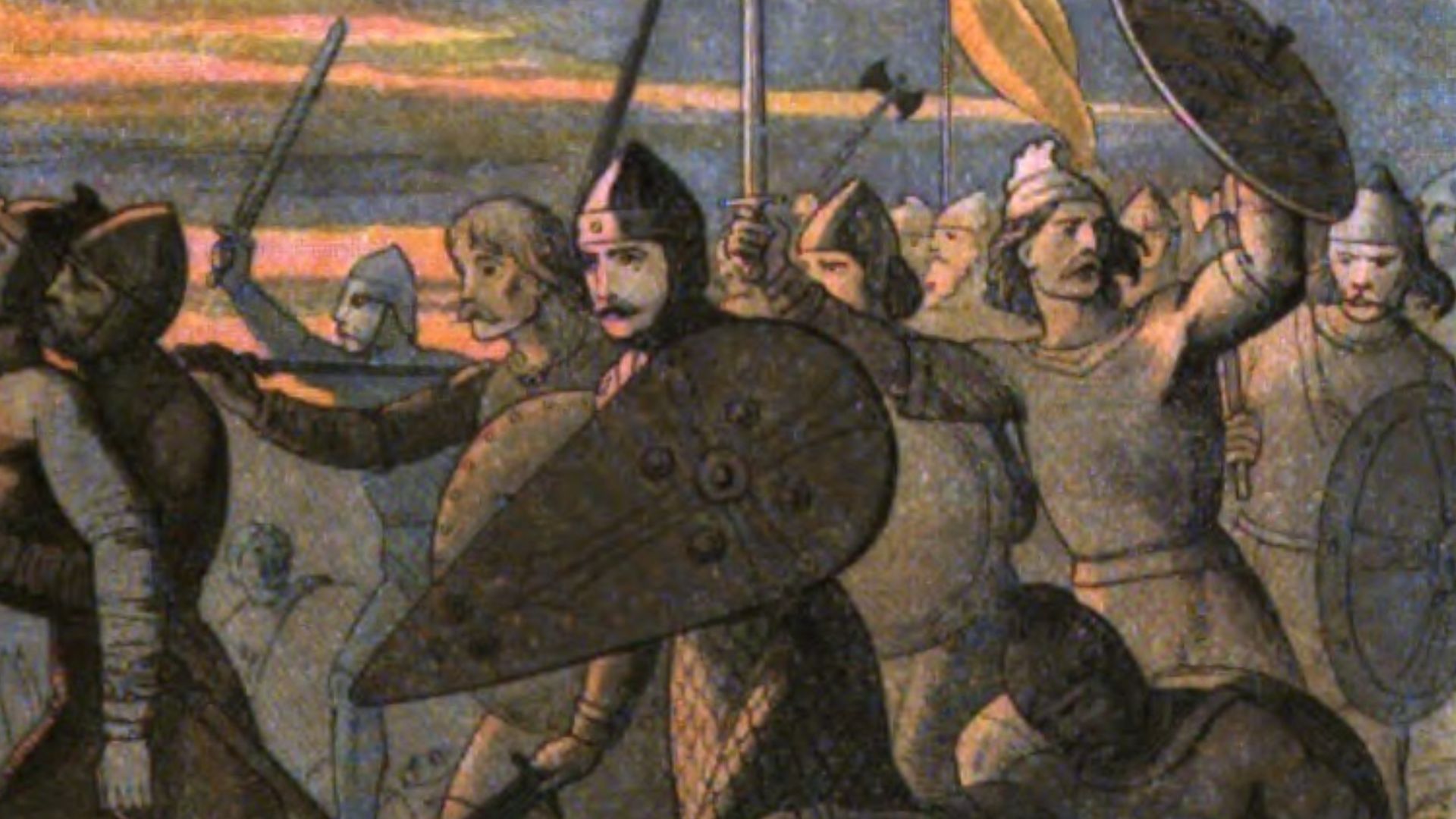
As the exact number of forces on either side is unknown, so too are the casualty numbers. Sources suggest the English fatality rate could have been as a high as 50%. One in seven named Norman noblemen are reported to have perished, though the number may be higher among common infantrymen. And what of the most important body of all?
 James William Edmund Doyle / Edmund Evans, Wikimedia Commons
43. Harold’s Humiliation
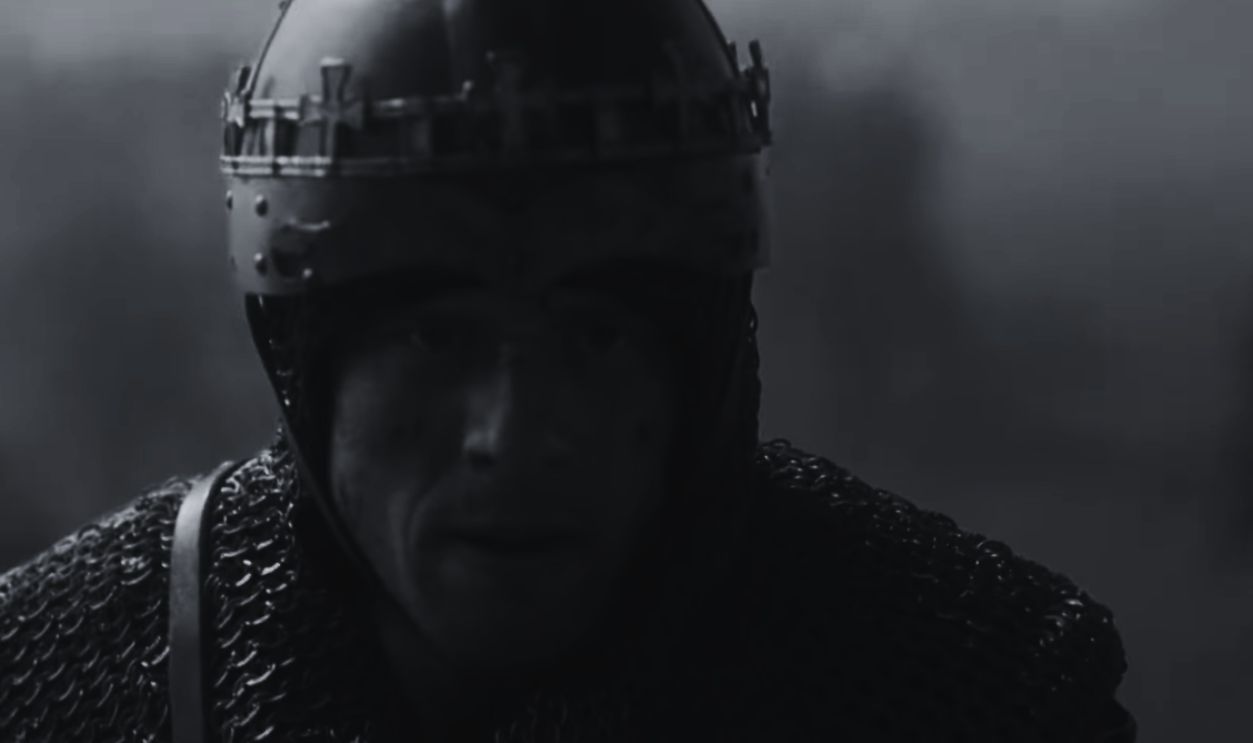
There are several stories about the fate of King Harold’s body and, again, the truth may come out. One source claims Harold’s mother offered William her son’s weight in gold for the return of his body, which William allegedly refused.
Another story alleges William ordered Harold’s body thrown into the sea. There is even a legend that Harold did not perish in the battle after all, and that he escaped to live out his days as a hermit in Chester! But regardless, his throne was now there for the taking.
 Screenshot from King & Conqueror, BBC Television (2025)
44. Victory Lap
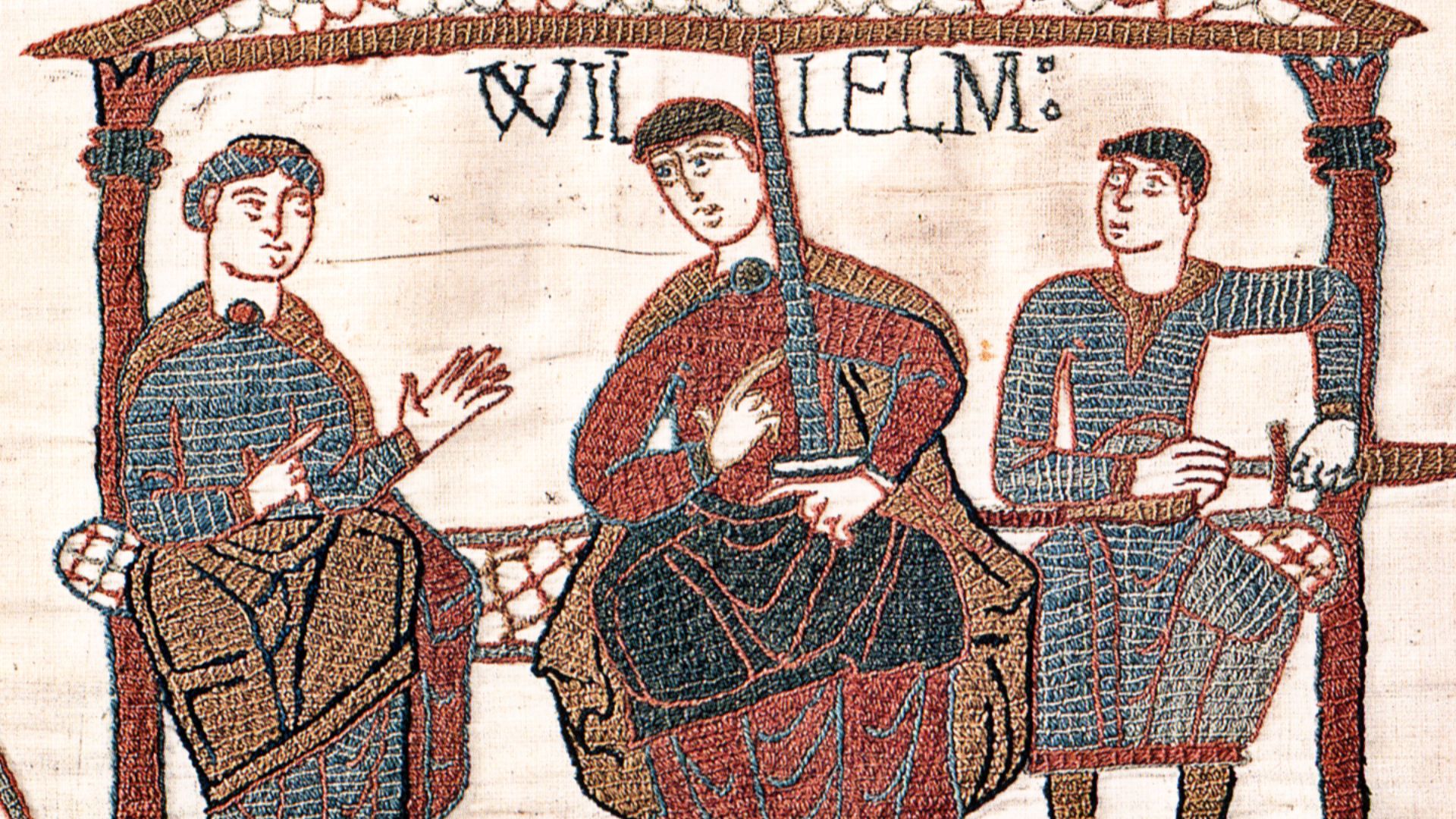
With the battle won, William now set his sights on his ultimate goal: the throne of the King of England. He and his forces set off to march on London, taking a slightly longer route around the coast of Kent. He did not go uncontested.
 12th century, Wikimedia Commons
45. Aftershocks
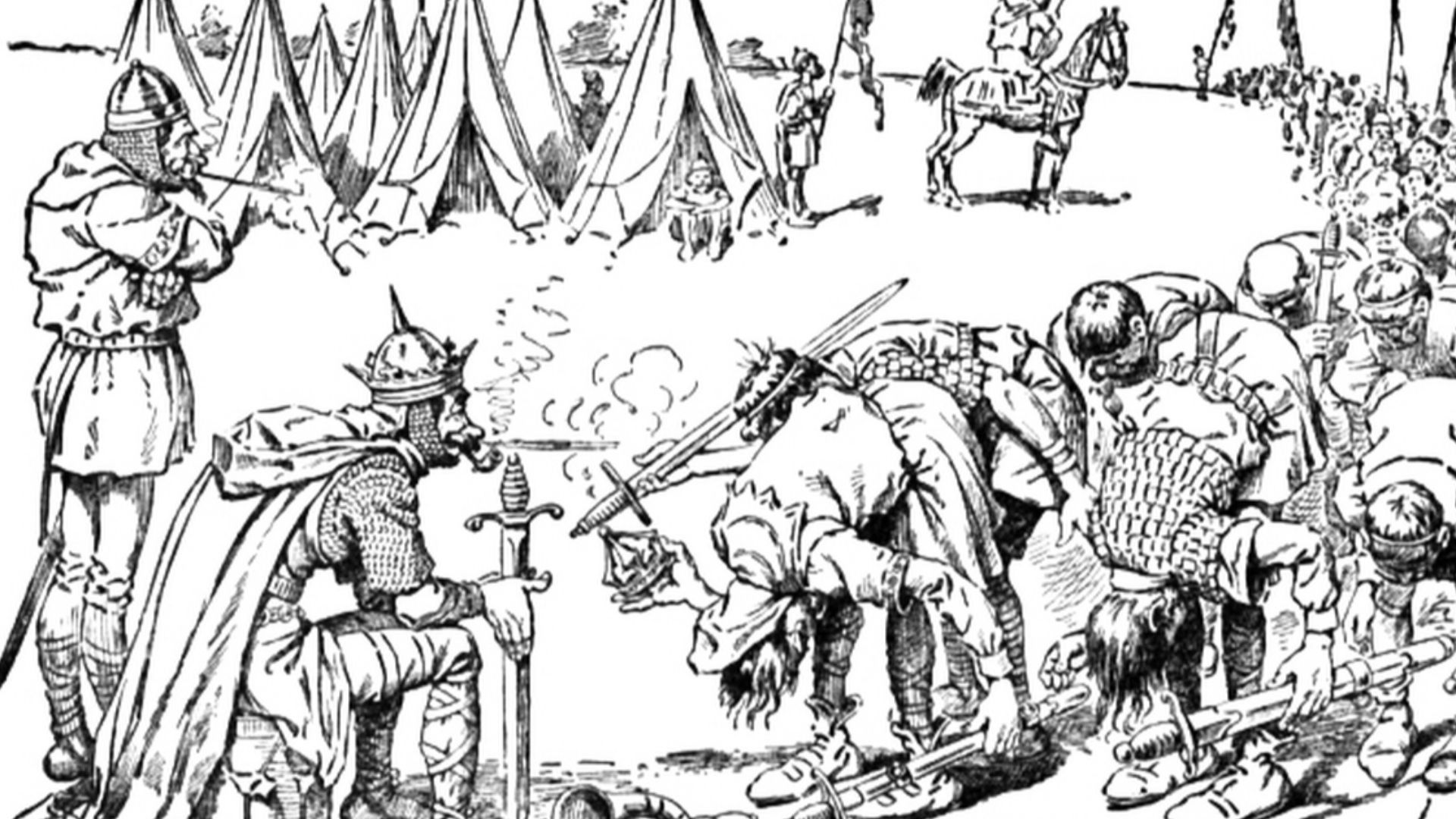
The English were not ready to roll over yet. With the support of a few earls, Edgar Ætheling was briefly declared King in Harold’s stead, and he sent forces to attack the marching Normans. The Normans dispersed easily with the attackers, however, and though certain blocked-off routes meant he had to take the long way round, William eventually arrived at the capital, leaving behind a total trail of destruction.
Later, when Edgar captured the city of York and declared himself the one true King of England. William's response was horrific. One biographer wrote, "I have often praised William...but I can say nothing good about this brutal slaughter. God will punish him." When Edgar refused to face William in battle, he starved the North, with an estimated 100,000 perishing.
Either way, England had embraced the inevitable.
 Edgar Wilson "Bill" Nye, Wikimedia Commons
History's most fascinating stories and darkest secrets, delivered to your inbox daily.
46. He Became The Christmas King
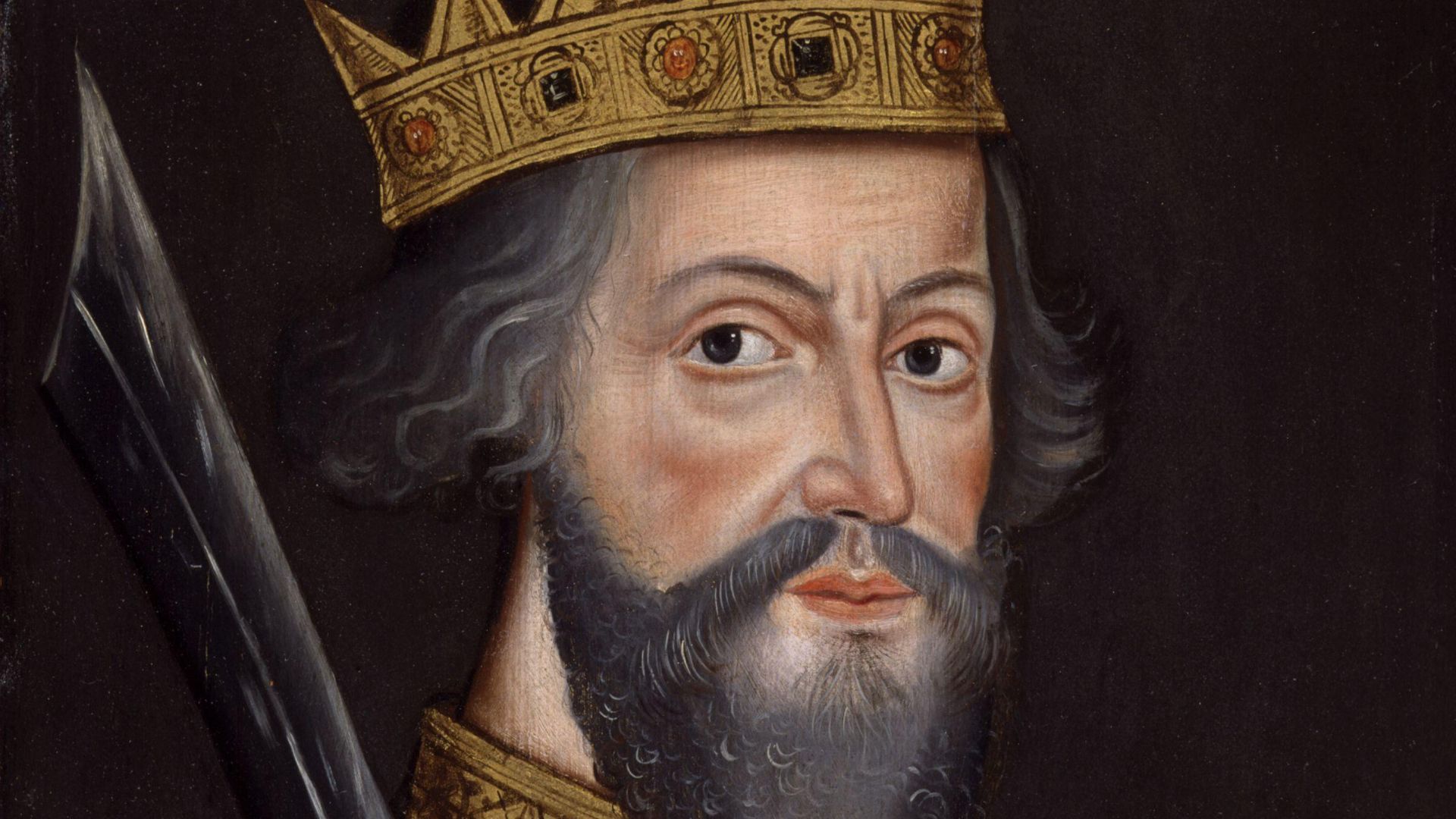
In December 1066, William approached London from the north with a still-unstoppable force of Norman warriors. The remaining English leaders had no choice but to surrender to the invader at Berkhamsted, Hertfordshire. On Christmas Day of 1066, William was proclaimed King of England in Westminster Abbey, forever altering the course of English history. But he could not rest on his laurels.
 Unknown authorUnknown author, Wikimedia Commons
47. It Was A Difficult Reign
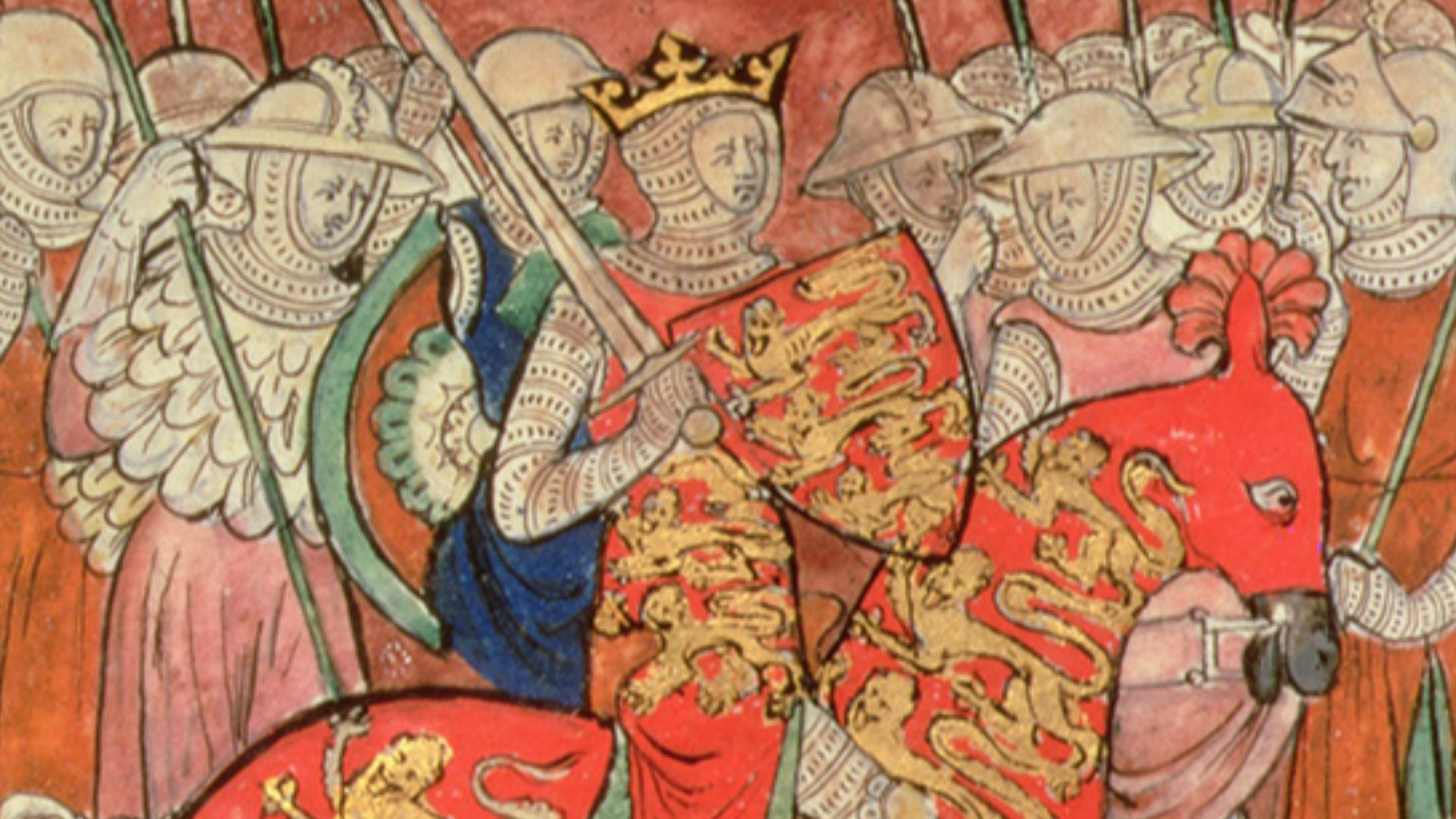
Though the English nobles had submitted unquestioningly to William, resistance to Norman rule continued for several years after the Battle of Hastings. Indeed, among William’s troubles, he could count a rebellion in Exeter, an invasion by Harold’s sons, an uprising in Northumbria, and a Danish invasion. The new King crushed all dissent, however, and immortalized the battle which announced his entry onto the stage of history.
 Unknown authorUnknown author, Wikimedia Commons
48. He’s Part Of An Immortal Image
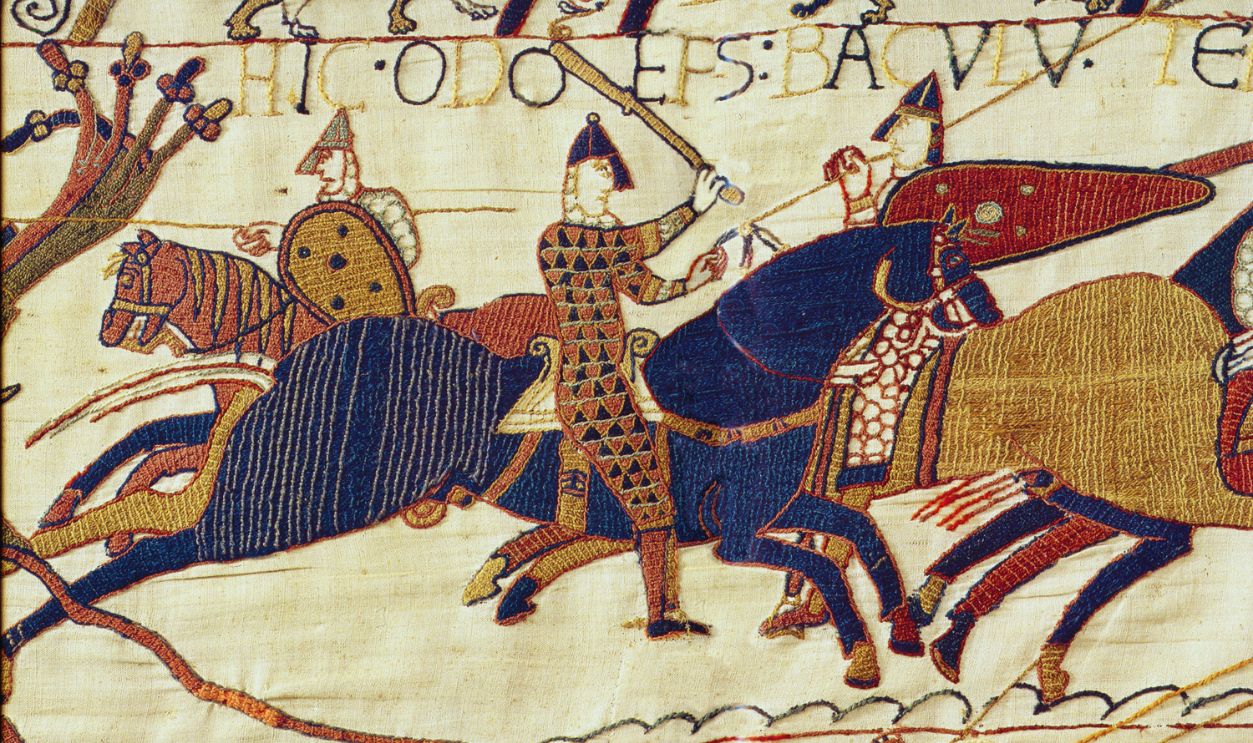
The most well-known artist’s depiction of the Battle of Hastings is the Bayeux Tapestry, a beautifully embroidered narrative tapestry of the events leading up to the conflict. Likely commissioned by one of William’s bishops, the piece has served as a visual representation of a now-mythological event in English history, one that has captured imaginations.
49. He Got What He Gave
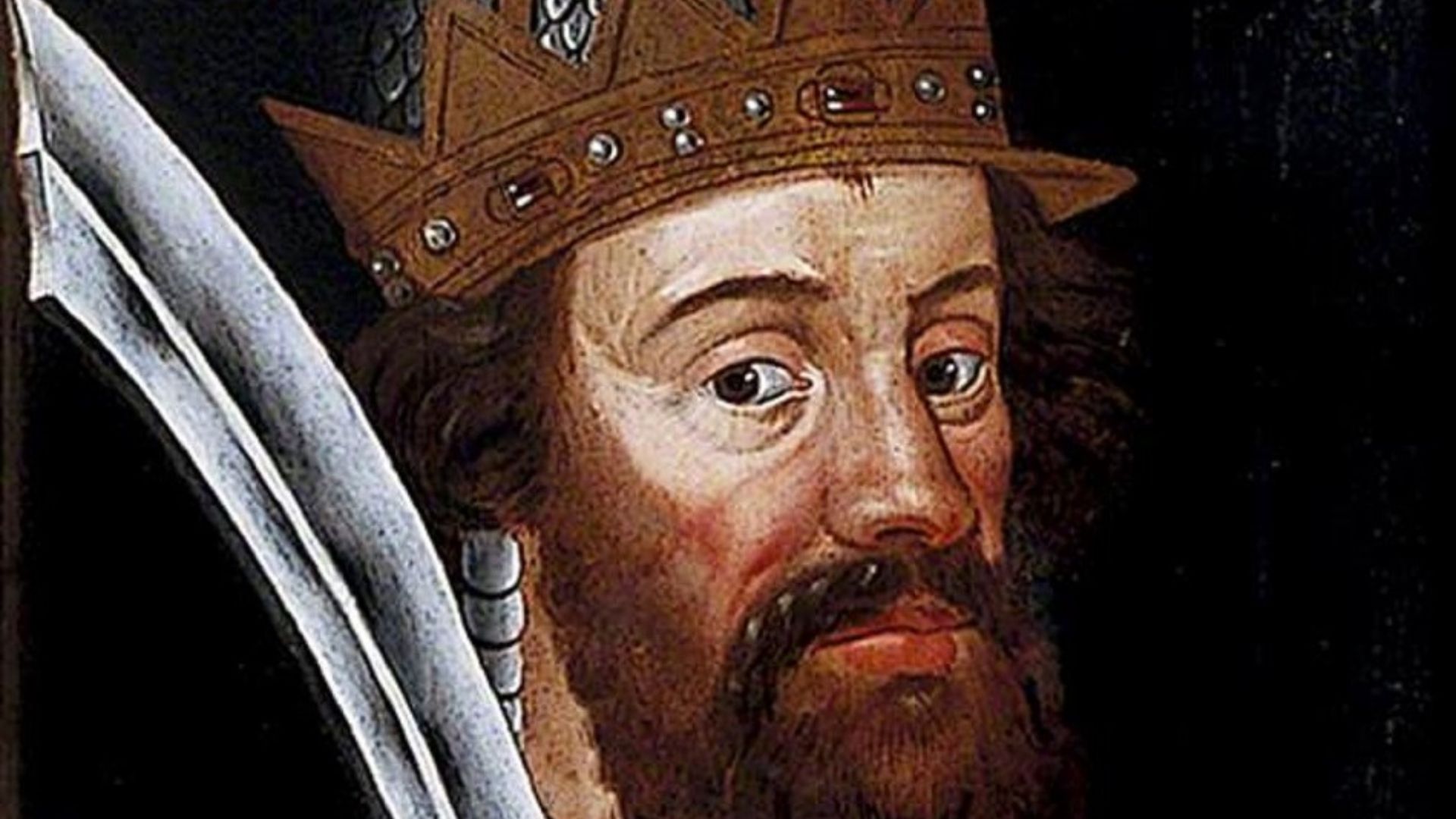
William the Conqueror more than earned his nickname through the bloodshed at the Battle of Hastings. His reign was a dark time in England—so it's fitting that when his end came, it was utterly gruesome. In his final years, the once-strapping William ballooned to massive proportions. One day, his horse reared up in battle, slamming his gut against the pommel of his saddle and rupturing his intestines. William spent the next several days in agony before finally succumbing to his injuries—but somehow, the most horrific part was yet to come.
 Unknown Artist c. 1580 Original version of a 1620 painting, Wikimedia Commons
50. His Funeral Was A Horror Show
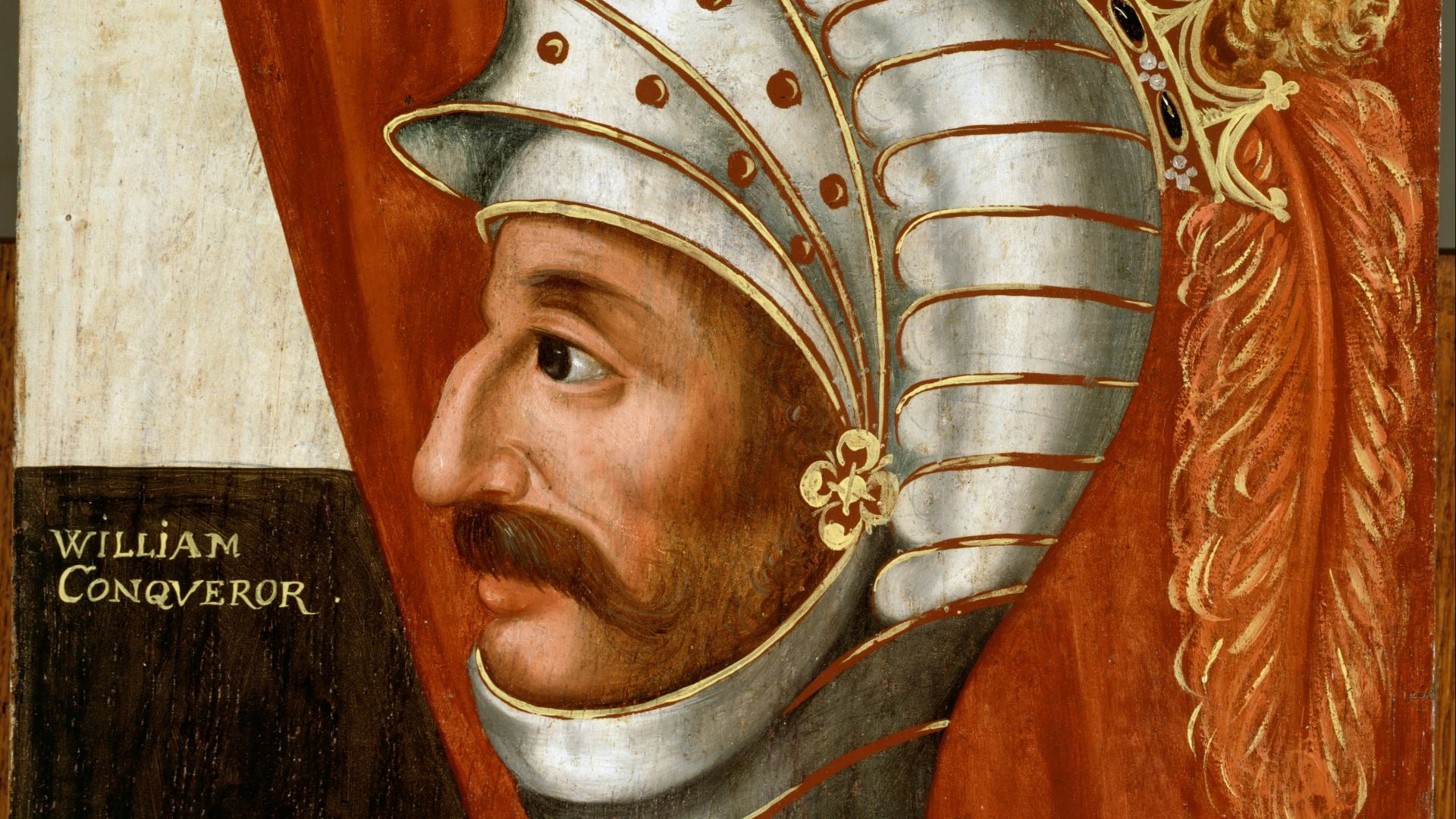
Many came to pay respects at William the Conqueror's funeral—but no one expected the gruesome scene that played out. Since William had grown incredibly large in his old age, and his bloated remains wouldn't fit in the stone tomb his attendants had built for him. The priests tried to simply stuff him inside, and they regretted it almost instantly. His abdomen burst, sending putrid guts everywhere. The stench was so terrible, mourners fled the church in horror.
 British – School Details on Google Art Project, Wikimedia Commons
You May Also Like
Disturbing Facts About the Dark History of Medieval Europe
Brutal Facts About King William II, The Conqueror's Son