
Making A Stand
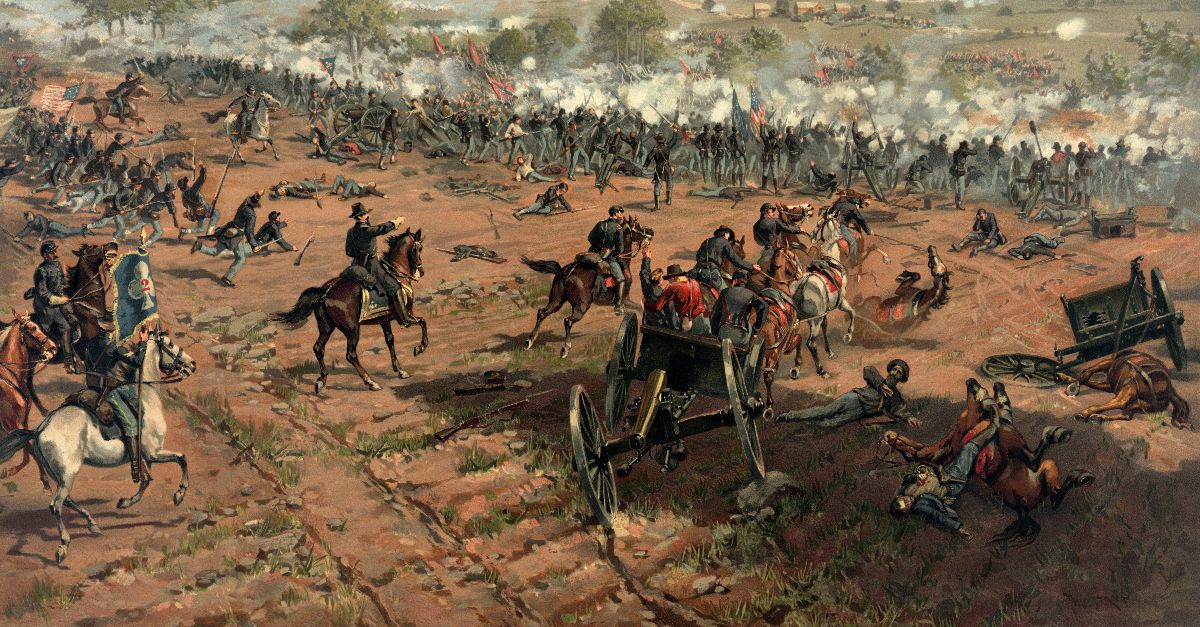
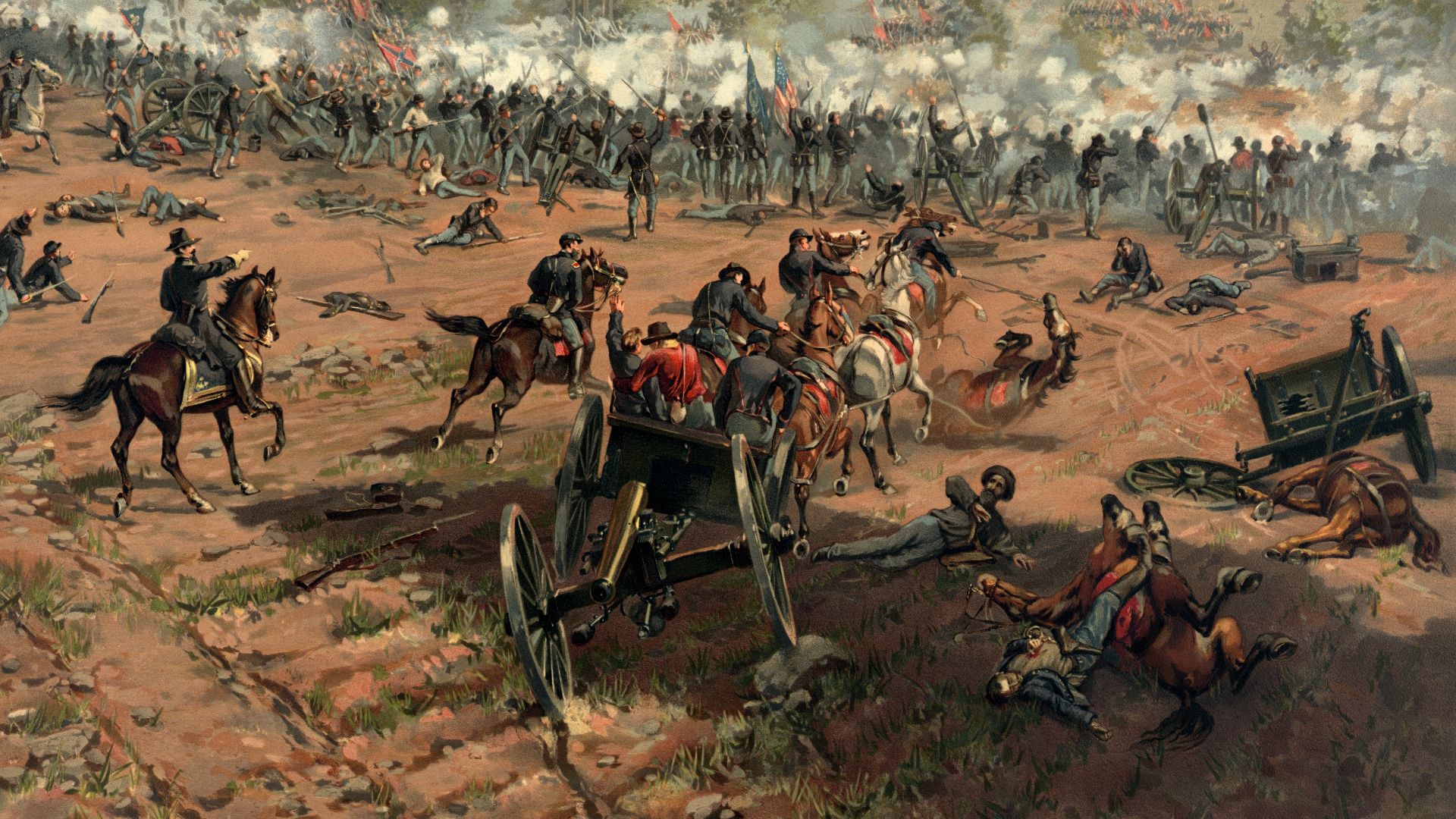
At the height of America’s conflict pitting brother against brother, Union forces were grasping for a foothold to push back against the Confederate Army, especially as General Robert E Lee’s reputation grew. However, a battle was about to commence—the Battle of Gettysburg. It would turn the tide of the conflict and, as is widely believed, ultimately lead to a Union victory...but at a staggering cost.
 Thure de Thulstrup / Adam Cuerden, Wikimedia Commons
1. He Began A Campaign
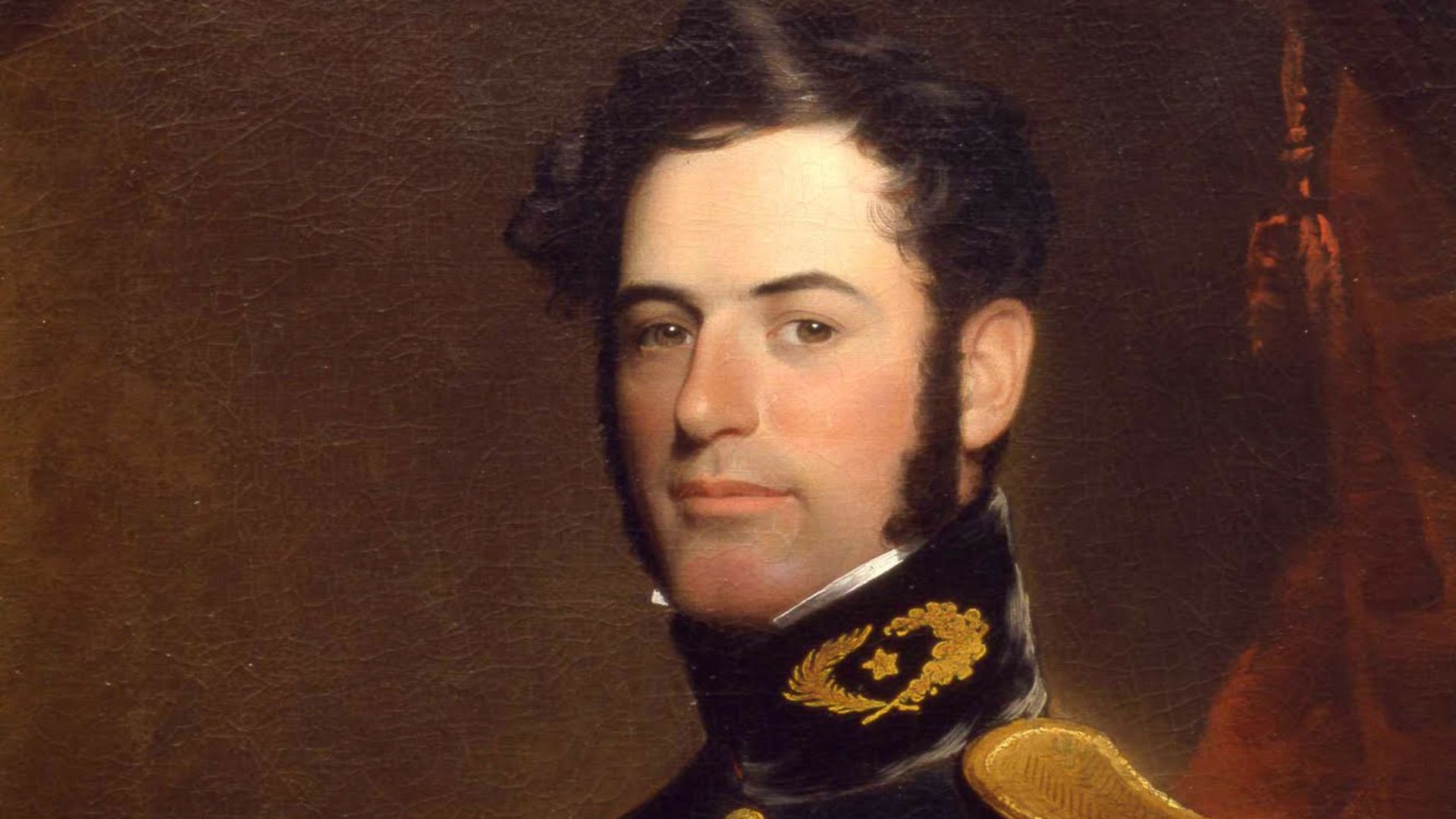
Two years after hostilities broke out between the Northern and Southern states, sparking the American Civil War, the conflict wasn’t looking good for the Union, especially since Confederate Commander Robert E Lee was growing bolder and bolder. Having recently won the Battle of Chancellorsville against Union forces in early 1863, Lee chose to push his advantage even further, planning an invasion of the North for a second time.
Little did he know that the North already had plans of its own.
 William Edward West, Wikimedia Commons
2. They Were On Their Way
While Lee was planning his campaign, he received news that demanded a more immediate course of action—the North was moving in. Union forces had crossed over the Potomac River into the border state of Maryland, and Lee wanted to act quickly. Preparing his own forces to respond, he stationed them near Cashtown, a township just eight miles away from Gettysburg, Pennsylvania.
While their fight was with the Union army, they had no qualms about antagonizing civilians either.
 Michael Miley, Wikimedia Commons
3. They Stole From Them
As the Confederate Army pushed into the North, they weren’t exactly quiet about their advance and did everything possible to prove how big a danger they were. Although Lee ordered his men to limit the damage done to civilians, many locals had no choice but to provide supplies or financial compensation to the Confederates. Far worse, though, the invading army captured dozens of African-Americans, whether they were escaped slaves or freemen.
At the same time, the Union was undergoing a major shift.
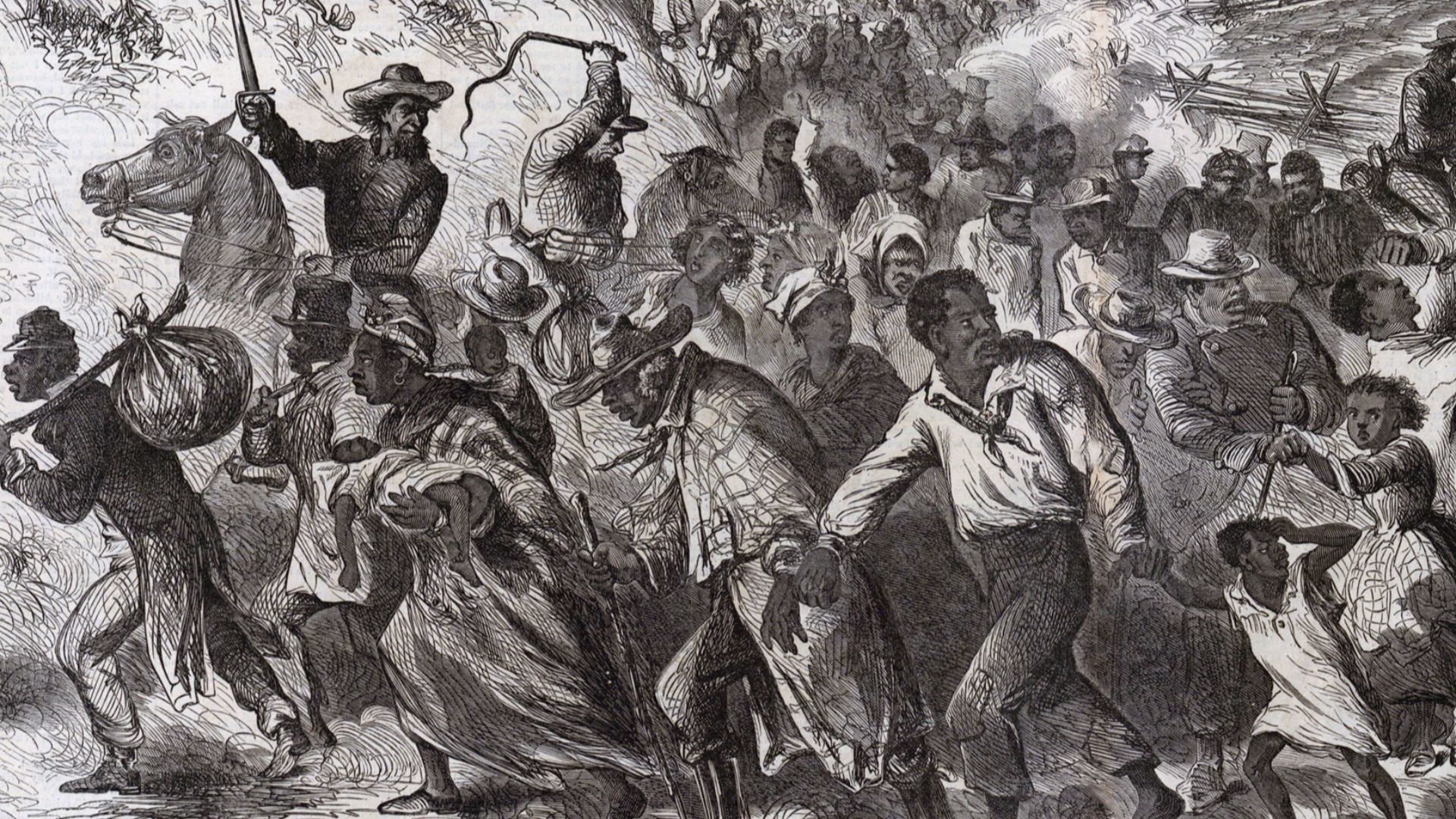 Harper's Weekly Magazine, November 8, 1862, pp. 712-713., p. 16., Wikimedia Commons

History's most fascinating stories and darkest secrets, delivered to your inbox daily.
4. He Replaced Him
Any army could fall victim to dissent, and the Union Army wasn’t any different, especially with someone like Major General Joseph Hooker. Although he led the Army of the Potomac, he couldn’t see eye to eye with the higher-ups, to the point where President Abraham Lincoln was looking for any reason to fire him. So, when he unexpectedly resigned, Lincoln agreed without hesitation and promoted George Meade in his place.
Before long, both sides were ready to duke it out—though one had an advantage.
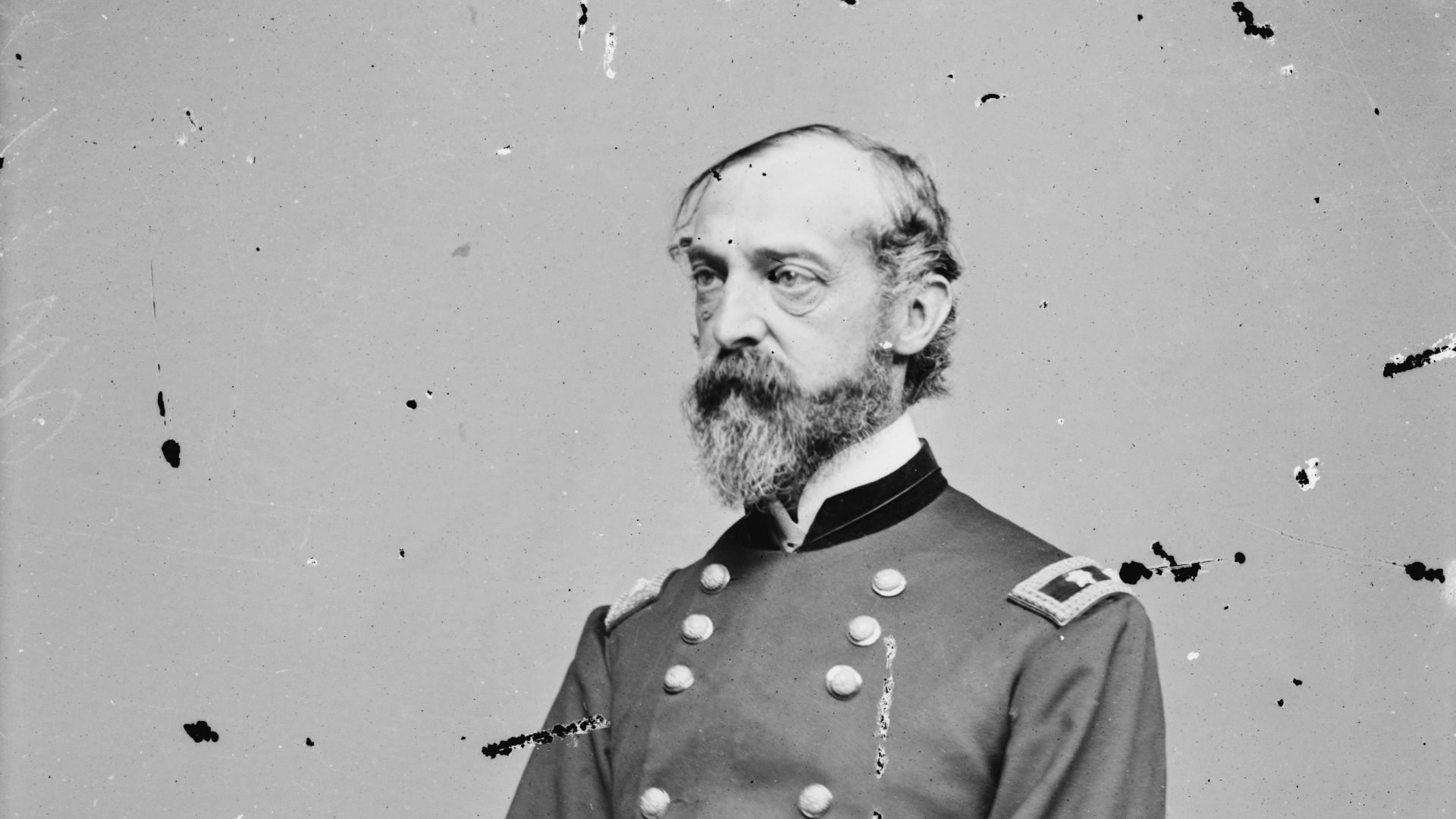 Mathew Brady (cleaned up by Hal Jespersen at en.wikipedia), Wikimedia Commons
5. He Spotted The Army
Having already overcome the local forces in Gettysburg, the Confederates felt like they could handle anything thrown their way—within reason. As Brigadier General J Johnston Pettigrew and his men approached the town, they saw the Union cavalry arriving at the same time, but just to the south. However, the Confederates believed these were nothing more than the militia they had already defeated, and as such, posed no danger.
Even so, they tried to be one step ahead of them.
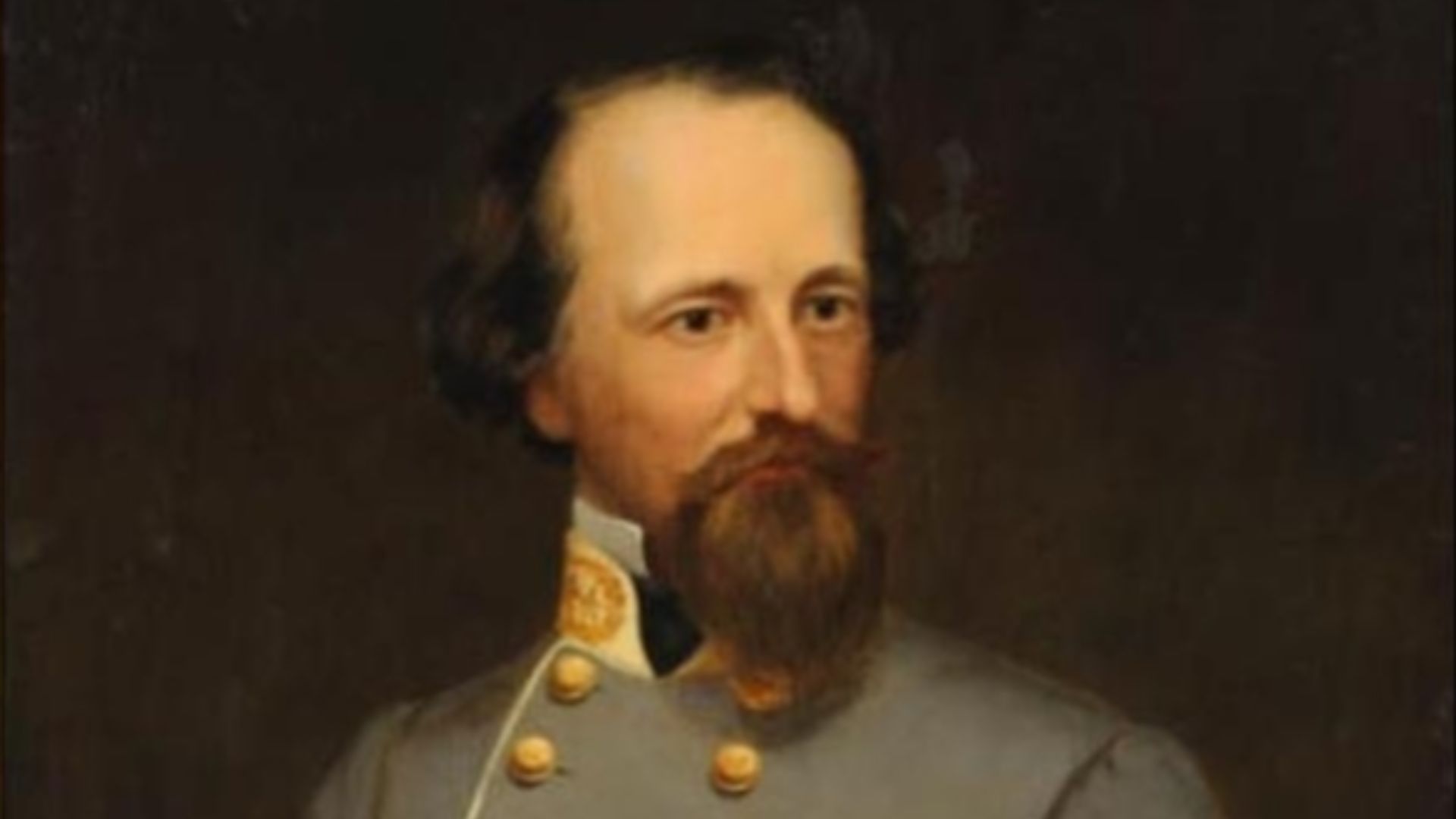 William Garl Browne Jr., Wikimedia Commons
6. He Saw Them Coming
On the Union side, the Army of the Potomac was preparing to put a stop to the invaders as soon as possible, and luckily, they had just arrived in Gettysburg with a good idea of the Confederate plans. Knowing it was only a matter of time before the enemy marched on the town, Union Major General John Buford set up his men along three ridges to the west, where he believed they would come from.
Finally, the stage was set and the players in place—but someone had to kick things off.
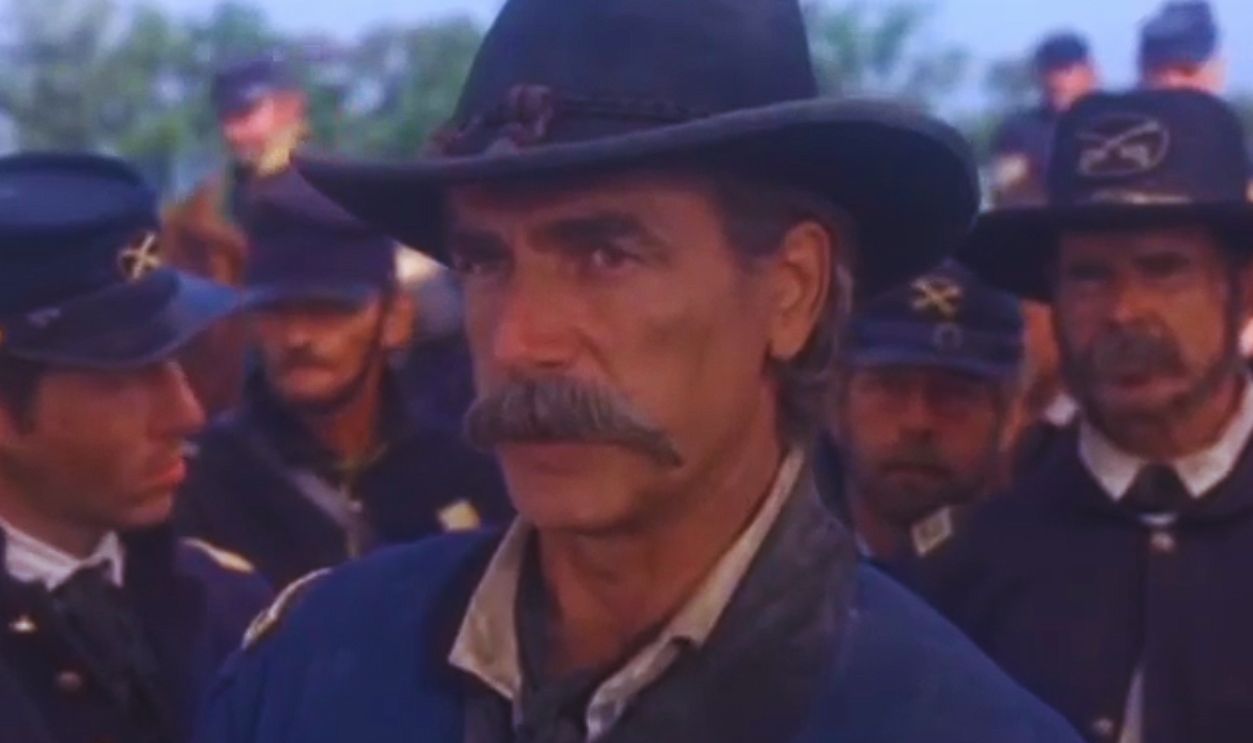 Screenshot from Gettysburg, Turner Pictures (1993)
7. They Started Fighting
Even if they didn’t know the full scope of what they were facing at first, the Confederate forces felt confident they would emerge victorious—even though they were also outnumbered. With a force of about 75,000, they faced 100,000 Union servicemen, but nonetheless, the battle began when the two armies met on July 1, and Union Lieutenant Marcellus Jones fired the first shot.
Right away, the North wasn’t off to a great start.
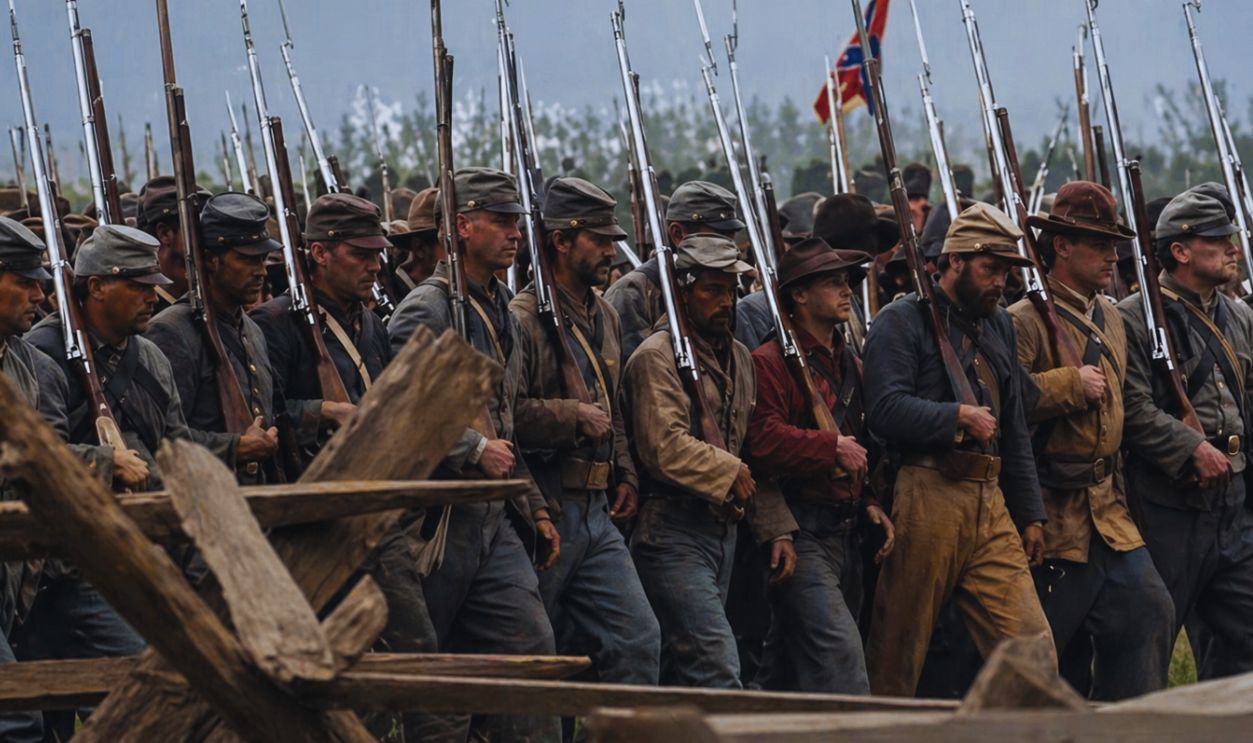 Screenshot from Gettysburg, Turner Pictures (1993)
8. They Lost An Asset
A bitter and grisly end could come for anyone on the battlefield, no matter their rank, and no one learned this more quickly than those under Union General John Reynolds. Not long after the battle began, Reynolds was busy ordering his men around when he suddenly took an enemy shot and perished. Although this was only one of the many casualties from the battle, it was a shocking loss, as many have called him “the best general in the army”.
However, not all the Union leaders would be so easily eliminated.
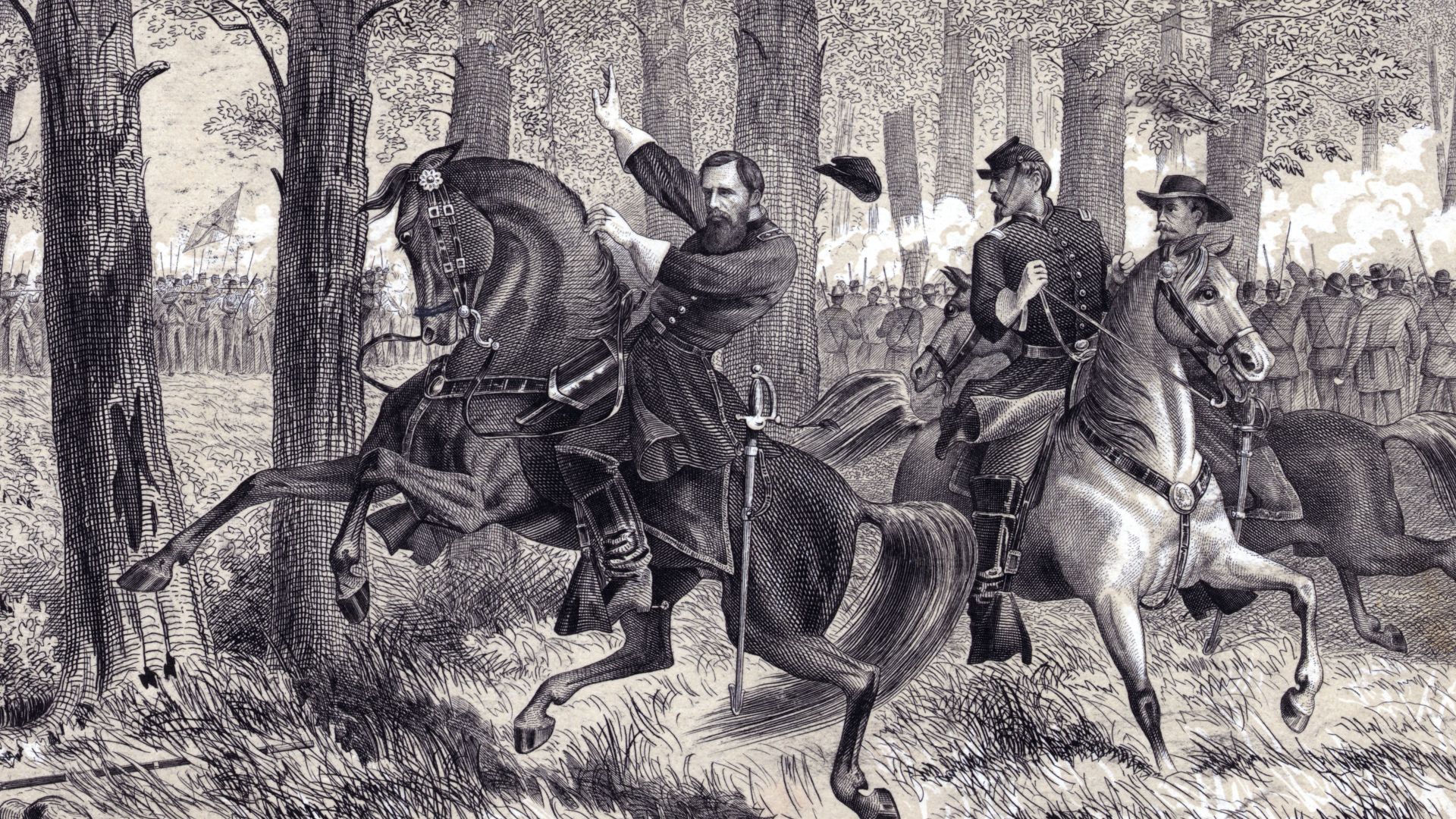 Alfred Rudolph Waud, Wikimedia Commons
9. They Took Them Captive
Elsewhere on the battlefield, the Confederates thought they could gain the upper hand by going through the nearby Herbst Woods and hitting the Union forces from there—but they were sorely mistaken. Union Brigadier General Solomon Meredith brought his Iron Brigade down on the Confederates, driving them back and taking a few hundred men captive in the process.
Unfortunately, when it came to the Battle of Gettysburg, the South was just getting started.
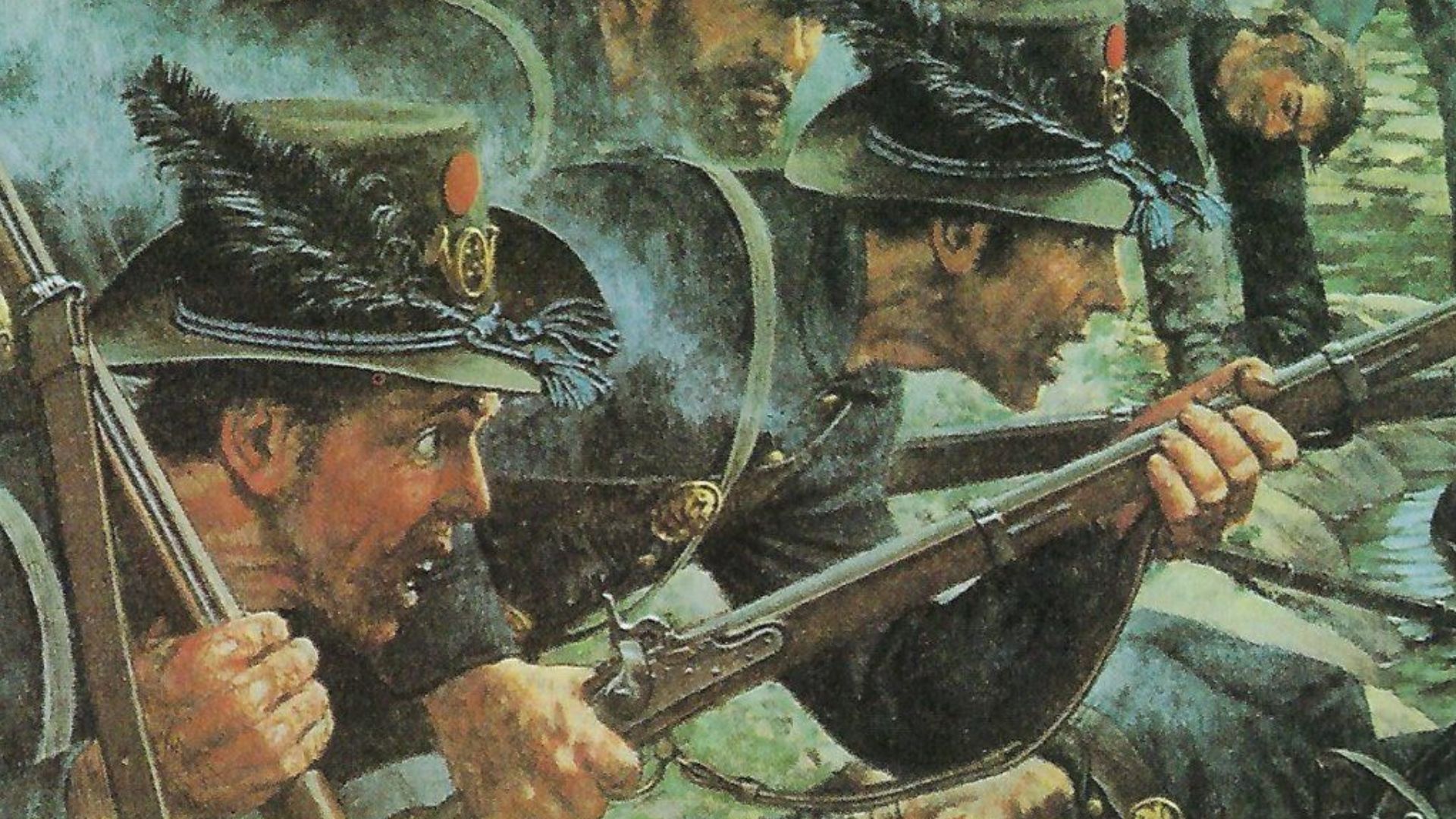 Unknown authorUnknown author, Wikimedia Commons
History's most fascinating stories and darkest secrets, delivered to your inbox daily.
10. They Pushed Them Back
After overcoming the Confederates in Herbst Woods, the Union army was feeling pretty good about their chances—but the fight wasn’t over. Brigadier General Pettigrew responded by leading his North Carolina Brigade straight to the woods and pushing the Iron Brigade out of their advantageous position.
At the same time, Union forces weren’t doing much better across town.
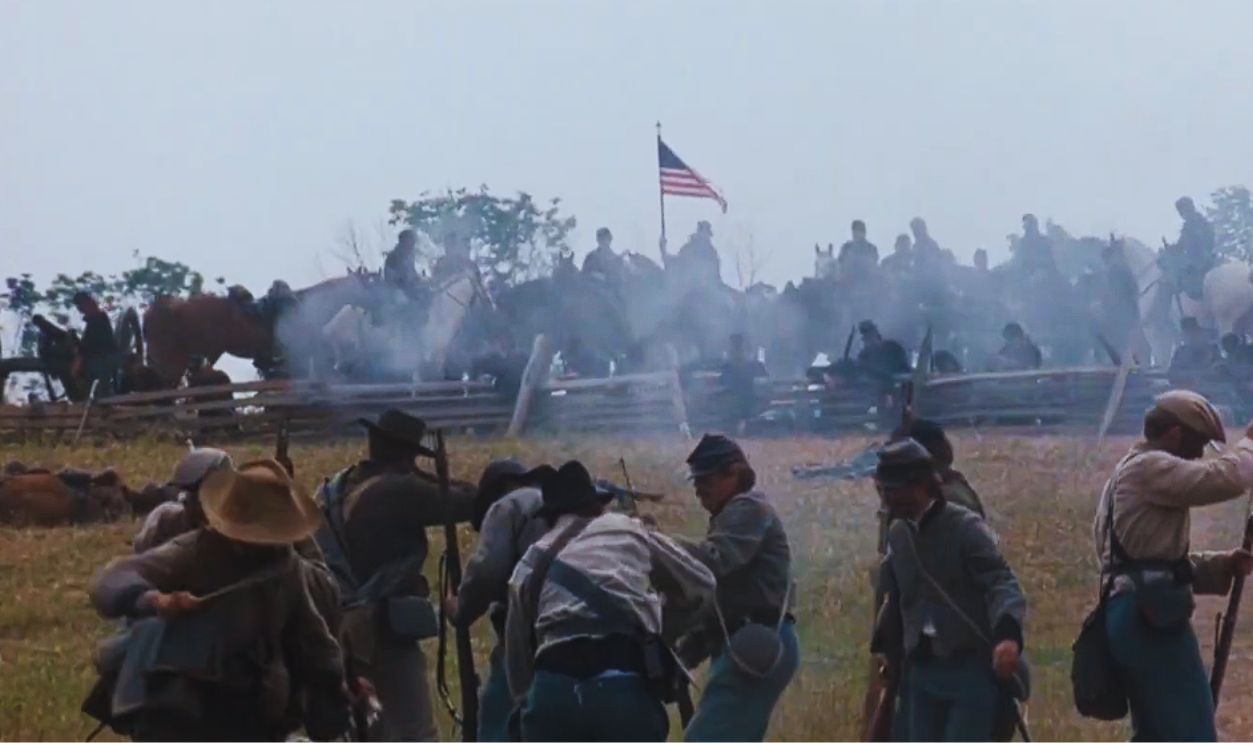 Screenshot from Gettysburg, Turner Pictures (1993)
11. They Got Around Them
Major General Buford had been correct about the Confederates marching on Gettysburg from the West, but that wasn’t the extent of their plans. That afternoon, two Confederate divisions outmaneuvered the Union Corps stationed in the north and northwest, overwhelming them before too much longer.
They could only wait so long before making the tough, but inevitable, decision.
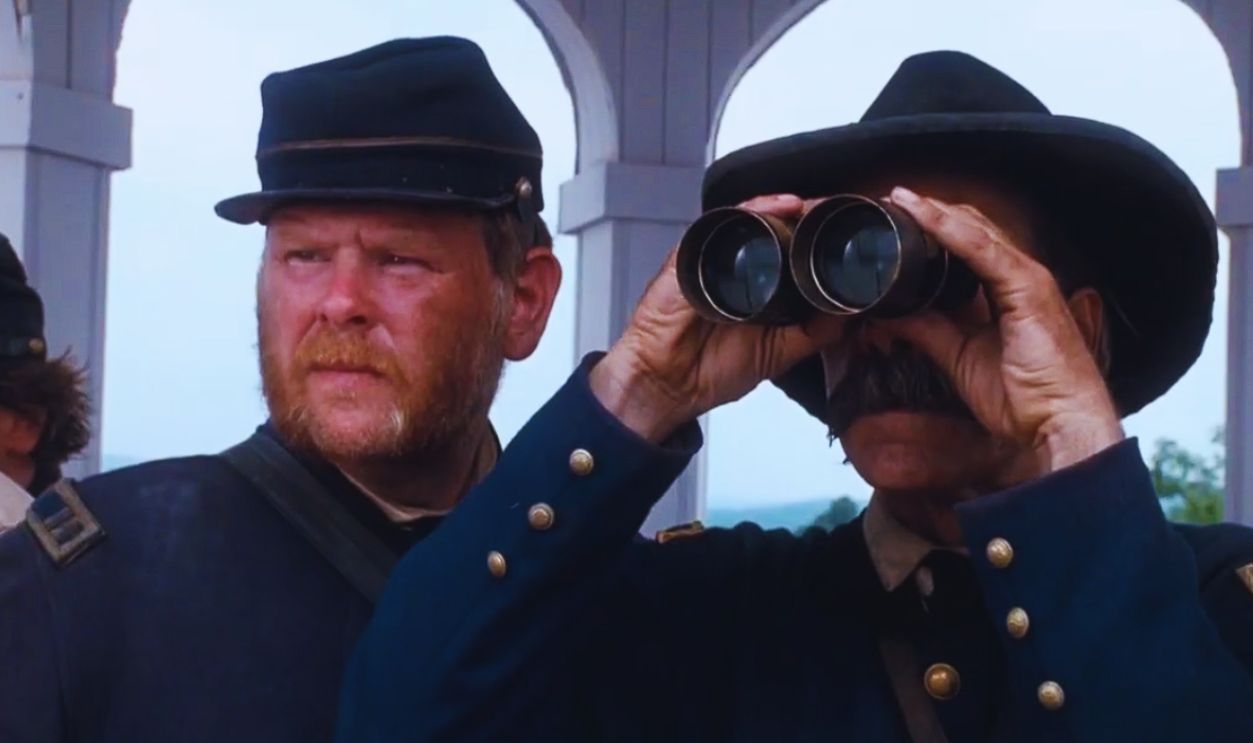 Screenshot from Gettysburg, Warner Bros. (1993)
12. They Pulled Back
Despite all their preparation, the Union army wasn’t doing so well against the Confederates in either the West or the North, so they had to make a difficult choice. Settling on a more practical spot to fortify, most of the Union forces retreated to Cemetery Hill just south of Gettysburg, hoping to gain the advantage of higher ground over the enemy.
Suddenly, this had all become much larger than they expected.
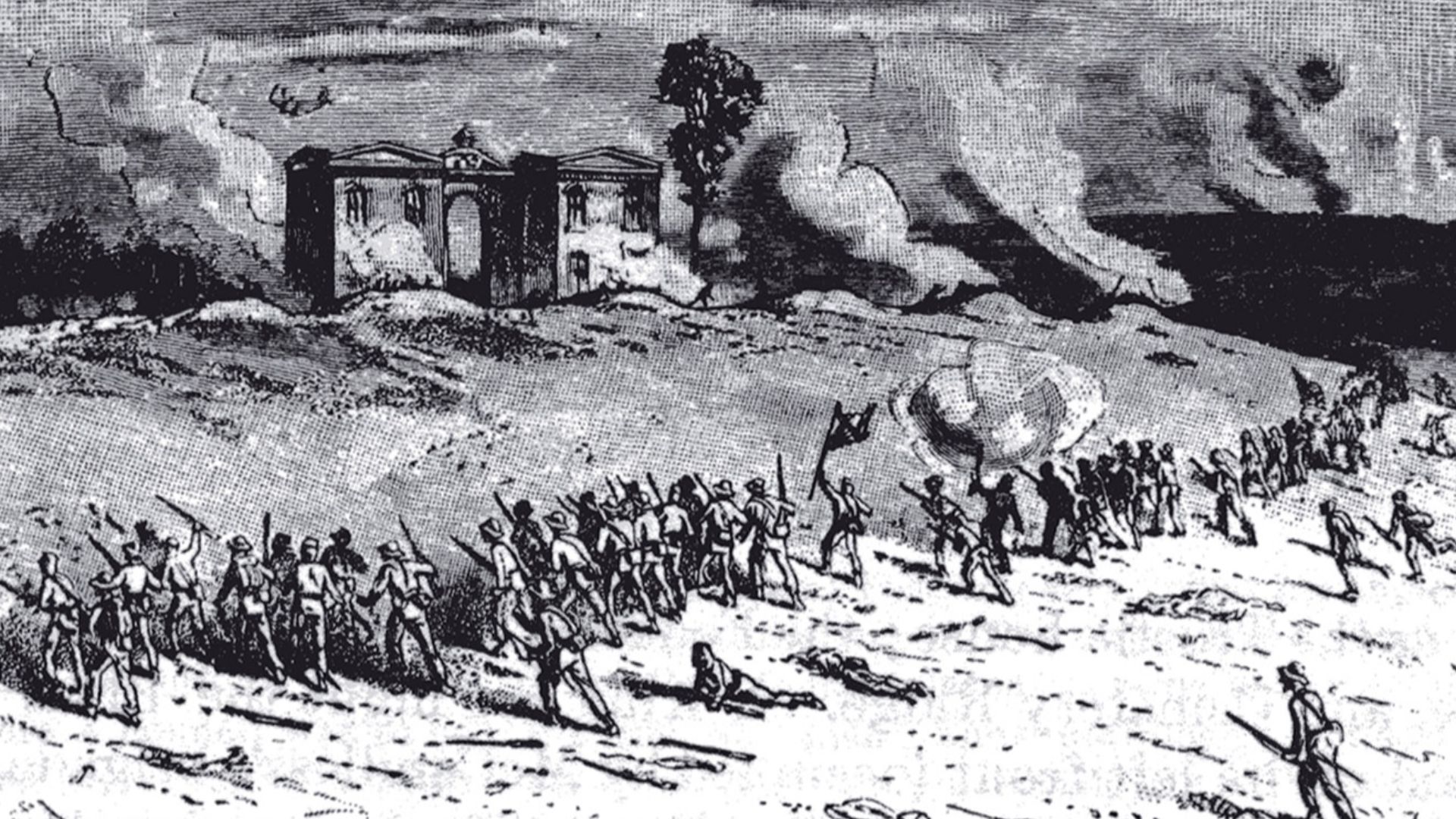 Unknown authorUnknown author, Wikimedia Commons
13. He Assessed The Field
Both sides seemed to have thought the Battle of Gettysburg would be little more than a skirmish, but as they realized the scope of everything, Union forces had to reconsider their position. Appointed by the new Union commander, Major General Winfield Hancock took charge of the field and examined whether it was suitable for the immense battle they were facing.
Luckily, fate had put them in exactly the right place.
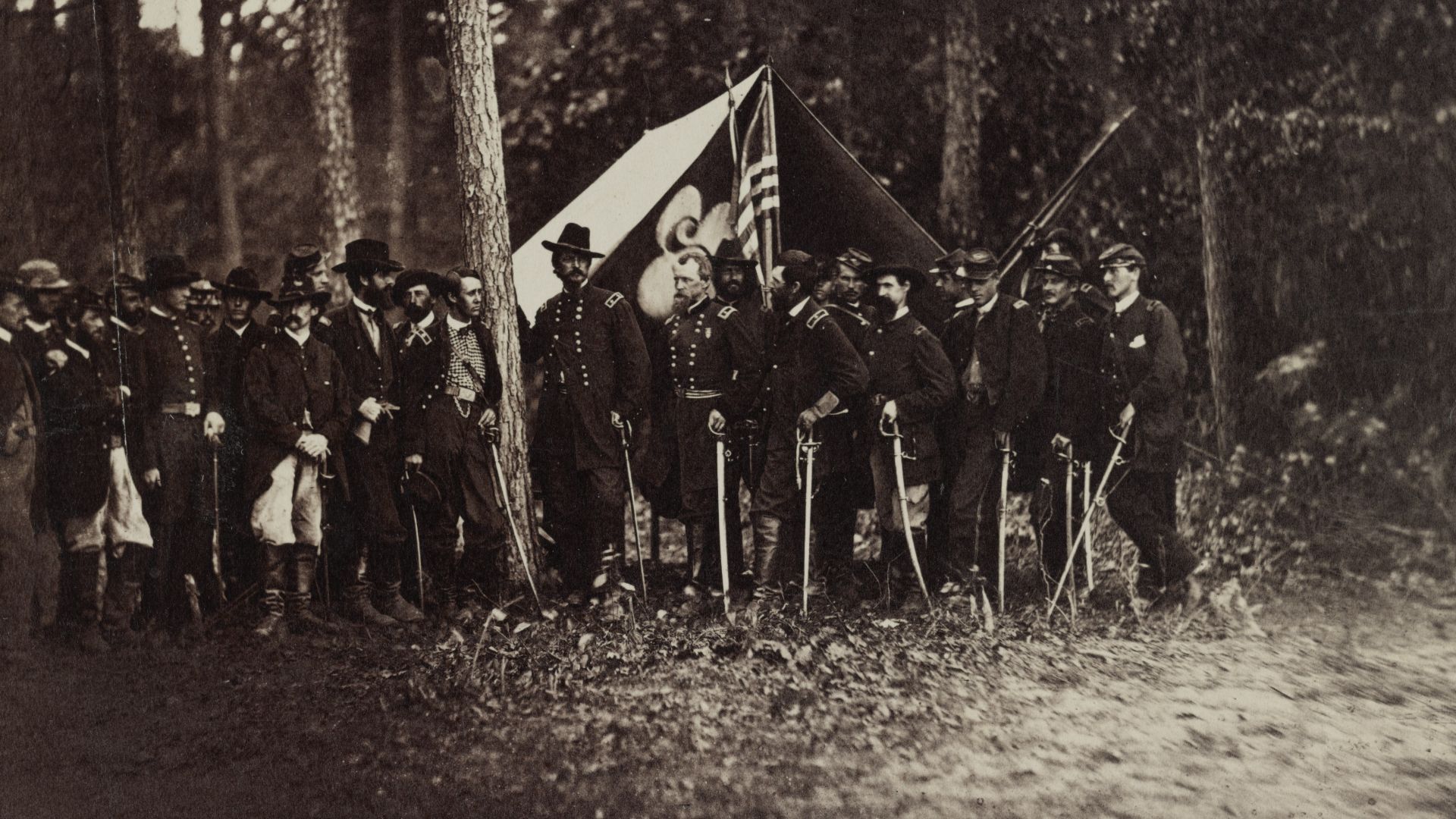 Civil War Glass Negatives, Wikimedia Commons
14. He Thought It Was Perfect
Performing his duty to the letter, Hancock went to Meade with his assessment of the land, and although they would have avoided a large-scale battle if they could, they also couldn't have hoped for a better location. With their newfound high ground, Hancock believed they had the best possible position to win, and this declaration instilled the Union forces with the exact motivation they needed.
On the other hand, it also helped that the Southern forces were more hesitant.
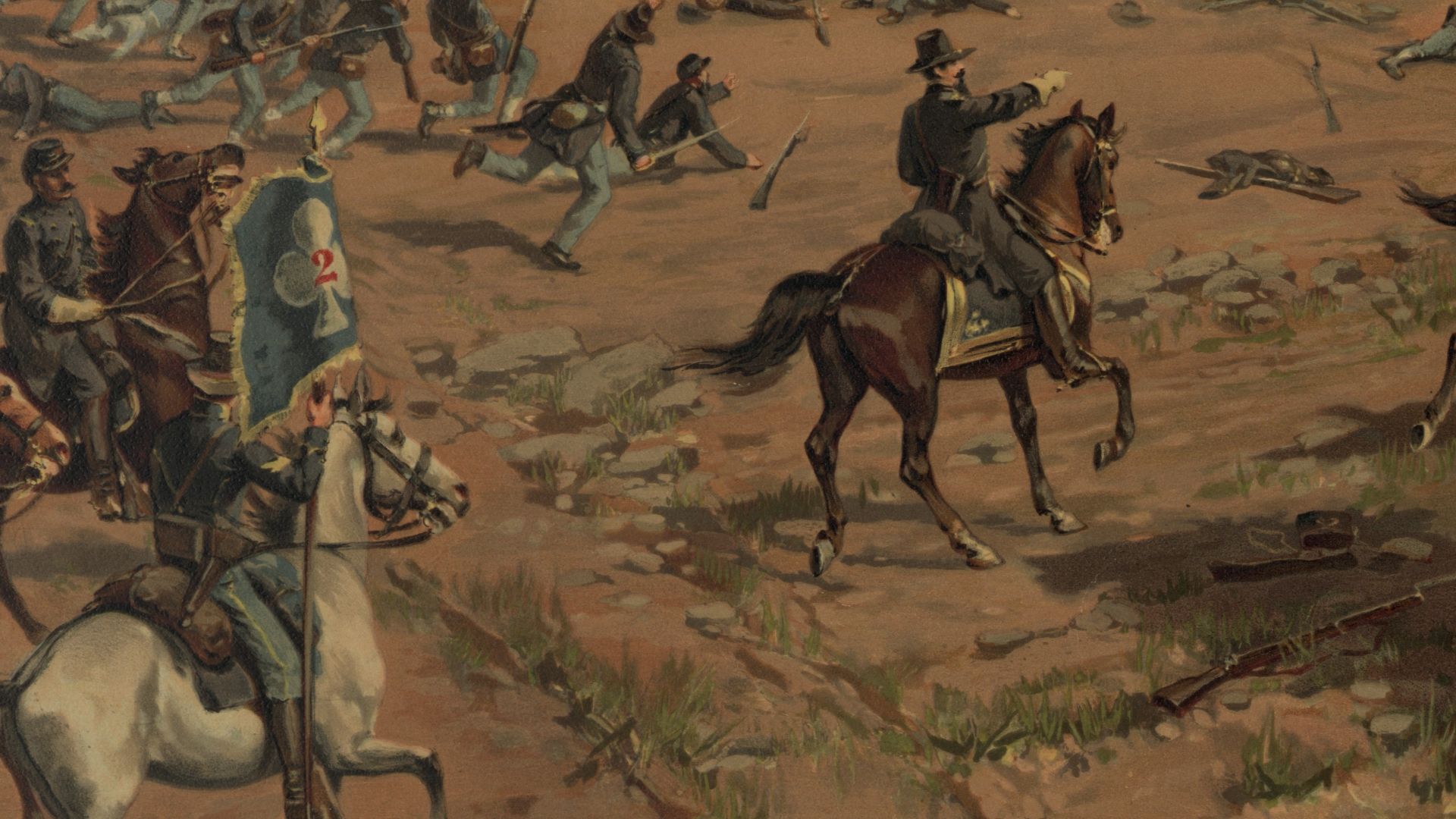 Thure de Thulstrup, Wikimedia Commons
15. He Passed It Up
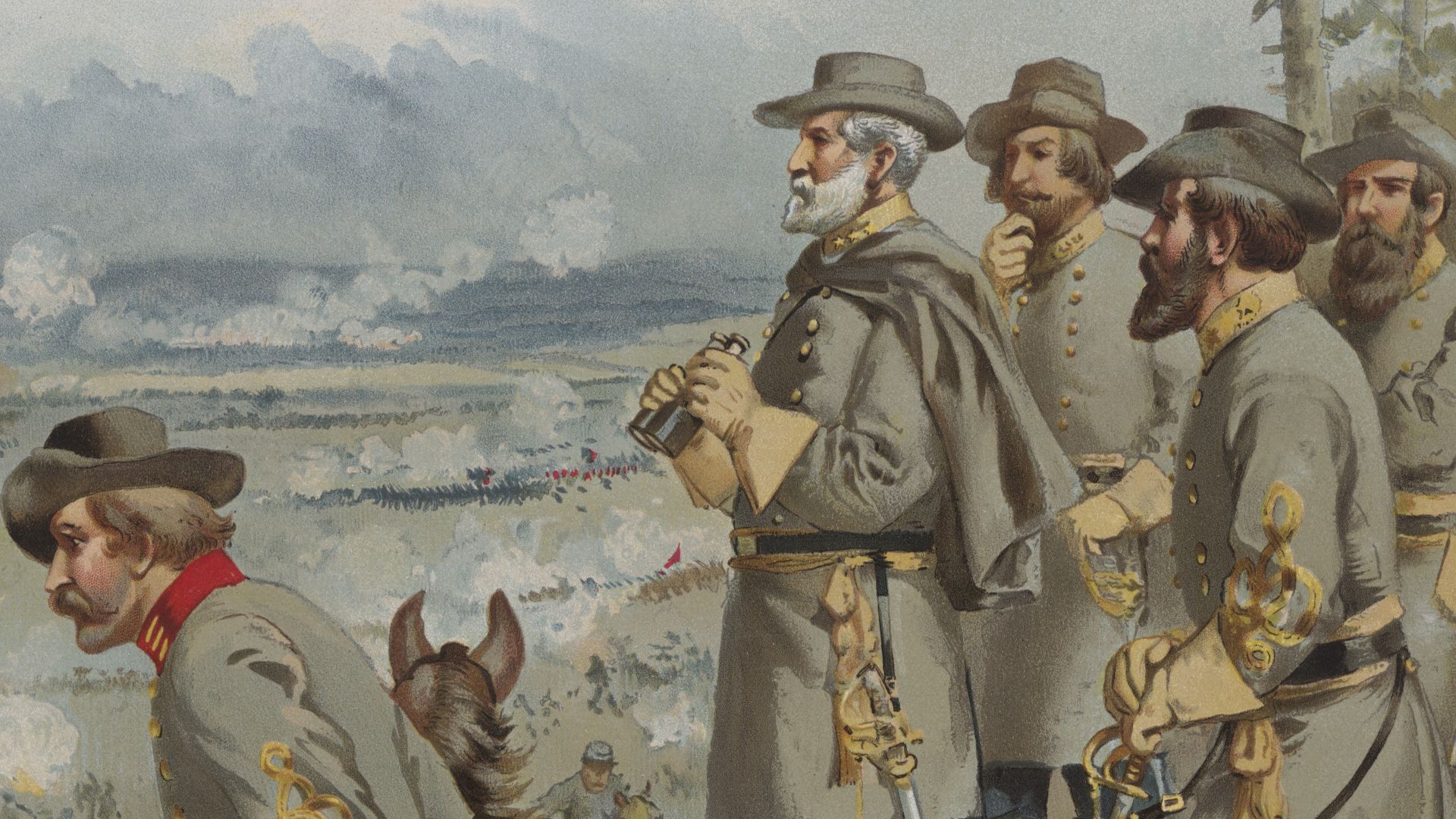
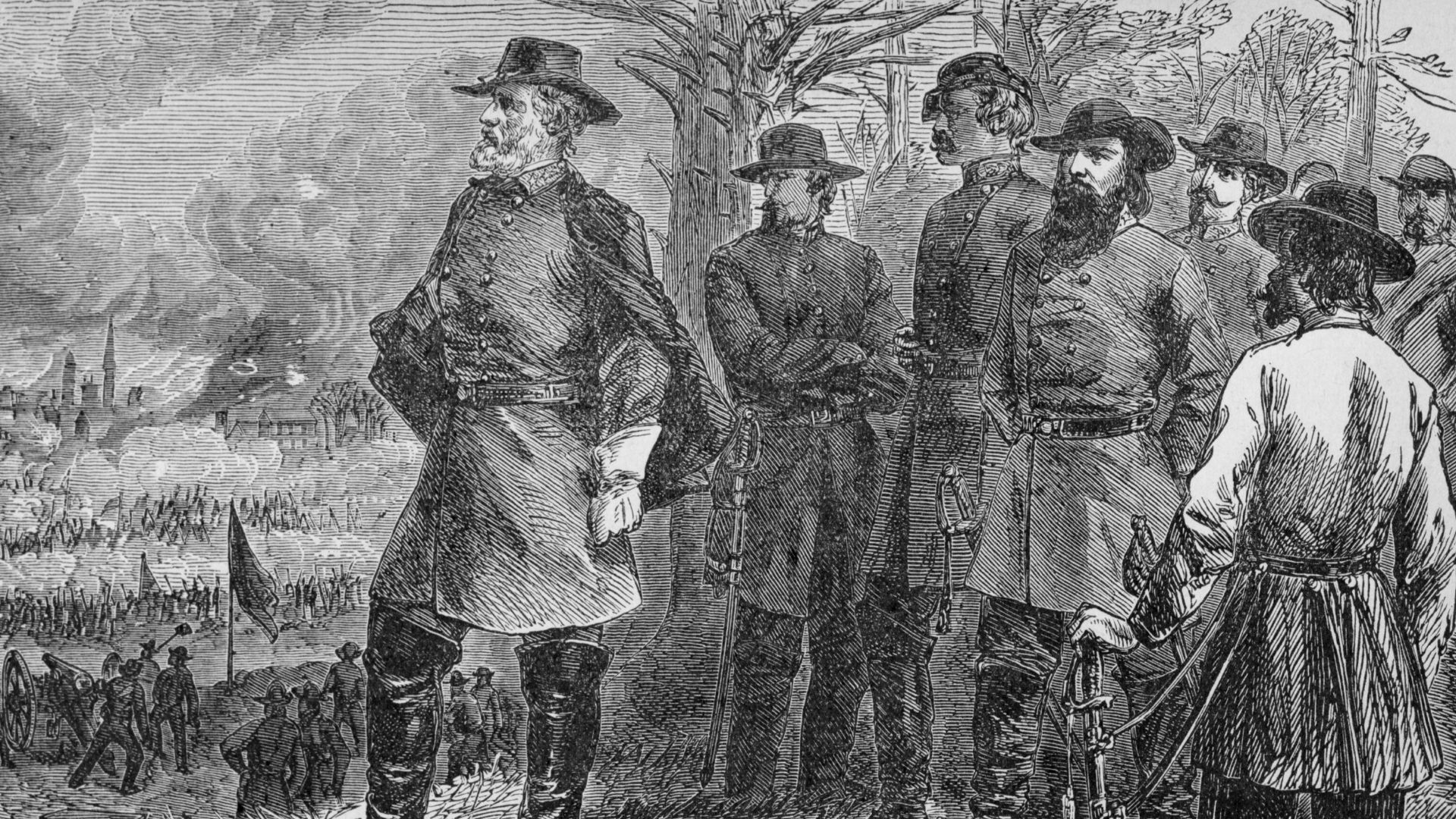
Throughout the first day of the battle, General Lee kept a close eye on all the proceedings and began to grow worried as the Union posted up on Cemetery Hill. He knew this would likely only benefit them, but left the issue in the hands of his General Richard Ewell, who chose not to attack, believing it wouldn’t end well. While he believed this was correct at the time, historians have often looked at this decision as a major mistake.
To make matters worse for them, the Union forces were only getting stronger.
![Richard S. Ewell, Confederate general in the American Civil War. Cropped version of the original photo from the United States National Archives and Records Administration, see below.
R.S. Ewell, C.S.A..
CREATED/PUBLISHED
[between 1860 and 1870]
NOTES
Title from unverified information on negative sleeve.
Forms part of Civil War glass negative collection (Library of Congress).
SUBJECTS
United States--History--Civil War, 1861-1865.
Portrait photographs--1860-1870.
Glass negatives--1860-1870.
MEDIUM
1 negative : glass, wet collodion.
CALL NUMBER
LC-B813- 6585 B
REPRODUCTION NUMBER
LC-DIG-cwpb-07442 DLC (digital file from original neg.)
SPECIAL TERMS OF USE
No known restrictions on publication.
REPOSITORY
Library of Congress Prints and Photographs Division Washington, D.C. 20540 USA
DIGITAL ID
(digital file from original neg.) cwpb 07442 http://hdl.loc.gov/loc.pnp/cwpb.07442](https://www.factinate.com/storage/app/media/factinate/2026/4/30/1777552199d16dc42a7dfaca168ea83431e395b5d0d272e242.png) Library of Congress Prints and Photographs Division, Wikimedia Commons
Library of Congress Prints and Photographs Division, Wikimedia Commons
History's most fascinating stories and darkest secrets, delivered to your inbox daily.
16. They Had Backup
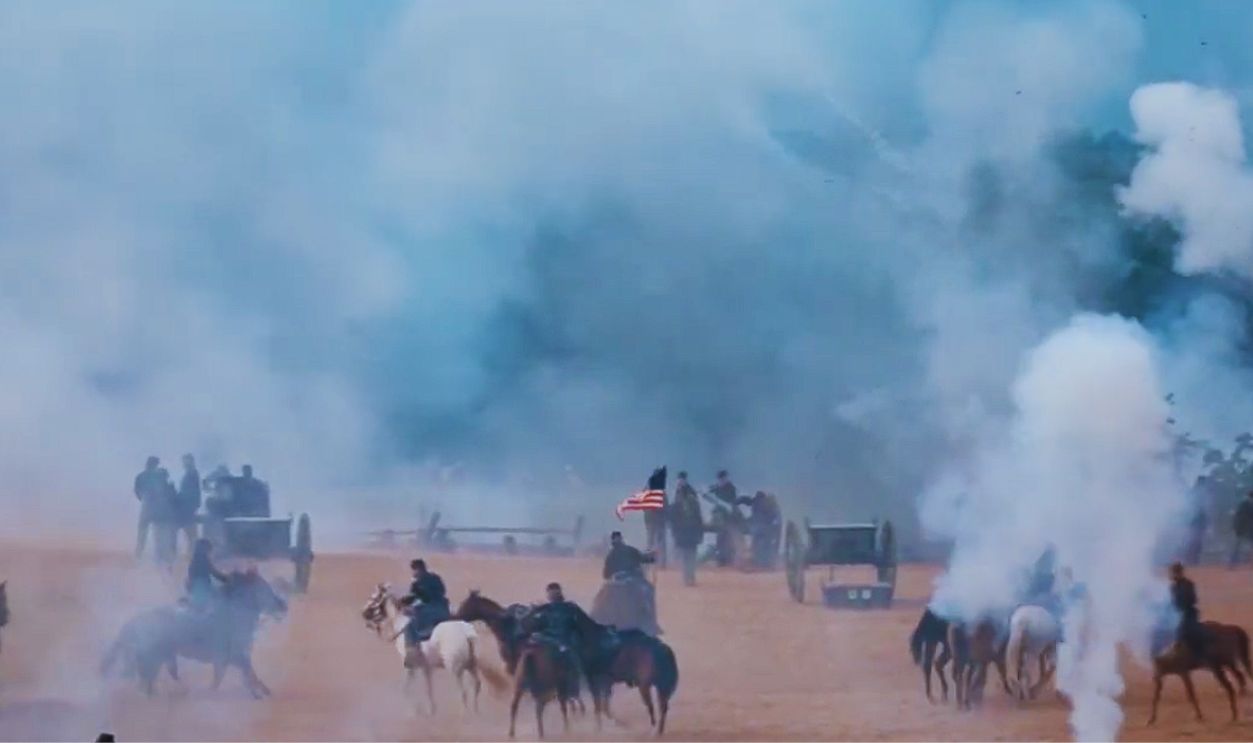
Neither the Army of the Potomac nor the opposing Confederate Army of Northern Virginia was at full strength at the start of this battle, but as it grew into a larger conflict, both were happy to receive help. By the following morning, the two armies had nearly all of their numbers present as more corps arrived, and they were finally ready to begin.
Of course, all the while, Lee was using the time to prepare his big push.
 Screenshot from Gettysburg, Warner Bros. (1993)
17. He Made A Plan
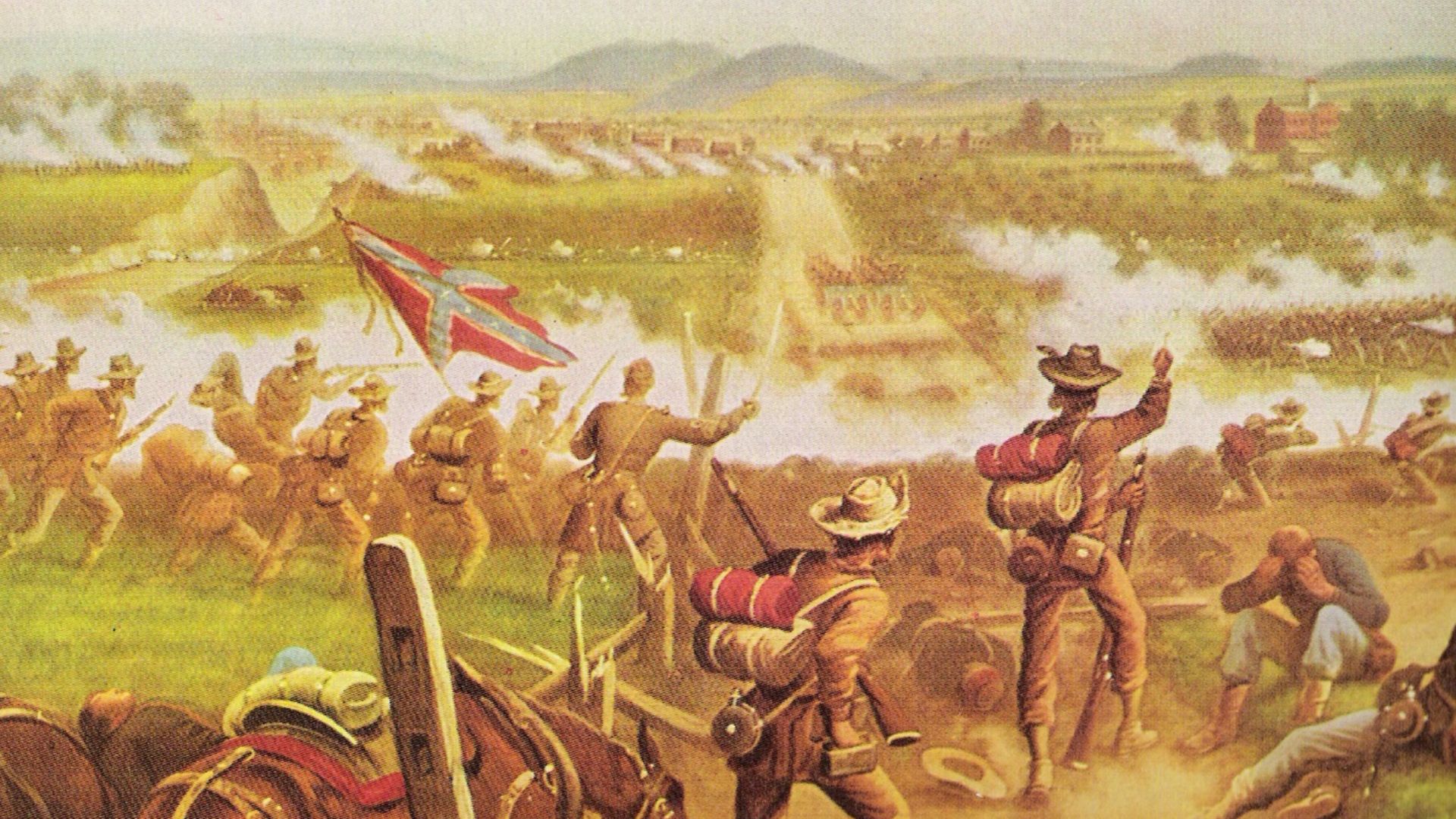
As both armies bolstered their ranks and were ready to fight again, Lee planned out the attack in a way that would hit the Union from all sides again. Ordering his First Corps to attack the Union’s left flank under Lieutenant General James Longstreet, he then prepared General Ewell to lead the Second Corps’ march on Cemetery Hill once the battle began.
However, one of these groups met with an unexpected opportunity.
 James Alexander Walker, Wikimedia Commons
18. They Ran Into Him
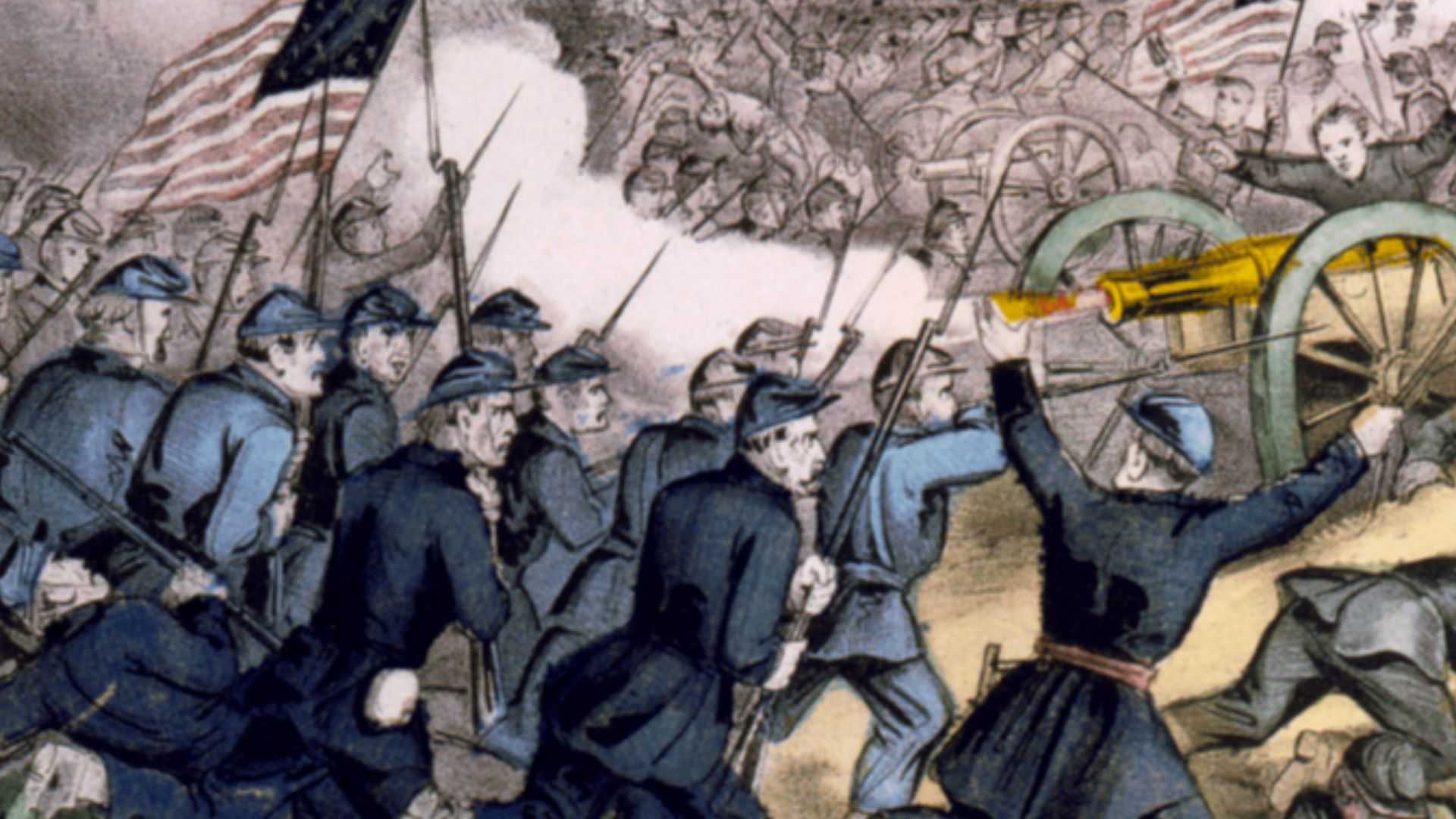
Everything was going according to plan for the Confederates as Longstreet marched to the Union’s left flank, but instead, he found another Corps in his way. Major General Daniel Sickles had abandoned his position for a better one, and his men in the III Corps now found themselves face to face with the Confederates, with no one around to support them.
Of course, it wasn’t long before Meade realized something was wrong.
 Nathaniel Currier and James Merritt Ives, Wikimedia Commons
19. He Noticed He Was Missing
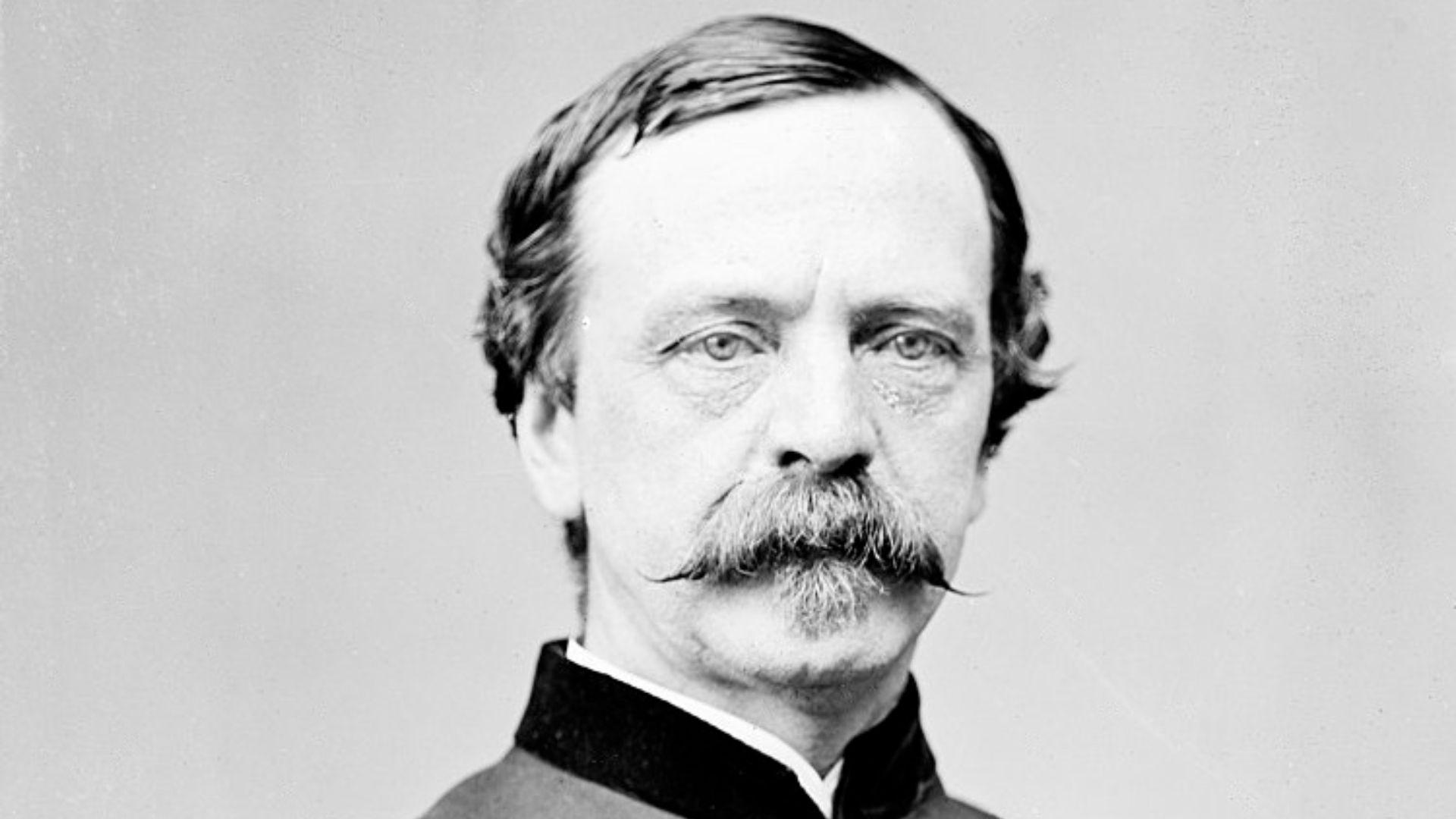
As he wasn’t anywhere close to where he was meant to be, Major General Sickles had no way of alerting his fellow Union leaders that he was in trouble. Fortunately, Meade caught on that something hadn’t gone according to plan when all the other Corps commanders had shown up to a scheduled meeting, except for Sickles.
Sadly, Sickles paid for this decision with more than just shame.
 Library of Congress Prints and Photographs Division, Wikimedia Commons
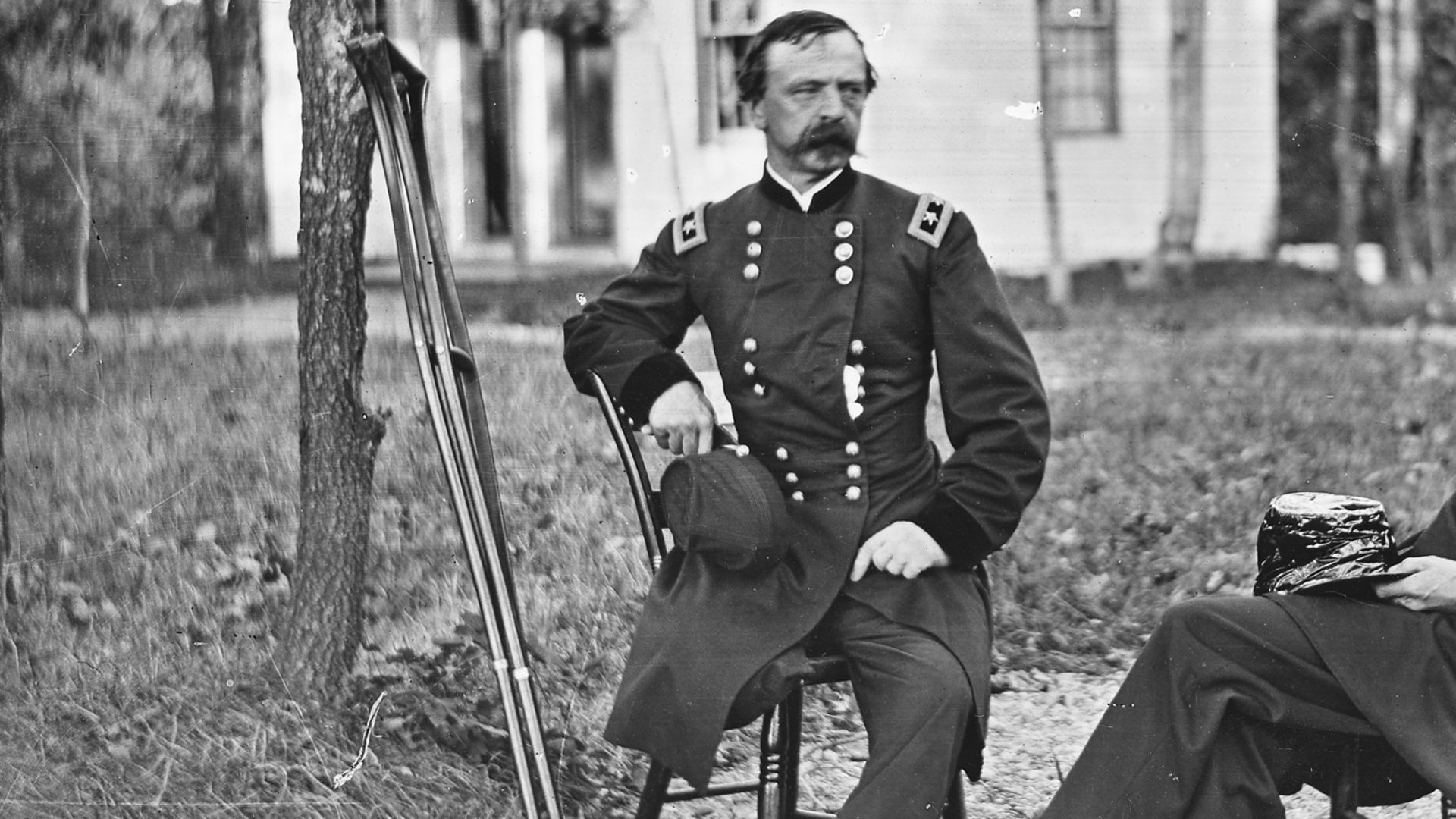
20. He Lost His Leg
Even though he wasn’t meant to do it this way, now that Sickles had engaged the Confederates, there was no turning back for him—and Meade made this clear. Once the commander reached Sickles, he informed the Major General that any retreat would only endanger the rest of the Union forces. So, Sickles stayed and fought off the enemy, receiving such a horrendous leg injury from a cannonball that it was later amputated.
Meanwhile, the other Union Corps were holding their own—though not without sacrifice.
 Mathew Benjamin Brady, Wikimedia Commons
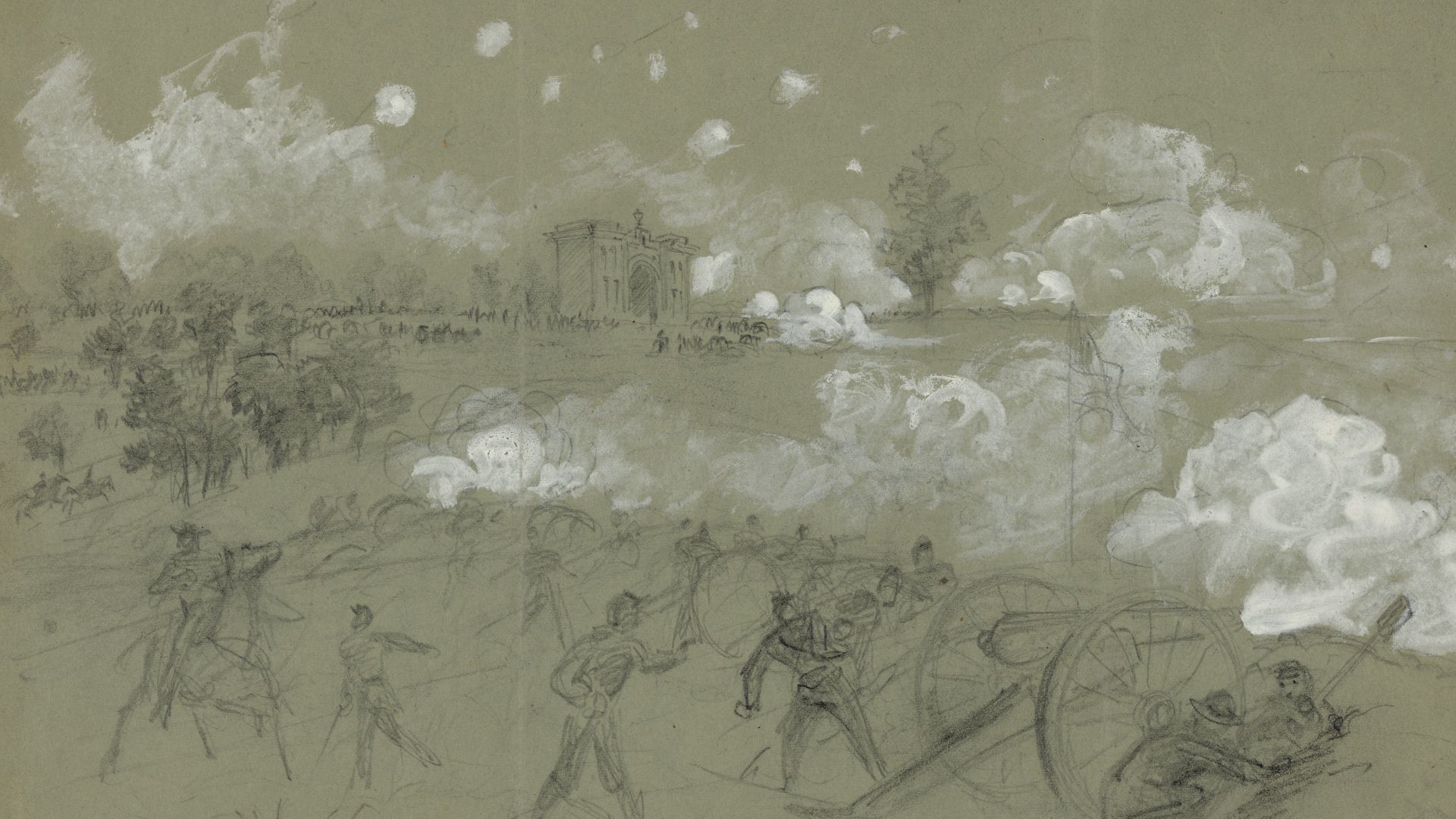
21. They Fought Them Off
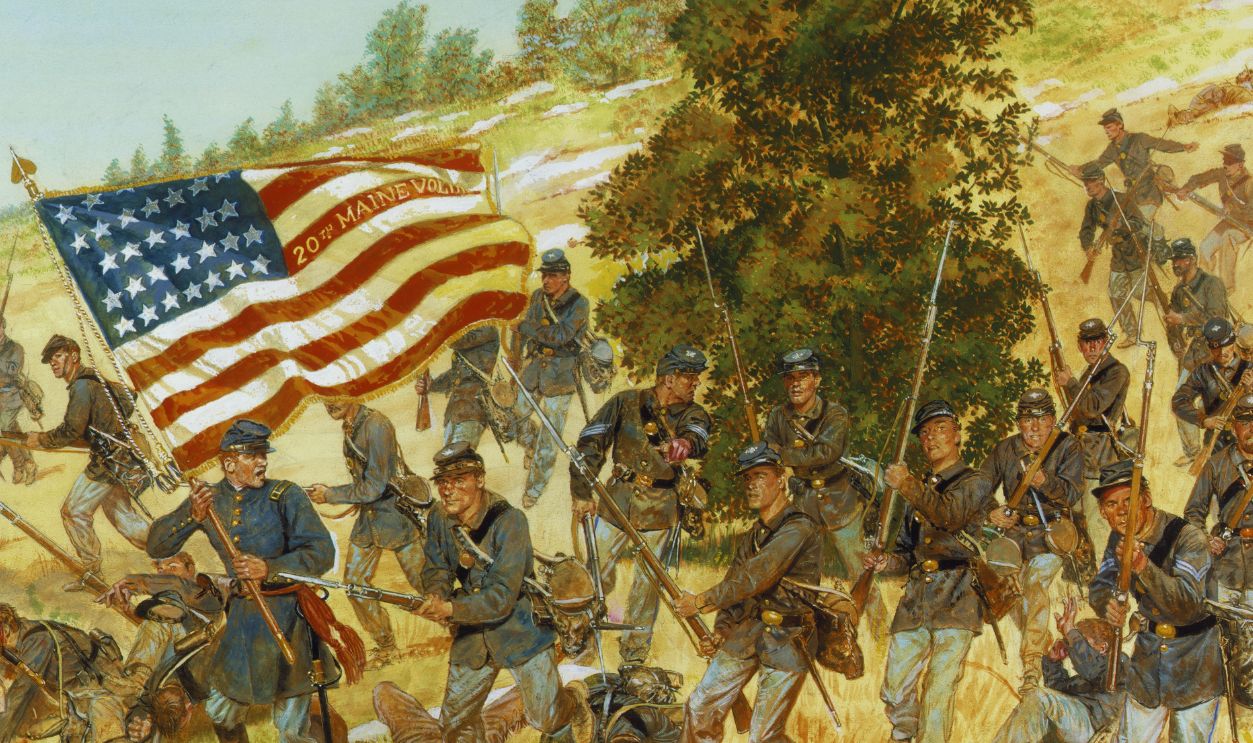
Across the battlefield, a Confederate division under General Richard Anderson had proceeded with the plan and made it to Cemetery Ridge—which was where they met their match. It was only a matter of time before the Union’s Second Corps pushed them back, at one point through a practically suicidal bayonet charge.
Still, others were trying to hold their own positions too—and with far more uncertain odds.
 Waud, Alfred R. (Alfred Rudolph), 1828-1891, artist, Wikimedia Commons
History's most fascinating stories and darkest secrets, delivered to your inbox daily.
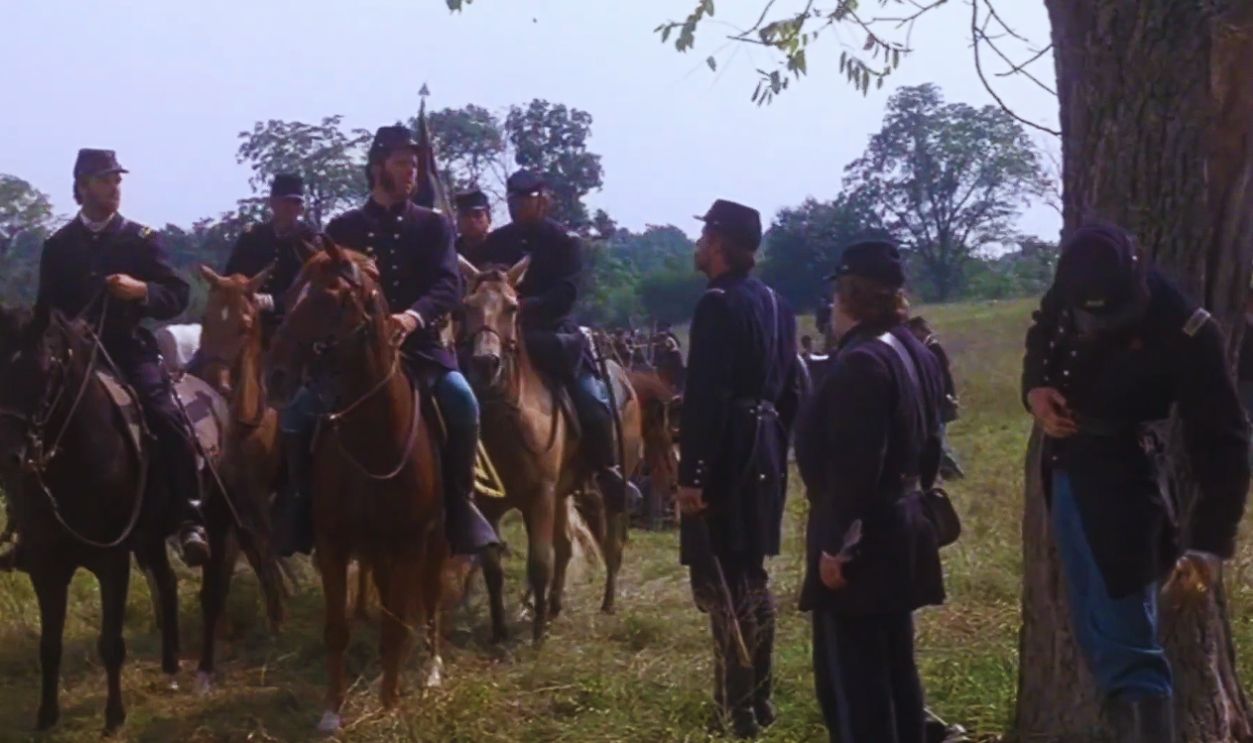
22. He Held His Position
The Union forces were holding their own against the Confederates, but the battle had already grown bloody enough. Colonel Strong Vincent witnessed the carnage from one of the Union’s most integral tactical positions, Little Round Top, but no matter how many enemies came charging up the hill, he wouldn’t allow his defenses to fail.
Their situation only became more and more dire—but they didn’t care.
 Screenshot from Gettysburg, Warner Bros. (1993)
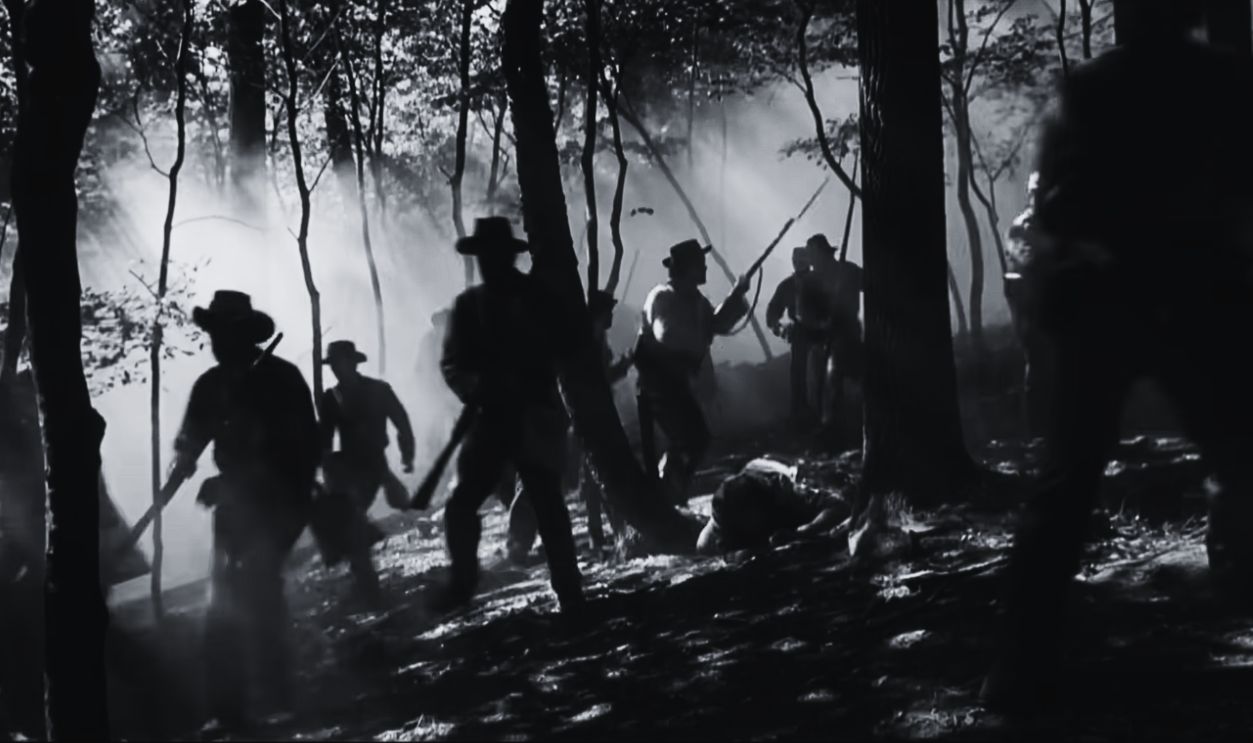
23. They Wouldn’t Back Down
The Confederates continuously threw their men against the Union forces at Little Round Top, but it made no difference—Colonel Vincent wasn’t budging. Once again, in what would go down in history as one of this battle’s most epic moments, another Union regiment pushed the enemy back with a legendary bayonet charge.
After gaining little to no progress, the Confederates had to pull out their heavy hitters.
 Screenshot from Gettysburg, Warner Bros. (1993)
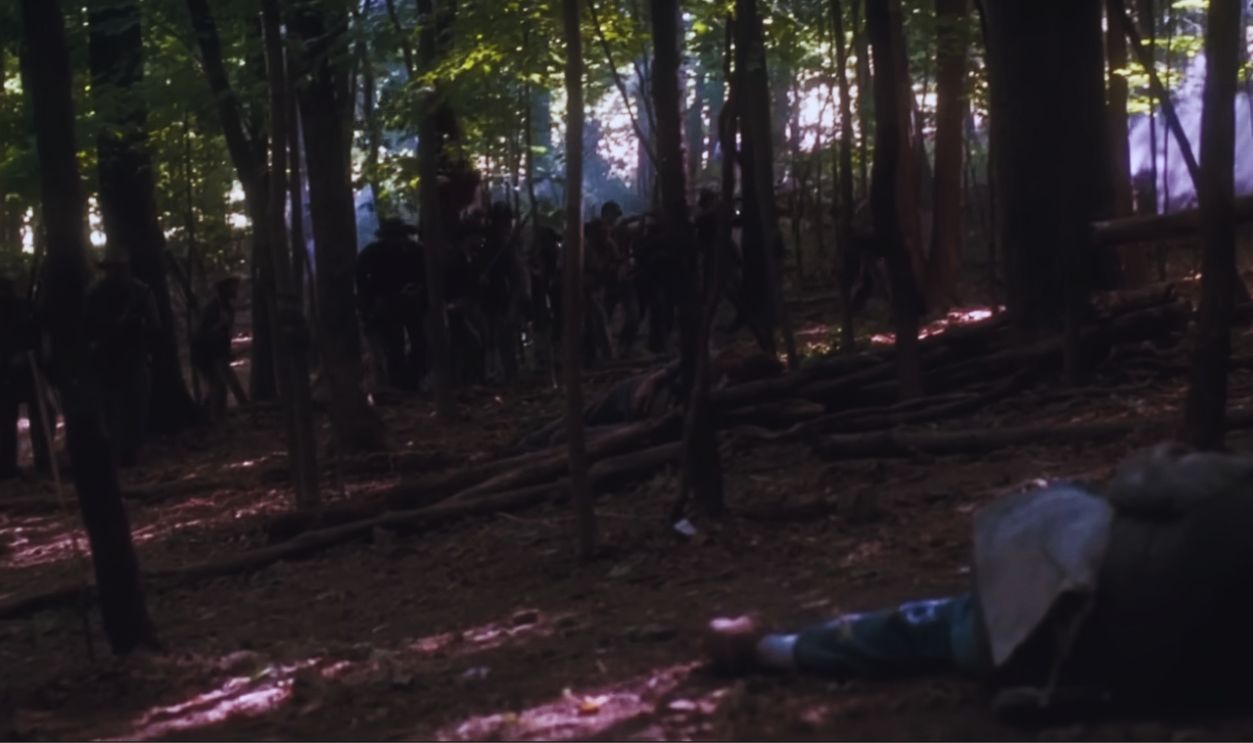
24. He Fired At Them
Although General Ewell had listened to the same plan as the other Confederate leaders, he came away with a much different idea of how he was meant to attack the Union’s right flank. Rather than charge the lines right away, he initiated a massive cannonade, only for it to largely fail as the cannons were much too far away.
Adding insult to injury, the Union forces were at an even bigger disadvantage.
 Screenshot from Gettysburg, Warner Bros. (1993)
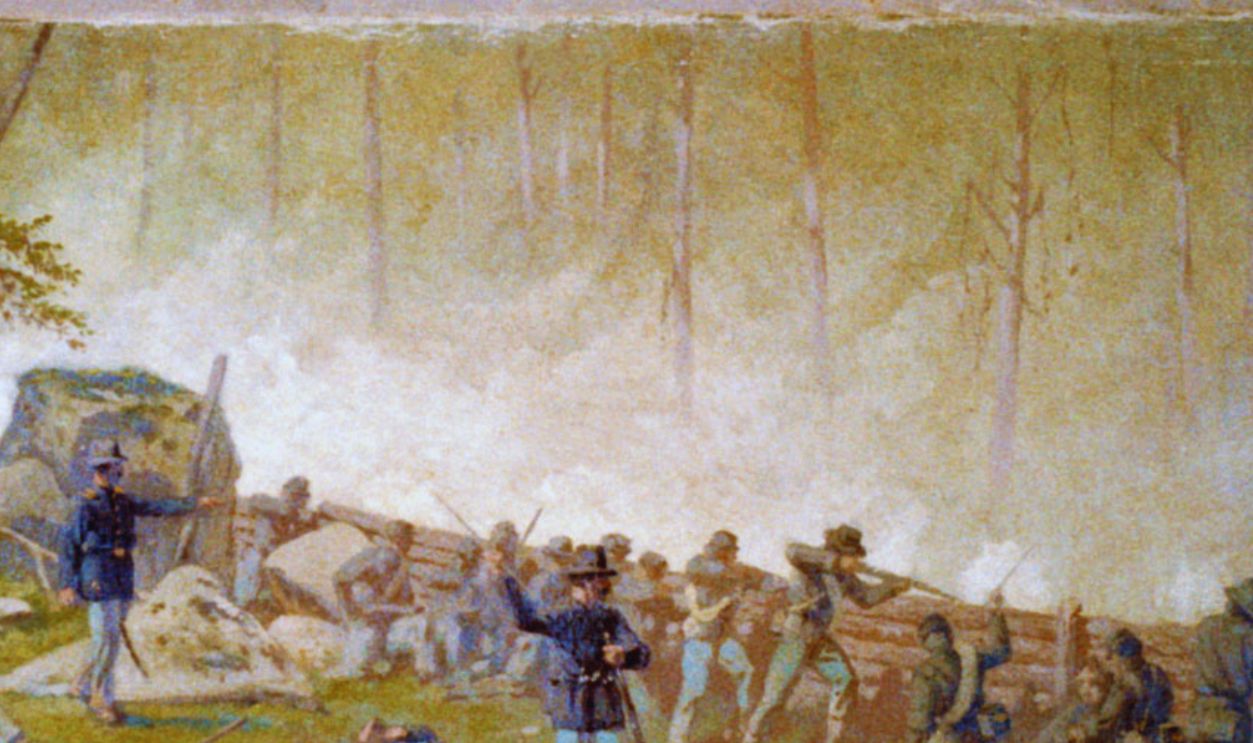
25. They Were Running Low
Lee had also tasked Ewell with mounting an attack on the Union-held Culp’s Hill, and as it stood on the second day of the battle, the Union didn't have much of a chance at defending it. As more fighters were necessary to face Longstreet’s attack on the left flank, many had left from Culp’s Hill to help until only one brigade remained as its protectors.
Luckily, they only had to hold out for so long before their prayers were answered.
 Edwin Forbes, Wikimedia Commons
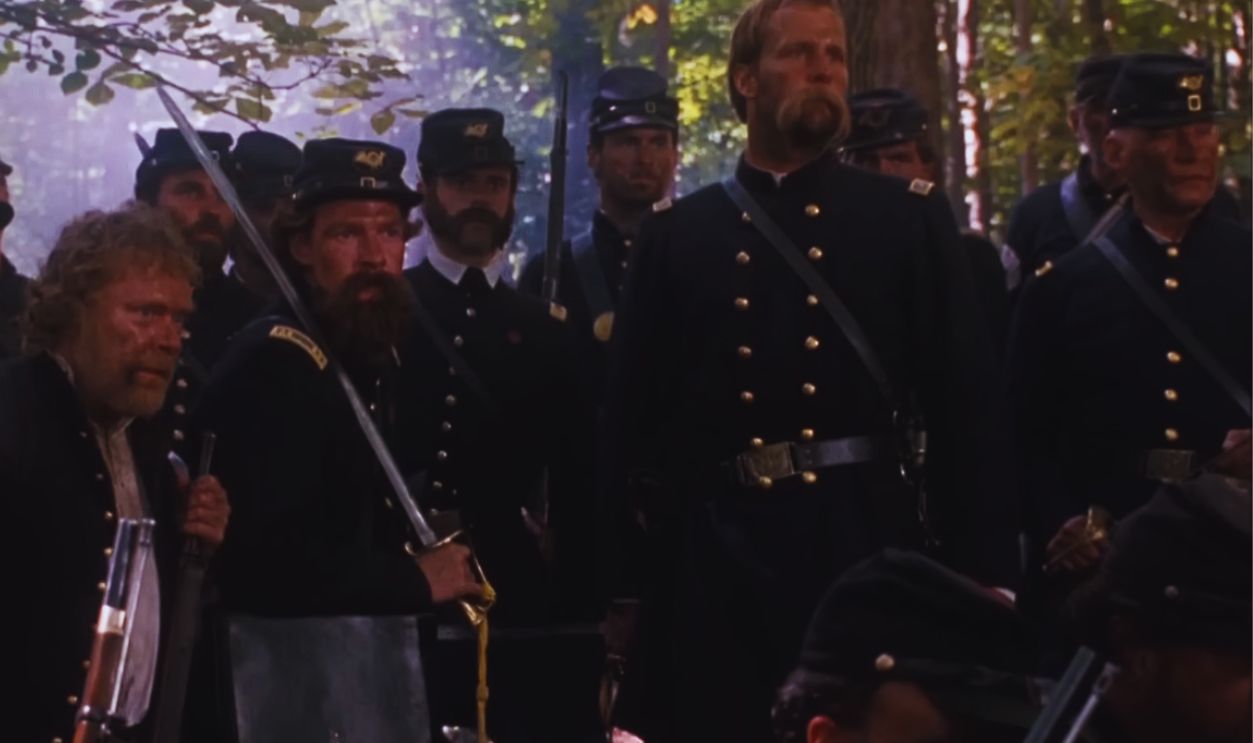
26. He Received Some Help
Leading his waning brigade as the last defense of Culp’s Hill, Brigadier General George Greene was ready to hold his position until the last man—but it didn’t come to that. Thankfully, he received reinforcements from the First and Eleventh Union Corps, allowing them to weather the advancing Confederates.
Lee was ready to pick things right back up the following day—but something stopped him.
 Screenshot from Gettysburg, Warner Bros. (1993)
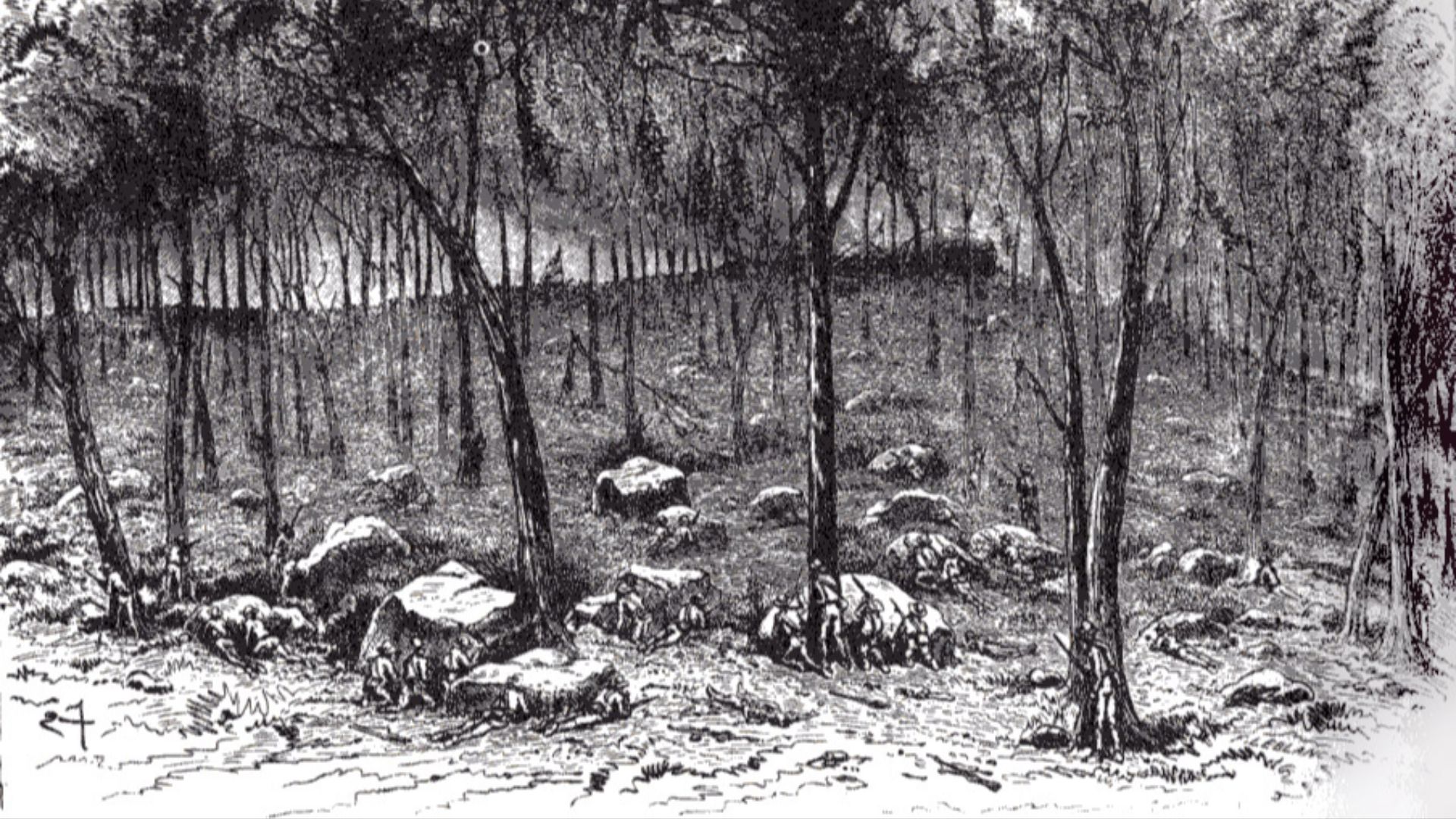
27. They Weren’t Ready
After two brutal days of bloody conflict, the Battle of Gettysburg was still in full swing, and General Lee was ready to keep it going with more of the same tactics—but the Union had something else in mind. On the morning of July 3, he was preparing to launch another attack when Union forces hit the remaining Confederates on Culp’s Hill with an artillery bombardment.
Naturally, Lee couldn’t resist such a challenge.
 Unknown authorUnknown author, Wikimedia Commons
History's most fascinating stories and darkest secrets, delivered to your inbox daily.
28. They Went All Out
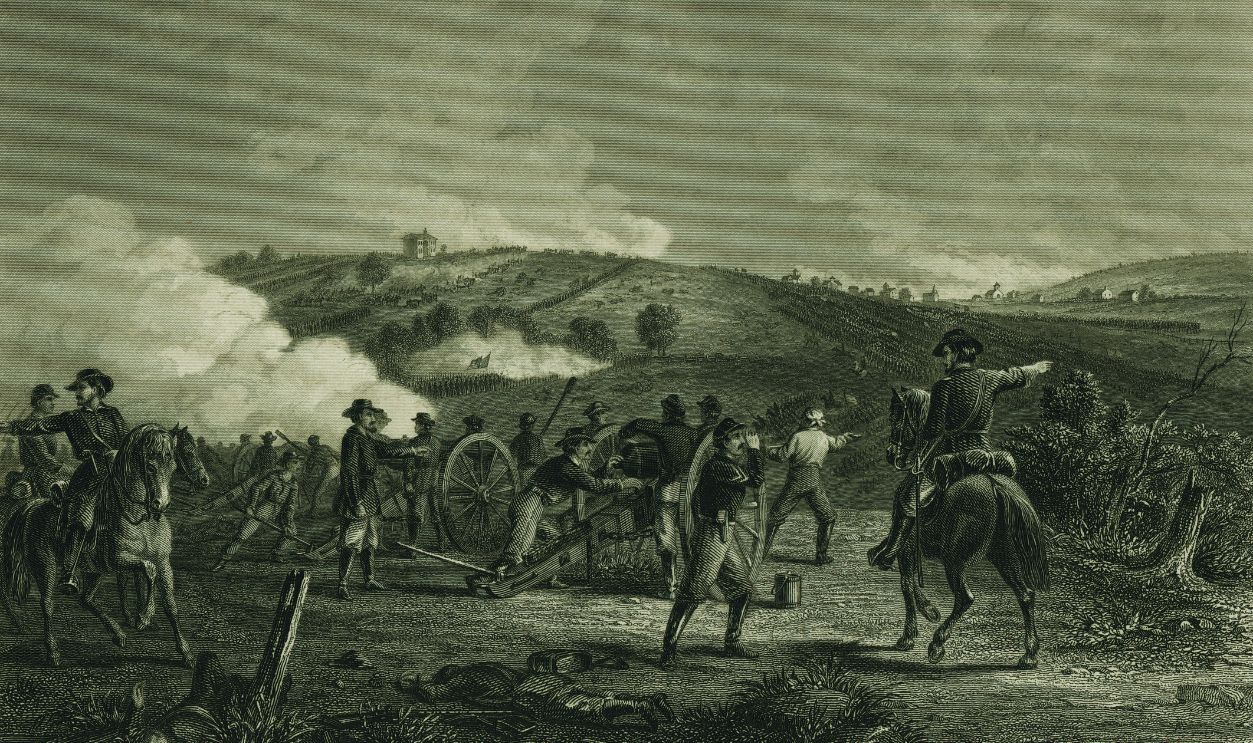
With their bombardment, the Union forces successfully drove off the Confederates from Culp’s Hill, but now Lee was furious. While he wouldn’t respond until that afternoon, what followed was likely the largest artillery bombardment across the four years of this conflict, as nearly 200 guns fired upon the Union forces before another 80 cannons had their turn as well.
All that was left was to pick off the remaining men—or so they thought.
 J.R. Chapin, Wikimedia Commons
29. They Charged The Line
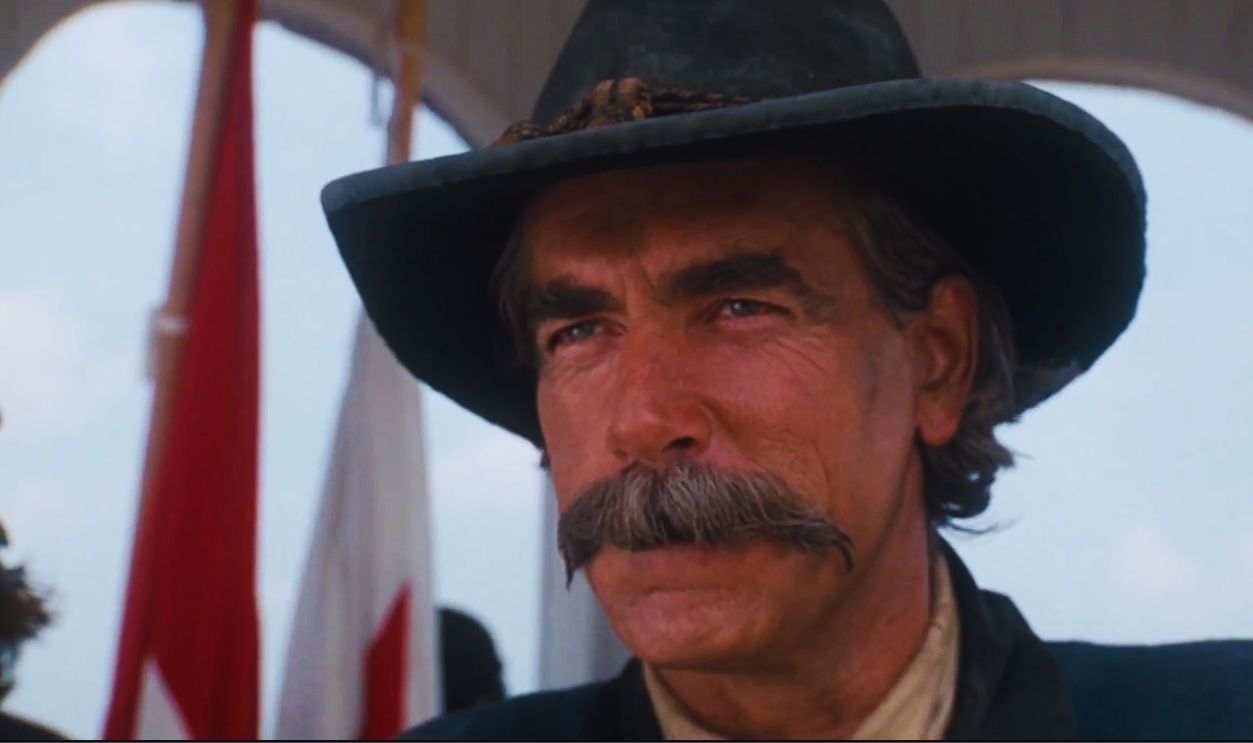
This bombardment lasted for about two hours before the Confederates finally let up, believing they had more than accomplished their goal. As the smoke cleared, Lee had Major General George Pickett lead the final charge against the enemy positioned at Cemetery Ridge, hoping to put an end to the battle then and there.
However, they wouldn’t realize their grave mistake until it was too late.
 Screenshot from Gettysburg, Warner Bros. (1993)
30. They Tricked Them
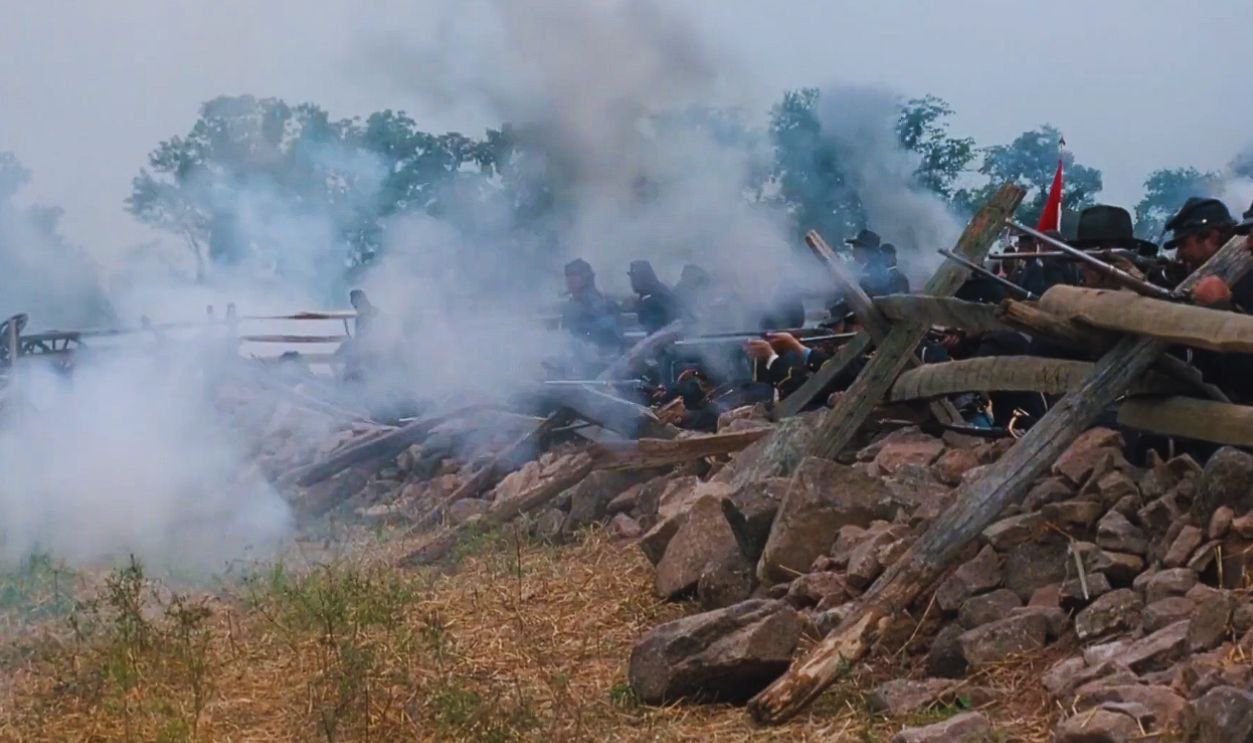
Over the couple of hours that the Confederates had used their guns and cannons on their enemies, the Union hadn’t fired back once the entire time, so Lee naturally assumed their stocks were unusable. This was a calculated move, though, and as soon as the Confederate charge got in range, the Union cannons let loose.
Seeing as this was their last chance at victory, this was nothing close to a clean fight.
 Screenshot from Gettysburg, Warner Bros. (1993)
31. They Fought Tooth And Nail
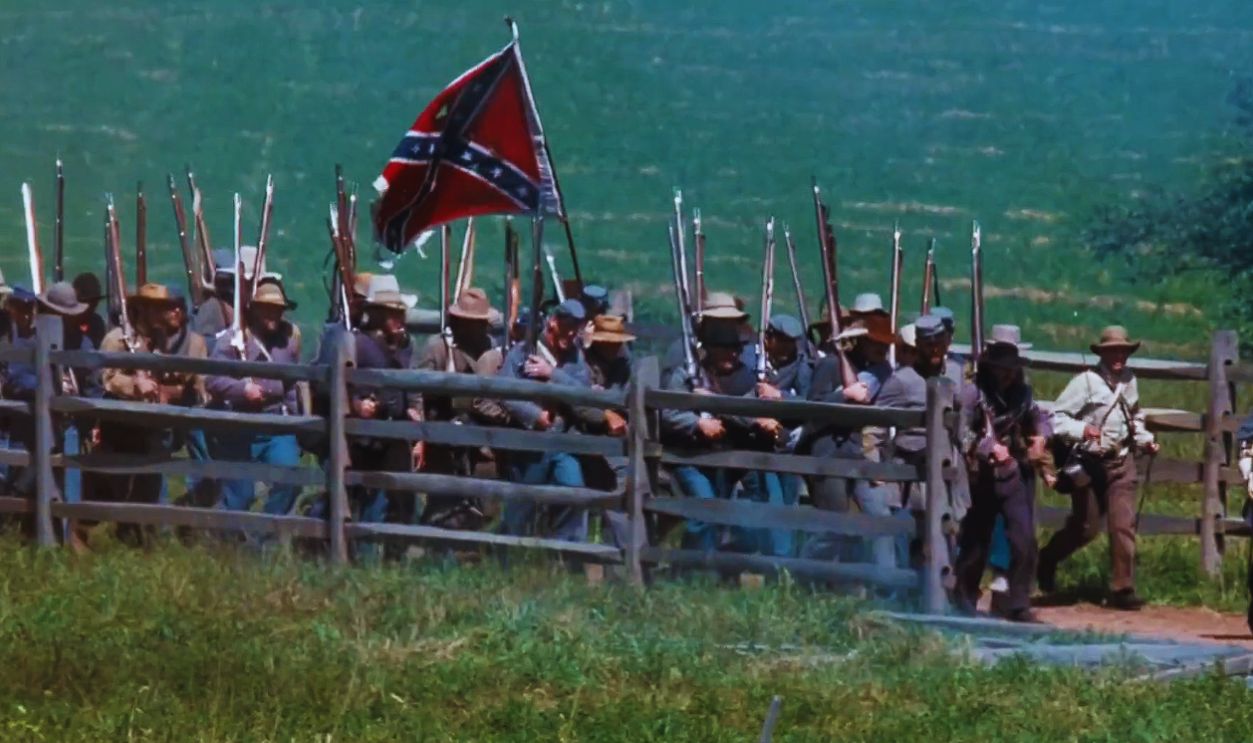
At this stage of the Battle of Gettysburg, the surprise cannonade by the Union forces swept through the Confederate lines as they charged in, but it didn’t eliminate everyone, and one brigade made it far enough to fight up close. Now three days in, both sides were past their limits of civility, initially fighting with their guns and bayonets, but soon resorting to their very fists and any suitable rocks they could find.
Against all odds, the Union had achieved the upper hand—and they wouldn’t let it go to waste.
 Screenshot from Gettysburg, Warner Bros. (1993)
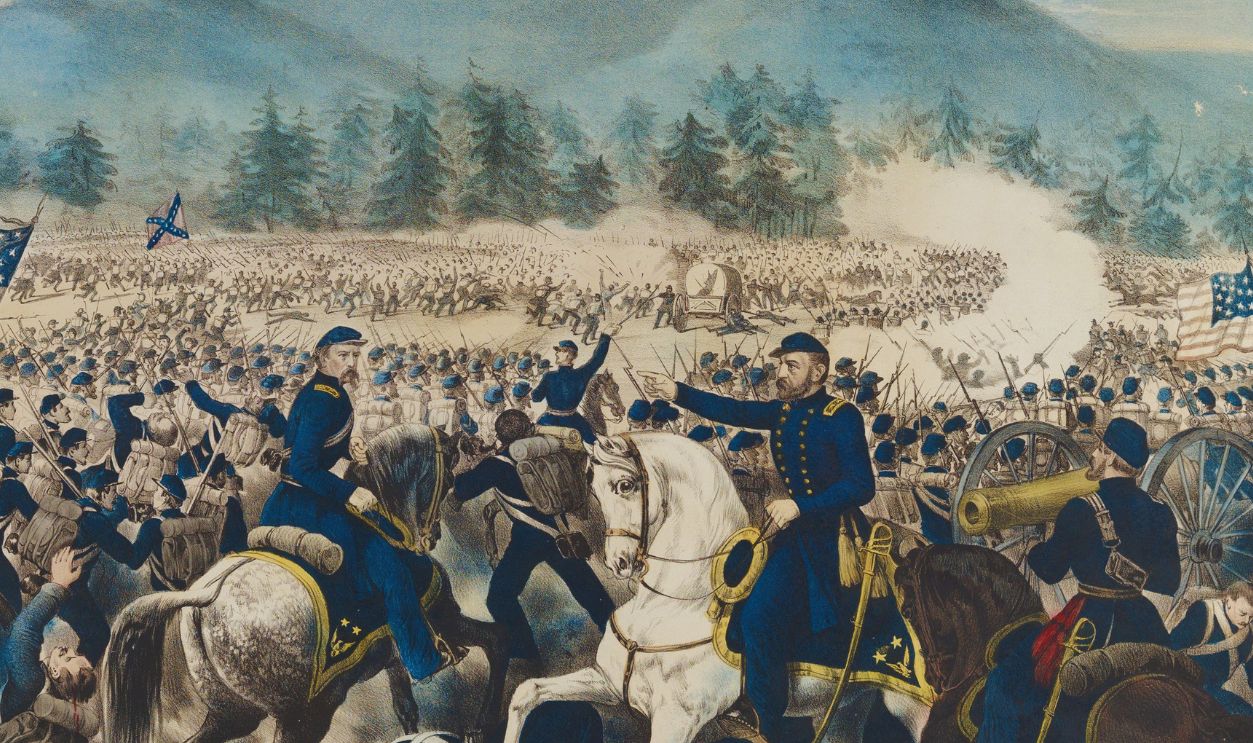
32. They Got Behind Them
Over the course of three days, the Union forces had gone from fighting on the back foot to putting the Confederates on the ropes, but the battle wasn’t over yet. As the rain poured down on the battlefield on the fourth day, Meade had his cavalry position themselves to the rear of the Confederates, who then knew they had lost.
The Battle of Gettysburg was nearly over, but Lee still had to make a choice.
 Currier and Ives, Wikimedia Commons
33. They Took The Fallen
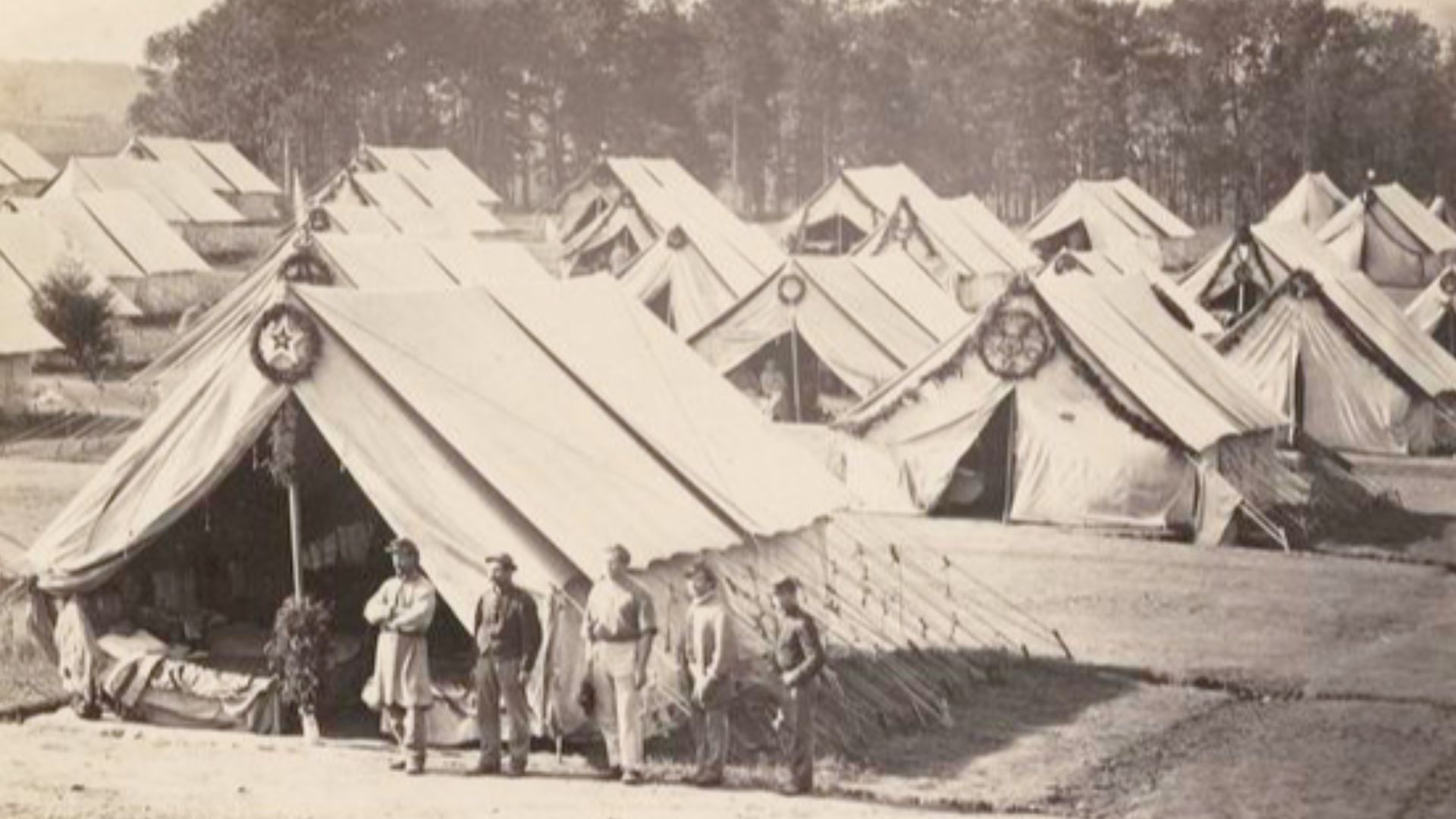
By this point, General Lee realized there was no point in pushing any further, and he had few options but to cut his losses and run. While he ordered the non-fighting members of his army to begin their retreat, the rest of the Confederates and Union forces began cleaning up the field—treating the injured, and burying the rest.
The Battle of Gettysburg was finally decided, but George Meade’s work wasn’t done yet.
 Tyson Brothers - Photographer, Wikimedia Commons
History's most fascinating stories and darkest secrets, delivered to your inbox daily.
34. He Needed To Make Sure
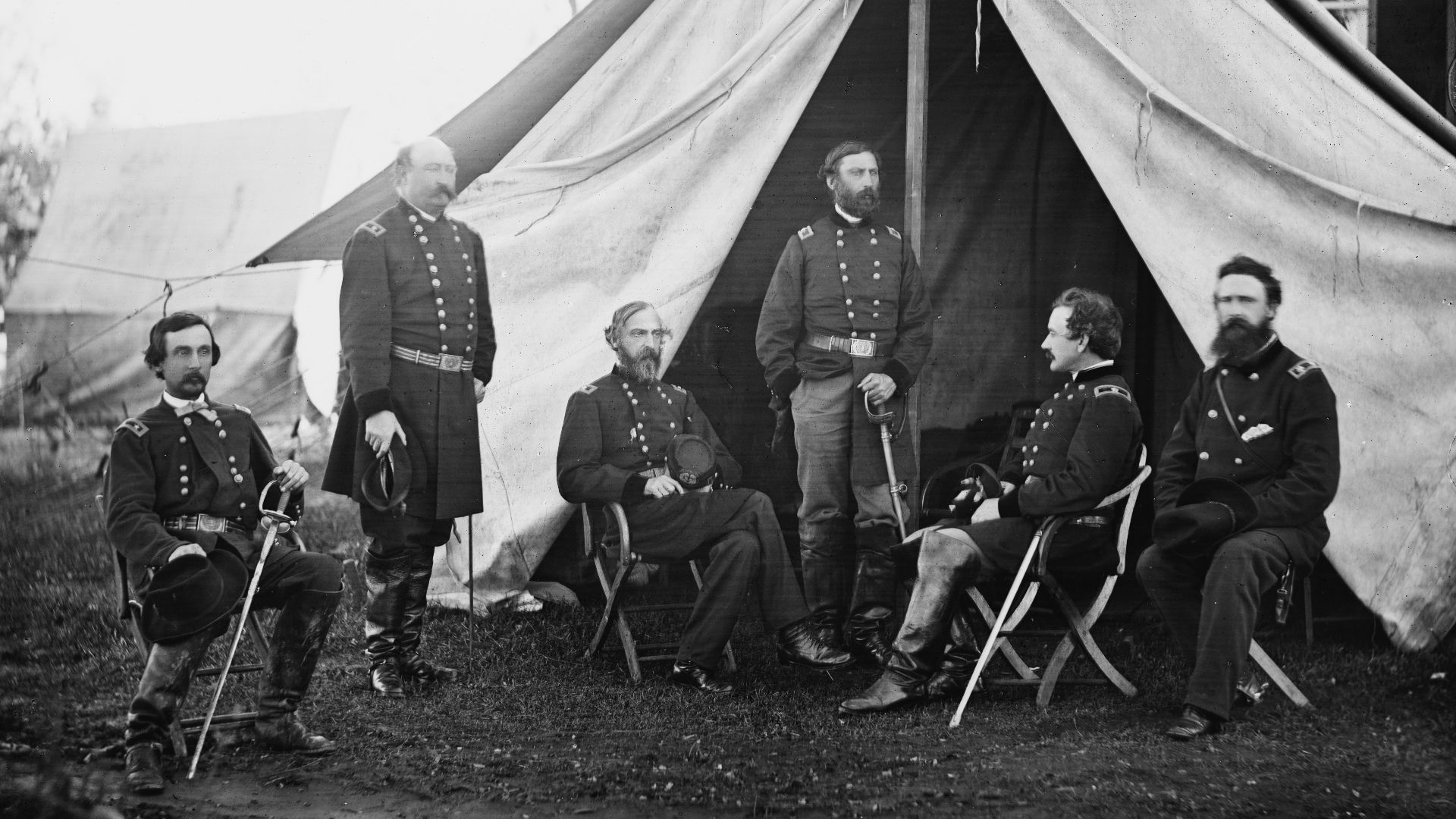
Having reached an uneasy standstill, Lee and his forces spent the rest of the day cleaning up and making sure their non-fighting servicemen had a clear path of retreat from Gettysburg before the rest of them followed. Watching the Confederates begin their journey back to Virginia, Meade could have simply left with his army and the knowledge that they had won, but he had to confirm that the enemy was actually gone before washing his hands of this whole battle.
Still, that didn’t mean he was just going to let them go.
 Civil War Glass Negatives, Wikimedia Commons
35. They Chased Them Down
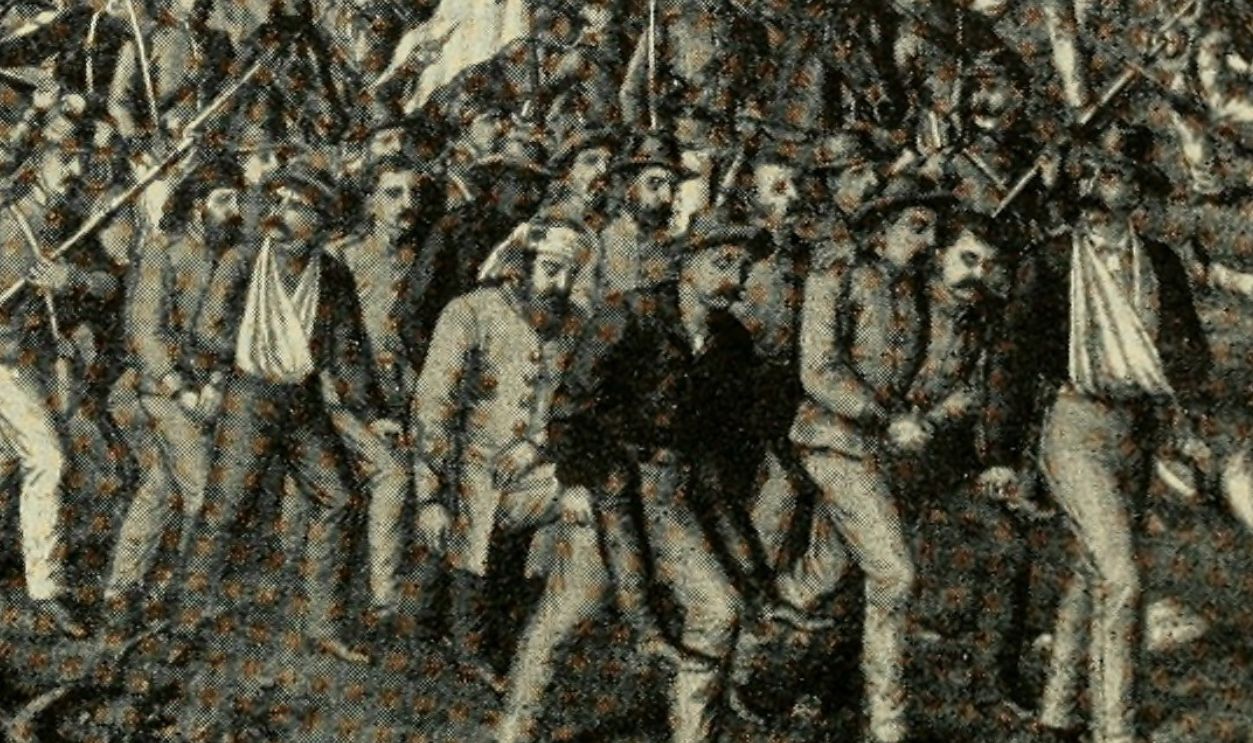
For the most part, Meade allowed the Confederate forces to retreat without chasing after them—a decision that would often be the subject of criticism in later years. However, his men did at least attempt to pursue the enemy, with Union forces catching up to the Confederates at Monterey Pass later that day and capturing close to 1,500 of them.
At the same time, there was a reason neither commander was too eager to keep fighting.
 Internet Archive Book Images, Wikimedia Commons
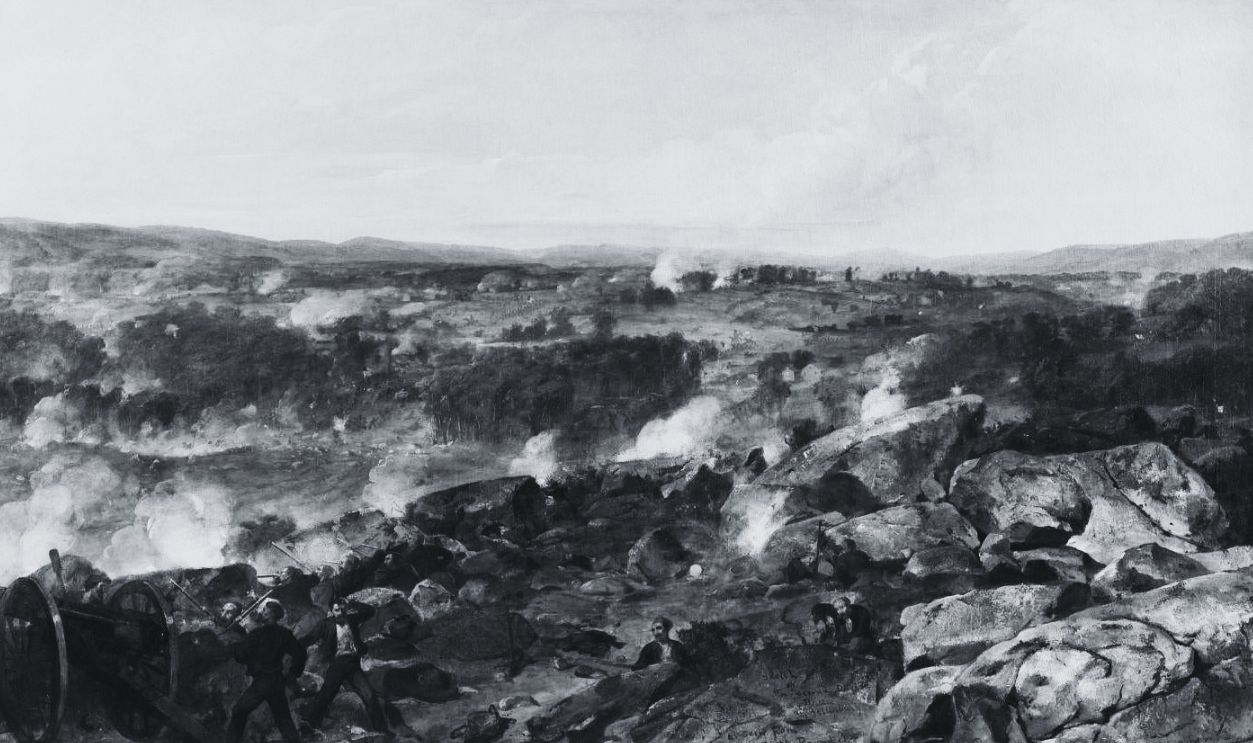
36. They Lost Many Men
The Union may have won and successfully turned back the Confederate invasion, but it came at a horrible cost, with the North sustaining just over 23,000 casualties by the end of the battle. Since they were on the losing side, the Confederates found themselves at an even more staggering loss of around 28,000 men.
Although both sides lost countless across their ranks, one regiment tragically stood out.
 Peter Frederick Rothermel, Wikimedia Commons
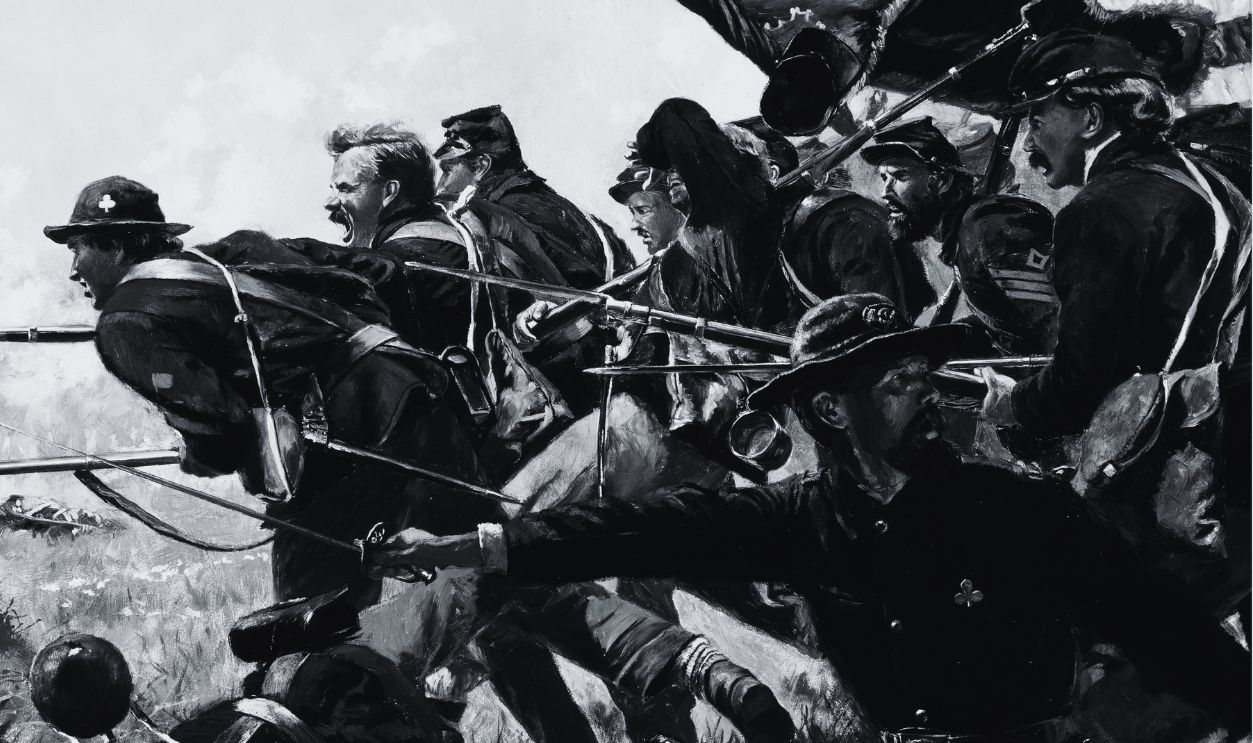
37. They Lost The Most
There was no question that the battle had utterly obliterated the numbers of both the Union and Confederate armies, but by the end of the Battle of Gettysburg, one regiment sustained a greater loss than any other. Having diminished to about 152 men from their original 212, the 26th North Carolina Regiment went down in history as having the highest percentage of casualties in one battle across either side.
However, this sacrifice and victory just weren’t enough for some people.
 Don Troiani, Wikimedia Commons
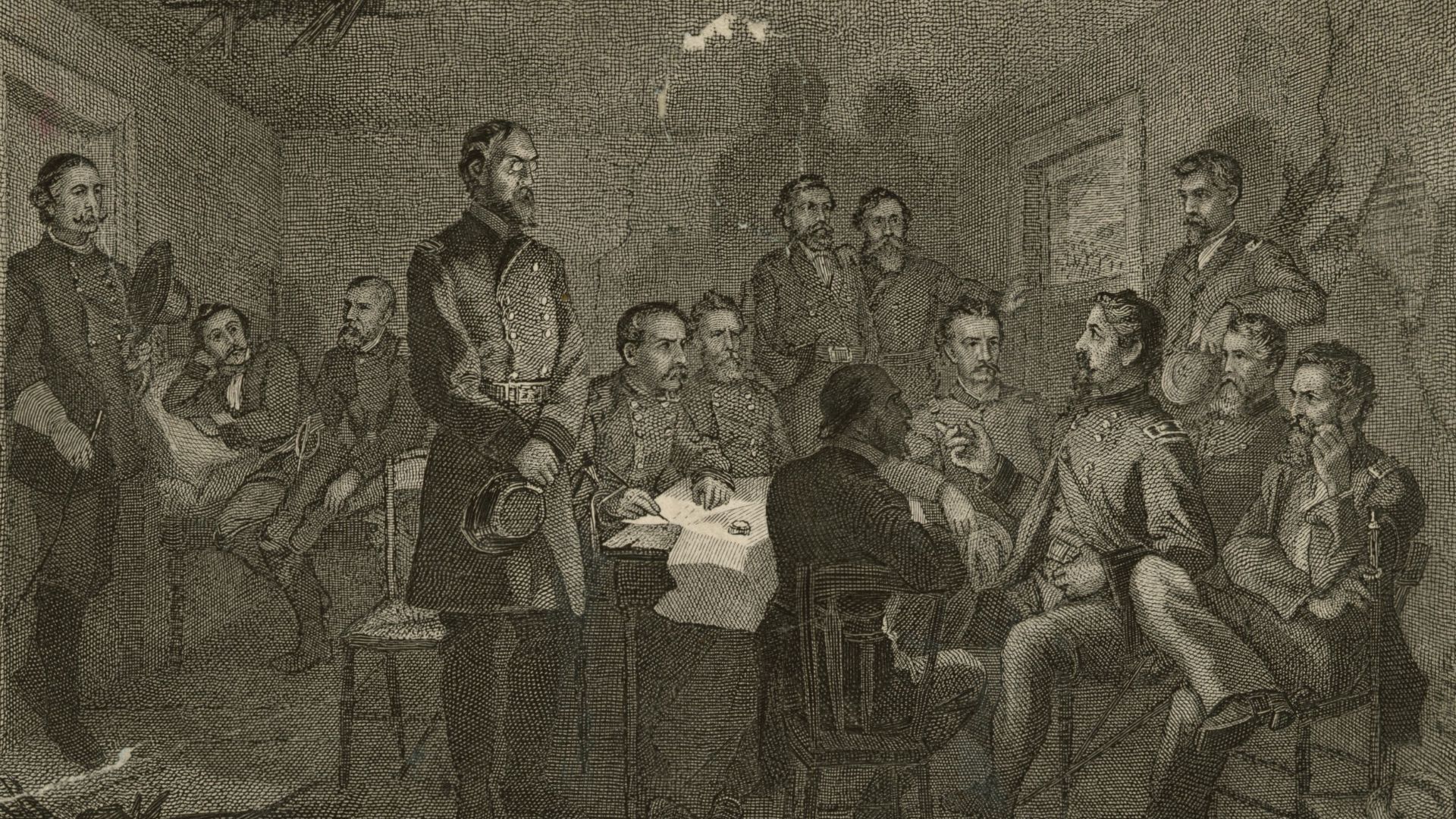
38. They Were Disappointed
In the immediate aftermath of the Battle of Gettysburg, word spread throughout America, and celebrations erupted across the Union states—but not for long. While Meade had managed to overcome Lee’s invasion, he hadn’t put a stop to him completely, leaving the possibility of another attempt looming in the background. Once most people reached this conclusion, praise for Meade and his men gave way to frustration and scrutiny.
On the other hand, the South also wasn’t seeing this outcome totally clearly.
 James Edward Kelly, Engraver, Wikimedia Commons
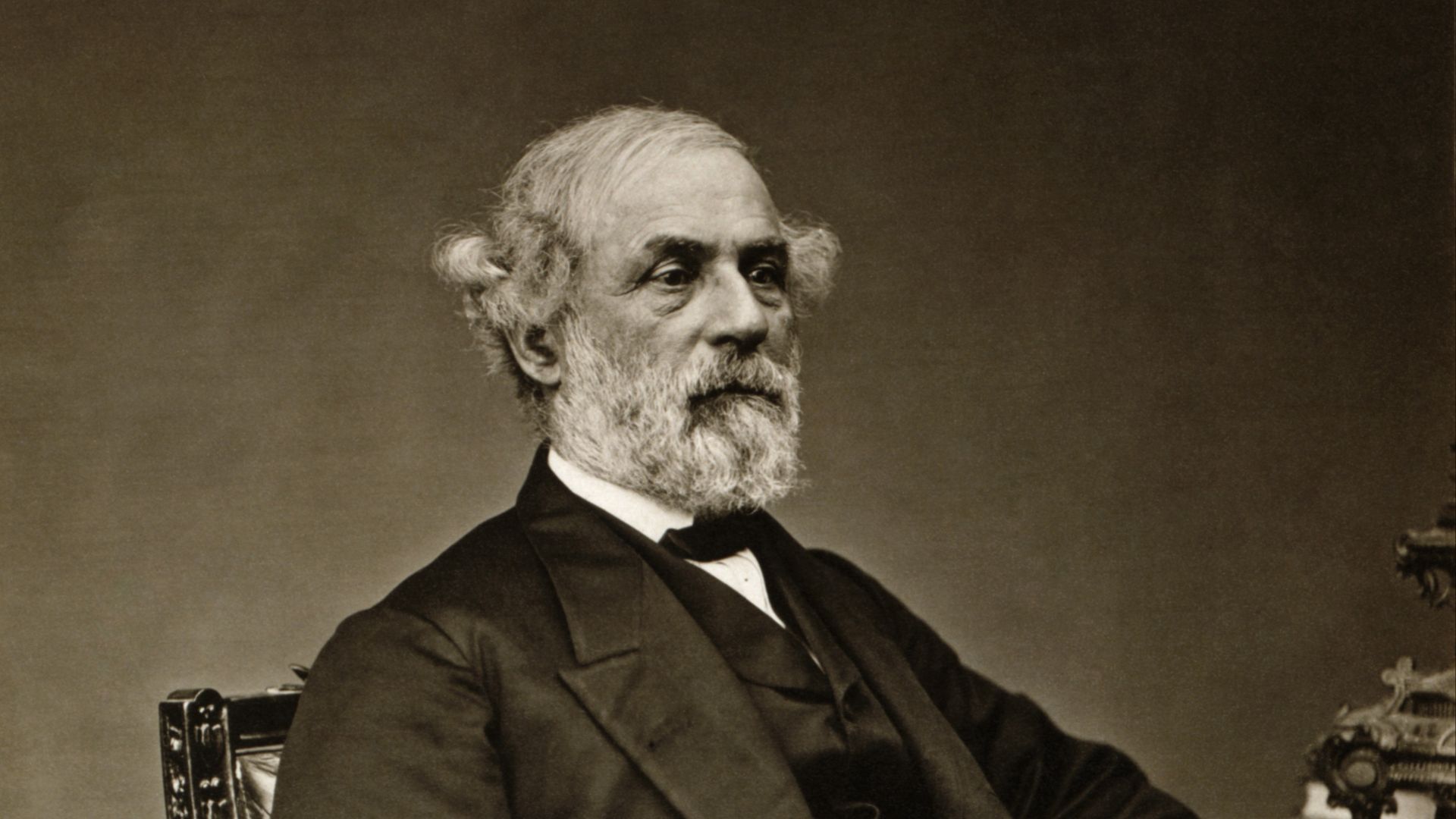
39. They Thought He Did Well
As General Lee returned to the South, he likely thought both his superiors and the public would only receive him with outrage and embarrassment—but this wasn’t the case. Choosing to ignore the astonishing defeat they suffered, most of the South believed that Lee had done his job and that the Battle of Gettysburg was nothing more than a temporary hurdle on the road to a larger victory.
Although both commanders faced no shortage of criticism, one couldn’t handle it as well.
 Levin Corbin Handy / Adam Cuerden, Wikimedia Commons
History's most fascinating stories and darkest secrets, delivered to your inbox daily.
40. He Tried To Quit
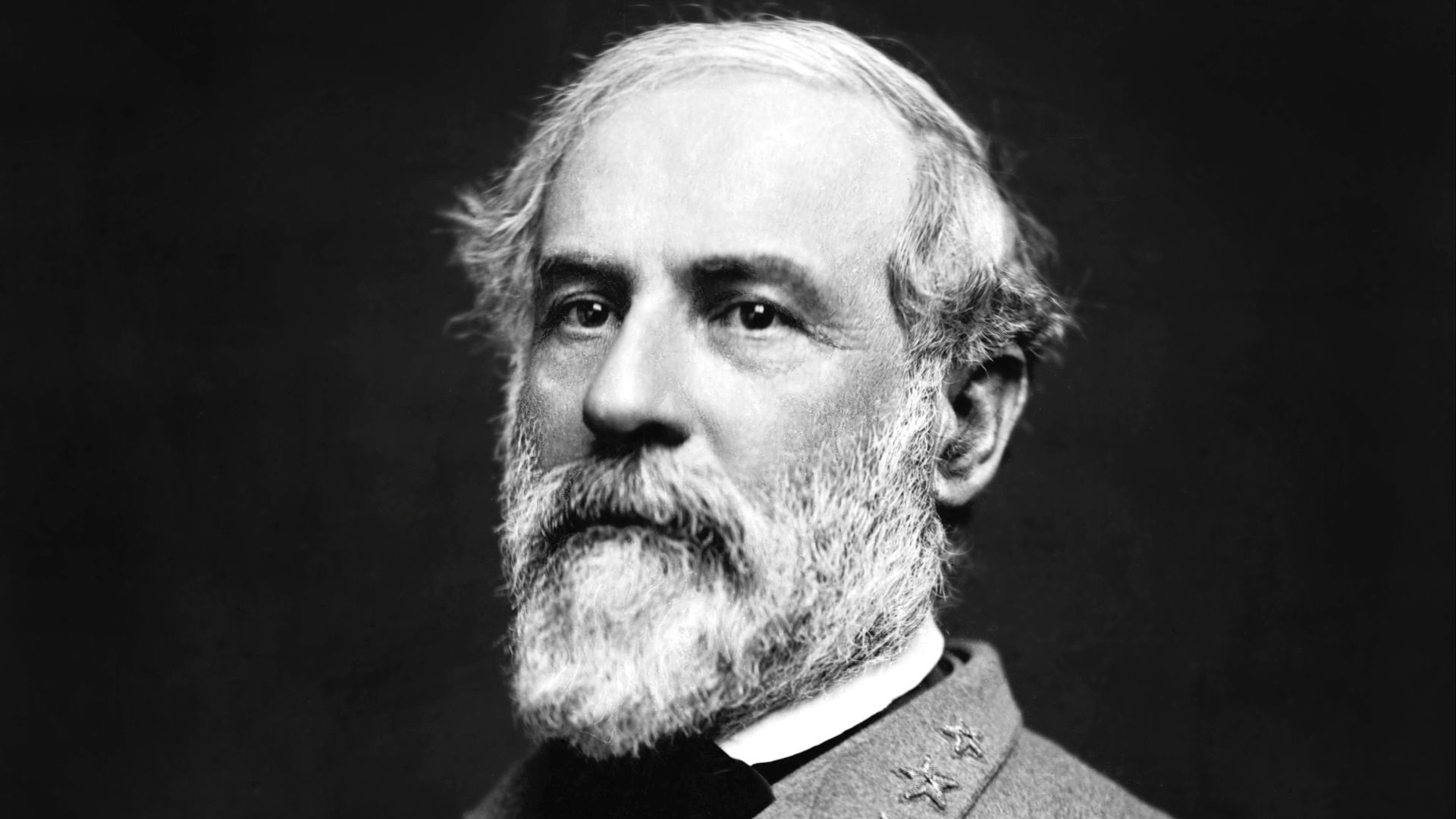
While many in the South believed Lee had performed admirably in the Battle of Gettysburg and the larger conflict, some saw this defeat for what it was and relentlessly condemned his leadership in the press. All this negative publicity soon got to the general’s head until he believed he was no longer fit to serve as Commander. Wanting to step down, he formally offered his resignation to Confederate President Jefferson Davis, but the president didn’t agree and rejected this offer.
Meanwhile, the Union wouldn’t forget the sacrifices made for their victory.
 Julian Vannerson, Wikimedia Commons
41. They Honored The Fallen
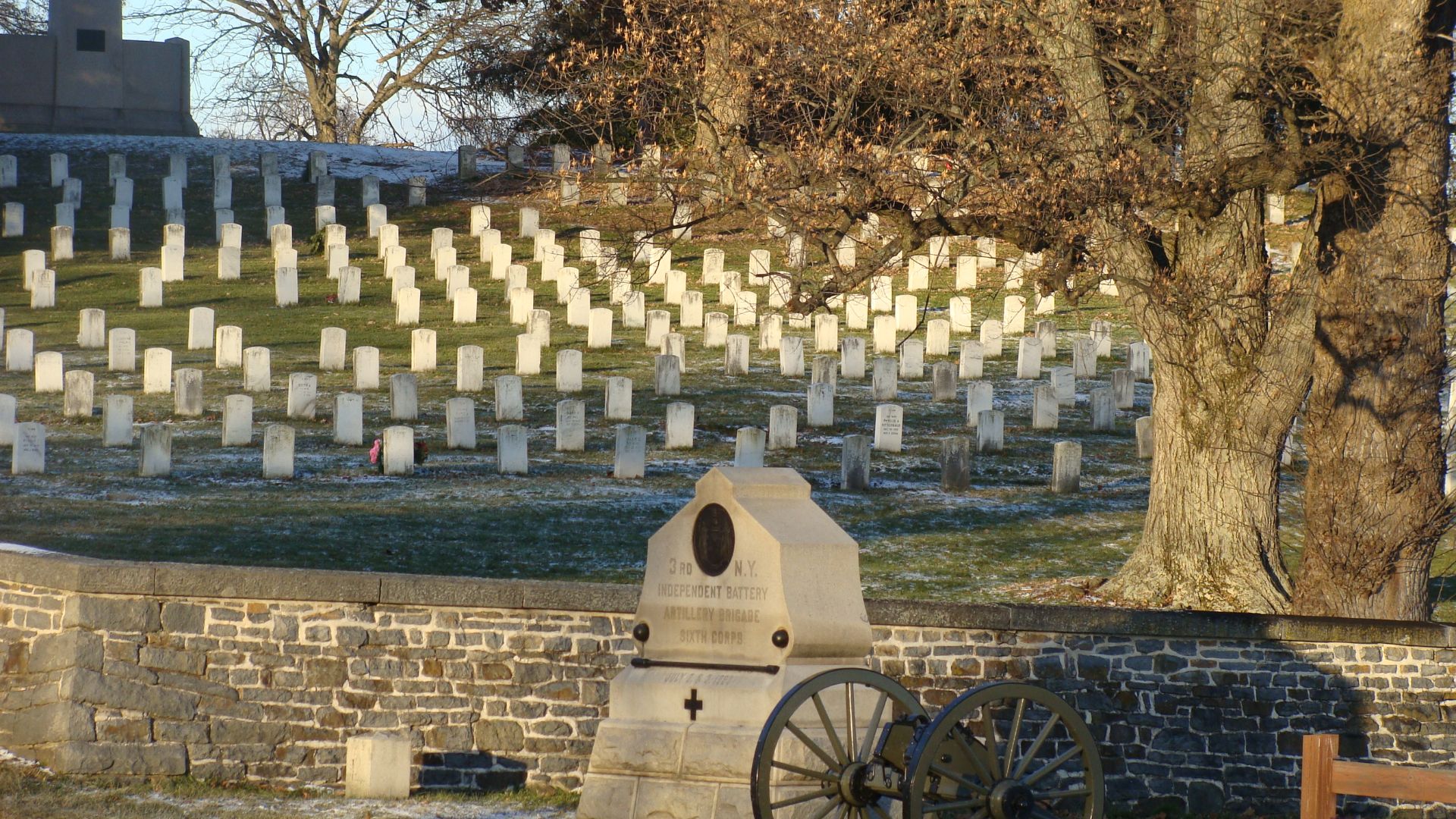
With how vicious and destructive the Battle of Gettysburg was, it’s not too surprising that, even several months after those horrific three days, the evidence of the bloody conflict was clearly visible. Thus, to memorialize those who gave their lives in service to the Union, the US government dedicated what later became known as the Gettysburg National Cemetery.
With this, another of history’s greatest moments was born.
42. He Gave A Speech
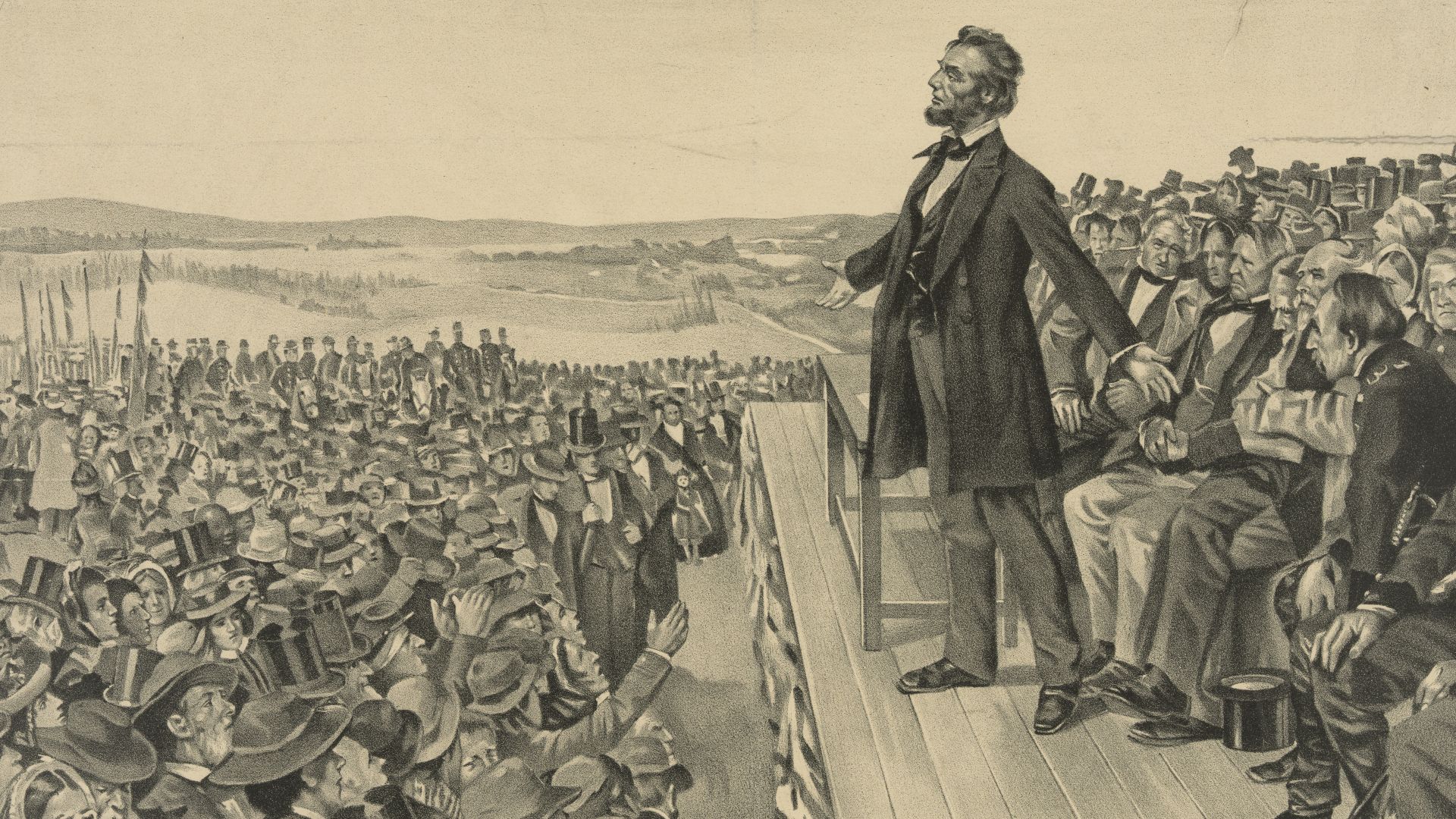
In dedicating this cemetery on November 19, 1863, the government ensured the event was both somber and momentous, especially since President Lincoln himself showed up. Speaking about why those who gave their lives had done so in the first place and how what they were fighting for mattered, Lincoln delivered his famous Gettysburg Address, which went on to become one of the most iconic speeches in American history.
The country never forgot this honor, no matter how much time passed.
 Popular Graphic Arts, Wikimedia Commons
43. They Still Honor It
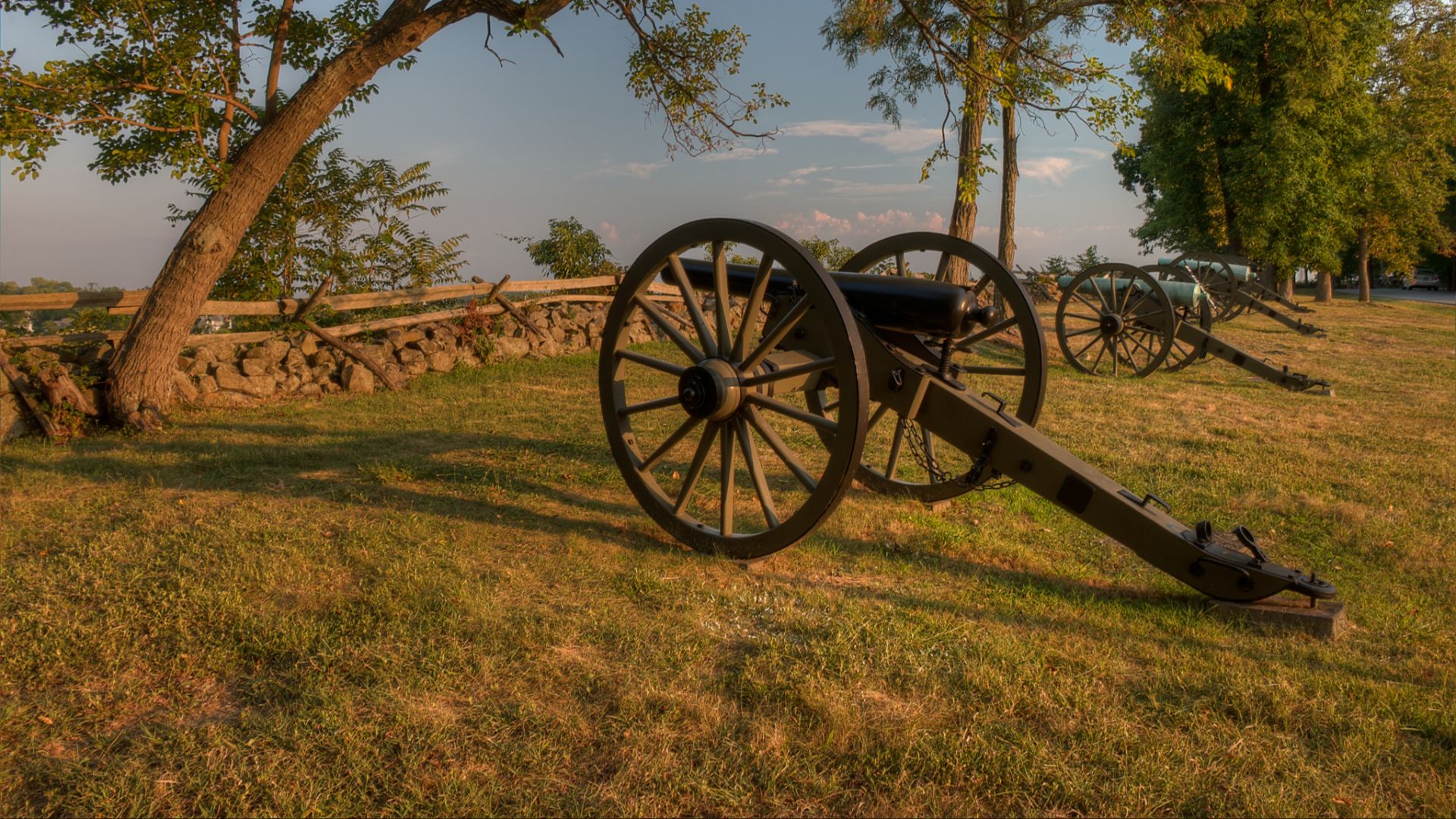
Especially since no other battle in American history would be as horrific as this one was, the stories and memories of the Battle of Gettysburg would live on for years after—even to this day. Although the battle was well over a century ago, the US National Park Service remains dedicated to maintaining the battle site and cemetery as places of the utmost historical significance.
Of course, the battle wasn’t only significant because of its immense toll.
 David Dugan, Wikimedia Commons
44. They Changed The Course
The conflict between the North and South went on for another two grueling years, so it's understandable why—although this was a momentous victory—many in the Union didn’t see it that way. In reality, however, it’s believed that the Battle of Gettysburg was what finally shifted the tide in the Union’s favor and ultimately allowed them to defeat the Confederates once and for all.
Back on the South side, Lee had come to a stark realization.
 The National Guard, Wikimedia Commons
45. He Wasn’t Invincible
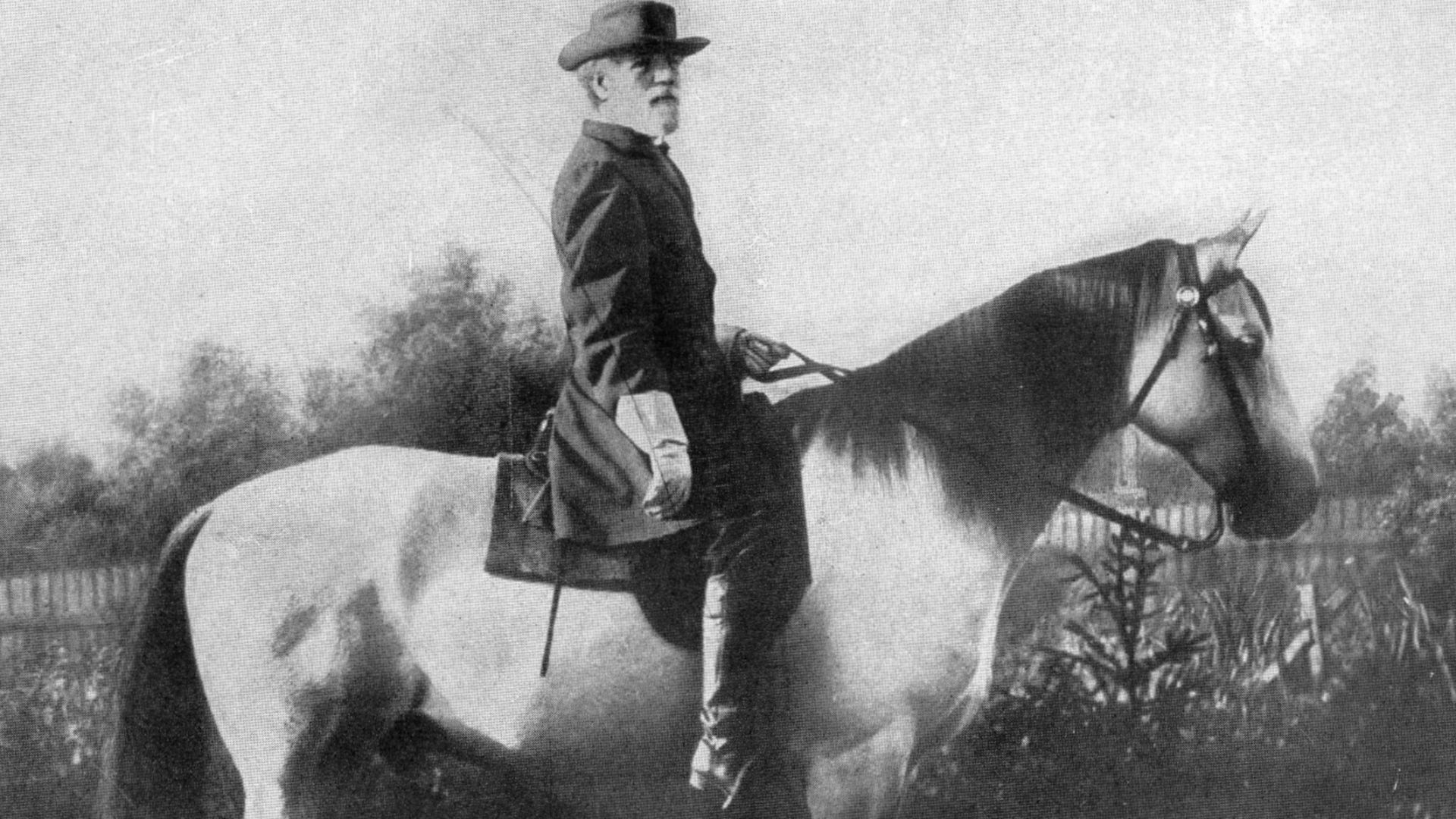
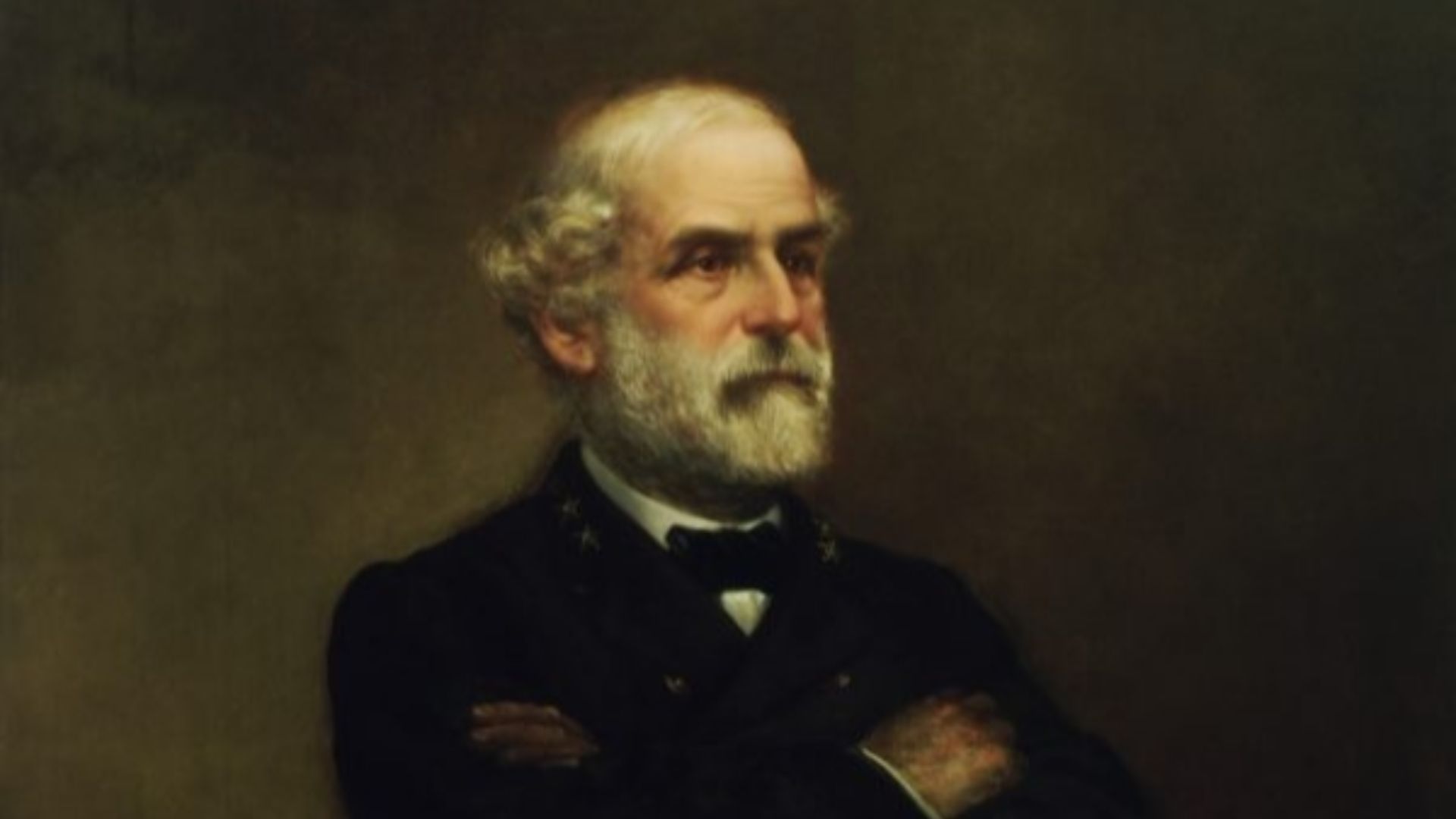
There was a reason why, despite the ever-rising odds against them, the South had been such an imposing menace to the Union before Gettysburg—and that reason was General Robert E Lee. To both Confederate and Union citizens alike, Lee had become an almost legendary figure, having won so many impossible victories that many thought he simply couldn’t lose.
In truth, he was far from the perfect leader many believed him to be.
![Confederate General Robert E. Lee poses in a late April 1865([1]) portrait taken by Mathew Brady in Richmond, Virginia. Lee's surrender to Union General Ulysses S. Grant at Appomattox Court House on 9 April 1865, soon before this portrait was taken, marked the end of the American Civil War.](https://www.factinate.com/storage/app/media/factinate/2026/4/30/17775624147f0974c1b88ce9d0e051f05e1d81bef647635ef0._Lee_poses_in_a_late_April_1865) Mathew Benjamin Brady, Wikimedia Commons
Mathew Benjamin Brady, Wikimedia Commons
History's most fascinating stories and darkest secrets, delivered to your inbox daily.
46. He Threw Them Away
While Lee had seemingly miraculously won countless battles in which the odds were always stacked against him, his supporters chose to ignore exactly why. The reality was that he believed his men could survive anything, but this only led to a habit of sacrificing droves of them in the name of victory.
However, Meade seemed to perfectly embody the complete opposite—even if he lacked one thing.
47. He Did His Job
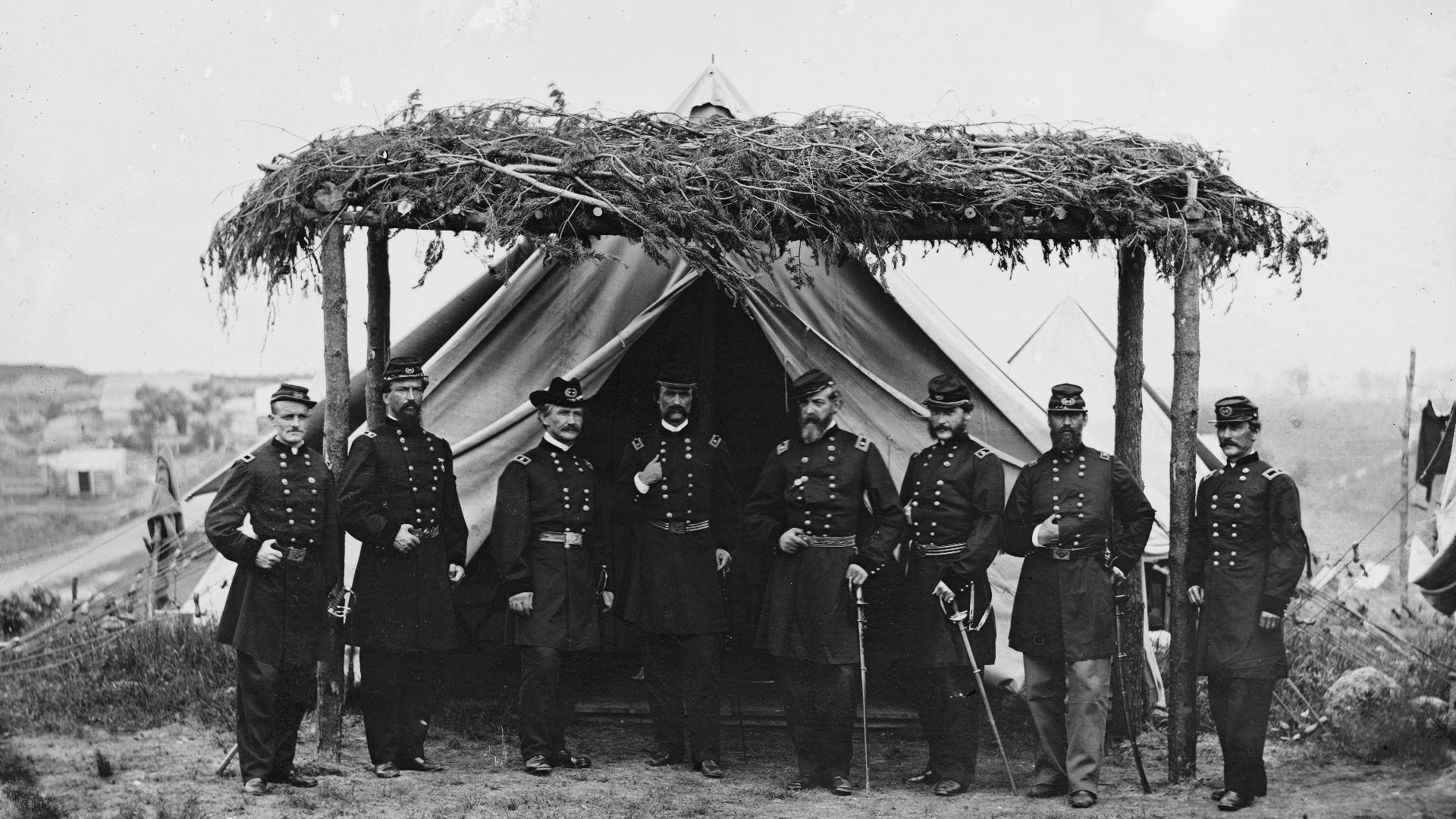
As he had accepted the promotion mere days before the battle, Meade hadn’t yet cultivated his reputation as commander of the Army of the Potomac—but that didn’t make a difference. He had instead proved his capabilities through his actions, showing his skill as a tactician, willingness to keep fighting, and understanding of how to utilize his strongest officers.
Conversely, Lee didn’t have all the skills needed to match Meade—but not everyone thought so.
 Smith, William Morris; Civil War Glass Negatives, Wikimedia Commons
48. He Was Incompetent
Although many have attempted to revise the historical truth of this period, placing all the blame for this defeat on Lee’s allegedly inept subordinates, the problem was more likely with Lee himself. Historians have since pointed out that while Meade knew how to manage his officers and forces, Lee simply didn’t have the same skills, which largely contributed to his failure.
As such, he gained a completely different perspective on the conflict—which was good news for the Union.
 John Adams Elder, Wikimedia Commons
49. He Didn’t Try It Again
While the Union’s victory at Gettysburg caused major ripple effects, which ultimately resulted in the end of the larger conflict, it wasn’t as if Lee never won again. Still, despite remaining a constant danger to the Union, he had clearly learned his lesson, as he never tried to invade the North like that again.
Of course, with such a devastating conflict as this, something made it clear that everyone lost in one way or another.
 Miscellaneous Items in High Demand, PPOC, Library of Congress, Wikimedia Commons
50. It Took A Long Time
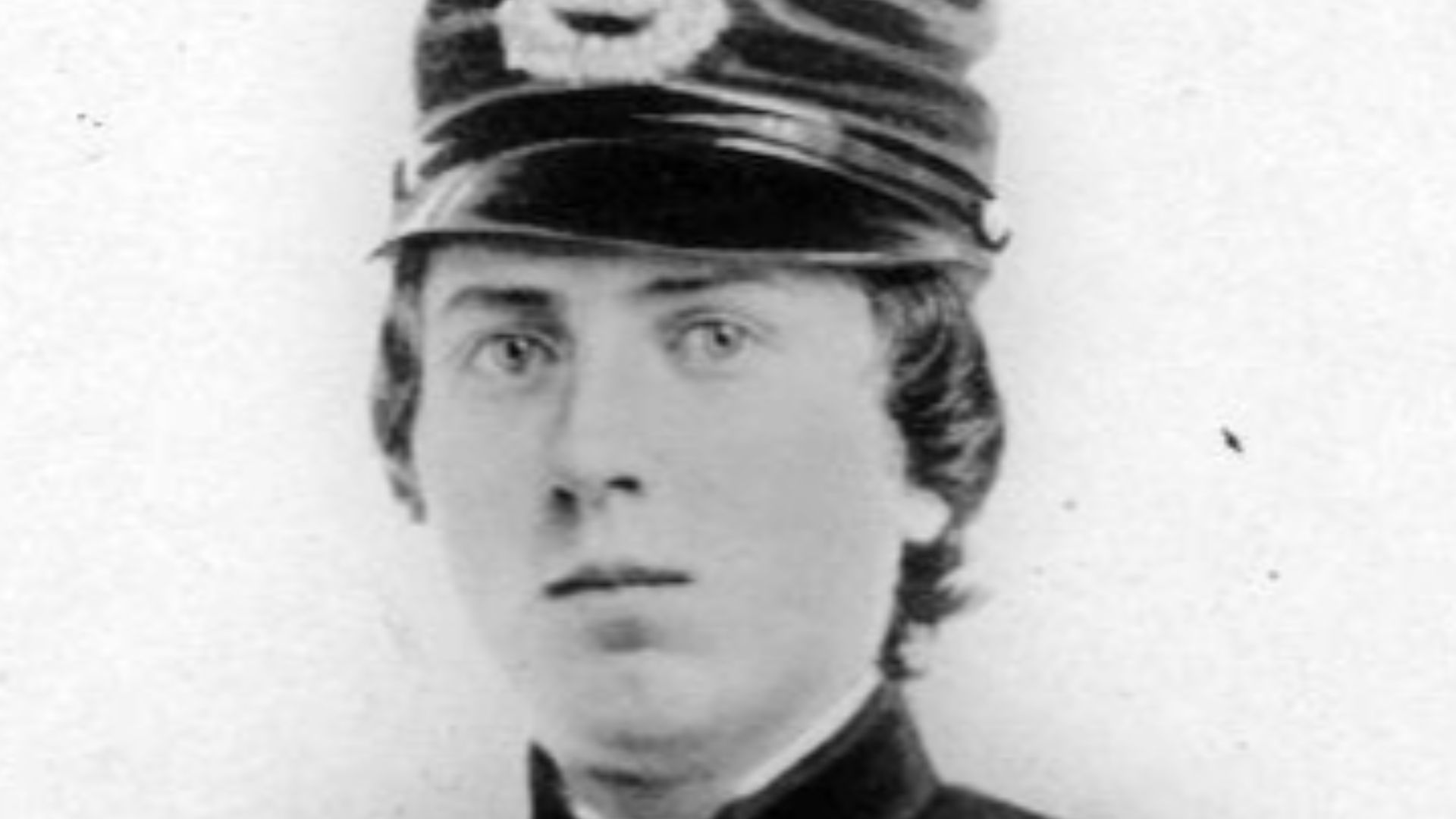
At the Battle of Gettysburg, one of the many men who suffered ghastly injuries was Alonzo Cushing. Shockingly, though, despite his abdomen and groin being torn by shell fragments, Cushing’s only response was to press his hand over his exposed intestines and keep fighting with his unit! He refused to retreat from the fight and lost his life to further gunfire.
Surprisingly, he wasn’t awarded a Medal of Honor until his nomination was approved by President Barack Obama. The award ceremony was held on December 19, 2014, a full 151 years later. It remains to be the longest delay of a service award in US history.
 Unknown authorUnknown author, Wikimedia Commons
51. They Were Devastated
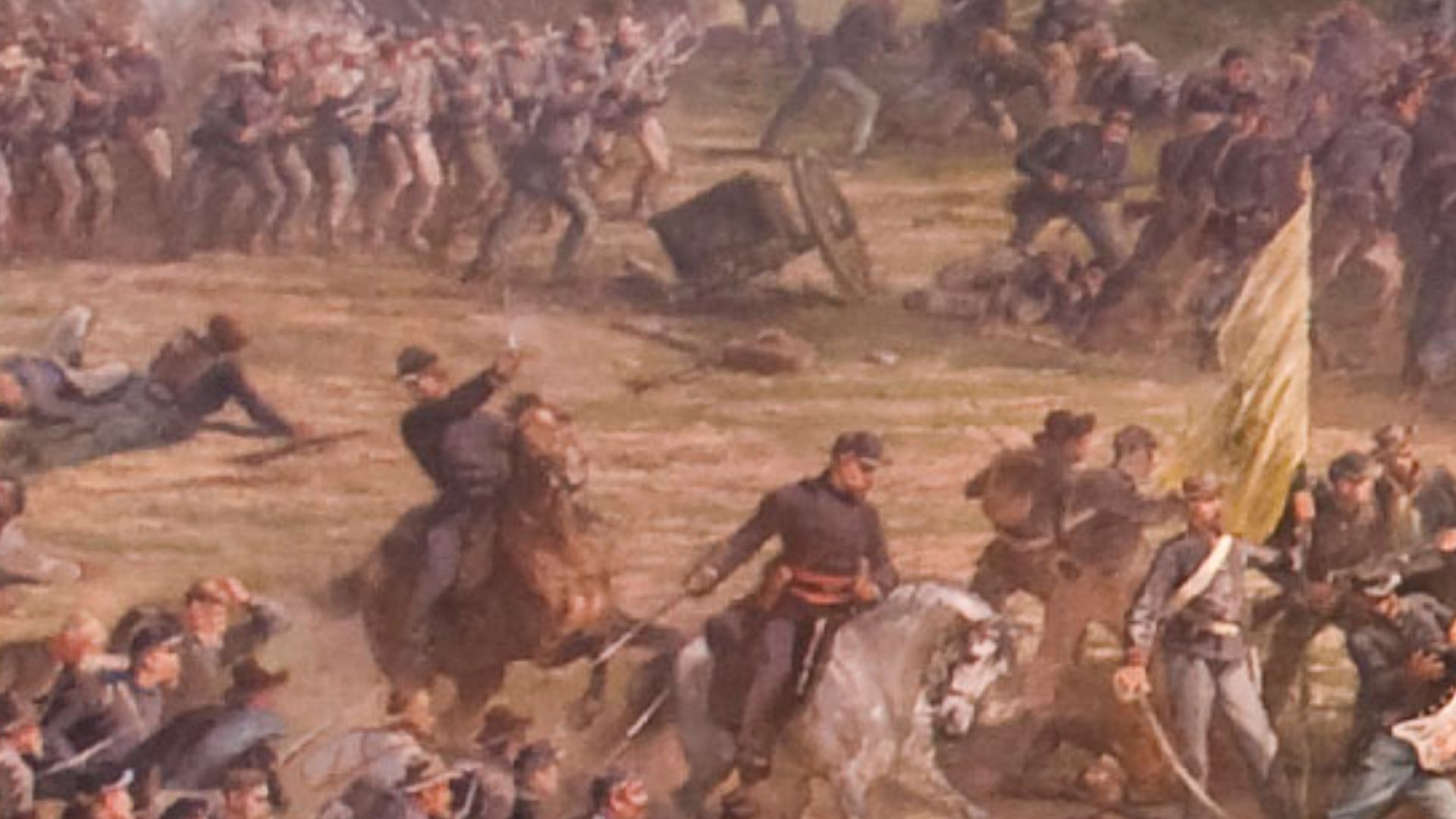
All in all, considering the Battle of Gettysburg resulted in close to 50,000 casualties in total, there’s no question as to why it’s largely seen as the bloodiest battle in American history. Additionally, while the enormous loss of life is enough to make this battle stand out from others during this period, Gettysburg also holds the record in US history for the most generals losing their lives in combat.
 Ron Cogswell, Wikimedia Commons
You May Also Like:
Cunning Facts About Military Underdog Victories











.jpg%20)
